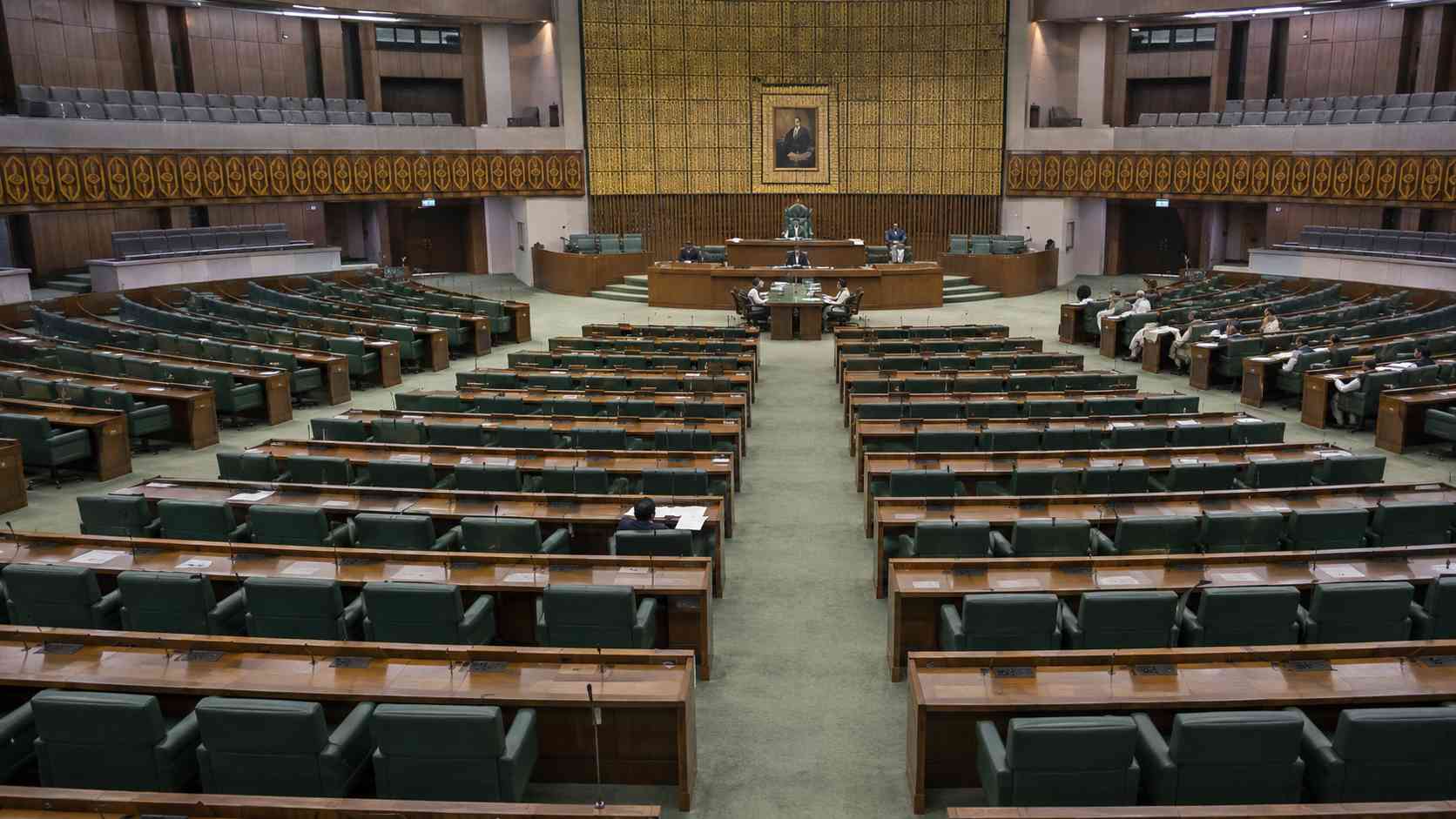
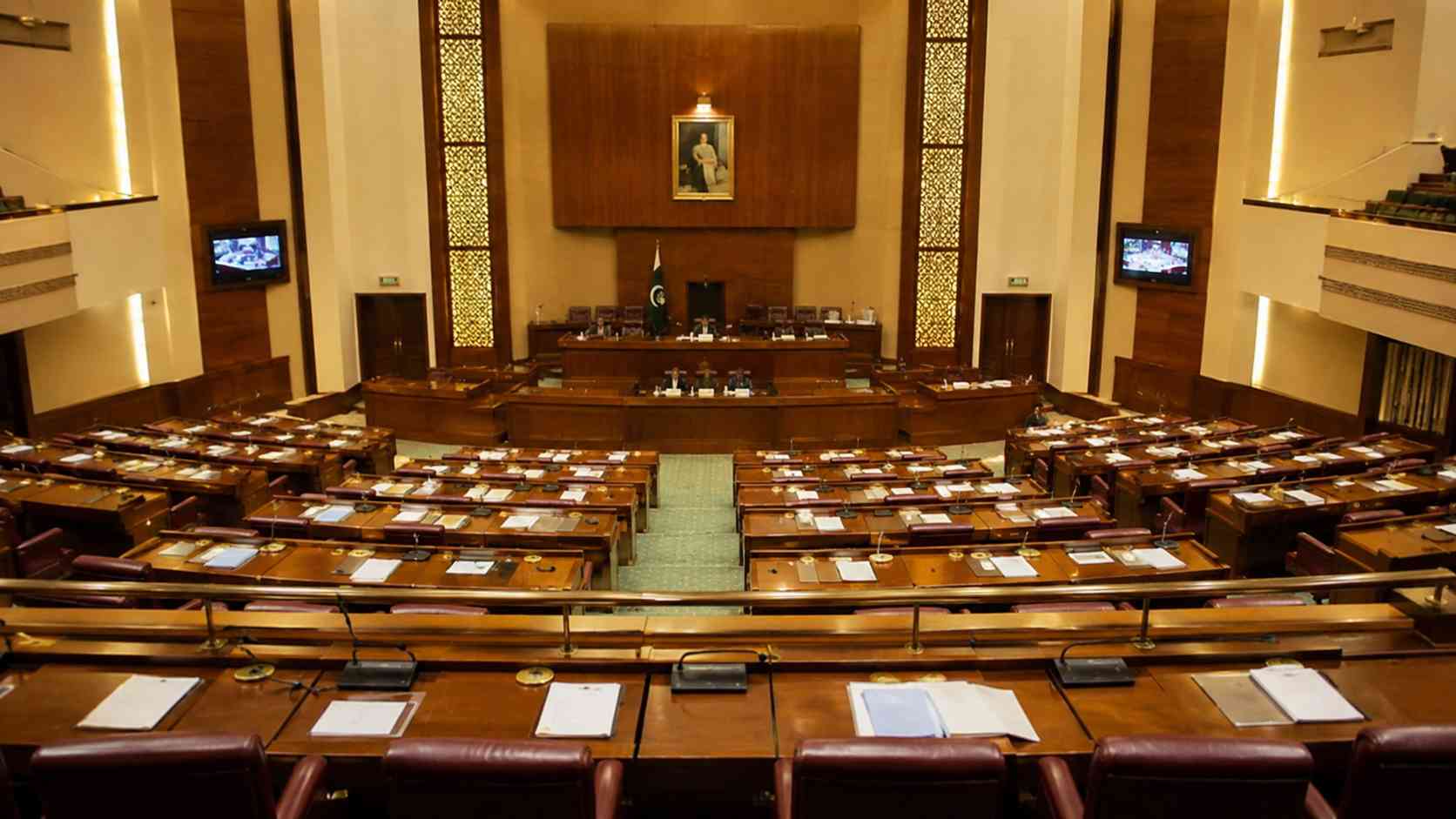
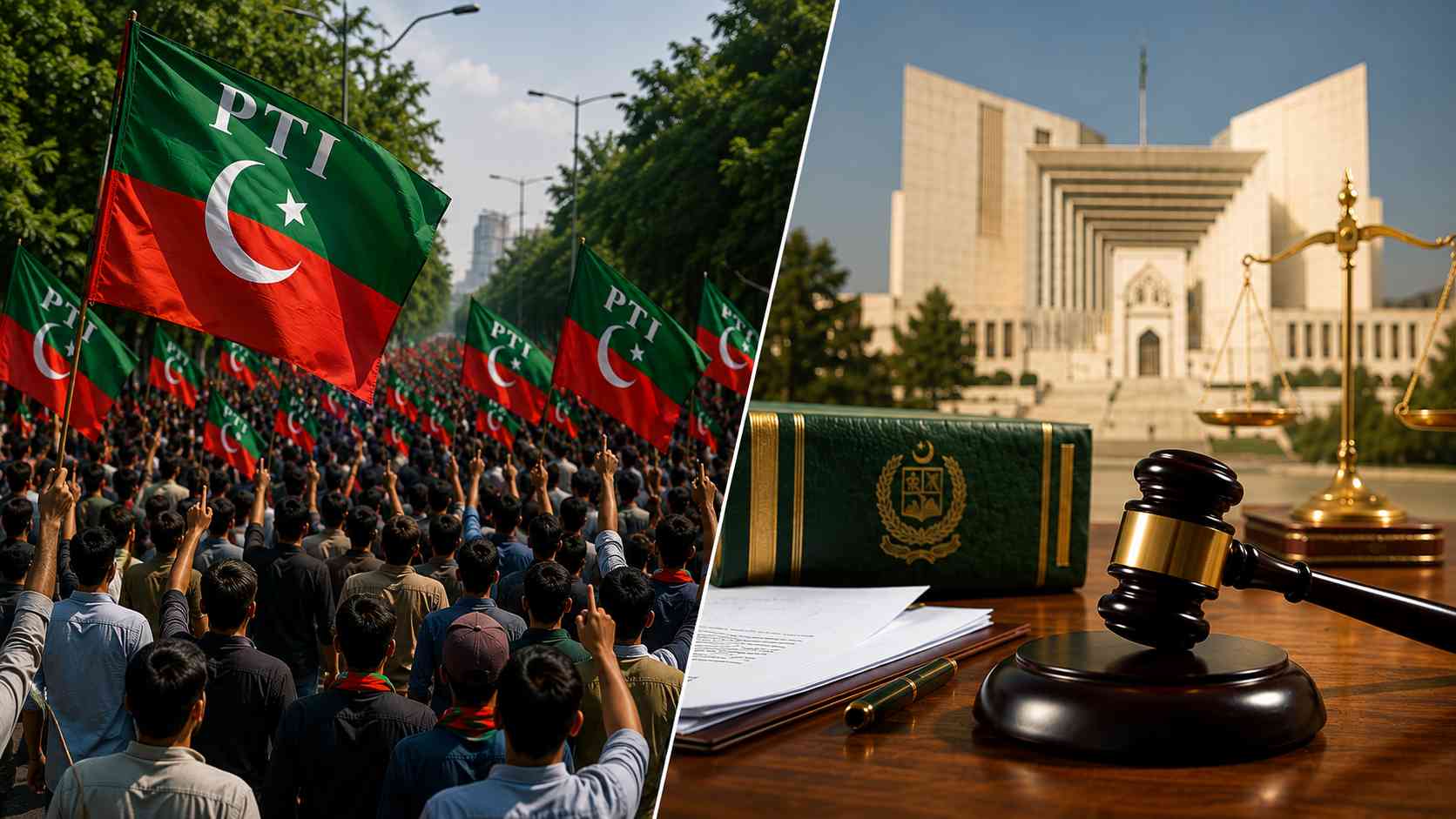
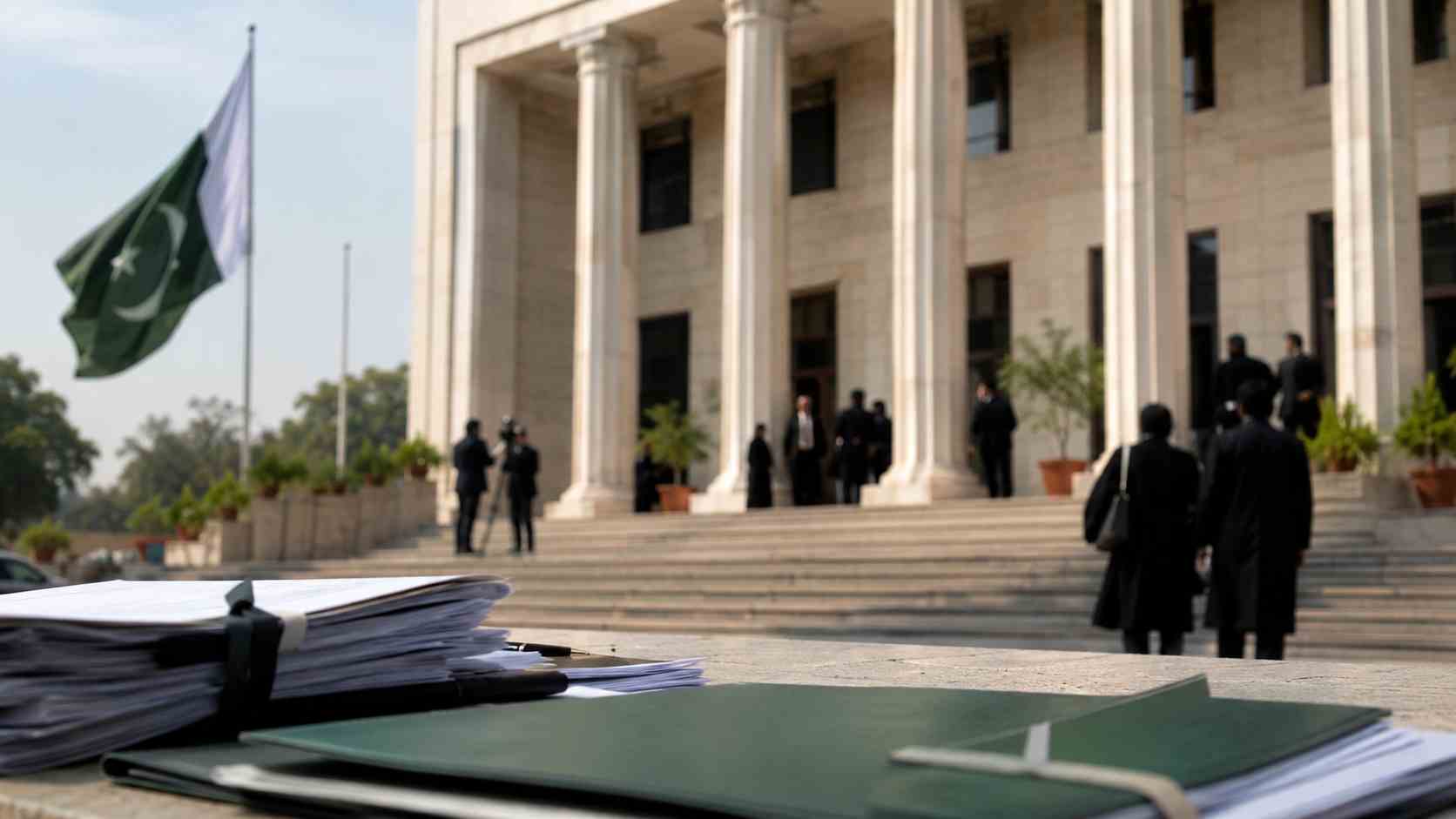
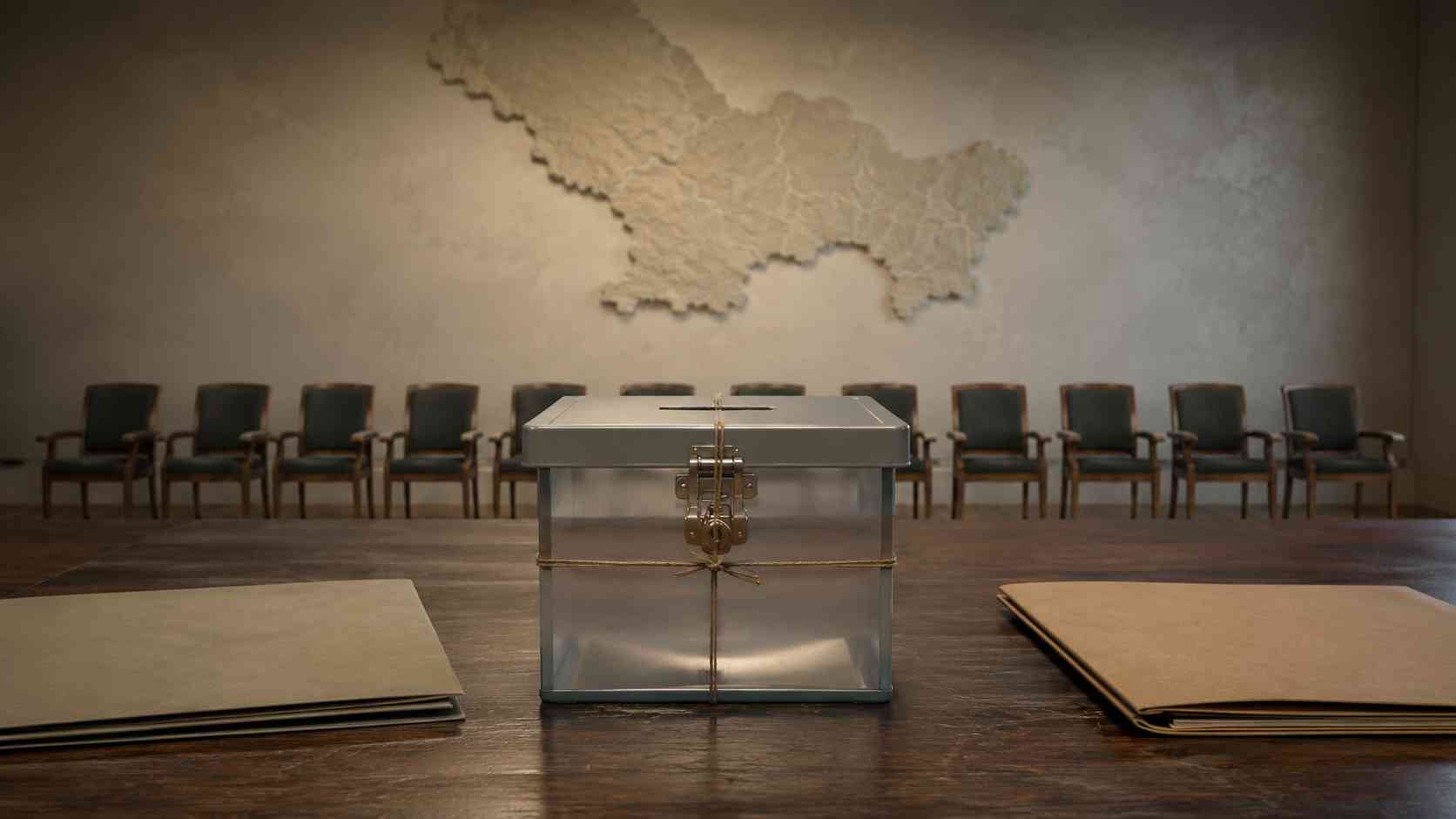
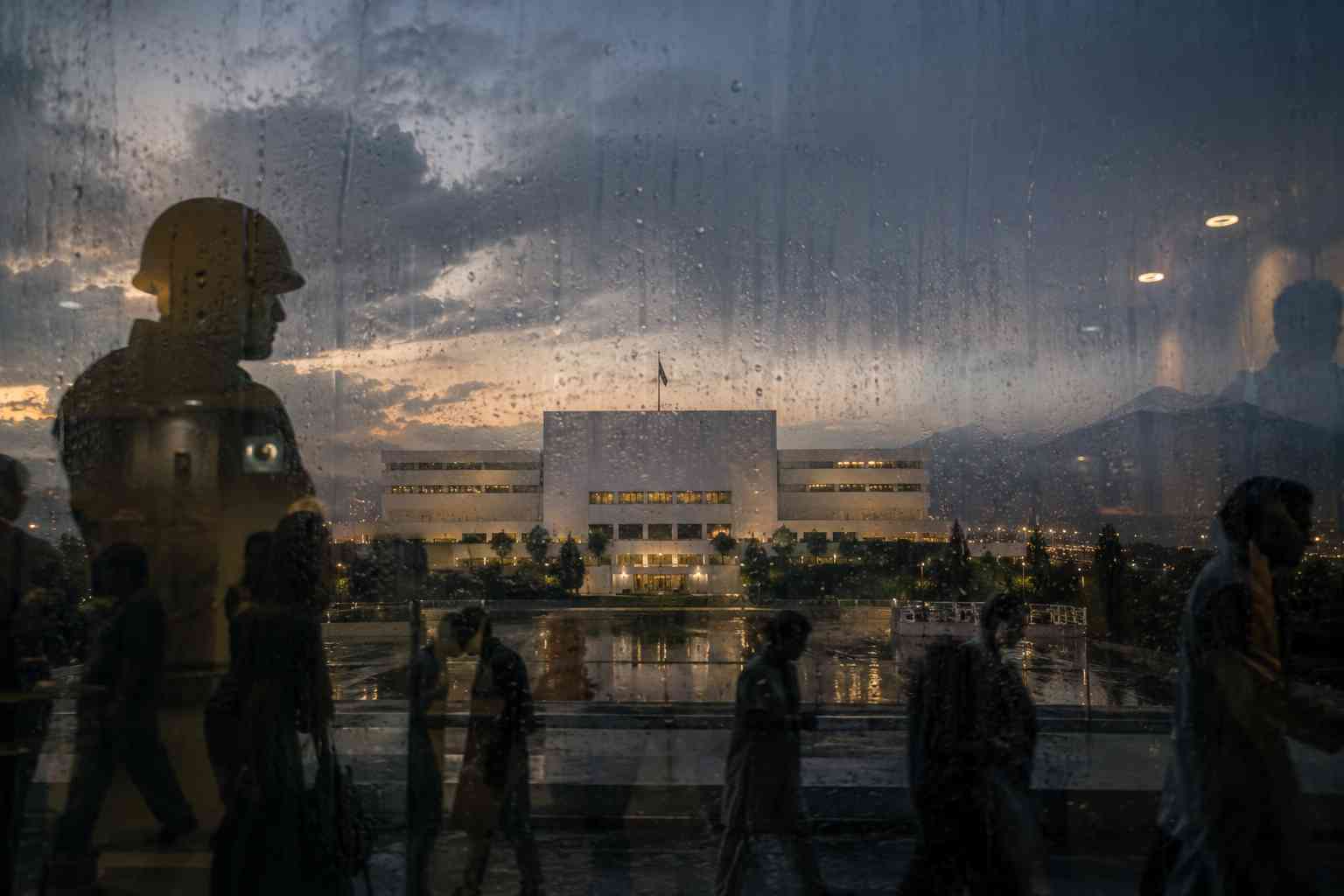
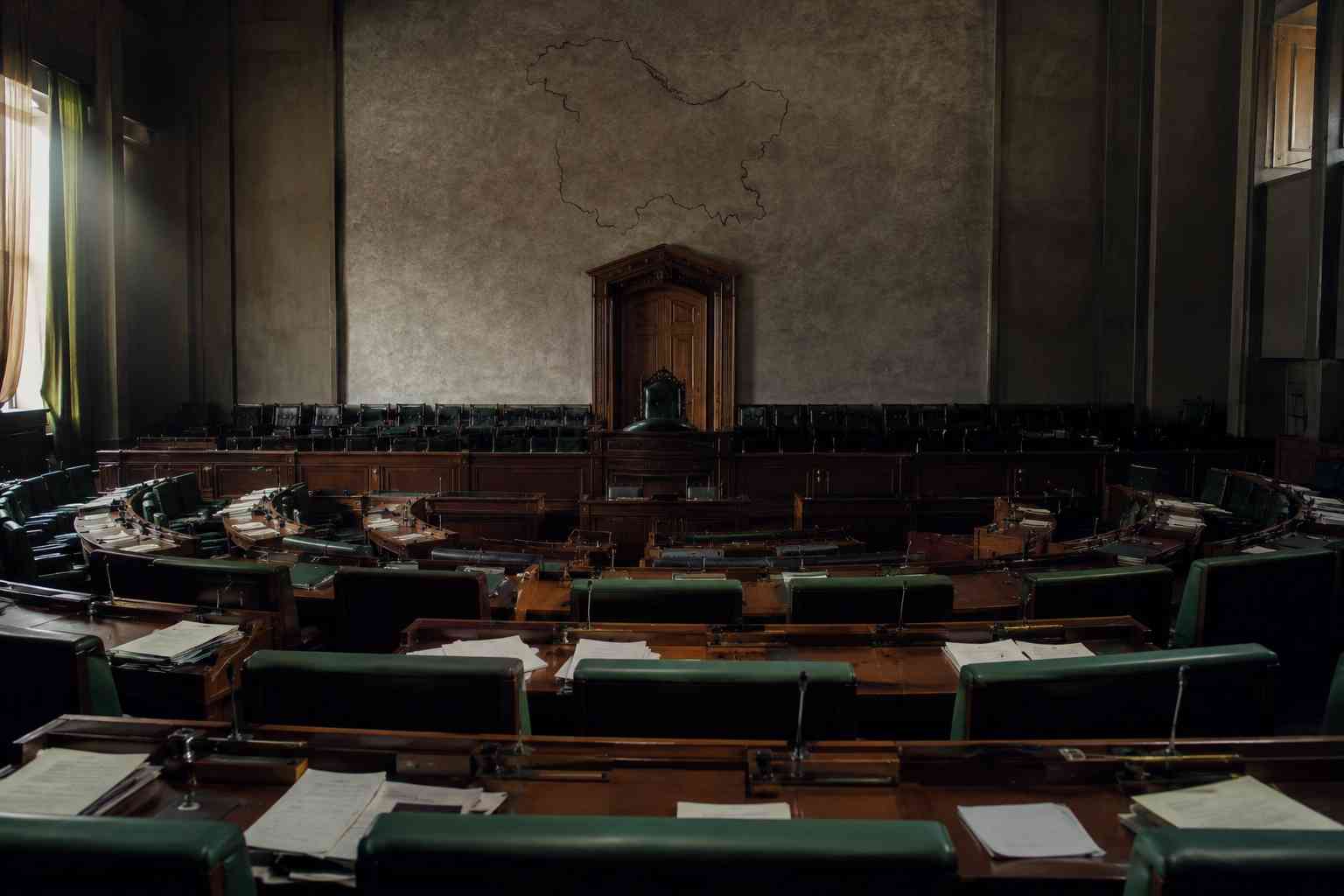
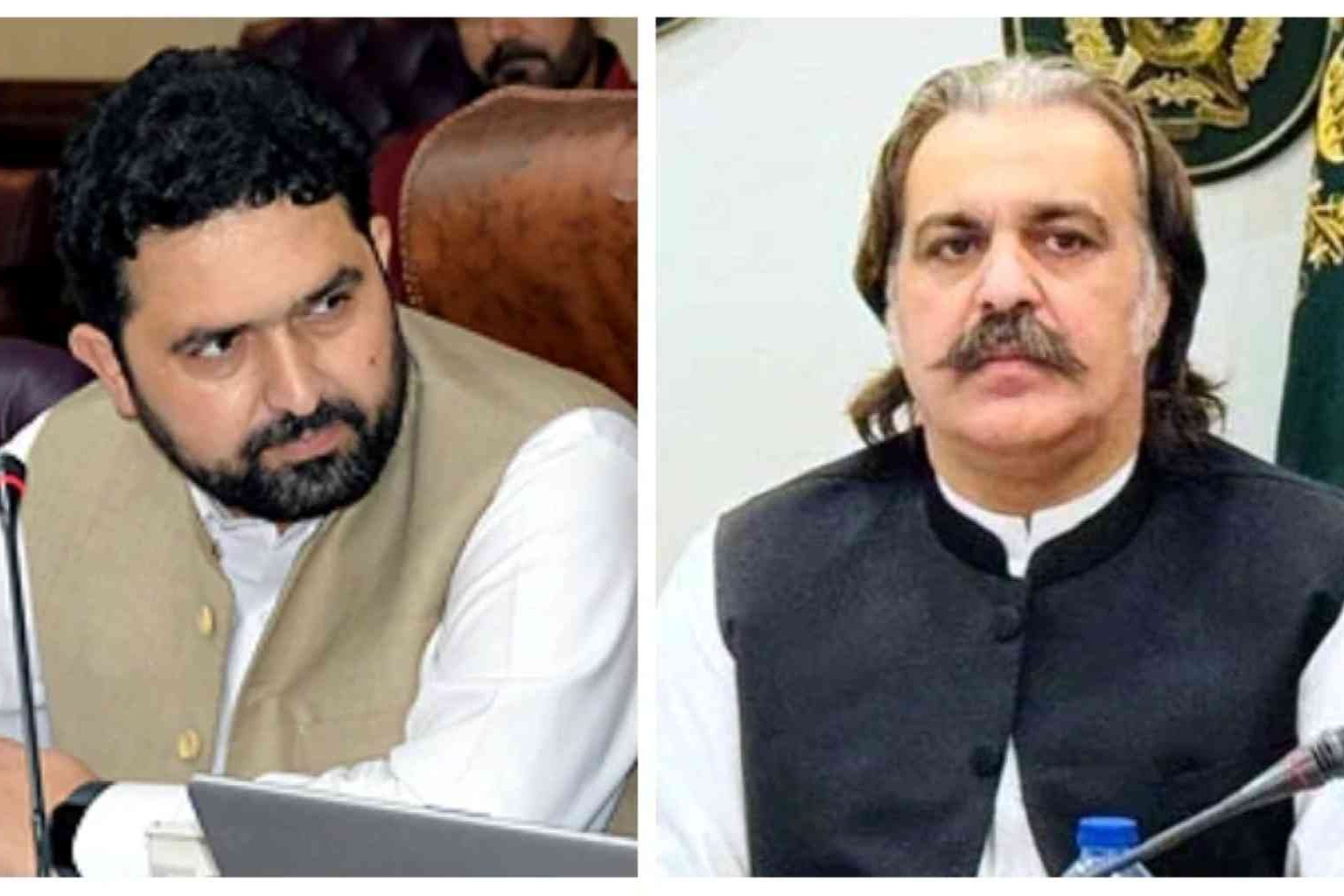
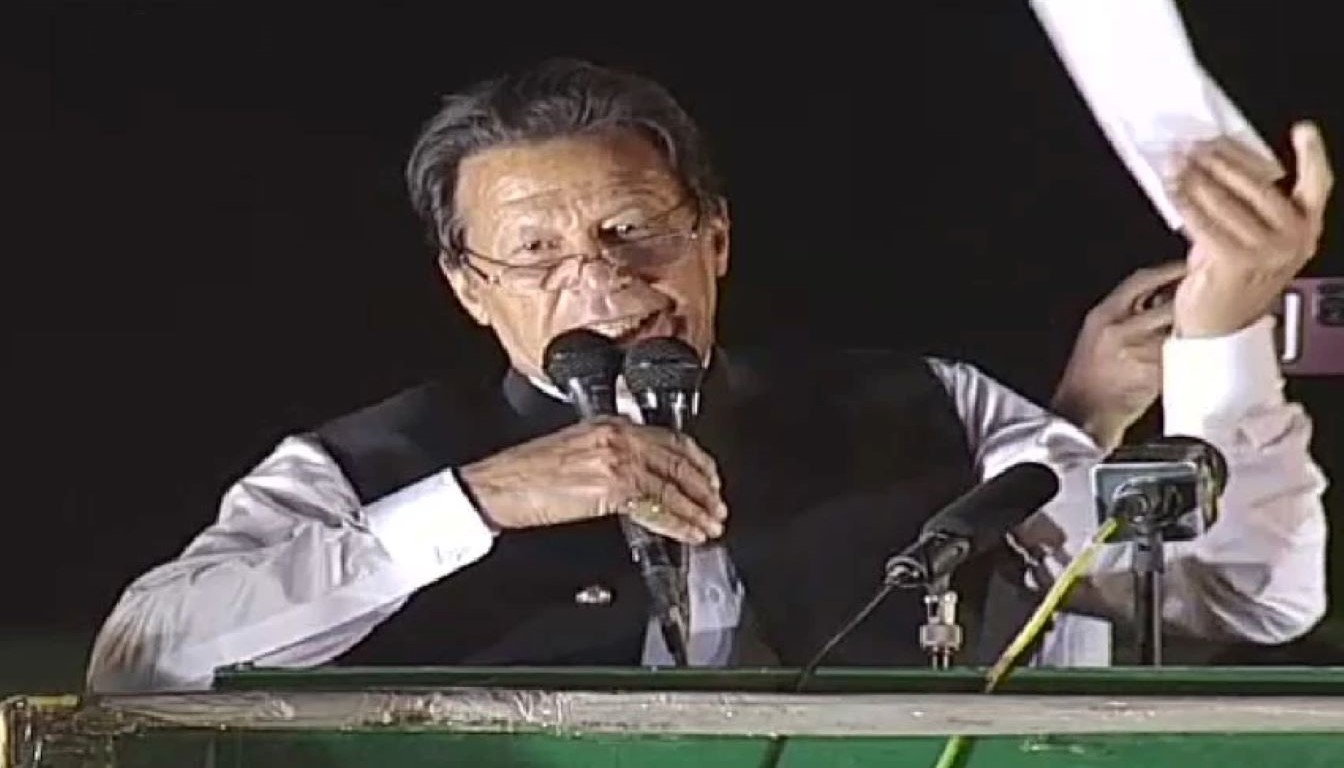
The PPP National Assembly boycott left the federal government unable to maintain quorum on Monday, halting the lower house before it could take up any agenda item. APP confirmed ↗ that a headcount found the chamber inquorate after PTI lawmaker Iqbal Afridi raised the issue during Question Hour.
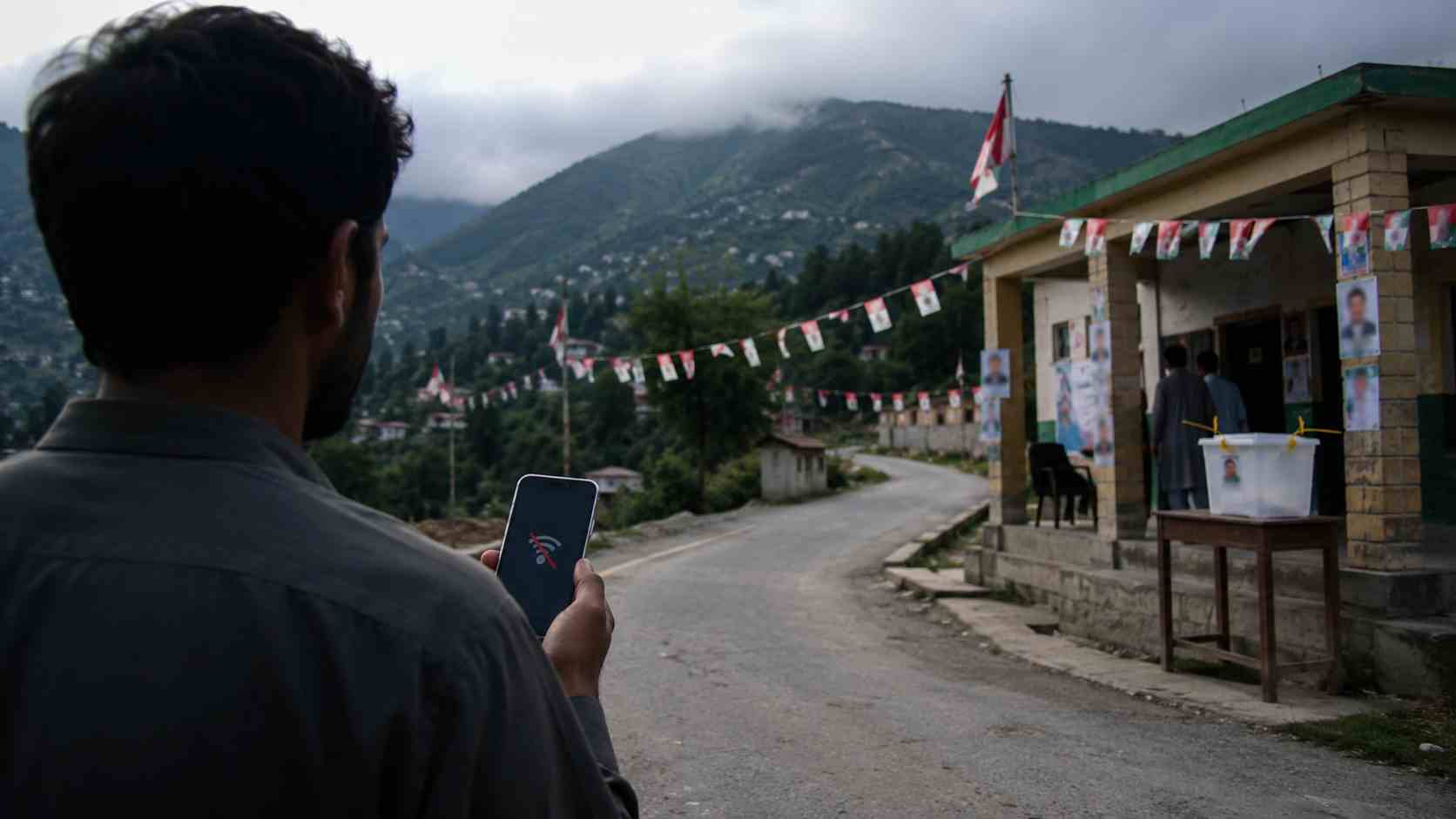
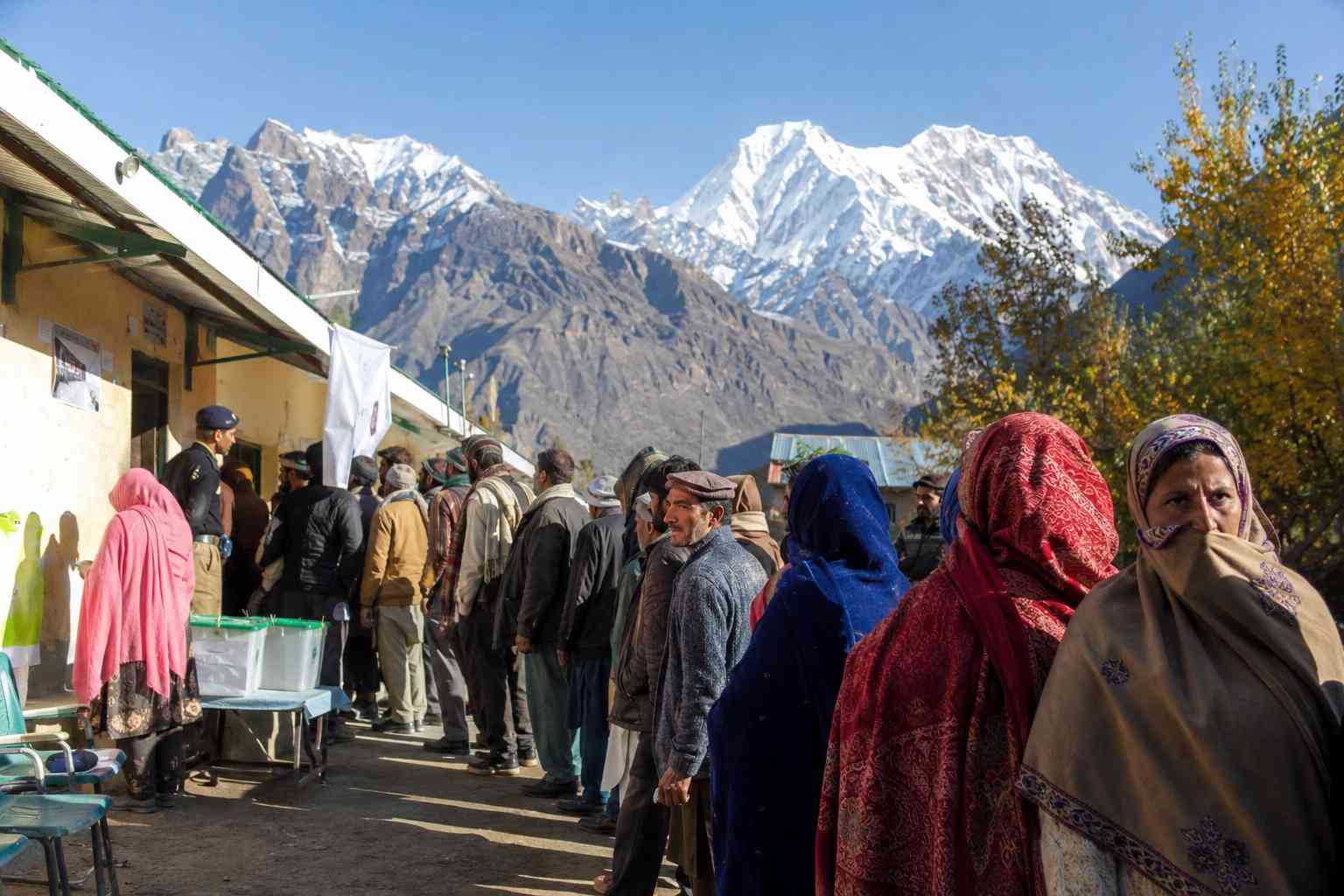
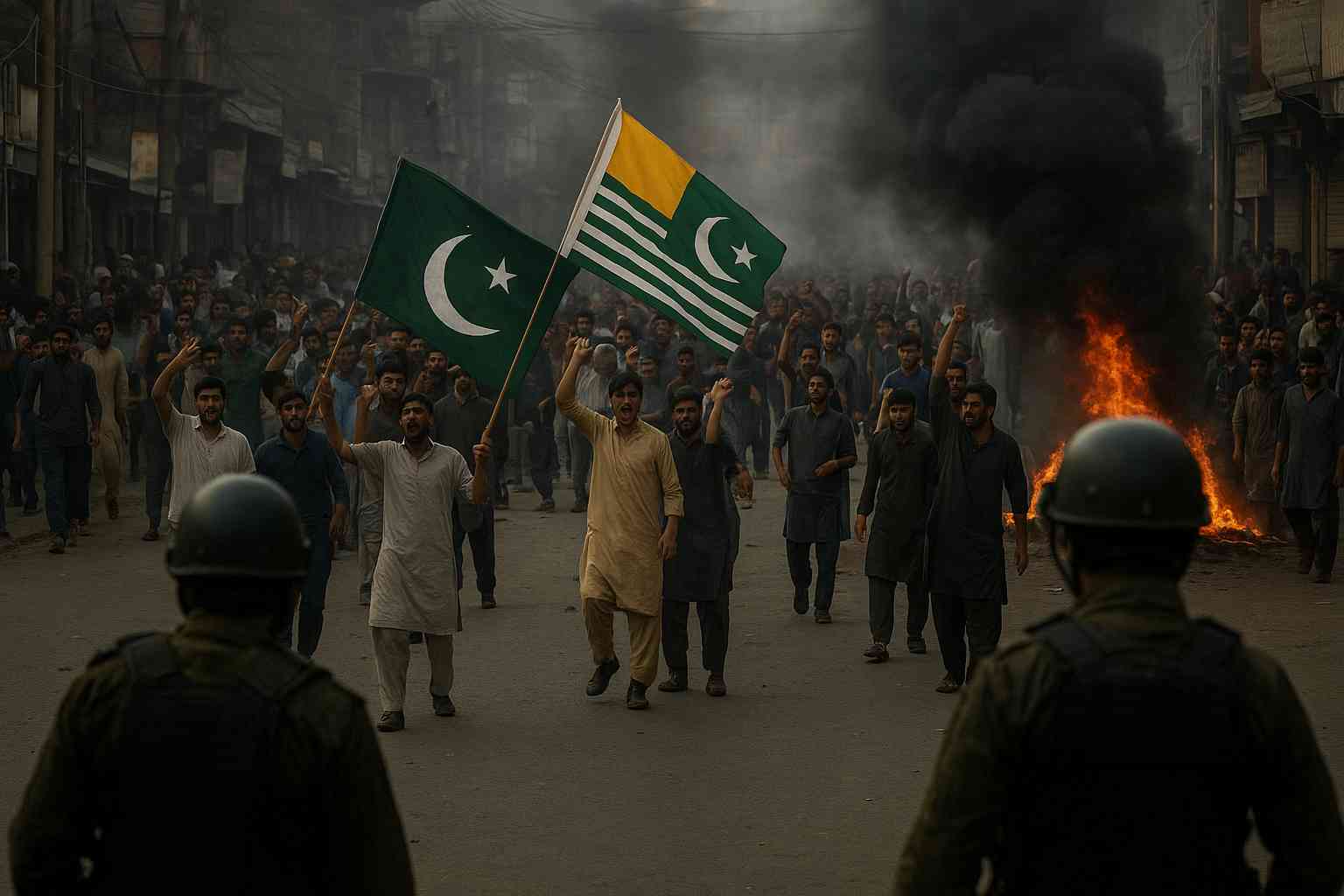
Dawn reported that the government failed to assemble the required 84 members in the 336-seat house. The Speaker first suspended proceedings. The sitting was later adjourned until Tuesday after the numbers still fell short. Dawn reported ↗ that PPP lawmakers stayed away over the party’s objections to the recent Azad Jammu and Kashmir elections.
PPP National Assembly boycott turns grievance into leverage
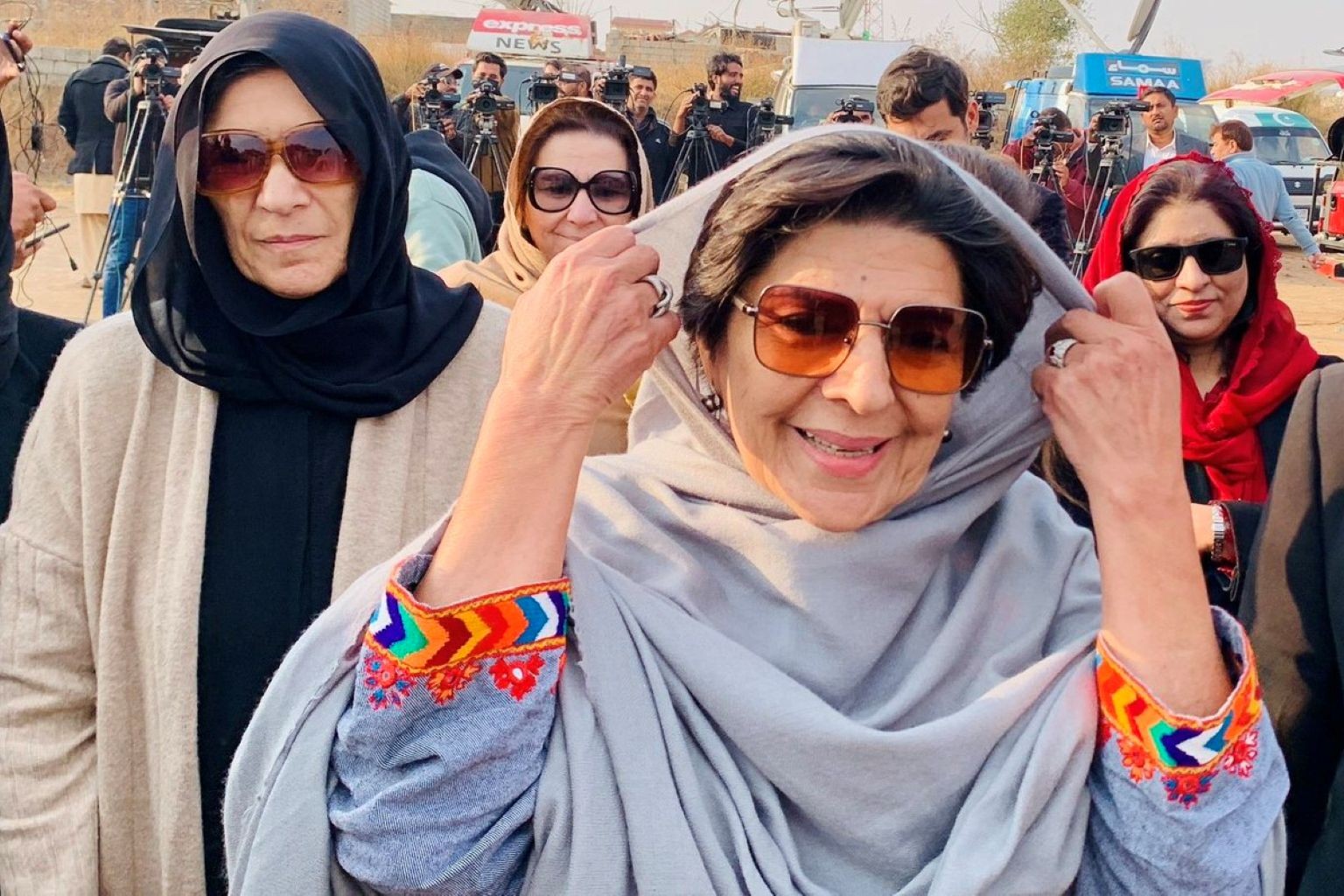
PPP lawmaker Sharmila Farooqui publicly linked the failed quorum to her party’s absence. She also told Dawn that Bilawal Bhutto-Zardari had ended cooperation on quorum and legislation until the PML-N addressed PPP grievances over the AJK polls.
Those grievances remain allegations, not judicial findings. In an official statement ↗, Bilawal alleged electoral manipulation and attacks on PPP workers. He said no genuine alliance with PML-N was possible until the dispute and earlier political commitments were addressed.
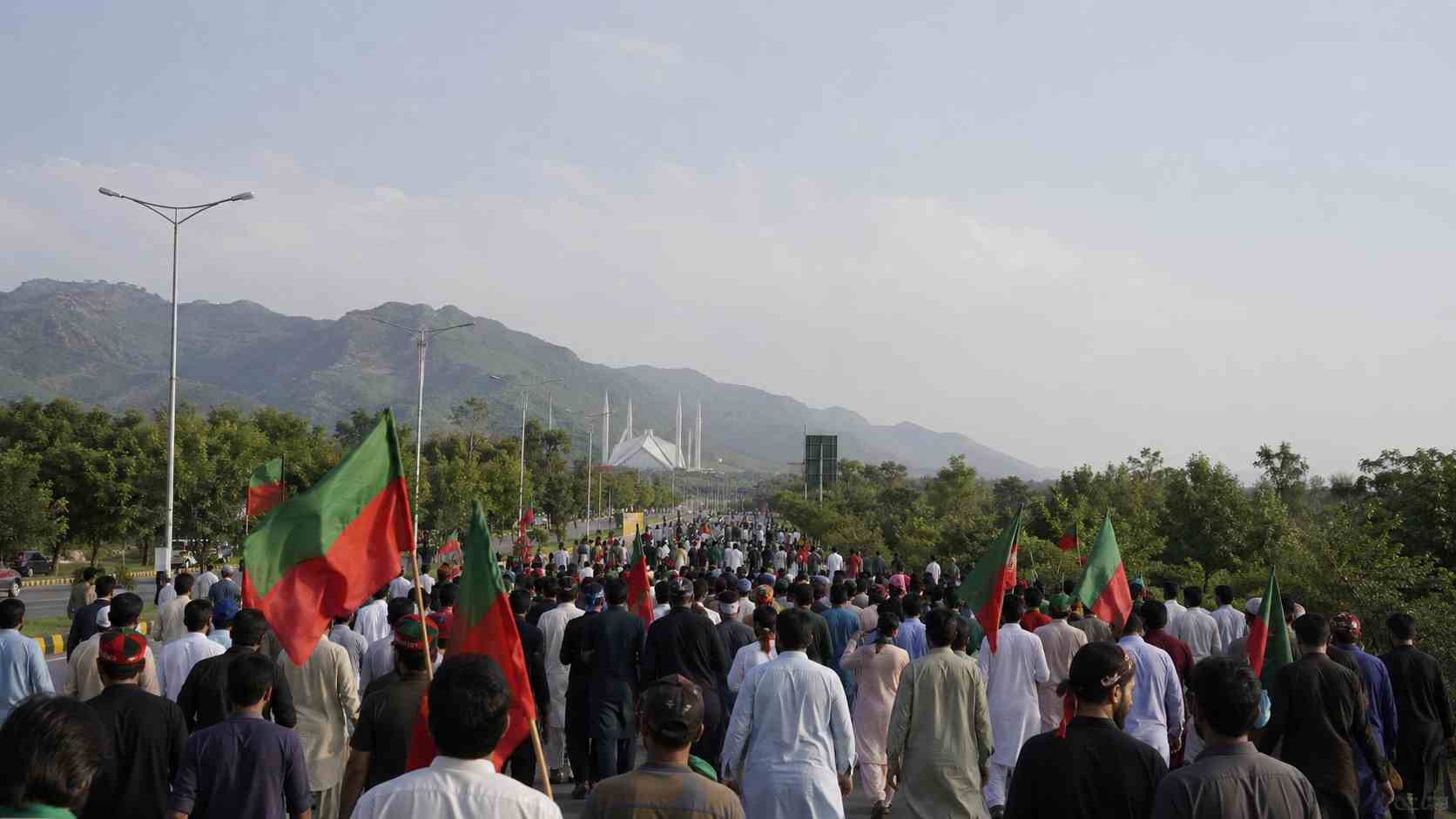
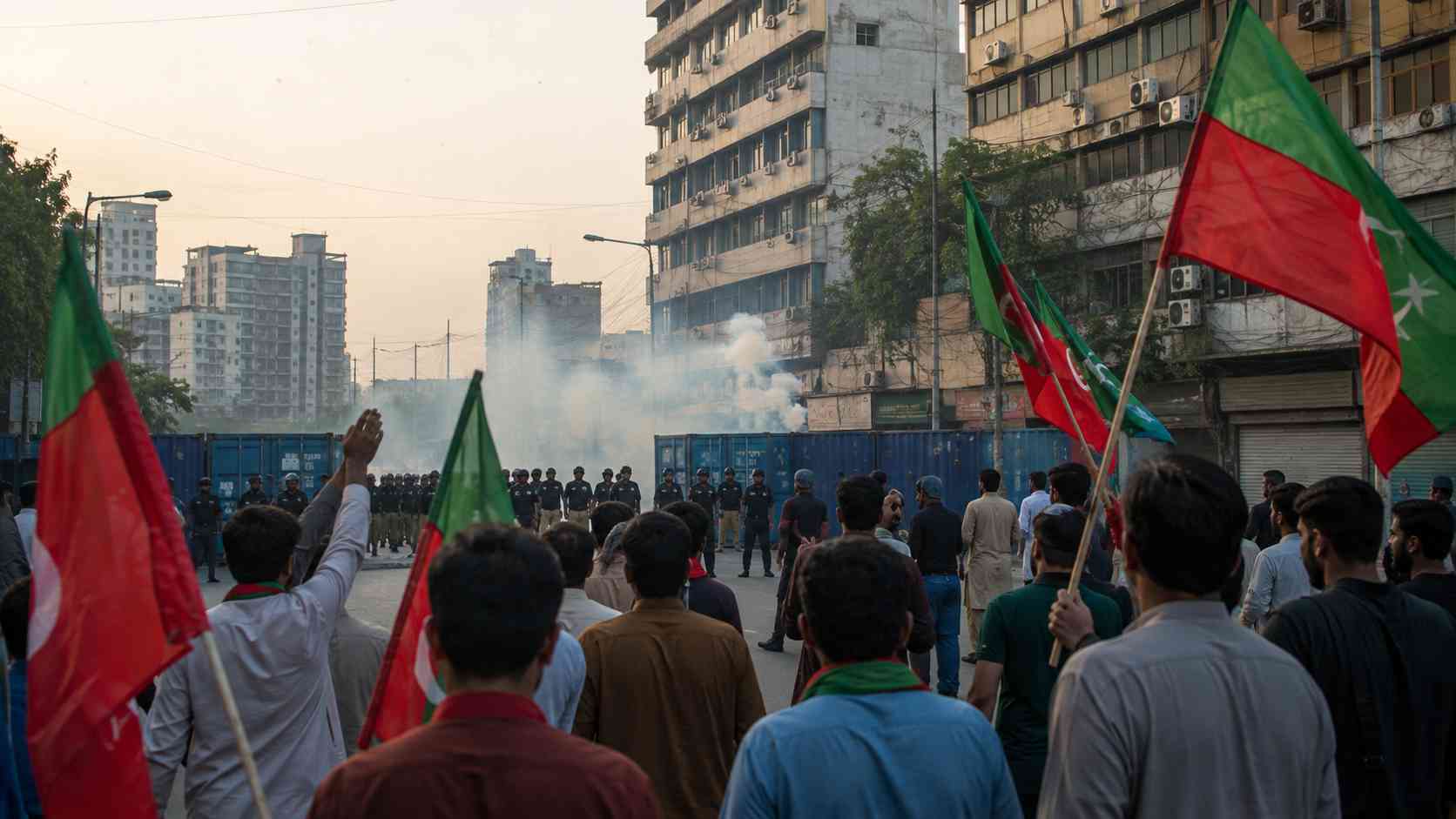
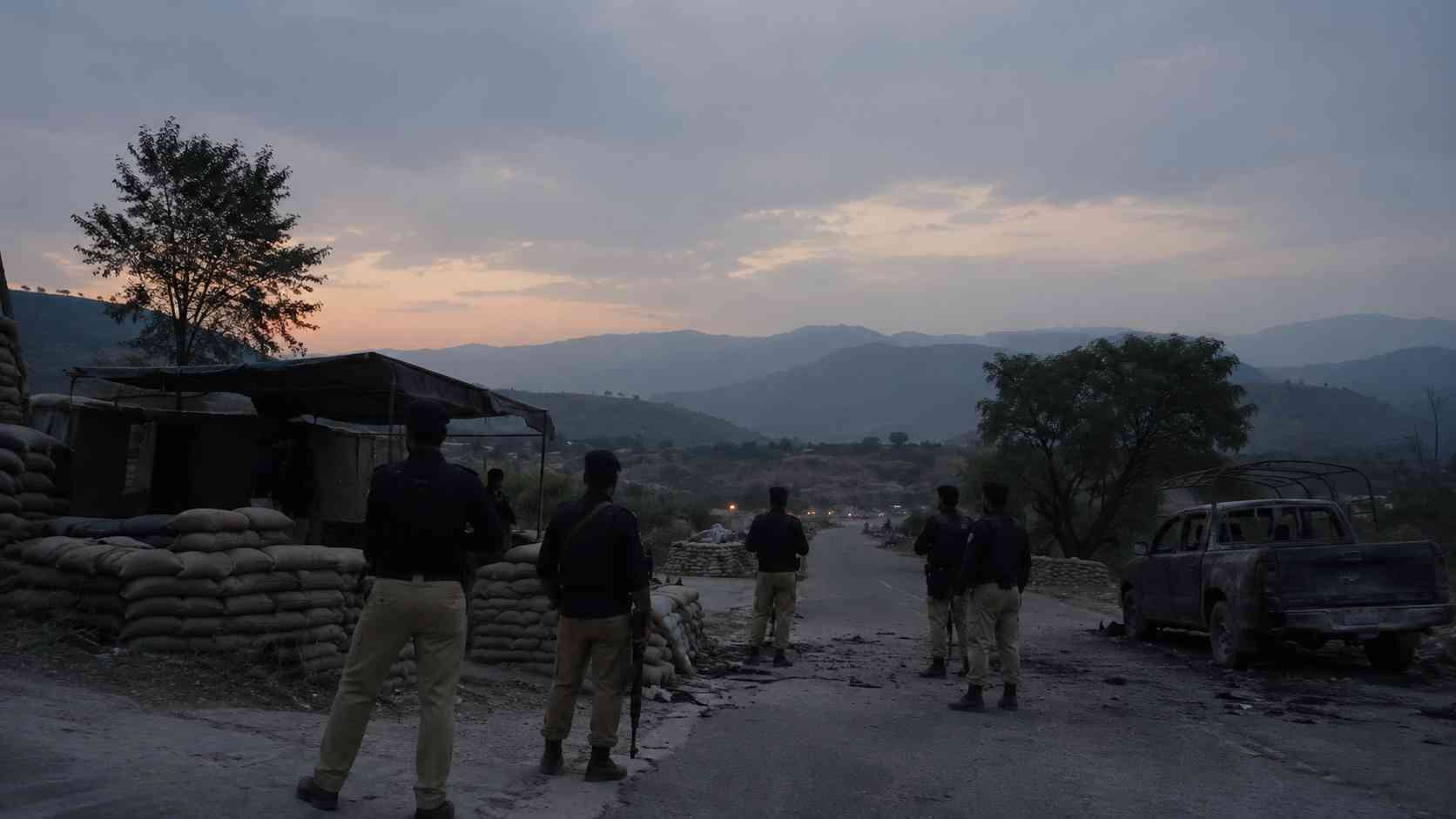
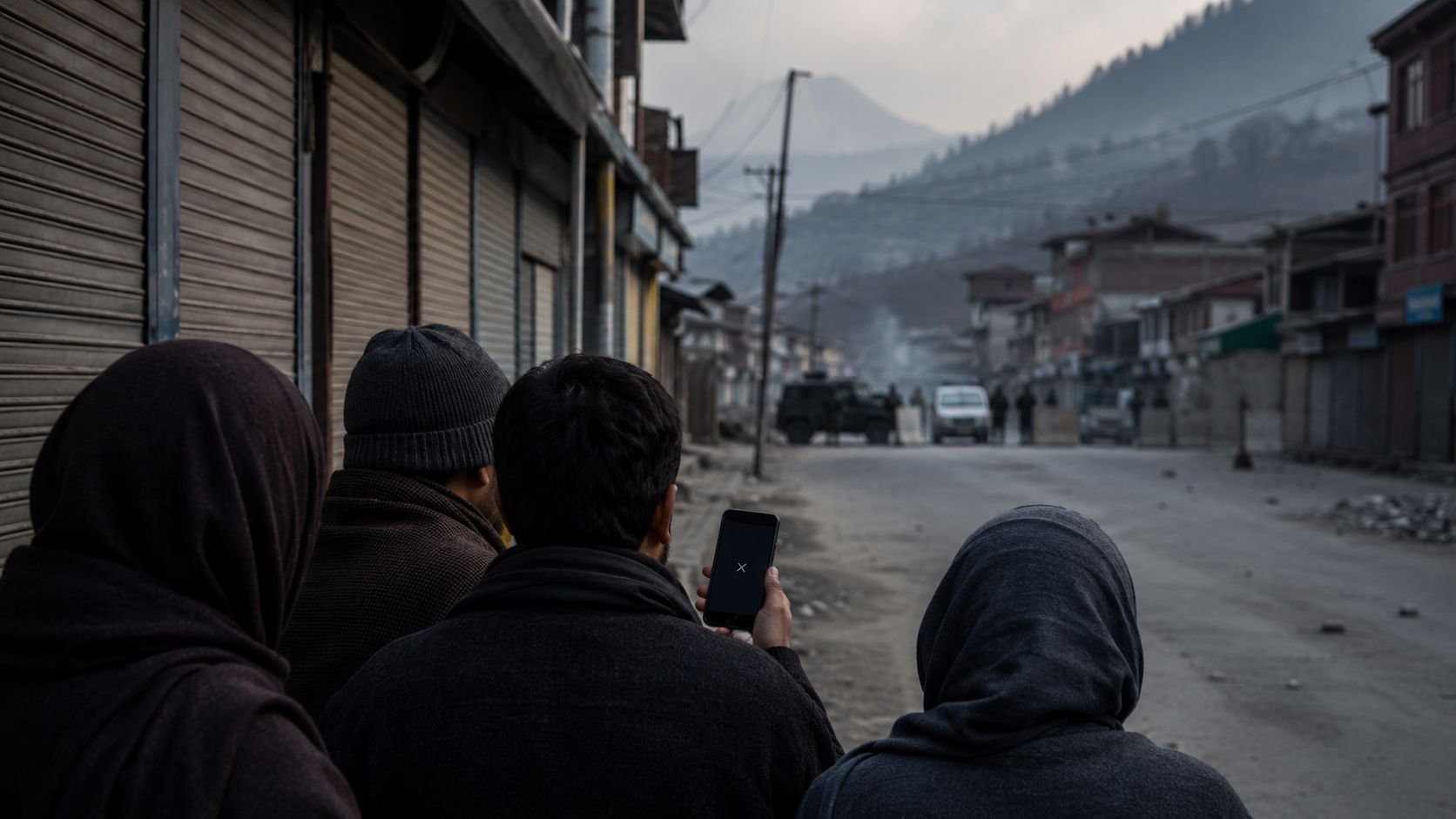
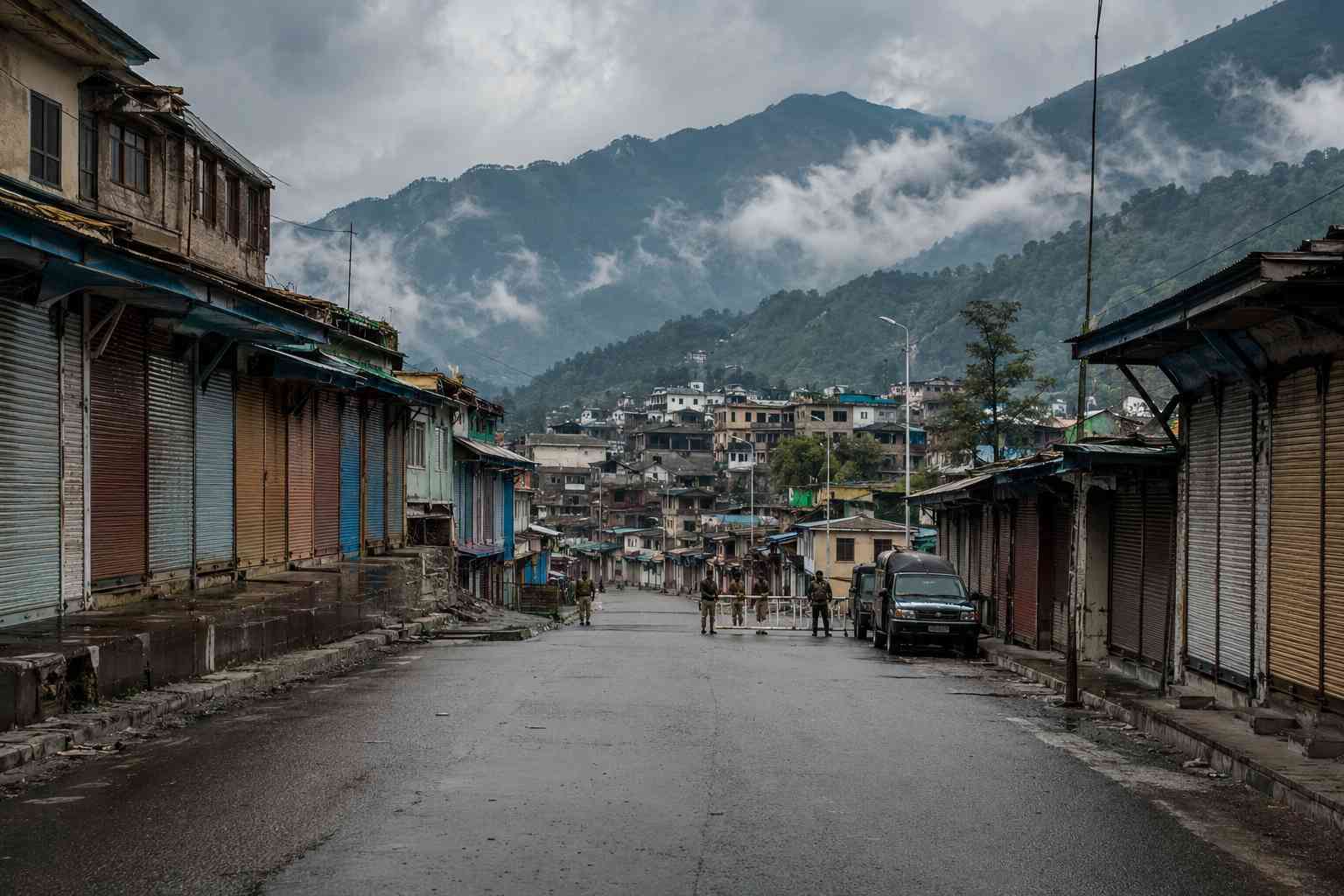
Soldier Speaks previously examined the vote’s wider legitimacy questions in its coverage of AJK elections 2026 and the subsequent AJK crackdown. Monday’s development moves that dispute into Islamabad’s federal legislative arena.
A widening pattern of legislative disruption
The failed quorum was not an isolated warning. On August 19, the PPP withheld cooperation and 14 bills were deferred. Only eight of 62 listed agenda items were addressed, according to the Tribune account ↗.
A day later, the PPP supported two measures covering Pakistan’s military and nuclear command structure. Bilawal nevertheless objected to the government’s lack of consultation. Dawn noted ↗ that the opposition walked out while the bills passed.
Prime Minister Shehbaz Sharif met Sindh Chief Minister Murad Ali Shah on Monday. Their parties said they agreed to maintain political tolerance and consultation. The meeting, reported separately ↗, did not prevent the later quorum failure.
What the coalition rift means now
The PPP National Assembly boycott does not, by itself, end the federal arrangement. The party has not announced a formal exit, and Monday’s adjournment was not a no-confidence vote. However, the episode shows that PML-N cannot assume routine parliamentary support from its principal ally.
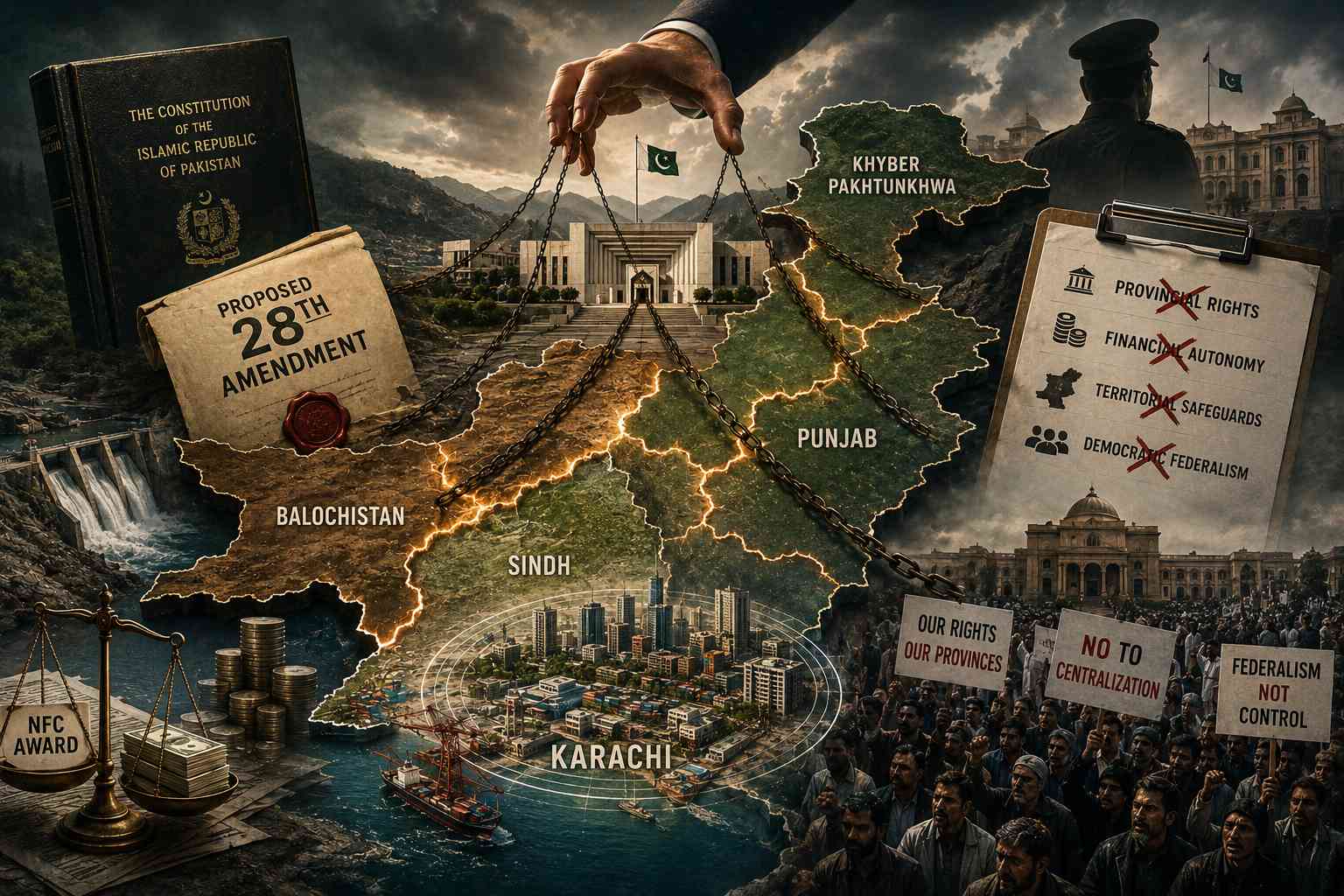
That leverage matters beyond party tactics. The government faces legislation, committee work and possible electoral reforms that require attendance, votes and negotiation. Soldier Speaks recently reported on a devolution plan that also depends on serious parliamentary follow-through.
The immediate test comes when the National Assembly reconvenes. If the government restores quorum through negotiation, the dispute may remain contained. If repeated boycotts keep blocking business, the PPP National Assembly boycott will become evidence of a broader governing weakness.
For now, the verified development is narrower but still significant: an AJK election dispute has stopped federal parliamentary business. The next sitting will show whether consultation can restore legislative function or whether the coalition rift is becoming operational.