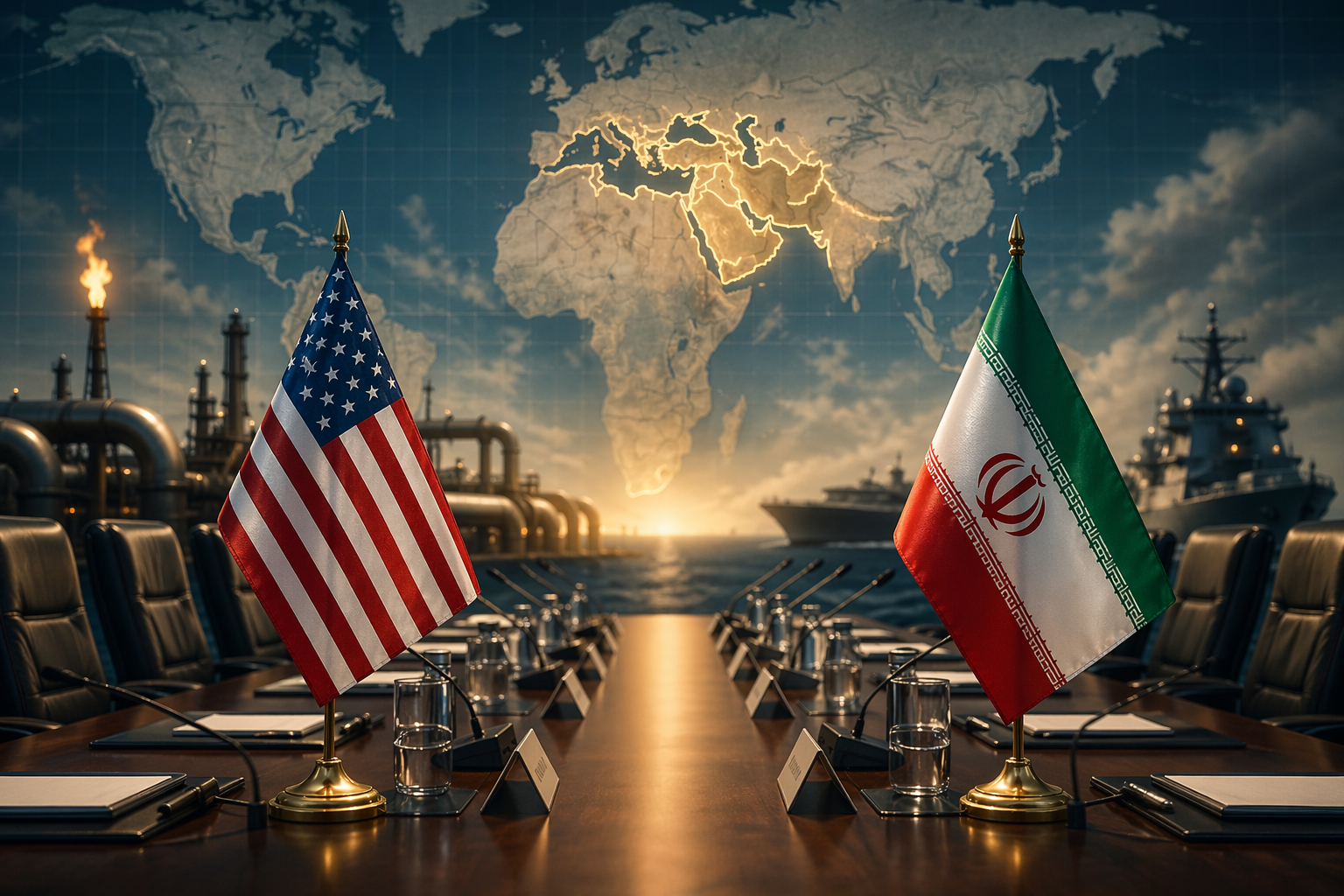
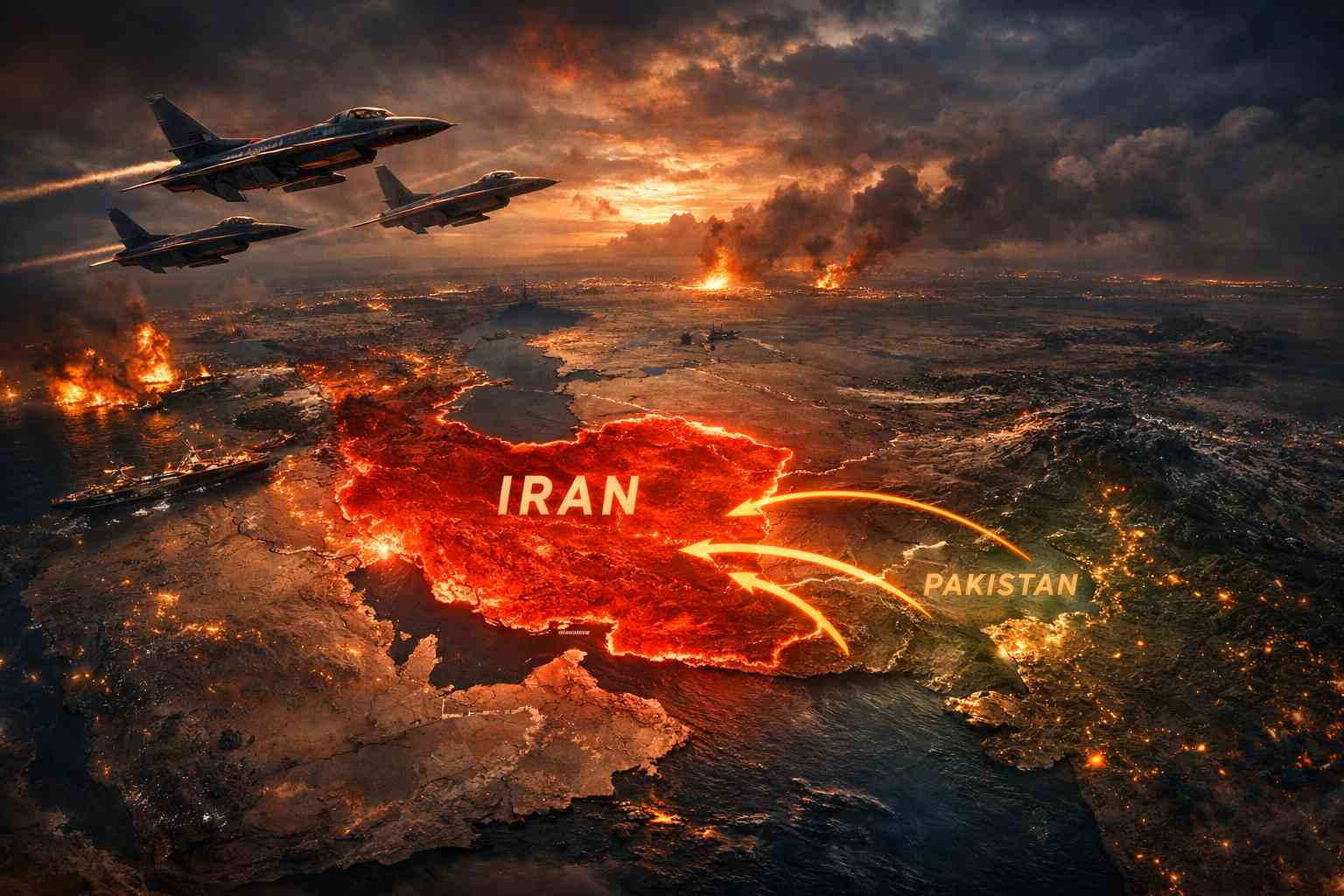
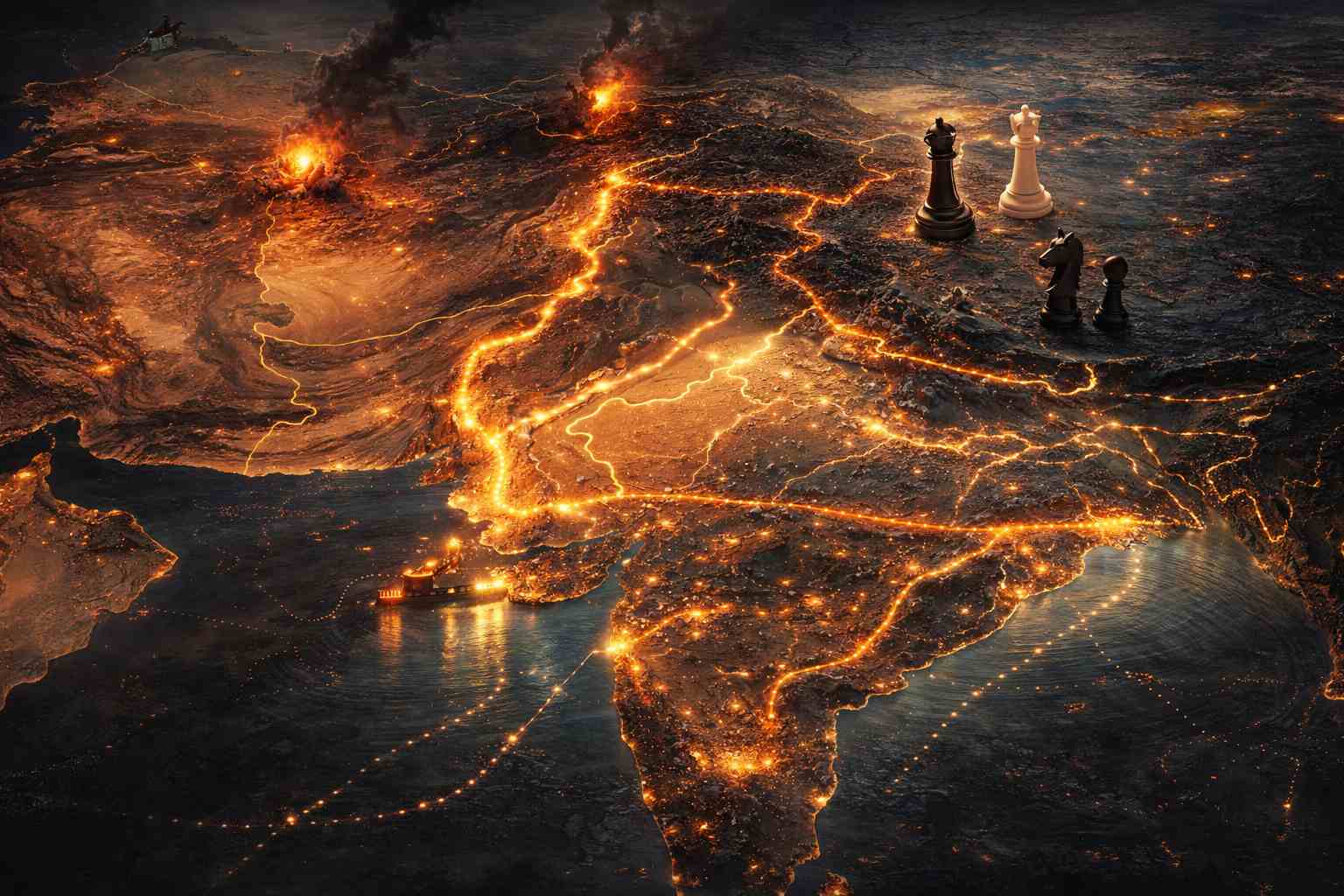
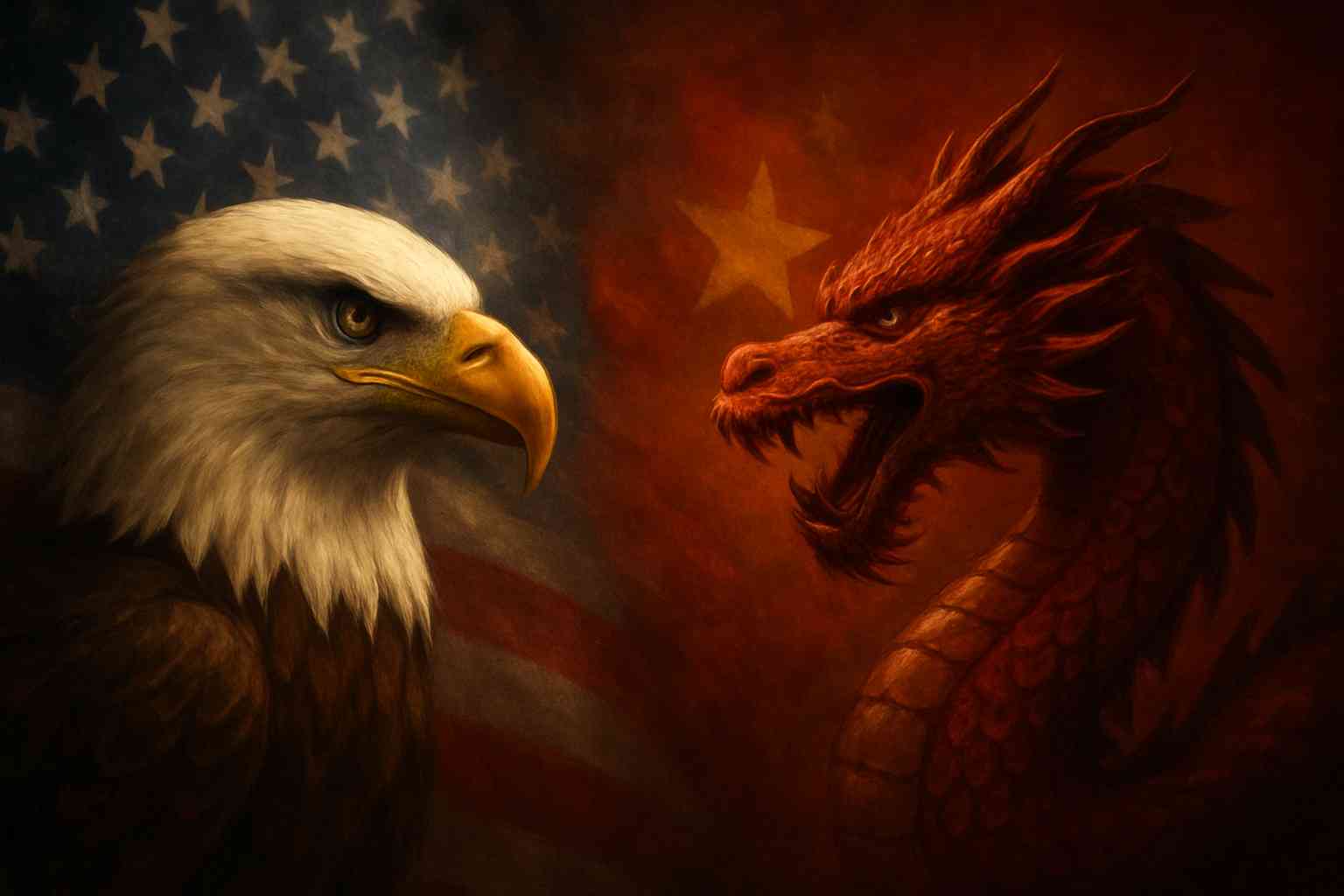
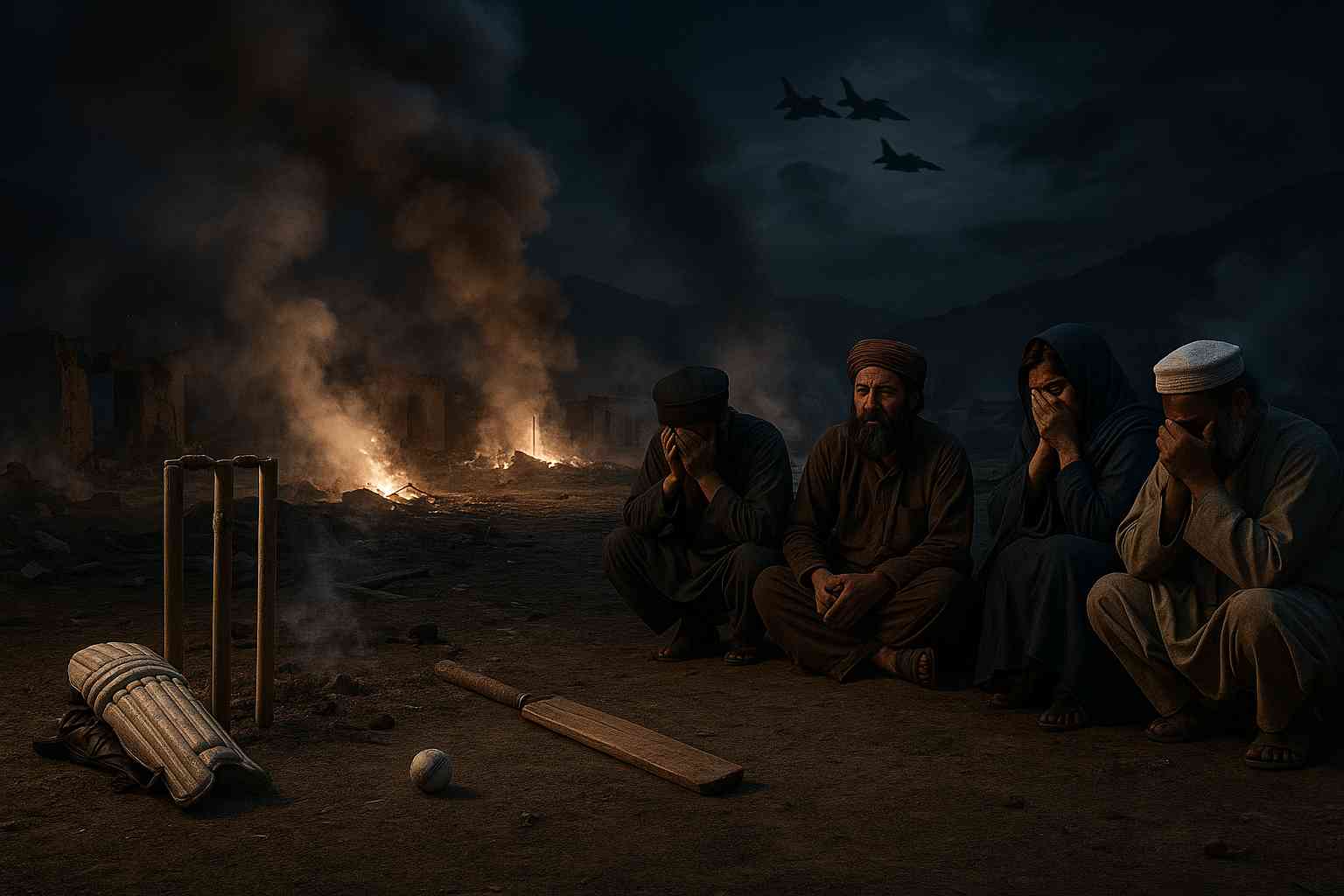
Middle East tensions continue to dominate global headlines. The Israel-Lebanon ceasefire has been extended by three weeks. At the same time, a dangerous escalation is unfolding in the Strait of Hormuz involving Iran and U.S. forces.
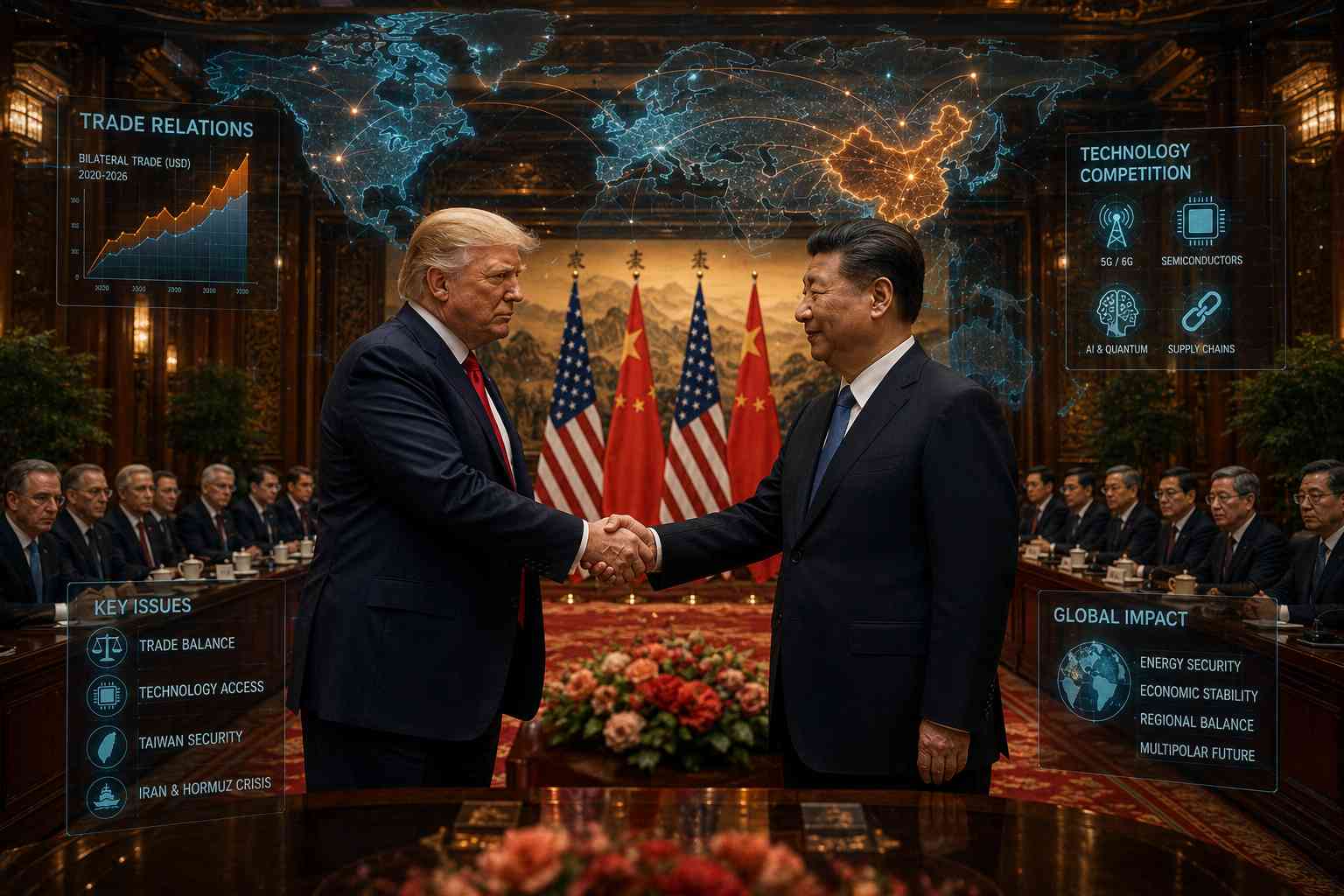
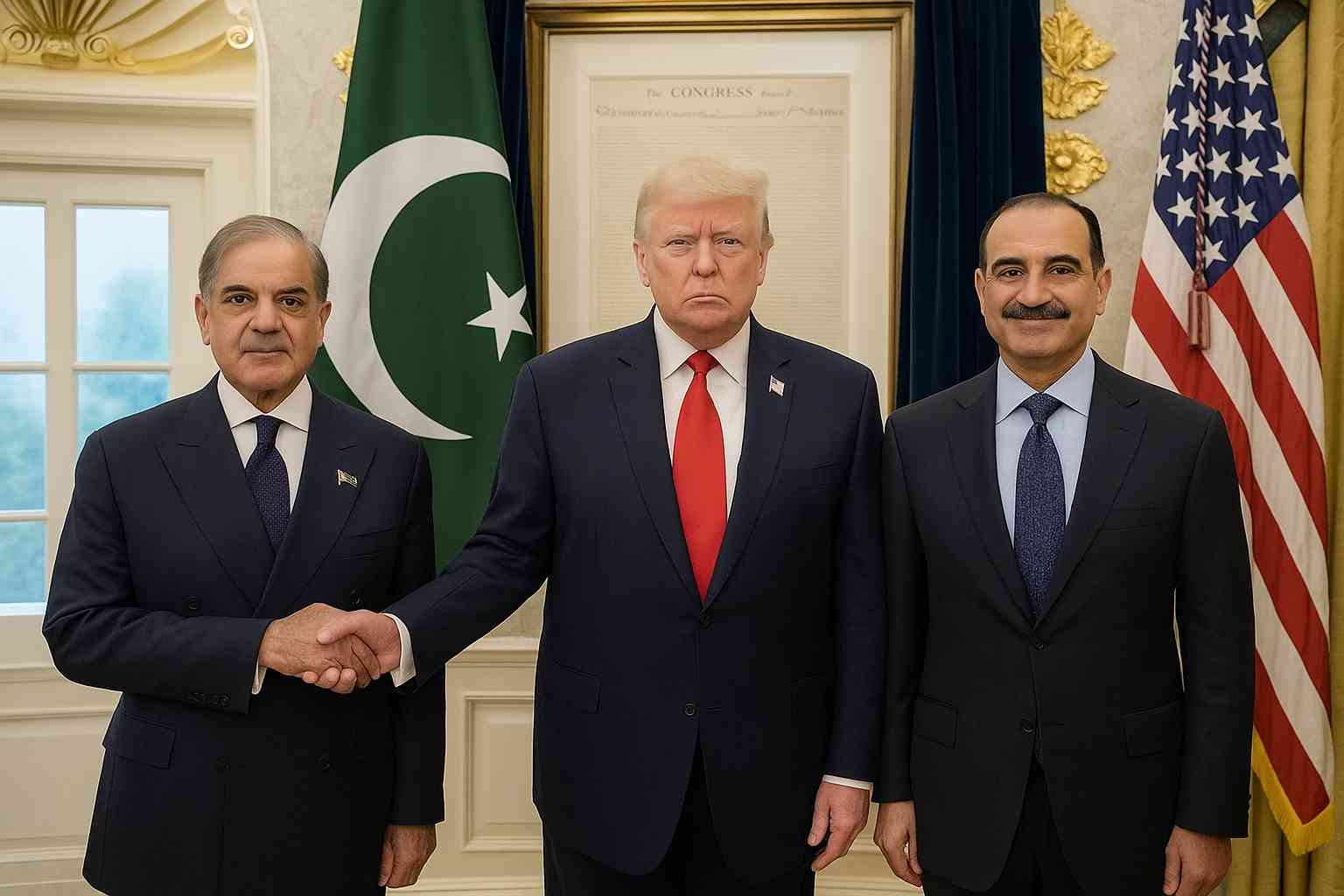
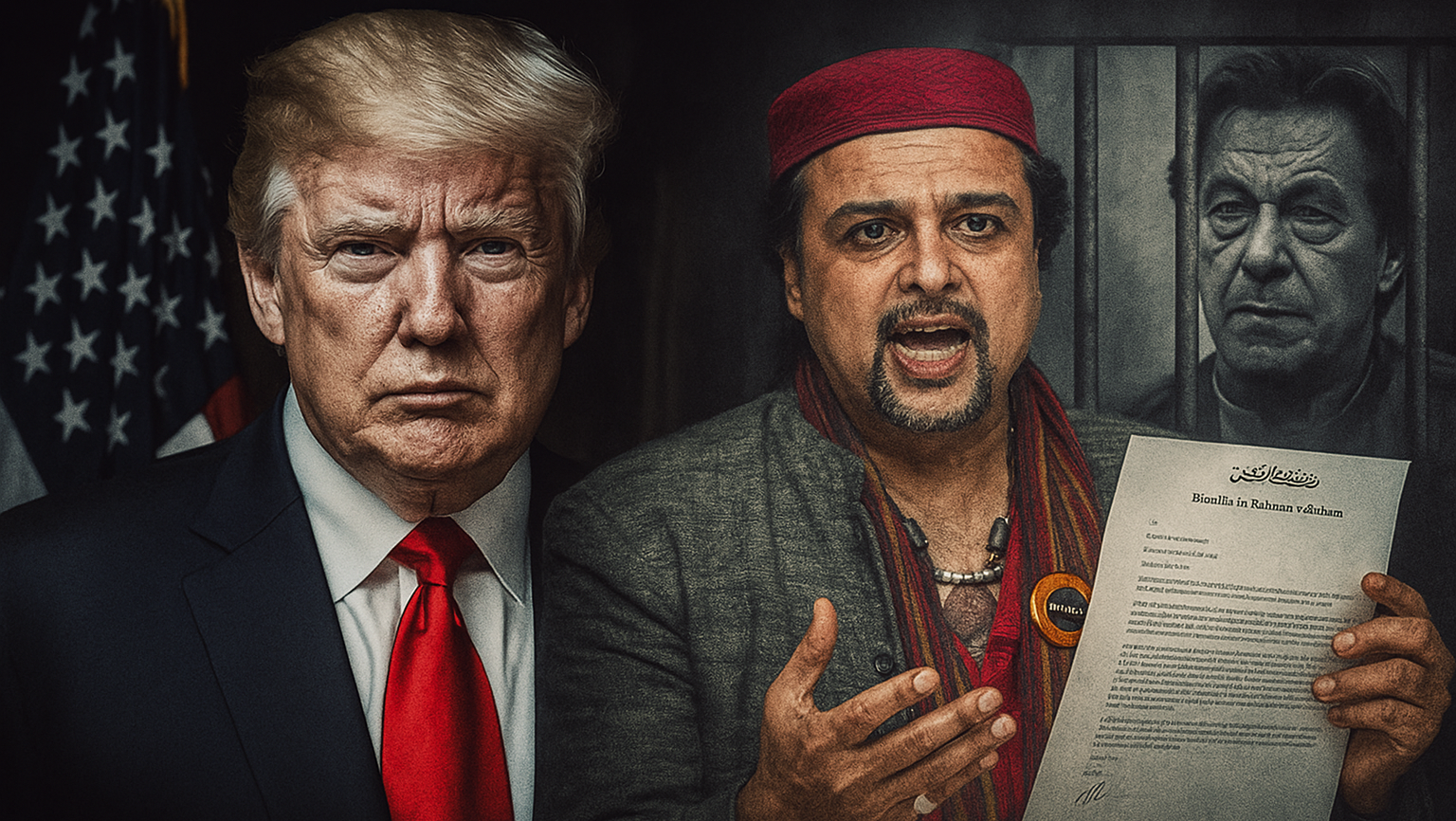
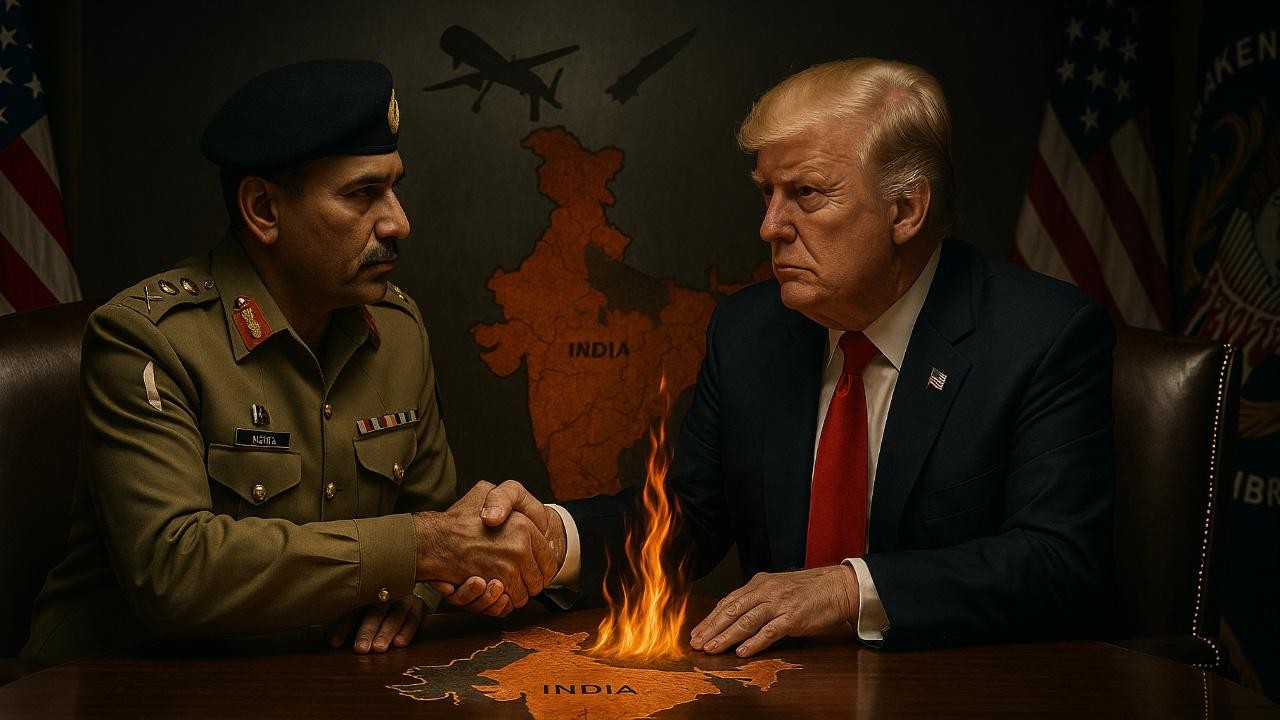
Officials announced the ceasefire extension after high-level talks at the White House. President Donald Trump confirmed the move and described it as an effort to stabilize the region. However, he cautioned that broader negotiations, especially with Iran, would take time. The extension offers temporary relief after weeks of cross-border violence between Israel and Hezbollah. (Reuters)
Middle East Tensions Rise Despite Ceasefire Extension
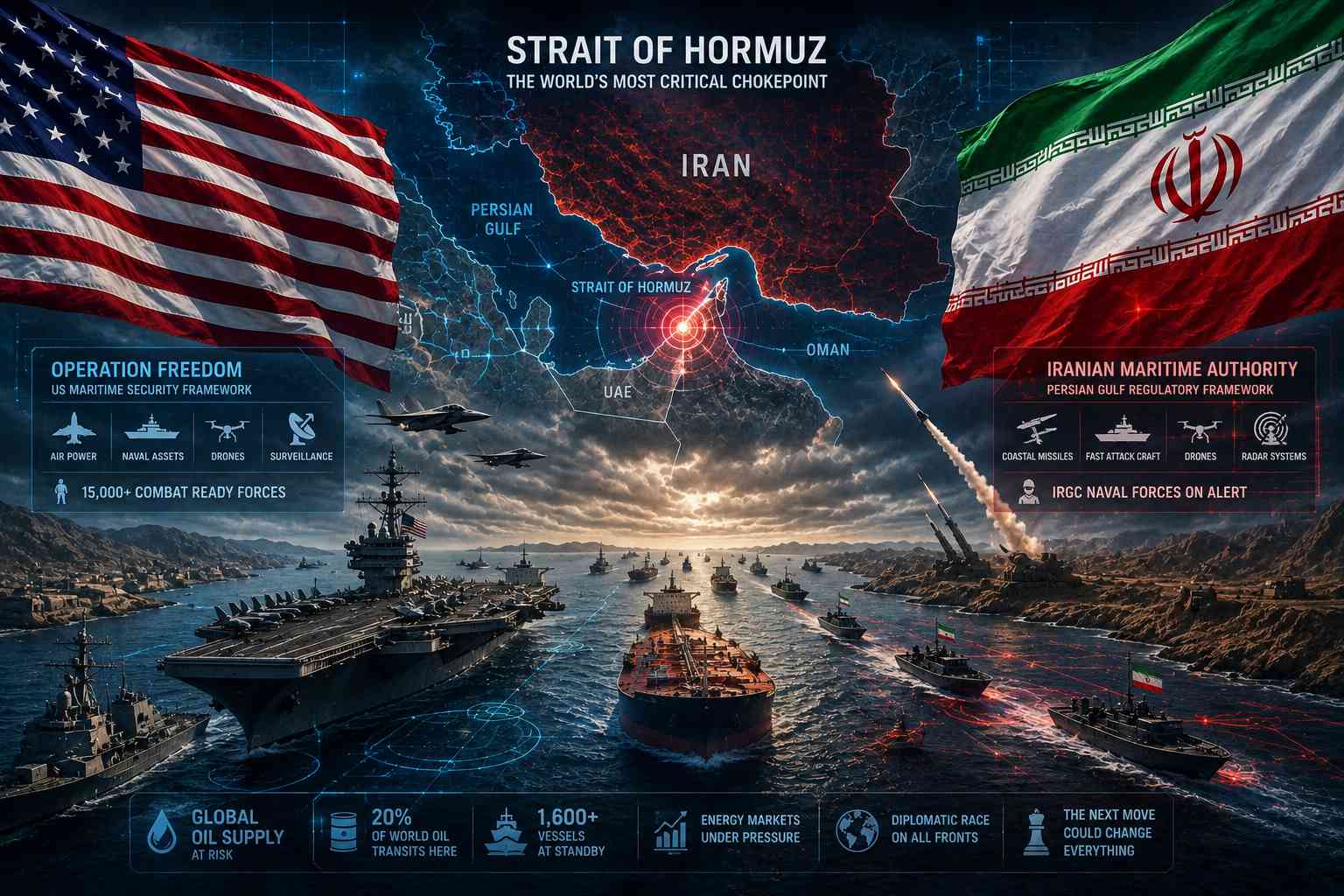
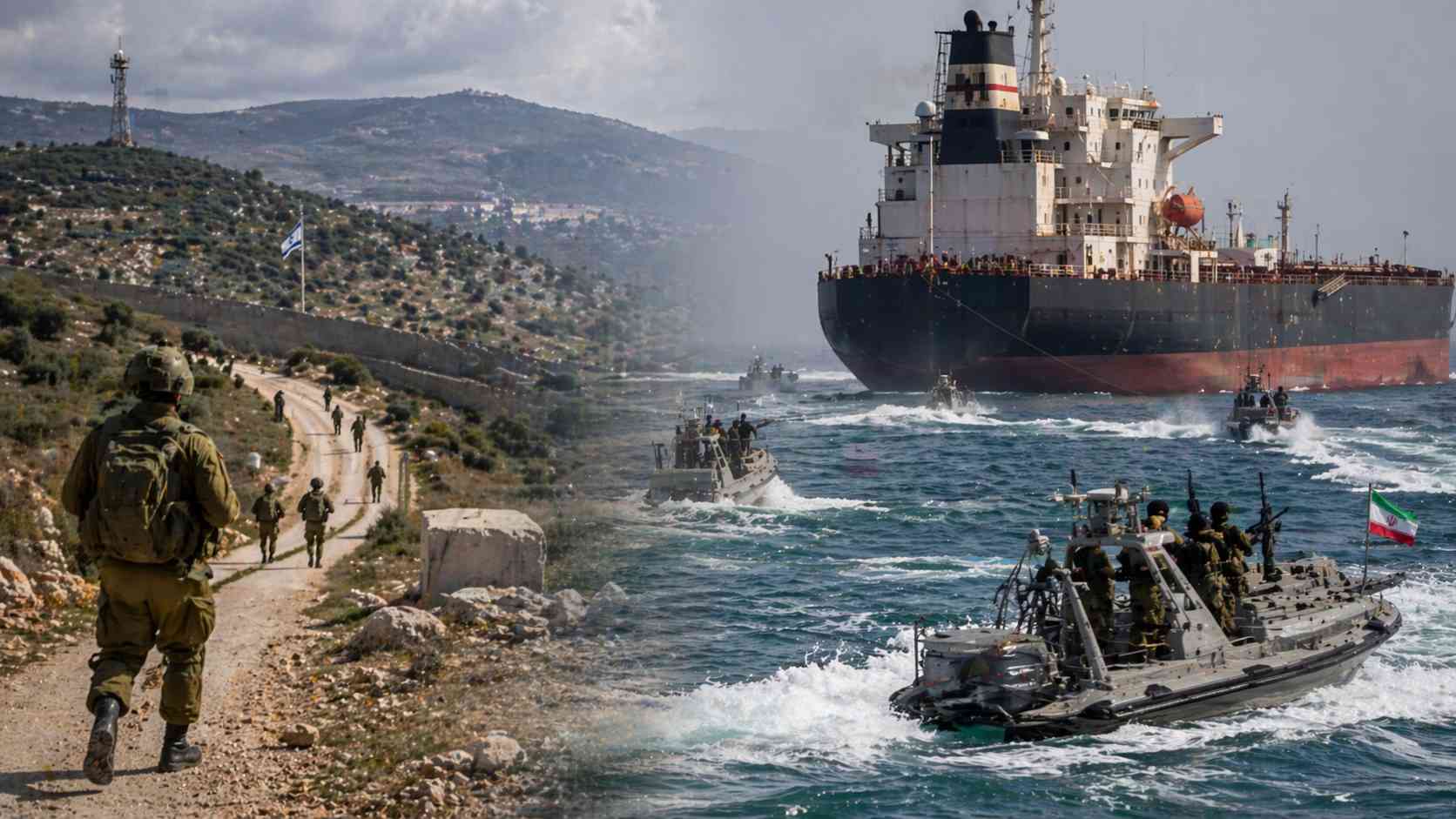
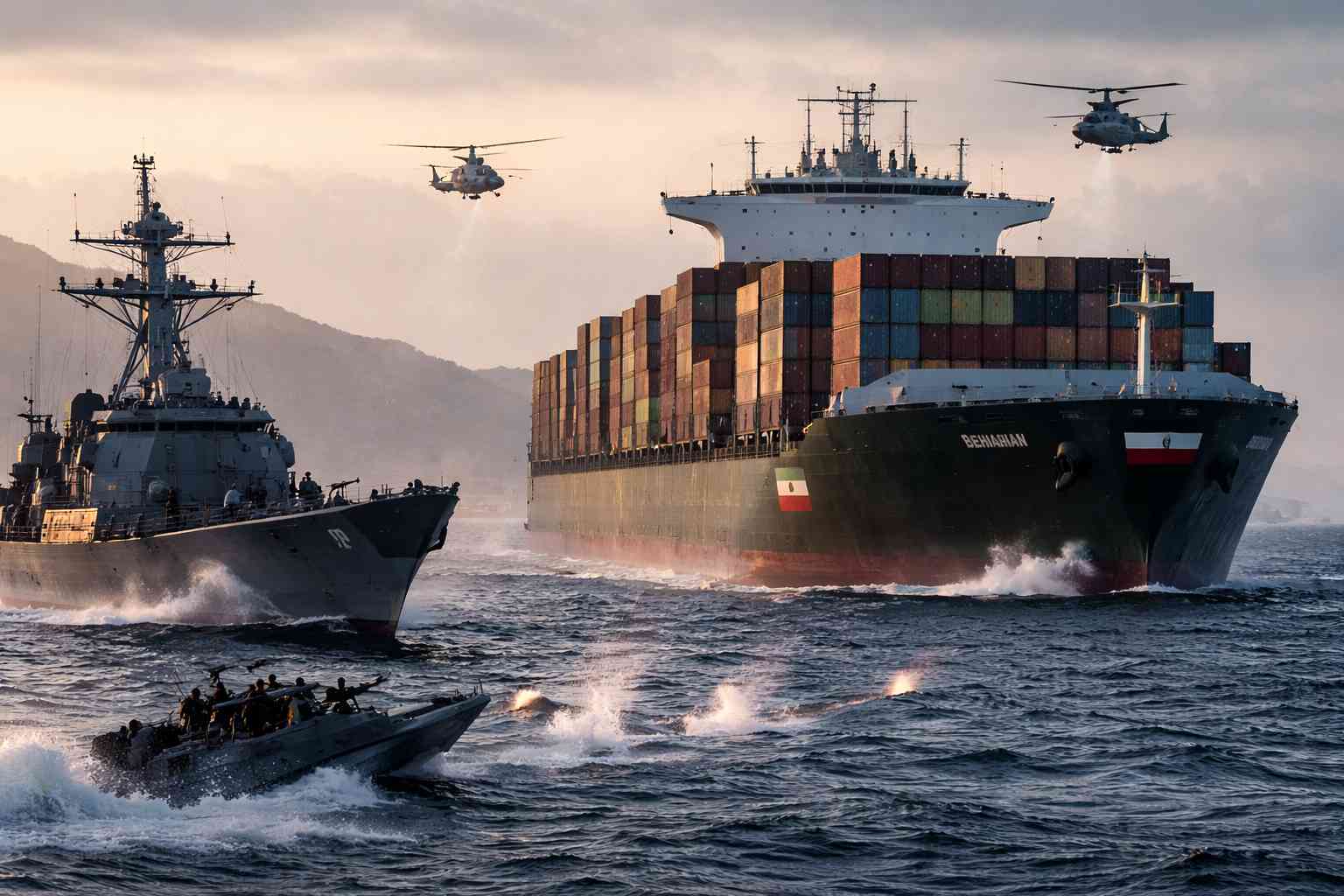
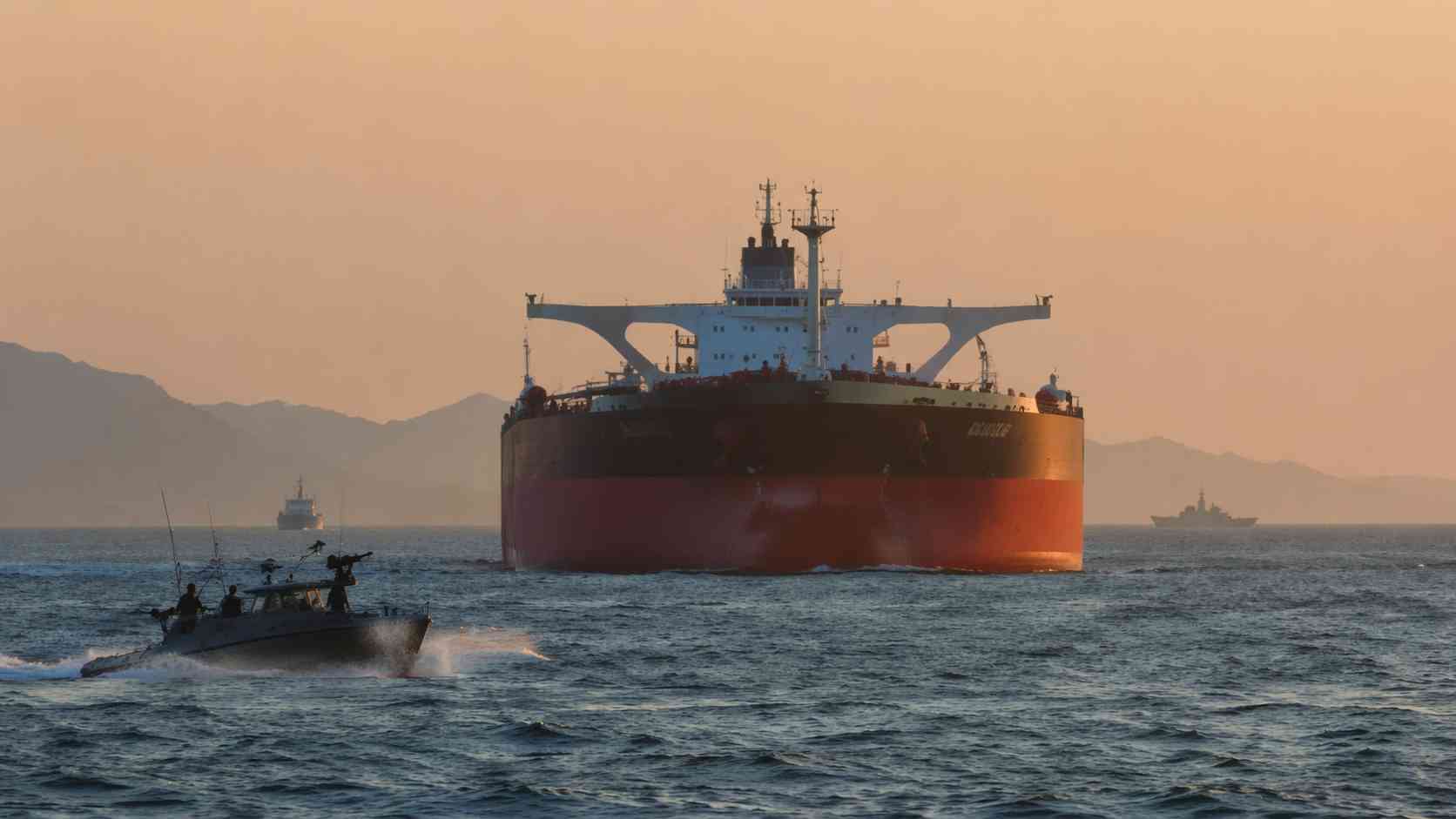
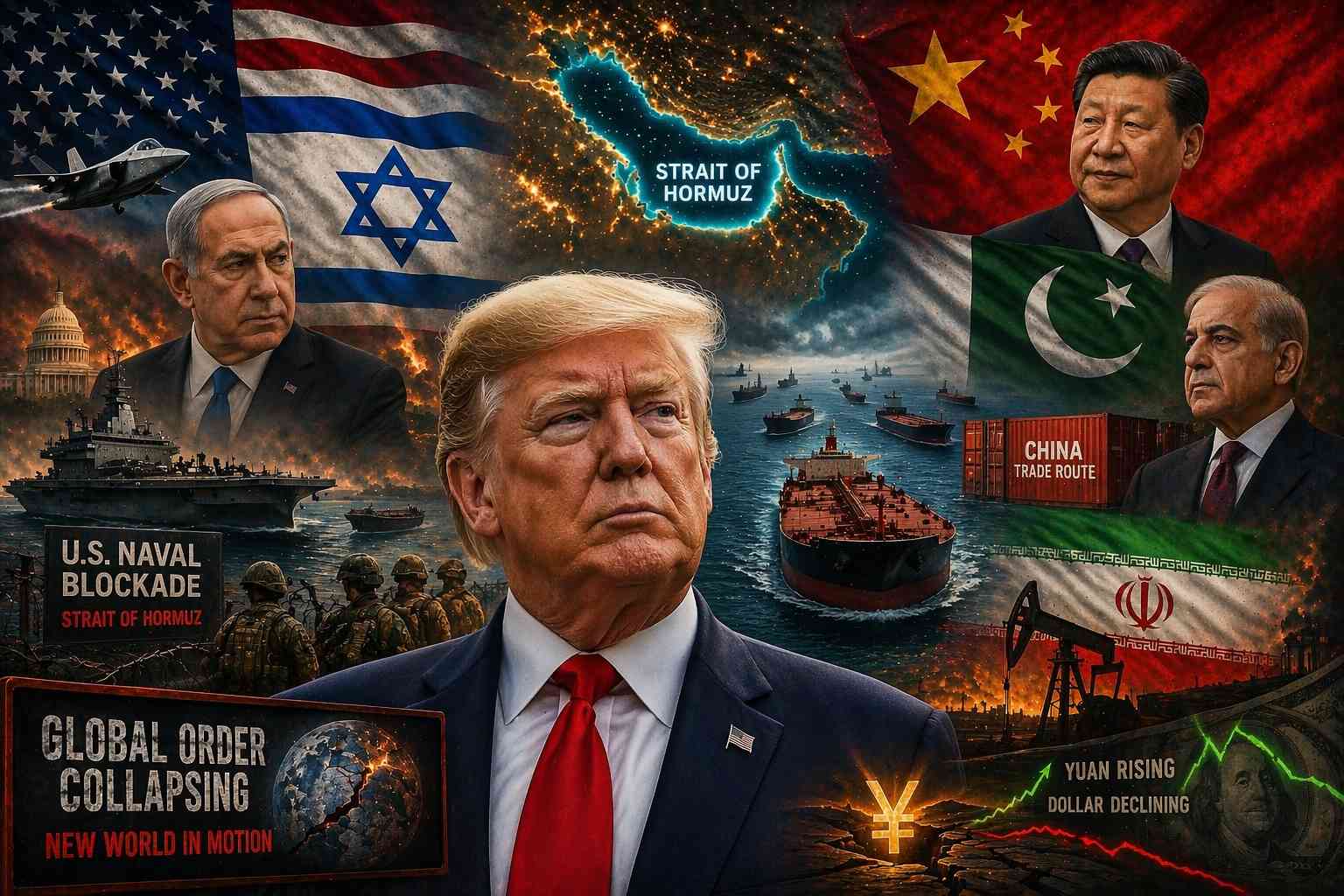
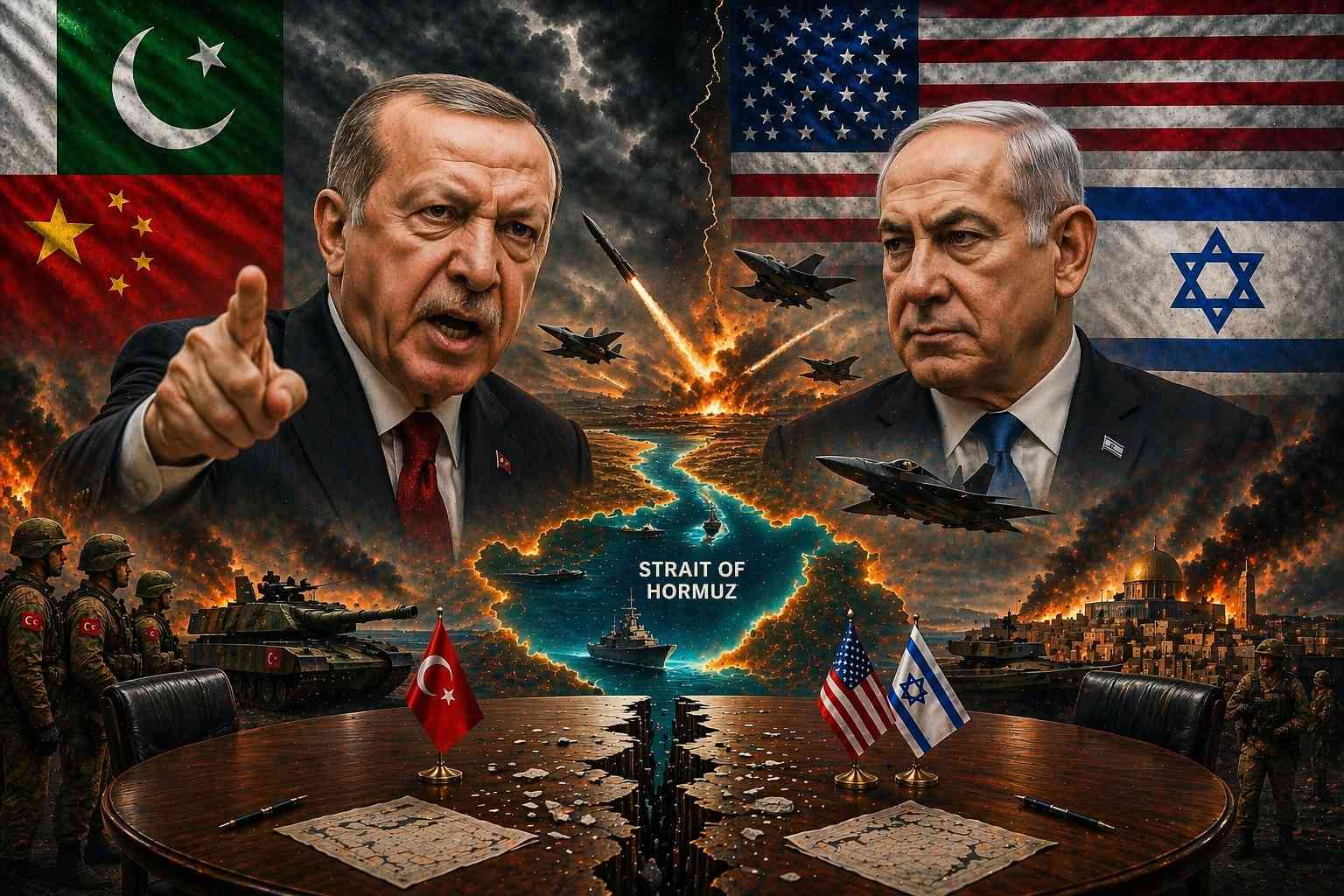
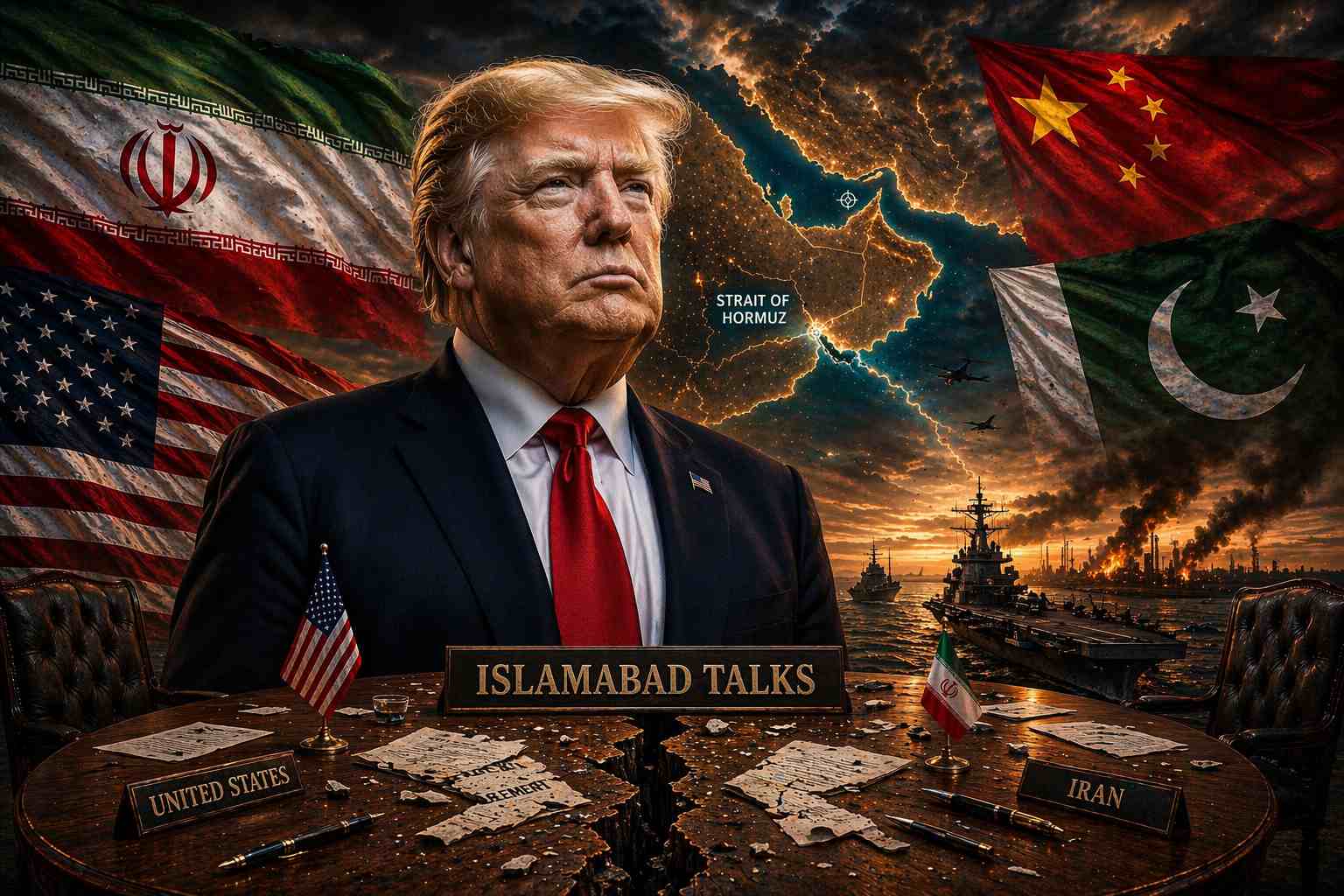
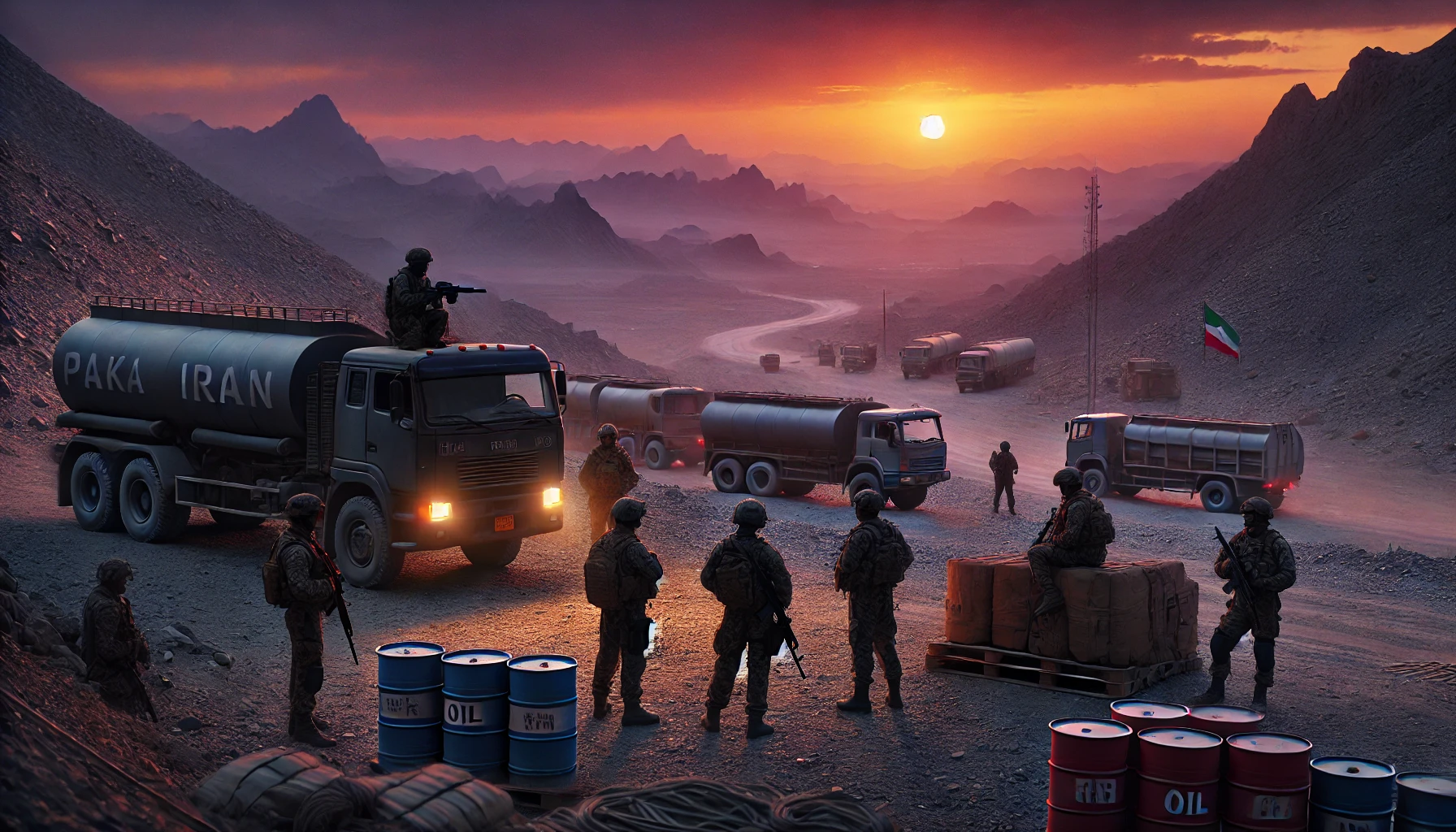
Despite the ceasefire, Middle East tensions remain high. Maritime confrontations in the Strait of Hormuz are escalating quickly. Iranian forces reportedly seized at least one vessel, while some reports suggest two. Analysts view this as a retaliatory move against U.S. naval actions.
At the same time, Iran has adopted a more aggressive posture. It has deployed fast-attack boats and issued warnings to commercial shipping. These actions have raised fears of disruption in one of the world’s most critical oil routes. (Reuters)
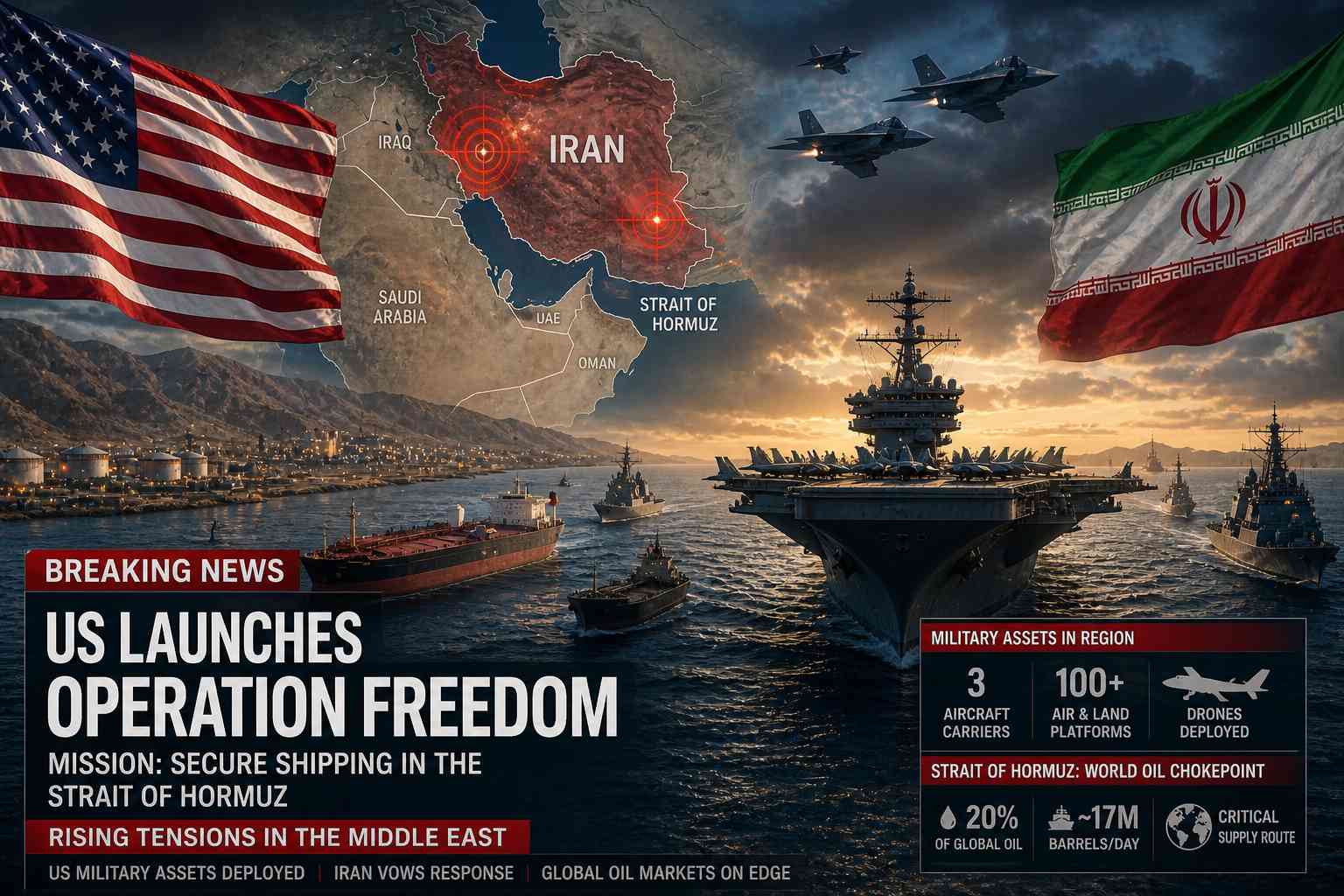
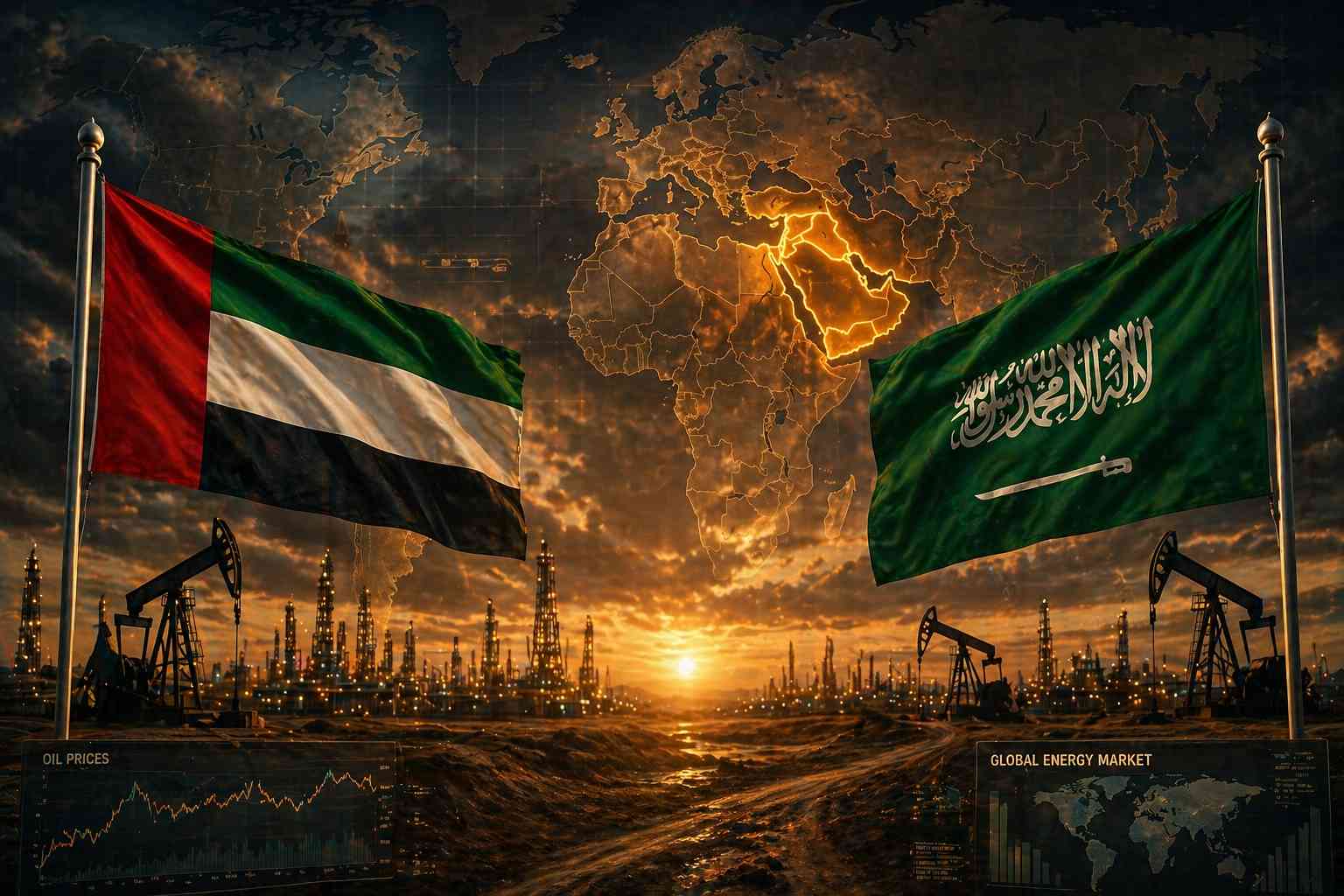
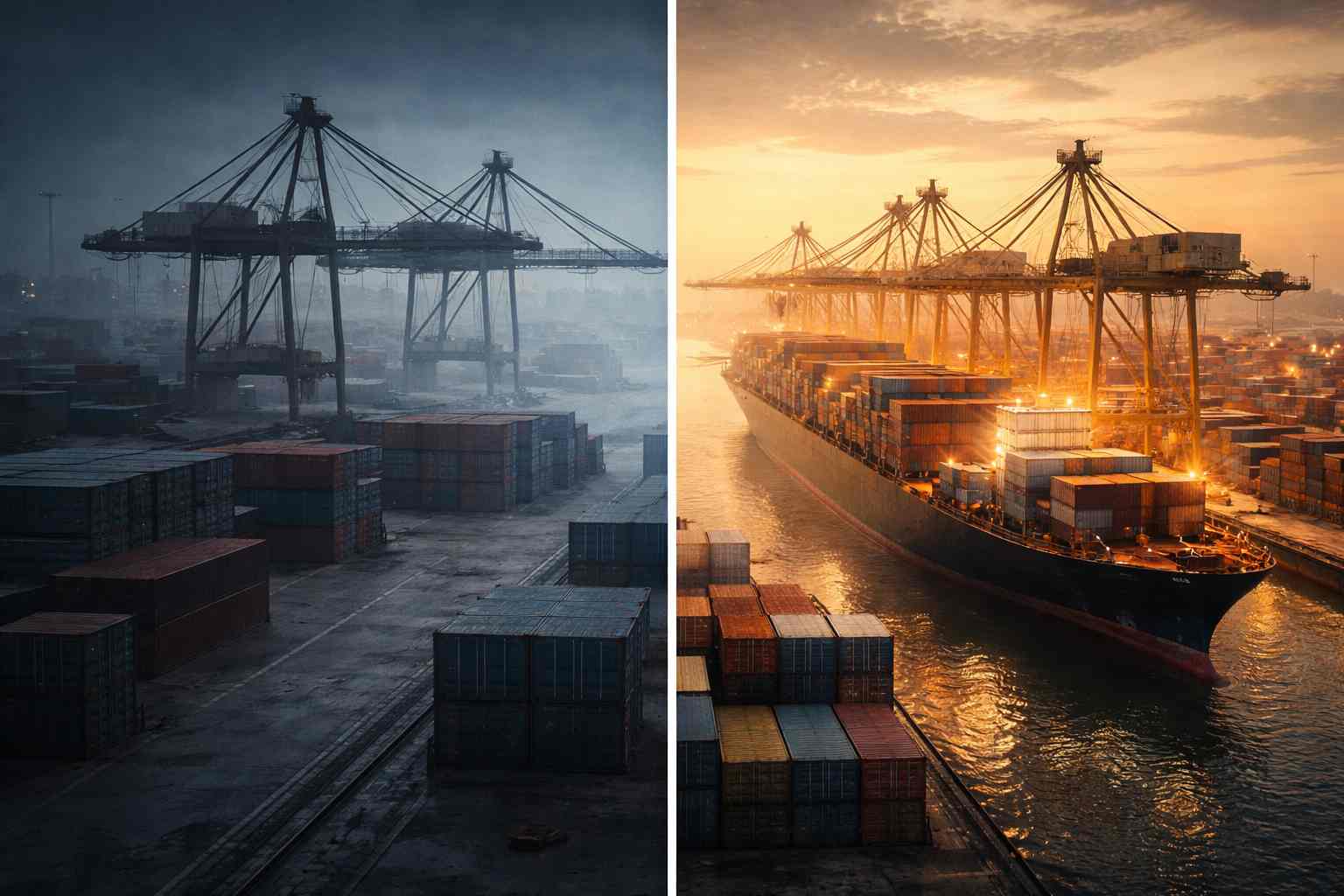
Oil markets reacted immediately. Prices rose due to concerns over supply disruptions. The Strait of Hormuz remains a vital chokepoint for global energy flows. Therefore, any prolonged conflict could trigger serious economic consequences.
U.S. Military Build-Up Signals Rising Risk
In response, the United States has increased its military presence in the region. Reports confirm that a third U.S. aircraft carrier is moving into the Middle East. This move signals readiness for a prolonged confrontation if tensions escalate further.
President Trump issued direct warnings to Tehran. He stated that U.S. forces stand ready to respond to any attempt to mine the strait or disrupt shipping. This approach reflects a shift toward stronger deterrence. As a result, concerns are growing that isolated incidents could expand into a wider conflict.
Global Reactions and Diplomatic Pressure Mount
Meanwhile, international concern continues to grow. Diplomatic and humanitarian voices are urging restraint. Pope Francis condemned violence against protesters in Iran. He also called on all sides to avoid escalation and pursue peace.
European allies are closely monitoring developments. They fear that tensions in Lebanon and the Gulf could merge into a larger regional crisis.
Middle East Tensions Enter Critical Phase
The extension of the Israel-Lebanon ceasefire provides only a temporary pause. However, developments in the Strait of Hormuz show that Middle East tensions are far from easing.
Naval confrontations are intensifying. Oil markets remain volatile. Military forces continue to mobilize. Therefore, the coming weeks will prove critical. The key question remains whether diplomacy can contain the crisis or whether the region will slide into a broader conflict.