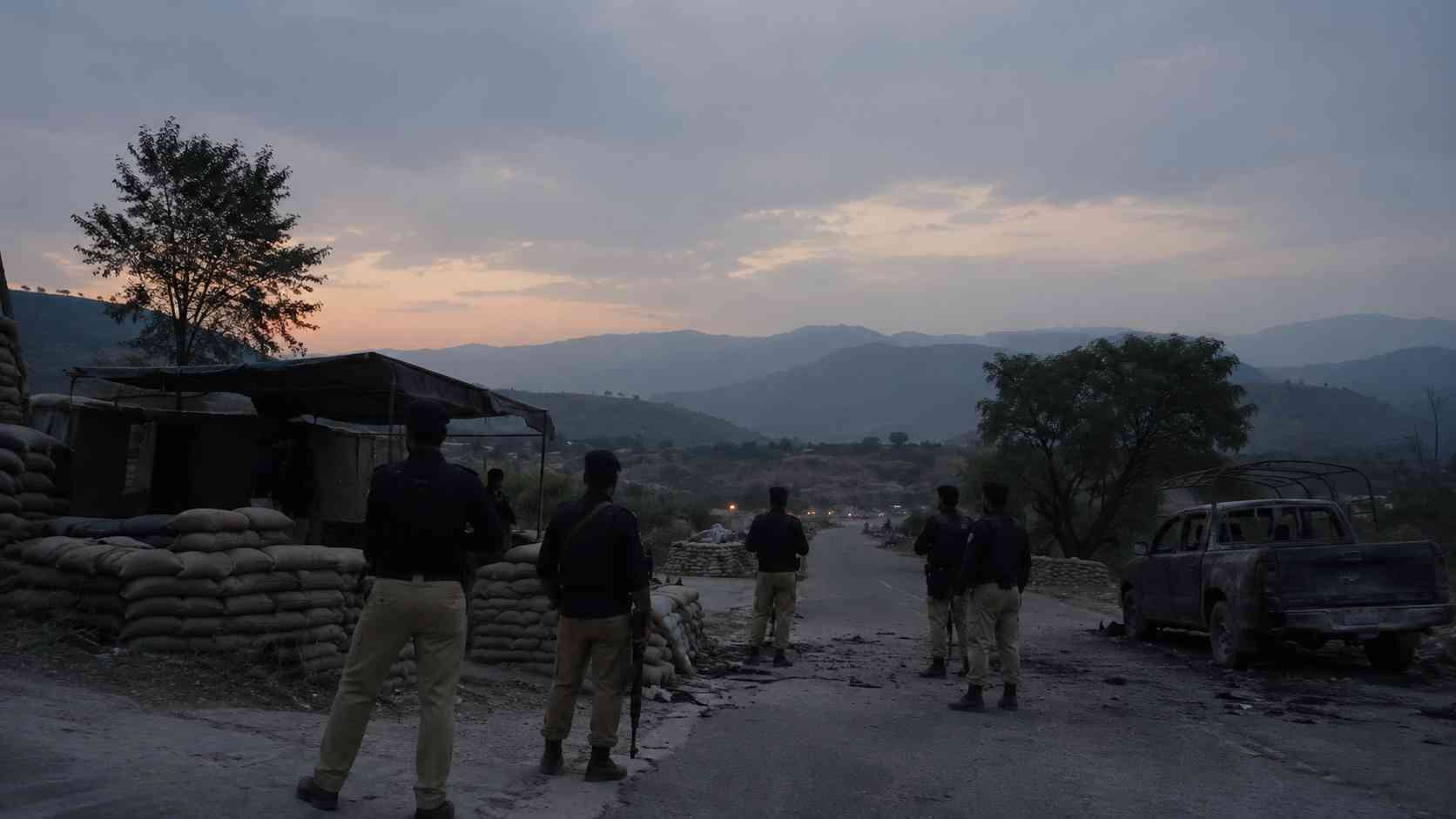
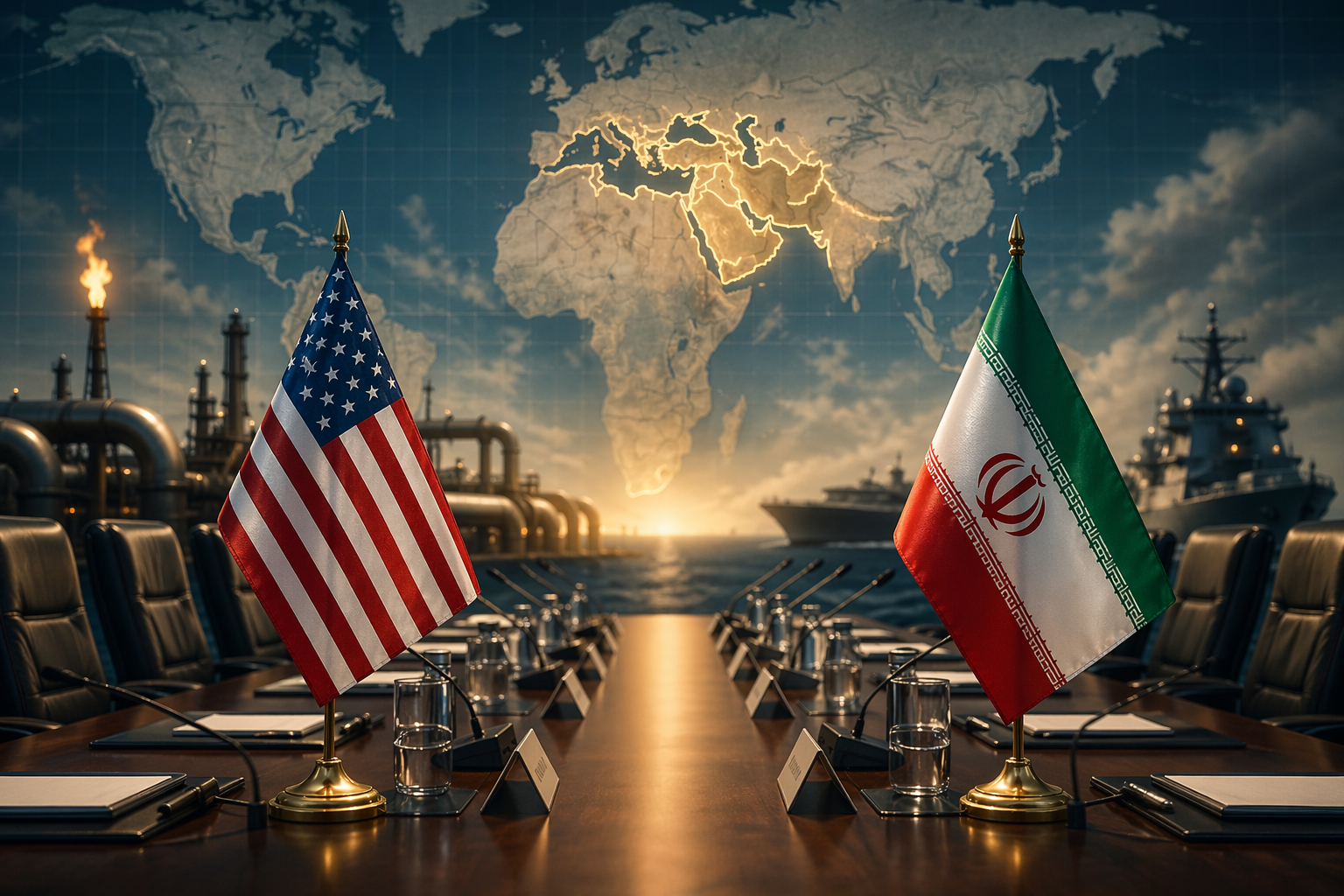
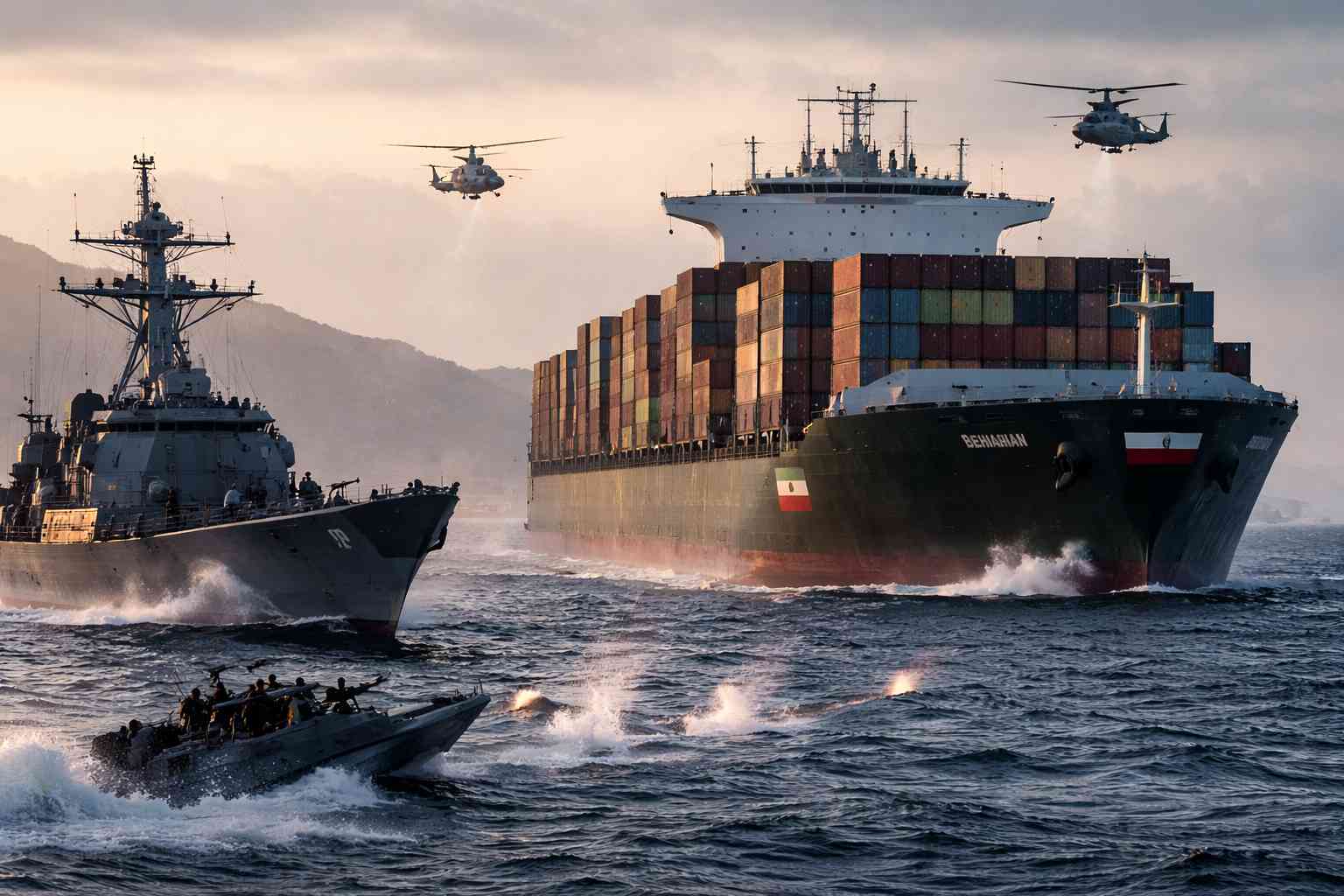
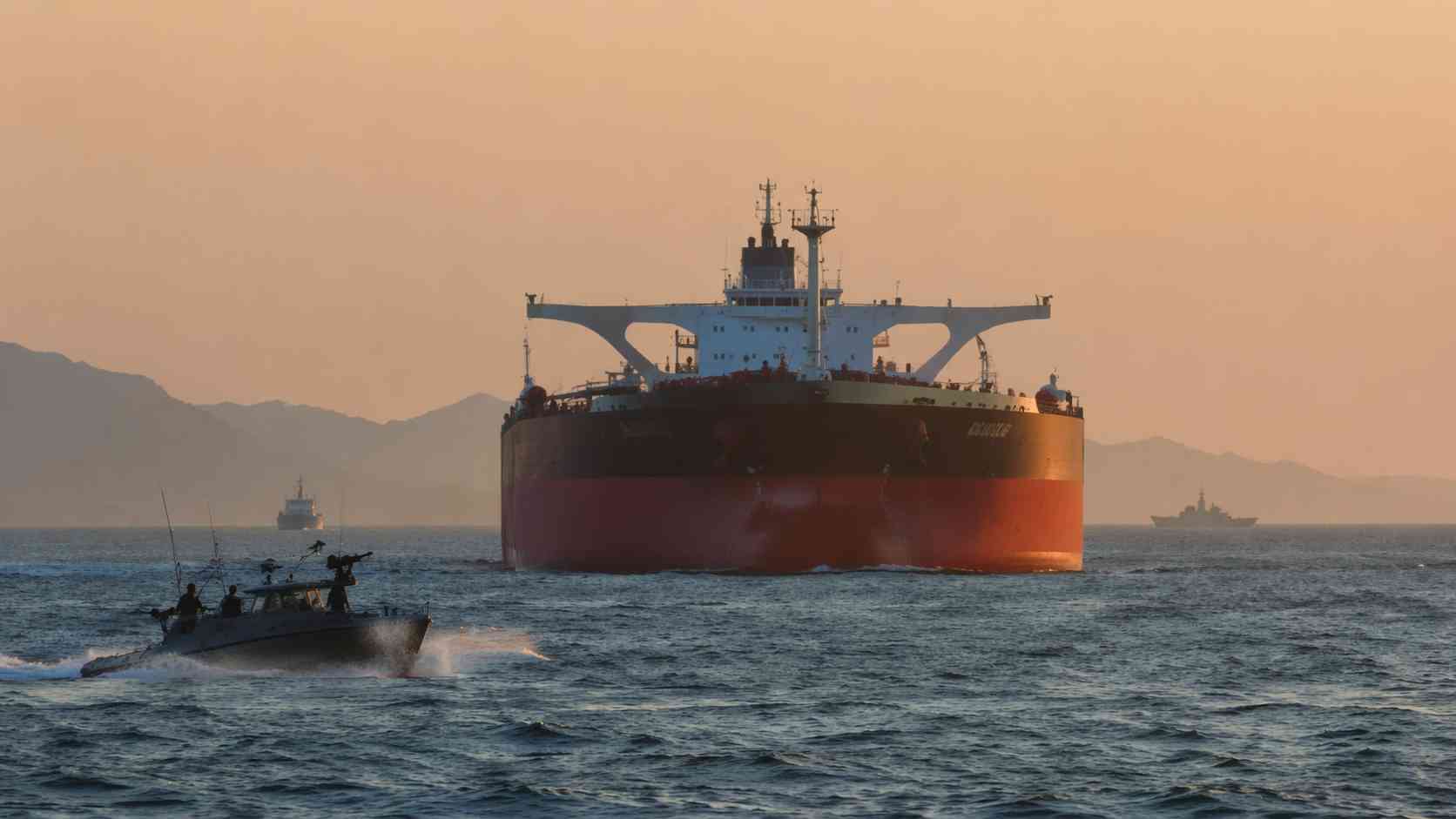
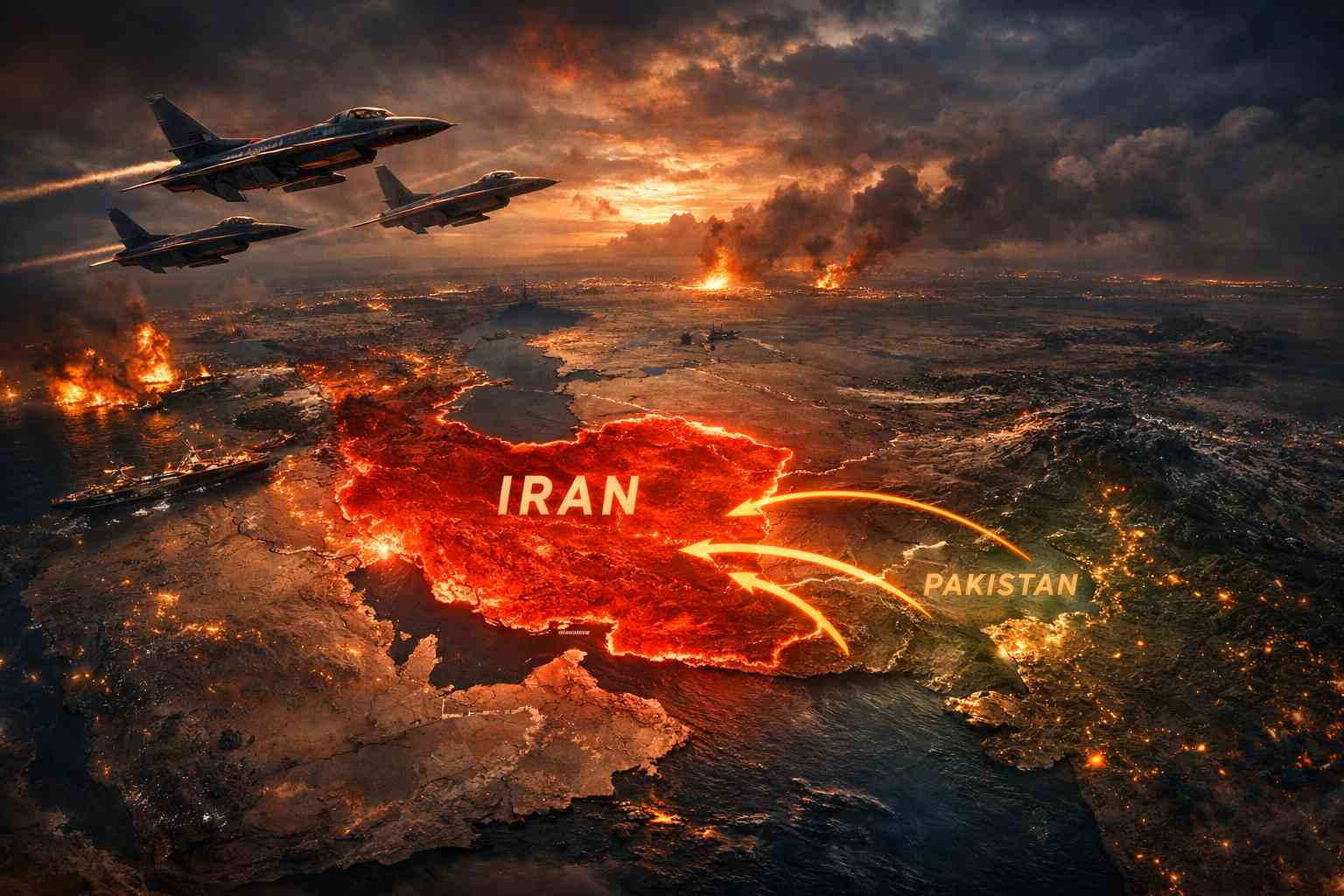
The unfolding Operation Freedom Iran crisis increasingly reflects the limits of military pressure in a rapidly shifting geopolitical environment. What was initially presented as a decisive maritime security initiative now appears to be evolving into a broader strategic and diplomatic challenge for the United States.
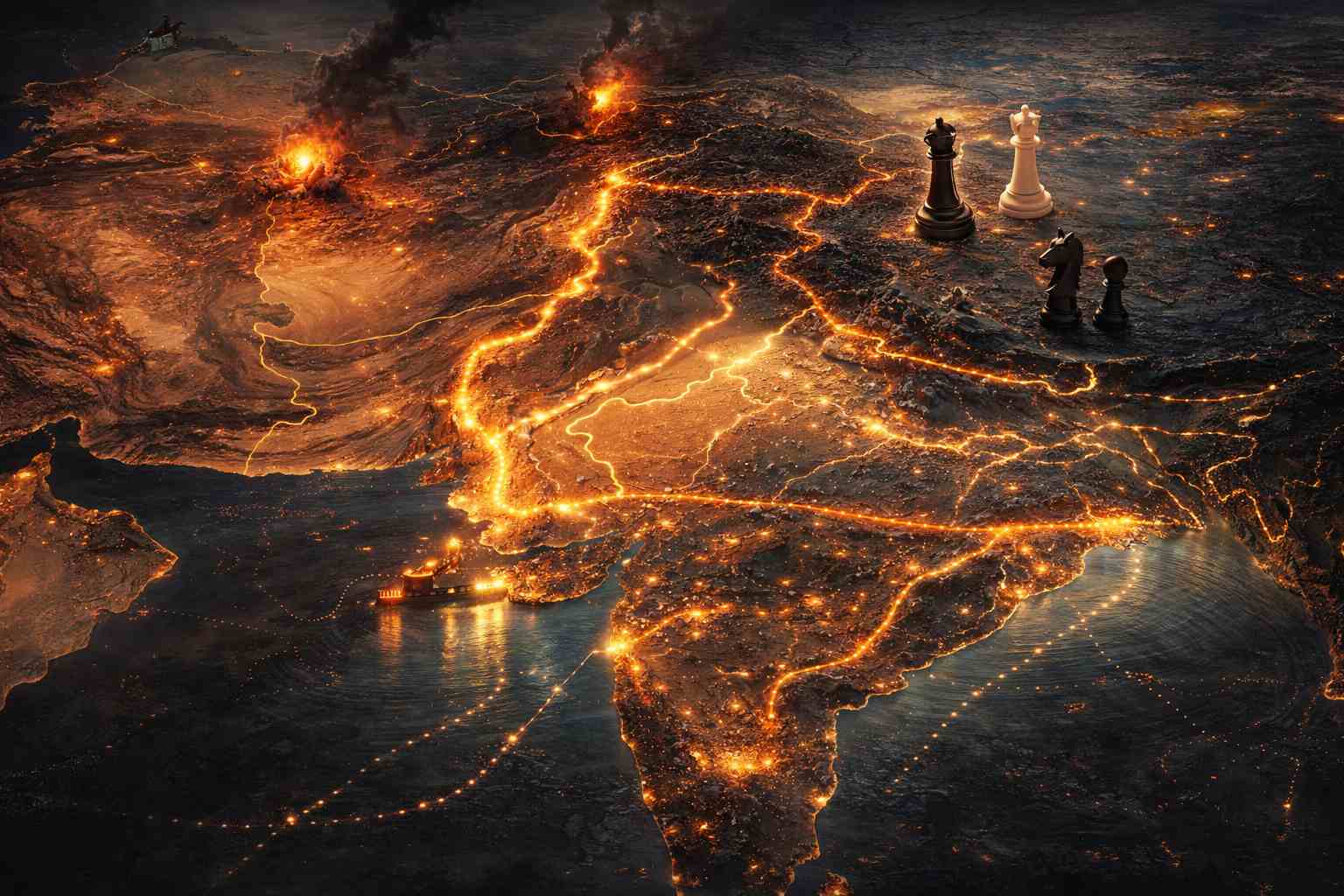
Over the past 48 hours, developments in the Strait of Hormuz, Beijing, Washington, and Islamabad have suggested that the crisis is entering a new phase—one where diplomacy, power projection, and global alignments are intersecting simultaneously.
Trump Administration Claims Success
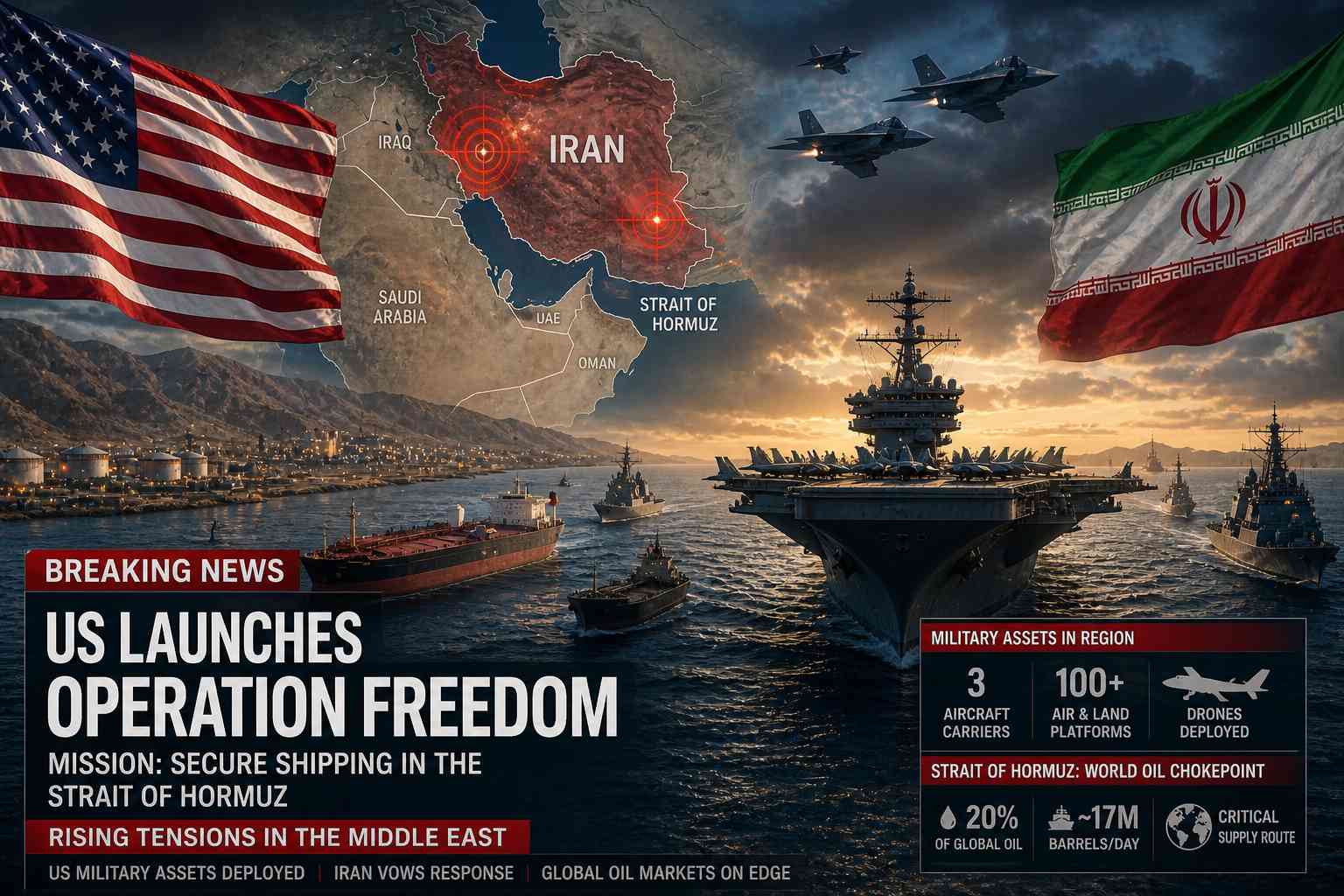
Senior officials within the Trump administration have publicly defended Operation Freedom as a successful effort to secure shipping routes through the Strait of Hormuz.
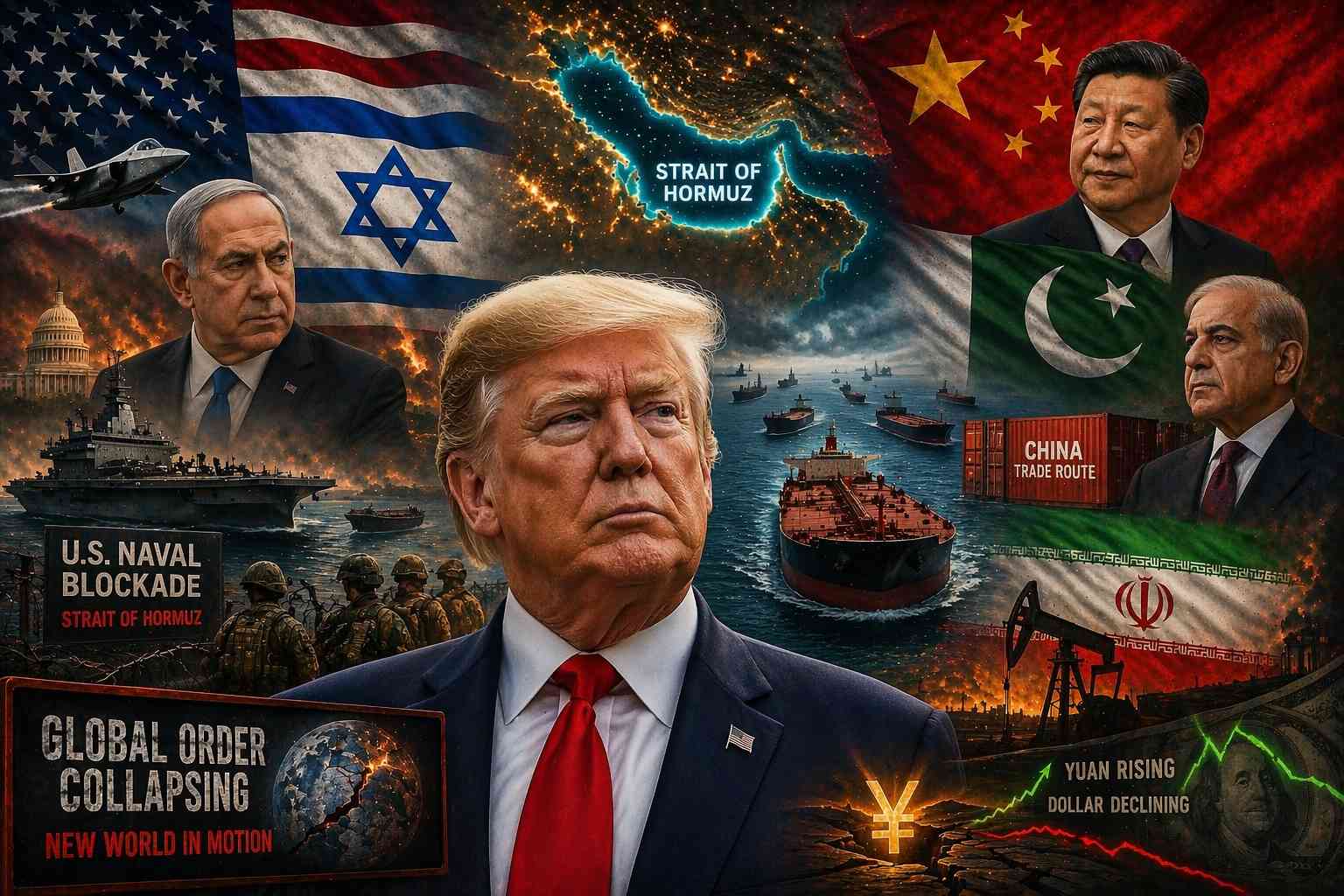
US Defense Secretary Pete Hegseth stated that the United States had established effective operational control over the strategic waterway and that hundreds of vessels were preparing to move under American military coordination.
However, available shipping data presents a more complicated picture.
According to maritime tracking assessments referenced in the discussion, only two commercial vessels reportedly crossed the Strait under the newly announced American security framework during the first 48 hours of operations.
This gap between official claims and operational reality has become central to the broader Operation Freedom Iran crisis narrative.
A Digital Security Umbrella, Not Direct Escort
One of the most important clarifications concerns the nature of the US operation itself.
Initial public assumptions suggested that American naval destroyers would physically escort oil tankers and cargo ships through the Strait. In practice, the operation appears to function more as a digital and military “umbrella” rather than a direct convoy system.
The framework reportedly includes:
- Large-scale aerial surveillance
- Land- and air-based military platforms
- Unmanned systems and drones
- Rapid-response military readiness
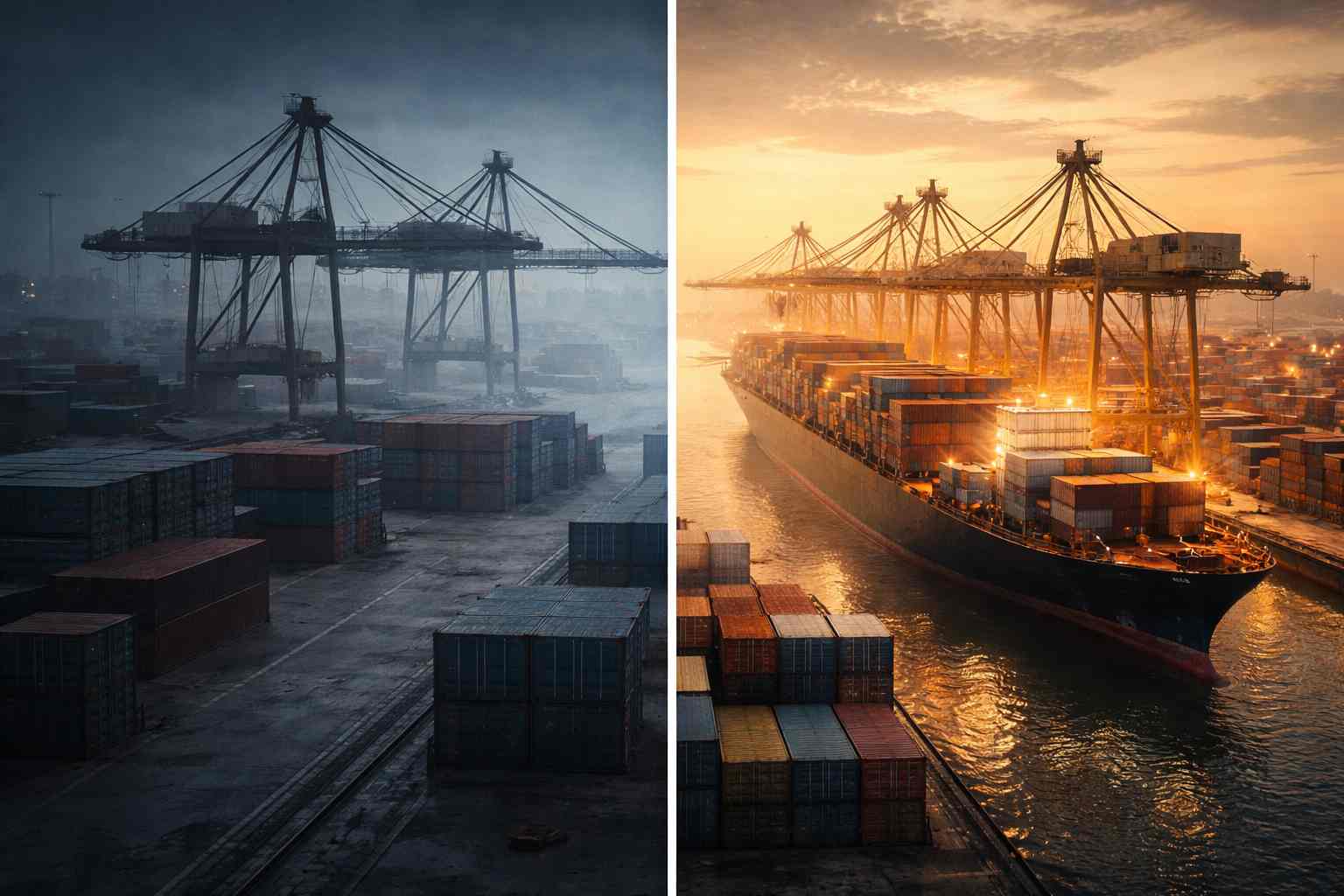
Despite this extensive posture, most shipping traffic remains effectively frozen.
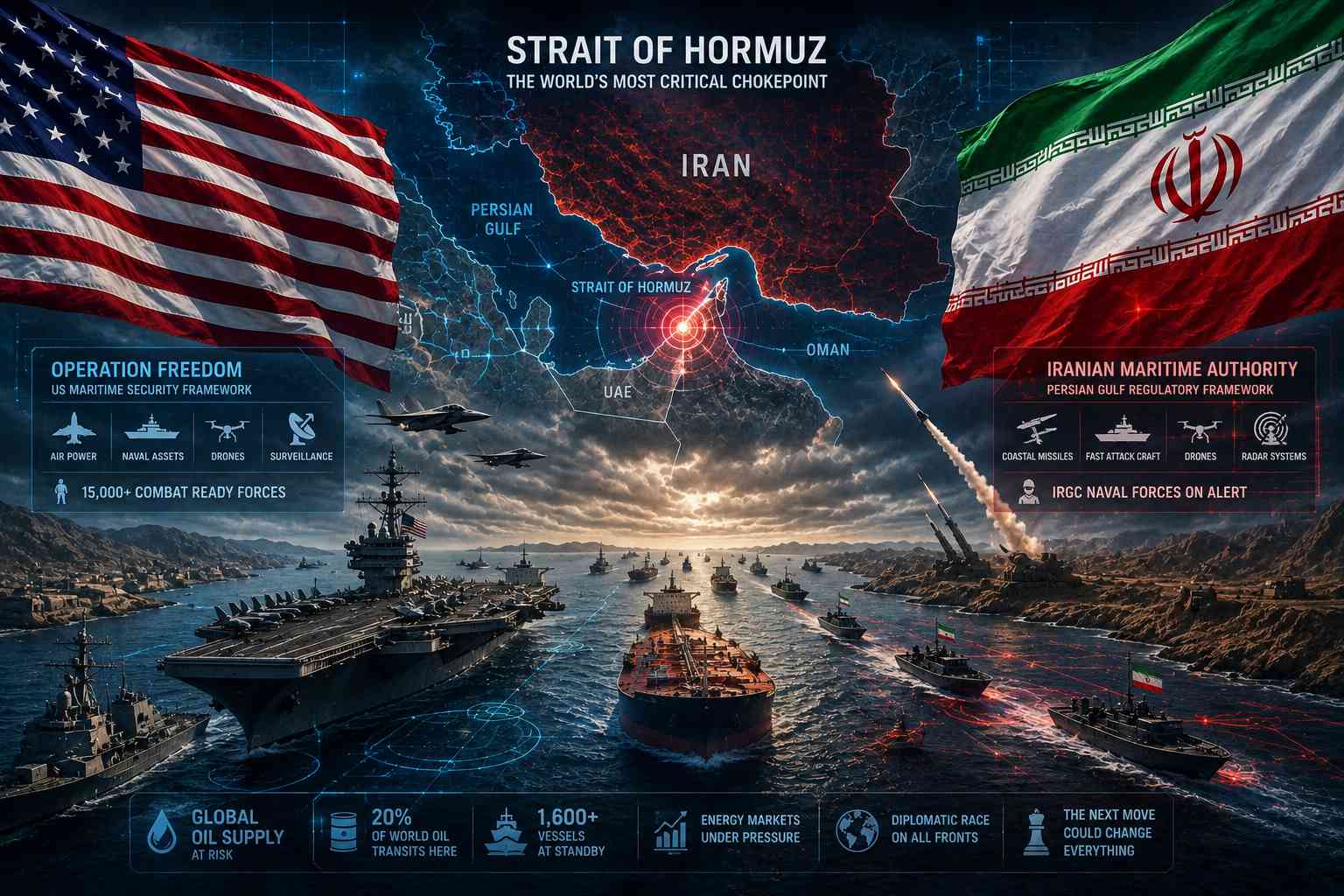
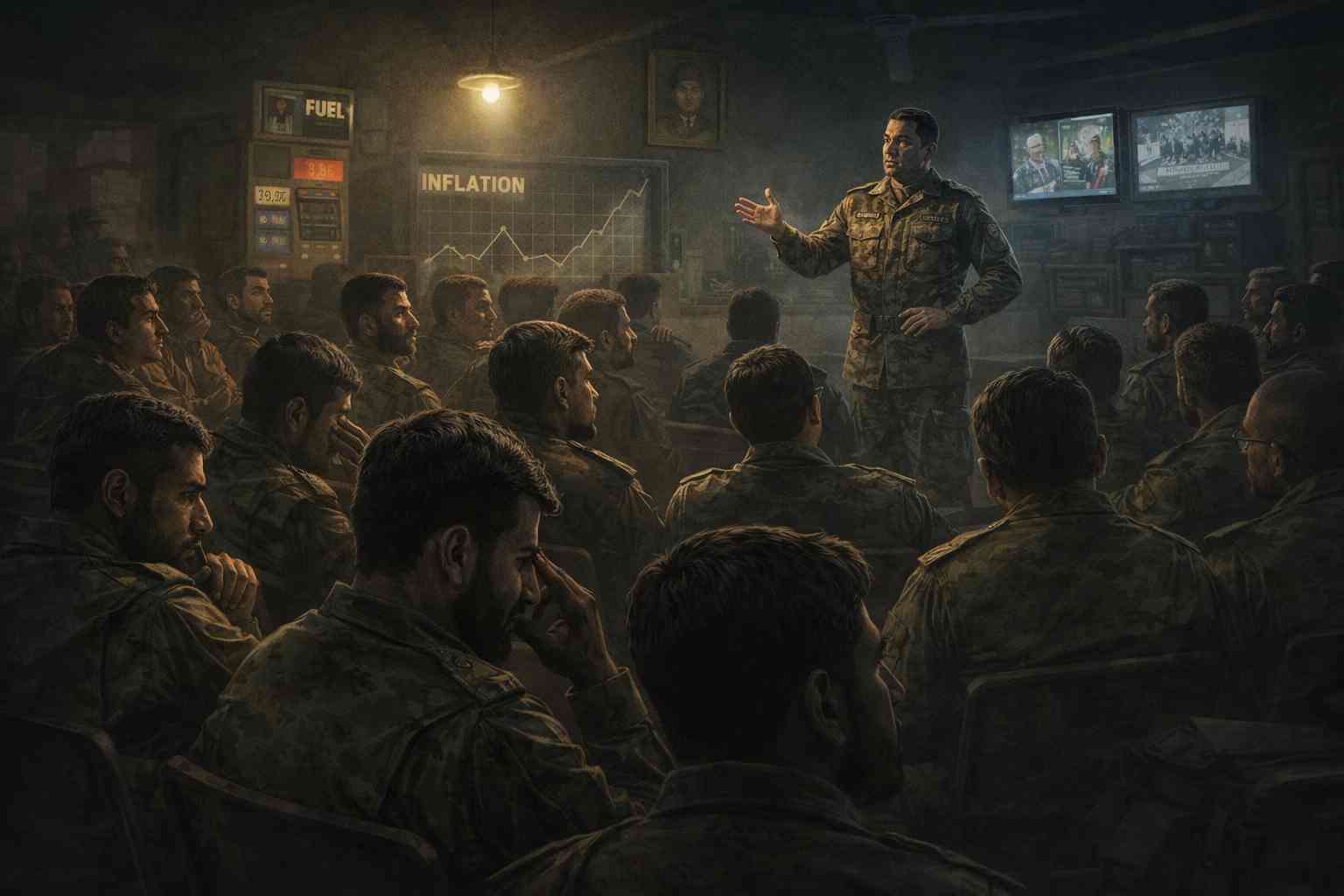
Reports indicate that nearly 1,600 vessels and thousands of crew members remain stranded or unwilling to move due to uncertainty and security risks.
Iran Responds with Parallel Maritime Authority
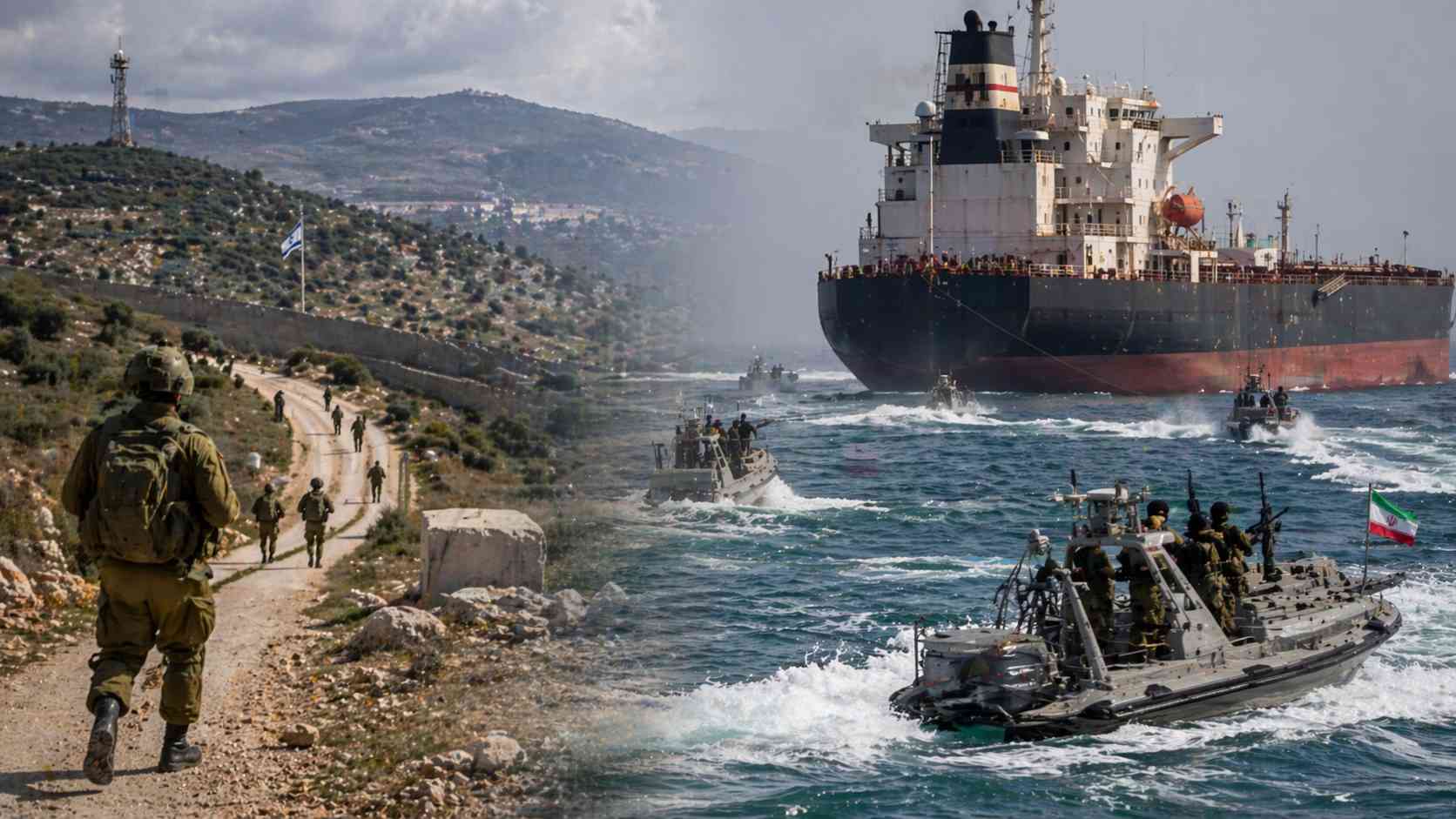
Iran has simultaneously moved to establish its own regulatory framework for maritime traffic in the region.
Authorities linked to the IRGC reportedly announced a separate Persian Gulf shipping mechanism requiring vessels to seek authorization before transit.
This step is strategically significant because it transforms the crisis from a temporary confrontation into a competing-authority model:
- The US attempting to impose operational security control
- Iran asserting sovereign regulatory authority
The result is an environment where commercial shipping faces conflicting systems of legitimacy and enforcement.
China’s Role Is Becoming More Important
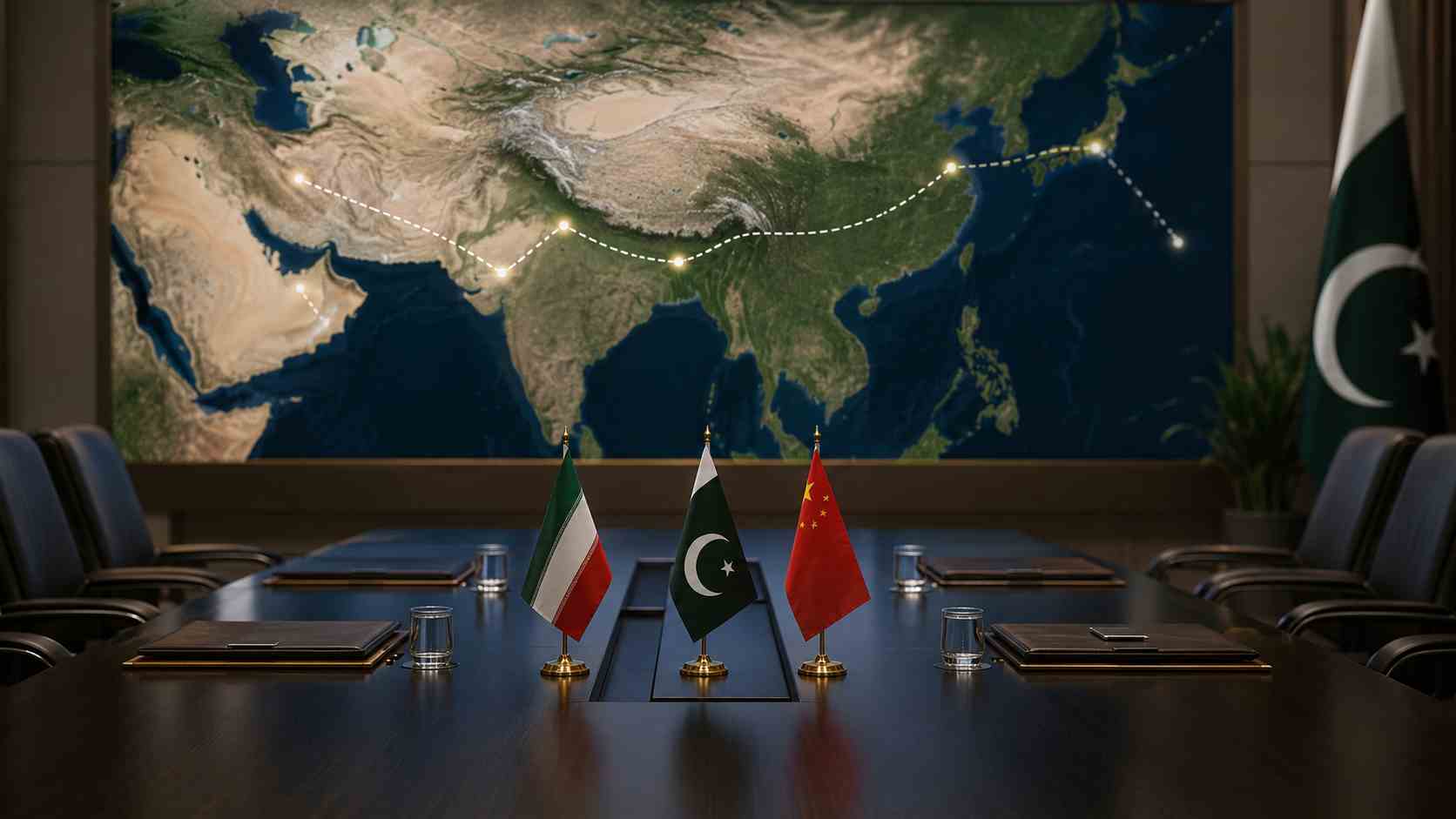
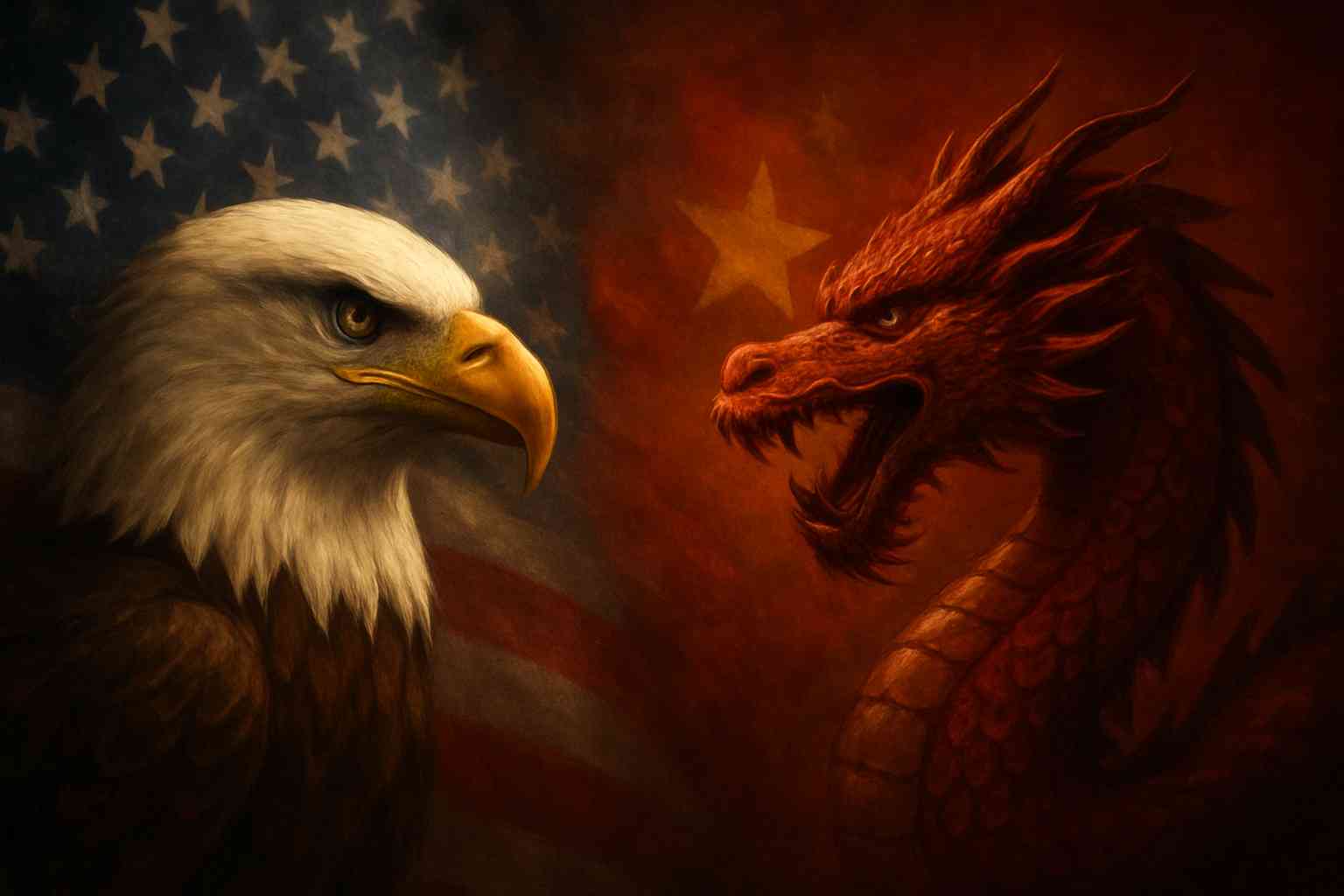
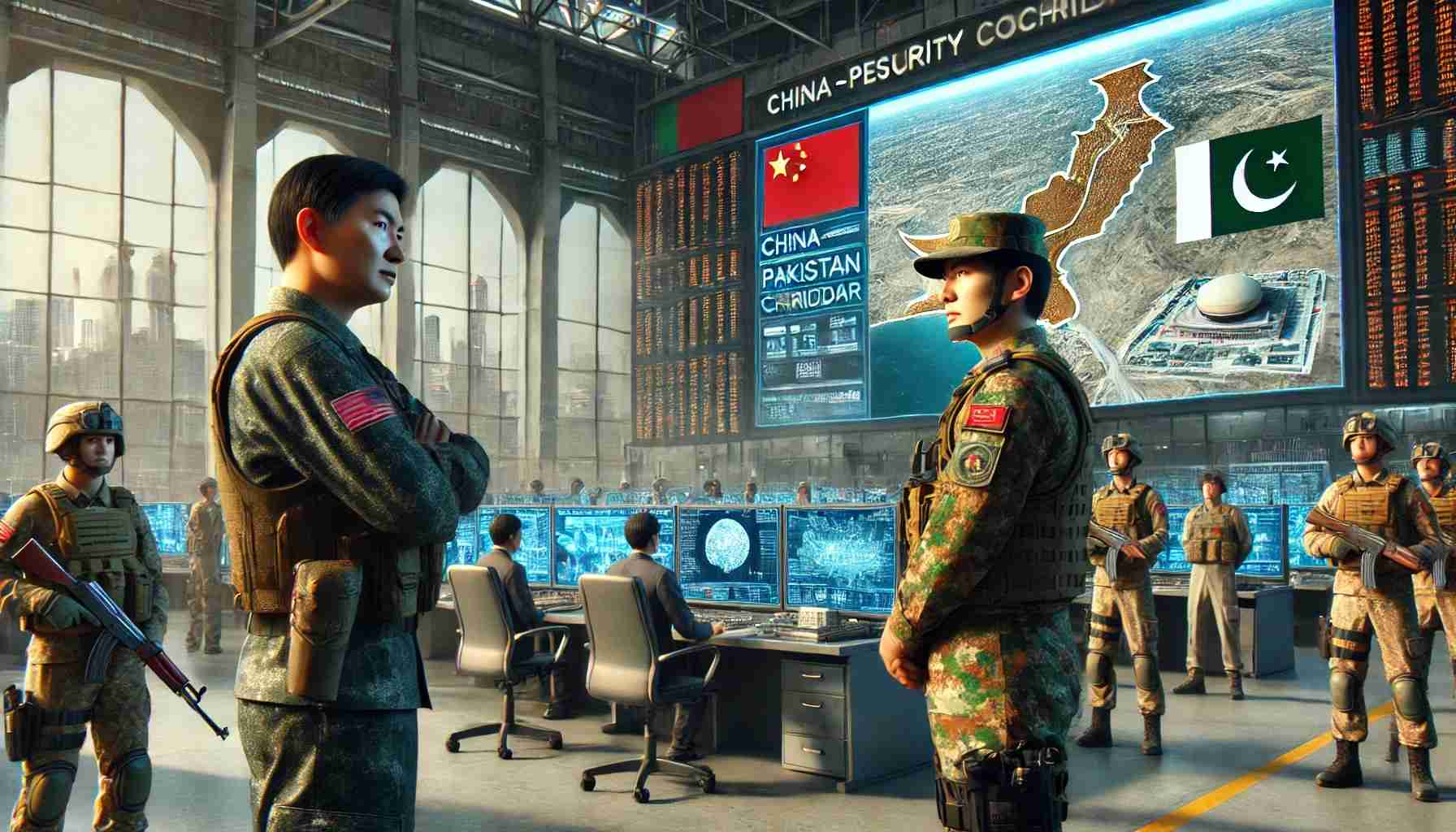
Another major development in the Operation Freedom Iran crisis is the growing role of China.
Iranian Foreign Minister Abbas Araghchi’s visit to Beijing suggests that Tehran increasingly views China as a critical diplomatic and strategic counterweight to Washington.
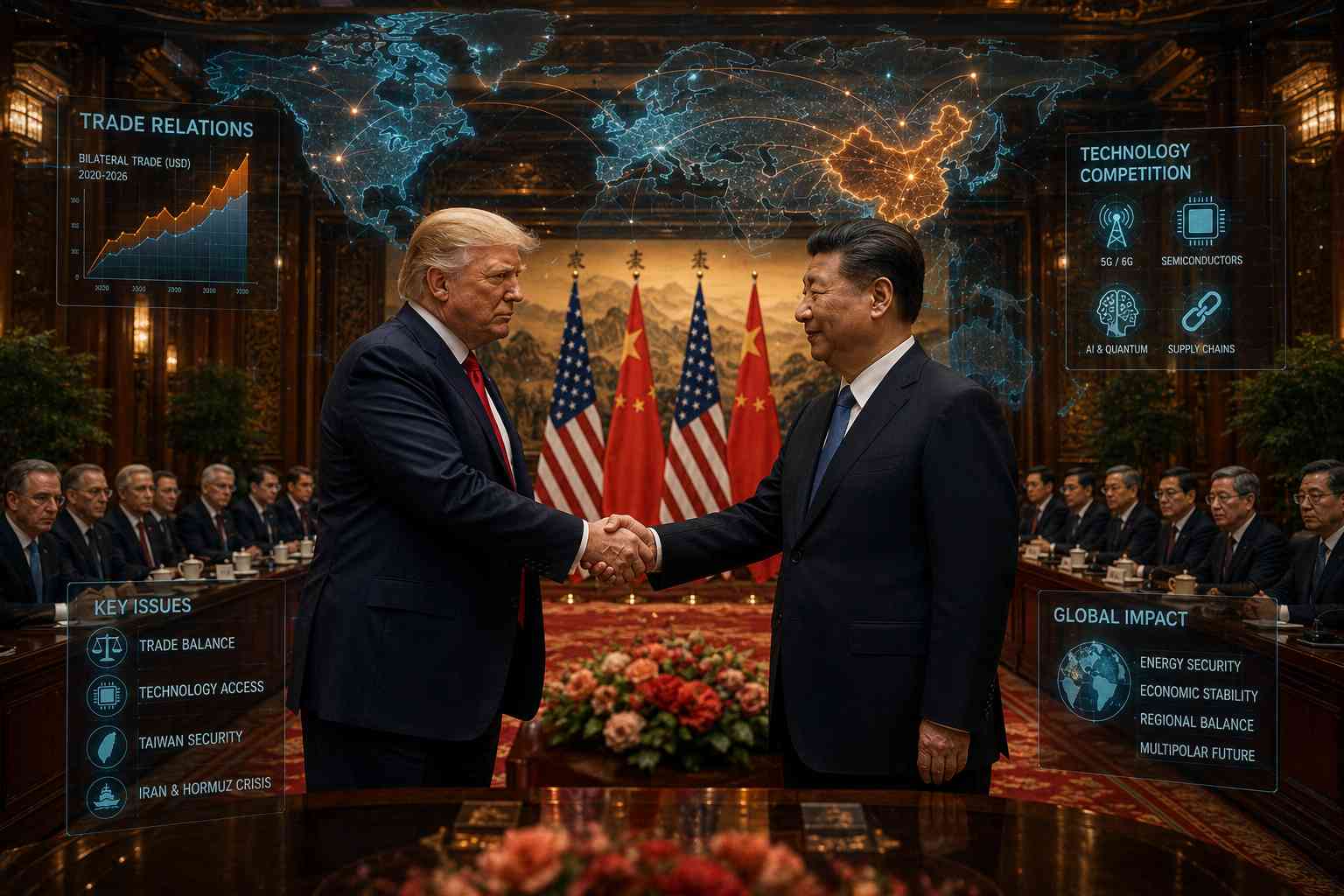
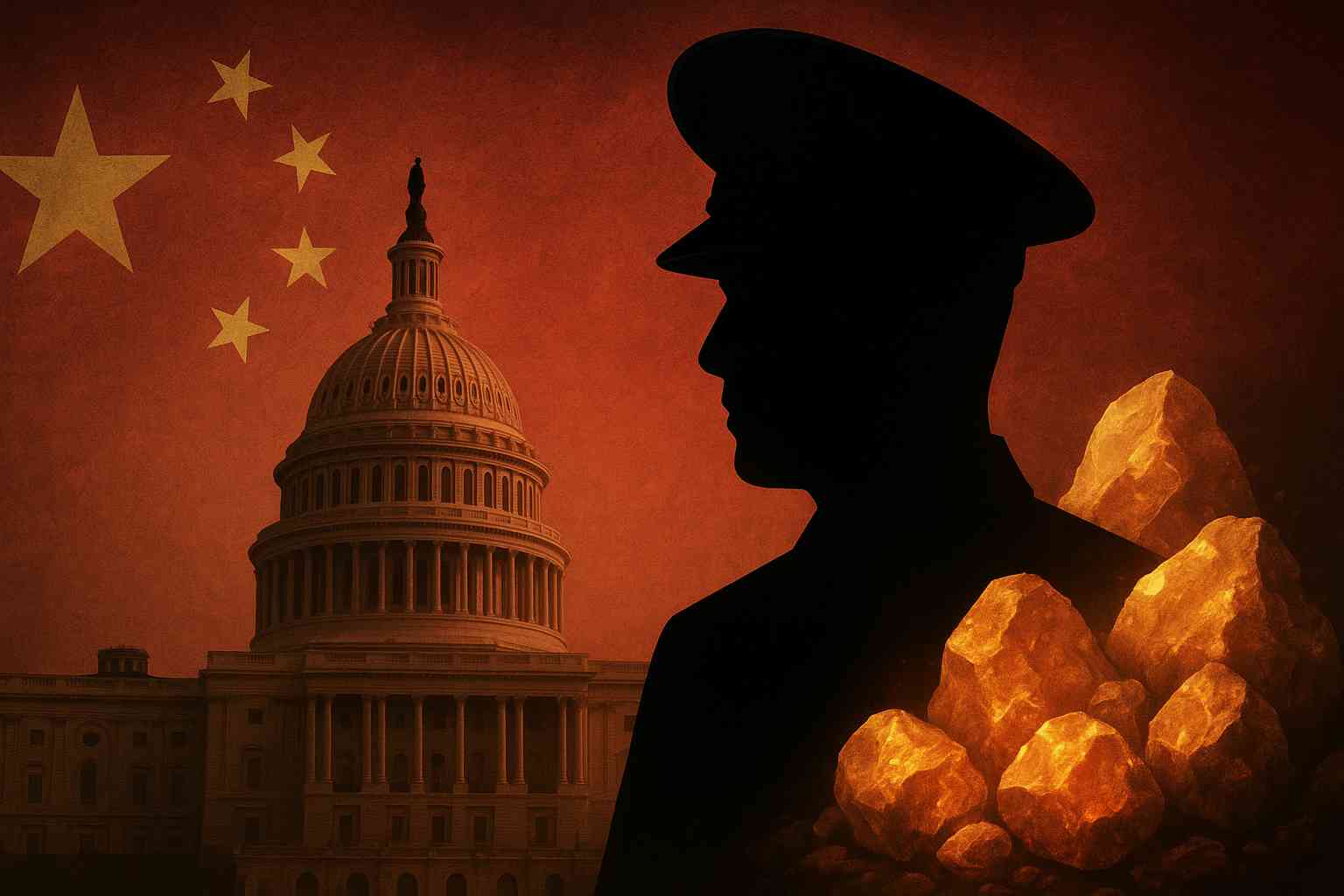
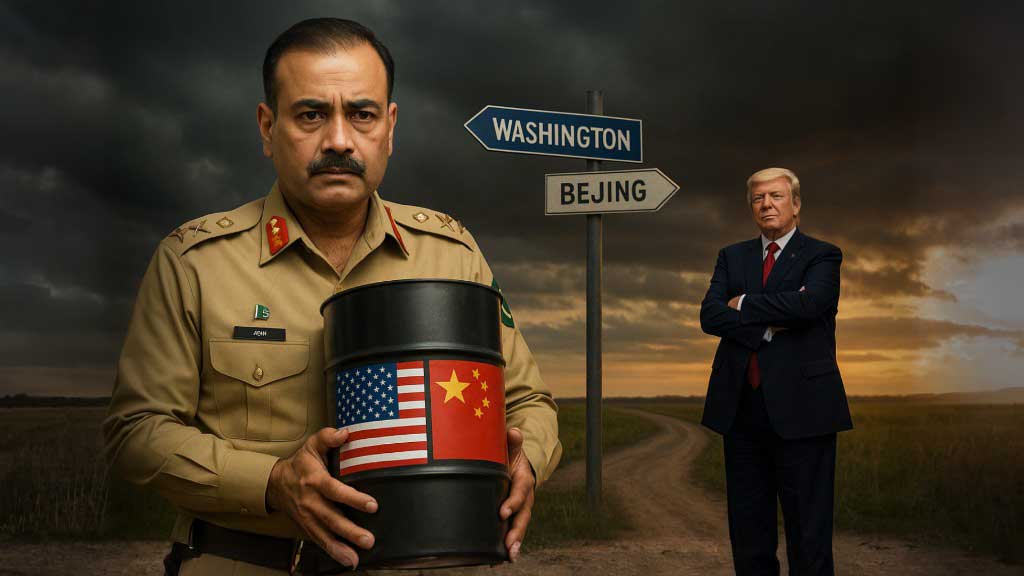
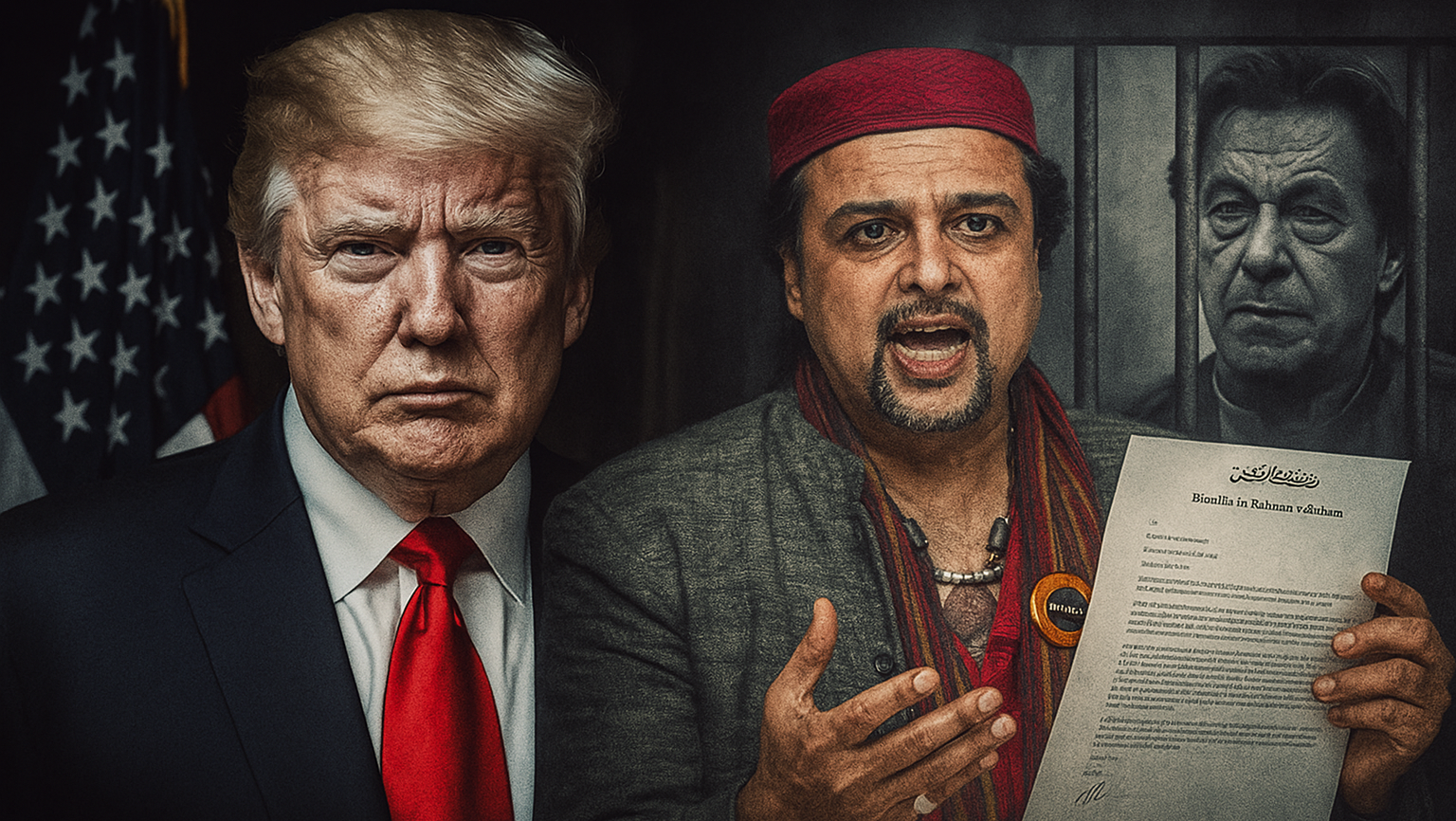
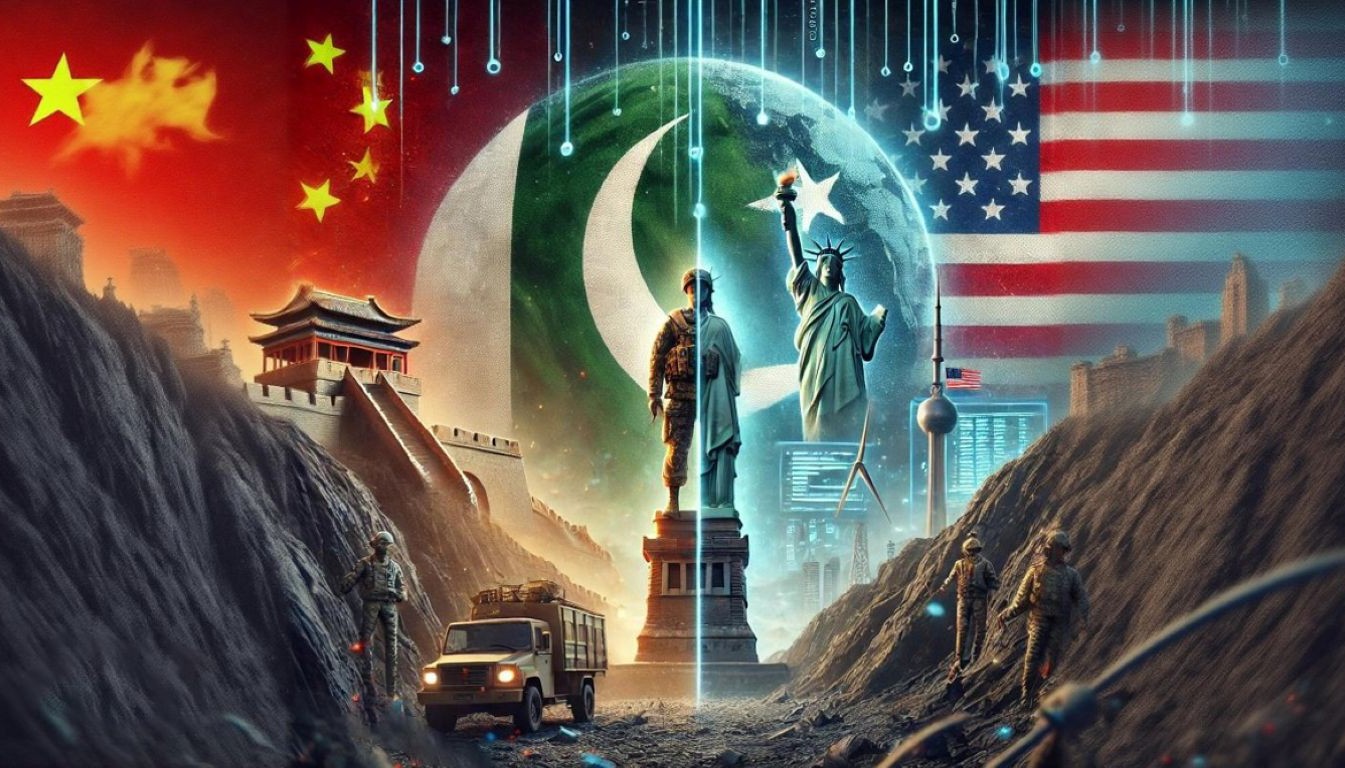
This timing is particularly important because President Donald Trump is also expected to meet Chinese President Xi Jinping in the coming days.
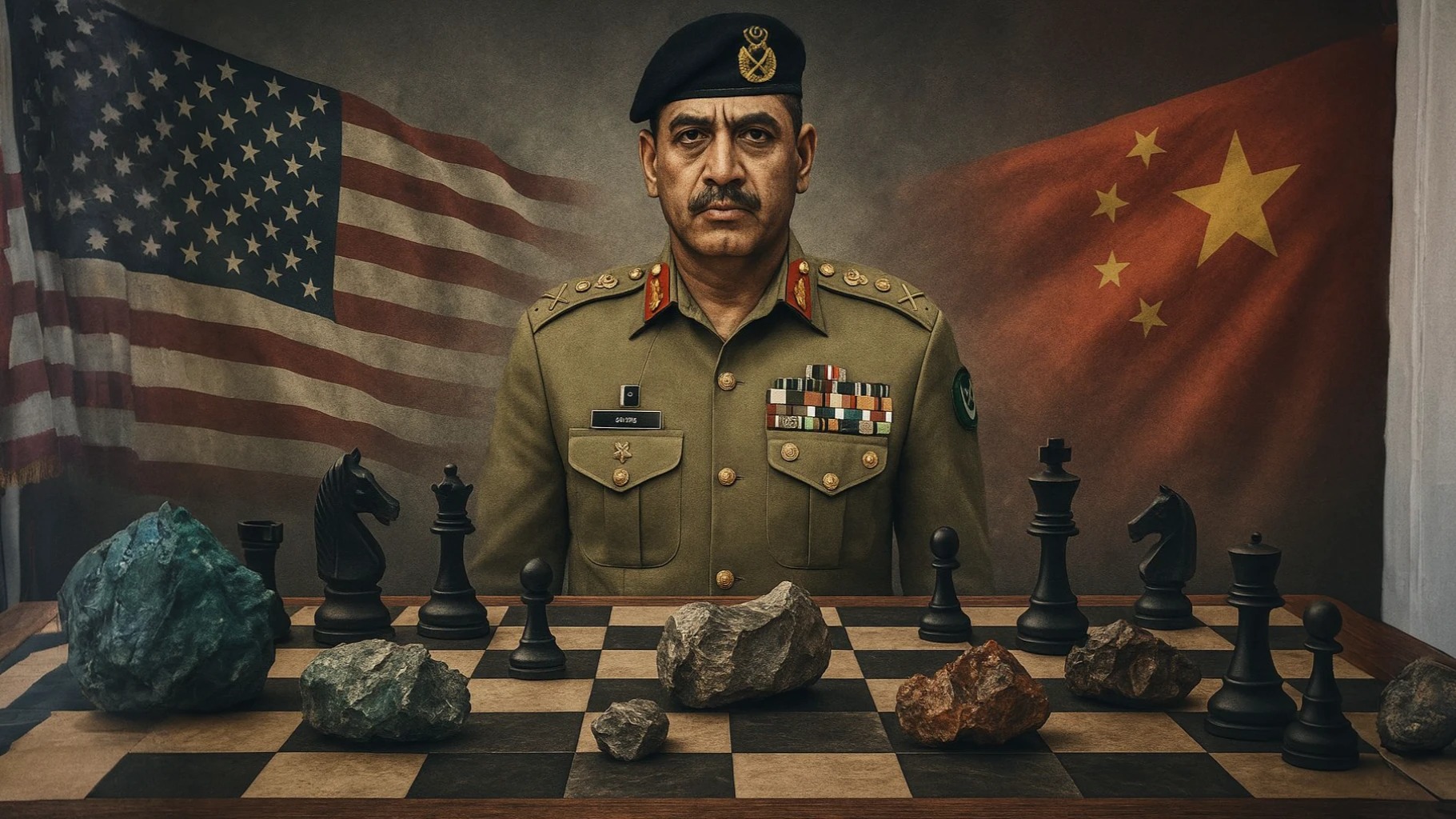
Analysts increasingly believe that if the current crisis moves toward negotiation rather than escalation, Beijing may emerge as the primary power capable of facilitating an outcome acceptable to all sides.
If that happens, the geopolitical consequences would extend beyond the Middle East. It would reinforce perceptions that the center of global diplomatic influence is gradually shifting toward China.
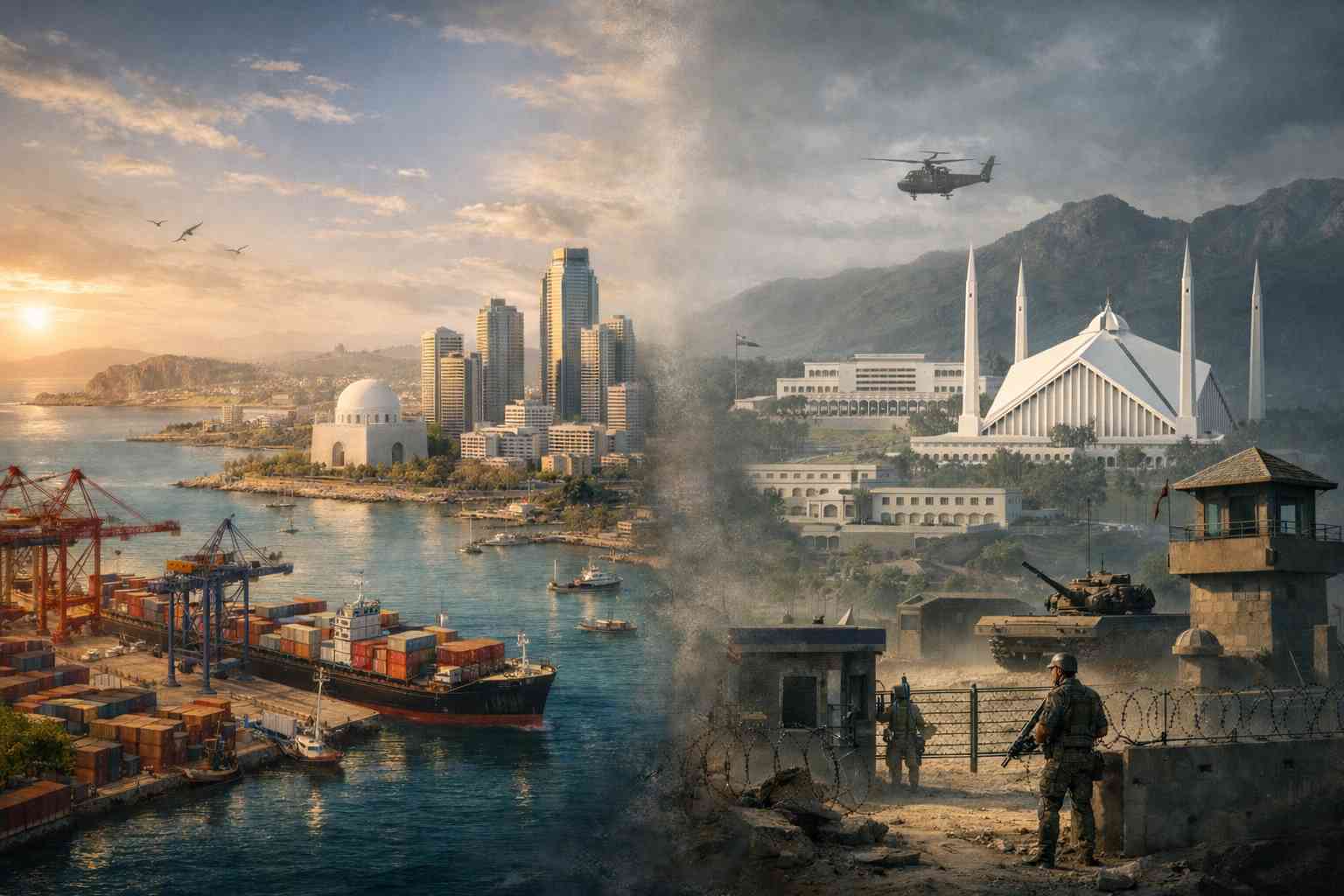
Pakistan’s Position Could Expand Again
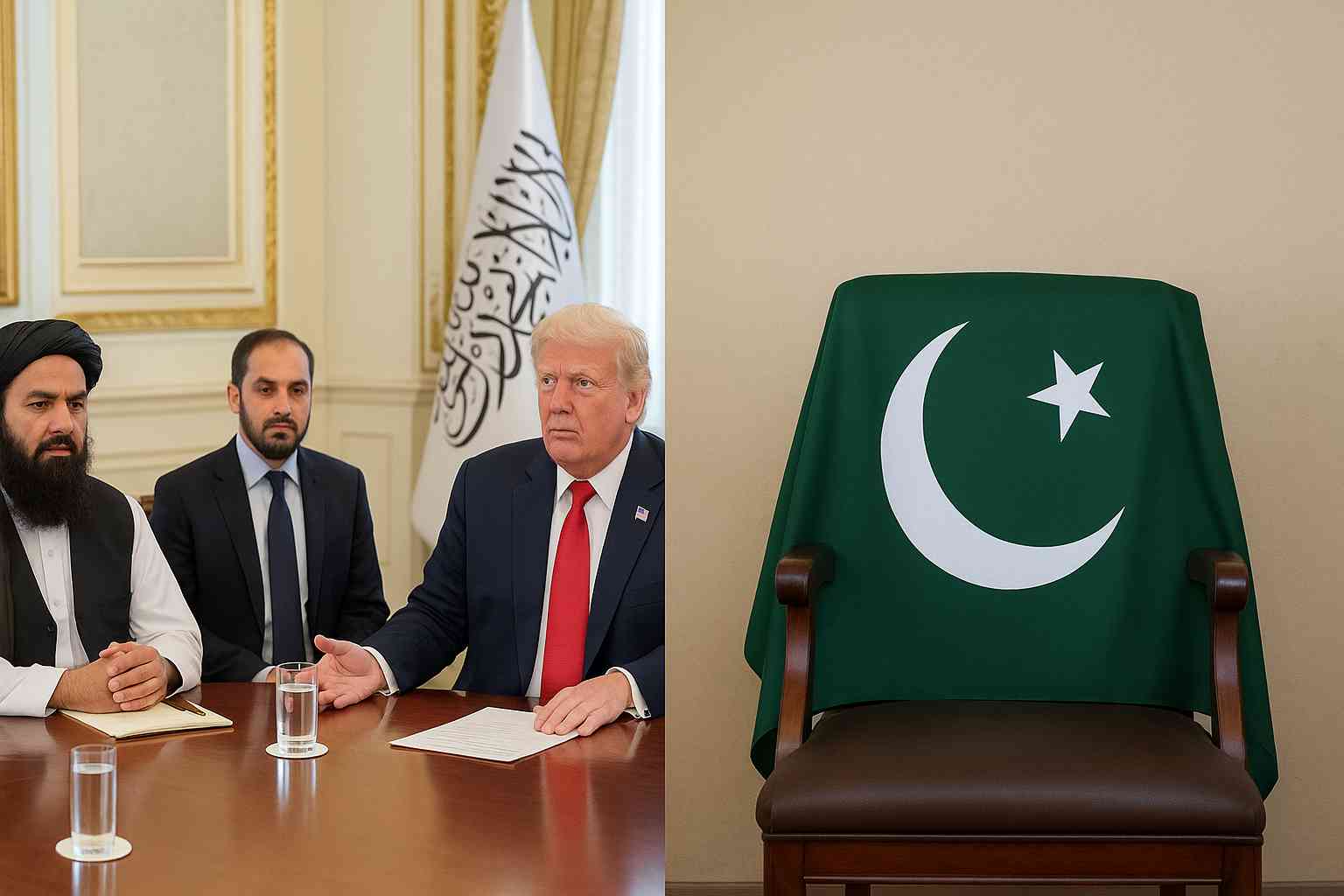
Pakistan also appears to be regaining relevance within the crisis.
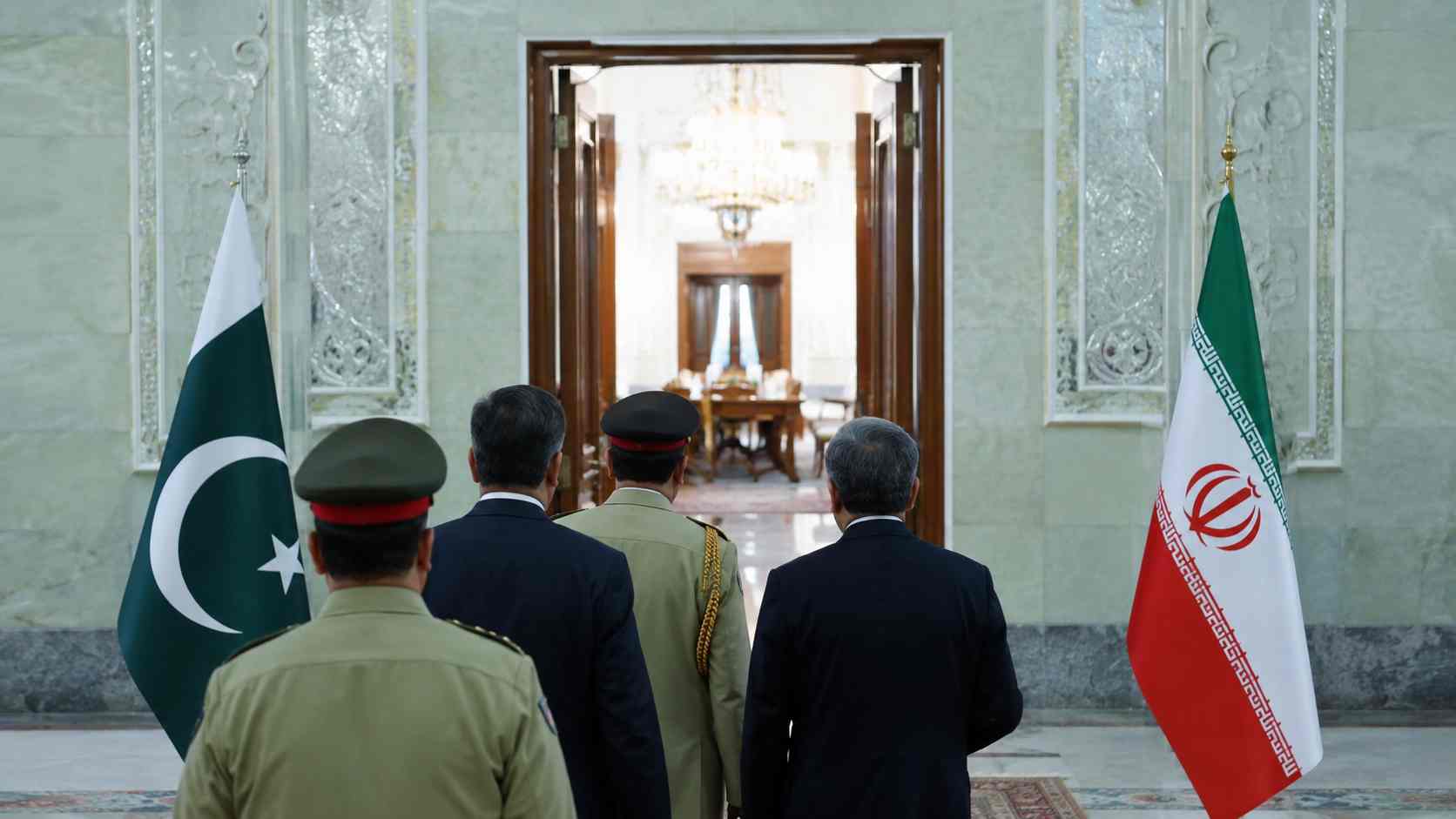
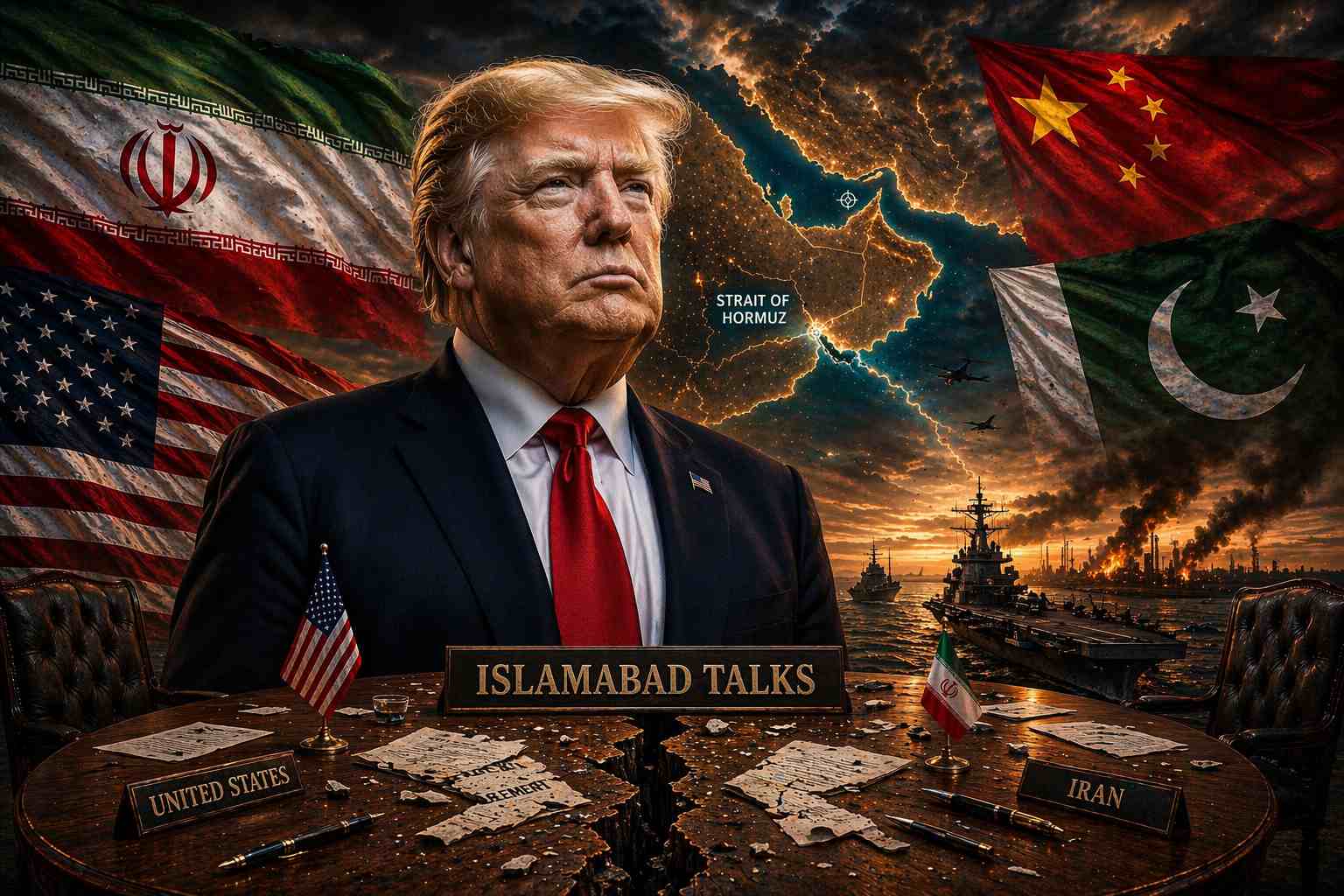
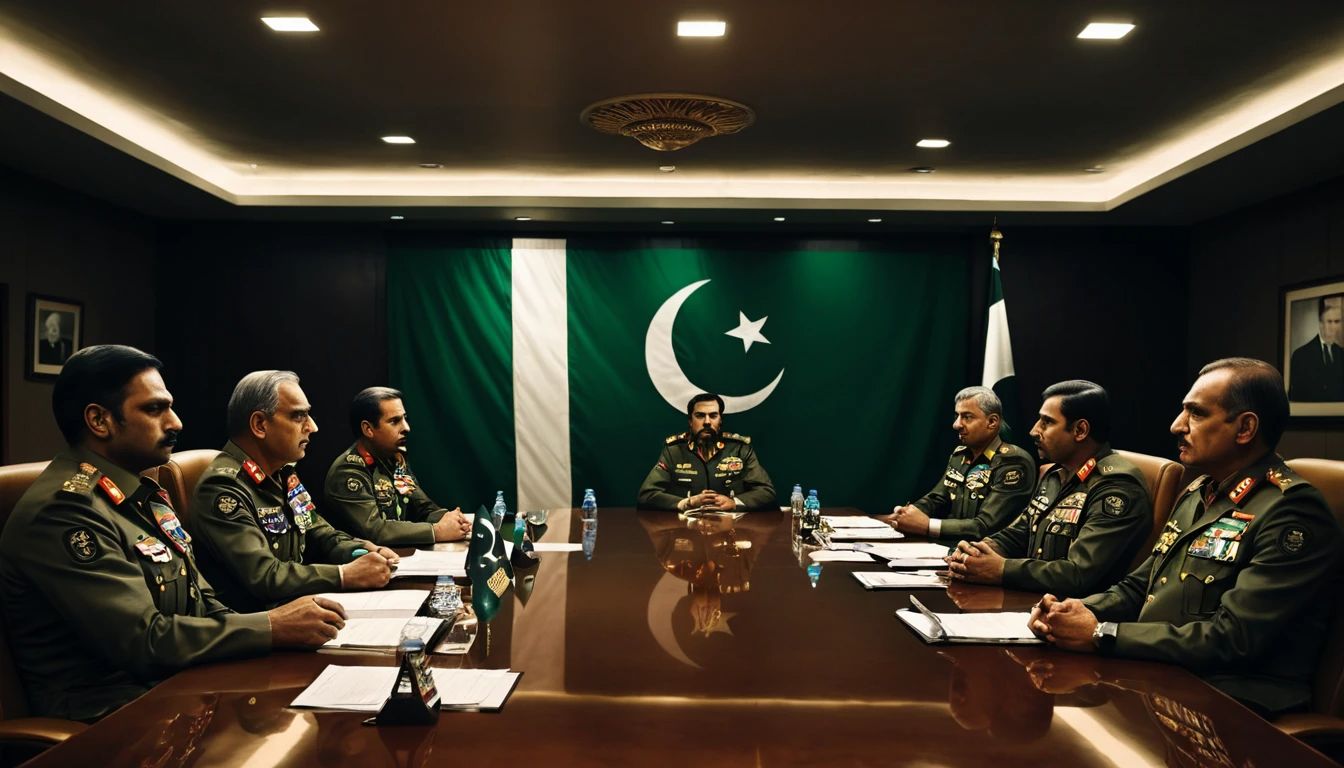
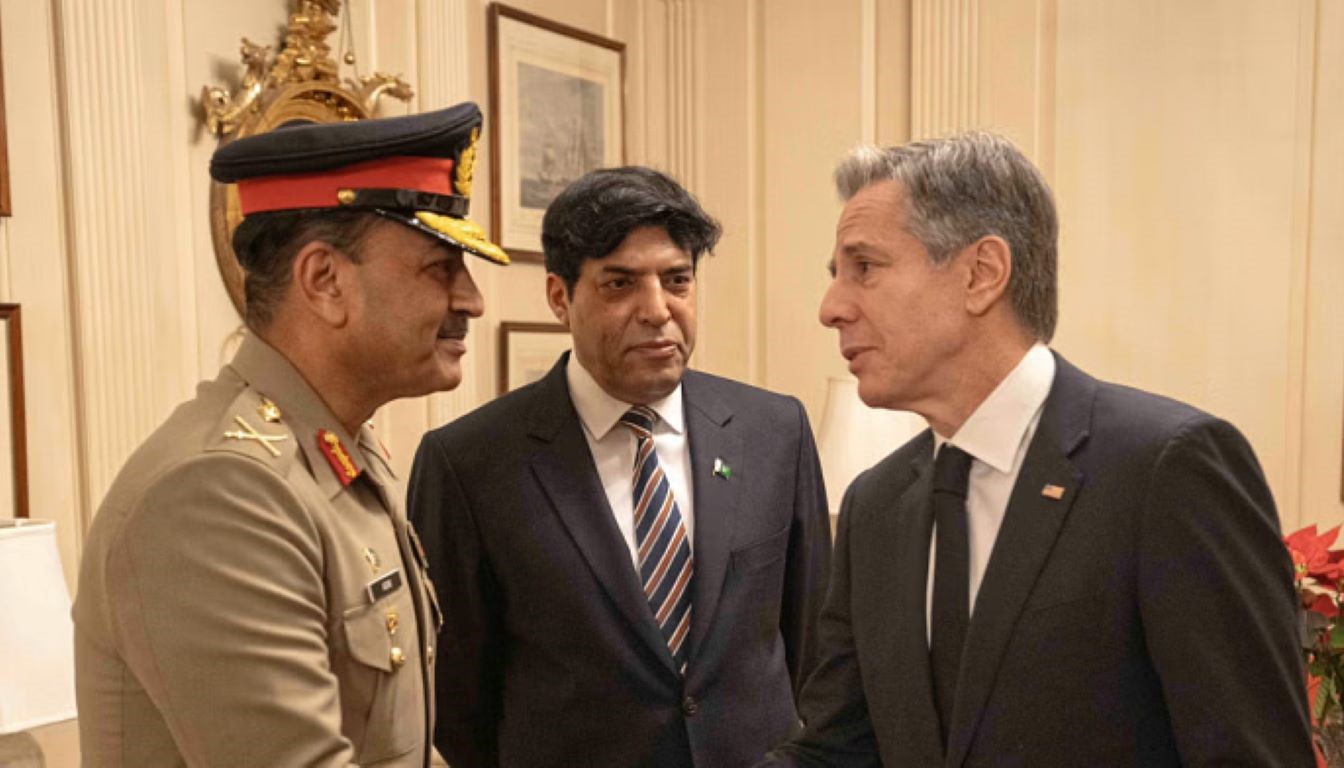
Recent remarks by Deputy Prime Minister and Foreign Minister Ishaq Dar suggested that mediation efforts between the United States and Iran remain active.
At the same time, the apparent limitations of Operation Freedom may increase the importance of regional intermediaries capable of maintaining communication channels.
This possibility reflects a broader pattern in South Asian and Middle Eastern diplomacy, where middle powers often regain strategic importance when direct confrontation reaches its limits.
Domestic Political Pressure Inside the United States
The crisis is also exposing internal political divisions in Washington.
Within the Democratic Party, criticism of Israeli nuclear ambiguity and broader Middle East policy appears to be increasing. More than 30 Democratic lawmakers reportedly demanded greater transparency regarding Israel’s nuclear posture and strategic red lines.
This debate matters because it challenges the consistency of American nuclear policy in the region. Critics argue that demands placed on Iran cannot be separated from broader questions about regional proliferation and strategic balance.
As the Operation Freedom Iran crisis evolves, these domestic political pressures may complicate long-term escalation.
UAE Frustration and Gulf Tensions
The United Arab Emirates has also expressed frustration following reports of drone and missile activity near its territory and energy infrastructure.
However, the American response to Emirati concerns appears measured rather than escalatory. This has reportedly created unease within Gulf political circles, particularly among states expecting a stronger security reaction.
These tensions reveal a broader issue:
Regional allies may not fully share Washington’s assessment of escalation thresholds or strategic priorities.
India, Pakistan, and Regional Strategic Calculations
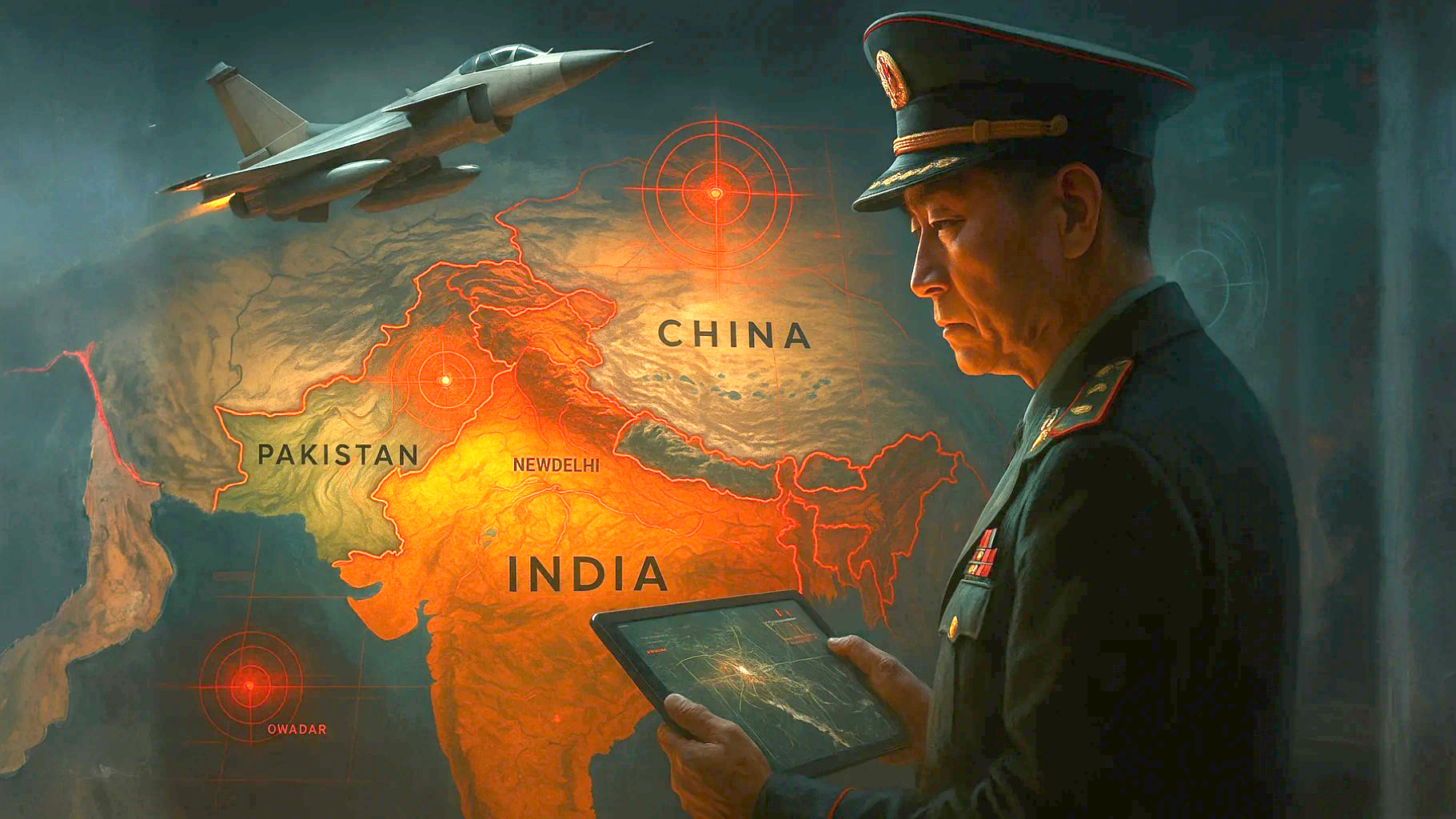
The discussion also extended into South Asian politics, particularly the implications of evolving US regional priorities.
There is growing recognition within Pakistani strategic circles that changes in US domestic politics could eventually reshape Washington’s South Asia policy. At the same time, India’s internal political developments continue to influence regional calculations.
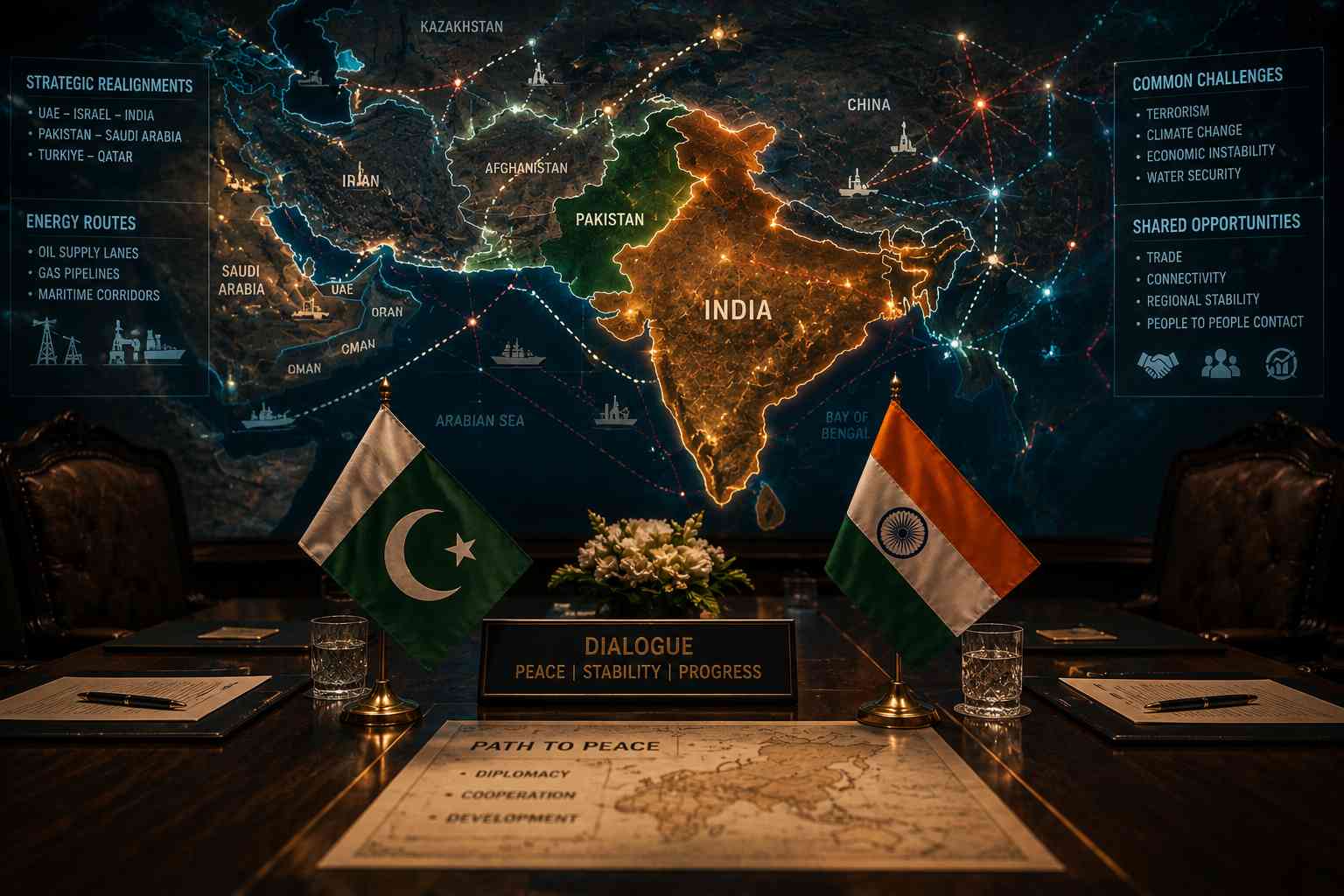
The argument presented is that Pakistan may need to quietly reopen diplomatic channels with India while current geopolitical conditions still allow room for maneuver.
Conclusion: A Strategy Facing Strategic Limits
The Operation Freedom Iran crisis demonstrates the growing difficulty of translating military superiority into political outcomes.
While the United States retains overwhelming military capabilities, the crisis reveals several emerging constraints:
- Reluctance toward deeper war
- Economic vulnerability through shipping disruption
- Expanding Chinese diplomatic influence
- Regional fragmentation among allies
At the same time, Iran appears focused on avoiding direct collapse while prolonging strategic uncertainty.
Whether this crisis moves toward escalation or negotiated stabilization may ultimately depend less on military force and more on which side can shape the broader geopolitical environment more effectively.