Turkey Israel Conflict Escalates
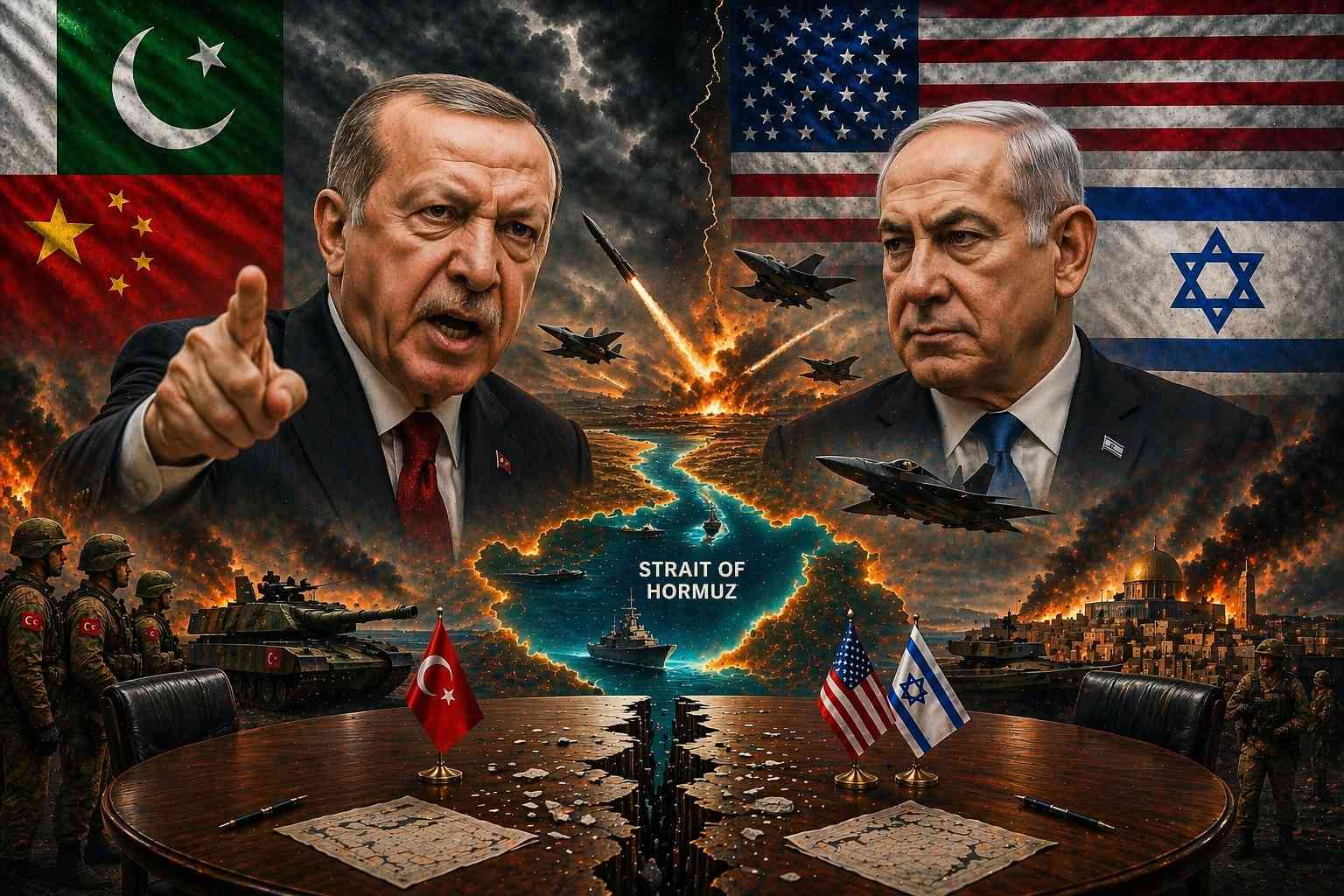
The Middle East is not calming down. Instead, it is evolving into something far more dangerous. While many believed the Iran war would bring some level of stabilization, the reality appears very different. Rather than closure, the region is entering a new phase of confrontation. This time, the spotlight is shifting toward a potential Turkey Israel conflict—and the implications are far more serious than previous tensions.
This is no longer about indirect messaging or diplomatic signaling. Instead, the language has hardened. The posture has changed. Most importantly, the groundwork appears to be quietly taking shape.
Erdogan’s Direct Threat: Beyond Diplomacy
Turkish President Recep Tayyip Erdogan has now crossed a significant line.
His recent statements were not diplomatic warnings. Instead, they were direct threats. Erdogan openly suggested that Turkey could take military action against Israel, referencing past interventions in Libya and Nagorno-Karabakh as precedents.
This matters.
Turkey is not known for making empty threats in such contexts. In fact, its military history shows a clear pattern—when Ankara signals escalation, it often follows through. Therefore, the current Turkey Israel conflict cannot be dismissed as mere rhetoric.
Netanyahu’s Response: Personal and Aggressive
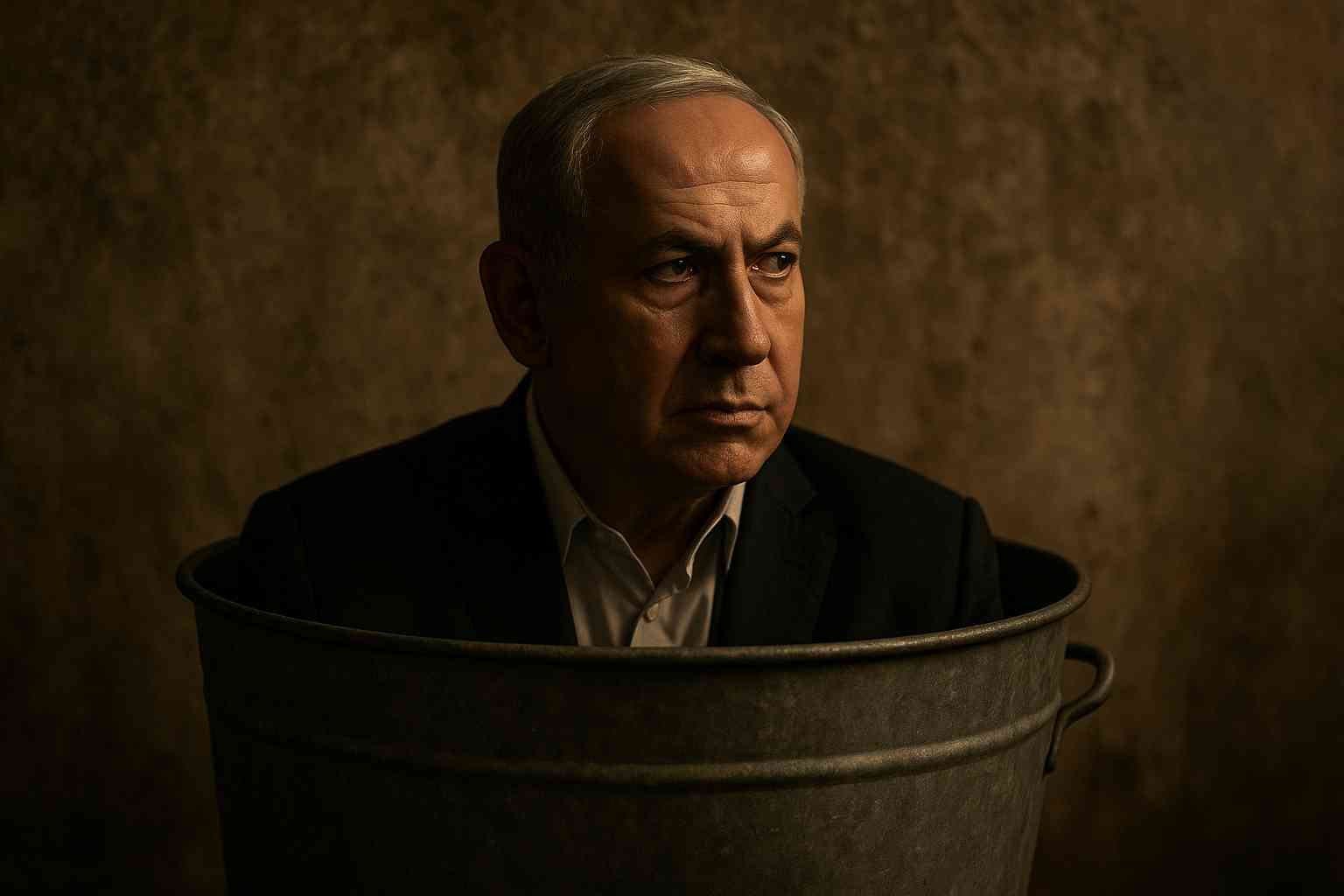
Meanwhile, the response from Israeli Prime Minister Benjamin Netanyahu further intensified the situation.
Instead of de-escalating, Netanyahu chose to go personal. He accused Erdogan of hypocrisy and highlighted Turkey’s treatment of Kurdish populations. As a result, the tone shifted from strategic messaging to direct political confrontation.
When leadership discourse becomes personal, it often reflects deeper structural tensions. In this case, it signals that both sides are preparing their domestic audiences for a prolonged Turkey Israel conflict.
Ground Reality: Is This Just Talk?
The critical question, however, is whether this is merely verbal escalation or something more serious.
Evidence suggests that groundwork is already underway.
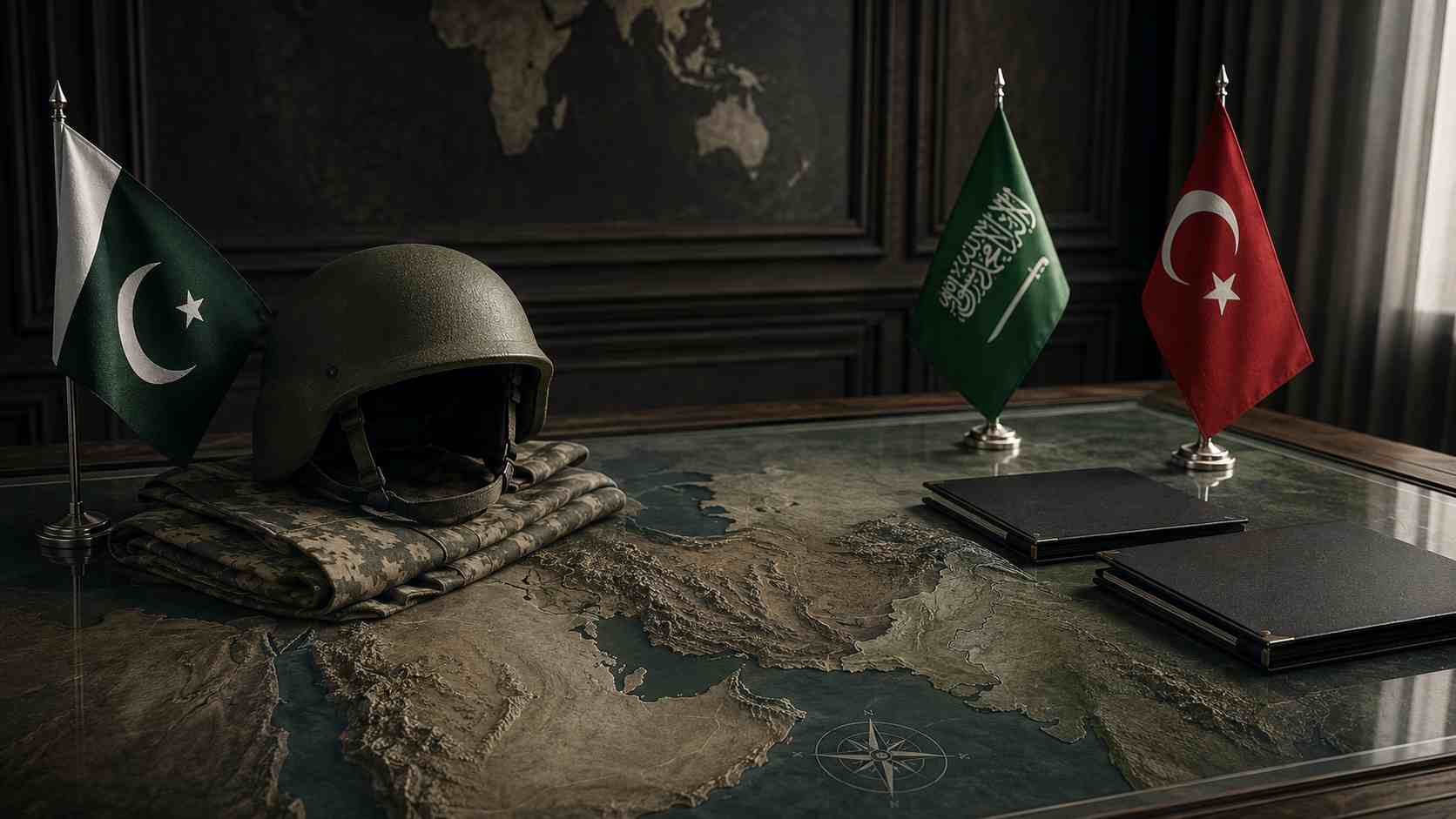
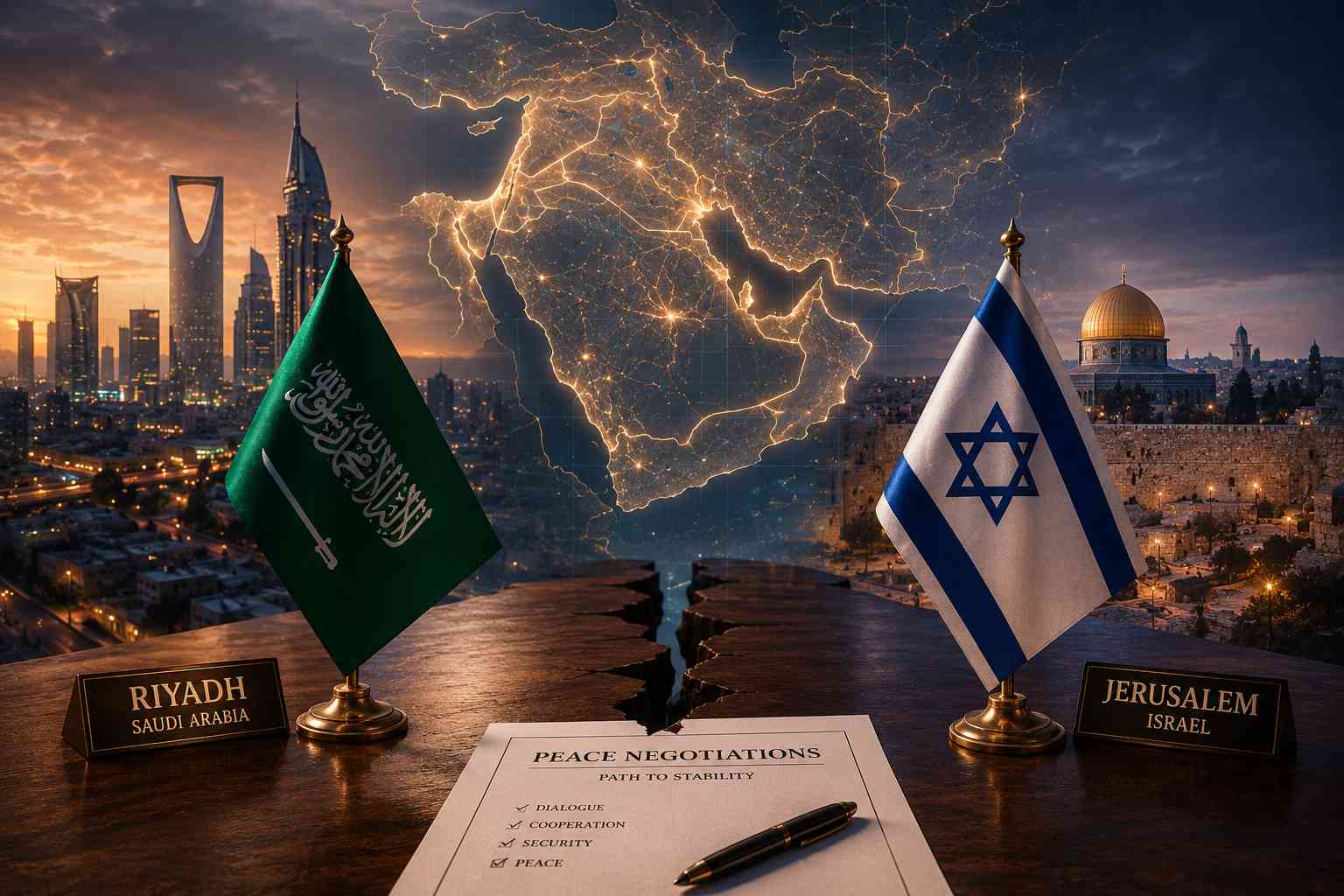
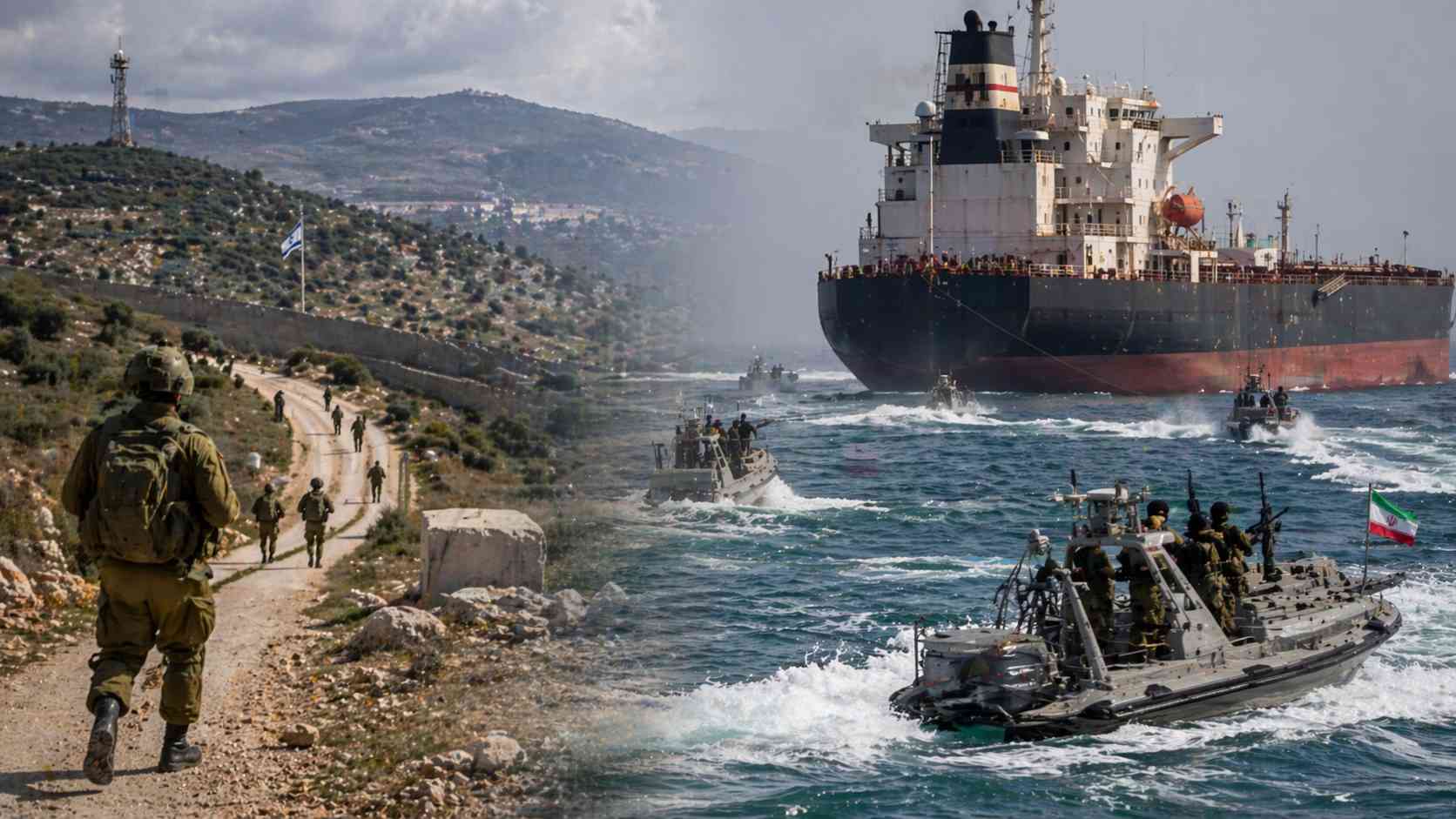
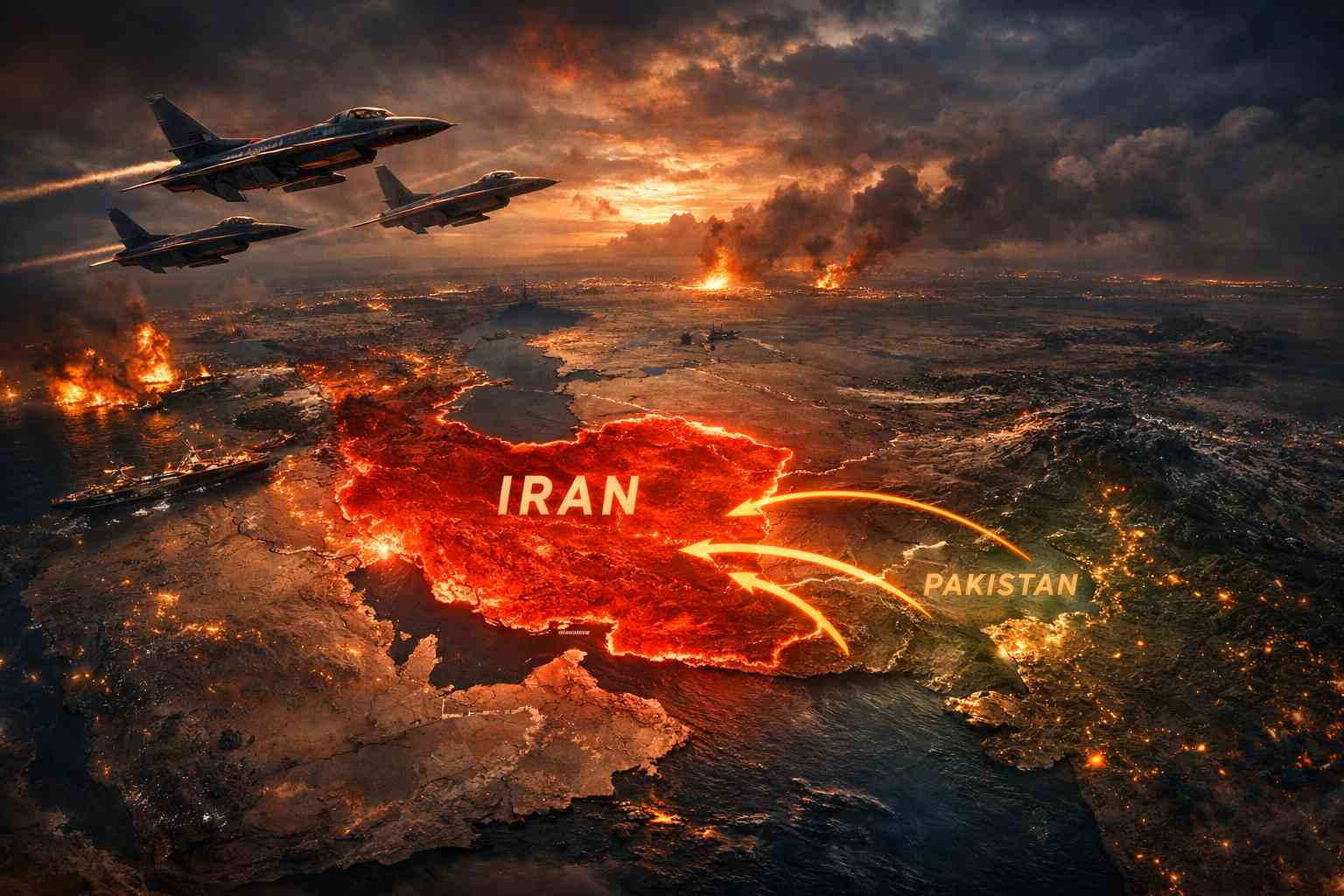
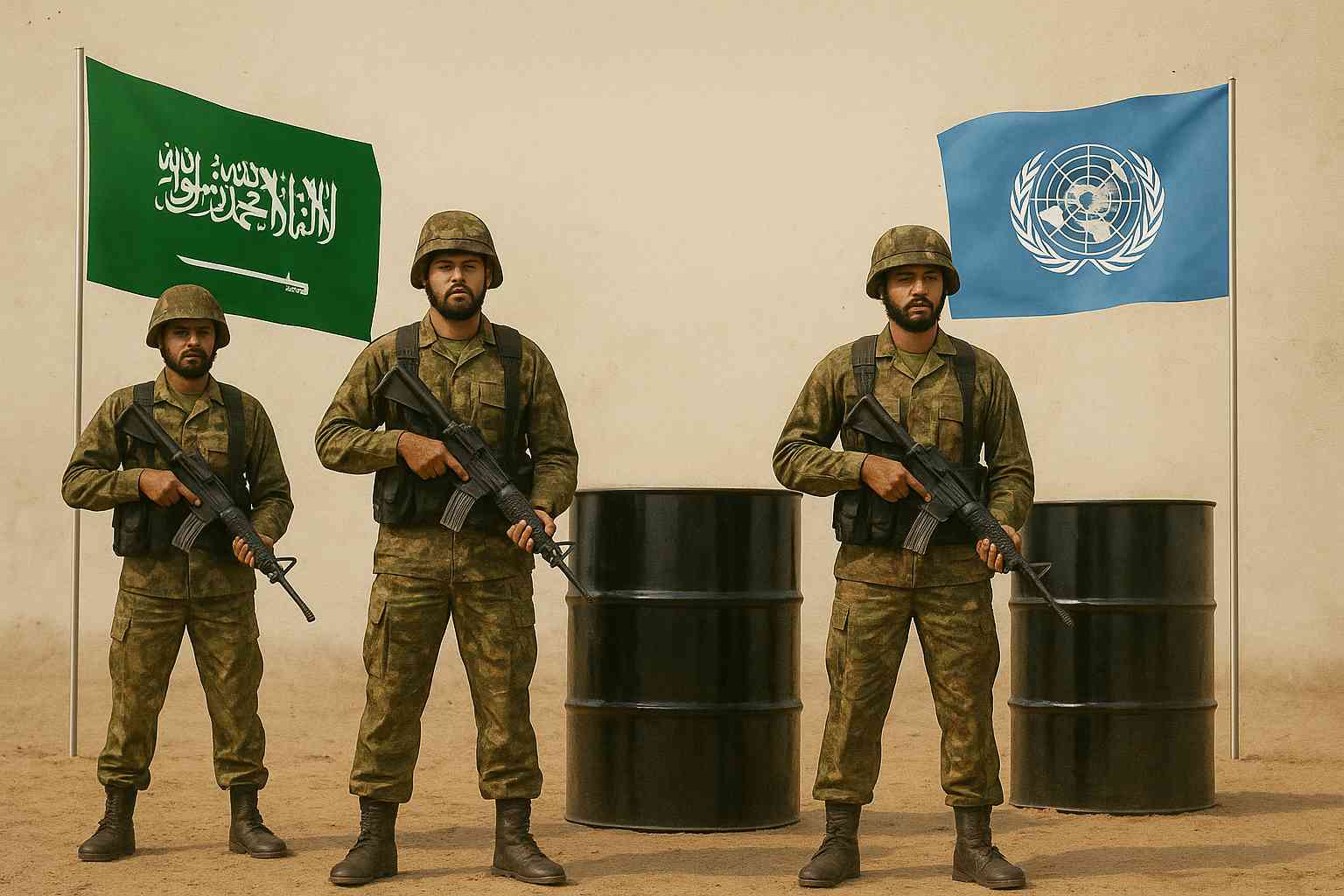
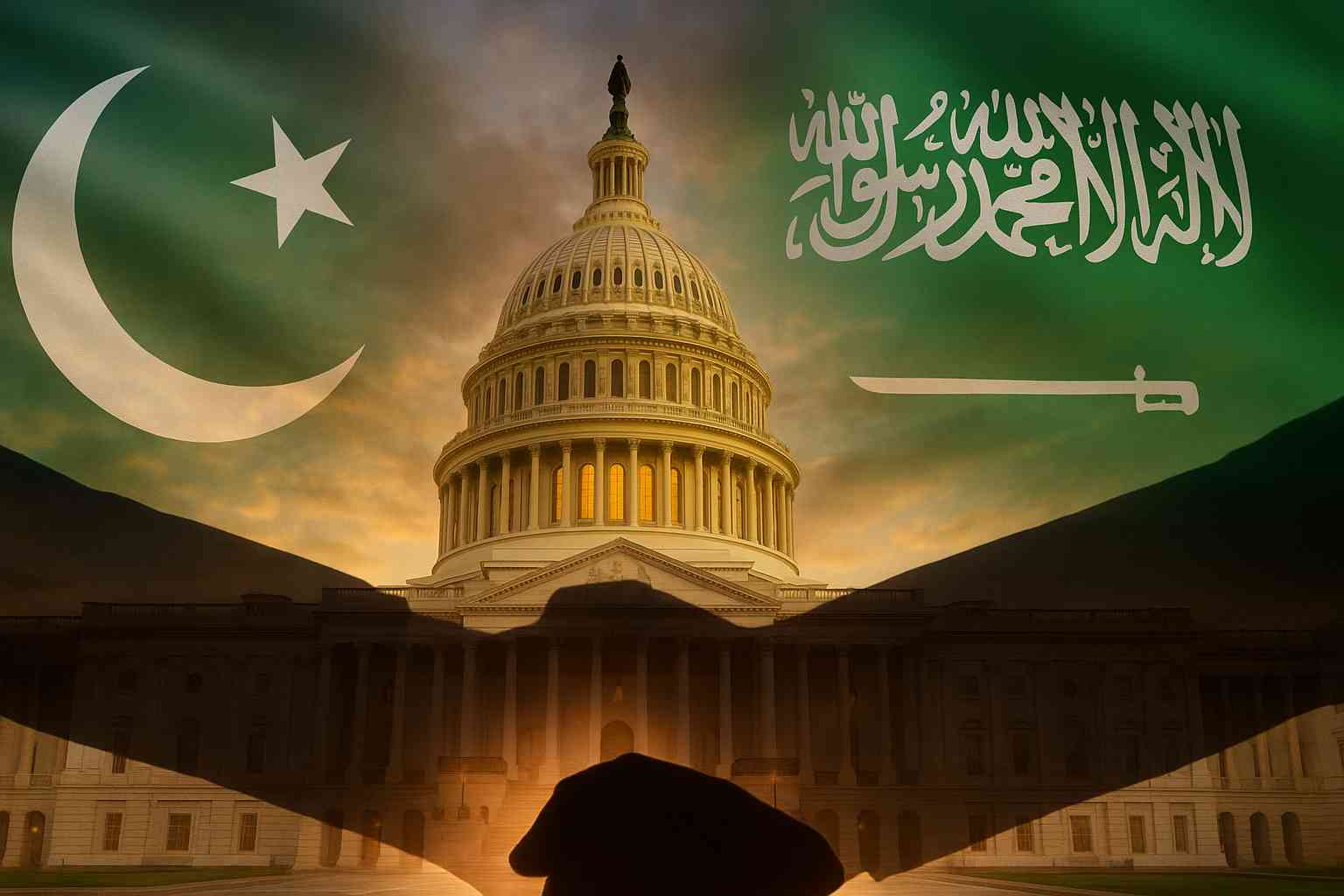
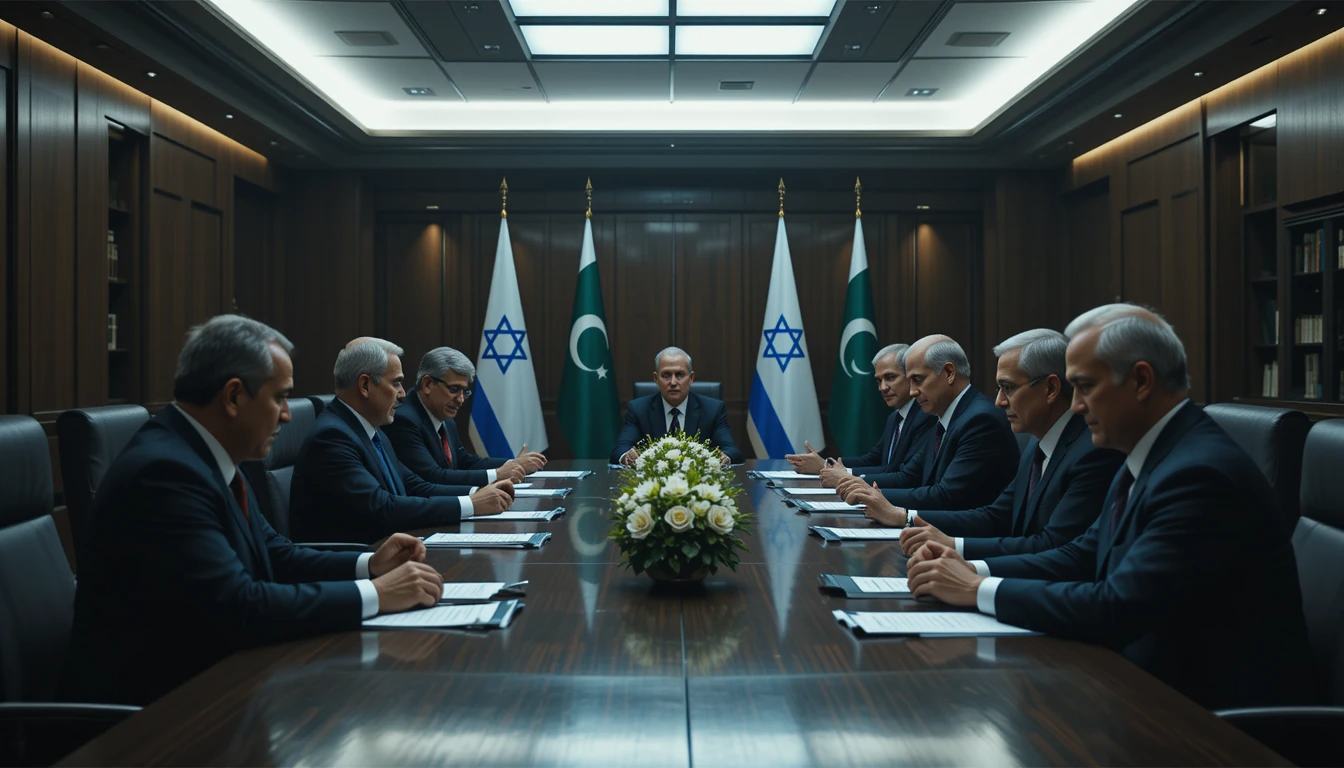
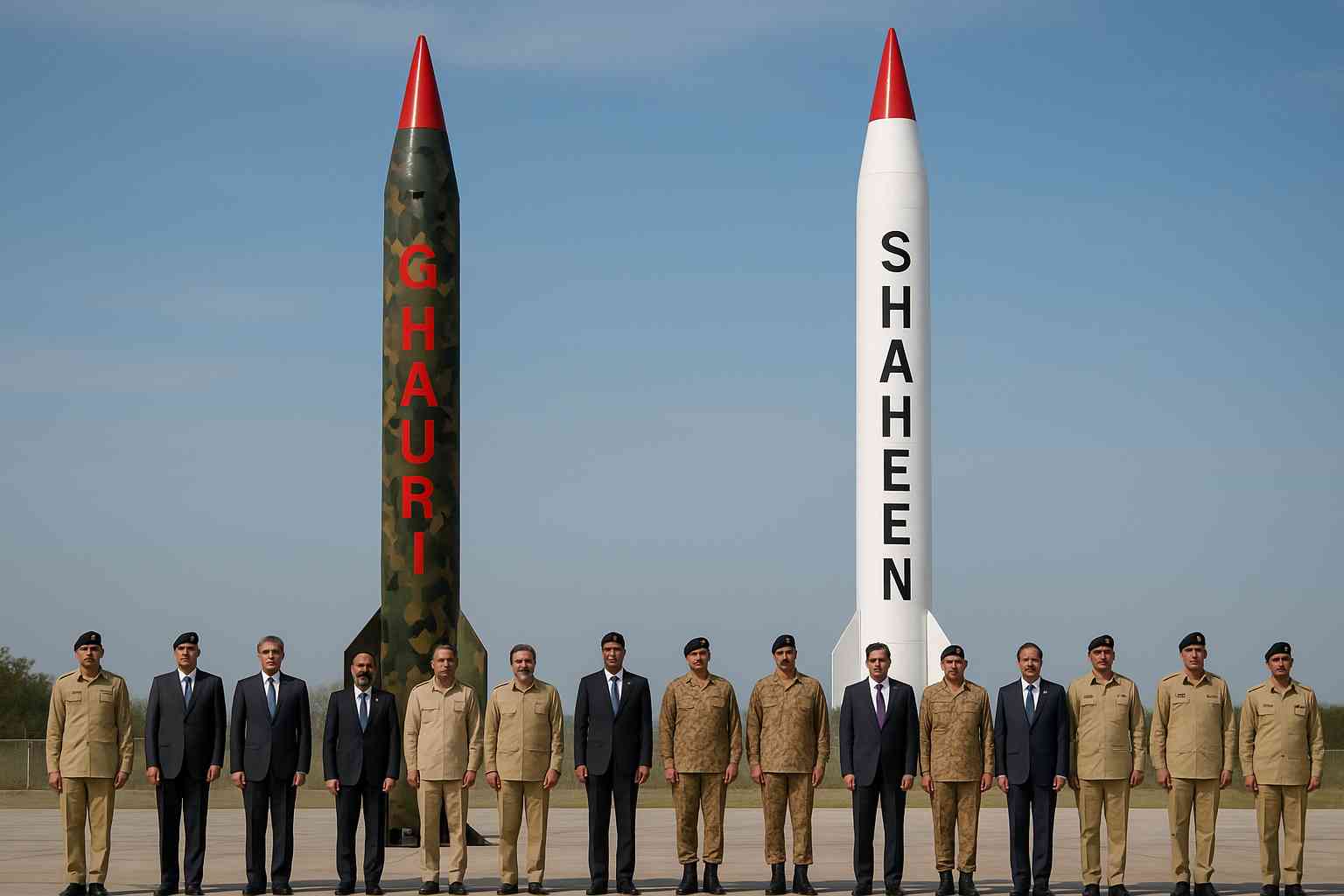
There are indications of strategic positioning across the region. For instance, Pakistan’s deployment near Yemen, Saudi Arabia’s shifting stance, and broader alignment patterns all point toward coordinated pressure building against Israel.
From the south, pressure could emerge via Yemen-linked dynamics. At the same time, from the north, Turkey’s involvement could open a new axis. Consequently, this dual-front scenario makes the Turkey Israel conflict particularly dangerous.
Turkey’s Military Capability: Often Underestimated
One of the biggest analytical mistakes, however, is underestimating Turkey.
Turkey possesses NATO’s second-largest army after the United States. More importantly, it has recent, real-world combat experience across multiple theaters, including Syria, Libya, and the Caucasus.
This is not a symbolic military force.
If Turkey moves, it will not act for optics. Instead, it will act operationally. As a result, the Turkey Israel conflict would significantly alter the strategic balance, especially as Israel is already engaged on multiple fronts.
The Emerging Power Alignment in the Middle East
The broader geopolitical picture reveals three primary actors shaping the region:
- Israel
- Iran
- Turkey
Meanwhile, Saudi Arabia remains a major player but operates more through strategic positioning than direct confrontation.
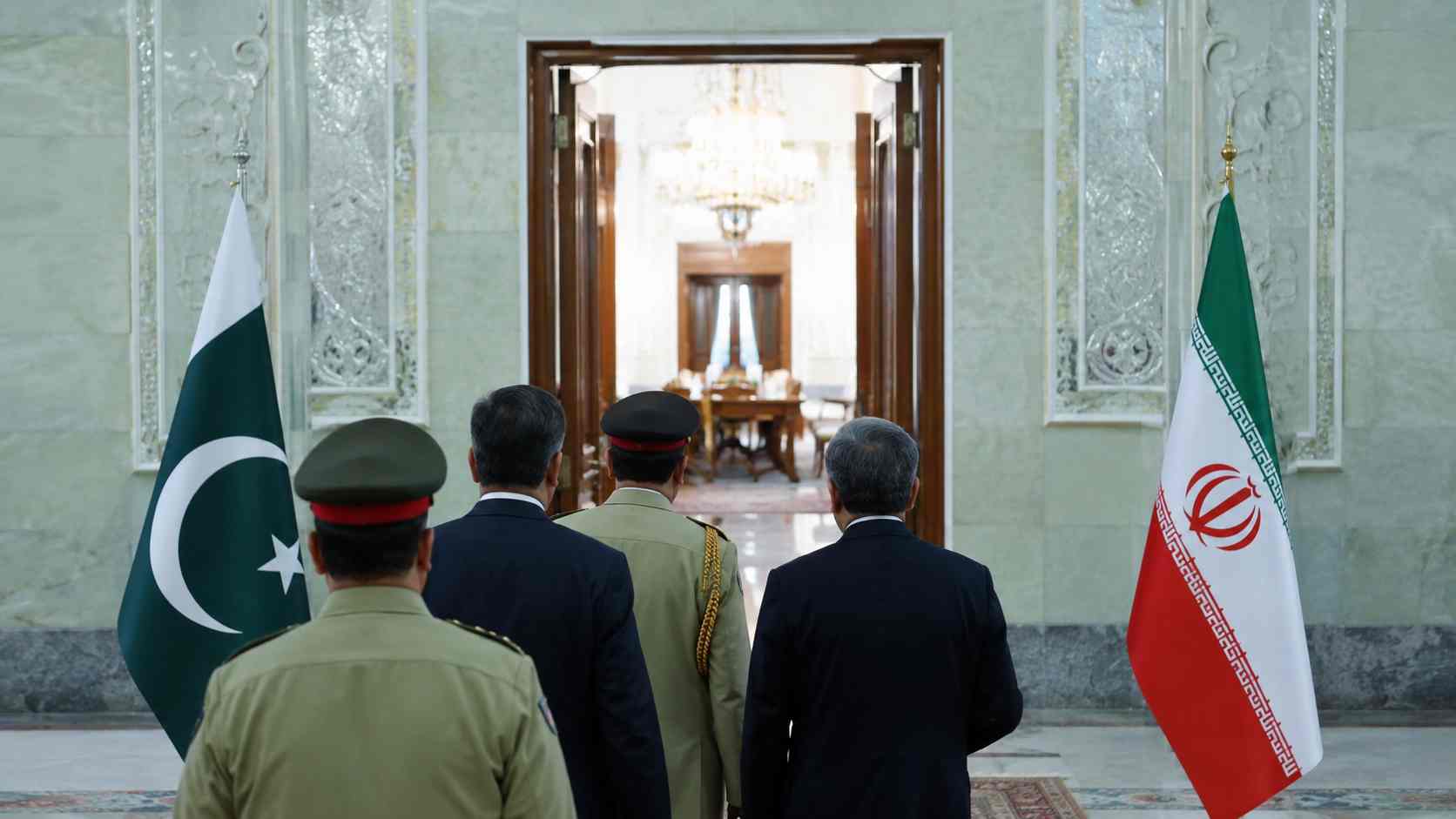
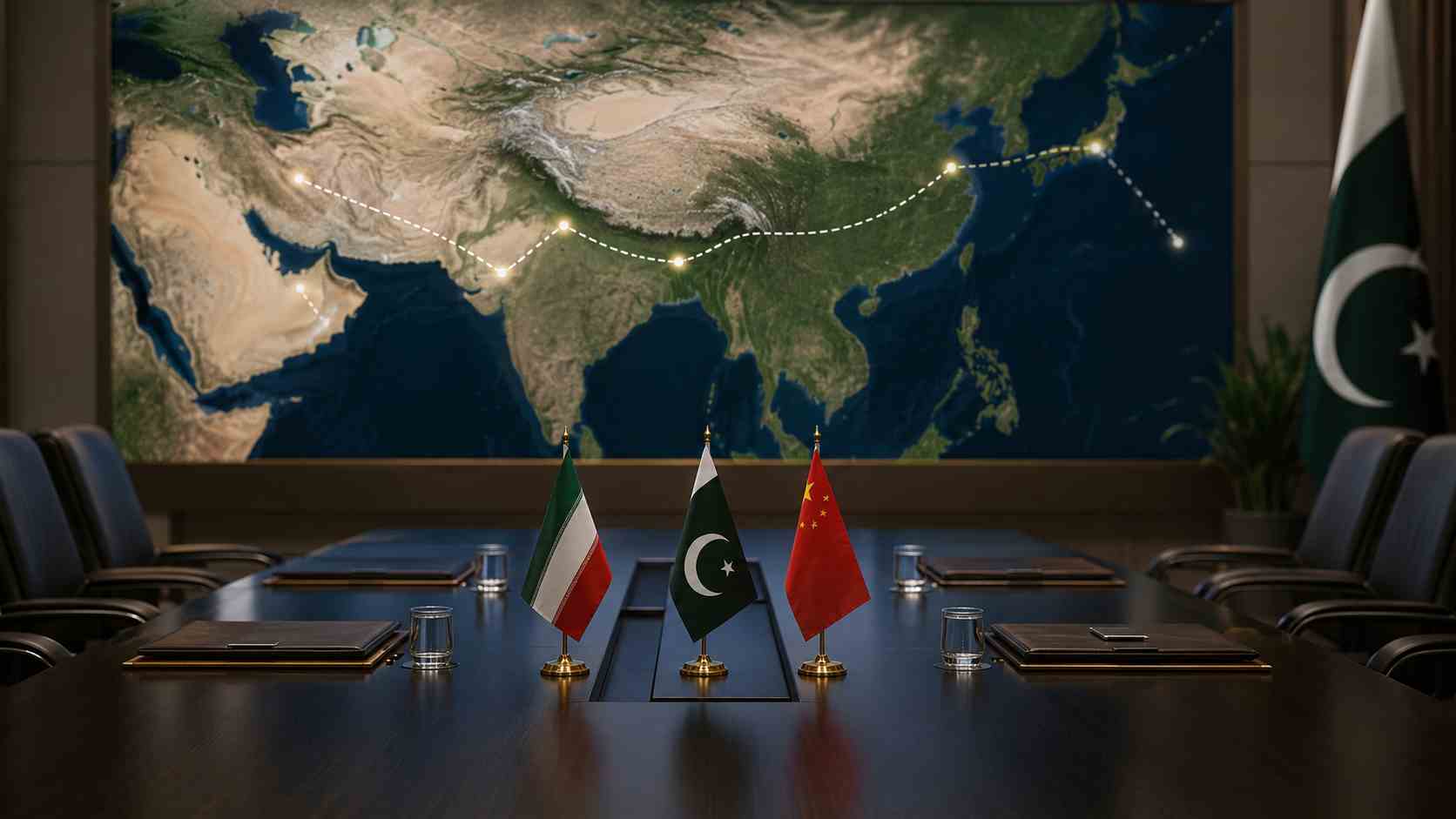
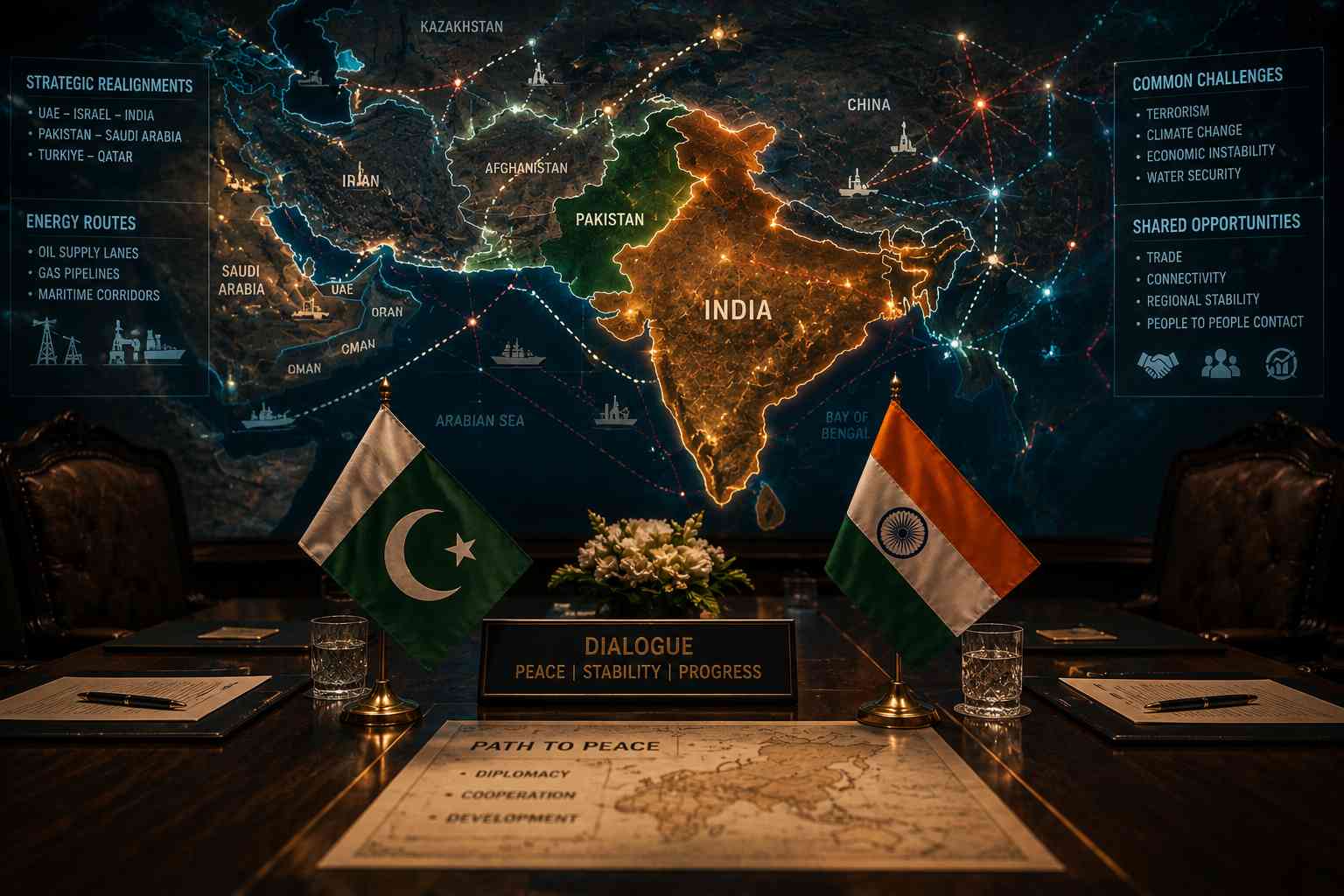
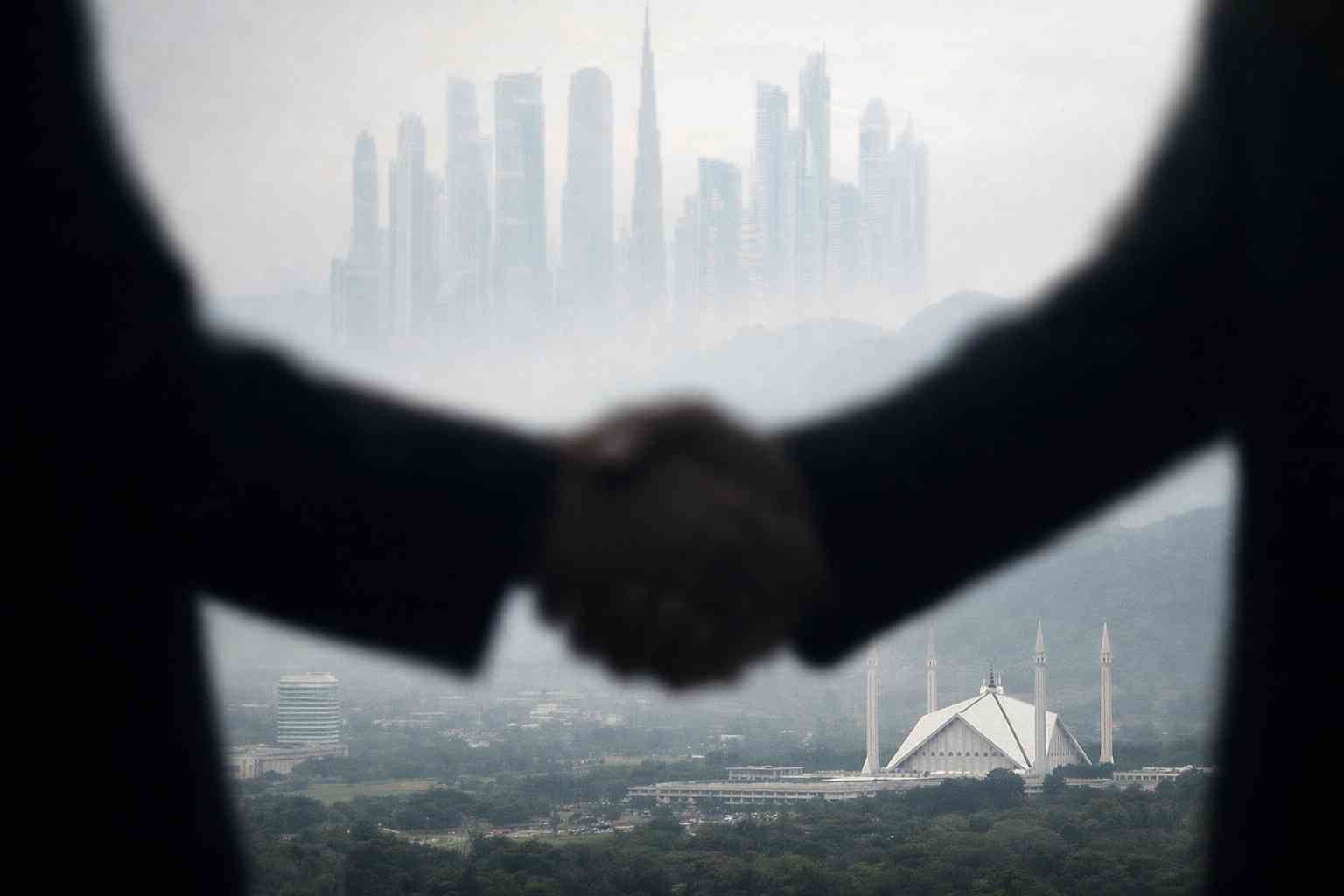
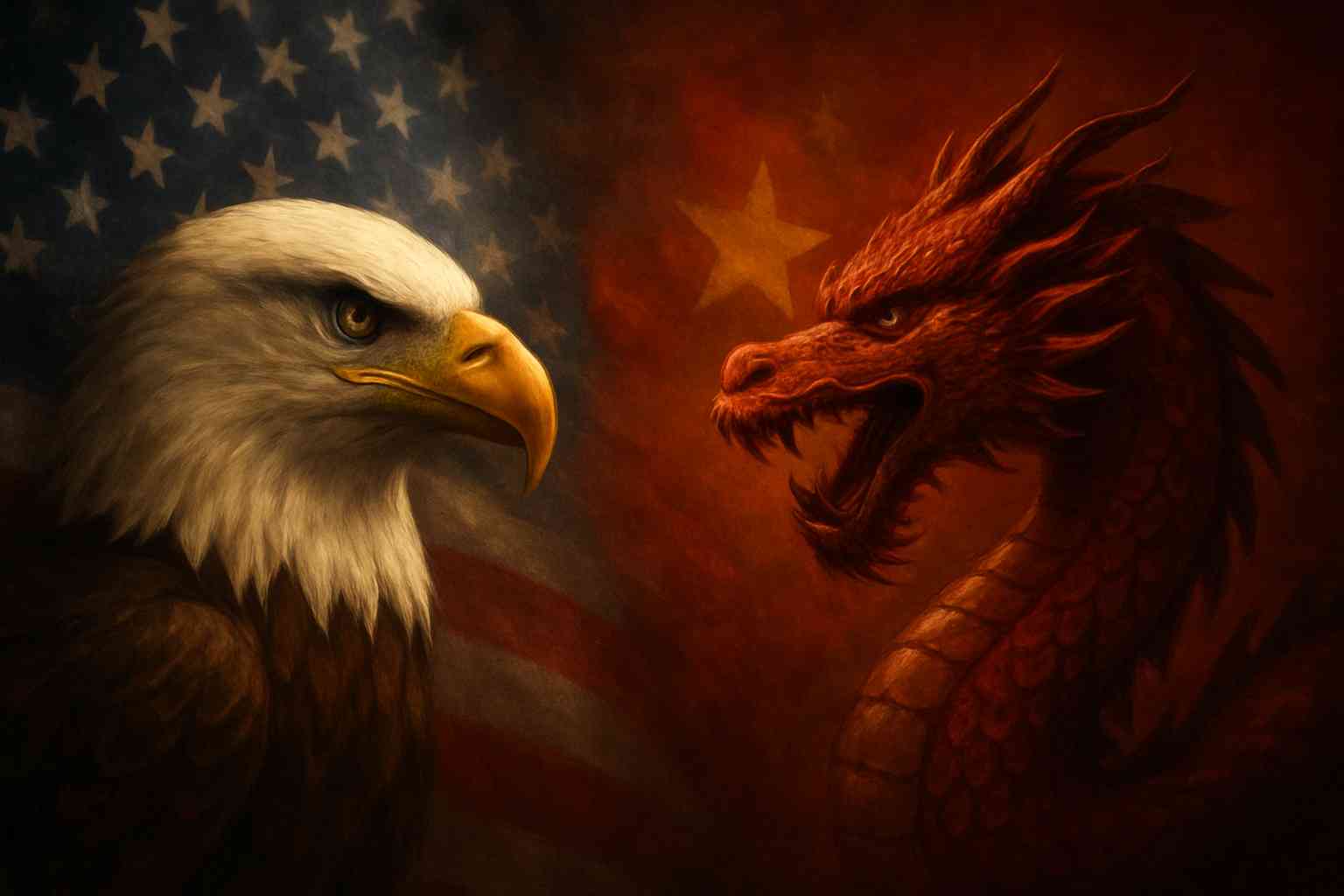
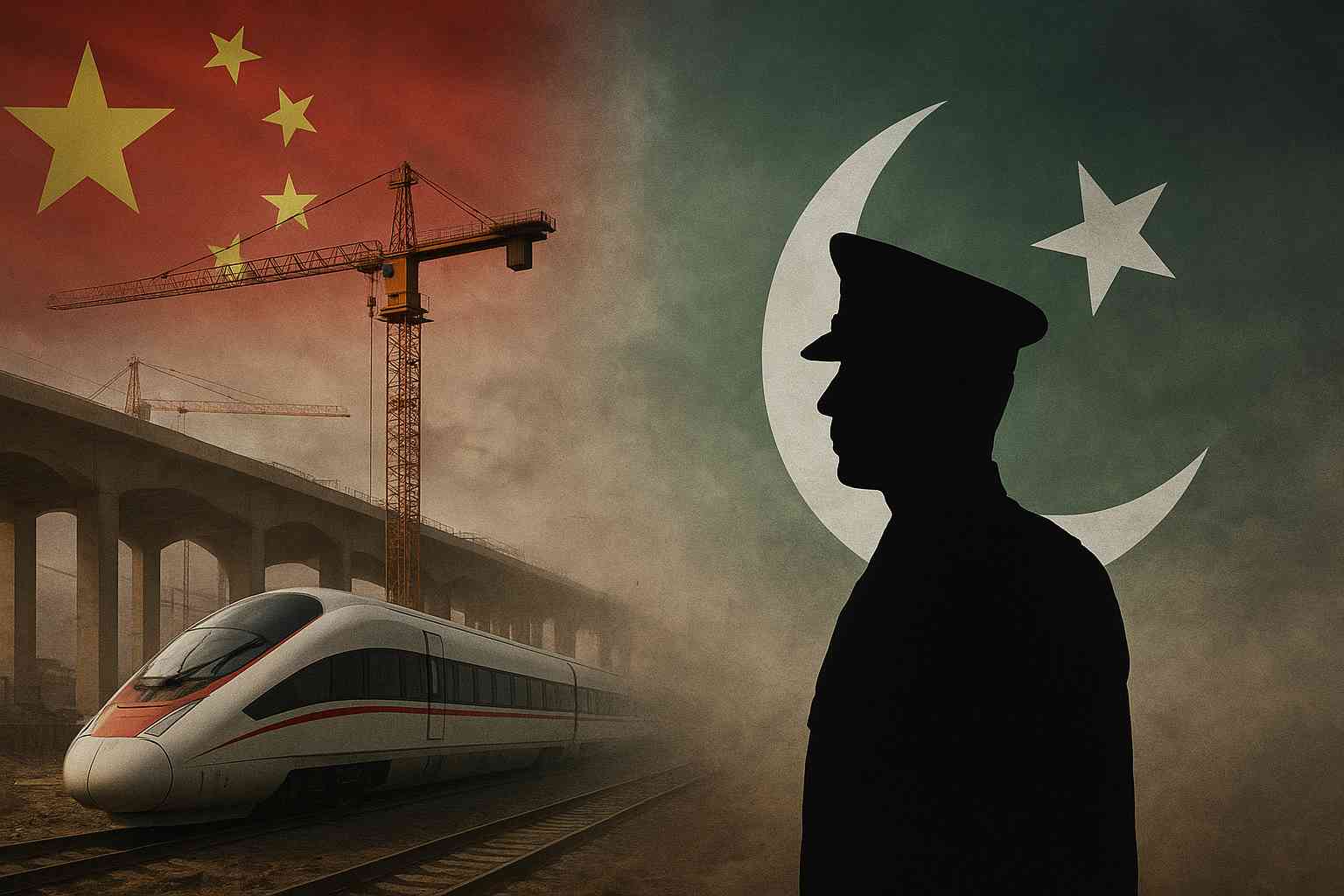
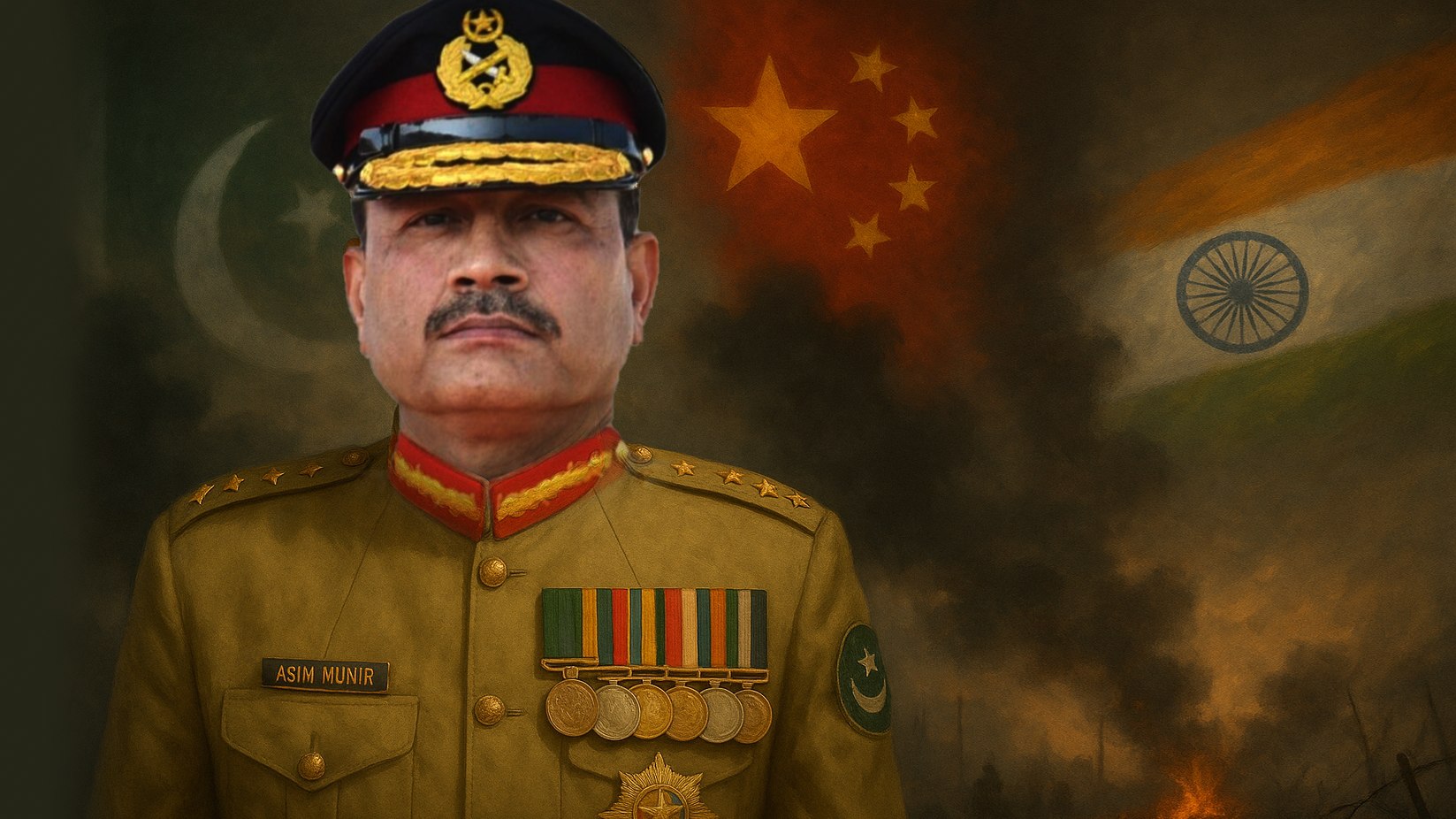
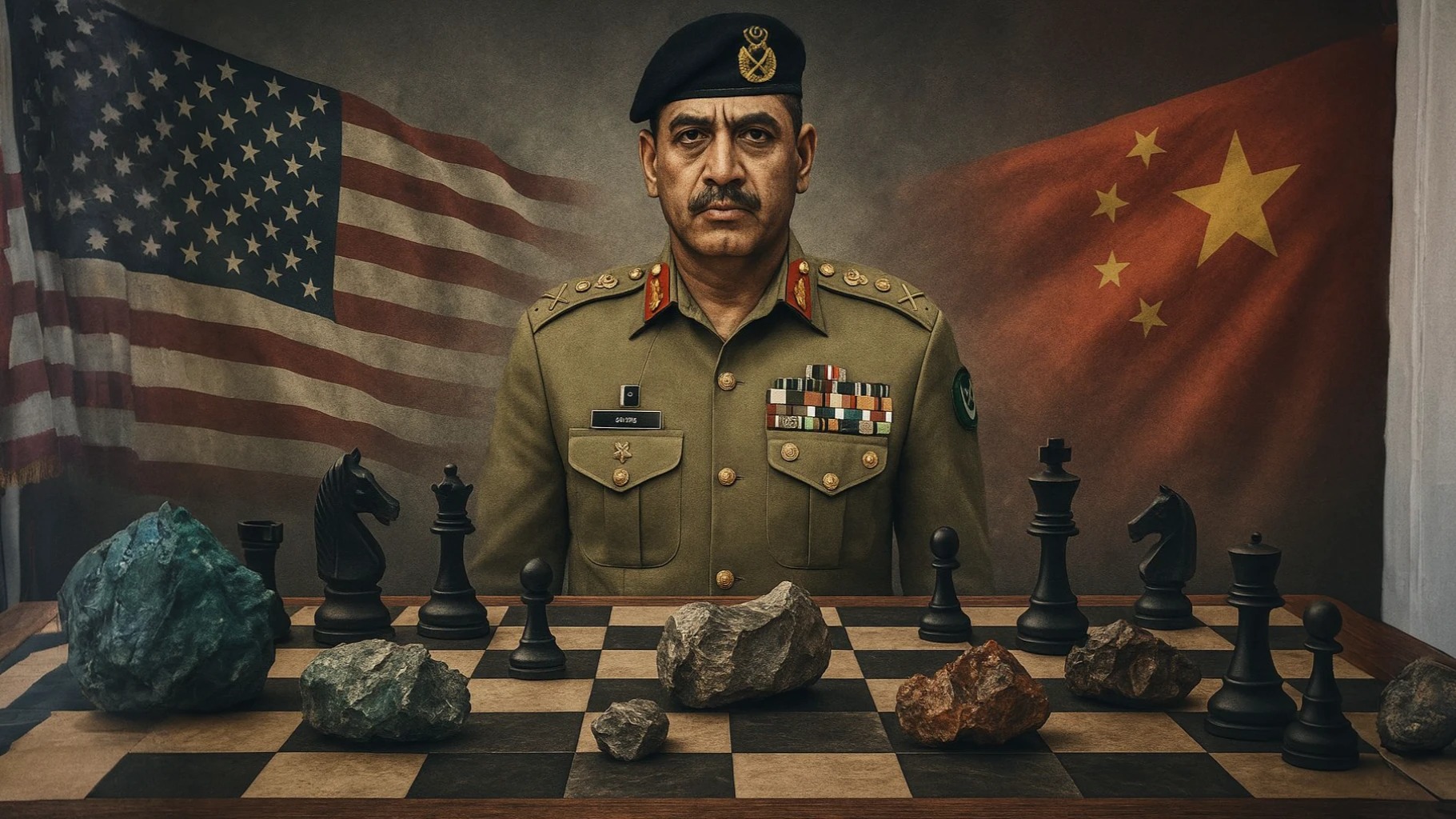
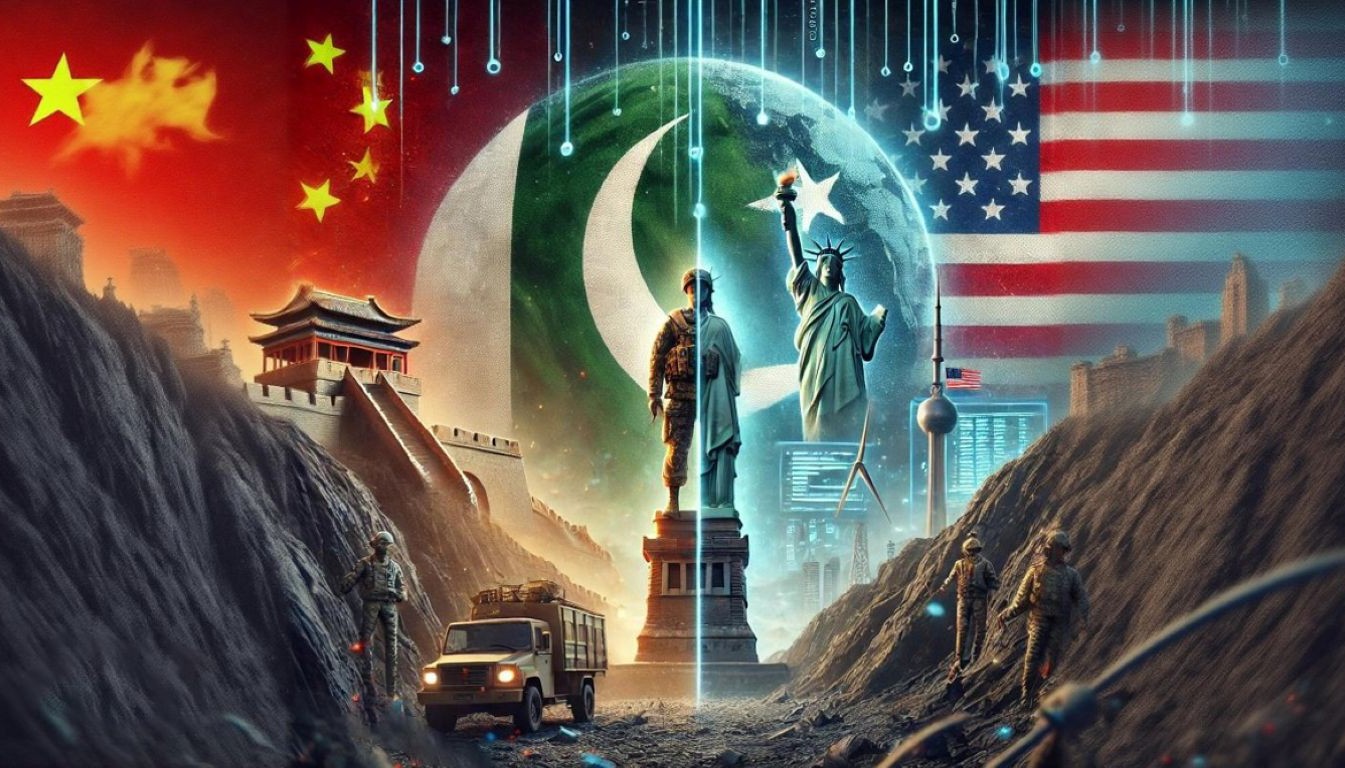
At the same time, new alignments are quietly forming. Turkey’s coordination with Pakistan appears to be strengthening. Additionally, China’s influence is becoming more visible behind the scenes, while Saudi Arabia is repositioning itself.
This is not random. Instead, it reflects a shifting power structure.
Therefore, the Turkey Israel conflict is not an isolated issue. It is one visible layer of a much larger geopolitical realignment.
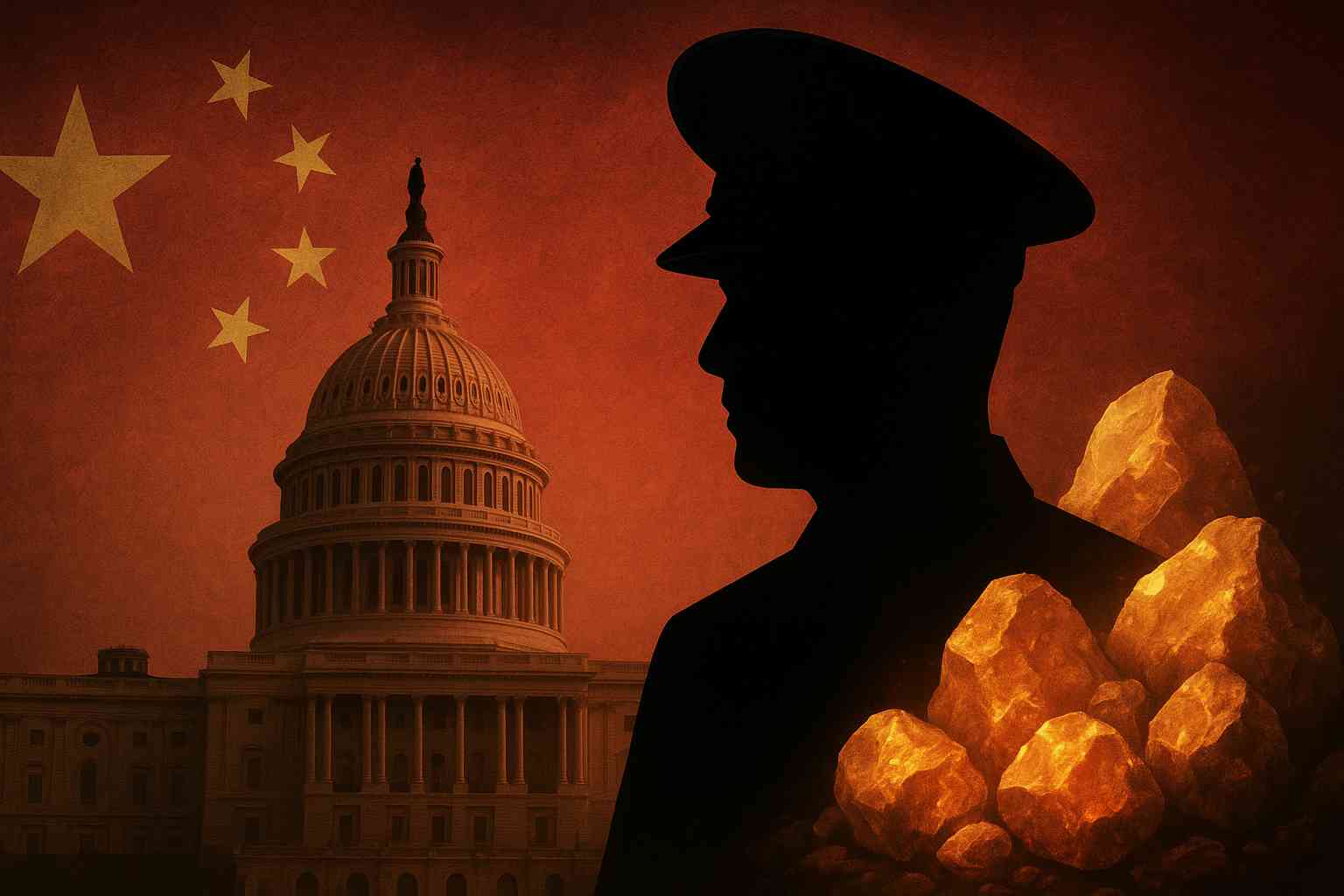
China: The Silent Architect
Behind the visible actors lies a quieter but far more influential player—China.
Unlike traditional powers, China avoids direct confrontation. Instead, it shapes outcomes through economic leverage, strategic alliances, and indirect influence.
Consequently, the current regional shifts are unlikely to be disconnected from Chinese strategic interests. The goal is not immediate dominance but long-term positioning.
In this context, the evolving Turkey Israel conflict fits into a broader strategic design—one that prioritizes influence without direct engagement.
Legal Warfare: A New Battlefield
Interestingly, the conflict is not limited to military or political fronts.
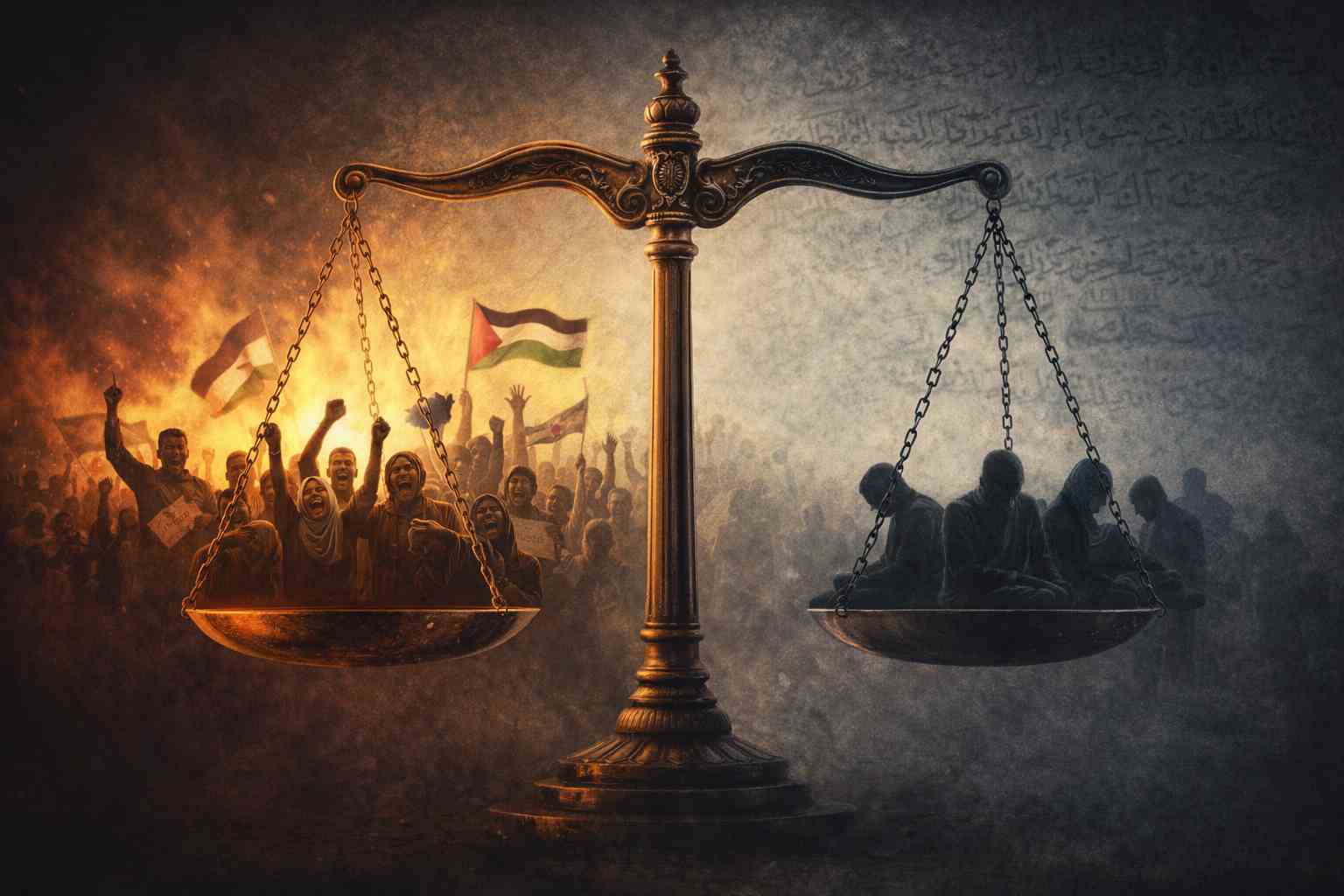
Turkey has initiated legal actions against Israeli officials in its courts, accusing them of war crimes related to Gaza. While these cases may not have immediate enforcement power, they still shape global narratives.
This is information warfare.
Legal pressure, media narratives, and diplomatic positioning combine over time. As a result, the Turkey Israel conflict is not just military—it is multi-dimensional.
NATO Factor: A Potential Crisis Multiplier
If tensions escalate further, NATO could face a serious internal dilemma.
Turkey is a NATO member. Meanwhile, Israel remains closely aligned with Western powers. Therefore, a direct clash within the context of a Turkey Israel conflict would create unprecedented pressure on the alliance.
Would NATO support Turkey? Would it remain neutral? Or would divisions deepen?
These questions remain unanswered. However, the risk is clear—the situation could destabilize both the Middle East and transatlantic alliances.
Unpredictable Dynamics: Trump, Erdogan, and Strategic Calculations
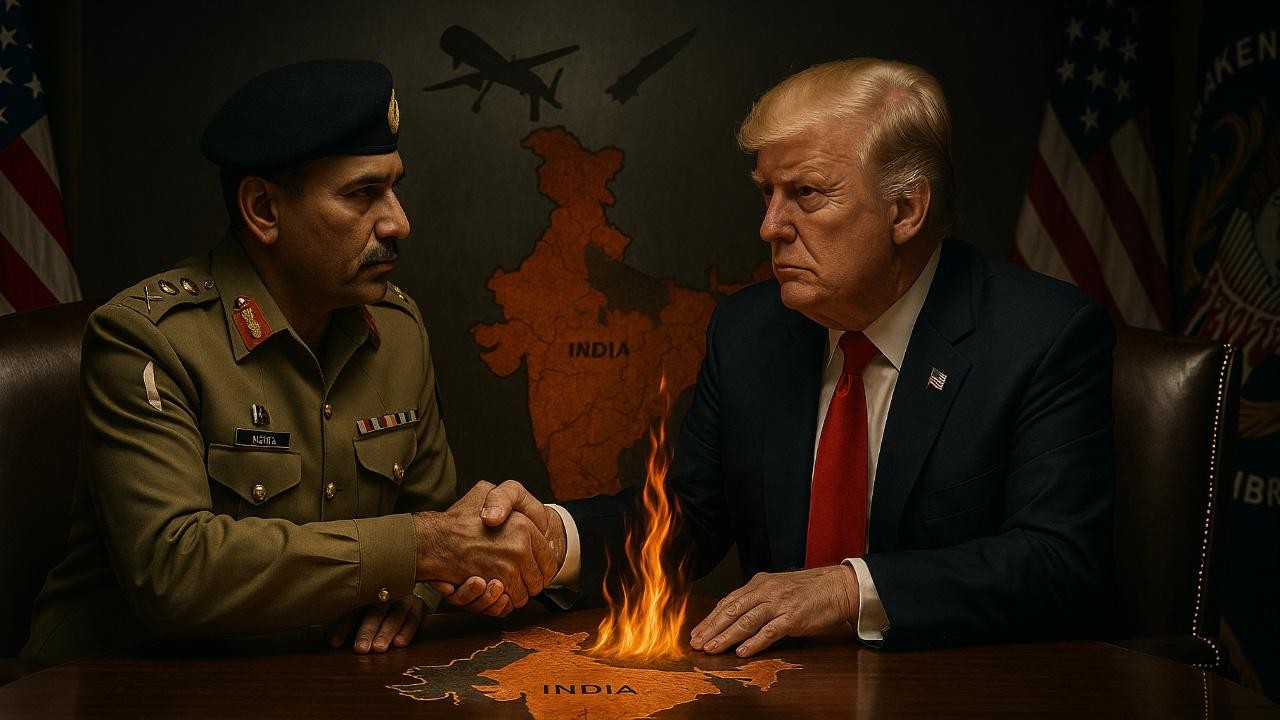
Another layer of complexity, moreover, is the relationship between Donald Trump and Erdogan.
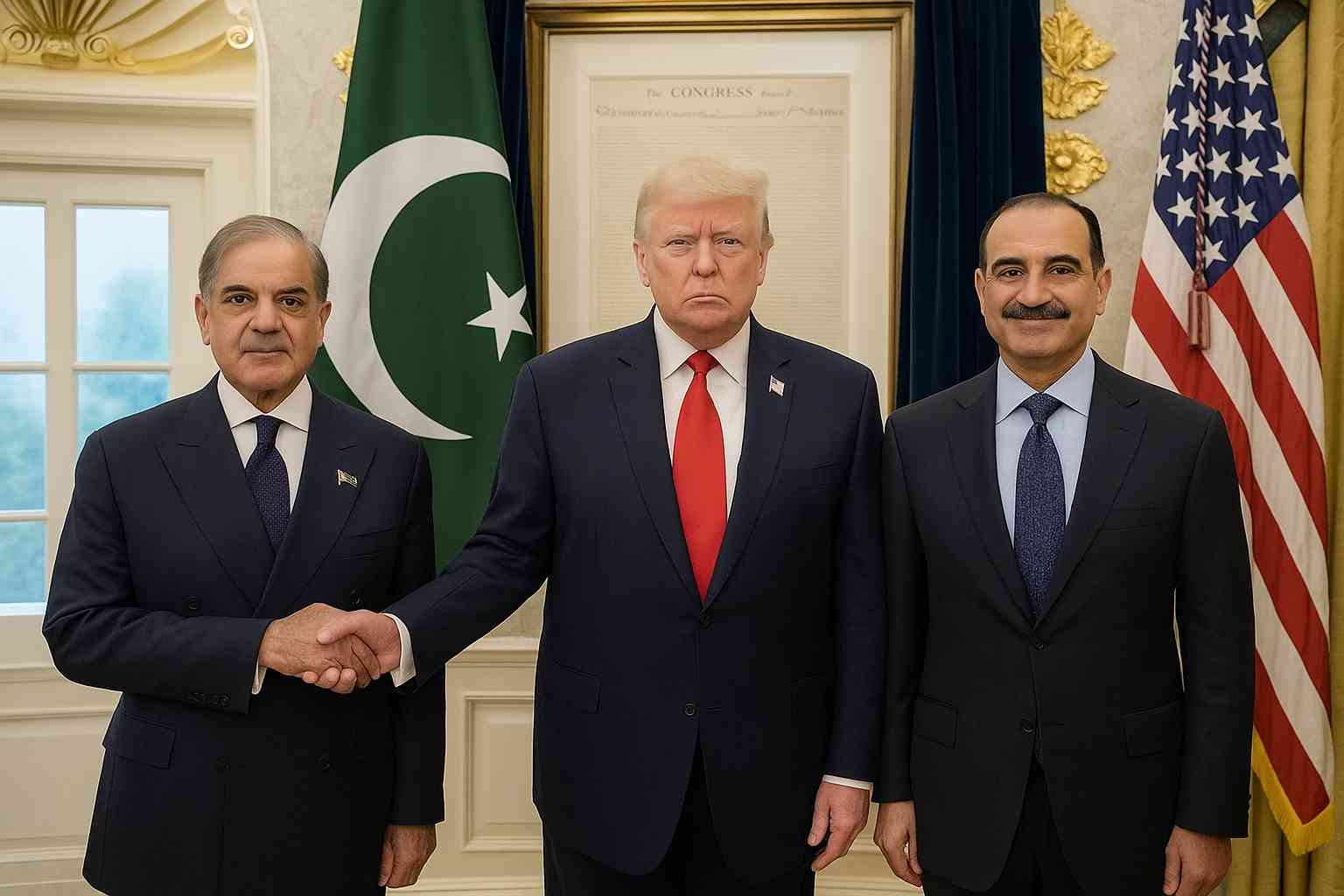
While both leaders have shown mutual respect publicly, their relationship remains transactional. Therefore, strategic coordination remains possible, even in uncertain scenarios.
At the same time, domestic pressures in the United States are shifting narratives. Increasingly, segments of the political landscape are questioning Israel’s role.
This creates space for unexpected developments within the broader Turkey Israel conflict.
Final Analysis: A Flashpoint Waiting to Ignite
The situation is clear.
The Iran conflict did not end the crisis. Instead, it exposed deeper fractures. Now, a new flashpoint is emerging in the form of a Turkey Israel conflict that could redefine the regional balance.
Tensions are rising. Positioning continues. Alliances are shifting.
The only missing element is the trigger.
And once triggered, this conflict may not remain contained. Instead, it could expand rapidly and draw multiple actors into a wider confrontation.
The game is on.
Adil Raja is a retired major of the Pakistan Army, freelance investigative journalist, and dissident based in London, United Kingdom. He is the host of “Soldier Speaks Reloaded,” an independent commentary platform focused on South Asian politics and security affairs. Adil is also a member of the National Union of Journalists (UK) and the International Human Rights Foundation. Read more about Adil Raja.. Read more about Adil Raja.