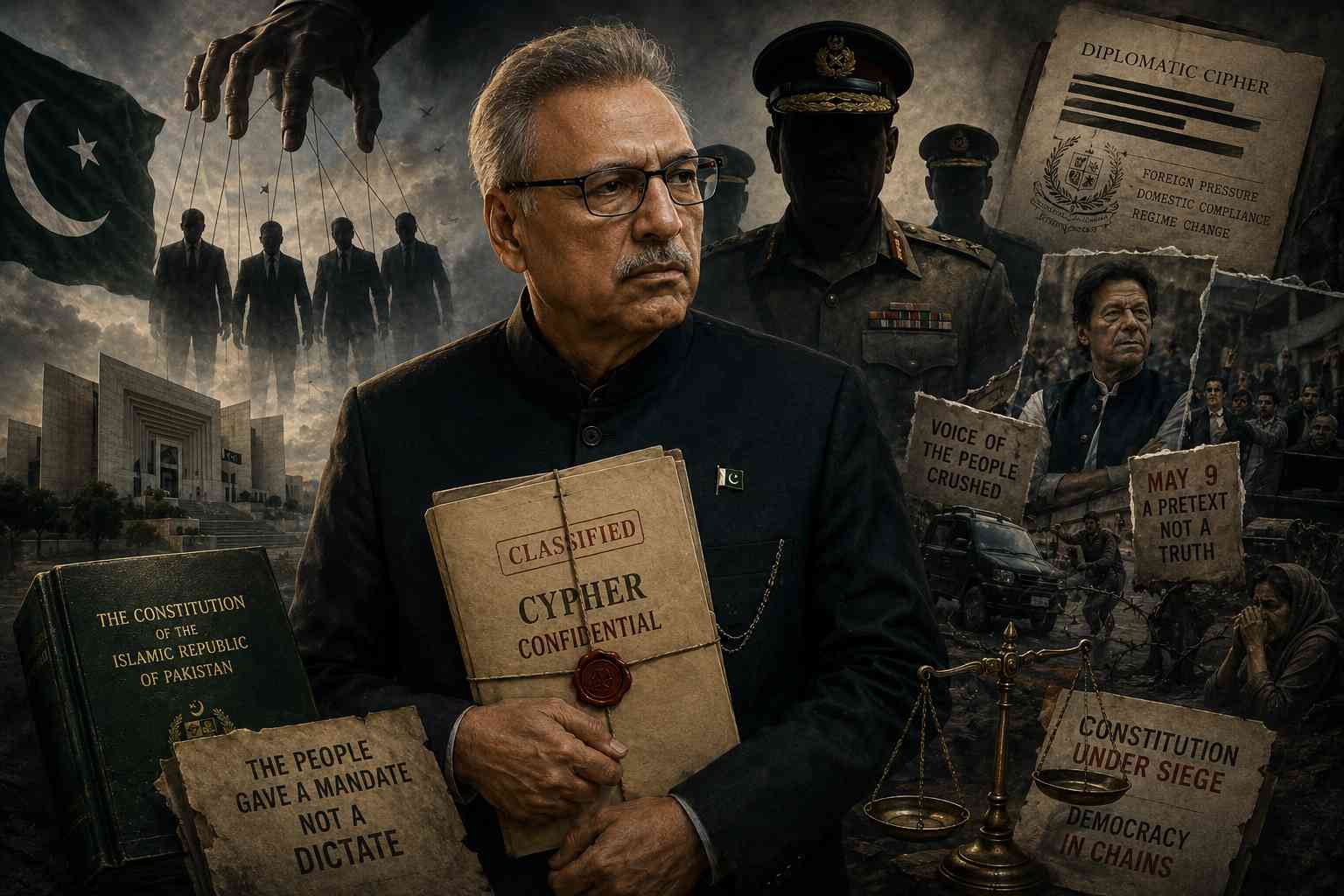
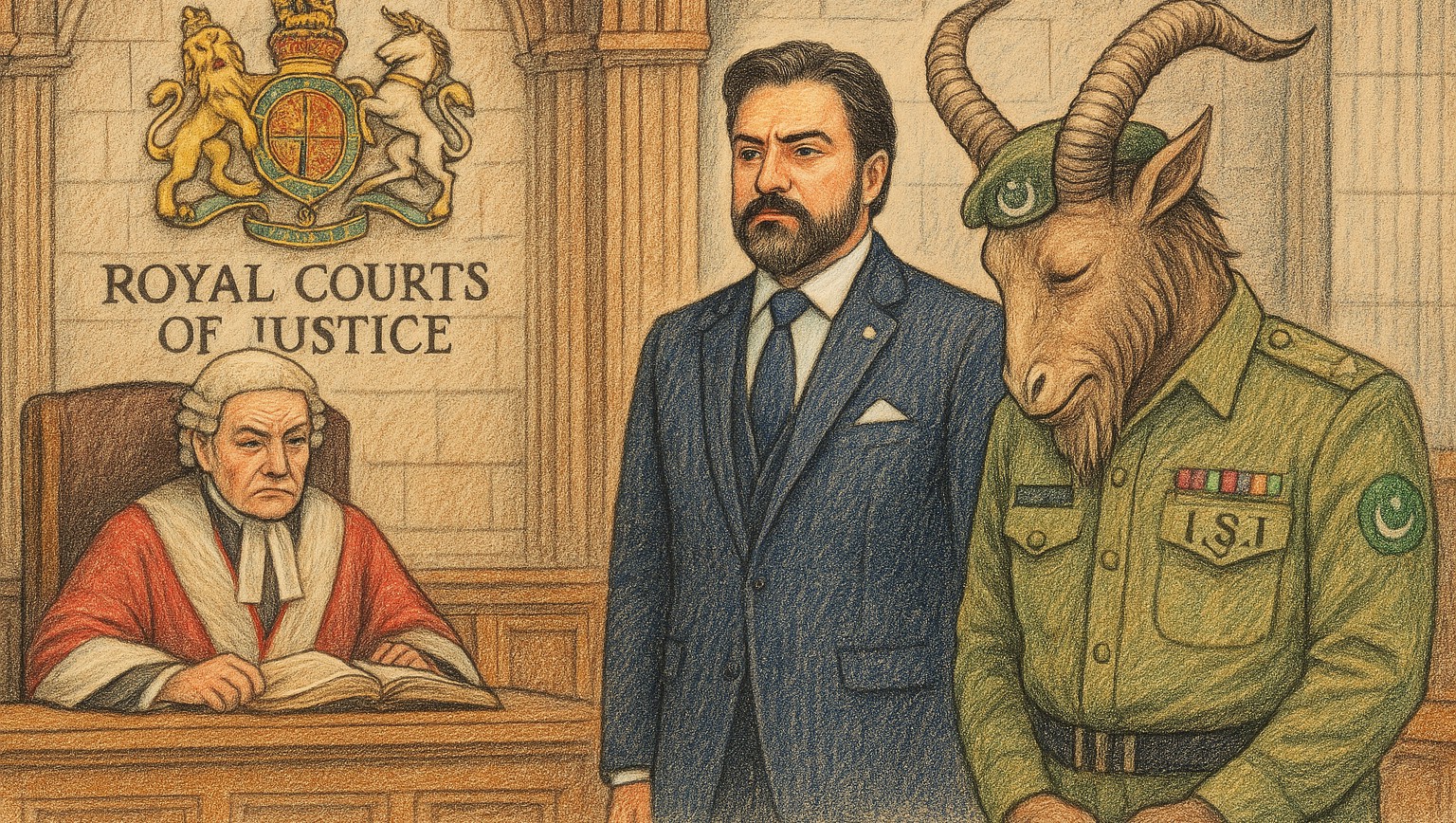
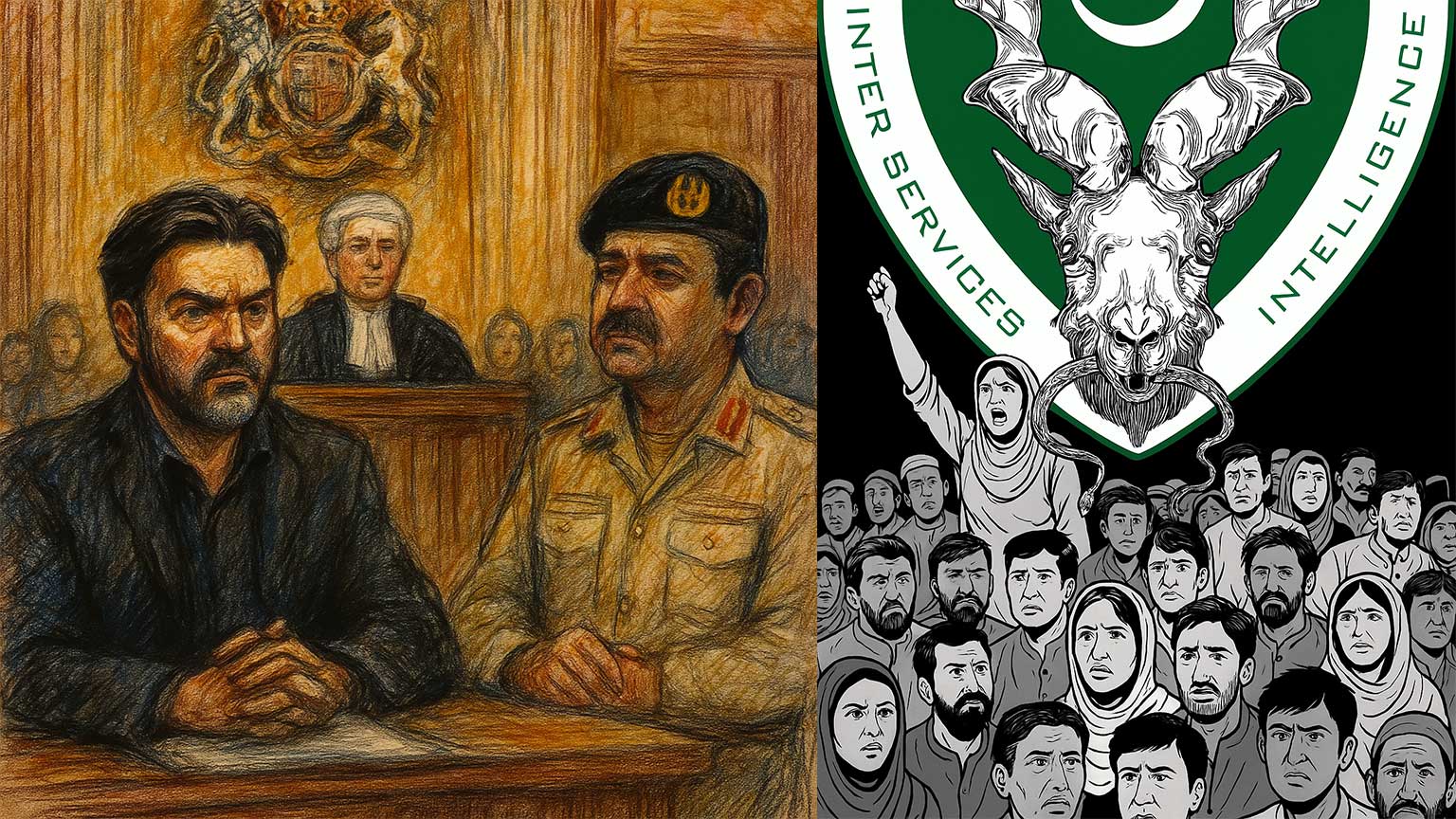
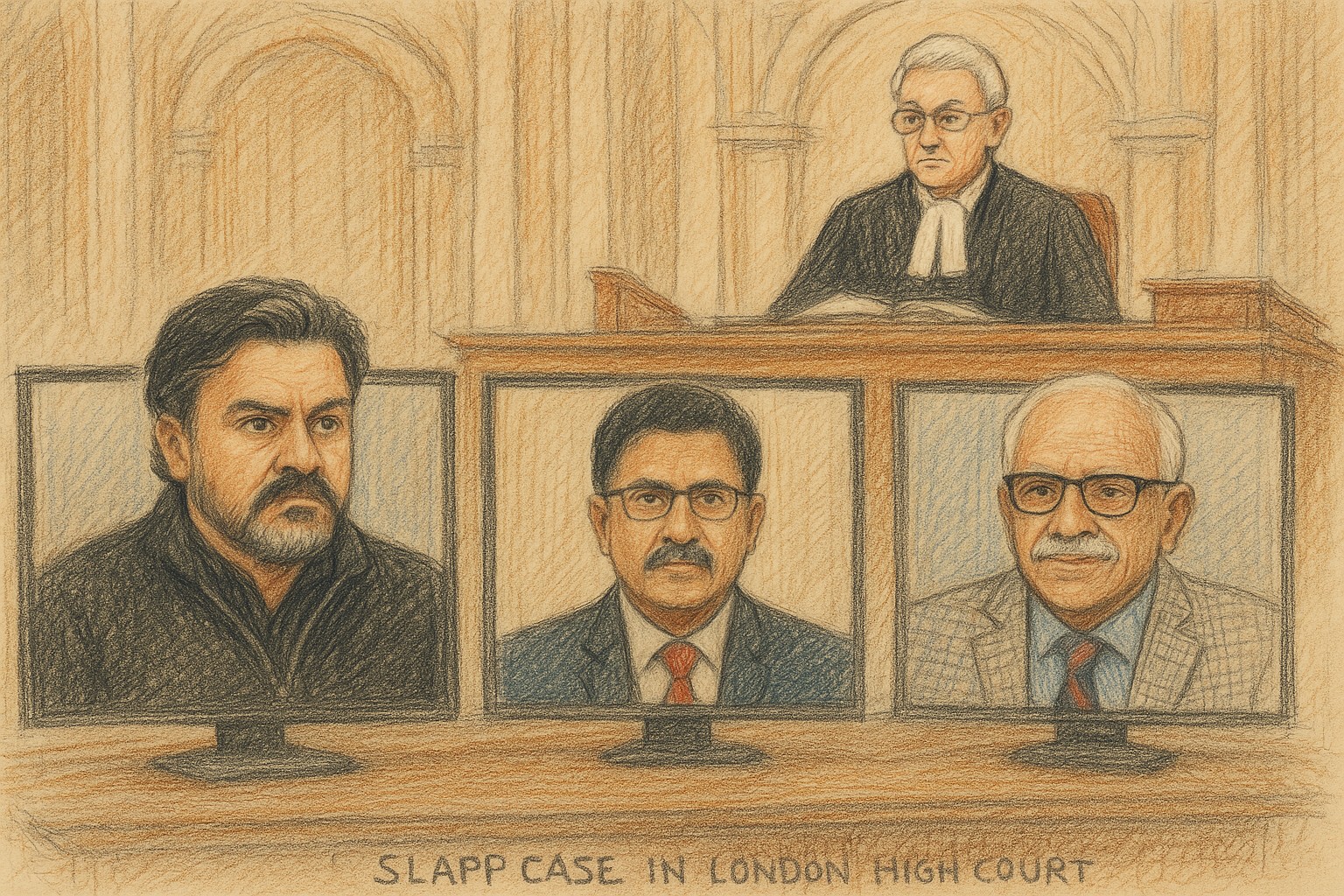
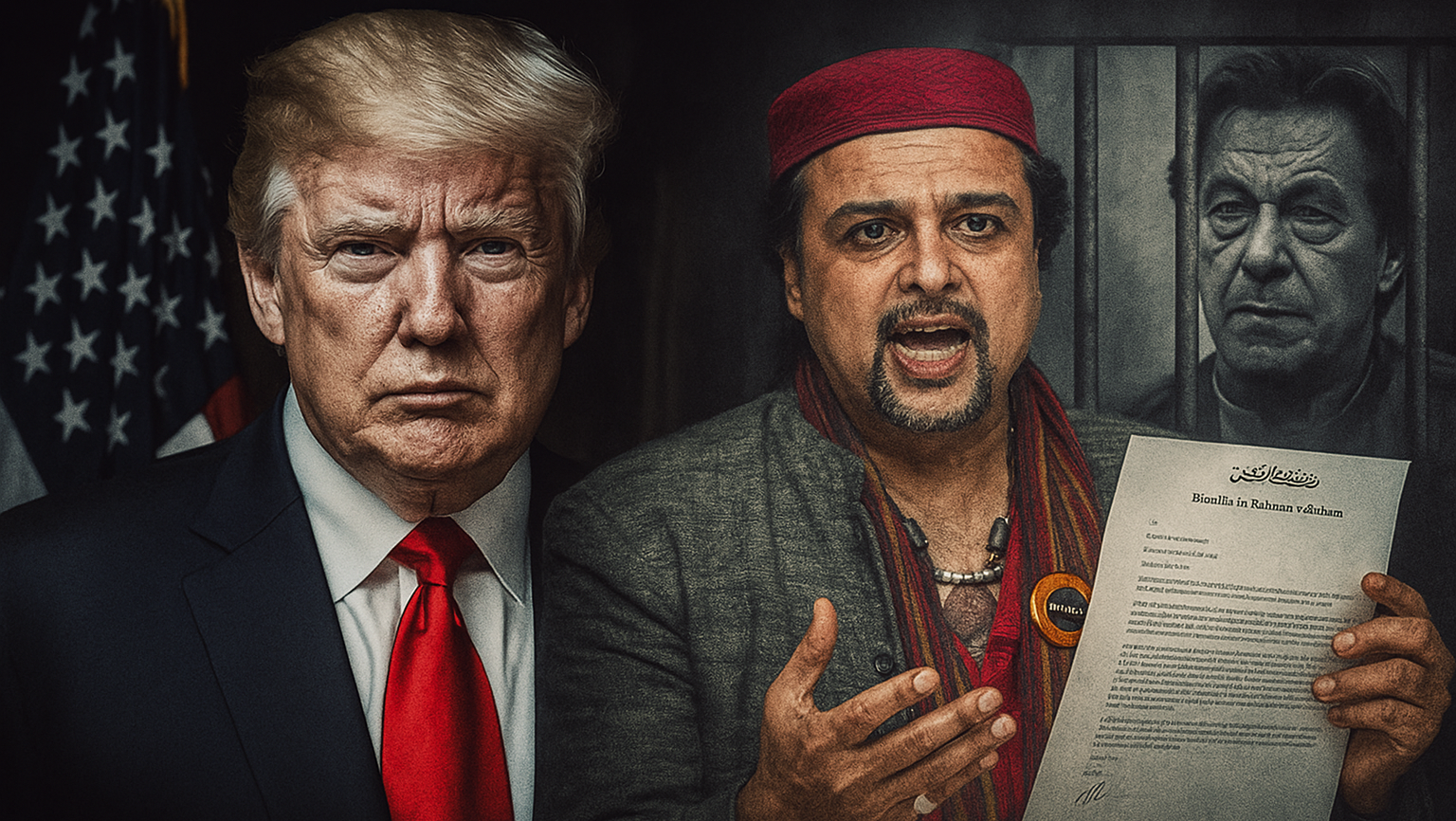
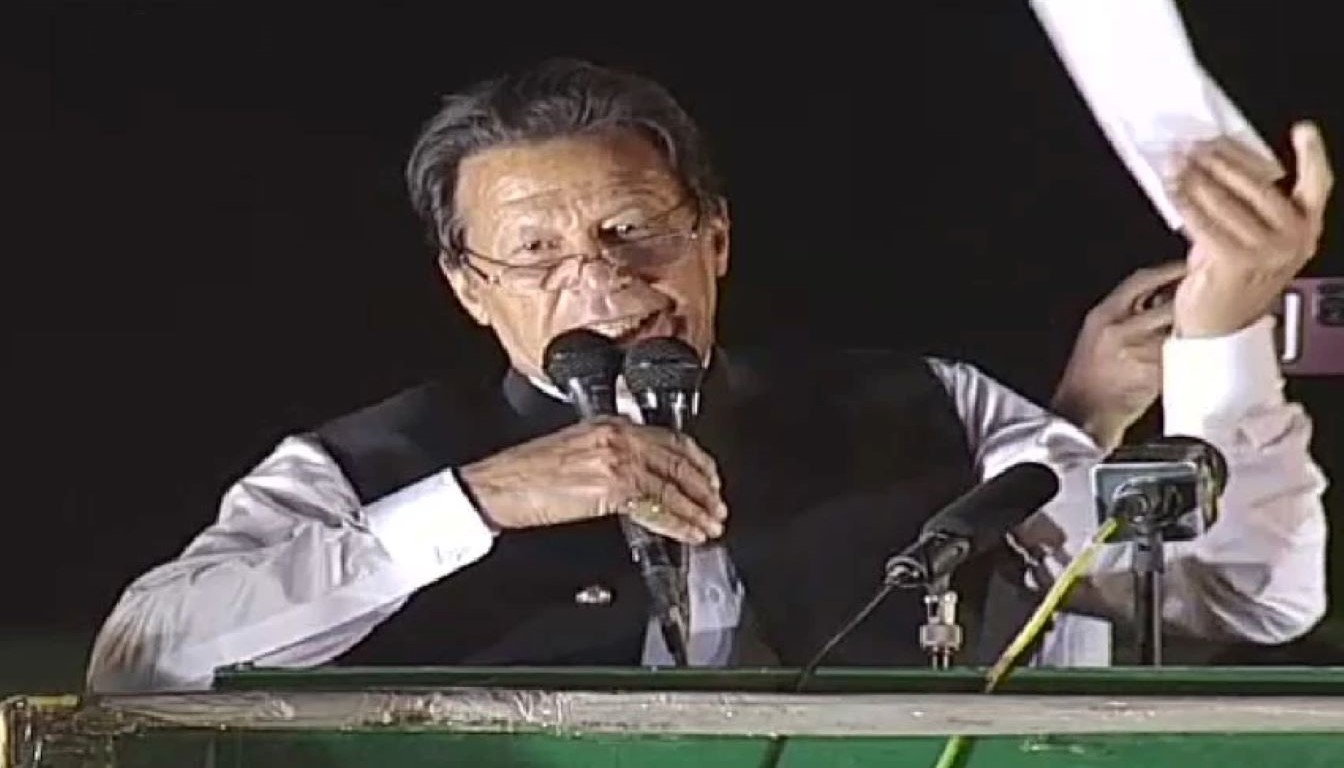
Dr Arif Alvi Cypher discussions have reopened one of the deepest political wounds in Pakistan’s recent history. Dr. Arif Alvi’s reflections on the cypher have revived painful questions about constitutional failure, political betrayal, and the silence of state institutions during a defining national crisis.
For many Pakistanis, the issue goes far beyond one leaked diplomatic cable. Instead, the cypher became a symbol of external pressure, internal compromise, and the collapse of democratic trust.
For those who personally know Dr. Arif Alvi, his words carry emotional and political weight. They also raise difficult questions that Pakistan has yet to confront honestly.
From Political Loyalty to the Presidency
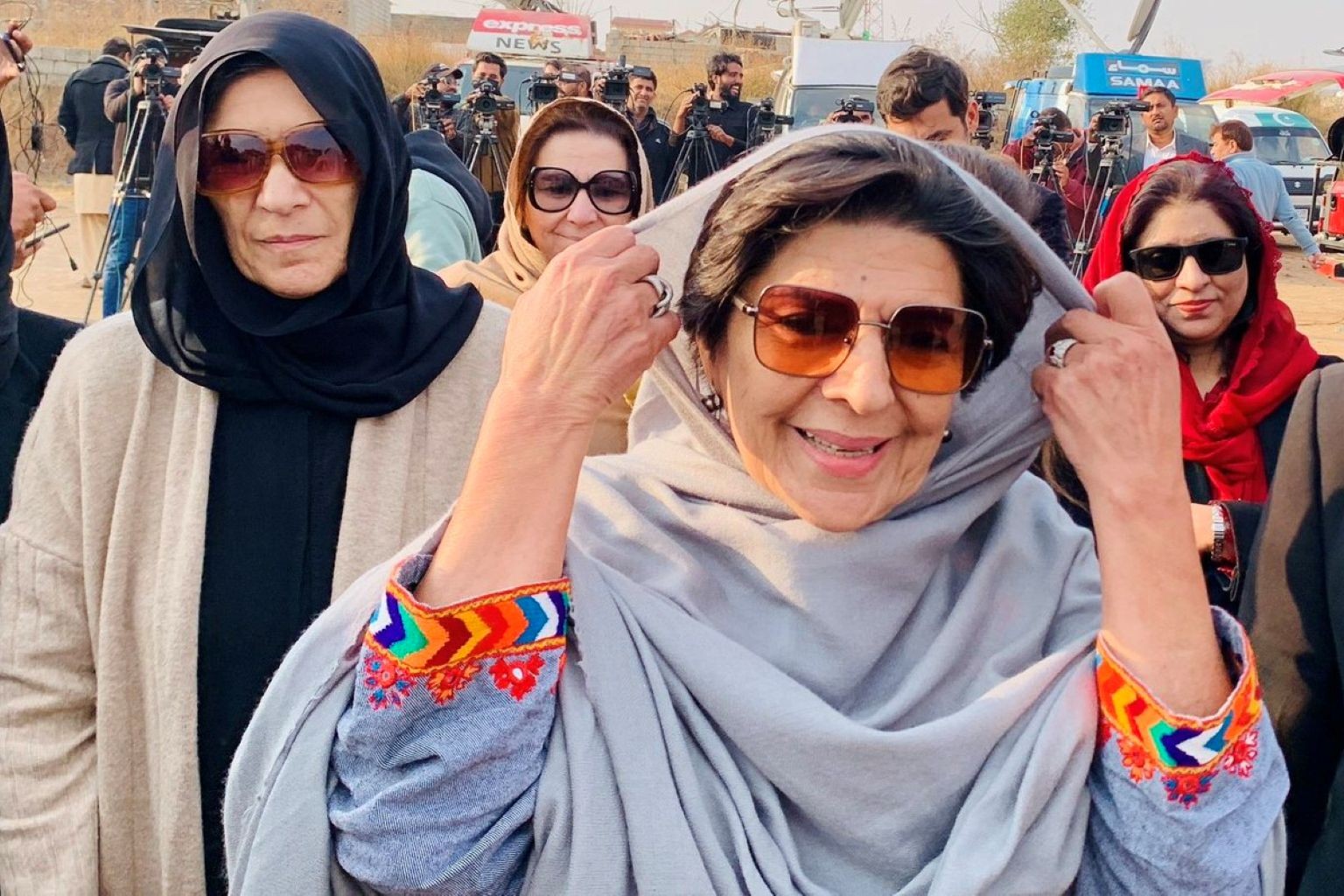
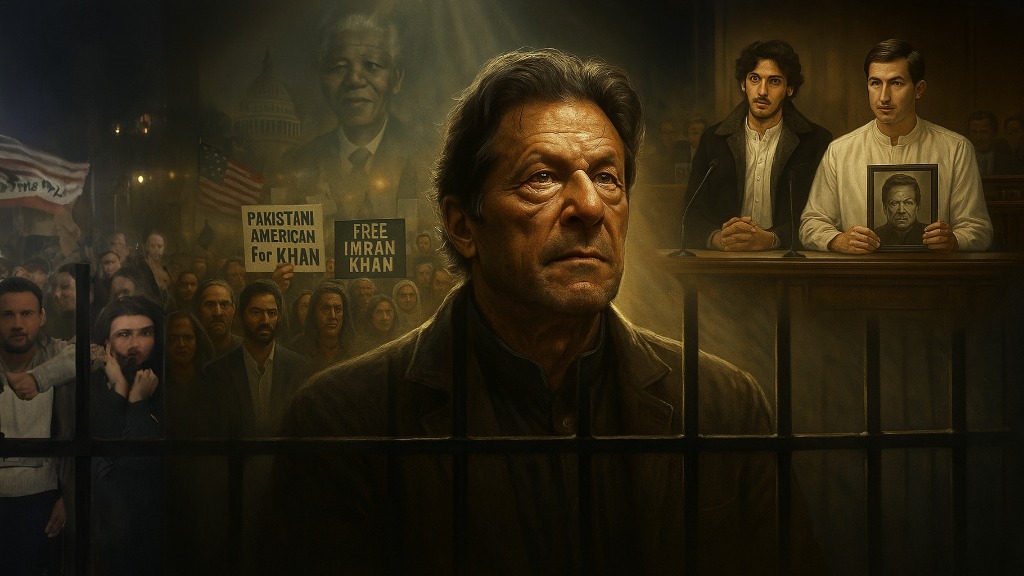
I have known Dr. Arif Alvi and his wife, Samina, since 1996. We traveled together with Imran Khan during his first fact-finding tour of Sindh in September that year.
That journey exposed the realities of Pakistan’s political structure. It revealed how military-backed dynasties and entrenched elites had consumed institutions and weakened democratic governance.
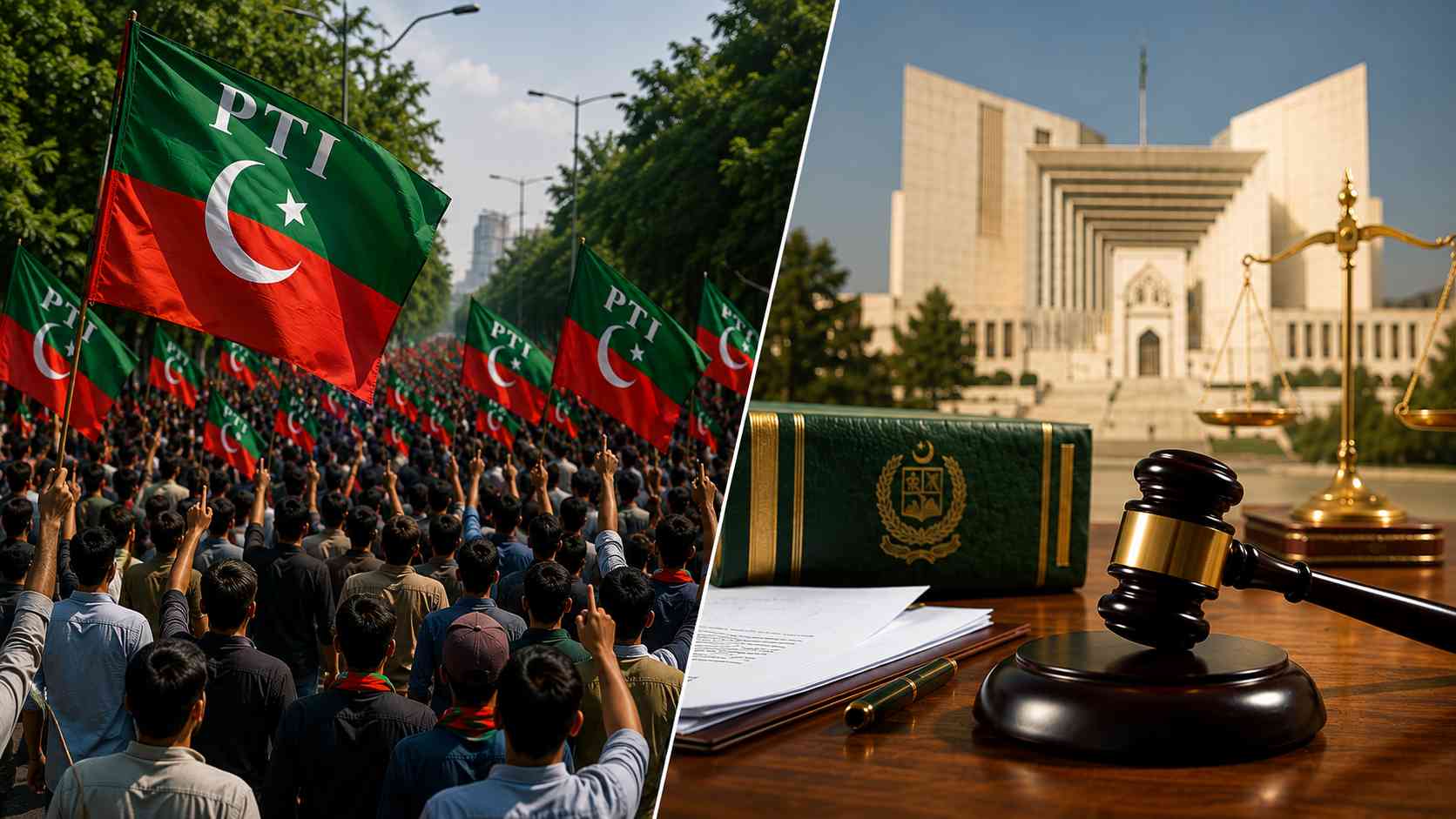
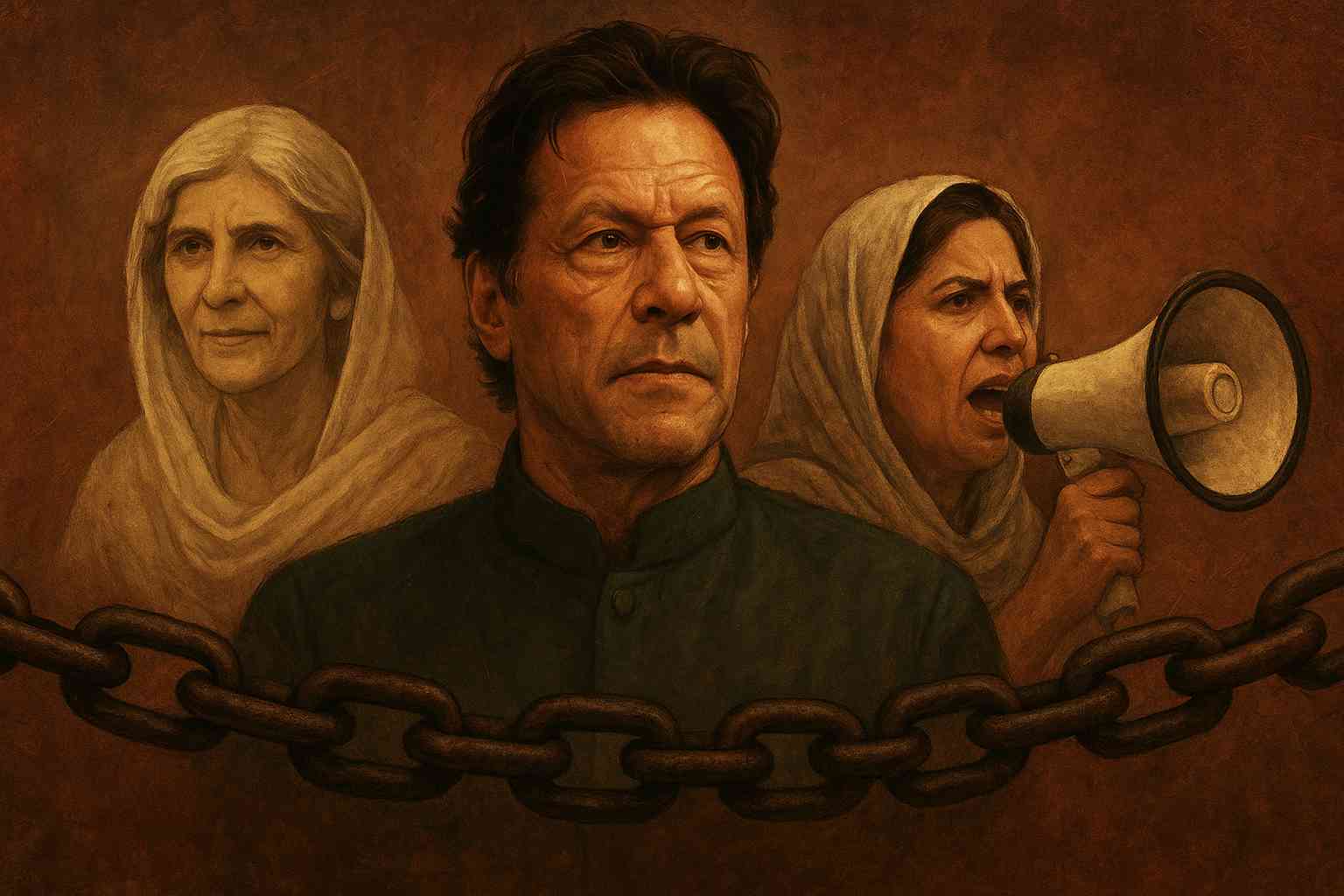
Years later, Imran Khan’s political struggle finally brought PTI into power in 2018. Khan values loyalty and courage deeply. In Dr. Alvi, he believed he had found both qualities. Consequently, he elevated him to the presidency.
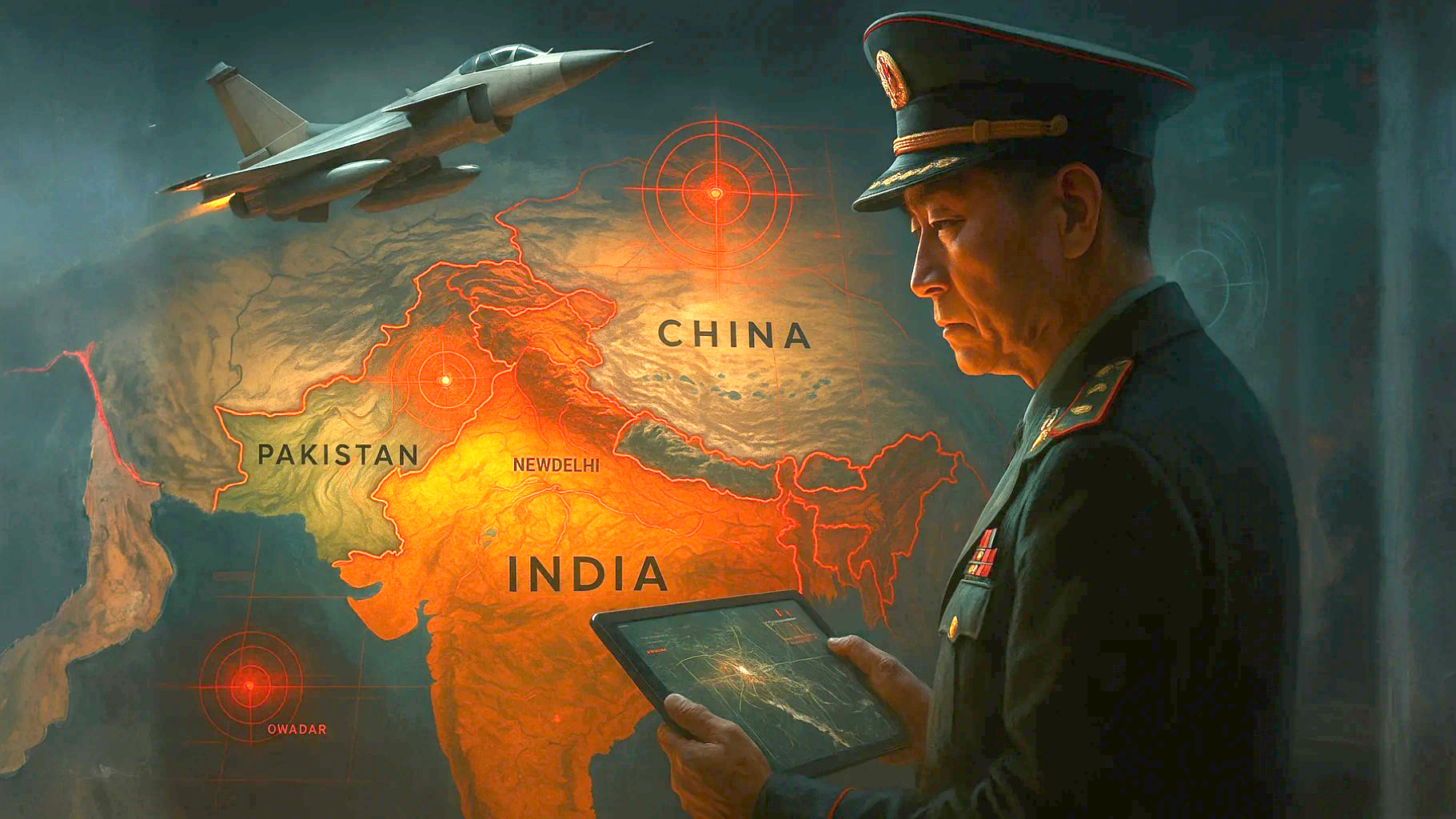
Dr. Alvi then served during one of the most turbulent periods in Pakistan’s modern history. The PTI government faced economic crises, political opposition, the COVID-19 pandemic, and regional tensions with India following Pulwama and Balakot.
Throughout these events, Dr. Alvi remained the constitutional head of state.
Dr Arif Alvi Cypher Questions Still Haunt Pakistan
However, history now asks harder questions.
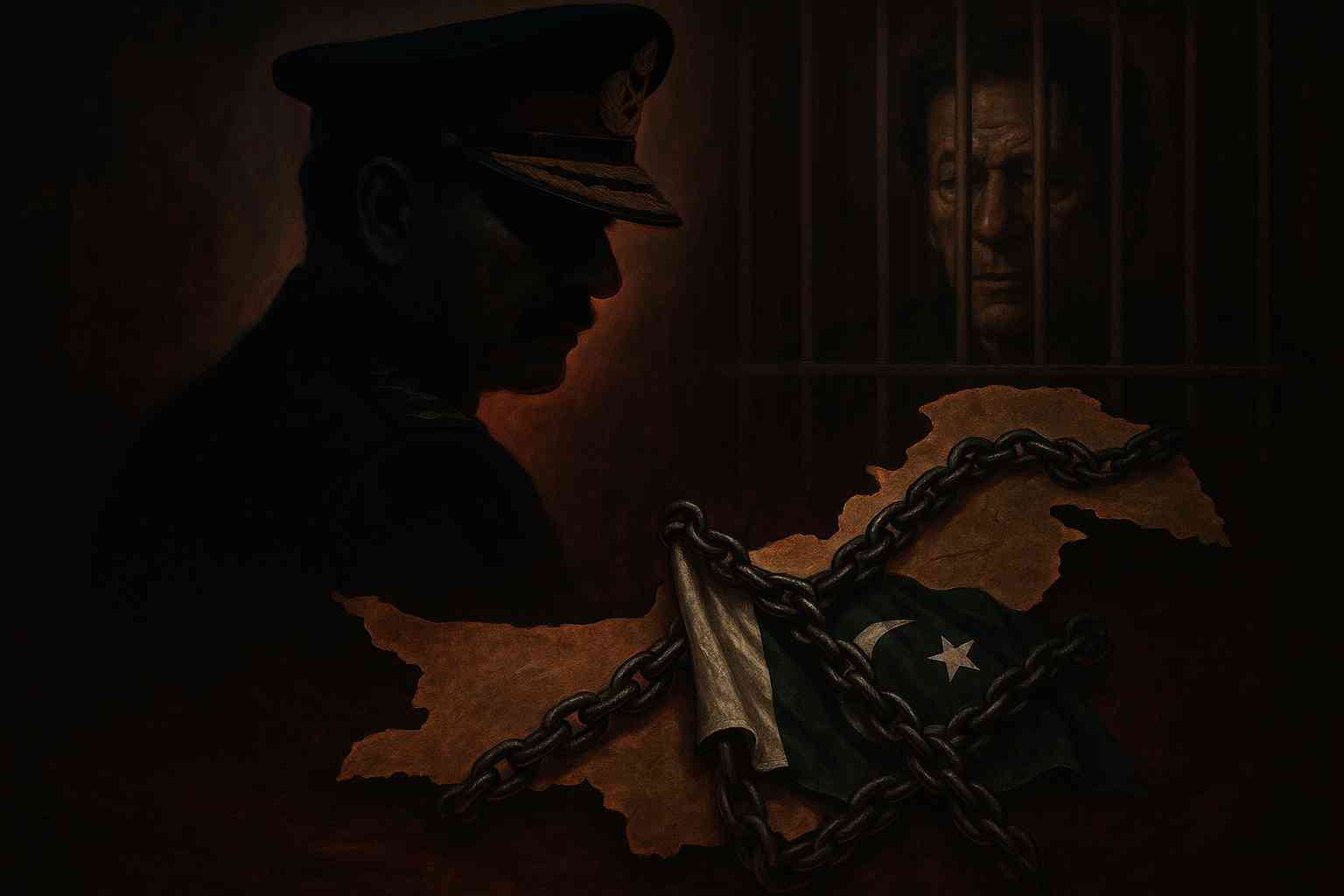
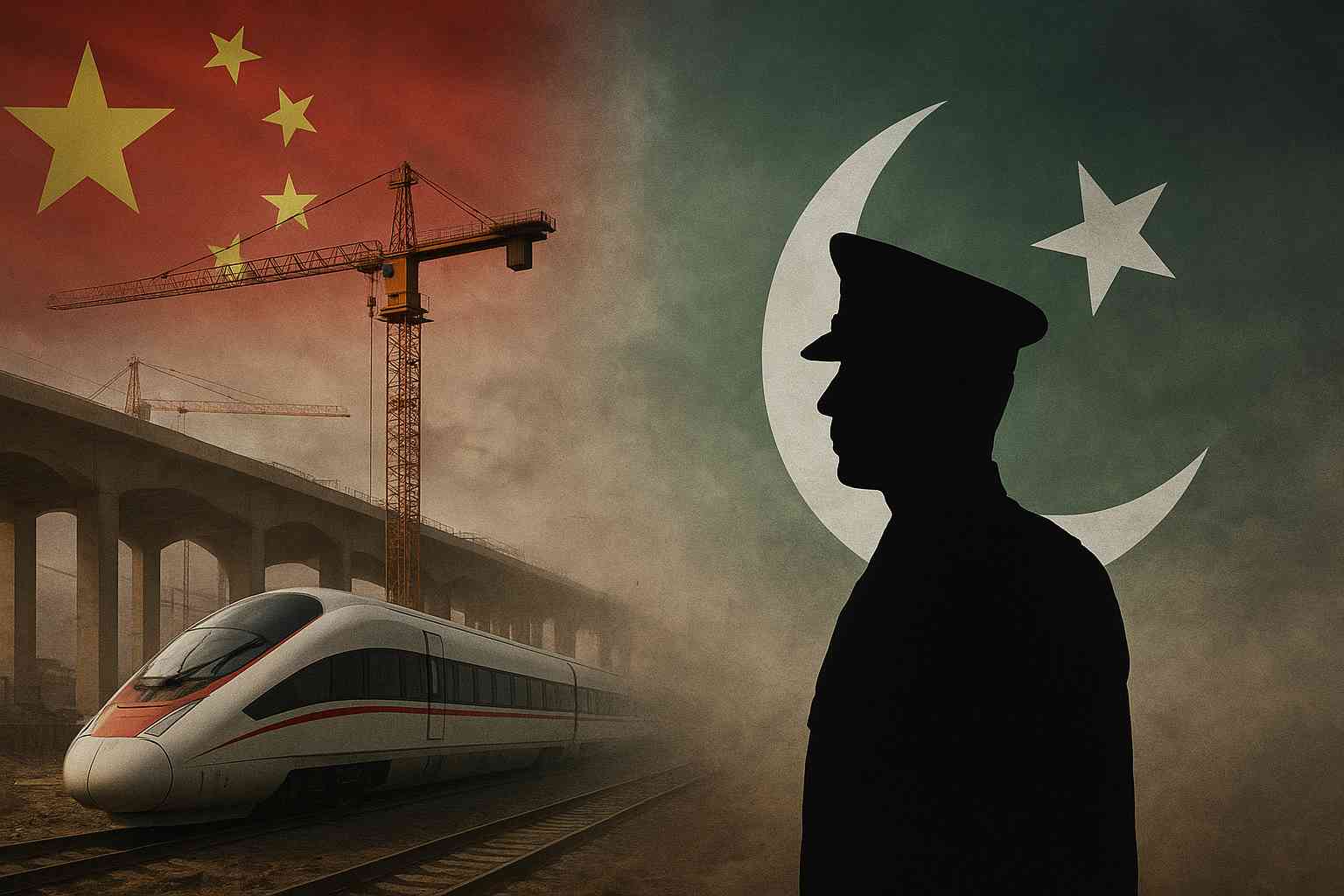
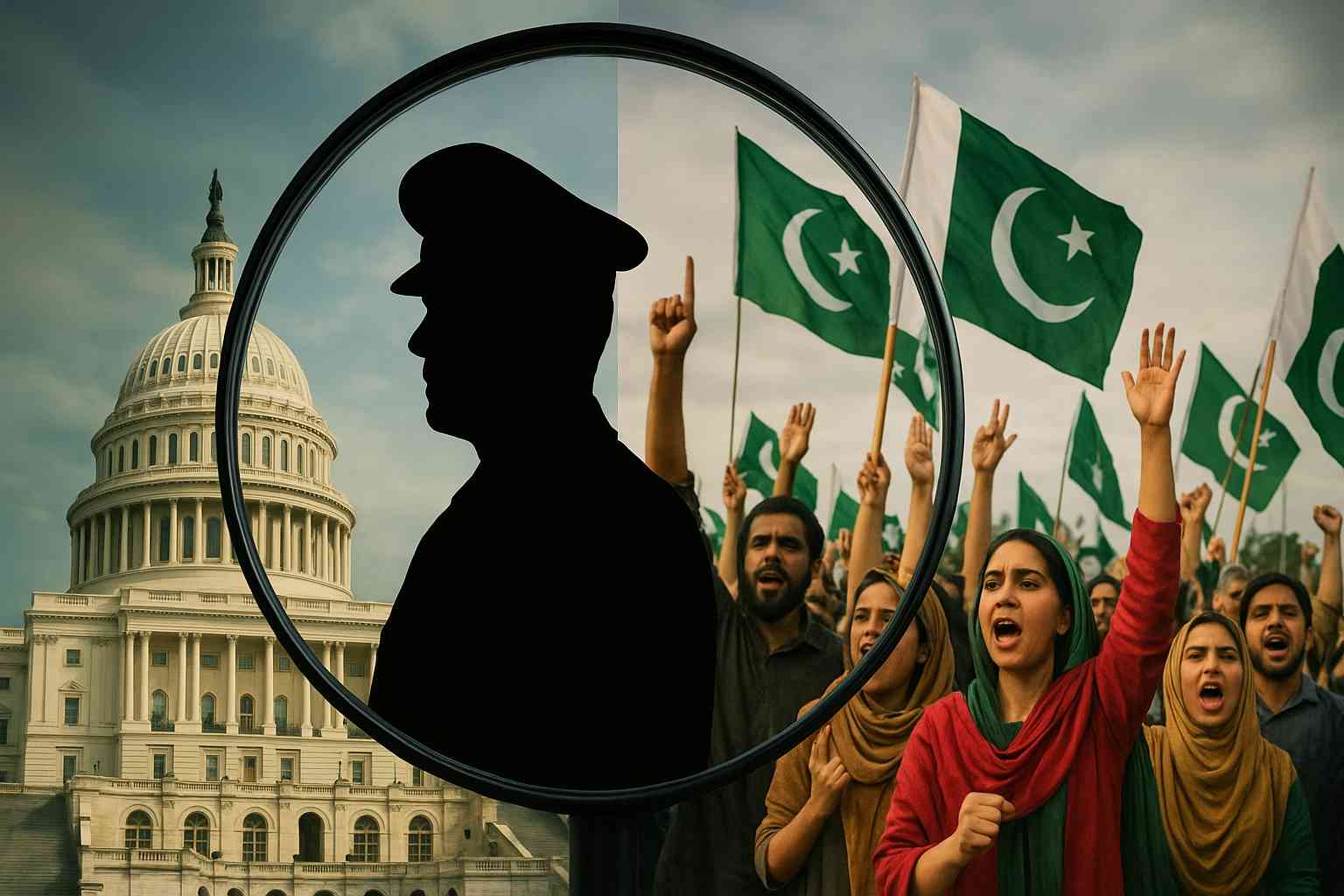
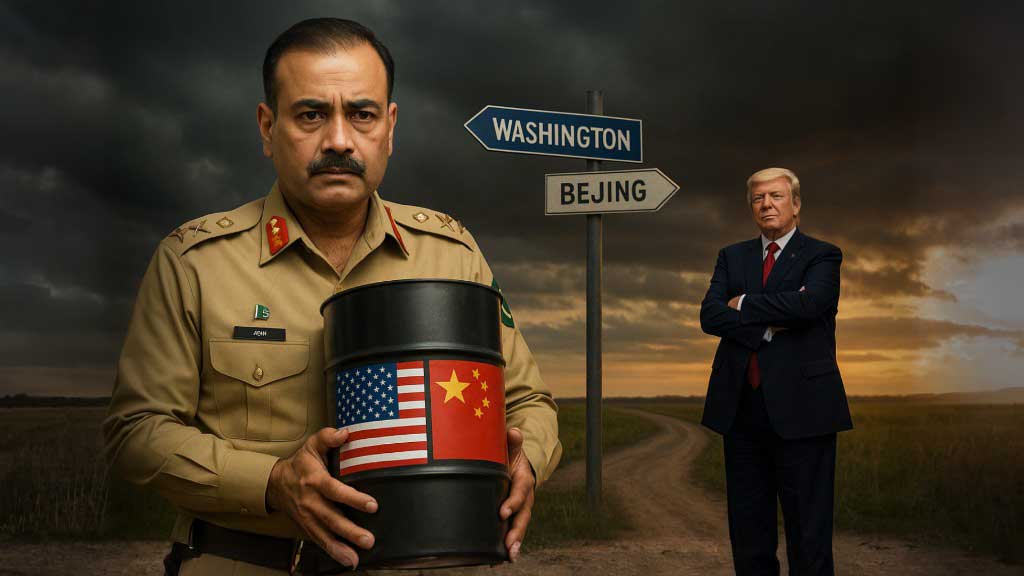
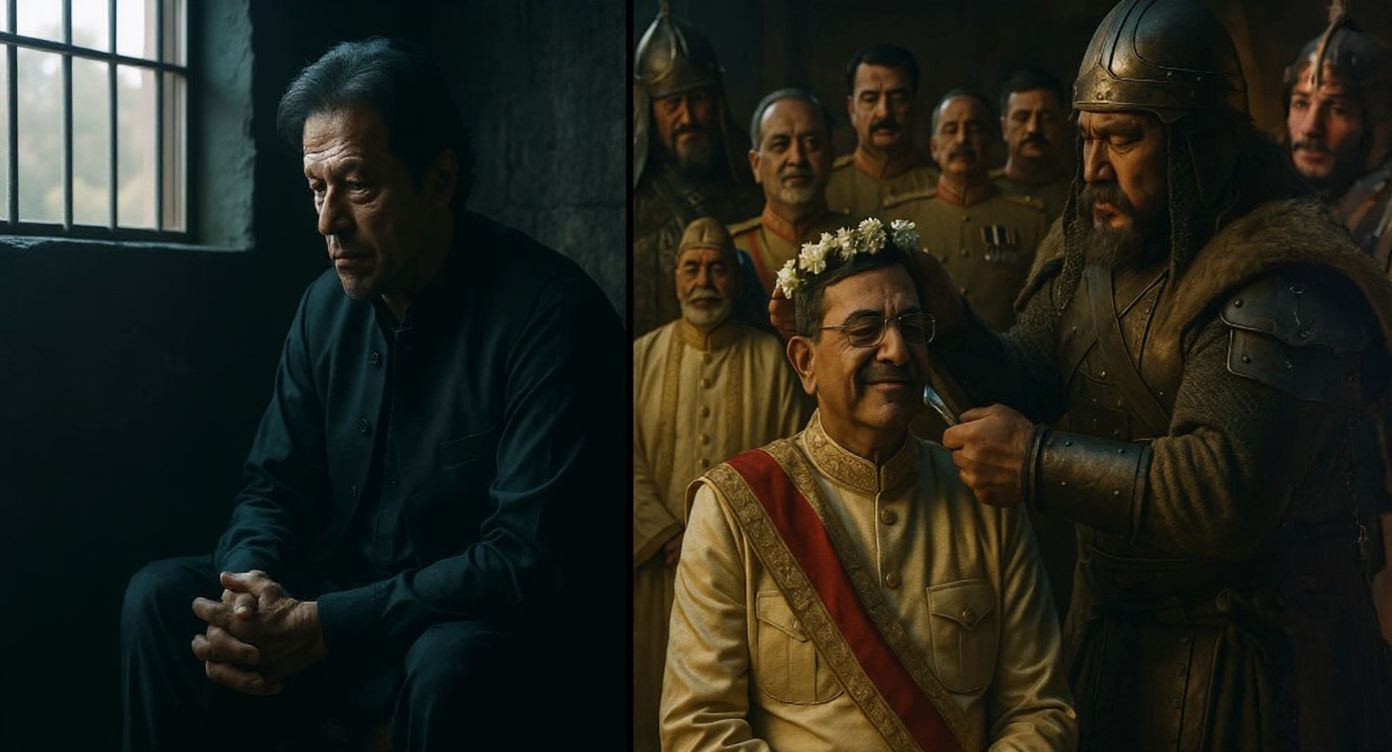
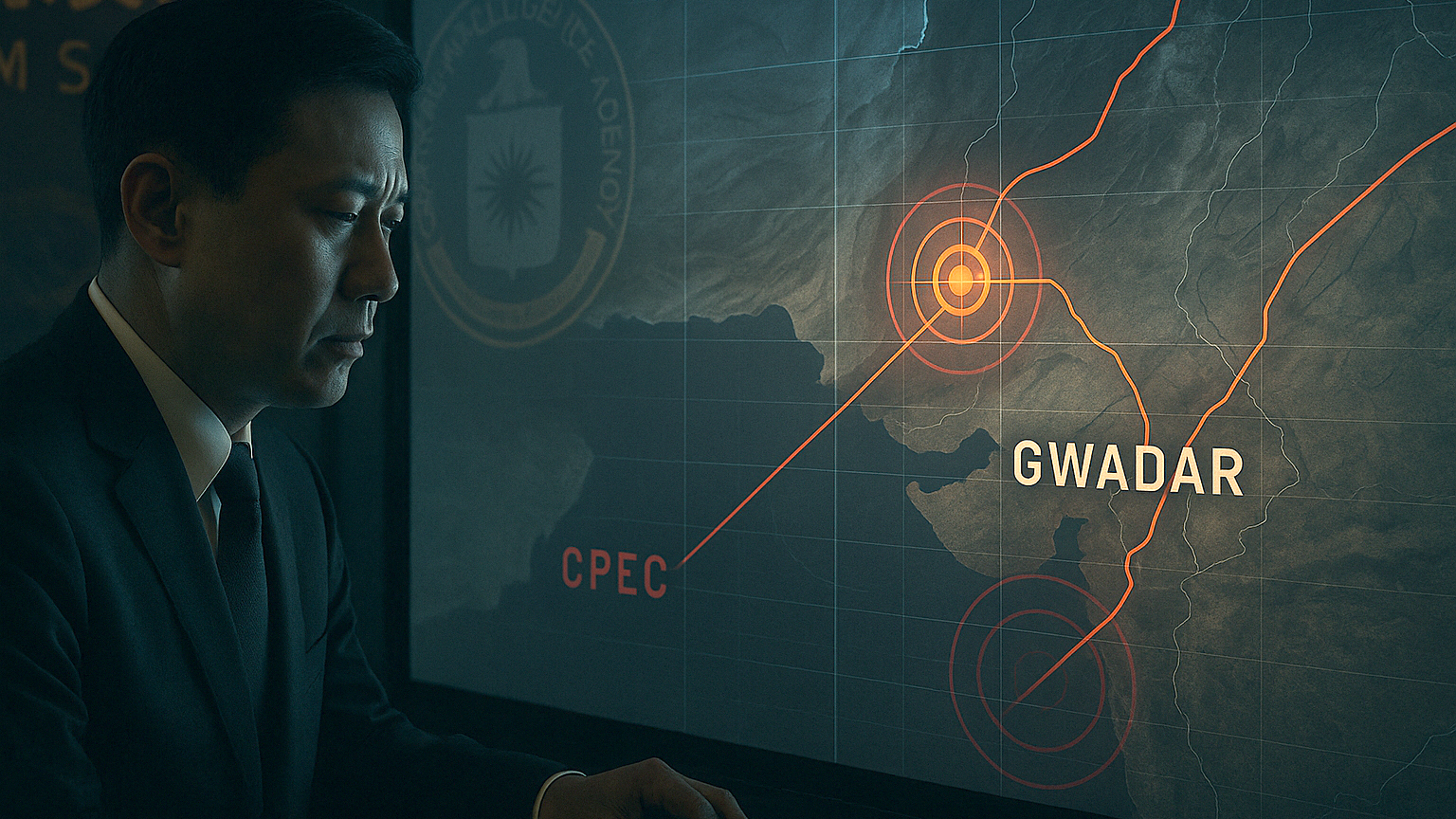
When Imran Khan was removed from office, the cypher transformed into far more than a diplomatic document. It became a symbol of regime change, foreign pressure, and institutional manipulation.
This is where the Dr Arif Alvi Cypher debate becomes deeply important.
Could Dr. Alvi have acted differently? Could he have warned the nation more openly? Could he have resisted key decisions more forcefully? Or had the presidency already become too weak to challenge unelected power?
These questions are not driven by hostility. They emerge from grief, disappointment, and constitutional confusion.
Many Pakistanis now wonder whether anyone inside the system truly had the authority to stop what followed.
The Collapse That Followed the Cypher Crisis
After Imran Khan’s removal, Pakistan entered a period of extraordinary instability.
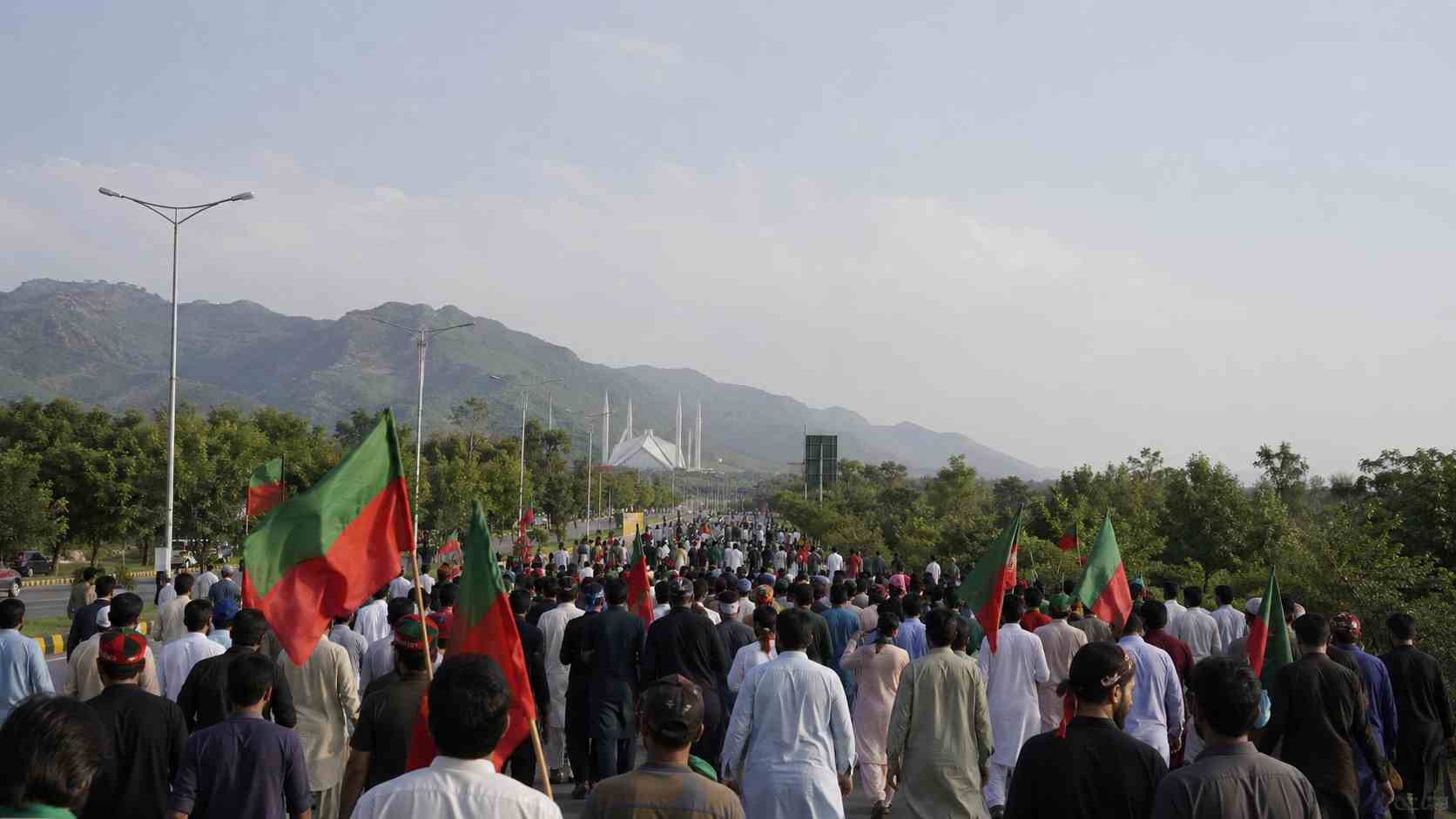
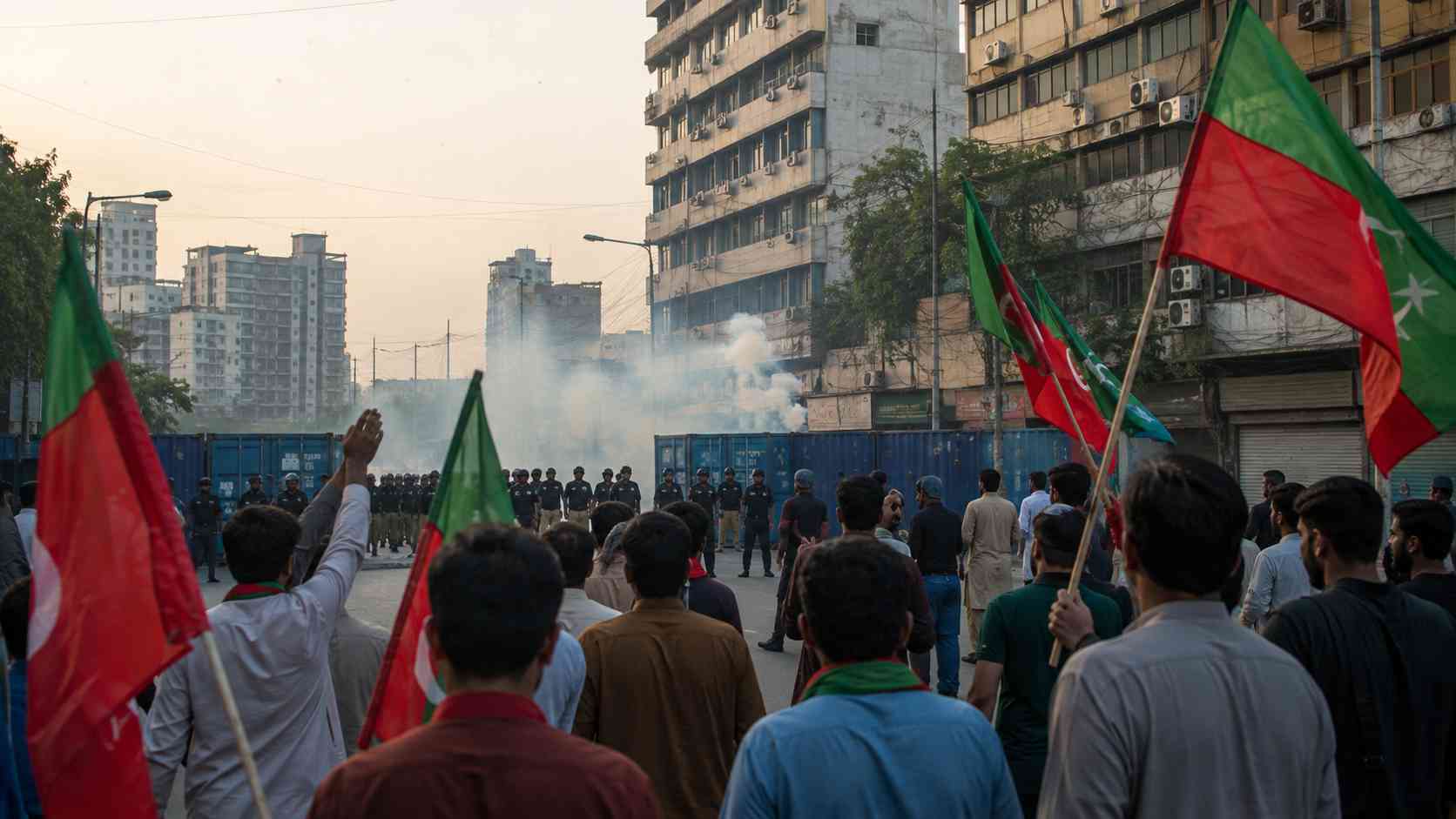
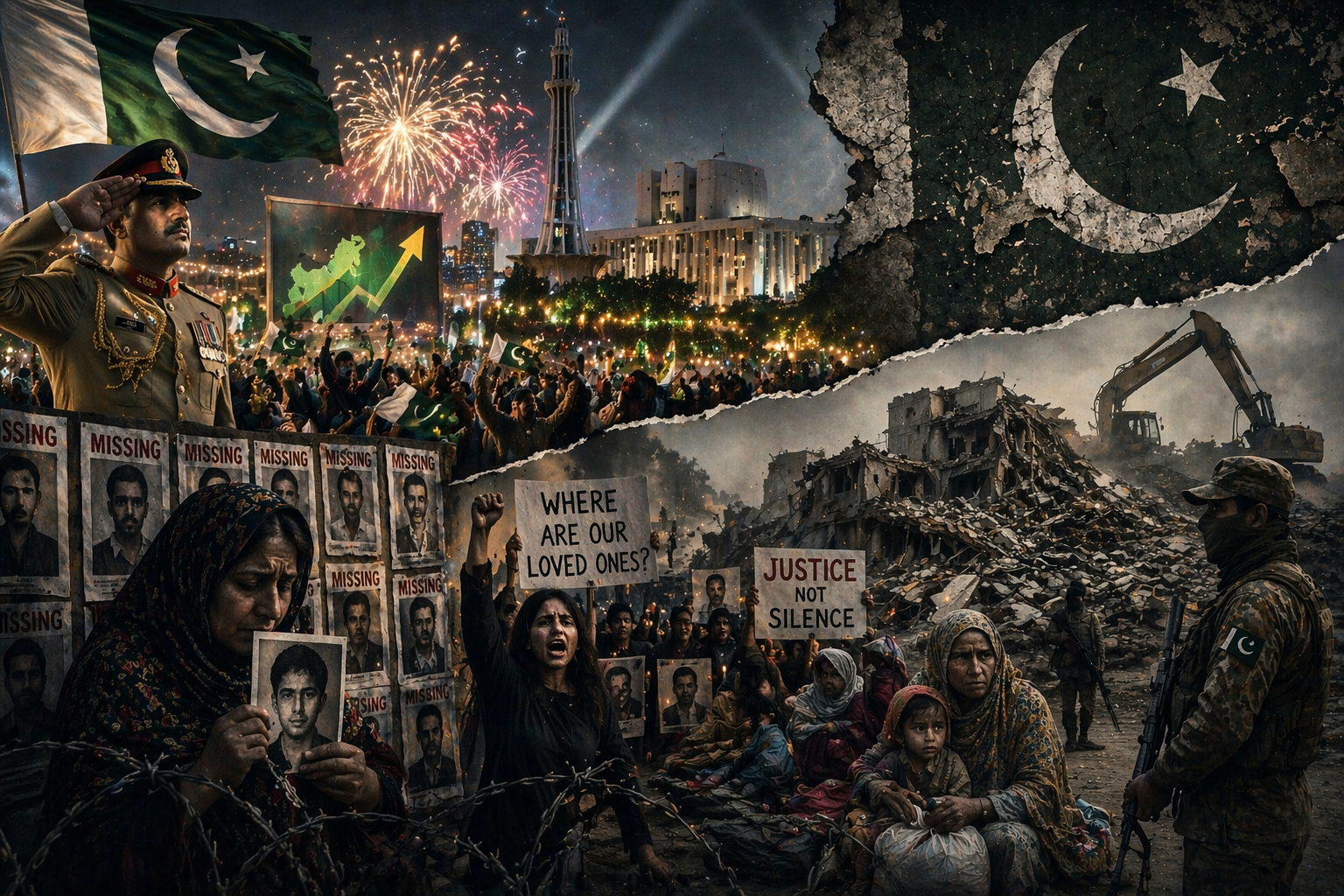
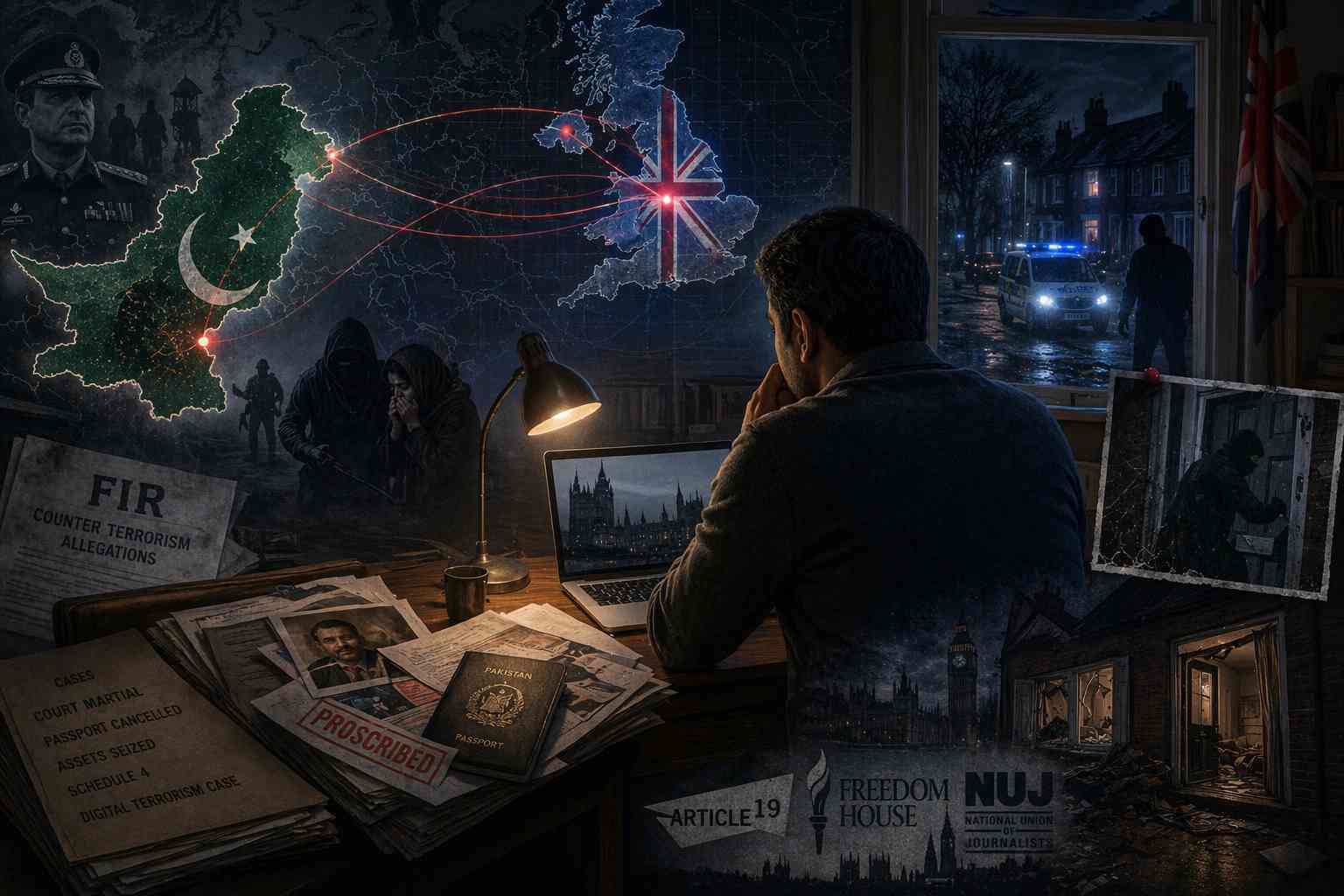
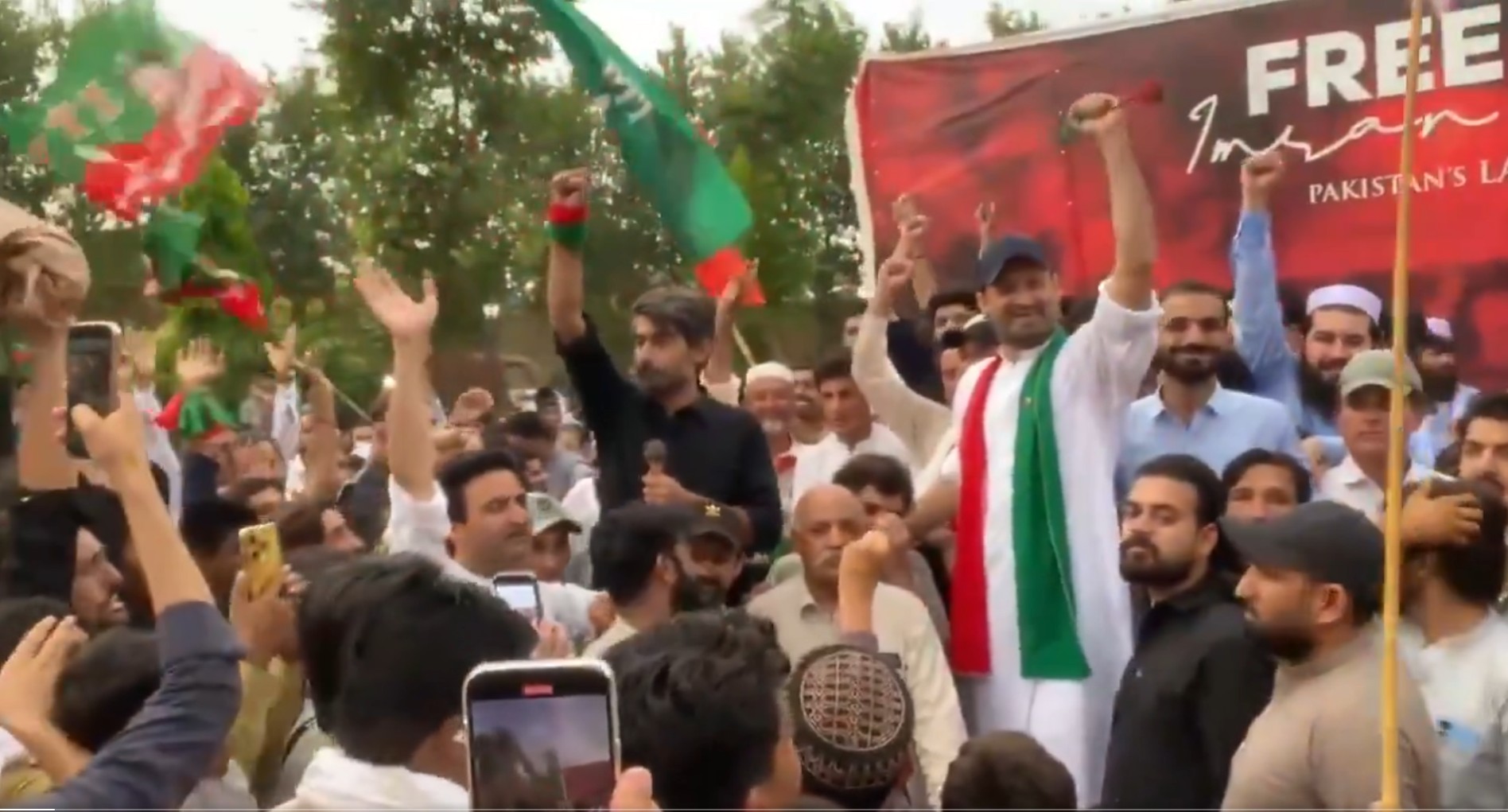
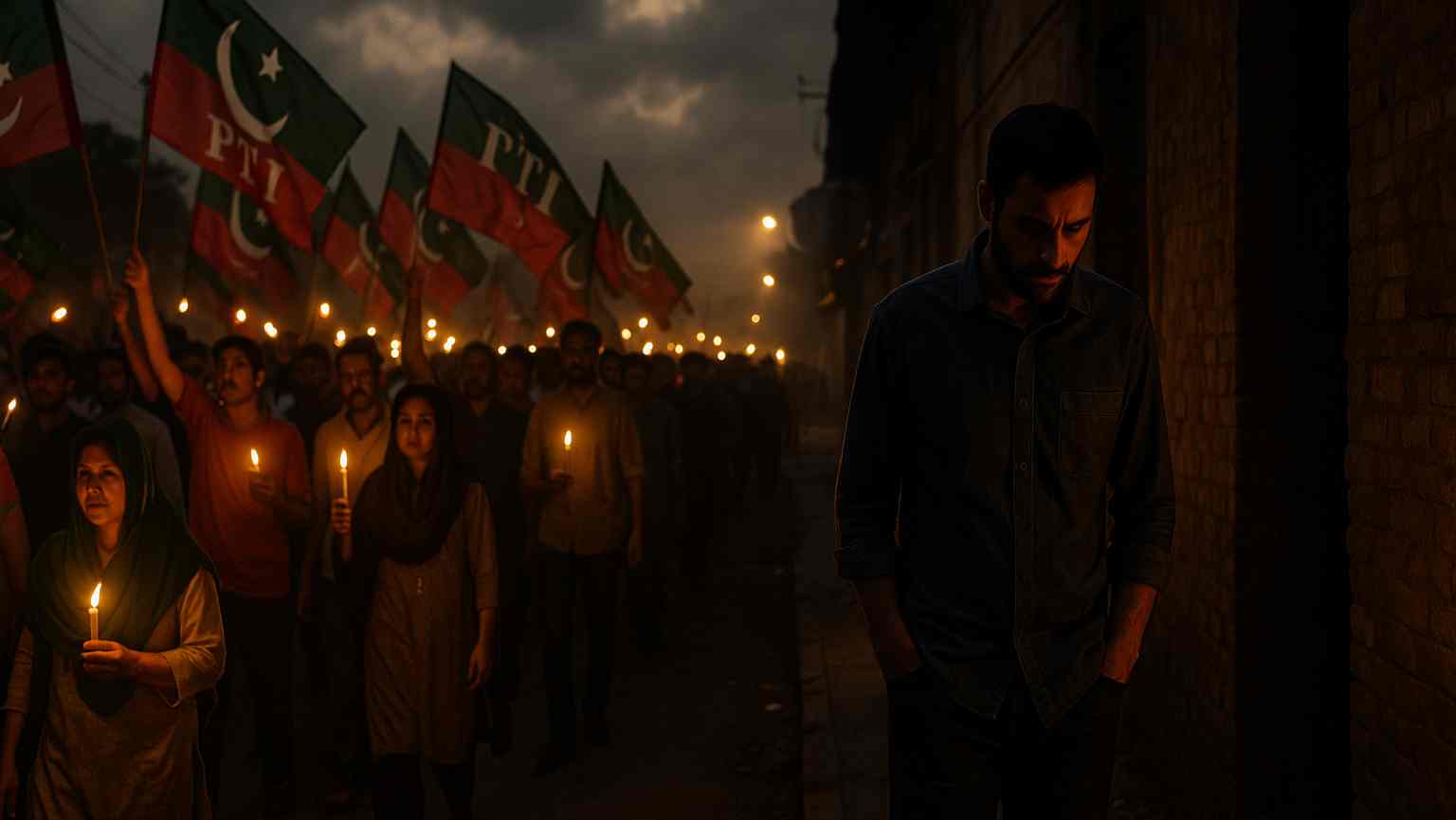
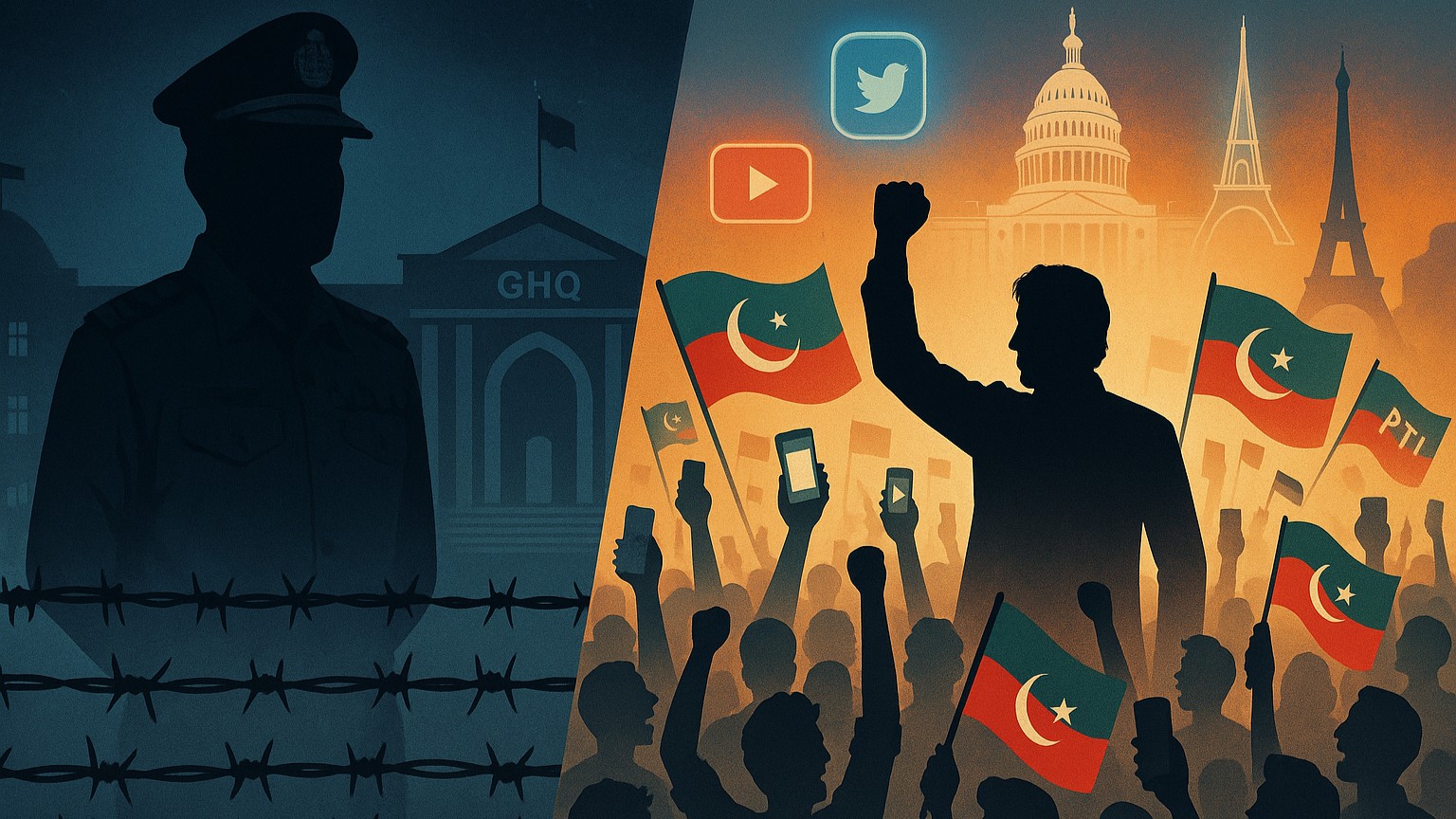
Authorities arrested PTI workers on a massive scale. They detained political activists, targeted journalists, and intensified pressure on dissenting voices. The events of May 9, 2023 later became the justification for widespread crackdowns.
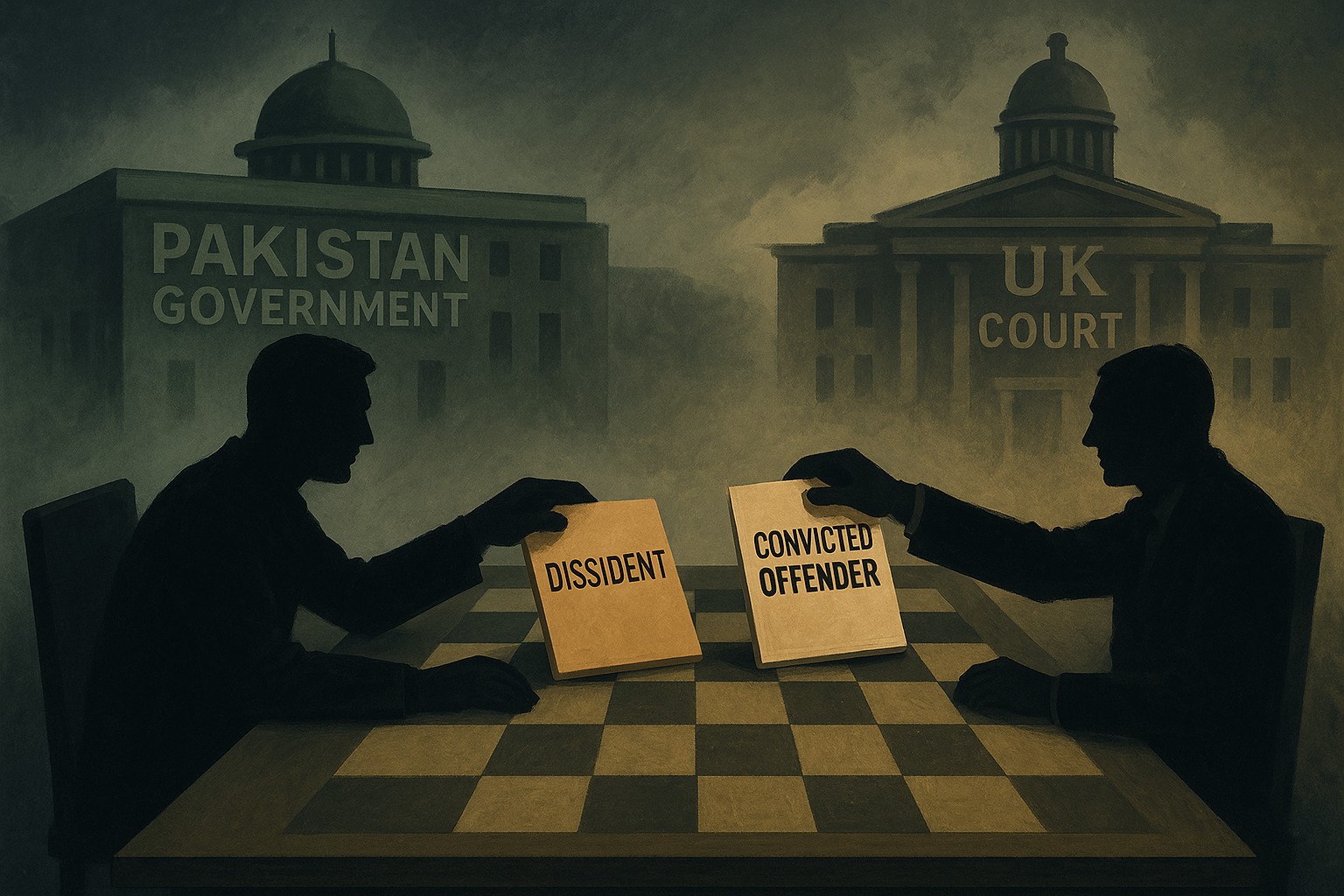
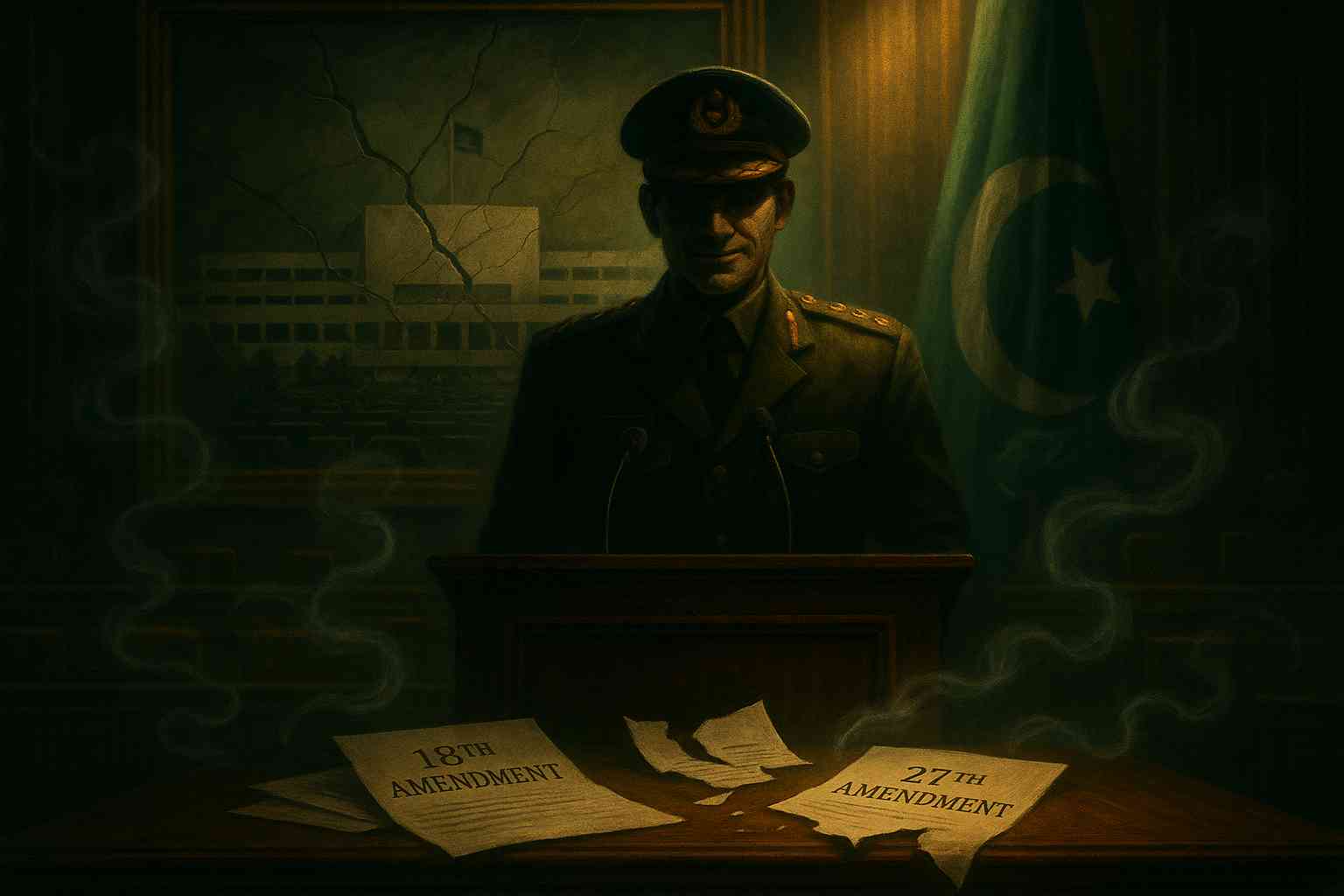
At the same time, the state increasingly weaponized legal and institutional mechanisms against political opponents.
Many citizens now ask whether Dr. Alvi foresaw the scale of this collapse.
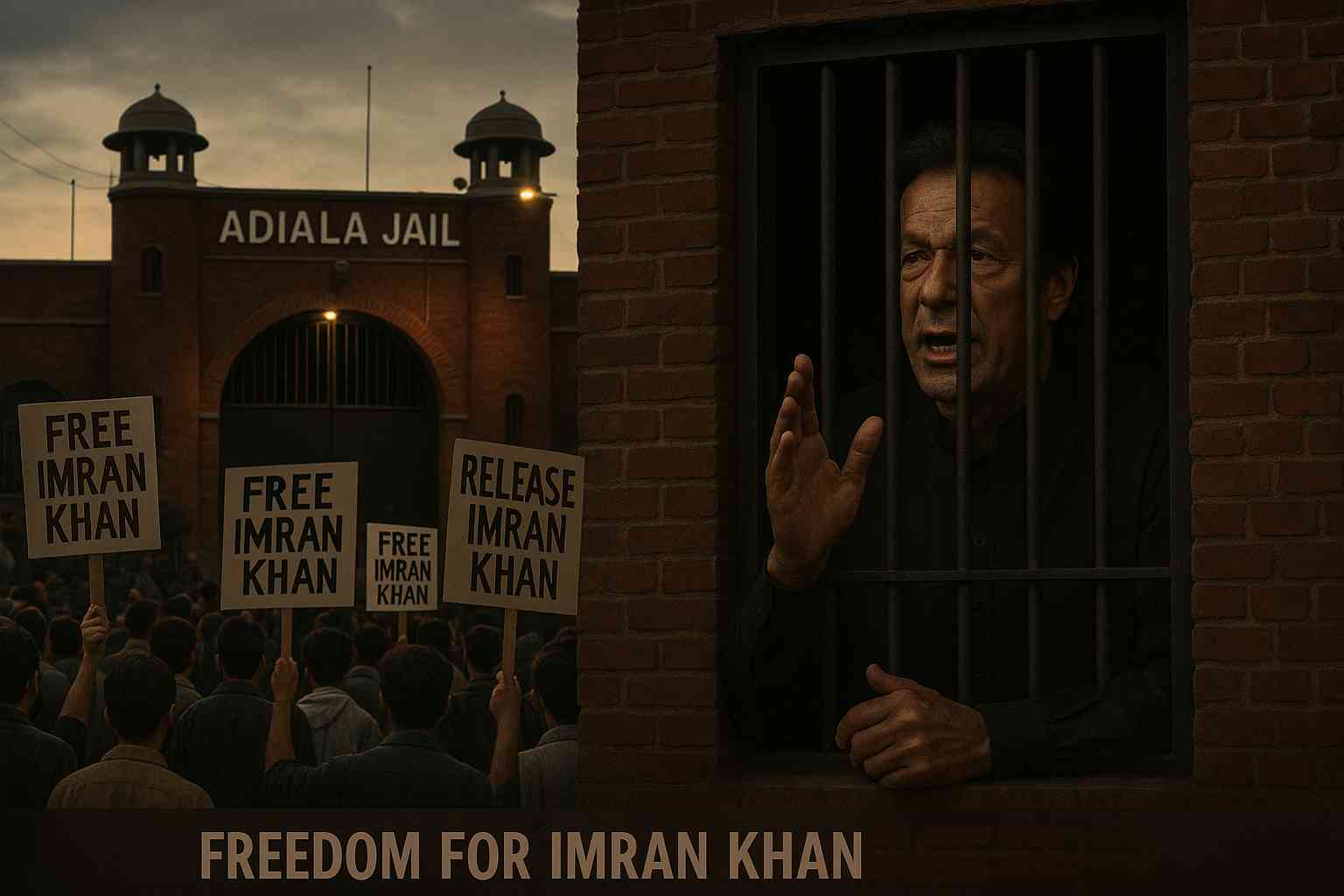
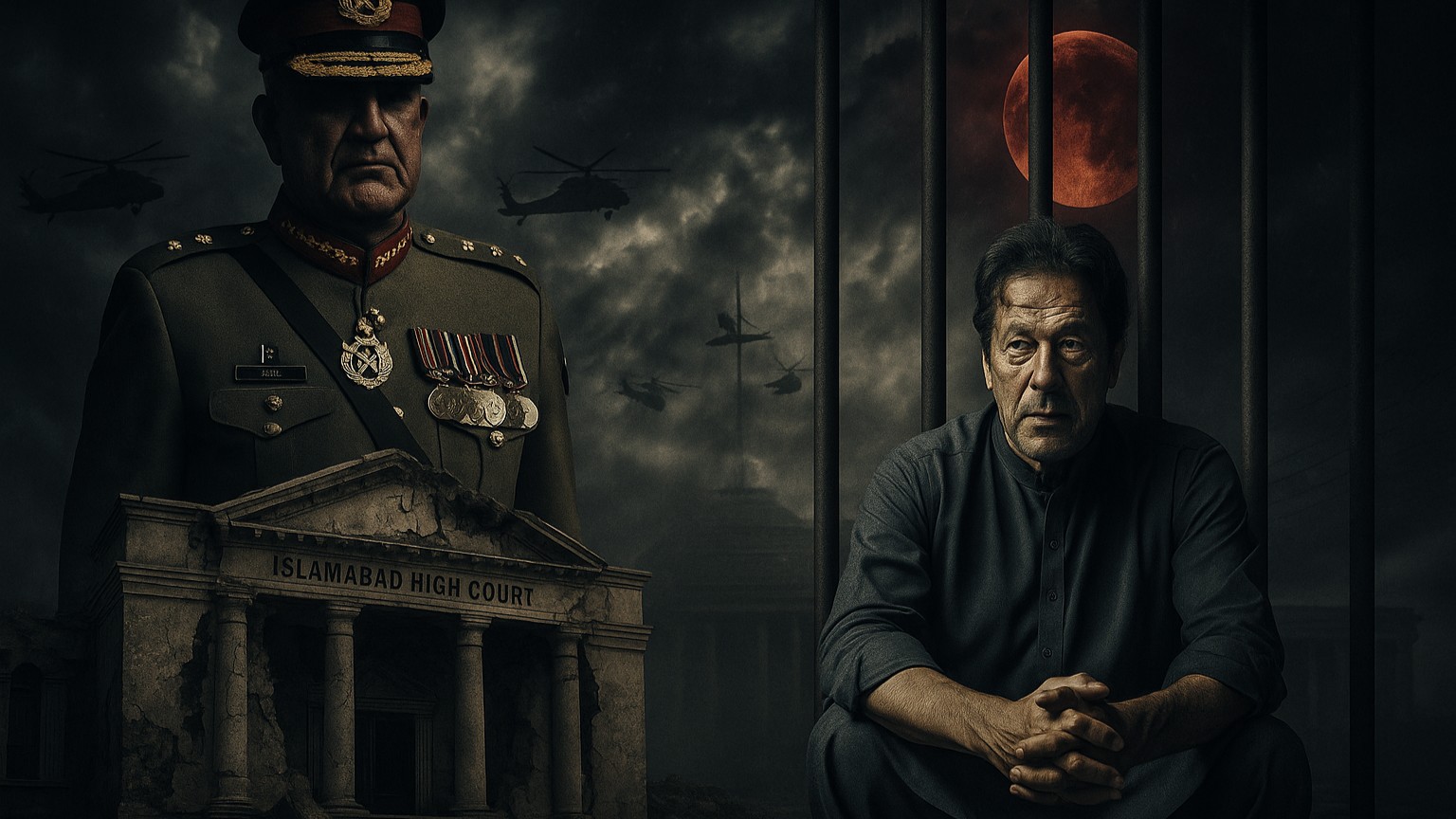
Could he have anticipated the abduction of Imran Khan from Islamabad High Court premises? Could he have predicted the humiliation of families, the imprisonment of women, and the dismantling of Pakistan’s largest political movement?
The Dr Arif Alvi Cypher discussion therefore reflects a broader national crisis: what value does constitutional office hold if it cannot defend constitutional order?
The Limits of Power and the Burden of Silence
To be fair, Dr. Alvi faced immense institutional pressure.
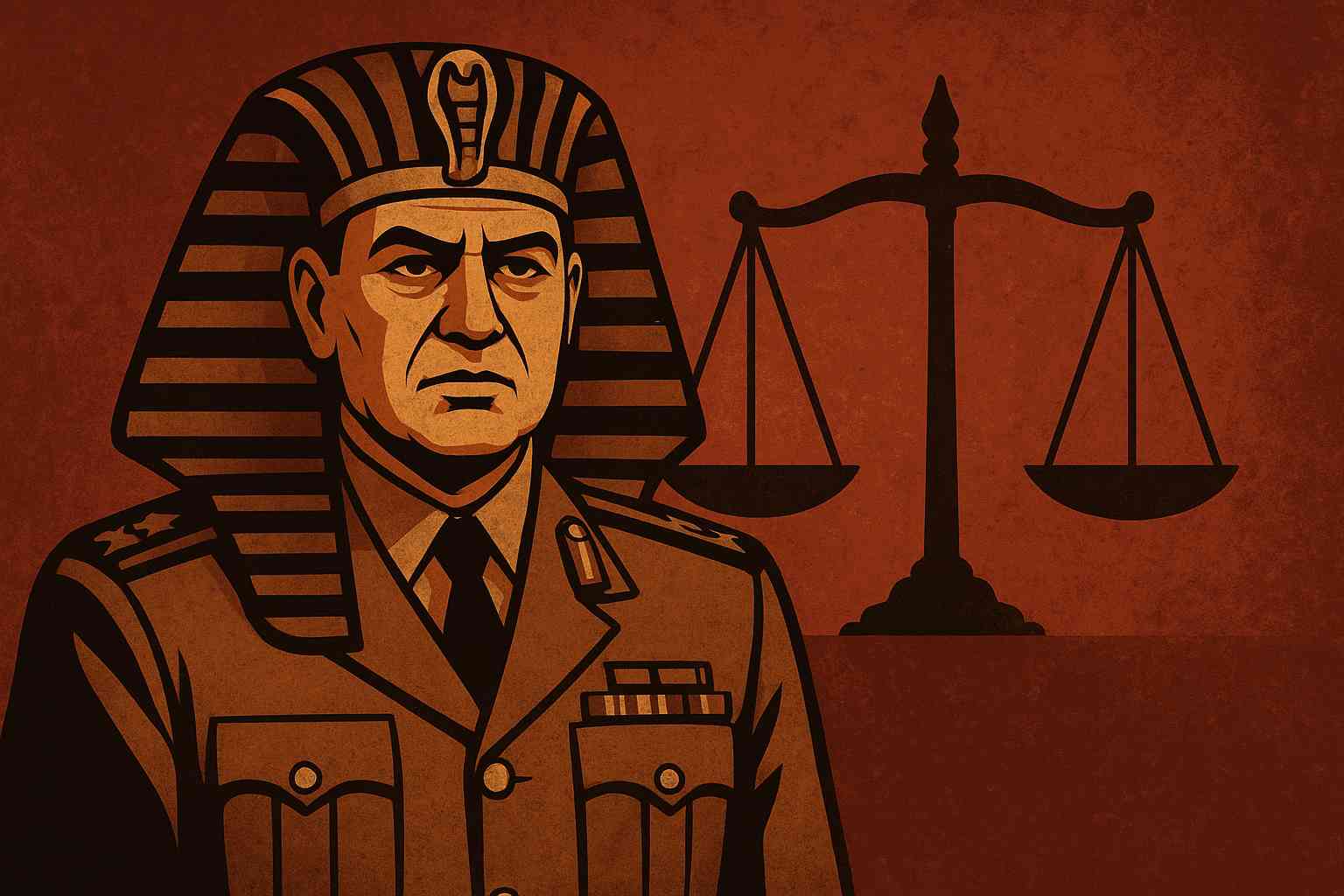
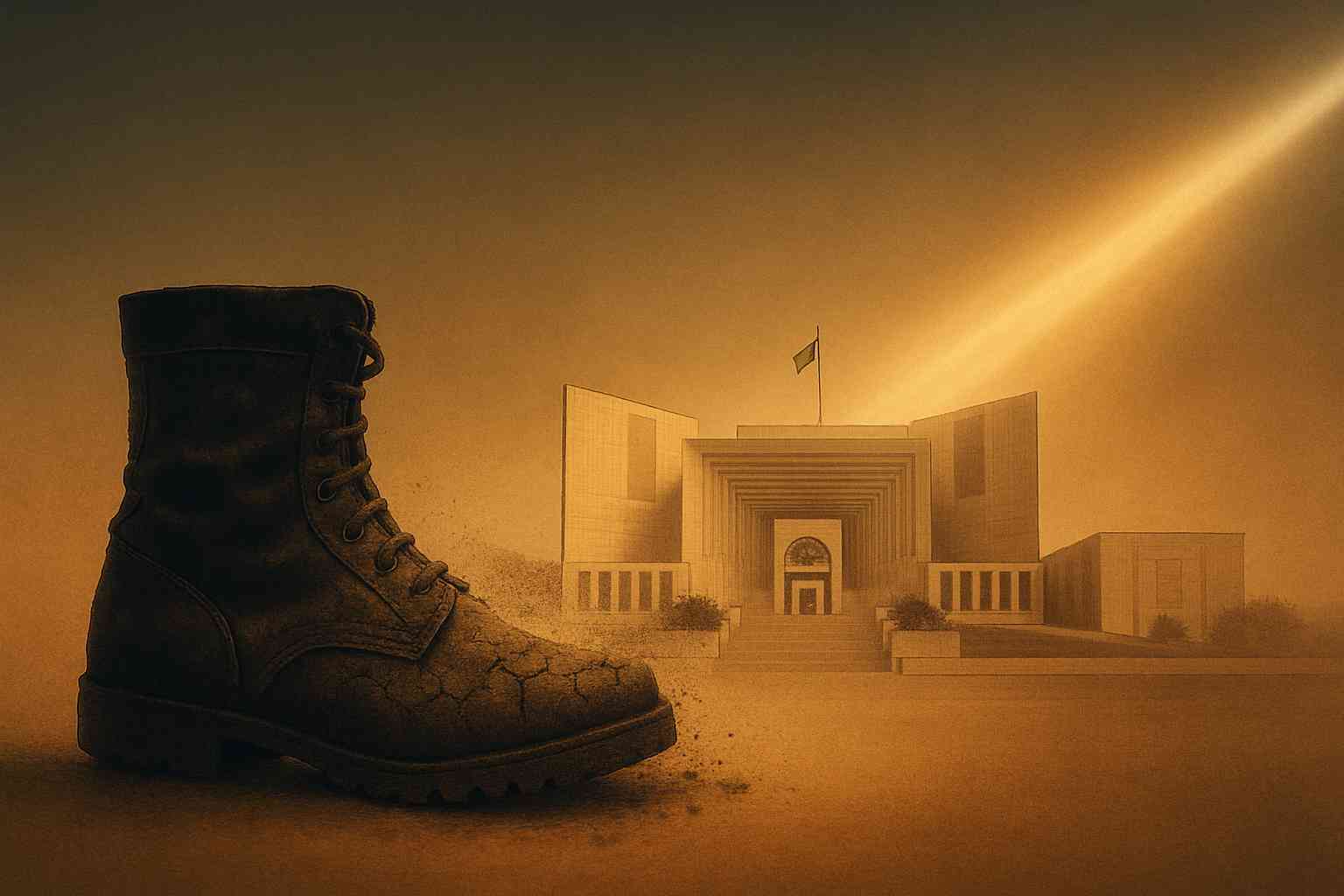
Pakistan’s presidency has historically remained powerful only when aligned with the military establishment. Once a president resists, institutions can isolate, undermine, or neutralize him quickly.
Therefore, many observers acknowledge the difficult position he occupied.
However, moral authority does not always require executive power.
Sometimes, it simply requires the courage to speak clearly at the decisive moment.
This is where disappointment continues to linger for many Pakistanis. They never expected Dr. Alvi to command tanks or physically confront the military establishment. Instead, they expected him to become the constitutional voice of resistance.
They wanted him to say openly that public mandates cannot be stolen. They wanted him to defend political freedoms, constitutional rights, and democratic legitimacy.
Most importantly, they wanted transparency regarding the cypher itself.
Dr Arif Alvi Cypher and the Demand for Truth
The cypher was never just a document.
Instead, it became a mirror reflecting how power operates in Pakistan: foreign pressure, domestic compliance, institutional intimidation, and coordinated narrative management.
This is why the Dr Arif Alvi Cypher issue still resonates so strongly today.
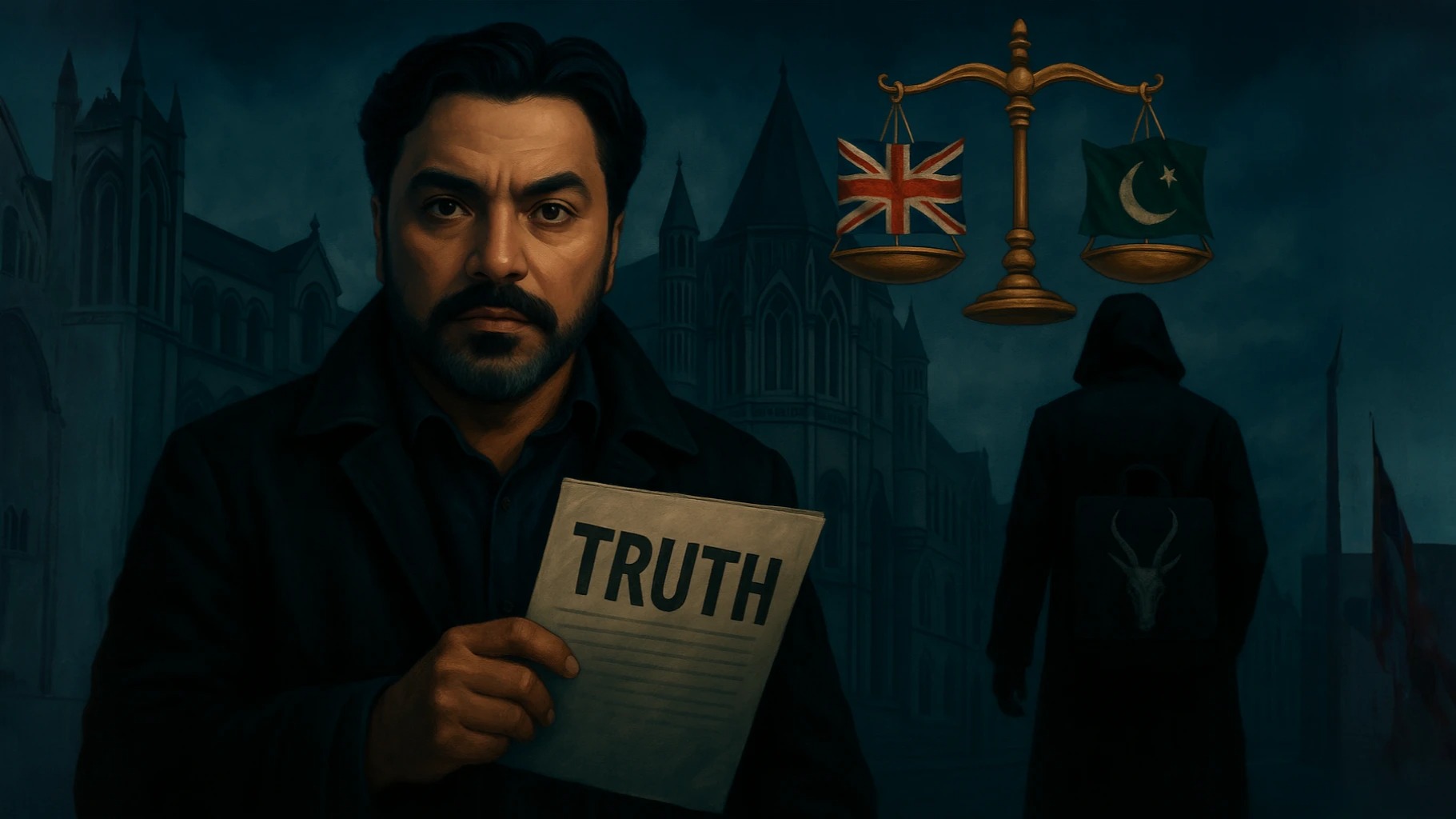
If Dr. Alvi believes key truths were buried, many Pakistanis believe he should now help uncover them. If institutions ignored warnings, the public deserves to know. If officials concealed information, the nation deserves transparency.
Pakistan does not need vague regret. It needs testimony.
At the same time, fairness matters.
Dr. Alvi did not engineer the political crackdown. He did not design the post-regime-change order. Nor did he lead the campaign against PTI, journalists, or dissidents.
Perhaps he was simply a decent man trapped inside a deeply compromised system.
Yet history often judges silence more harshly than helplessness.
A Witness Still Has a Role to Play
Dr. Arif Alvi still holds moral relevance in Pakistan’s political story.
Not as president. Not as a partisan defender. But as a witness to one of the country’s most consequential democratic crises.
He knew Imran Khan before power, before protocol, and before state institutions turned against the movement that inspired millions.
He understood the hopes attached to that movement. He also understood the damage caused when those hopes collapsed.
That is why his words still matter.
Pakistan Needs Accountability, Not Amnesia
Pakistan cannot move forward through denial.
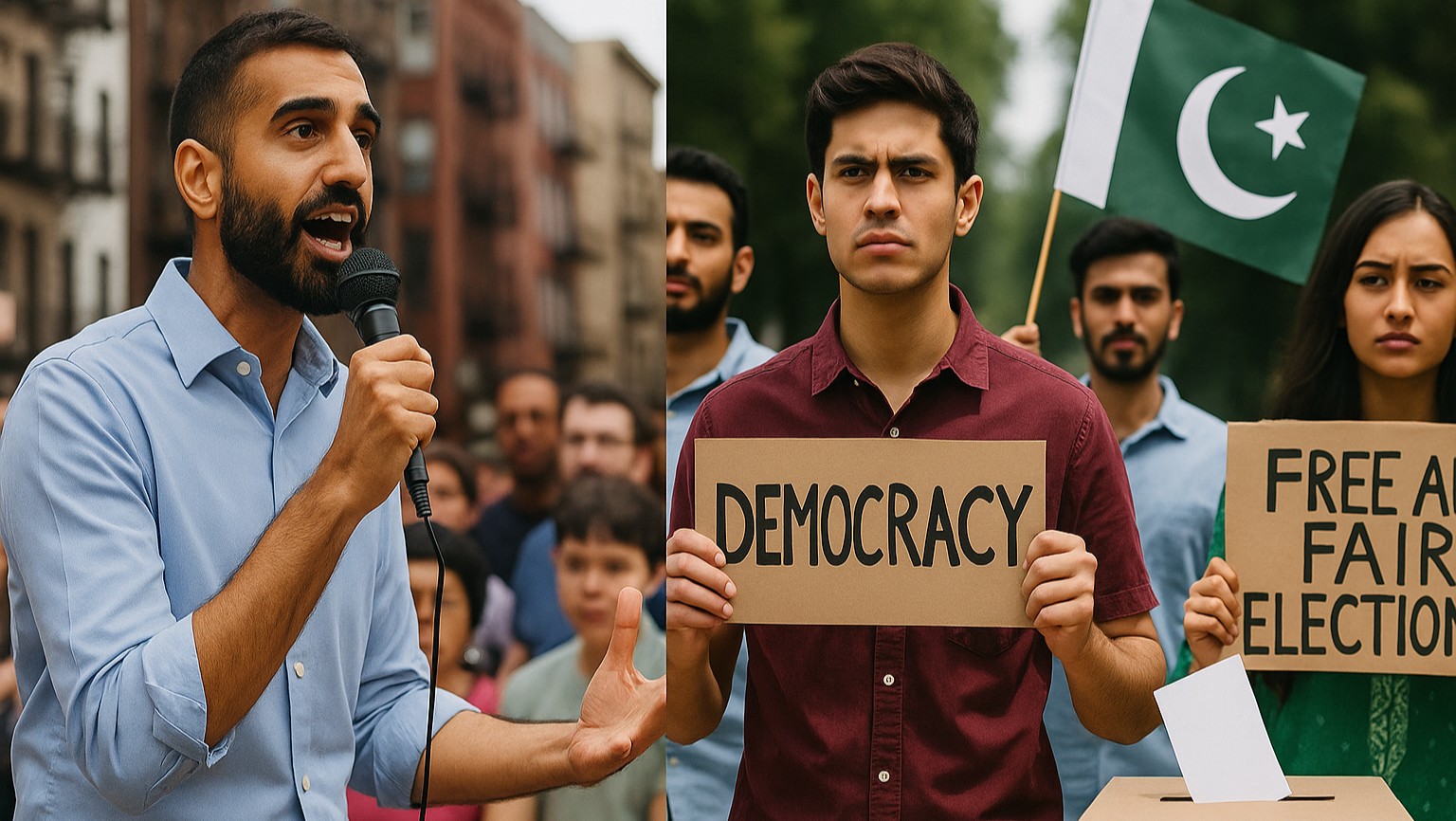
The country needs an honest reckoning with the cypher controversy, regime change allegations, May 9, political arrests, media censorship, and the erosion of constitutional rule.
Without truth, institutions cannot rebuild public trust.
Without accountability, political wounds will continue to deepen.
The Dr Arif Alvi Cypher debate ultimately represents something much larger than one political figure.
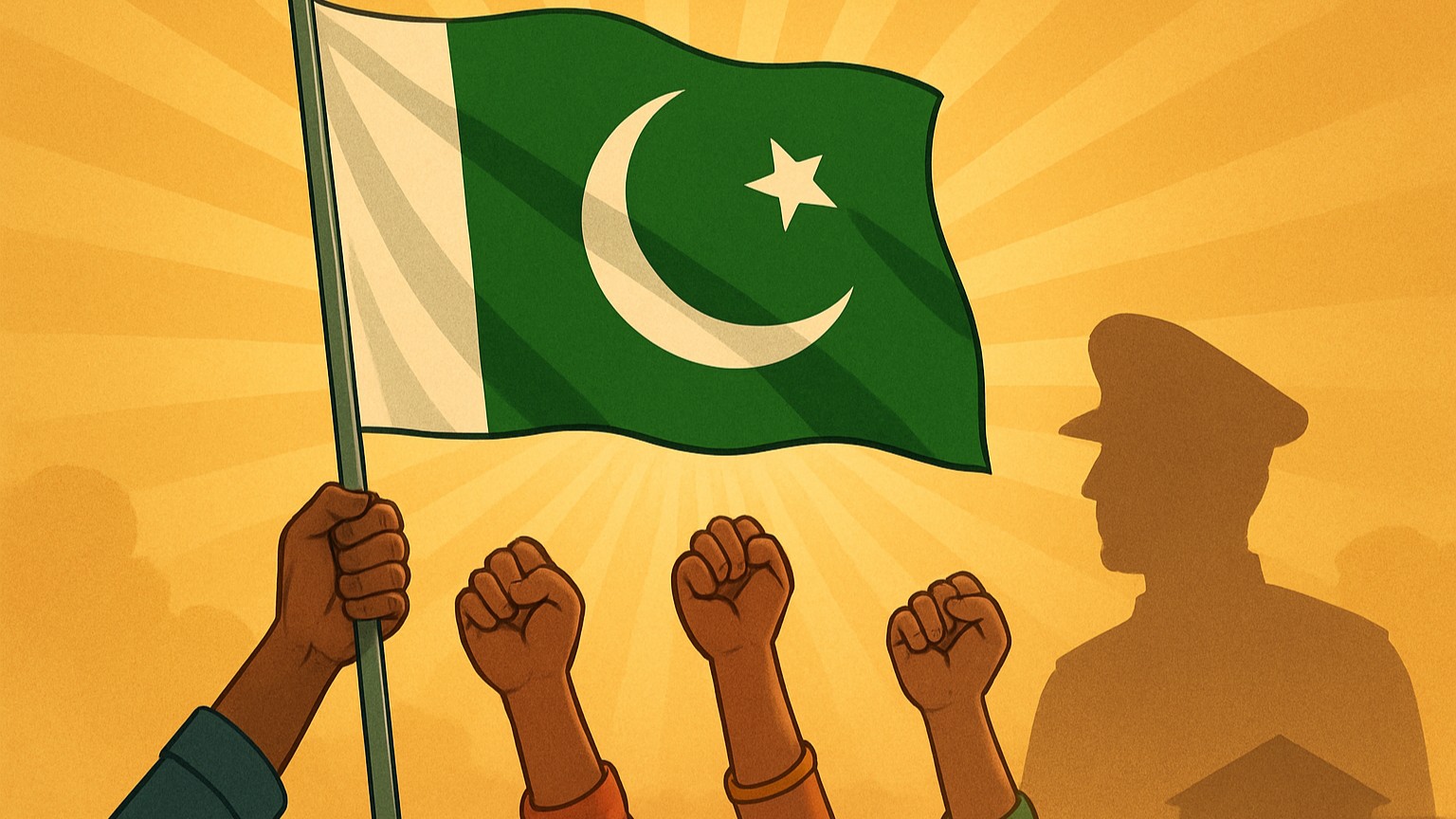
It represents the unresolved struggle between constitutional democracy and unelected power in Pakistan.
Conclusion
Pakistan does not need revenge. It needs honesty.
It does not need another cycle of silence from institutions, politicians, and power centers pretending that nothing happened.
Instead, it needs courage from those who stood closest to history.
Dr. Arif Alvi still has the opportunity to contribute to that truth.
History may forgive helplessness.
However, it rarely forgives silence.
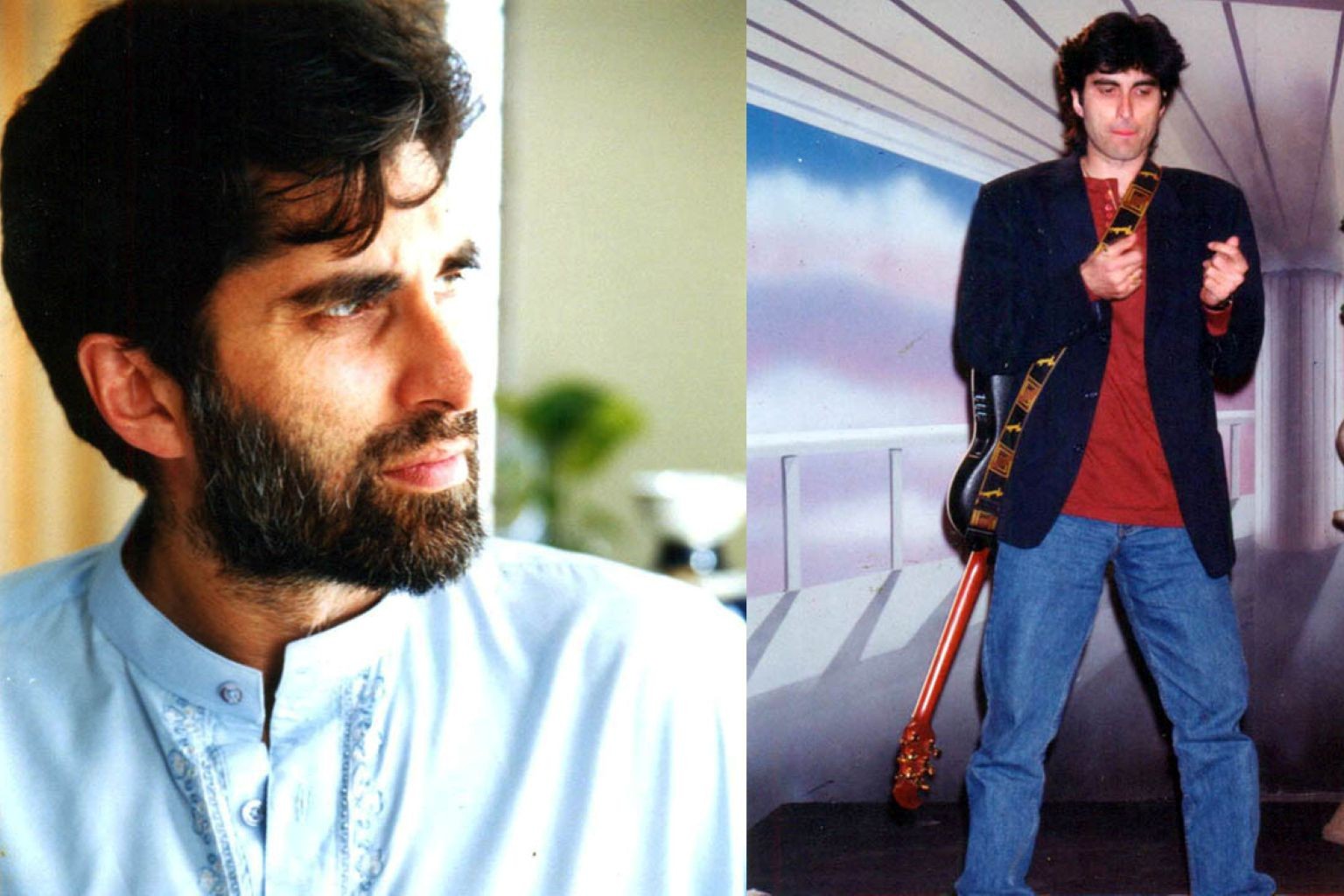
Dr. Salman Ahmad, United Nations Goodwill Ambassador, Pakistani-American, Human Rights Defender and a famous rockstar, Founder of rock band “Junoon”