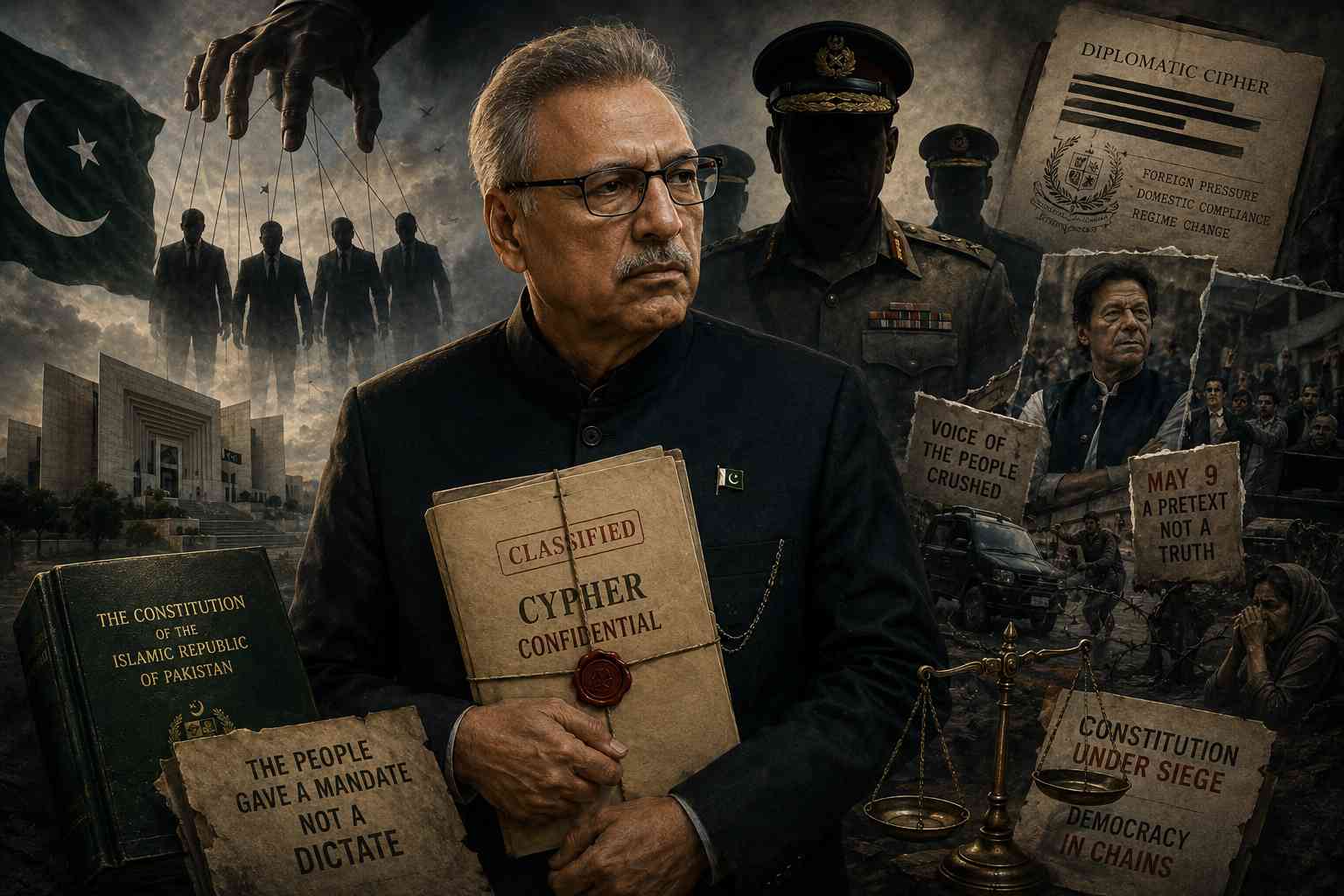
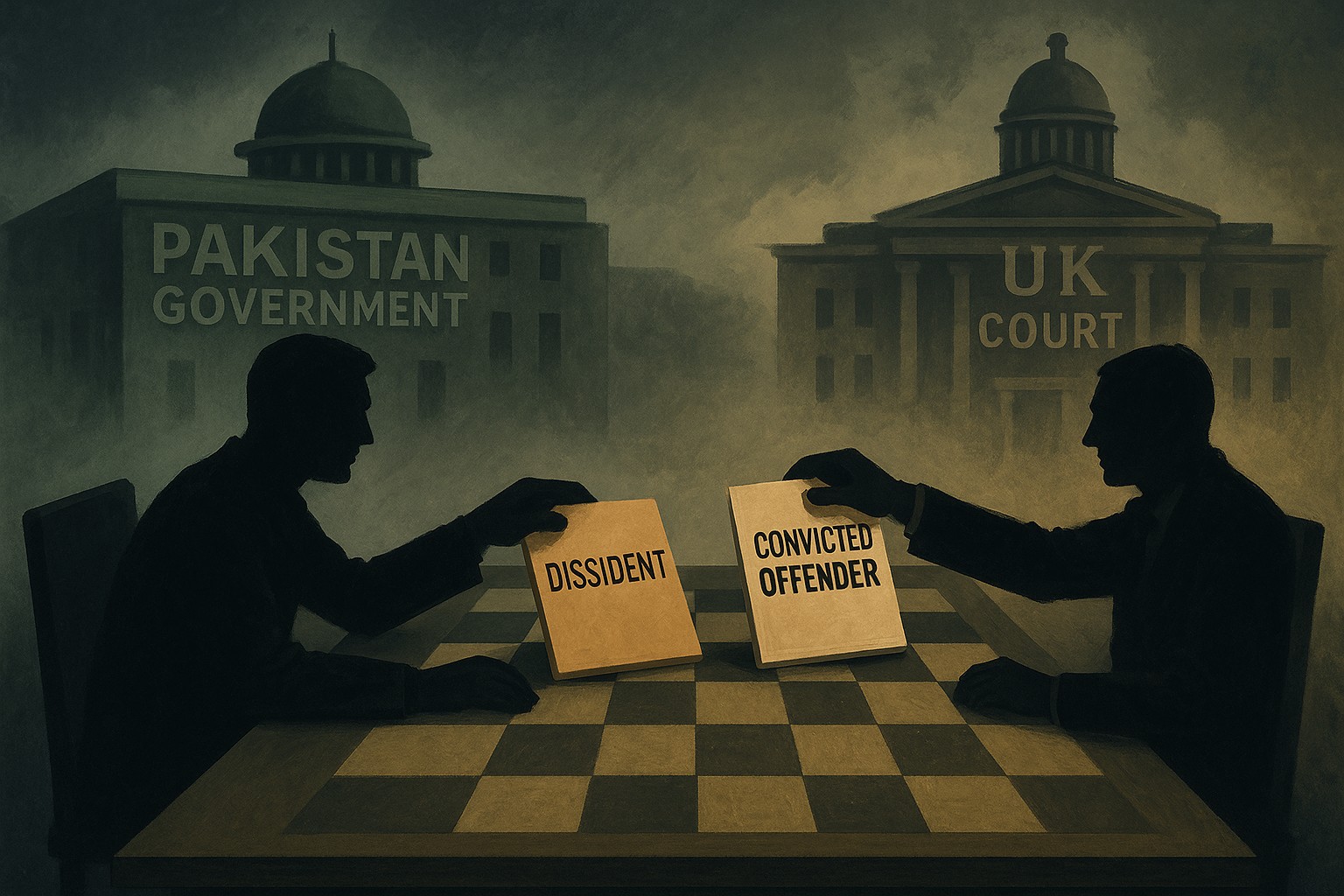
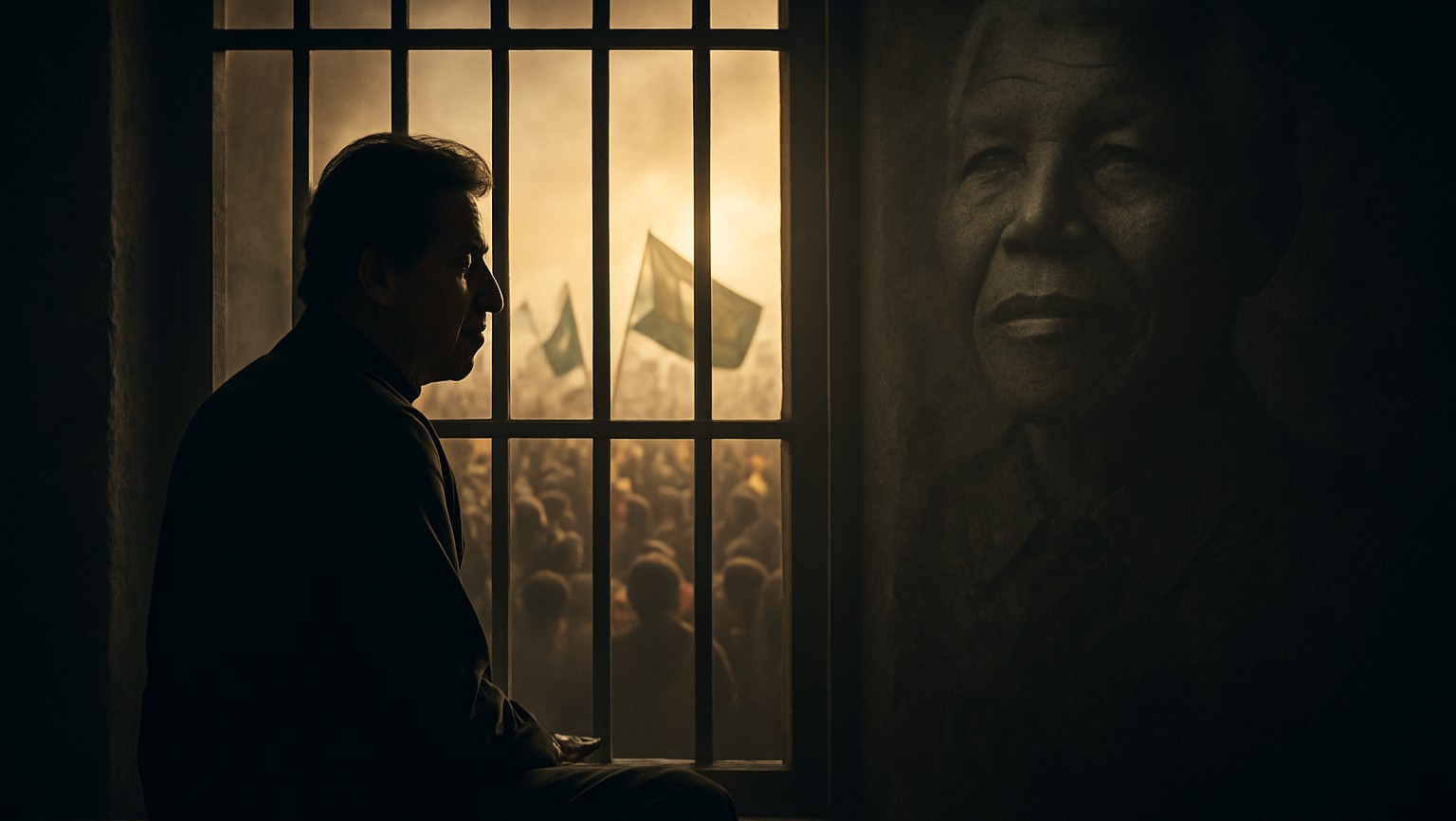
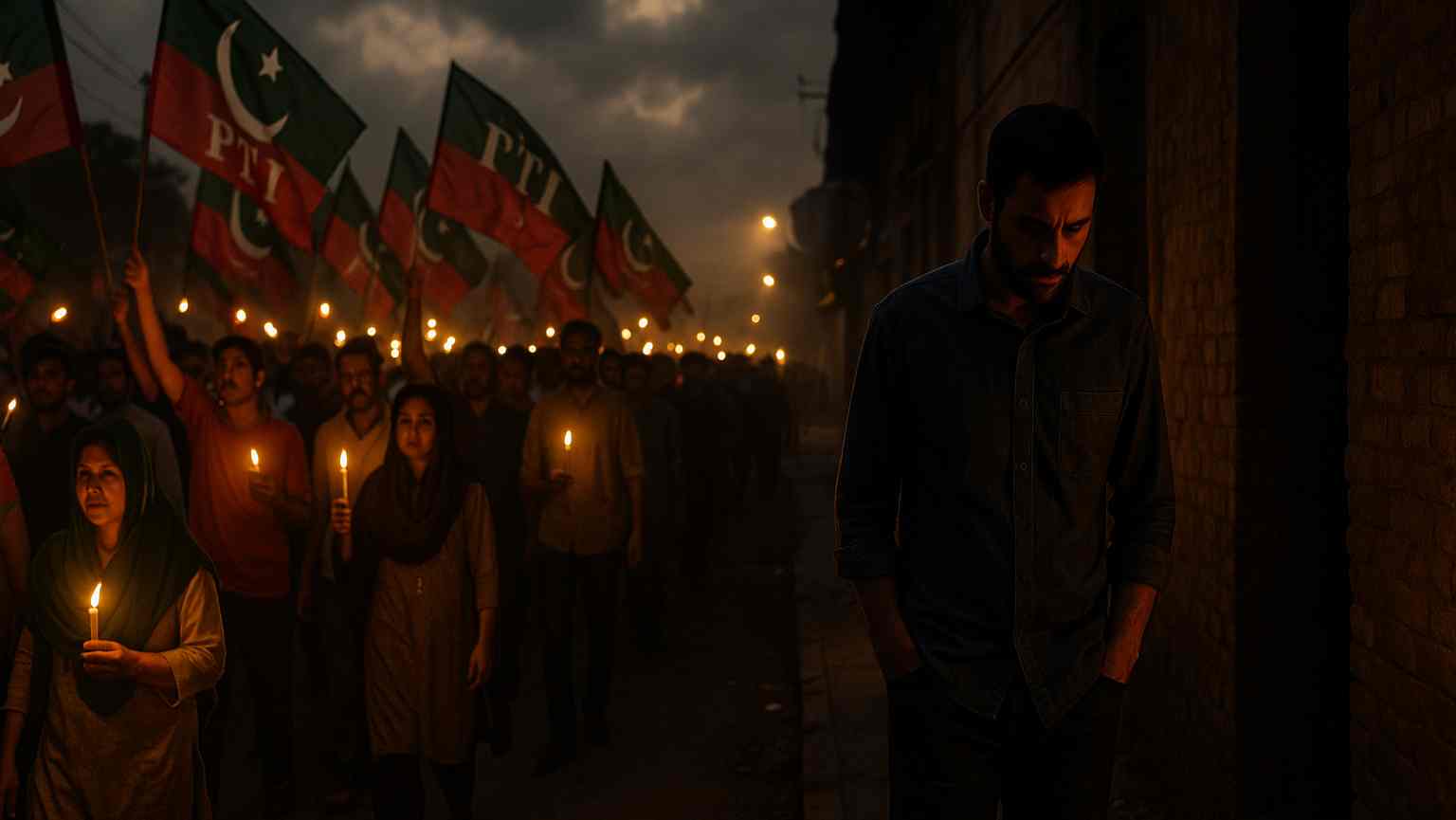
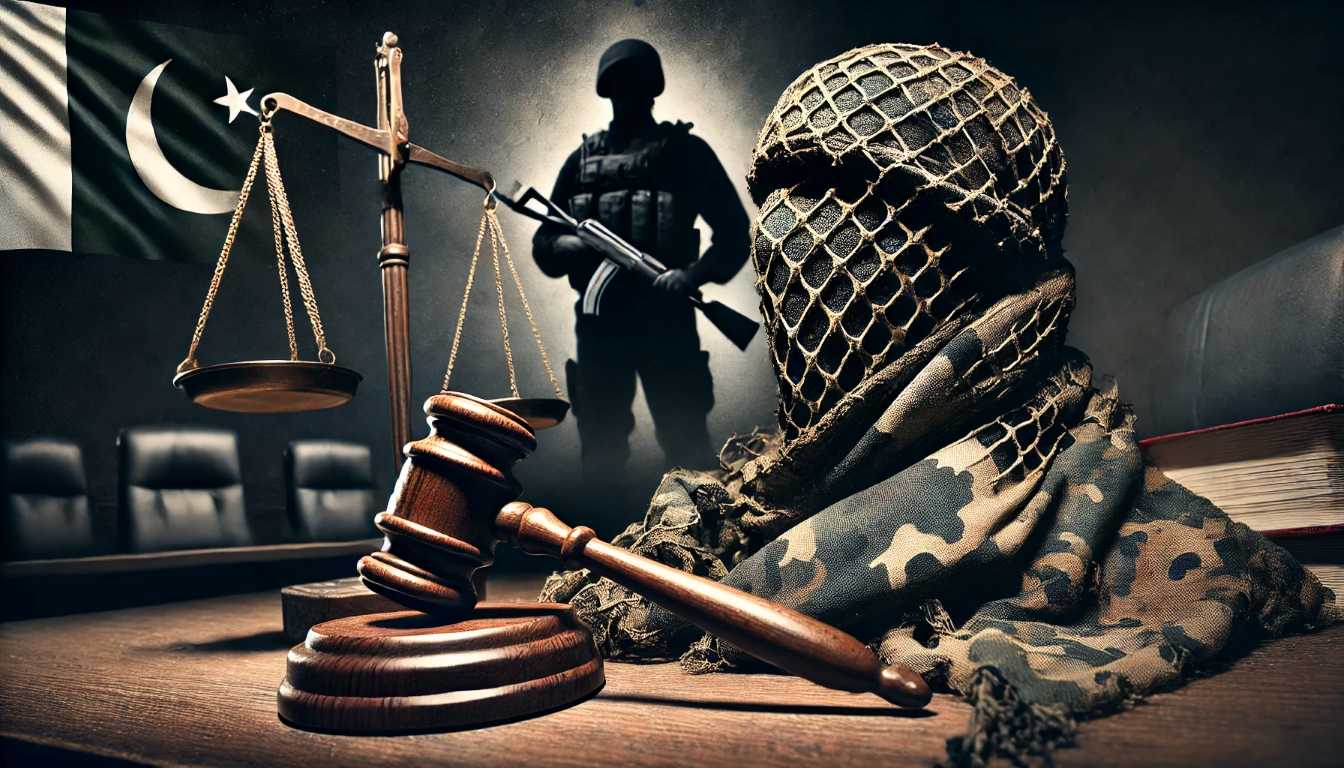
Punjab’s government has placed a sweeping proposition before the Lahore High Court: a civilian convicted of an offence against the state cannot claim fundamental-rights protection. The claim arose in its response to Barrister Hassaan Khan Niazi’s challenge to his transfer, military trial, and ten-year sentence. Yet the principle reaches far beyond one prisoner. If accepted broadly, it would turn conviction from a lawful restriction on liberty into a form of constitutional exclusion.
That is the wrong test. Pakistan’s courts may reject a petition because another appeal is pending. They may uphold a conviction after reviewing jurisdiction, evidence, and procedure. However, they should not accept the idea that conviction erases the citizen as a bearer of rights. The government filing ↗ itself raises procedural objections that can be decided without adopting that dangerous proposition.
A procedural defence became a constitutional claim
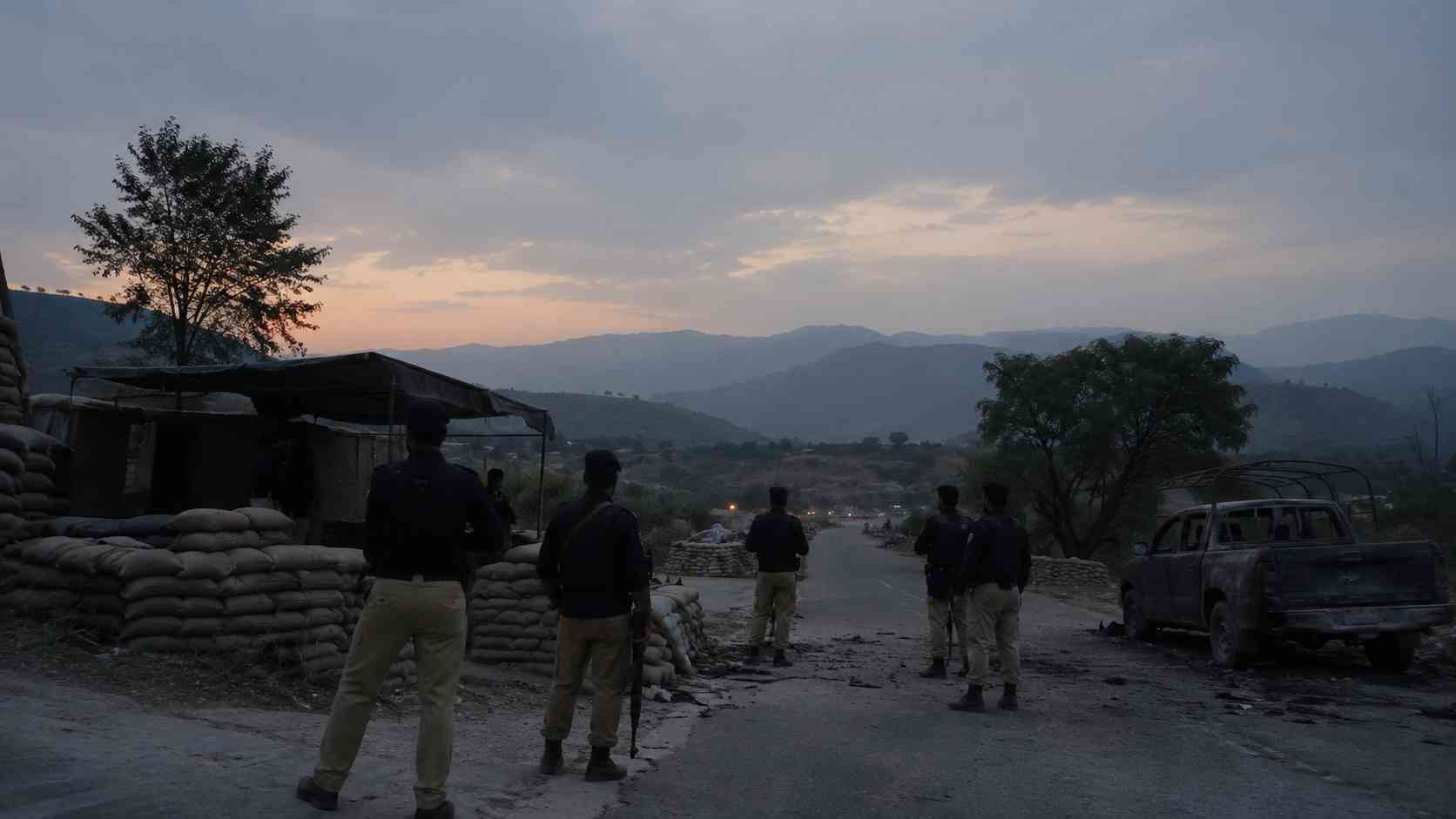
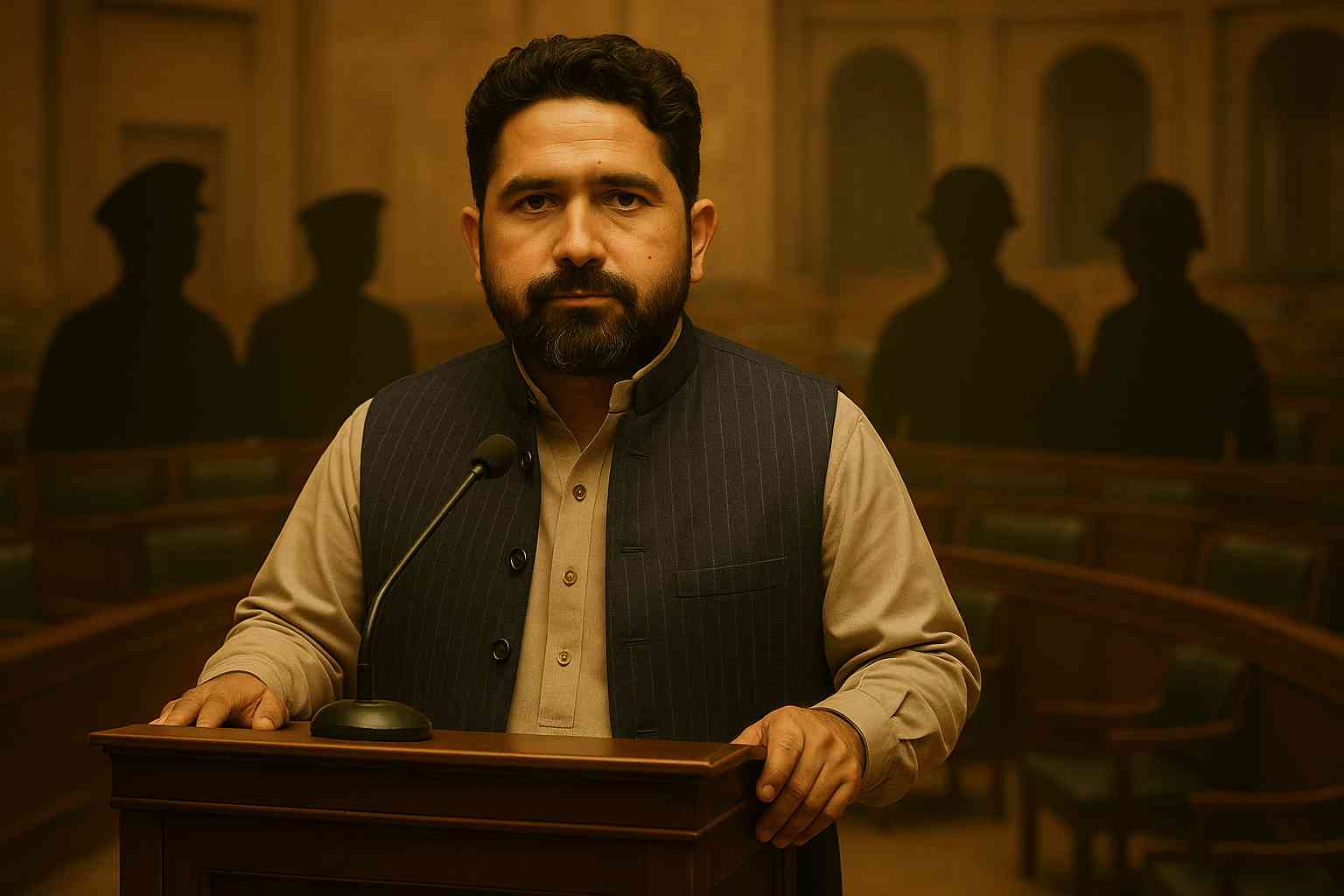
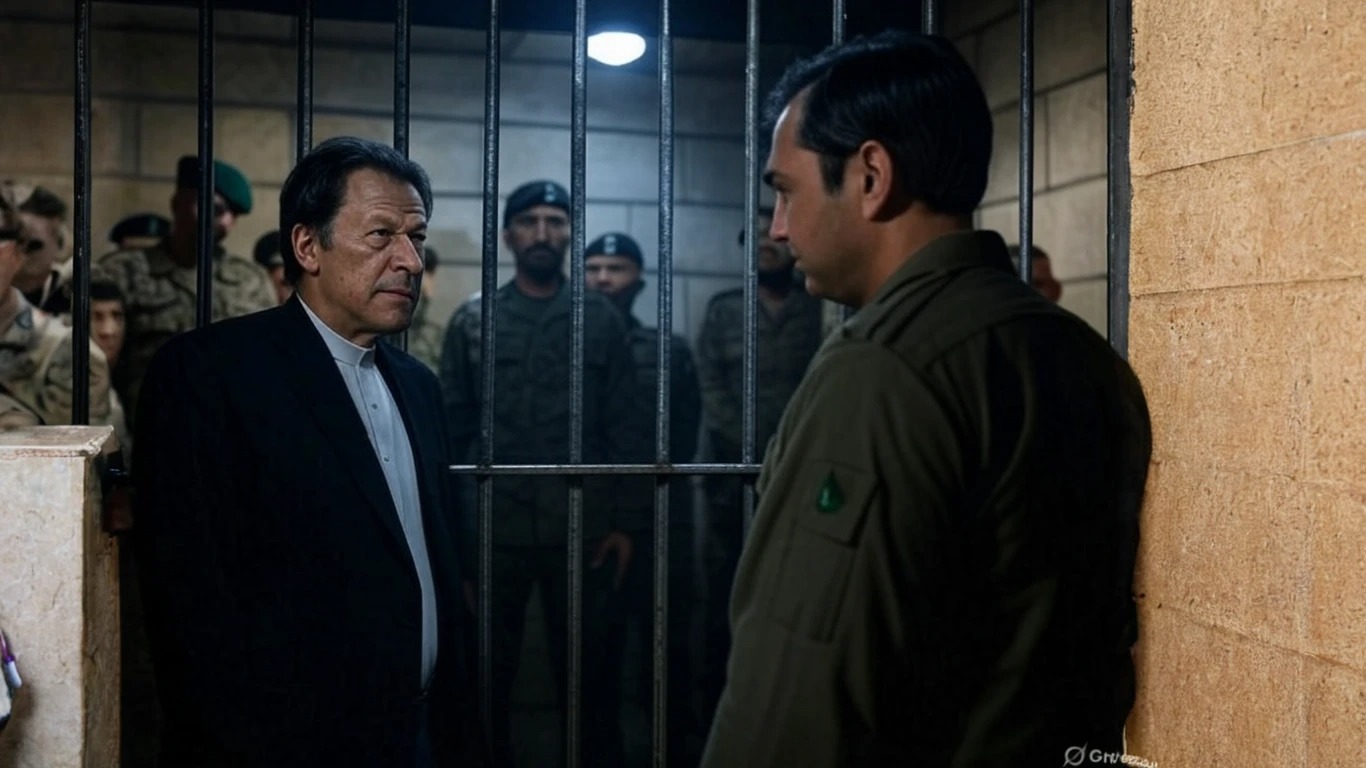
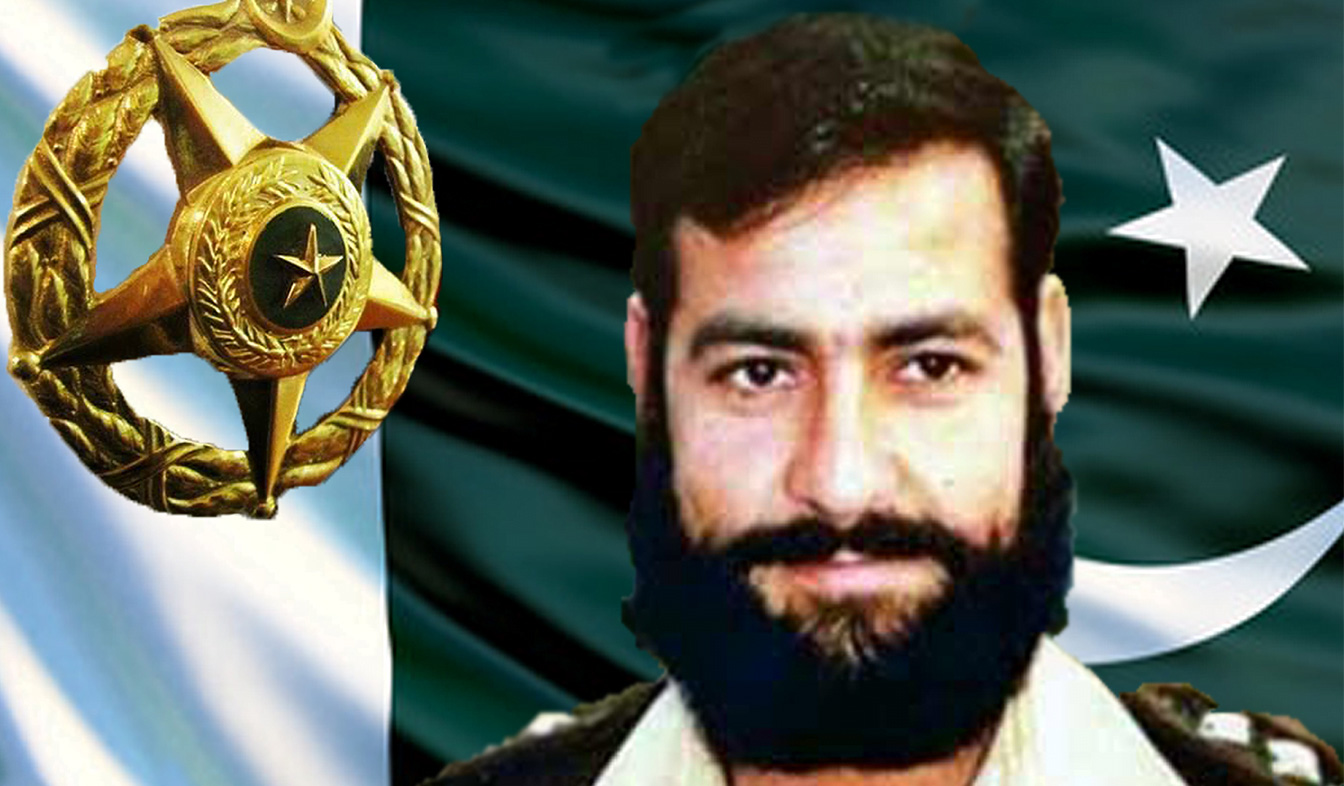
Niazi was convicted by a Field General Court Martial over the May 9, 2023 attack on Jinnah House. He received ten years’ rigorous imprisonment in December 2024. Punjab argues that he already has an appeal pending under Section 133-B of the Pakistan Army Act. The Defence Ministry also relies on Articles 8(3) and 199(3) to challenge the High Court’s jurisdiction.
Those are legal questions, not settled facts in this pending case. A court can decide whether the petition is maintainable, whether an alternative remedy must run first, and whether the transfer to military custody complied with law. None of those questions requires a ruling that convicted civilians possess no fundamental rights.
This distinction matters because constitutional remedies are not identical to constitutional rights. A court may find that one remedy is unavailable at one stage. It does not follow that life, dignity, lawful treatment, or fair process have vanished.
Fundamental rights of convicted civilians survive imprisonment
Pakistan’s own jurisprudence rejects the notion of total civil death. In a 2023 prisoner-rights ruling, the Supreme Court held that incarceration curtails liberty and movement, not the constitutional rights to life and dignity. The court said the state owes every prisoner a duty of care, regardless of the offence.
The prisoner-rights judgment ↗ concerned humane treatment and probation. It did not decide Niazi’s military-trial challenge. Its principle still exposes the breadth of Punjab’s formulation. A person does not stop being protected by the Constitution merely because the state has secured a conviction.
Some rights can lawfully narrow after conviction. A prisoner loses ordinary freedom of movement. Prison rules can regulate contact, association, and daily life. The Supreme Court’s intervention in Imran Khan’s medical care nevertheless showed that custody leaves the state’s duty toward health, dignity, and security intact.
The same logic should govern the fundamental rights of convicted civilians. Restrictions must connect to a lawful sentence or a legitimate custodial need. They cannot become a licence to deny the personhood on which constitutional government rests.
Military convictions make independent review more important
The military-trial context sharpens the problem. In May 2025, the Supreme Court restored provisions permitting military trials of certain civilians. The majority also urged Parliament to create an independent right of appeal to the High Courts within 45 days. That safeguard recognised an institutional gap: internal military review is not the same as appellate scrutiny by an independent civilian court.
One year later, Amnesty International reported ↗ that Parliament had not tabled or passed the promised legislation. The organisation also said some civilian convicts lacked reasoned judgments or written orders. Those are Amnesty’s findings and criticisms, not judicial determinations in Niazi’s case.
The International Commission of Jurists found ↗ that military judges remain inside the executive chain of command. It also criticised secrecy, the absence of public hearings, and the lack of civilian appeals. Pakistan’s government has defended military trials as lawful under the Army Act and the Supreme Court’s majority ruling.
That disagreement makes independent review more urgent, not less. A conviction from a closed military process should not weaken access to an external court. It should increase the need for one.
Soldier Speaks previously noted that delayed appeals deepen distrust and push political conflict back toward the street in its analysis of Pakistan’s shrinking civic space. Its examination of trials in absentia also stressed that a meaningful appeal depends on access to the judgment, evidence, and legal reasoning. The same institutional lesson applies here.
The High Court should separate rights from remedy
The Lahore High Court does not need to decide every controversy around May 9 to reject an overbroad theory. It can separate four questions.
First, did a lawful authority transfer Niazi from police to military custody? Second, did the military court have jurisdiction over the charged conduct? Third, does the pending Section 133-B appeal make this petition premature or duplicative? Fourth, what constitutional review remains available when a civilian challenges the legality of the process itself?
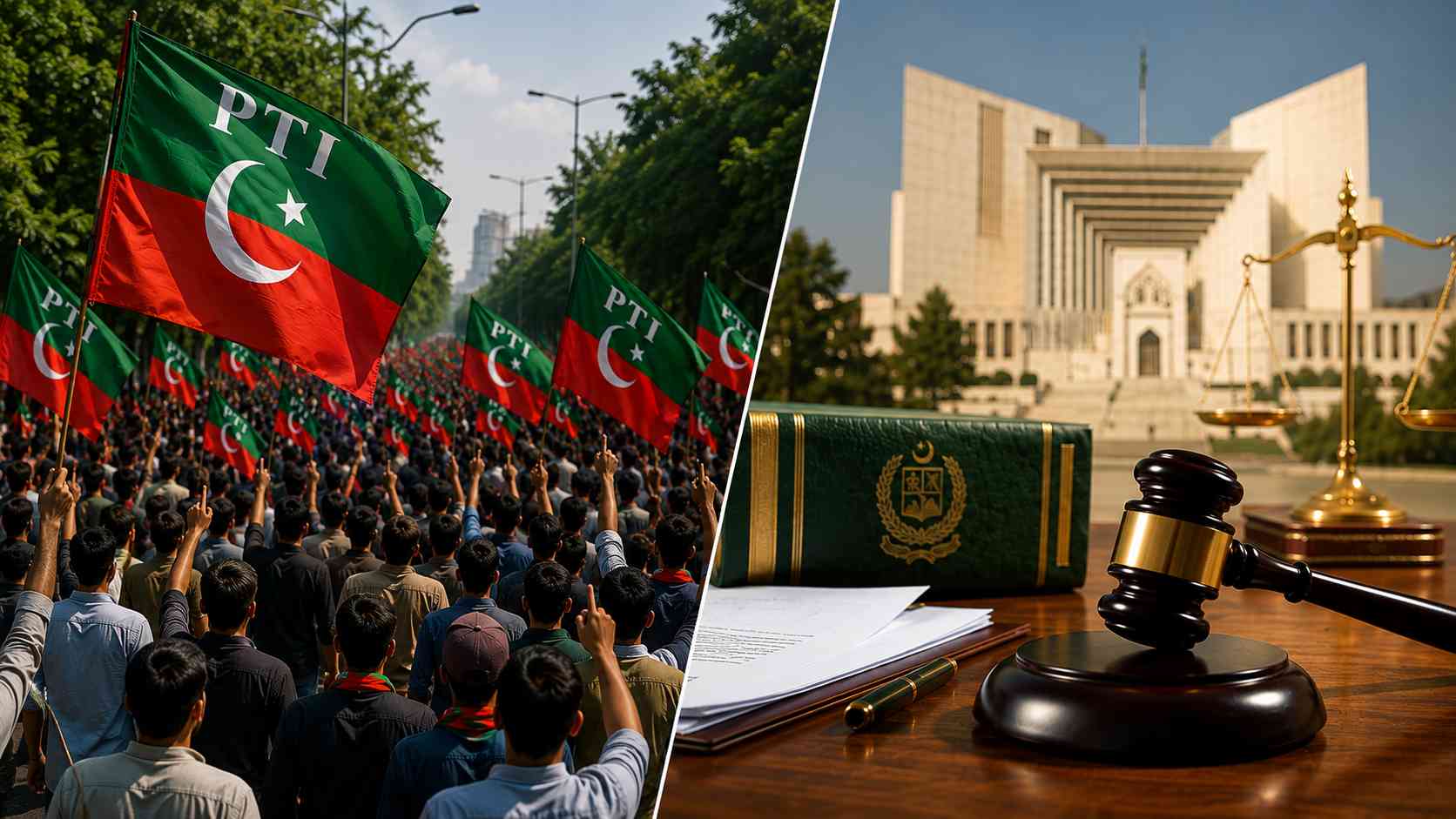
Each answer must come from the record and the governing law. None should depend on political sympathy for PTI, hostility toward May 9 violence, or the accused’s family connection to Imran Khan.
Violence against people or property deserves investigation and lawful punishment. State-security charges do not become trivial because politicians face them. But a constitutional system proves its strength by applying fair process in hard cases. It does not create a rights-free category for people labelled enemies of the state.
Parliament must close the appeal gap
The immediate case belongs to the courts. The wider defect belongs to Parliament. Lawmakers should enact the independent High Court appeal contemplated by the Supreme Court, with access to the complete record, a reasoned judgment, counsel of choice, and power to examine jurisdiction, evidence, and procedure.
They should also clarify that internal military appeals do not displace constitutional supervision over unlawful custody or jurisdictional error. Clear filing deadlines and record-disclosure duties would prevent appeals from becoming theoretical.
These safeguards would not acquit anyone automatically. They would allow an independent court to decide whether a conviction is lawful. That is precisely the point of an appeal.
The fundamental rights of convicted civilians are not rewards for good behaviour. They are limits on state power. Courts can punish proven offences while preserving dignity, legality, and review. If Pakistan lets a conviction erase those limits, the Constitution will protect citizens only until the state needs it most.