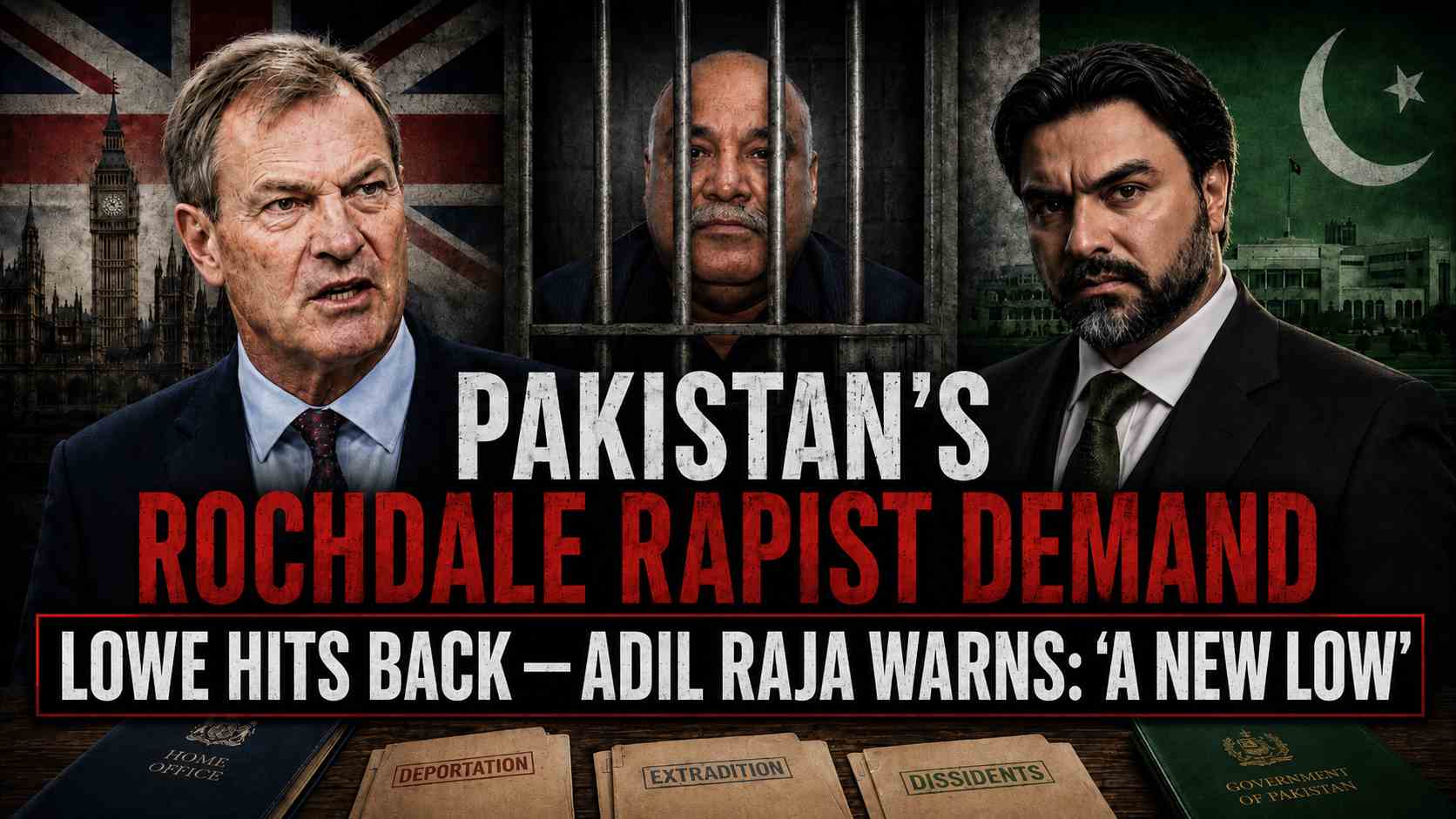
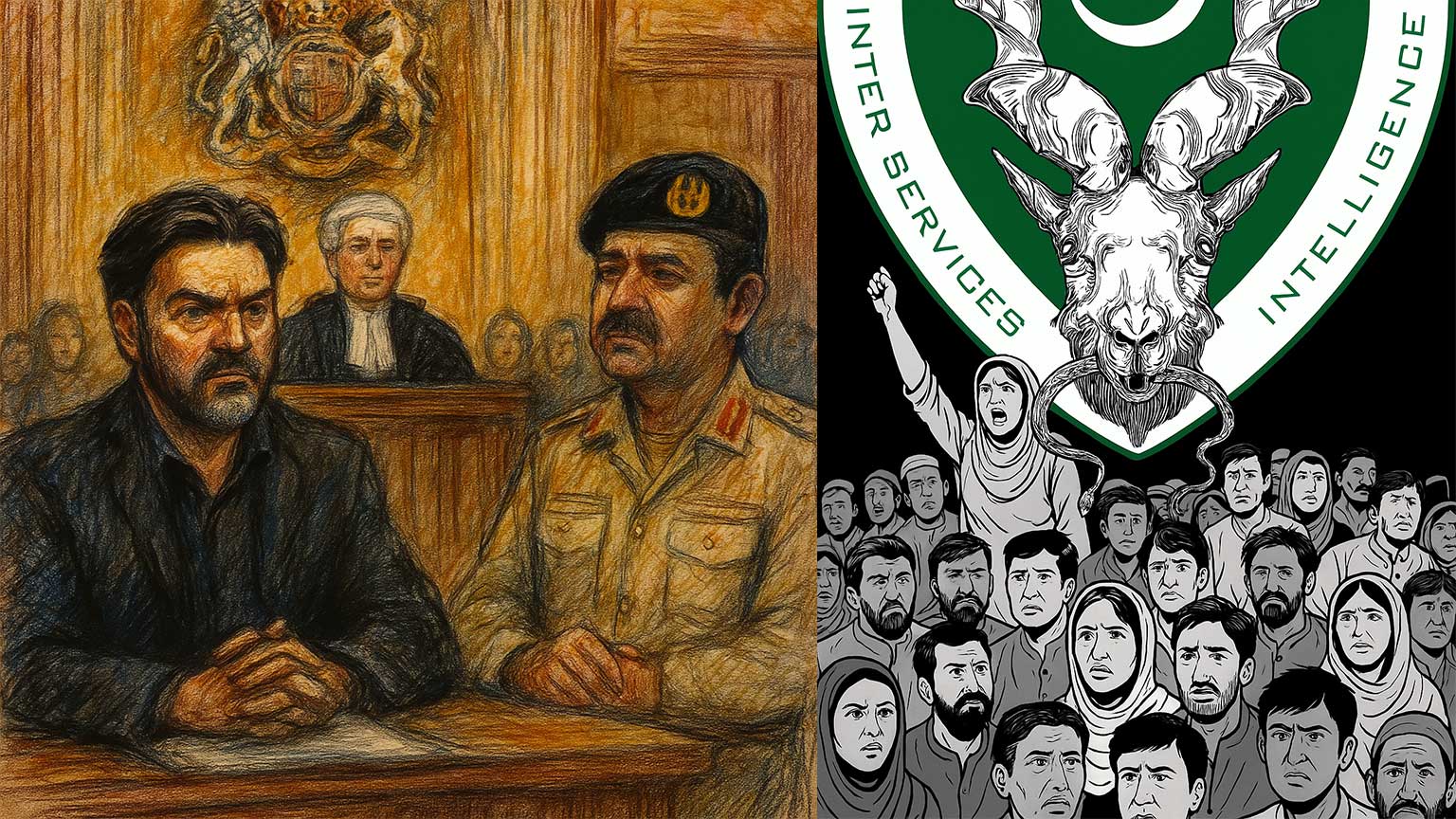
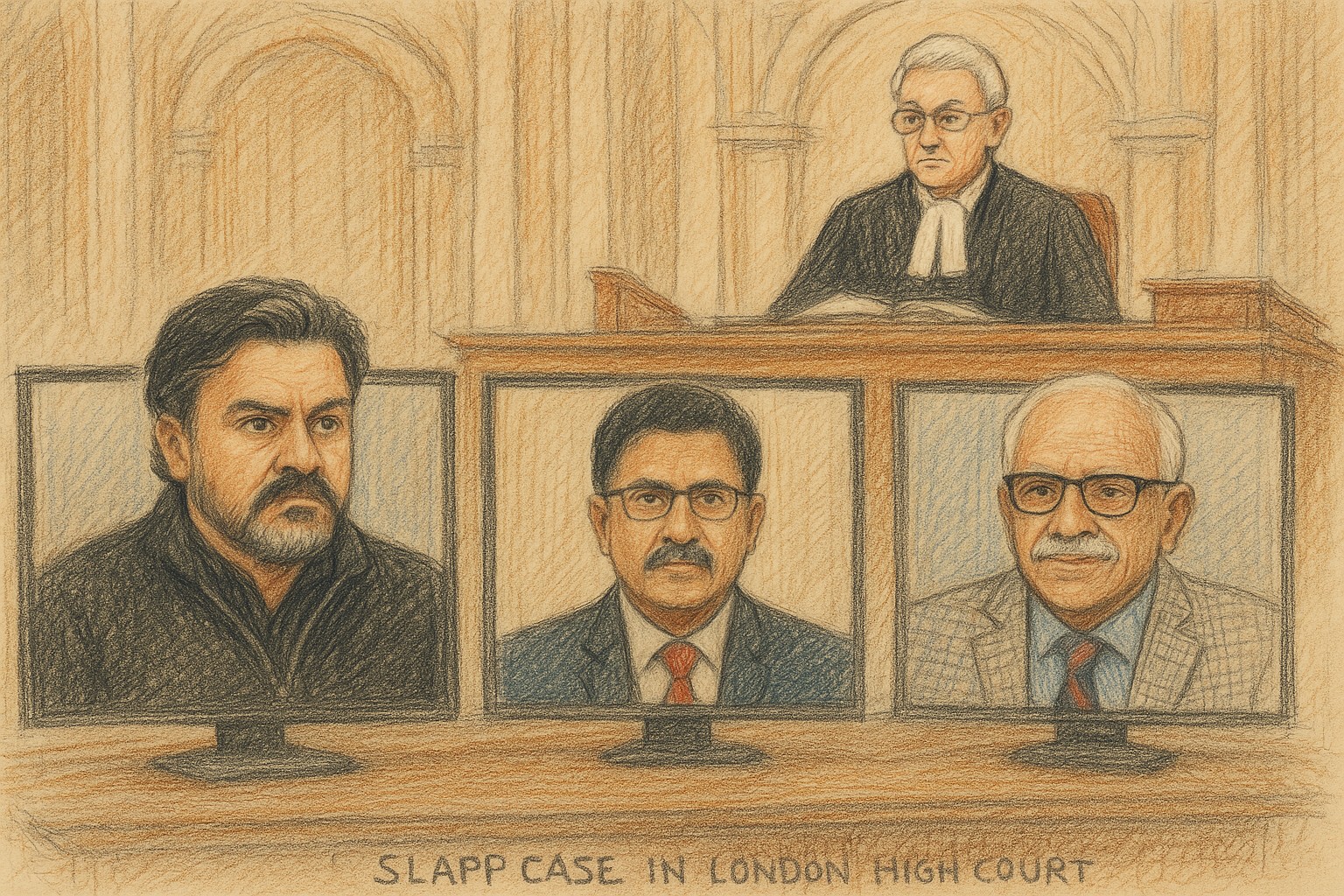
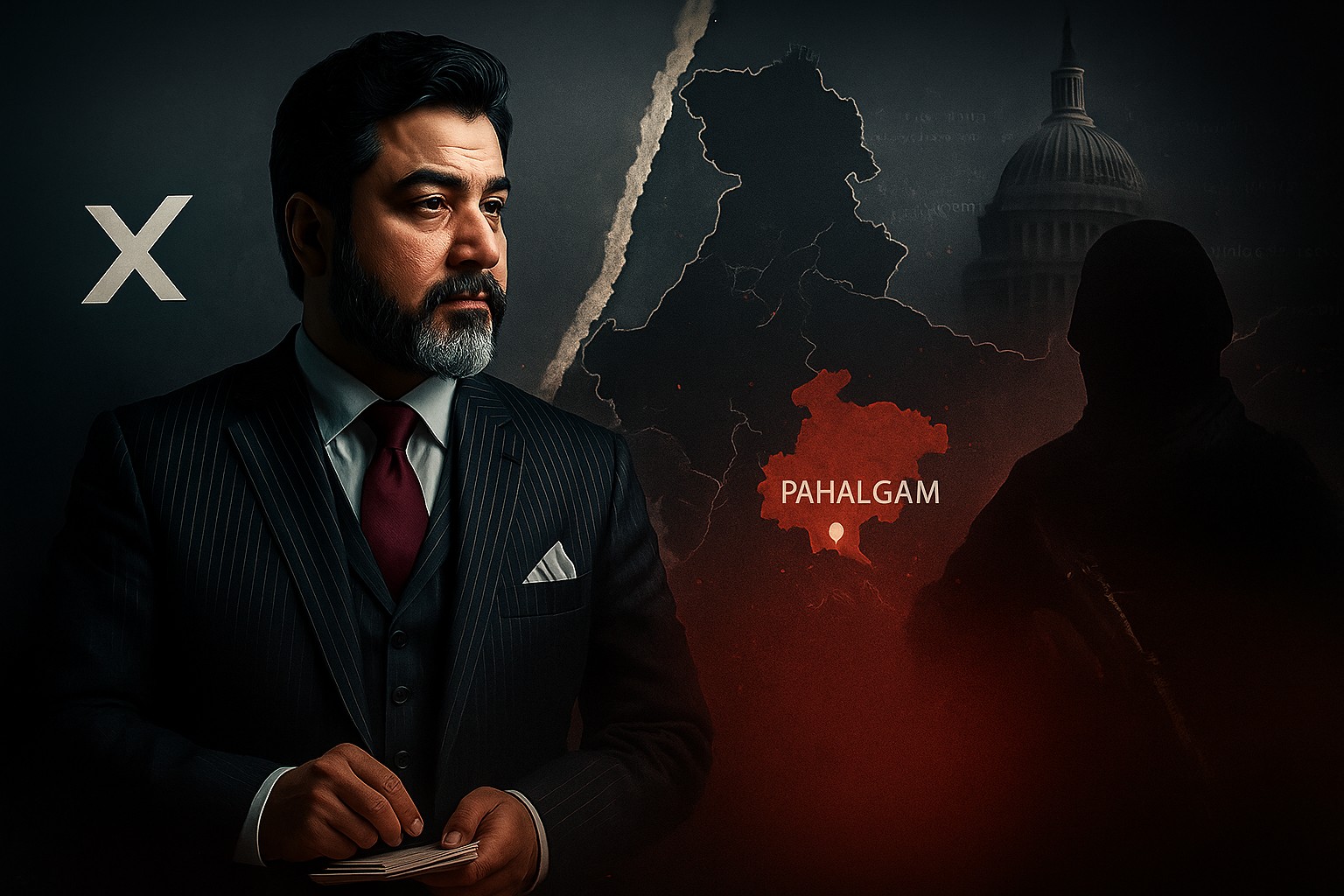
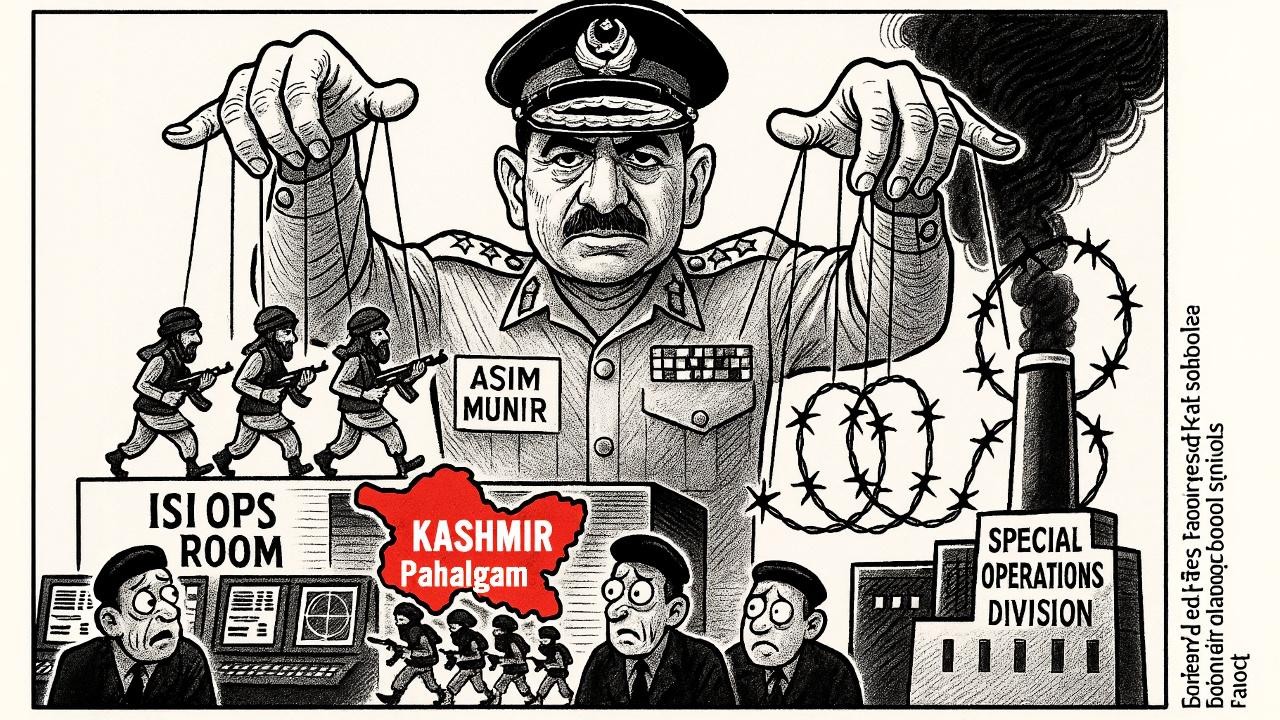
Restore Britain MP threatens visa bans, aid cuts and sanctions after reports Pakistan linked Shabir Ahmed’s return to Britain’s handling of dissidents including Adil Raja and Shahzad Akbar.
LONDON, July 9, 2026 — Rupert Lowe MP has issued a furious response to Pakistan after reports claimed Islamabad had set out conditions for taking back Shabir Ahmed, the convicted Rochdale grooming-gang ringleader whose deportation from Britain has become a growing political crisis.
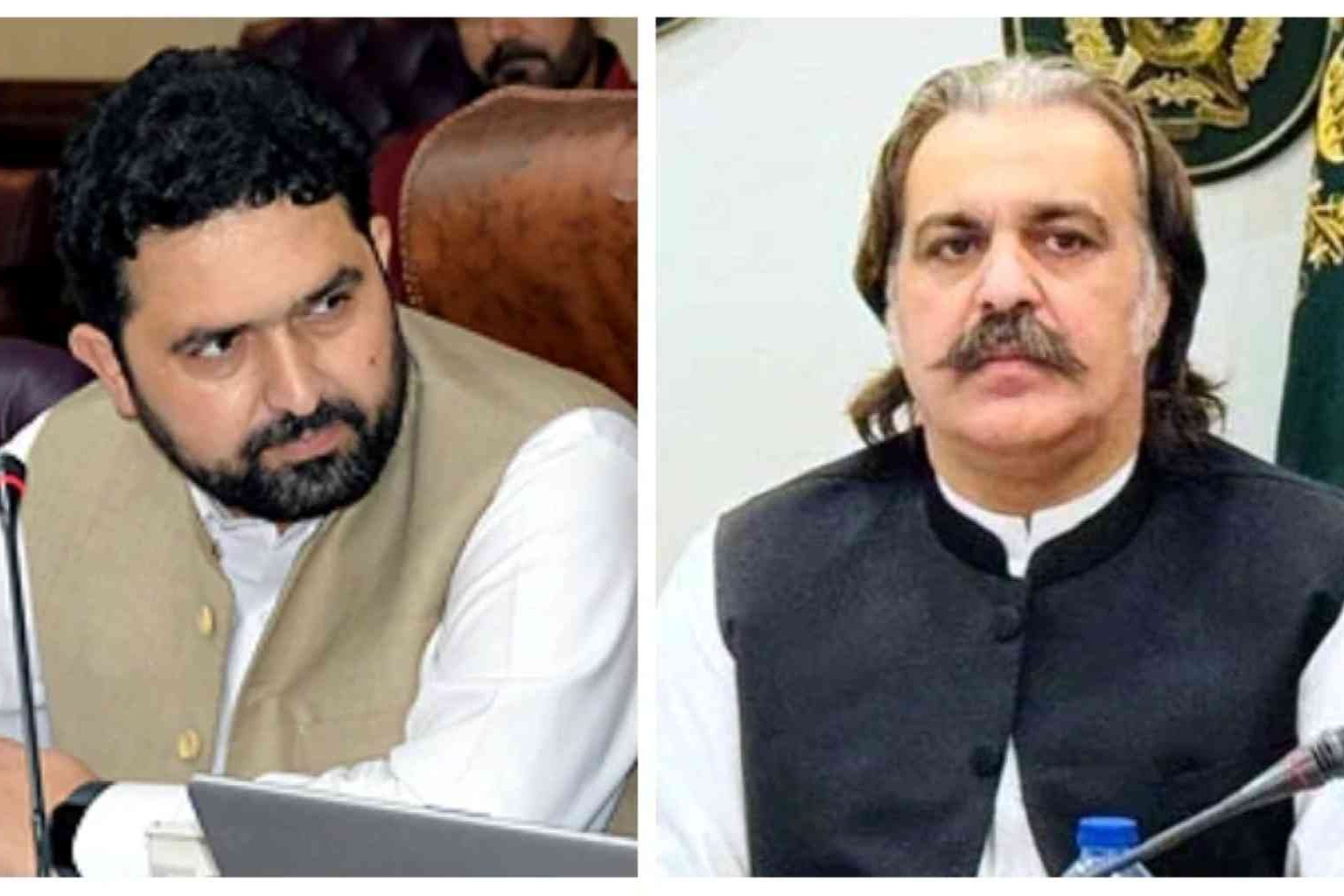
The controversy intensified after The Telegraph reported on Pakistan’s demands for accepting Ahmed. Other outlets, citing The Telegraph, have reported that Pakistan raised the cases of political dissidents and critics based in Britain, including former accountability adviser Shahzad Akbar and UK-based journalist Major (R) Adil Raja, in connection with Britain’s effort to remove Ahmed.
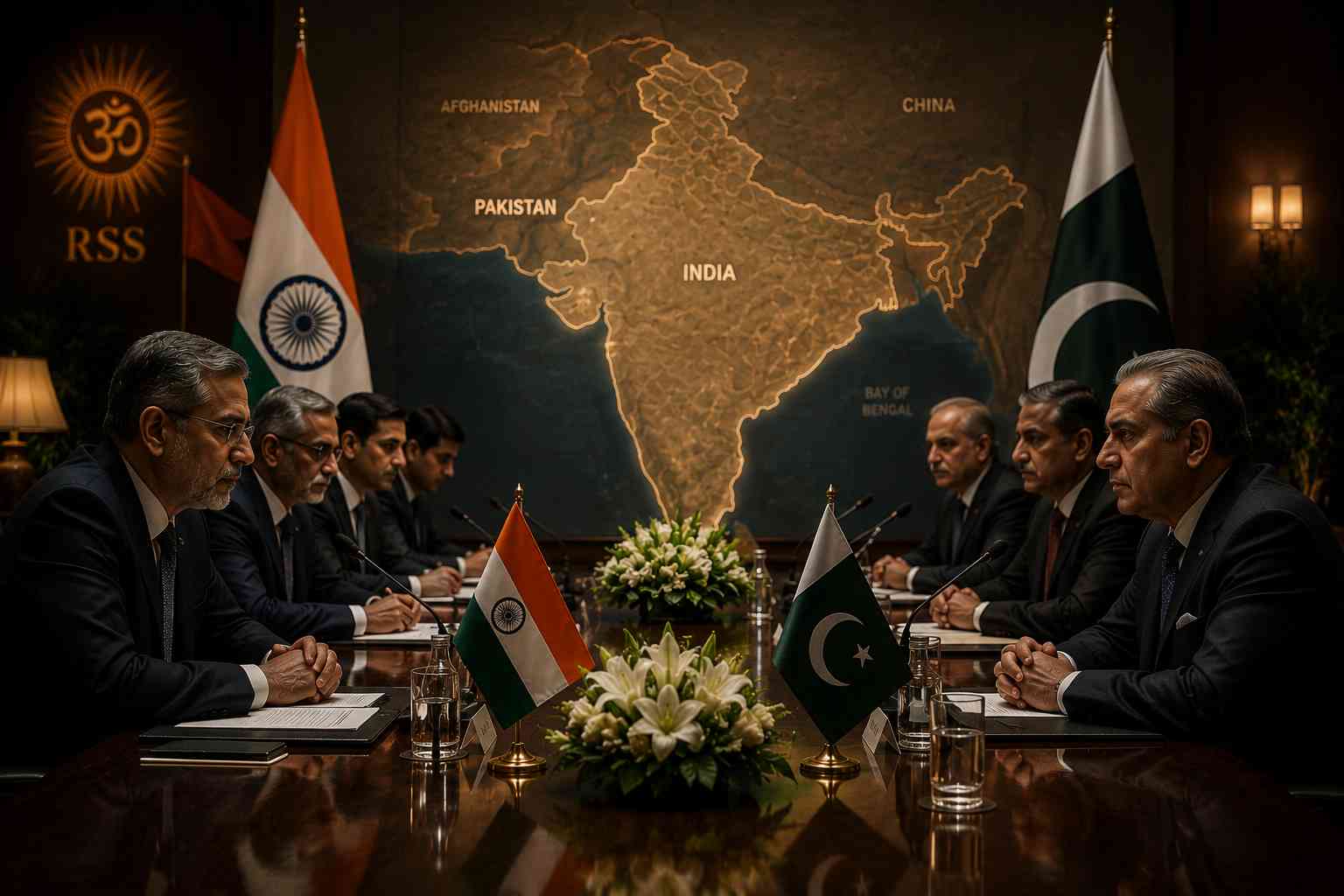
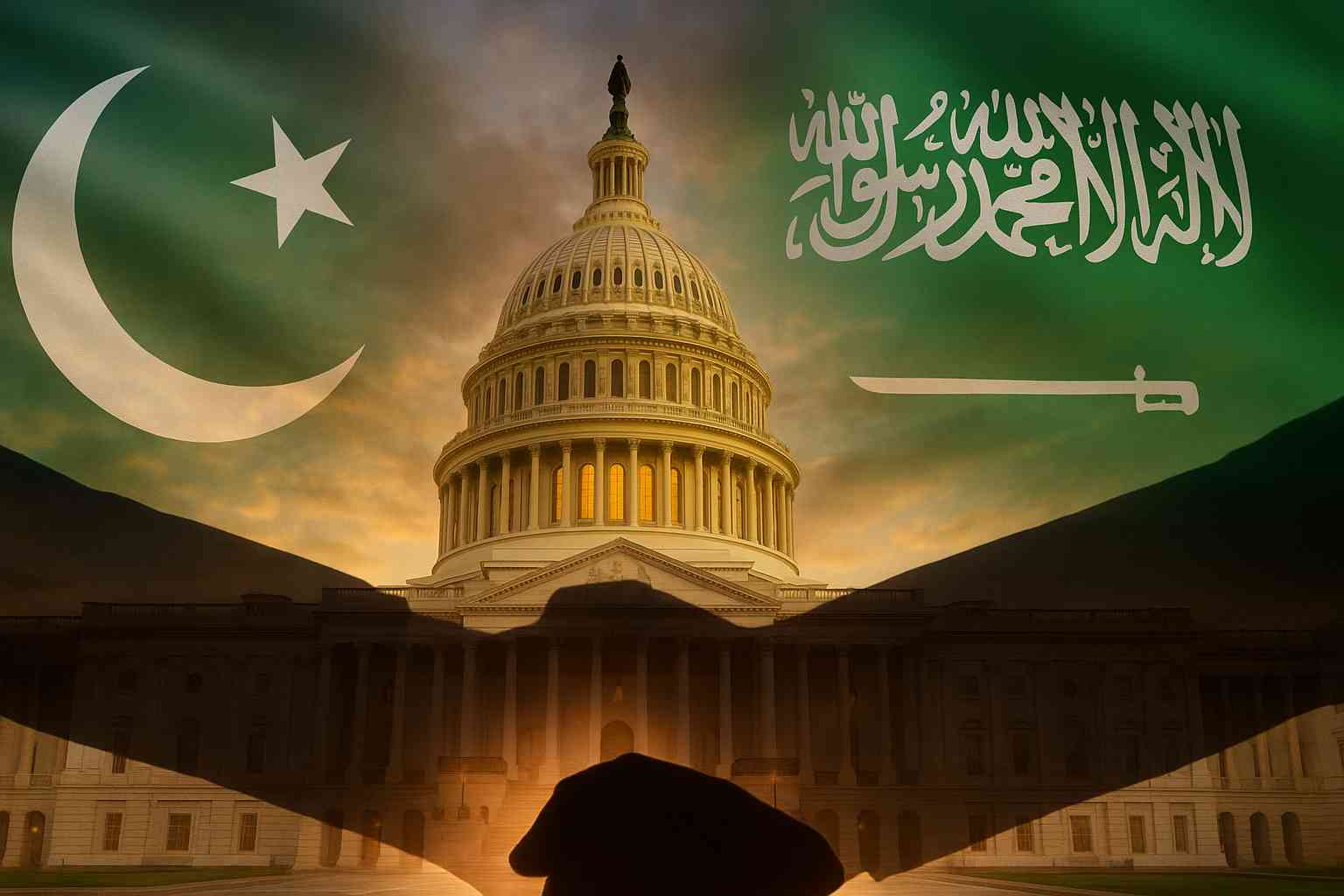
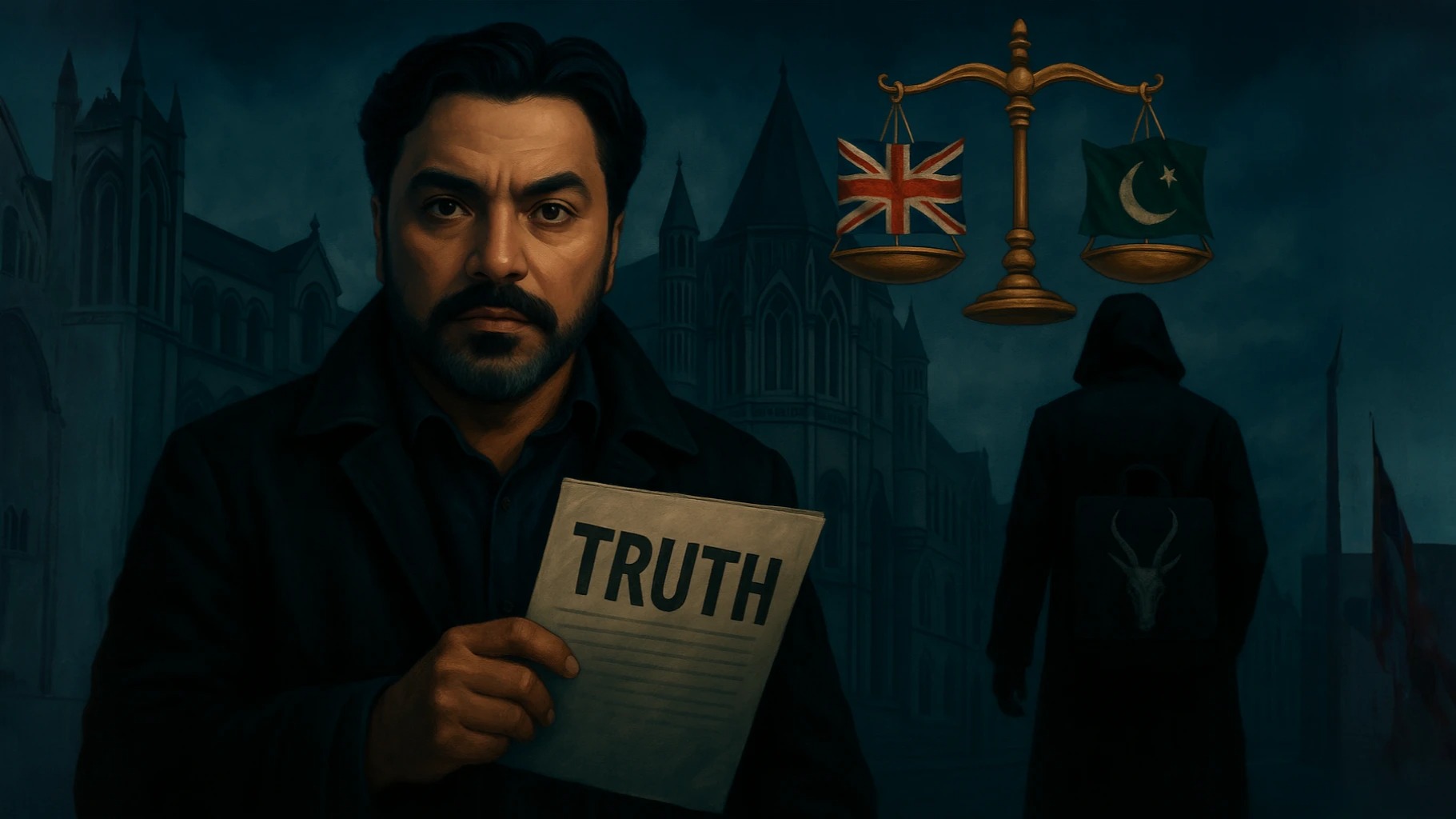
The reported linkage has turned a deportation dispute into a wider question of British sovereignty, diplomatic pressure, and Pakistan’s alleged use of transnational repression against critics living in the UK.
Rupert Lowe’s response to Pakistan
Lowe, the Restore Britain MP for Great Yarmouth, responded directly to the reported Pakistani position in a strongly worded post on X.
“I read that Pakistan has set out its demands for taking back their Rochdale rapist.
Here’s the official Restore Britain response to the Pakistani Government.
You can piss right off.
We would end all Pakistani visas. No more Pakistani immigration into Britain. Scrap foreign aid, unquestionably. Tax remittances/dividends into Pakistan.
We would work with international allies to ensure that all Pakistani visas into those countries too are cancelled along with ruthless trade sanctions.
Our deportation NATO.
Britain will not be bullied or blackmailed by a rogue state that has supplied us with endless child rapists and paedophiles.
A Restore Britain Government would retaliate with the full force of the British state.
Watch how quickly the Pakistanis fold.
We would do it so hard and so brutally, it would never be needed again.
We will not allow Pakistan to bully Britain any longer.”
Lowe’s language was deliberately confrontational. However, his intervention reflects the scale of anger now surrounding the Shabir Ahmed case and the wider grooming-gangs scandal. It also reflects growing frustration in Britain over foreign states that resist deportations while seeking to influence Britain’s treatment of political dissidents.
This article does not endorse collective blame against ordinary Pakistanis. The public-interest issue is narrower and more serious: whether Pakistan’s state authorities are attempting to link cooperation on convicted grooming-gang offenders to the extradition or targeting of political critics living under UK protection.
Why Shabir Ahmed has not been deported
Shabir Ahmed, 73, was one of the central figures in the Rochdale grooming-gang case. He was convicted in 2012 and jailed for serious sexual offences against vulnerable girls. Sky News reported that Ahmed served 14 years for multiple rape and sexual offences, and that some victims were as young as 12.
Ahmed has been stripped of British citizenship. Yet British ministers have said his deportation is blocked by provisions of the Immigration Act 1971, which protect certain long-settled Commonwealth citizens who arrived in Britain before 1973. During a Commons exchange on July 6, MPs discussed the need to “get our own legal house in order” while also securing agreement with Pakistan.
LBC reported on July 9 that Home Secretary Shabana Mahmood is preparing to amend the 1971 law to enable Ahmed’s removal. The same report said Whitehall sources do not expect Pakistan to accept him and that Pakistan is reportedly asking for the return of two political dissidents in exchange.
Pakistan’s reported condition: dissidents for deportation cooperation
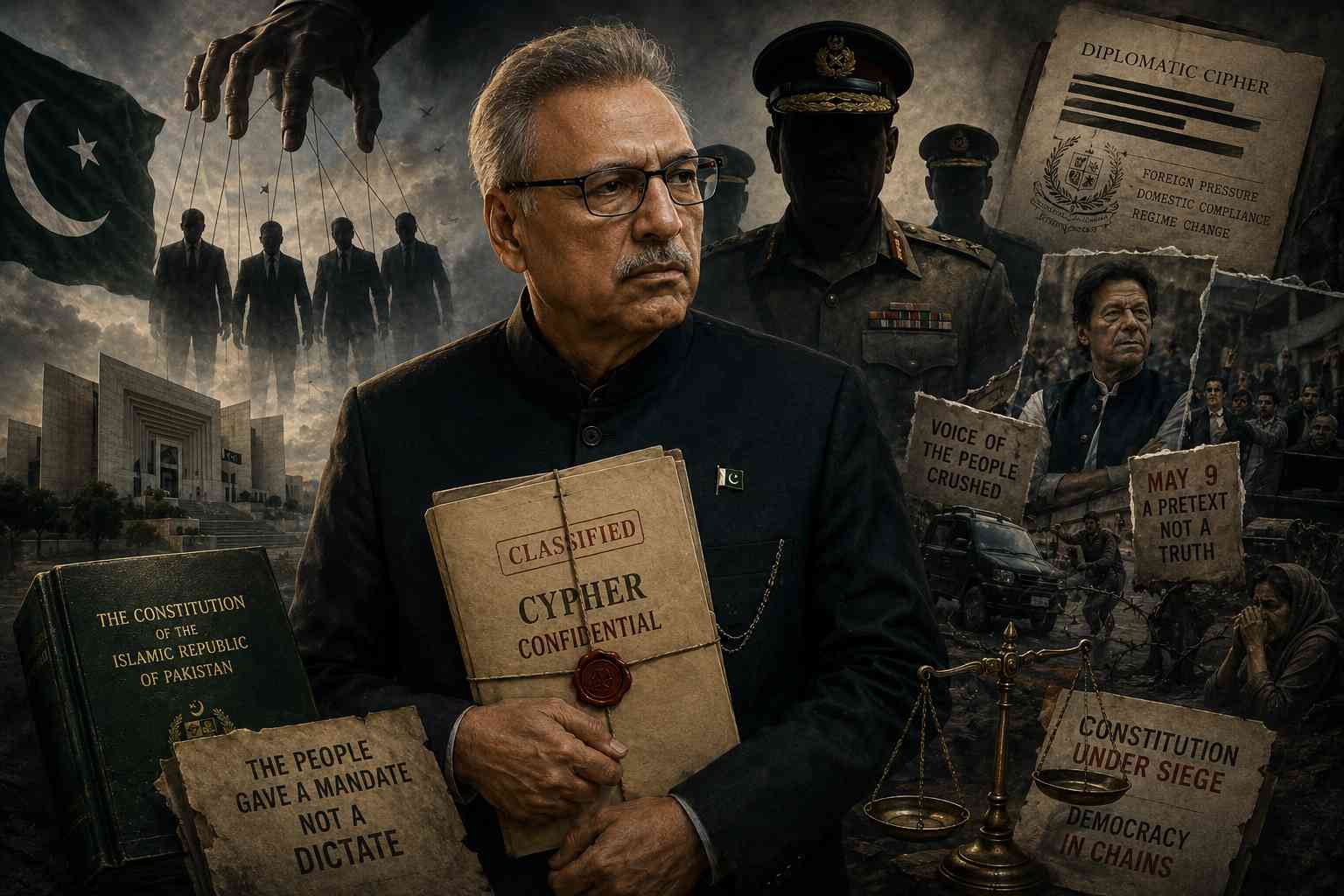
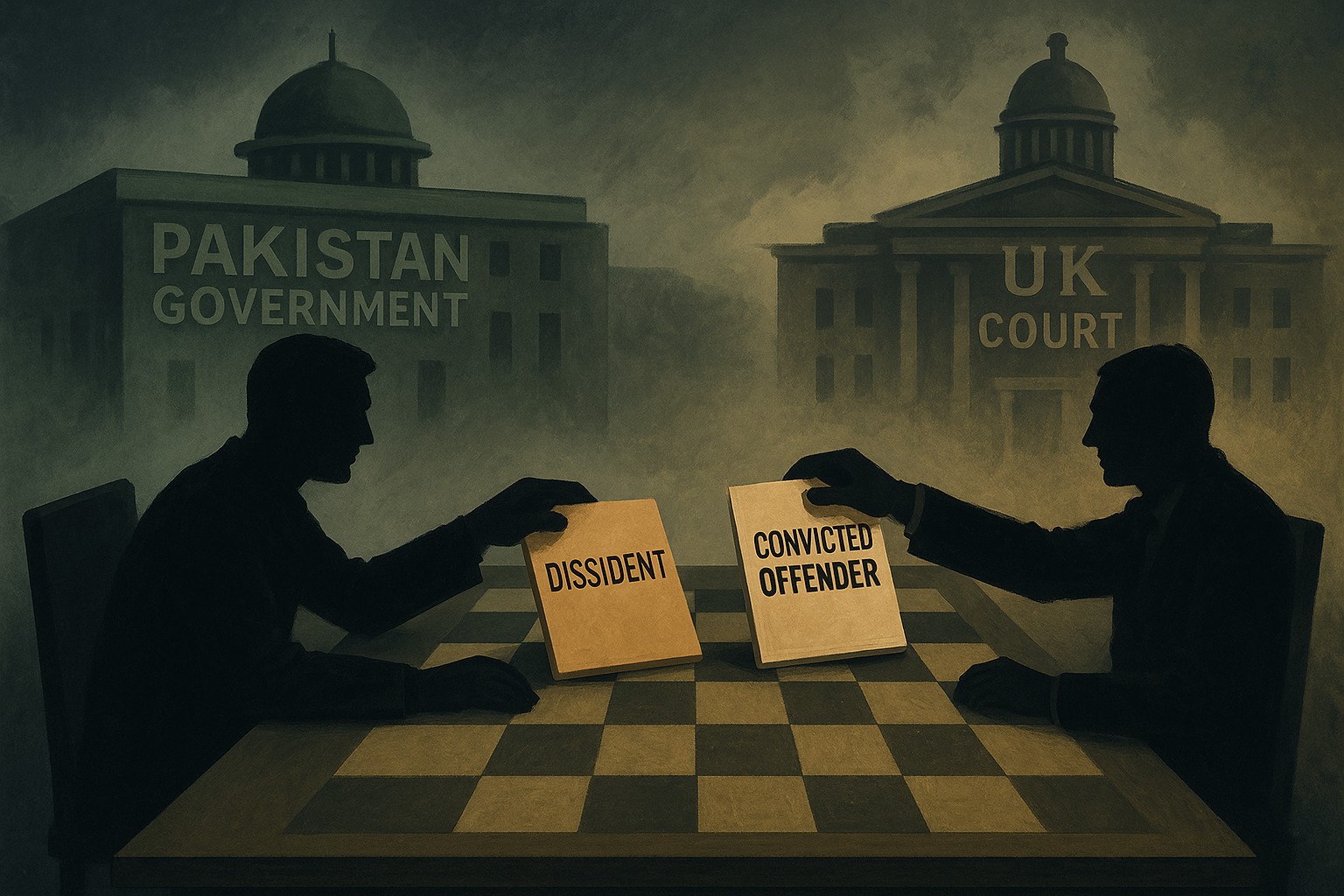
The Indian Express, citing The Telegraph, reported that Pakistan was willing to consider taking Ahmed back only if Britain agreed to extradite several political dissidents and critics of Pakistan’s military leadership. The report specifically named Shahzad Akbar and Adil Raja, both UK-based critics of Pakistan’s current power structure.
Eastern Eye also reported that Pakistan had previously suggested a similar arrangement involving convicted Rochdale offenders Adil Khan and Qari Abdul Rauf. According to that report, Pakistan was prepared to accept the two men if Britain handed over Shahzad Akbar and Adil Raja.
That earlier episode is important because it suggests the latest Shabir Ahmed row is not an isolated diplomatic argument. It appears to fit a wider pattern in which Pakistan has sought to connect deportation cooperation with political extradition demands.
Adil Raja responds to the reported linkage
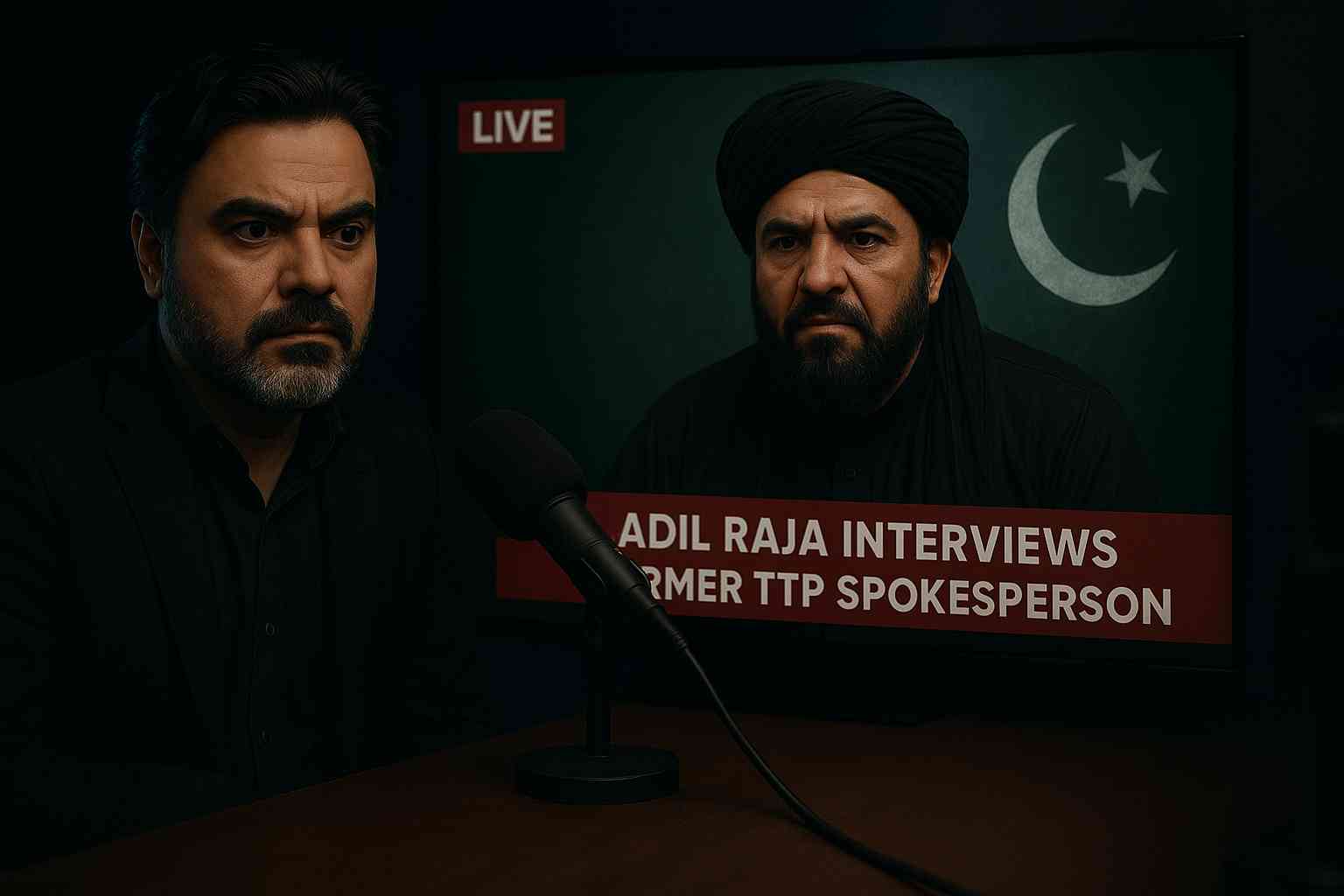
Adil Raja, a UK-based journalist and accredited member of the National Union of Journalists, also responded to the reported attempt to connect his extradition with Pakistan’s acceptance of grooming-gang offenders.
Raja said he had provided a written statement to The Telegraph after being approached for comment, but that the statement was not published. He said the resulting article appeared “less like honest journalism and more like a feeble, one-sided attempt to mislead the British public”.
His statement, provided for publication, reads:
“My only crime is speaking truth to unaccountable power in Pakistan—and practicing journalism as an accredited member of the NUJ in the UK.
Seeking my extradition on the basis of trials held in absentia in Pakistan, simply for doing my job as a journalist in Britain, is not just absurd—it speaks volumes. It lays bare the regime’s crackdown on dissent and its willingness to engage in transnational repression.
But linking my politically motivated extradition to the acceptance of cringeworthy grooming gang members by Pakistan’s illegitimate regime? That is a new low—by any standard of decency and humanity.”
Raja’s response places the issue in stark terms. In his view, Pakistan is not merely asking for extradition. It is using the language of criminal justice to pursue a journalist and political critic operating from British soil.
Pakistan’s formal demand for Adil Raja and Shahzad Akbar
Pakistan’s extradition campaign against Raja and Akbar is already on record. Dawn reported in December 2025 that Interior Minister Mohsin Naqvi met UK High Commissioner Jane Marriott in Islamabad and handed over extradition papers for Shahzad Akbar and Adil Raja. Dawn also noted that Pakistan and the UK do not have a formal extradition treaty, though ad hoc arrangements may exist under UK law.
According to Dawn, Naqvi said both men were “wanted in Pakistan” and should be handed over immediately. He also framed the matter as a crackdown on “fake news” and criticism of state institutions from abroad.
The Express Tribune reported the same development, saying Pakistan had submitted extradition documents and accused Raja of “anti-state propaganda”.
Raja rejects that framing. His position is that the extradition demand is rooted in his journalism, political commentary, and criticism of Pakistan’s unelected power structure.
Deportation and extradition are not the same issue
The British government has every right to seek the removal of foreign national offenders who have committed serious crimes in the UK. Victims of grooming gangs also have every right to demand justice, protection and accountability.
But extradition is a separate legal process. It cannot lawfully be reduced to a diplomatic bargain.
The Crown Prosecution Service explains that extradition from the UK is a formal legal process in which courts consider the alleged offence, statutory bars, evidence requirements, proportionality and human-rights issues. CPS guidance also notes that extradition can be blocked if statutory bars apply, including certain cases involving convictions in absence.
GOV.UK guidance also states that extradition requests must pass through legal procedures involving the Home Office, courts, appeal rights and statutory safeguards. Even where there is no treaty, a requesting state may ask the UK to enter special extradition arrangements, but that still remains a legal process rather than a political swap.
That distinction is central to this story. Deporting a convicted child-sex offender after sentence is one issue. Extraditing a journalist or political critic to a state accusing him of anti-state speech is another.
The grooming-gangs scandal remains a national wound
The Shabir Ahmed case has reopened anger over the wider grooming-gangs scandal. The UK government’s National Audit on Group-based Child Sexual Exploitation and Abuse was commissioned in 2025 and carried out by Baroness Casey. It examined the scale, nature and drivers of group-based child sexual exploitation, including institutional responses and the role of ethnicity and culture.
A later parliamentary statement said the government had accepted all 12 recommendations from Baroness Casey’s audit and acknowledged that victims and survivors had repeatedly been failed by institutions responsible for protecting them.
For victims, the question remains painfully direct: why is a convicted grooming-gang ringleader still in Britain after losing British citizenship?
For dissidents, the question is equally serious: why should Pakistan be allowed to use such cases to pressure Britain over journalists and political critics?
A test of Britain’s sovereignty and rule of law
This row now goes beyond Shabir Ahmed. It has become a test of whether Britain can protect victims of serious crime while also defending the rule of law against foreign-state coercion.
Lowe’s response represents one side of the British political backlash: a demand for maximum pressure on Pakistan through visas, aid, remittances and sanctions. Whether or not ministers adopt such measures, the anger behind the response is unlikely to disappear while convicted grooming-gang offenders remain in Britain and Pakistan reportedly links cooperation to unrelated political demands.
If Pakistan is refusing to accept convicted offenders unless Britain acts against dissidents, then the UK faces a direct challenge. It must fix its deportation loopholes. It must use lawful diplomatic pressure where needed. It must prioritise victims. But it must not trade away political critics in exchange for deportation cooperation.
That would reward coercive diplomacy. It would endanger exiled journalists, whistleblowers and opposition figures. It would also send a message to authoritarian regimes that Britain’s legal protections can be negotiated behind closed doors.
The British government now faces two duties. It must ensure that convicted grooming-gang offenders are removed where the law permits. And it must ensure that dissidents in Britain are not handed over as bargaining chips to a regime they have criticised.