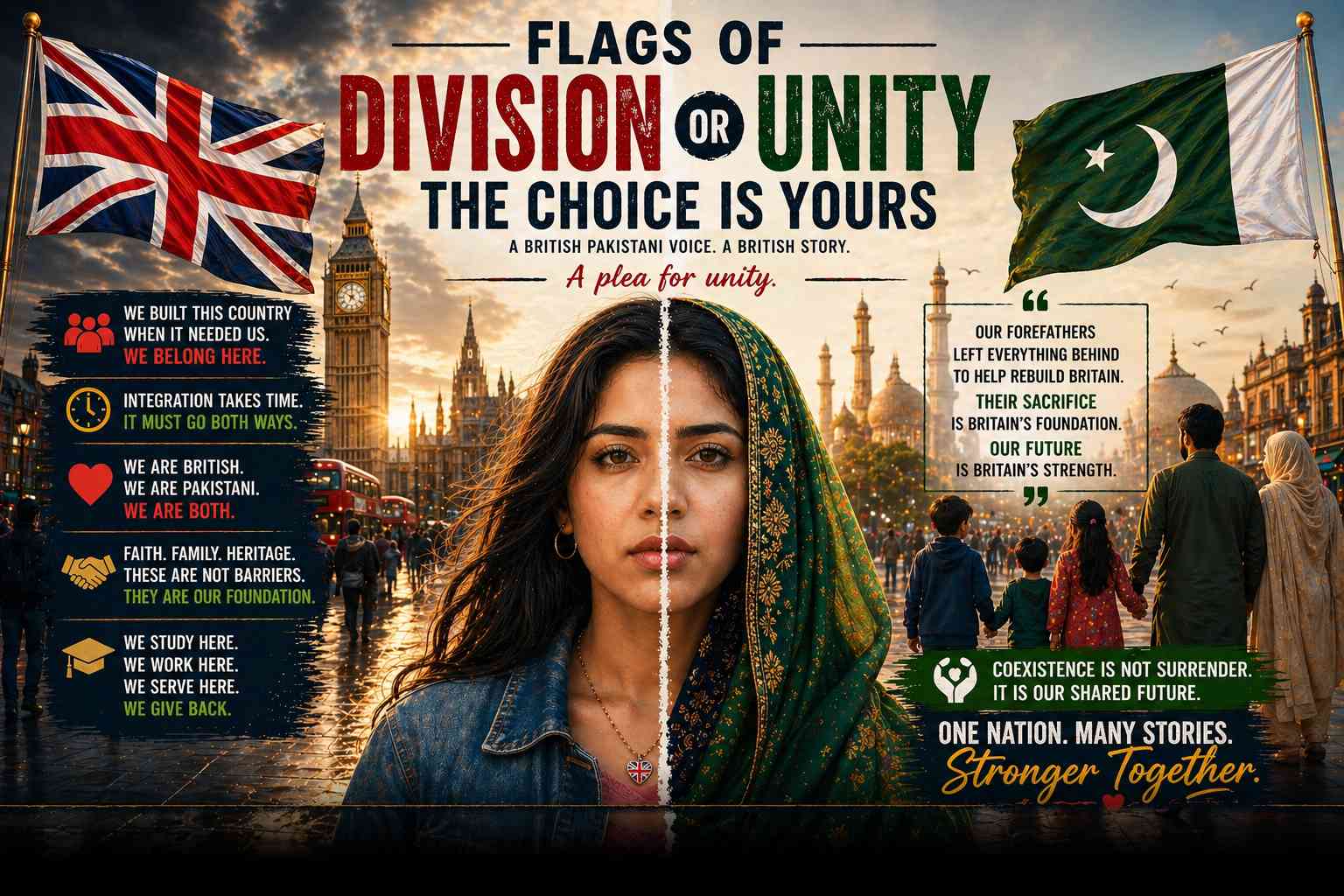
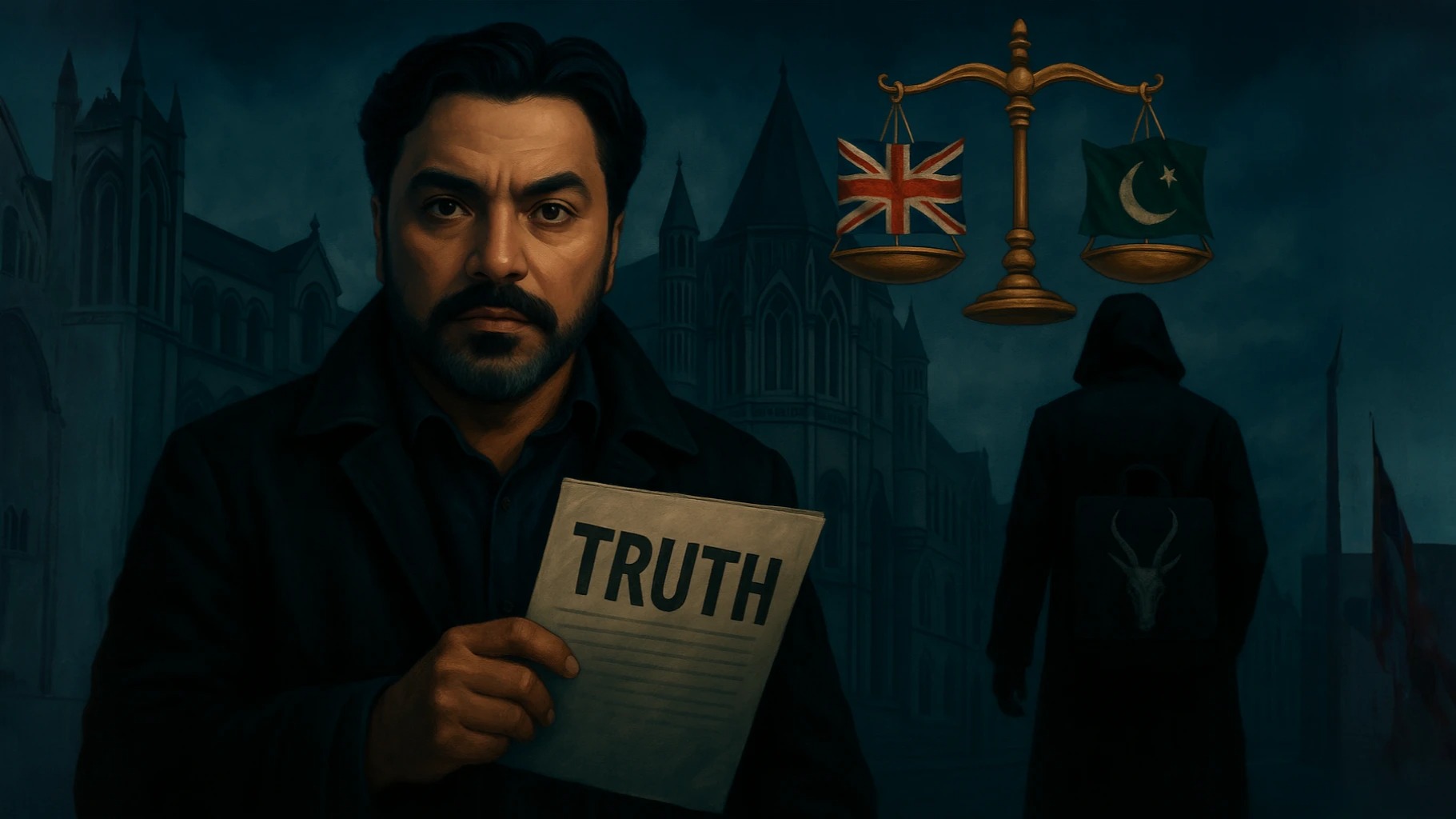
I still remember the first time the Union Jack stirred something fierce and proud inside me. As a little girl, I would watch it snap in the wind above town halls and stadiums, and my chest would swell with the same quiet thrill my father felt when he spoke of Pakistan’s green crescent. I am British. I am Pakistani. Both flags, both soils, both stories run through my veins like twin rivers. I love this country with the fierce loyalty of a woman who knows its rain-soaked streets as intimately as the dusty alleys of my grandparents’ villages and cities. Yet lately, every journey I make across Britain fills me with a quiet, creeping dread.
St George’s Crosses and Union Jacks now flutter from lamp posts, bridges, and roundabouts in numbers I have never seen before. What should be symbols of shared pride have, for too many of us, become banners of exclusion. I see them and my stomach tightens because I know what some who hoist them most loudly stand for: hatred for my skin, my faith, my very presence. A voice whispers in my head: You are not welcome here. Not really. Not fully. Not ever. And it breaks something deep inside a woman who has never known any other home.
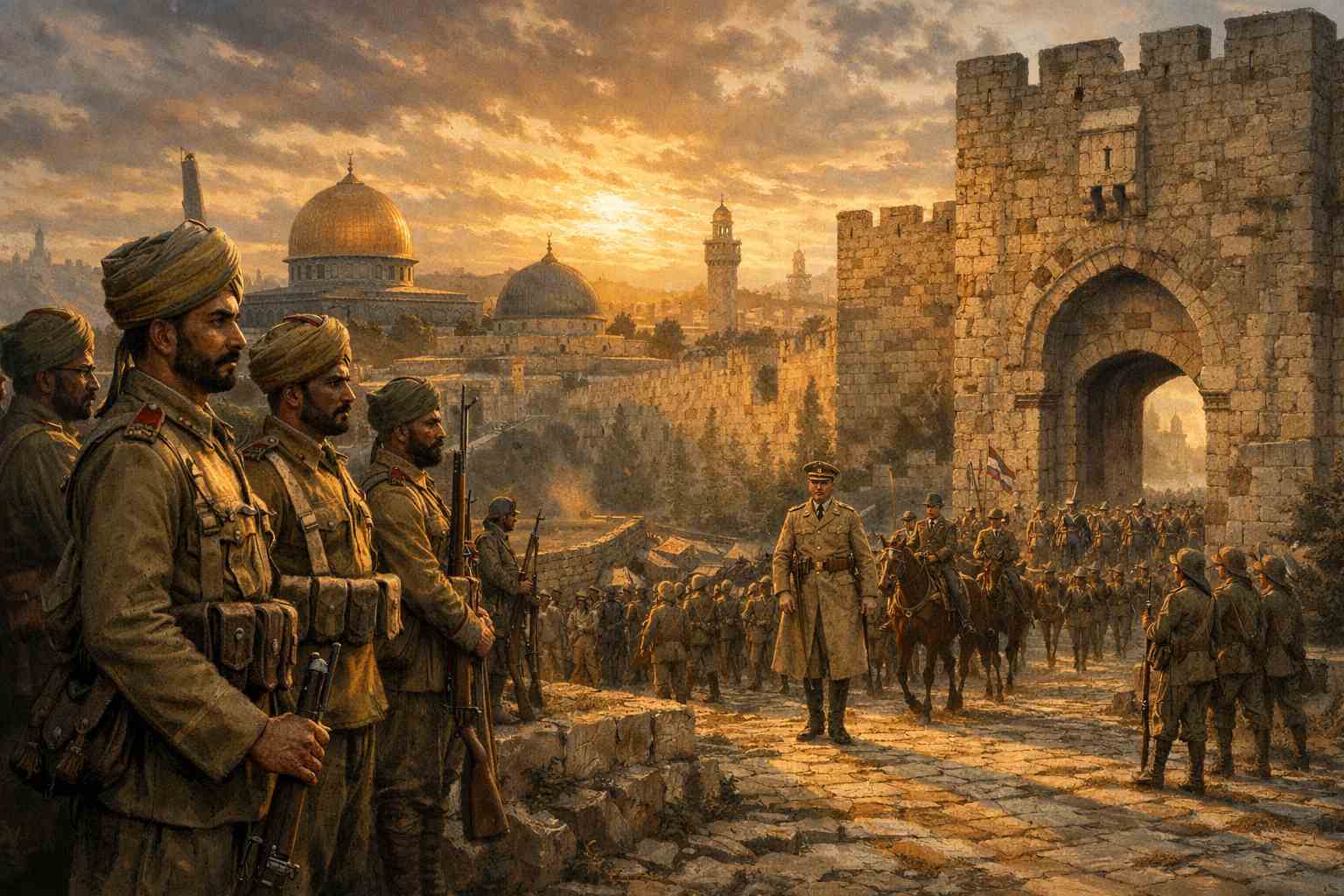
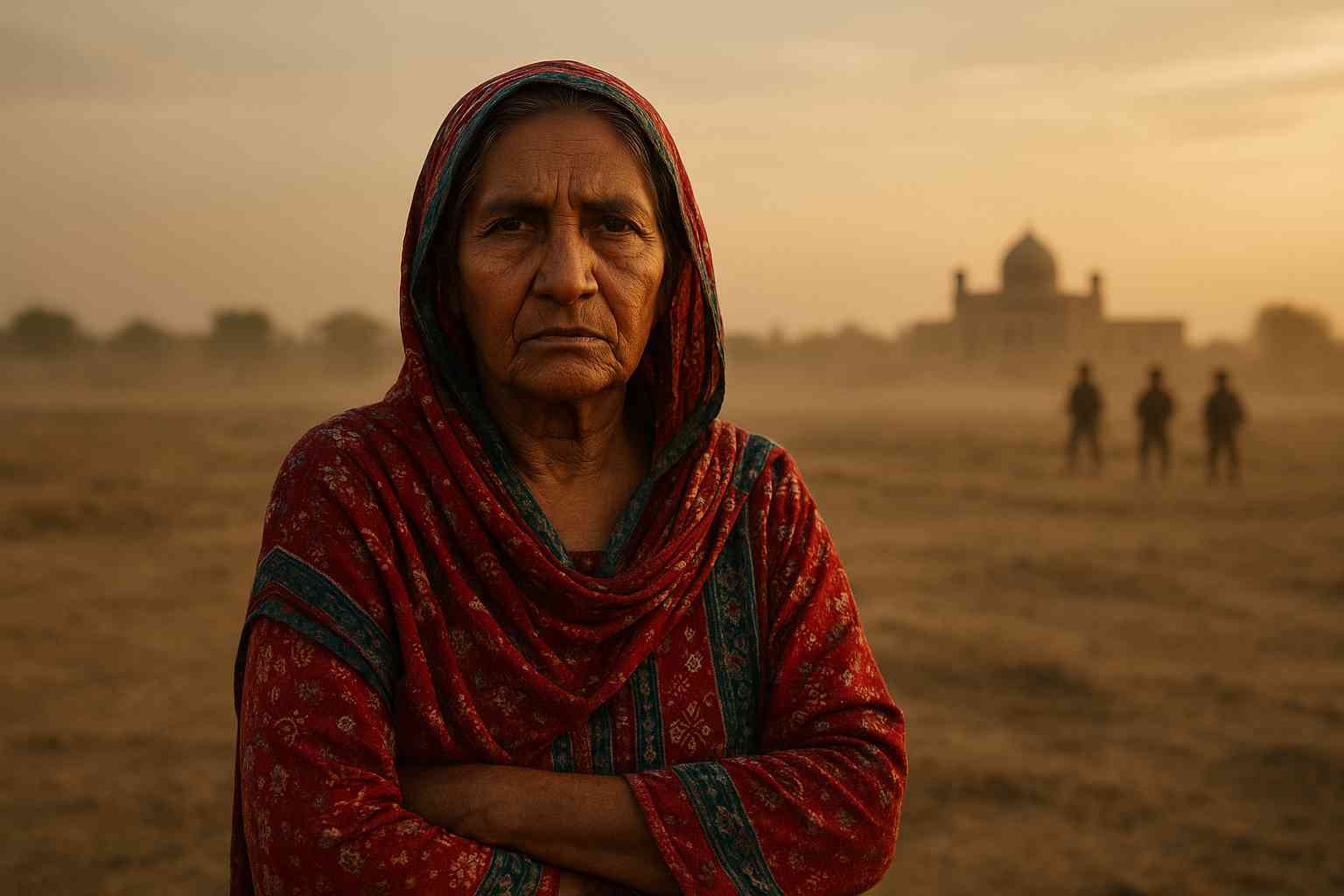
They demand integration from us and especially our elders, those who arrived in the grey, bombed-out aftermath of the Second World War. Men and women who left everything behind because Britain, bloodied and broken, needed hands to rebuild. They came from the hills of Mirpur and the villages of Punjab and Bengal, invited by a nation desperate for labour after losing a generation to war. They took the night shifts no one else wanted, the foundry heat, the bus depots at dawn, the hospital wards. They worked themselves to exhaustion so their families and children could have better. They helped build the Britain we all live in today.
Yet when those same elders seek comfort in their mosques, their languages, their familiar foods and family ties, they are vilified for “failing to integrate”. The irony is bitter: it was the very intolerance and suspicion they faced, the “no Irish, no Blacks, no dogs” signs, the casual cruelty, the slammed doors, that pushed communities inward in the first place.
How dare we be lectured about change when the British themselves ruled the Indian subcontinent for nearly two centuries, governing, taxing, and shaping our ancestors’ lands while refusing to abandon their own clothes, their roast beef, their stiff-upper-lip customs, or their language? They kept Britain in their hearts and in their homes. No one called them disloyal for it. Yet we, who laid down our lives fighting for the British Raj and were invited to help save a shattered island, are expected to erase ourselves completely in just sixty or seventy years?
The truth is simpler and more human than the flag-wavers want to admit: integration takes time. It takes generations. And it must go both ways.
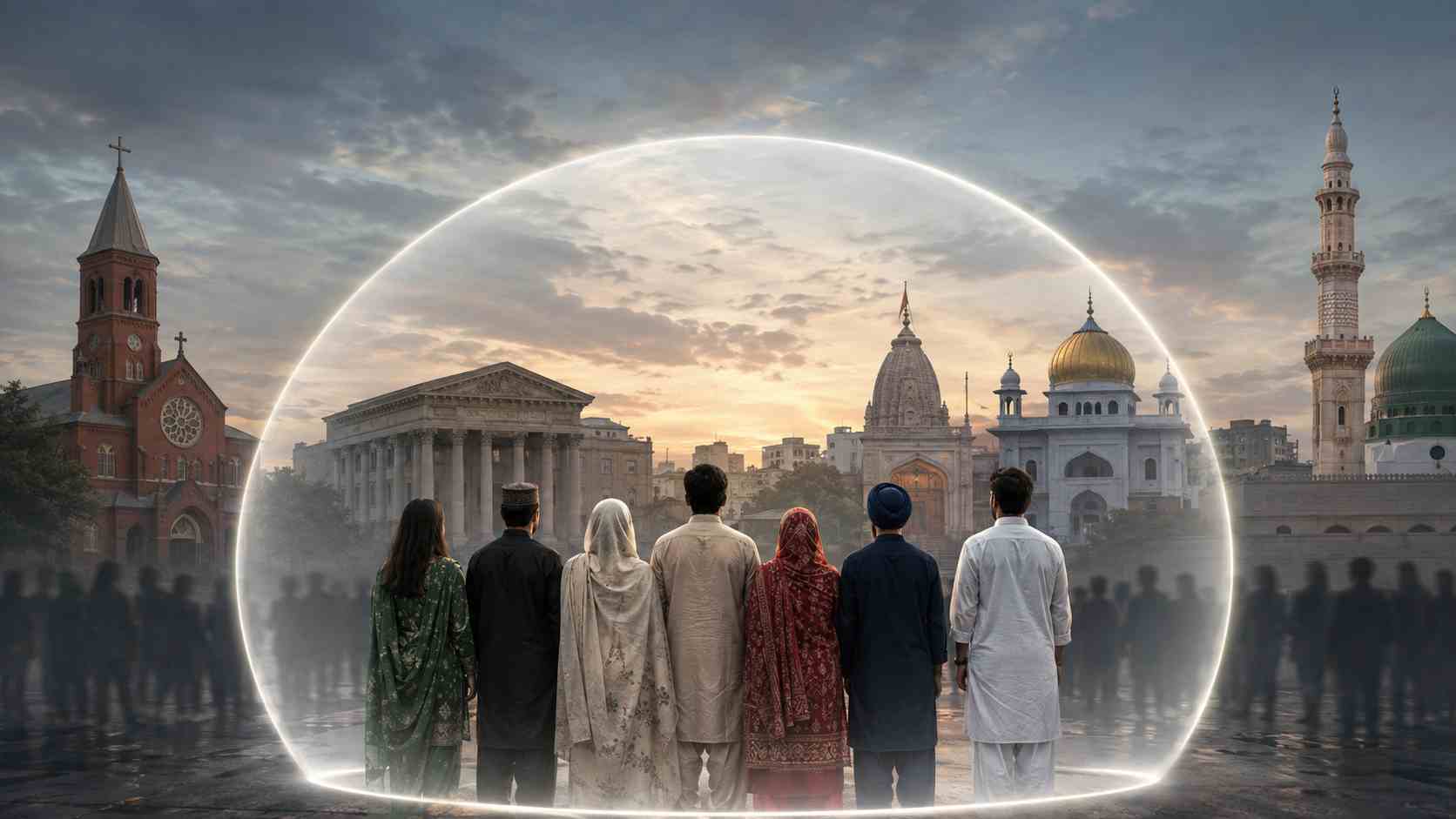
Look at the new generations, my generation and the ones rising behind us. We are British through and through. We speak with British accents. We fill universities, run businesses, staff the NHS, teach in schools, and serve in the armed forces. Yet we refuse to disappear or abandon our heritage . We hold tightly to the foundations our parents gave us, the faith, the family, the food that reminds us who we are, while forging something new and beautiful: a British Pakistani identity that is neither one thing nor the other, but both at once. Stronger for it. Prouder for it.
This community is no longer a guest in Britain. We are part of its fabric. Our forefathers’ and mothers’ sweat is mixed into the concrete of its motorways, the steel of its factories, the lifeblood of its health service. We pay taxes, create jobs, enrich the culture with curries that are now as British as fish and chips, and cheer for the same football teams. British Pakistanis contribute hundreds of millions to the economy every year, produce a disproportionate number of doctors, entrepreneurs, and community leaders, and have among the highest rates of home ownership in the country. We are not “taking” from Britain. We helped rebuild it. We belong here, whether some like it or not.
And Britain herself? She has never been a closed, unchanging island. Her history is one long story of arrivals and blending: Romans, Anglo-Saxons, Vikings, Normans, Huguenots, Irish, Jews, Caribbeans, and yes, South Asians. Waves of people who arrived, worked, and eventually became “us”. The idea of a pure, static Britain is a myth. To pretend otherwise is to insult the very resilience that makes this nation great.
So here is my plea, spoken from a heart that still aches with love for both countries.
To those who fly the flags in anger: lower them for a moment and look into the eyes of the man who drives your bus, the mother who cares for your elderly parent, the girl sitting beside your daughter in class, the doctor treating you. See a fellow Briton who wants the same things you do: safety, opportunity, a future for our families. Learn tolerance. Not erasure of difference, but the maturity to live beside it without fear.
To my own community: keep the best of what our grandparents and parents brought, the resilience, the faith, the unbreakable family bonds, but lean further into this country that is now ours. Speak the language fluently, participate fully, challenge the prejudices within our own ranks as fiercely as we challenge those outside. Build bridges, not walls within walls. We owe it to the men and women who froze on night buses in the 1960s and to the children who will grow up under whatever flags fly tomorrow. We owe it to the Britain that called us when she needed us most. Coexistence is not surrender. It is the only future worthy of the sacrifices made on both sides.Let the flags fly again, not as weapons of division, but as a welcome to every soul who chooses to call these islands home. Because I still believe in that Britain. The one my grandfather and father crossed oceans to help rebuild. The one I refuse to stop loving, even when it hurts.
And I still stand ready, hand on heart, to sing both anthems, “God Save the King” and “Pak Sar Zameen”, because loyalty to two nations has only ever made me richer, never less British or Pakistani. How much of each heritage those who come after me choose to embrace remains to be seen.
The question is not whether we belong. We already do. The question is whether Britain will finally have the courage to belong to all of us too
Sabine Kayani is LLM in Human Rights from the London School of Economics – LSE, and is a London based democracy activist. She has written for the Independent in the past and tweets @sabine_kayani