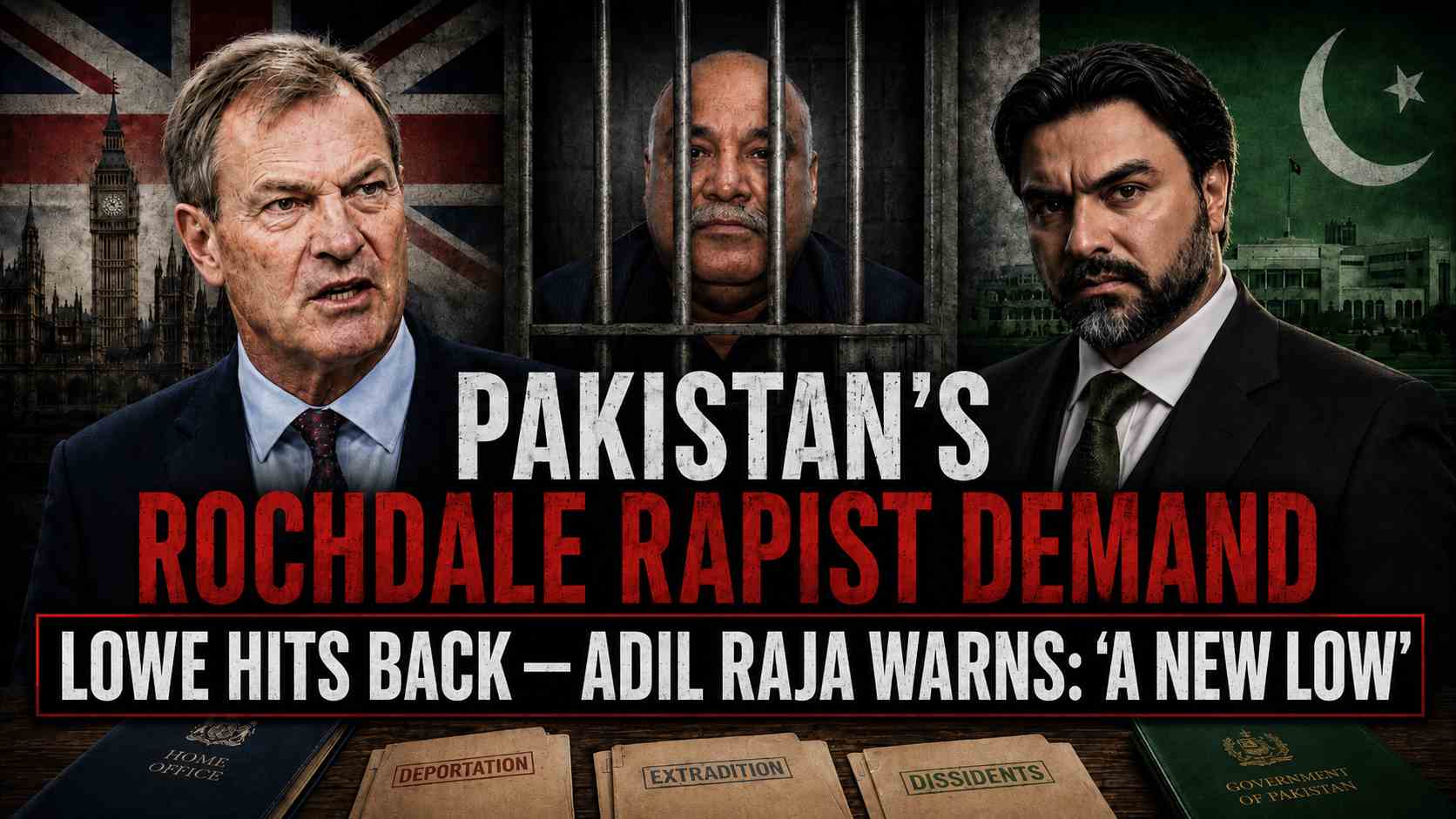
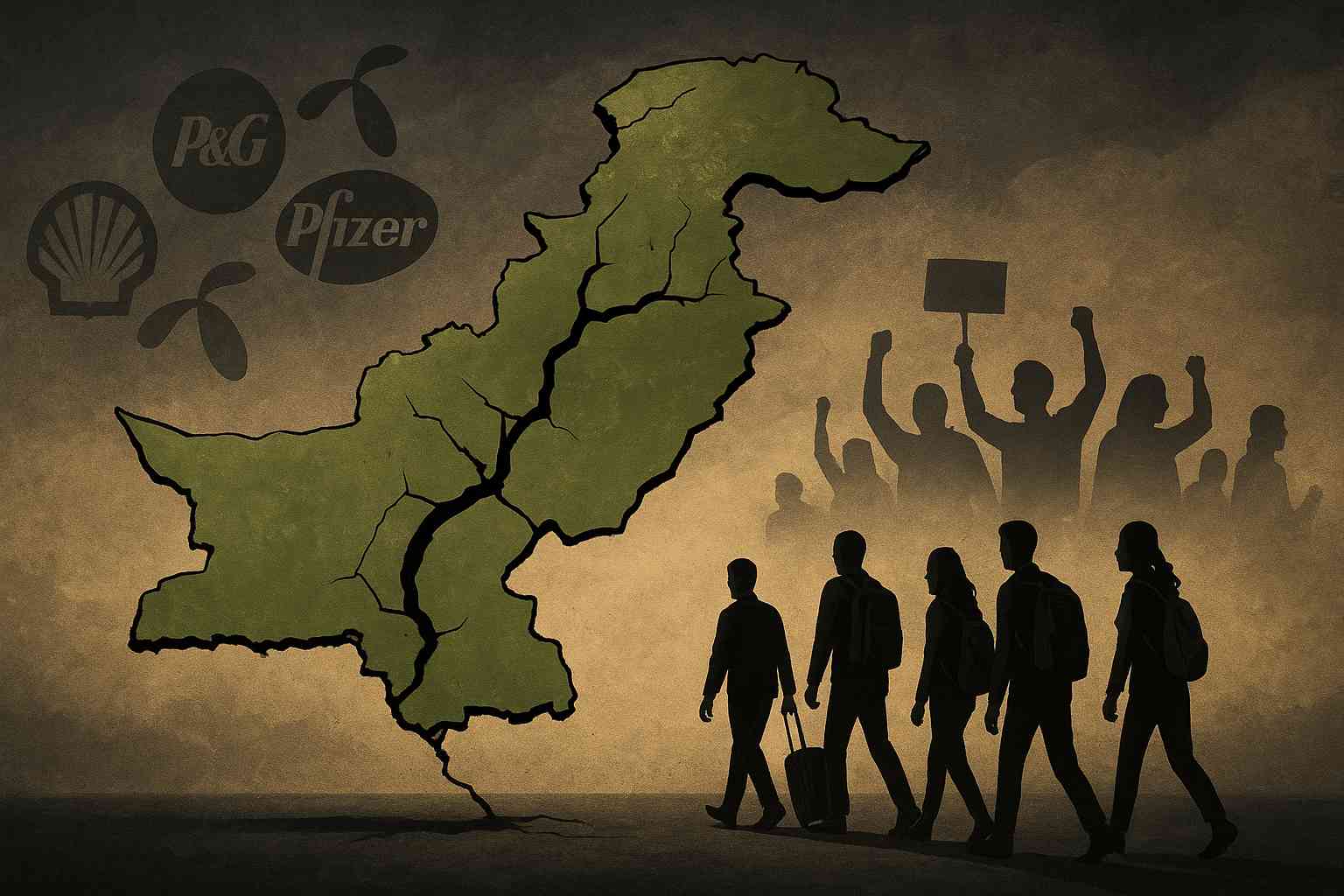
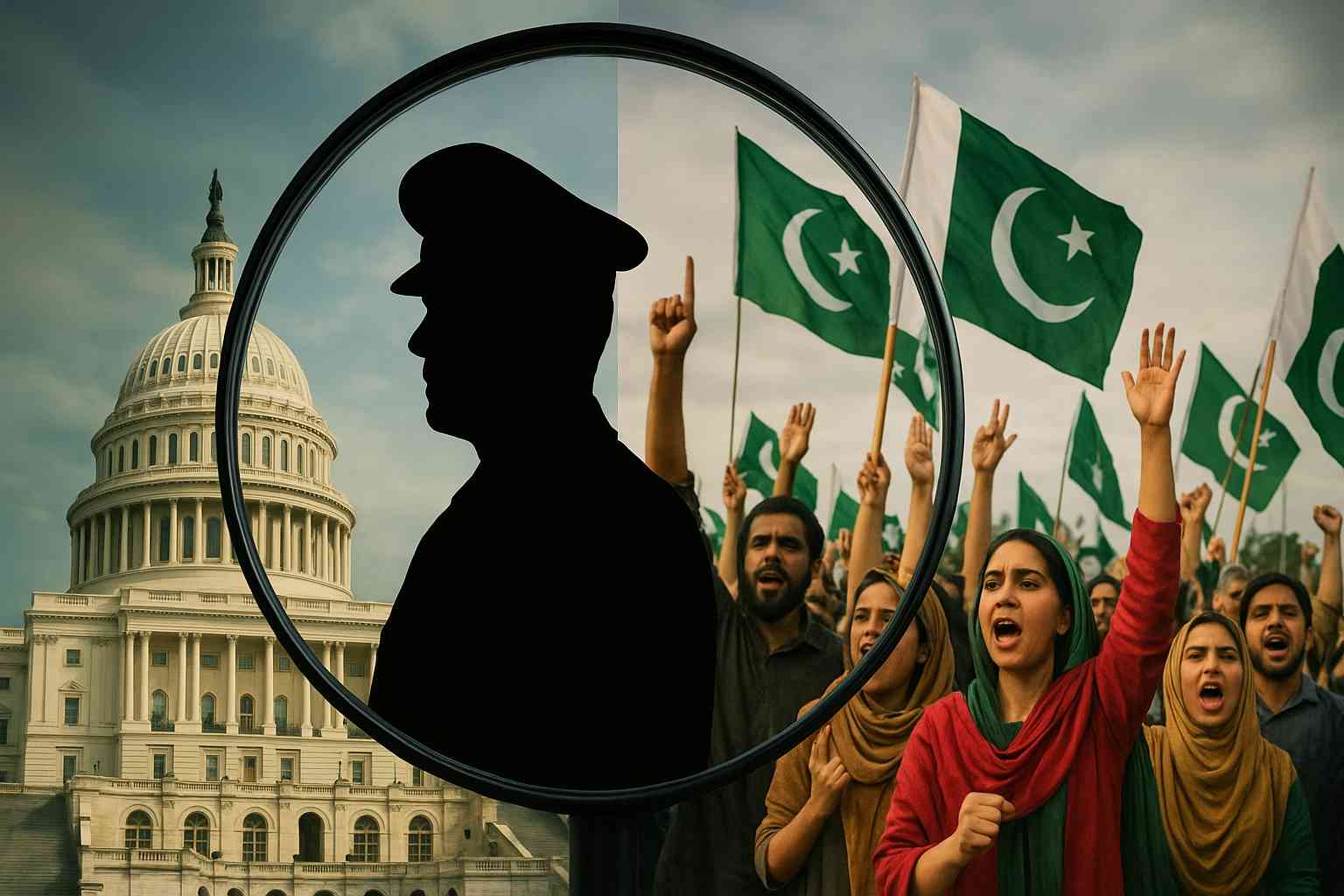
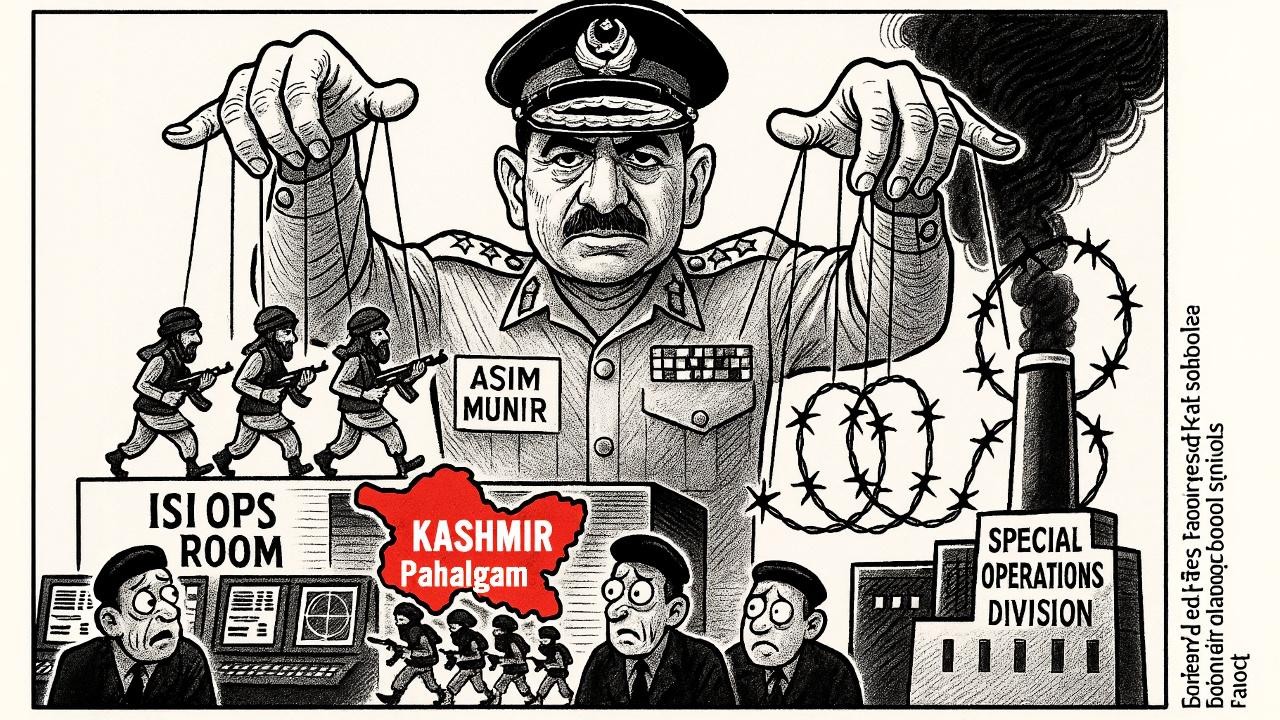
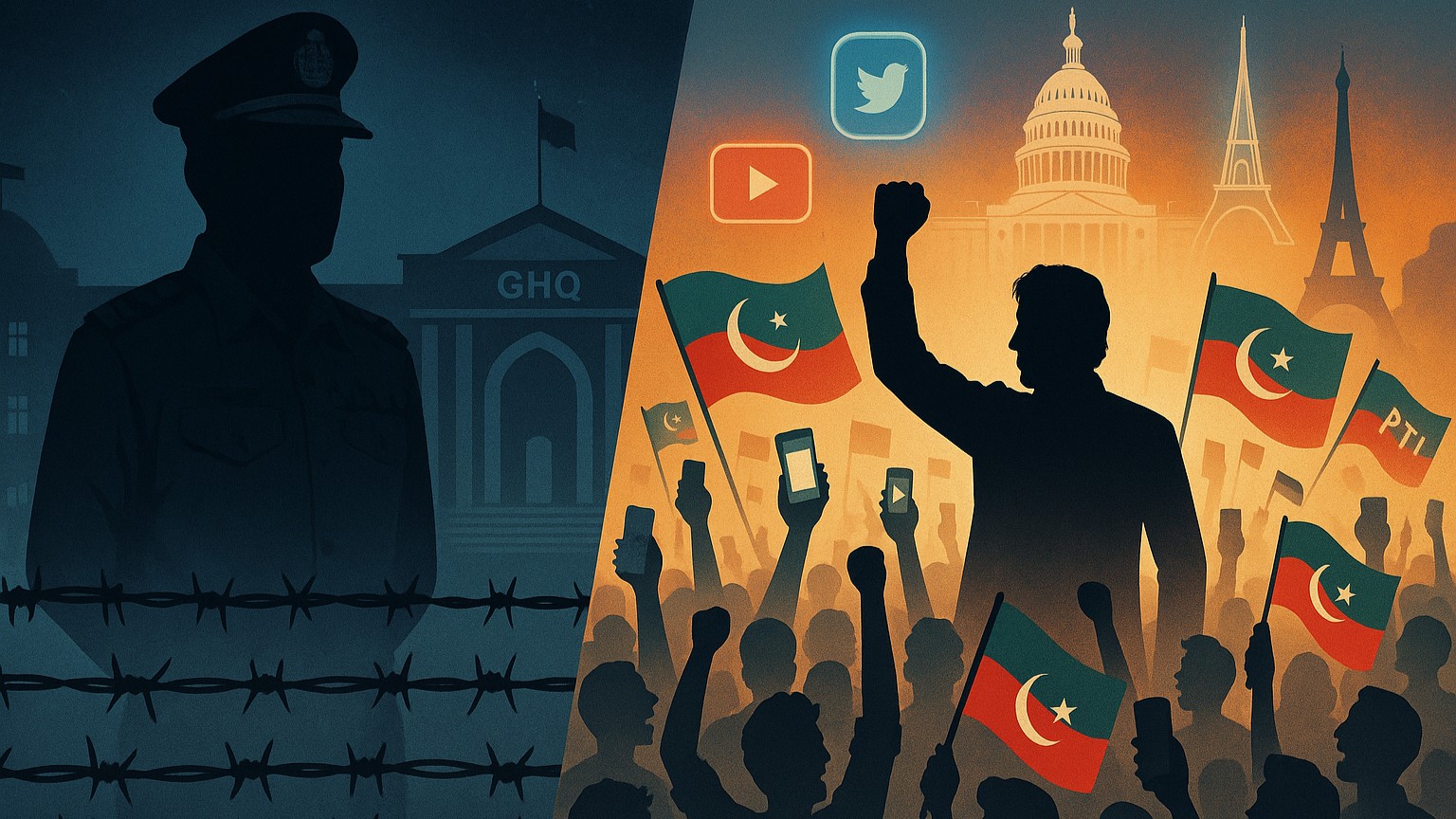
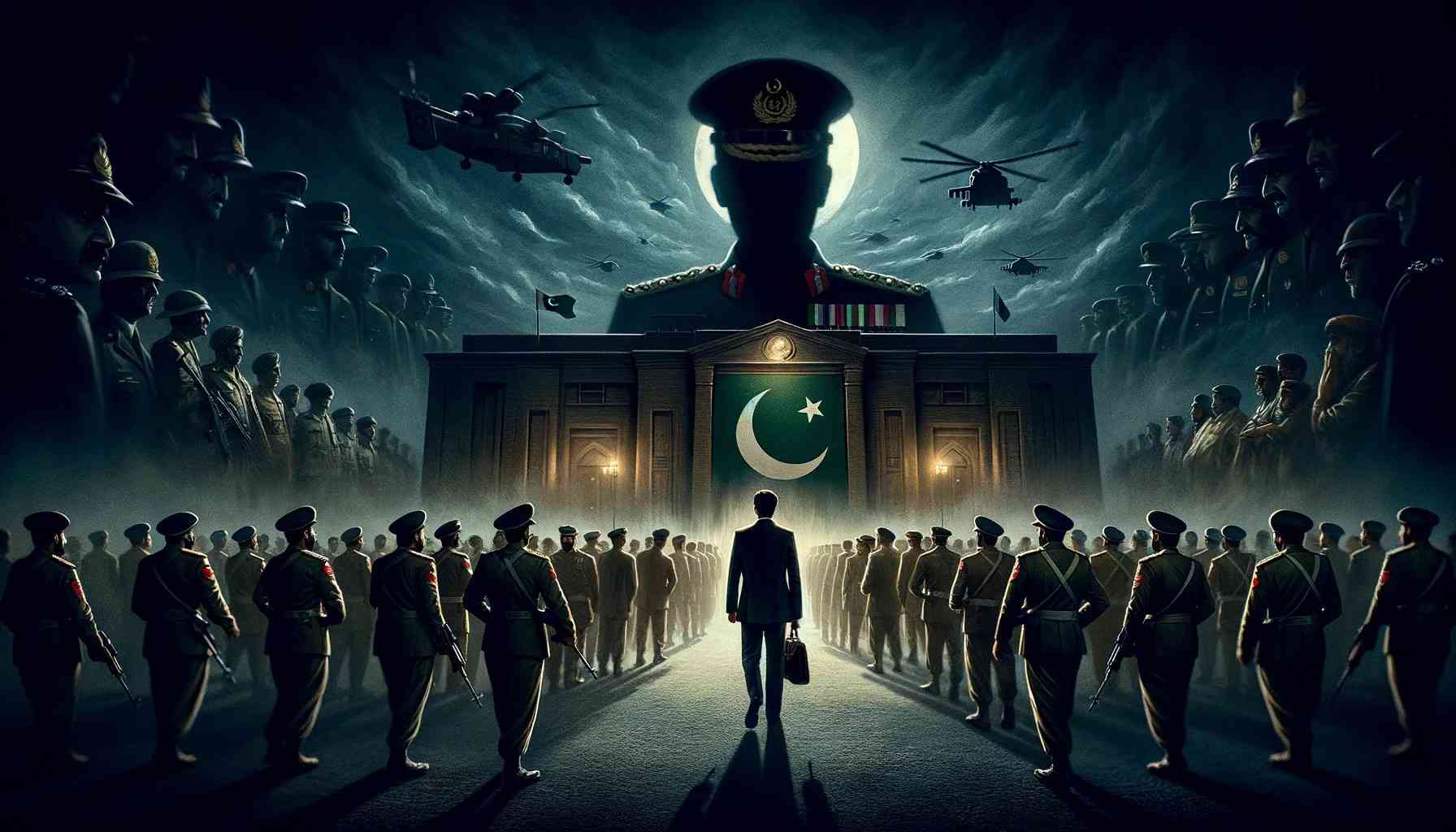
Transnational repression UK is no longer a theoretical concern. In recent years, authoritarian states have increasingly pursued, intimidated, and silenced critics beyond their borders. As a result, what once seemed distant has now become a lived reality for many journalists and dissidents.
I am one of them.
As a British resident since 2020, married to a British citizen, I built my life in the United Kingdom because I believed in its protections. However, over the past few years, I have experienced a pattern of persecution that began in Pakistan and has now reached Britain itself.
This is not just my story. Instead, it demonstrates how a state can weaponise law, family pressure, disinformation, and physical intimidation across borders.
Background: From Insider to Critic
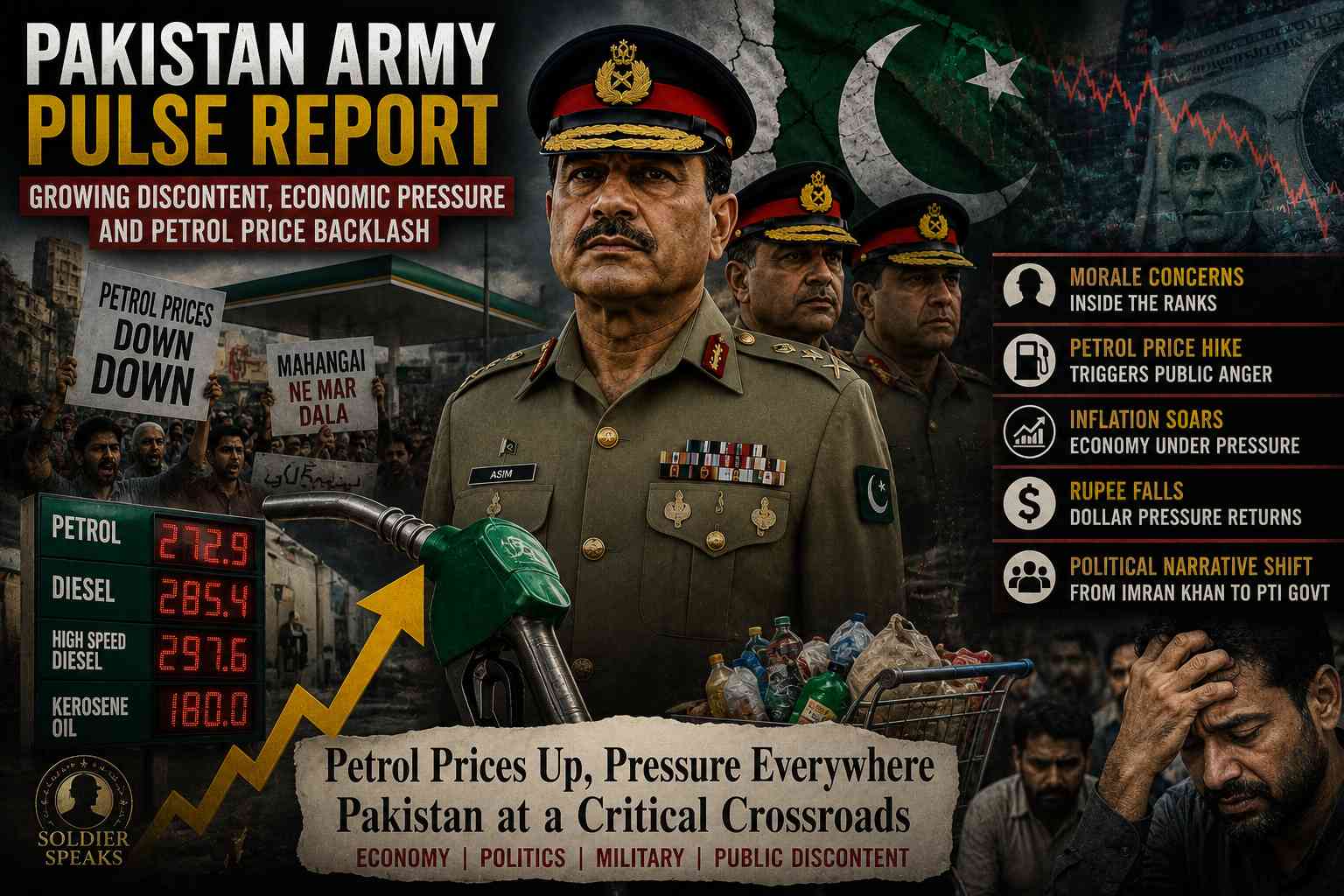
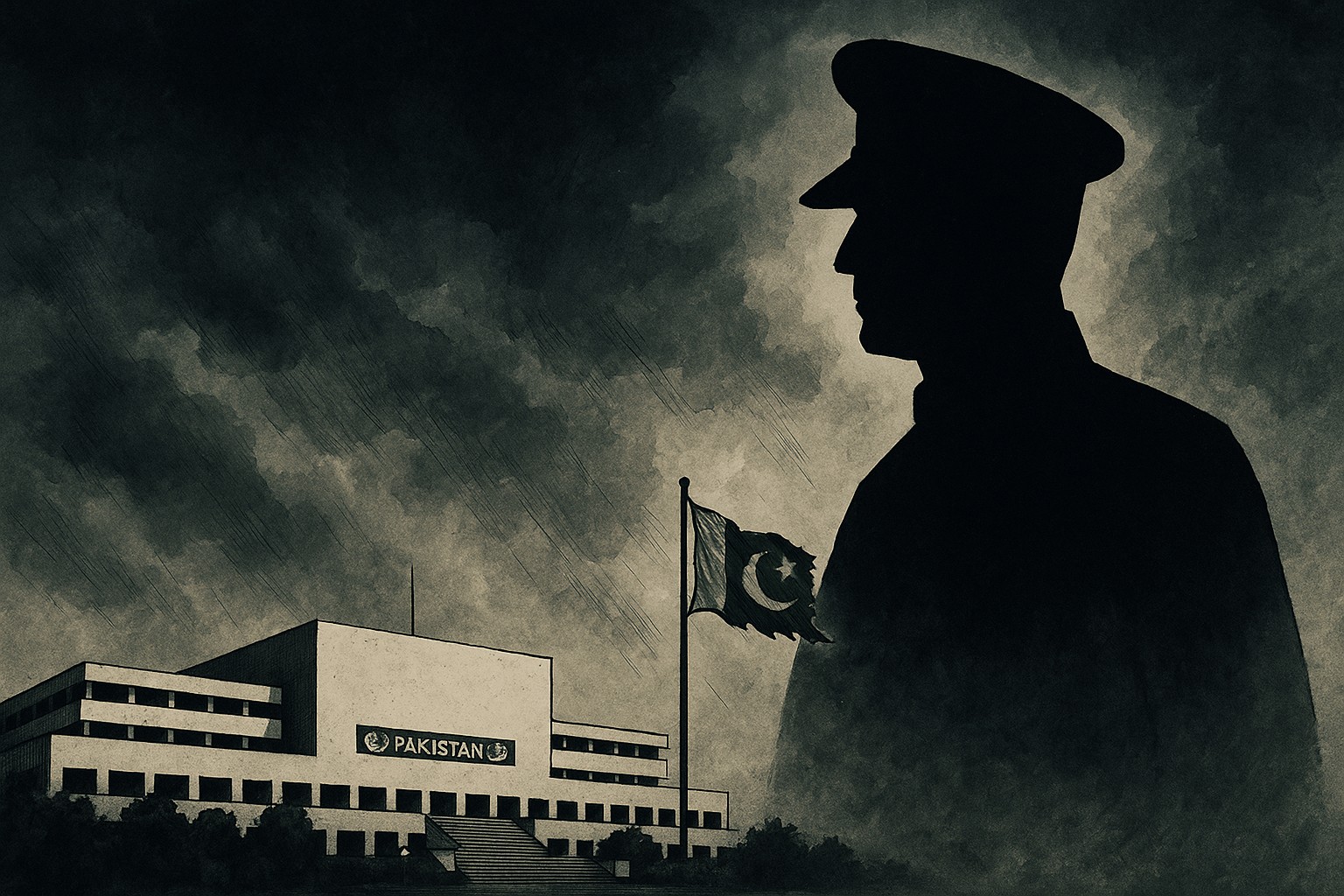
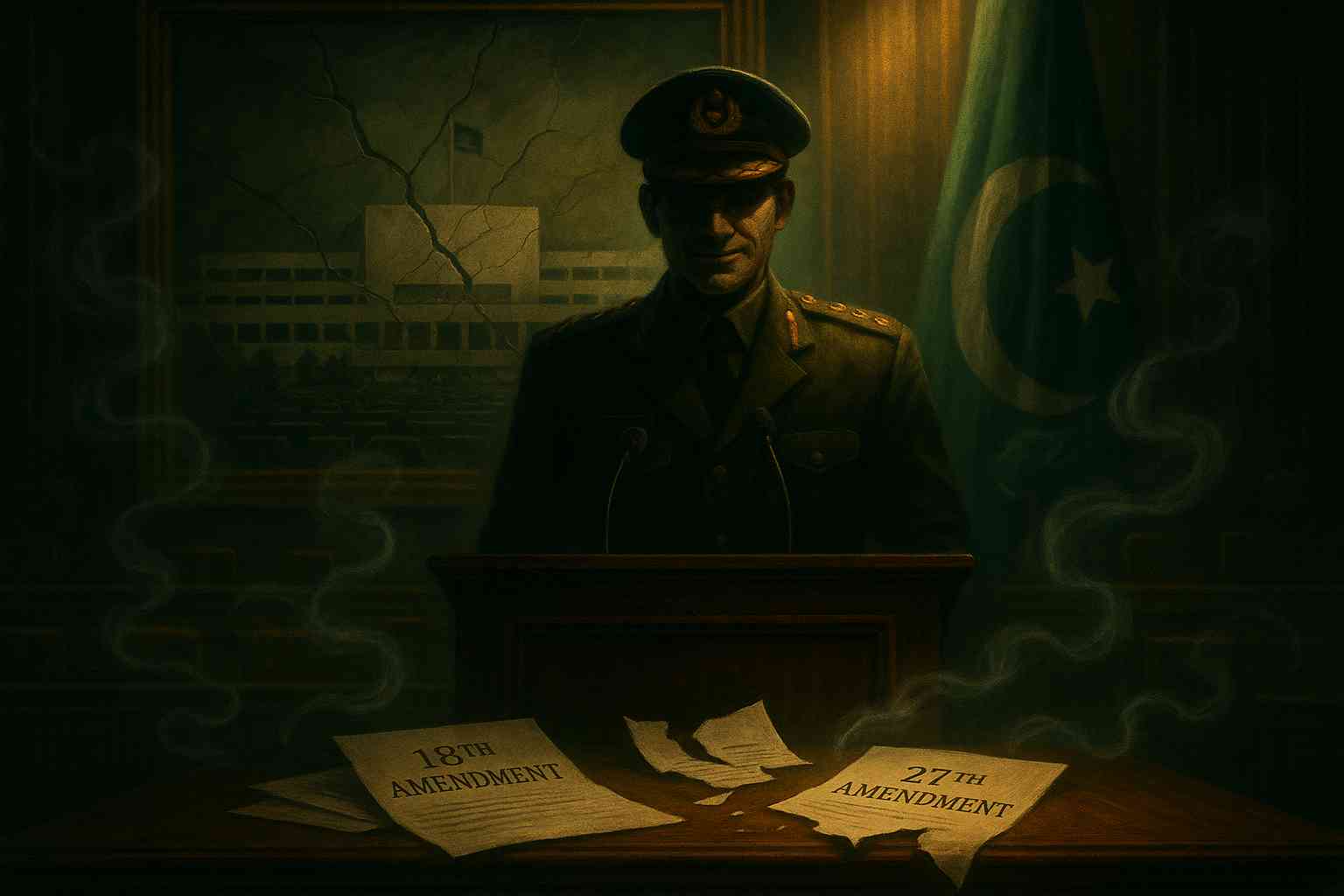
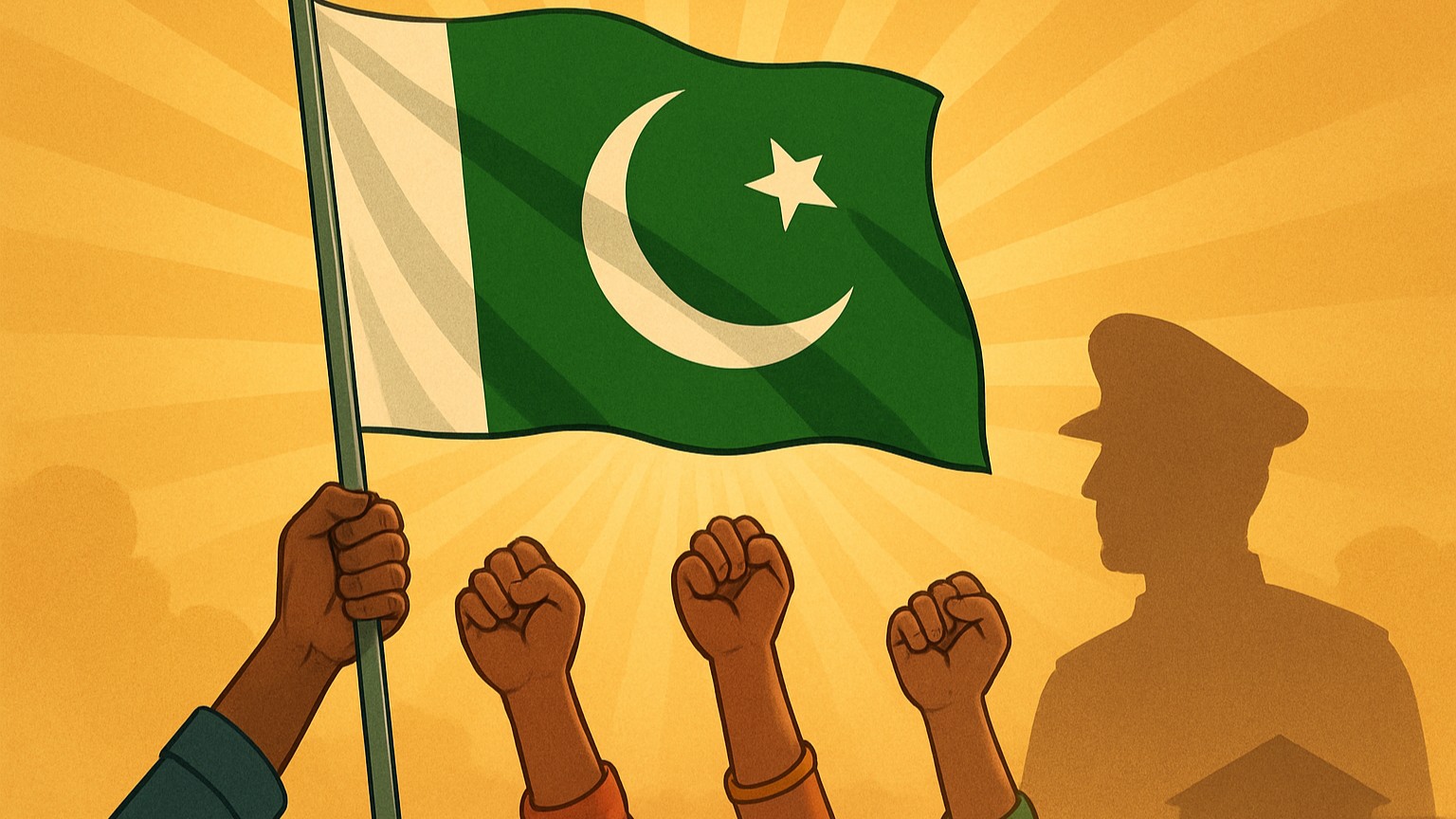
I served as a Pakistani army officer before I became a journalist and commentator. Since then, I have focused on exposing corruption, abuse of power, and the erosion of democratic norms within Pakistan’s military establishment. However, that transition—from insider to critic—often turns individuals into targets. Initially, authorities responded to my journalism with pressure rather than debate. Over time, that response evolved into a coordinated effort to silence me.Phase 1: Legal Persecution and Criminalisation in Pakistan
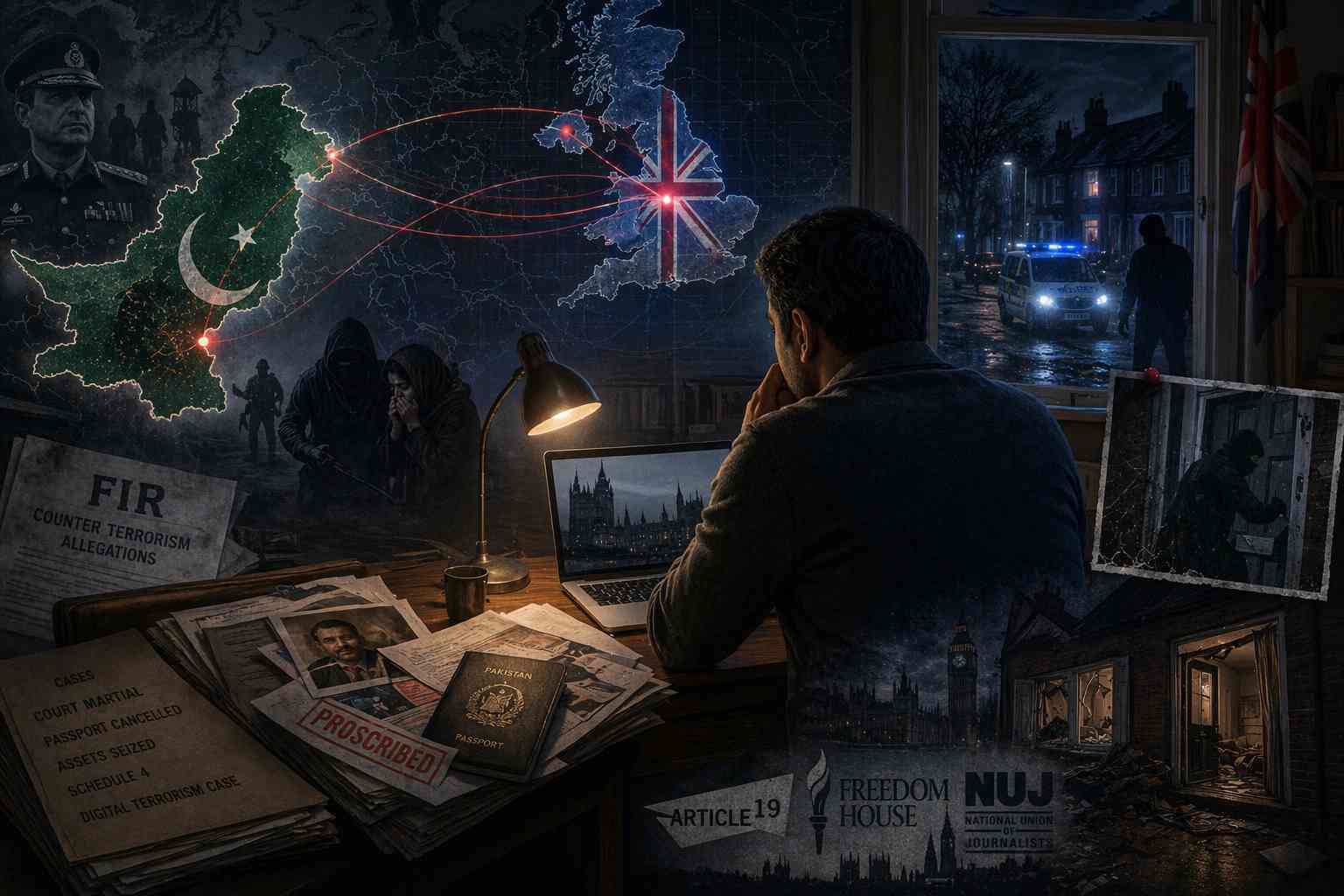
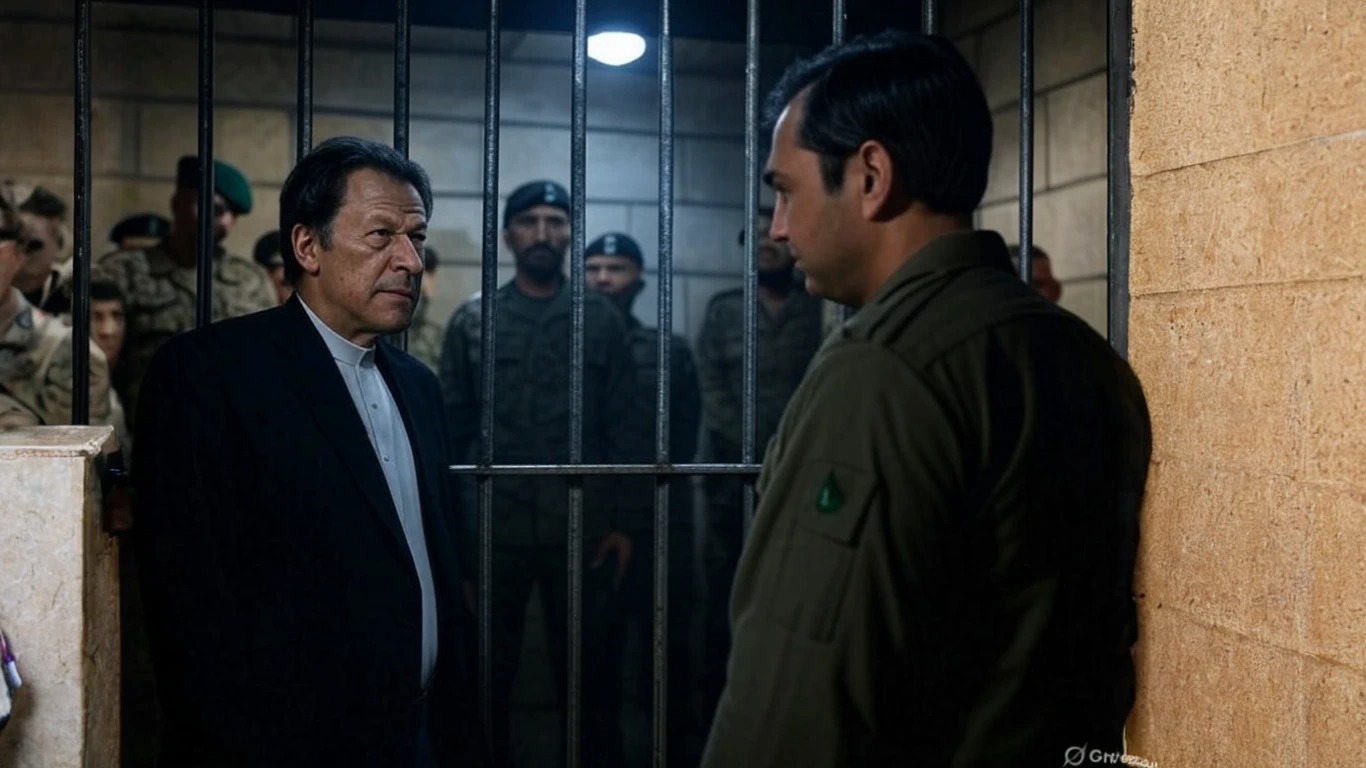
First, authorities followed a familiar authoritarian playbook: they criminalised dissent.- Authorities initiated multiple cases against me in Pakistan
- Military courts placed me under court martial proceedings in absentia
- Officials cancelled my passport and national identity documents
- They seized my assets
- They placed me on a proscribed list (Schedule 4)
- A court sentenced me in absentia in a “digital terrorism” case
Phase 2: Targeting the Family
Next, the pressure escalated toward what mattered most: family. In my case, this included:- Agents abducted my mother
- Authorities applied sustained pressure on family members inside Pakistan
Phase 3: Internationalisation of Pressure
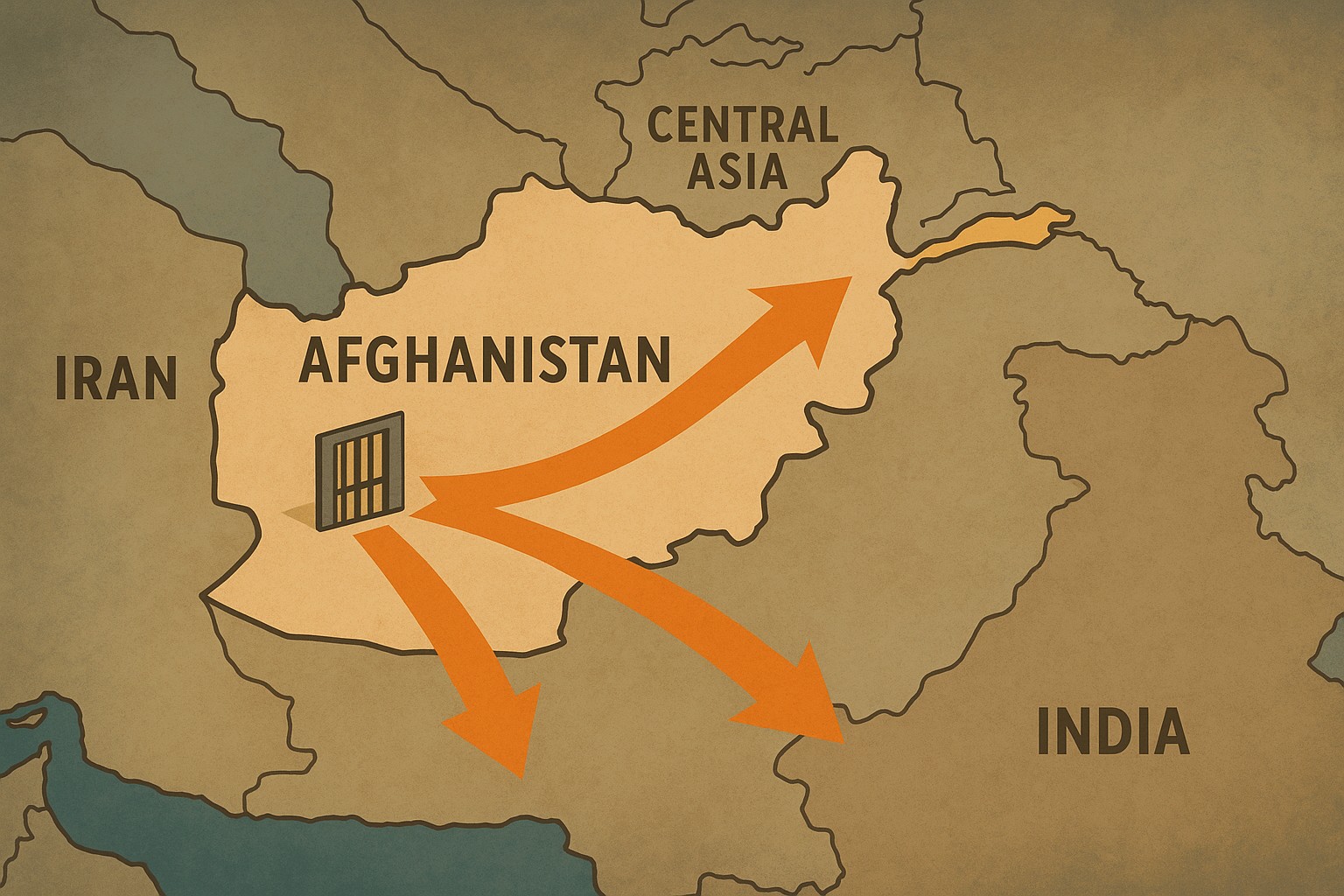
Then, the pressure moved beyond Pakistan’s borders and entered what we now recognise as transnational repression UK. In June 2023, UK authorities arrested me under counter-terrorism powers after receiving allegations from Pakistan. However, after months of investigation, the situation changed.- Authorities closed the case with no charge
- They confirmed there was no realistic prospect of prosecution
Phase 4: Legal Pressure in the UK
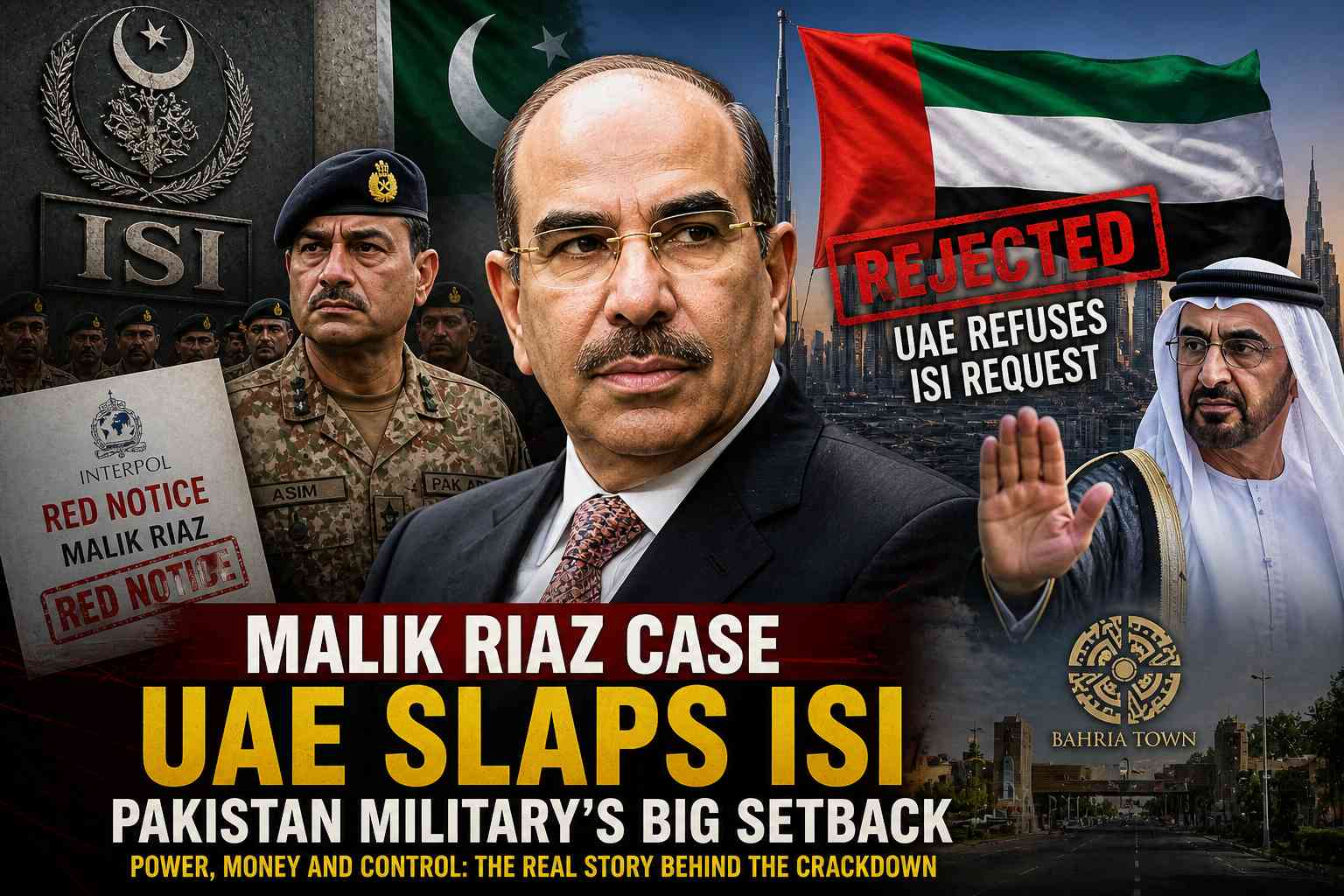
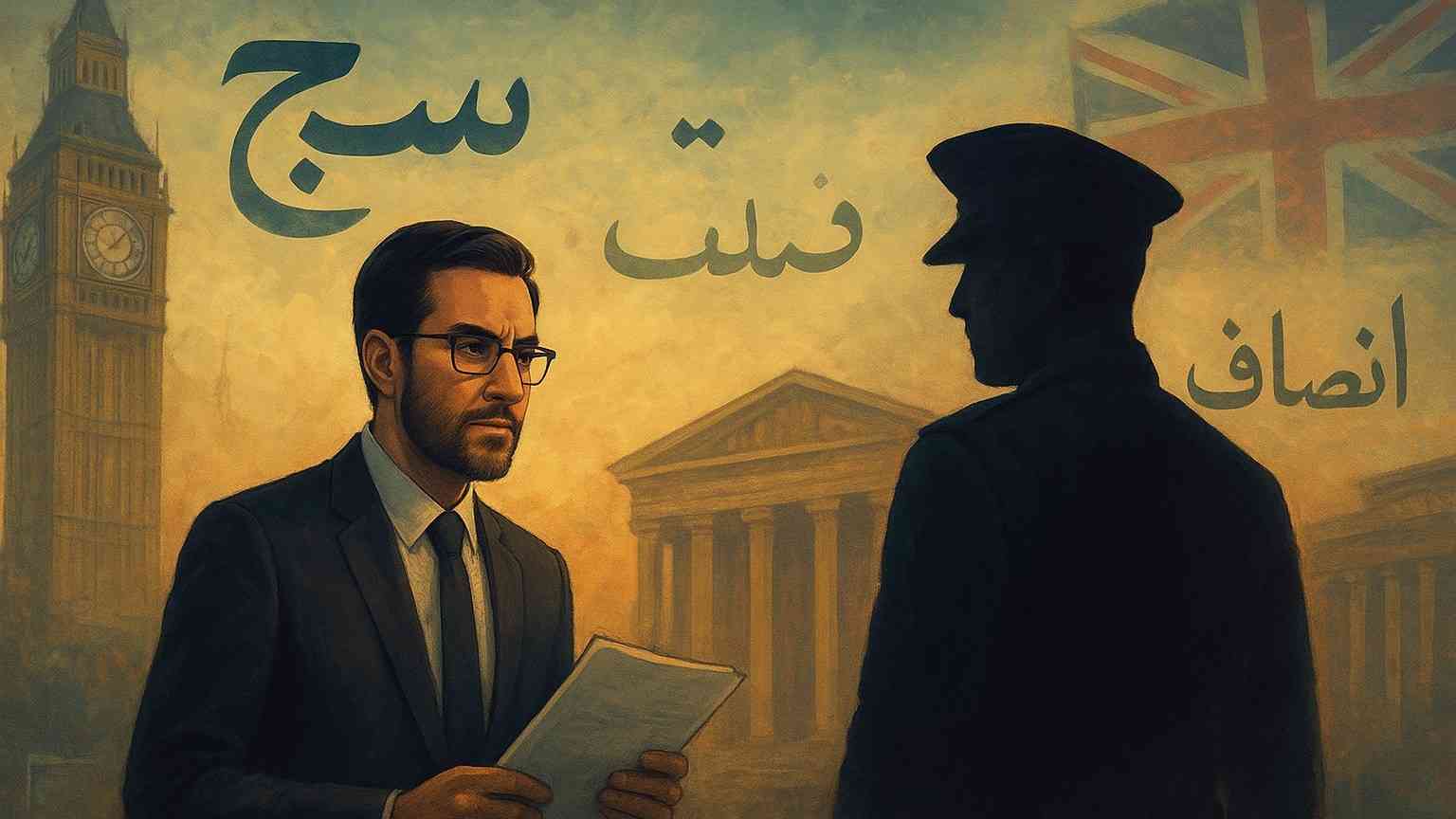
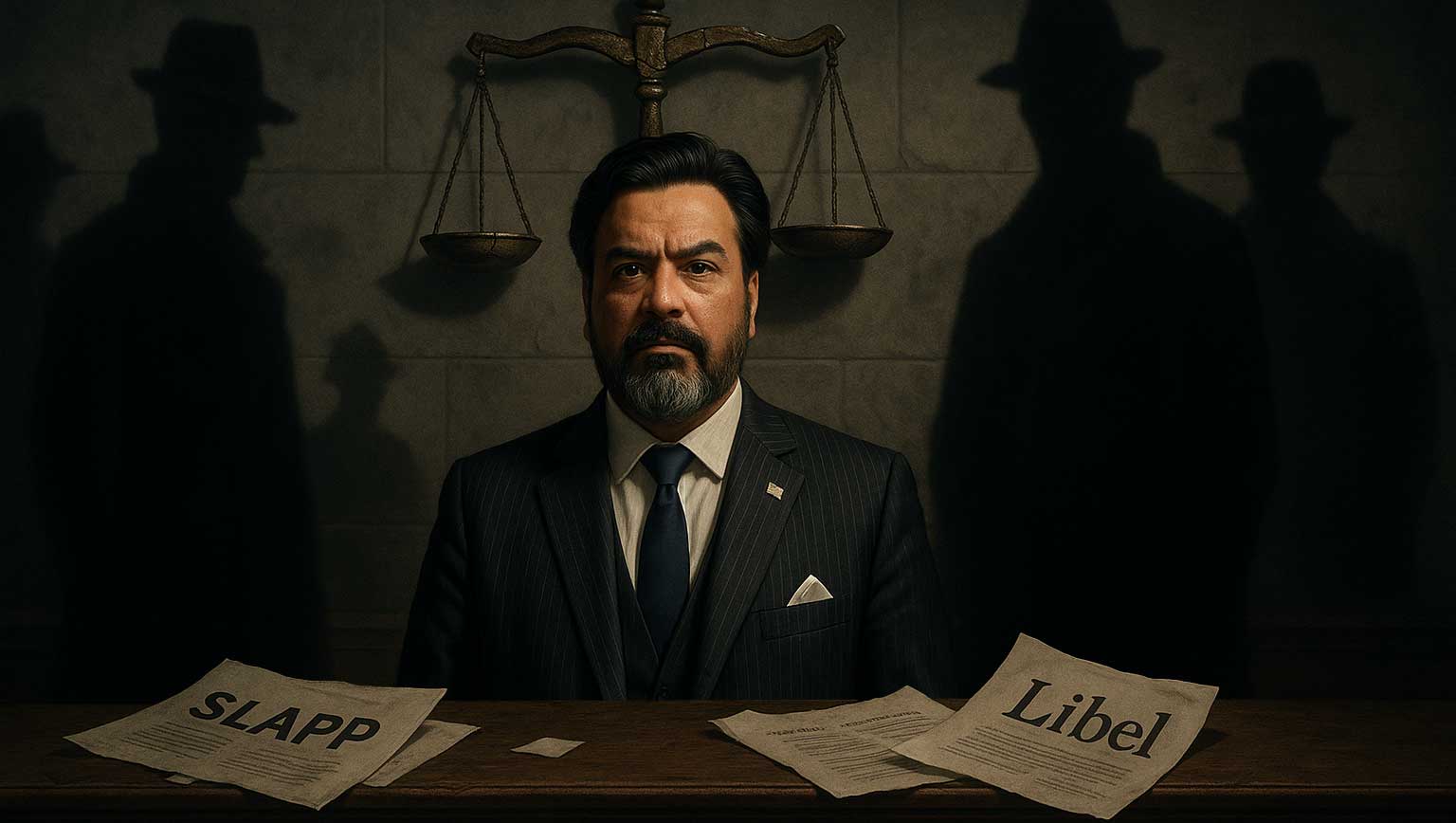
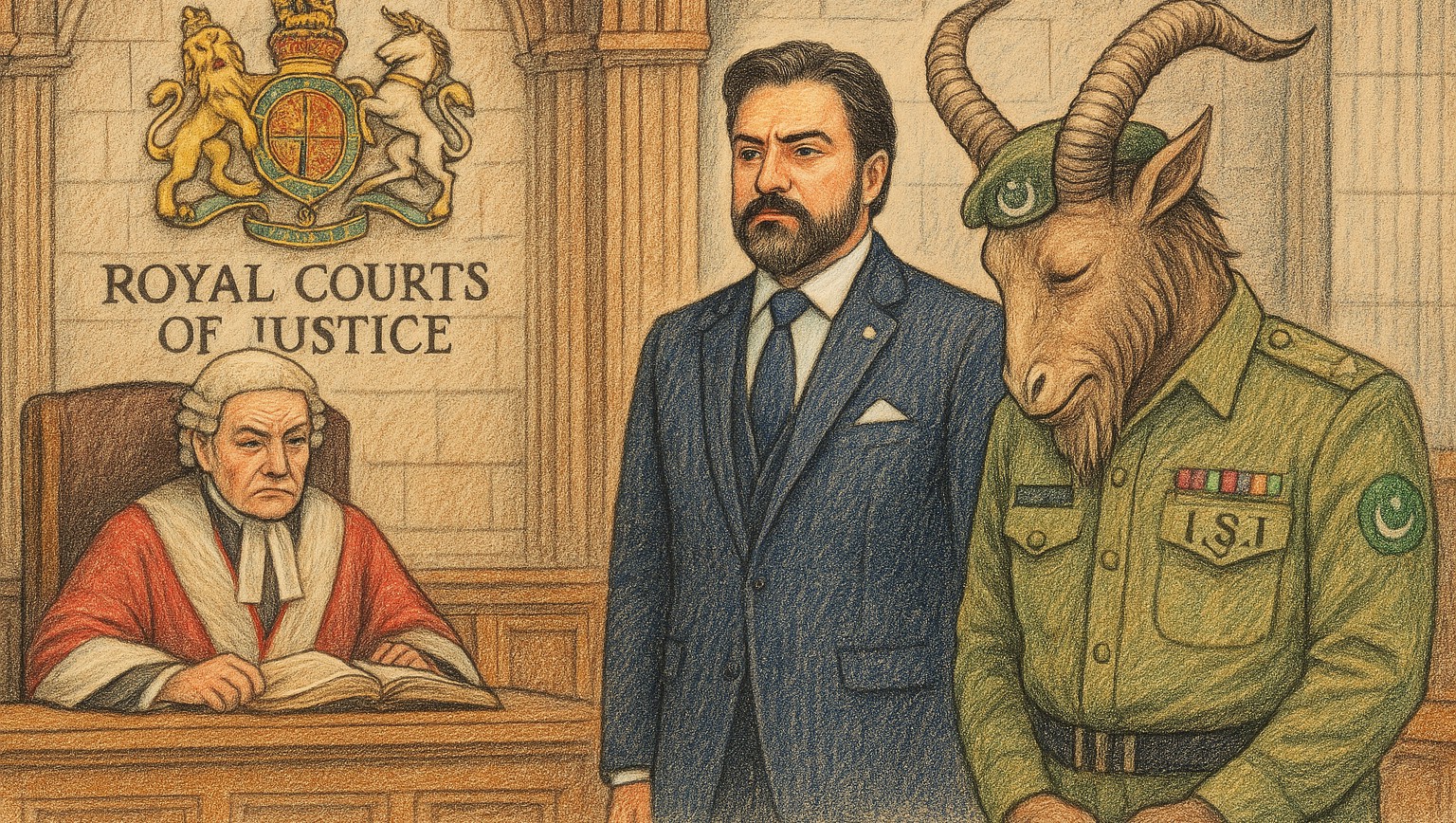
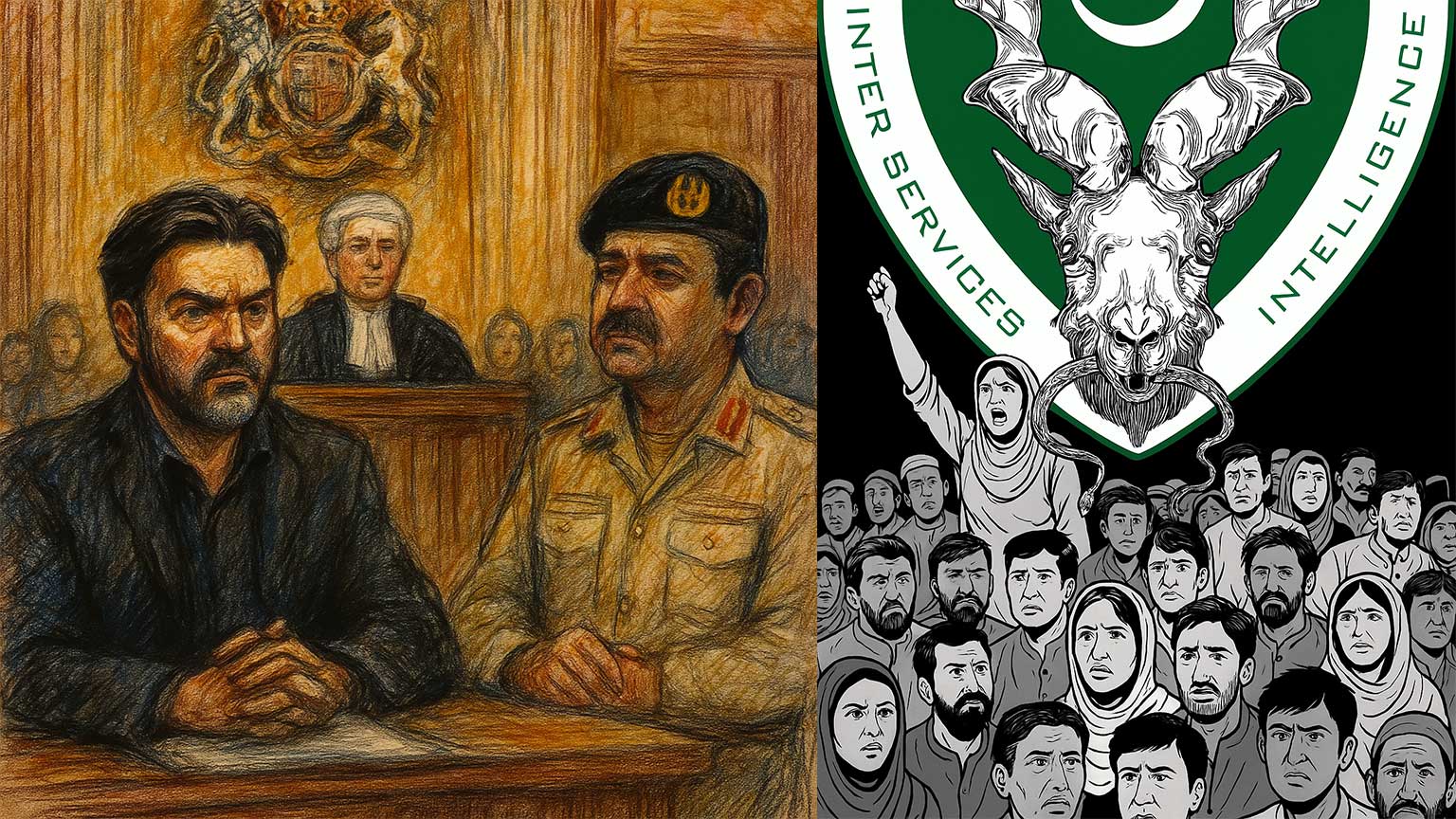
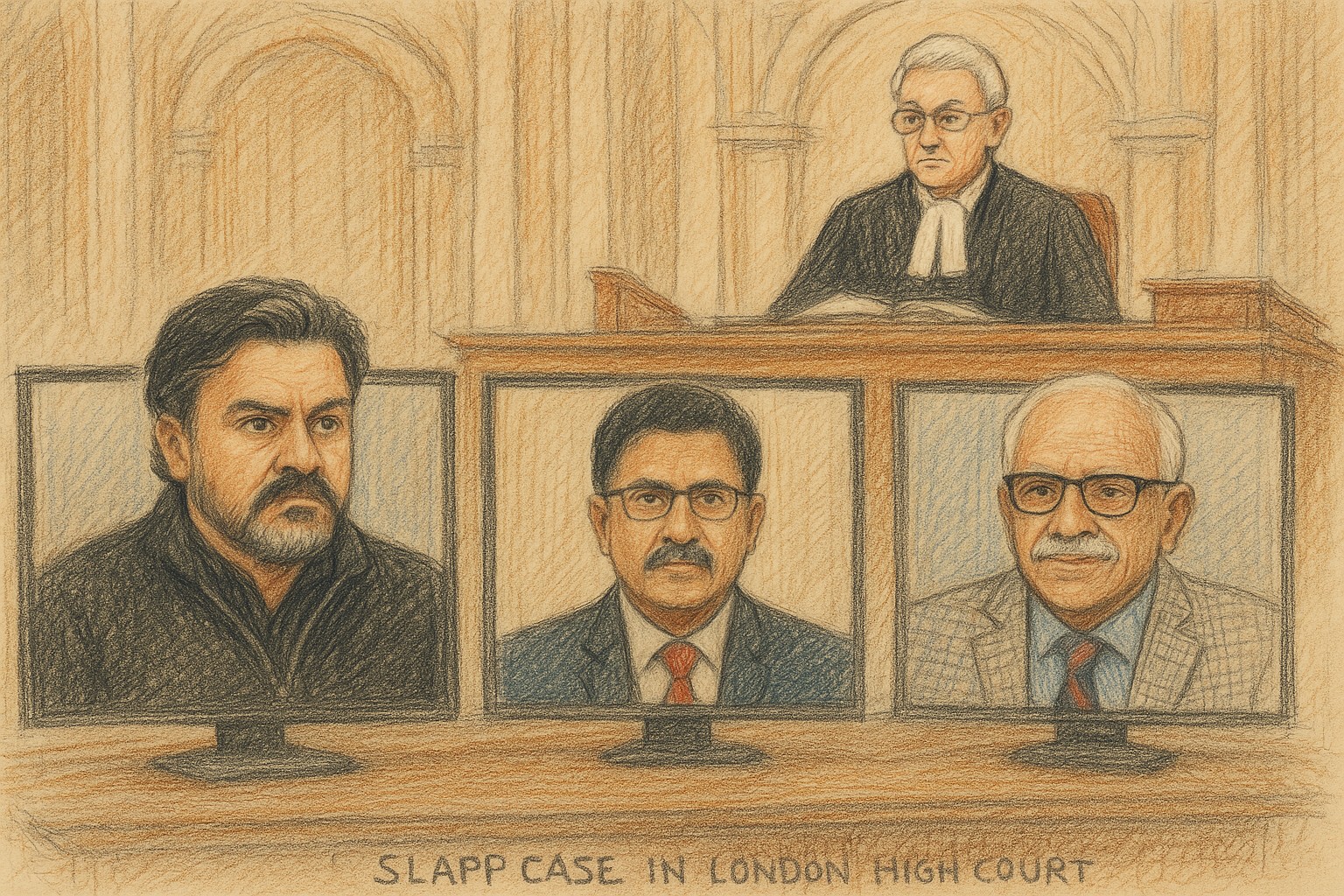
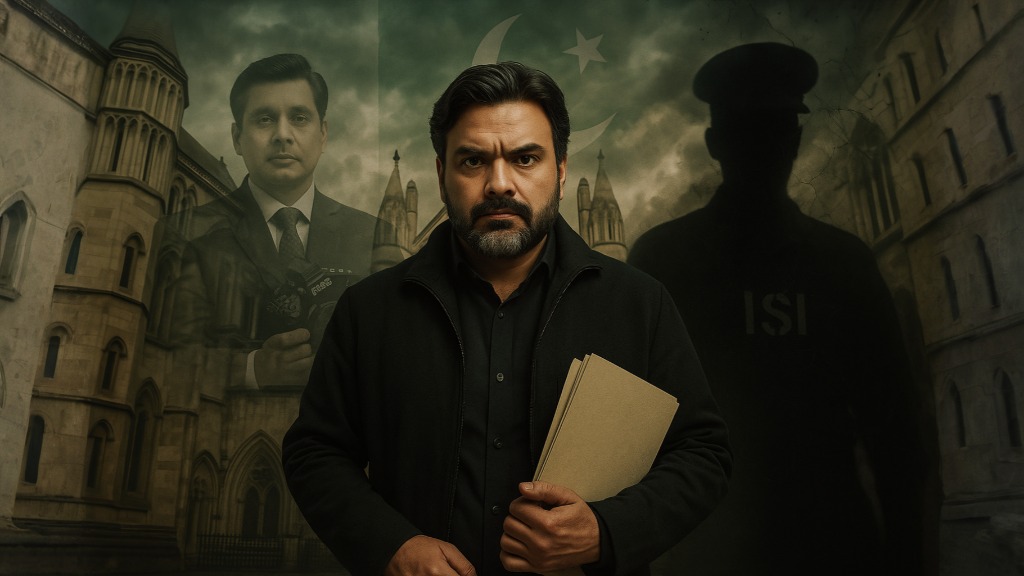
At the same time, I faced a libel case in the UK brought by a former ISI Brigadier General and provincial intelligence chief. Clearly, this was not an equal contest.- The claimant had extensive financial and legal resources
- I relied on crowdfunding to defend myself
- I refused to expose my sources because it would endanger lives
Phase 5: Physical Targeting in the United Kingdom
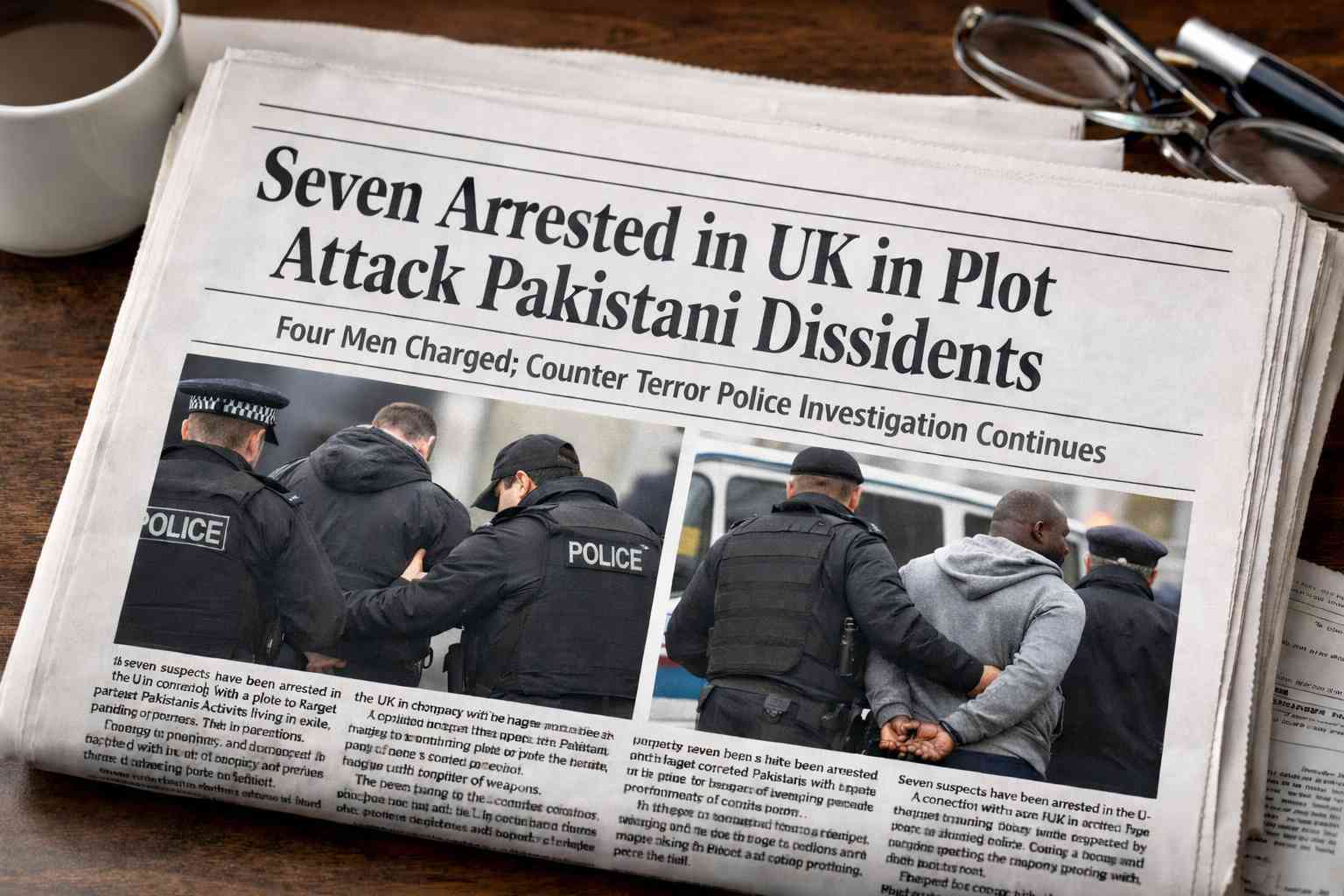
Finally, the most alarming escalation came in December 2025. On Christmas Eve, attackers broke into my home in Buckinghamshire and ransacked it. Importantly, they targeted the property deliberately rather than randomly. At the same time, attackers targeted another Pakistani dissident in the UK. Reports confirmed that these incidents were coordinated, deliberate, and serious enough to trigger counter-terror policing. Therefore, this marked a turning point in the pattern of transnational repression UK. It showed that the threat had moved beyond legal pressure into physical danger.Recognition: A Case of Transnational Repression
Now, international organisations openly recognise these patterns.- ARTICLE 19 described the incidents as showing “clear signs of transnational repression”
- Freedom House documented Pakistan’s efforts to target dissidents abroad
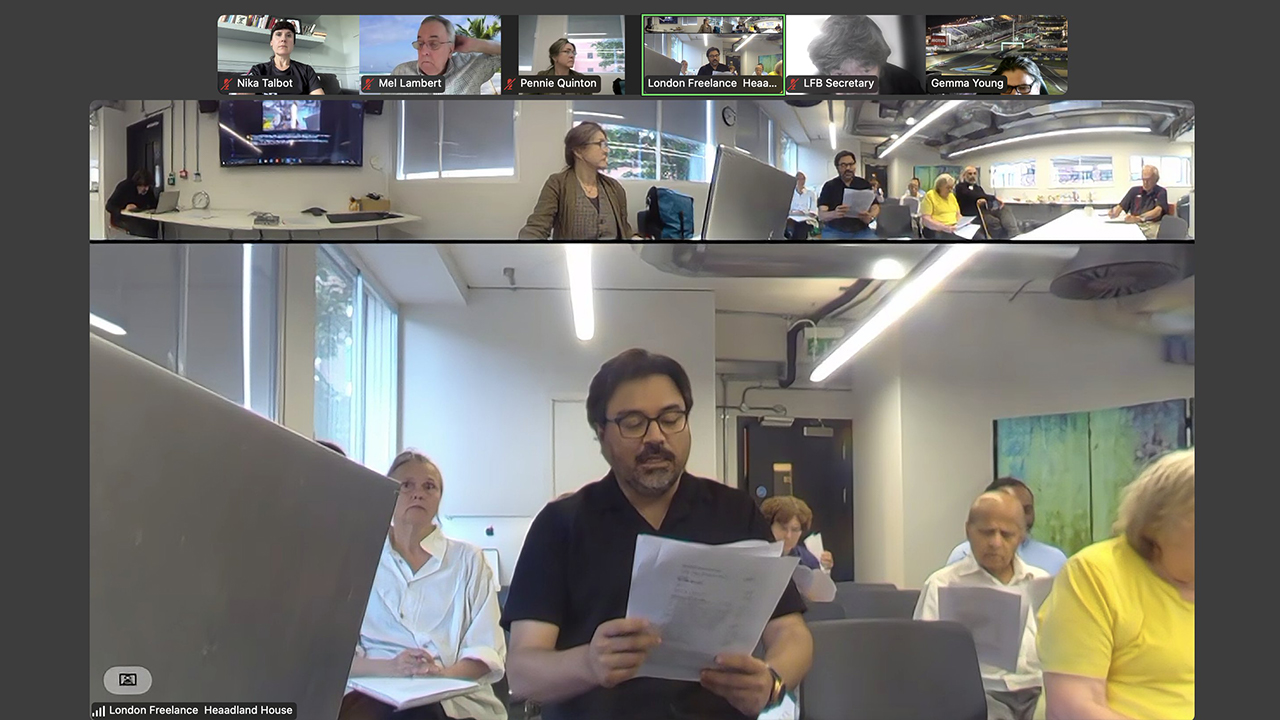
- The NUJ raised concerns about my case with the UK government
The Human Cost
However, behind legal cases and reports lies a personal reality.- A family living under pressure
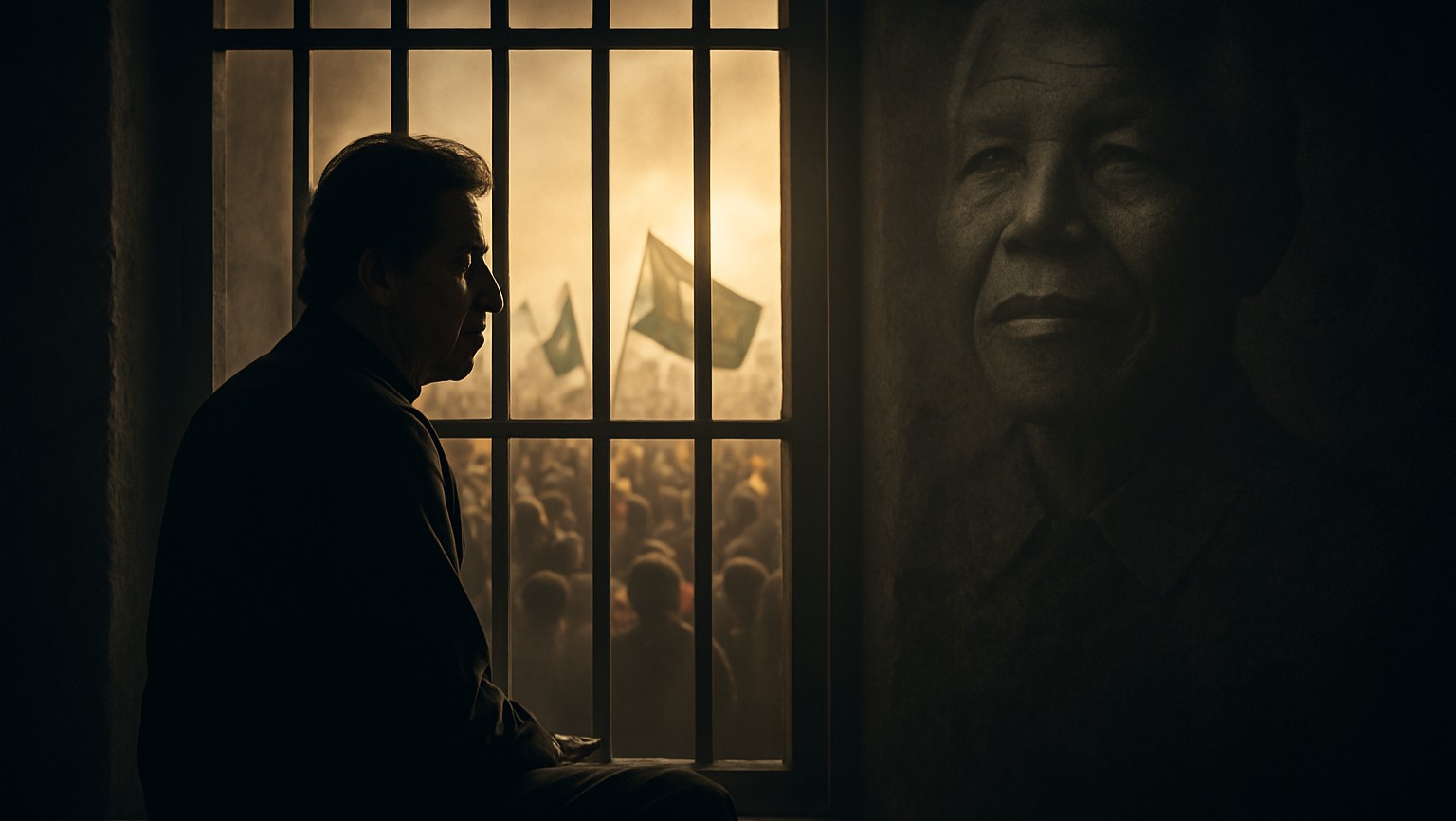
- A home that no longer feels fully safe
- A constant awareness that criticism carries consequences
Why This Matters Beyond One Case
Importantly, this issue goes far beyond one individual. It raises urgent questions for the United Kingdom:- Can foreign states extend repression onto British soil?
- Do authorities adequately protect journalists and dissidents?
- Can legal systems silence critics indirectly?
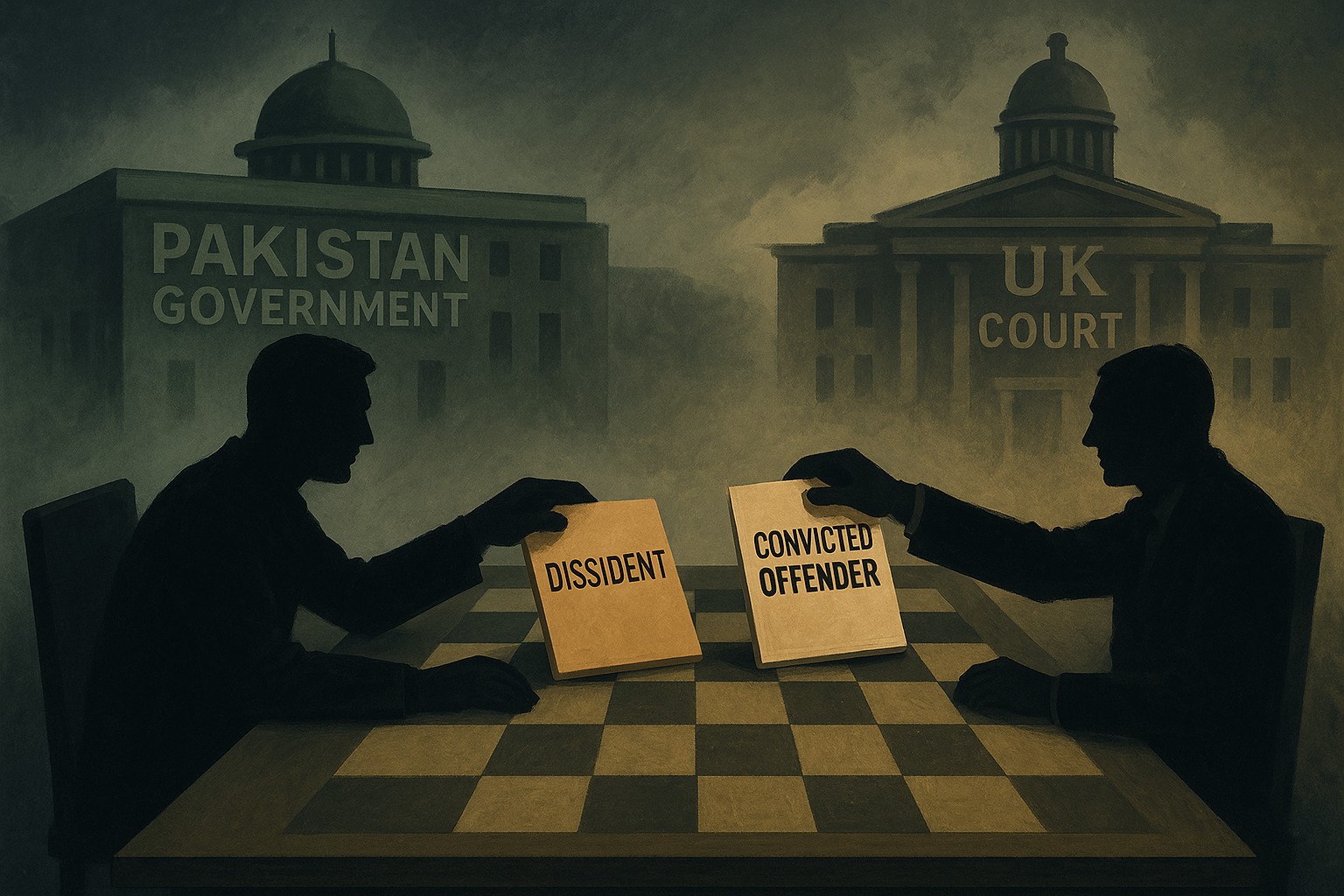
- Are extradition mechanisms vulnerable to abuse?
Conclusion
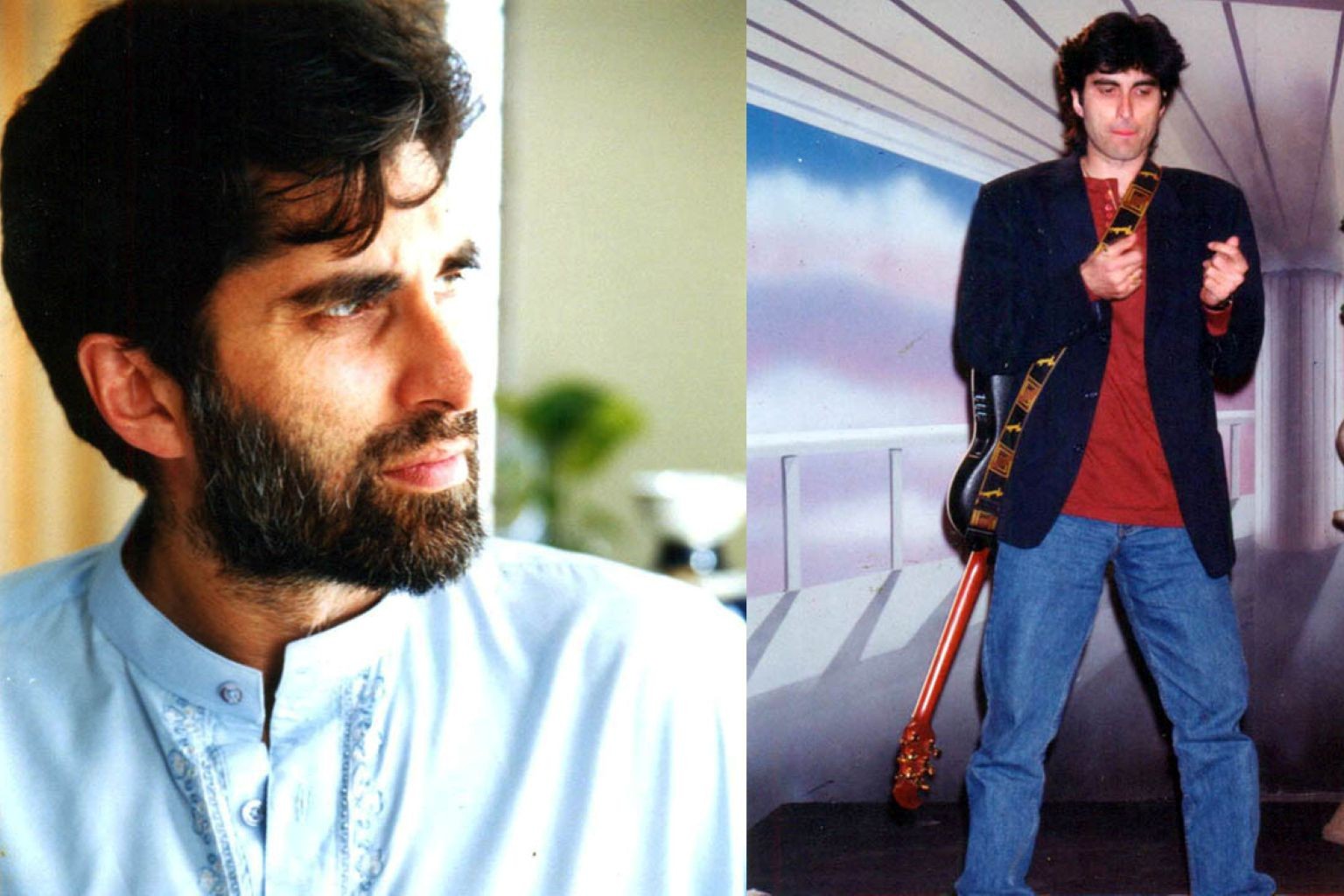
I did not come to the United Kingdom seeking conflict. Instead, I came to live, work, and speak freely. However, my experience shows that crossing a border does not stop repression. Therefore, we must treat transnational repression as a strategic challenge, not as isolated incidents. Because if one journalist can be targeted in this way, others can be too.Adil Raja is a retired major of the Pakistan Army, freelance investigative journalist, and dissident based in London, United Kingdom. He is the host of “Soldier Speaks Reloaded,” an independent commentary platform focused on South Asian politics and security affairs. Adil is also a member of the National Union of Journalists (UK) and the International Human Rights Foundation. Read more about Adil Raja.. Read more about Adil Raja.