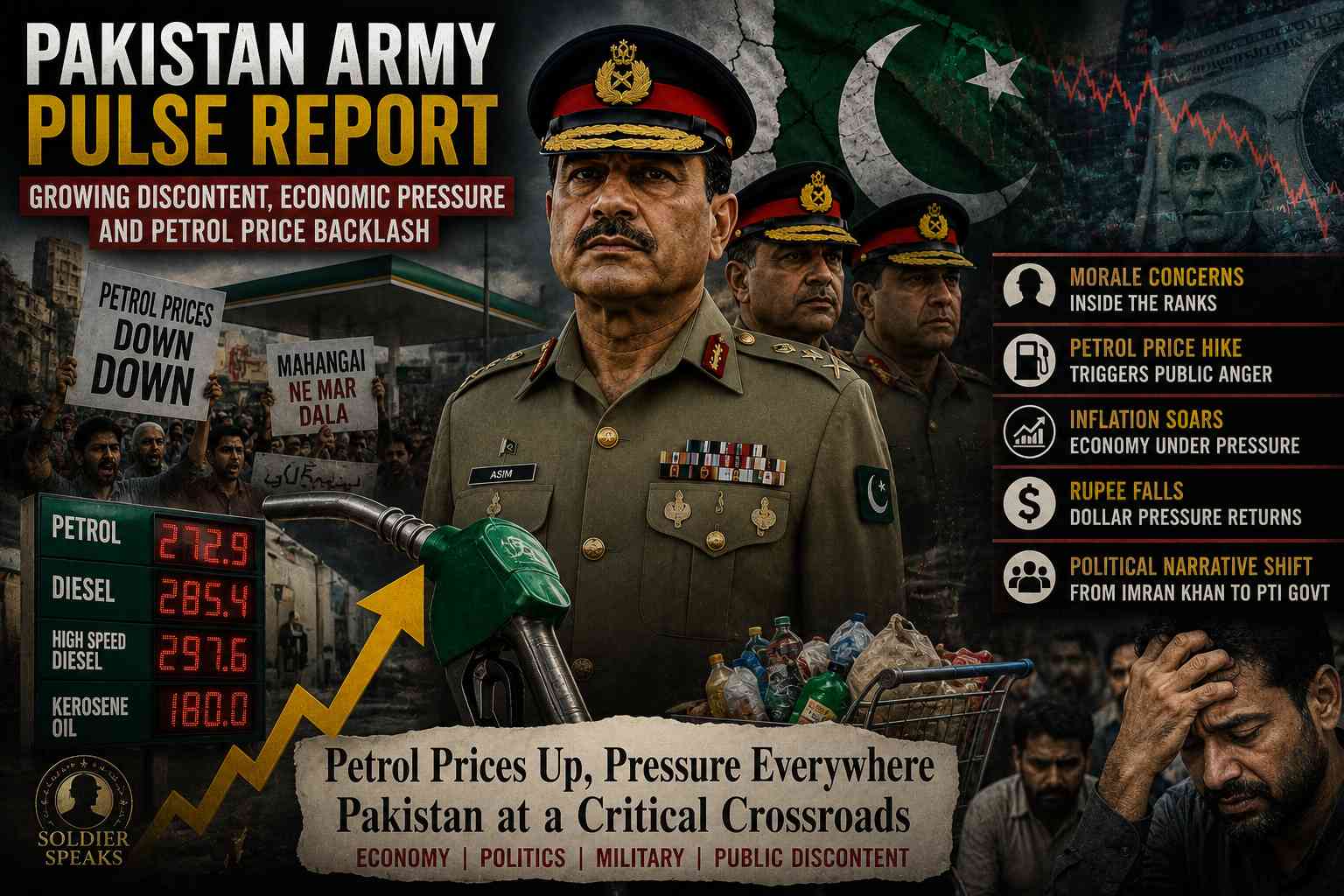
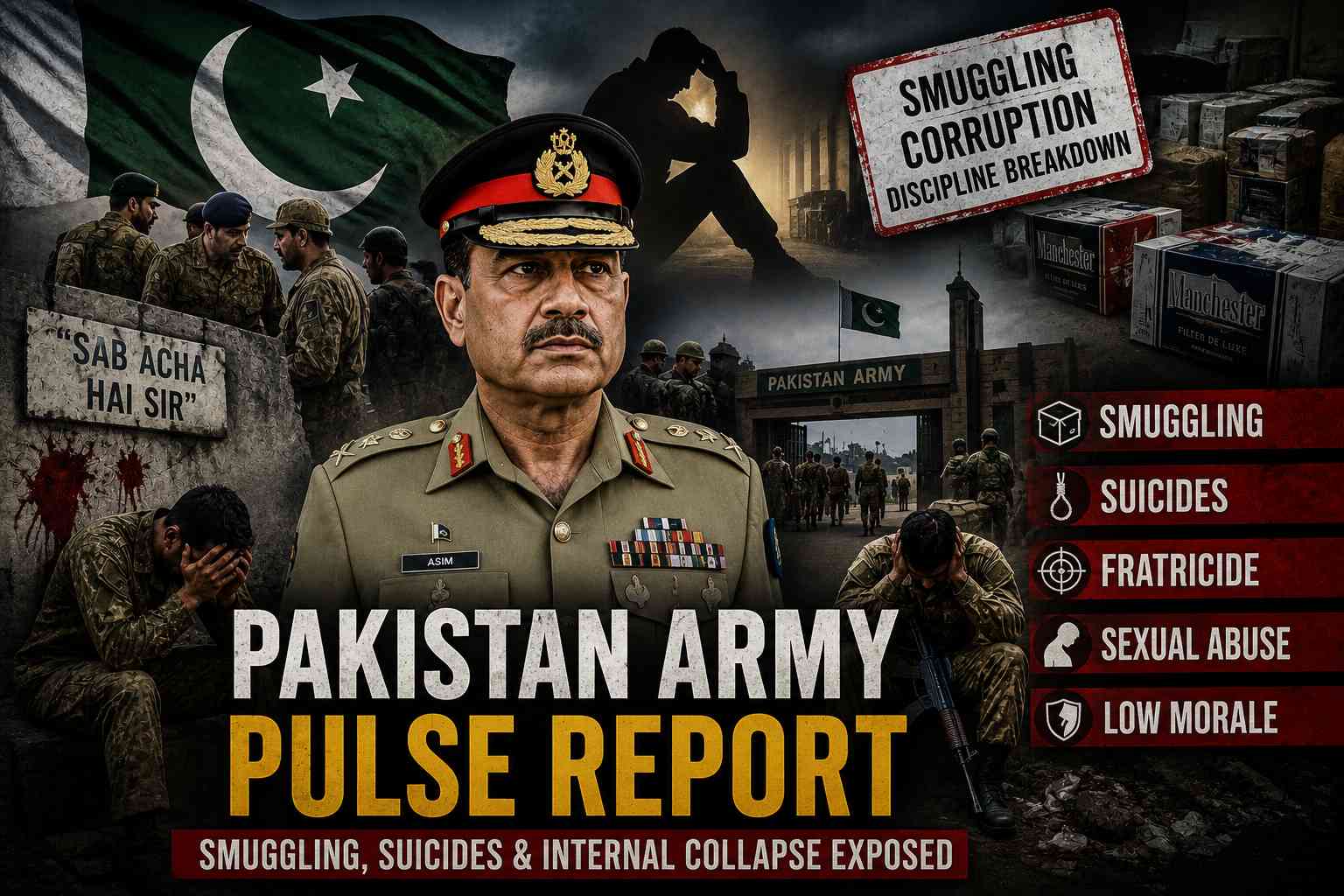
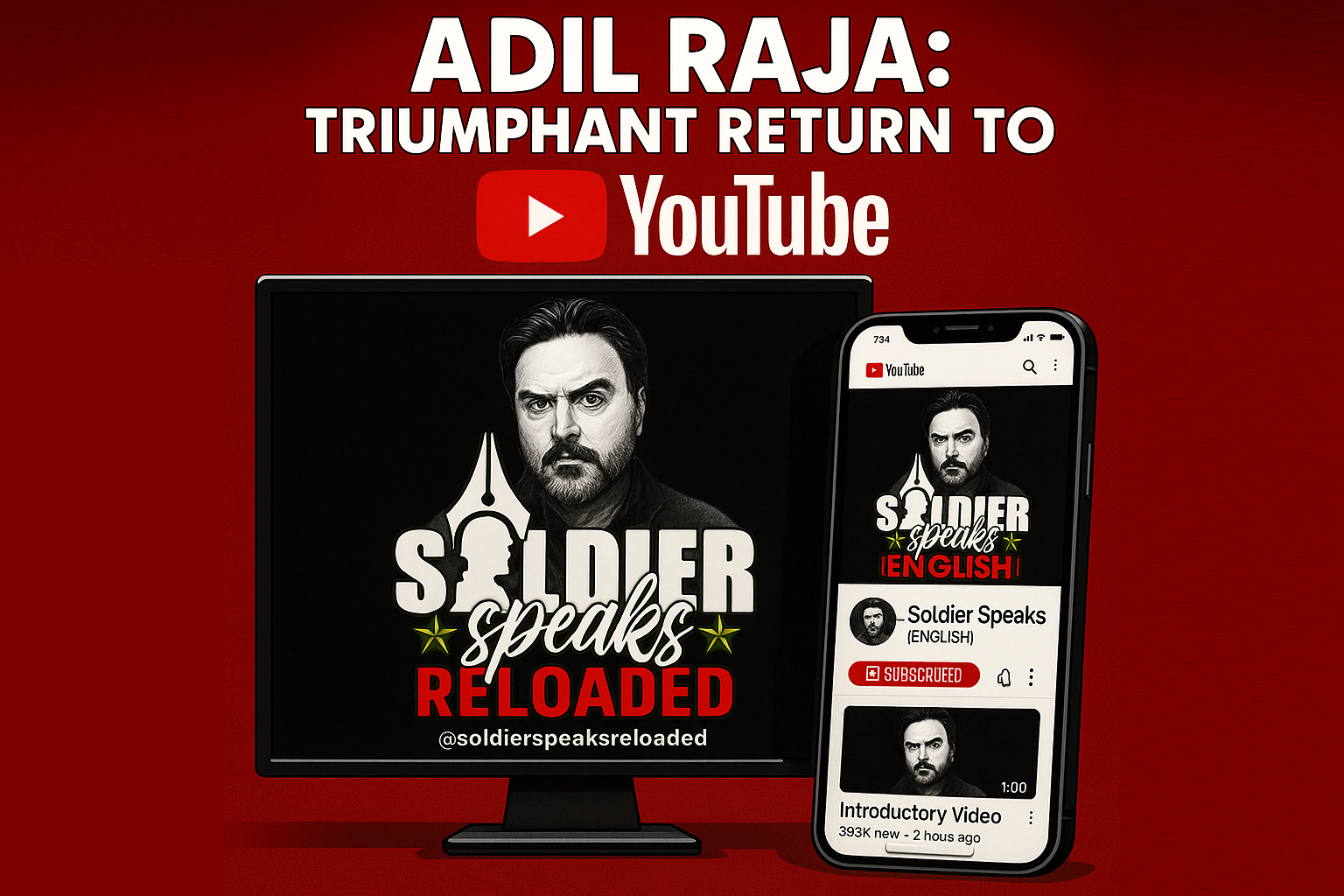
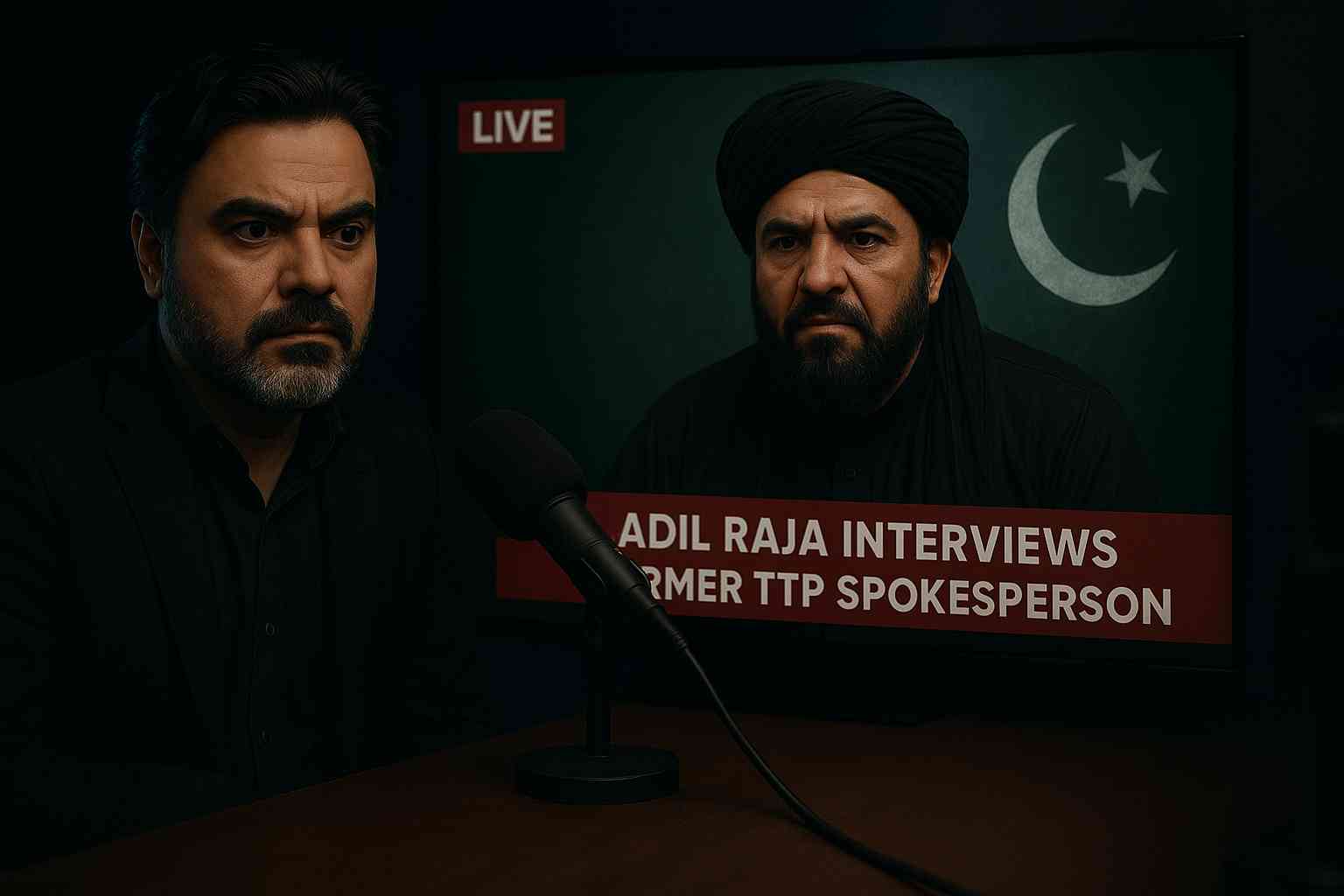
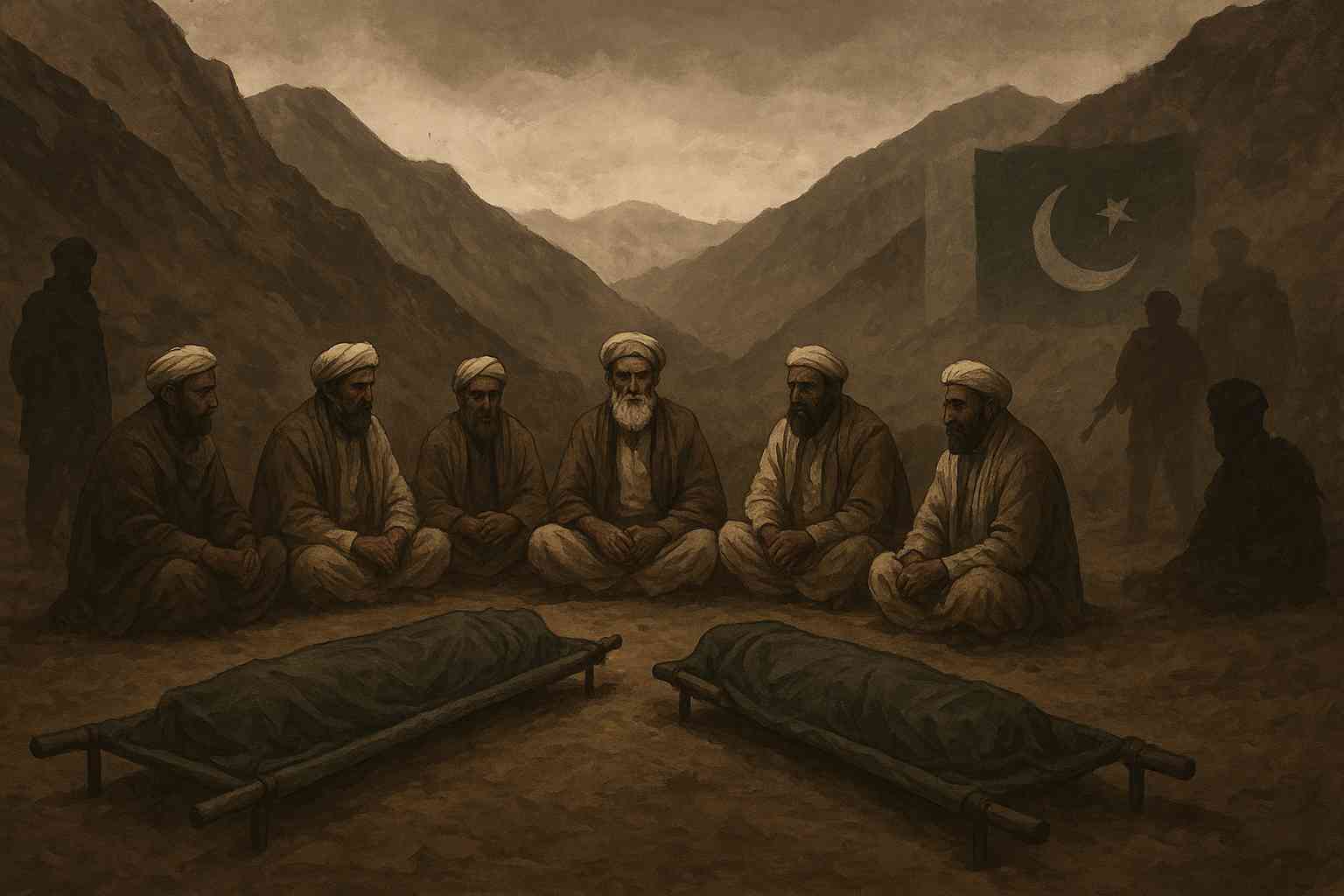
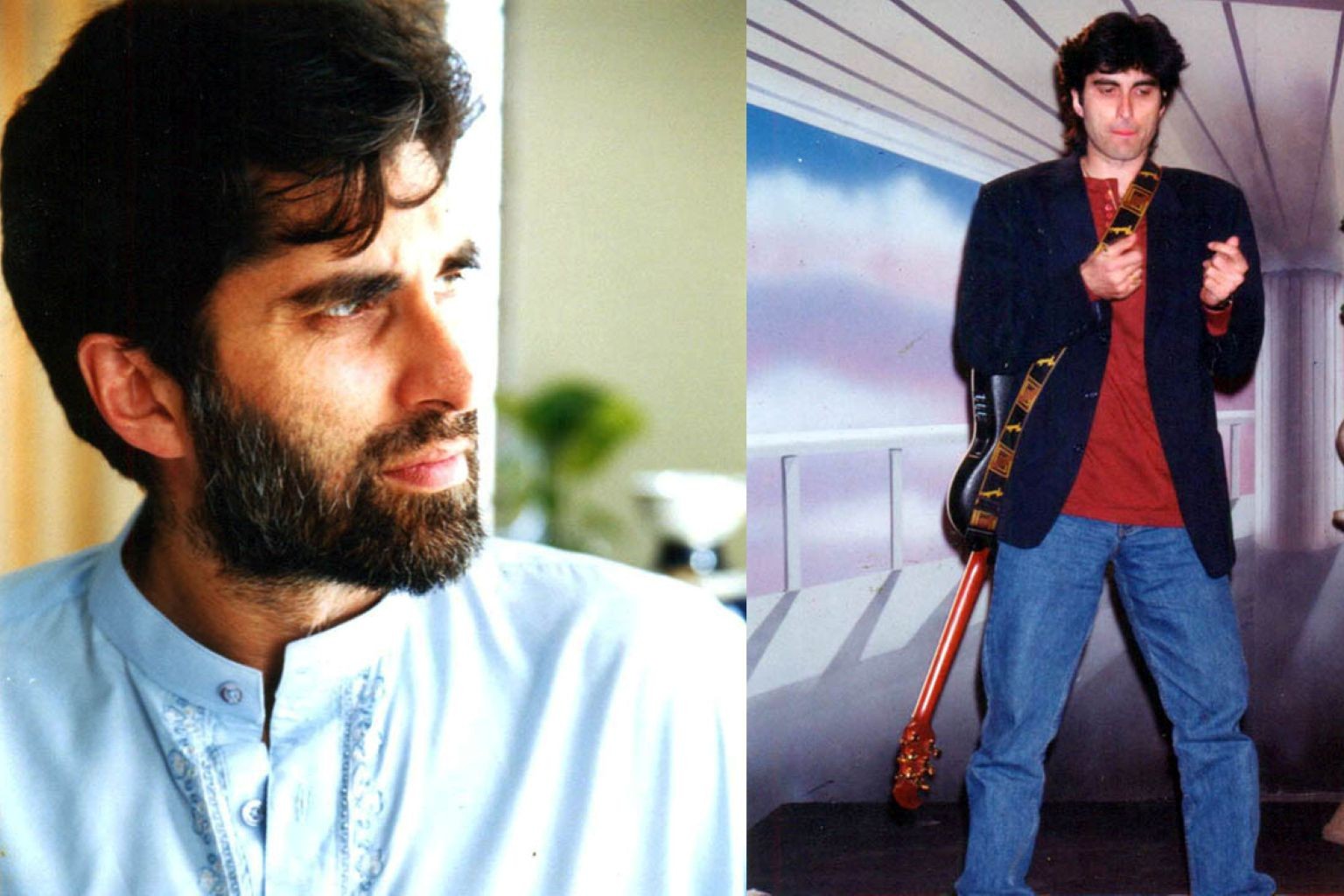
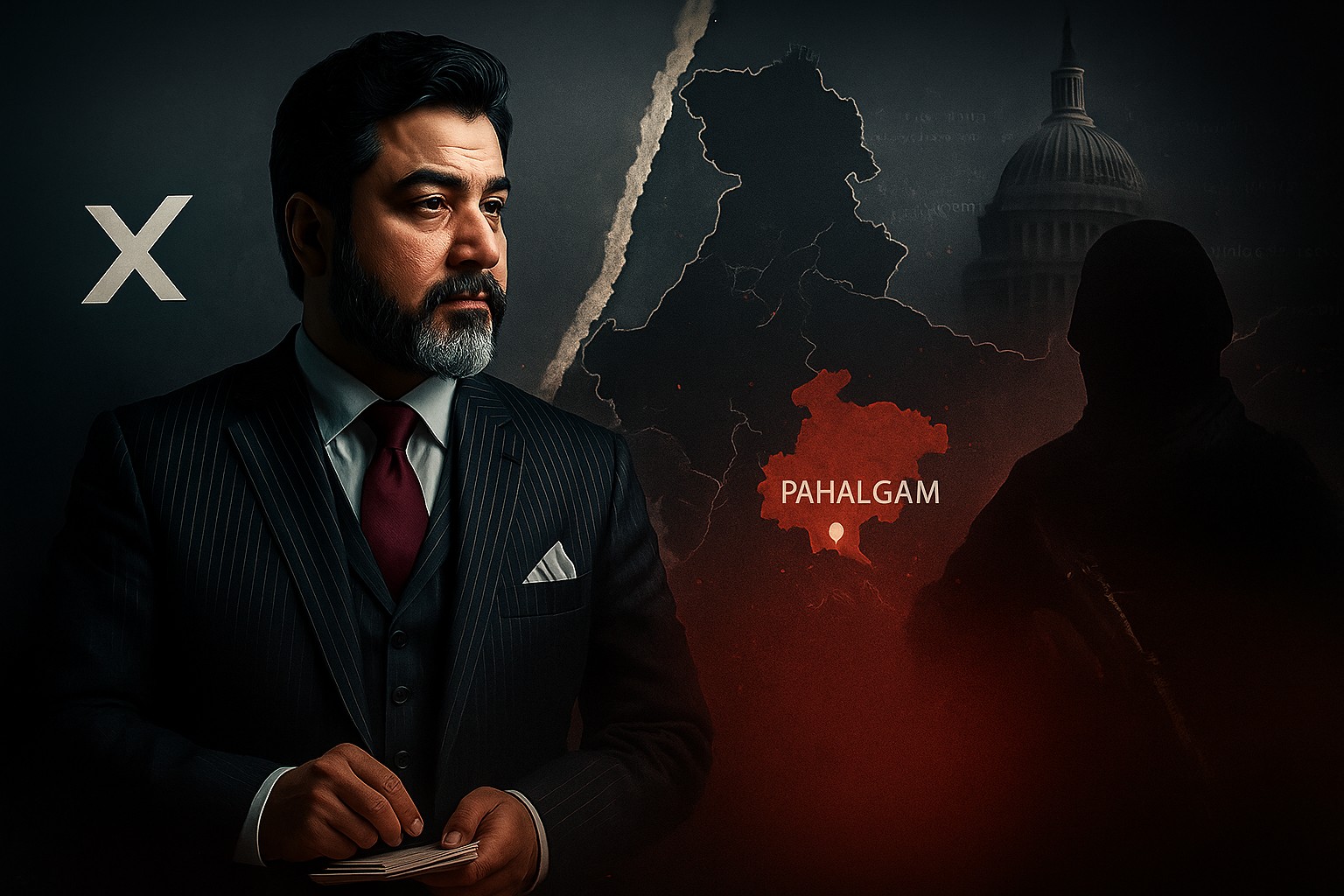
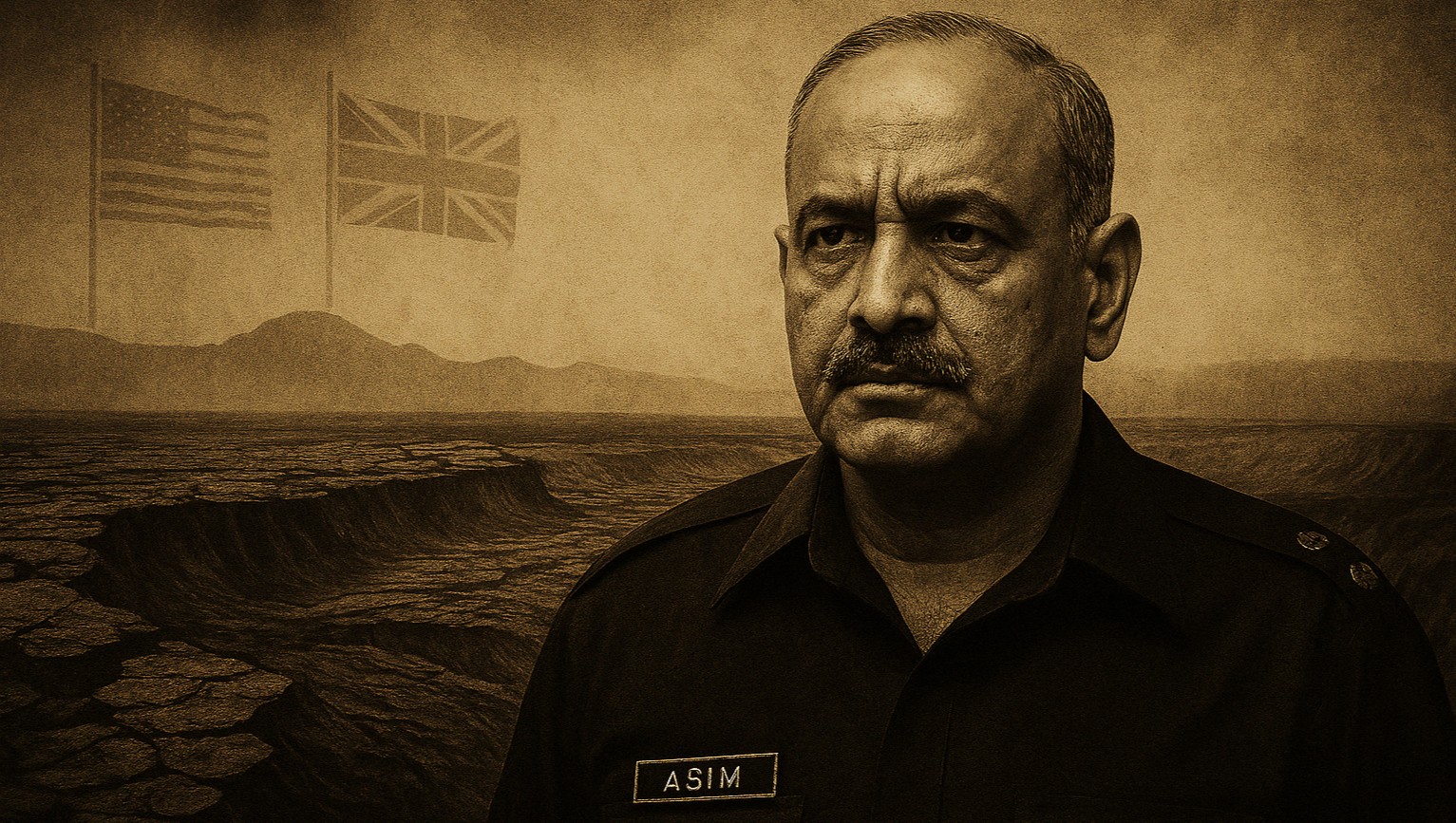
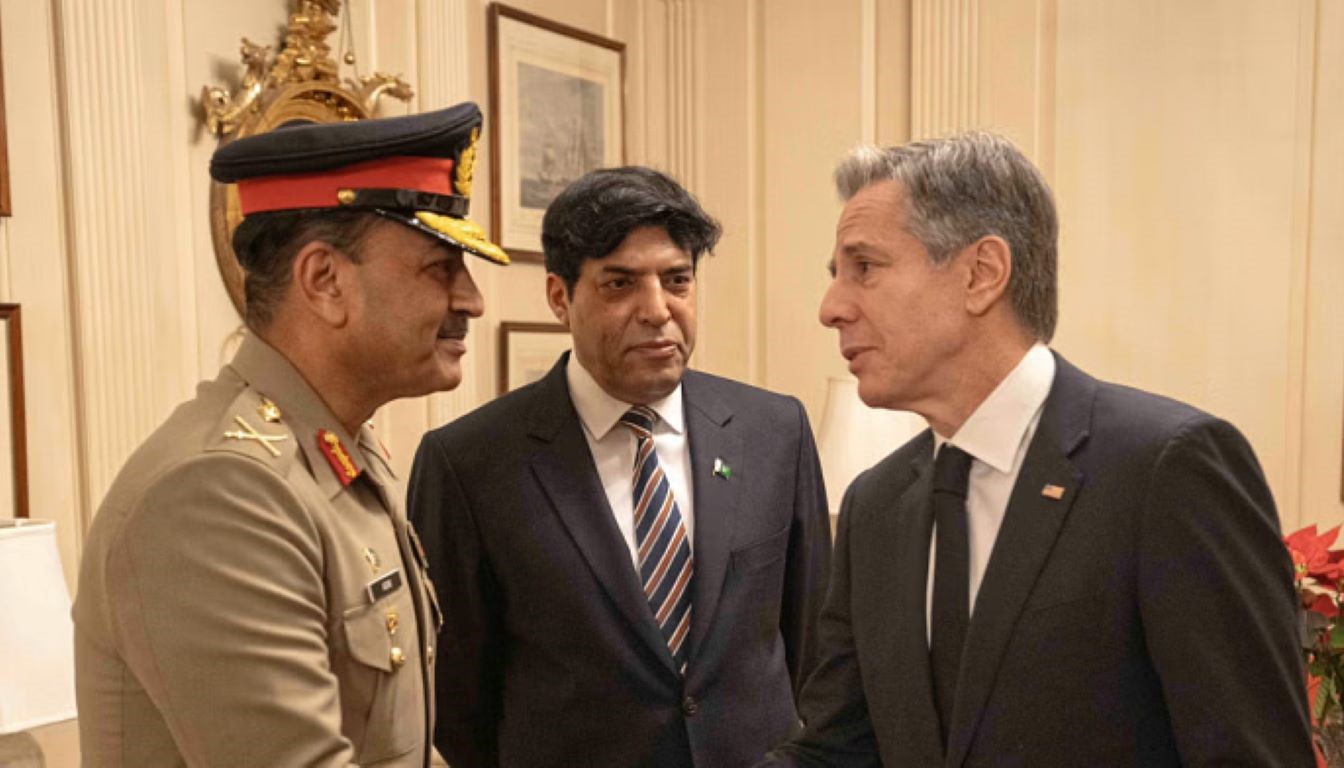
Former military officer and commentator Adil Raja discussed a new Pakistan Army Pulse Report. It suggests a growing shift inside parts of Pakistan’s military ranks.
Economic pressure, public resentment, and political uncertainty now influence internal sentiment. Moreover, fuel prices and inflation have created fresh concern among serving personnel.
According to Soldier Speaks, military leadership now wants to reshape internal narratives. However, public frustration continues to grow.
Pakistan Army Pulse Report: Petrol Price Increase Sparks Backlash
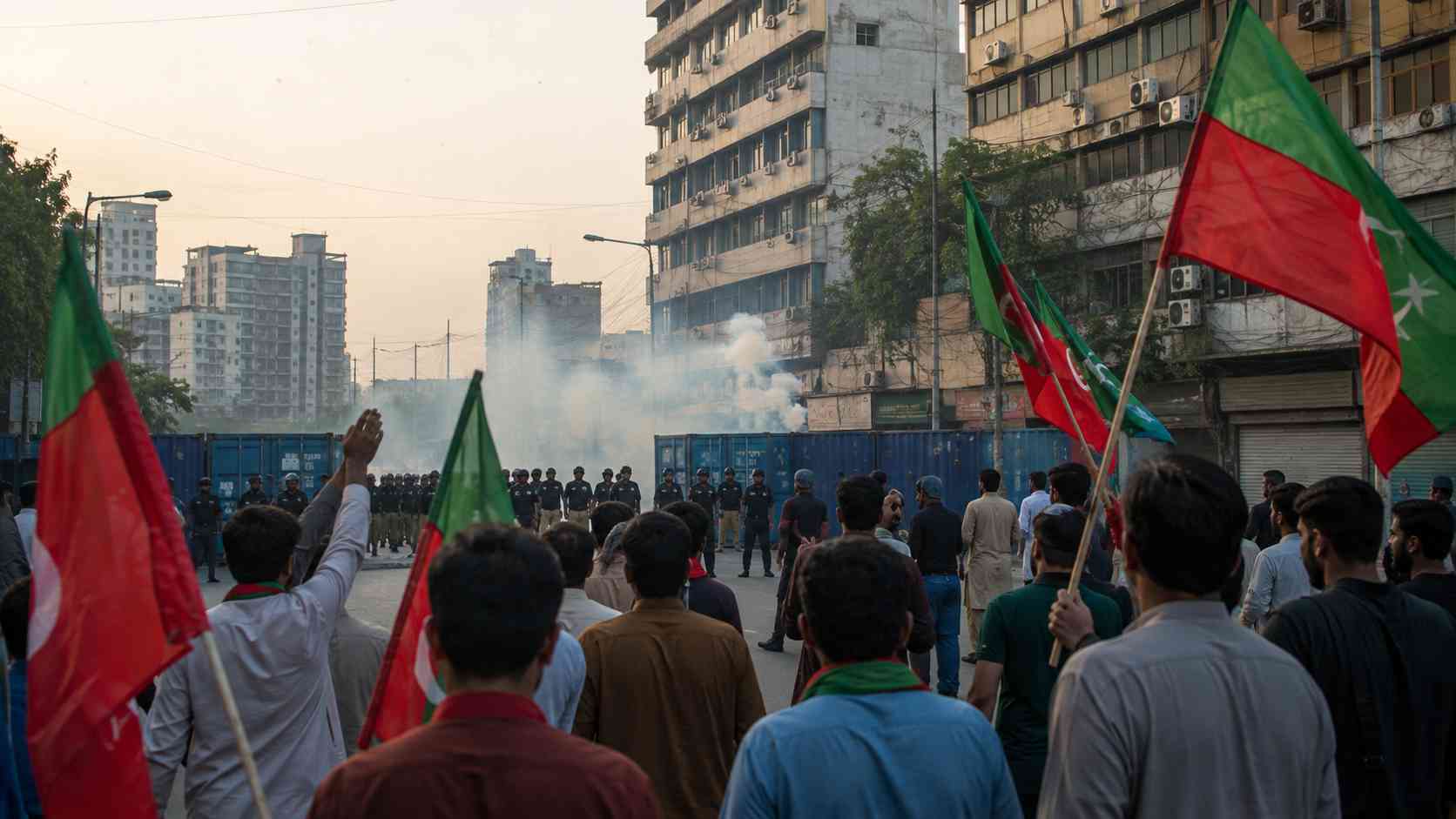
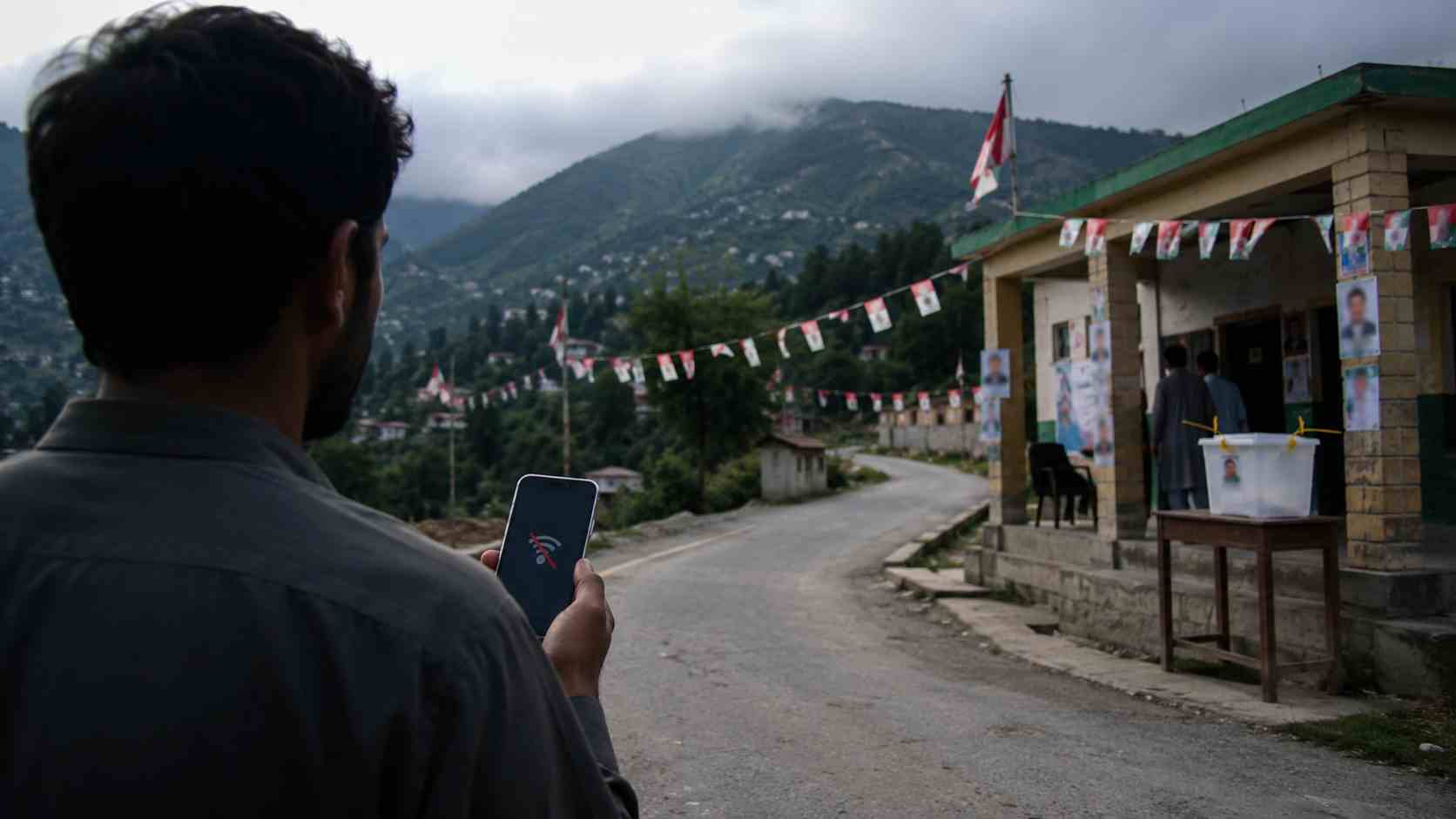
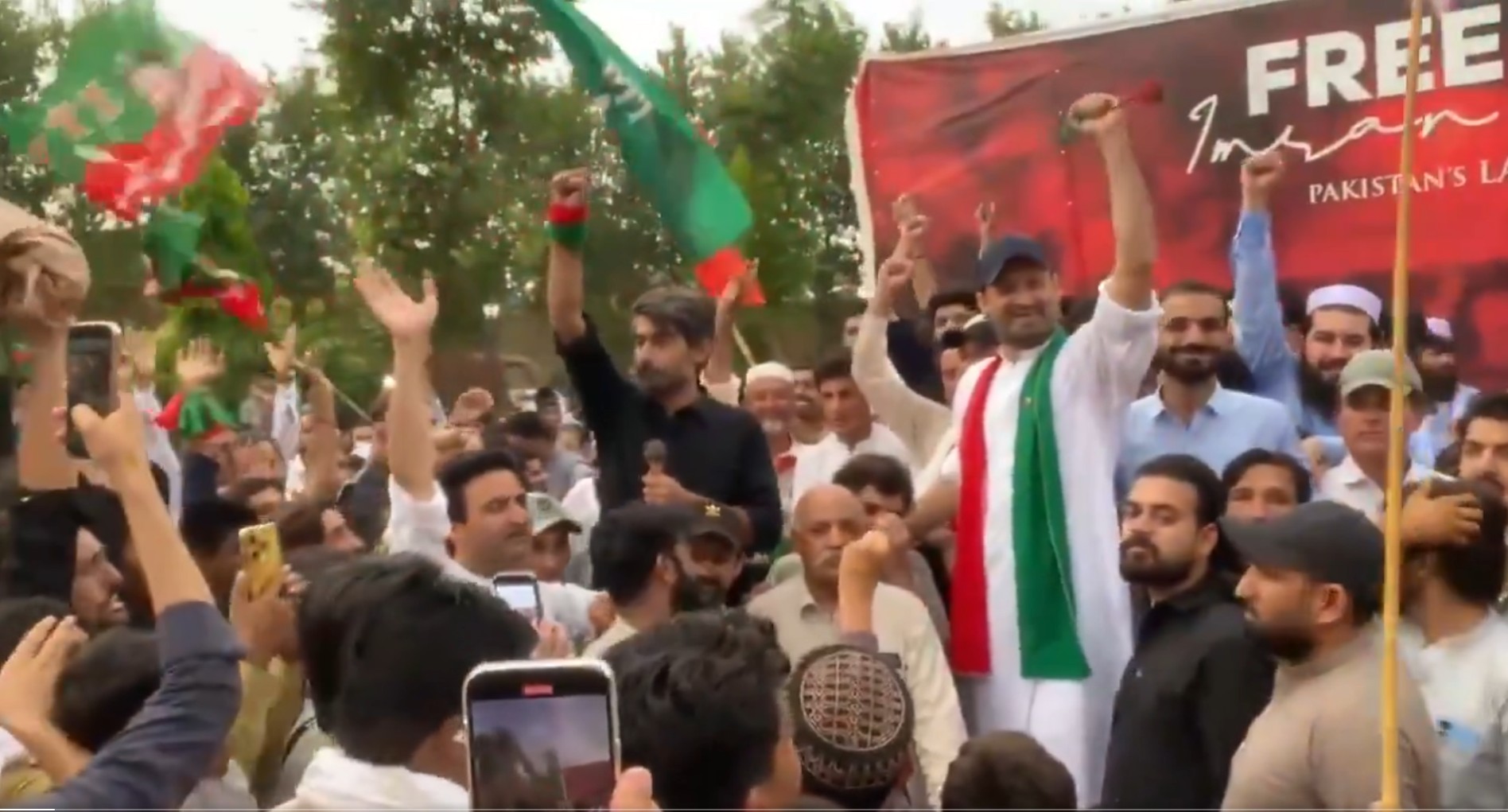
The government’s recent petrol price increase became a major issue in the discussion. It came as regional tensions and economic uncertainty already hurt ordinary Pakistanis. The decision triggered criticism across social media and public debate. Meanwhile, several pro-establishment voices linked the increase to regional instability and the Iran conflict. However, the backlash quickly intensified. According to the Pakistan Army Pulse Report, dissatisfaction did not stay limited to civilians. Military circles also raised concerns. Many serving personnel face rising living costs directly. Therefore, the issue reached beyond public anger and entered institutional discussion. The report argues that pressure eventually forced the government to partially reverse course. As a result, future economic measures may face stronger resistance.Internal Military Gatherings Return After Years of Tension
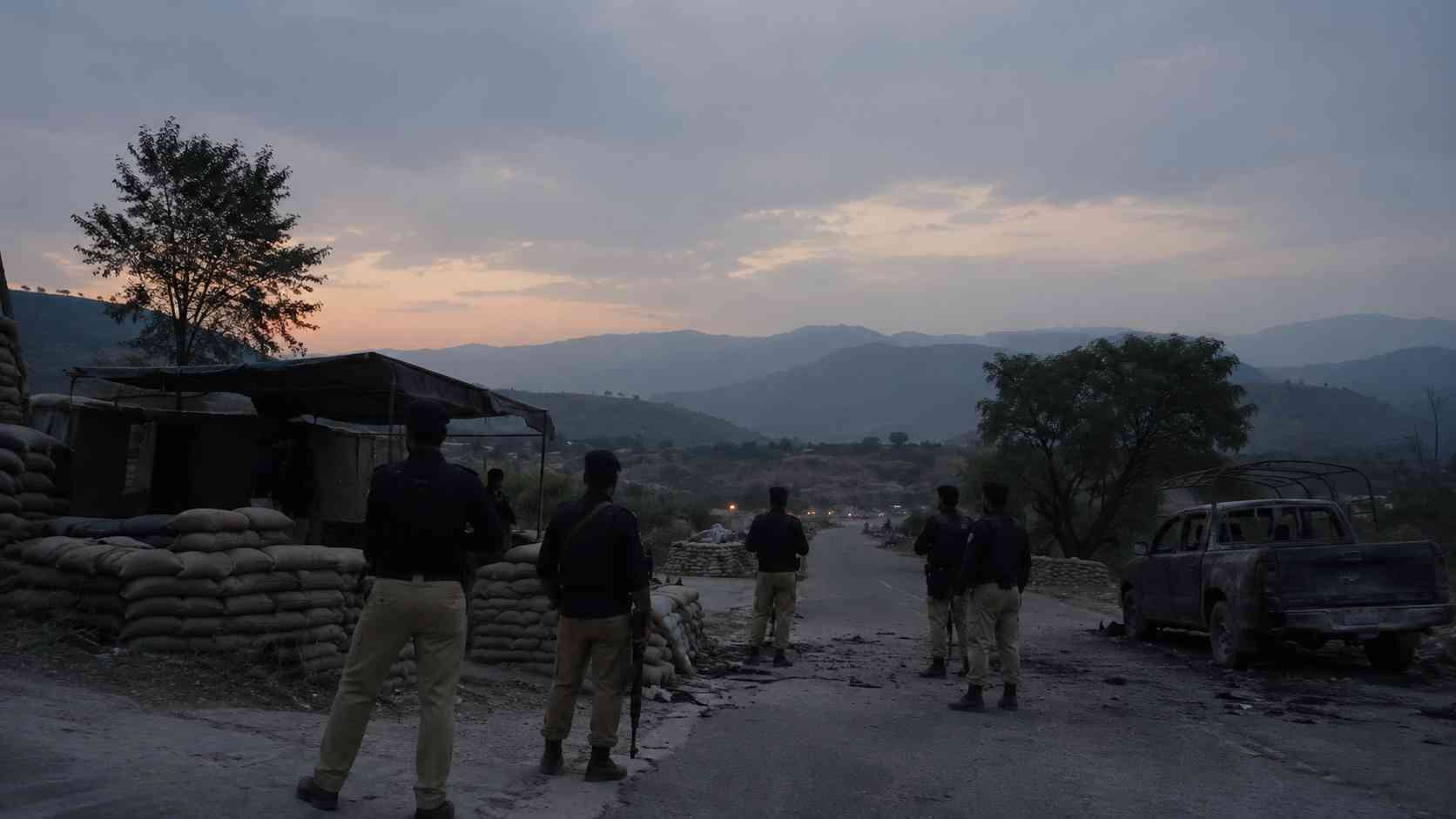
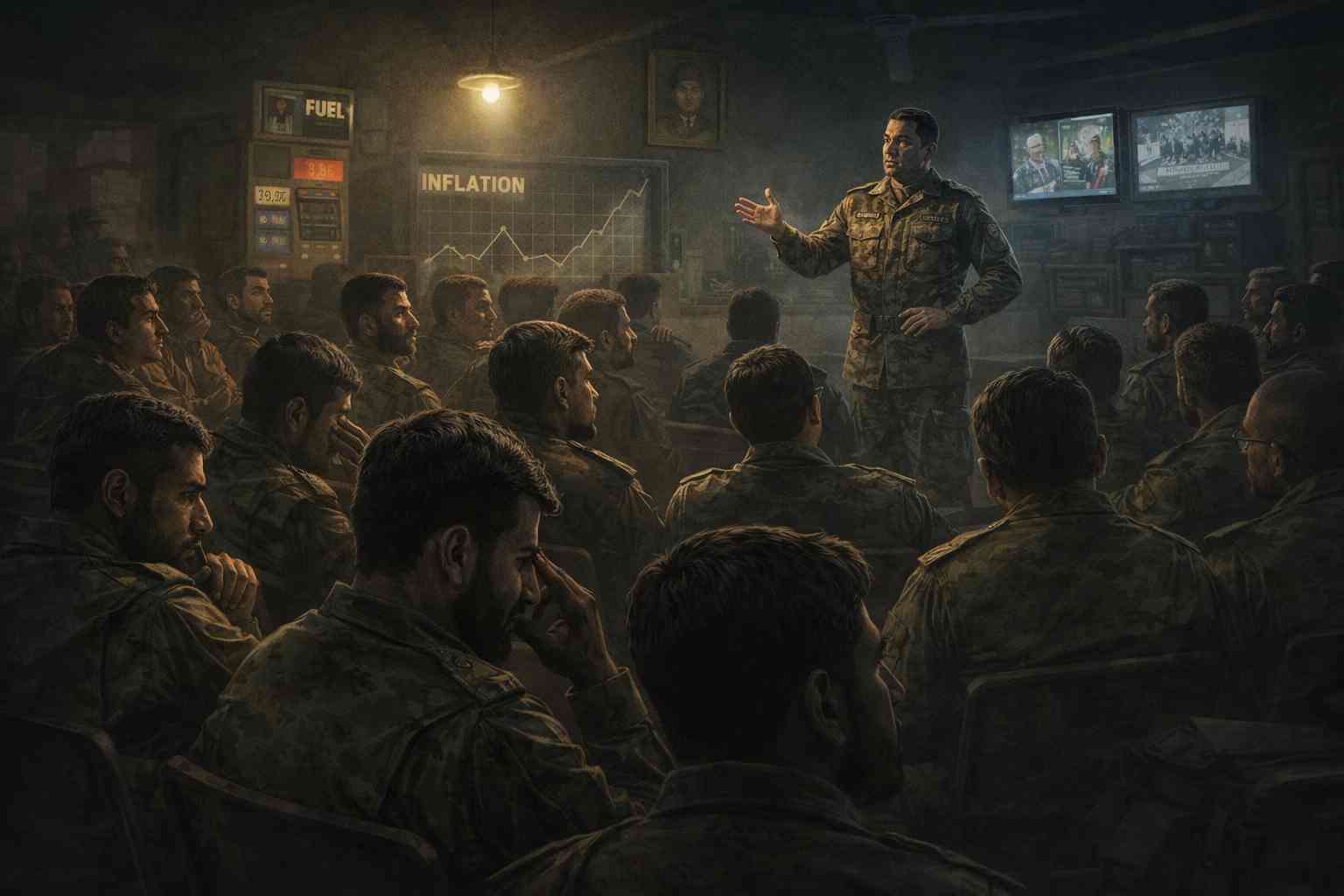
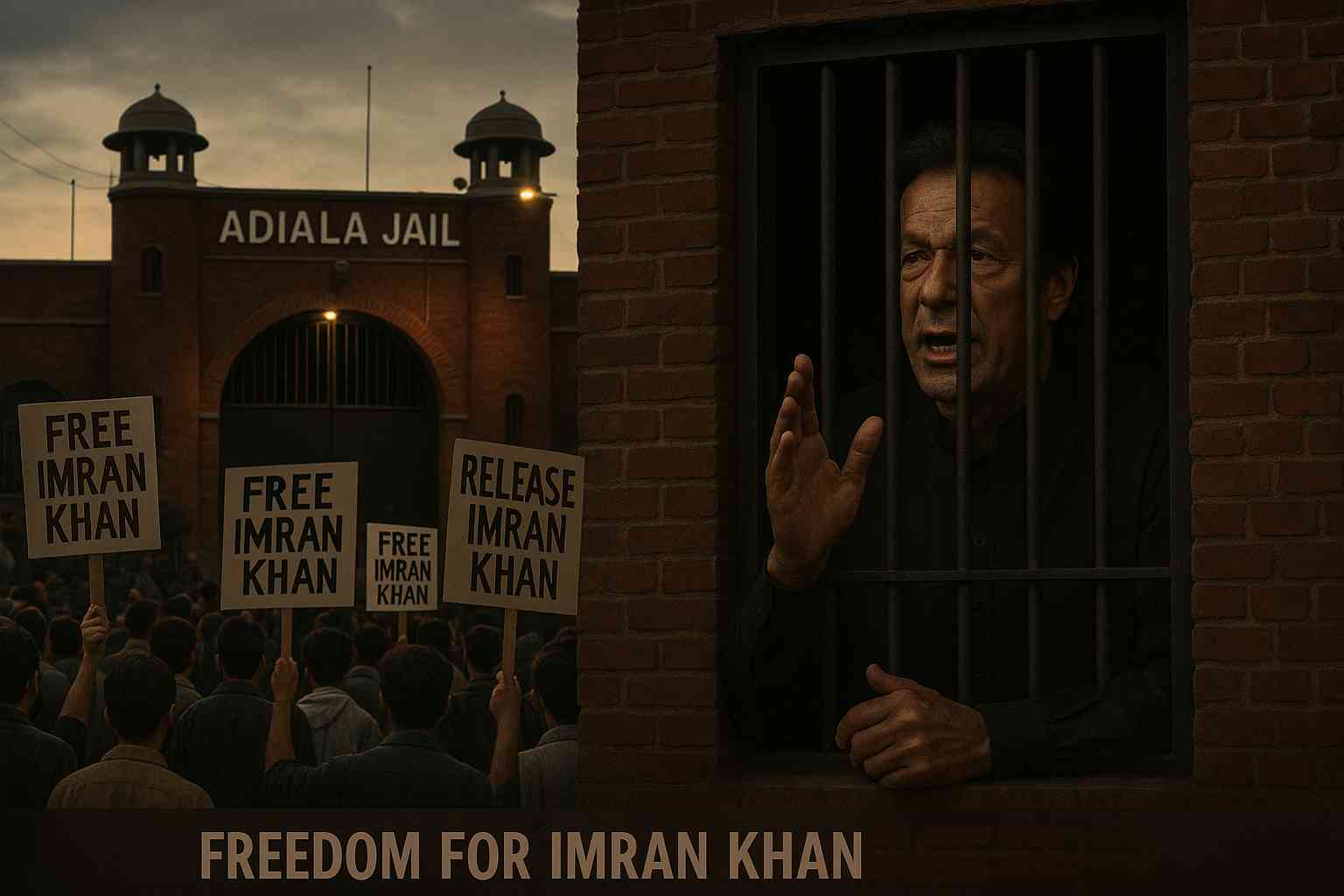
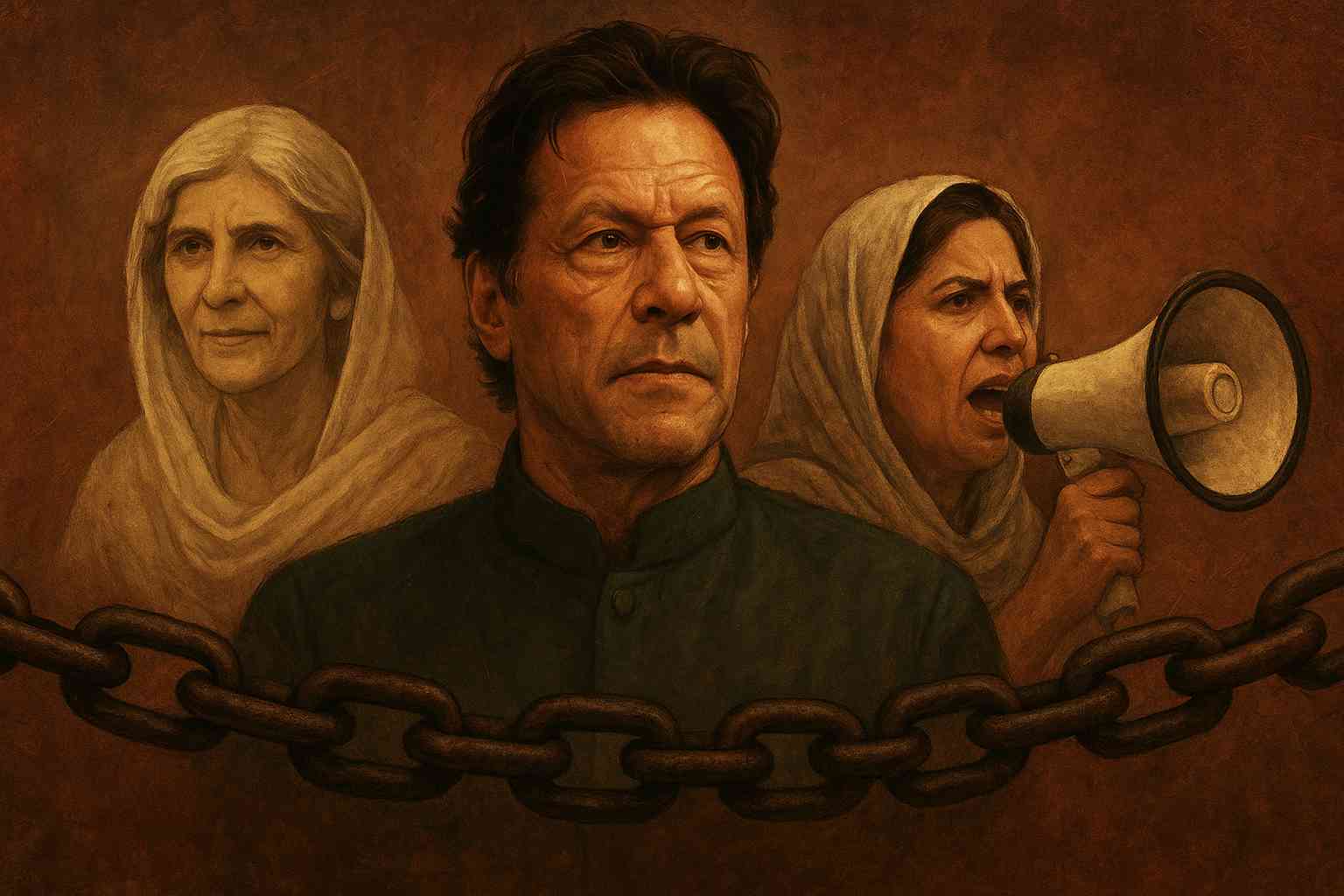
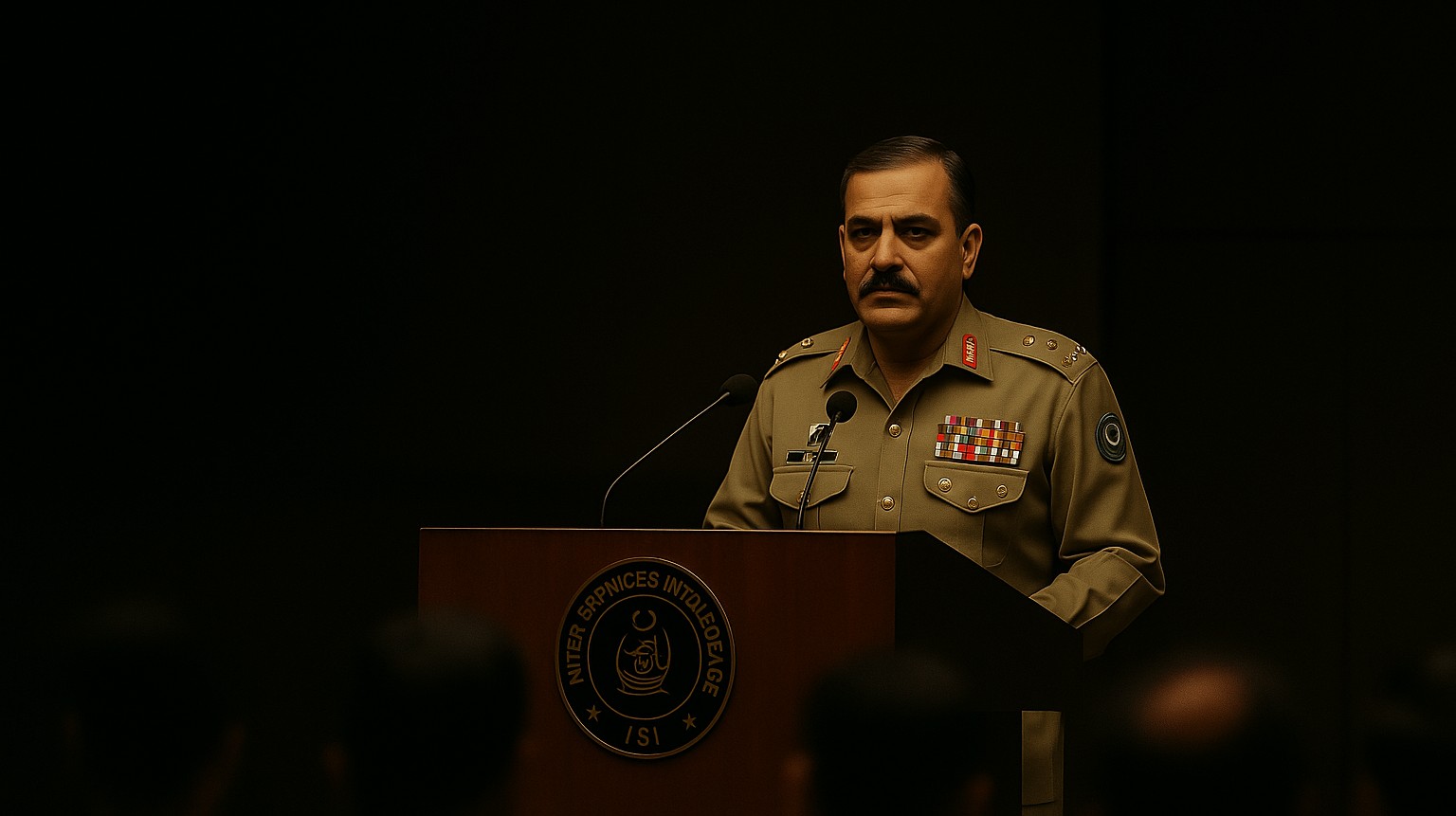
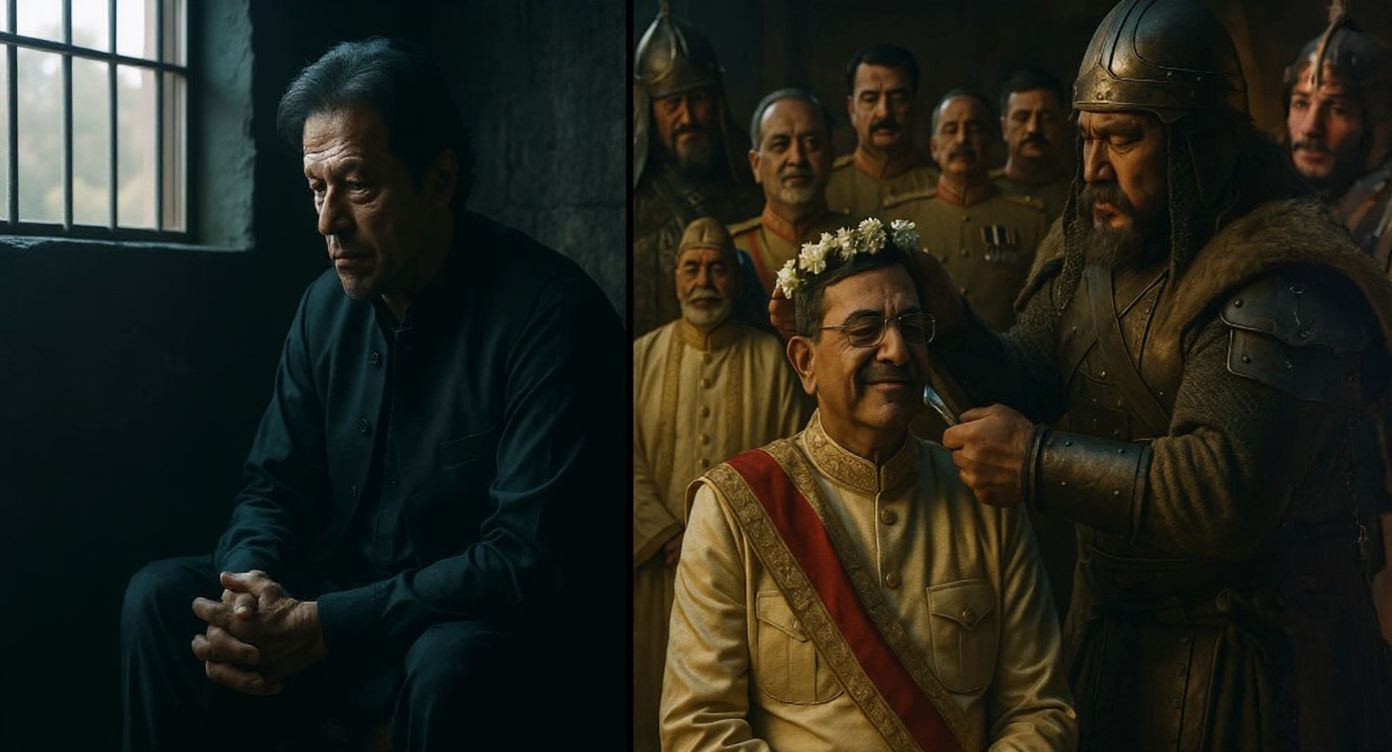
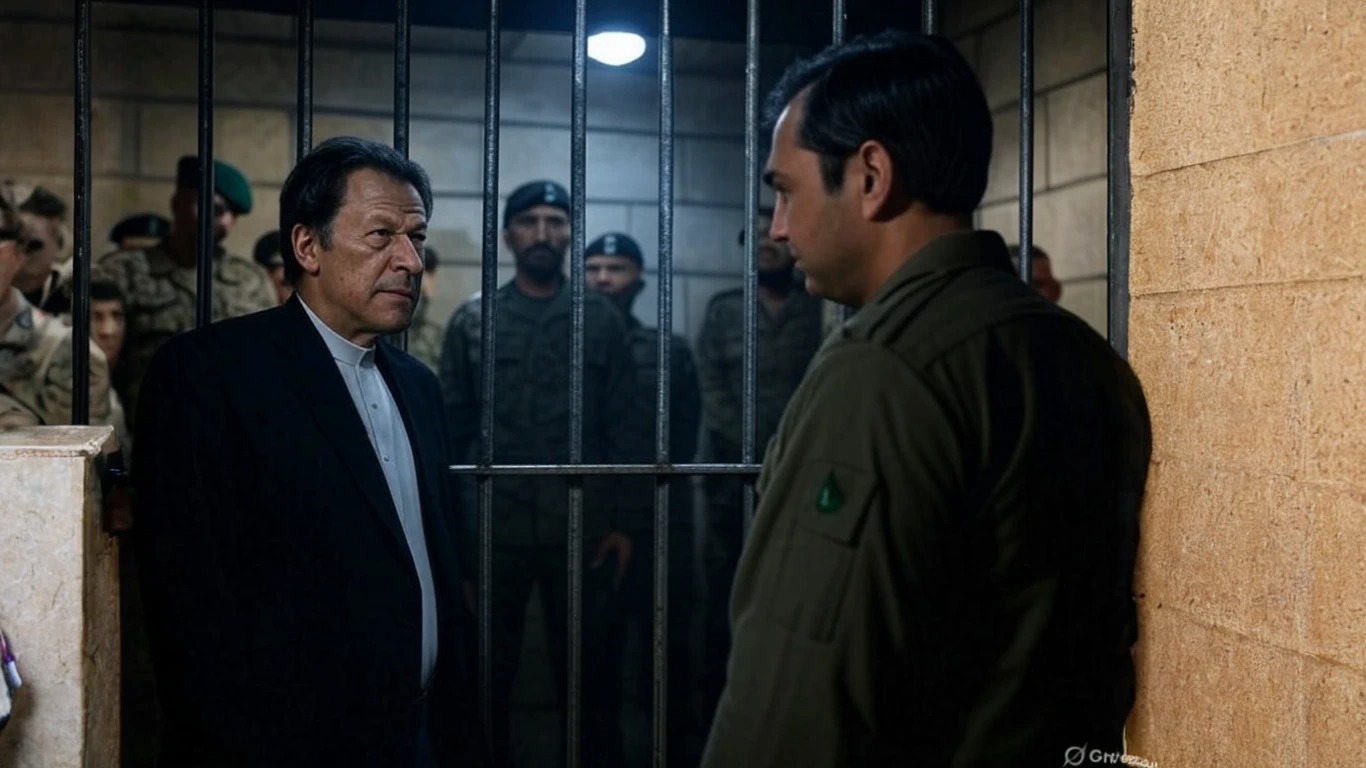
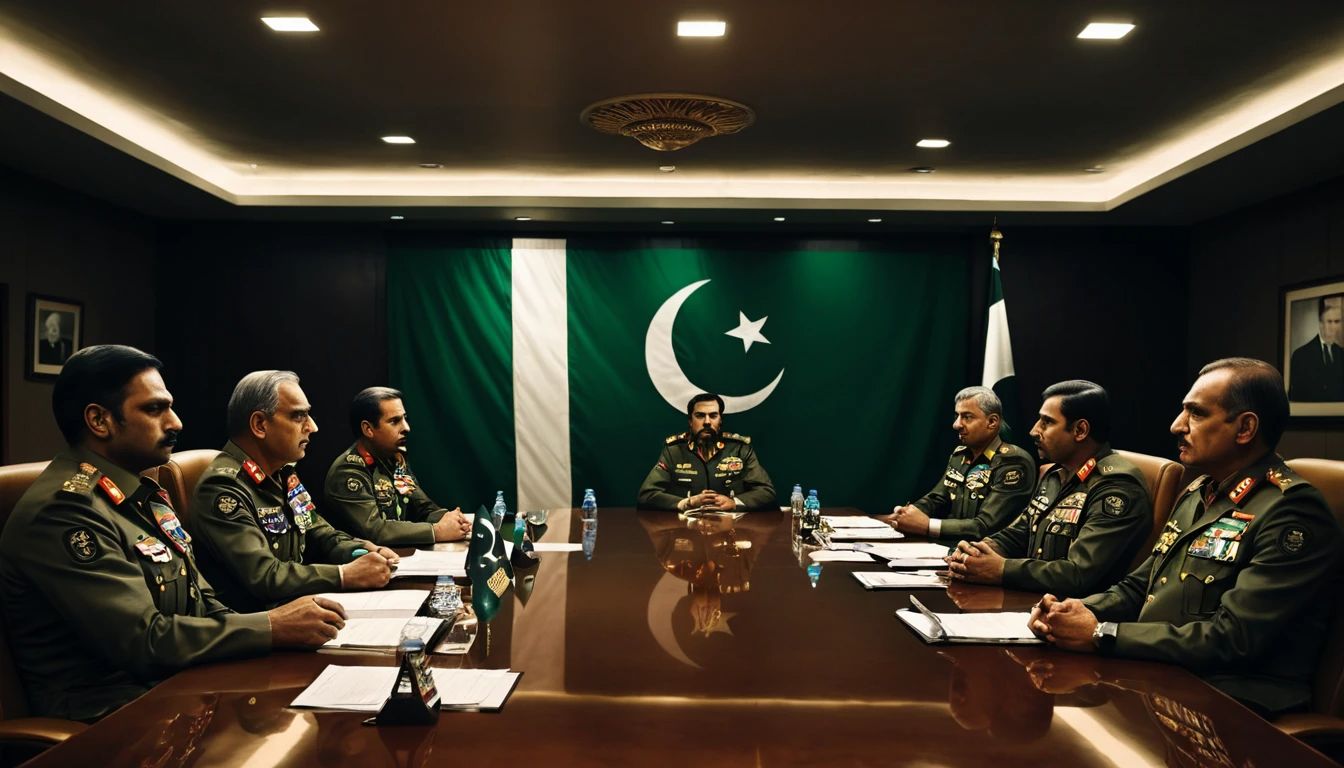
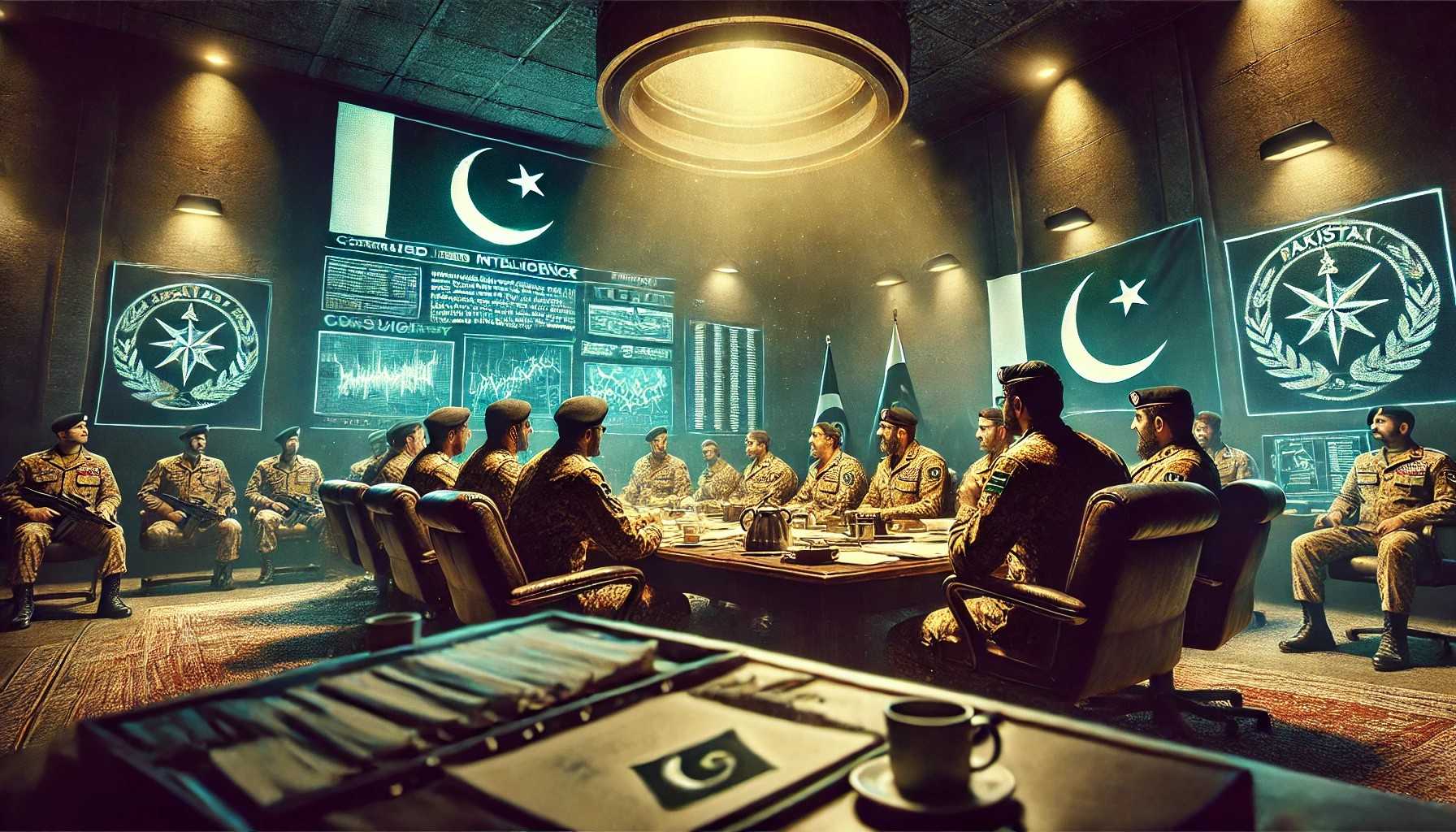
The report also highlights the return of unit-level discussions inside military formations. For several years, political polarization damaged internal morale. Public criticism of the military establishment also deepened unease. The report alleges that commanders reduced many traditional forums. In other cases, they handled those meetings with greater caution. Recently, however, new meetings suggest an effort to reconnect with personnel. They also aim to address growing frustration. Instead of focusing mainly on Imran Khan, discussions now focus on governance and corruption allegations. They also address economic management in provincial administrations. This marks a clear shift from earlier narratives centered on political confrontation.Inflation Replaces Politics as the Main Concern
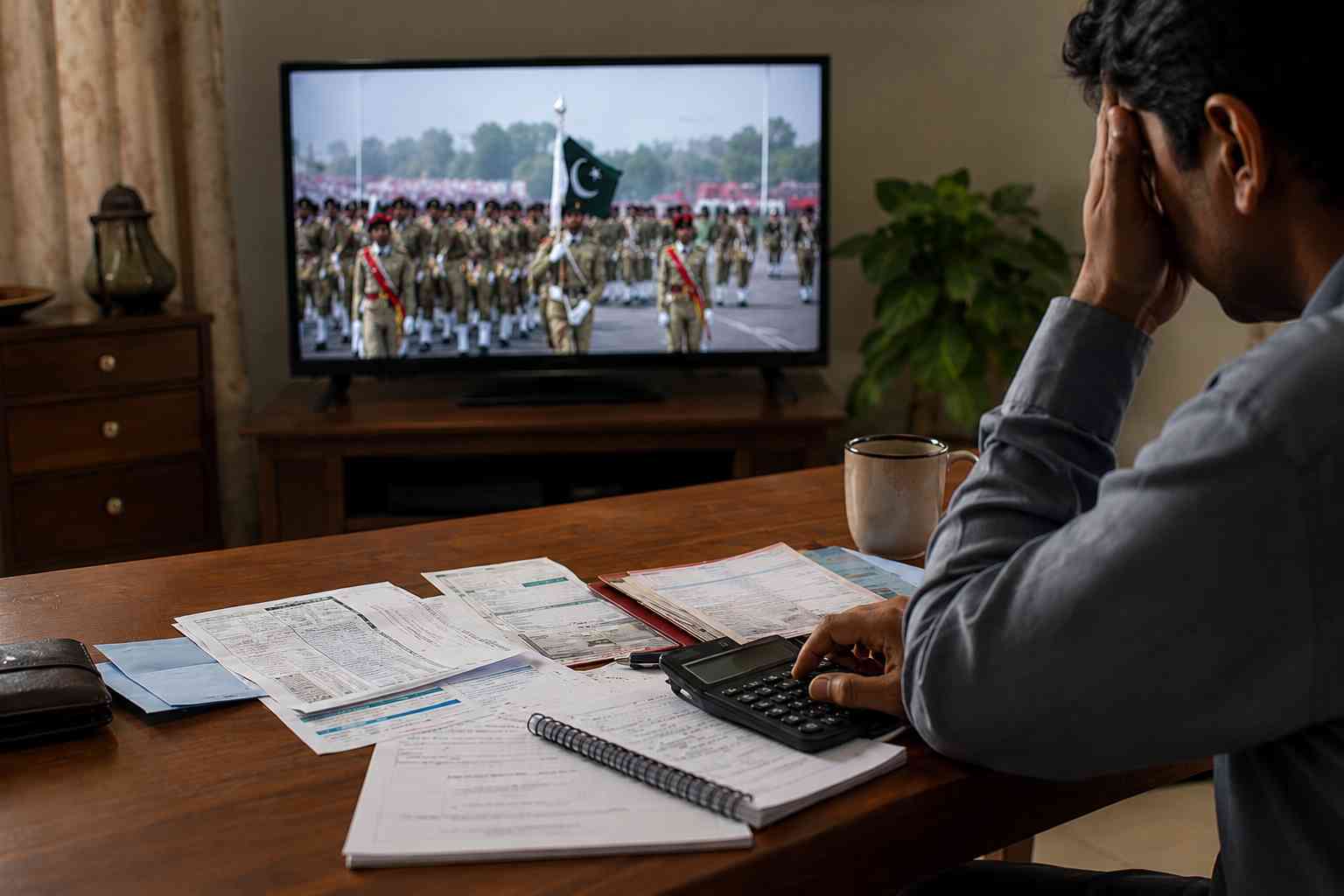
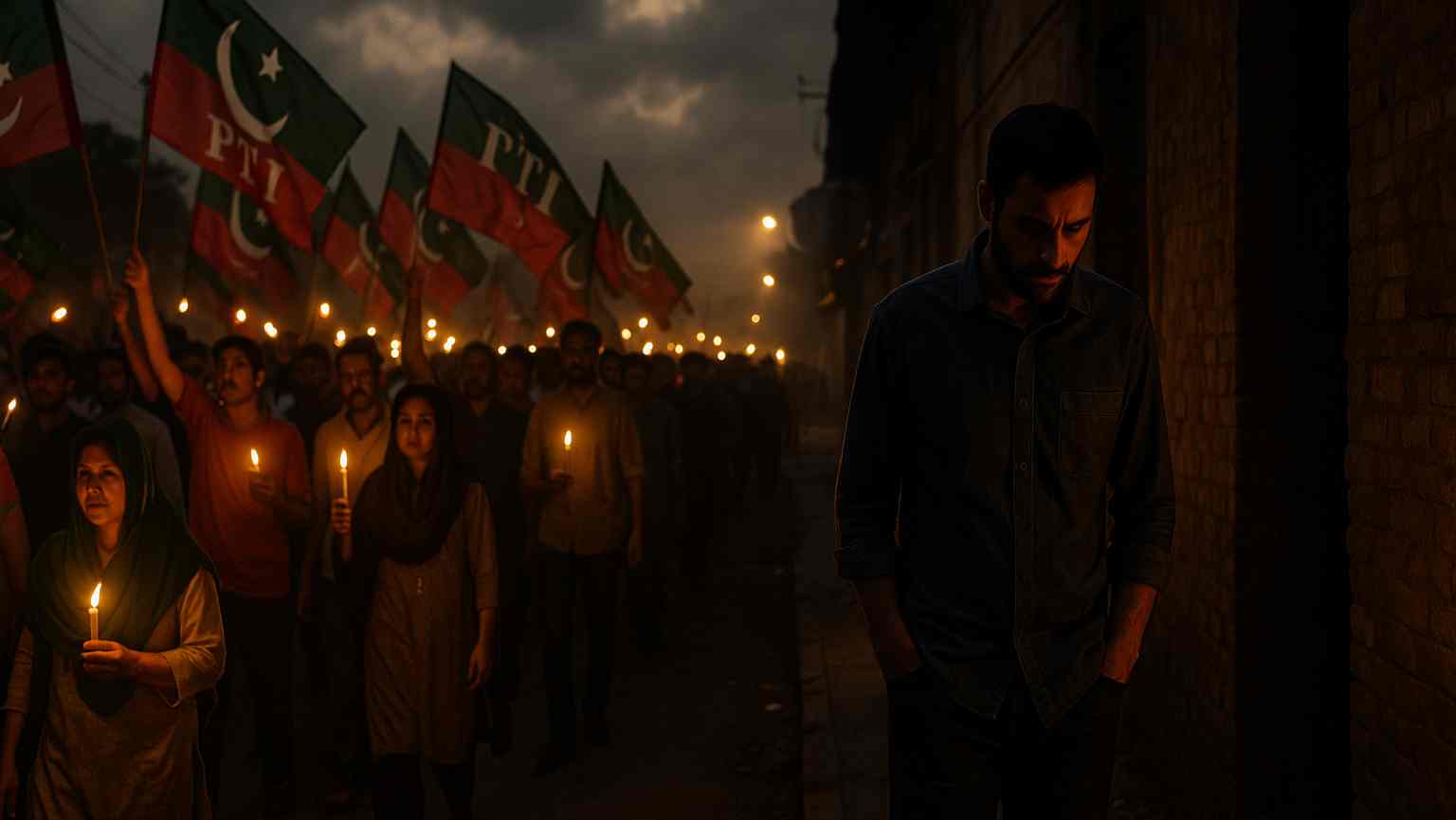
The Pakistan Army Pulse Report identifies a major shift in priorities among military personnel. Political developments dominated conversations in previous years. However, economic survival now appears to take center stage. Rising fuel costs, food prices, and inflation have become urgent concerns for many families. These pressures affect soldiers and civilians alike. Recent discussions now focus more on affordability, household expenses, and future stability. They focus less on purely political matters. This shift reflects Pakistan’s wider economic reality. Inflation now shapes public sentiment more strongly than partisan politics.New Narrative Emerging Inside the Ranks
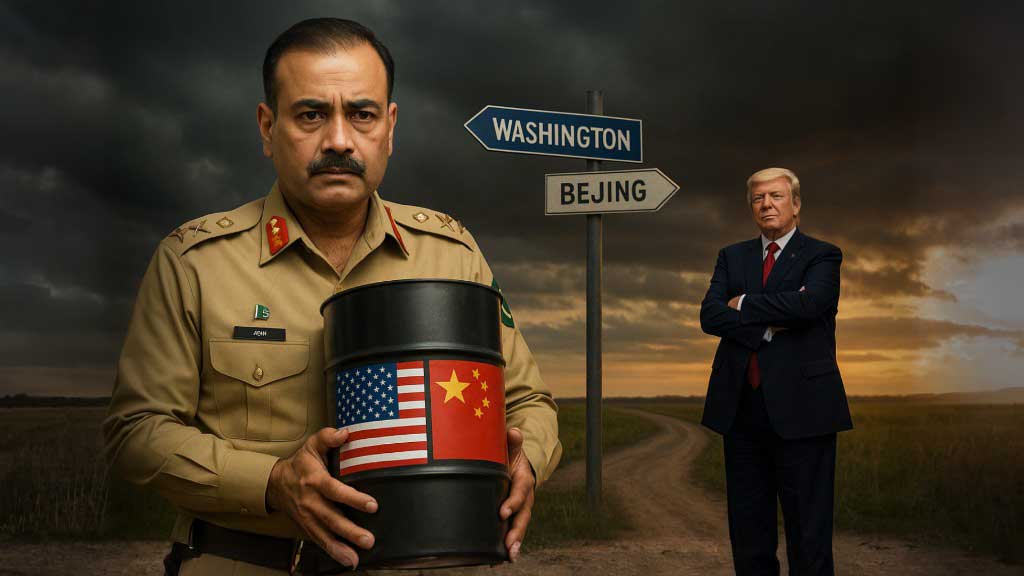
Another major point concerns what Adil Raja describes as a new internal messaging strategy. According to the report, military personnel now hear a familiar argument. They are told that all political parties behave the same after entering government. Officials reportedly use governance failures and corruption accusations to reinforce this message. Therefore, the narrative aims to weaken faith in any single political alternative. The objective appears clear. The strategy seeks to reduce the belief that one movement can challenge the current system. However, its success remains uncertain. Public opinion across Pakistan remains deeply divided. Political loyalties still shape how different groups interpret current events.Salary Increases and Welfare Measures
The report also claims that leadership now uses financial incentives to protect morale. According to the discussion, officials emphasize salary increases, subsidized services, and expanded support mechanisms. They present these steps as tools for internal stability. Military leadership appears aware that economic hardship can damage morale. Therefore, it now directs resources toward easing inflation’s impact on personnel and families. However, the report argues that these measures may not fully offset Pakistan’s broader economic pressure.Dollar Pressures Add to Economic Concerns
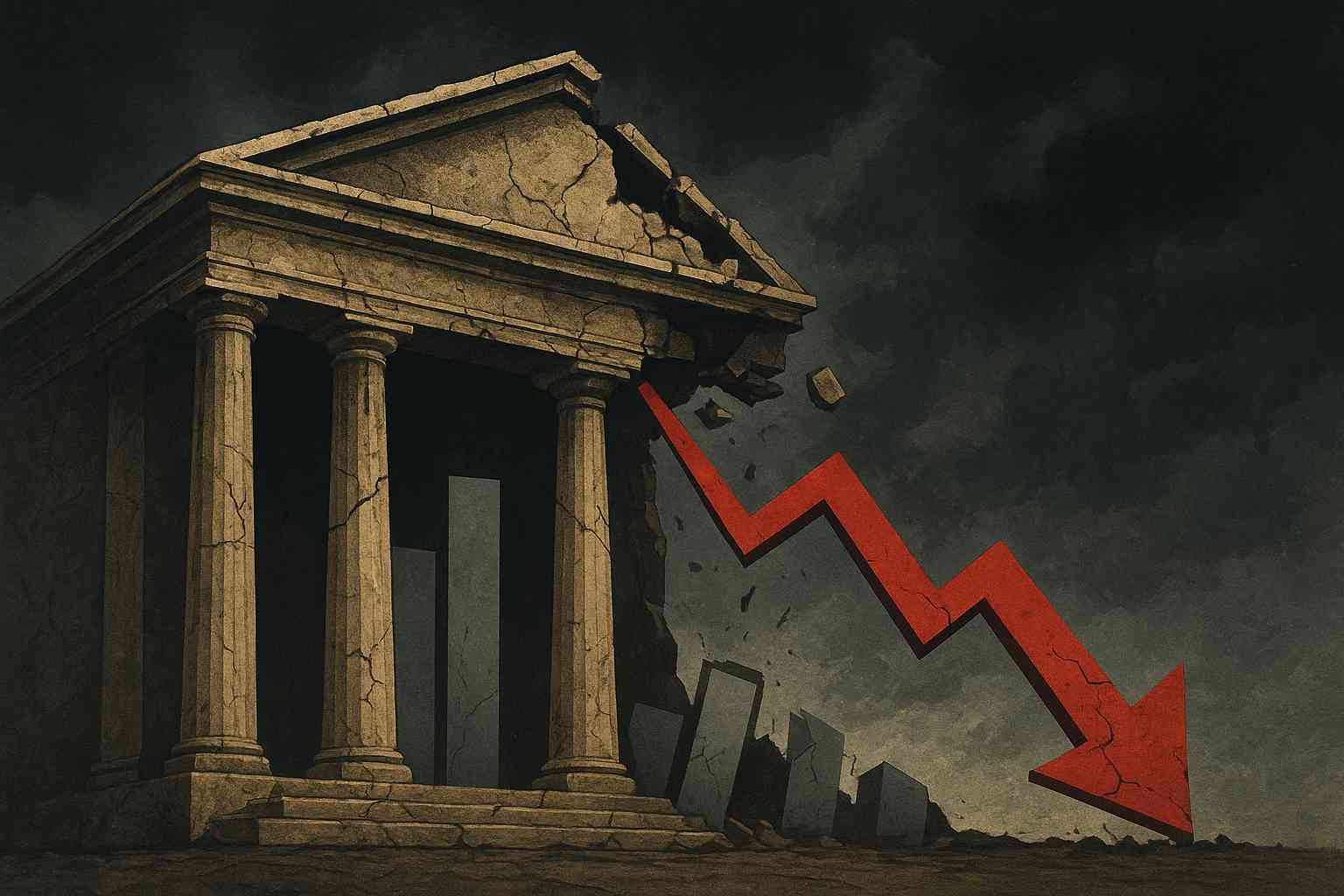
Beyond petrol prices, the Pakistan Army Pulse Report highlights renewed concern about the Pakistani rupee. It also points to the risk of further currency depreciation. Economic analysts repeatedly warn that external borrowing and structural weakness can increase pressure on the currency. A sharp rupee decline would raise import costs. It would also fuel inflation and squeeze household budgets further. For many Pakistanis, these economic realities matter more than political rhetoric.A Growing Challenge for the Establishment
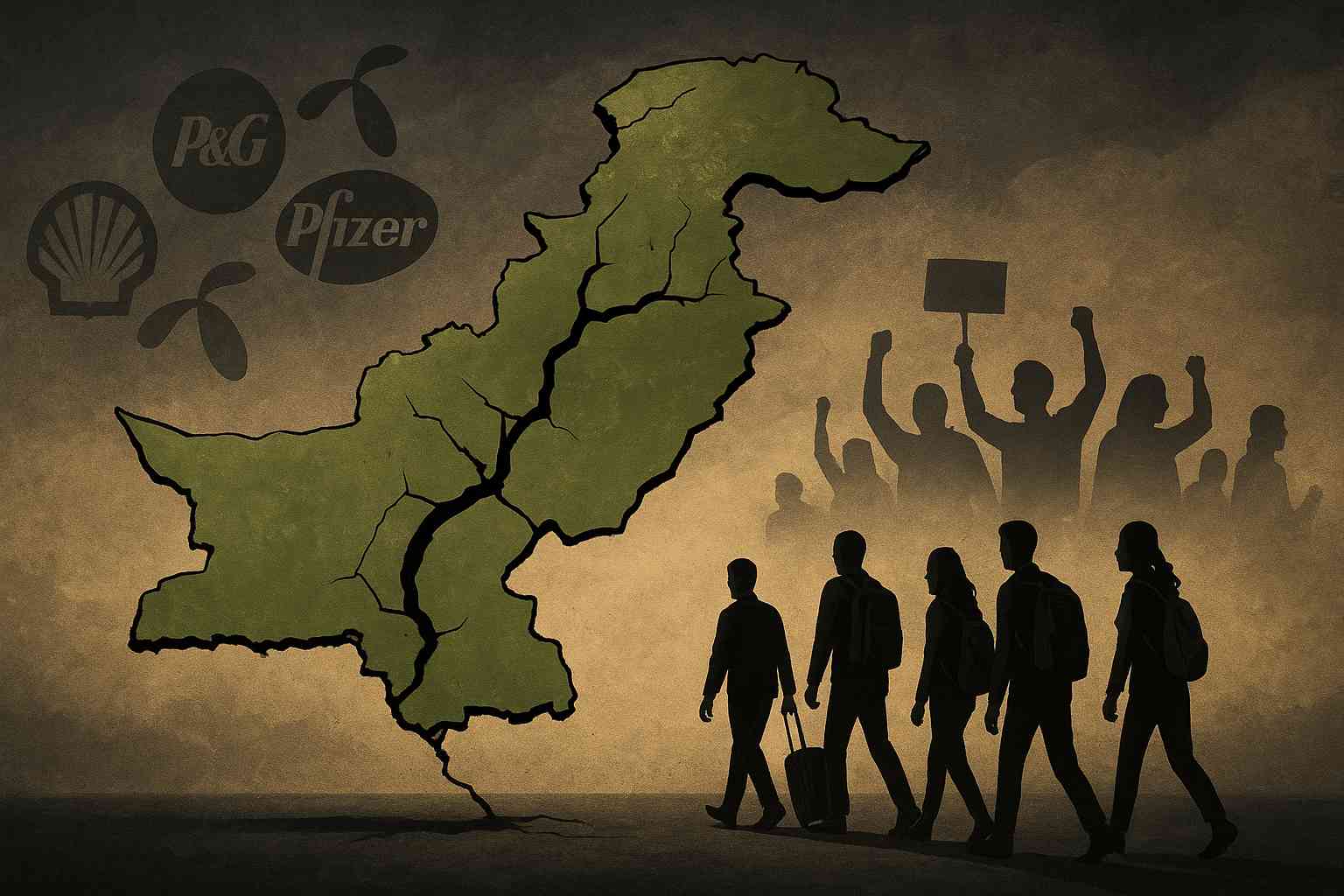
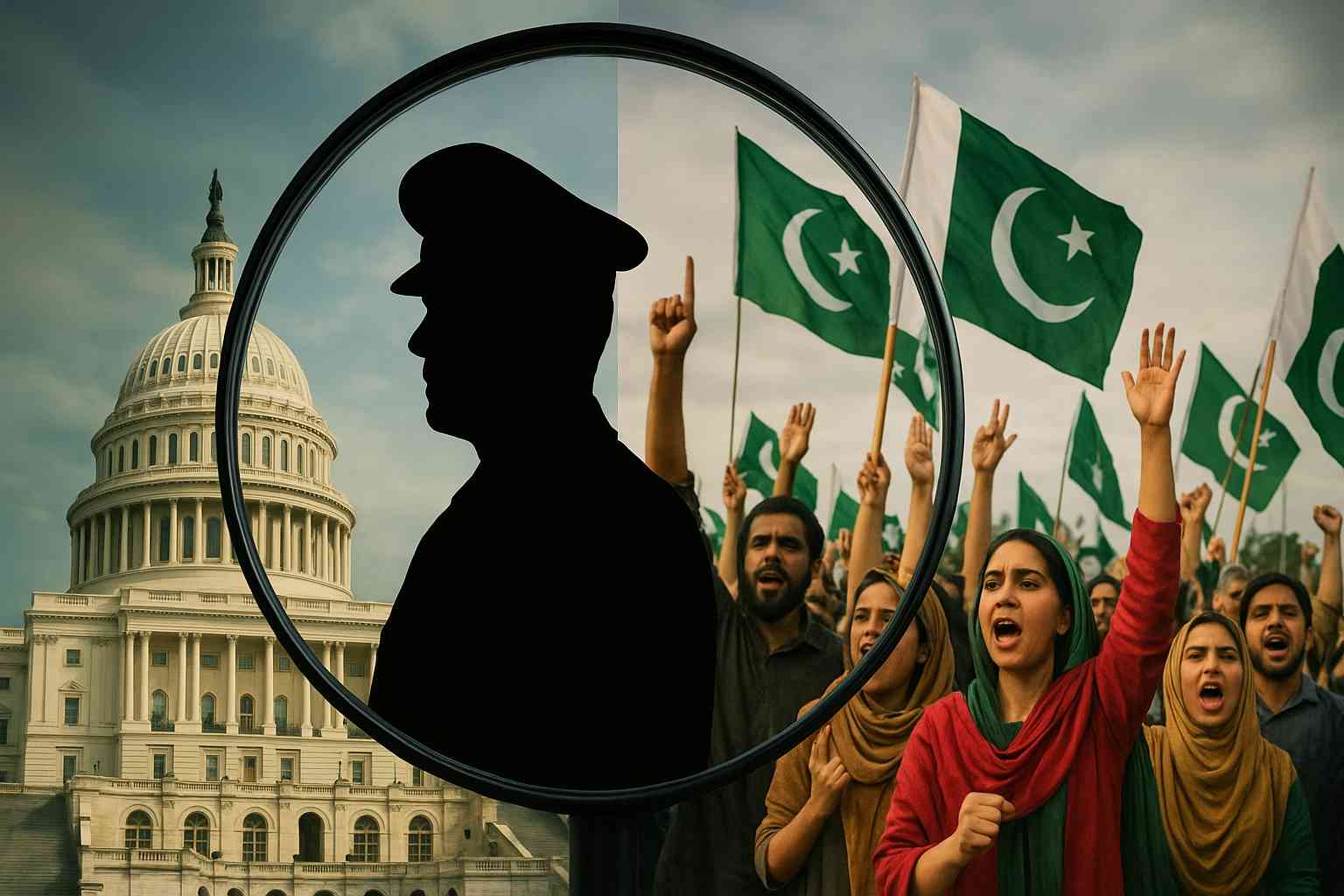
The broader conclusion from the Pakistan Army Pulse Report is clear. Economic pressure is becoming harder to separate from political stability. Fuel prices, inflation, salary concerns, and declining purchasing power now affect civilians and military circles alike. These pressures also reach institutions often viewed as insulated from public frustration. Government officials and military leaders may try to manage perceptions through policy changes and narrative shifts. However, they have not resolved the deeper economic crisis. As Pakistan enters another period of financial uncertainty, one link will become increasingly important. Public sentiment, military morale, and economic management now shape the same national crisis.Adil Raja is a retired major of the Pakistan Army, freelance investigative journalist, and dissident based in London, United Kingdom. He is the host of “Soldier Speaks Reloaded,” an independent commentary platform focused on South Asian politics and security affairs. Adil is also a member of the National Union of Journalists (UK) and the International Human Rights Foundation. Read more about Adil Raja.. Read more about Adil Raja.