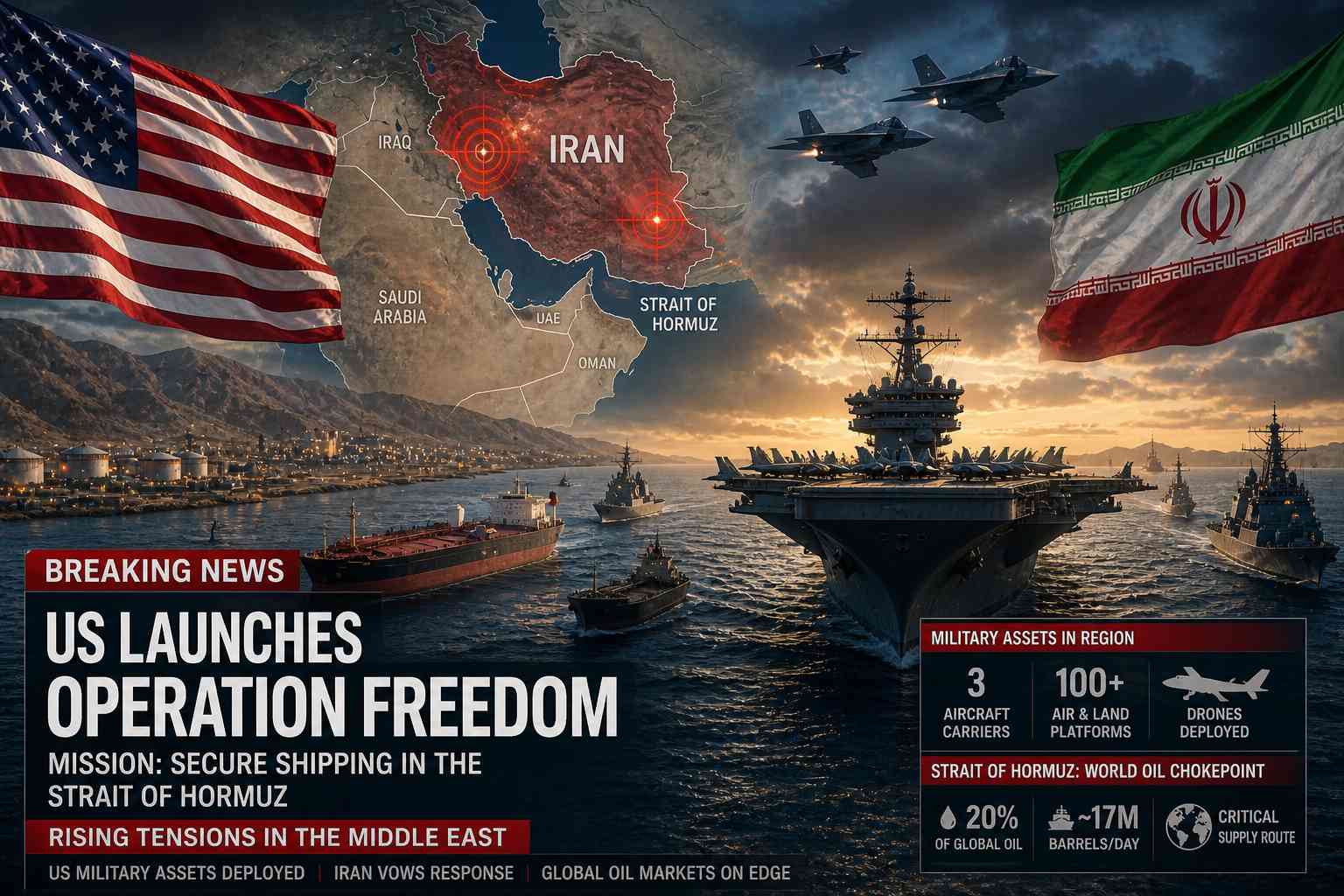
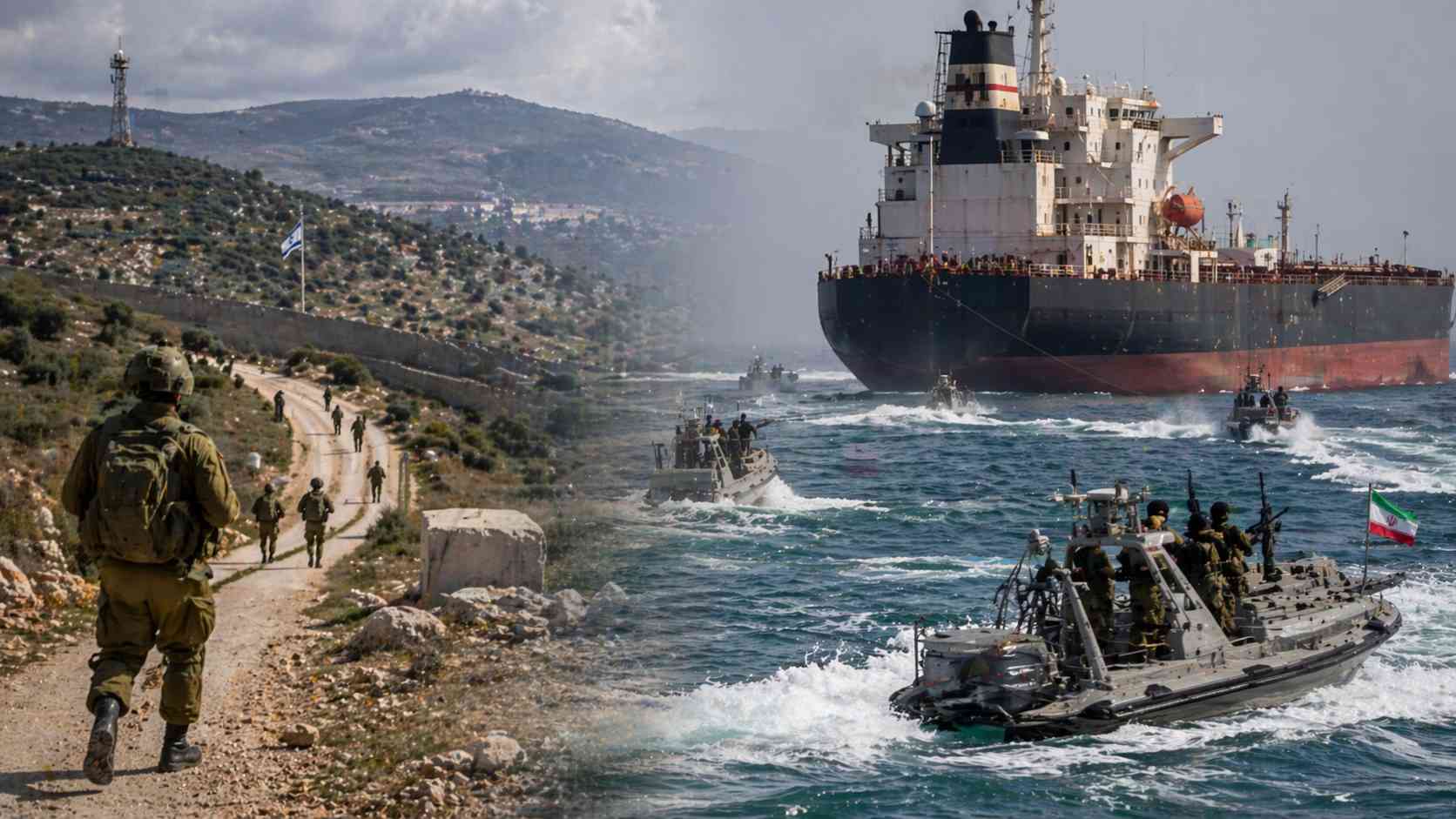
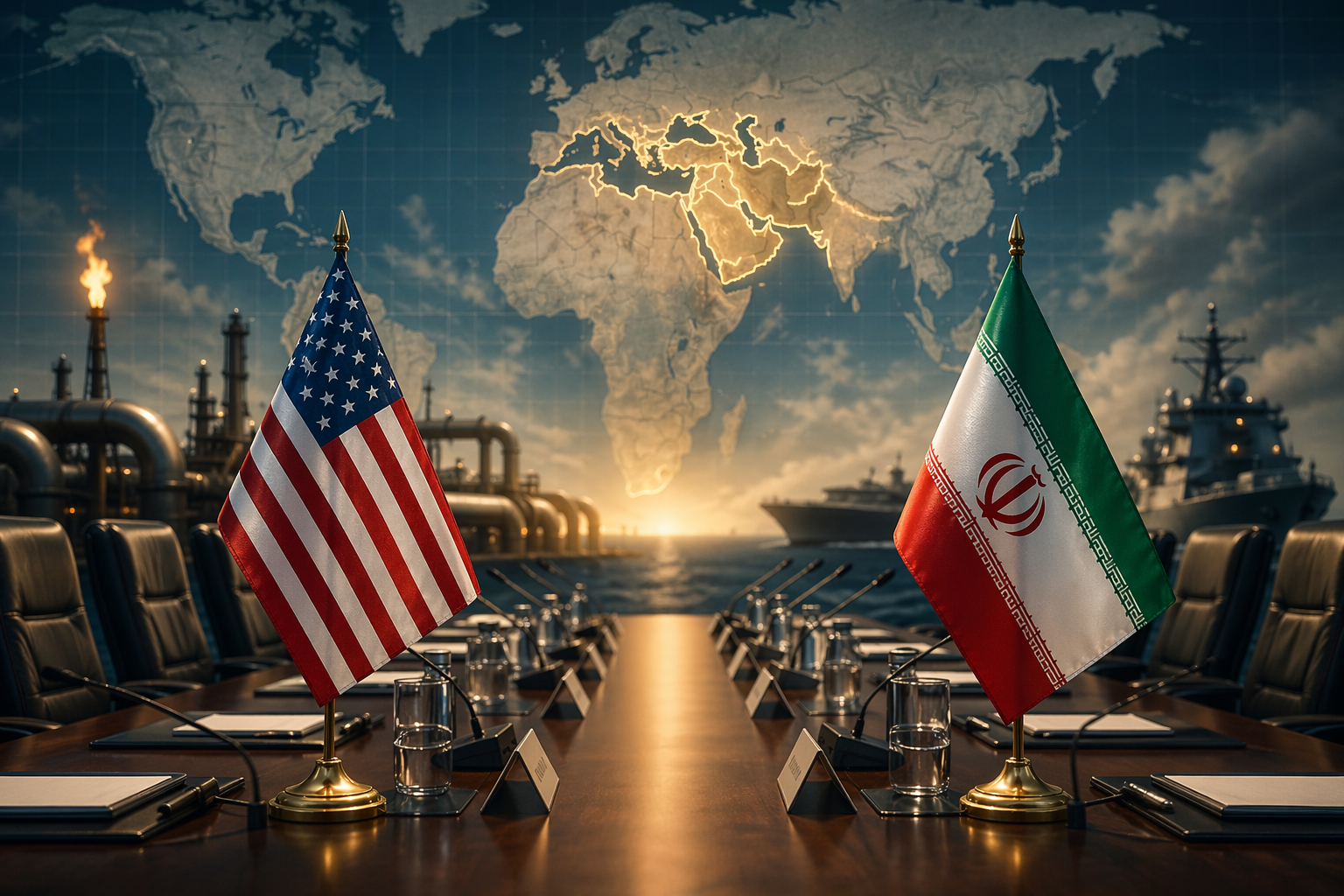
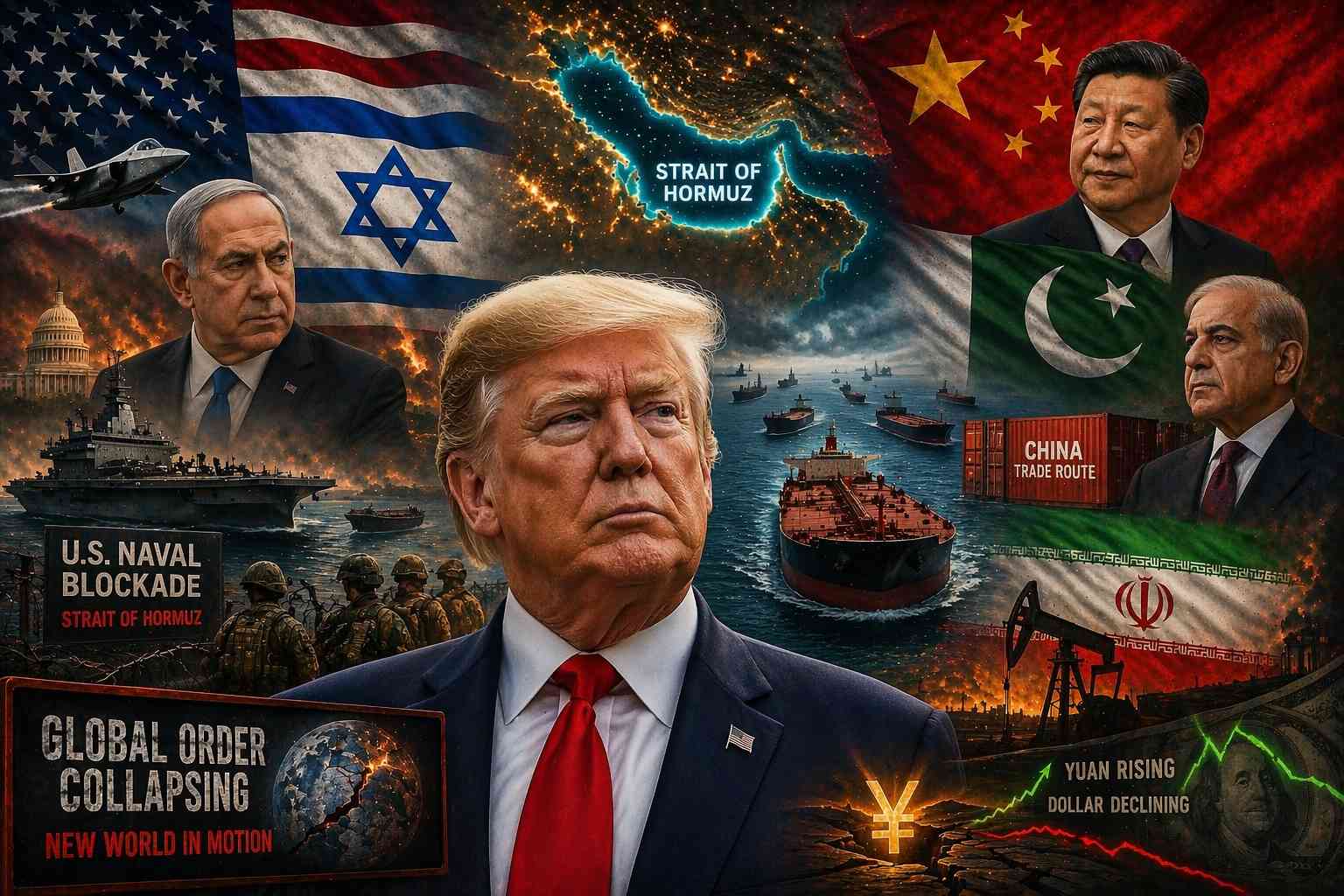
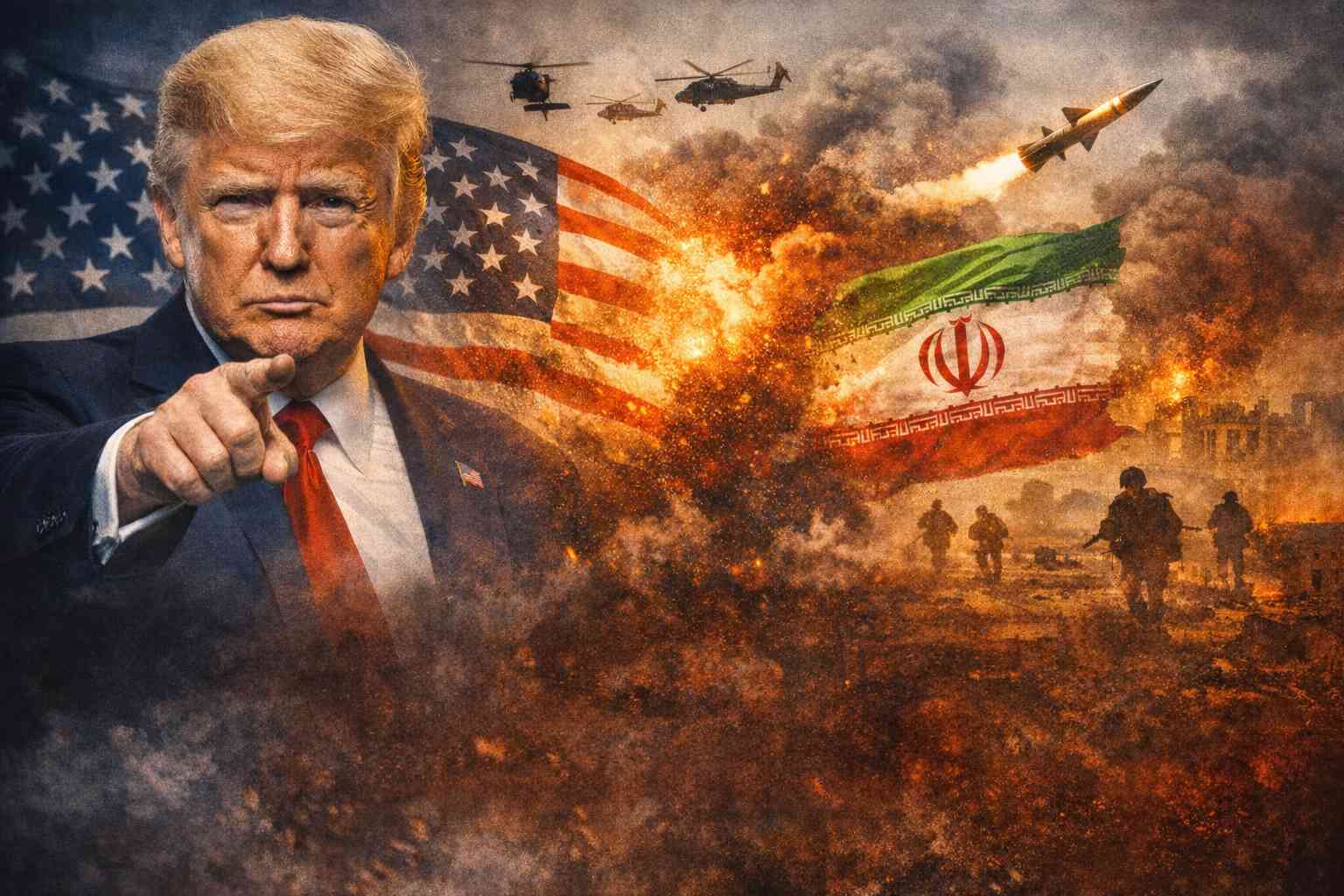
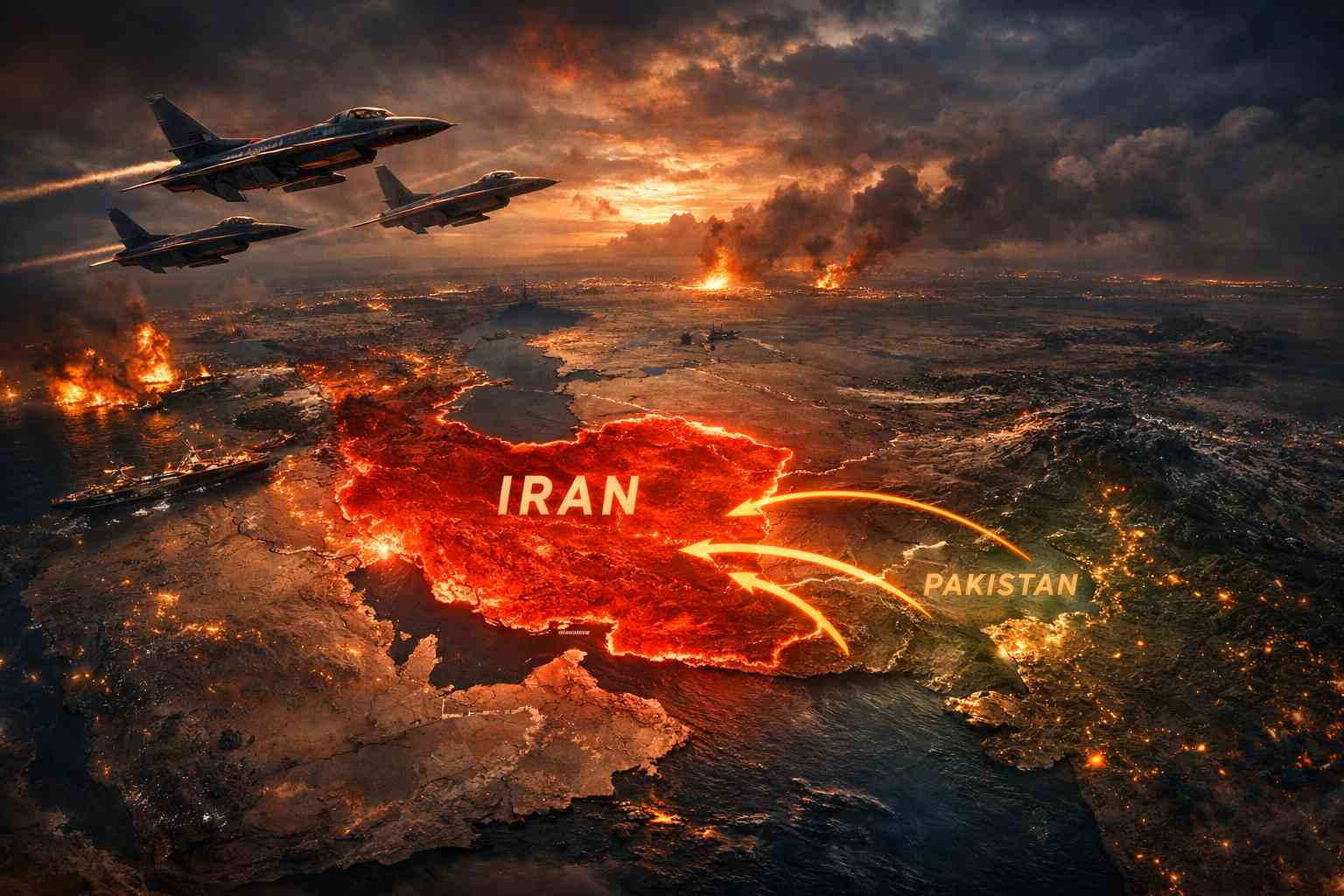
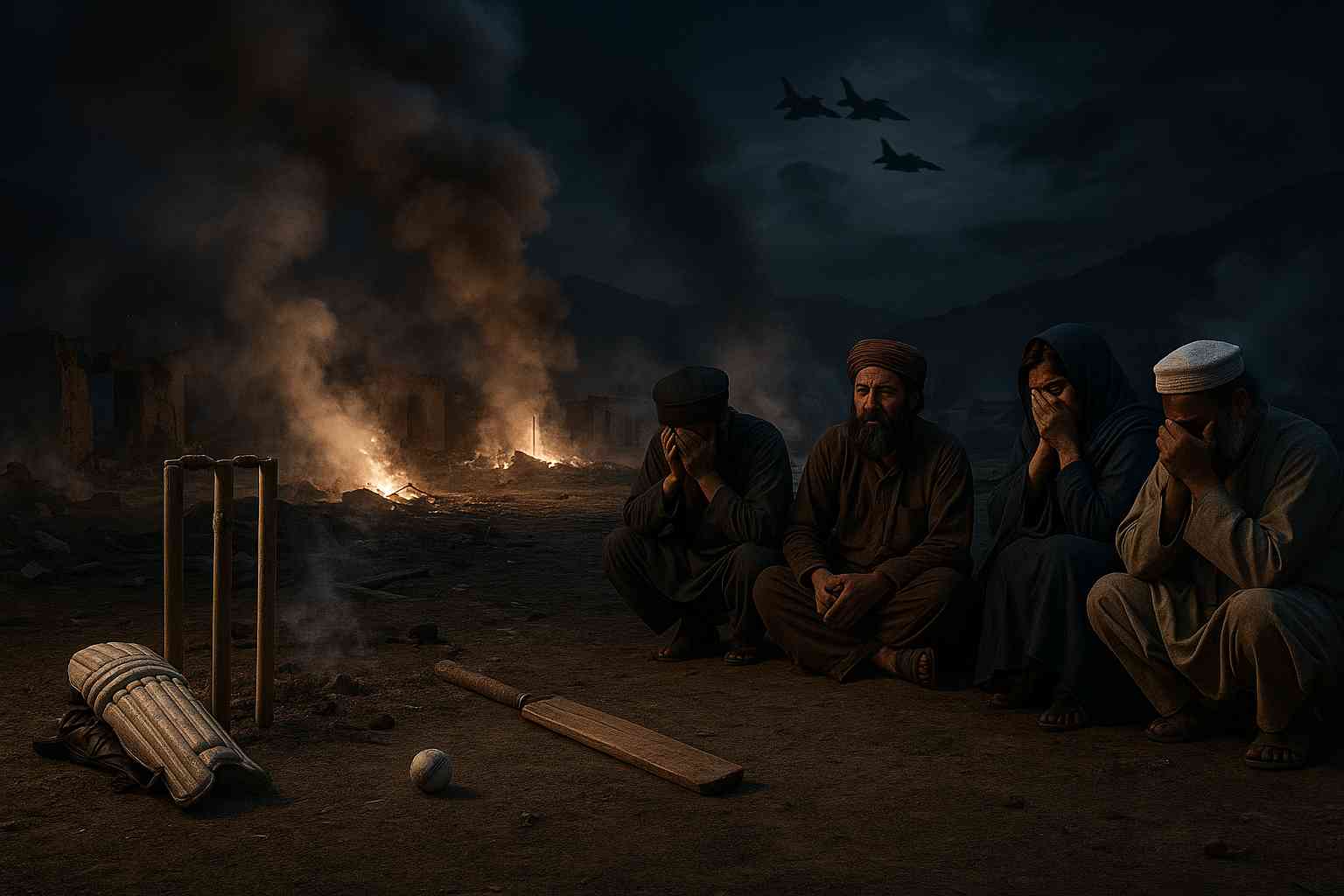
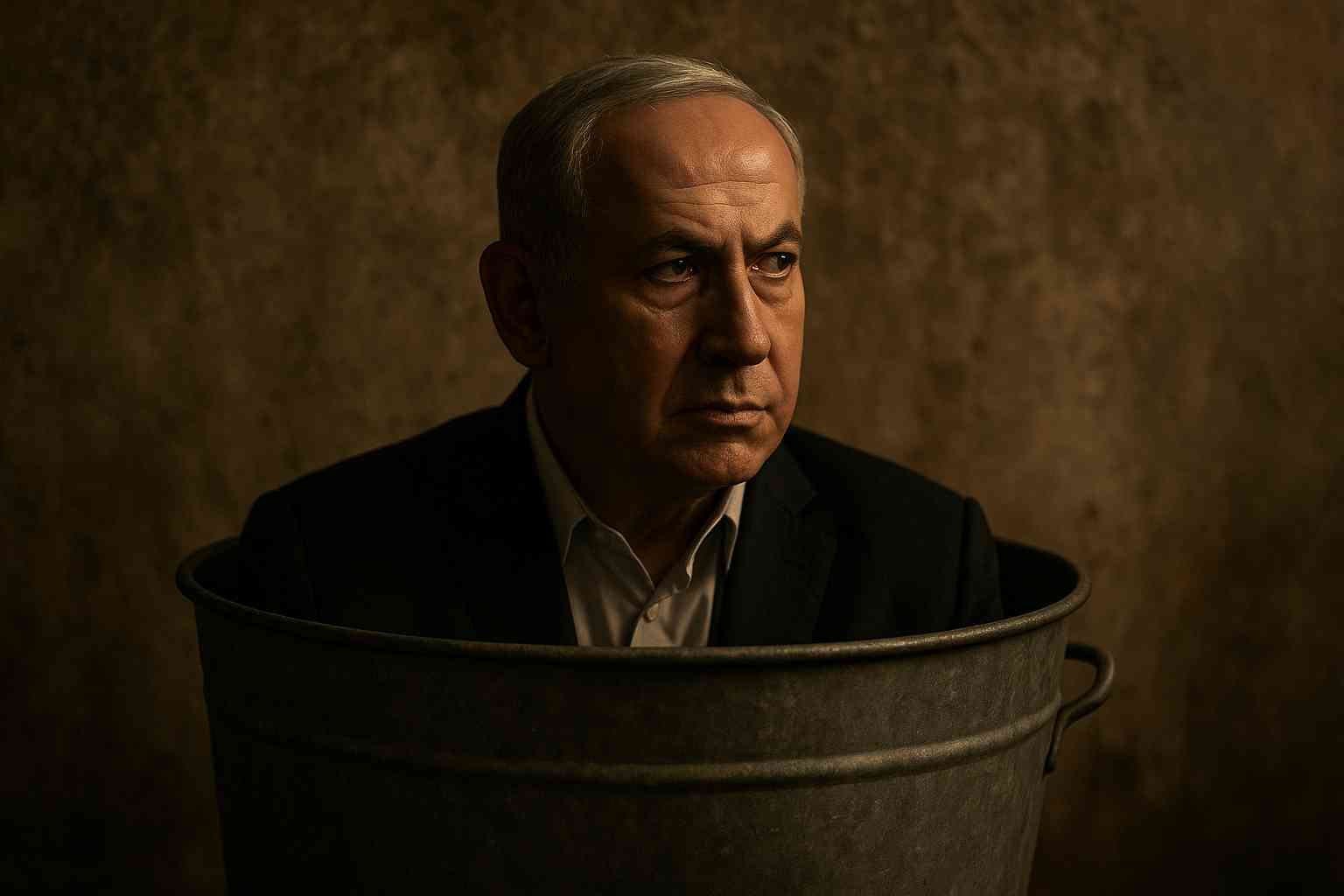
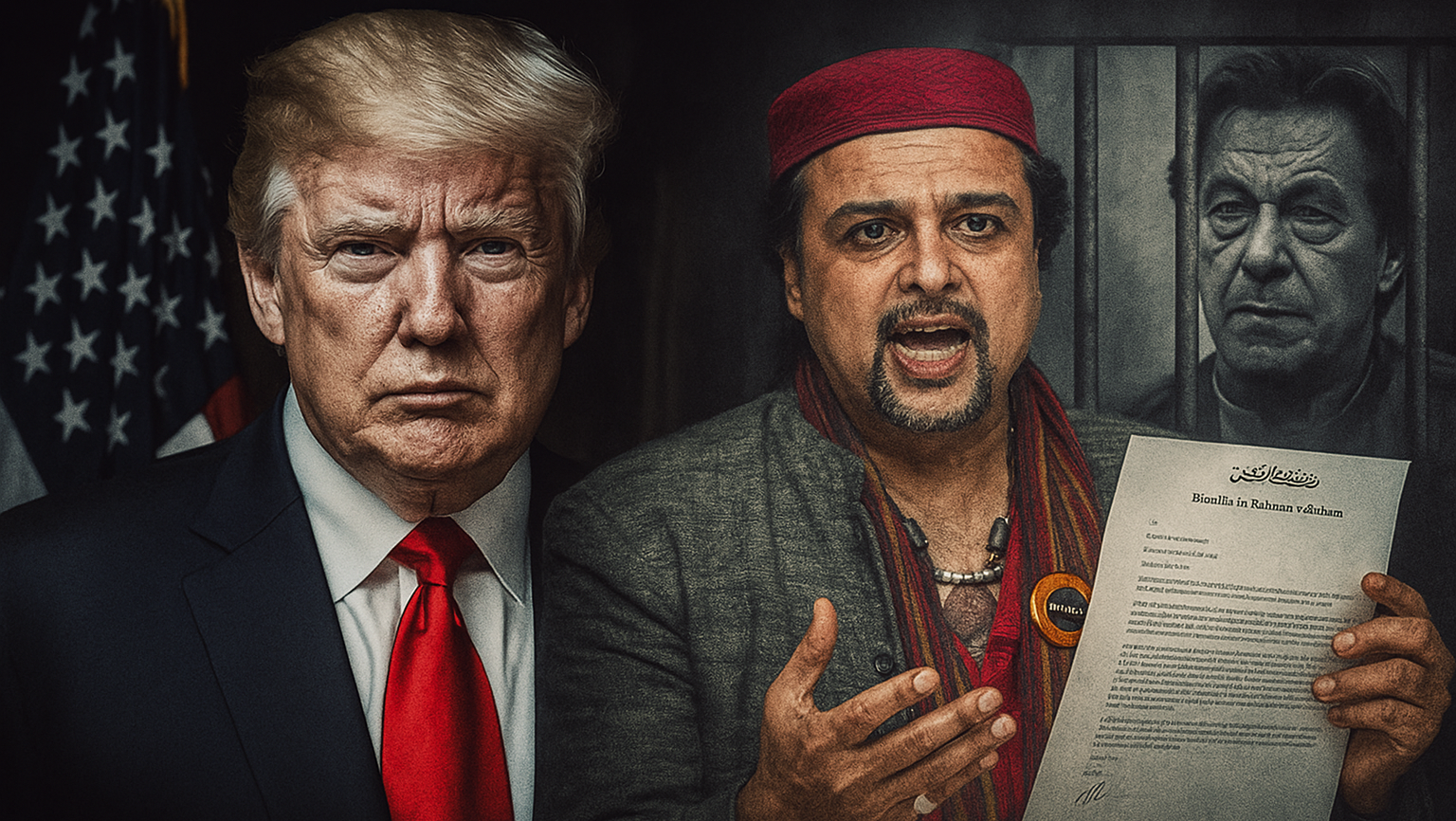
The world was on edge as the Trump Iran conflict dominated global attention.
From Washington to Tehran, and from London to Islamabad, all eyes focused on one question:
Will this escalate into something irreversible?
When a sitting US President talks about wiping out a civilization, the world cannot ignore it. Such language signals a threat that global powers must take seriously.
For a brief moment, the situation felt larger than a regional crisis. Instead, it looked like a potential global turning point.
The Nuclear Threat That Changed the Global Mood
Donald Trump’s statement carried unusual weight.
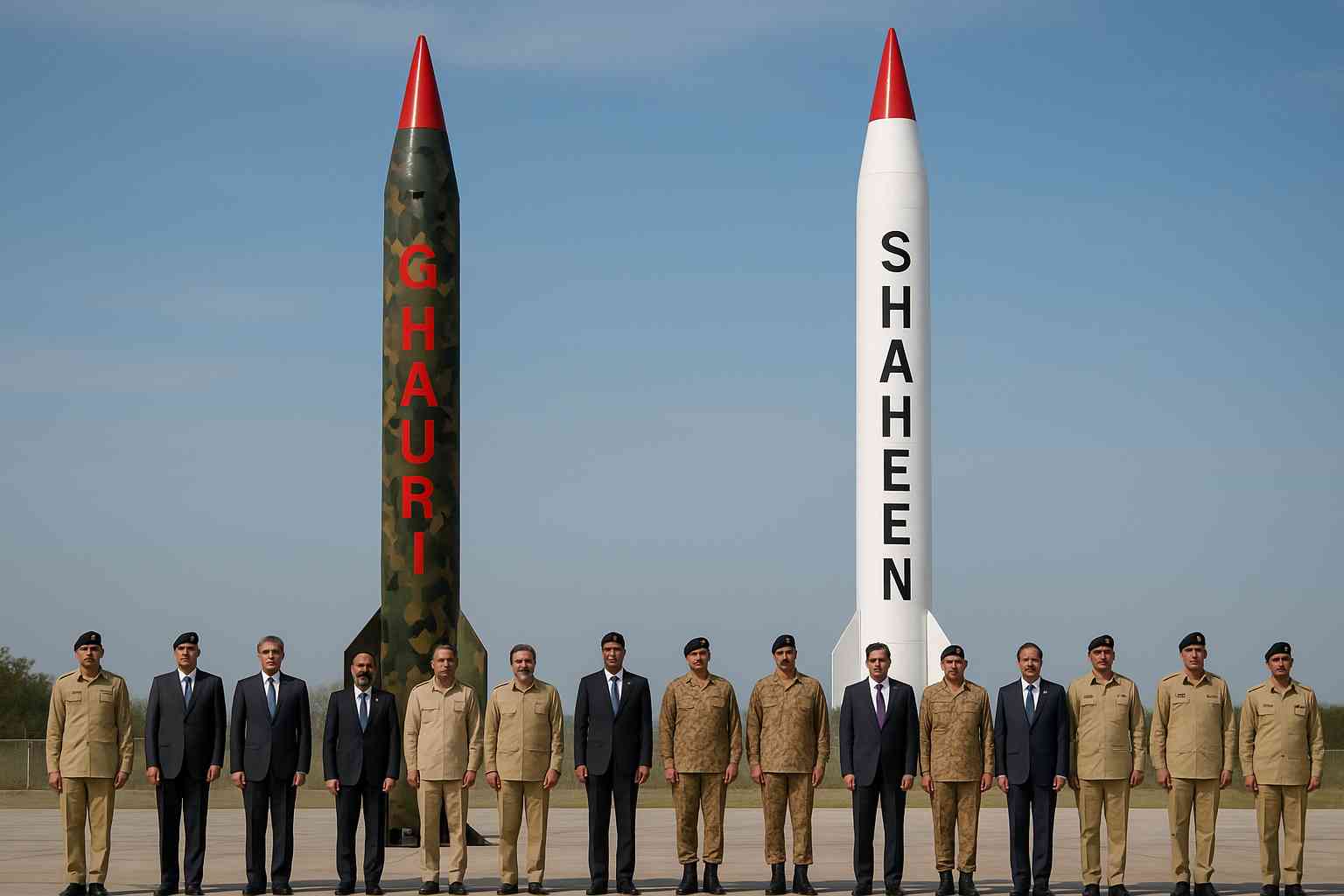
Observers across the world interpreted it as a nuclear-level threat. As a result, diplomats, military officials, and media outlets reacted quickly.
There is a clear difference between threats and action. However, once nuclear language enters public discourse, the stakes rise immediately.
The concern became straightforward.
If leaders took such a step, the situation would not remain contained. Instead, it could trigger wider consequences.
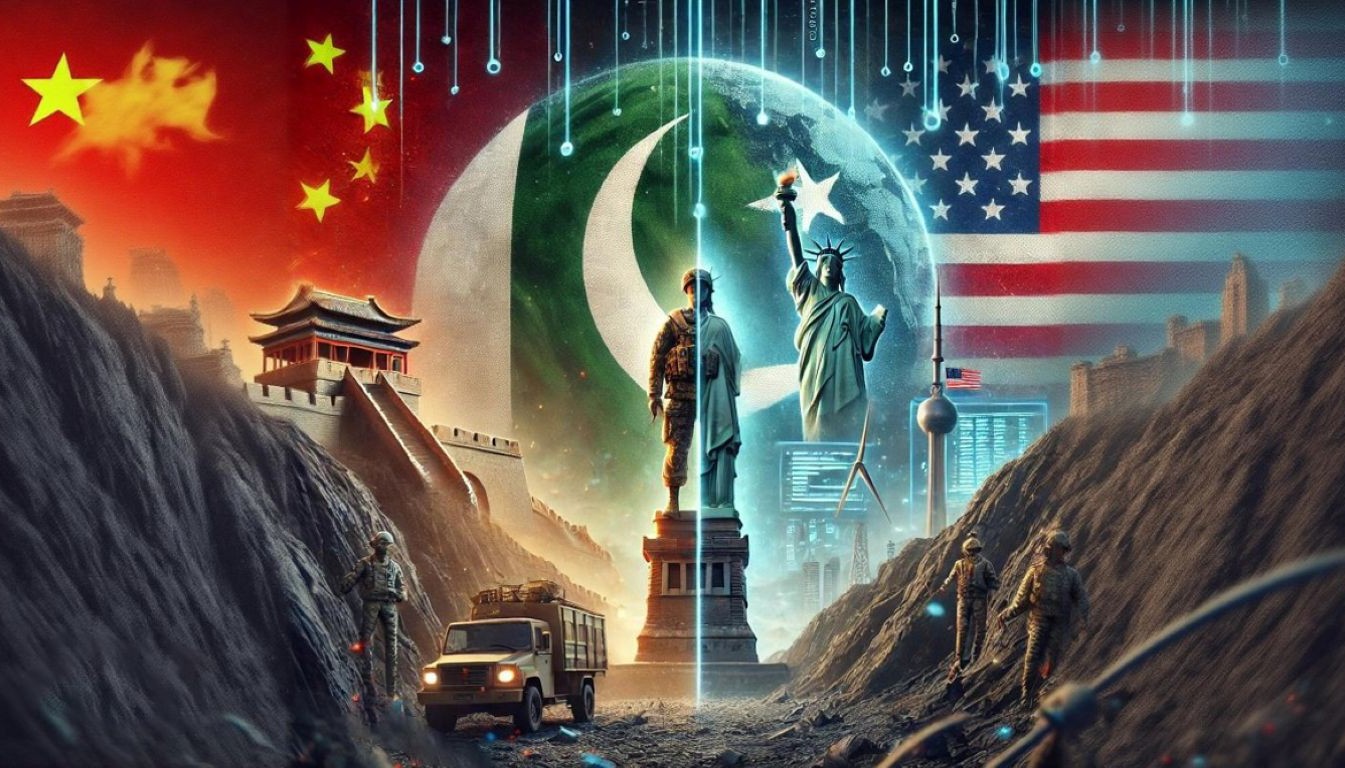
A domino effect could follow. Russia might escalate in Ukraine. China could act on Taiwan. Meanwhile, the Korean peninsula could destabilize.
Therefore, pressure increased rapidly across global capitals.
The Legal Constraint Behind the War
One critical factor often escapes public debate: legality.
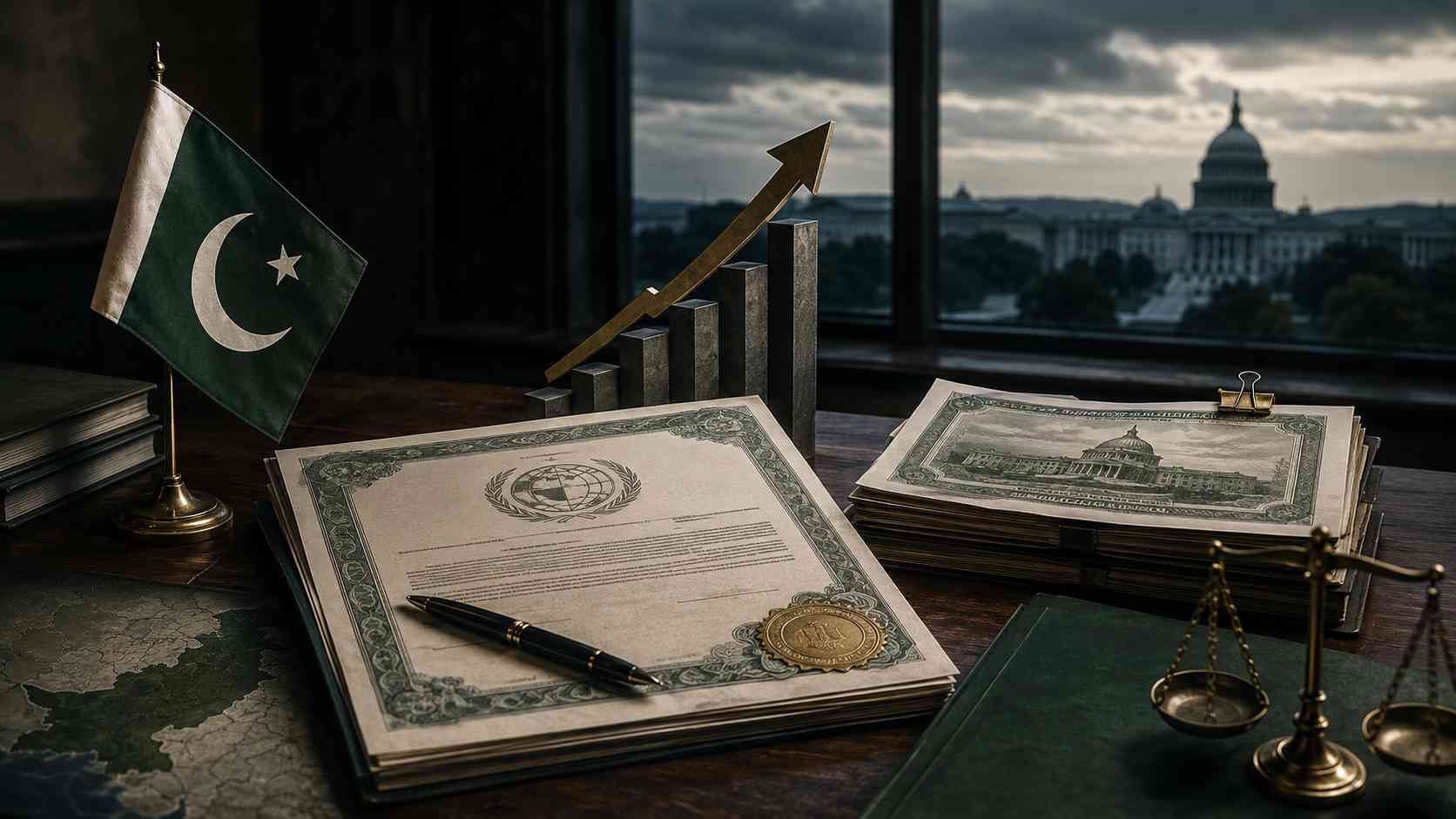
At that moment, Trump did not hold congressional approval. Without it, escalation—especially at that level—would create serious constitutional risks.
At the same time, the timeline narrowed.
Only a few days remained to secure approval. Otherwise, the political cost could rise sharply for both the war effort and the presidency.
Consequently, legal limits began to shape strategy.
When law restricts action, decisions shift from military logic to political calculation.
The Turning Point: From Escalation to Pause
Then the situation shifted.
Instead of escalation, officials announced an unexpected pause.
This pause changed the trajectory.
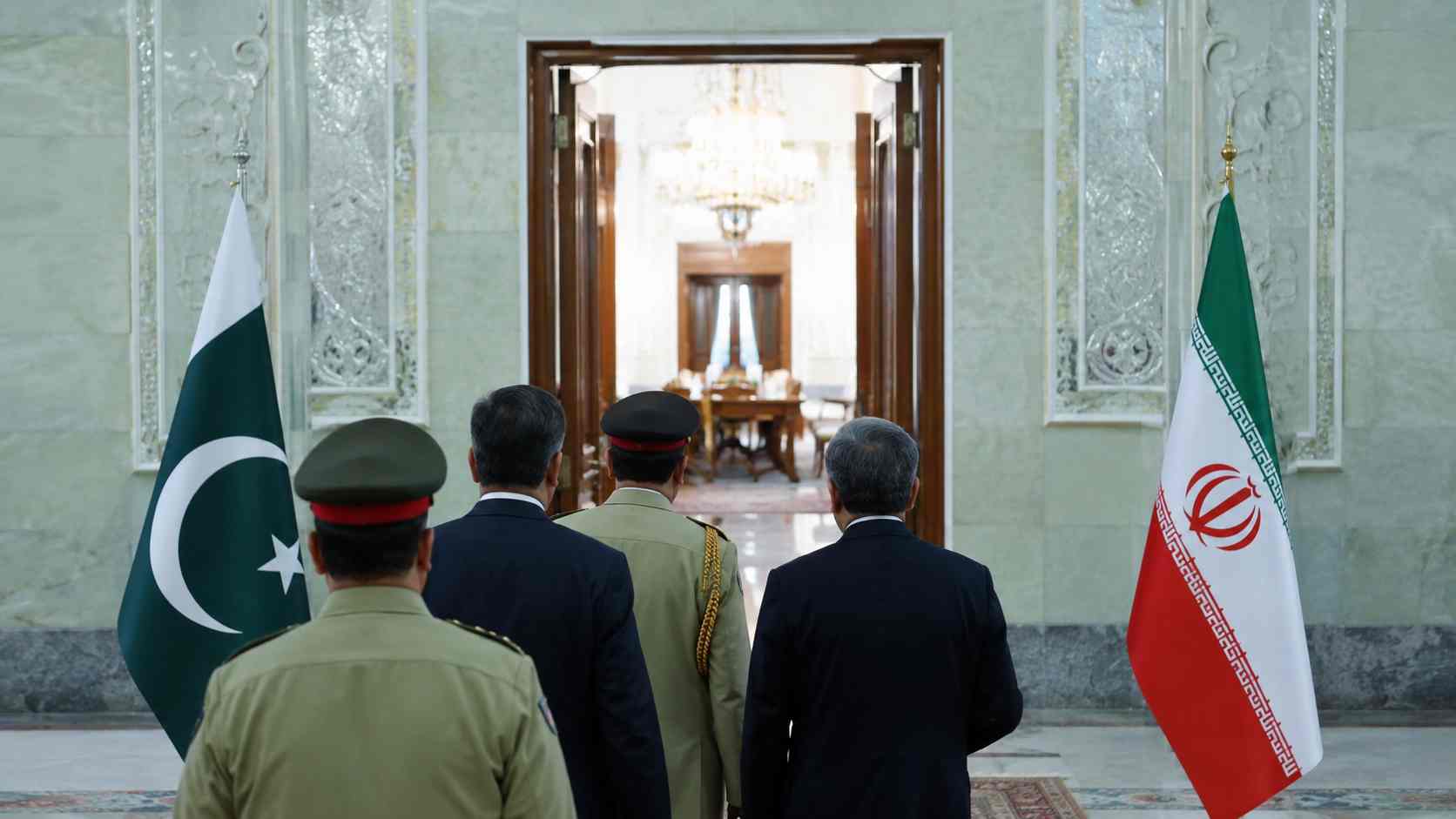
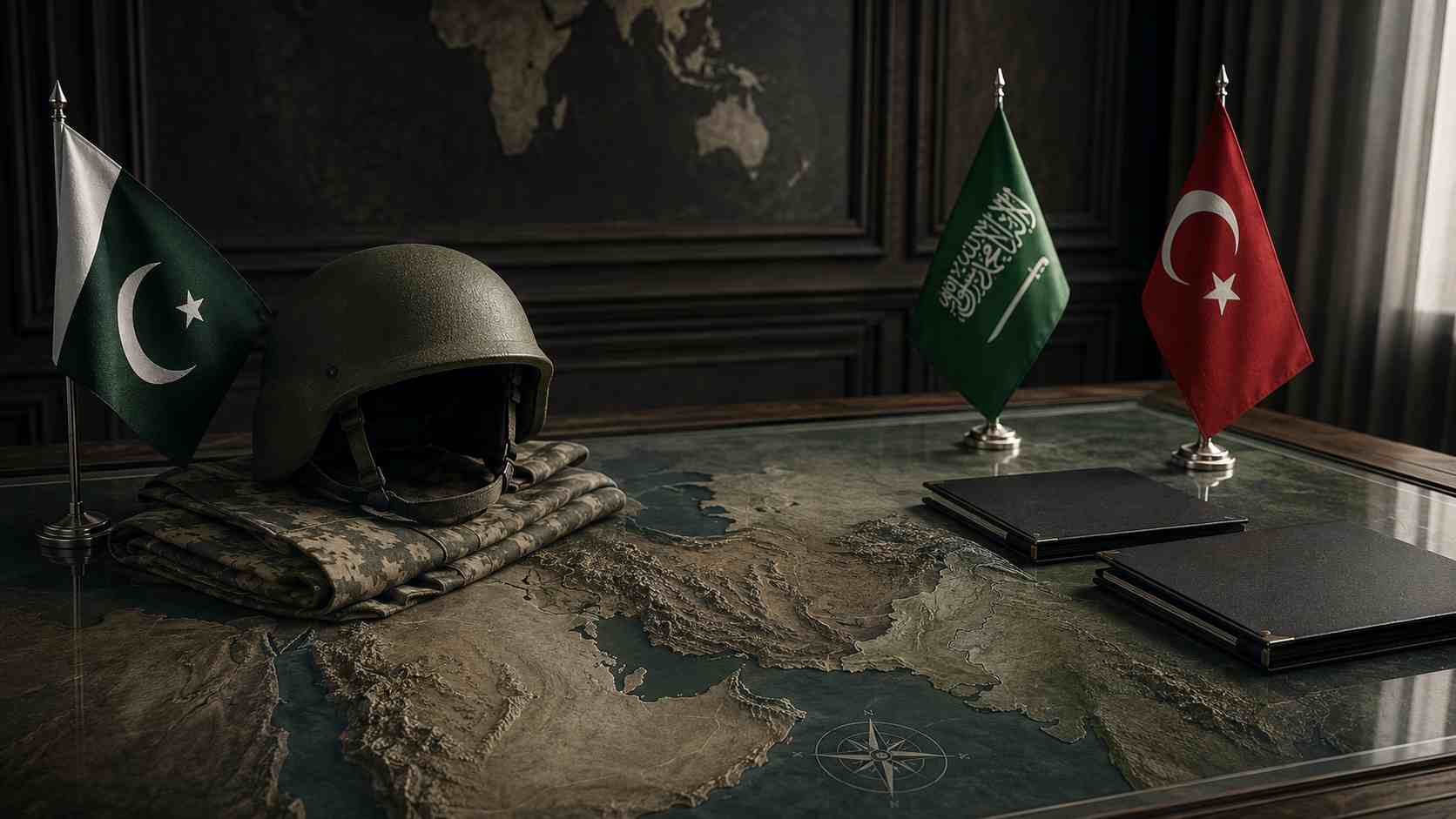
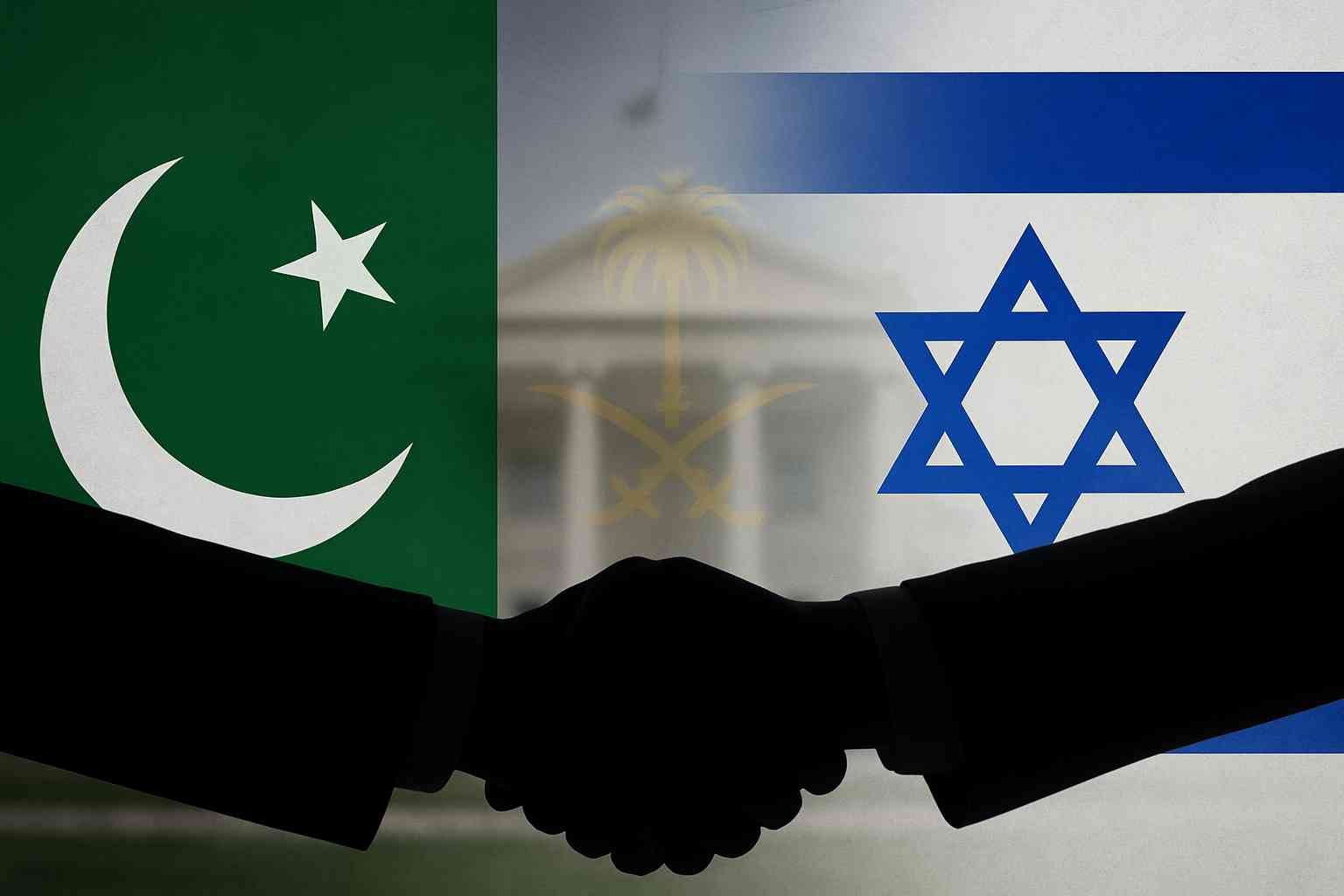
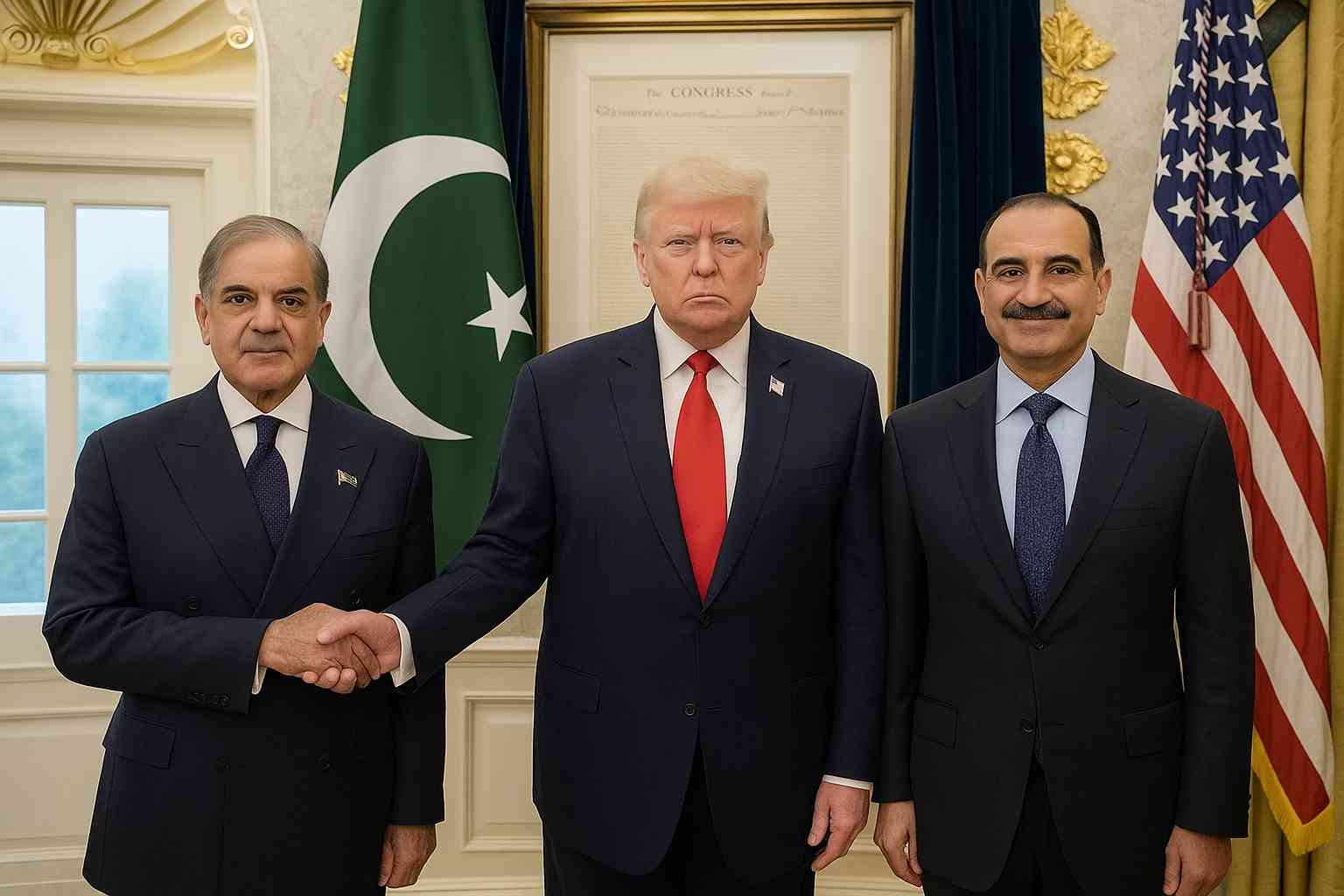
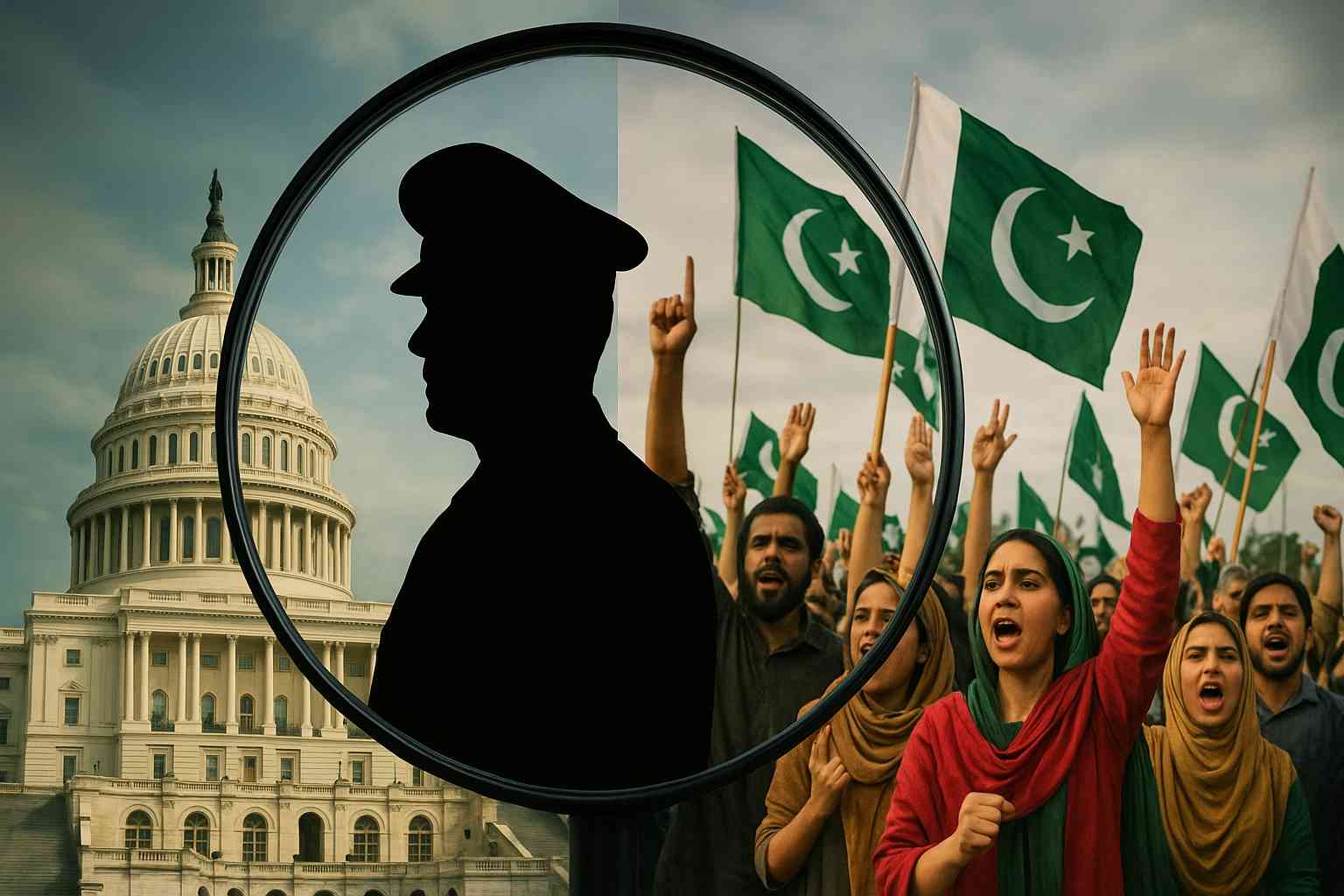
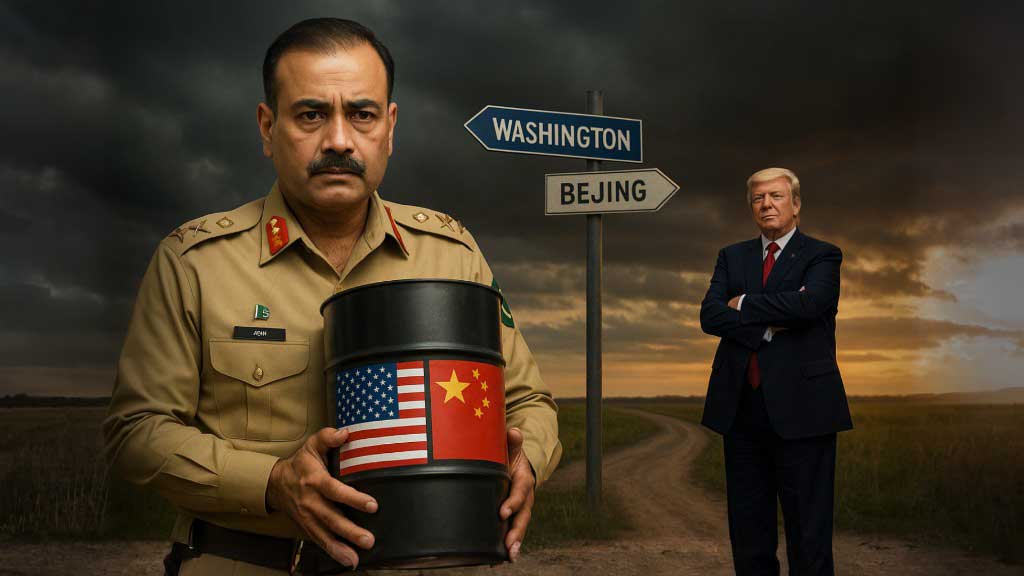
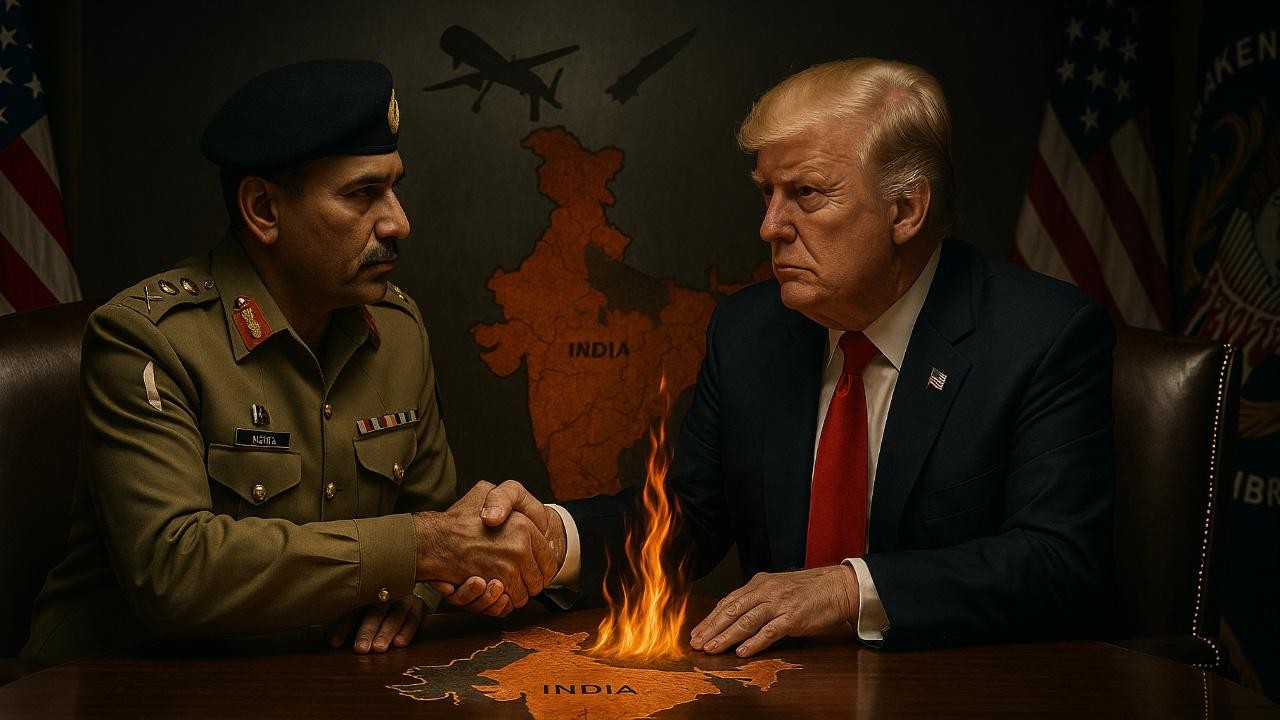
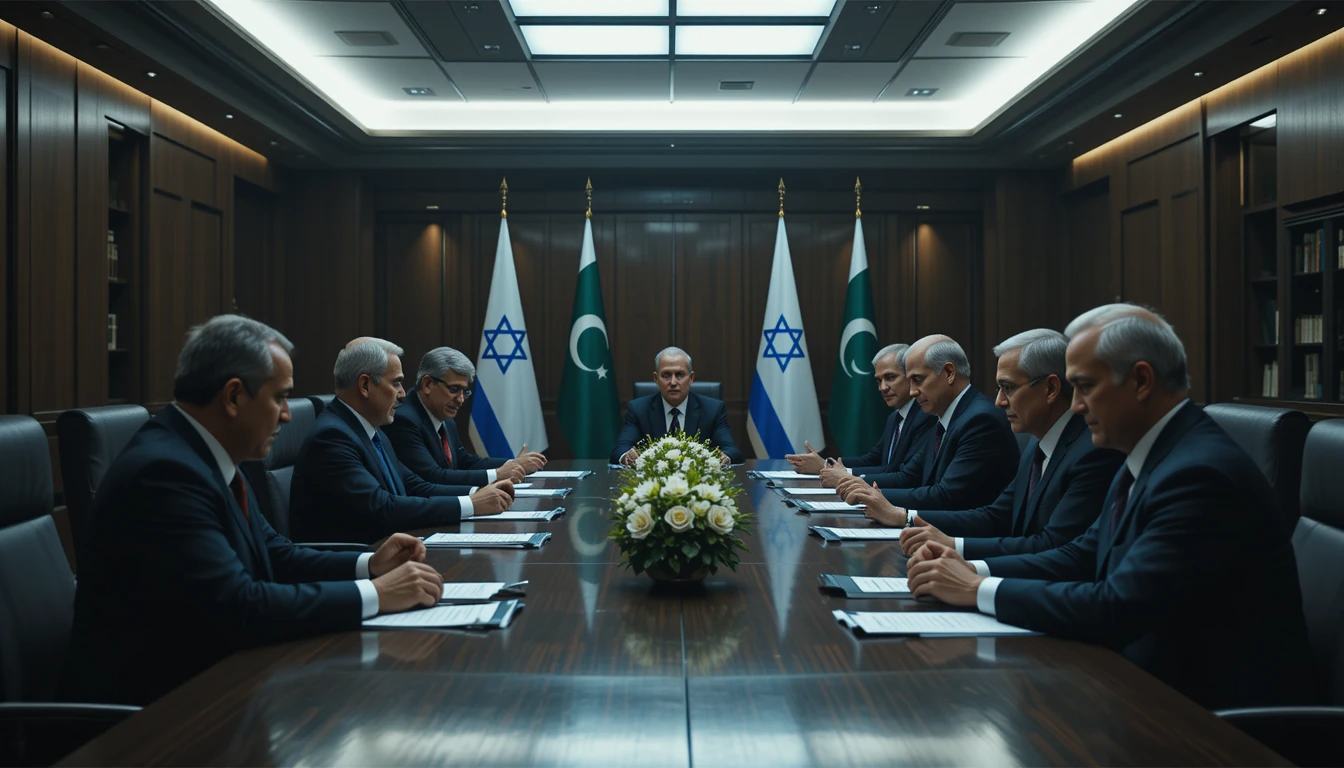
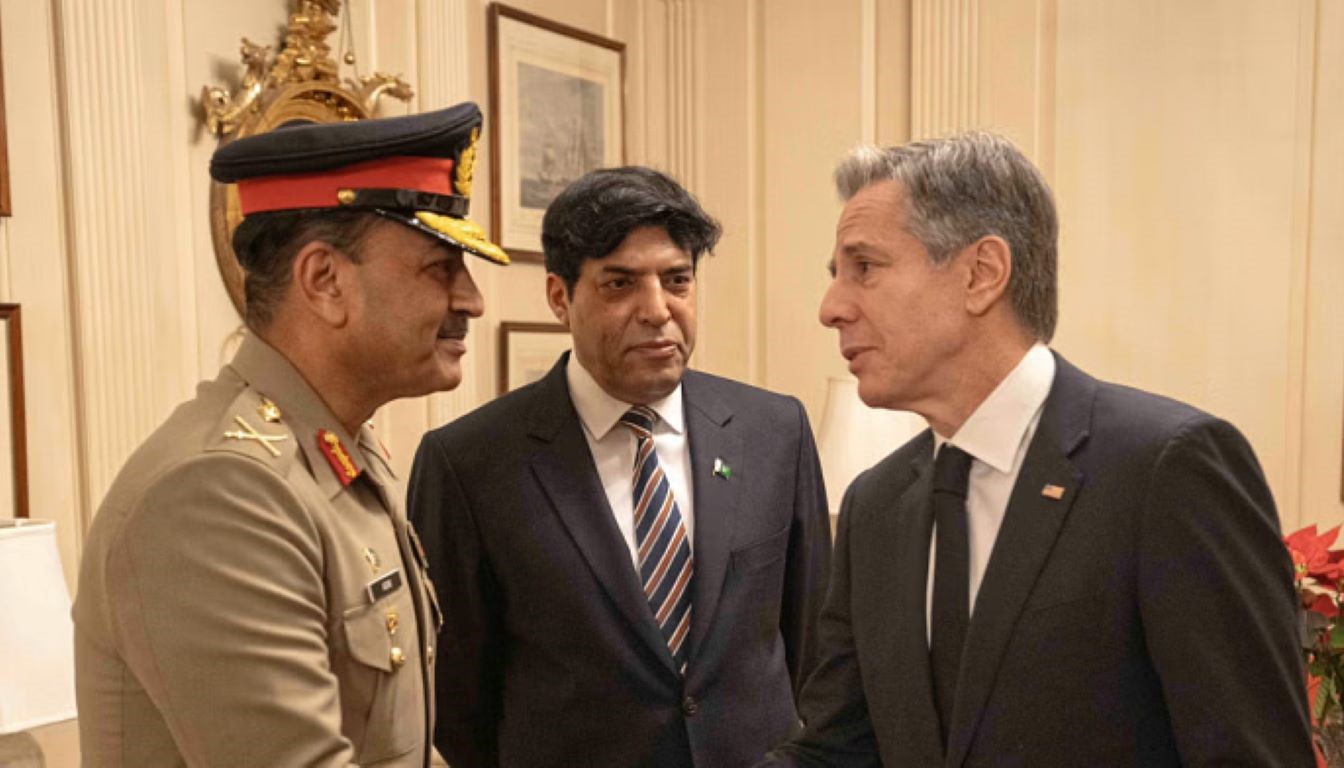
According to reports, communication involved Pakistan’s leadership. They requested a delay in what officials described as a highly destructive action.
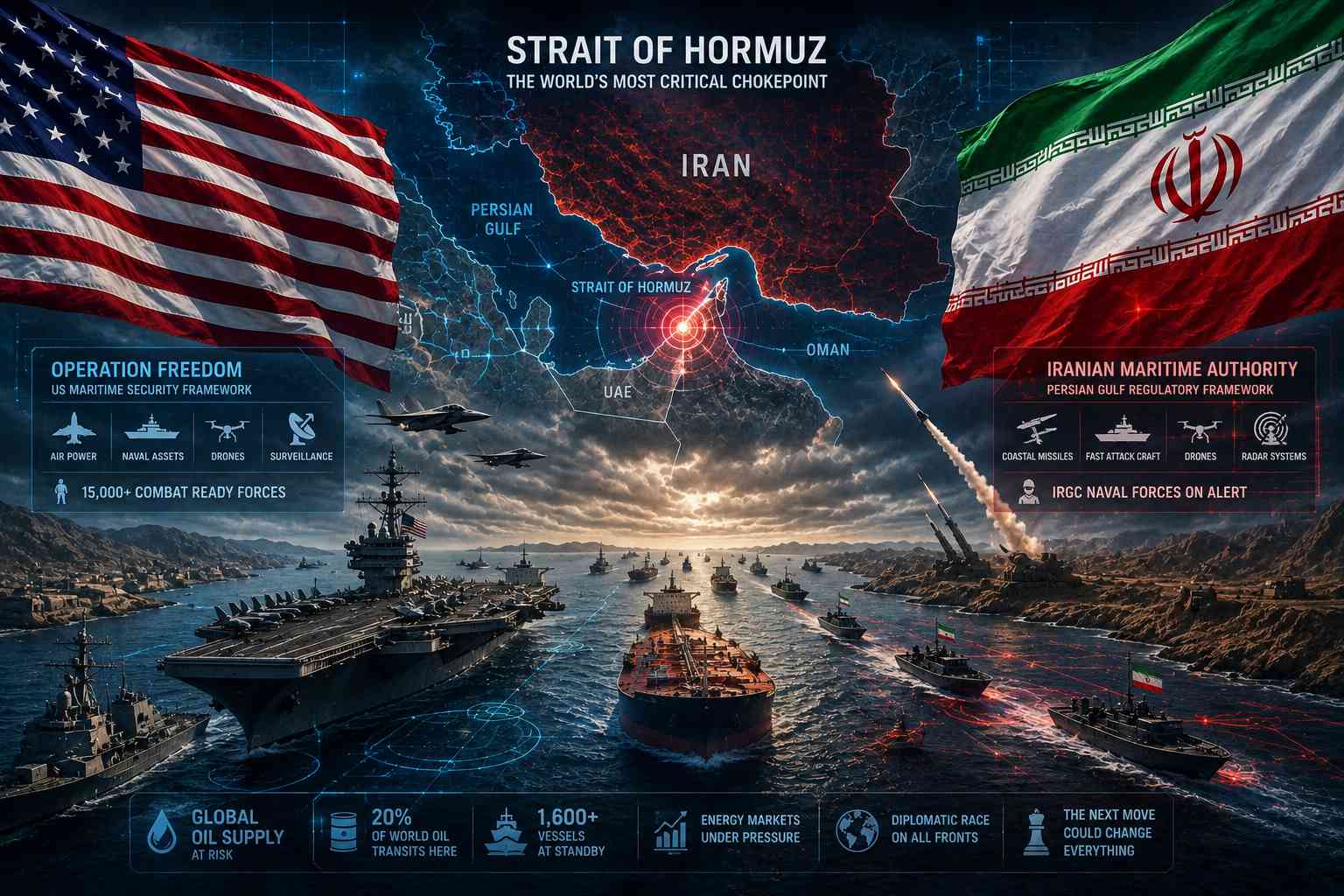
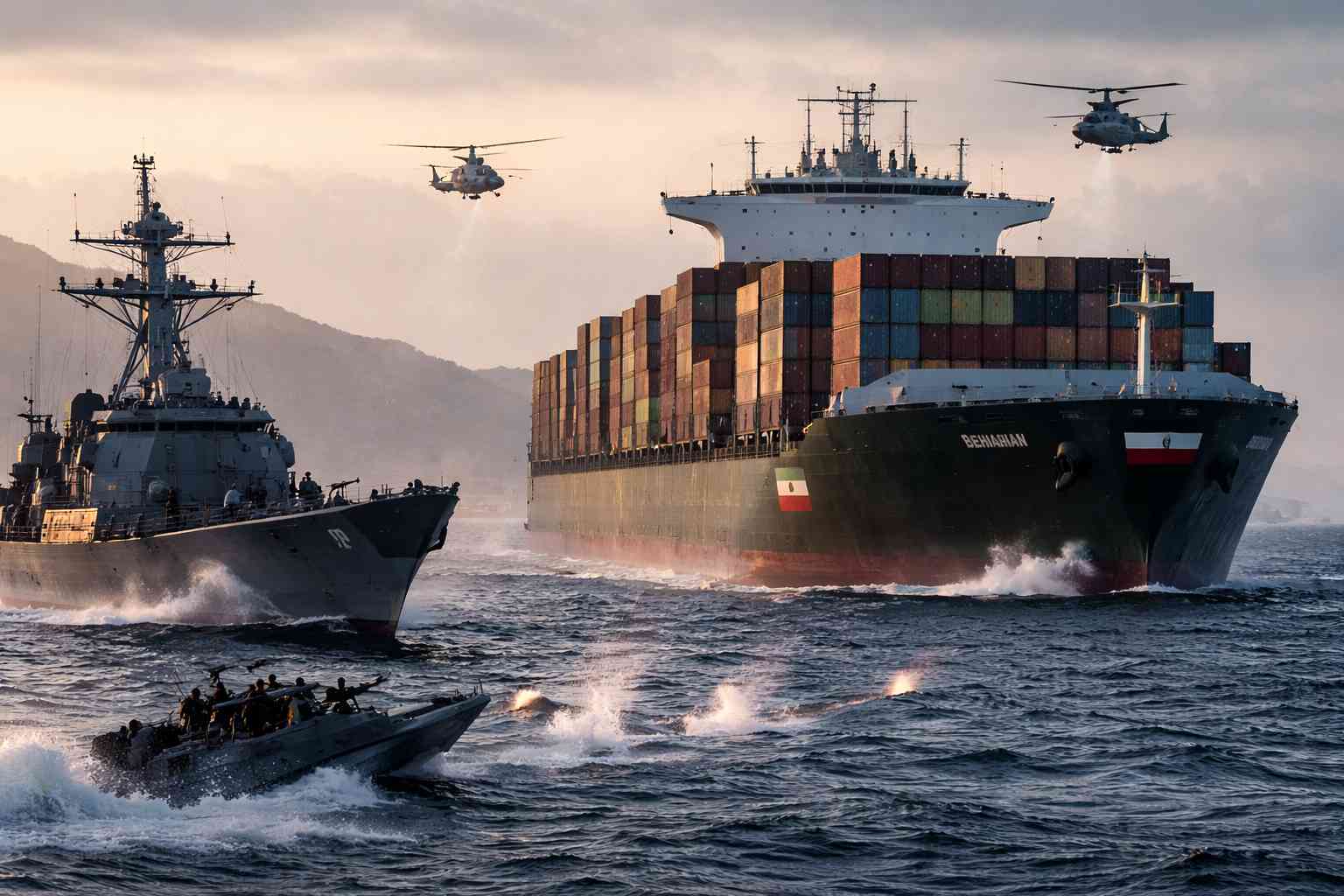
At the same time, Iran reportedly offered assurances regarding the Strait of Hormuz.
As a result, both sides agreed to a two-week suspension of action.
This was not peace. However, it slowed the momentum of escalation.
The Backchannel Dynamics
This development matters not just because of the pause, but because of how it emerged.
Backchannel diplomacy played a central role.
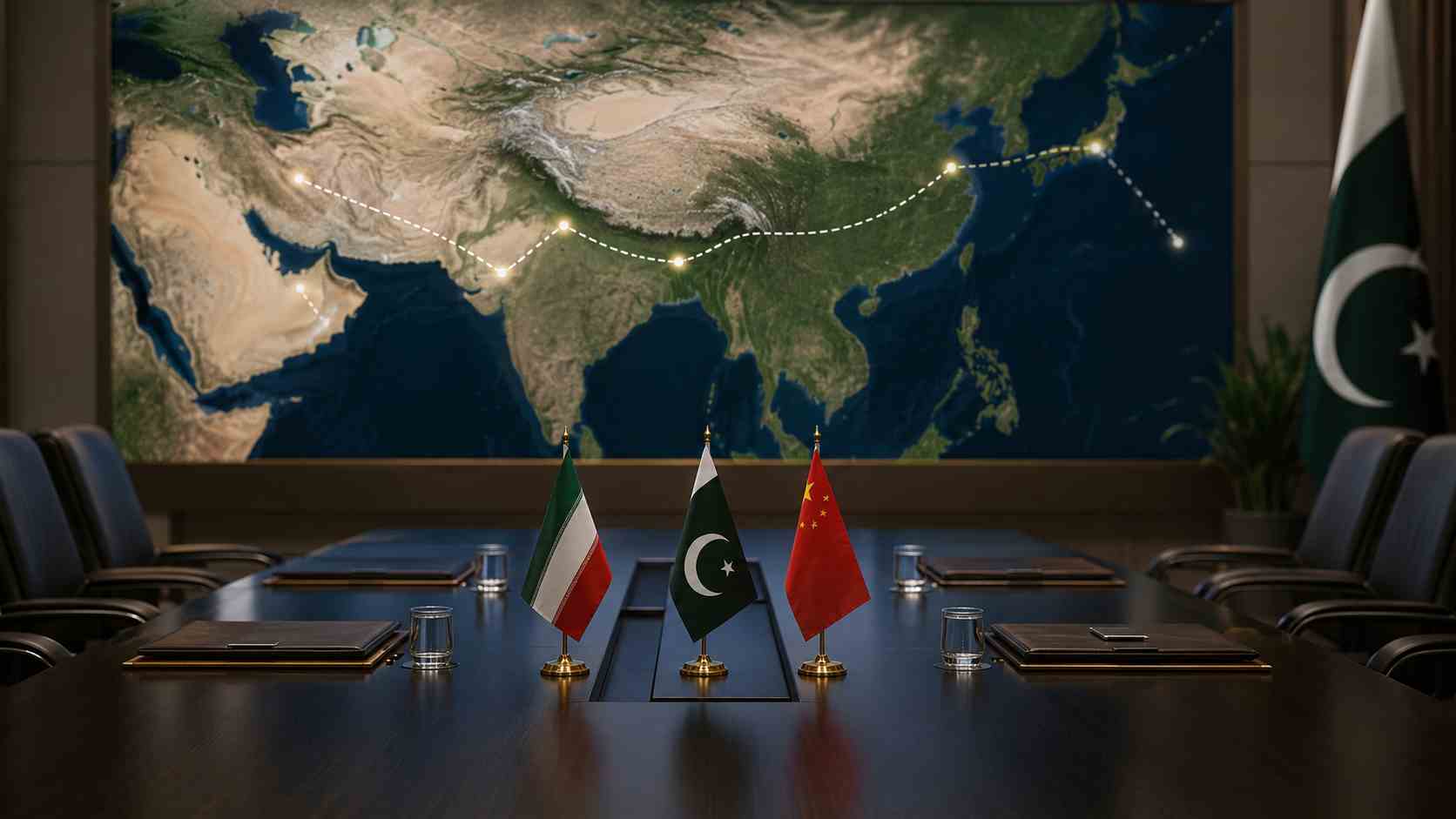
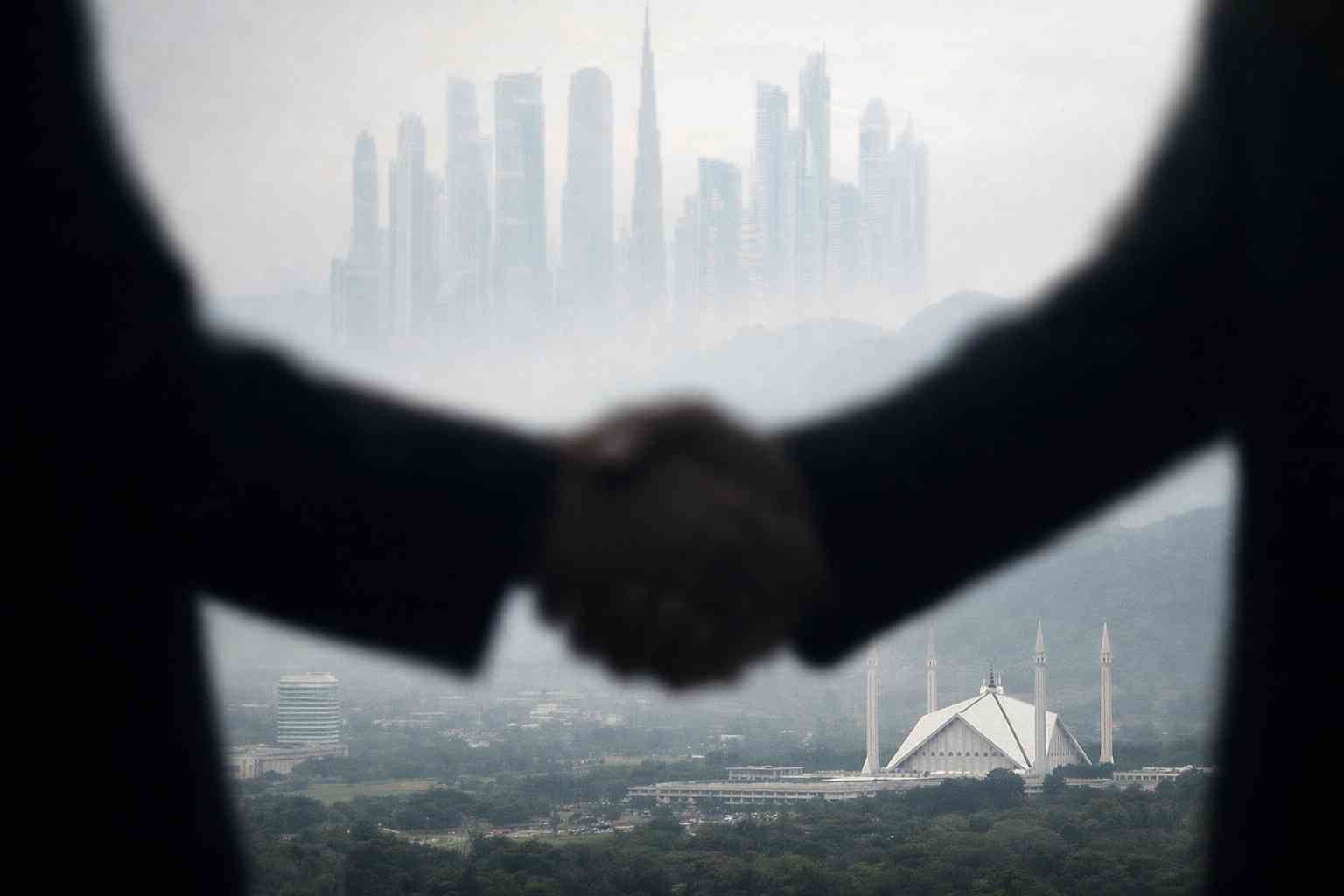
Pakistan acted as an intermediary. Officials exchanged messages and secured assurances. As a result, they created a window for negotiation.
Therefore, despite strong public rhetoric, communication channels remained open.
In geopolitics, hidden dialogue often matters more than public statements.
The Proposed Framework: What Could Be on the Table
Emerging details suggest that a broader framework may already exist.
This framework includes:
- Suspension of military strikes
- Possible sanctions relief
- Security guarantees for shipping routes
- Reconstruction support
- Assurances against future escalation
In return, Iran would ensure the safe operation of the Strait of Hormuz.
If this framework holds, it could reshape the Trump Iran conflict and stabilize the wider region.
The Economic Angle: Why This Matters Globally
This story is not only military.
It is also economic.
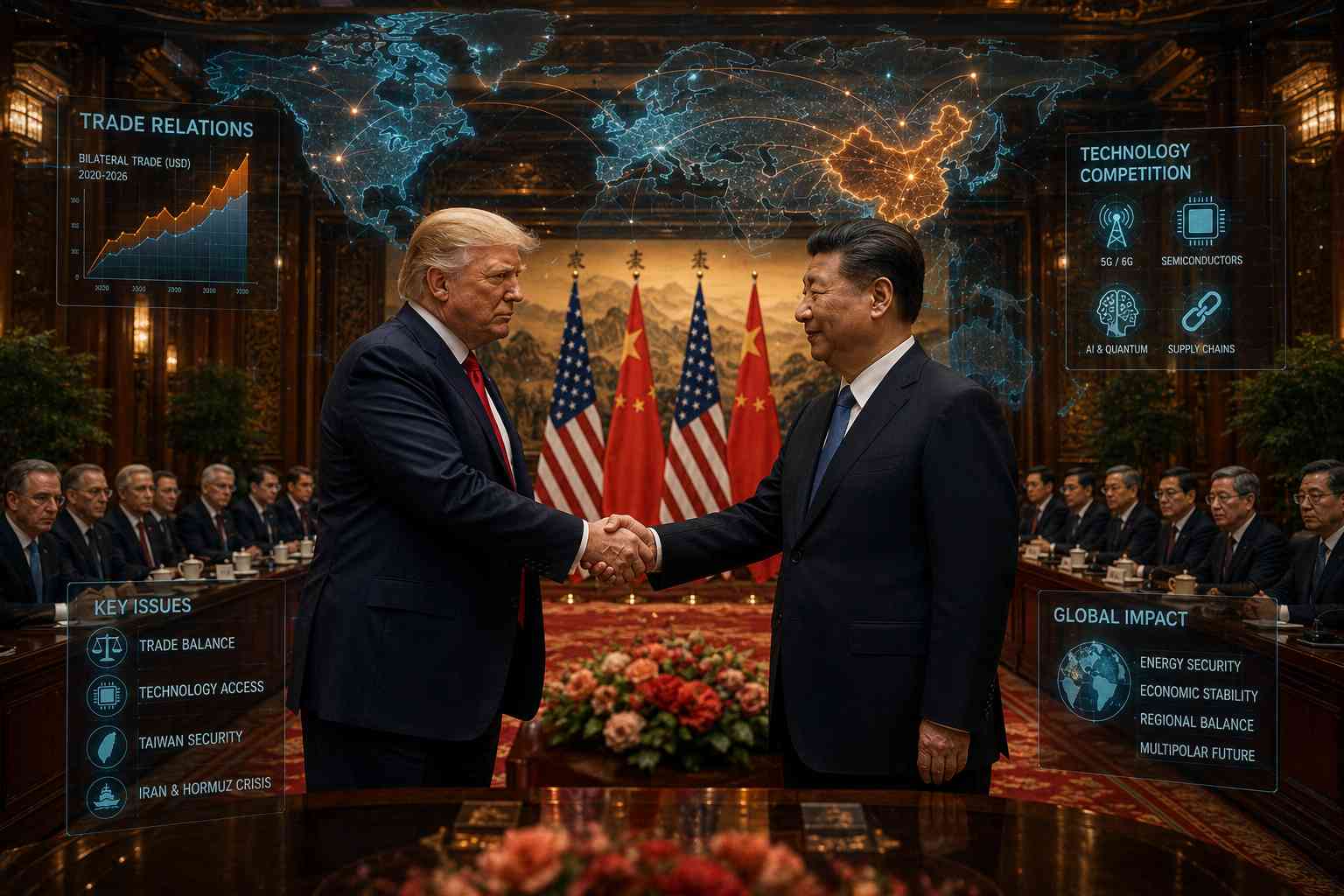
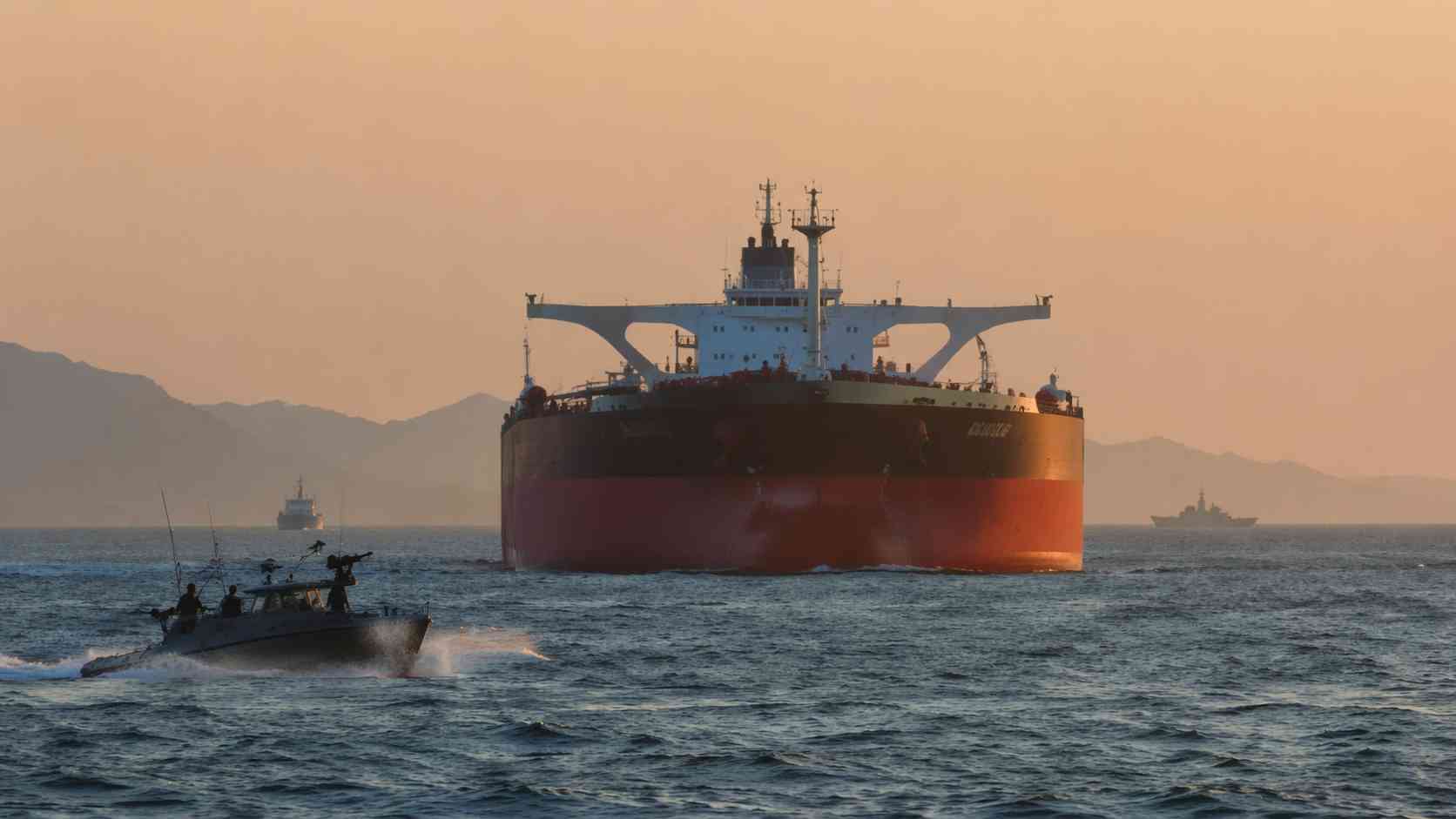
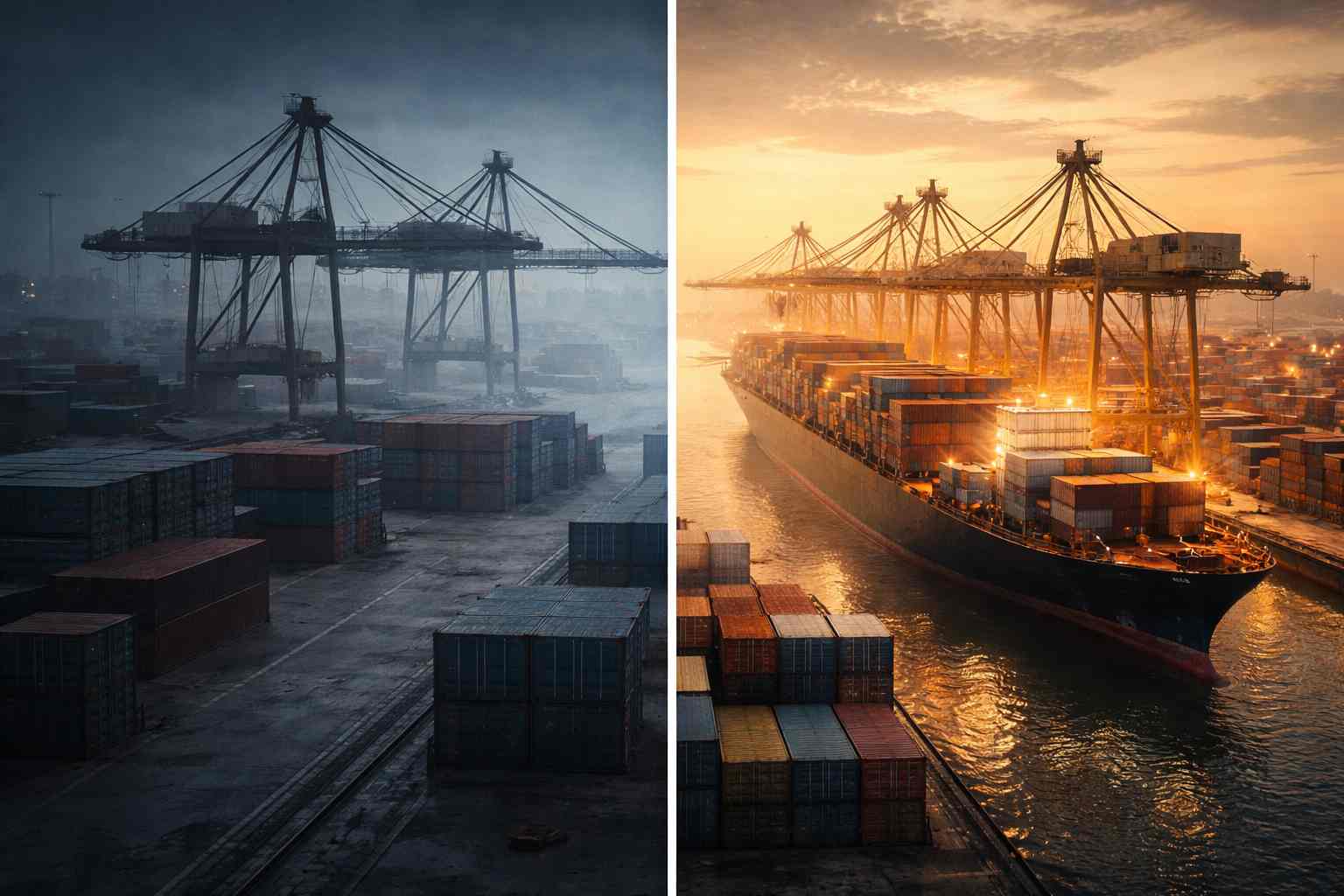
The Strait of Hormuz controls a major share of global oil supply. Therefore, any disruption affects energy prices, inflation, and food security.
Because of this, even a temporary pause carries global significance.
If stability continues, markets may ease. Supply chains could stabilize, and economic pressure may decline.
However, this outcome depends entirely on future developments.
The Uncertainty Factor: One Variable Remains
Despite temporary relief, uncertainty remains.
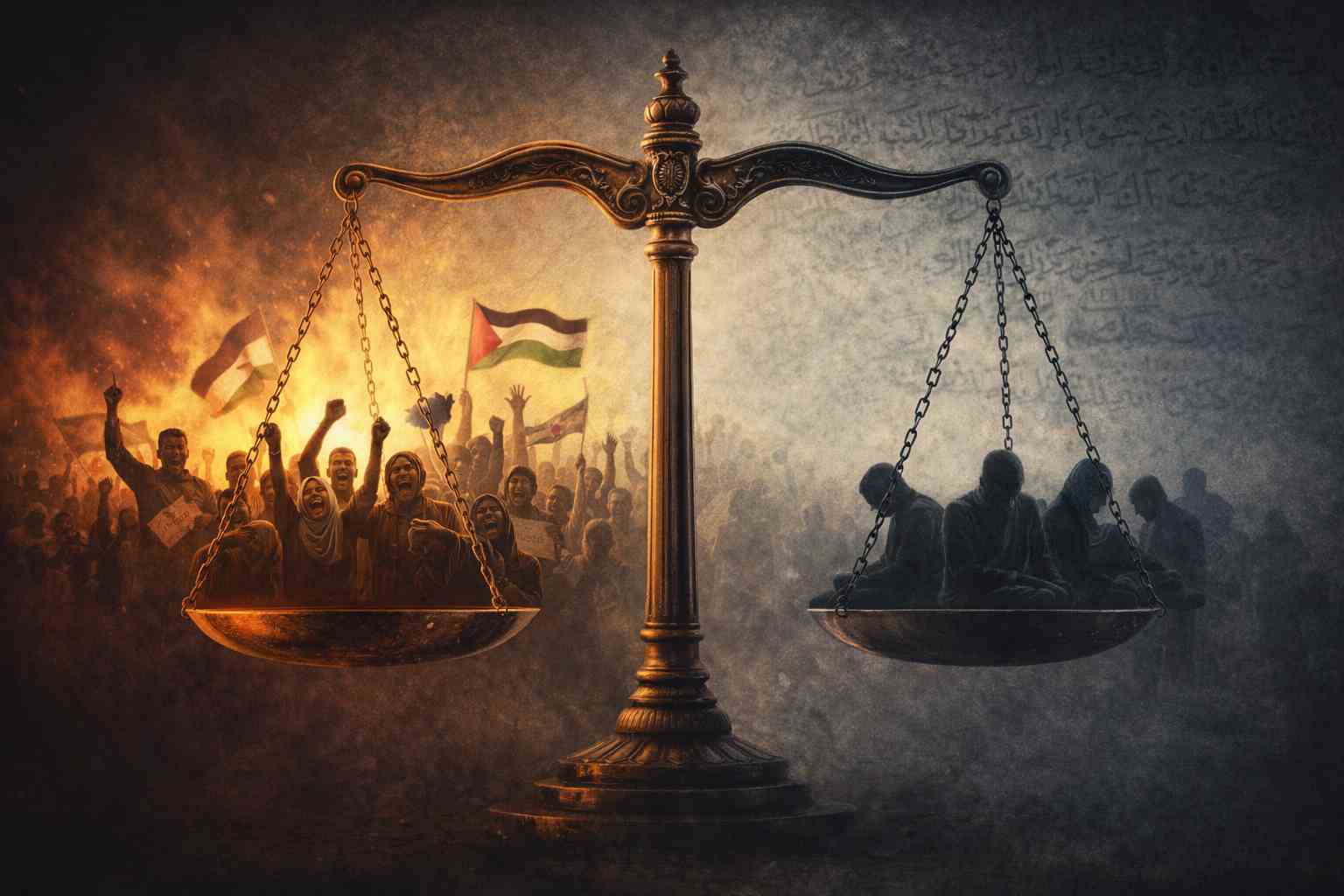
The key variable is Israel.
Its response could either support de-escalation or trigger another cycle of tension.
Therefore, analysts cannot consider the Trump Iran conflict resolved.
For now, it remains paused.
A Strategic Pause or a Negotiation Window?
This leads to a central question.
Is this a step toward peace?
Or is it a tactical pause?
At this stage, both outcomes remain possible.
The coming weeks will determine whether negotiations succeed or tensions return.
Final Thought: A Crisis Delayed, Not Resolved
For now, the world feels temporary relief.
The immediate threat has receded, and worst-case scenarios have been avoided.
However, underlying tensions remain.
This is not the end.
Instead, it is a pause in a larger geopolitical struggle.
History shows that such pauses can lead to resolution—or prepare the ground for a more serious conflict.
Adil Raja is a retired major of the Pakistan Army, freelance investigative journalist, and dissident based in London, United Kingdom. He is the host of “Soldier Speaks Reloaded,” an independent commentary platform focused on South Asian politics and security affairs. Adil is also a member of the National Union of Journalists (UK) and the International Human Rights Foundation. Read more about Adil Raja.. Read more about Adil Raja.