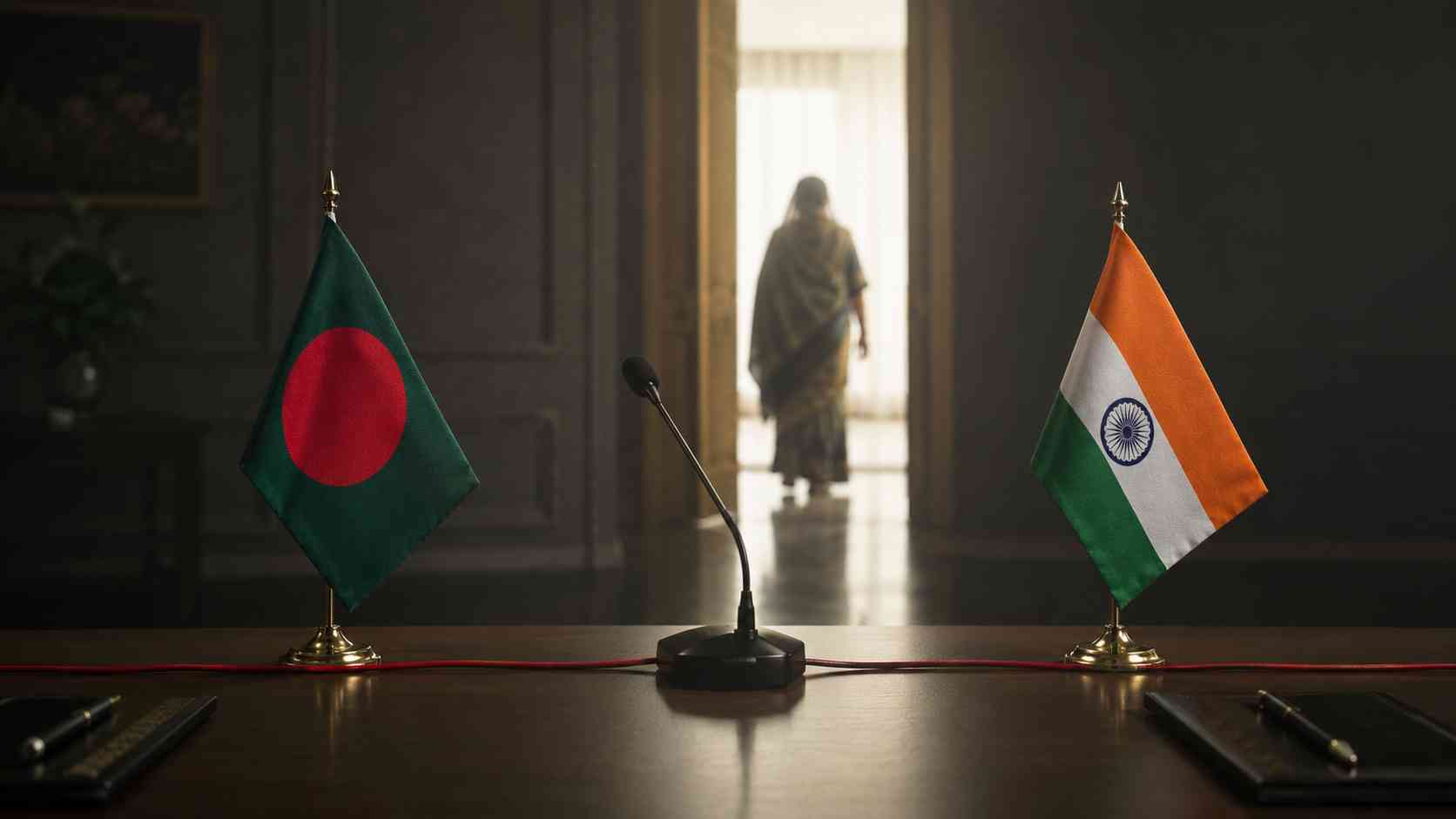
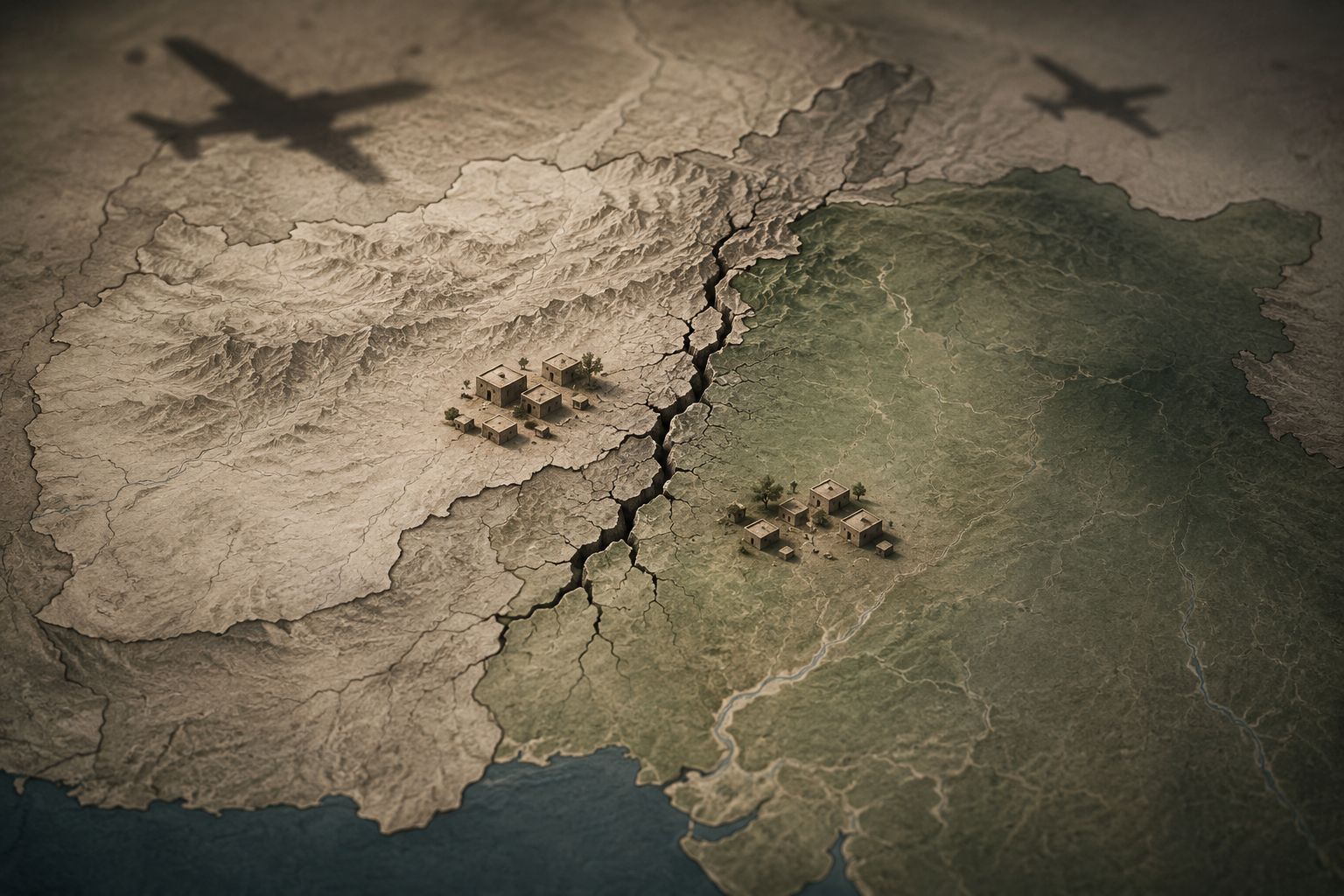
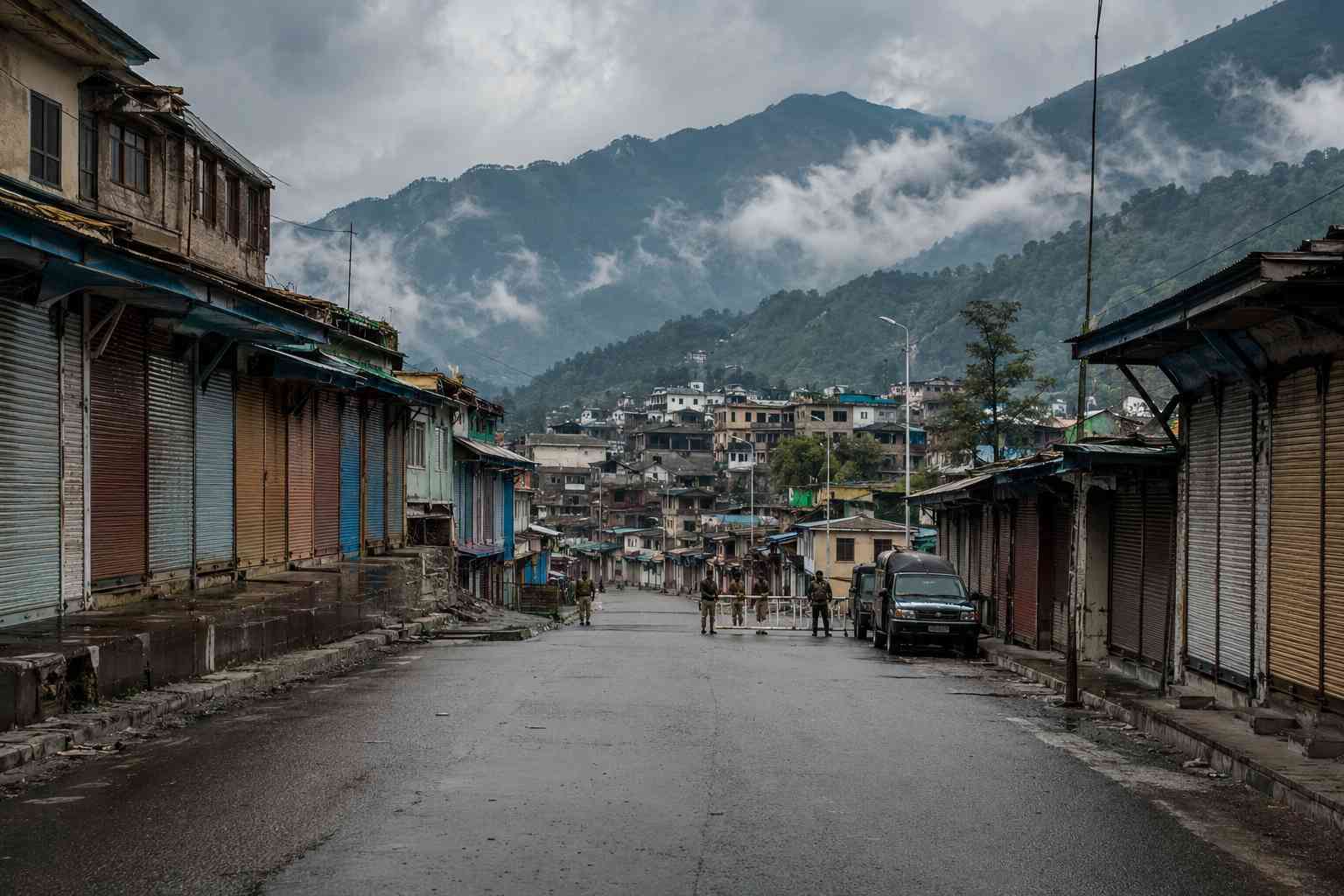
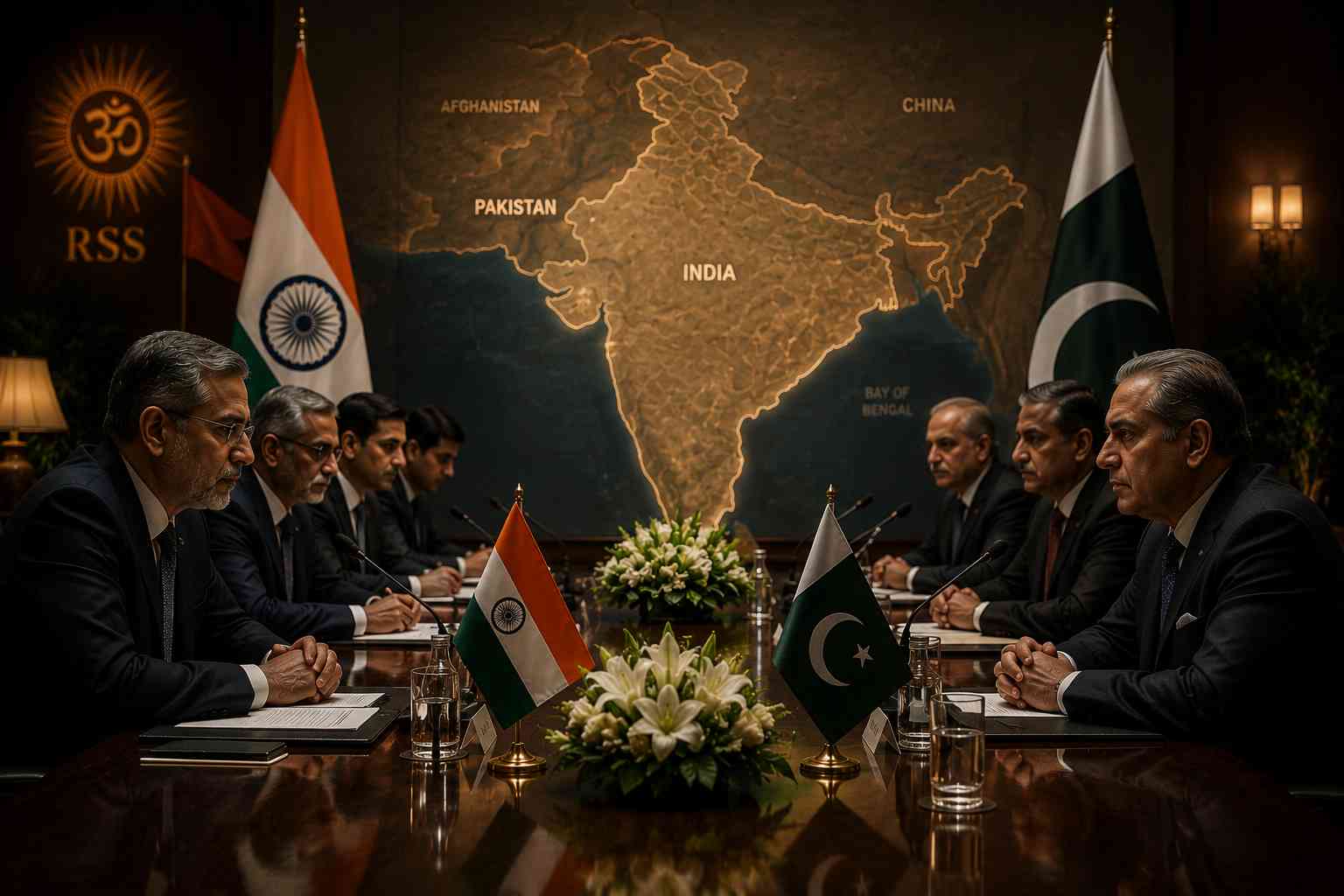
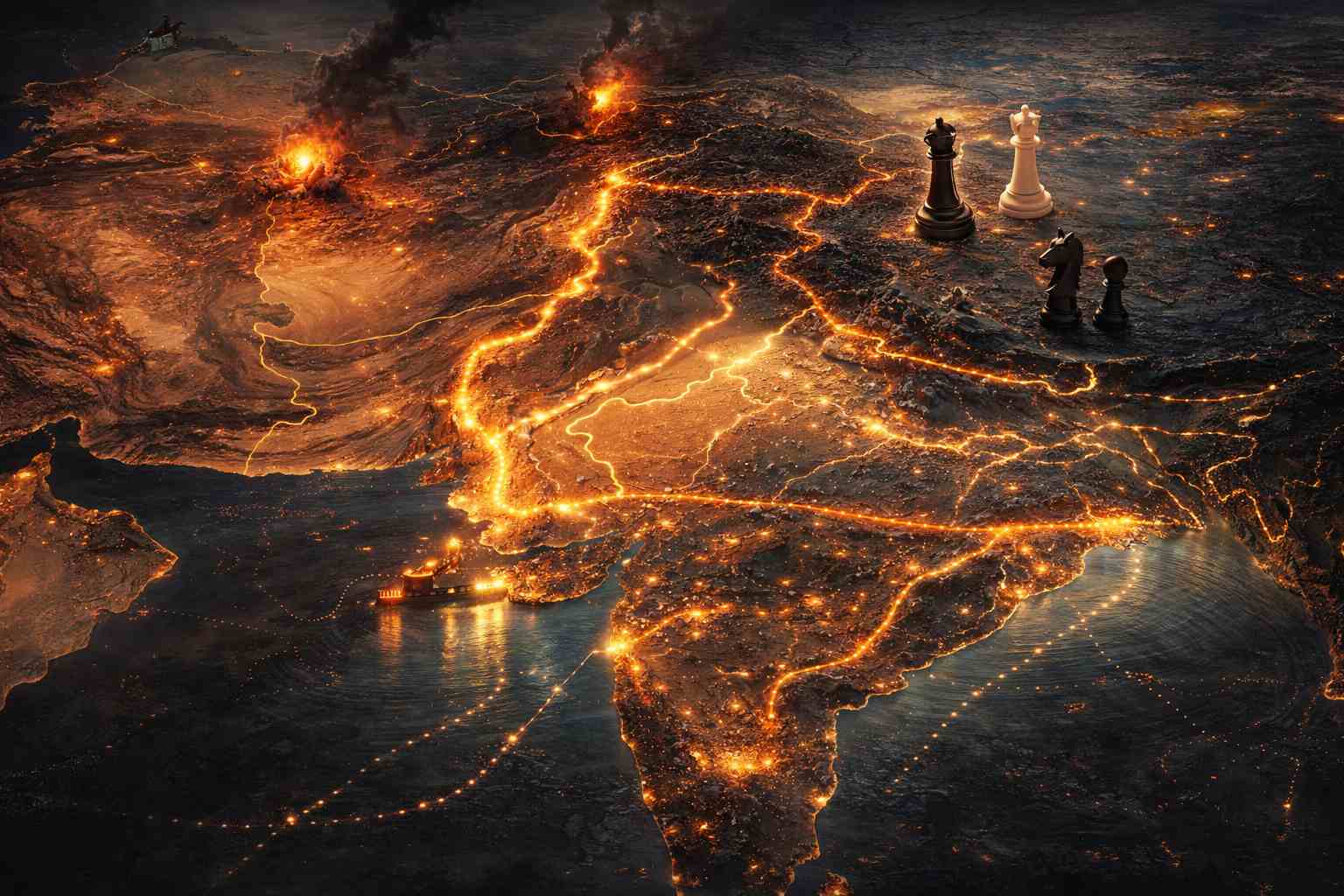
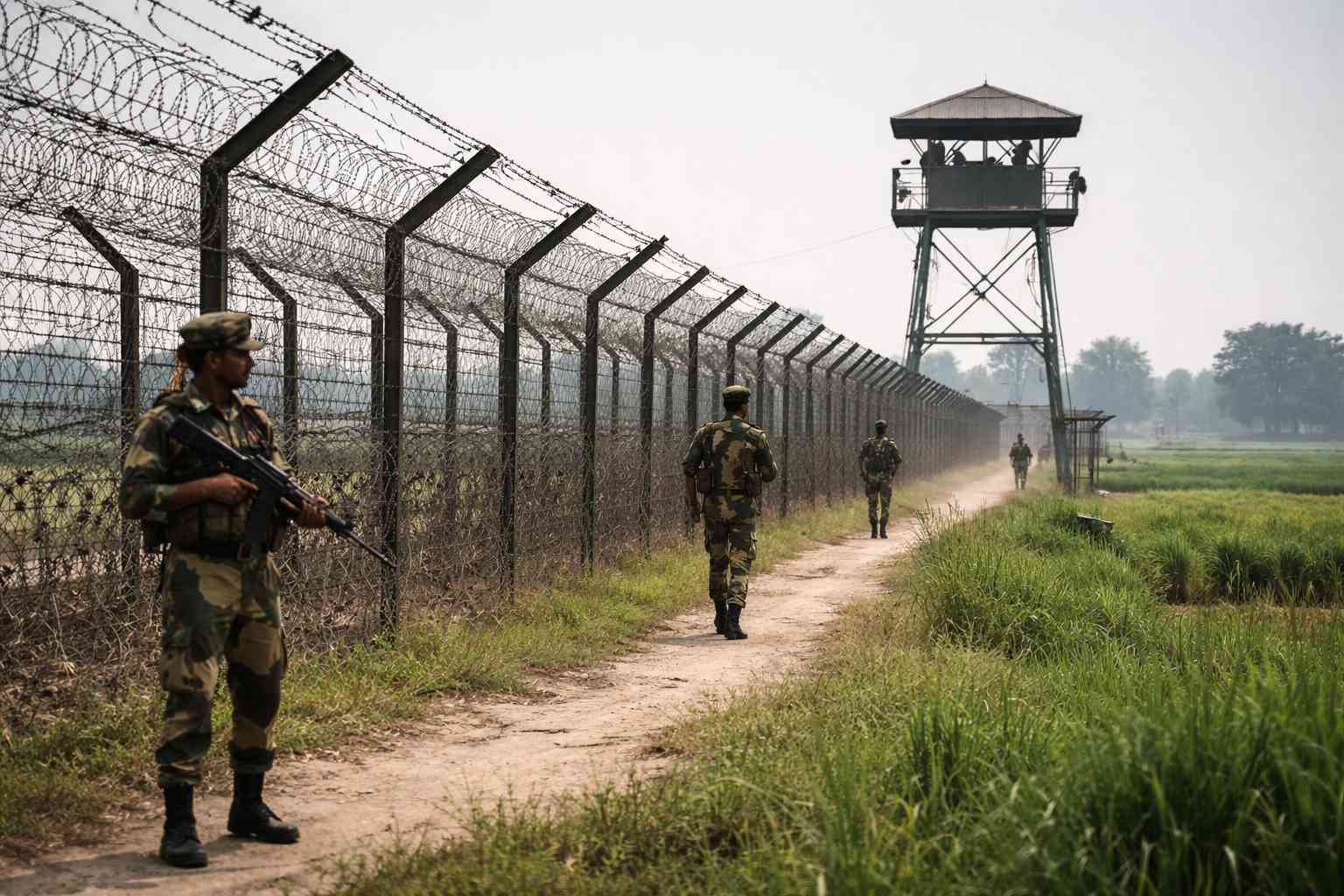
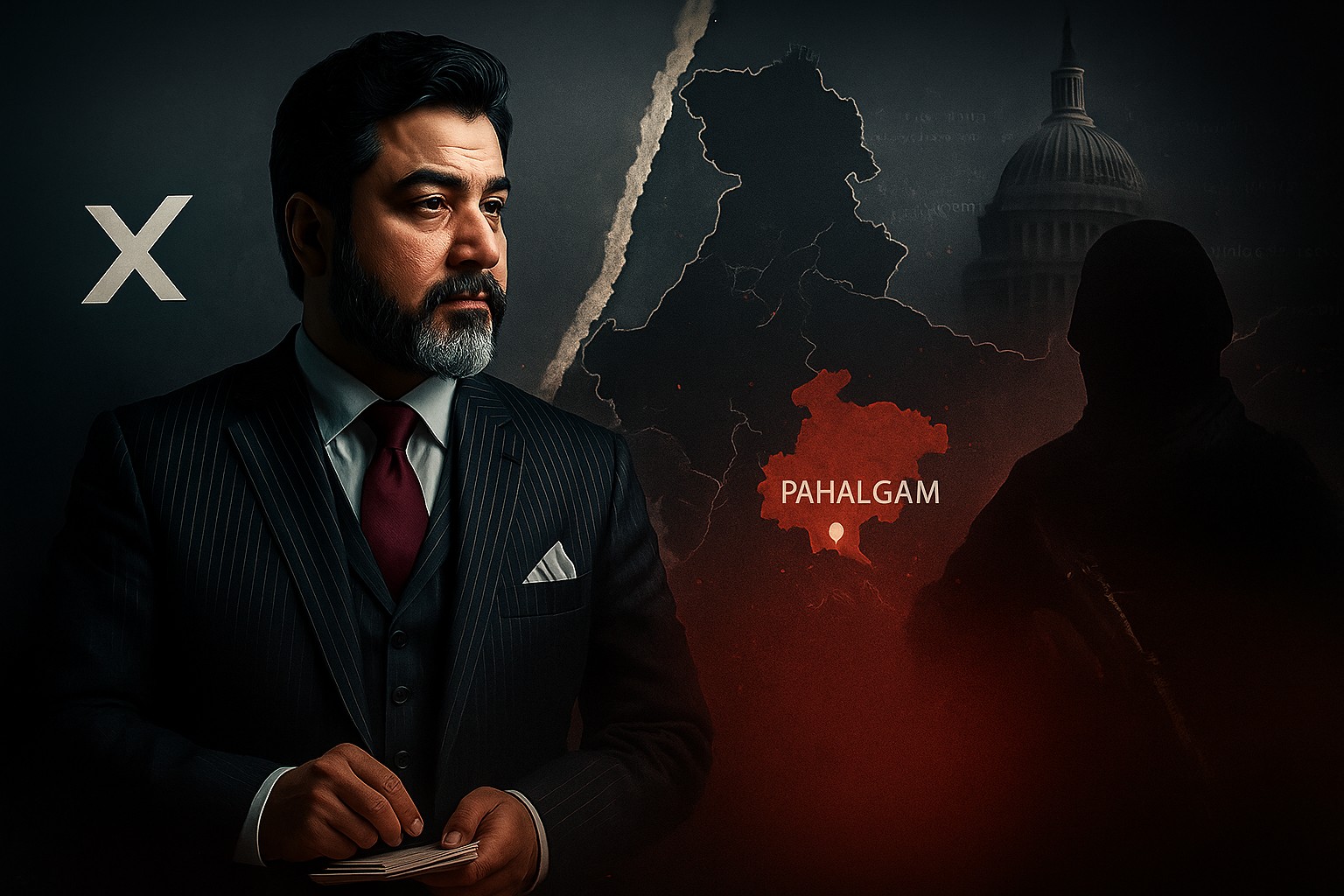
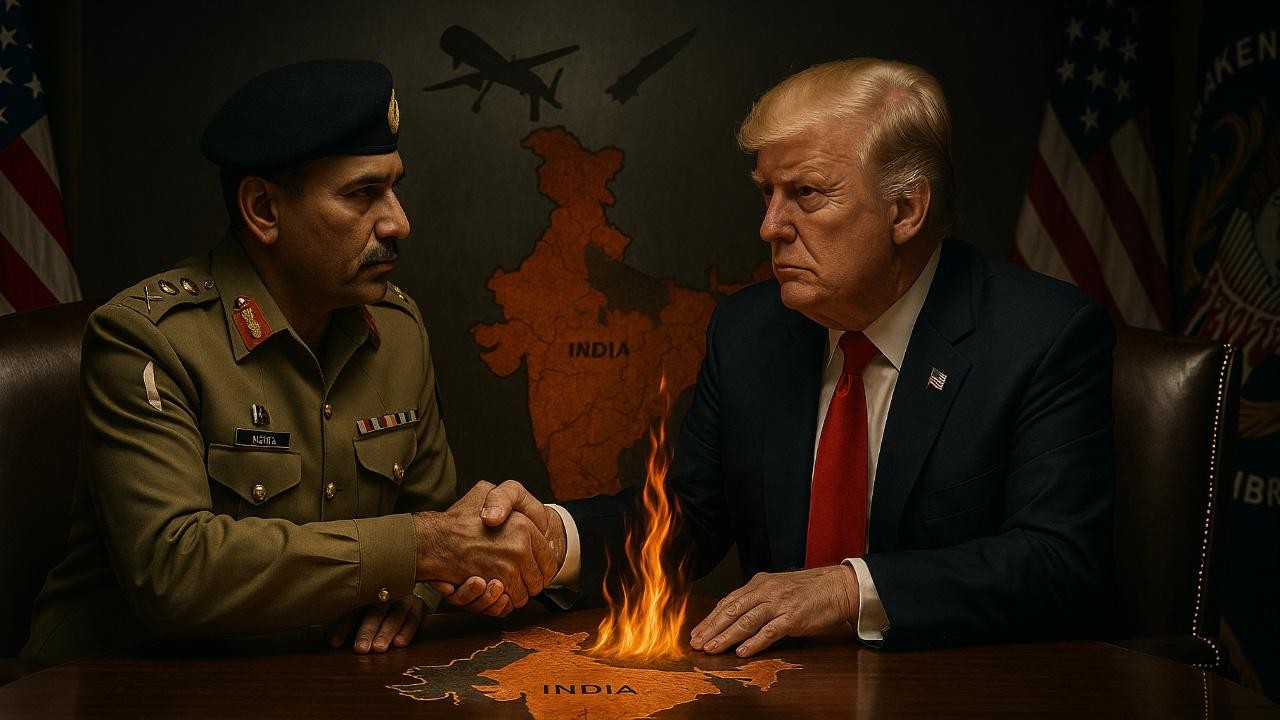
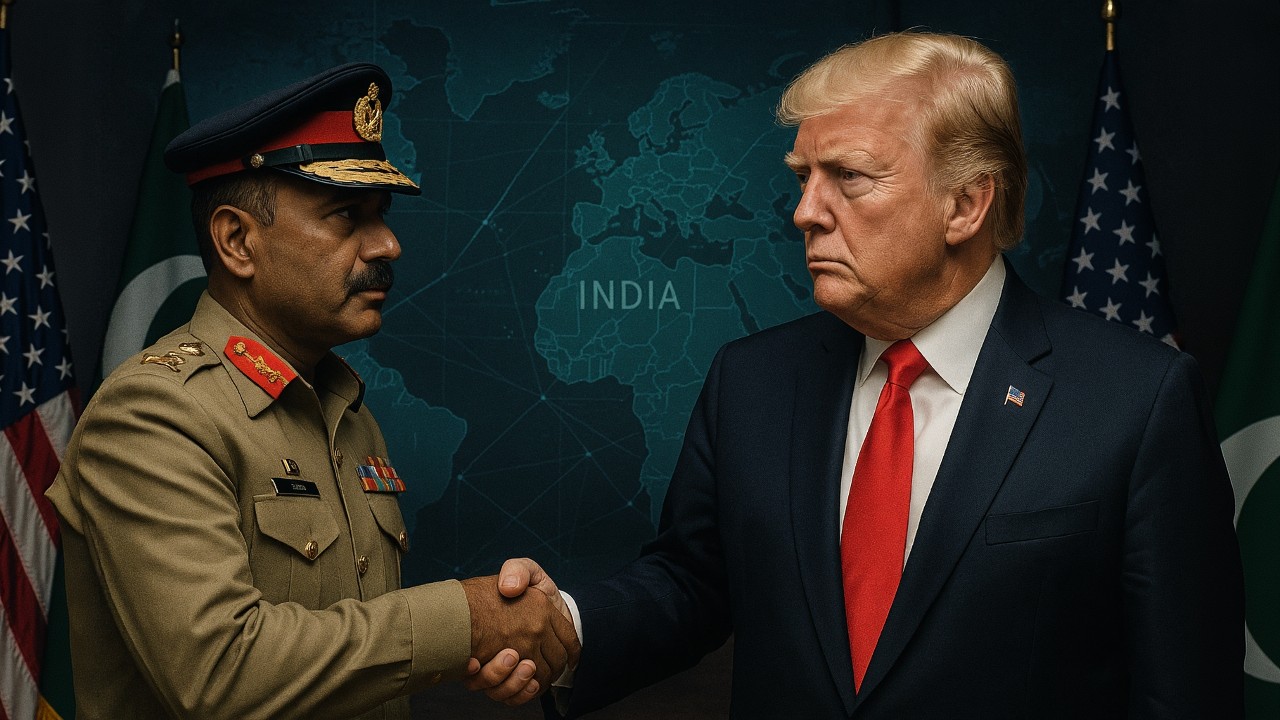
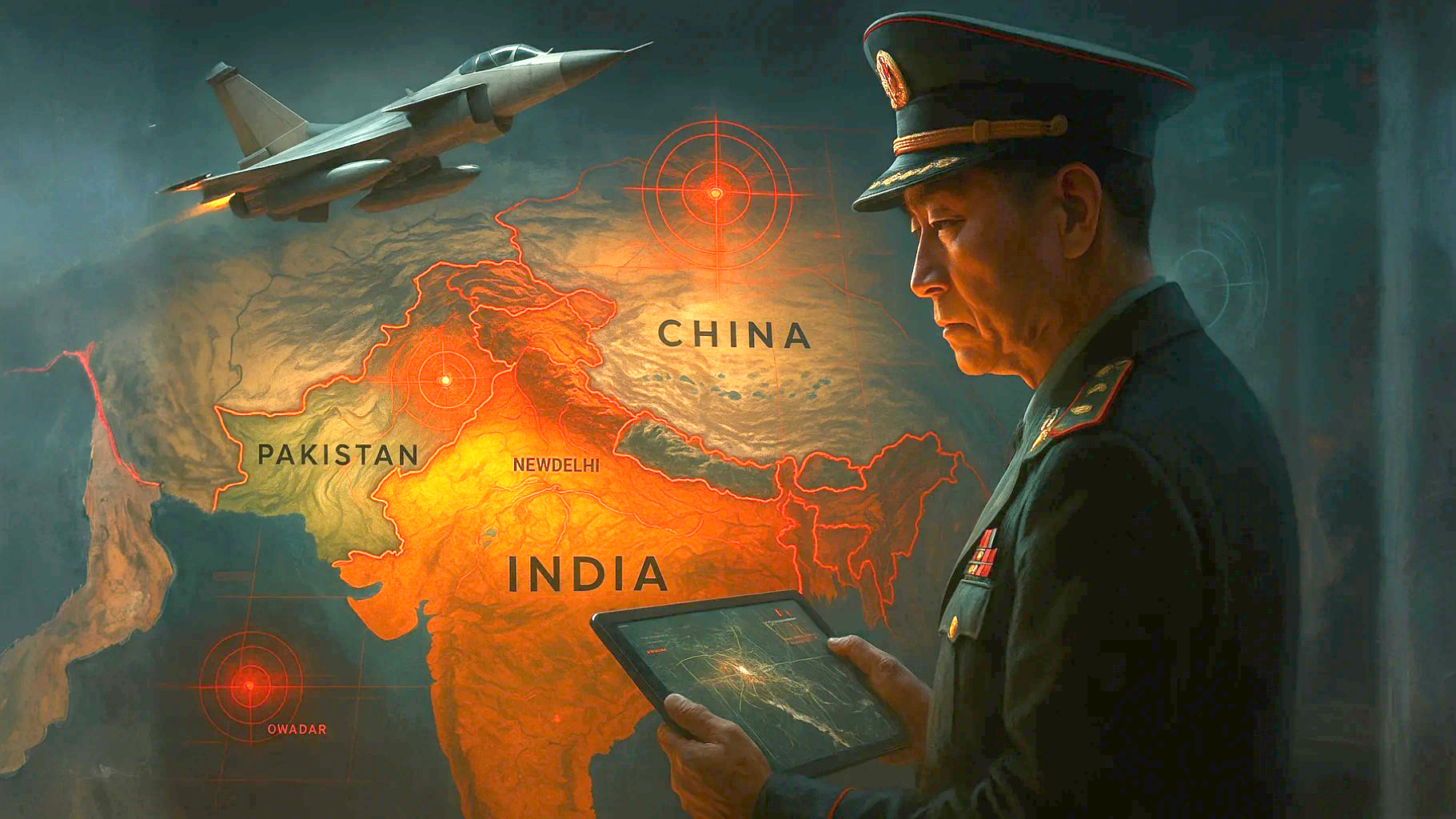
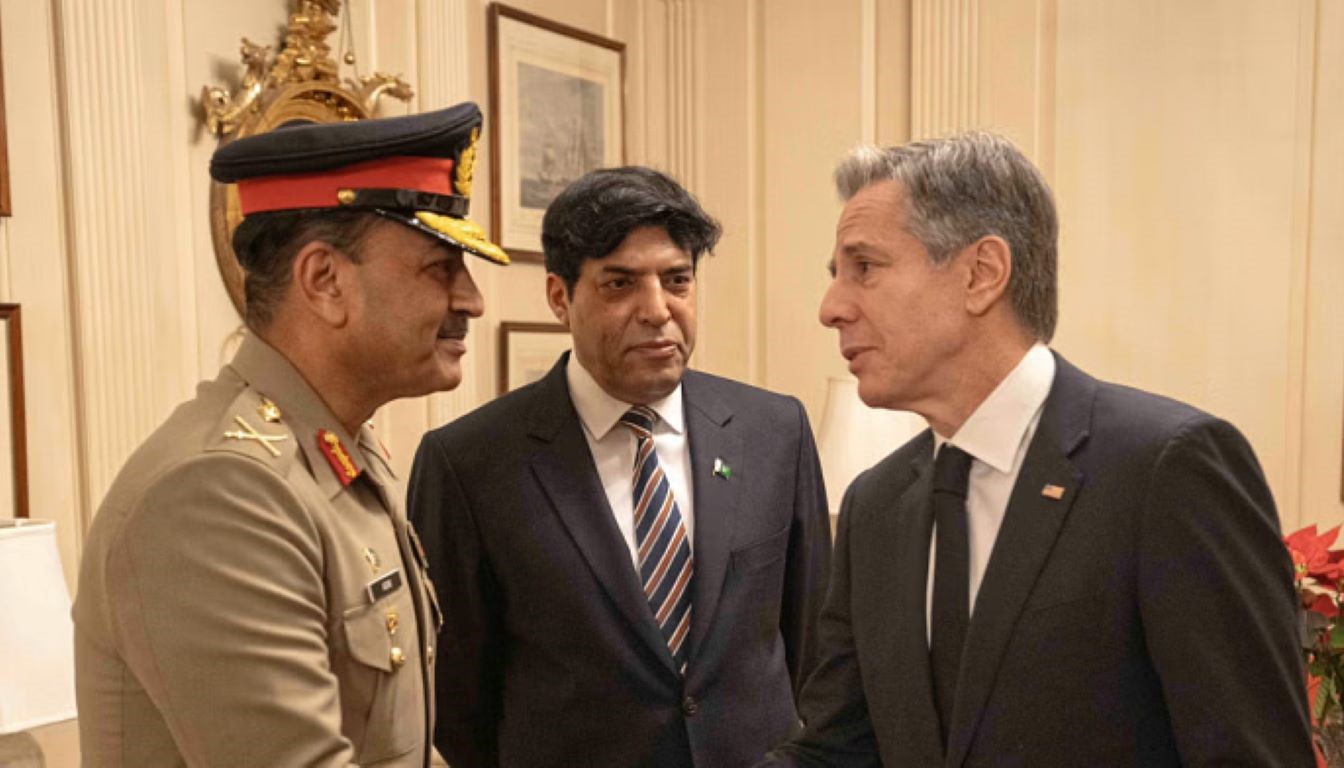
The need for Pakistan India backchannel diplomacy has become more urgent as regional alignments shift across South Asia and the Middle East. Recent tensions between Pakistan and India remain serious, but the larger geopolitical environment is changing even faster.
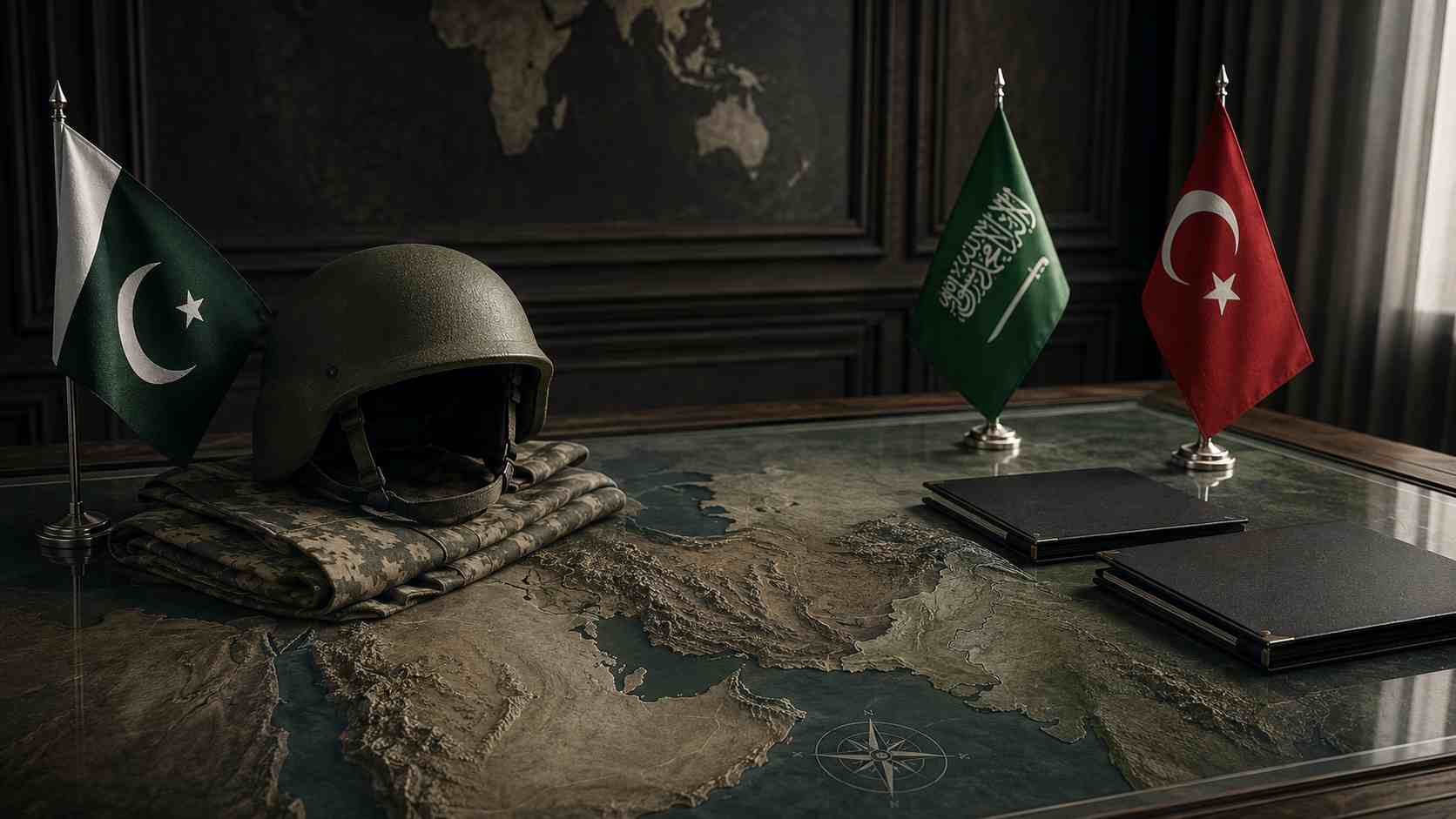
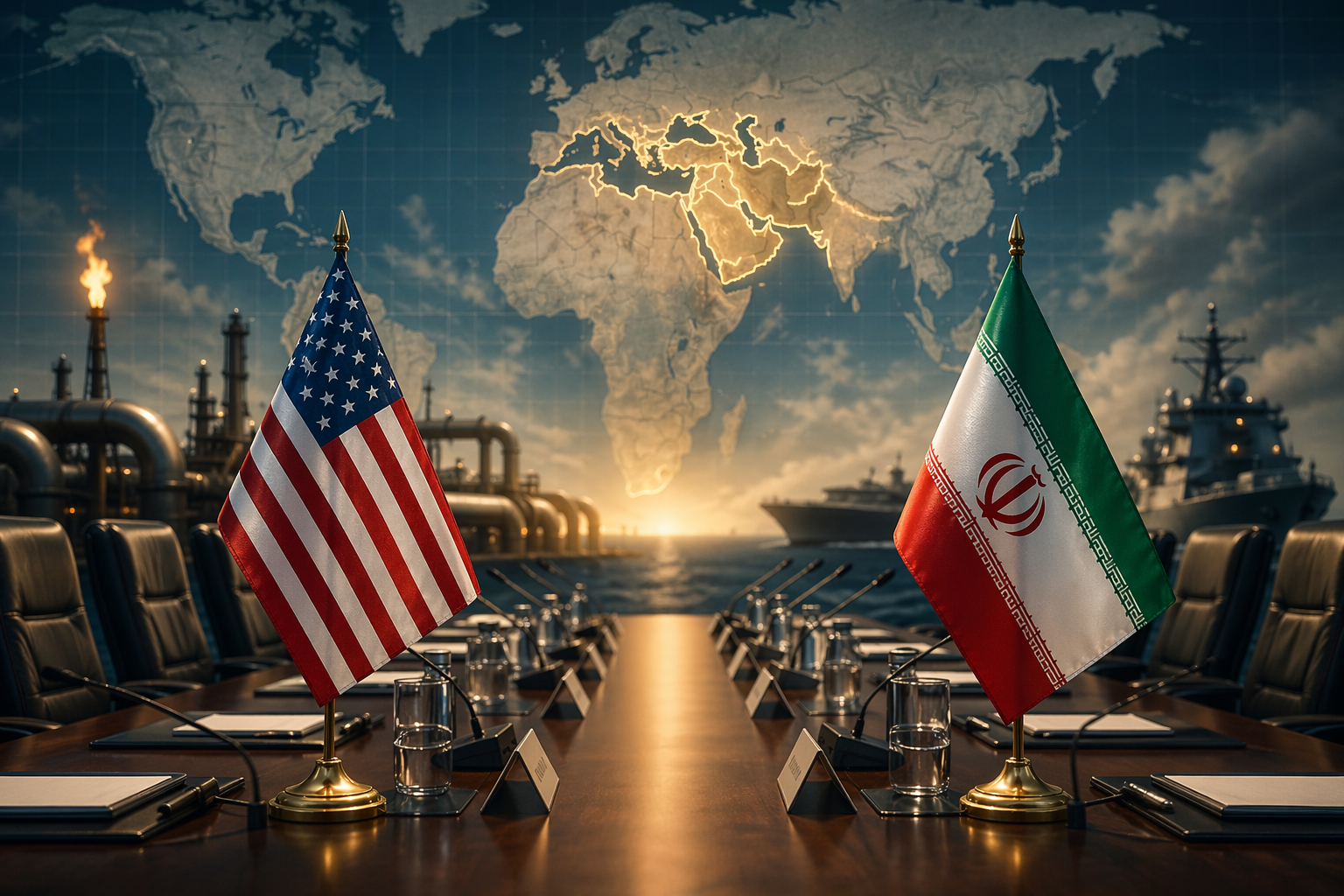
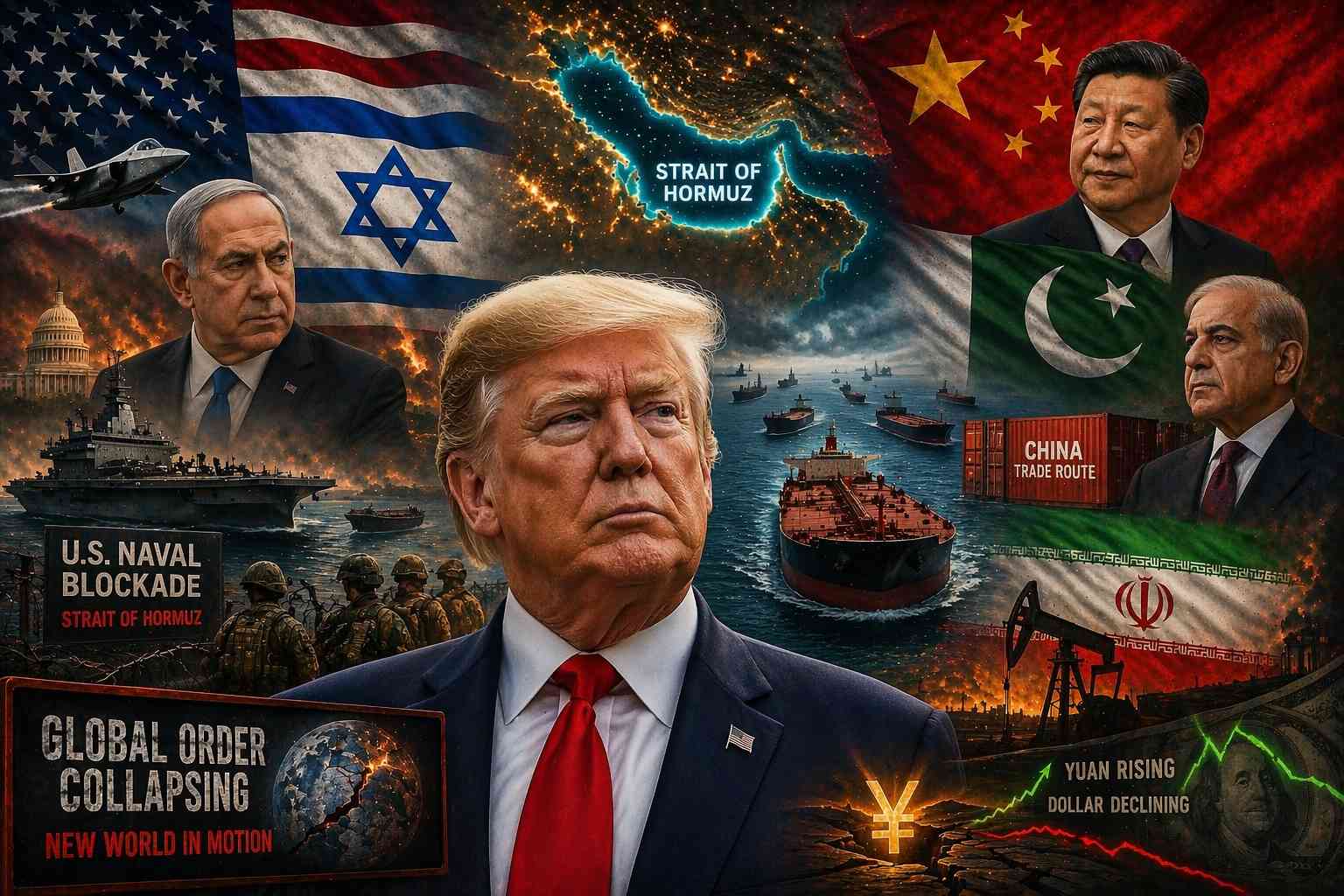
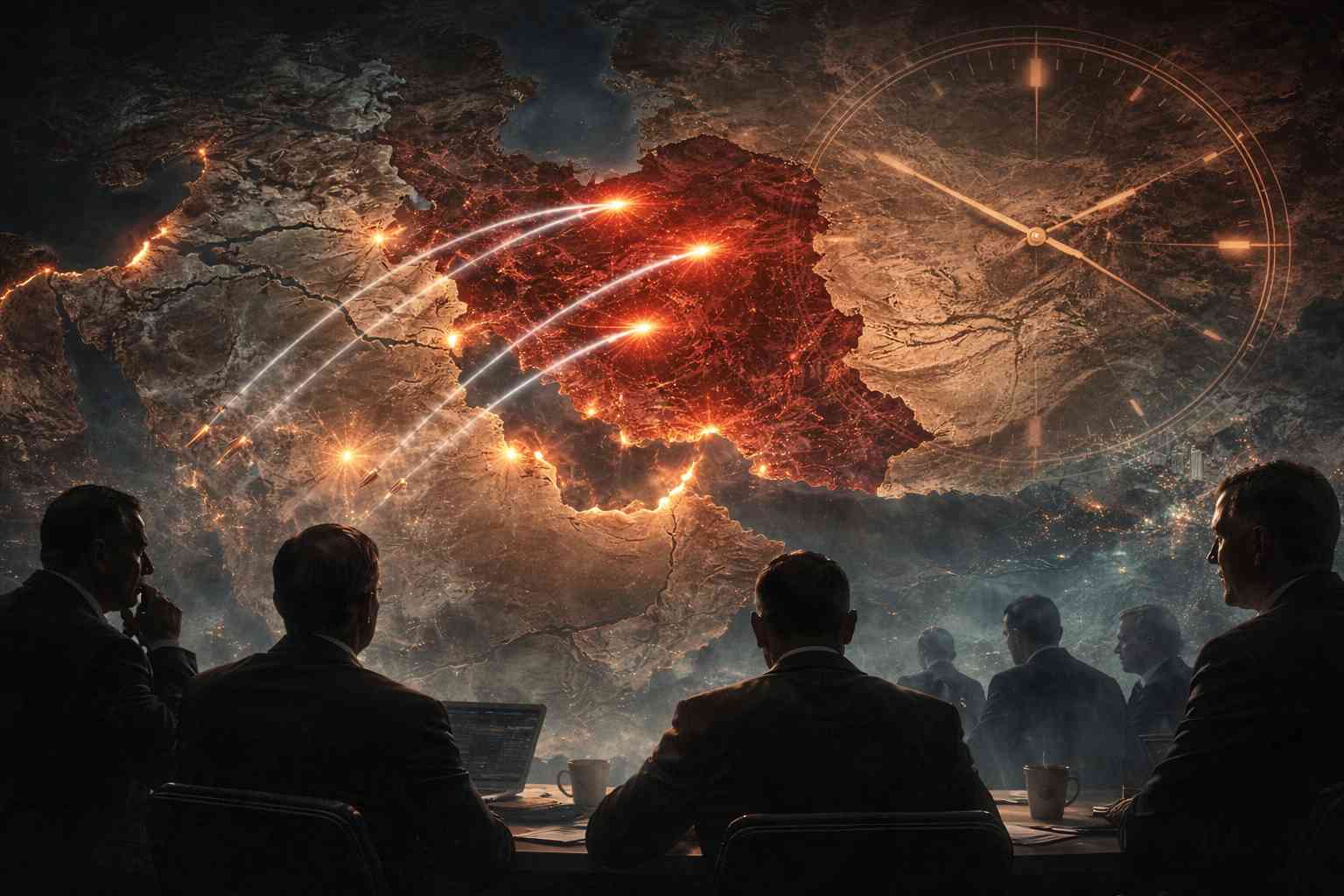
The Iran conflict, Gulf realignments, UAE–Israel–India coordination, and Pakistan’s growing proximity to Saudi Arabia and Turkey all point toward a new regional order. In such a climate, public confrontation may satisfy domestic audiences, but it cannot secure long-term national interests.
A Different Kind of Dialogue
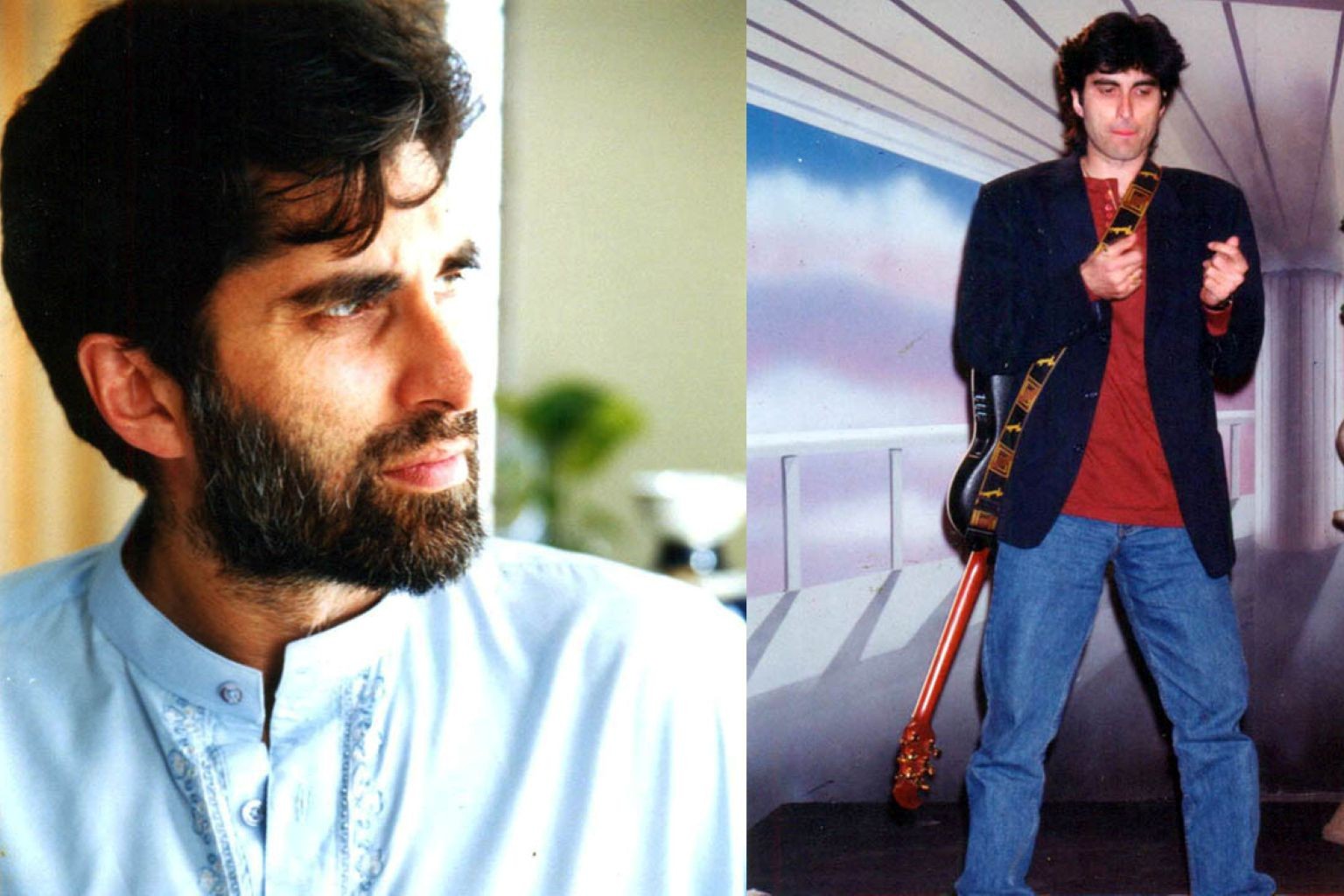
Dr. Moeed Pirzada’s recent conversation with Indian defence analyst General G.D. Bakshi offered an important example. Despite Bakshi’s reputation as a hawkish voice in Indian media, the discussion remained calm, serious, and focused on understanding.
That contrast matters. Television debate often rewards confrontation. Diplomacy requires the opposite. It requires patience, listening, and clarity about strategic realities.
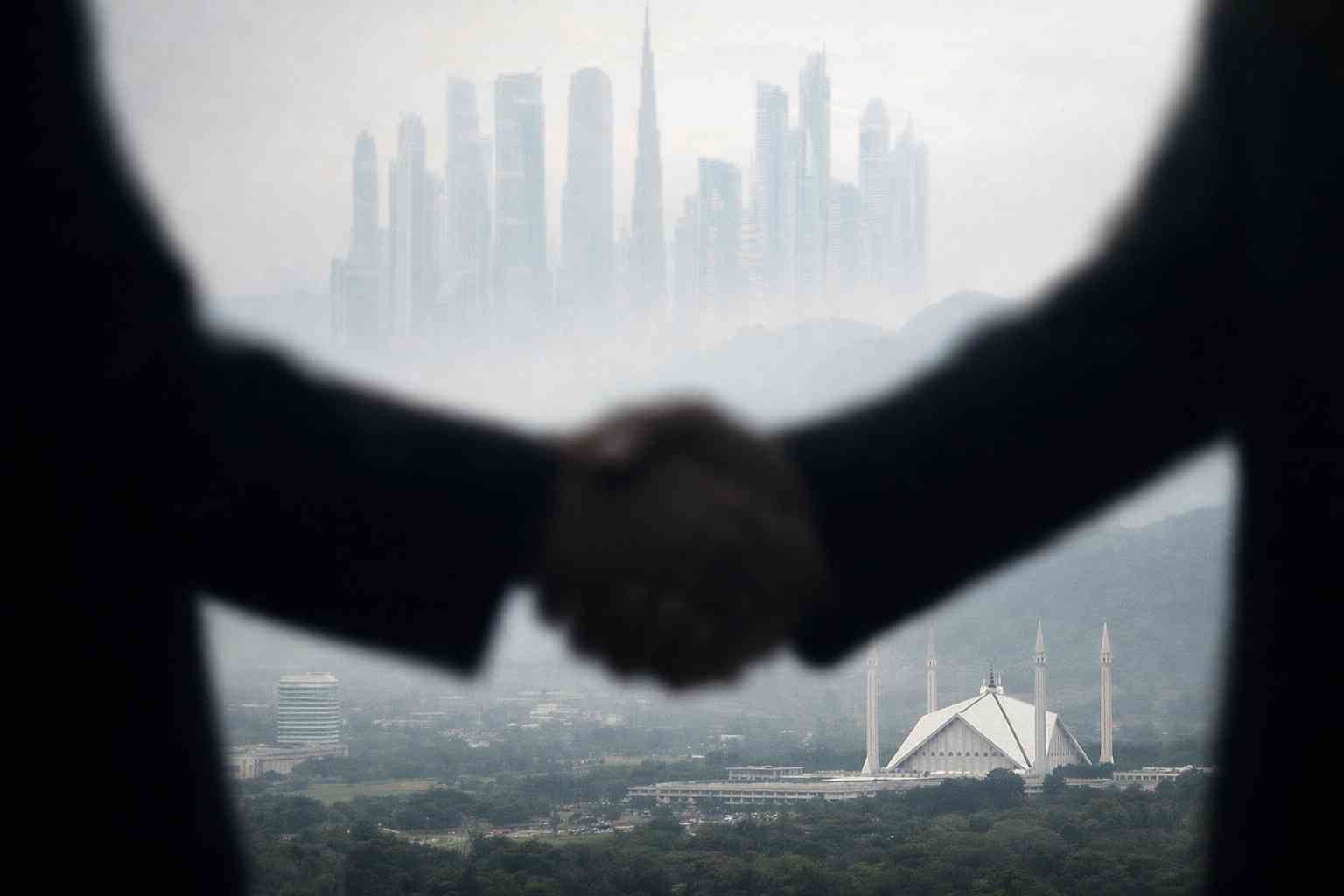
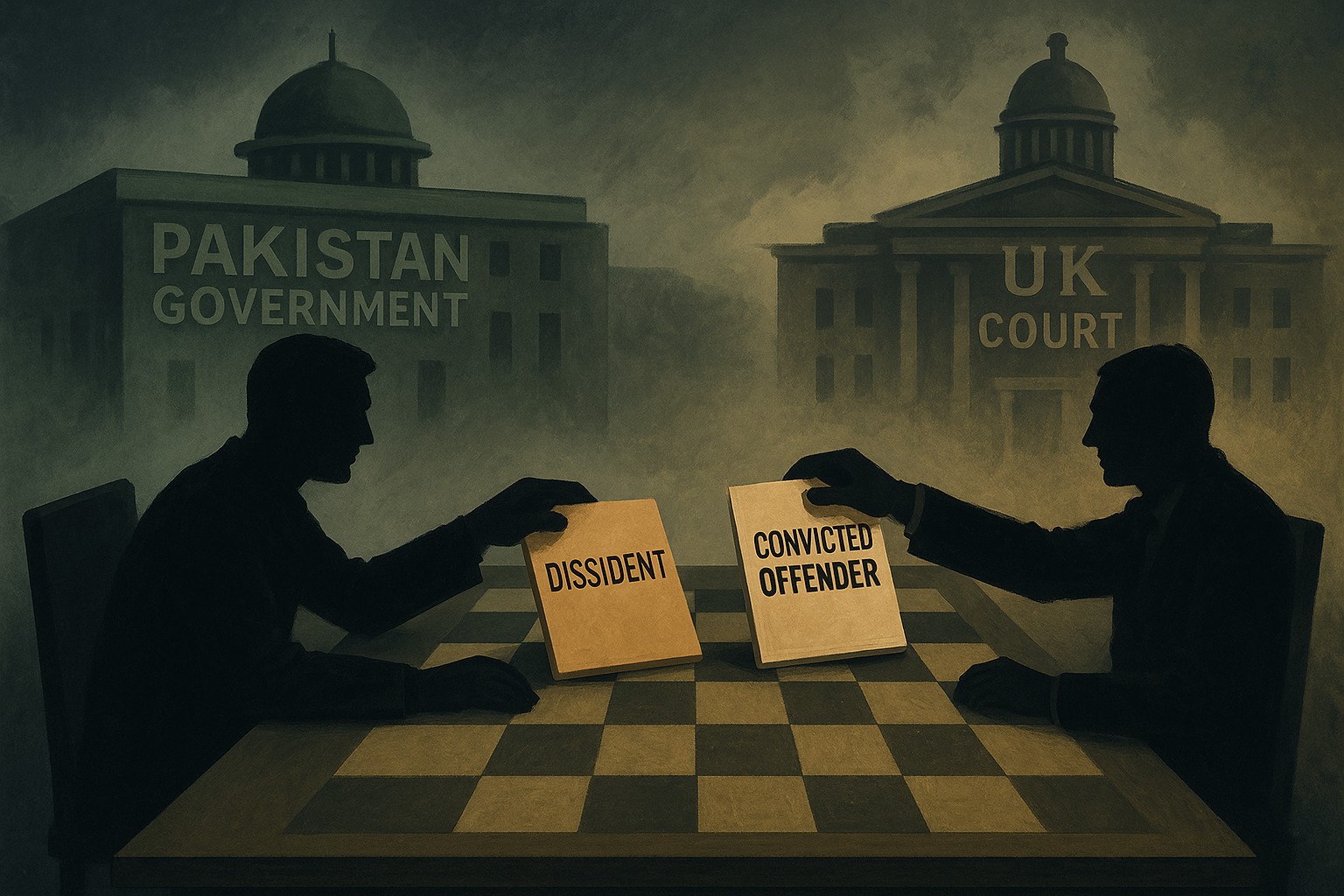
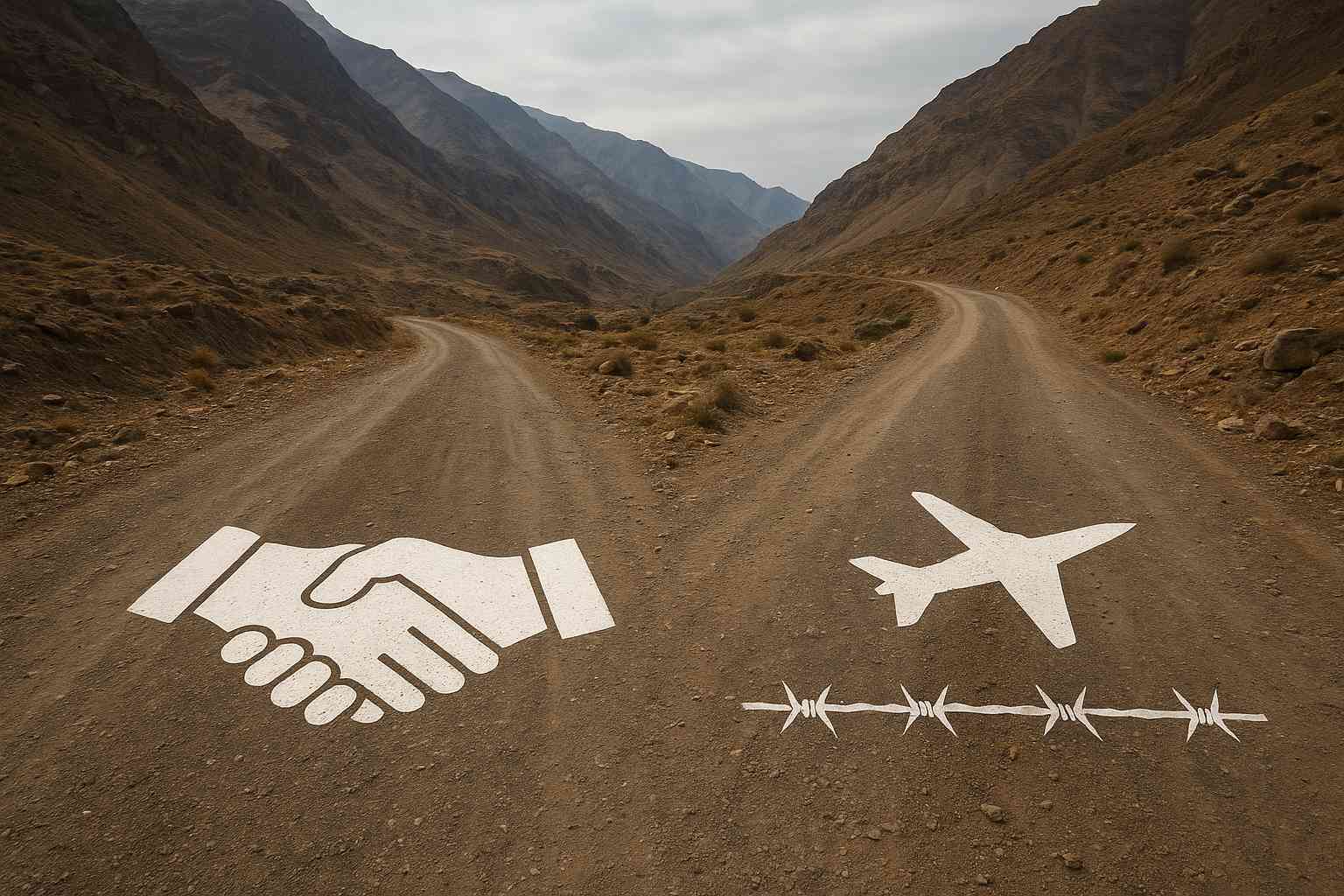
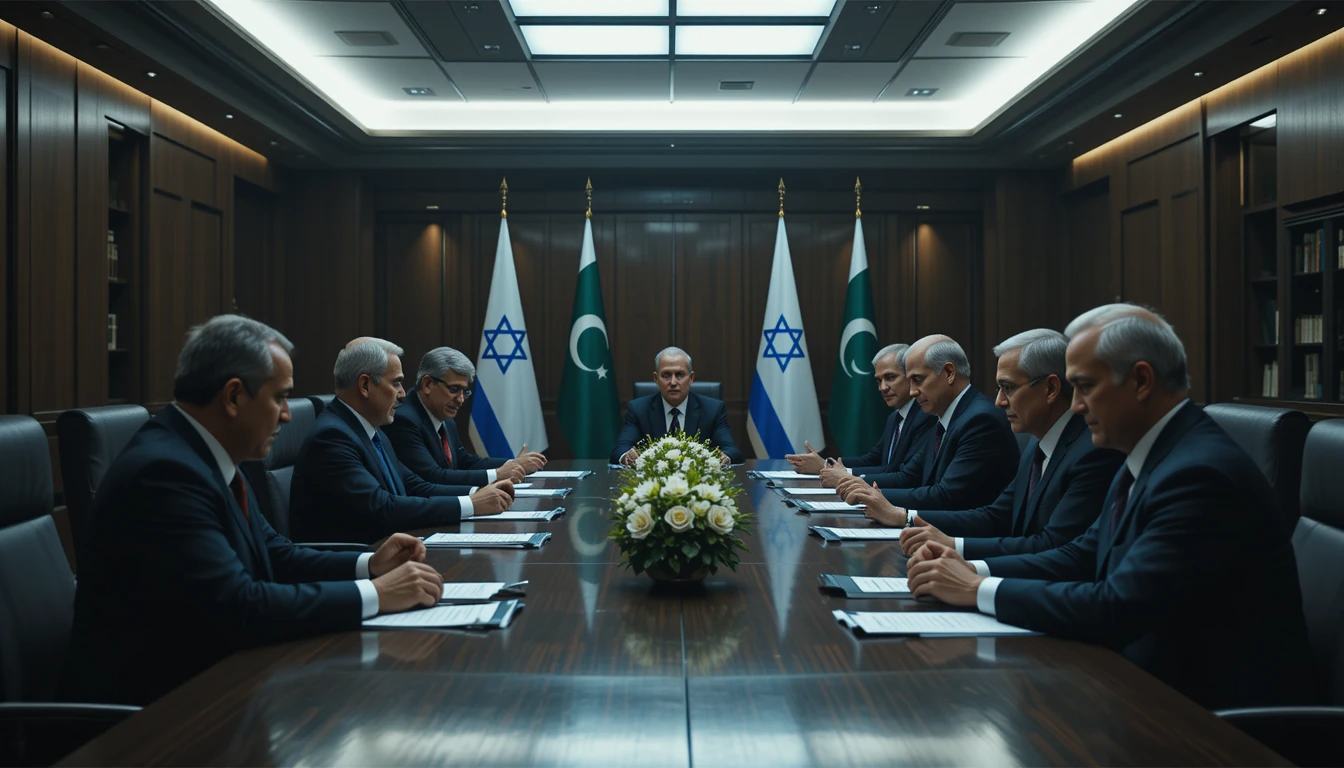
This is why Pakistan India backchannel diplomacy should not be seen as weakness. It should be seen as strategic necessity.
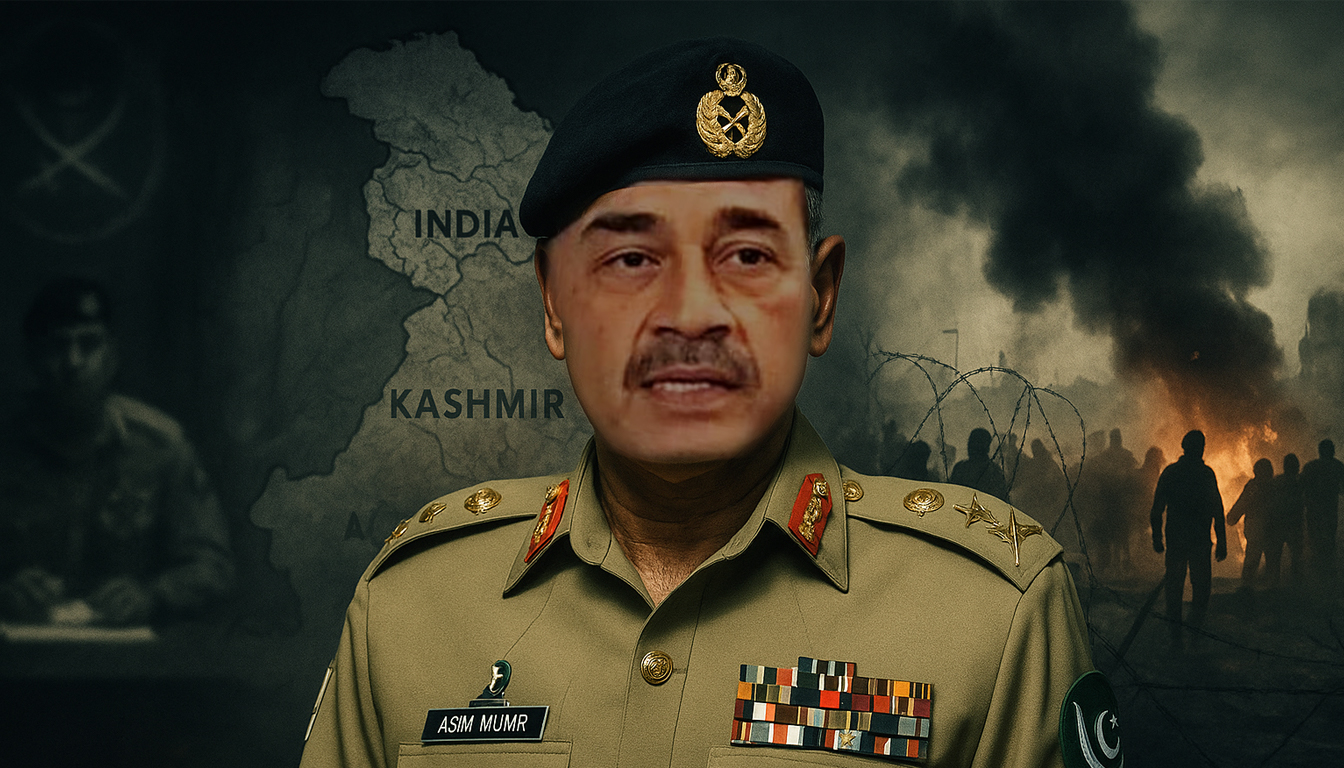
Operation Sindoor, Marka-e-Haq and Competing Narratives
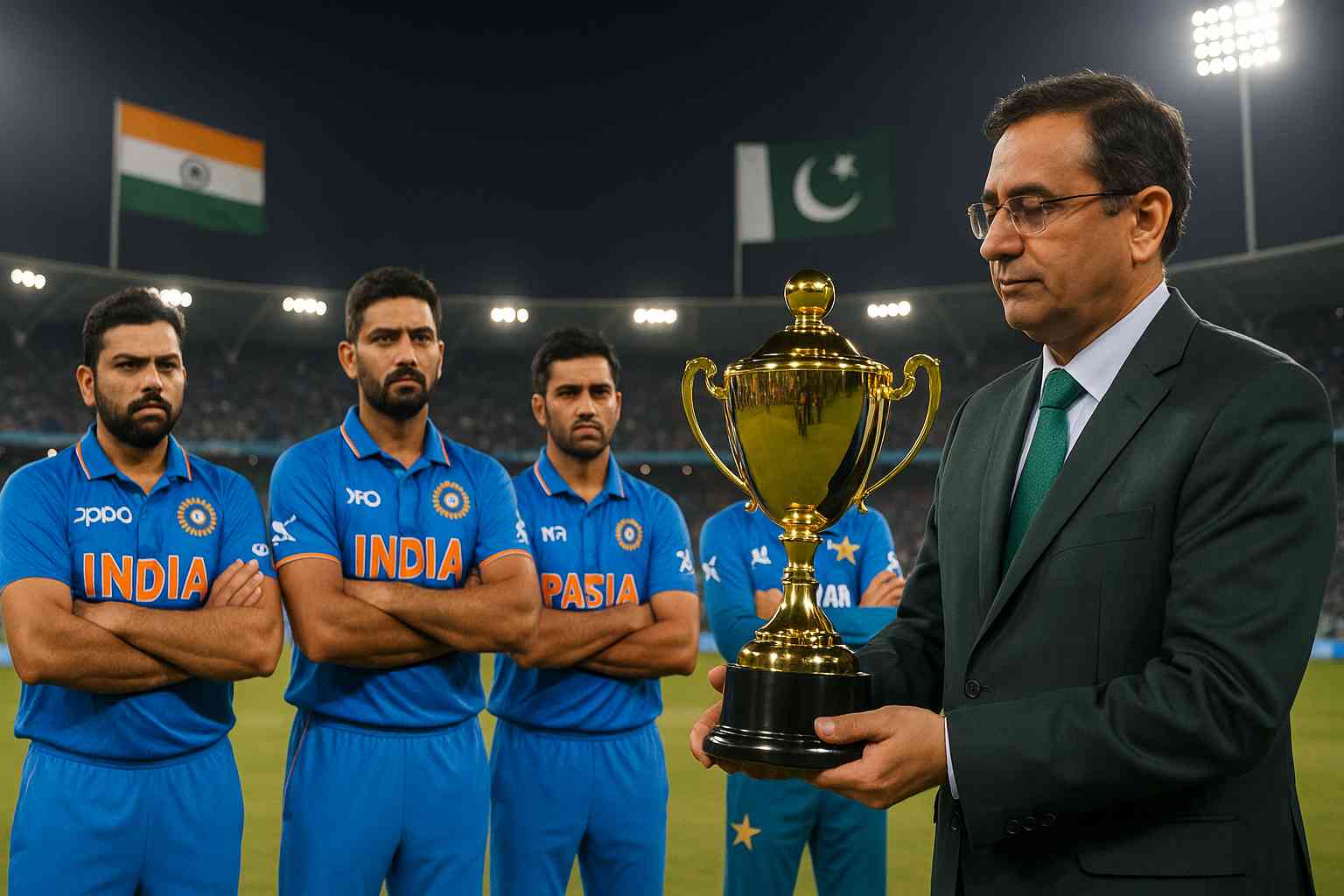
Both Pakistan and India continue to frame the May conflict through national victory narratives. India presents Operation Sindoor as a decisive demonstration of power. Pakistan presents Marka-e-Haq and Operation Bunyan al-Marsoos as proof of military resilience.
Both narratives serve domestic politics. Yet the reality is more complex.
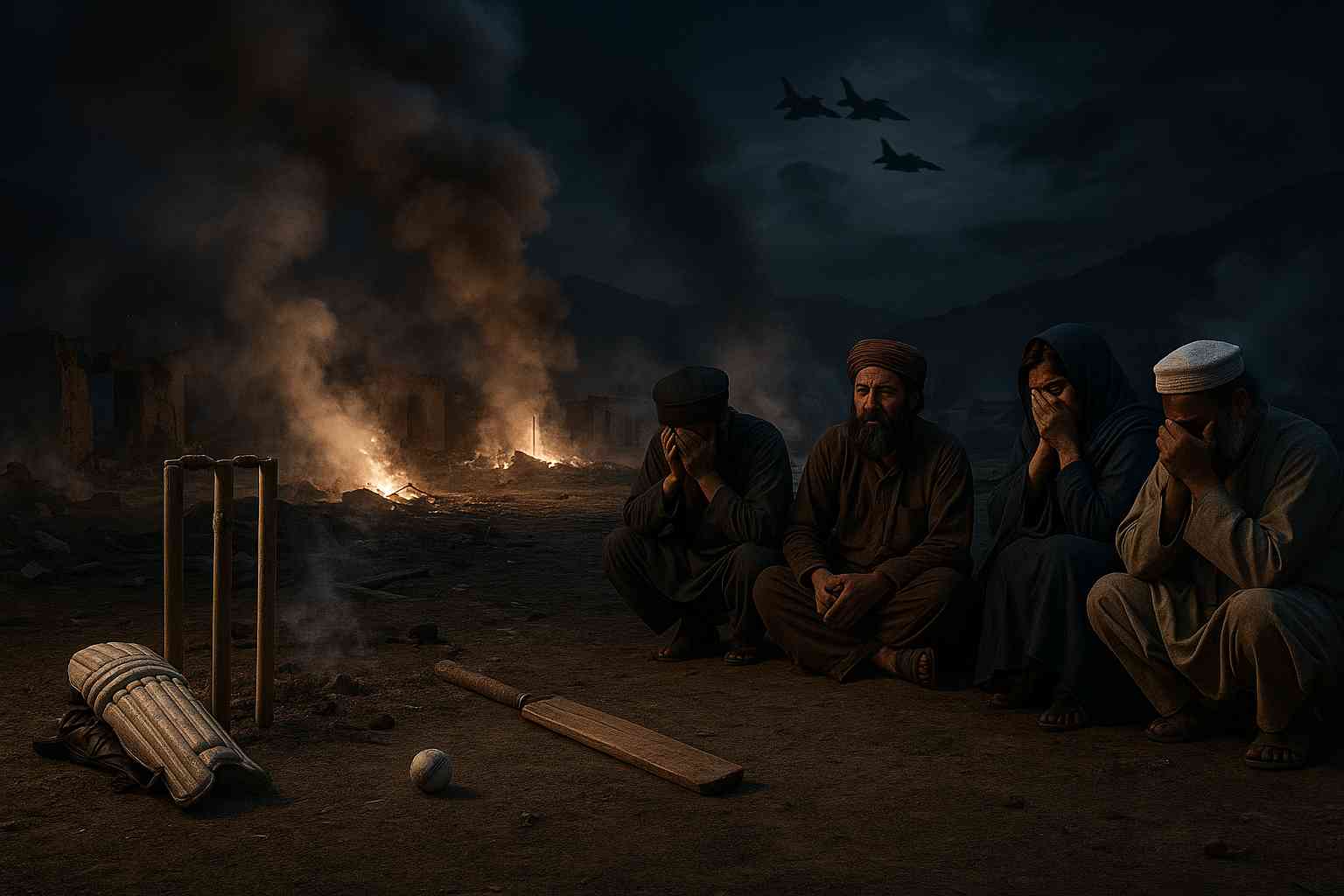
The conflict was limited. Both sides engaged and then disengaged. It did not create a stable regional settlement. It did not resolve the water issue, Kashmir, terrorism concerns, or military escalation risks.
A limited conflict may end quickly, but its political effects can last much longer.
Regional Order Is Already Changing
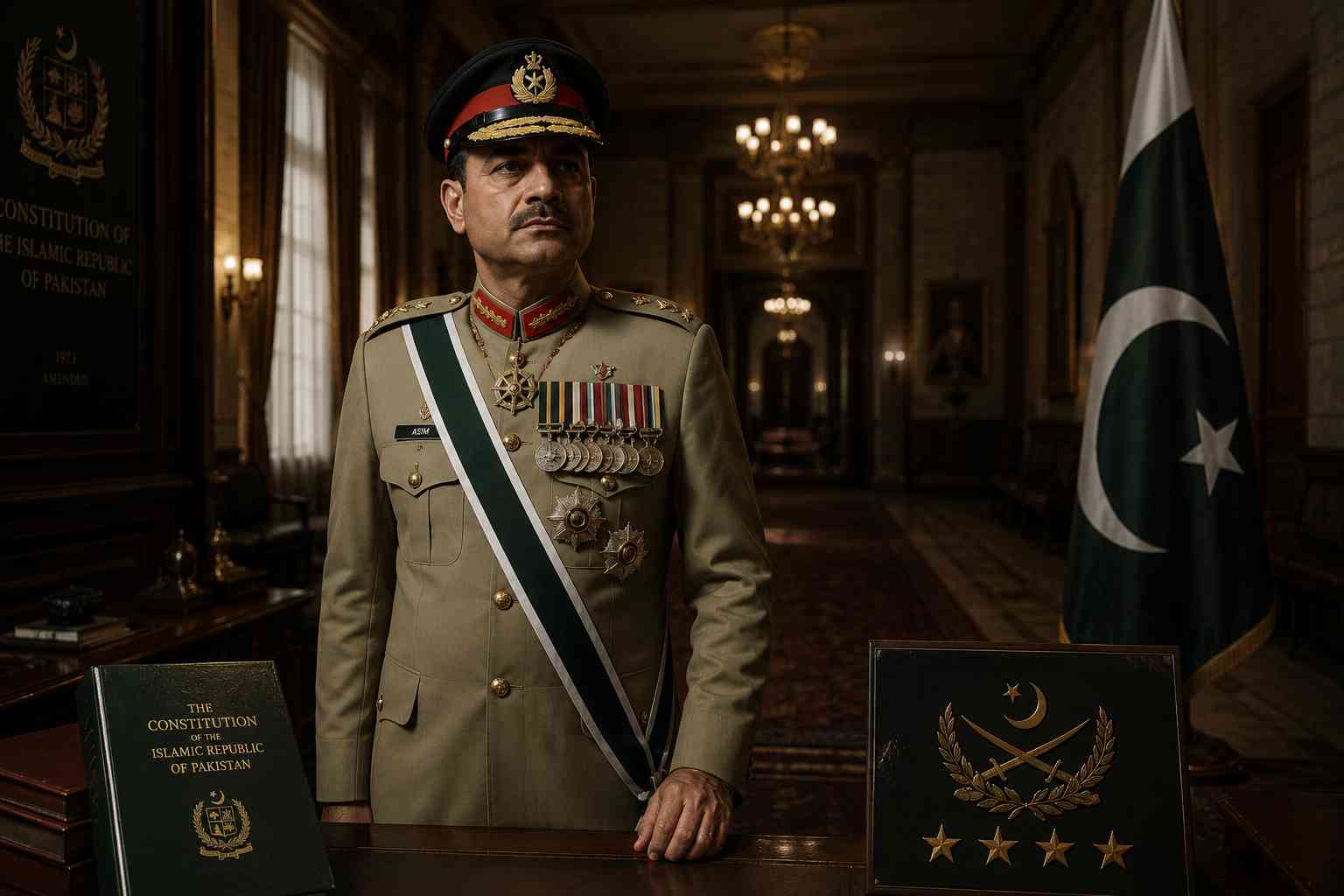
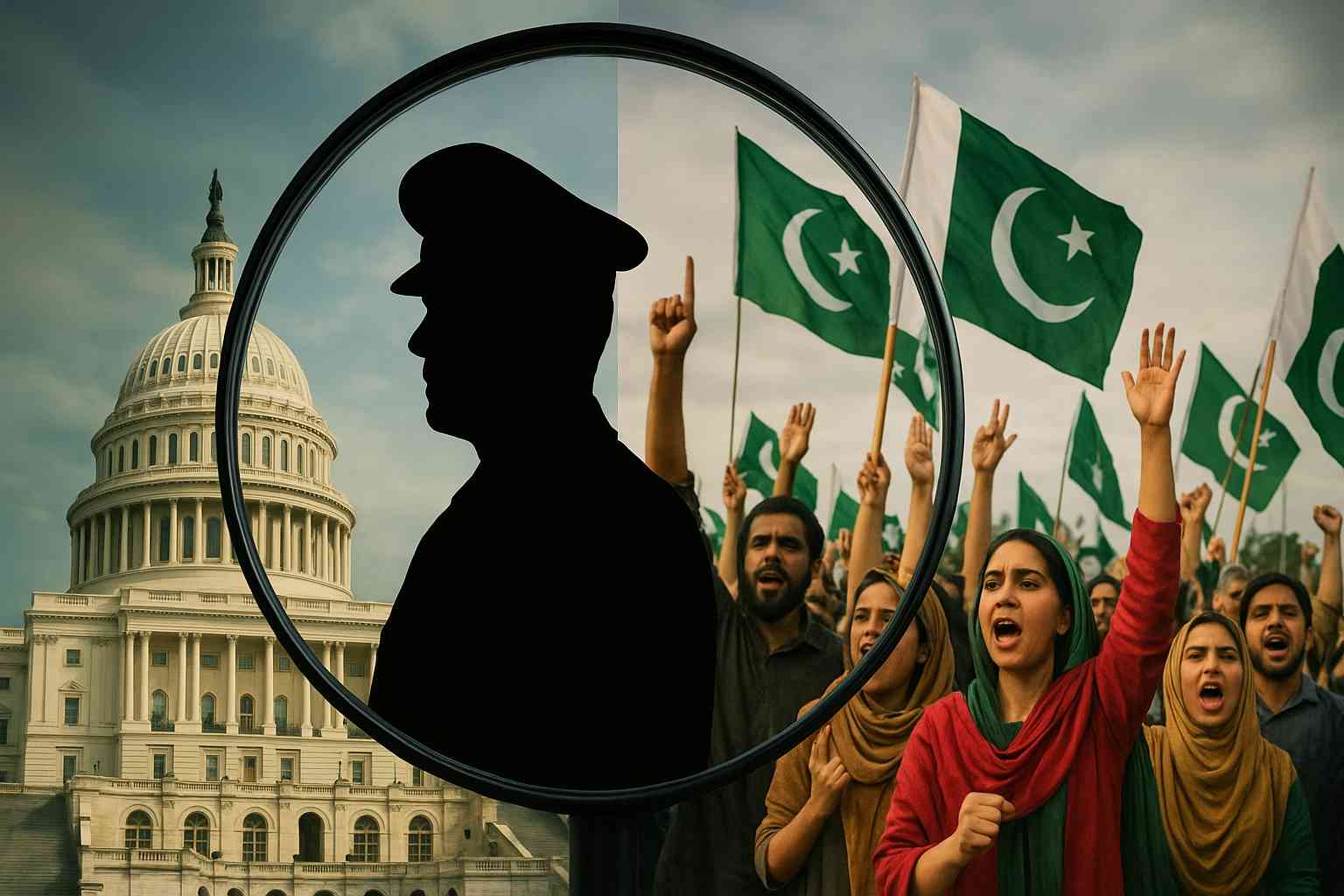
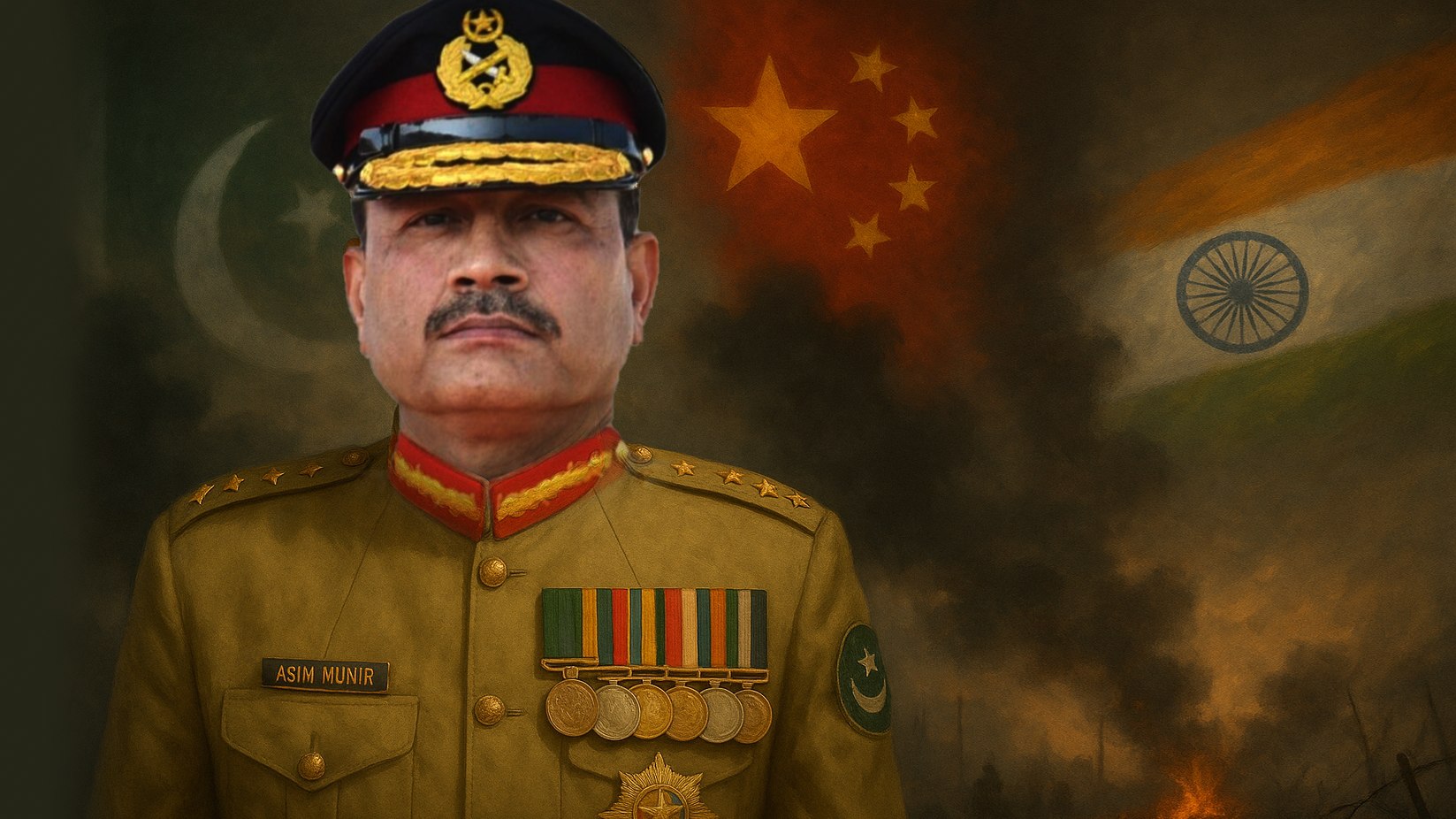
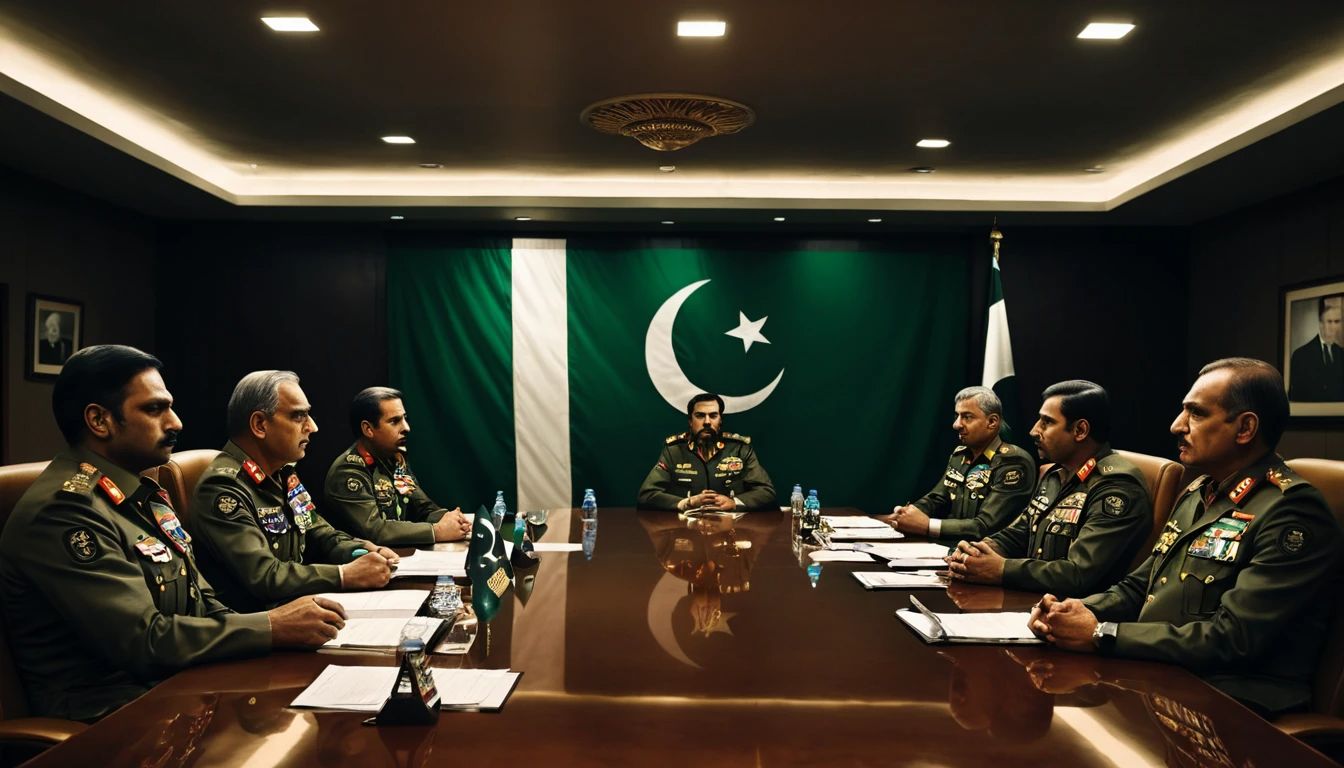
Pakistan’s military leadership has warned that Pakistan will not allow the regional order to be changed. But the regional order is already changing.
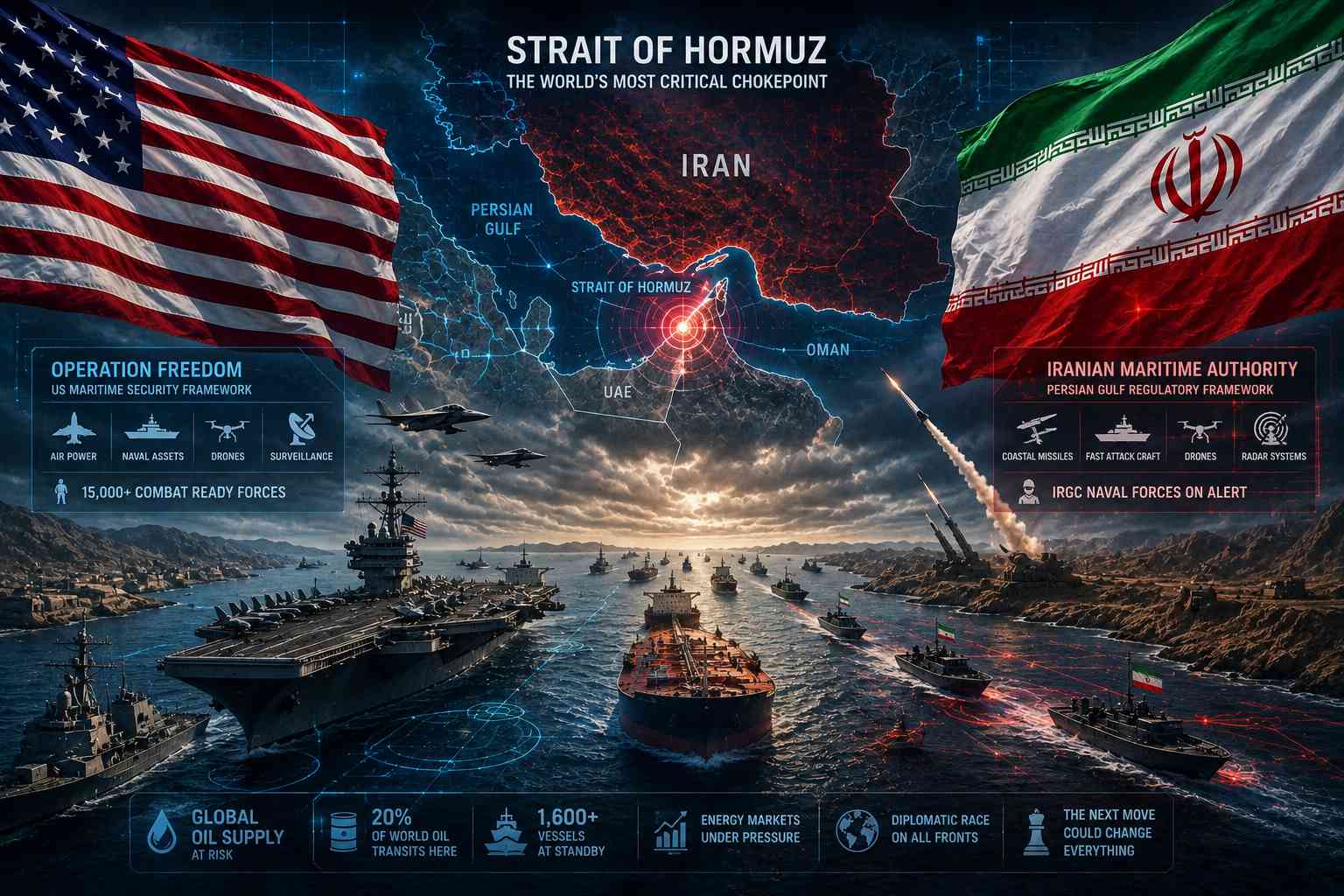
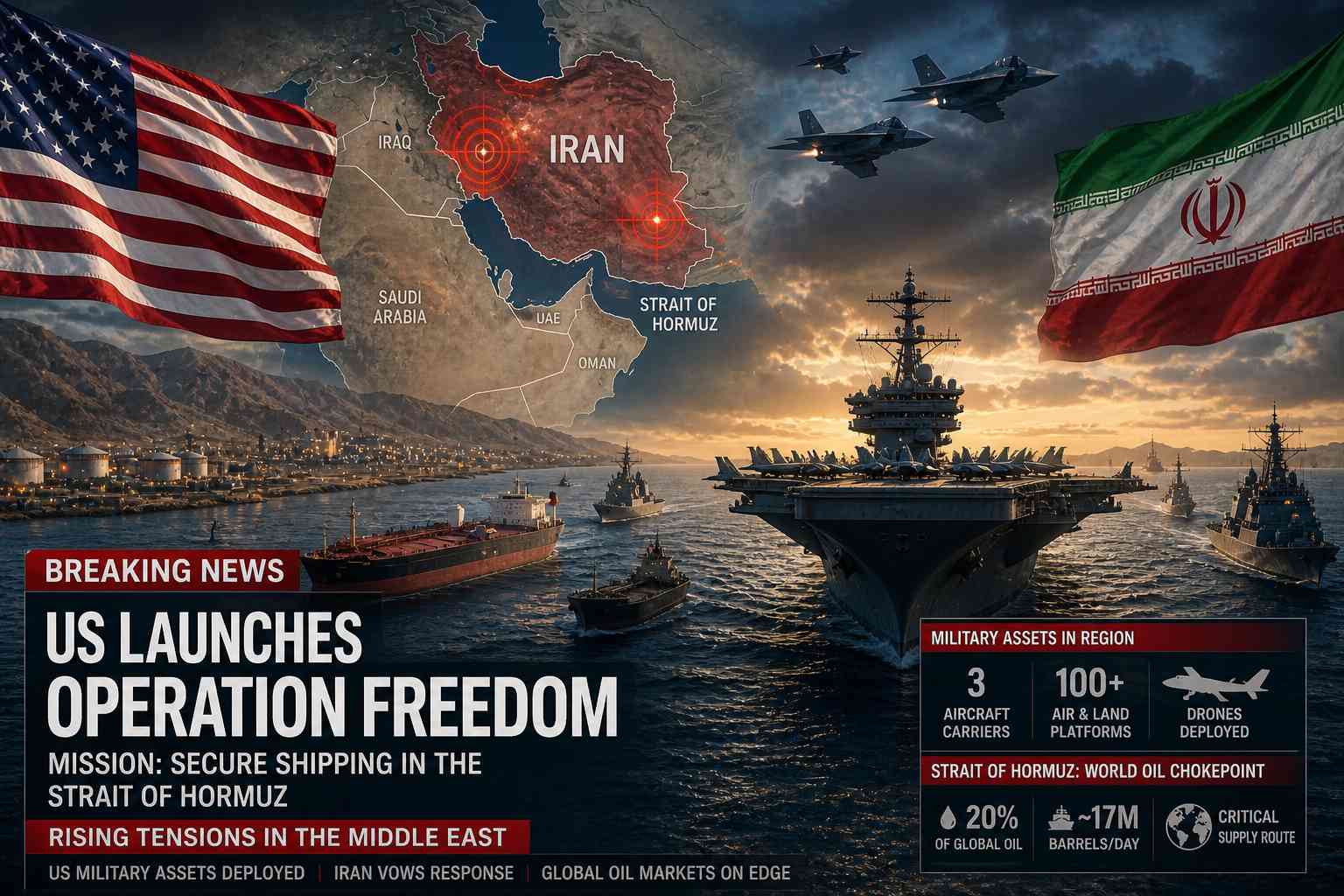
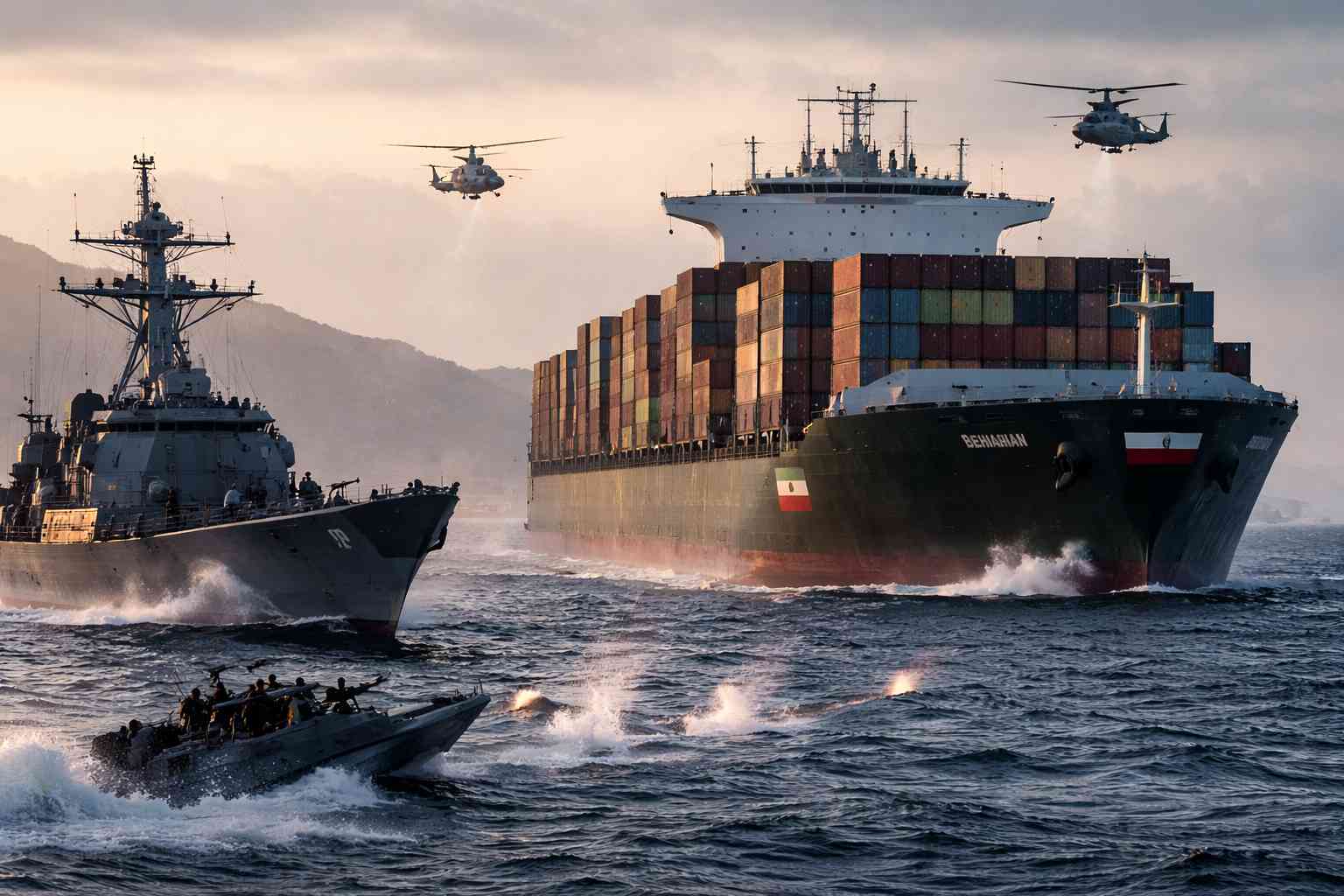
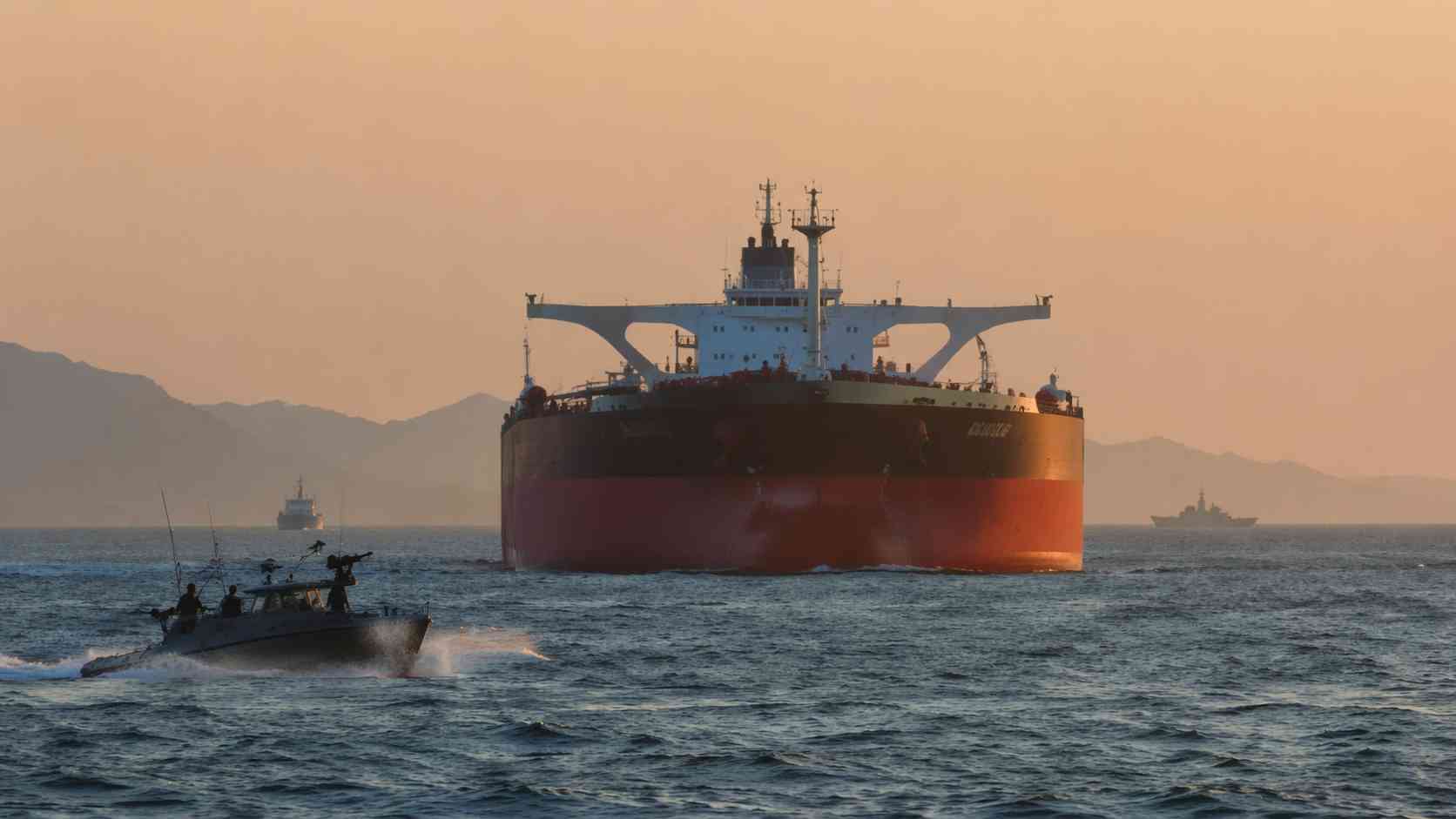
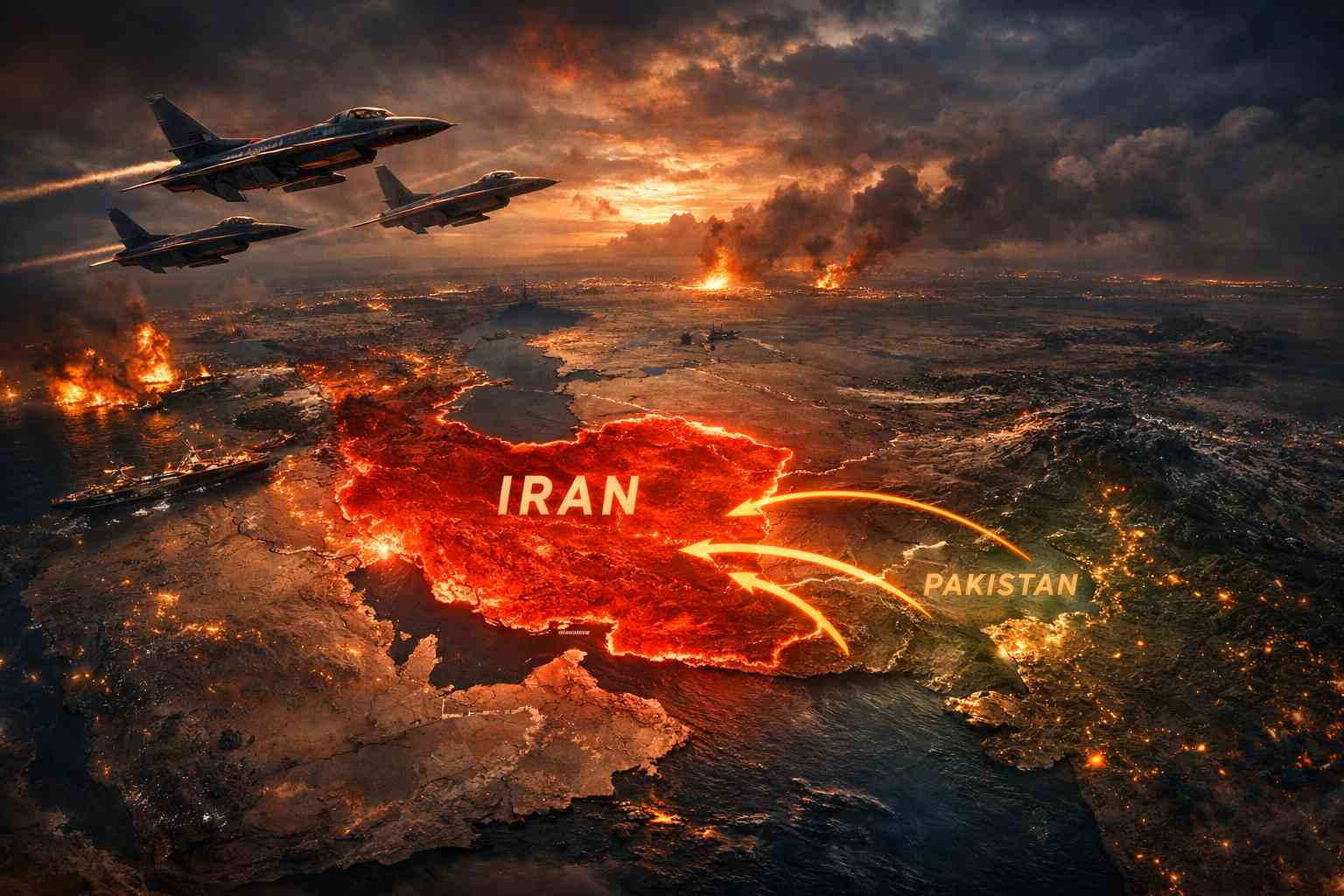
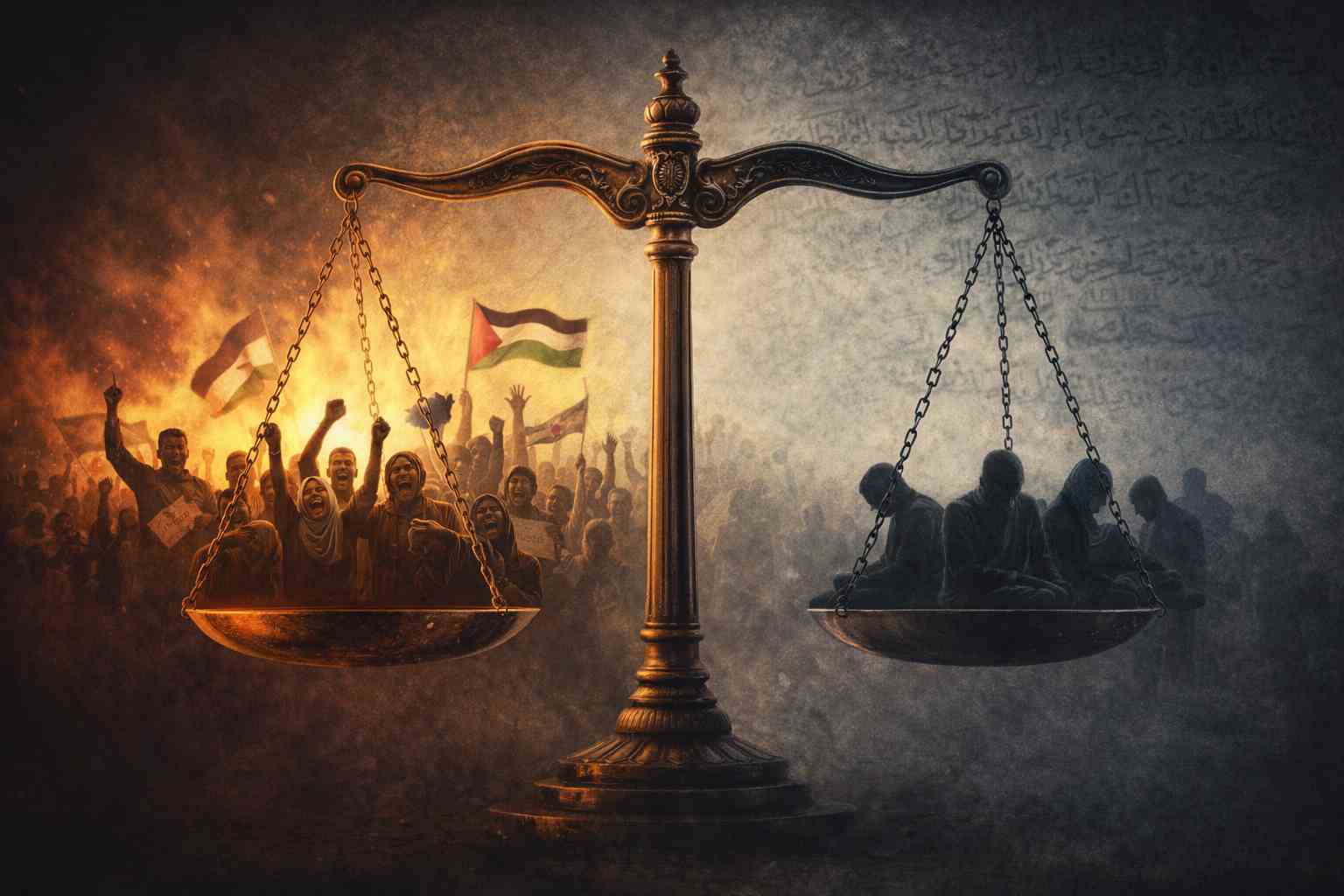
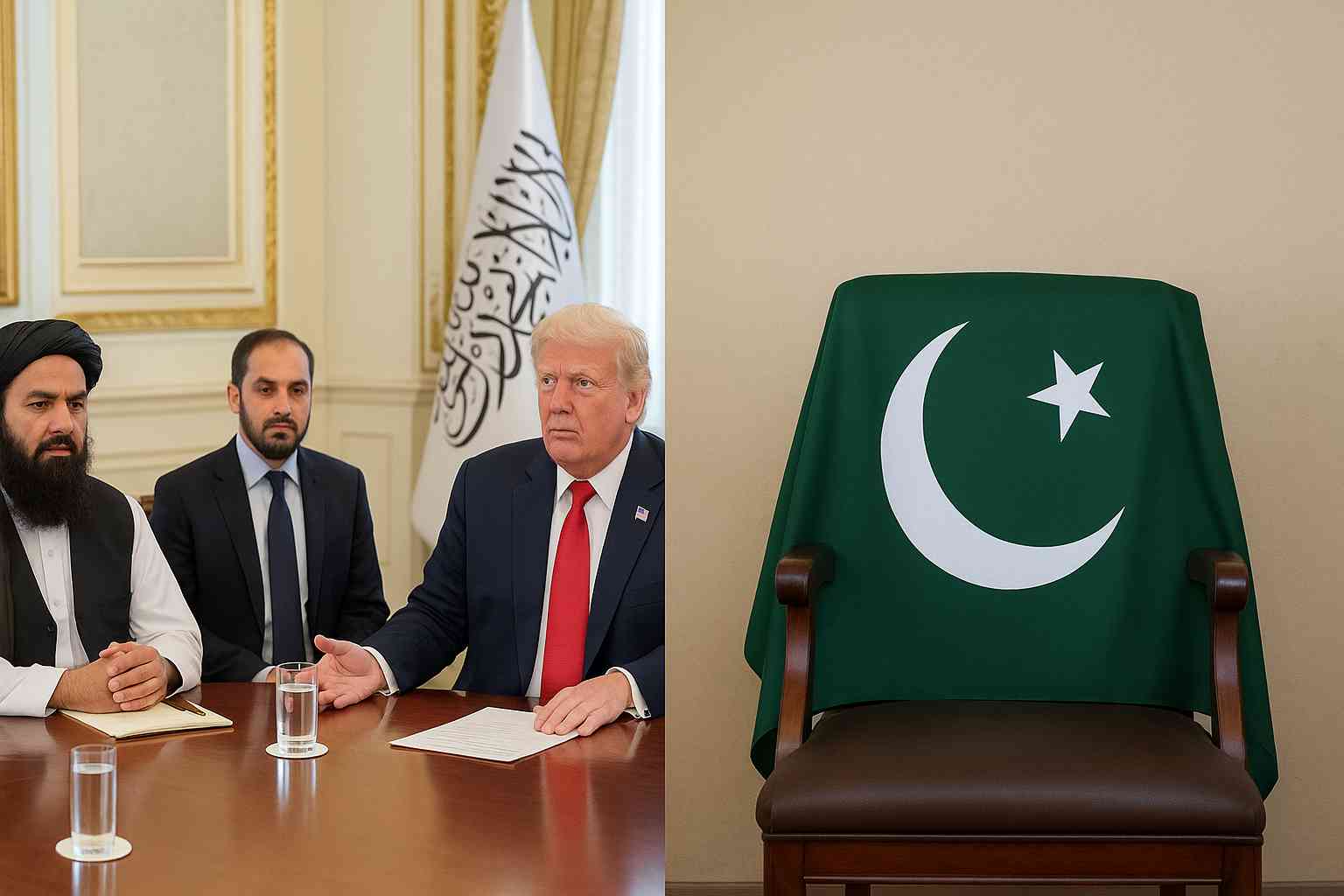
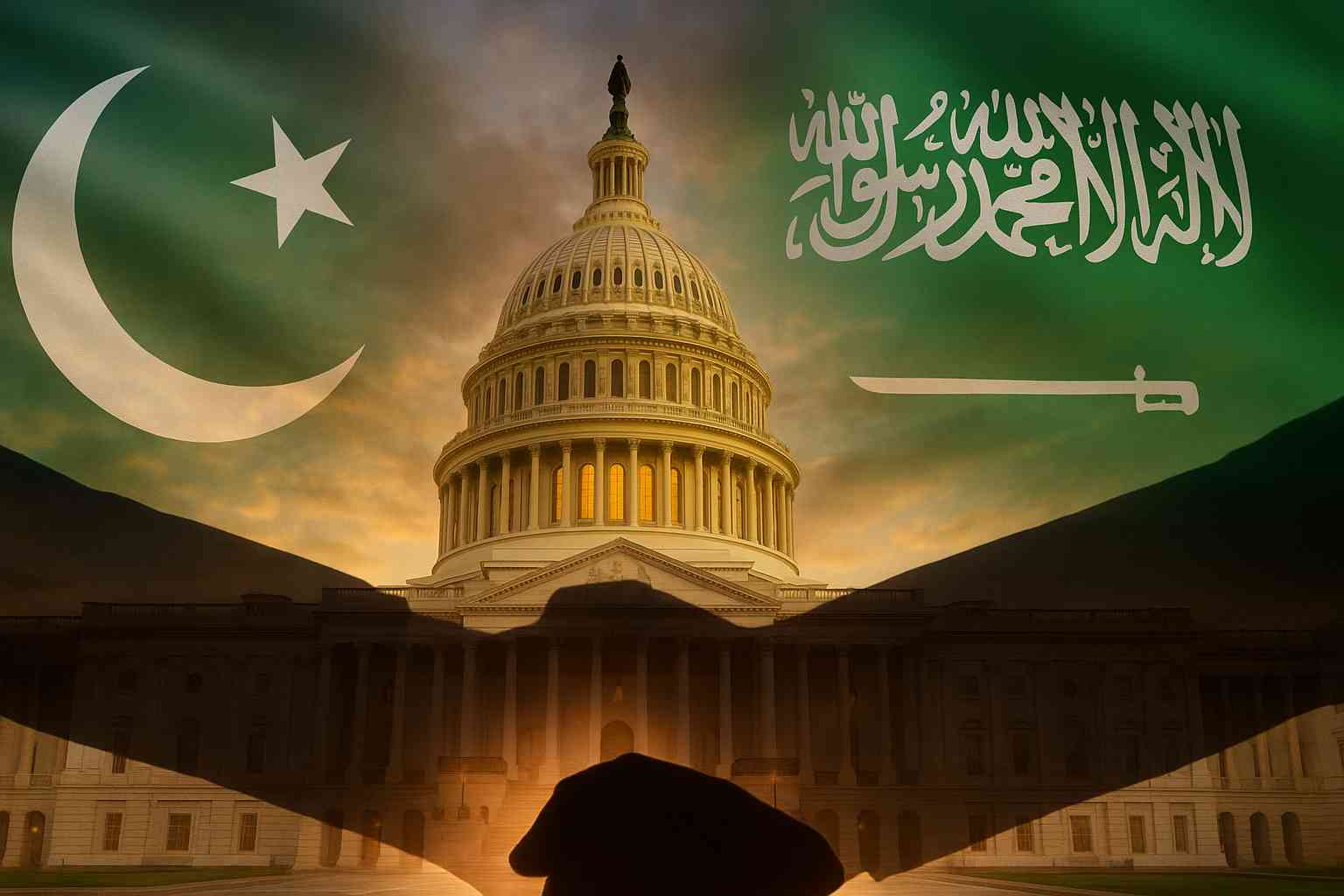
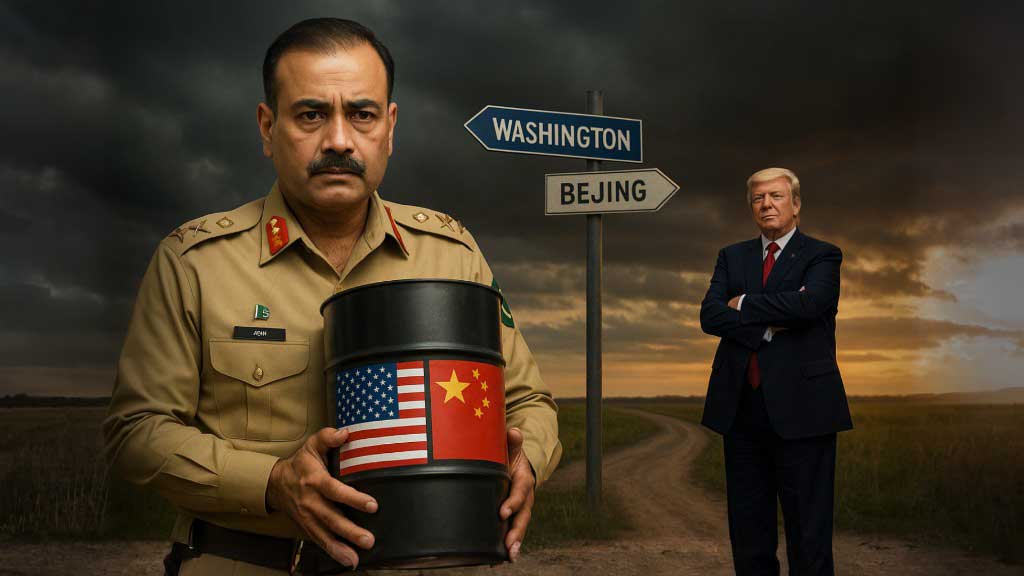
The clearest signs are visible in the Middle East. The Iran war has weakened old assumptions about American power. Many regional states now believe they must build independent security arrangements.
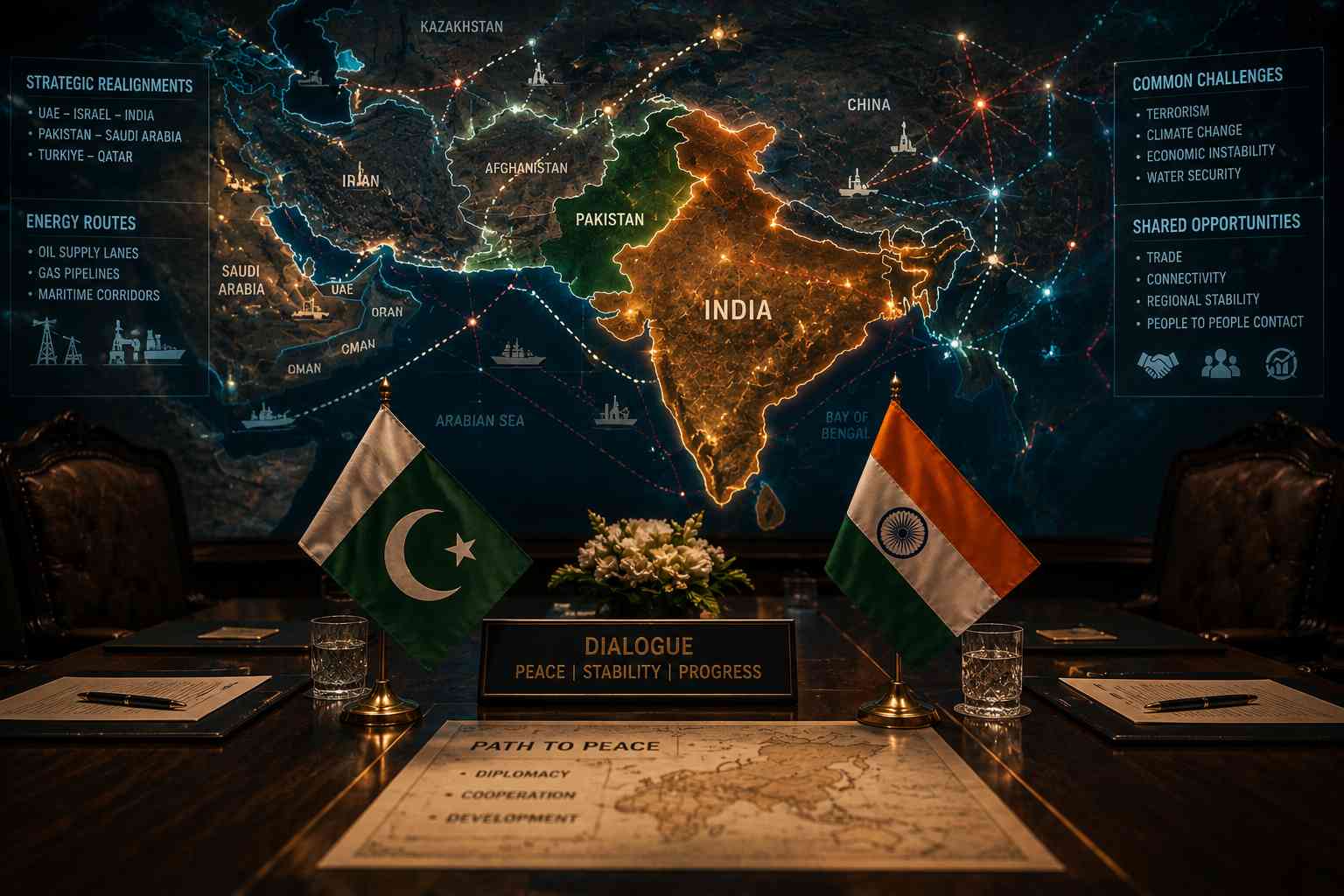
This has produced new alignments:
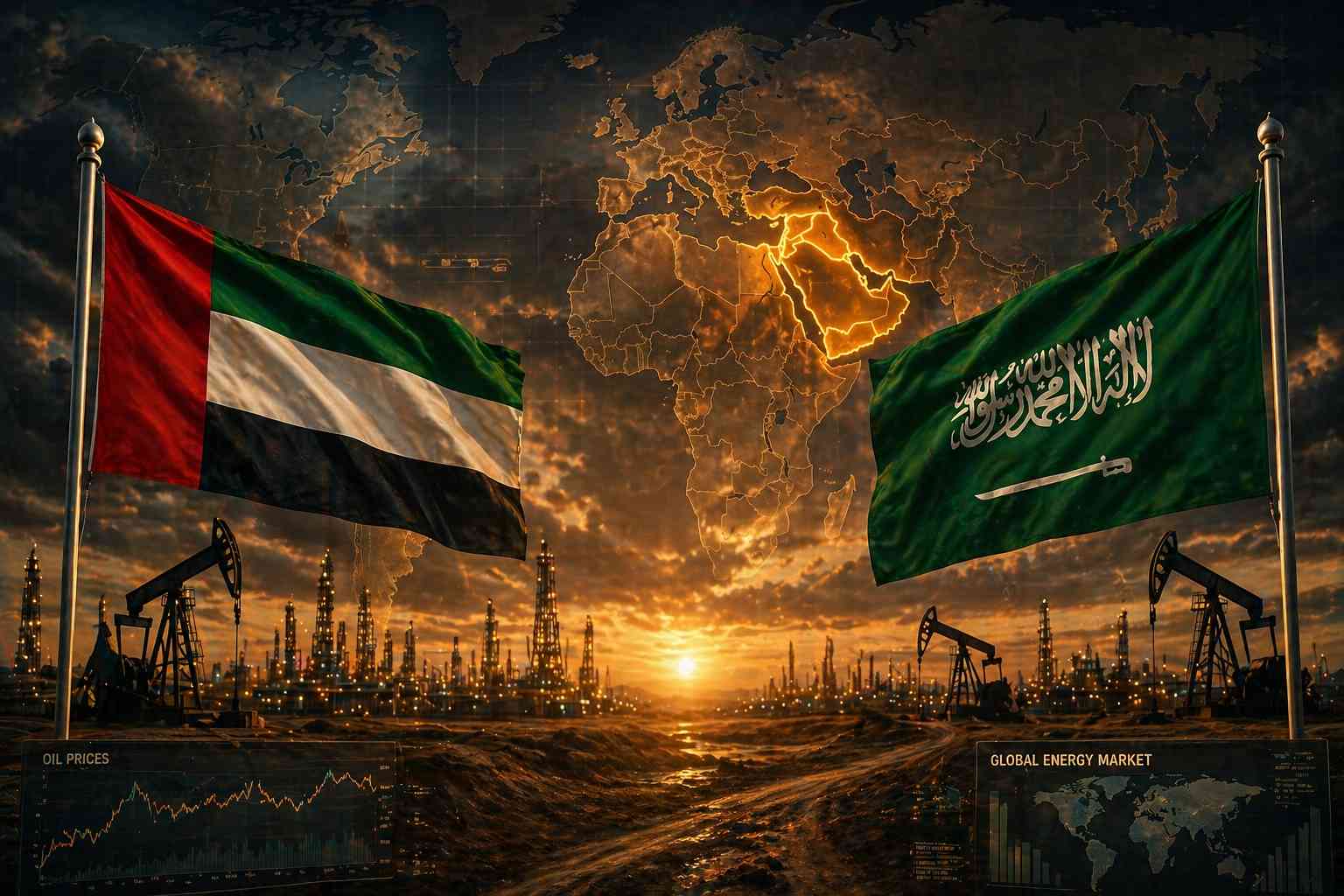
- UAE, Israel and India appear to be moving closer strategically.
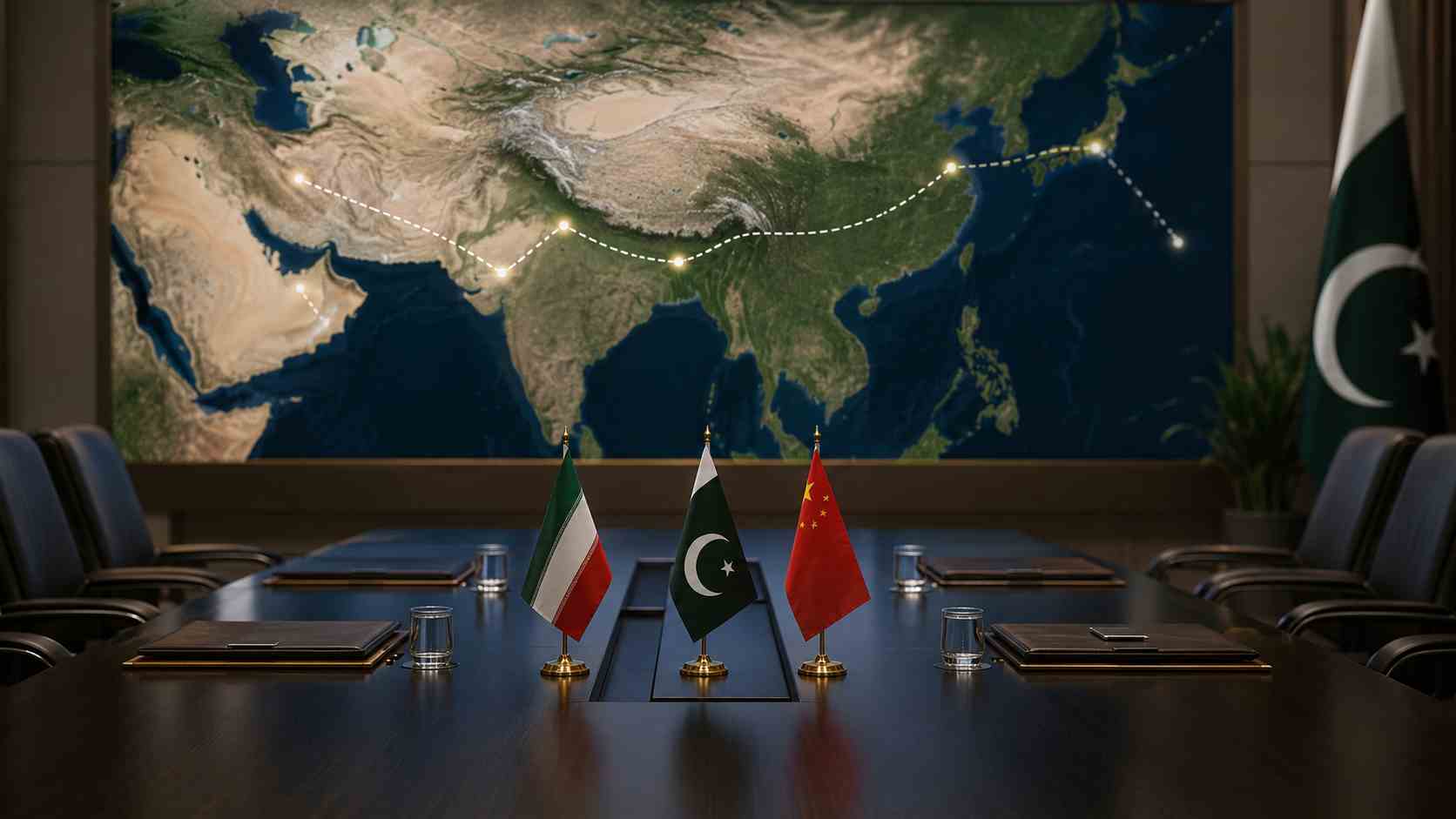
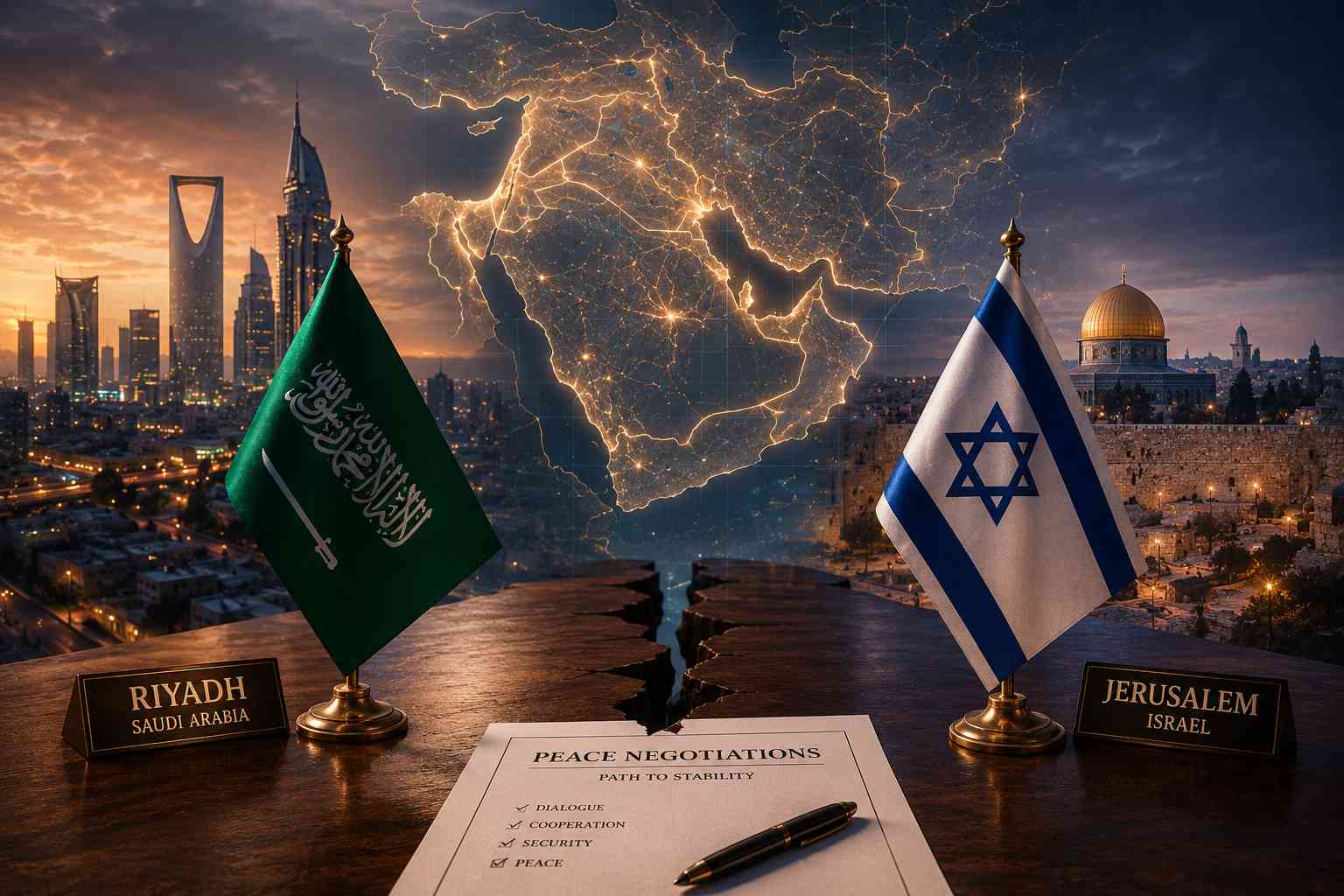
- Pakistan, Saudi Arabia, Turkey and Qatar seem to be developing a different axis.
- Iran’s resilience has forced many actors to reassess military power in the region.
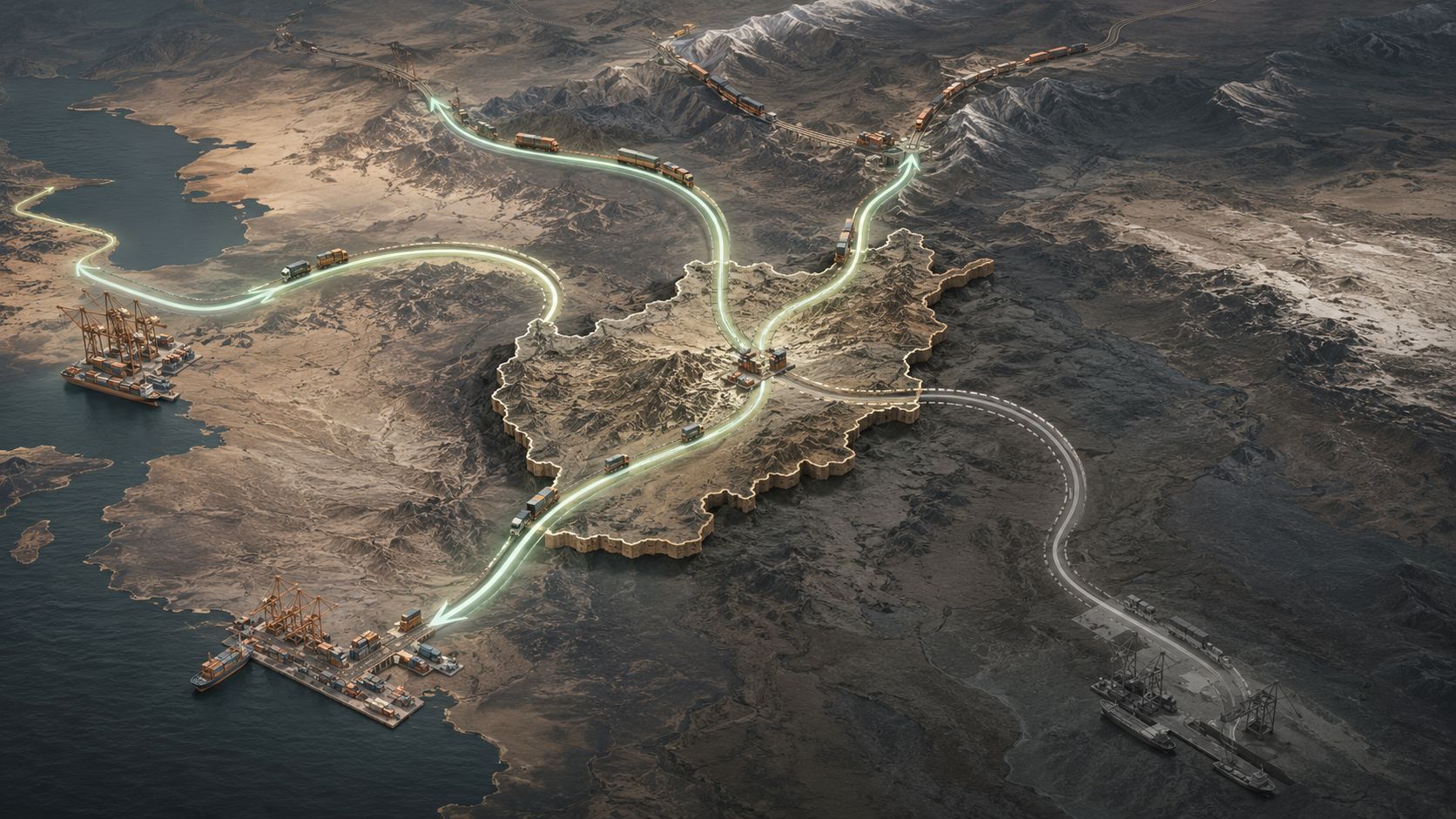
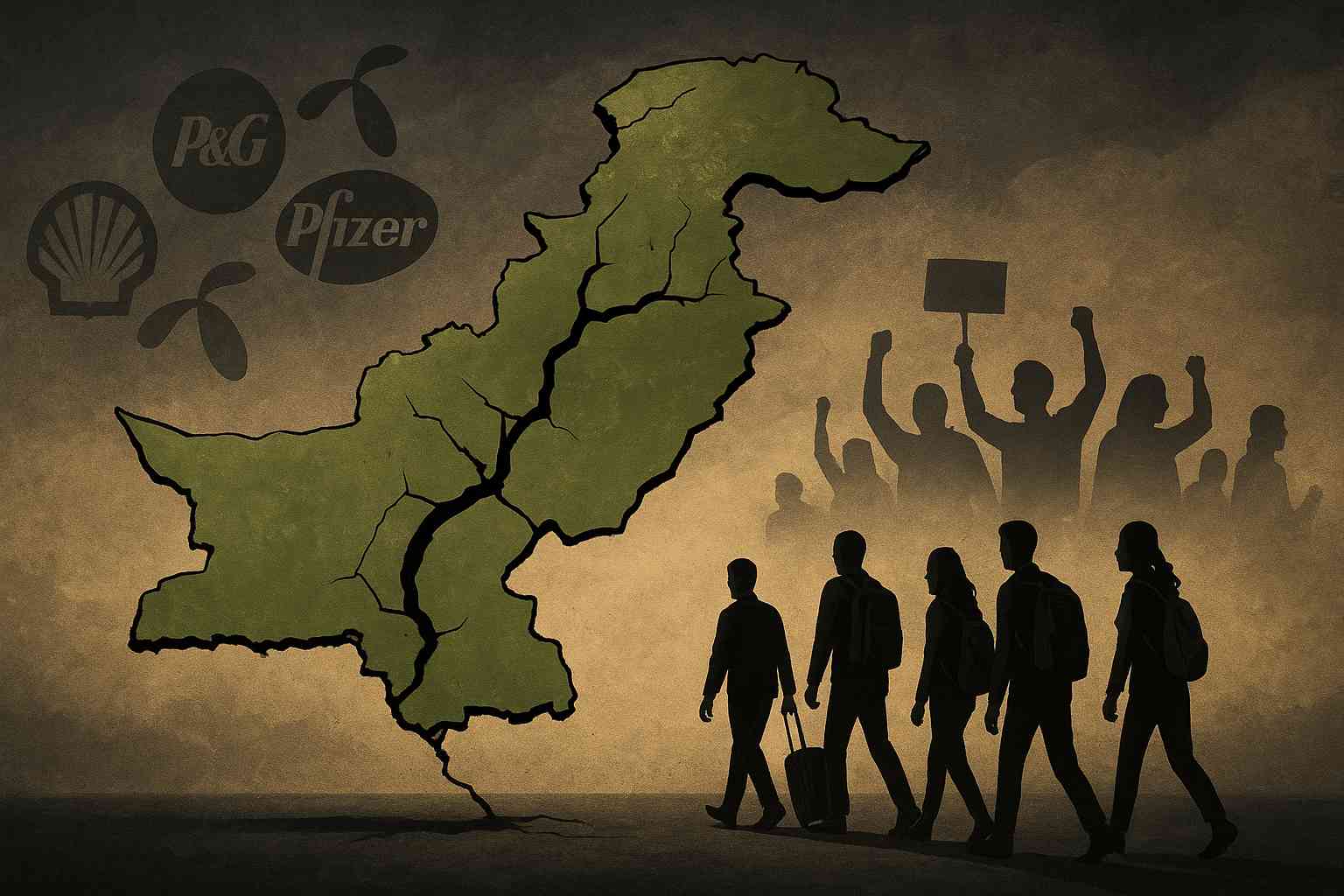
These changes are not theoretical. They affect labour flows, defence partnerships, energy routes, diplomatic priorities, and security planning.
UAE–Pakistan Tensions and the Human Factor
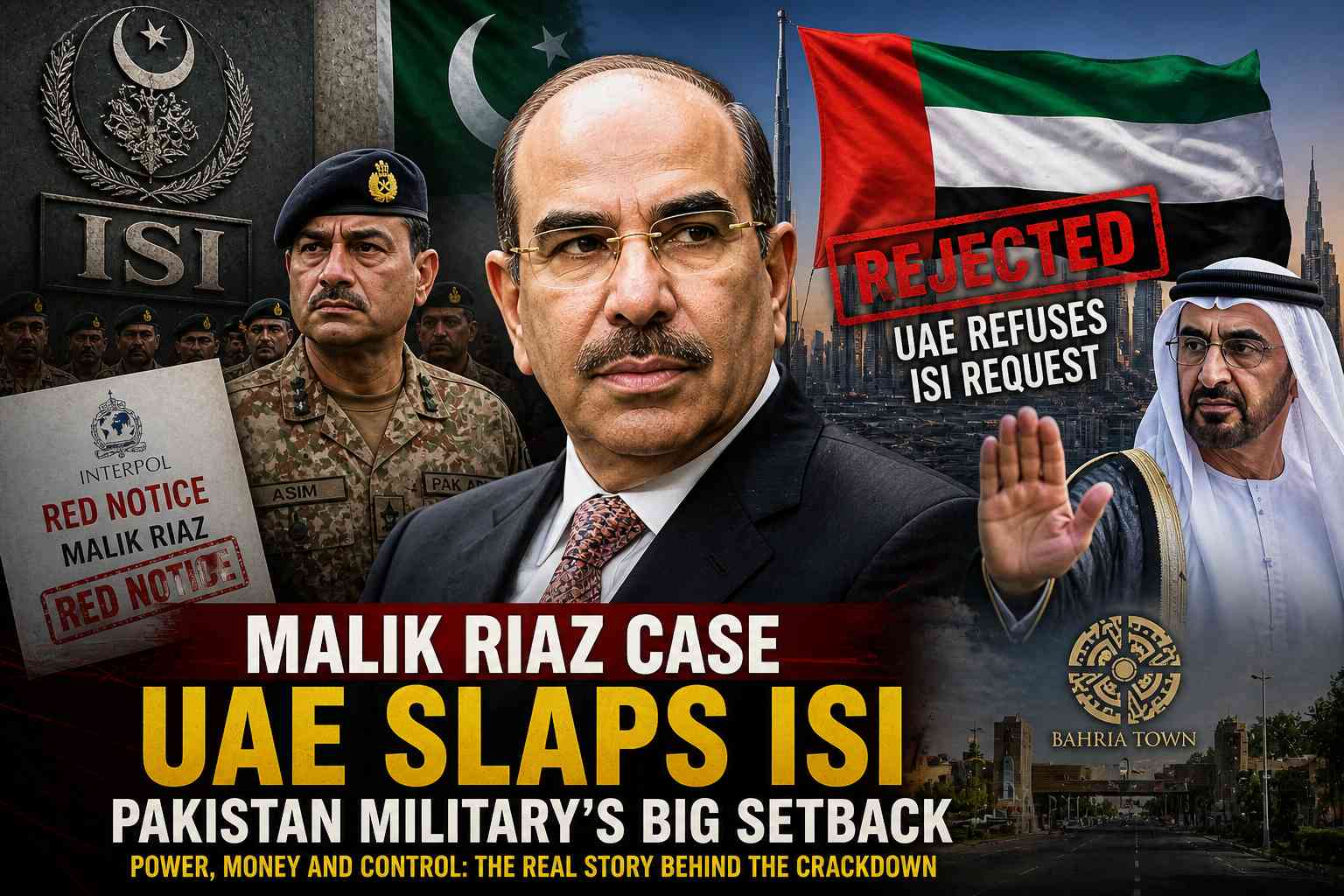
One disturbing sign is the reported deportation of Pakistani workers from the UAE, especially Shia Pakistanis. If these reports are accurate, they represent a serious human rights and diplomatic issue.
Pakistan should not respond through public rage alone. It should engage the UAE firmly but quietly. At the same time, Pakistani media, civil society, and human rights groups should document affected workers’ cases.
A serious state protects its citizens abroad. Denial is not a policy.
Why Pakistan Needs Strategic Maturity
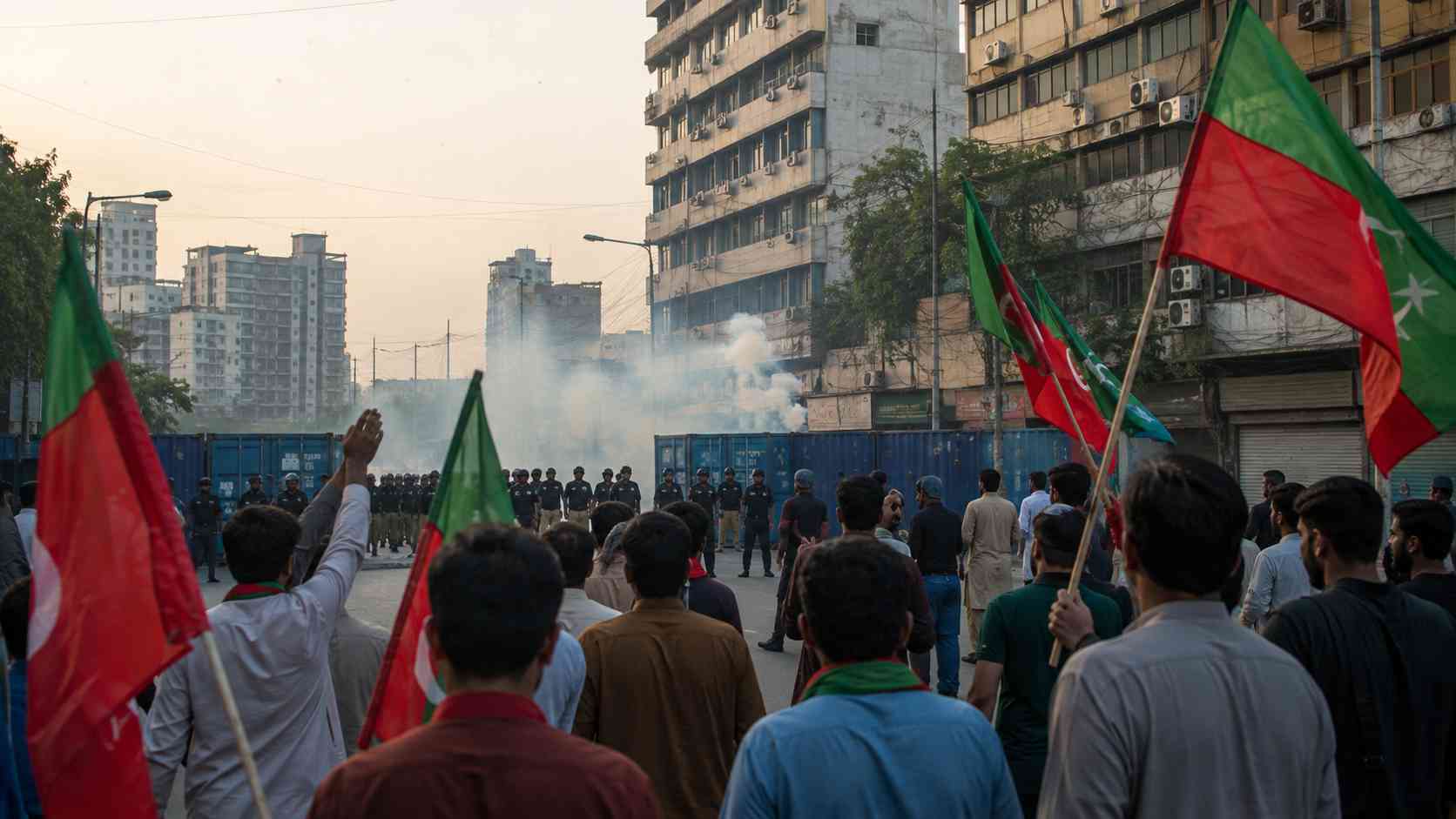
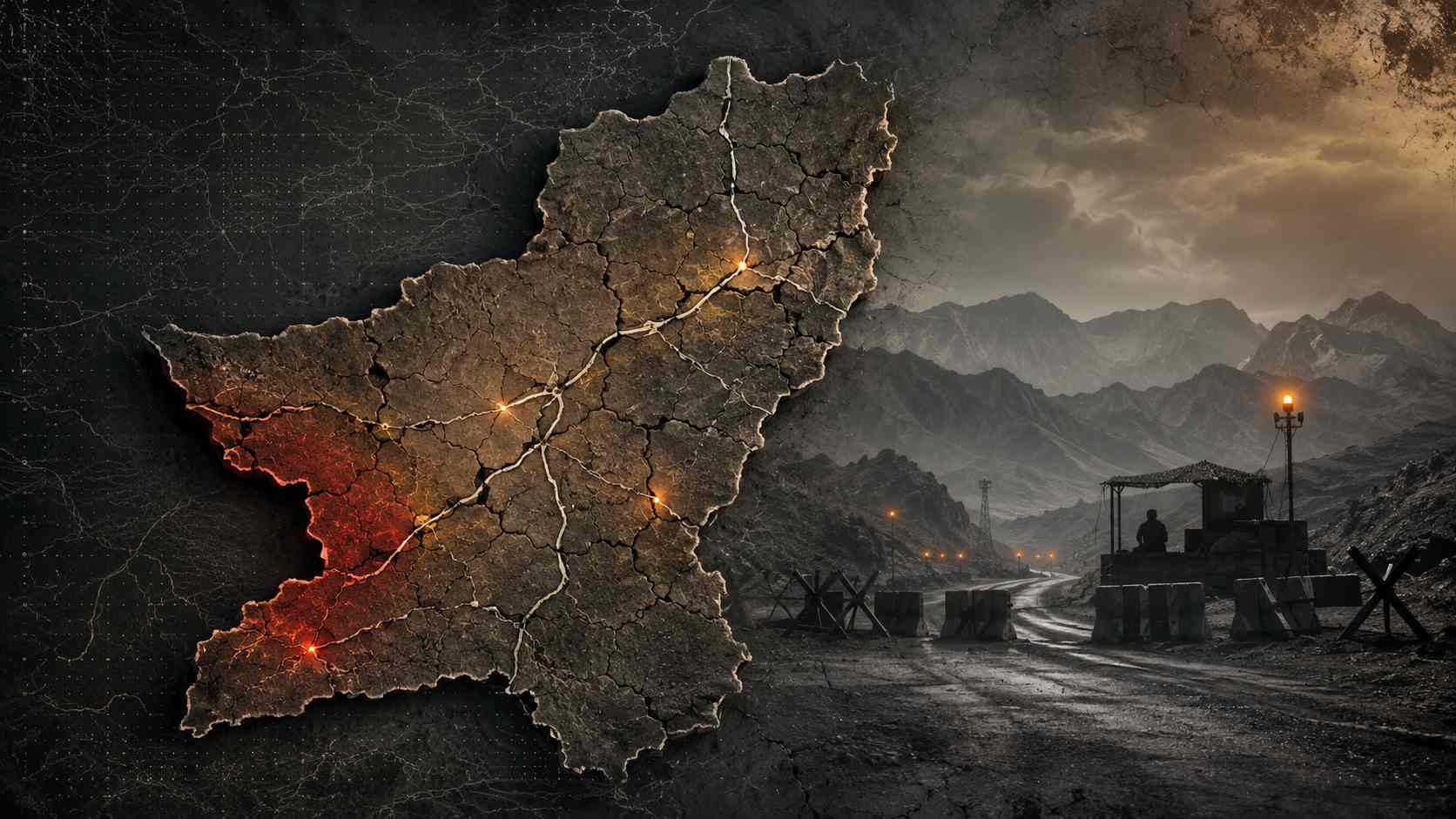
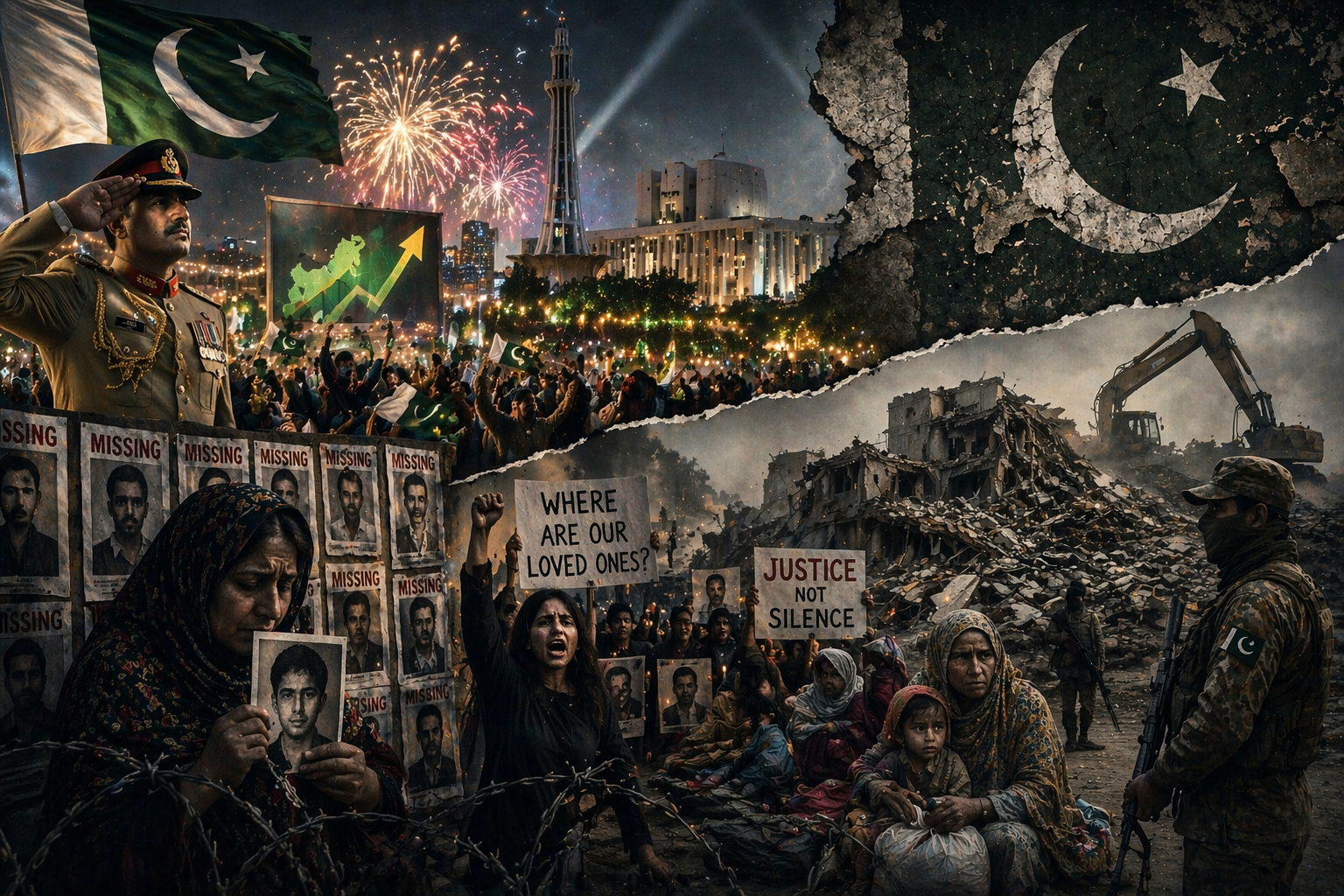
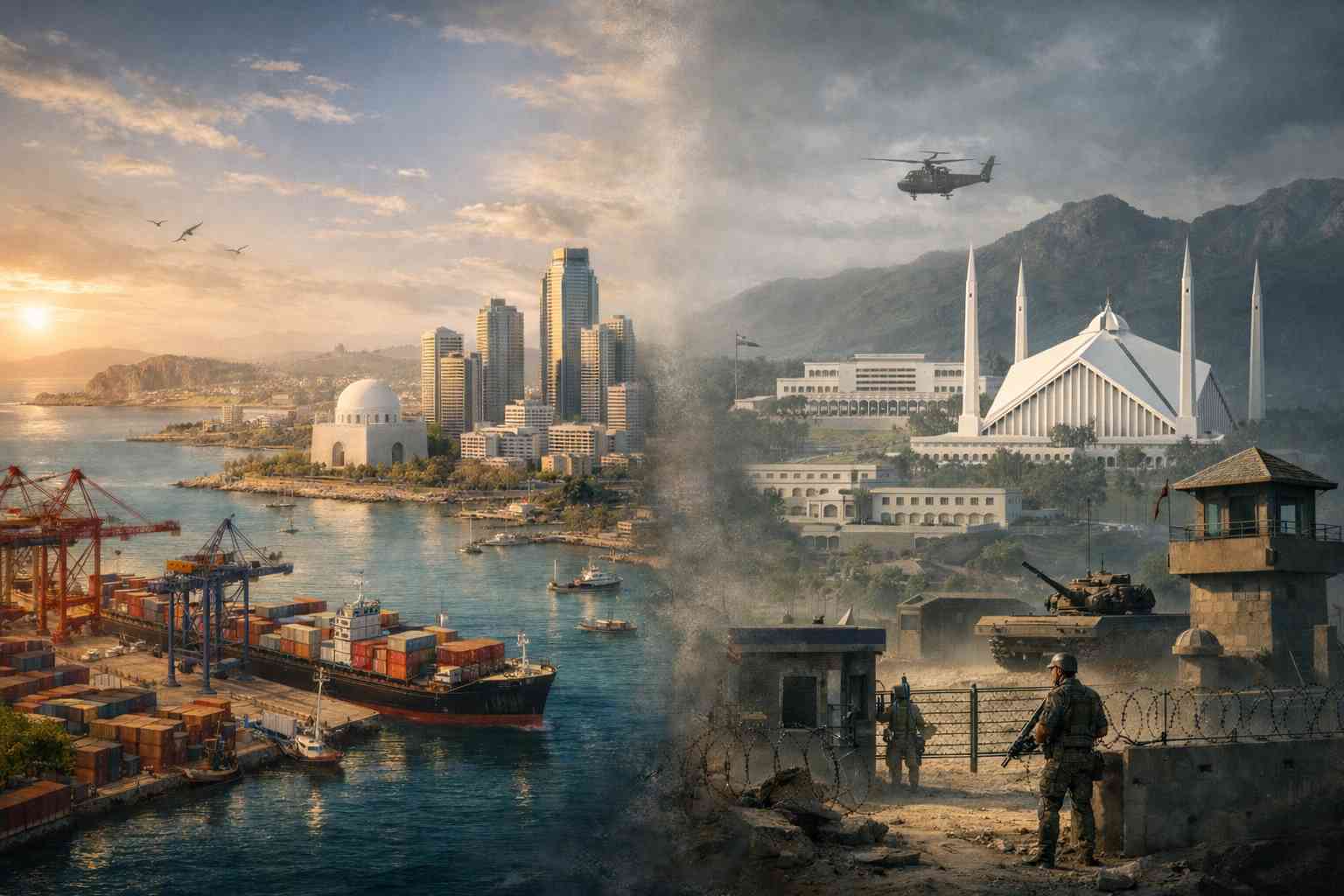
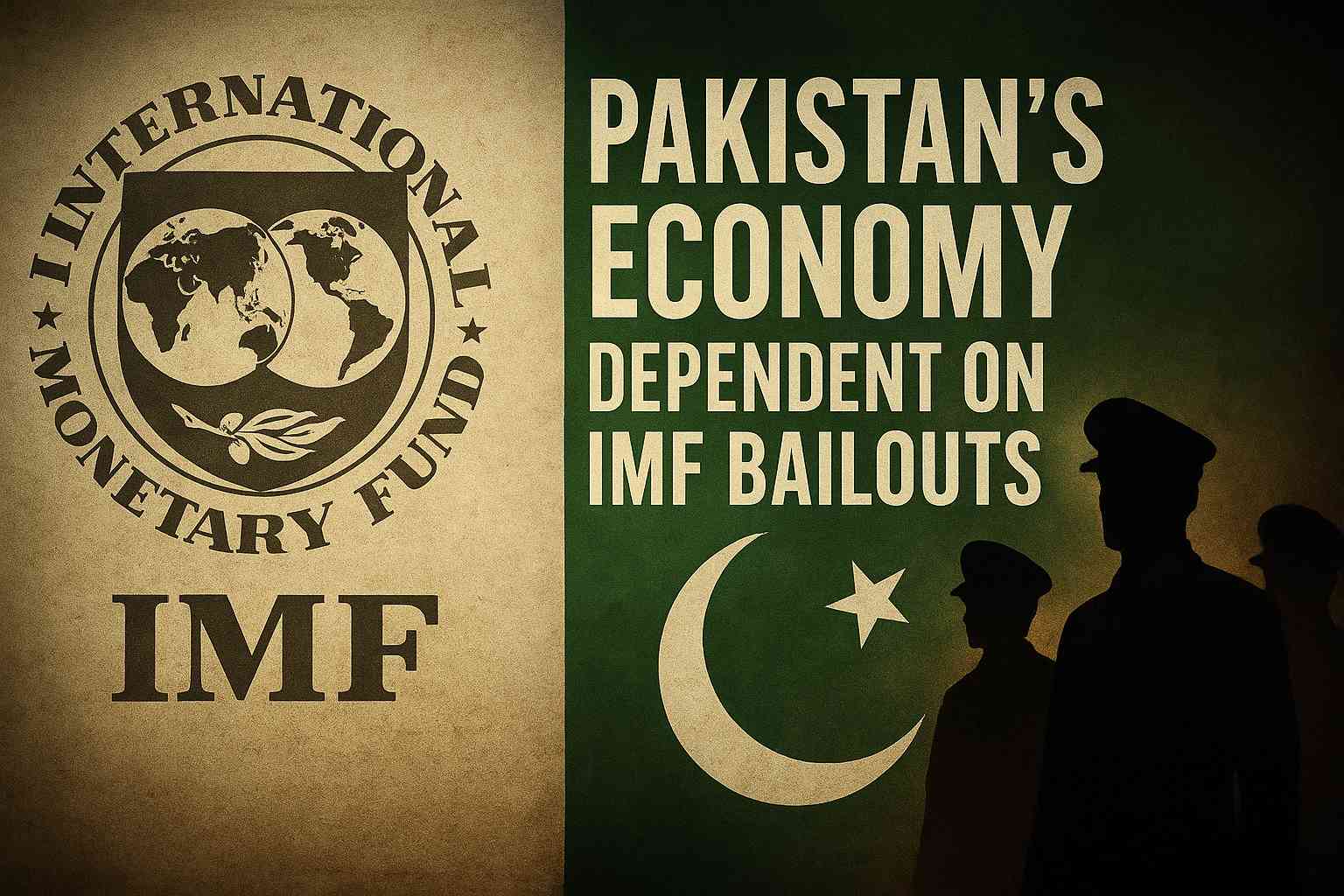
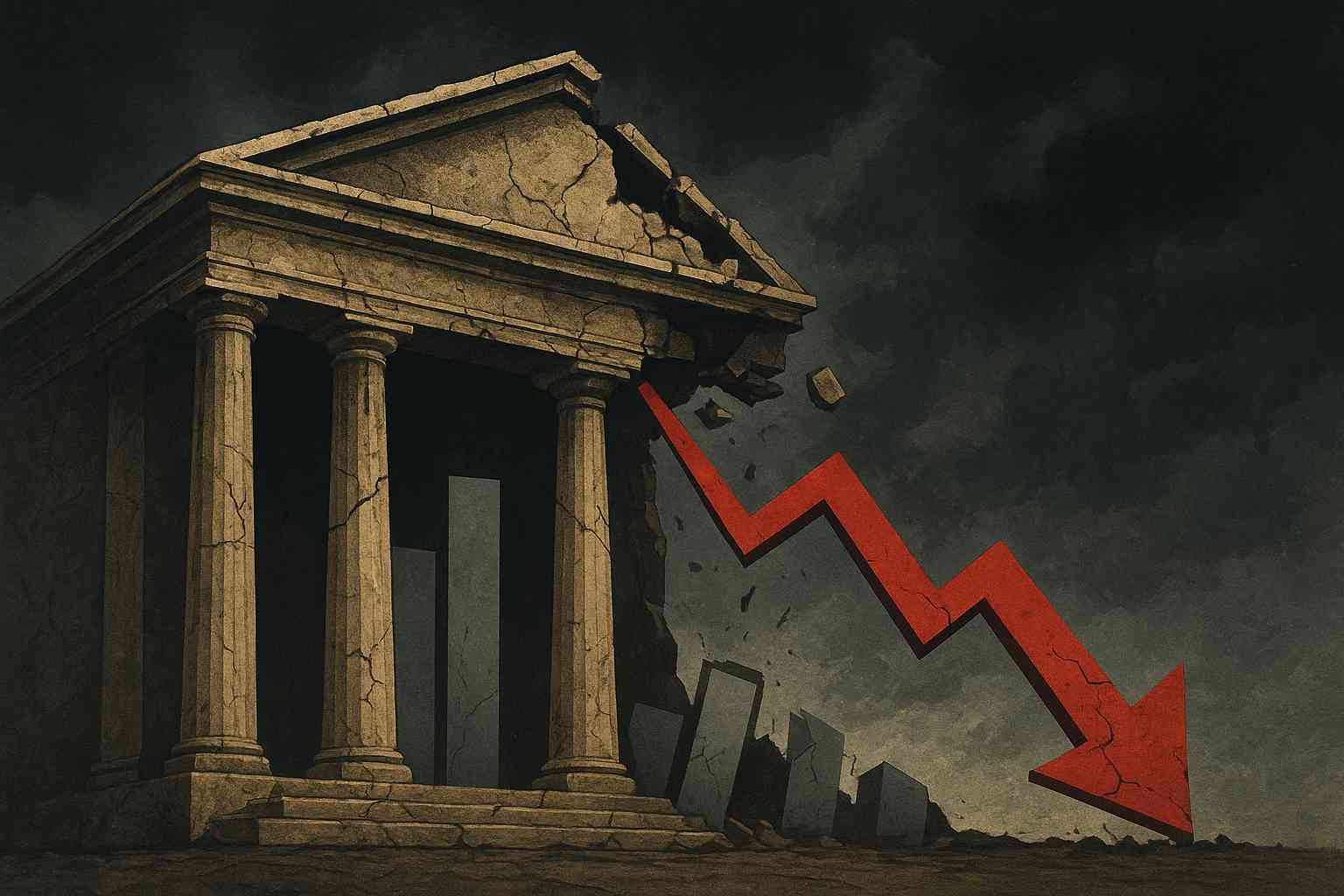
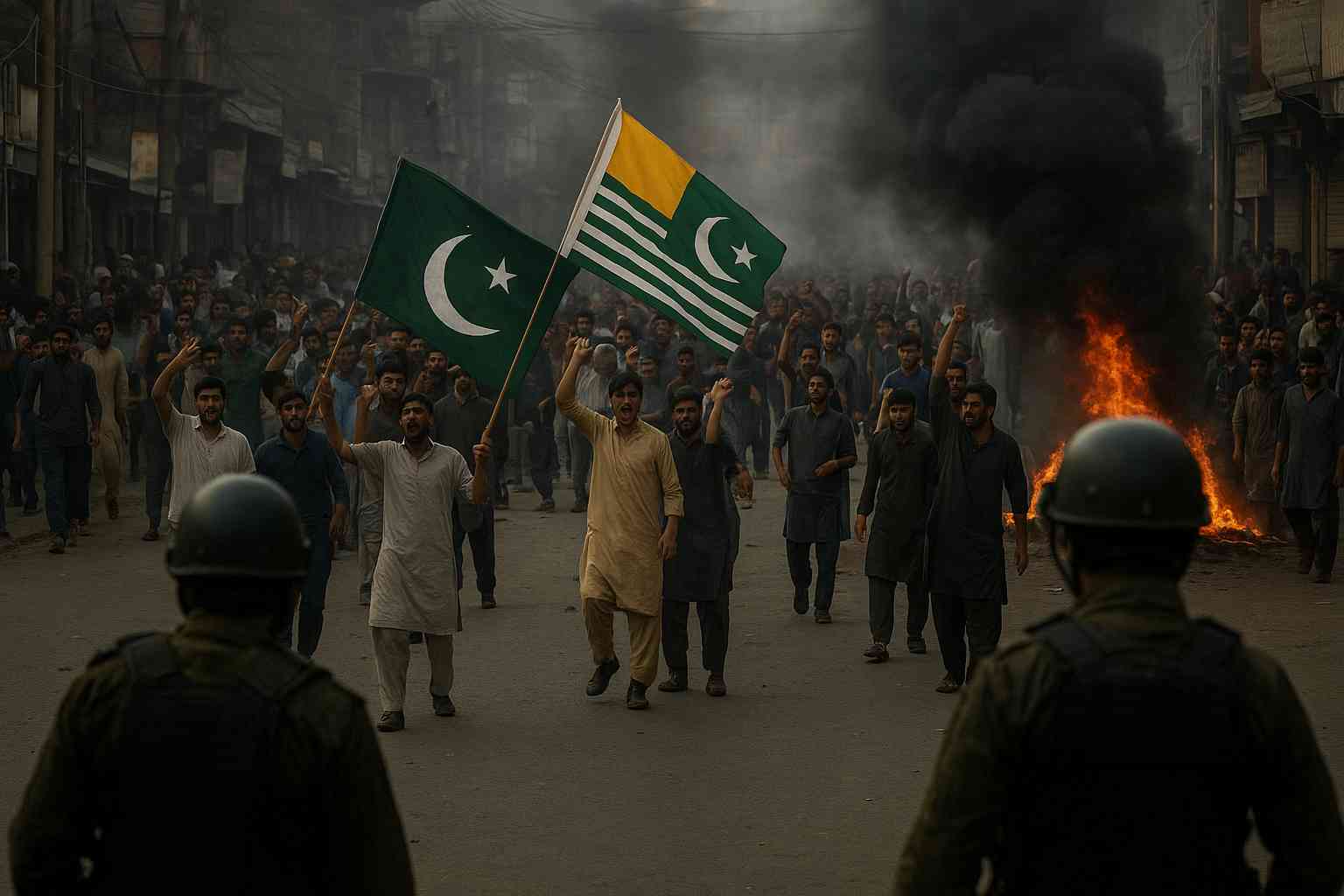
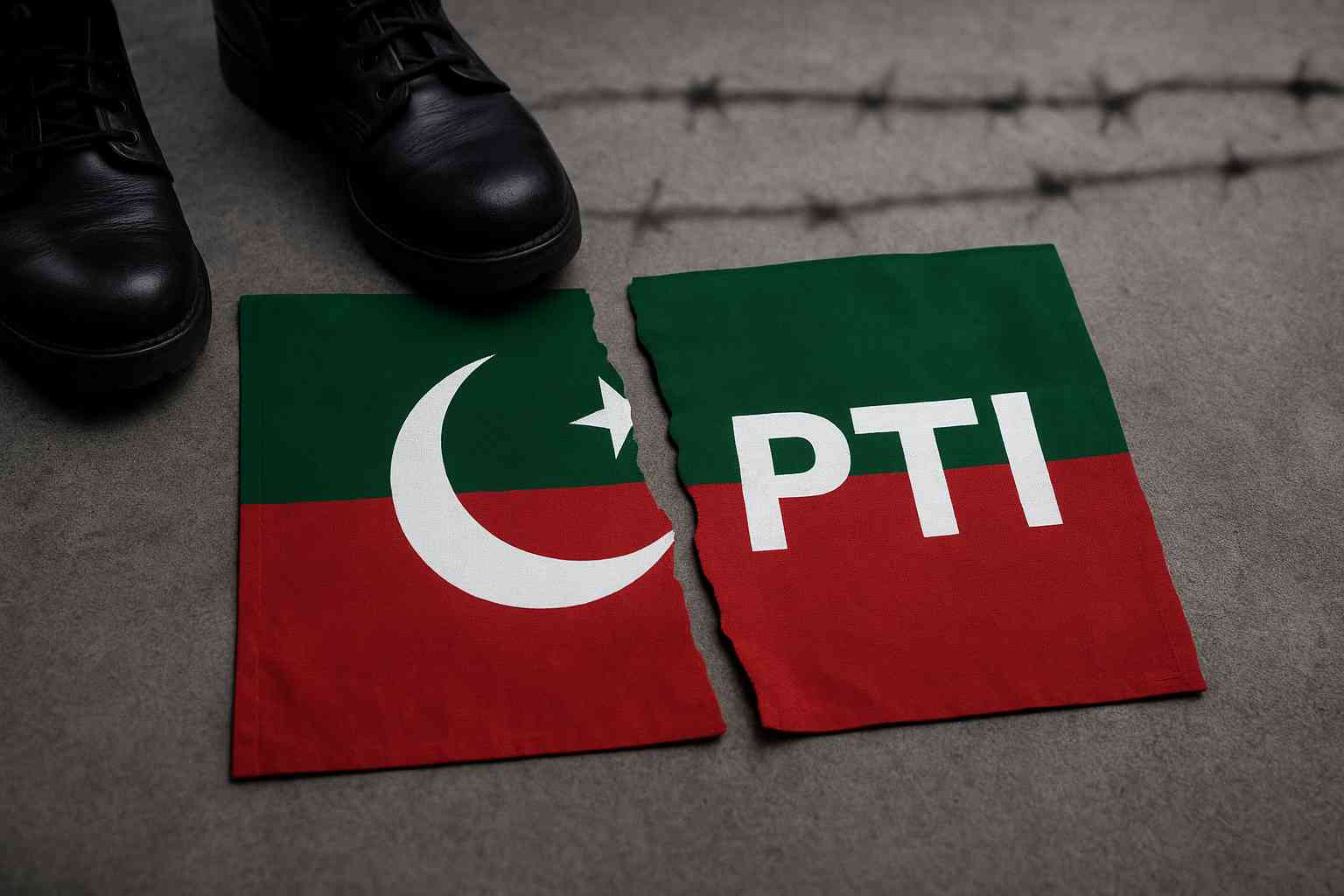
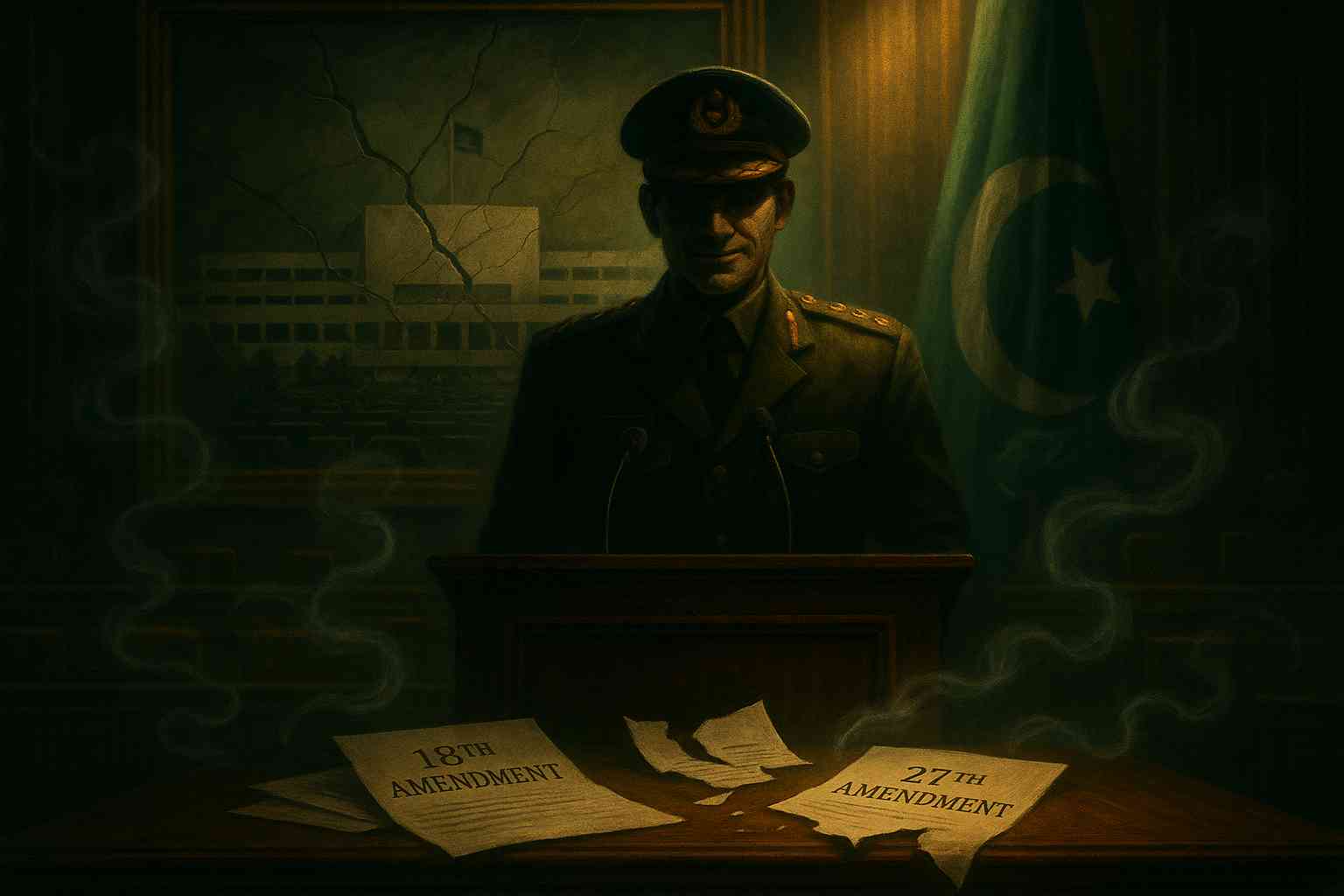
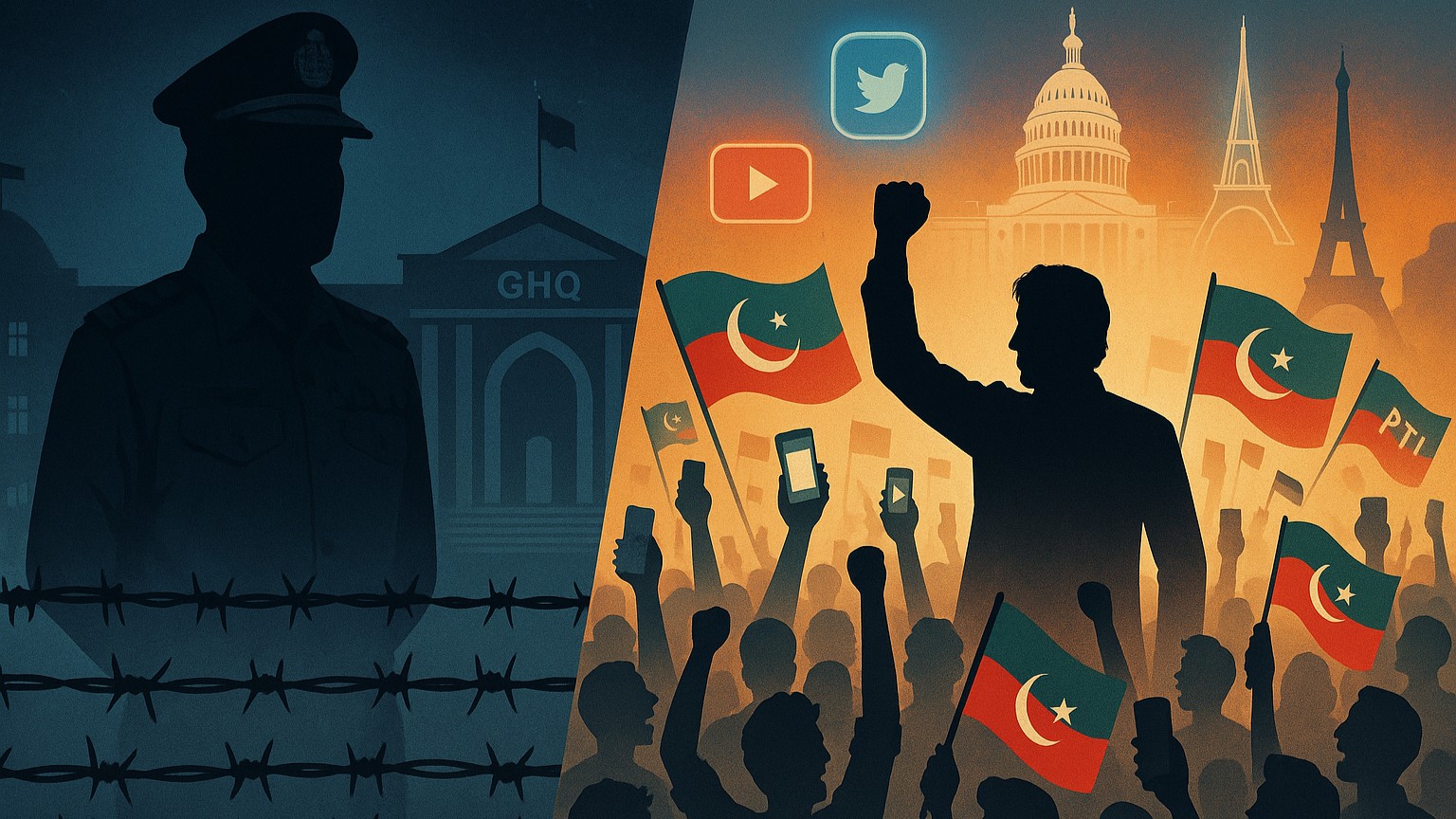
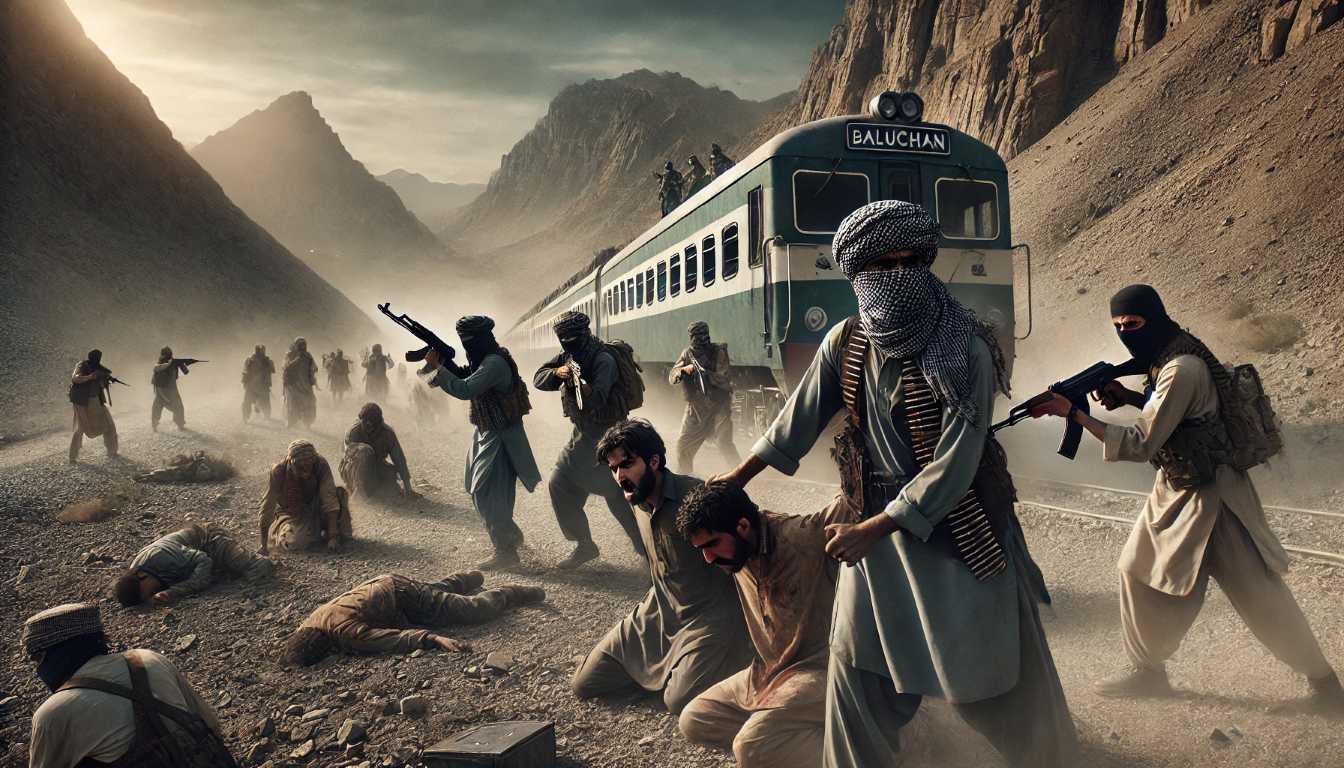
Pakistan’s internal instability also limits its regional influence. Economic distress, militancy in Khyber Pakhtunkhwa, political repression, and institutional imbalance all weaken national credibility.
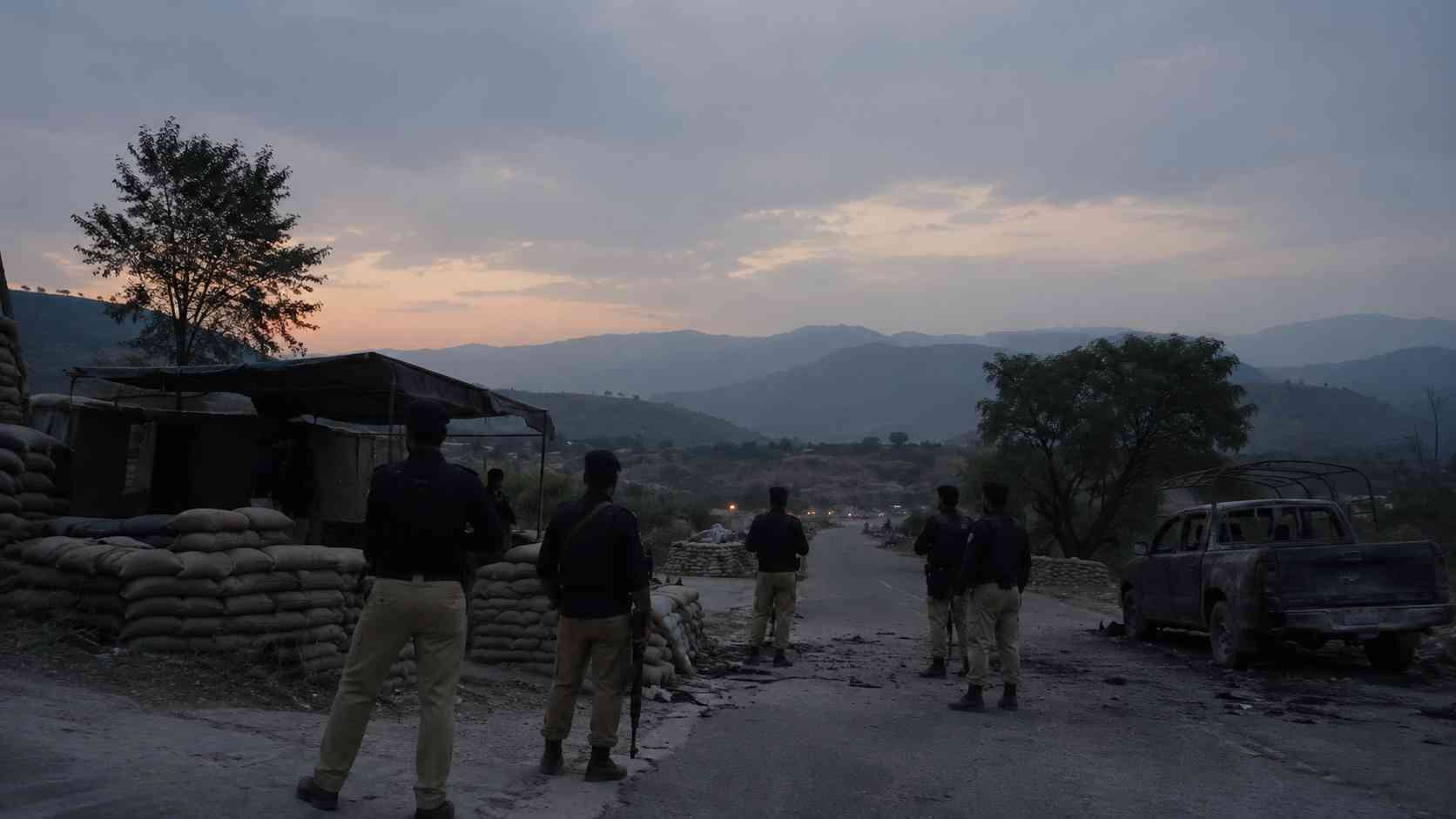
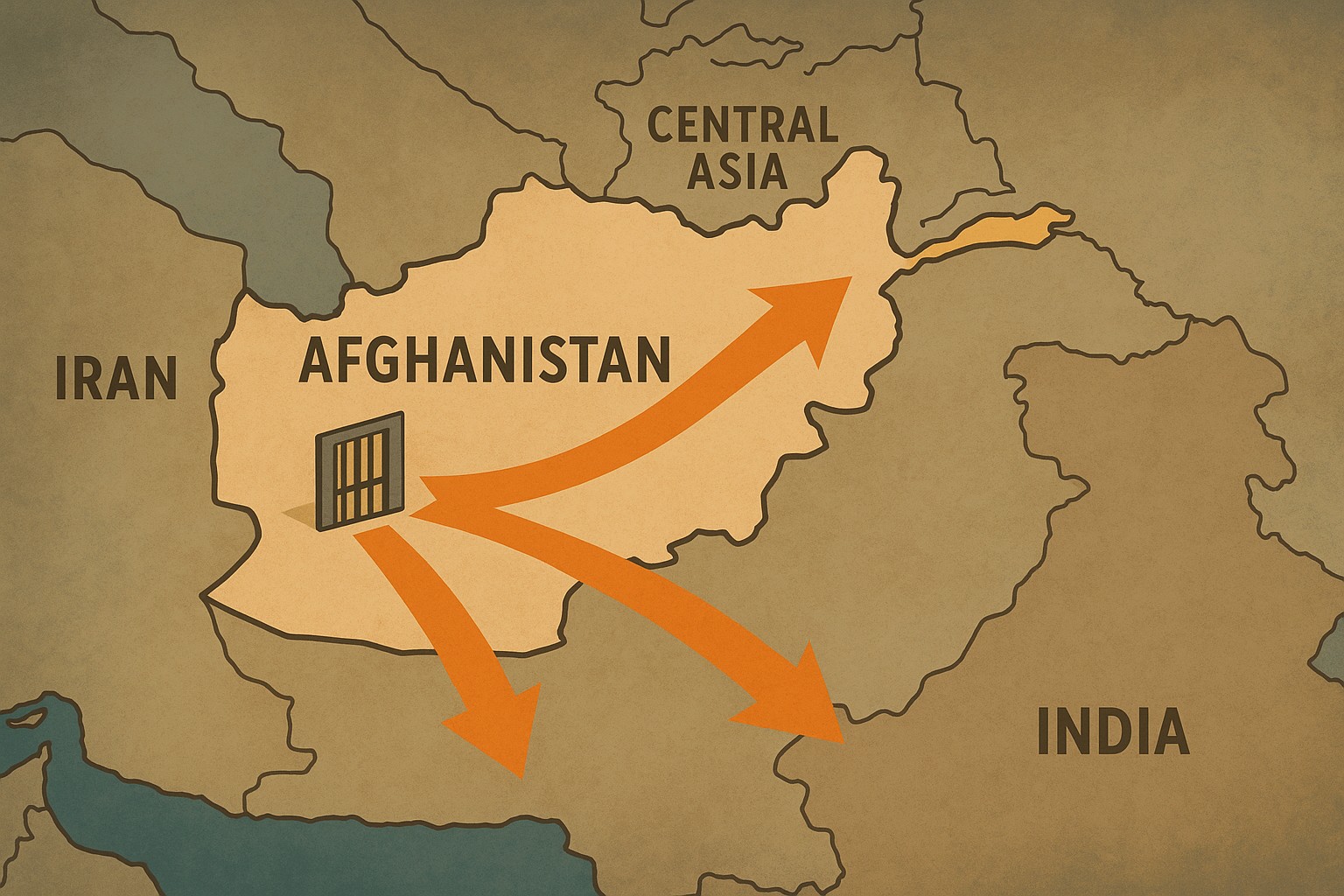
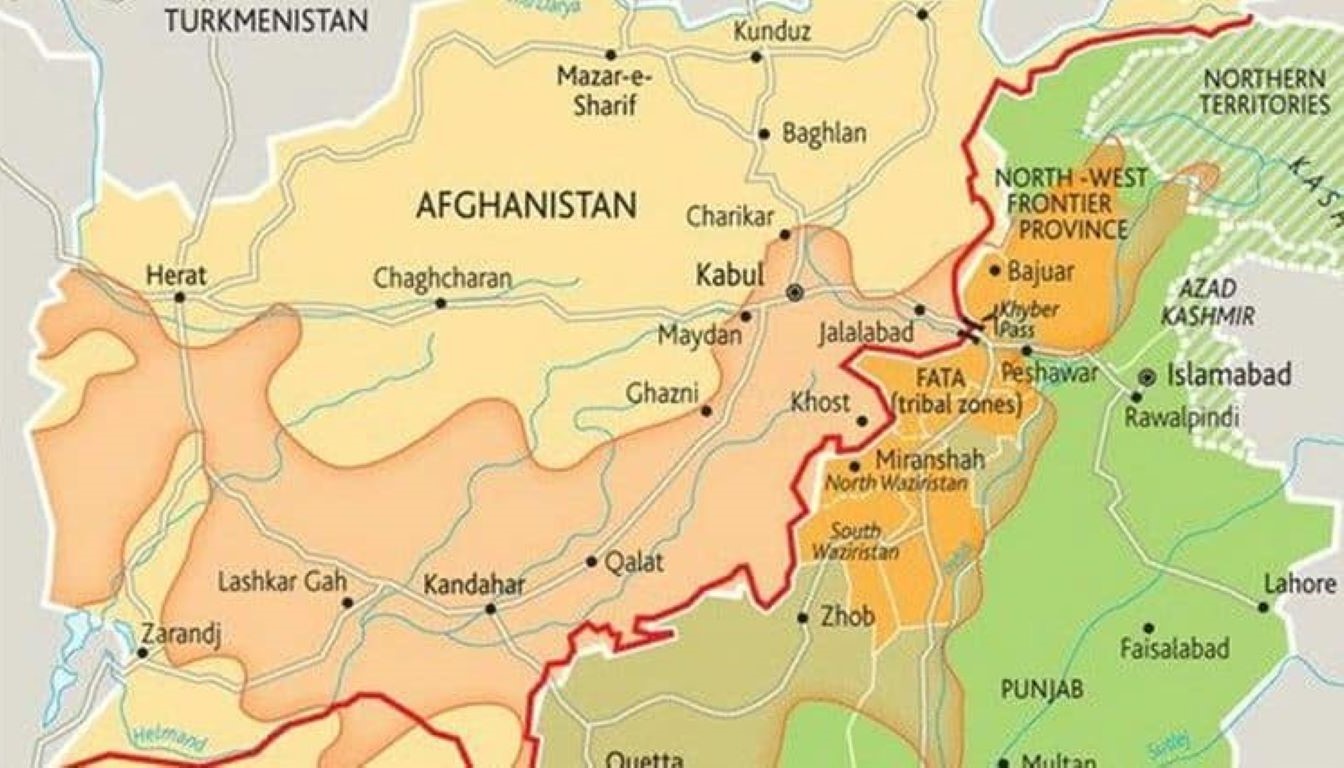
The reported attack in Bannu shows that military pressure on Afghanistan has not solved Pakistan’s security problem. If militancy continues despite cross-border strikes, then the strategy needs reassessment.
This makes Pakistan India backchannel diplomacy even more important. Pakistan cannot afford open confrontation on every front.
India’s Political Direction Also Matters
India’s internal politics remain complex, but one trend is clear: the BJP remains politically resilient. Expectations that Narendra Modi’s influence would decline after 2024 have not fully materialized.
For Pakistan, this means waiting for a “better” Indian government may not be realistic. Even if BJP loses some control in the future, it has already shaped India’s political discourse.
Pakistan must therefore engage the India that exists, not the India it wishes existed.
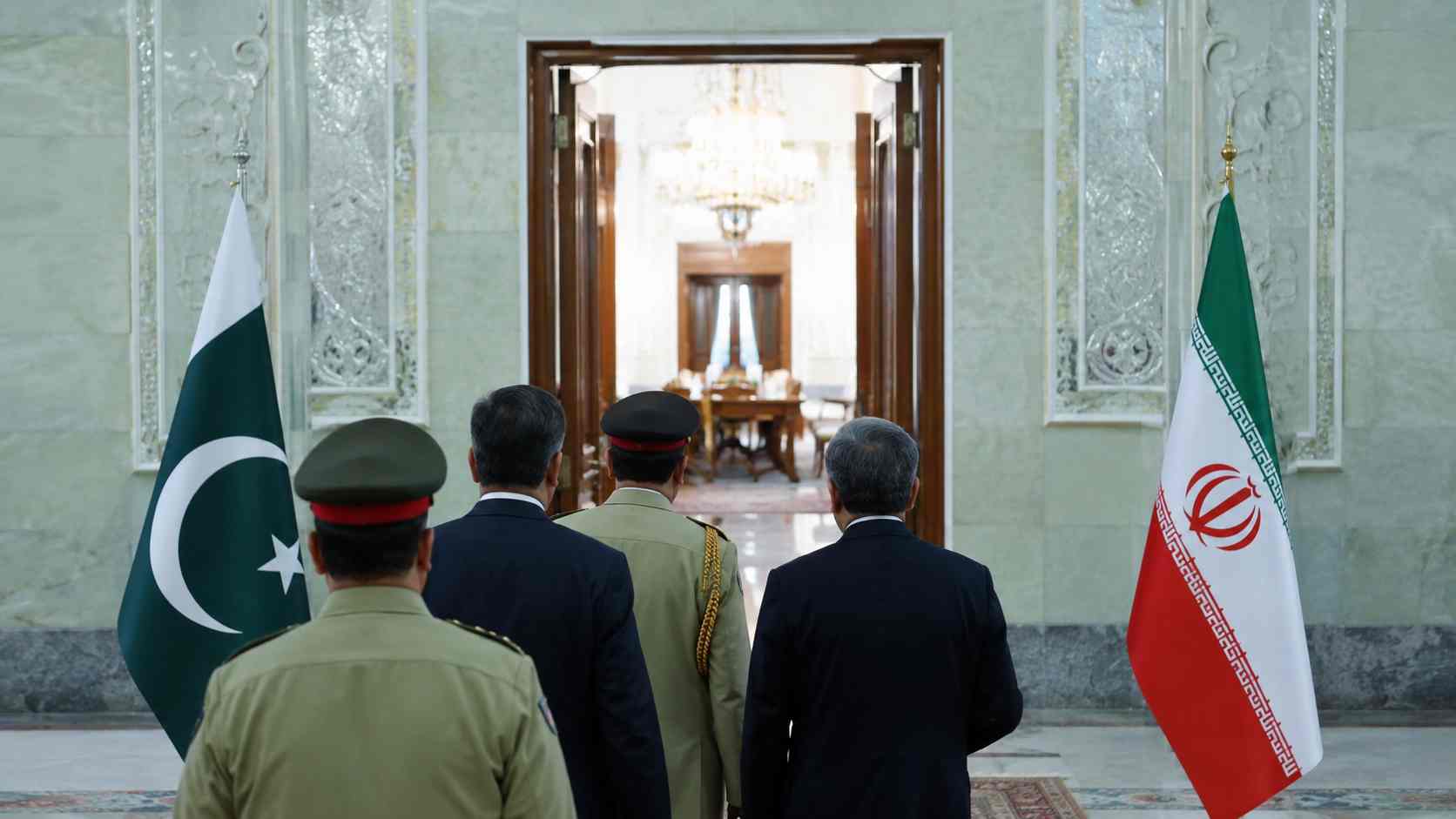
What Backchannel Talks Should Cover
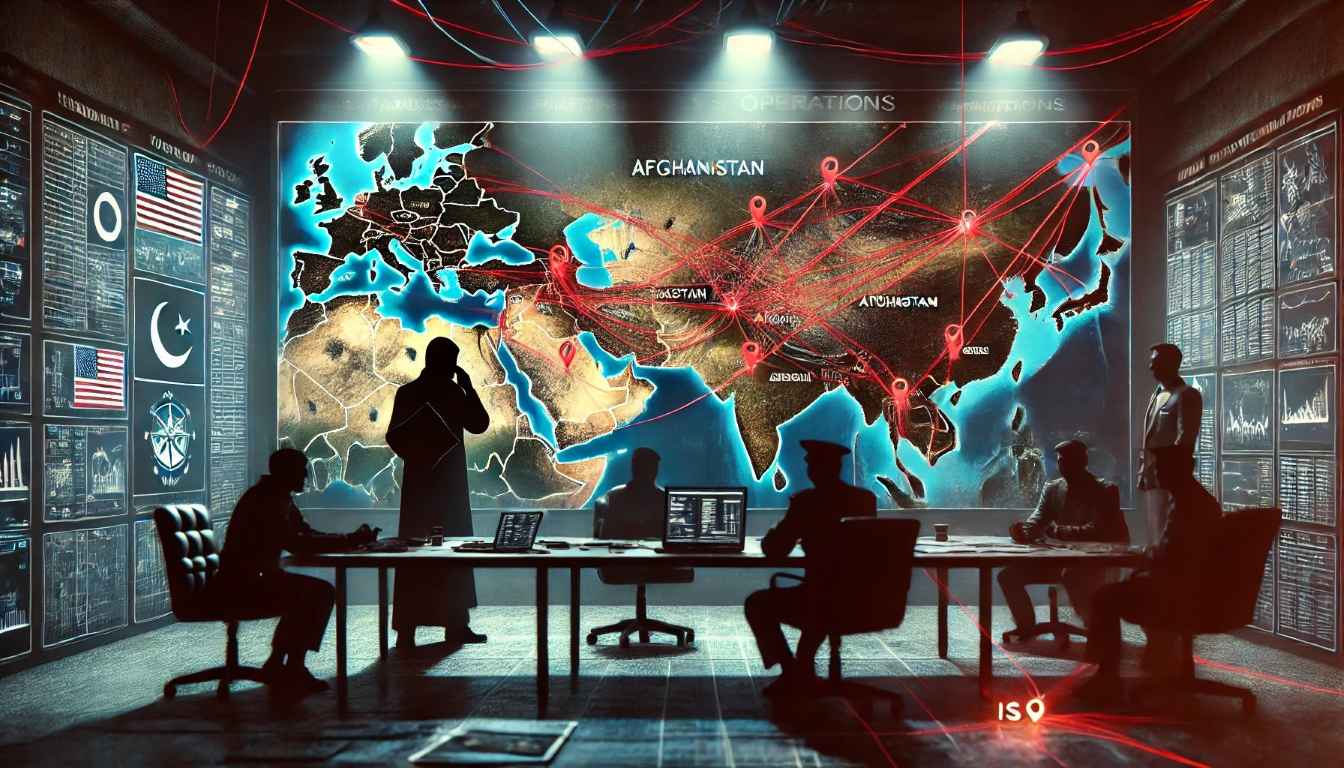
A quiet diplomatic channel does not need public announcements. In fact, public visibility may damage it.
The first agenda should be practical:
- Water and Indus Waters Treaty concerns
- Crisis communication between militaries
- Kashmir-related humanitarian issues
- Trade and environmental cooperation
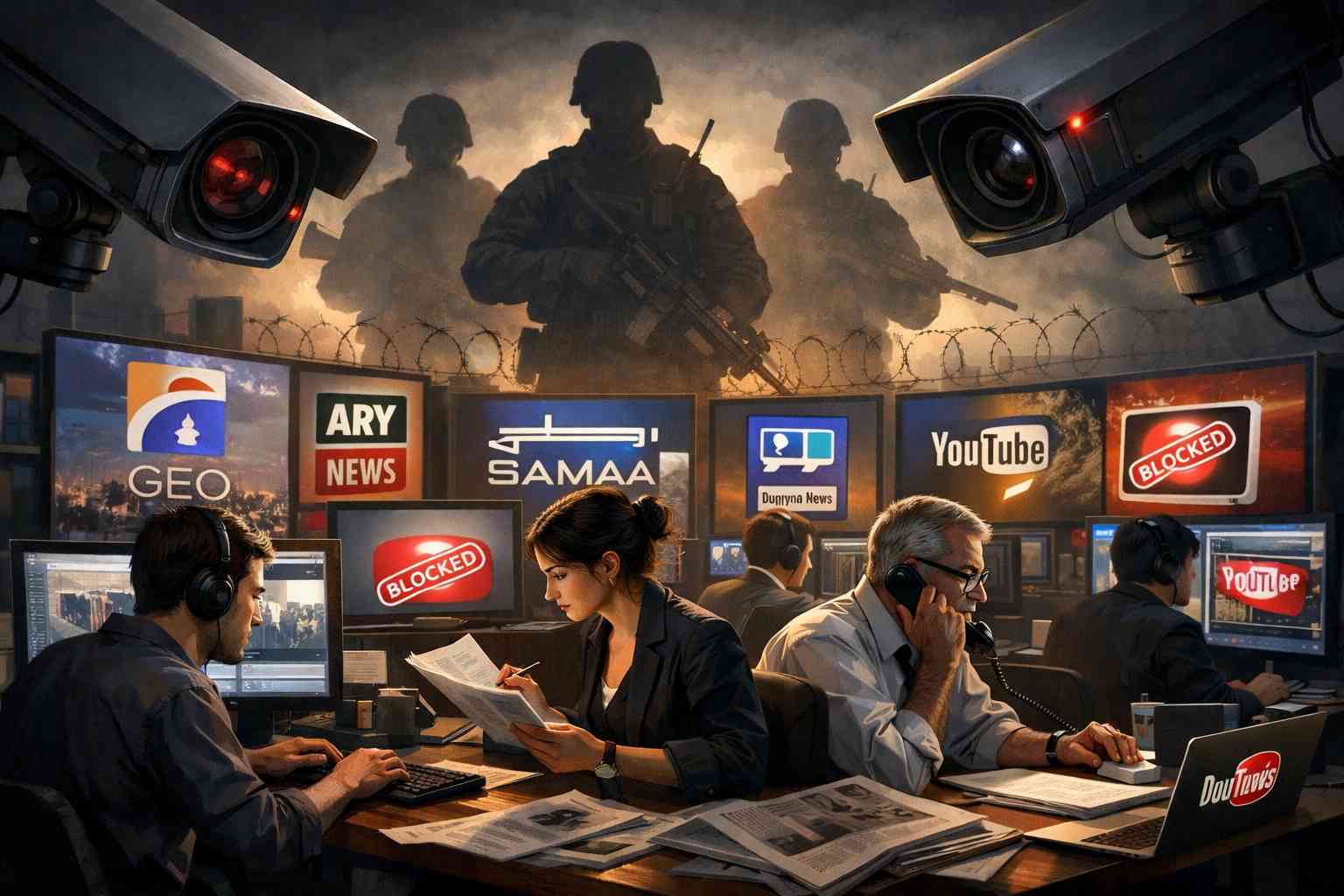
- Media de-escalation mechanisms
None of this requires surrender. It requires statecraft.
Conclusion
The argument for Pakistan India backchannel diplomacy is not emotional. It is strategic.
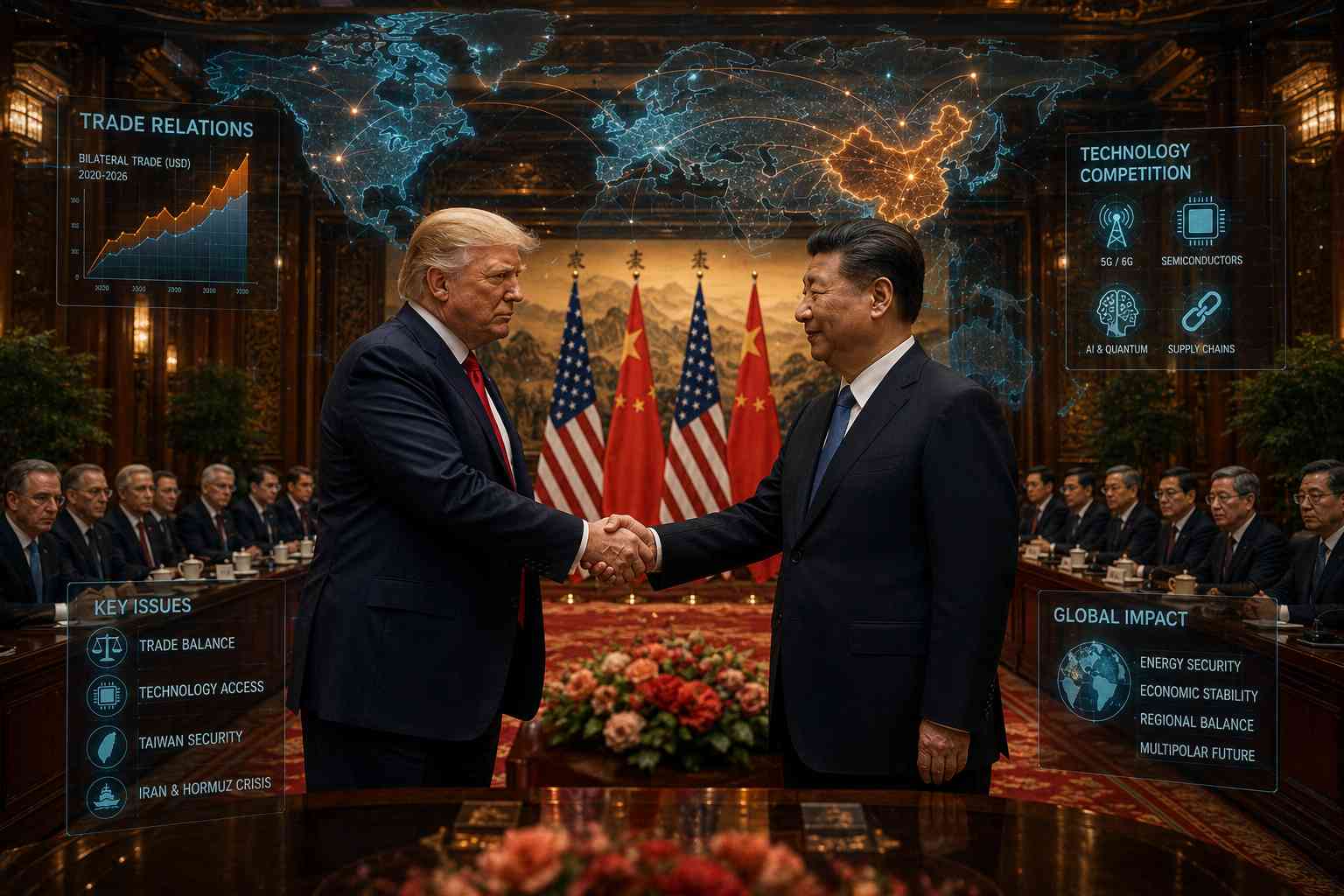
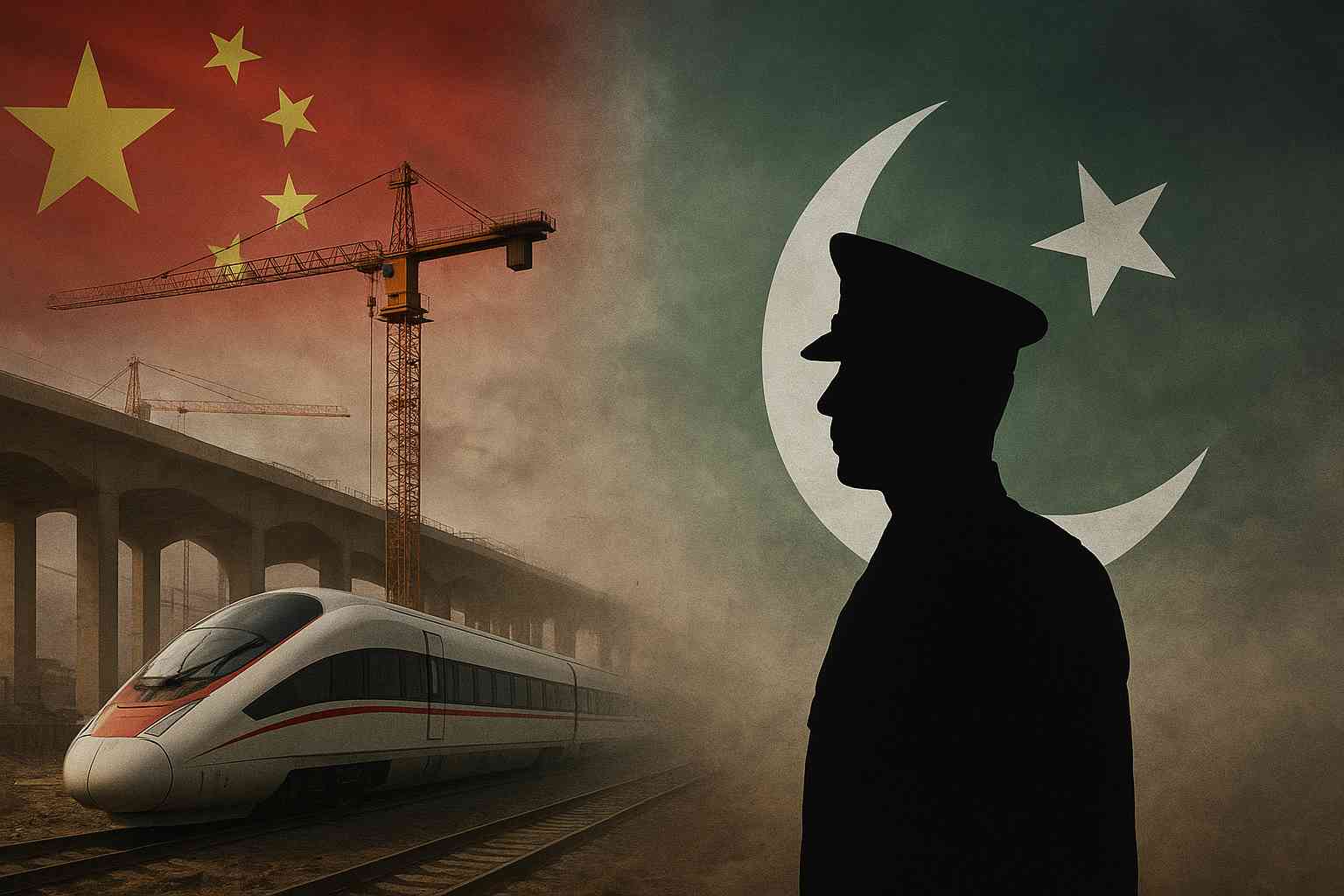
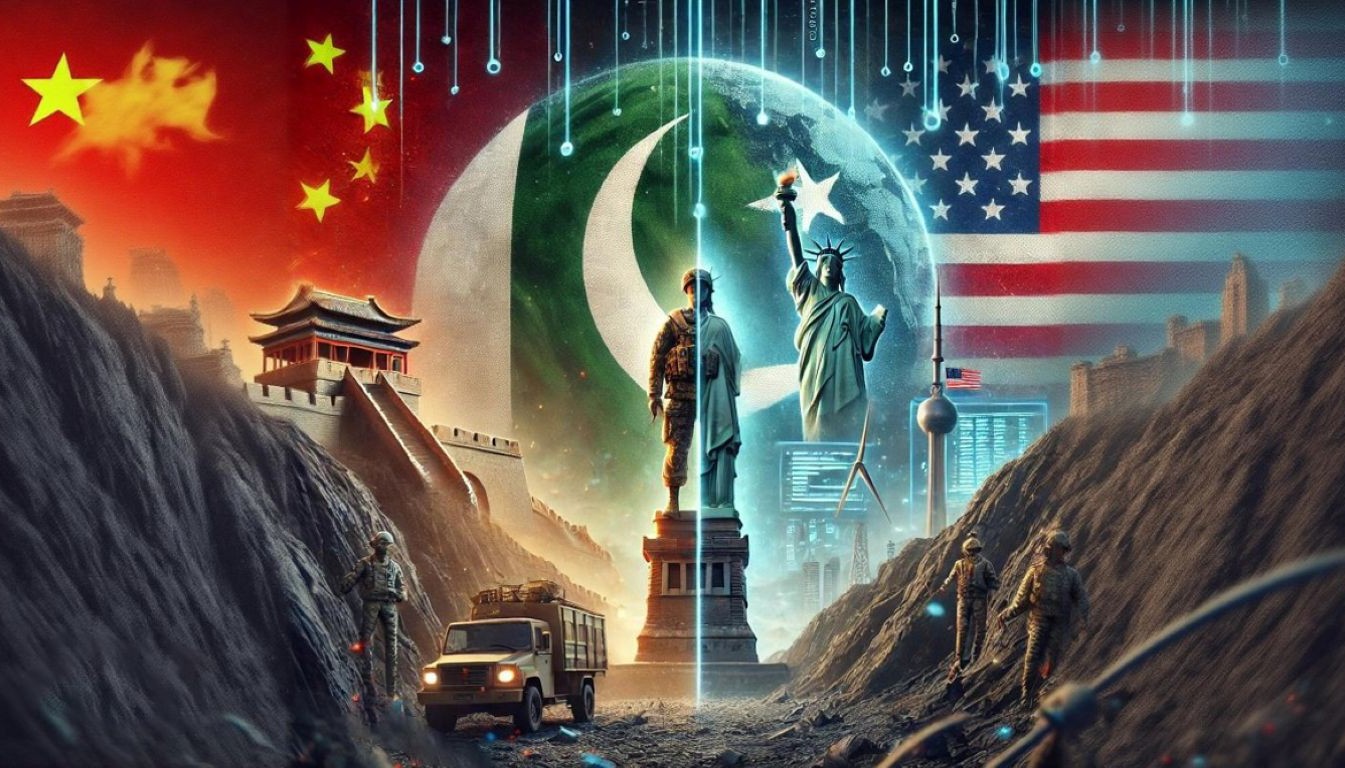
The region is changing. Gulf politics are shifting. American power is being questioned. China’s role is expanding. Turkey, Saudi Arabia, Qatar, UAE, Israel and Iran are all repositioning.
In this environment, Pakistan and India cannot remain trapped in televised confrontation. Both countries need quiet channels before the next crisis arrives.
Backchannel diplomacy may not solve every dispute. But without it, both states risk being shaped by events rather than shaping them.
By SoldierSpeaks News Desk
Analysis based on commentary by Dr. Moeed Pirzada and current geopolitical developments.