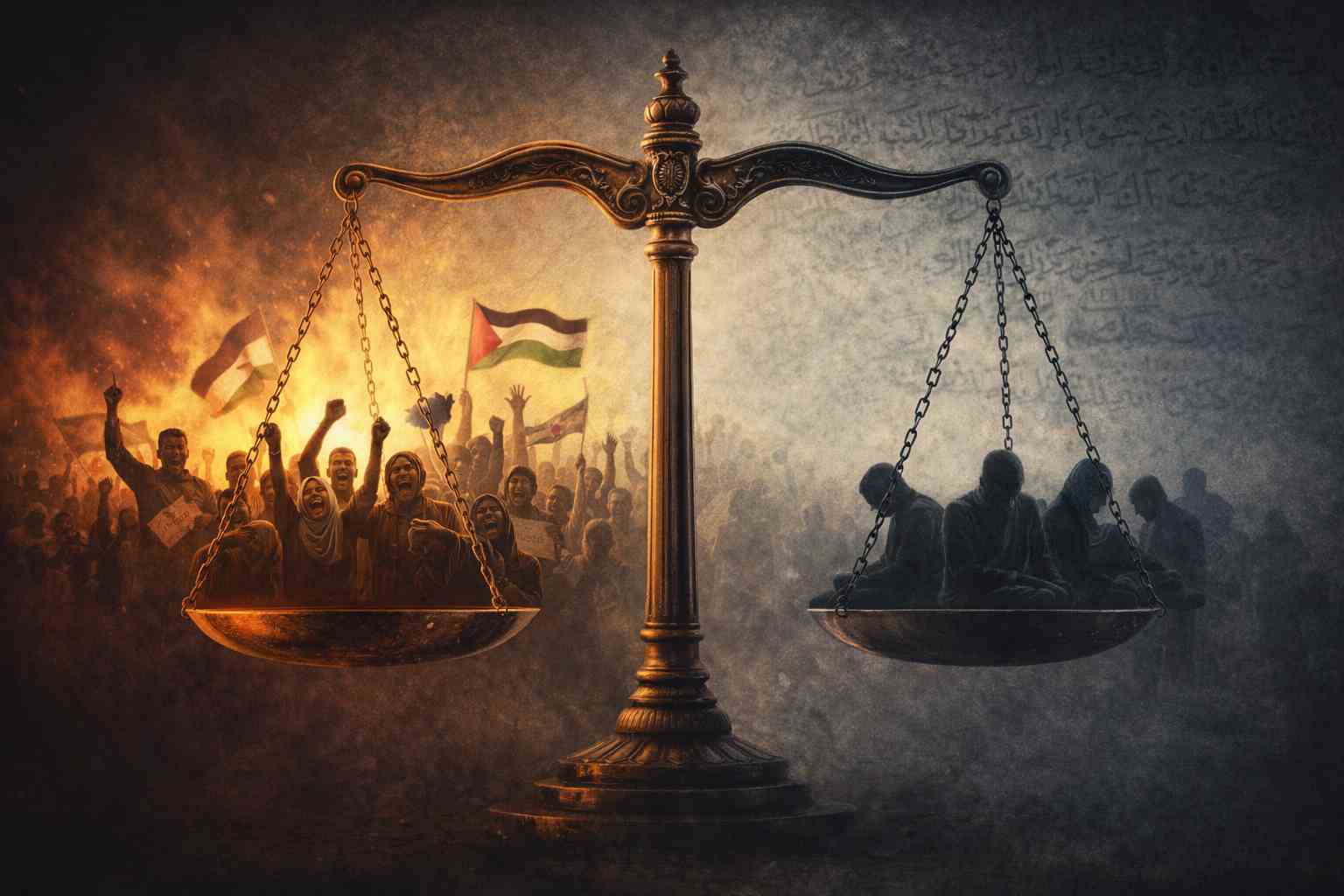
The world is not just watching another war unfold. It is witnessing the slow collapse of a system that has defined global power for decades.
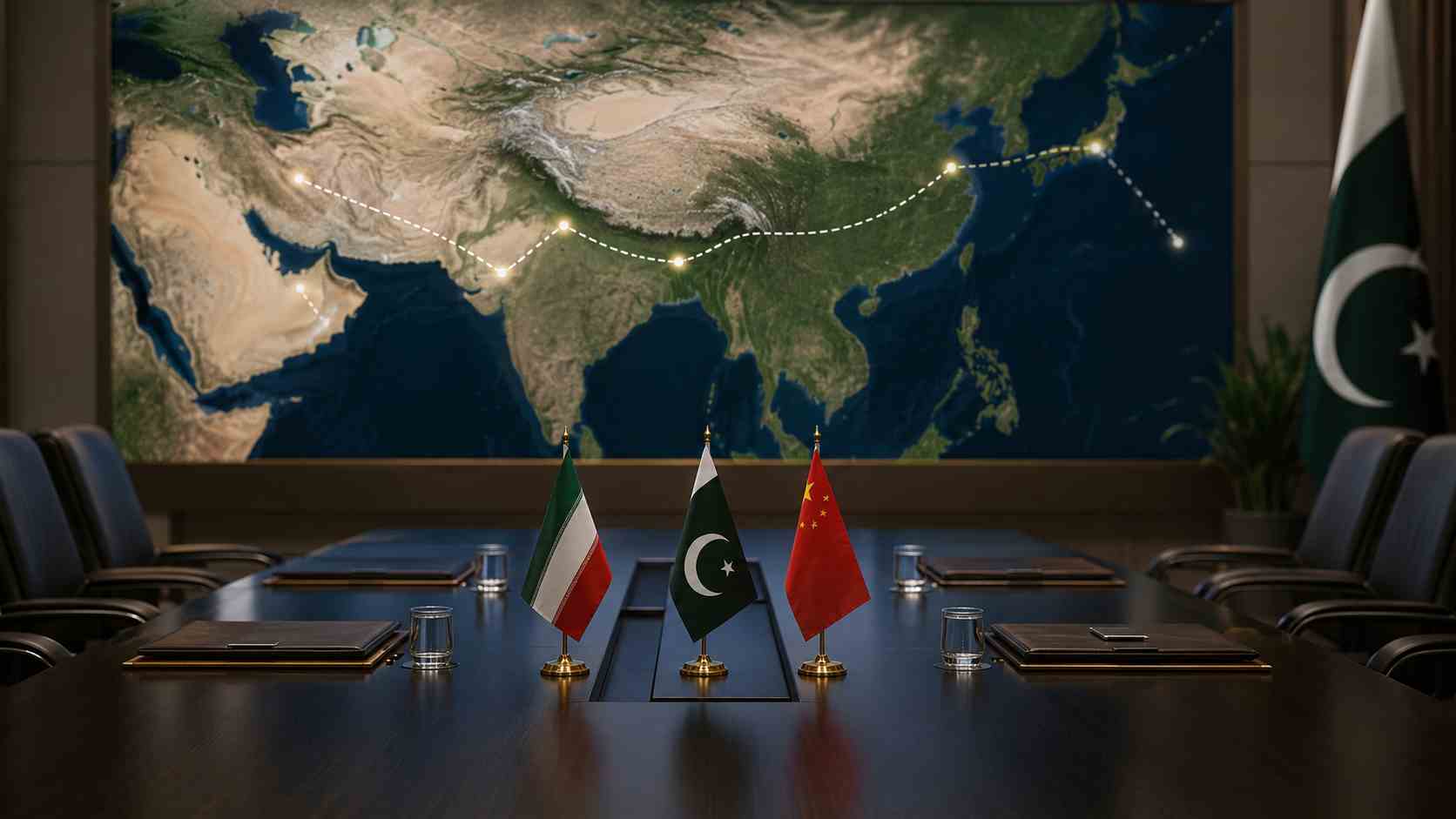
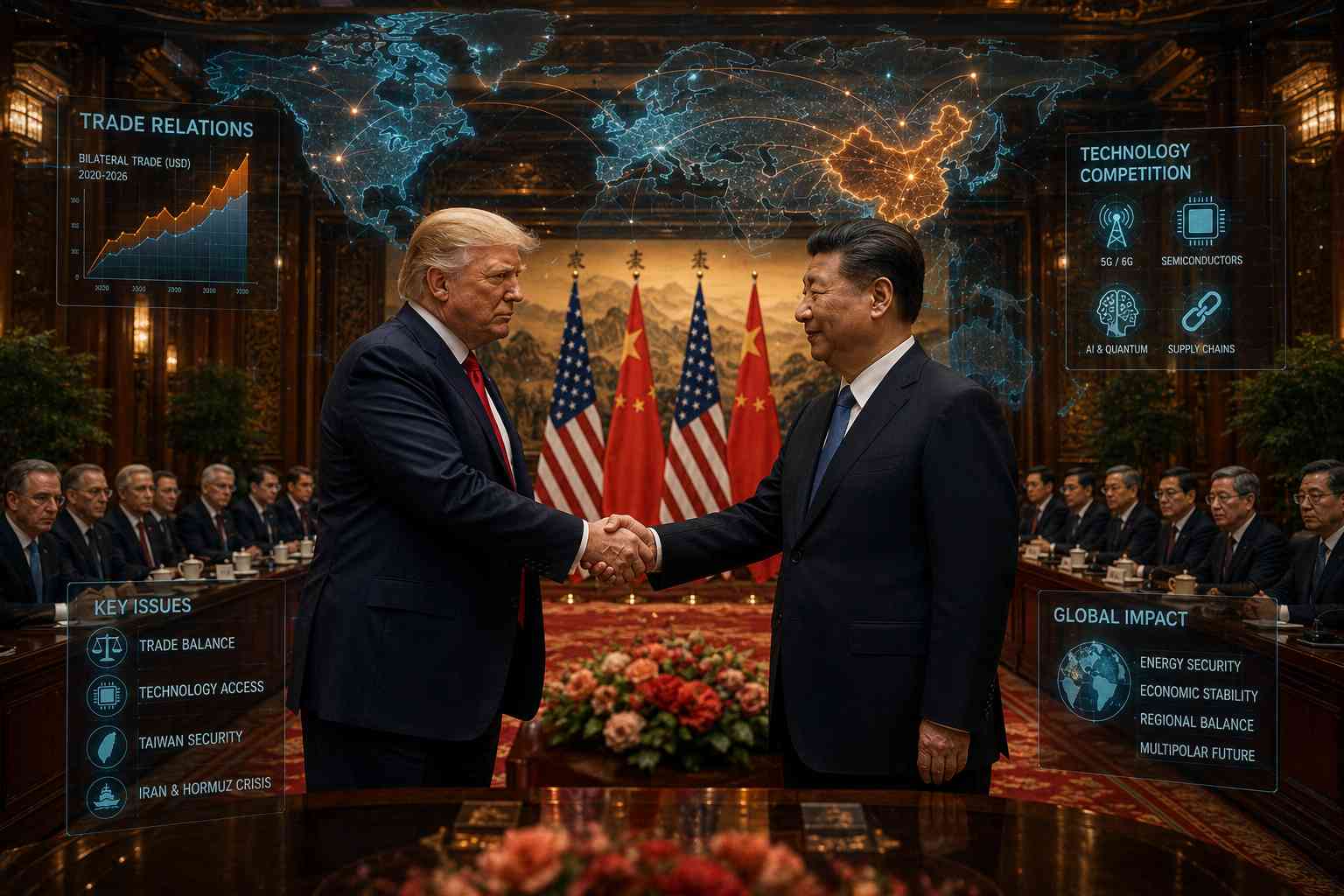
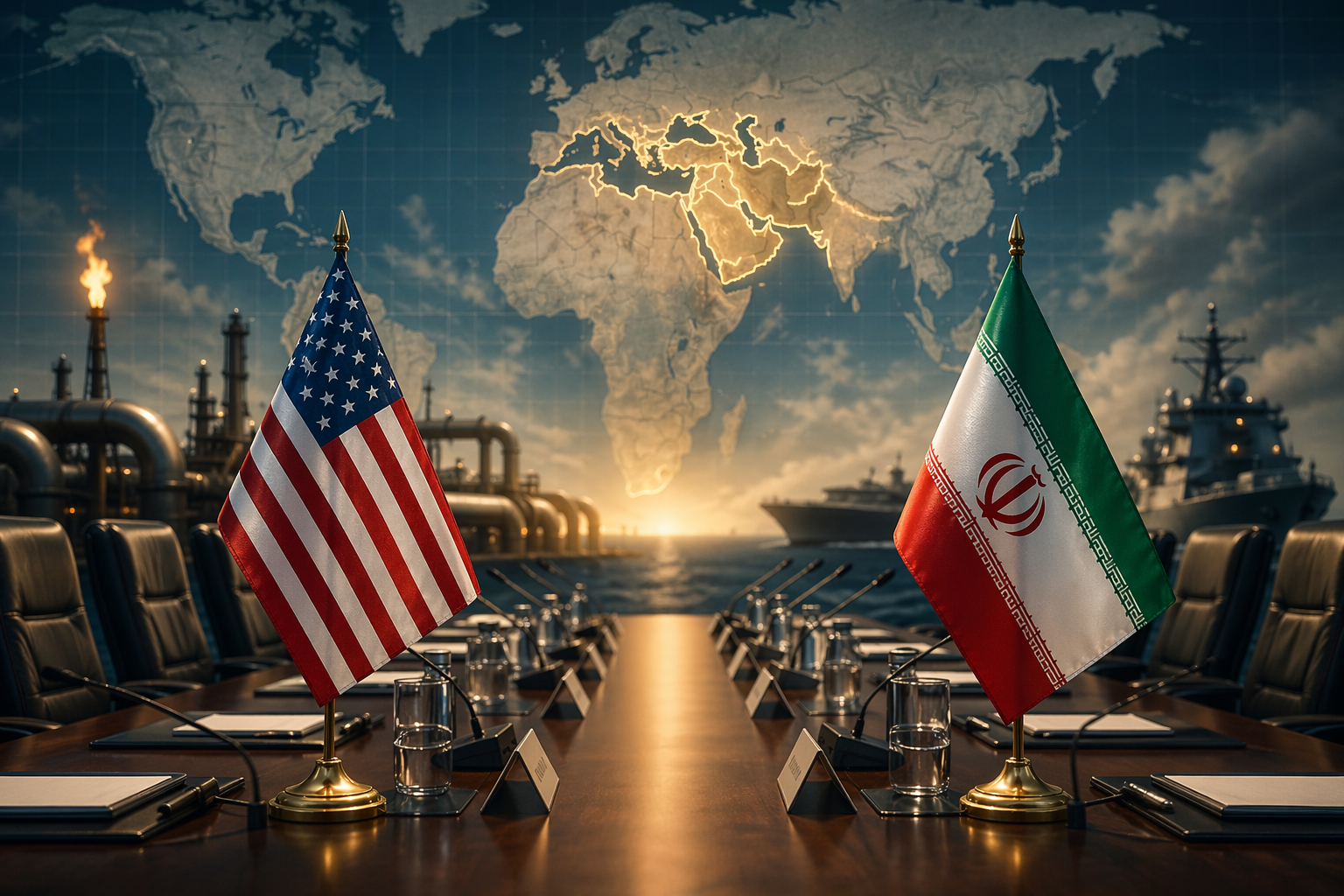
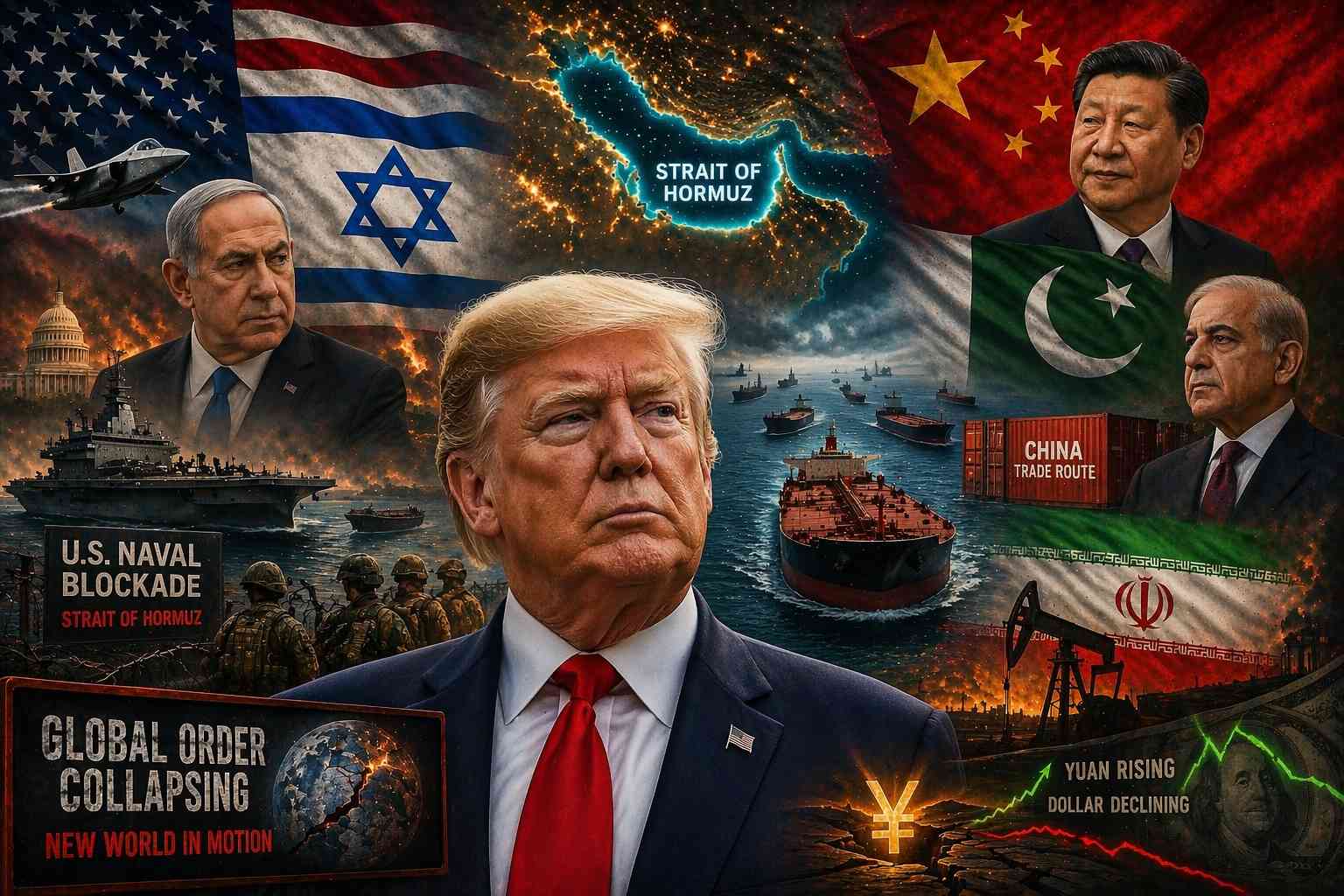
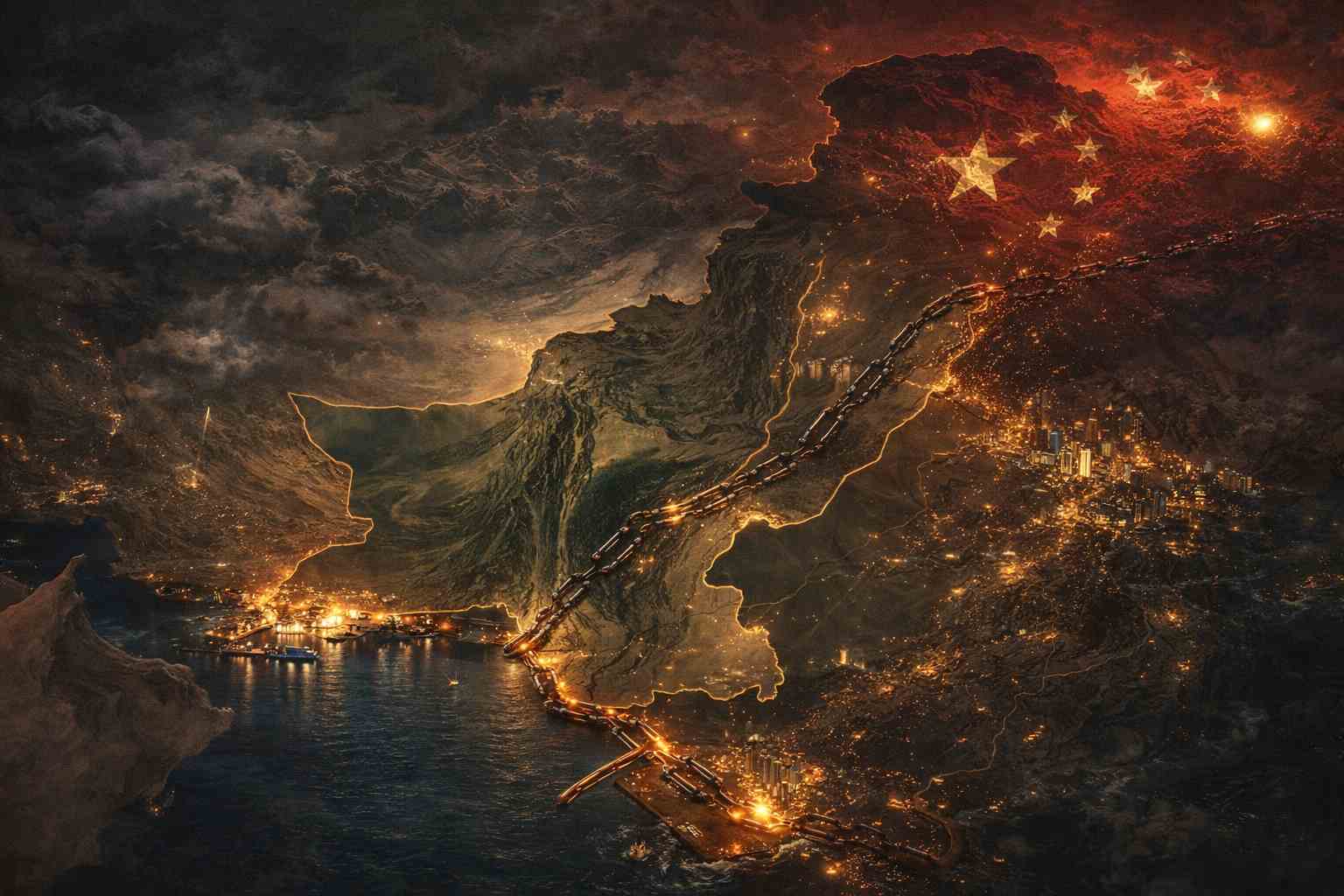
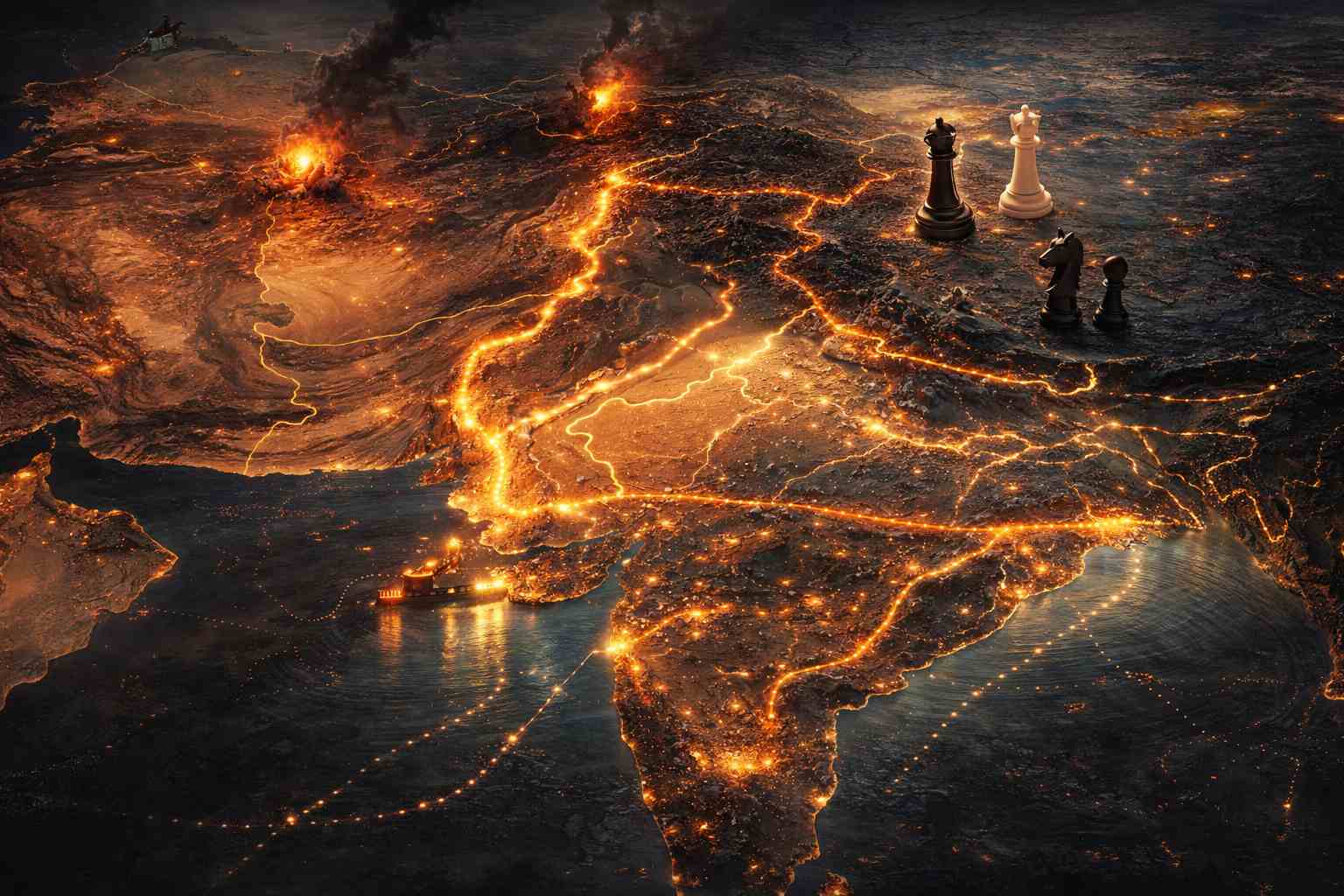
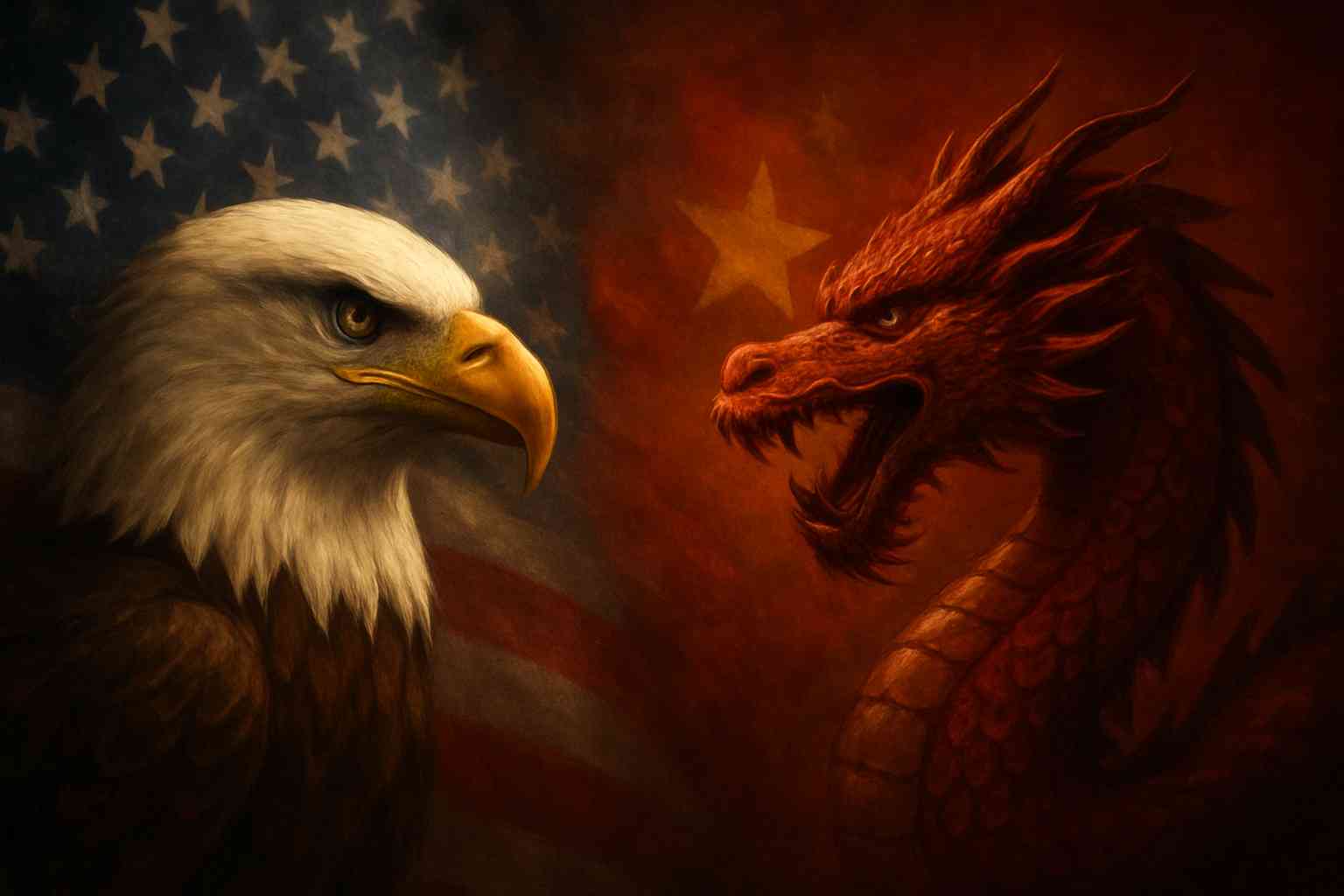
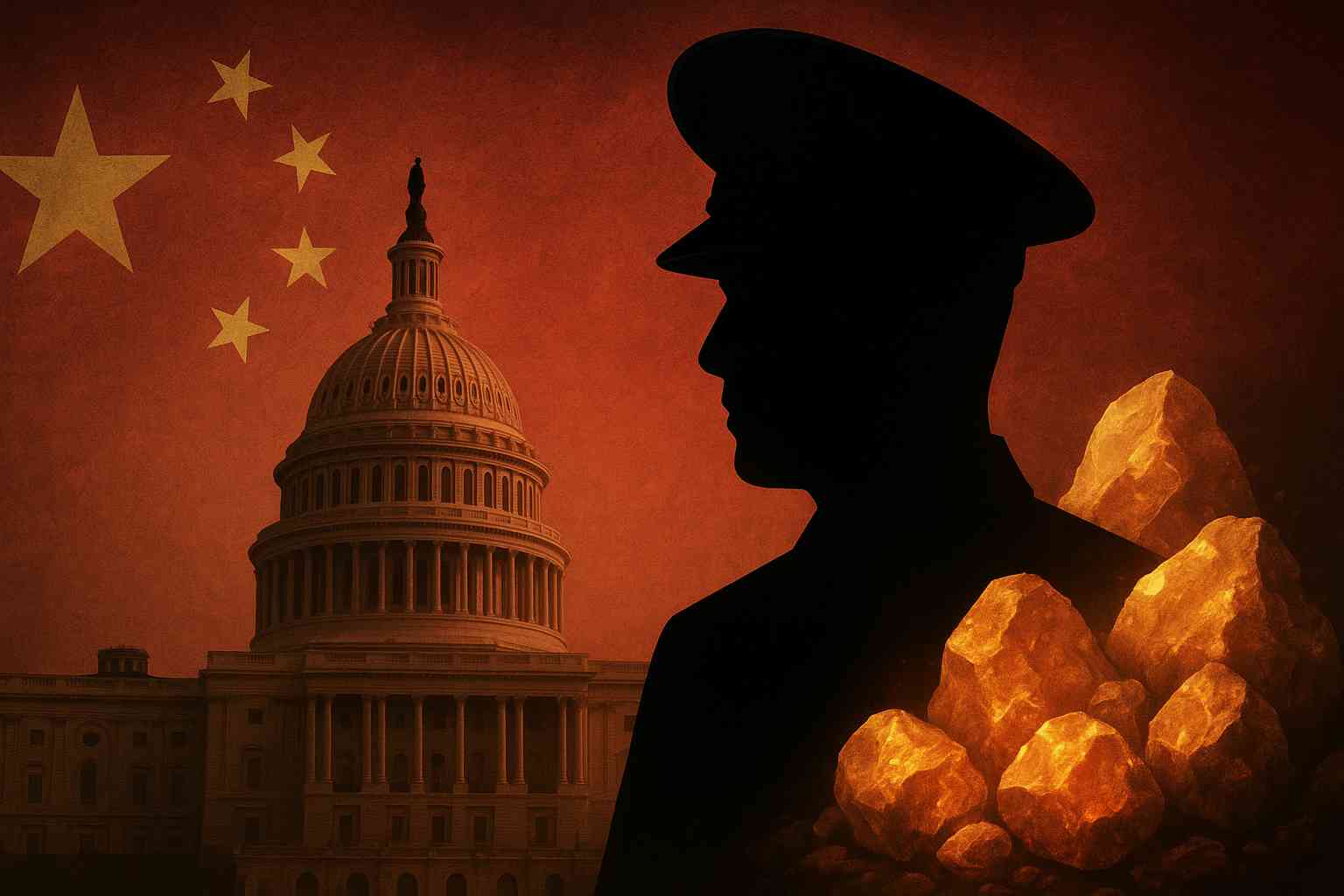
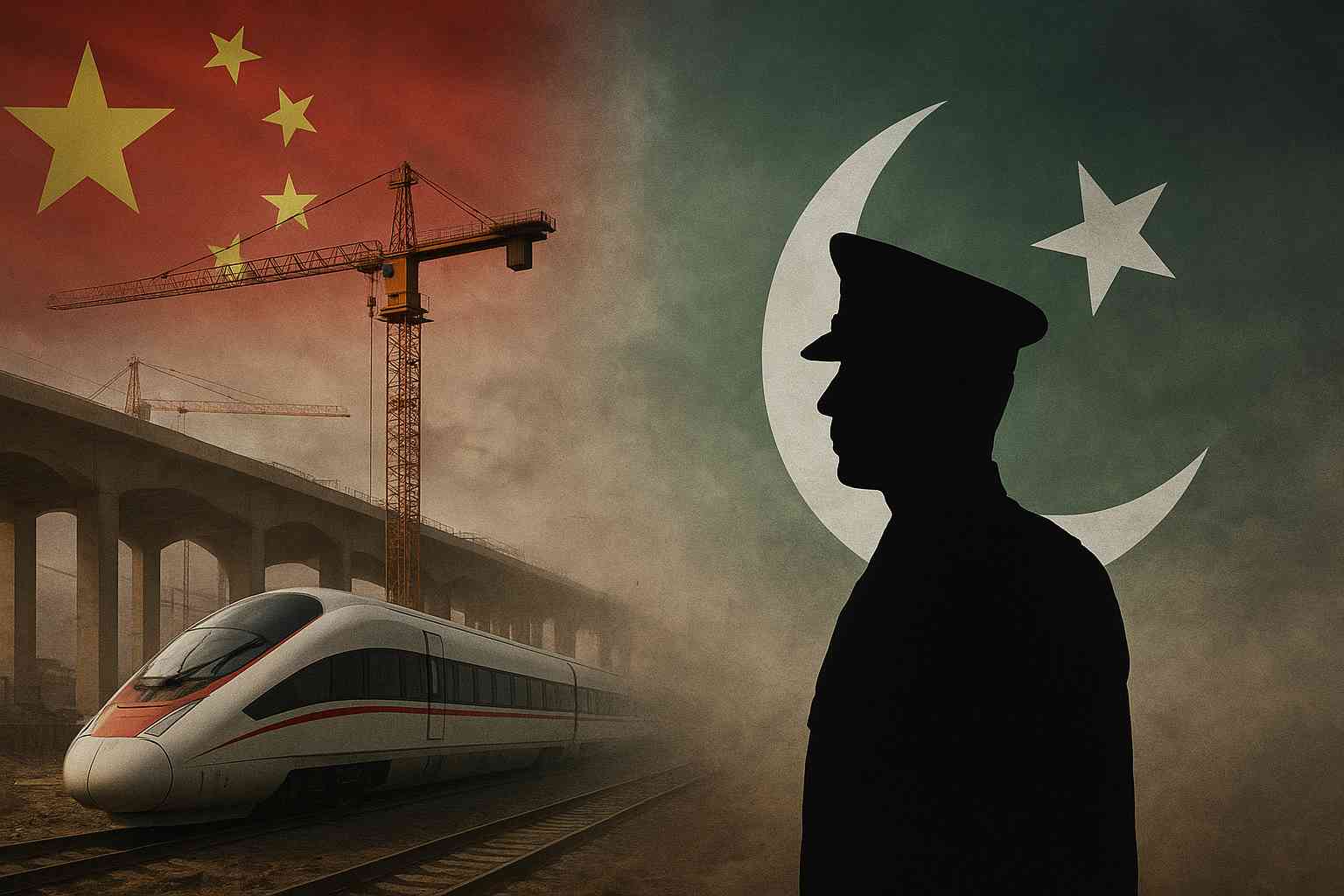
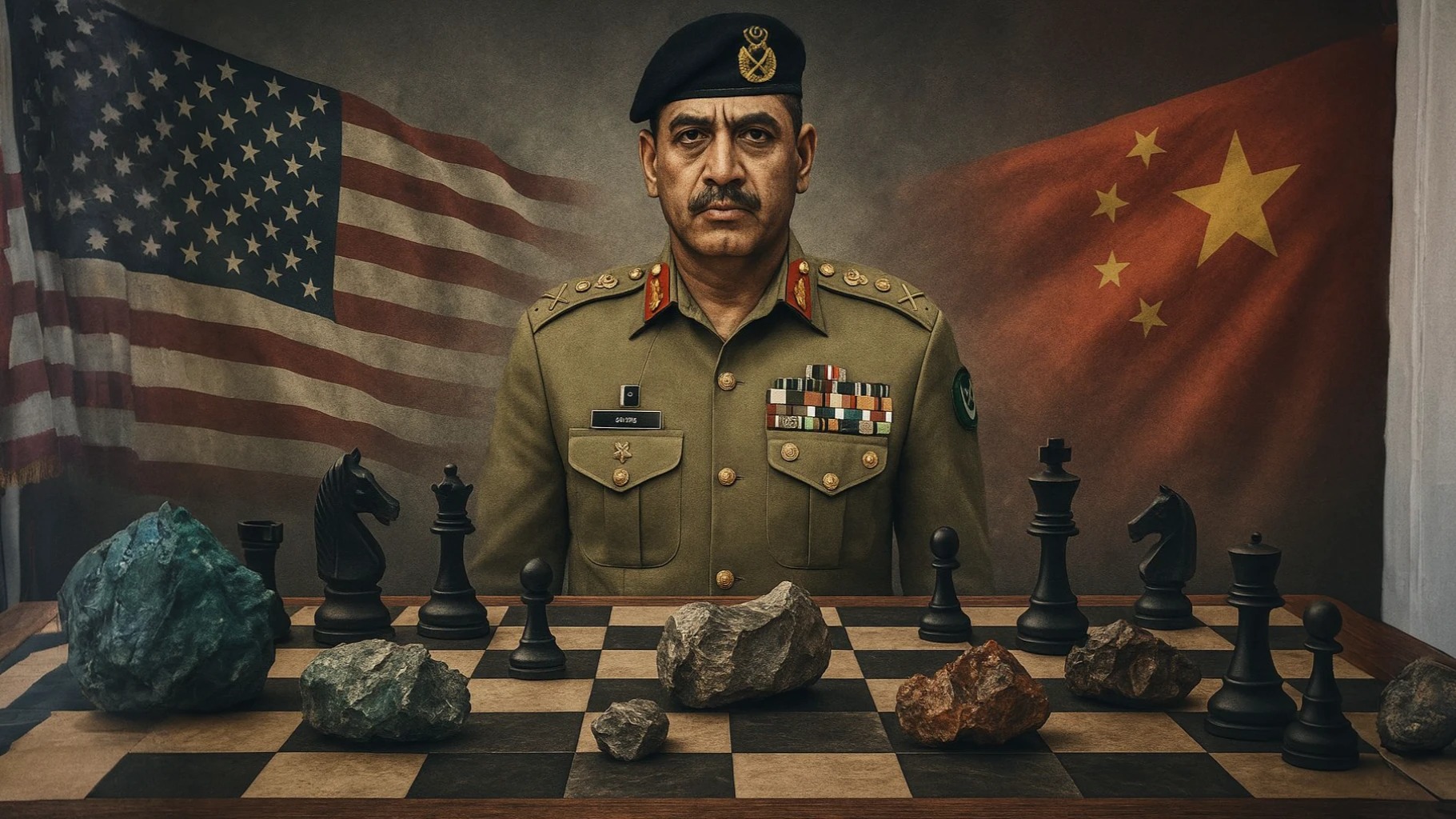
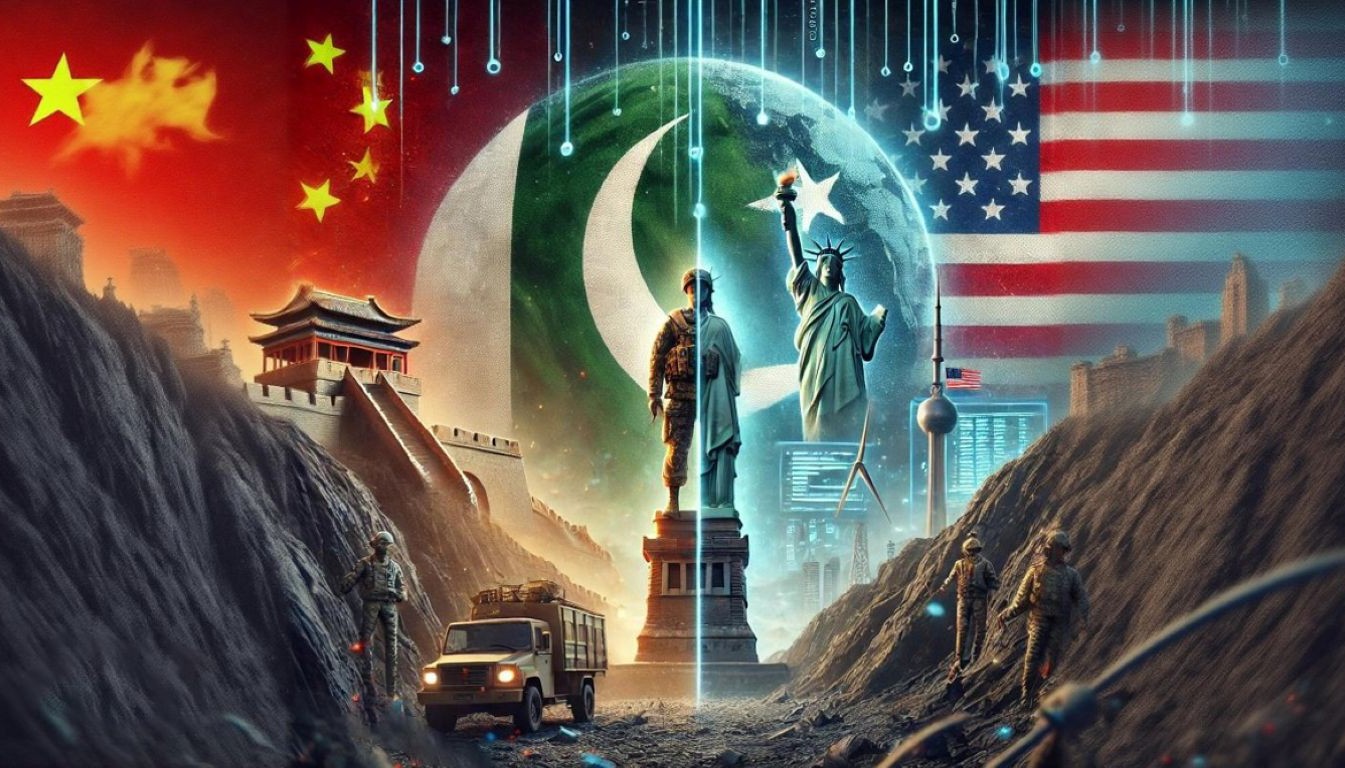
The China US Hormuz conflict is no longer about Iran alone. It has evolved into a much bigger confrontation. This is a battle over control, influence, and the future of the global order. What we are seeing today is not just escalation—it is transformation.
From Washington to Beijing, and from Tehran to London, the signals are clear. The old rules are breaking down. A new system is struggling to take shape.
A Blockade That Failed to Assert Control
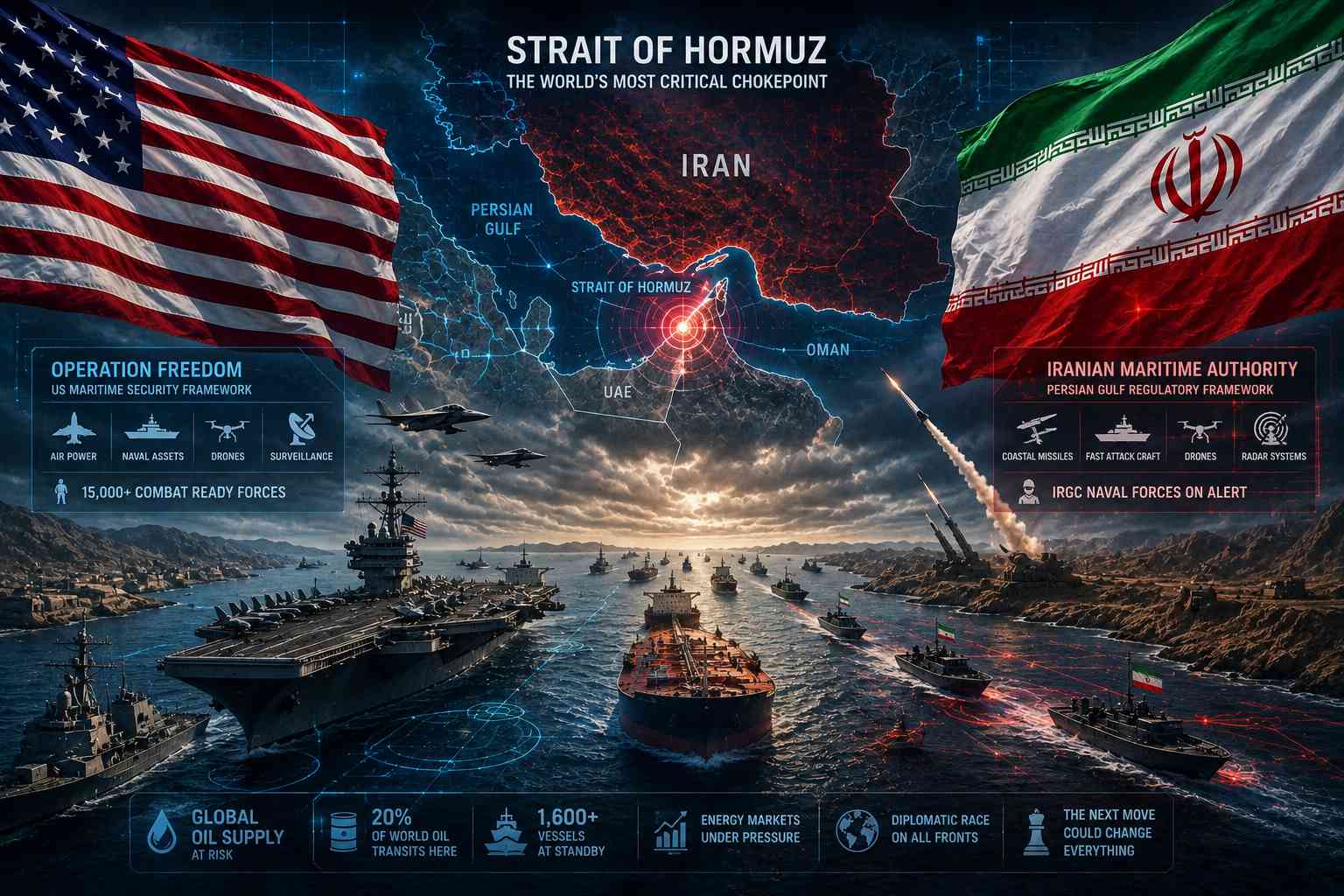
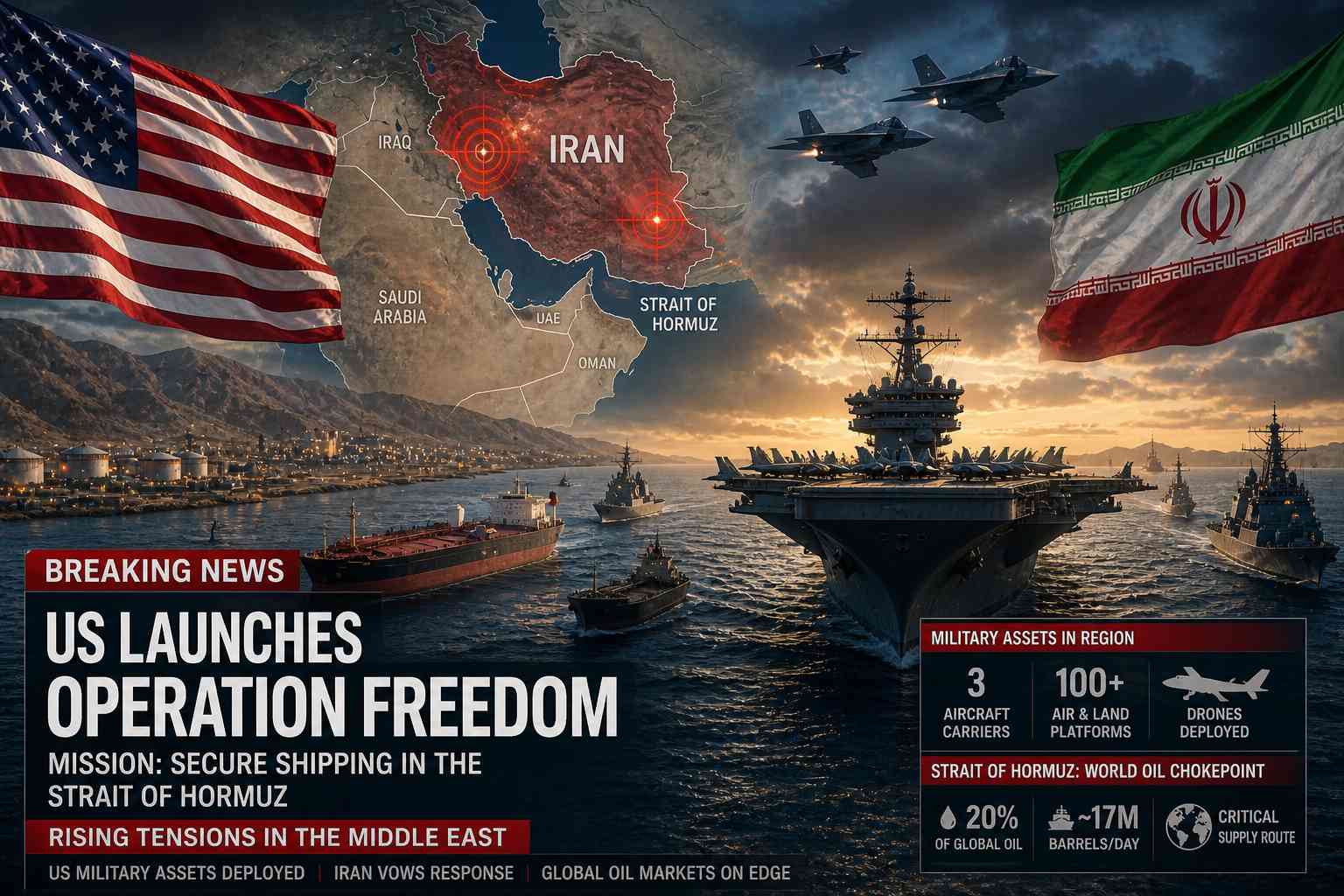
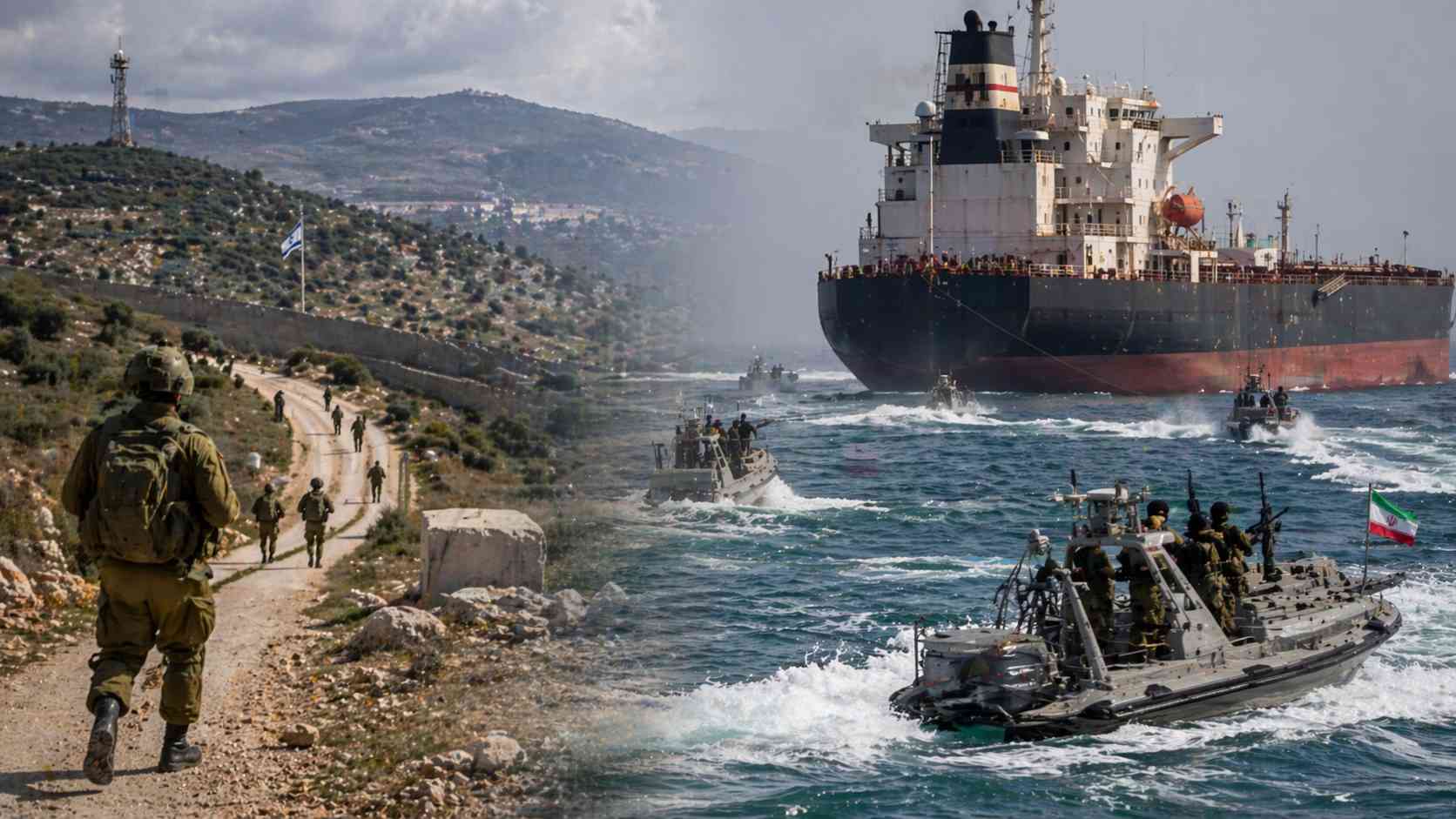
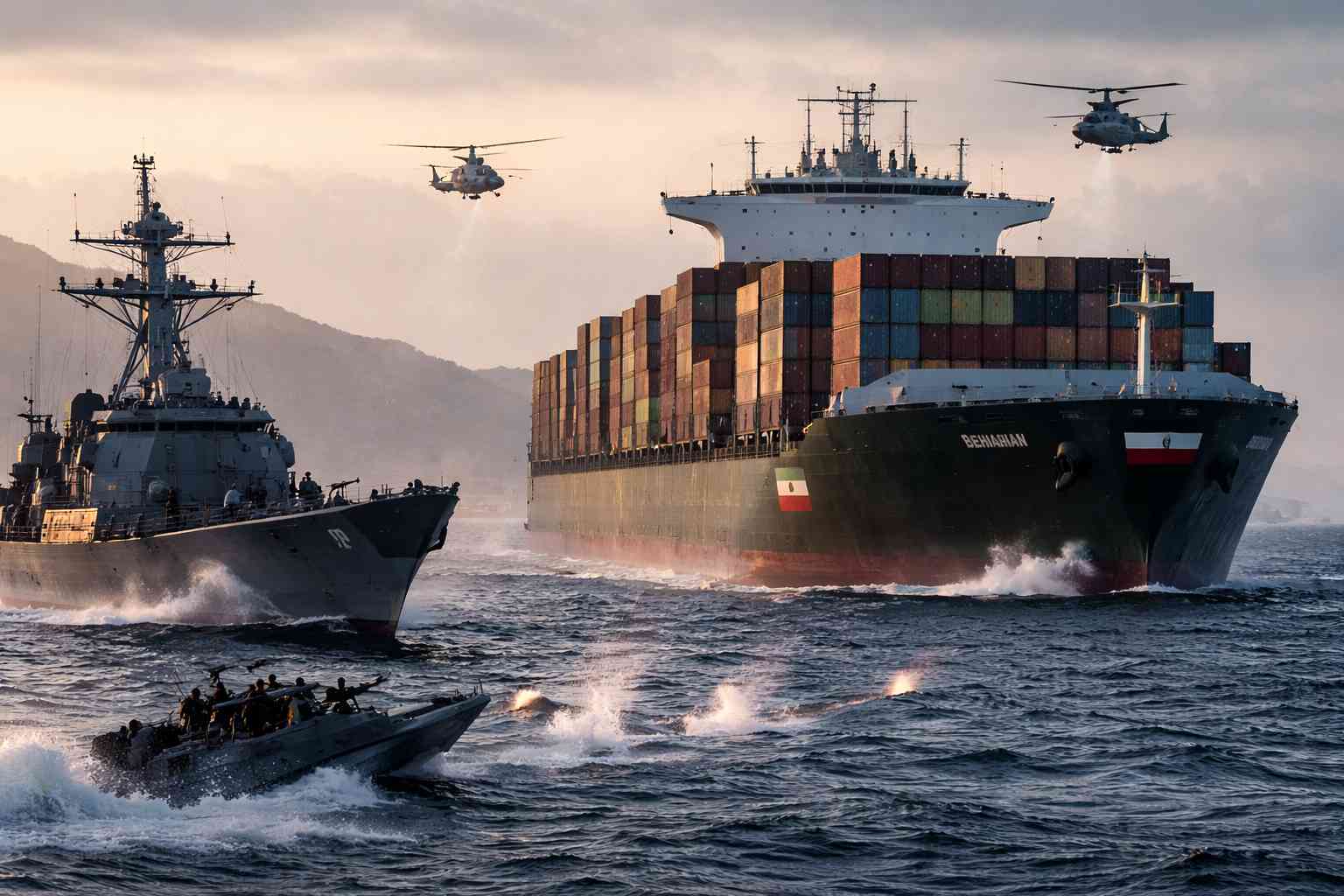
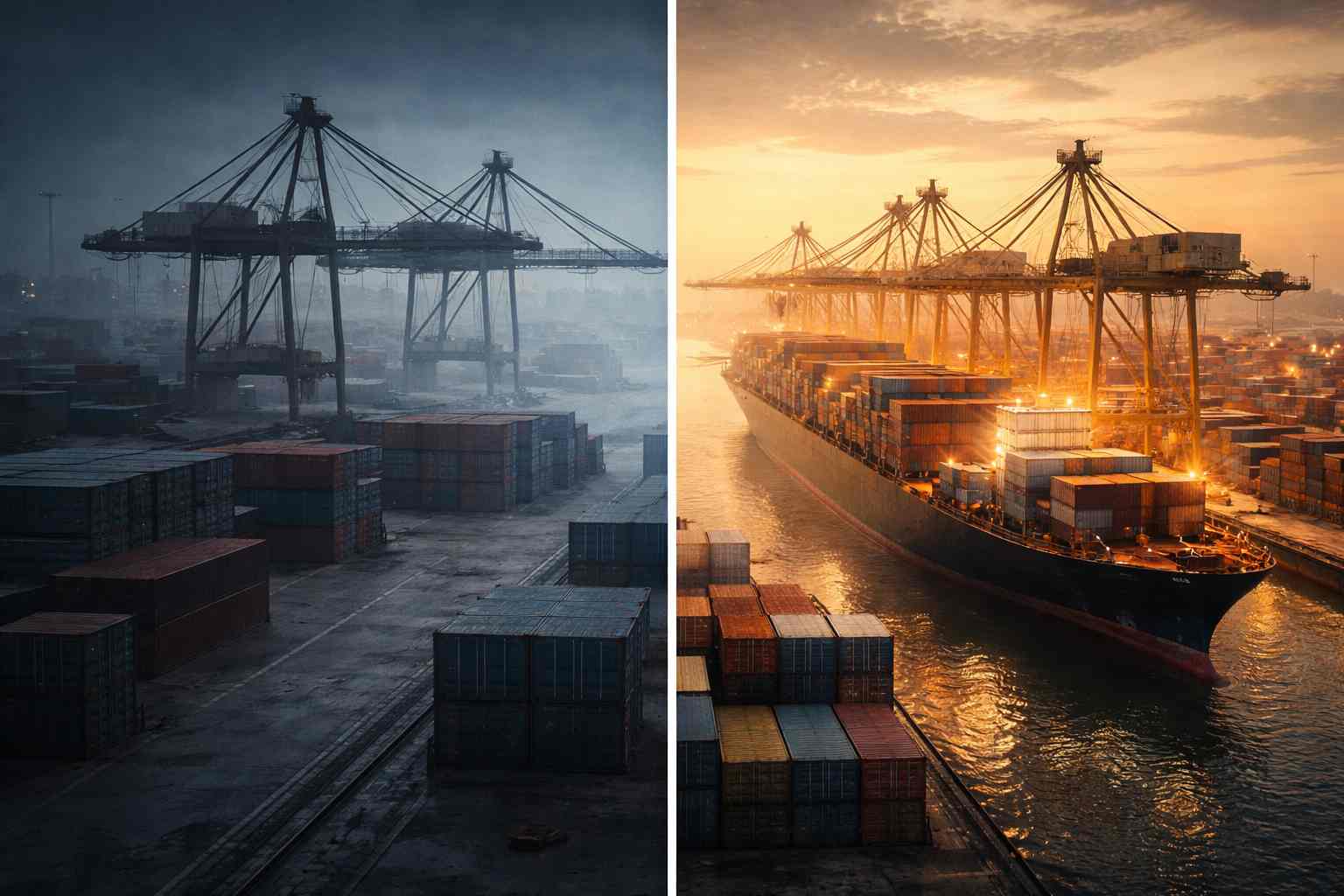
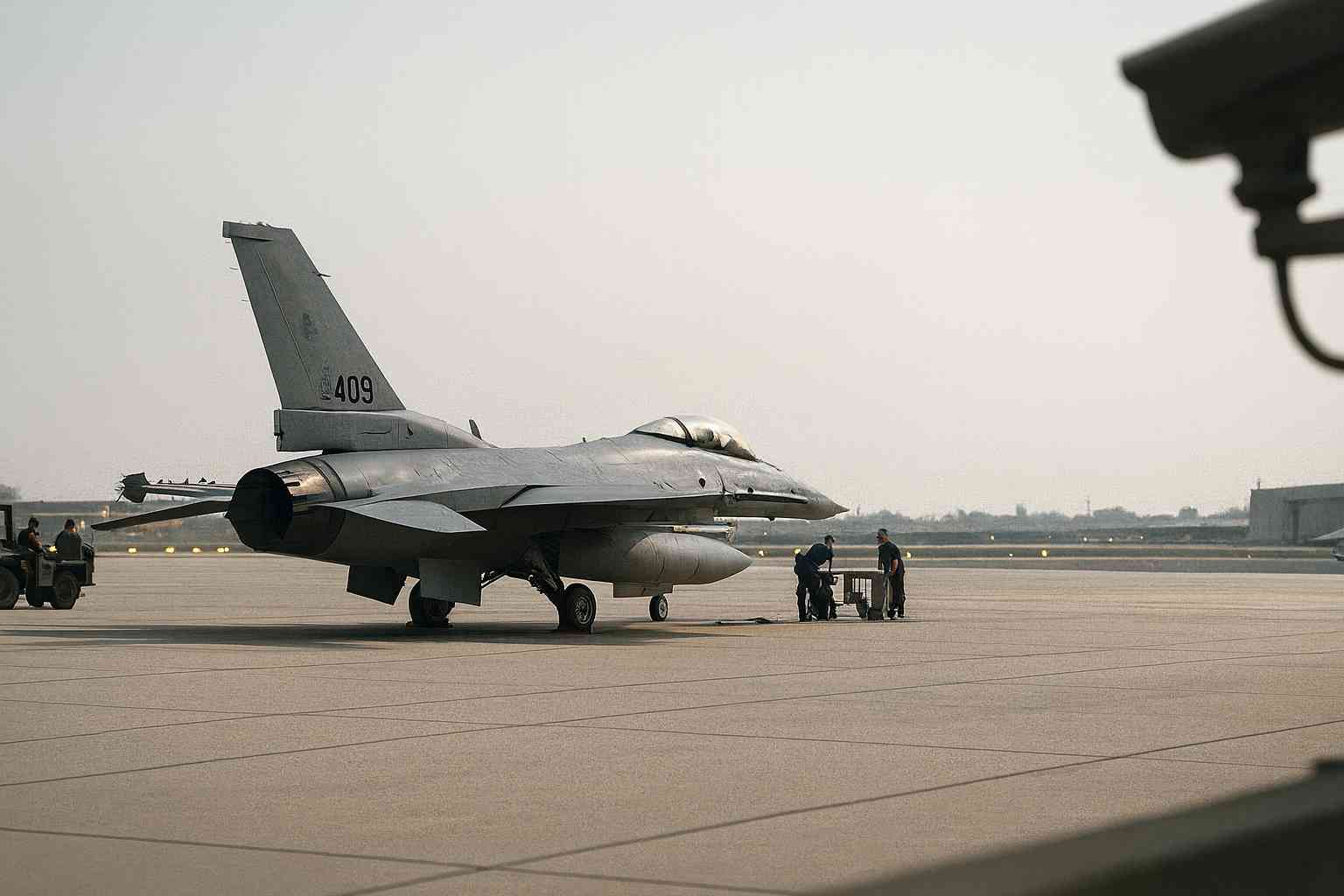
The United States attempted to impose a full naval blockade on the Strait of Hormuz. It deployed thousands of troops, multiple warships, and advanced aircraft. The message was simple: control the chokepoint, control the war.
But reality did not follow the script.
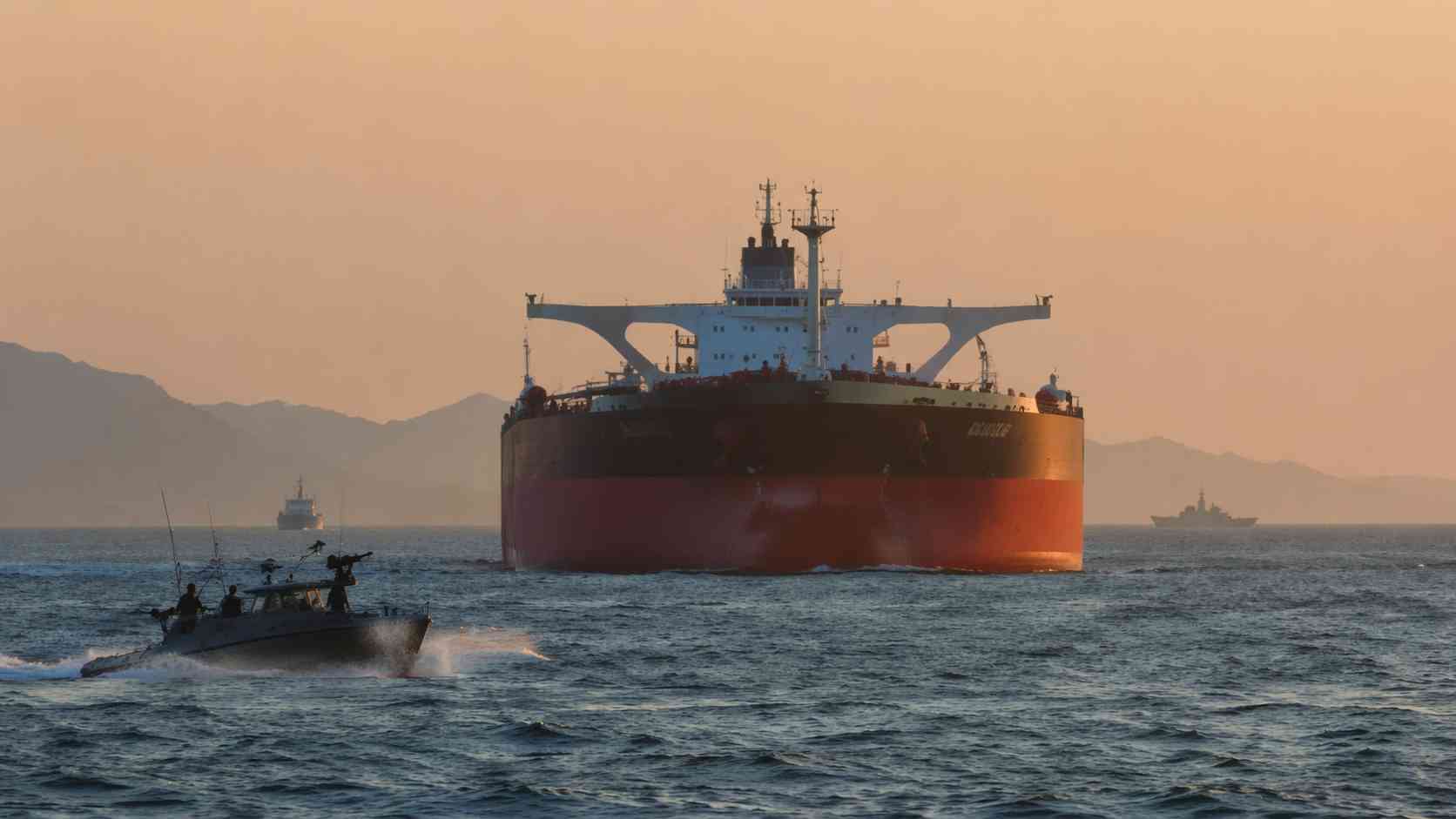
A Chinese tanker crossed the blockade without resistance. This was not just a shipping movement. It was a direct challenge to American authority.
In the China US Hormuz conflict, this moment stands out. It exposed a critical weakness. The strongest navy in the world issued a warning—but could not enforce it.
This single act shifted the narrative.
China’s Silent but Decisive Entry
China has not entered the battlefield with bombs. It has entered with strategy.
Beijing made its position clear. It will protect its trade routes. It will not allow disruption to its energy lifelines. And most importantly, it will not accept unilateral control by Washington.
Reports suggest that China is:
- Supporting Iran through indirect supply lines
- Using shadow fleets to bypass sanctions
- Expanding alternative payment systems beyond the dollar
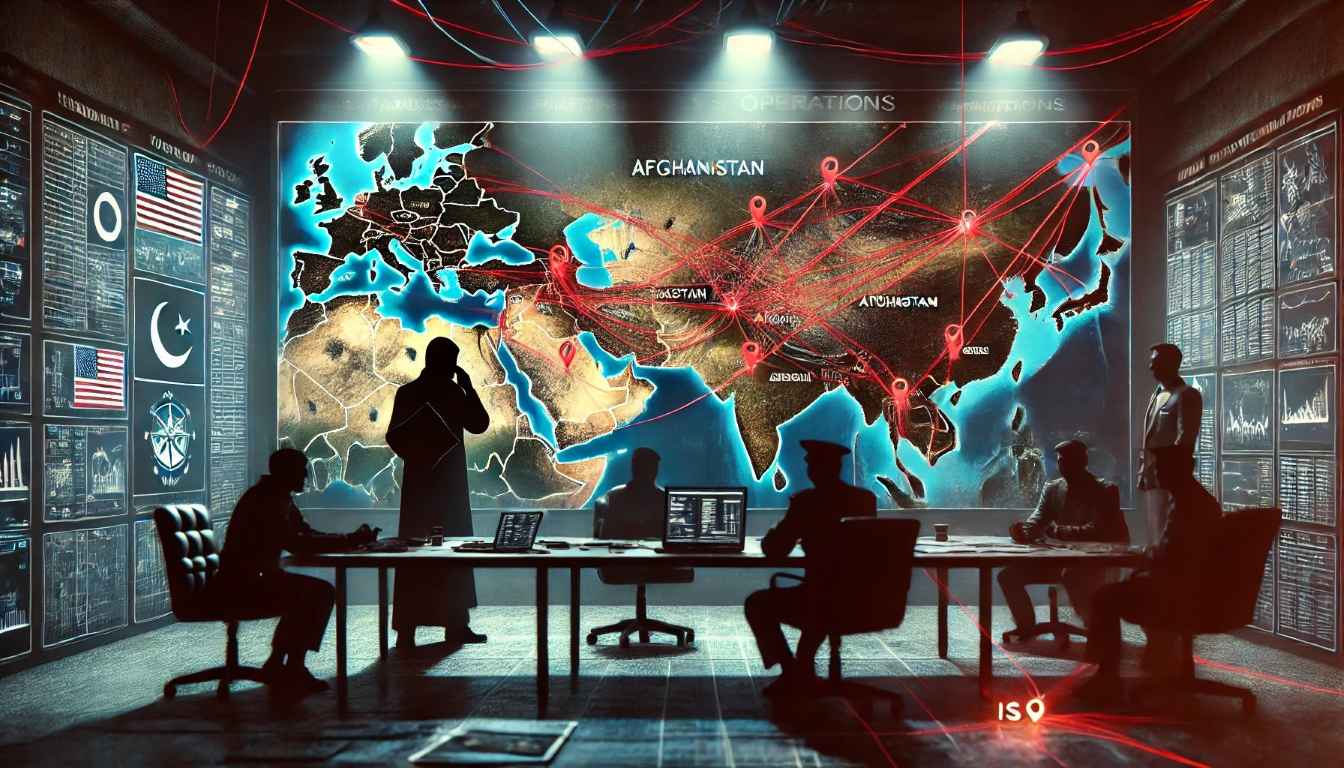
This is where the China US Hormuz conflict becomes more dangerous. It is no longer about military confrontation. It is about system-level competition.
China does not need to fire a missile. It only needs to weaken the system that the United States depends on.
The Real Battlefield: Money, Not Missiles
Many observers still focus on military movements. They are missing the bigger picture.
This war is being fought through:
- Oil price manipulation
- Currency shifts
- Sanctions evasion
- Financial engineering
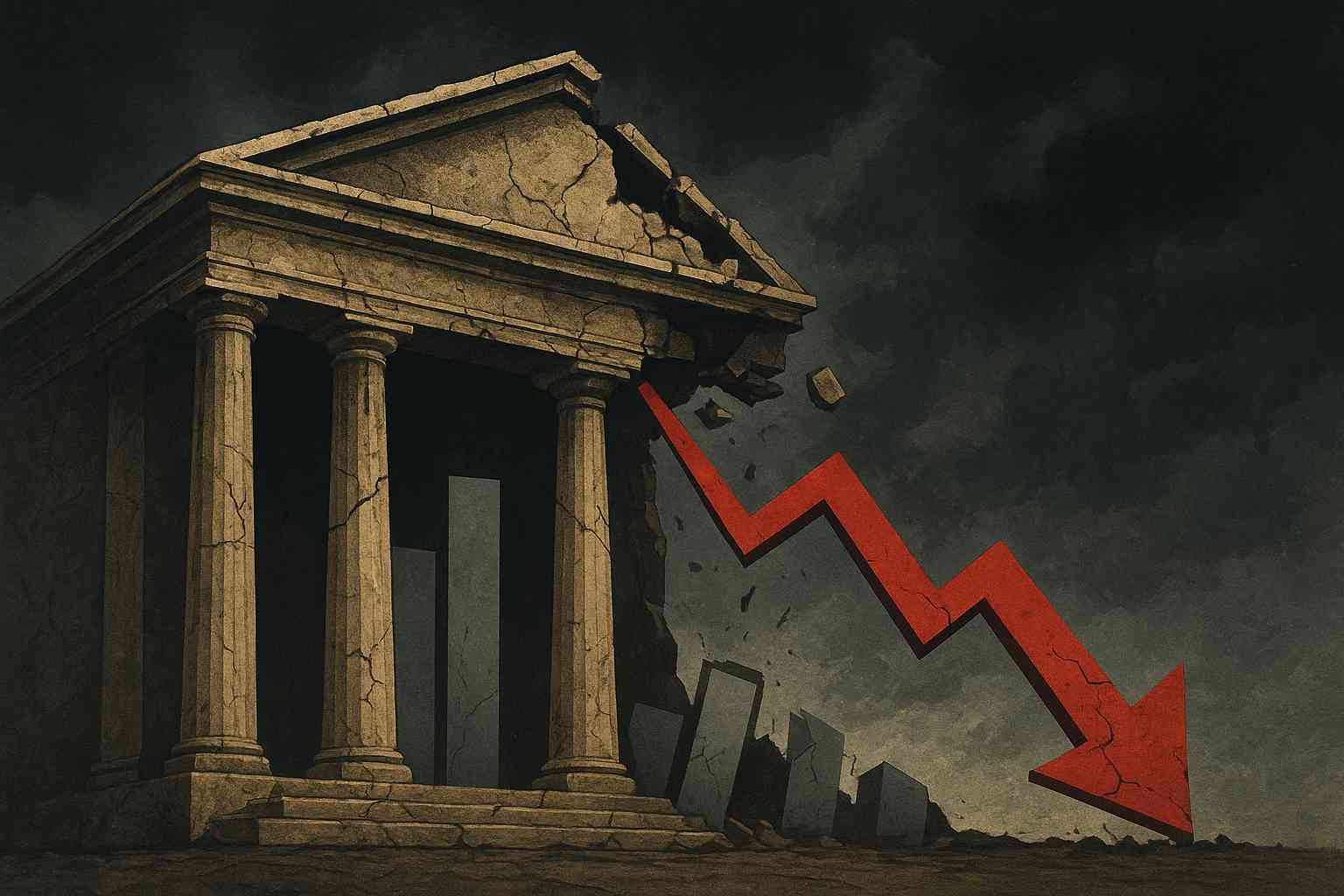
The dollar remains powerful, but cracks are visible. Transactions in yuan are increasing. Crypto channels are bypassing traditional systems. The global financial structure is under stress.
In this context, the China US Hormuz conflict is not a regional crisis. It is a financial war disguised as a military one.
Iran Under Pressure but Not Defeated
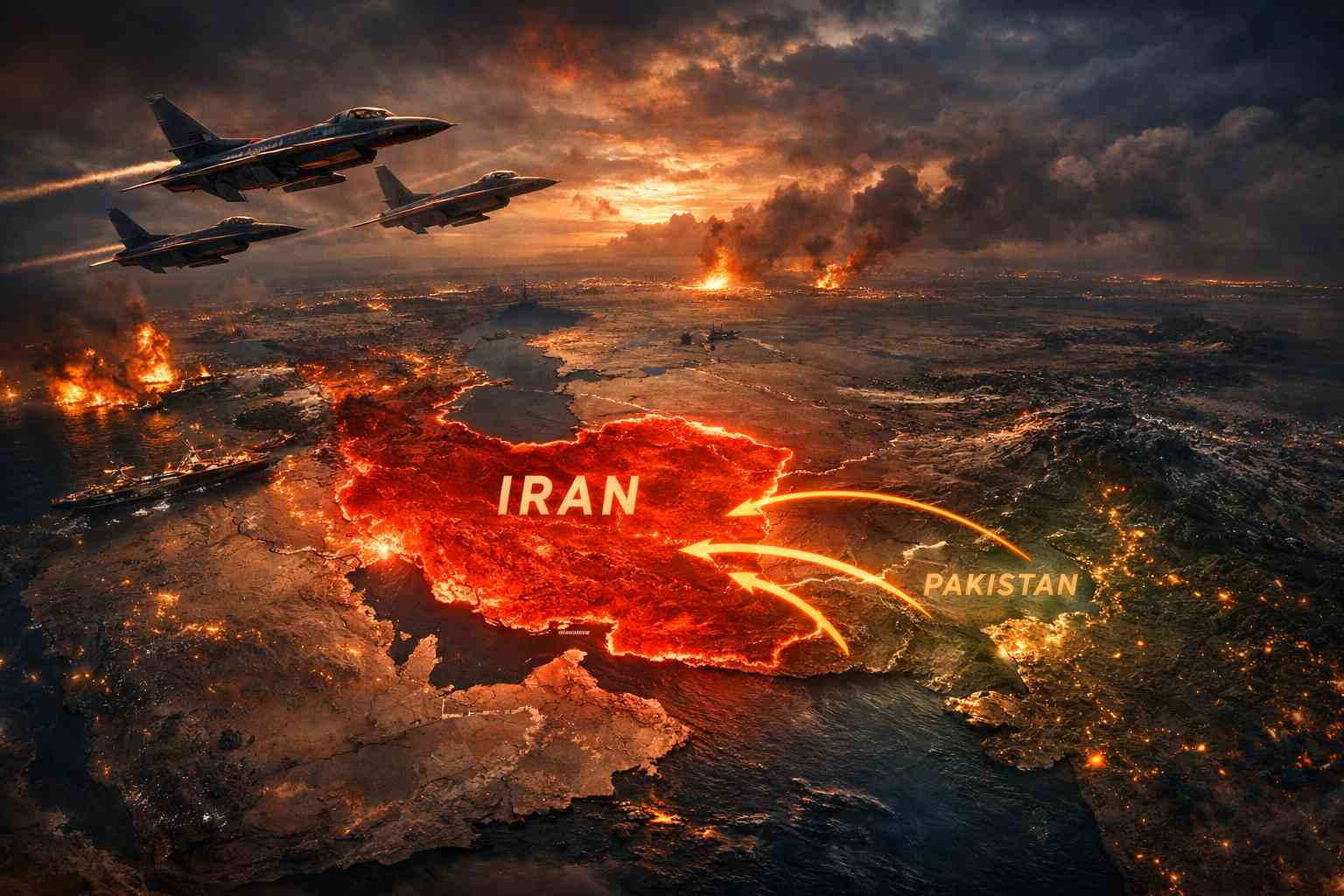
Iran has taken significant damage. Its infrastructure and military assets have suffered.
Yet, it has not collapsed.
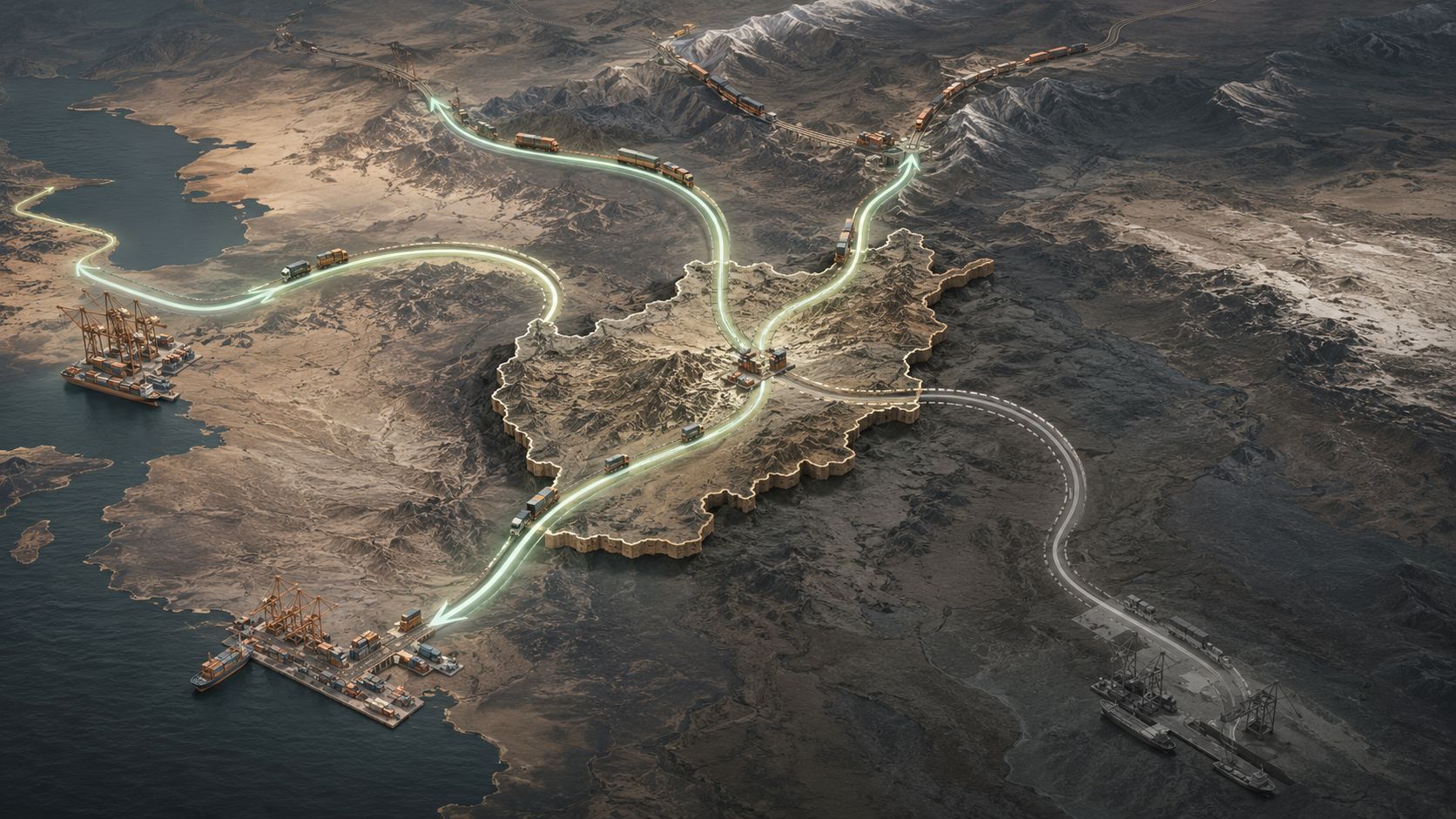
Instead, Iran has adapted. It has developed alternative routes, including a pipeline bypassing the Strait of Hormuz. This move reduces dependency on a single chokepoint.
The capacity is limited for now, but the intent is clear. Iran aims to survive under pressure.
In the China US Hormuz conflict, survival itself becomes a strategic victory.
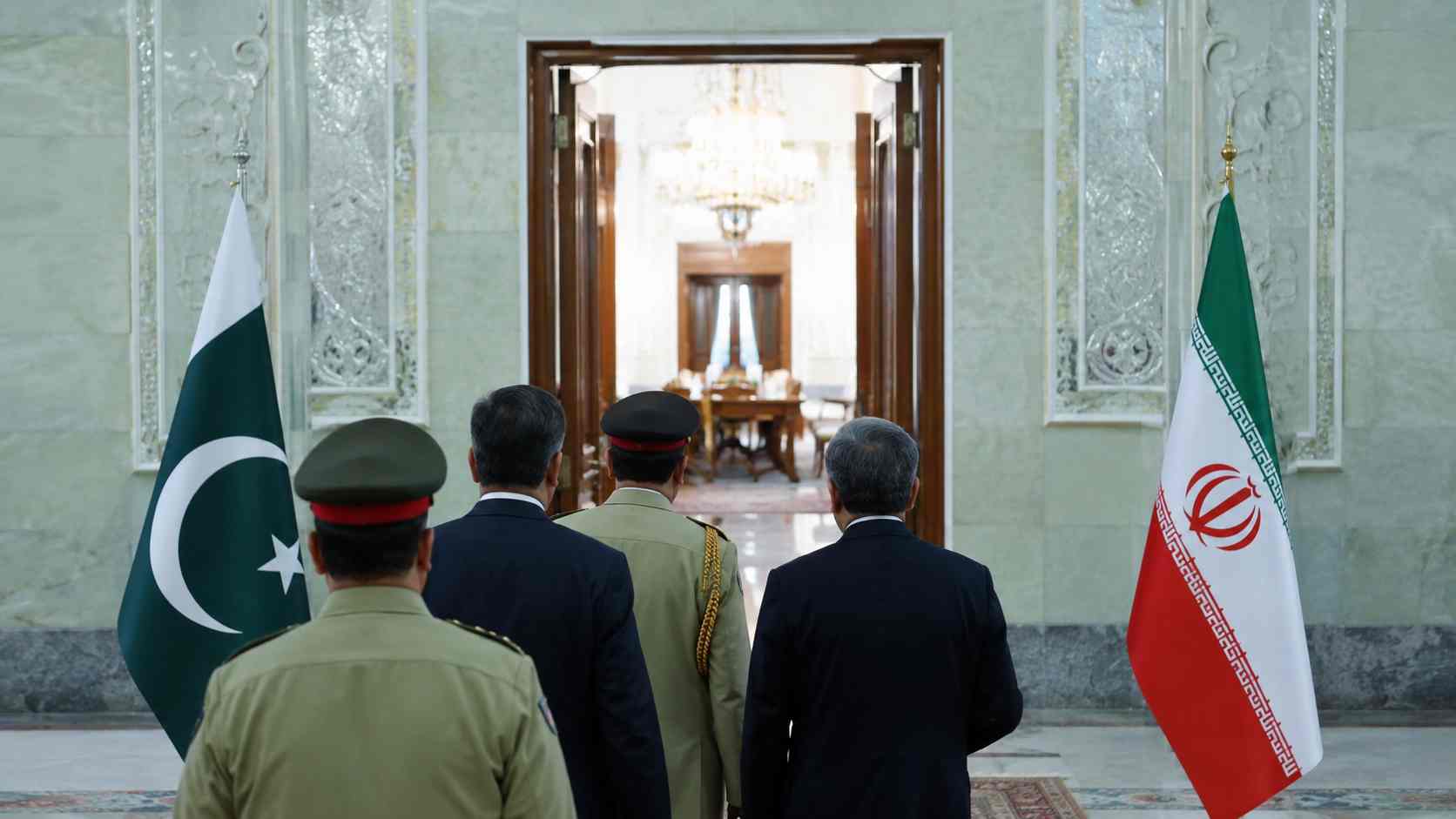
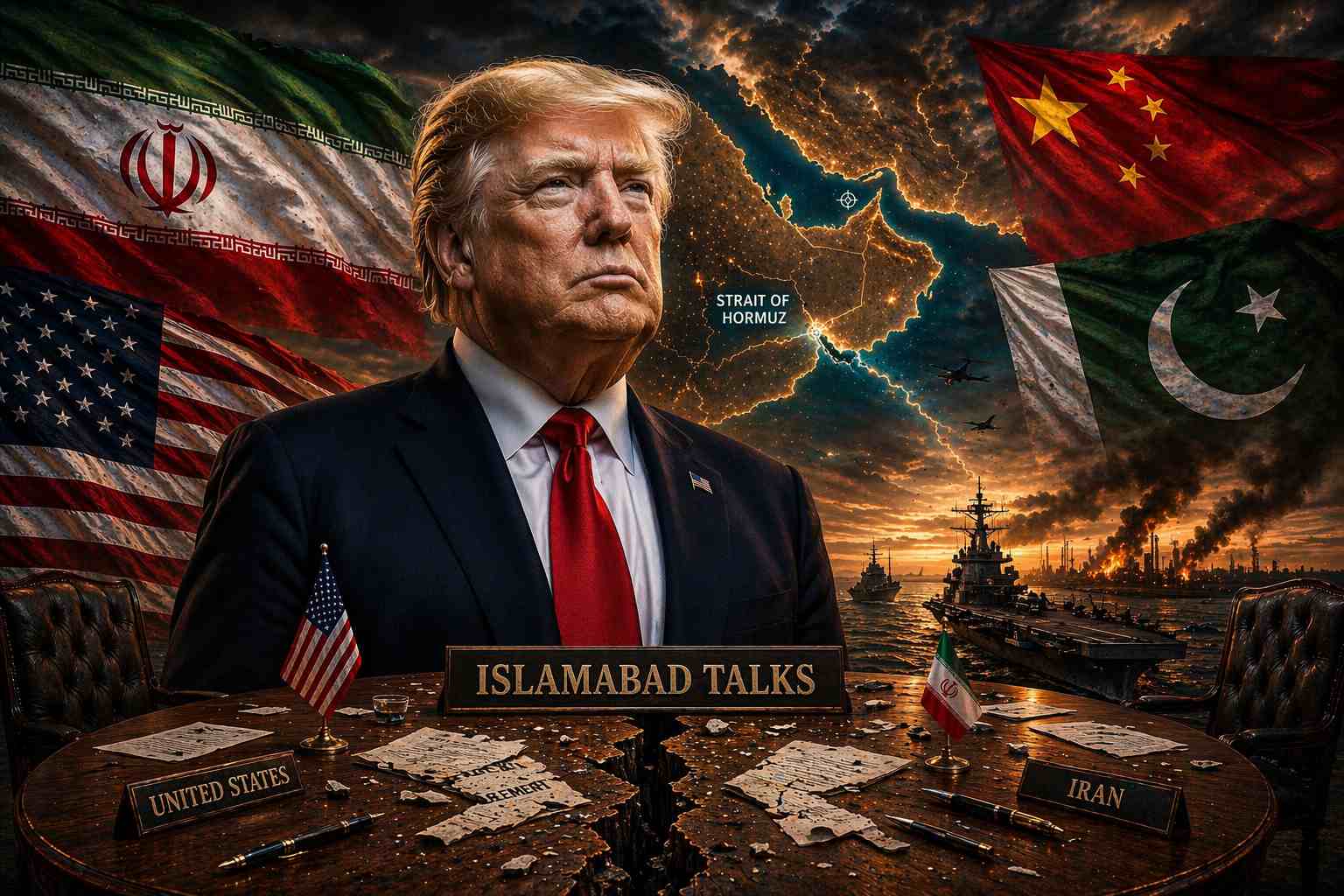
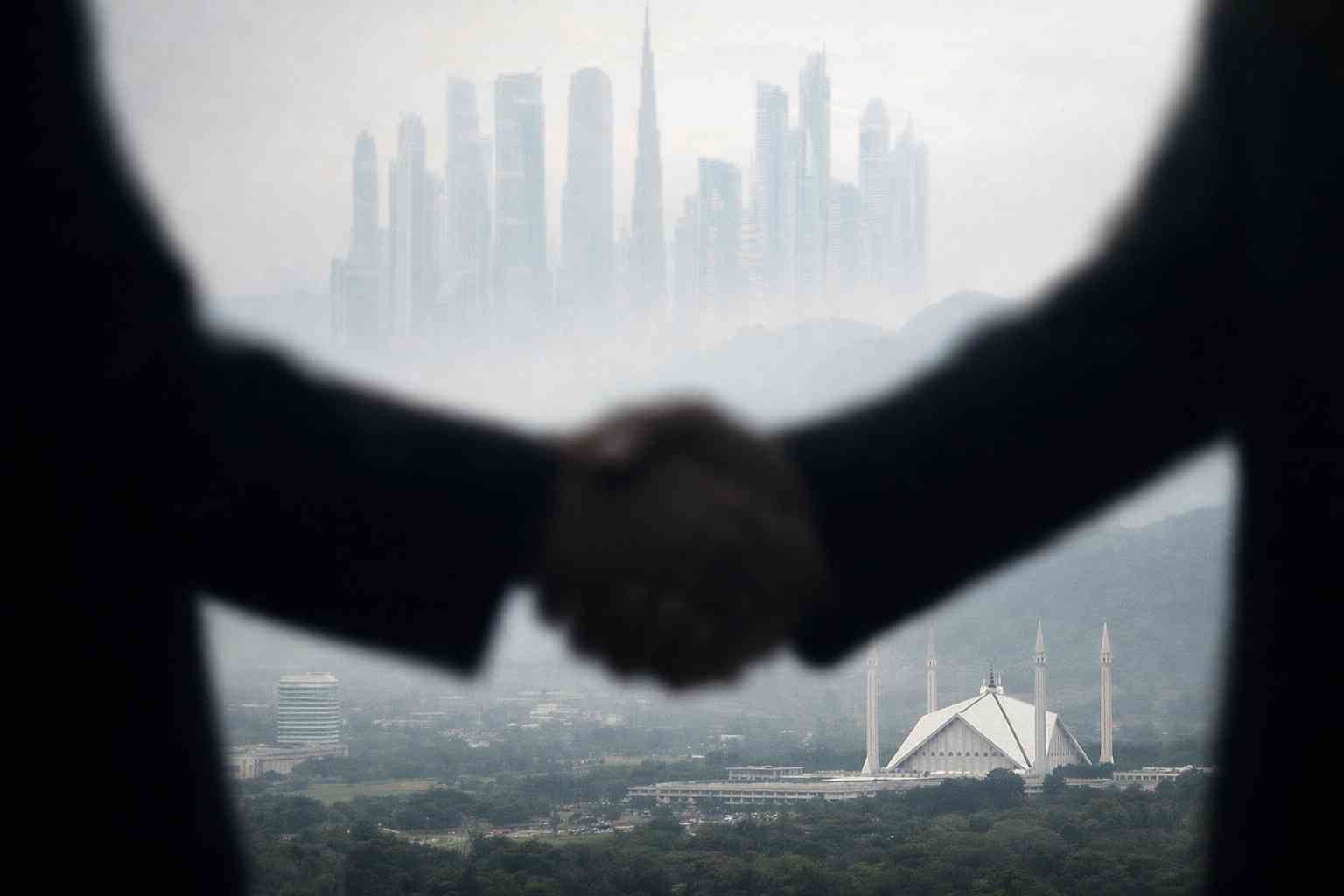
Islamabad Talks Collapse: A Strategic Sabotage?
Diplomatic efforts in Islamabad came close to a deal. Negotiations progressed to an advanced stage.
Then suddenly, they collapsed.
This was not a routine failure. It carries signs of deliberate disruption.
Three possible explanations stand out:
- The United States wanted stronger leverage before agreement
- Israel pushed for continued pressure
- Strategic players delayed peace to trap Washington deeper
The collapse of talks has intensified the China US Hormuz conflict. It has extended the timeline of confrontation.
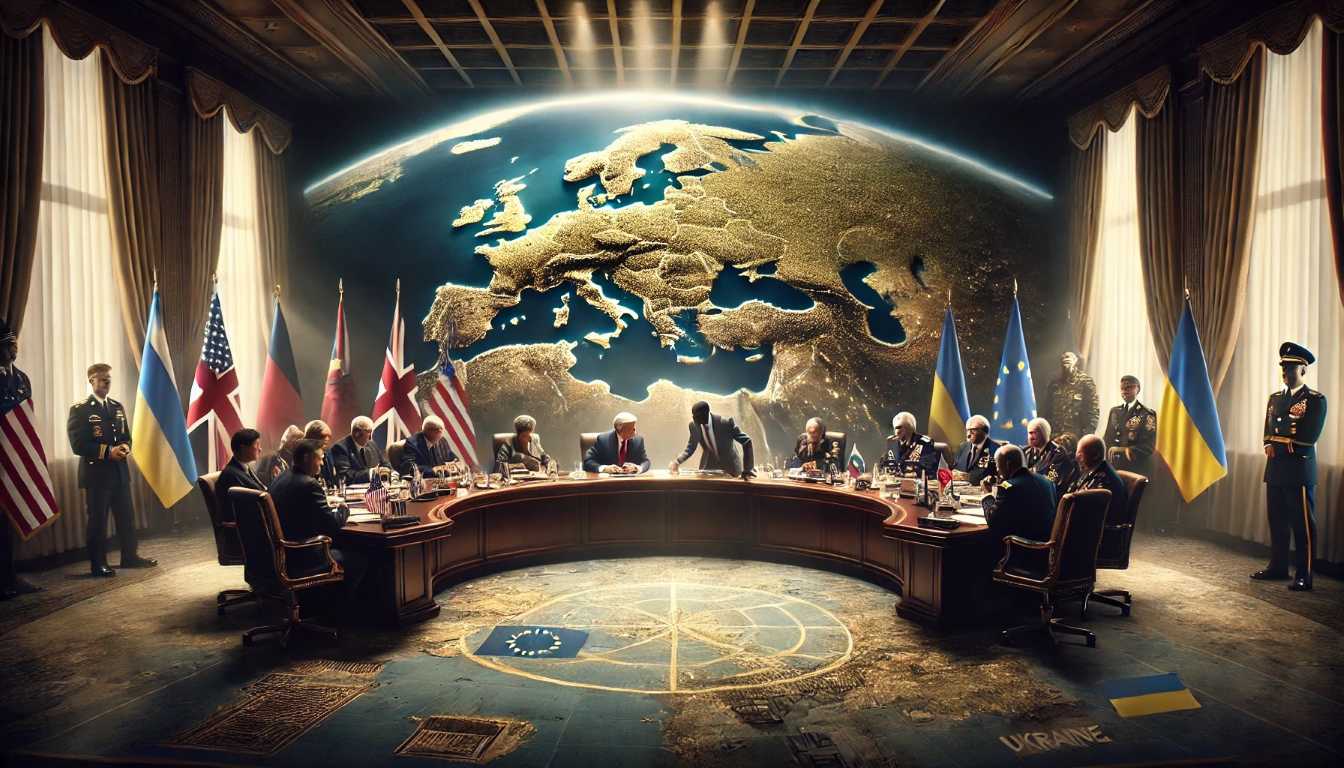
Western Unity Cracks Under Pressure
One of the most striking developments is the reaction from traditional allies.
Voices in the United Kingdom have openly criticized US actions. Political leaders have rejected extreme rhetoric and warned against escalation.
This signals a deeper shift.
For decades, Western alliances moved in coordination. Today, that unity is weakening. Countries are reassessing their positions.
In the China US Hormuz conflict, even allies are no longer fully aligned.
Who Is Actually Winning?
This is the most important question.
The answer is not straightforward, but the trends are visible:
- United States: Military dominance remains, but strategic control is weakening
- Iran: Damaged, yet resilient and adaptive
- China: Expanding influence without direct confrontation
China stands out as the silent beneficiary. It avoids direct war but shapes outcomes.
The China US Hormuz conflict shows that modern power is not always visible. It operates quietly, through systems, not slogans.
A New World Order in Motion
This conflict is not an isolated event. It is part of a larger transition.
The global order is shifting:
- From single dominance to multi-polar competition
- From dollar dependence to diversified systems
- From military control to economic leverage
The pace of this change is accelerating.
The China US Hormuz conflict may be remembered as the moment when the shift became undeniable.
Final Analysis: The War Has Just Begun
Despite the intensity, this phase does not mark the end. It marks the beginning.
Tensions remain high. New fronts can open. Strategic moves are still unfolding.
The real question is not whether escalation will continue. It is who will control the next phase.
One thing is certain. The world after this conflict will not look the same.
The system is changing—and this time, it may not be reversible.
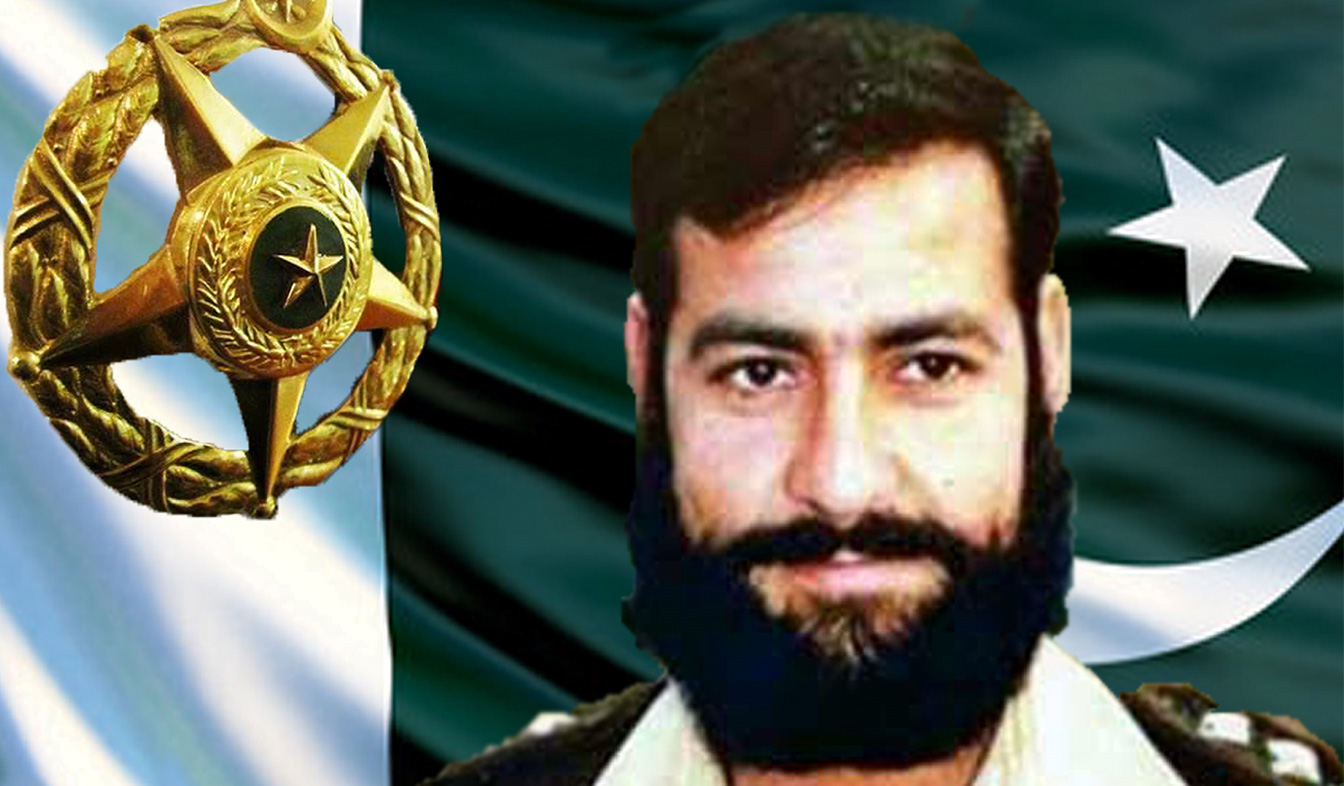
Adil Raja is a retired major of the Pakistan Army, freelance investigative journalist, and dissident based in London, United Kingdom. He is the host of “Soldier Speaks Reloaded,” an independent commentary platform focused on South Asian politics and security affairs. Adil is also a member of the National Union of Journalists (UK) and the International Human Rights Foundation. Read more about Adil Raja.. Read more about Adil Raja.