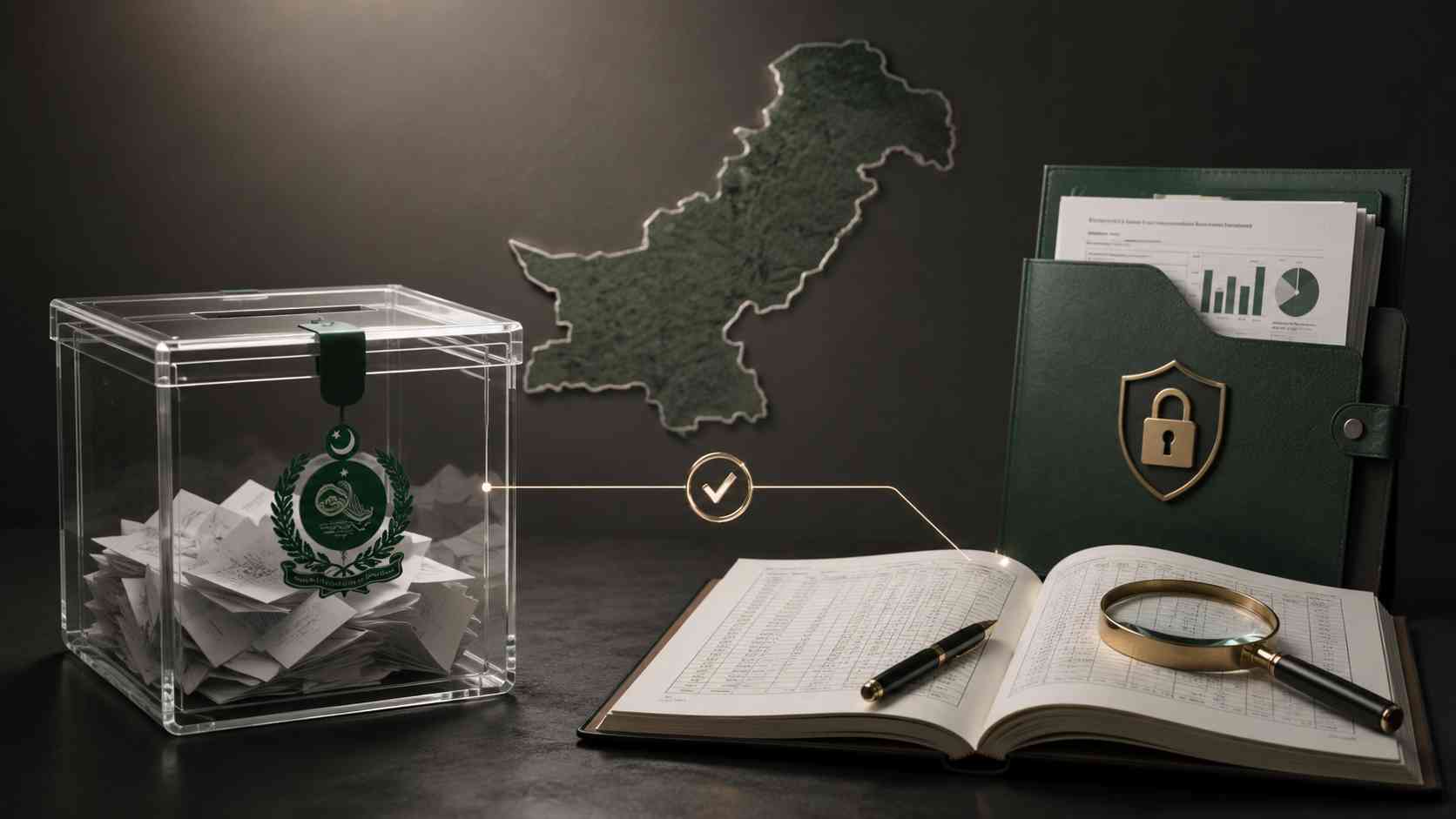
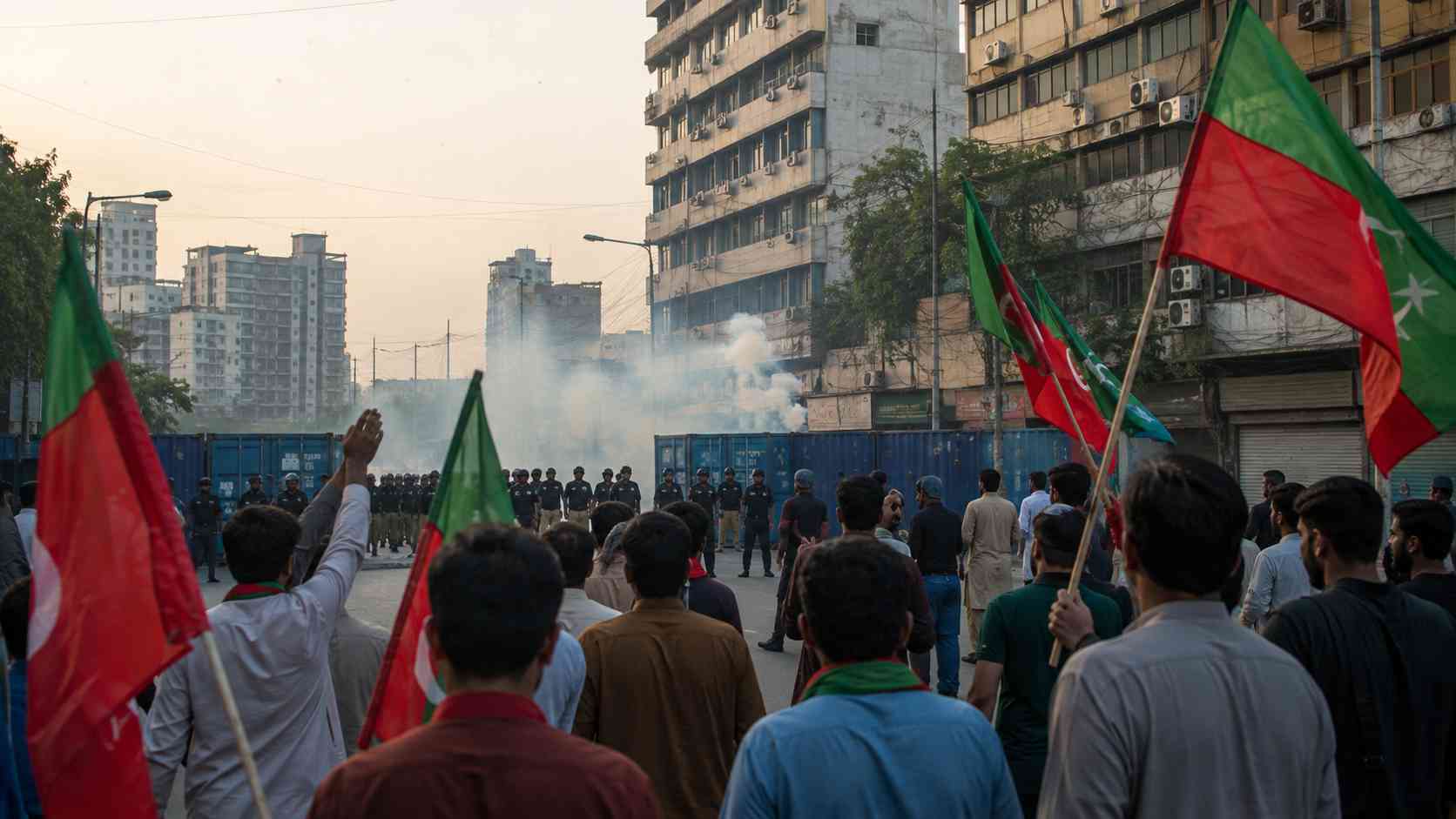
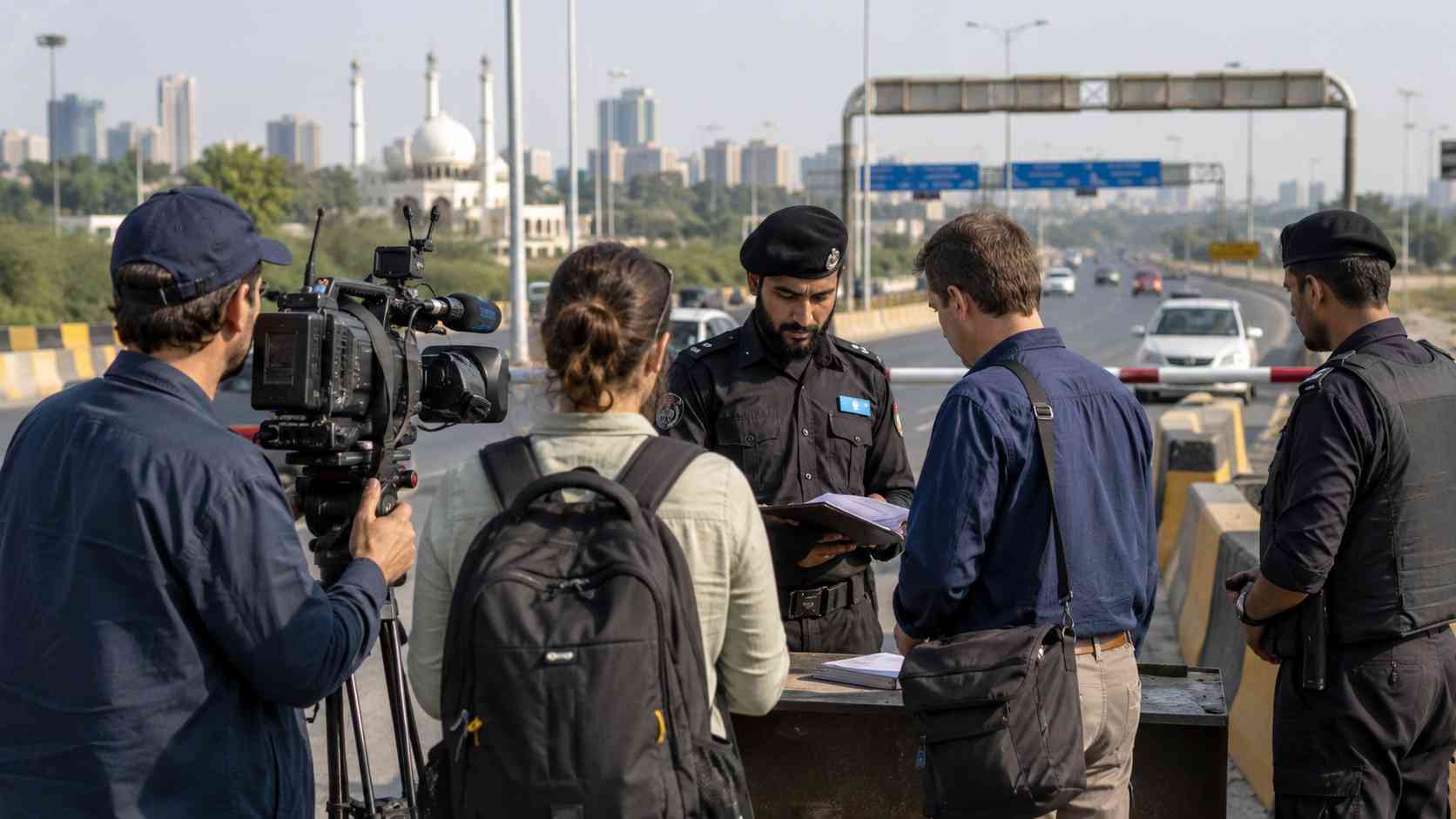
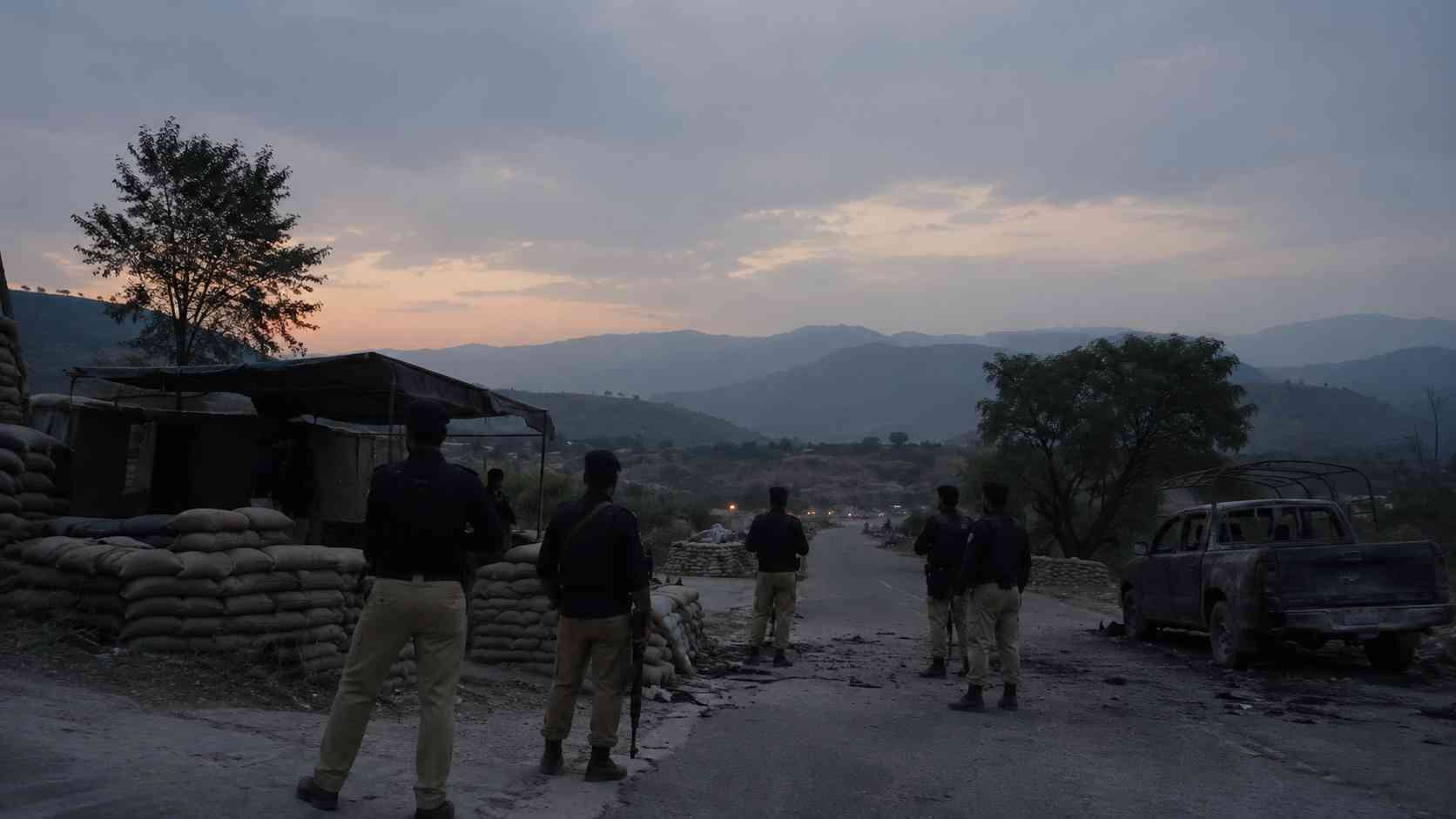
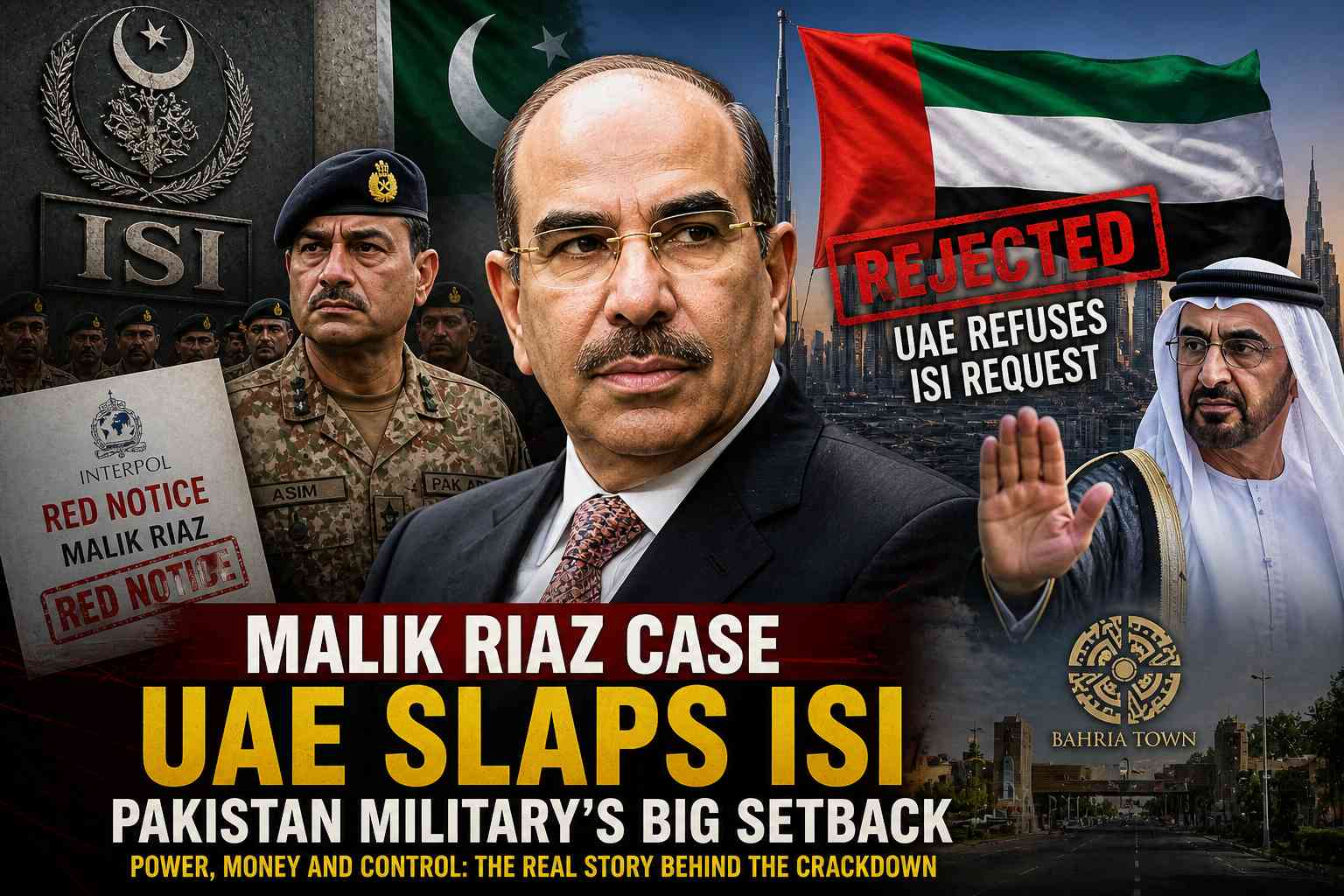
The latest developments surrounding the Malik Riaz case have triggered a serious geopolitical ripple. What appears on the surface as a legal matter is, in reality, a deeper conflict involving Pakistan’s military establishment, its financial interests, and its strained relations with the United Arab Emirates.
This is not just a story about one businessman. It is about control, influence, and the limits of power.
The Malik Riaz Case and the Military’s Strategic Interests
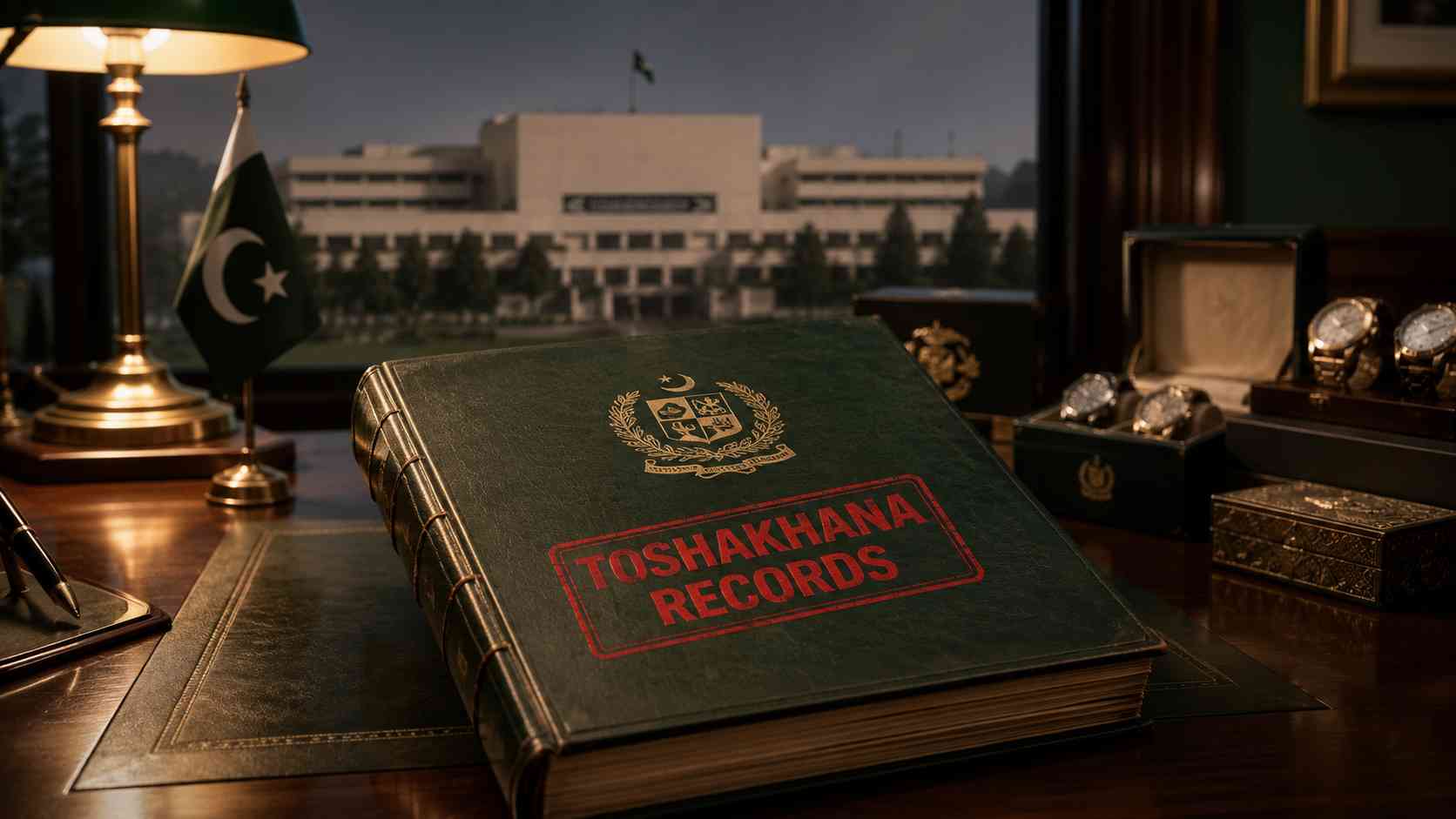
At the center of this unfolding crisis lies Malik Riaz, the real estate tycoon behind Bahria Town. His business empire is not just a private enterprise. It is deeply tied to public investment and, more importantly, to the interests of powerful institutions.
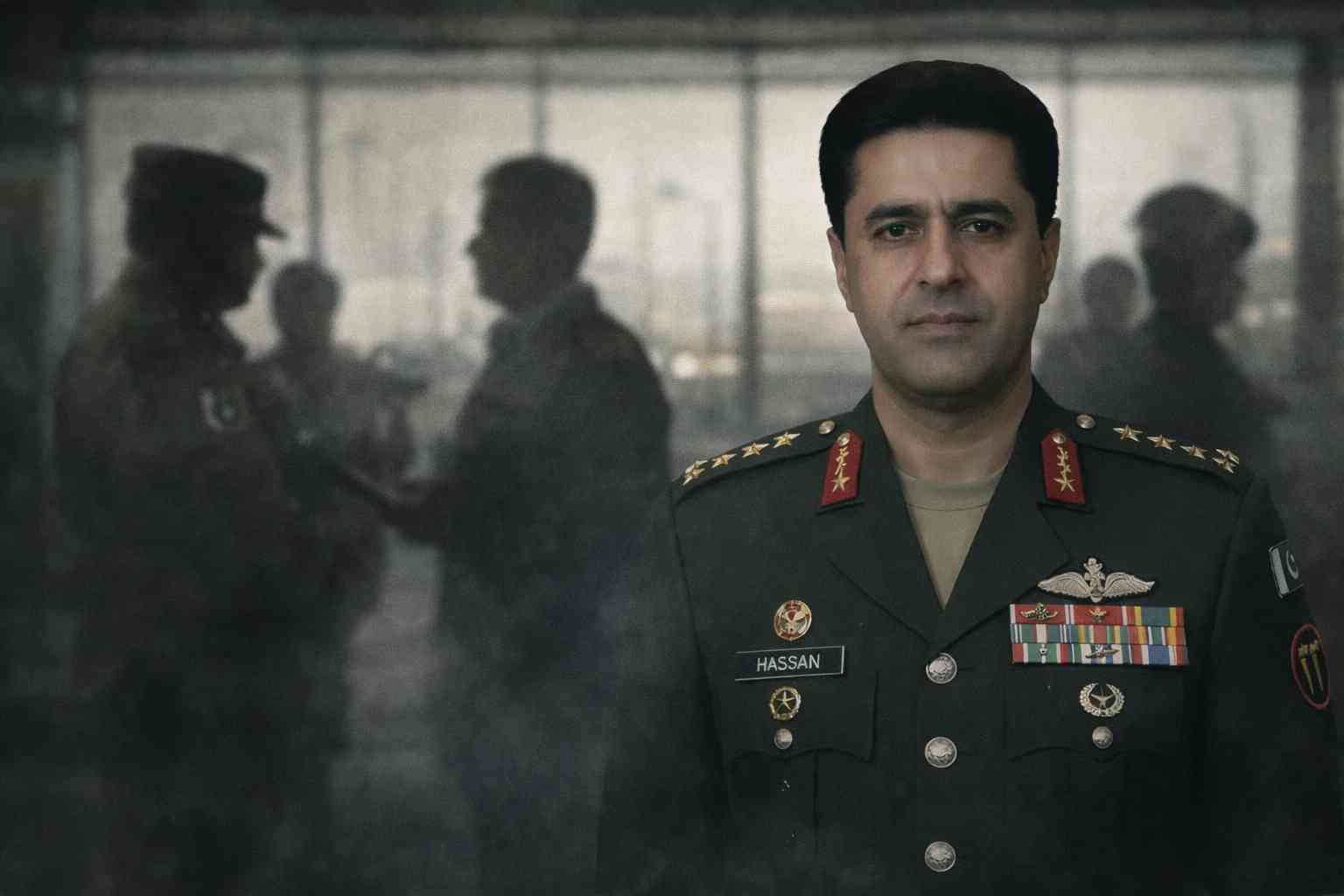
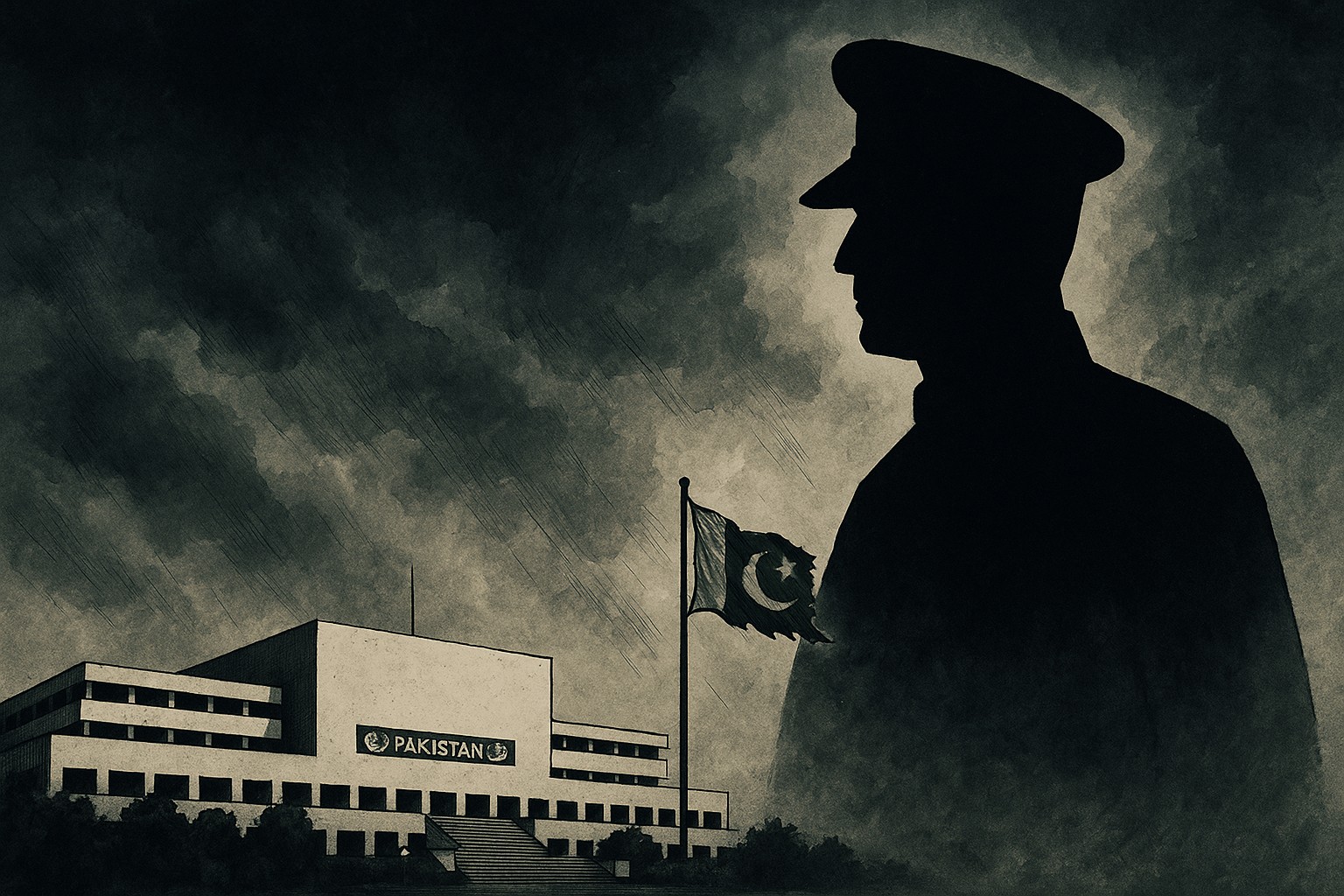
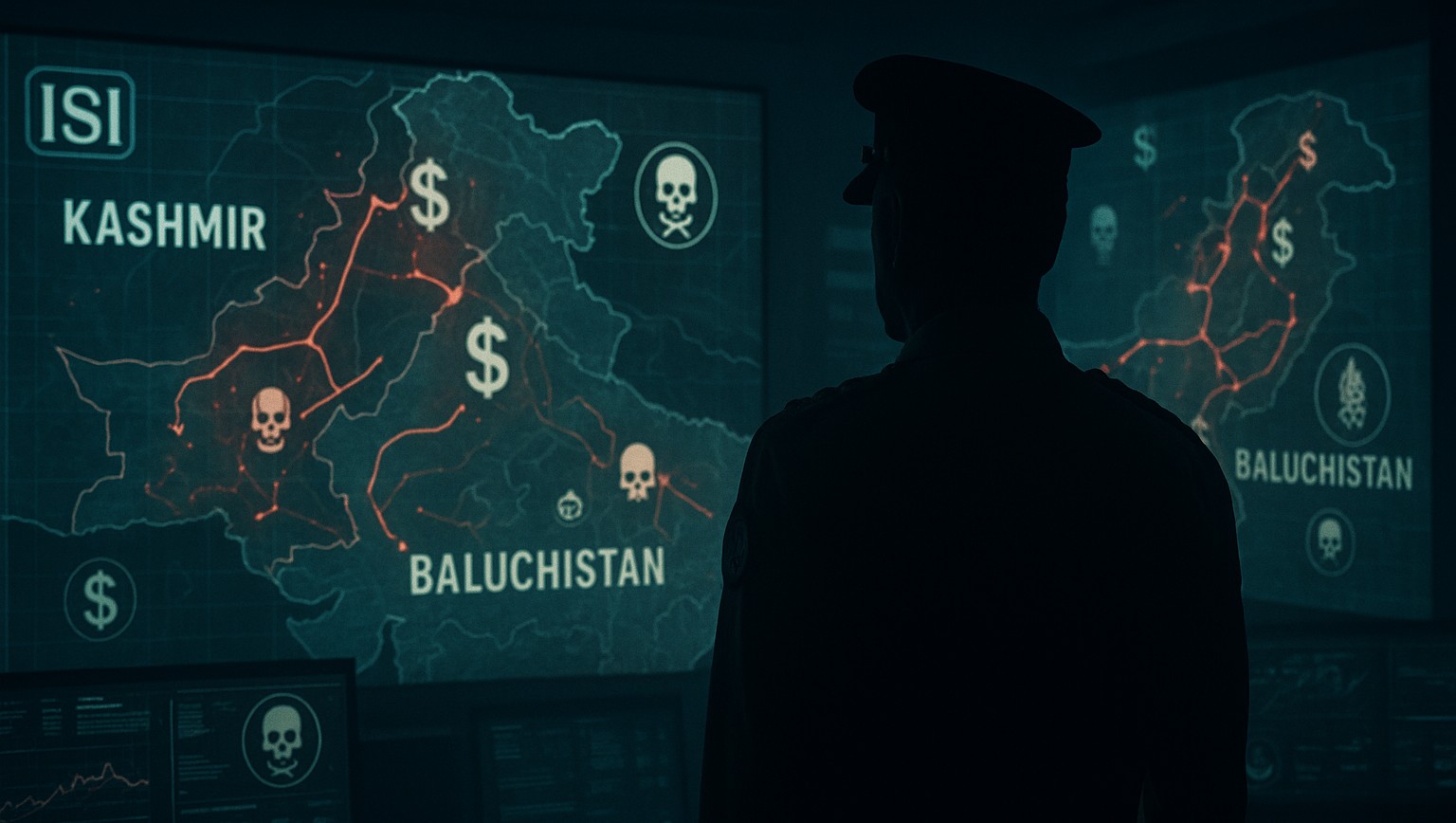
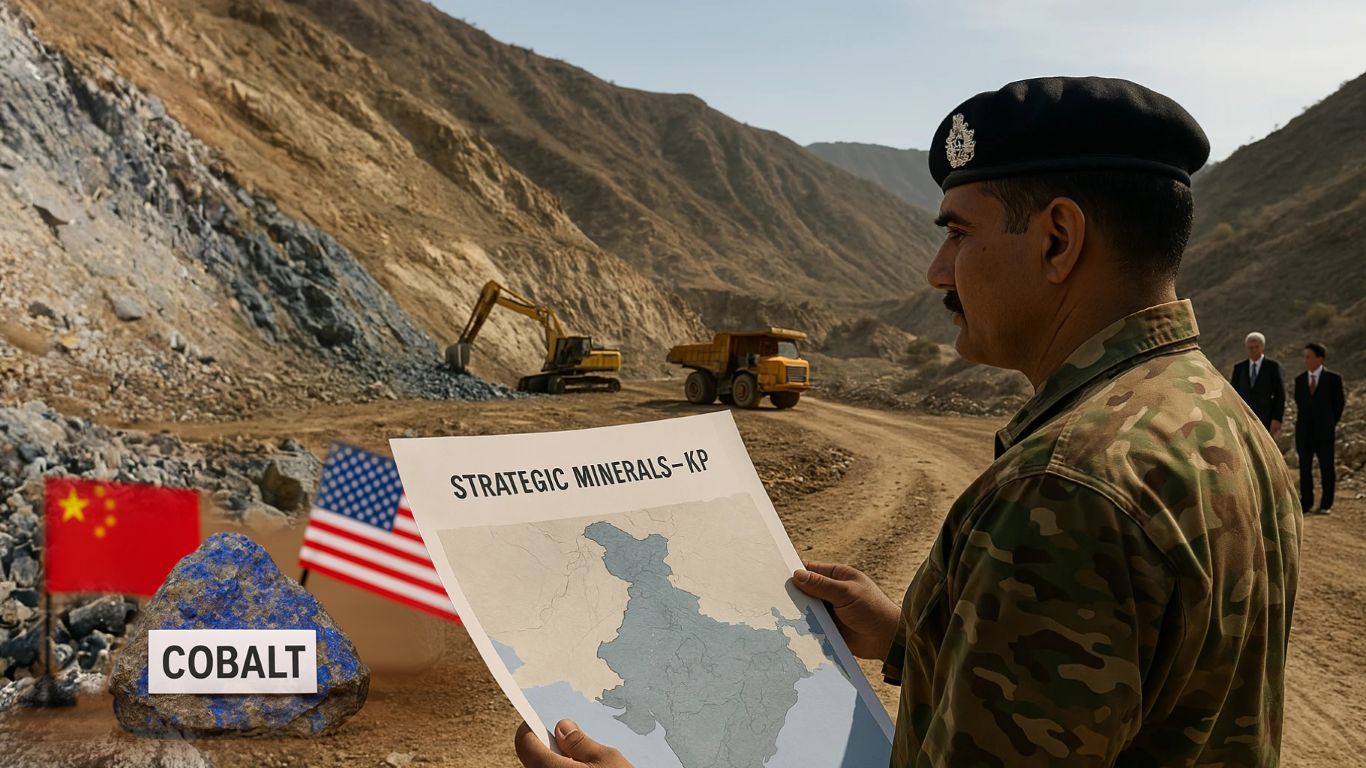
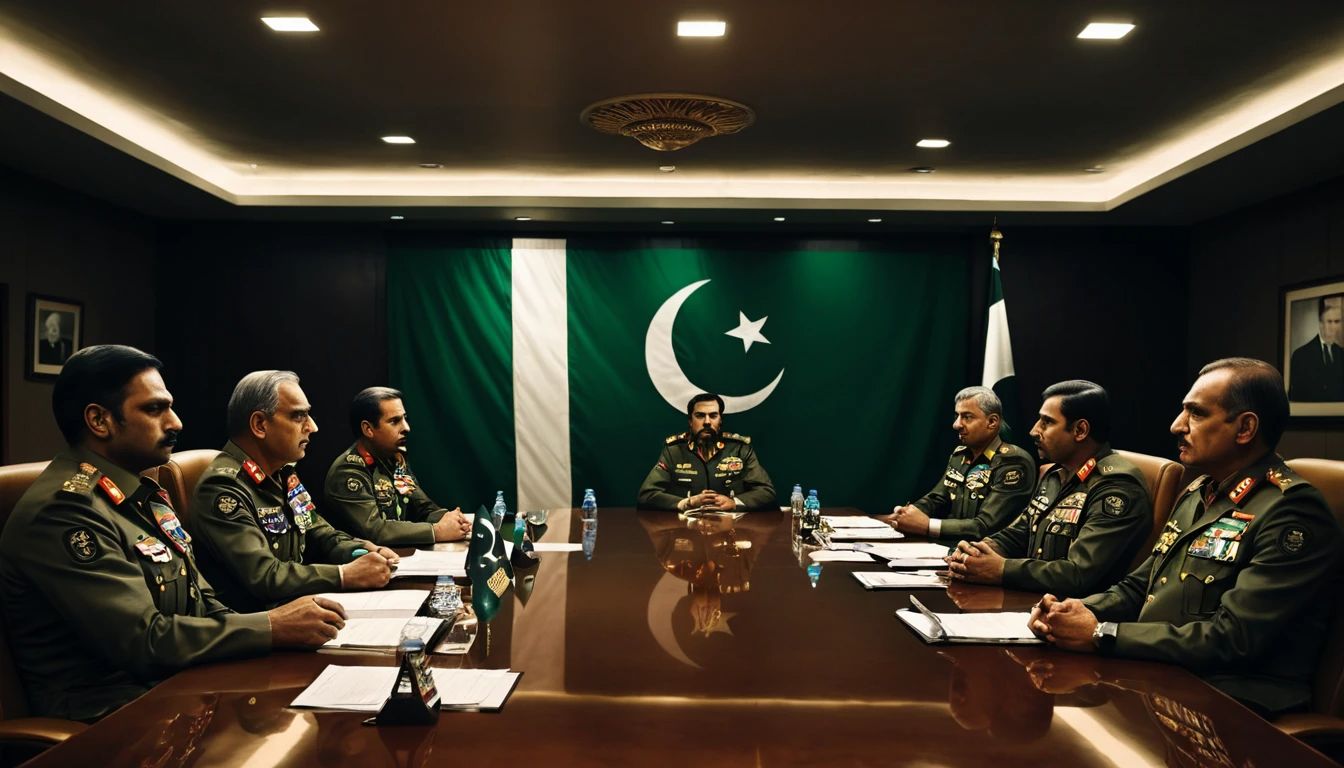
According to the developments highlighted in the vlog, the military establishment sees Bahria Town as a strategic asset. Control over such a large-scale real estate network offers both financial leverage and long-term influence.
However, this control cannot be fully asserted without Malik Riaz himself. His absence from Pakistan has become a critical obstacle.
This is why the Malik Riaz case has taken center stage again.
Interpol Red Notice and the Real Objective
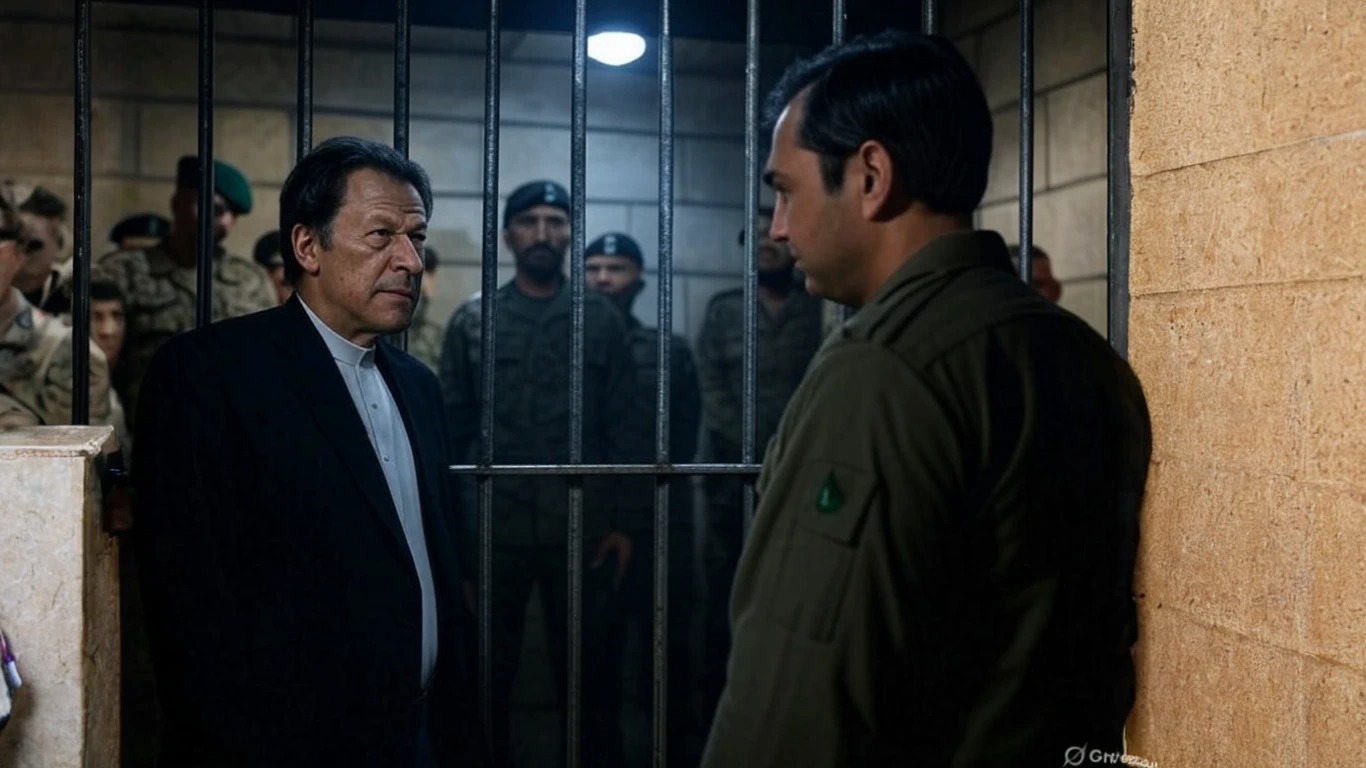
The issuance of an Interpol Red Notice against Malik Riaz is being projected as a legal step. In reality, it serves a broader objective.
The goal is simple: bring him back to Pakistan.
Once back, the expectation is that he would be compelled to sign over control, allowing authorities to restructure or absorb his business interests. The focus is not merely accountability. It is acquisition.
This explains why the Malik Riaz case is being pushed aggressively despite its legal complexities.
UAE’s Direct Refusal: A Strategic Blow
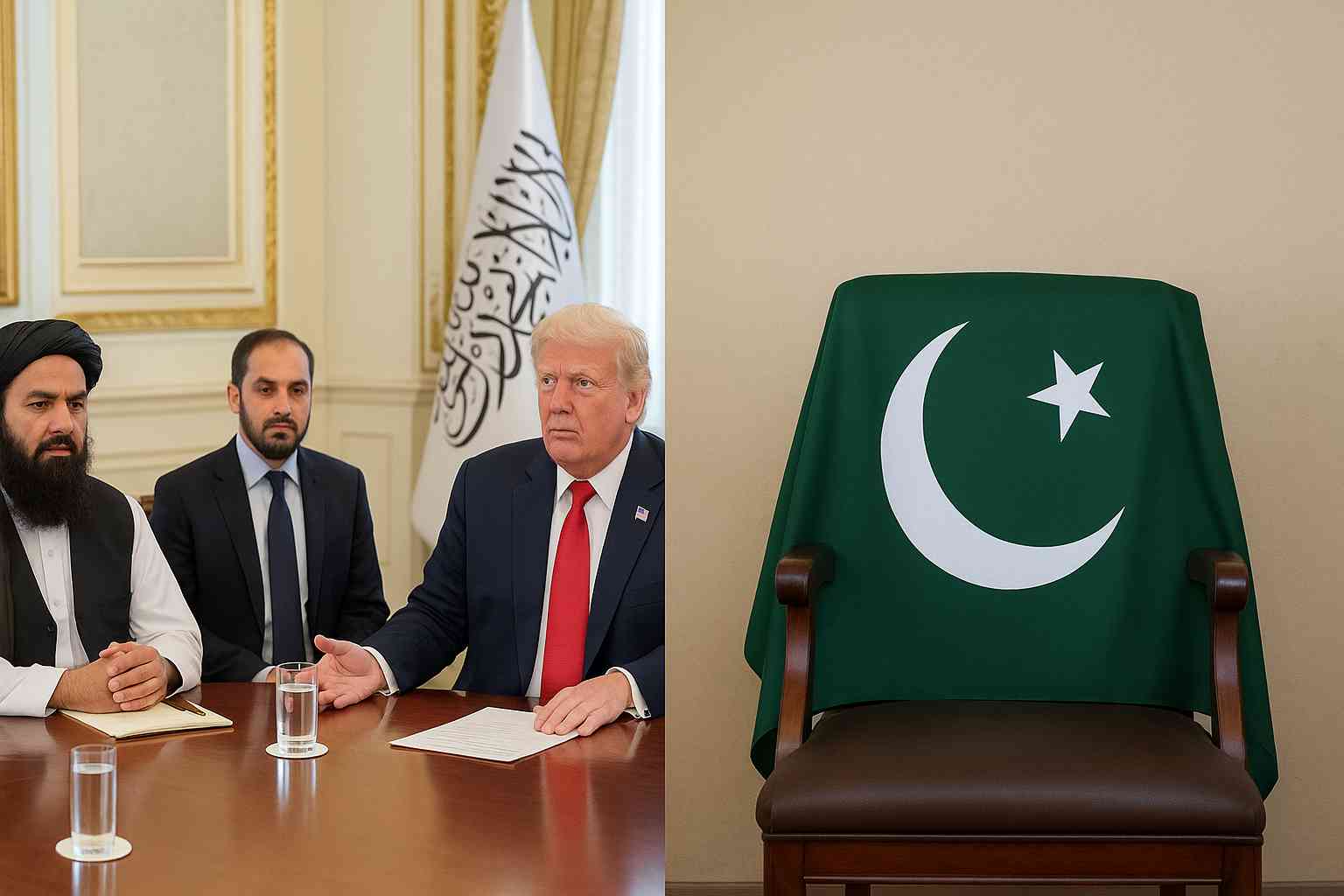
The turning point came when the United Arab Emirates refused to cooperate.
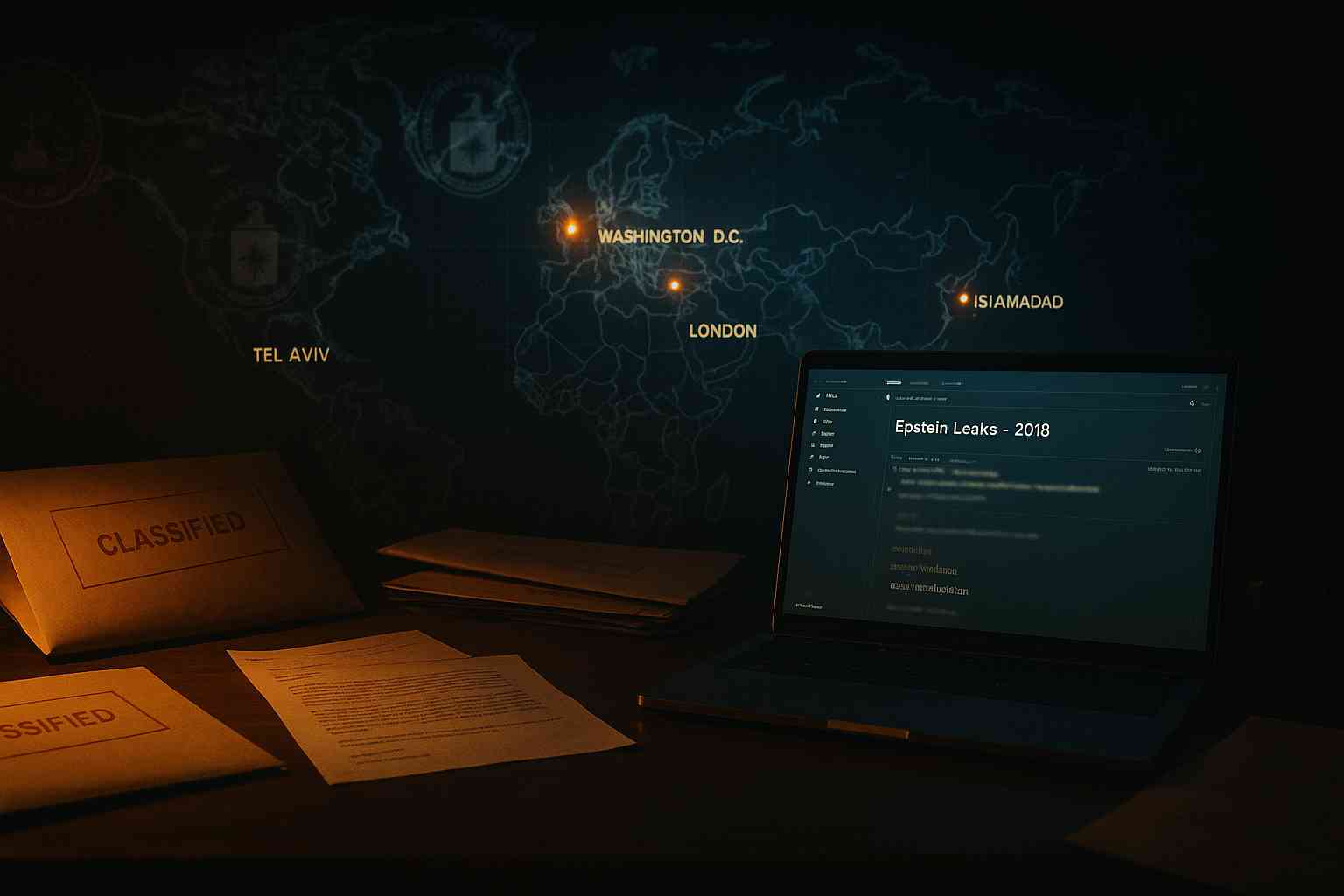
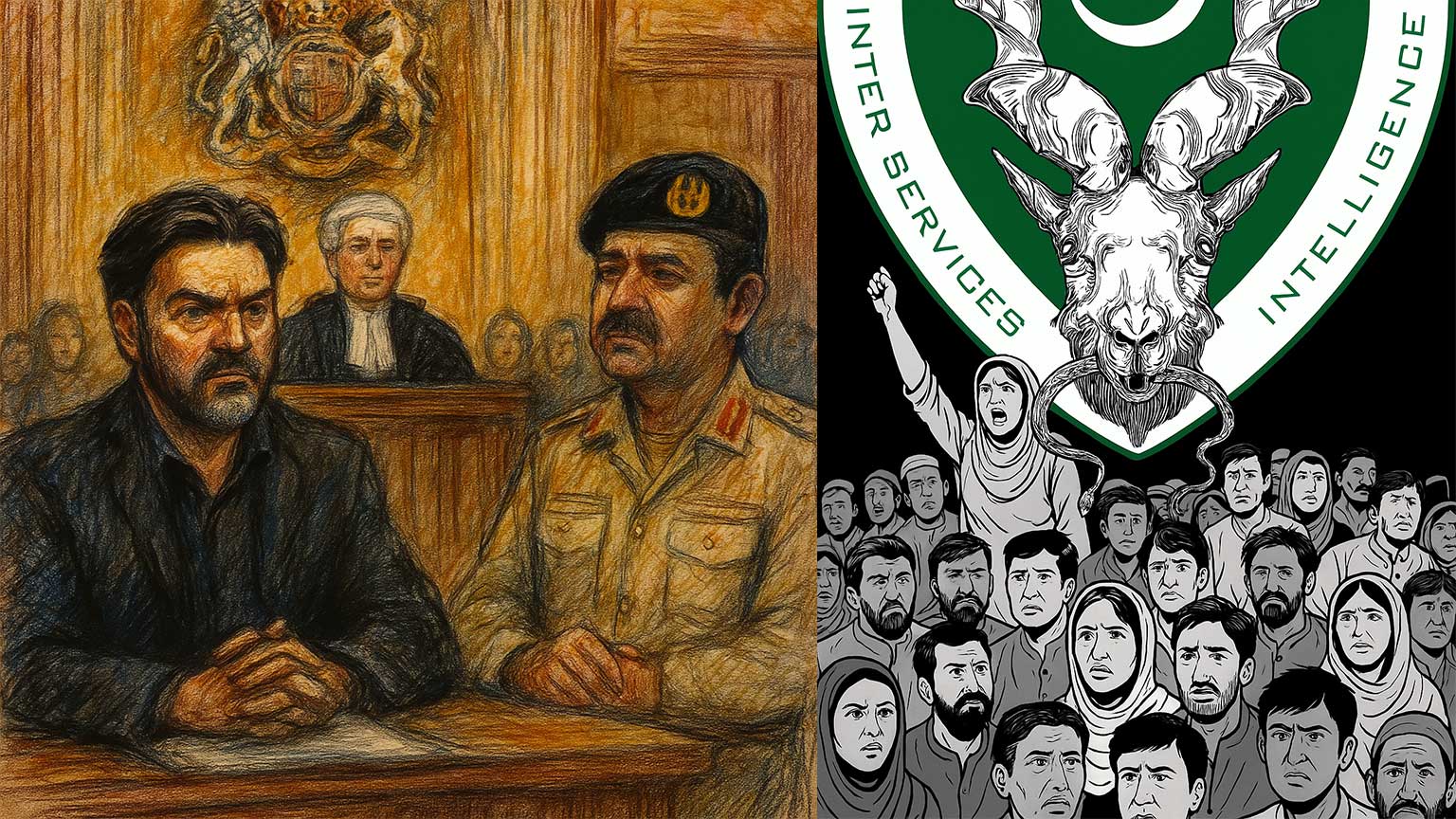
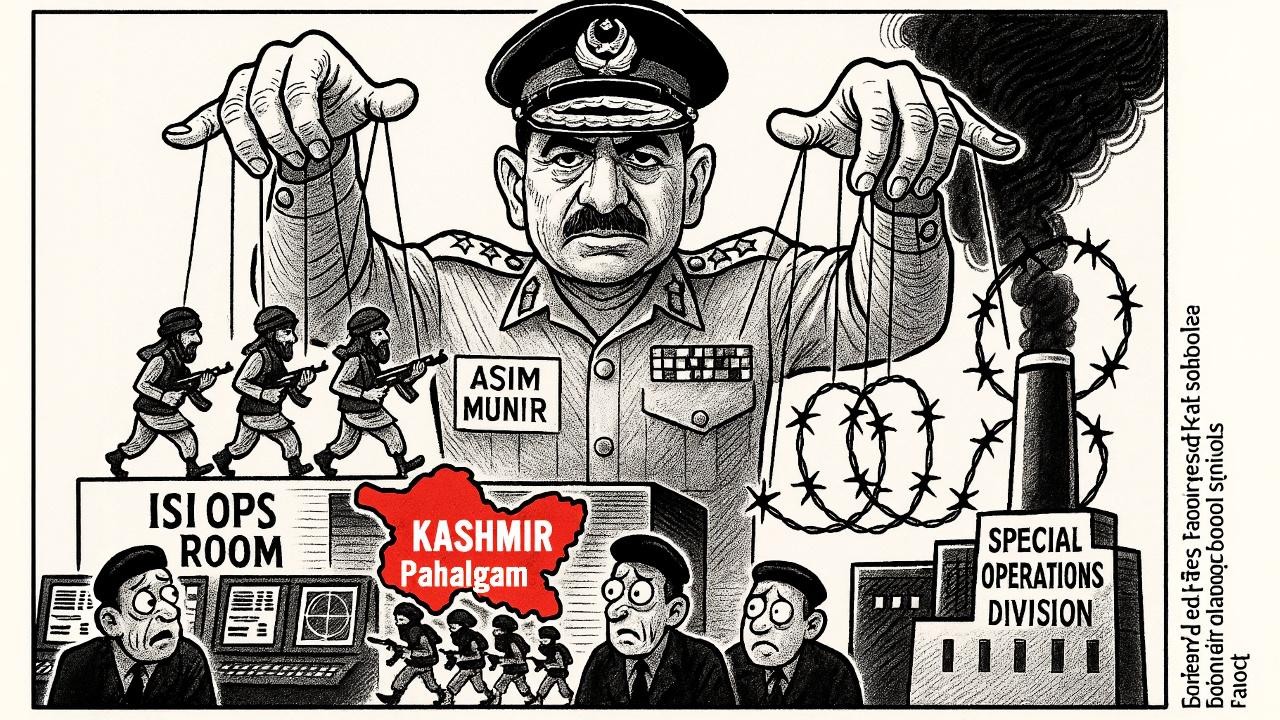
As revealed in the transcript, Pakistani intelligence officials approached UAE authorities with a request to hand over Malik Riaz. The response was a clear and firm rejection.
This was not just a diplomatic refusal. It was a message.
For years, the UAE has cooperated with Pakistan on sensitive matters. Deportations, intelligence sharing, and quiet coordination were part of the relationship. This time, the response was different.
The refusal has turned the Malik Riaz case into a geopolitical flashpoint.
Surveillance and Growing Distrust in the Gulf
The situation did not stop at refusal.
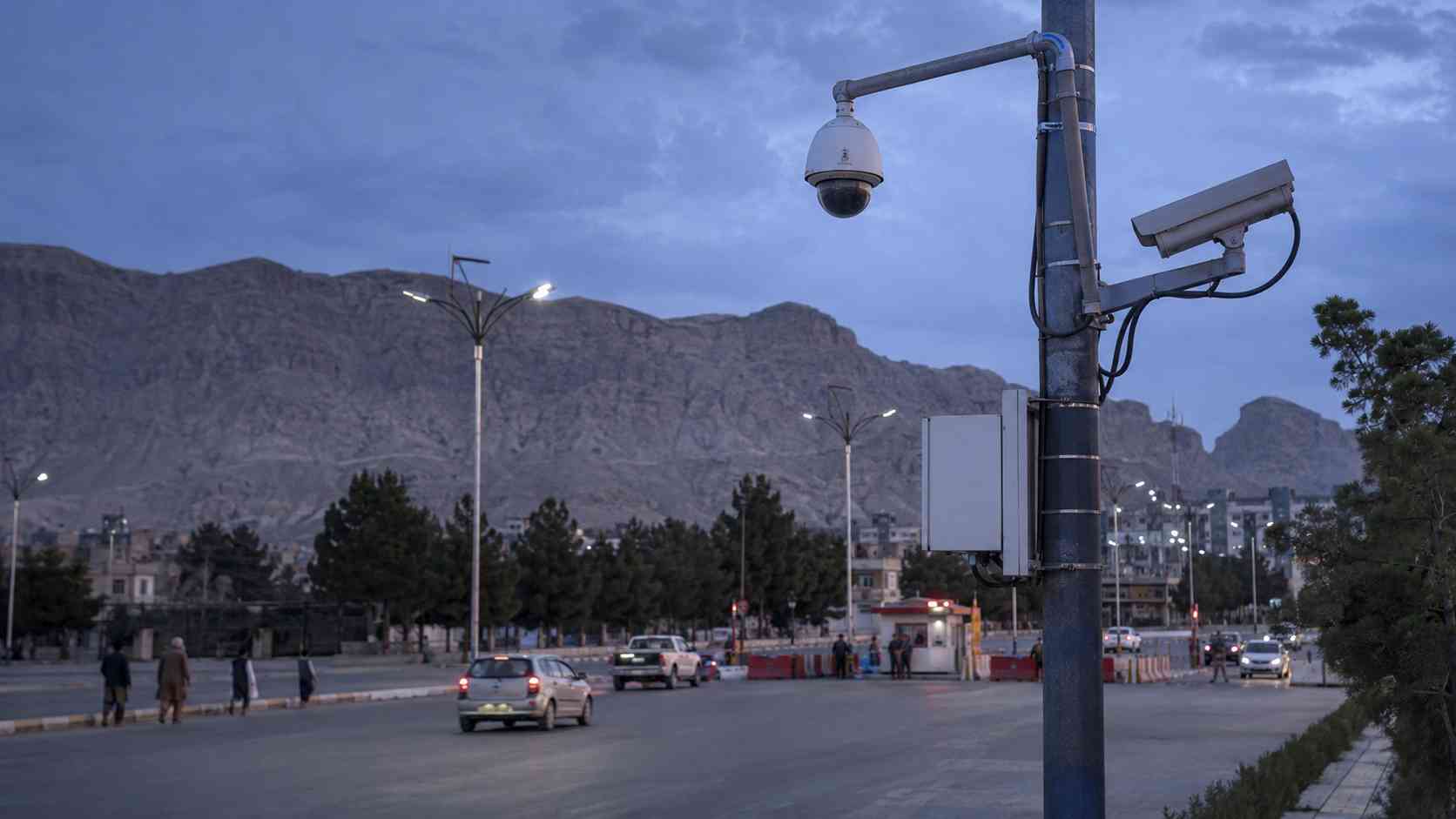
Reports indicate that UAE authorities have placed Pakistani intelligence activities under increased scrutiny. Surveillance measures targeting officials and networks have intensified.
This signals a breakdown of trust.
The Malik Riaz case has exposed more than a legal dispute. It has revealed how quickly strategic partnerships can shift when interests collide.
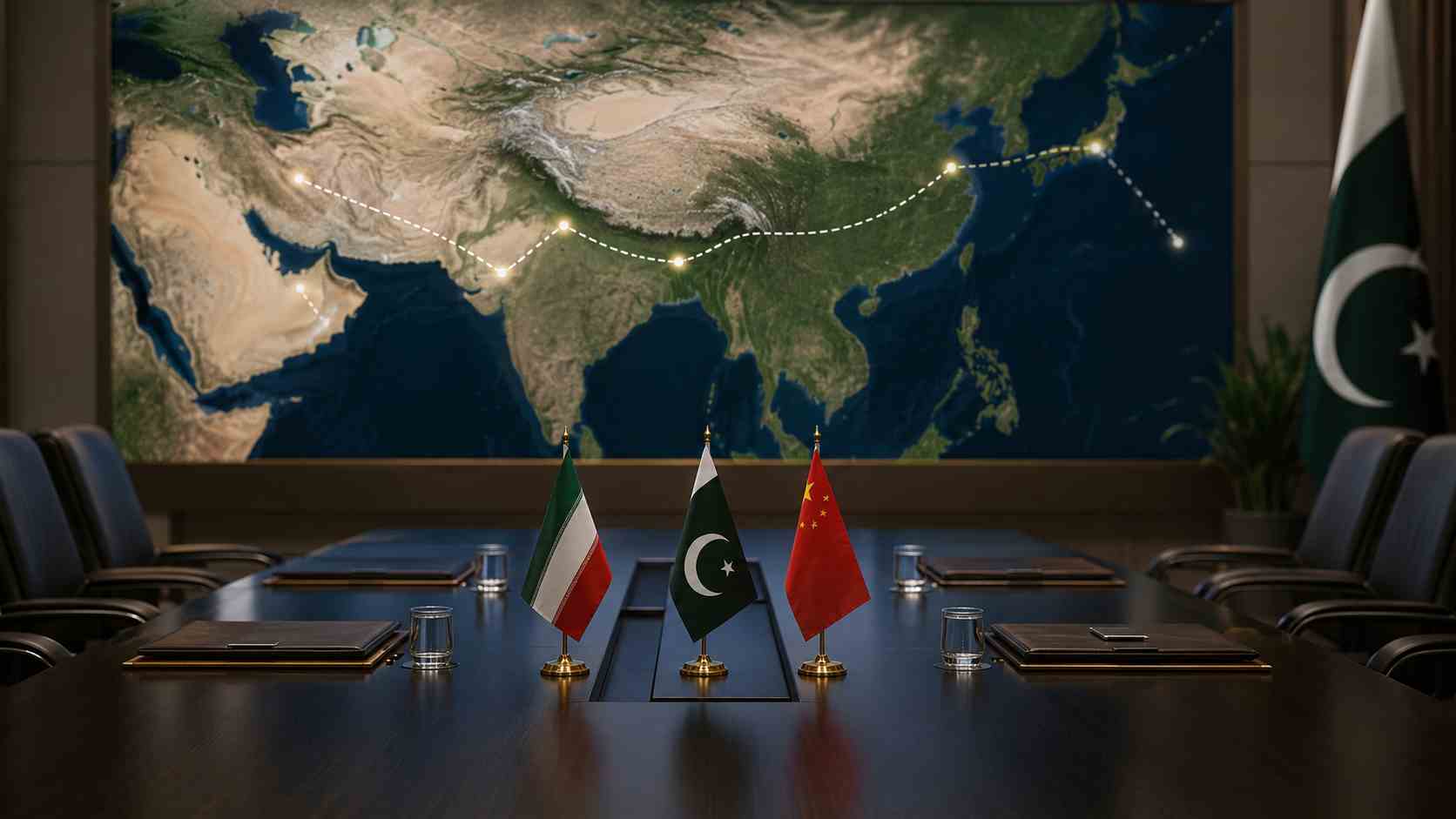
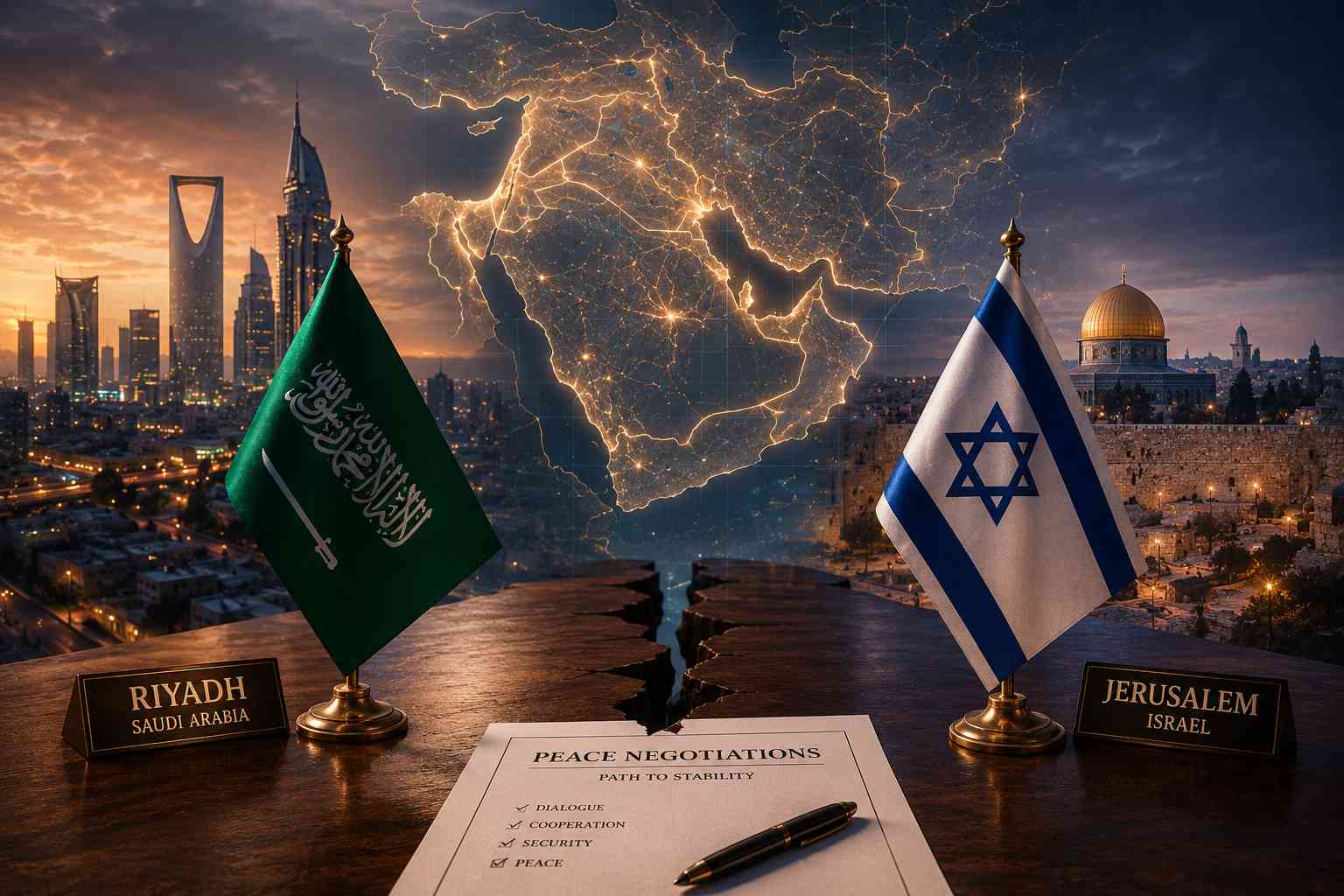
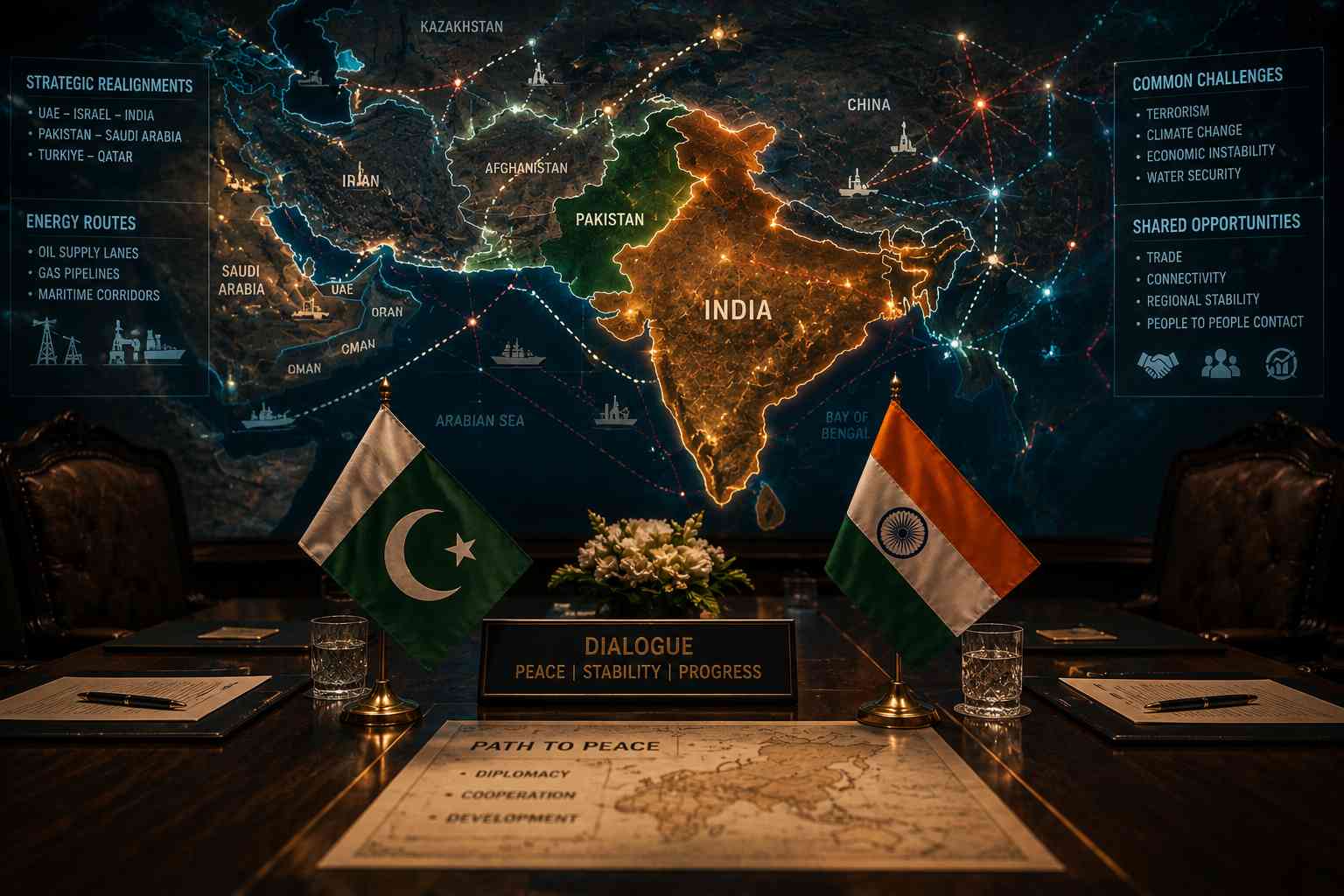
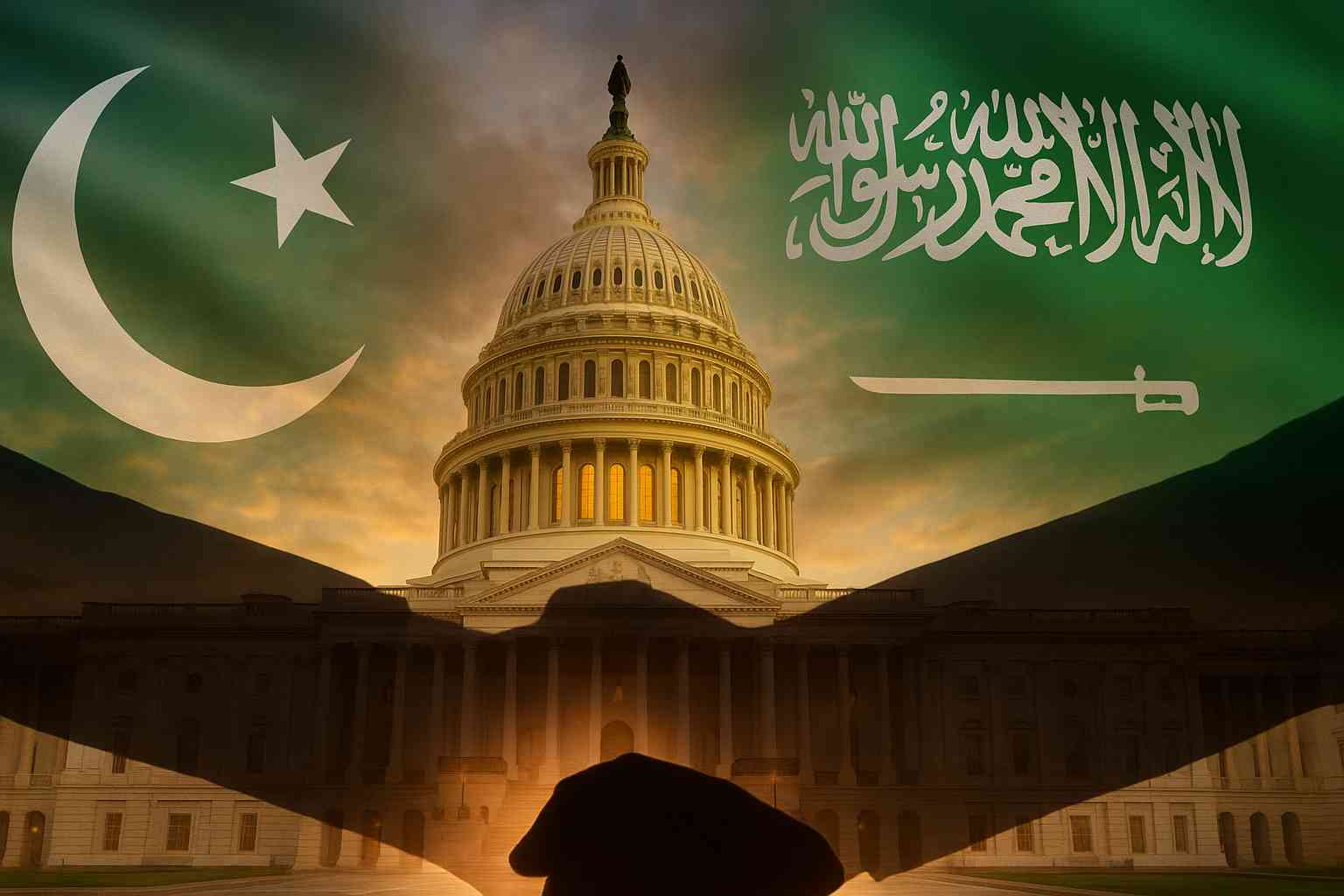
Saudi Arabia vs UAE: Pakistan’s Risky Alignment
Another critical dimension of this story is Pakistan’s positioning in the Gulf.
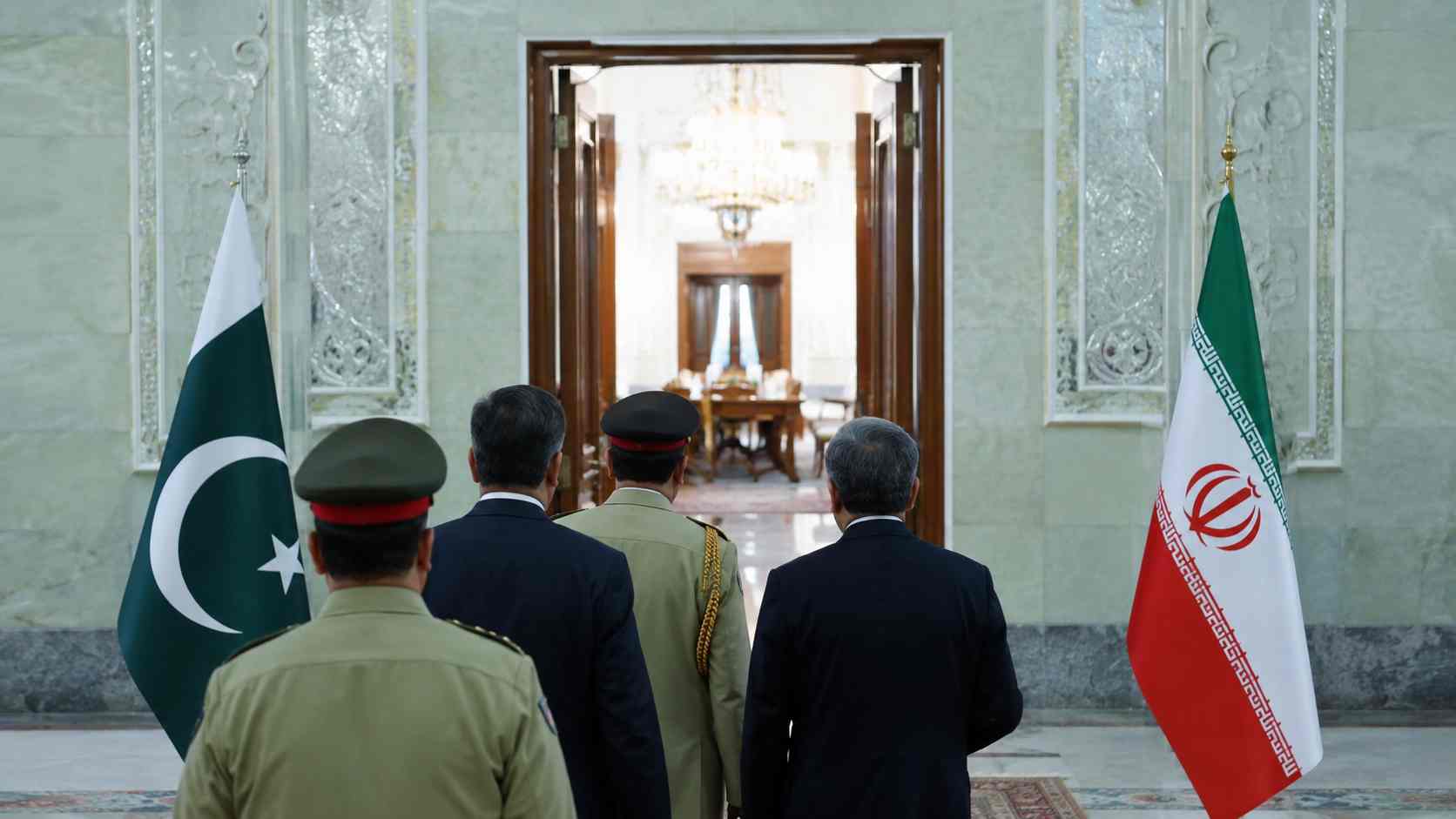
The military leadership appears to have leaned toward Saudi Arabia, largely due to financial dependencies. This choice, however, has come at a cost.
The UAE has responded by strengthening ties elsewhere, including:
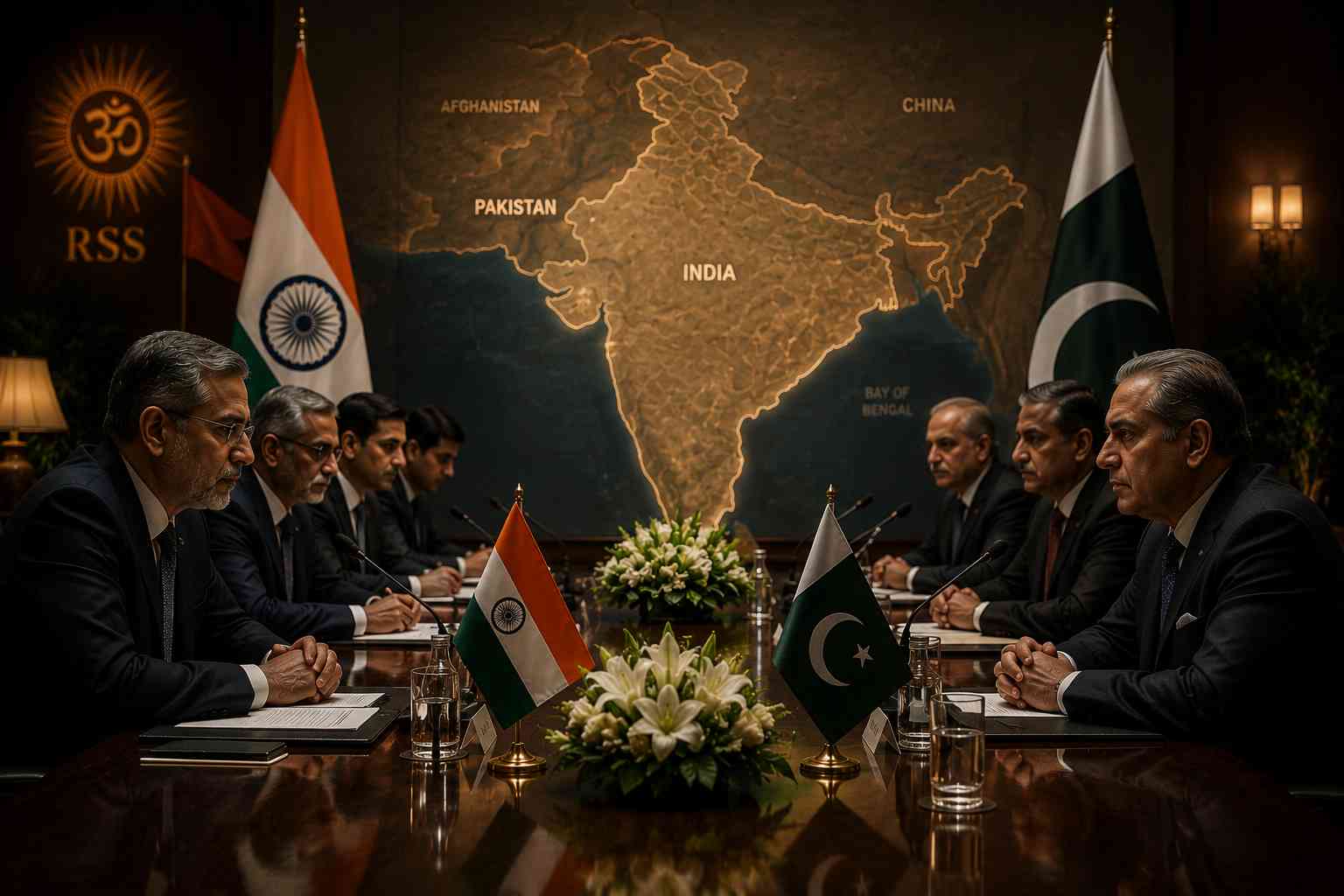
- Defense cooperation with India
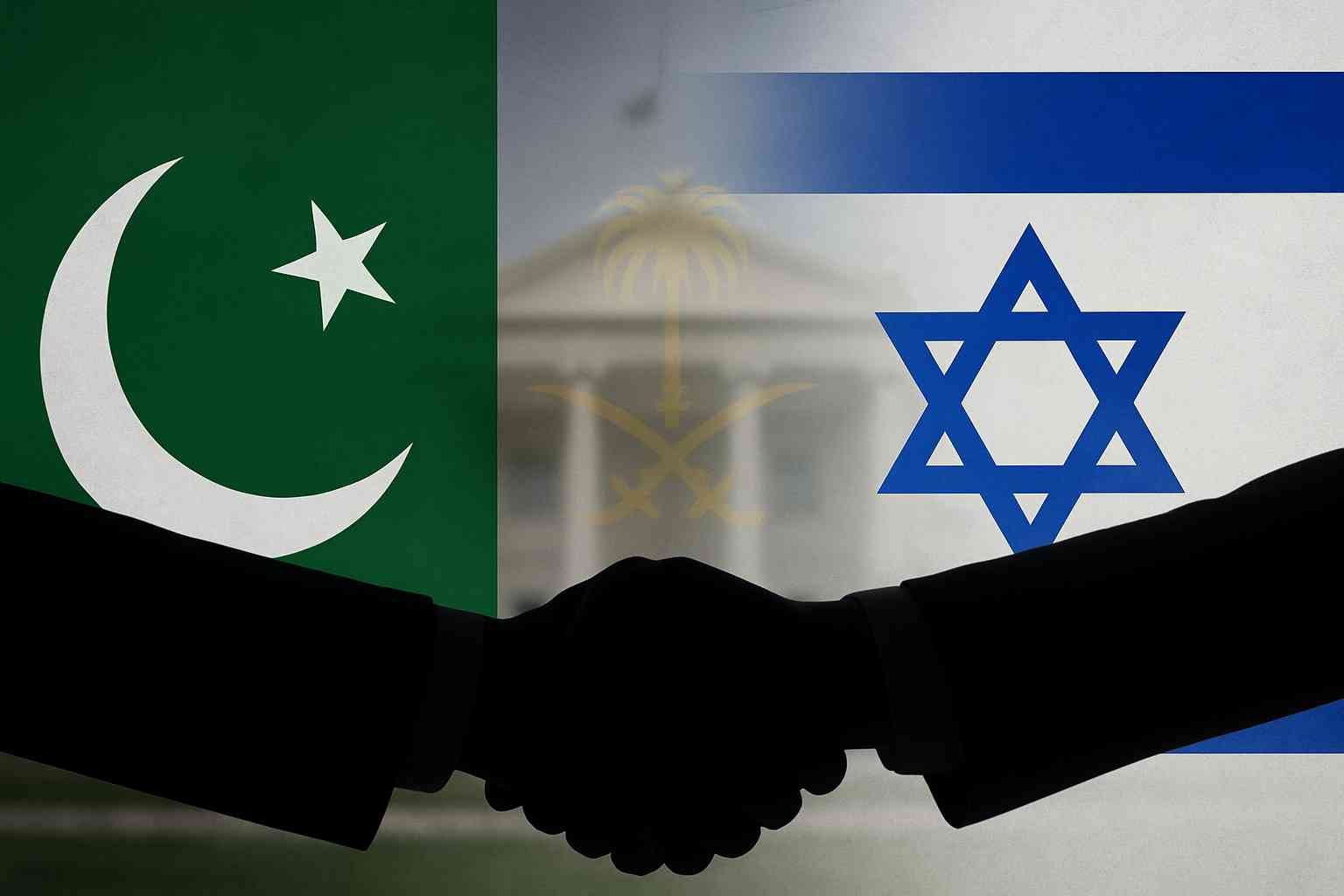
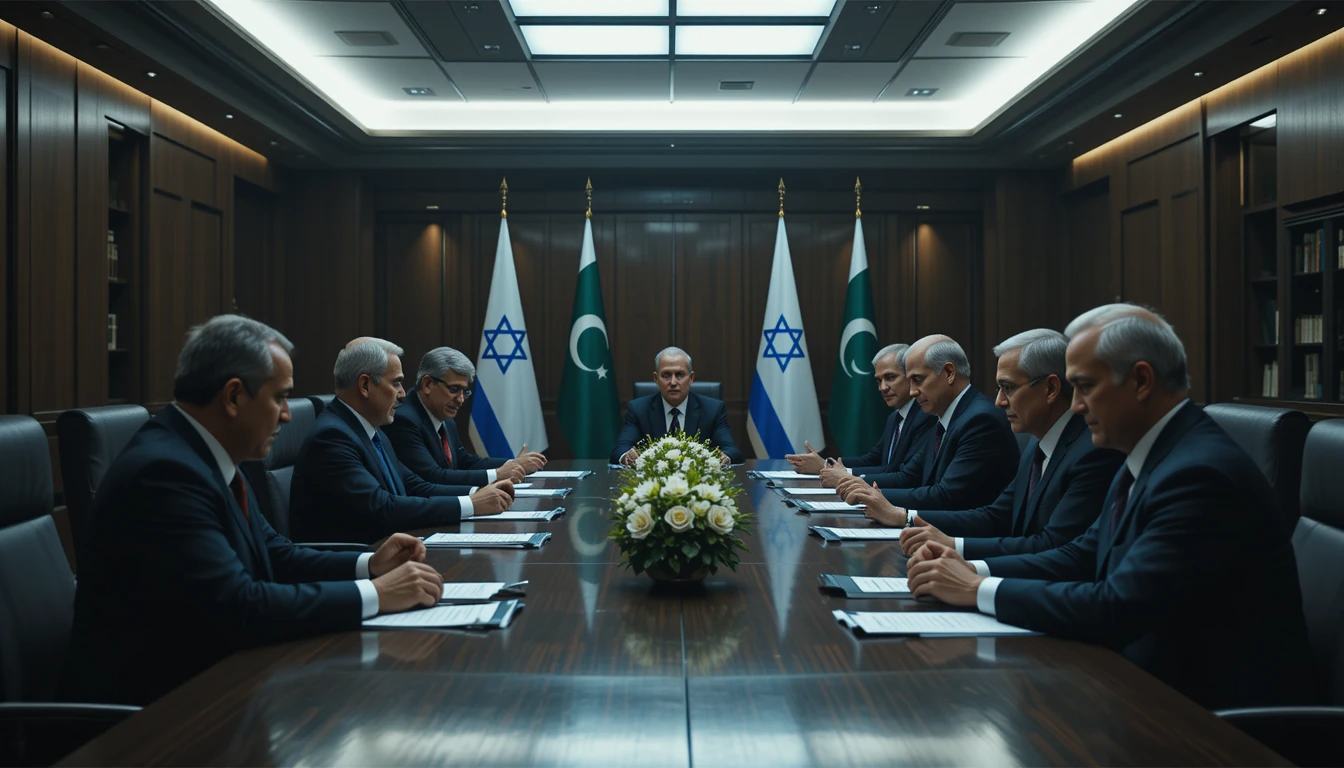
- Strategic alignment with Israel
These moves reshape the regional balance.
In this context, the Malik Riaz case becomes part of a much larger geopolitical recalibration.
Internal Power Struggle and Economic Control
Beyond geopolitics, there is a domestic angle that cannot be ignored.
Pakistan’s economic landscape is shrinking. Traditional revenue streams are under pressure. In this environment, control over real estate becomes even more valuable.
Housing societies are no longer just development projects. They are economic power centers.
The push around the Malik Riaz case reflects this reality. It is not just about accountability. It is about who controls the remaining economic assets.
A System Under Strain
The broader implications are clear:
- Legal tools are being used for strategic objectives
- International relationships are becoming transactional
- Economic pressures are driving aggressive internal moves
The Malik Riaz case sits at the intersection of all these factors.
It highlights how domestic power struggles can quickly evolve into international tensions.
Final Analysis: More Than a Legal Battle
This is not a routine case. It is a signal.
A signal that alliances are shifting. A signal that internal conflicts are intensifying. And a signal that traditional power structures are being tested.
The refusal by the UAE marks a turning point. It shows that even long-standing partnerships have limits.
As this story develops, the Malik Riaz case will remain a key indicator of where Pakistan’s internal and external dynamics are heading.
One thing is certain: this is far from over.