
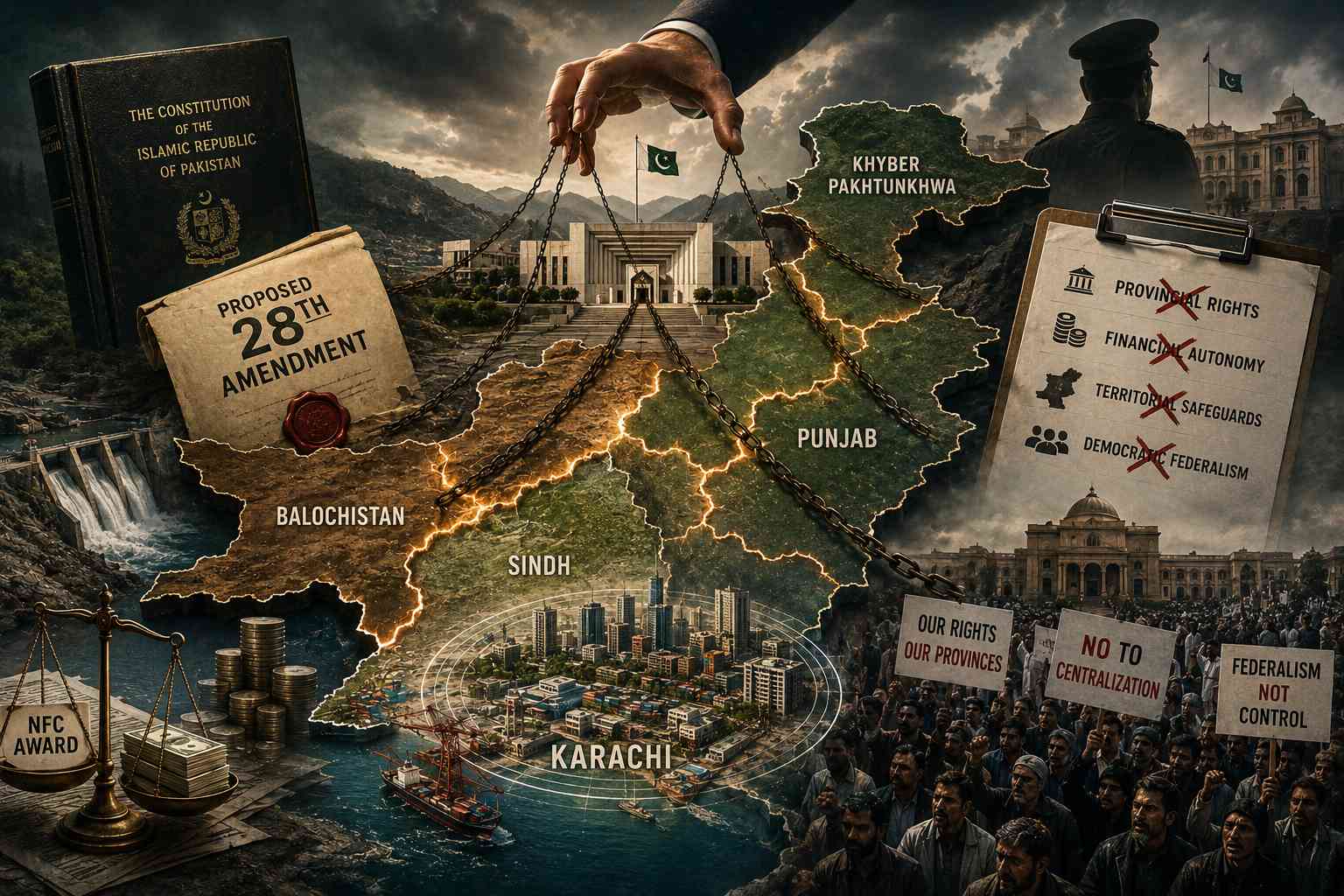
The Pakistan Senate devolution plan has placed 25 federal ministries, divisions and bodies under parliamentary challenge. A Senate subcommittee has directed the government to close or devolve them, rewrite its business rules within 15 days, and move key shared subjects to the Council of Common Interests. The orders remain committee directions, not an enacted restructuring. Their scale nevertheless opens a major test of the 18th Amendment and provincial autonomy.
Pakistan Senate devolution plan targets federal overlap
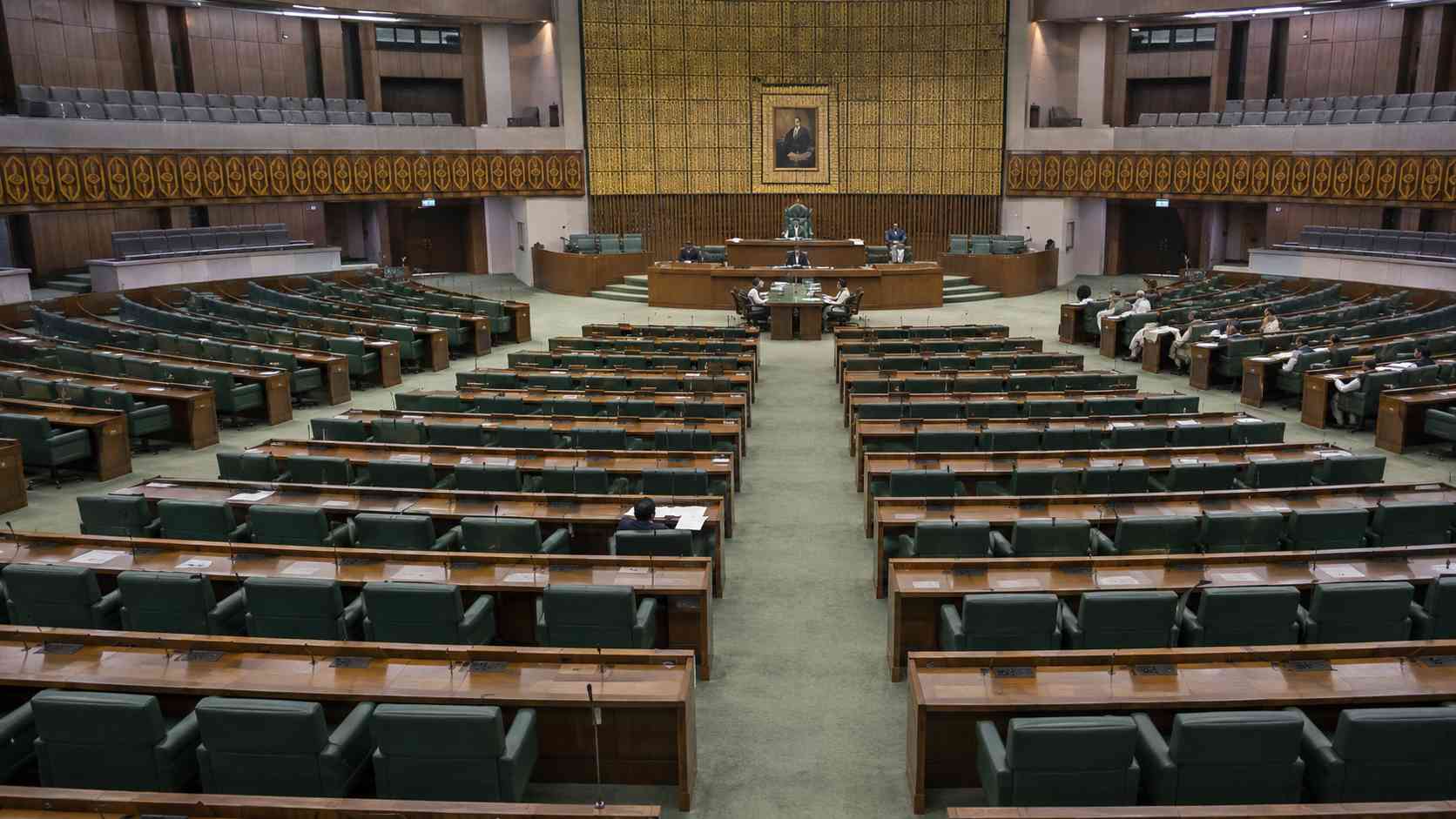
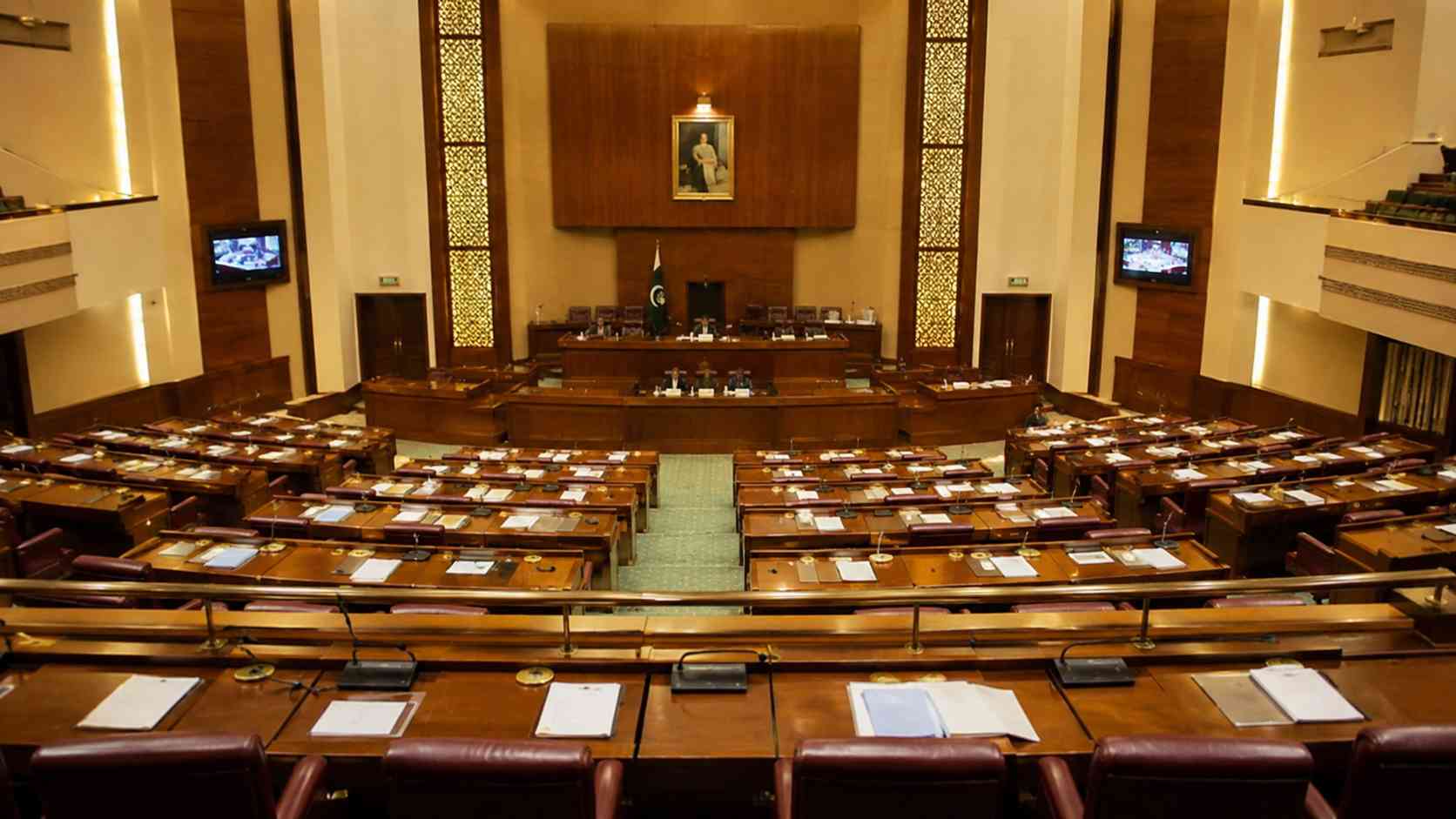
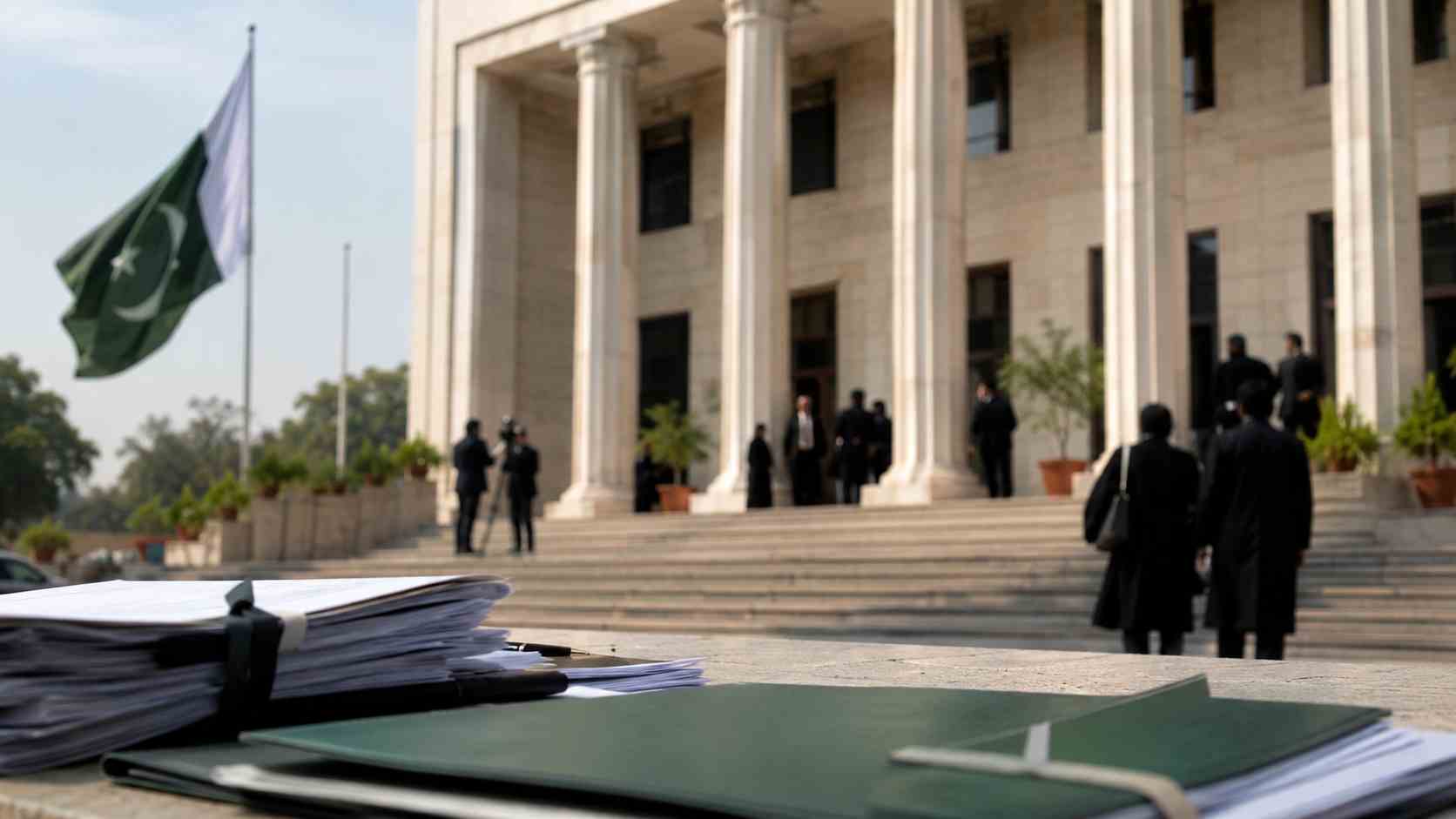
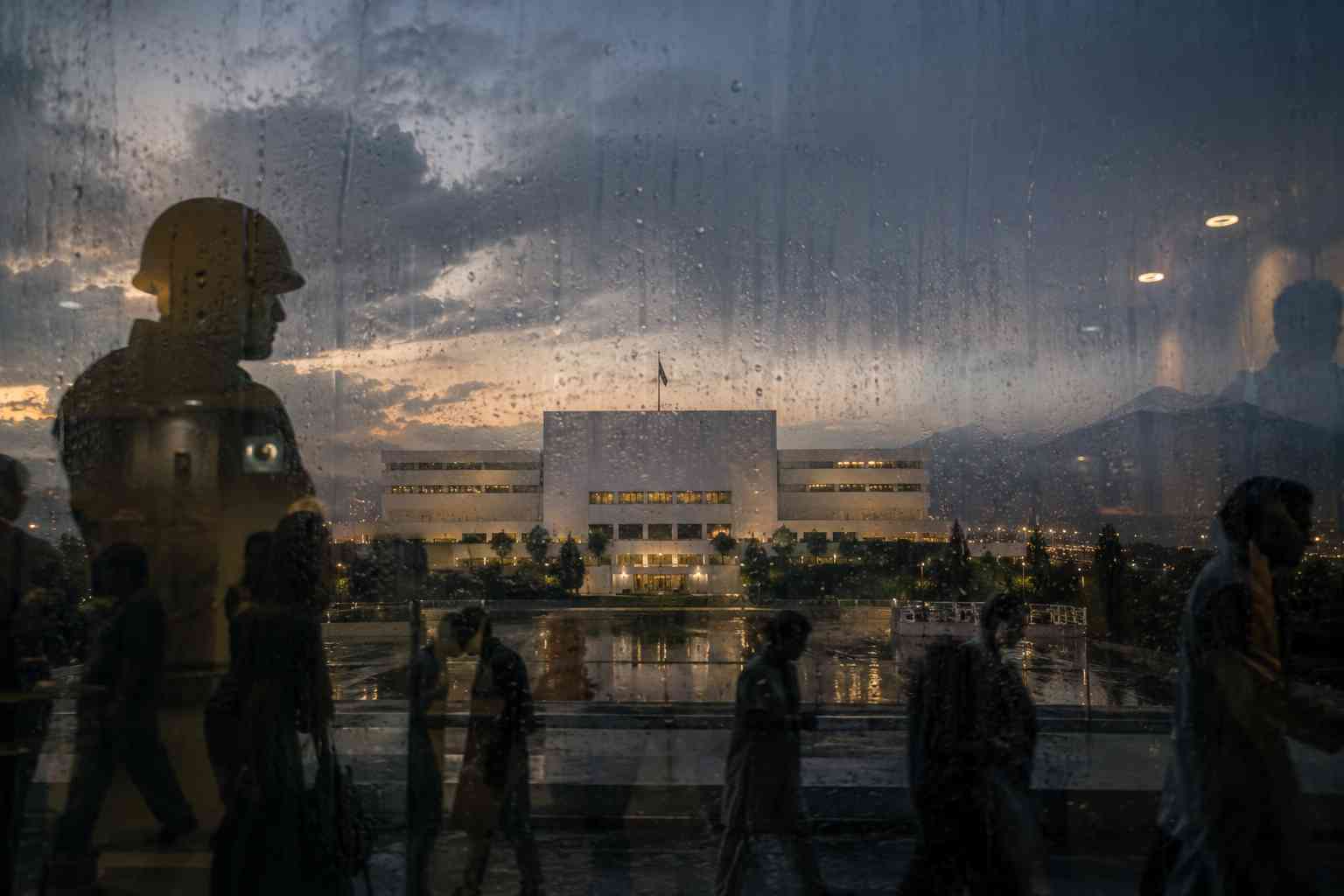
The Senate Subcommittee on Devolution issued the directions after its August 17 meeting. PPP Senator Zamir Hussain Ghumro chaired the session with Senators Poonjo Bheel and Jan Muhammad Buledi. According to The News, the list covers federal health, education, food security, water, climate, housing, railways, petroleum and planning bodies.
It also names the Press Information Department, WAPDA, EOBI, PMDC and several other organisations. The government’s current Cabinet list confirms that many of the challenged portfolios still operate as federal ministries or divisions.
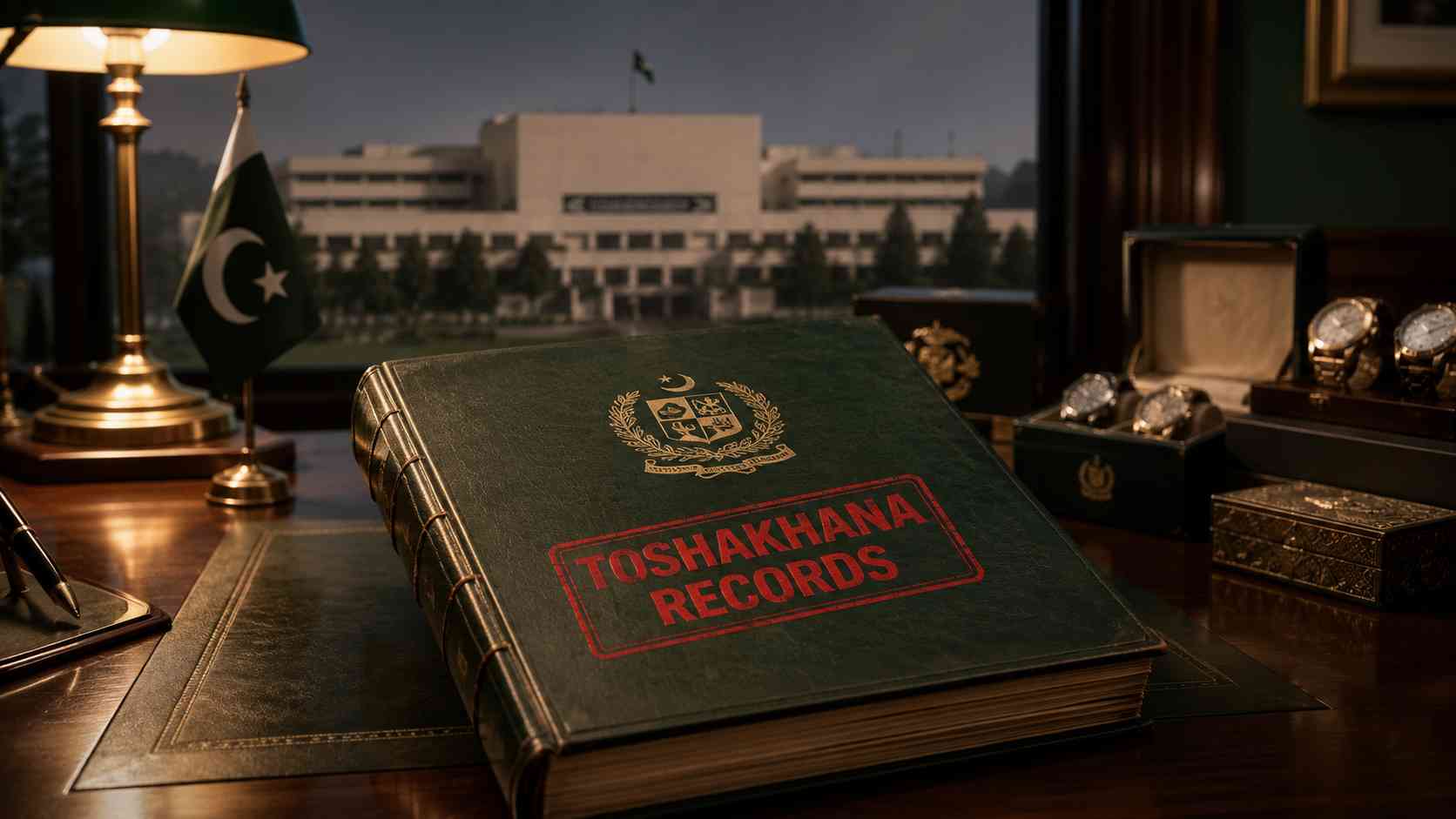
The dispute did not begin this week. An official Senate record from July shows the committee questioning ministries recreated after 17 portfolios were devolved between 2010 and 2011. Federal officials argued that some structures still handle Islamabad Capital Territory or national responsibilities.
The subcommittee rejected that justification for several bodies. It told the Cabinet Division to change the Rules of Business and submit an initial compliance report within 15 days. Ghumro said the functional committee’s directions bind the government. That claim may face legal or political resistance if federal authorities reject the panel’s reading.
Council of Common Interests placed at the centre
The Pakistan Senate devolution plan would shift major decisions away from the federal cabinet. The panel wants the Council of Common Interests to supervise shared subjects listed in Part II of the Federal Legislative List.
Those subjects include electricity, petroleum, gas, railways, major ports and national regulators. The panel also wants the CCI to oversee prices for electricity, fuel, gas and medicines. A separate report said the committee demanded frequent CCI meetings and equal provincial representation.
Power-sector privatisation now sits inside the same constitutional dispute. The subcommittee directed the government to refer planned sales of distribution companies to the CCI. It said proceeding without CCI consent would violate Articles 154 and 157.
That is the committee’s legal position, not a final court ruling on the current privatisation programme. The distinction matters because the panel cannot itself complete devolution, transfer assets or amend executive rules.
Media oversight also enters the federalism dispute
The panel also challenged federal control over print and broadcast media. It directed print regulation toward the provinces and asked provincial officials to seek broadcasting powers where legal changes remain necessary.
Its media directions carry an immediate accountability angle. The committee demanded three years of government advertising data from the Information Ministry. It also criticised the alleged use of state advertising to pressure news organisations, according to the Tribune.
No reported federal response has yet accepted the proposed transfer of media authority. Provincial governments must also decide whether they want those powers and can exercise them with stronger safeguards for press freedom.
What happens after the 15-day deadline
The next measurable step is the Cabinet Division’s implementation report. That document should show whether the government will close bodies, transfer functions, contest the directions or seek a negotiated settlement.
The committee also linked devolution to spending. It called for federal expenditure to fall from Rs19 trillion to Rs13 trillion. Those figures and projected savings come from the panel and require independent fiscal testing.
For now, the Pakistan Senate devolution plan is a forceful parliamentary demand rather than an administrative fait accompli. Its importance lies in the choice it puts before Islamabad: defend federal overlap, or explain how the 18th Amendment will finally reshape institutions, budgets and provincial authority.























































































































































































2 Comments