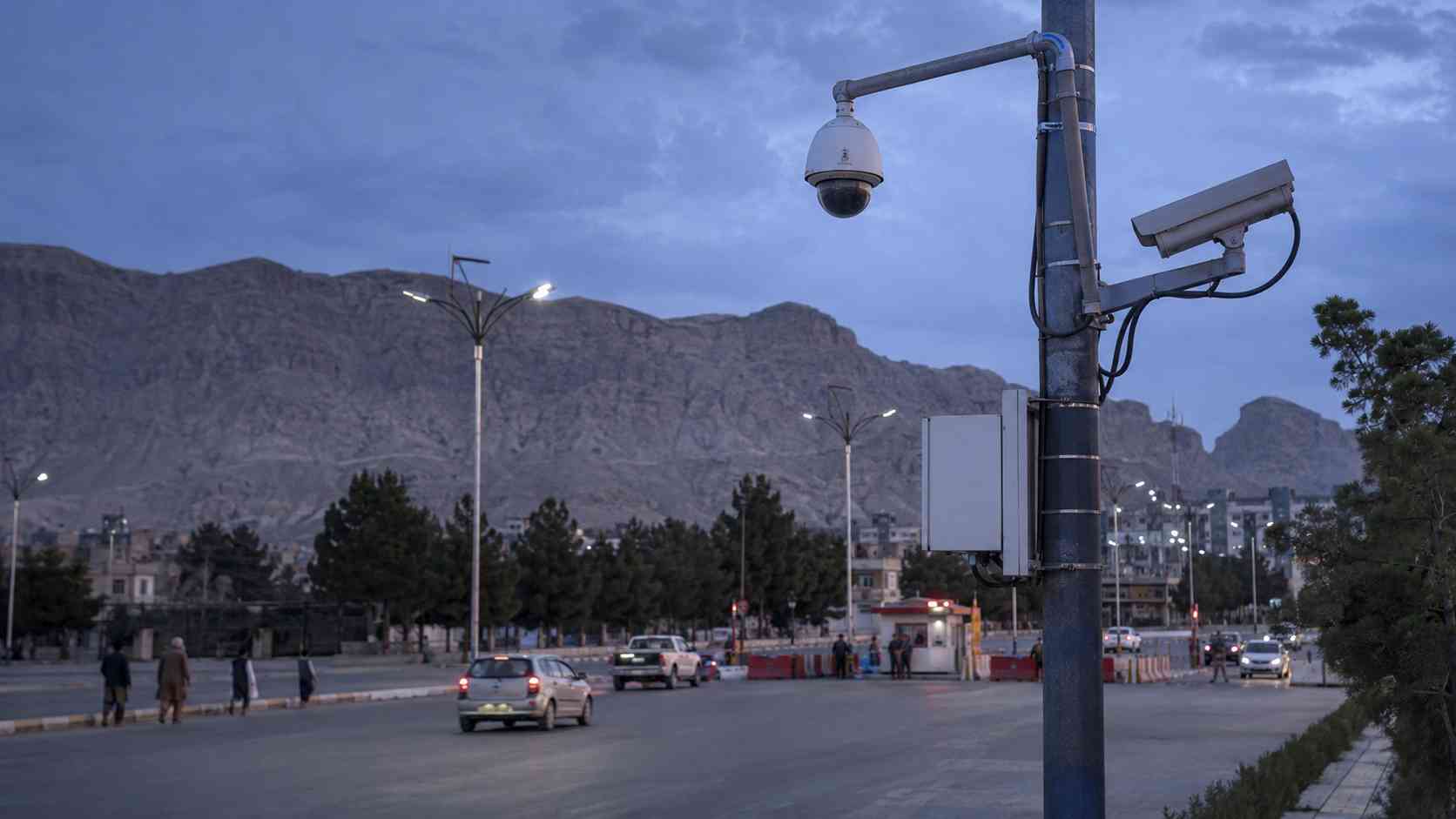
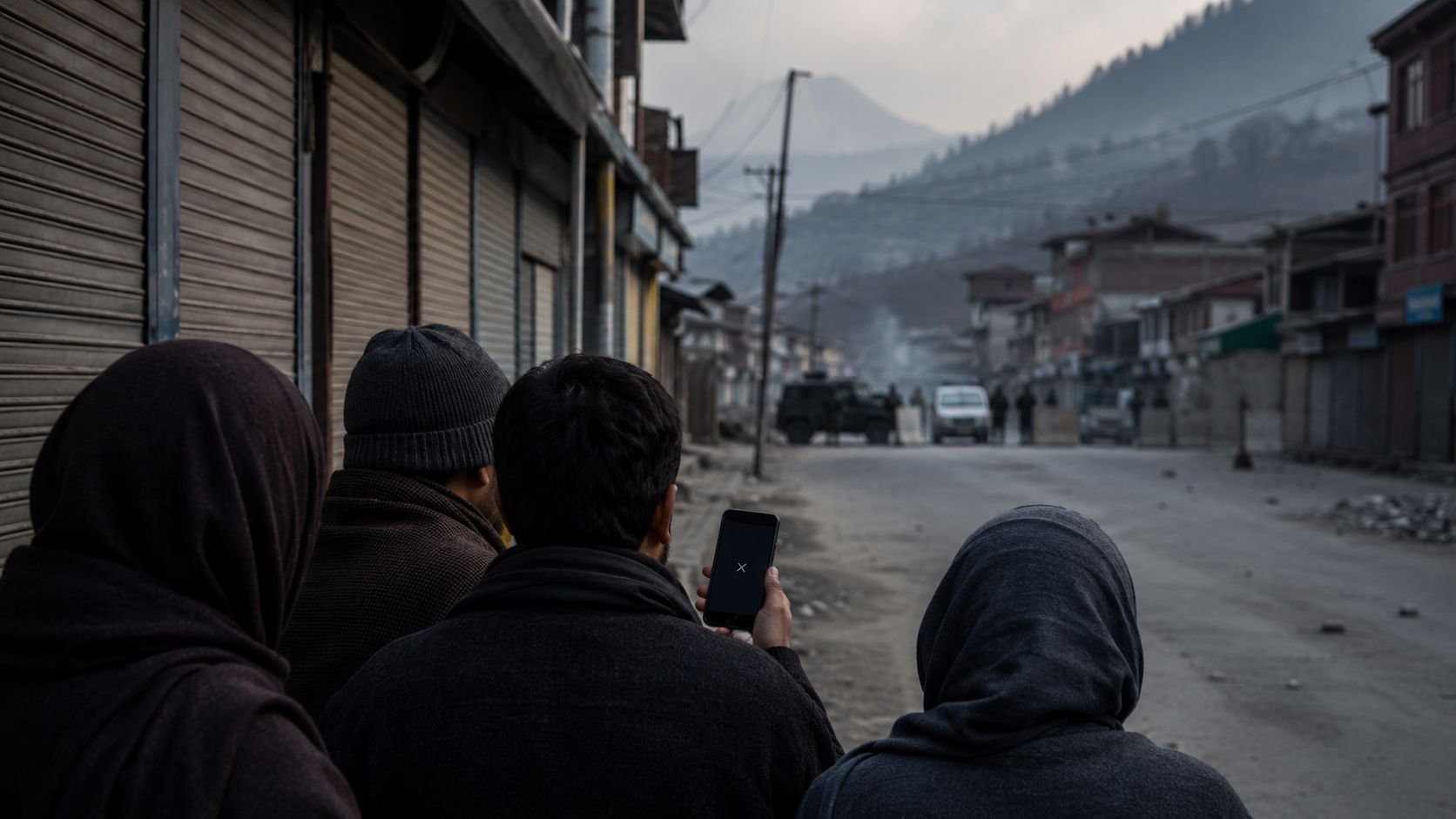
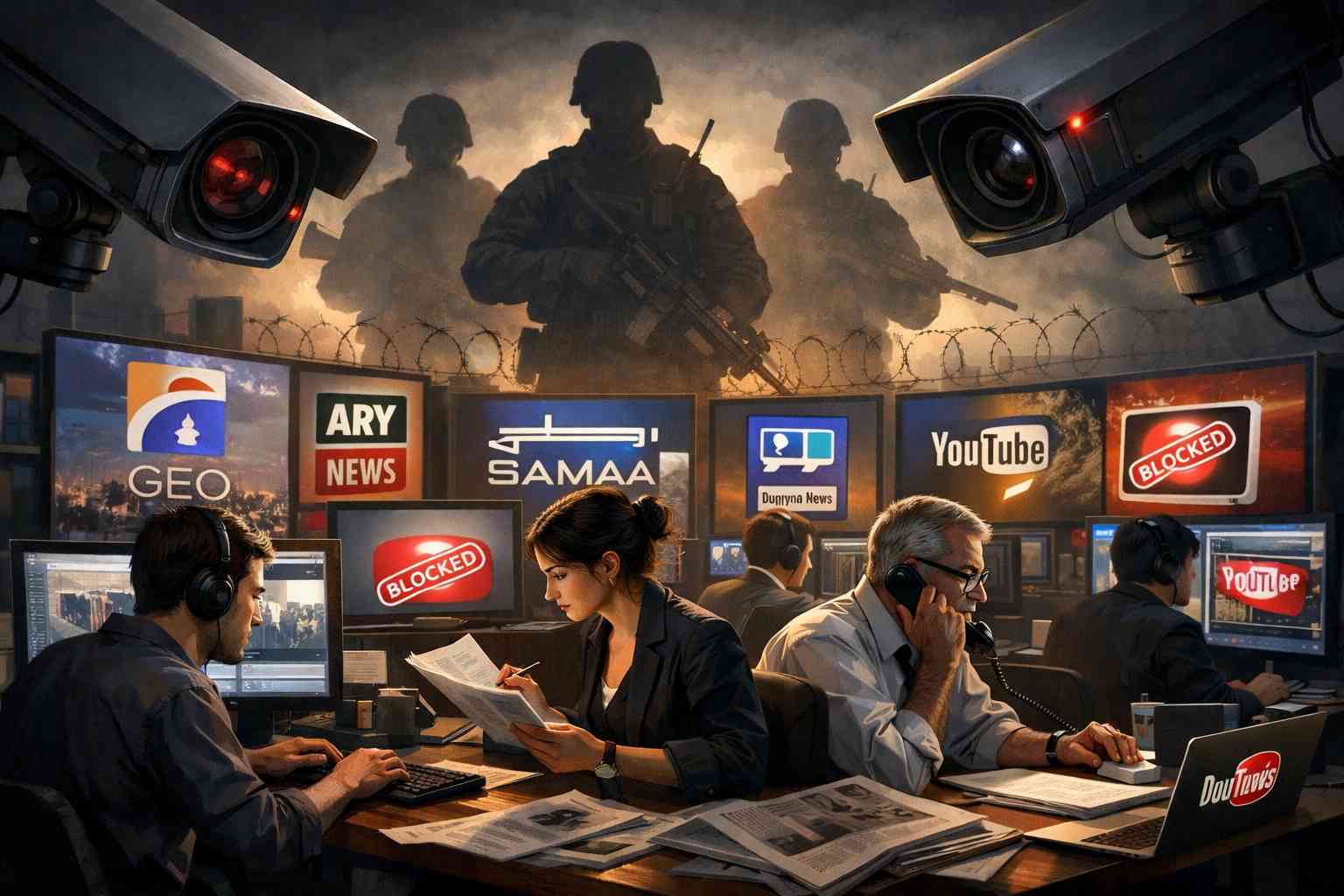
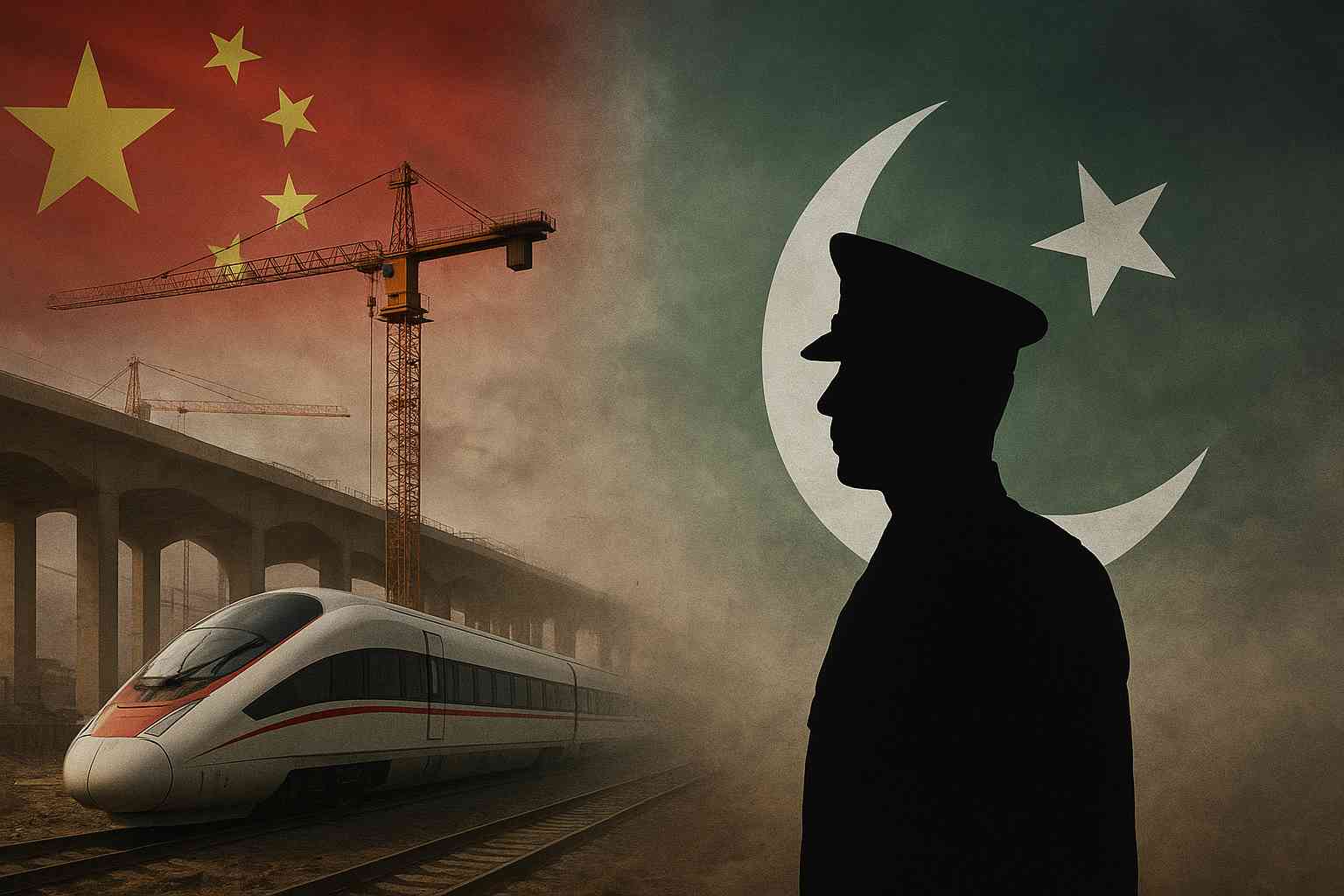
The Balochistan Safe City Project is again being presented as a route to order. The security need is real. Yet cameras cannot repair weak accountability, blurred command and collapsing political trust. Without those foundations, new technology may record a crisis that the state still cannot resolve.
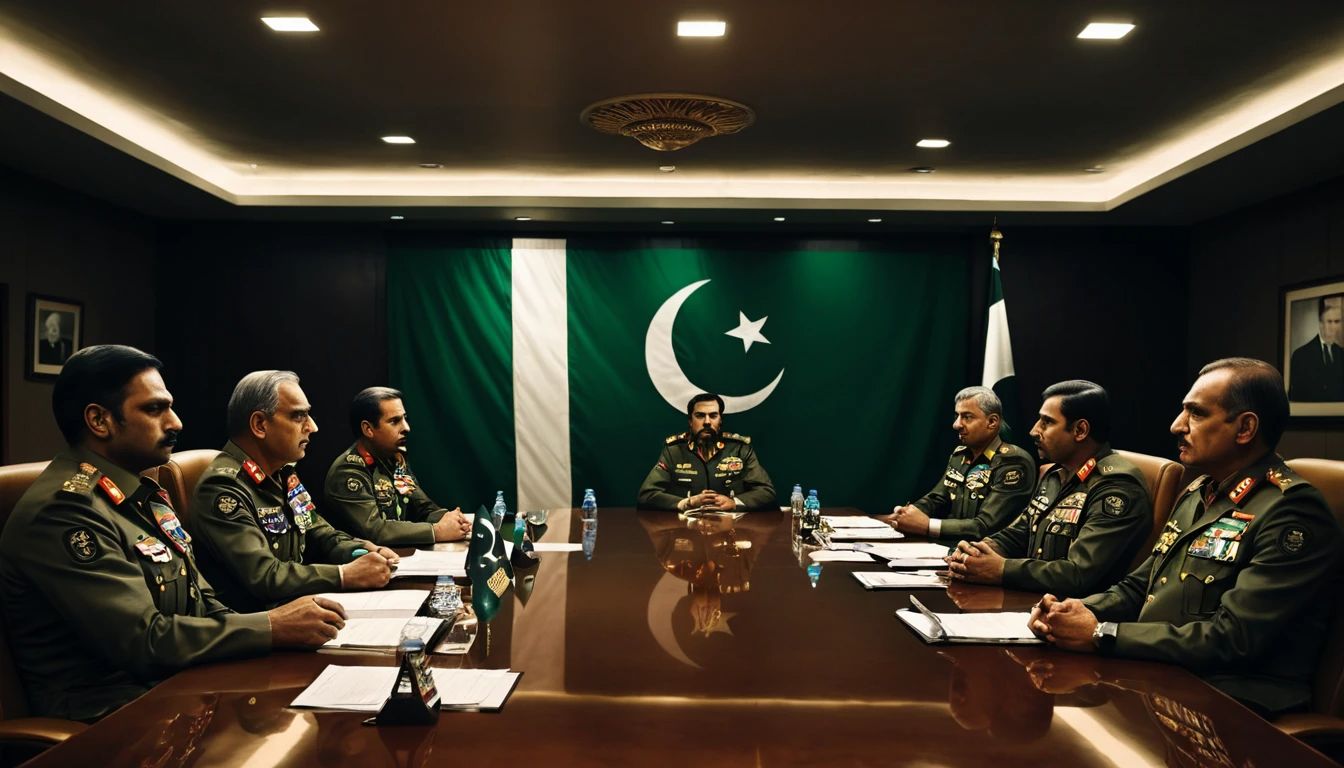
On August 27, provincial and military leaders agreed to revive and expand the long-delayed system. The decision↗ came from a Defence Review Committee meeting co-chaired by Chief Minister Sarfraz Bugti and the Quetta corps commander. Officials promised phased activation in Quetta and other strategic districts.
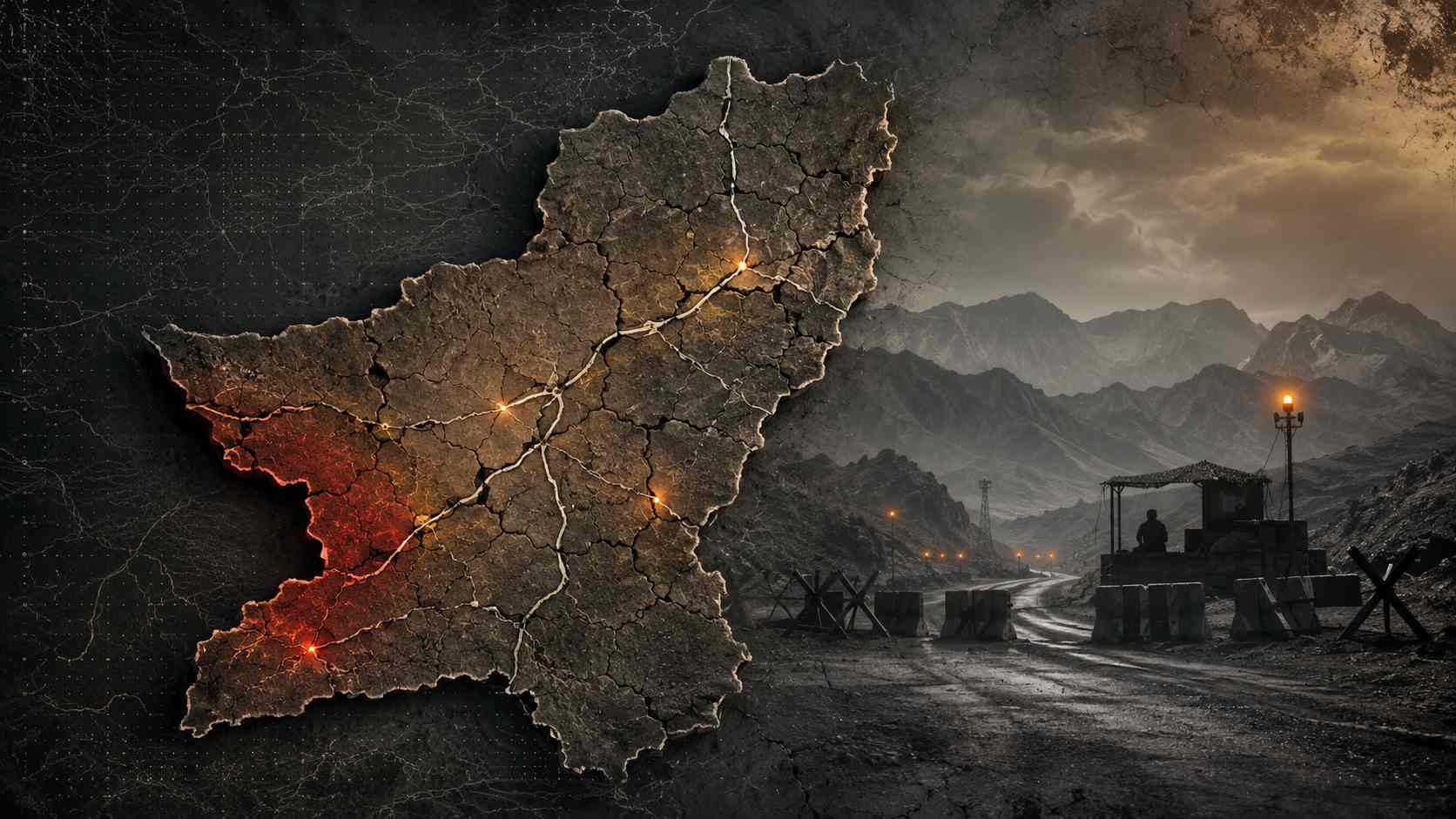
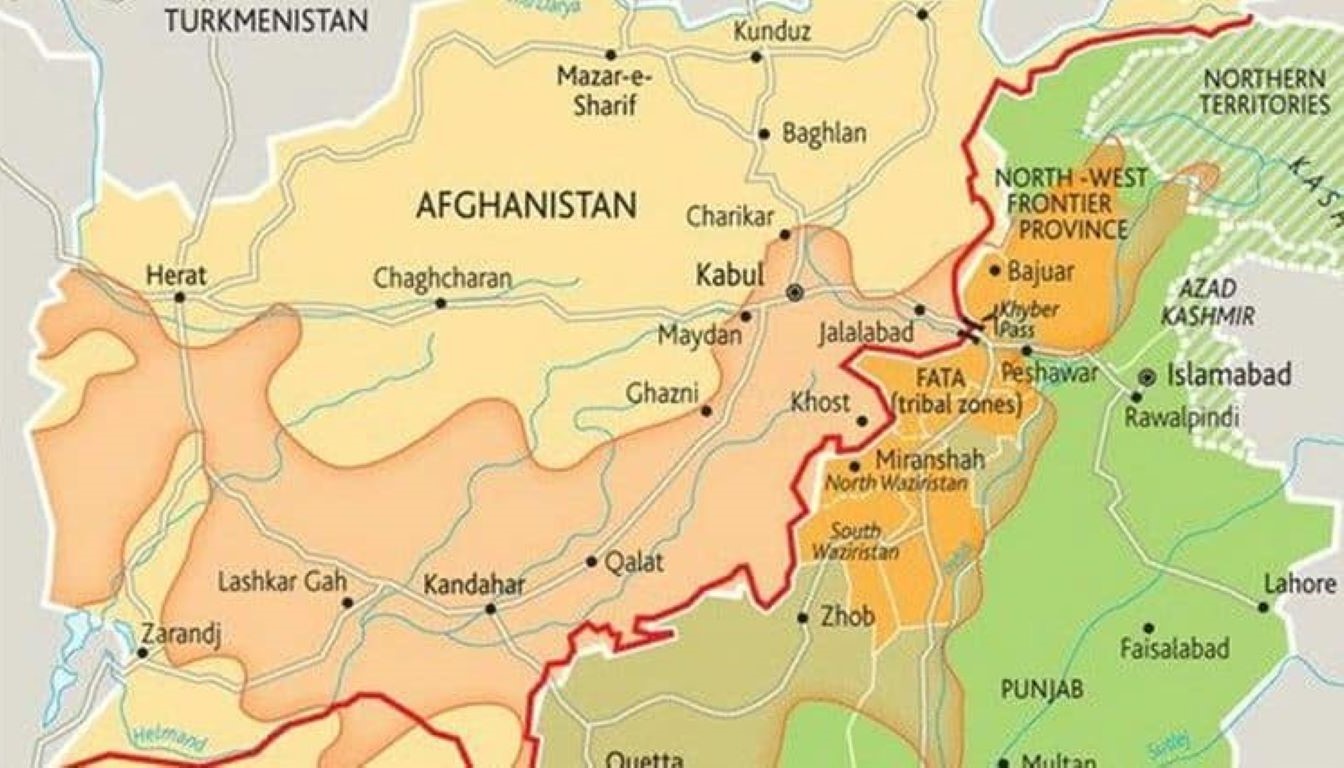
The plan can improve investigations, traffic control and emergency response. It can also link police units across difficult terrain. However, Balochistan’s crisis has never been only a shortage of cameras. It combines militant violence, fragile civilian institutions, disputed resource politics and deep mistrust of state power.
Why the Balochistan Safe City Project matters
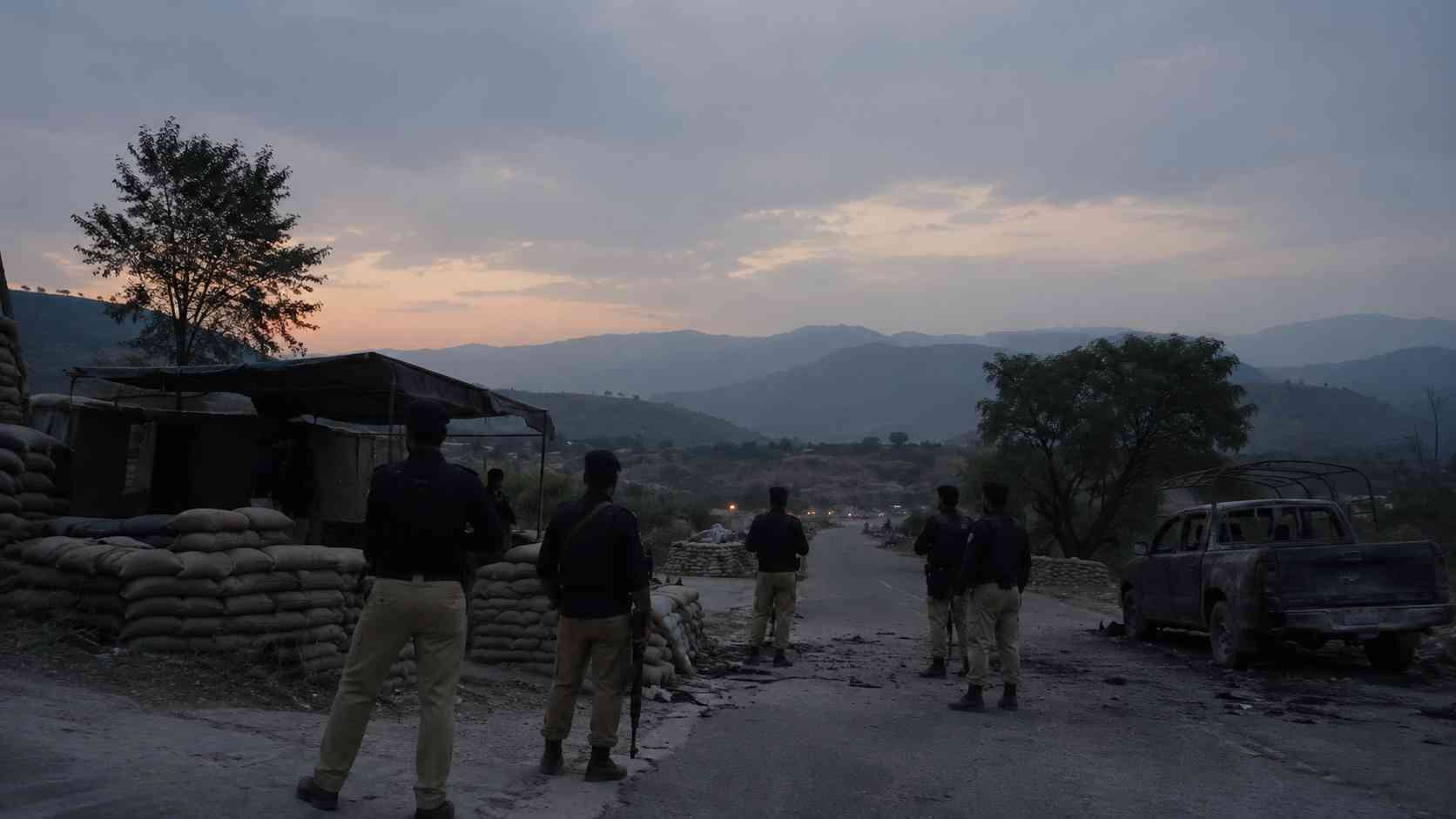
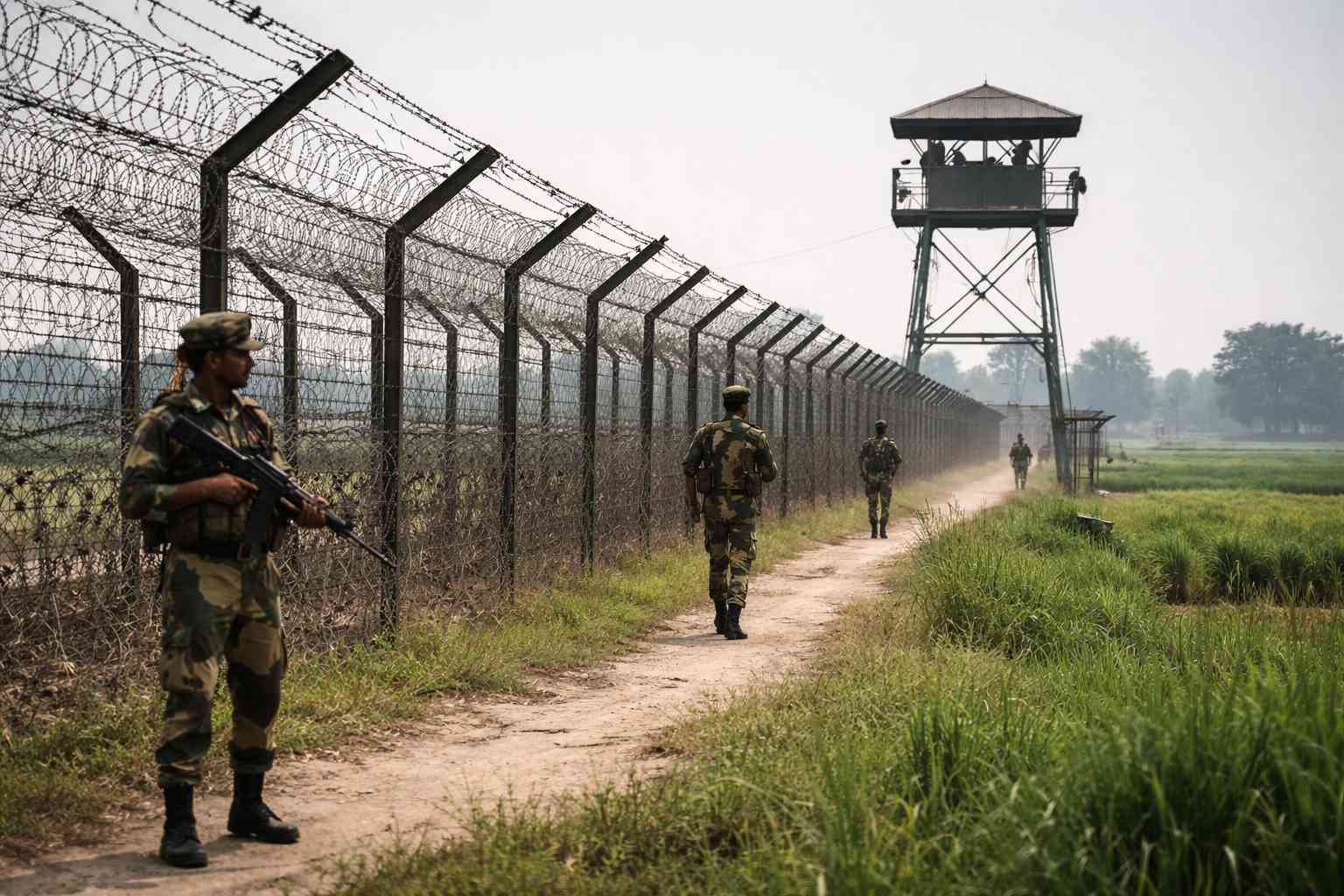
No responsible analysis should minimise the threat. CRSS data↗ recorded 94 violent incidents in Balochistan during the second quarter of 2026. They produced 265 violence-linked fatalities across militant attacks and counterterrorism operations. The province accounted for 35% of Pakistan’s recorded incidents during that period.
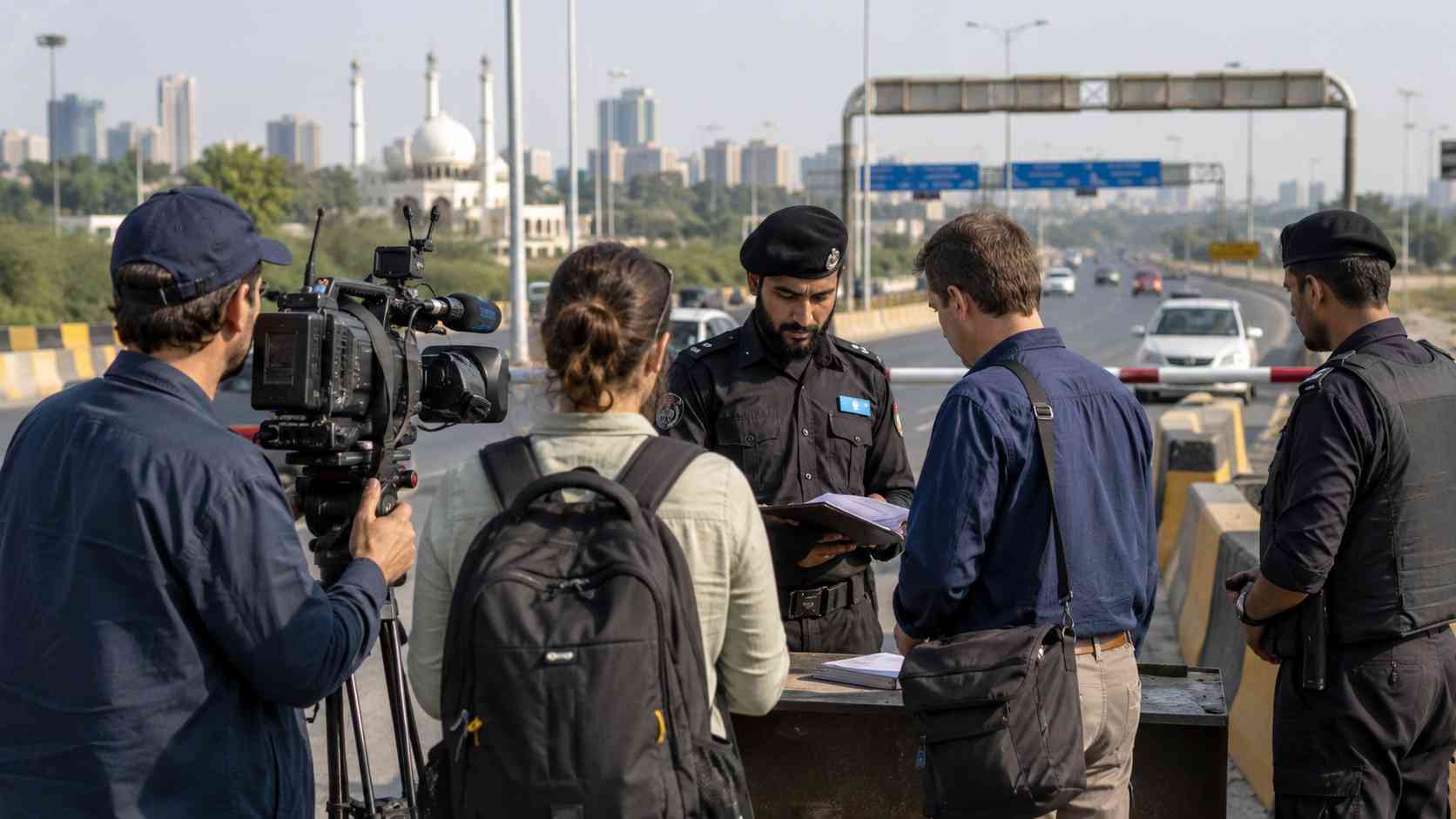
That record supports better police intelligence and faster response systems. Cameras can trace vehicles, preserve evidence and help dispatch emergency teams. A functioning network could protect markets, transport routes and public buildings.
Technology still needs a clear theory of use. Officials must explain which threats the system can reduce and which require other tools. A camera may document an attack. It cannot settle a dispute over representation, land, disappearances or control of natural resources.
Soldier Speaks has previously argued that peace in Balochistan requires negotiation alongside security operations. That principle remains relevant. Technology should support a political strategy, not become the strategy itself.
An old project carries unanswered audit questions
The word “revival” matters because the project already carries a long financial history. The provincial Science and Information Technology Department’s official ledger↗ lists the original Quetta scheme at Rs8.874 billion. It records 82% achievement in the PSDP 2025-26 table. The same page lists an Rs800 million second phase at 4% and a separate Rs9.9 billion provincial expansion at 0%.
Those figures do not prove wrongdoing. They do show why expansion needs a public reconciliation of costs, assets and performance.
In October 2025, Balochistan’s Public Accounts Committee raised serious procurement and maintenance concerns. The reported audit review↗ said 600 to 800 cameras were not working. It also questioned the contract award and ordered recovery of Rs230.3 million in advance payments.
Before releasing more funds, the government should publish what happened next. Did the inquiry close? Were recoveries made? How many cameras now work? Which agency holds maintenance responsibility?
The Balochistan Safe City Project needs answers before it needs another launch ceremony. Otherwise, expansion may reproduce the same procurement and maintenance failures at a larger scale.
Civil-military coordination must not blur civilian command
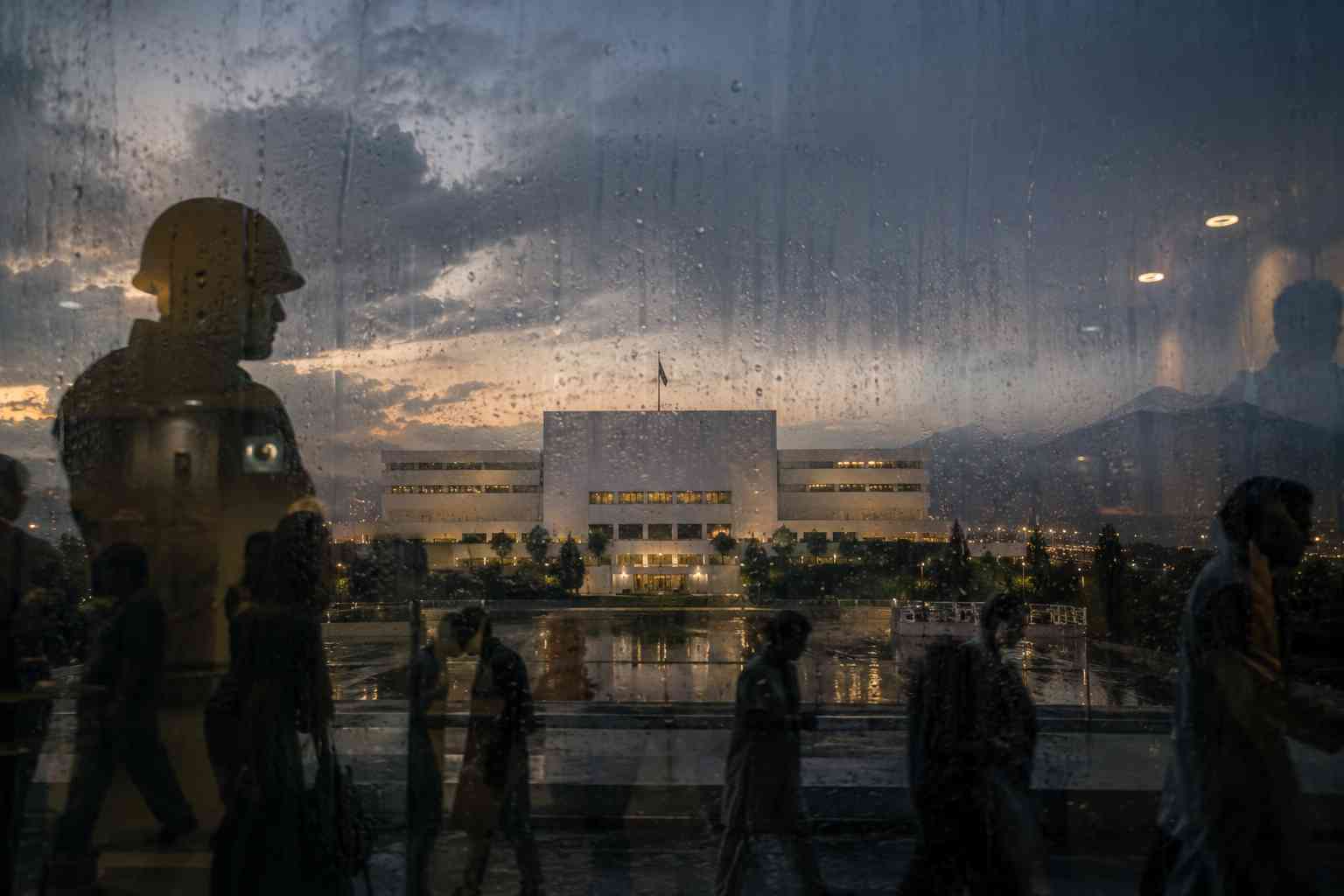
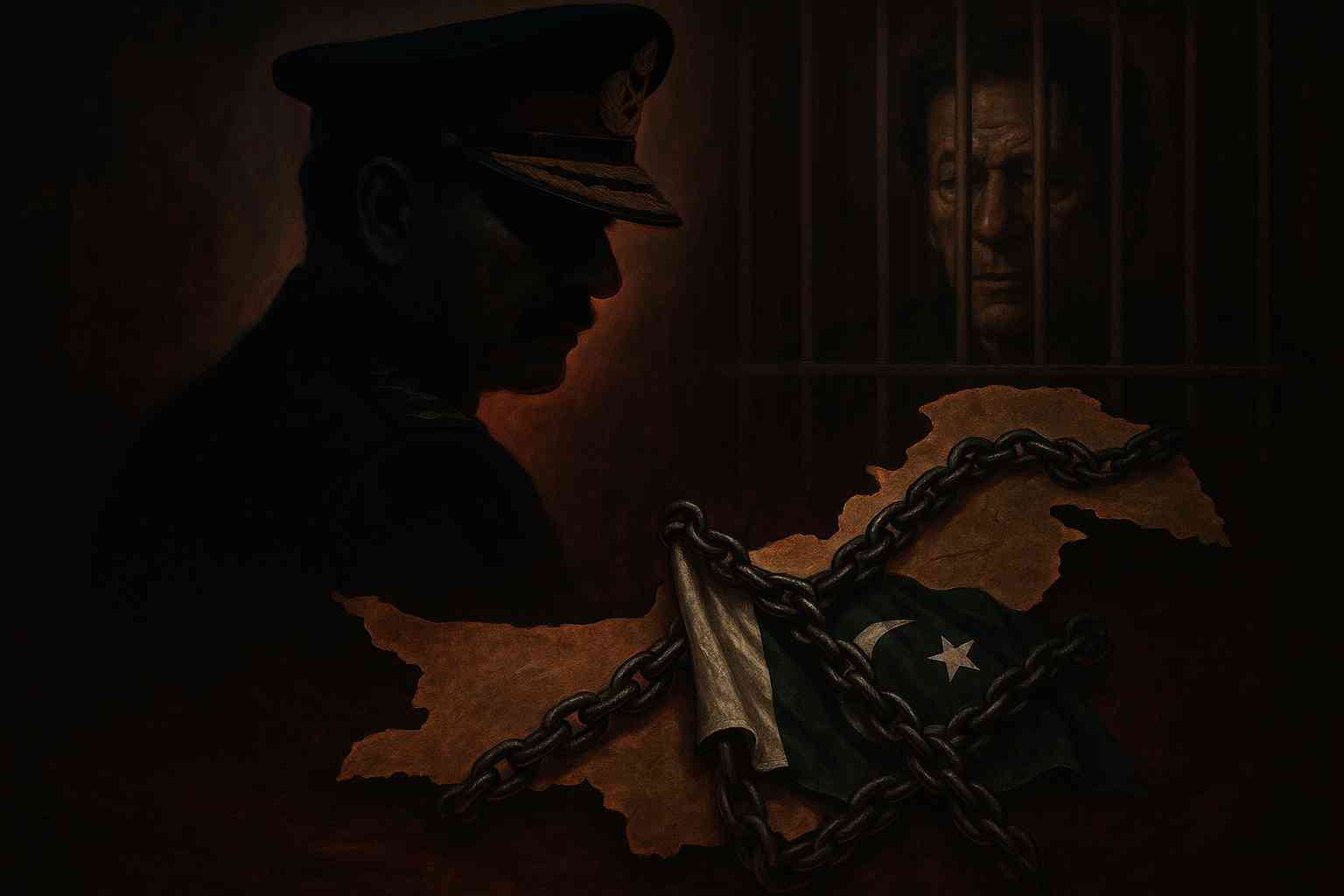
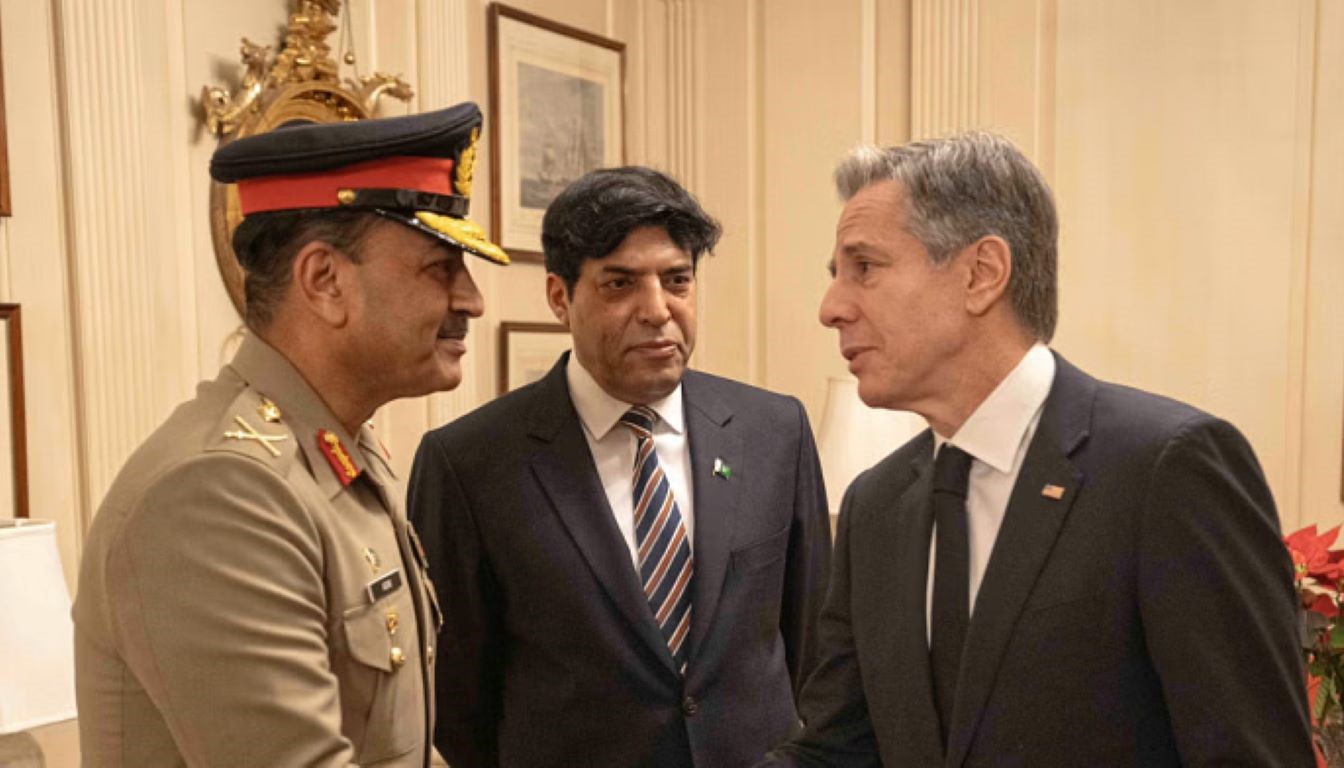
The latest decision also exposes a governance question. A chief minister and a corps commander jointly chaired the forum that approved the security direction. Coordination with the military is understandable during a severe insurgency. Yet coordination is not the same as civilian command.
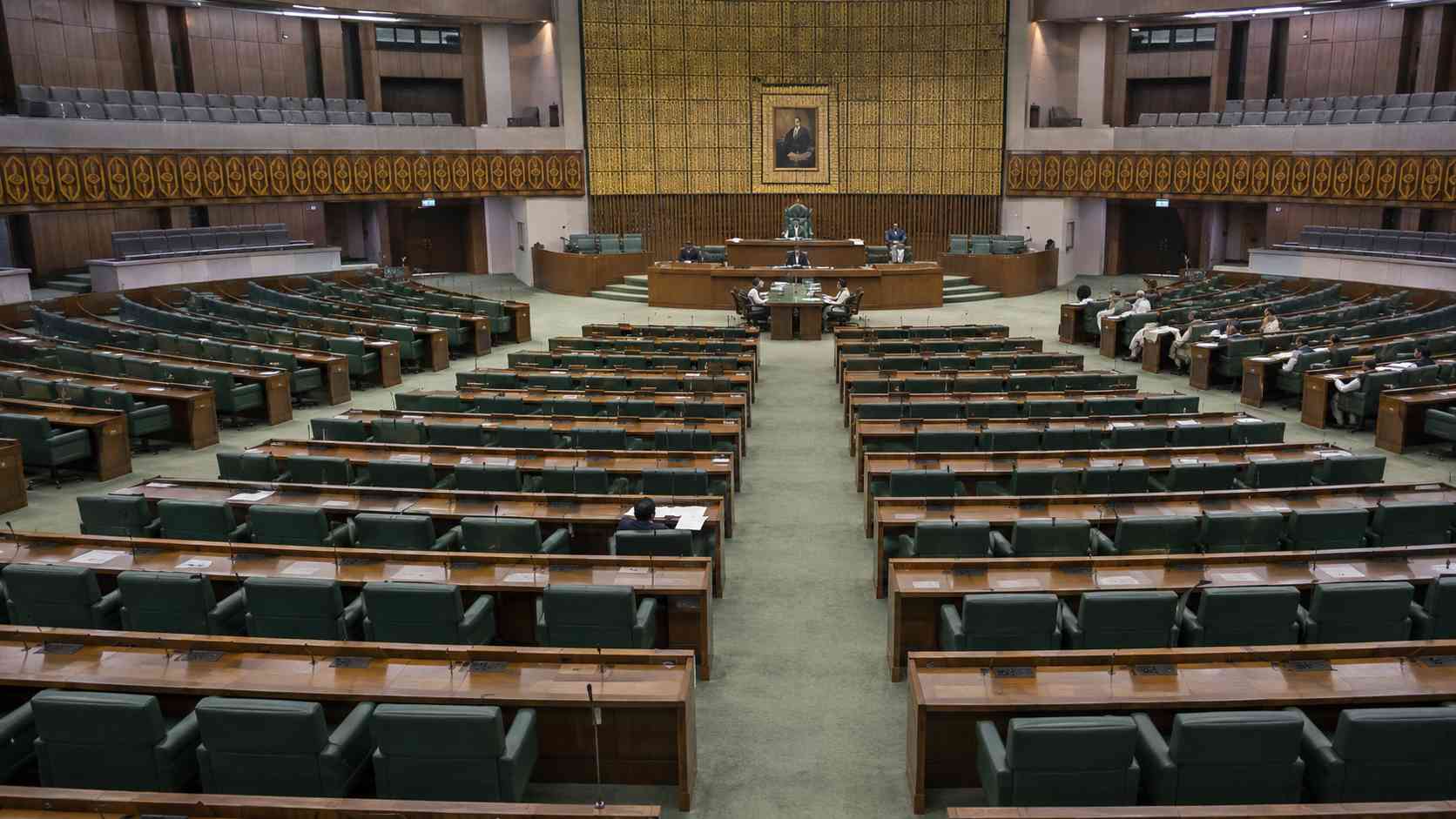
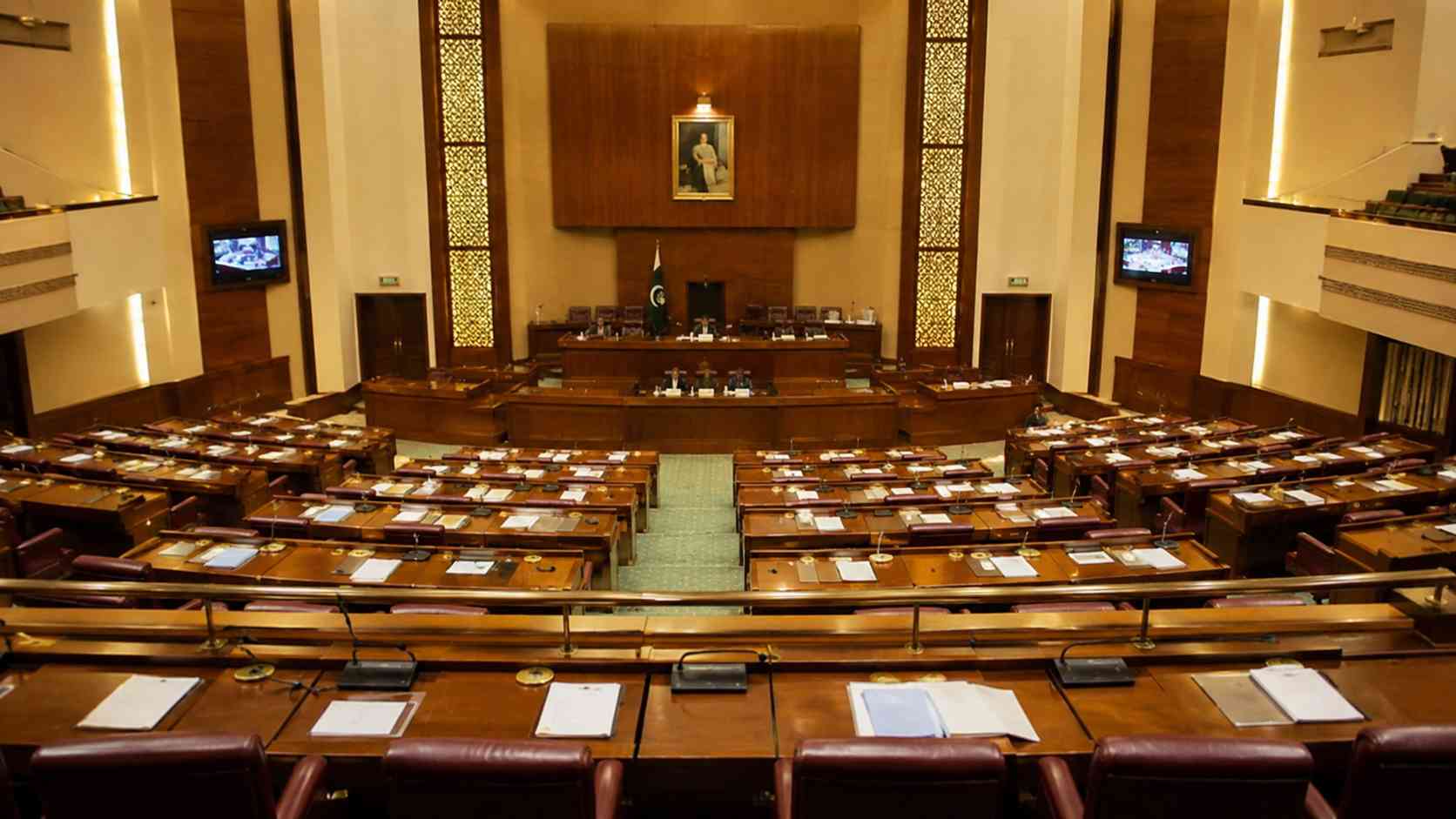
Police surveillance, criminal evidence and citizen data belong under clear civilian law. Elected institutions should approve budgets and review results. Police leaders should control daily operations. Courts should remain able to test misuse.
That distinction echoes Soldier Speaks’ defence-budget analysis. Security spending gains legitimacy when citizens can examine outcomes. The same principle applies to command centres and digital monitoring.
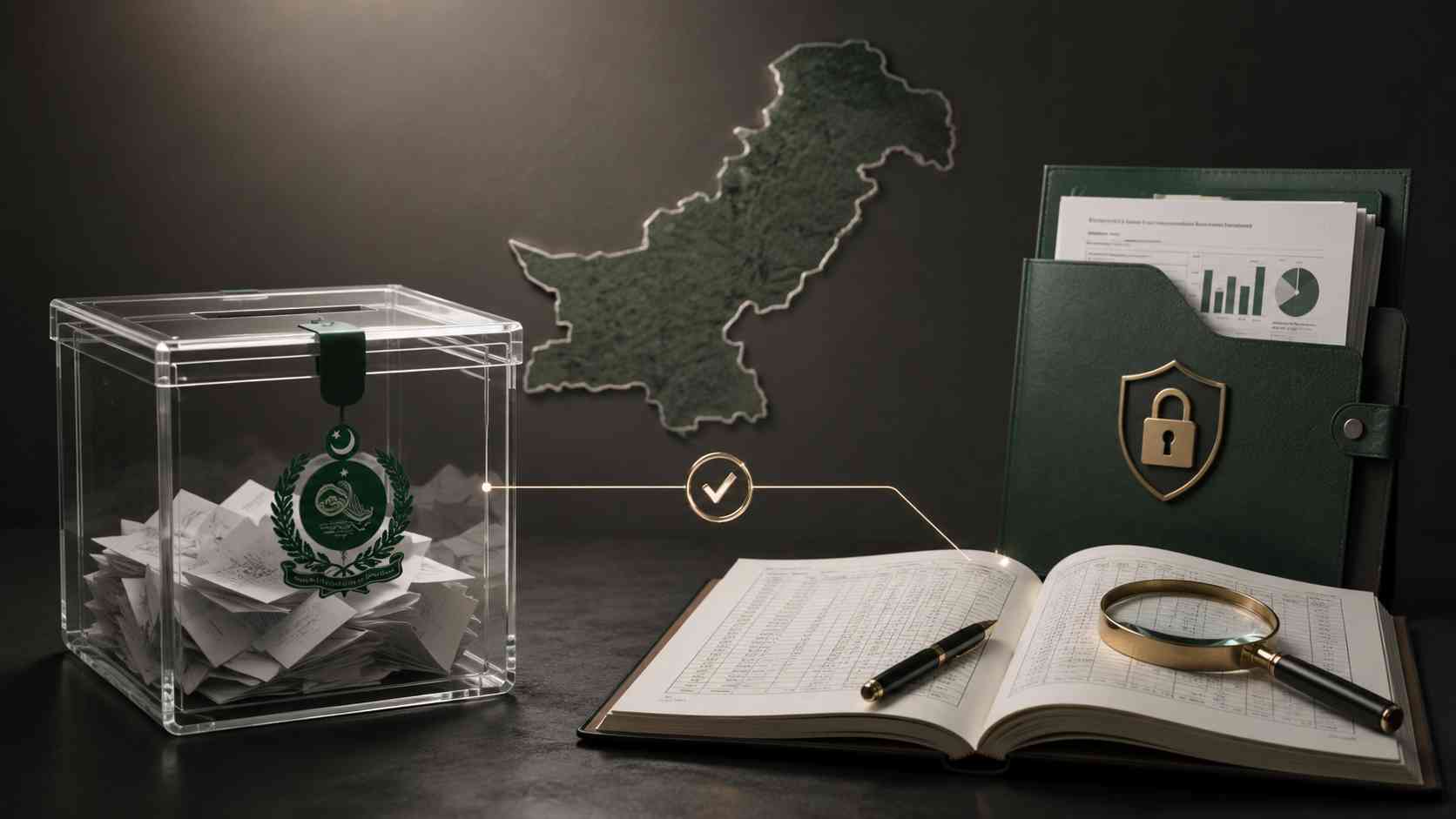
A public operating framework should identify who may access data. It should set retention limits and record every search. Independent inspectors should test procurement, camera uptime and access logs. Citizens also need a complaint route when officials misuse surveillance.
The Quetta jirga points to the missing political layer
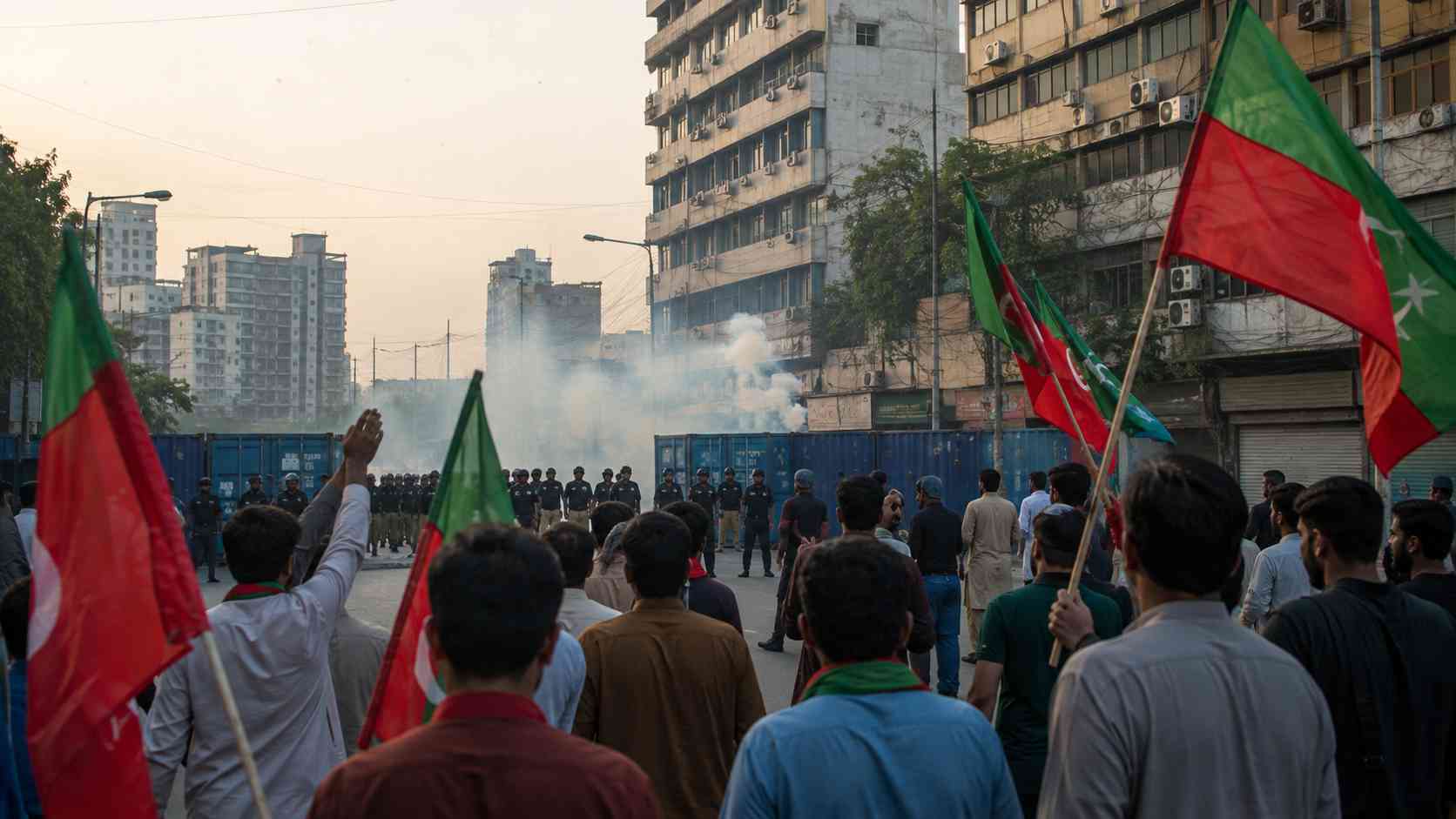
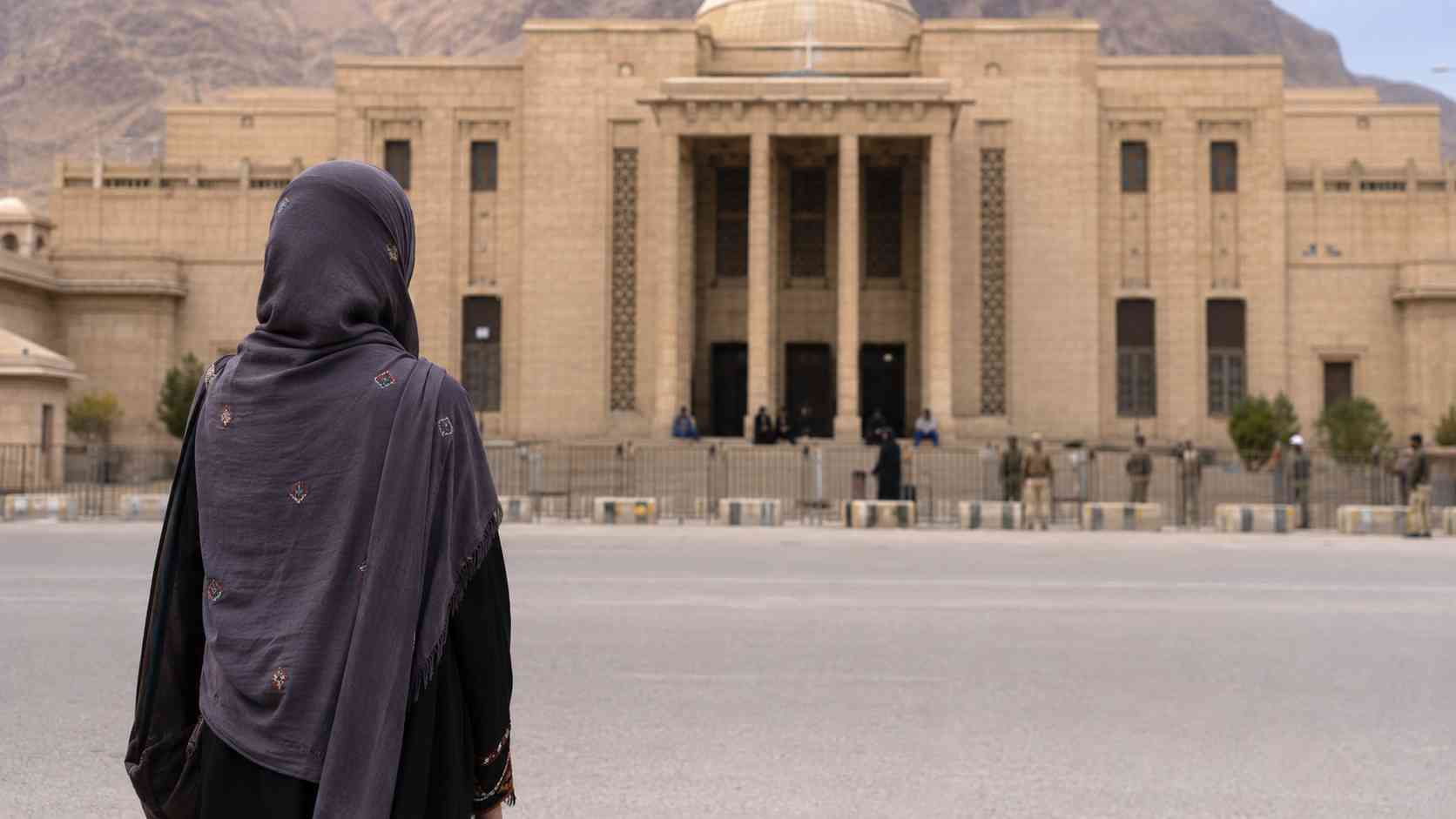
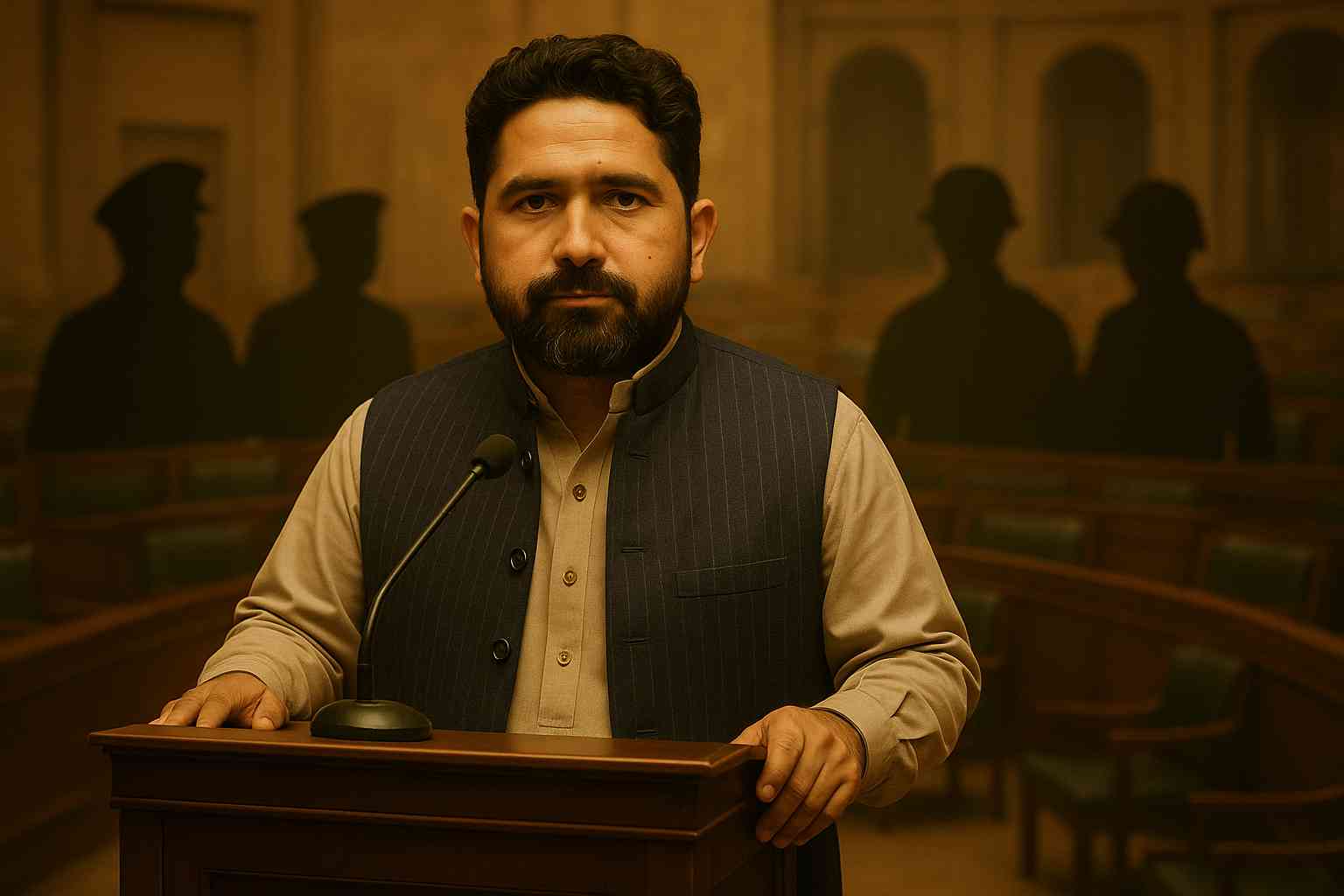
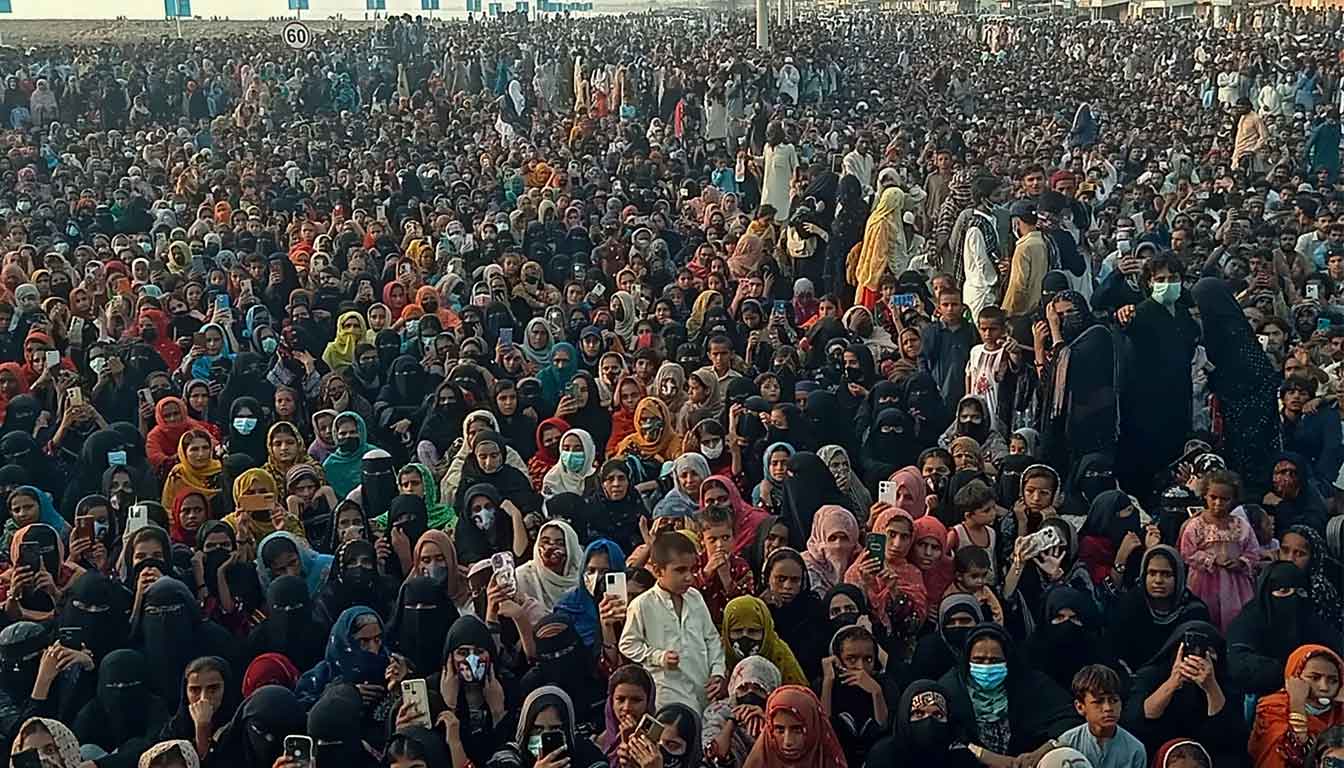
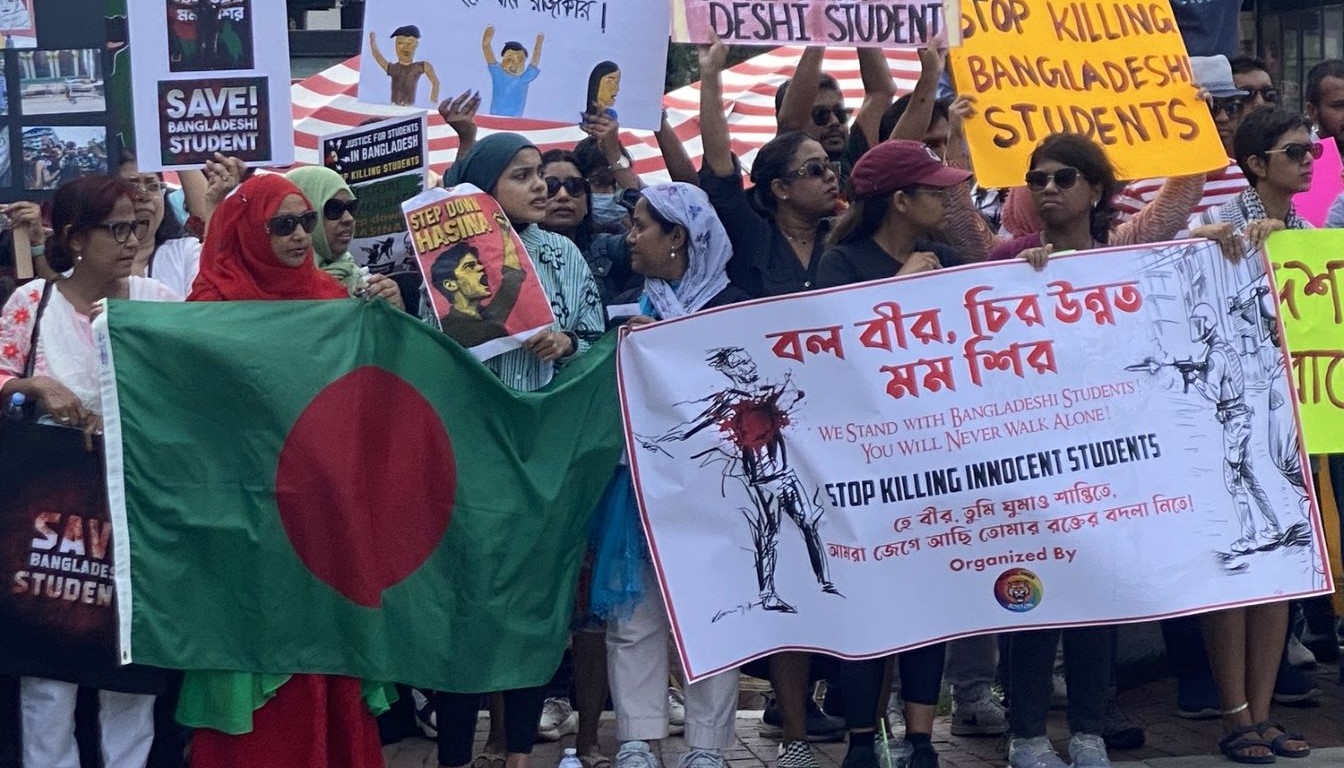
The timing sharpens the contrast. PkMAP leaders say a three-day Quetta jirga, now scheduled from August 30 to September 1, will discuss insecurity, trade restrictions, constitutional rights and resource control. Their jirga plan↗ contains allegations that require independent scrutiny.
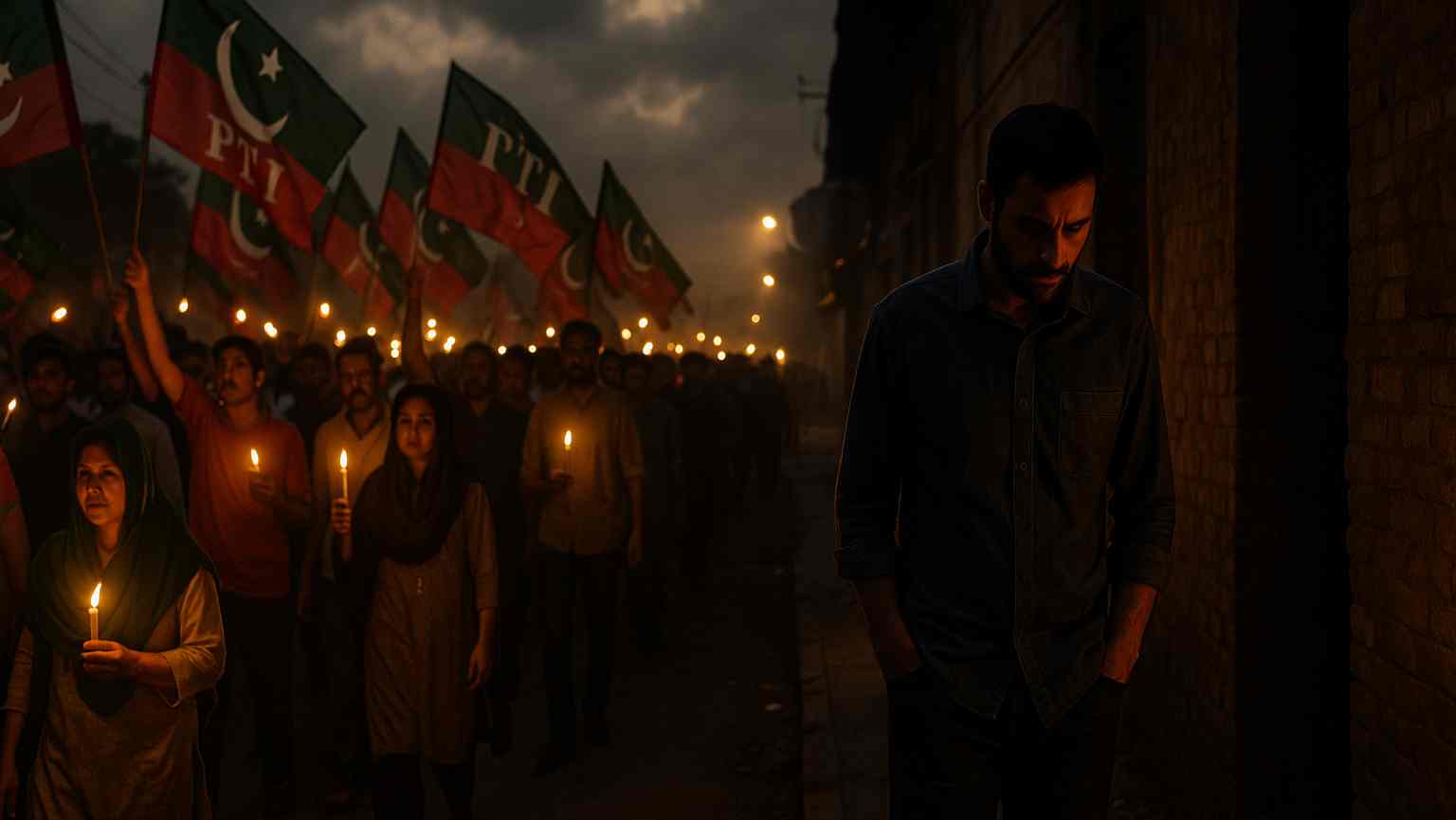
The gathering does not represent every Balochistan community. Nor do its organisers possess a monopoly on solutions. Still, its agenda reveals what the official security announcement leaves largely unaddressed: people want a voice in the policies applied to their land, movement and livelihoods.
Resource politics cannot sit outside the security debate. Soldier Speaks has already examined the risks of centralised mineral control. When communities see extraction decisions without credible consent, more surveillance may deepen suspicion rather than create safety.
The state should therefore treat the jirga as a political signal. It can challenge unsupported claims while still engaging documented grievances. A confident government does not fear public questions. It answers them with evidence, law and representative dialogue.
Five tests for a credible reset
Publish the audit trail
The government should release the 2025 inquiry outcome, recoveries, current asset inventory and maintenance contracts. Each expansion phase needs a public cost and completion dashboard.
Put civilians visibly in charge
The provincial cabinet and assembly should set policy. Police should run operations under law. Military agencies may coordinate on threats, but they should not become the hidden owners of a civilian surveillance system.
Measure public safety, not hardware
Success cannot mean installed cameras alone. Officials should report uptime, response times, evidence used in court and resolved complaints. They should also publish independent system audits.
Build rights safeguards before expansion
Rules should limit data collection, facial searches, sharing and retention. Access logs must be tamper-resistant. Courts and an independent complaints body should review abuse.
Join technology to political dialogue
The province needs regular talks with elected representatives, traders, lawyers, affected communities and rights groups. Those forums should address roads, border commerce, resources, policing and allegations of abuse.
Security needs consent as well as capacity
Balochistan does need modern policing. Rejecting useful technology would ignore a grave and evolving threat. Yet buying equipment is easier than repairing institutions.
The Balochistan Safe City Project can become a useful public service if officials close the audit record and define civilian control. It must protect evidence without placing citizens beyond accountability. Above all, it must sit inside a wider political settlement.
If the government treats cameras as proof of progress, the project will remain an expensive symbol. If it combines technology with transparency and dialogue, it may help rebuild security from the citizen outward.