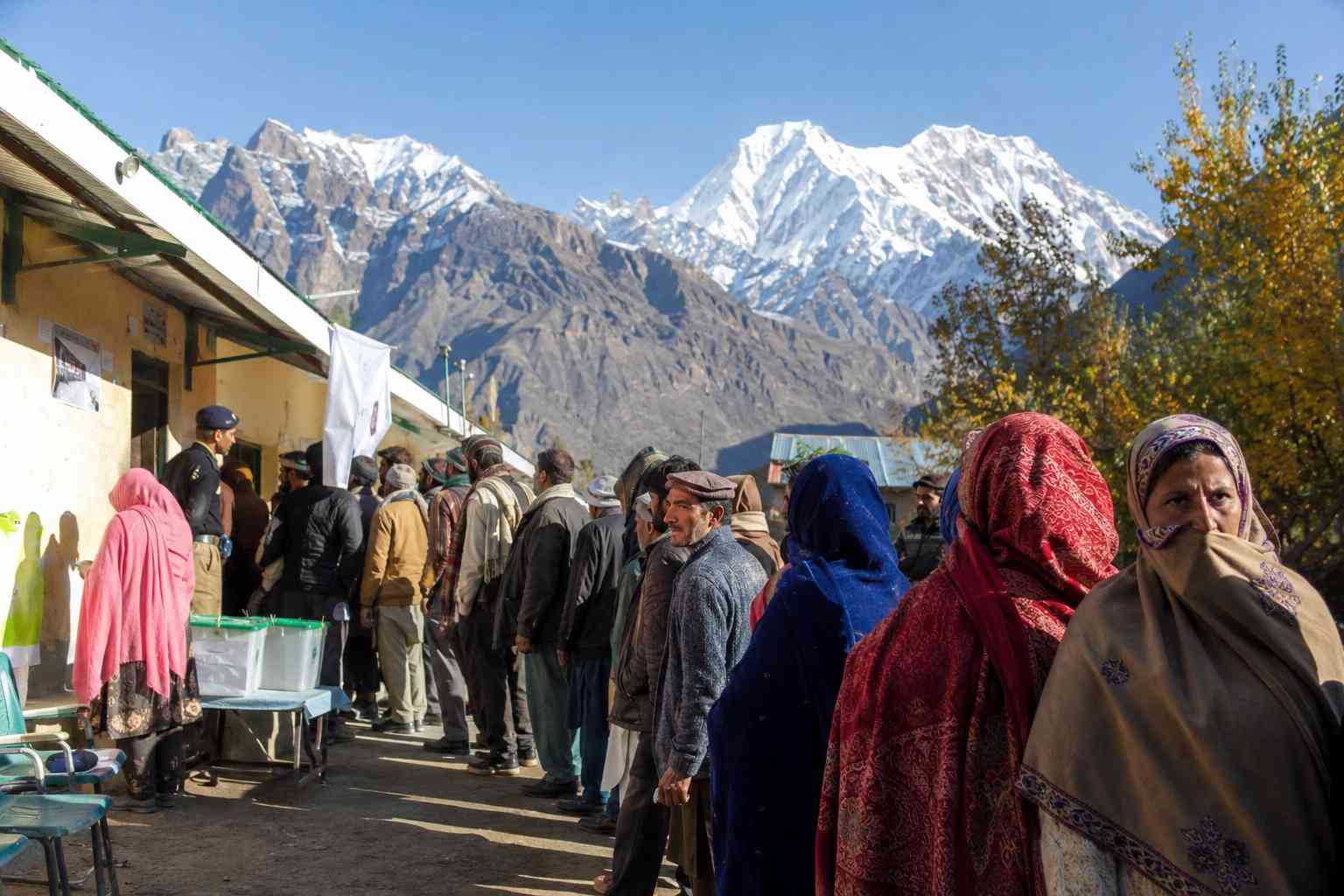
Pakistan blasphemy cases have fallen sharply during 2026 amid a reported crackdown on hardline religious groups, according to new data cited by Reuters.
The Human Rights Commission of Pakistan recorded 13 cases during the year so far. That figure is roughly two-thirds below comparable periods in recent years.
Data supplied by the Armed Conflict Location and Event Data project also indicates a decline in associated violence. Pakistan averaged more than seven blasphemy-related riots or attacks annually between 2021 and 2024. Researchers recorded one such incident during the past 12 months.
The findings appeared in a Reuters investigation published days before Pakistan observes National Minorities Day on August 11.
Pakistan blasphemy cases decline after hardline crackdown
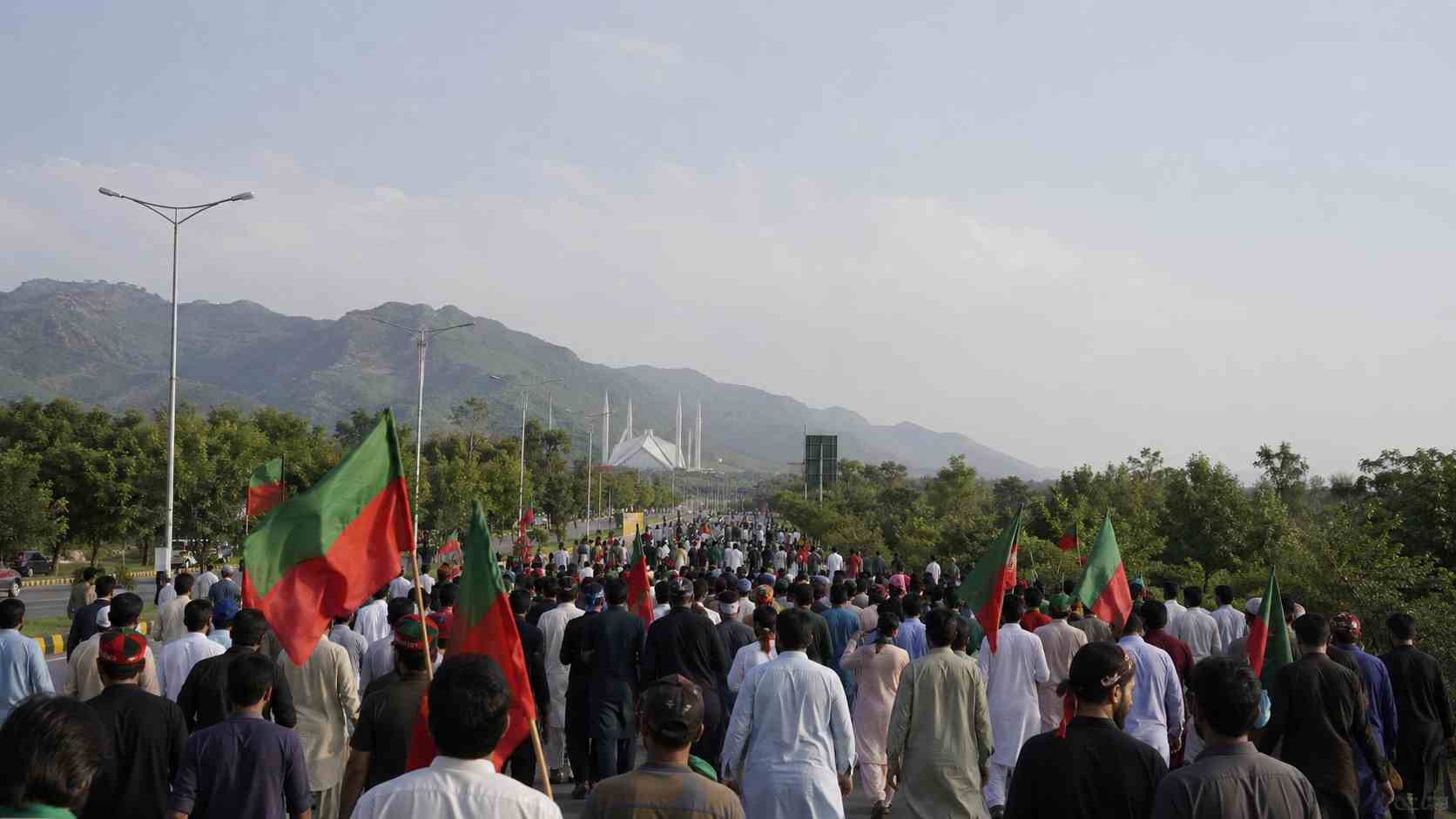
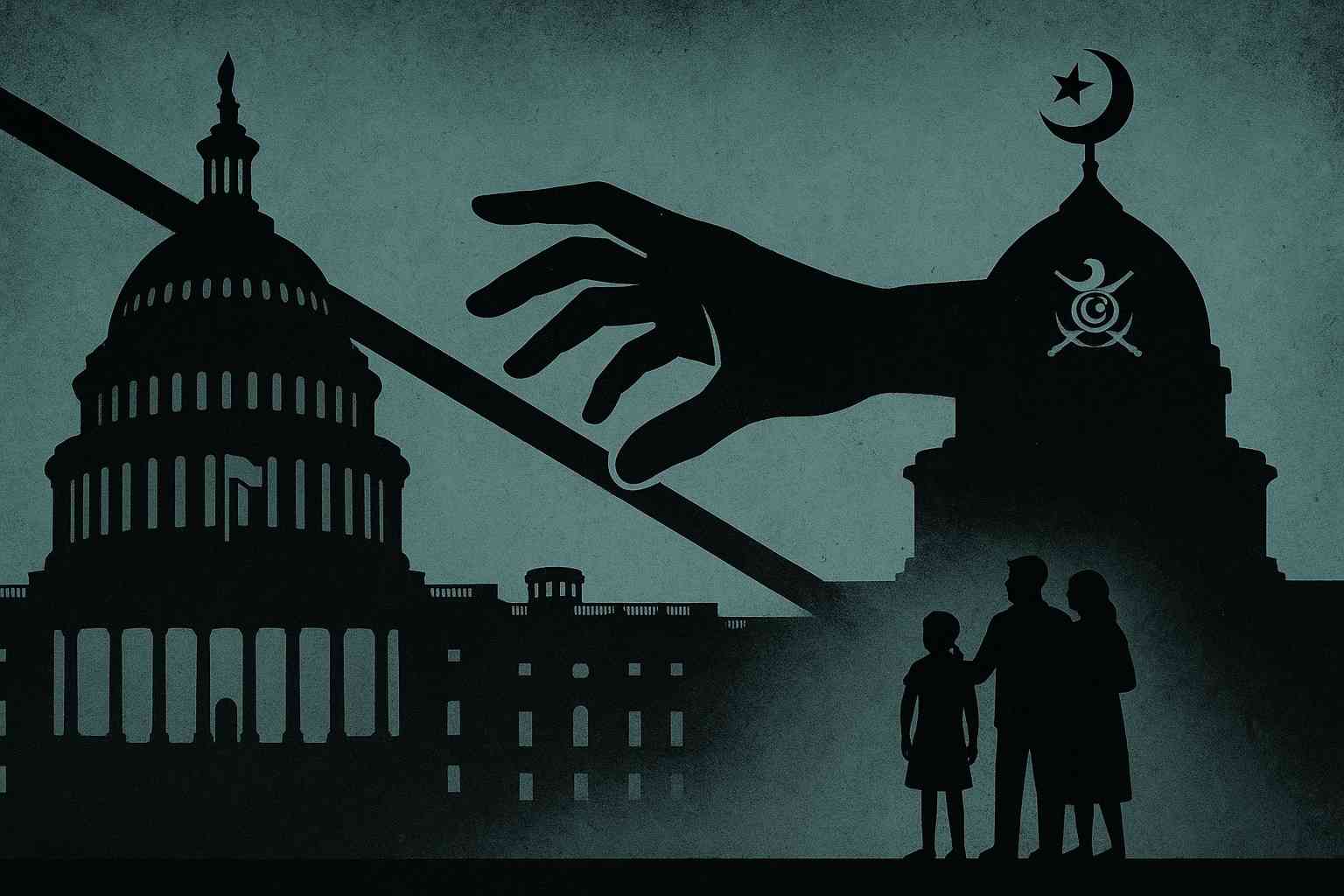
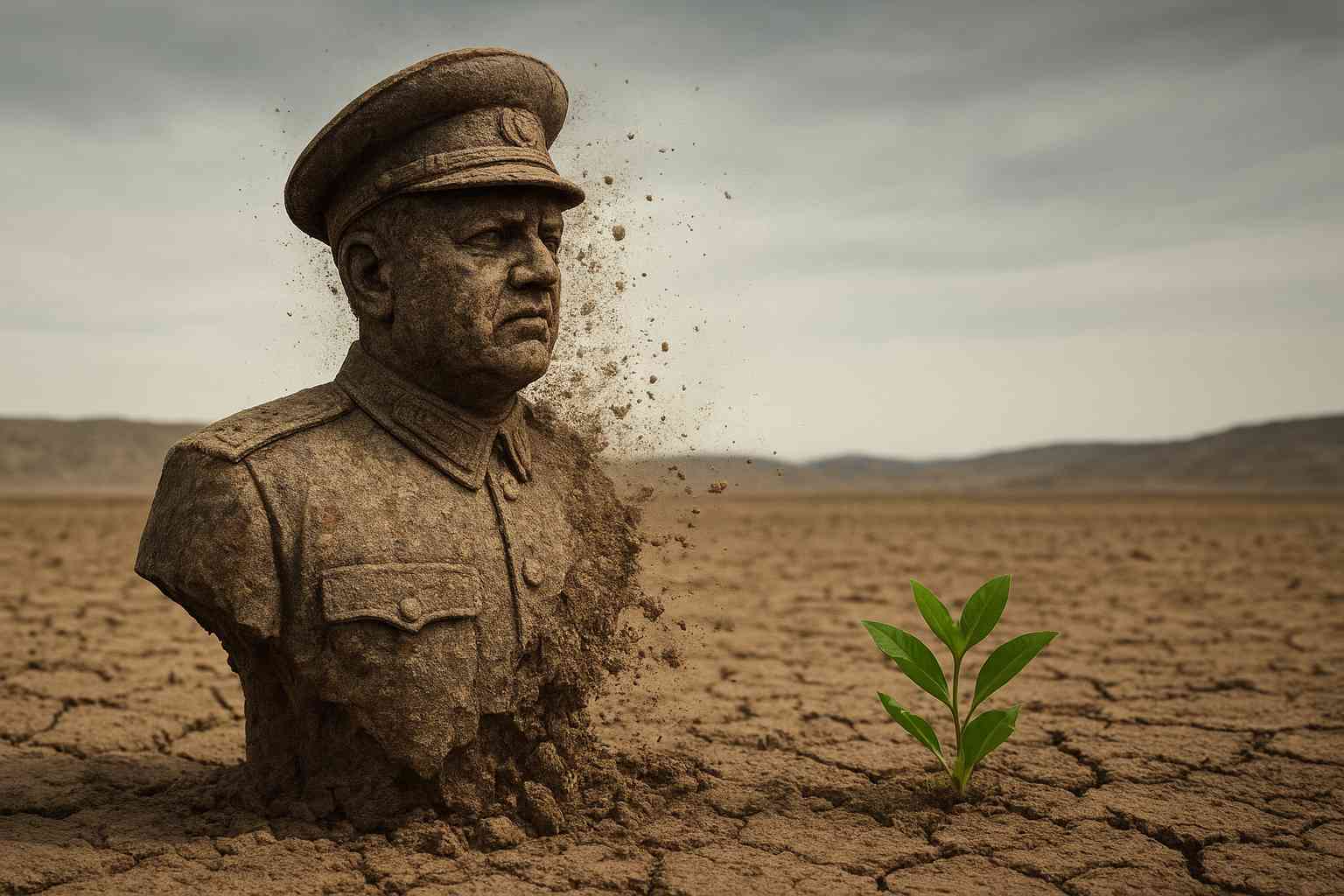
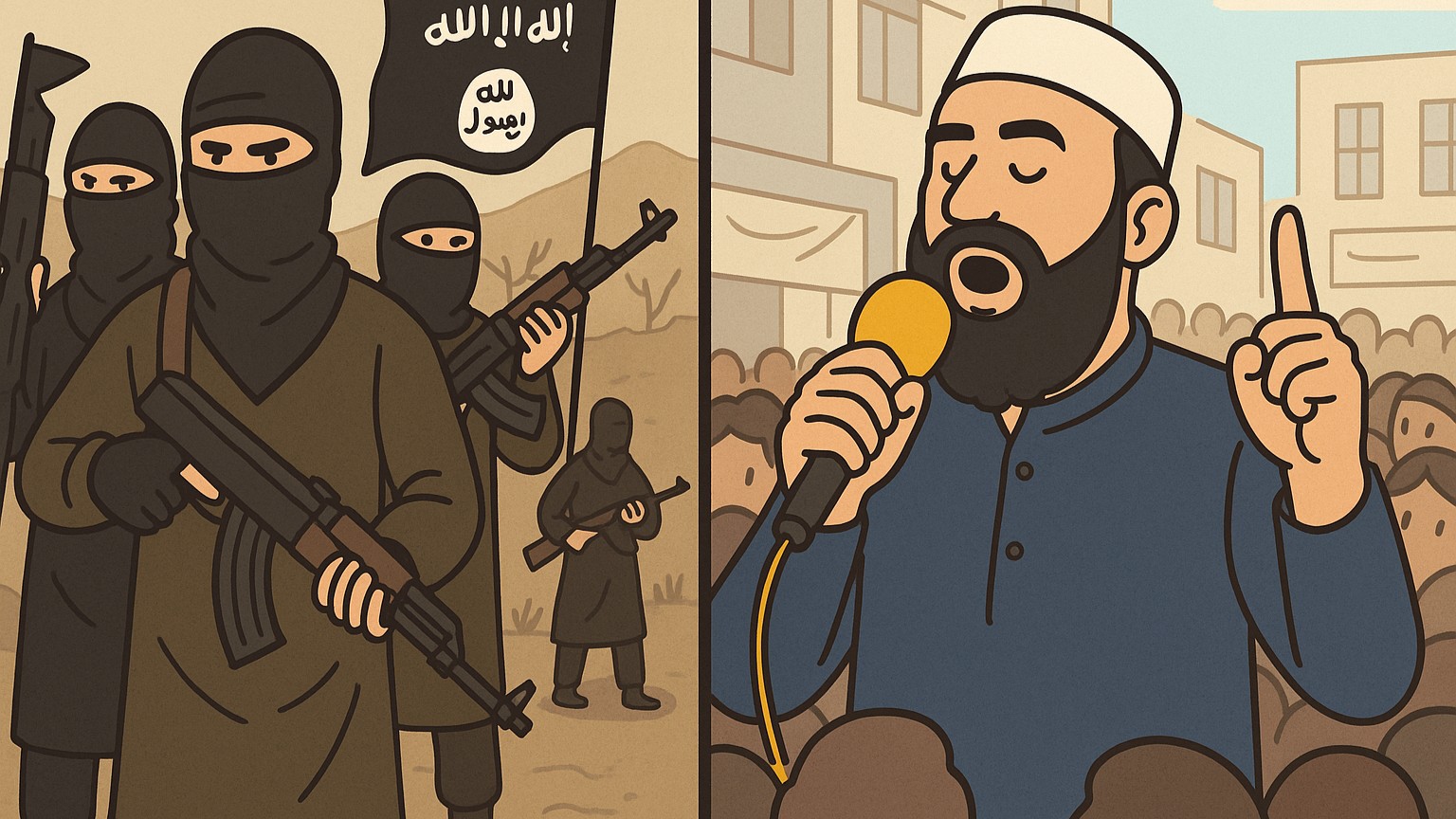
Reuters attributed the shift partly to action against Tehreek-e-Labbaik Pakistan and other hardline organisations.
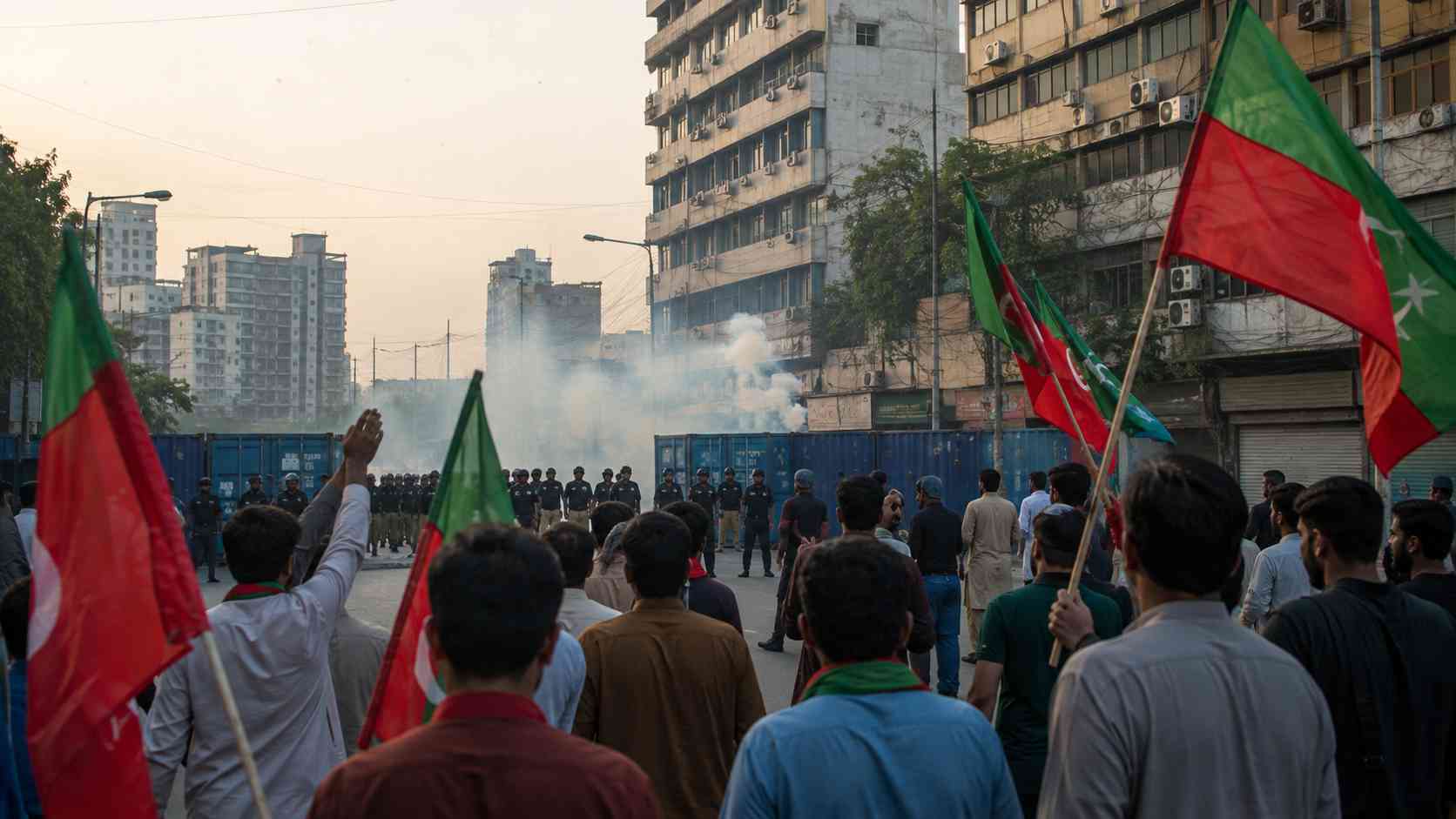
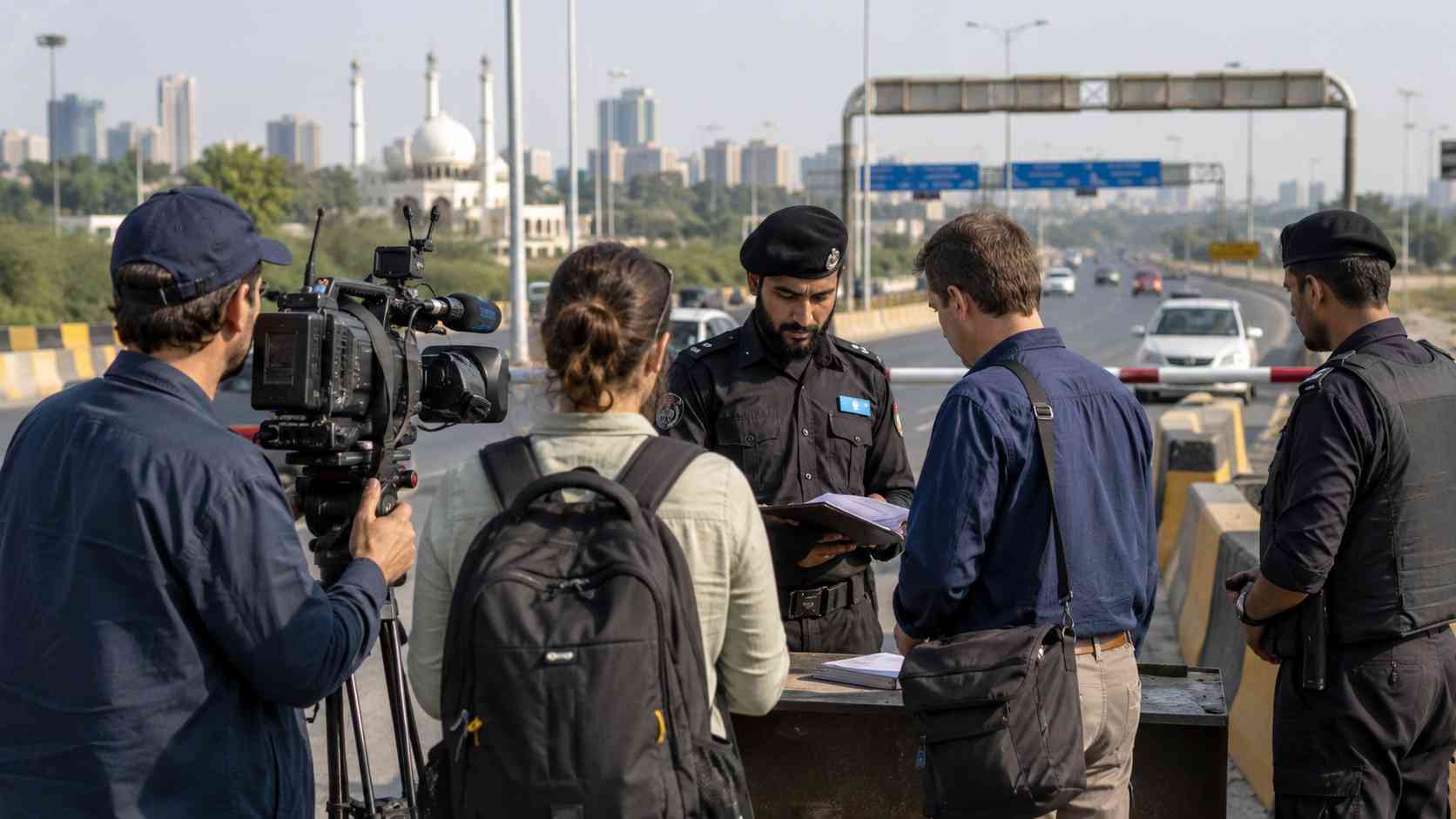
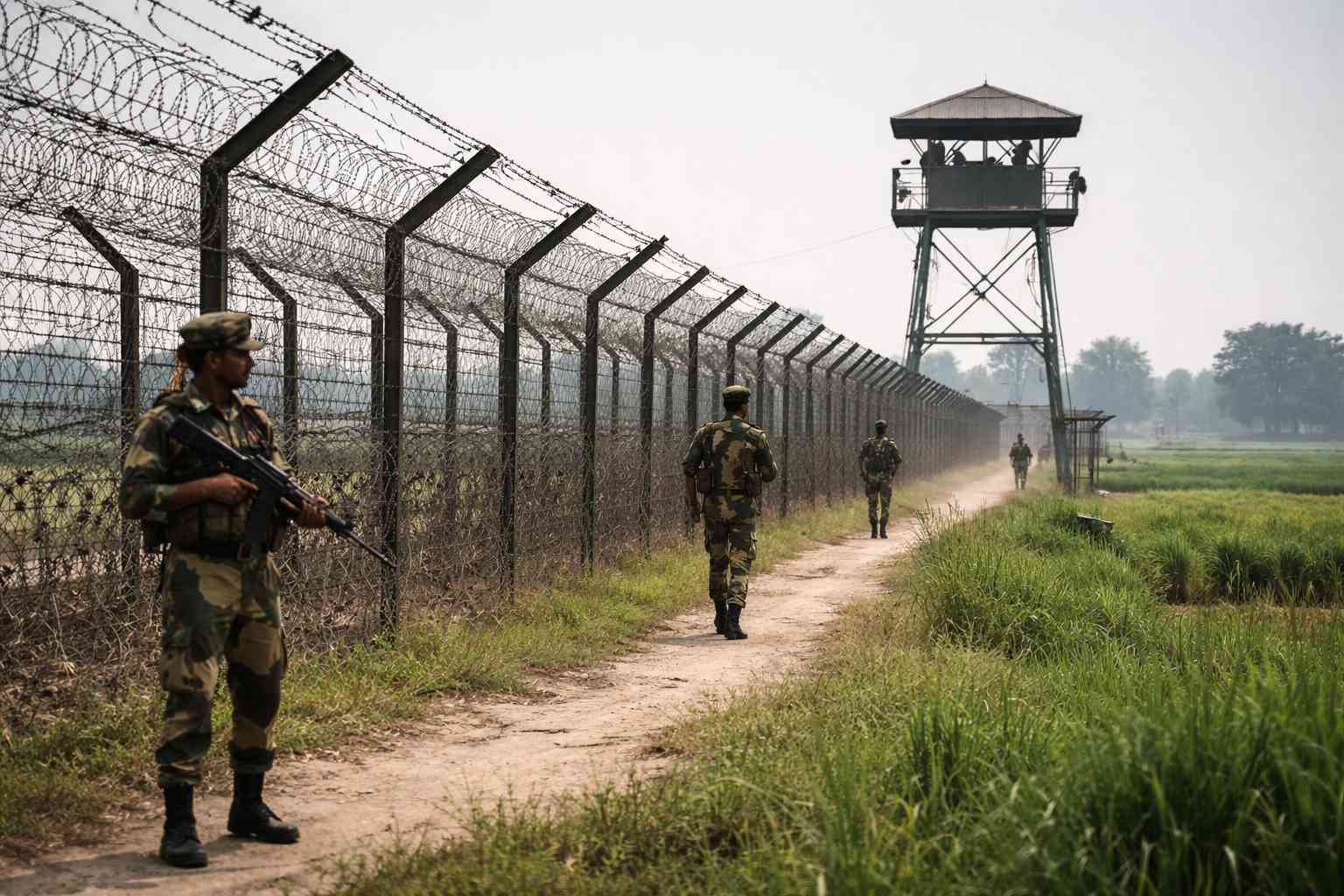
Pakistan banned the TLP late last year. Authorities subsequently detained leaders, closed affiliated mosques and froze financial accounts, according to the report.
A TLP spokesperson referred Reuters to an earlier statement describing the ban as illegal and unconstitutional.
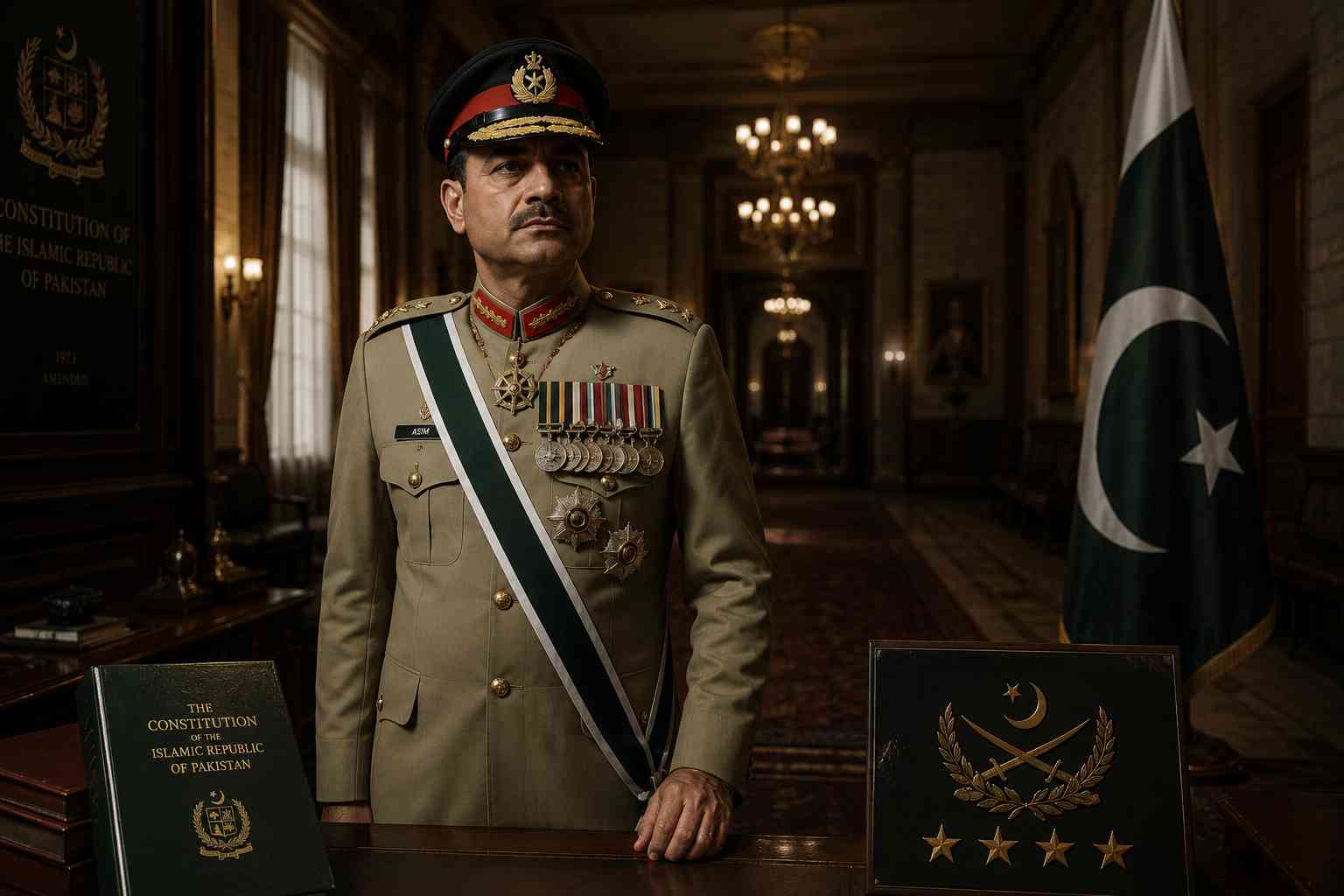
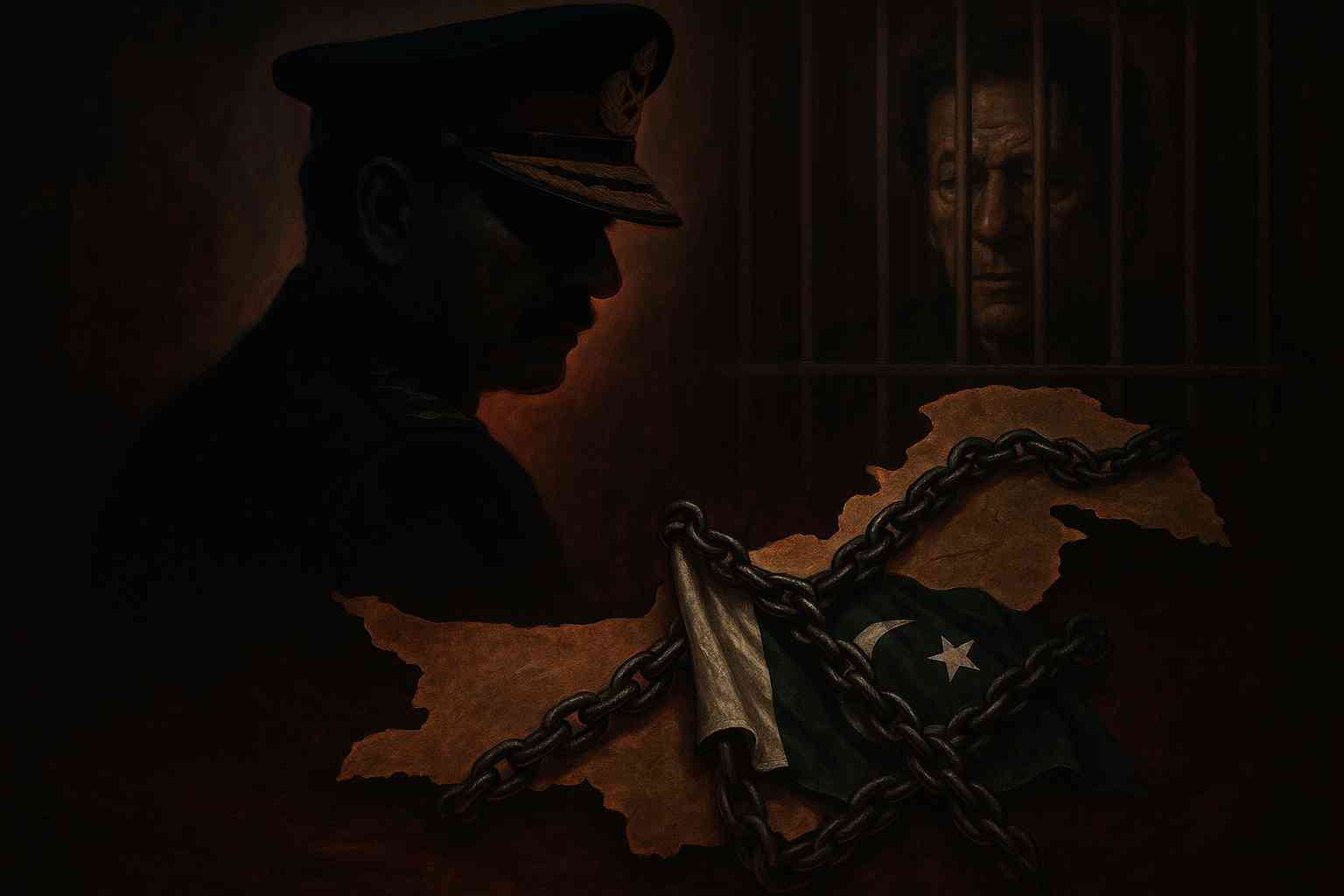
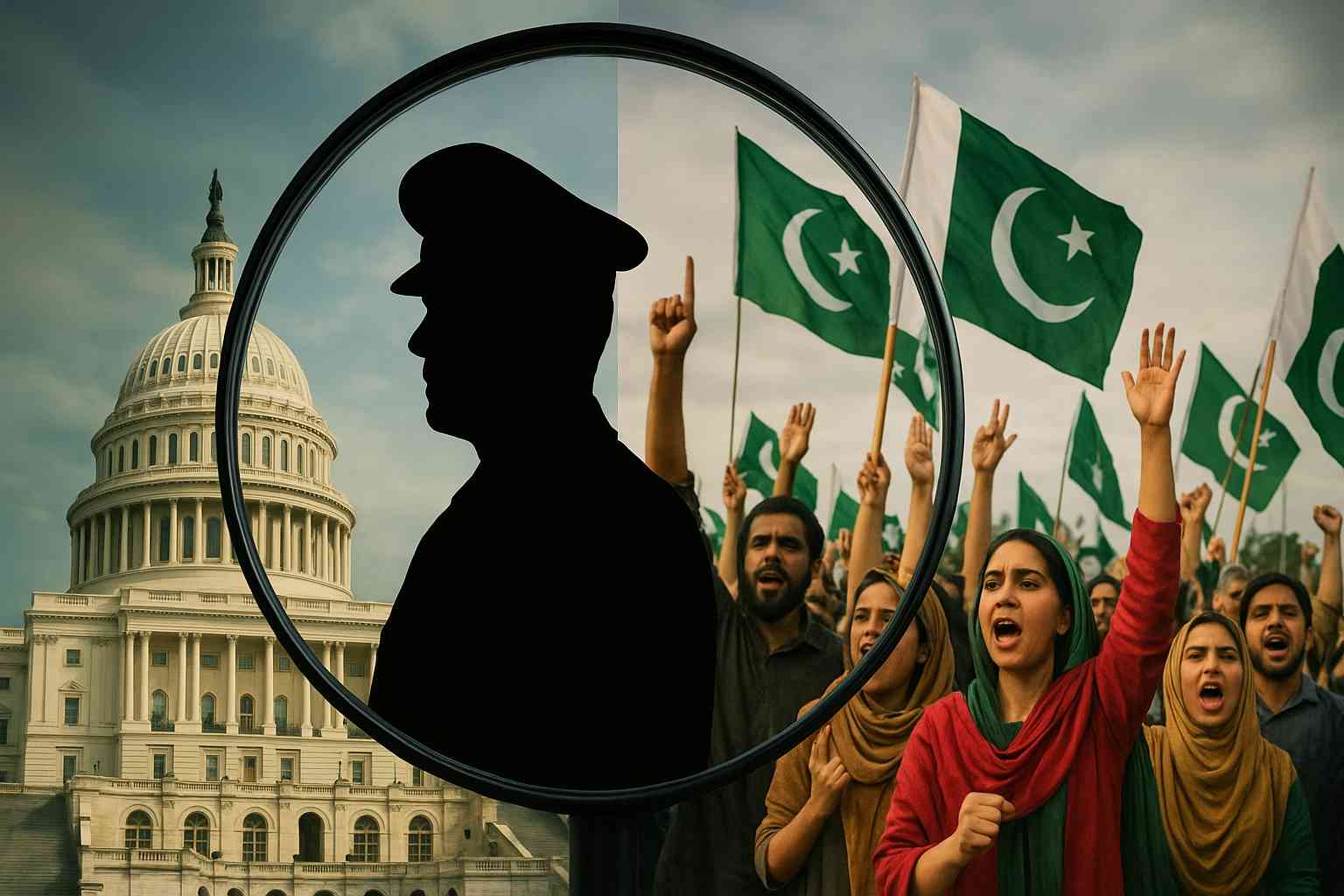
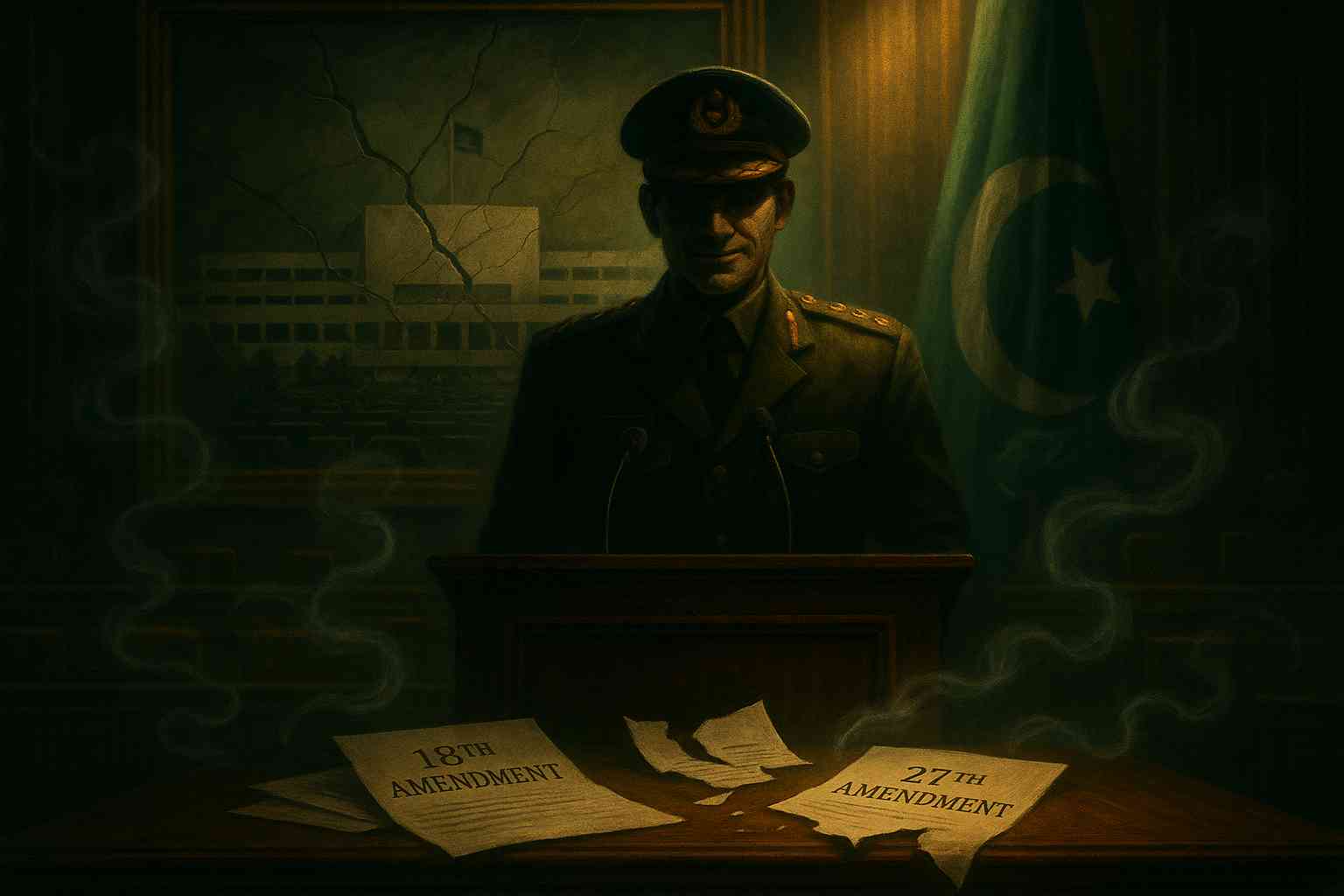
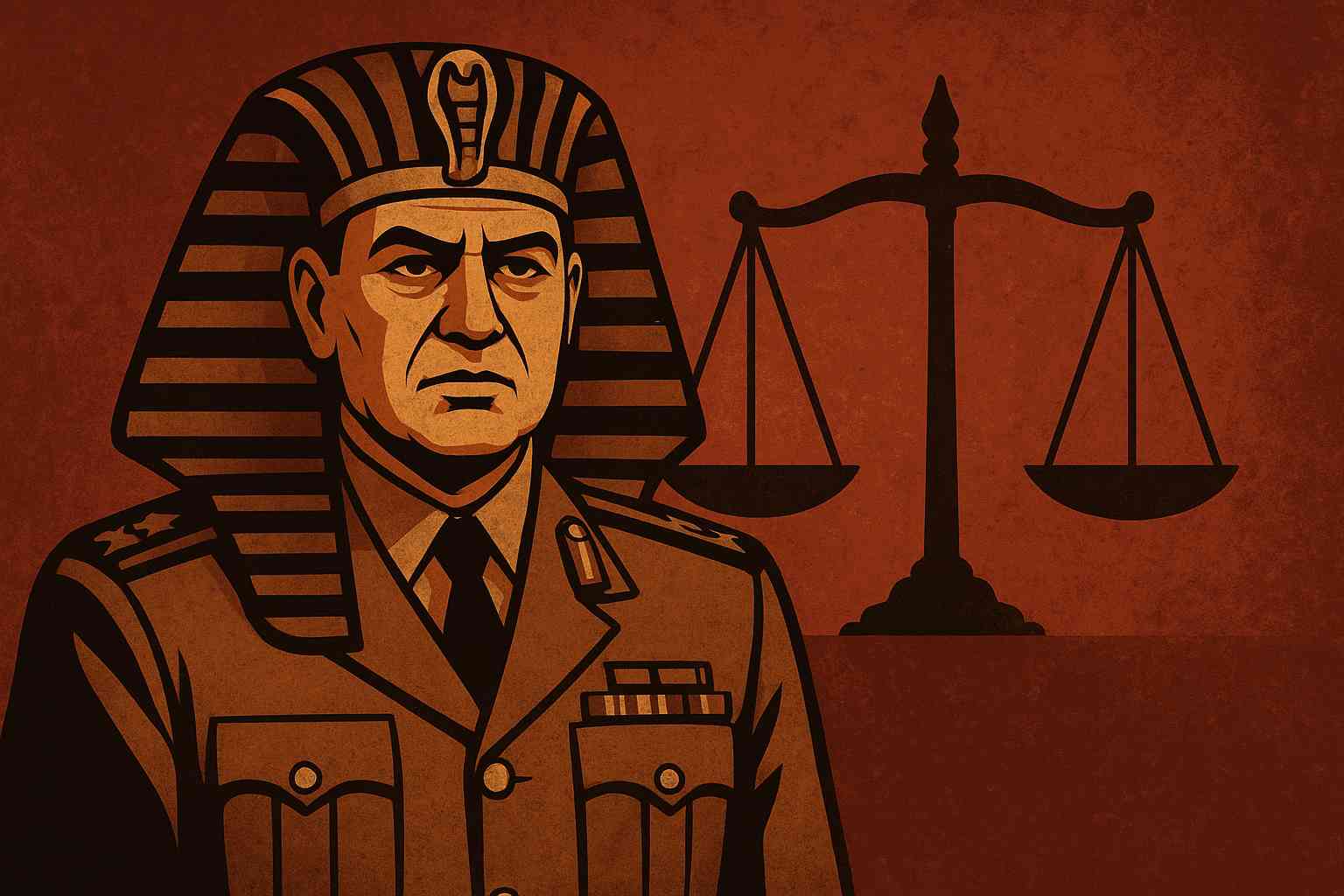
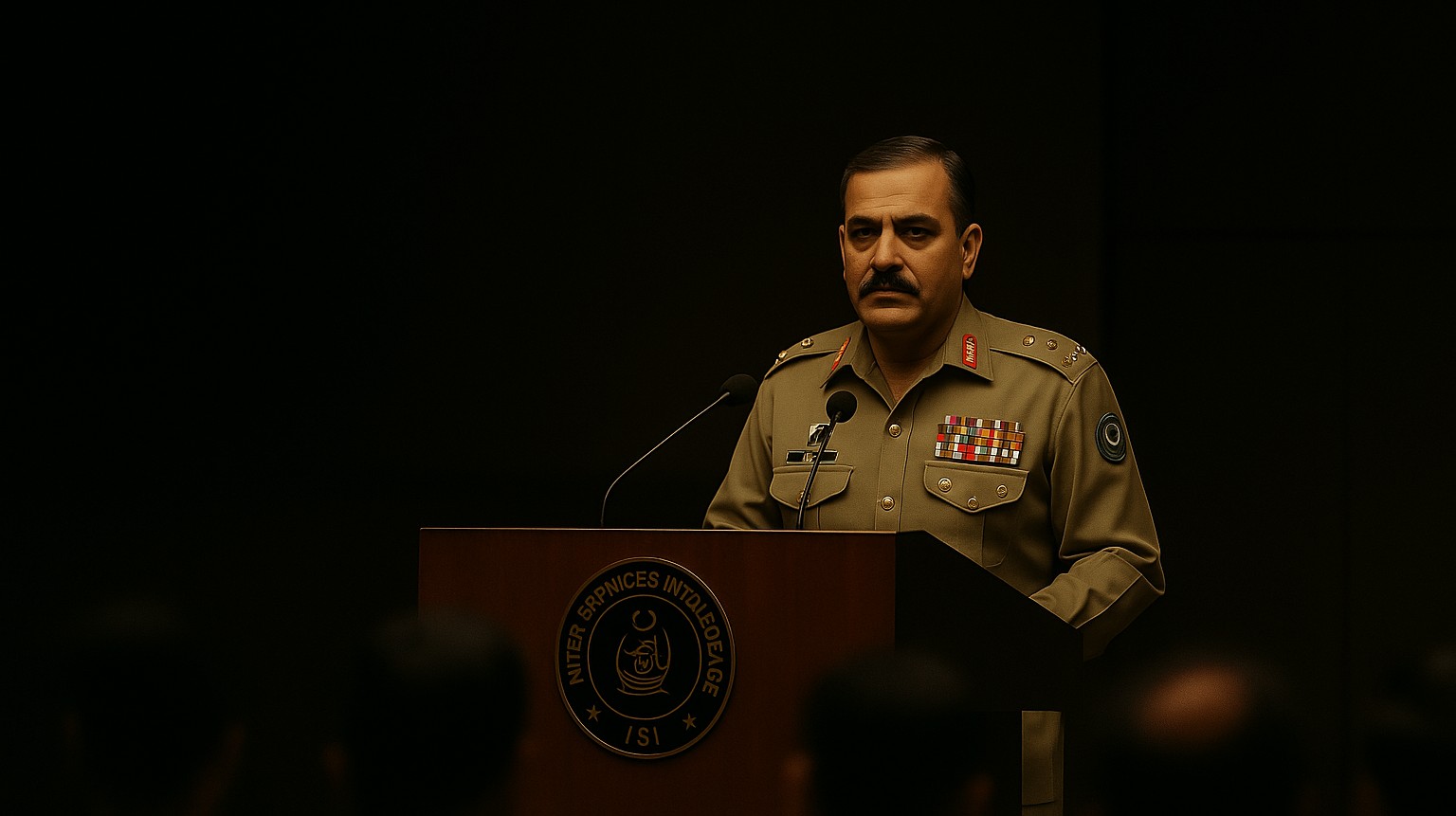
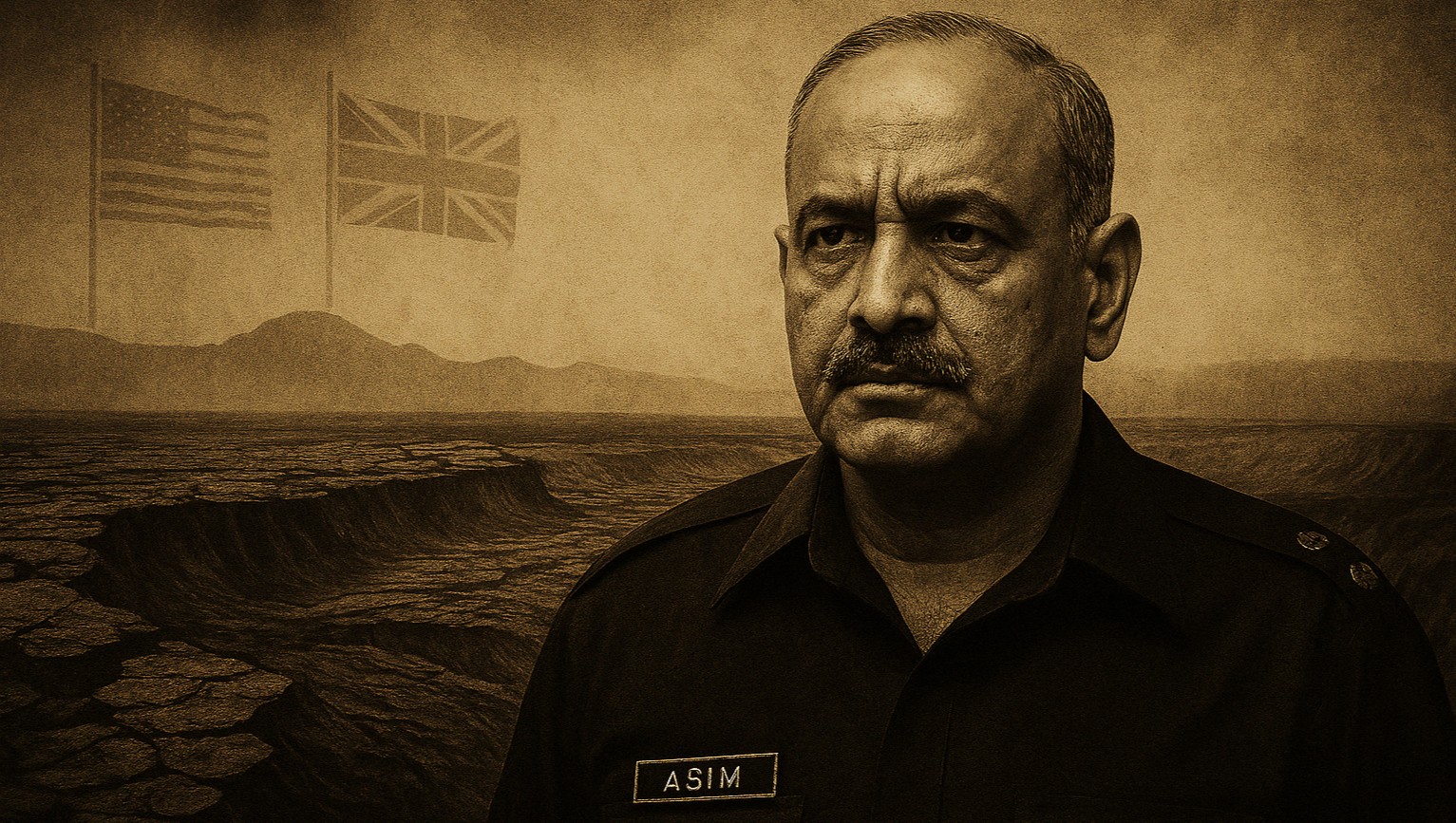
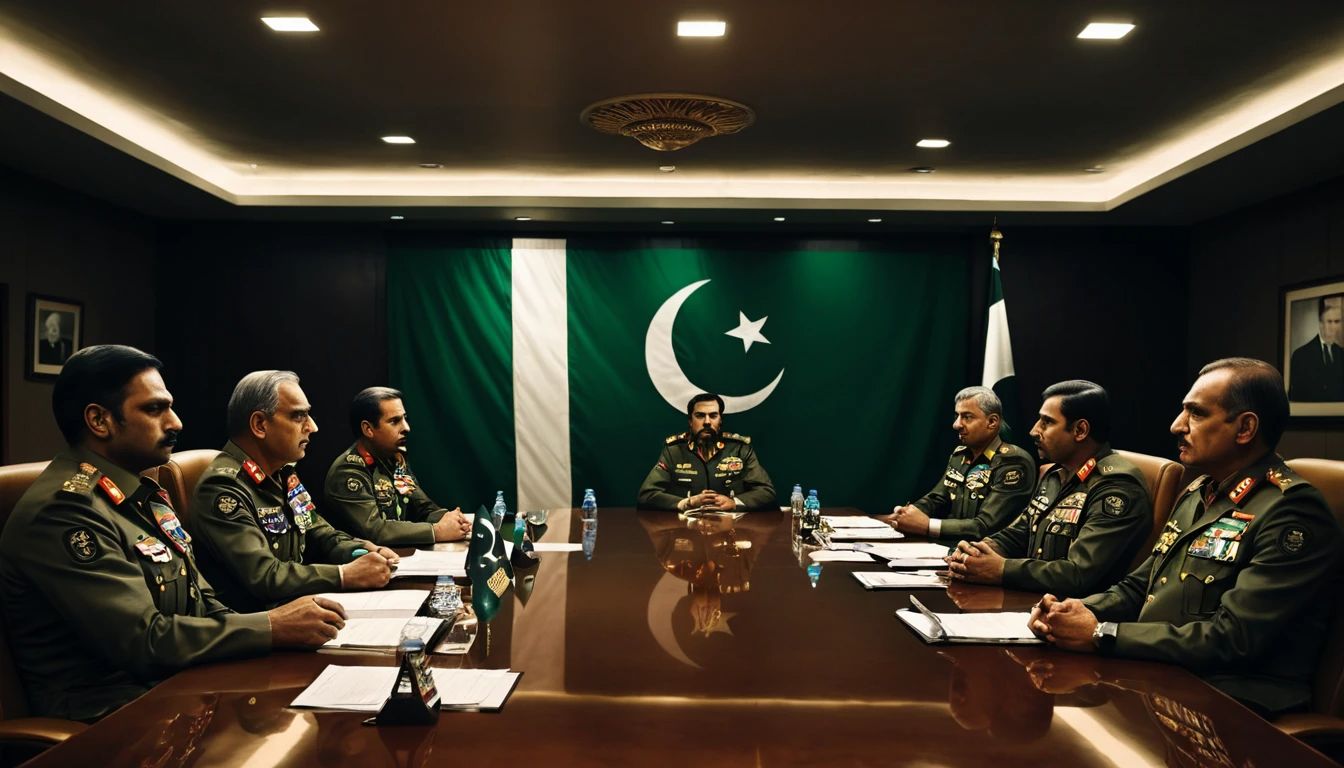
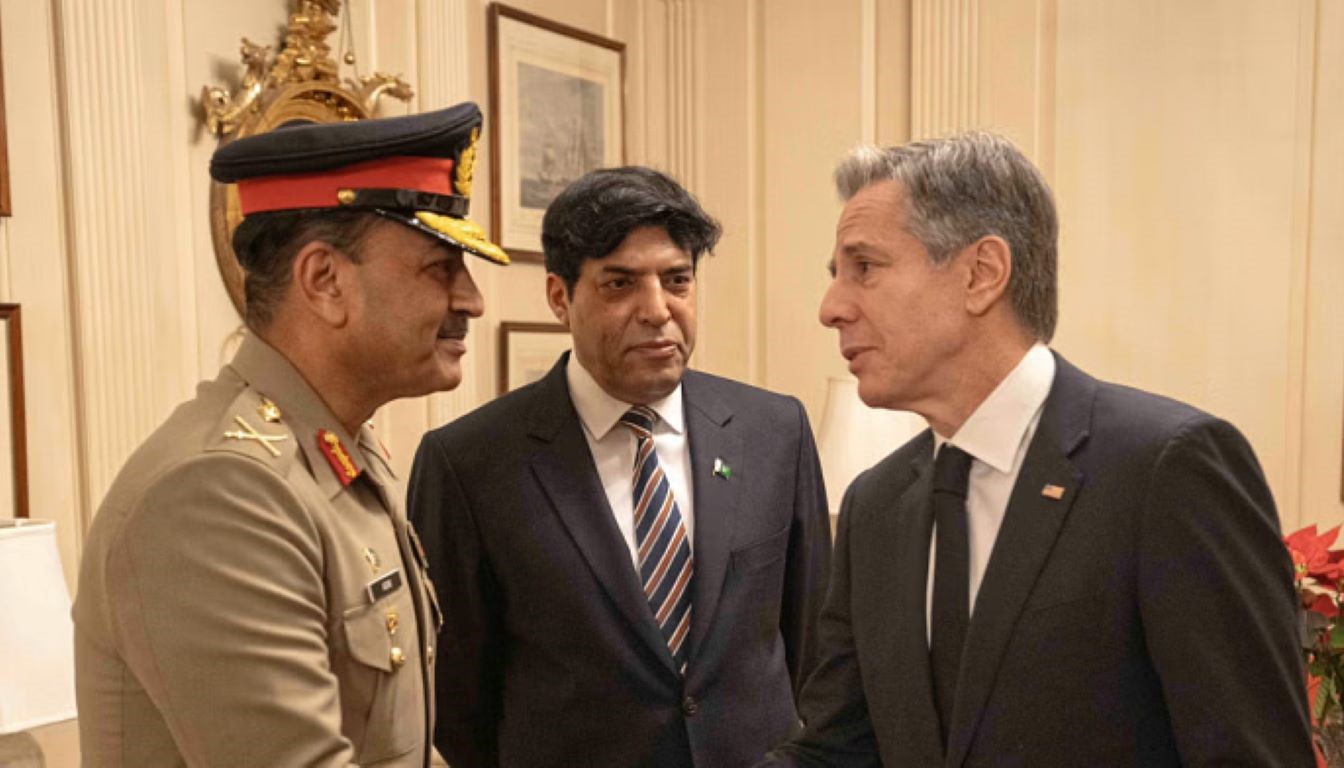
Four government and security sources told Reuters that Field Marshal Syed Asim Munir oversaw the broader crackdown. Pakistan’s military and Interior Ministry did not respond to the news agency’s requests for comment.
The lack of an official response means the reported chain of command remains an attributed claim. However, the fall in registered cases and violent incidents comes from named independent monitoring organisations.
Karachi intervention shows the immediate effect
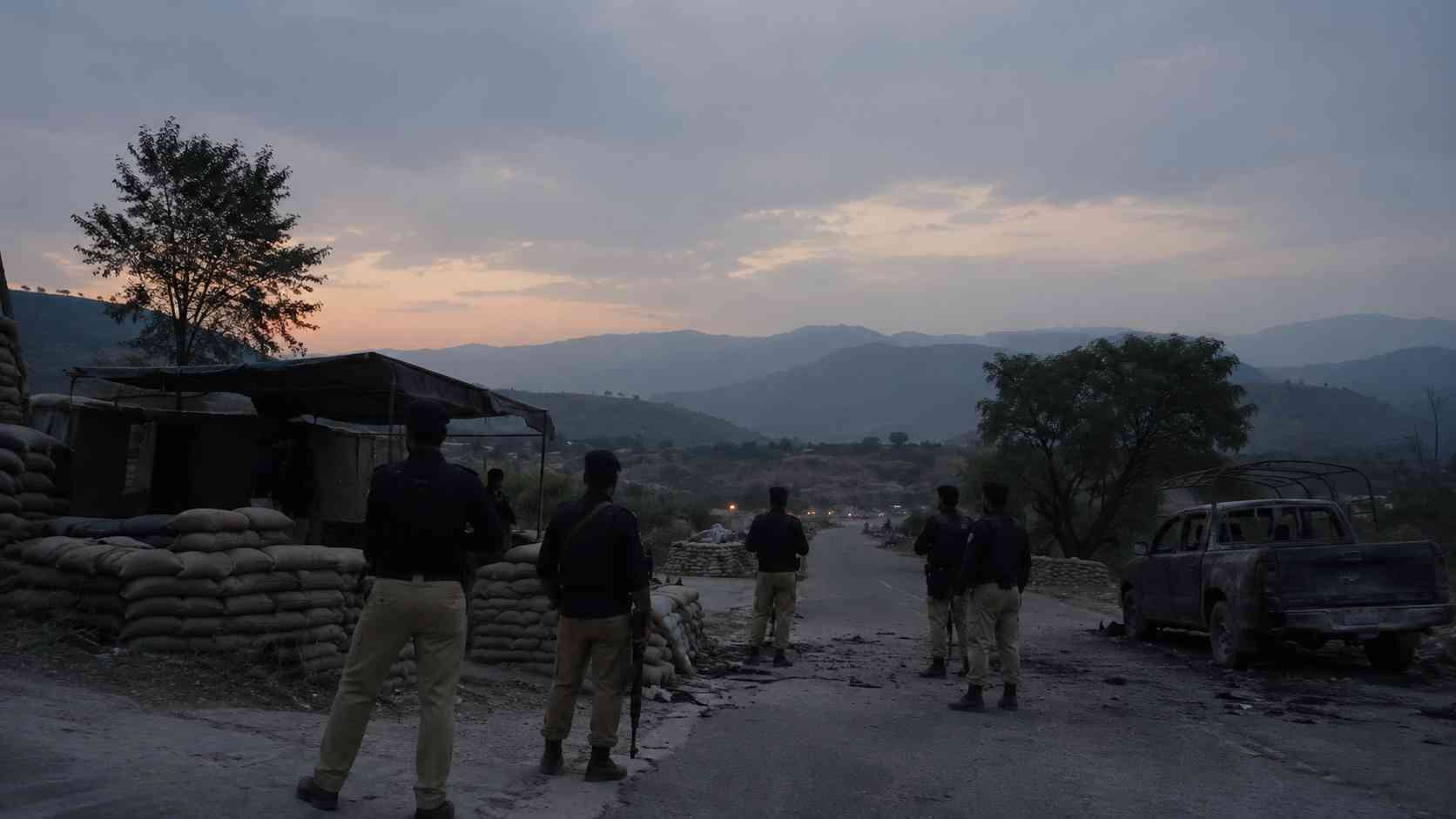
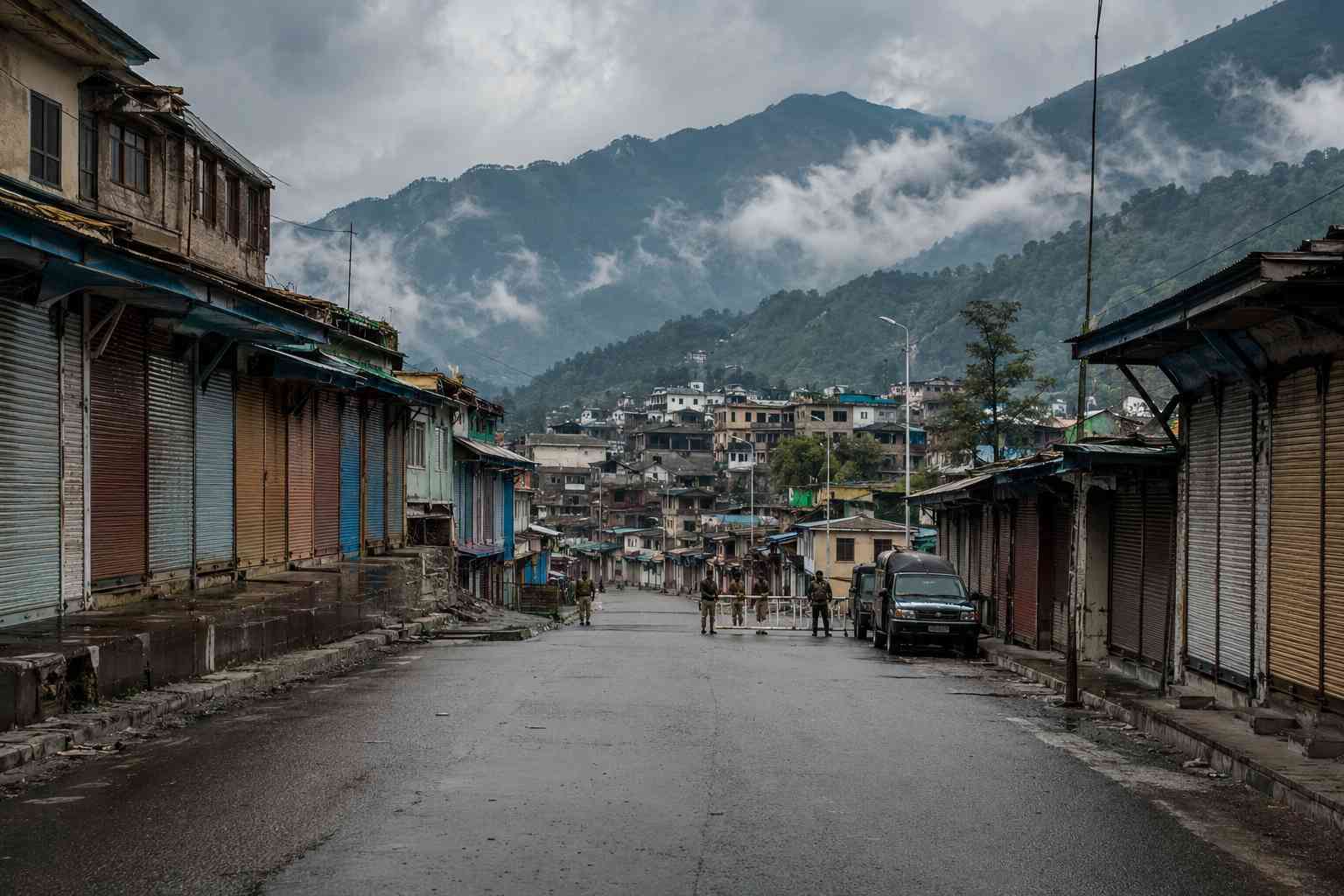
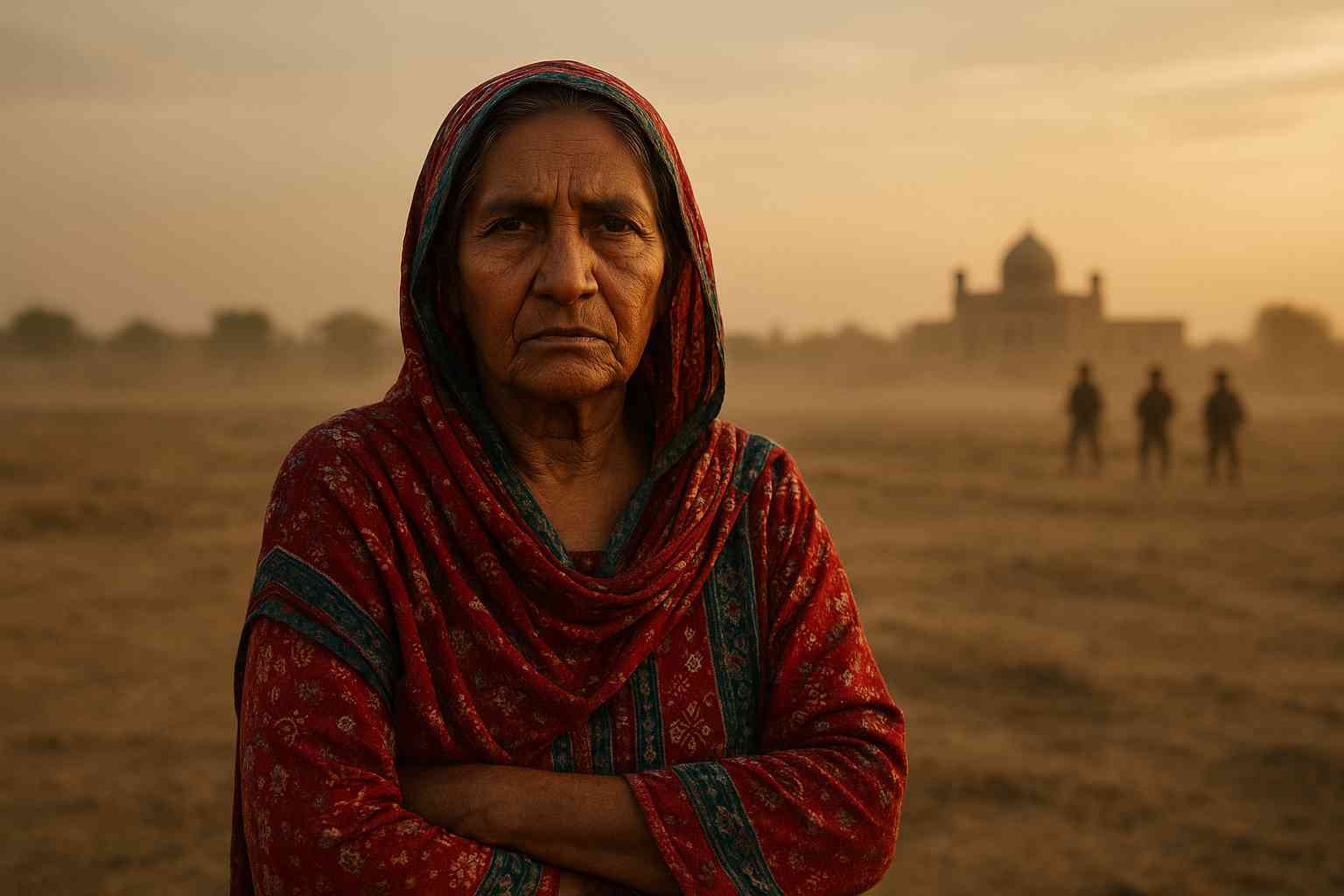
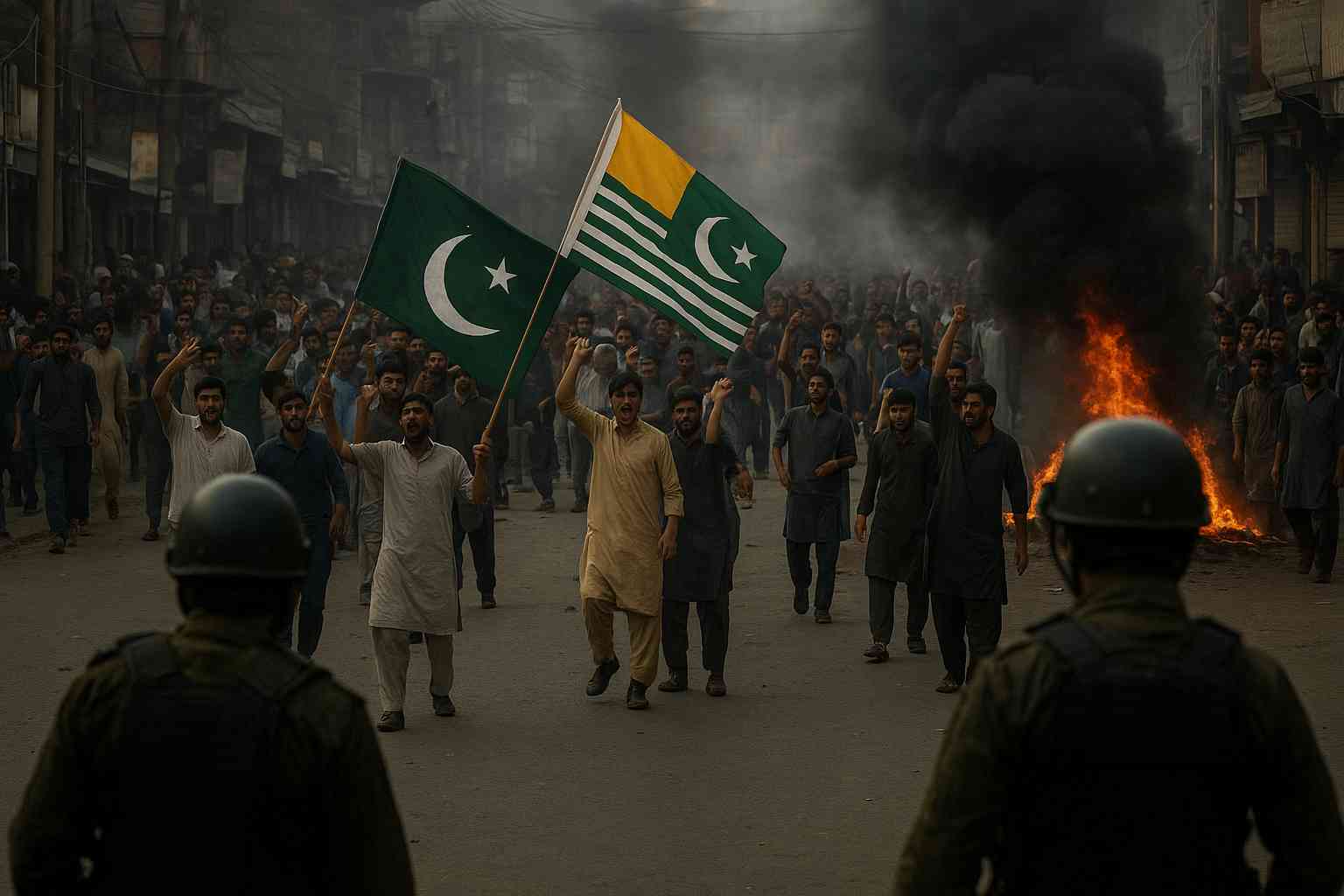
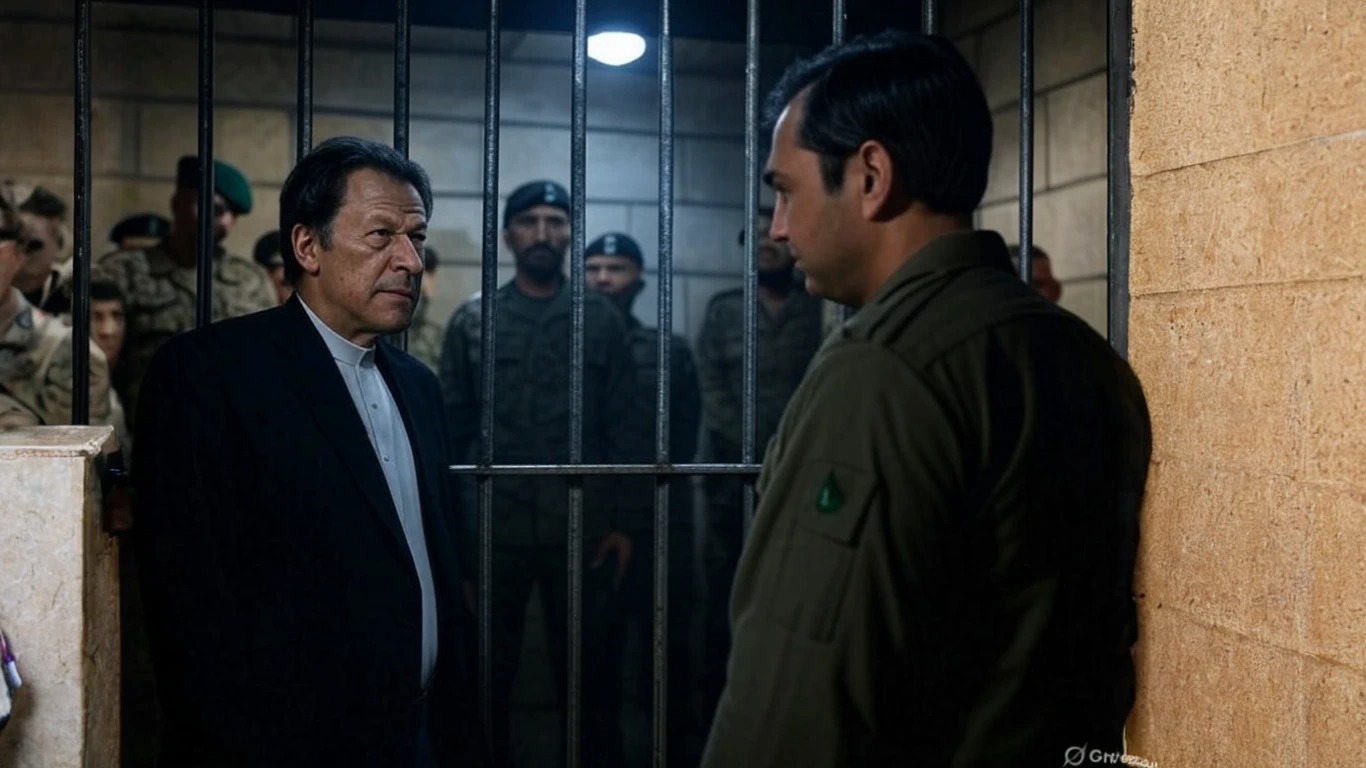
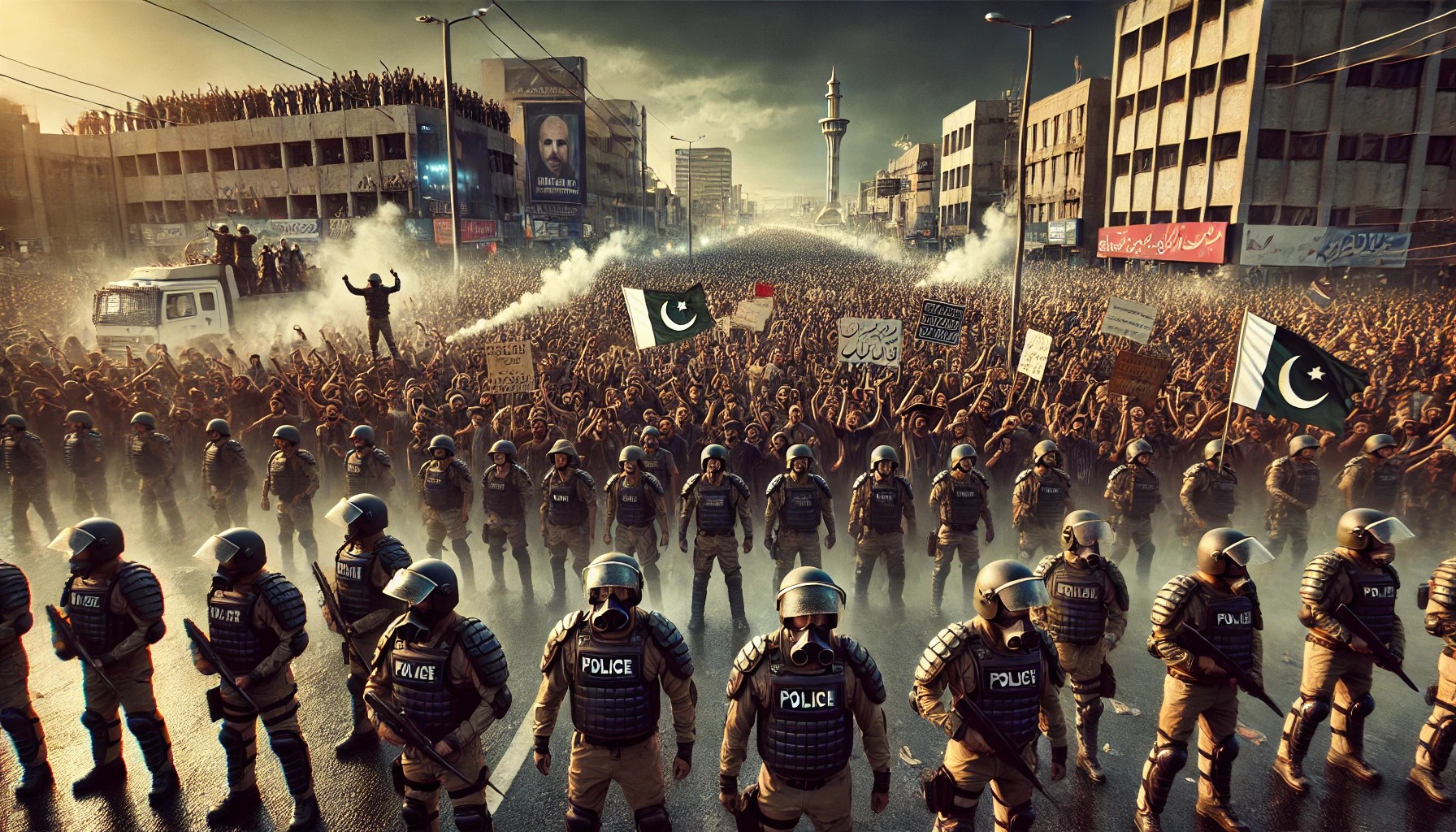
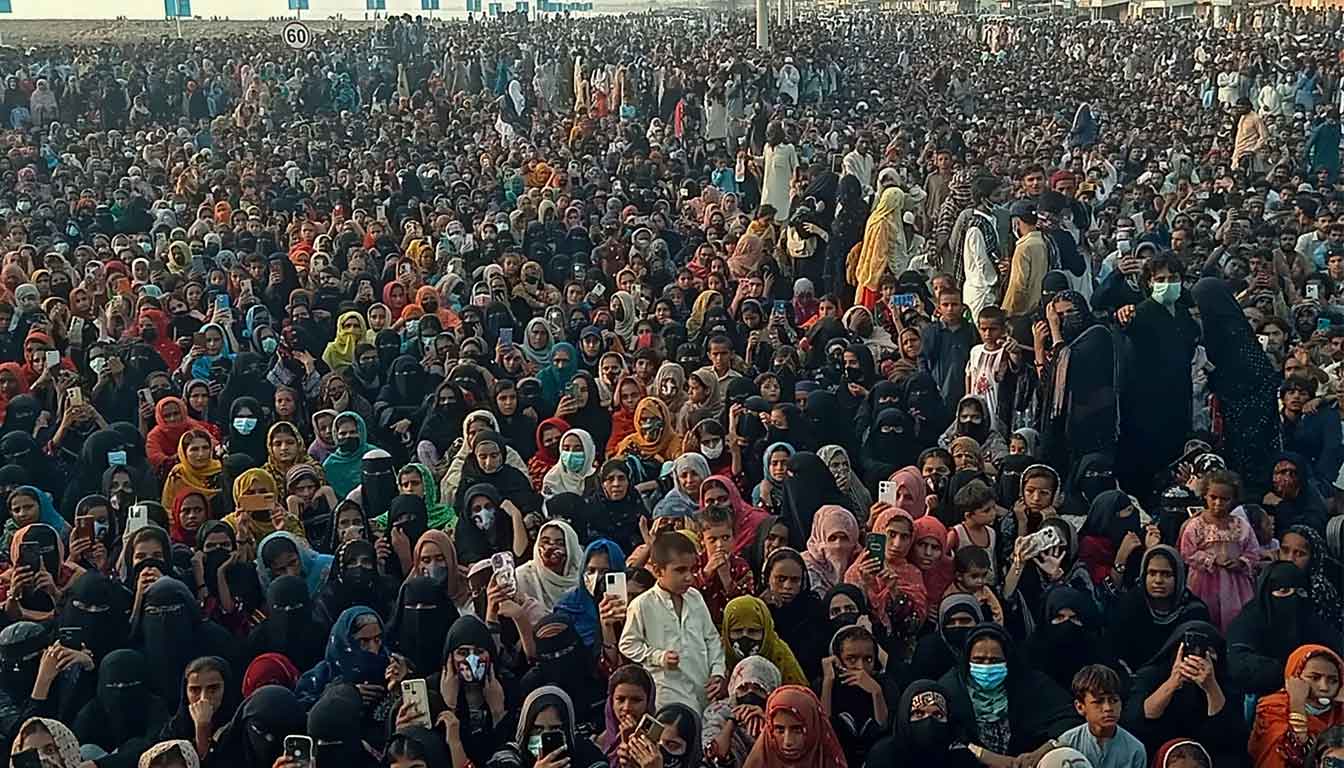
Reuters documented a recent case involving a Christian family in Karachi. Hundreds of people gathered after allegations targeted four women and a child.
Police officer Sanghaar Ali Malik and his unit confronted the crowd before the situation became violent. Officers persuaded those present to disperse while police examined the allegation.
An initial inquiry later found the accusation false, Malik told Reuters. Police moved the family to safety.
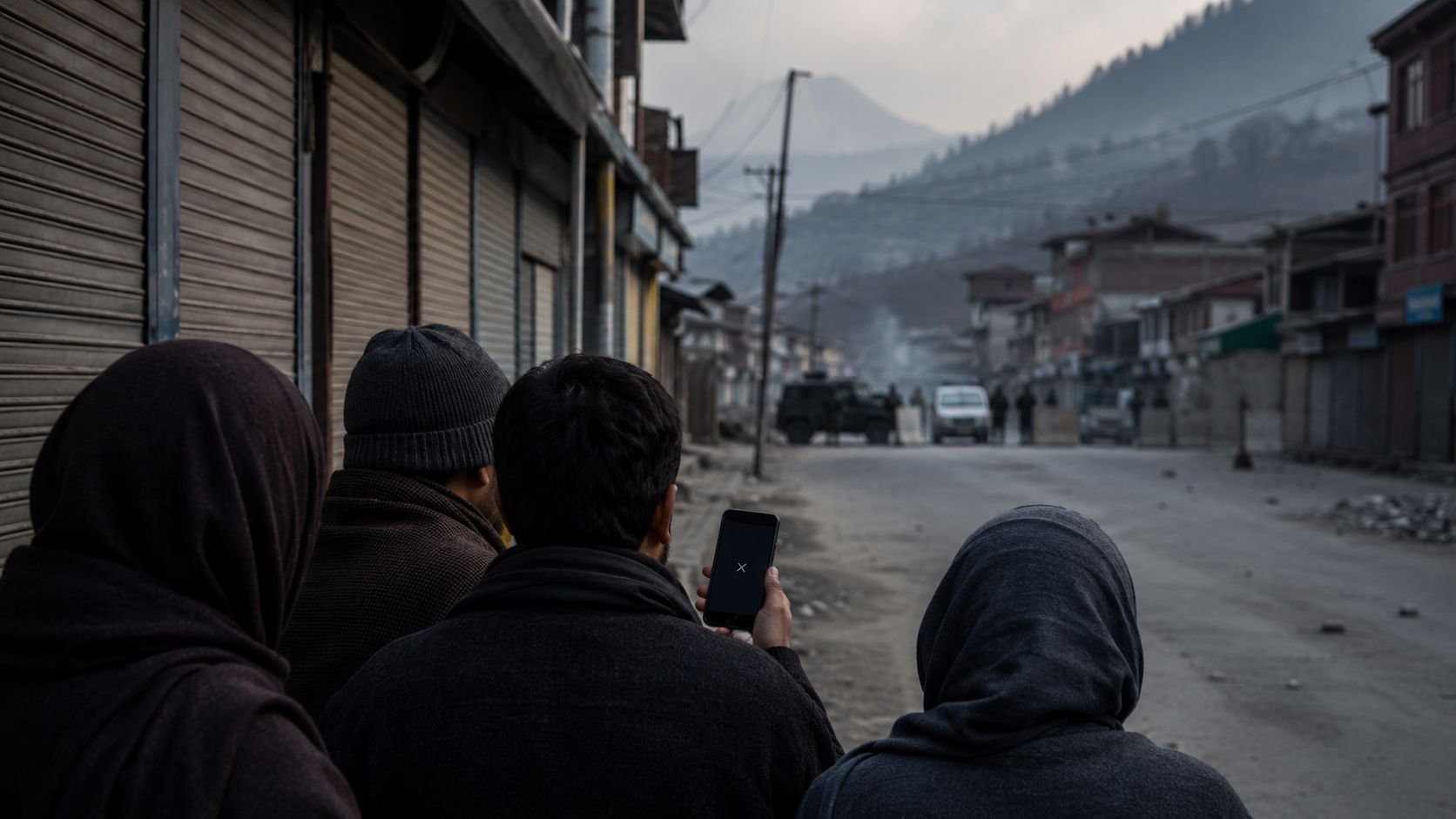
The incident illustrates why fewer Pakistan blasphemy cases can have consequences beyond court statistics. An accusation can expose suspects, their relatives and entire neighbourhoods to immediate violence.
The wider legal crisis remains
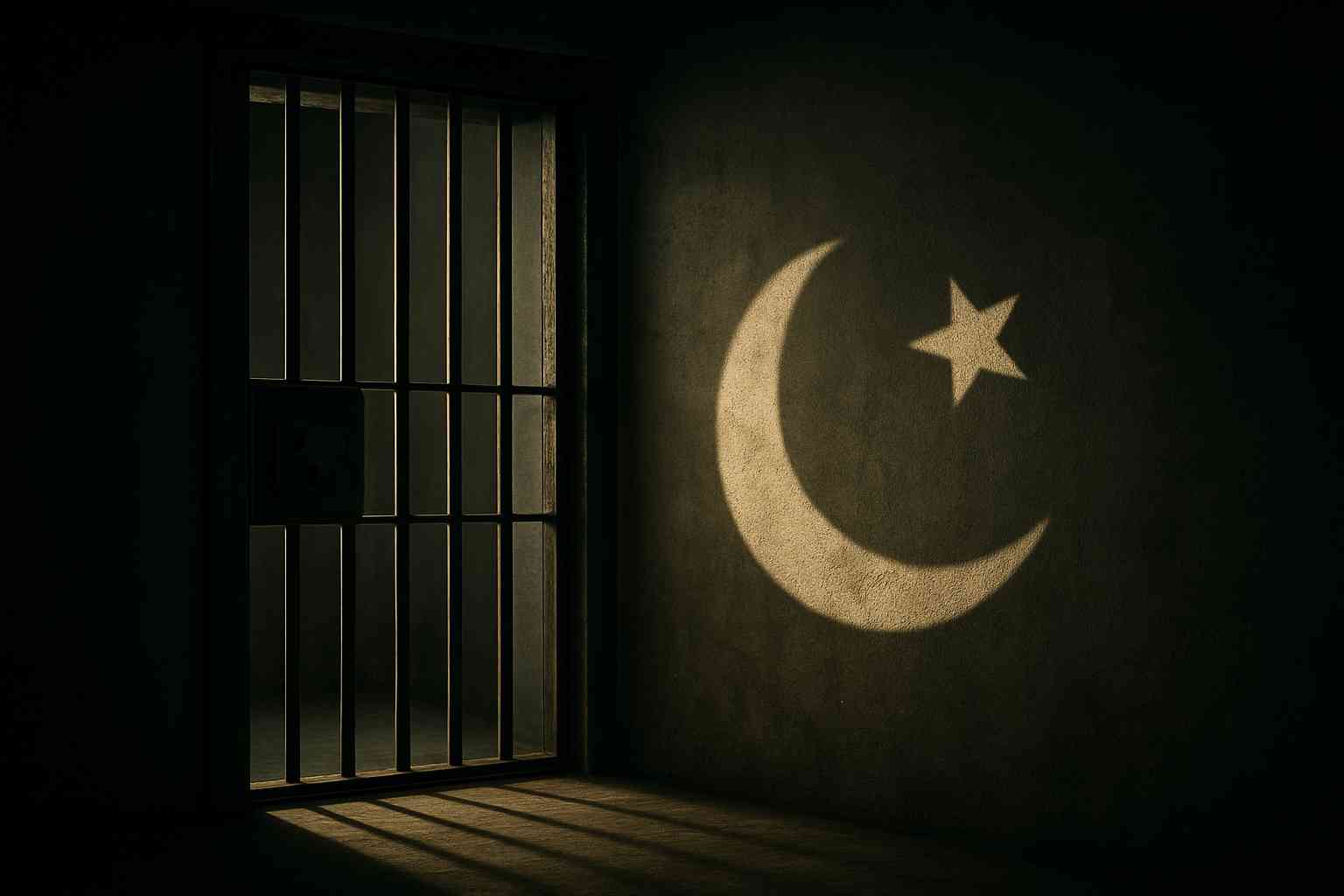
The decline does not remove the dangers created by Pakistan’s blasphemy laws. These offences still carry severe punishments, including the death penalty.
A recent HRW report said authorities continued enforcing provisions that enable arbitrary arrests and violence against minorities. It also cited findings that at least 450 people had faced false accusations through an organised extortion scheme.
The European Commission’s July EU assessment said more than 300 alleged victims of fabricated cases remained imprisoned as of April 2026. It also warned that vague blasphemy provisions continue to affect minorities, journalists and ordinary citizens.
These findings place the latest decline in context. Fewer new cases represent meaningful progress, but they do not resolve existing prosecutions or guarantee accountability for false accusers.
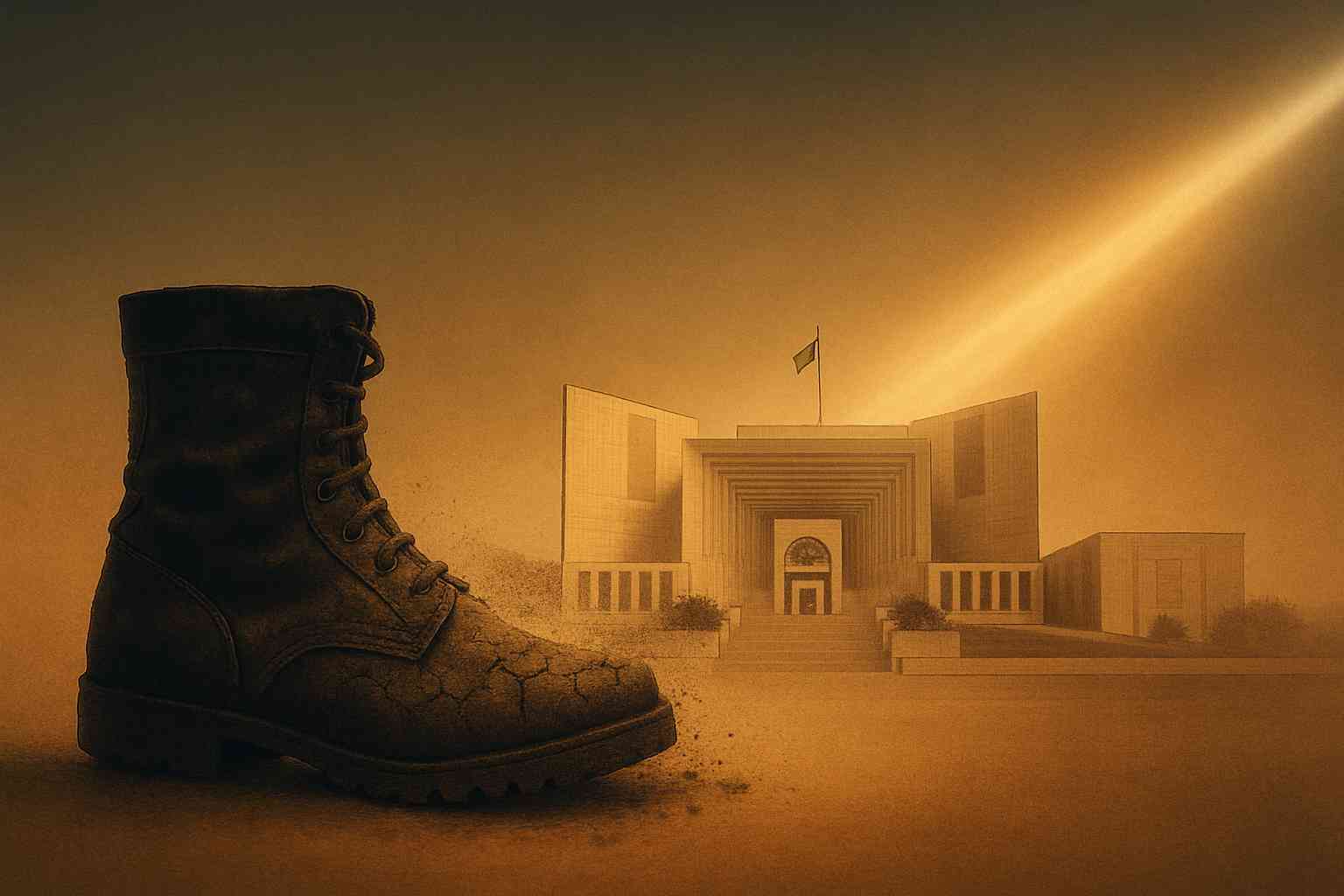
The central test will be whether civilian institutions make the improvement durable. Police must protect suspects, prosecutors must reject fabricated evidence and courts must review disputed cases without intimidation.
Pakistan blasphemy cases will remain a measure of religious freedom and state capacity. A sustained decline would matter greatly, but lasting reform requires transparent law enforcement rather than a temporary shift in institutional priorities.