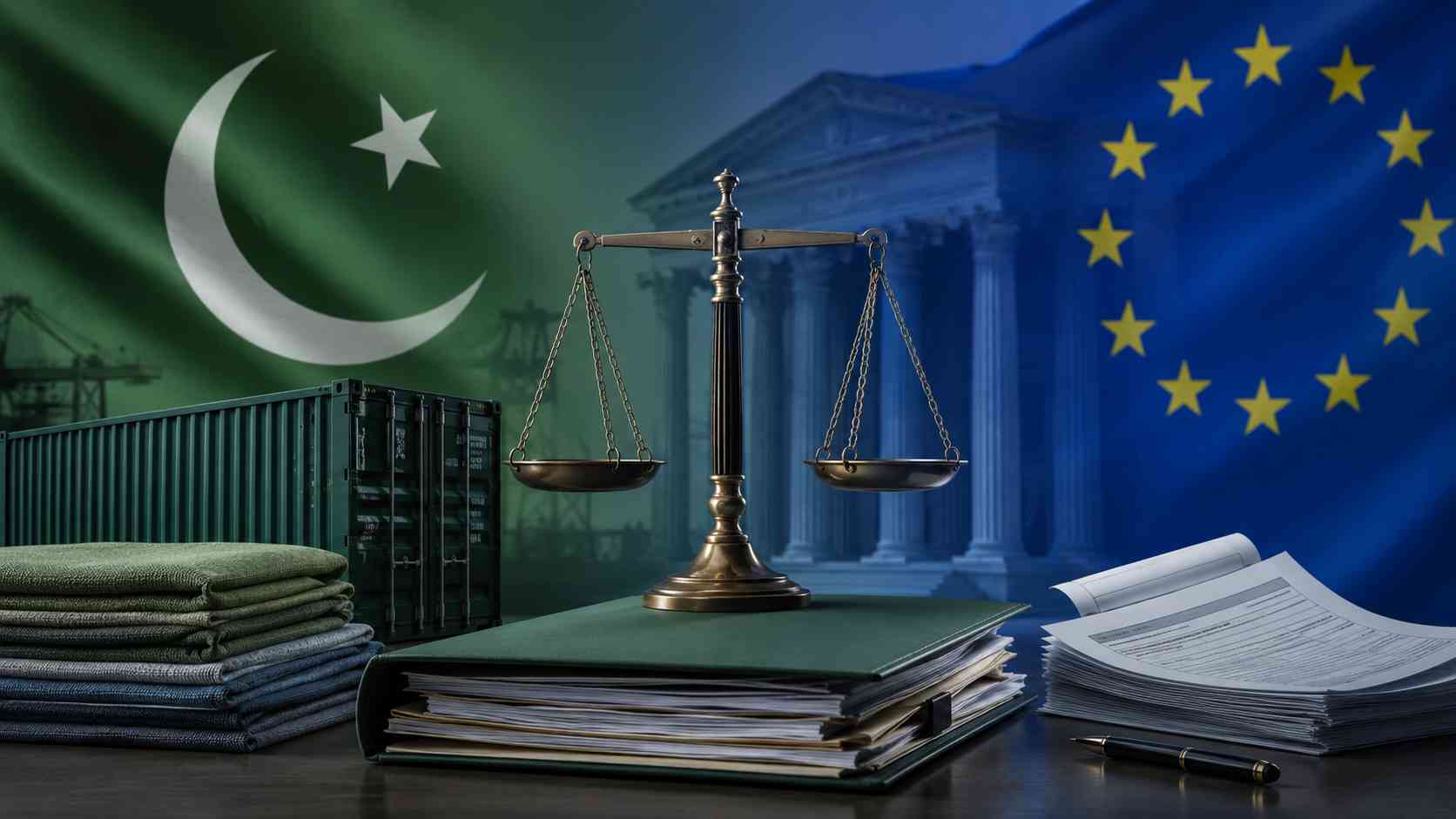
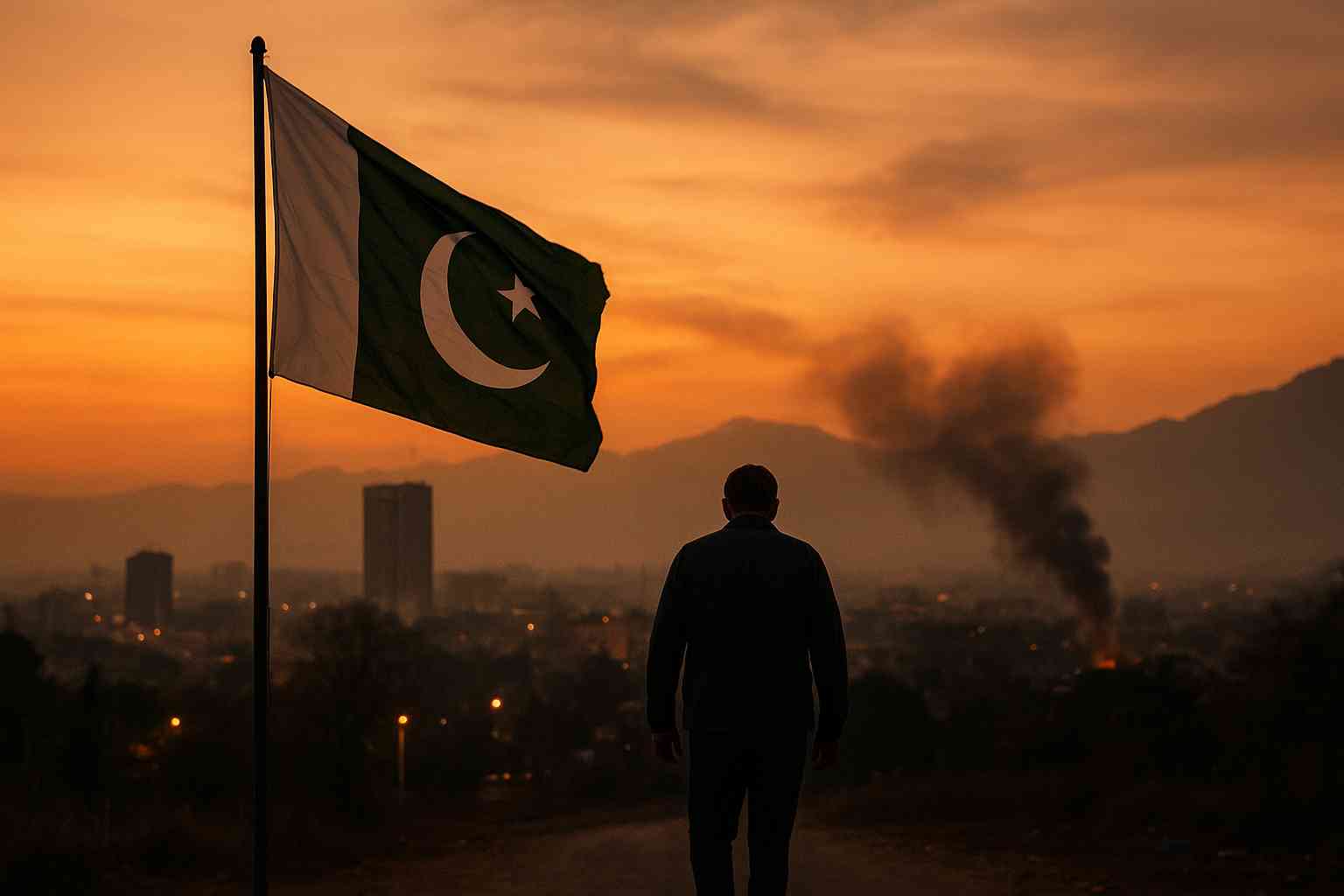
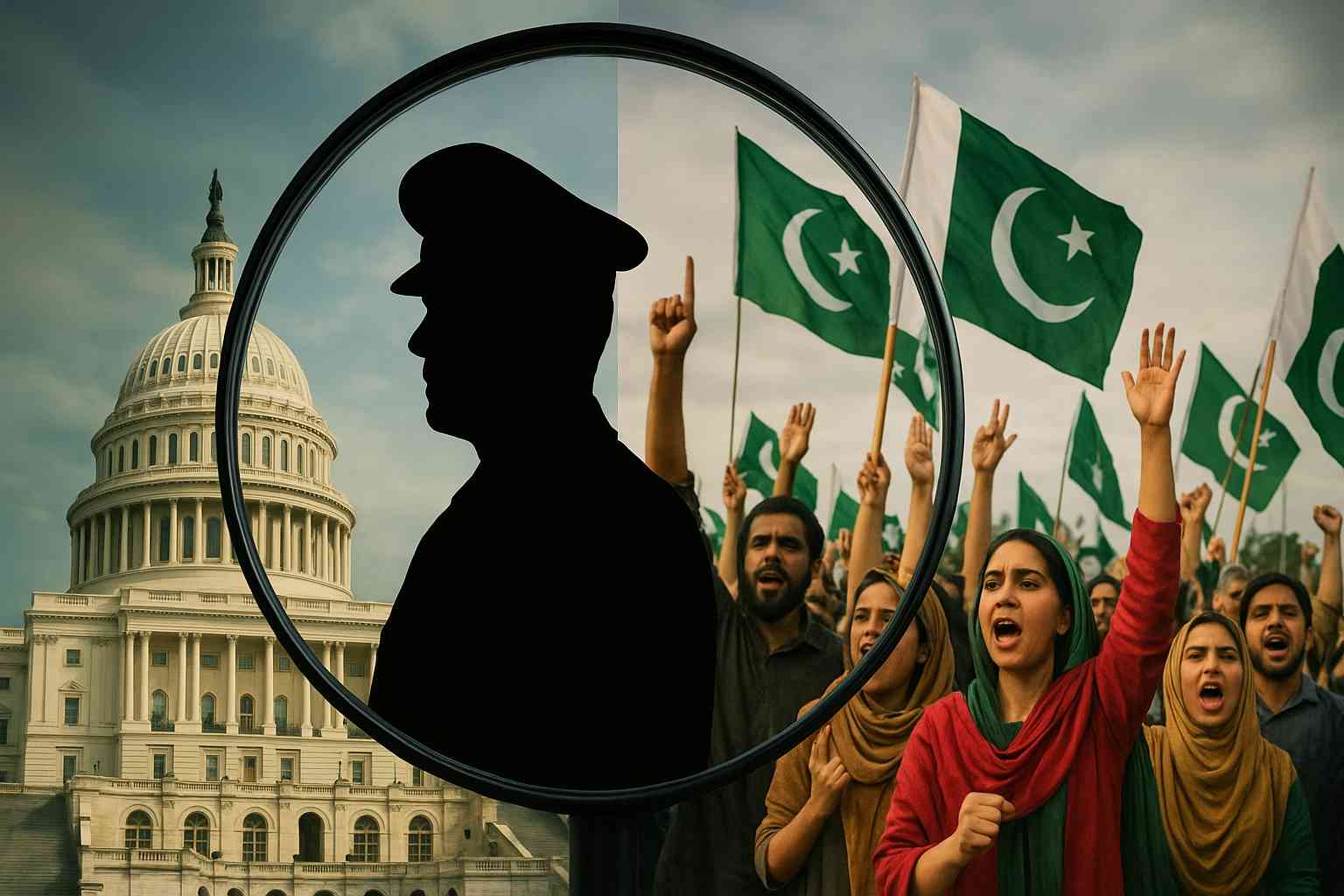
Pakistan’s latest rating upgrade gives Islamabad a rare economic talking point, but it should not become a victory lap. The Pakistan credit rating upgrade from S&P Global Ratings reflects real stabilisation, stronger reserves, and IMF-backed fiscal discipline. Yet it arrived beside reports that Pakistan has asked Washington for a $10 billion exchange-stabilisation facility. That contrast tells the real story: credibility has improved, but sovereignty still rests on borrowed confidence.
Why The Pakistan Credit Rating Upgrade Matters
S&P Global Ratings upgraded Pakistan’s long-term sovereign credit rating to “B” from “B-”, citing an improving external position and gradual macroeconomic stabilisation, according to Dawn’s report on the S&P decision. The agency also kept a stable outlook.
That matters because Pakistan has spent years close to external-financing stress. A better rating can help restore investor confidence. It can also support eventual access to global capital markets.
S&P credited Pakistan’s stronger institutional capacity and IMF programme implementation. It noted that reserves had risen sharply from the crisis levels of late 2022. Arab News, citing the agency’s report, said foreign exchange reserves reached $25.3 billion by the end of June 2026, including central bank gold holdings, compared with $6.7 billion in December 2022.
Those numbers are not cosmetic. They show that the state has bought time. The danger is that Islamabad may mistake time for transformation.
The $10 Billion Question
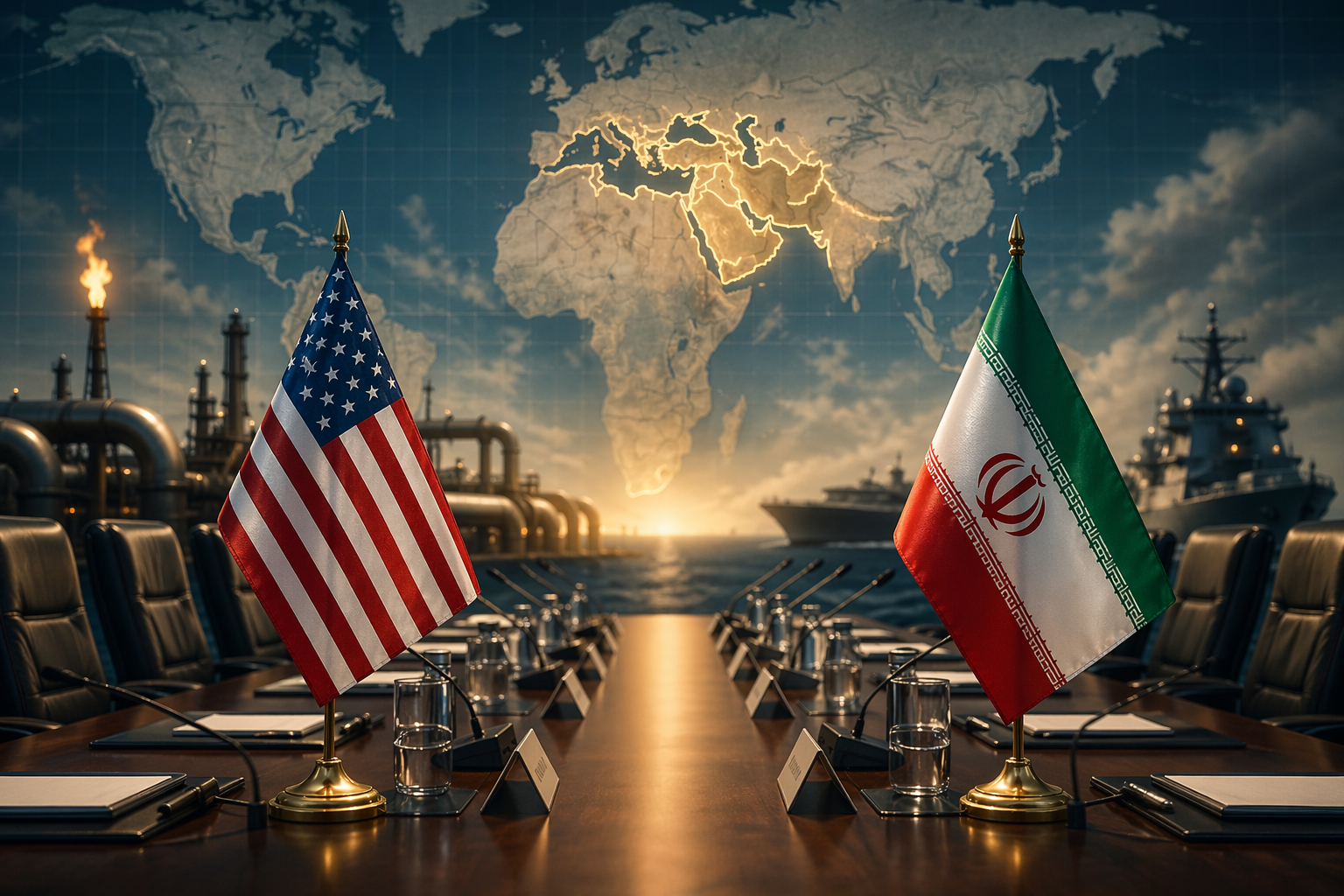
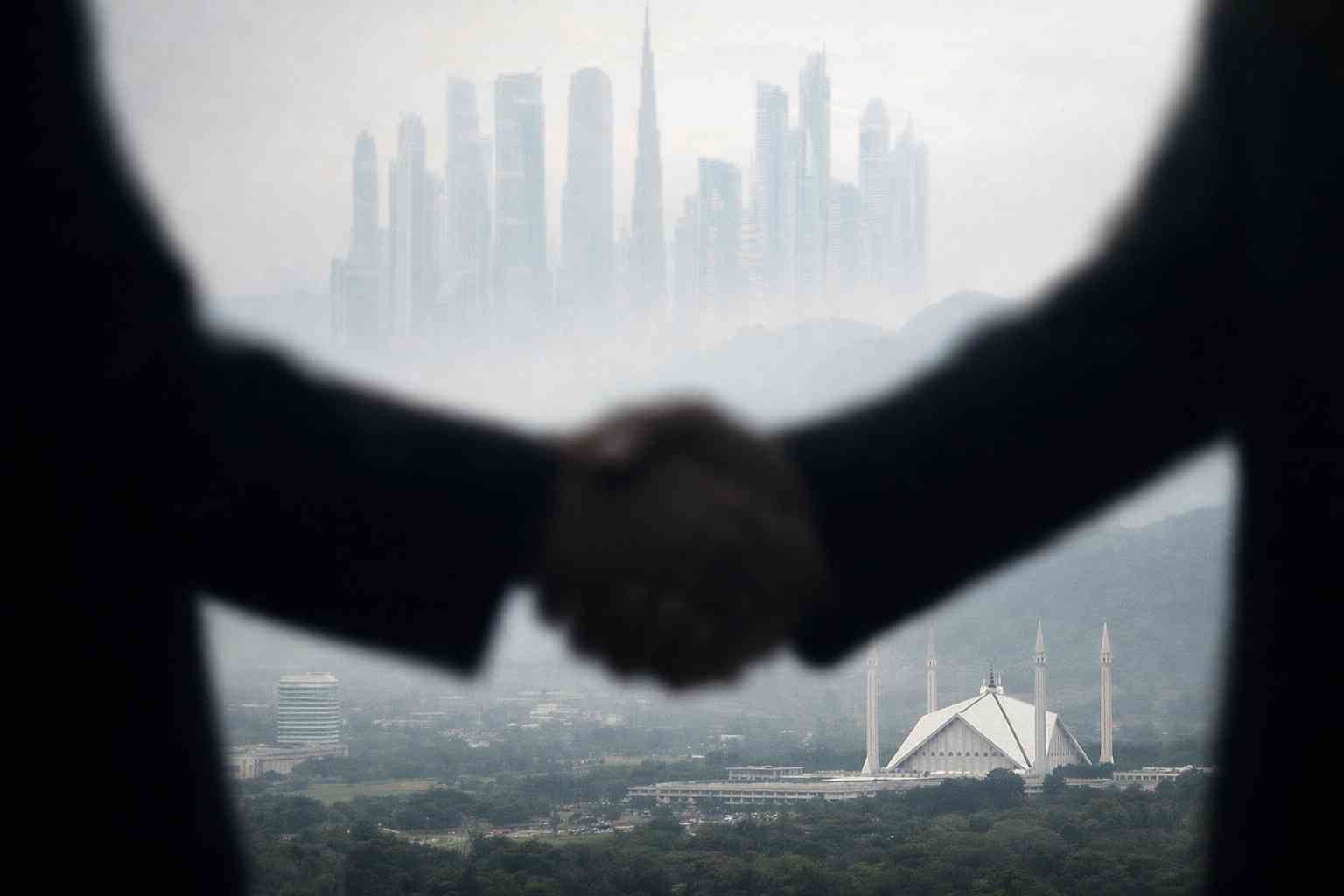
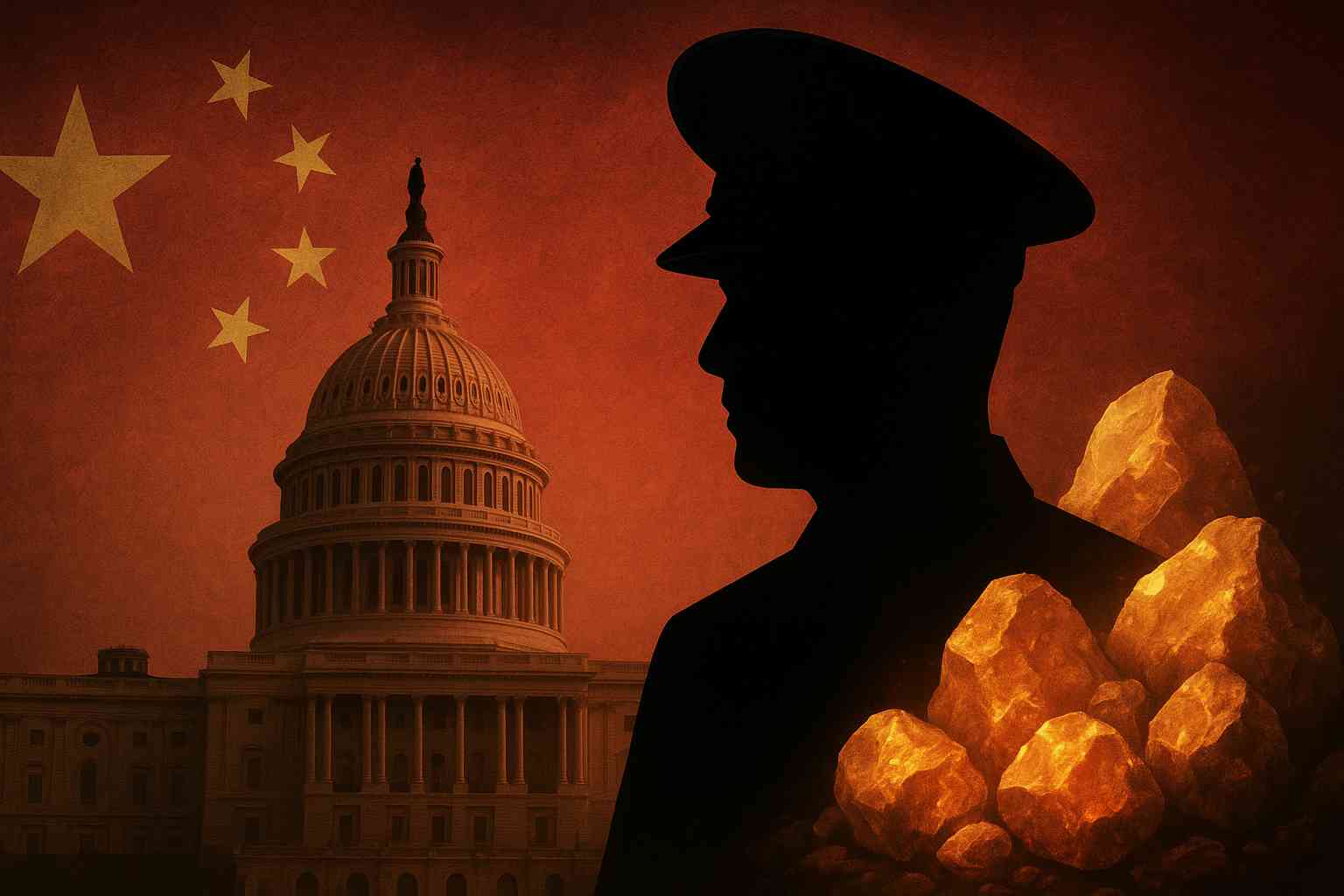
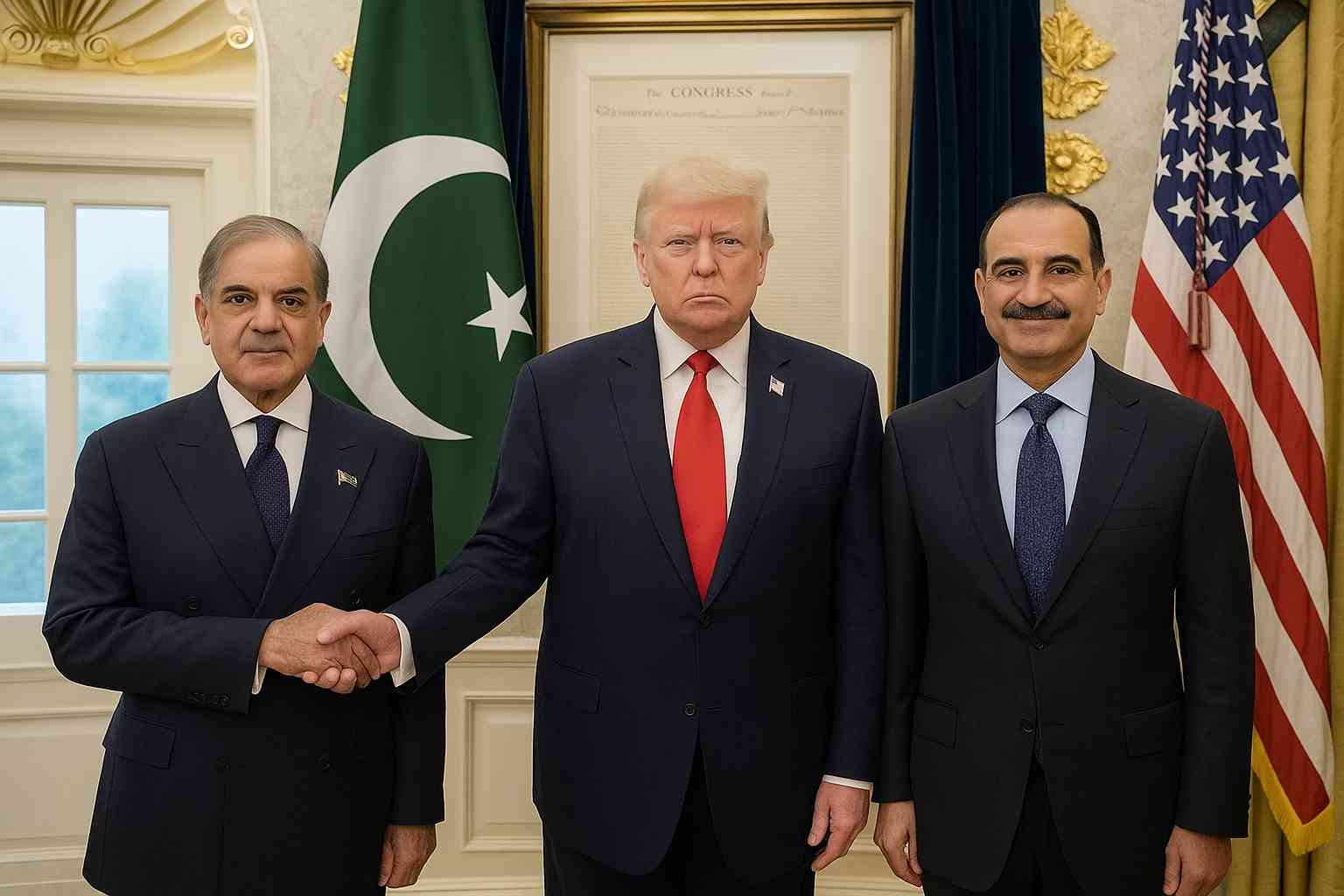
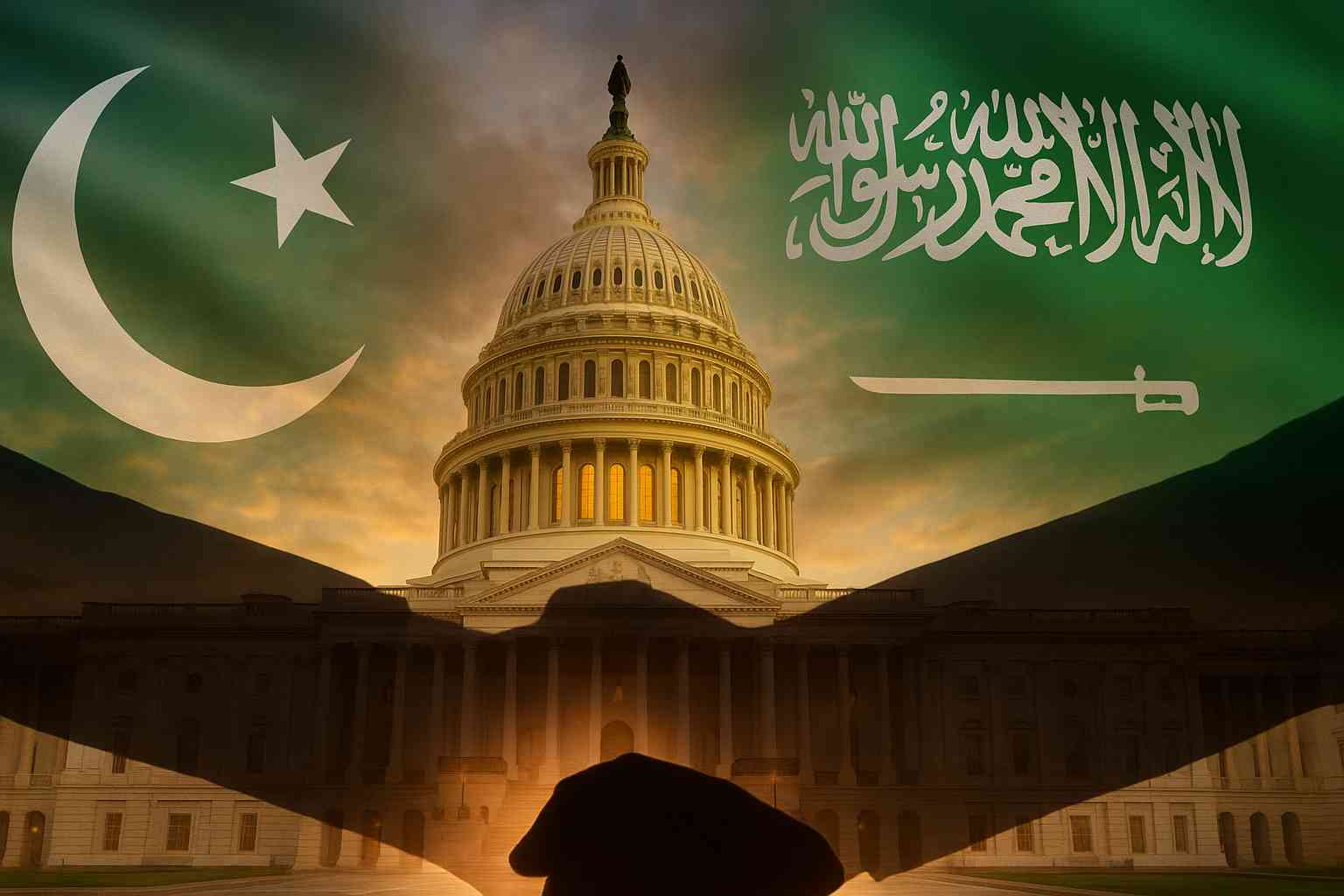
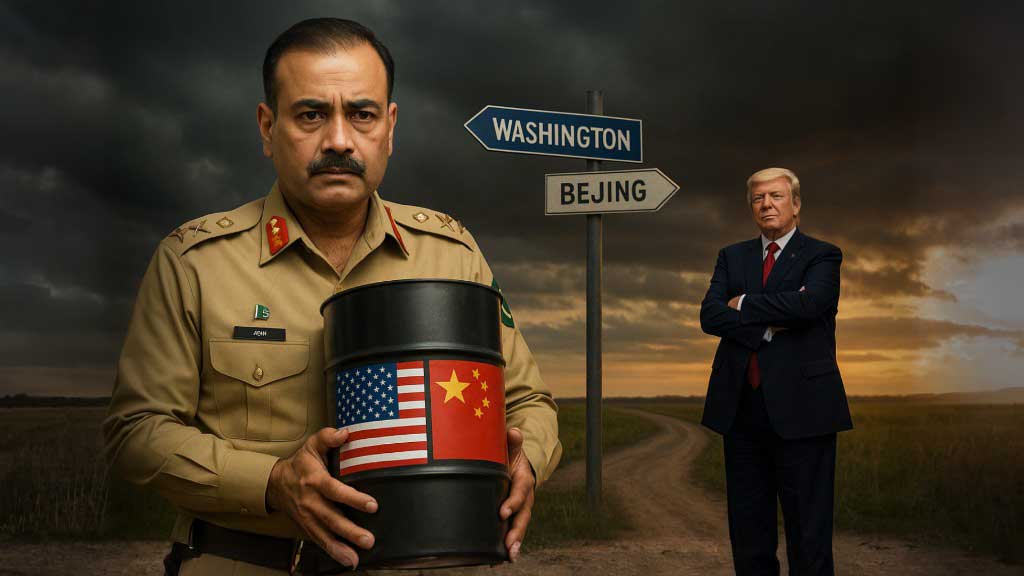
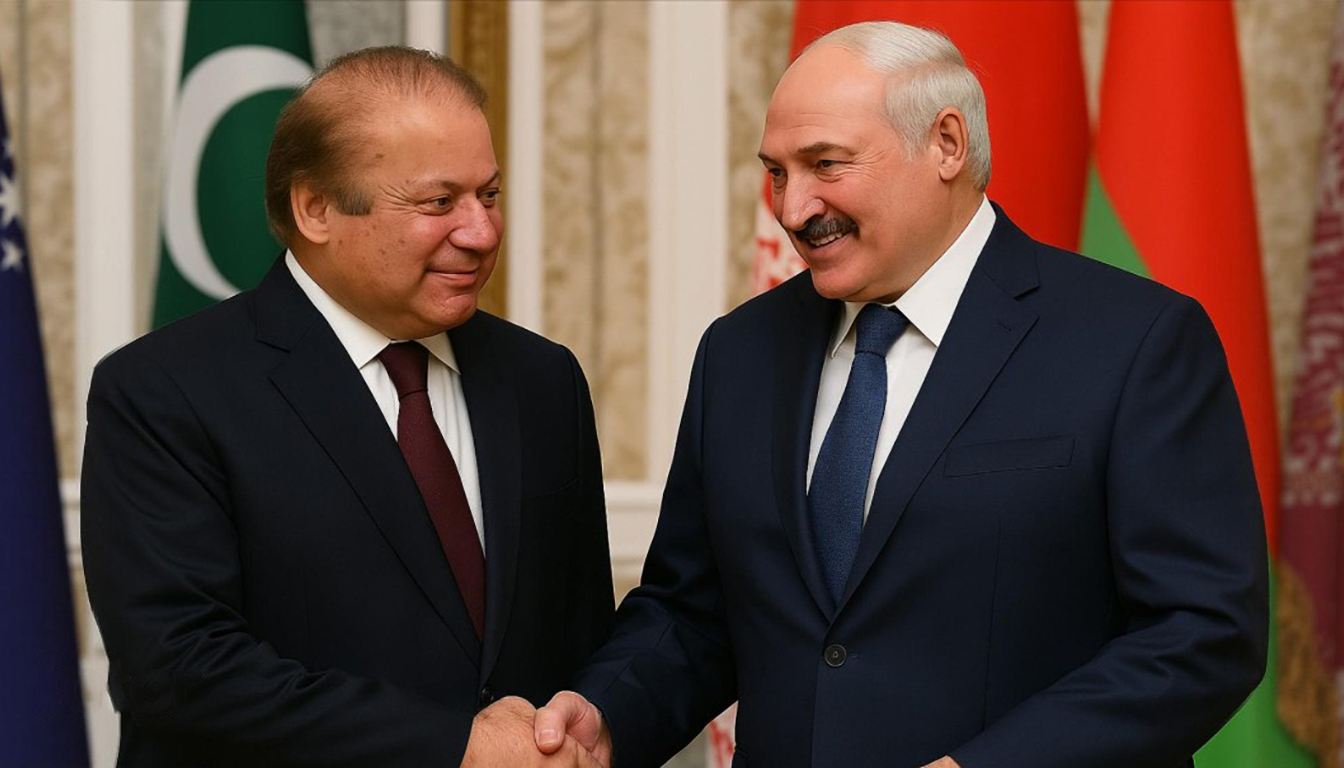
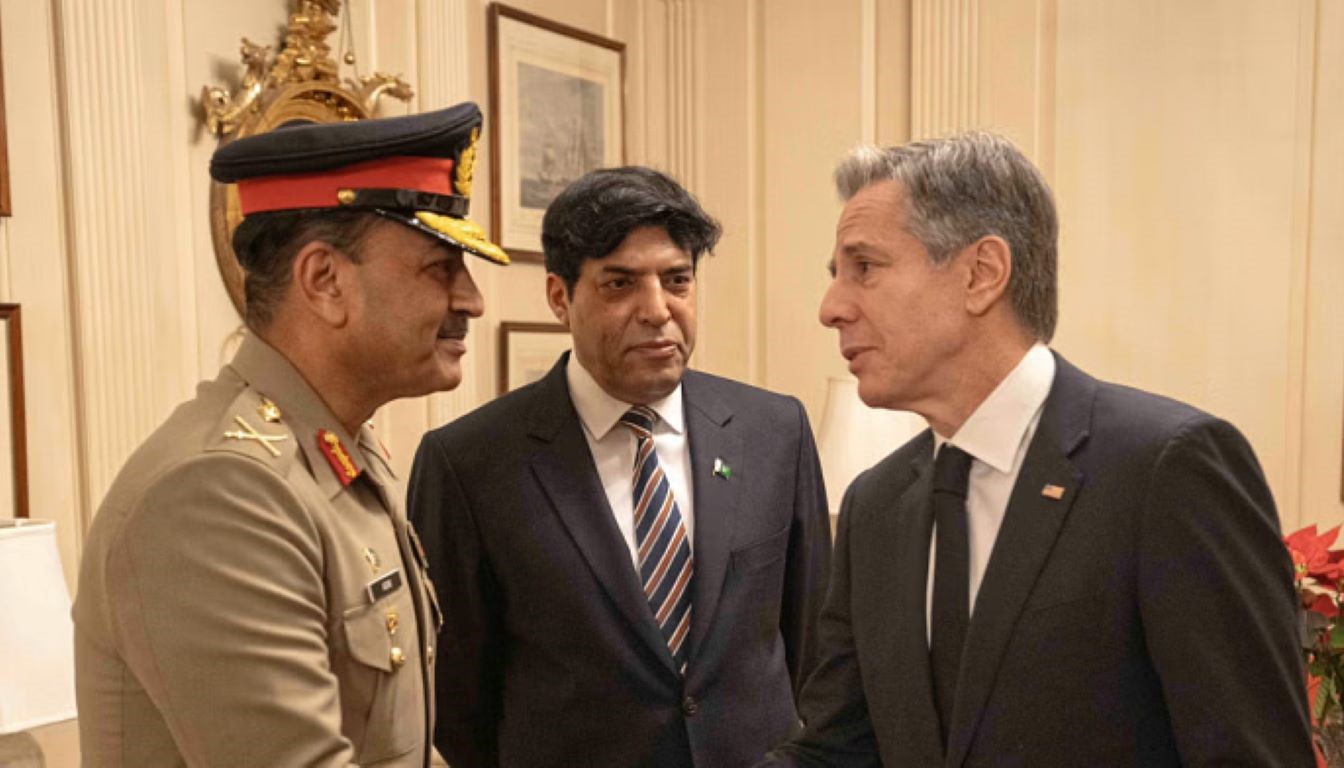
Almost at the same moment, Pakistan reportedly asked the United States for a $10 billion exchange-stabilisation facility. Dawn reported that Finance Minister Muhammad Aurangzeb sought the facility from U.S. Treasury Secretary Scott Bessent during his Washington visit, describing it as a possible backstop for reserves and debt pressure.
Reuters, carried by Arab News, also reported that the request was delivered during the meeting. But the same report noted an important fact: the U.S. Treasury statement did not address the $10 billion request.
That silence matters. The official U.S. Treasury readout praised Pakistan’s progress in restoring macroeconomic stability and fiscal consolidation. It also supported Pakistan’s effort to return to international capital markets. But it did not announce a facility, commitment, or bailout.
This is where the Pakistan credit rating upgrade becomes more than an economic headline. It becomes a test of statecraft. If Pakistan’s improved standing only helps it secure another foreign backstop, the country remains trapped in the old cycle. It wins applause for discipline, then uses that applause to ask for rescue.
Reform Or Managed Dependence?
The government will argue that external support is normal for an emerging economy facing regional shocks. That claim has some merit. Pakistan faces energy exposure, Gulf instability, debt maturities, and limited fiscal space. No responsible government can ignore reserves.
But the deeper question is political. Who pays for stabilisation? Who benefits from it? And who gets accountability when reforms hurt ordinary citizens?
IMF programmes often demand difficult steps: higher revenues, energy reforms, subsidy cuts, privatisation, and tighter spending. These measures may improve the balance sheet. They do not automatically improve governance.
Pakistan’s ruling order has repeatedly treated reform as a donor-facing exercise. It satisfies lenders, reassures rating agencies, and secures rollovers. Then the same state avoids deeper accountability at home.
That pattern cannot build sovereignty. It builds dependence with better paperwork.
The Civil-Military Shadow Over Economic Policy
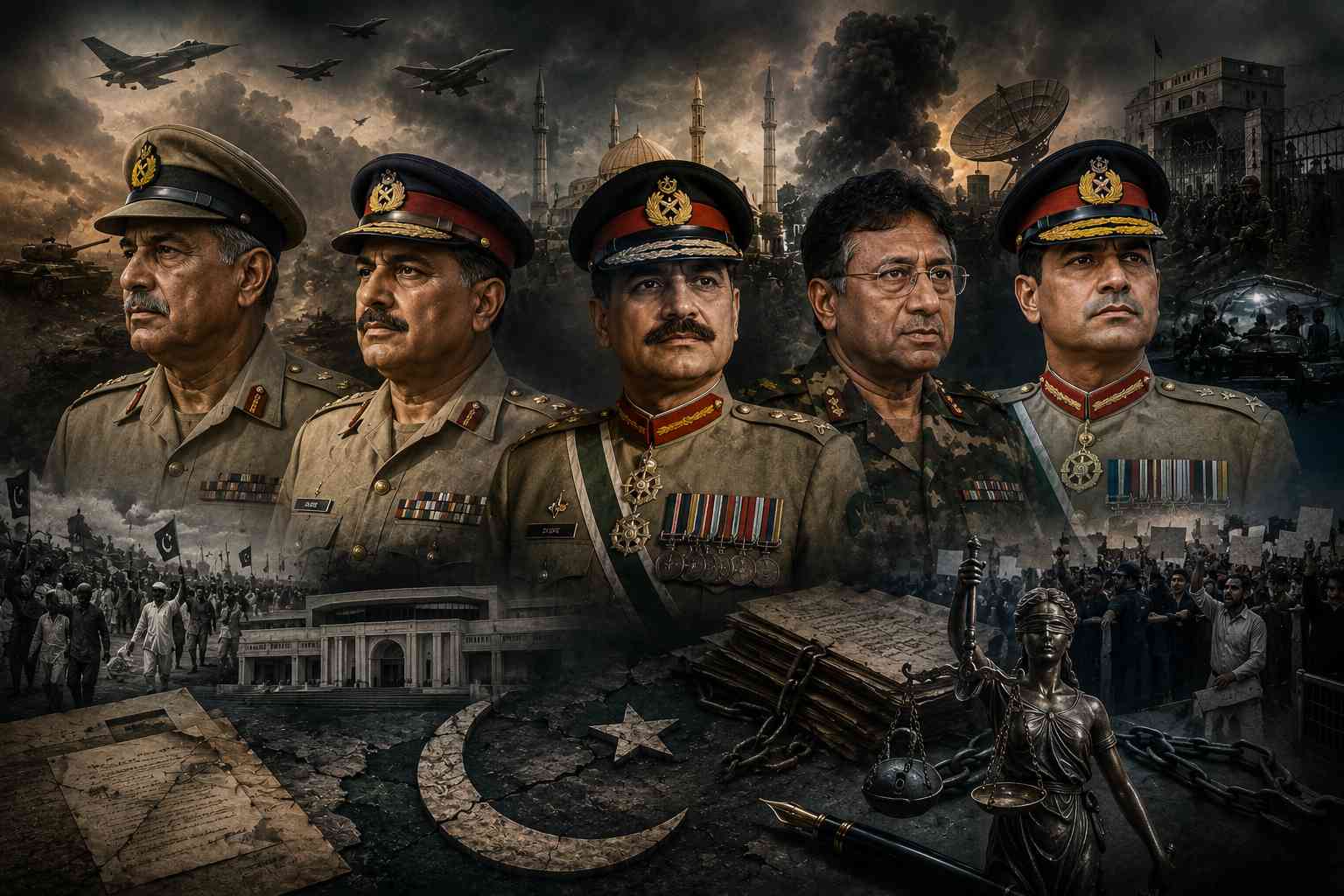
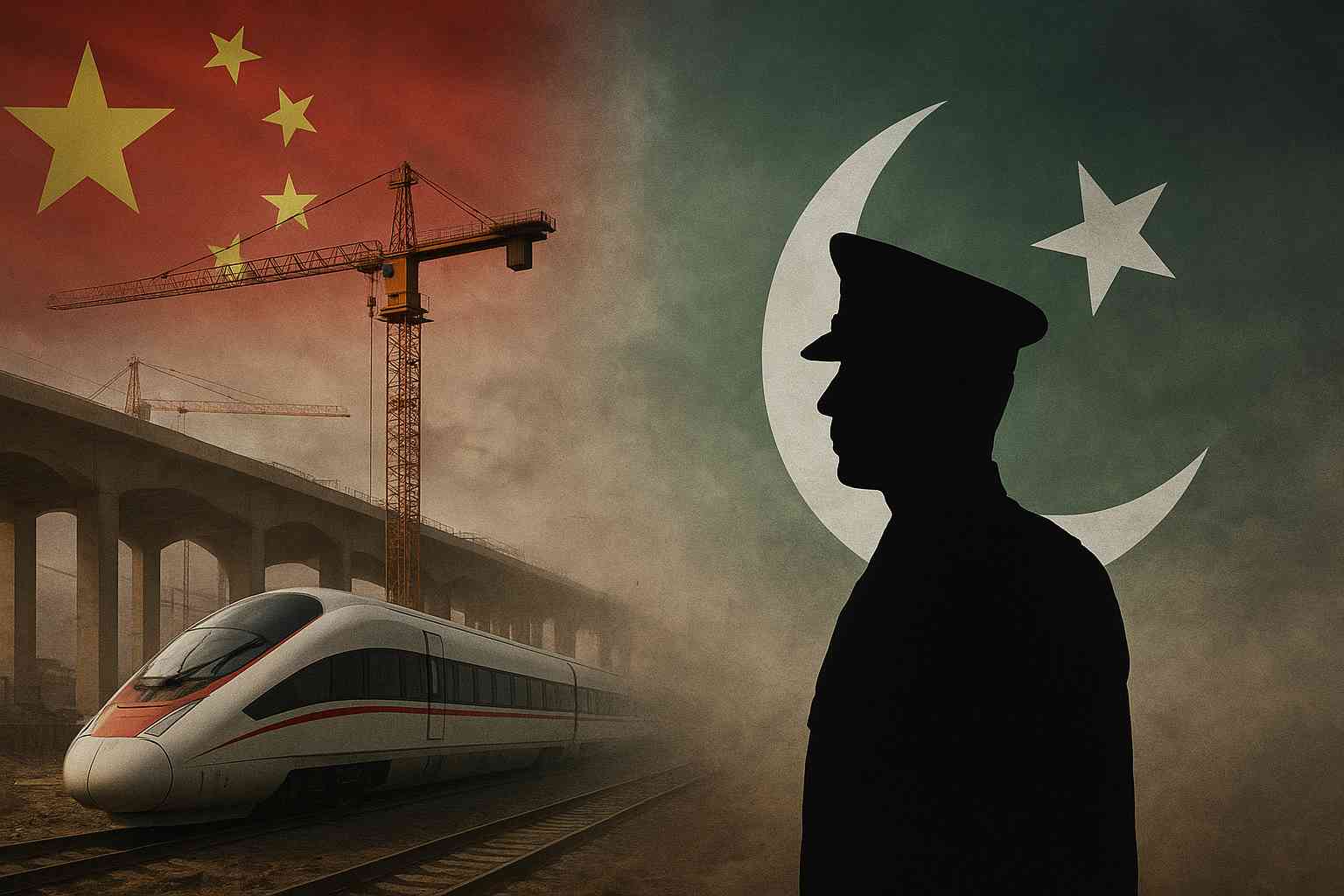
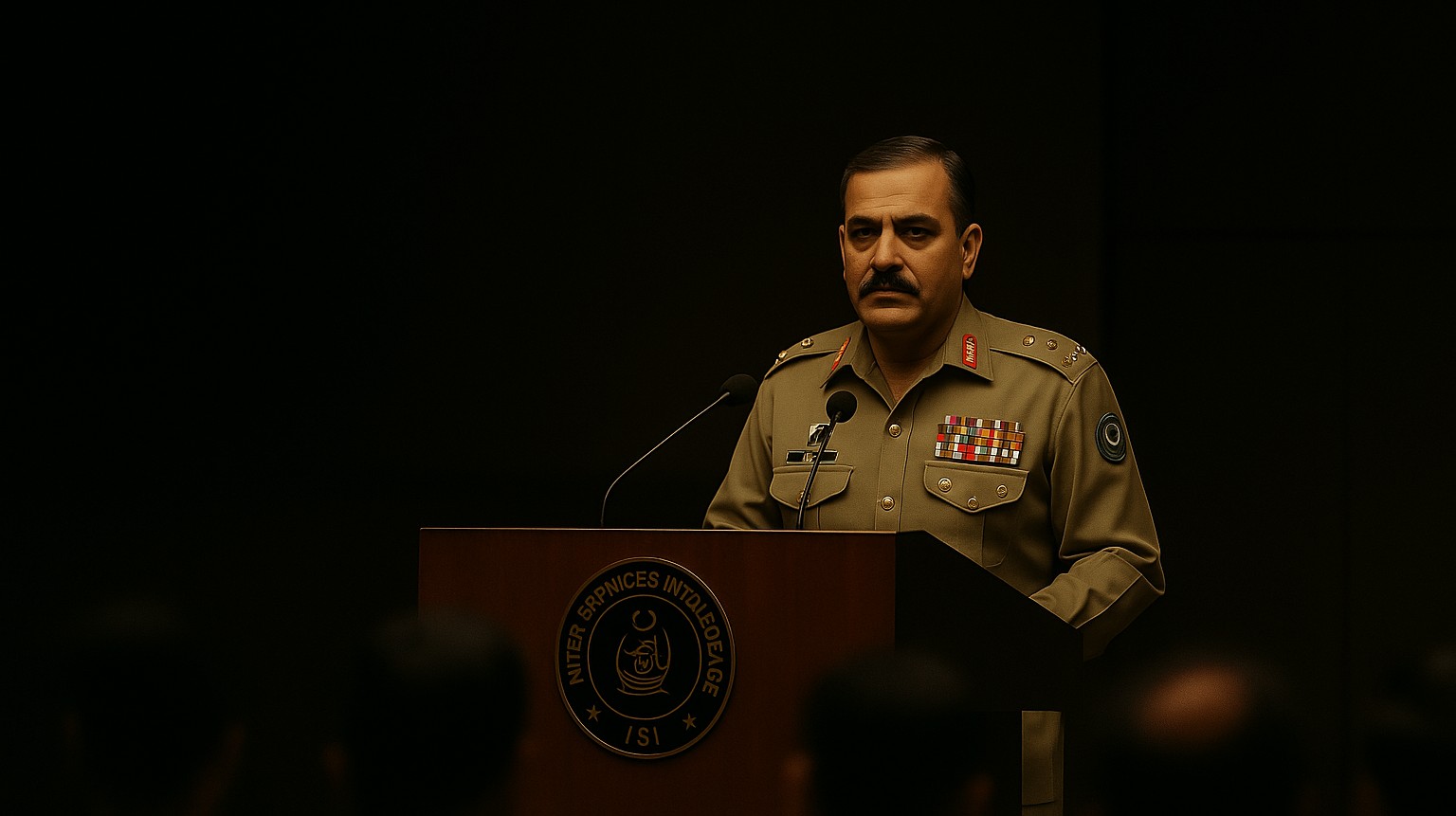
Pakistan’s economy no longer operates in a purely civilian lane. Major decisions sit inside a broader power structure where the military establishment shapes security, diplomacy, investment messaging, and national priorities.
This matters because economic credibility depends on more than reserves. It requires predictable civilian institutions, rule-bound governance, transparent taxation, credible courts, and political legitimacy.
A country cannot suppress political competition, centralise authority, and still expect lasting investor trust. Markets may tolerate managed stability for a while. They rarely reward uncertainty forever.
The Pakistan credit rating upgrade should therefore push a harder question: has Pakistan strengthened institutions, or merely stabilised under external supervision?
S&P’s assessment points to improved institutional capacity for implementing IMF reforms. That is useful. But implementation capacity is not the same as democratic accountability. A state can meet lender targets while narrowing civic space. It can raise taxes while protecting elite privilege. It can cut subsidies while avoiding reform of powerful interests.
That is not transformation. It is selective austerity.
What Islamabad Should Not Spin Away
The government deserves credit for avoiding default and rebuilding reserves. It should not spin that achievement into proof of durable recovery.
Pakistan still needs export growth, investment, energy-sector reform, and a tax system that does not punish the documented middle while sparing protected networks. It also needs a political environment where economic pain carries democratic consent.
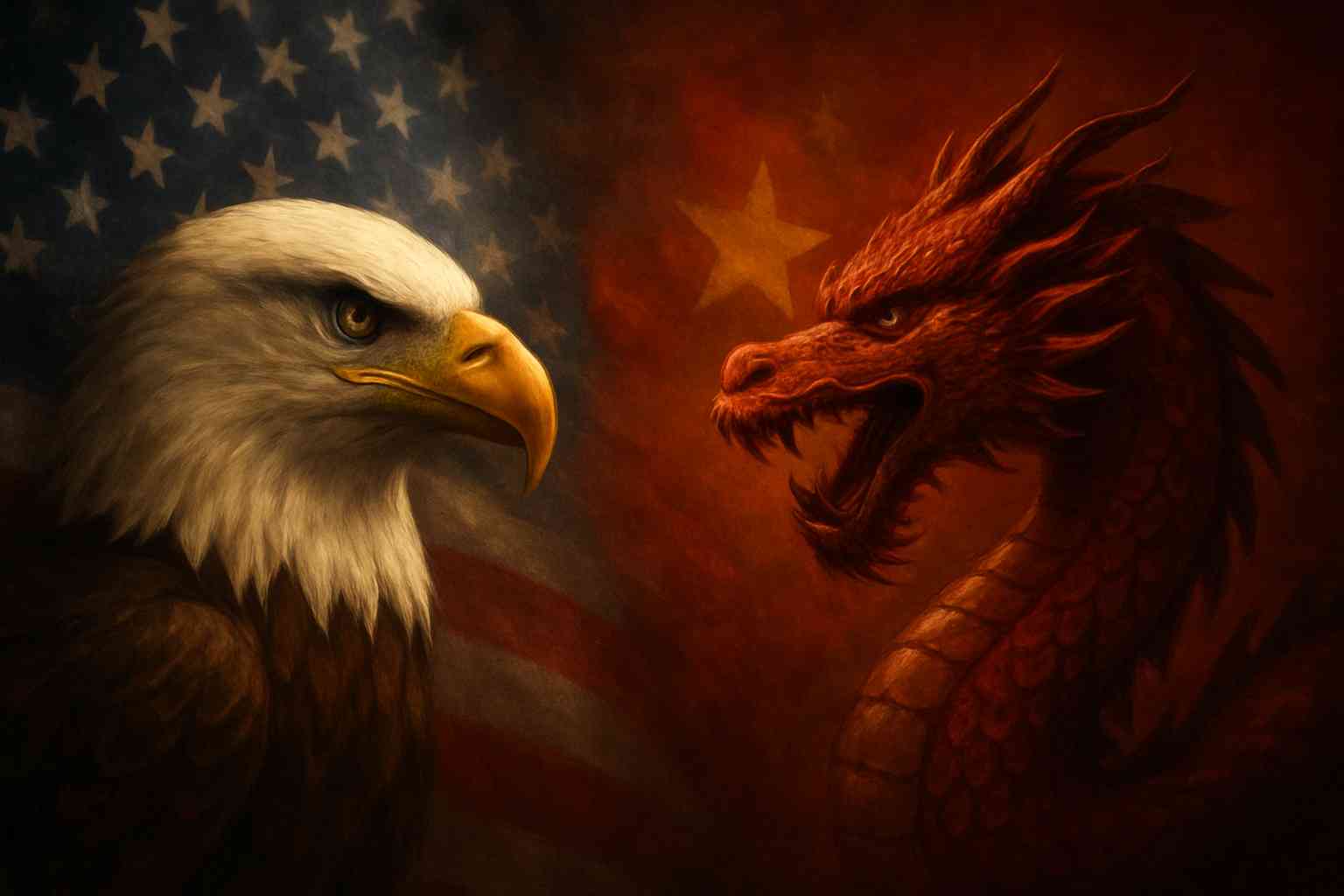
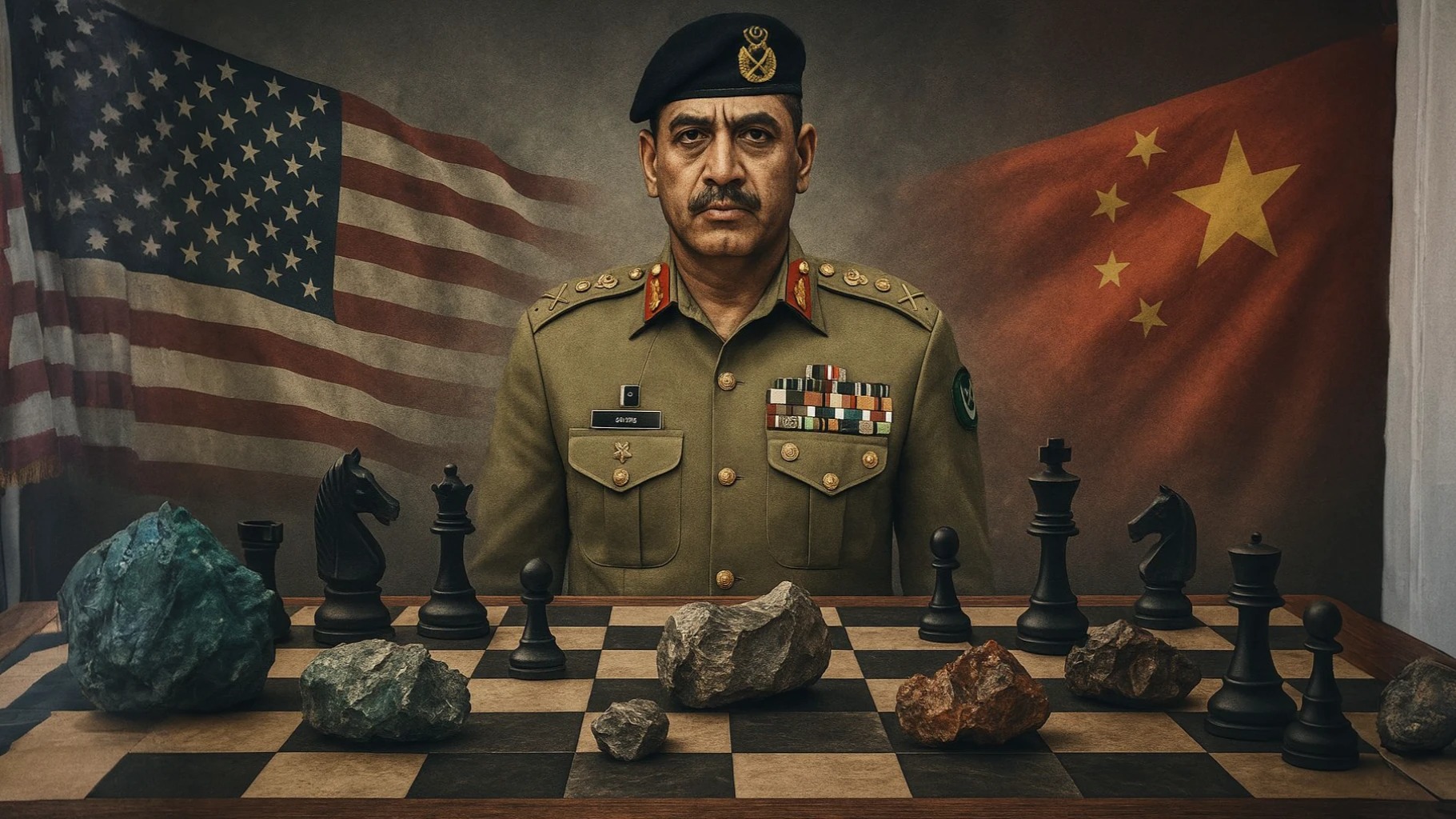
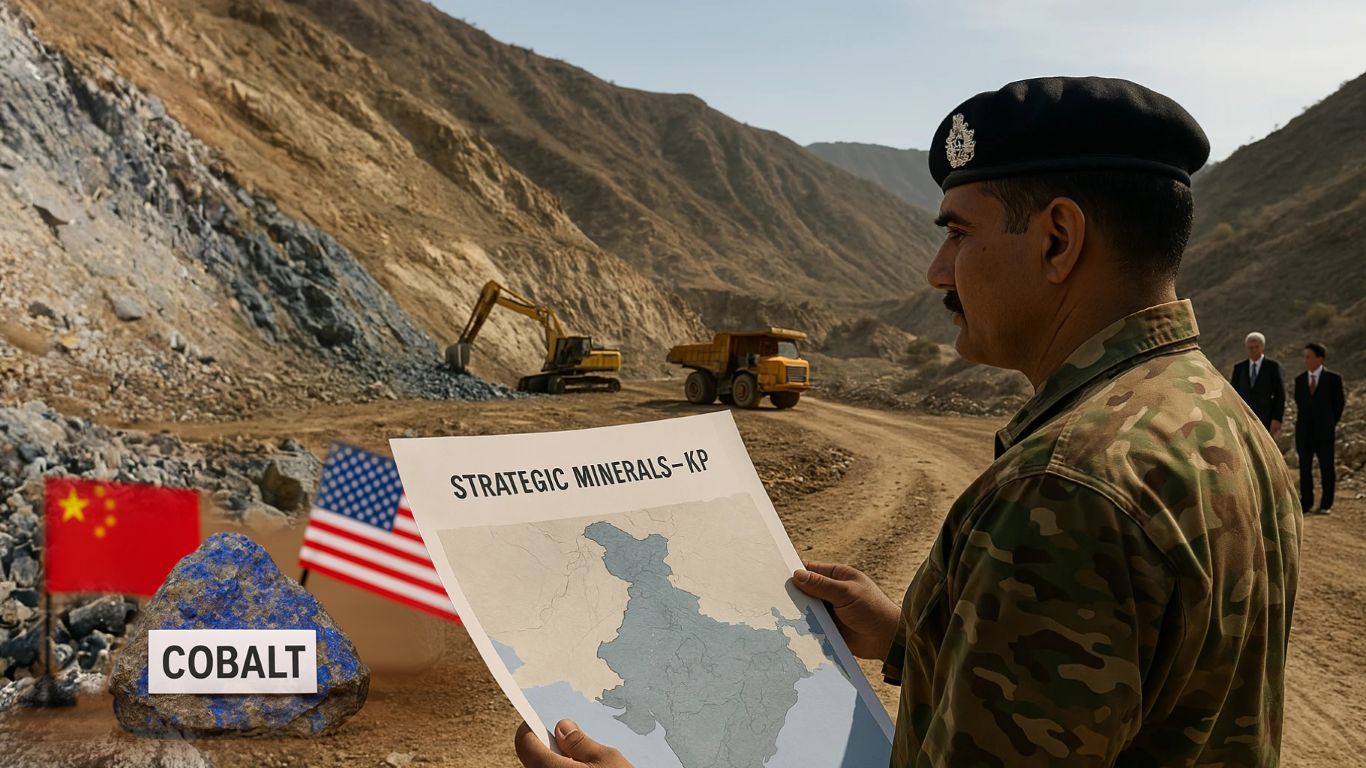
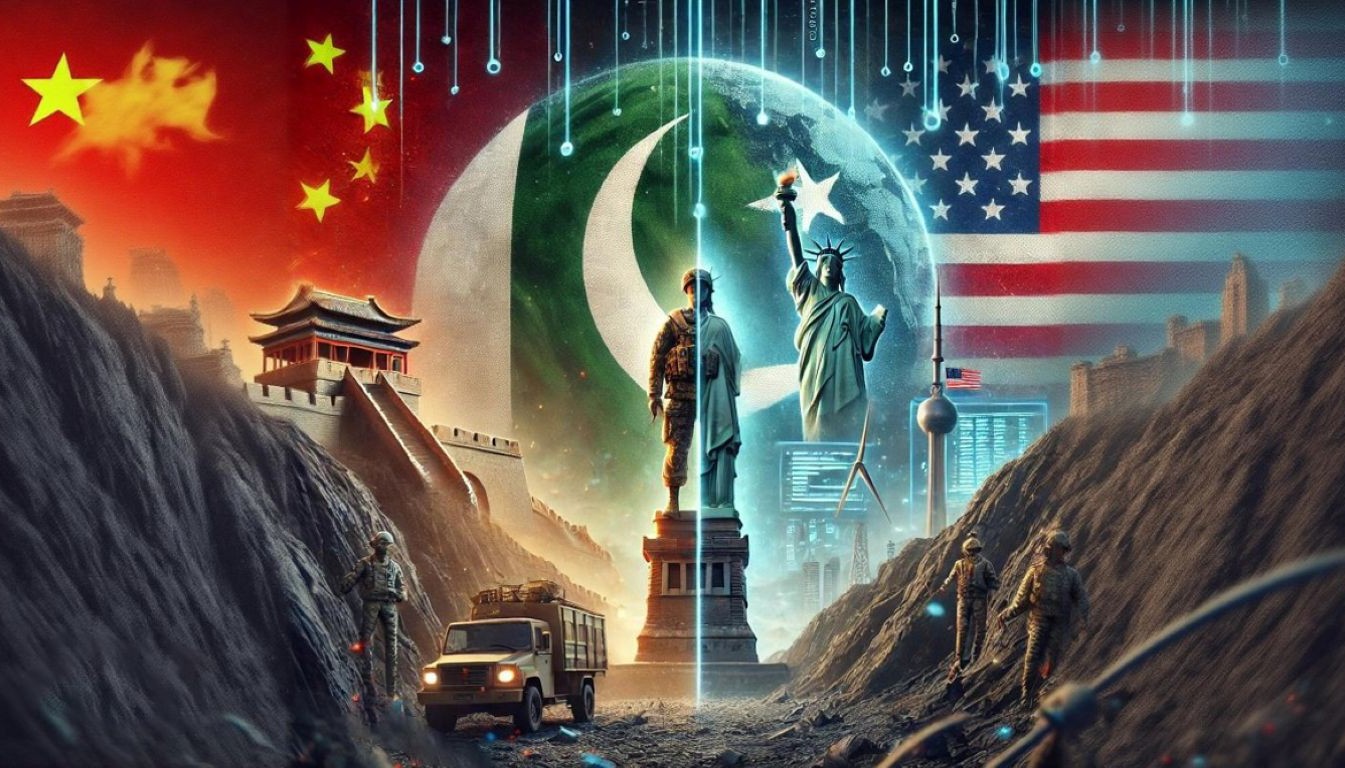
The reported U.S. facility request shows why this matters. If Pakistan needs Washington, Beijing, Riyadh, the IMF, and commercial markets to keep confidence alive, then the state has not escaped vulnerability. It has only diversified it.
A better rating is useful. It is not sovereignty.
The real victory would be a Pakistan that can finance itself through productivity, exports, investment, and public trust. Until then, every upgrade will carry an asterisk: the economy is improving, but the state still depends on outsiders to believe in it.