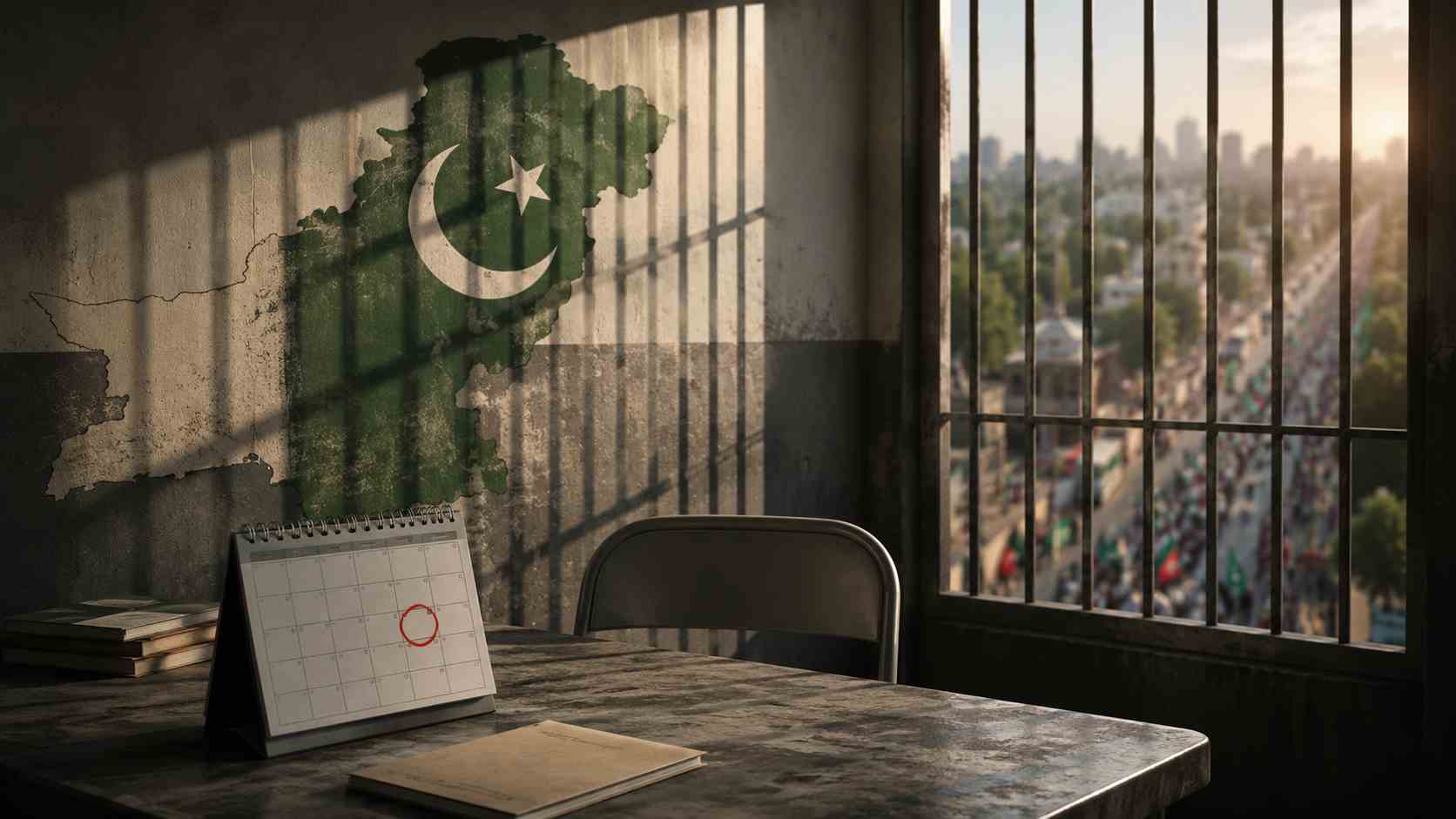
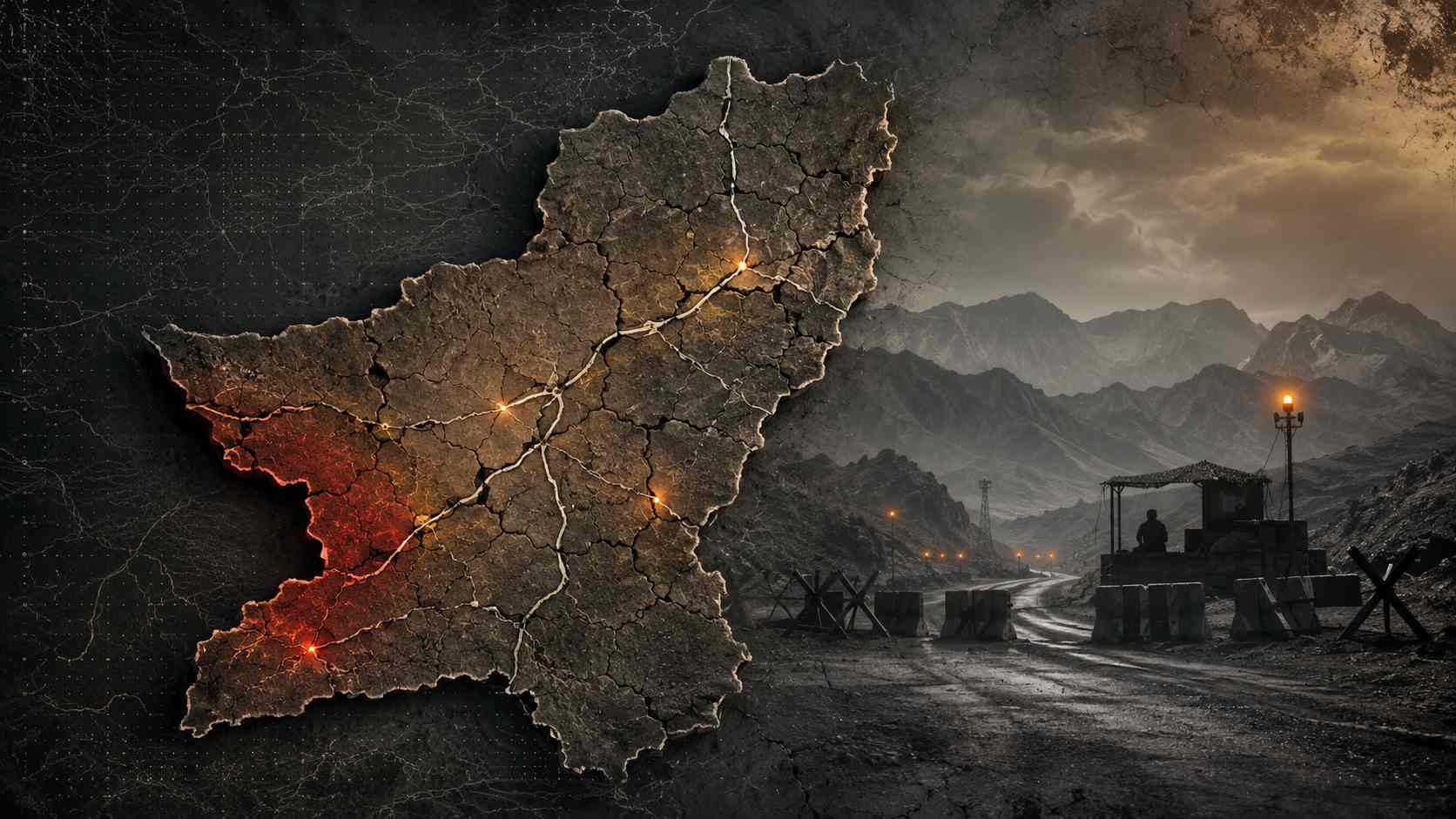
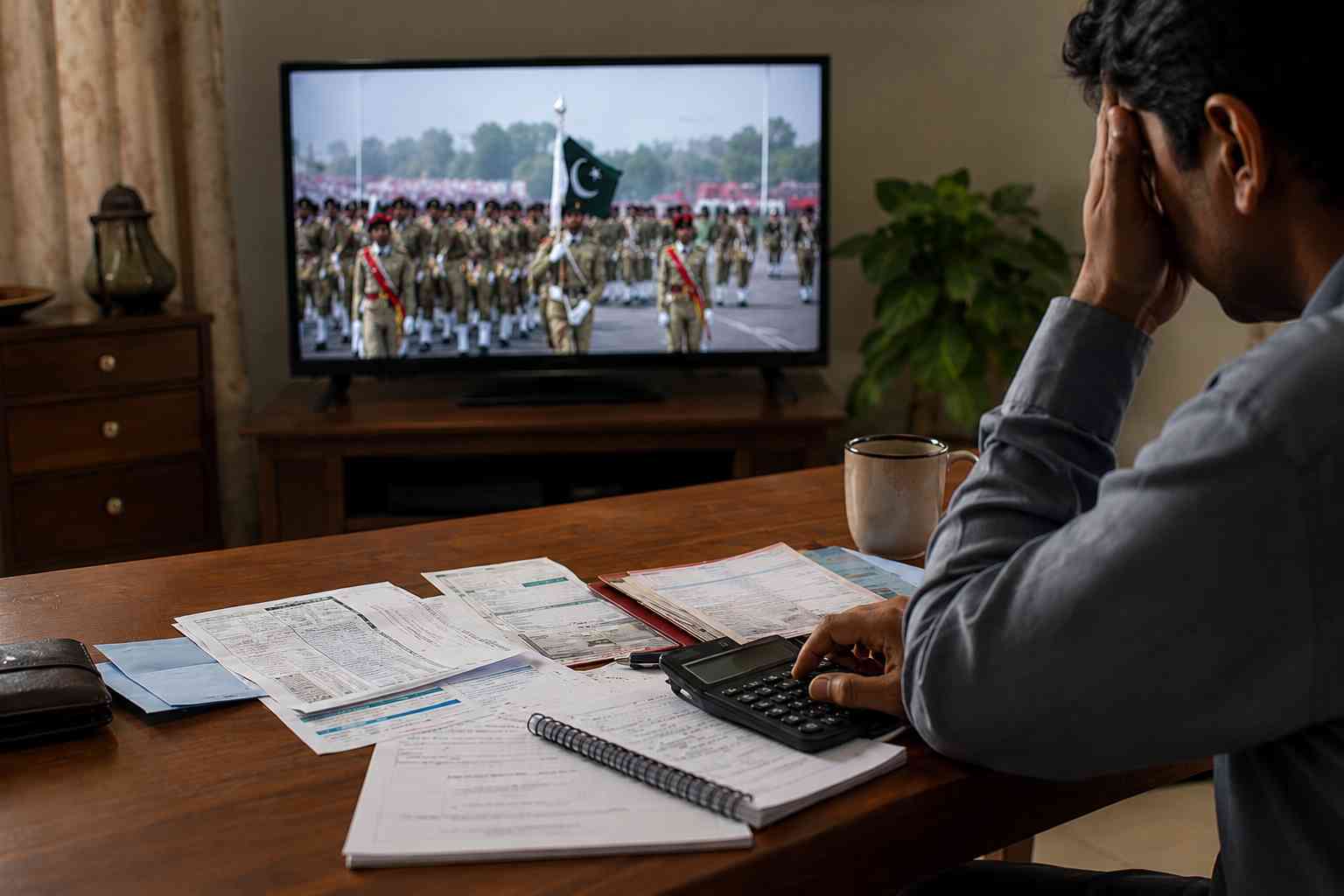
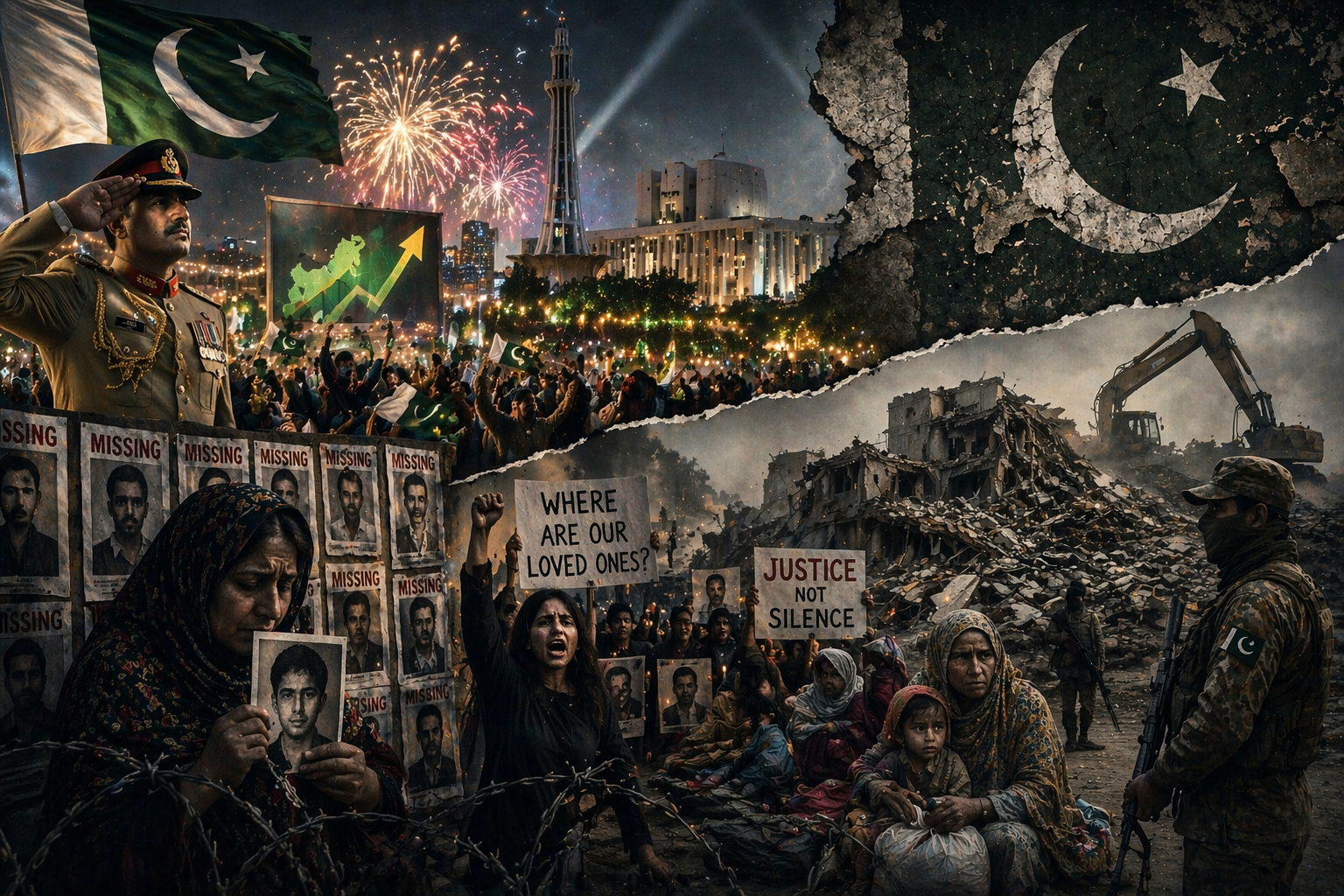
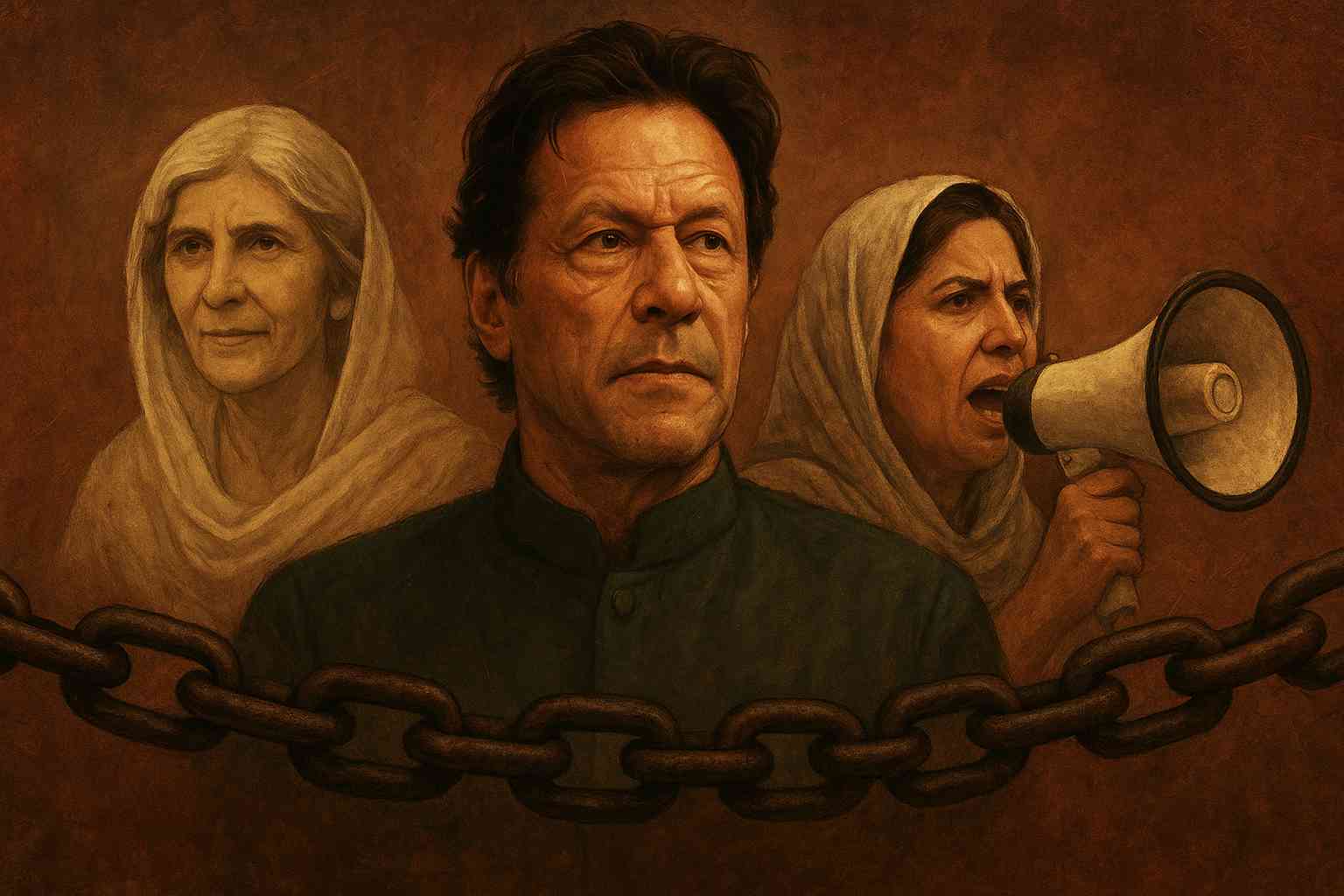
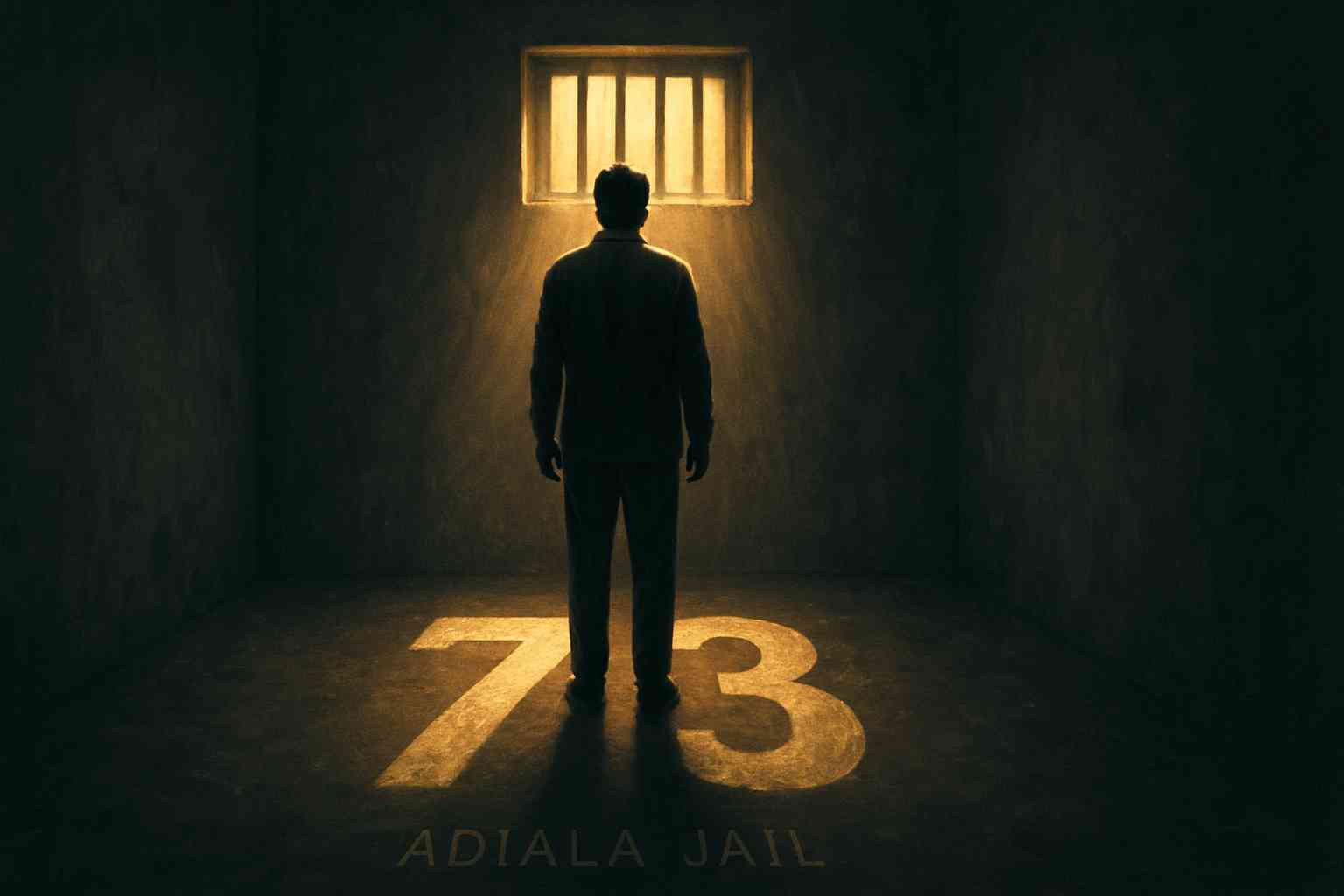
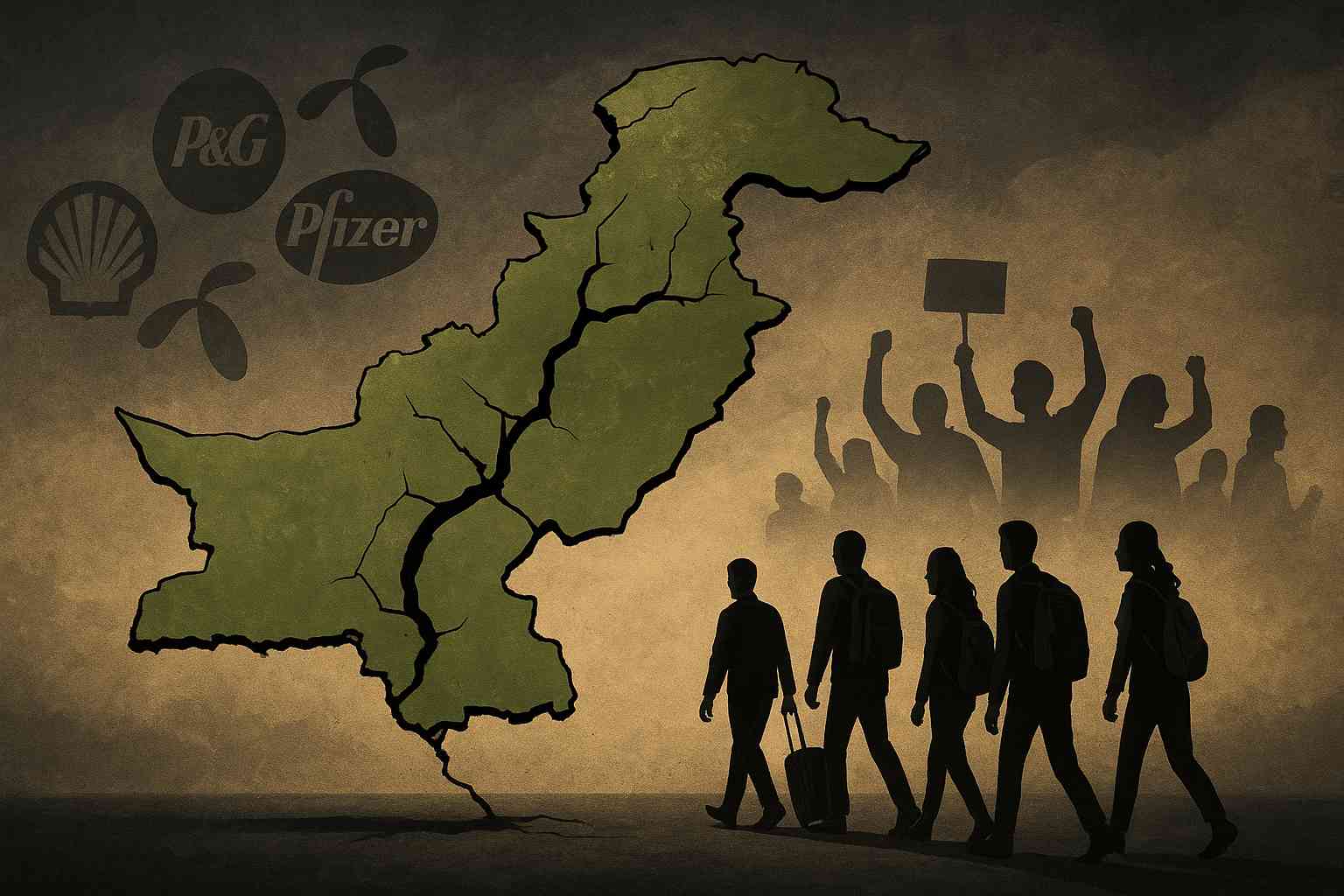
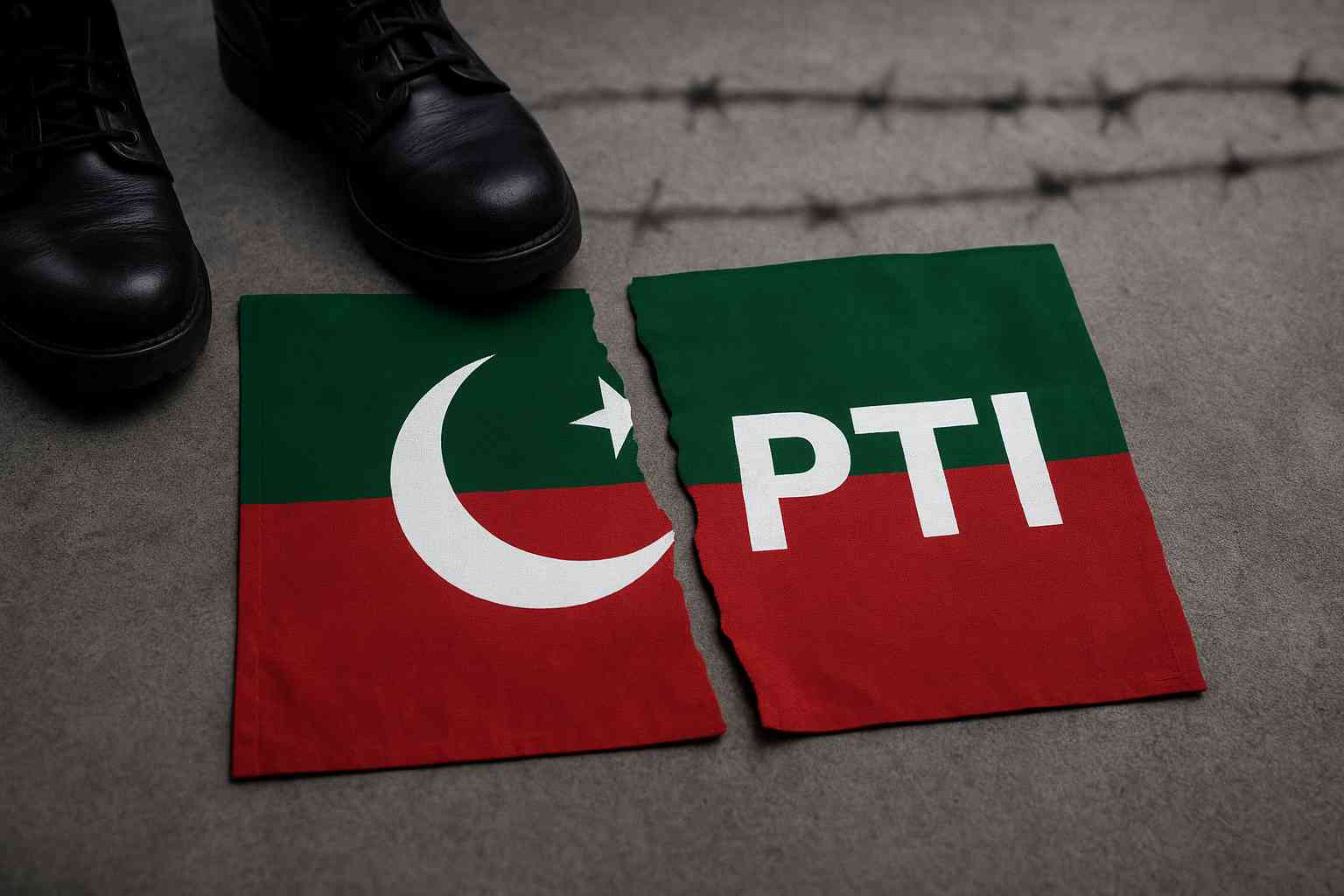
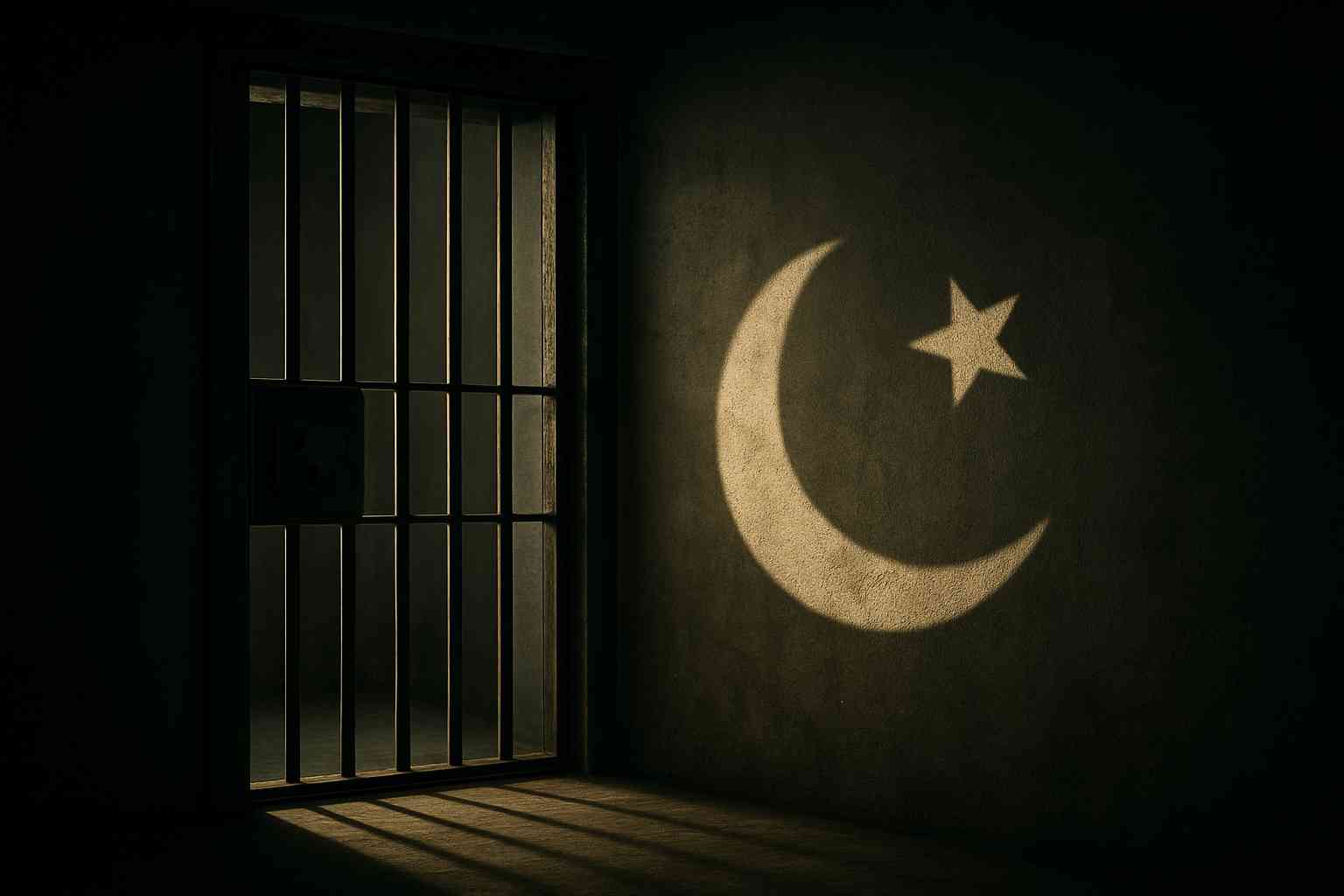
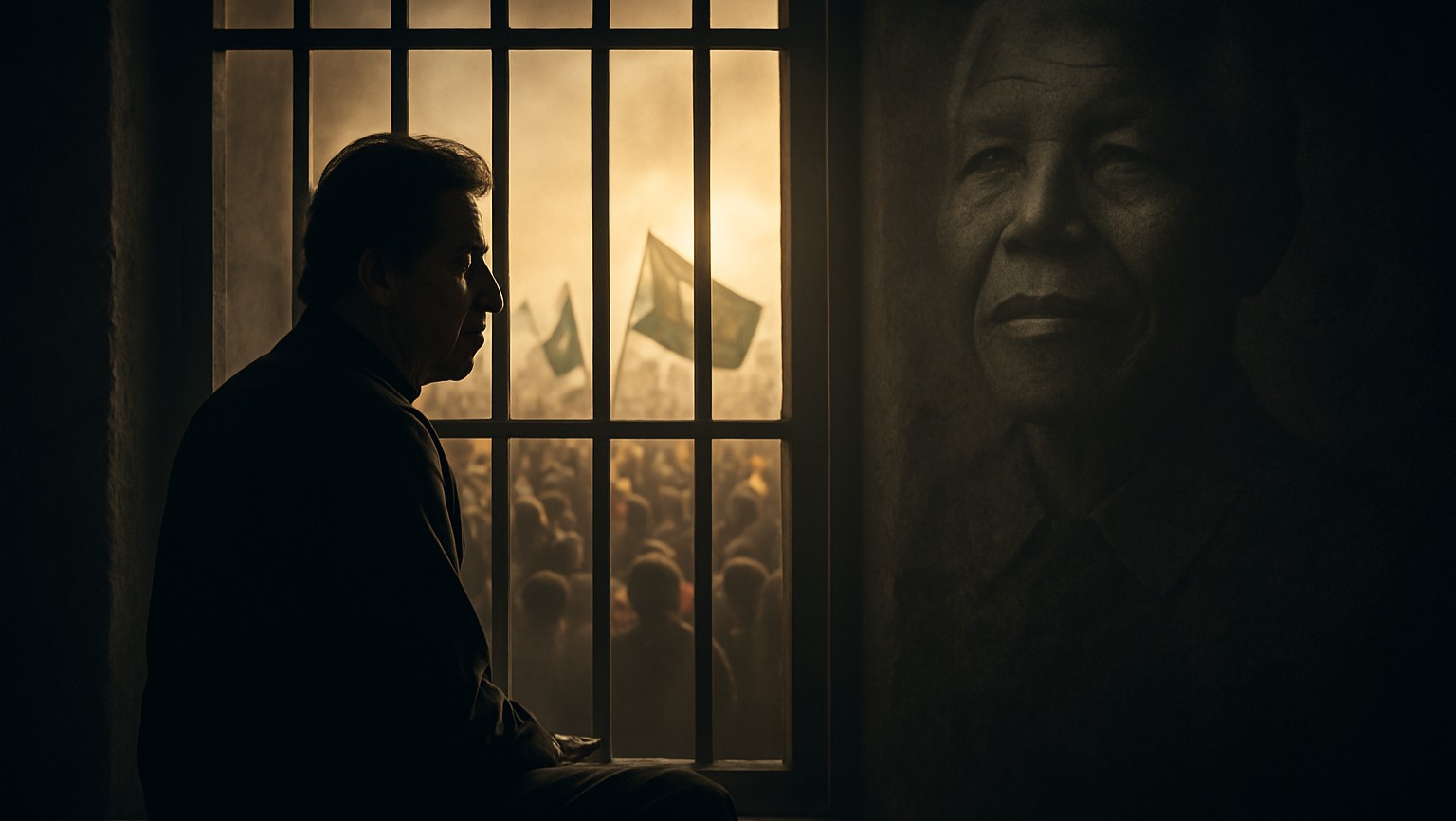
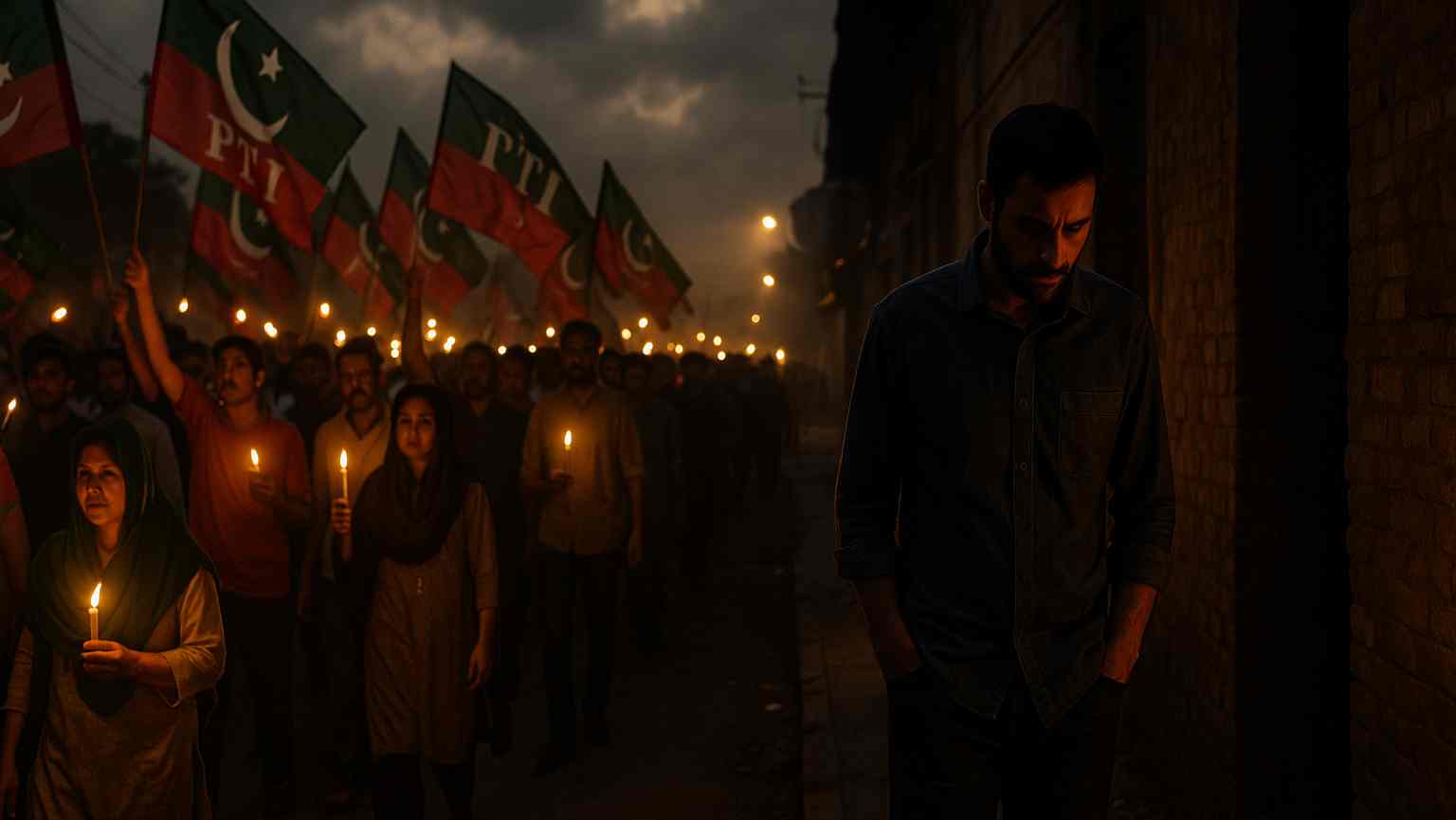
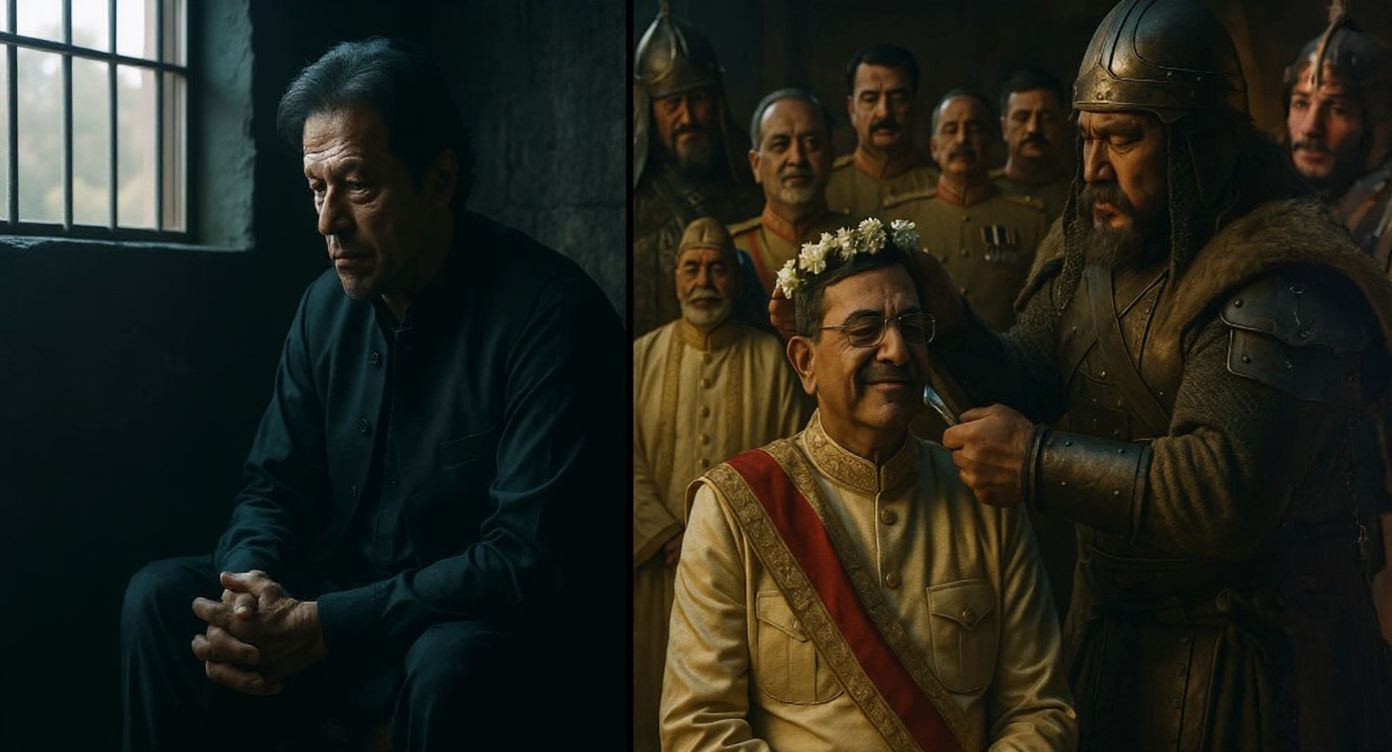
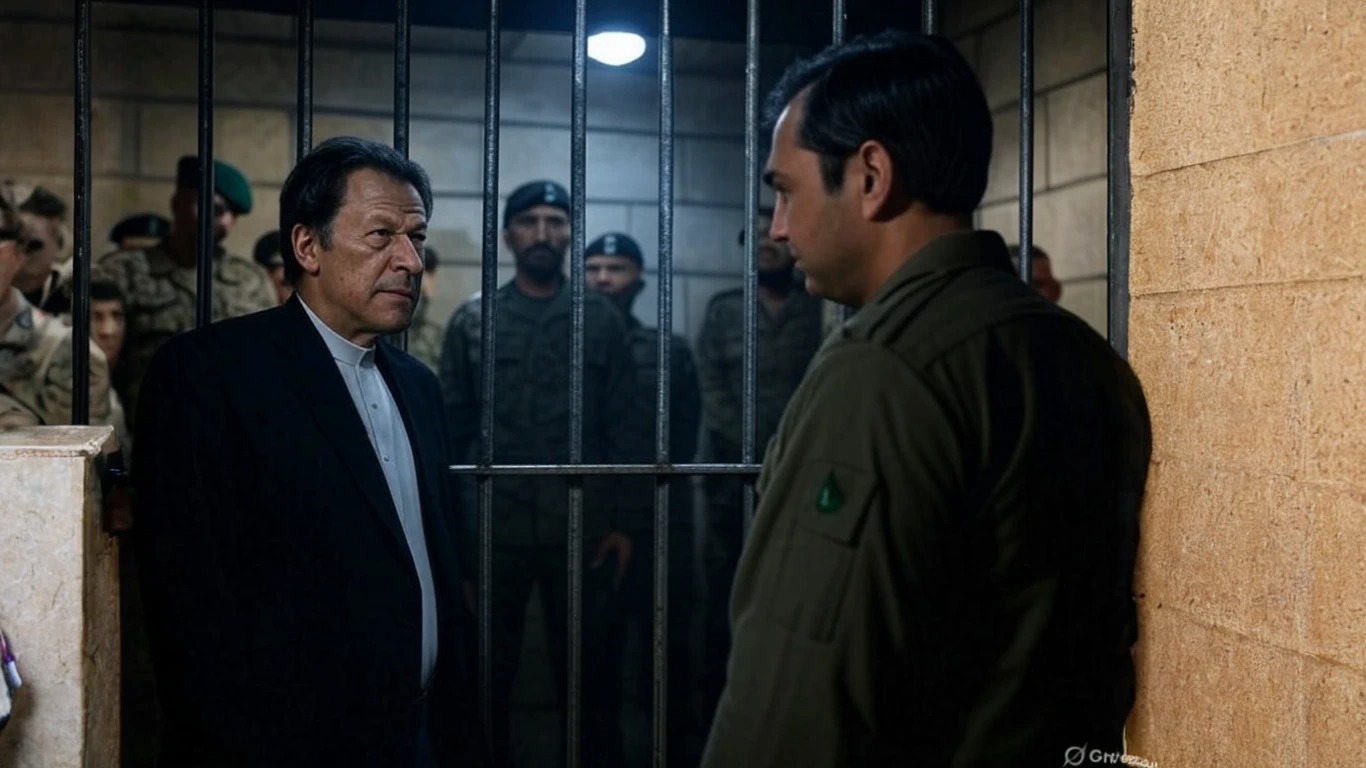
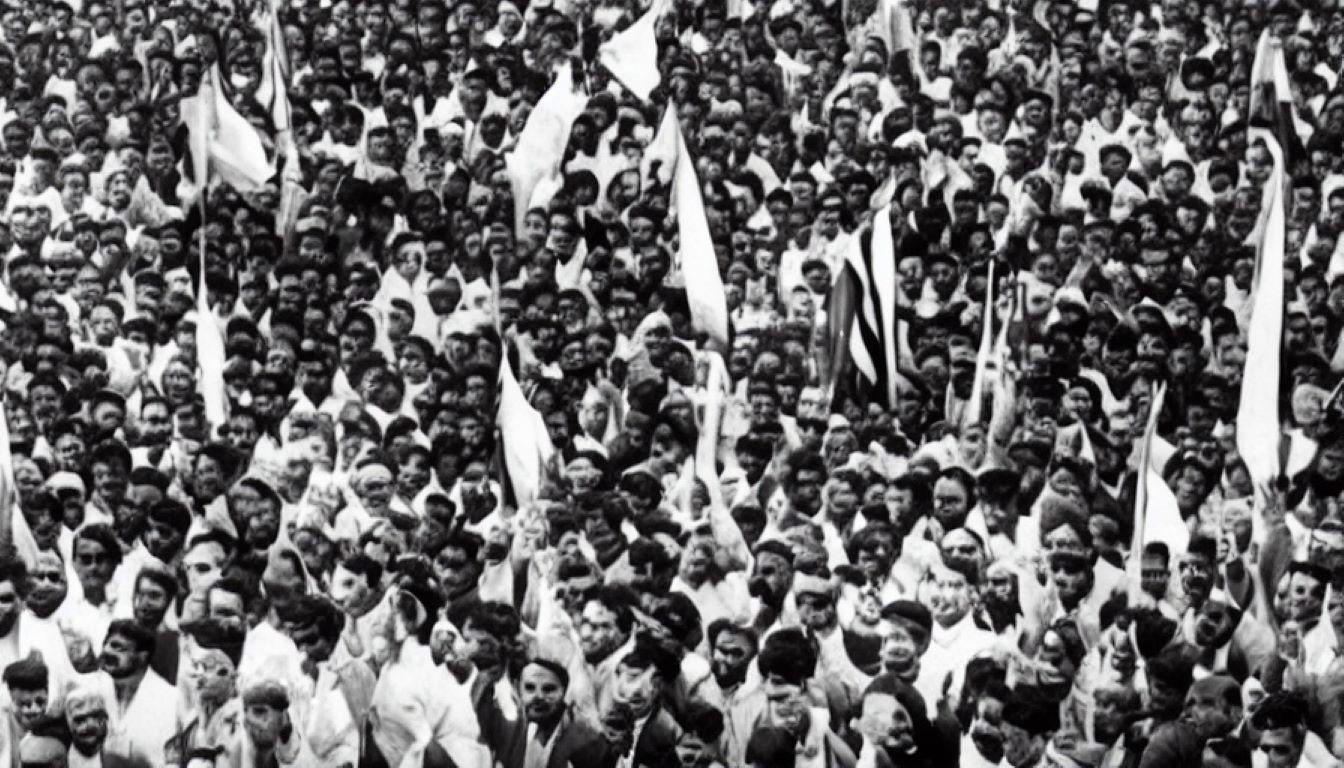
The PTI August 5 protest call has turned Imran Khan’s third year in prison into a national test of civic space. The question is no longer whether Pakistan Tehreek-e-Insaf can announce rallies. The harder question is whether the state can manage dissent without repeating the familiar cycle of bans, arrests, roadblocks, and political escalation.
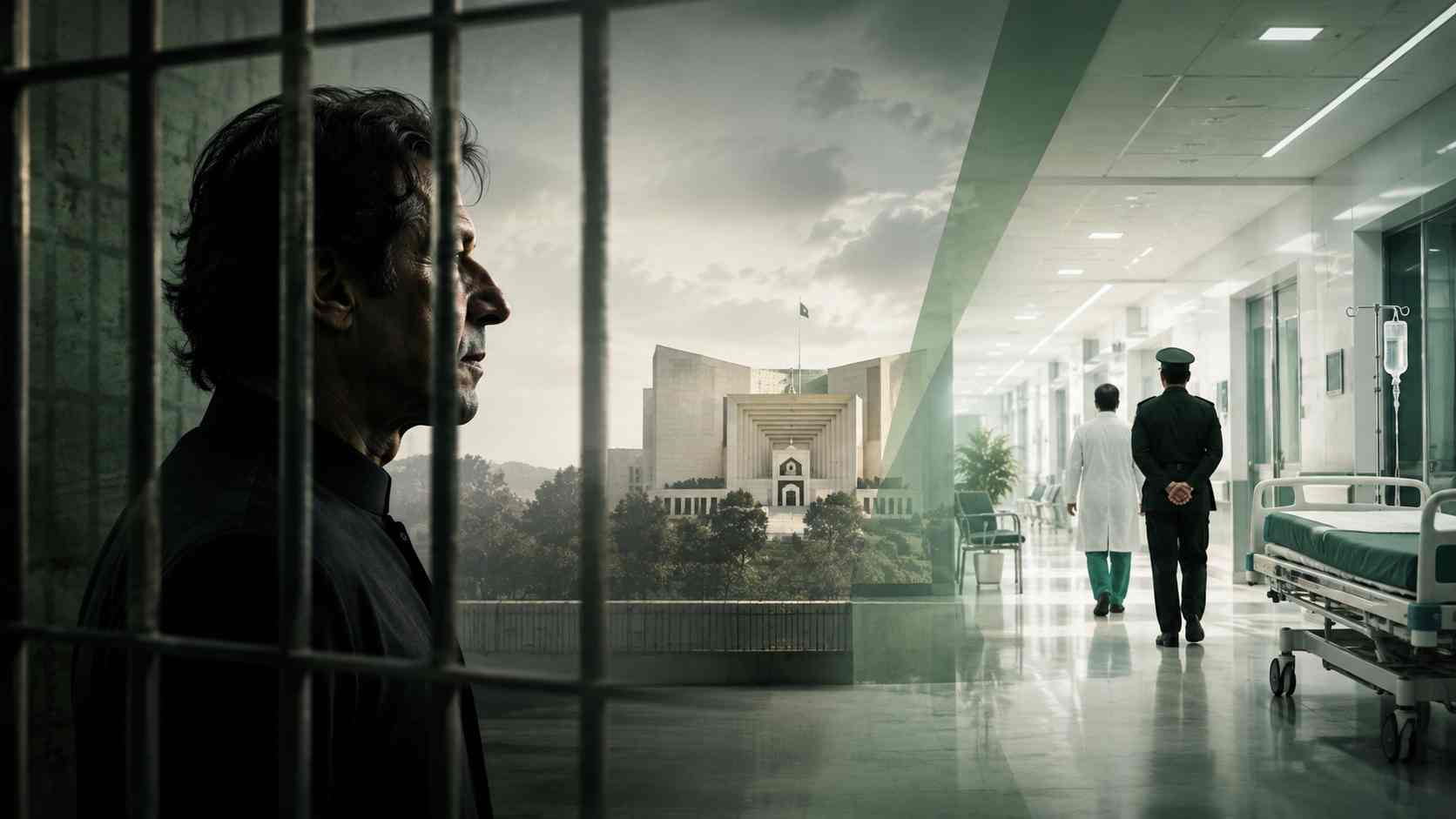
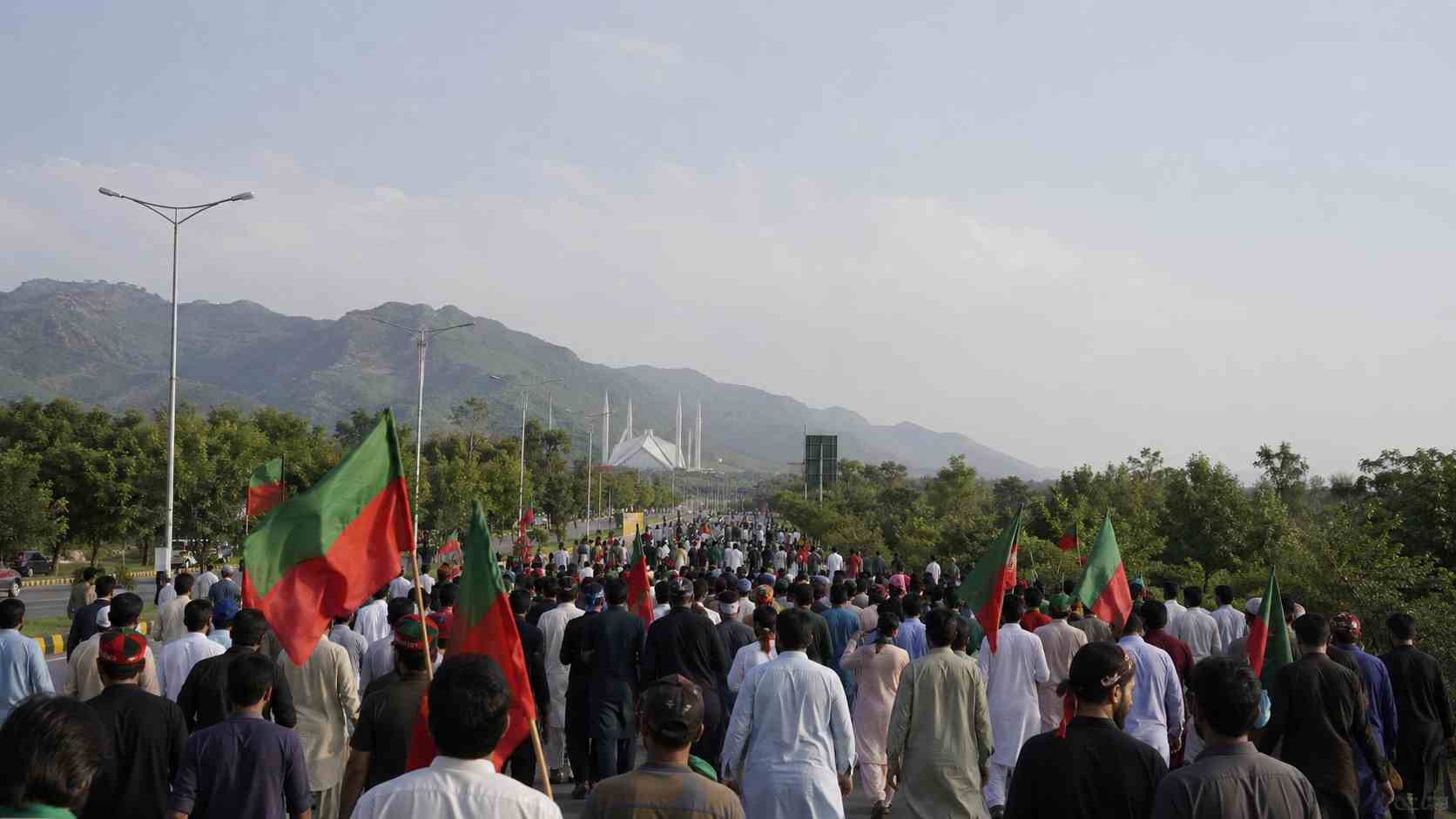
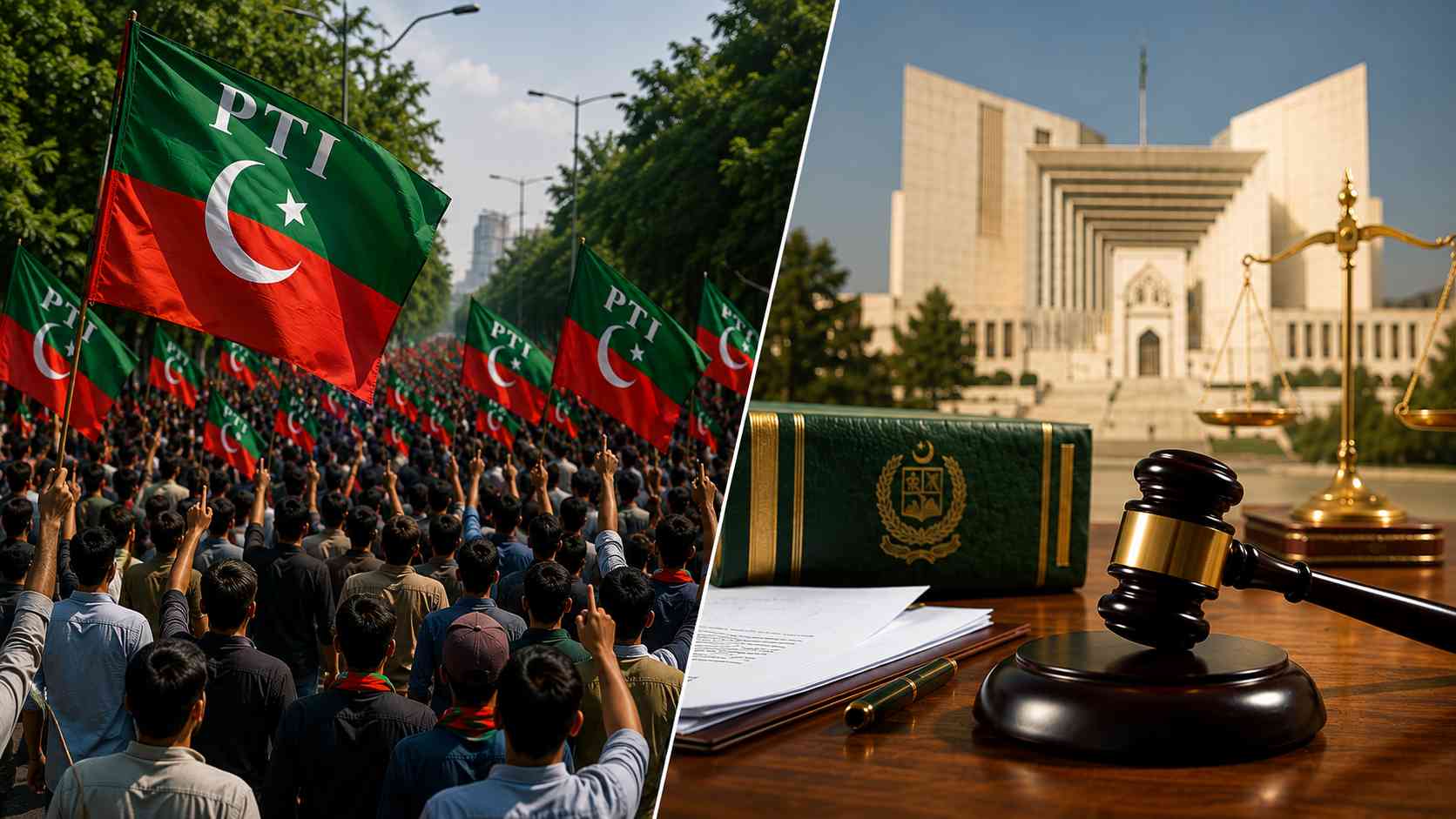
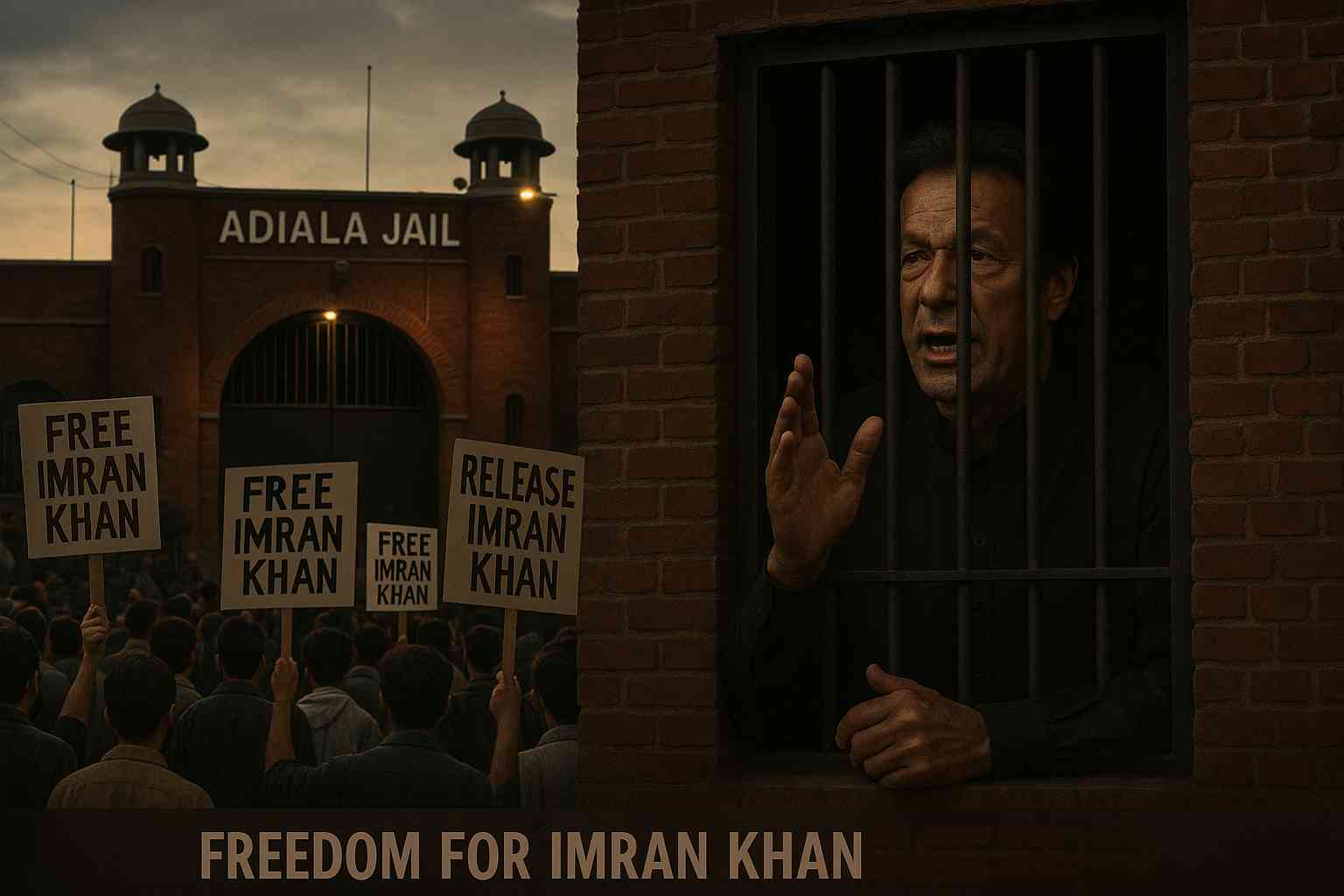
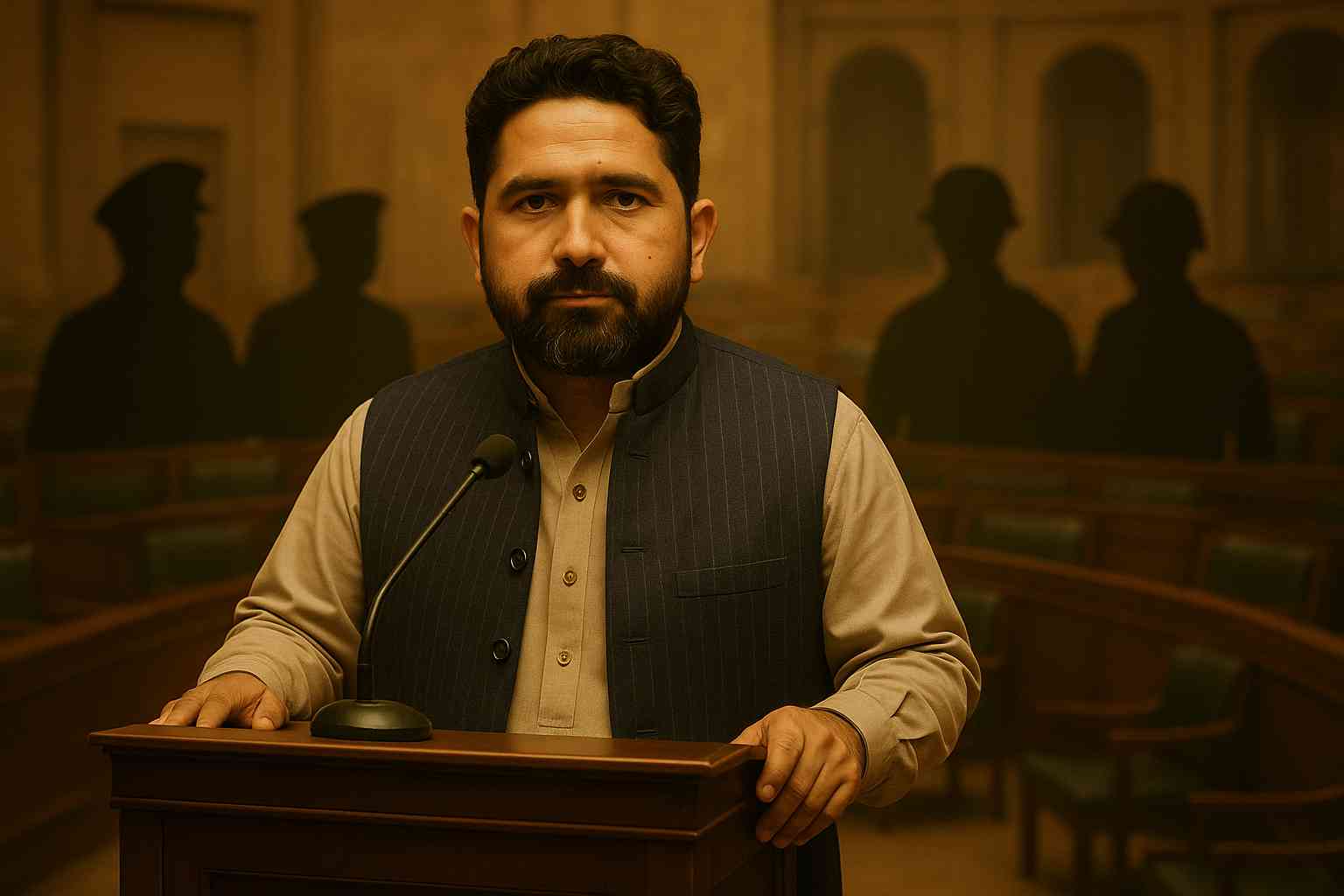
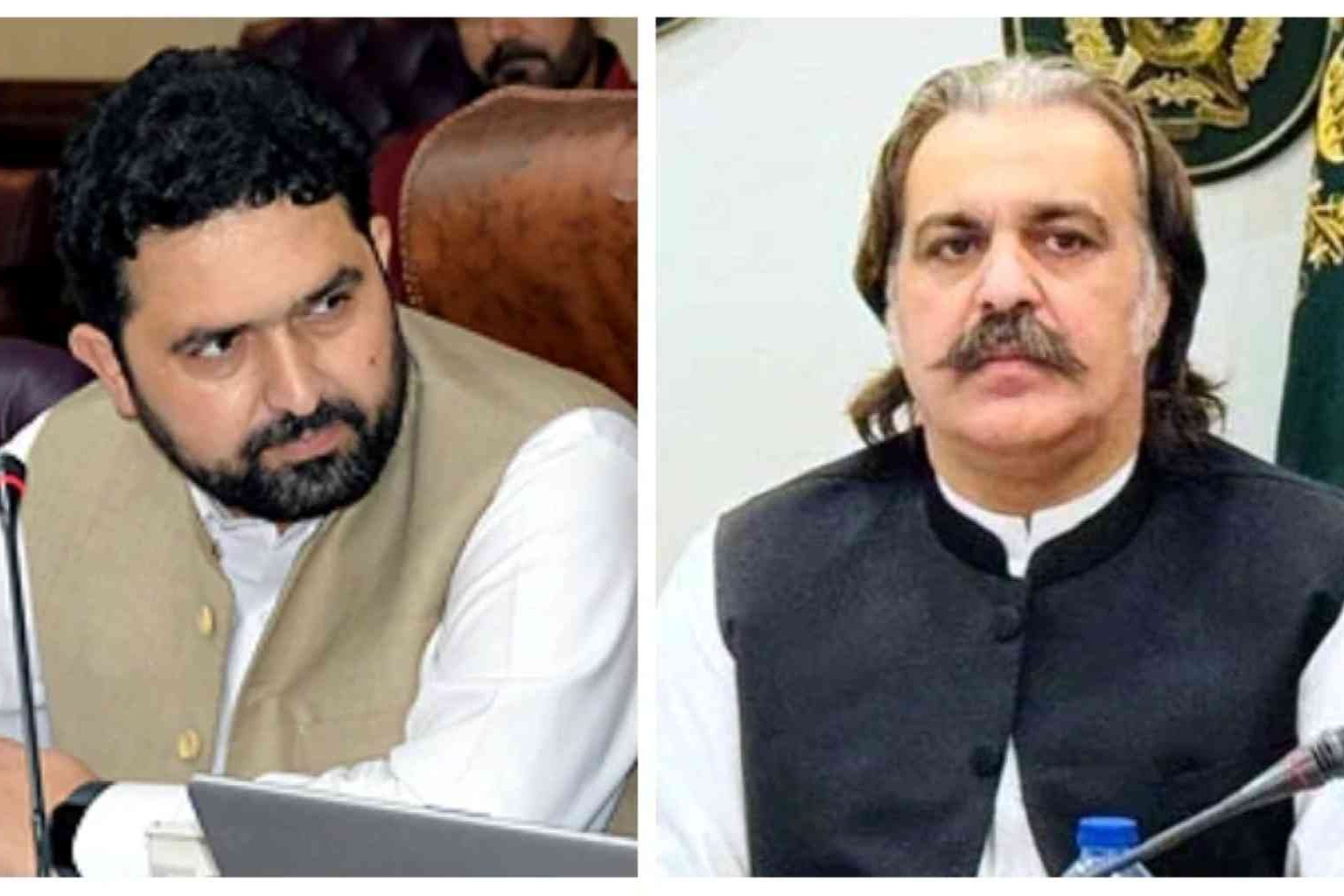
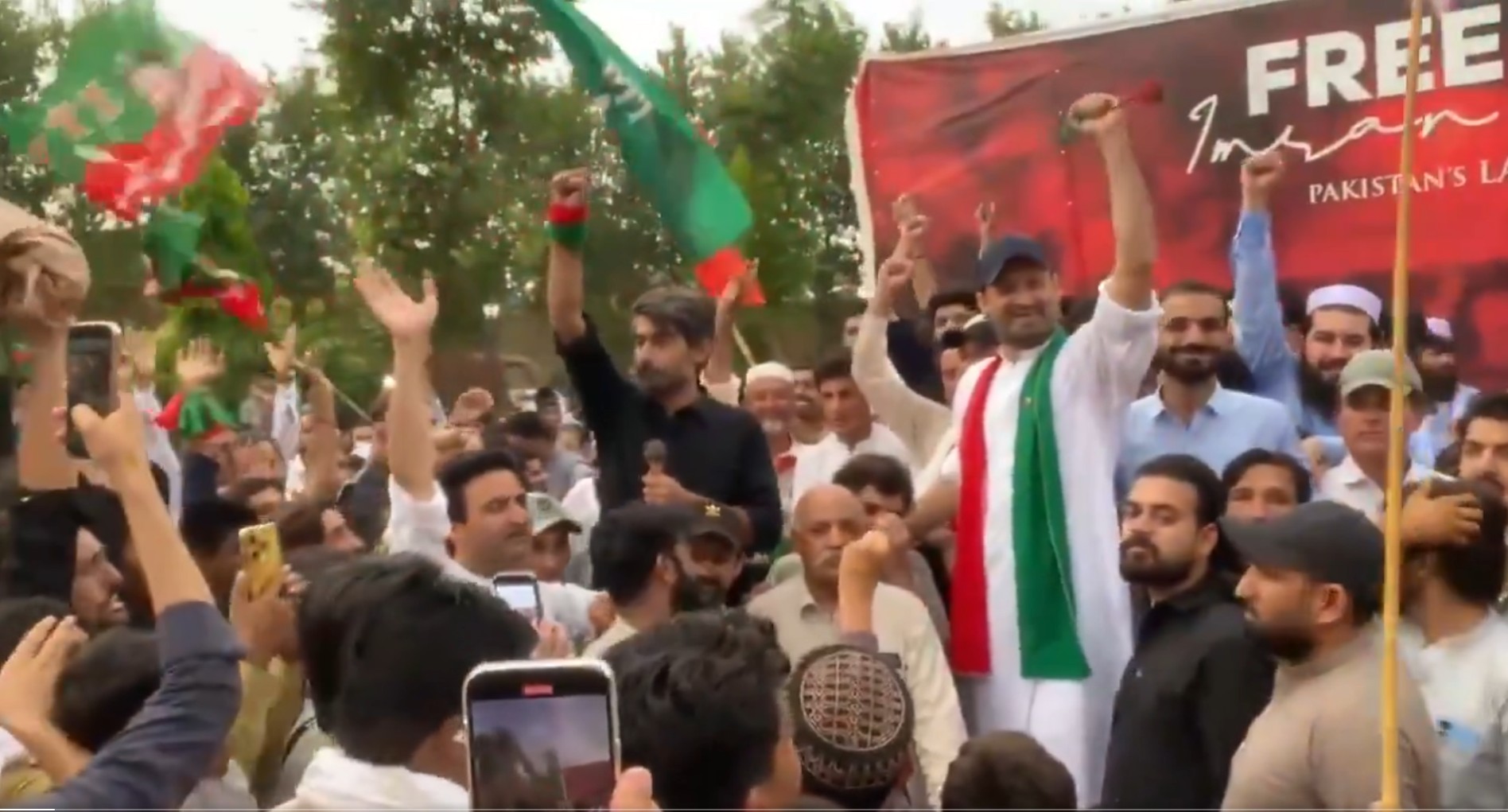
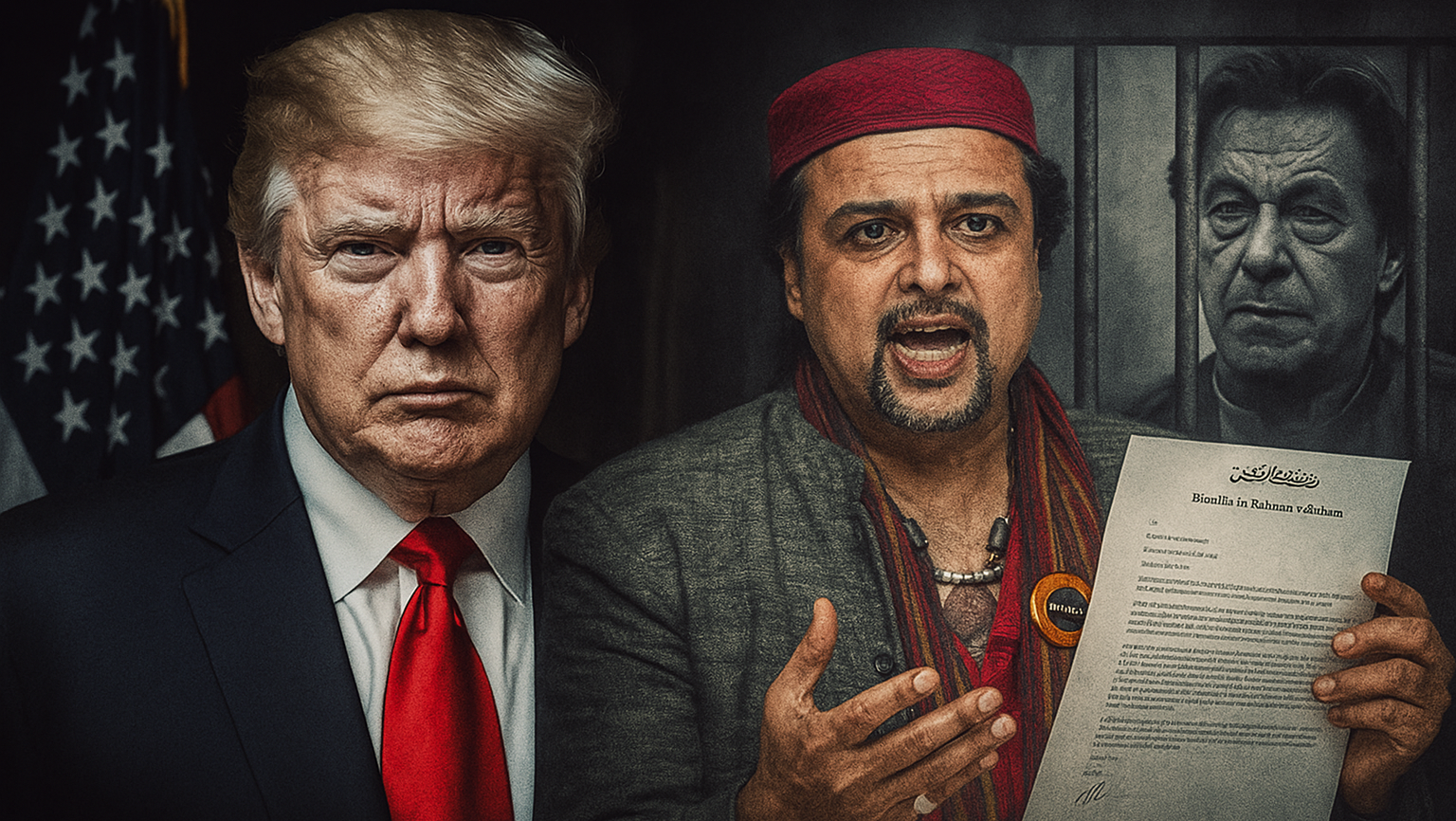
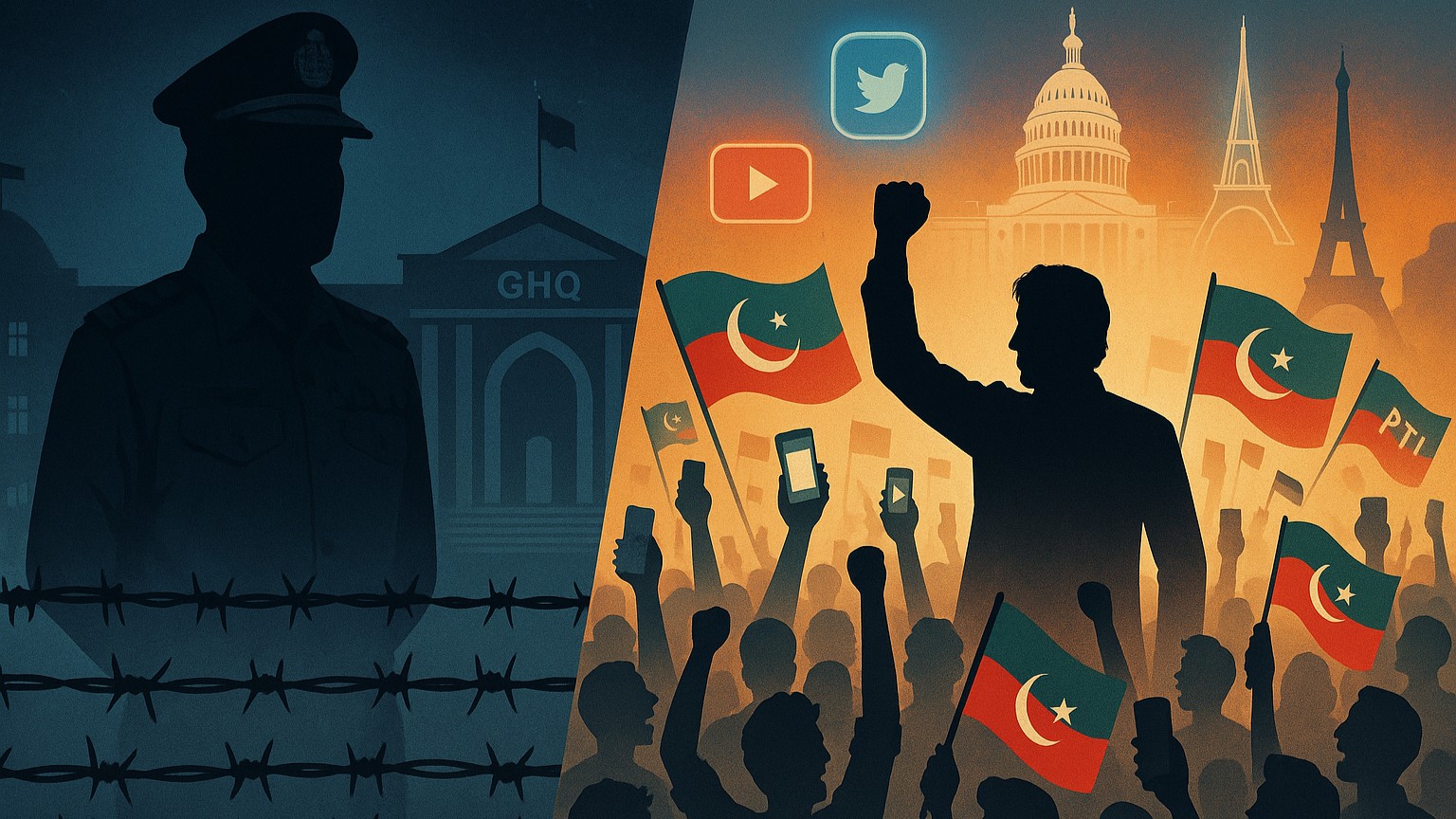
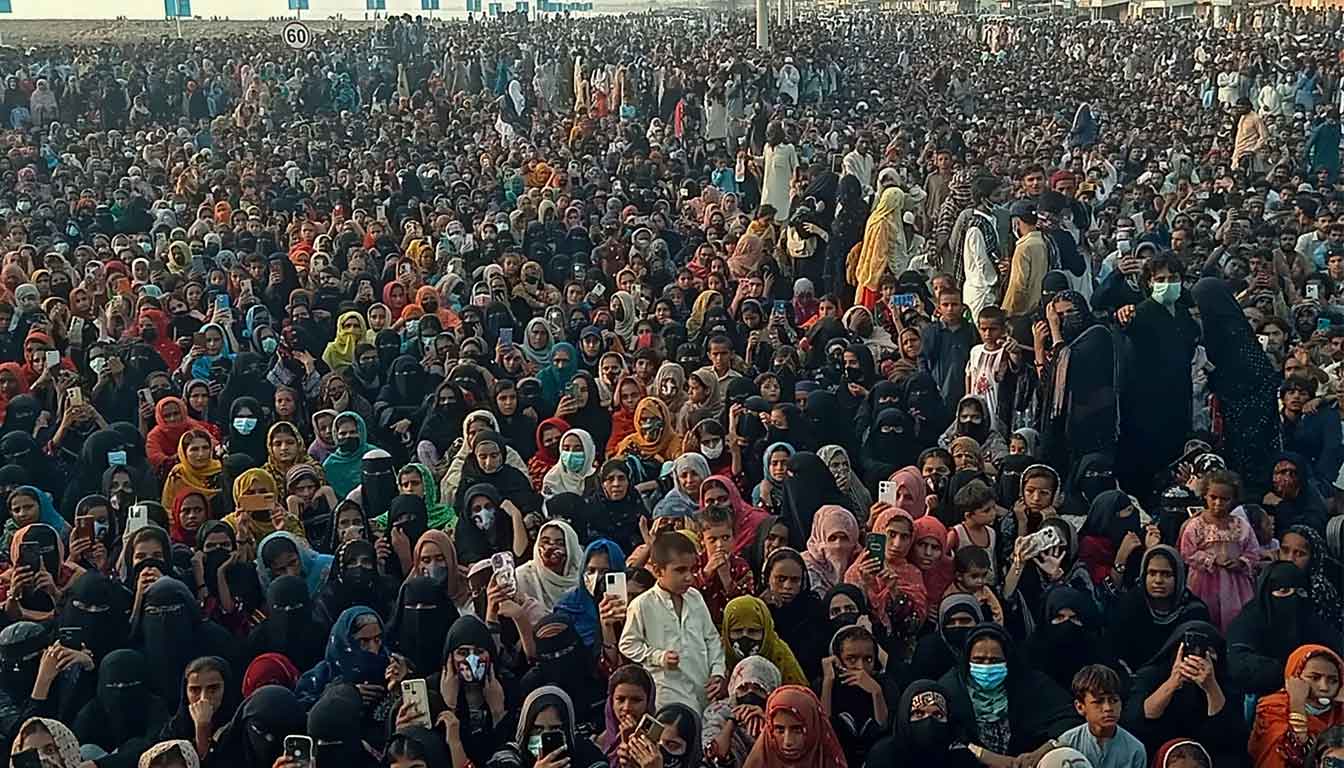
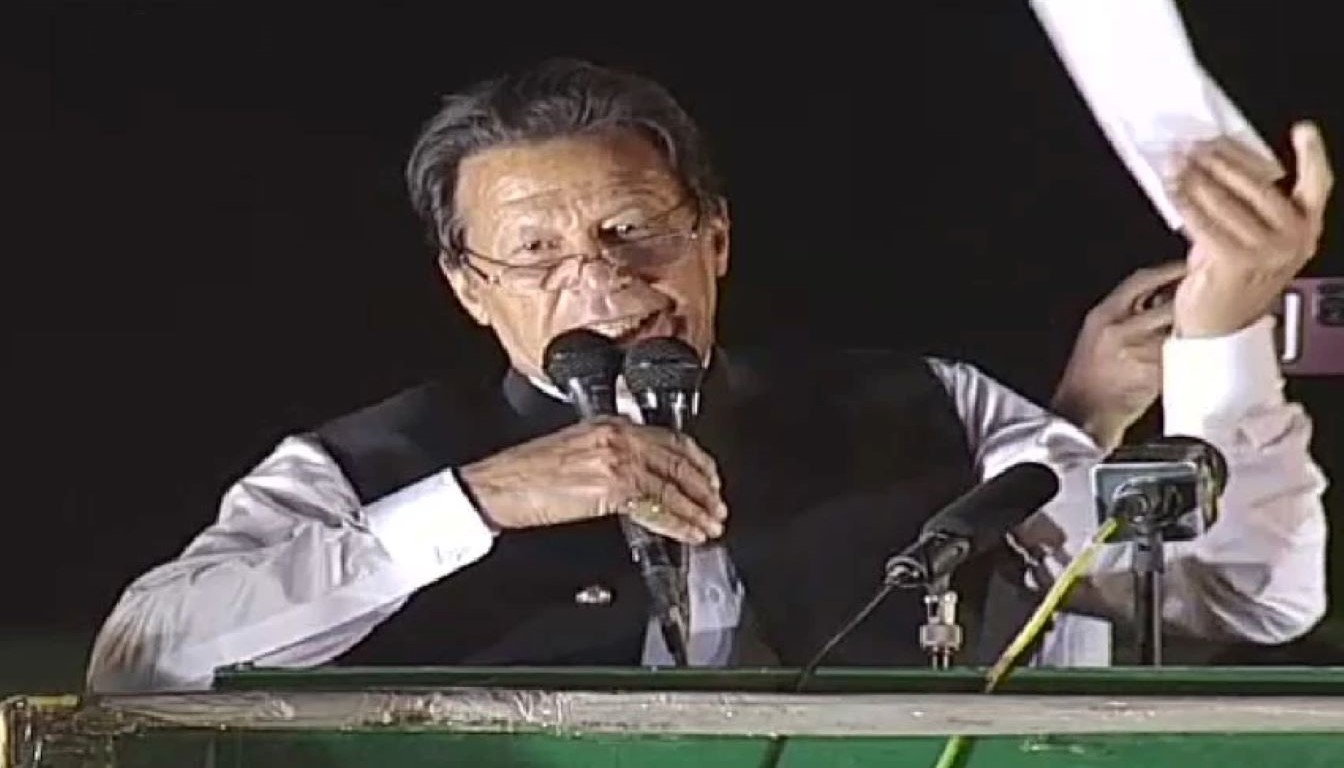
According to Dawn, PTI’s parliamentary party decided to launch a nationwide movement from August 5 for Khan’s release and other demands. The date marks three years since the former prime minister was imprisoned. Dawn reported that Salman Akram Raja said the plan includes public meetings, demonstrations, and a long march. Geo News also reported that Barrister Gohar Ali Khan announced nationwide rallies and said PTI’s future course would be coordinated with allies.
That makes the PTI August 5 protest more than a party anniversary. It is becoming a referendum on Pakistan’s shrinking political space.
Why the PTI August 5 protest matters
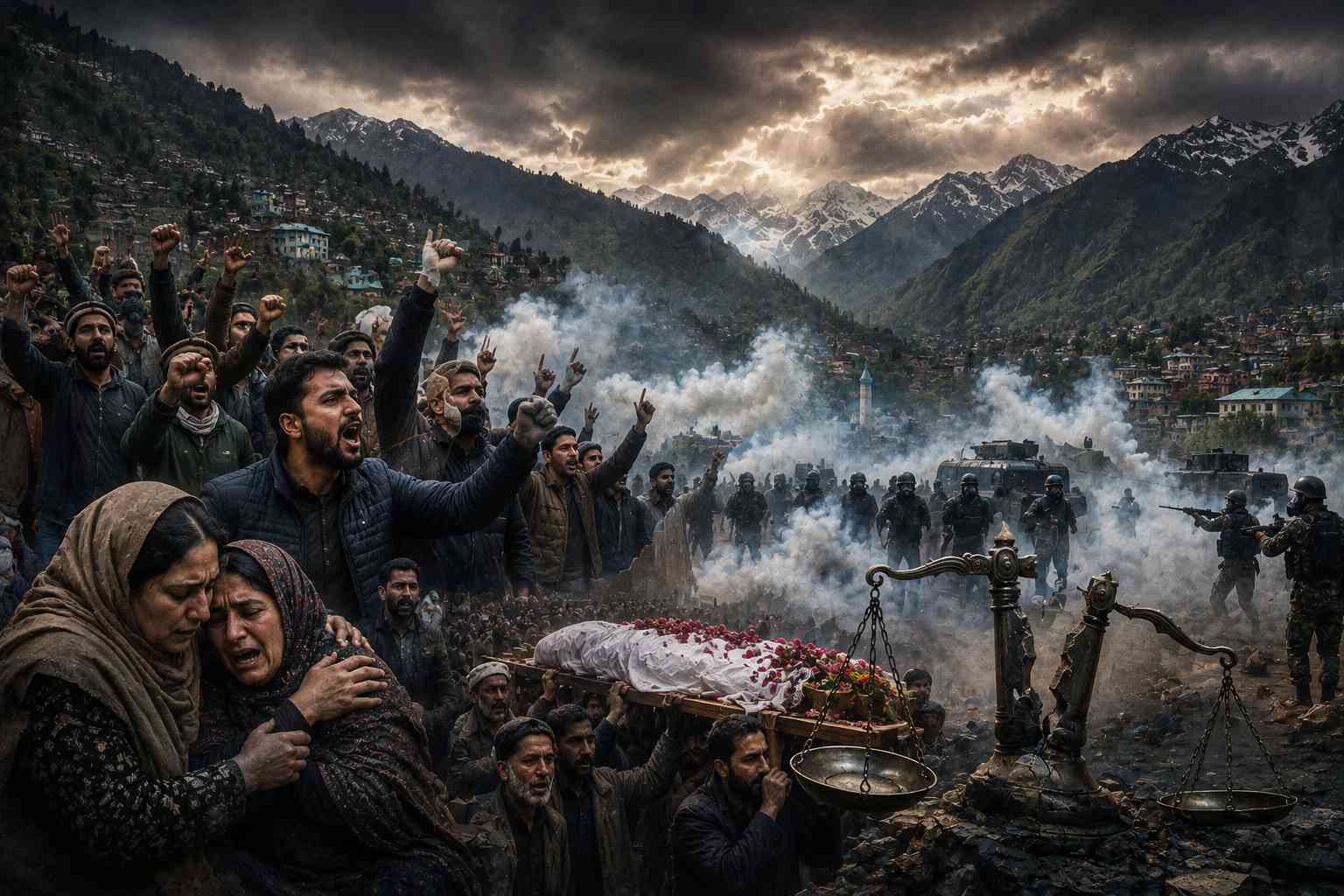
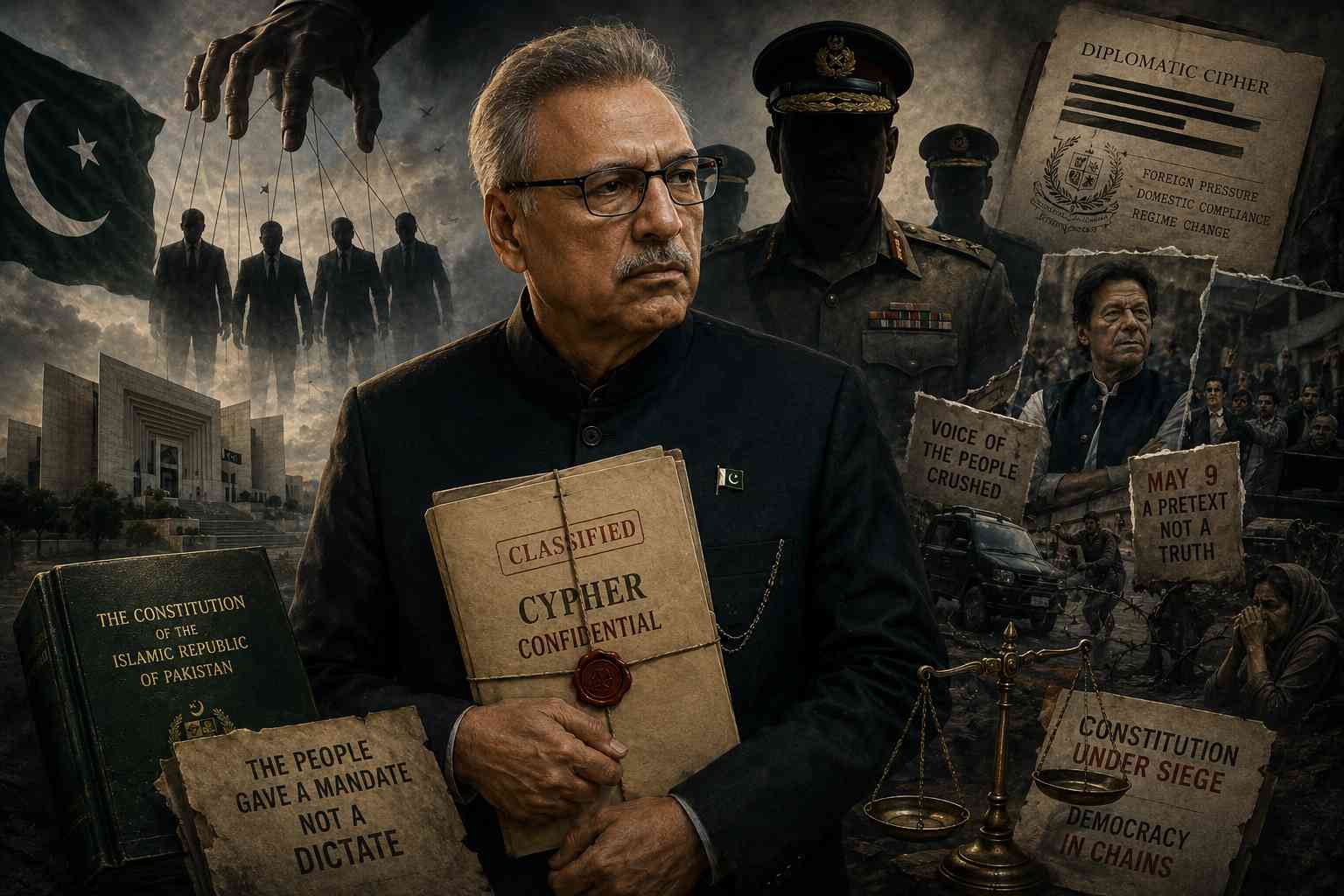
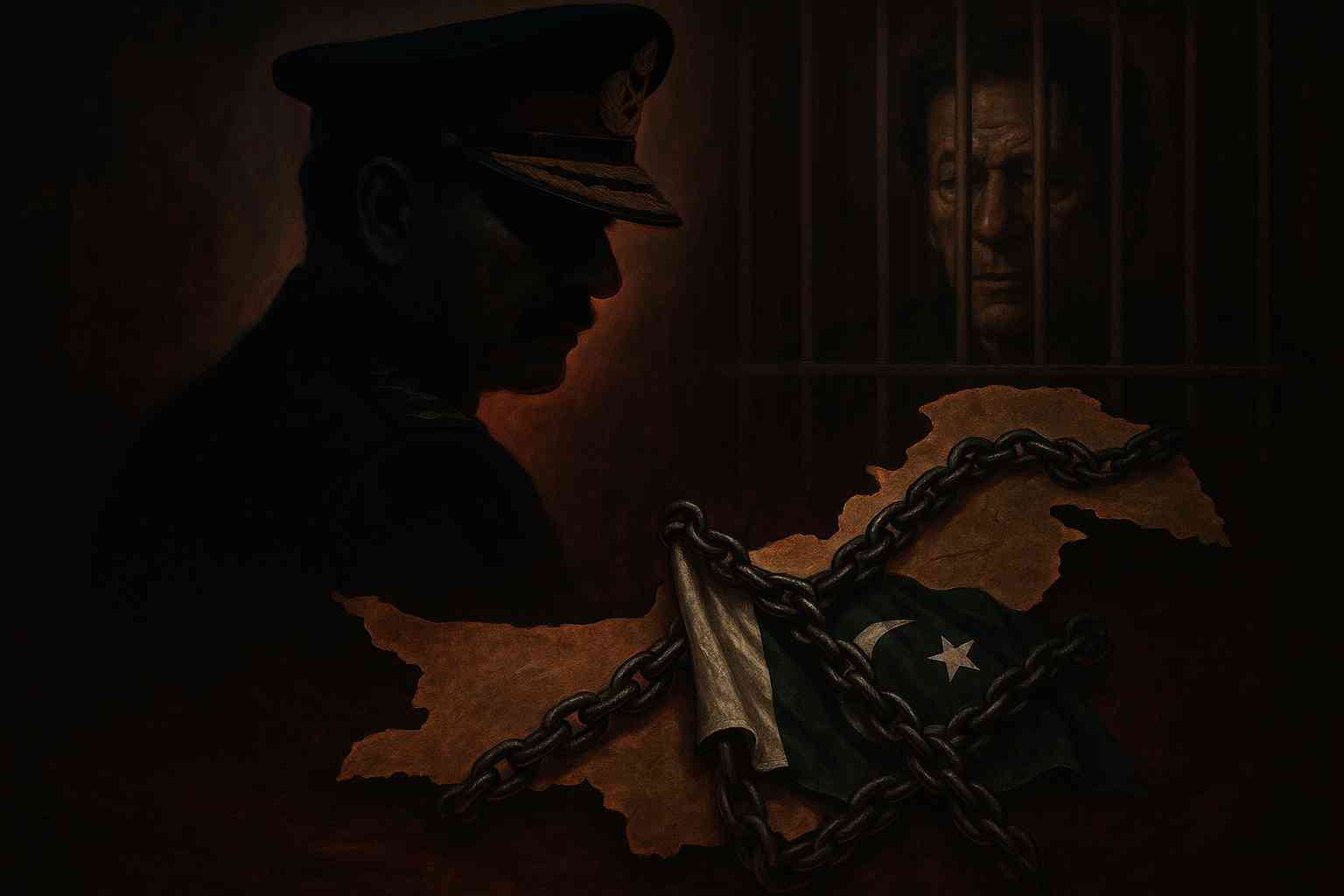
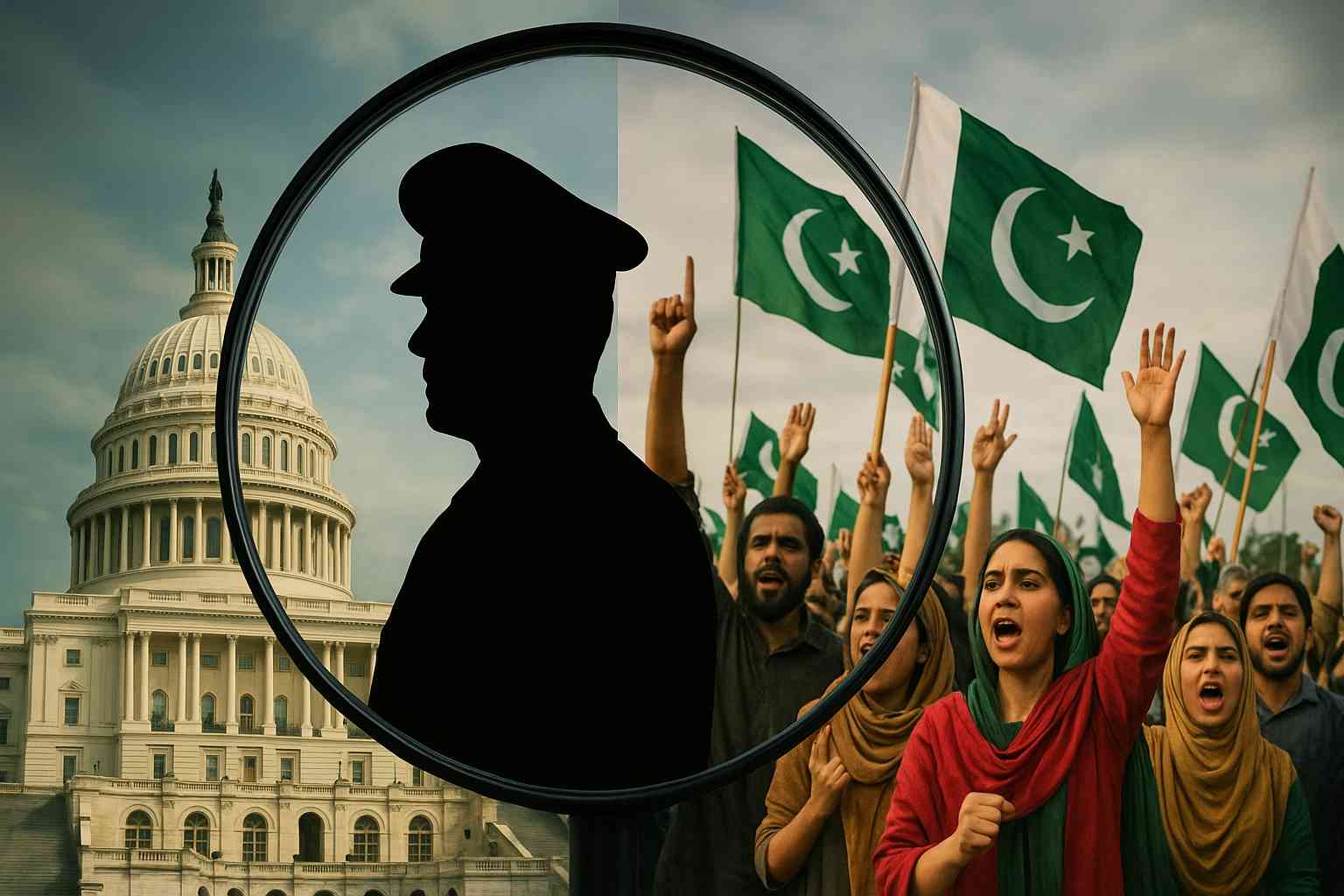
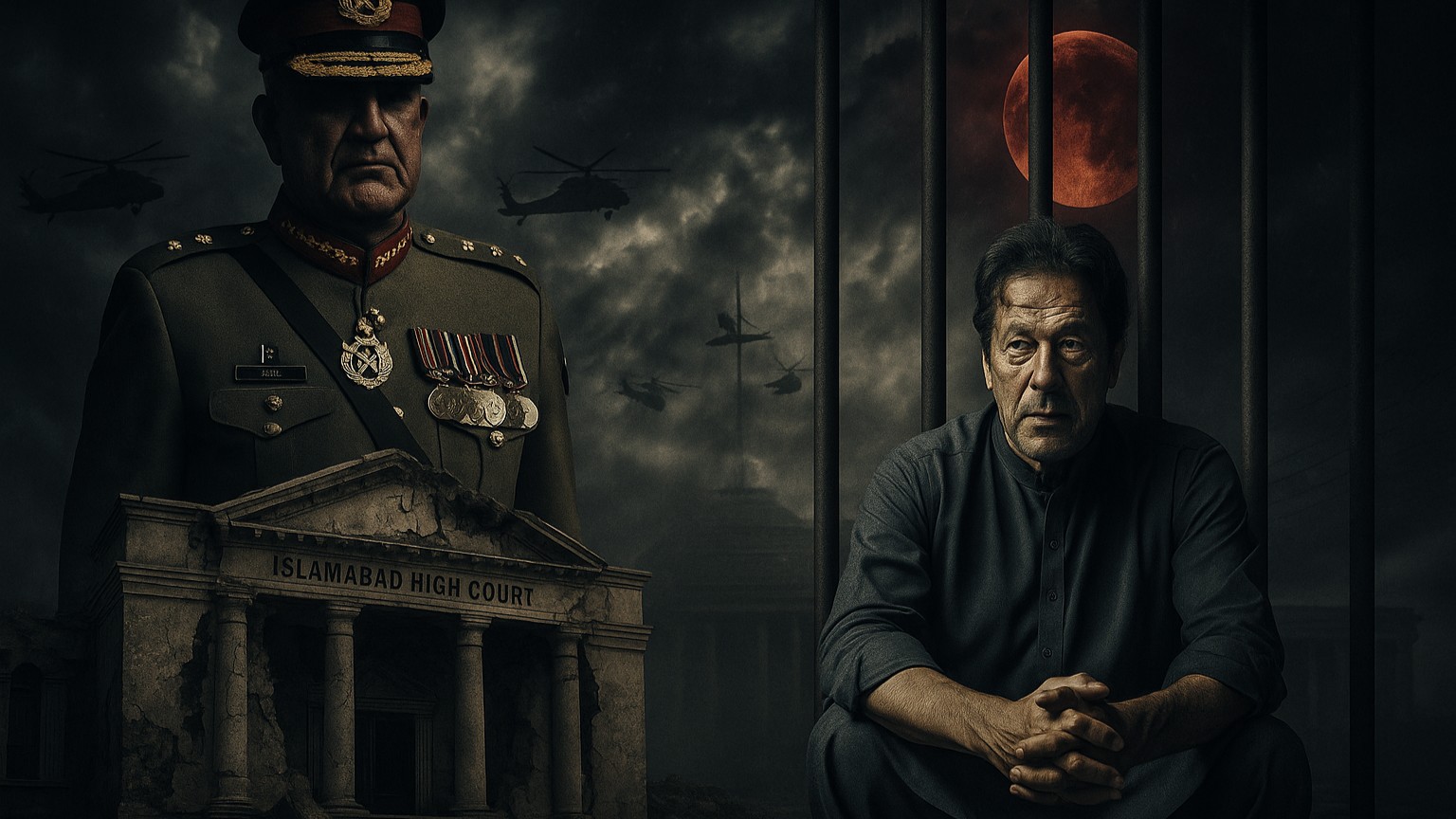
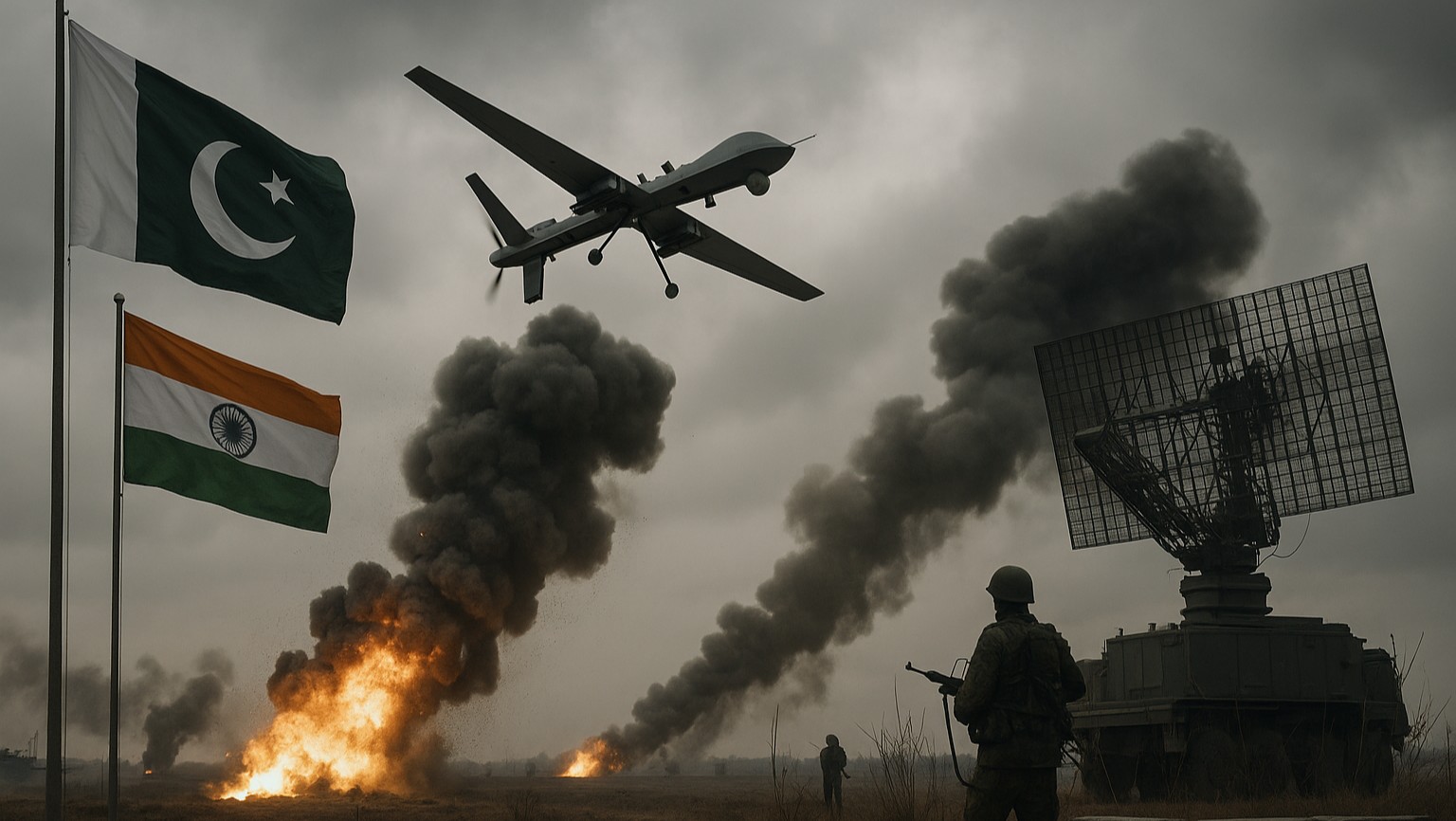
Pakistan’s rulers often treat protest as a security problem before treating it as a political signal. That instinct has deepened since May 2023, when Khan’s arrest triggered unrest and a harsh state response. The government and security establishment cite public order and violence. PTI argues that the legal system has been weaponised to remove its leader from politics.
Both claims cannot be weighed honestly without separating fact from narrative. Khan has faced multiple cases since his 2022 ouster. Some convictions have been suspended or overturned, while other cases keep him in jail. He denies wrongdoing. His party calls the cases political. The authorities reject that framing and point to the courts.
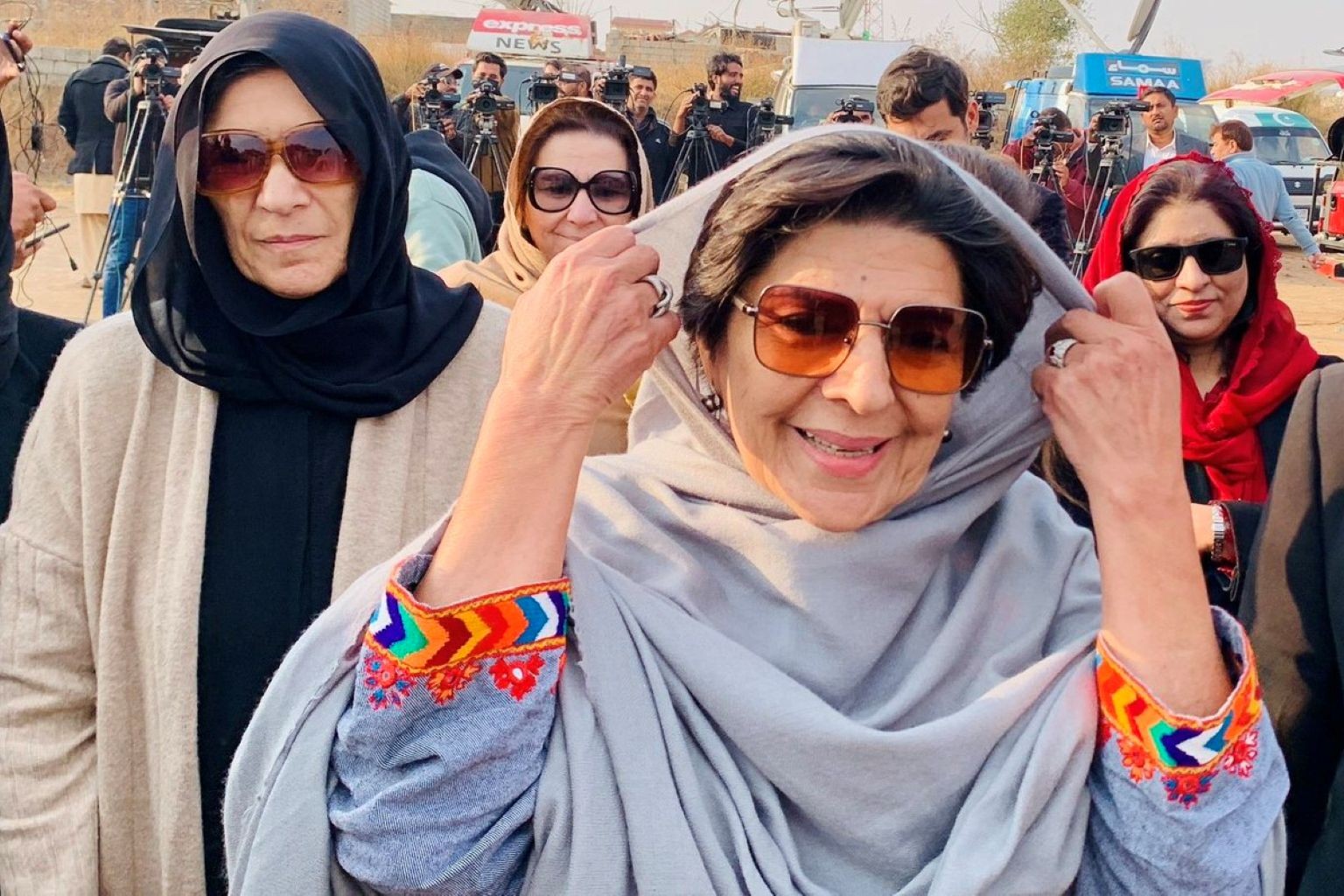
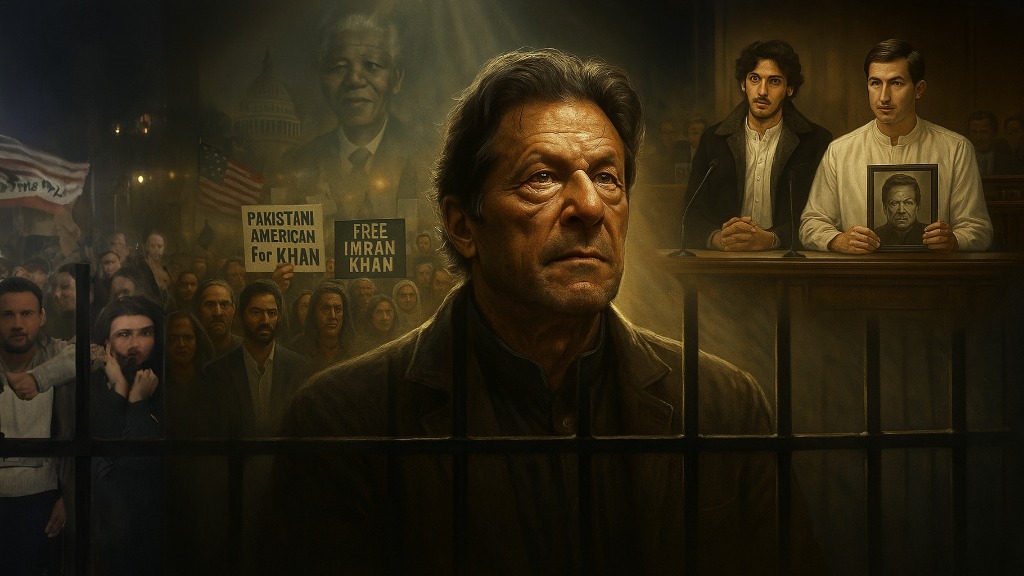
Yet the wider political reality remains clear. A mass party with deep public support has spent years operating under pressure. Its leader sits in prison. Its workers expect another confrontation with the state. Its voters still see the ballot, the court, and the street as connected fronts in one struggle.
That is why August 5 carries risk.
A state response will define the moment
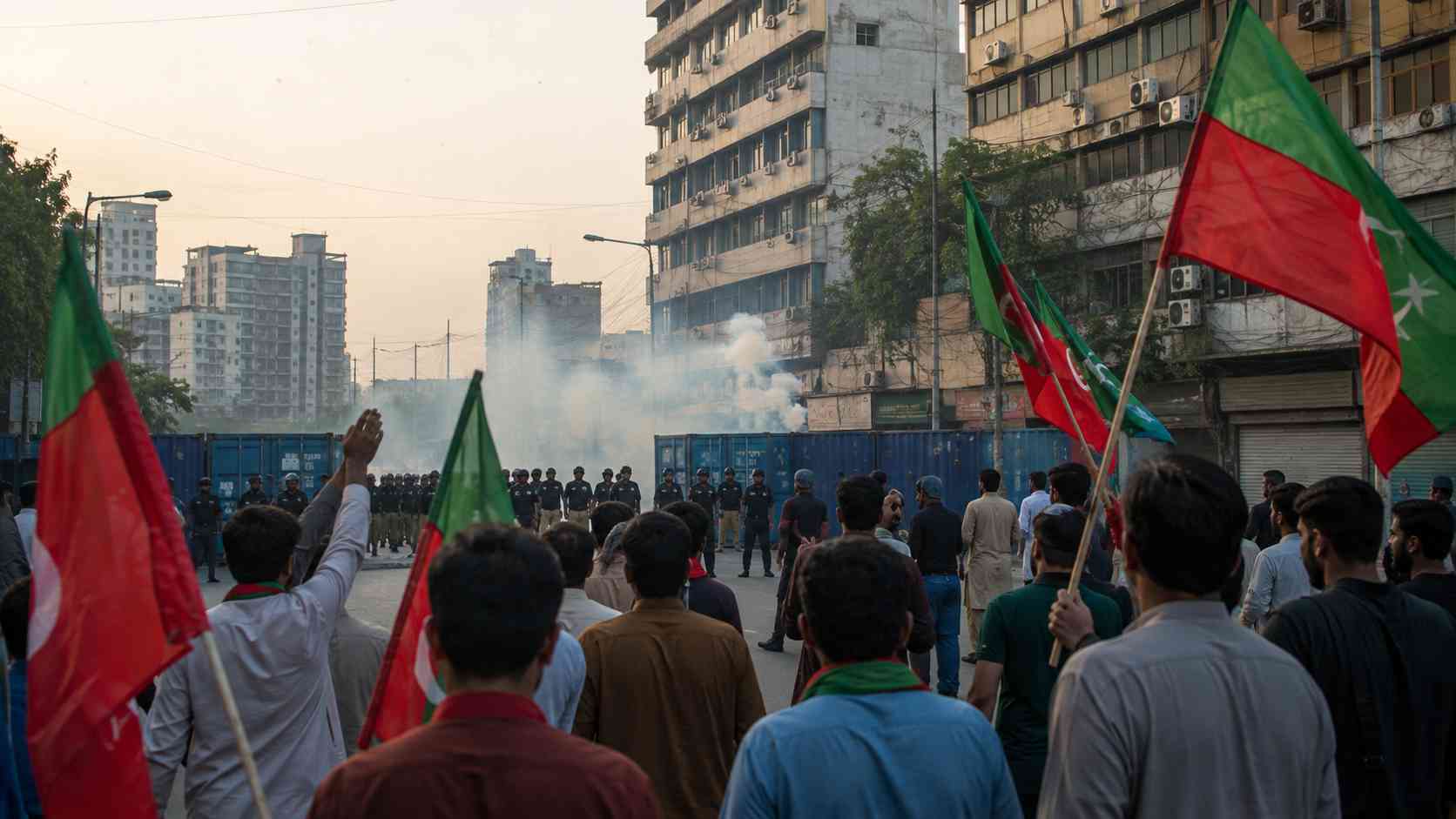
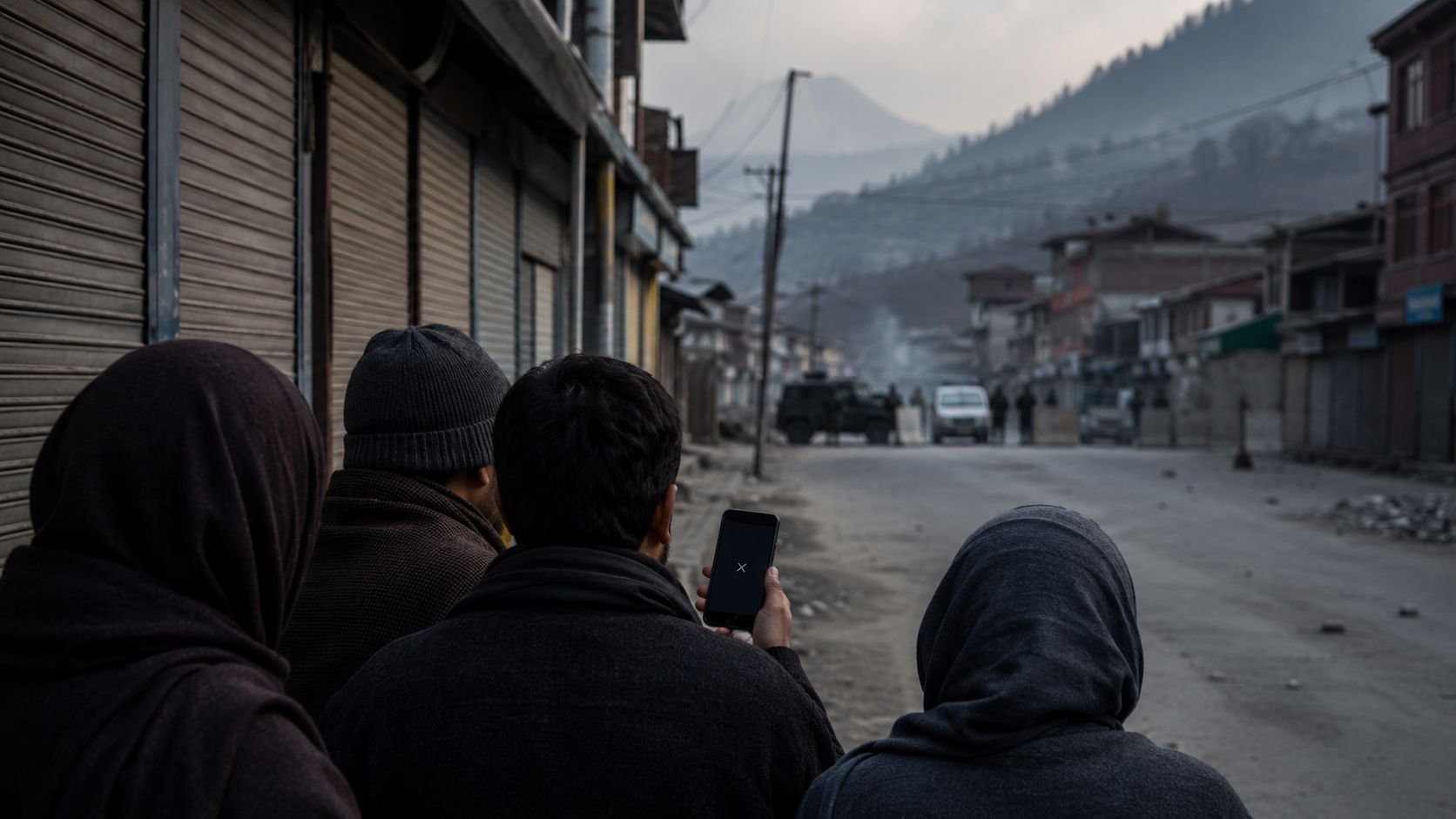
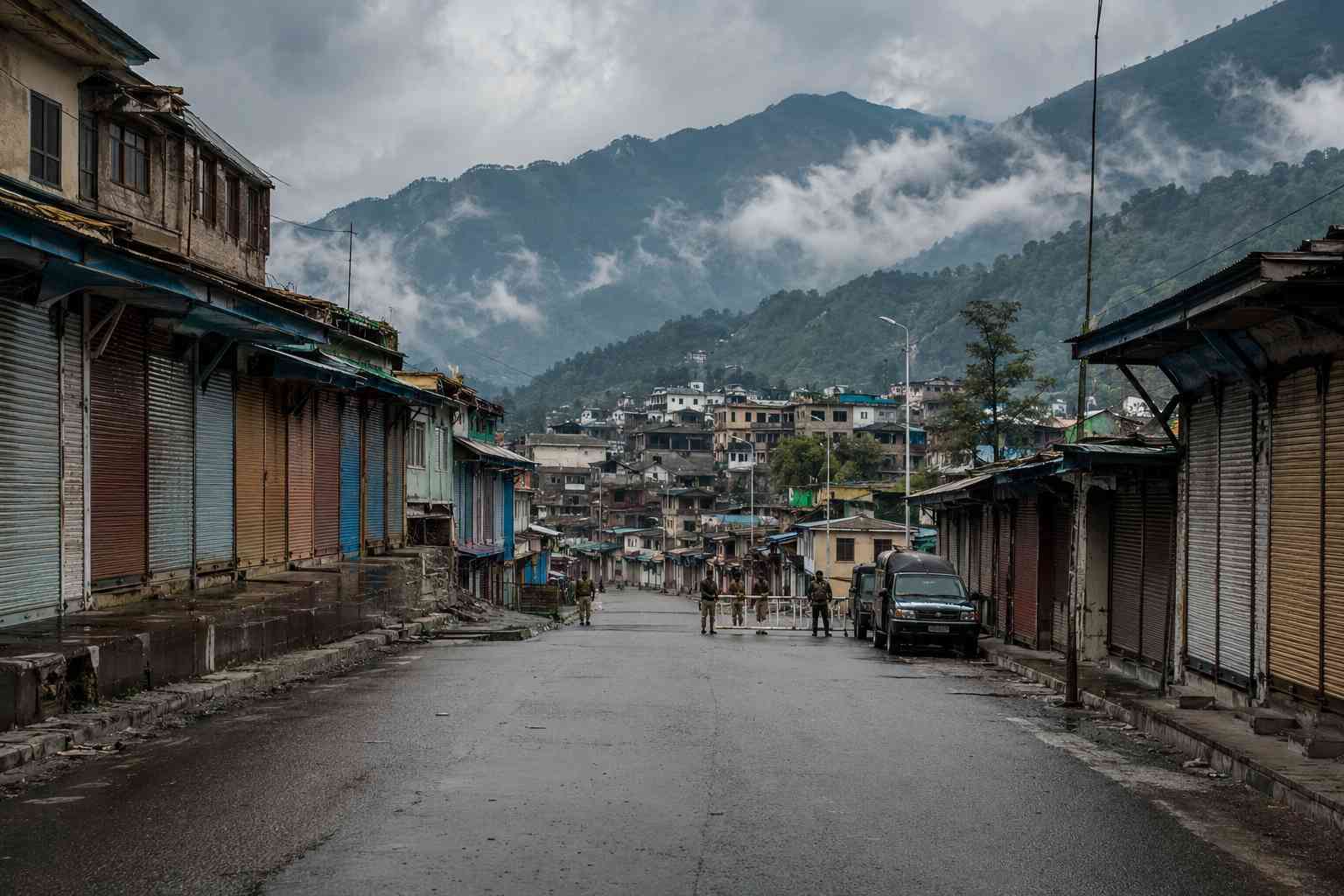
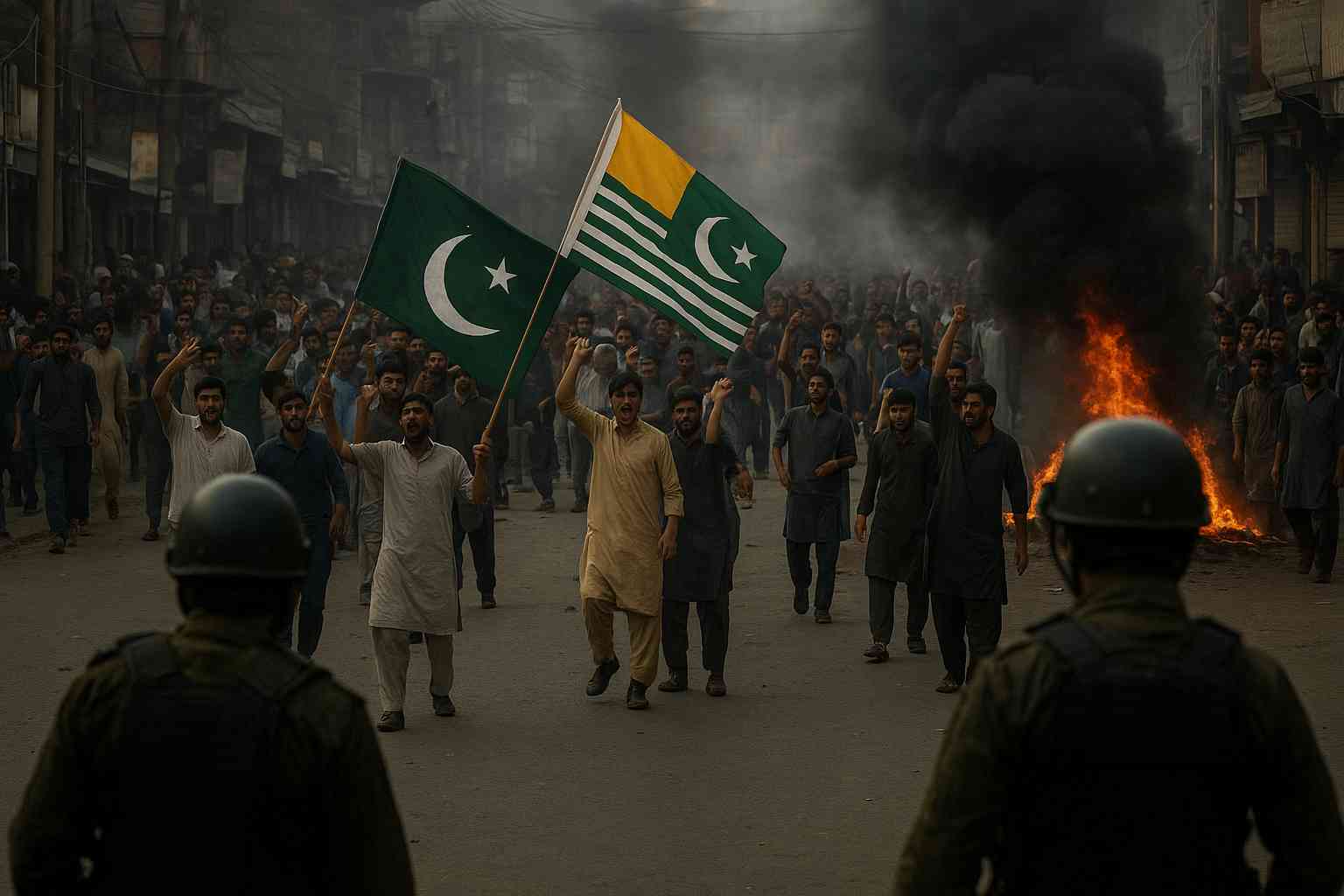
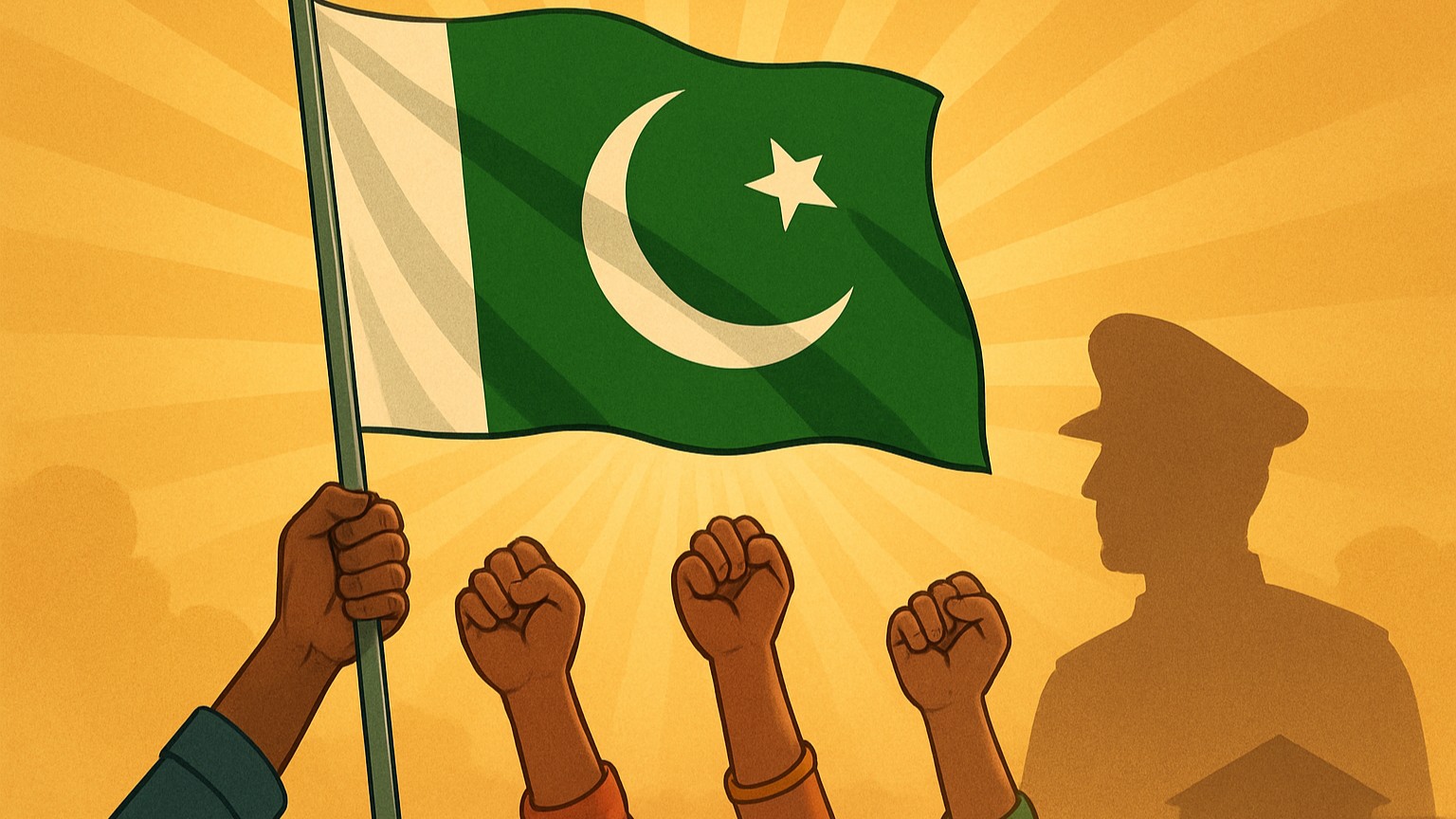
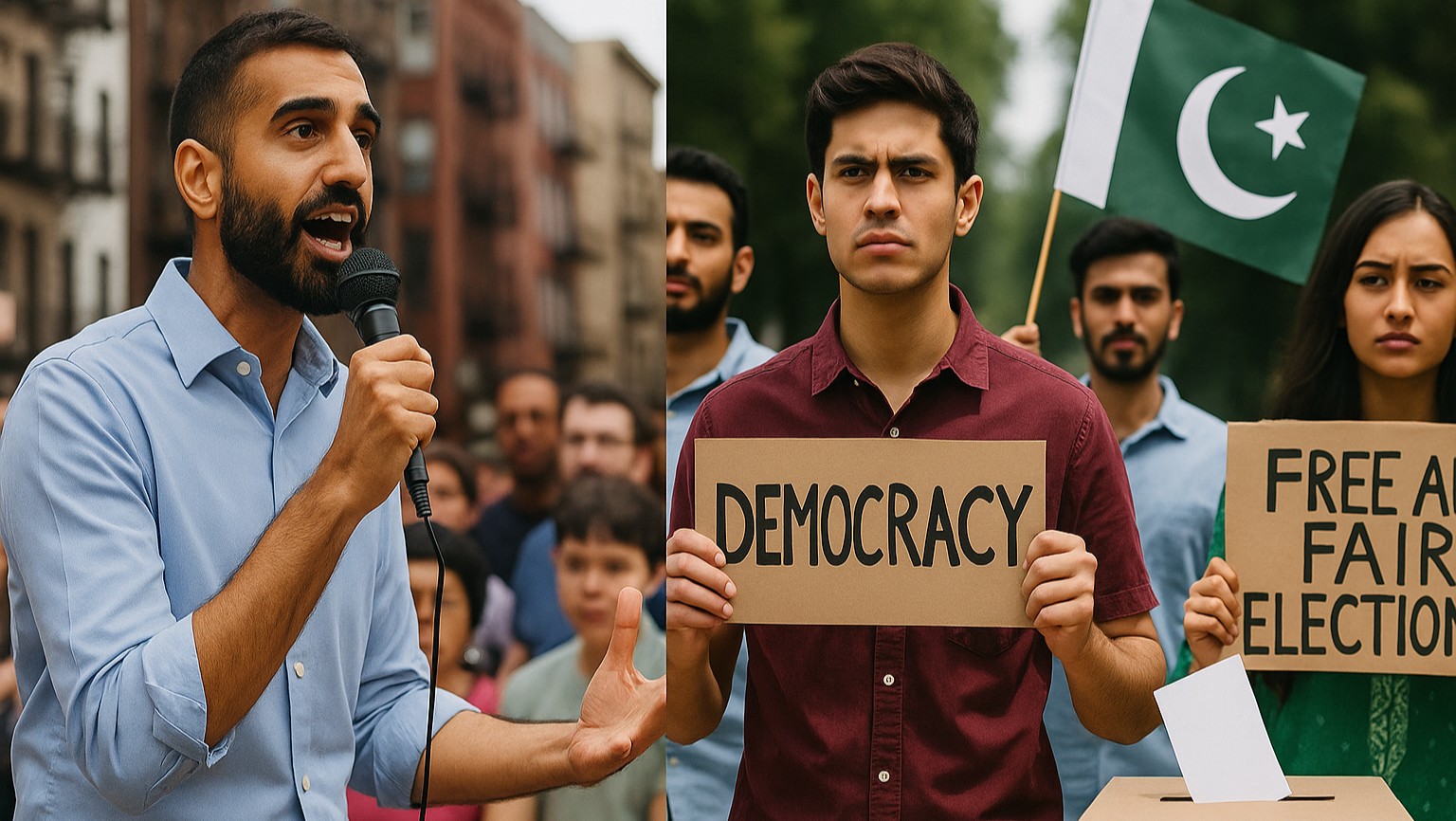
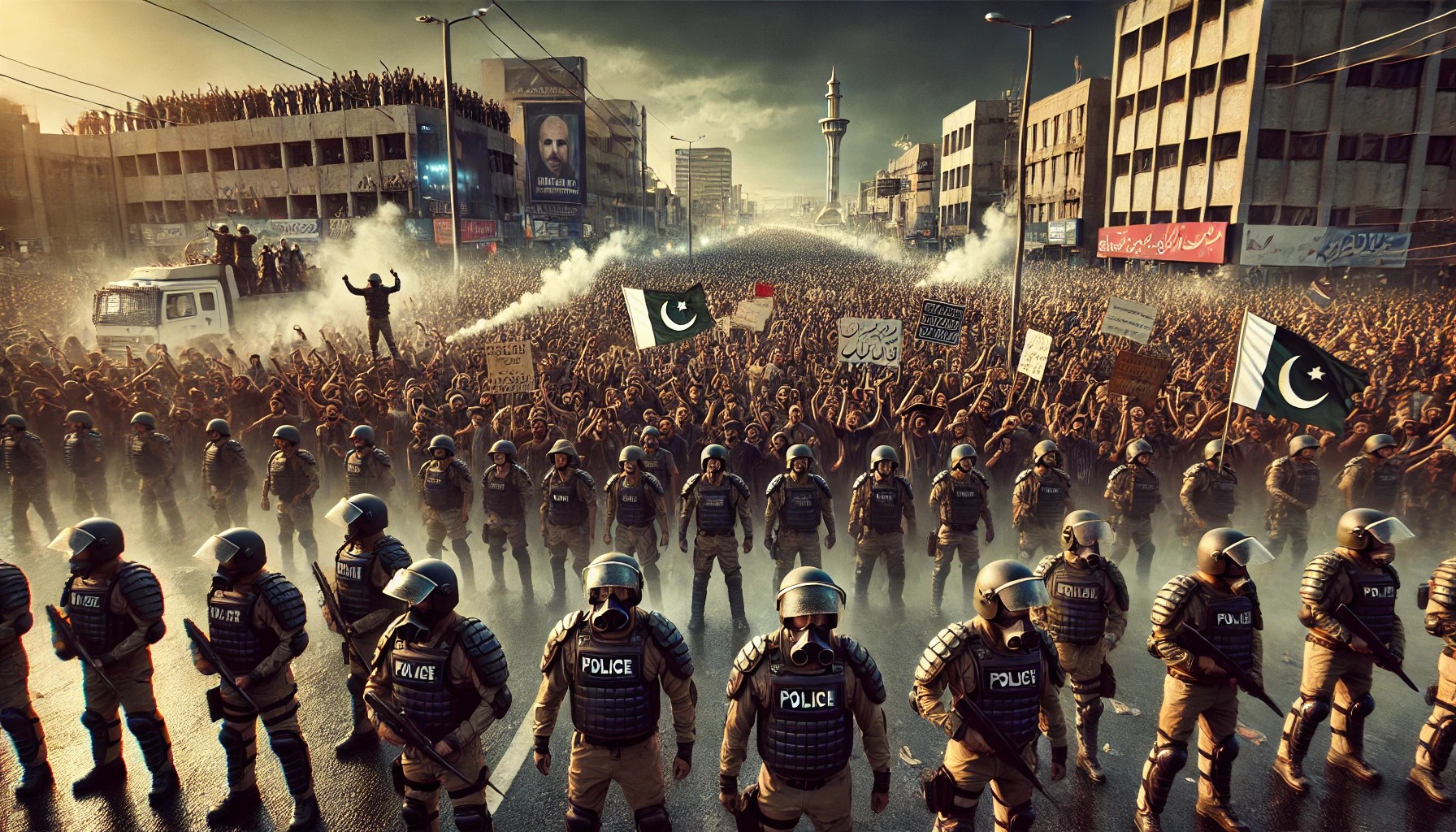
If the government allows peaceful rallies, it can lower the temperature. If it turns immediately to prohibitory orders, mass detentions, and blocked roads, it may prove PTI’s central argument to its own supporters.
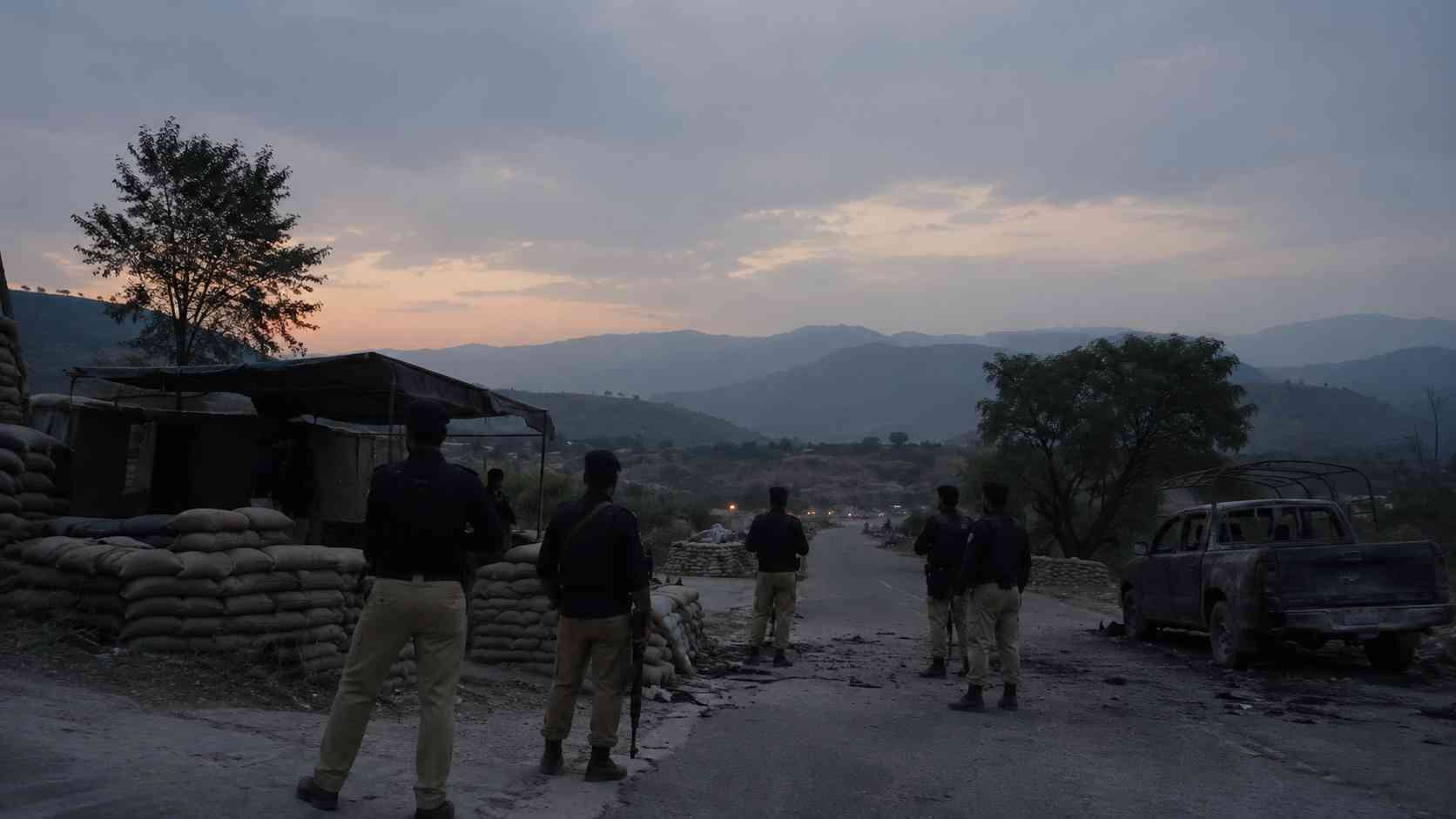
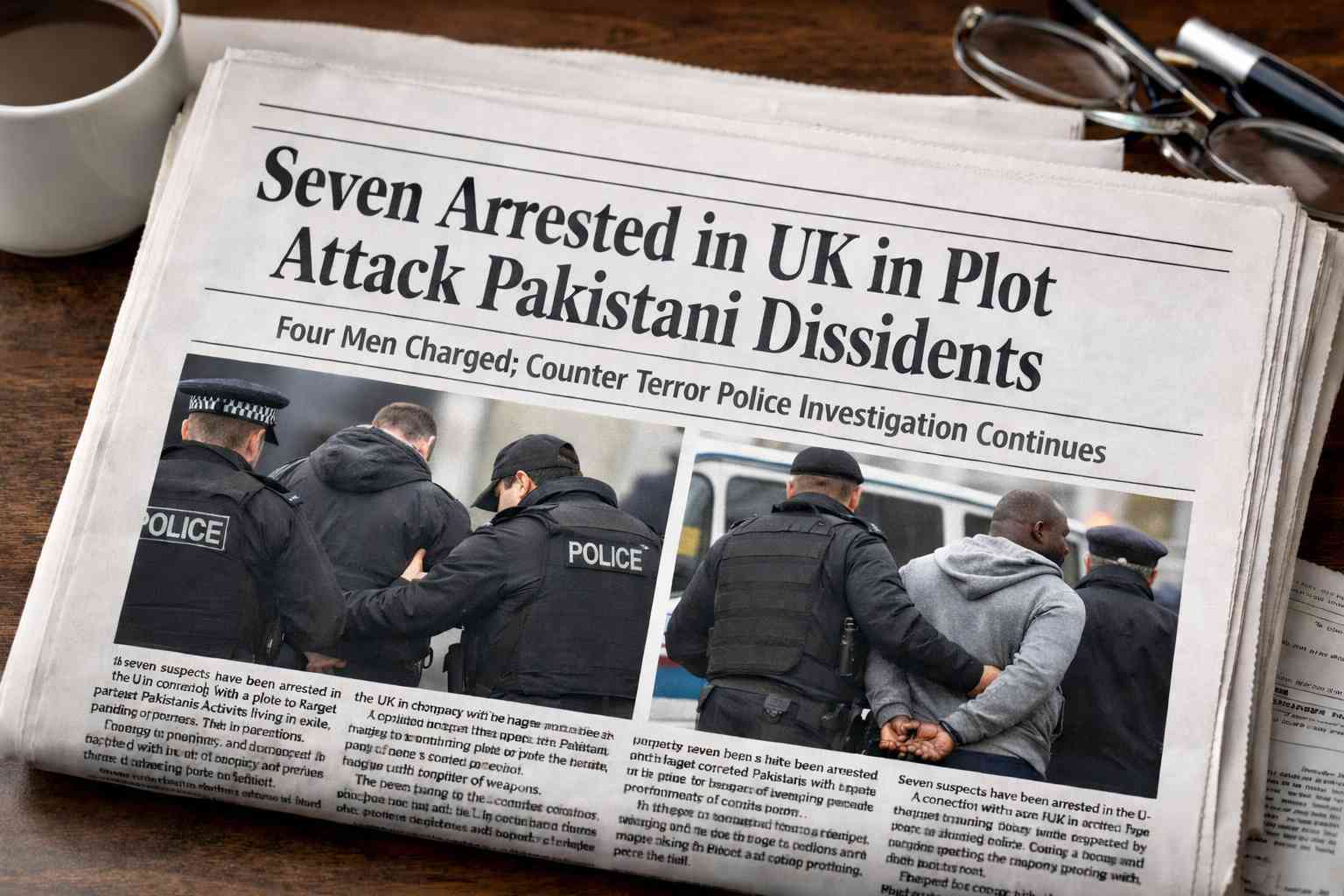
Last year’s anniversary offers a warning. The Associated Press reported that police arrested more than 200 Khan supporters during rallies marking the second anniversary of his arrest. AP said authorities imposed bans on gatherings in Islamabad and Rawalpindi, while PTI said it had planned peaceful rallies.
A repeat in 2026 would not strengthen the state. It would expose its insecurity.
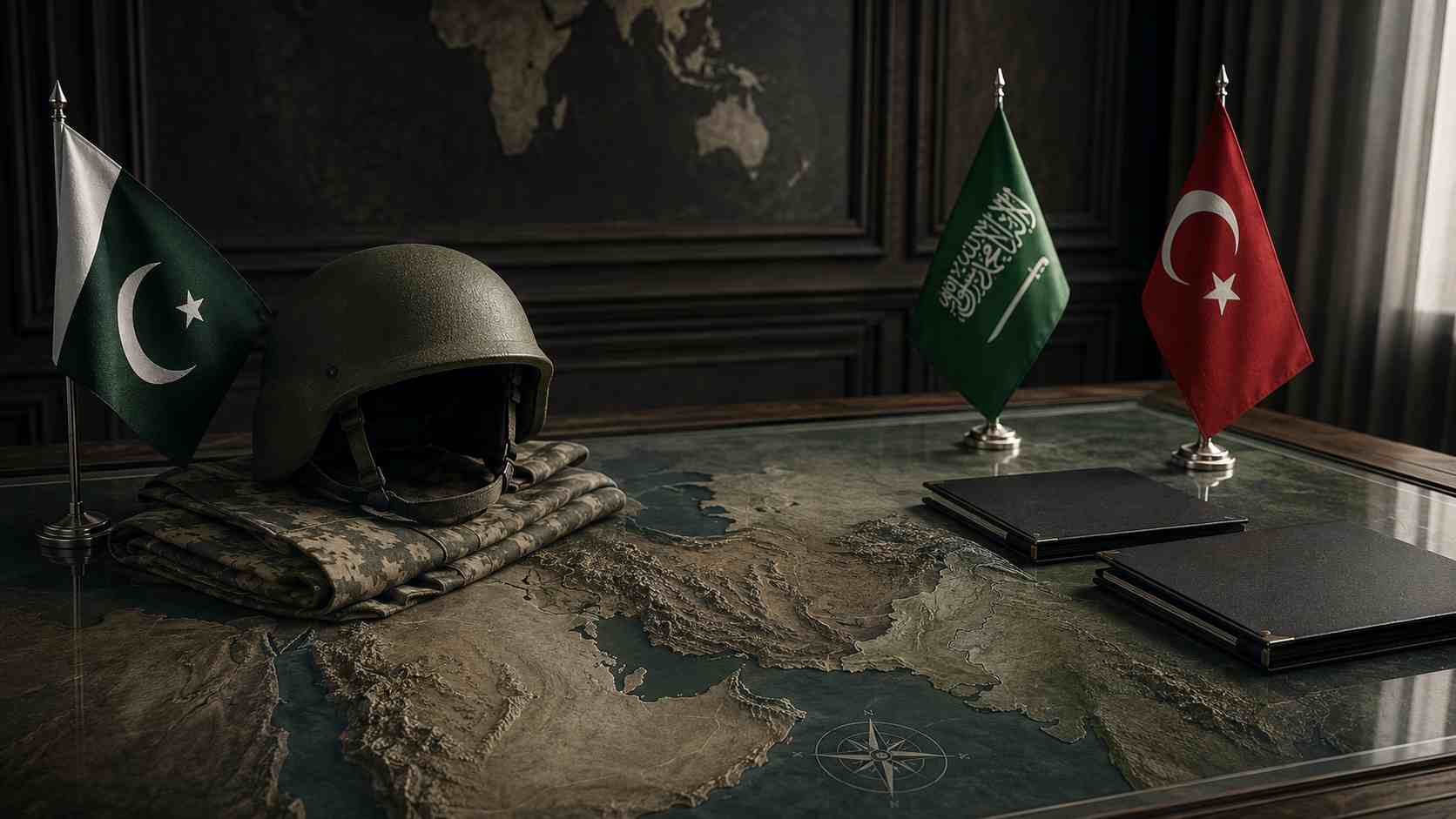
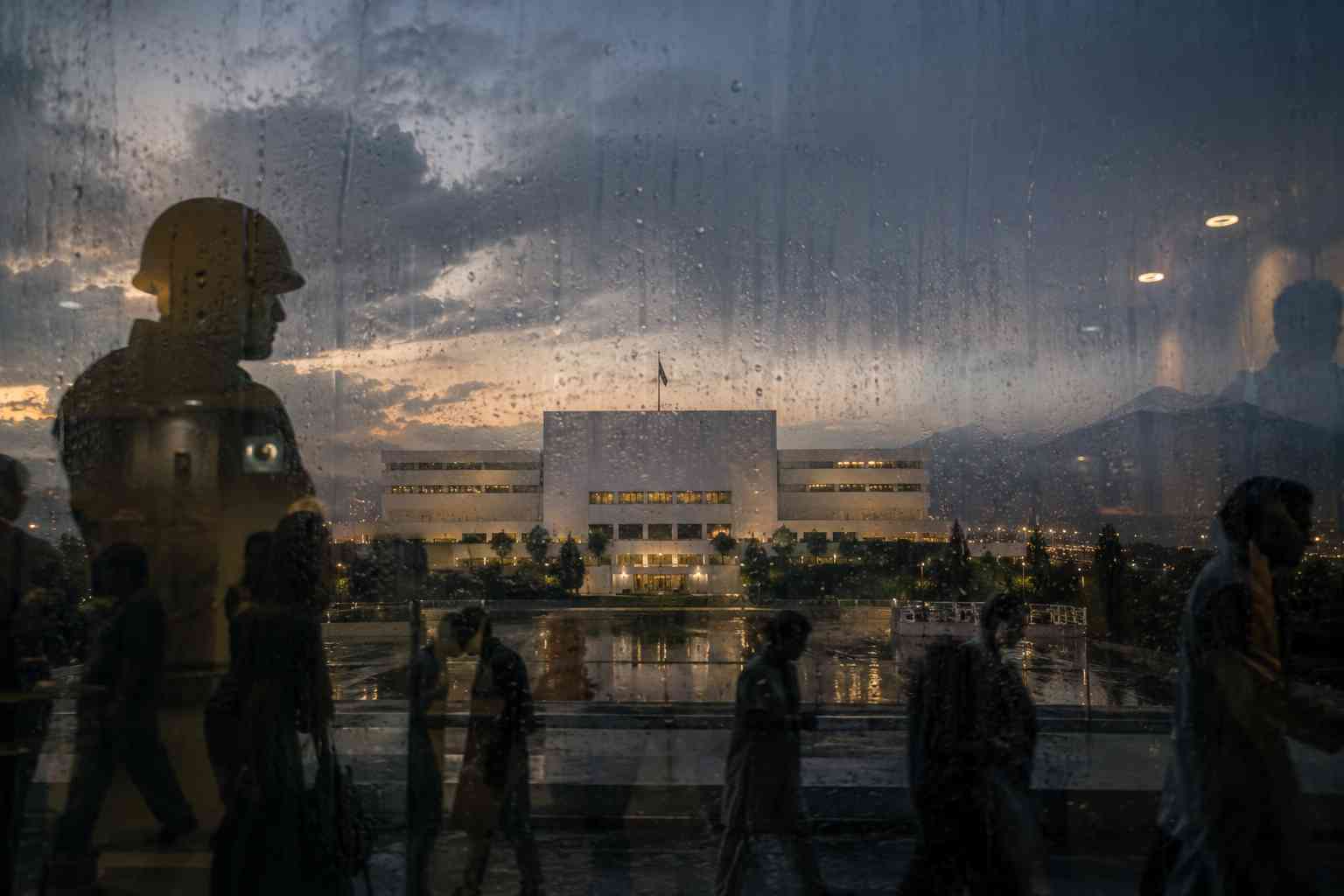
Pakistan’s constitution promises freedom of assembly, but practice has often moved in the opposite direction. A UK government country note published in 2026 said freedoms of expression and assembly are repeatedly curtailed in Pakistan. It also noted arrests, intimidation, and pressure faced by PTI leaders and supporters since Khan’s removal from office.
That external assessment should matter. Pakistan cannot demand democratic legitimacy abroad while narrowing democratic space at home.
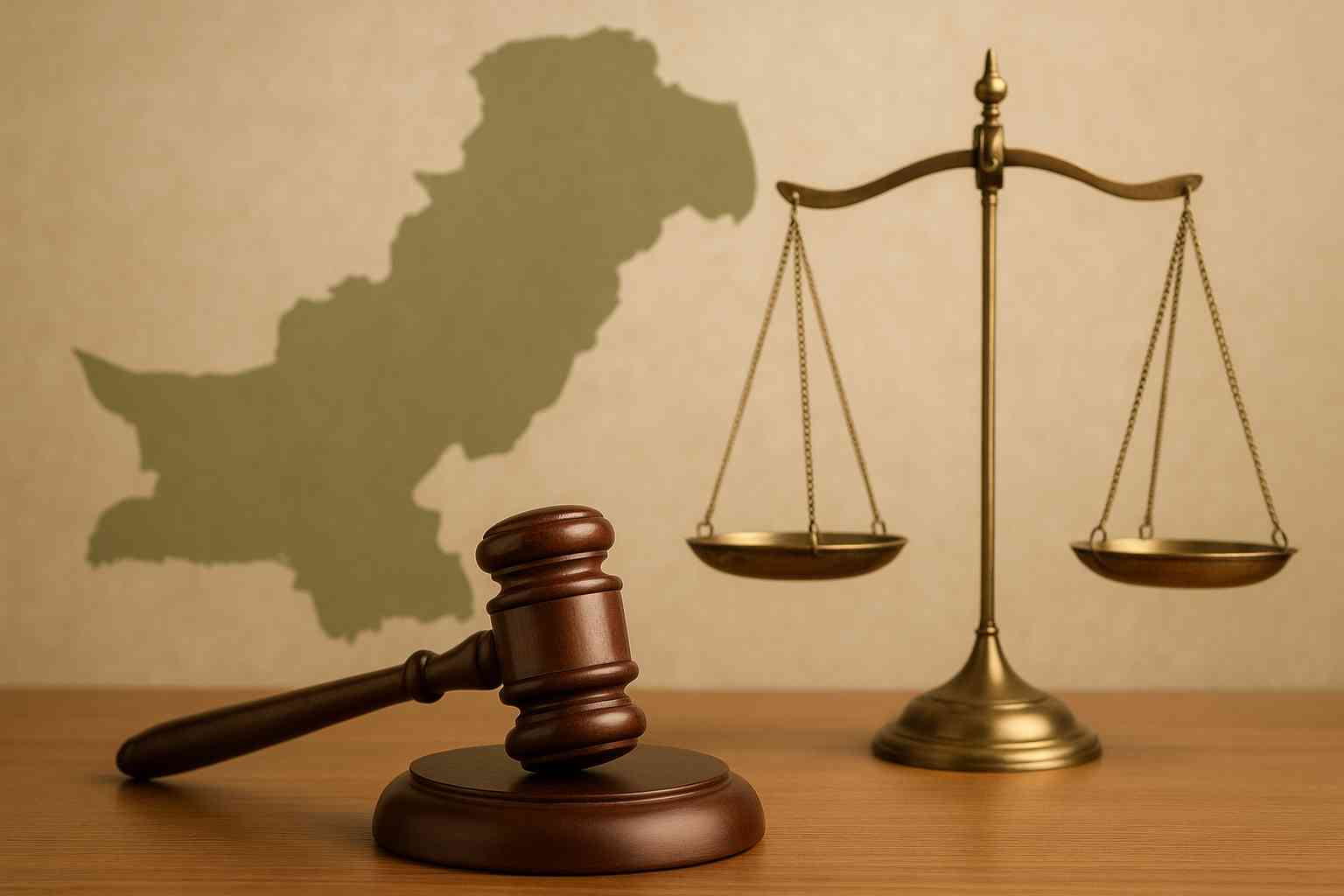
The courts remain central
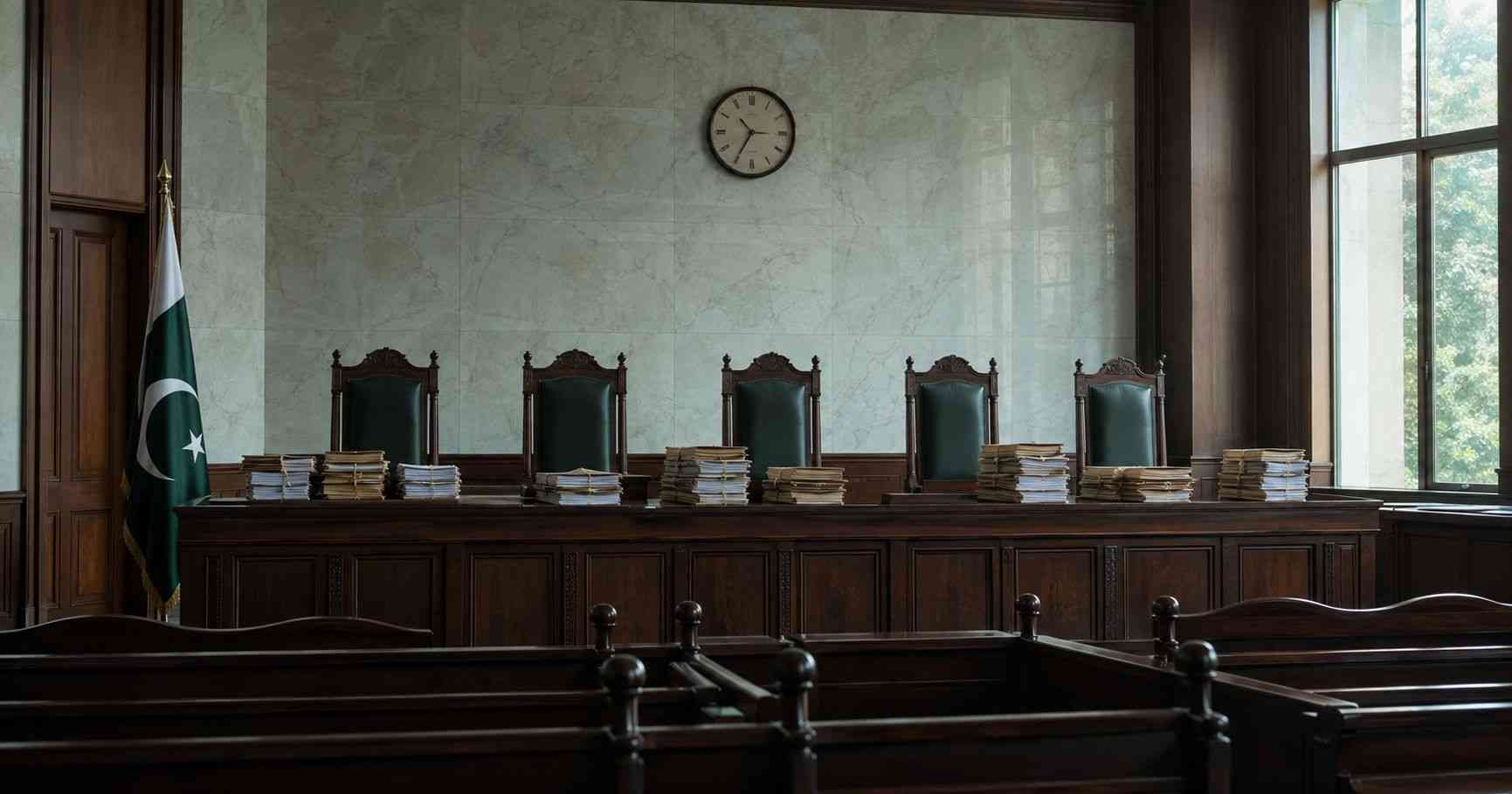
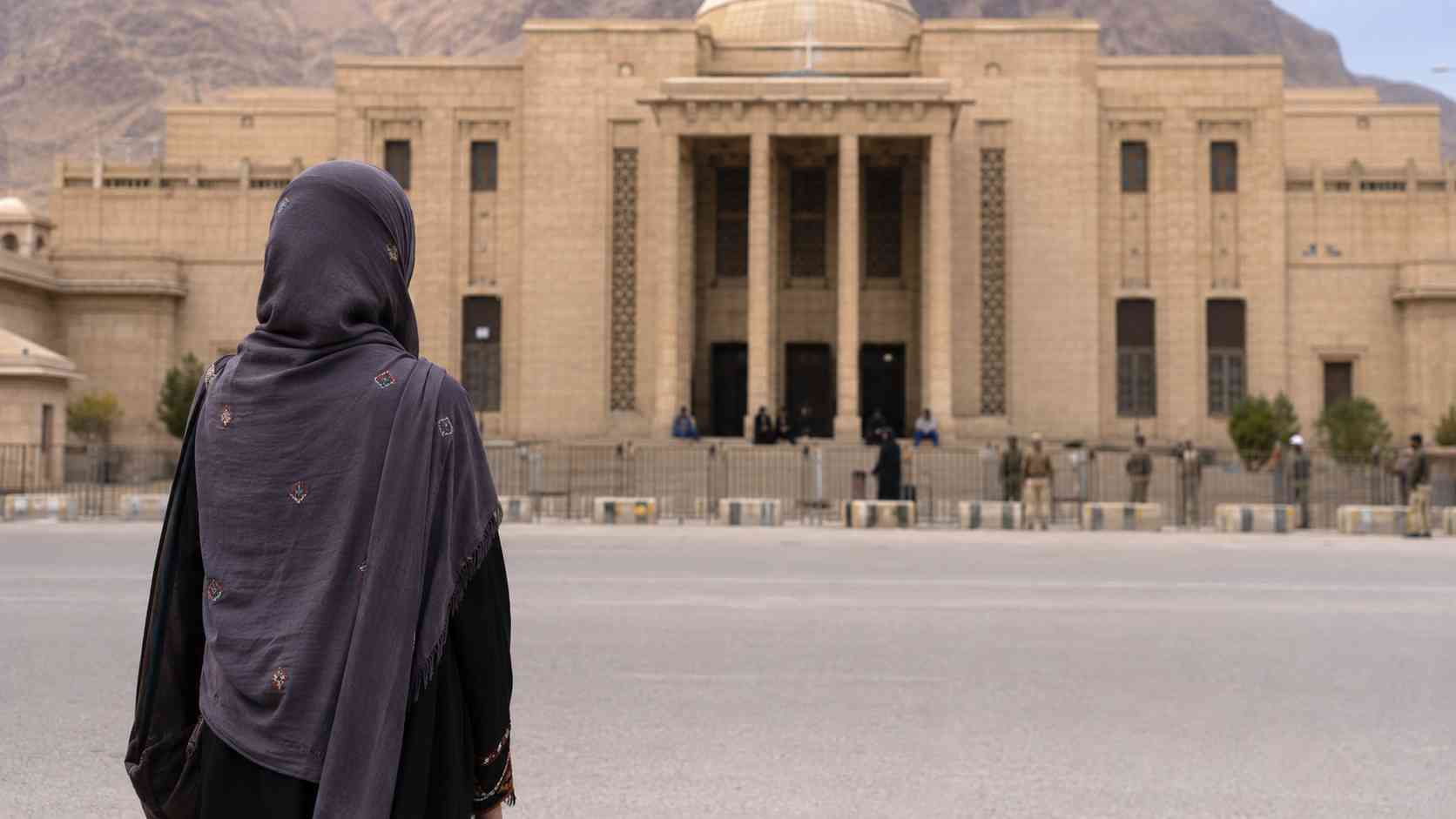
PTI’s protest call also reflects frustration with the courts. Barrister Gohar said the party had approached courts, but decisions on appeals had not arrived, according to Geo News. Dawn reported that PTI leaders discussed Khan’s health and imprisonment during the parliamentary meeting.
This creates a dangerous vacuum. When courts move slowly in politically explosive cases, the street becomes the pressure valve. When the street becomes the pressure valve, the state reaches for force. Once force enters the picture, legal questions become political wounds.
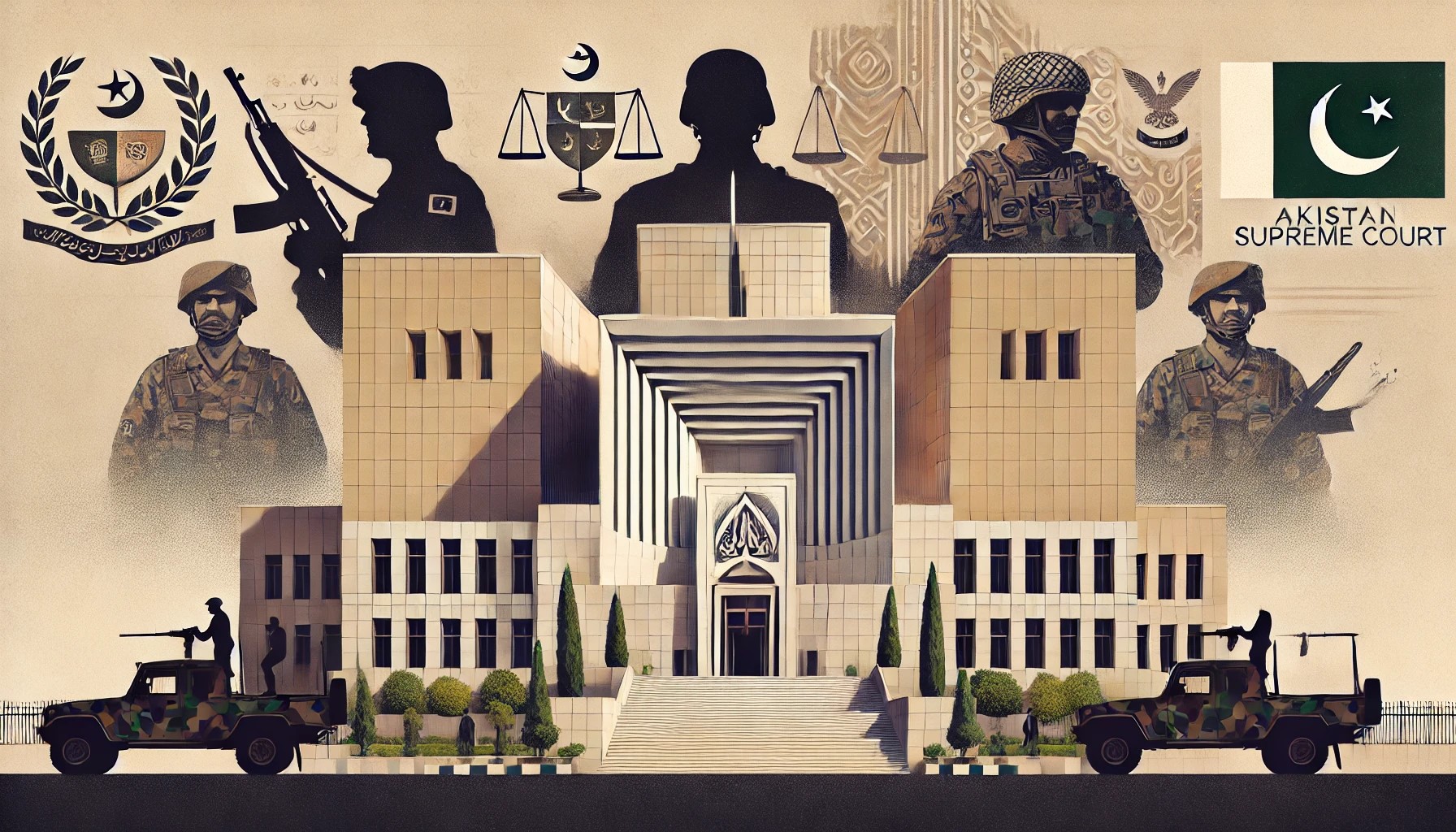
Pakistan has already seen this pattern in civilian trials, anti-terror cases, protest prosecutions, and restrictions on political mobilisation. Amnesty International warned in May 2026 that Pakistan had still not provided an independent right of appeal for civilians convicted by military courts, despite a Supreme Court direction linked to the May 9 cases.
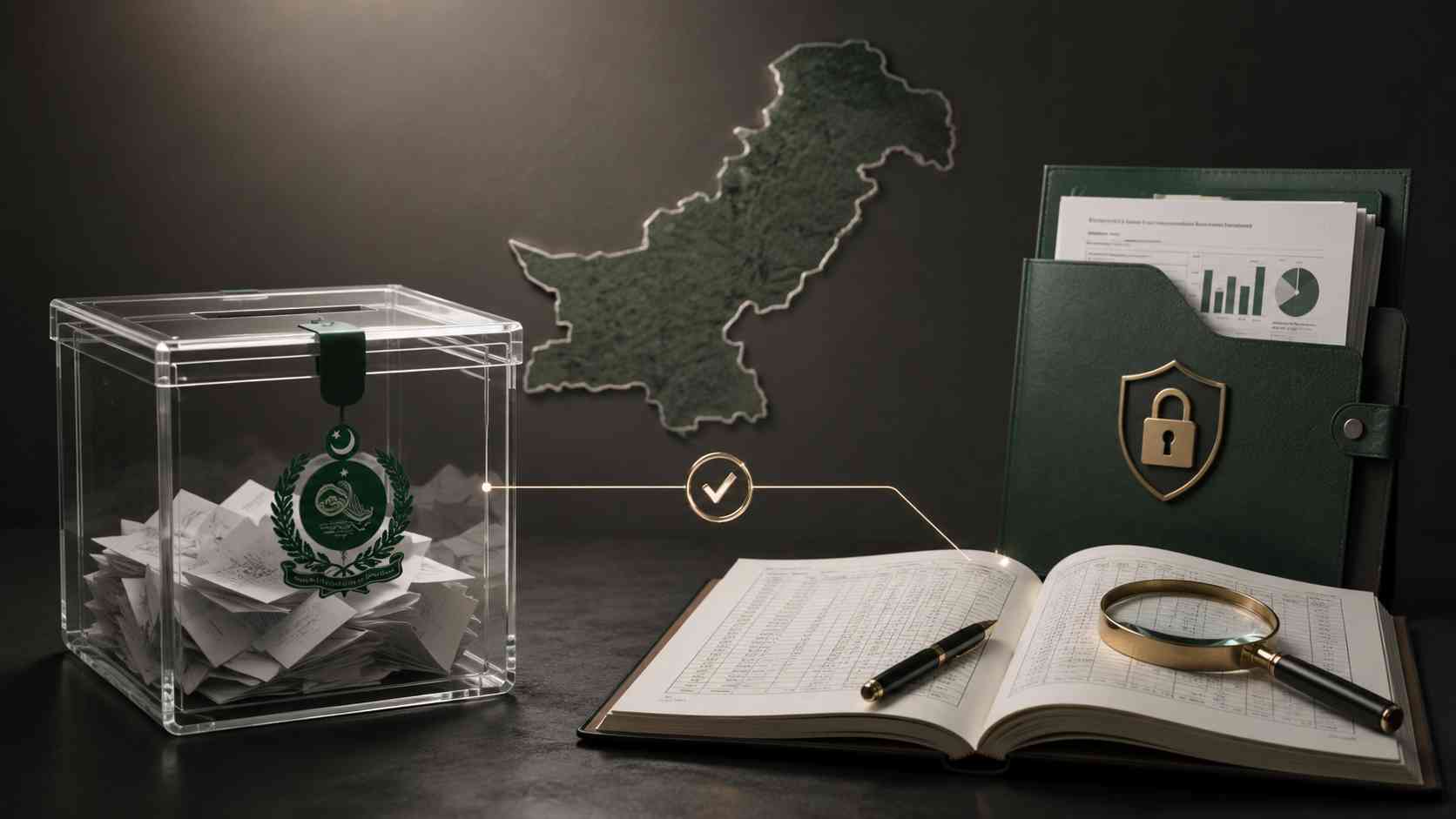
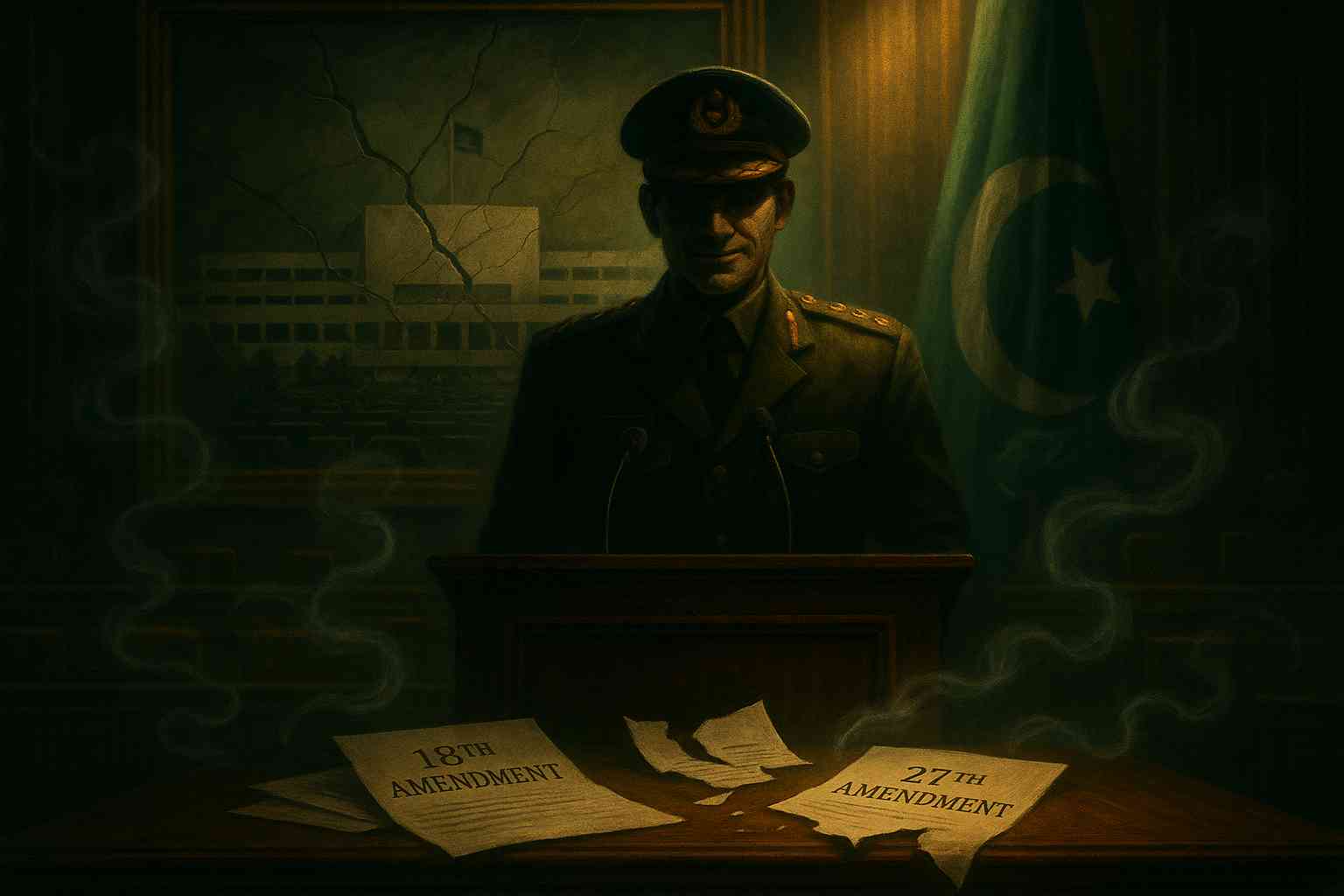
The PTI August 5 protest will therefore unfold inside a broader crisis of trust. Many Pakistanis no longer see courts, parliament, police, and election bodies as neutral referees. That perception may be disputed by the government, but it cannot be ignored.
PTI also faces its own test
PTI must prove that its mobilisation can remain disciplined, lawful, and politically focused. The party cannot afford scenes that give the state an excuse to crush the movement. It also cannot rely only on symbolic anger around Khan’s imprisonment.
A serious protest movement needs clear demands. It needs internal discipline. It needs coordination with allies. Above all, it needs a message that speaks beyond loyal supporters.
That message should be simple: Pakistan needs politics, not permanent coercion.
Khan’s imprisonment matters because he remains the country’s most consequential opposition figure. But the issue is larger than one man. It touches the right of citizens to organise, vote, protest, and challenge power without being treated as enemies of the state.
Pakistan needs restraint before August 5
The coming weeks will show whether Islamabad wants de-escalation or confrontation. A responsible state would permit peaceful assembly, protect public order with minimum force, and let courts decide legal matters without political pressure.
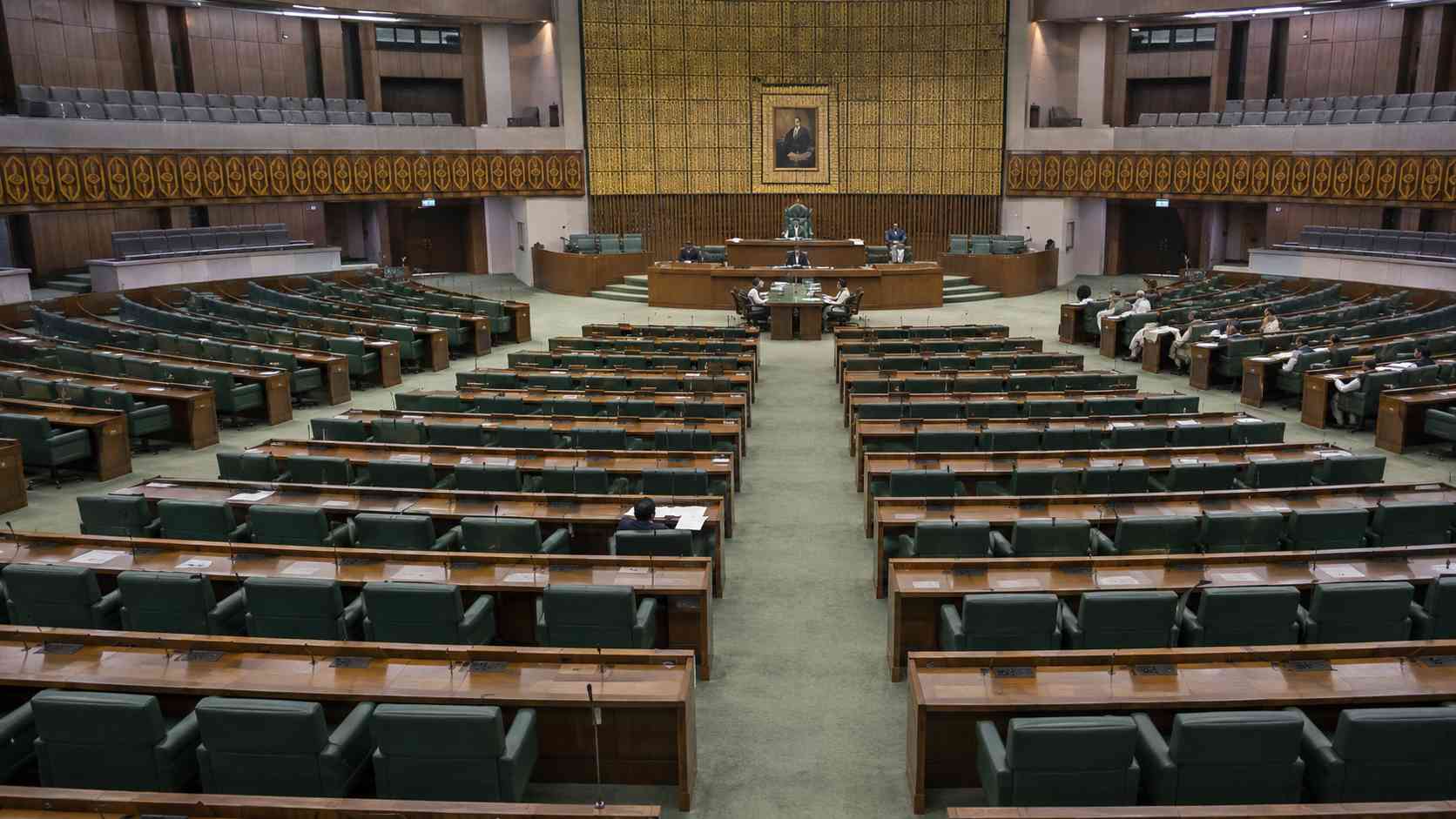
A confident government would not fear rallies. A confident establishment would not treat every crowd as a threat. A confident political system would answer opposition pressure through elections, parliament, and law.
The PTI August 5 protest will test all three.
If the state responds with restraint, Pakistan may avoid another damaging spiral. If it responds with coercion, it will deepen the very crisis it claims to control.
Sources used: Dawn, Geo News, Associated Press, UK Home Office country note, and Amnesty International.