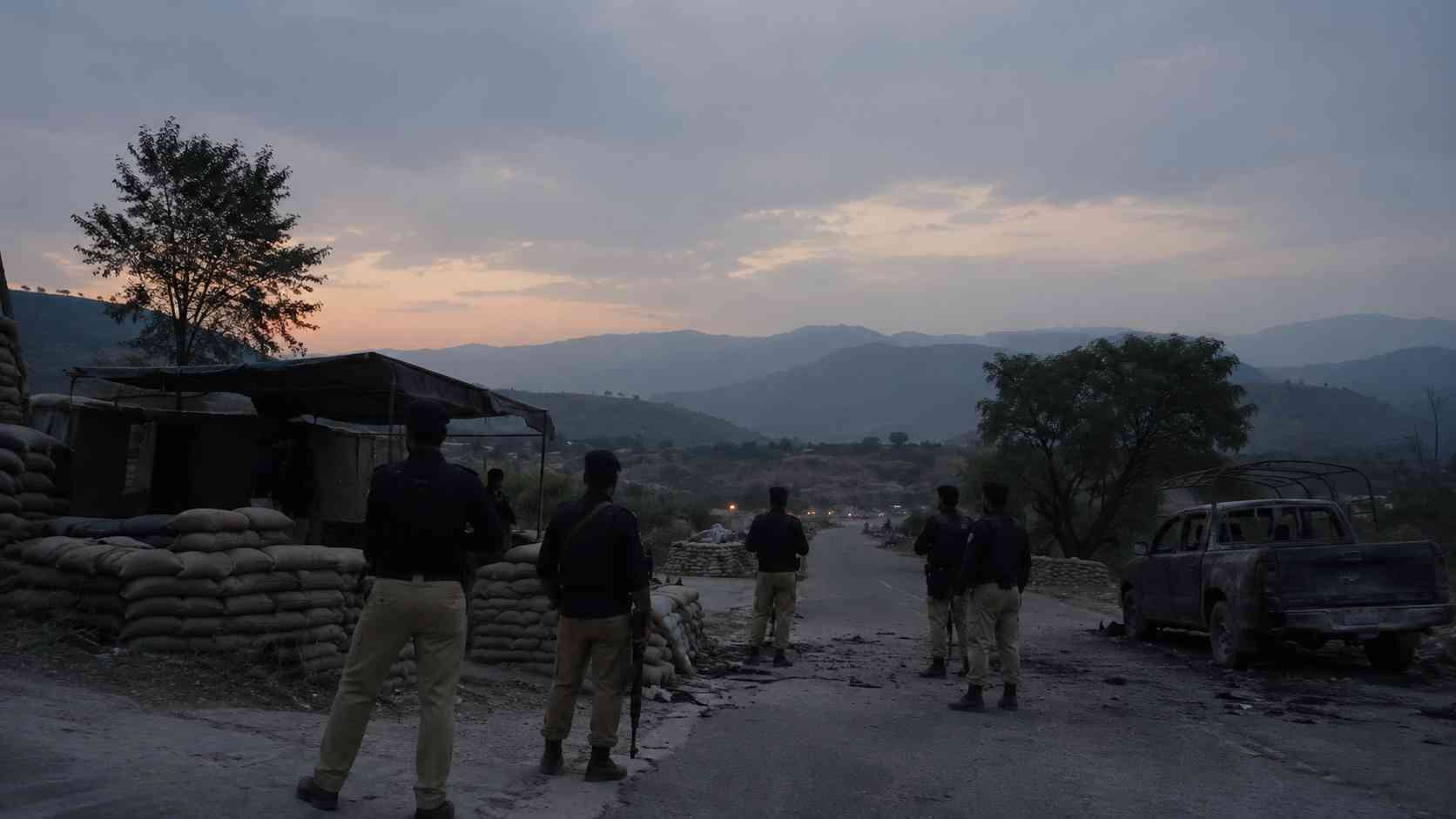
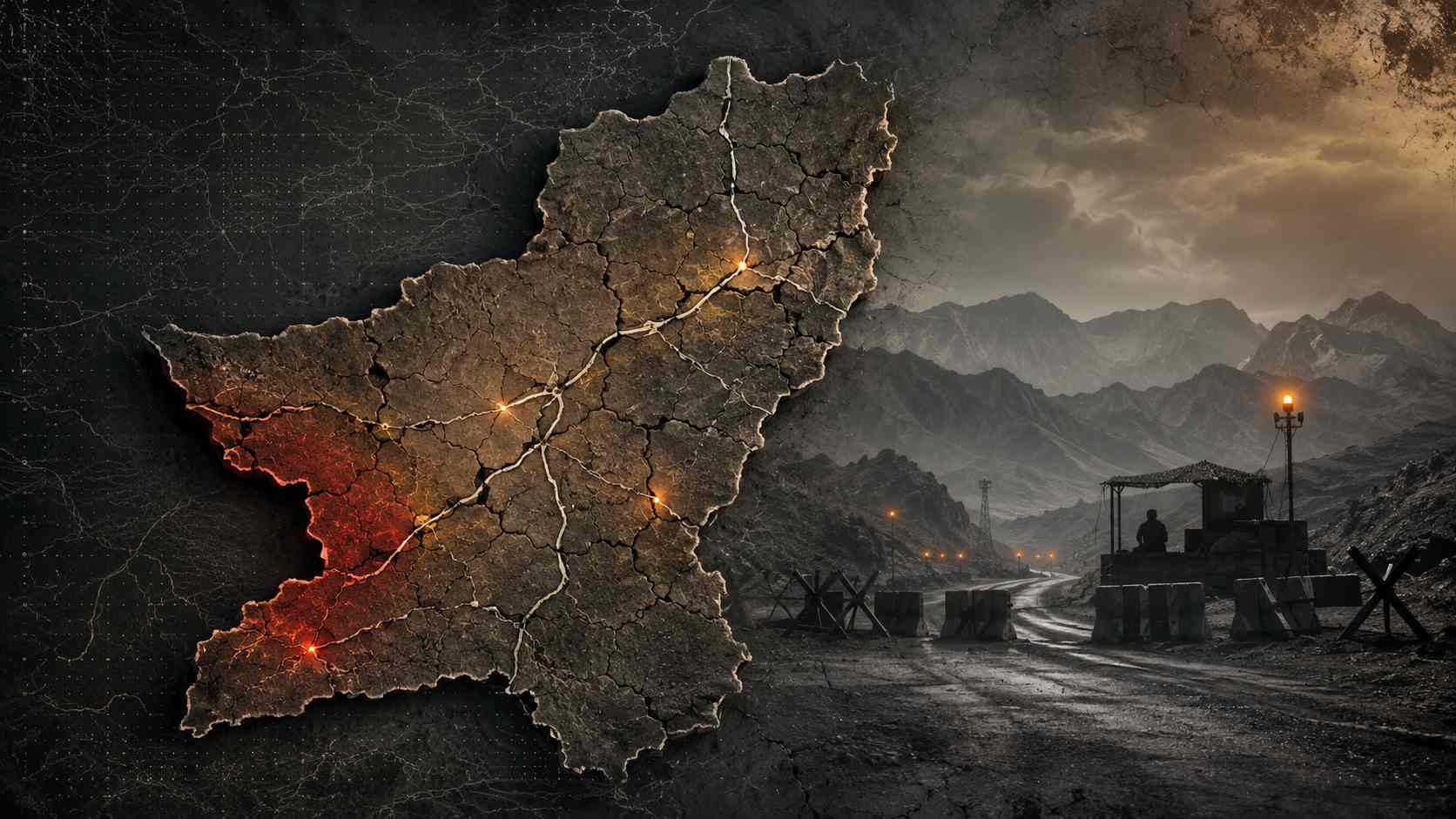
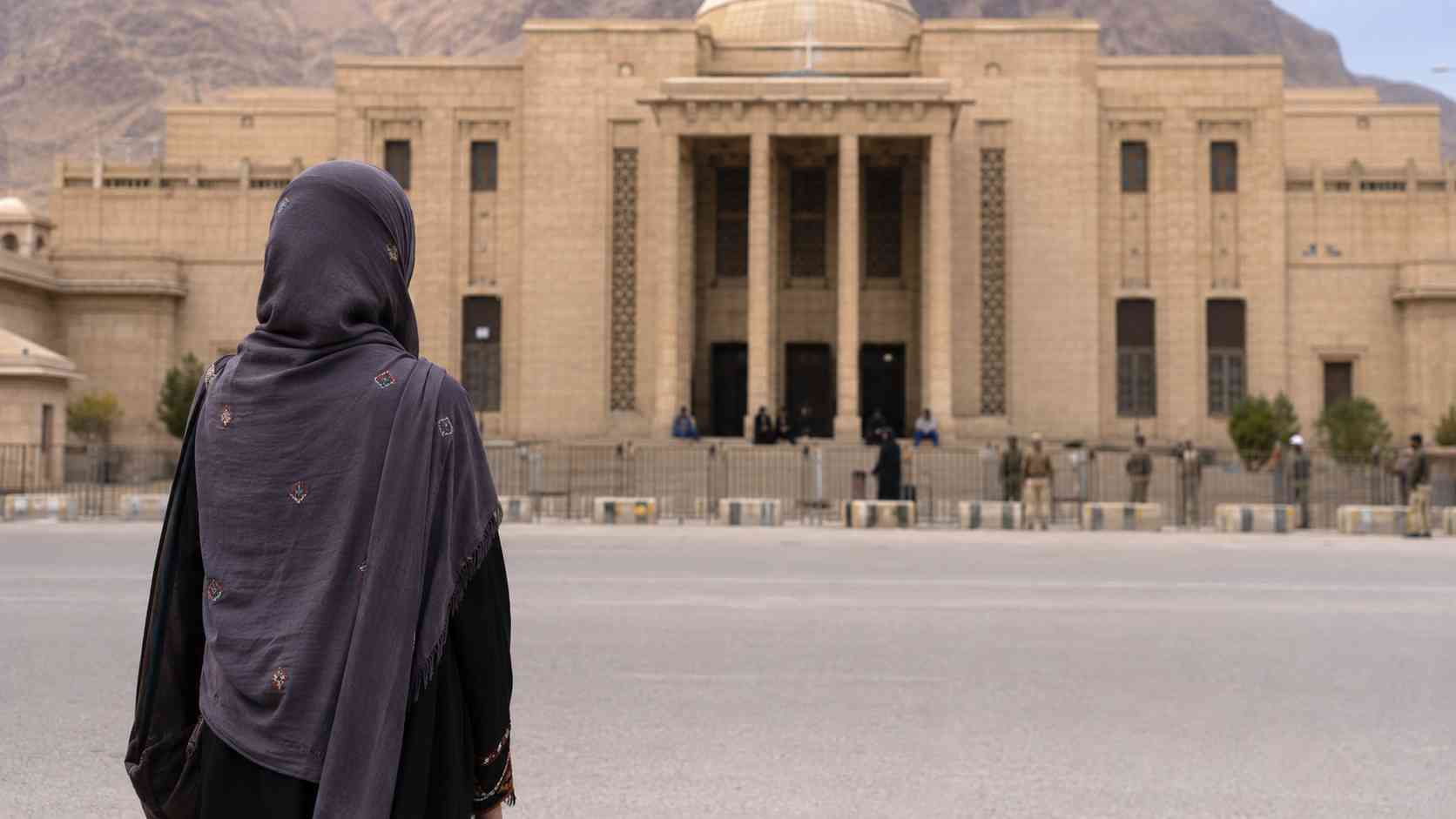
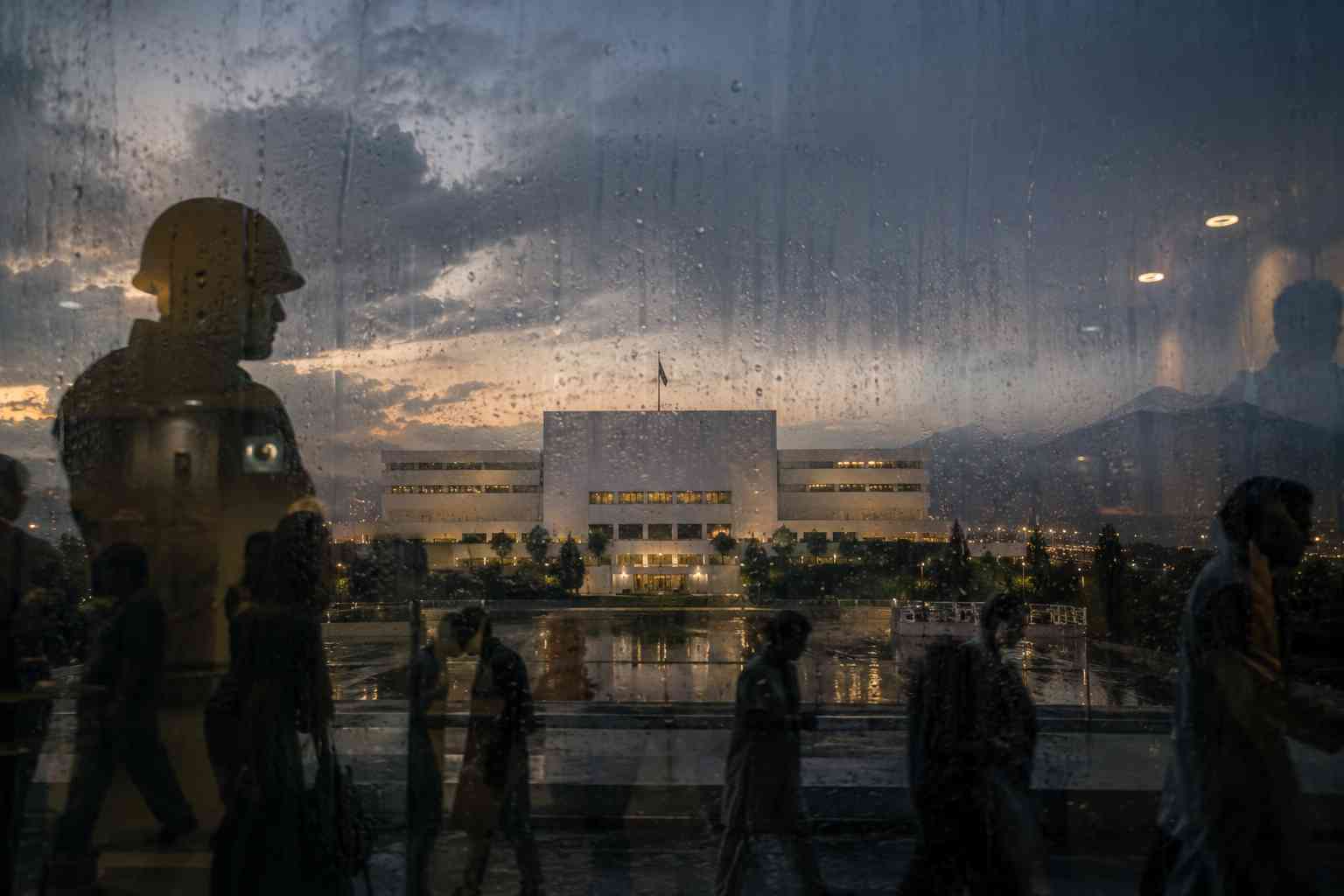
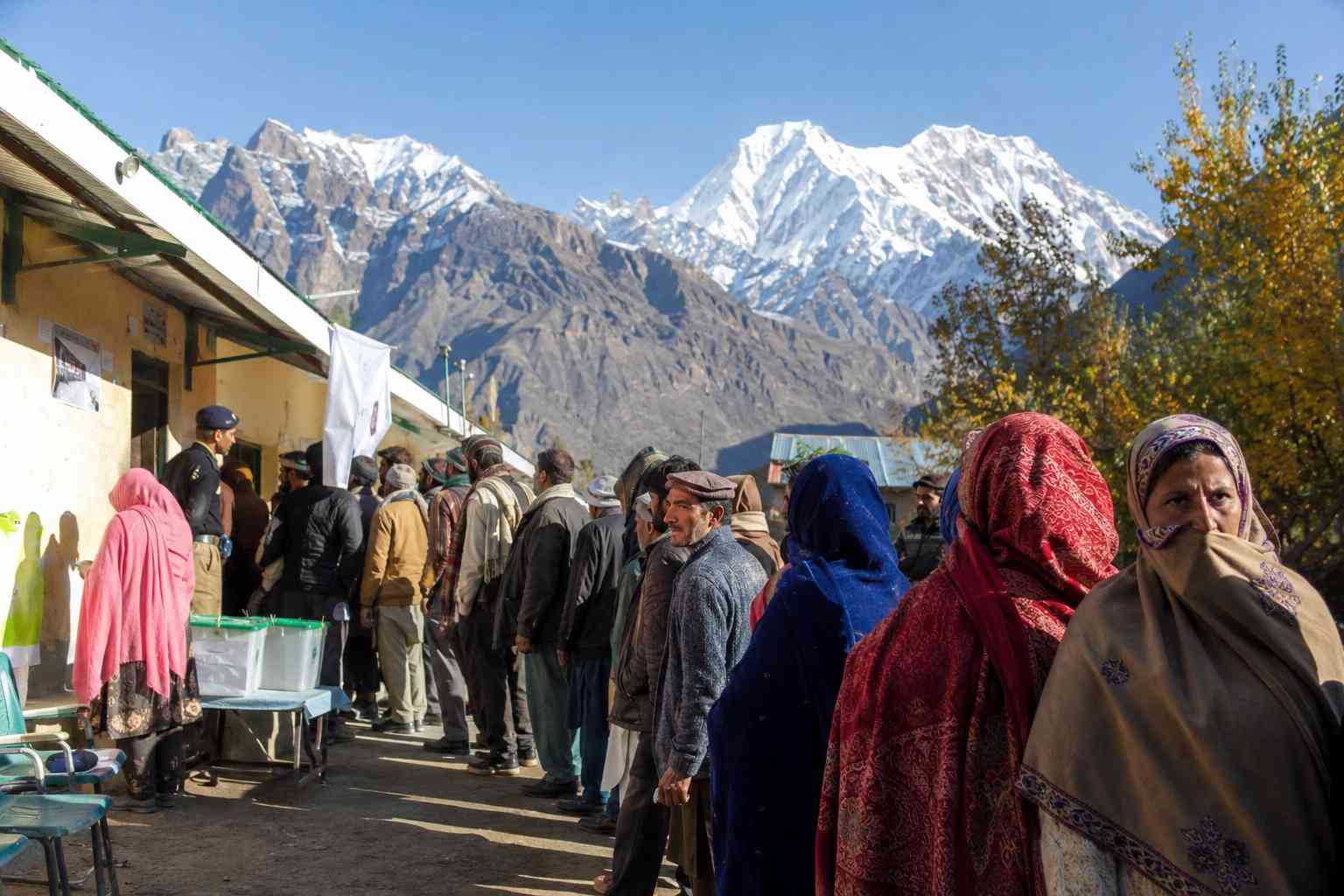
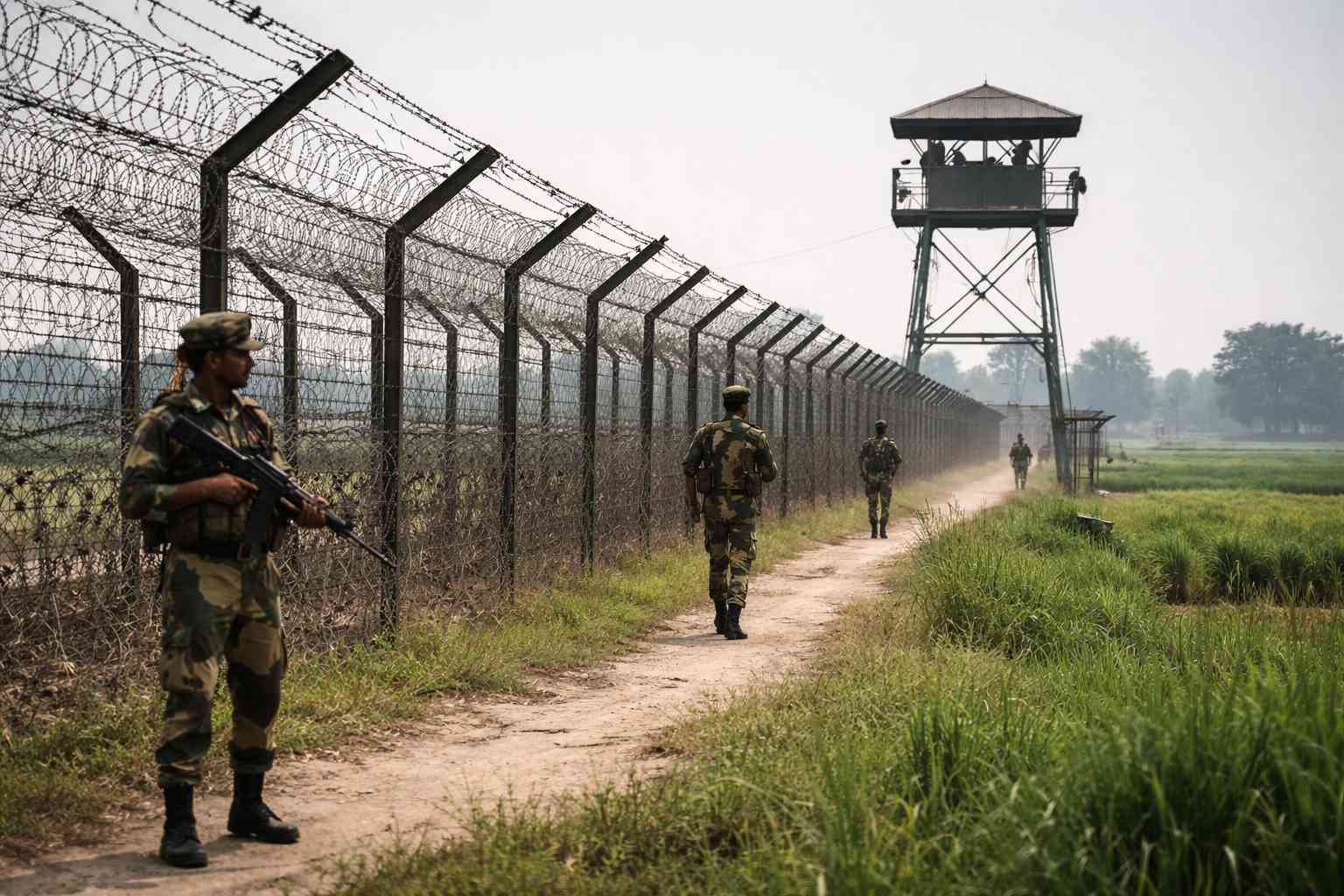
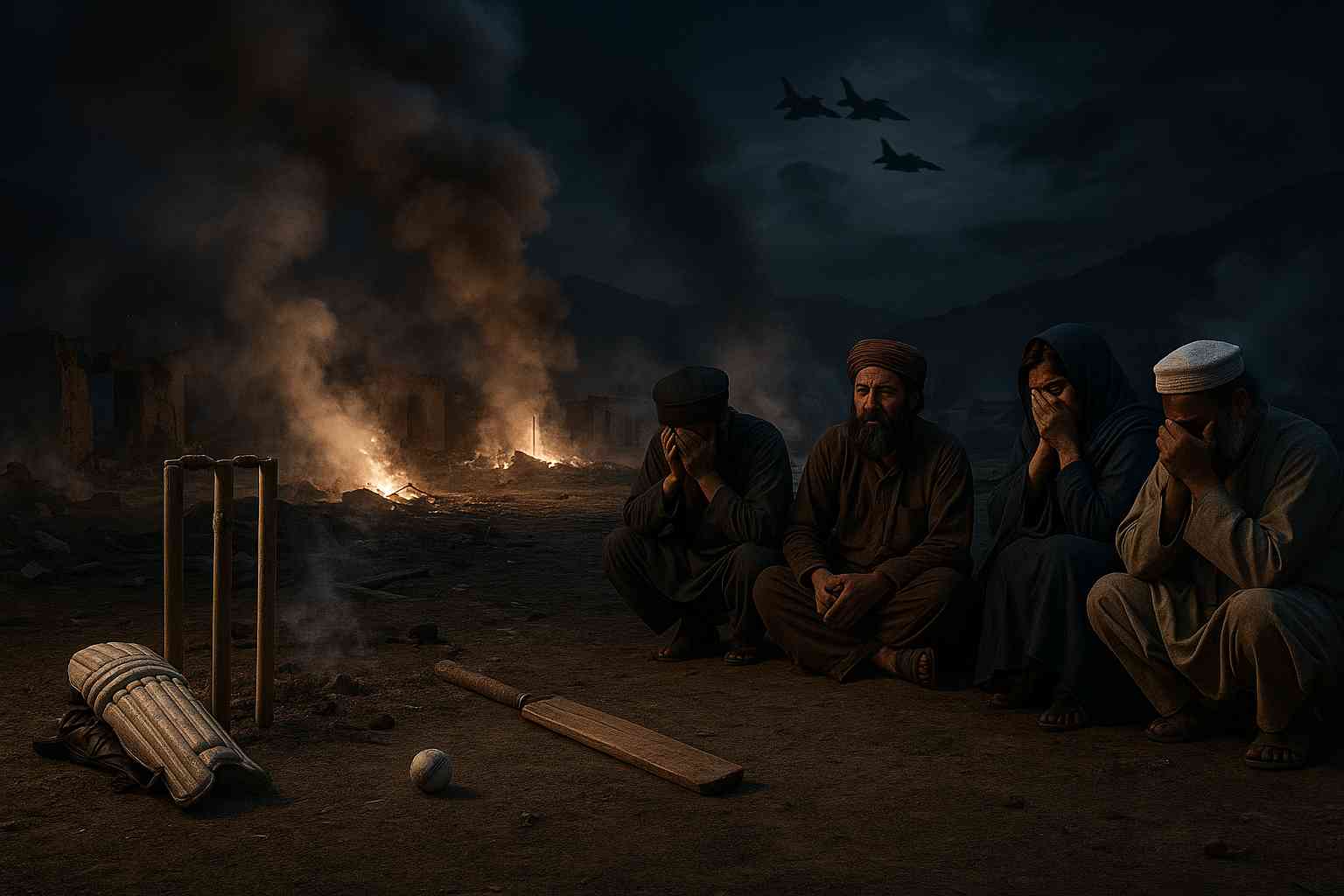
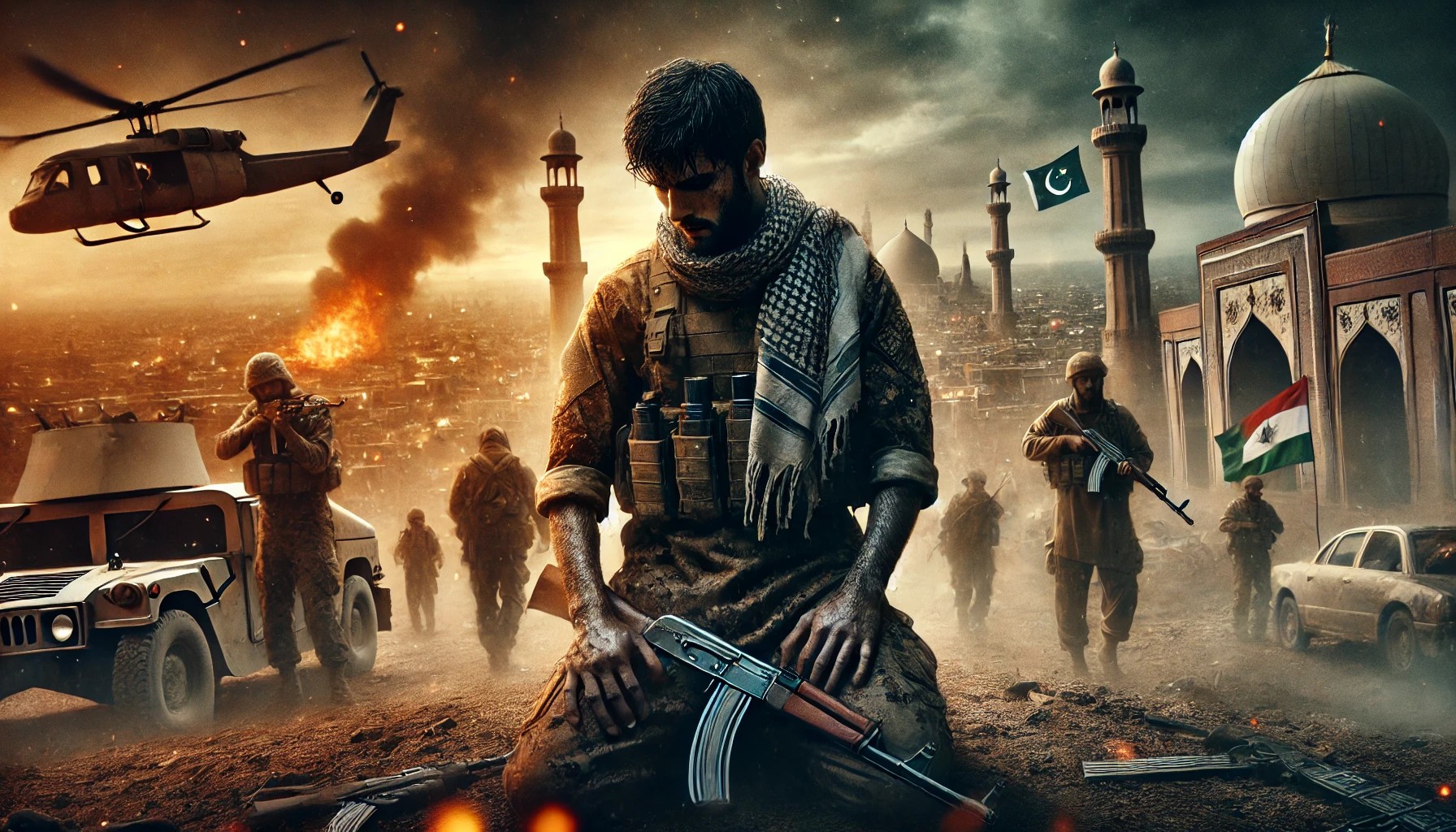
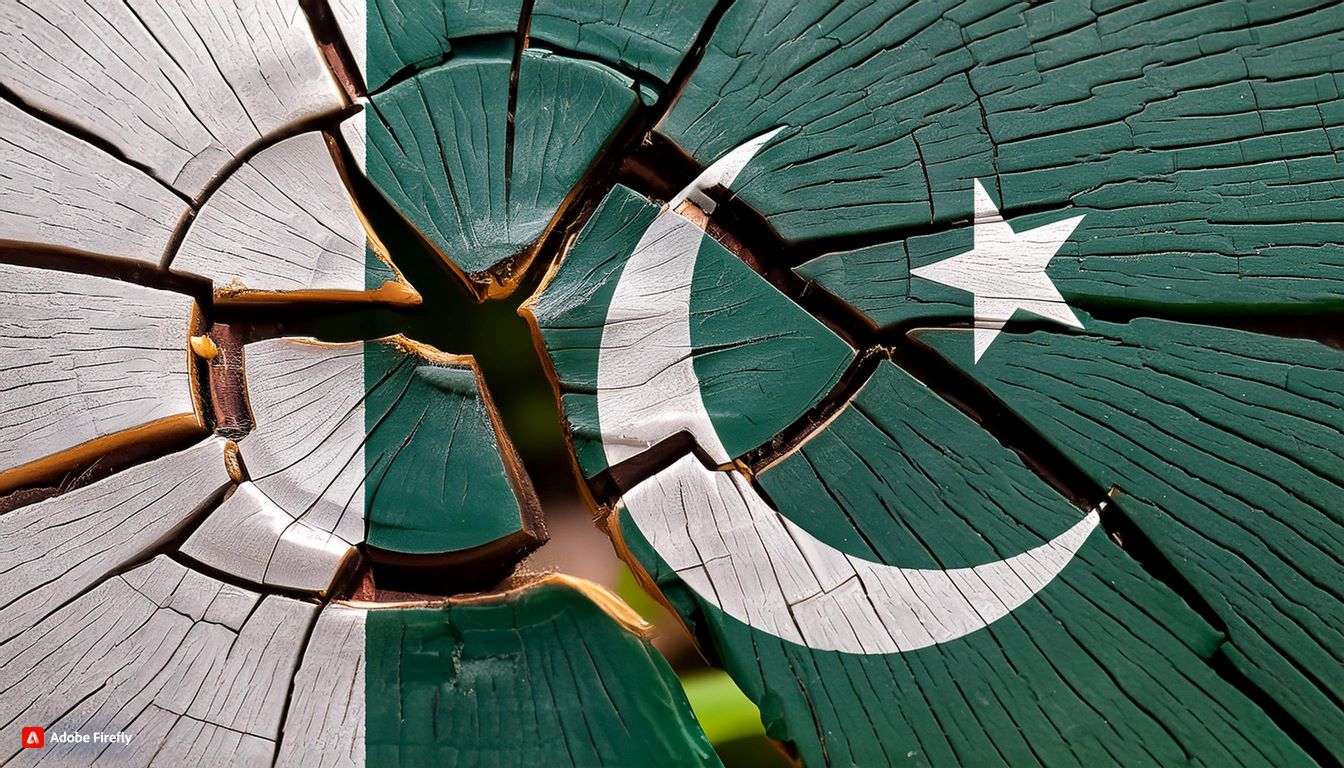
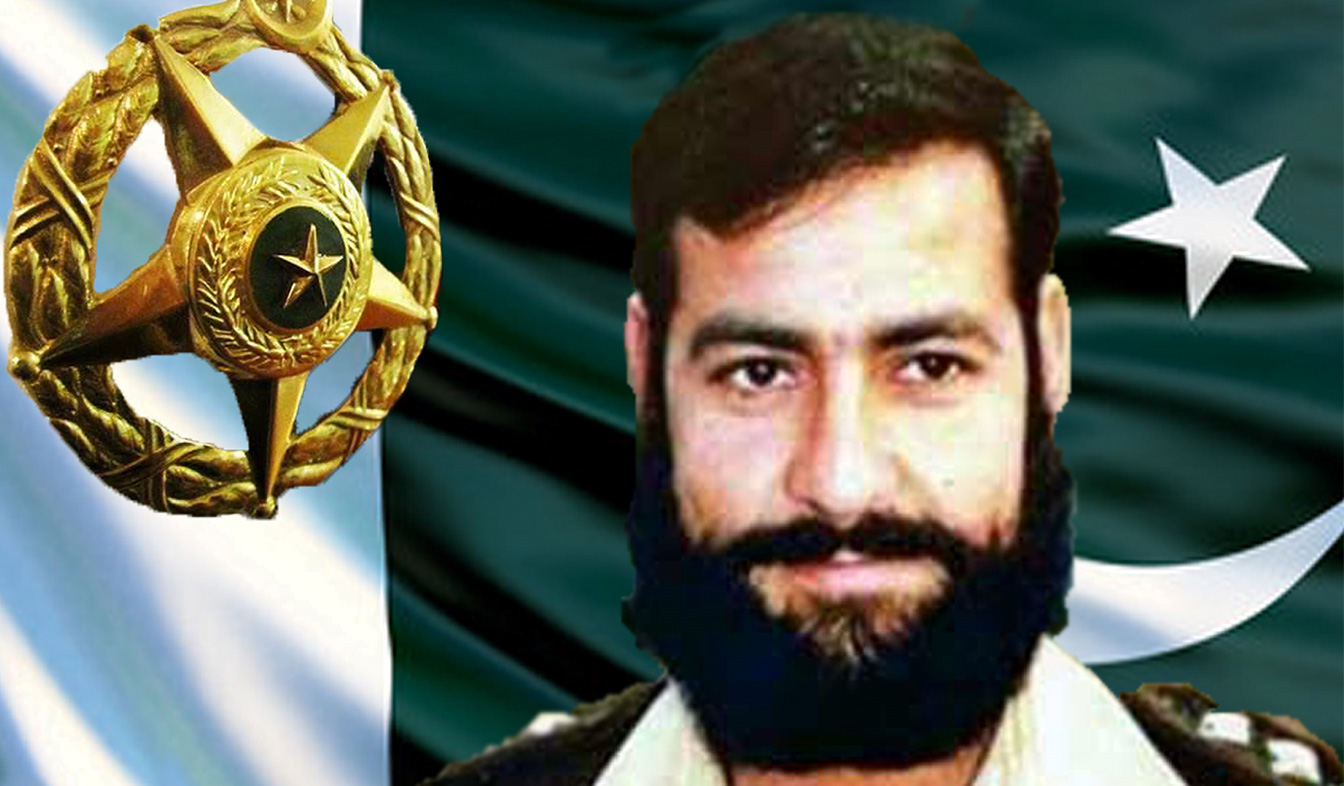
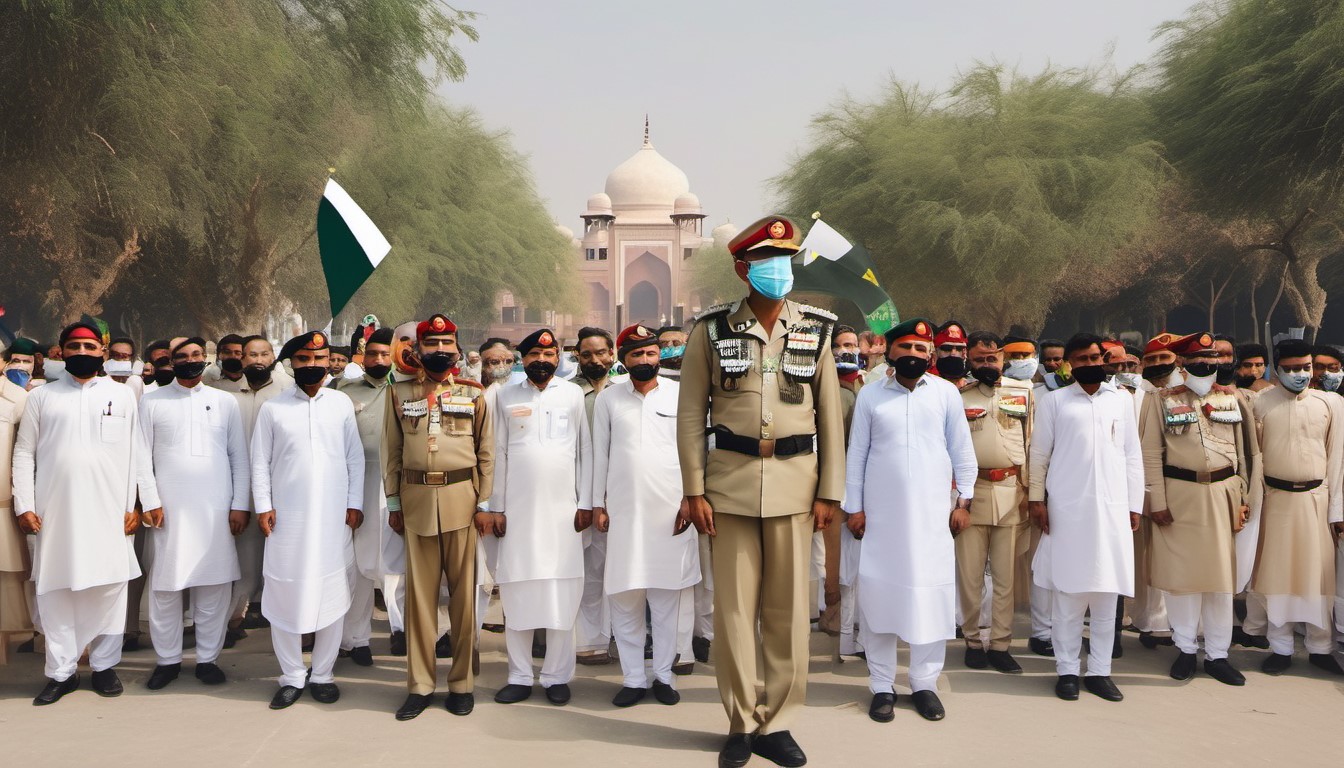
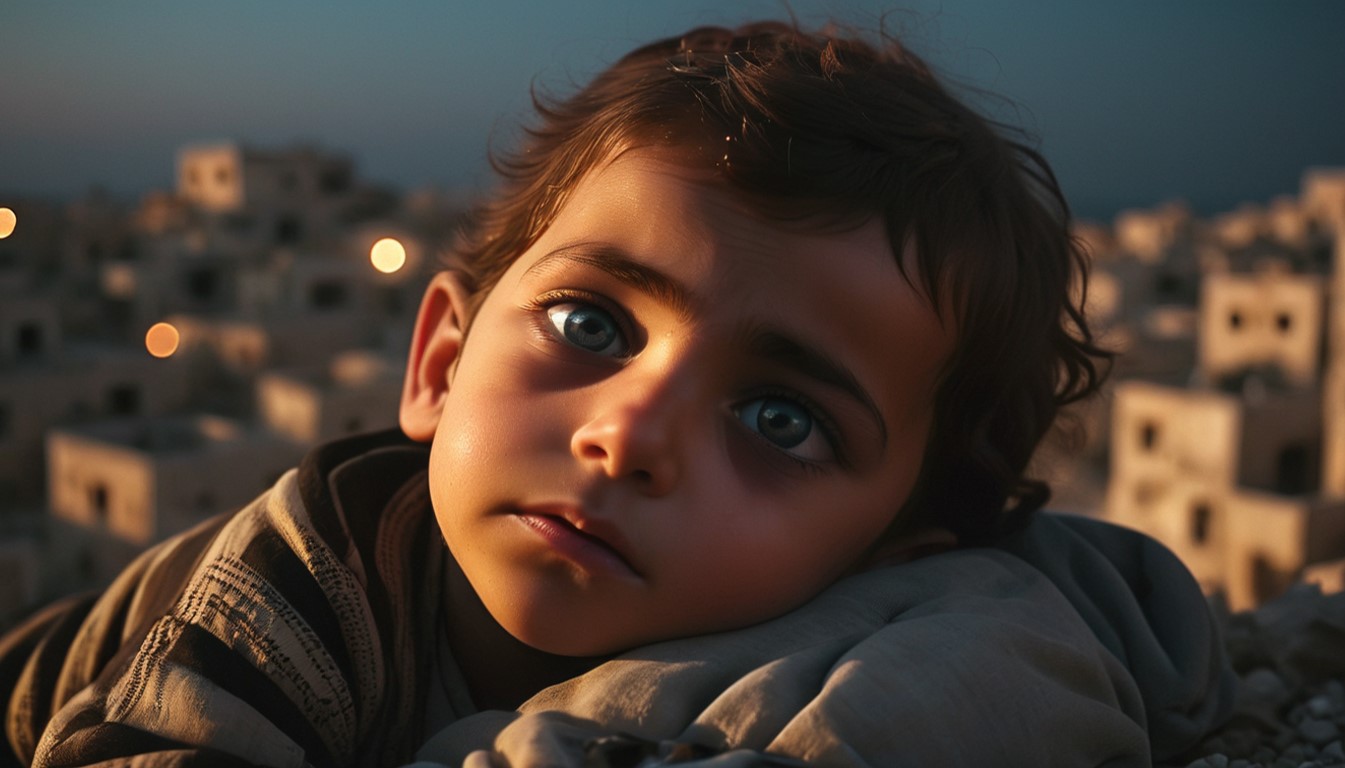
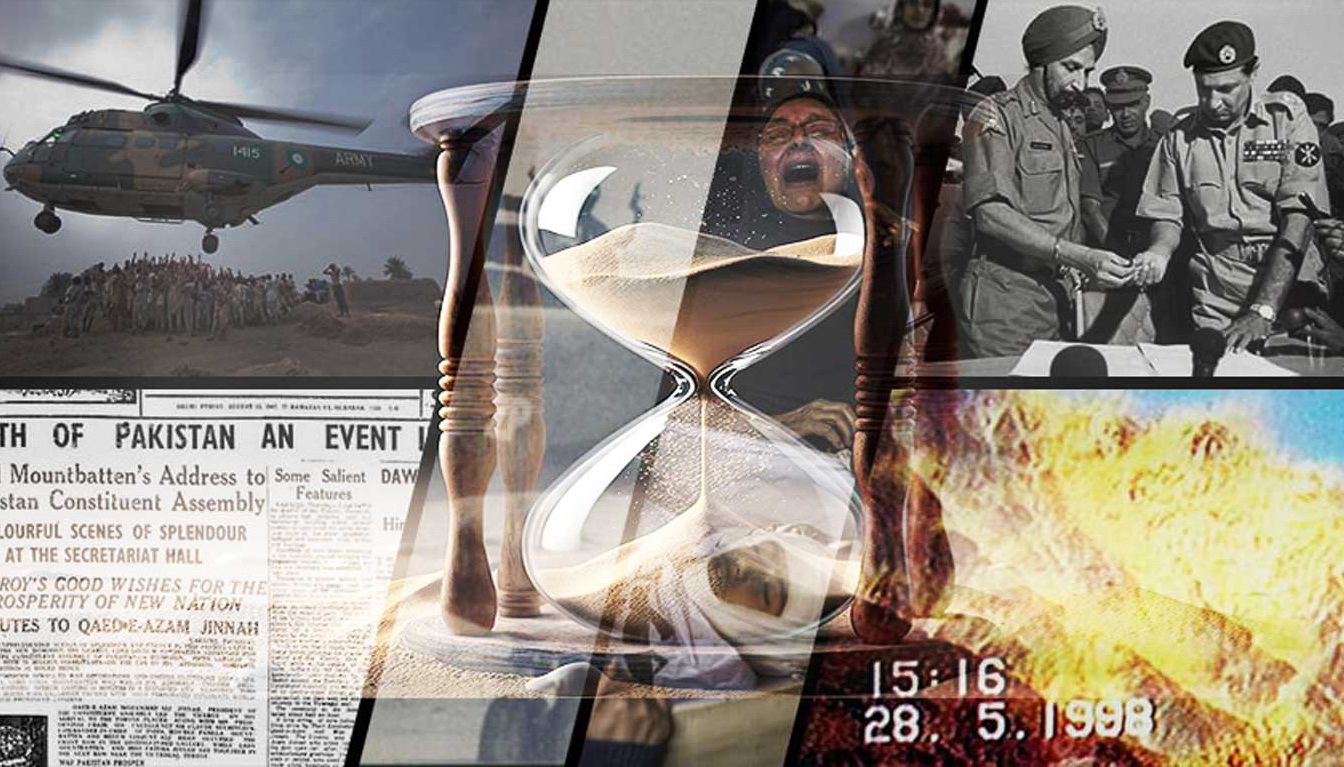
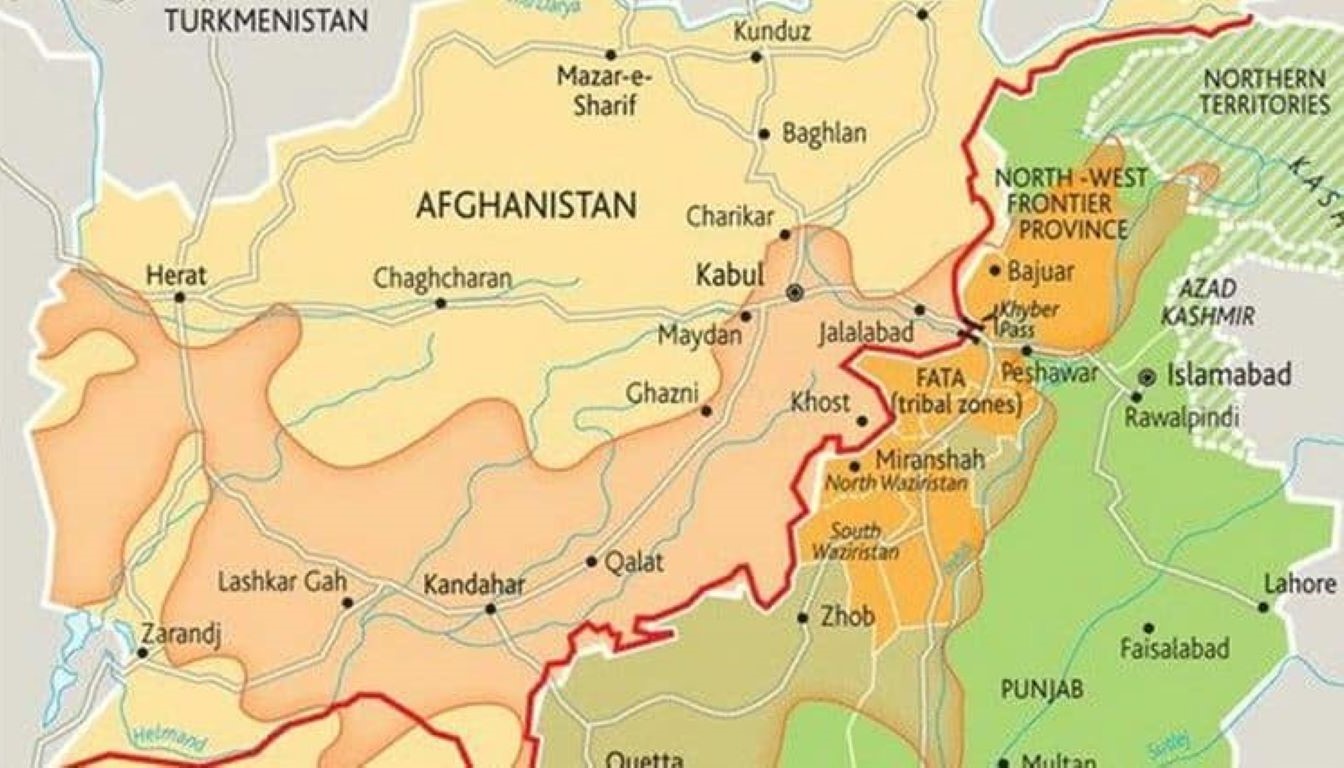
In the shadowed valleys of Rawalakot, where the mountains once whispered prayers for freedom, a deeper wound now bleeds on the so-called “Azad” Kashmir. I still carry vivid memories of passing through beautiful Rawalakot on my way to Hajira, when those same valleys felt full of life and quiet hope. Today Rawalakot bleeds. Today the air carries not only the scent of pine and soil but also the heavy silence of souls departed too soon. Kashmiris have fallen, not at the hands of some distant enemy, but under the very forces that professed to protect them.
This is no mere political dispute. It is a profound spiritual betrayal.
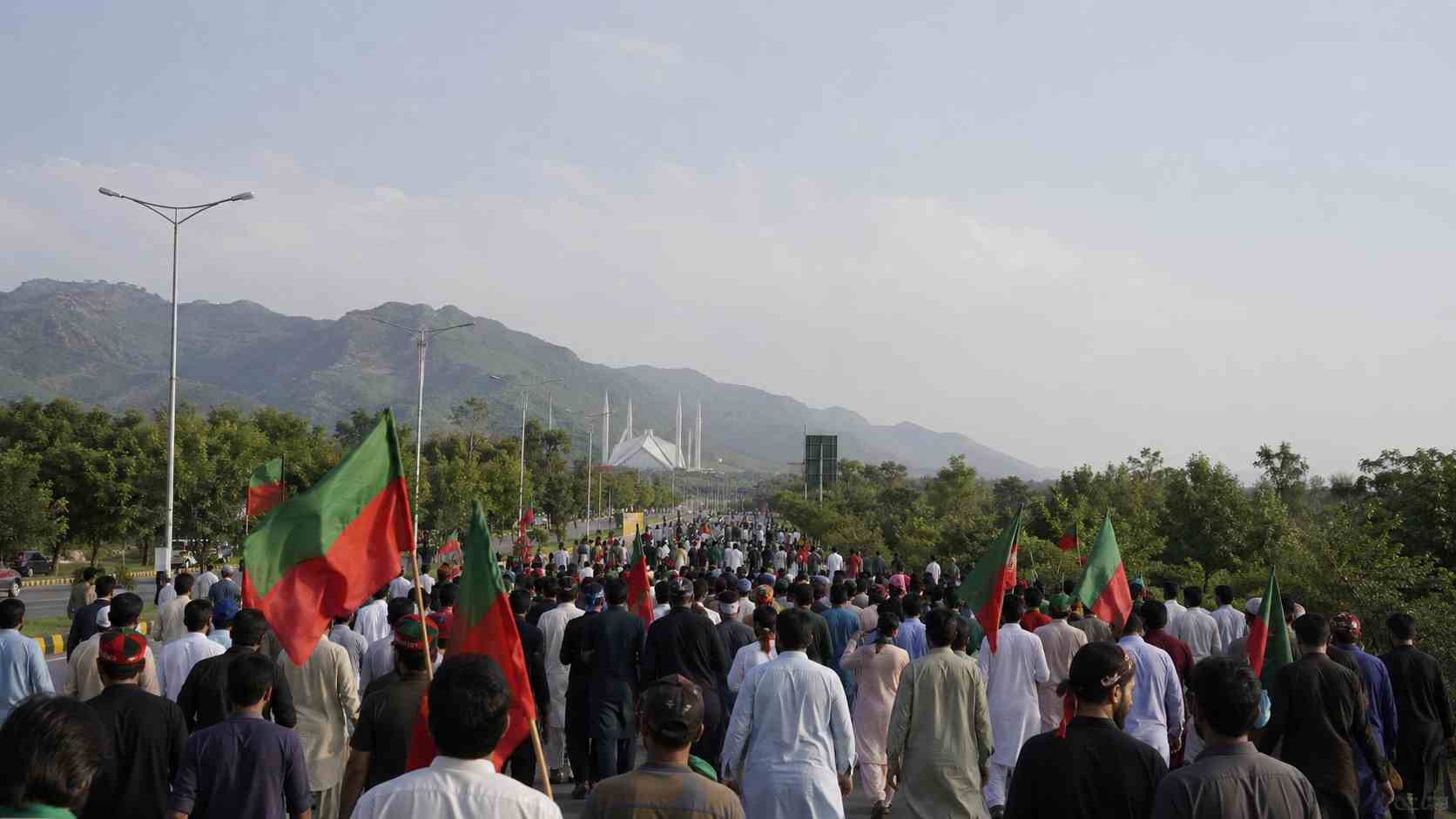
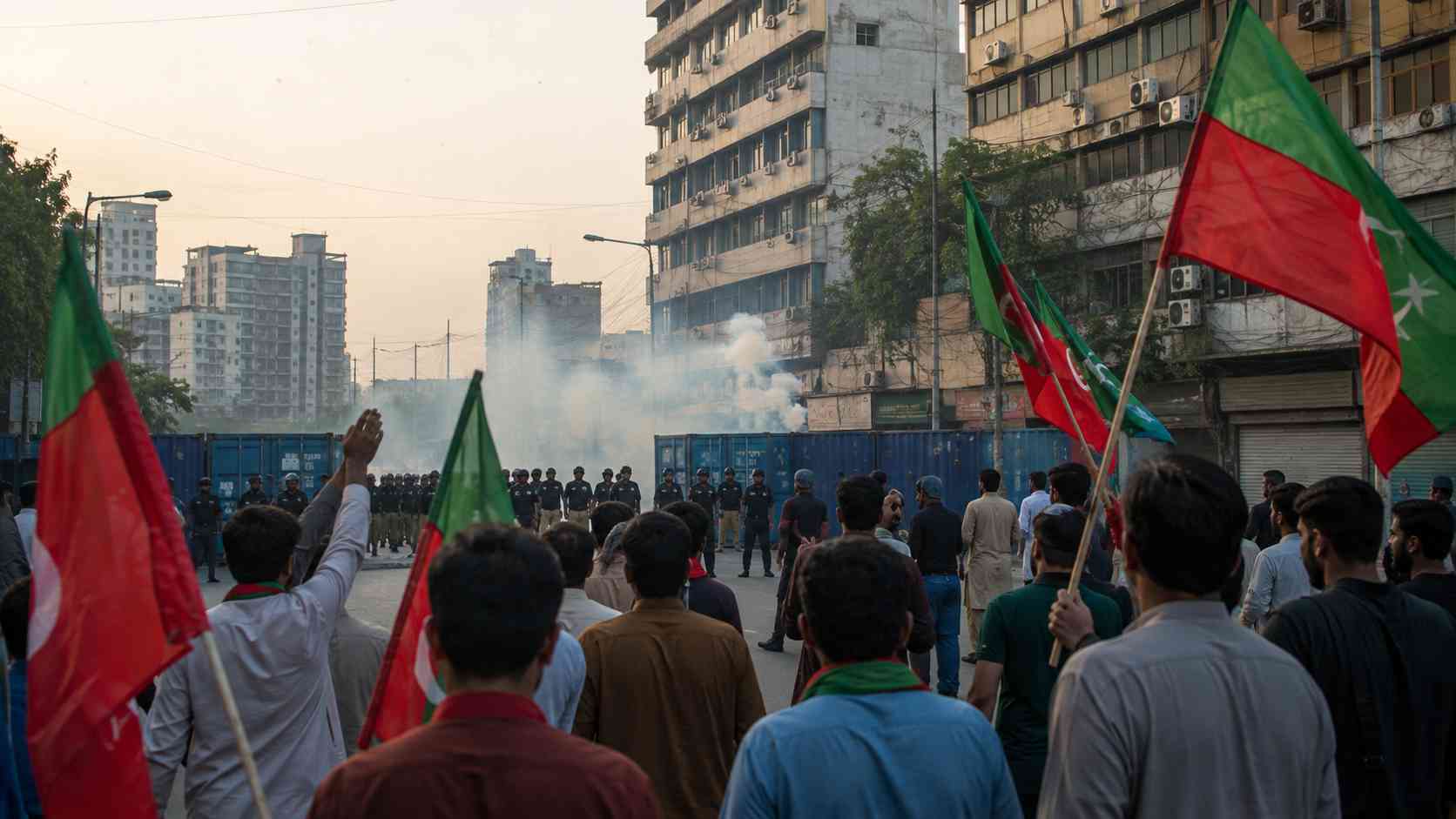
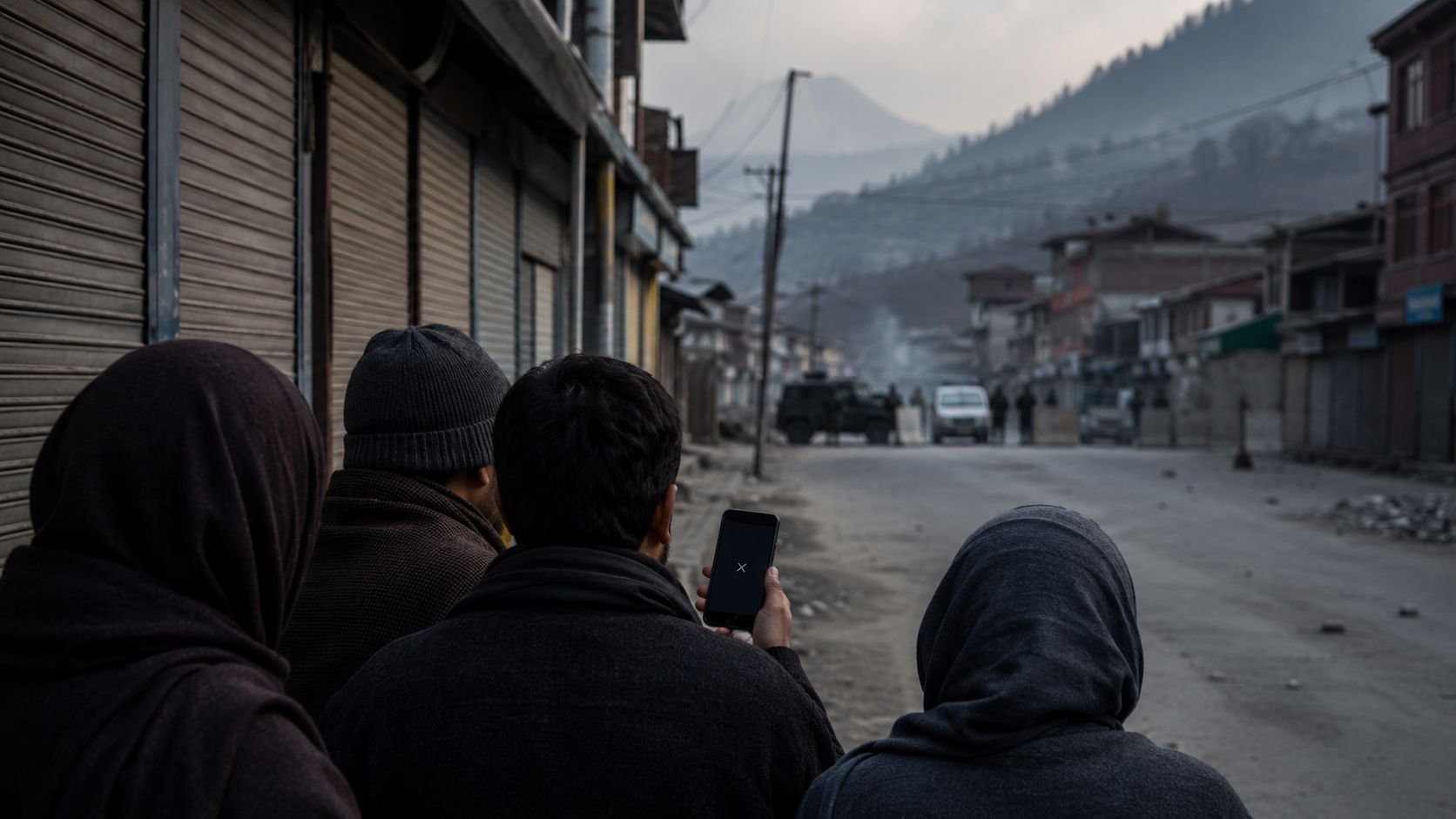
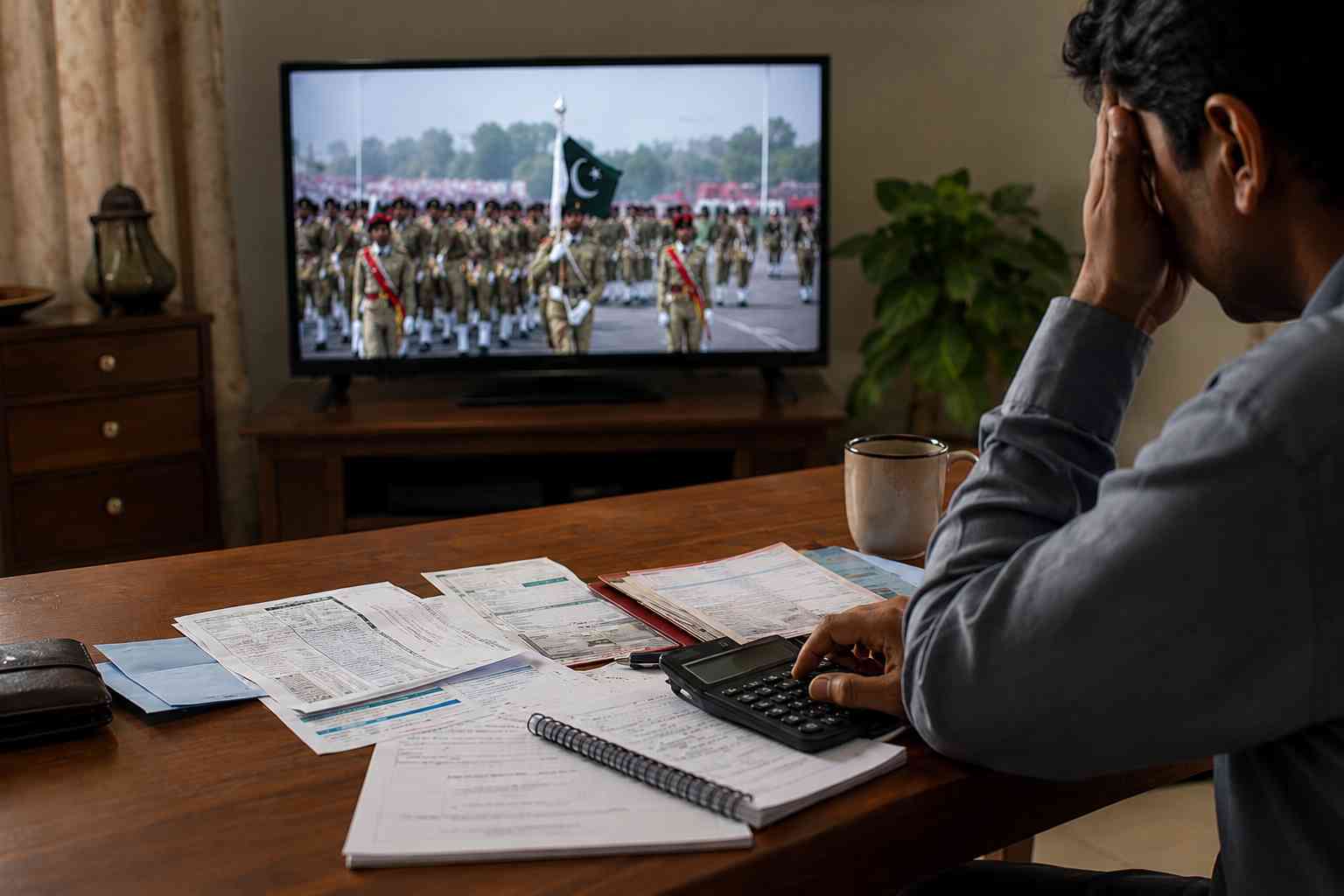
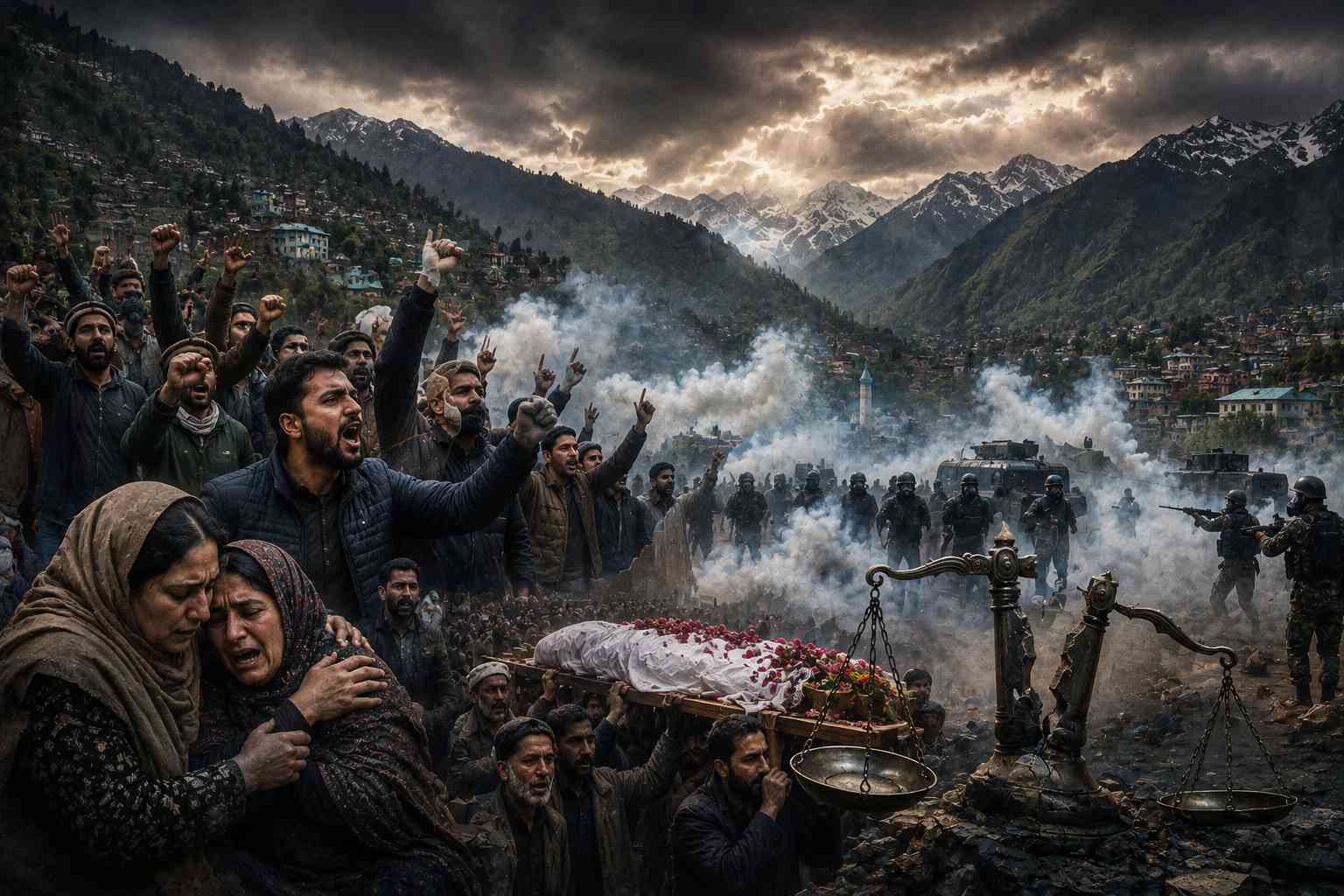
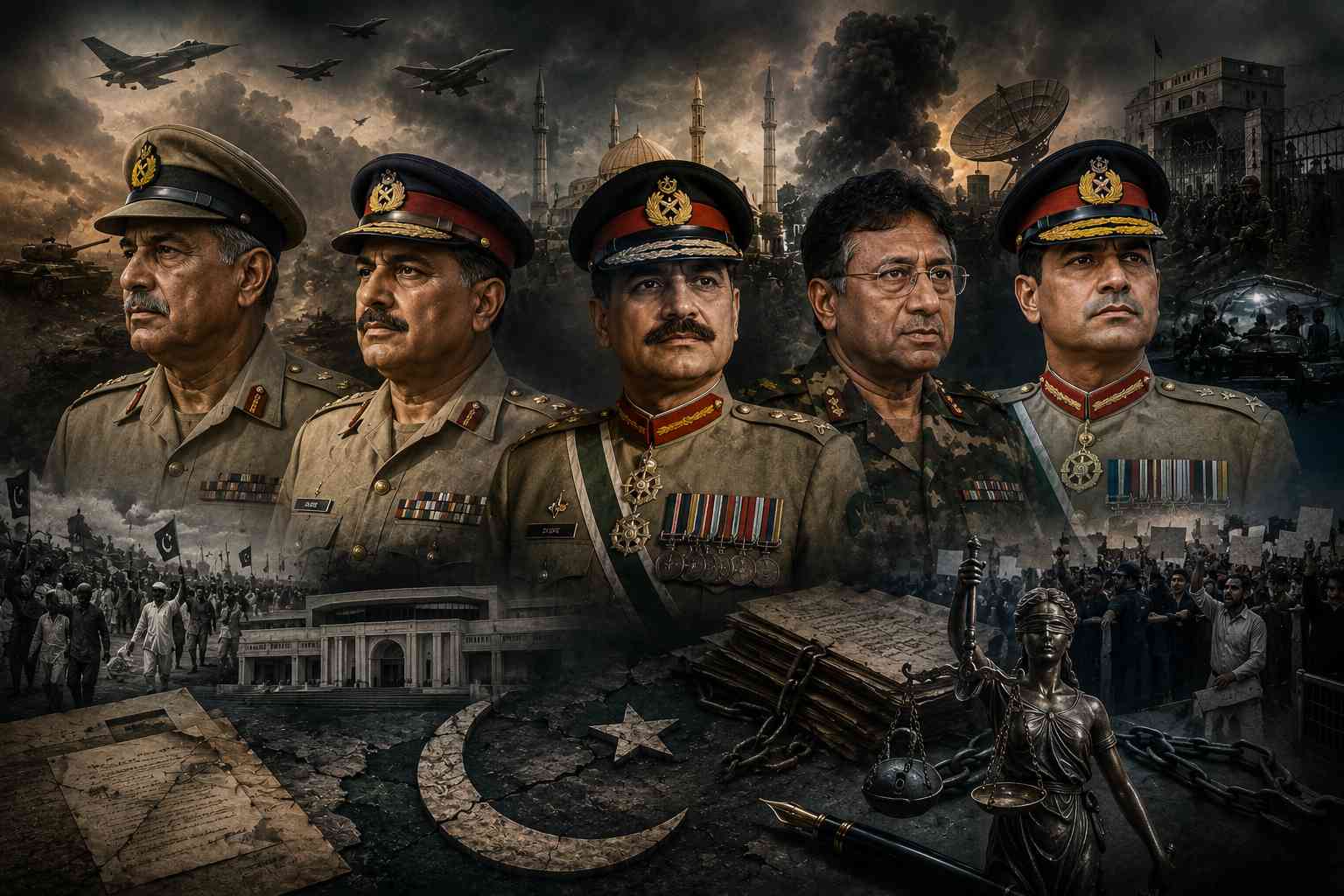
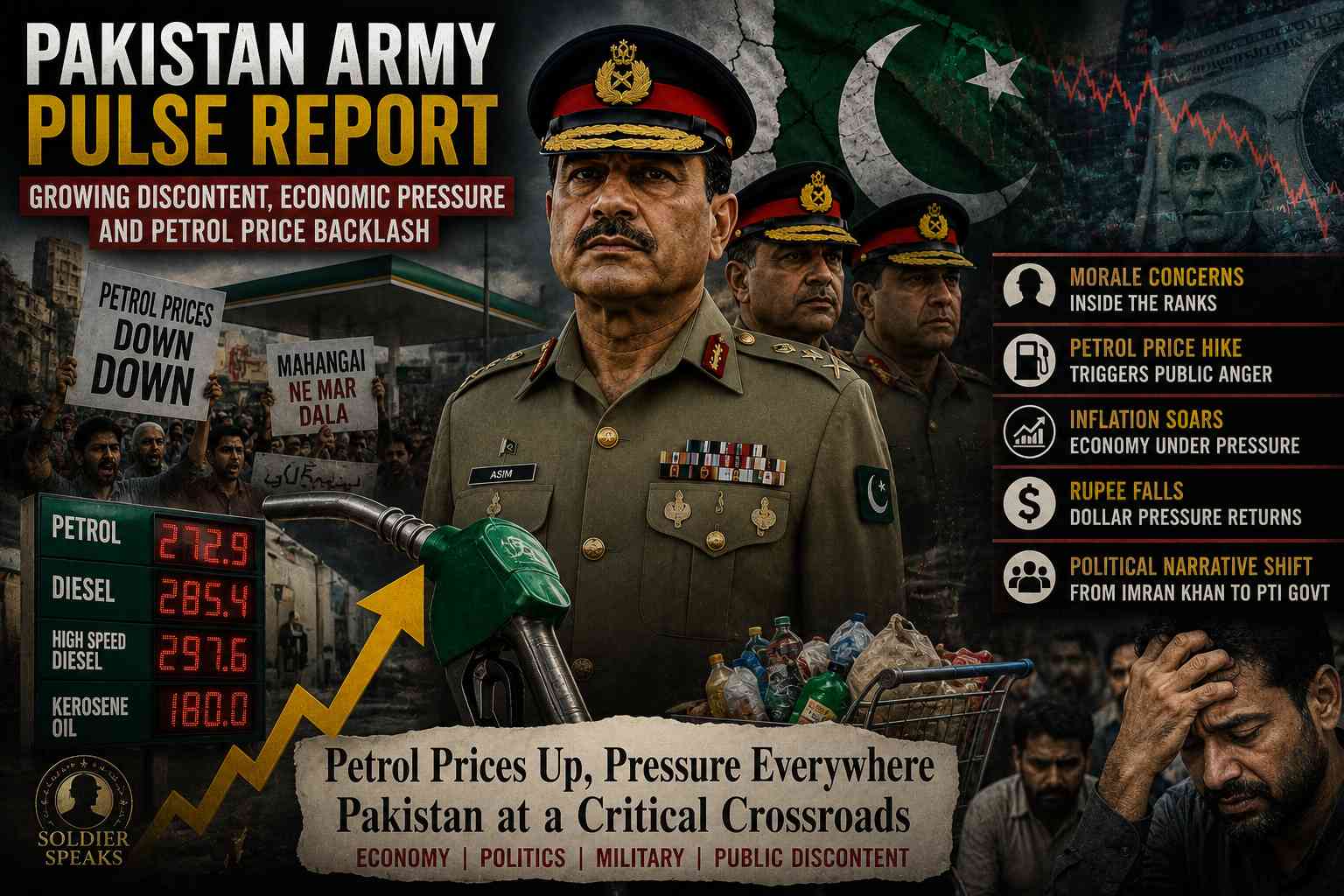
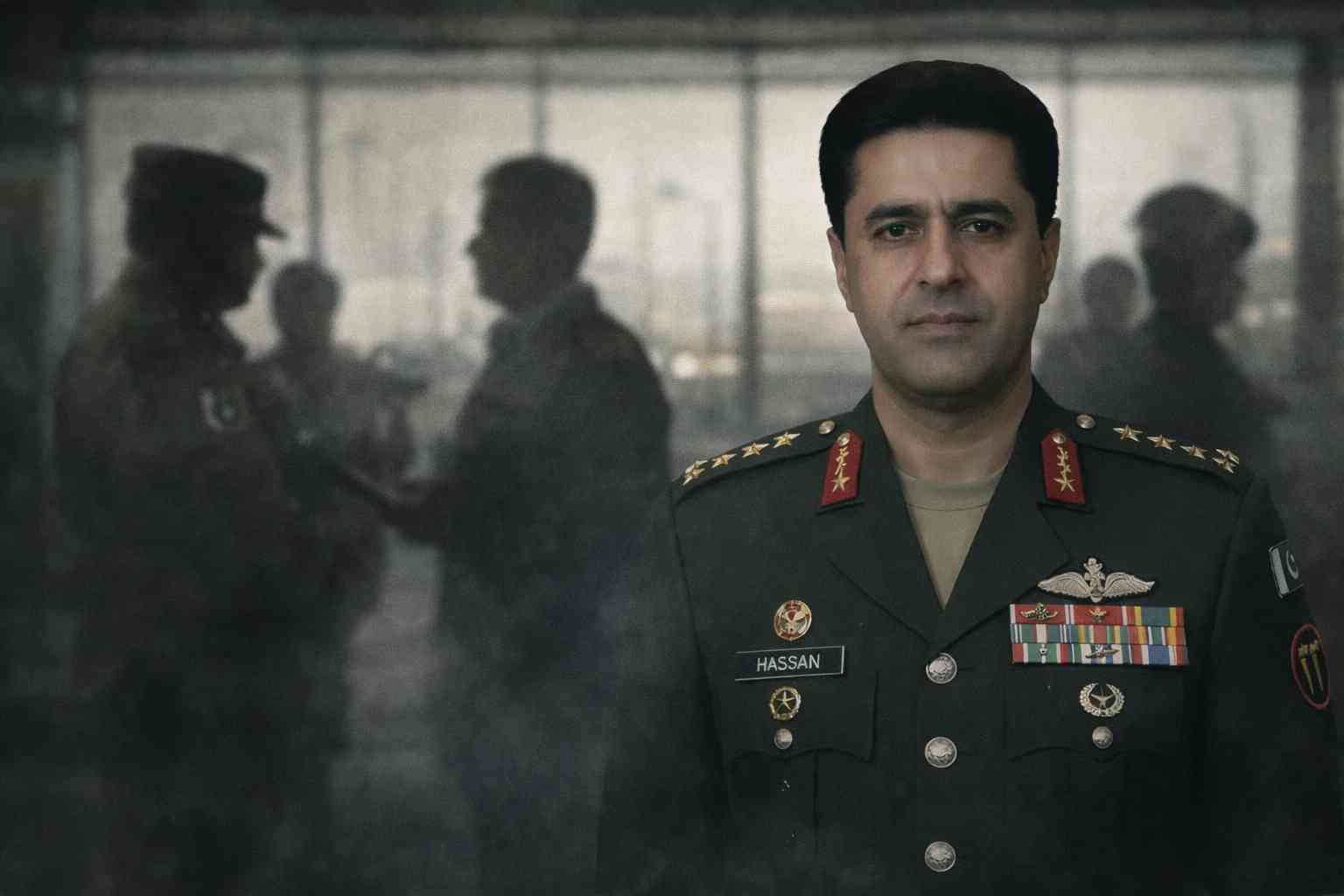
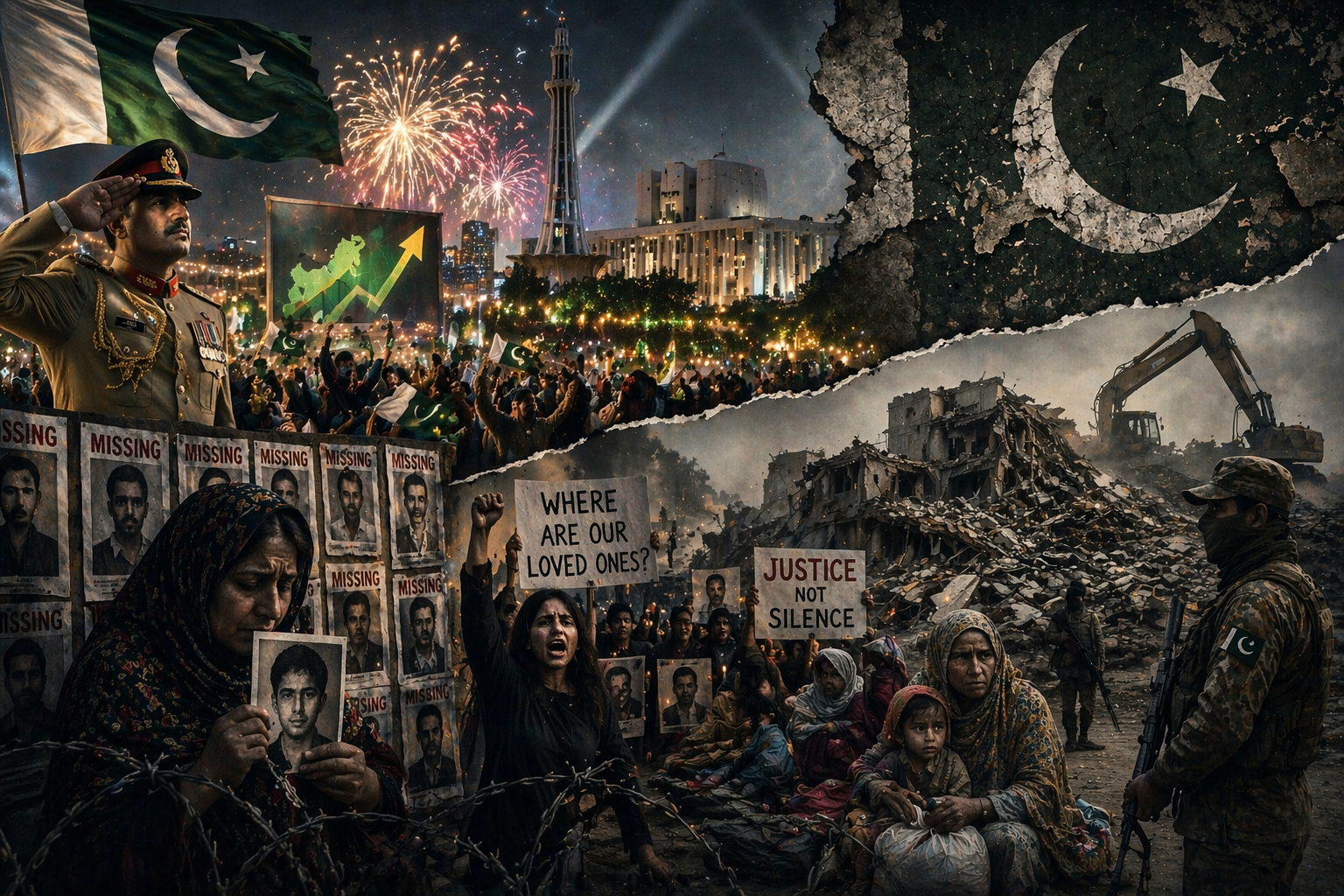
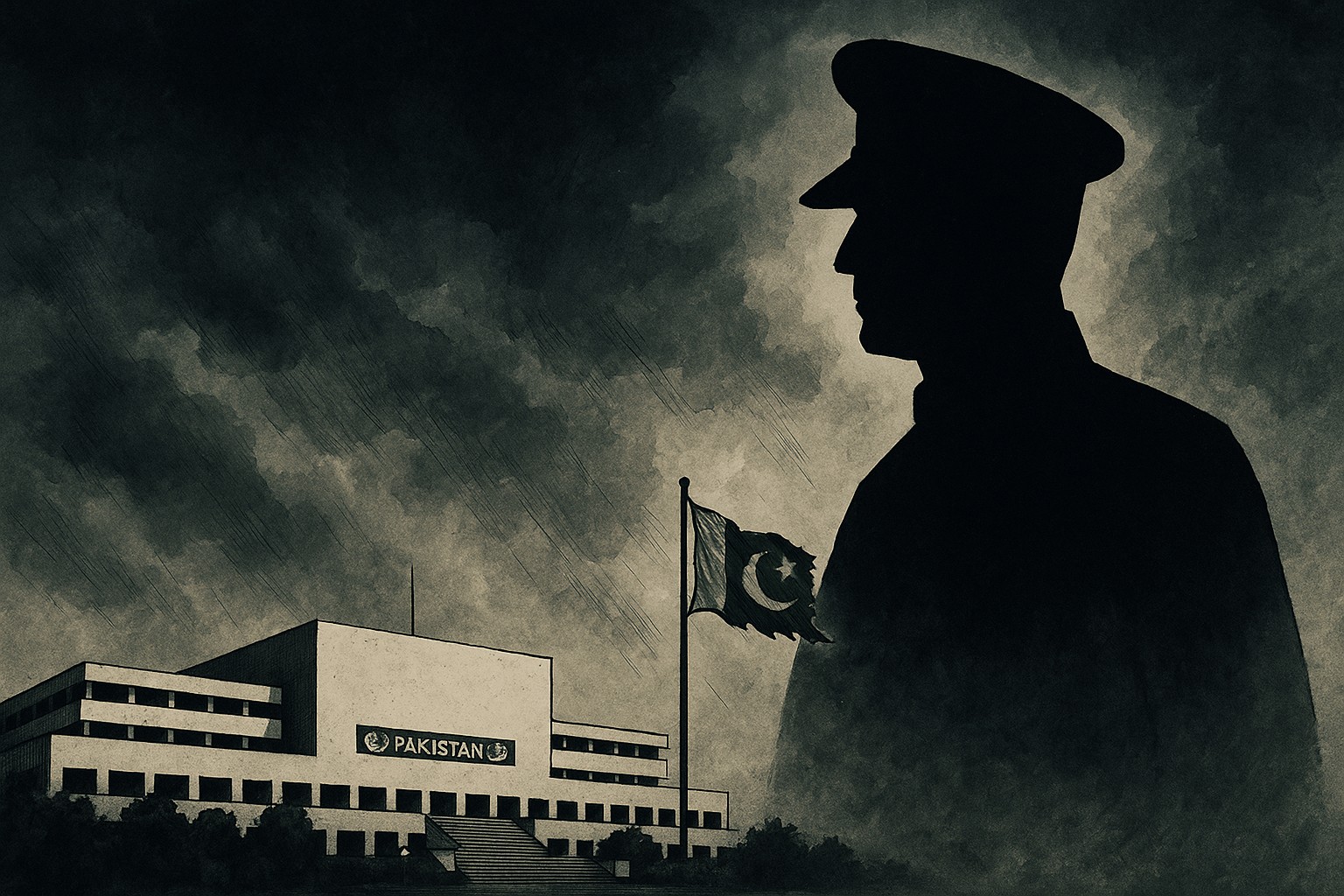
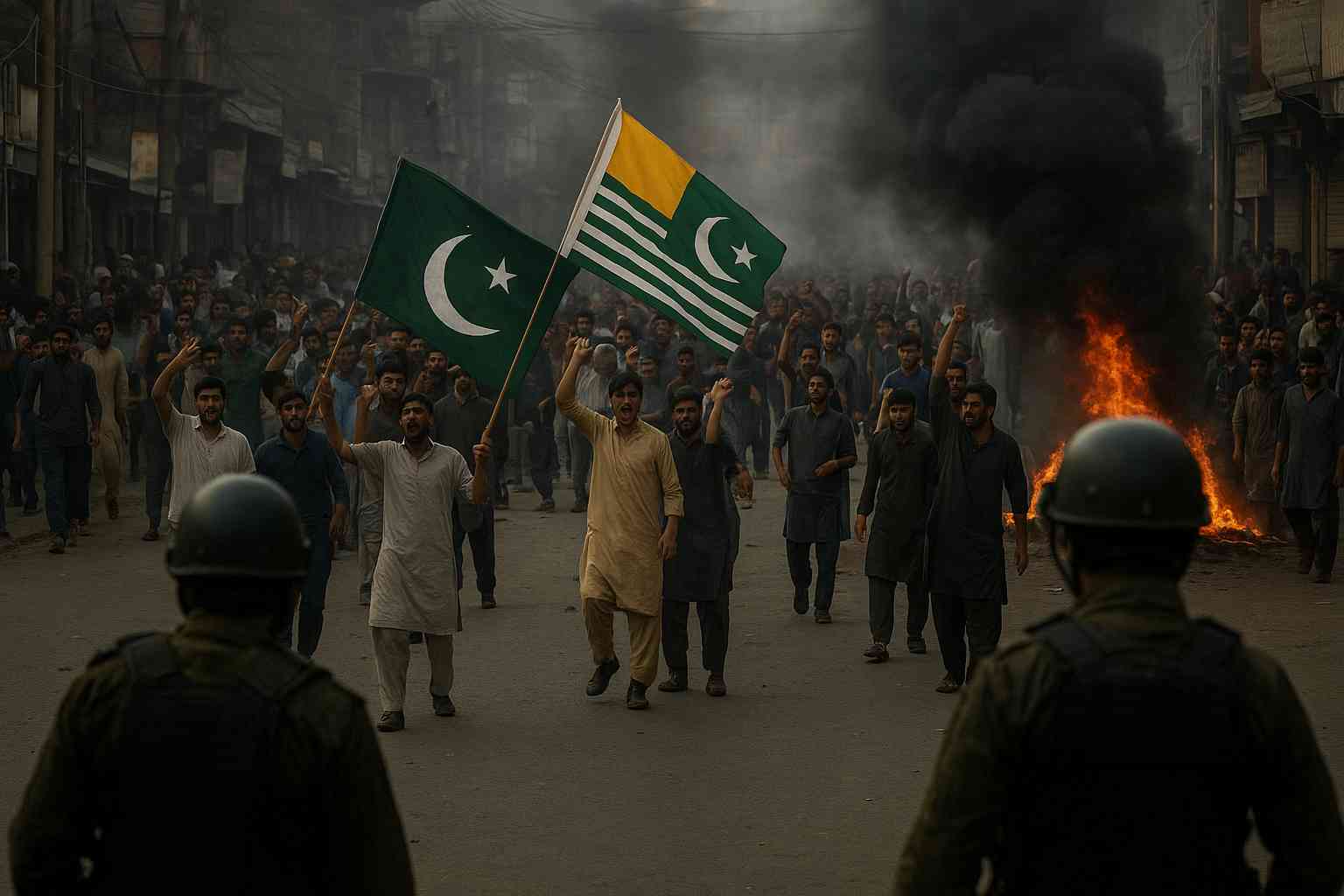
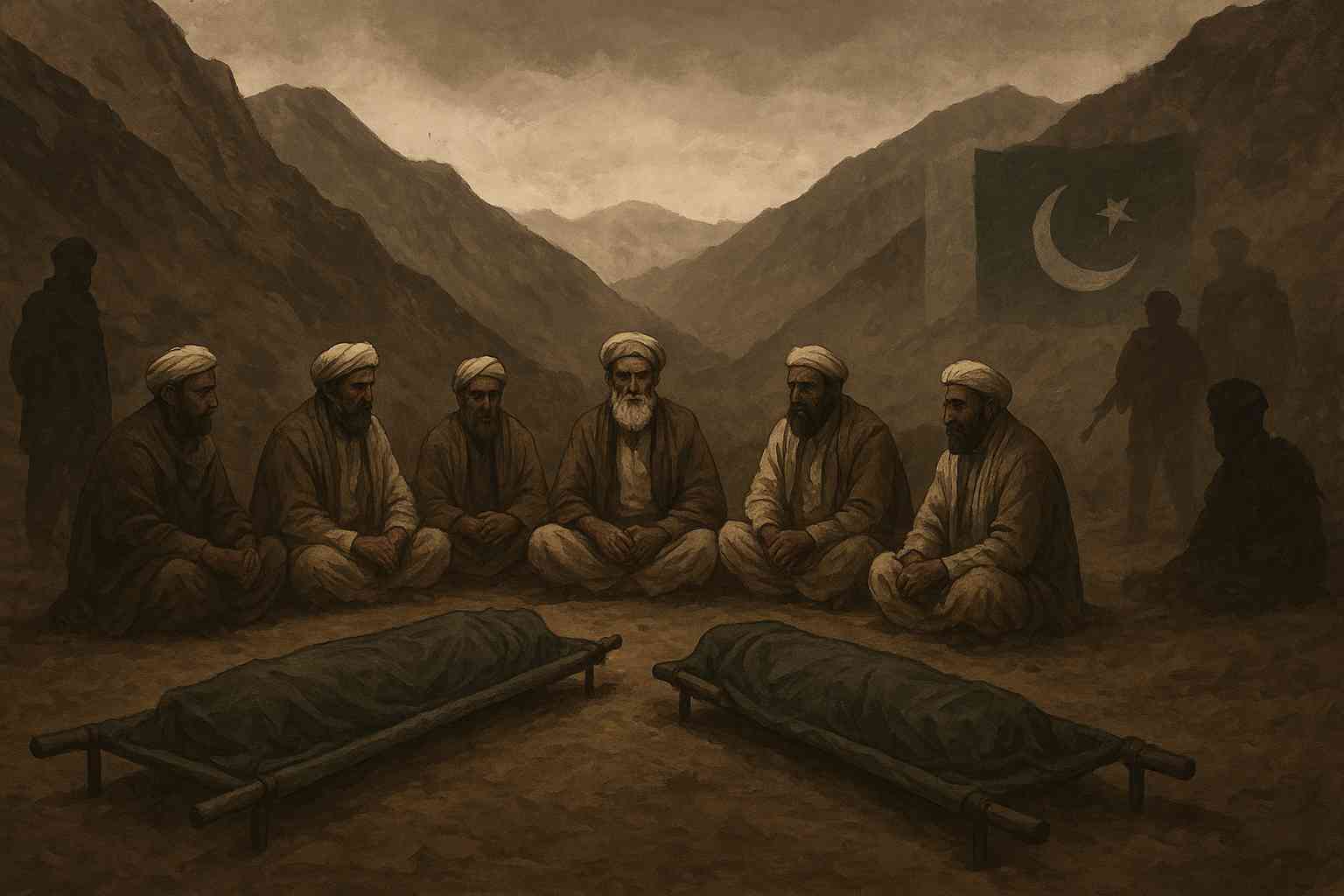
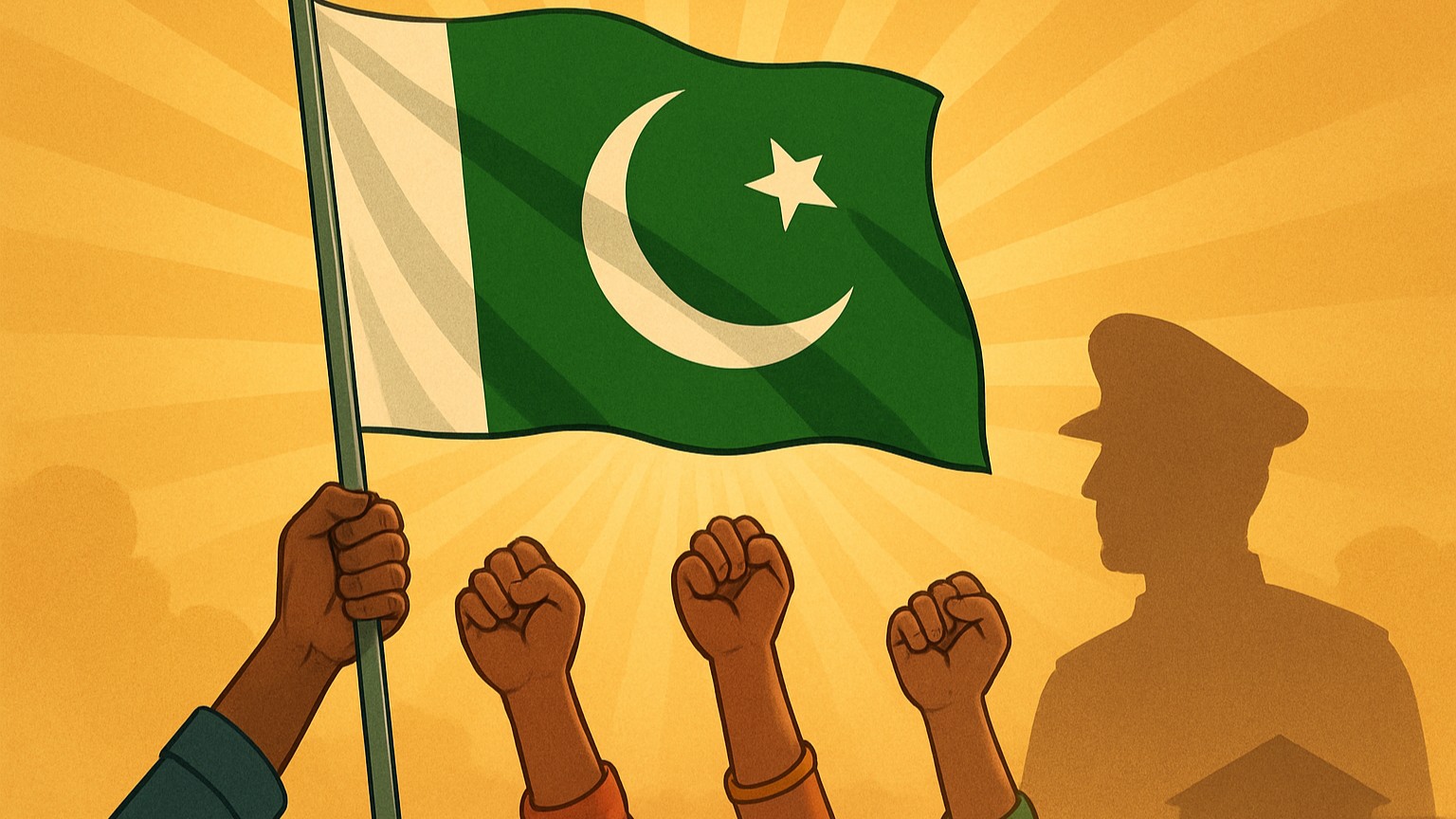
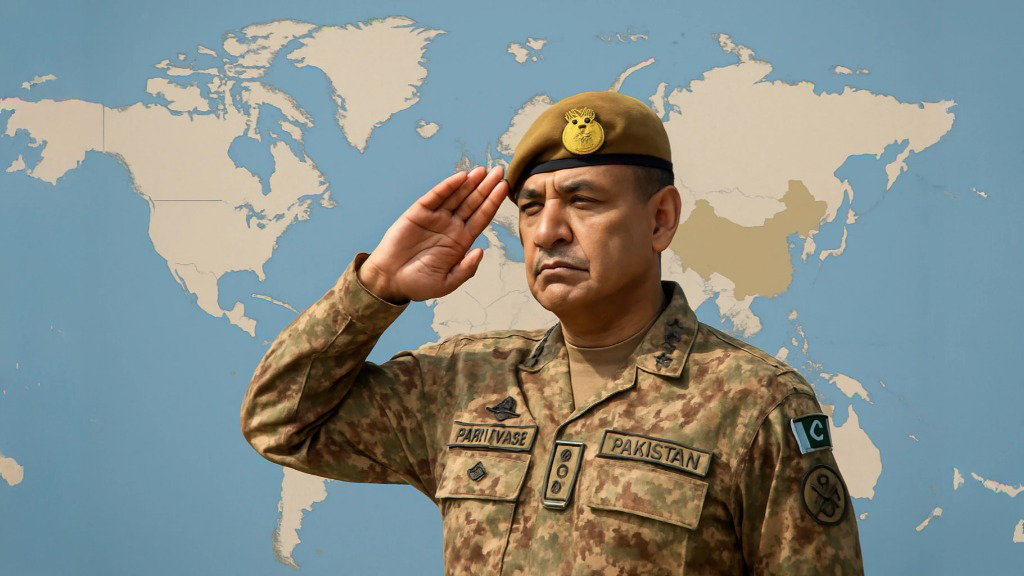
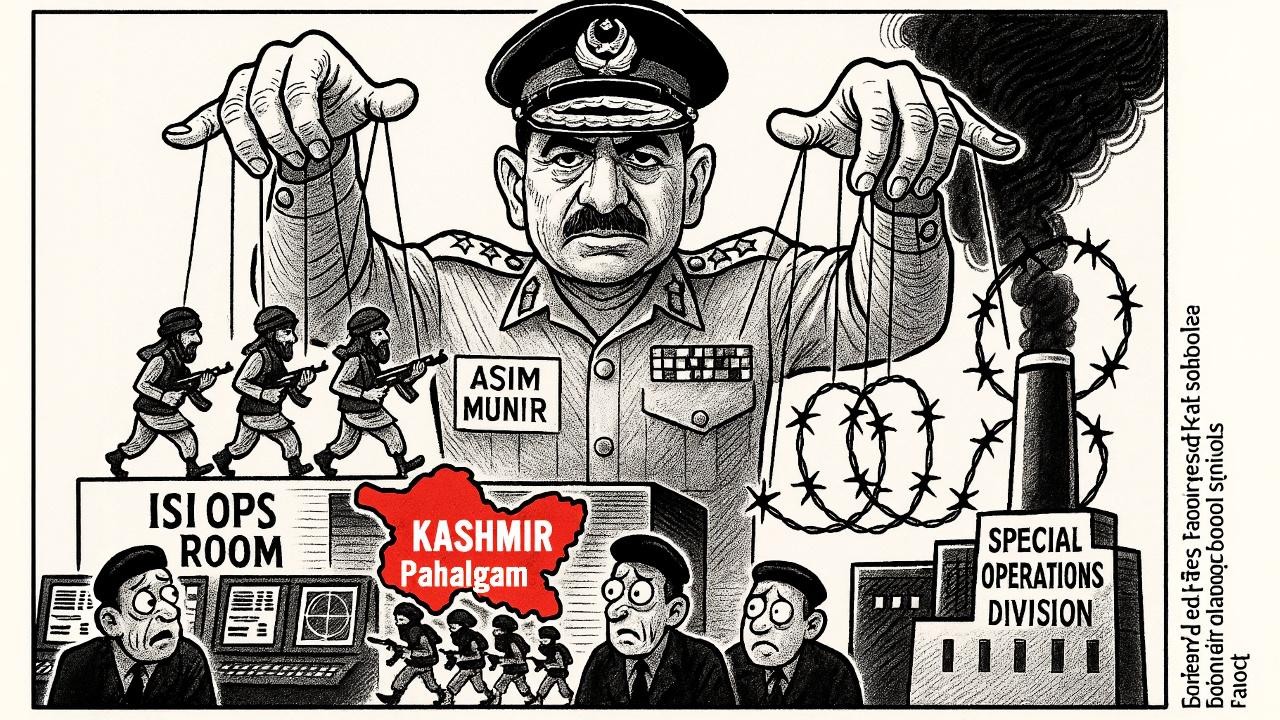
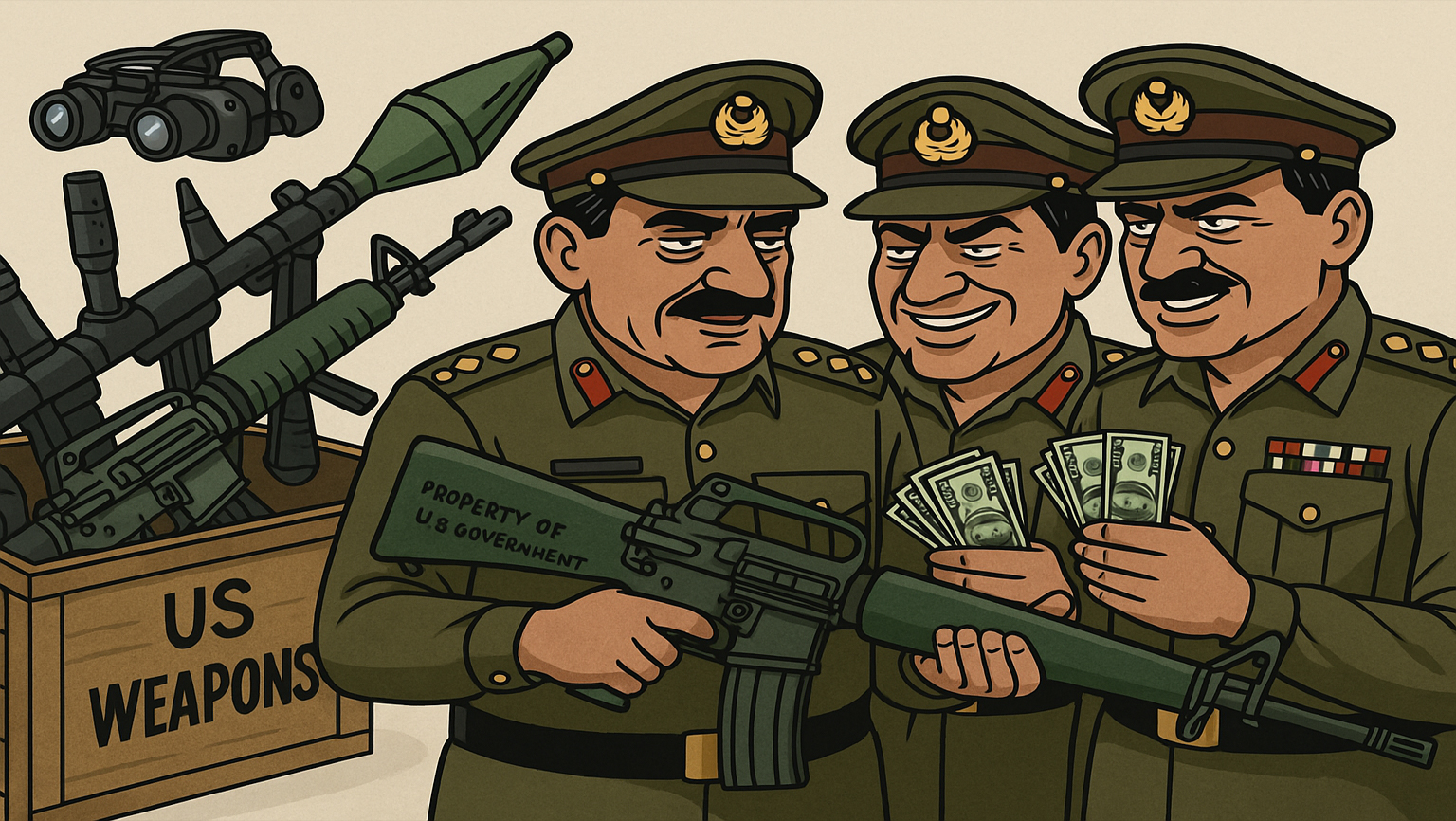
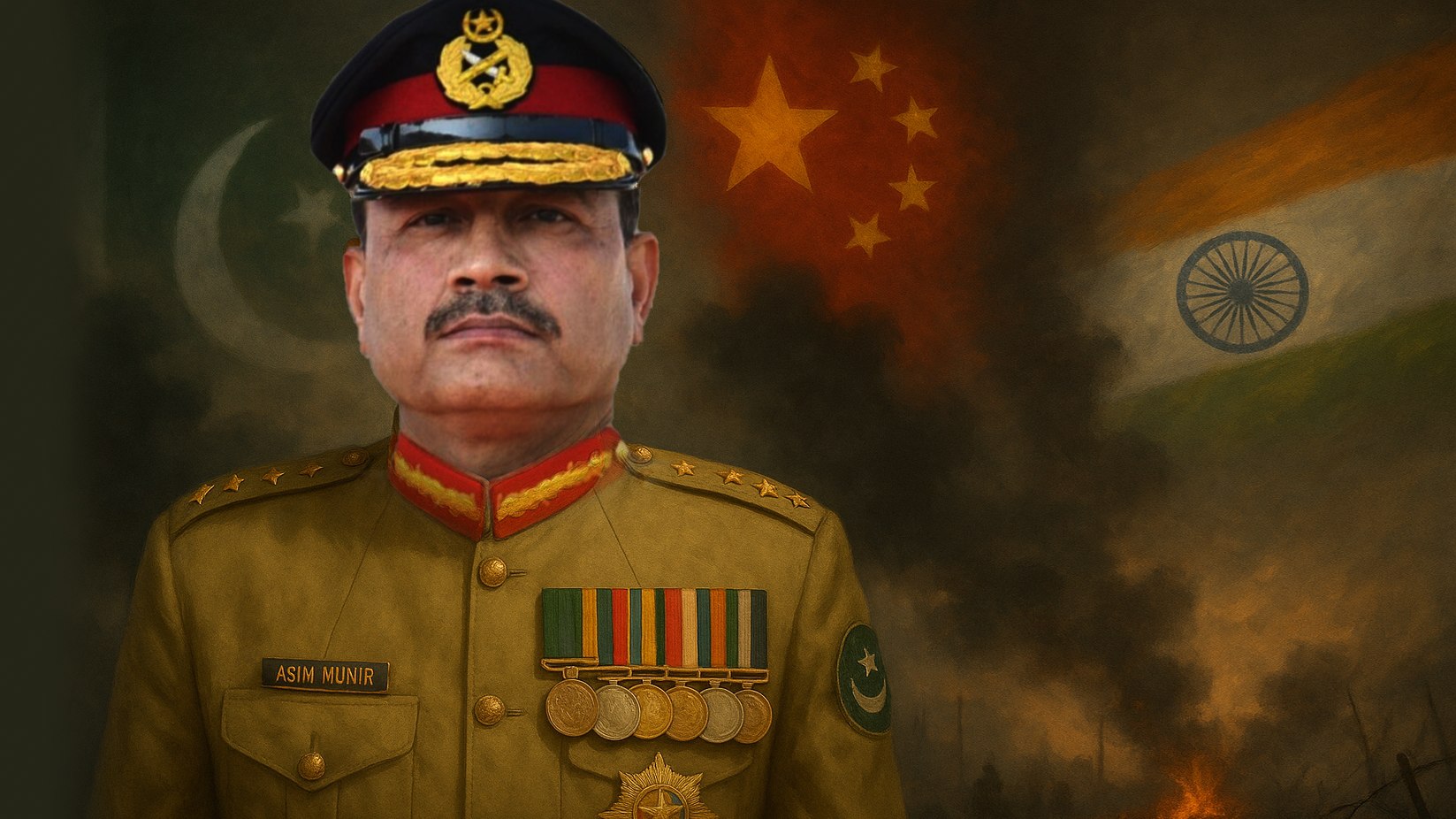
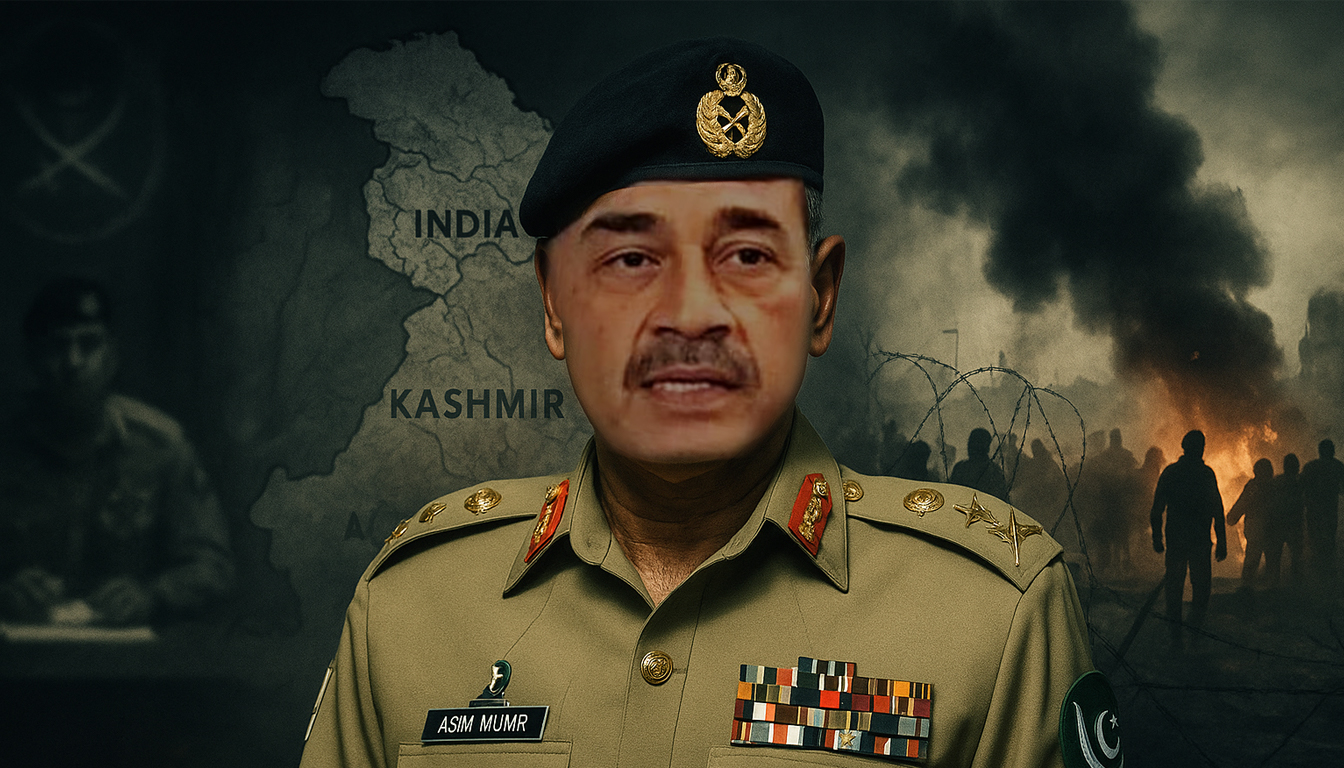
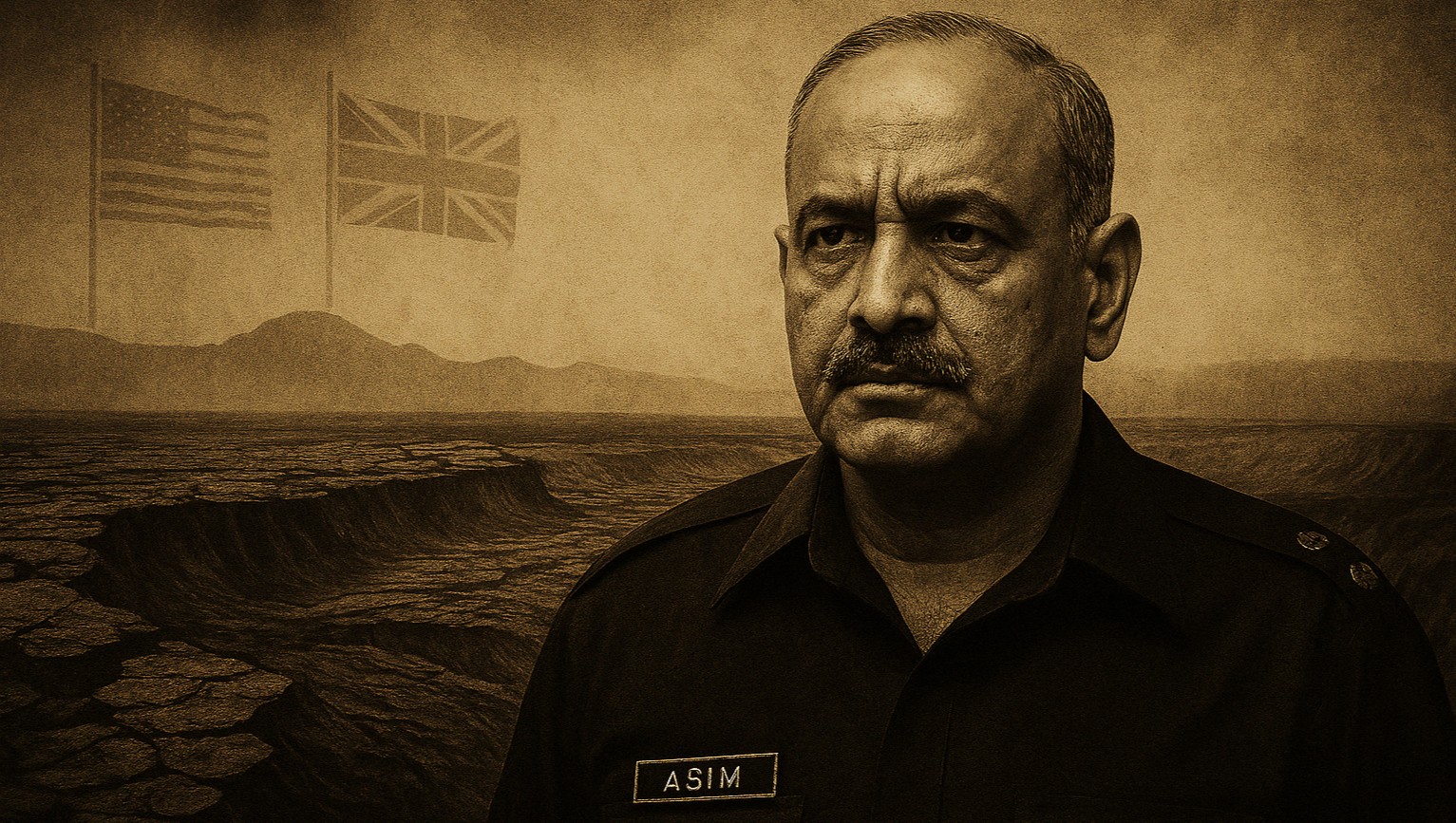
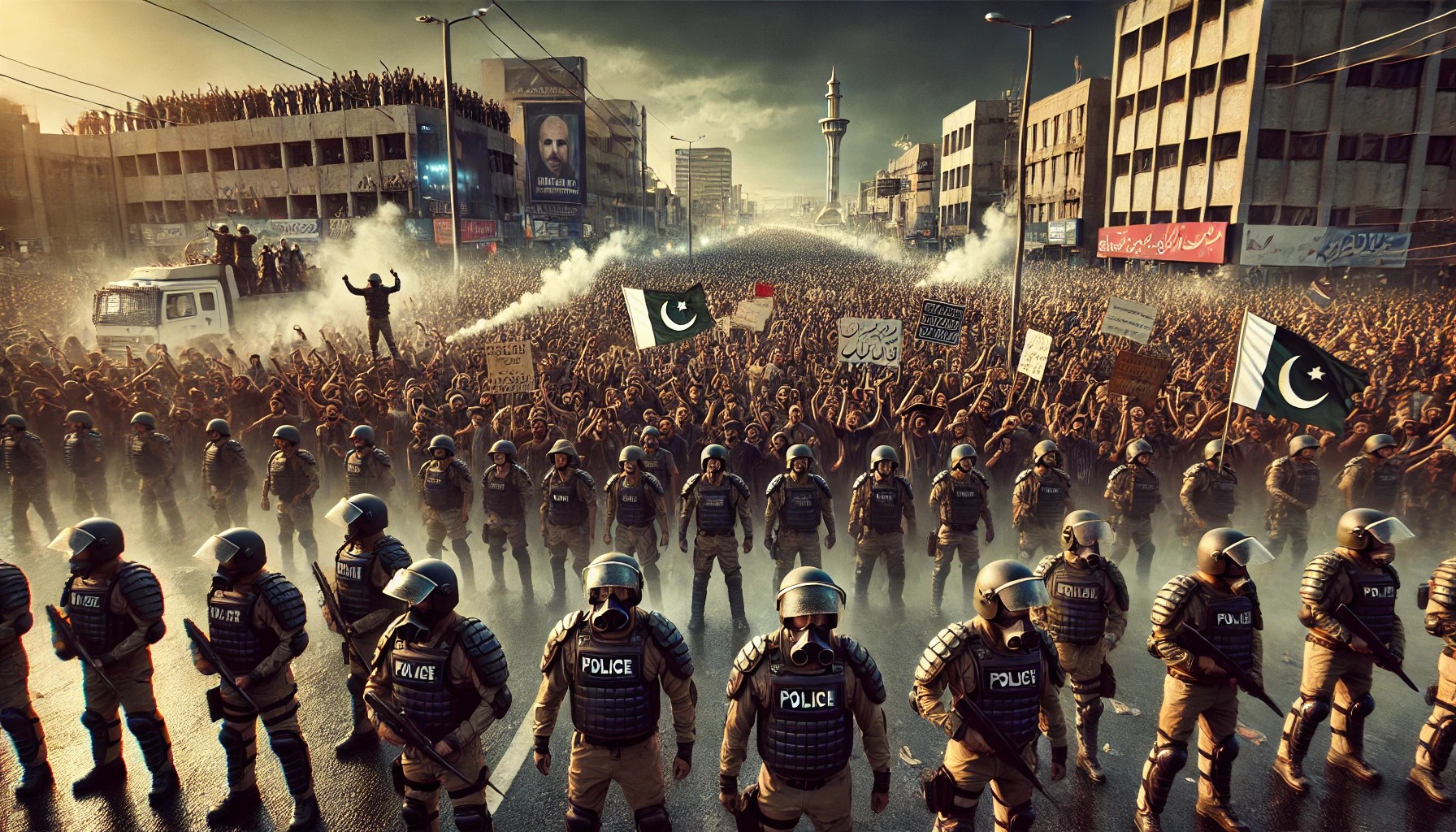
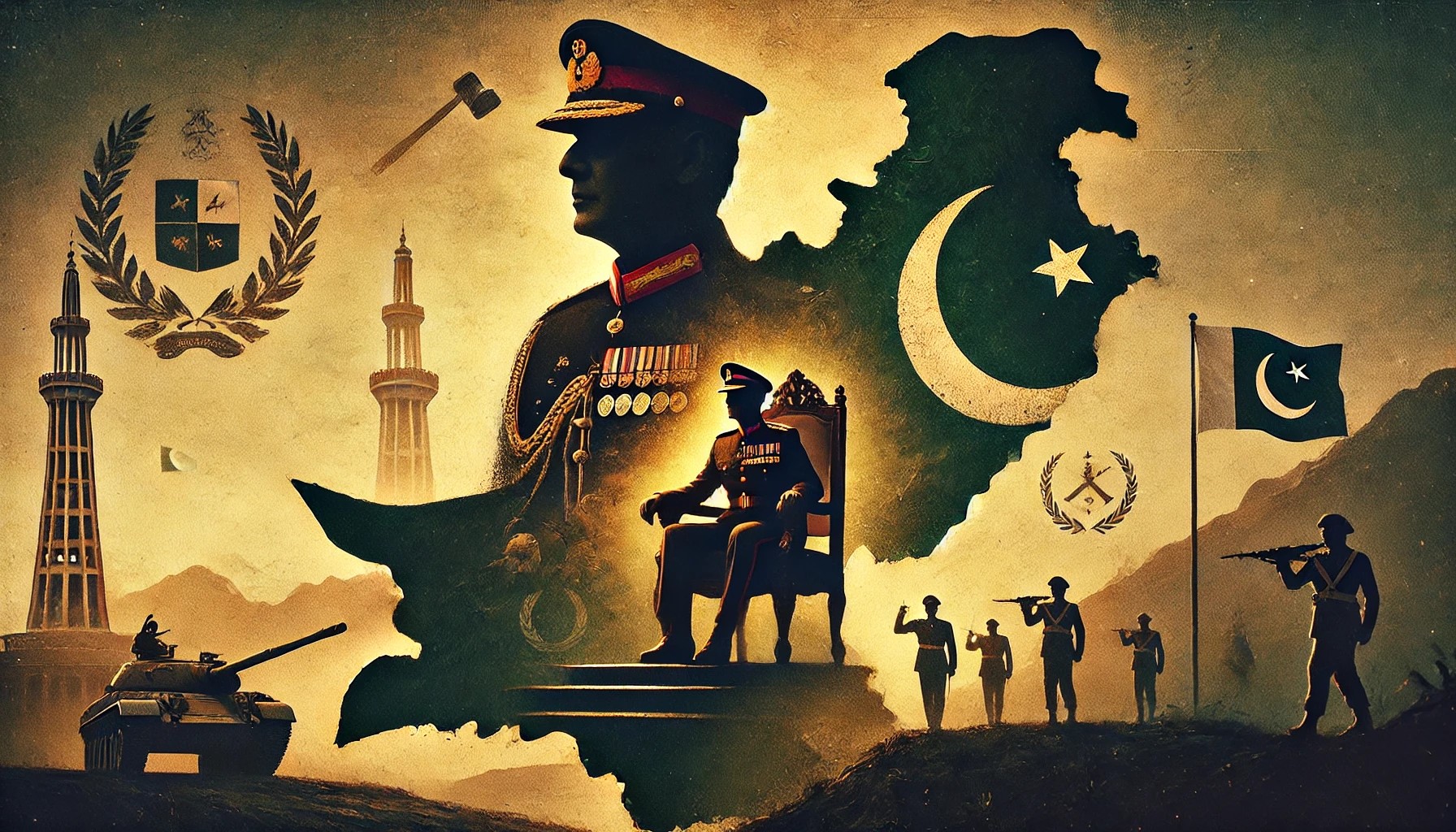
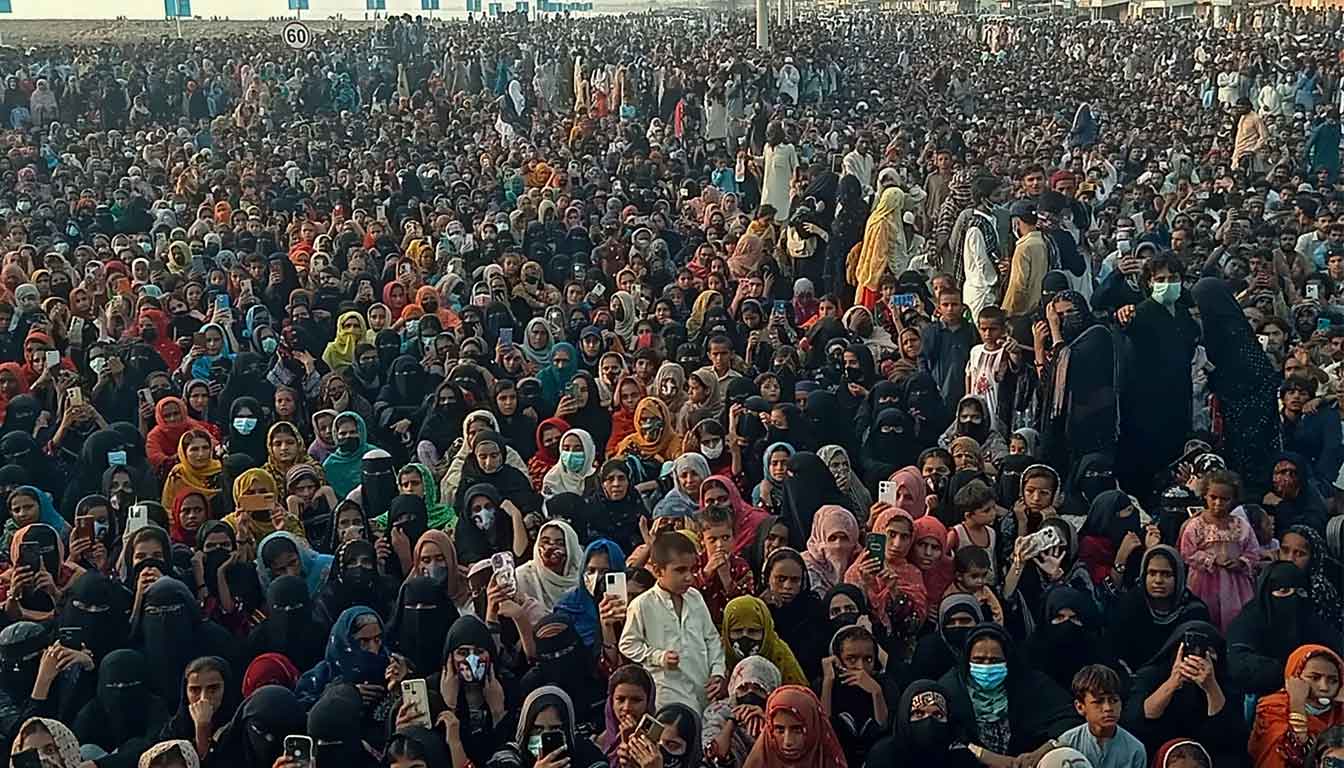
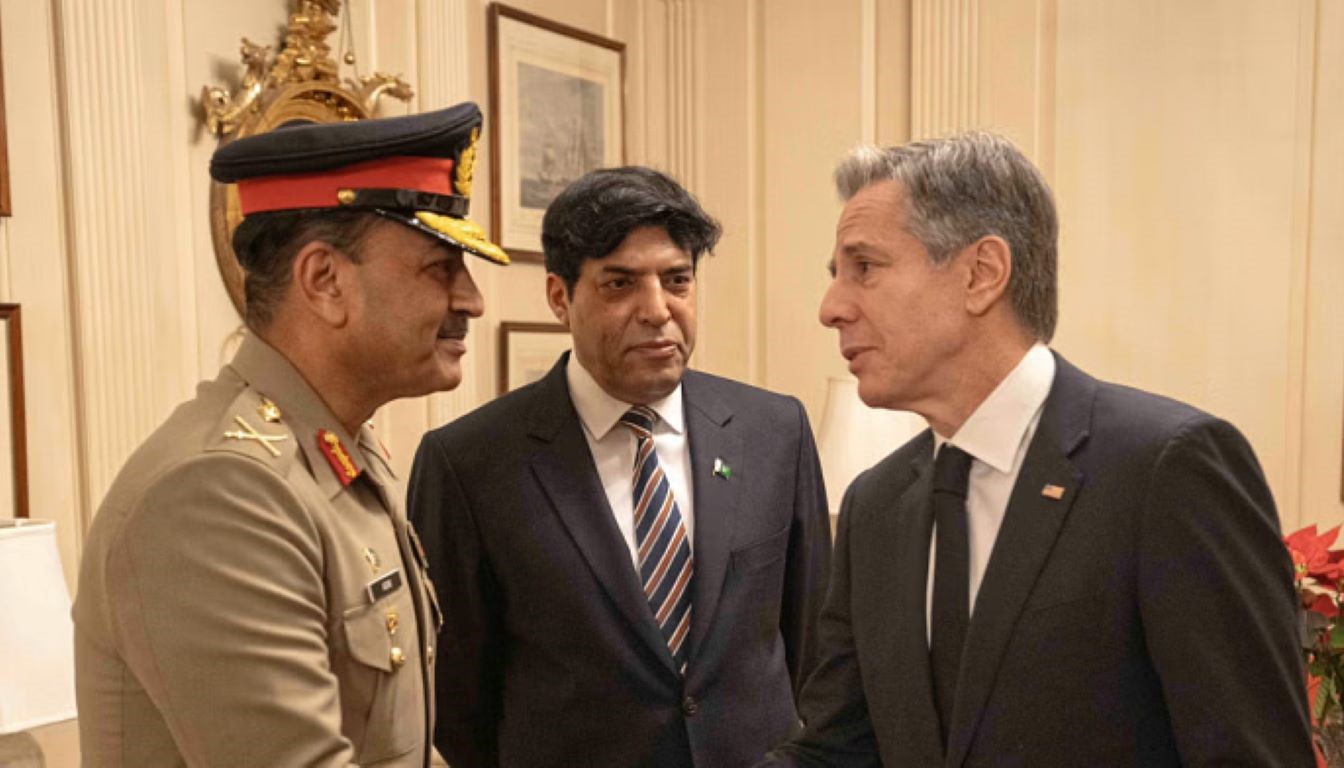
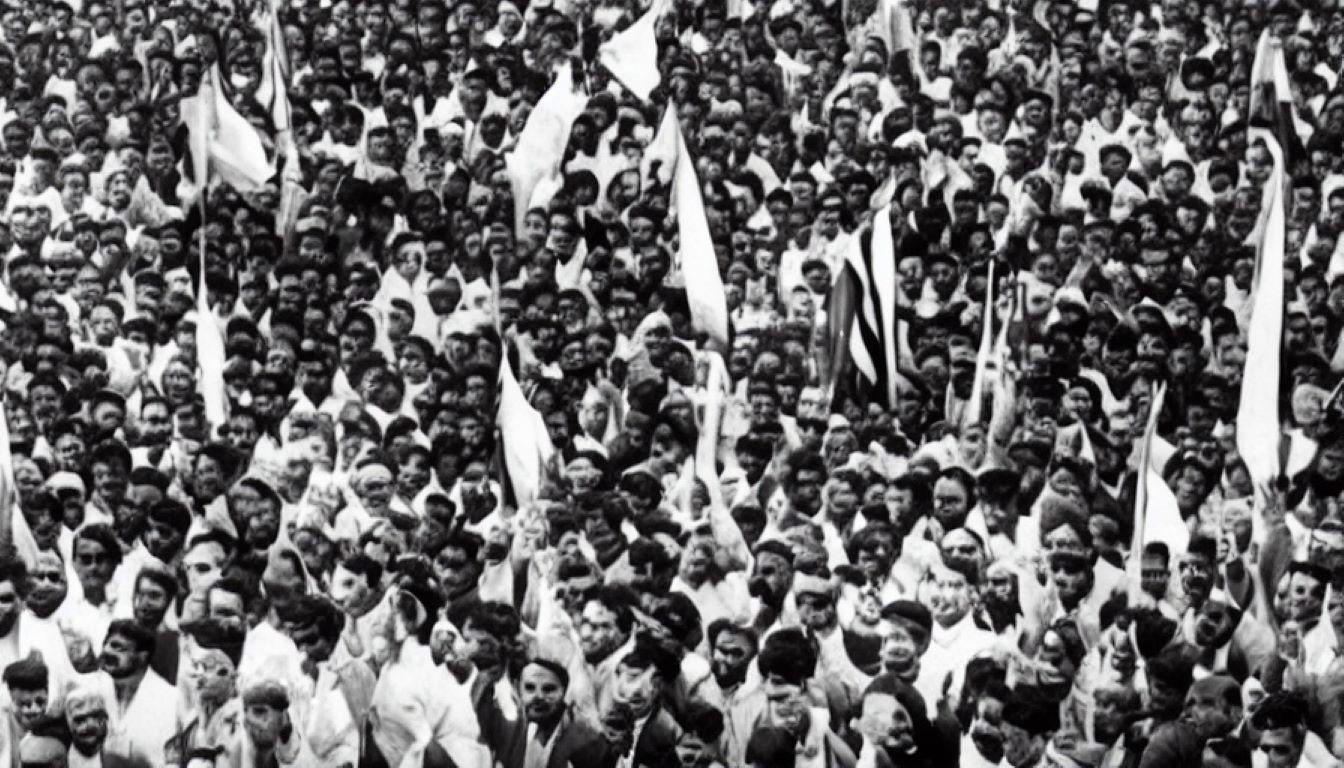
The people of Azad Kashmir rose in protest, their hearts set on peace as they sought bread, electricity, dignity and the rights taken from their rivers and their future. They marched against crippling electricity bills drawn from their own dams, against subsidies that vanished into distant pockets and against a system that treats them as tenants upon their ancestral lands. The reply came in live fire and clouds of tear gas that choked the streets. Funerals became scenes of further violence, with reports of civilians slain, among them the elderly, women and the young, cut down while they mourned their dead. Under General Asim Munir the Pakistan Army stands accused of transforming grief into massacre.
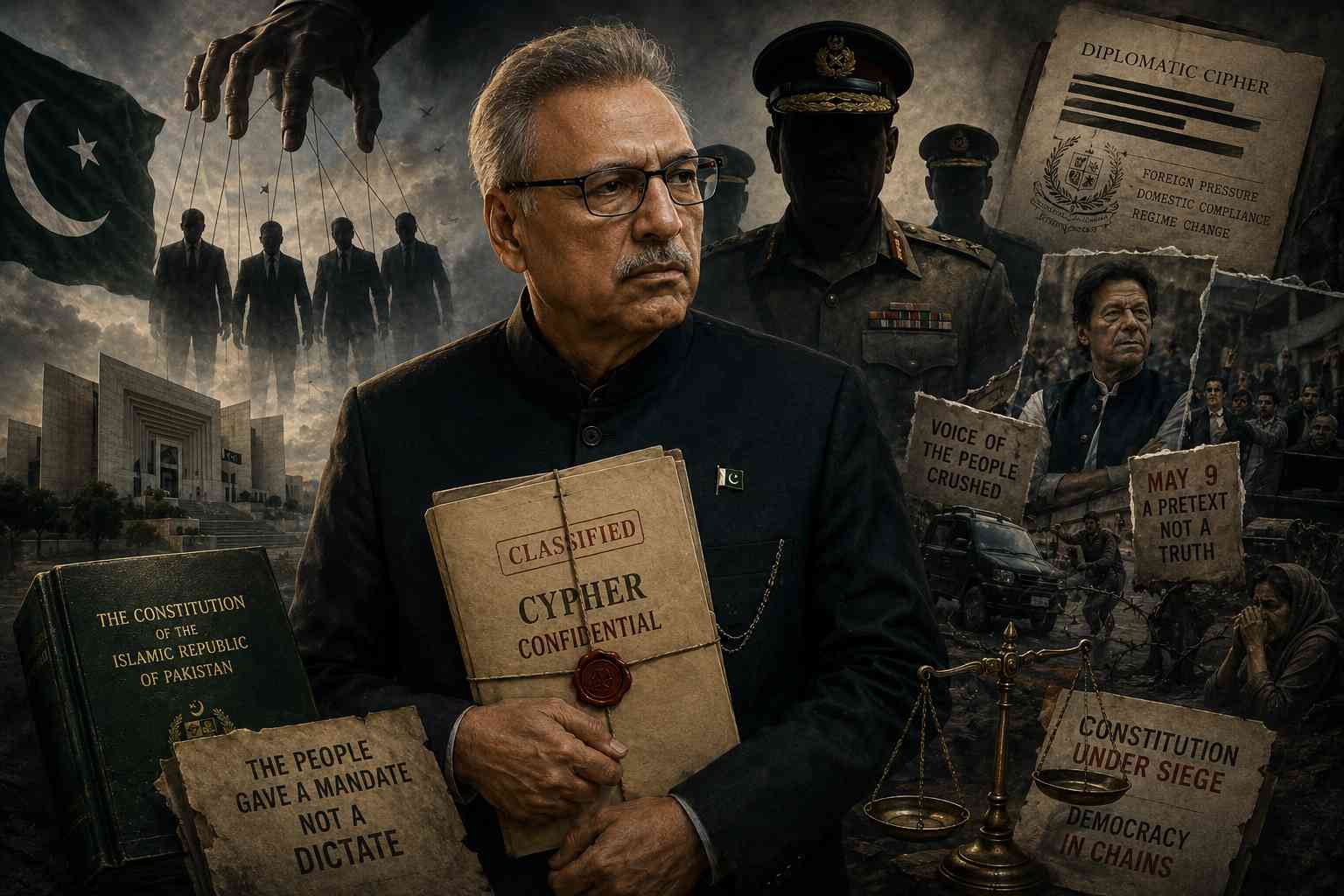
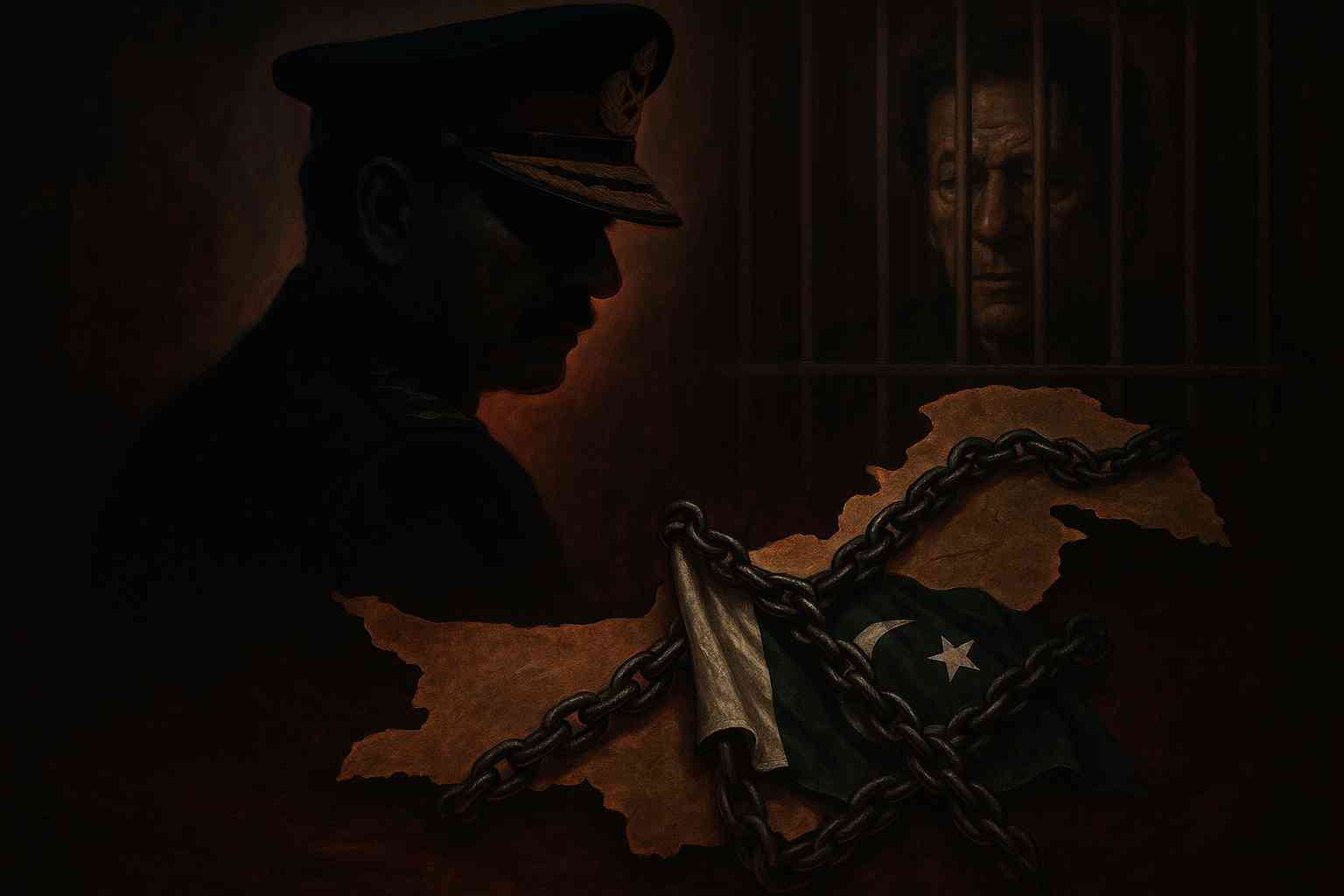
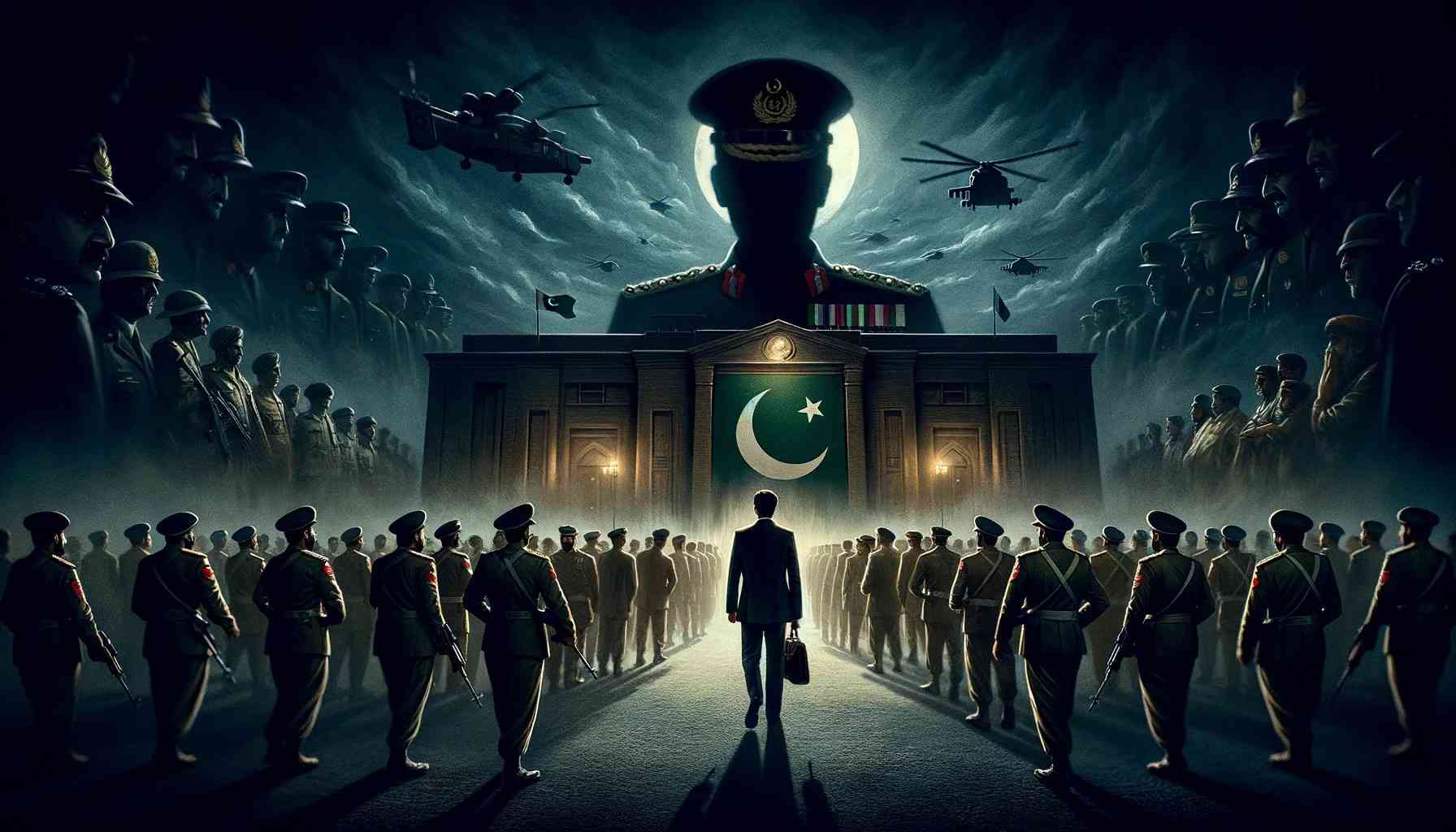
How convenient it is that the Kashmiris of Azad Kashmir, together with their brothers and sisters in Gilgit Baltistan, have now earned the latest honour in the ever-growing list of Pakistani traitors. What a distinguished company they join. In a nation blessed with only one truly loyal institution, the Pakistan Army, and its supreme, infallible leader General Asim Munir, every other voice must inevitably reveal itself as disloyal.
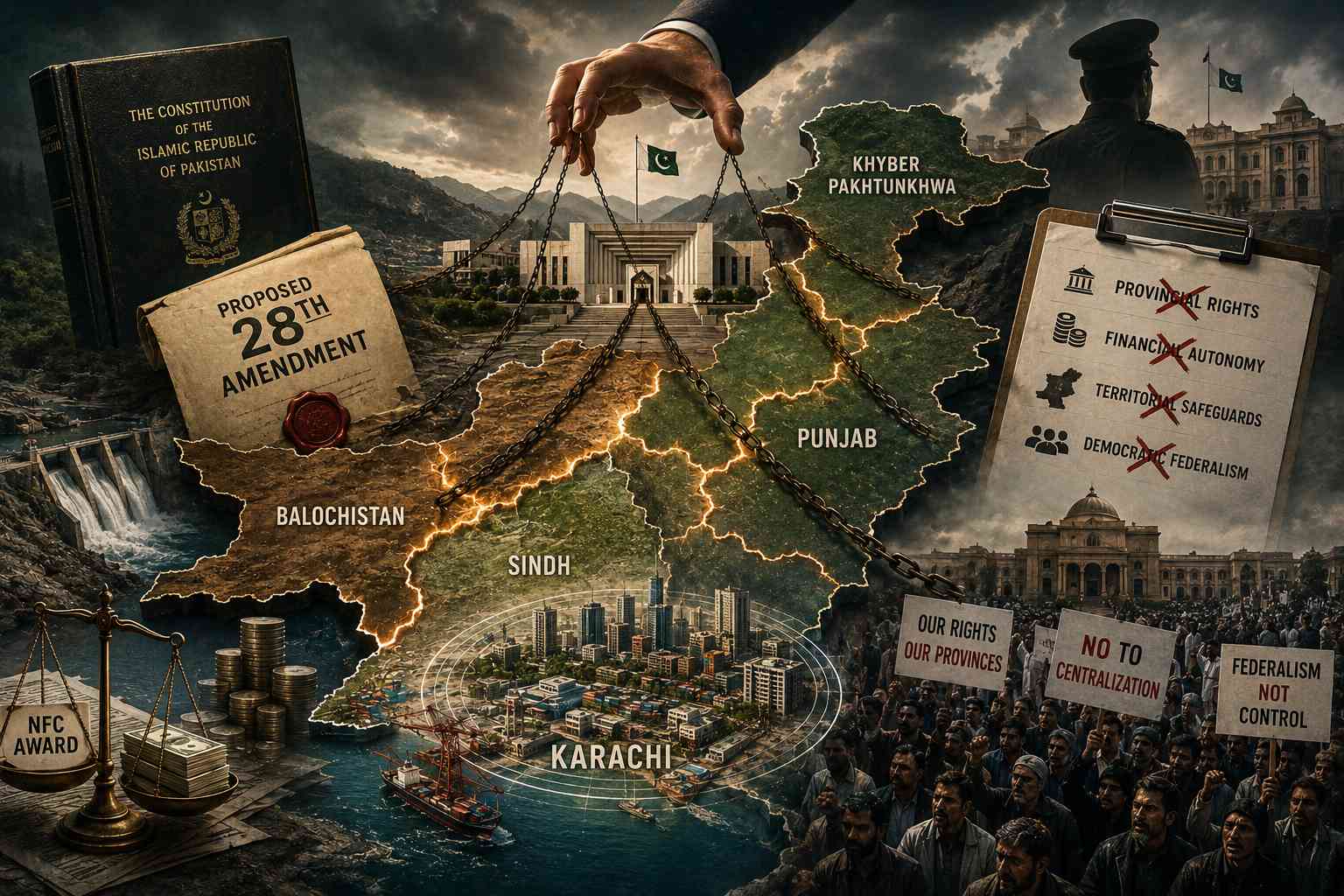
The farmers of Punjab, whose fields have been parched by neglect and whose voices have been silenced by the weight of feudal power and military decree, the fishermen of Sindh, whose nets return empty while their waters are poisoned and their livelihoods stolen, the long-suffering and ruthlessly oppressed people of Balochistan and Khyber Pakhtunkhwa, those whose lands have known nothing but the iron fist of exploitation and the shadow of fear, the Mohajirs of Karachi, driven from their homes, marginalised in their own cities and branded as outsiders in the very metropolis their forefathers helped build, and now the mountain folk who dare ask for light in their homes and justice in their streets, all stand unmasked as internal enemies.
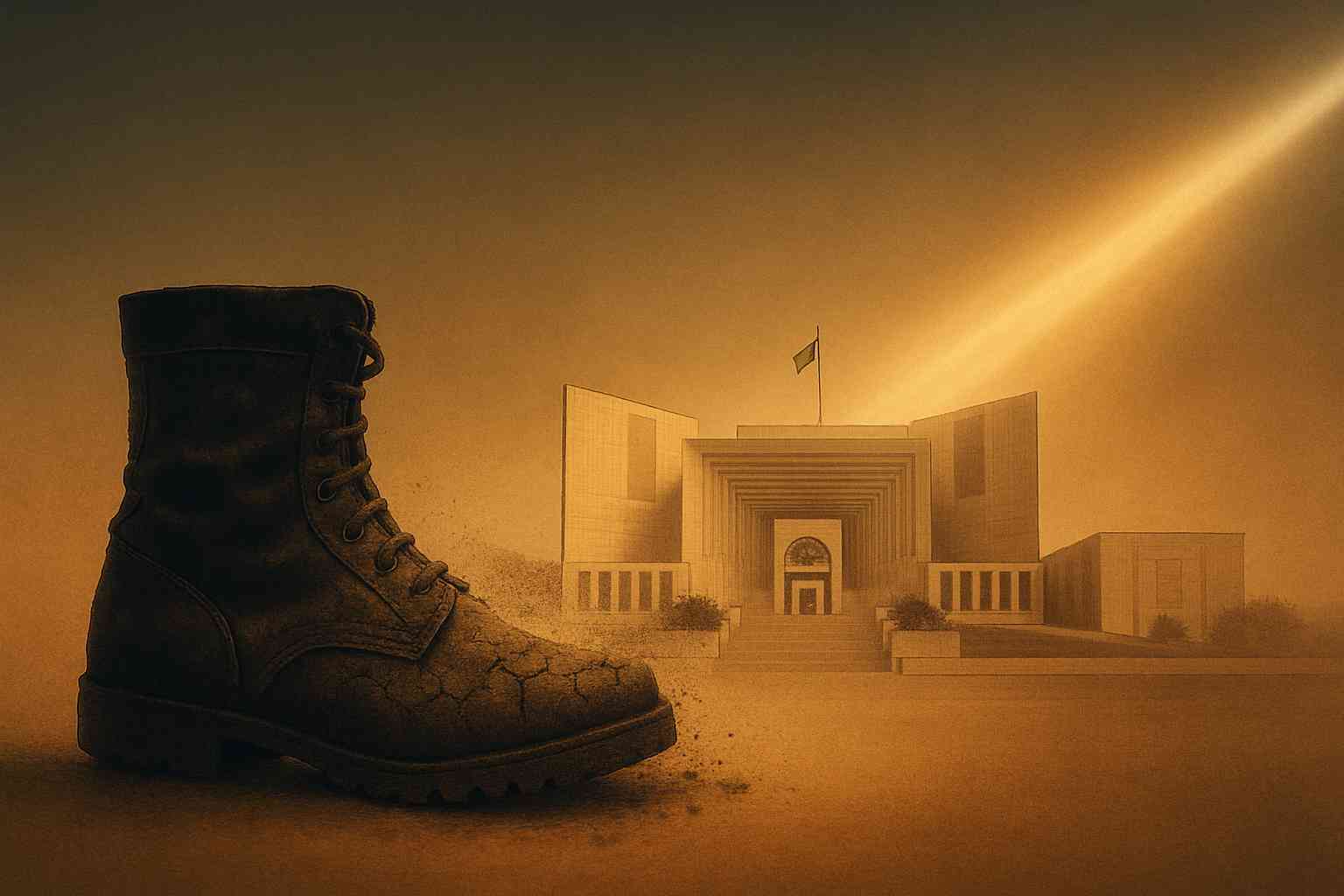
How convenient it must be to govern a country where patriotism flows solely through khaki uniforms and the wisdom of Rawalpindi, while the rest of the population requires constant correction by bullet and baton.
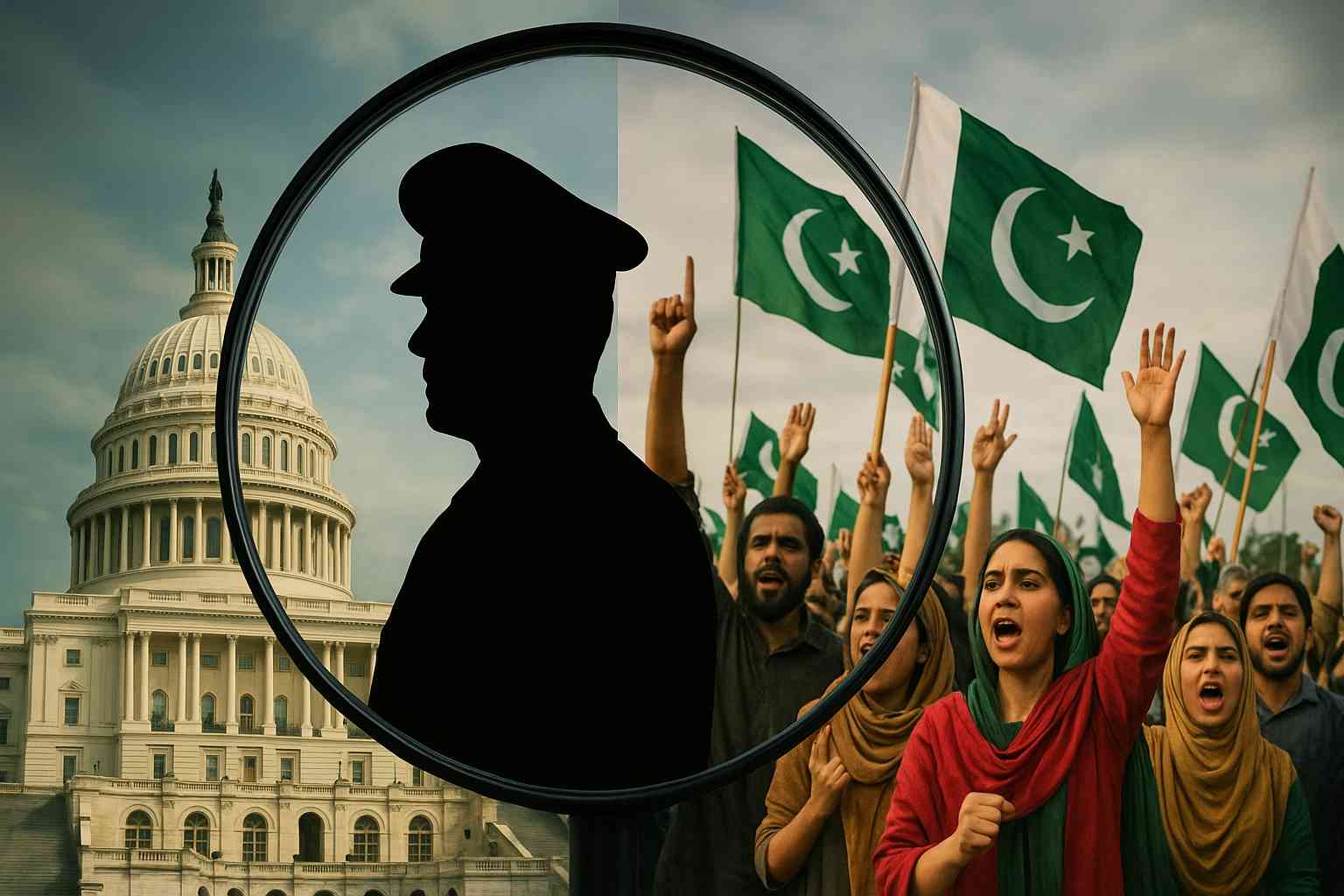
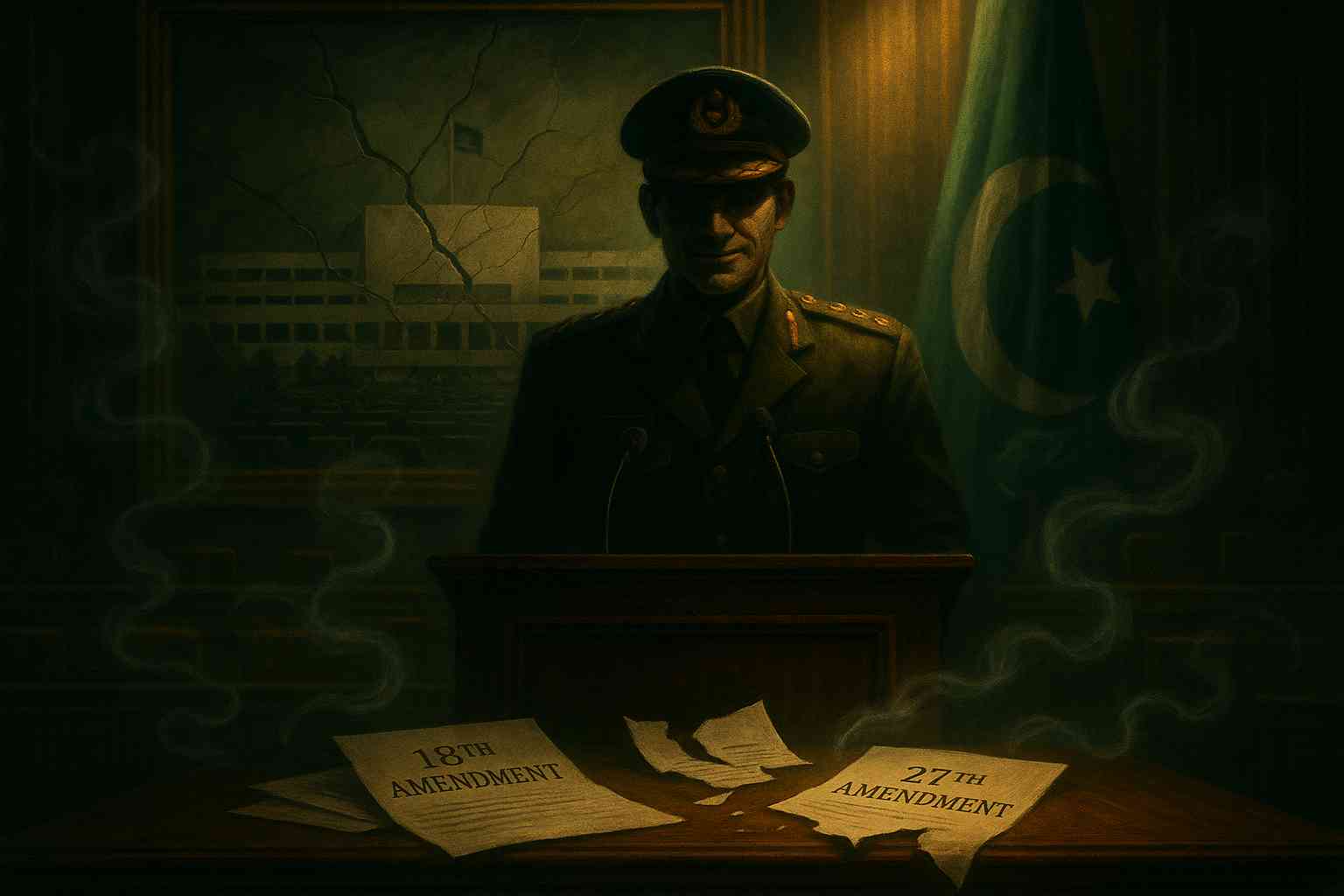
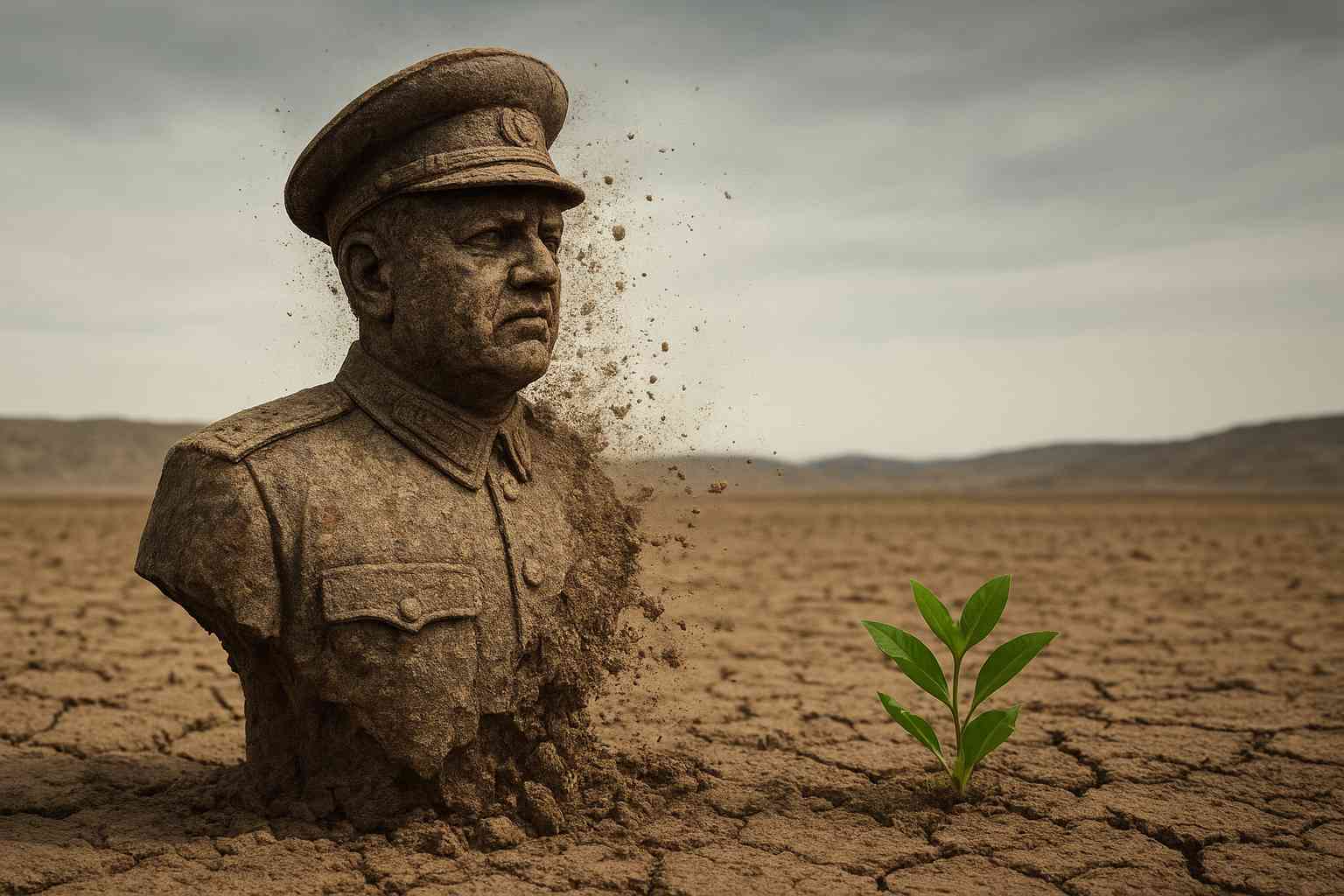
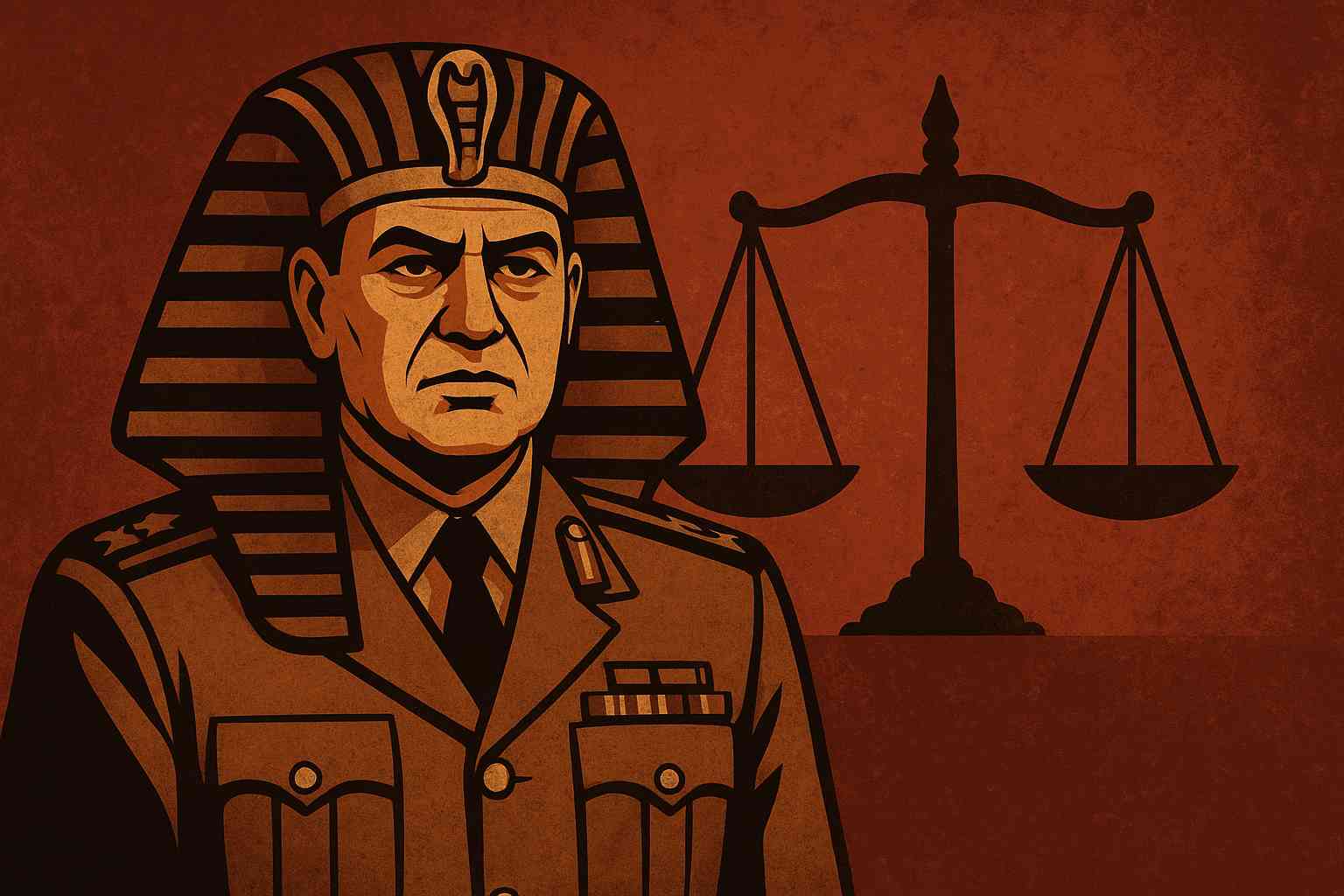
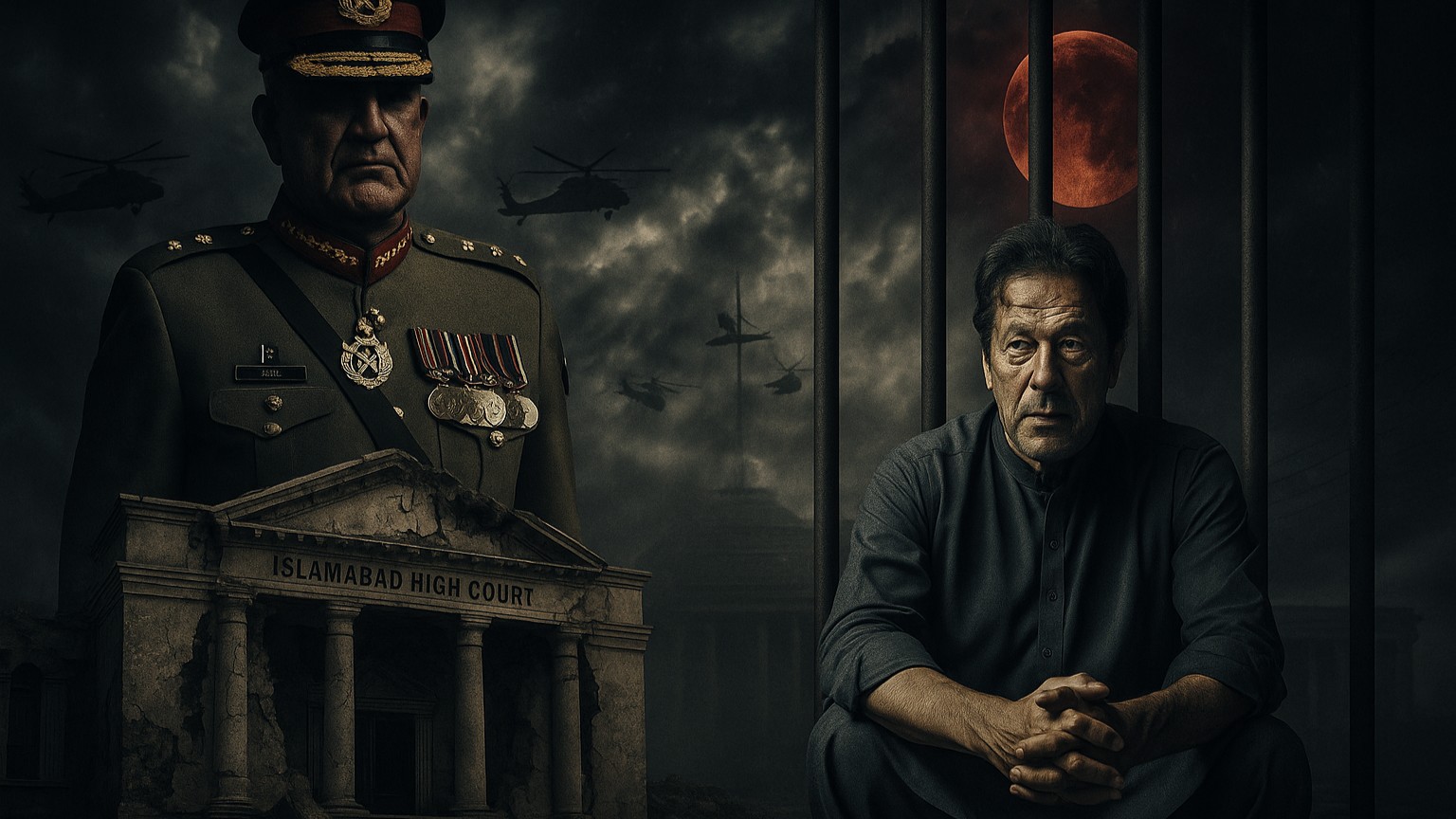
Where lies the soul of this institution? The Army that speaks loudly of Kashmir as Pakistan’s jugular vein yet pierces the veins of Kashmiris themselves. It lectures the world upon a legitimate struggle beyond the Line of Control, yet unleashes lethal force upon those who demand release from their internal bonds. Asim Munir’s command has become the emblem of this hypocrisy: a general who poses as defender of the faith and the oppressed while his troops spill the blood of the very people he claims to champion. Protesters now chant against him by name, seeing the uniform not as a shield but as an instrument of oppression.
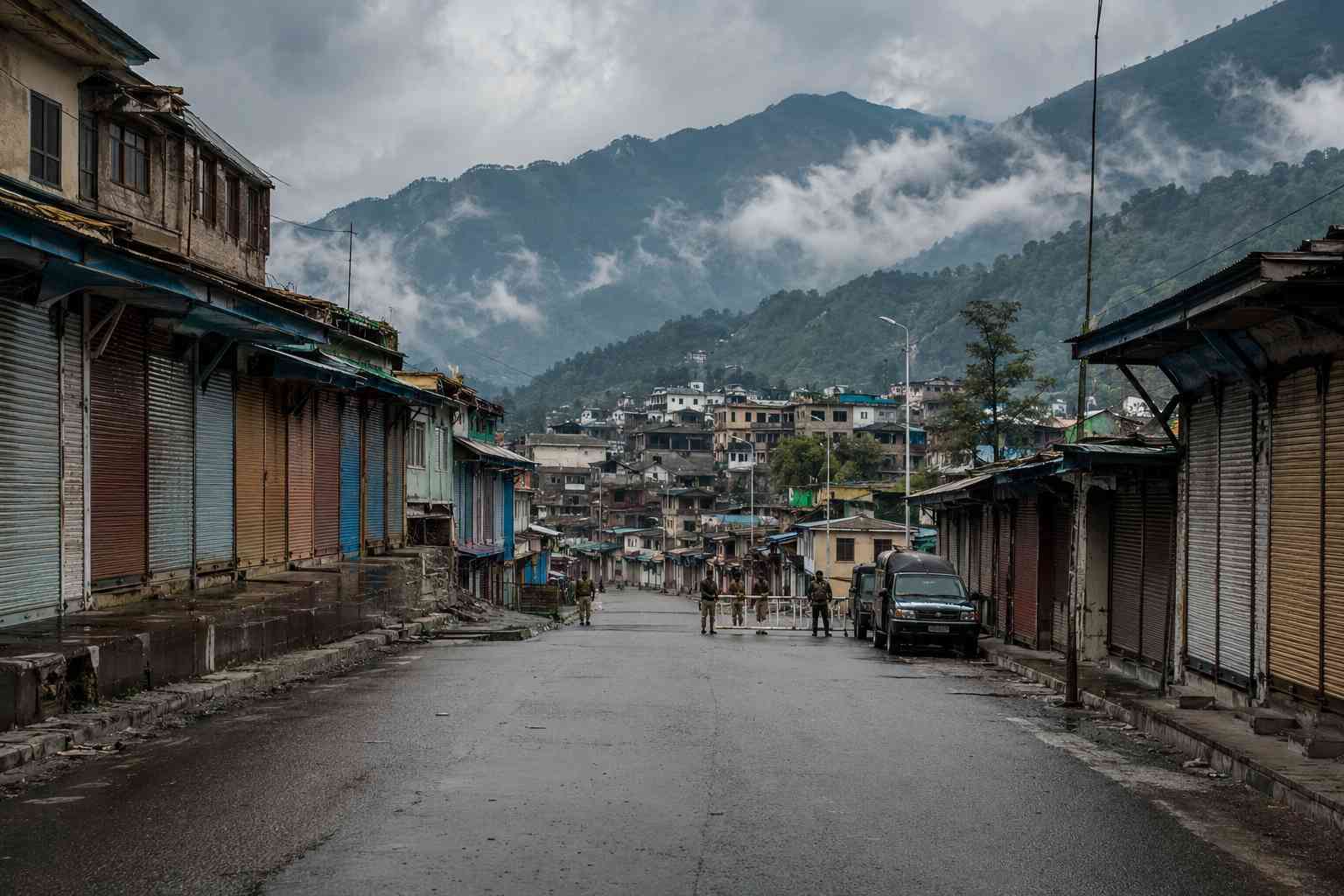
Analytically this marks an inevitable fracture. Decades of central exploitation, resource theft disguised as national interest, political suppression presented as stability and a military-economic complex that consumes the periphery have shattered the old illusions. Kashmiris in Pakistan-occupied Kashmir, a term I have always vehemently opposed and even hesitate to use now but am forced to after facing the reality of the tyrants who rule this country with an iron fist, awaken to the reality that their oppression is not liberation from a once brutal India, an India that has itself come to understand that relentless violence is no answer, but the bitter and suffocating oppression imposed by Islamabad and Rawalpindi. These protests spring not from imported disorder but from the organic anguish of a people wearied by injustice. When the state outlaws action committees, fires upon funerals and imposes blackouts it displays fear rather than strength.
Spiritually this wounds the collective conscience. In the Sufi heart of the subcontinent, where saints taught that the true jihad lies in confronting one’s own tyranny, what doctrine can excuse the killing of those who seek only roti and justice? The Quran commands justice as a divine imperative, yet here the powerful place themselves above it. The blood of Rawalakot cries out like the blood of Habeel, the son of Adam (AS), a reminder that to oppress one’s own is a sin that darkens the soul of a nation. Asim Munir and the Army high command carry a heavy karmic burden. They have changed protectors into perpetrators and have severed the sacred bond between ruler and ruled.
To the people of Rawalakot, Kashmir and the tough souls of Gilgit Baltistan: your tears water the seeds of awakening. Your resistance resounds with the eternal quest for dignity that no army can wholly silence. The mountains remember. History remembers. And the Divine, the ultimate Witness, beholds both the oppressed and the oppressor.
This forms no conclusion to Kashmir’s story. It stands as yet another painful chapter in a long tragedy that reveals the emptiness of those who wield its name as a weapon while they crush its people. May the souls of the slain and their families find peace and may truth rend the veil of denial. Freedom is never granted. It is reclaimed through an unyielding spirit. Once again Kashmir bleeds today, yet in this bleeding the soul of Kashmir also awakens.
Sabine Kayani is LLM in Human Rights from the London School of Economics – LSE, and is a London based democracy activist. She has written for the Independent in the past and tweets @sabine_kayani