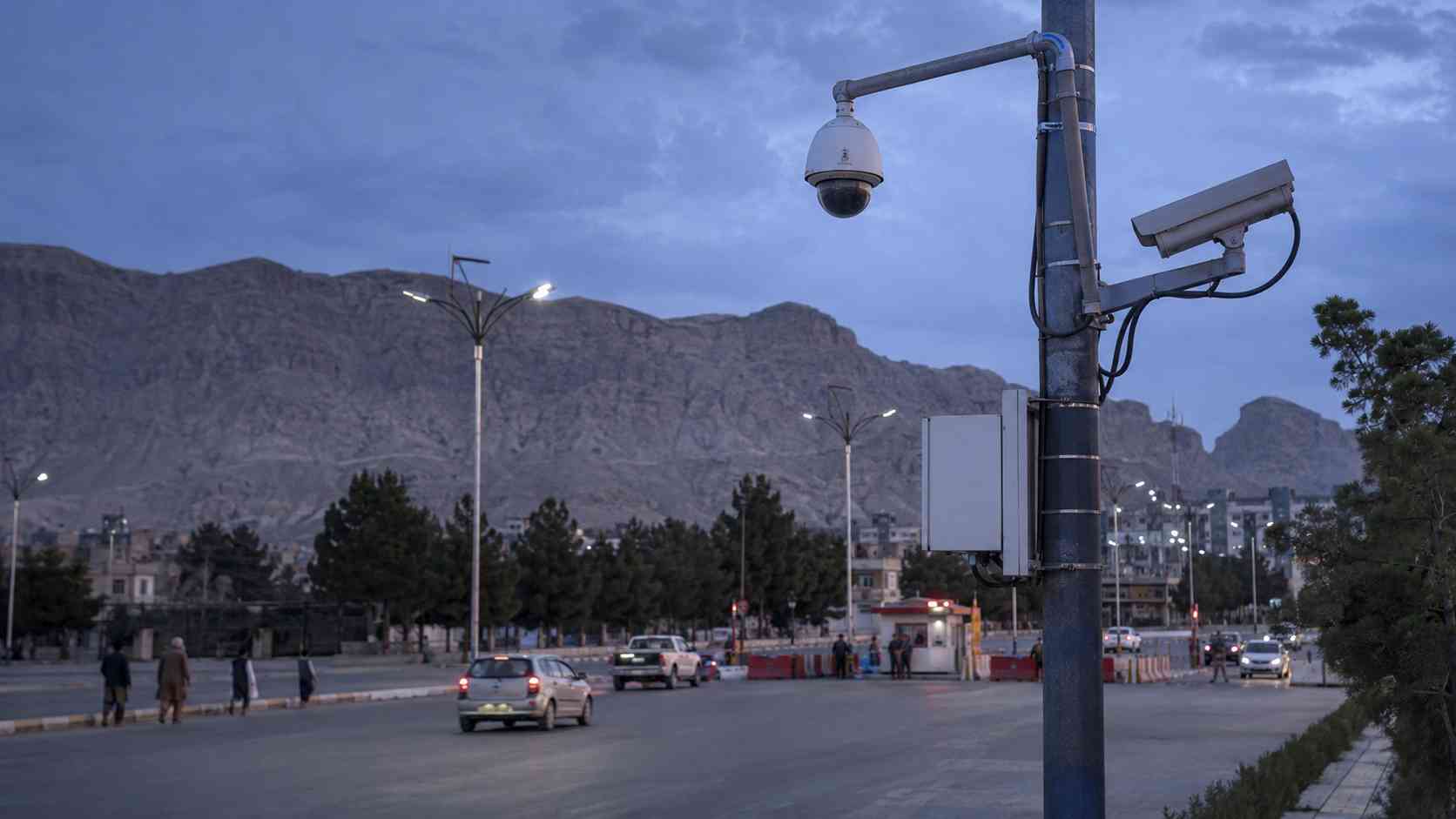
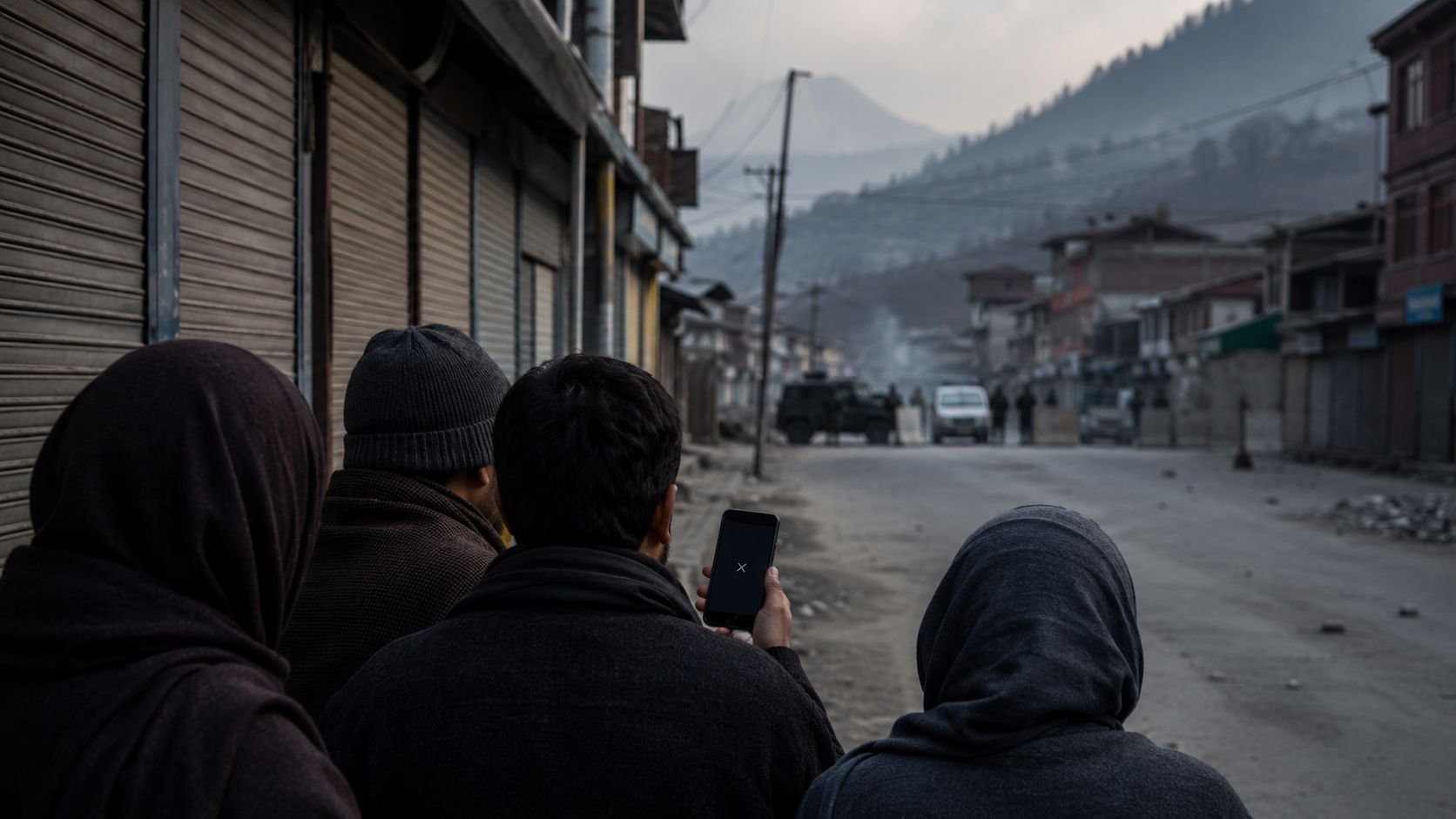
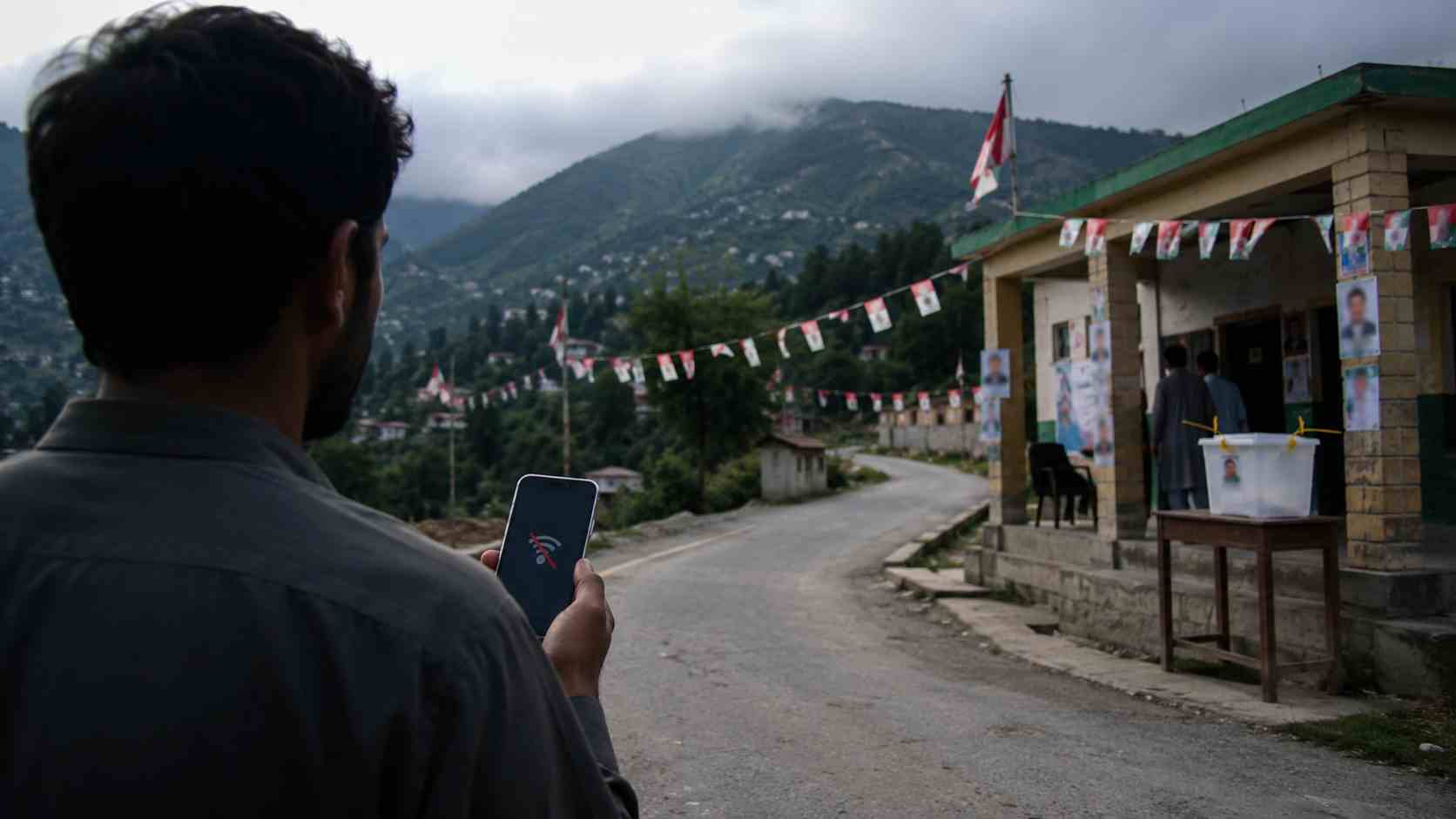
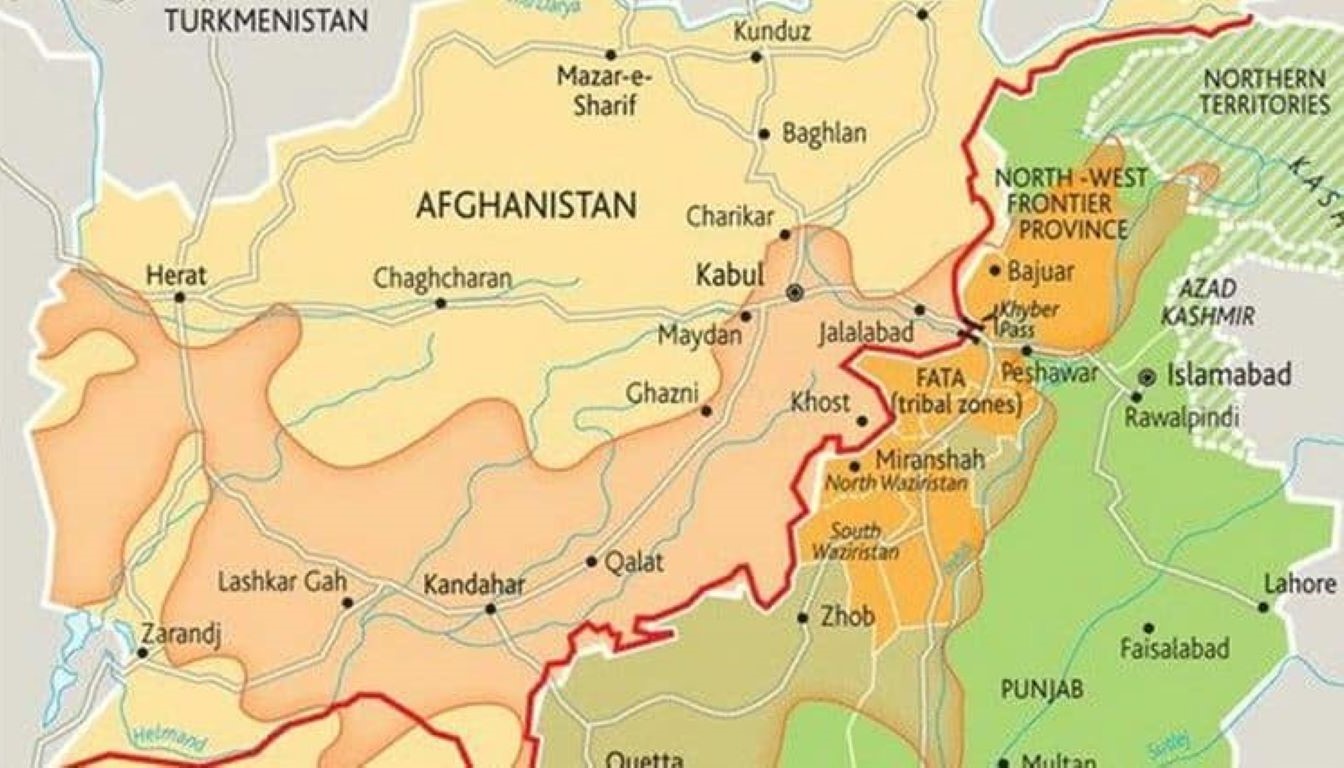
PPP Azad Jammu and Kashmir has urged the region’s chief election commissioner to seek immediate restoration of internet services, turning the AJK internet shutdown into a fresh election-transparency issue days before phased polling begins.
In a letter to Chief Election Commissioner Justice (retd) Ghulam Mustafa Mughal, PPP AJK President Chaudhry Muhammad Yasin said the shutdown was damaging electioneering and limiting voters’ access to timely information, Dawn reported on July 23.
Yasin argued that the blackout was creating space for rumours and misinformation during the campaign. He asked the Election Commission to coordinate with relevant authorities and seek restoration across AJK.
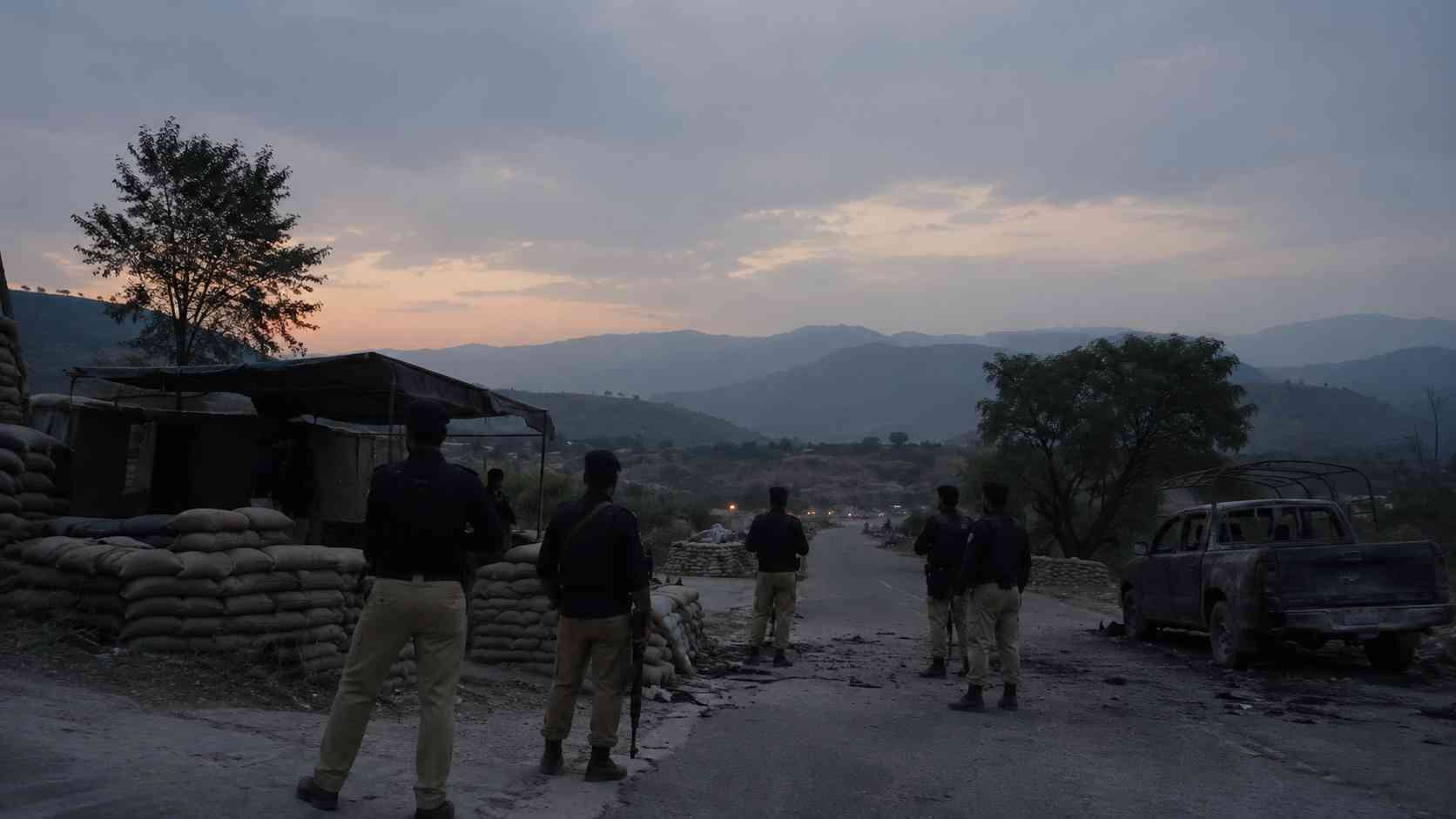
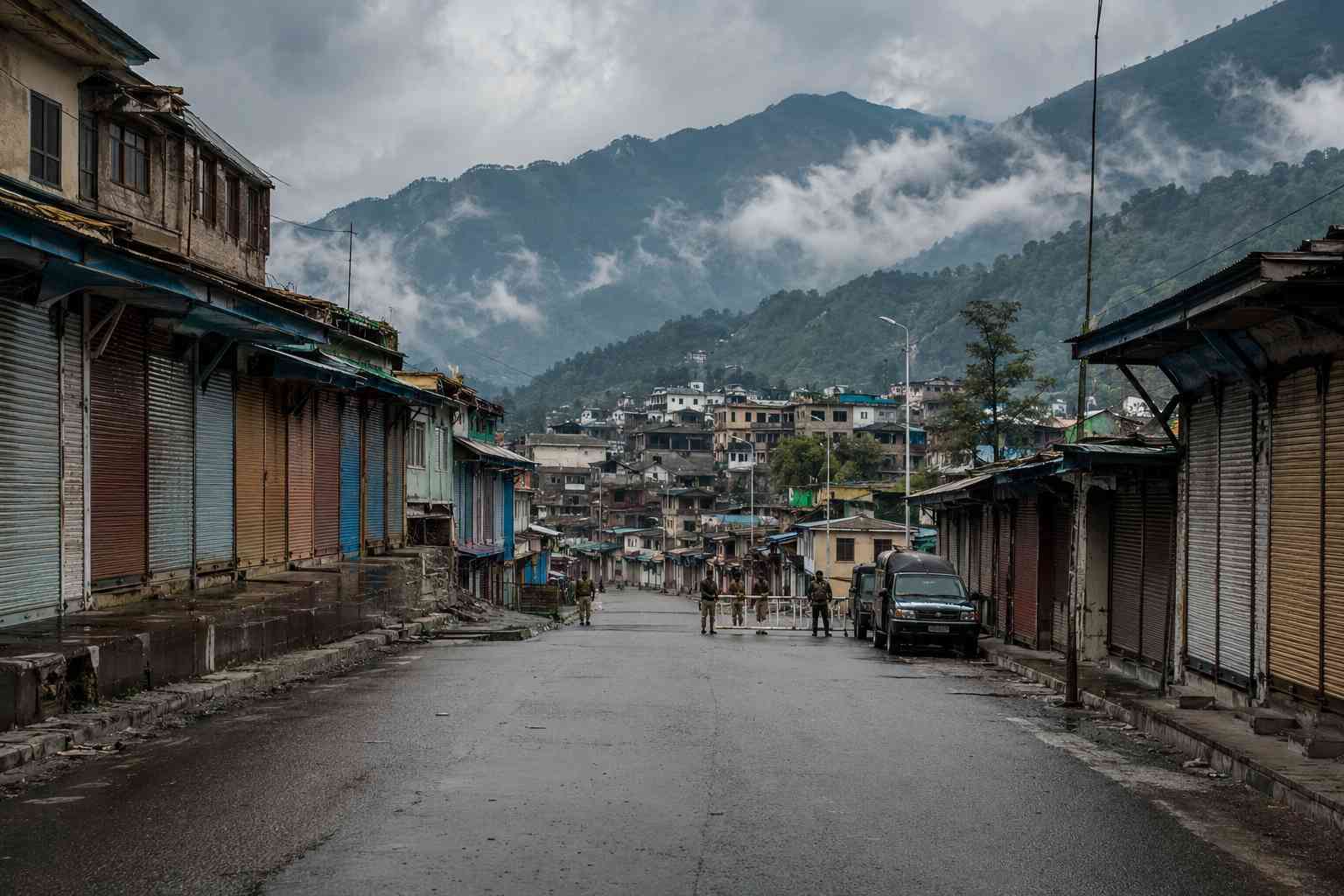
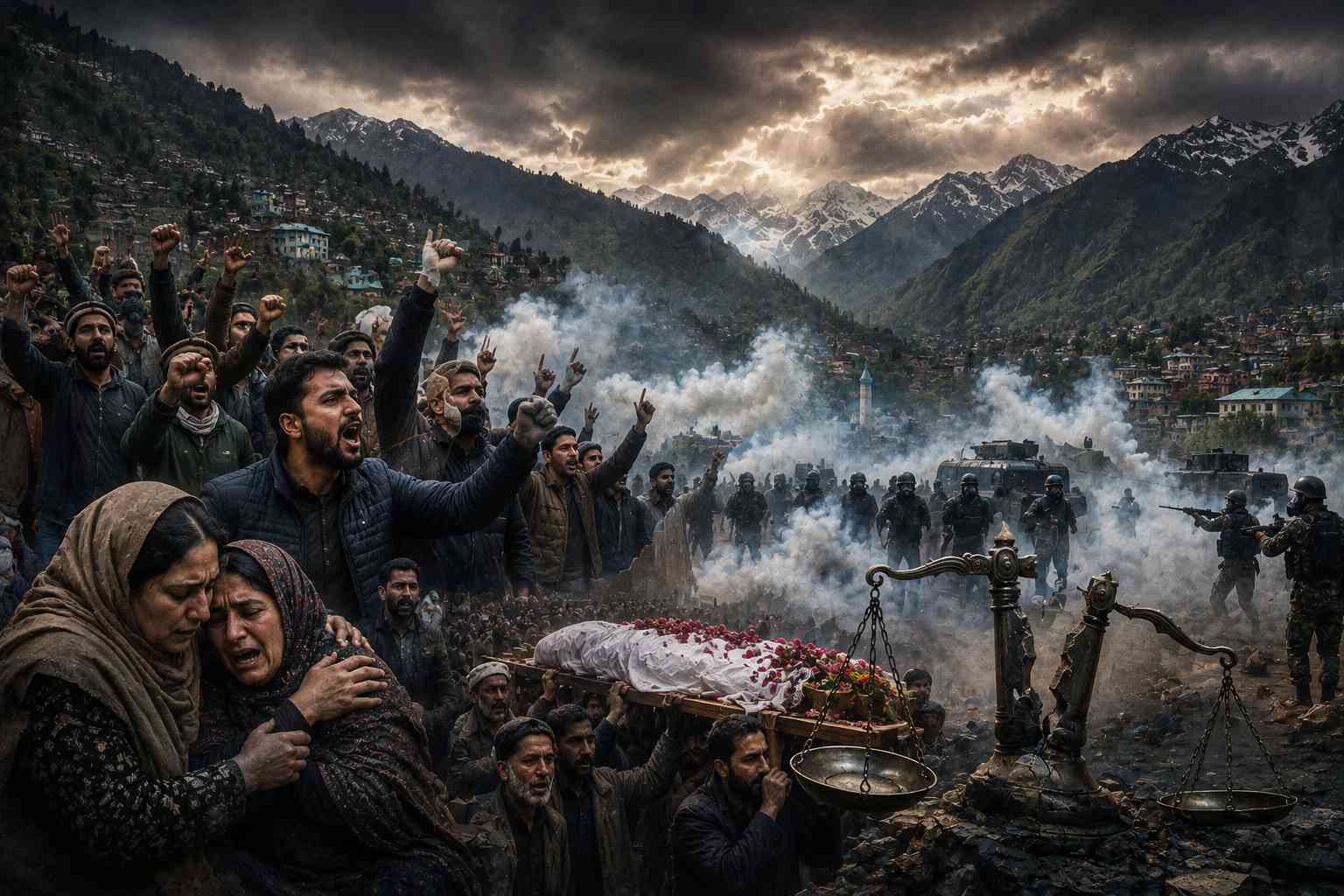
Dawn reported that internet services have remained suspended across AJK since June 5 under government orders issued after a law-and-order situation.
AJK Internet Shutdown Hits Campaign Access
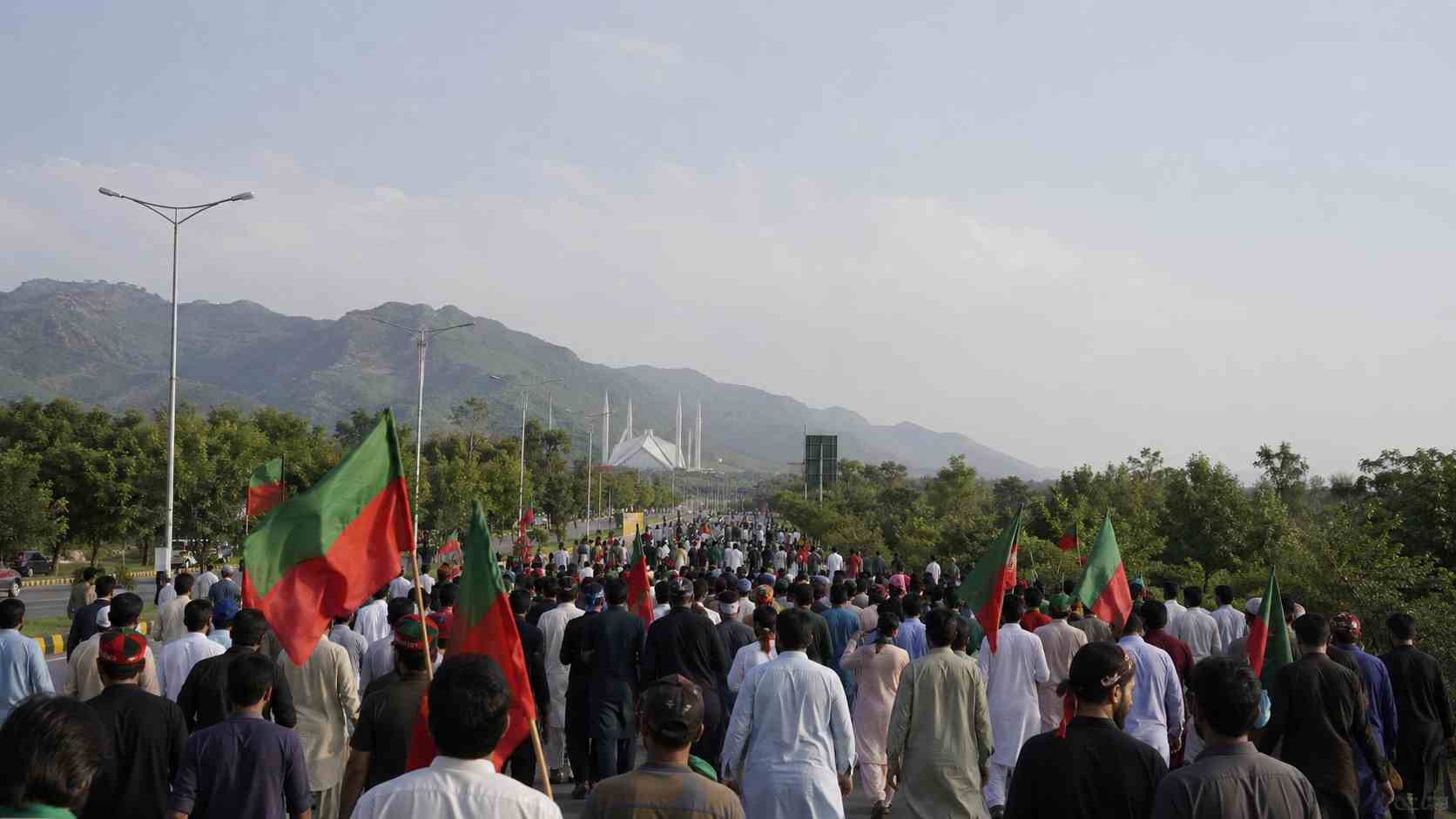
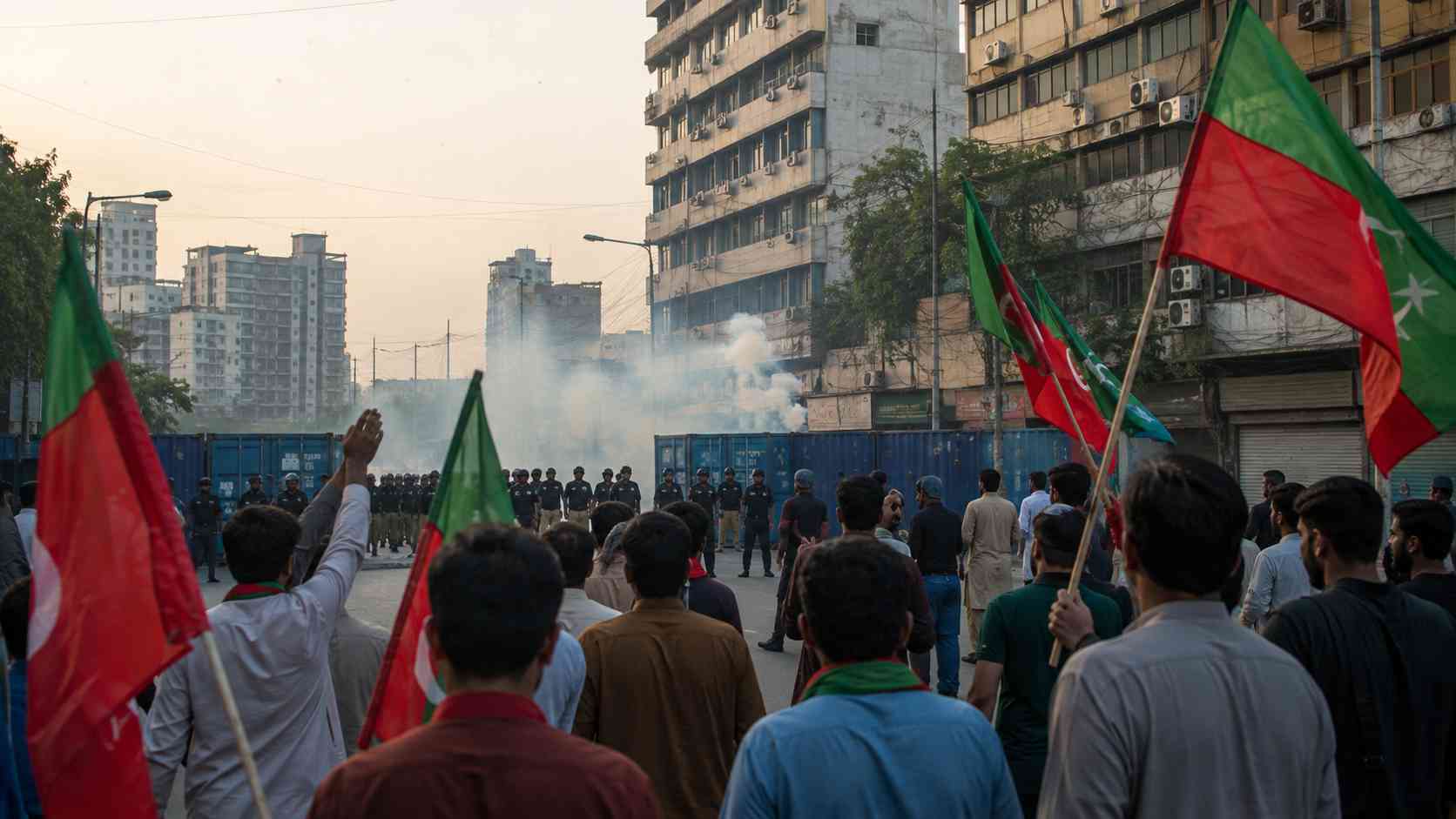
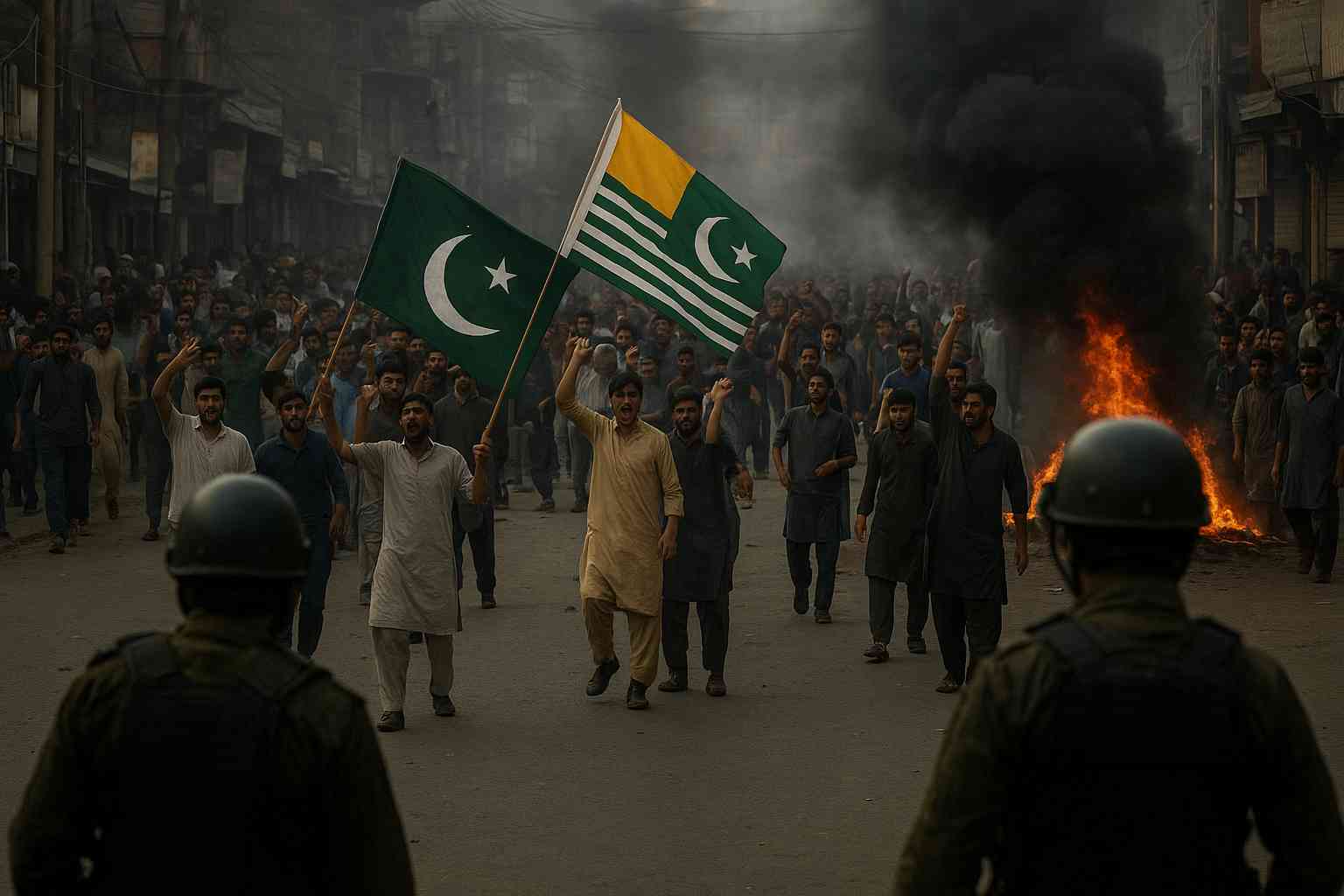
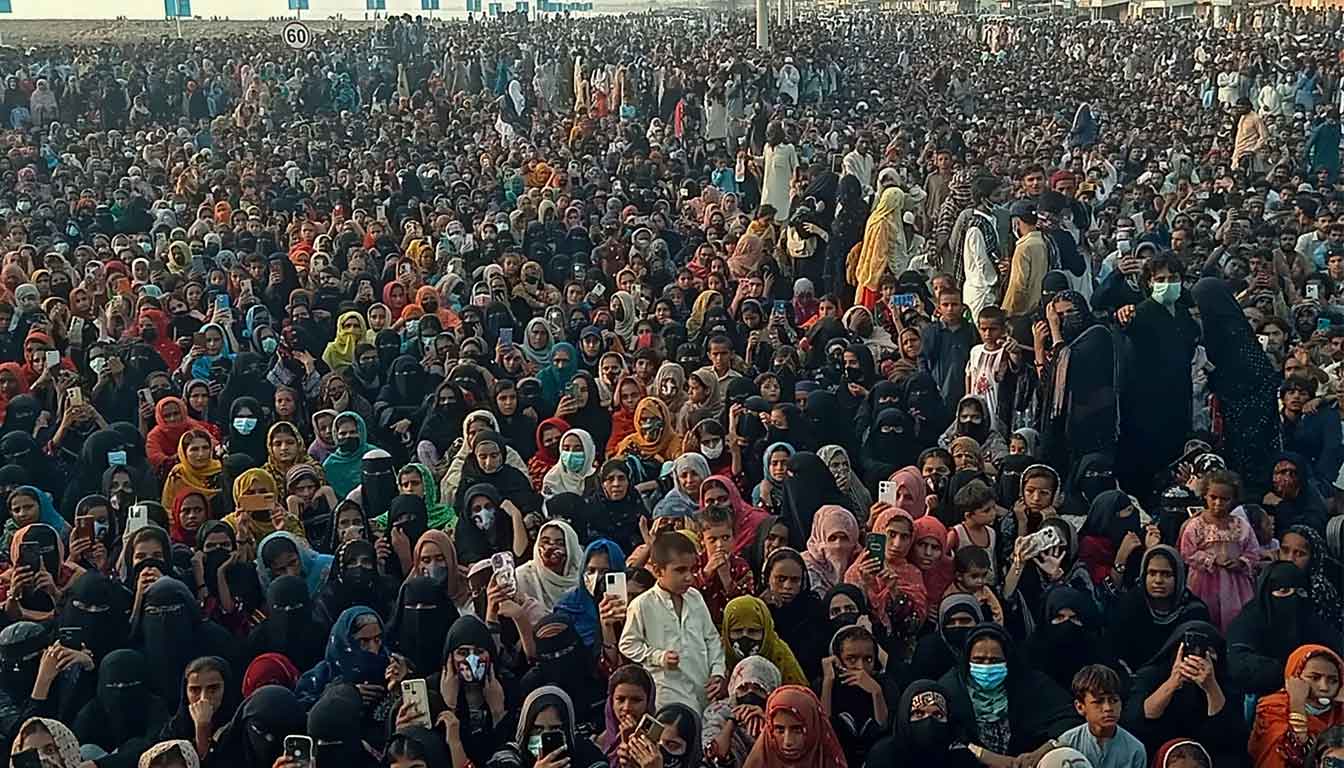
The AJK internet shutdown now sits at the centre of a wider political test. Parties are campaigning in a tense environment shaped by protests, arrests, and disputes over representation.
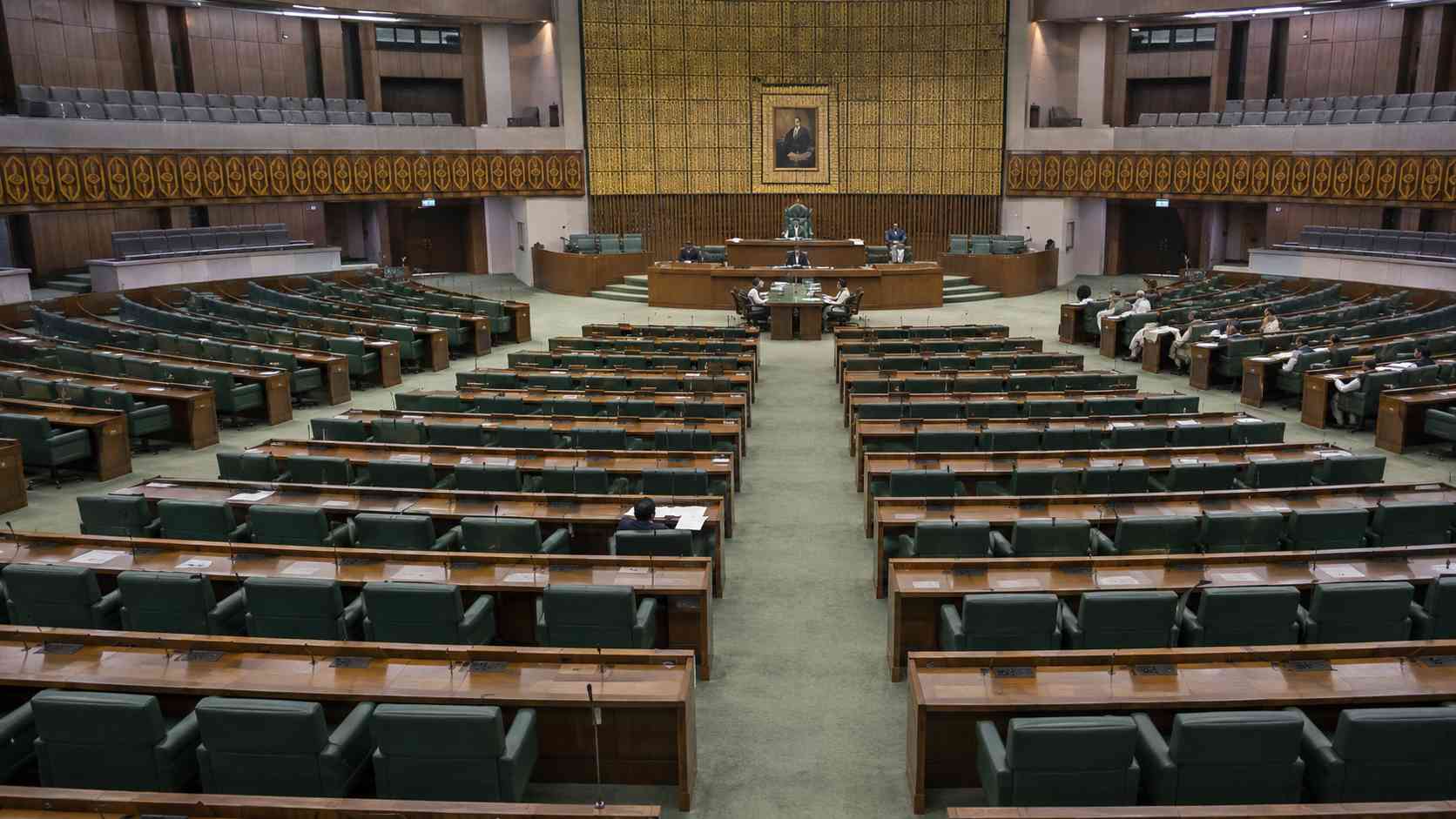
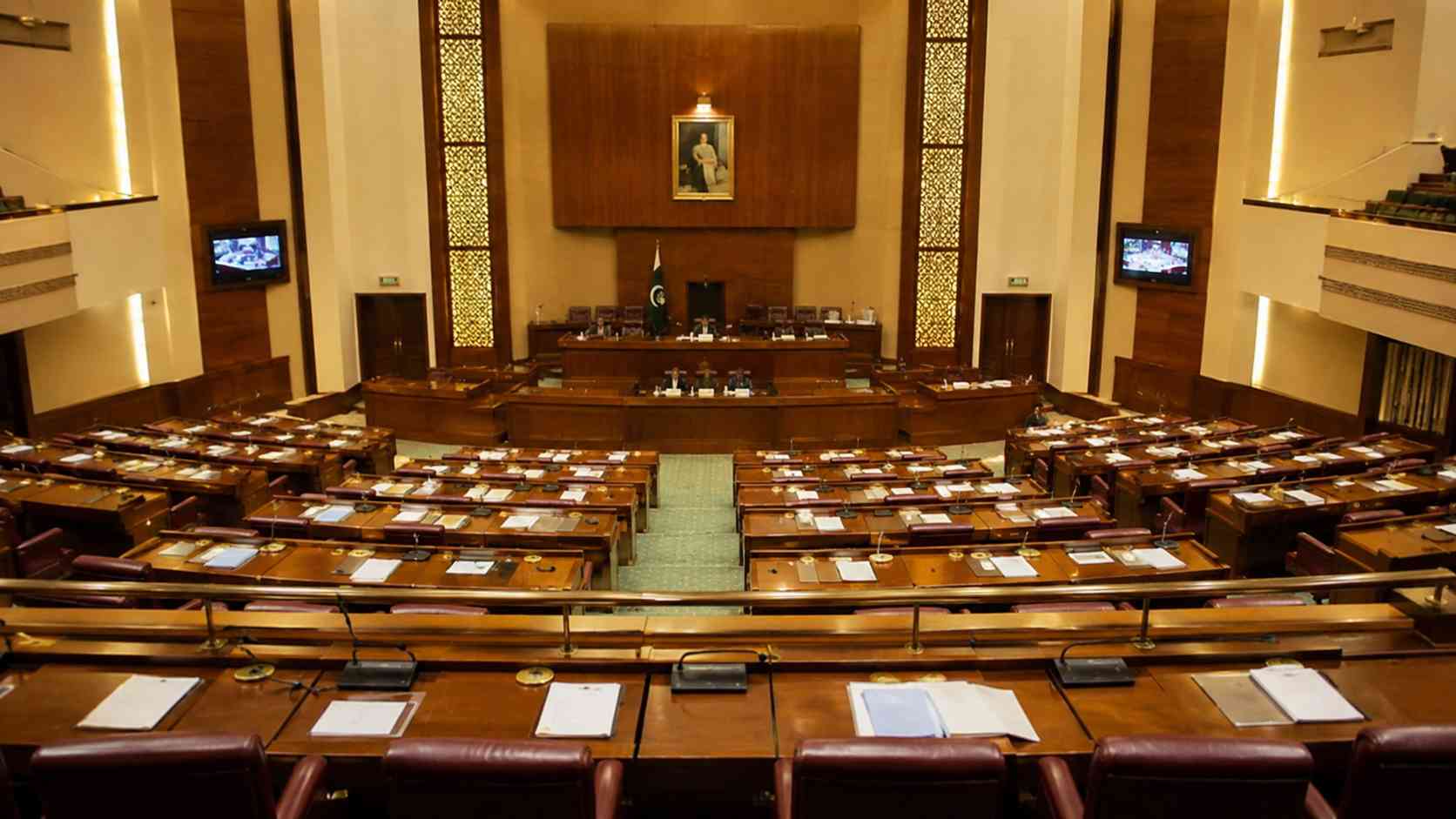
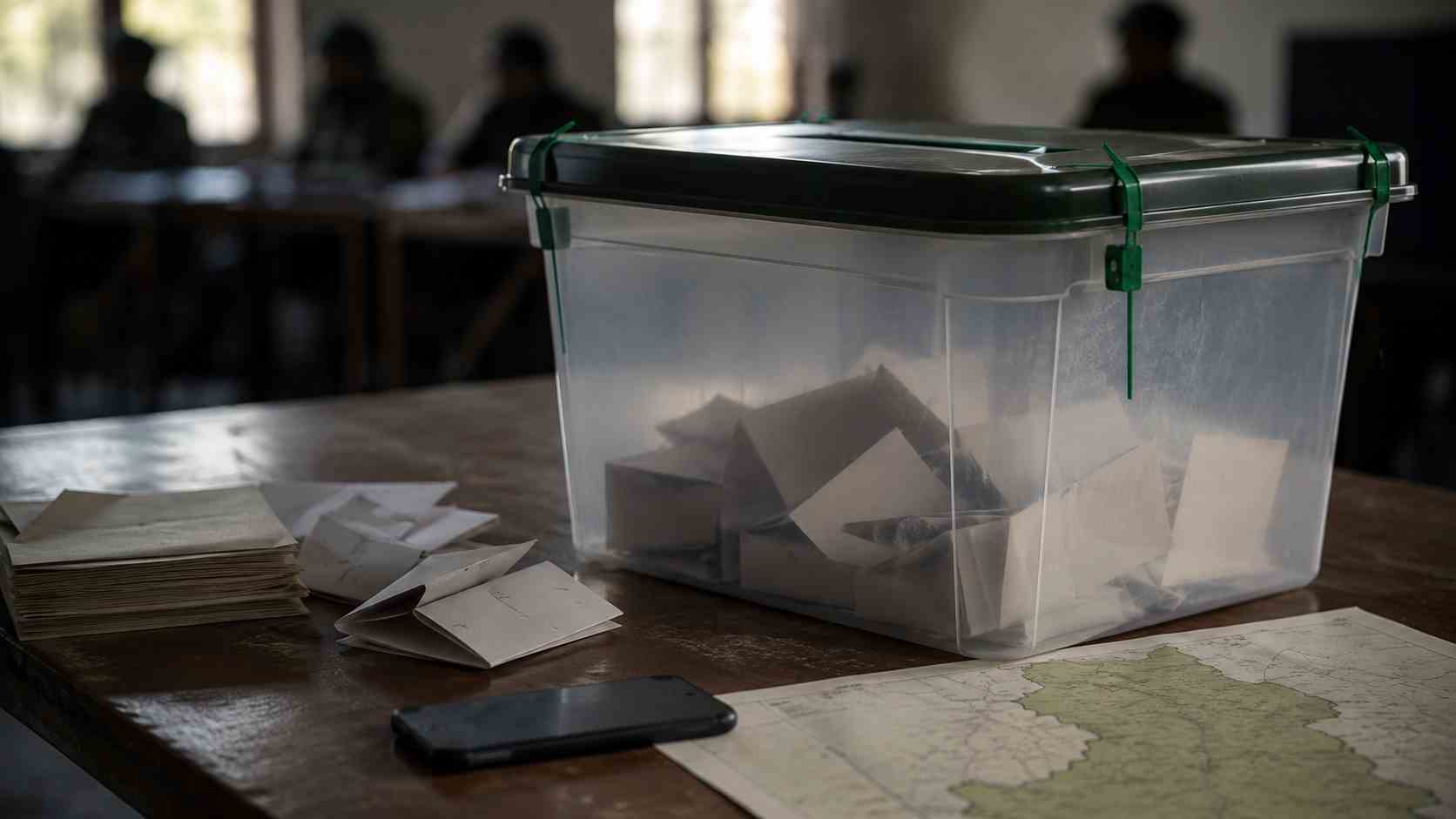
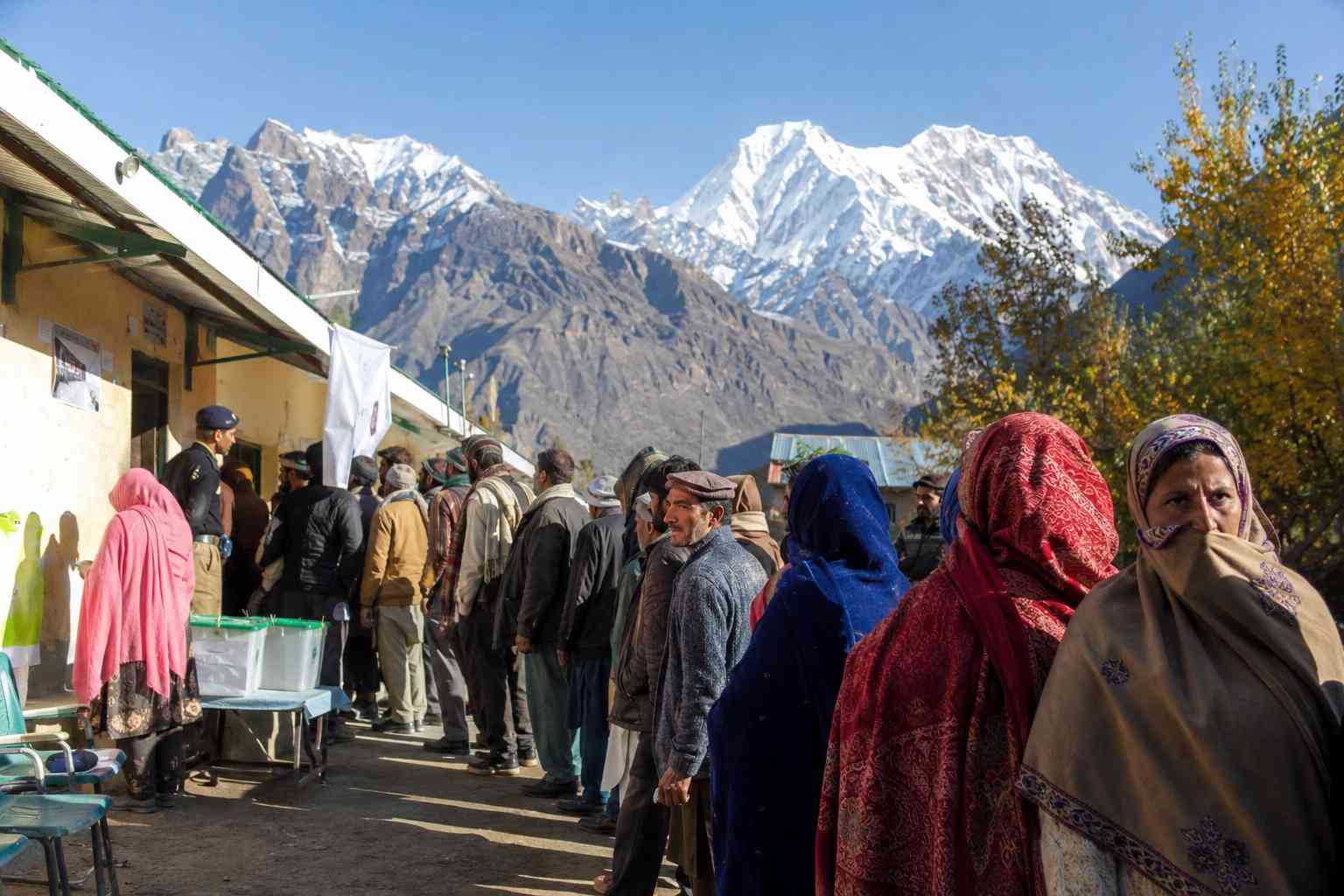
The Election Commission has already revised the polling schedule. Elections that were originally set for July 27 will now take place in three phases, according to Dawn’s report on the revised schedule.
Mirpur division will vote on July 27. Muzaffarabad division and 12 refugee constituencies will vote on August 2. Poonch division will vote on August 10.
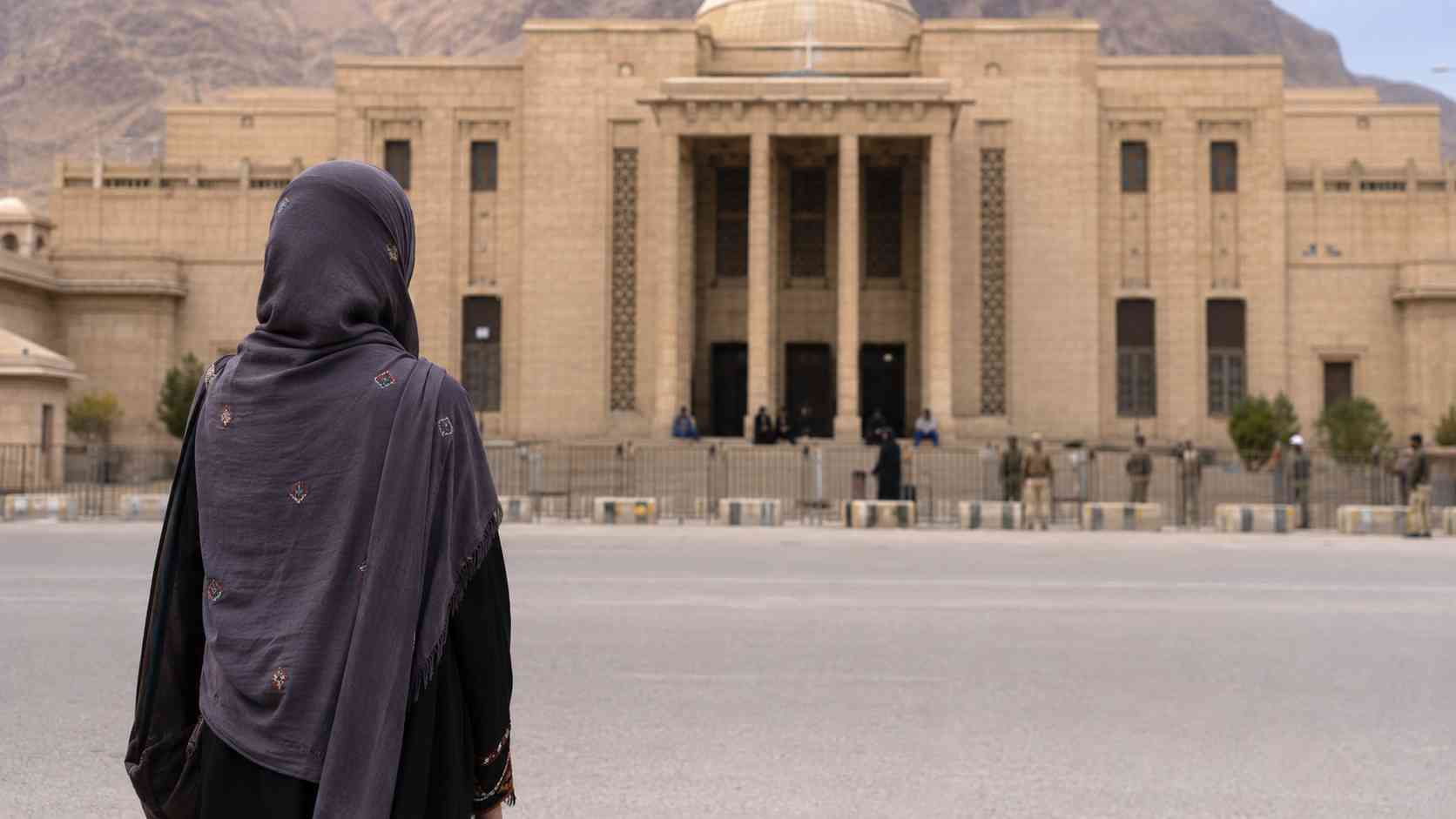
CEC Mughal said the phased schedule would help ensure the availability of army personnel for election security. He also said the commission had invited domestic and international observers.
Bilawal Raises Representation Issue
The internet dispute has unfolded alongside sharper rhetoric from PPP Chairman Bilawal Bhutto-Zardari. At a Mirpur rally, Bilawal called for AJK to have observer or provisional representation in Pakistan’s decision-making bodies while retaining its existing status, Dawn reported separately.
He also accused PML-N of undermining AJK’s self-rule. PML-N has not accepted that framing, and the campaign has become increasingly confrontational.
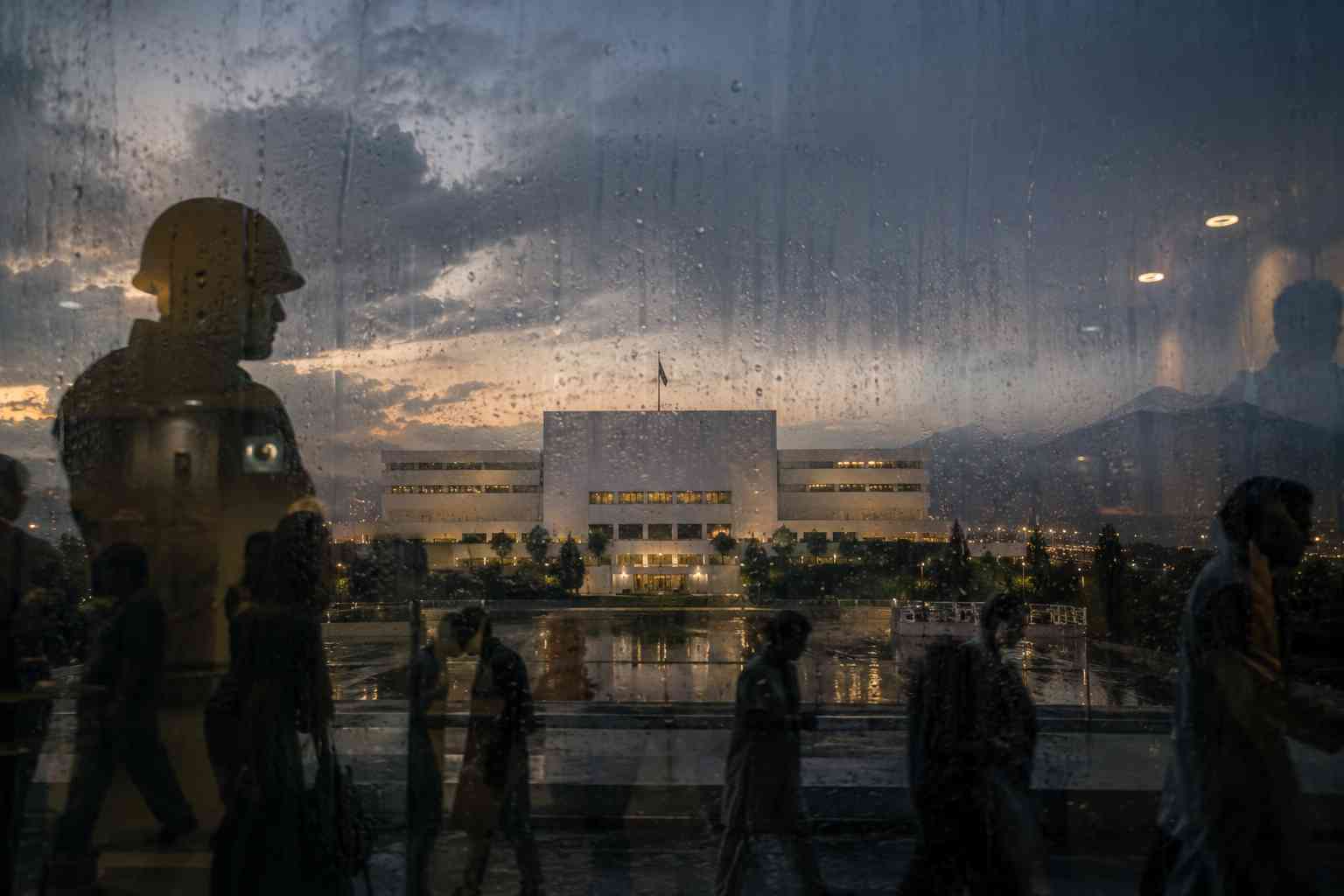
The issue matters beyond local campaigning. AJK’s election is being watched after a violent summer of protests and crackdowns. Al Jazeera reported that the vote is taking place under uncertainty after weeks of unrest linked to reserved seats and the JAAC movement.
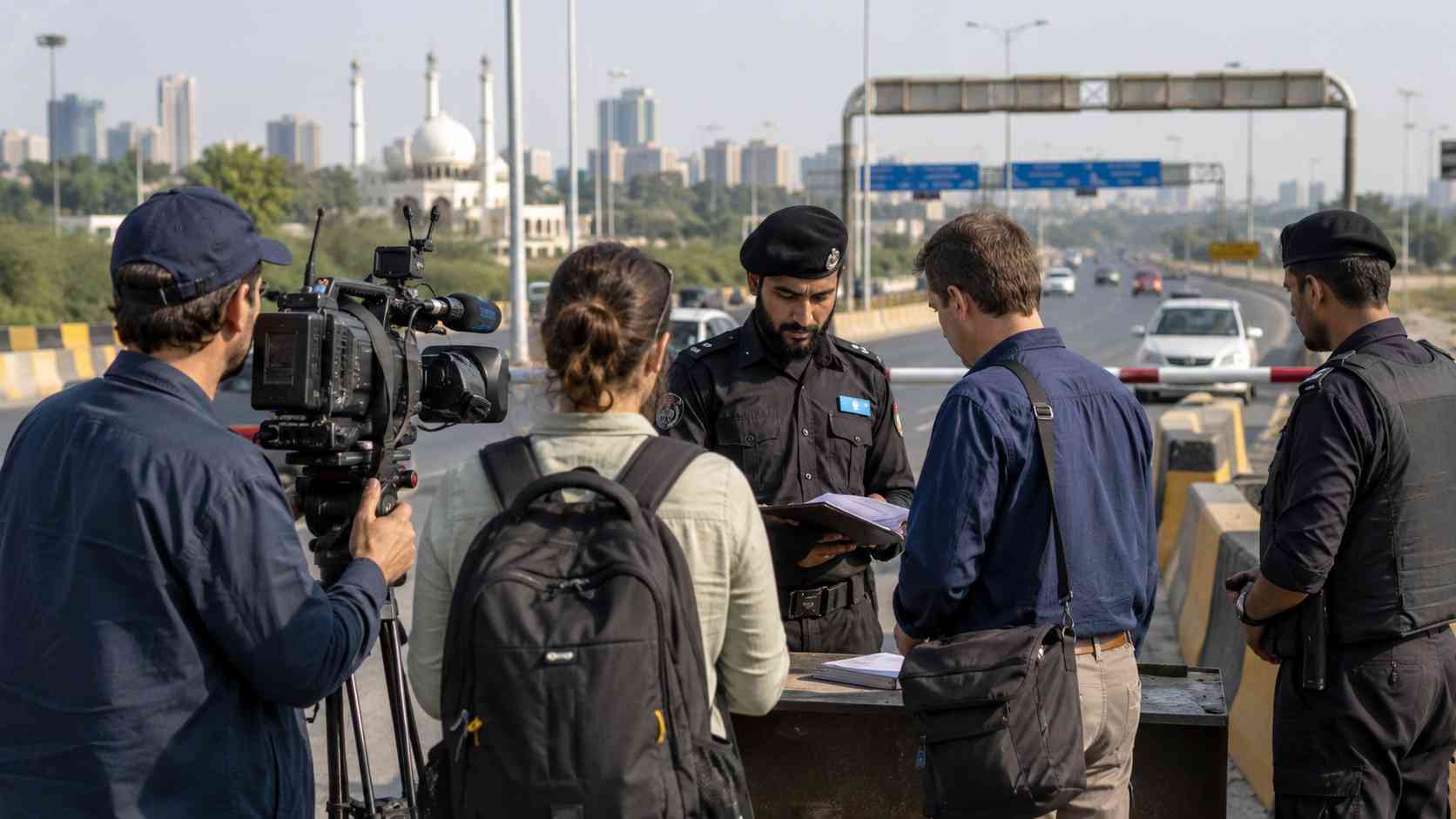
For Soldier Speaks readers, the key question is not only who wins the assembly. It is whether voters can make informed choices under conditions that allow open campaigning, reporting, and scrutiny.
If the AJK internet shutdown continues through polling, the Election Commission will face a harder credibility test. Security may explain tighter controls, but transparency requires more than guarded polling stations. It also requires information access, independent reporting, and public trust.