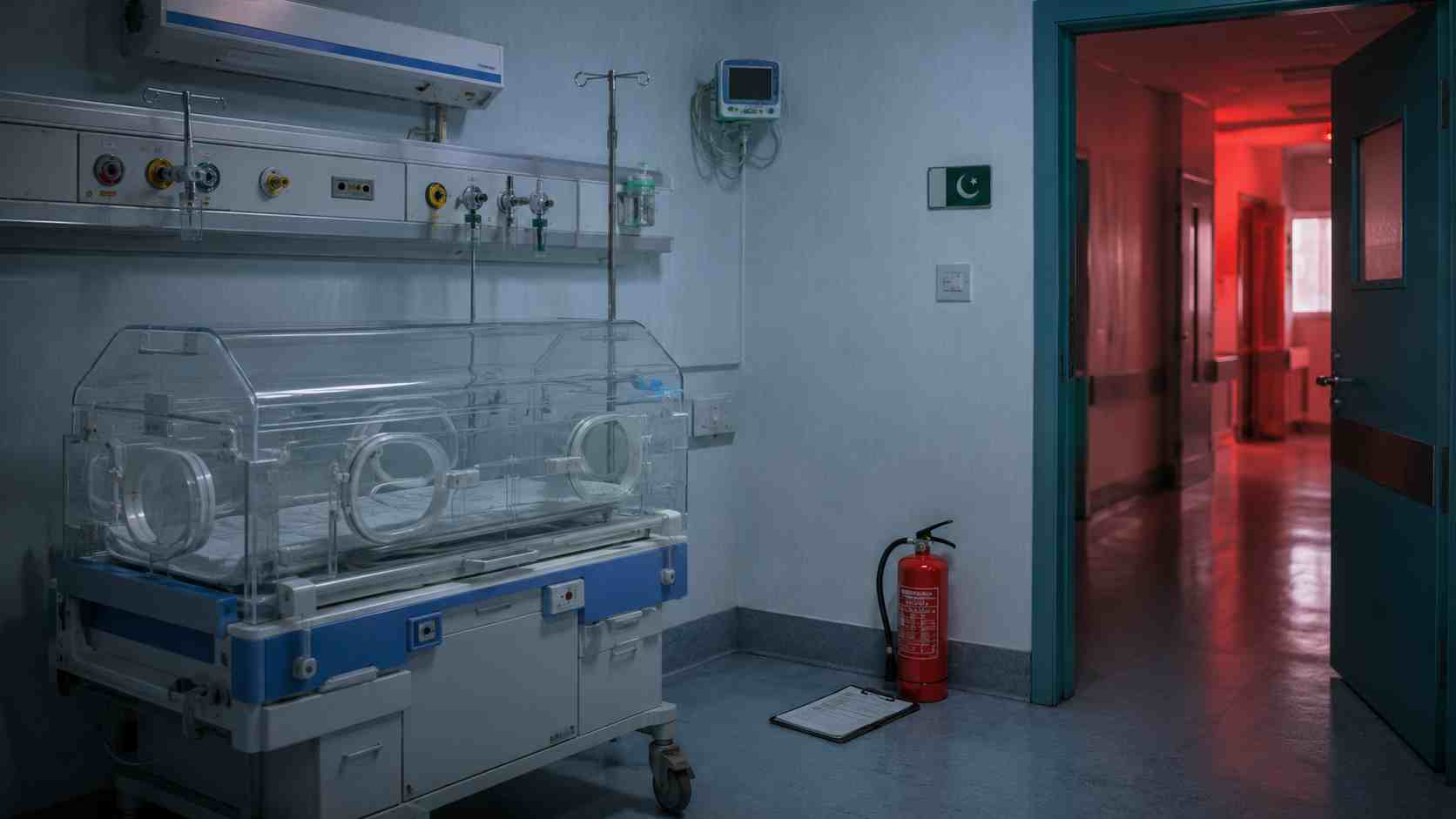
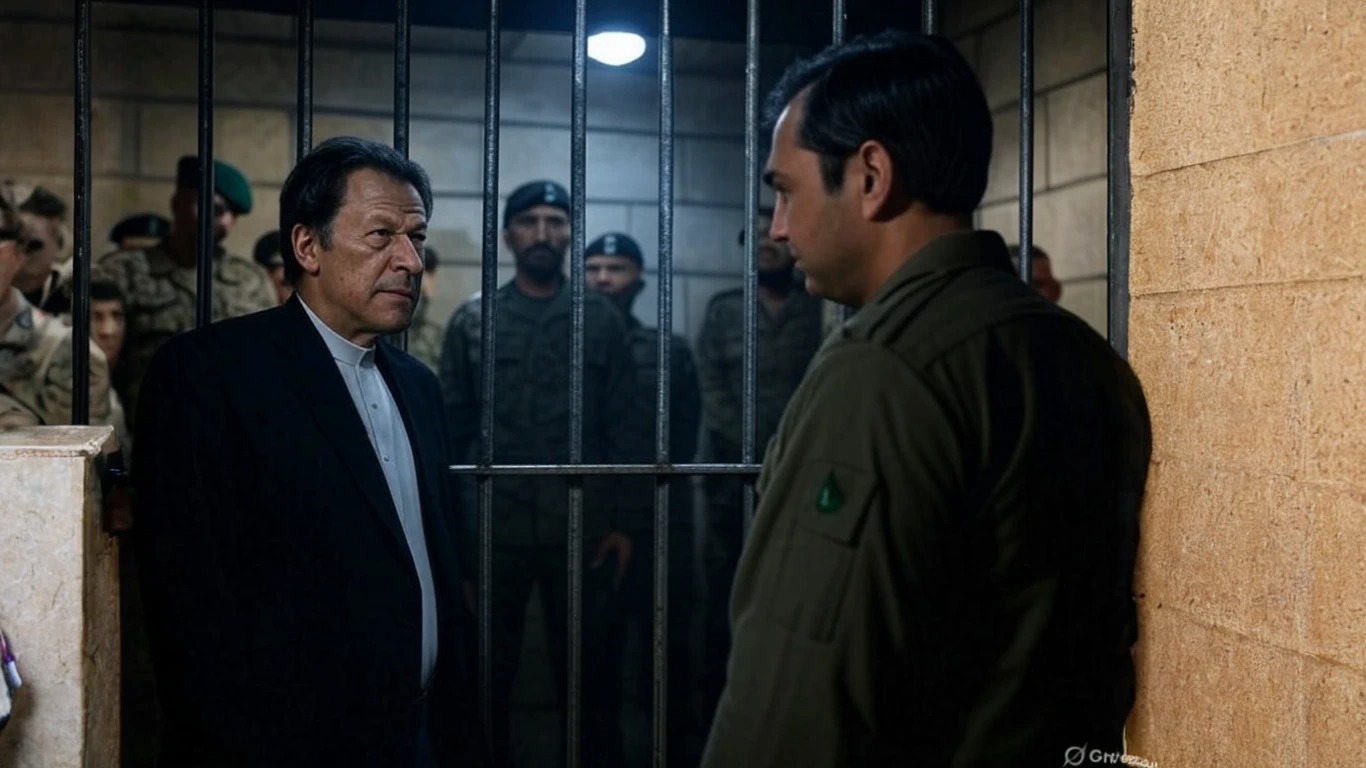
Pakistan’s Supreme Court has ordered former prime minister Imran Khan’s transfer from Adiala Jail to Shifa International Hospital. The ruling grants significant medical and family access, but it does not release him from custody.
Adil Raja argues that the distinction matters. In his August 18 Soldier Speaks vlog, he warned that hospital treatment or relocation to another secured property could still amount to controlled confinement.
The Imran Khan hospital transfer therefore brings tangible relief without restoring Khan’s freedom or political agency. Raja’s wider claims about the motives behind the move remain unverified and require careful attribution.
Supreme Court orders hospital treatment
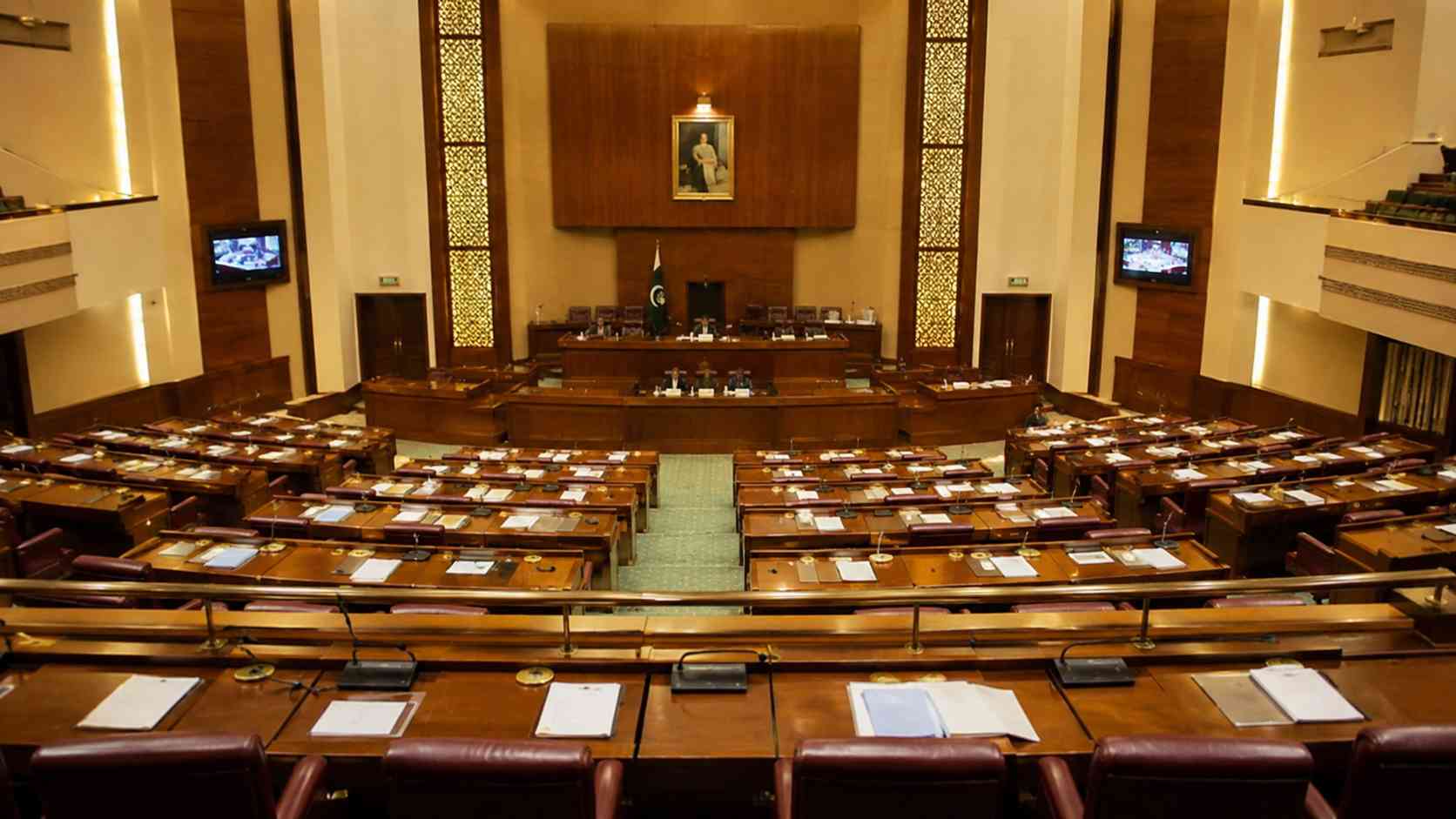
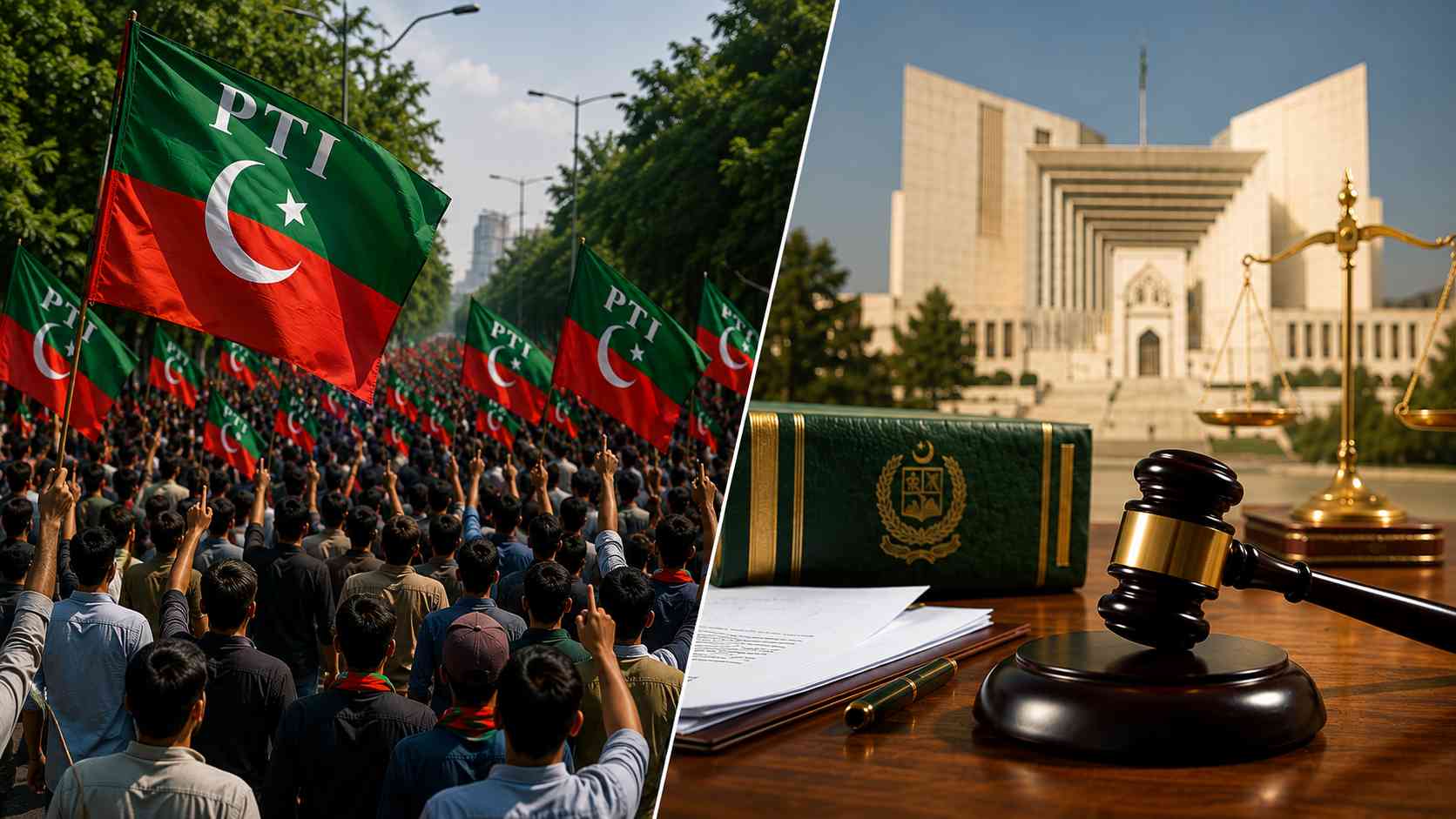
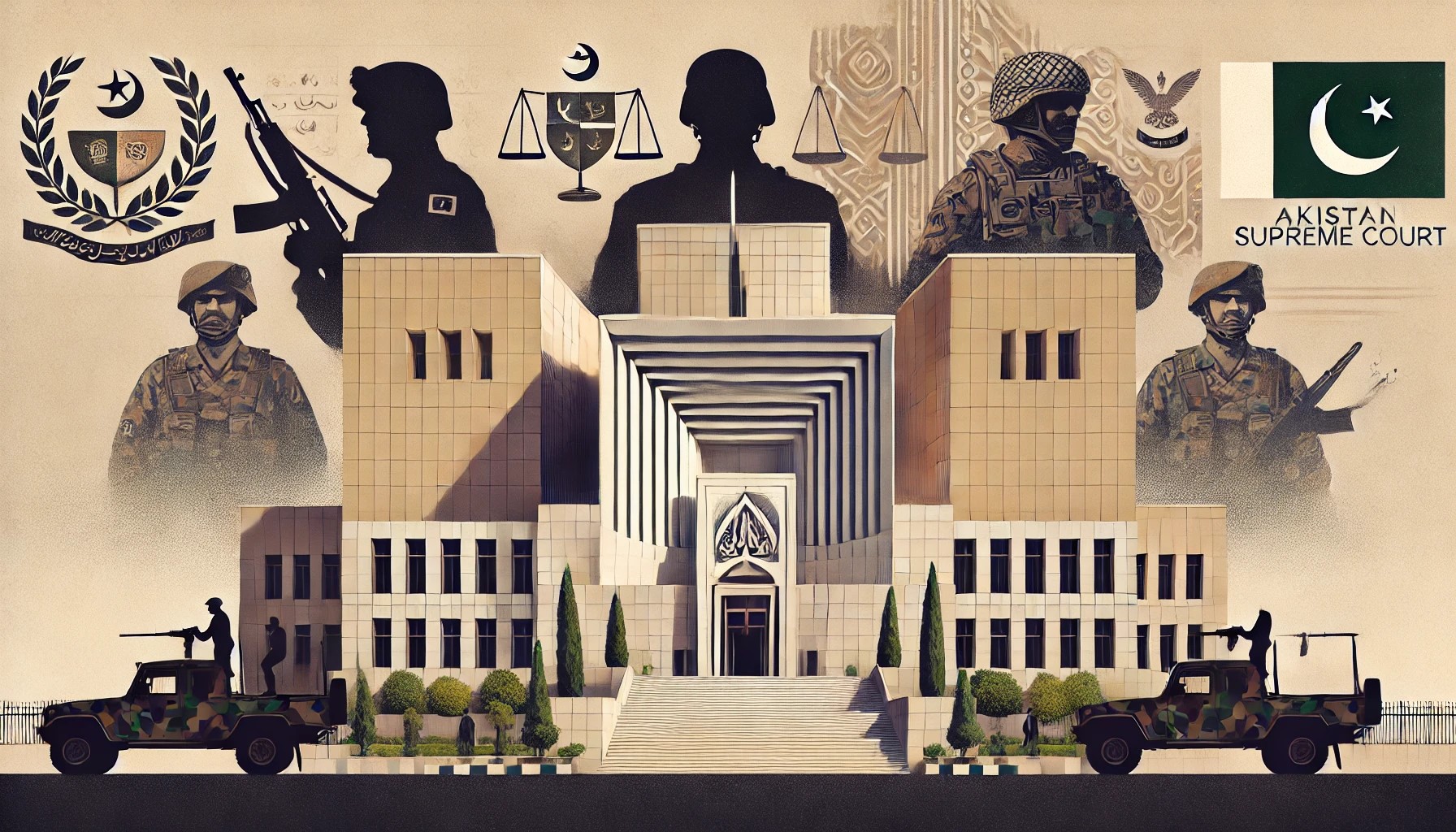
A three-member bench ordered authorities to move Khan to Shifa International Hospital within two days. Justice Shahid Waheed headed the bench alongside Justices Naeem Akhtar Afghan and Ishtiaq Ibrahim.
The written order said Khan’s medical summary indicated a prima facie deterioration in his health. It also affirmed the state’s duty to protect the health, dignity and security of prisoners.
Shifa must establish a specialist medical board in coordination with the government. The board will include a physician, surgeon, internal-medicine specialist, ophthalmologist and cardiologist.
Khan’s physician, Dr Faisal Sultan, and his sister, Dr Uzma Khan, may participate in his assessment and treatment. Khan or his family will cover the expenses.
Authorities must also provide Khan’s complete medical record. The court sought information about his cases and recent meetings with relatives and lawyers.
Court expands contact but imposes controls
The ruling directs officials to arrange weekly family meetings. Khan must also receive twice-weekly telephone calls with his sons.
However, relatives, lawyers and PTI members cannot publicly disclose his medical information until the next hearing. The court also prohibited political gatherings inside the hospital premises.
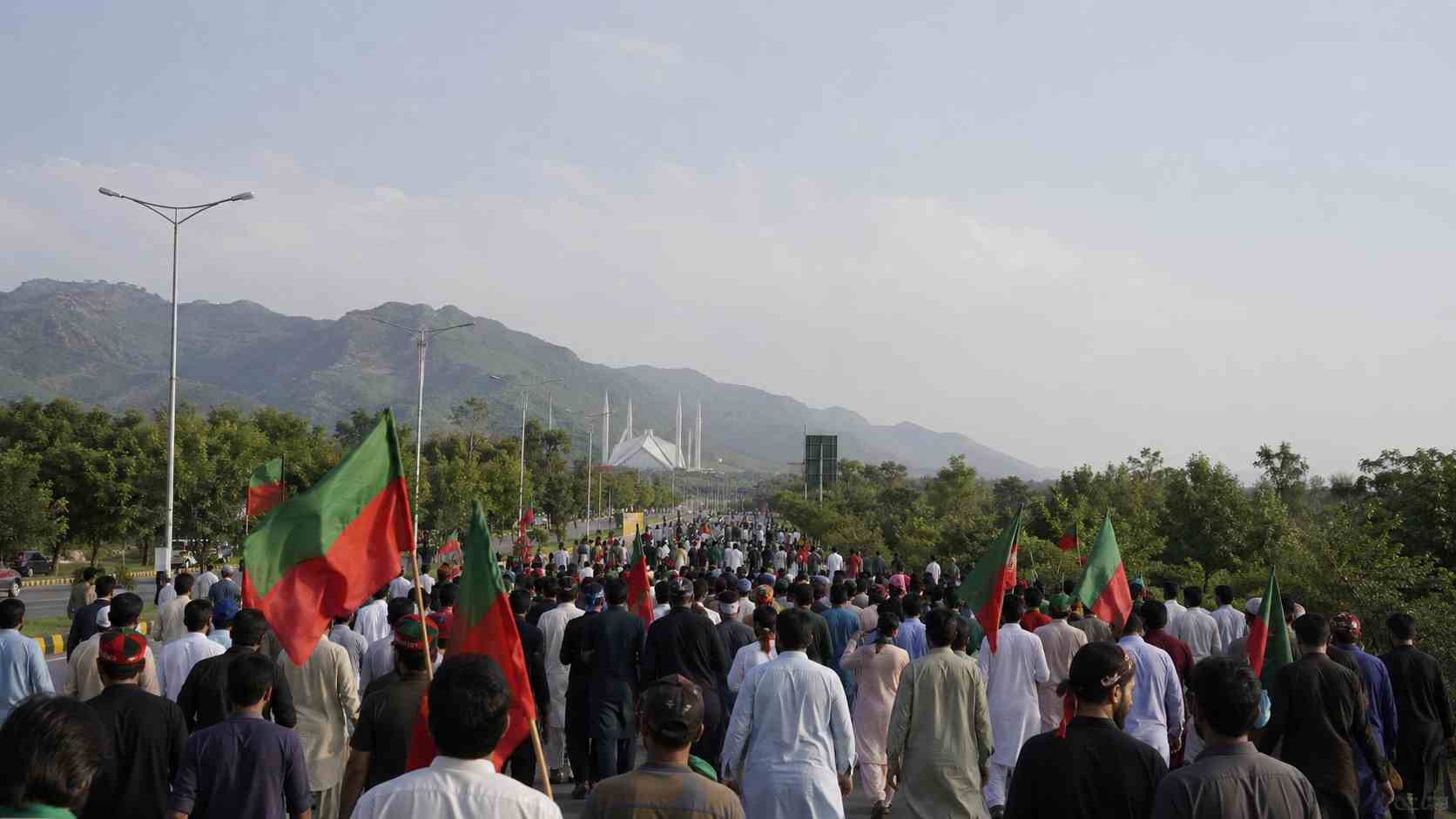
PTI welcomed the decision and asked supporters to stay away from Shifa. Party Secretary General Salman Akram Raja promised compliance with the restrictions.
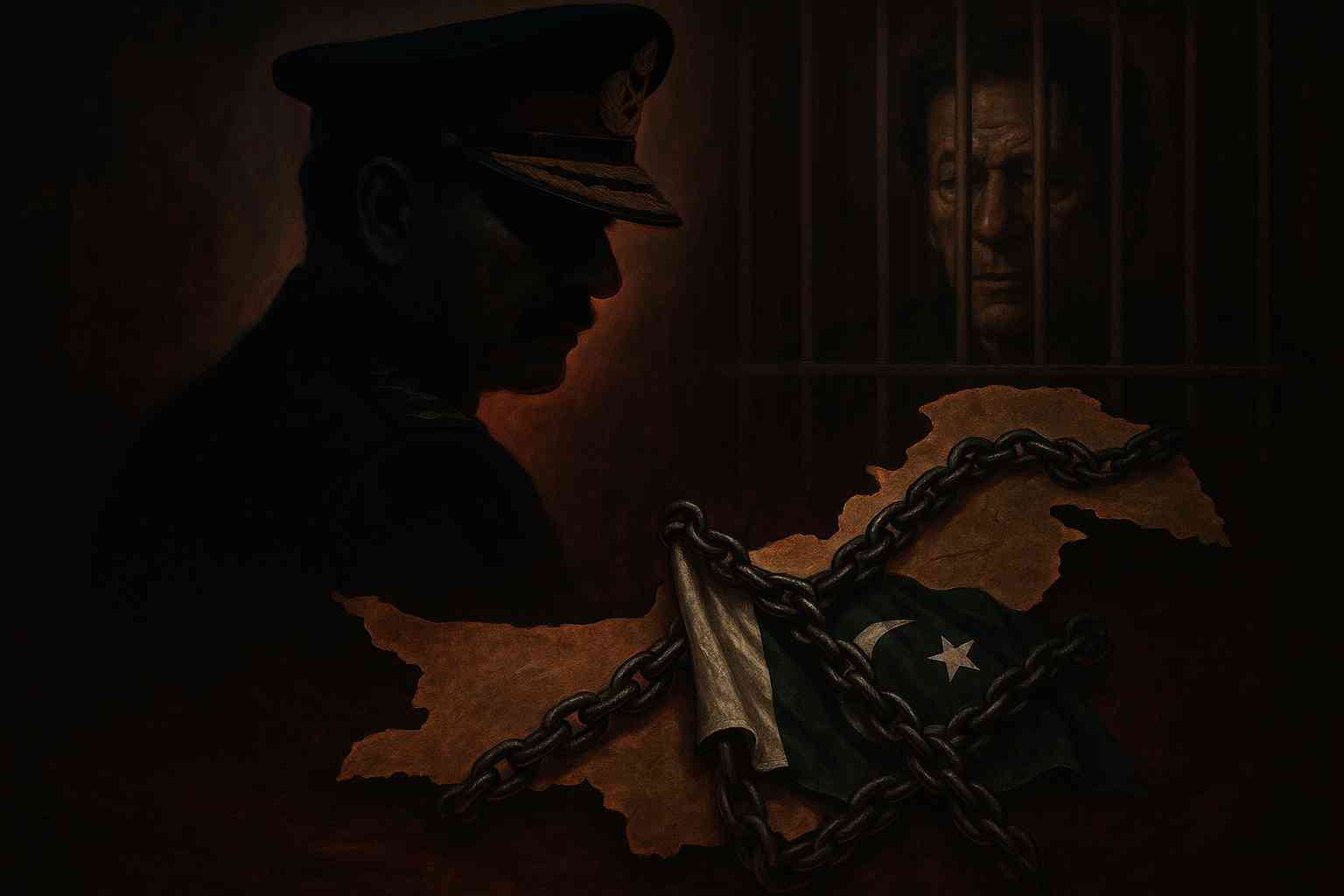
These conditions reinforce Adil Raja’s central distinction. The Imran Khan hospital transfer changes Khan’s treatment arrangements, but the state continues to control his location, contact and public communication.
Adil Raja questions the medical record
Raja did not describe Khan’s medical report as fake. Instead, he argued that changes between the reported August 1 and August 10 assessments require a clinical explanation.
According to Raja’s reading, the earlier cardiology assessment recommended CT coronary angiography. A subsequent medical-board entry reportedly found no indication for further cardiac investigation.
Public court reporting confirms that the submitted summary discussed angiography. It also records the court’s concern that authorities supplied only a synopsis rather than Khan’s complete medical file.
Raja further highlighted reported references to severe anxiety, hypertension, limited interaction and restricted access to reading material. He argued that these findings connect Khan’s prison conditions to his health concerns.
The complete underlying medical file was not publicly available for independent examination. The difference between the reported assessments should therefore be explained by qualified doctors, rather than treated as proof of fabrication or interference.
Raja alleges a wider political strategy
Citing unnamed sources, Raja alleged that Pakistan’s military establishment permitted the medical process to advance amid international pressure for visible relief.
He also suggested that authorities could move Khan to a hospital, rest house or declared sub-jail while retaining full control. Such a move, Raja argued, might allow the government to claim that it had addressed outside concerns without releasing Khan.
Raja connected this scenario to proposed constitutional restructuring and efforts to secure PTI cooperation. He alleged that controlled relief could influence party leaders or voters before any constitutional vote.
Soldier Speaks could not independently verify those claims. No published court document links the hospital order to international financing, a constitutional bargain or a future sub-jail arrangement.
They remain Raja’s source-based assessment, not established facts. Nevertheless, the court’s restrictions and the government’s response make the distinction between treatment and freedom a legitimate public-interest question.
Government seeks a different arrangement
Law Minister Azam Nazeer Tarar said the government would seek modification of the private-hospital provision. He argued that prison rules normally require treatment at a government hospital.
Tarar also raised equal-treatment concerns for other prisoners, according to his reported statement.
Parliamentary Affairs Minister Tariq Fazal Chaudhry said the government would implement the ruling “in letter and spirit.” The contrasting statements leave the immediate implementation route unclear.
No modification order had appeared publicly when this report was prepared. The Supreme Court’s two-day direction therefore remained operative.
Relief must not be confused with release
The Imran Khan hospital transfer does not overturn his convictions, grant bail or restore unrestricted political contact. It places his medical treatment under closer judicial supervision while leaving his custodial position intact.
For PTI supporters, access to independent doctors and family members represents meaningful relief. Yet Raja’s warning remains central to the Soldier Speaks perspective: a better place of confinement is still confinement.
The next test is implementation. Authorities must either carry out the order or obtain a lawful modification from the court.