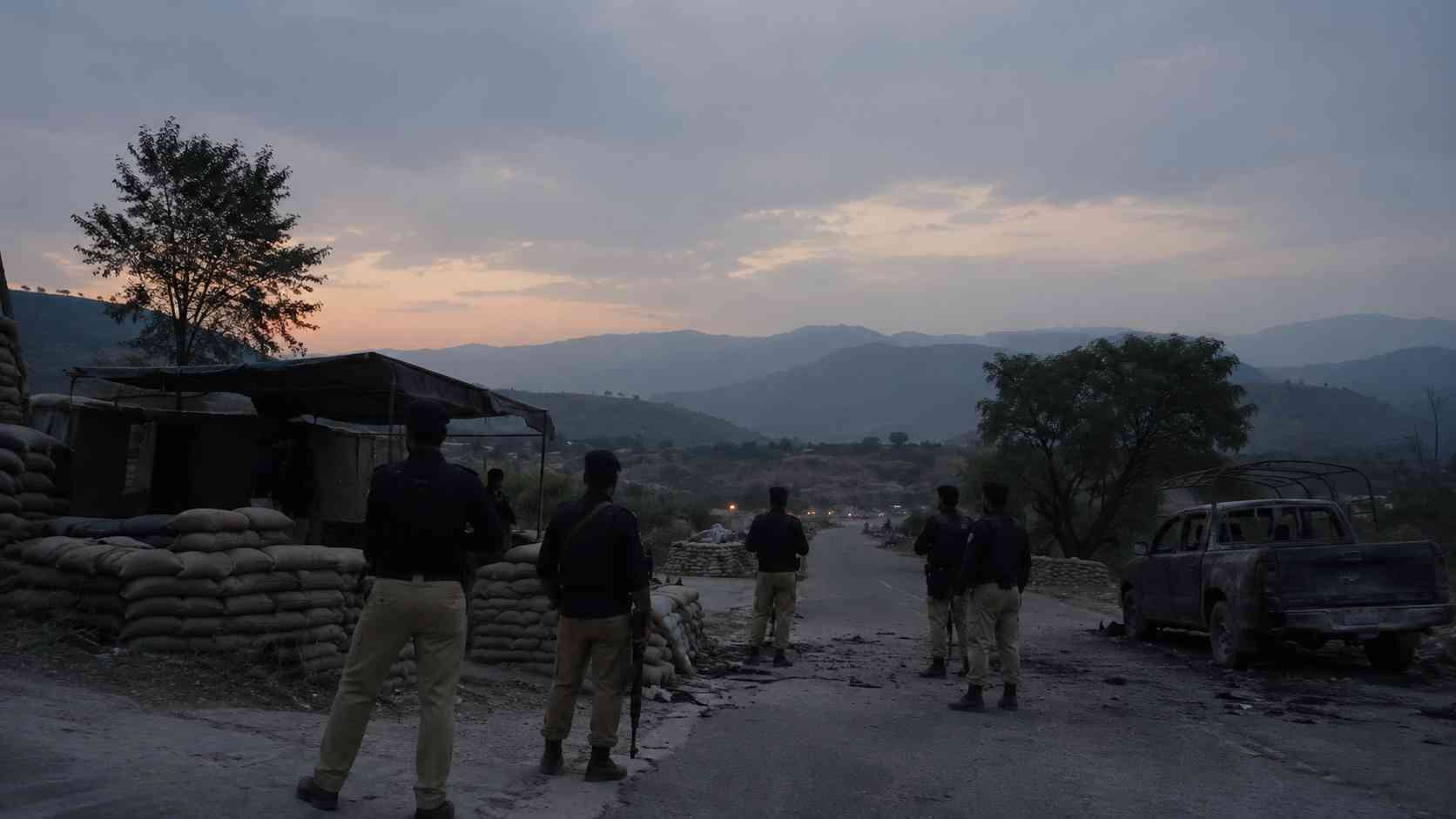
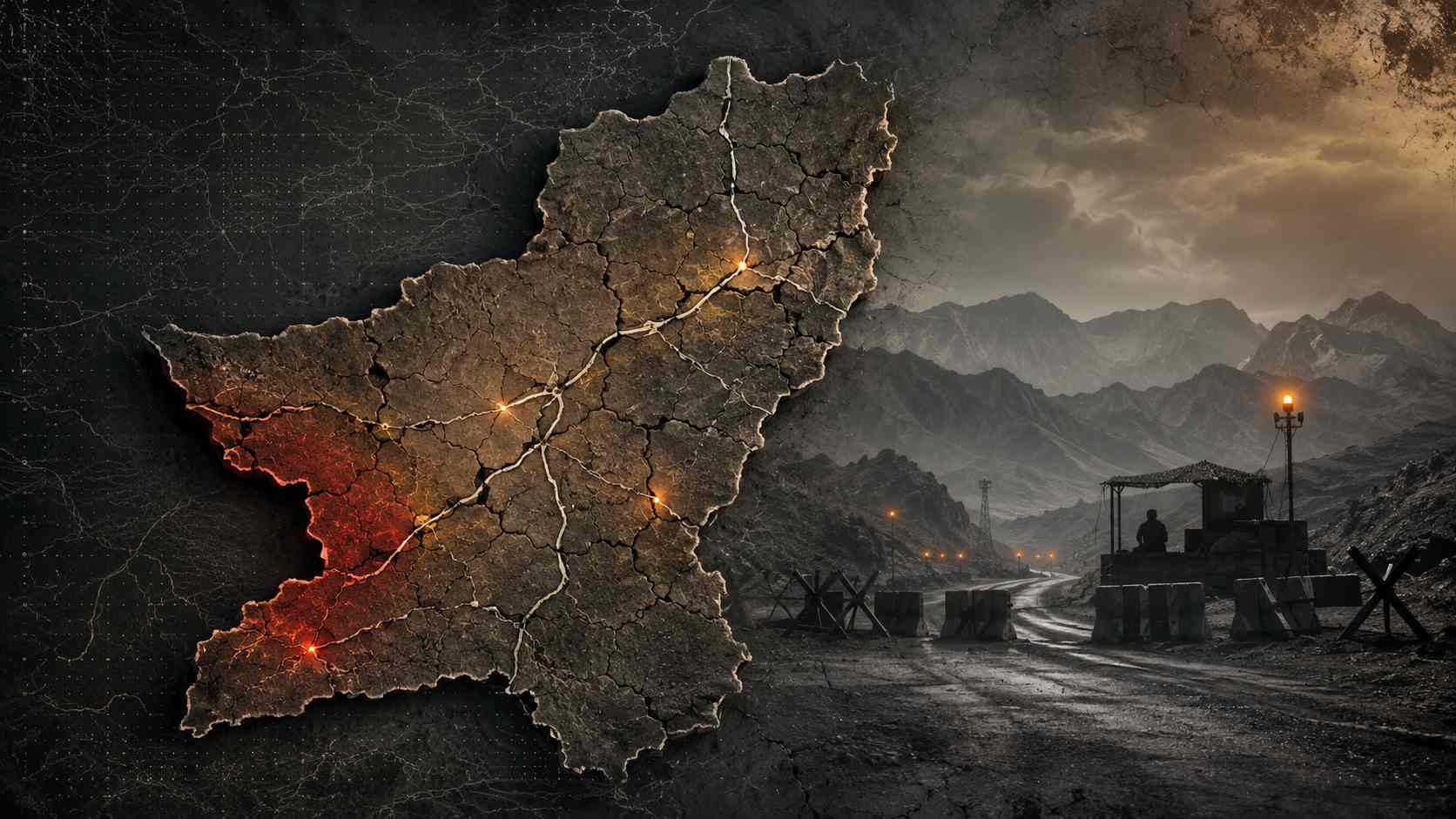
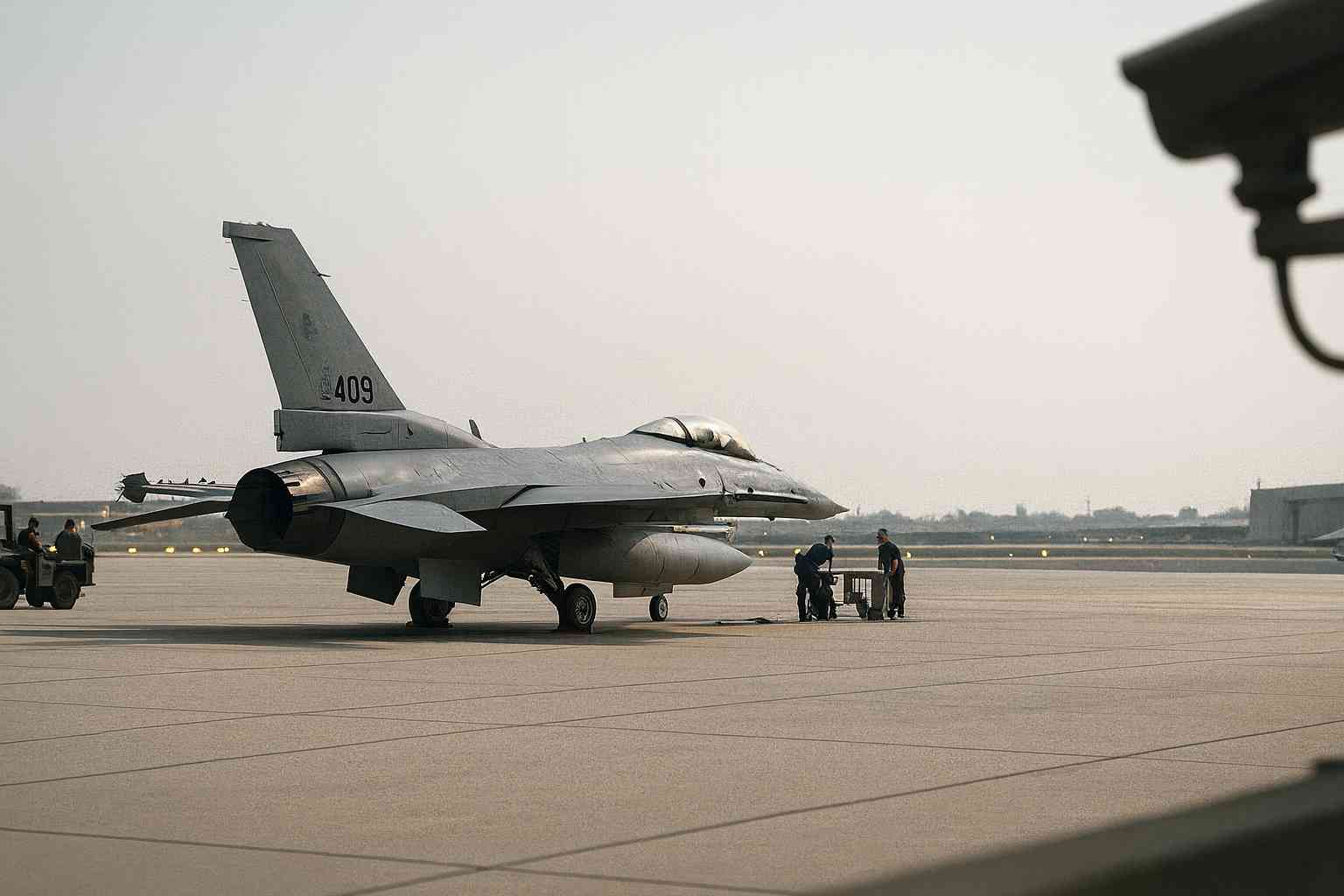
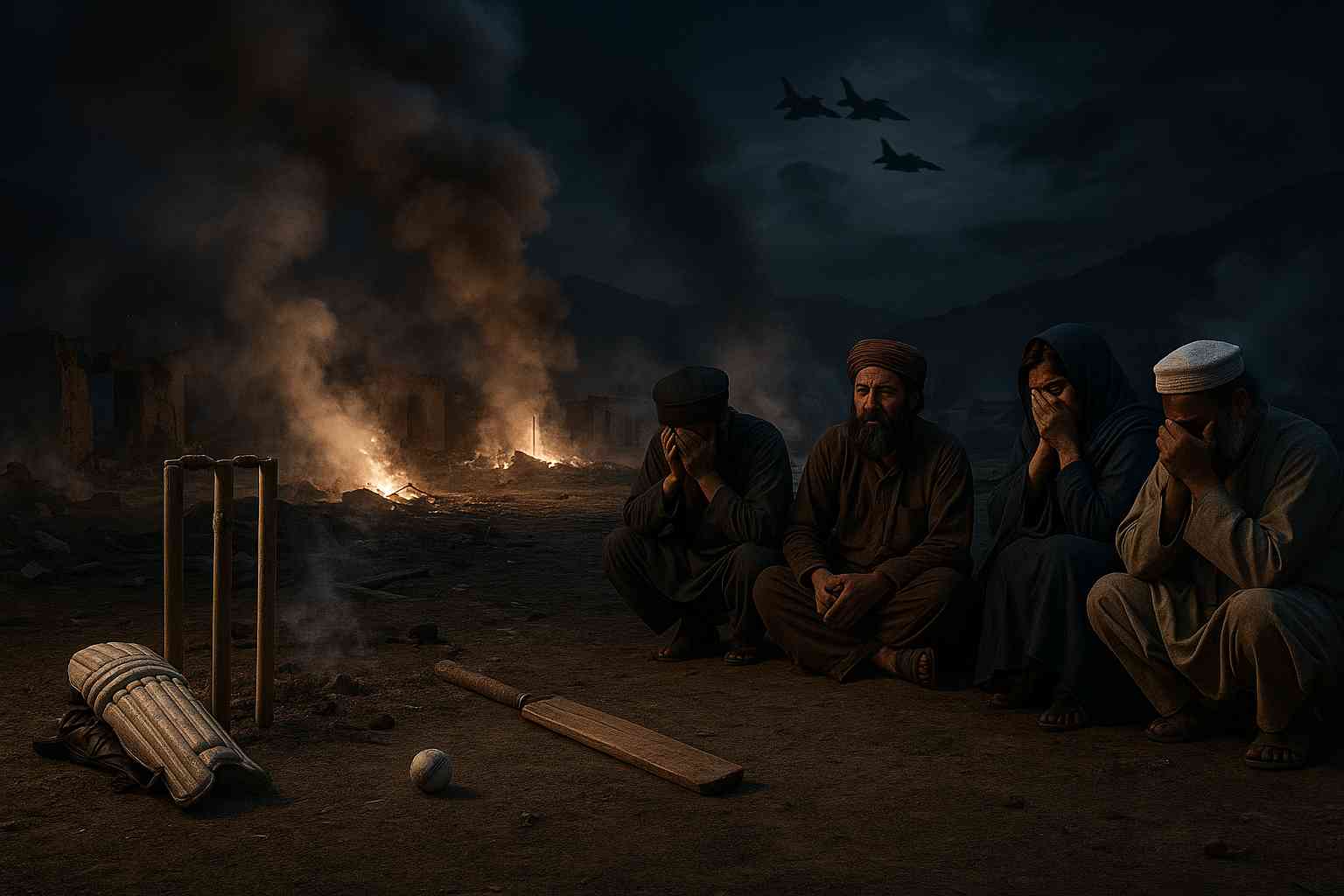
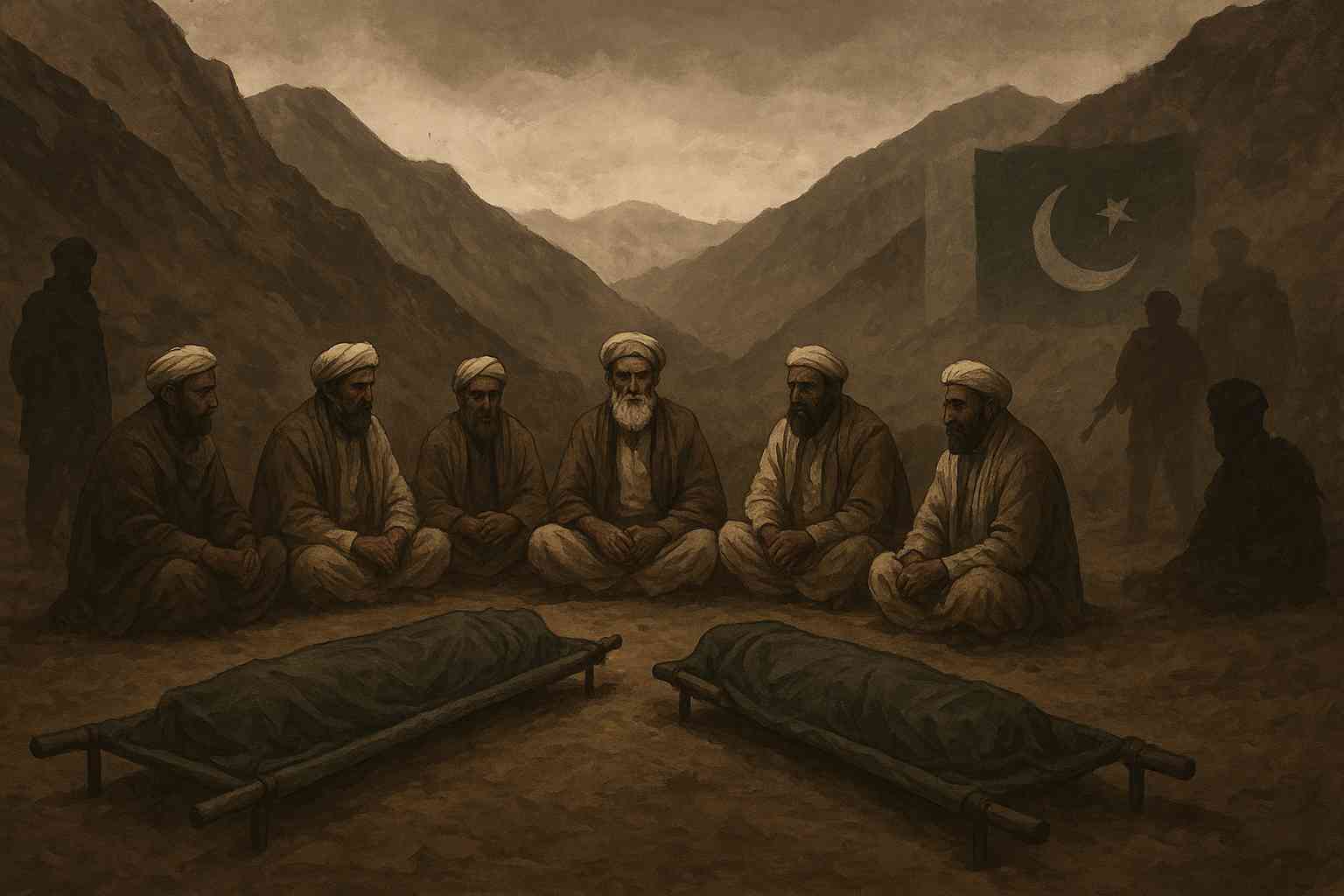
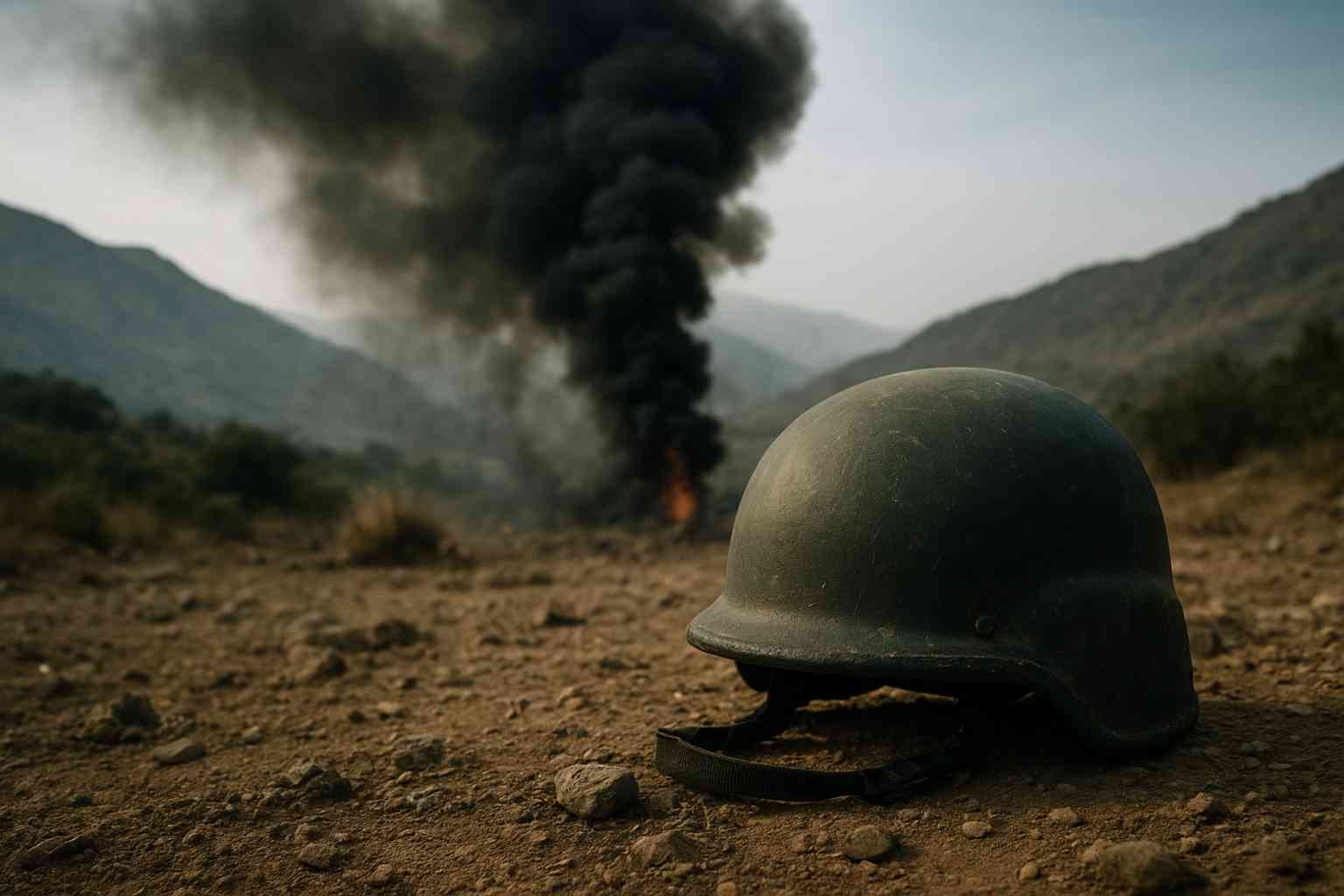
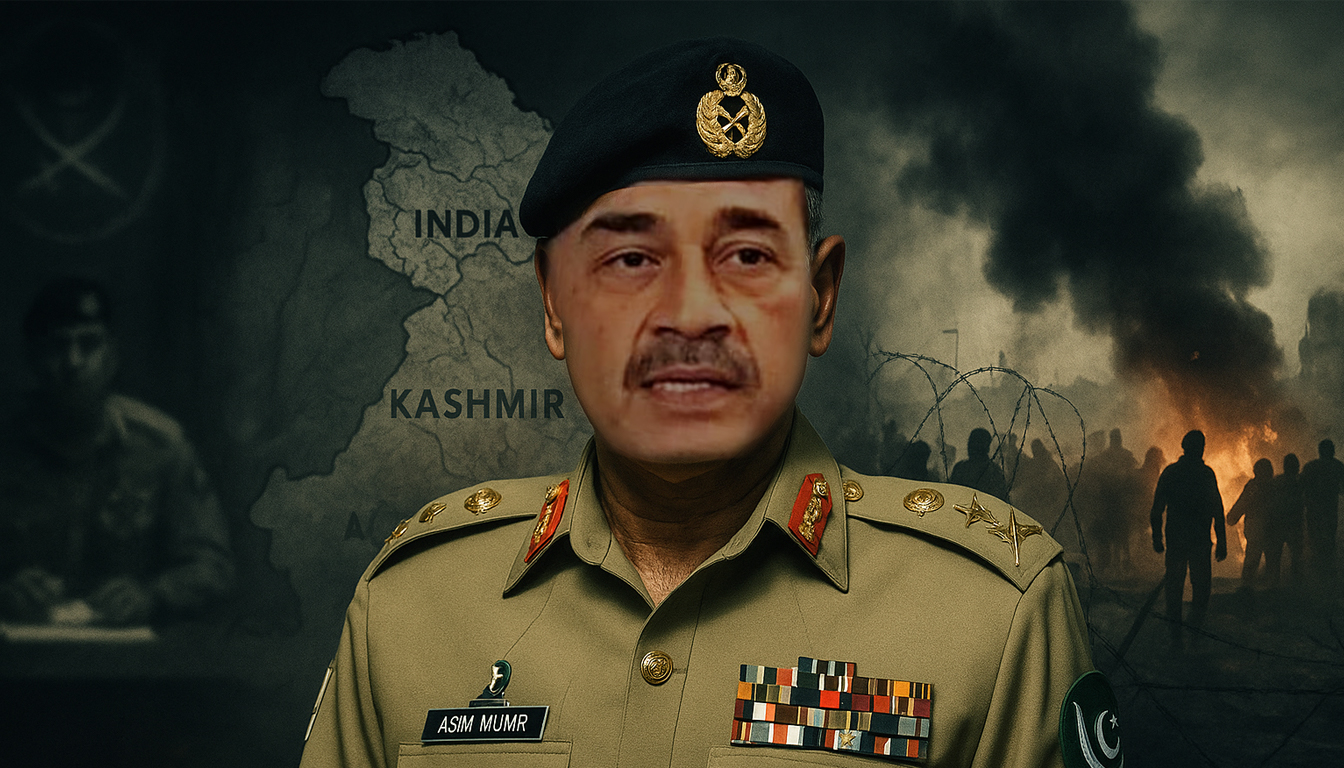
The Balochistan security crisis has entered another dangerous phase after militants attacked a police post in Ziarat, killing nine police officers and exposing the widening gap between official security claims and conditions on the ground.
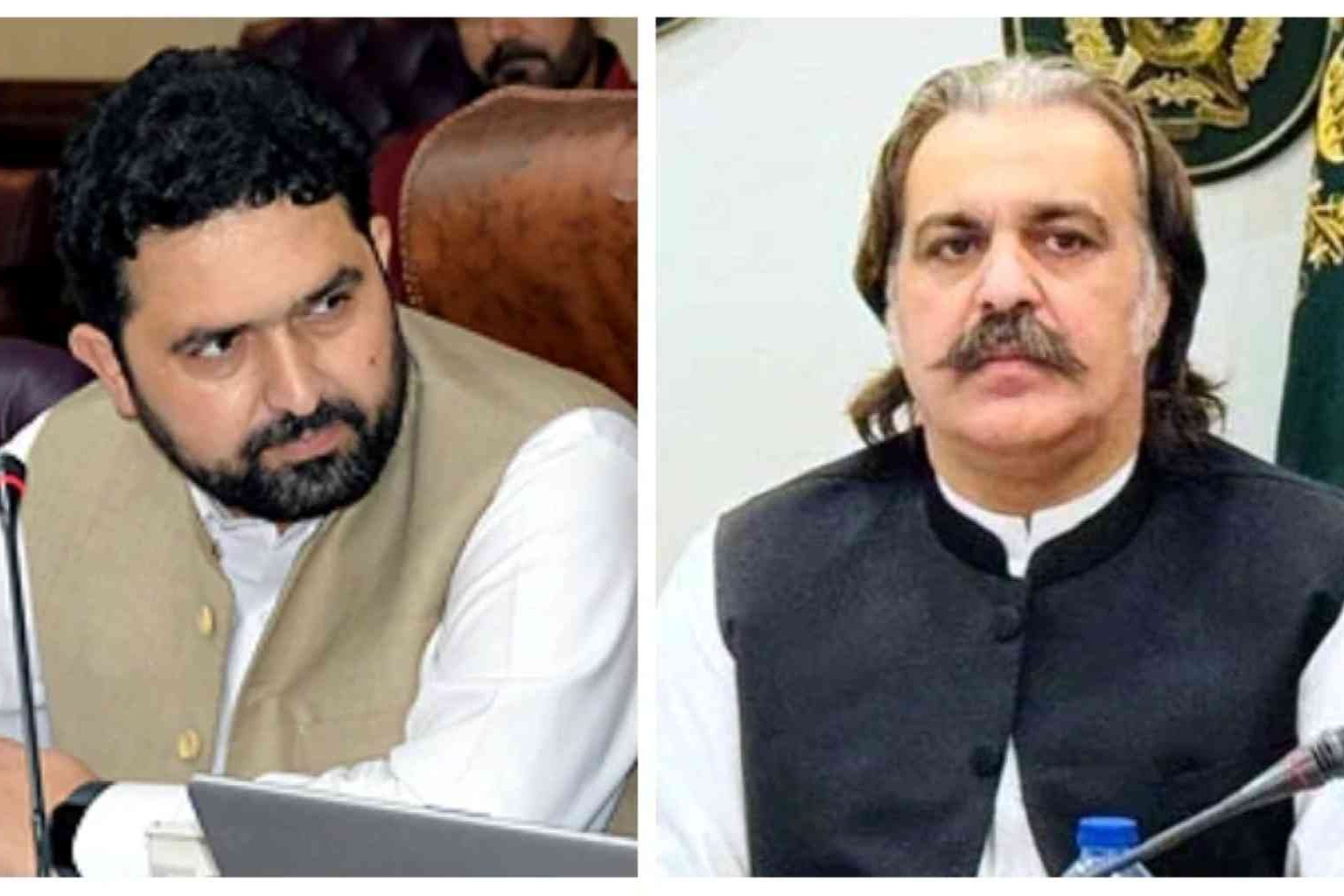
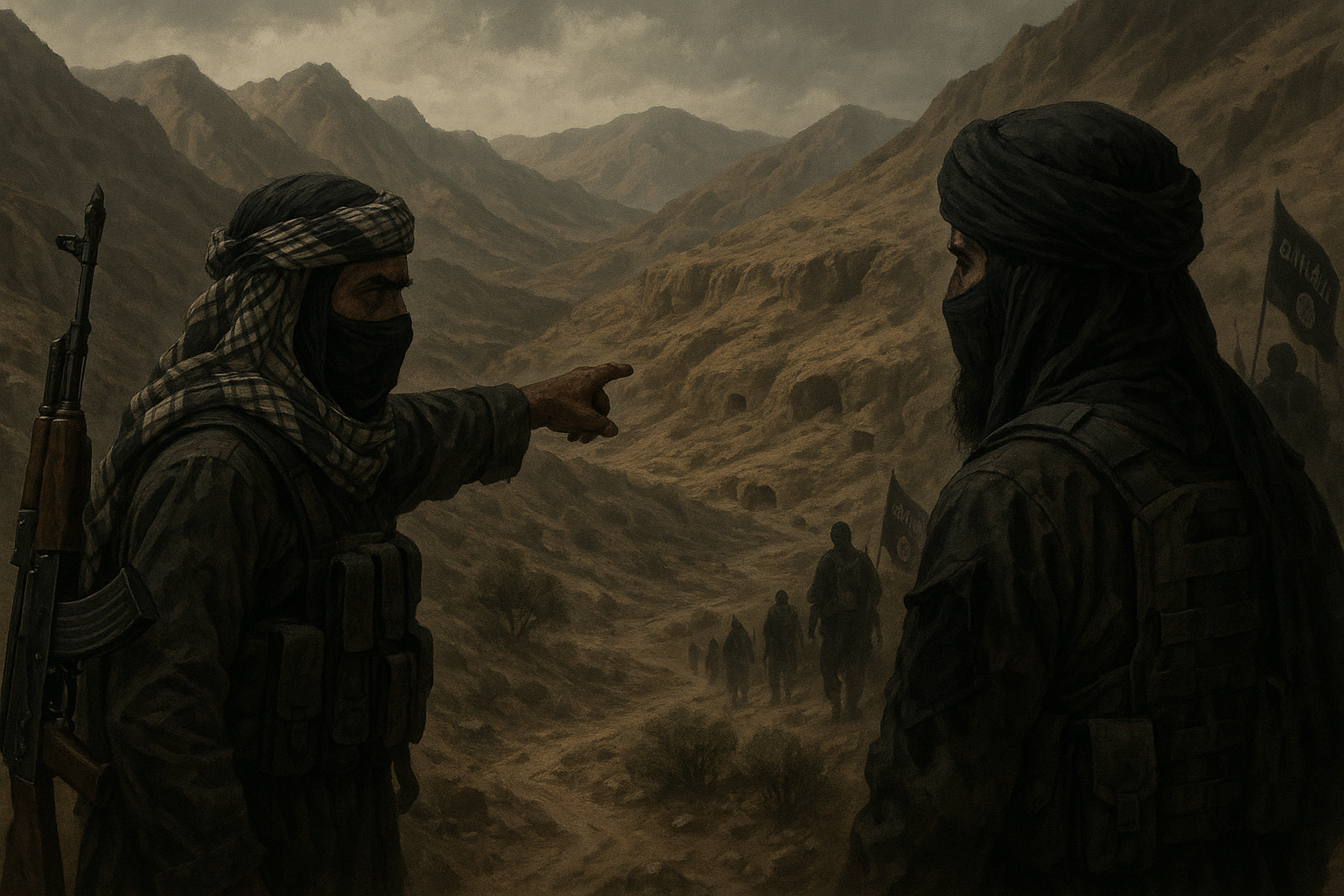
According to the Associated Press, dozens of militants attacked the post late Monday in Ziarat district. Balochistan government spokesman Shahid Rind said eight abducted police officers were later recovered, and 15 militants were killed in a subsequent operation. No group immediately claimed responsibility for the attack. AP also reported that Interior Minister Mohsin Naqvi blamed India-backed militants, but offered no public evidence. India has denied similar accusations in the past.
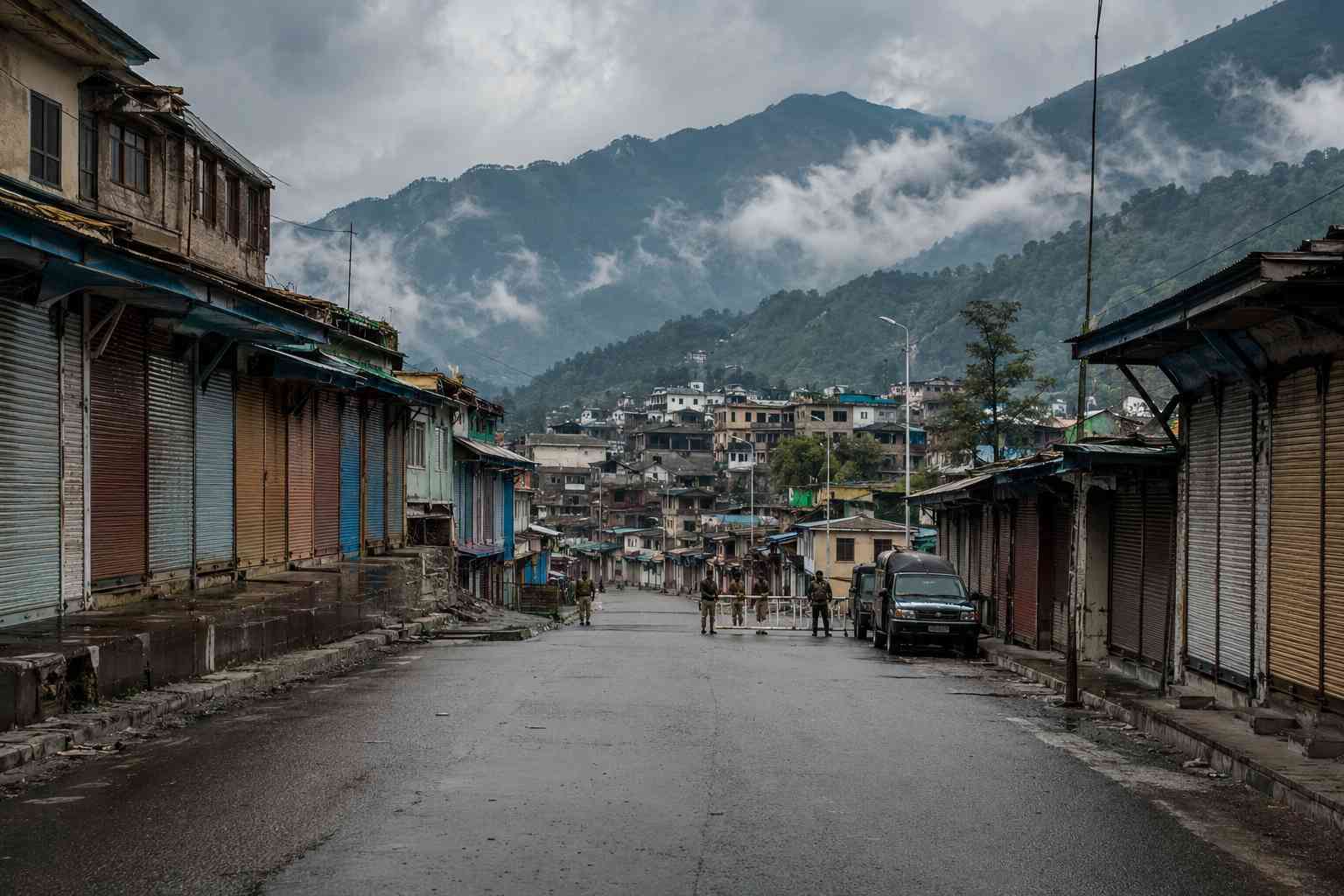
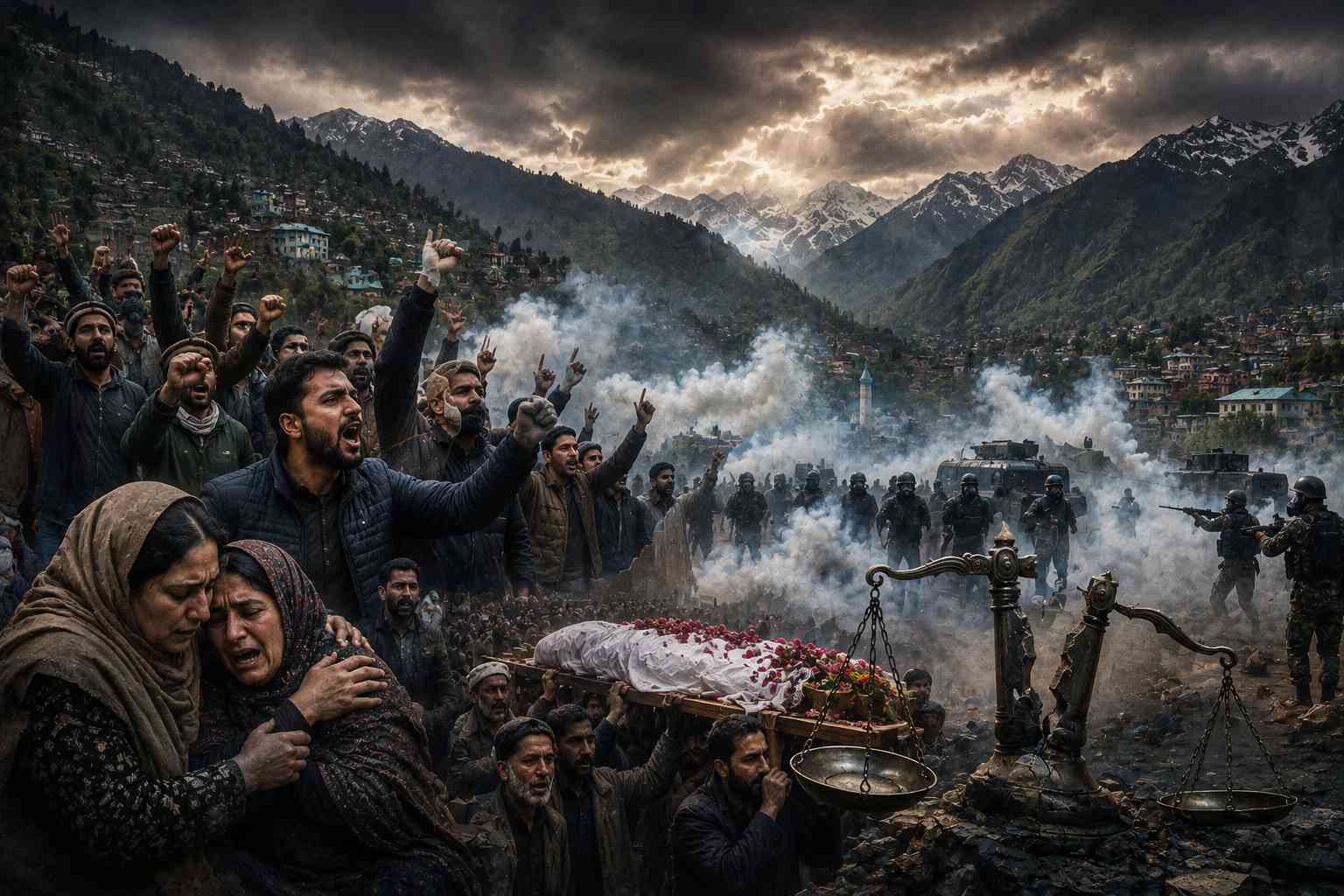
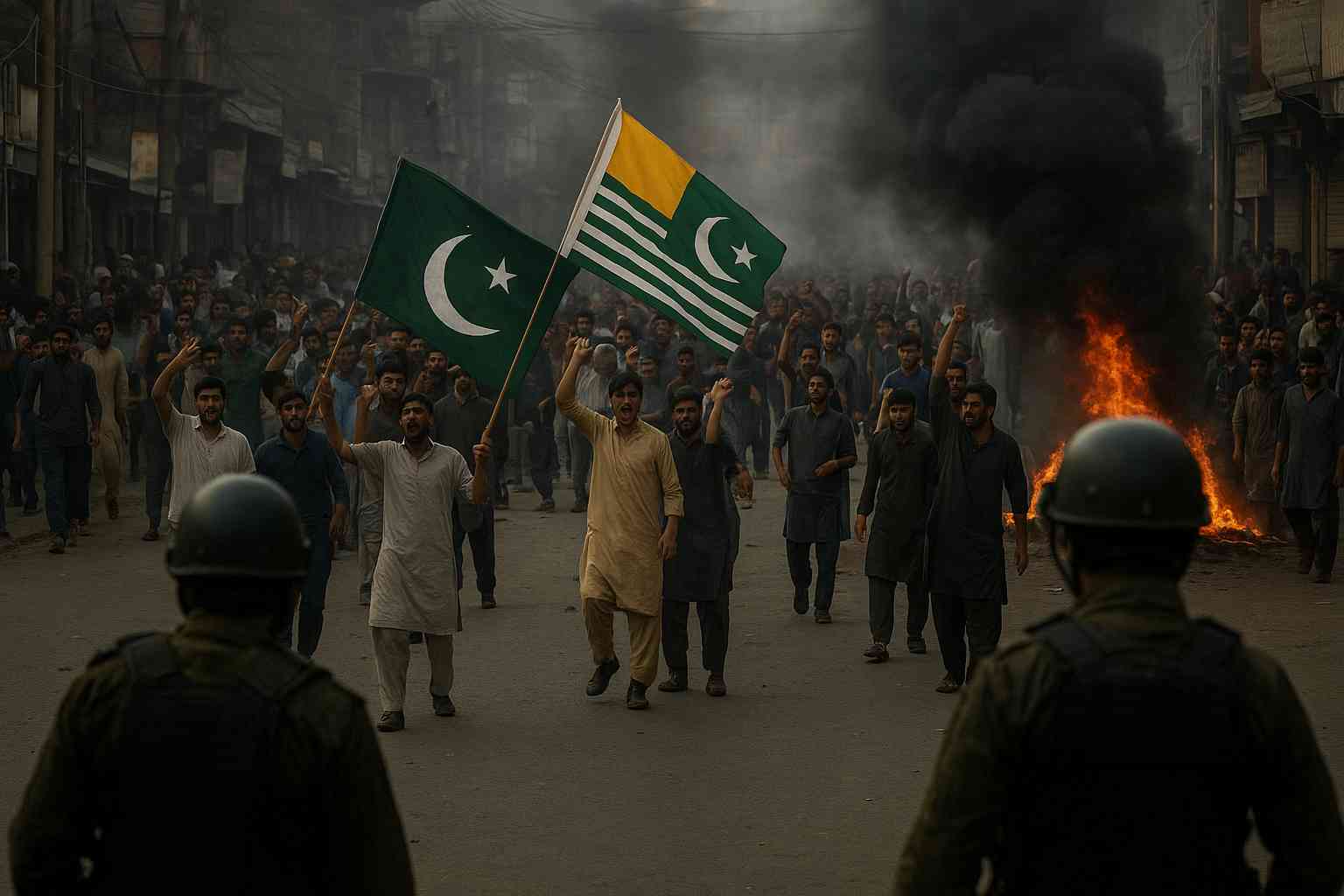
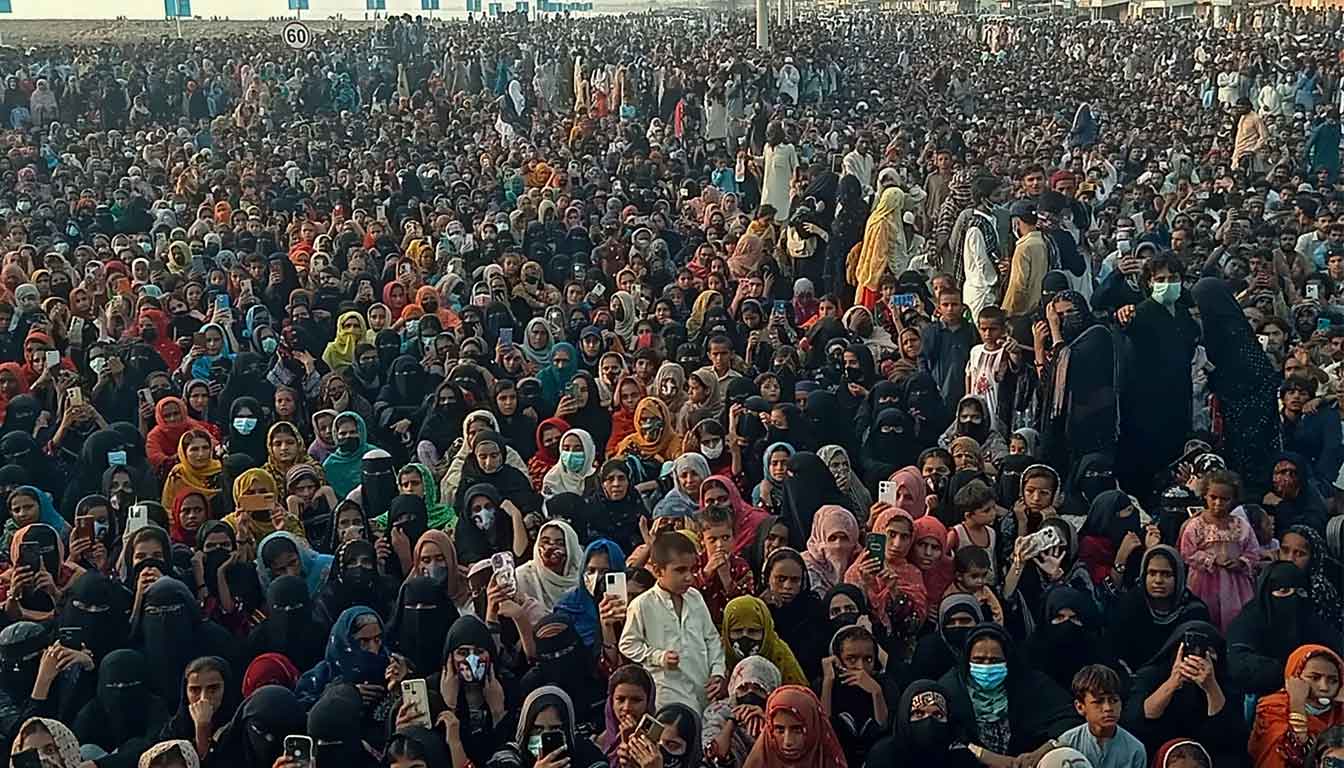
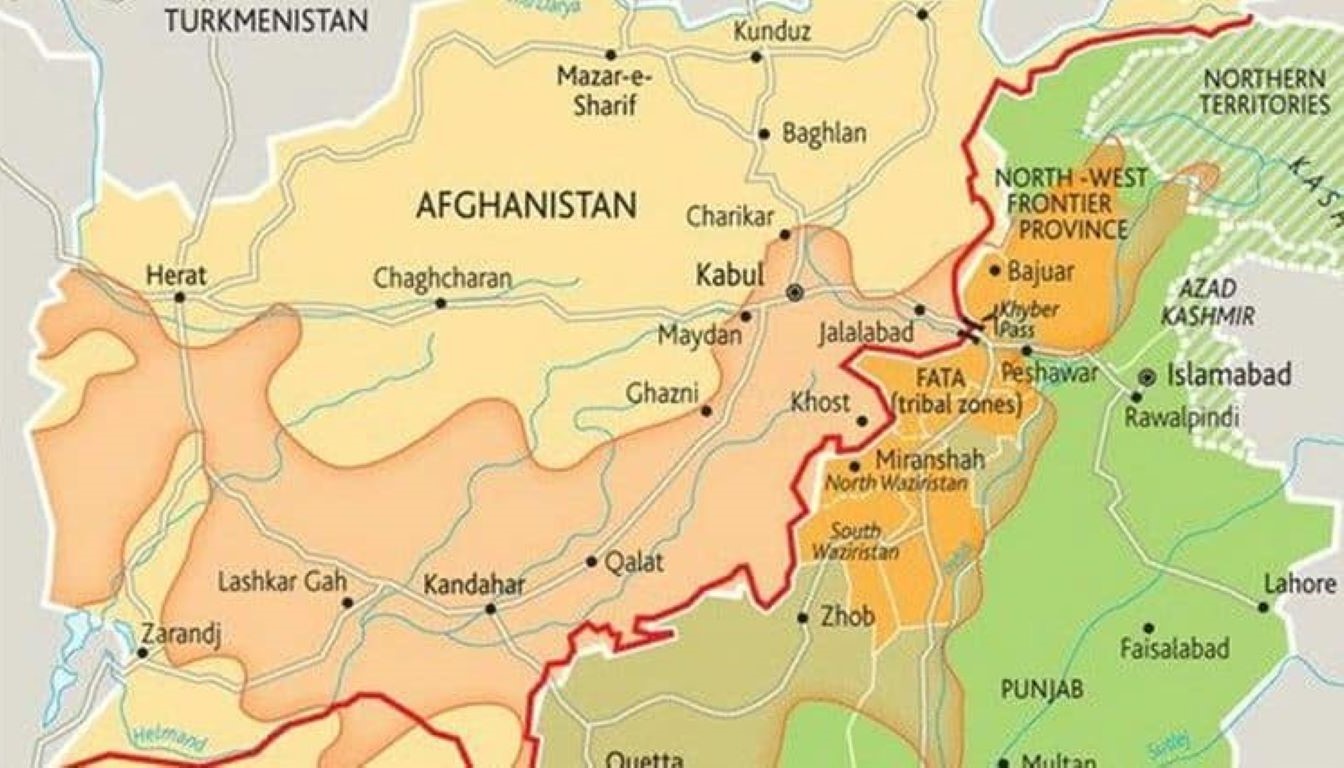
Dawn reported that the attack took place in the Mangi Dam area and that two station house officers were among the dead. It also reported a local protest after the attack, with residents blocking the Quetta-Ziarat highway.
Why the Balochistan security crisis matters
This was not only another militant assault. It was an attack on the basic policing layer of the state.
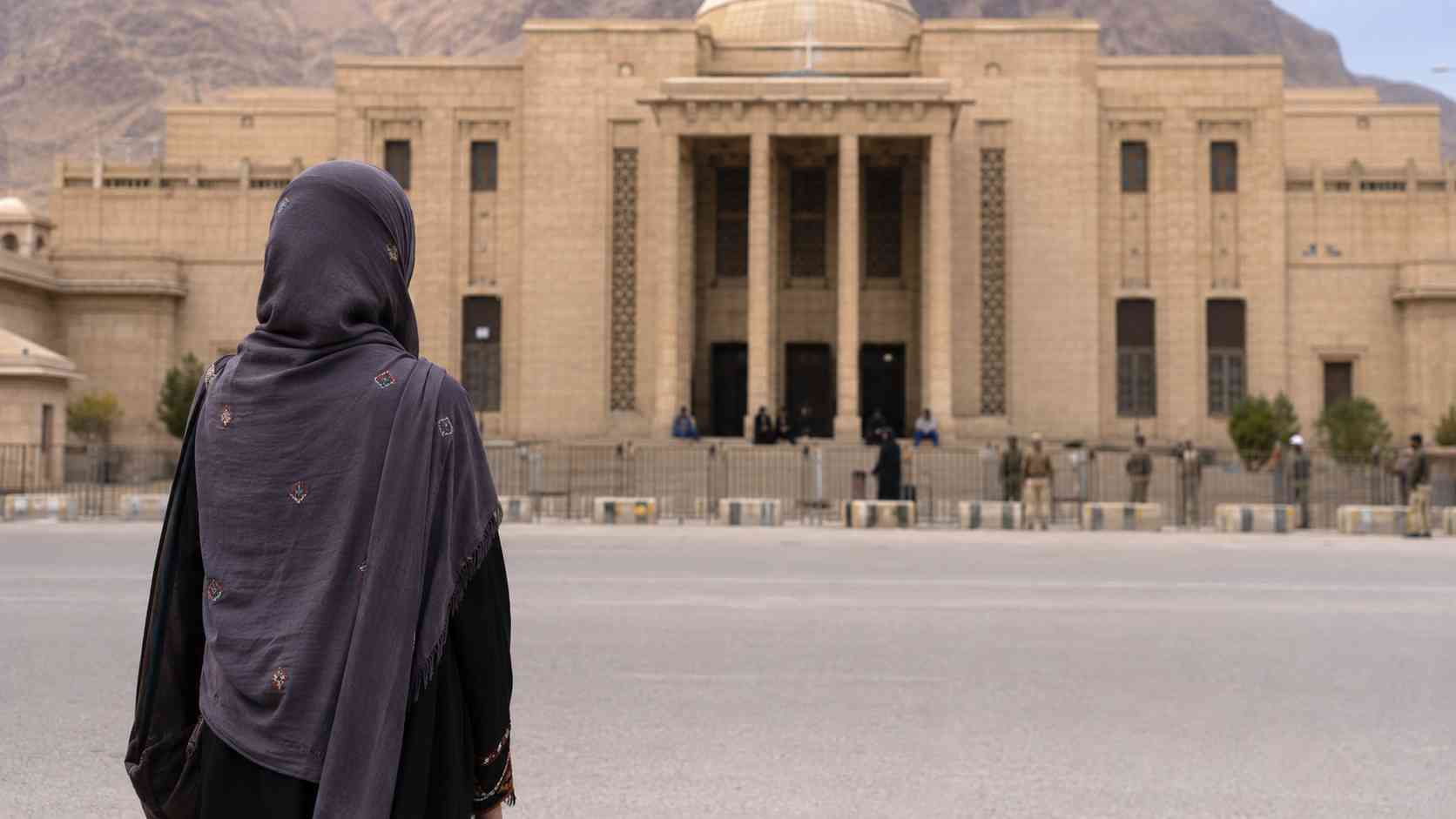
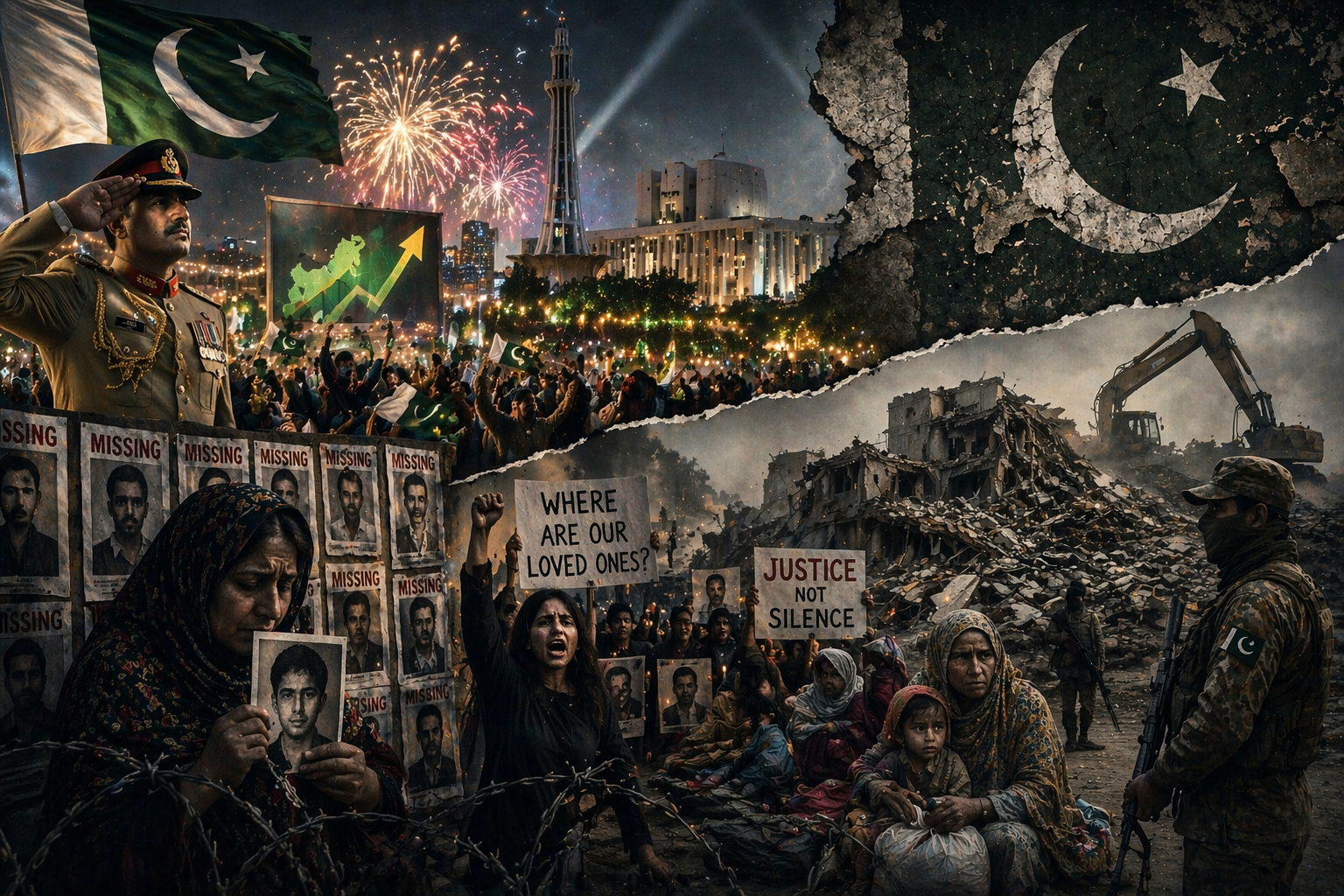
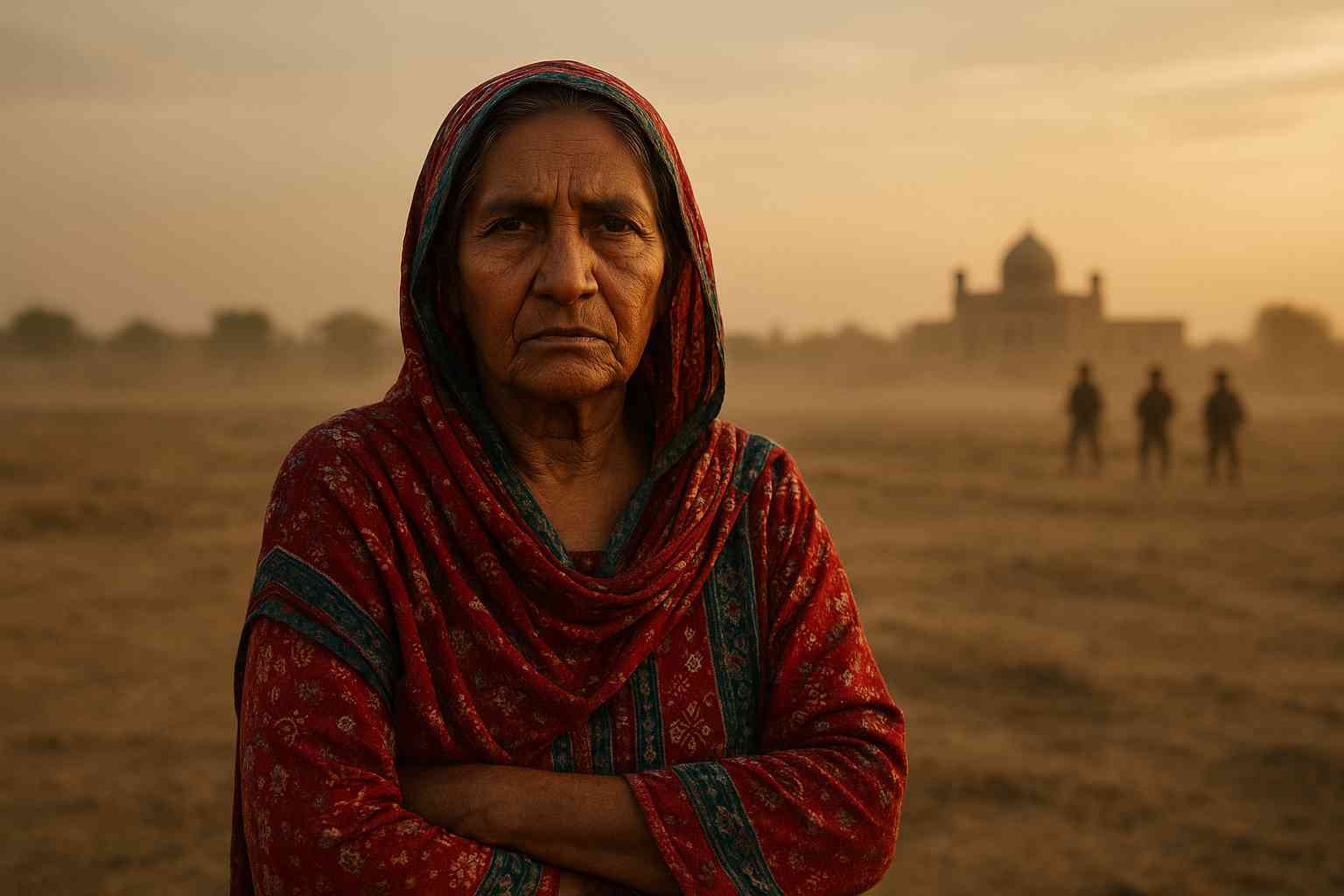
Police posts sit closest to ordinary citizens. When militants can strike them, abduct officers, and trigger highway protests, the message travels far beyond one district. It tells citizens that the state can punish, but may not always protect.
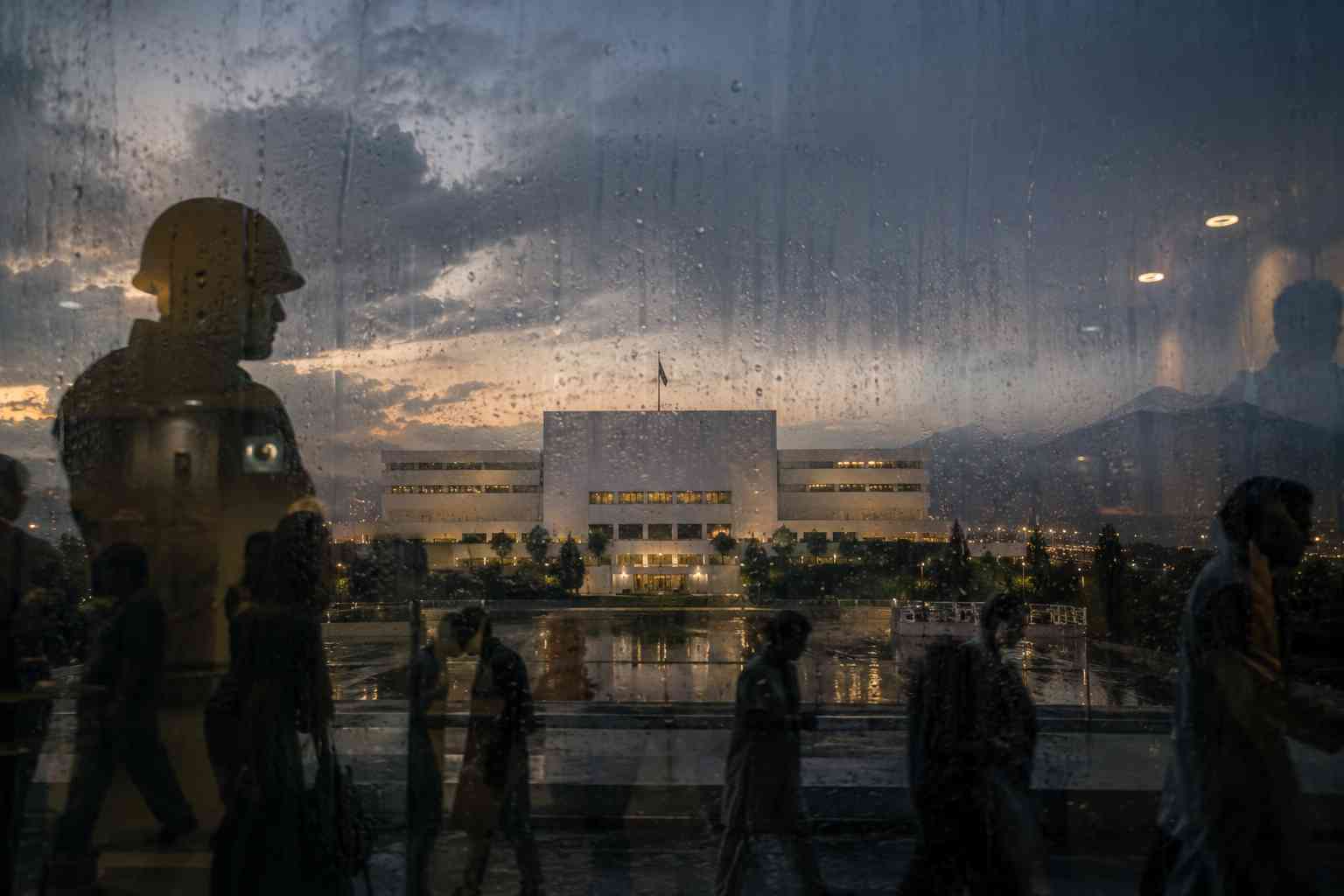
Islamabad often frames Balochistan through a narrow security lens. That lens captures real militant violence, including attacks by separatist and Islamist groups. Yet it misses the political damage caused when citizens see only force, denials, and broad accusations.
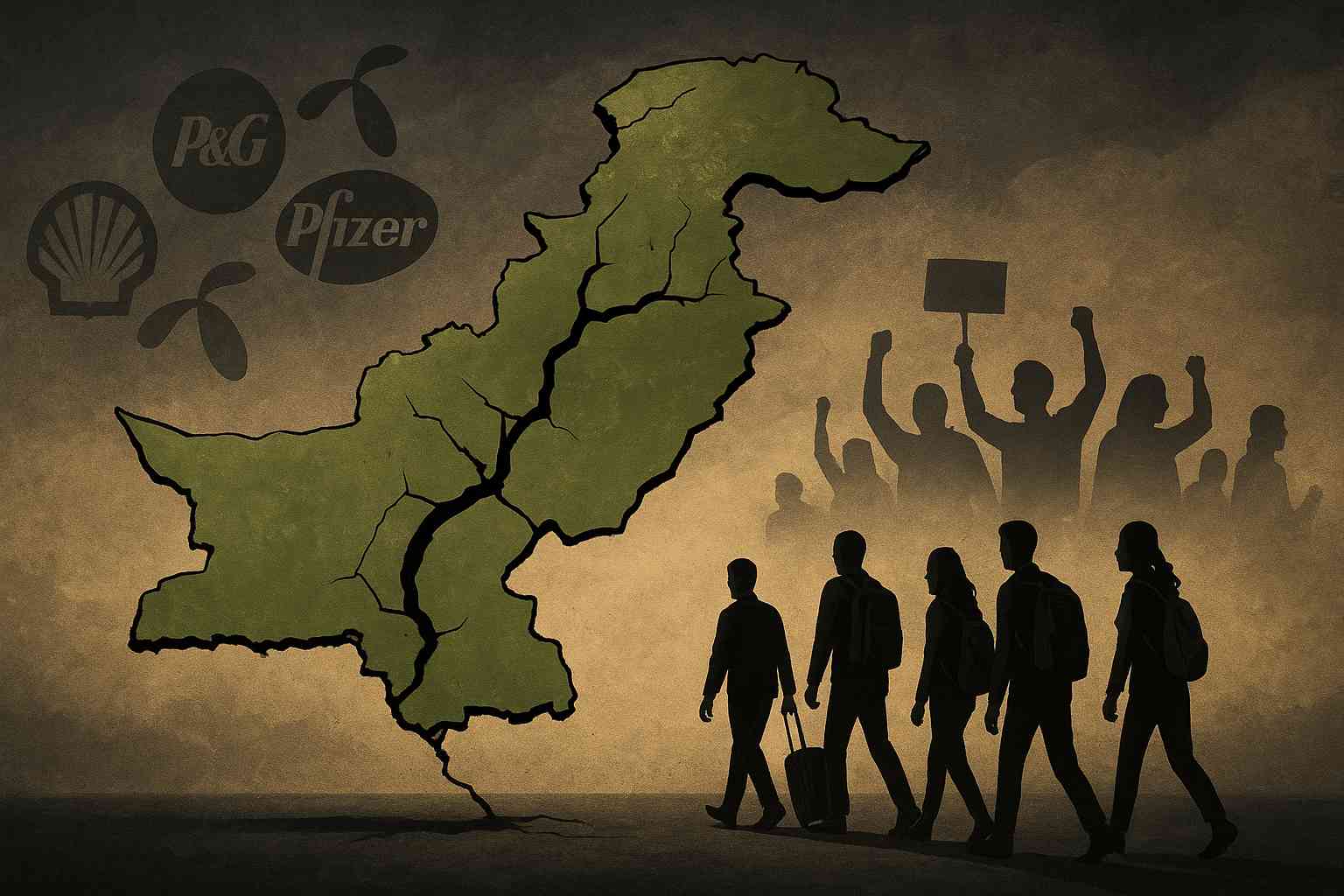
The Balochistan security crisis now carries three linked pressures. Militants have grown more lethal. Police and local security forces remain exposed. Civilians increasingly doubt that the state can separate protection from coercion.
A tactical victory is not a strategic answer
The government says security forces completed a clearance operation after the Ziarat attack. Arab News quoted Rind as saying the operation involved the Frontier Corps, police, the Counter Terrorism Department, Special Operations Wing, and Anti-Terrorism Force.
That response may matter tactically. It does not settle the larger question.
If every attack produces the same cycle of funerals, operations, claims, and counterclaims, the state will keep chasing symptoms. Balochistan needs credible policing, trusted local intelligence, transparent investigations, and visible protection for civilians.
Force can disrupt attackers. It cannot rebuild legitimacy by itself.
The external-blame script has limits
Pakistan has long accused India of supporting militancy in Balochistan. New Delhi denies the allegation. Some threats may involve cross-border networks, funding routes, or regional rivalries. Those questions deserve serious investigation.
But public trust weakens when officials jump to external blame without presenting evidence.
A disciplined state should prove its claims, not merely repeat them. Strong evidence strengthens Pakistan’s case internationally. Weak messaging gives opponents room to dismiss even legitimate security concerns.
The same discipline should apply to responsibility for the Ziarat attack. Since no group immediately claimed it, officials and media should avoid premature certainty.
The deeper conflict is political too
Balochistan’s violence cannot be understood only through the number of militants killed.
The Center for Research and Security Studies reported that Balochistan saw a sharp rise in violence-linked fatalities in the first quarter of 2026, even as national figures showed an overall decline. CRSS said Balochistan and Khyber Pakhtunkhwa together accounted for most violence-linked fatalities during that period.
Independent security research has also warned that Baloch militant factions have become more coordinated and tactically ambitious. The Combating Terrorism Center at West Point noted that groups including BLA factions and the Balochistan Liberation Front have expanded attacks and targeted security forces, infrastructure, Chinese interests, and CPEC-linked projects.
These trends show why the Balochistan security crisis is not a routine law-and-order problem. It is a conflict over state authority, local grievance, resource politics, identity, and violence.
What Islamabad must confront
Pakistan must protect its police and citizens. No serious political position can excuse attacks on police posts, civilians, or public infrastructure.
Yet the state also needs a smarter strategy than escalation alone.
Islamabad should publish clearer evidence after major attacks, improve local policing capacity, protect protest rights, and stop treating every form of dissent as militancy. It should also separate peaceful political grievance from armed insurgency. Mixing the two only helps extremists recruit from anger.
The Ziarat attack should force a hard question inside the state. Is Pakistan trying to win Balochistan’s trust, or only secure its roads?
The answer will shape more than one province. The Balochistan security crisis now tests whether Pakistan can defend the state without further alienating the citizens it claims to defend.