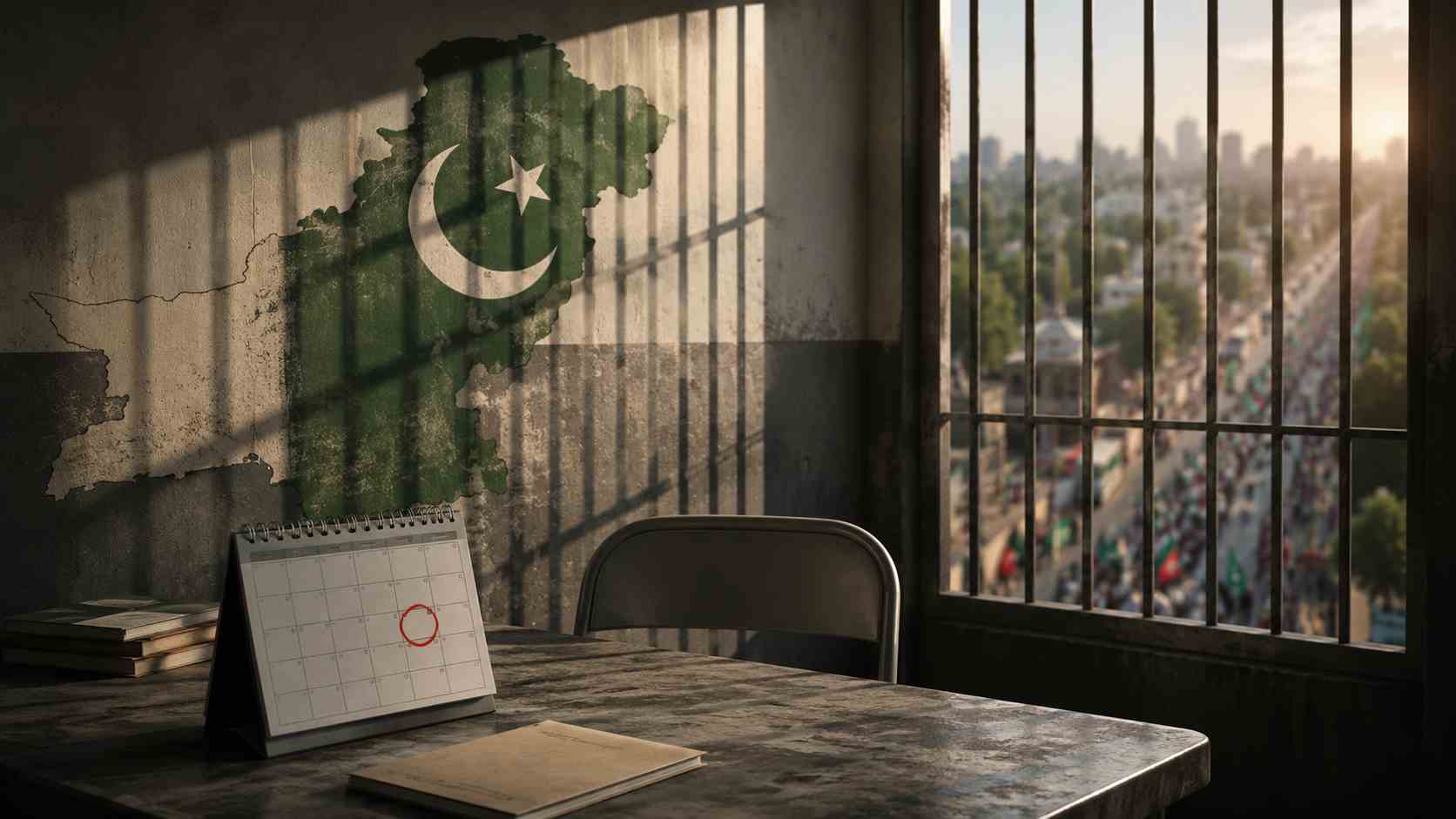
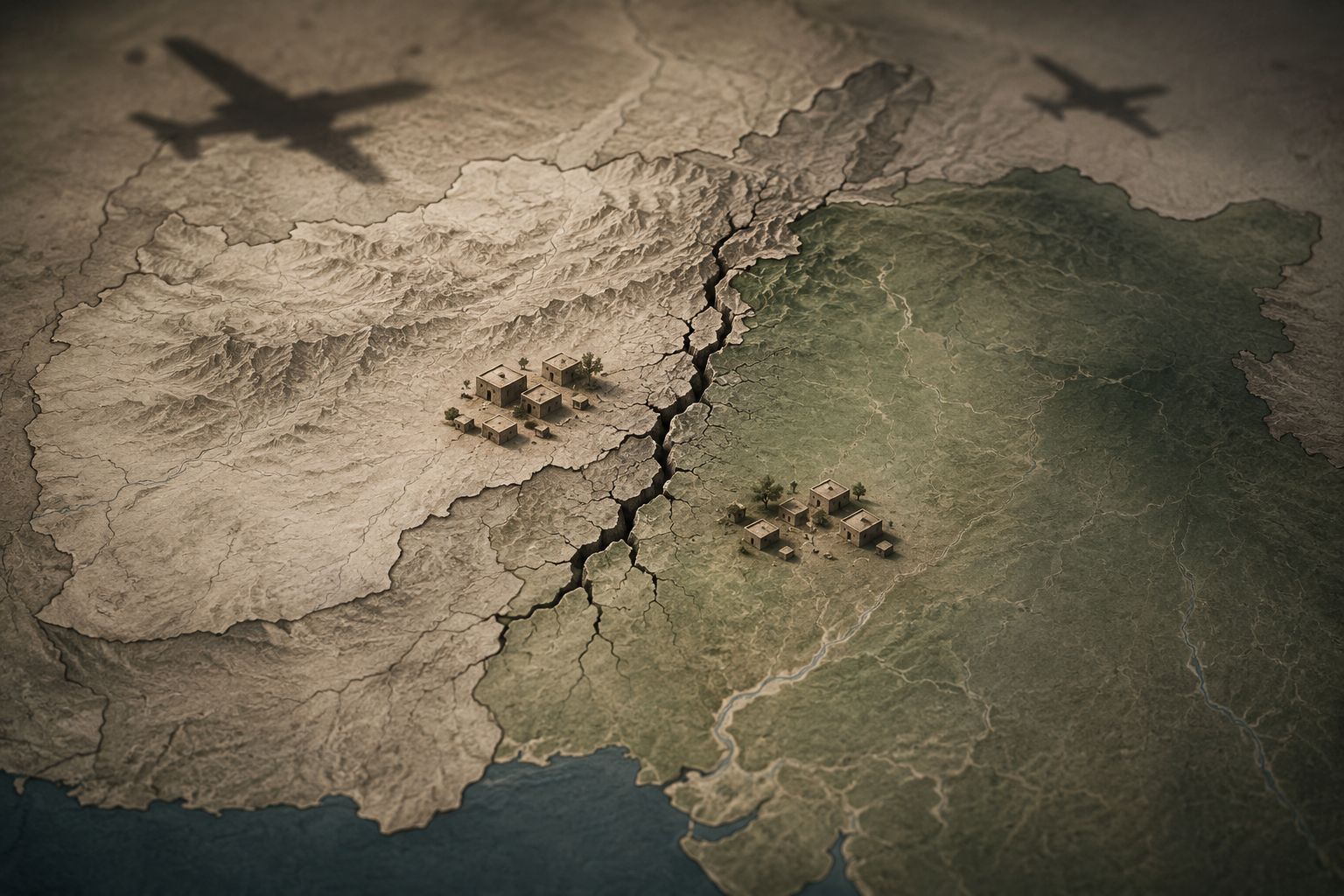
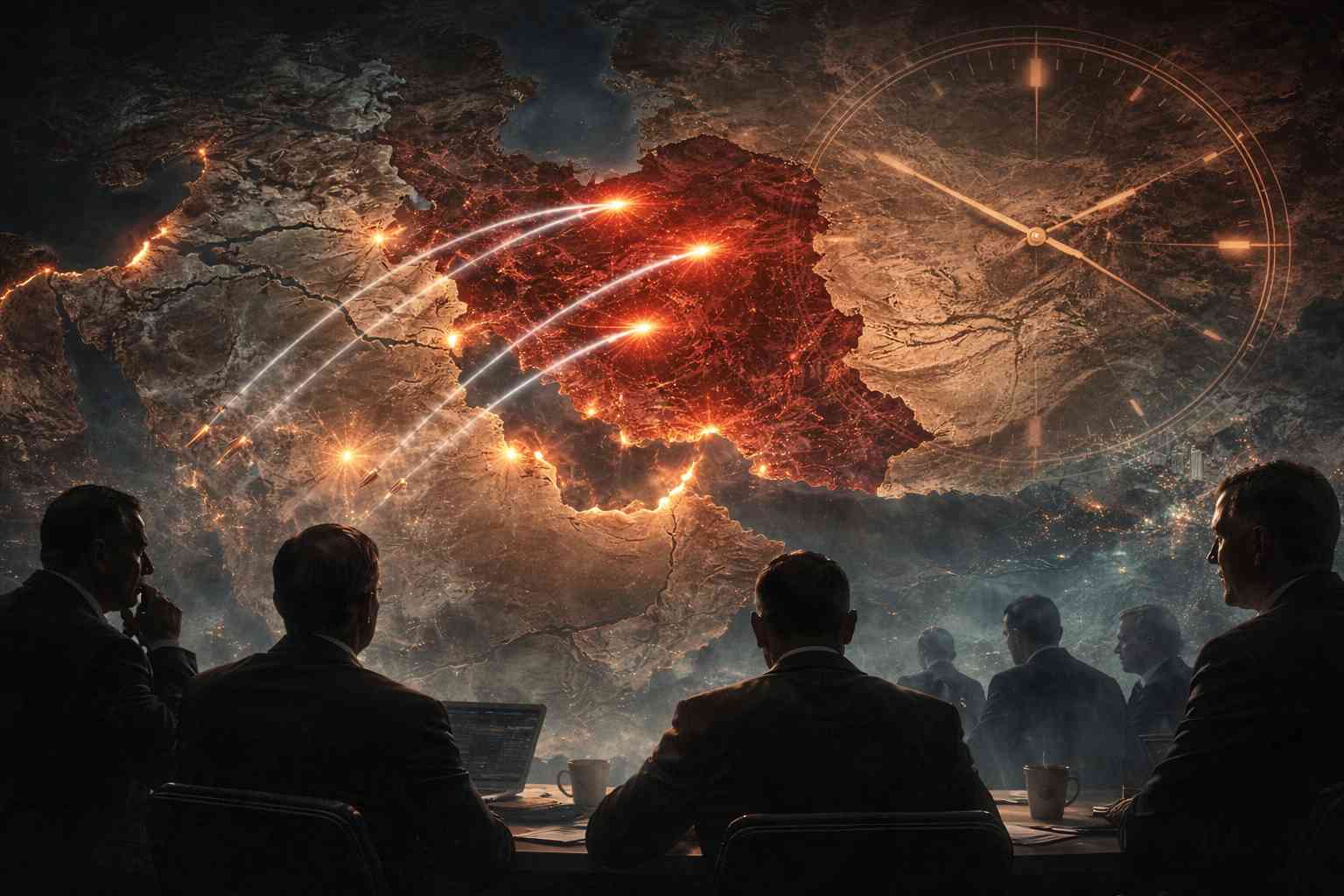
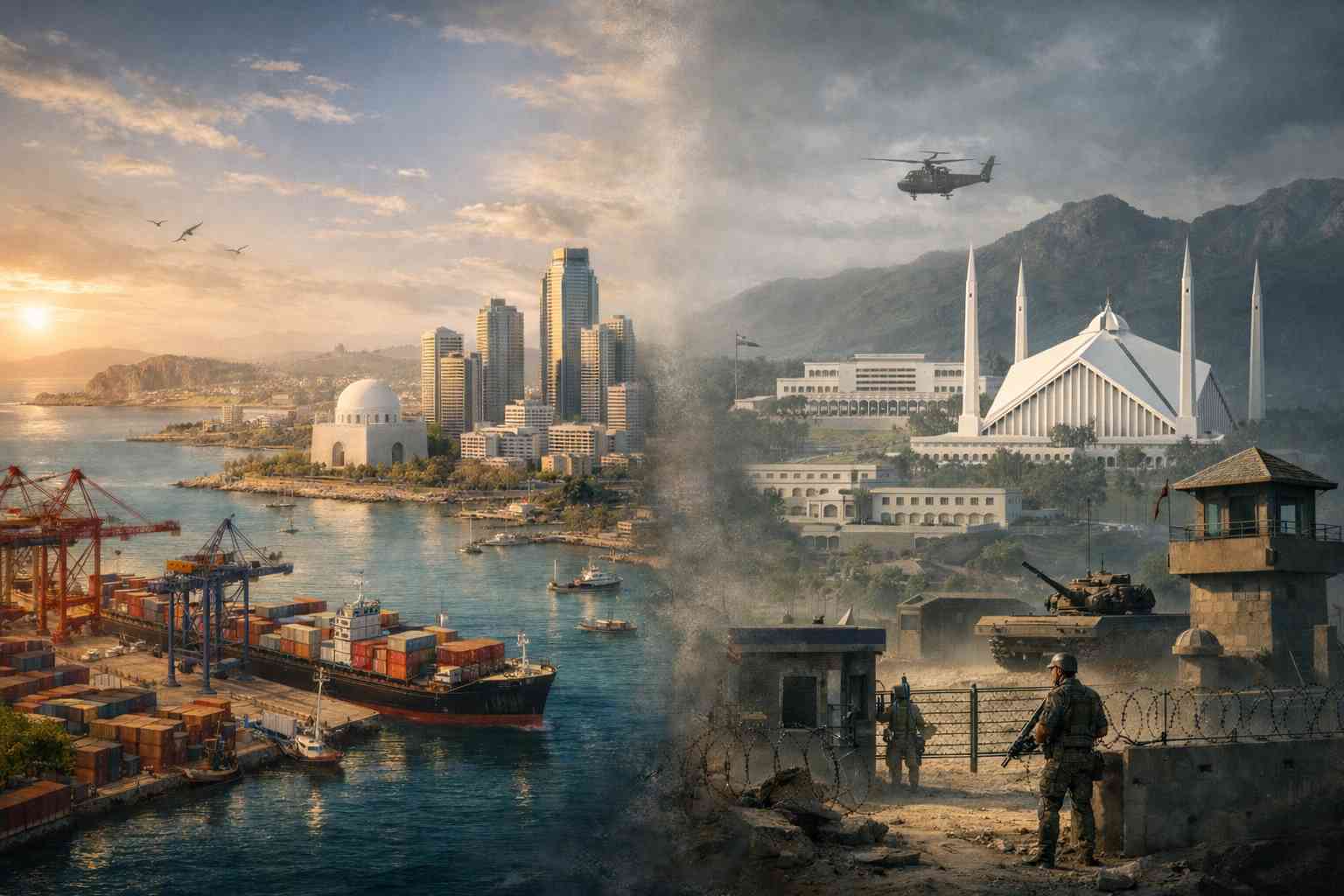
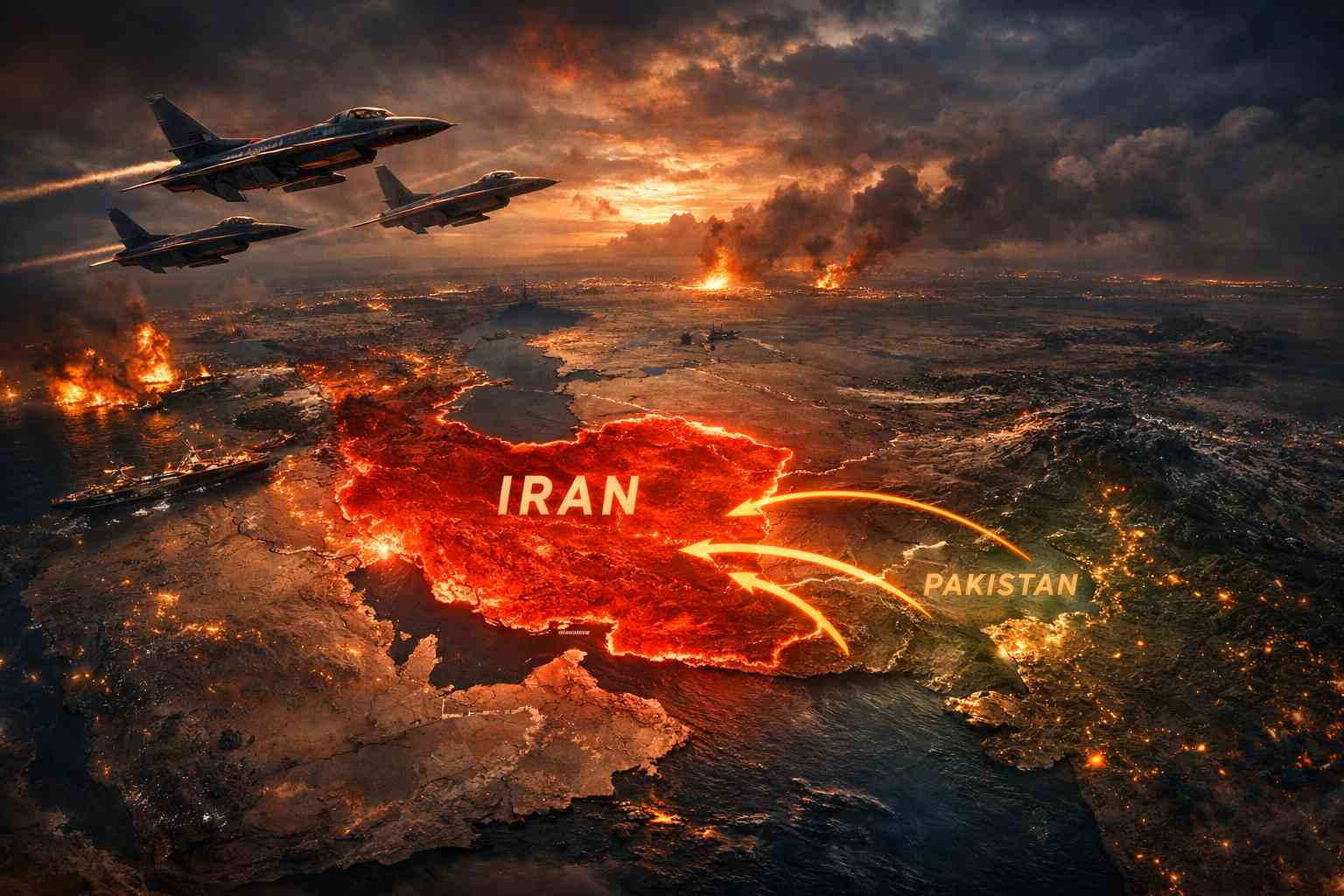
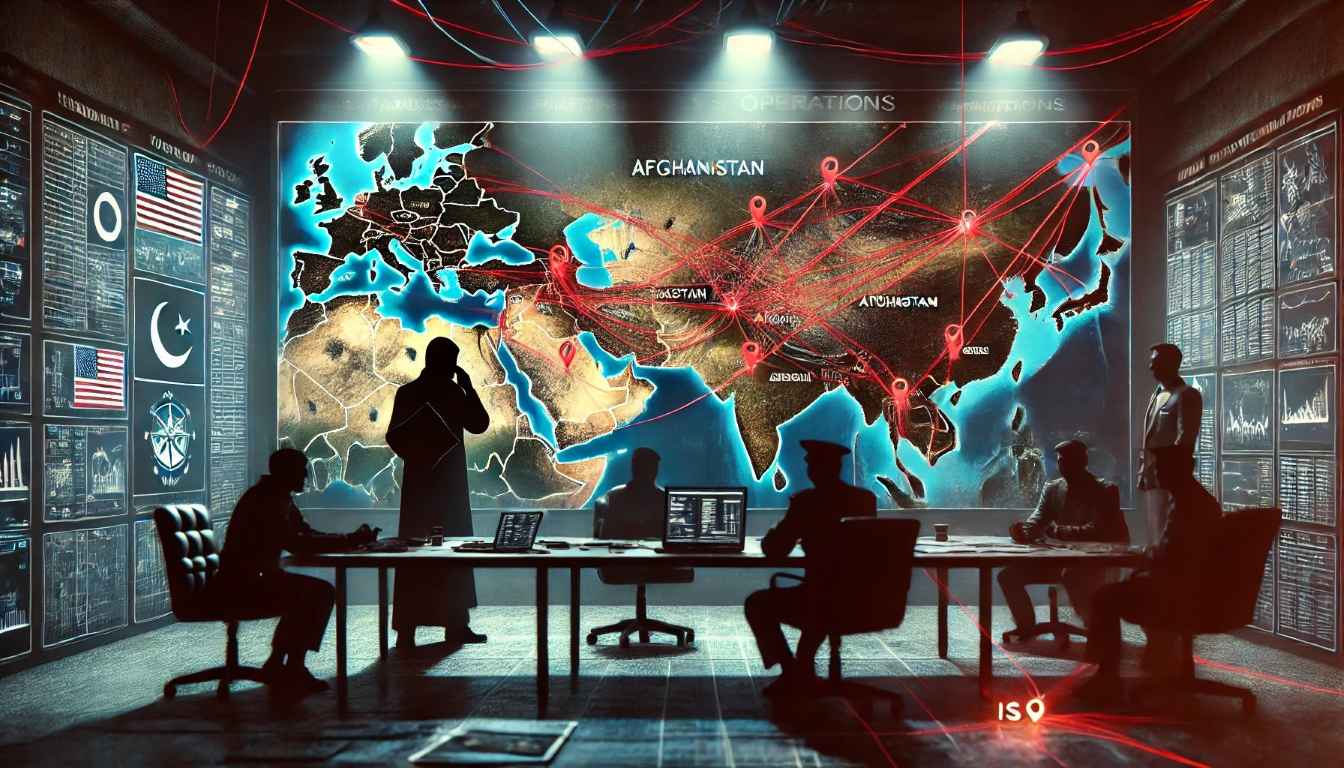
Pakistan’s latest airstrikes inside Afghanistan have reopened a question Pakistan’s rulers keep trying to avoid: can the Pakistan Afghan airstrikes solve a crisis that has become political, regional, and institutional at the same time?
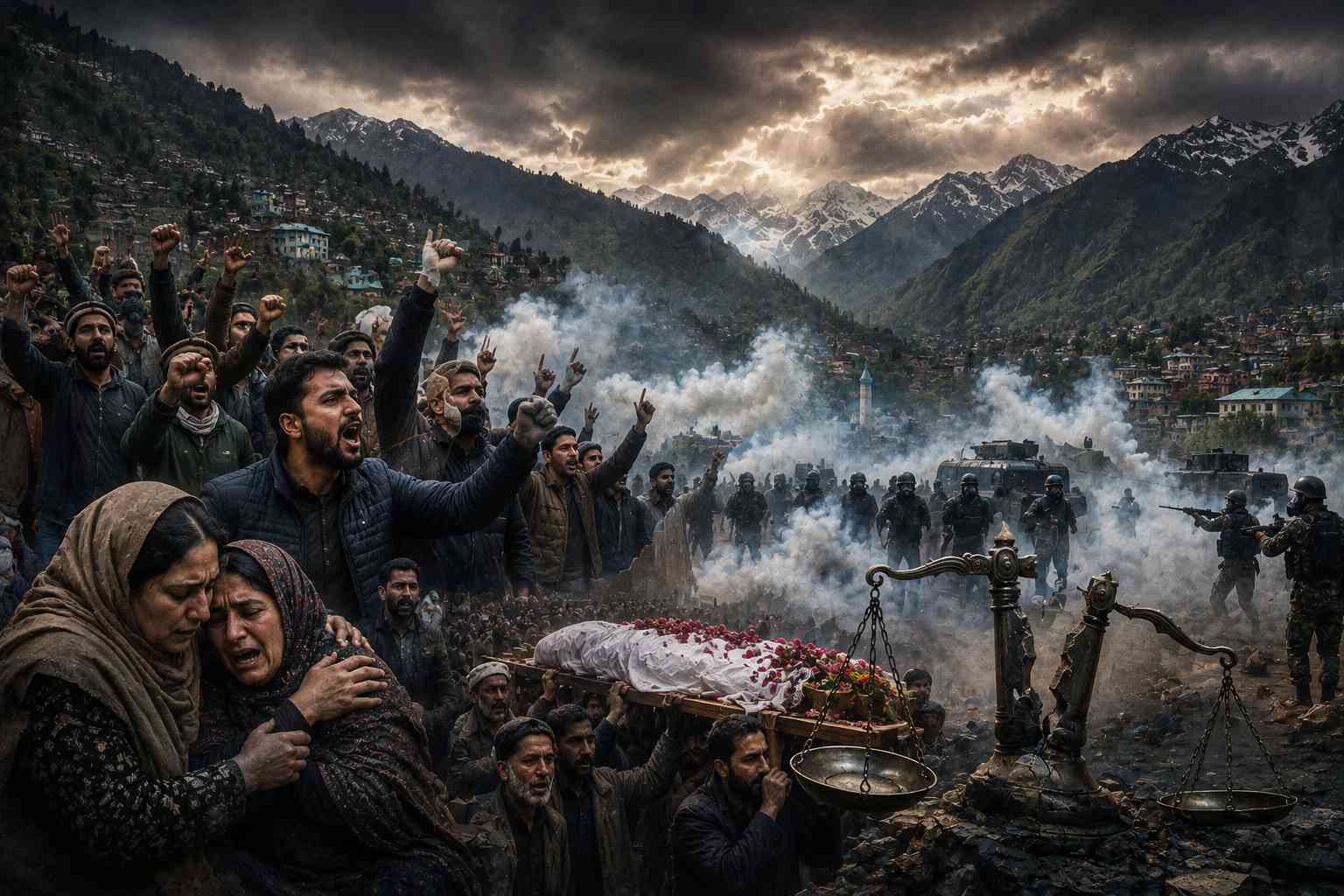
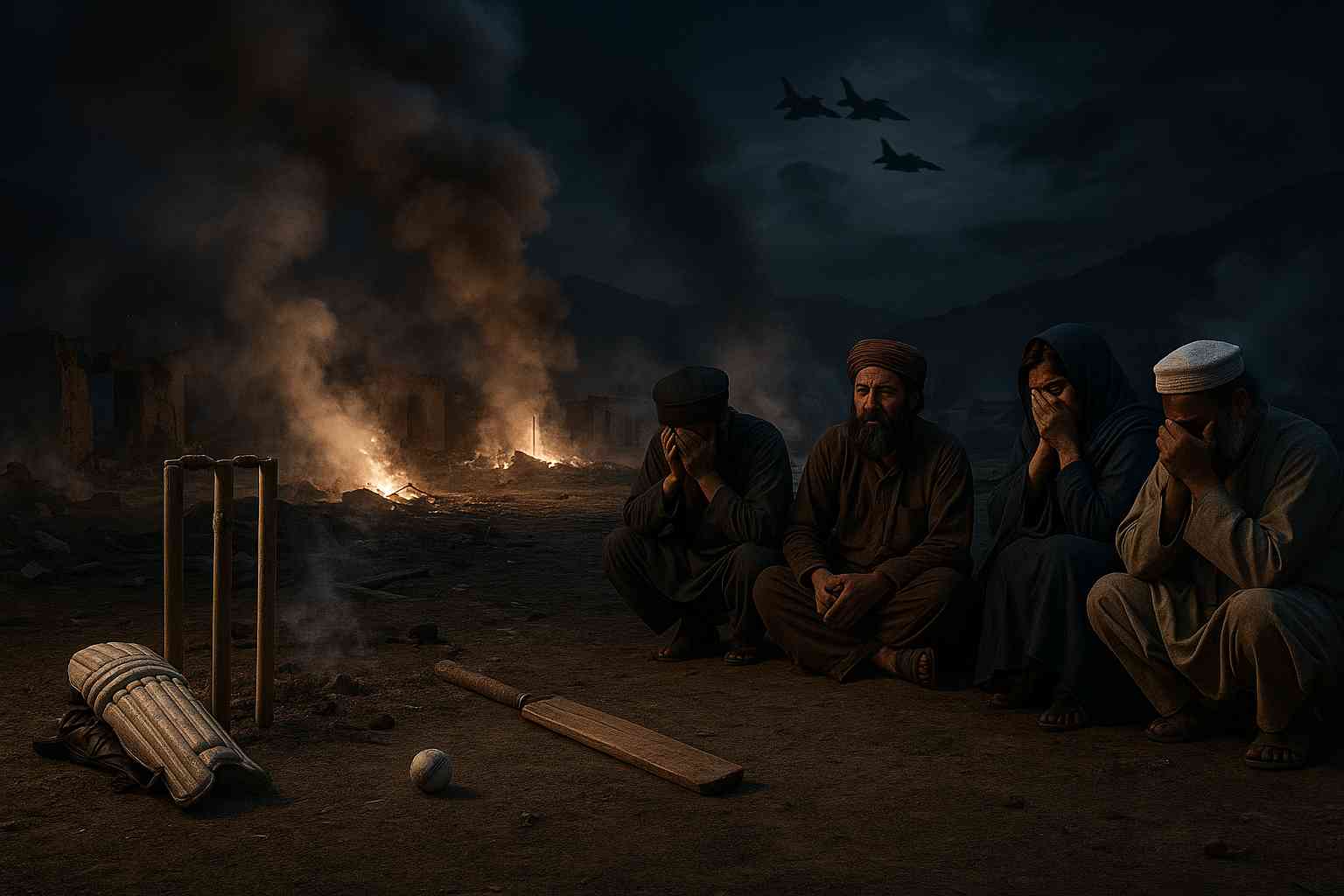
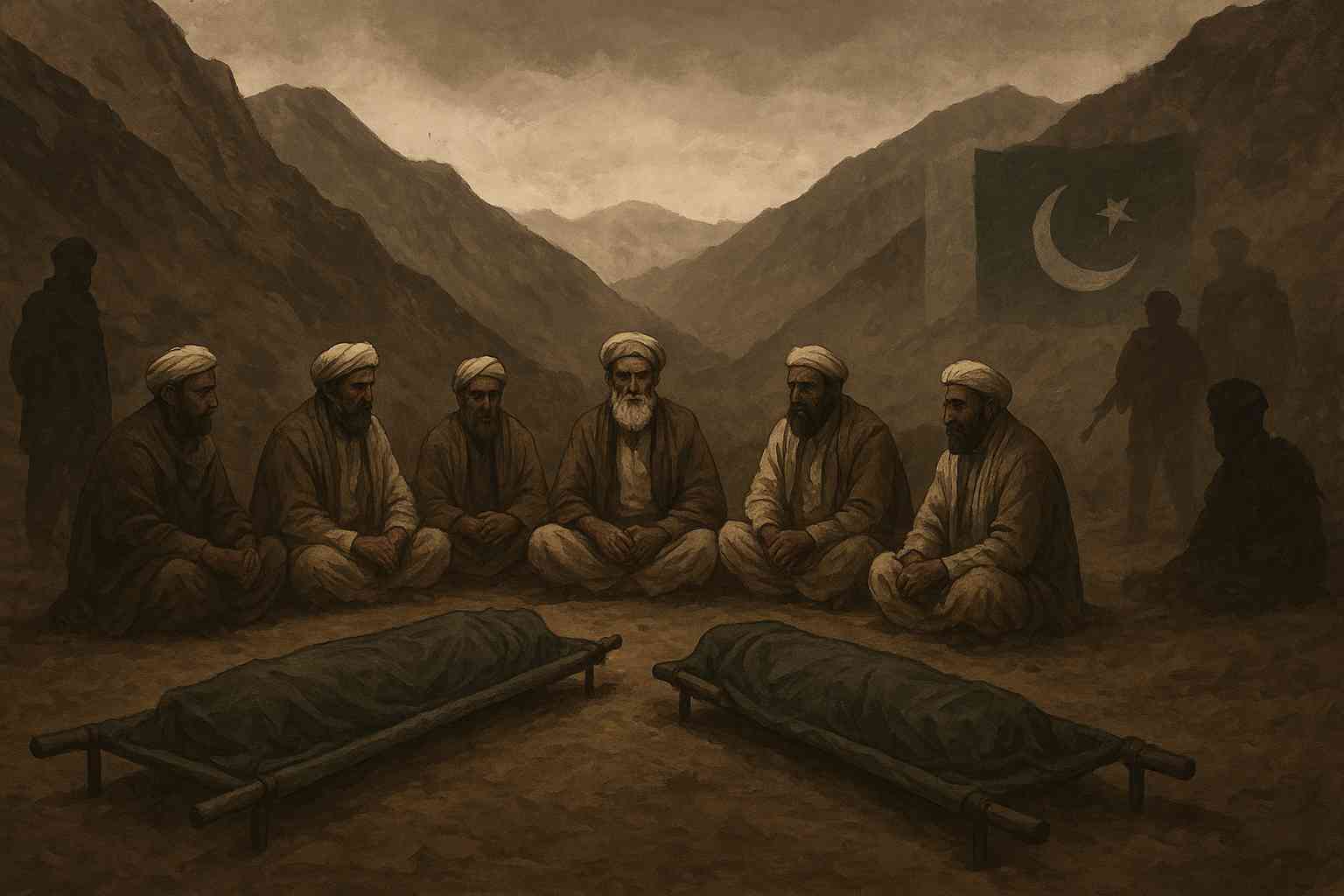
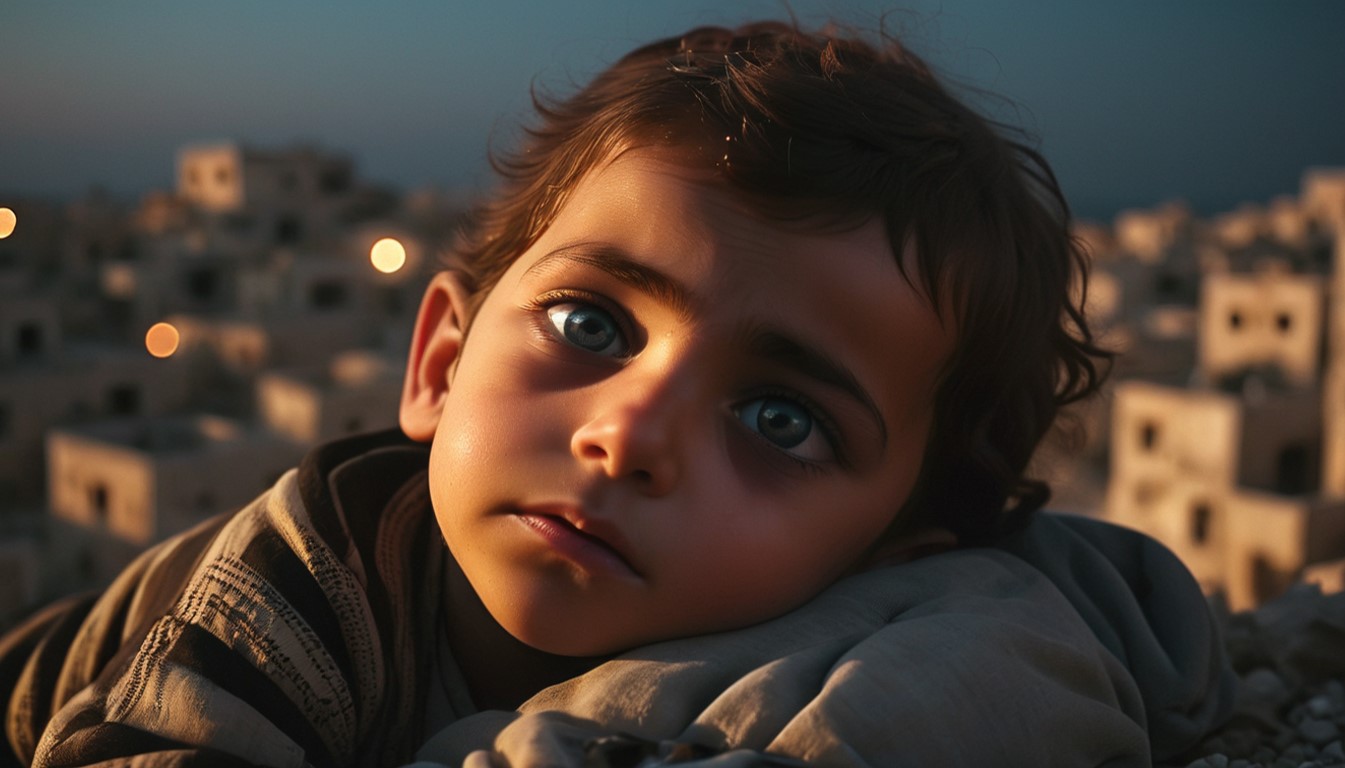
Islamabad says the strikes targeted militant hideouts linked to attacks inside Pakistan. Afghan authorities say civilians were killed. The United Nations Assistance Mission in Afghanistan documented civilian casualties, including women and children, after the strikes in eastern Afghanistan.
That confirmation changes the political weight of the episode. It does not settle every battlefield claim. One fact now stands out clearly: Pakistan’s conflict with militant networks across the Afghan border carries a civilian cost that can damage Pakistan’s legitimacy.
The Immediate Crisis Behind the Pakistan Afghan Airstrikes
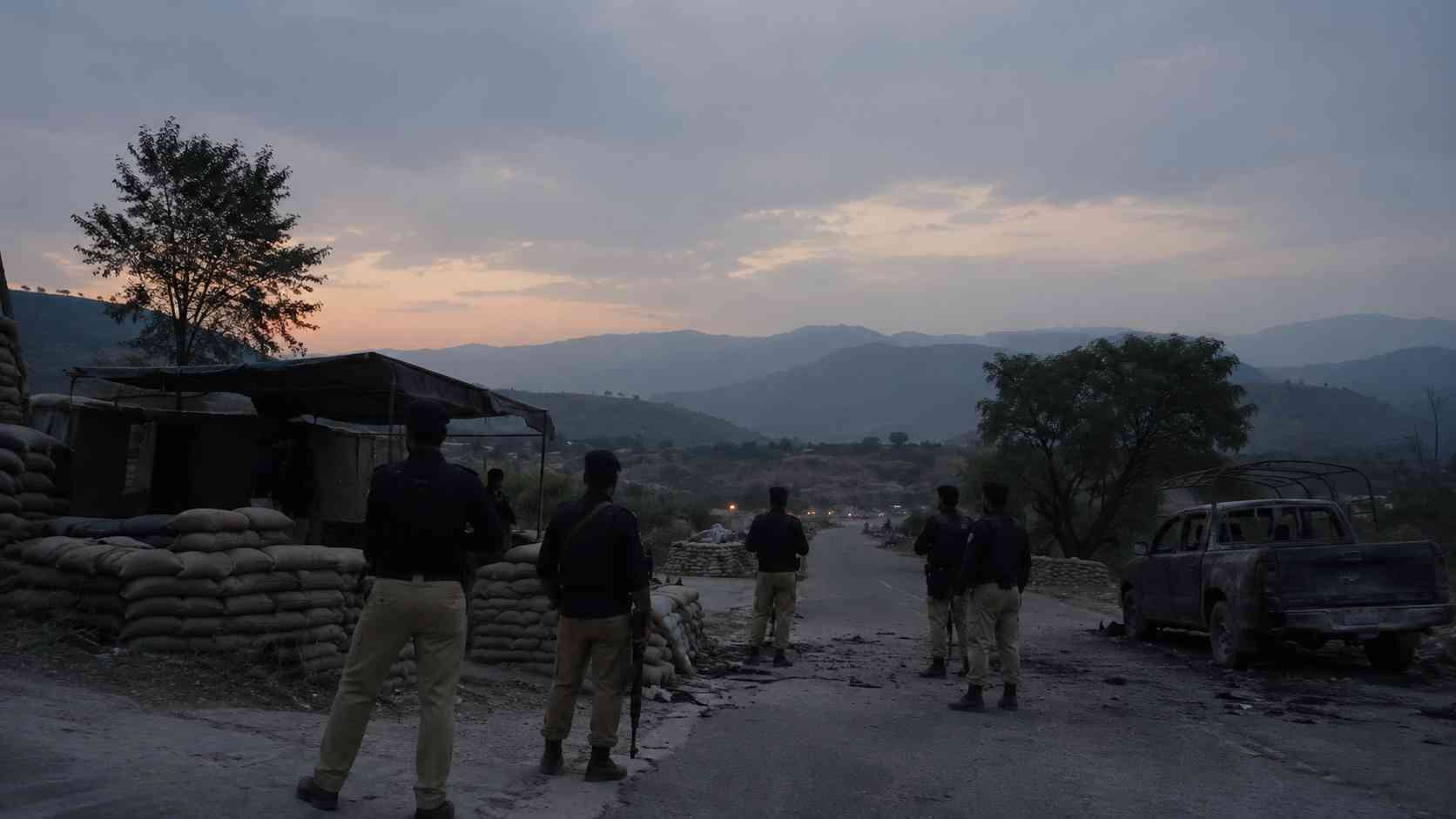
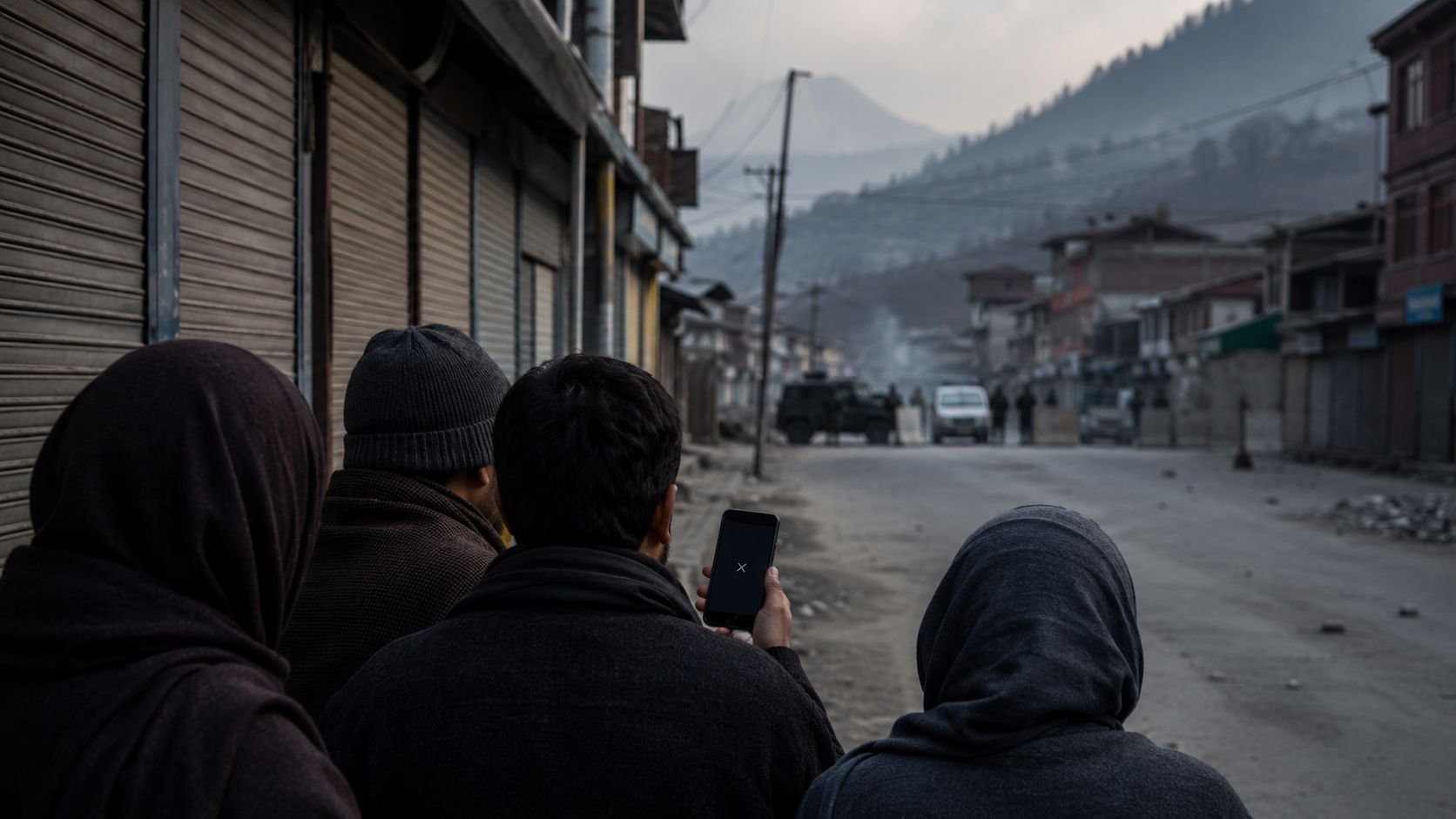
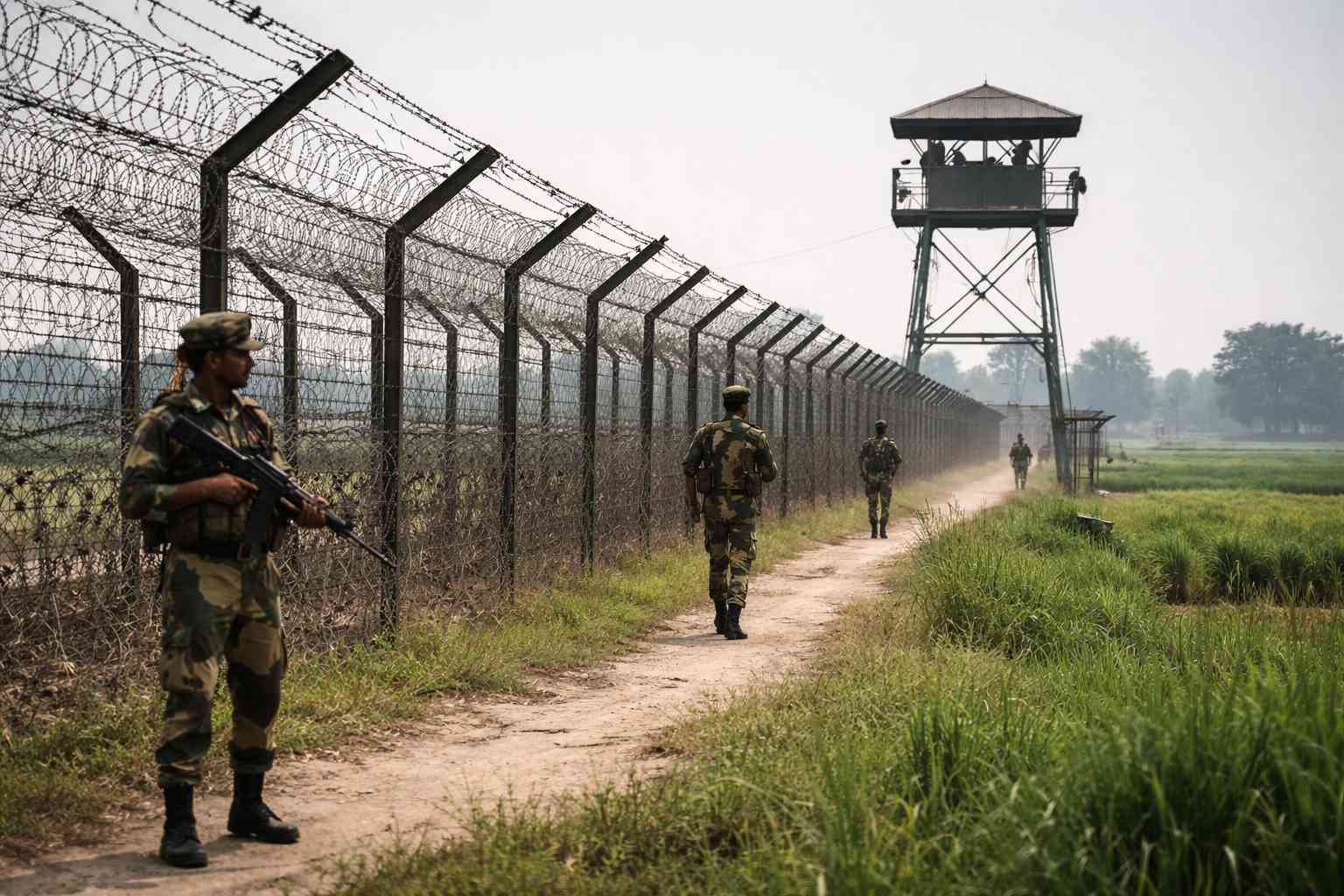
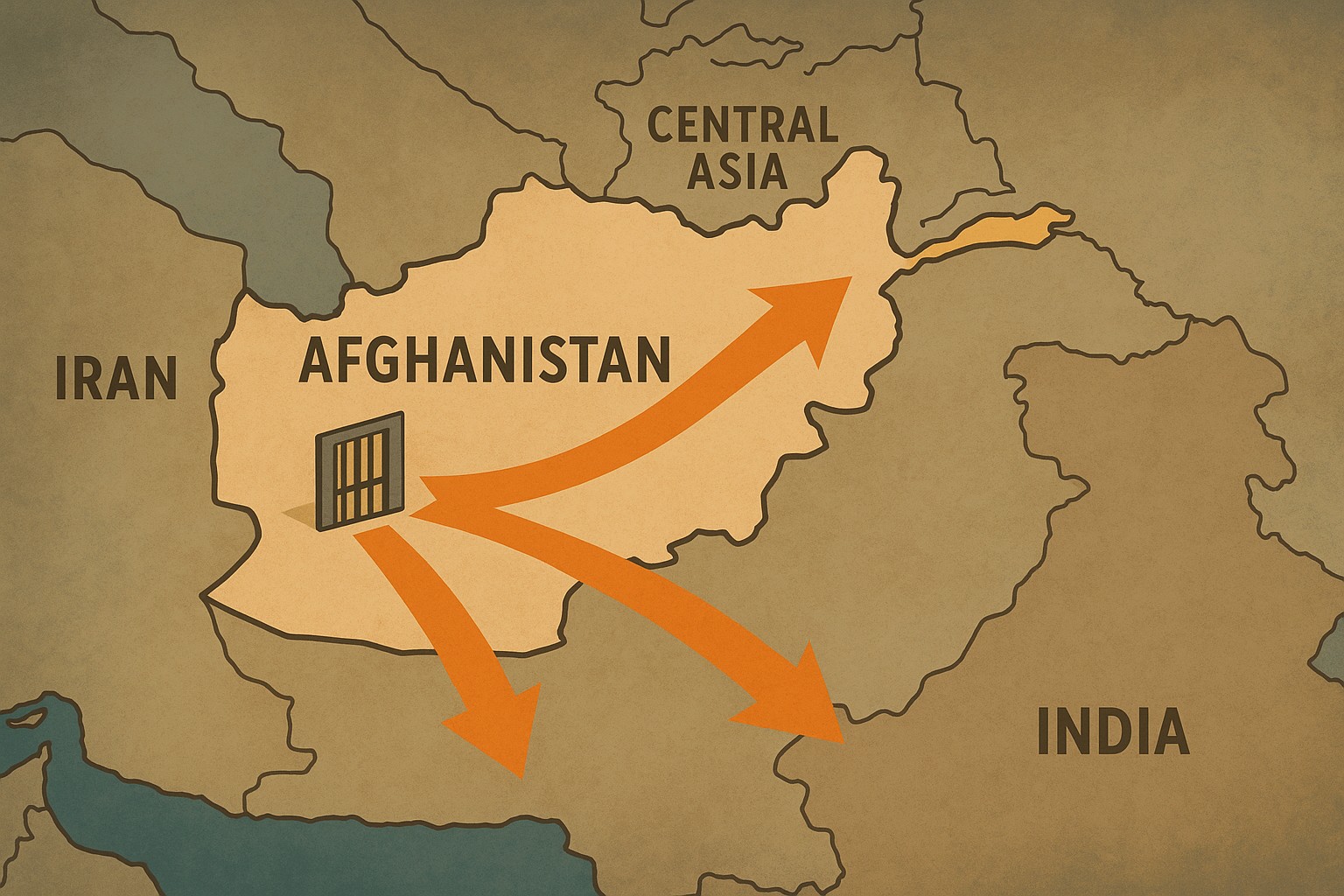
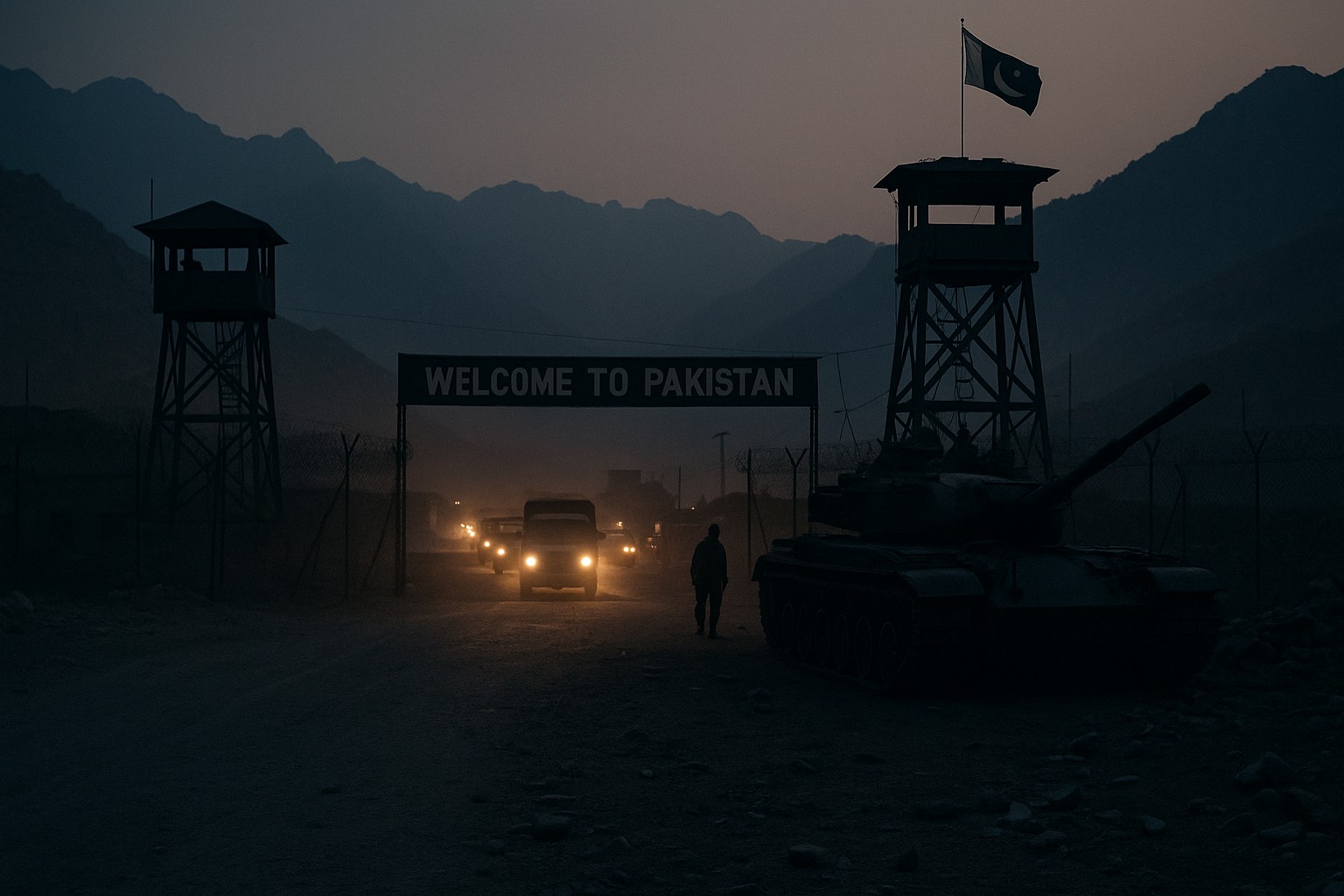
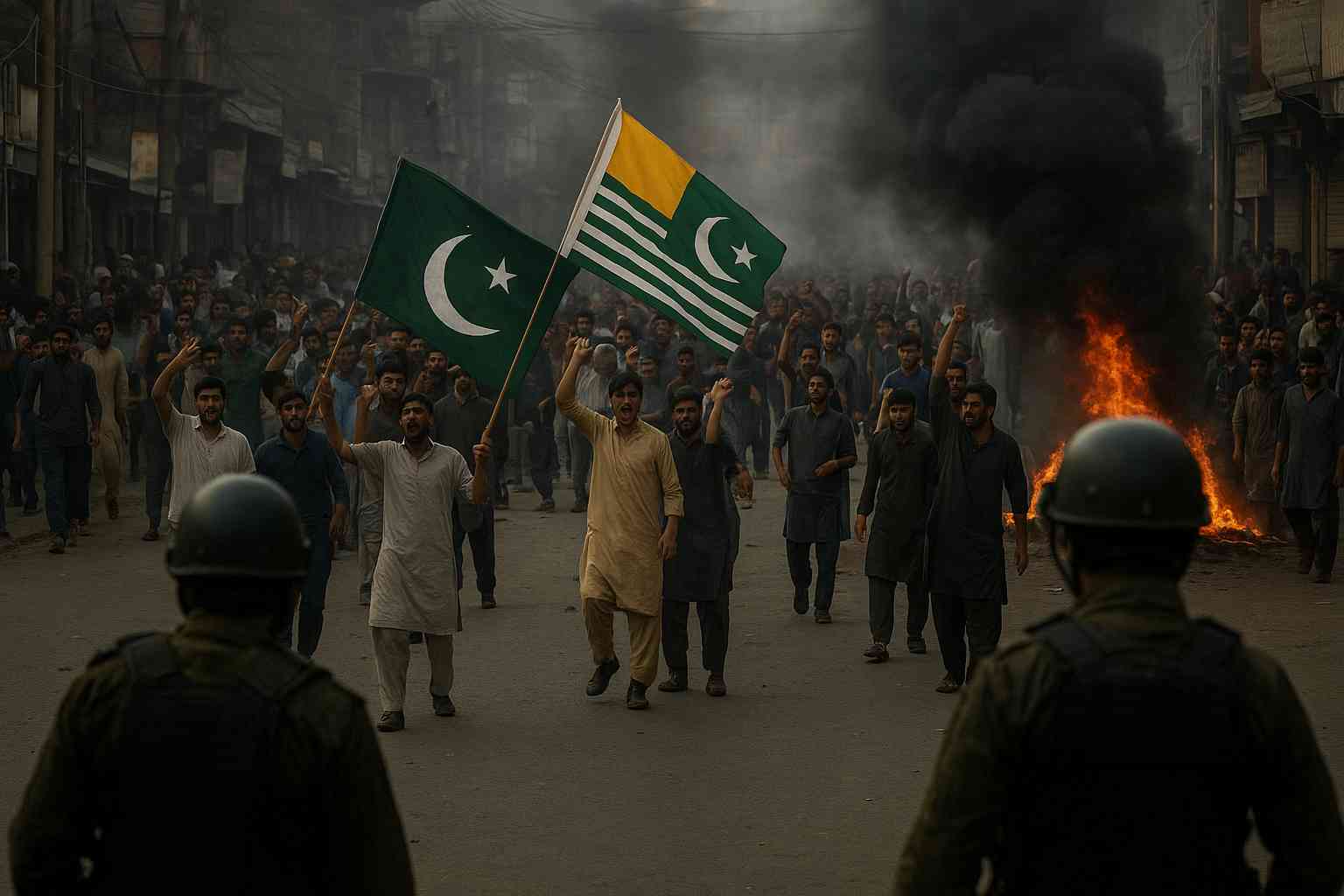
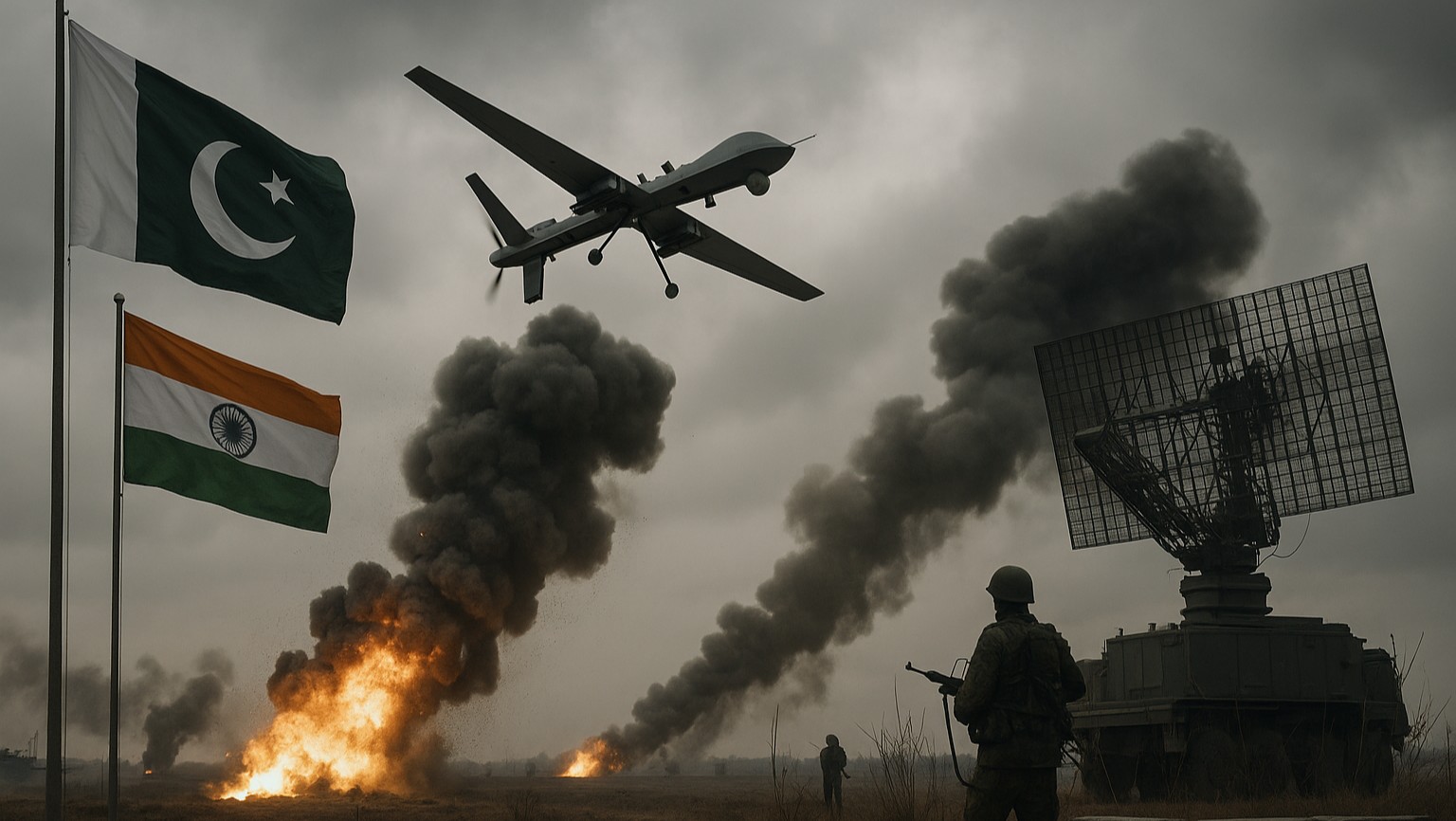
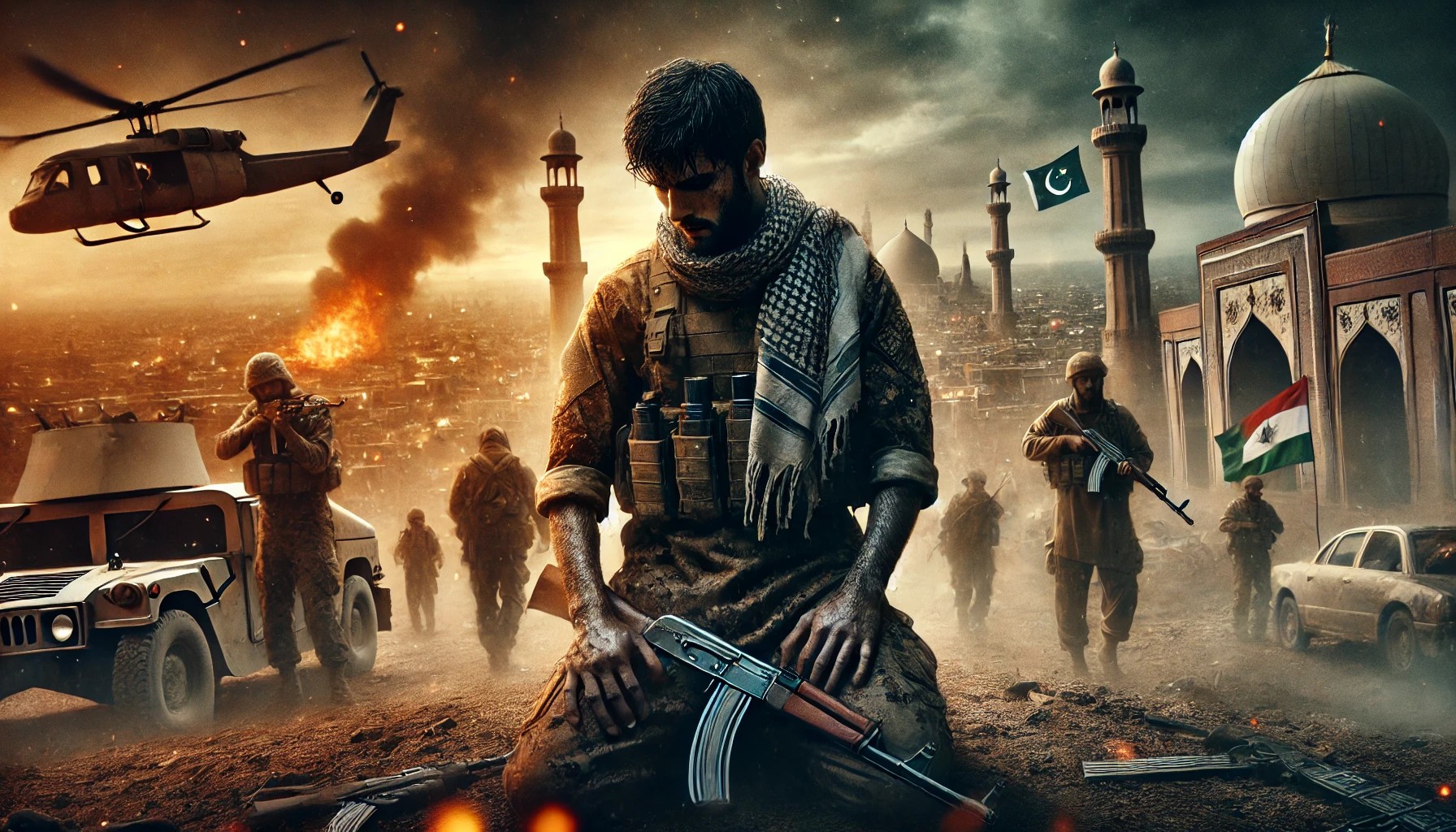
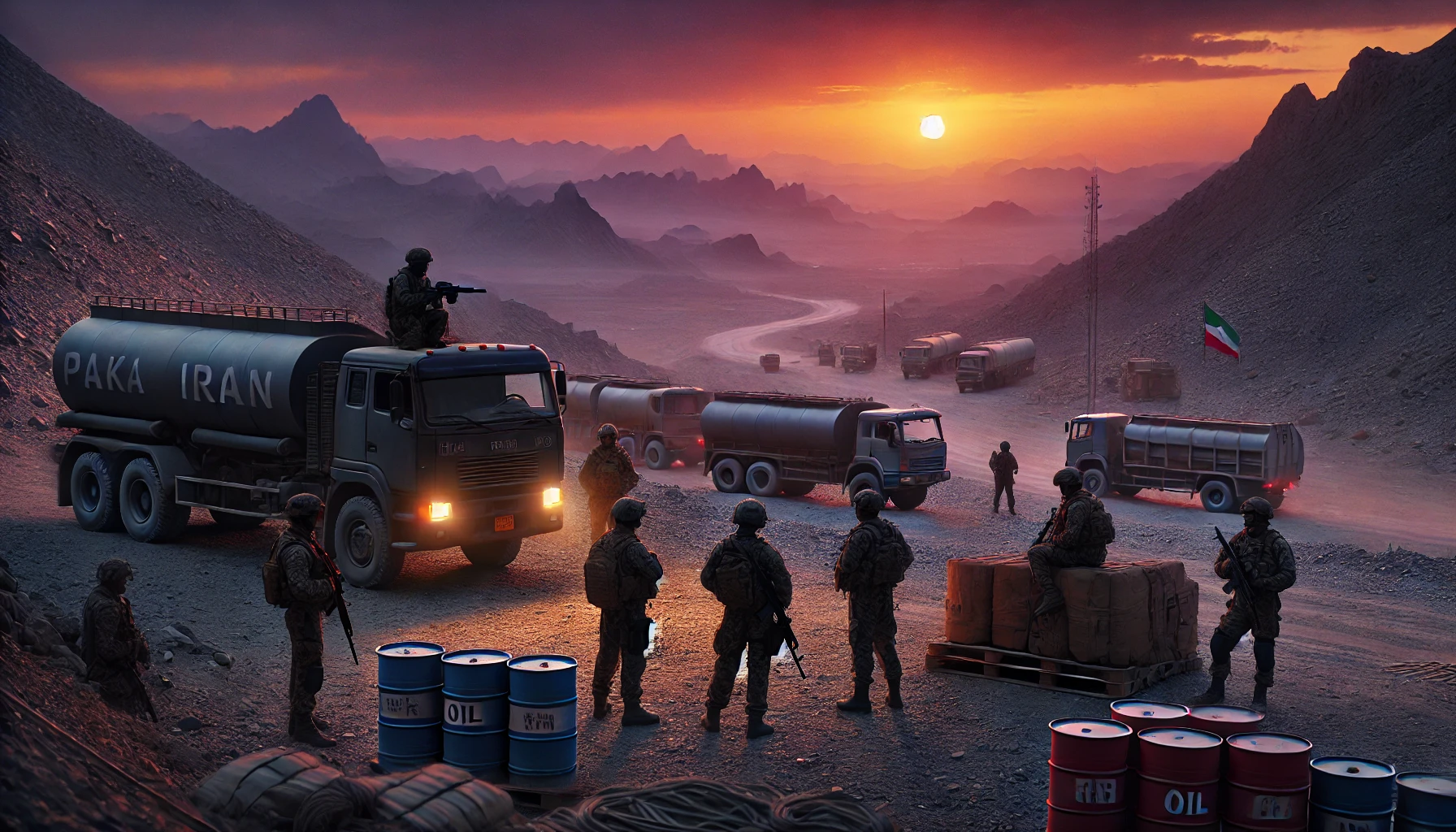
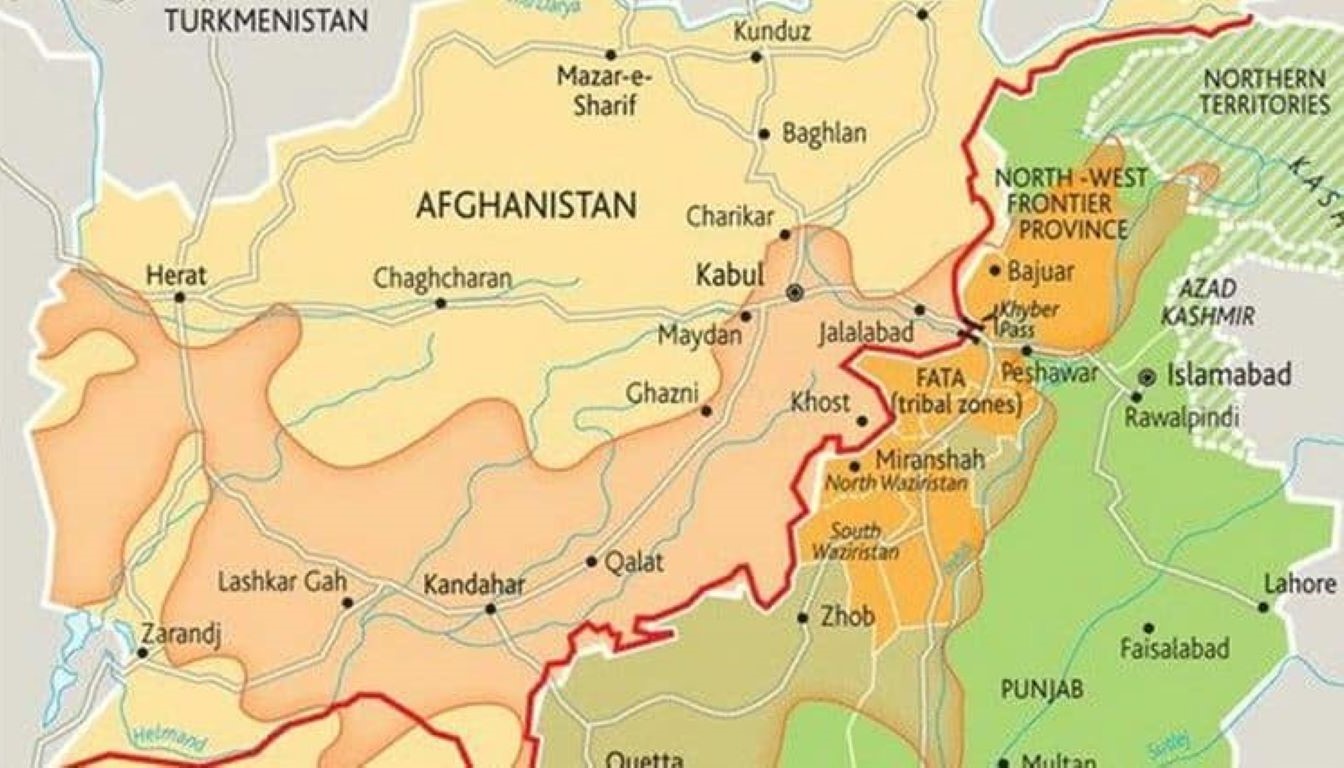
The strikes hit eastern Afghan provinces including Khost, Kunar, and Paktika, according to international reporting on the cross-border attacks. Pakistan said it struck militant infrastructure and claimed militants were killed. Afghan officials said civilians died, including children.
Both sides often issue conflicting casualty claims. Careful sourcing matters in this environment. In this case, UNAMA’s civilian casualty documentation gives the story a firmer basis than official claims alone.
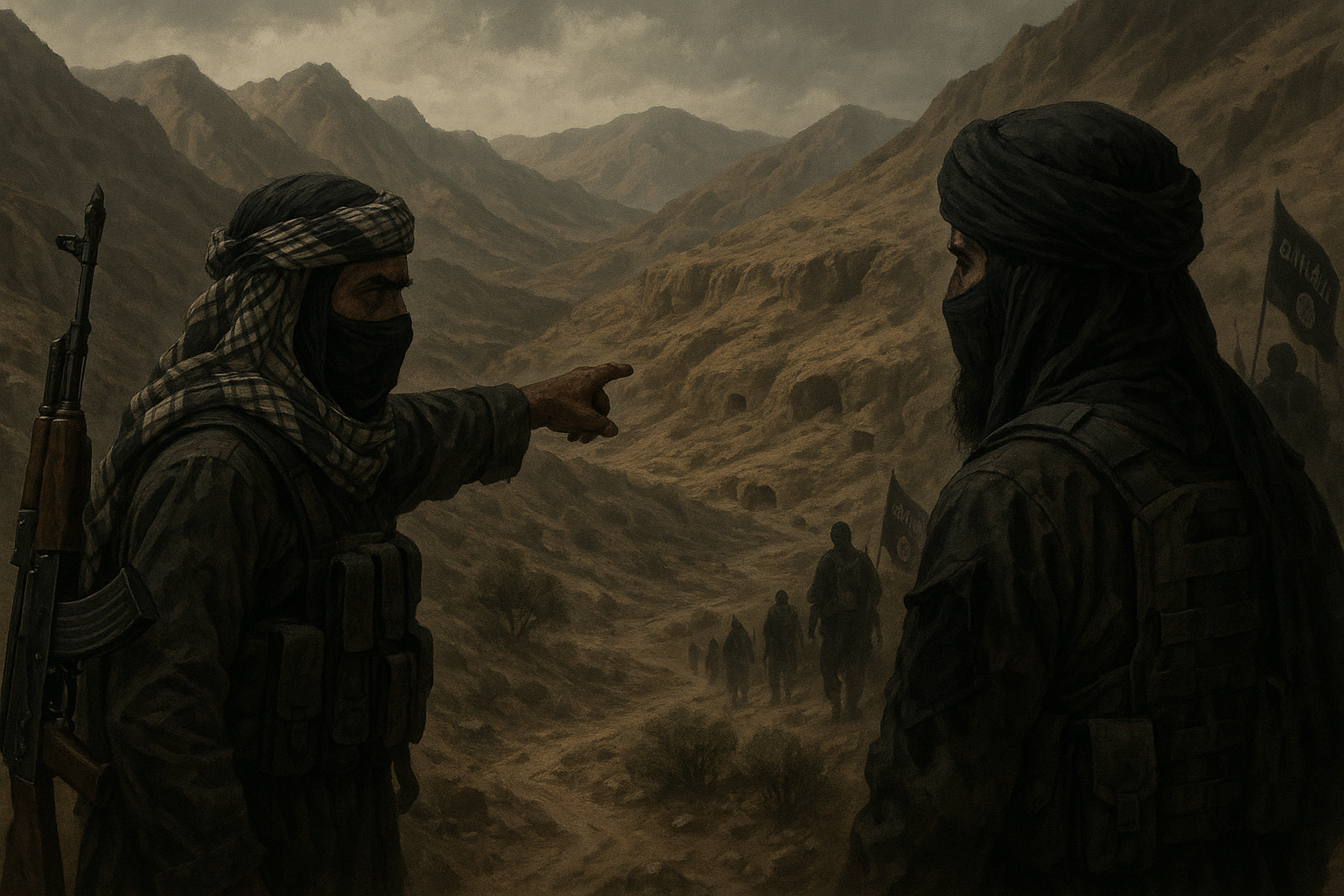
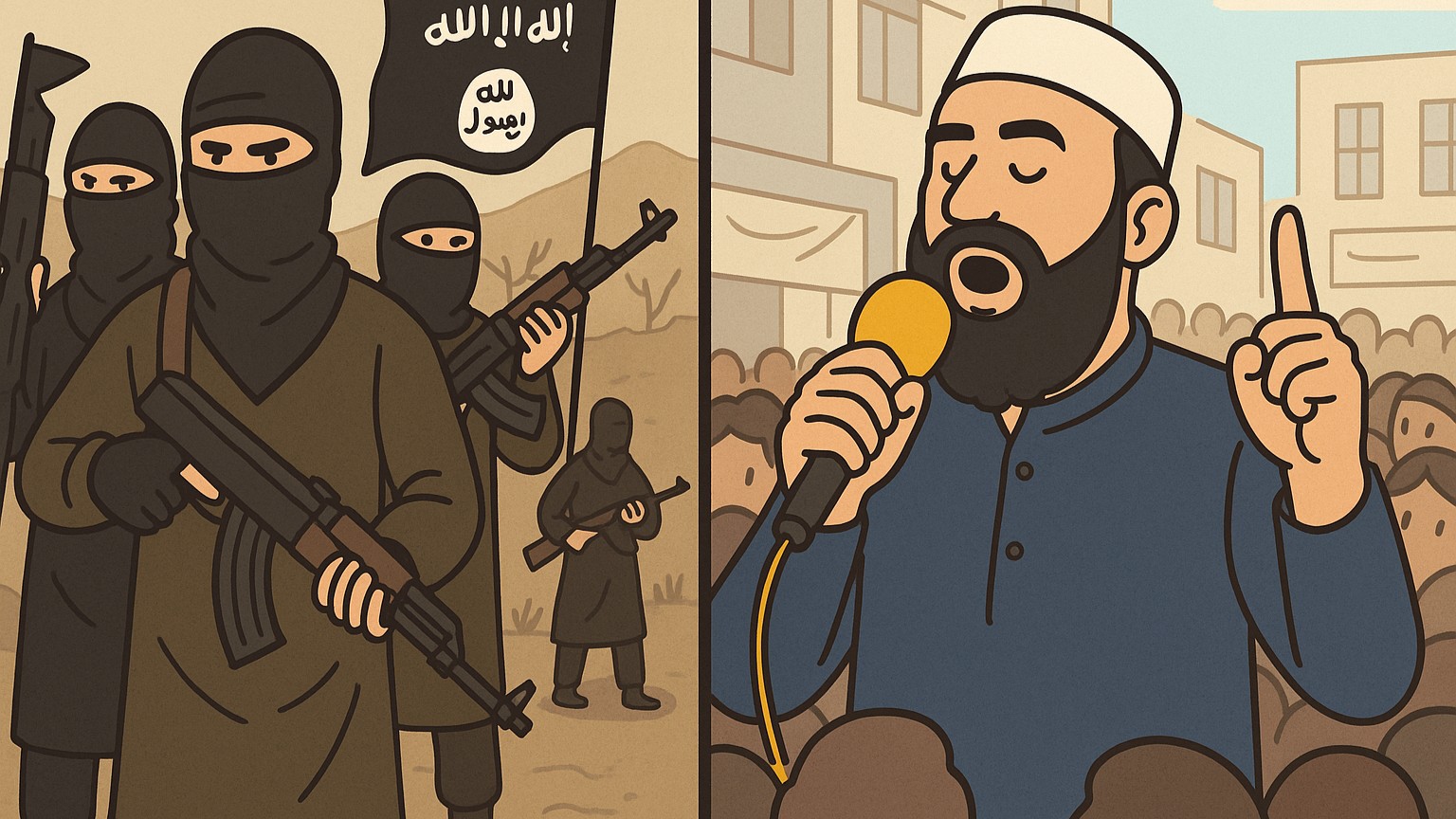
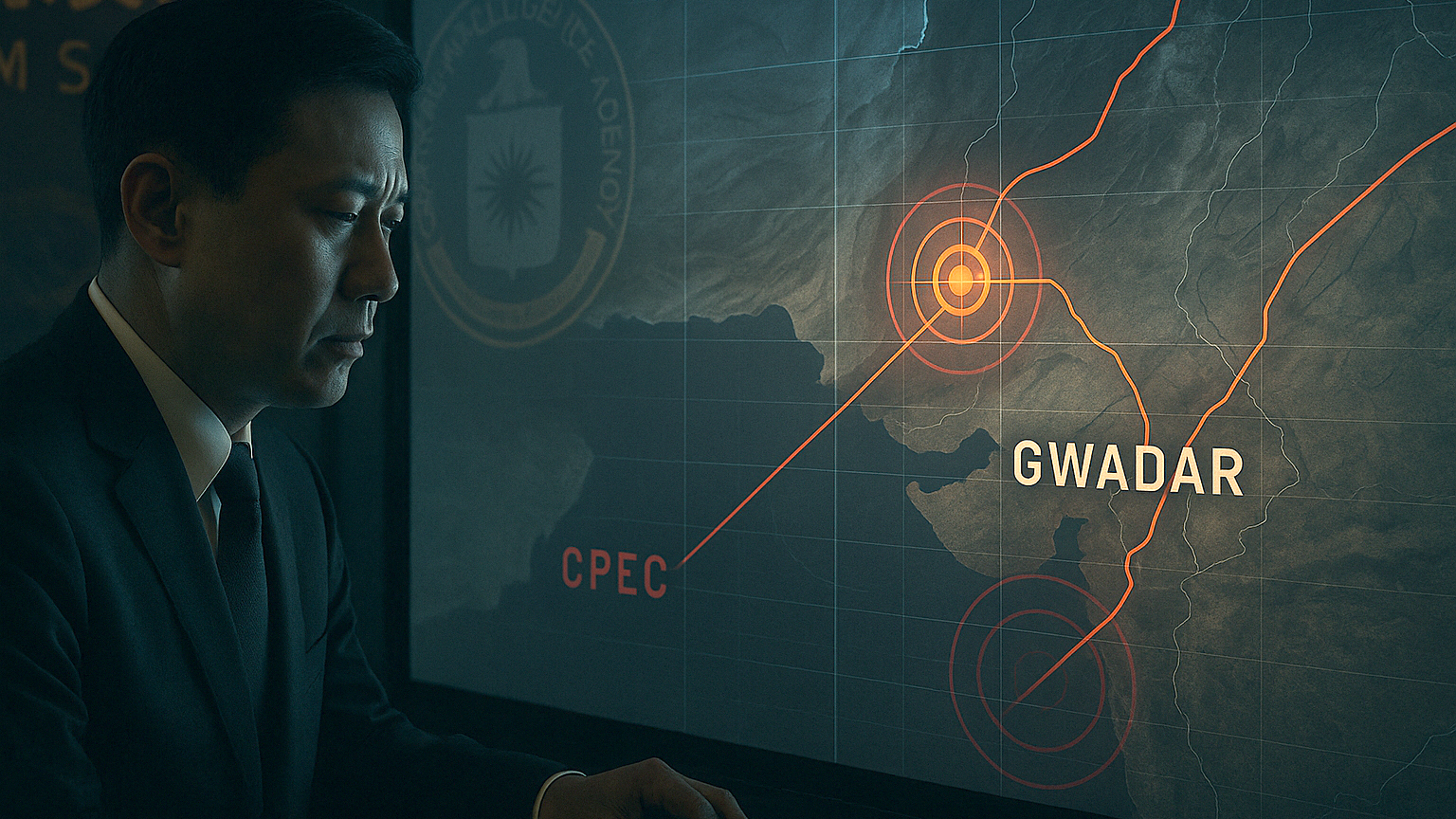
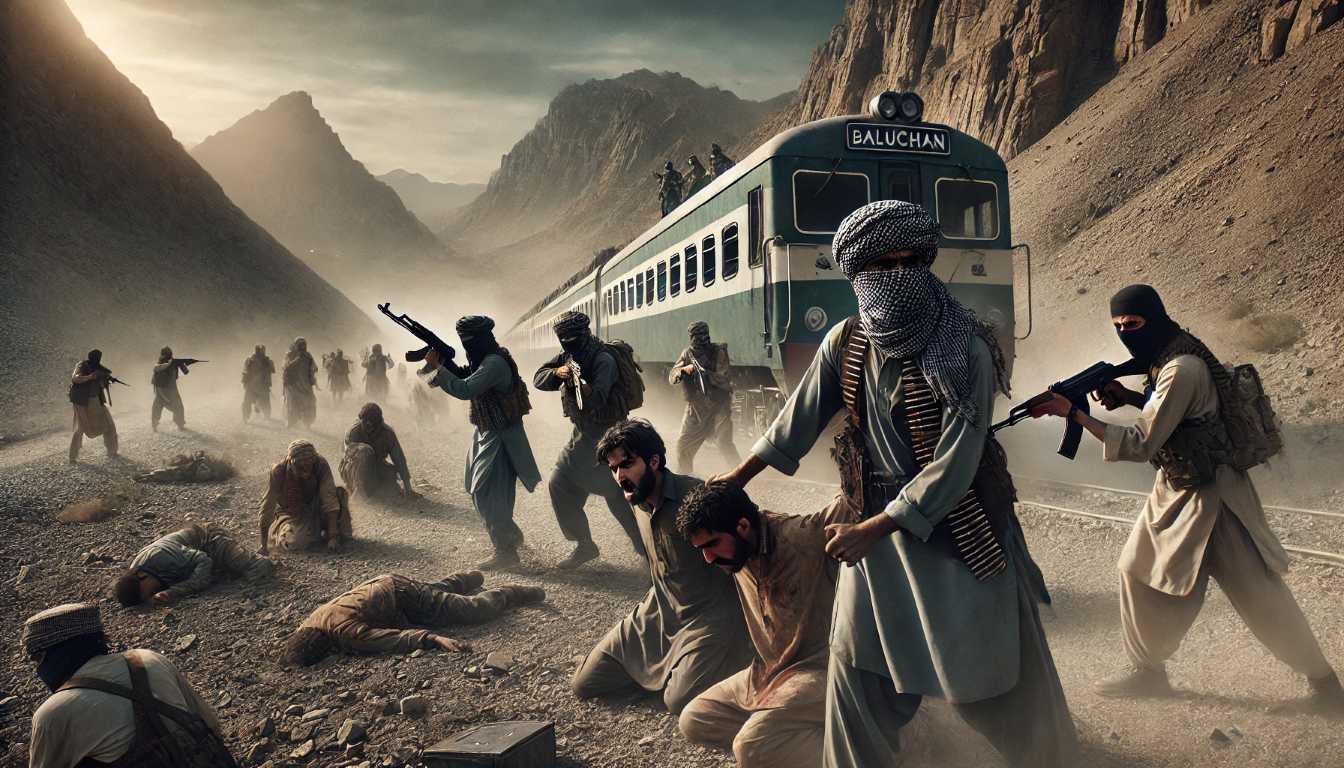
Pakistan’s core grievance remains serious. The Tehreek-e-Taliban Pakistan has carried out deadly attacks inside Pakistan. Islamabad accuses Afghan territory of serving as a base for TTP planning, movement, and refuge. Kabul denies that it allows Afghan soil to be used against Pakistan.
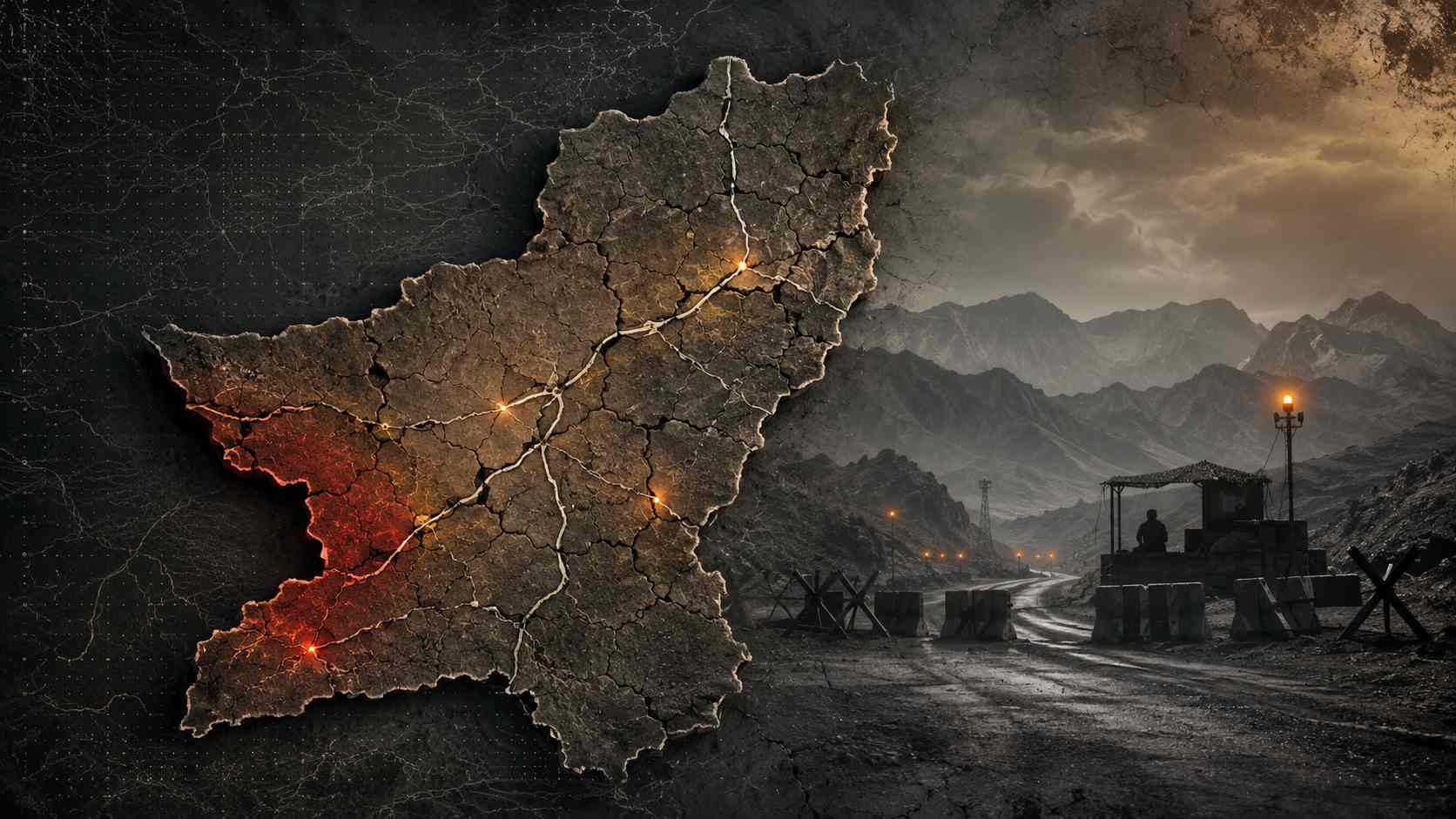
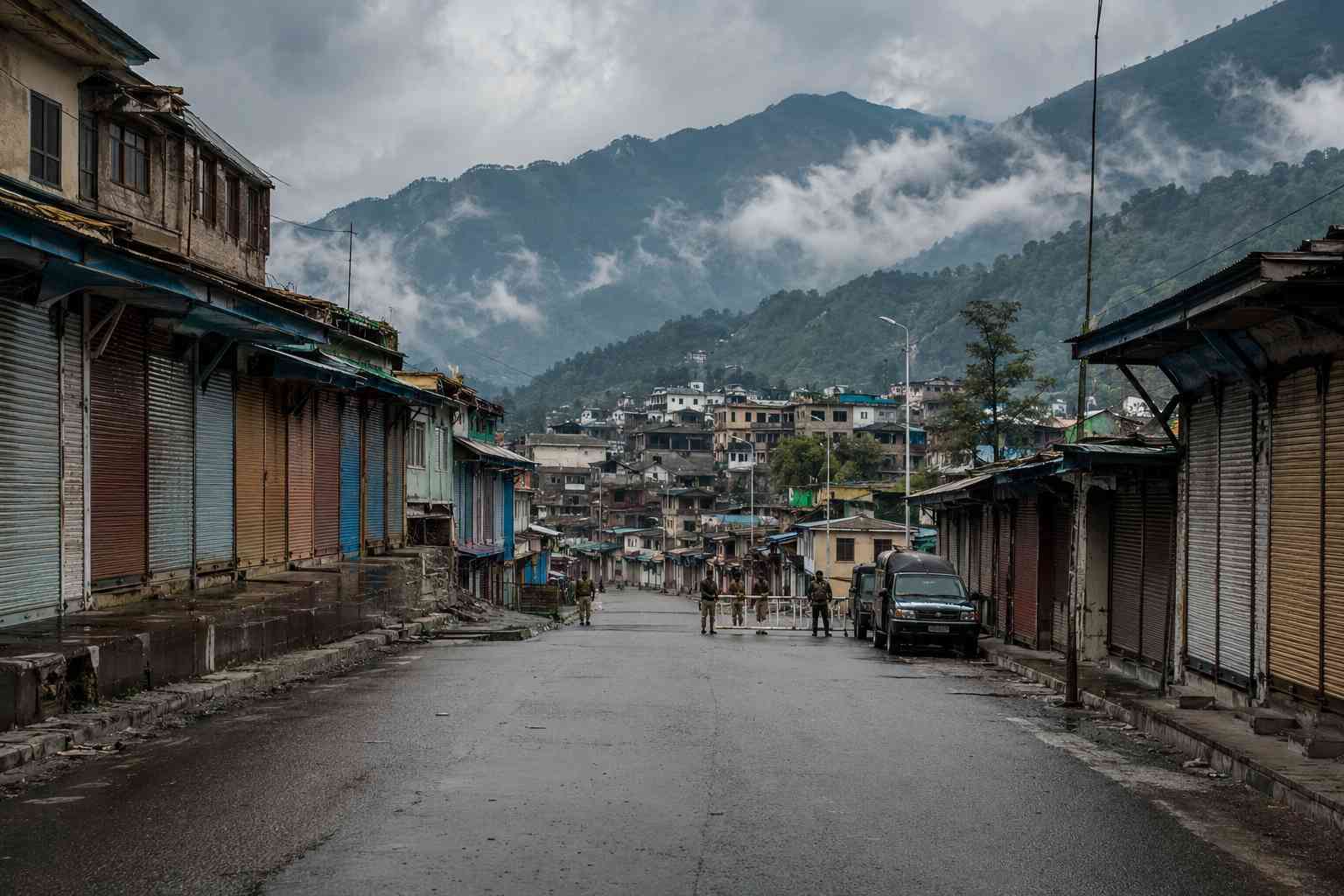
This dispute has now moved beyond diplomatic language. Since February, the Pakistan-Afghanistan frontier has seen repeated strikes, clashes, accusations, and failed mediation efforts. The latest attack ended a brief period of relative calm.
A Doctrine Under Strain
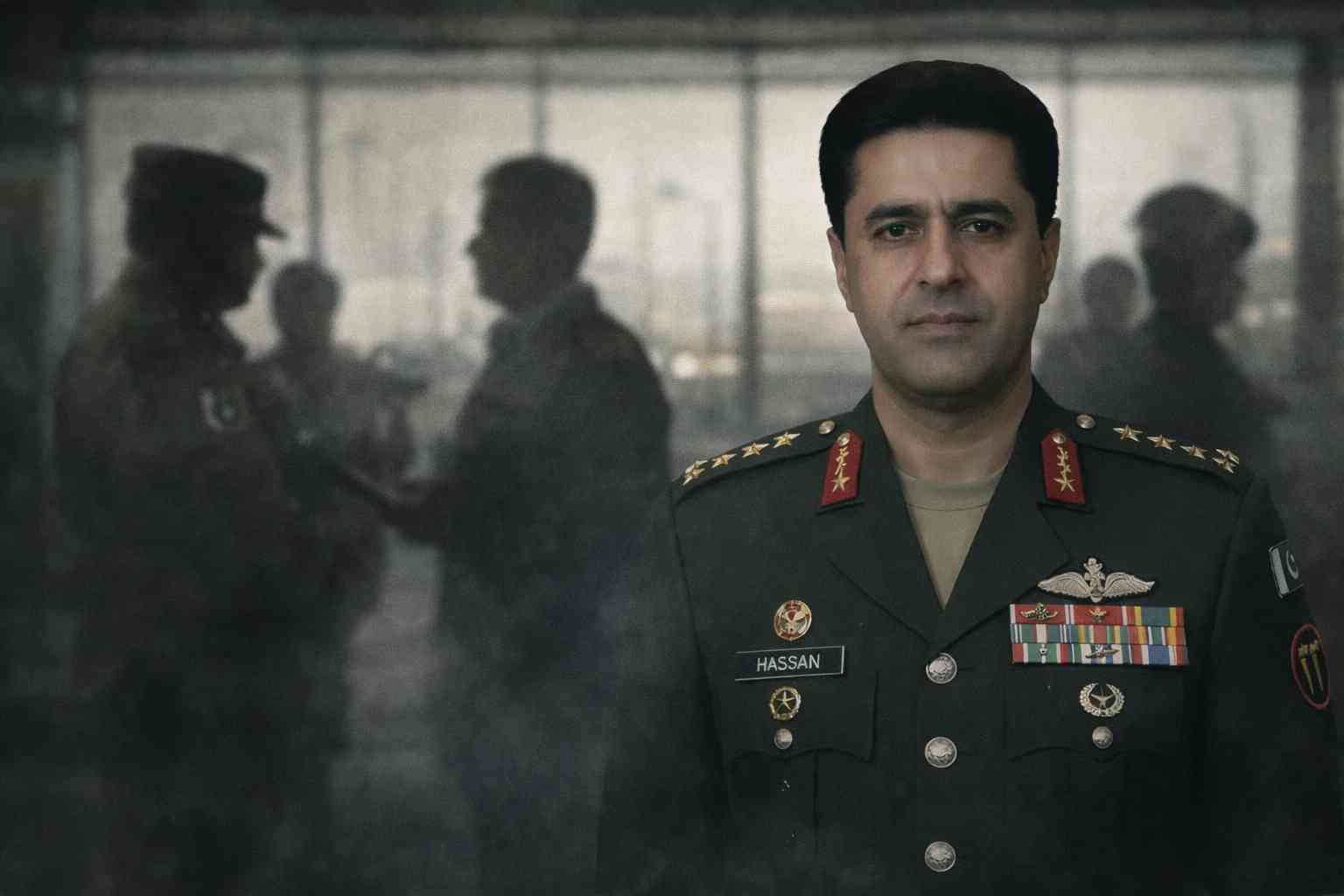
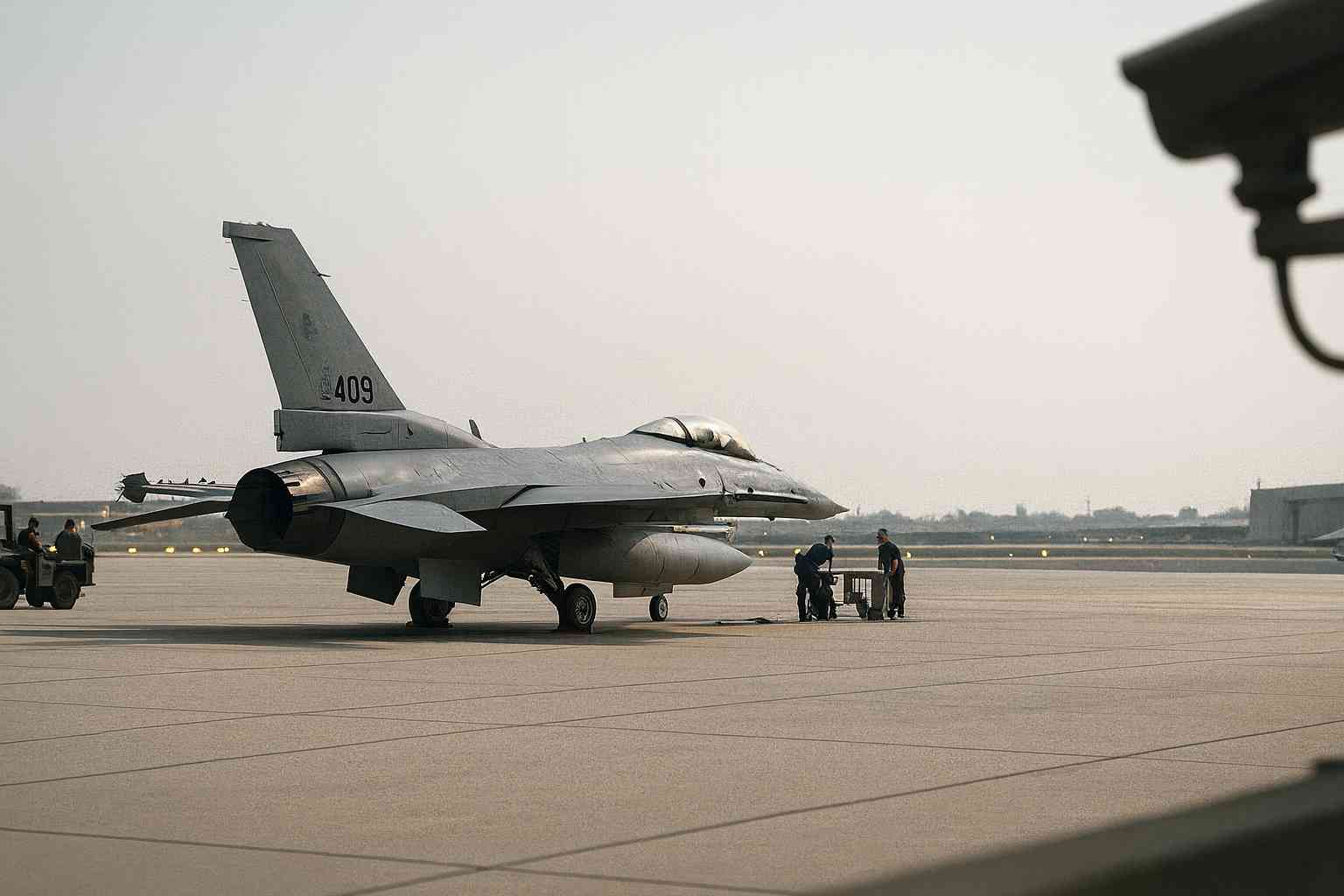
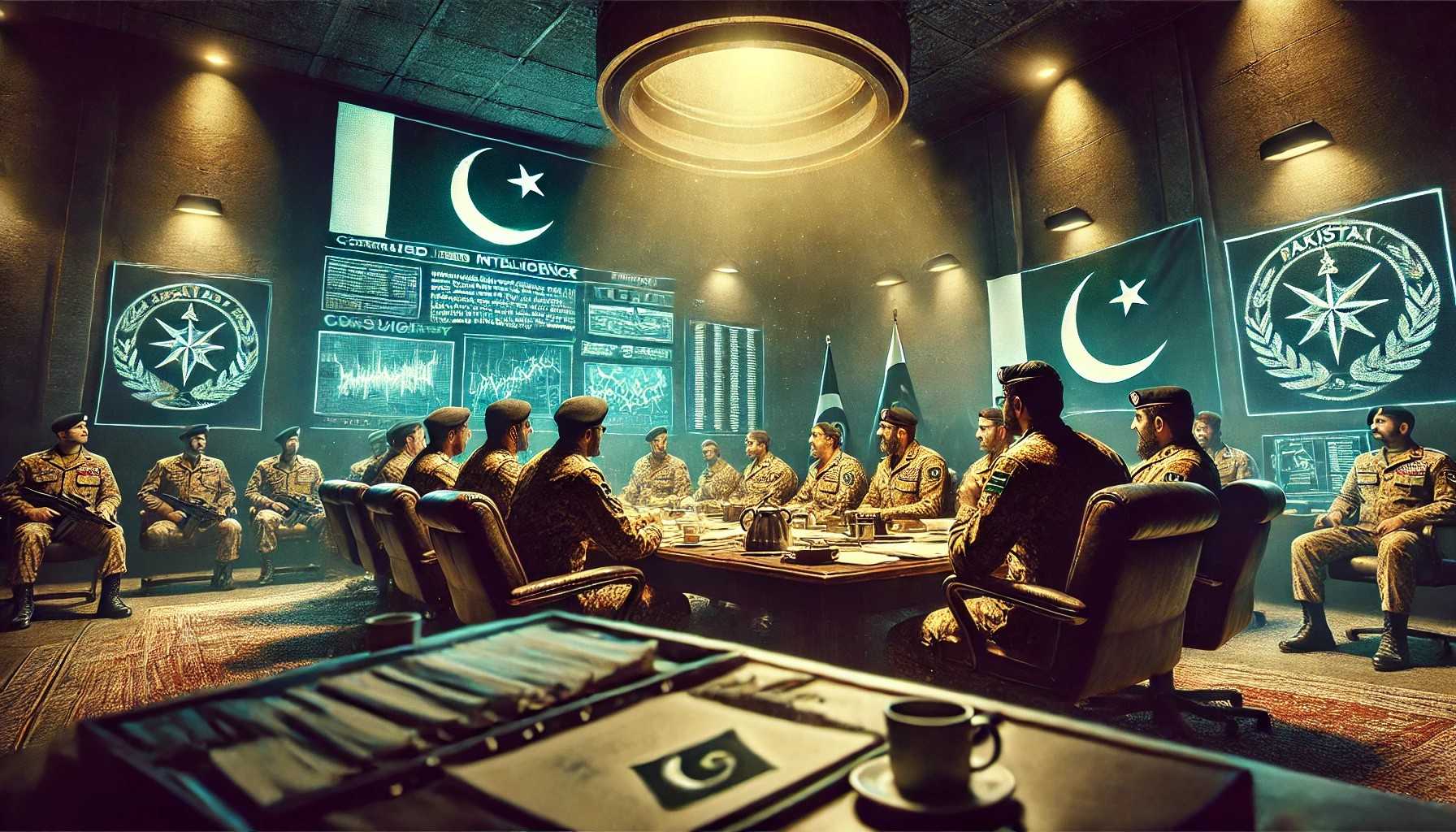
Pakistan’s military leadership presents cross-border strikes as deterrence. Its argument is simple: if militants attack Pakistan from Afghan soil, Pakistan must retain the right to hit them there.
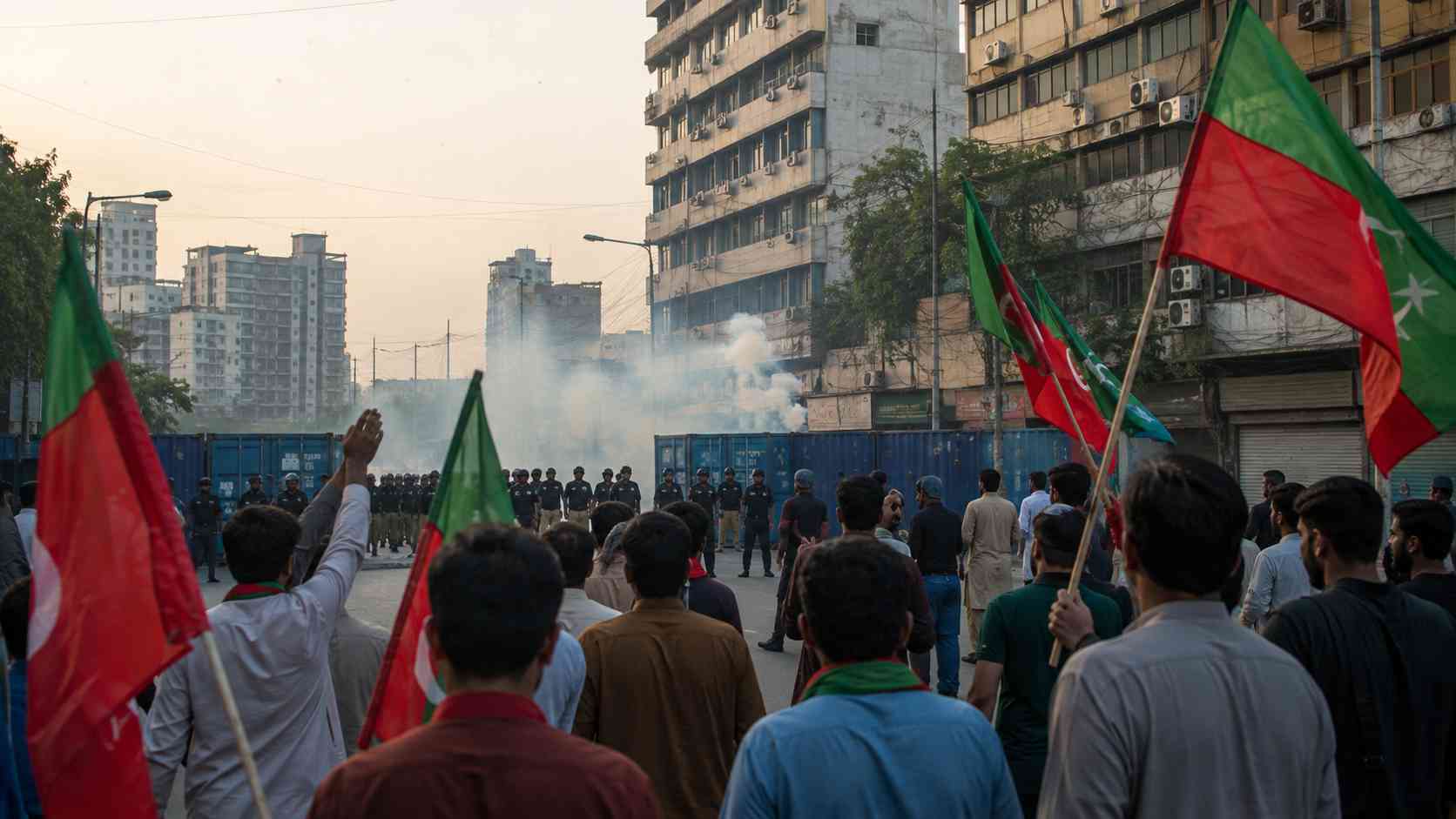
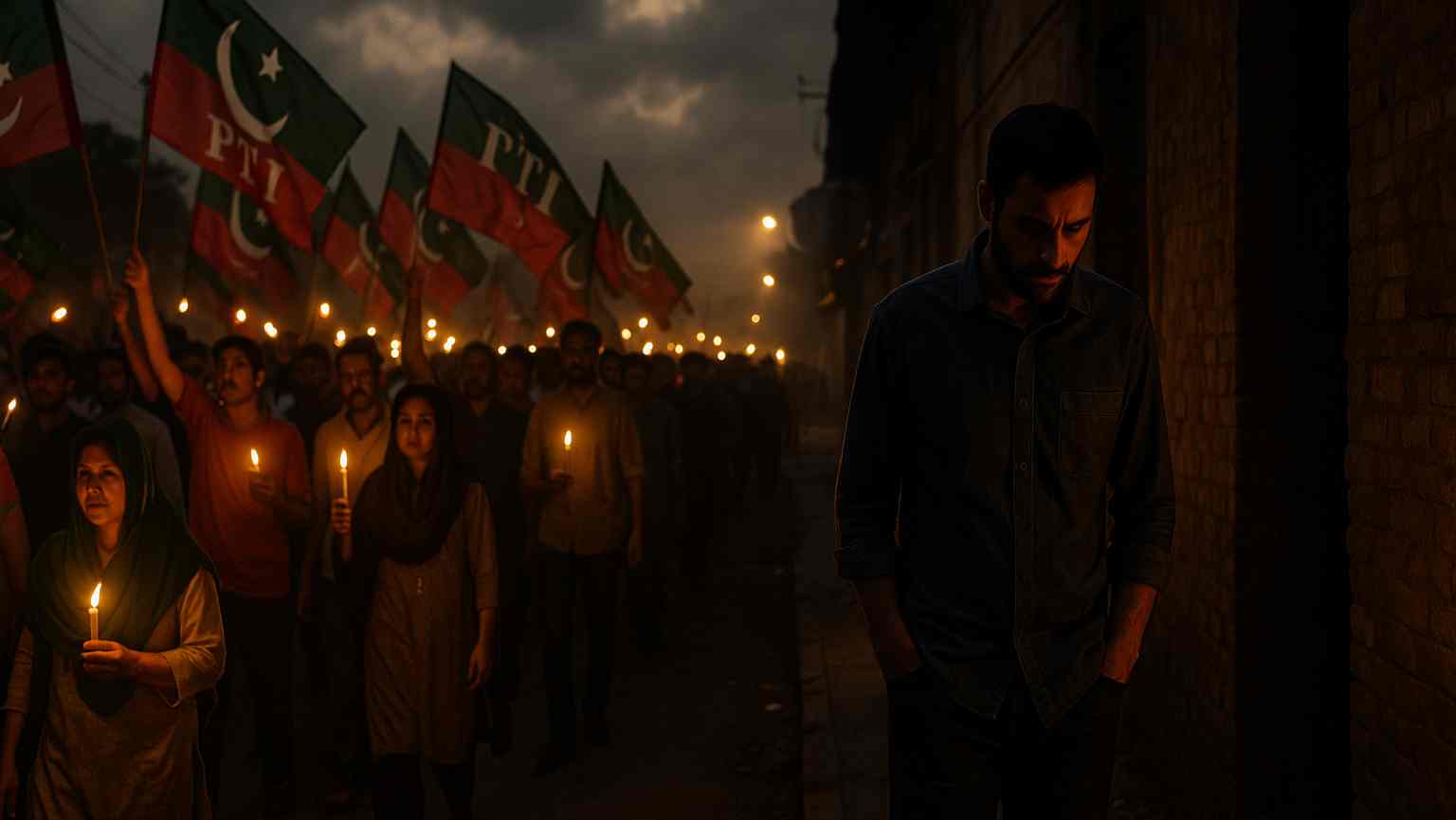
That position may satisfy an immediate security impulse. It may also resonate with citizens who face bombings, ambushes, and fear in Khyber Pakhtunkhwa and Balochistan.
But deterrence depends on more than the ability to strike. It also depends on political credibility, accurate targeting, and a clear end state. Pakistan has not shown the public a convincing path from airstrikes to lasting security.
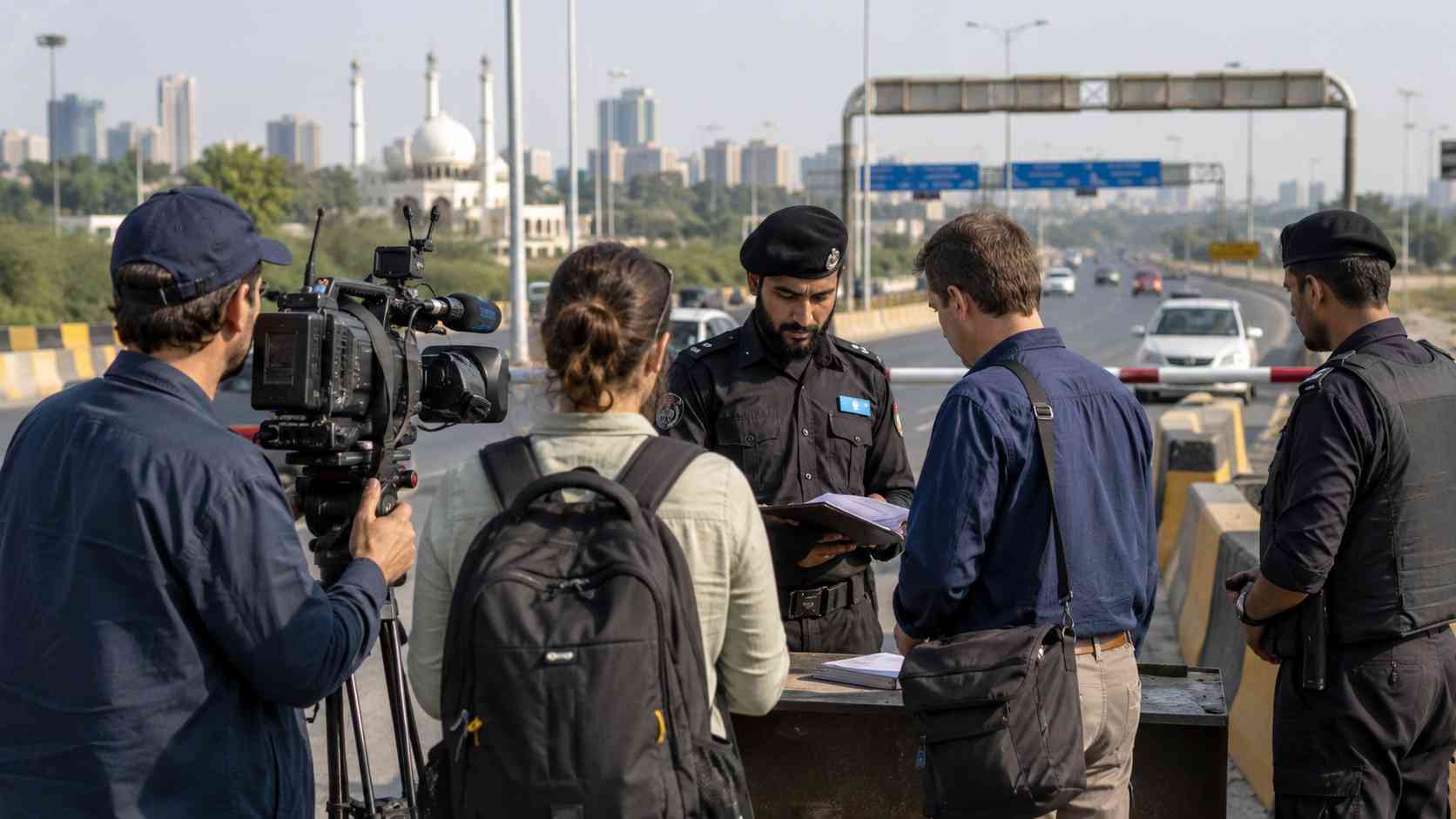
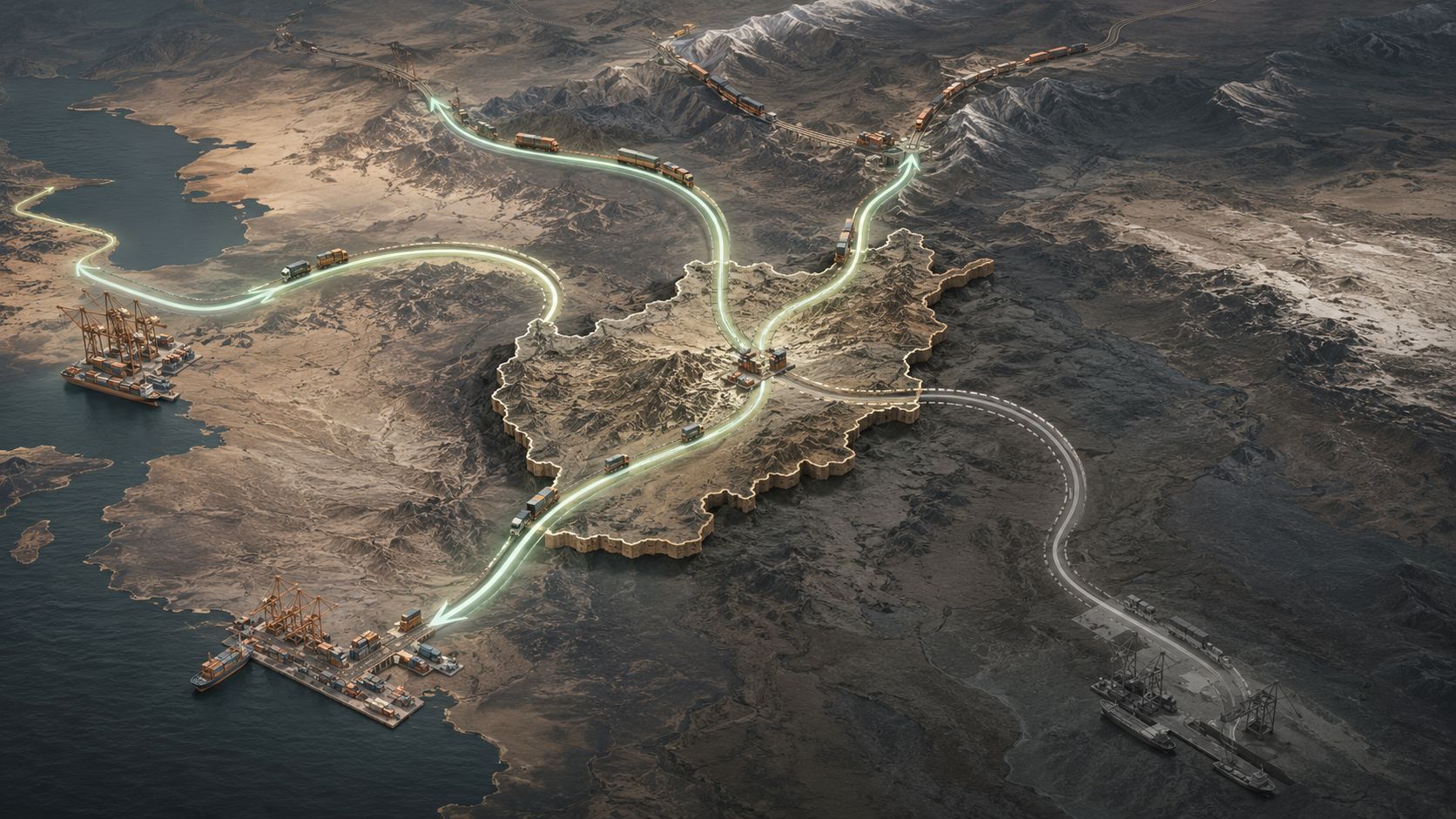
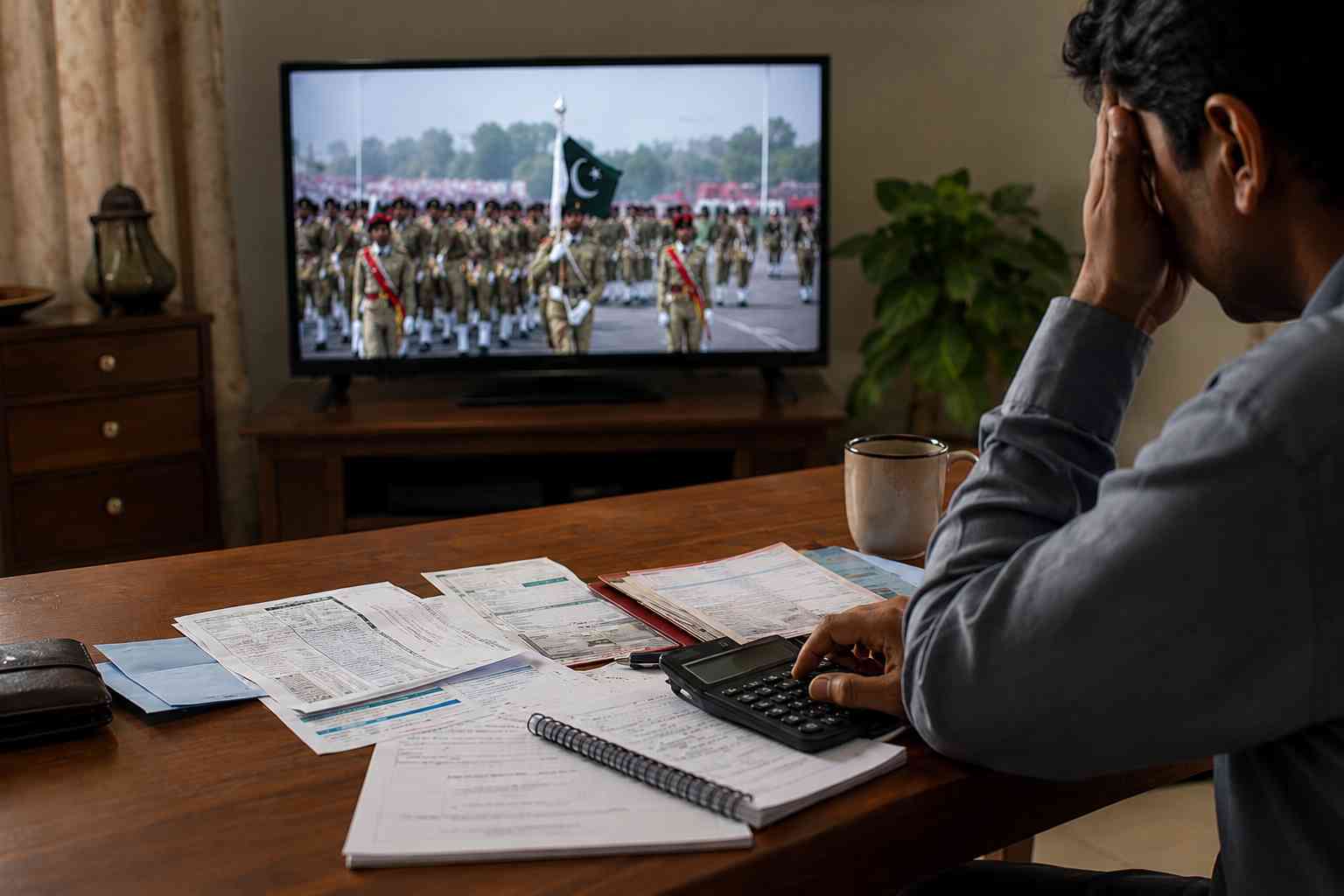
When strikes kill militants but also produce civilian casualties, the Taliban gains a propaganda advantage. Border closures disrupt trade and livelihoods, so ordinary people pay the cost. Failed talks leave Pakistan trapped between escalation and stalemate.
That is not a strategy. It is a cycle.
The Civil-Military Question
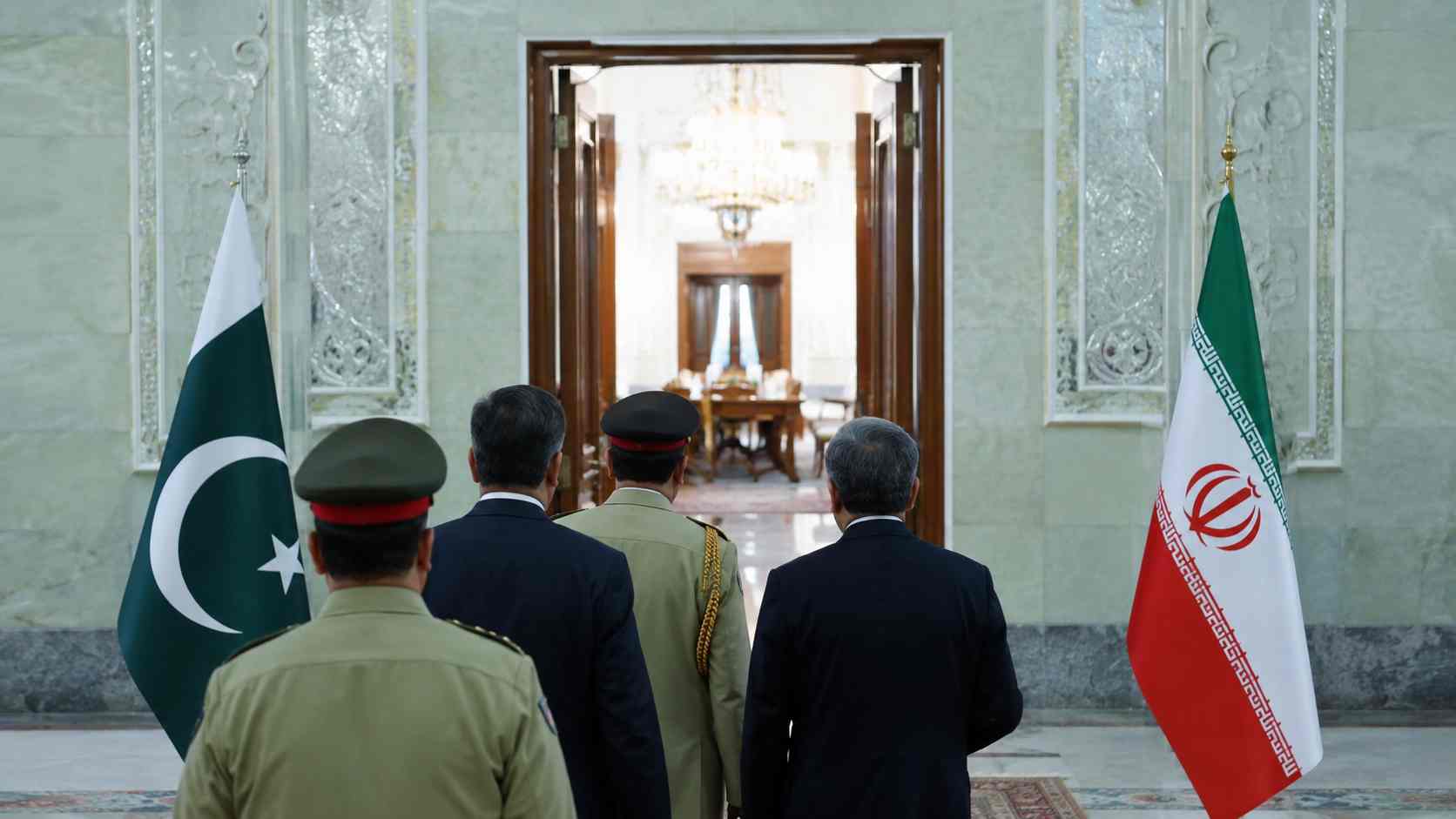
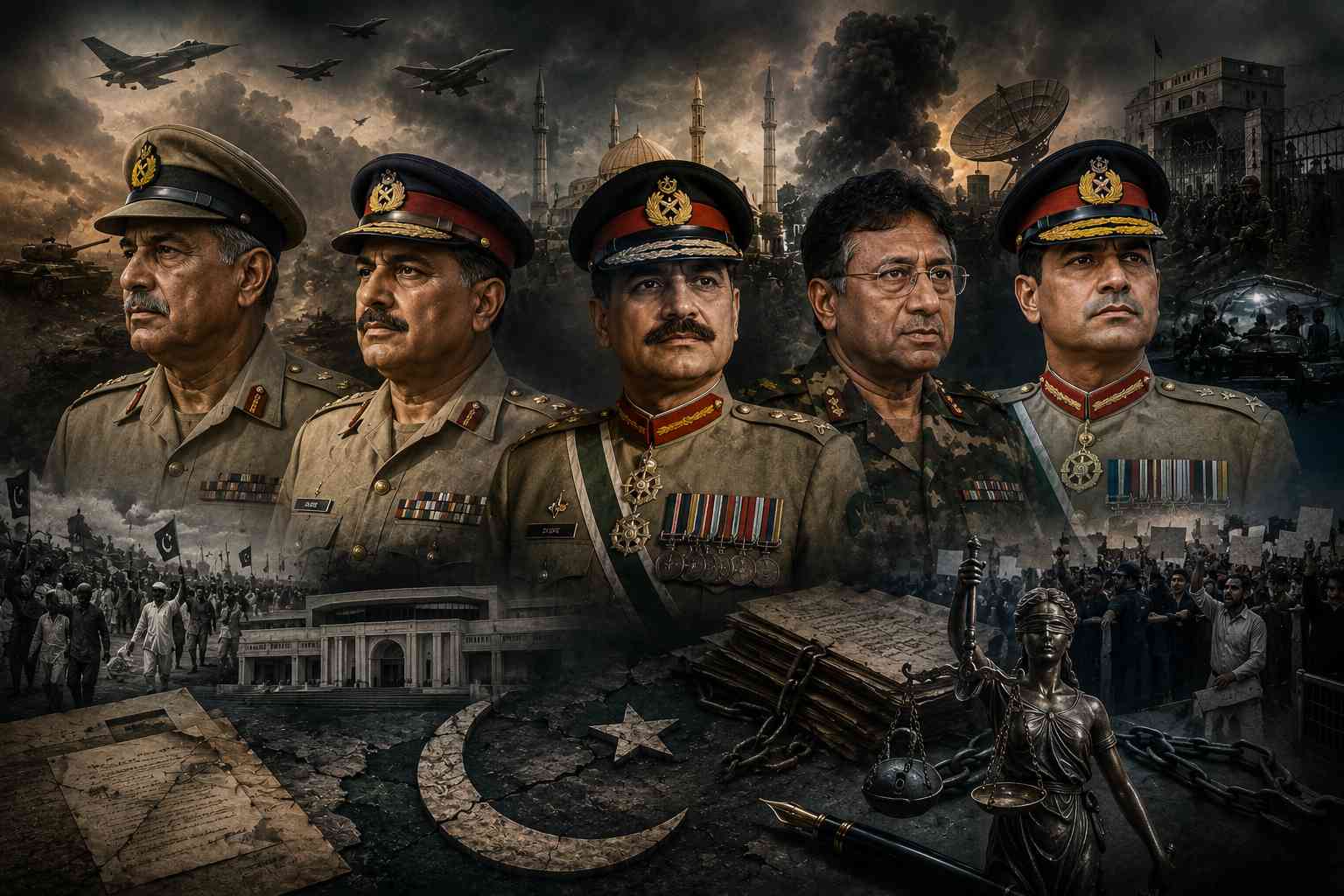
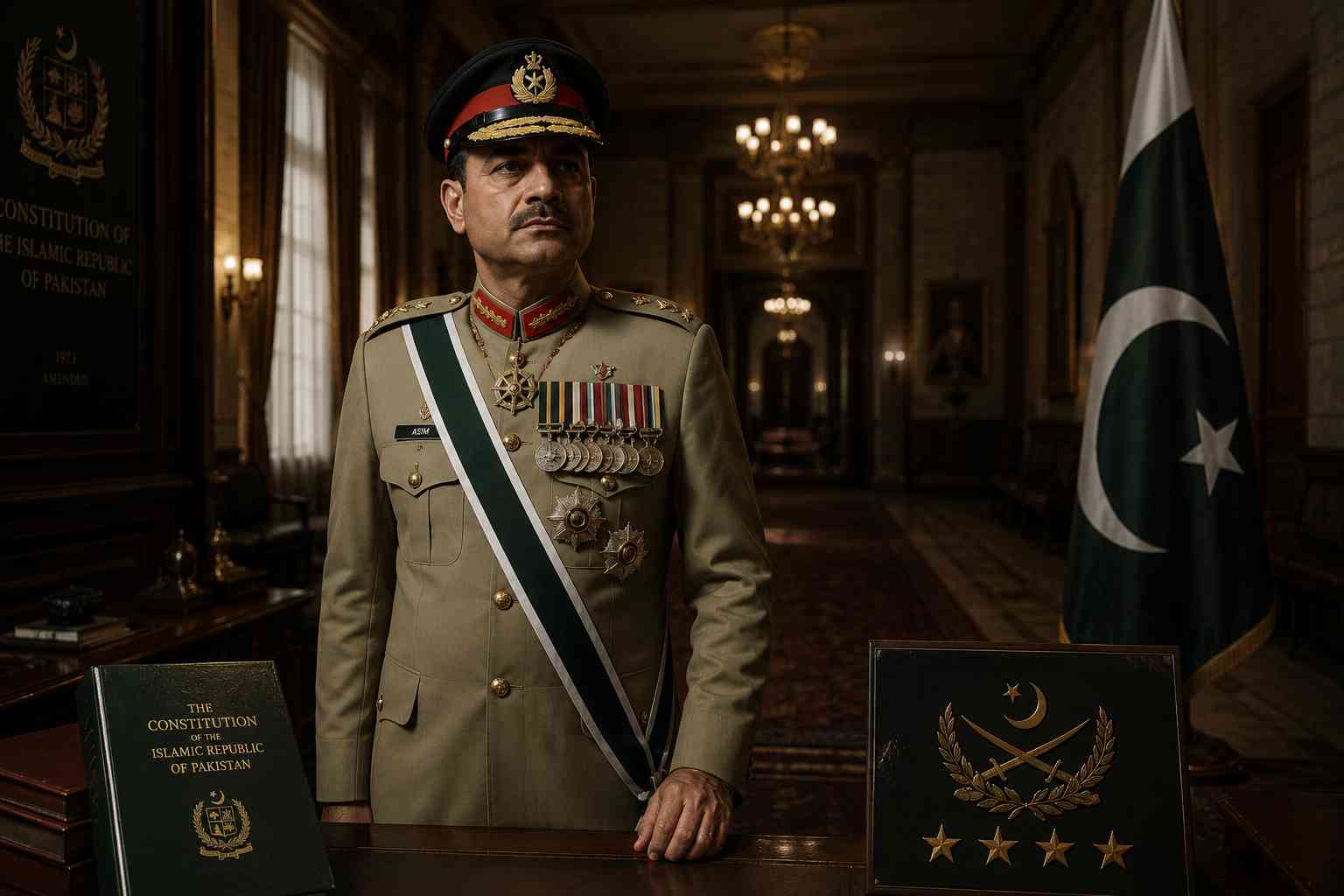
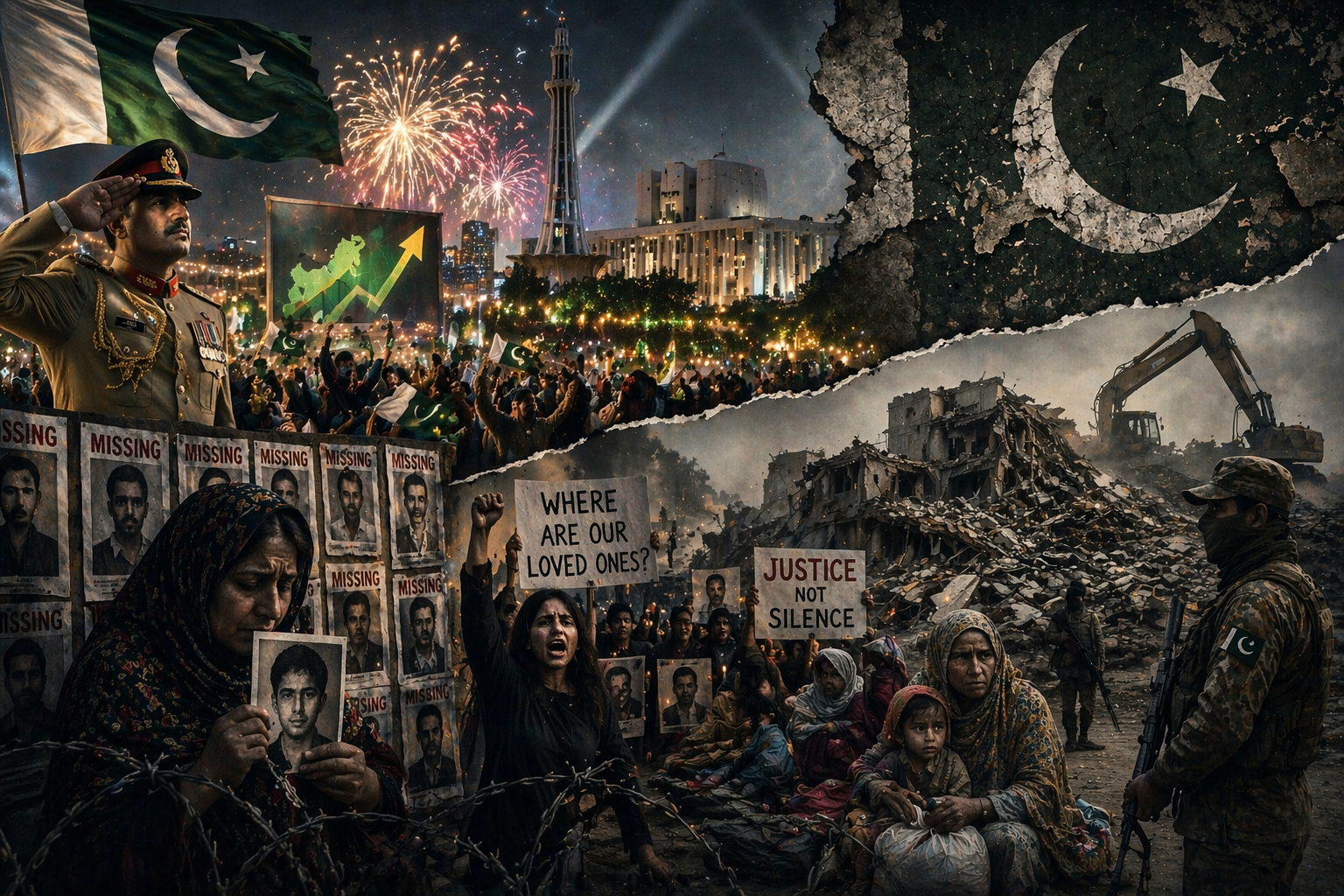
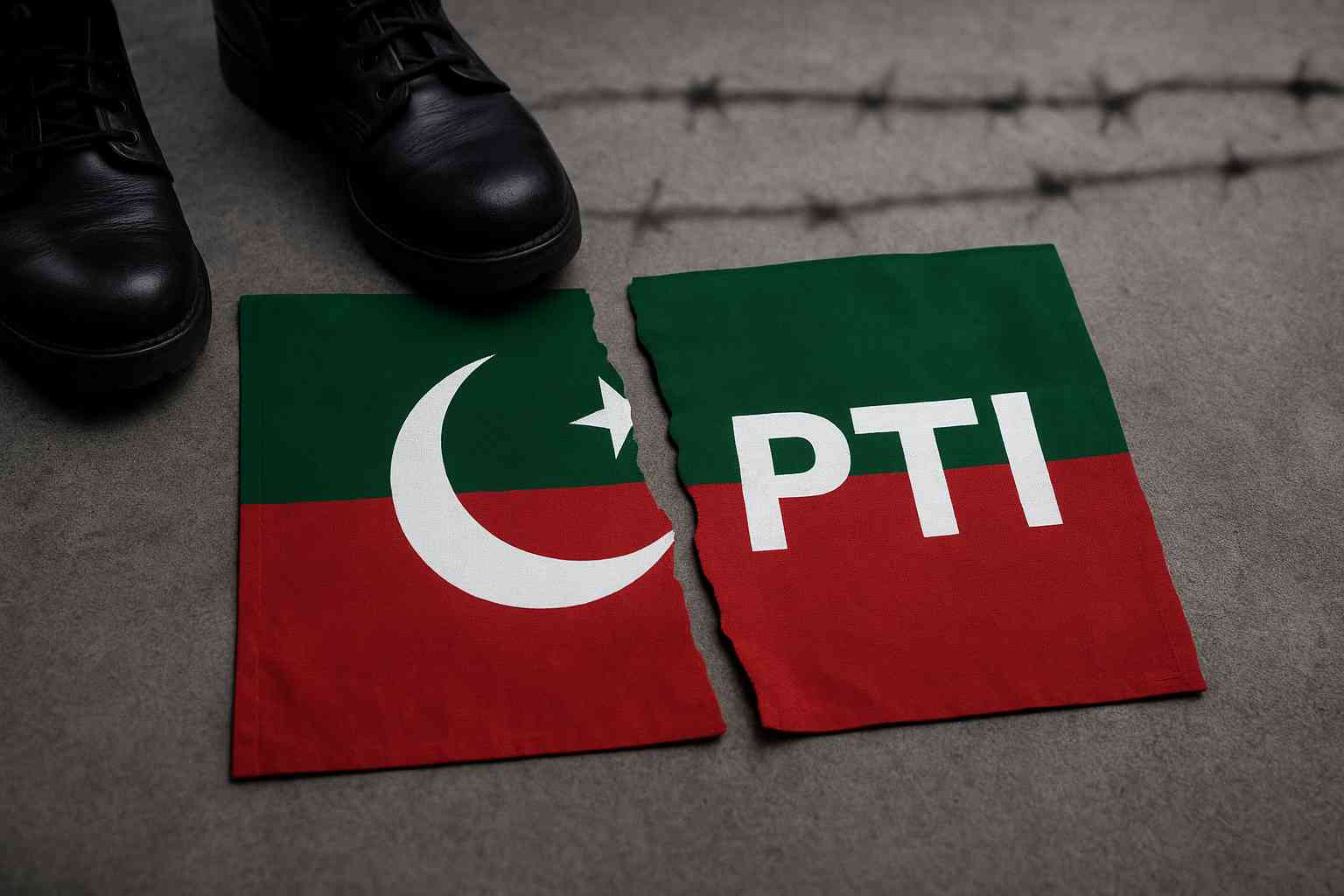
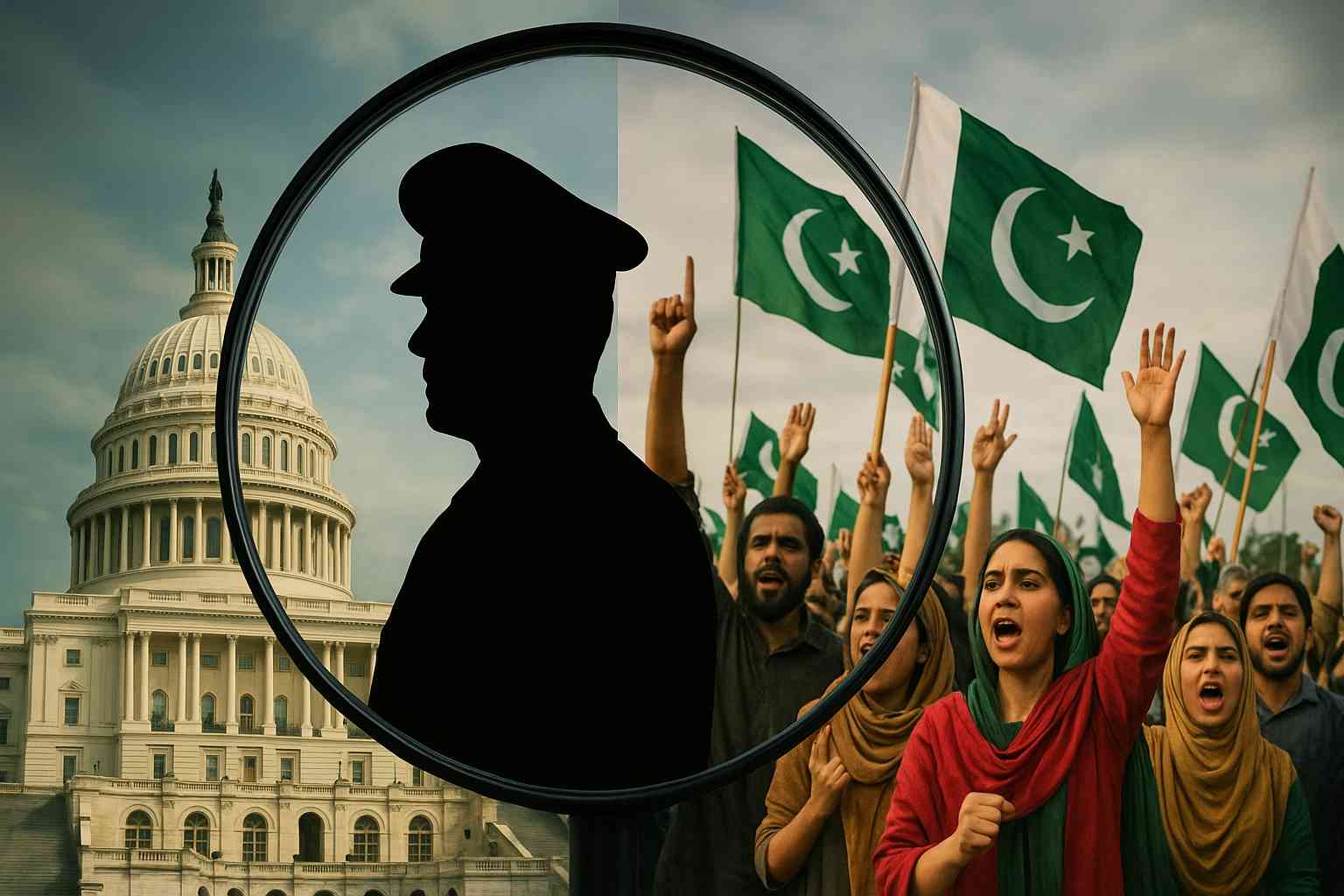
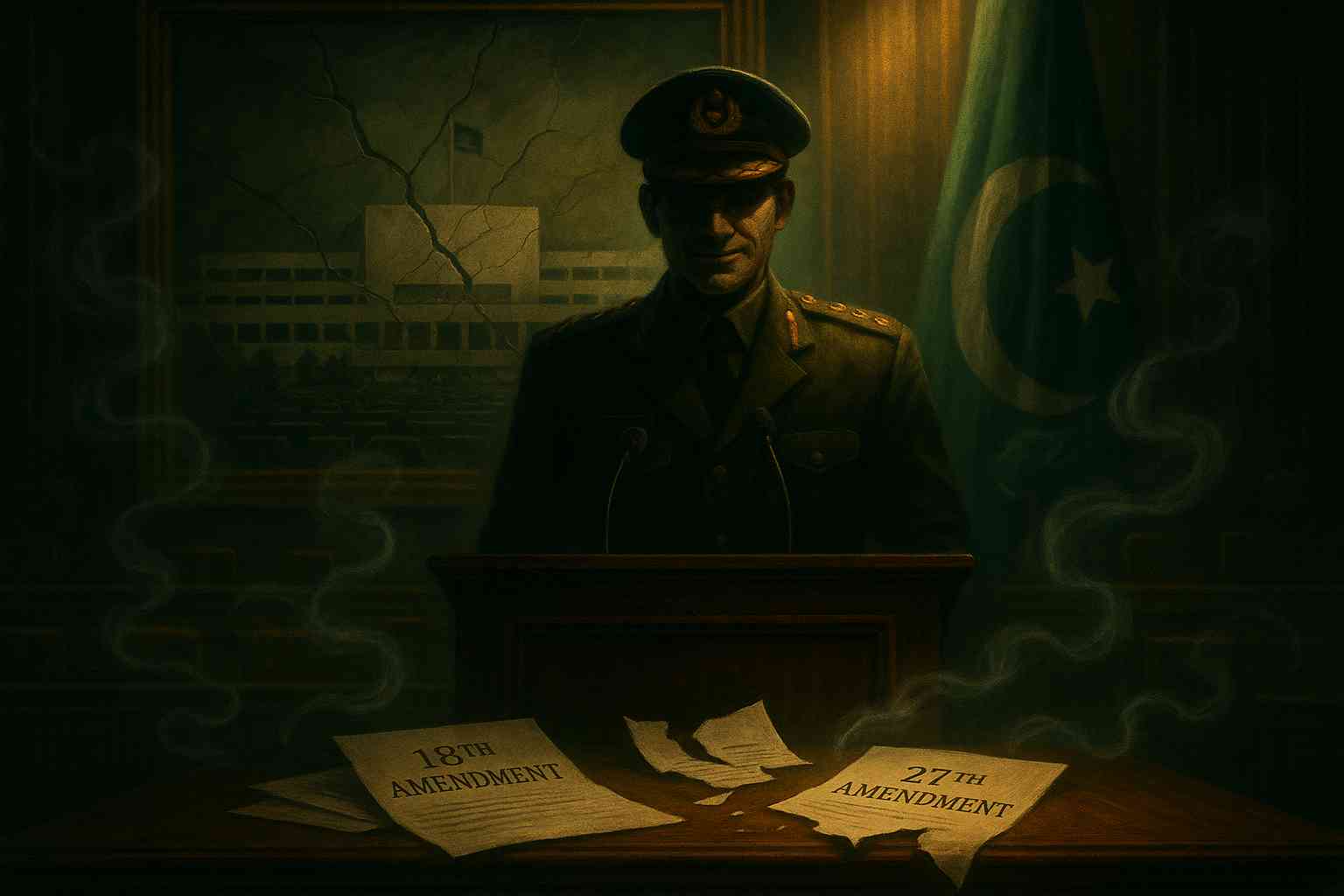
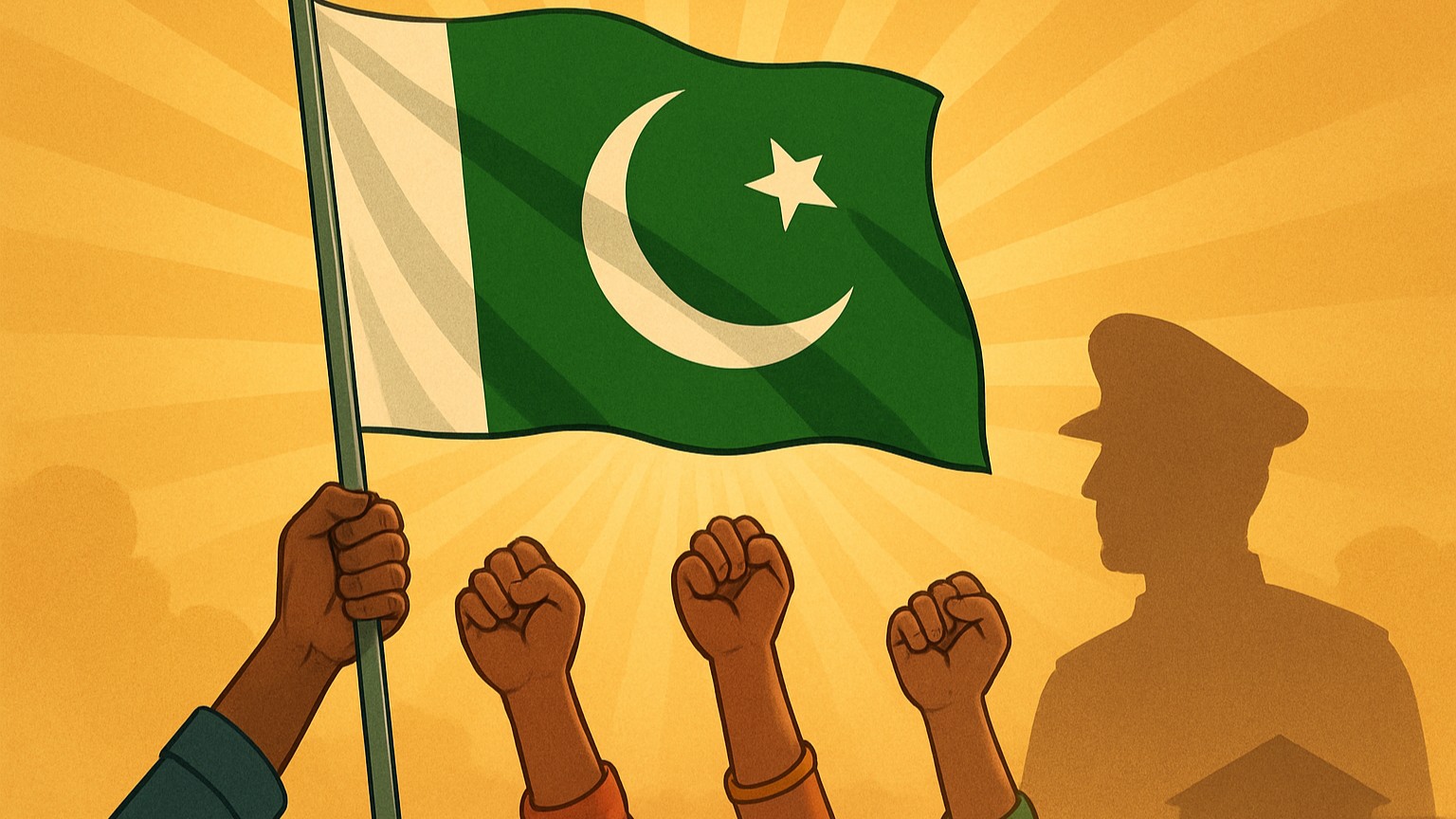
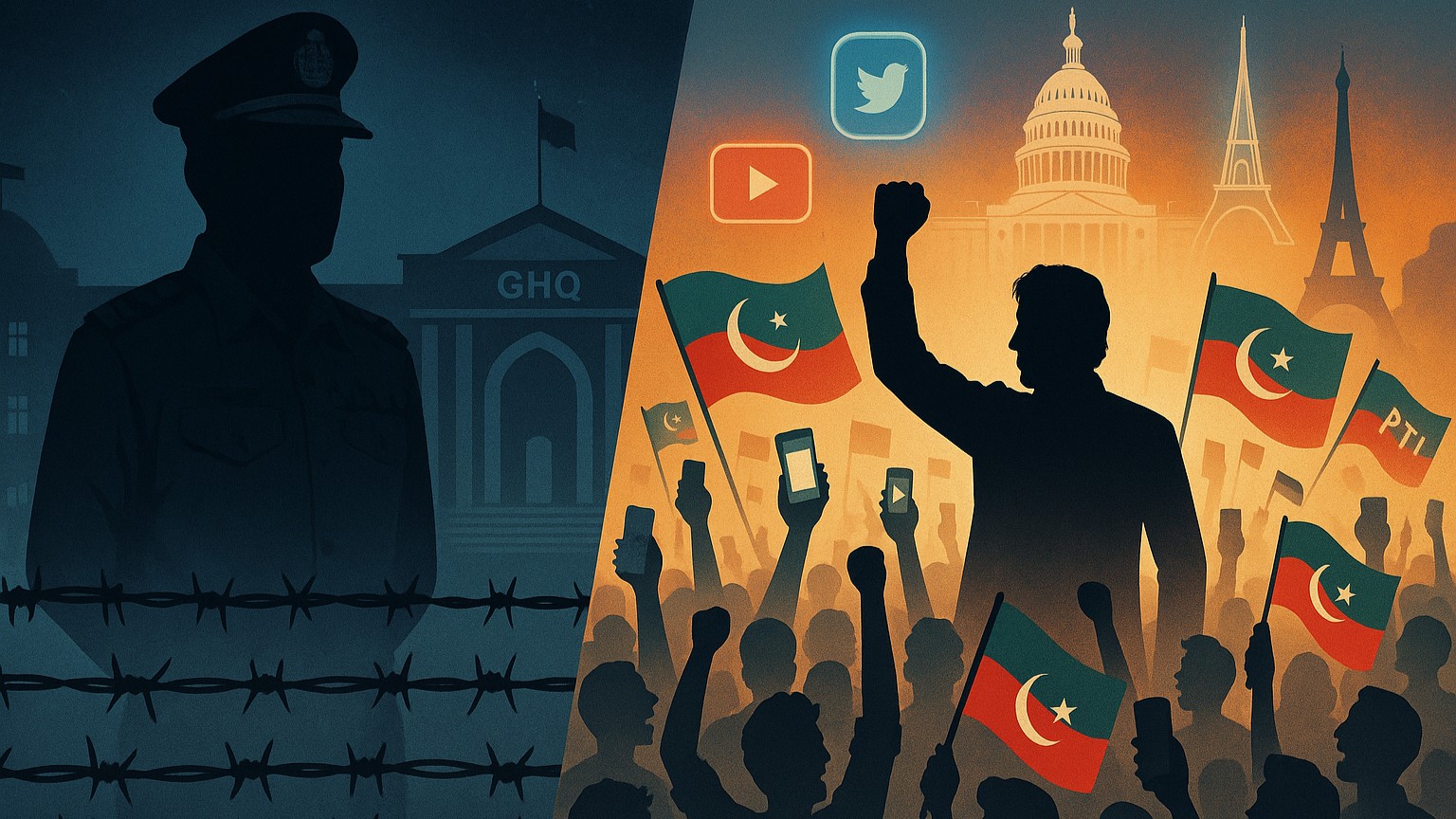
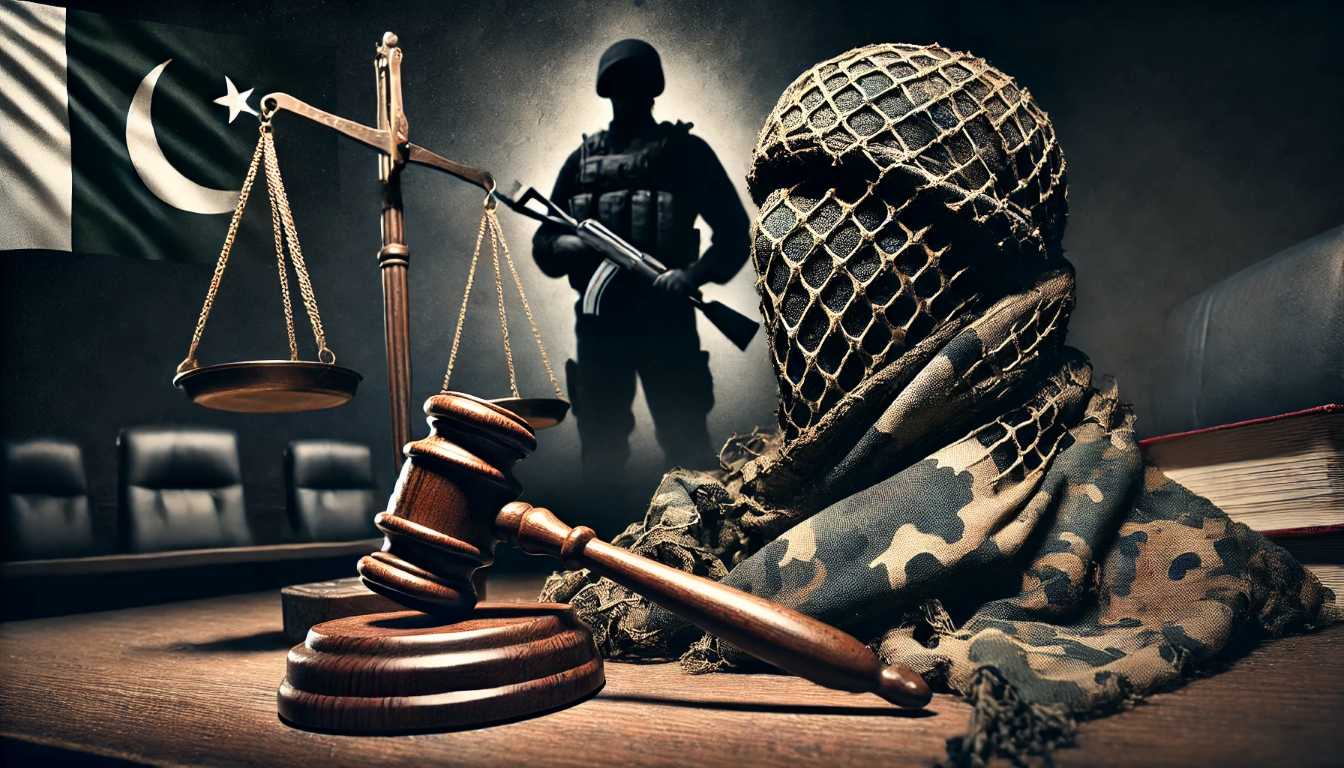
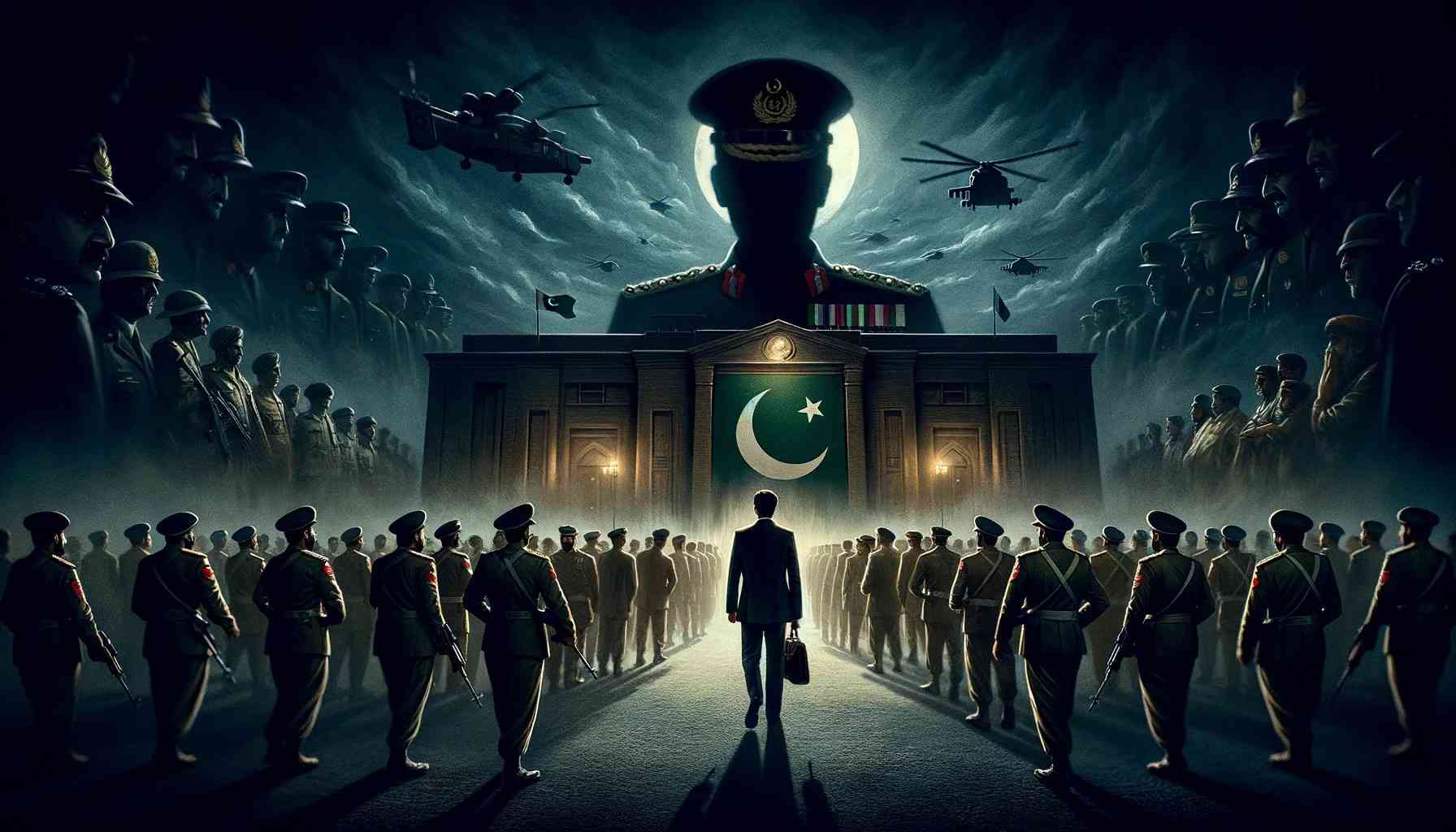
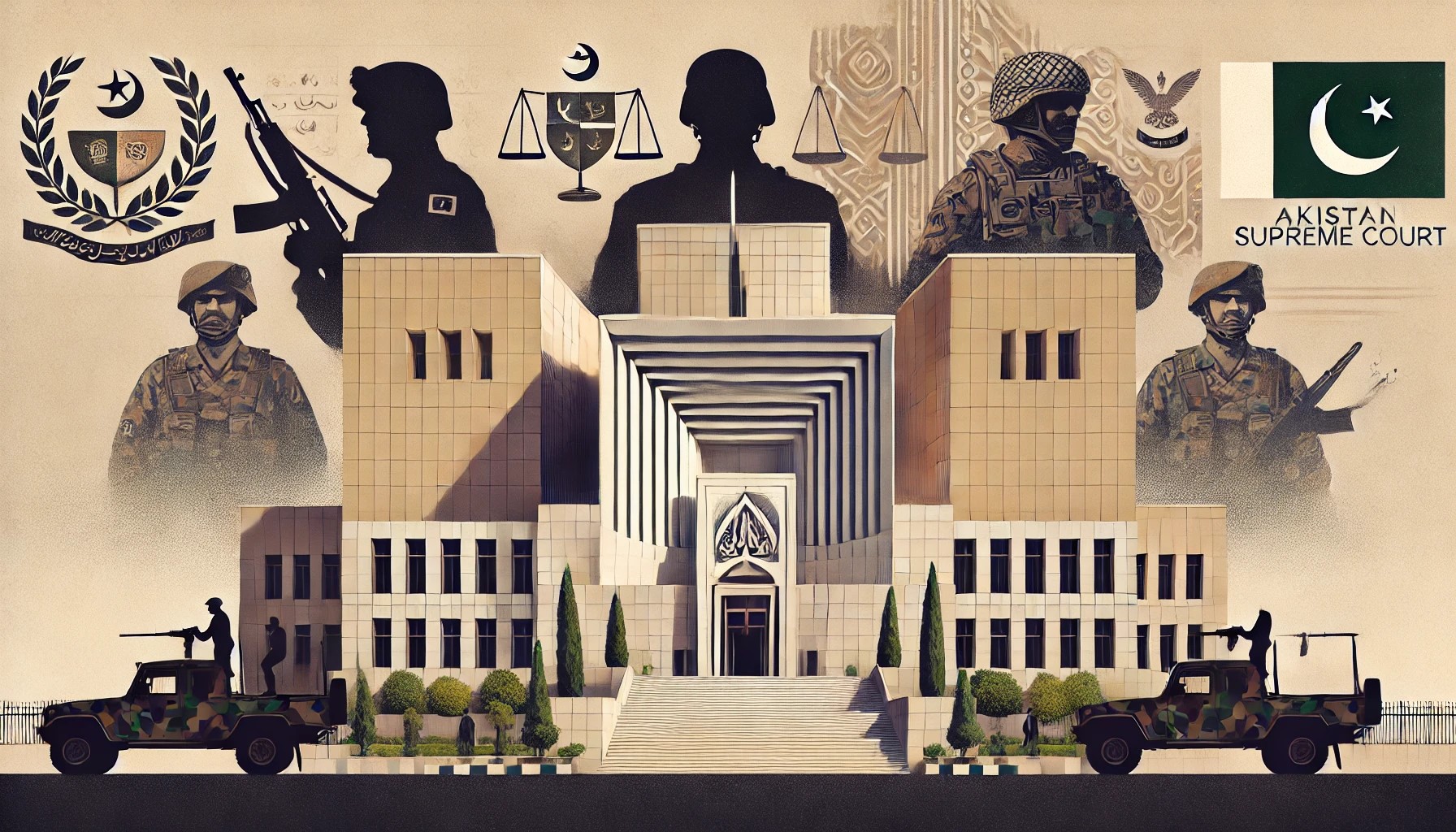
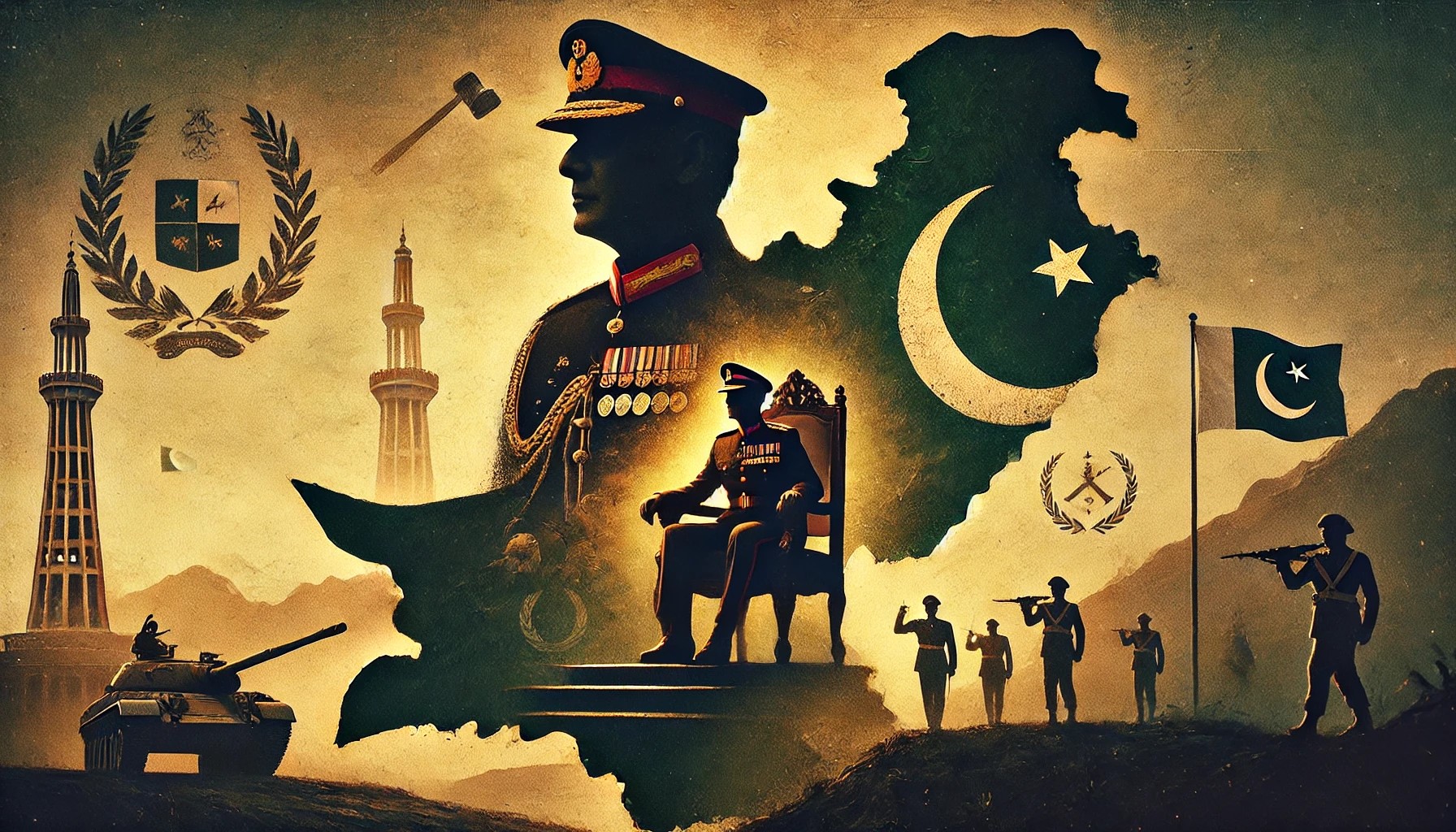
The crisis also exposes Pakistan’s internal power imbalance. Major security decisions remain dominated by the military establishment. Civilian institutions then carry the diplomatic, economic, and public fallout.
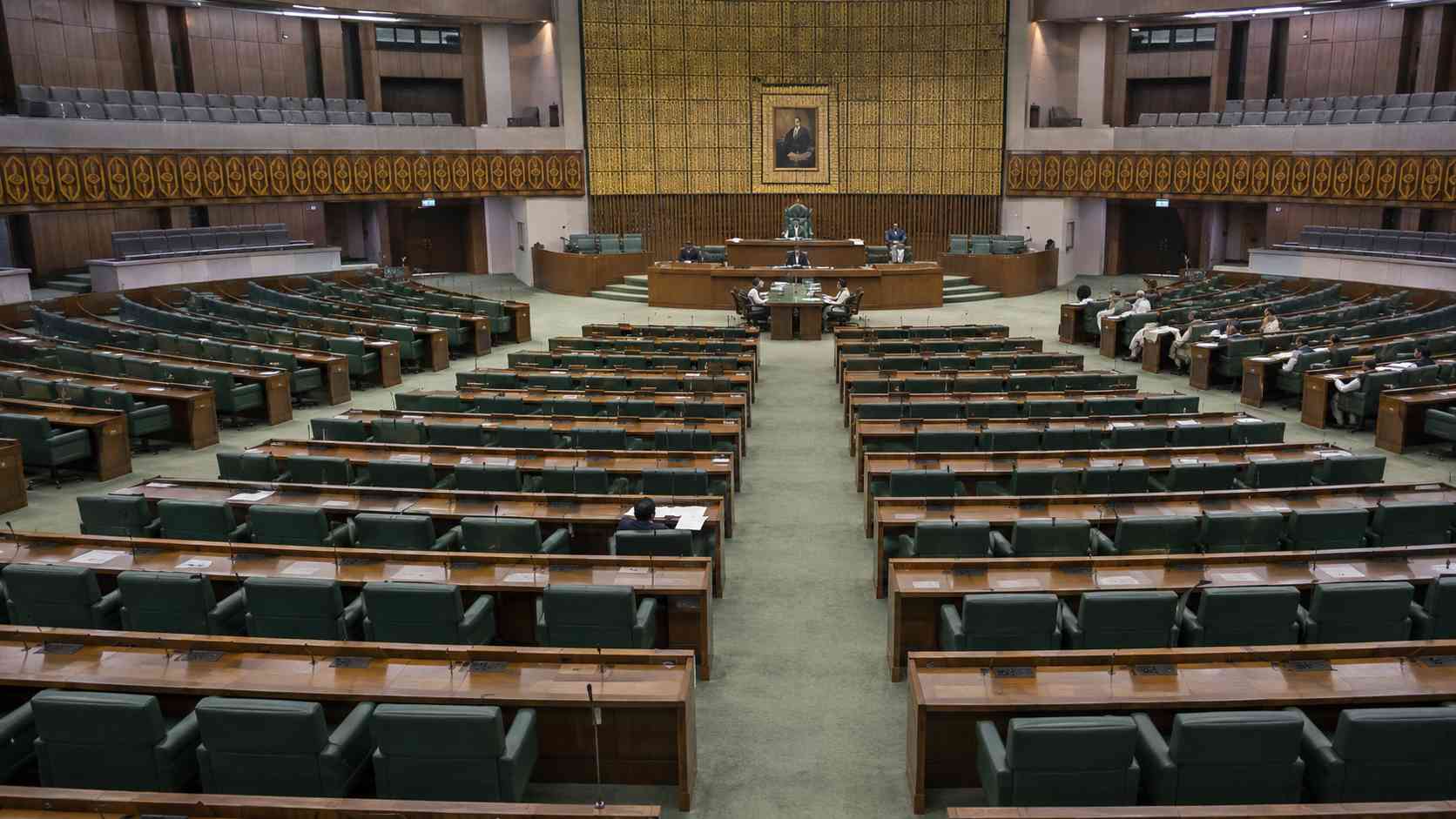
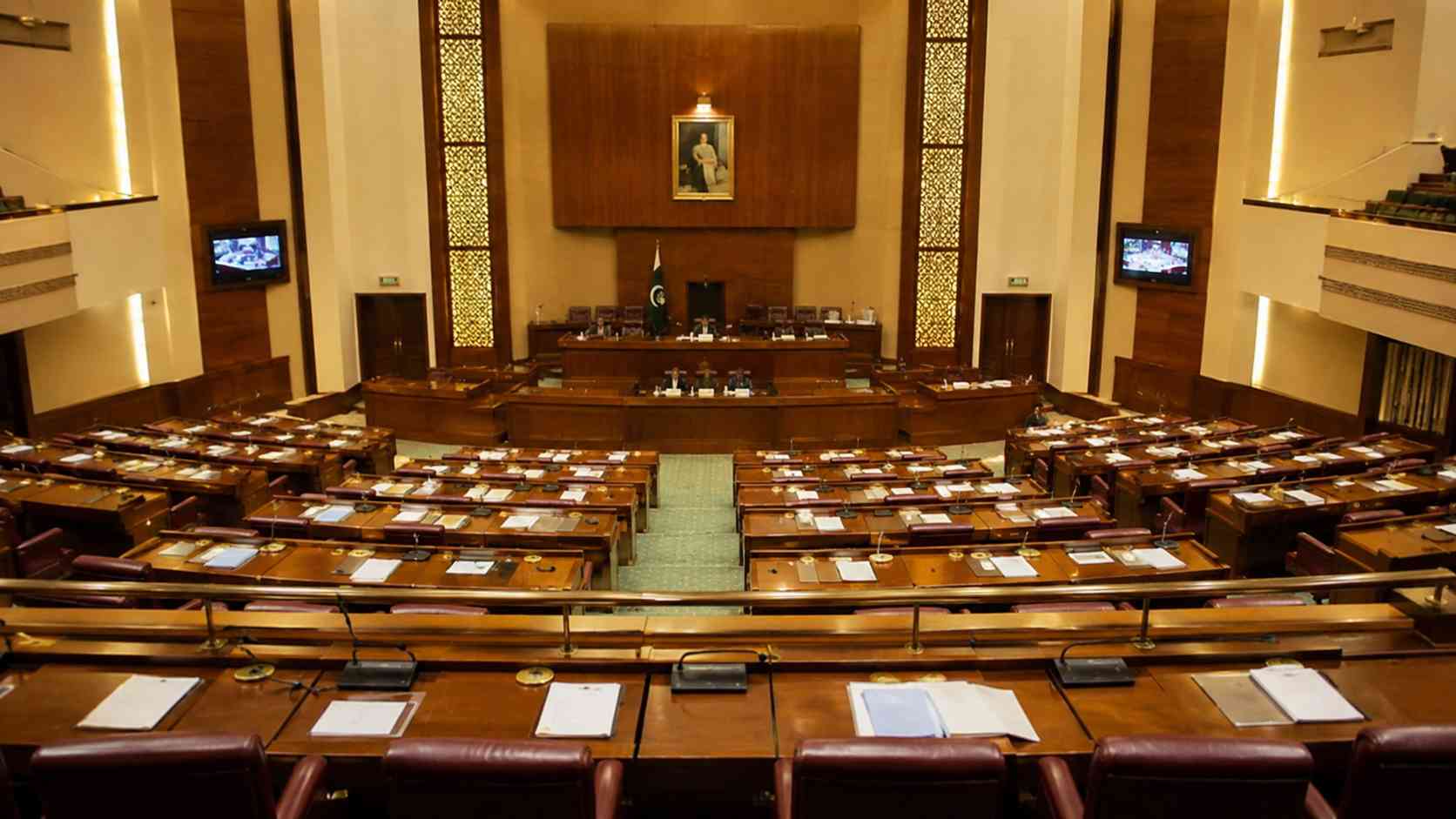
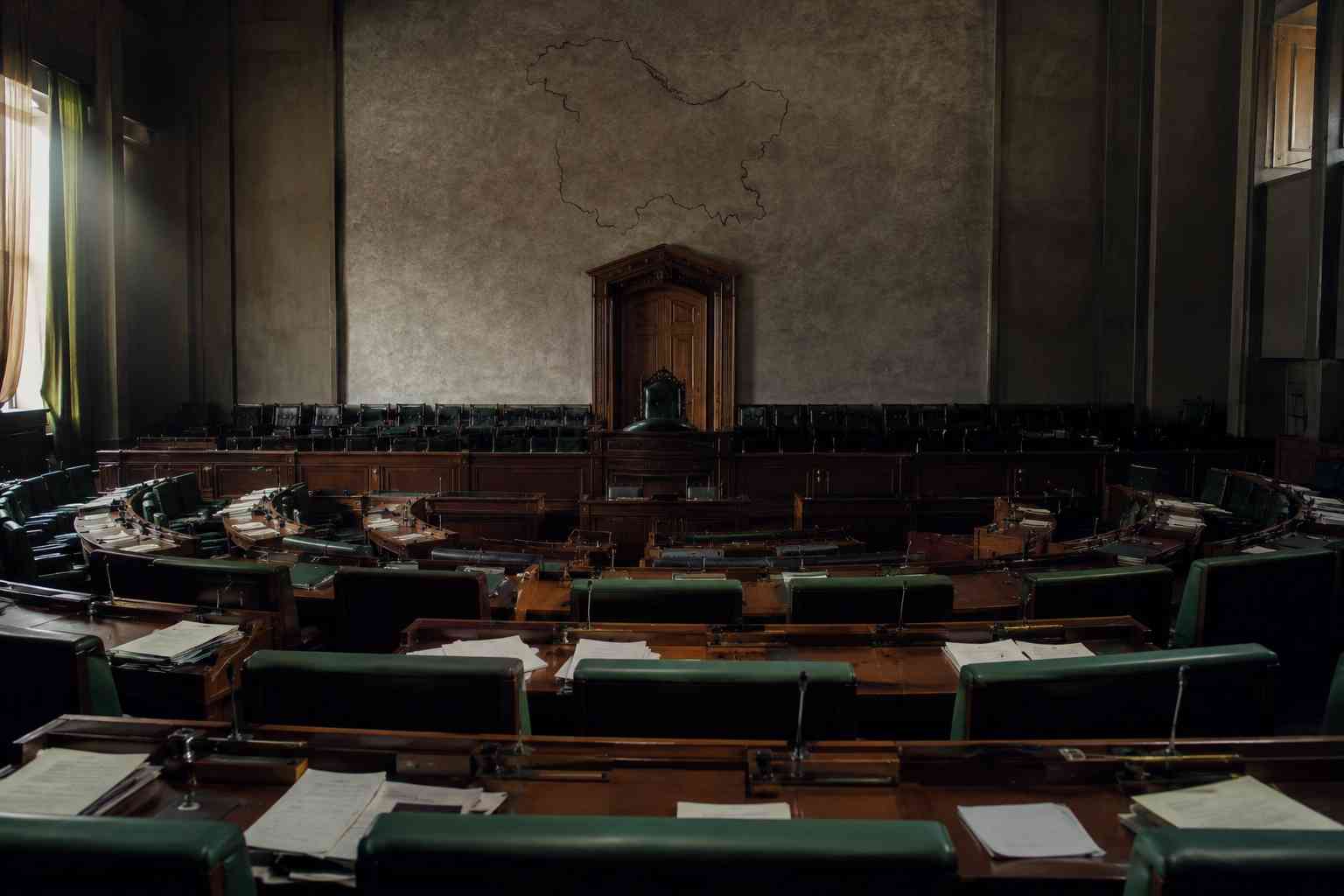
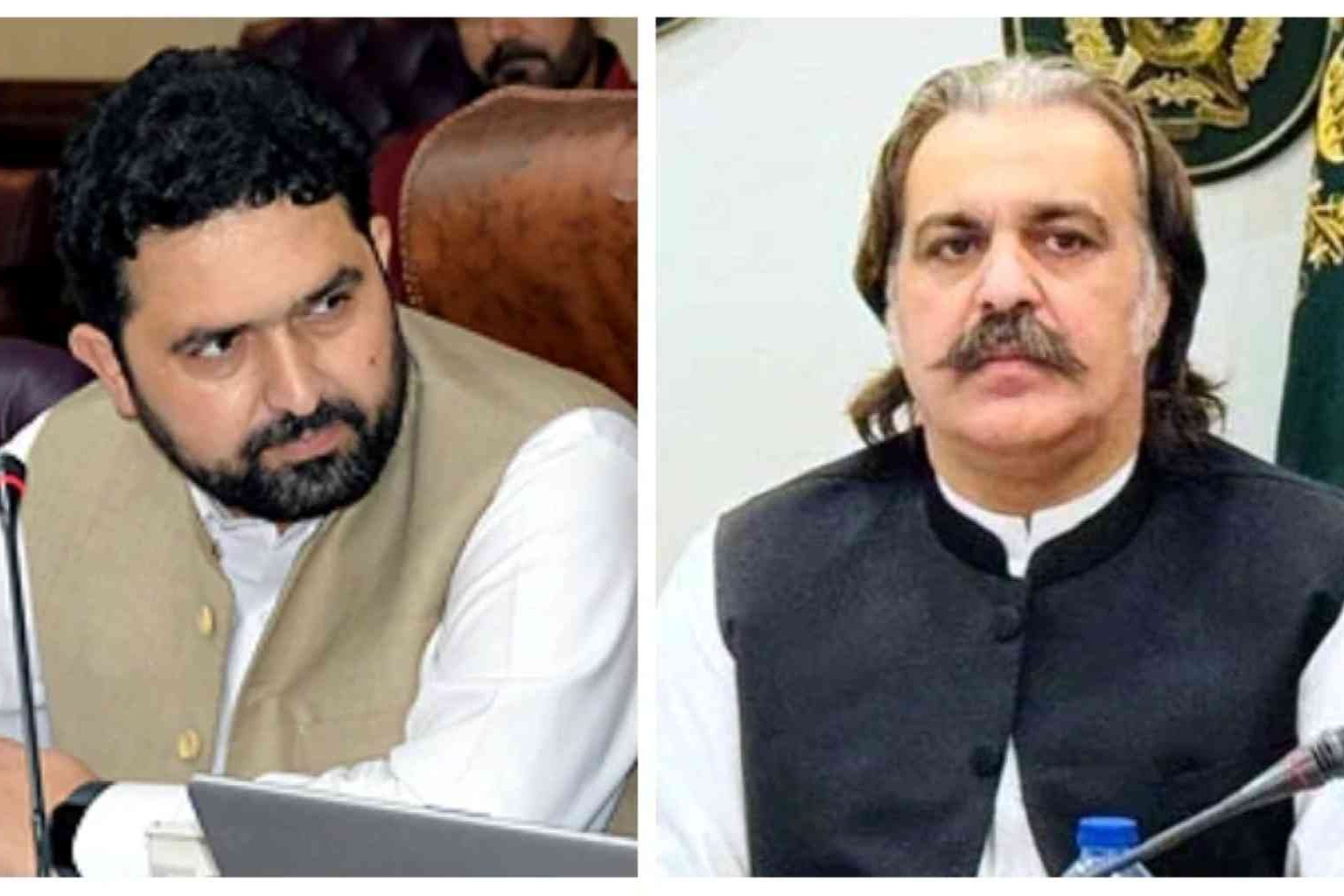
Parliament rarely shapes these choices in any meaningful way. Provincial voices from the border regions often enter the debate after damage has already been done. Those most exposed to militancy, displacement, and retaliation have the least influence over policy.
This pattern has defined Pakistan’s national security state for decades. Military action takes priority. Political reconciliation, border governance, refugee policy, and regional diplomacy come later, if they come at all.
Soldier Speaks readers understand this tension well. A state cannot defend its people through force alone while weakening civilian accountability at home.
The Taliban Factor
None of this absolves the Afghan Taliban of responsibility. Kabul’s denial of TTP sanctuary has not satisfied Pakistan, and the TTP threat remains real.
The Taliban’s return to power in 2021 reshaped Pakistan’s western frontier. Many in Pakistan’s security establishment expected ideological familiarity to produce influence. Instead, Islamabad faces a hostile or evasive neighbor, a revived TTP threat, and a border that has grown more unstable.
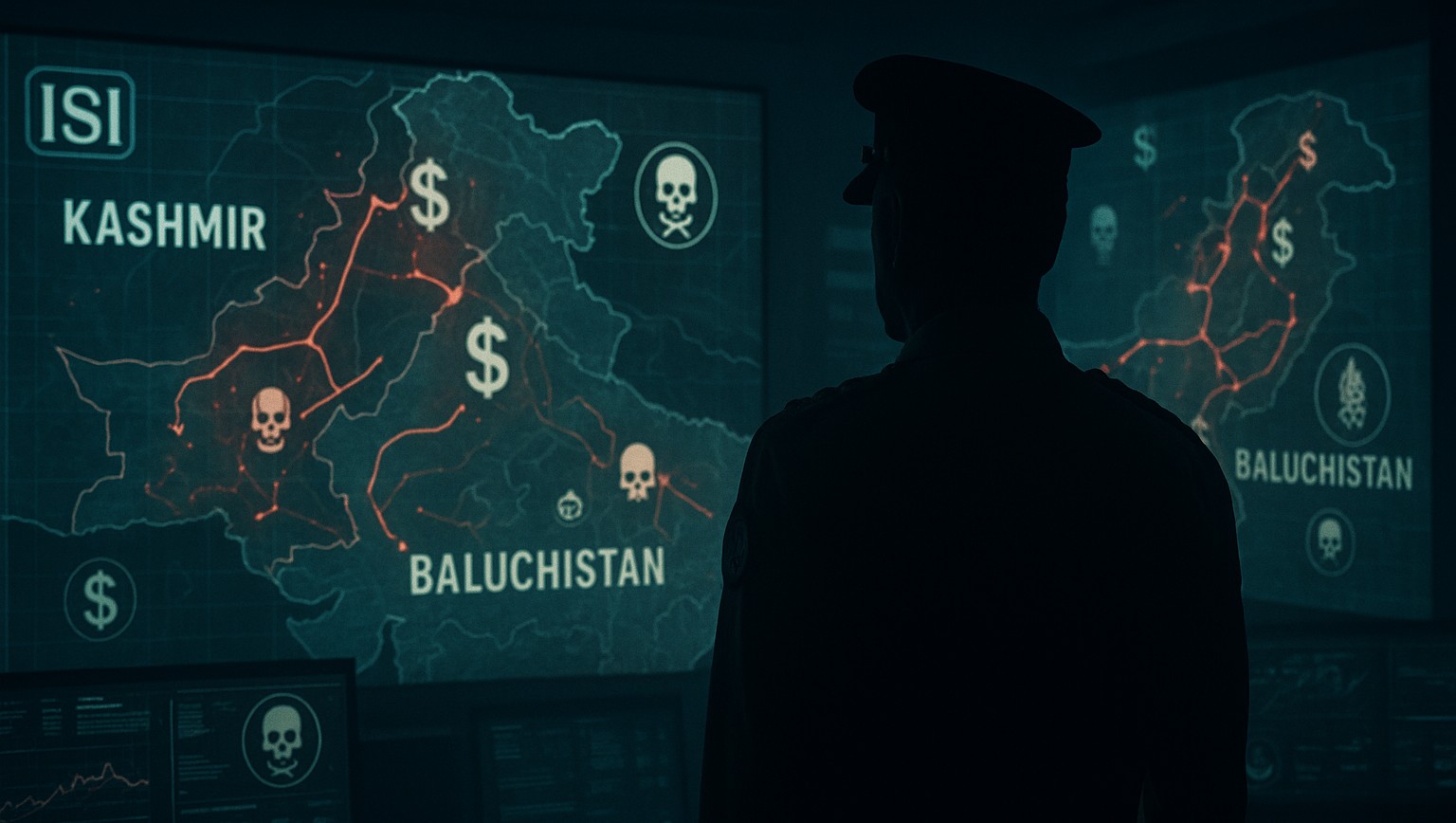
That failure deserves honest examination. Pakistan’s old assumptions about strategic depth, proxy influence, and manageable militancy have collapsed. The state now confronts the blowback of policies that blurred lines between regional leverage and domestic security.
The public should not bear the cost of that miscalculation without answers.
Regional Blowback
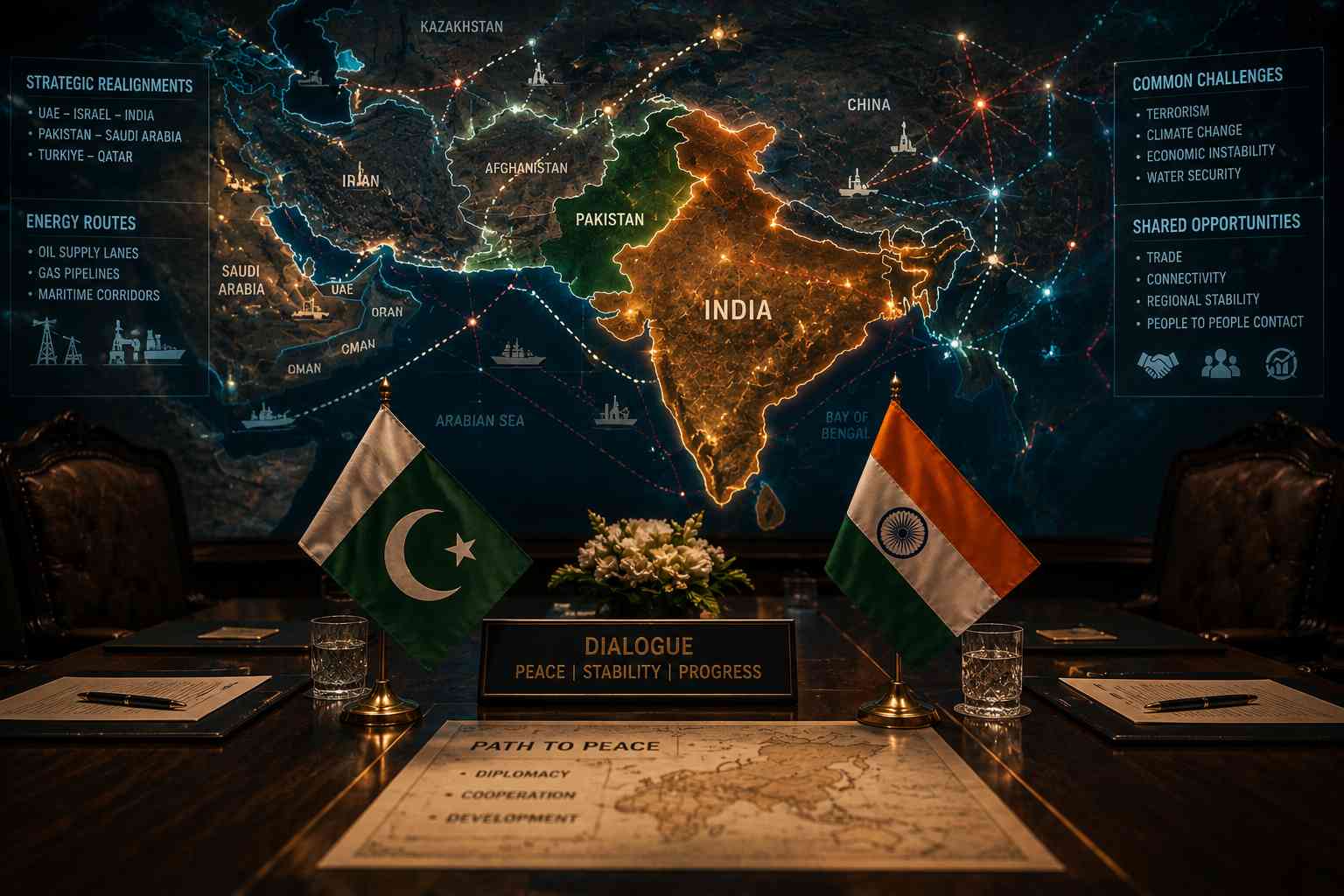
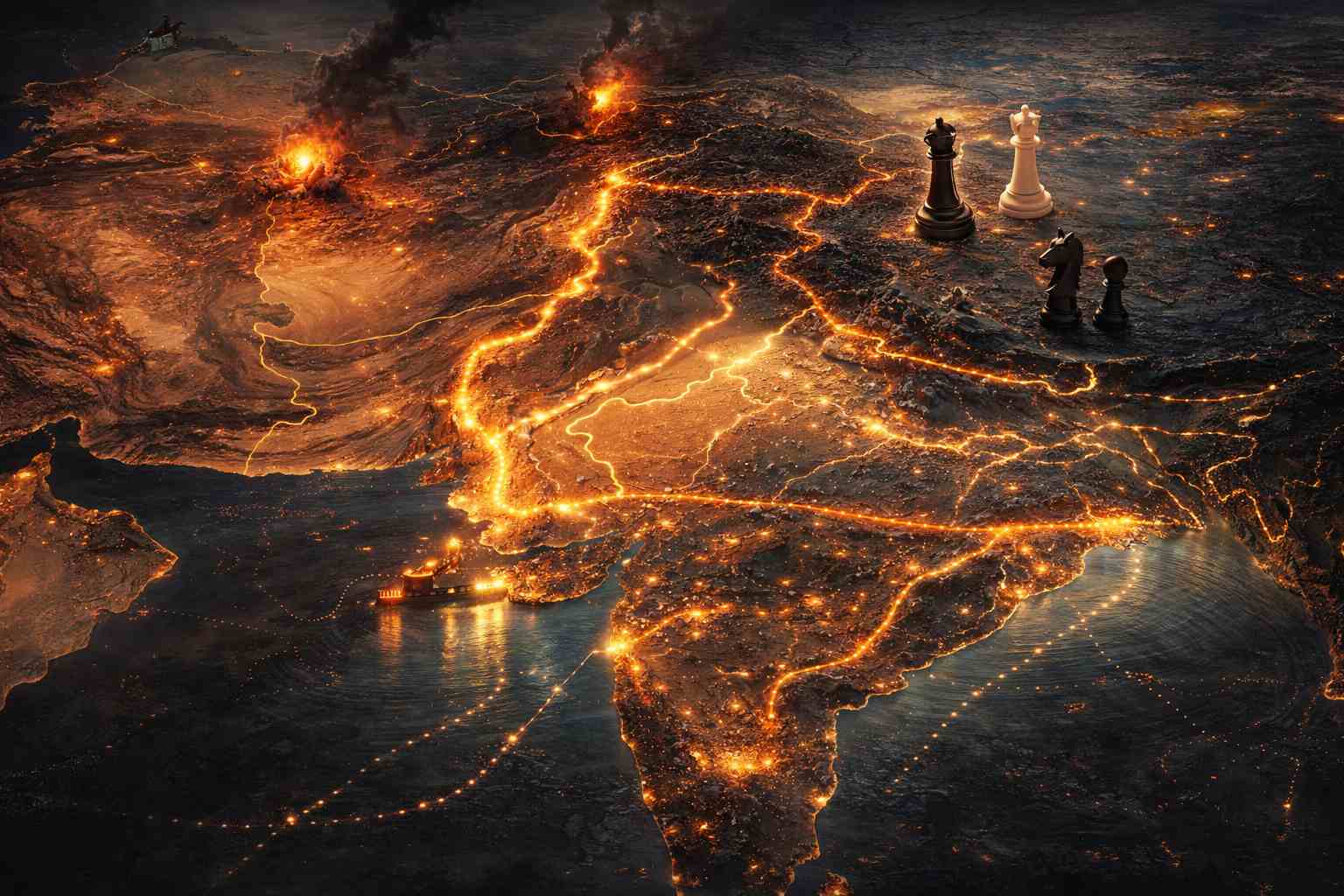
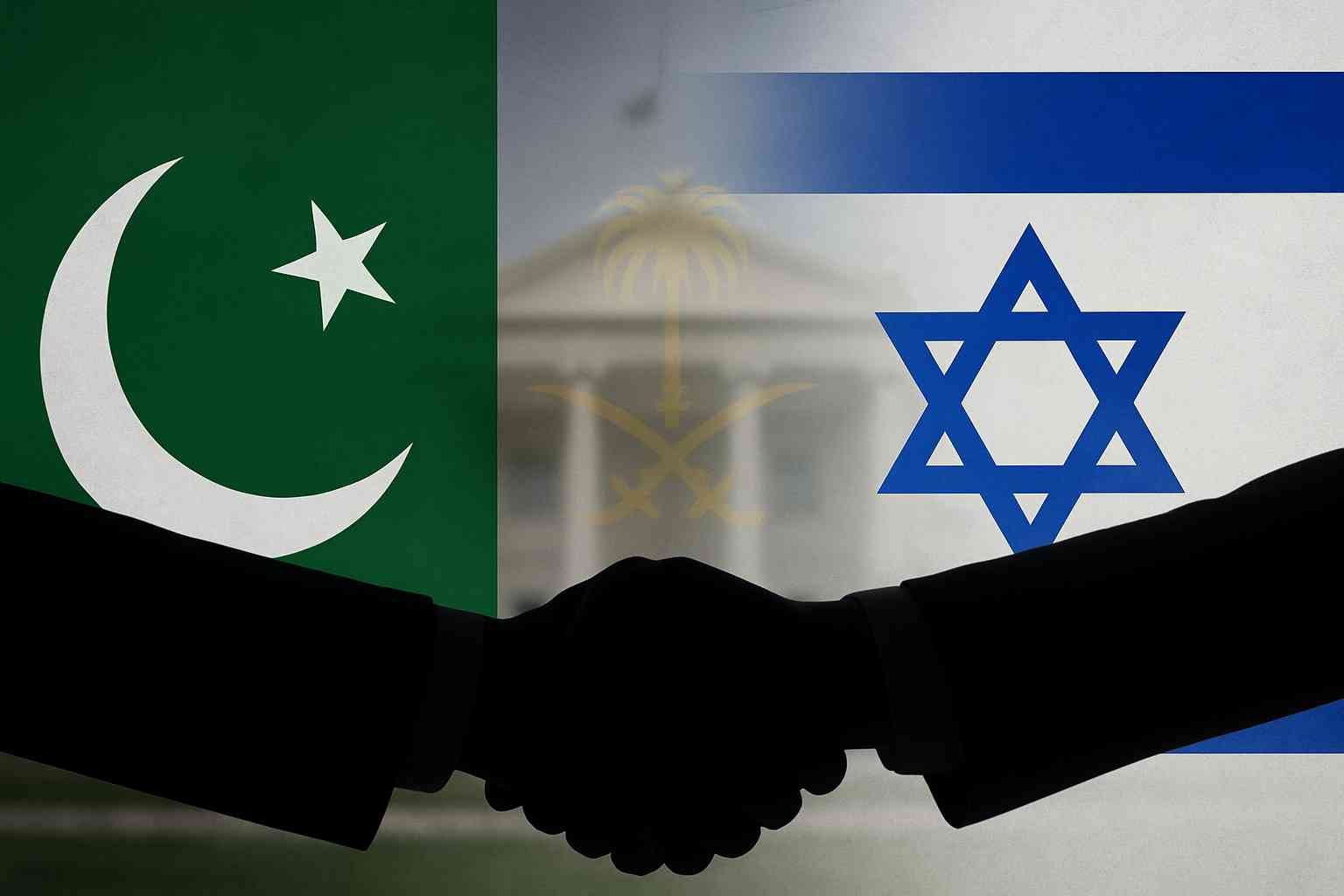
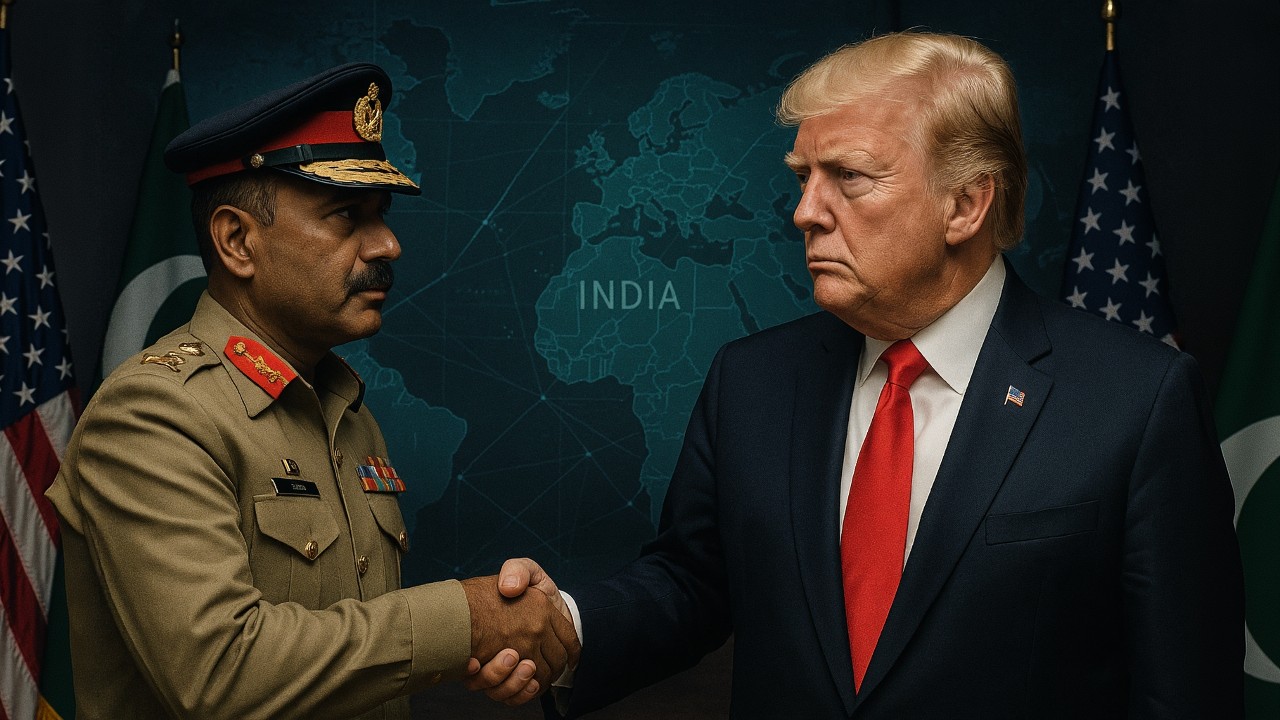
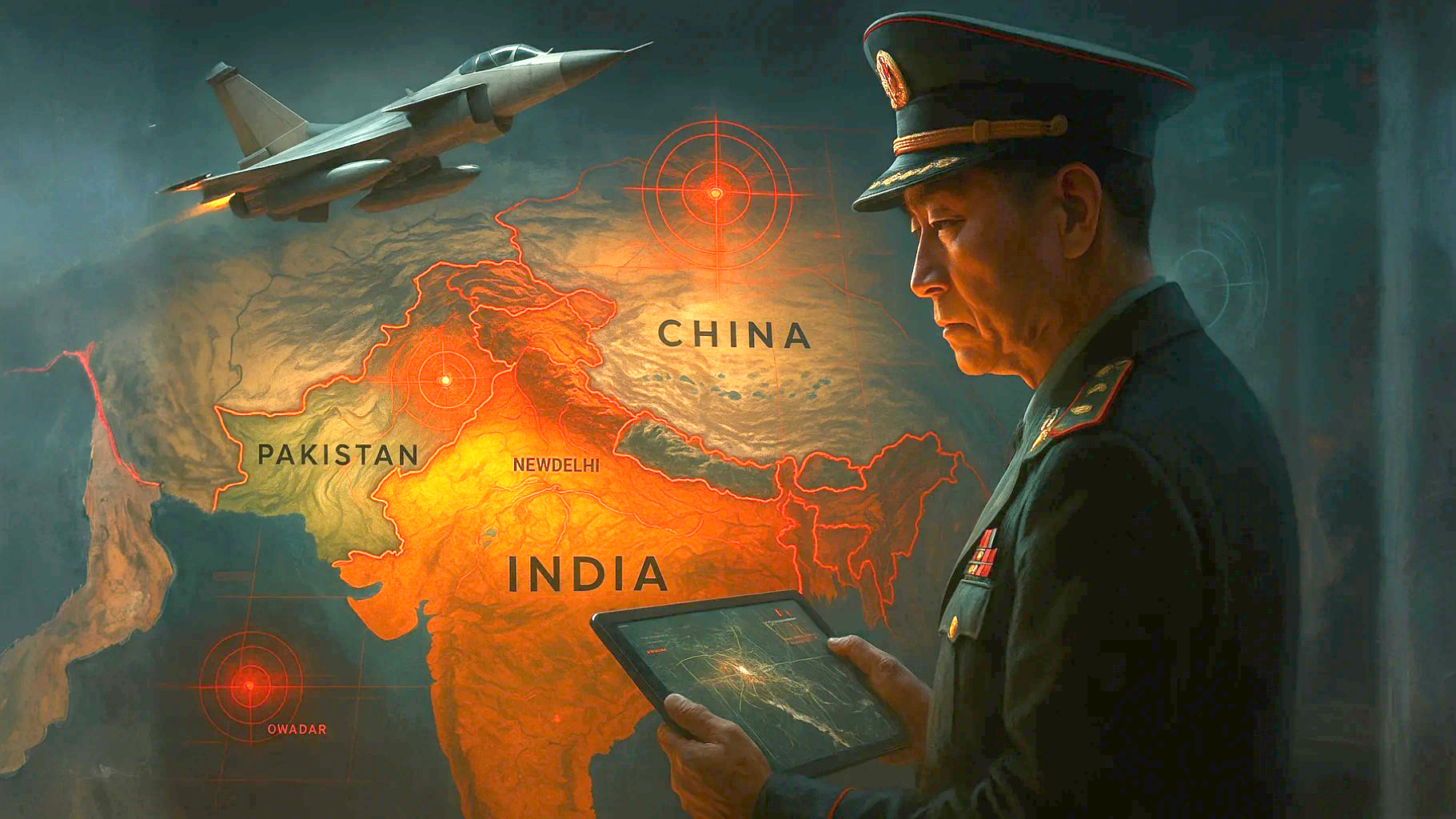
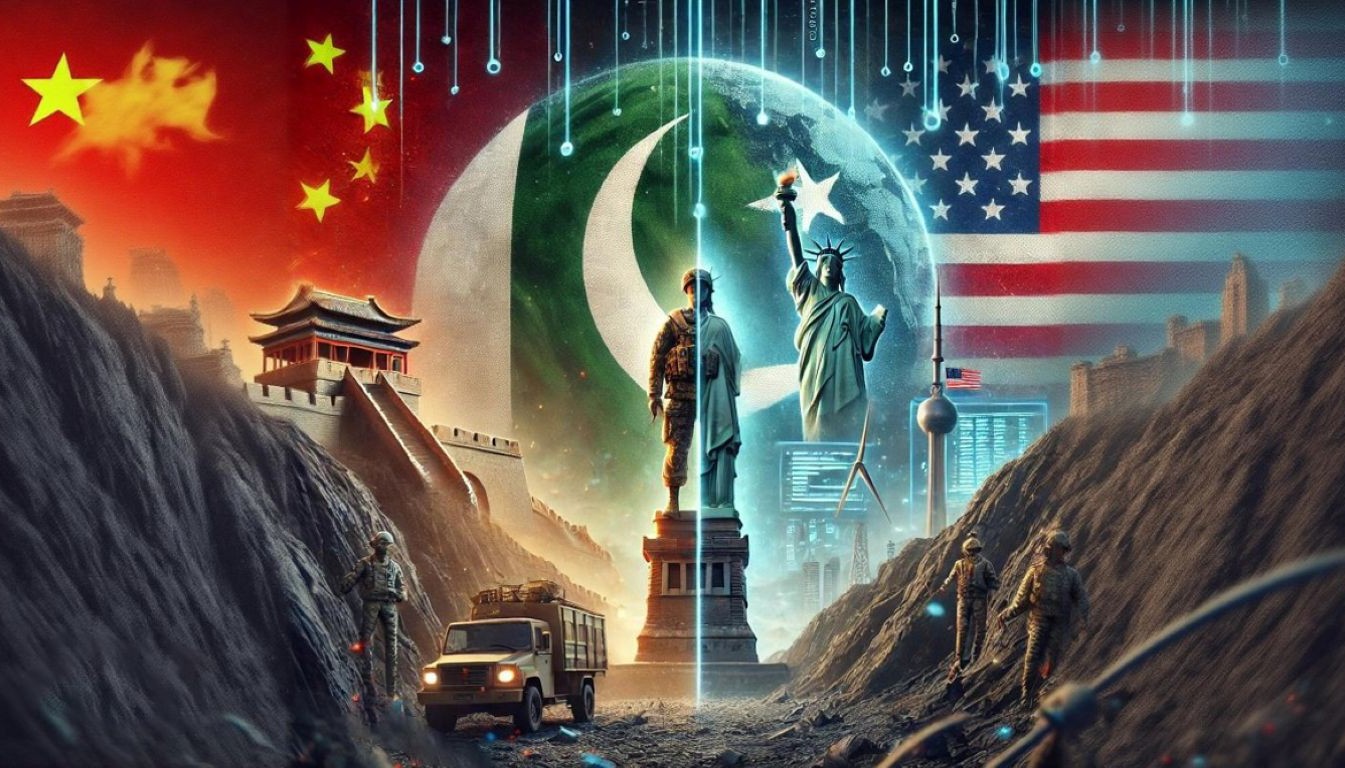
The crisis also gives India diplomatic space. Whenever Pakistan faces allegations of civilian harm in Afghanistan, New Delhi can frame Islamabad as the regional aggressor. That does not make India a neutral actor. It shows how quickly Pakistan’s Afghan policy becomes part of a wider South Asian contest.
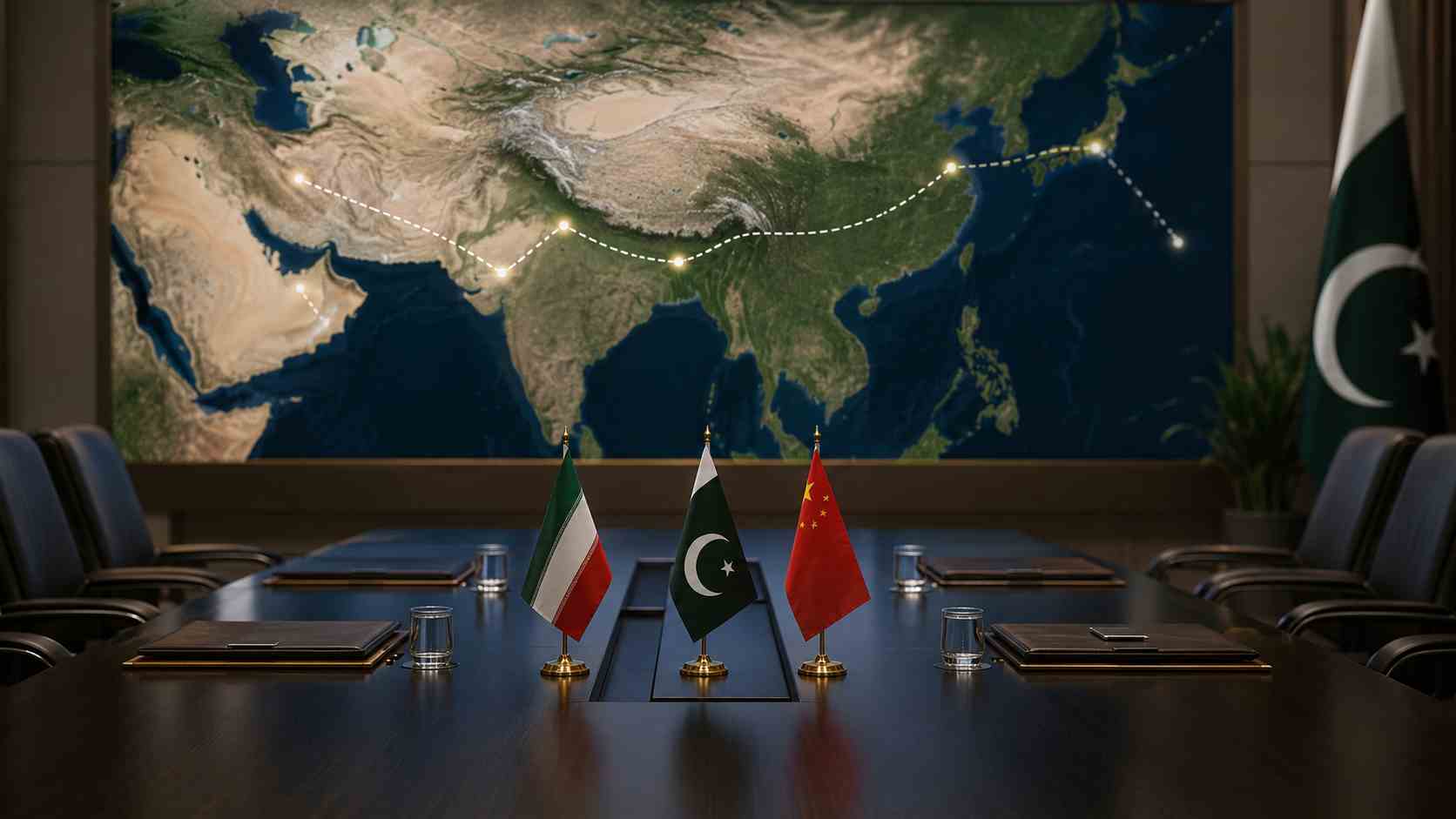
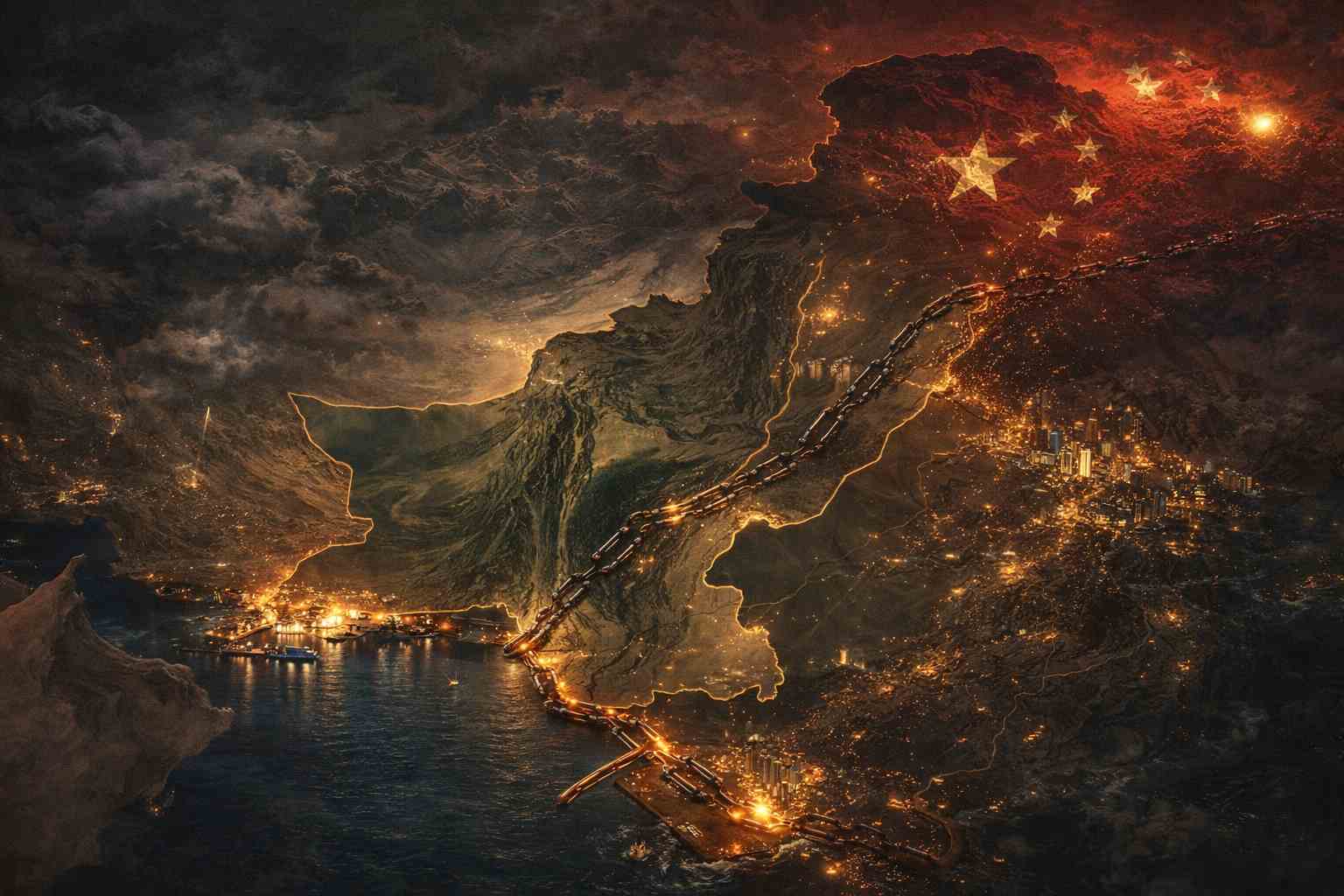
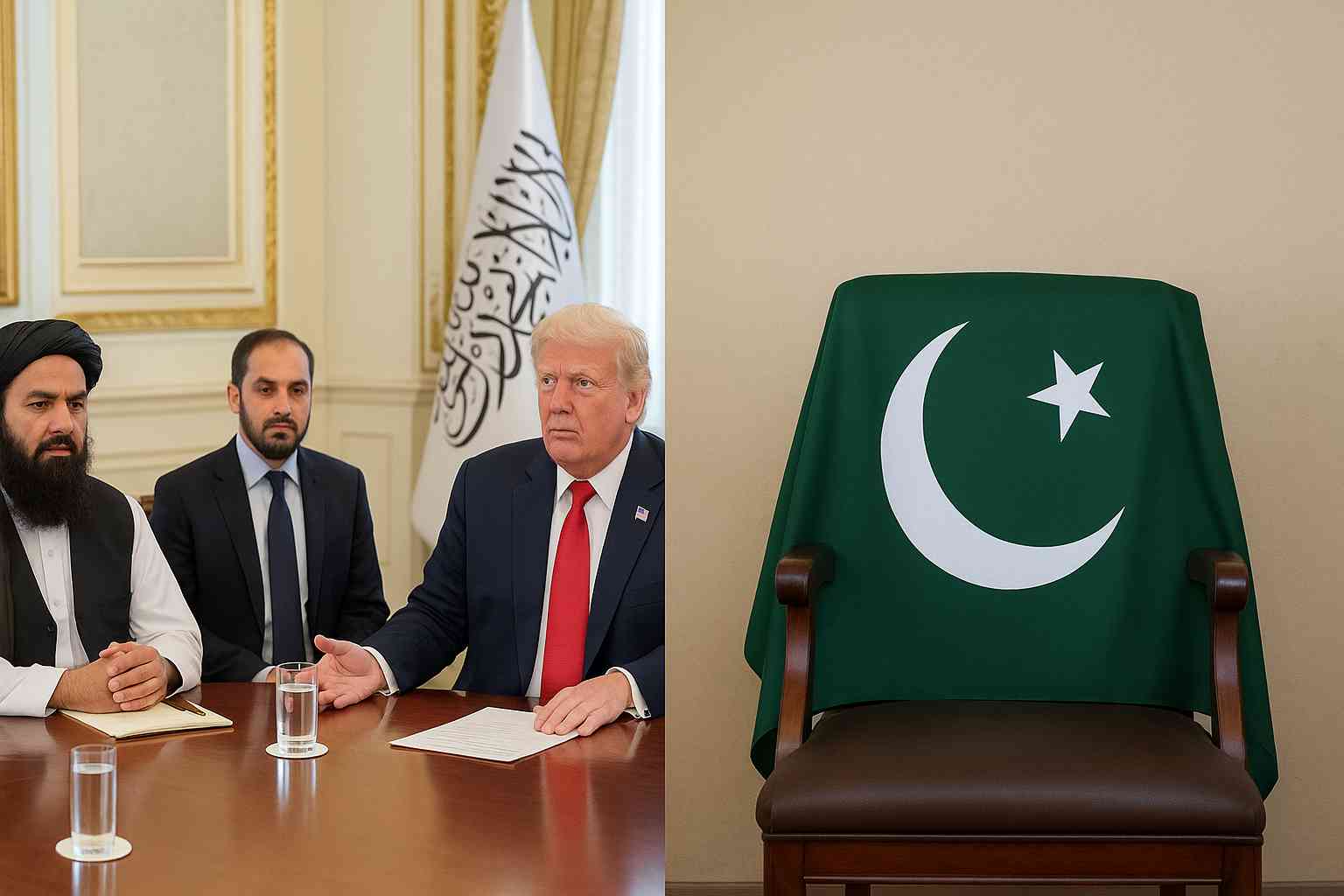
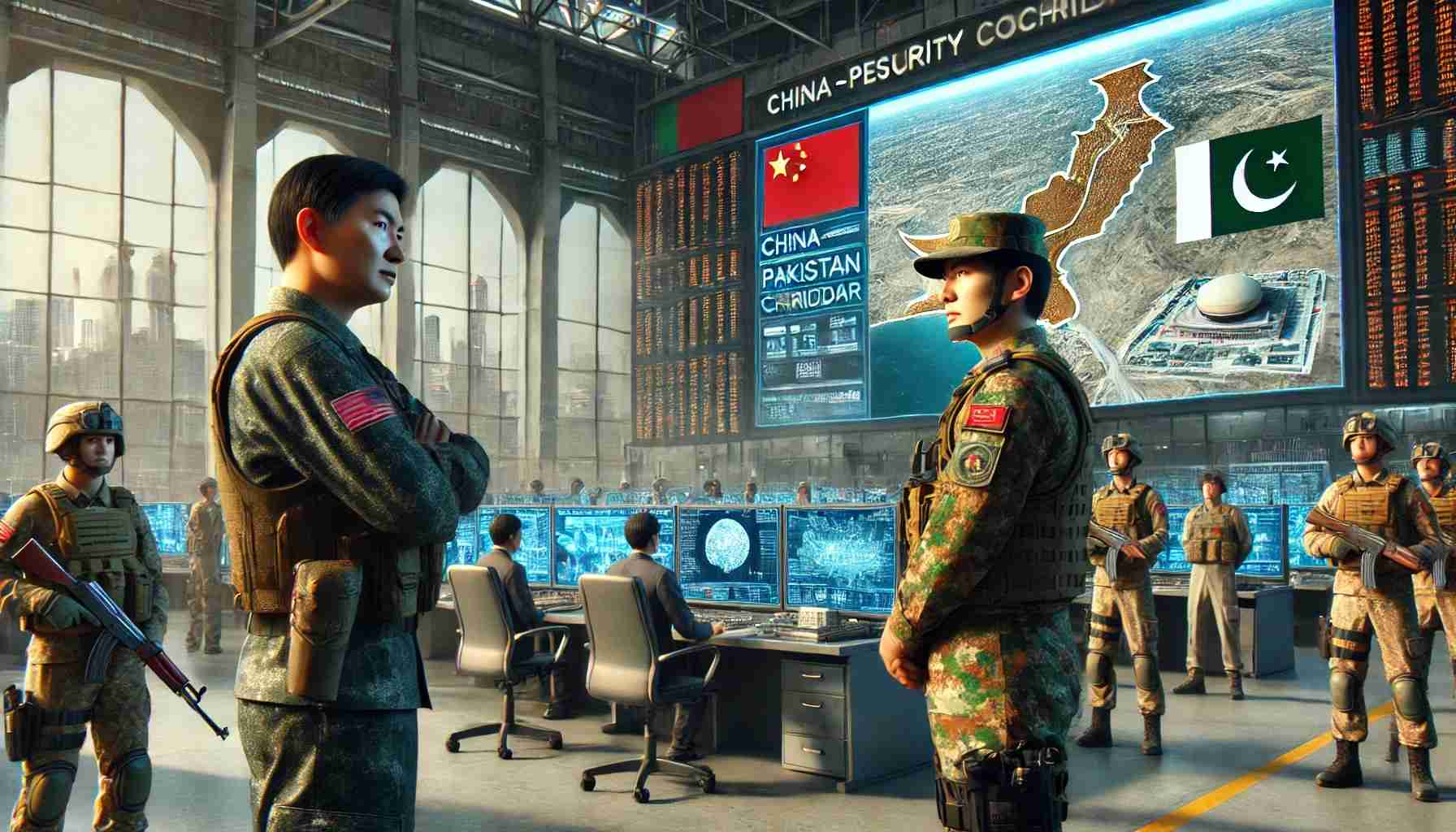
China, Gulf states, and other mediators may push both sides back toward talks. Mediation, however, cannot substitute for clarity. Pakistan must define what it wants from Kabul, what it can realistically enforce, and what costs it is prepared to carry.
A permanent low-grade conflict on the western border would drain Pakistan’s economy, militarize politics further, and deepen insecurity in already vulnerable provinces.
The Hard Question After the Pakistan Afghan Airstrikes
Pakistan has a right to protect its citizens from terrorism. That right is not in dispute.
The harder question is whether the current policy protects them well.
If airstrikes become routine, civilian casualties will keep feeding anger across the border. Continued TTP attacks inside Pakistan will raise another question: why has military escalation not delivered safety? Civilian leaders also weaken democratic accountability when they endorse decisions they did not truly shape.
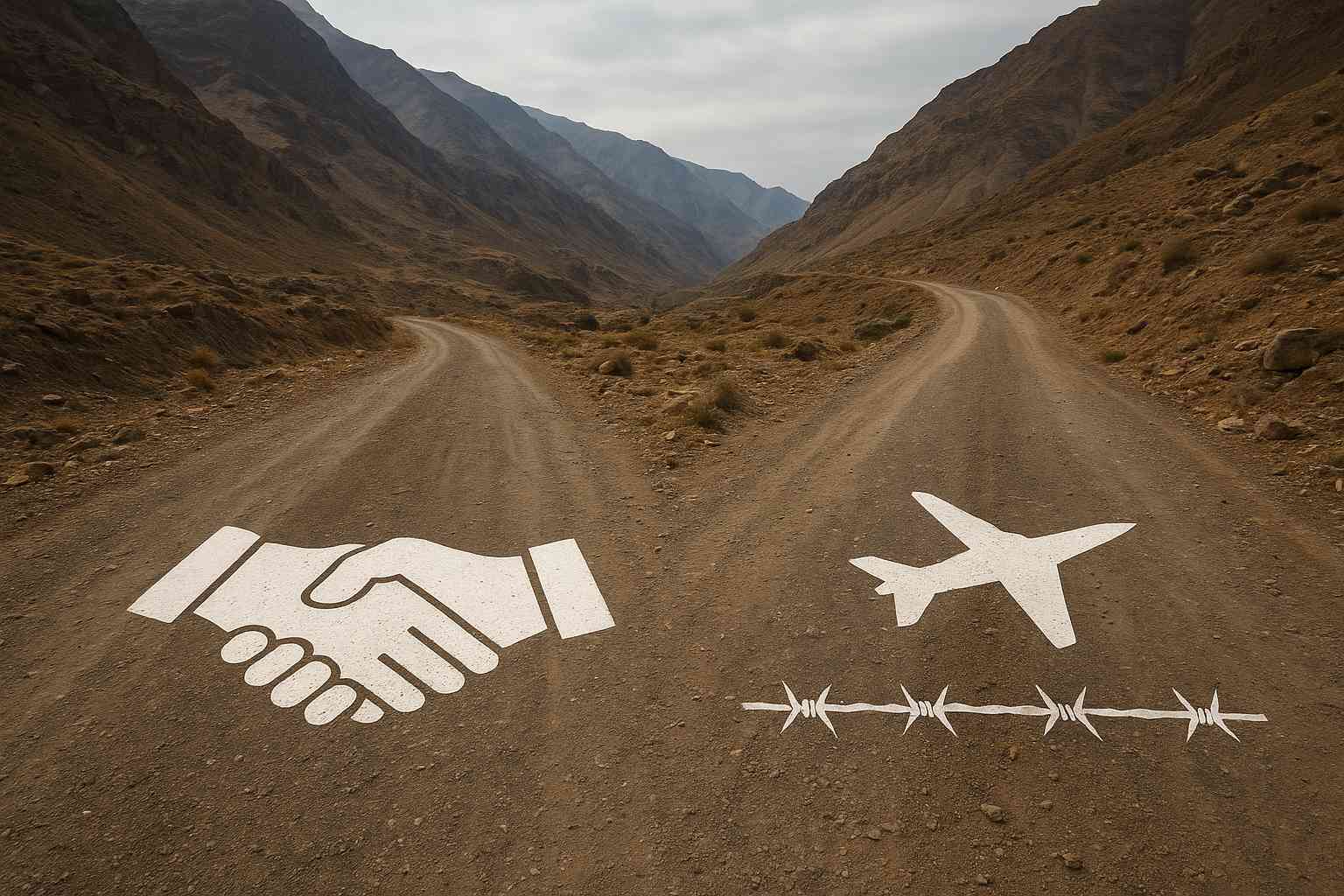
Pakistan needs a security policy that confronts the TTP without turning the Afghan frontier into a permanent war zone. It needs civilian oversight, transparent objectives, and a diplomatic channel that does more than pause the next round of violence.
The latest Pakistan Afghan airstrikes may have been presented as a tactical success by Islamabad. Strategically, they reveal something more troubling.
Pakistan is fighting a border war without a political settlement, without public accountability, and without a visible exit.