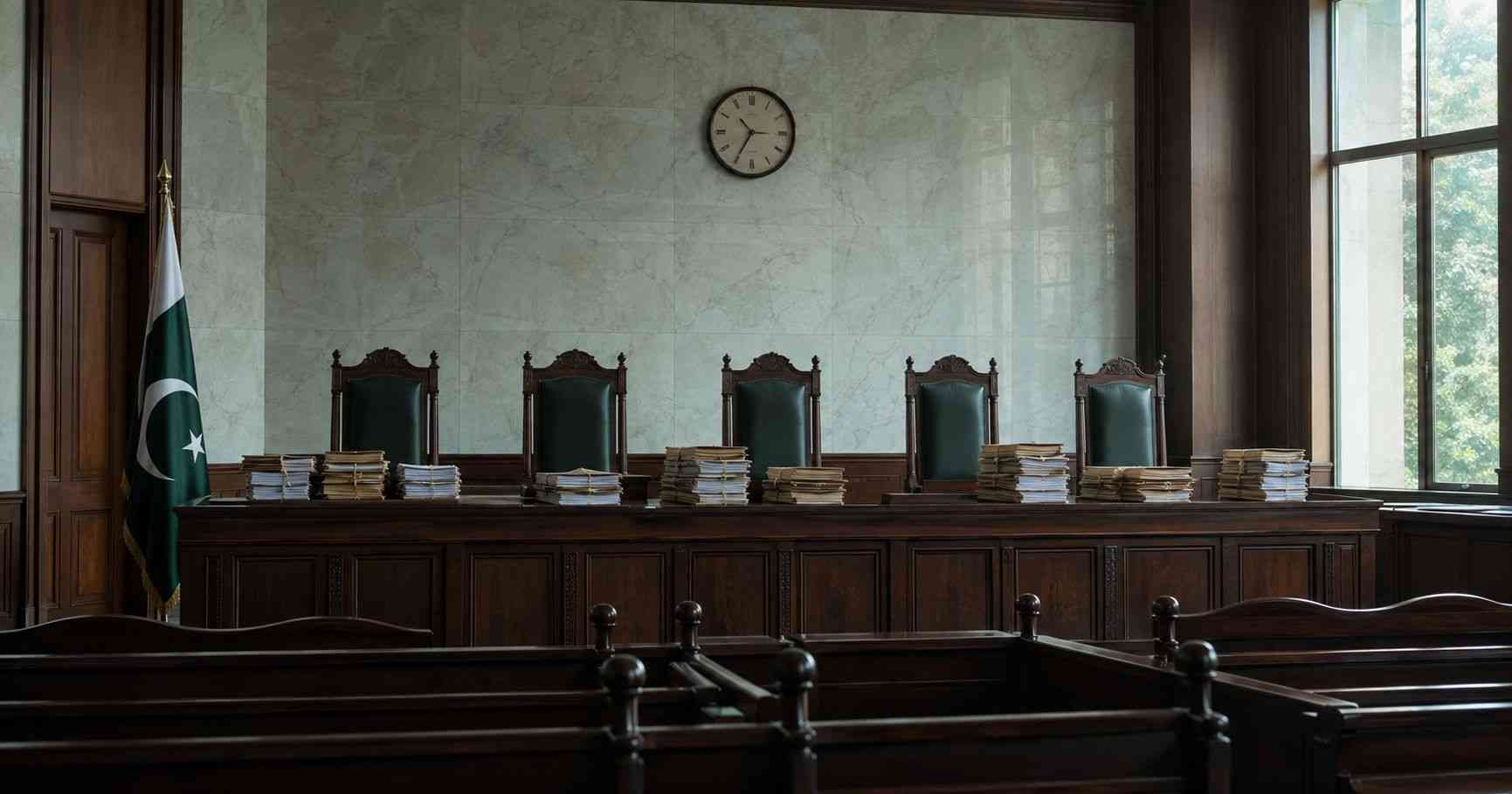
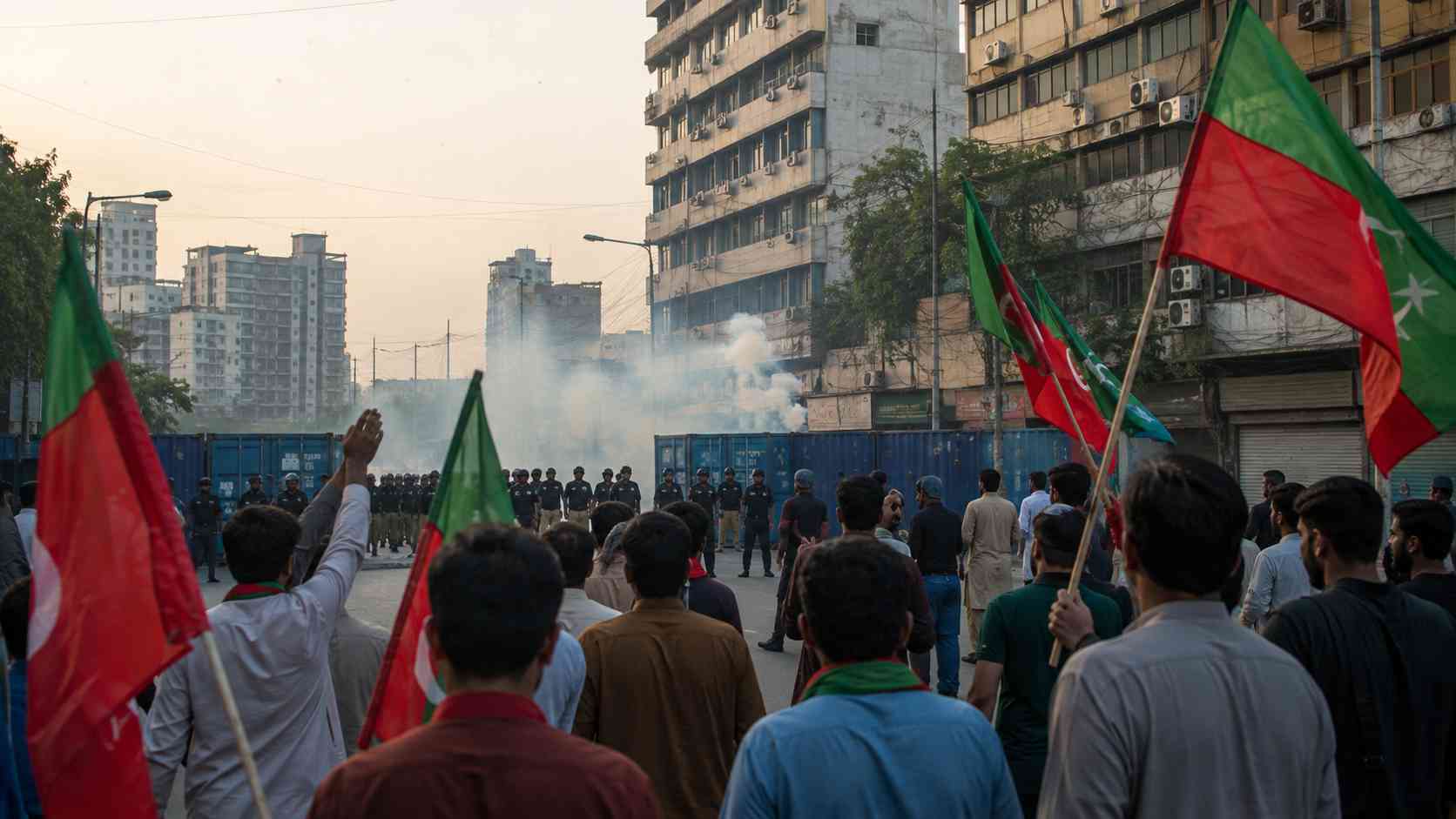
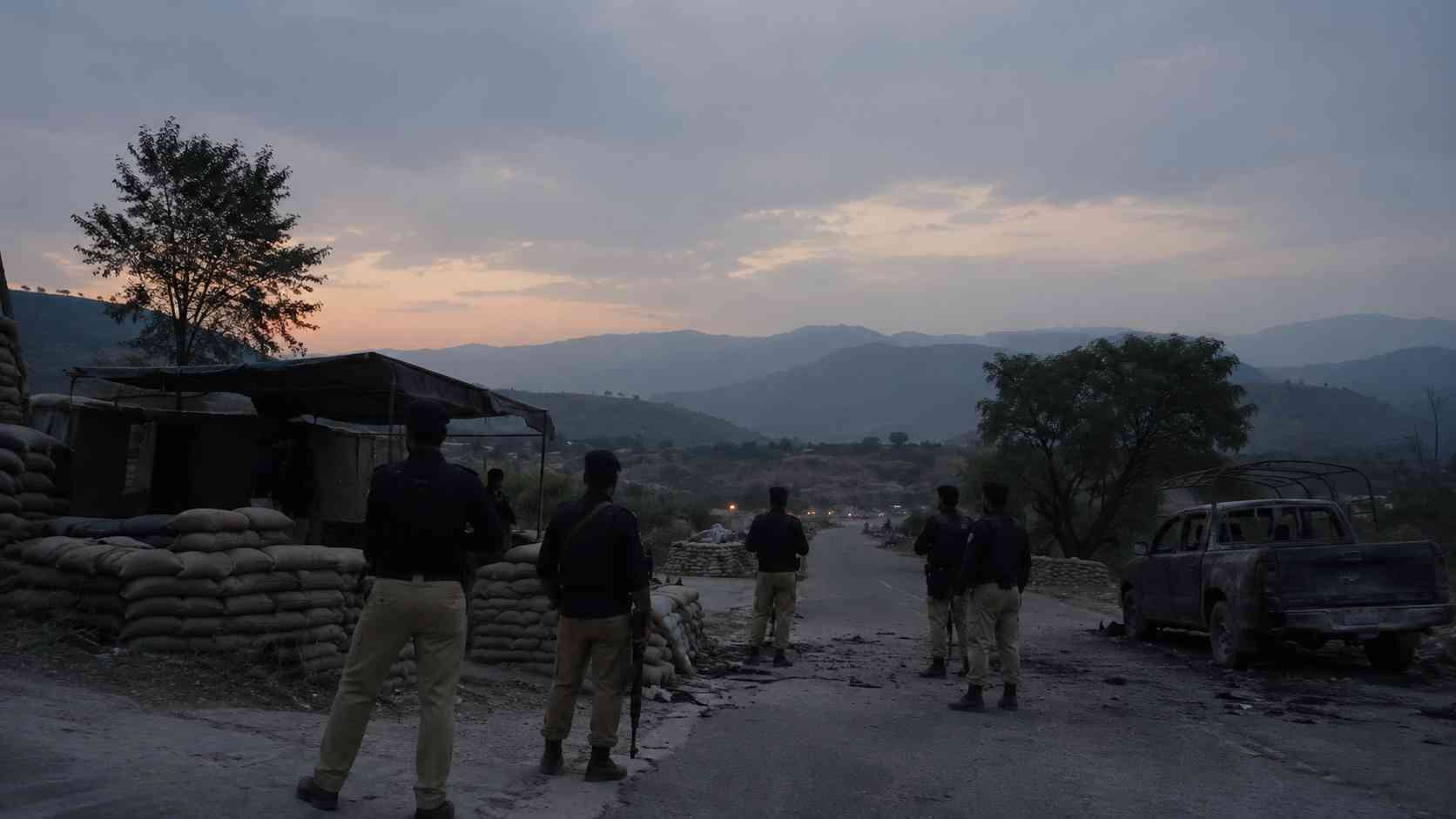
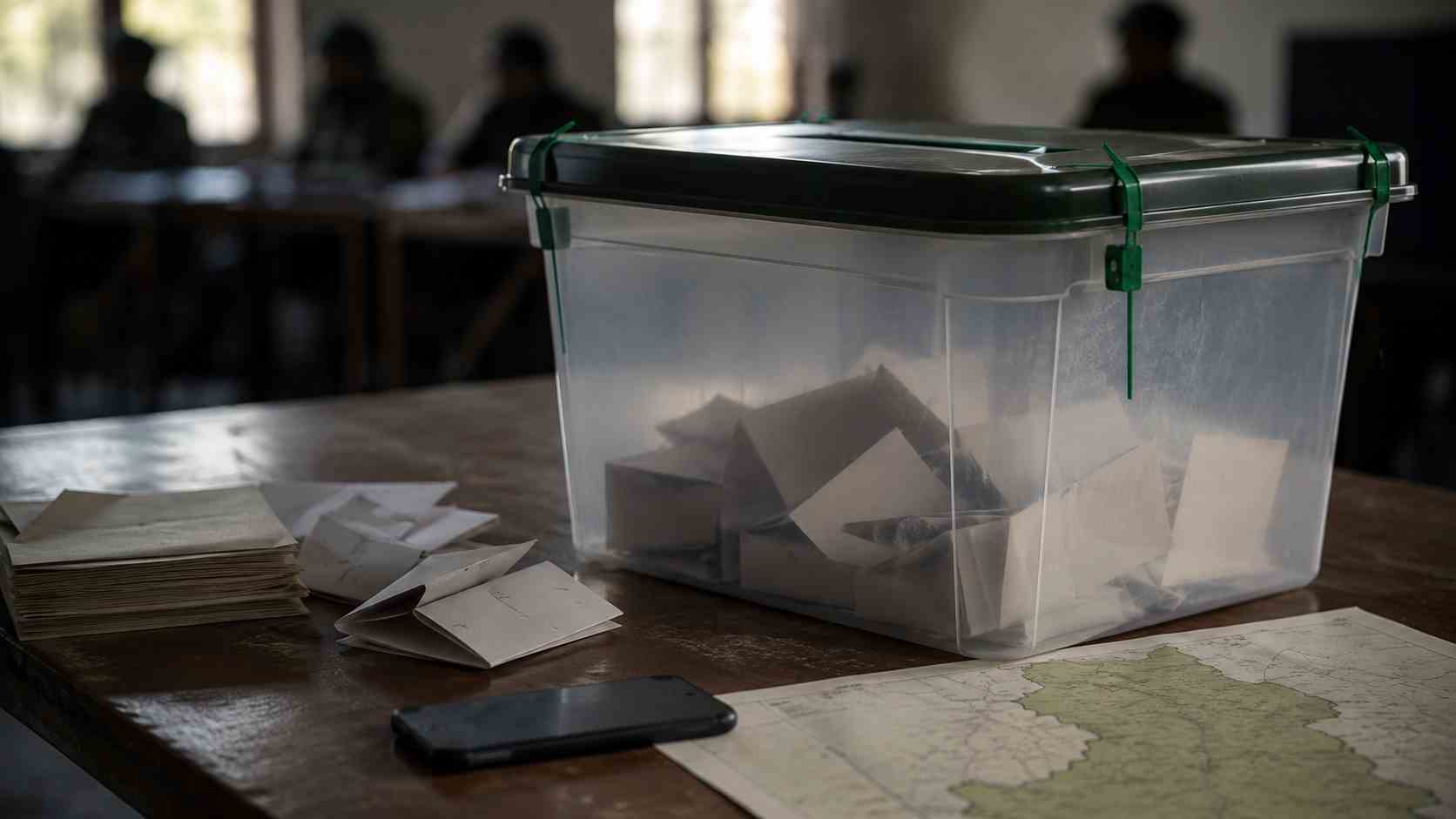
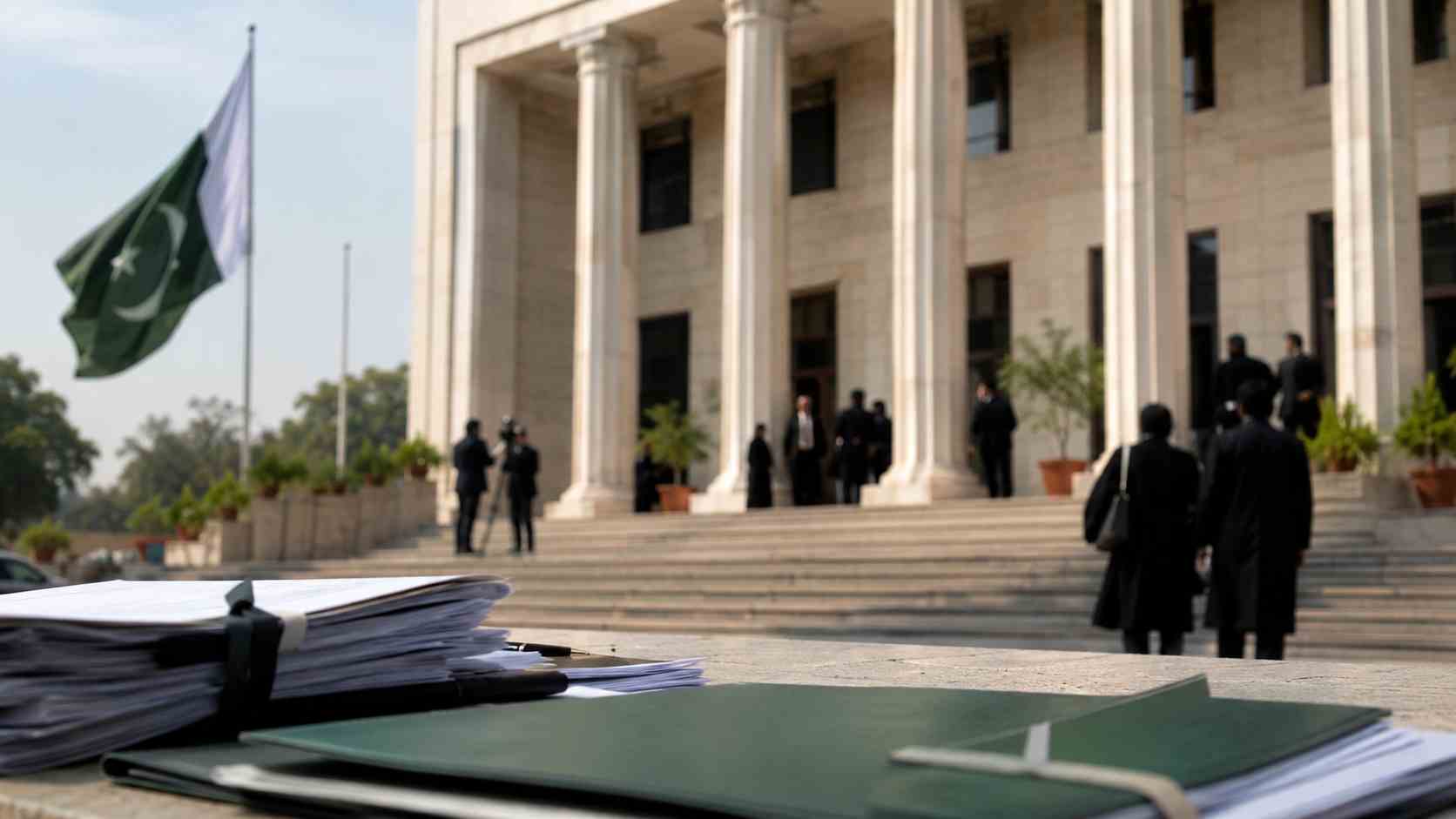
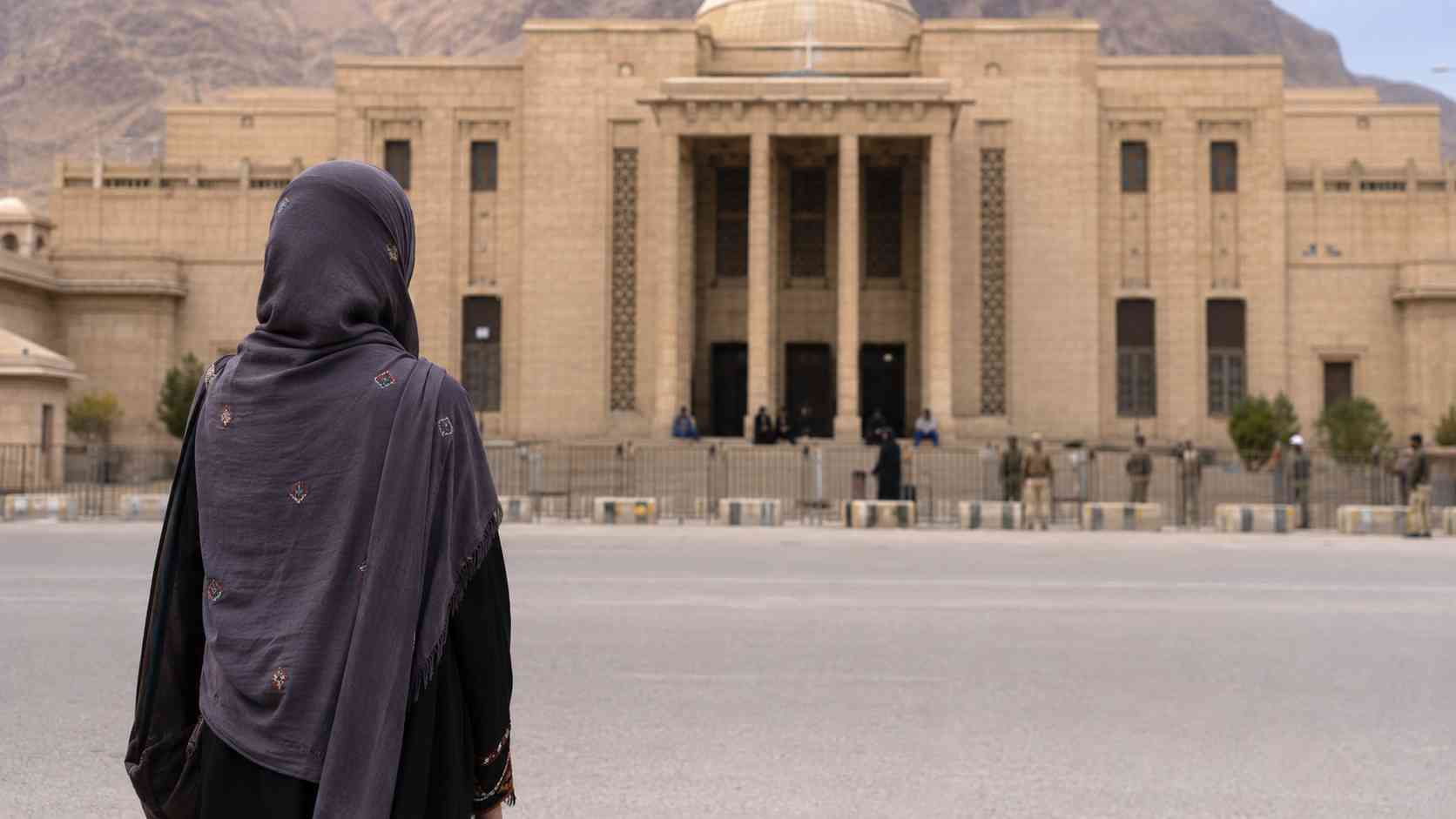
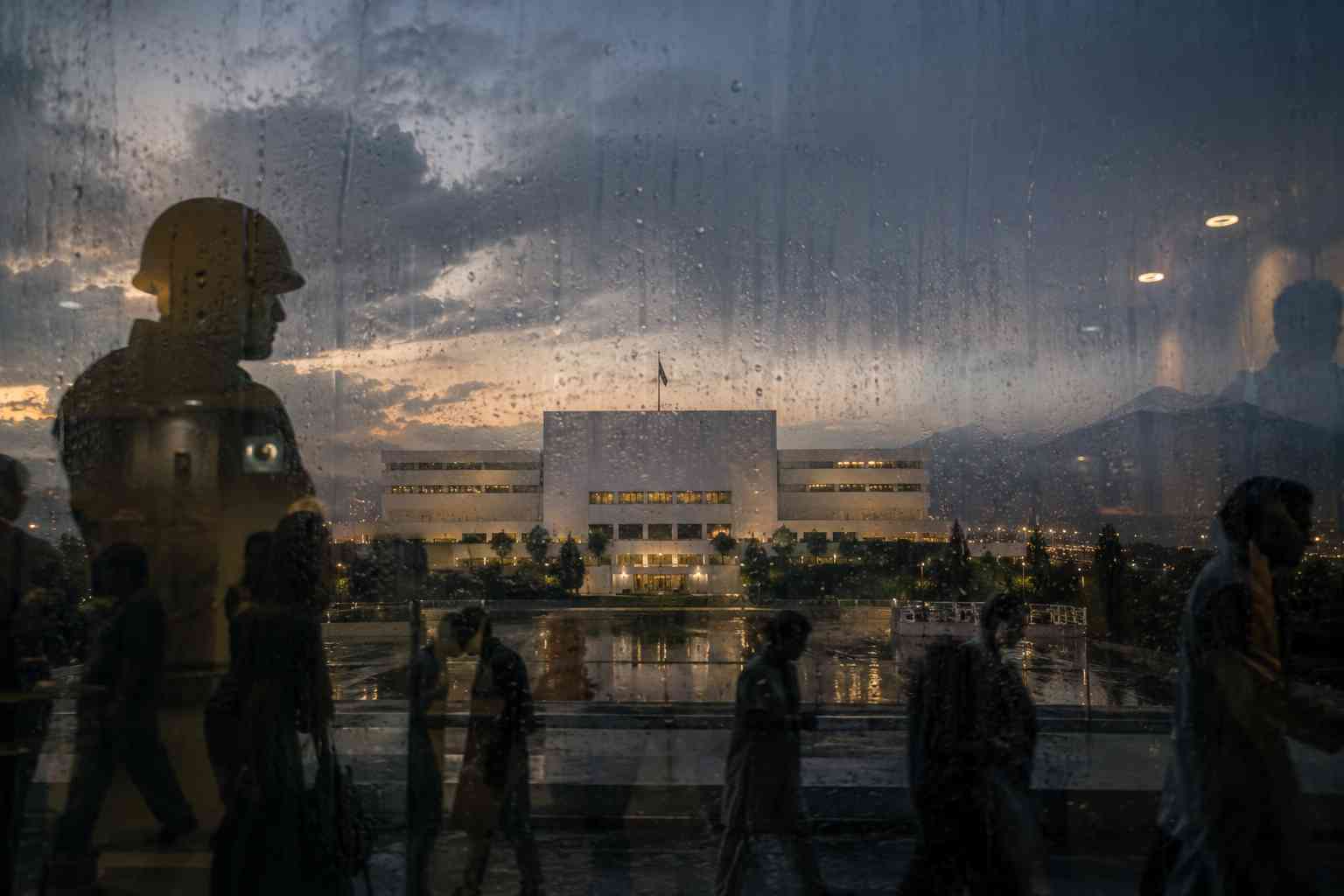
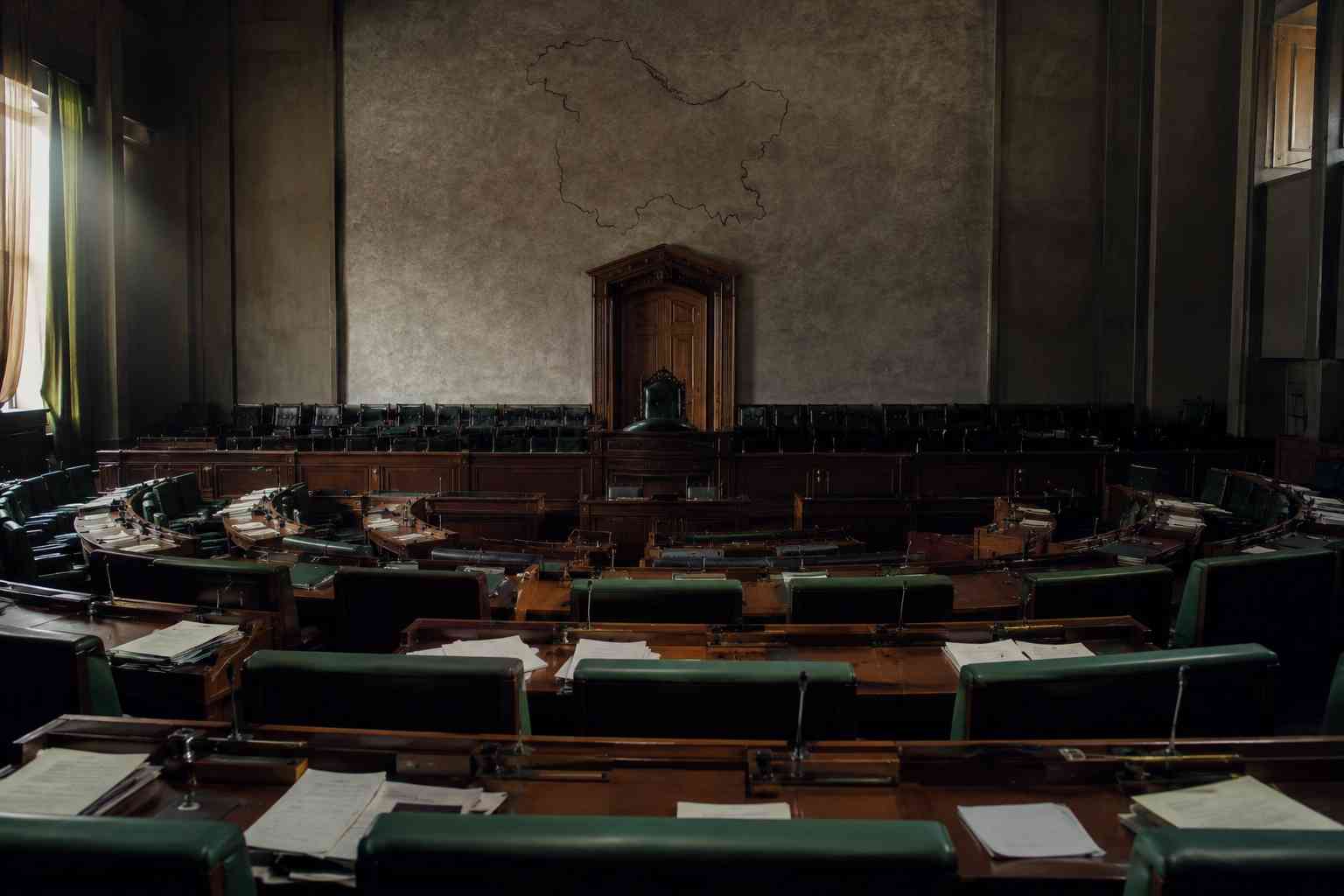
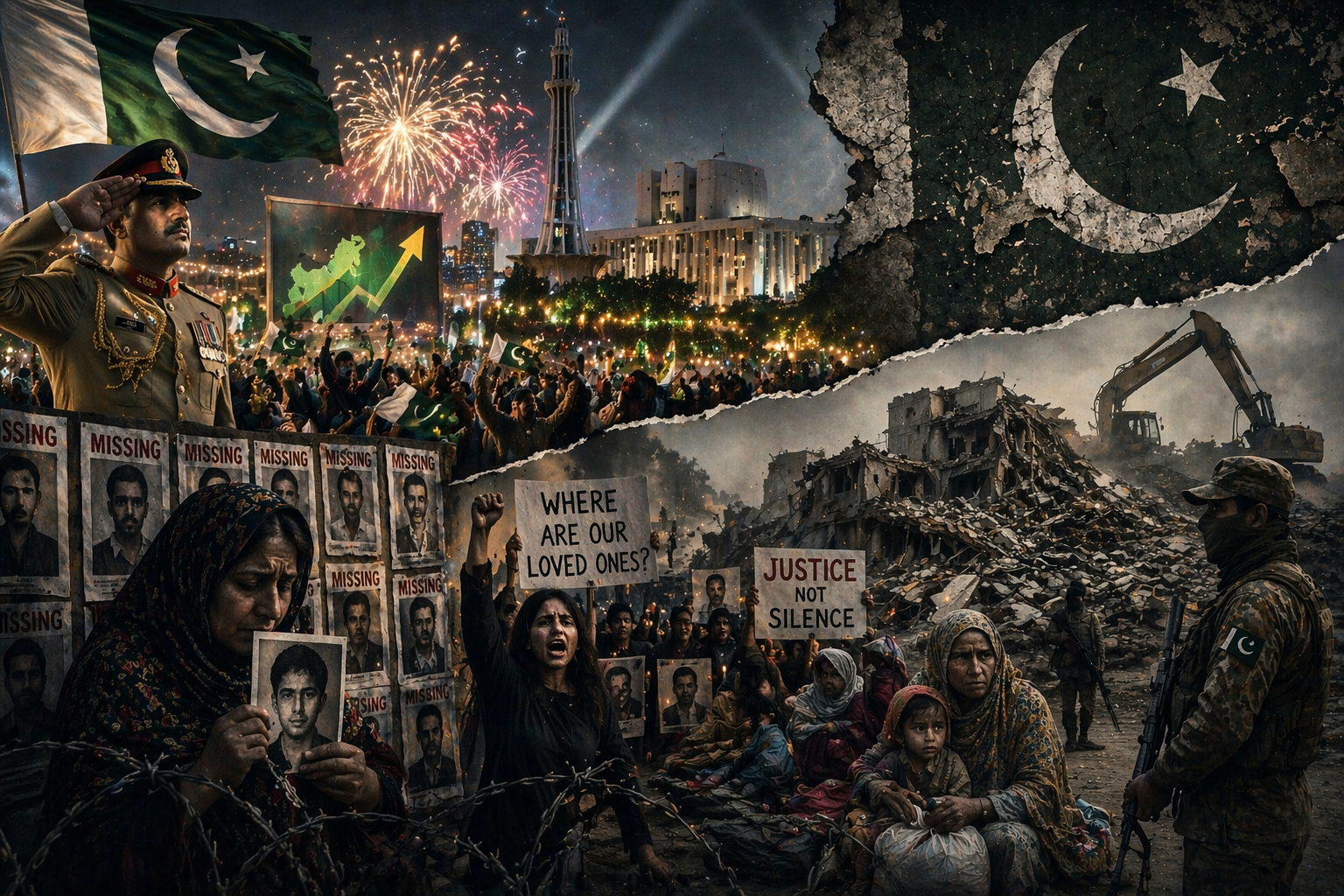
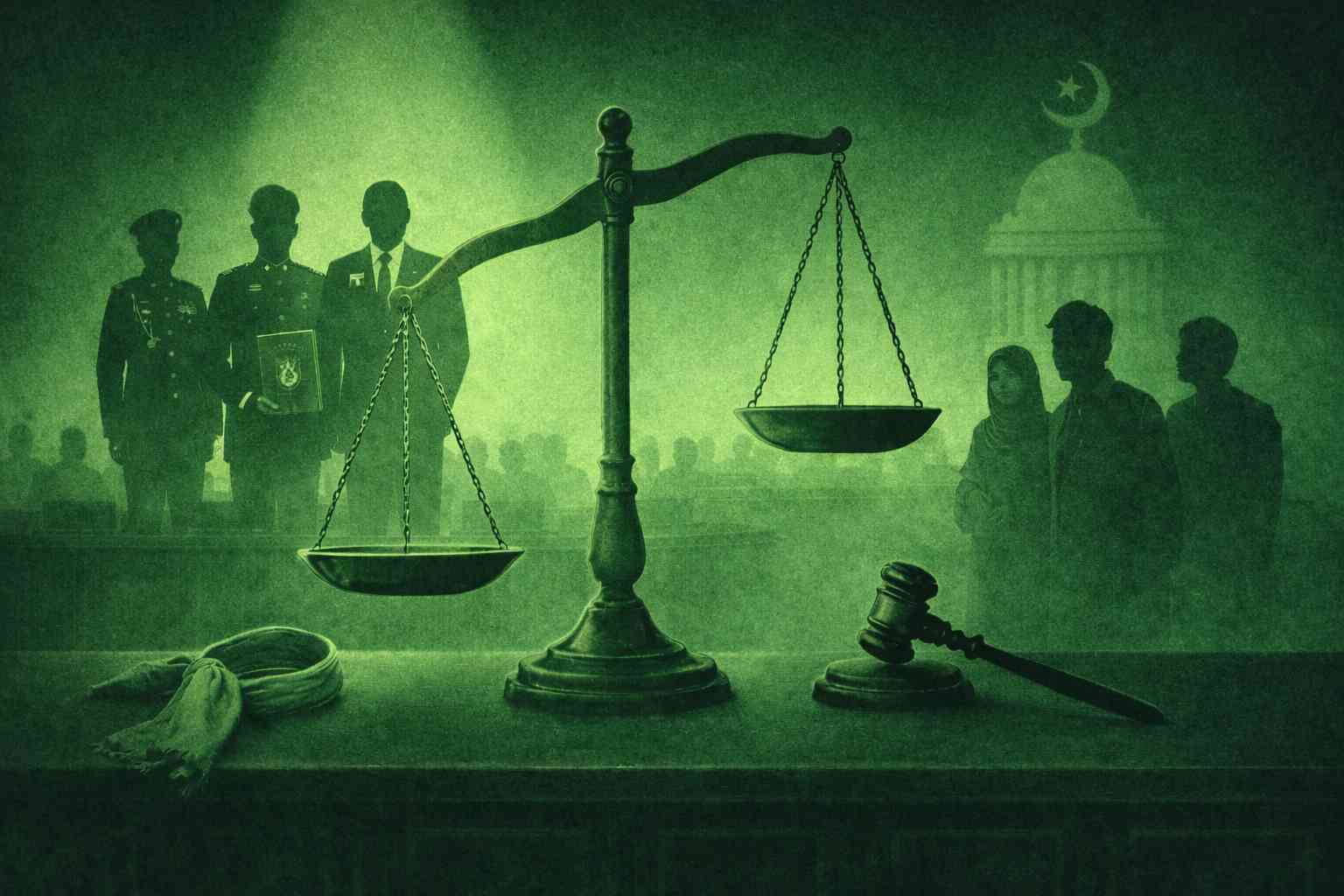
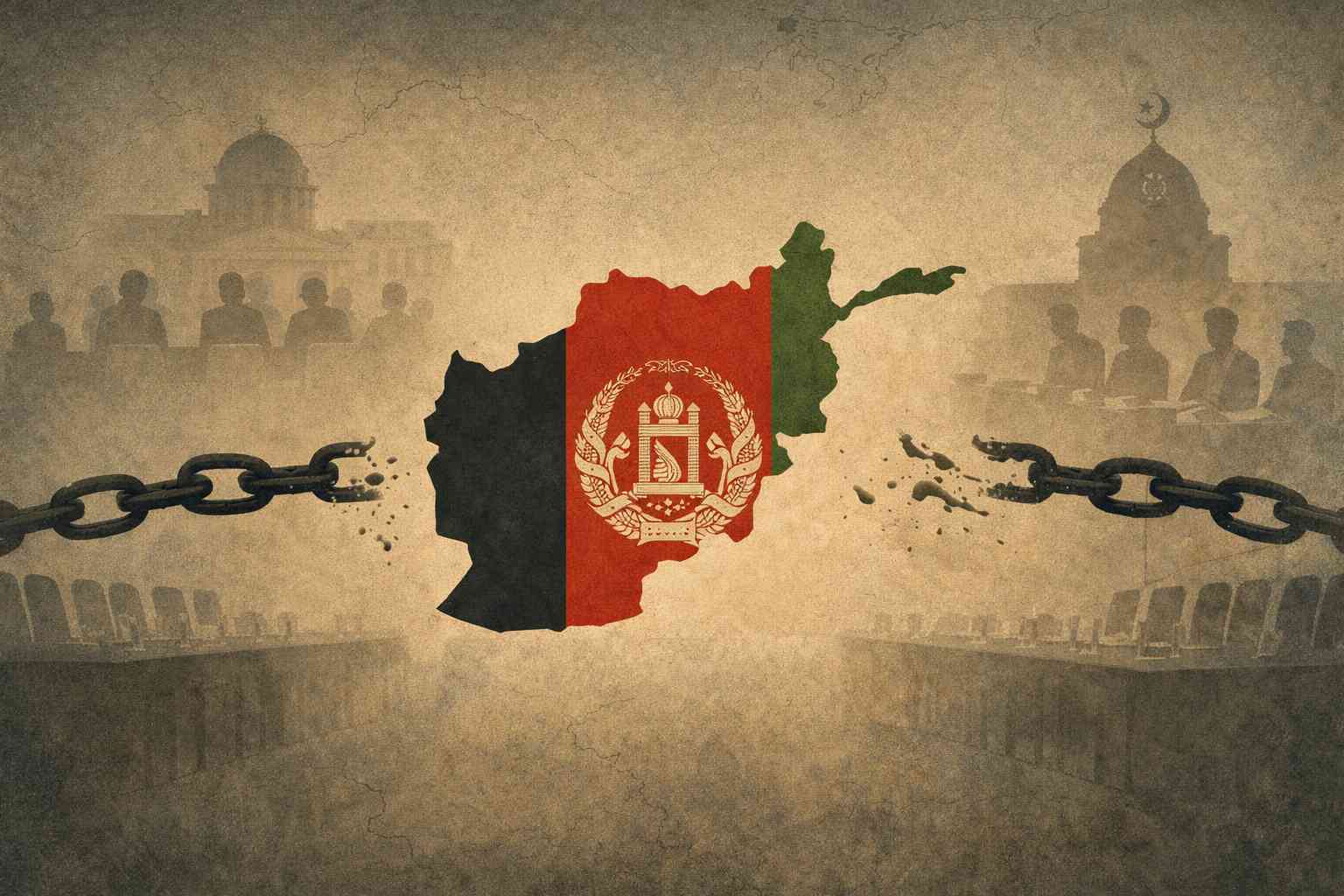
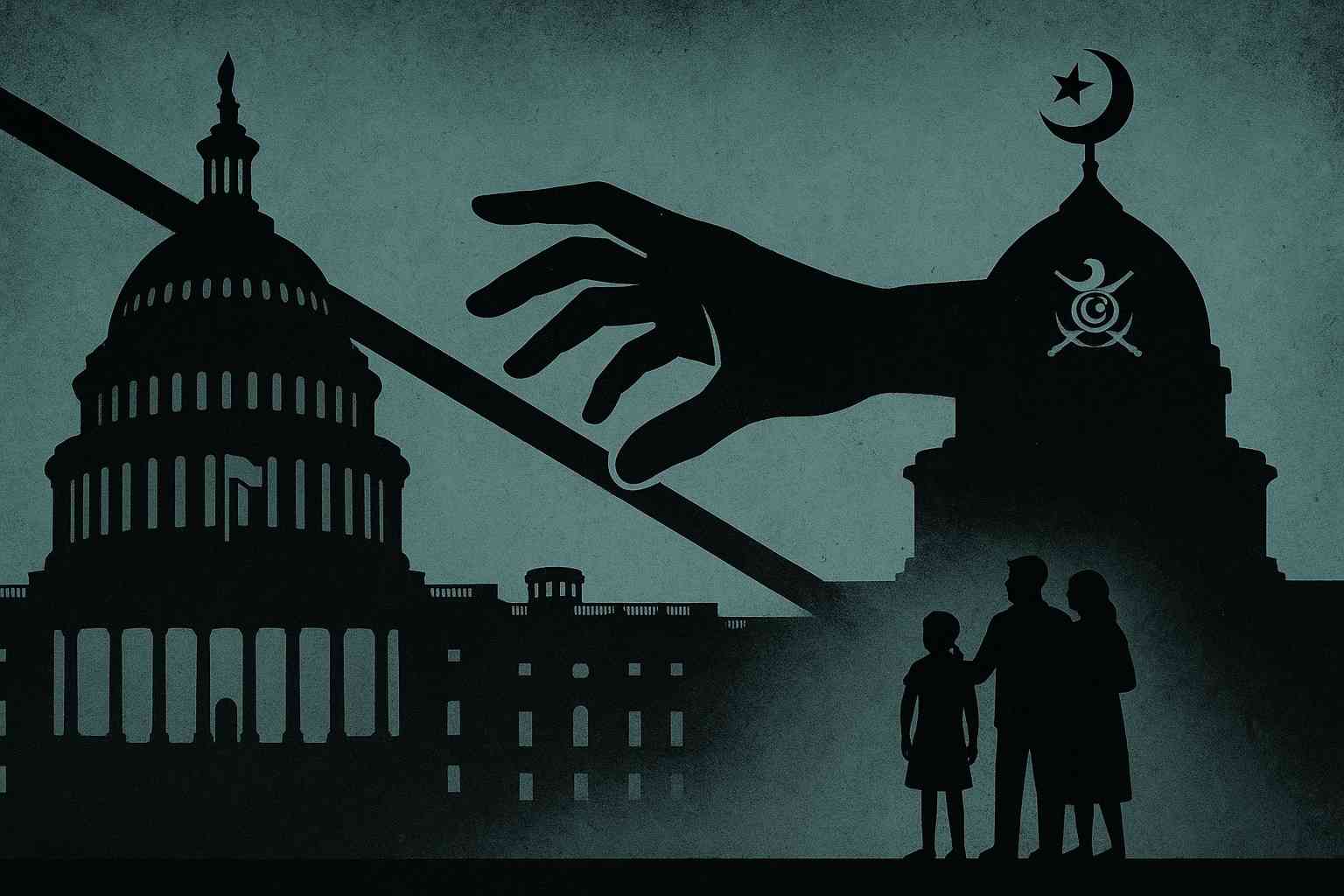
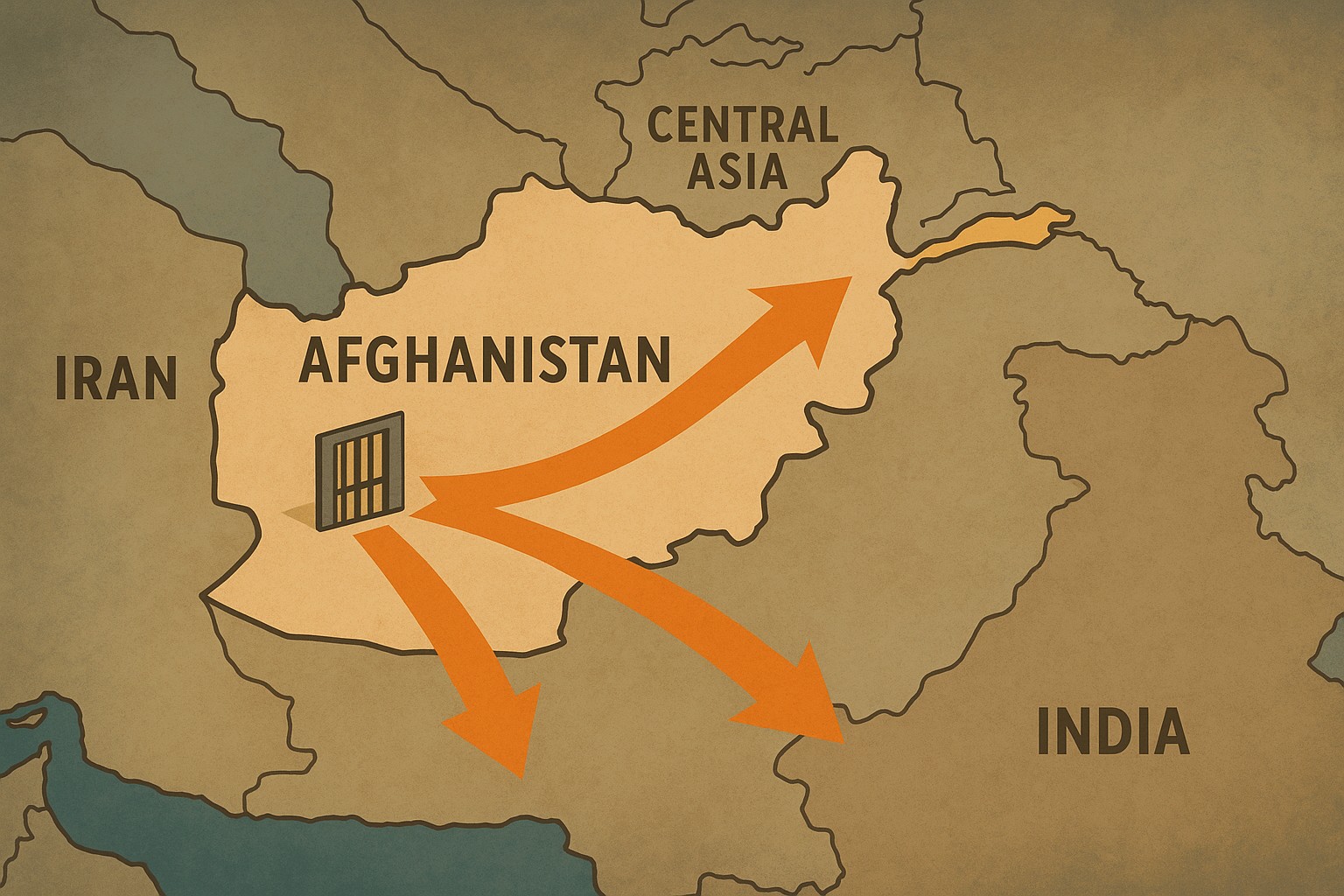
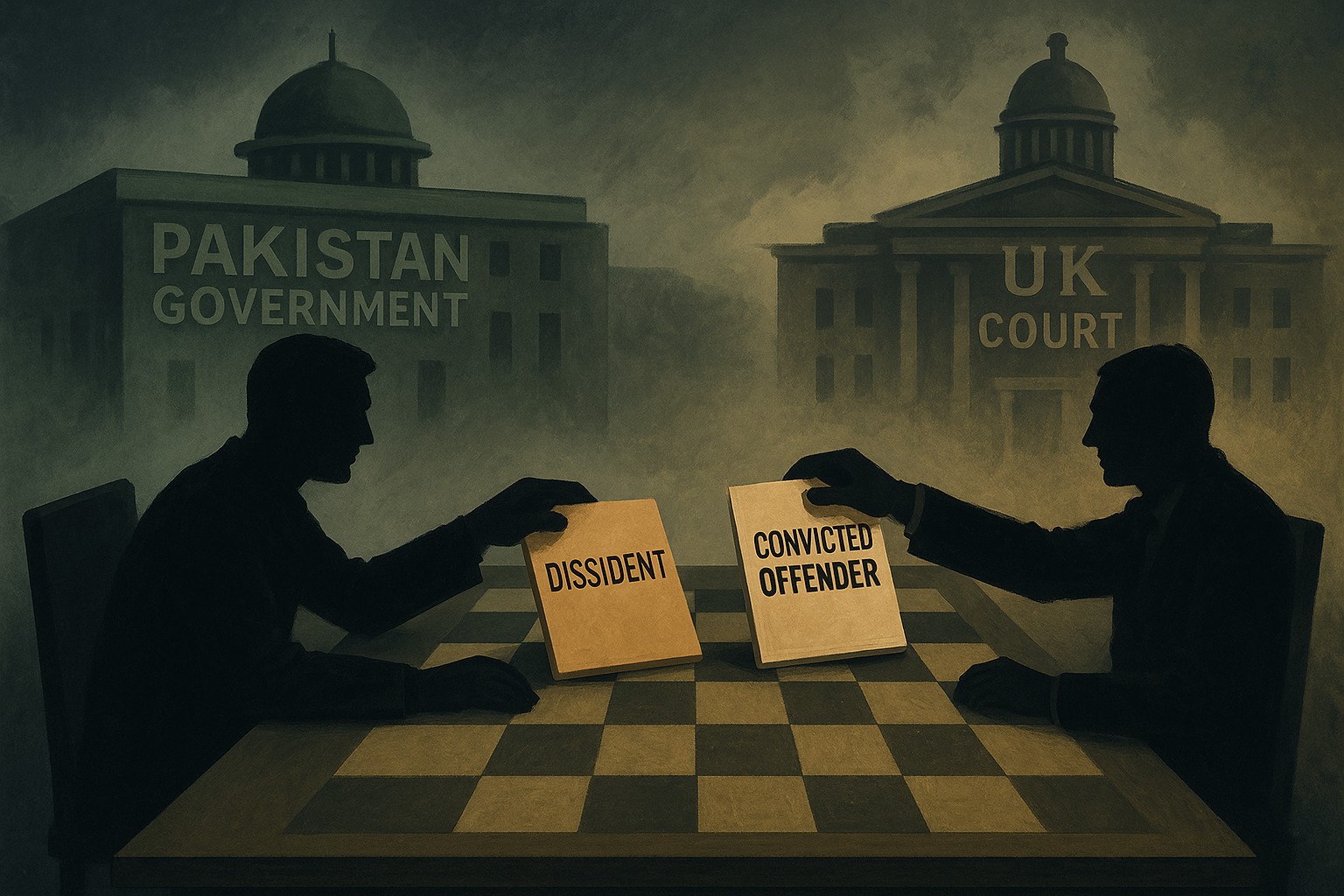
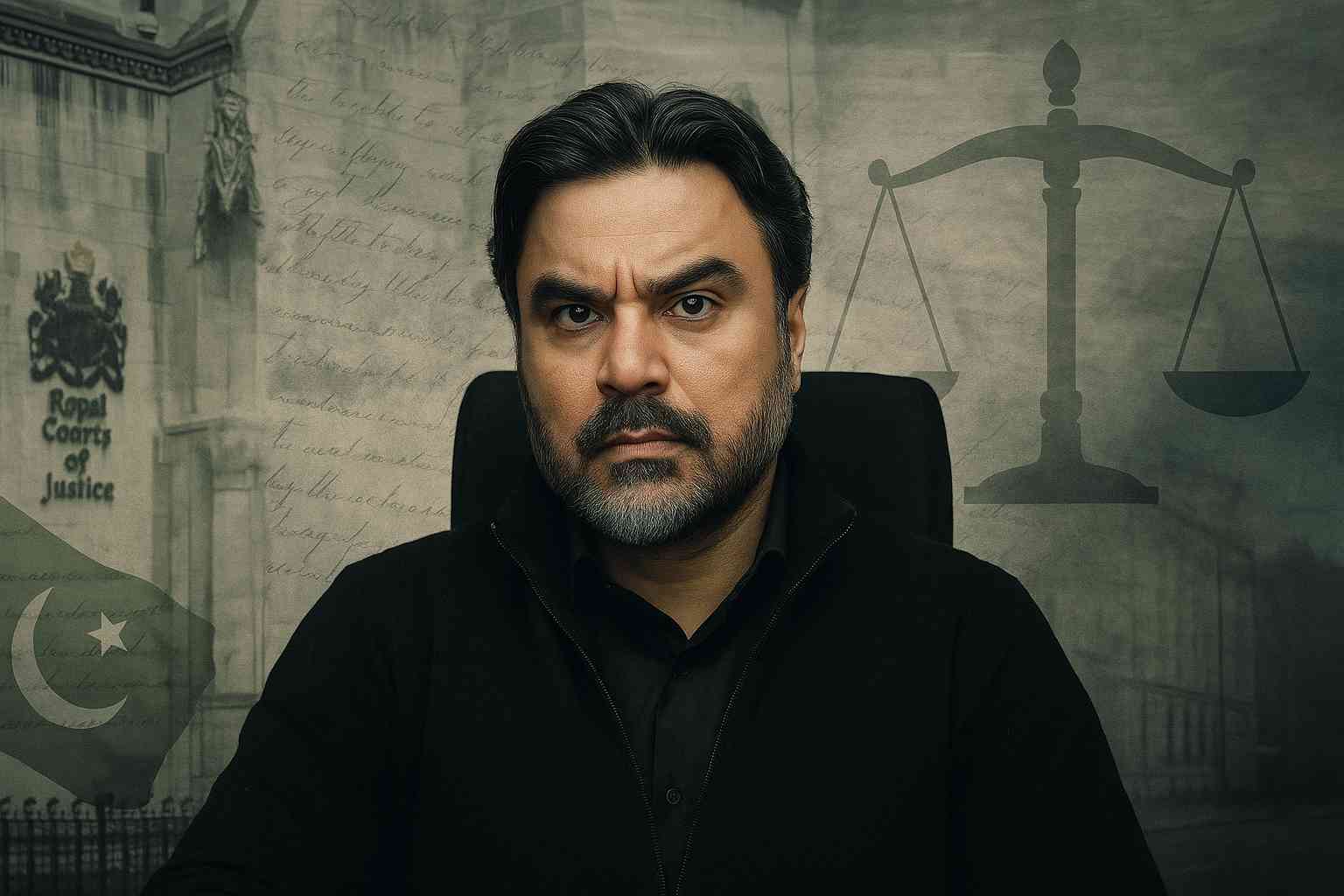
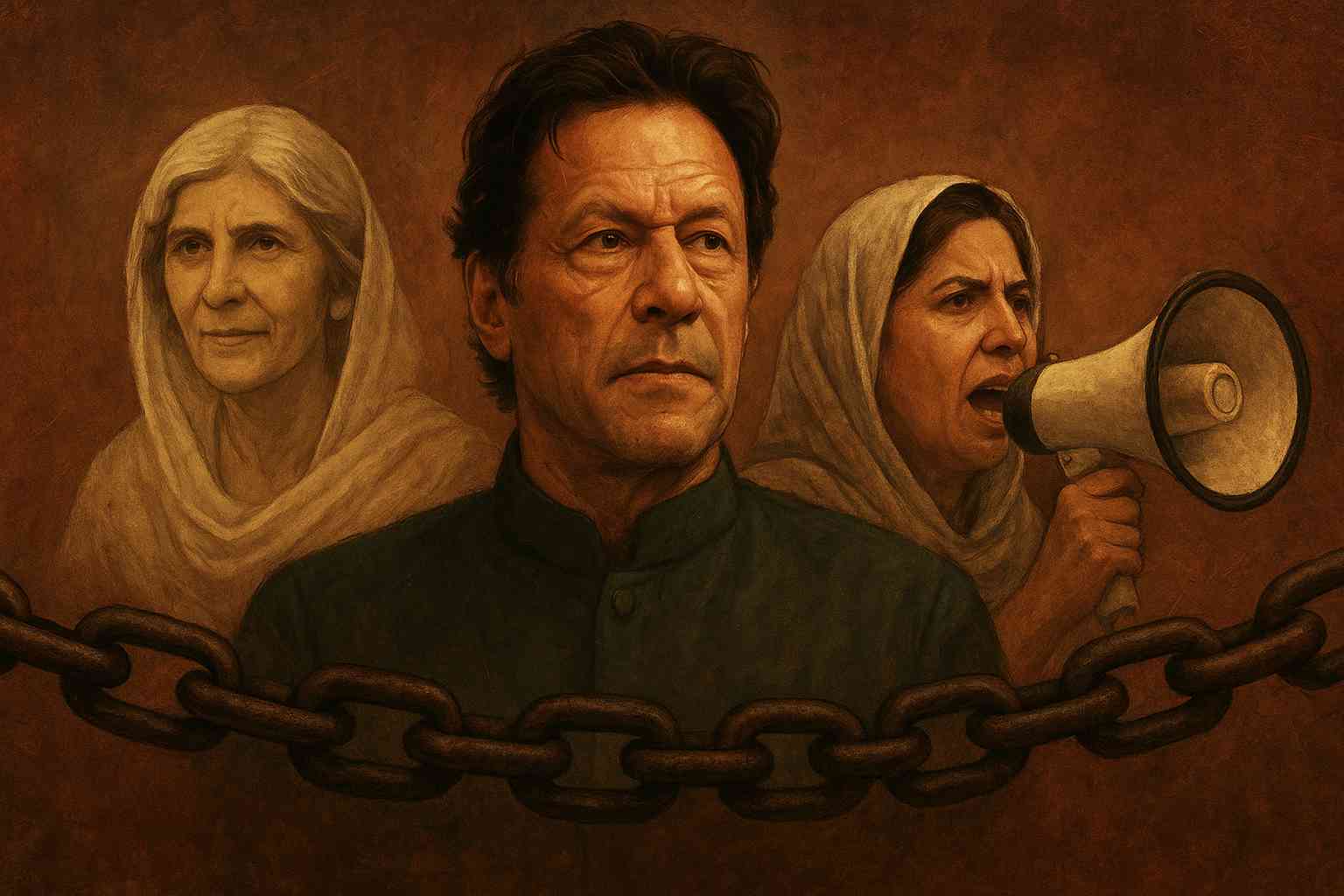
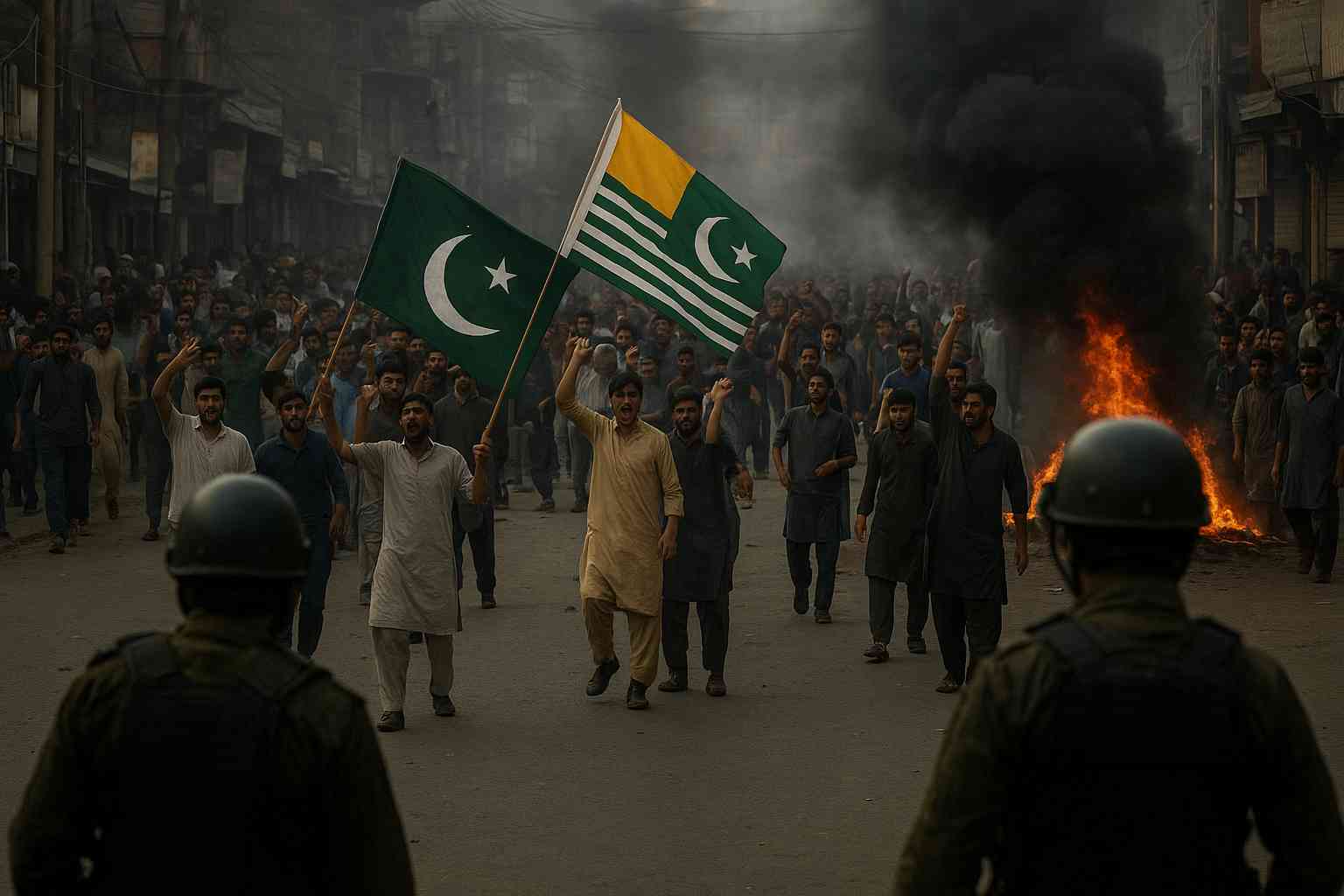
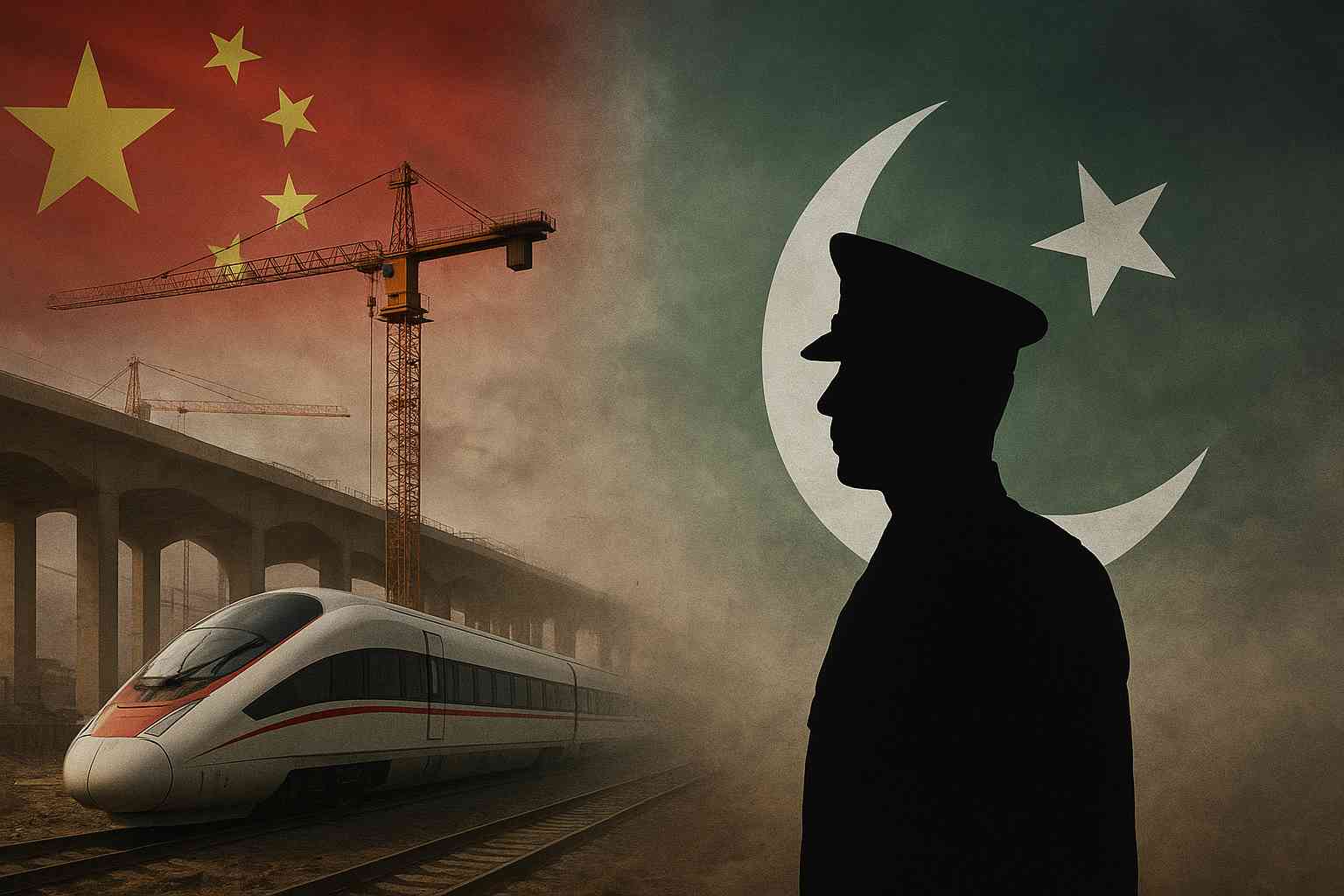
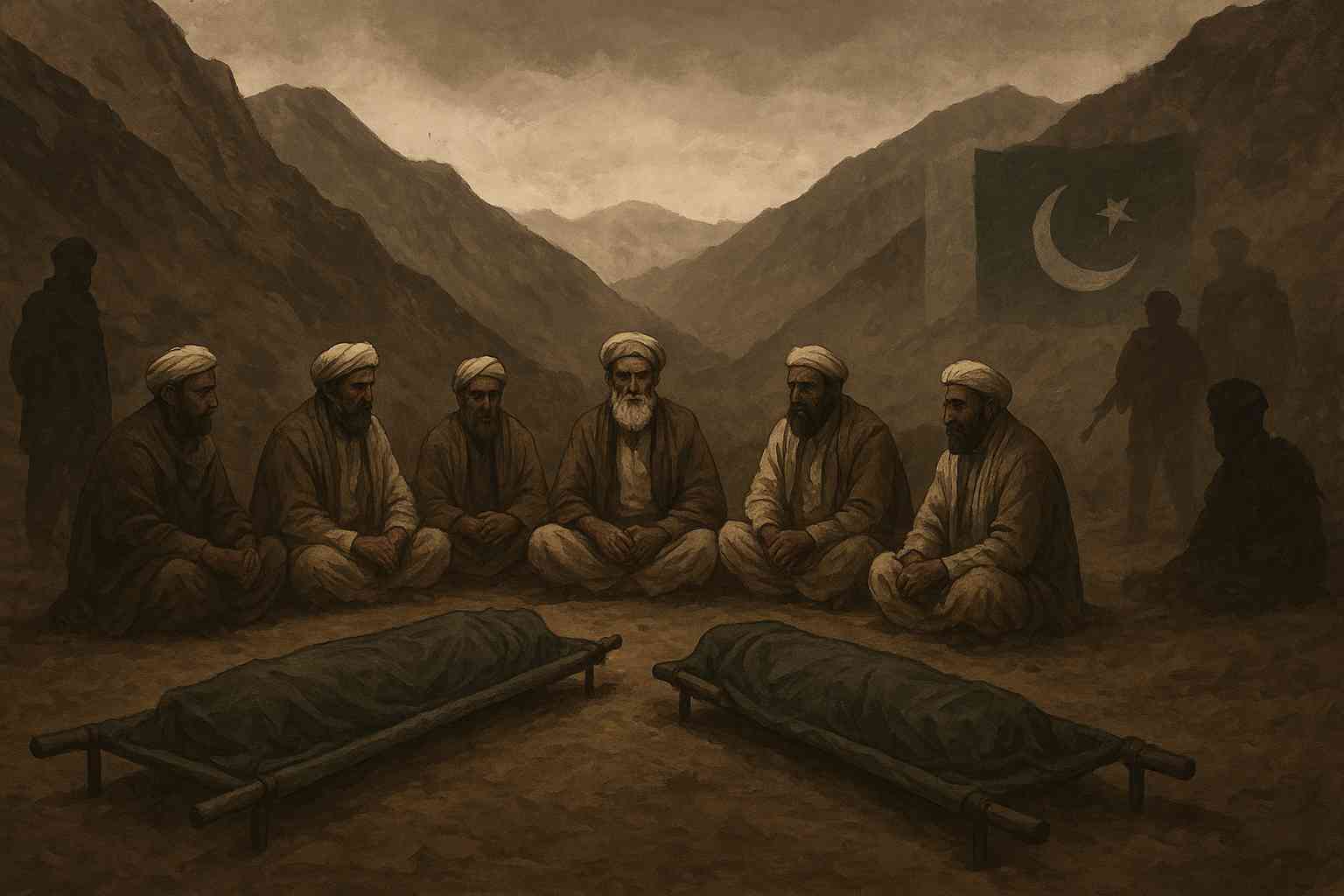
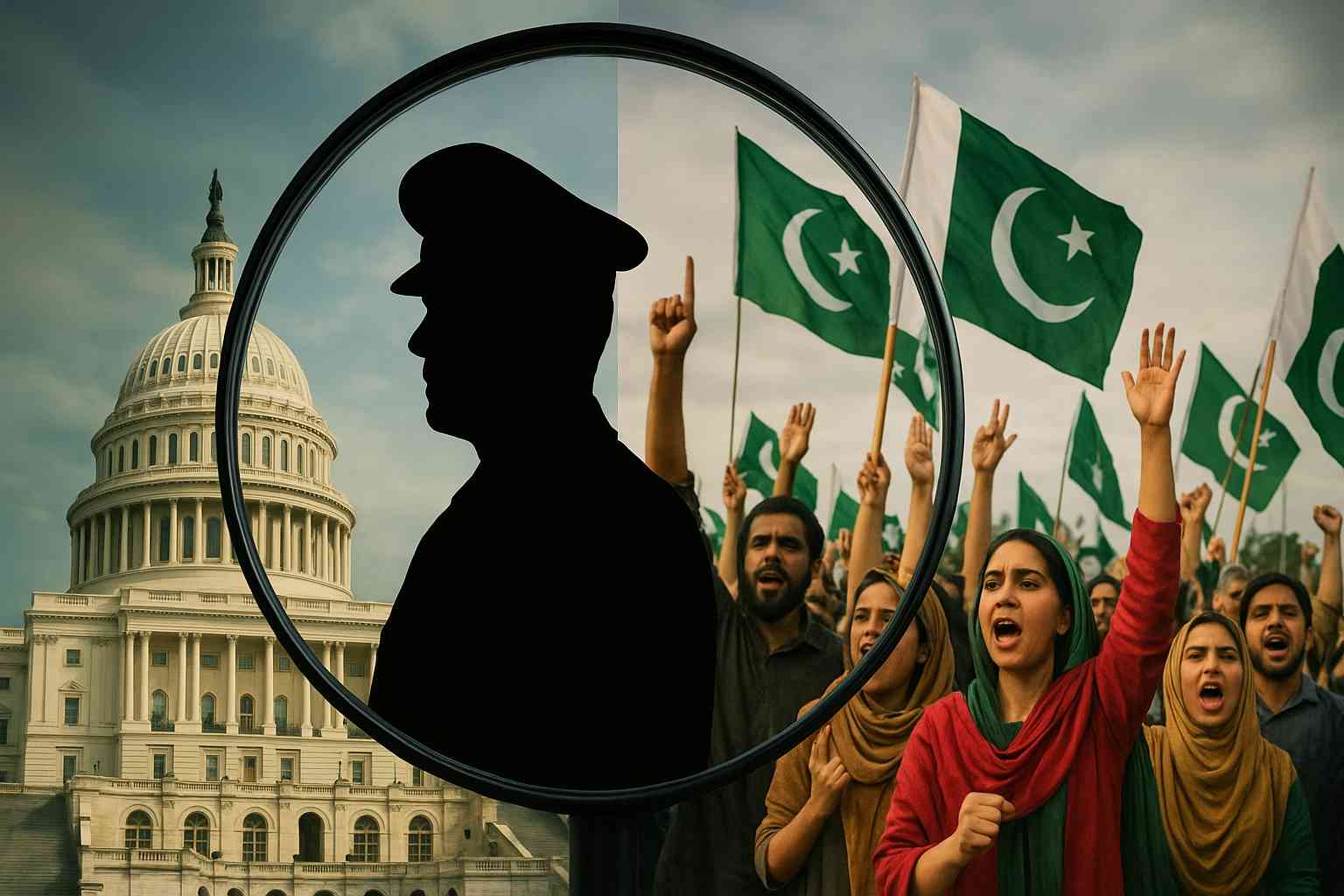
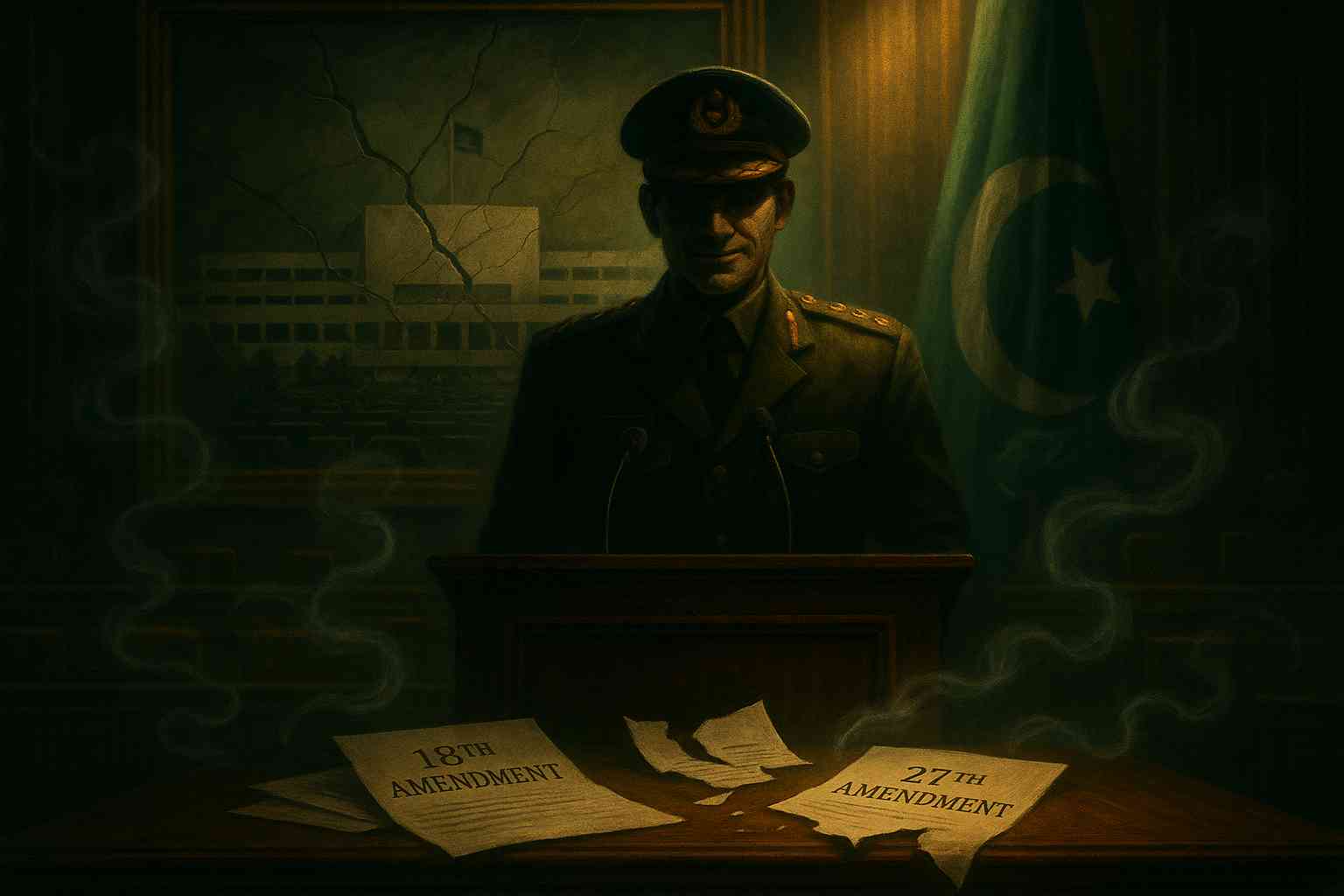
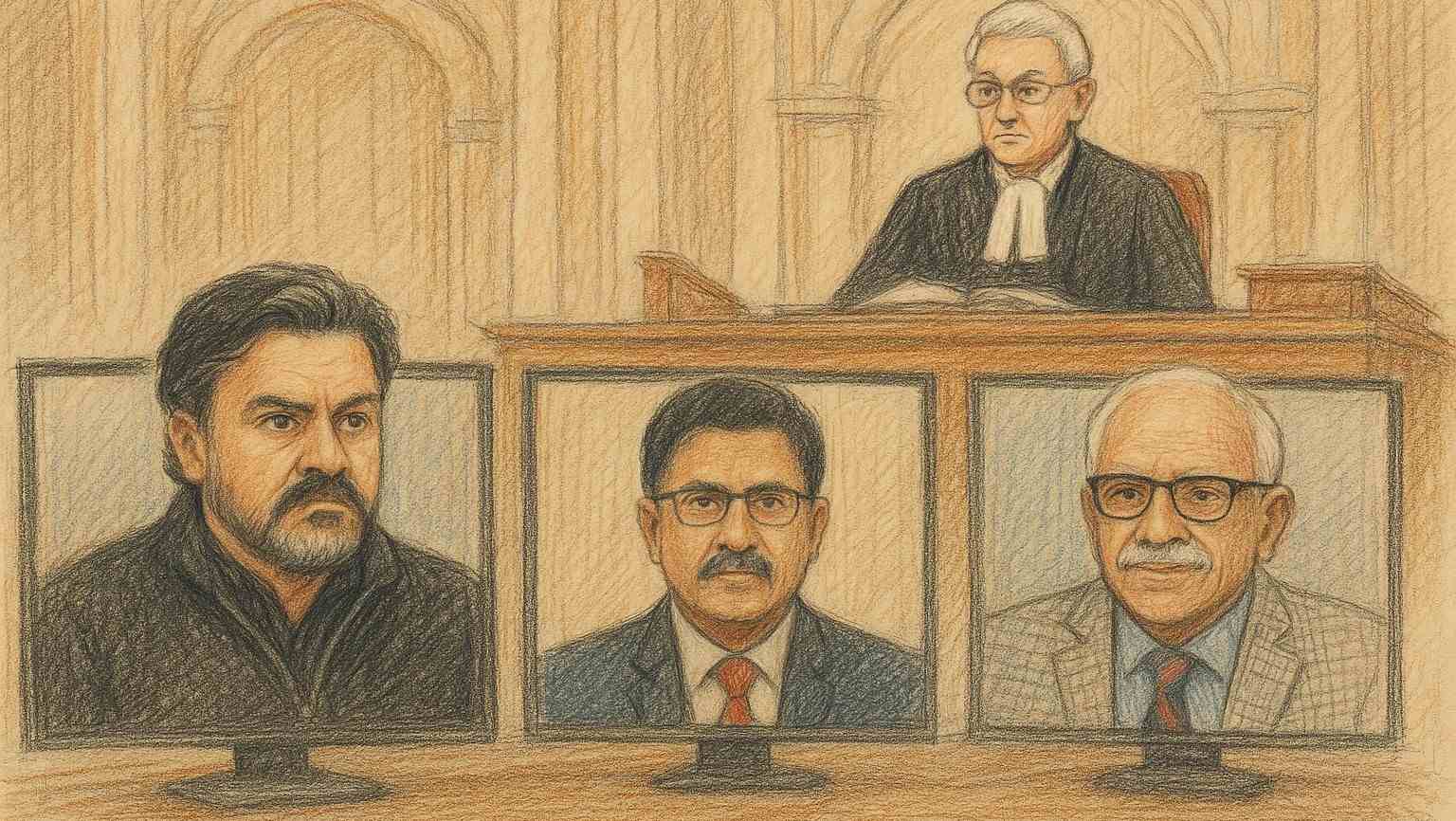
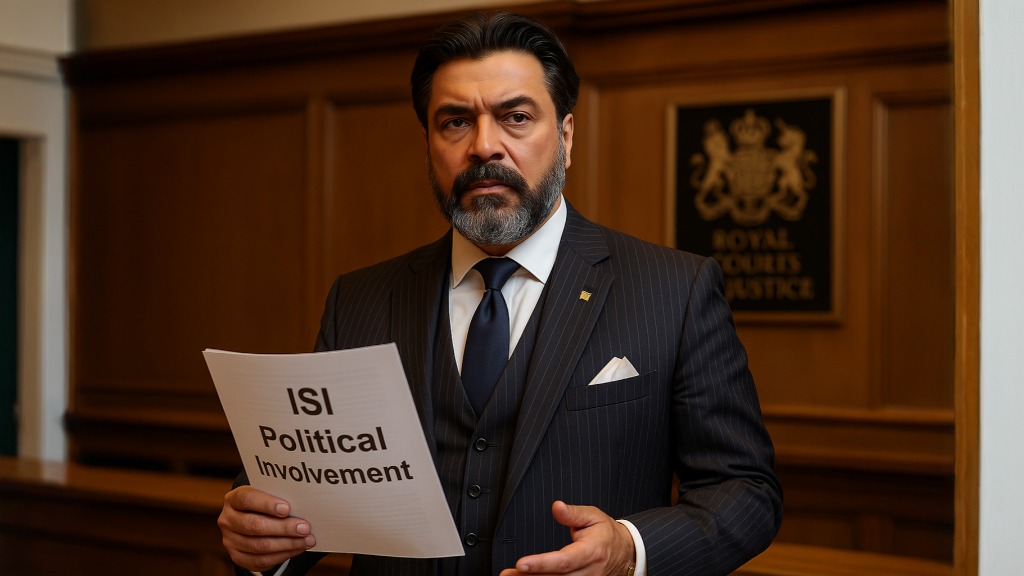
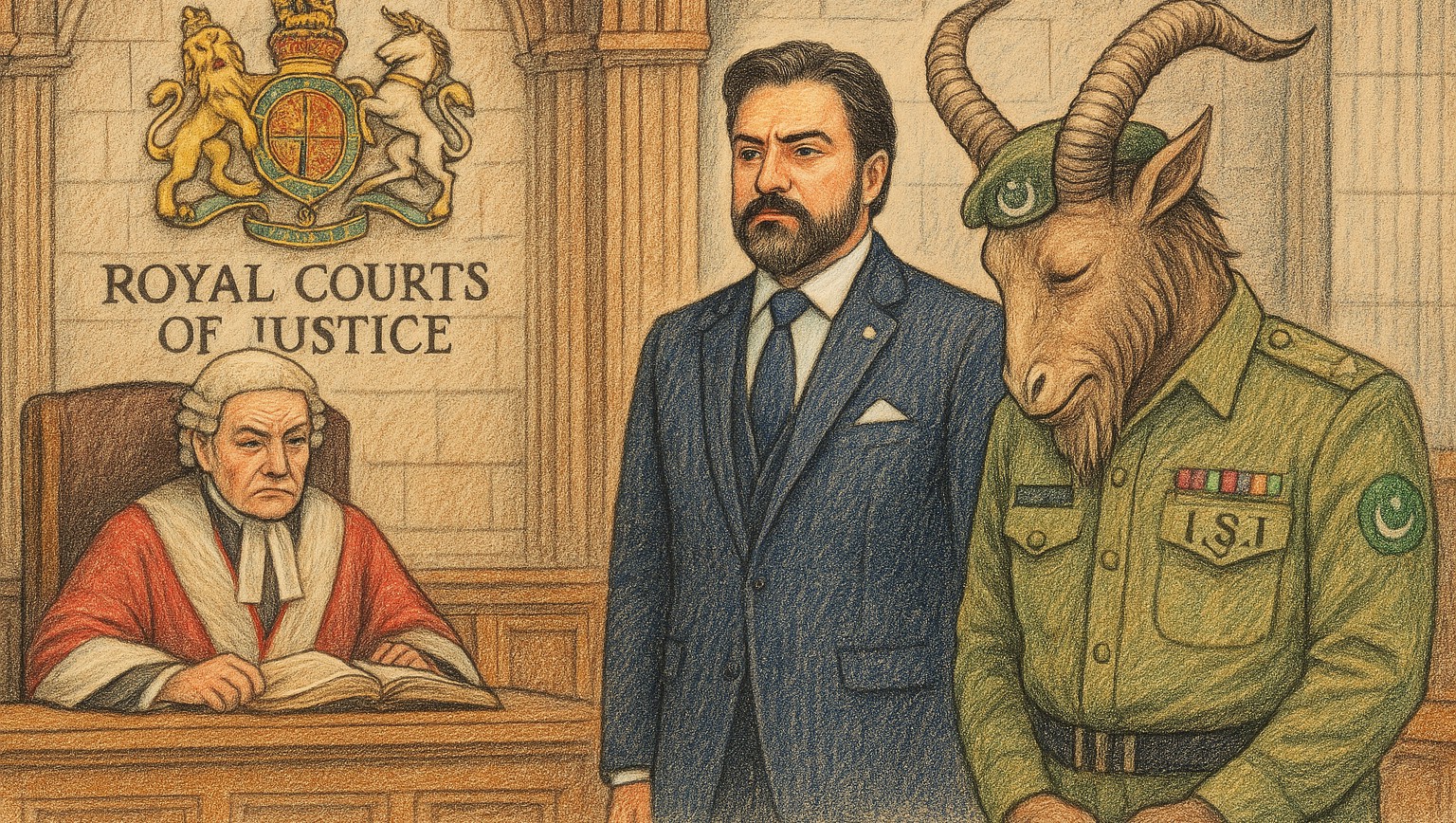
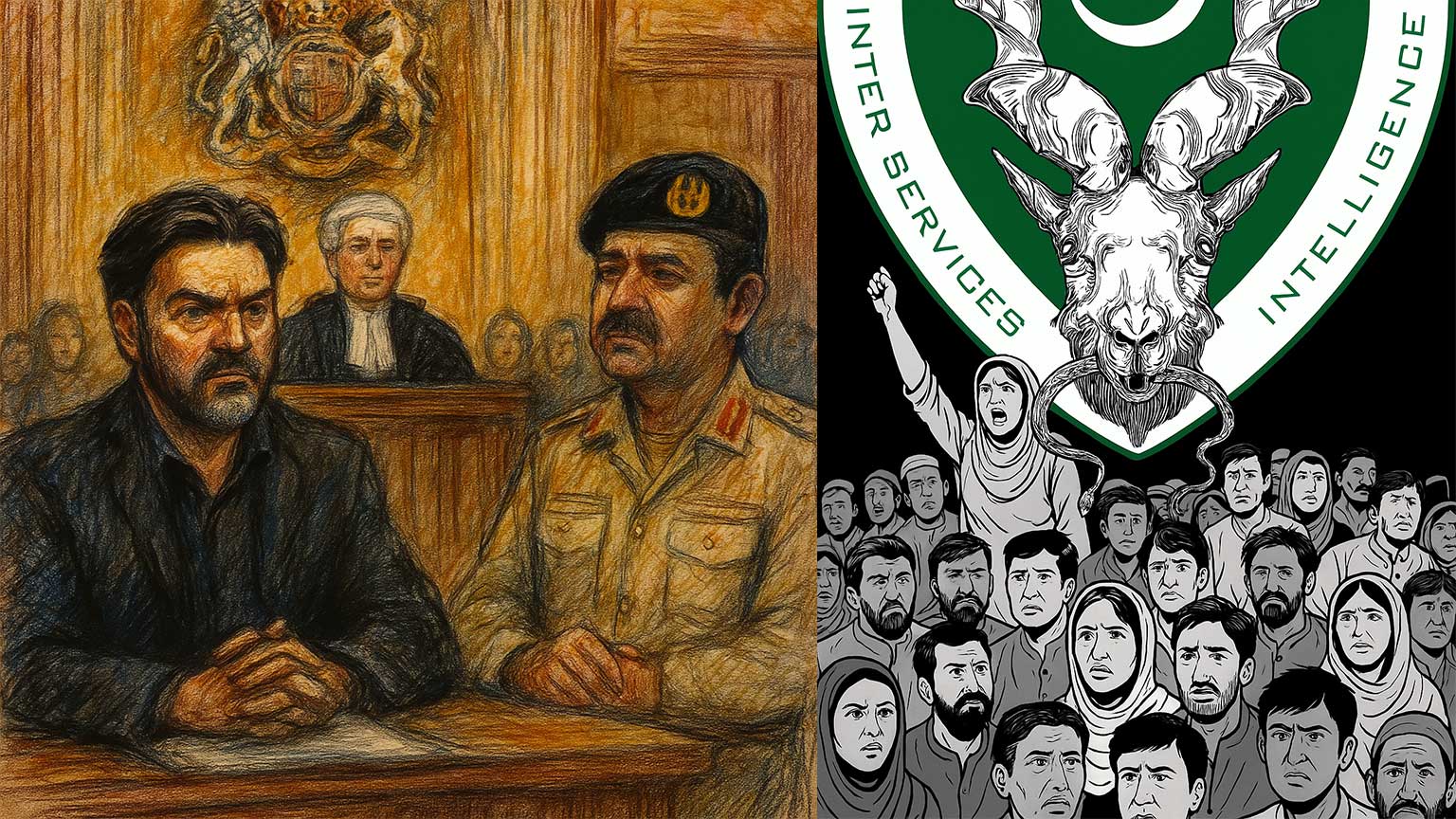
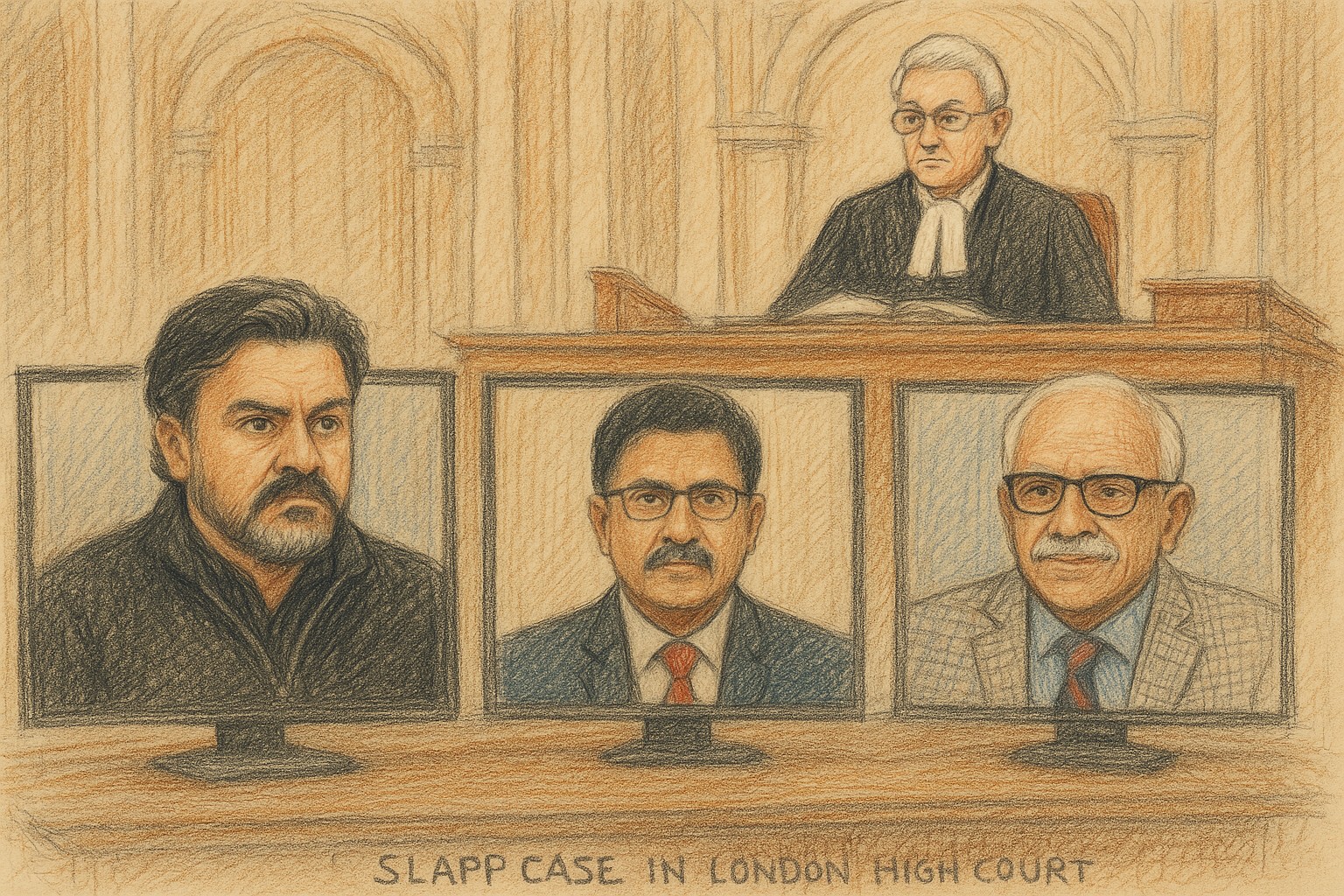
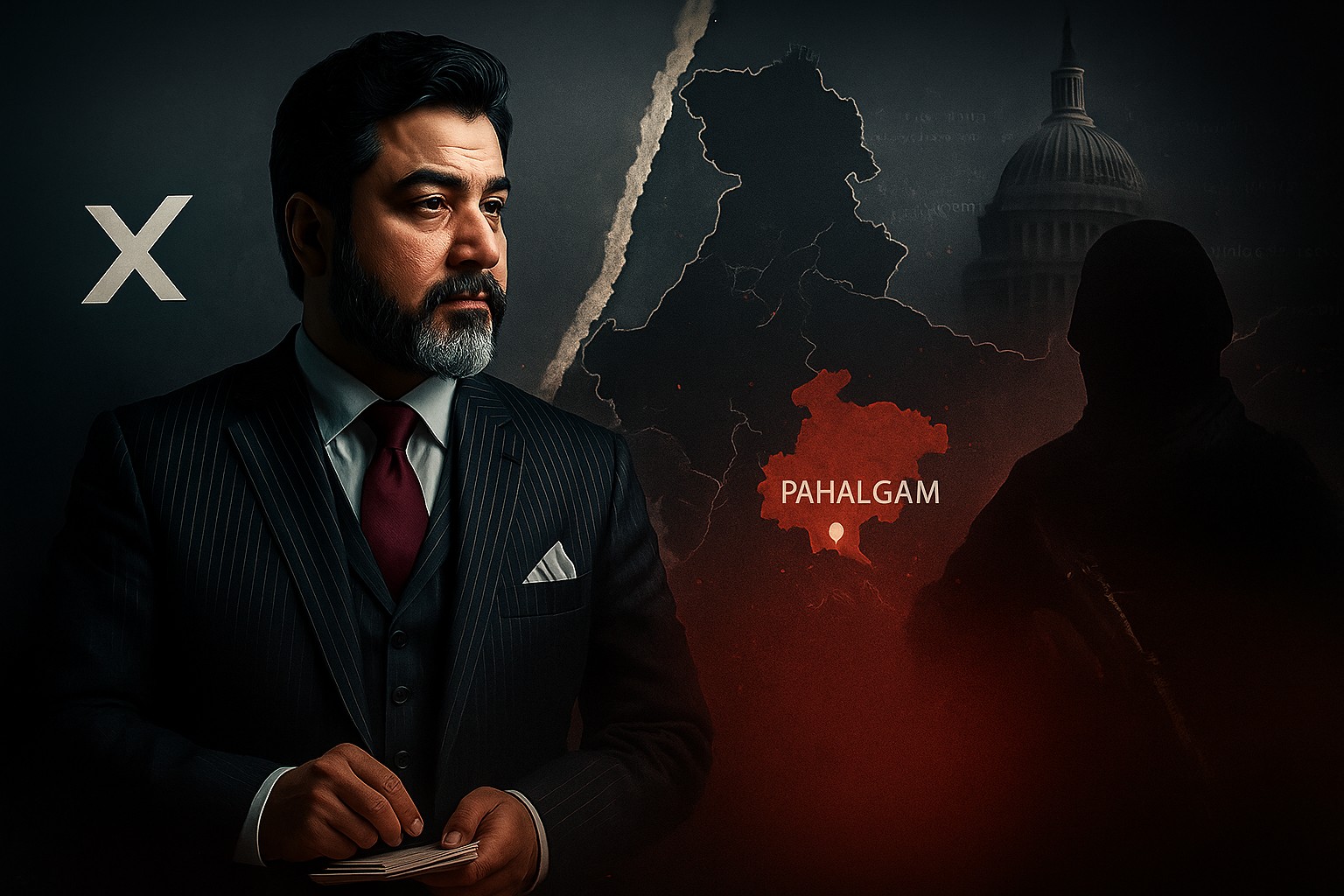
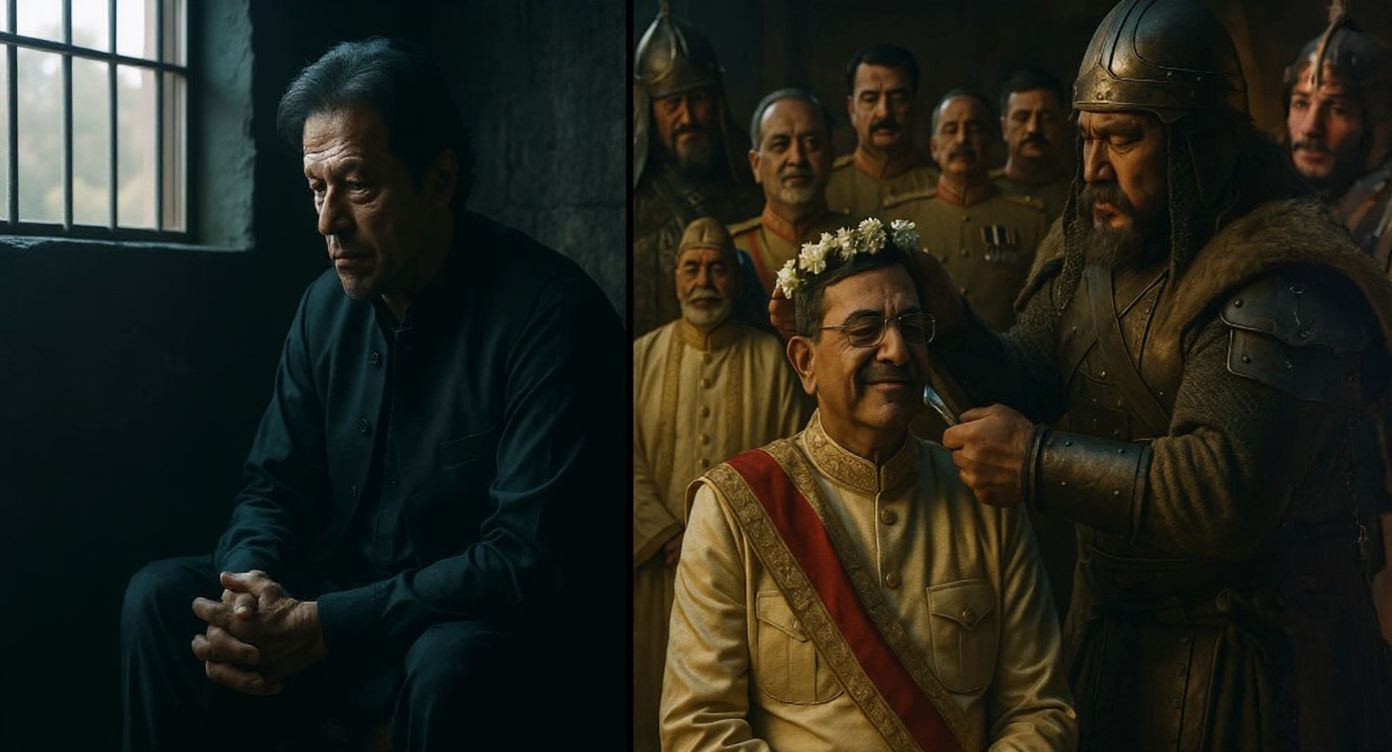
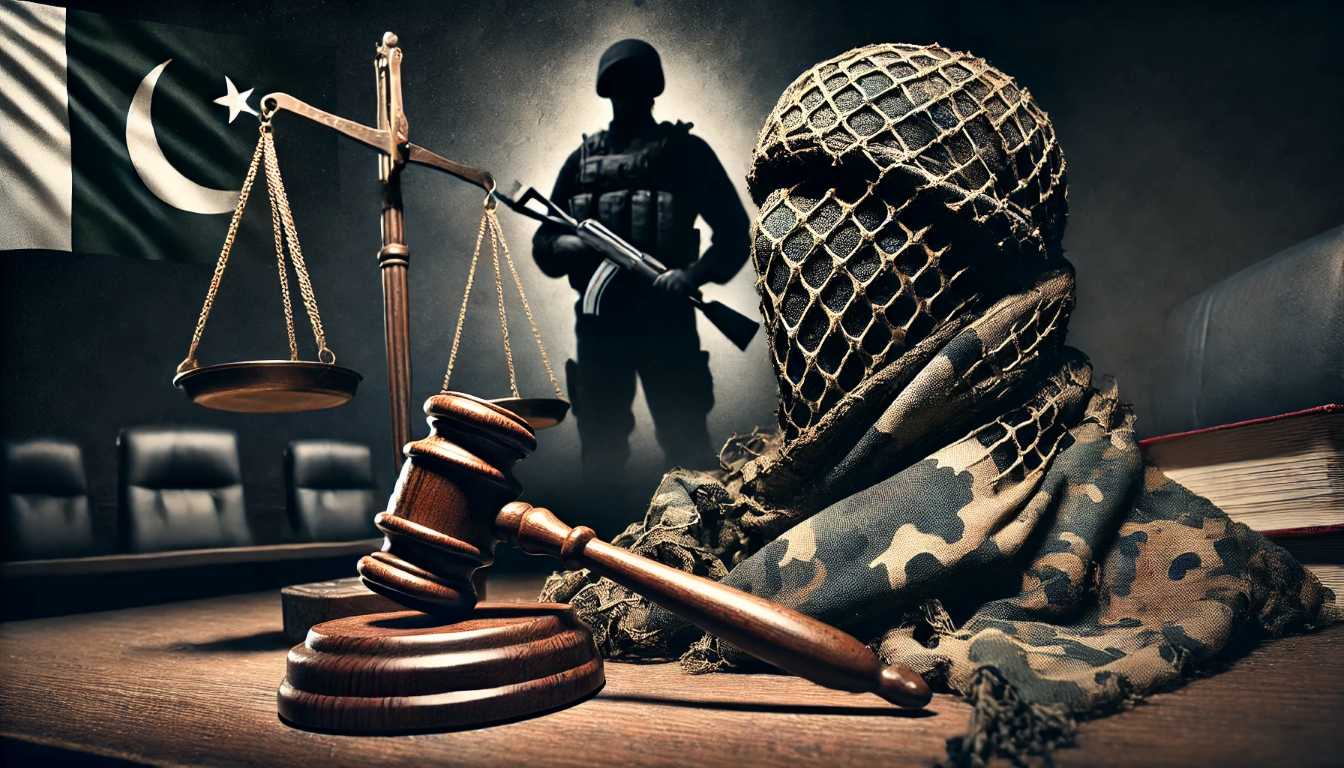
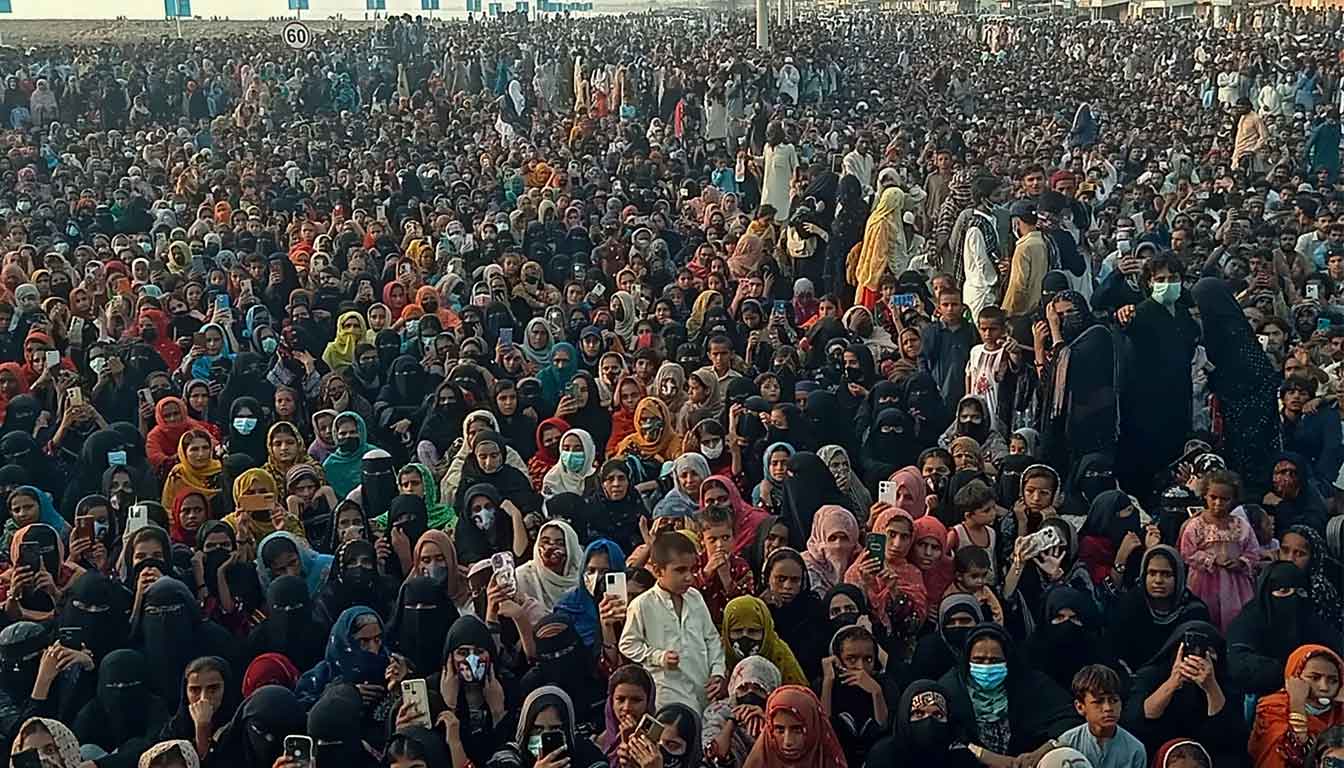
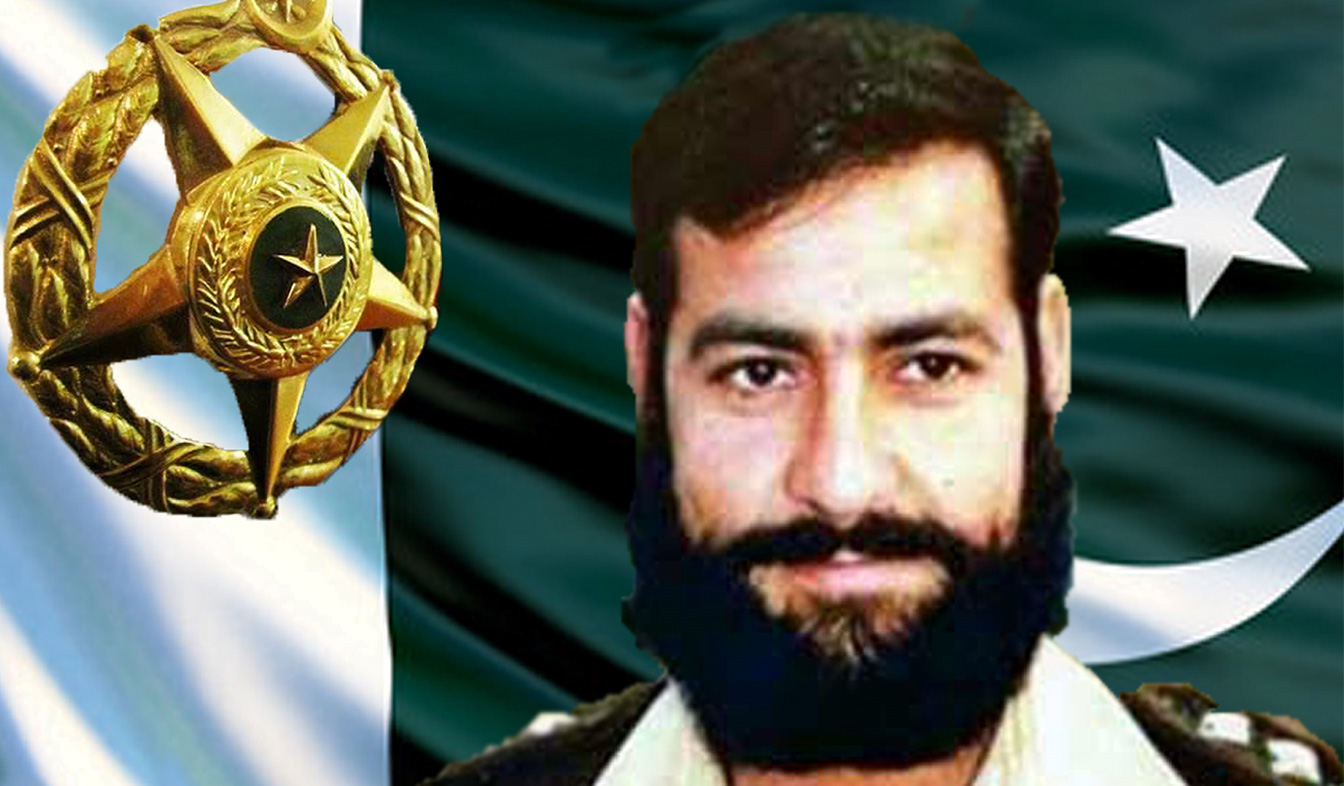
The Mahrang Baloch life sentence has become a defining moment in Pakistan’s treatment of dissent in Balochistan. An anti-terrorism court in Quetta convicted Dr Mahrang Baloch and fellow Baloch Yakjehti Committee leader Sibghatullah Shahji over the death of a Frontier Corps personnel during a 2024 protest in Gwadar. As a result, the verdict now places one of Balochistan’s most visible peaceful rights voices at the centre of a wider national question: where does security enforcement end, and political suppression begin?
According to Dawn’s report on the conviction, the court handed life sentences to Mahrang and Sibghatullah in a case linked to the death of FC man Shabbir Ahmed during clashes around the Baloch Rajee Muchi gathering in July 2024. Meanwhile, Associated Press reported that the two activists denied the charges and planned to appeal. Dawn also noted that, at the time of its report, a written verdict had not yet been released.
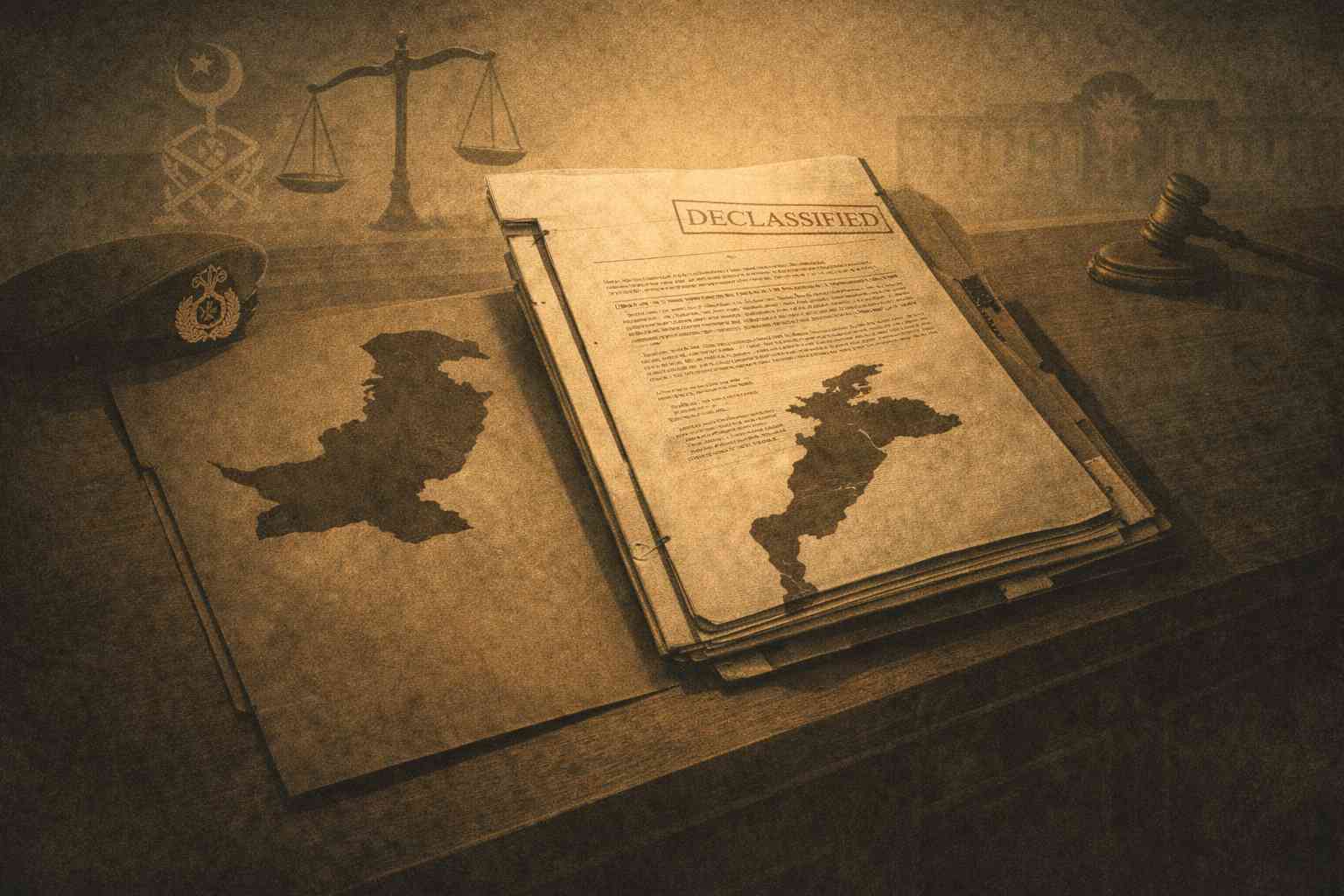
That detail matters. In politically sensitive cases, the written reasoning often determines whether a conviction rests on direct evidence, command responsibility, witness testimony, or broader claims about incitement. Therefore, until the full judgment becomes public, responsible reporting must avoid treating every prosecution claim as established fact.
Why the Mahrang Baloch Life Sentence Matters
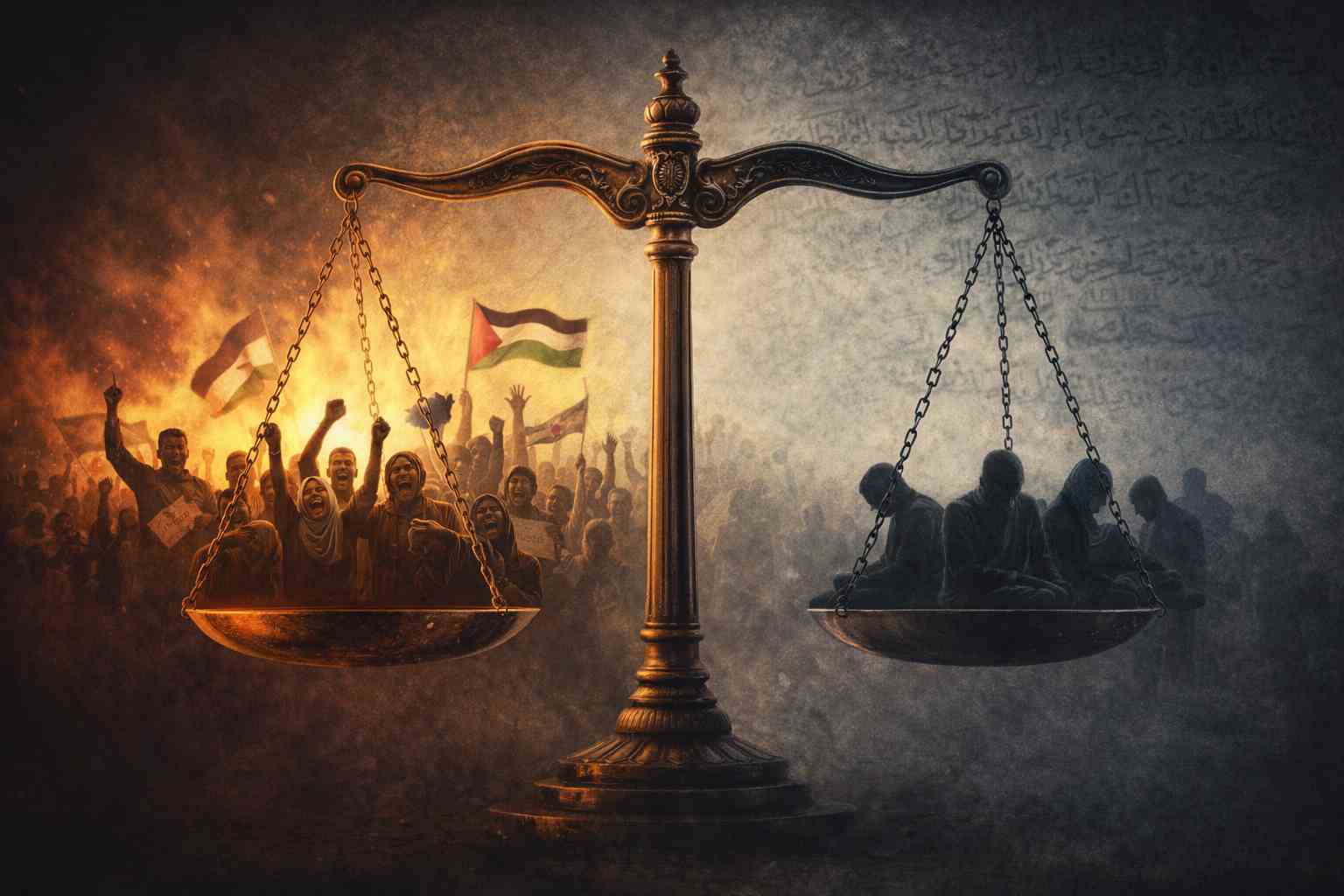
The Mahrang Baloch life sentence does not stand alone. Instead, it sits inside a larger pattern in which Pakistan increasingly treats political mobilisation, protest, and rights advocacy through the language of terrorism and national security.
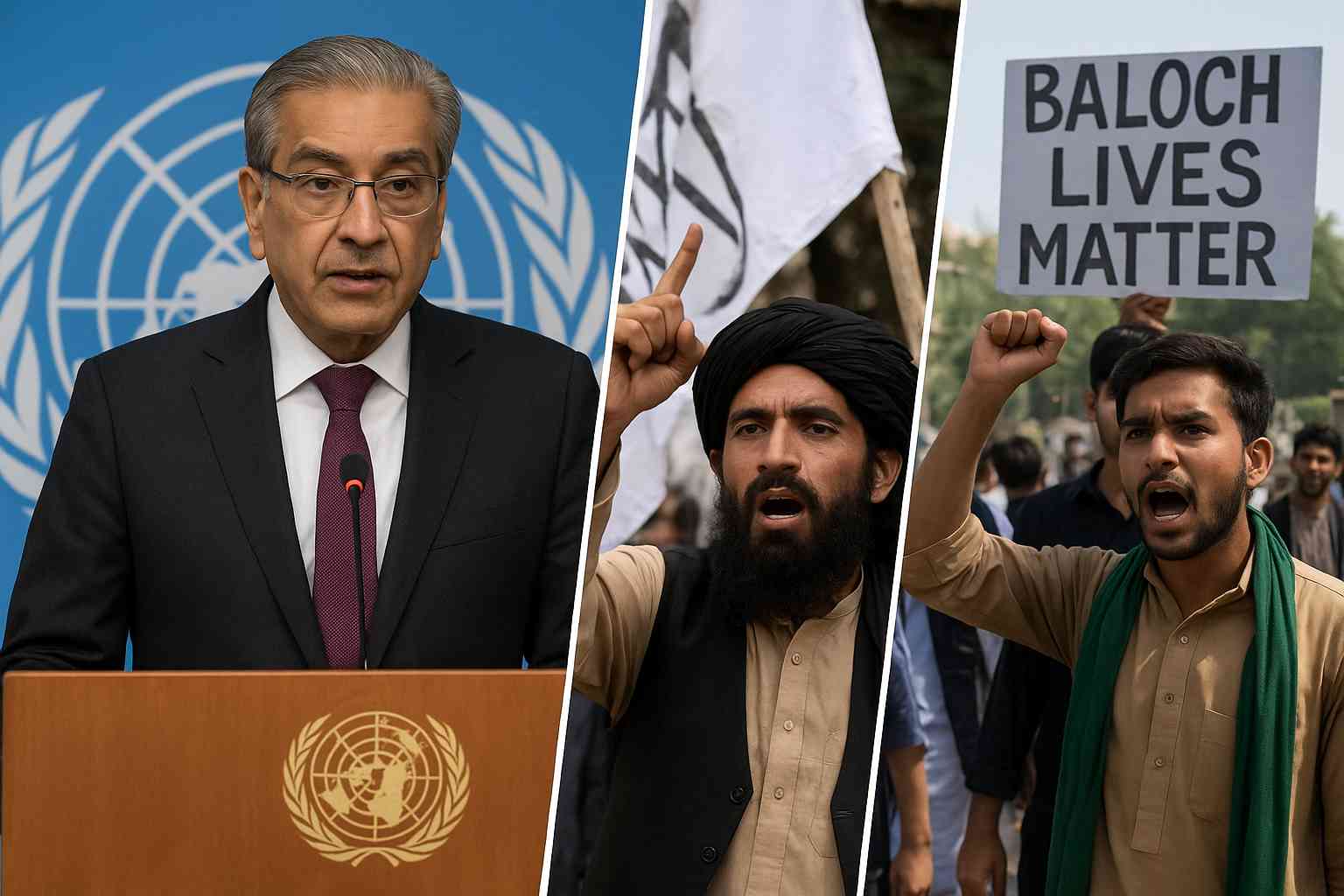
Mahrang Baloch rose to prominence through campaigns against enforced disappearances, alleged extrajudicial killings, and state abuses in Balochistan. Her movement, the Baloch Yakjehti Committee, describes itself as peaceful and rights-based. However, Dawn’s background coverage of the case shows how the state’s position and the activists’ claims remain sharply contested. Pakistani authorities have repeatedly accused such networks of aiding hostile or separatist agendas. These are serious allegations, but they require clear evidence and transparent legal standards.
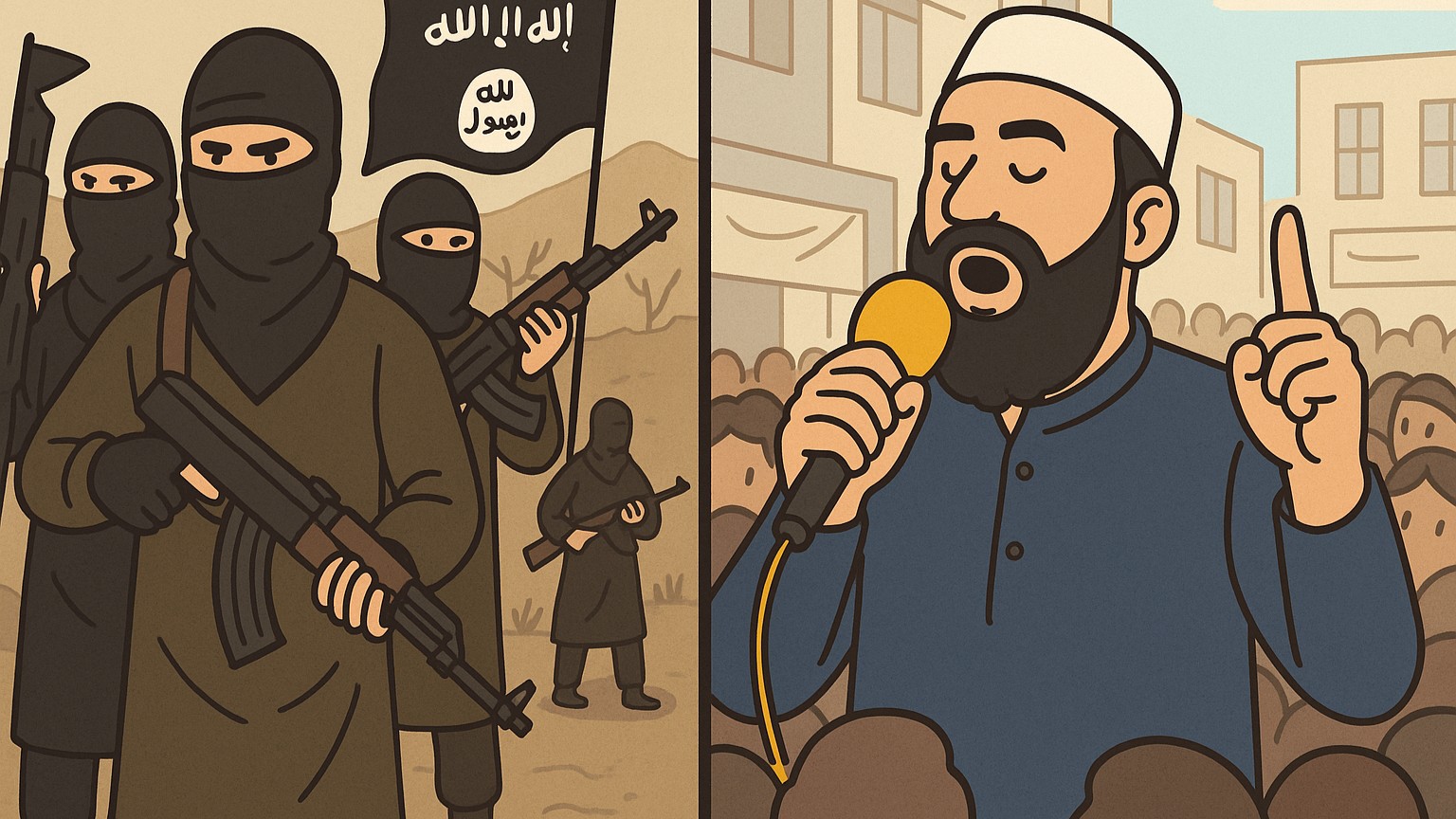
Balochistan already carries deep wounds. For years, families of missing persons have demanded answers. At the same time, security forces argue they face a real insurgency and violent separatist groups. Both realities can exist at once. The presence of armed groups does not erase the rights of peaceful protesters. Likewise, state insecurity does not remove the need for fair trials.
That is the central issue here. A state can prosecute violence. It can punish murder. It can also protect security personnel. But when a prominent peaceful activist receives a life sentence through an anti-terrorism court, the burden on the state becomes heavier. In that situation, it must show the public that the conviction rests on evidence, not political convenience.
Balochistan and the Security Lens
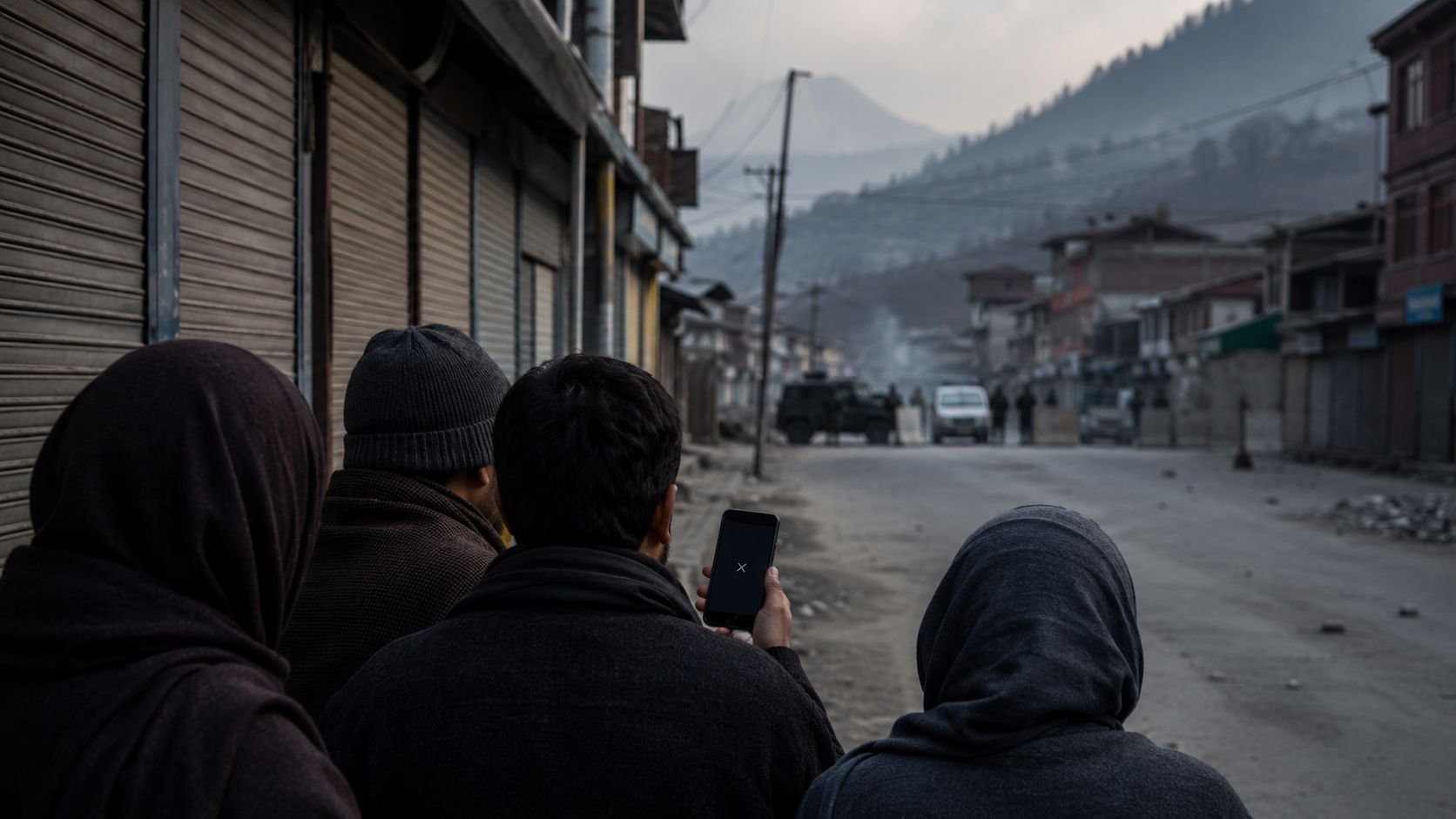
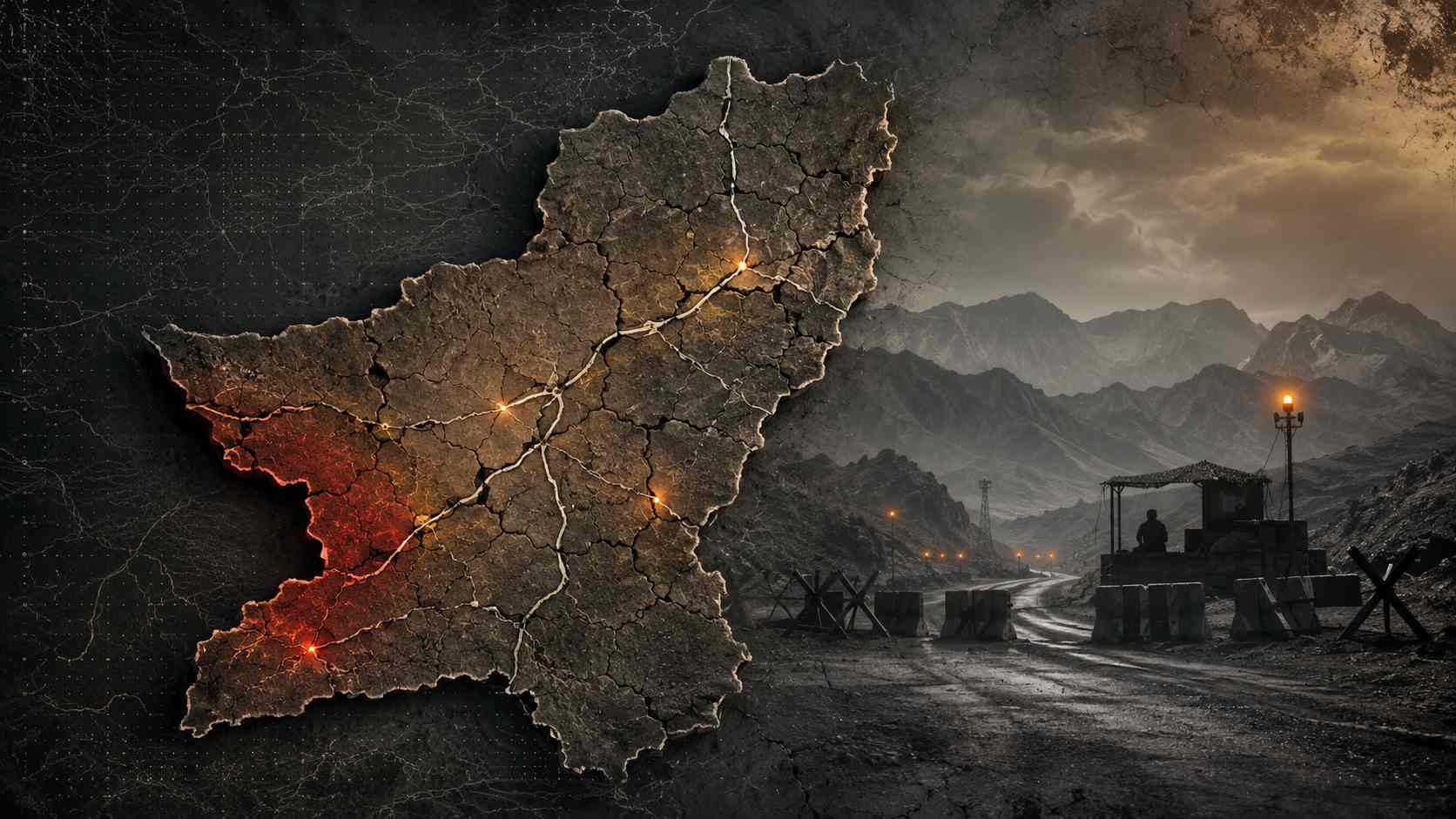
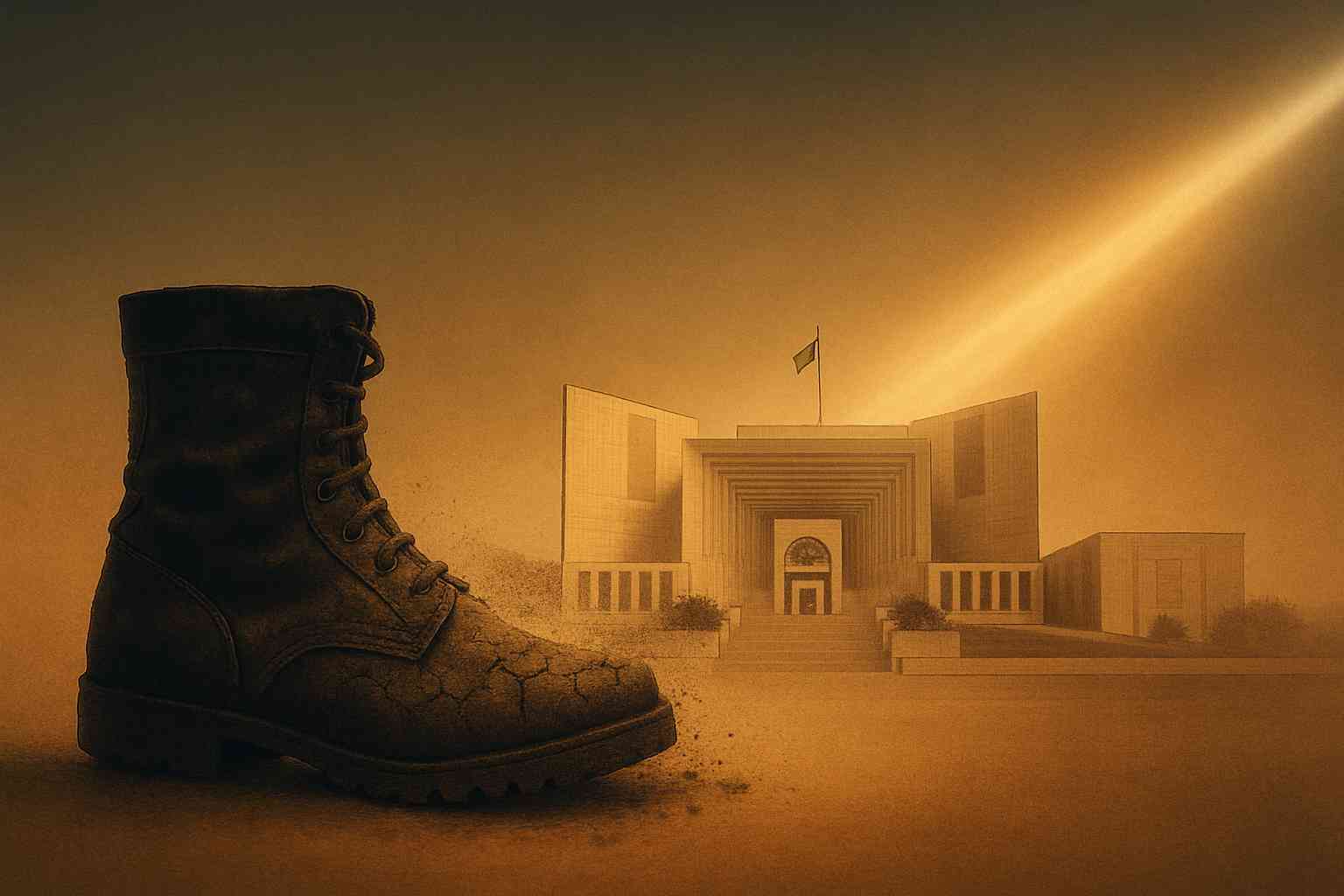
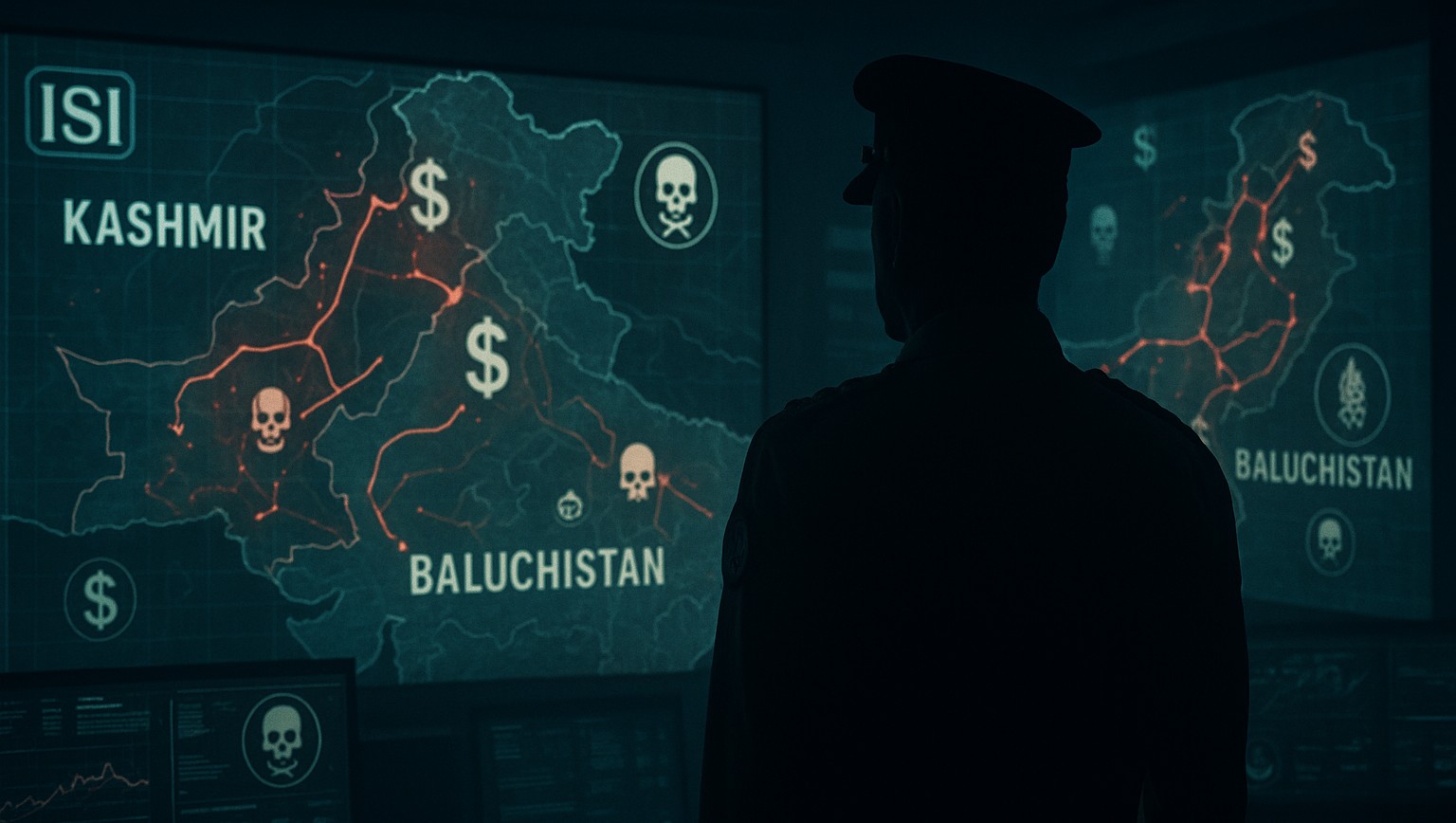
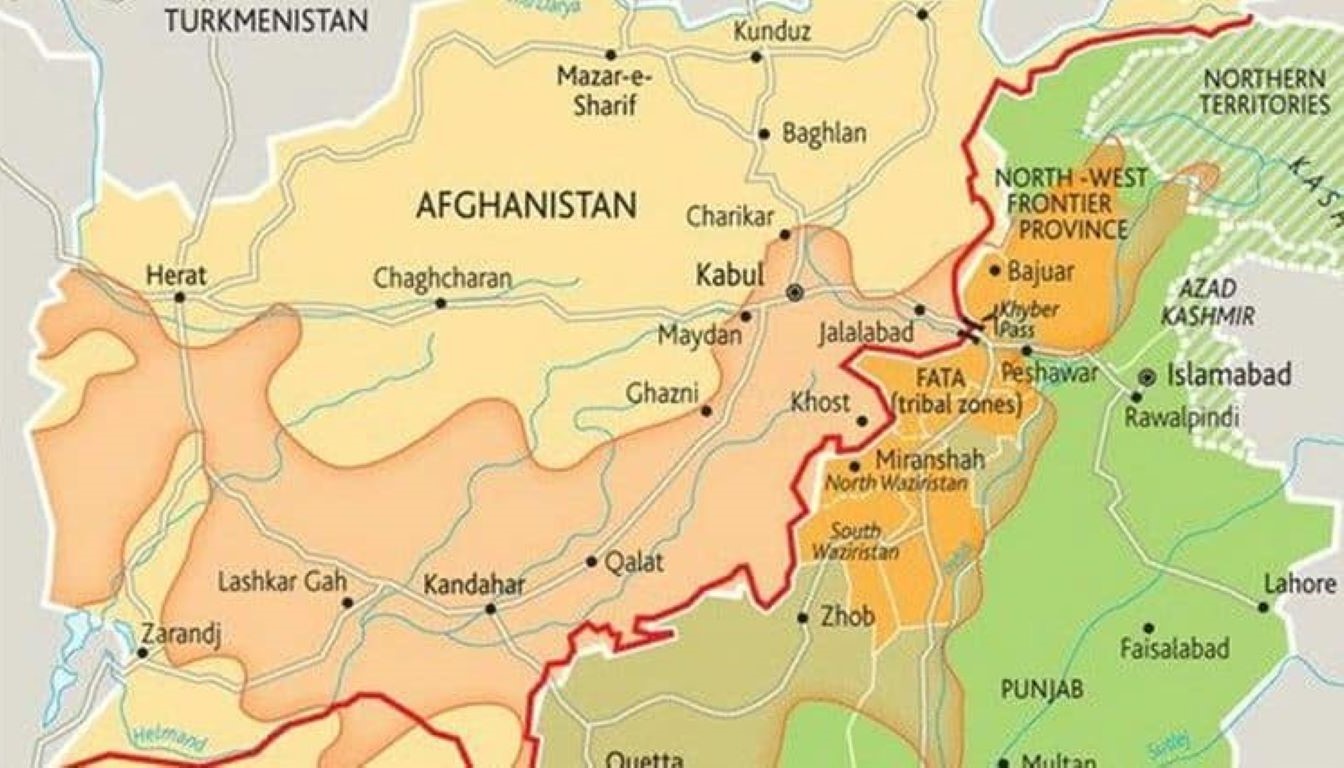
Pakistan’s ruling structure has long viewed Balochistan through a security lens. Over time, that approach has produced limited stability and lasting alienation. Every protest becomes suspect. Each rights demand risks being treated as a hidden insurgent message. Even a grieving family can be pushed into the category of threat.
This approach may silence some voices for a time. However, it rarely resolves the underlying conflict.
Balochistan’s crisis is political, historical, economic, and constitutional. It involves resource control, representation, disappearances, militarisation, and trust. Therefore, anti-terrorism prosecutions cannot substitute for a political settlement. In fact, they may deepen the sense that the state hears Baloch grievances only when they are translated into security files.
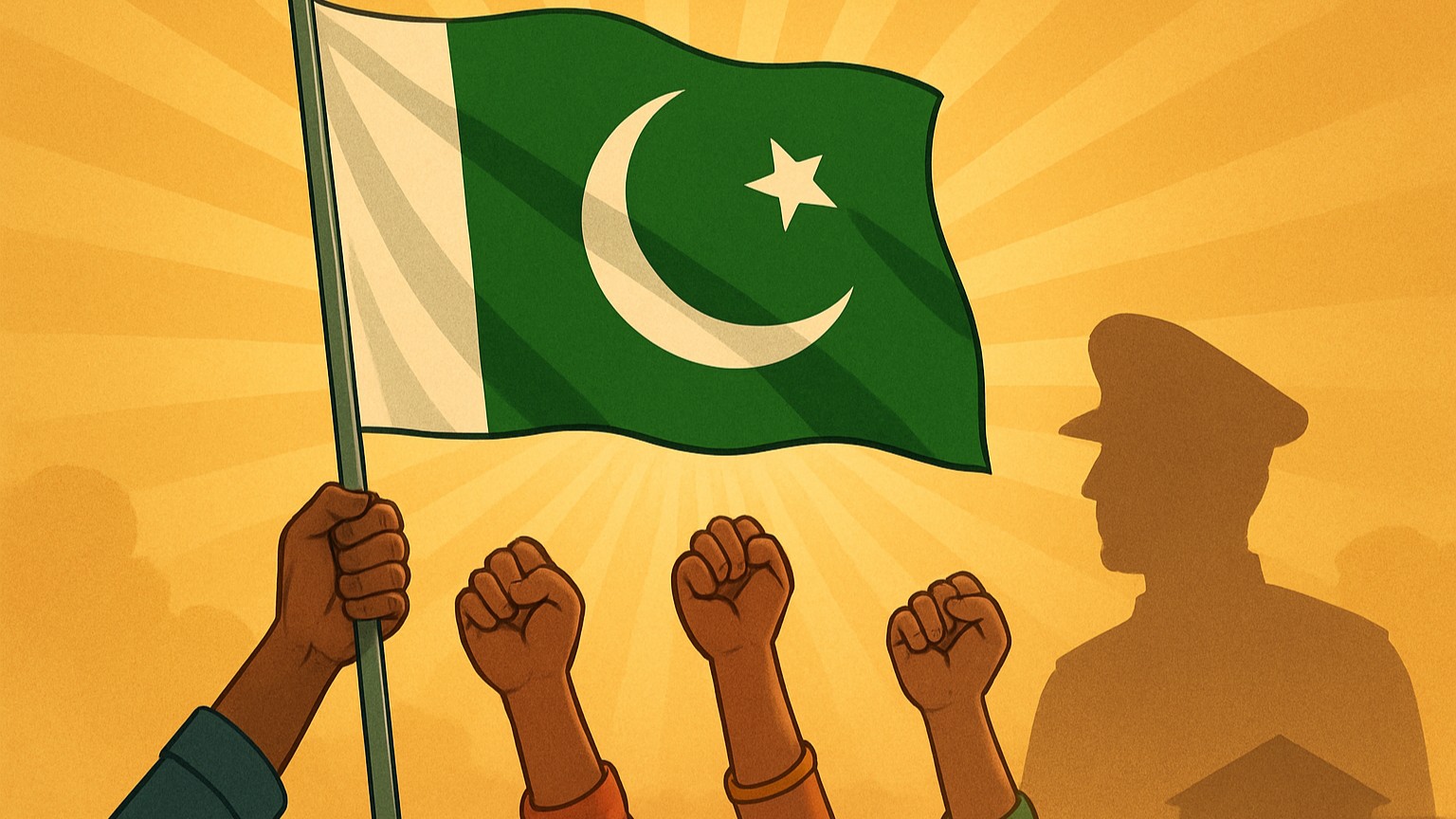
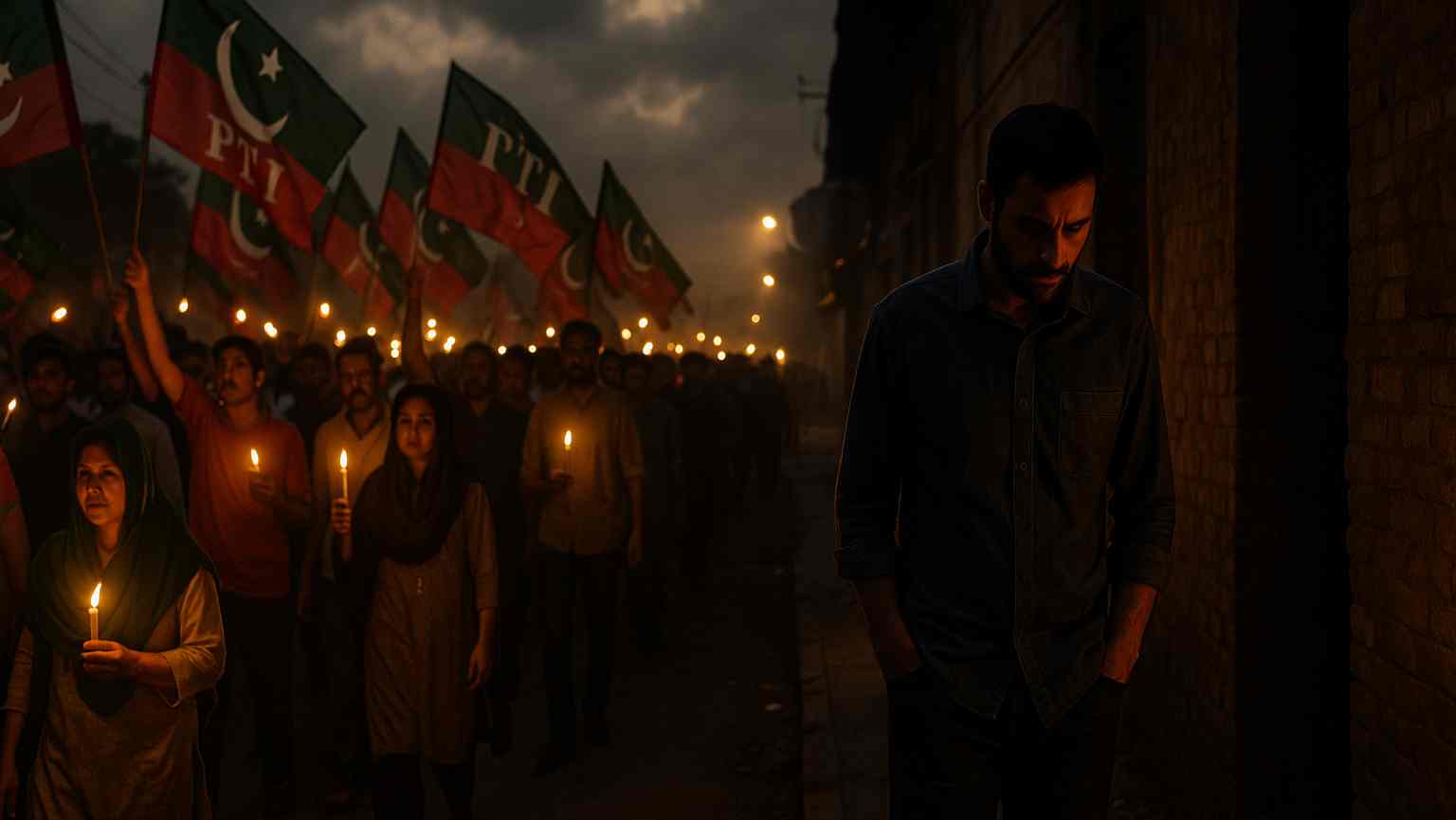
The Mahrang Baloch life sentence will likely intensify that perception. For many supporters, she represents a non-violent path for Baloch mobilisation. Yet if that path also leads to life imprisonment, the state sends a dangerous message. It tells young activists that peaceful politics offers little protection.
That message carries consequences beyond one case.
The Trial and the Question of Public Confidence
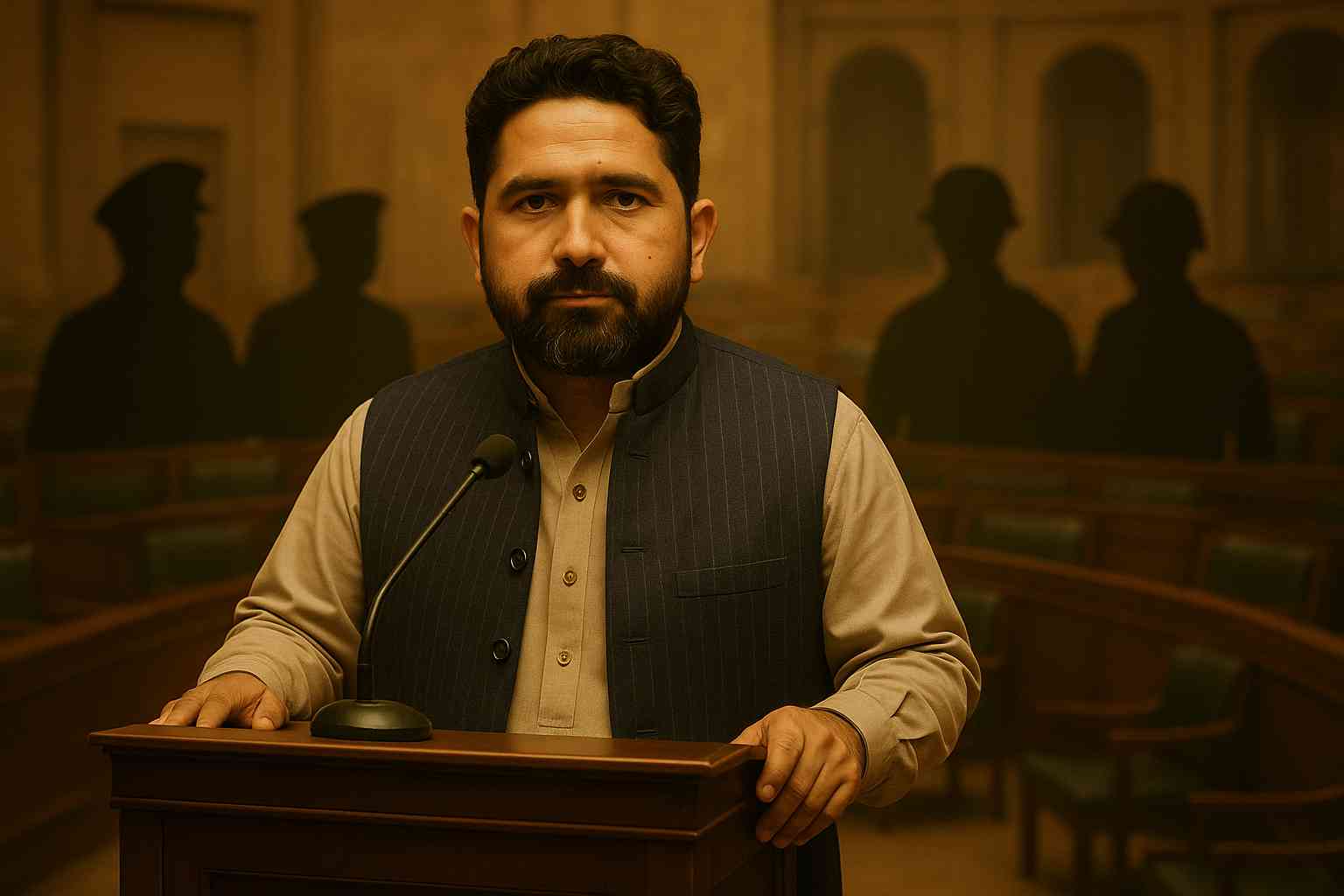
The authorities may argue that the court convicted Mahrang and Sibghatullah after legal proceedings. By contrast, supporters and rights groups will point to concerns about transparency, detention conditions, and the wider crackdown on Baloch activists. Arab News Pakistan’s coverage also placed the verdict inside the broader controversy over rights activism and state action in Balochistan.
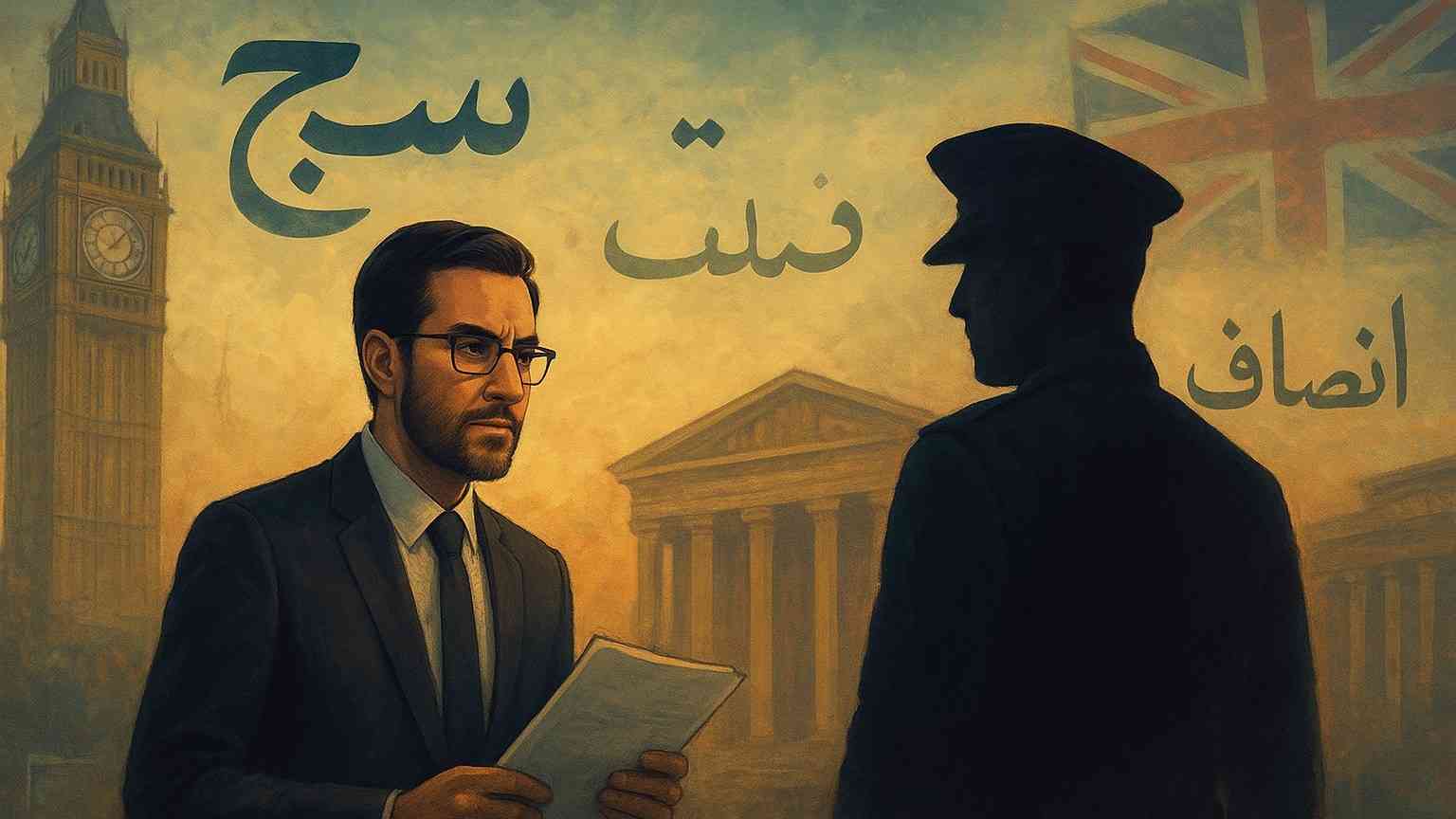
The public deserves clarity. What evidence directly linked the convicted activists to the killing? How did the court assess the difference between leading a protest and ordering violence? Were defence rights fully protected? Finally, were witnesses tested in a way that meets fair trial standards?
These questions do not excuse violence. Rather, they protect justice.
Pakistan has faced this problem before. Too often, anti-terrorism laws expand beyond their original purpose. Once that happens, they become tools for managing political conflict. Consequently, the law loses moral authority, even when the state has legitimate security concerns.
A verdict of this magnitude must withstand scrutiny. Otherwise, it will not settle the matter. Instead, it will become another grievance.
A Wider Warning for Pakistan
The Mahrang Baloch life sentence also speaks to Pakistan’s broader democratic decline. Across the country, political actors, journalists, activists, and dissenting citizens face growing pressure. Balochistan is not an isolated case. Rather, it is often where the harshest methods appear first.
The state’s defenders may present this verdict as proof of accountability. However, accountability cannot mean selective punishment. It must also apply to enforced disappearances, custodial abuse, unlawful detention, and the excessive use of force. Without that balance, the word loses credibility.
For Soldier Speaks readers, the core issue is not only Baloch nationalism or one activist’s fate. Instead, it is the direction of the Pakistani state. A country that answers every political wound with coercion weakens its own federation. Moreover, a system that fears peaceful dissent creates space for despair.
Mahrang Baloch and Sibghatullah Shahji still have the right to appeal, according to Associated Press reporting on their planned appeal. Higher courts may examine the case further. In addition, the written verdict may clarify the evidence. Until then, the responsible position is firm but careful: the allegations are grave, the sentence is severe, and the public interest demands transparency.
Pakistan cannot build stability in Balochistan by criminalising every voice that questions the state. Instead, it can only build stability by proving that justice is stronger than fear.