
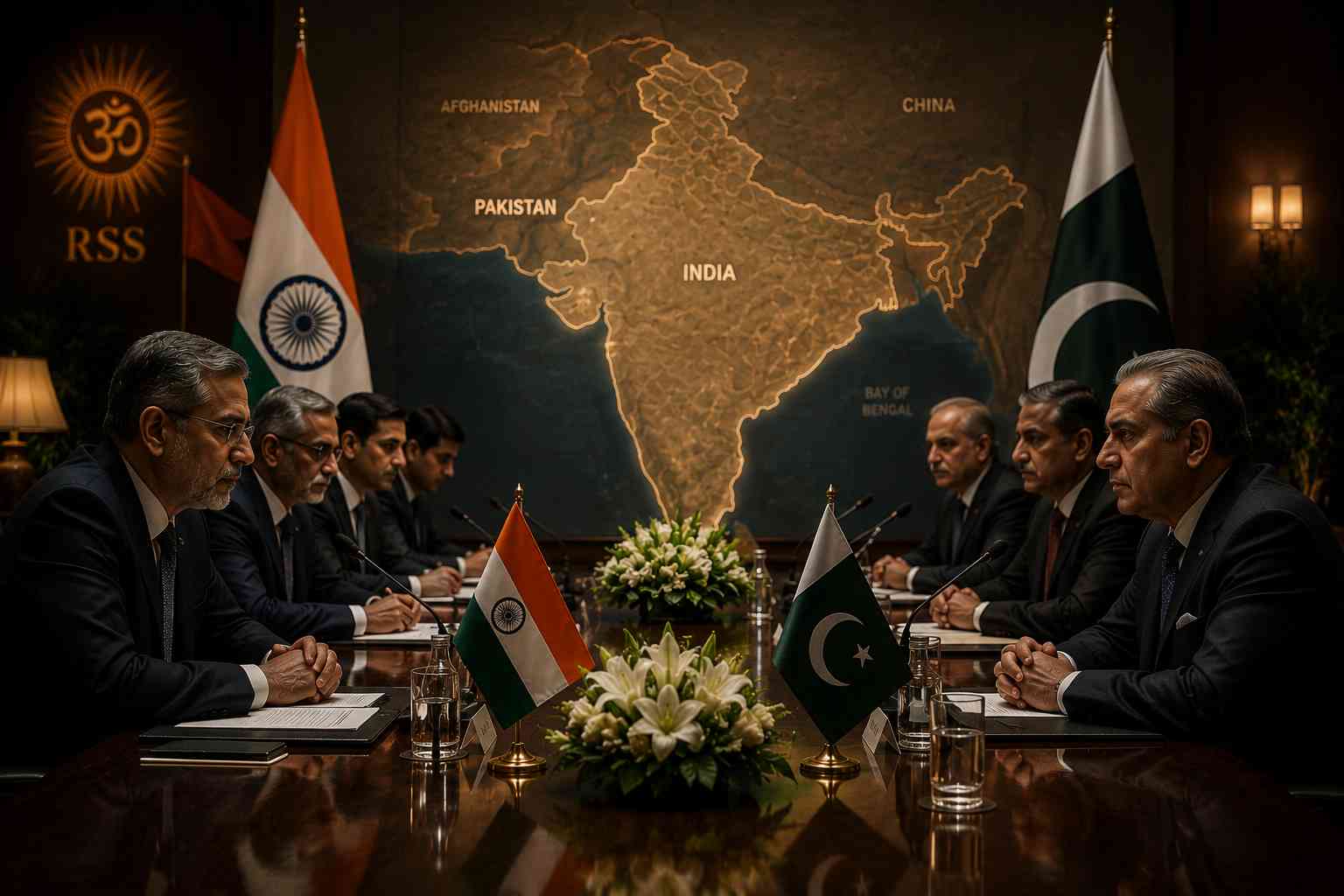
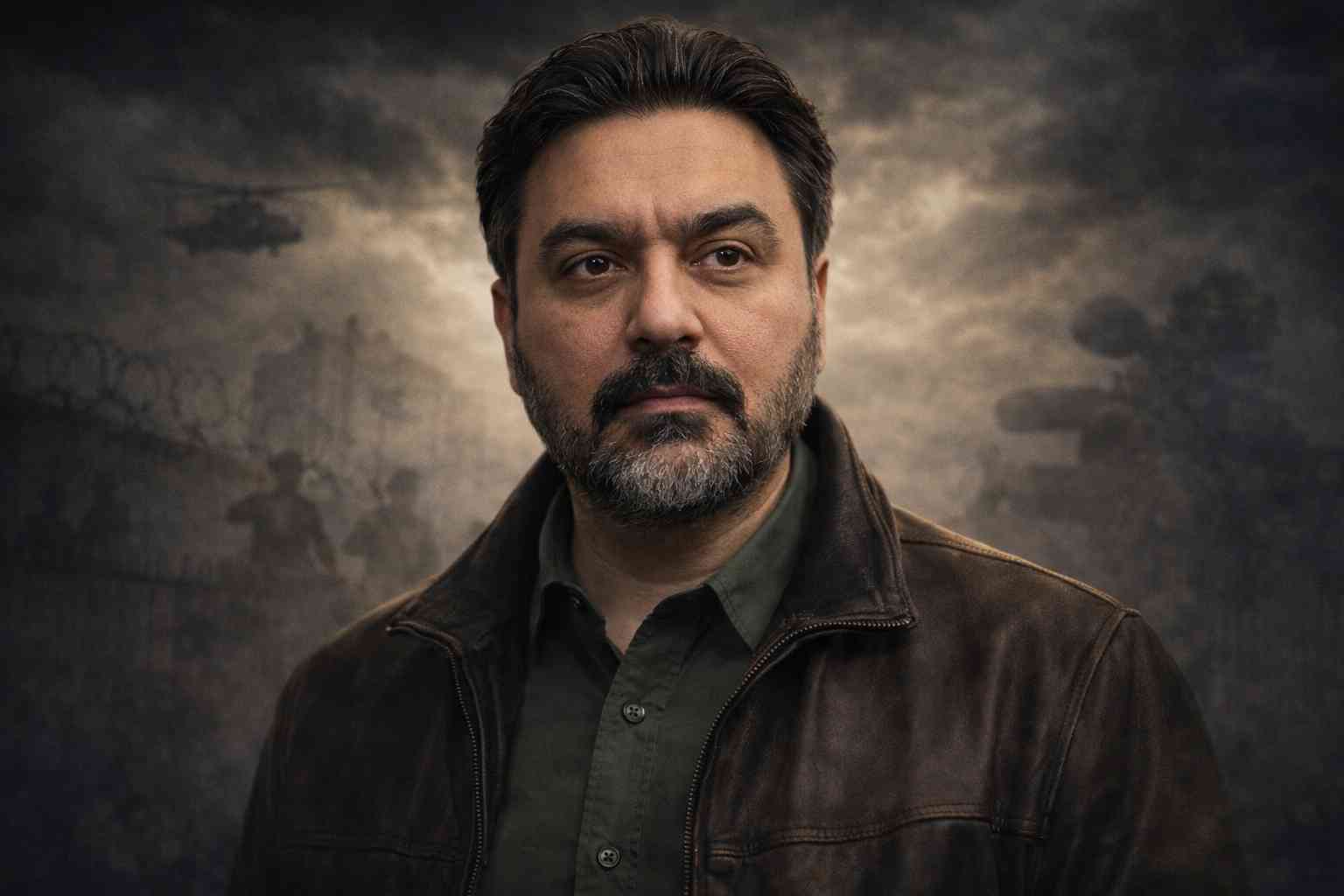
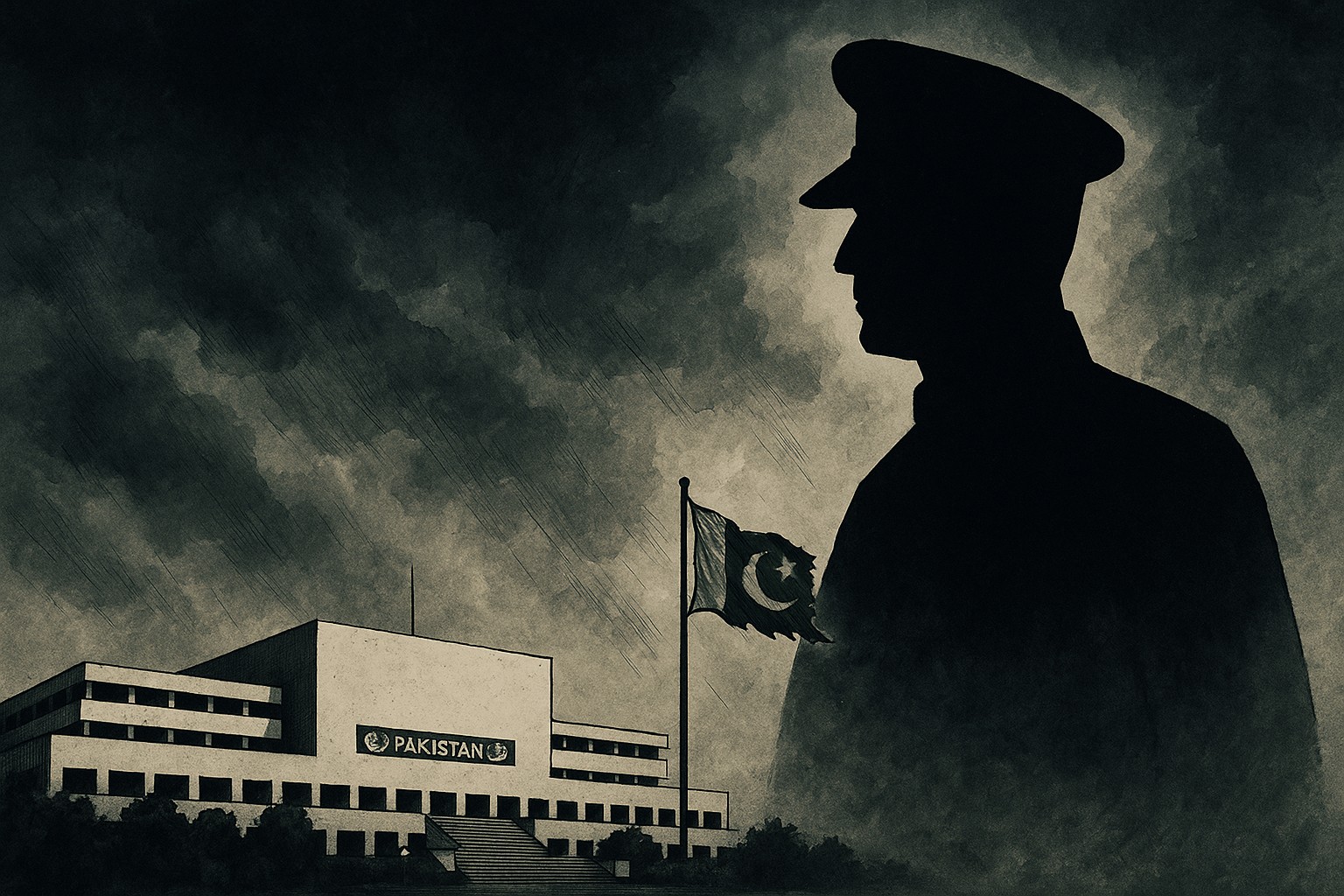
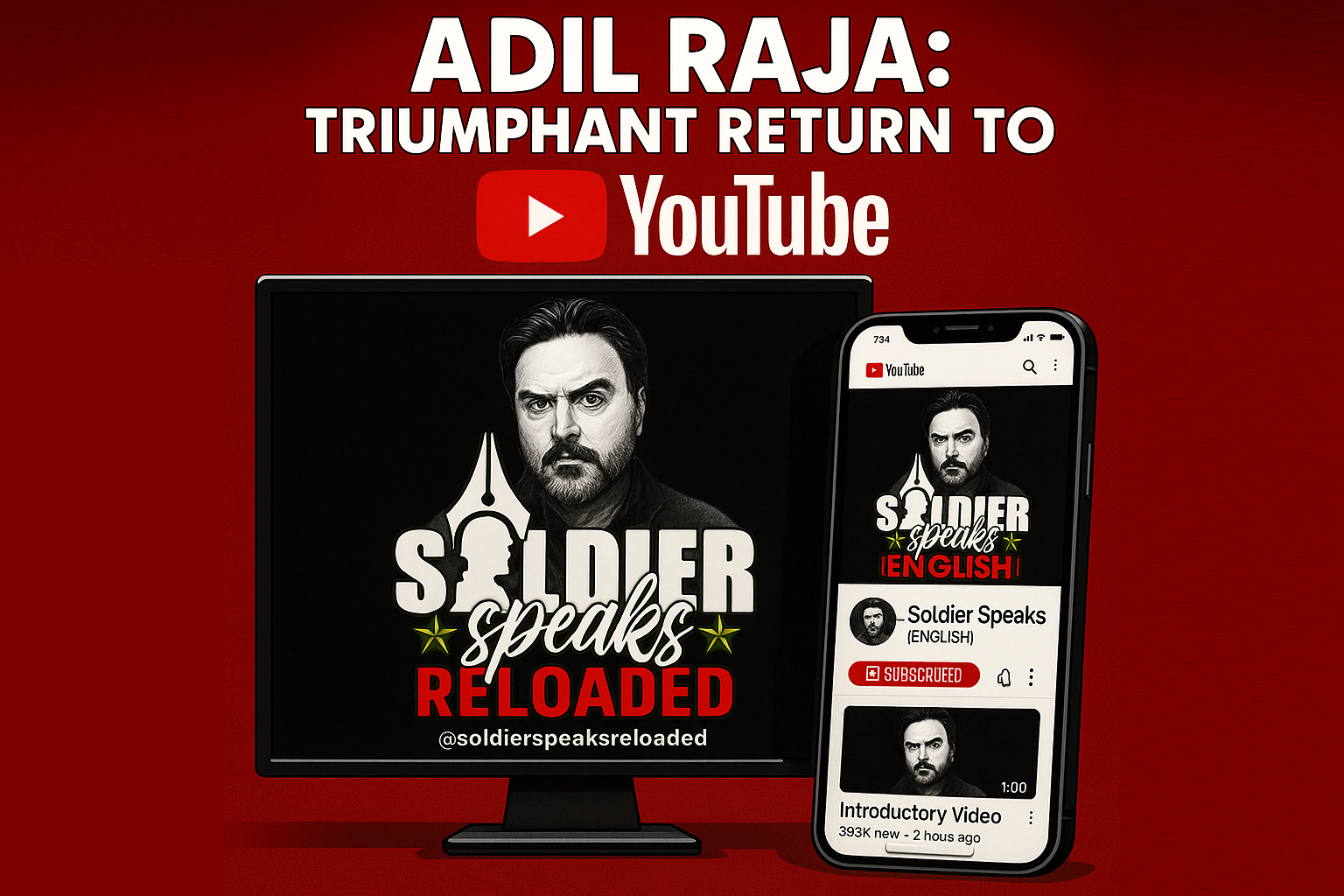
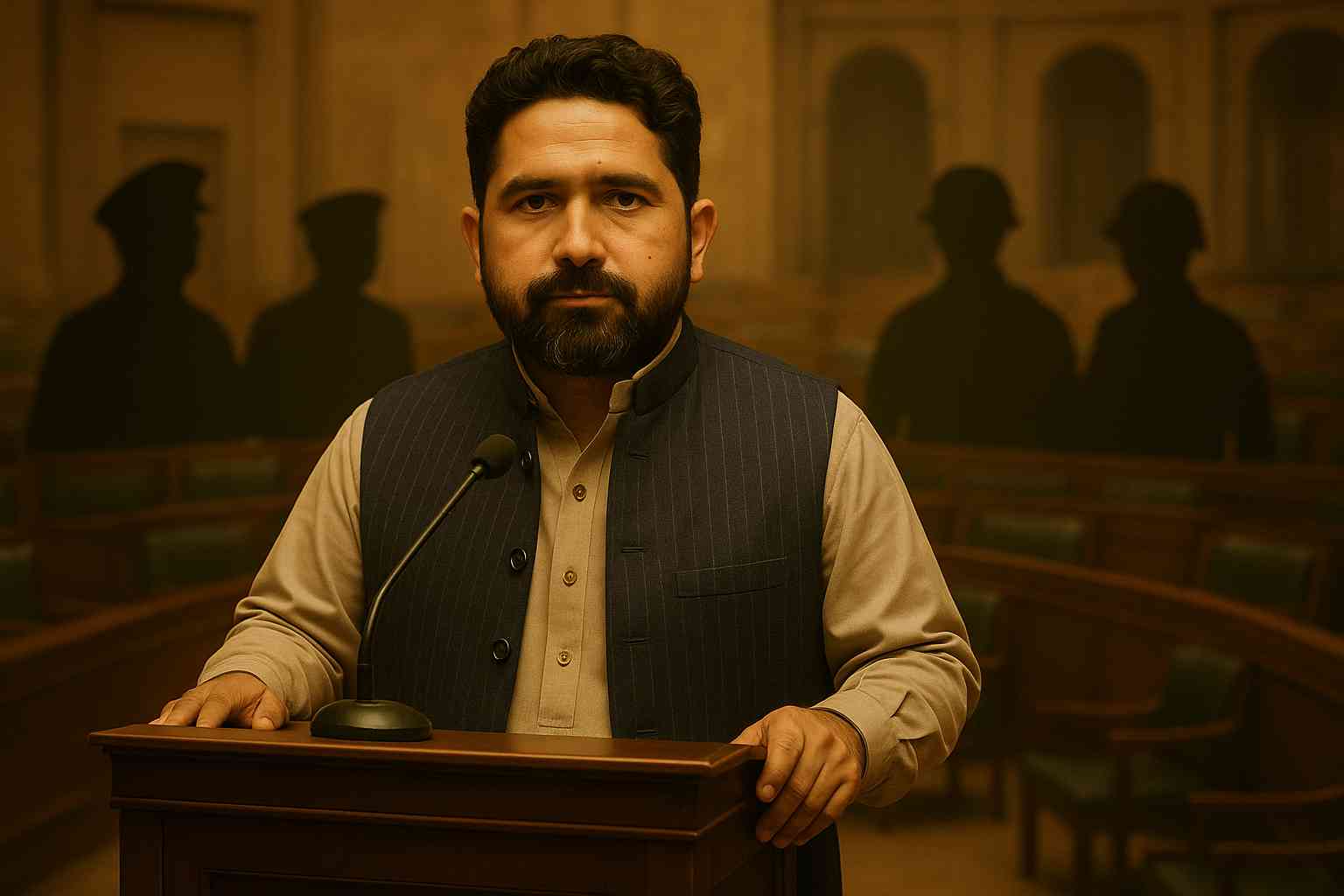
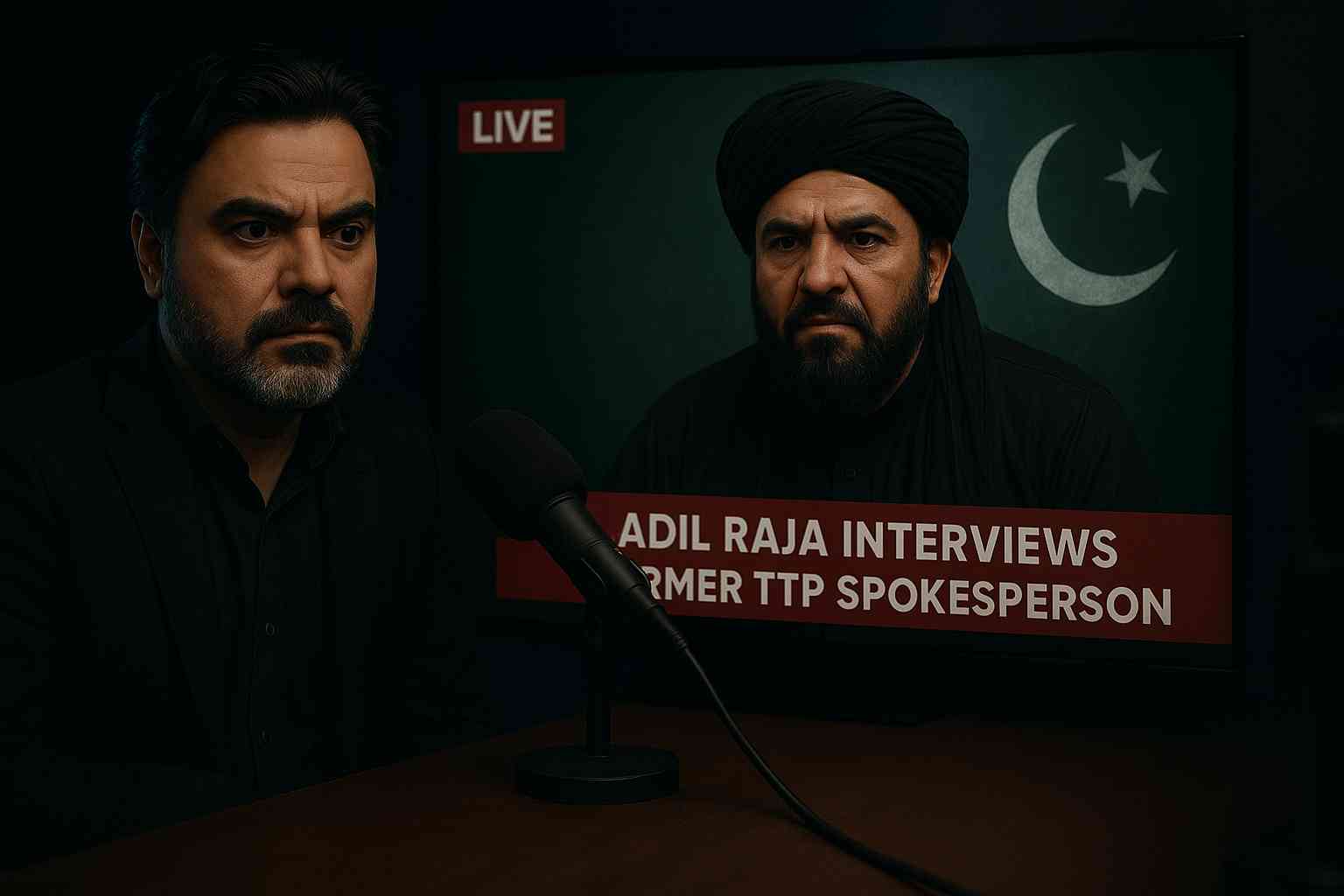
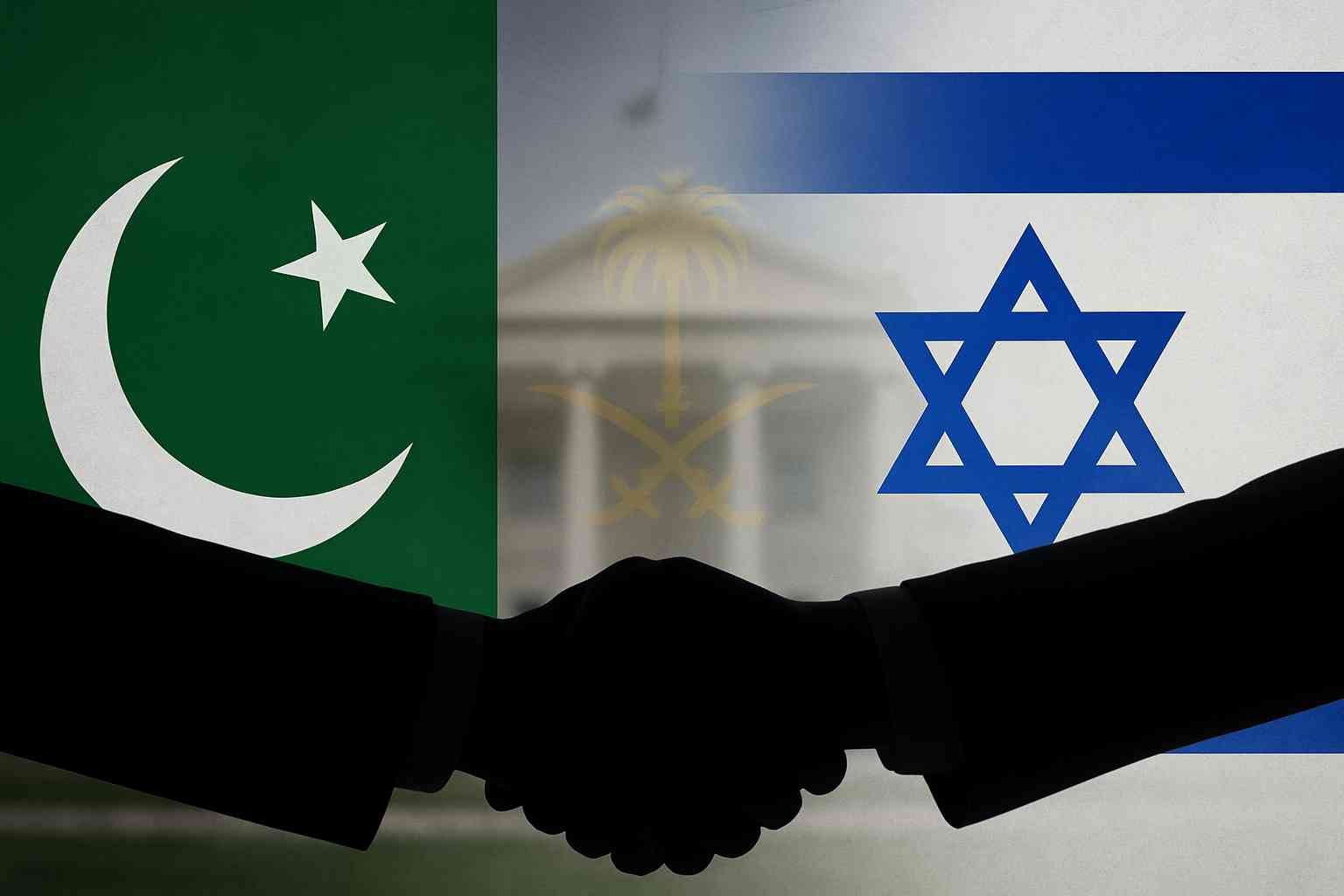
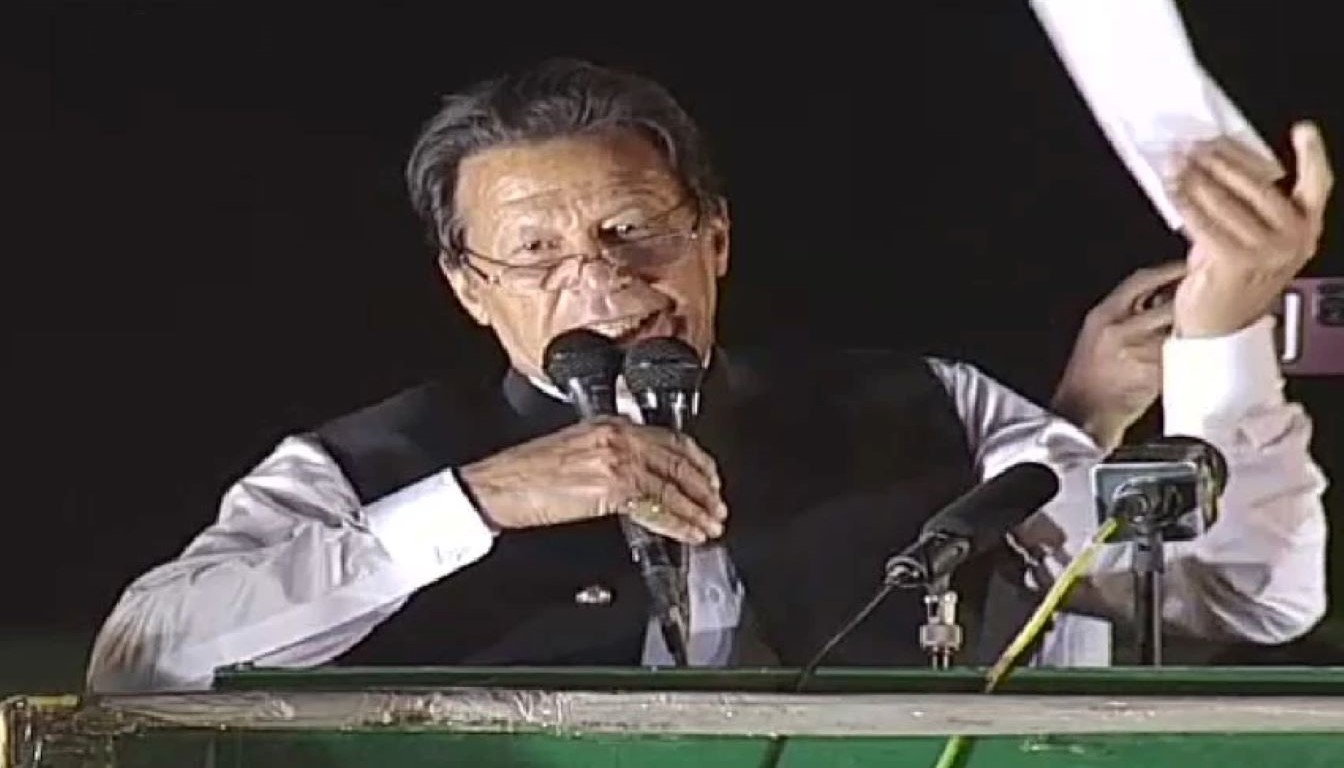
Pakistan role in Makkah defence pact has come under scrutiny after Foreign Minister Ishaq Dar called the agreement defensive and open to additional states. Former army officer and Soldier Speaks editor Adil Raja has challenged that official framing from a different direction.
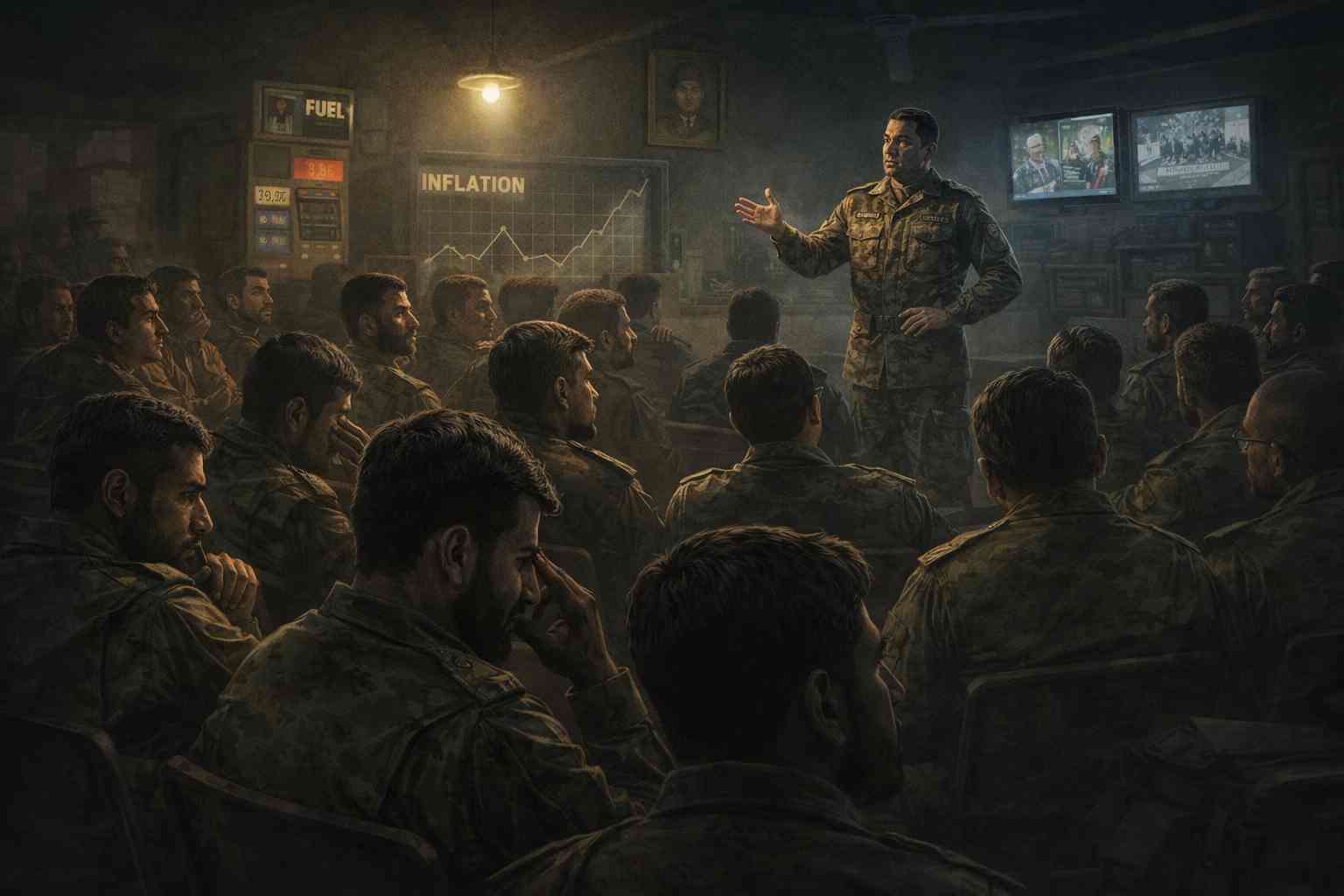
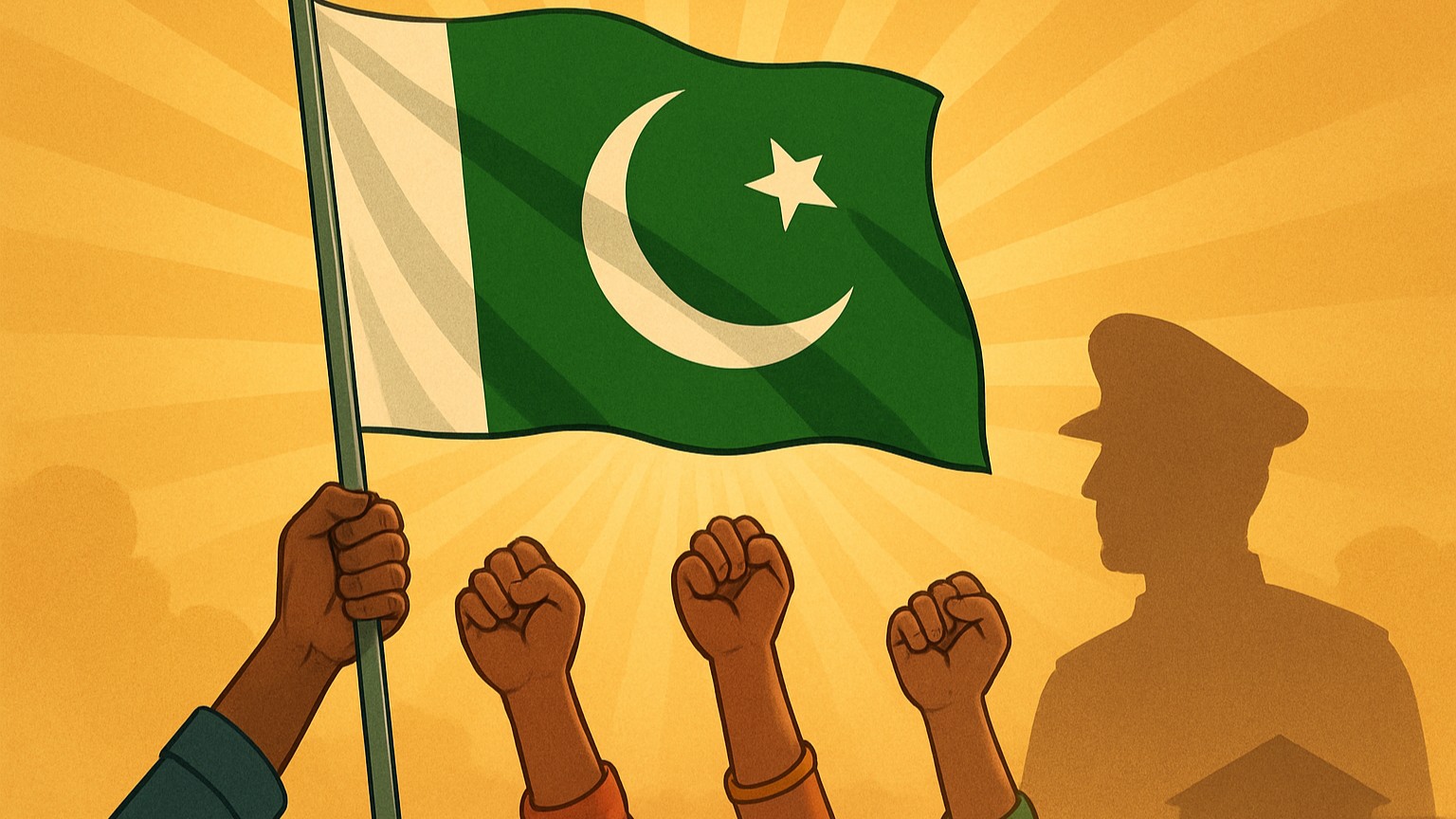
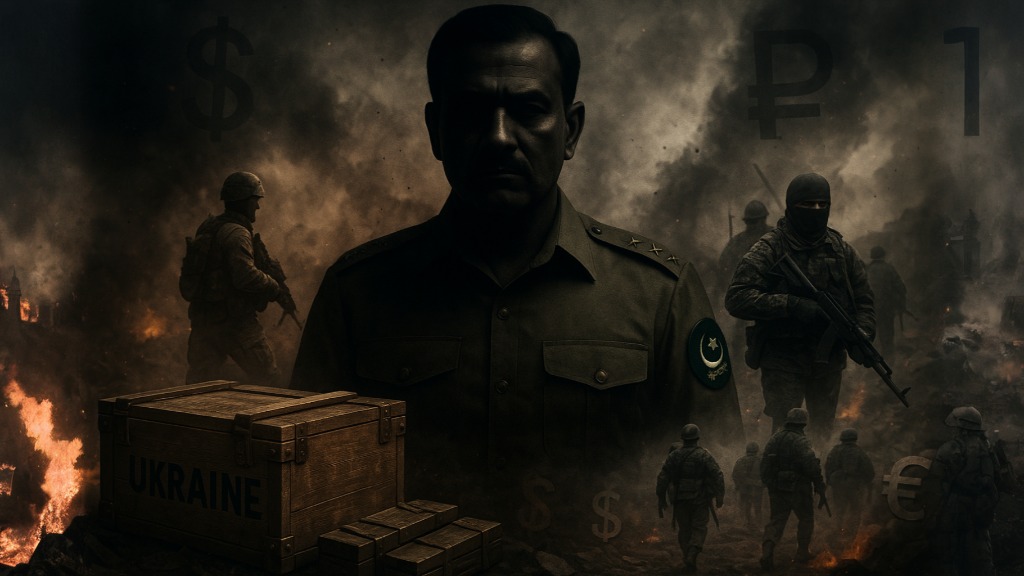
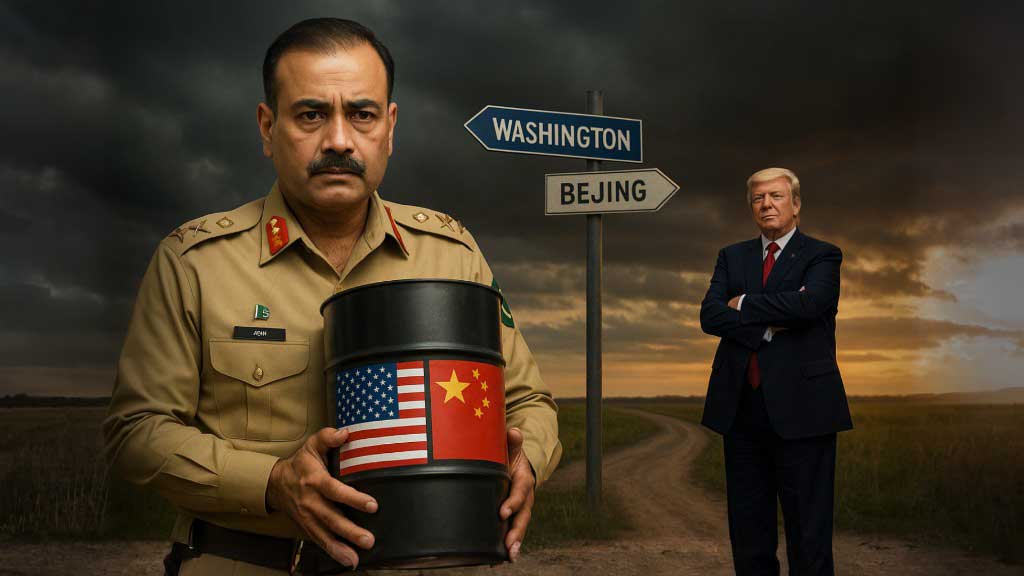
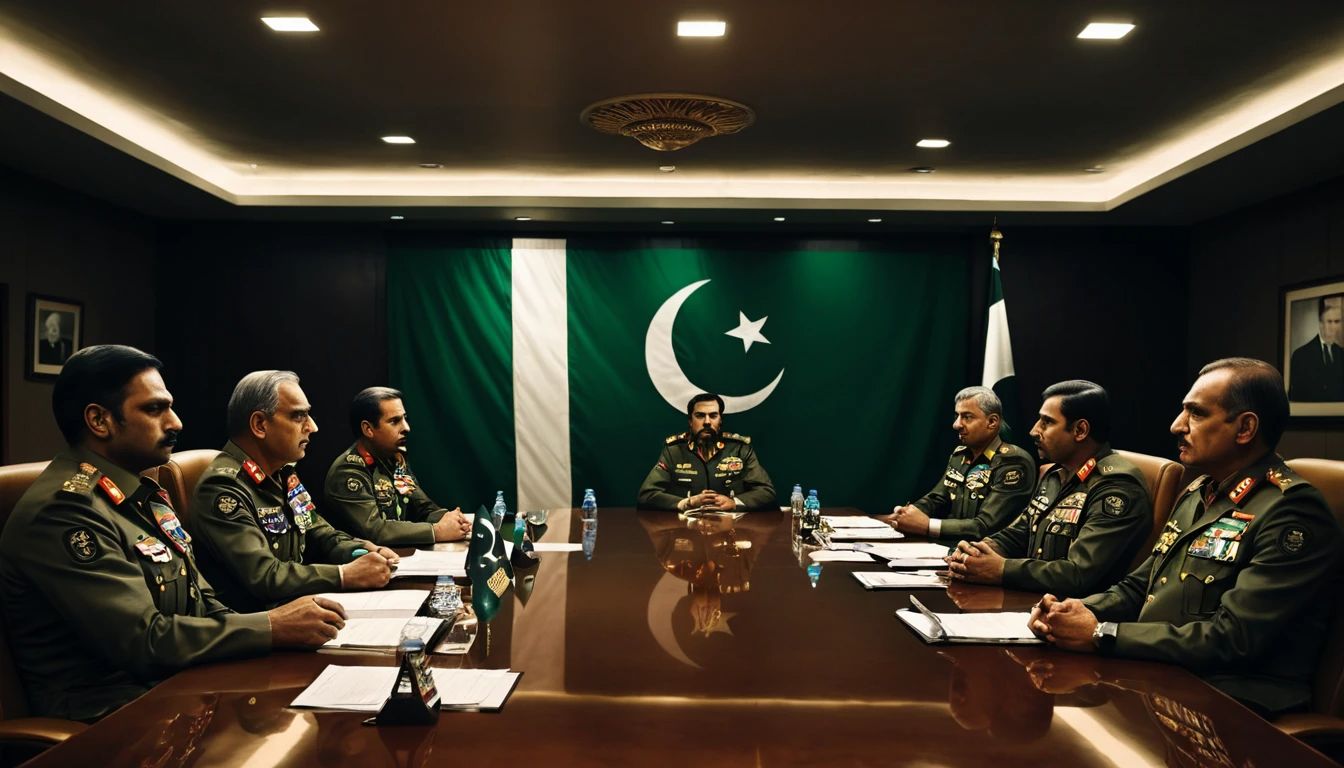
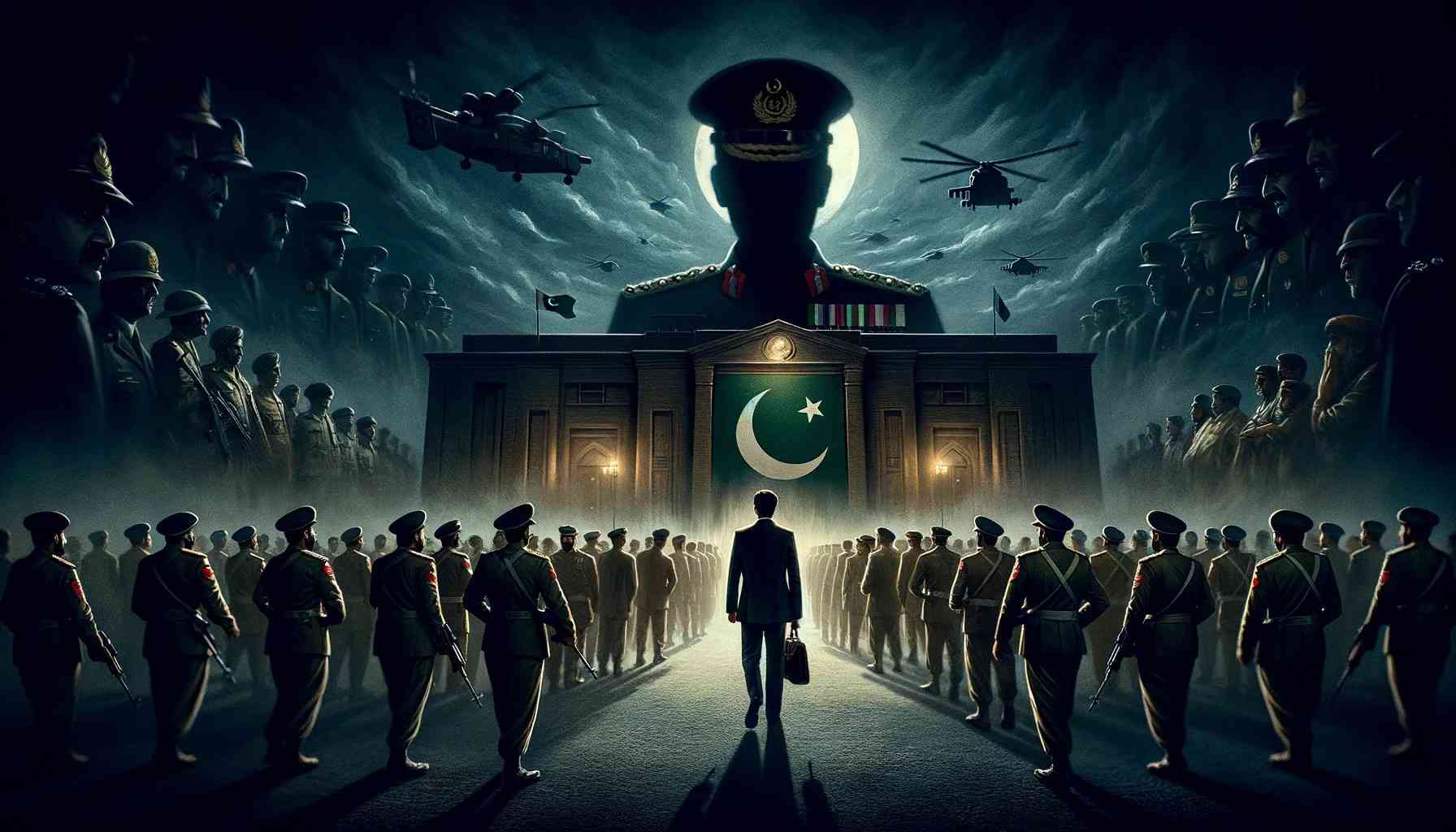
Raja argues that Pakistan faces a severe security challenge at home yet continues offering military manpower and expertise abroad. In his assessment, Saudi Arabia supplies financial backing while Türkiye contributes technology and defence capabilities. Pakistan, he says, brings personnel and potentially the credibility associated with its strategic deterrent.
The published agreement does not mention nuclear weapons. Nor have the three governments confirmed that Pakistan has extended a nuclear guarantee to either partner.
Dar defends the agreement
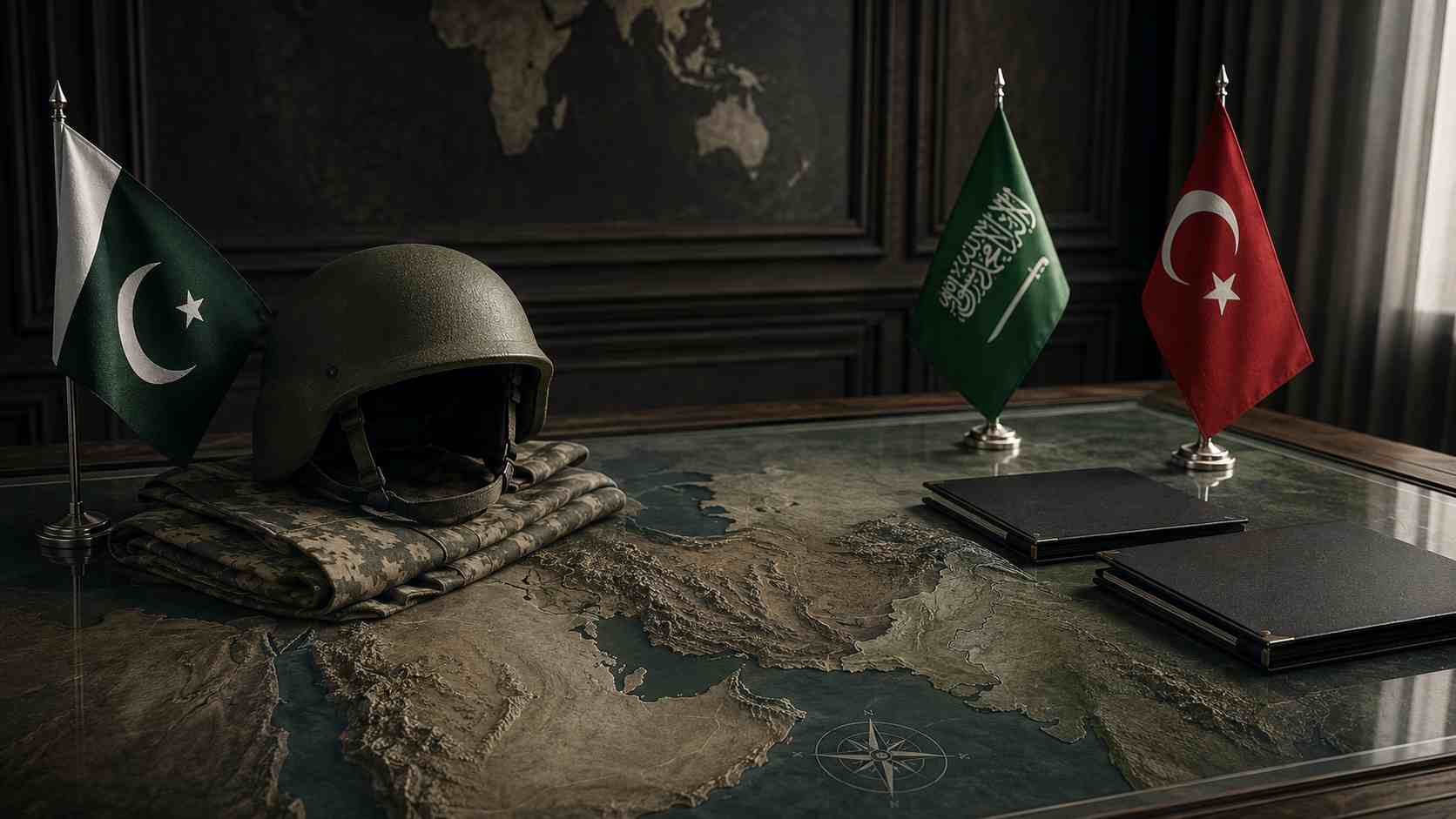
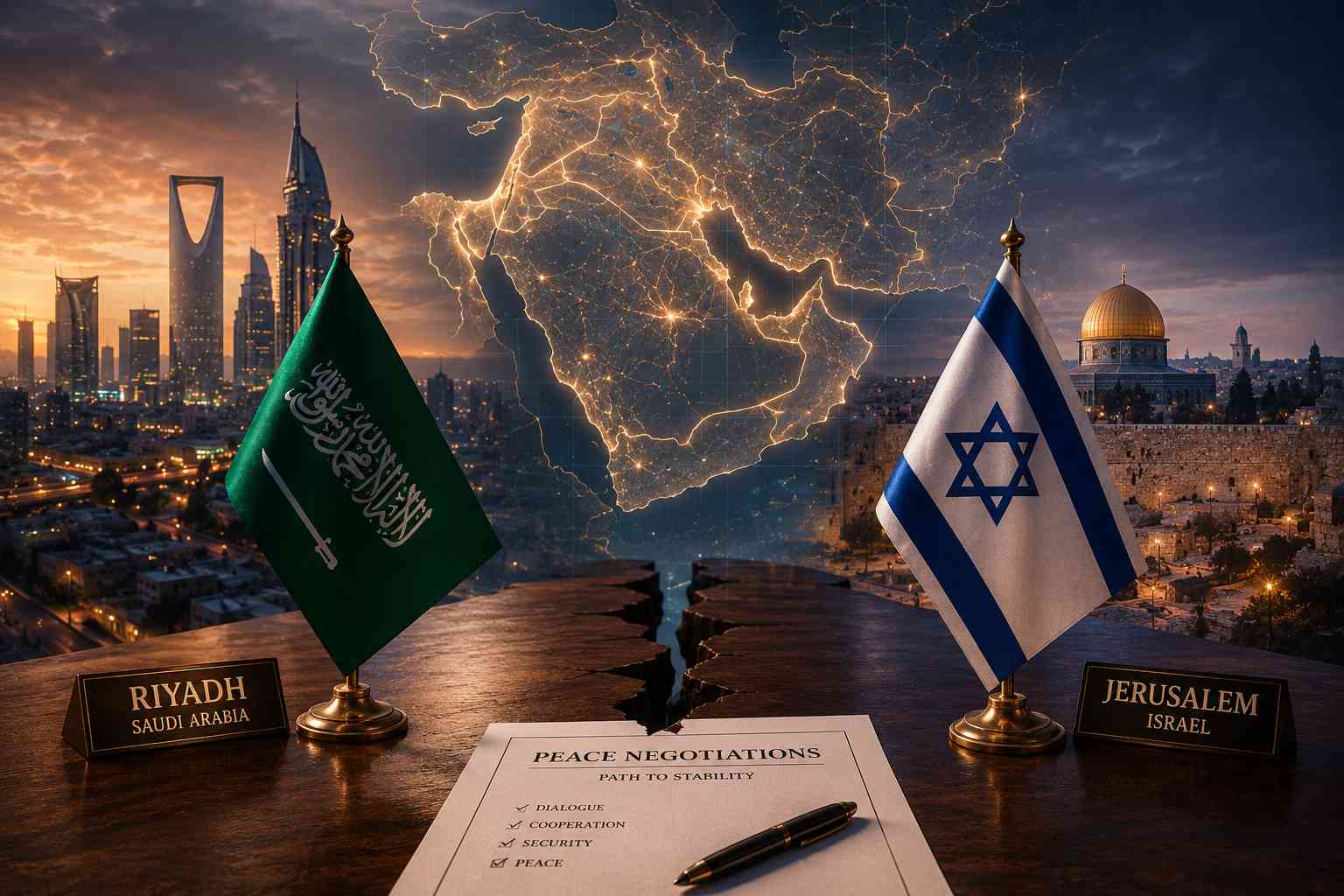
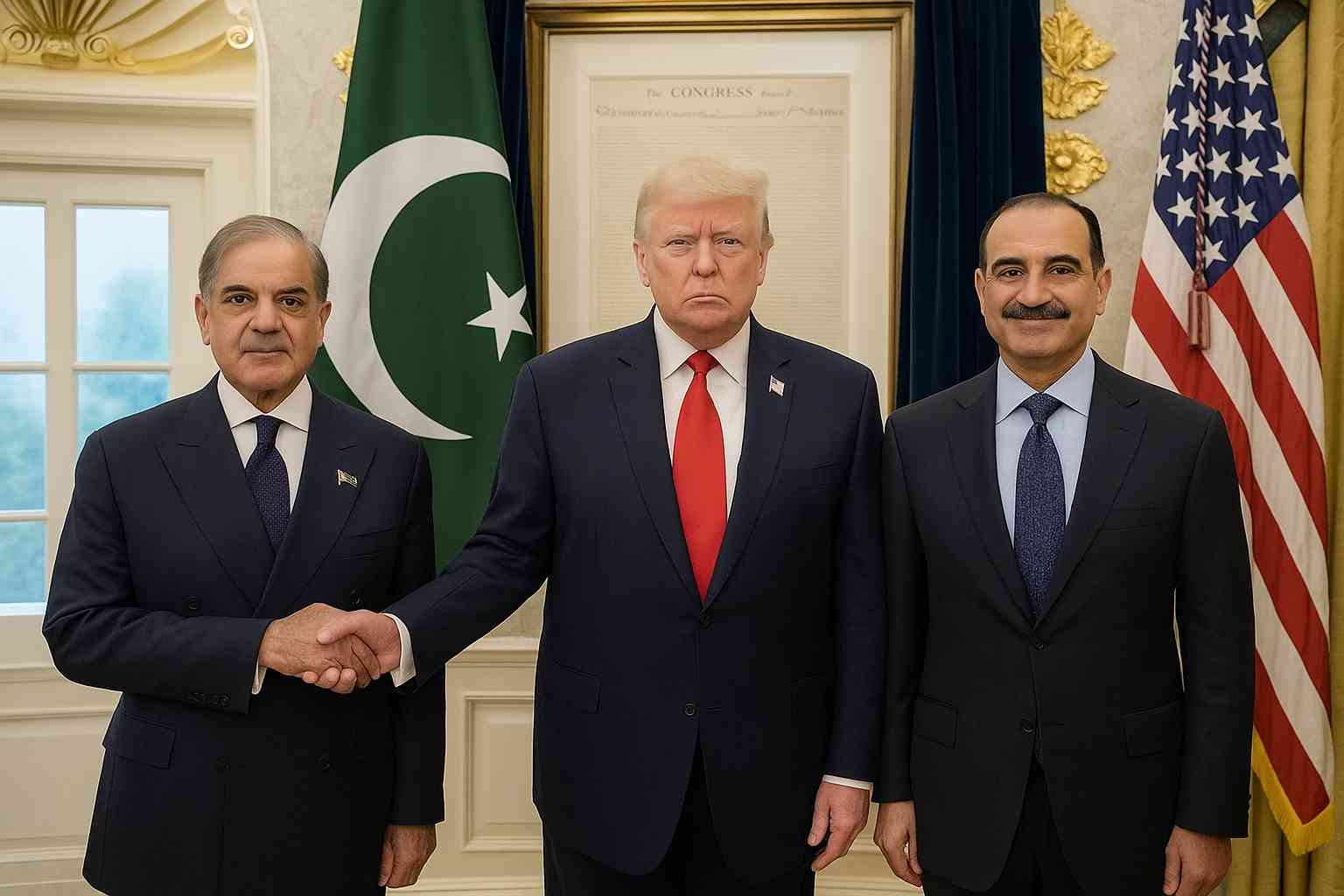
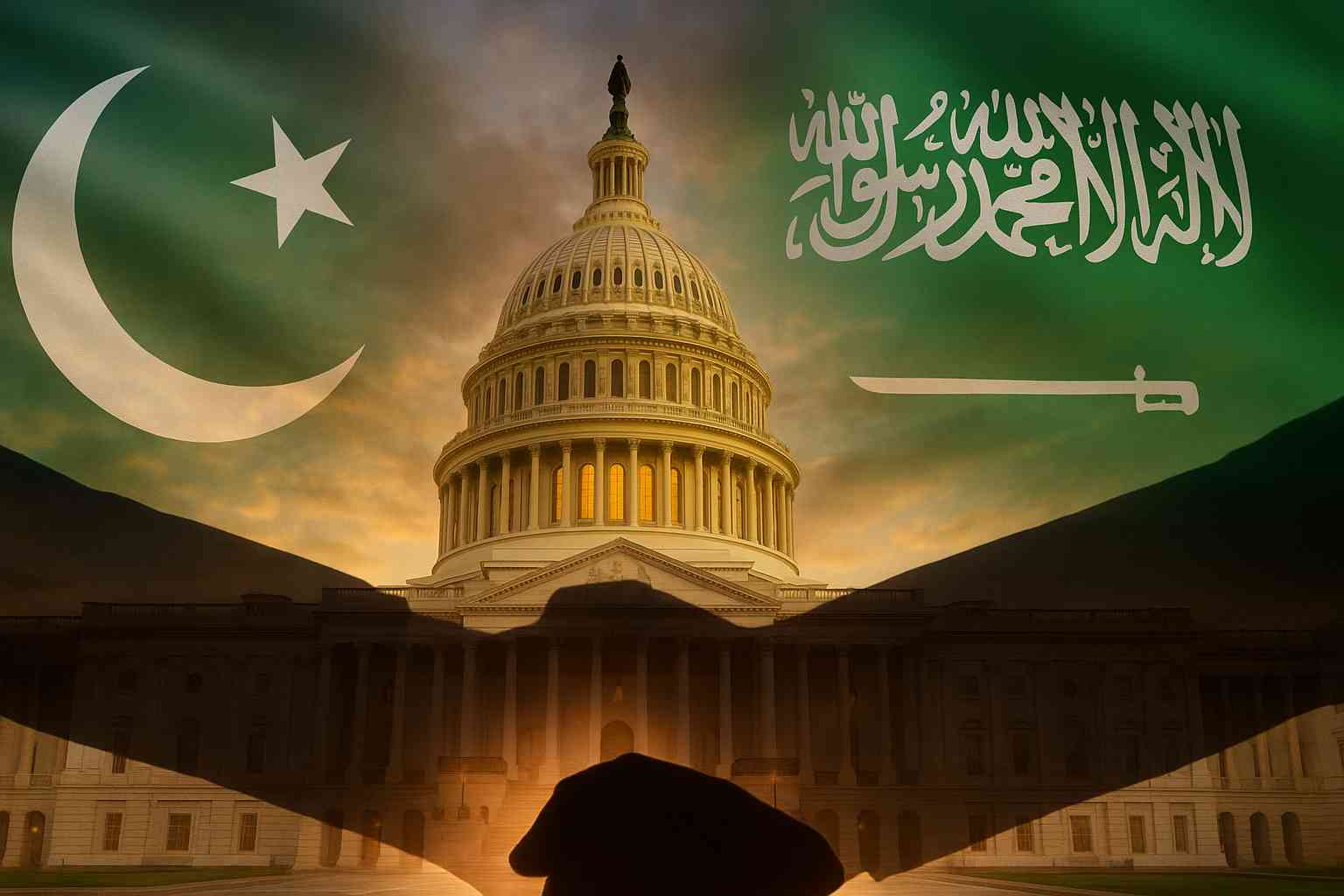
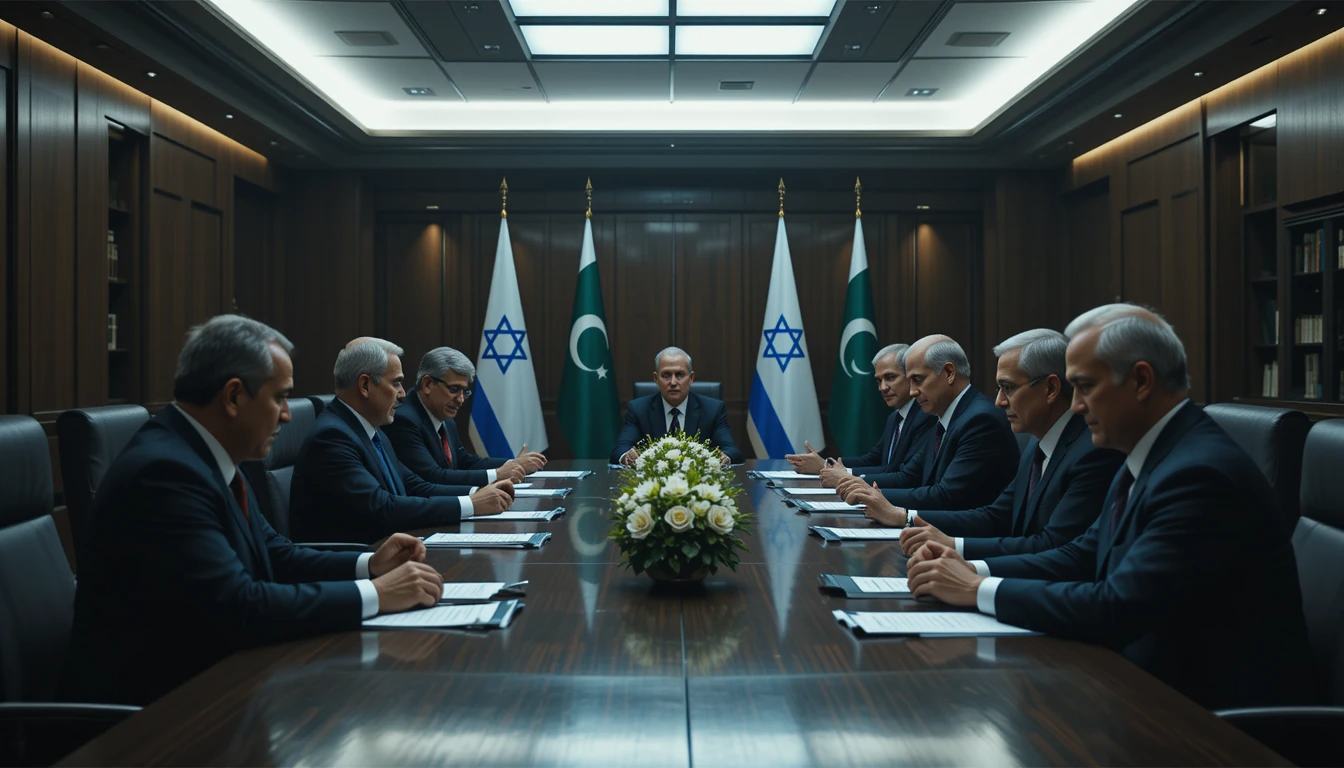
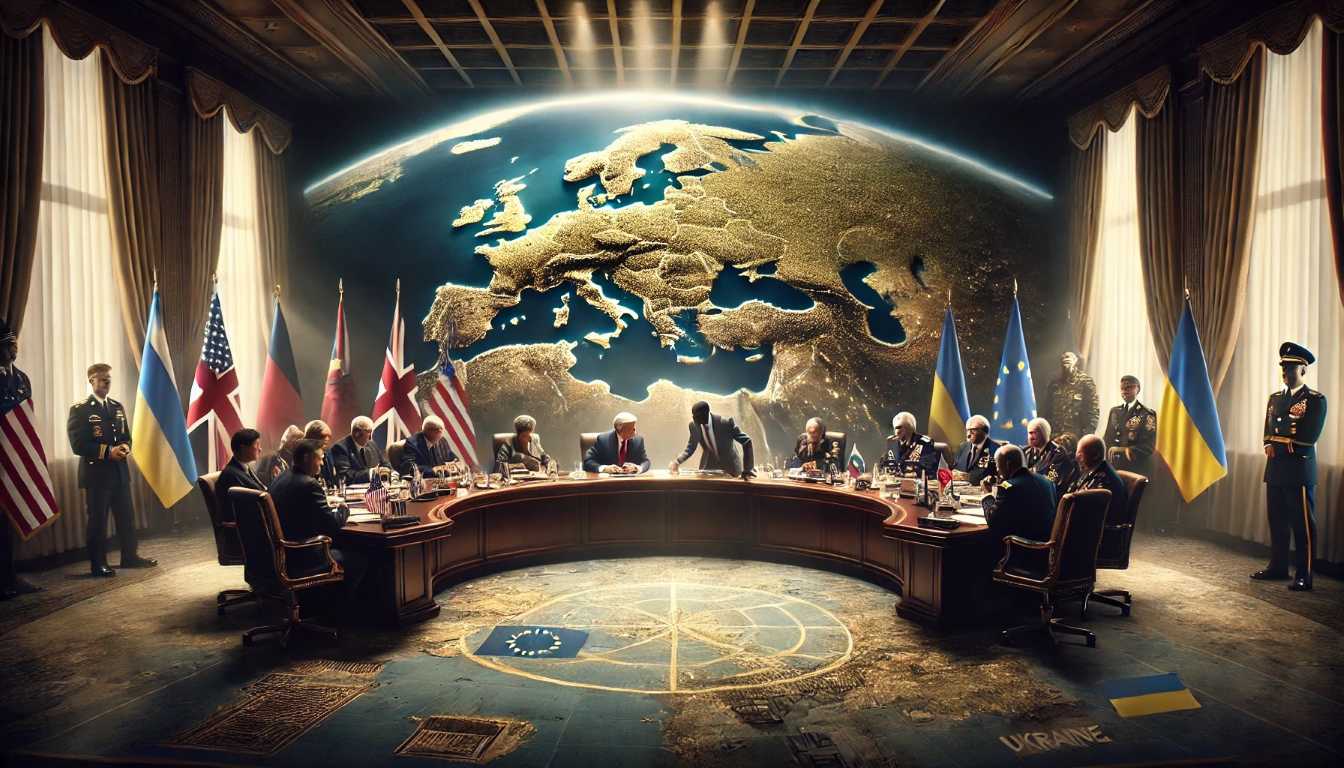
Pakistan, Saudi Arabia and Türkiye signed the Makkah Joint Defence Agreement on August 7. Prime Minister Shehbaz Sharif, Saudi Crown Prince Mohammed bin Salman and Turkish President Recep Tayyip Erdoğan signed it in Makkah.
The pact says an armed attack against one member will be regarded as an attack against all three. It also promises wider defence cooperation and collective deterrence.
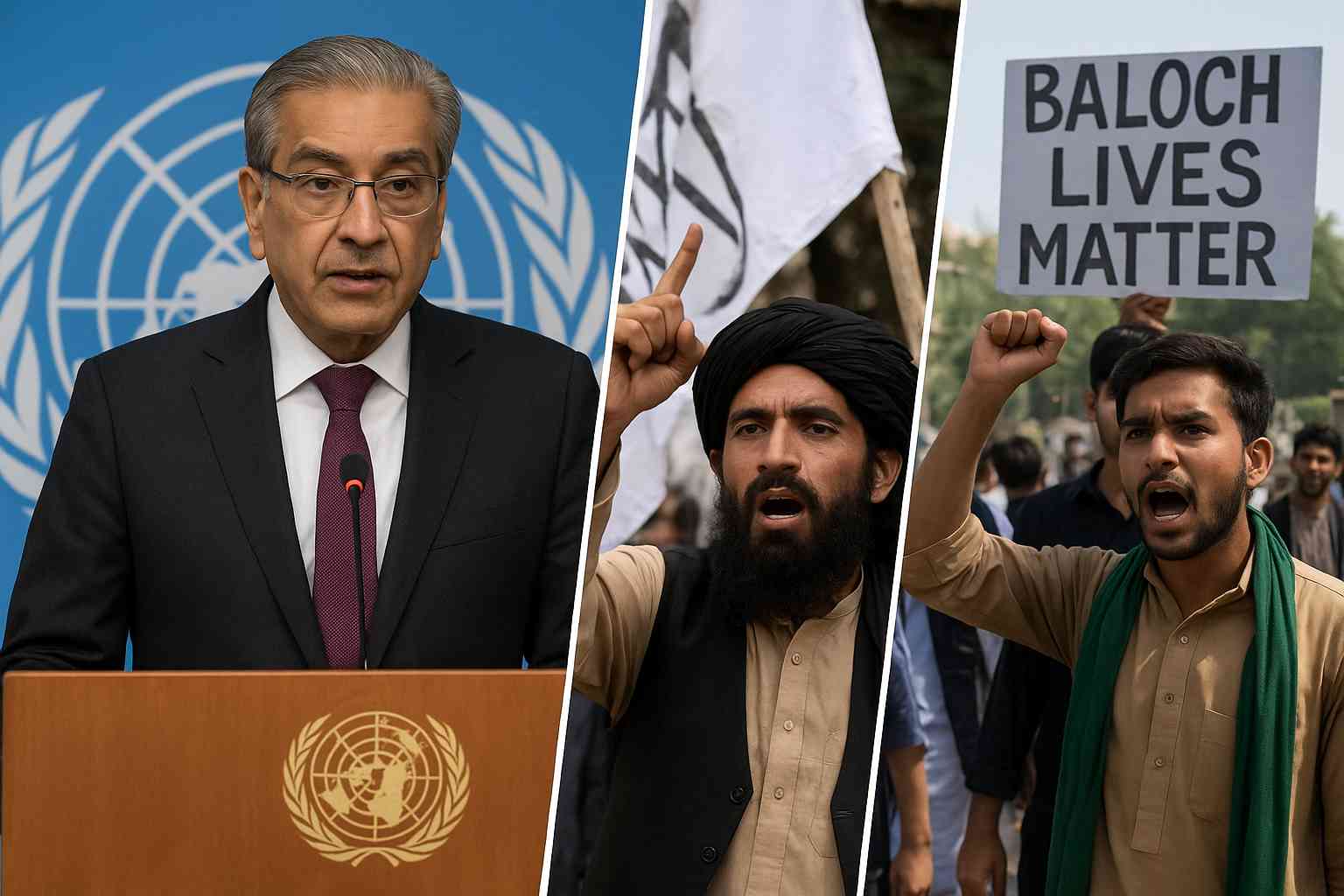
Dar said on Sunday that the agreement was “purely defensive” and targeted no particular country. He added that other regional states could join if they accepted its principles and pursued peaceful dispute resolution, according to the Associated Press.
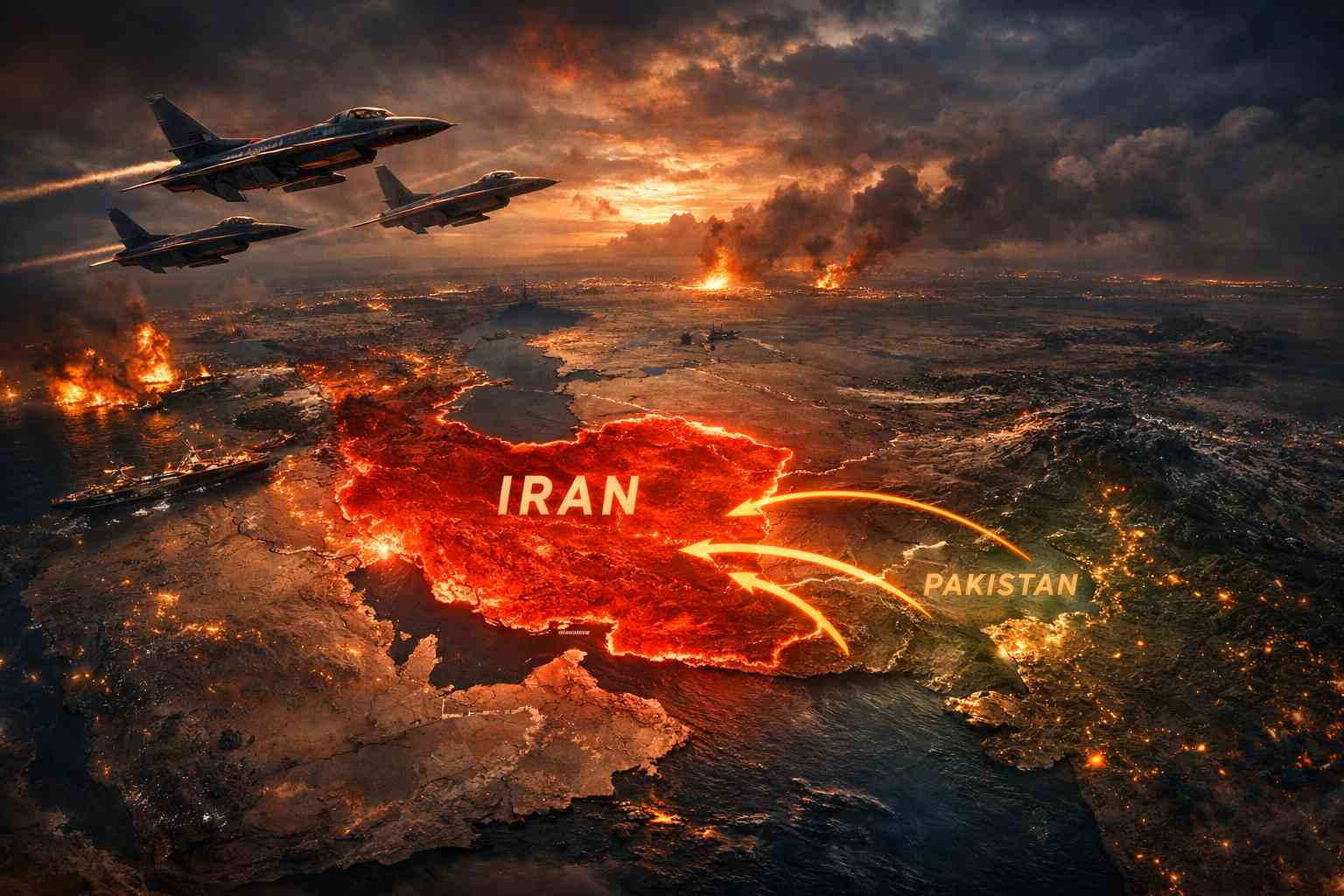
Turkish Foreign Minister Hakan Fidan offered similar assurances. He said the pact did not target Iran or another state.
Officials have not released the full agreement or its implementation documents. Public statements do not identify a joint command, consultation timetable or automatic military response.
Pakistan role in Makkah defence pact questioned
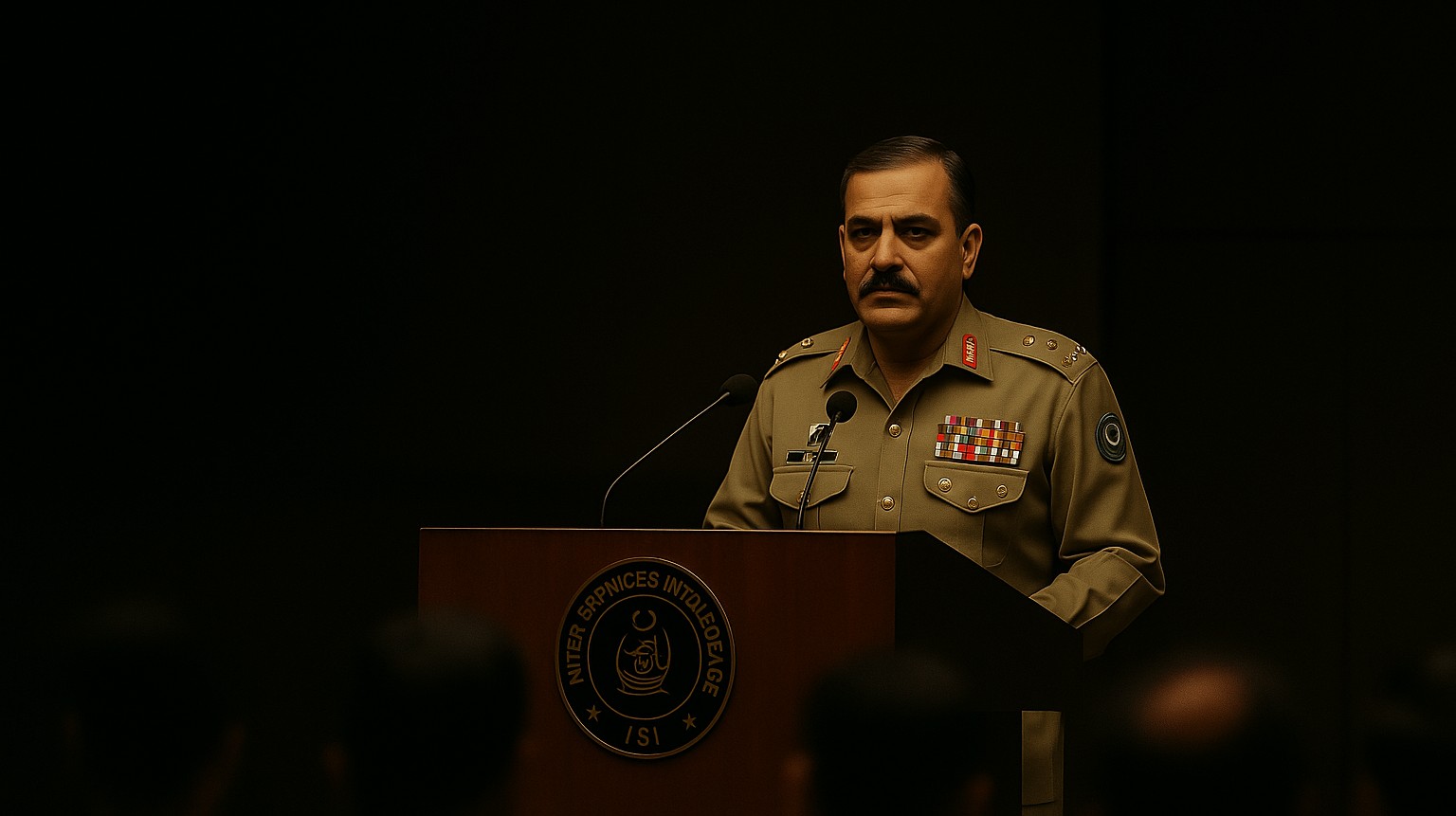
Raja’s commentary shifts attention from the diplomatic ceremony to Pakistan’s expected contribution.
His criticism raises a direct public-interest question: will Pakistan provide troops, operational expertise or strategic cover in return for funding and defence technology?
No published document currently confirms such an exchange. However, the three countries bring markedly different resources to the arrangement.
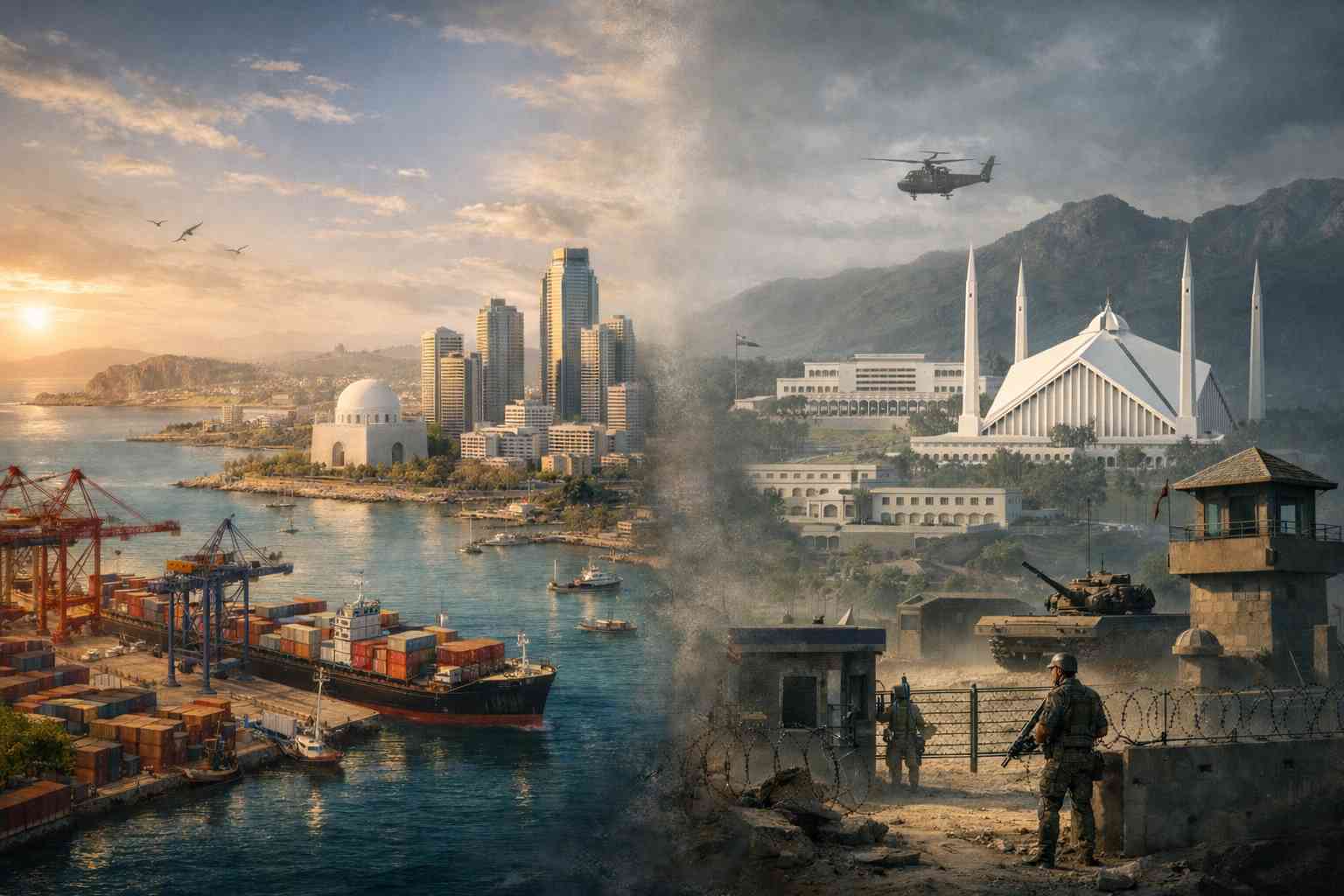
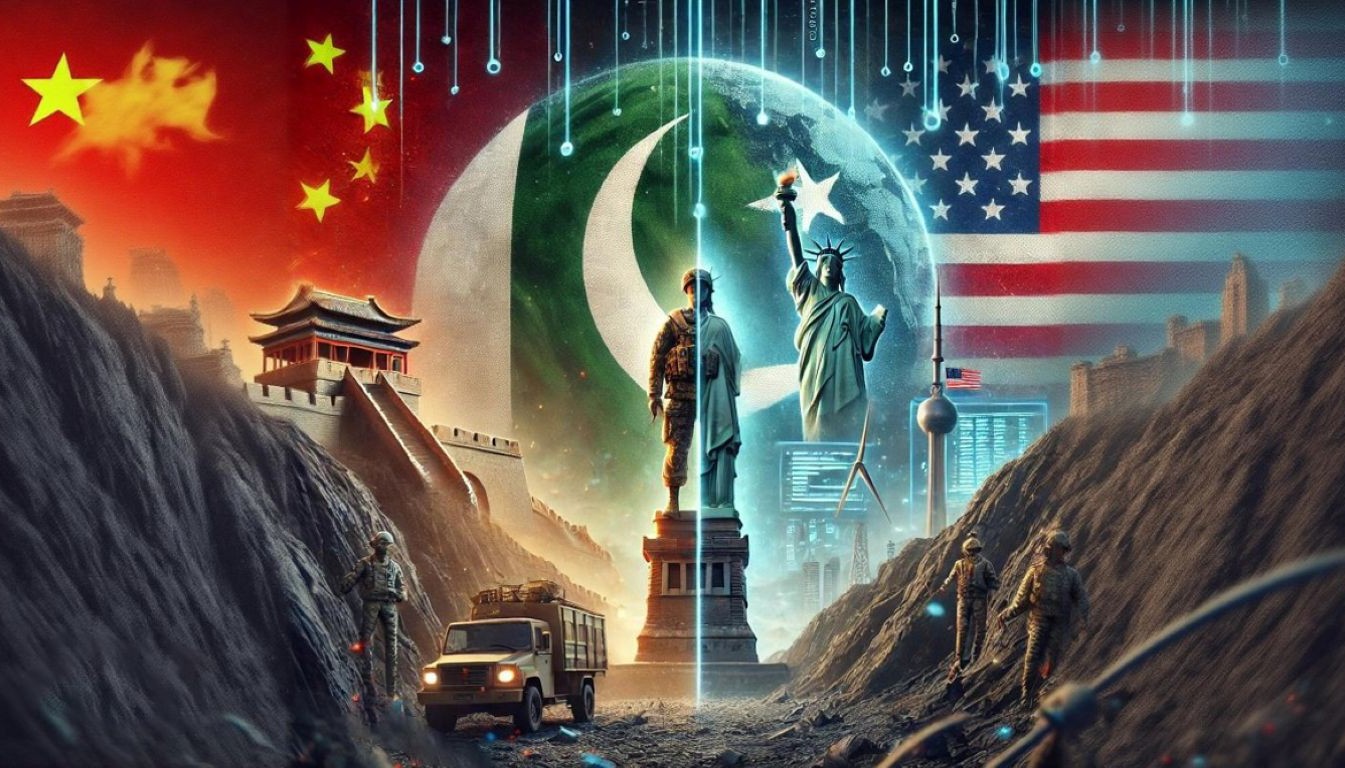
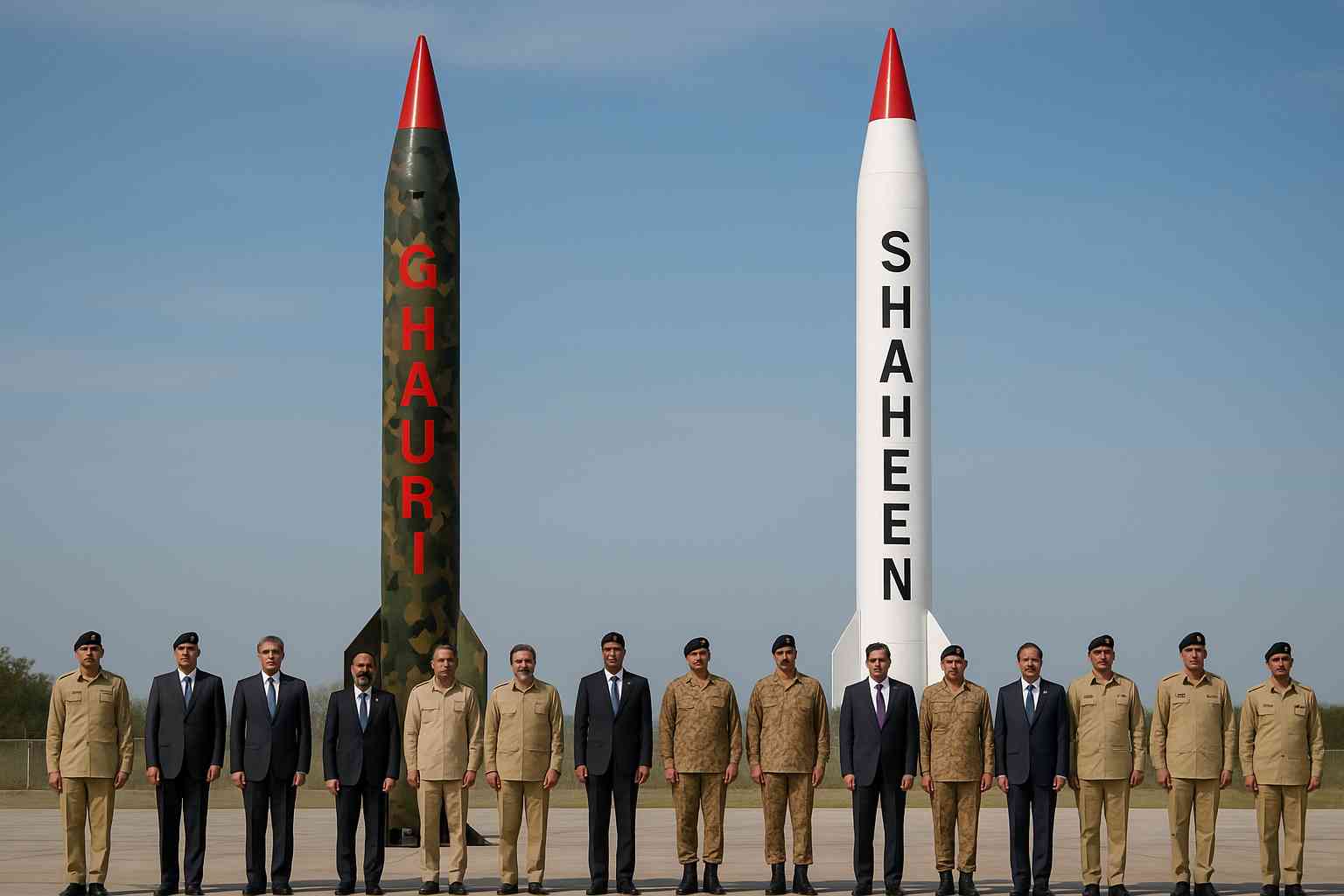
Saudi Arabia offers financial strength and regional influence. Türkiye possesses an expanding defence industry and NATO’s second-largest army. Pakistan contributes experienced armed forces and remains the Muslim world’s only declared nuclear-armed state.
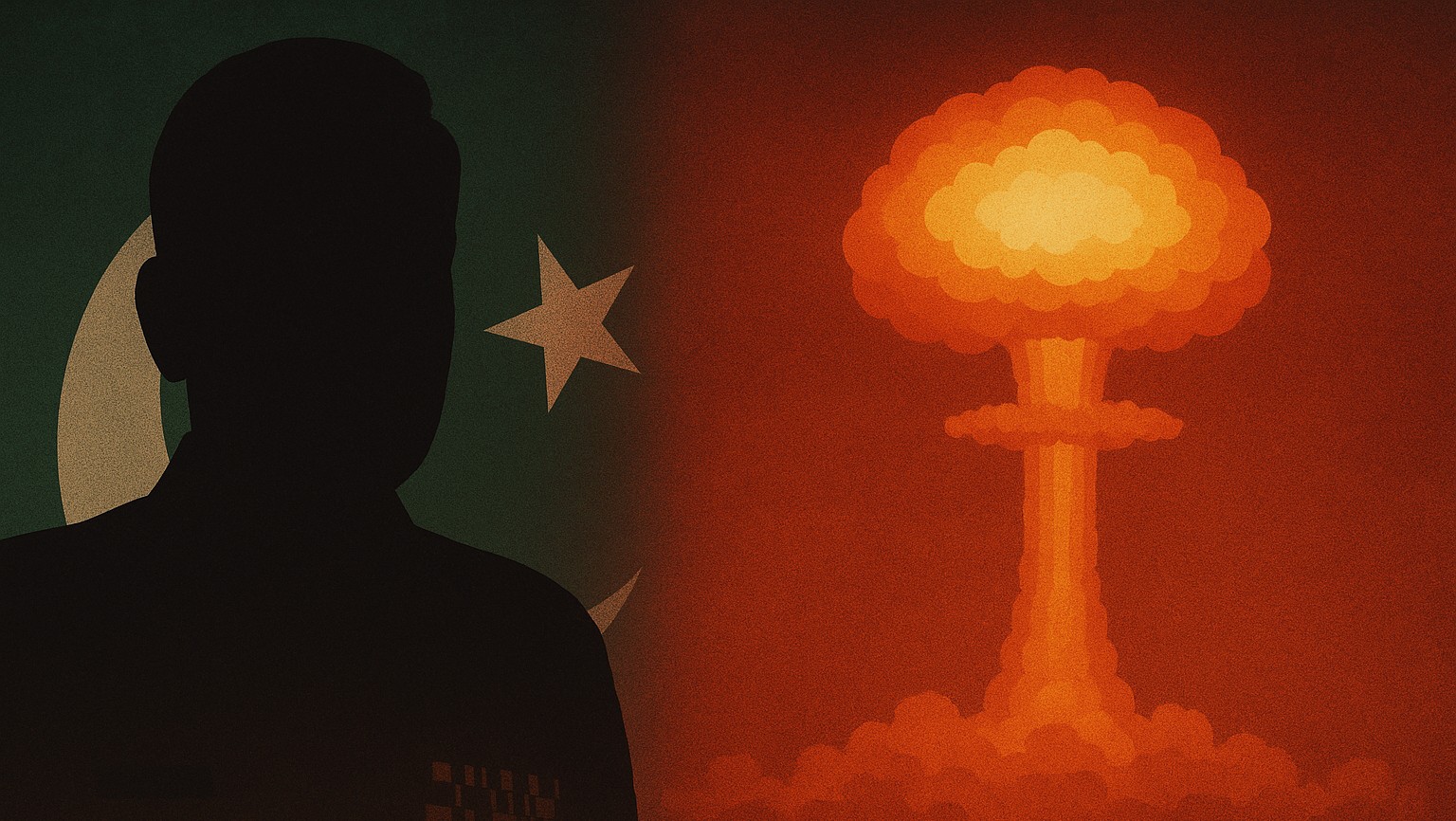
That combination has encouraged speculation about a broader nuclear umbrella. Yet neither the joint statement nor subsequent official explanations establish one.
Saudi officials have denied that the pact concerns nuclear ambitions or an arms race. Treating a nuclear commitment as confirmed would therefore exceed the available evidence.
Domestic security remains under pressure
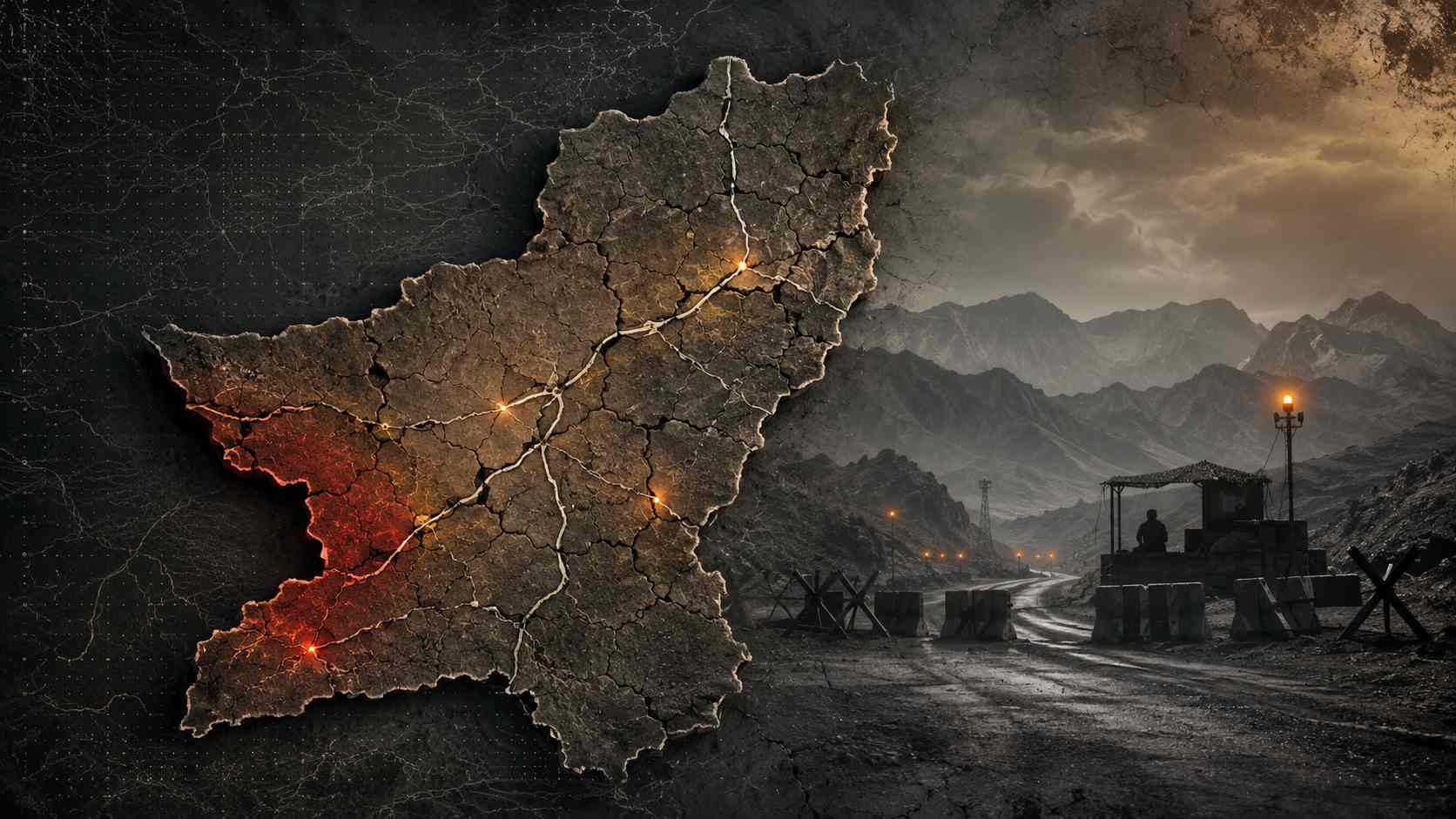
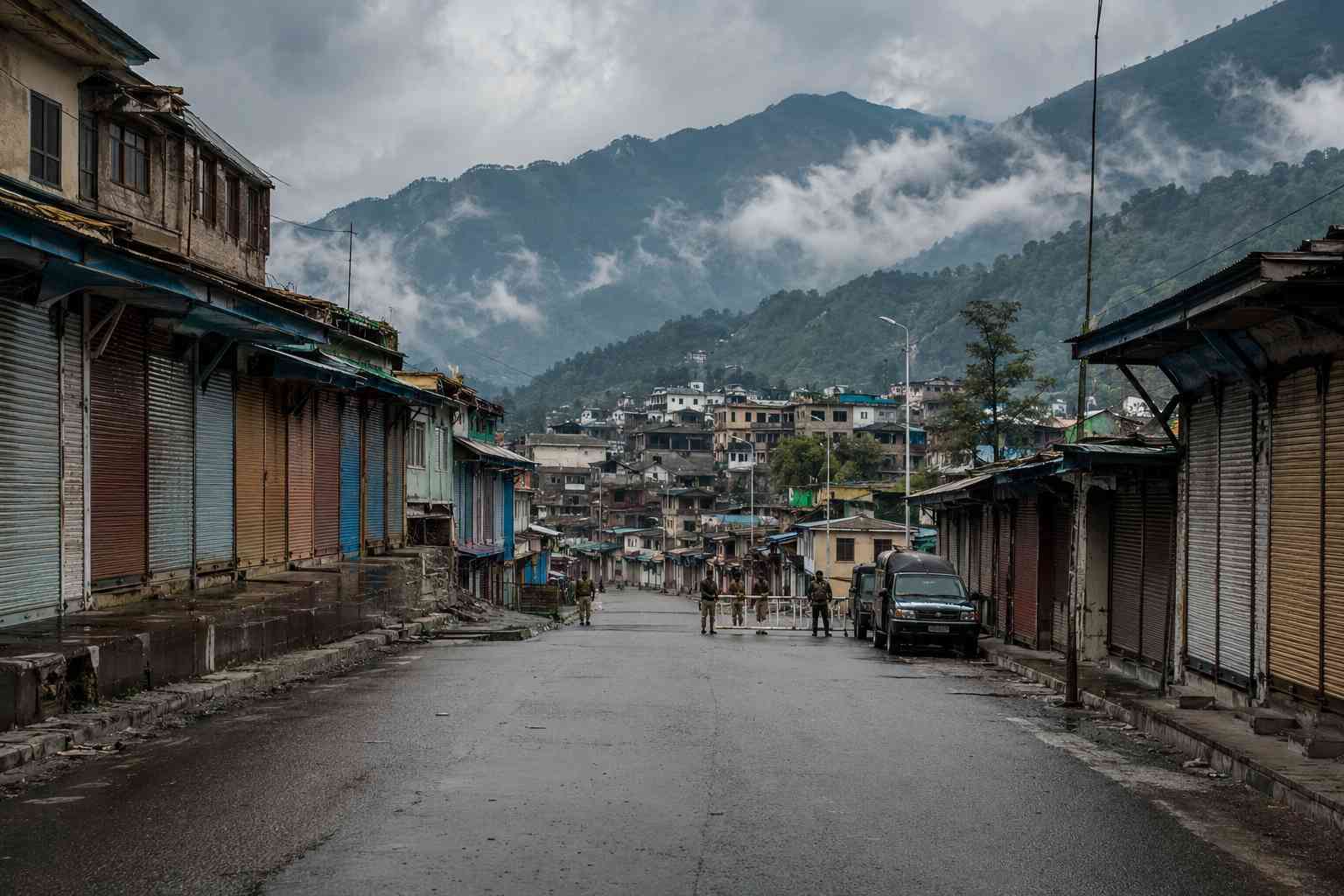
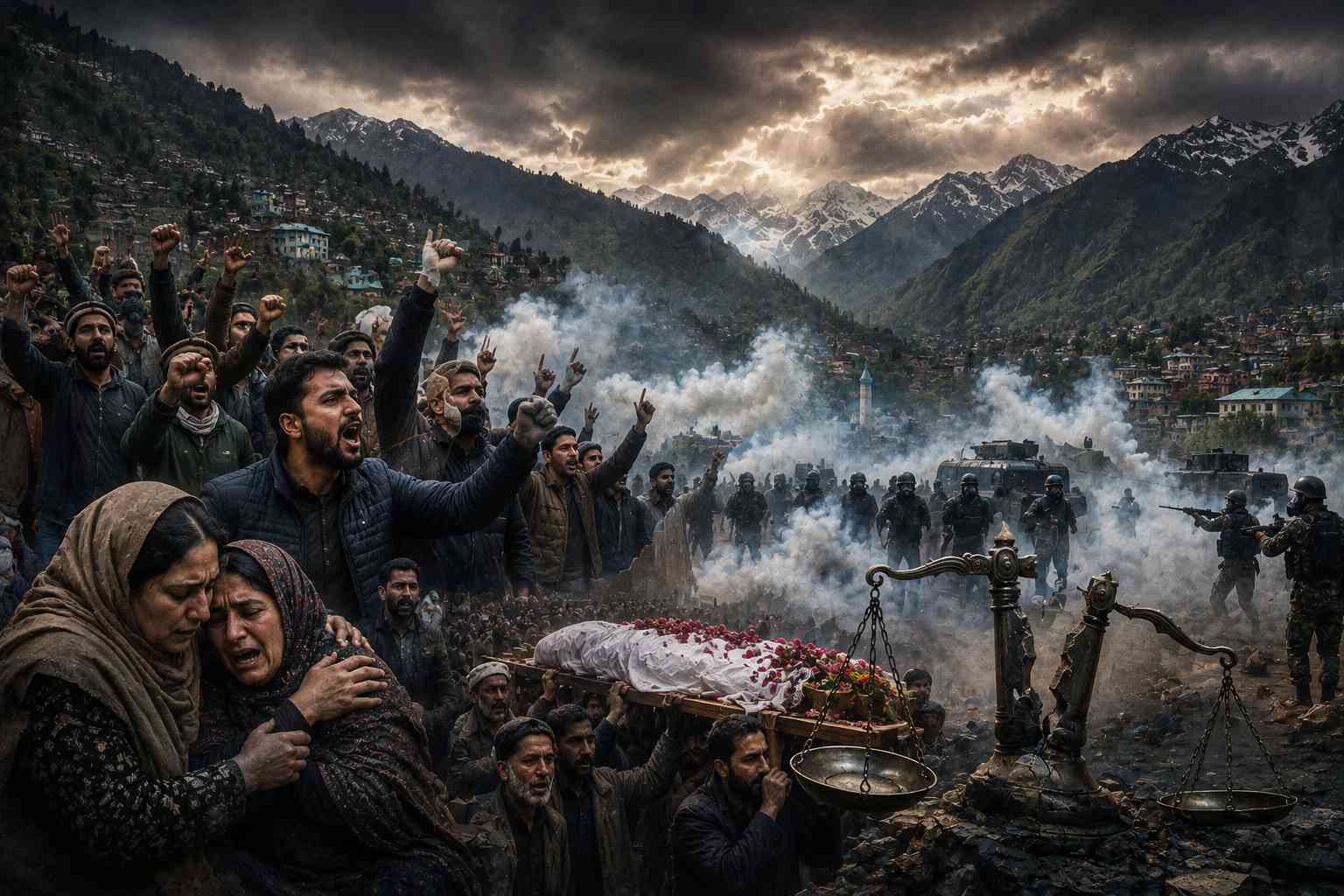
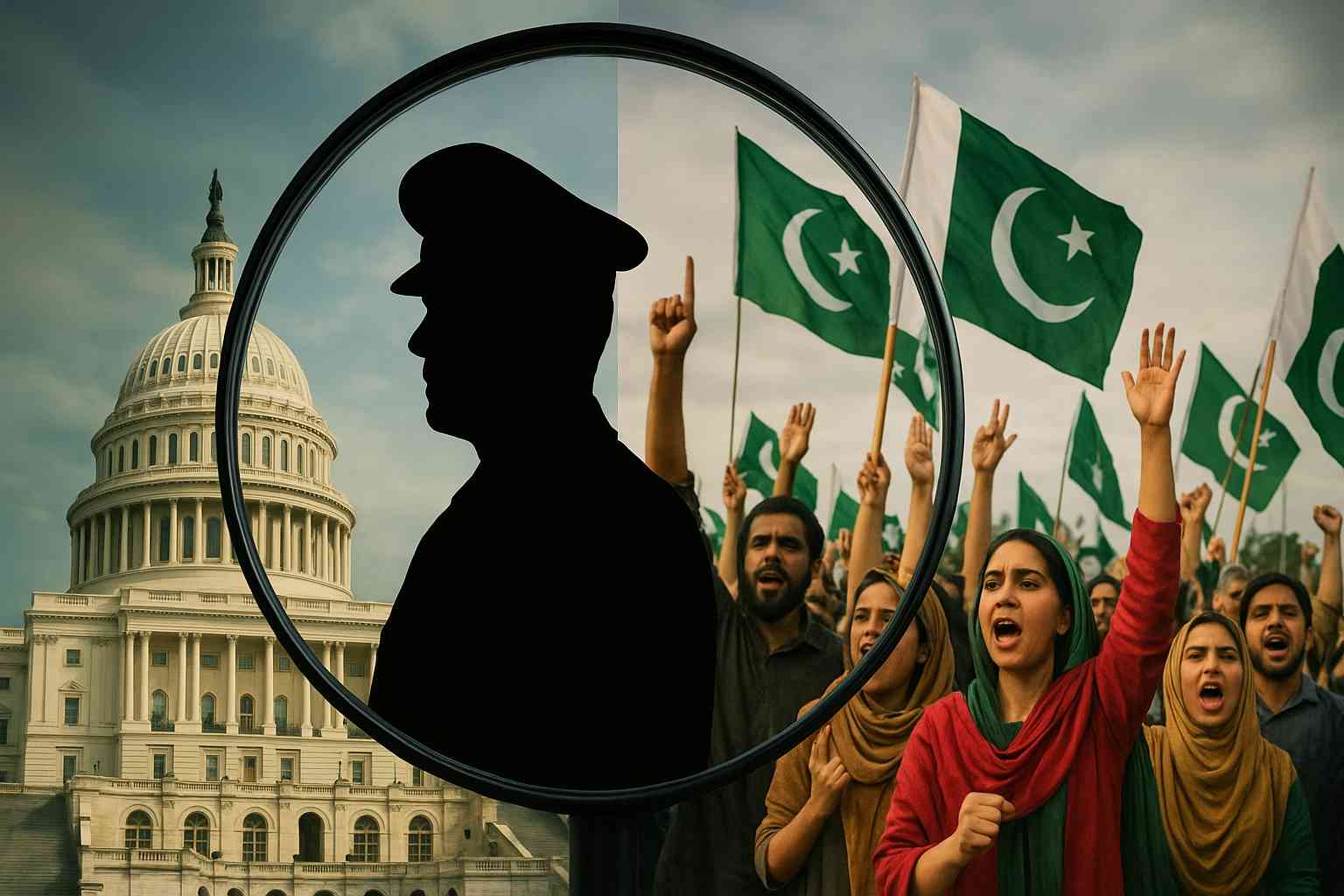
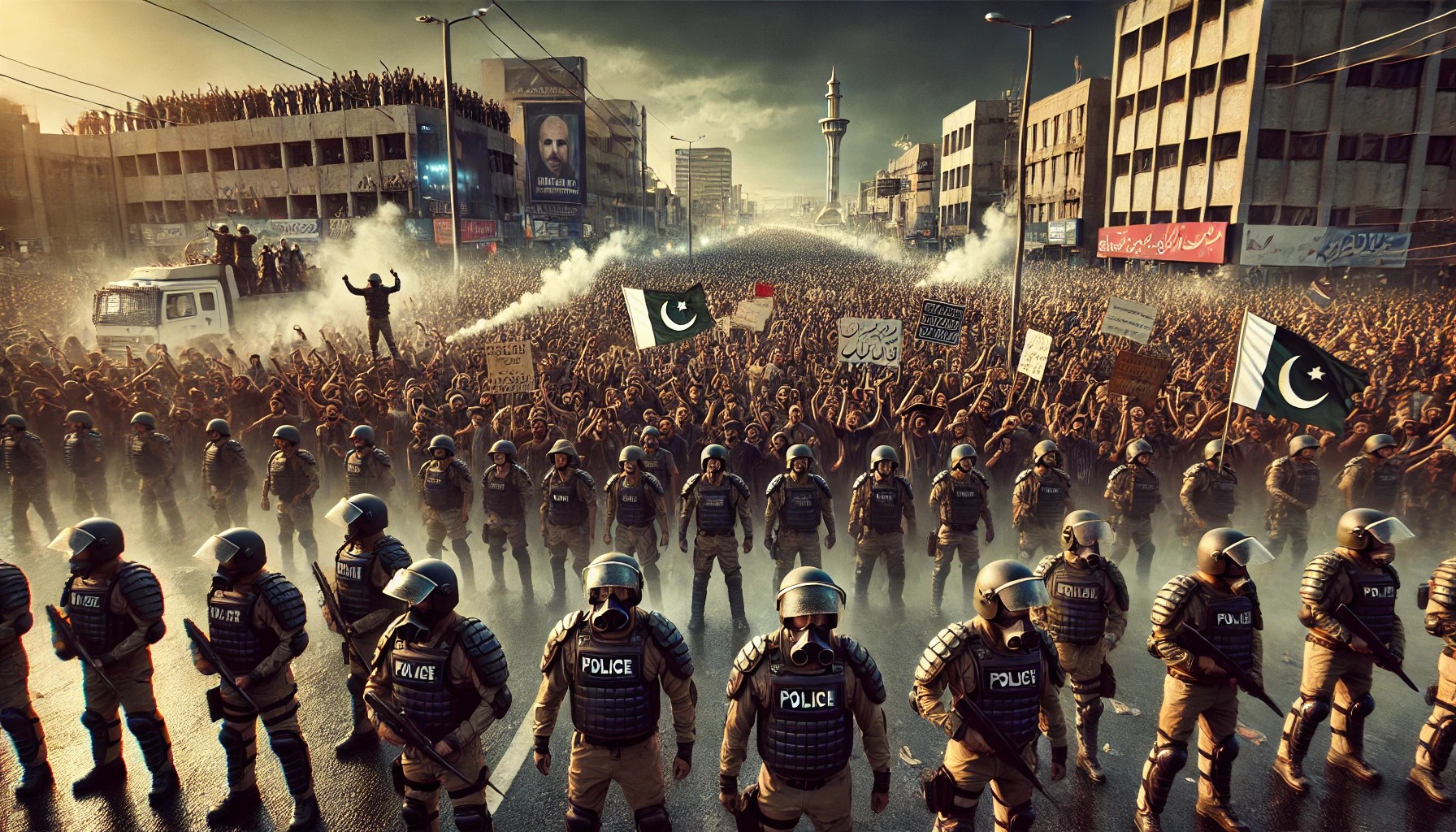
The argument over Pakistan role in Makkah defence pact comes during another violent period inside the country.
The Pakistan Institute for Conflict and Security Studies recorded 37 militant attacks between July 3 and July 9. Those incidents killed 108 people and injured 65, according to its security review.
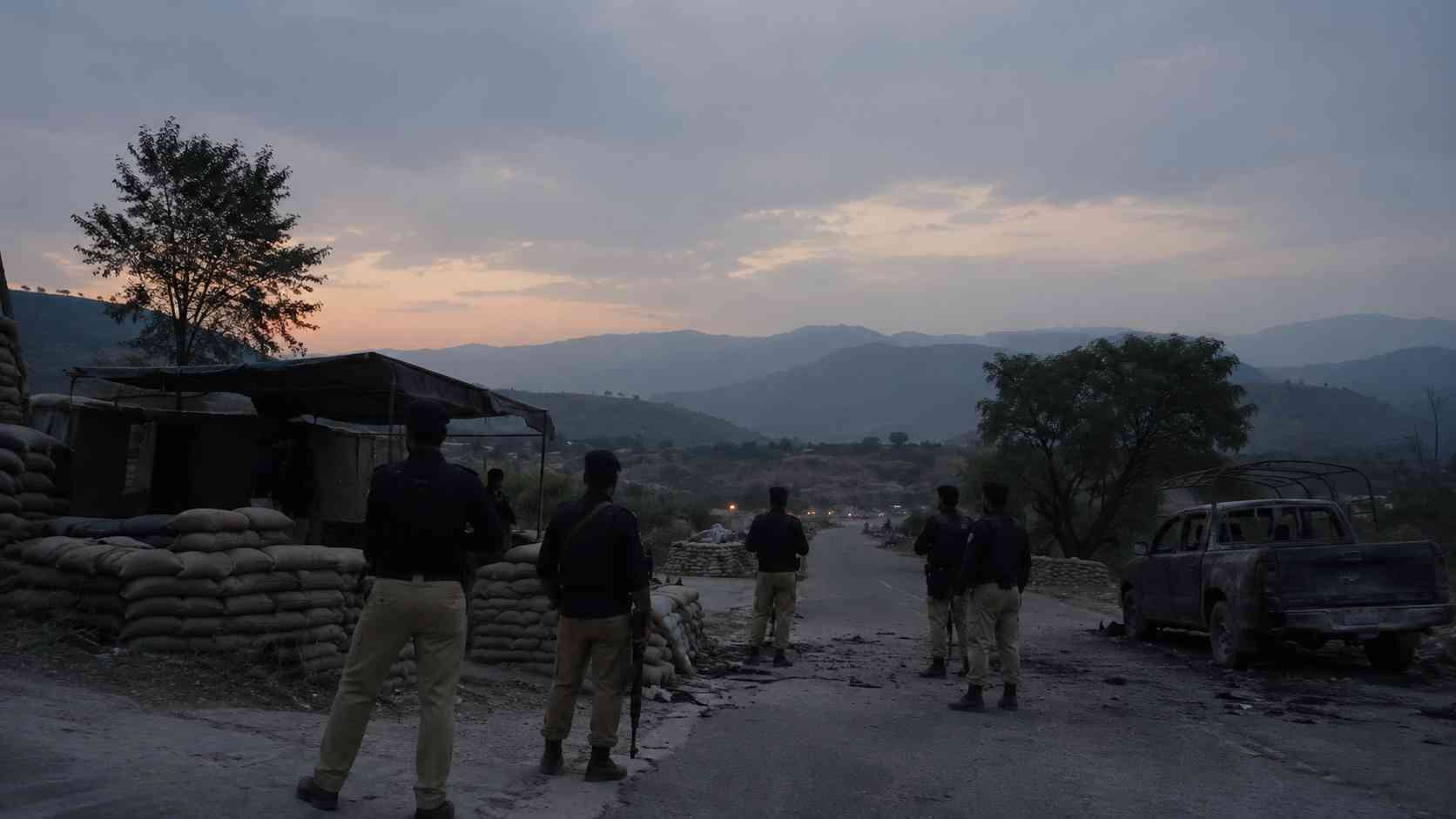
On July 24, a suicide bomber and gunmen attacked a checkpoint in Tank. The assault killed 15 security personnel, the Associated Press reported.
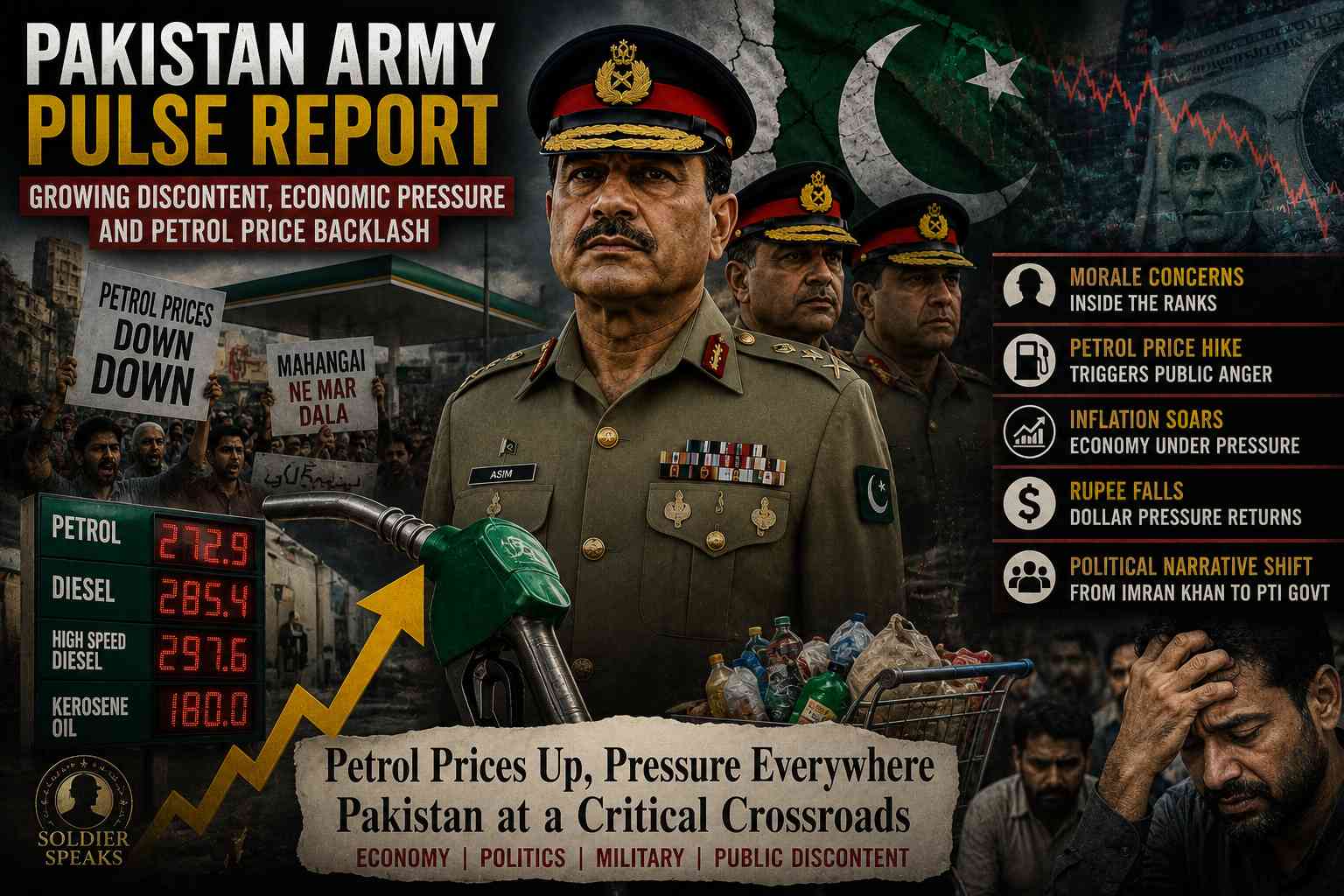
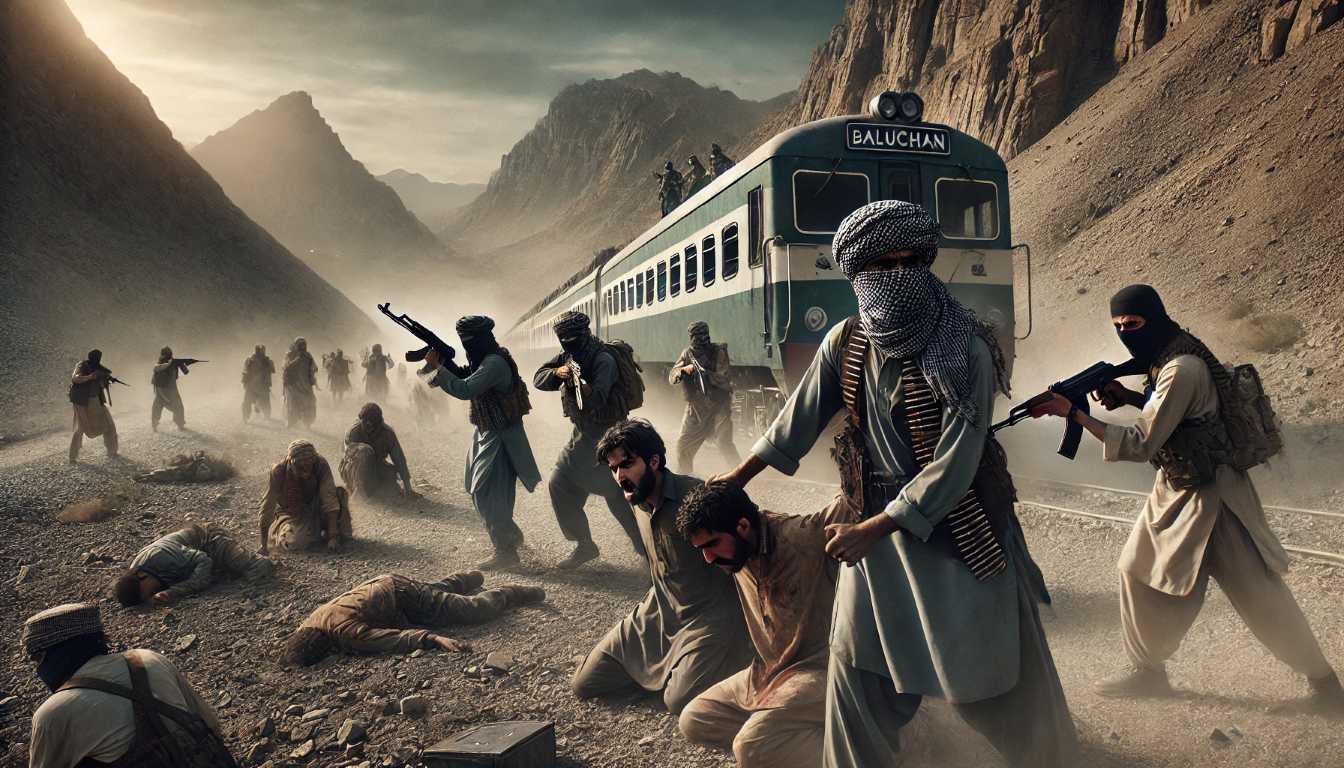
Police and soldiers have faced repeated attacks across Khyber Pakhtunkhwa and Balochistan. These conditions give Raja’s manpower question immediate domestic relevance.
The issue is not whether Pakistan should maintain defence partnerships. It is whether the state has publicly assessed the cost of new commitments while its own forces remain under sustained pressure.
Obligations remain undisclosed
The collective-defence clause carries political weight, but its practical limits remain uncertain.
Officials have not disclosed whether an attack would trigger automatic assistance. They have also not explained whether support could involve troops, intelligence, equipment, air defence or diplomatic coordination.
Turkish officials have said each country would retain its constitutional decision-making process. That position suggests the pact does not automatically send every member into war.
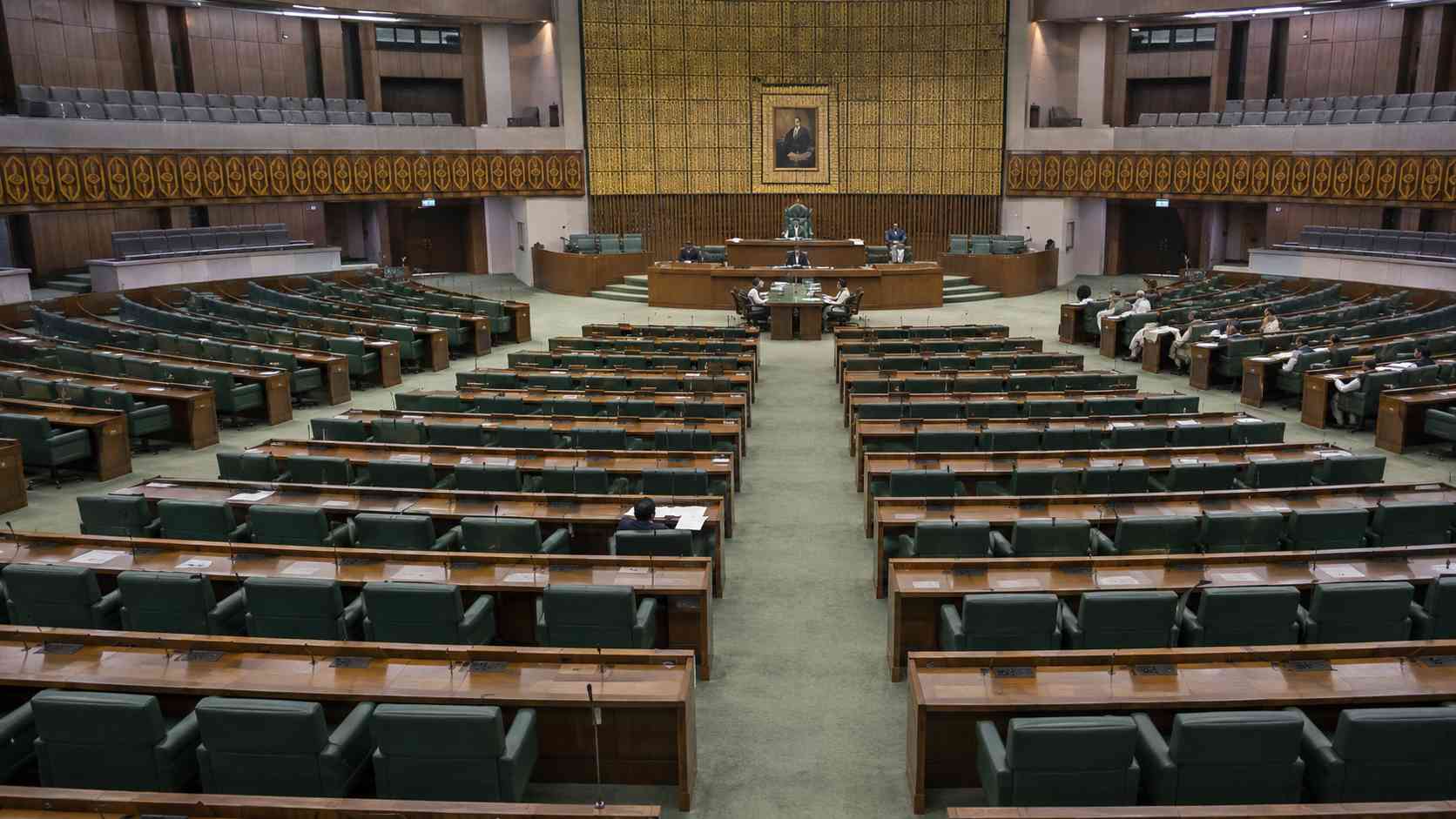
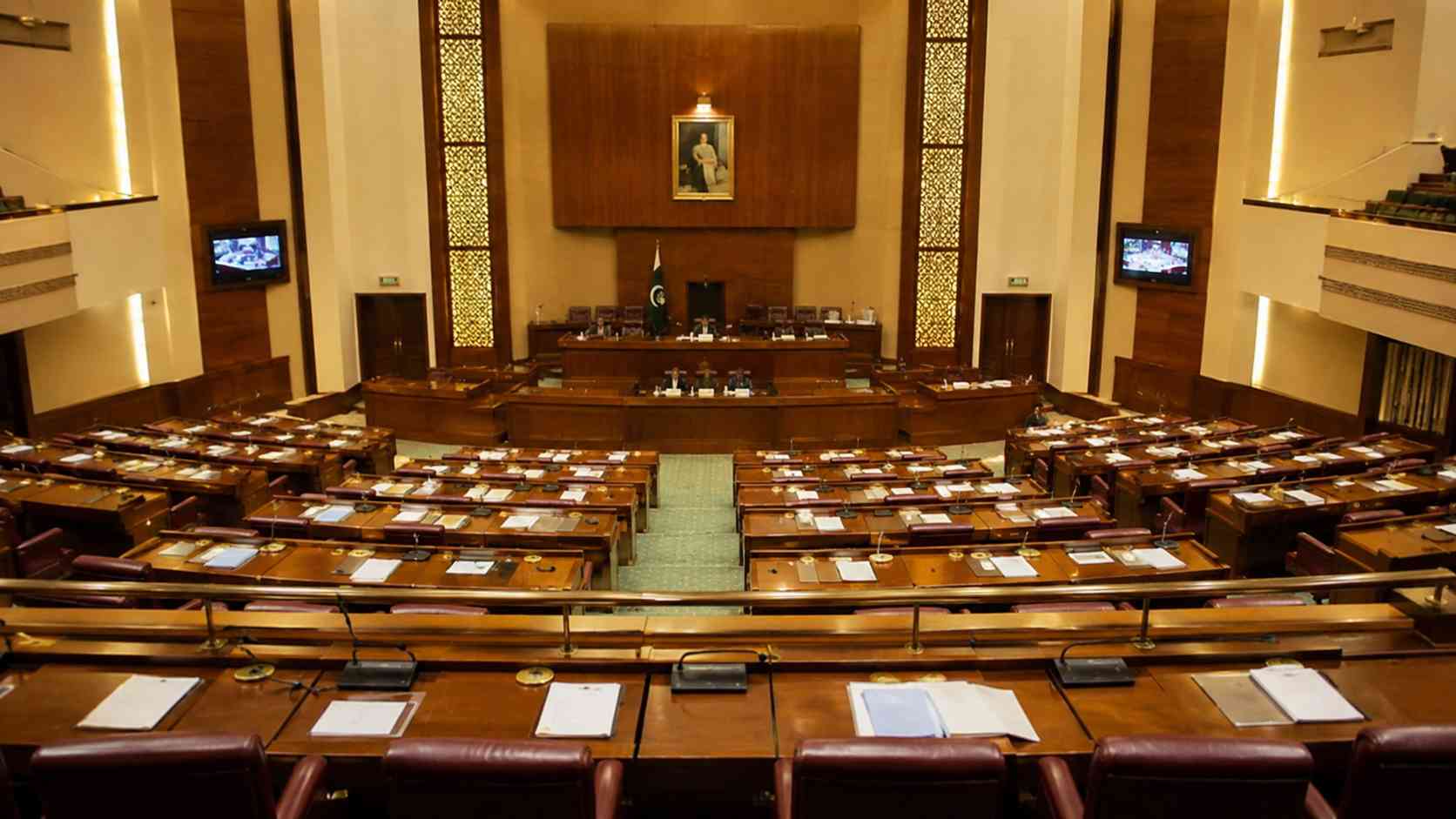
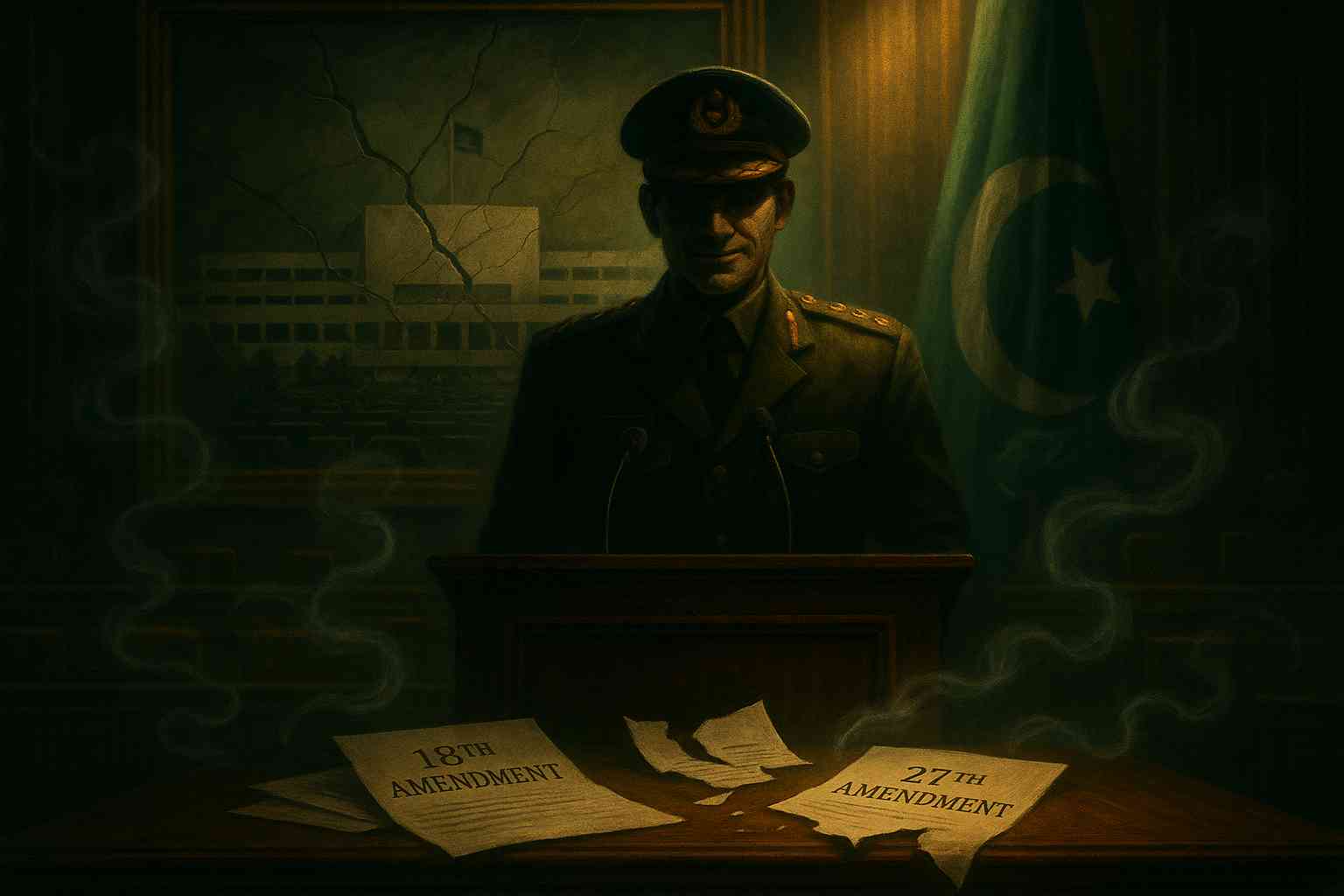
Pakistan’s constitutional and parliamentary role remains equally important. The government has not presented a public implementation framework showing who would authorise deployments or define an armed attack.
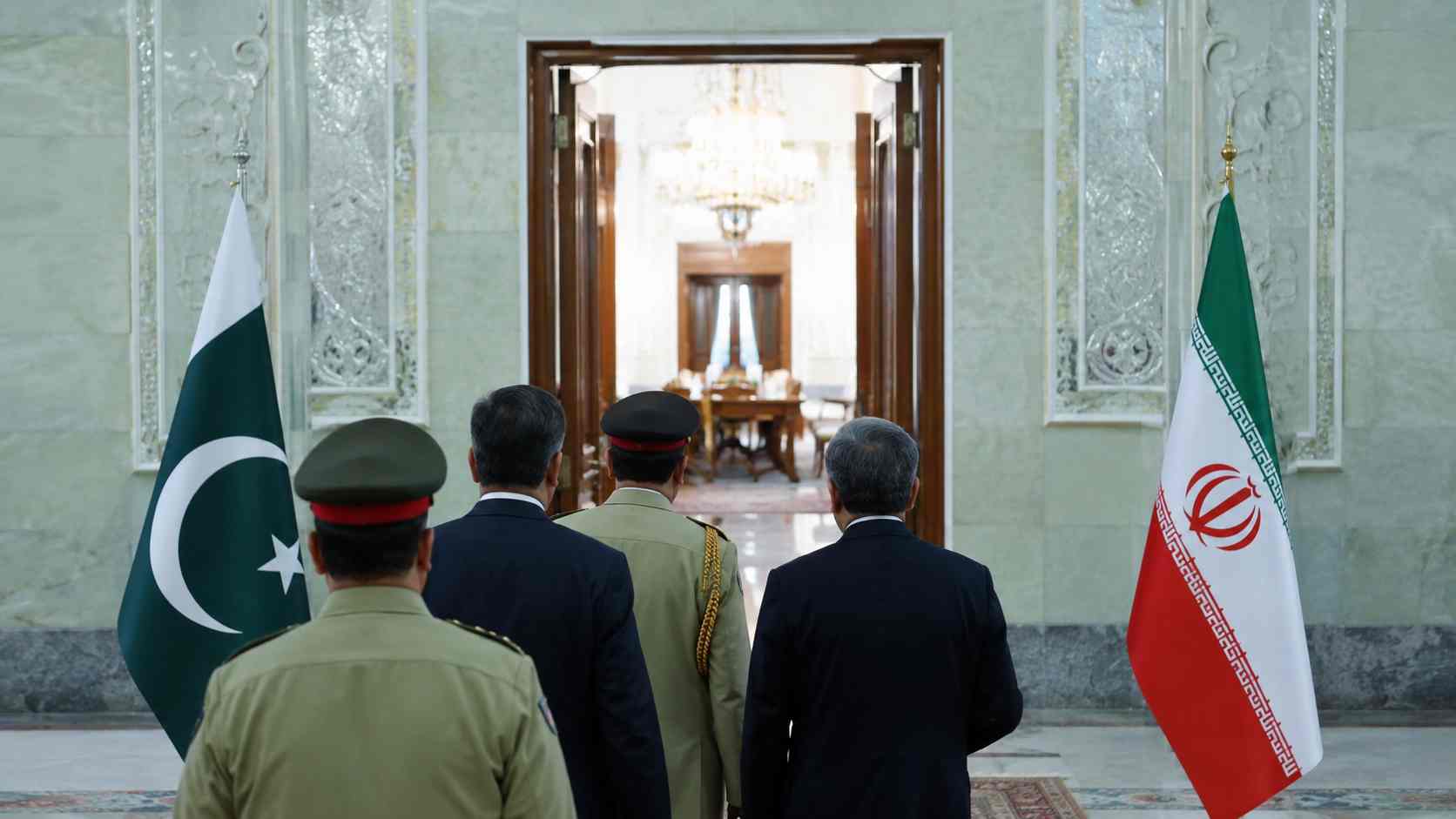
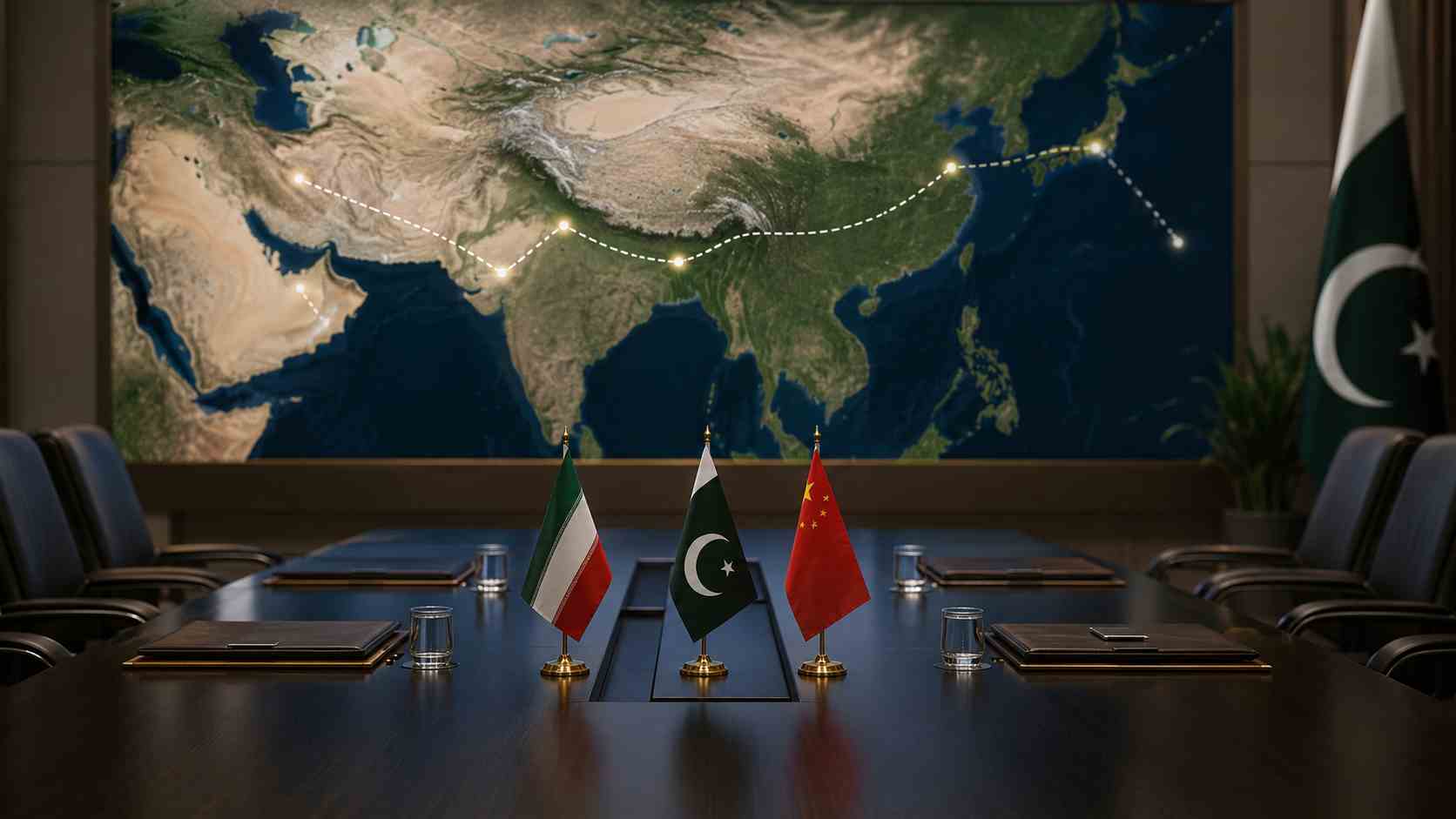
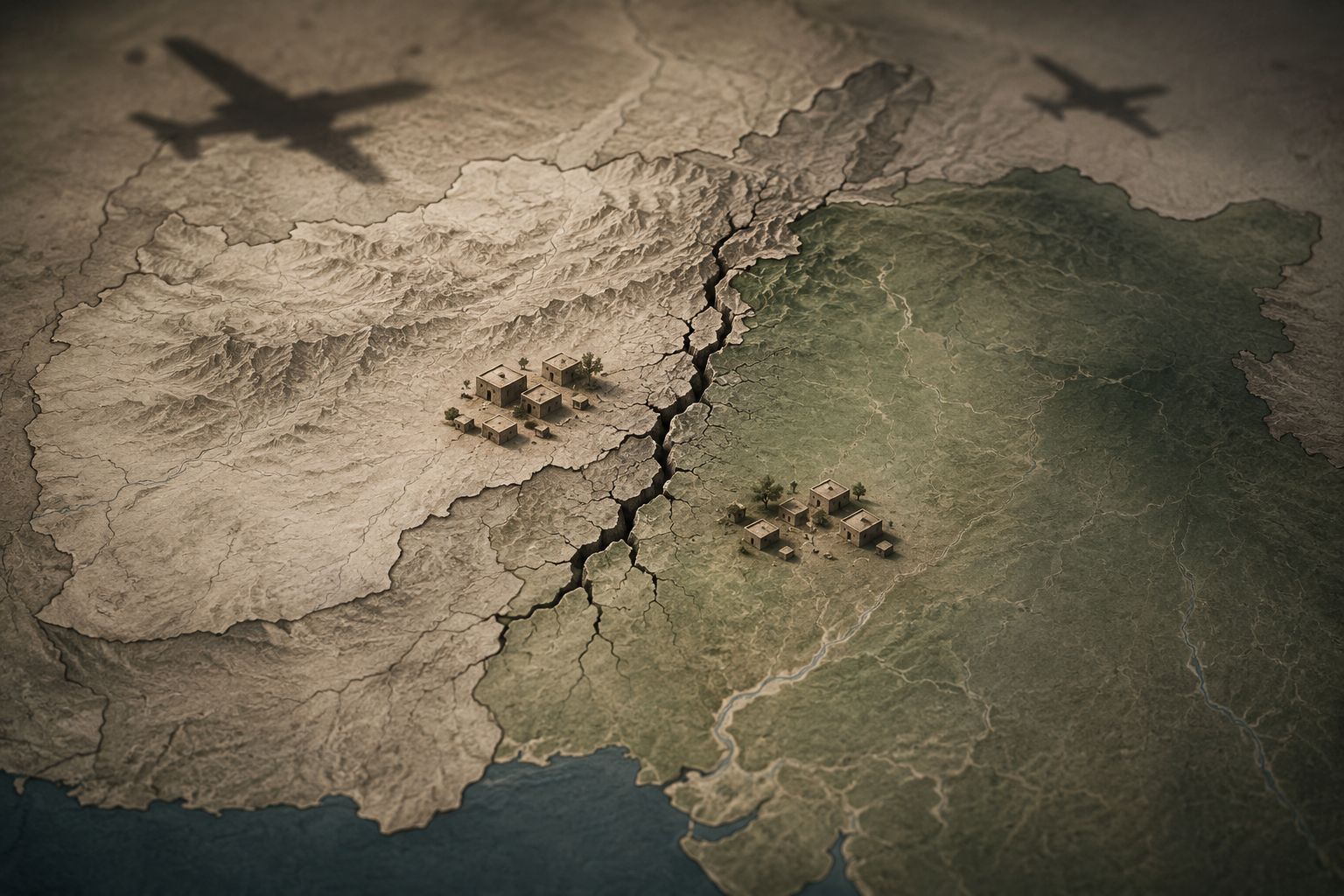
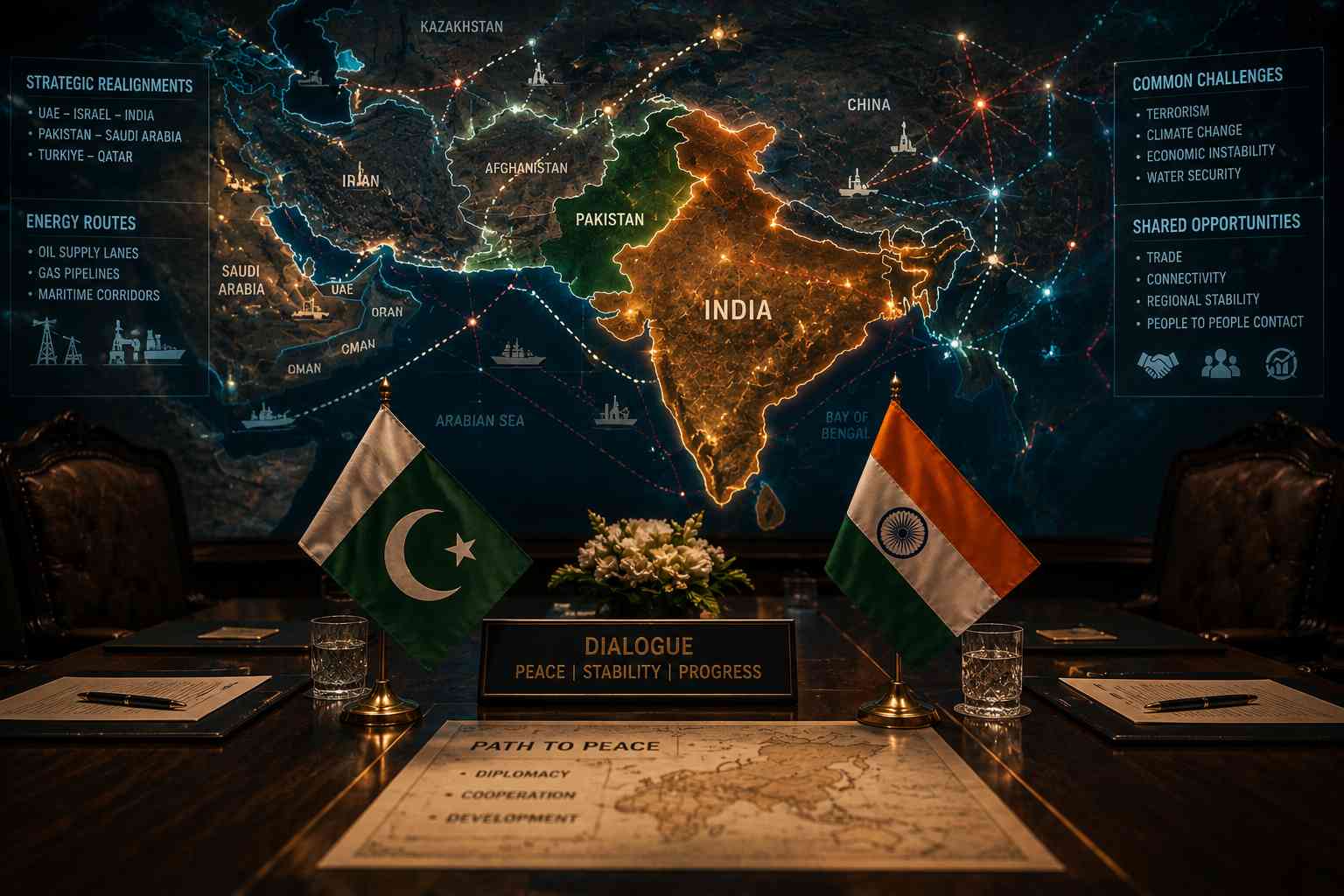
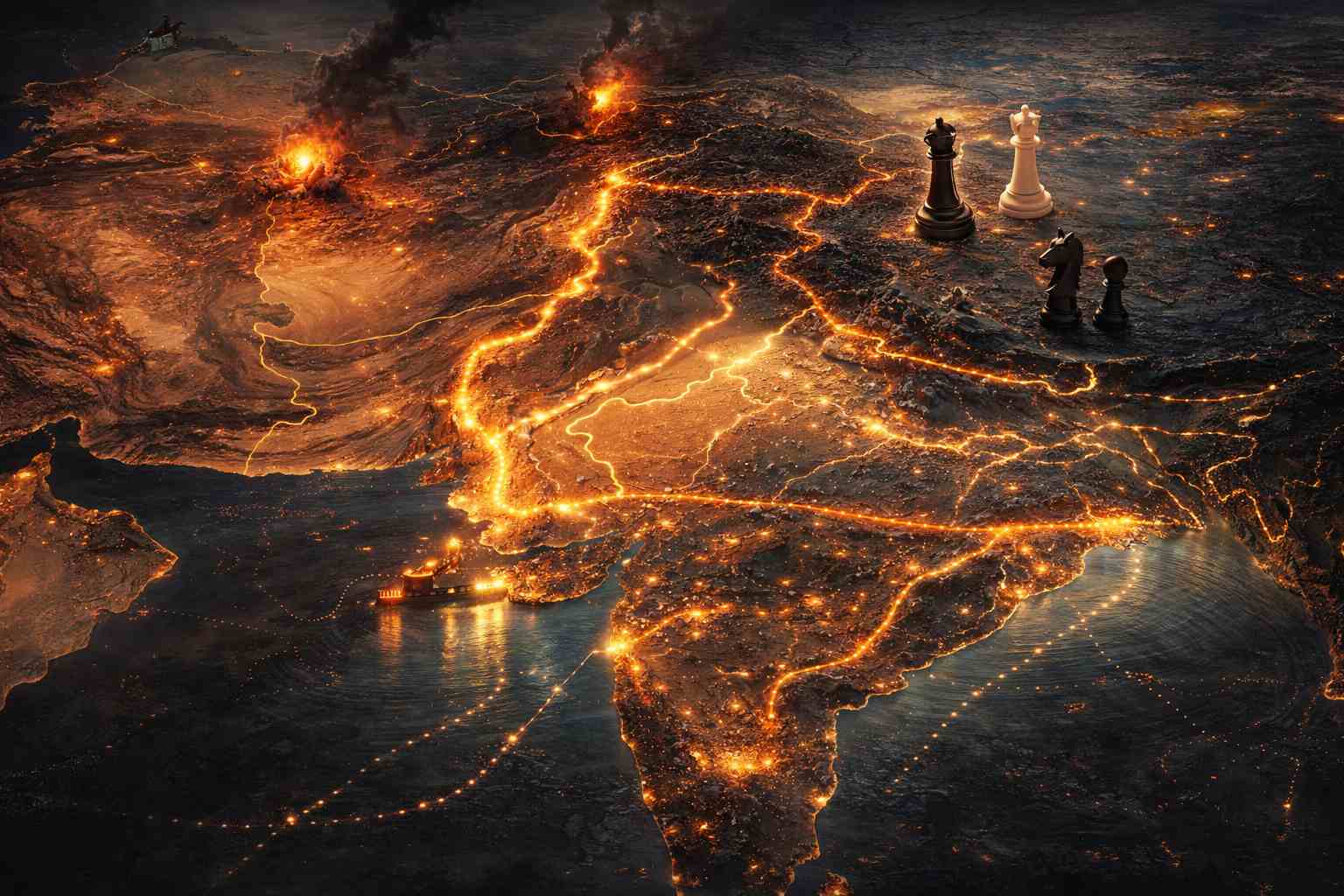
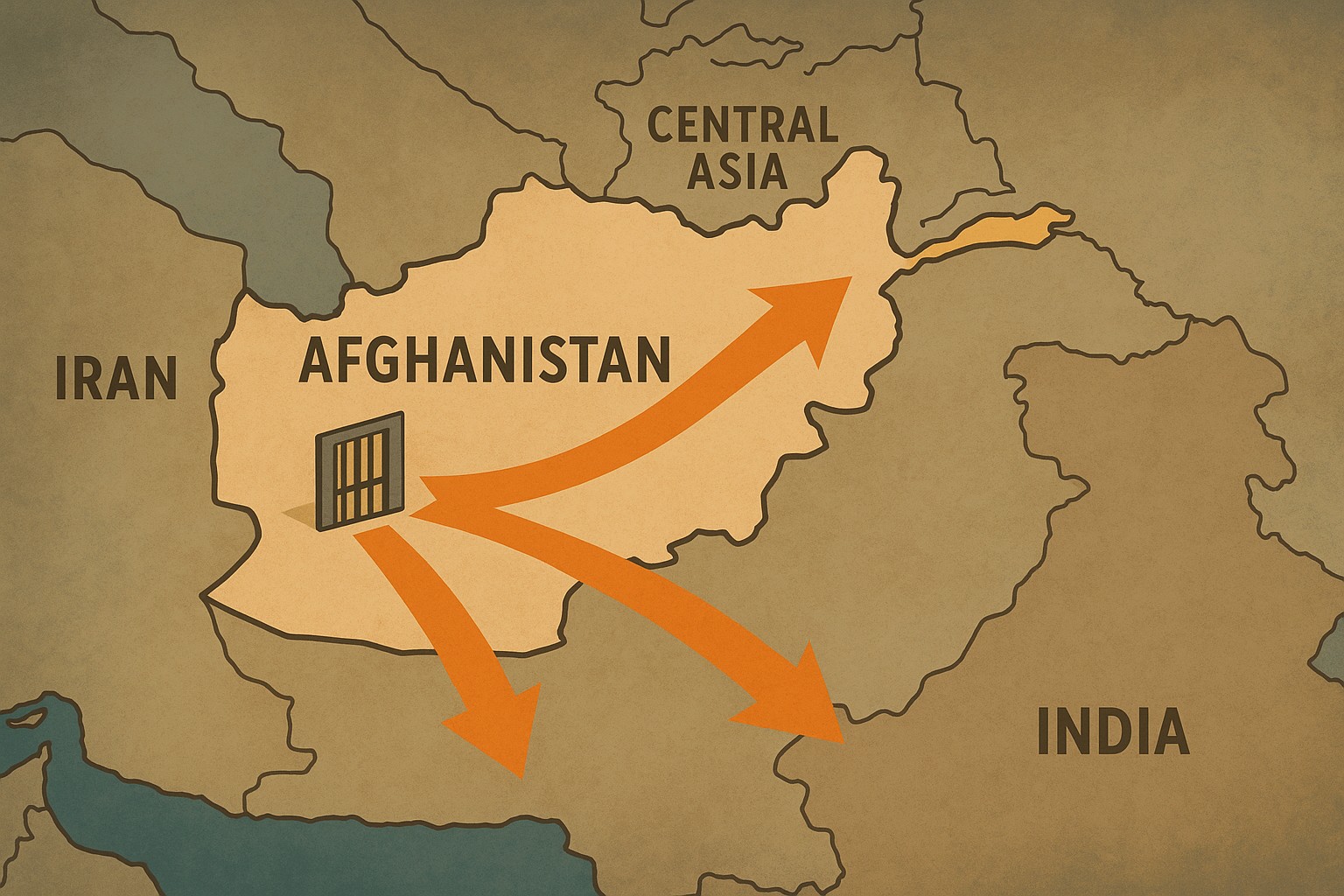
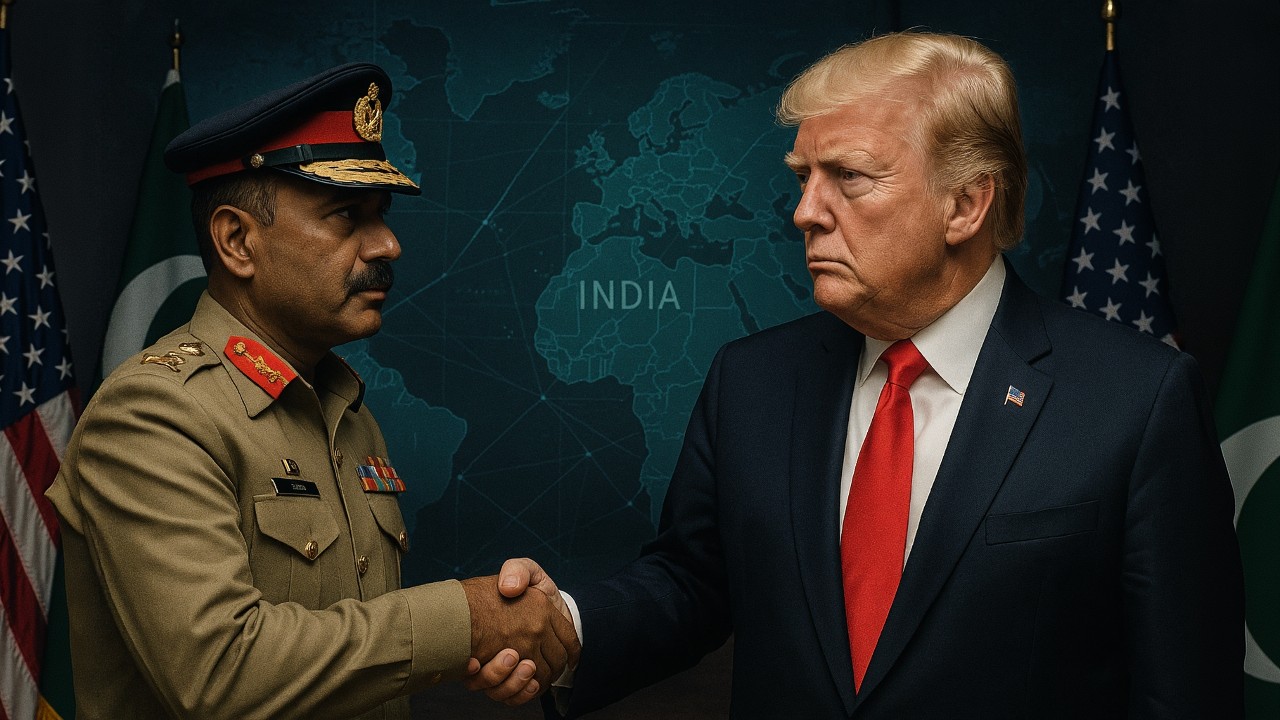
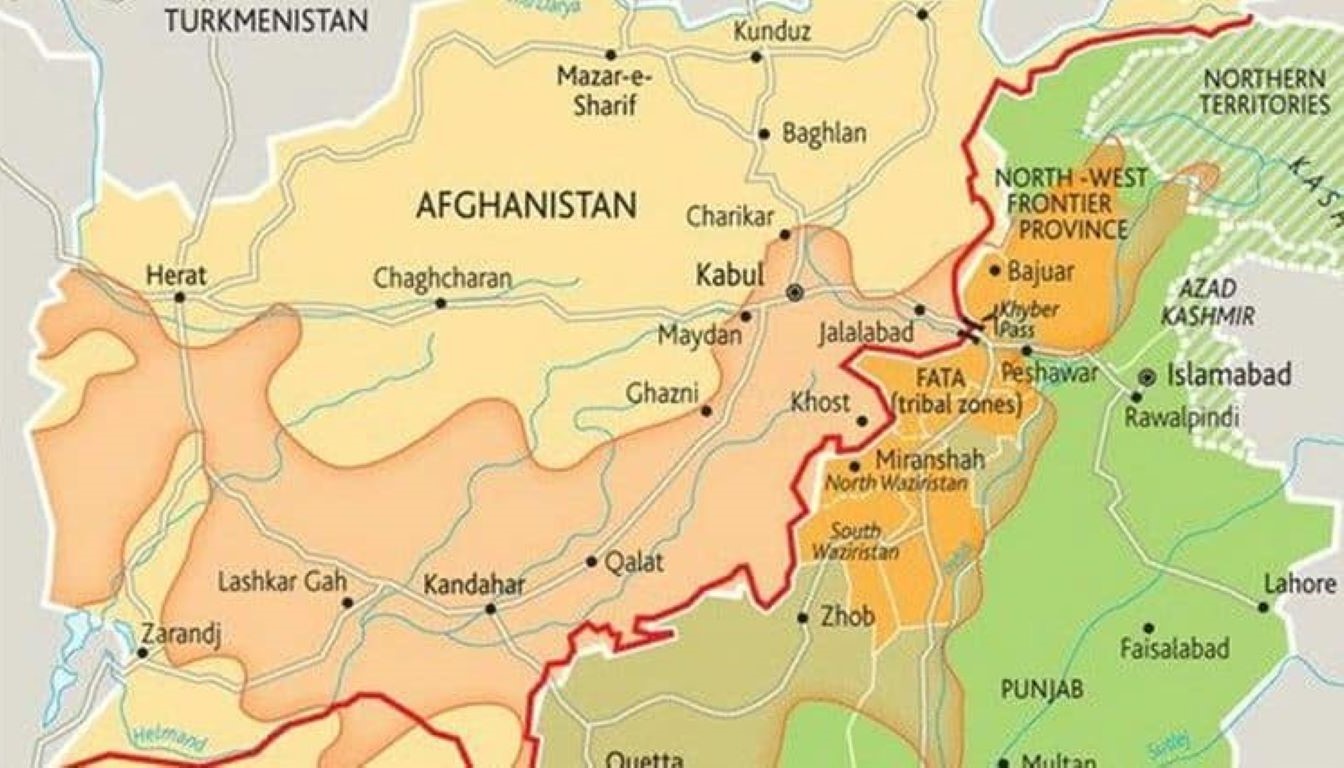
Questions also remain about how the agreement interacts with Pakistan’s relations with Iran, Afghanistan and India. Each signatory faces a different threat environment and maintains separate international commitments.
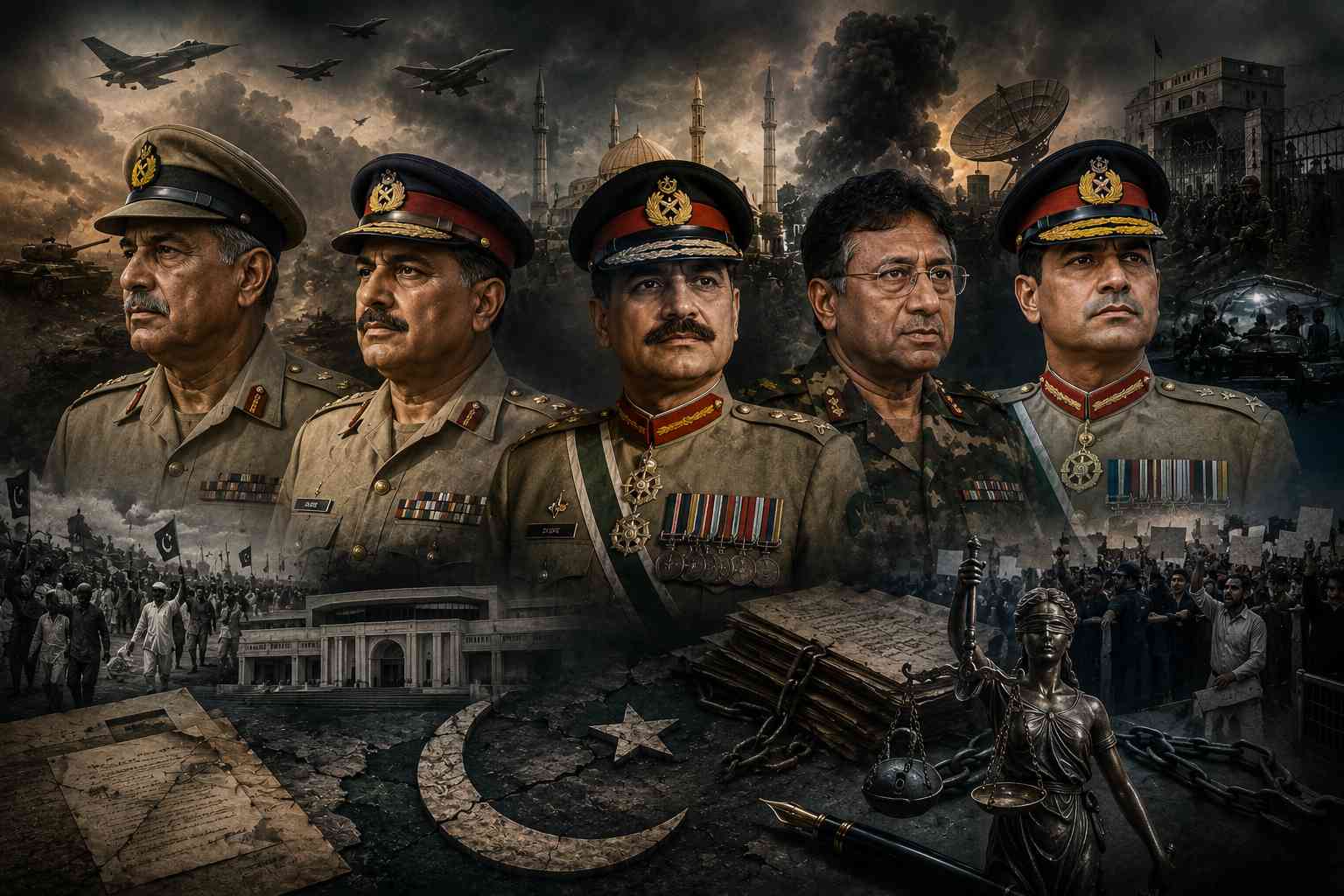
For Soldier Speaks, the test is therefore accountability rather than ceremony. Pakistan role in Makkah defence pact should be judged through disclosed obligations, civilian oversight and its effect on national security at home.
Until those details emerge, claims of a historic security shield remain incomplete. So do allegations of a confirmed nuclear guarantee. What Pakistan has promised beyond the public statement remains the central unanswered question.





































1 Comment