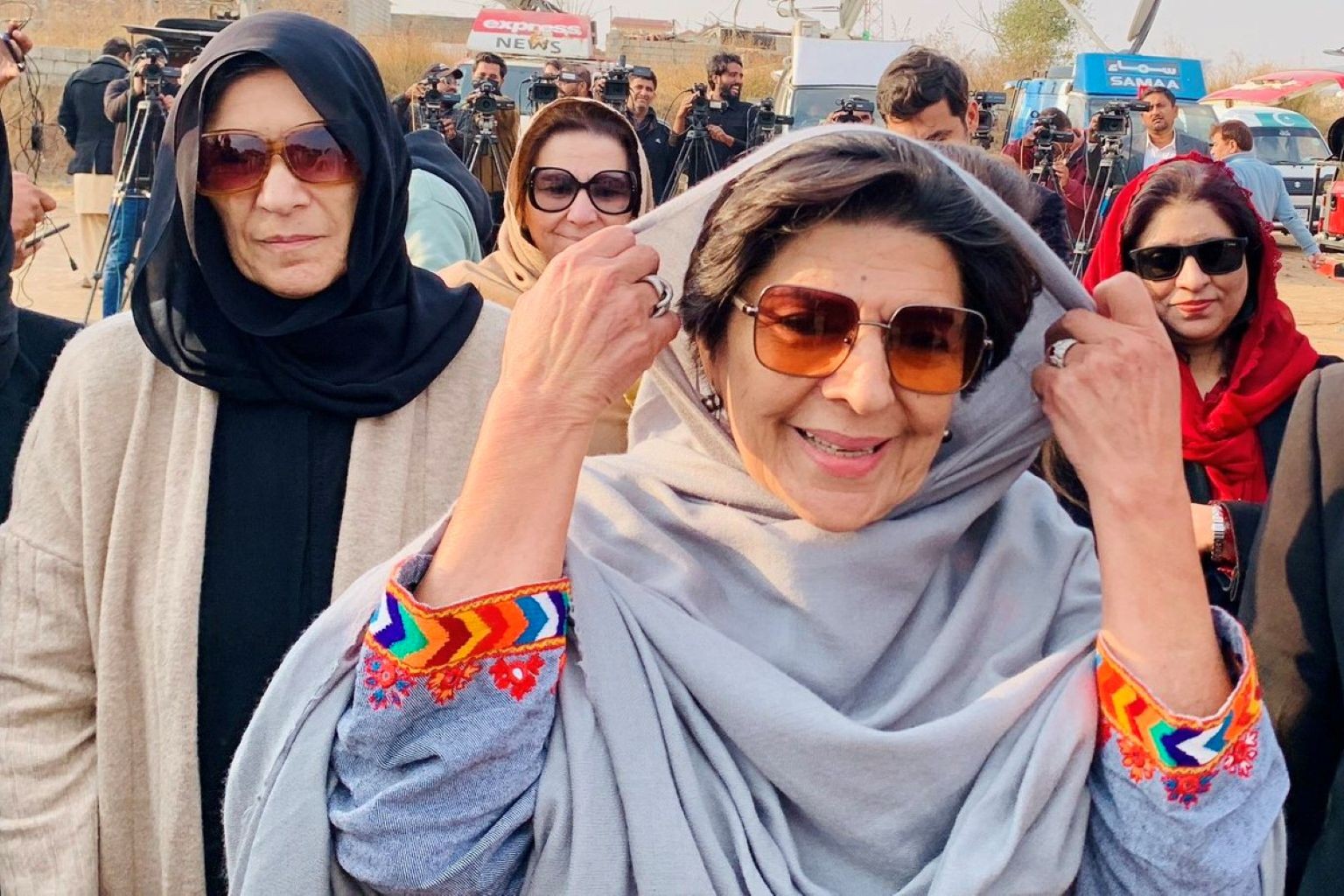
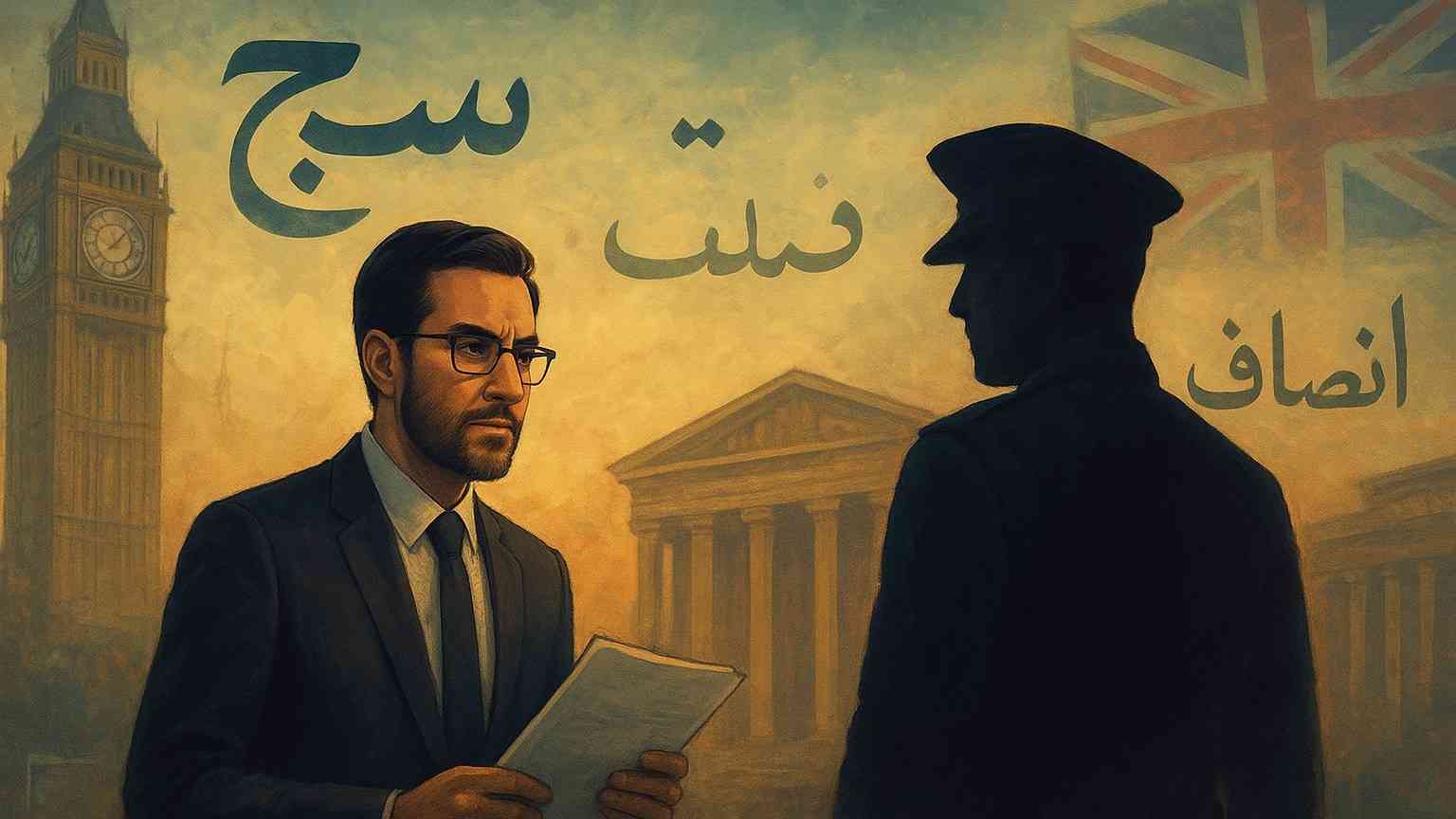
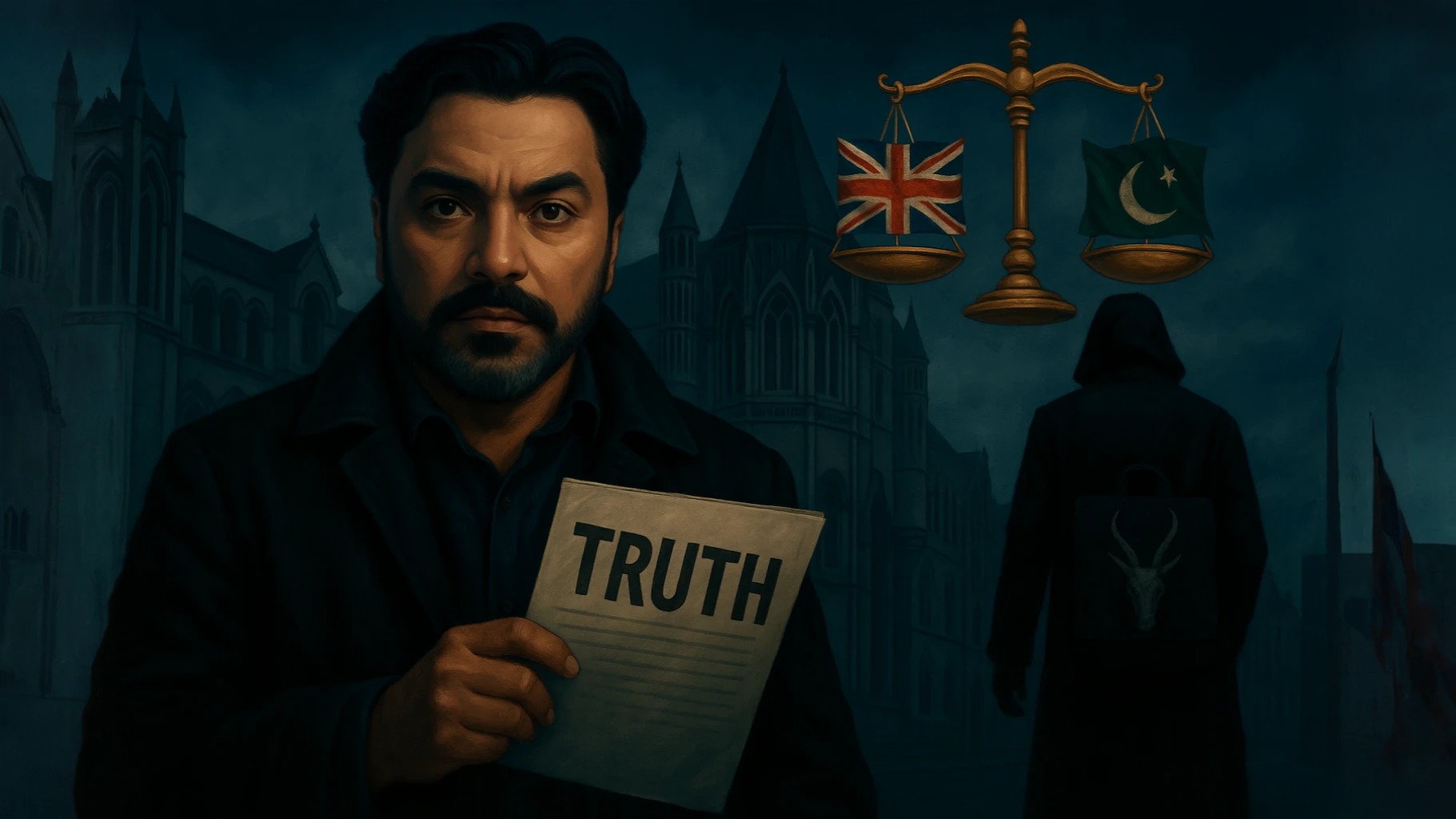
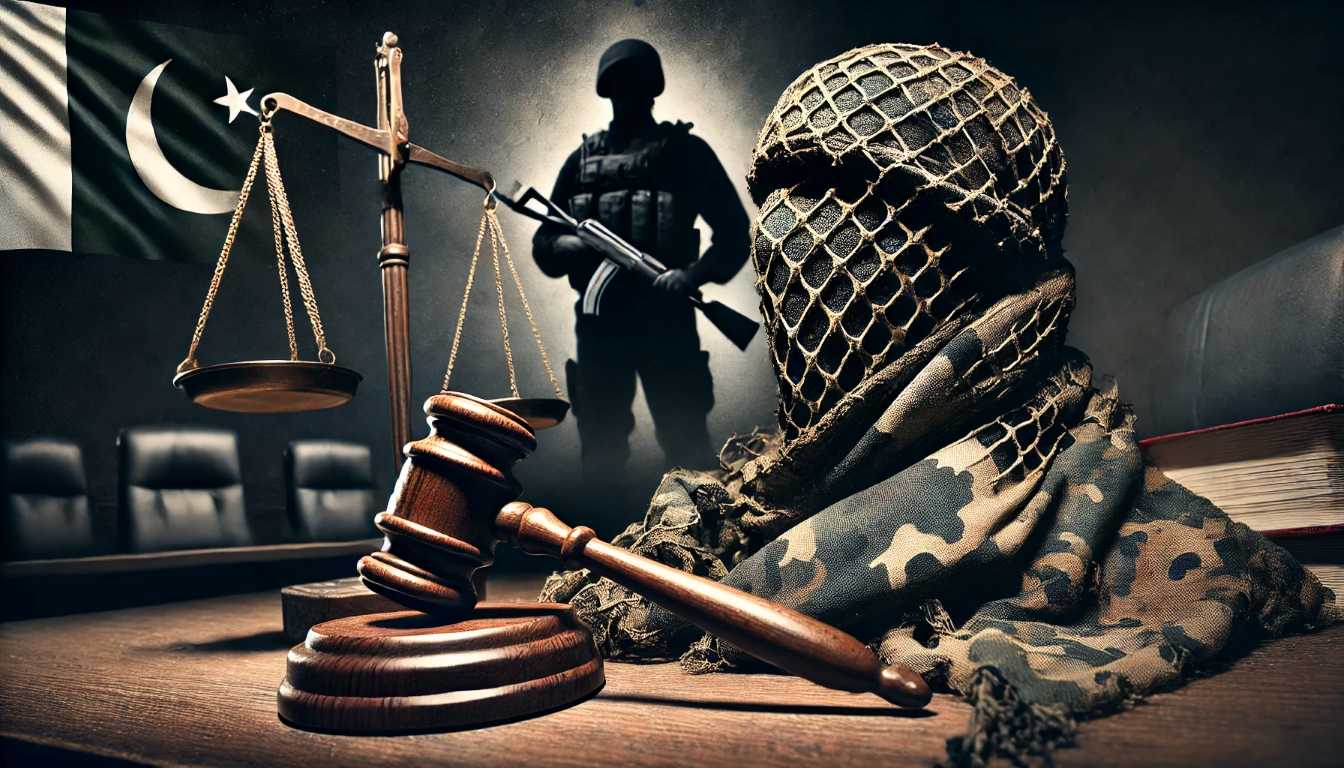
An anti-terrorism court has sentenced human rights lawyers Imaan Zainab Mazari-Hazir and Hadi Ali Chattha to 10 years in prison each. The October 29 verdict reported by Dawn ↗ concerns a 2024 incident on a security route used during England’s cricket tour. Both lawyers deny the prosecution’s account and say the state has targeted them for their human rights work.
The Imaan Mazari and Hadi Chattha sentence rests mainly on Pakistan’s Anti-Terrorism Act. The verdict is open to appeal, while separate challenges to the jail trial and terrorism charges were already pending before superior courts.
What the court decided
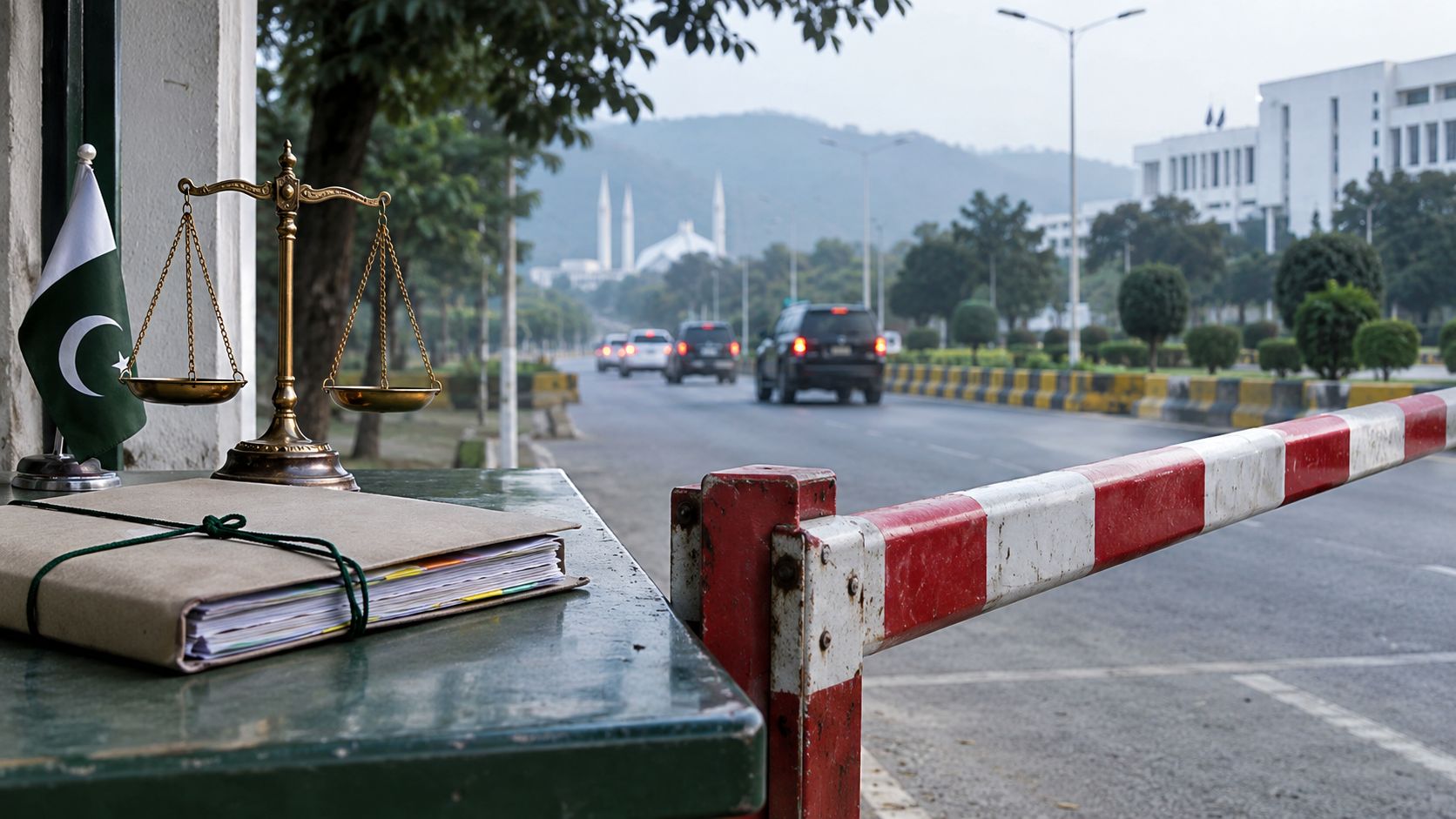
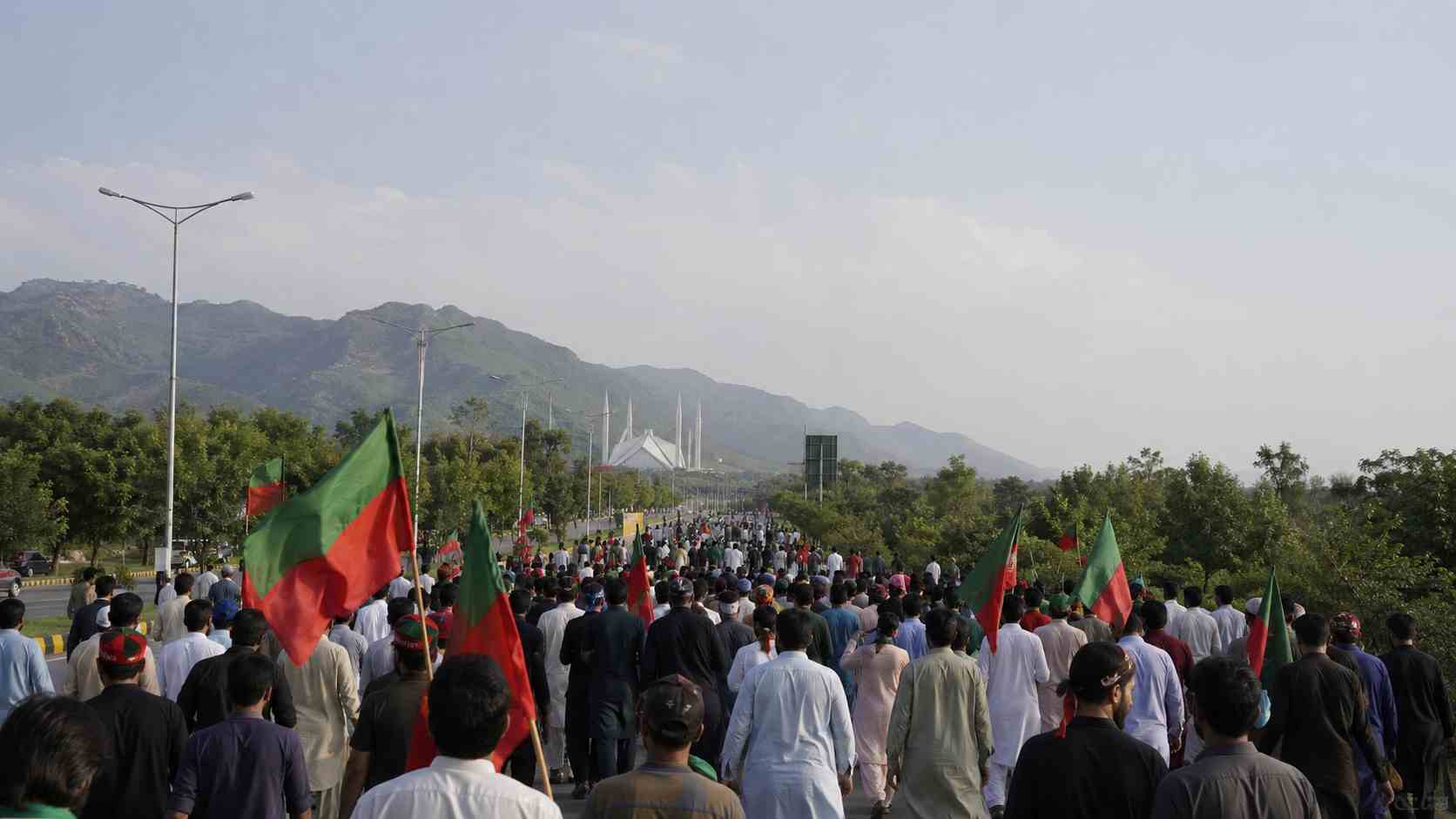
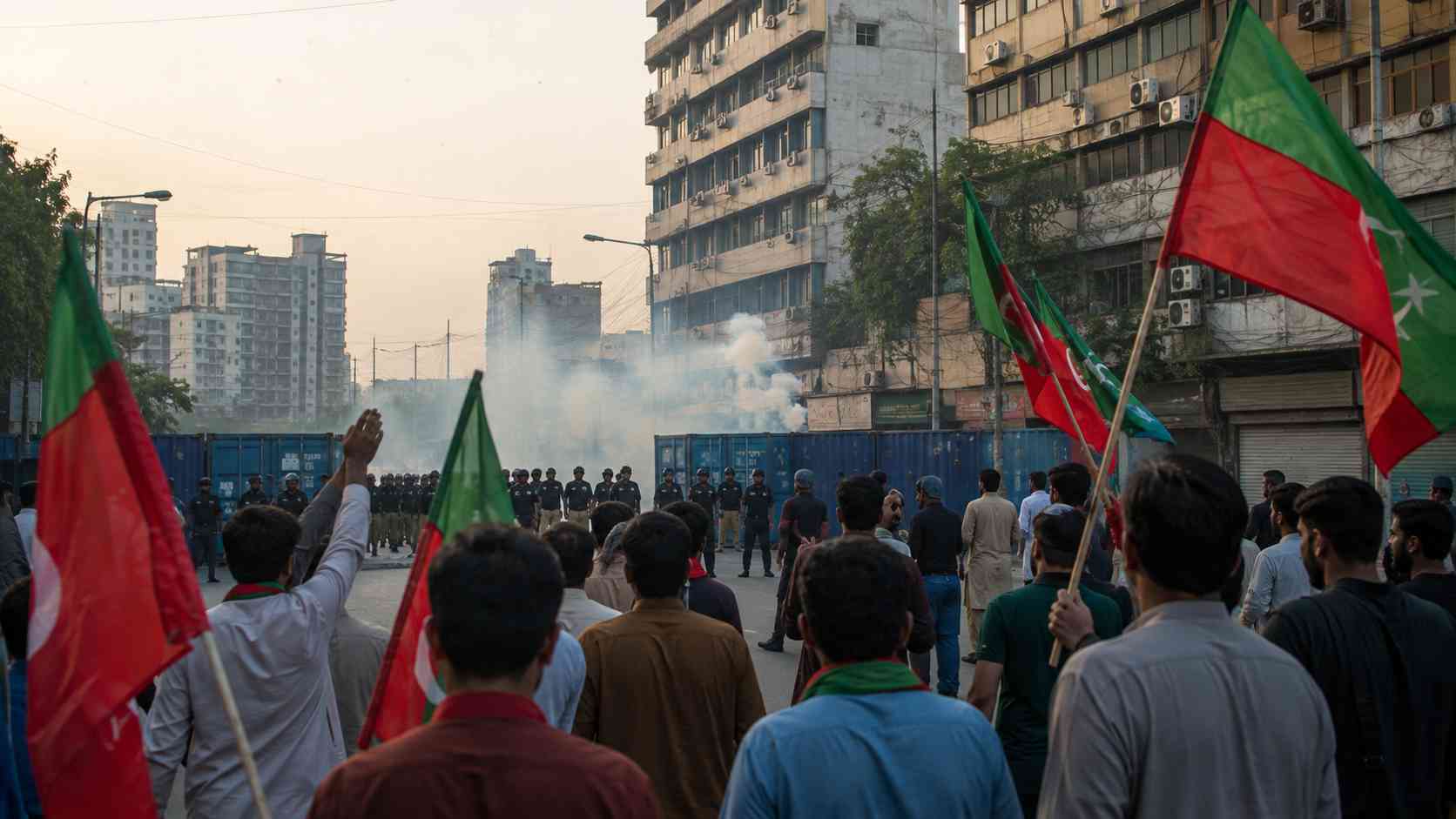
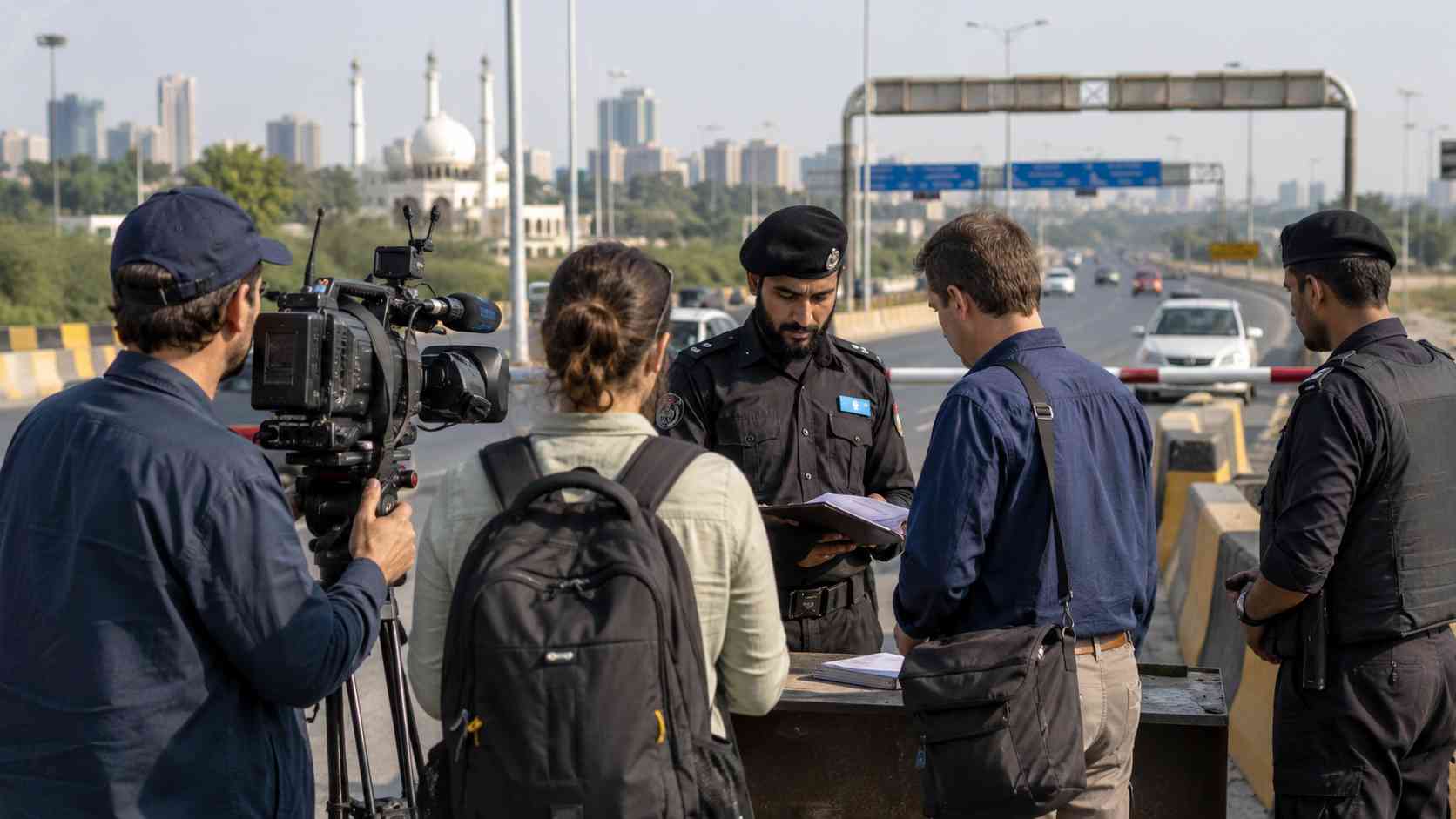
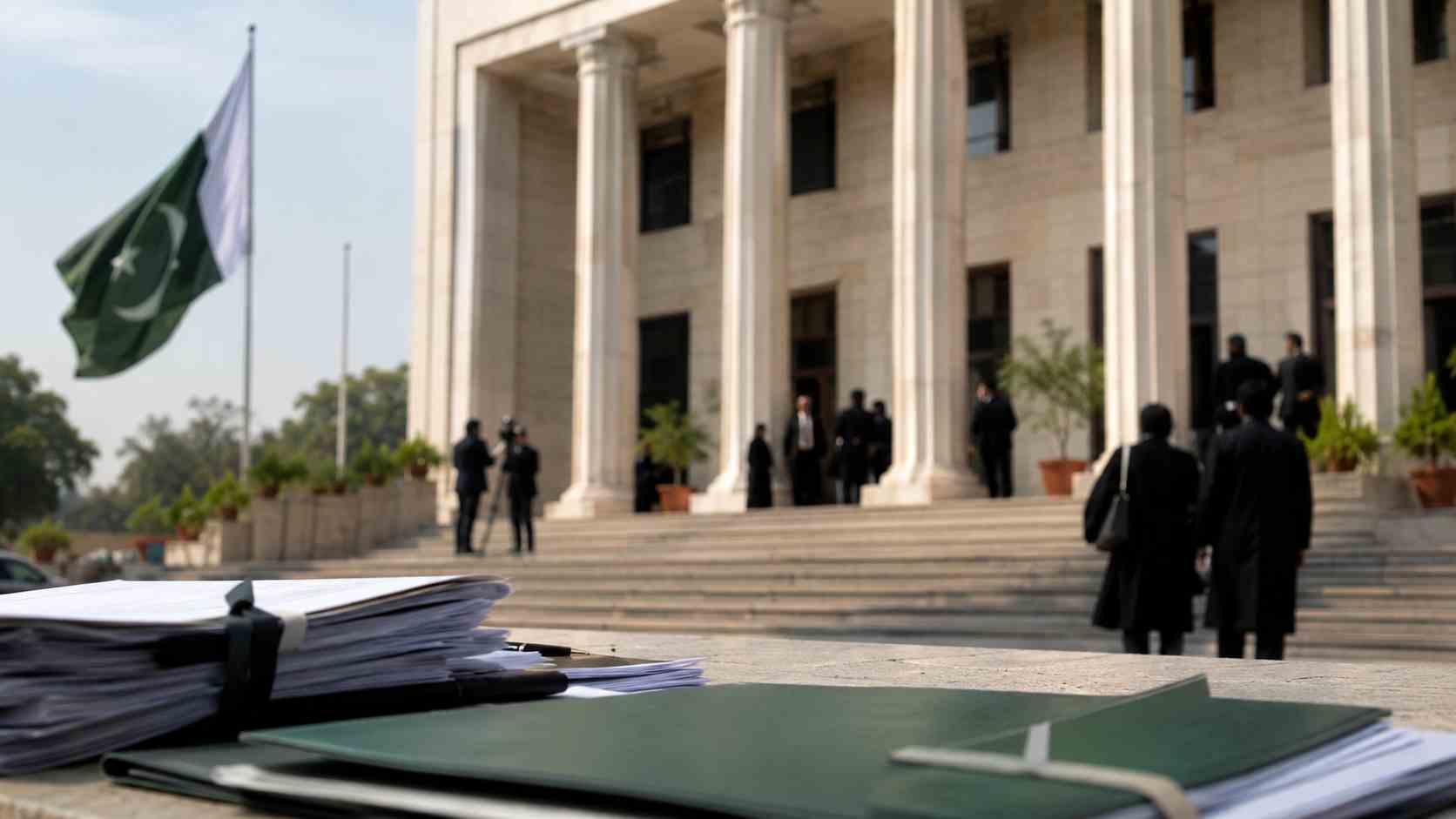
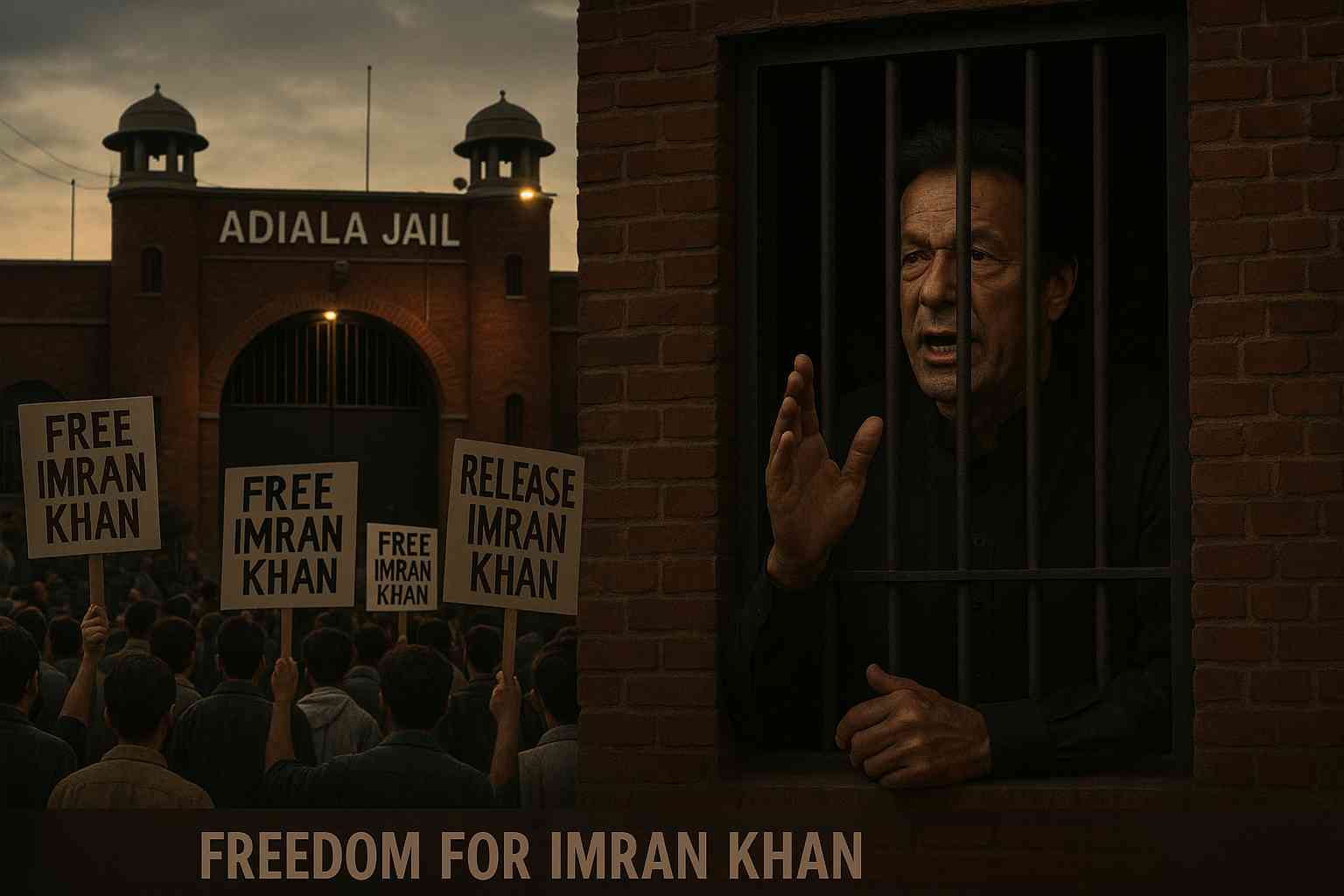
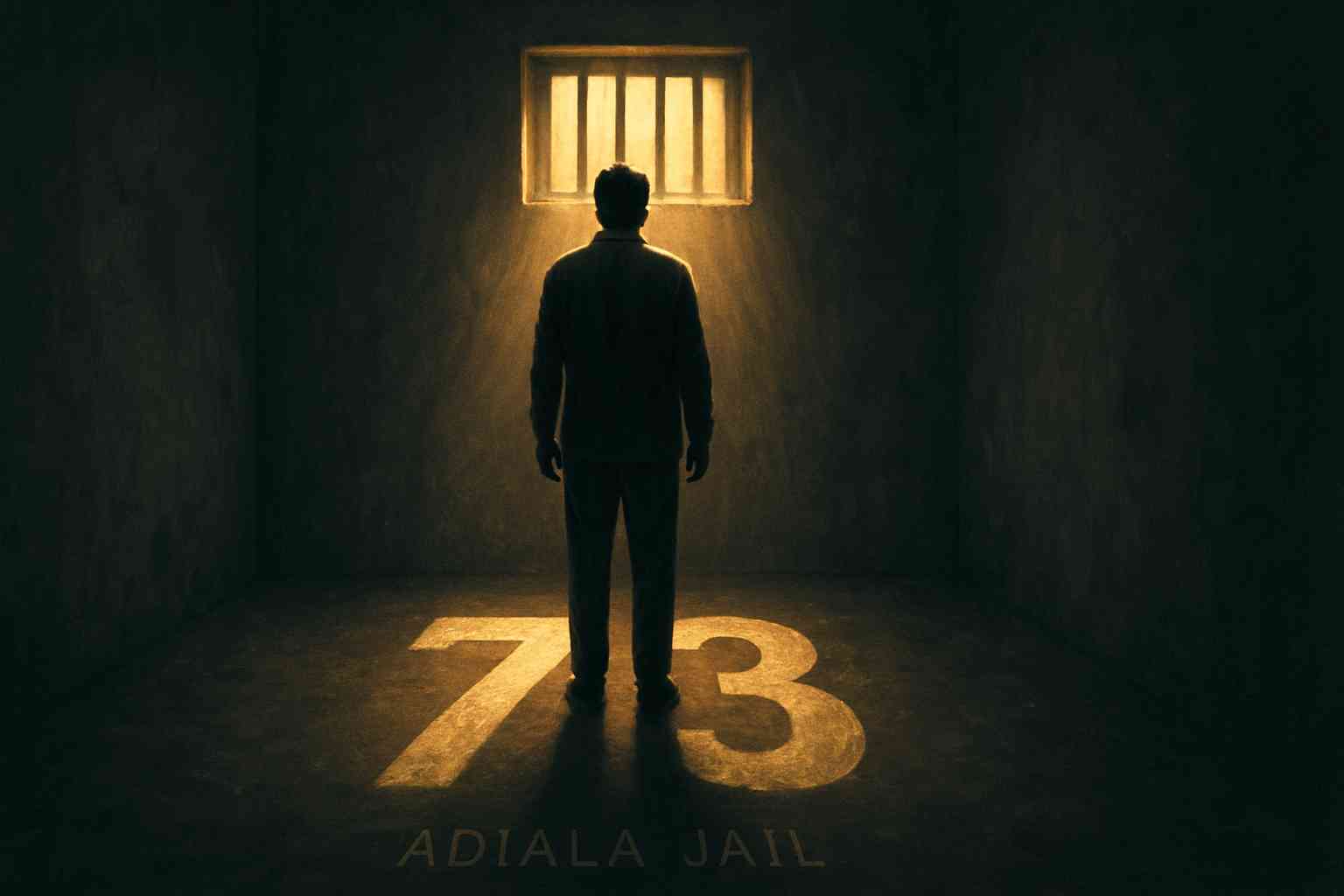
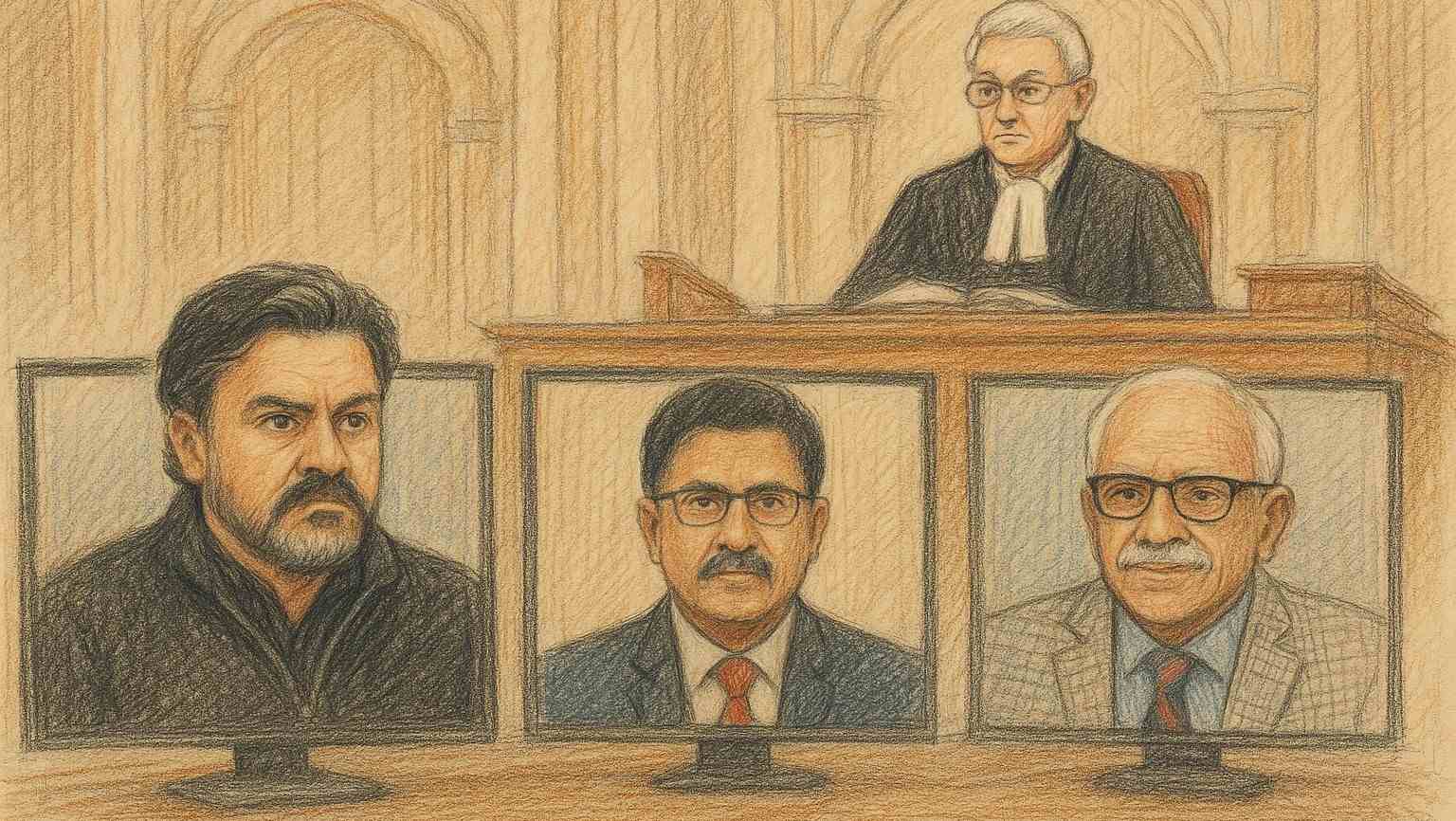
Judge Tahir Abbas Sipra announced the verdict inside Adiala Jail after a trial conducted there. Associated Press reported ↗ that the case arose from the removal of road barriers in Islamabad in October 2024. Prosecutors said the barriers protected the visiting England team’s route.
The court imposed 10 years and a fine of Rs100,000 on each lawyer under Section 7(h) of the Anti-Terrorism Act, 1997 ↗. It read that punishment with Section 6(2)(m), covering serious coercion or intimidation of a public servant.
The judge also imposed one year under Section 186 of the Pakistan Penal Code for obstructing a public servant. A further two-year term followed under Section 353 for assault or criminal force against a public servant. The terms will run concurrently, making the effective prison term 10 years.
The court acquitted the lawyers of criminal intimidation, conspiracy, rioting and unlawful-assembly charges. Its judgment said the pair sought to pressure security officials and compromise the route. It also cited the 2009 attack on Sri Lanka’s cricket team when explaining the security context.
The defence disputes the prosecution account
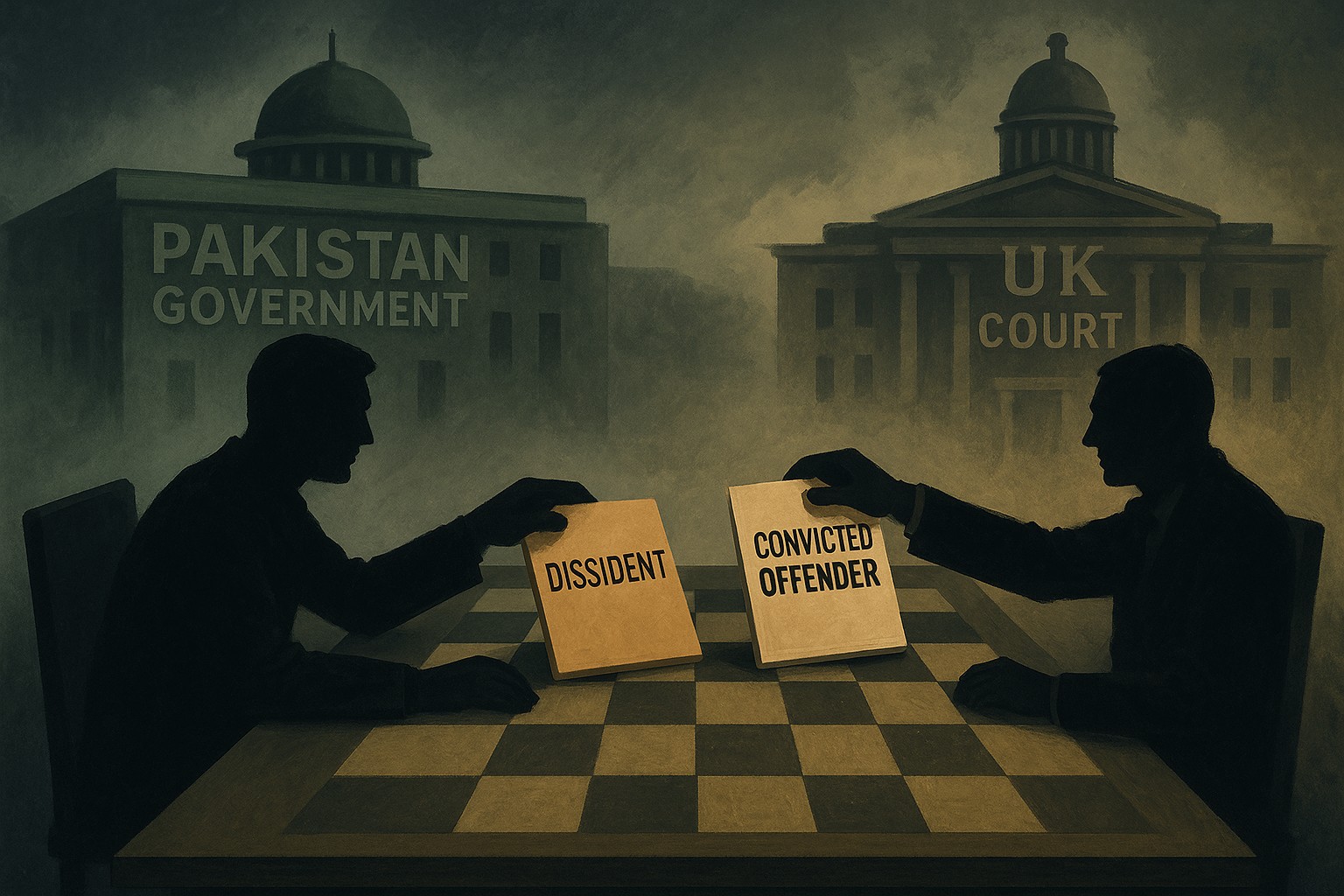
Mazari and Chattha pleaded not guilty. Mazari said she was trying to reach court to represent a client when police stopped them at a roadblock. In statements recorded before the verdict, both described themselves as prisoners of conscience and alleged retaliation for their legal work.
They also challenged the conduct of the jail trial. A state-appointed lawyer cross-examined seven prosecution witnesses. The couple said conditions inside the courtroom restricted communication with counsel and impaired their defence.
Those claims remain contested. The conviction records the trial court’s findings, while the defence allegations and pending petitions require decisions from higher courts. Reporting the Imaan Mazari and Hadi Chattha sentence as final would therefore overstate the legal position.
A second major conviction after Supreme Court relief
The new verdict follows a separate cybercrime prosecution. A sessions court had imposed combined 17-year terms in January over social media posts. On September 17, the Supreme Court suspended those sentences ↗ pending appeals. Police then arrested the couple in the security-route case.
Soldier Speaks has previously examined how trials in absentia can weaken fair-trial safeguards and how anti-terrorism prosecutions shape rights cases such as the Mahrang Baloch life sentence. The present case differs because Mazari and Chattha appeared in a jail trial, but it raises its own questions about access to counsel and proportionality.
Rights groups challenge the verdict
Human Rights Watch said on October 30 ↗ that Pakistan should quash the convictions and release the two lawyers. It argued that authorities use broad anti-terrorism provisions against civil society. The court, by contrast, found that the conduct created terror by endangering an international team’s security arrangements.
That dispute now moves into the appellate process. It also intersects with wider concerns over judicial independence, civic space and Pakistan’s rights obligations. Those issues already affect the country’s GSP+ governance and trade review.
Mazari and Chattha can challenge the conviction before the Islamabad High Court. Until a higher court rules, the 10-year terms remain the operative judgment. The next test will be whether the appellate process addresses the terrorism classification, the jail-trial objections and the proportionality of the sentence in a transparent hearing.