
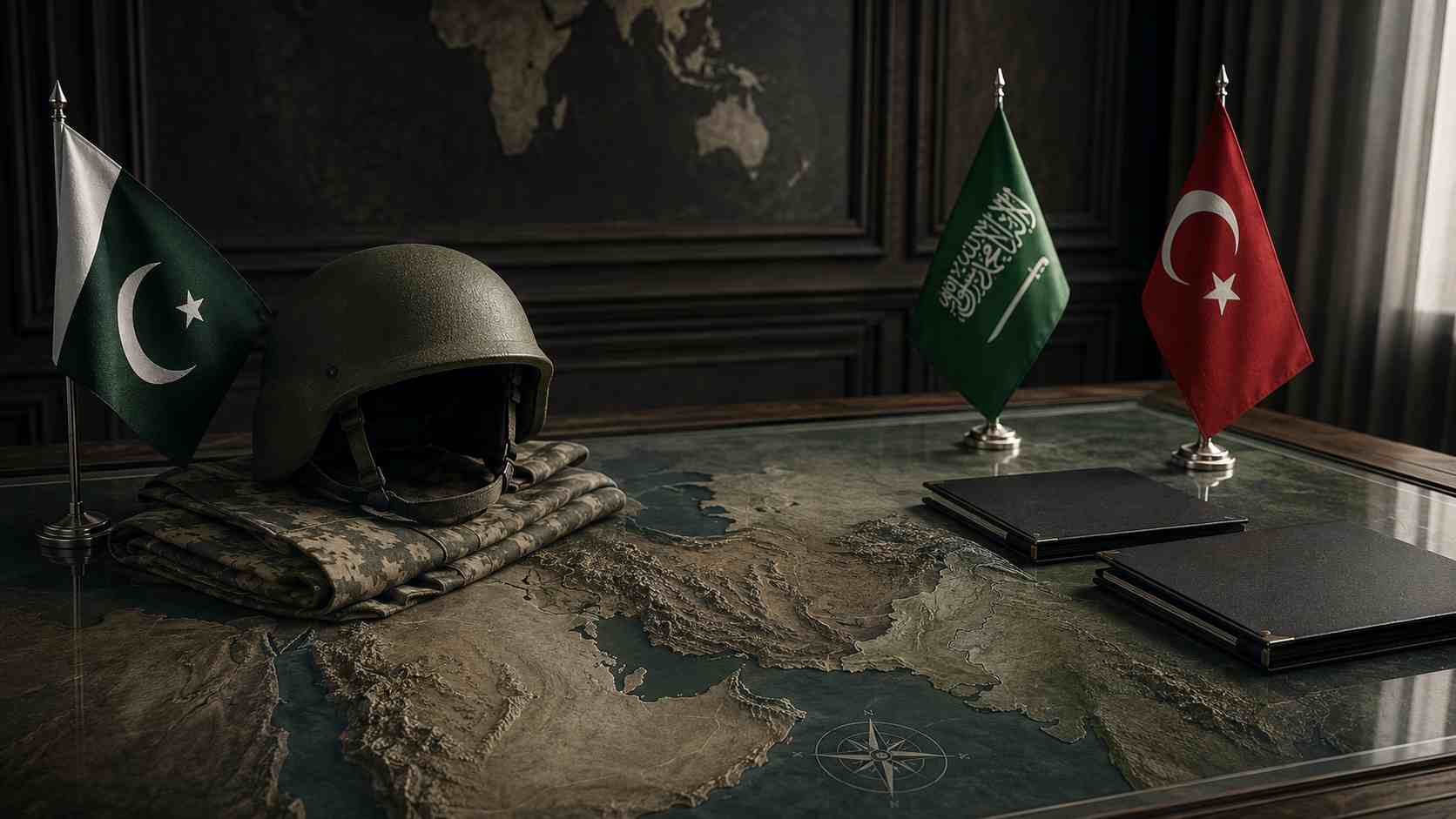
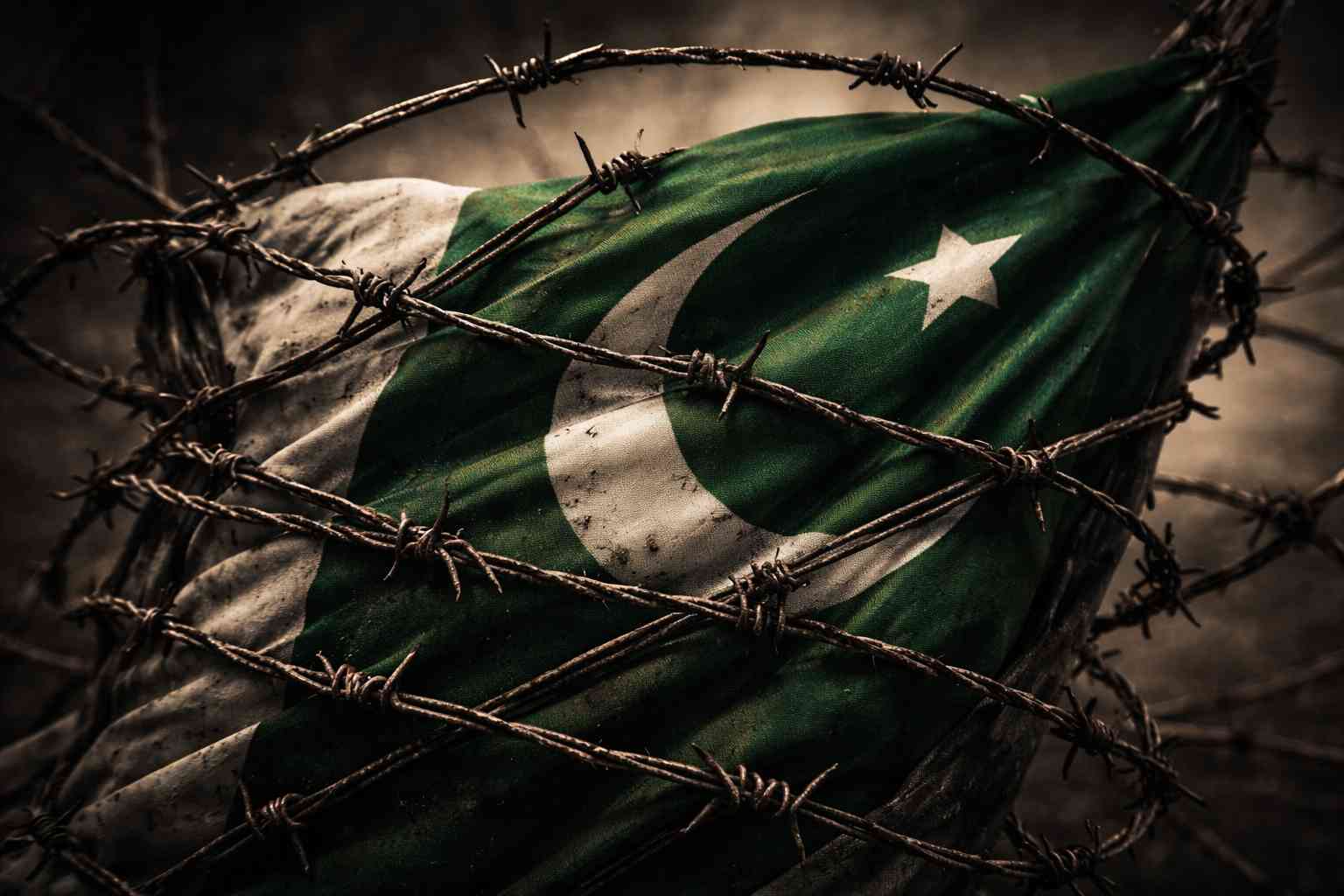
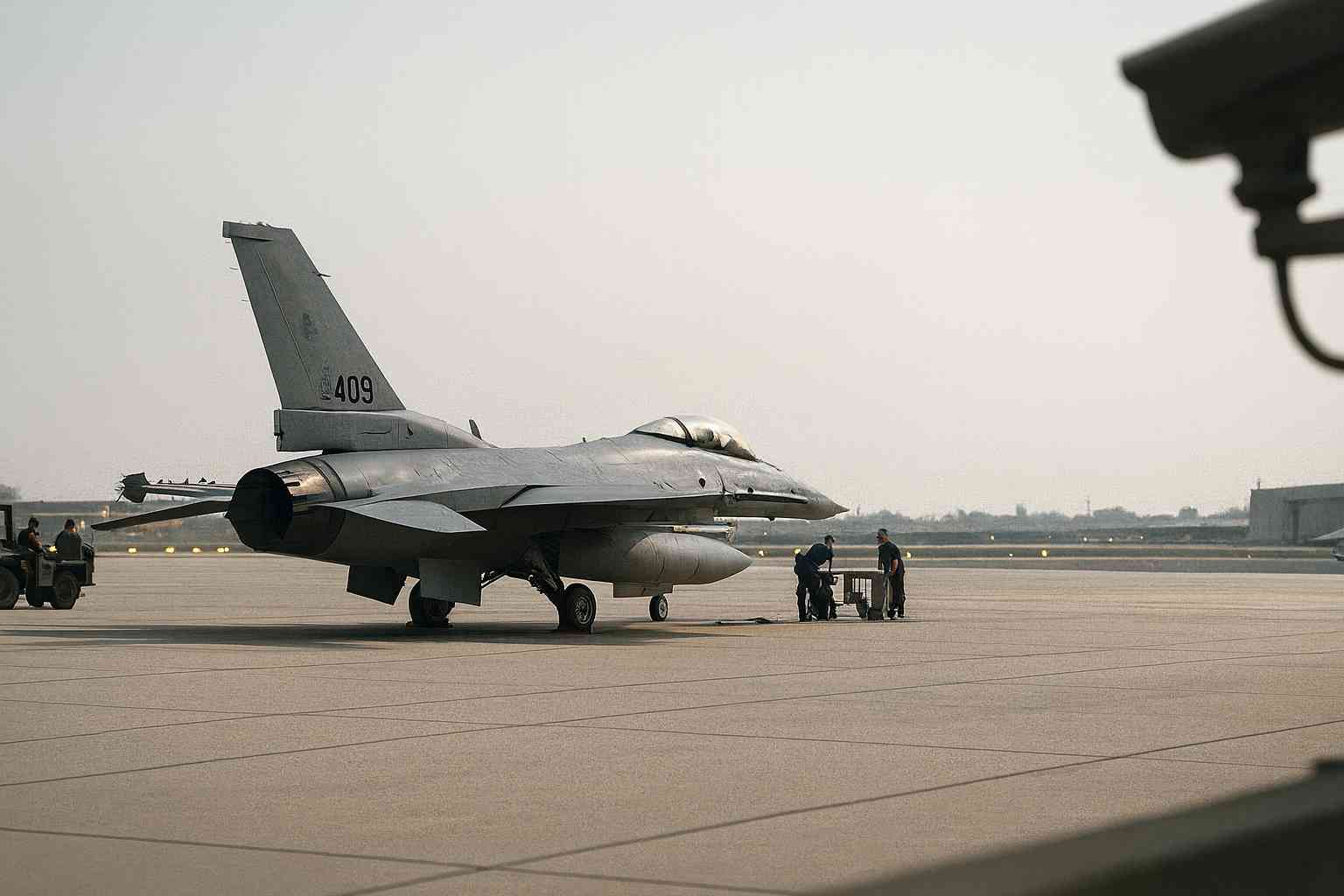
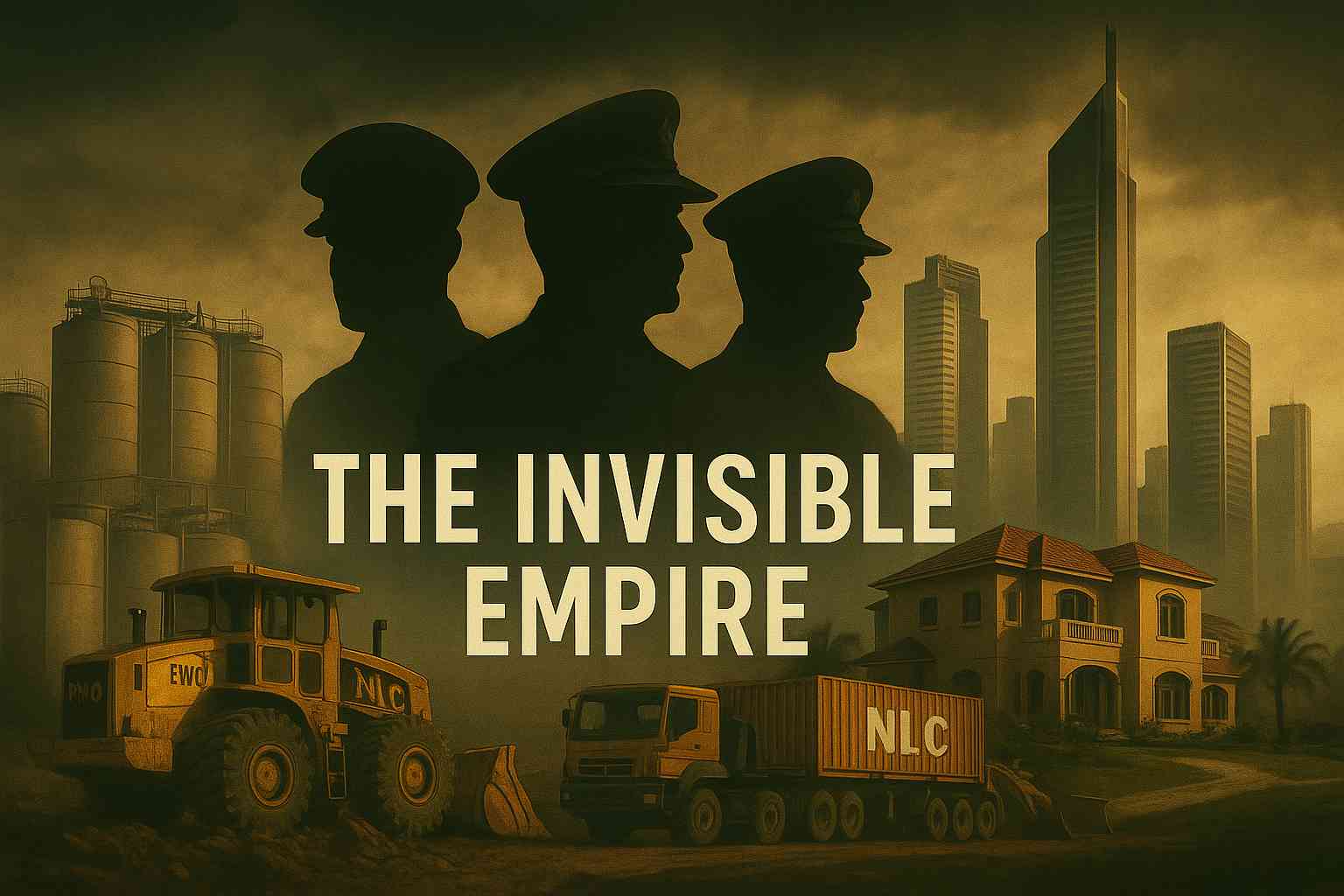
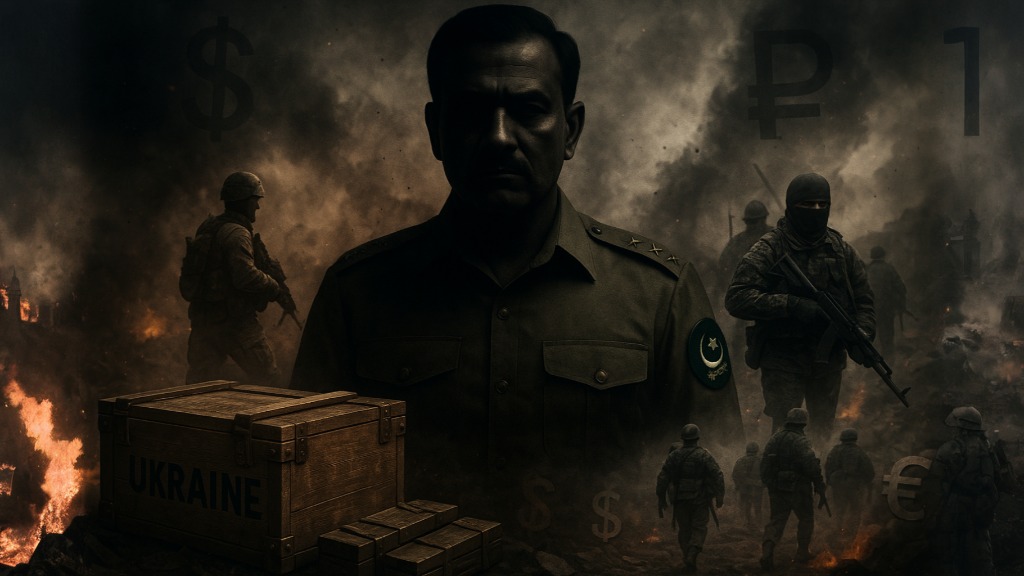
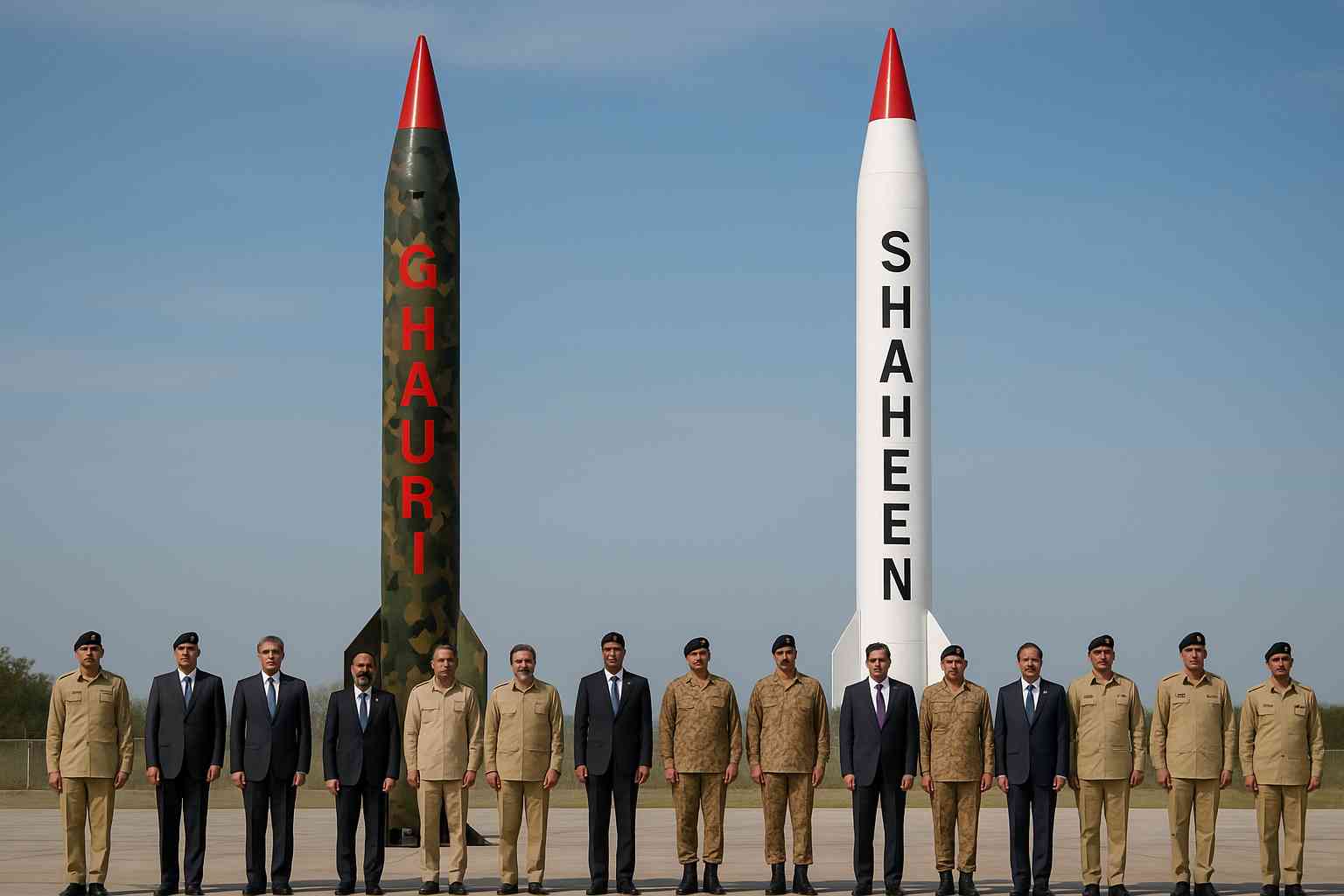
Pakistan’s proposed Rs3 trillion defence allocation for FY2026-27 is more than a budget line. It is a political signal. At a time when ordinary Pakistanis face inflation, taxation pressure, weak public services, and IMF-driven restraint, the security establishment has again emerged as the least vulnerable claimant on the national purse.
Finance Minister Muhammad Aurangzeb presented the federal budget on June 12, 2026. According to the Associated Press, total proposed spending stands at Rs18.77 trillion, while defence spending rises by about 18 percent. Dawn reported the allocation at Rs3 trillion, a 17.65 percent increase over the outgoing year’s original defence allocation.
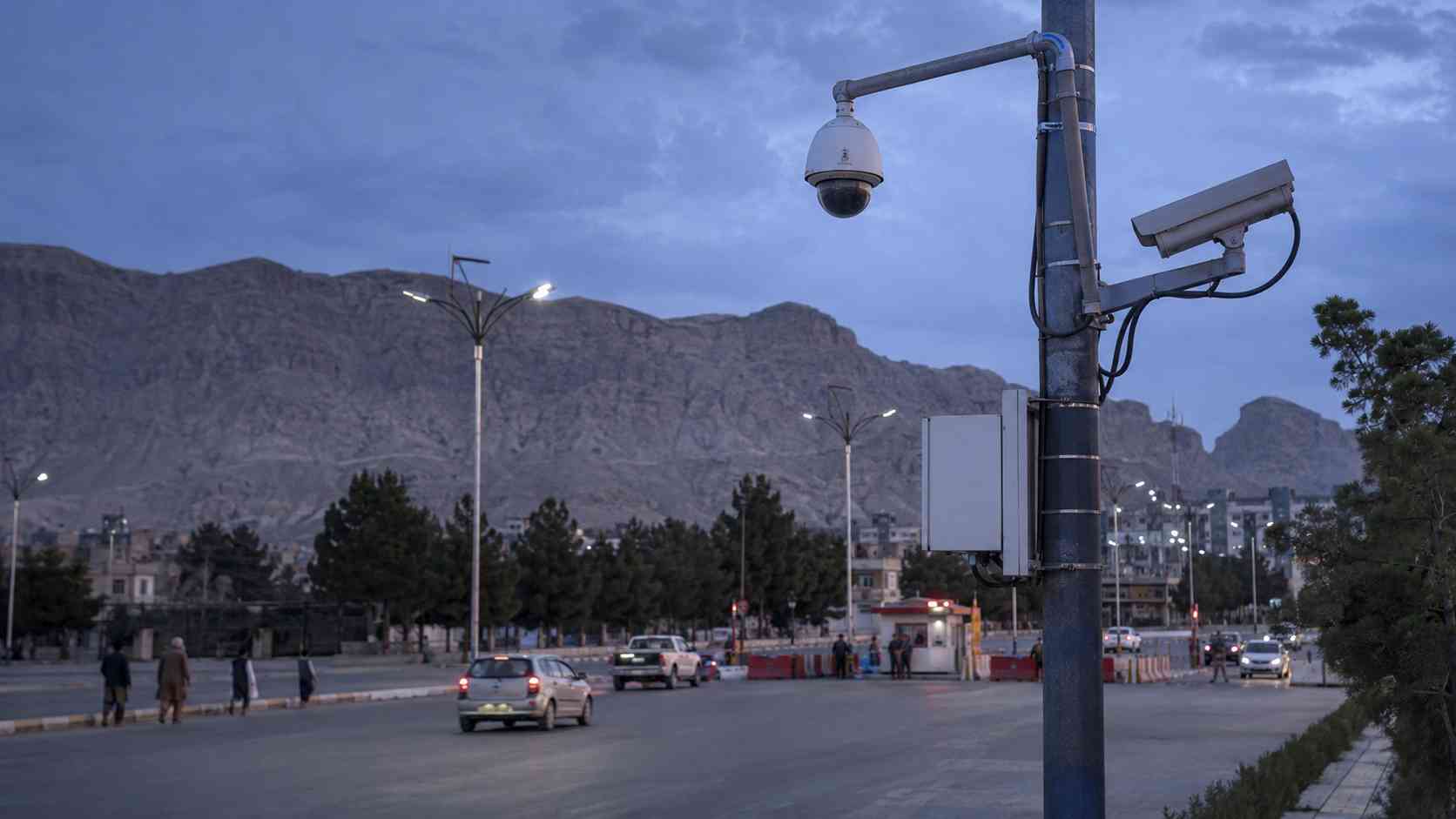
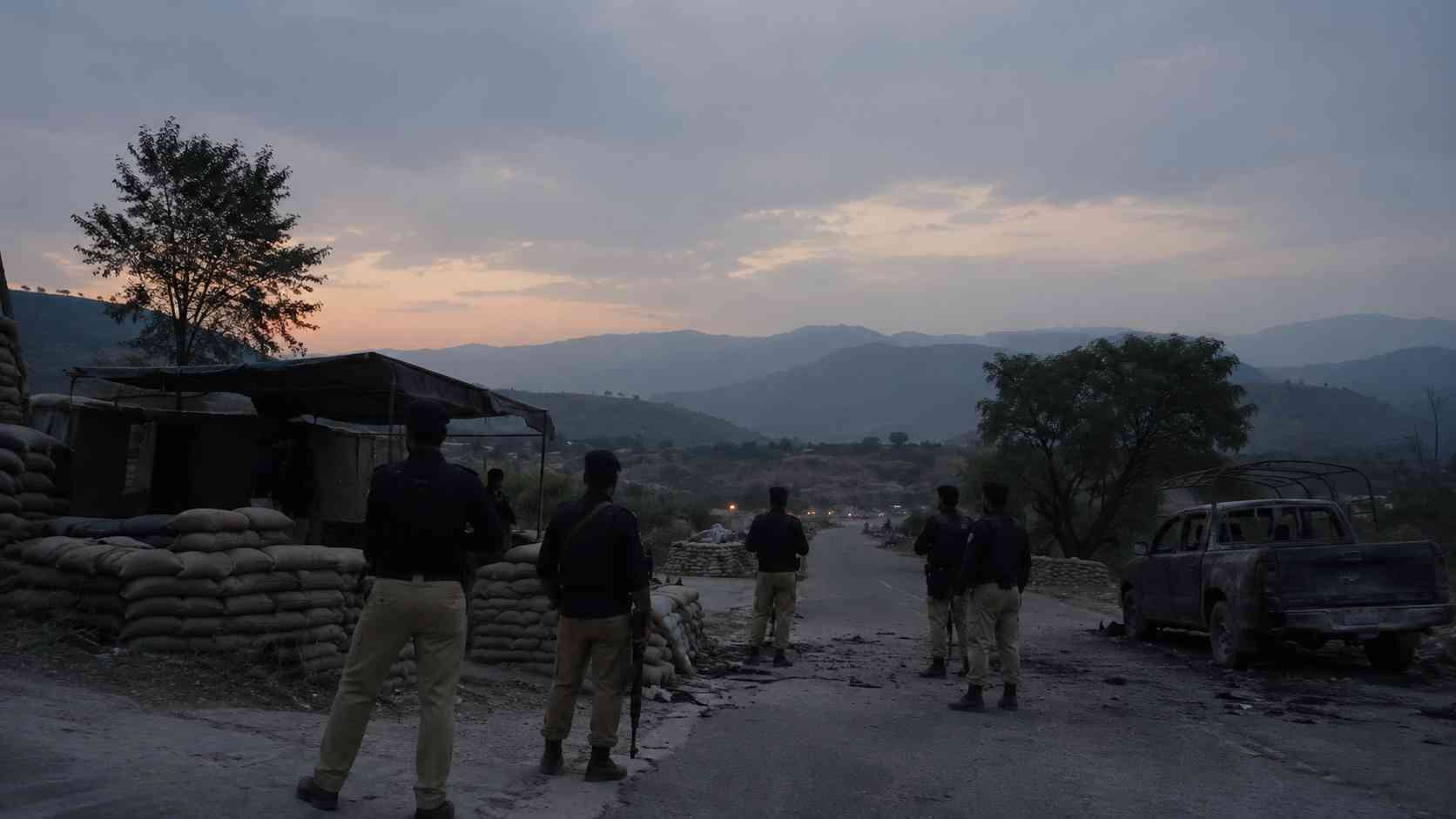
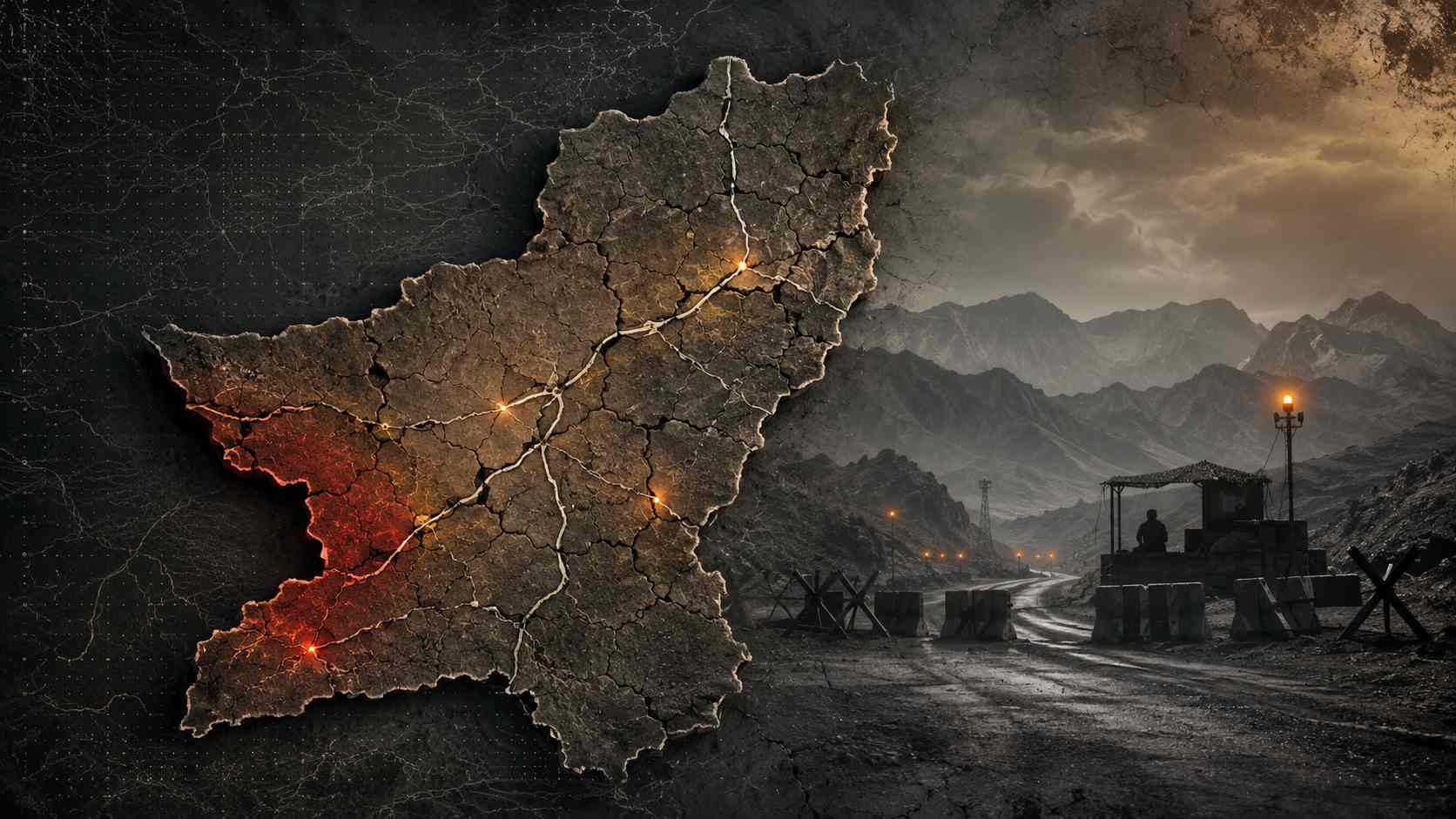
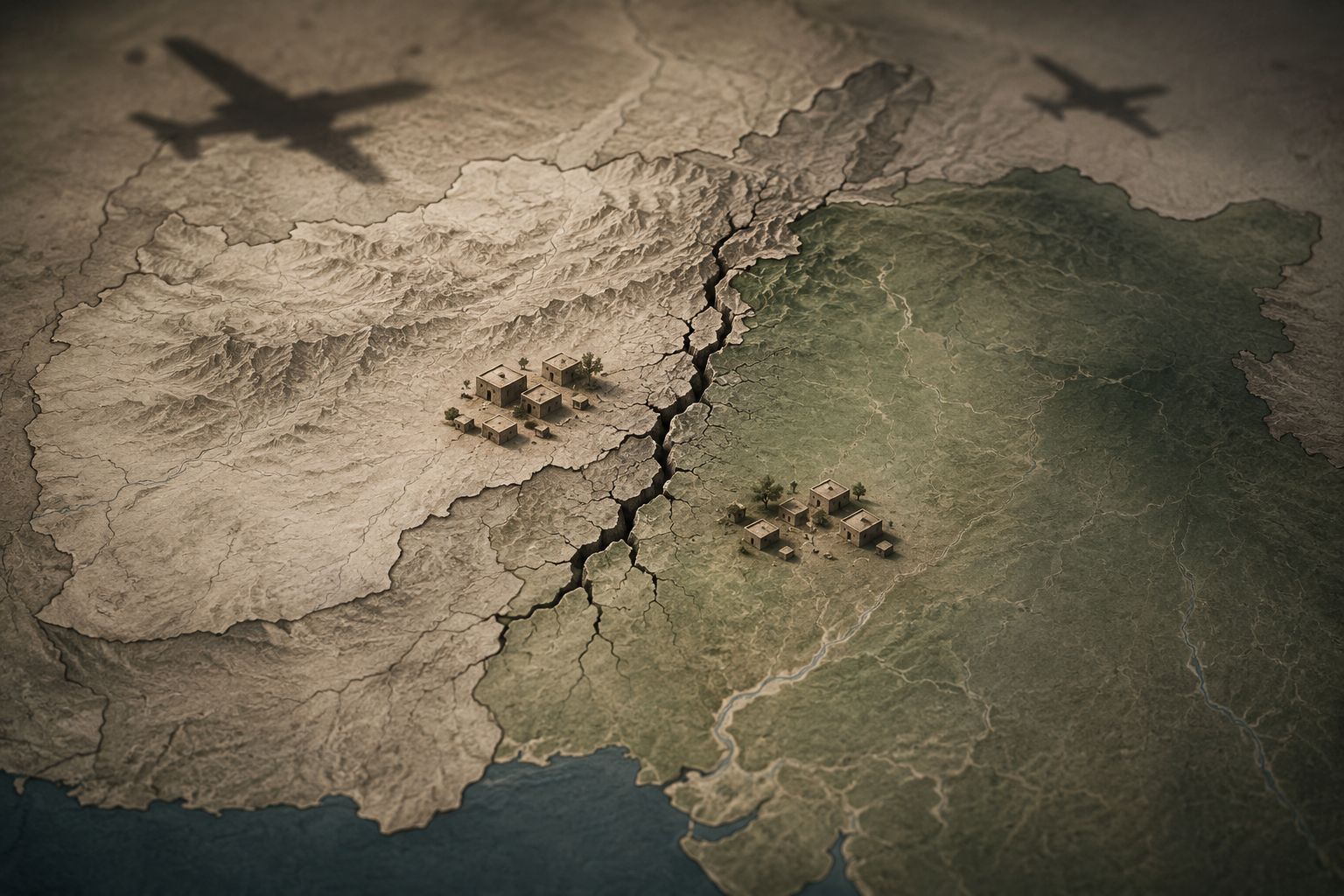
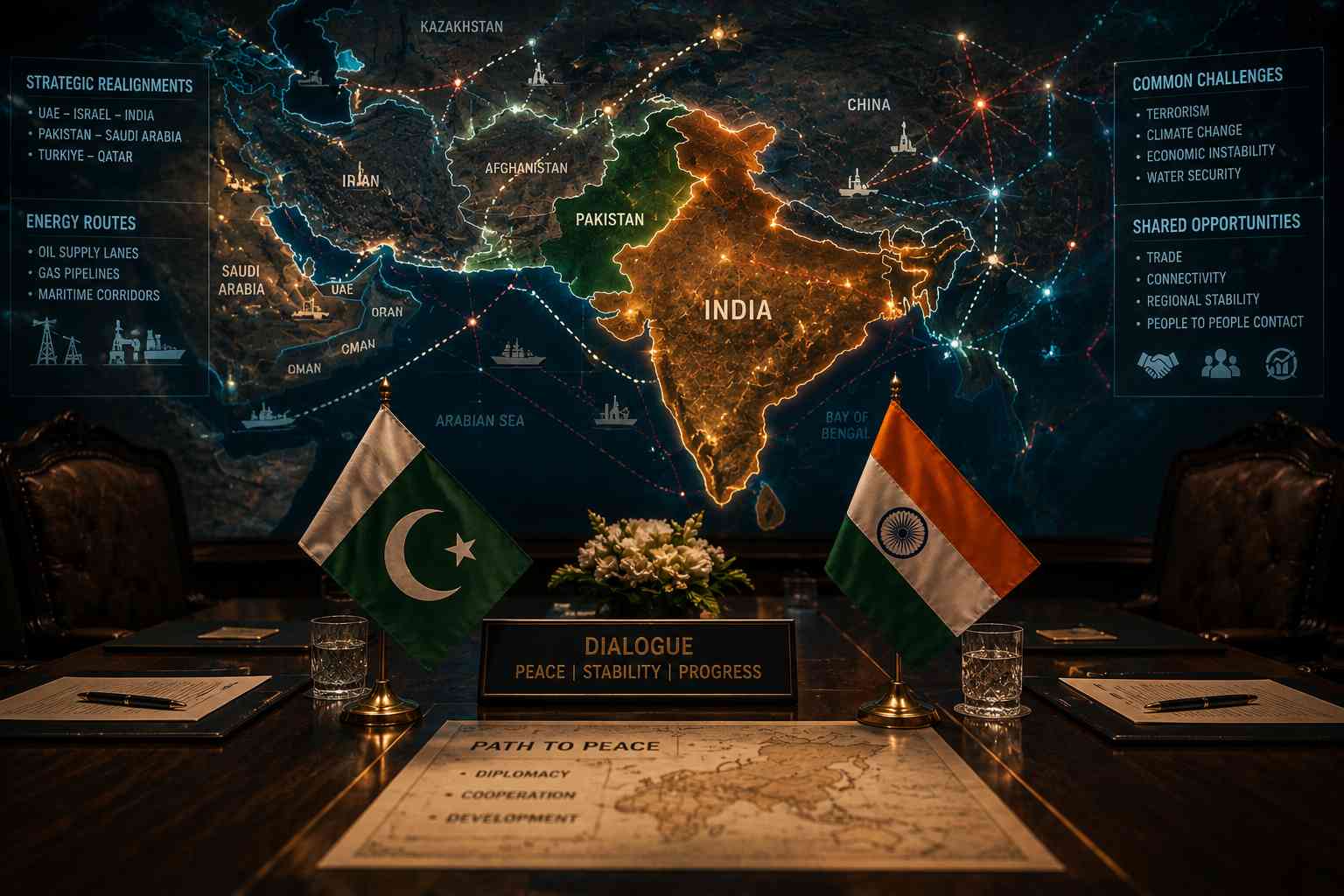
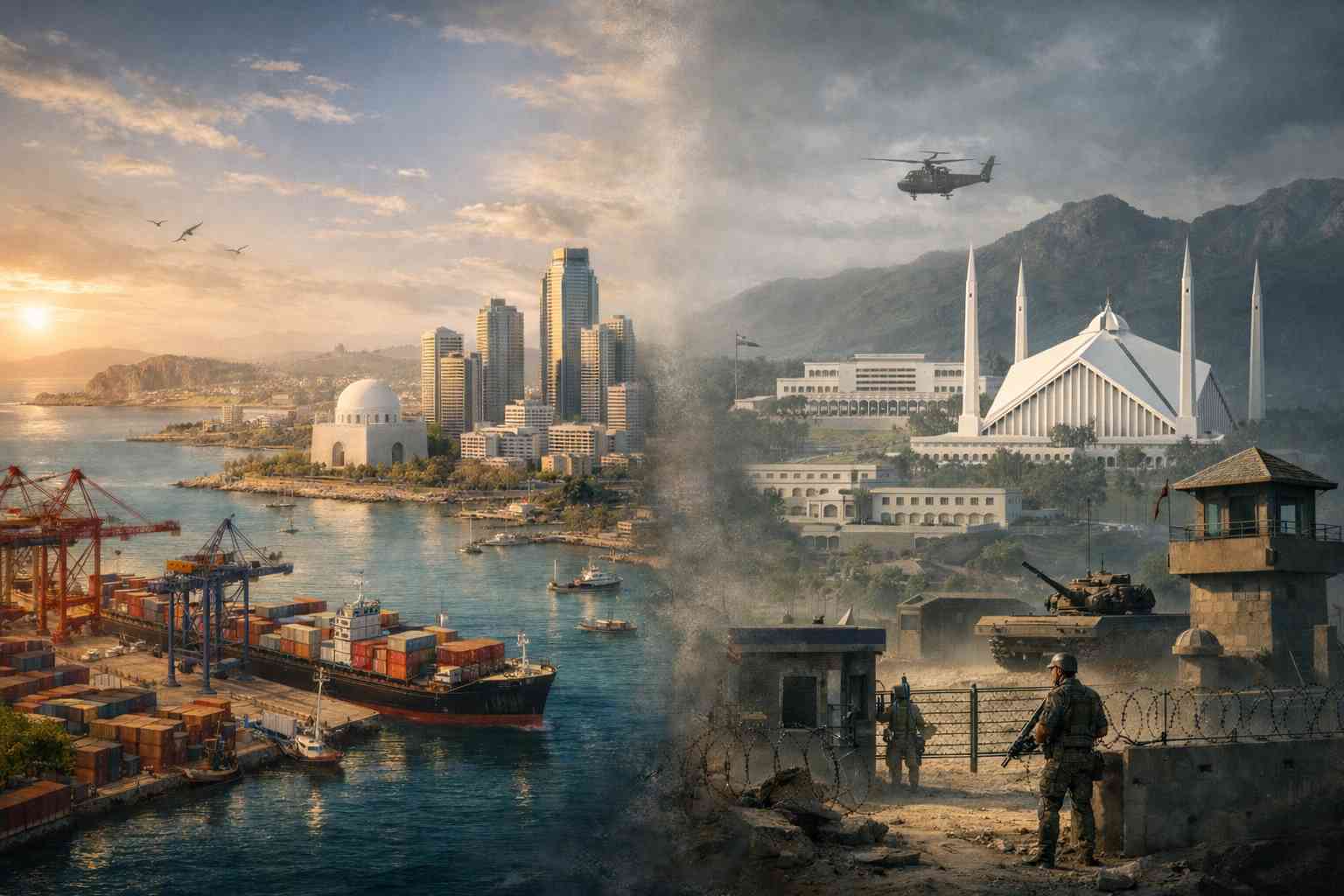
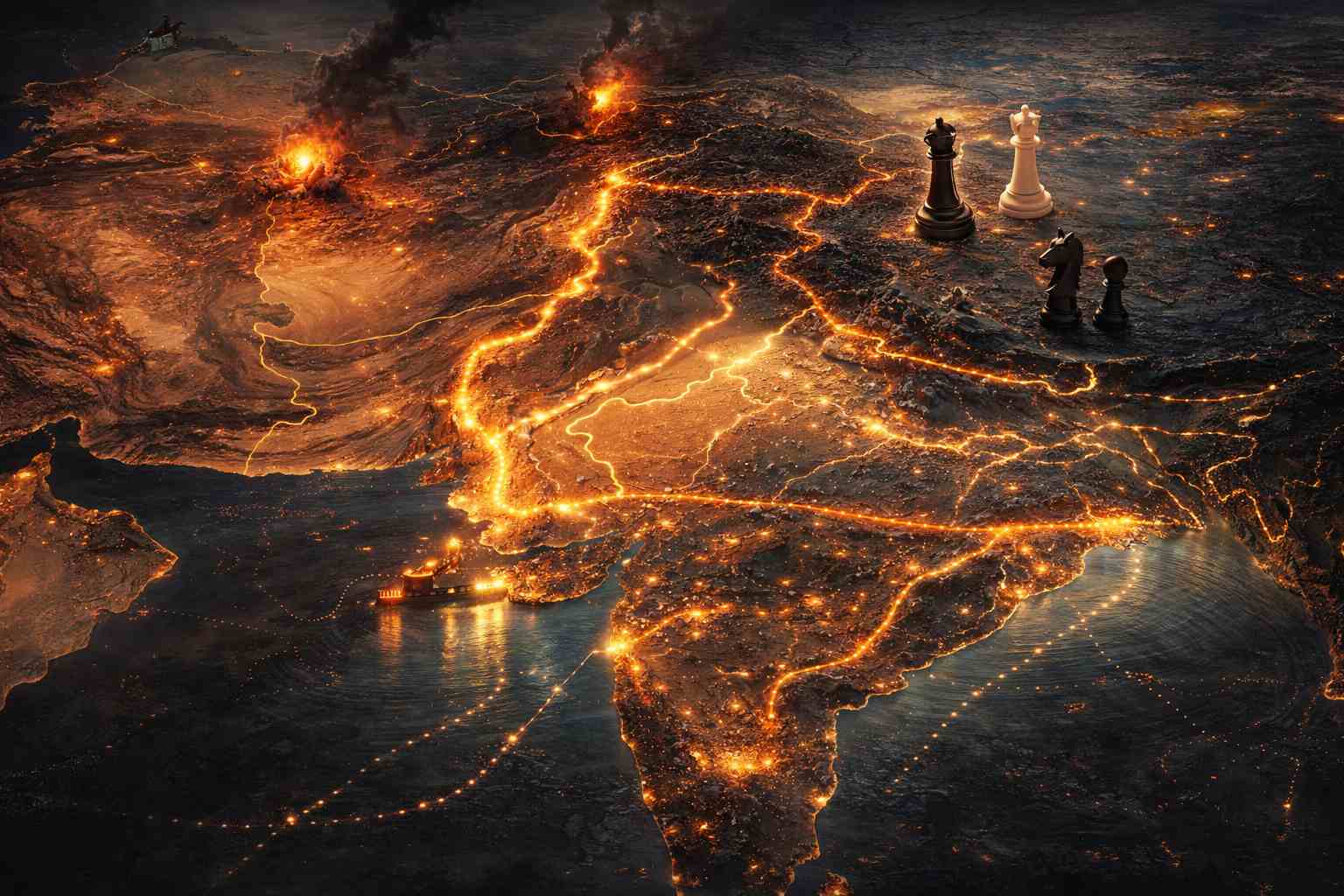
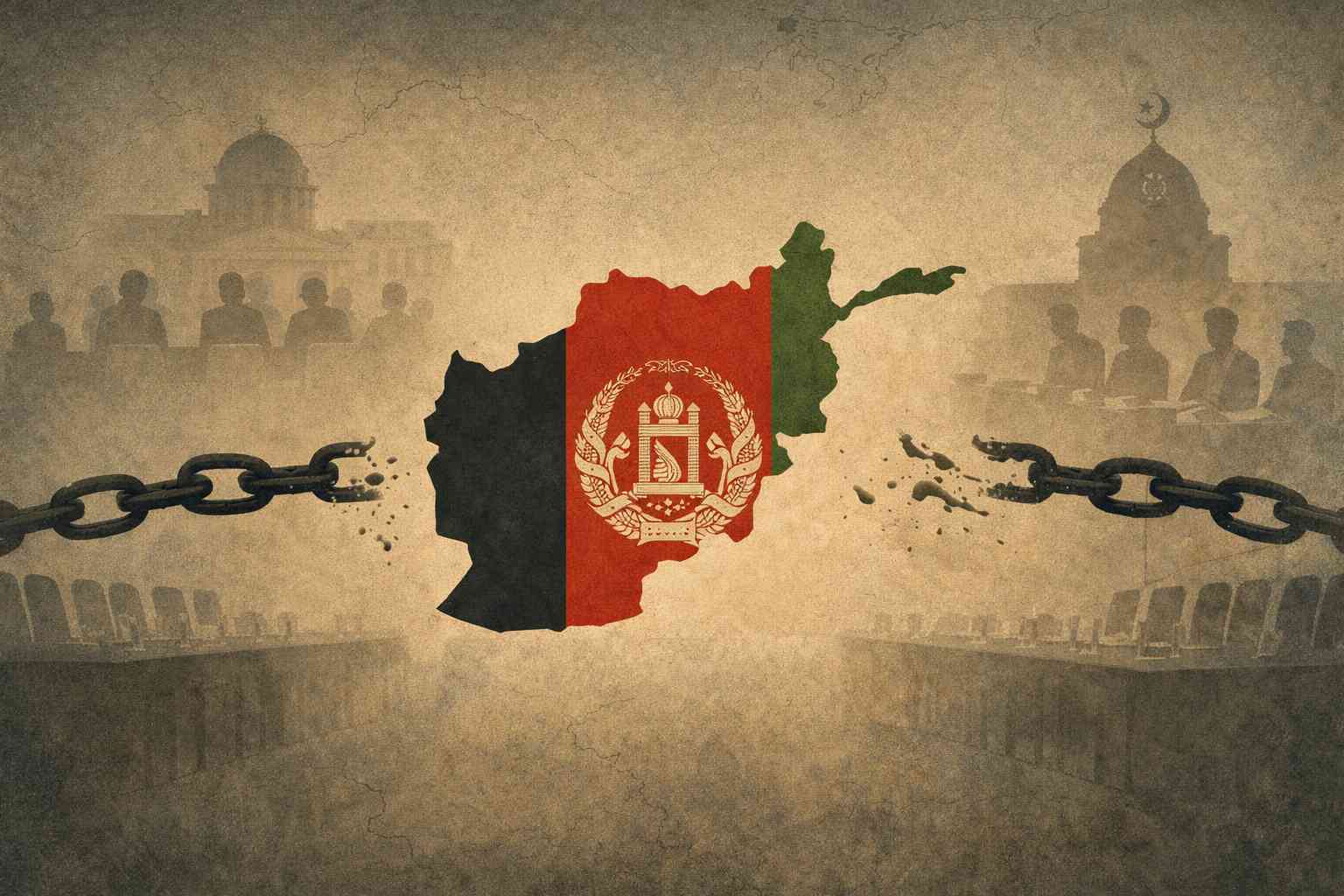
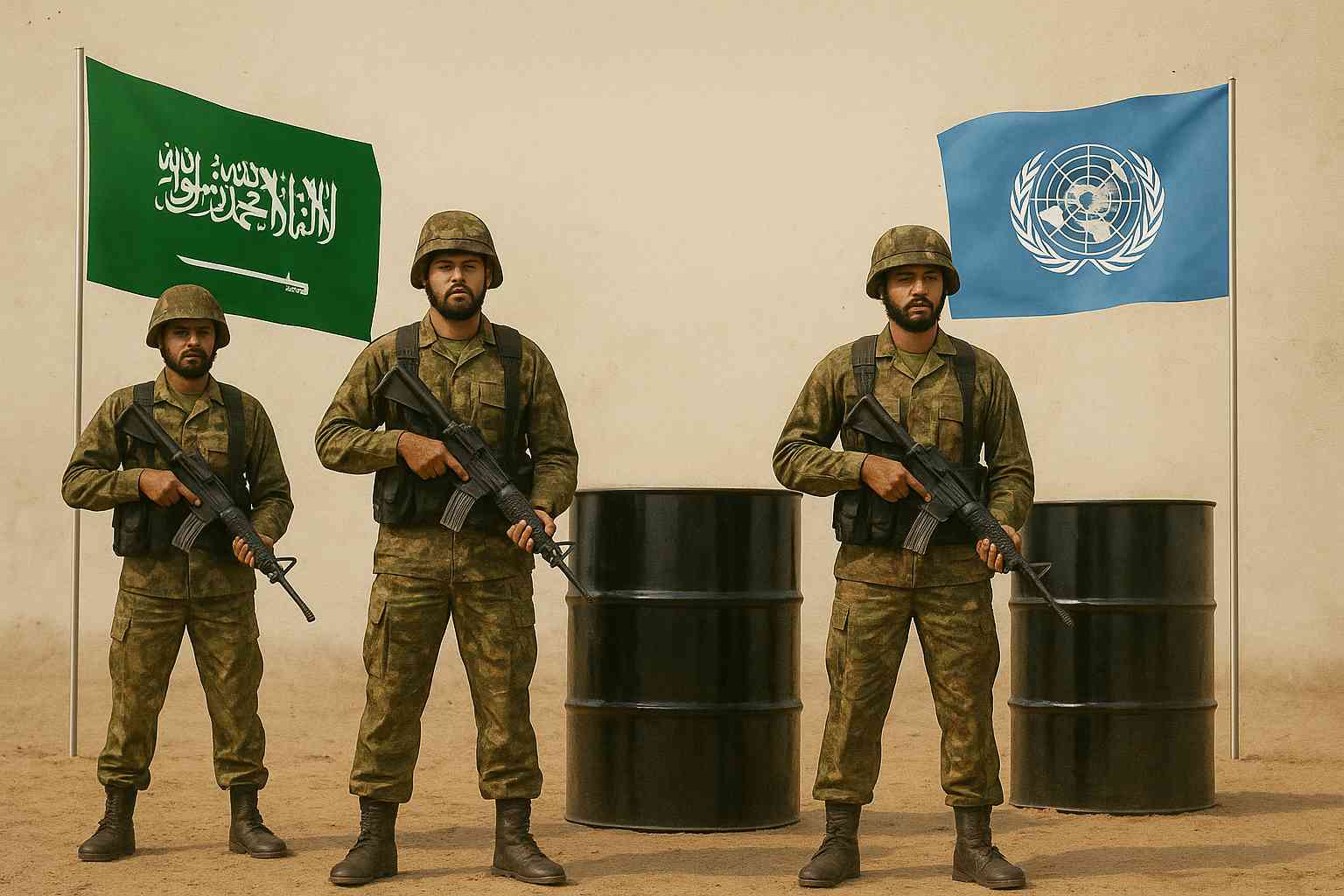
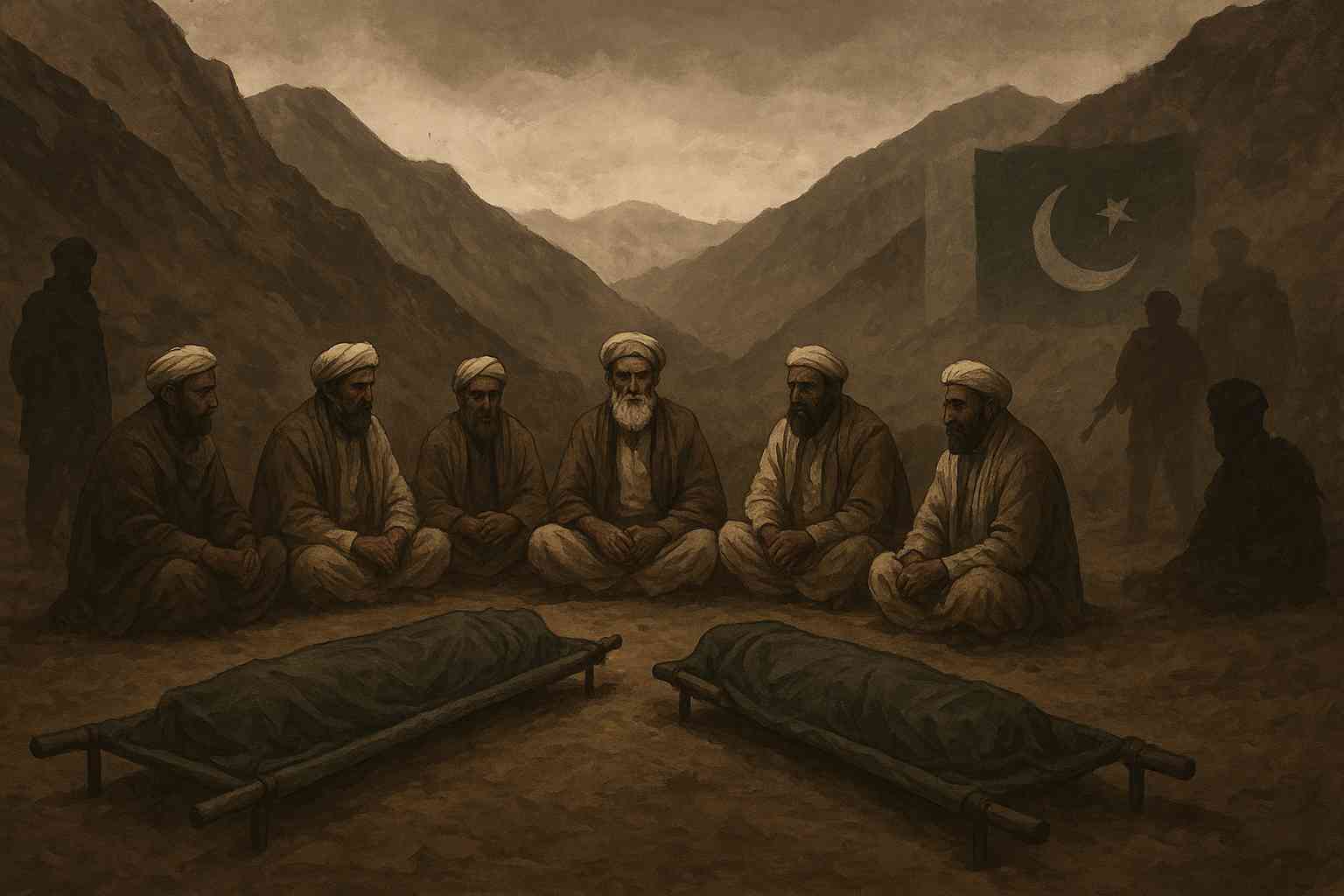
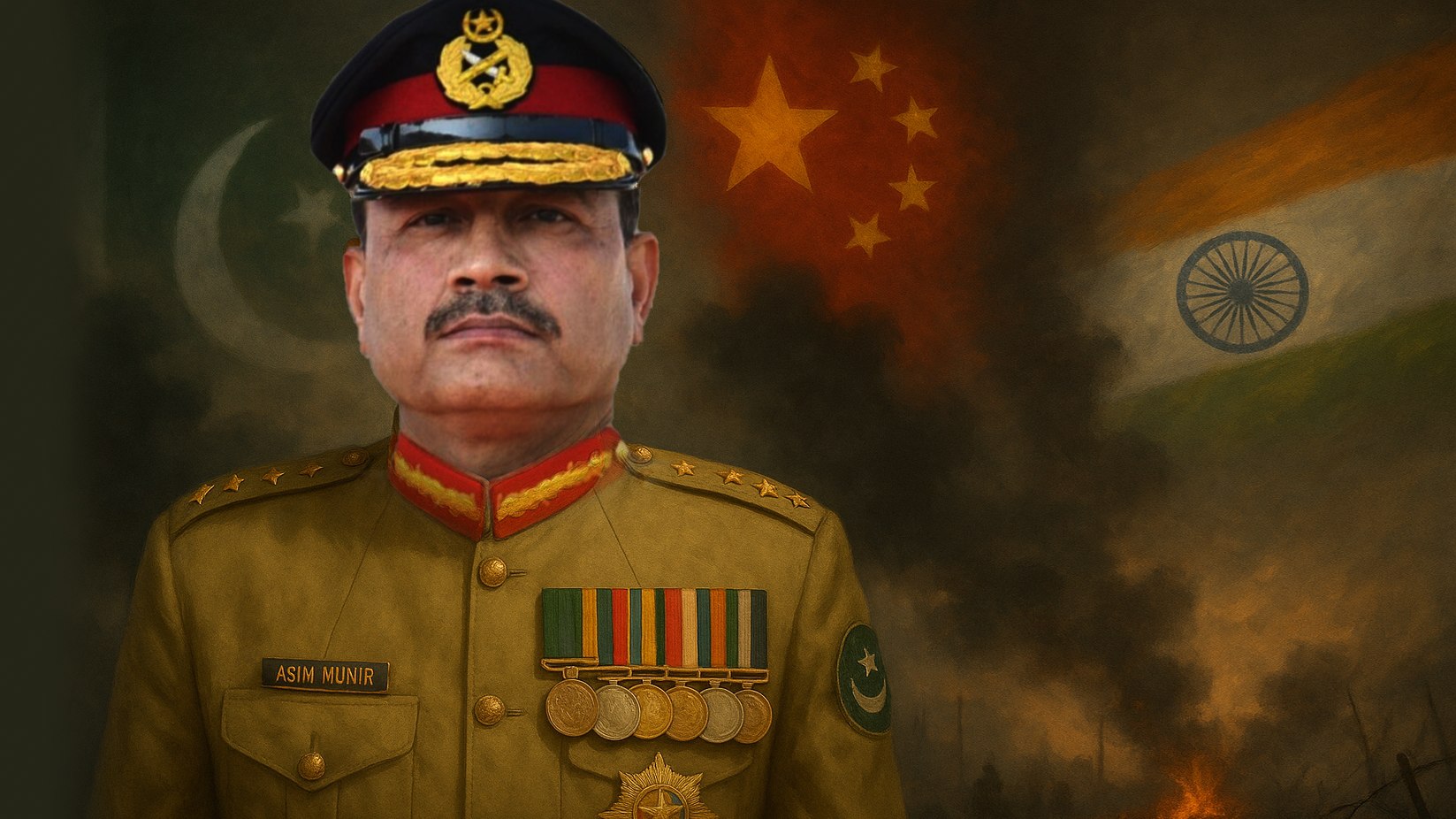
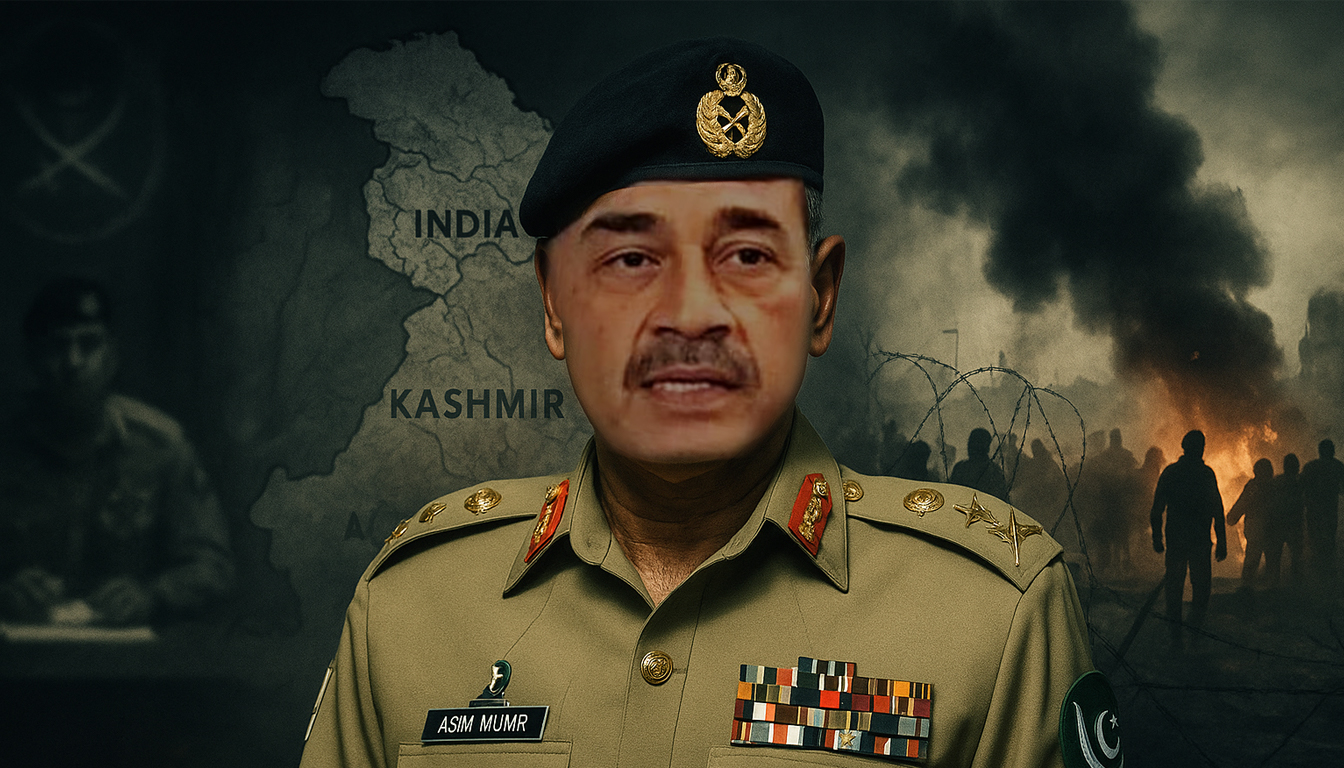
The government has framed the increase around regional instability, tensions with India, violence along the Afghan border, and internal militancy. Those concerns are real. Pakistan’s security environment is not imaginary.
Yet the deeper question is different. Why does every crisis strengthen the same institution, while the civilian state remains financially and politically weakened?
Pakistan Defence Budget 2026 and the IMF Squeeze
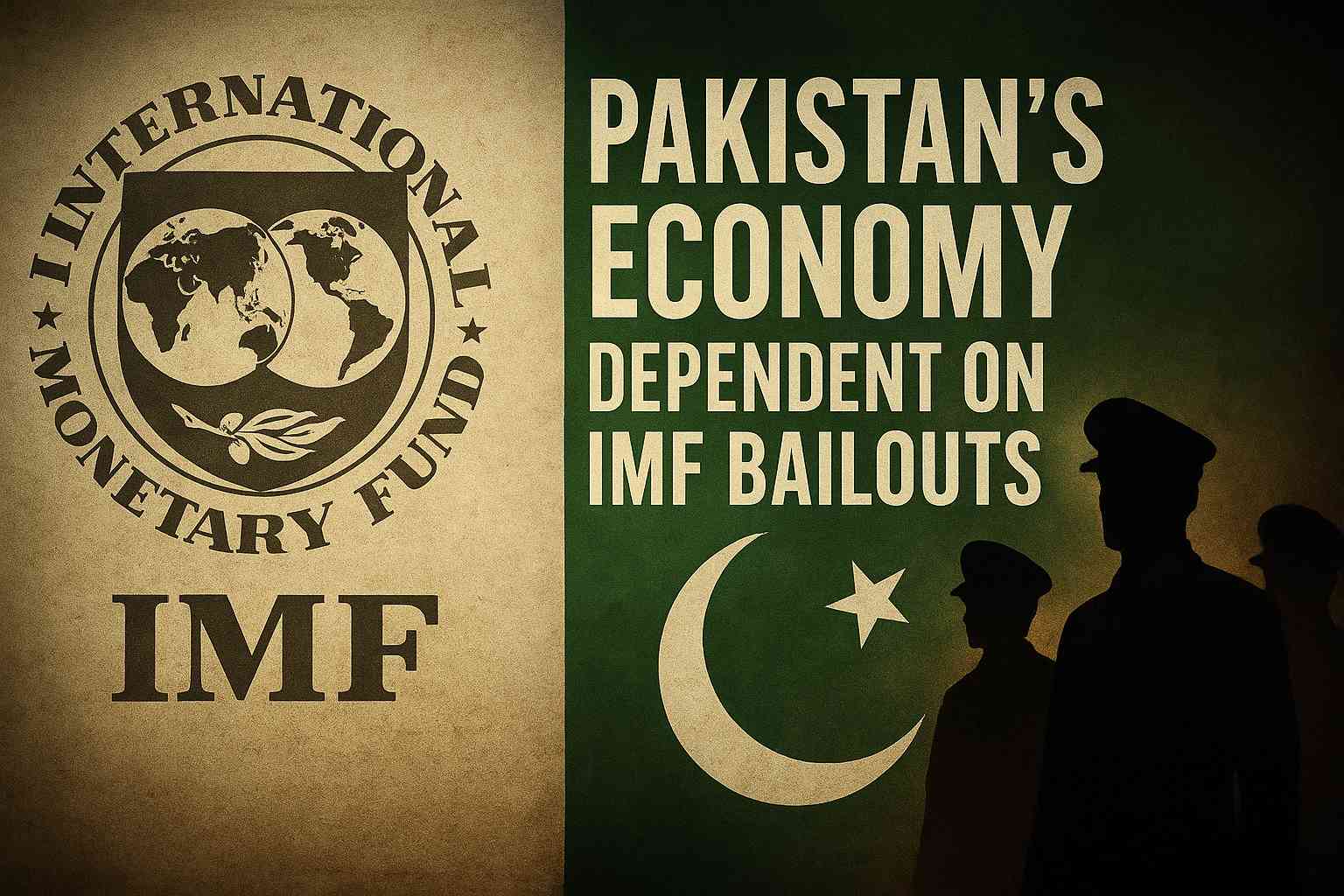
The Pakistan defence budget 2026 comes during another IMF-shaped fiscal year. The IMF completed the third review of Pakistan’s Extended Fund Facility in May 2026, allowing fresh disbursements under the programme. The lender continues to emphasise stronger public finances, tax reform, energy-sector restructuring, social protection, and better public service delivery.
That language sounds technocratic. In Pakistan, it lands politically.
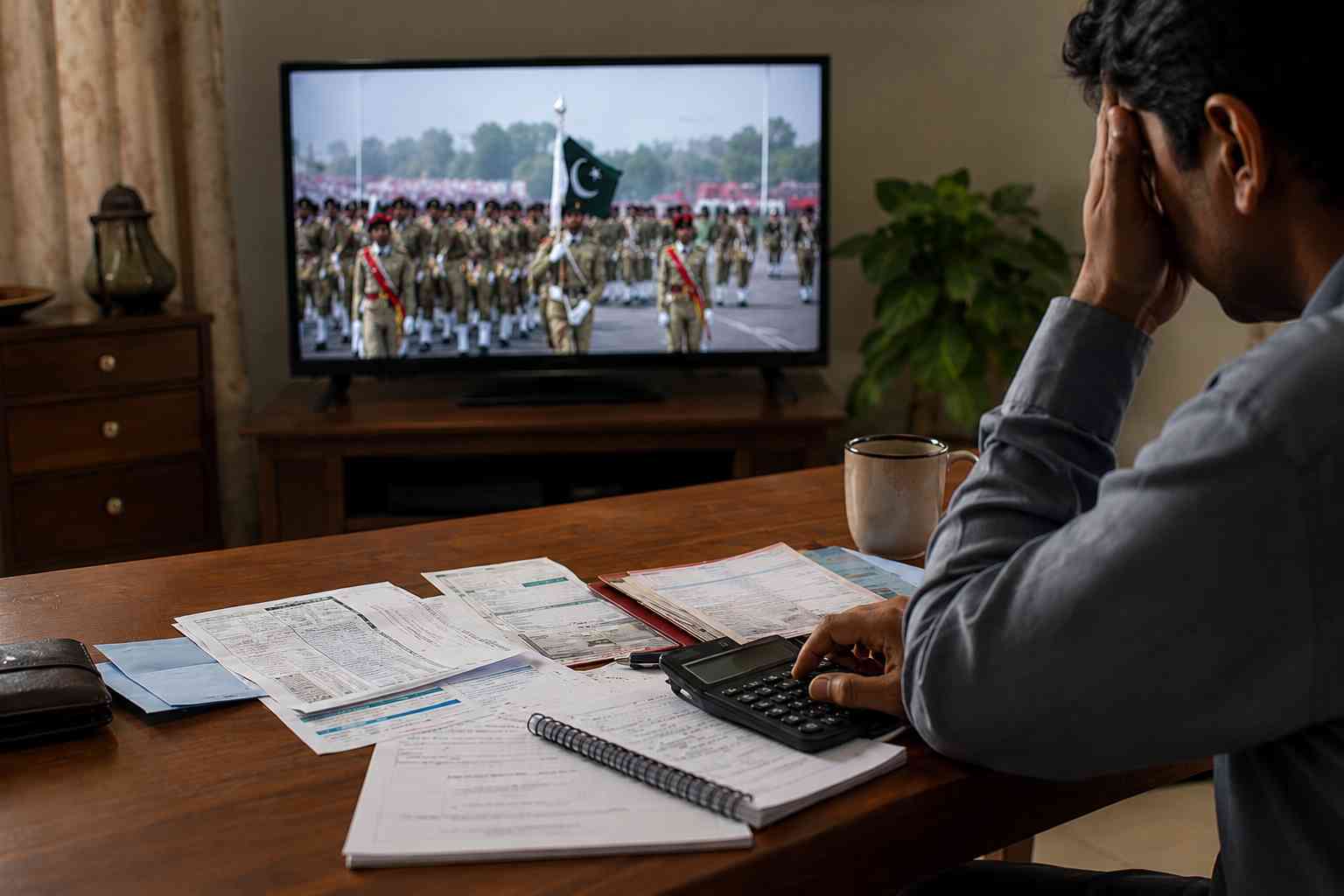
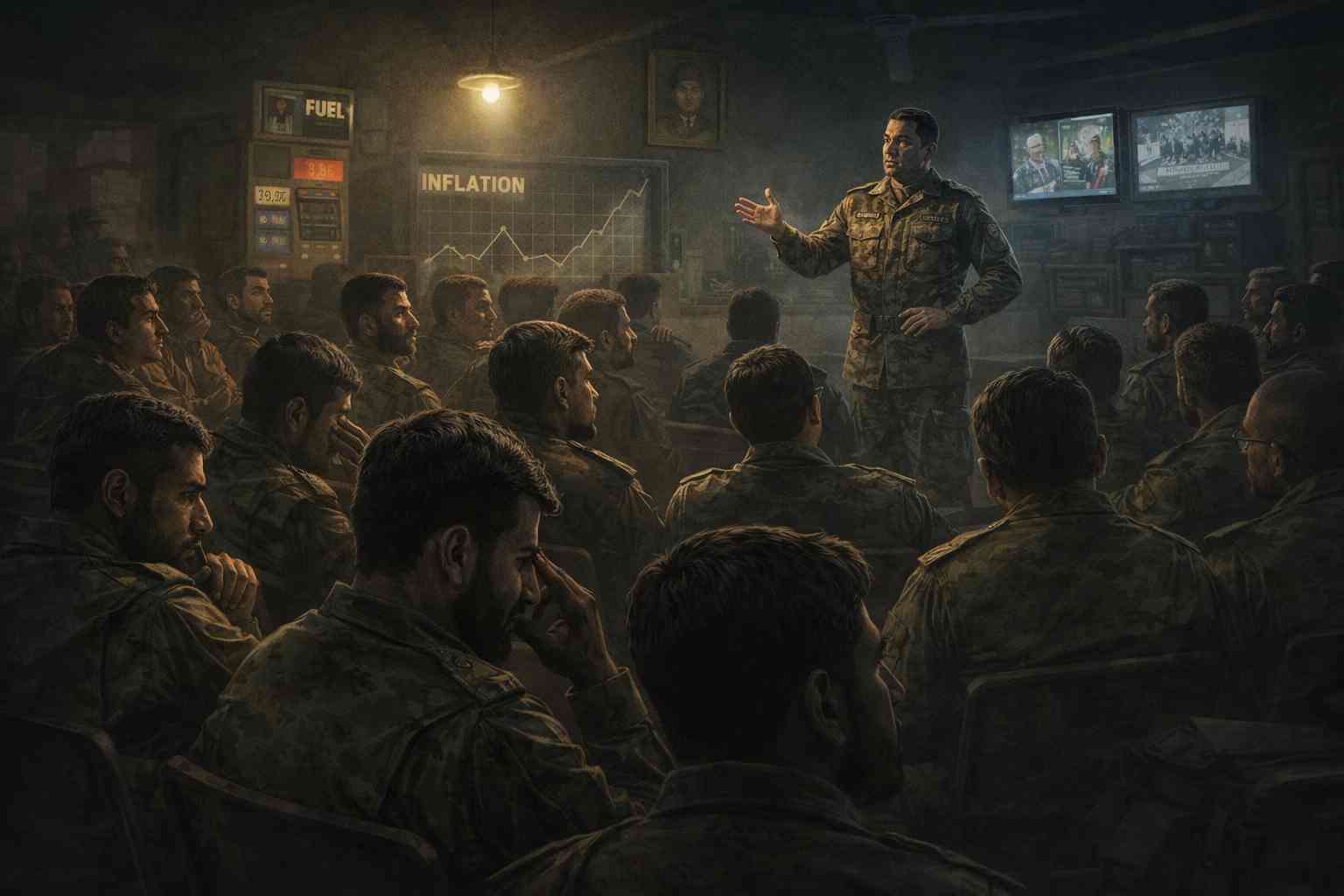
When the IMF asks for fiscal discipline, the burden usually reaches salaried workers, consumers, small businesses, electricity users, and provincial development plans. When the state invokes security, the defence envelope expands with far less public debate.
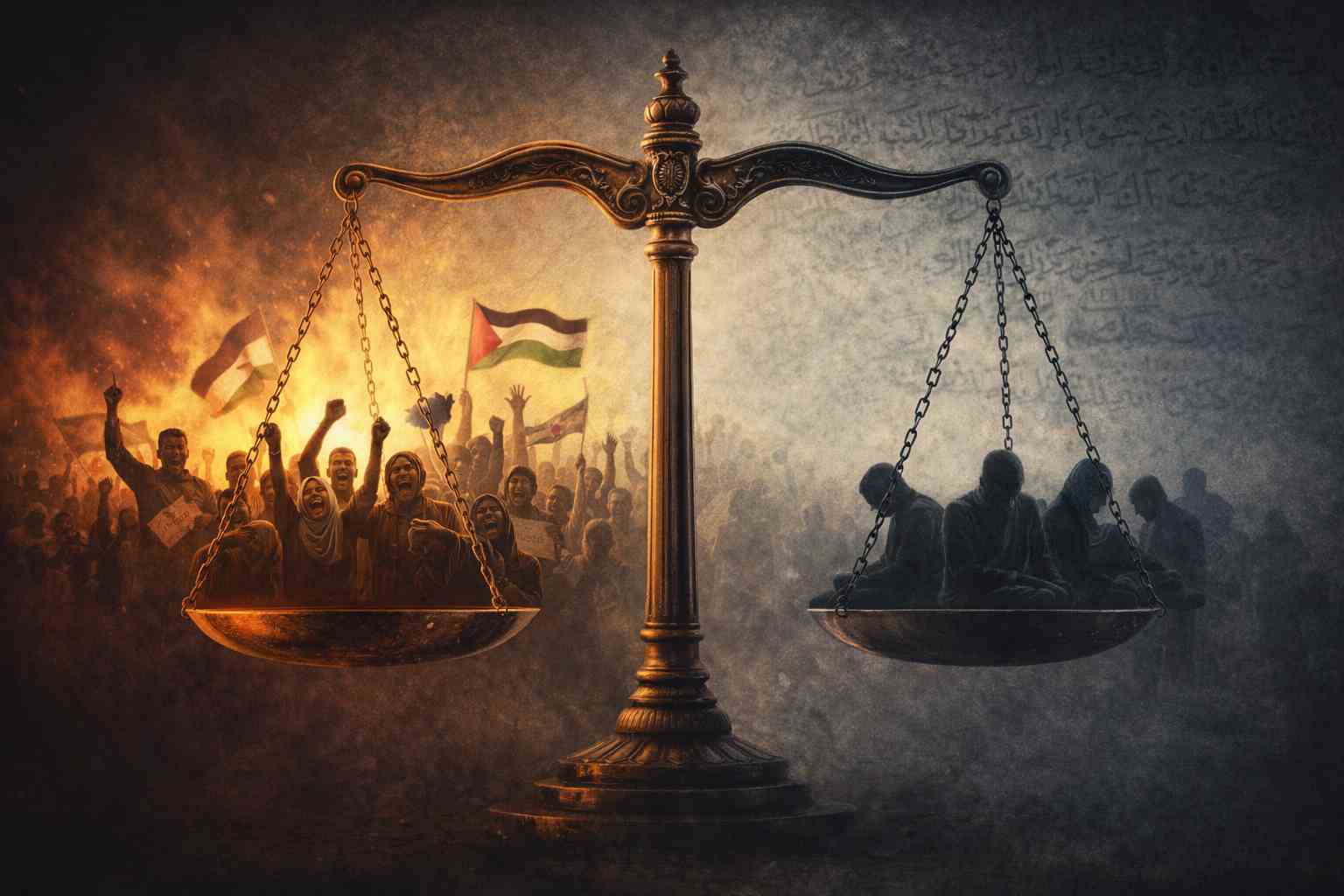
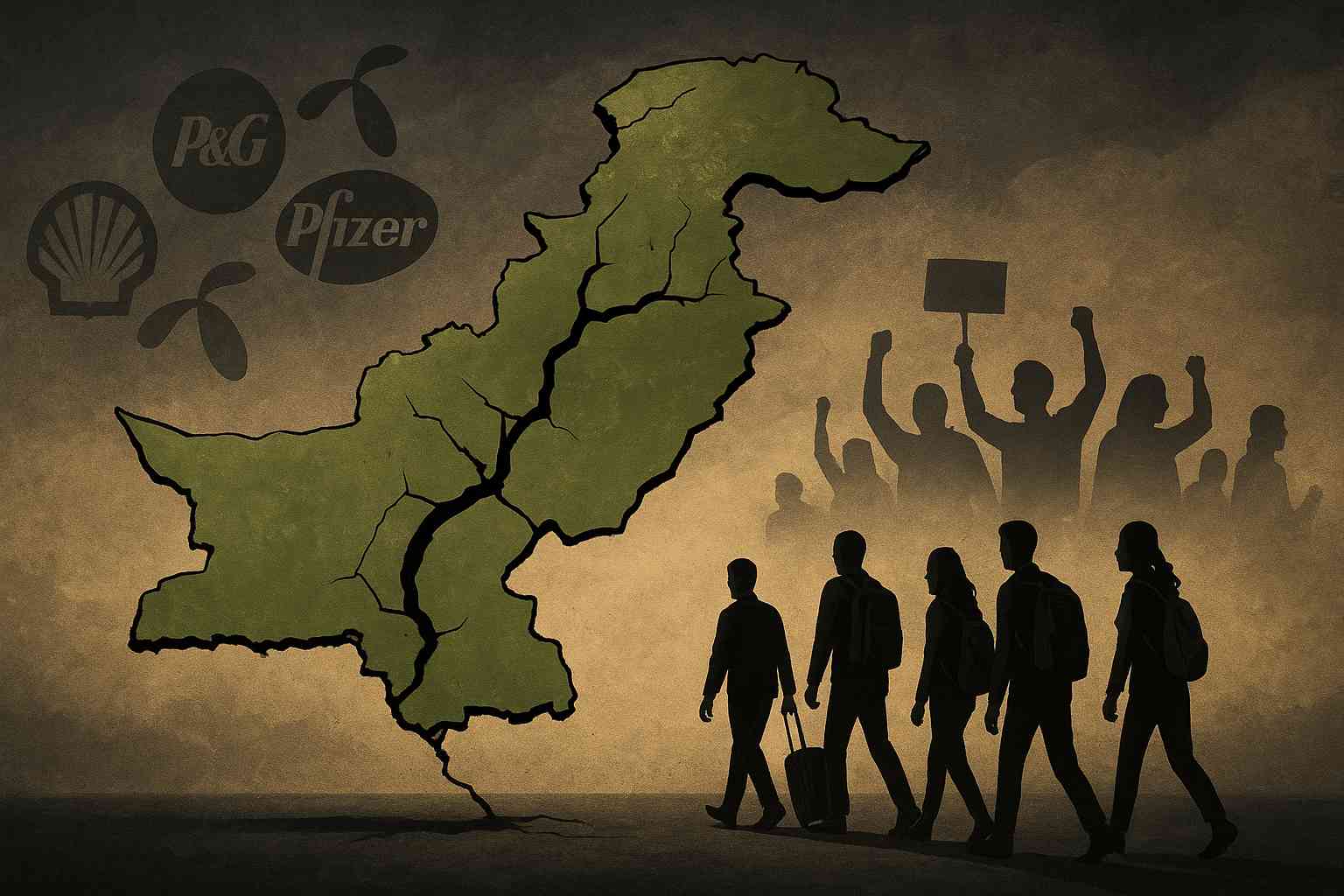
This is the imbalance at the heart of the budget. Pakistan is told it cannot afford a weak tax base, circular debt, inefficient subsidies, or underperforming state-owned enterprises. But it is rarely allowed to ask whether a heavily securitised state can afford weak schools, poor health systems, climate vulnerability, and collapsing trust in civilian institutions.
Security Is Real, But So Is Priority
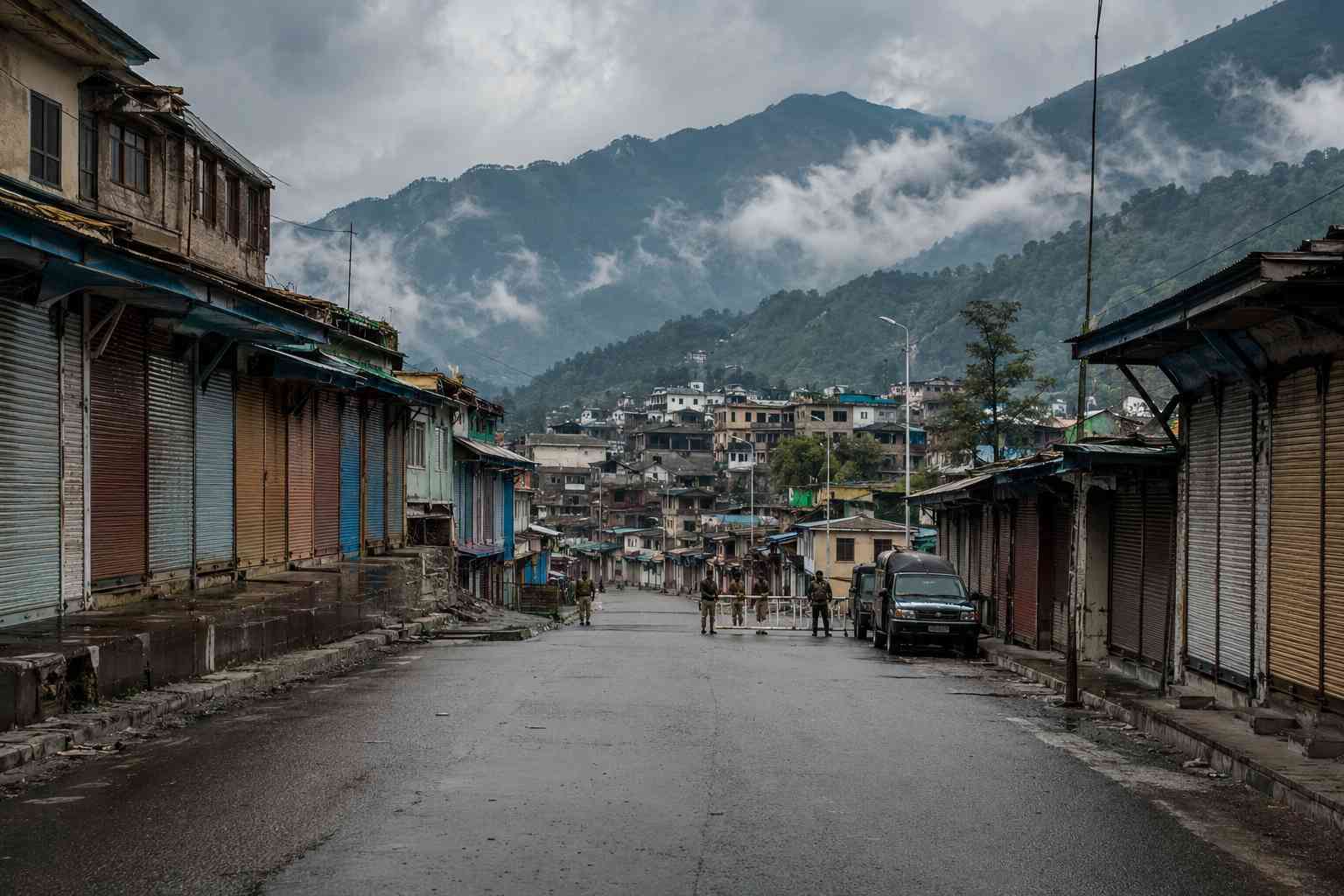
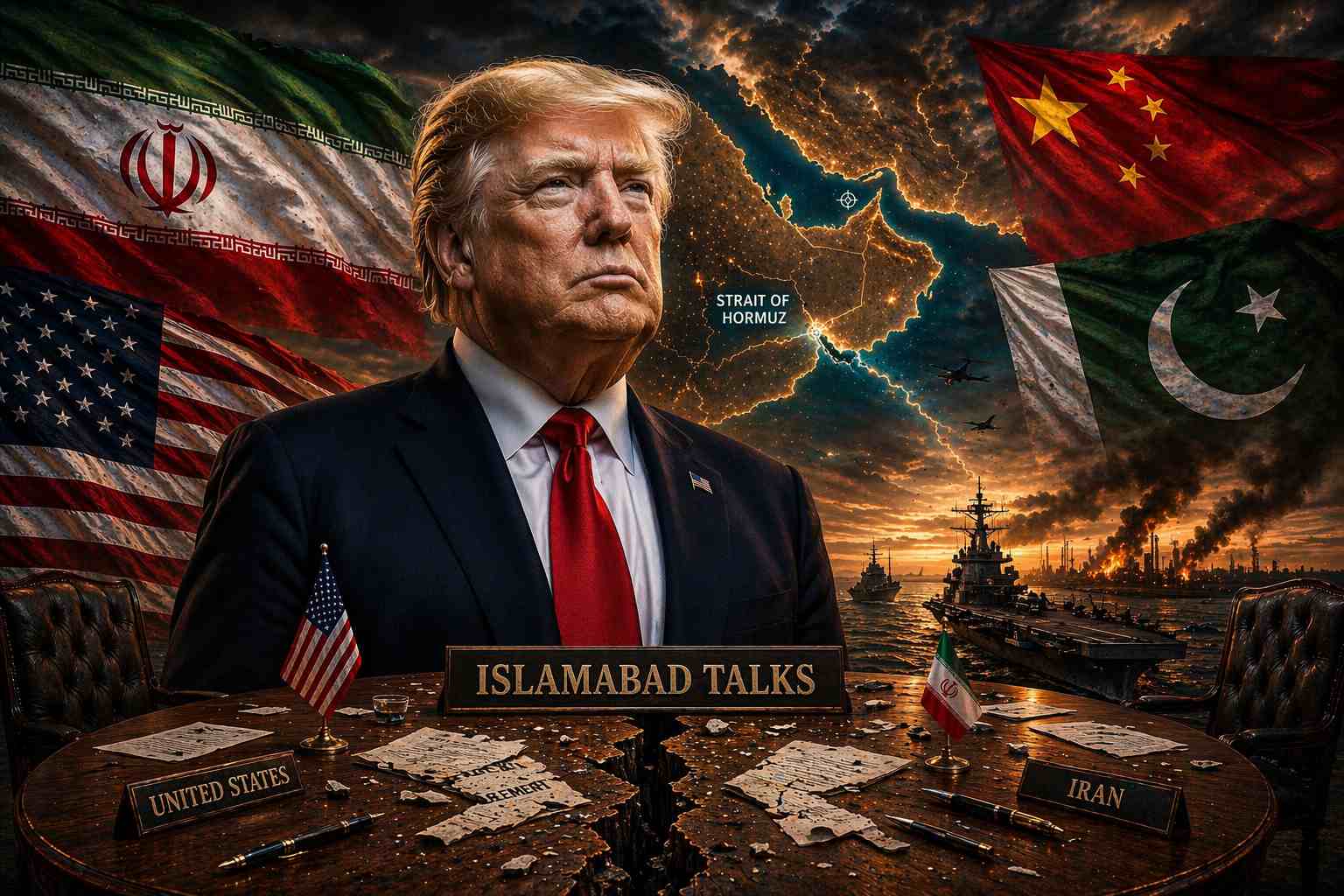
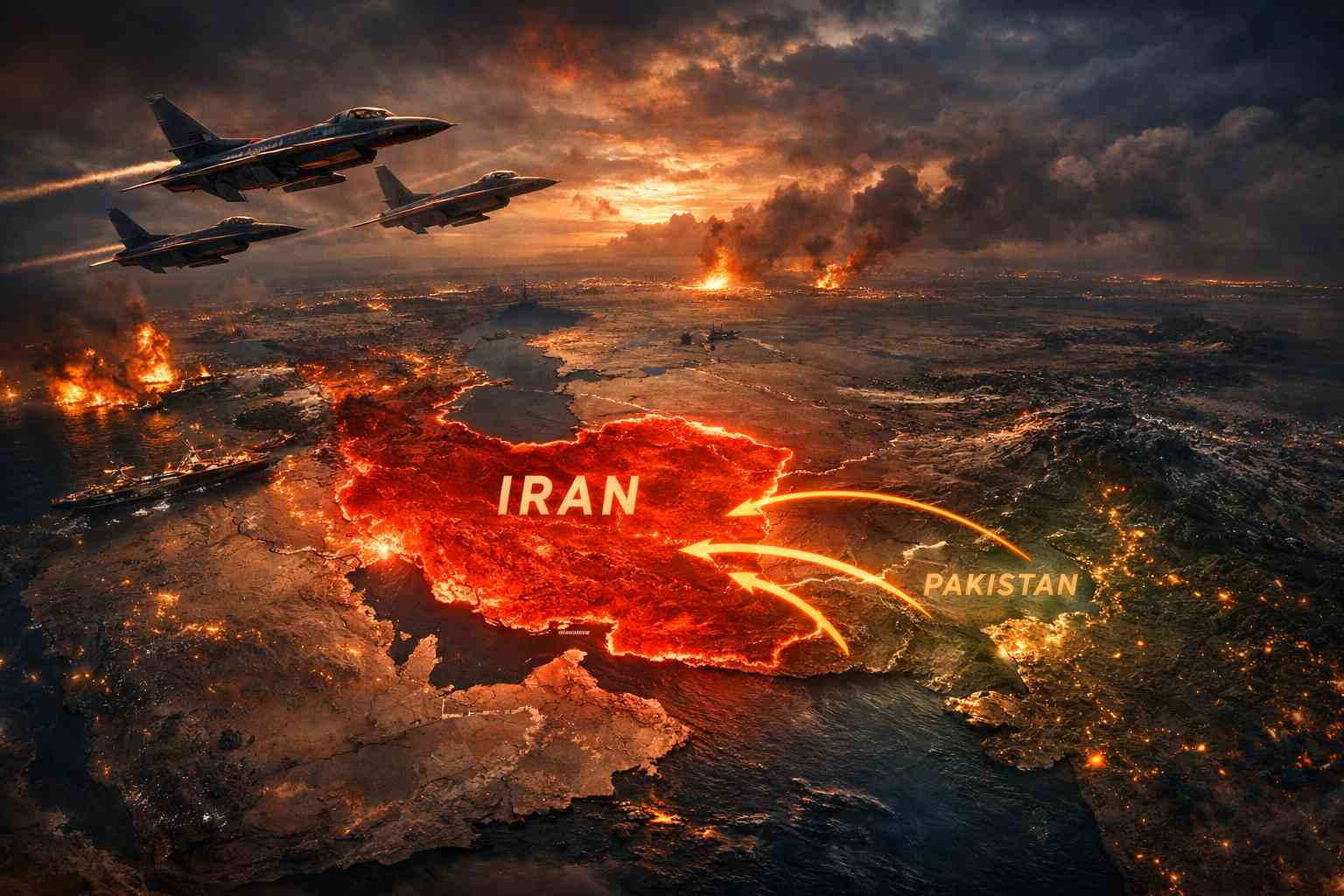
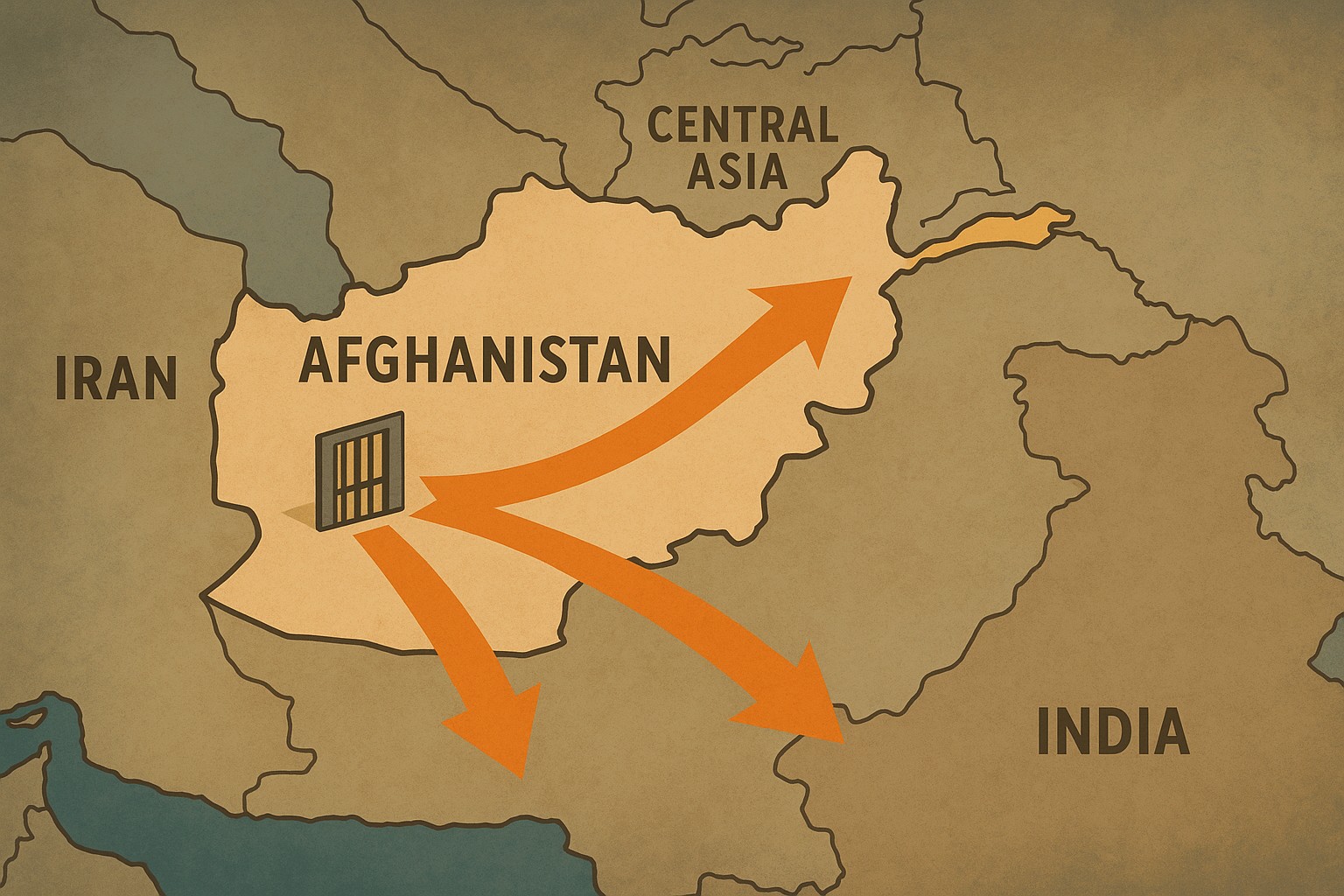
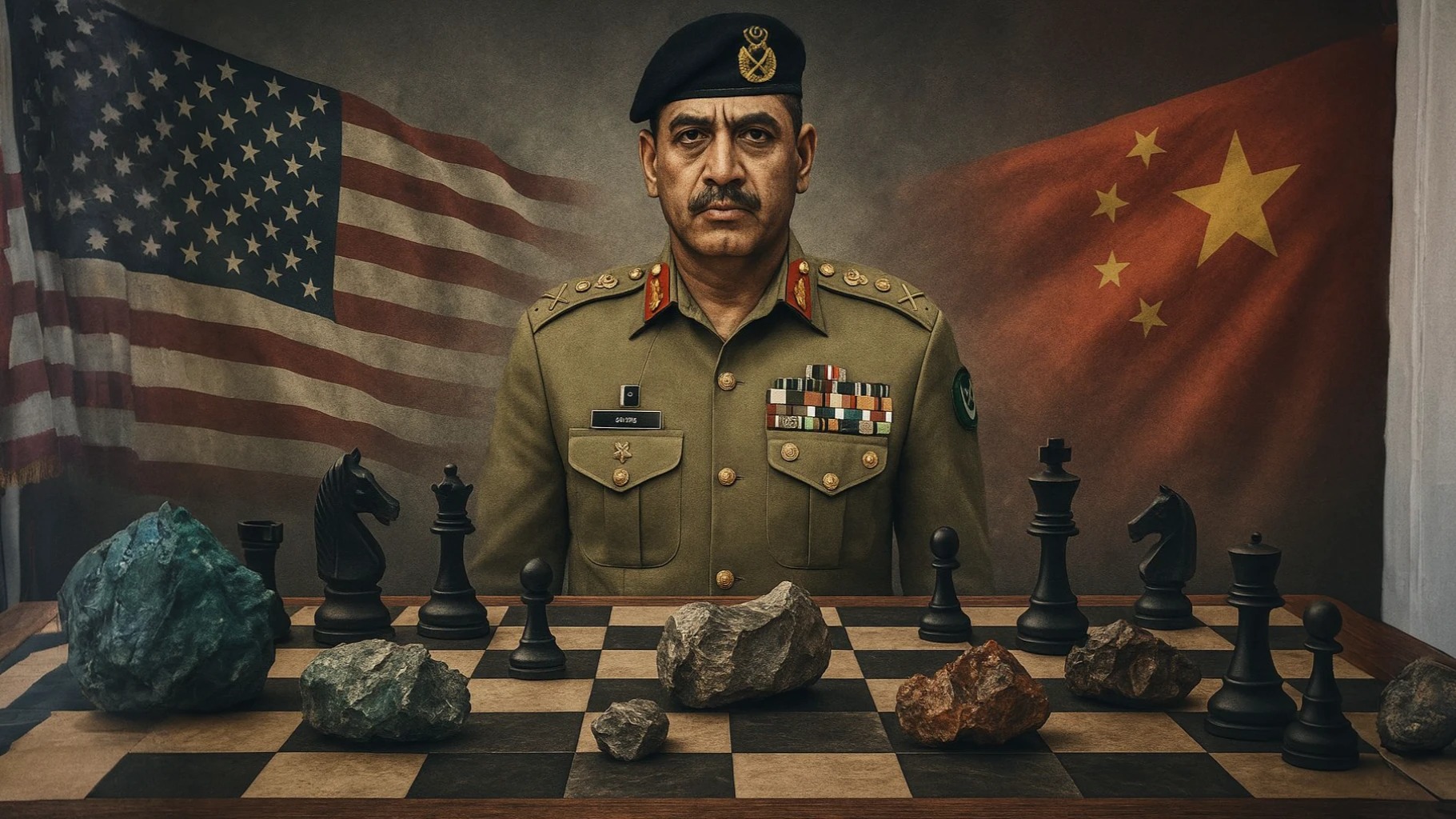
No responsible analysis should dismiss Pakistan’s security threats. The country faces militant violence, border instability, and a hostile relationship with India. Islamabad also operates in a region shaped by Afghanistan’s uncertainty, Iran-related volatility, and great-power competition.
Still, the presence of threats does not end the debate. It should sharpen it.
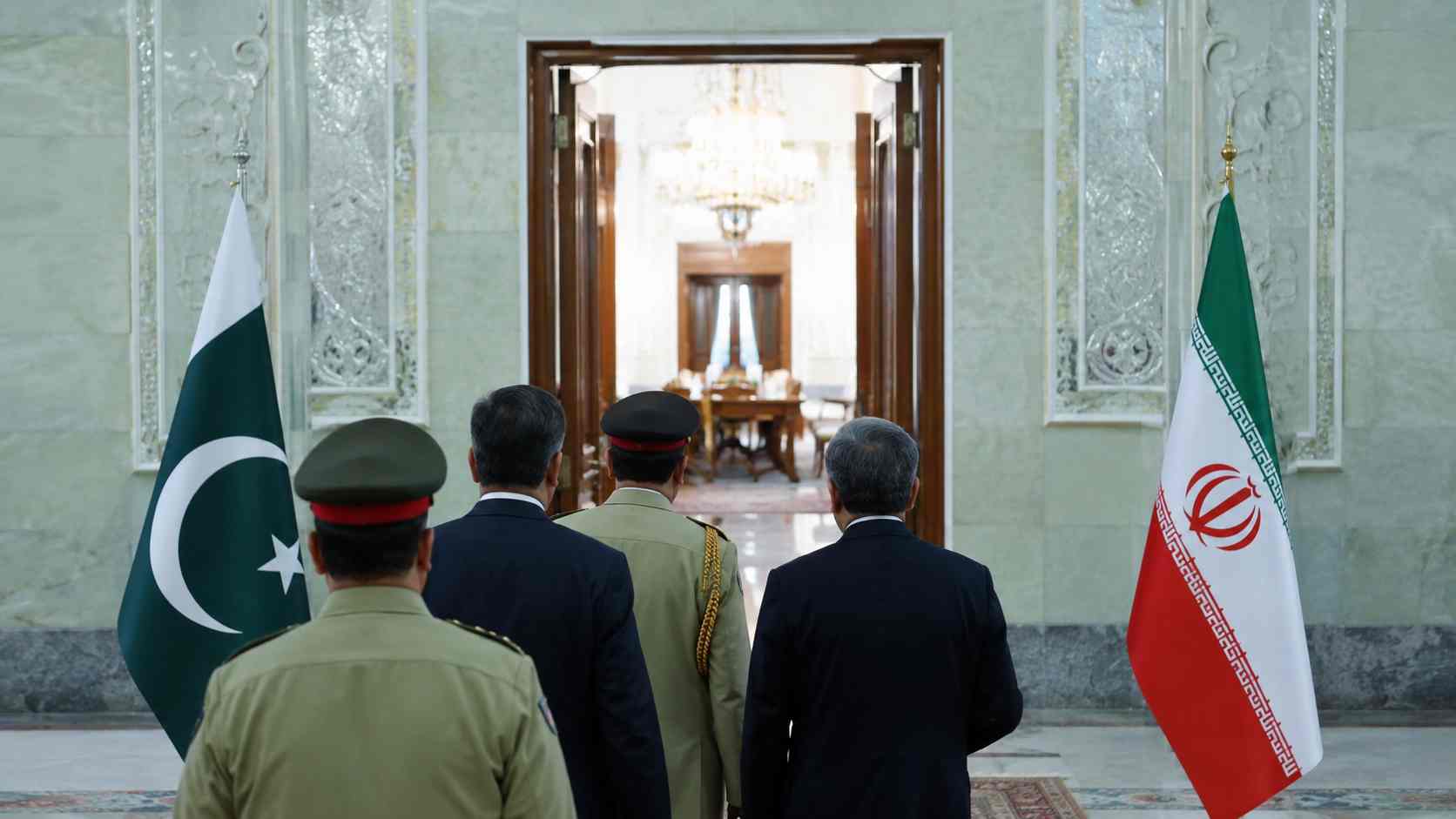
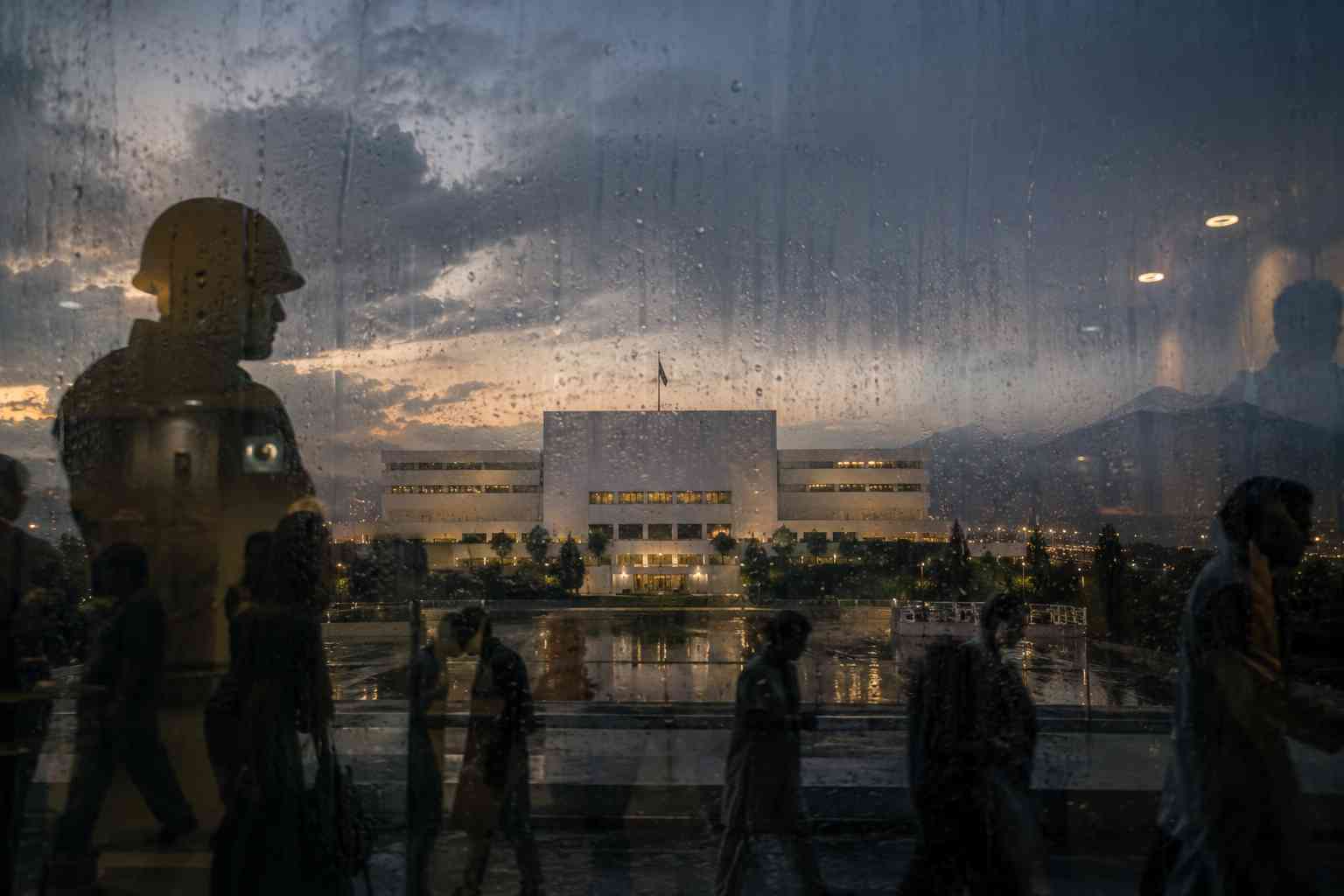
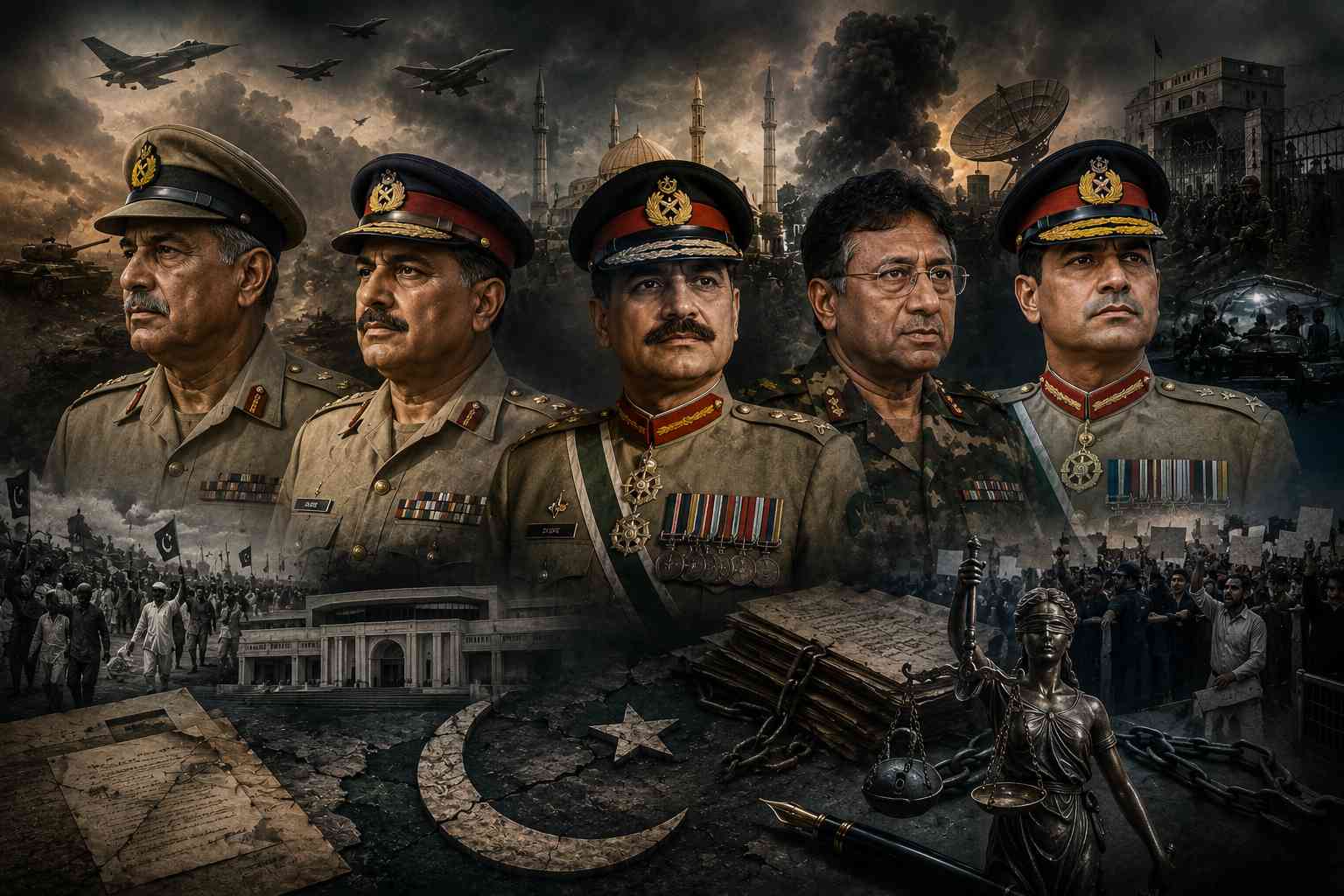
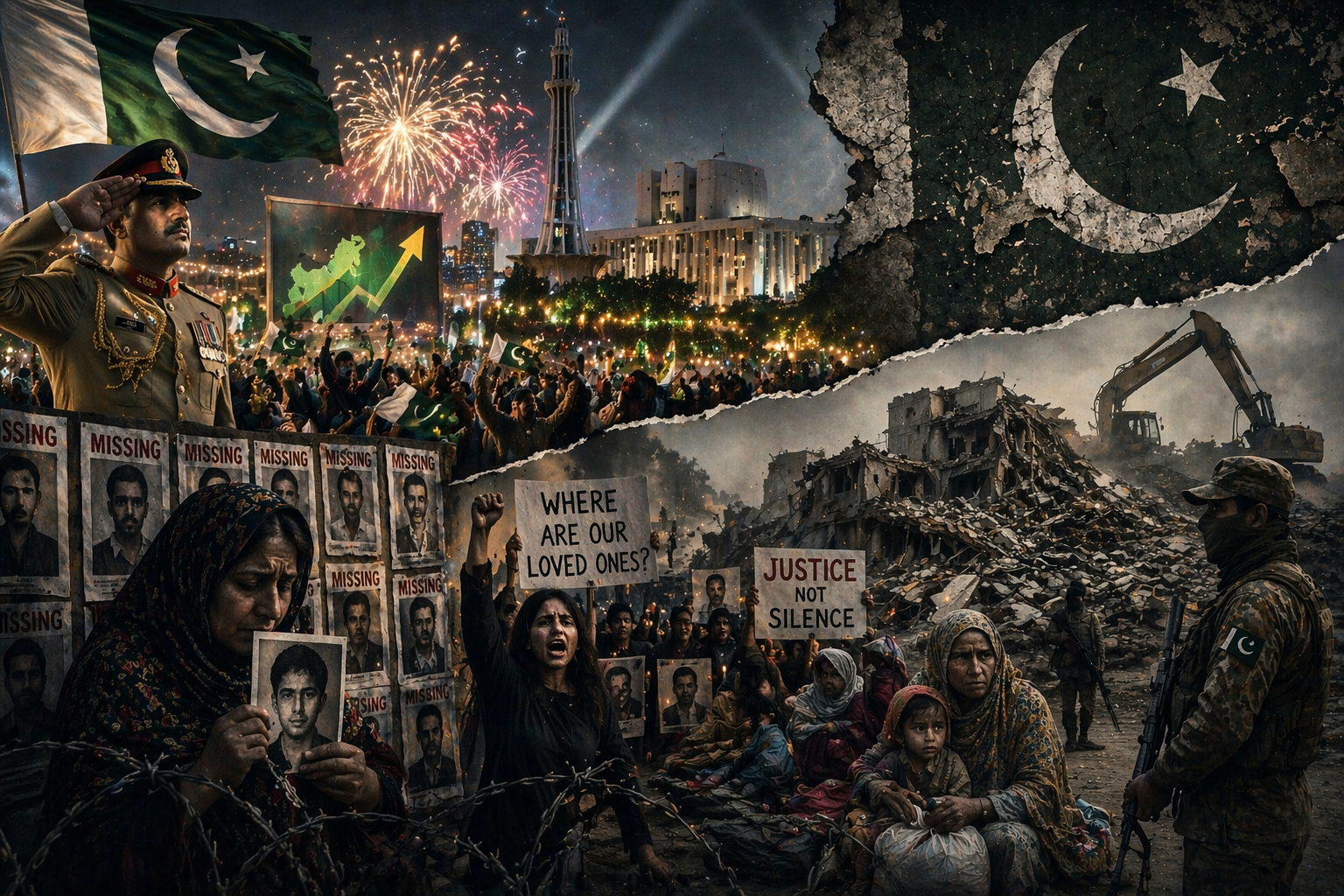
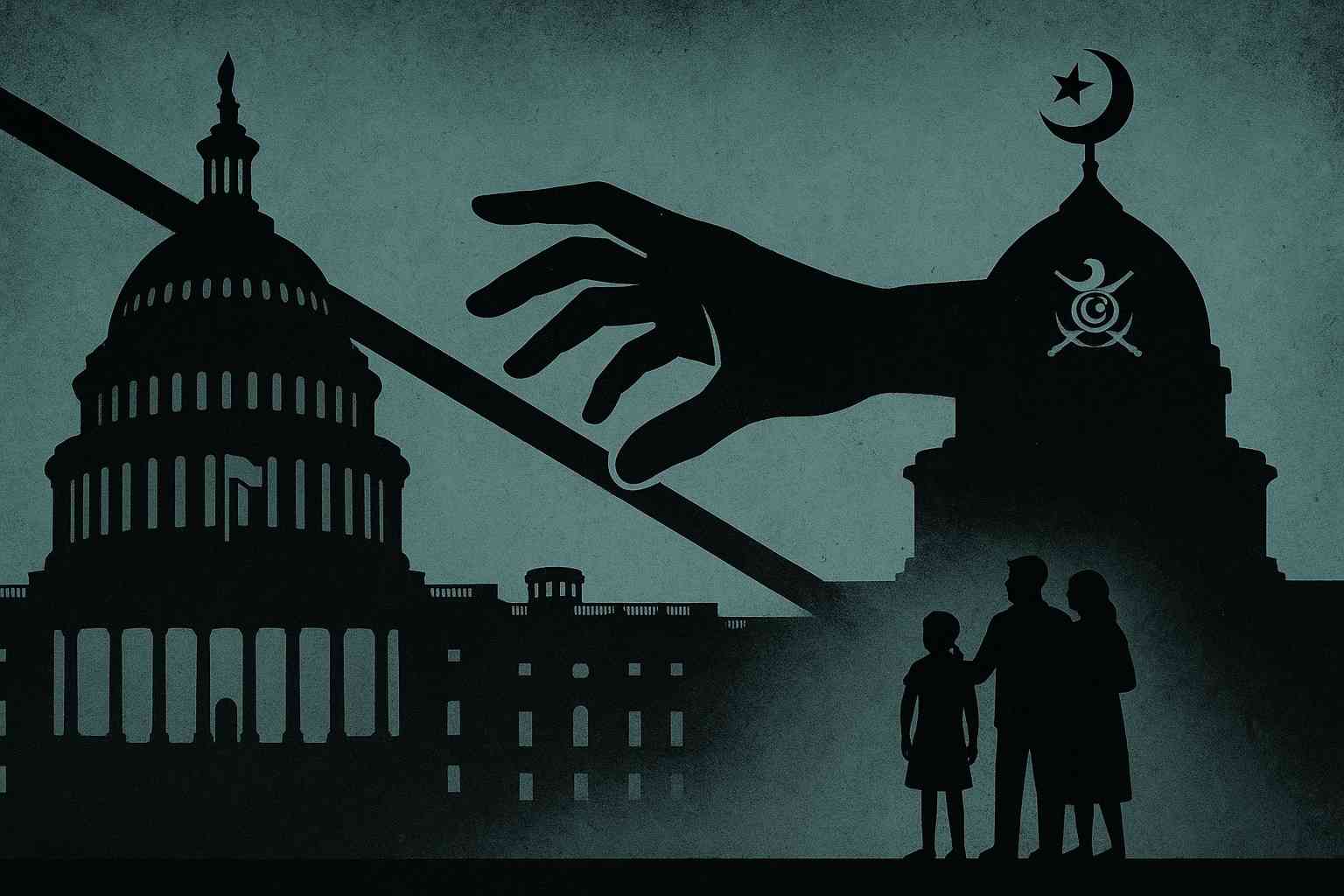
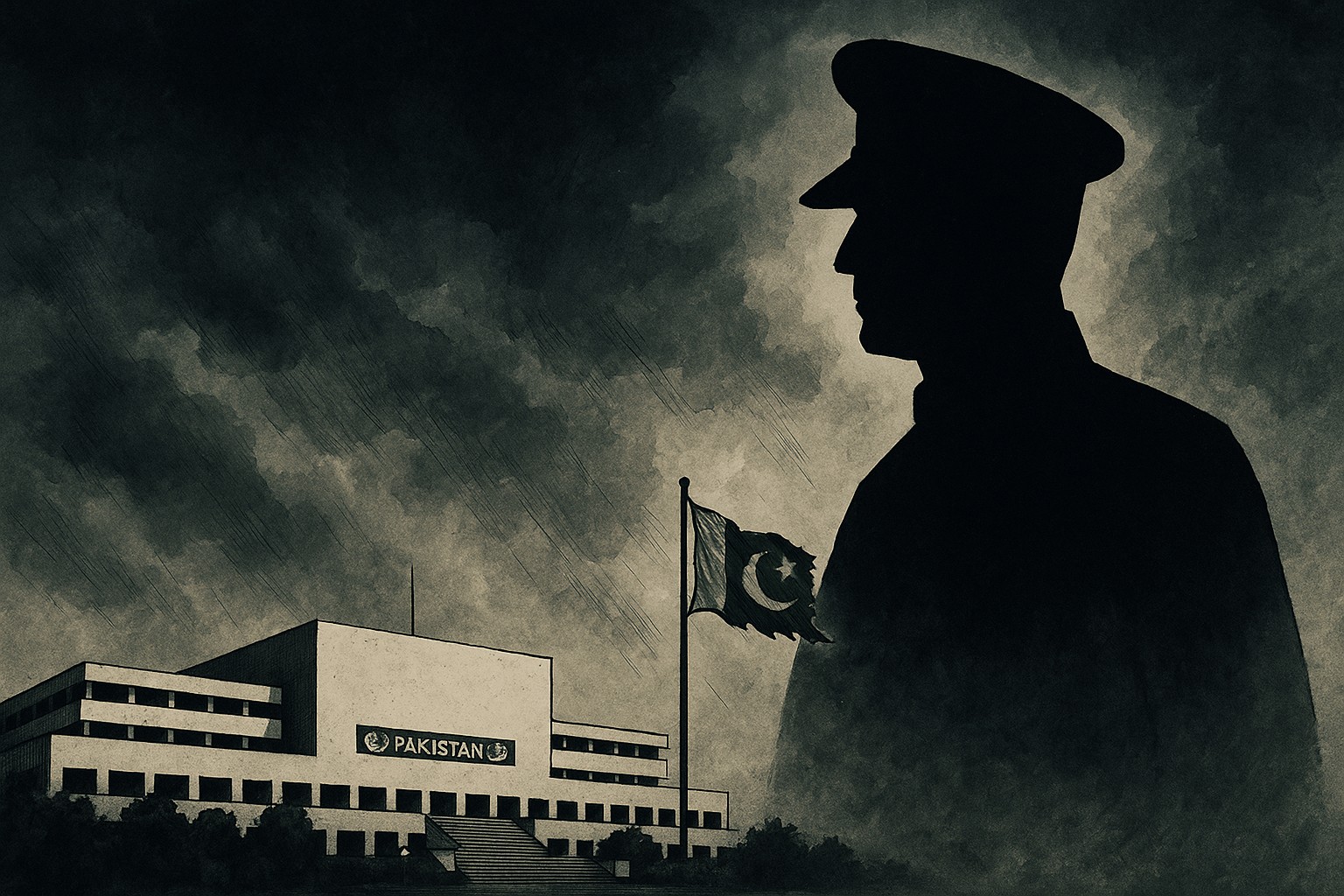
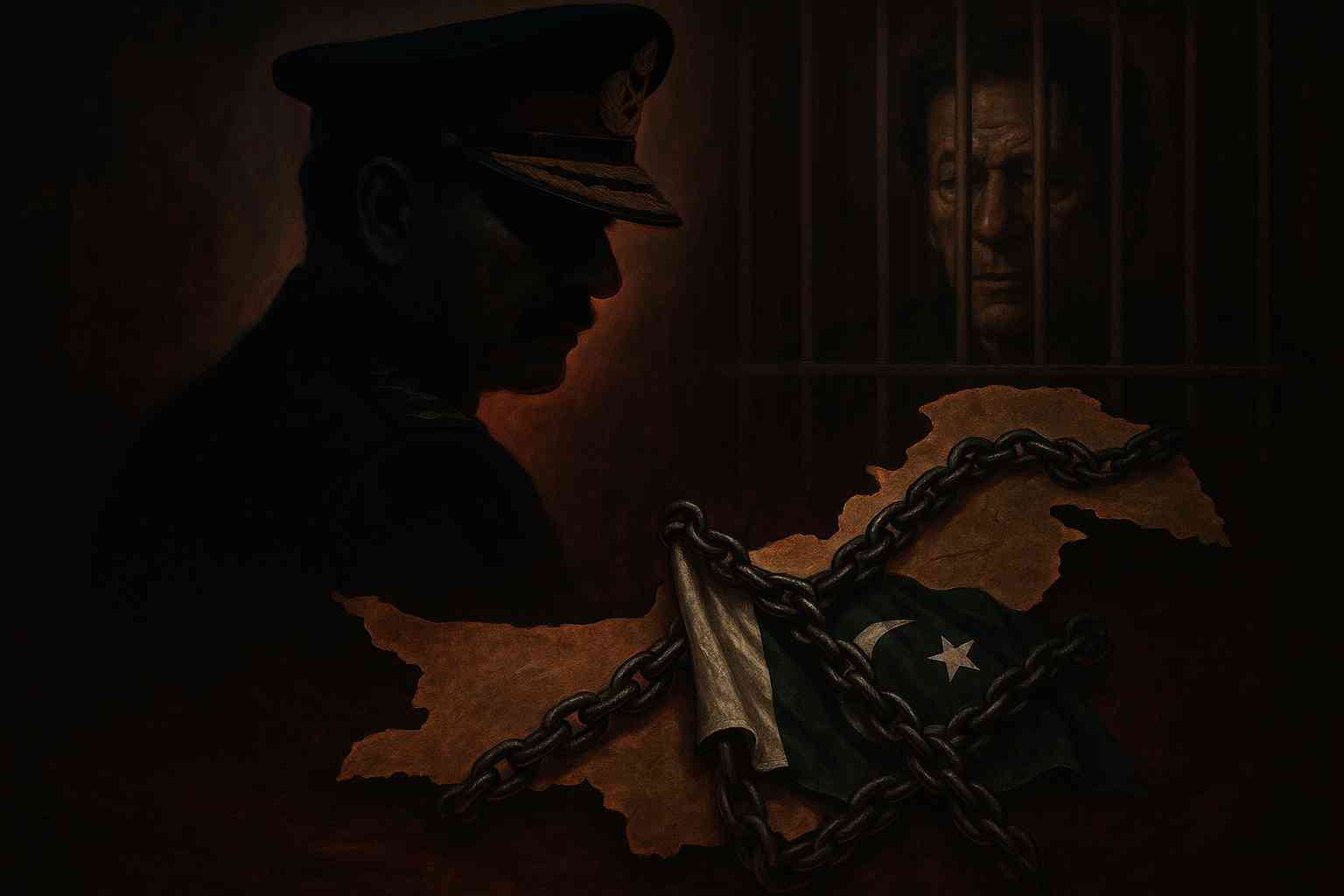
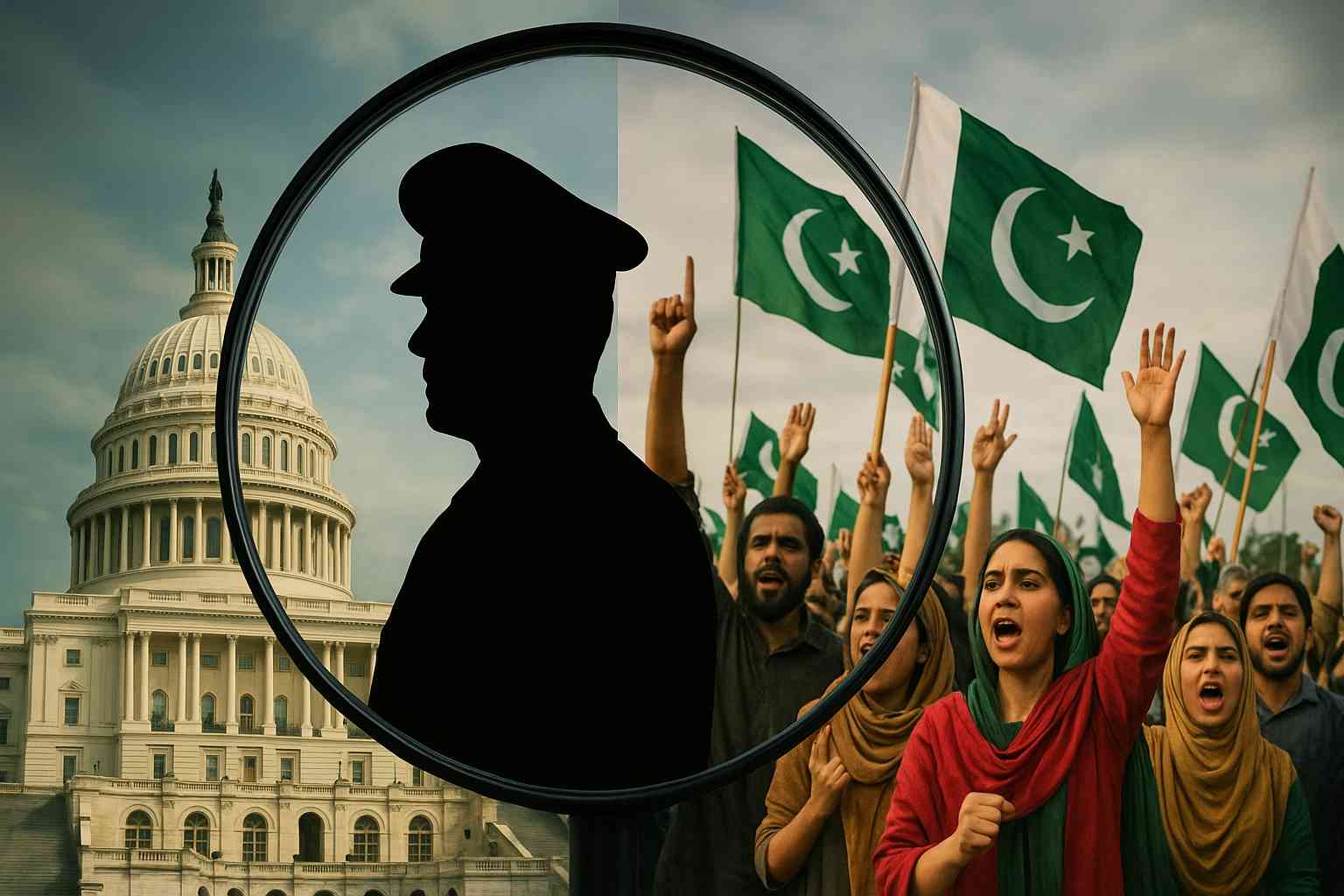
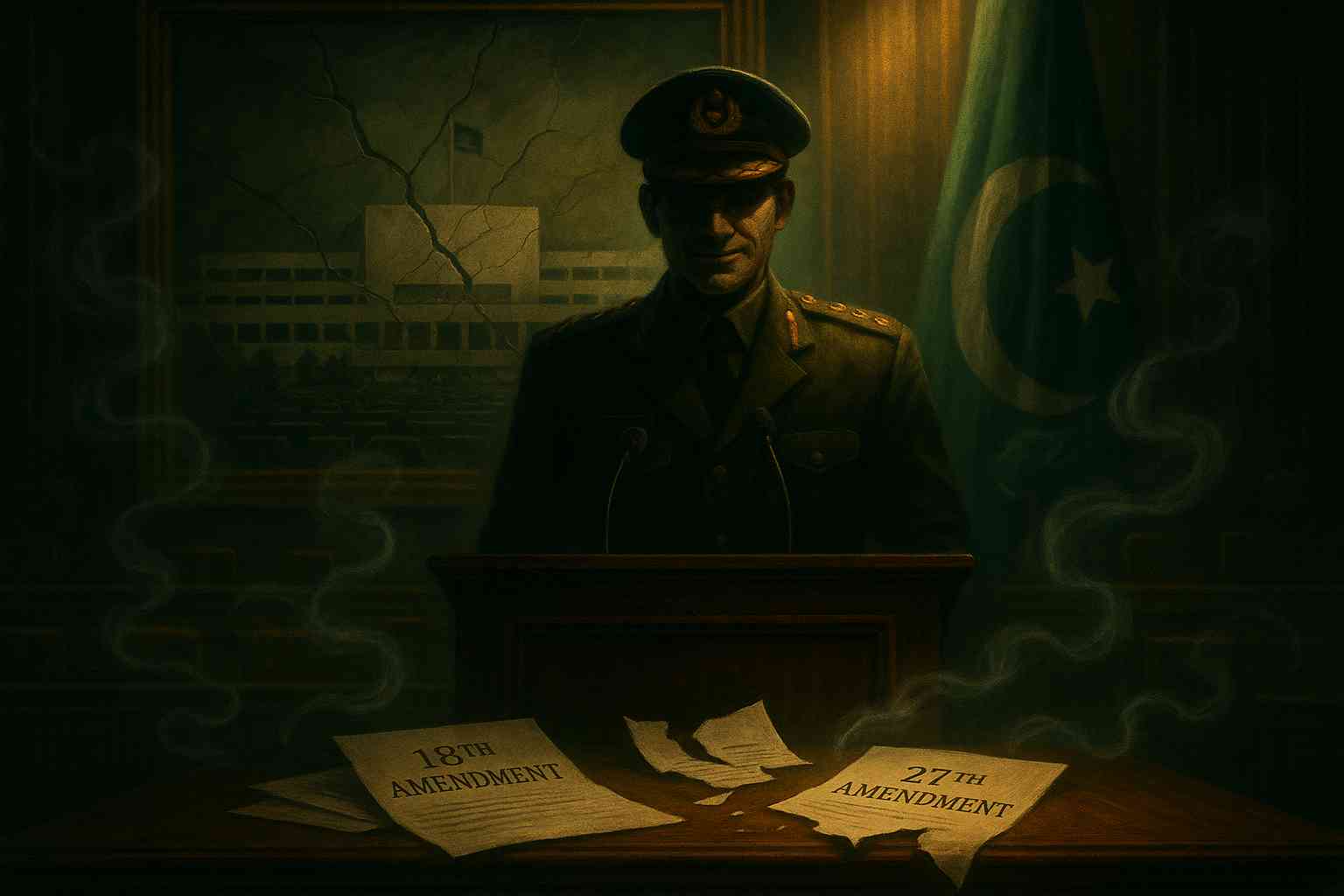
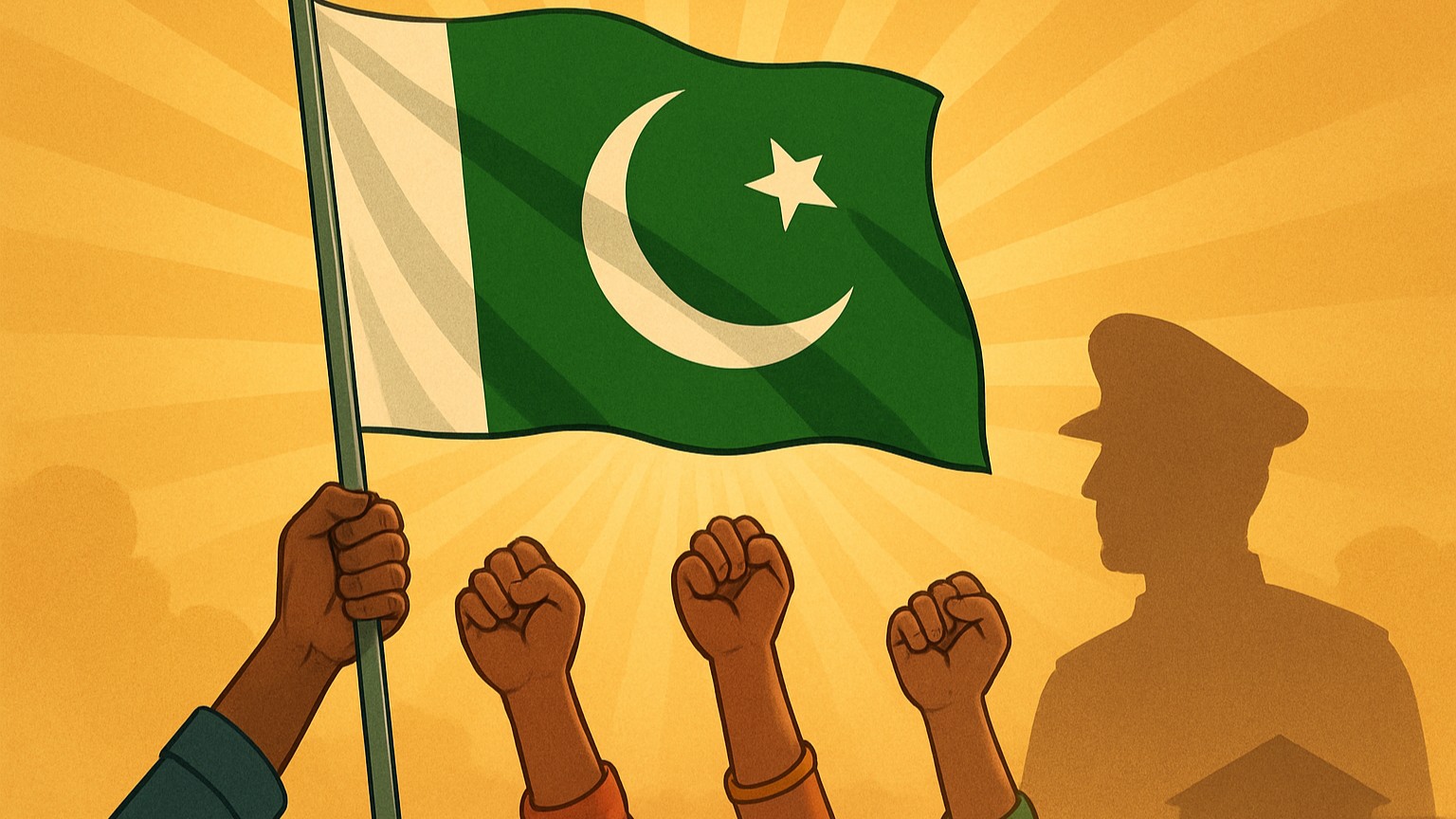
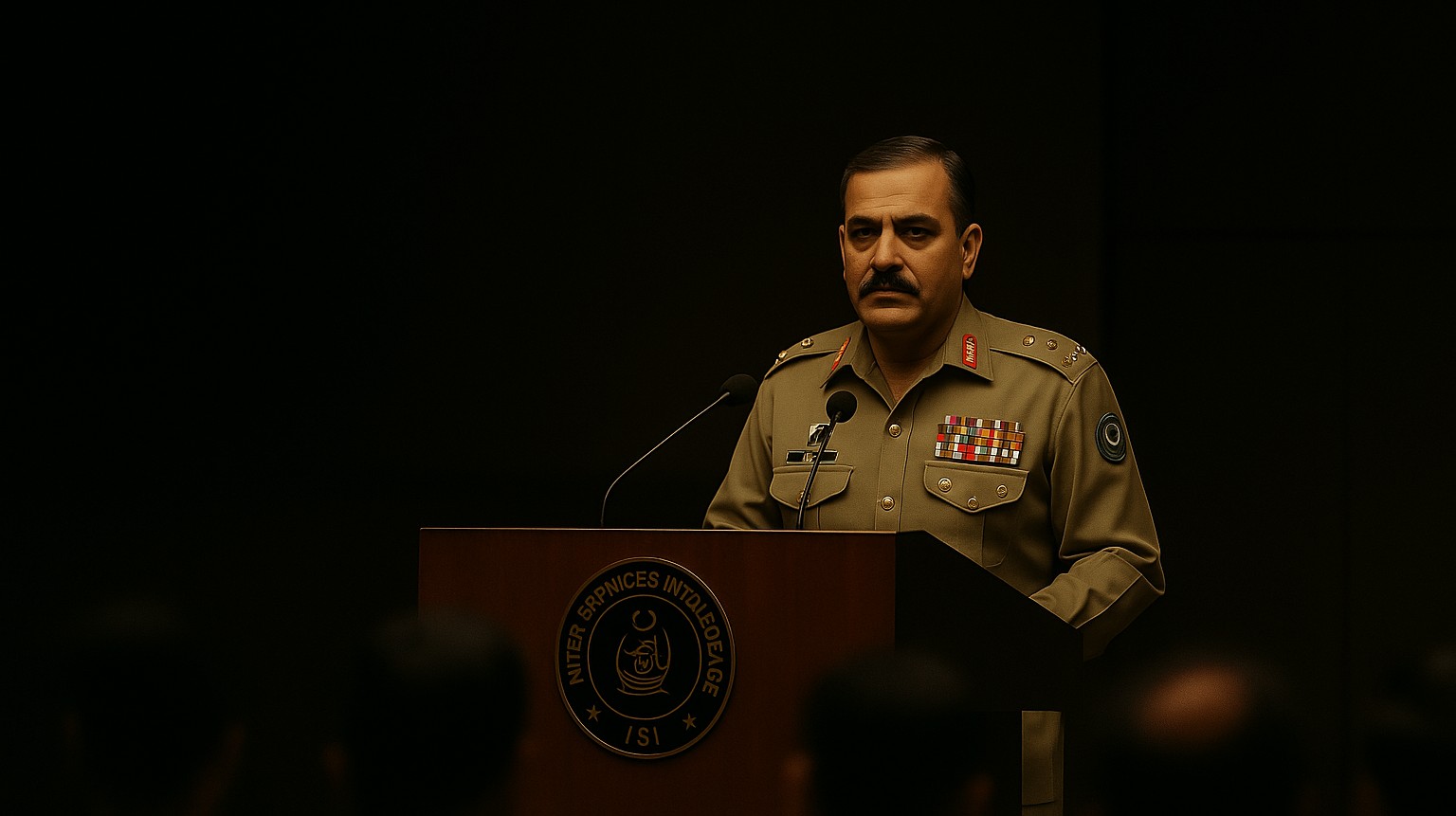
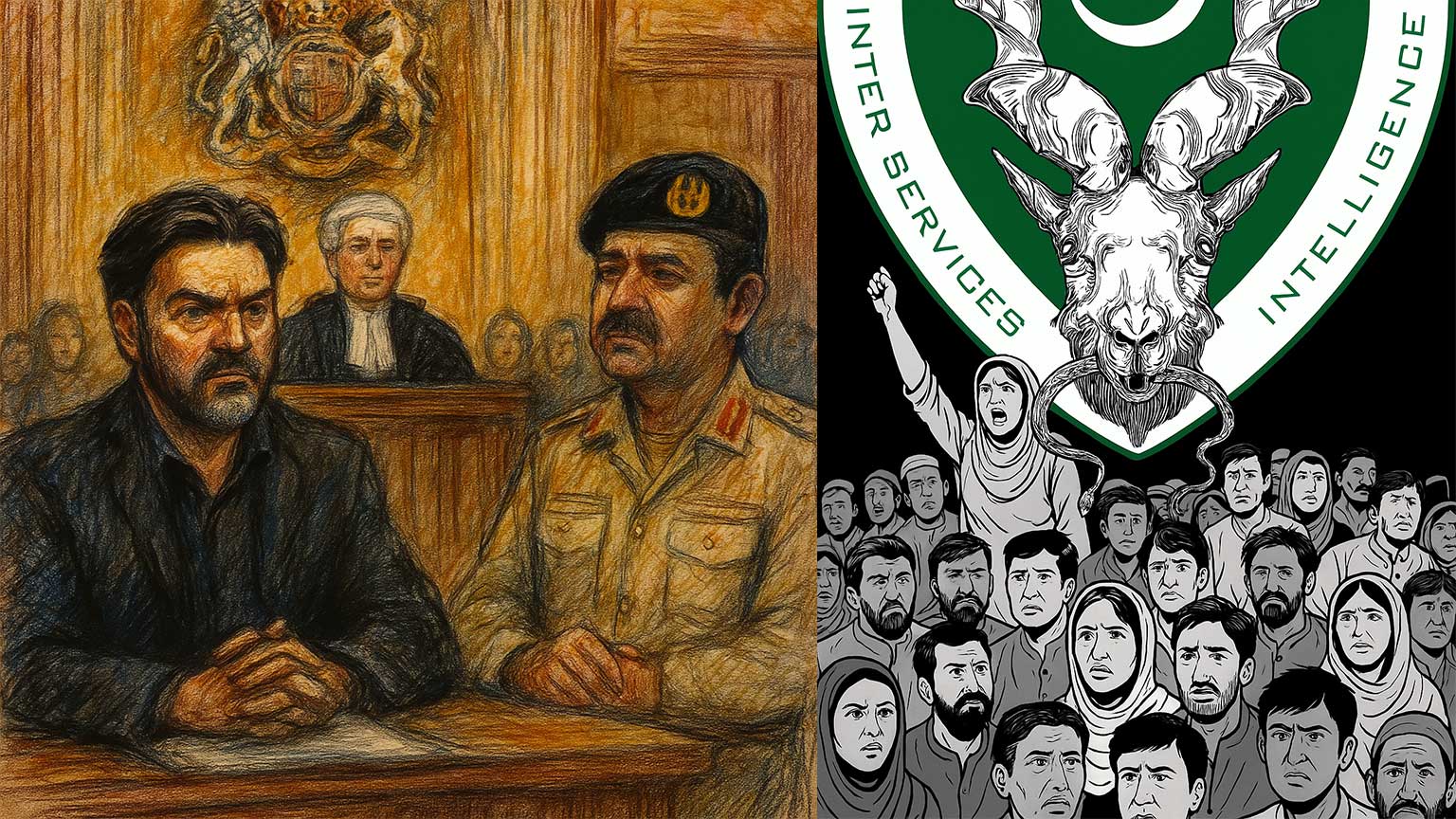
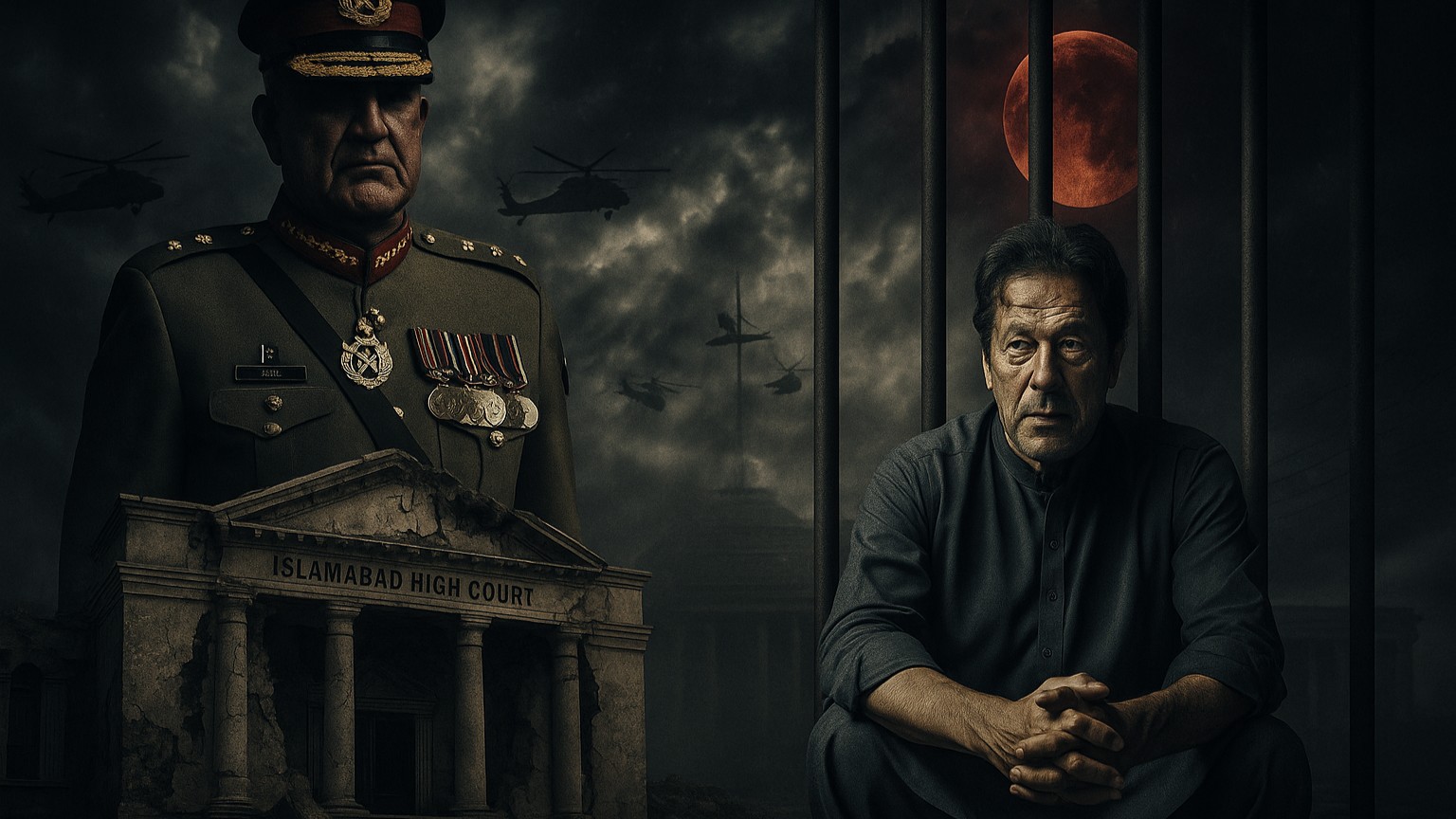
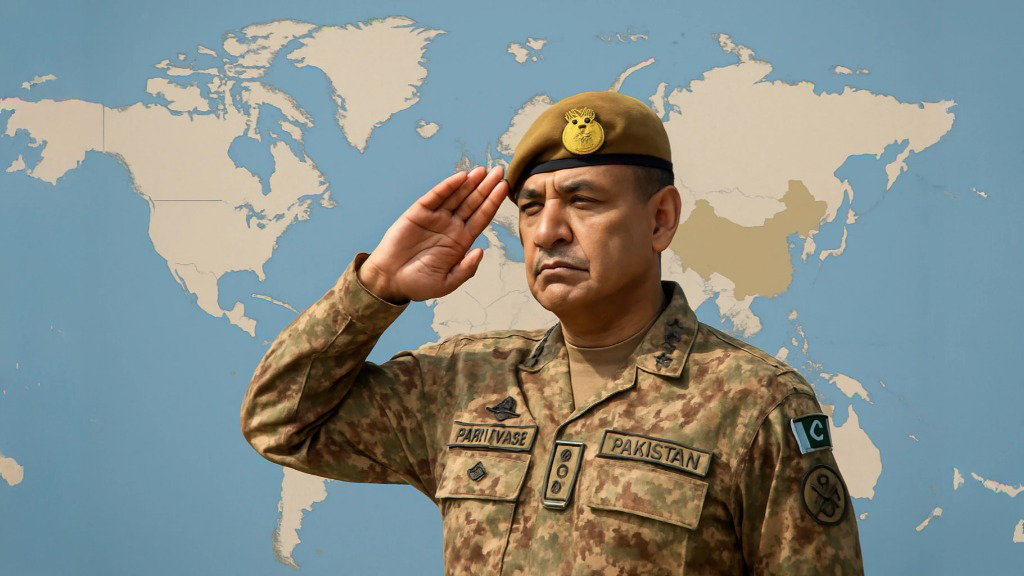
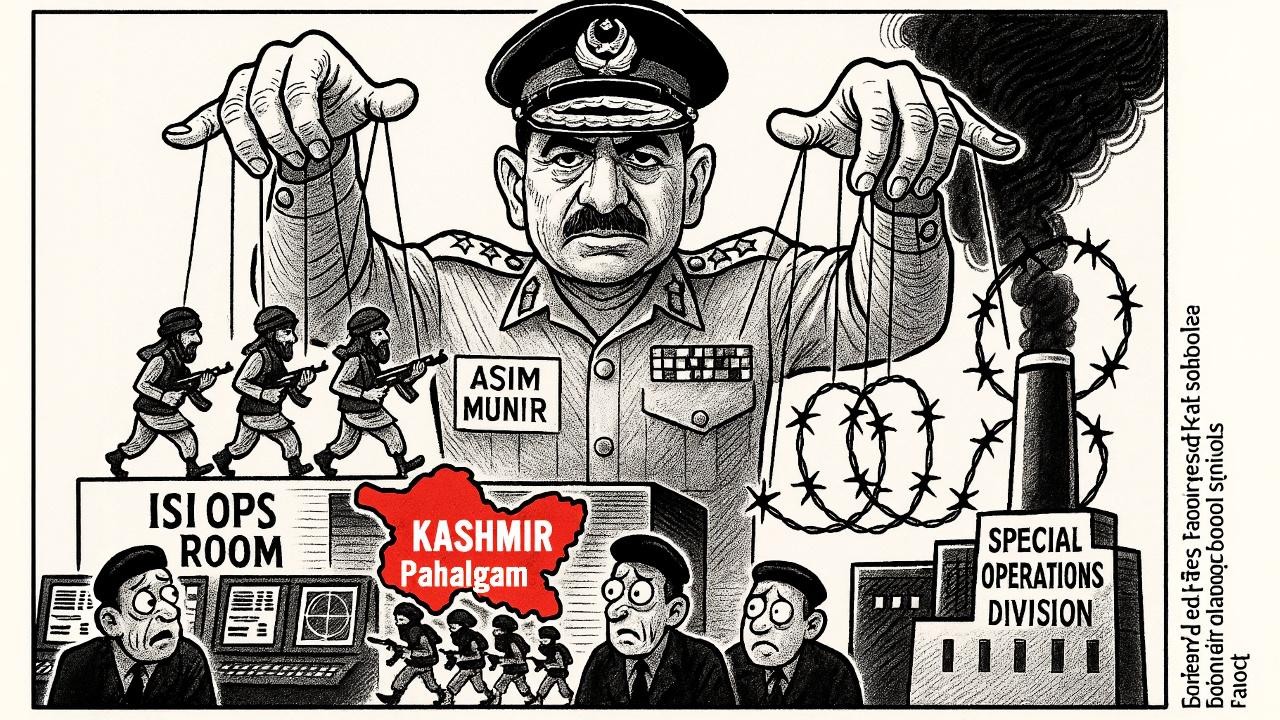
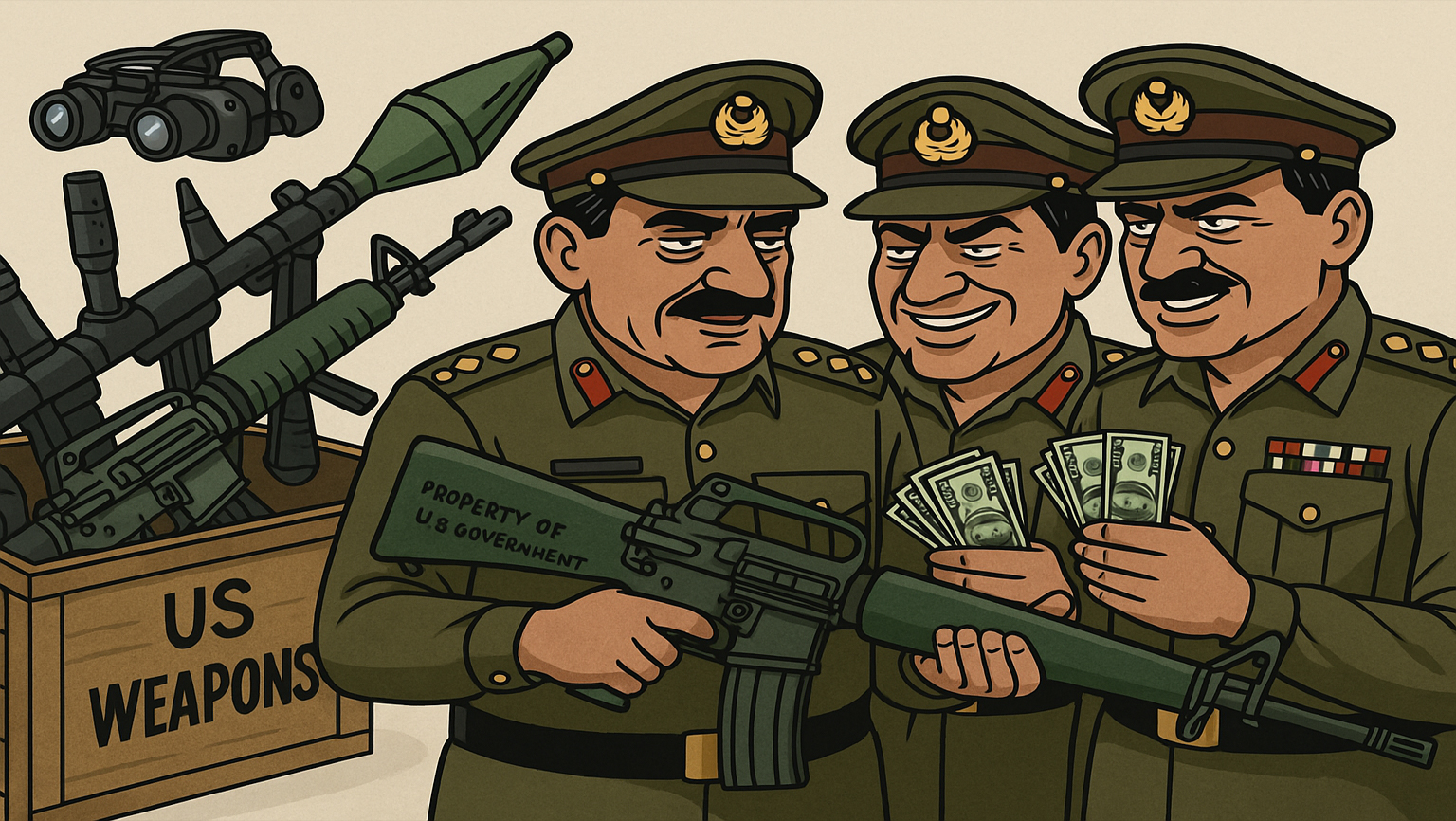
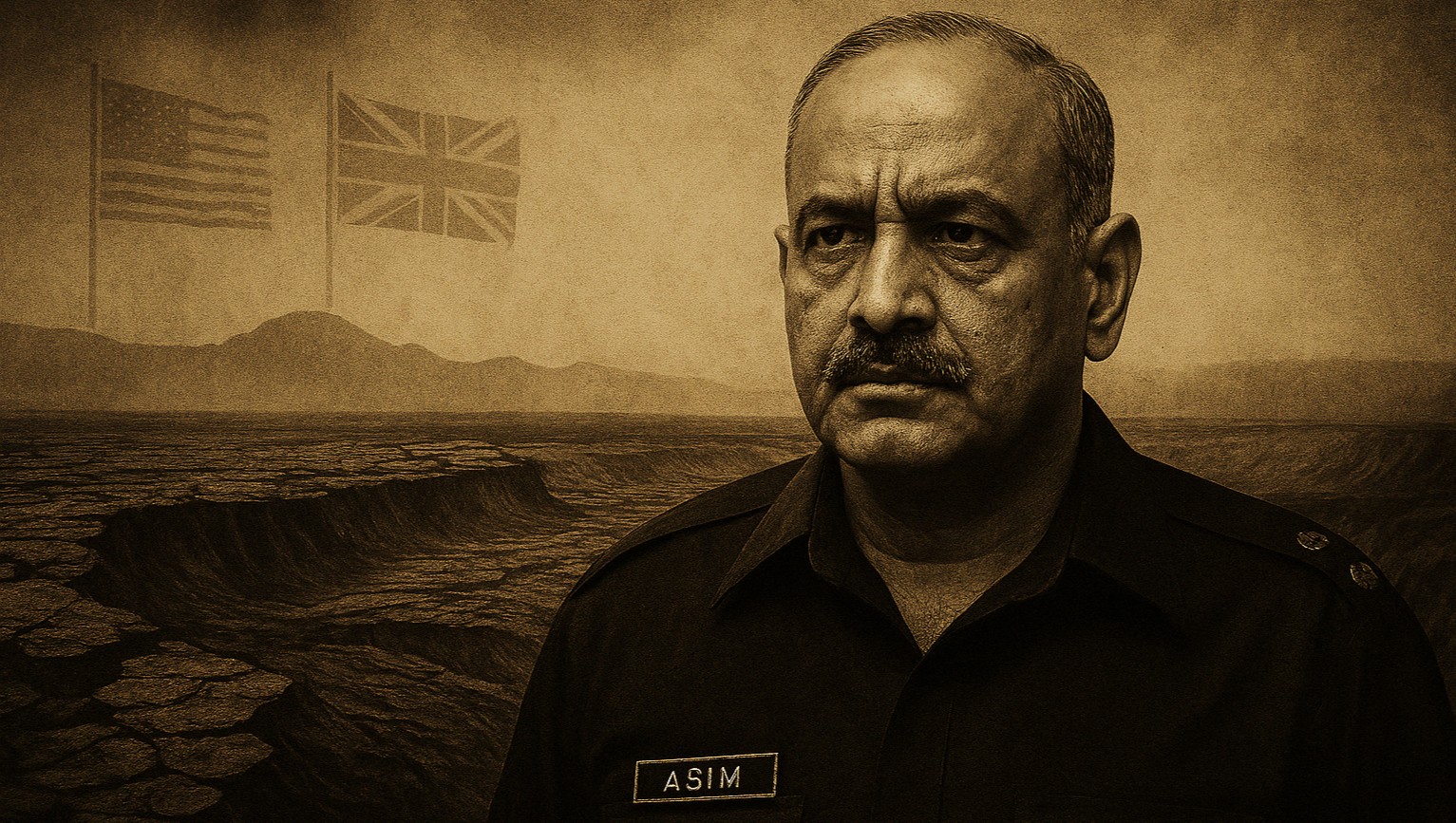
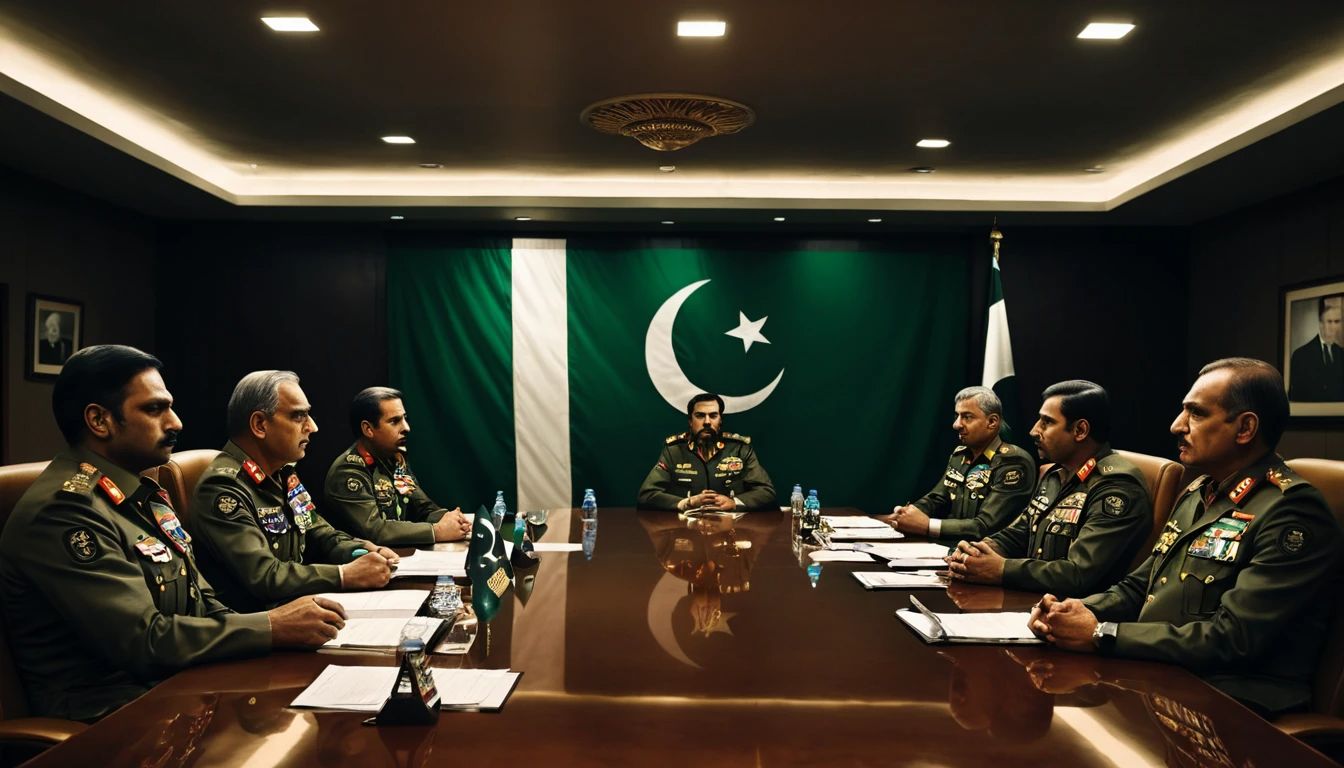
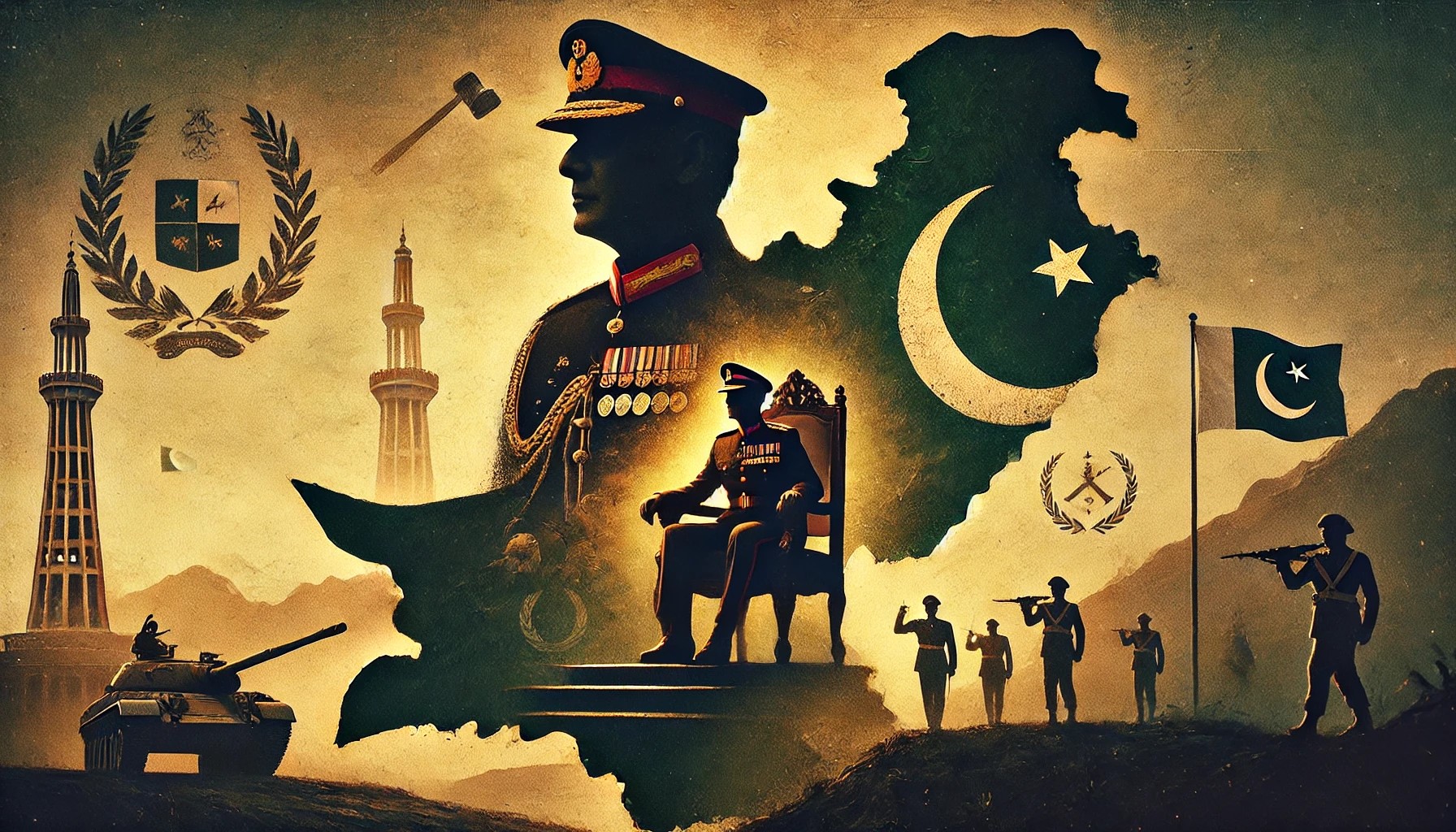
Defence spending in Pakistan is not only about external security. It sits inside a broader civil-military order. That order gives the security establishment commanding influence over strategic policy, public narratives, institutional boundaries, and often the limits of civilian decision-making.
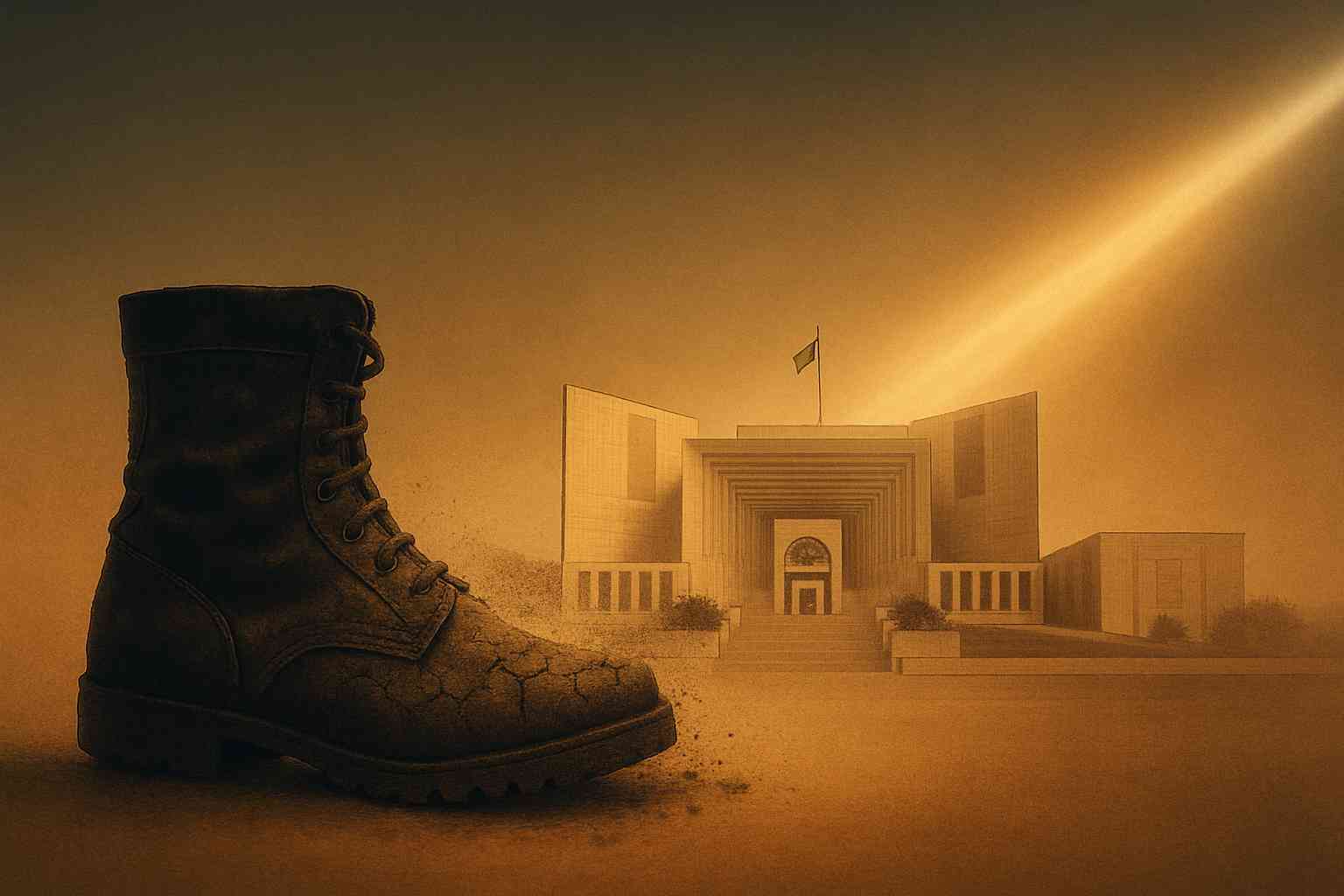
The Pakistan defence budget 2026 therefore matters because it shows continuity. Even under IMF oversight, the state protects coercive capacity more reliably than public capacity. It funds security more confidently than justice, education, local governance, or economic dignity.
This is not merely an accounting choice. It is a governing philosophy.
A Civilian Government With Narrow Room
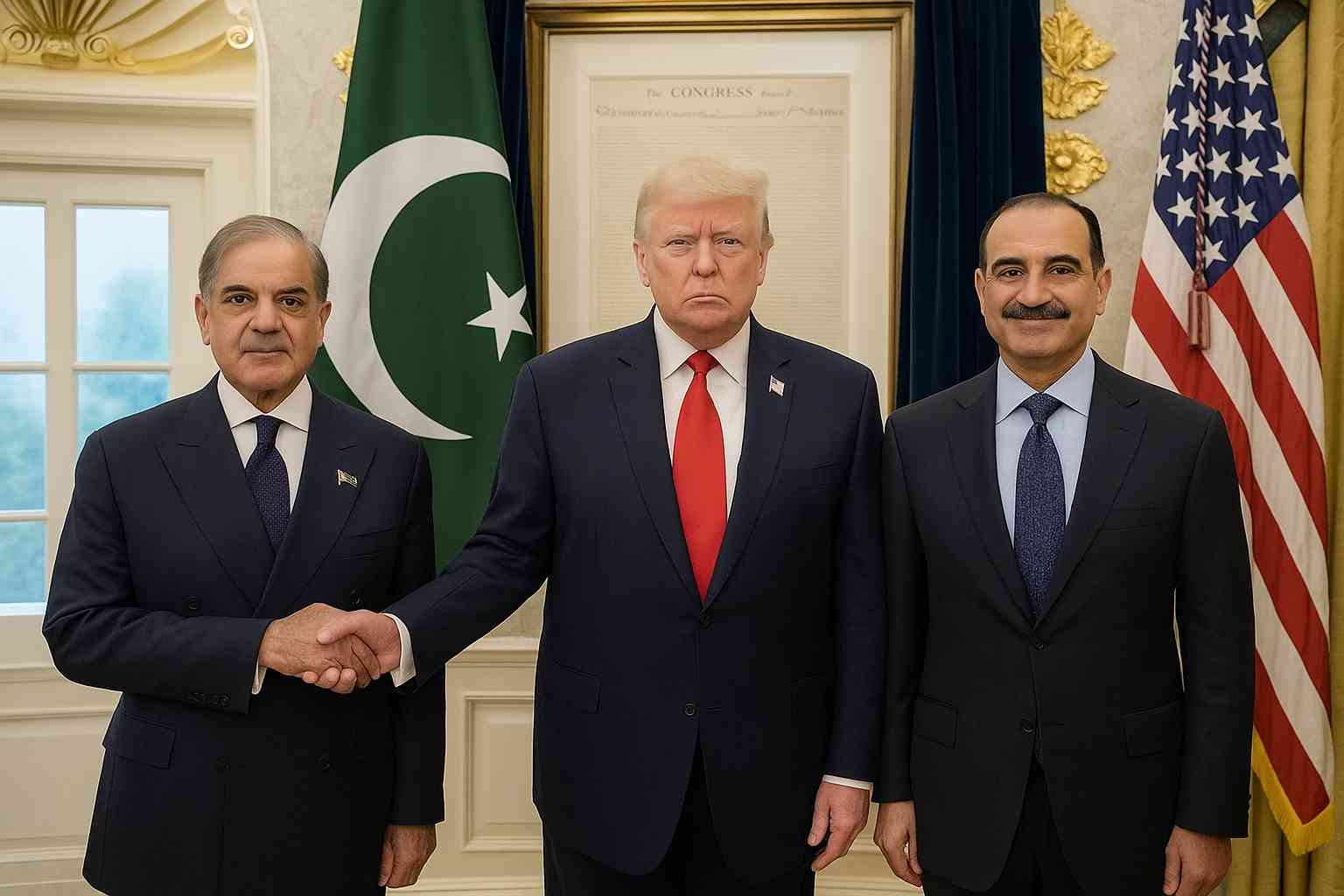
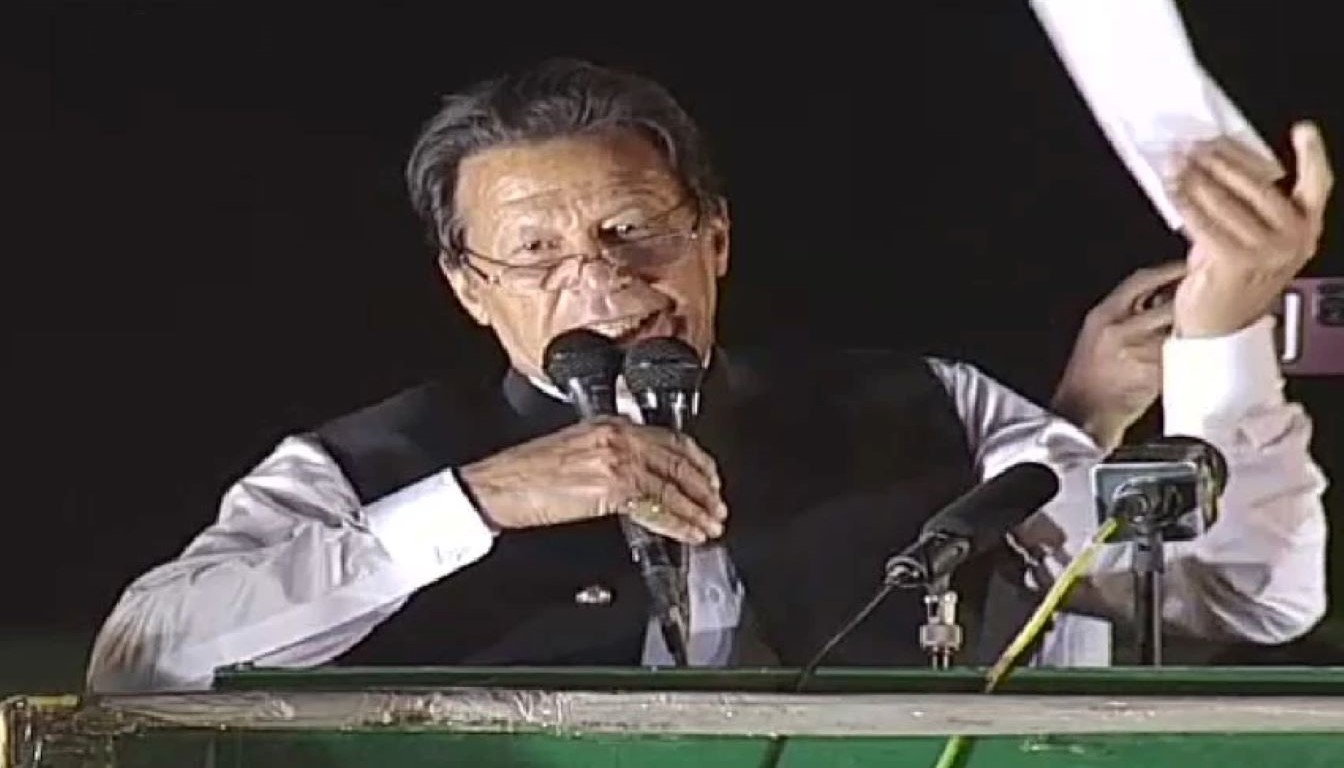
Prime Minister Shehbaz Sharif’s government has little room to manoeuvre. It needs IMF support, external financing, market confidence, and political stability. It also governs under the shadow of a powerful establishment and a fragmented political environment.
That makes the budget revealing. The civilian government must sell fiscal restraint to the public while defending a major rise in defence spending. It must promise reform while leaving the most powerful structures largely untouched. It must speak the language of sacrifice without showing that sacrifice equally across the state.
This pattern has damaged public trust for years. Citizens hear that Pakistan must tighten its belt. They then see the same protected sectors remain protected.
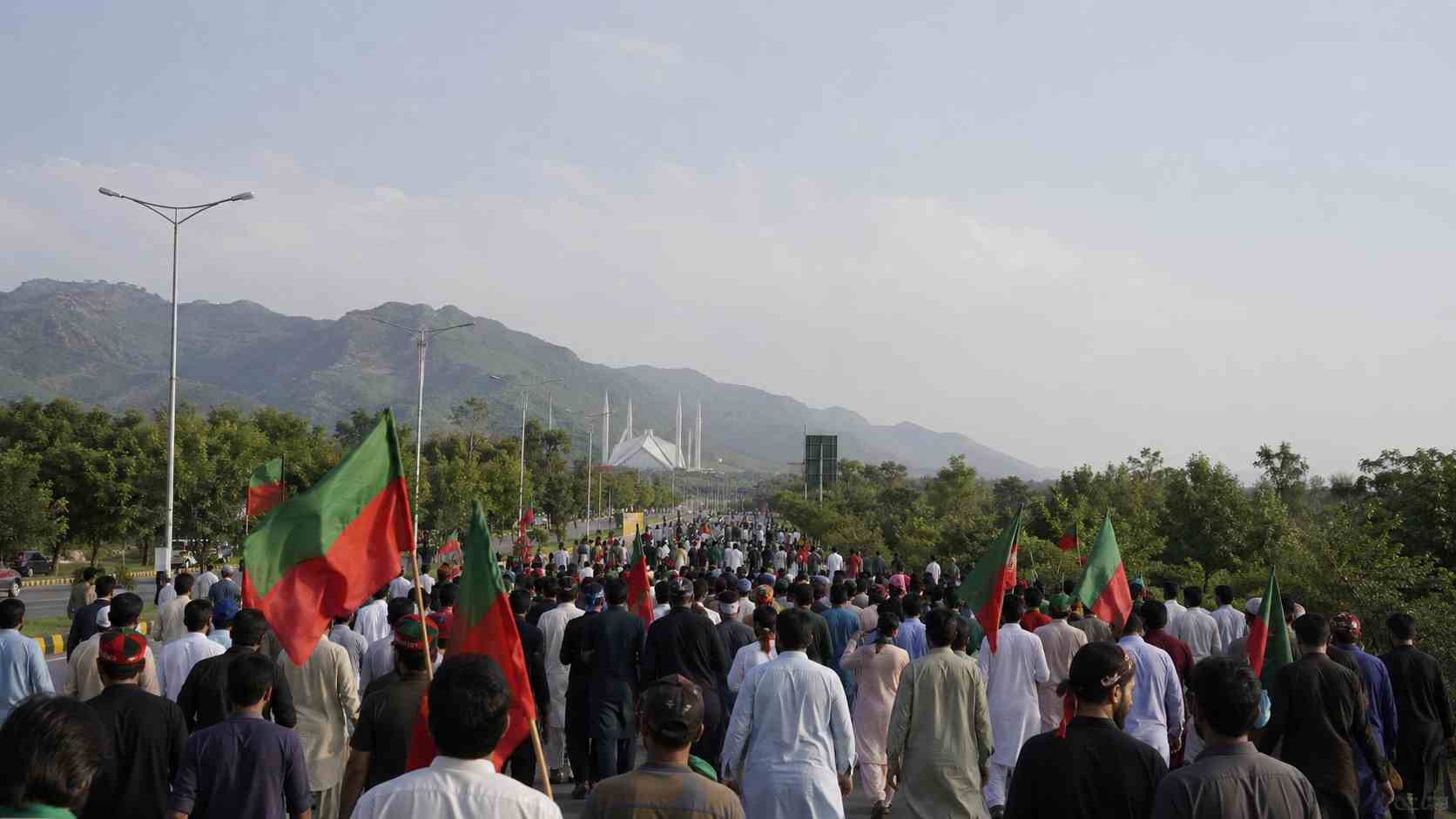
The result is not just anger. It is institutional disbelief.
The Missing Democratic Debate
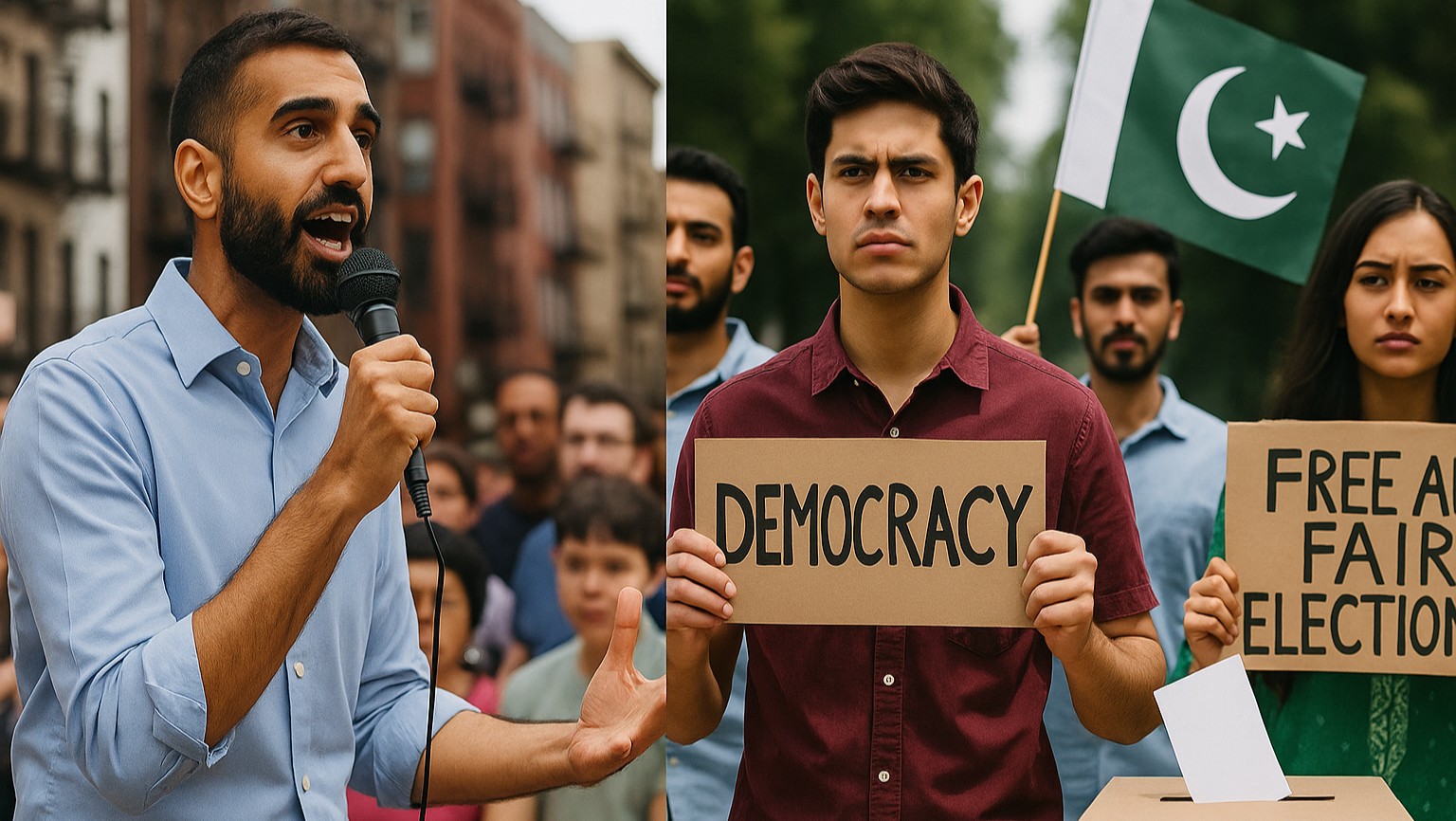
A healthy democracy can fund defence and still scrutinise it. Pakistan’s problem is not that it has a military budget. Every state does. The problem is that defence policy, military spending, and national security doctrine often sit beyond meaningful civilian interrogation.
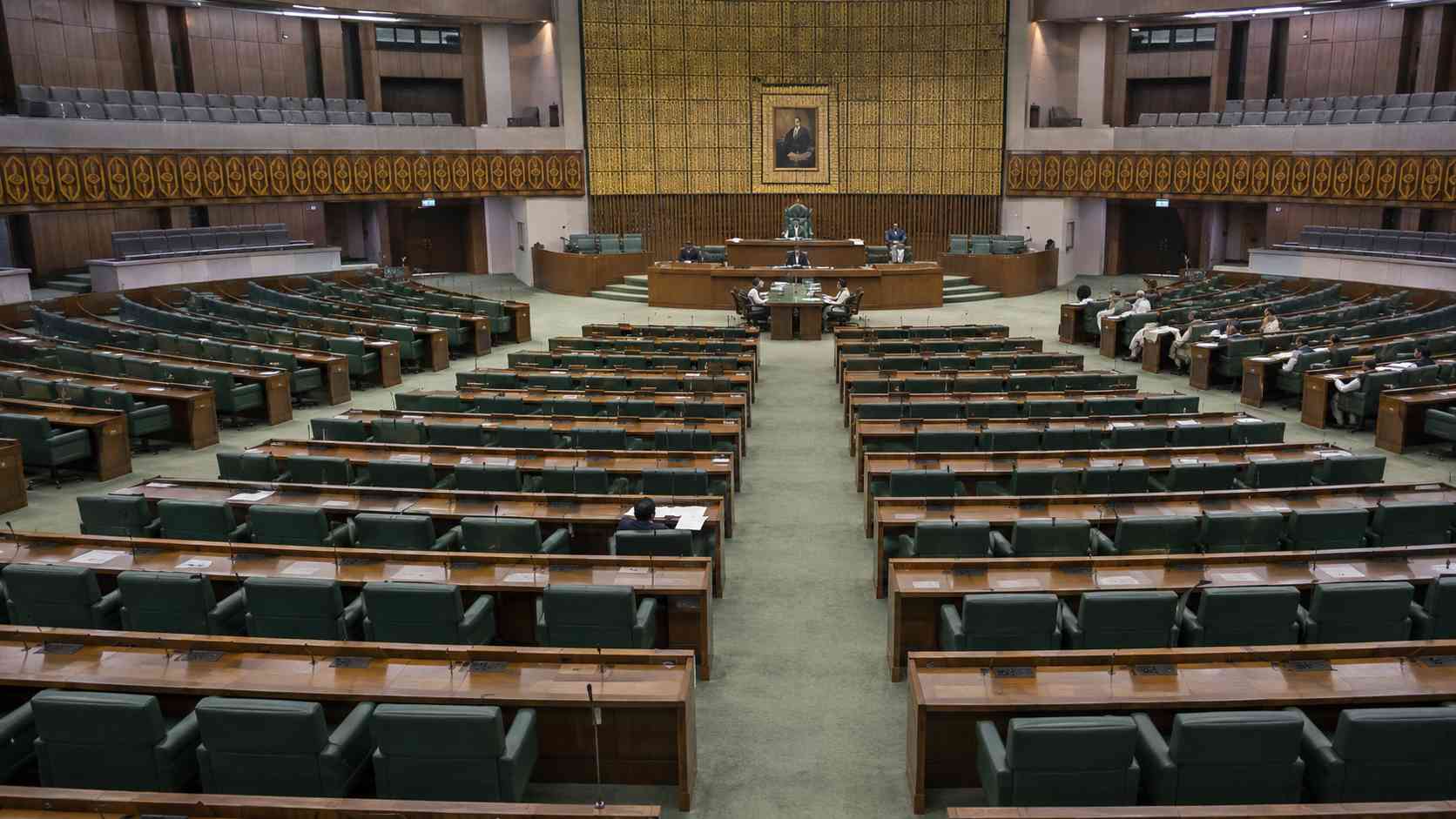
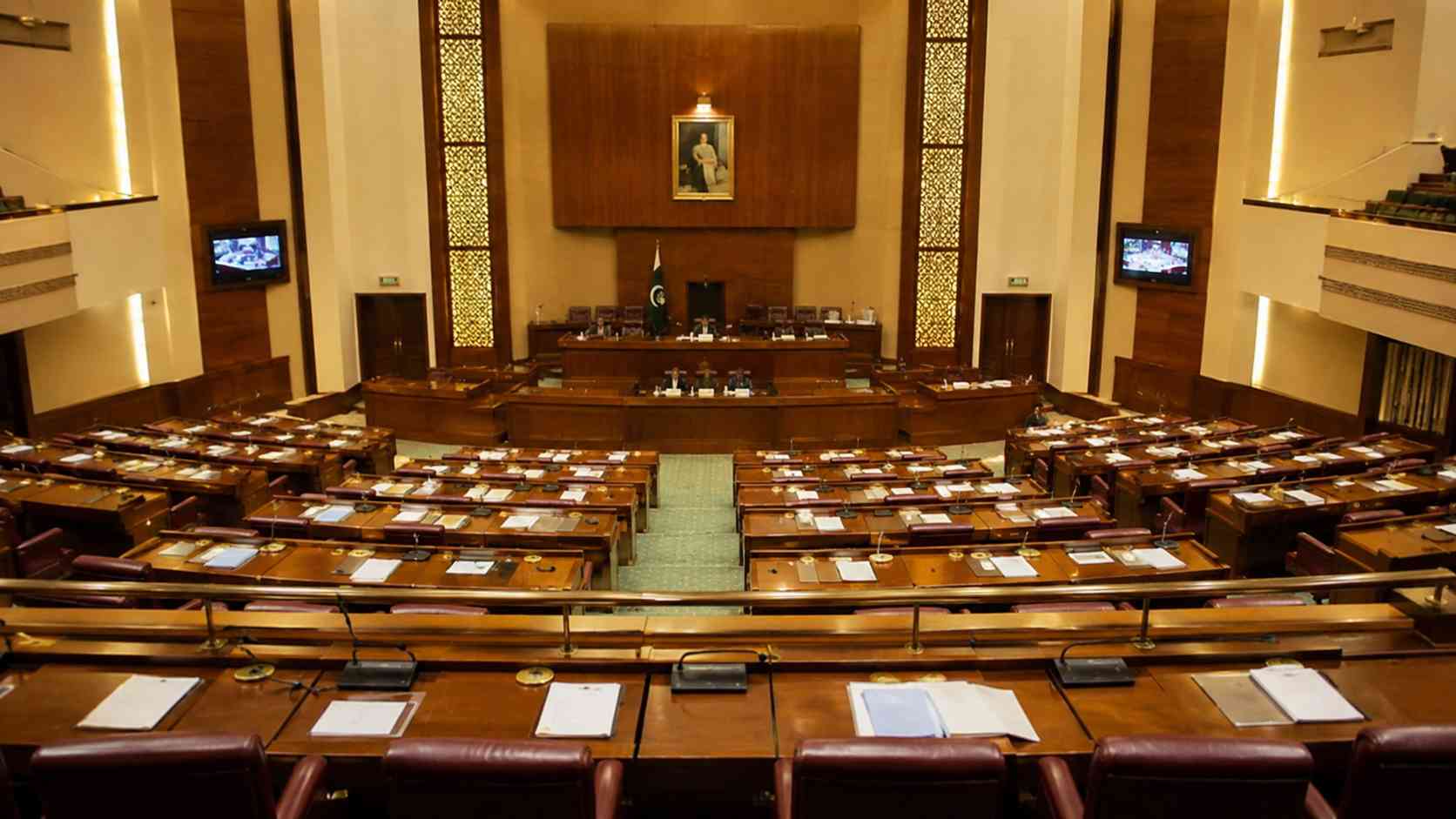
Parliament should be the place where priorities are tested. Lawmakers should ask how allocations match threats, what trade-offs citizens are making, and how security spending supports a broader national strategy. That debate should not be treated as disloyalty.
In Pakistan, however, national security often becomes a shield against accountability. Once a spending demand enters that category, the civilian political class usually retreats.
That retreat has consequences. It narrows democratic sovereignty. It also leaves citizens with budgets they are asked to fund but not truly invited to shape.
What the Budget Really Says
The Pakistan defence budget 2026 tells citizens that the state remains organised around security first and society second. It tells lenders that Pakistan will accept reform where reform does not disturb the most powerful domestic interests. It tells political actors that civilian authority still operates within hard boundaries.
The tragedy is that Pakistan needs security. It also needs a state worth securing.
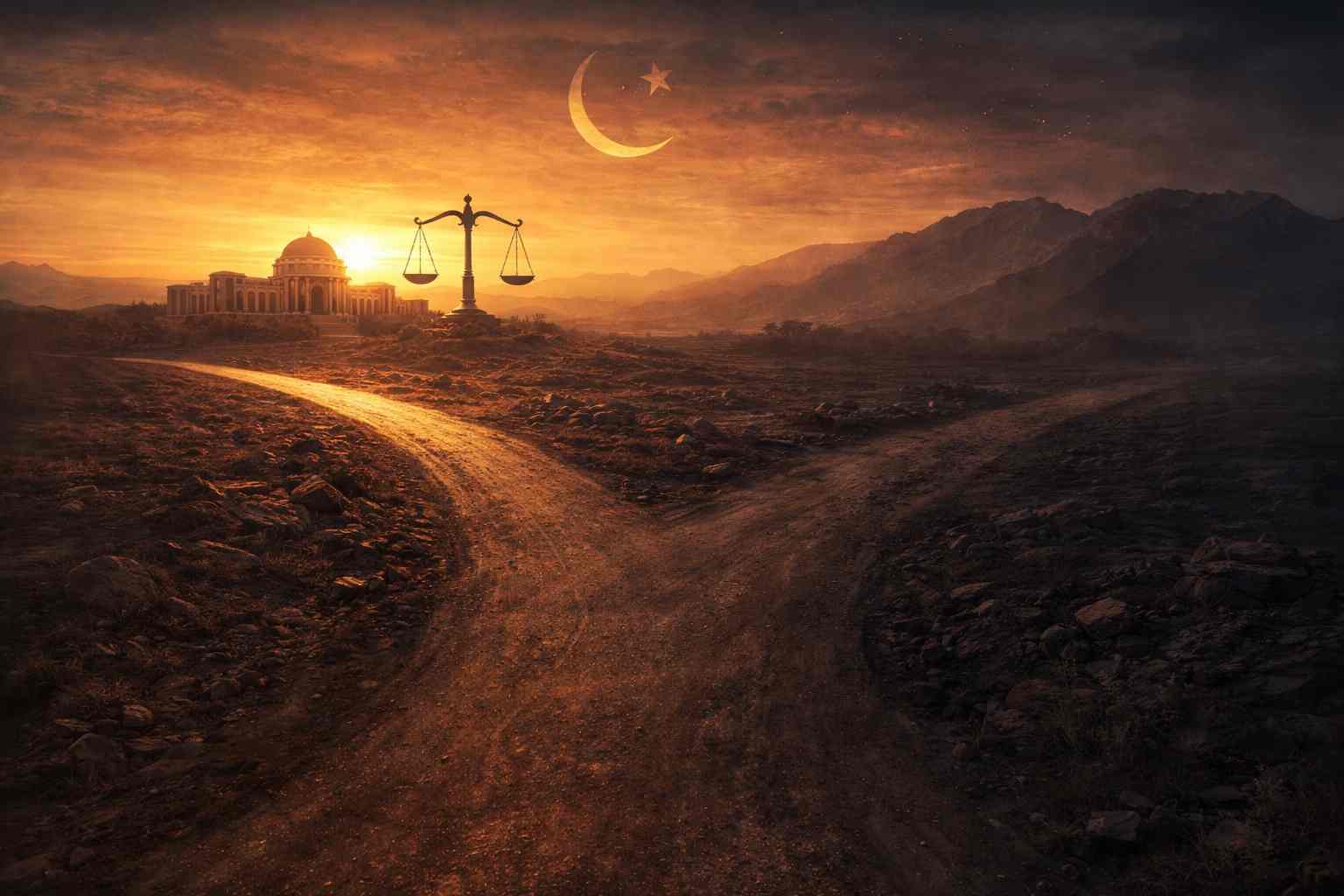
A country cannot build durable stability through military preparedness alone. It needs legitimate courts, credible elections, functioning schools, resilient water systems, affordable energy, and citizens who believe the state serves them.
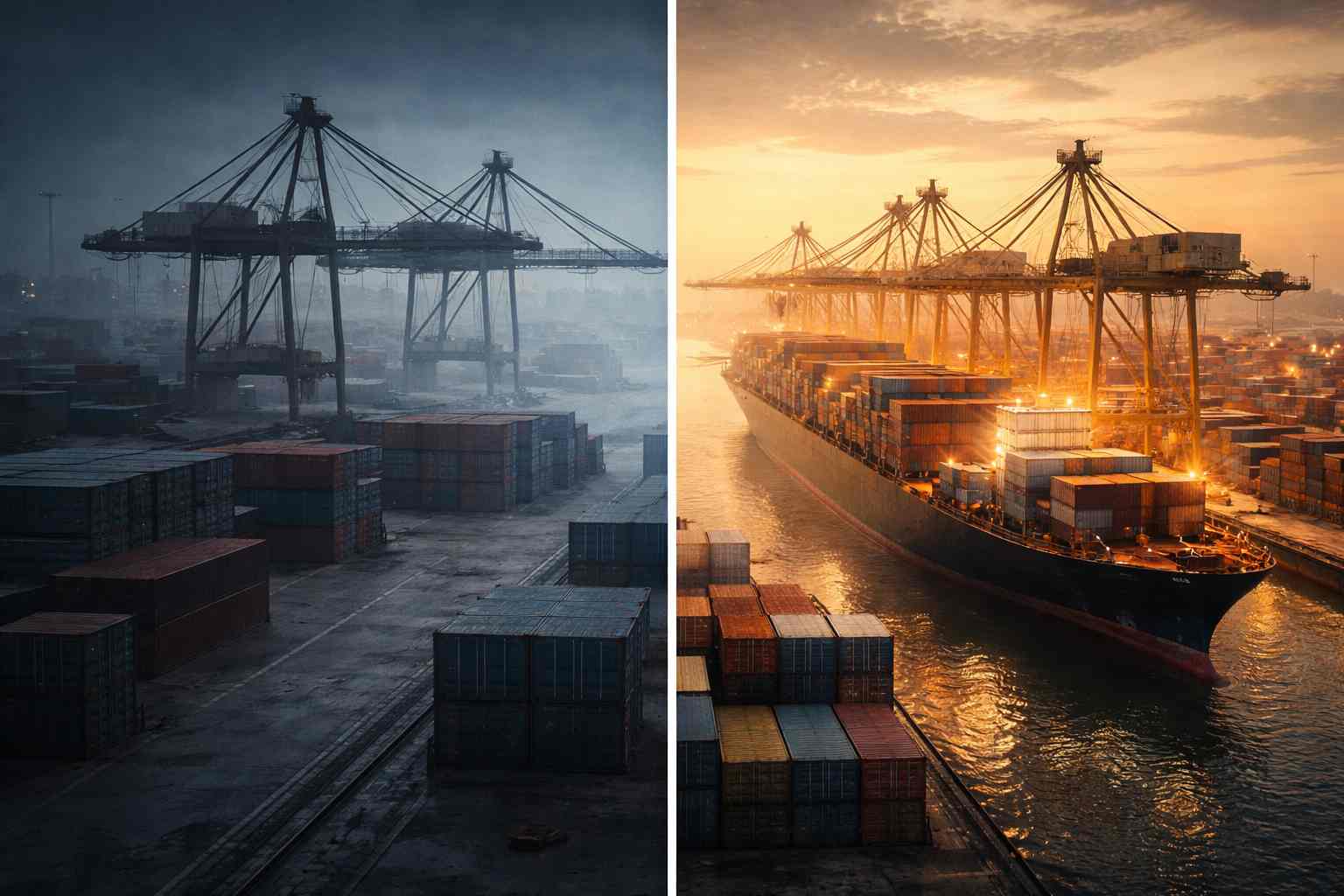
If every budget protects the same centre of power while asking the public to absorb the pain, the fiscal crisis will remain political. Pakistan’s challenge is not only to balance its books. It must rebalance the state itself.

















































1 Comment