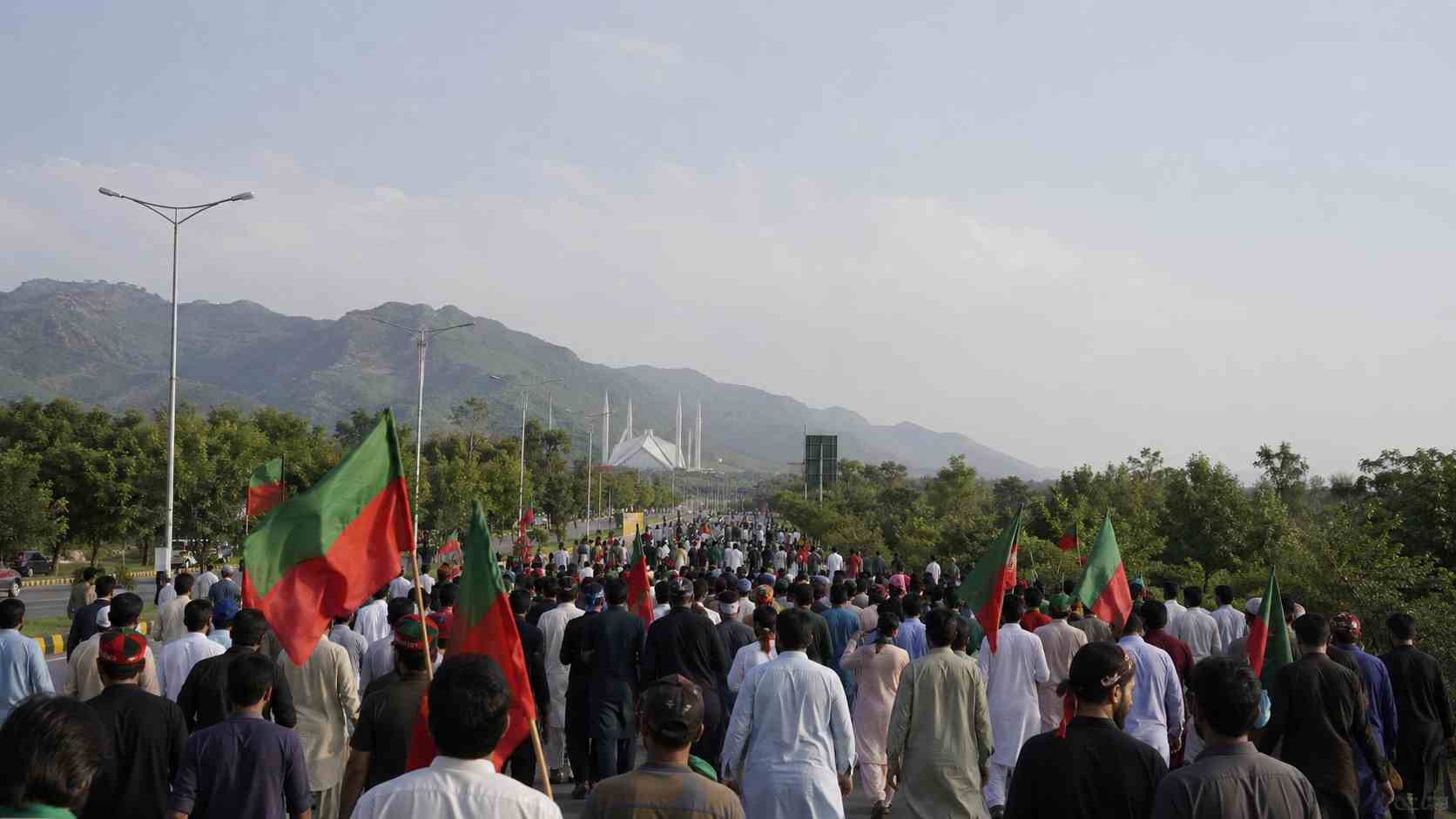
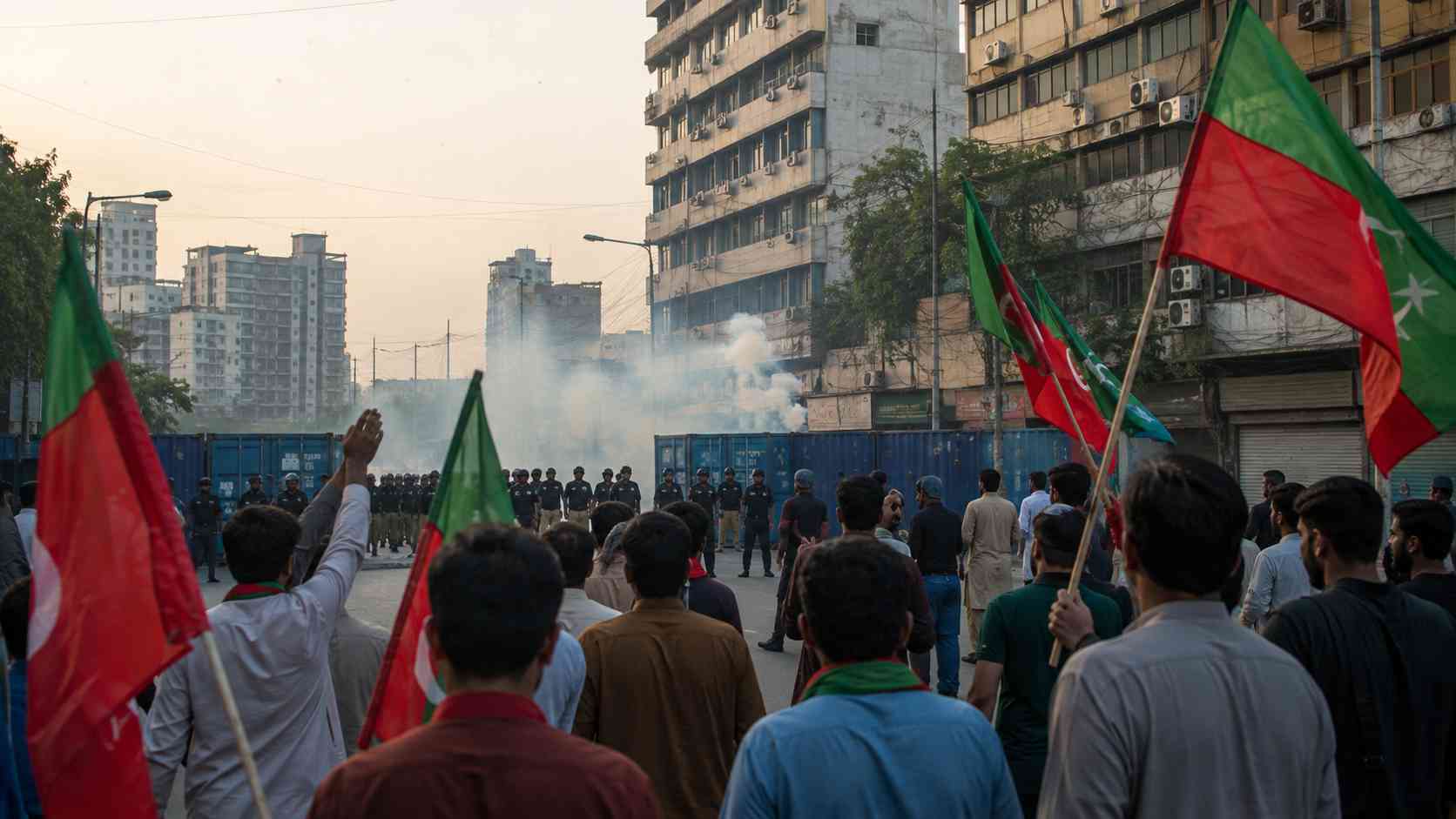
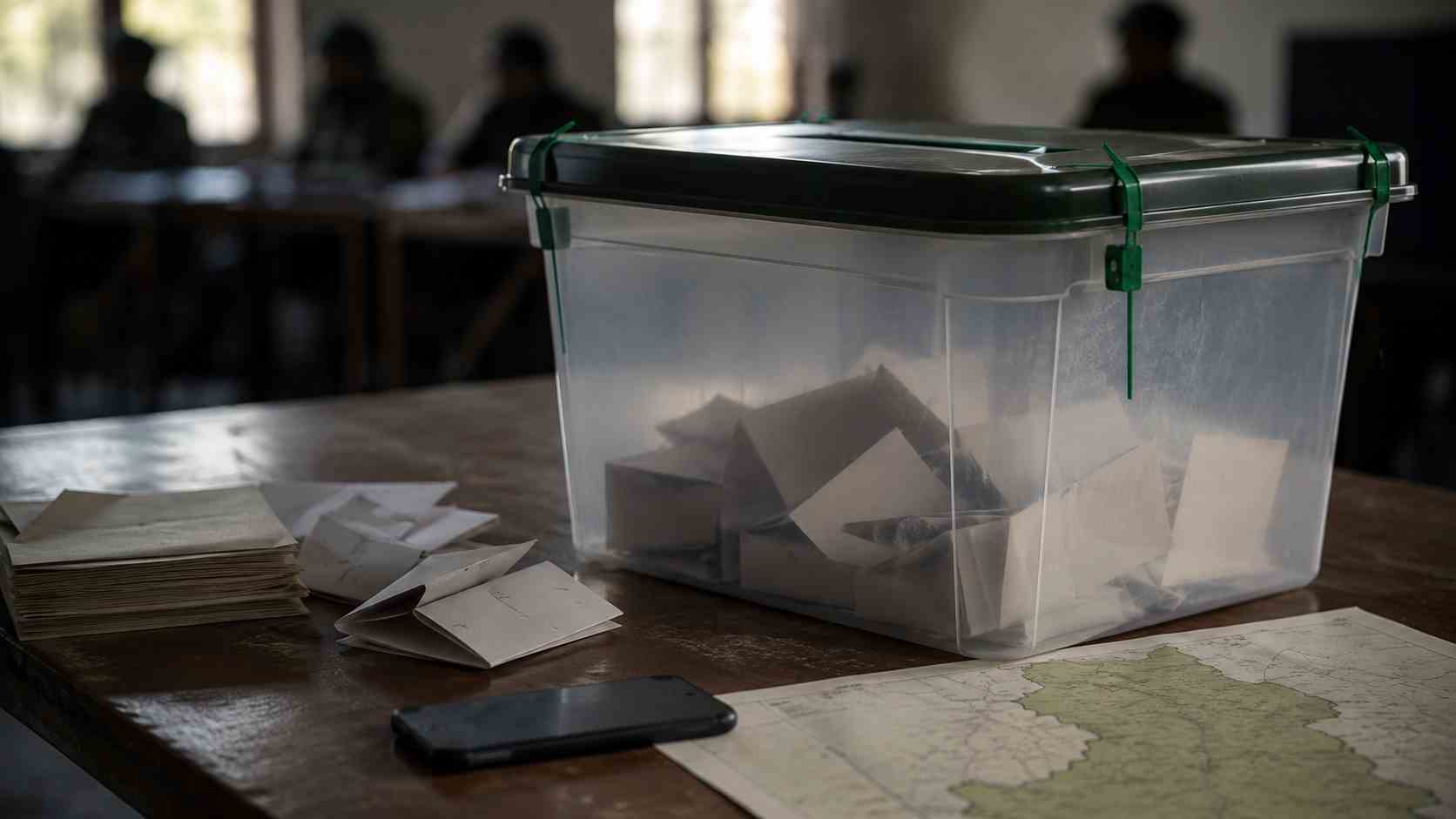
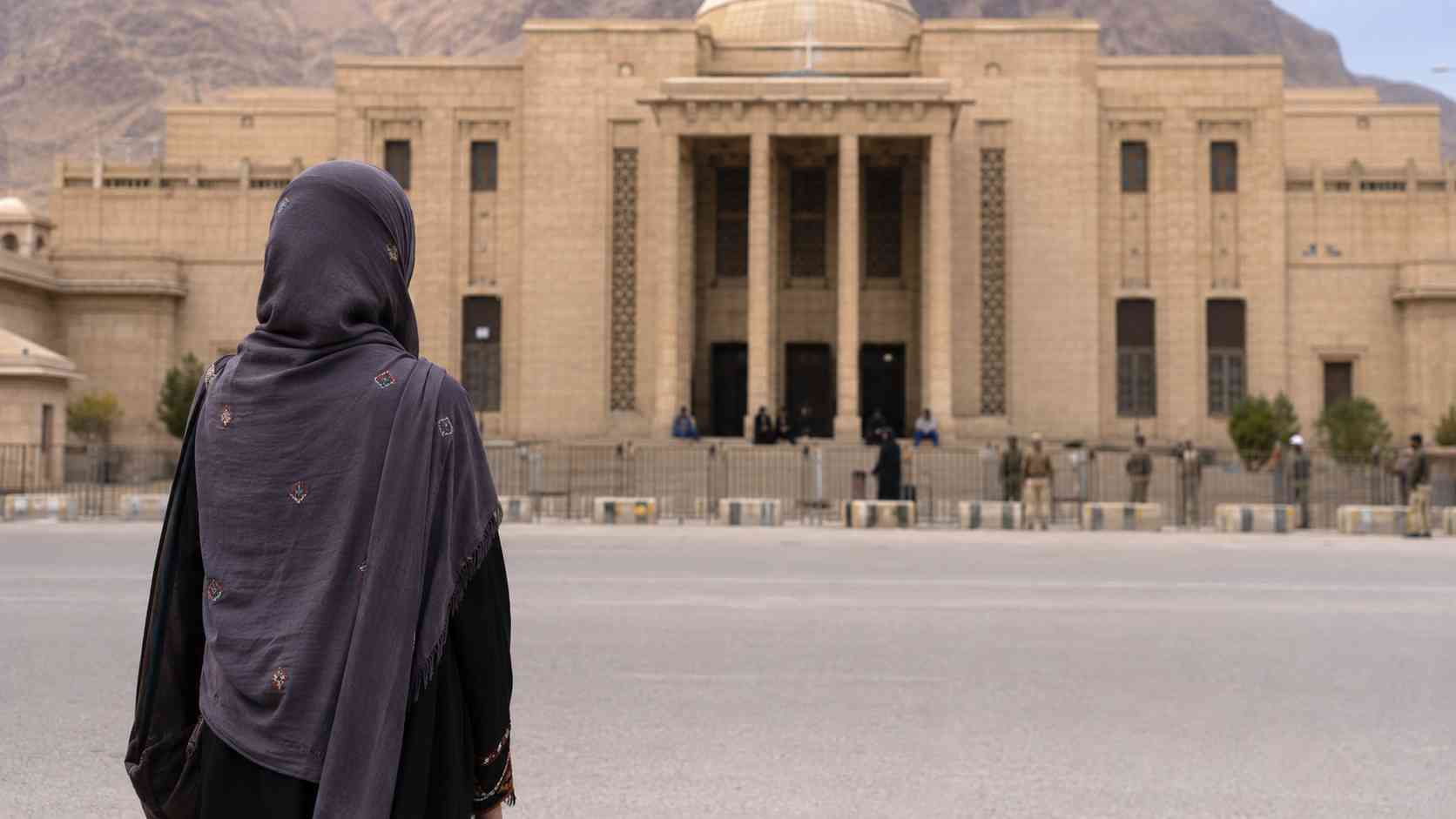
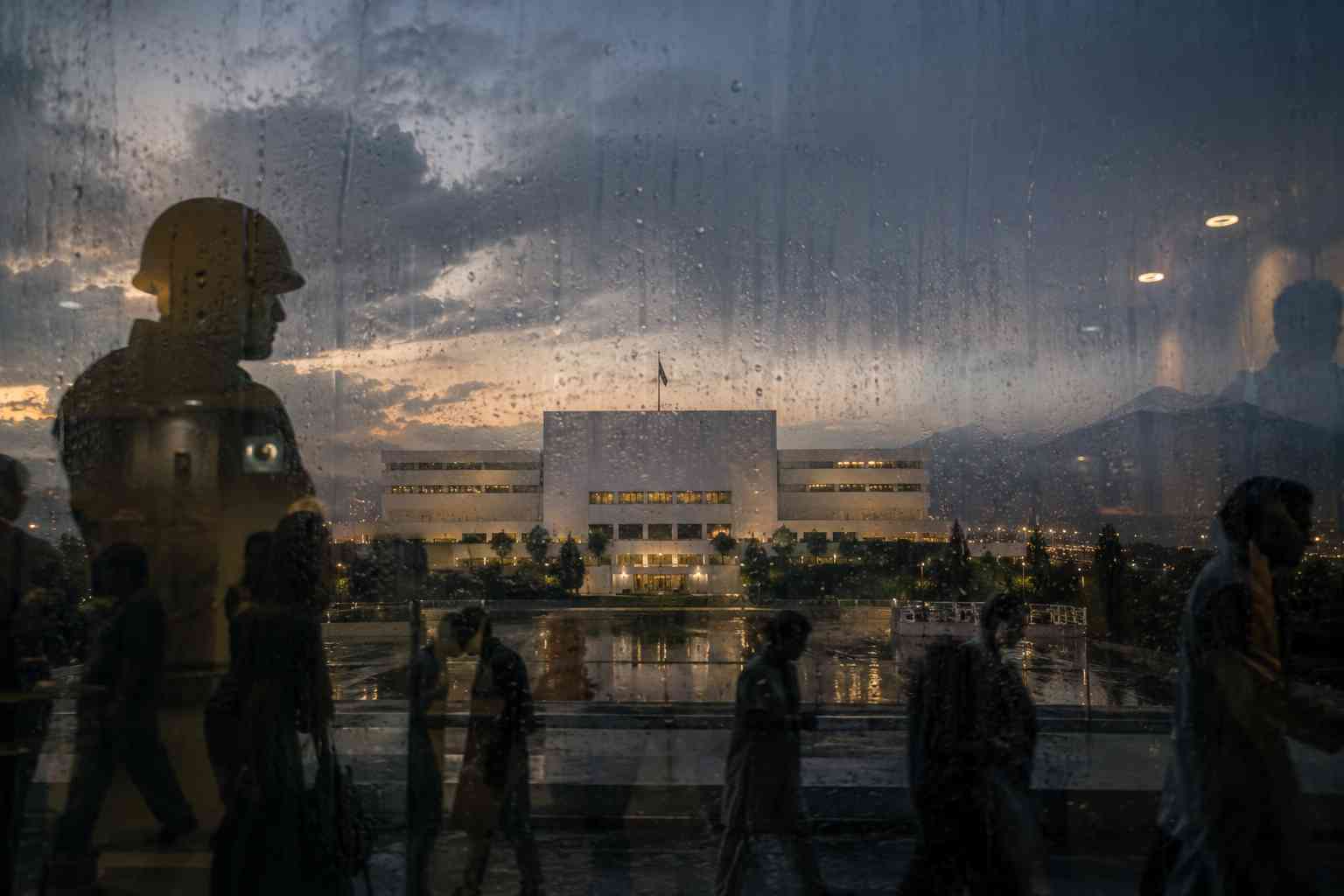
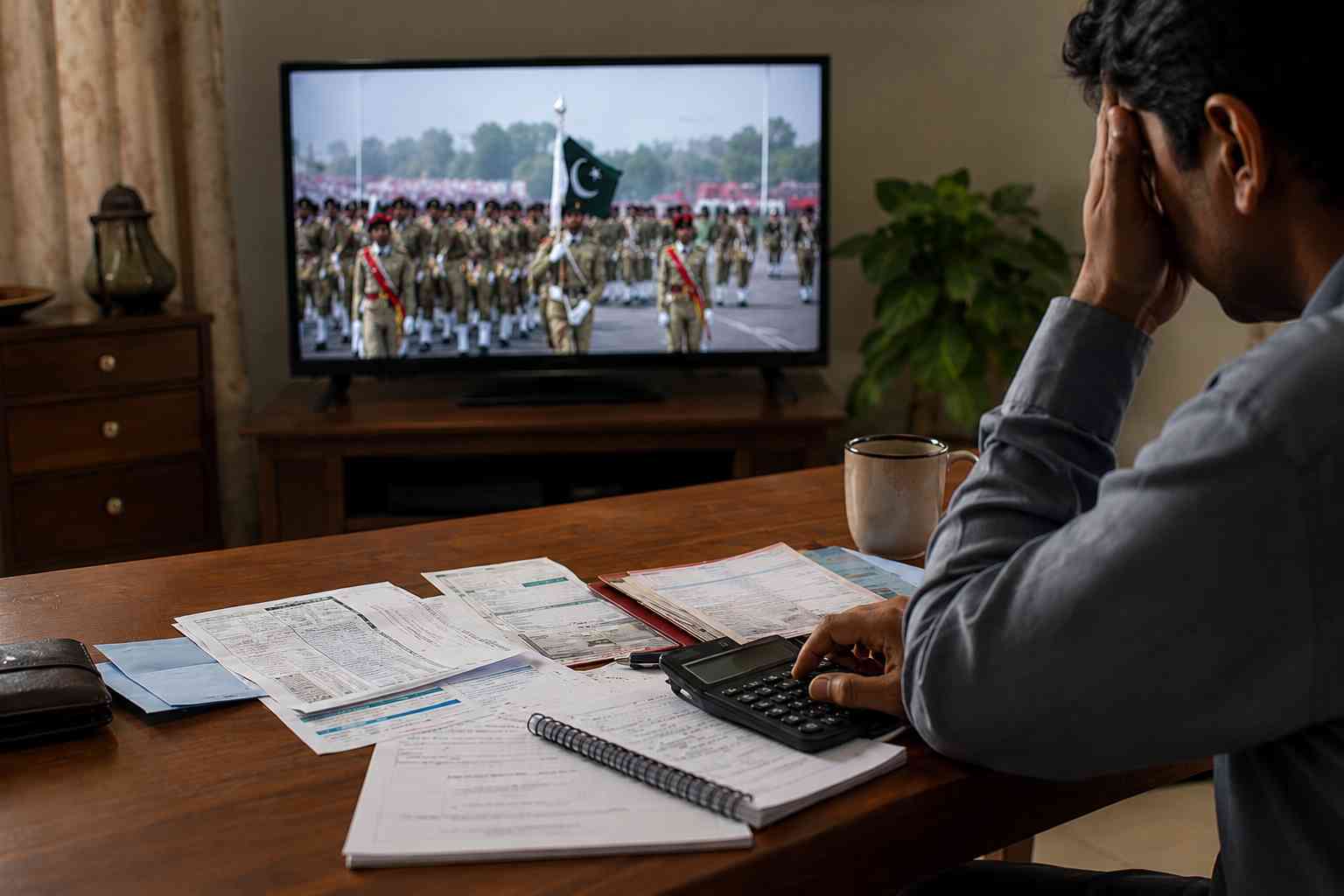
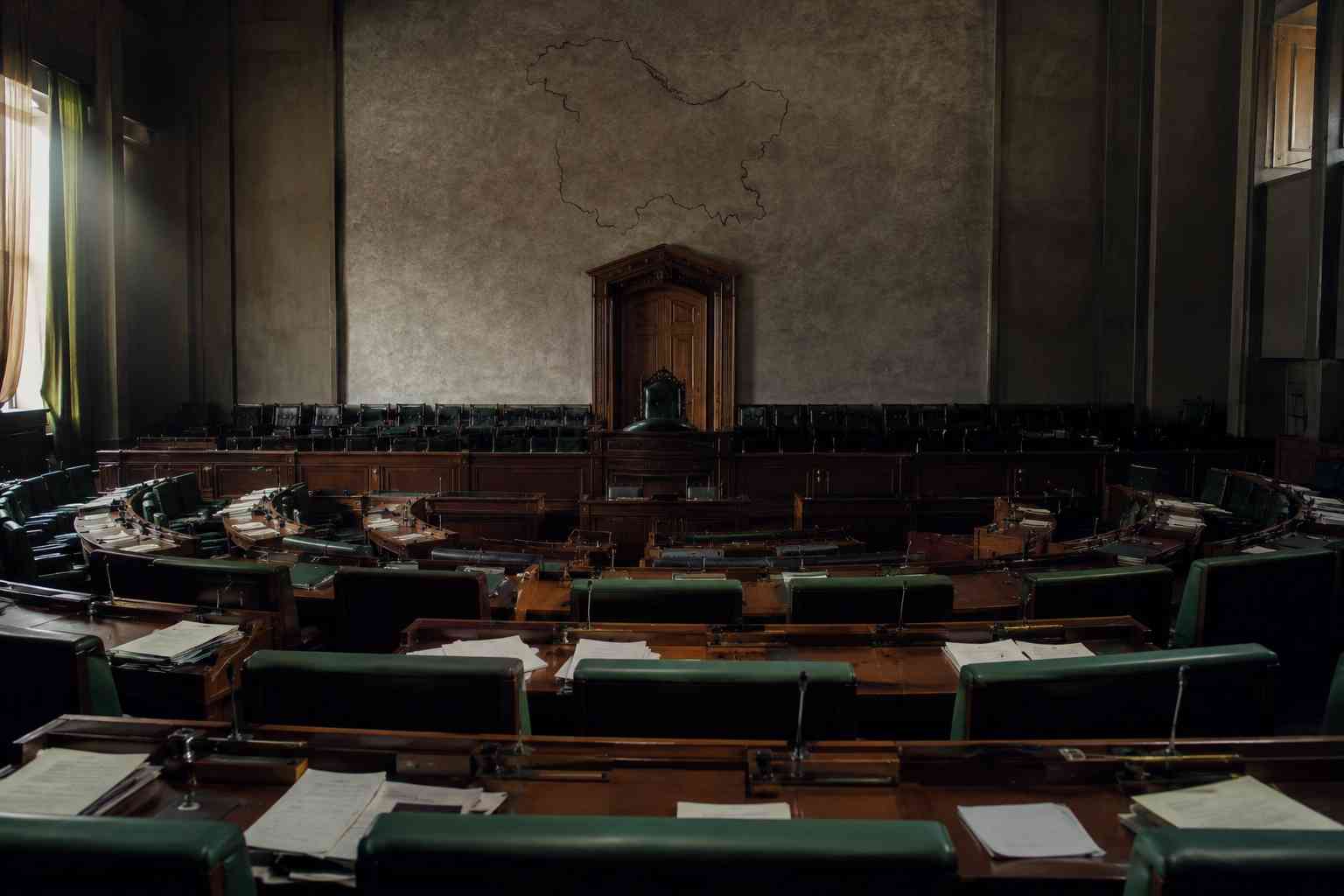
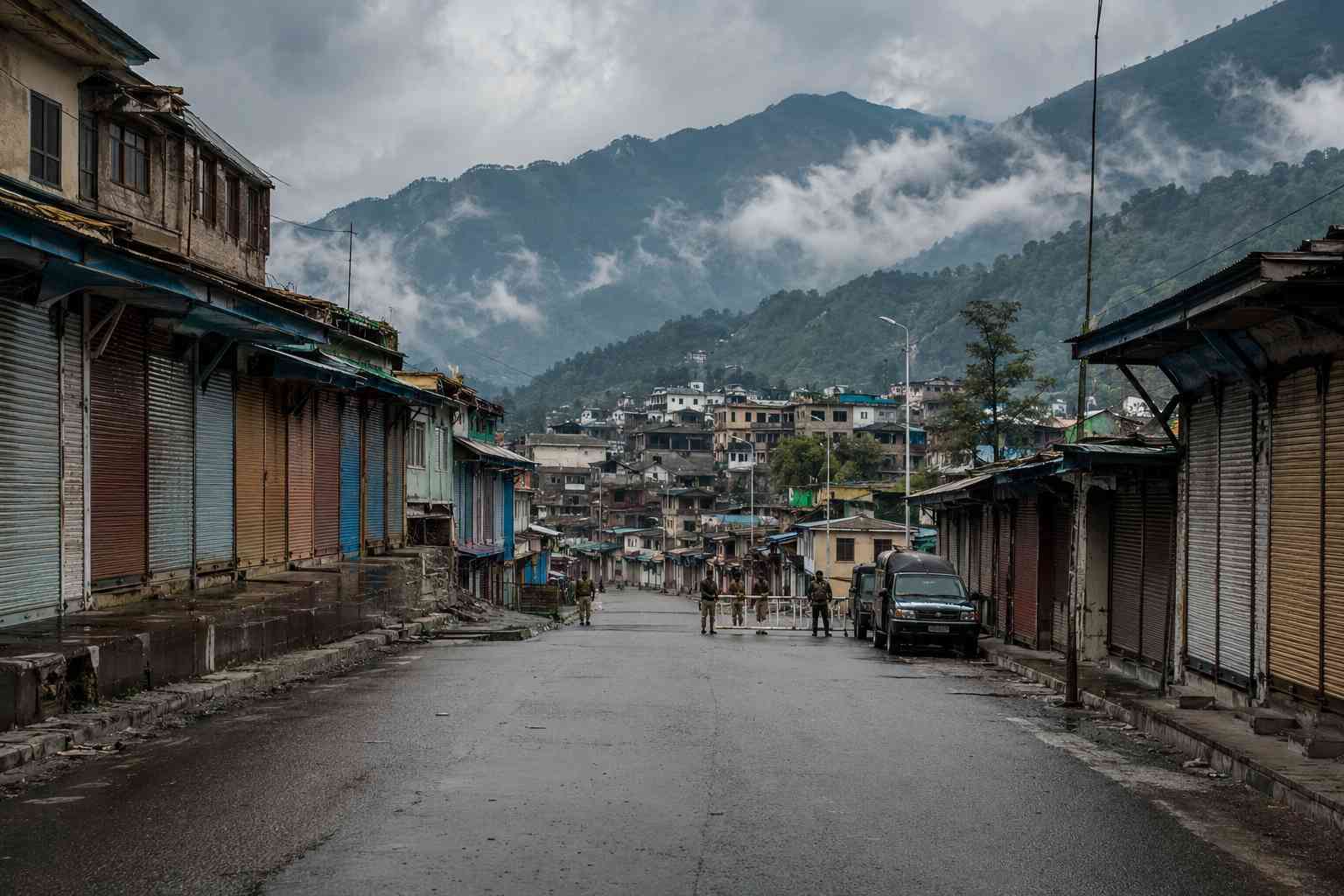
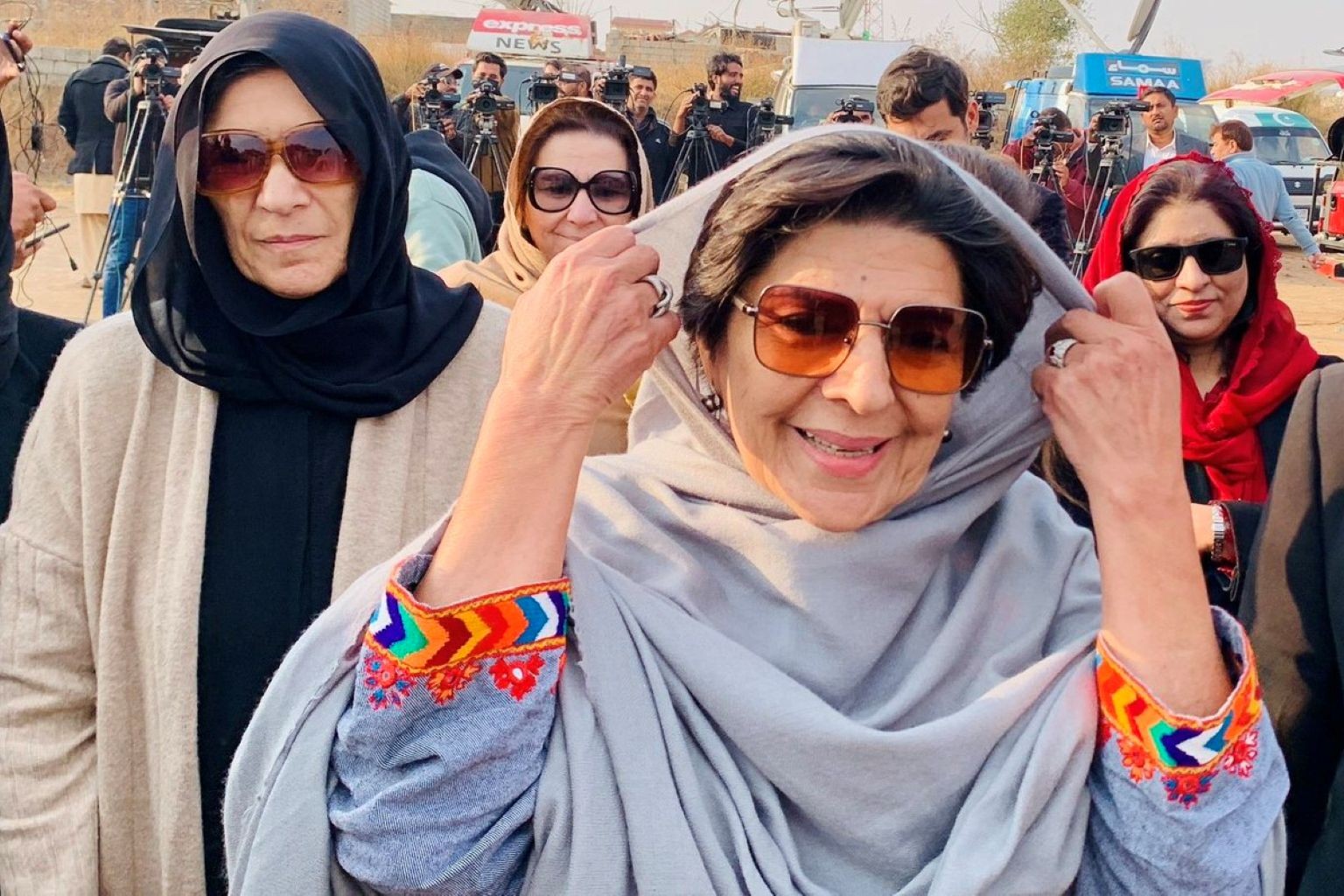
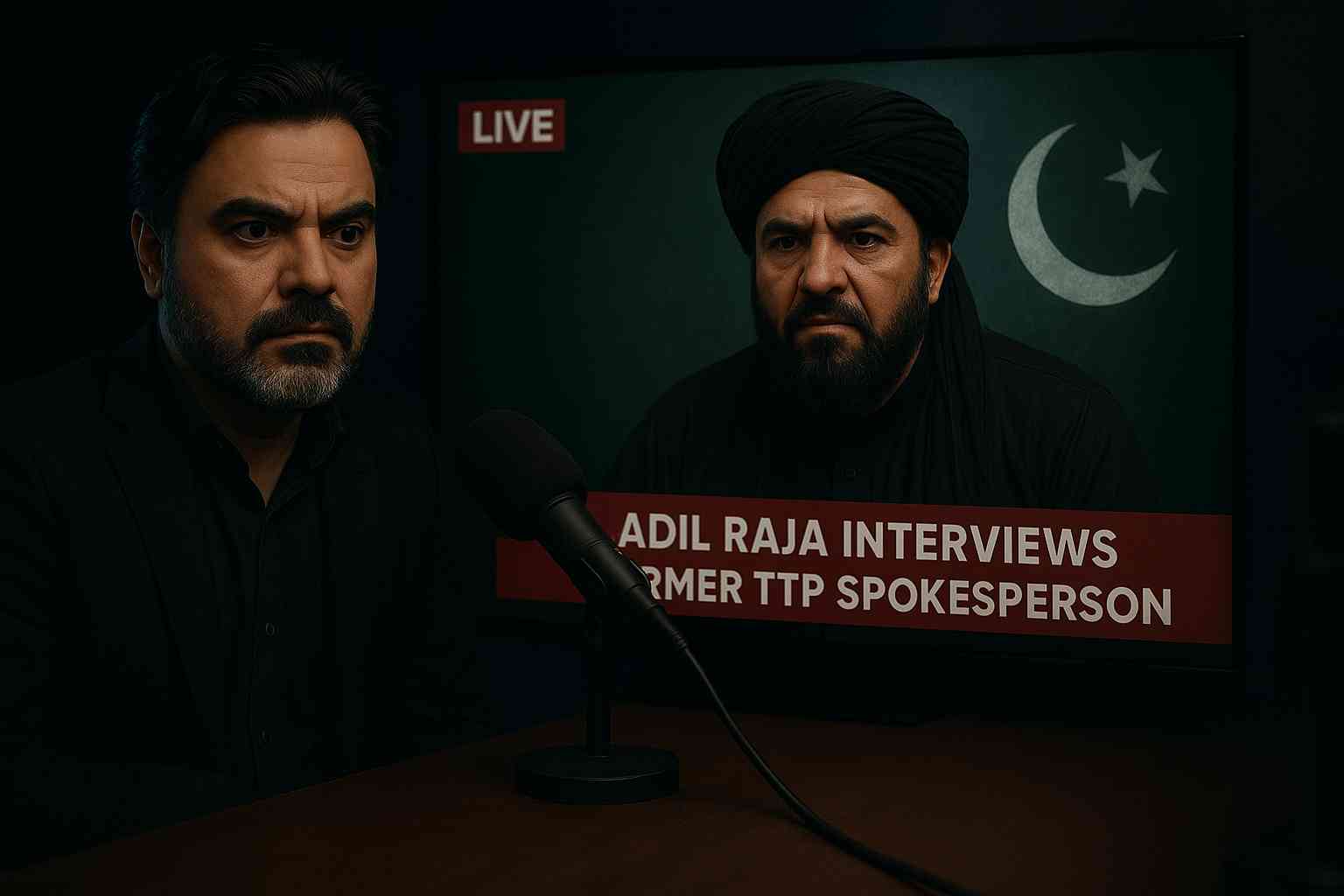
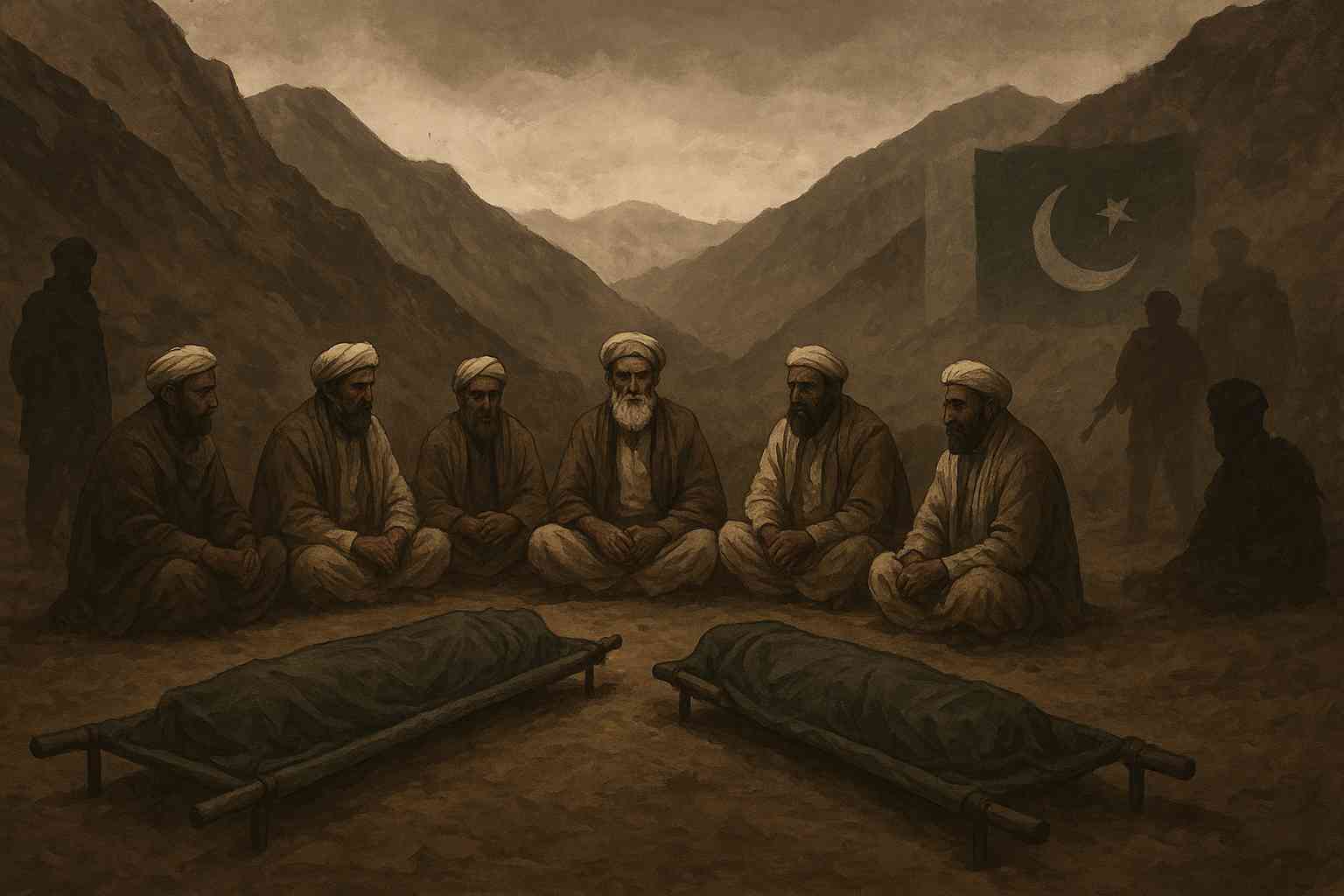
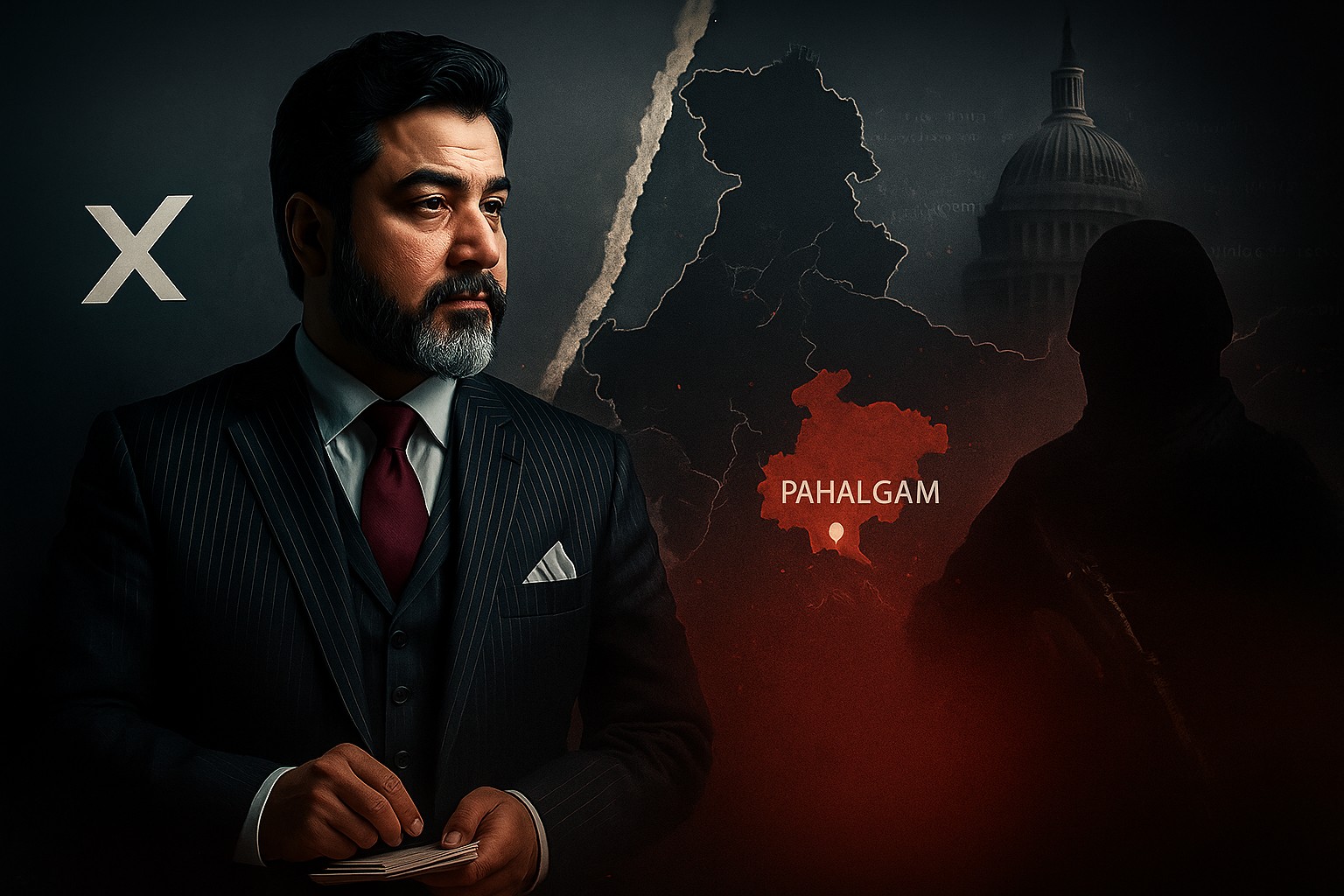
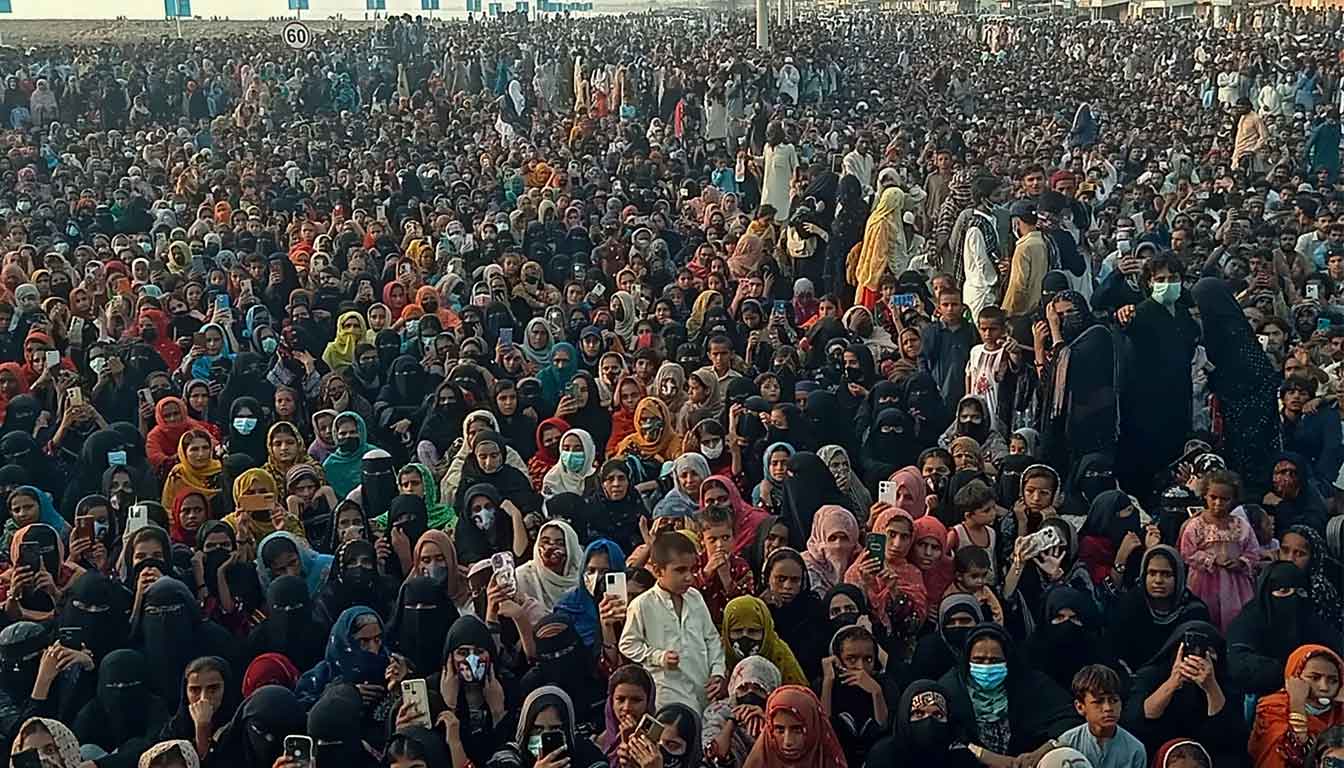
Mirpur has visibly boycotted Round 1 of the AJK Elections. AJK Election Commission sources confirm that even with ghost votes factored in, turnout plummeted to under 10%.
— Adil Raja (@soldierspeaks) July 27, 2026
AJK elections 2026 began in Mirpur division under conditions that strip the result of real political meaning. A vote held without major political participation, open civic space, and free information cannot credibly claim to represent the people’s mandate.
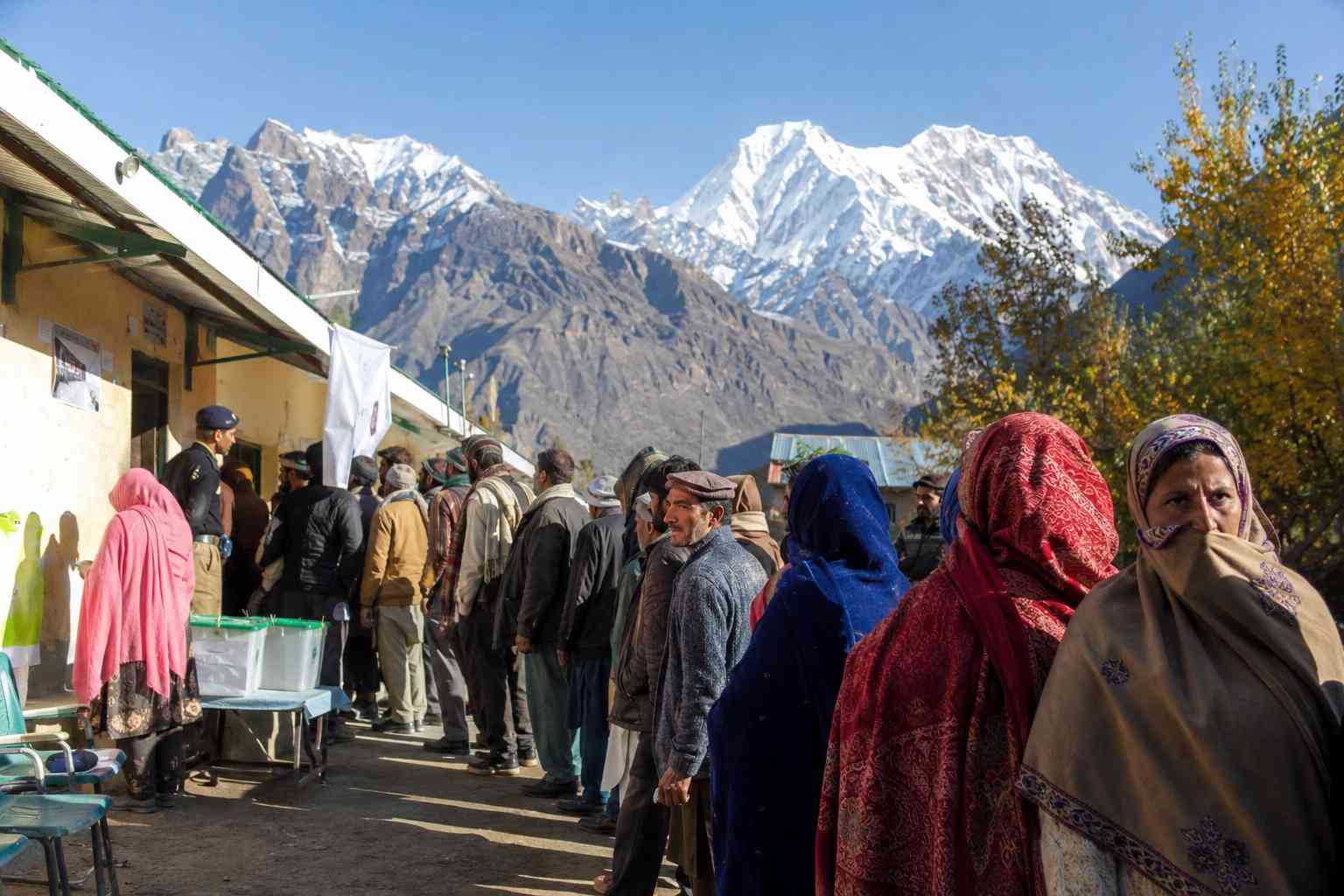
According to Business Recorder, the first phase covers Mirpur division, while polling in Muzaffarabad is scheduled for August 2 and Poonch for August 10. The AJK Election Commission moved to this three-phase model, citing security and administrative needs.
That schedule may help officials control polling day. It does not solve the deeper crisis.
AJK elections 2026 are not a normal vote
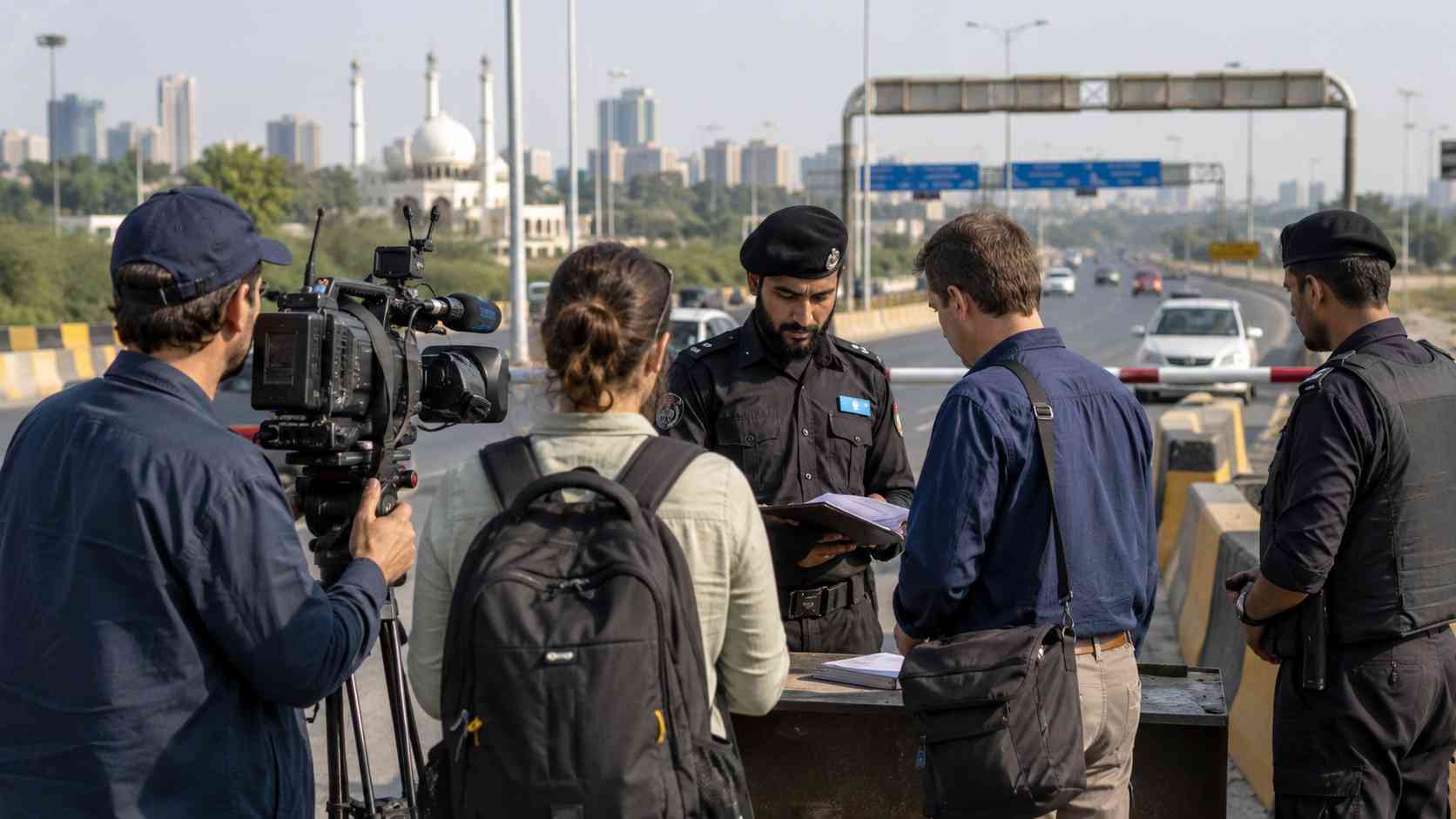
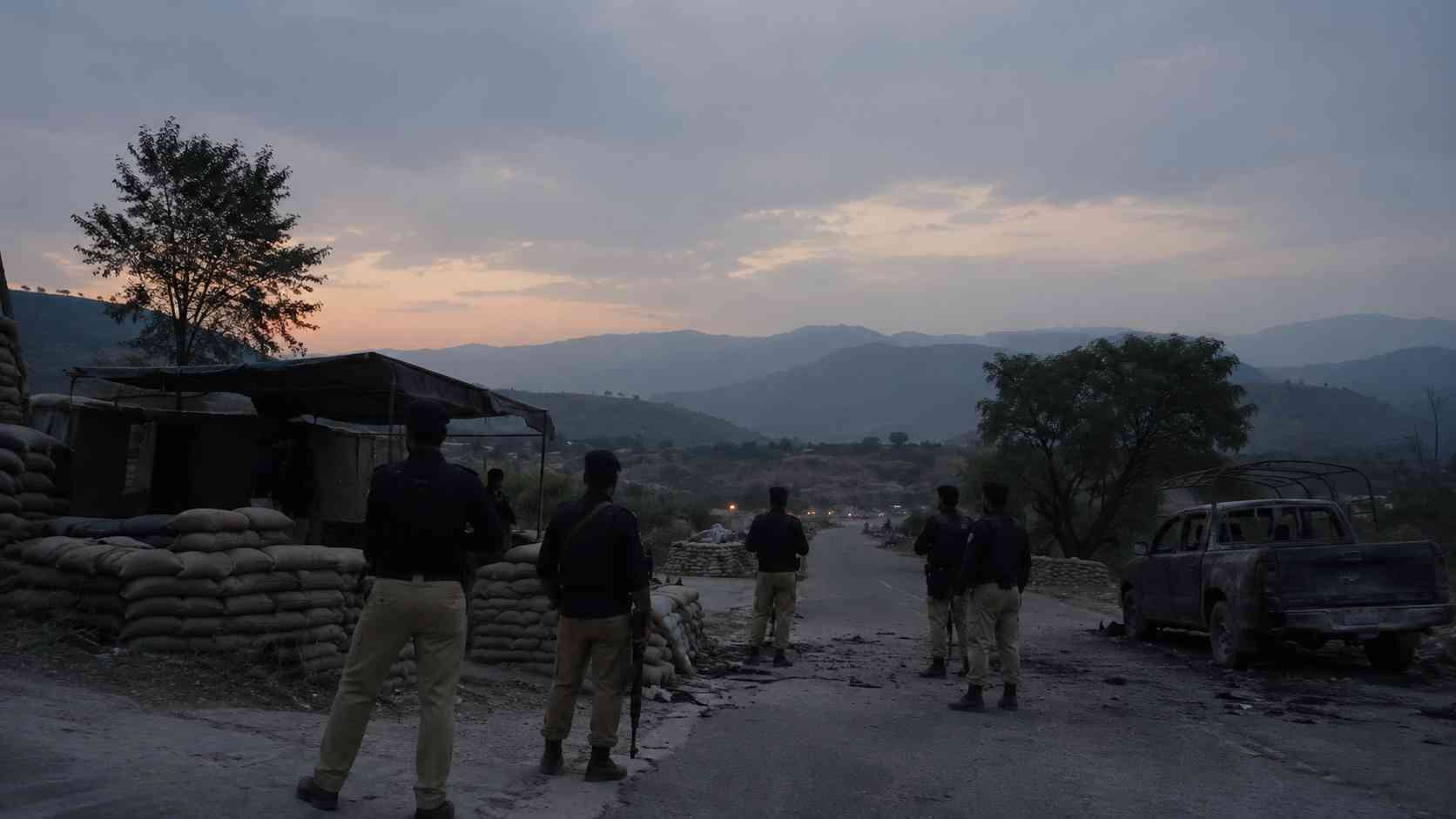
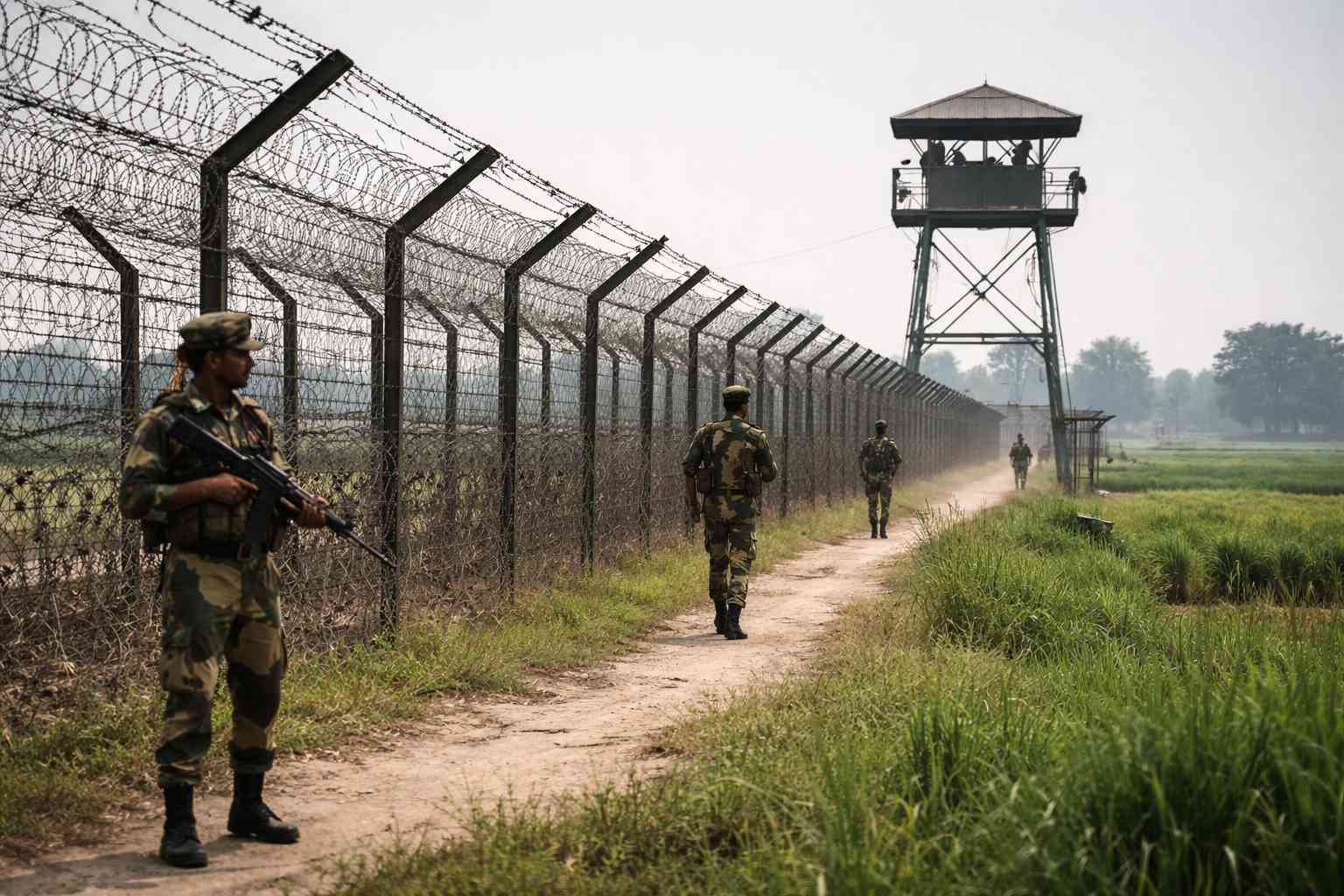
The AJK Election Commission says it wants peaceful and transparent polling. Dawn reported that Chief Election Commissioner Justice (retd) Ghulam Mustafa Mughal linked the revised schedule to the need for sufficient army deployment across divisions.
Security can protect voters. But when security becomes the central frame of an election, the political environment has already failed.
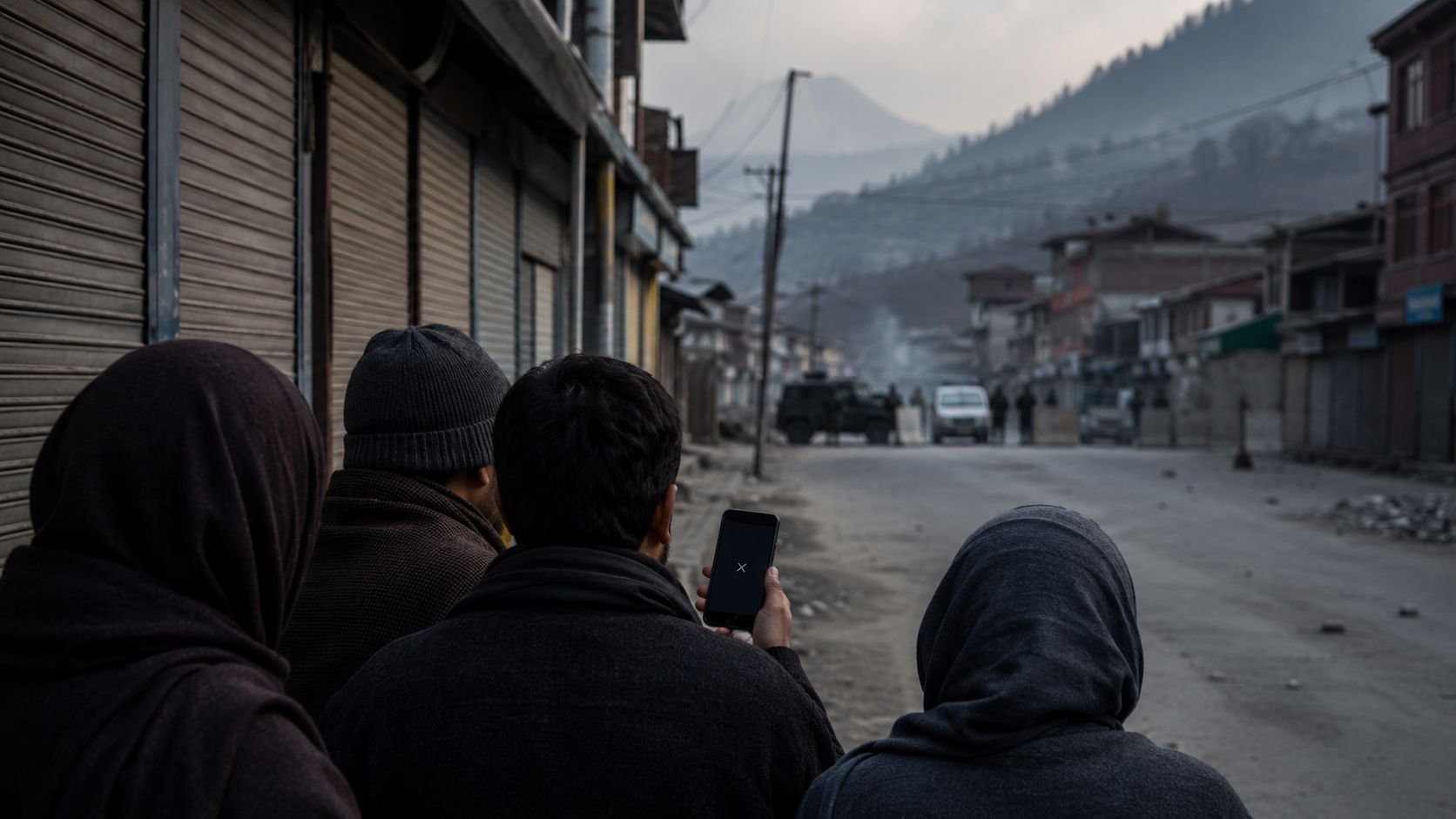
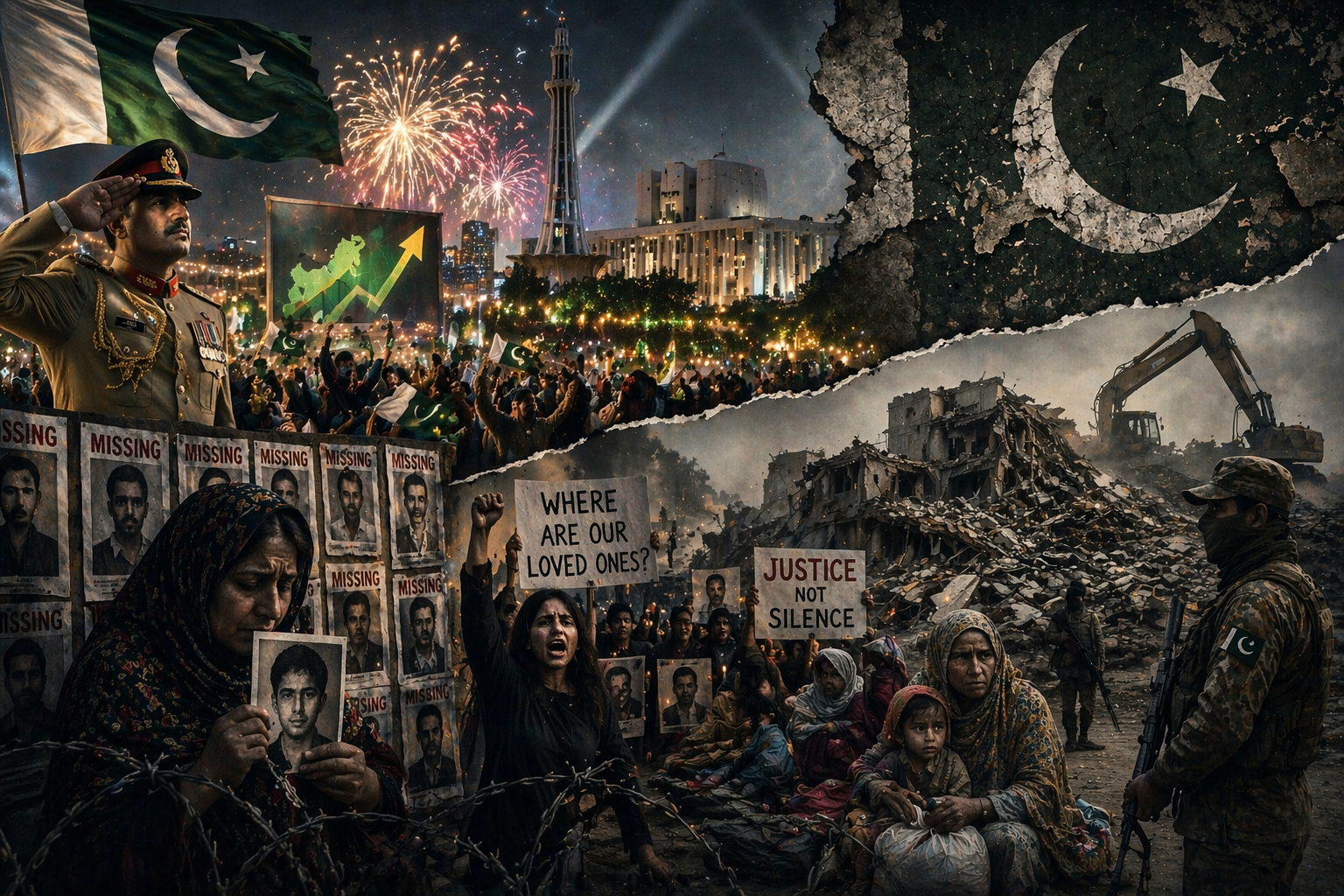
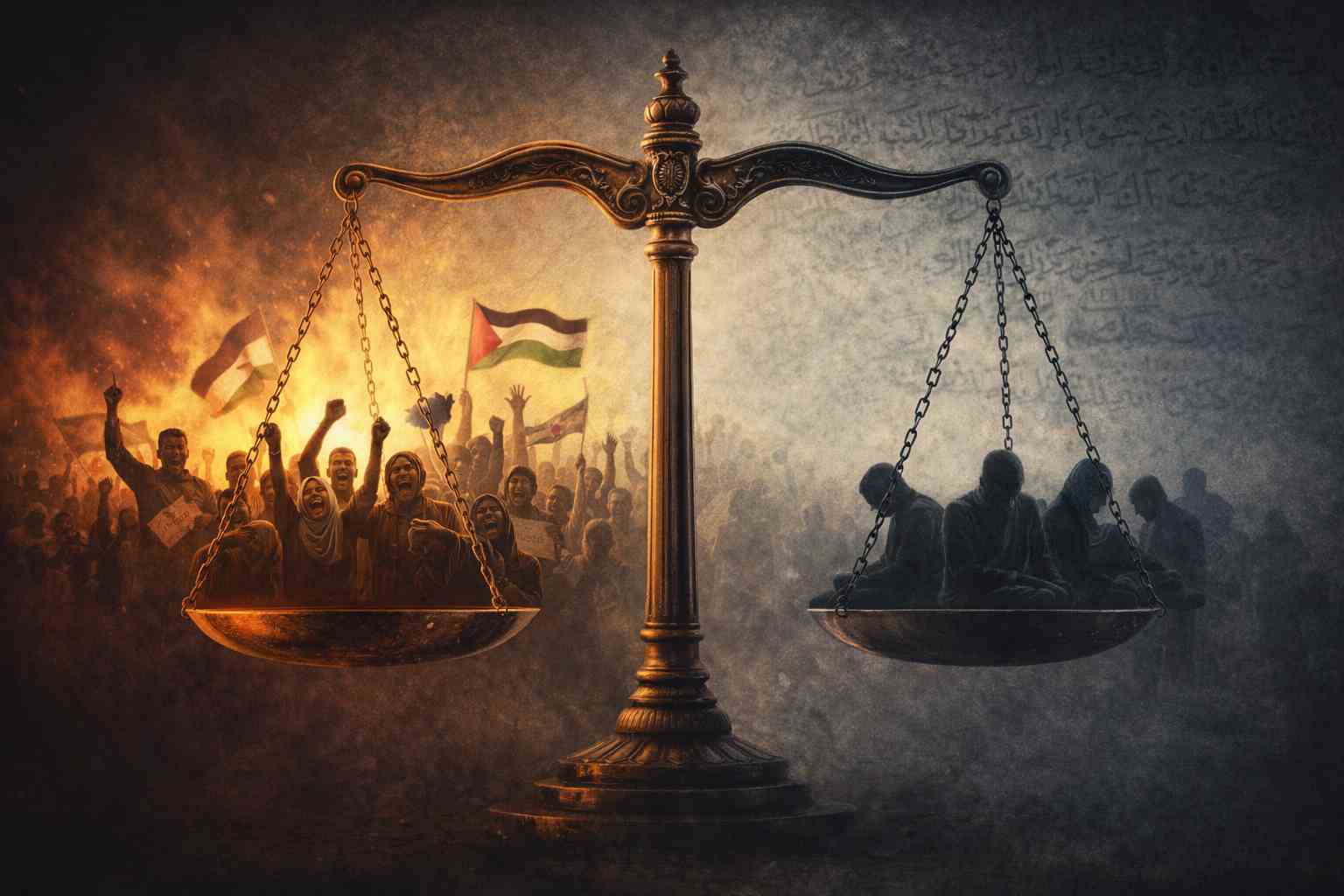
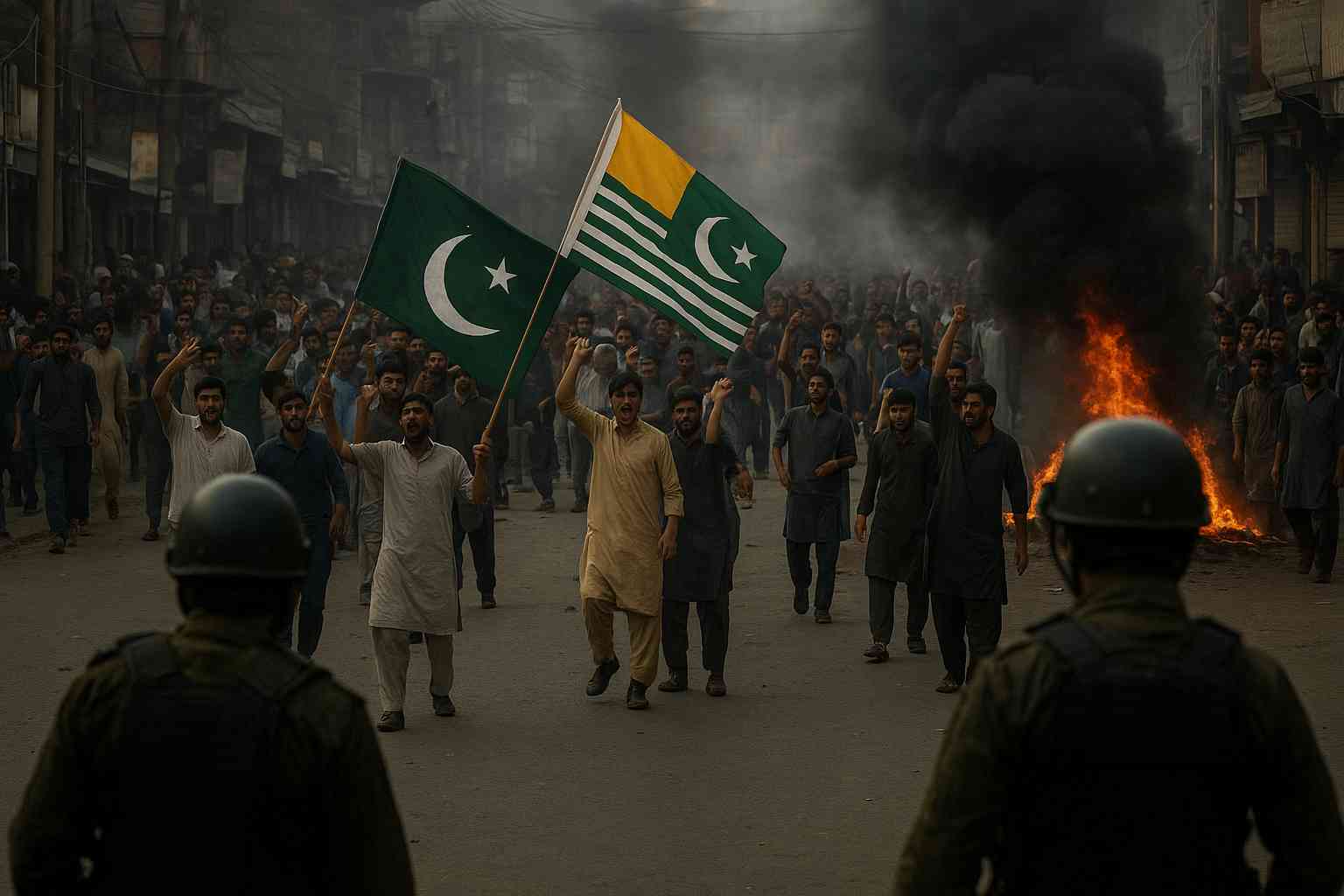
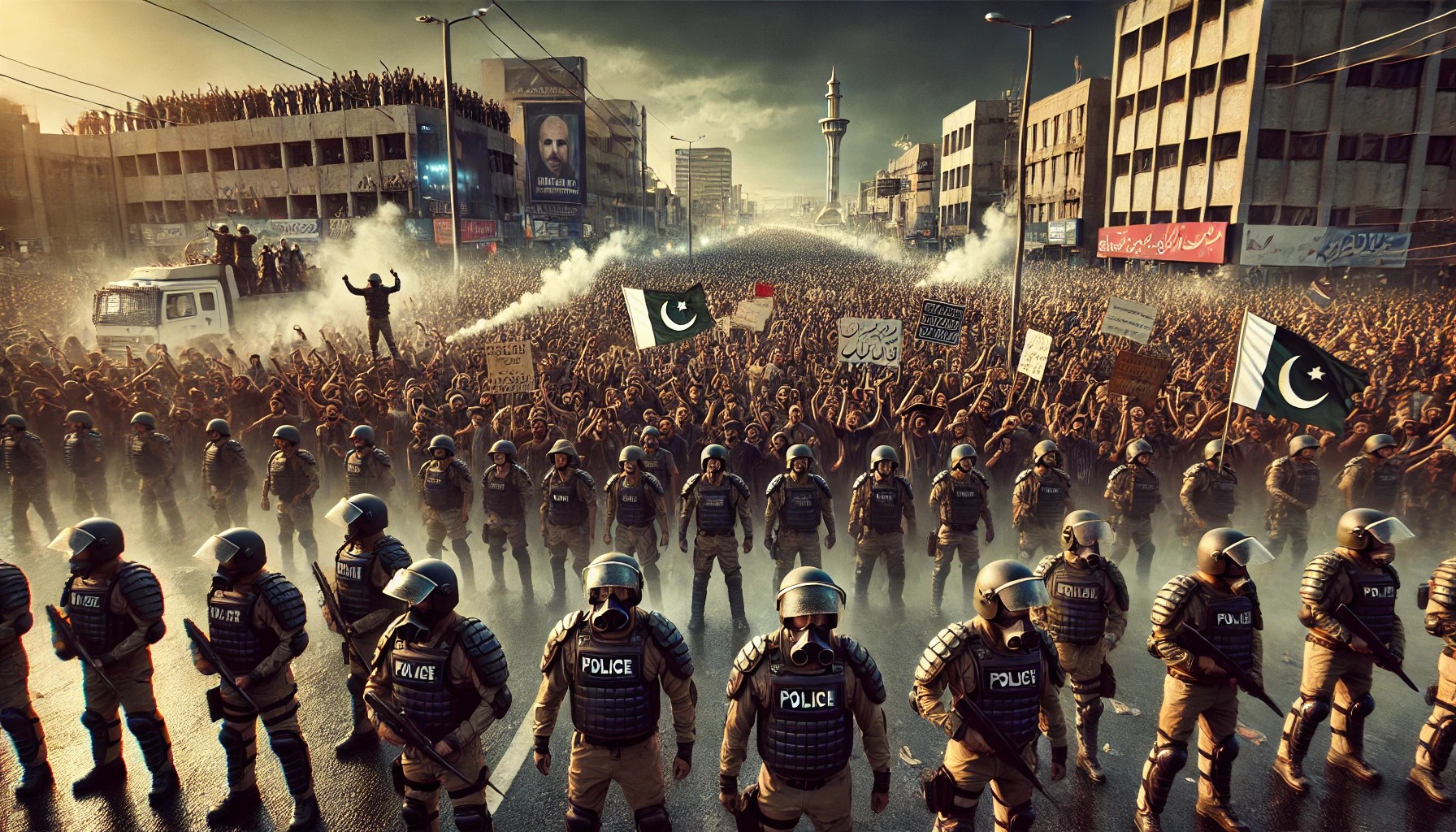
AJK elections 2026 are taking place after unrest, arrests, internet restrictions, and the exclusion or absence of forces with real public weight. These are not minor procedural flaws. They go to the heart of legitimacy.
PTI and JAAC cannot be wished away
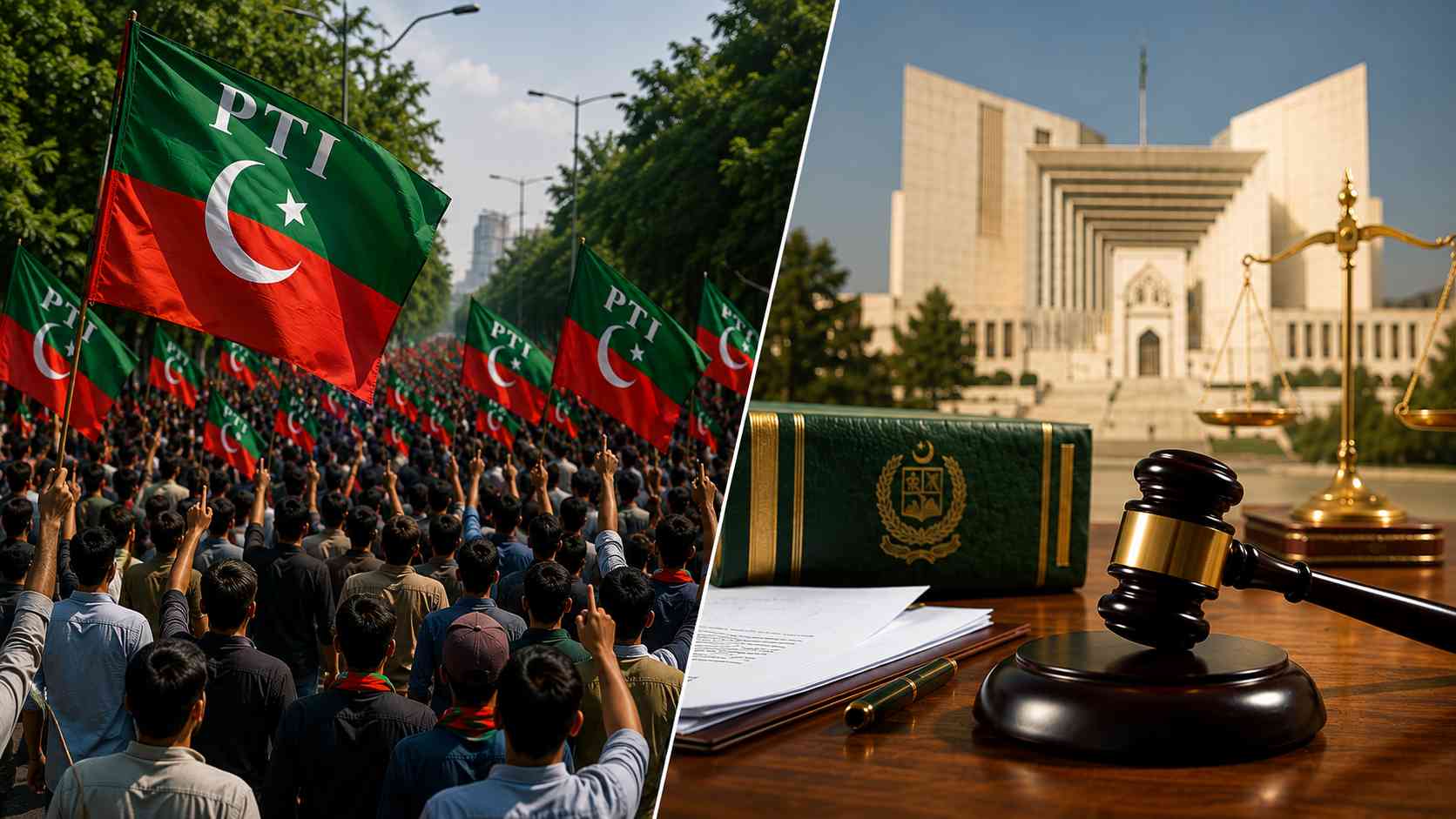
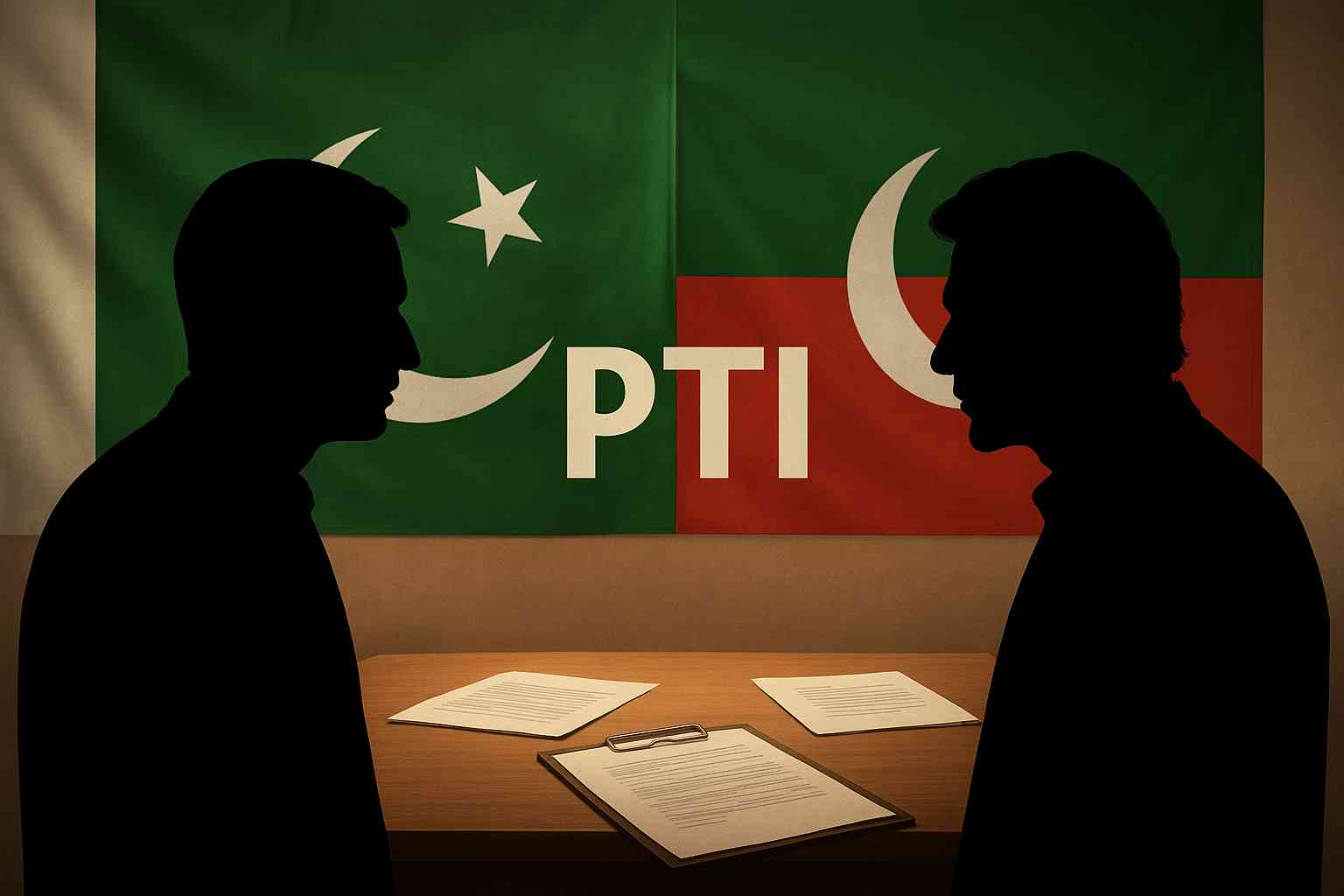
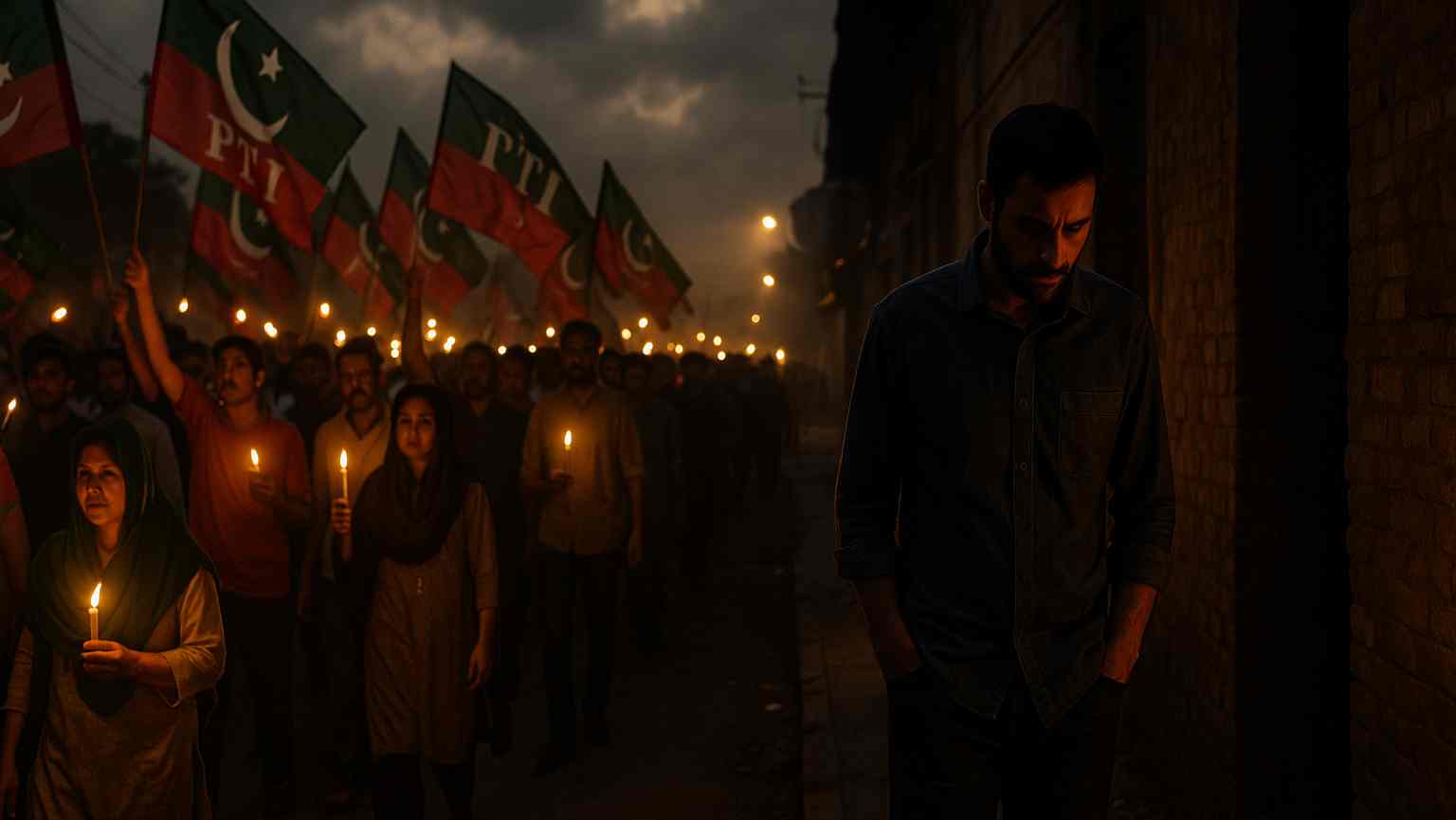
The biggest problem is representational. Dawn columnist Ahmed Bilal Mehboob argued that the election is taking place without two influential forces: PTI and the defunct Joint Awami Action Committee.
That matters. PTI secured major support in the last AJK election. JAAC, meanwhile, emerged from public anger over governance, rights, and representation. It was not a traditional party, but its mobilisation exposed a real political current.
Arab News reported that JAAC-linked unrest followed disputes over governance demands and reserved refugee seats, before authorities banned the movement under anti-terrorism laws.
The state can ban organisations. It can control roads. It can deploy forces. It can manage polling schedules. But it cannot manufacture legitimacy by removing the political forces that carry public anger.
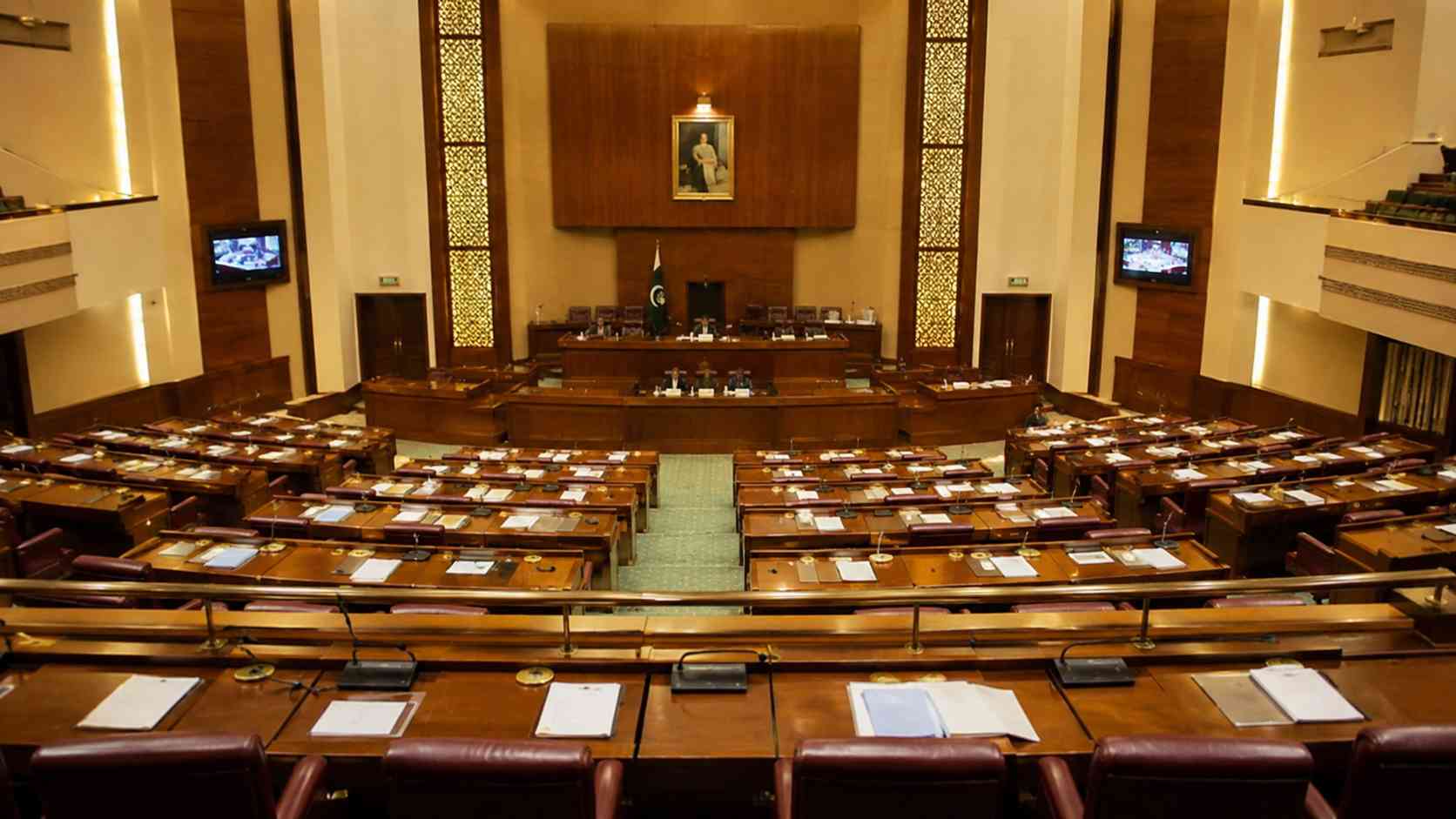
A result produced in this environment may fill assembly seats. It will not create a genuine mandate.
Internet restrictions deepen the damage
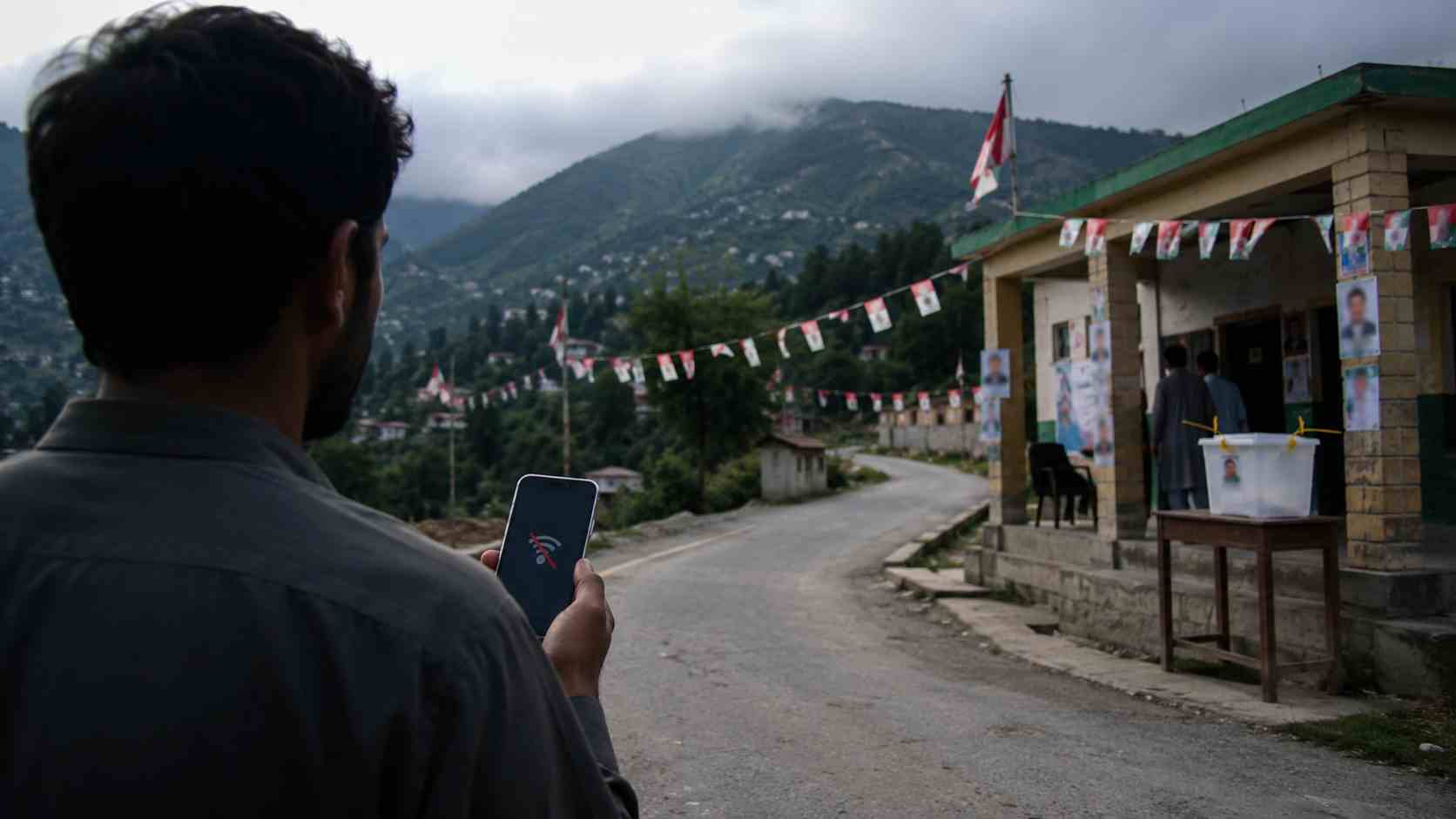
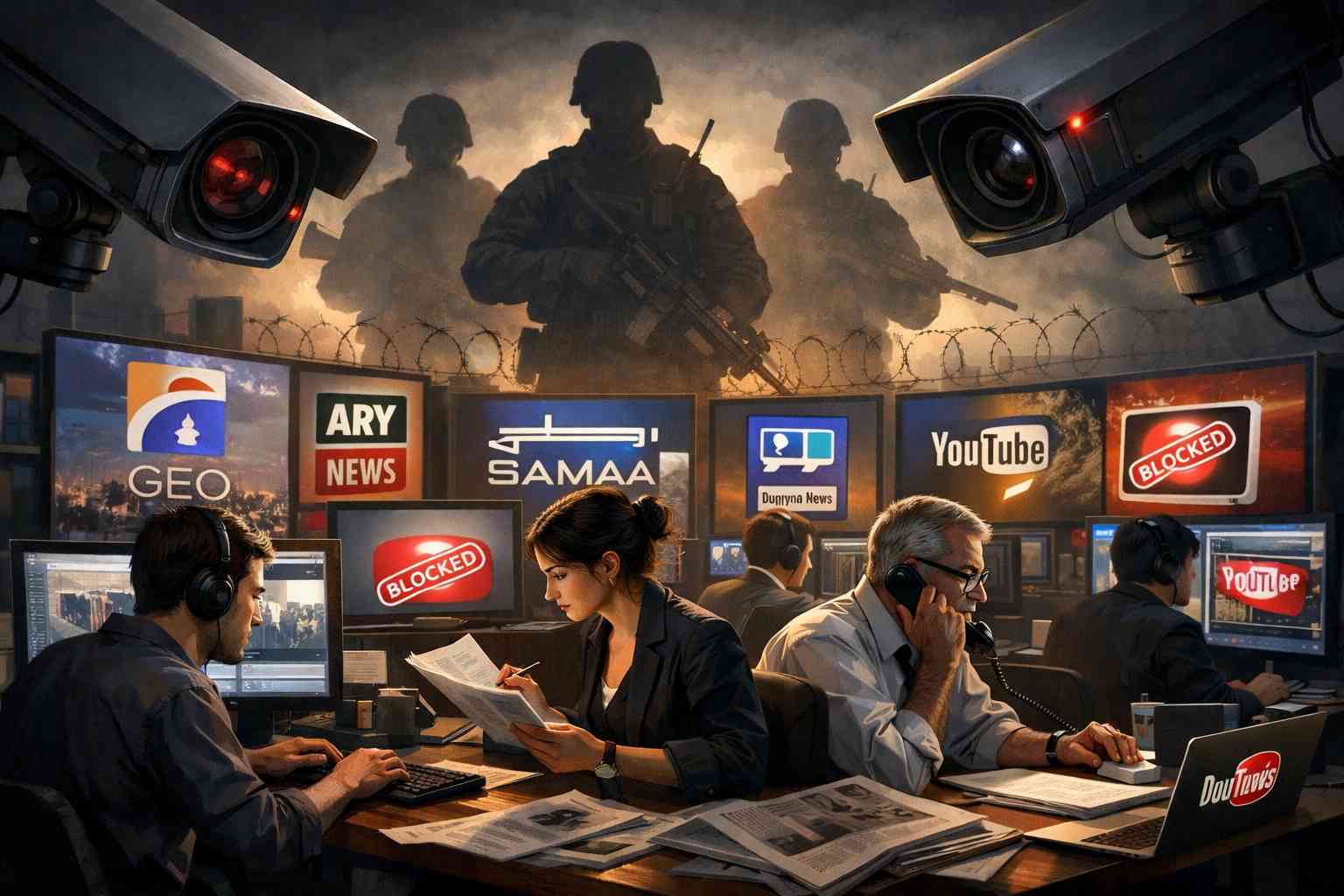
The information environment has also damaged the vote. Dawn reported last week that PPP AJK president Chaudhry Muhammad Yasin asked the chief election commissioner to seek restoration of internet services before polling, saying the shutdown restricted campaigning and voter access to information.
That is not a side issue. Internet access now affects campaigning, monitoring, turnout, mobilisation, and public scrutiny. Restricting it during an election does not create confidence. It creates suspicion.
A free election needs more than ballot papers. It needs open communication, equal political access, and public trust in the process.
AJK elections 2026 fail that test.
A managed process cannot produce a meaningful mandate
This is why the earlier, softer framing is wrong. The problem is not that the result will merely carry a “burden.” The problem is that the outcome is politically meaningless as a measure of public will.
An election without full political contestation cannot honestly settle representation. A vote under heavy security and restricted information cannot erase public anger. A managed process cannot become democratic simply because polling stations open on schedule.
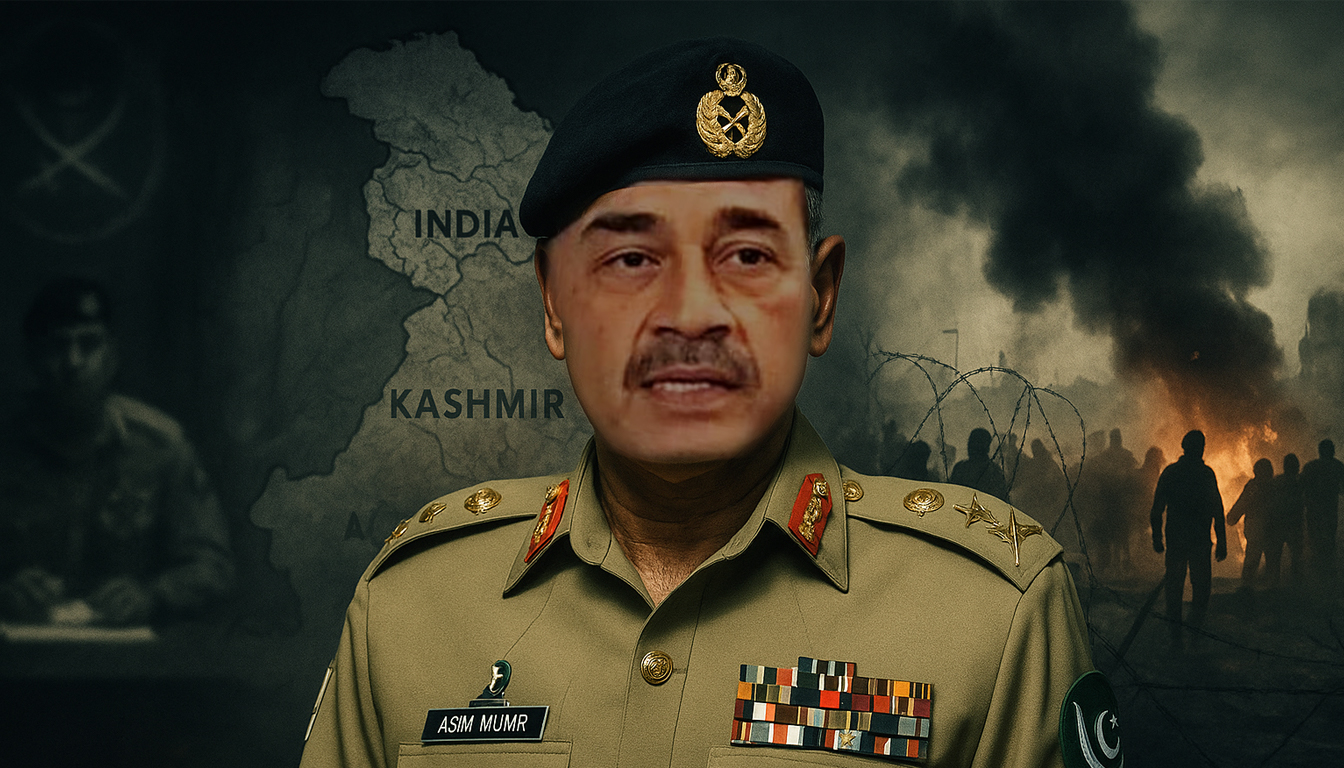
Pakistan presents AJK as a representative political space tied to the Kashmir dispute. That makes this credibility crisis even more serious. If Islamabad and Muzaffarabad claim legitimacy from this vote, they will be claiming more than the process can provide.
The real message from AJK elections 2026 is not stability. It is control.
And control is not consent.