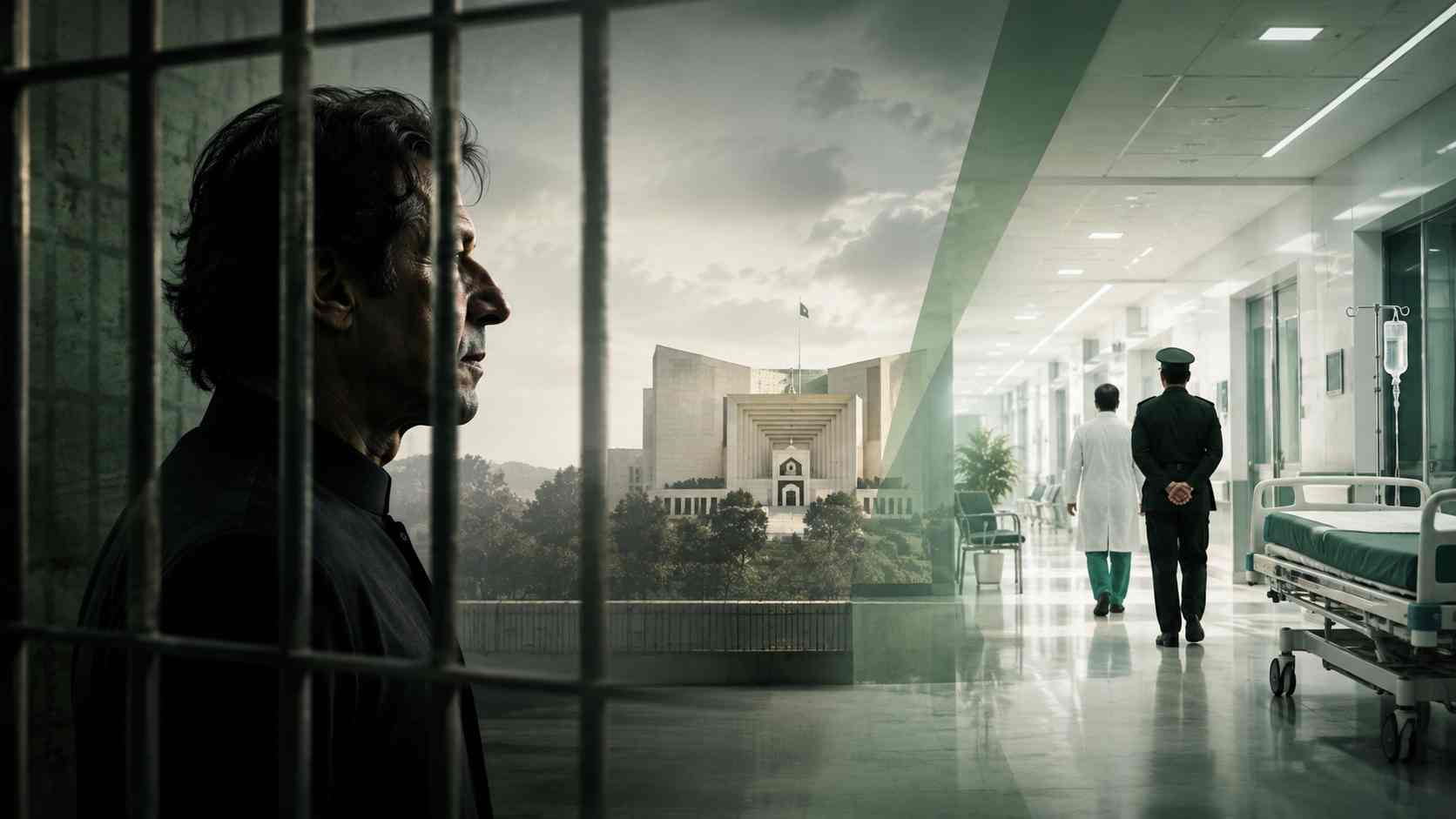
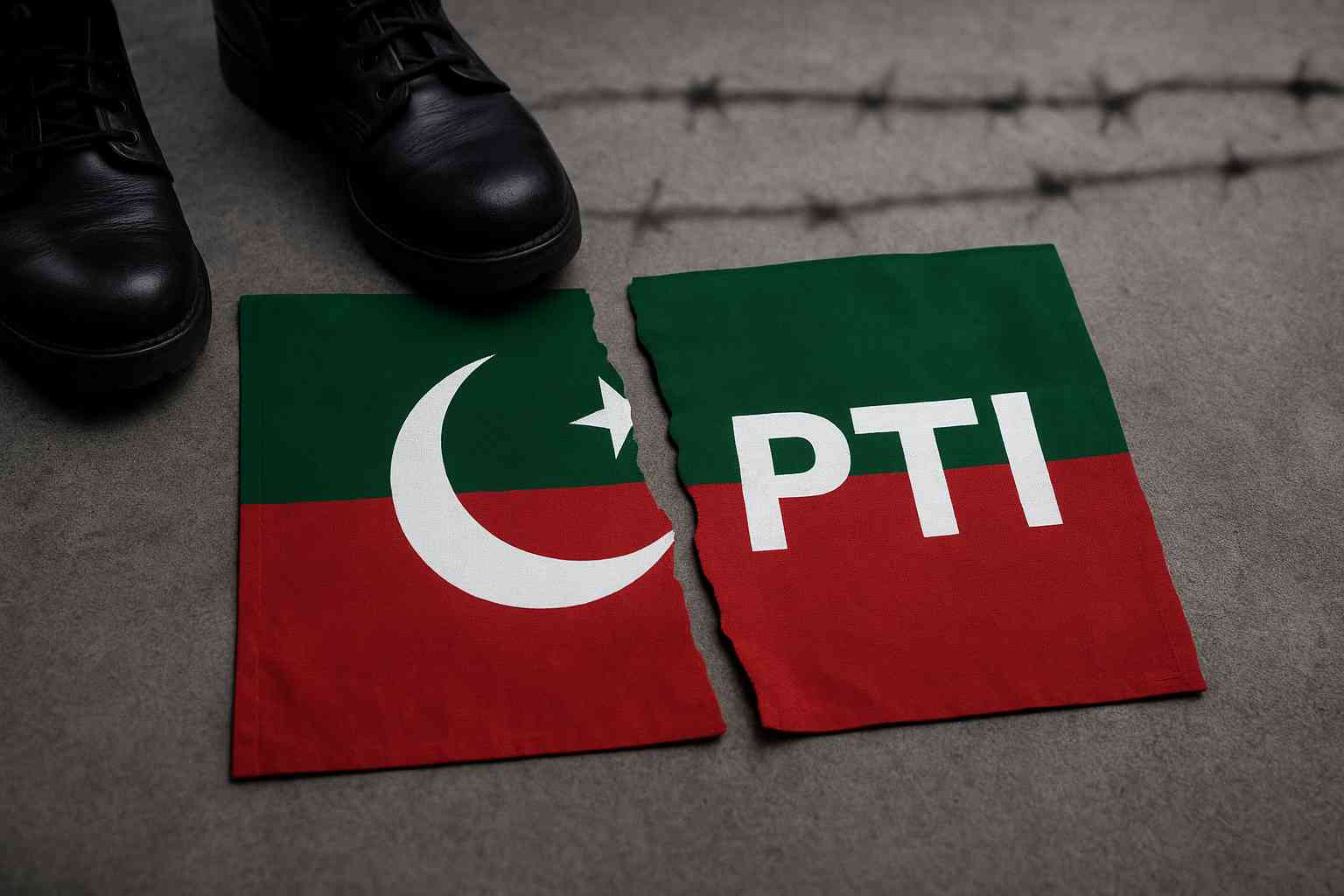
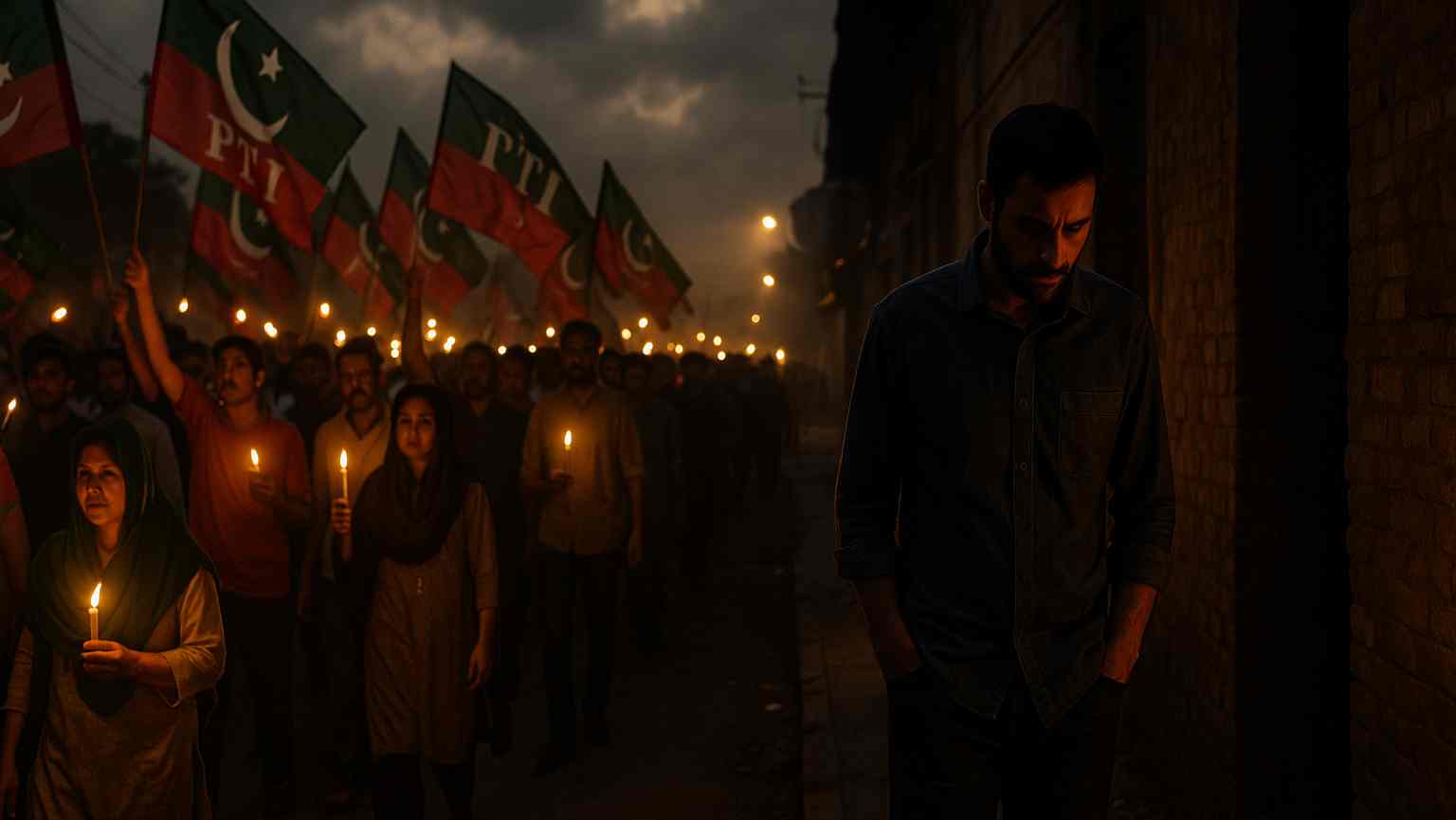
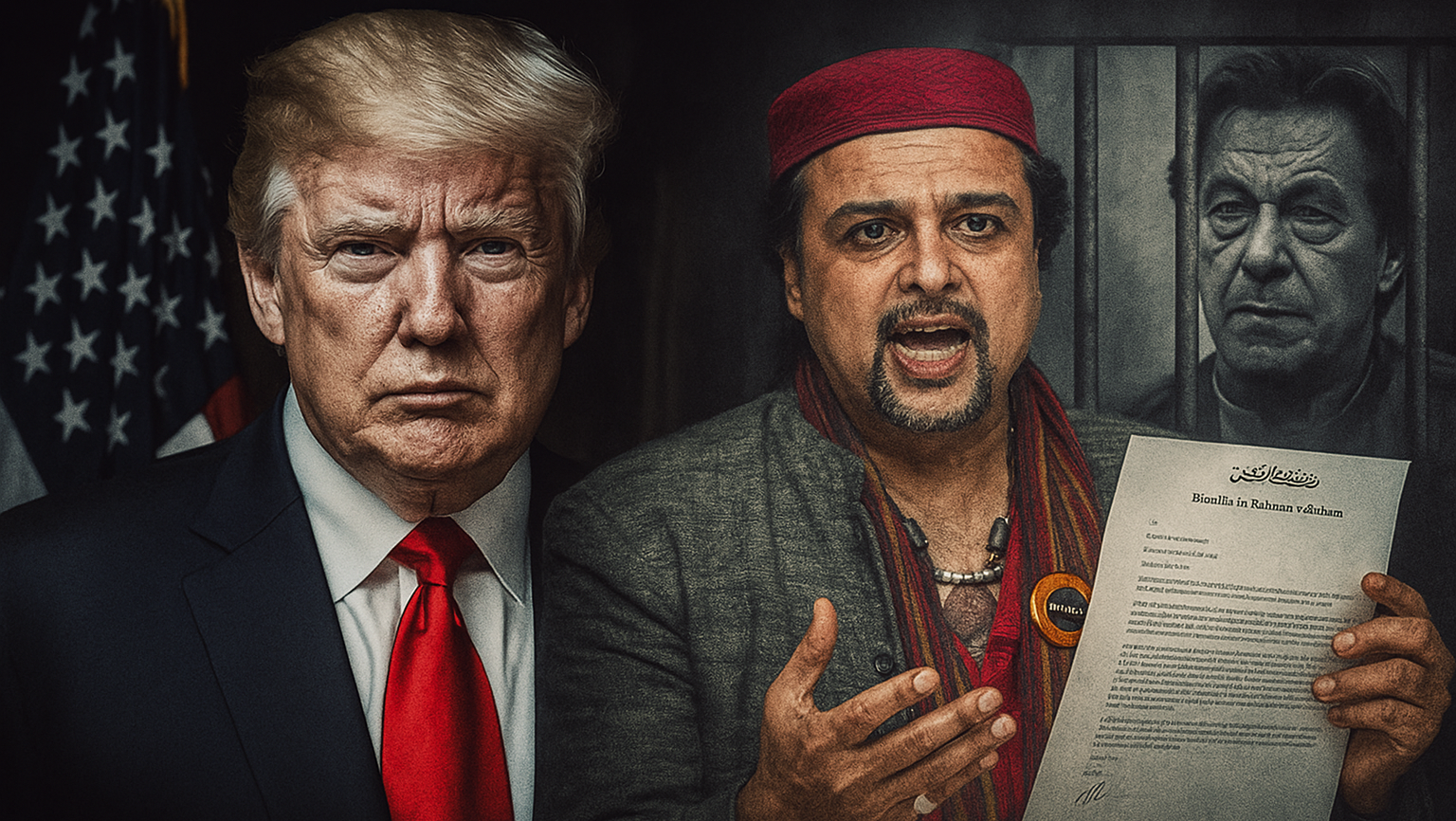
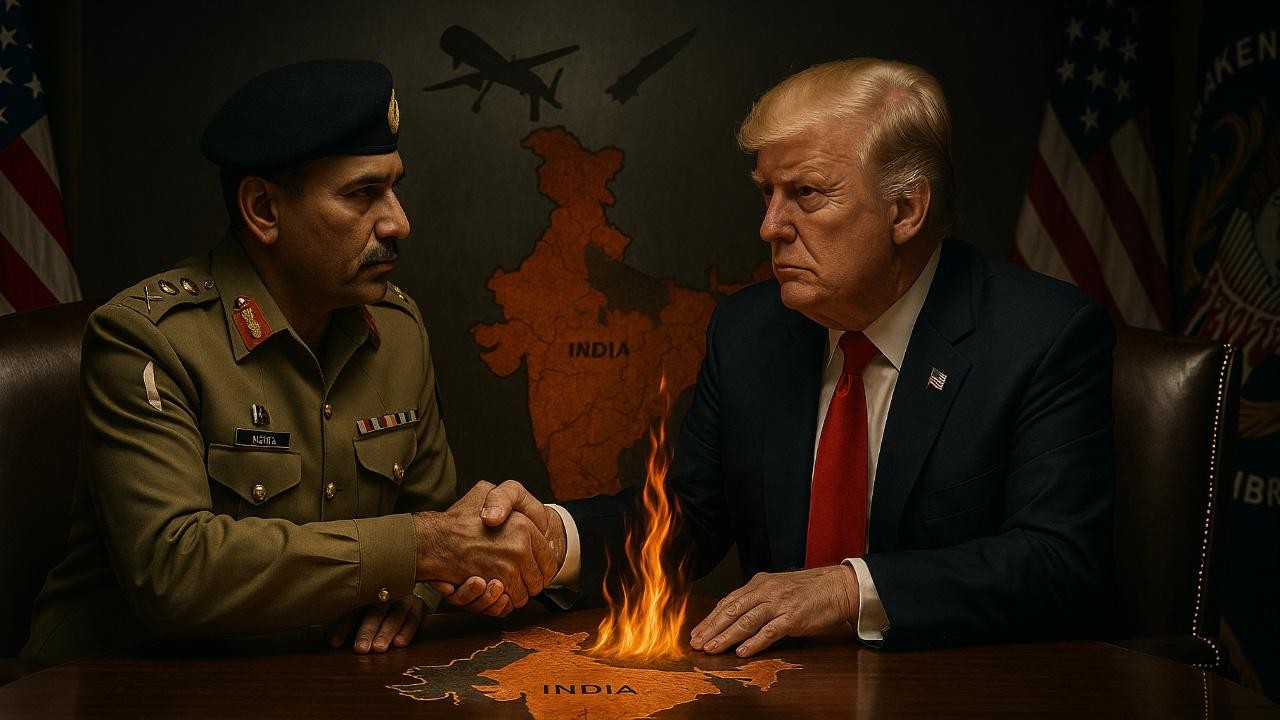
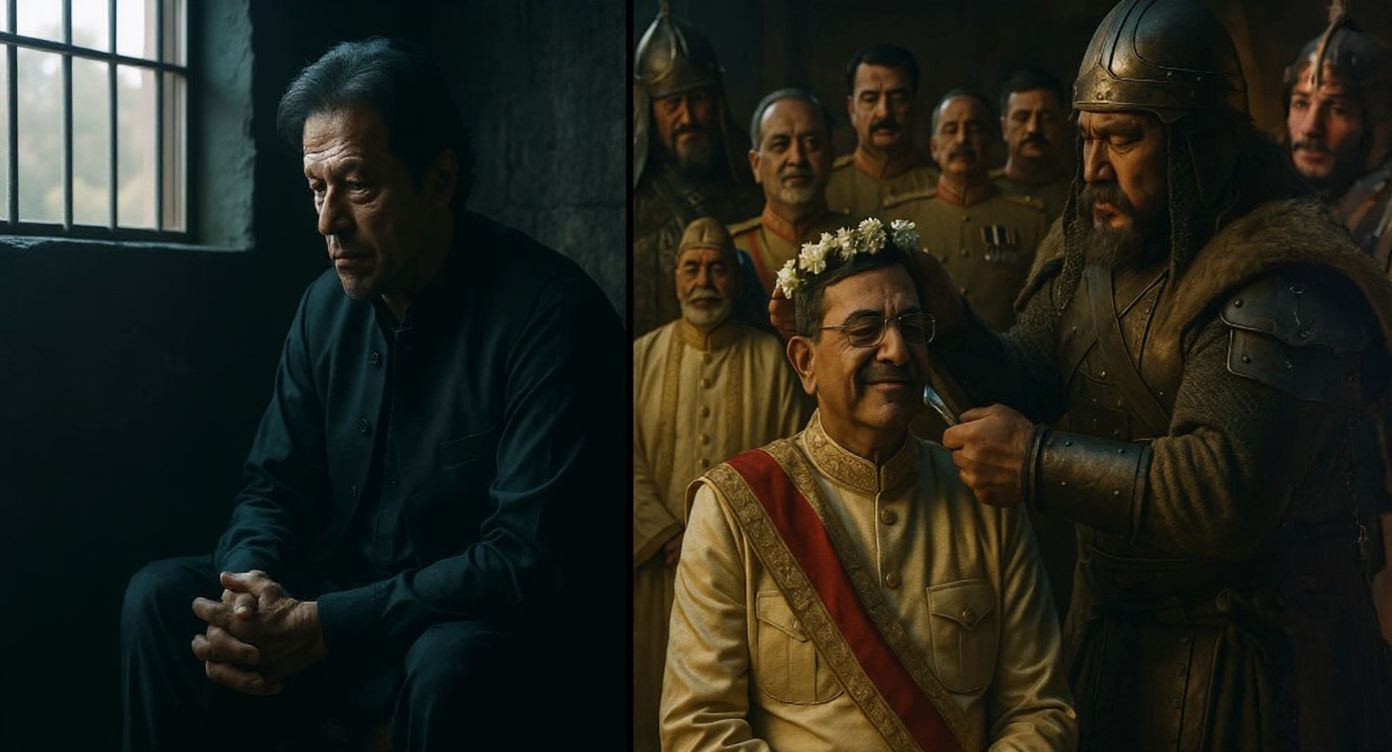
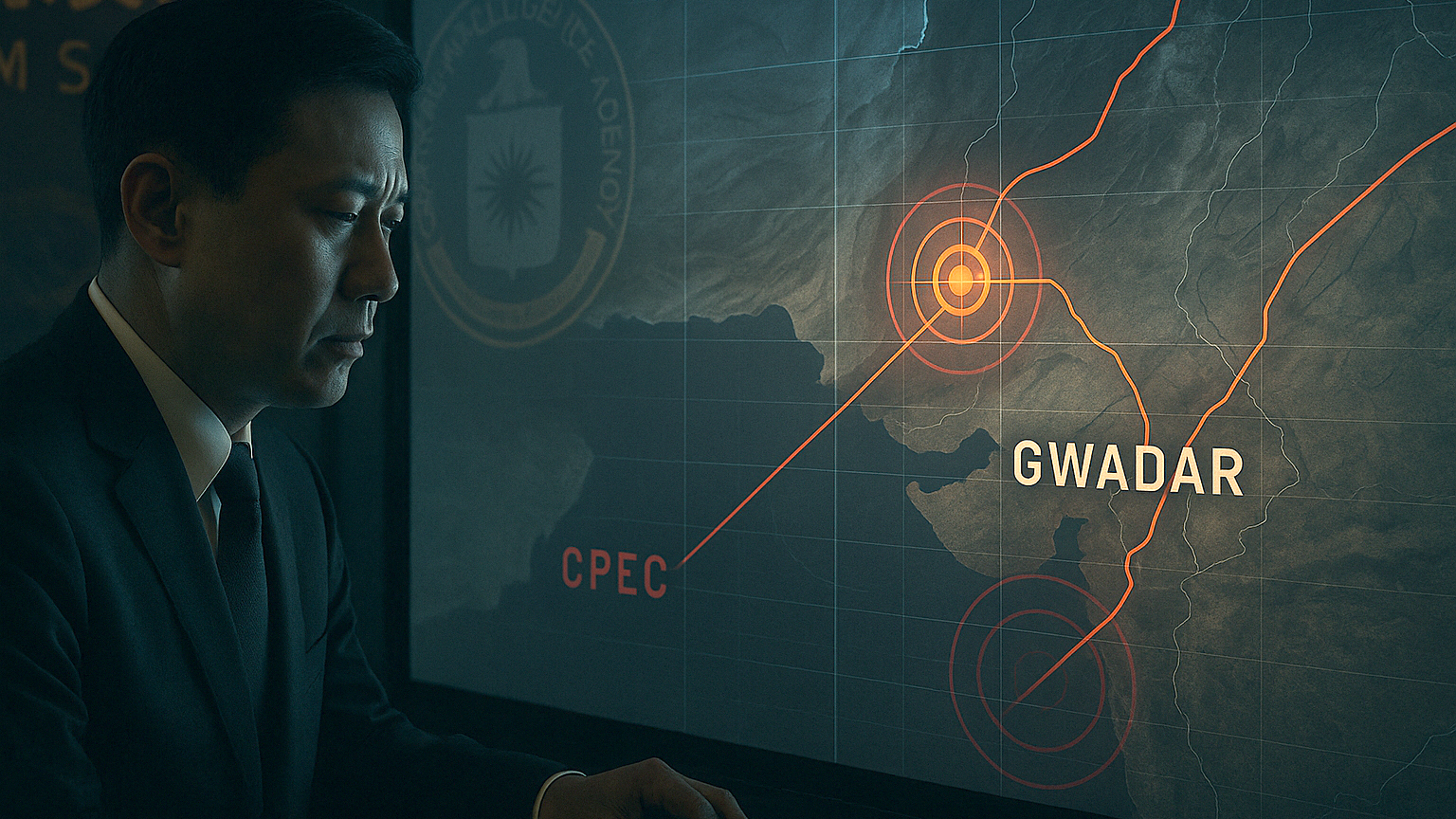
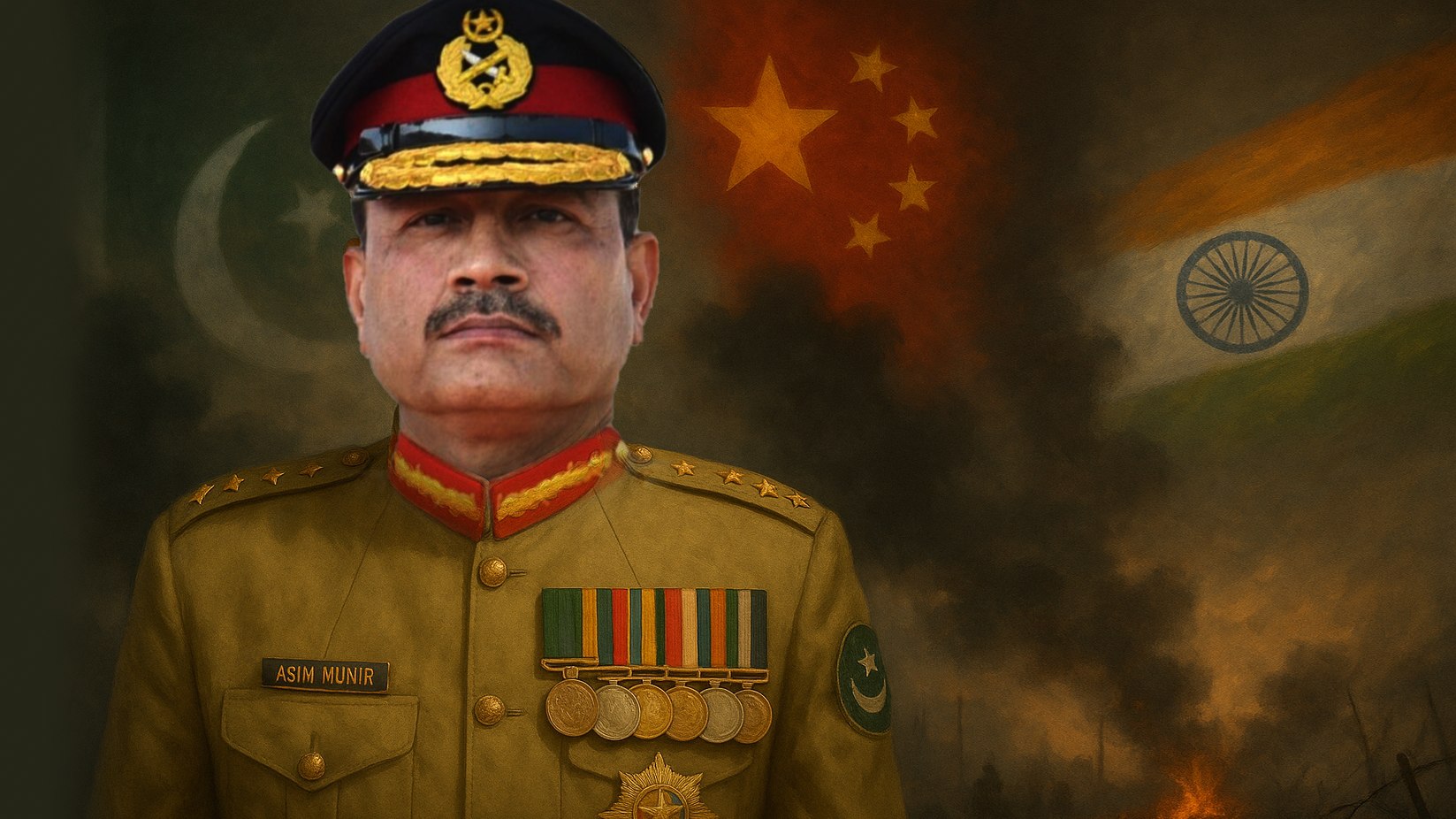
The Imran Khan medical report deserves attention for what doctors recorded. It also demands scrutiny for how Pakistan’s power structure may use it.
A medical board identified anxiety, blood-pressure fluctuations and the need for greater family contact. Those findings create a clear obligation to improve Khan’s care.
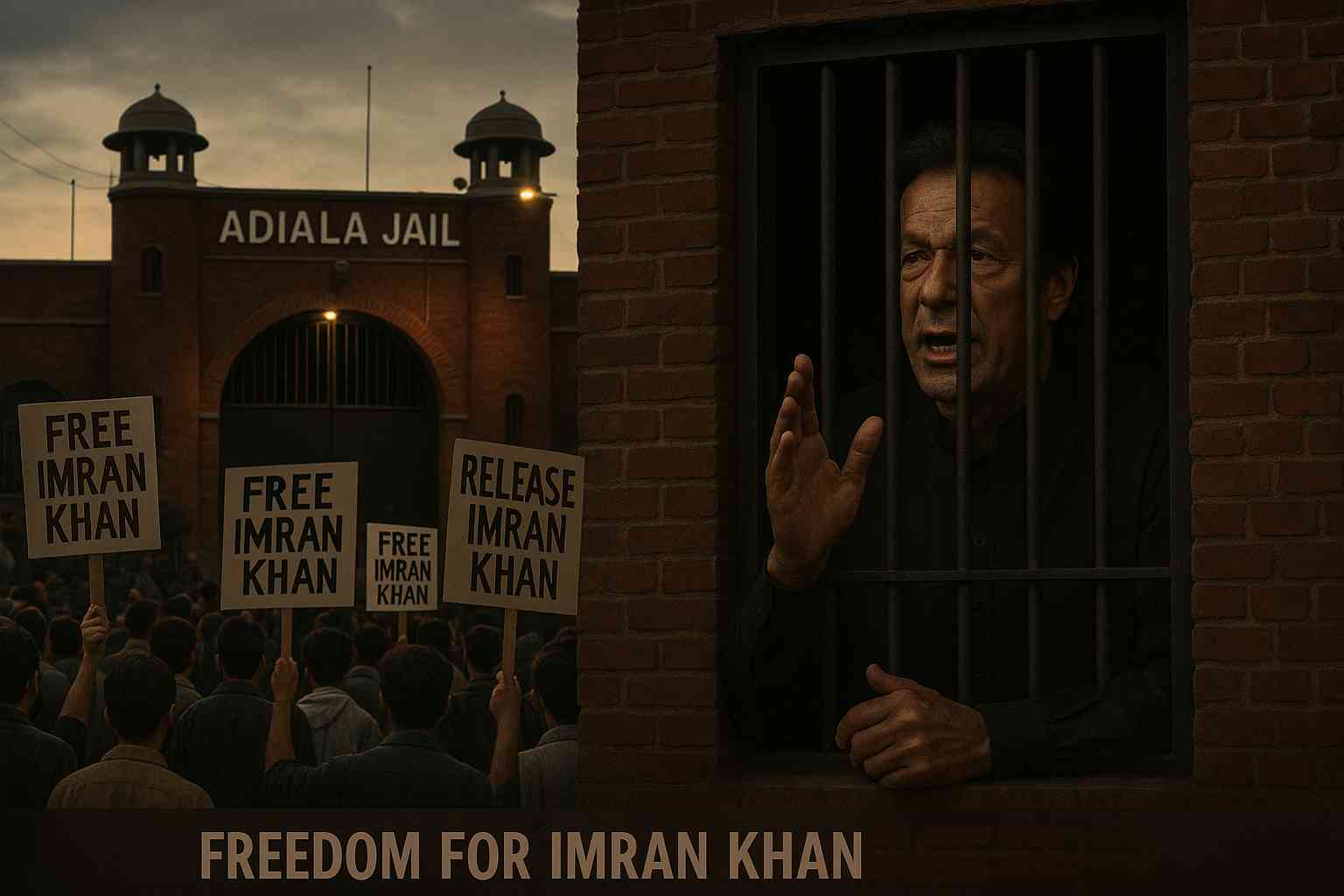
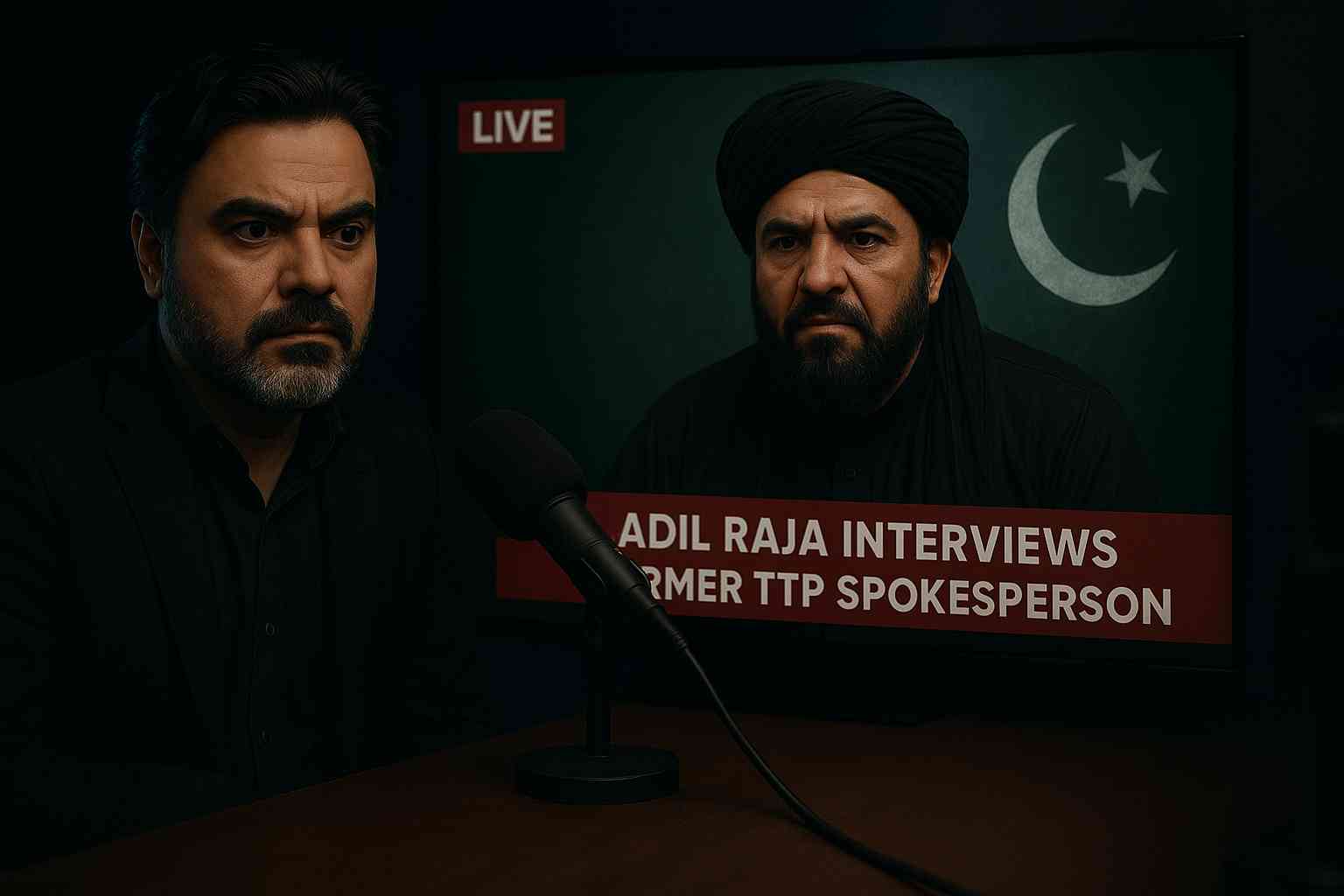
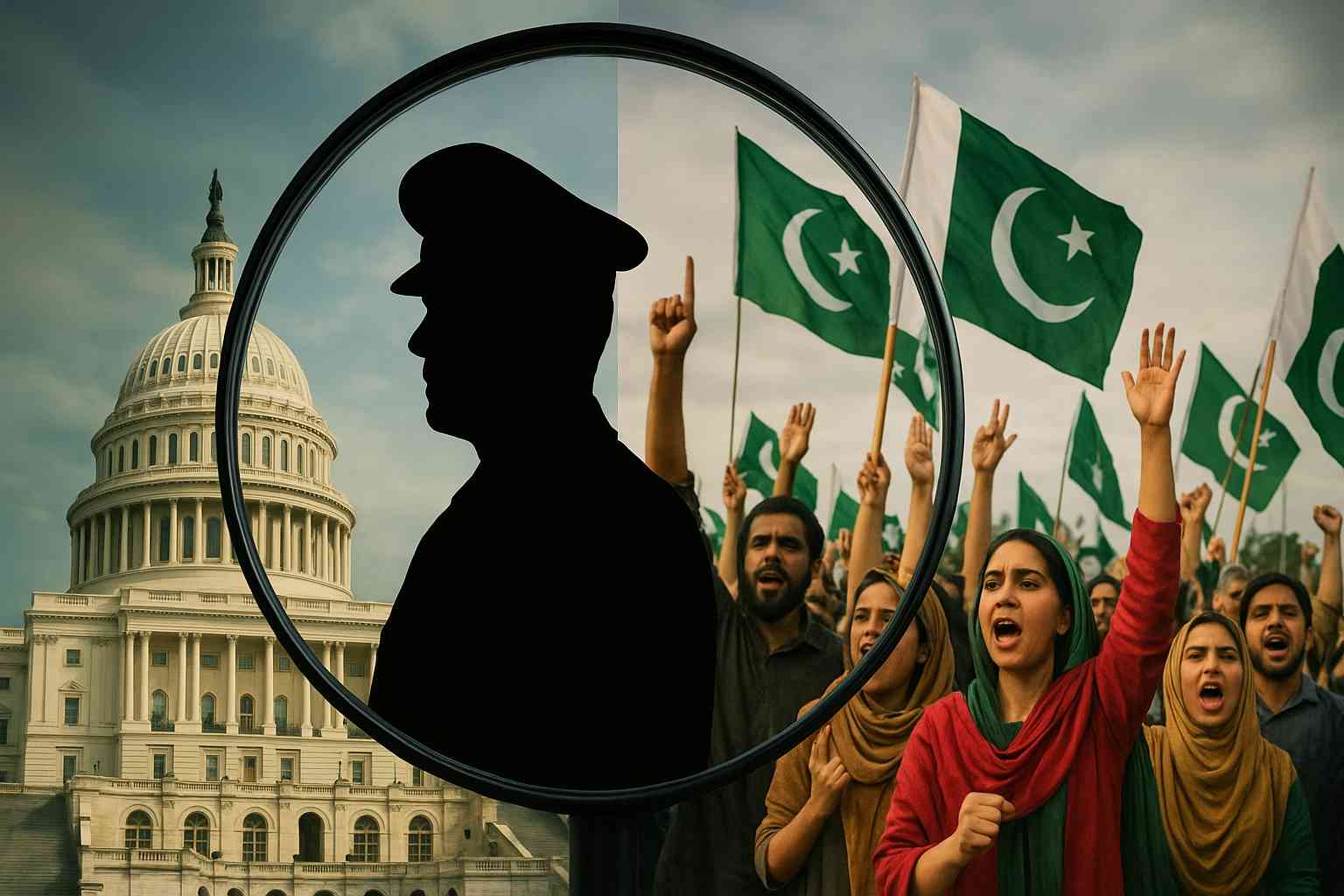
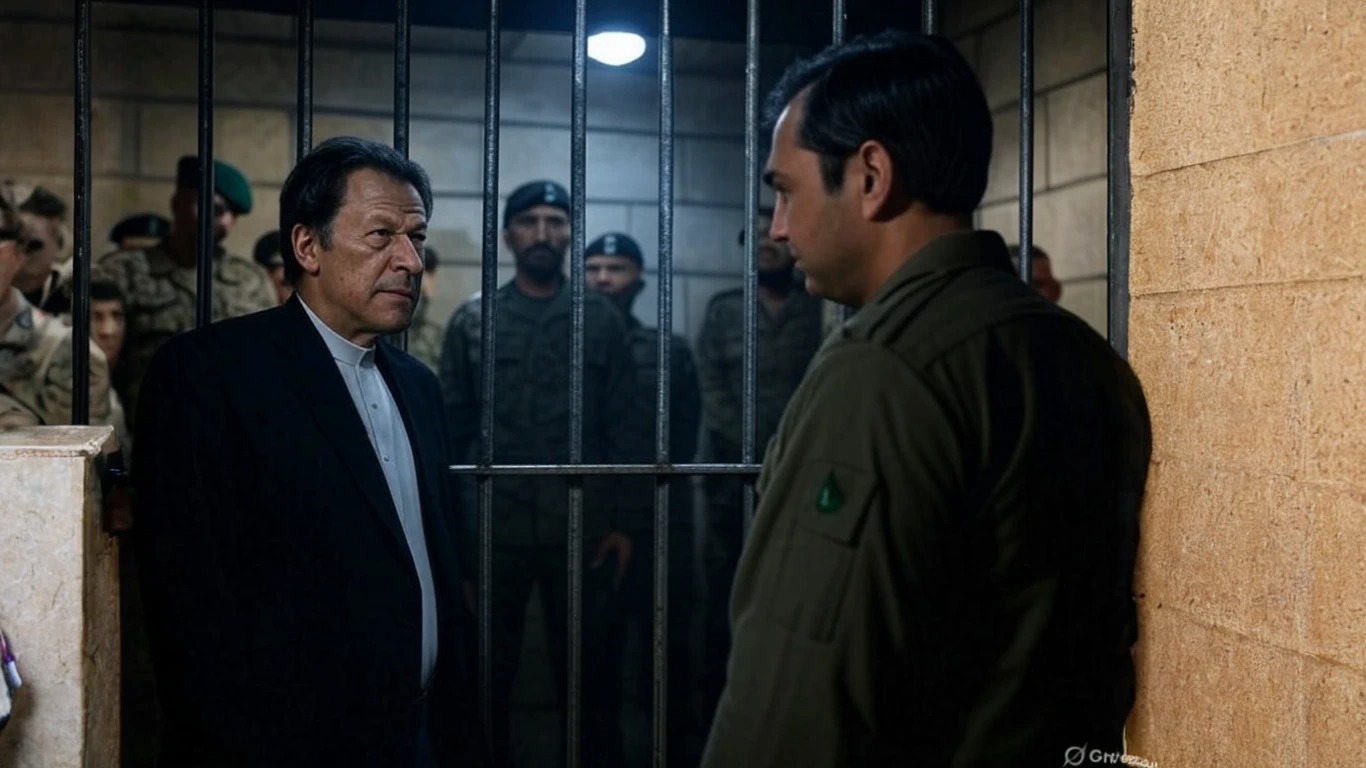
Adil Raja, however, presents a more troubling interpretation. He argues that the report could prepare a controlled transfer from Adiala jail while preserving political isolation.
Under that scenario, authorities would describe relocation as relief. Foreign governments and the public could receive the same message. Yet Khan would remain unable to communicate freely or control decisions made in PTI’s name.
Raja’s allegations remain unverified. Nevertheless, the distinction he raises is essential: better confinement is not the same as restored agency.
What the Imran Khan medical report establishes
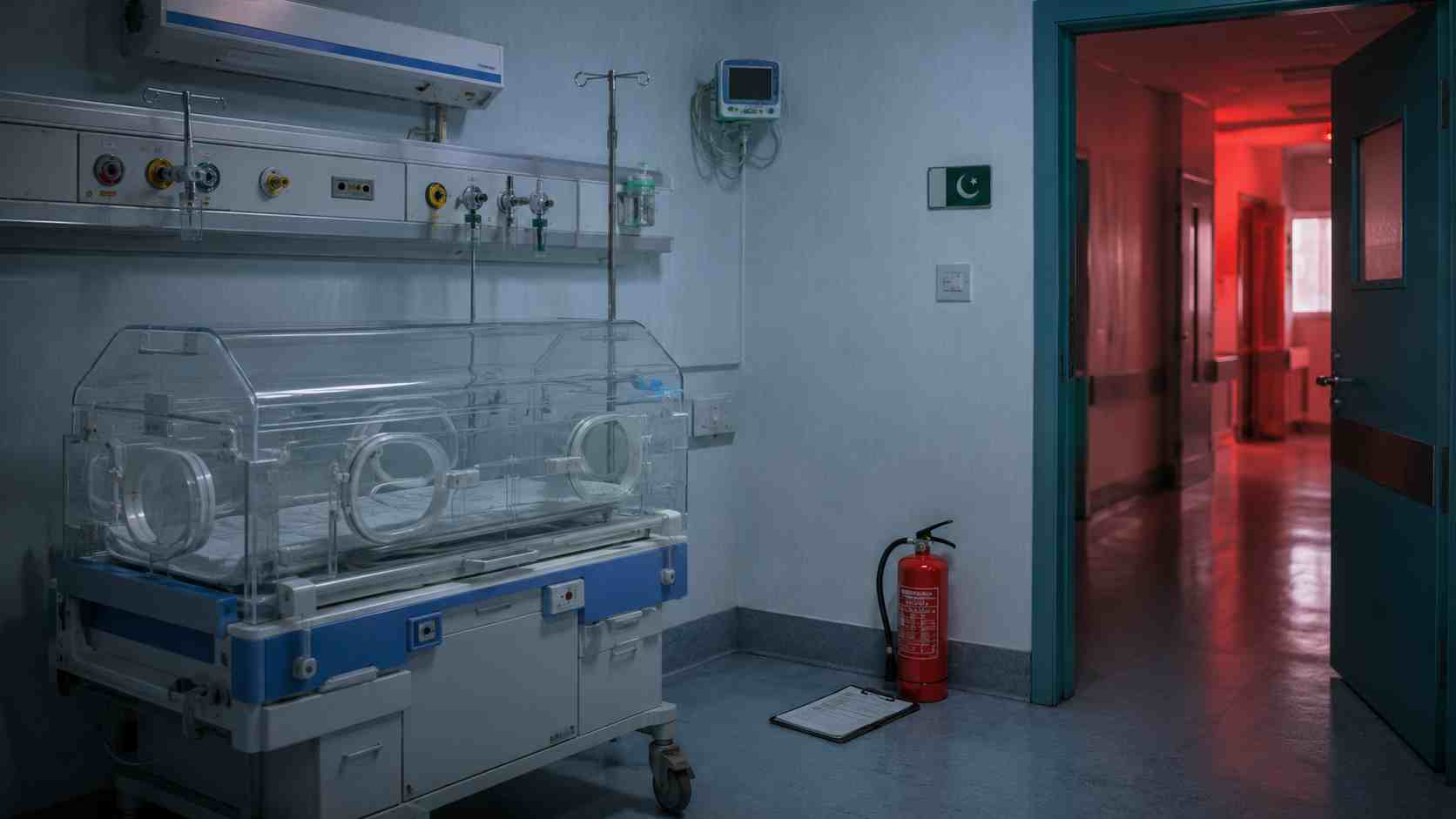
A four-member board examined Khan on August 10. According to the published medical findings, doctors recorded blood pressure of 140/80mmHg.
Khan complained of head heaviness and palpitations. Doctors found significant anxiety but no chest pain or shortness of breath. His electrocardiogram was normal.
An earlier consultation recorded blood pressure of 140/100mmHg and a pulse of 50 beats per minute. Khan connected his stress to infrequent family meetings and limited access to news.
The board recommended daily walking, relaxation, reading material and television. It also advised more frequent contact with his immediate family and spouse.
These recommendations matter because they connect prison conditions with Khan’s health management. The official jail report also said his eye condition had improved substantially.
Raja does not dismiss the medical concerns. In his program, he acknowledged Khan’s serious eye problem and the stress of incarceration. He also accepted that pain and anxiety can affect blood pressure.
His argument concerns the political presentation of those facts.
Adil Raja’s managed-relief thesis
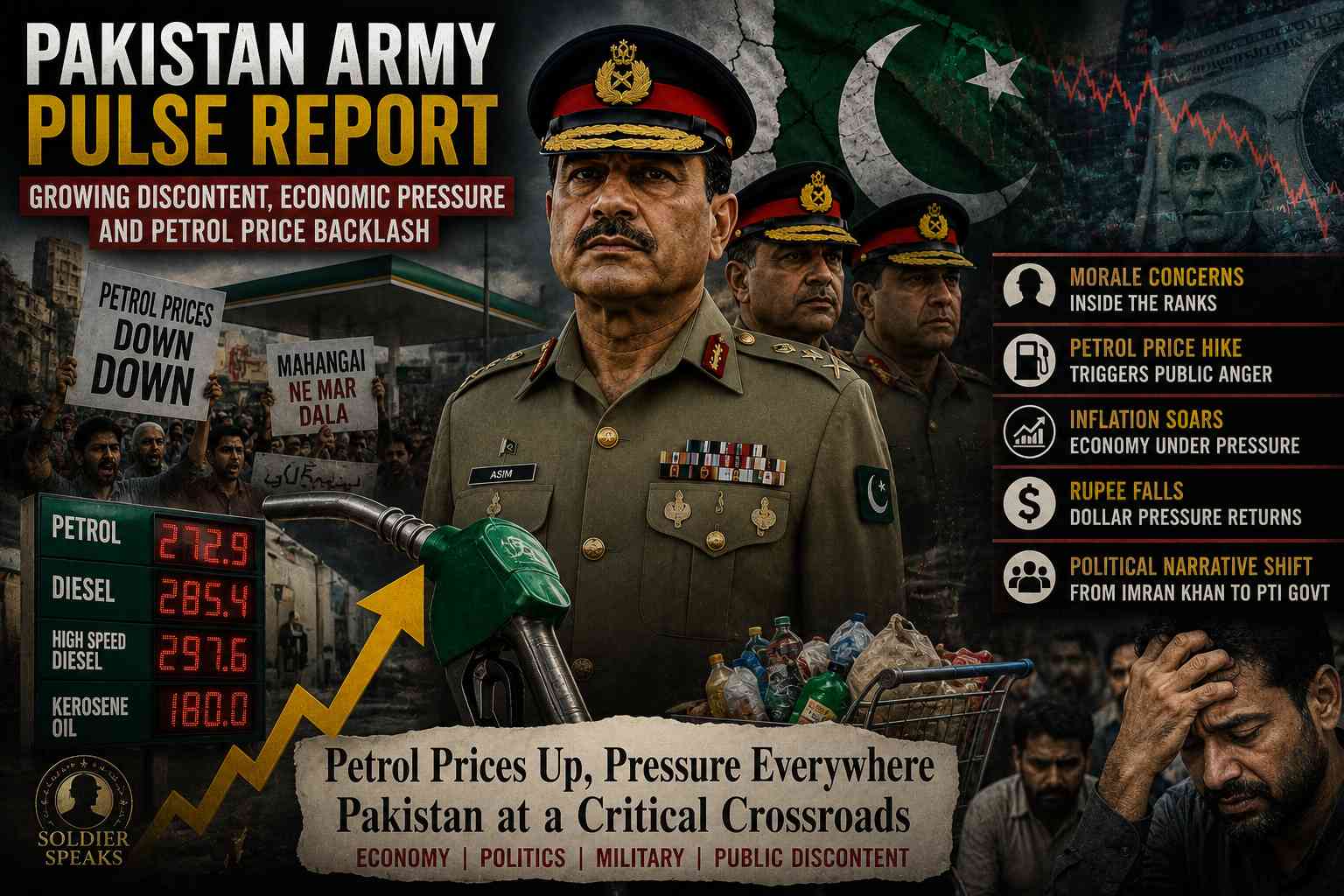
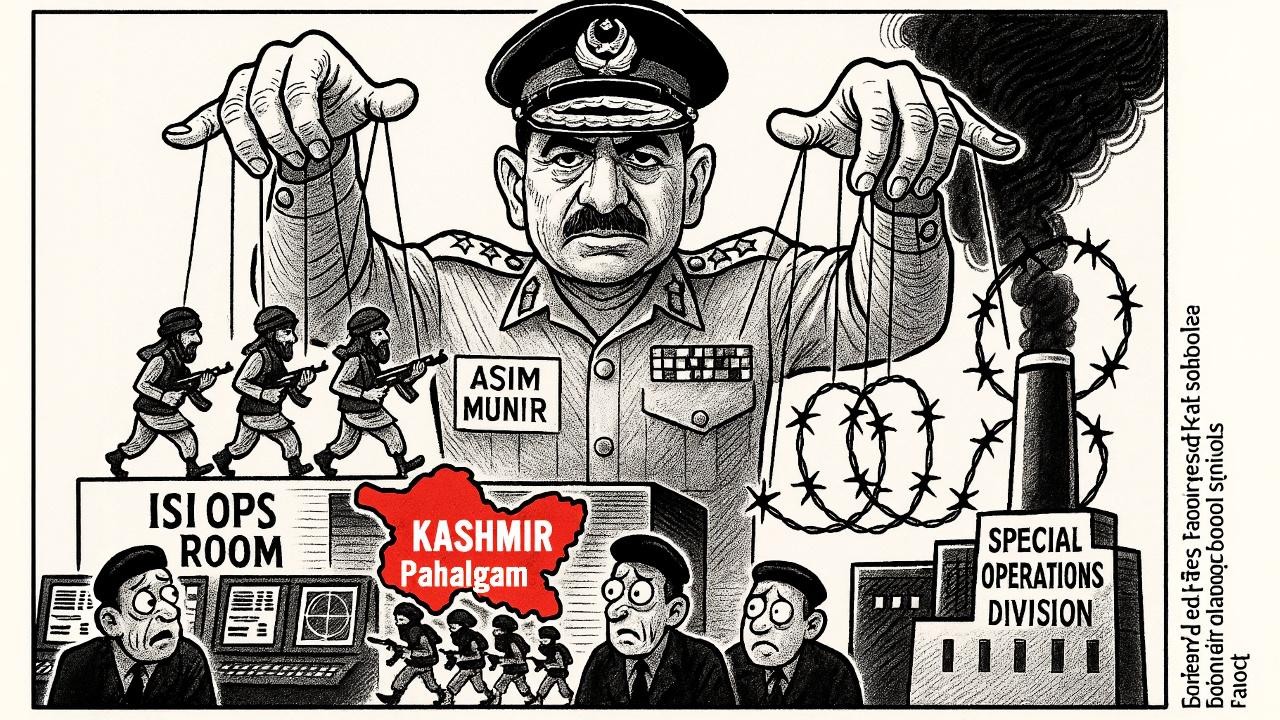
Across two Soldier Speaks programs, Raja placed the report inside what he calls a renewed “minus Imran Khan” strategy.
In the first program, recorded on August 13, he alleged that false rumours about Khan’s death tested public reaction. He also claimed that establishment-aligned actors wanted to weaken Khan’s control over PTI.
Raja’s later program treated the medical filing as the next stage. He alleged that selected journalists and online commentators had first amplified concern about Khan’s condition.
The official report then confirmed blood-pressure concerns and recommended reduced stress. In Raja’s interpretation, this sequence could build public support for relocation.
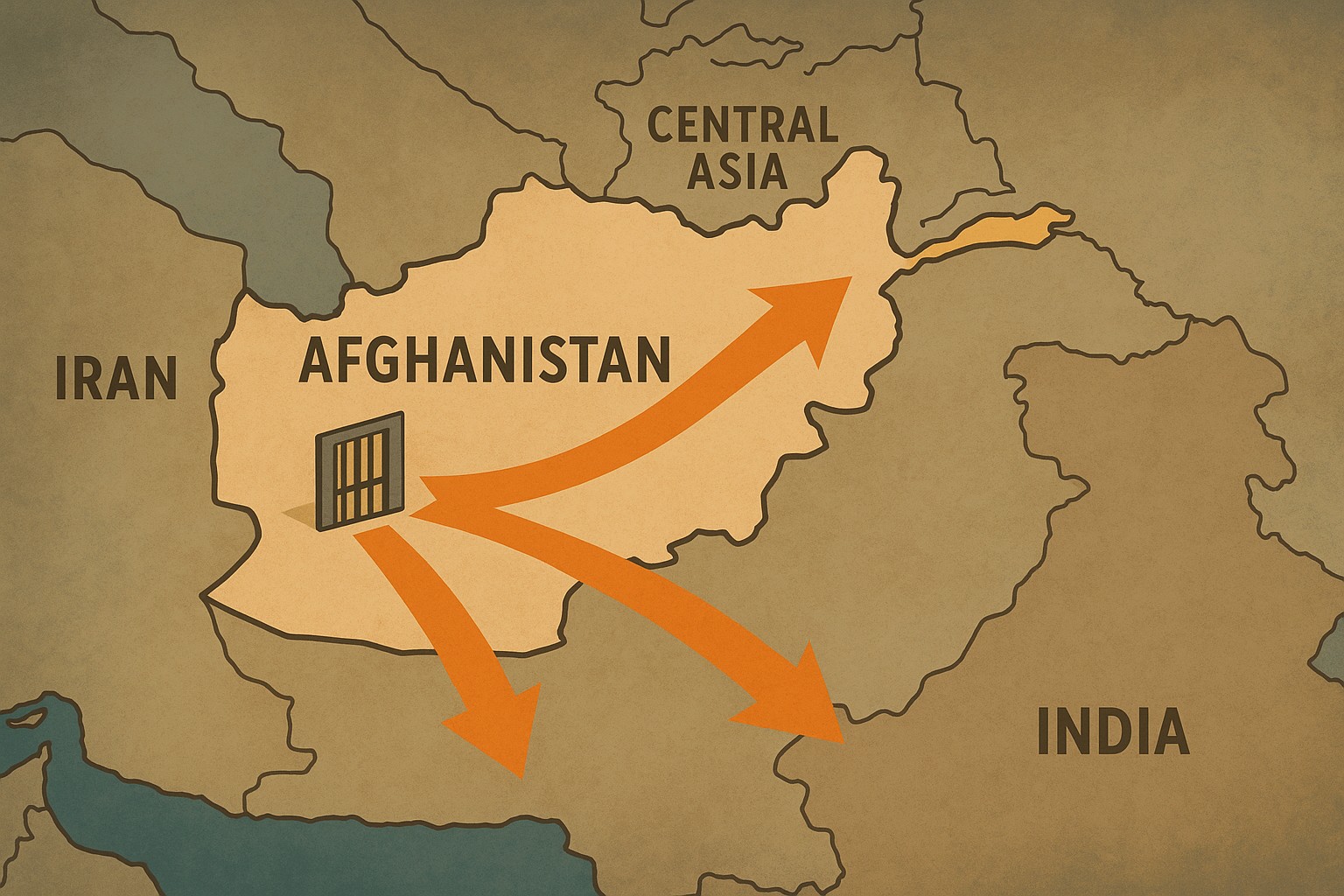
He outlined three possible destinations: a hospital, Banigala or a special facility in Rawalpindi’s Qasim Market. Authorities could then present the transfer as a humanitarian concession.
The central issue would remain unresolved. Would Khan receive independent access and political communication, or merely a more comfortable form of isolation?
Neither program provides documentary proof that military authorities ordered the medical report or coordinated the surrounding coverage. Public evidence also does not establish such a plan.
Raja attributes his account to intelligence, political and diplomatic sources. Soldier Speaks therefore presents it as his sourced assessment, not a confirmed institutional decision.
The reported sub-jail option is not entirely new
The Qasim Market scenario has some basis in earlier reporting.
In September 2025, Nukta reported that authorities had prepared a special Rawalpindi facility. The report said approximately 40 prison personnel had received assignments there.
That reporting supports the reported existence of a prepared facility. It does not prove that authorities now intend to move Khan there.
Banigala also carries a relevant precedent. Authorities previously declared the residence a sub-jail for Bushra Bibi. The Islamabad High Court later invalidated that arrangement and ordered her transfer to Adiala jail.
A new address could improve Khan’s immediate surroundings. It might also provide better medical access.
However, a sub-jail would remain a place of state-controlled detention. Authorities could still regulate visitors, information and political communication.
That is why the quality of relief matters more than its location.
Constitutional bargaining changes the context
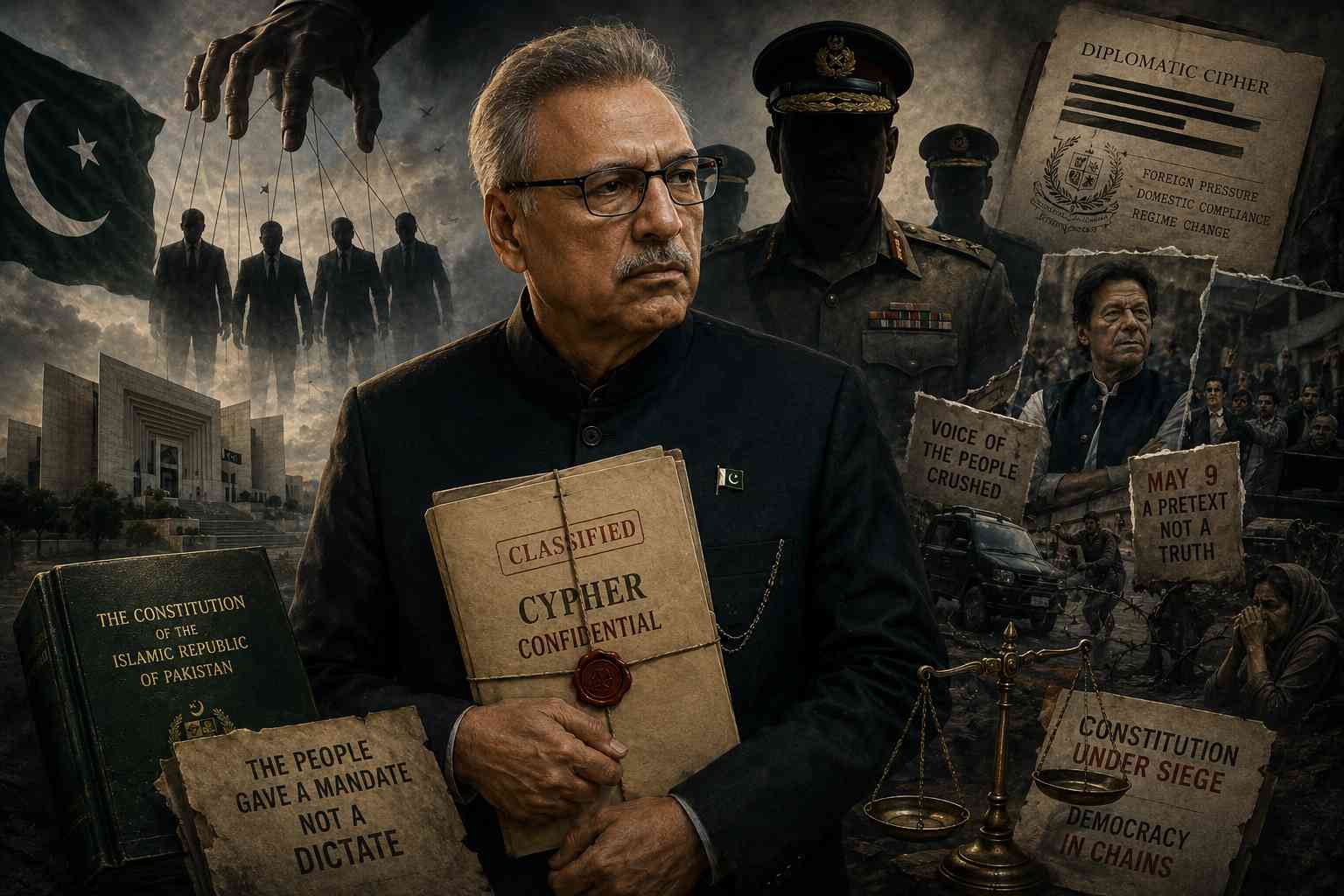
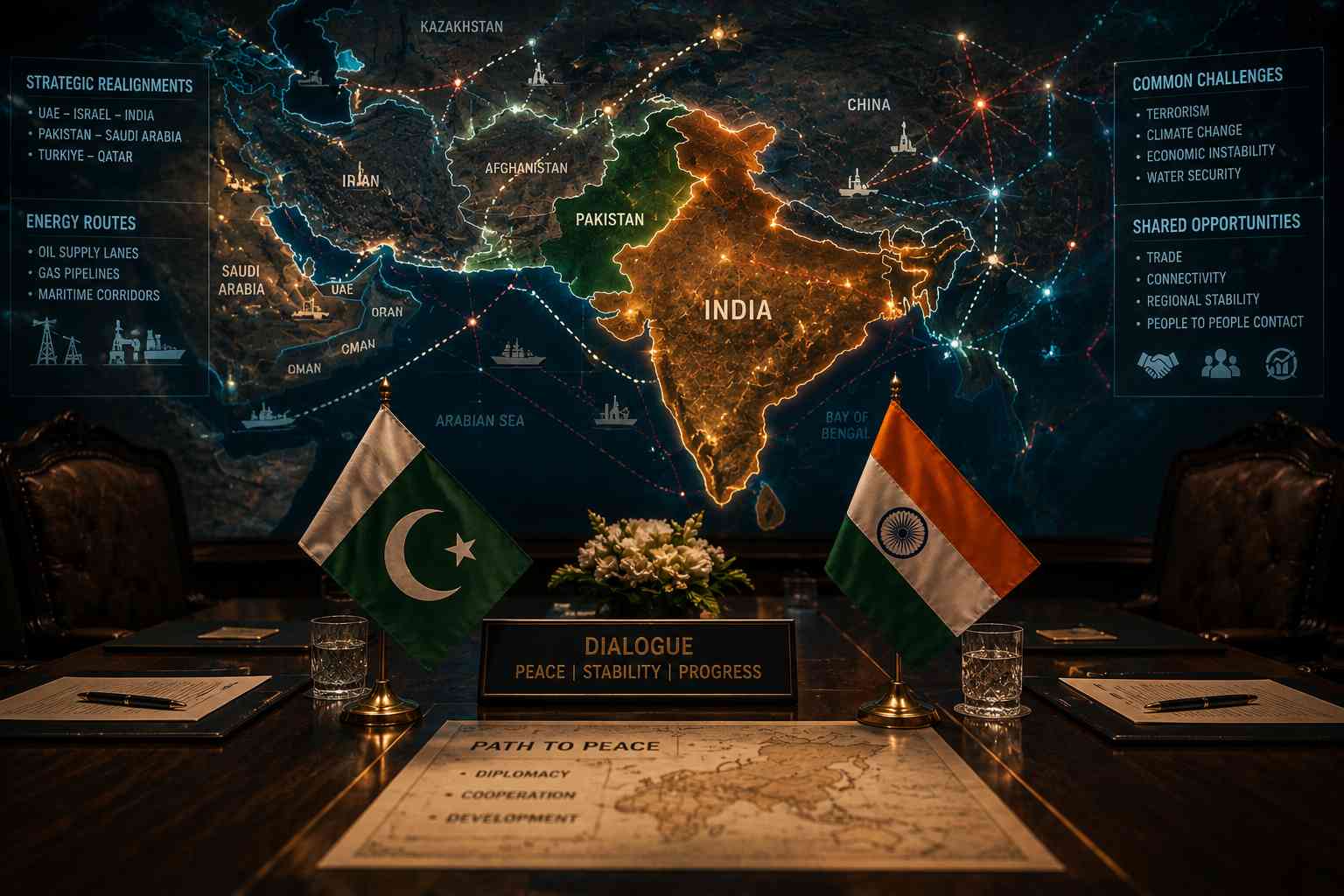
Raja links the possible transfer to wider constitutional negotiations. He alleges that establishment-linked intermediaries have discussed relief for Khan alongside demands for PTI cooperation.
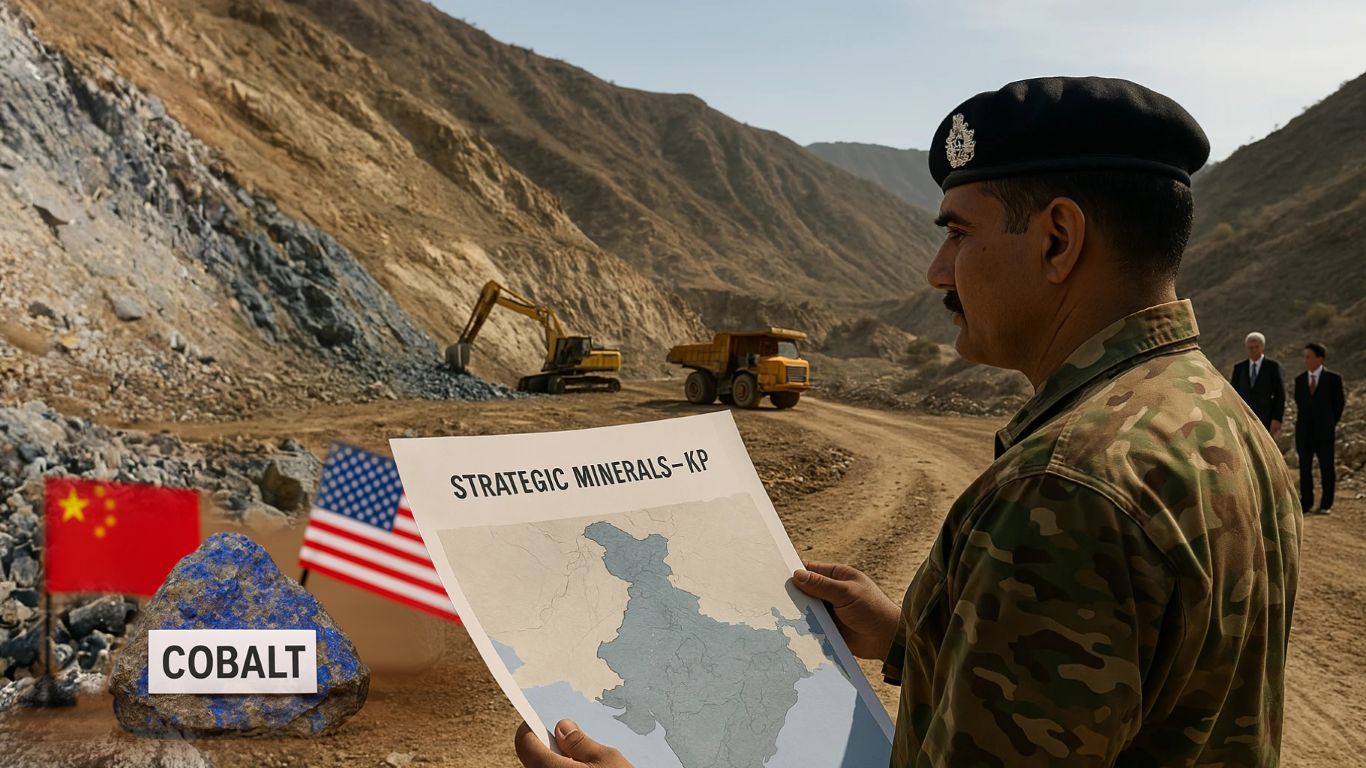
Those alleged demands include new provinces and further constitutional amendments. Raja also claims that discussions involve a presidential system with concentrated executive authority.
No published agreement confirms such an exchange. PTI has not publicly announced a commitment to support a presidential system or a specific amendment package.
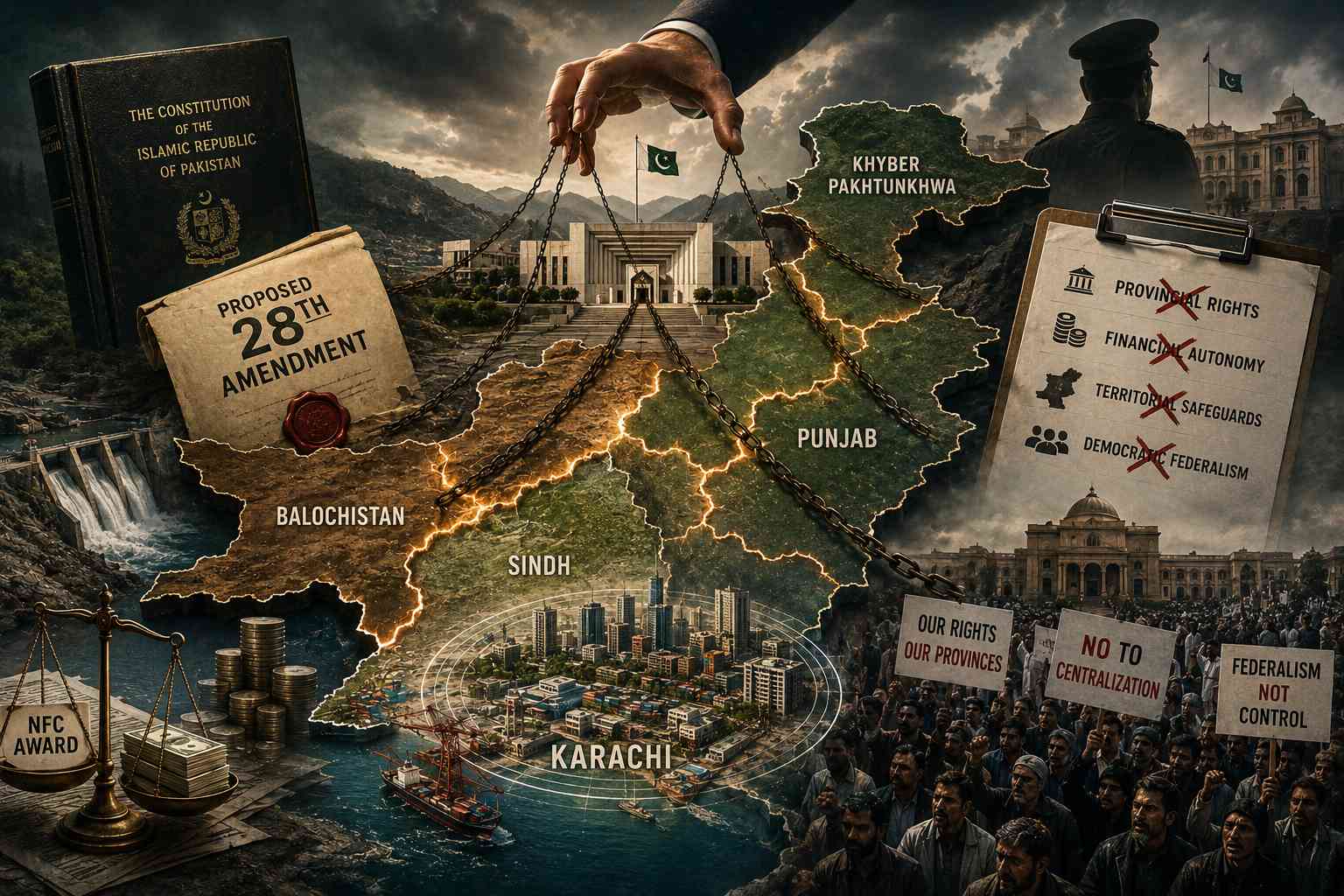
Yet constitutional restructuring is no longer an imaginary backdrop. Pakistan already faces an active new-provinces debate.
Any change to provincial boundaries would face demanding constitutional requirements. Article 239 requires two-thirds support in Parliament and the affected provincial assembly.
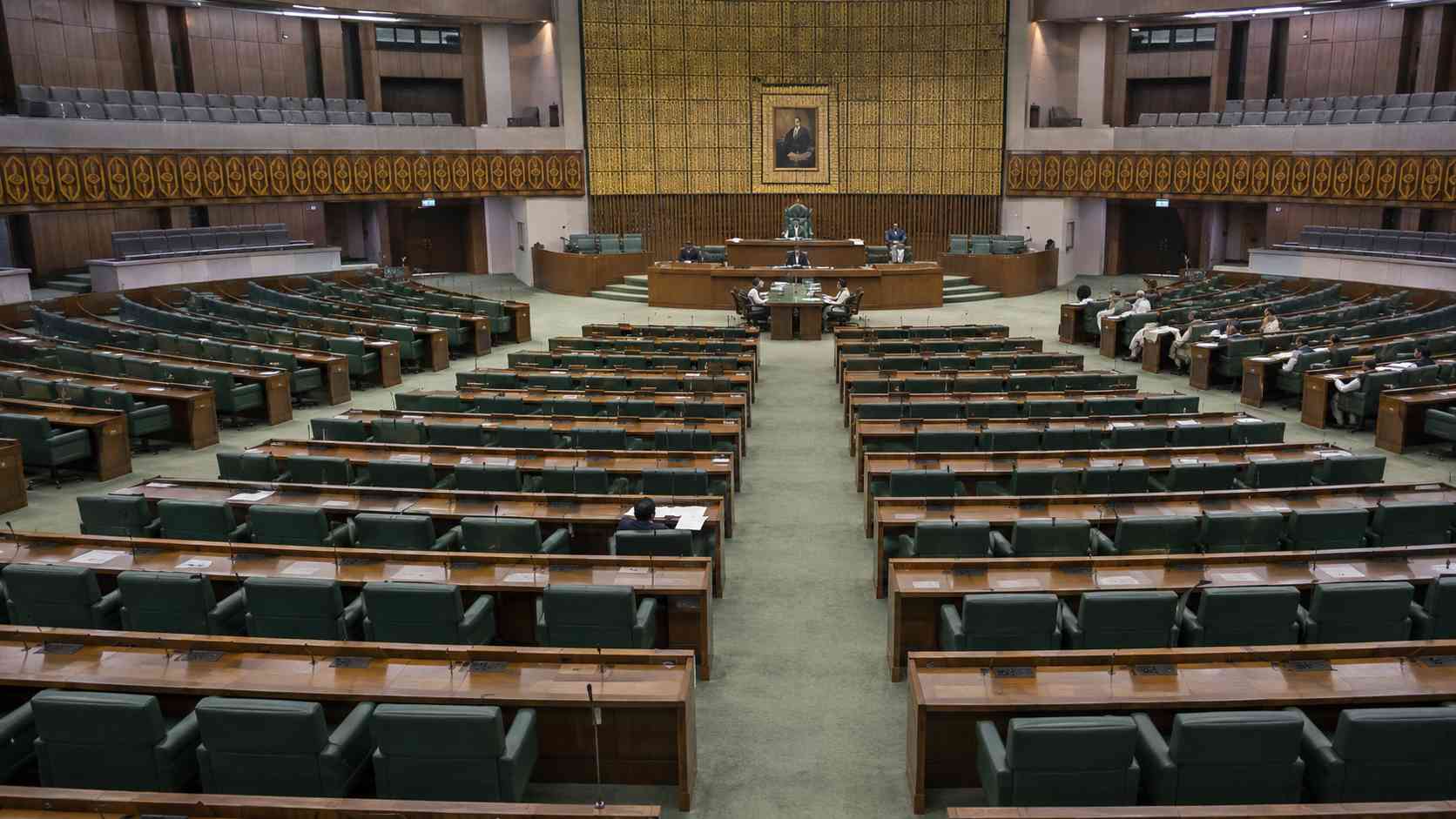
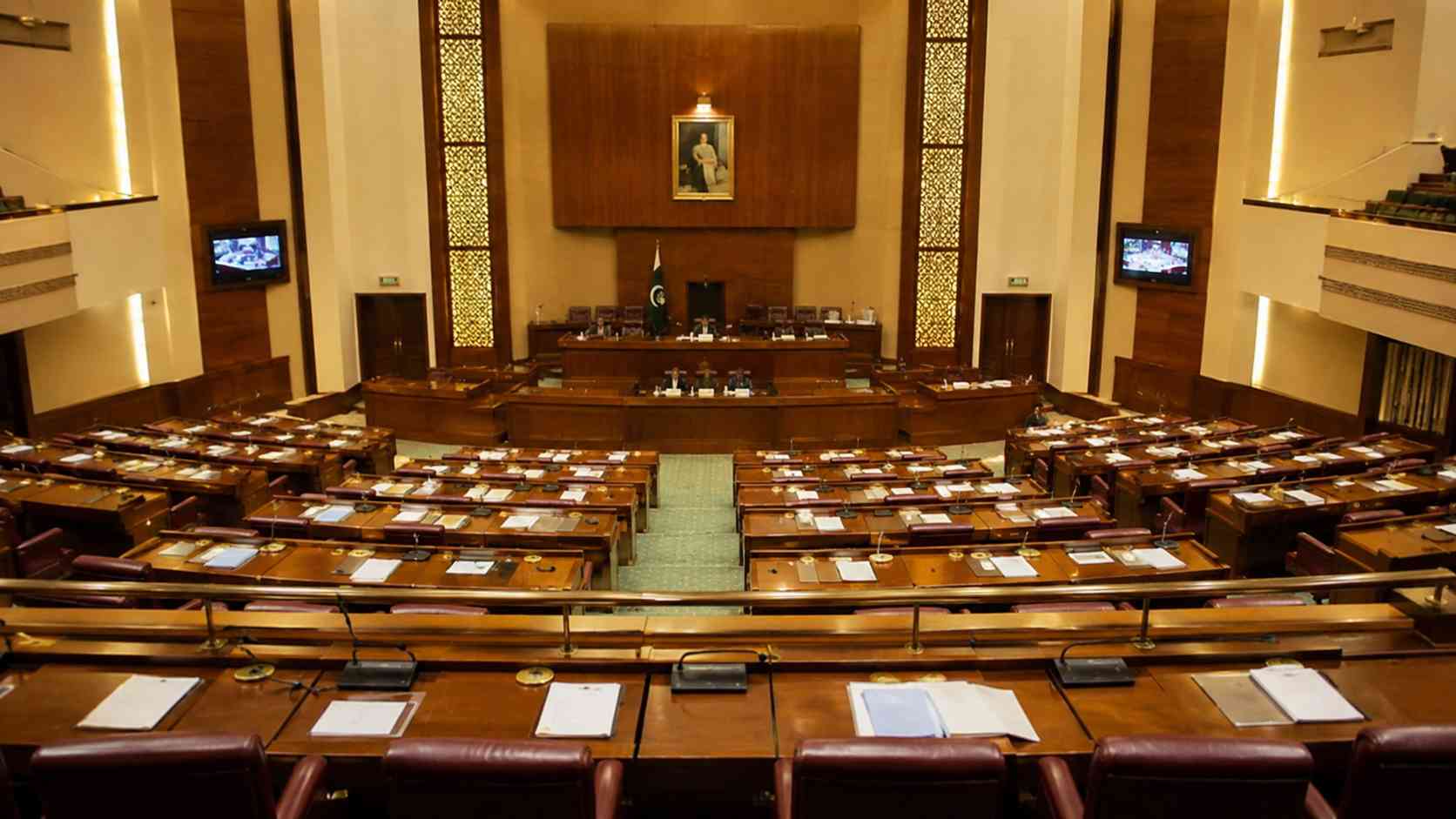
The political timing also deserves attention. Government and opposition representatives have agreed to continue constitutional talks under Prime Minister Shehbaz Sharif’s expected participation.
The same parliamentary proceedings included an intense debate over Khan’s health and access. That overlap does not prove a bargain. It does make transparency essential.
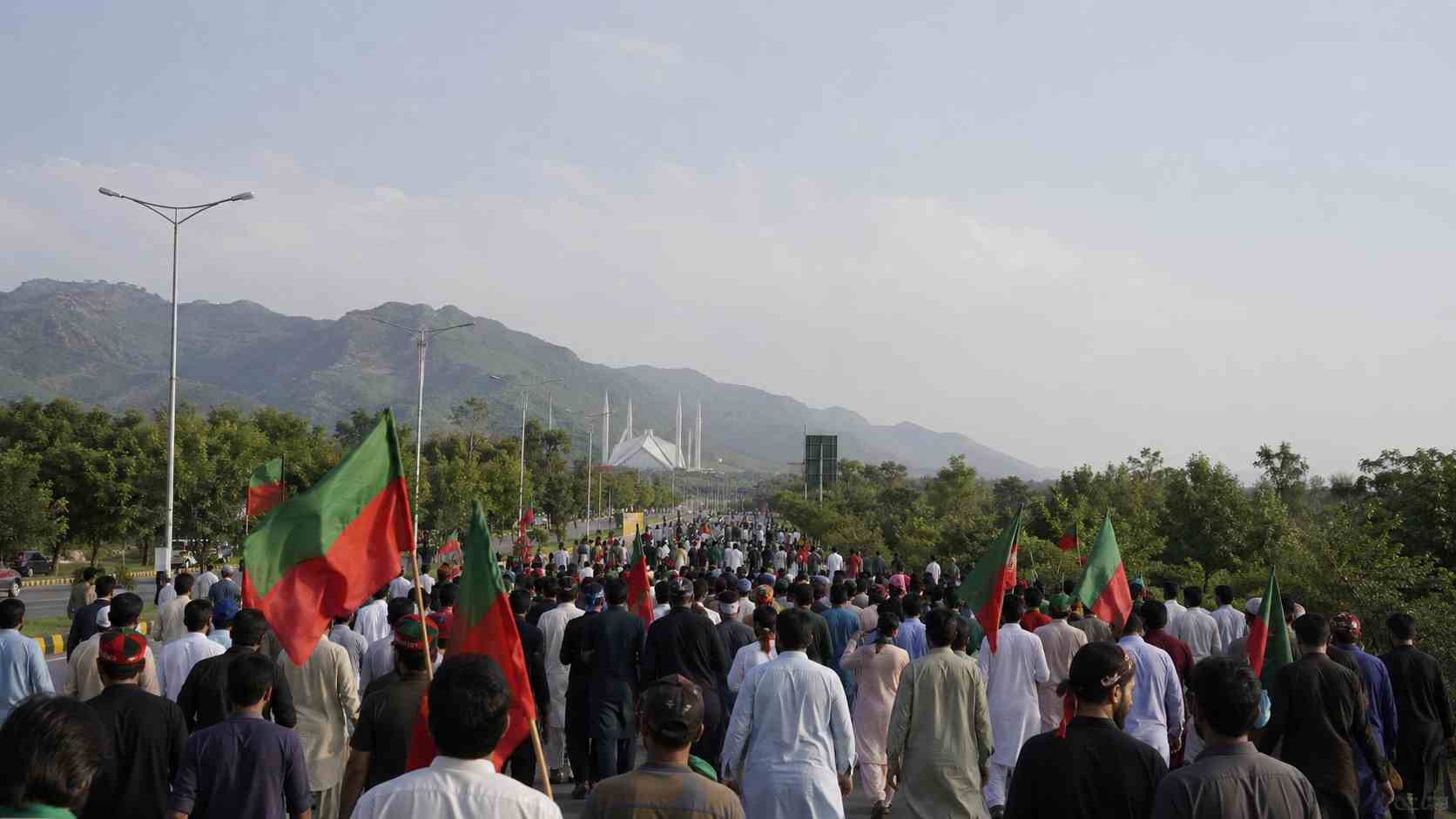
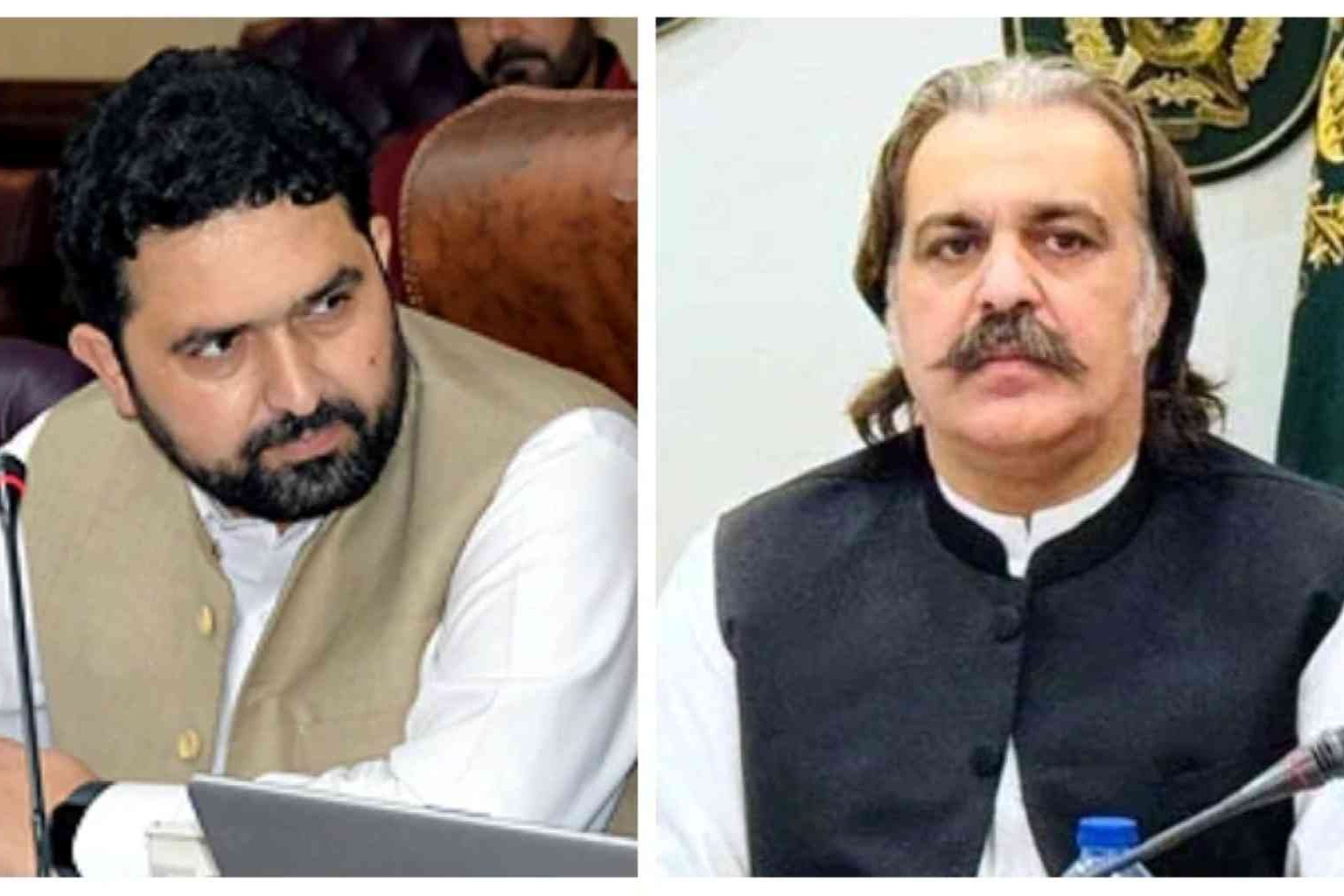
Raja specifically alleges that Barrister Gohar Ali Khan and other PTI figures have moved toward cooperation. The public record does not confirm that allegation.
PTI must therefore disclose its position before any constitutional vote. It must also establish whether Khan personally approved that position through an authenticated channel.
Foreign pressure remains an attributed claim
Raja also alleges that Saudi Arabia and the United Kingdom have pressed Islamabad to improve Khan’s treatment.
He identifies British High Commissioner Jane Marriott as an important source of diplomatic pressure. Neither the British nor Saudi government has publicly confirmed that account.
Diplomatic pressure often remains private, so public silence cannot settle the question. It also cannot serve as verification.
Even if such pressure exists, authorities could answer it through limited concessions. A transfer might reduce international criticism without restoring Khan’s political role.
That possibility strengthens the need to distinguish humanitarian improvement from political freedom.
The real test of relief
The Imran Khan medical report creates a measurable standard. Authorities should implement the board’s recommendations without attaching political conditions.
Independent physicians must receive meaningful access. Khan’s family and lawyers should meet him regularly under clear rules.
Officials should release properly authenticated medical records while protecting legitimate clinical privacy. Courts must also record the legal basis for any transfer.
Most importantly, Khan needs an authenticated channel for communicating political instructions. PTI should not support major constitutional changes without demonstrating his informed approval.
A hospital visit may constitute necessary treatment. Transfer to a sub-jail may improve daily conditions. Neither step would automatically represent release.
Adil Raja’s thesis will gain credibility if medical concessions coincide with opaque PTI commitments and continued isolation. It will weaken if authorities provide transparent care, independent access and unrestricted proof of Khan’s political agency.
The decisive question is therefore not whether the state opens one door. It is whether another locked gate remains behind it.