Bangladesh has protested a New Delhi media event featuring ousted former prime minister Sheikh Hasina, after she renewed her plan to return from exile in December. The Sheikh Hasina return pledge has reopened an extradition dispute and complicated an attempted reset in India-Bangladesh relations.
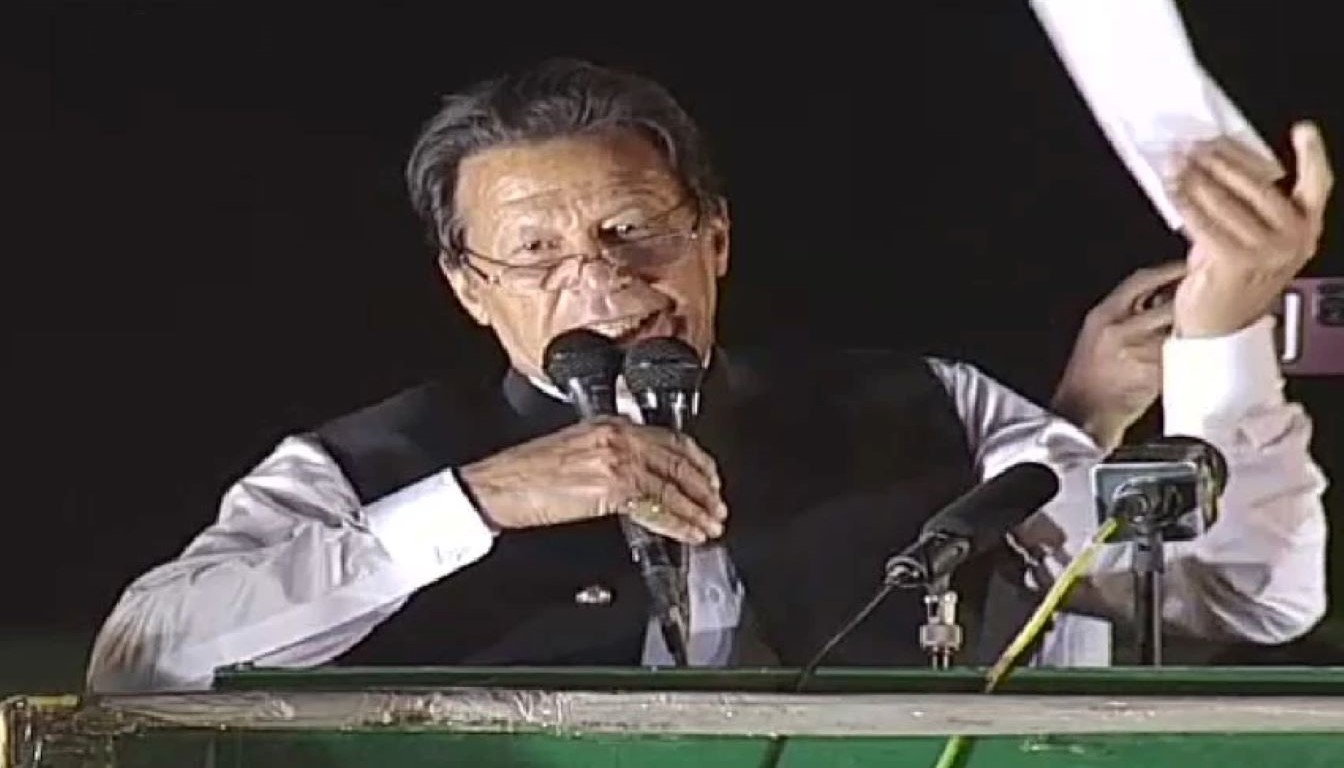
Hasina addressed an event in the Indian capital by audio on Wednesday. It marked two years since the uprising that ended her government. She said she would return voluntarily, although a Bangladeshi tribunal sentenced her to death in absentia in 2025. The Associated Press reported that India said it had no involvement in the event.
Dhaka condemns the New Delhi appearance
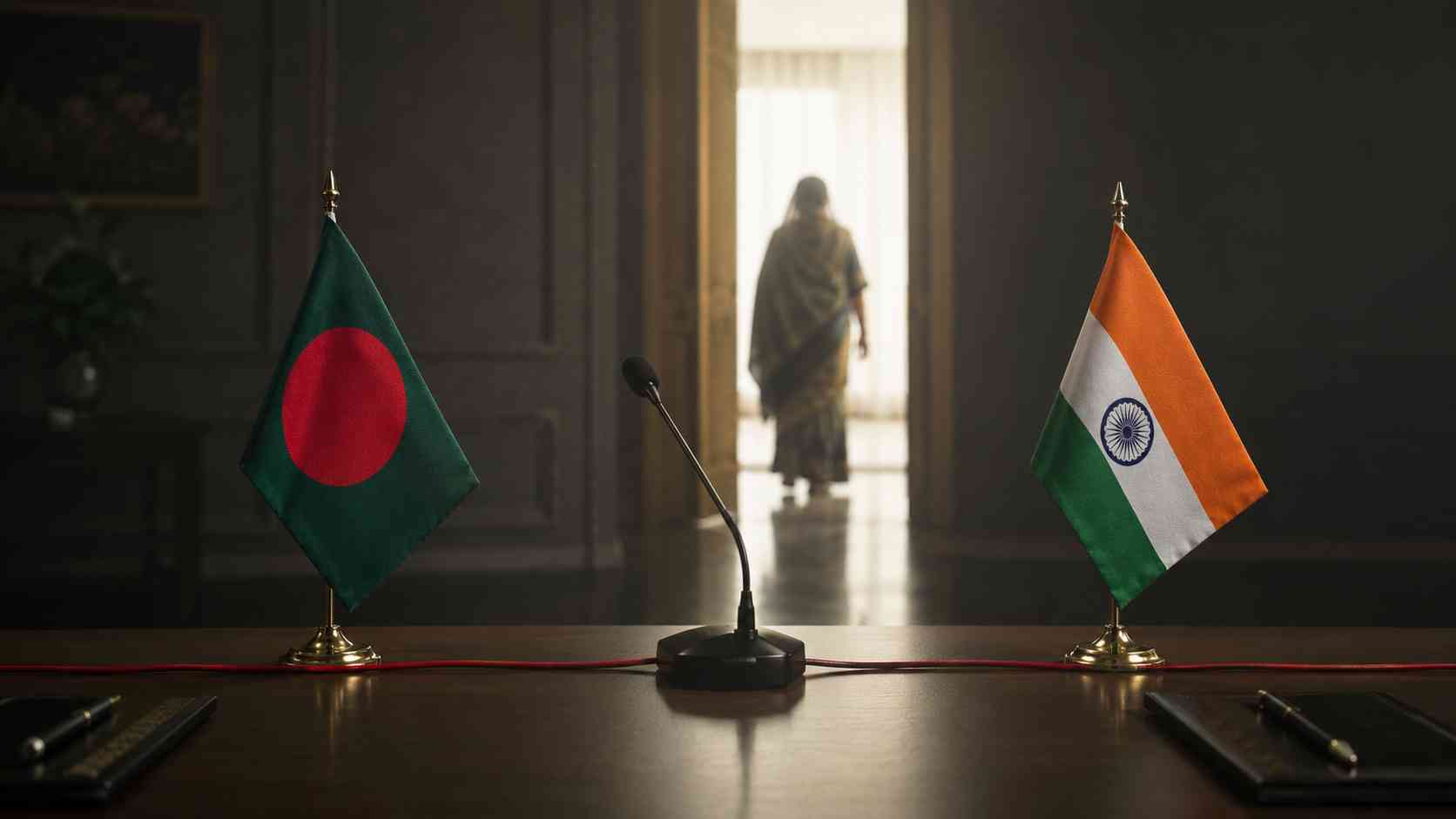
Bangladesh’s Foreign Ministry said it was outraged that Hasina could interact with media on Indian soil. It called the event damaging to bilateral relations and an affront to Bangladesh’s sovereignty. The statement came after Dhaka had conveyed concerns to New Delhi before the appearance.
The protest lands at a sensitive moment. On July 29, Foreign Minister Khalilur Rahman said both governments wanted to move ties forward through sovereign equality and mutual interests. He also acknowledged unresolved irritants between the neighbours.
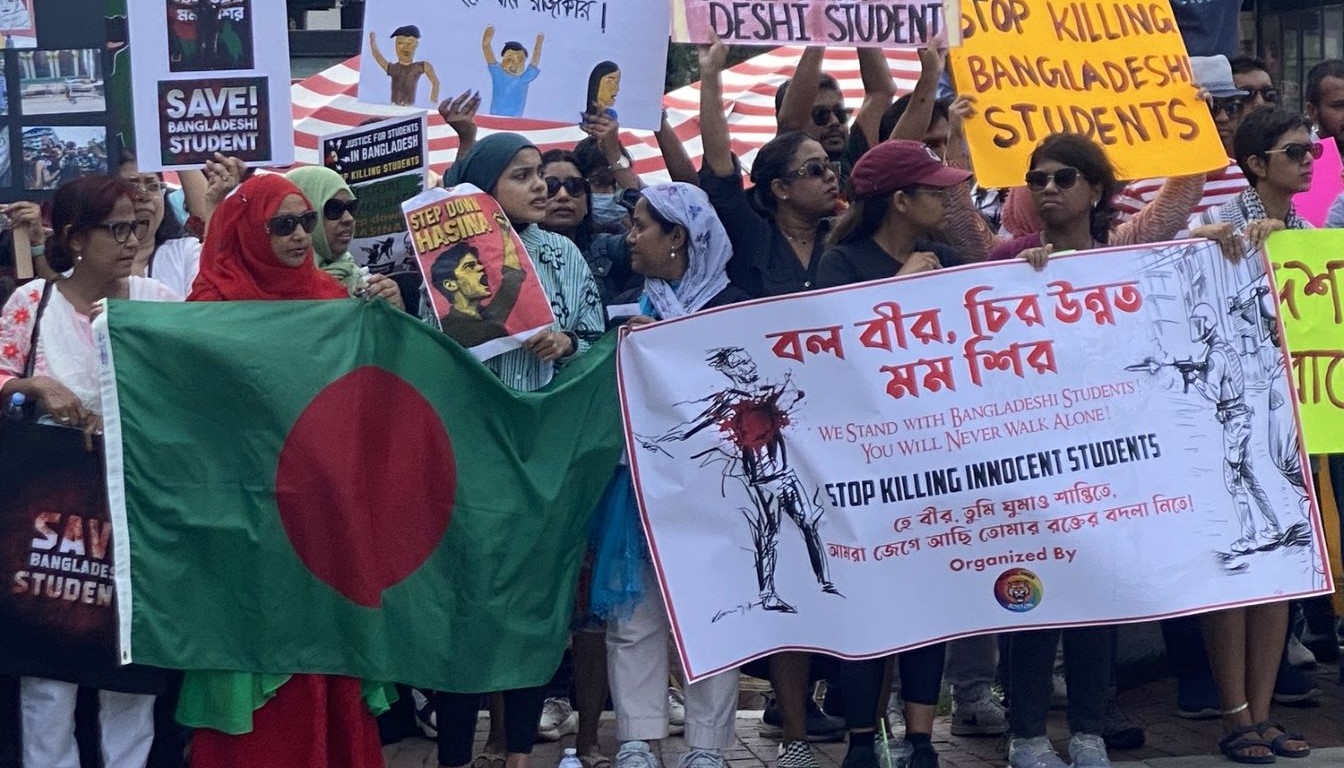
Hasina has lived in India since the student-led uprising forced her from power in August 2024. Bangladesh has repeatedly sought her extradition. India has not handed her over, leaving her presence at the centre of a persistent diplomatic dispute.
Sheikh Hasina return pledge revives the legal dispute
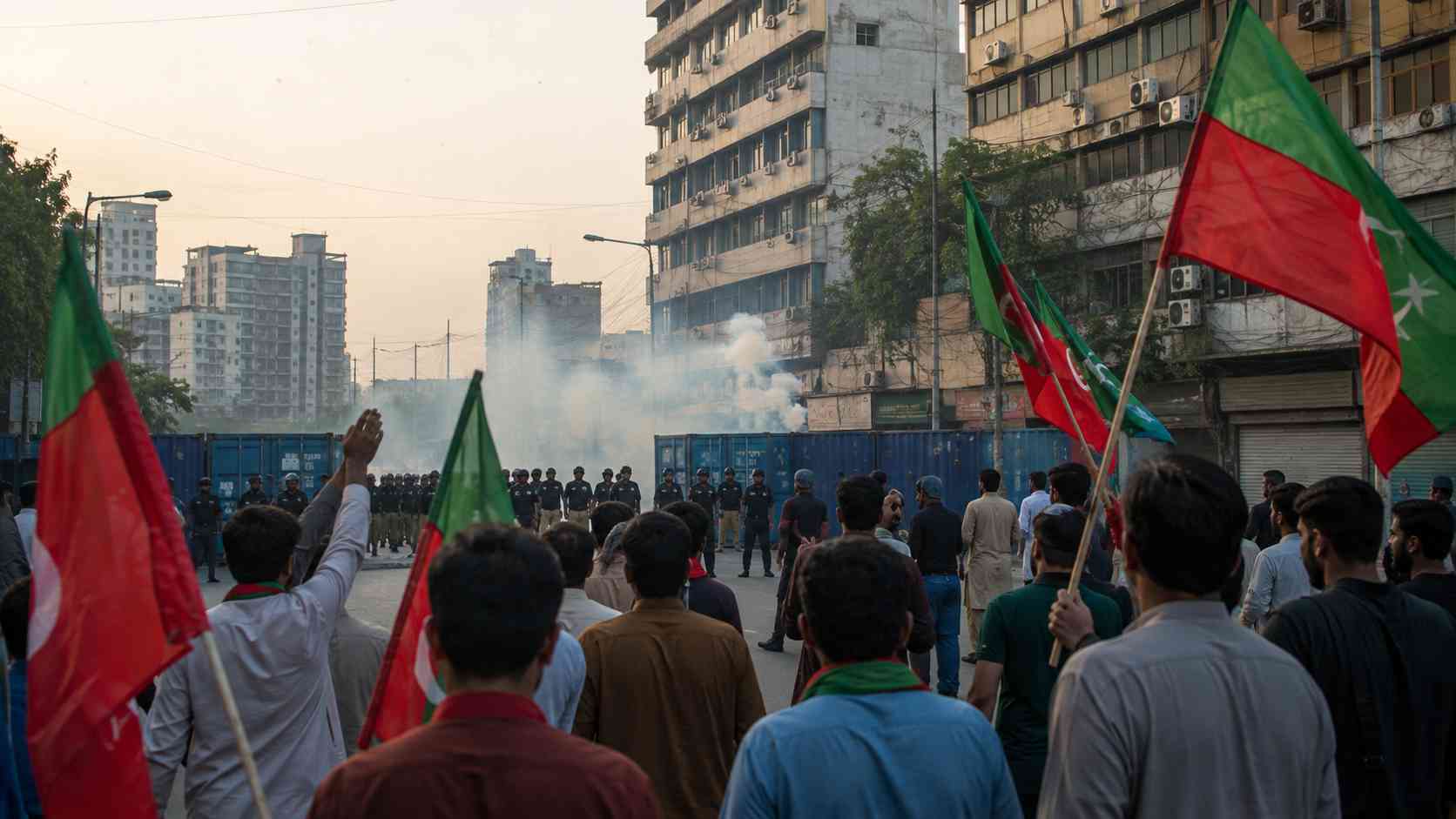
During the address, Hasina said fear would not determine her duty to return. She also called for authorities to lift the ban on the Awami League and release political prisoners. In a July interview, she had said senior party colleagues planned to return with her and surrender before the courts, according to Reuters.
A Bangladeshi tribunal convicted Hasina of crimes against humanity over the 2024 crackdown. She denies wrongdoing. United Nations investigators estimated that as many as 1,400 people died during the unrest, the AP reported.
The conviction remains politically and legally contentious. Amnesty International has said the tribunal process raised serious fair-trial and due-process concerns. It has also urged Bangladesh to abolish the death penalty. Those concerns do not erase demands for accountability, but they make the handling of any return especially consequential.
A renewed test for India-Bangladesh relations
The latest Sheikh Hasina return pledge does not establish that a December journey will happen. It does, however, force both governments to confront the political cost of her exile. Dhaka views her public activity from India as interference. New Delhi faces pressure over how long it can host her while seeking better relations with Bangladesh.
Bangladesh’s current government also has domestic stakes in the dispute. Prime Minister Tarique Rahman’s party won the February election after the Awami League was barred from participating. Any Hasina return would therefore test the courts, security authorities and the boundaries of political competition.
For now, the immediate development is diplomatic. Bangladesh has issued a public protest, India has distanced itself from the event, and Hasina has repeated her intention to go home. The Sheikh Hasina return pledge has therefore become a live regional issue, even before any travel date is fixed.