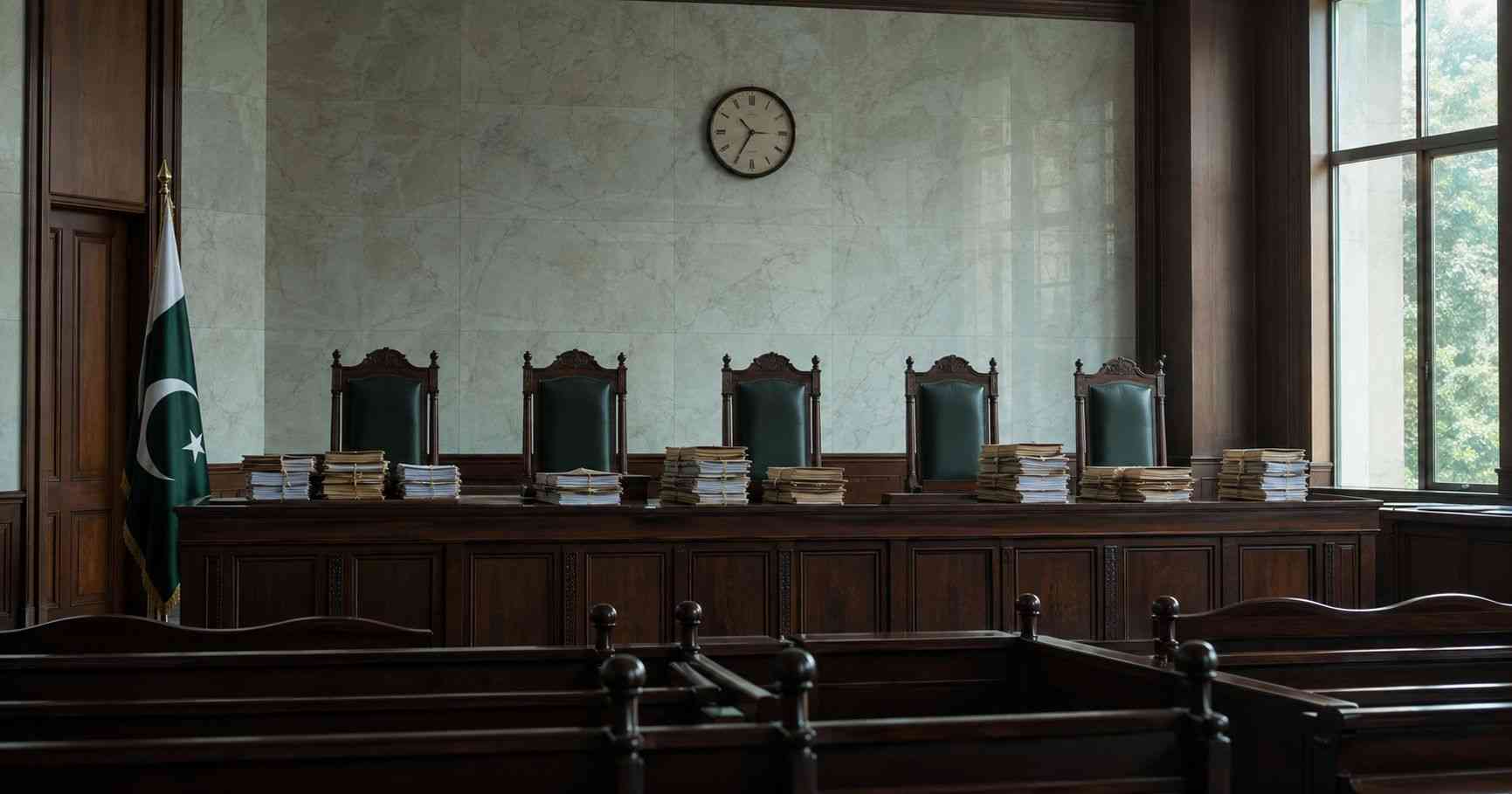
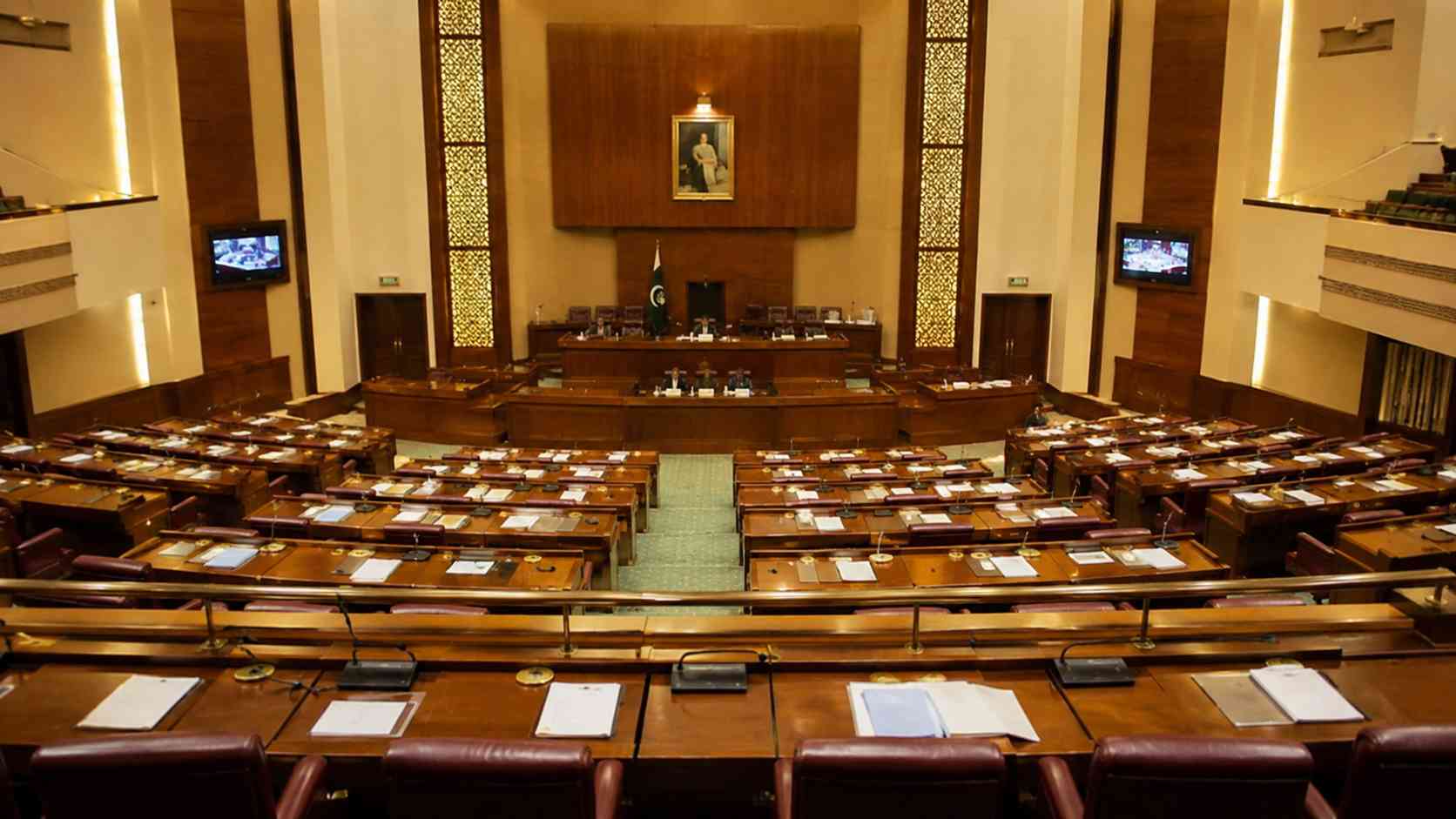
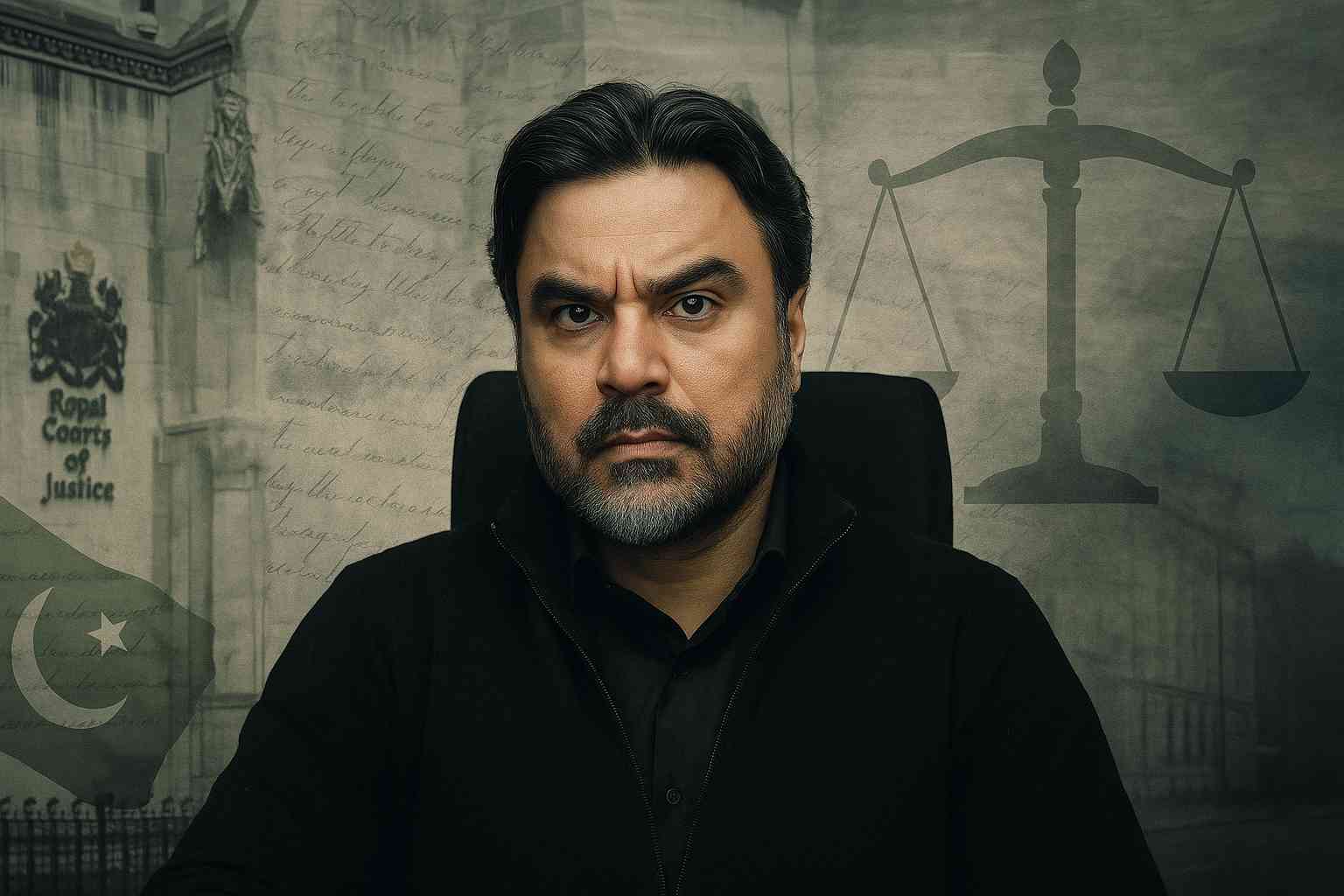
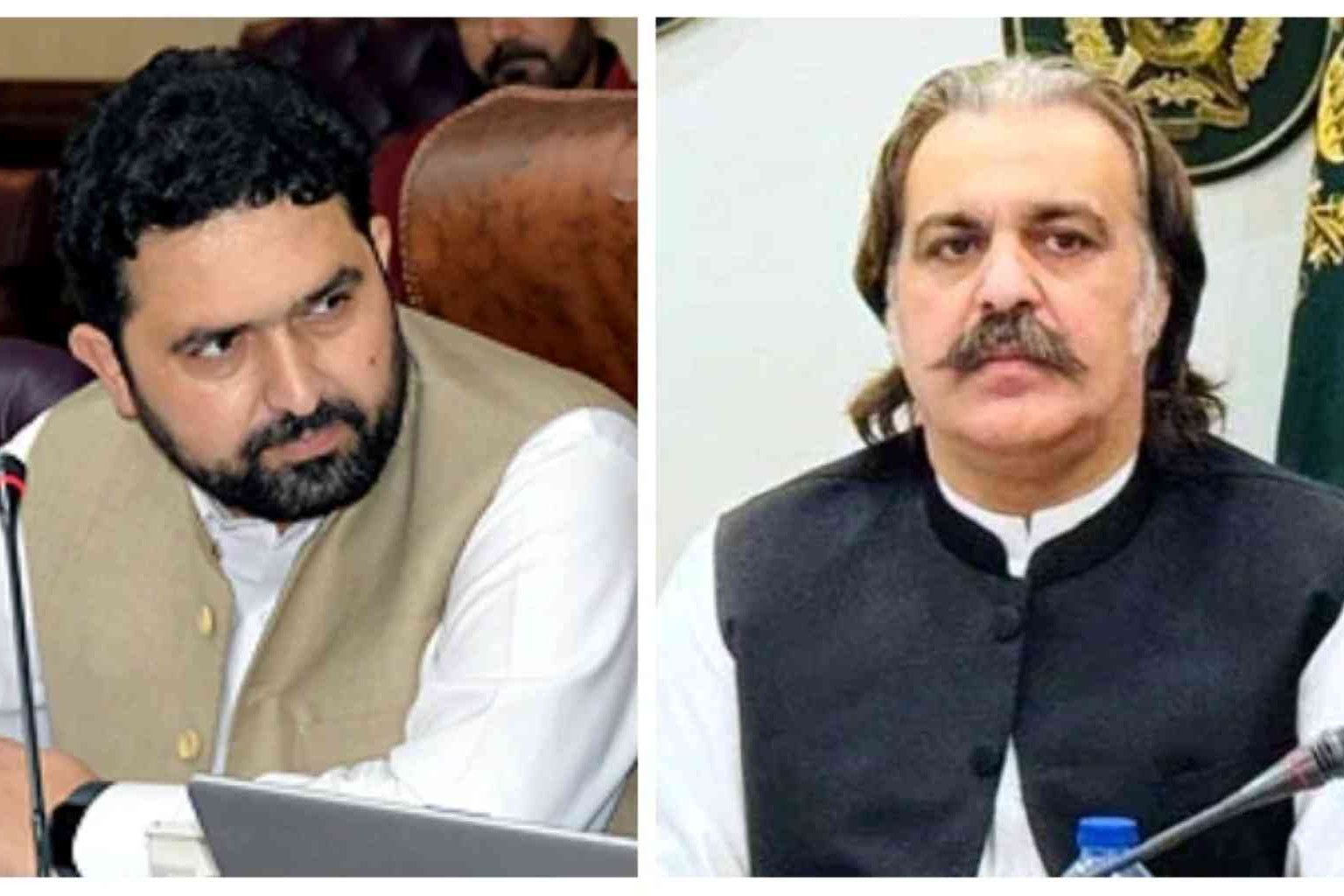
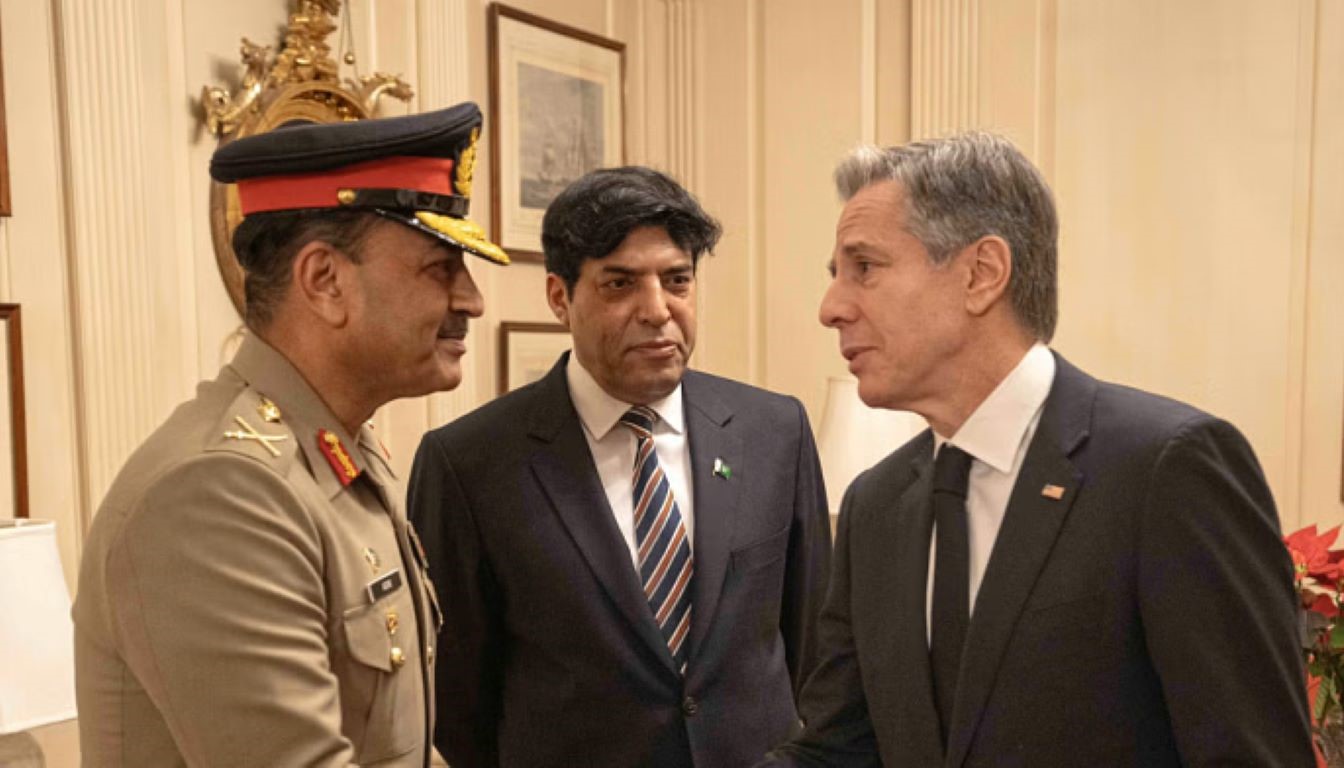
Justice Mohsin Akhtar Kayani has resigned from the Lahore High Court more than five years before retirement. He said health concerns and conscience no longer allowed him to remain on the bench. In a letter to President Asif Ali Zardari, he also alleged growing executive control over court appointments and transfers. The Justice Mohsin Akhtar Kayani resignation↗ has therefore opened a fresh national debate over the independence of Pakistan’s superior courts.
Justice Mohsin Akhtar Kayani resignation: what the letter says
Kayani submitted the letter on October 28. He cited recent surgery, personal health concerns and what he called reasons of conscience. Dawn reported that he said the 26th and 27th Constitutional Amendments had compromised the independence and institutional integrity of the high courts↗.
He further described growing executive influence over judicial appointments and transfers. ARY News separately reported the same central claims from the resignation letter↗. Those statements remain Kayani’s assessment. They do not, by themselves, establish specific unlawful conduct by any official.
The letter said Kayani had disposed of more than 23,000 cases during his judicial service. His scheduled retirement date was February 10, 2032. By the October 31 reporting cutoff, no public presidential notification accepting the resignation could be located. No detailed government response to his allegations was found.
Transfer rules sit at the centre of the dispute
Kayani previously served as the senior puisne judge of the Islamabad High Court. He moved to the Lahore High Court in April 2026. Published accounts placed him tenth on its seniority list. He had also challenged earlier inter-high court transfers with other judges.
The wider legal dispute predates his resignation. The International Commission of Jurists said the 27th Amendment changed Article 200↗. The change empowered the Judicial Commission of Pakistan to recommend high court transfers. A judge who refuses within 30 days may face Supreme Judicial Council proceedings. The judge cannot perform judicial functions while that matter remains pending.
United Nations special procedures also raised formal concerns about the amendment’s effect on judicial independence and access to impartial courts↗. The government has defended the constitutional restructuring as lawful parliamentary reform. Kayani’s departure now places a serving judge’s objection on the institutional record.
A resignation with wider institutional consequences
Kayani was among six Islamabad High Court judges who wrote to the Supreme Judicial Council in March 2024. They alleged interference by intelligence officials in judicial work. Those allegations triggered national scrutiny, but the public record has not produced a final independent finding on each claim.
The resignation also lands amid unresolved questions about court capacity and appointments. Soldier Speaks previously reported that Pakistan’s high court appointments had entered a constitutional impasse. Its wider review of Pakistan’s GSP+ governance obligations also identified judicial independence as part of the country’s international rights scrutiny.
The verified development remains narrow but significant. A high court judge has resigned more than five years before retirement. He linked that decision to health, conscience and institutional independence. The Justice Mohsin Akhtar Kayani resignation now demands transparent follow-up. The presidency should publish the resignation’s formal status. Government and judicial authorities should answer the concerns about transfers, seniority and court administration on the record.