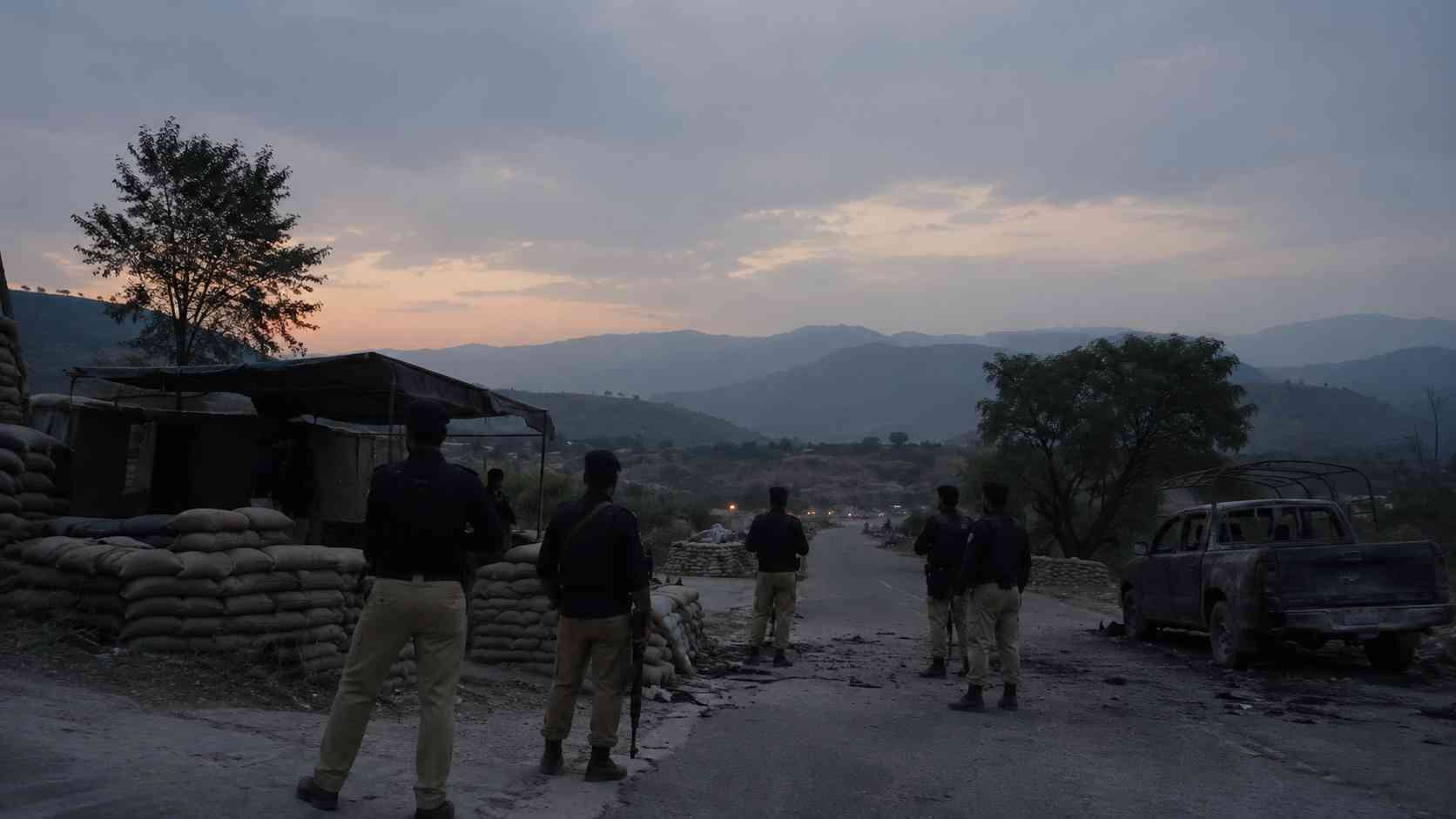
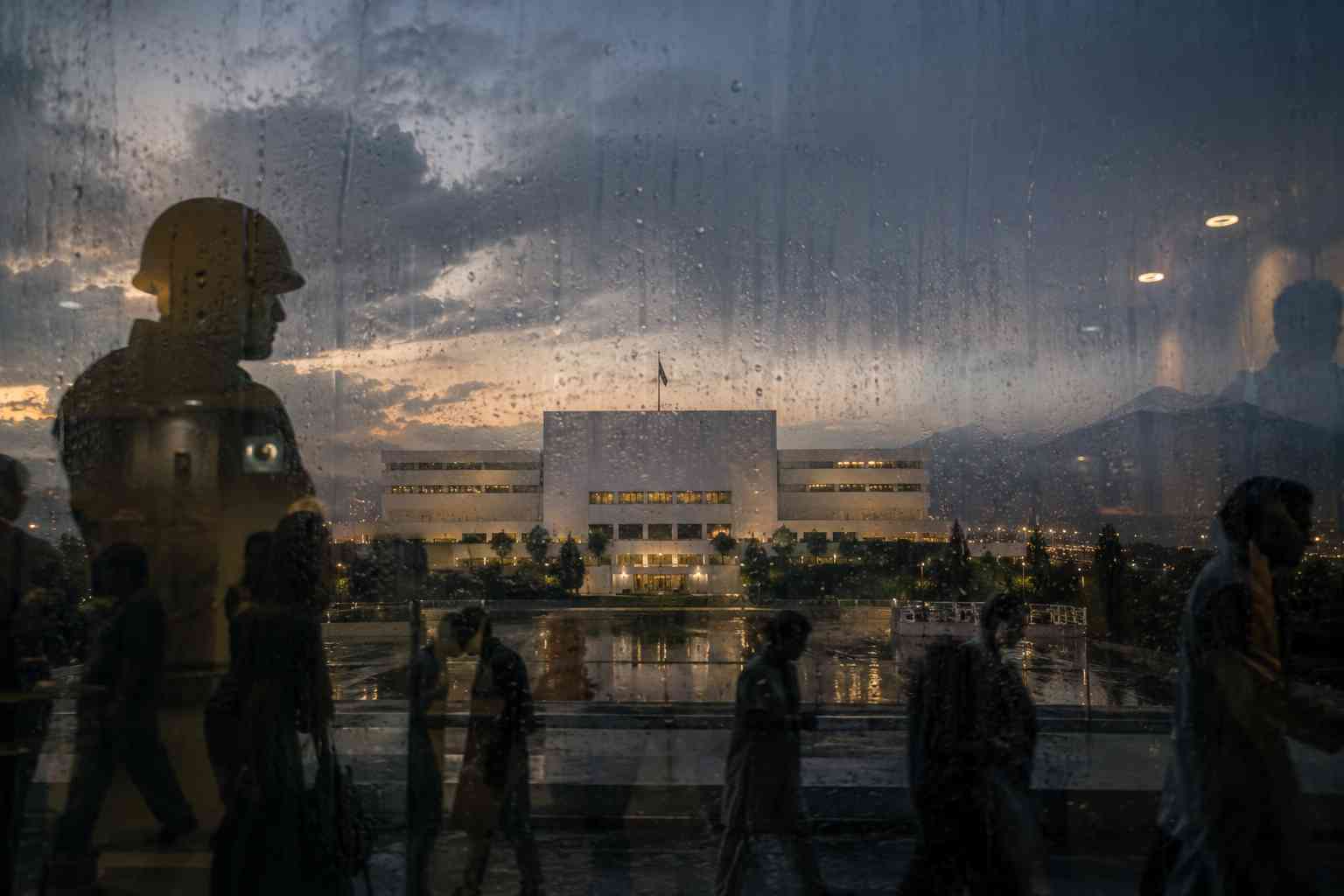
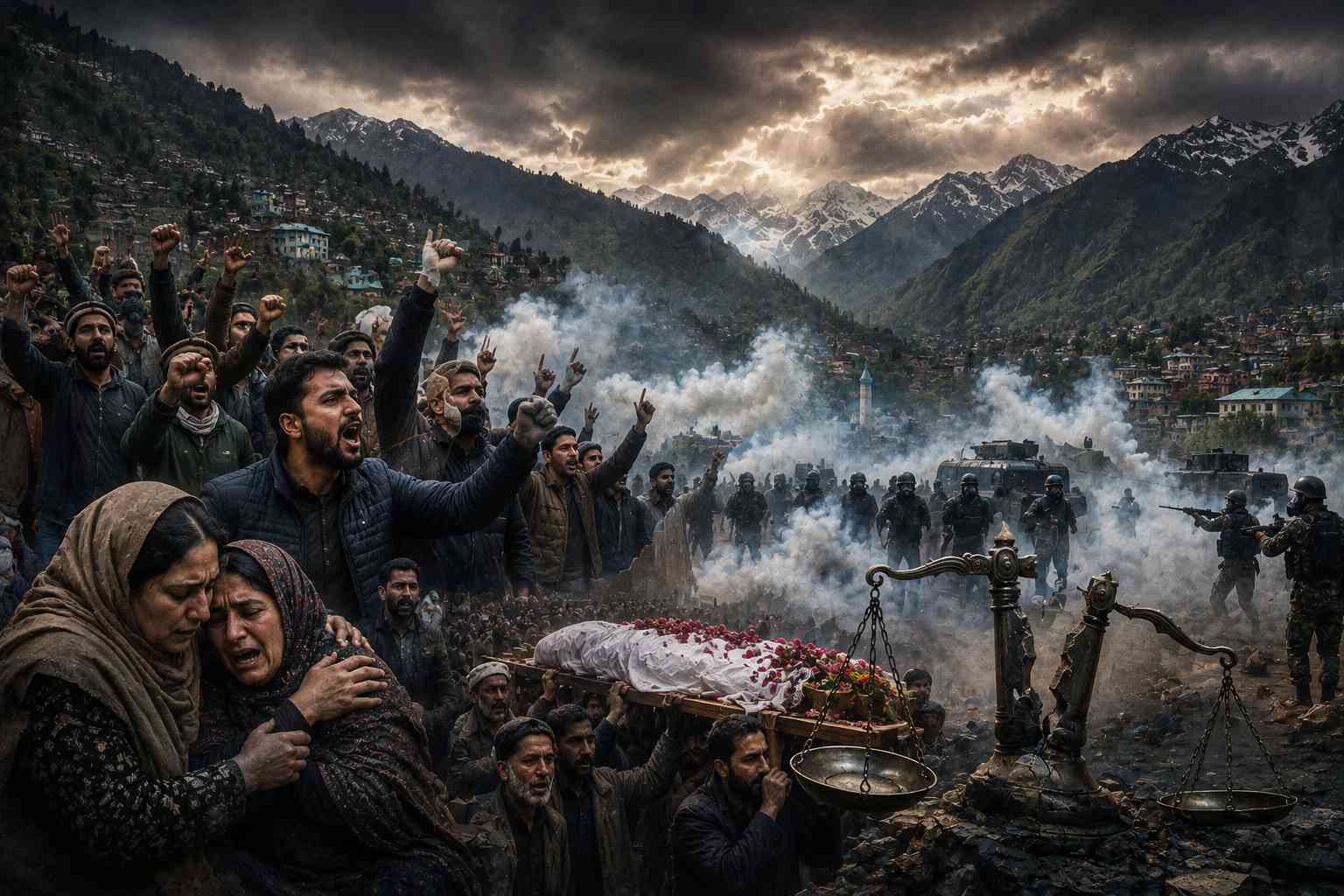
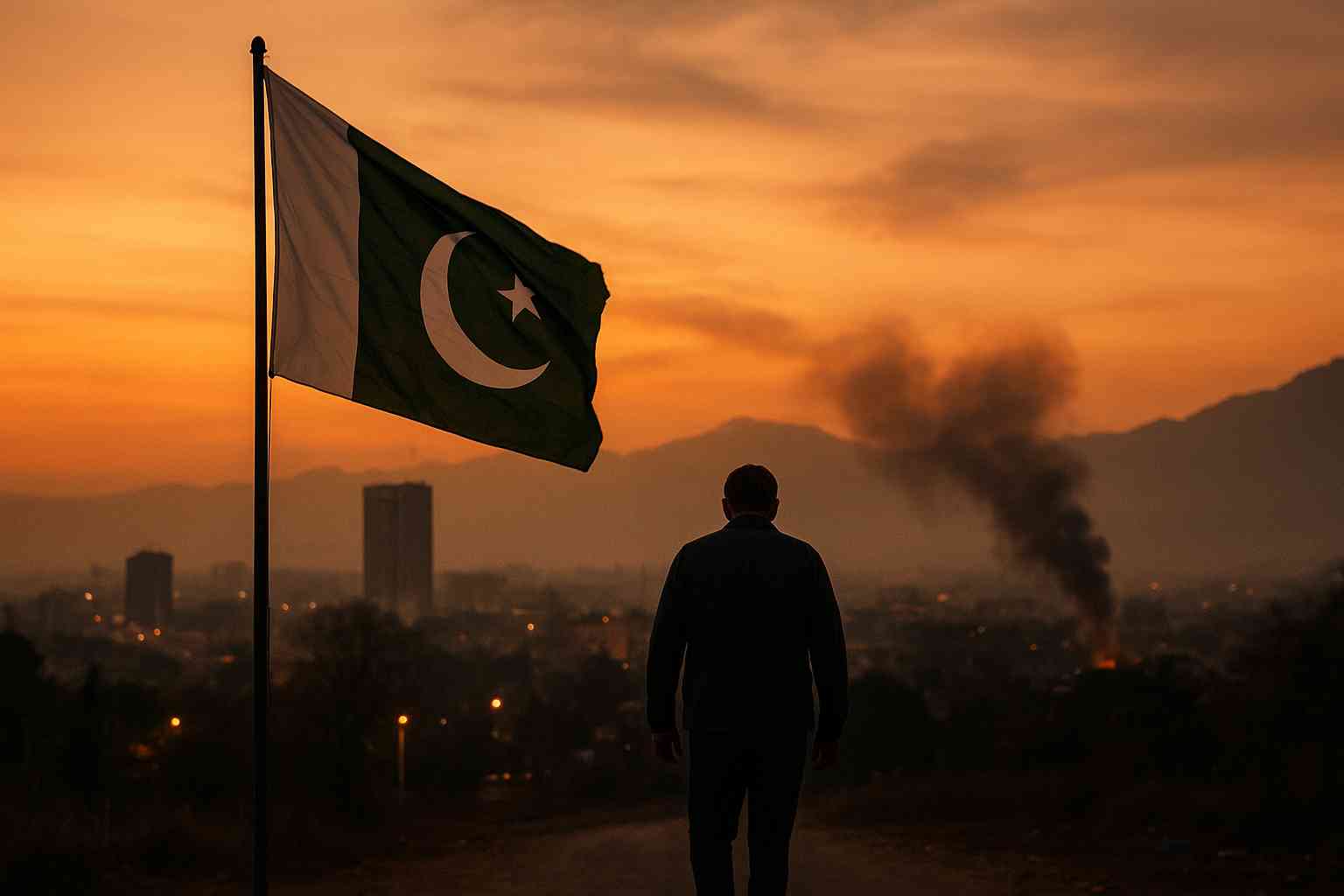
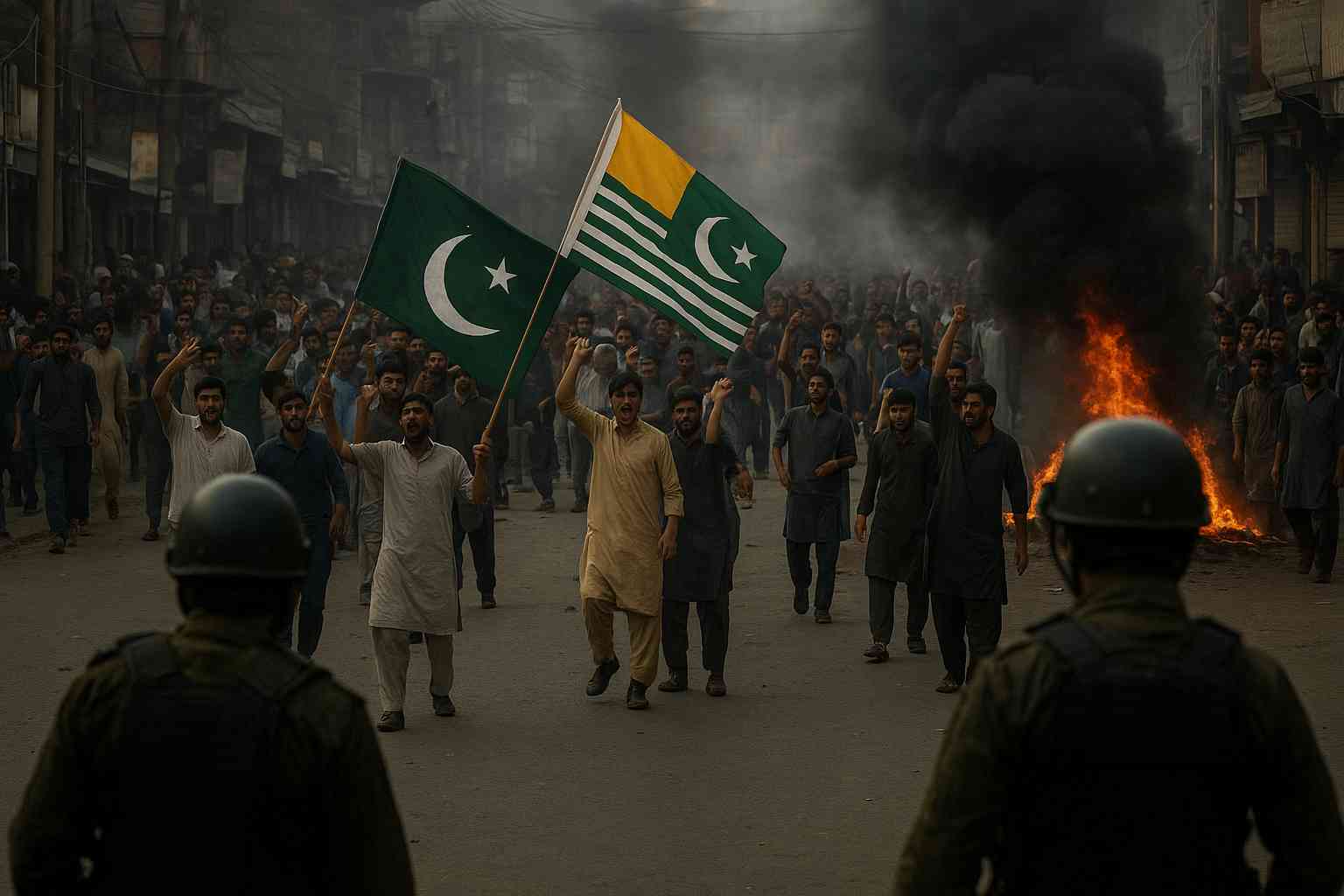
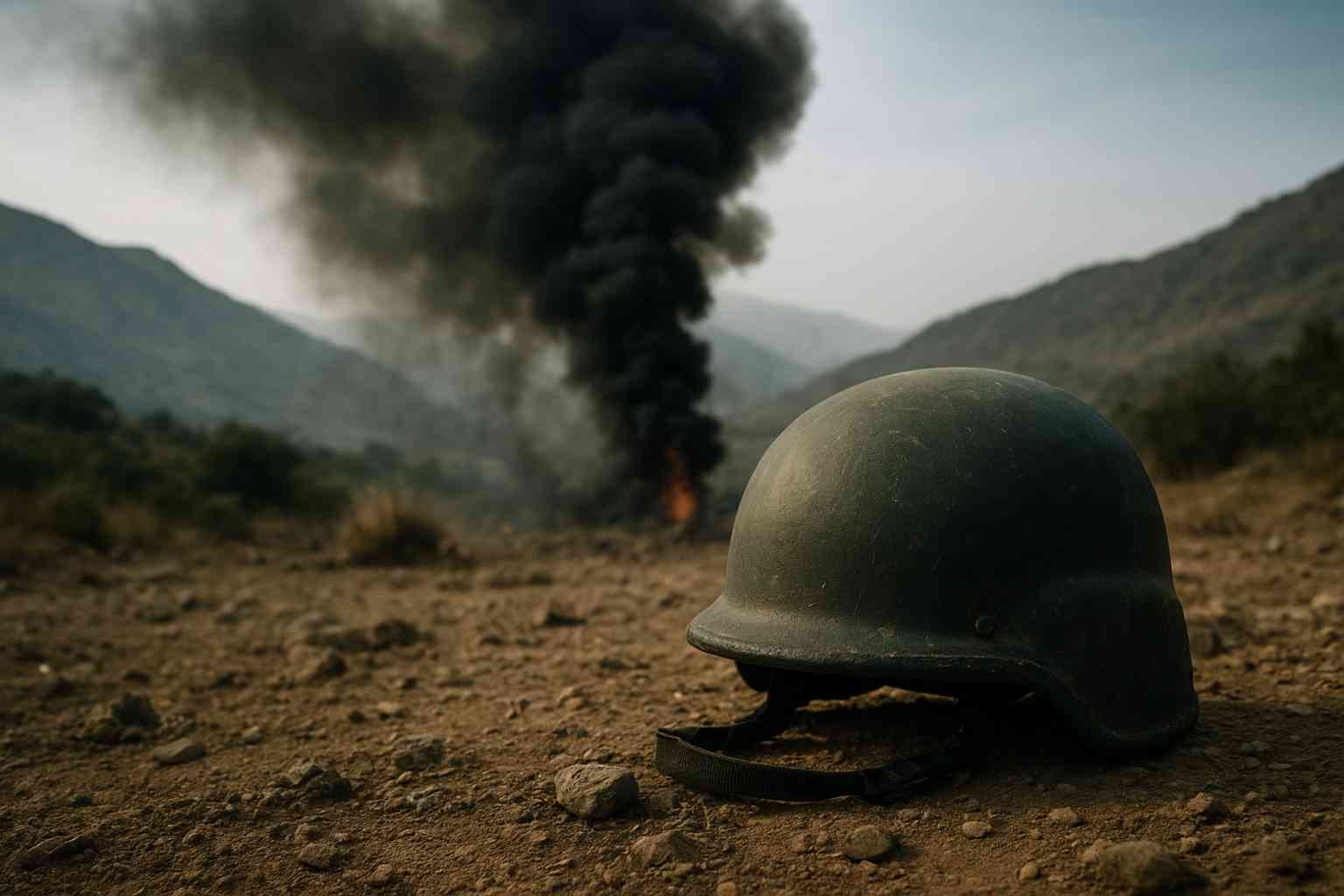
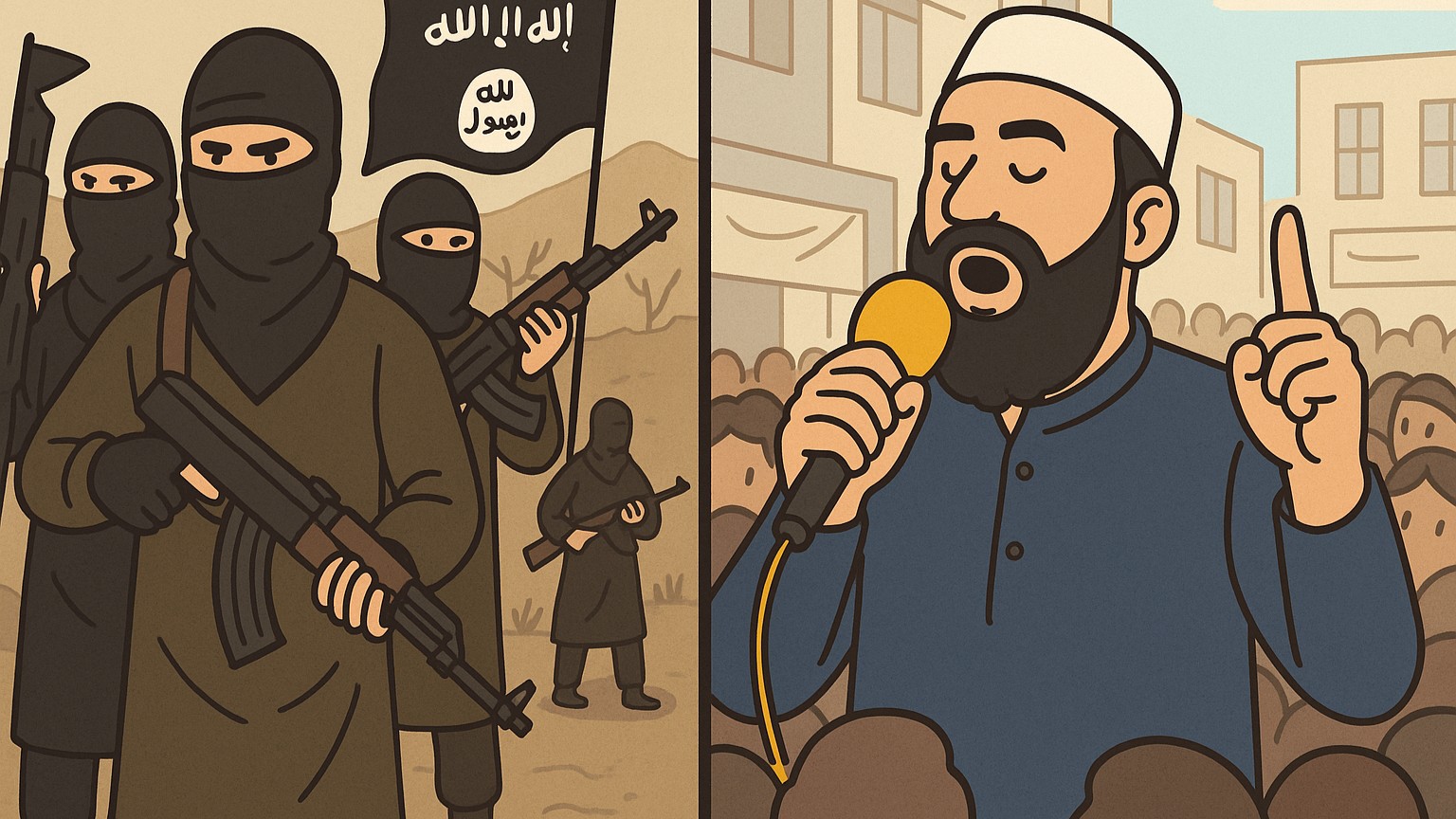
At least 14 people died when a suicide bomber struck an anti-militancy peace rally in Kabal, Swat, on Sunday, August 2. The Swat peace rally bombing also wounded more than two dozen people, according to police and emergency officials cited by AP.
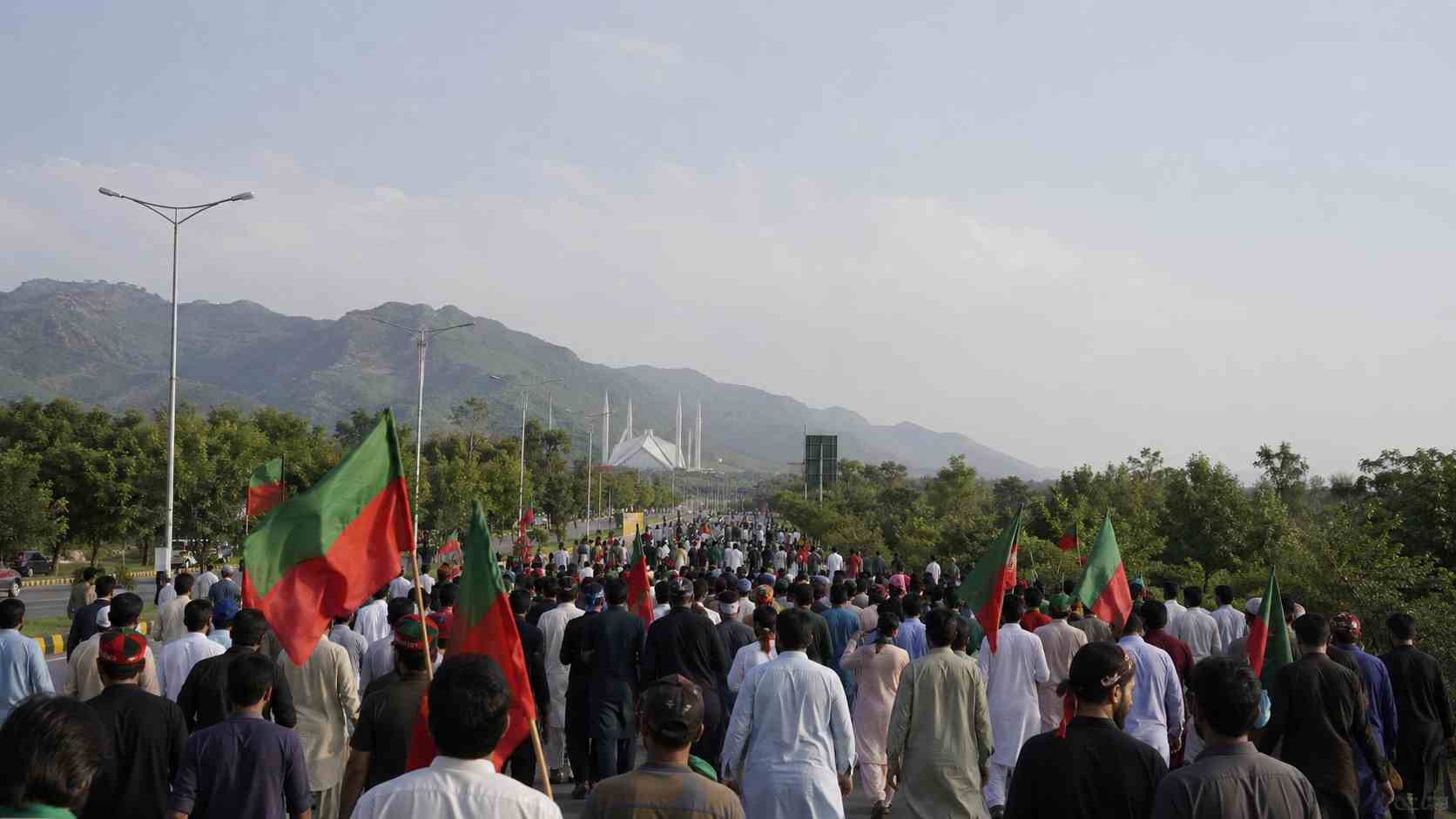
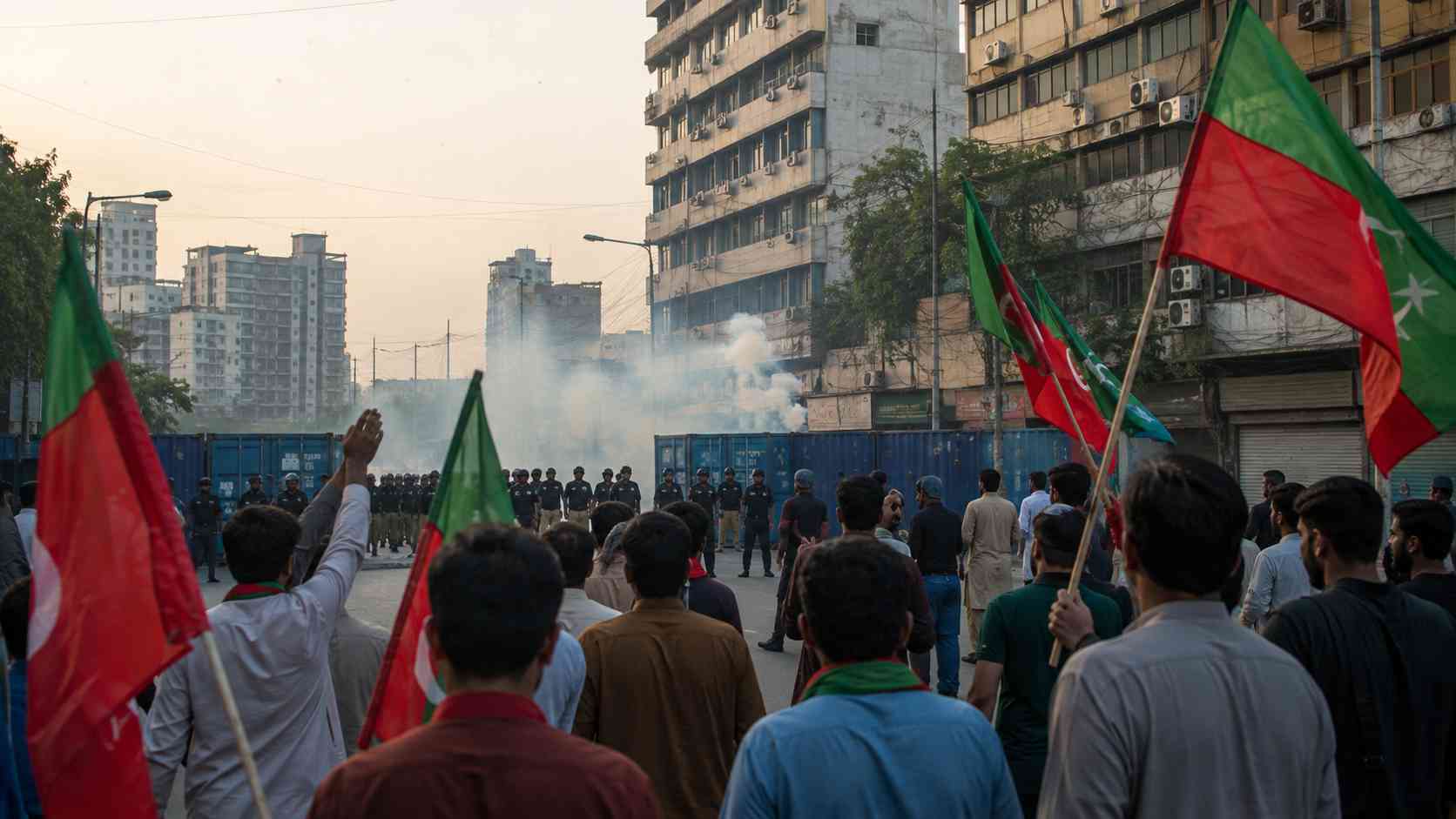
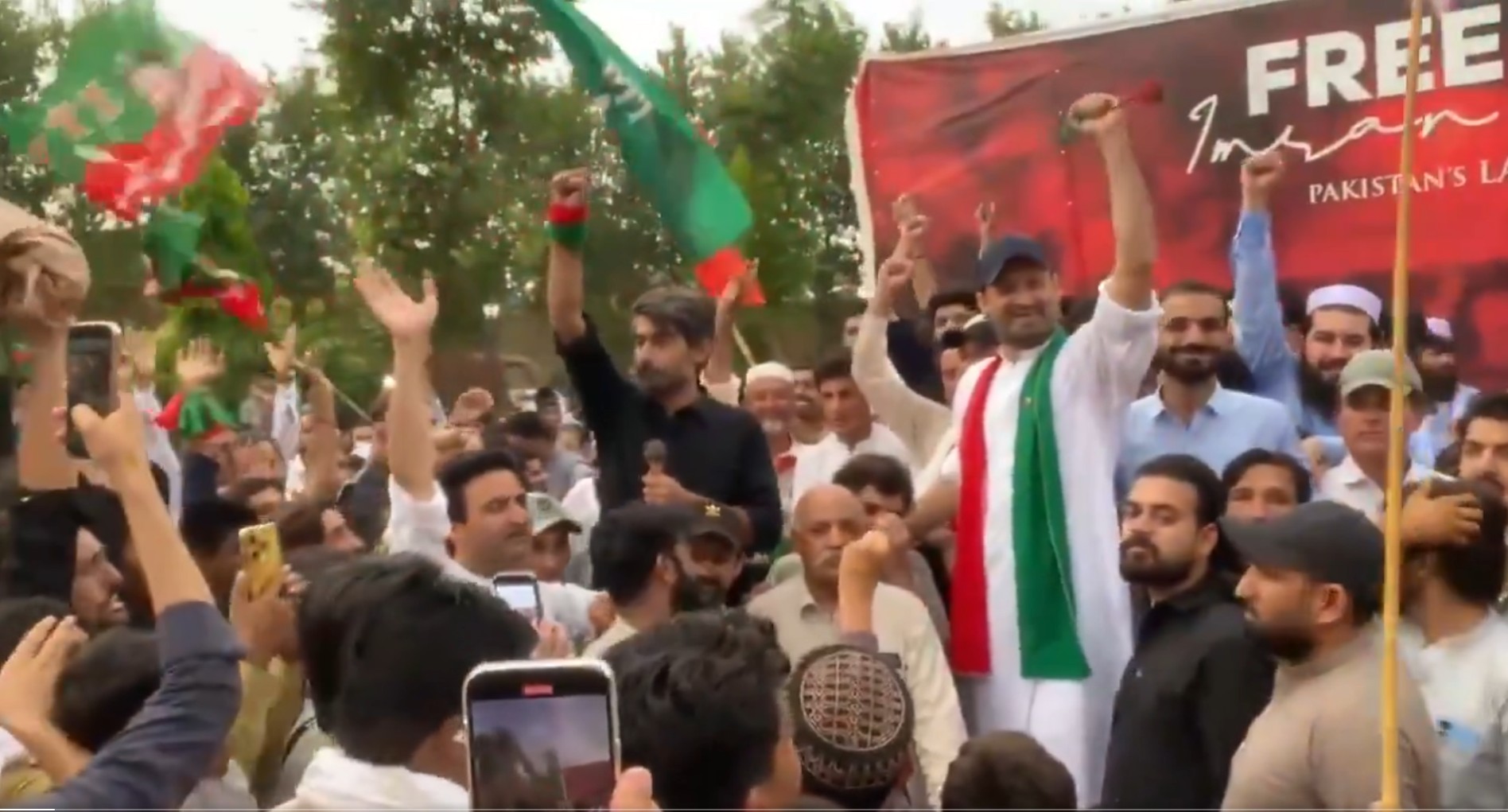
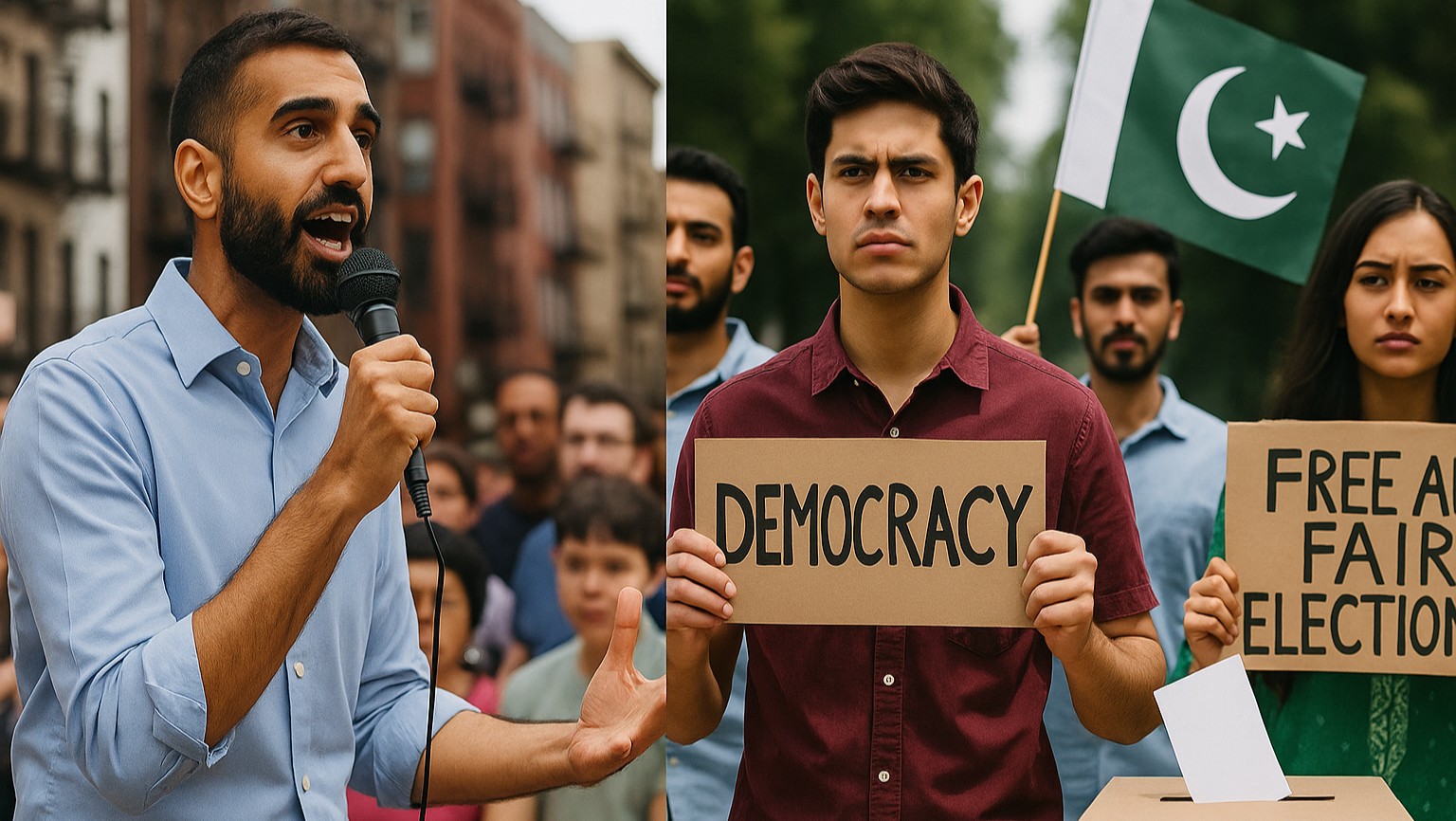
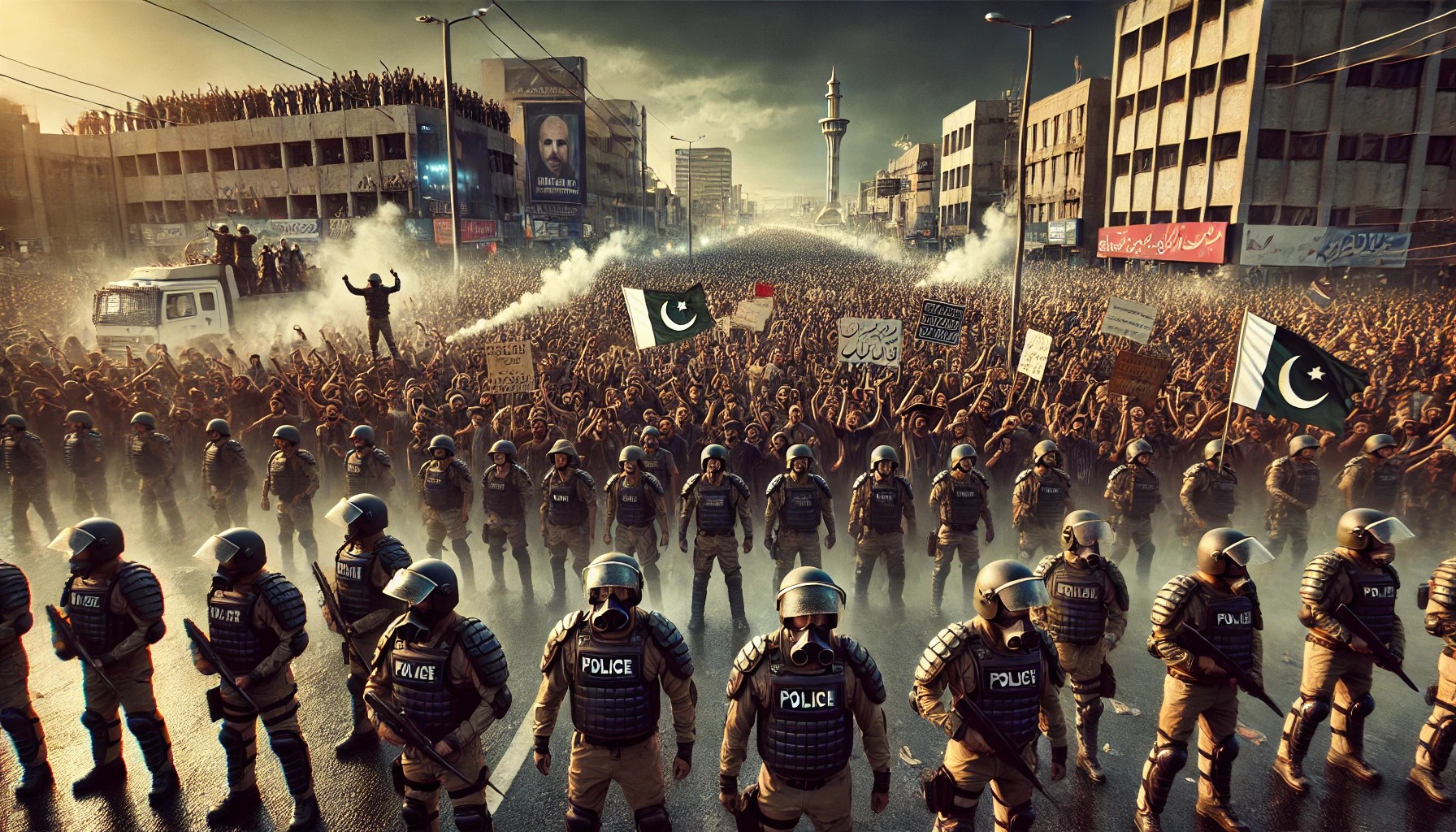
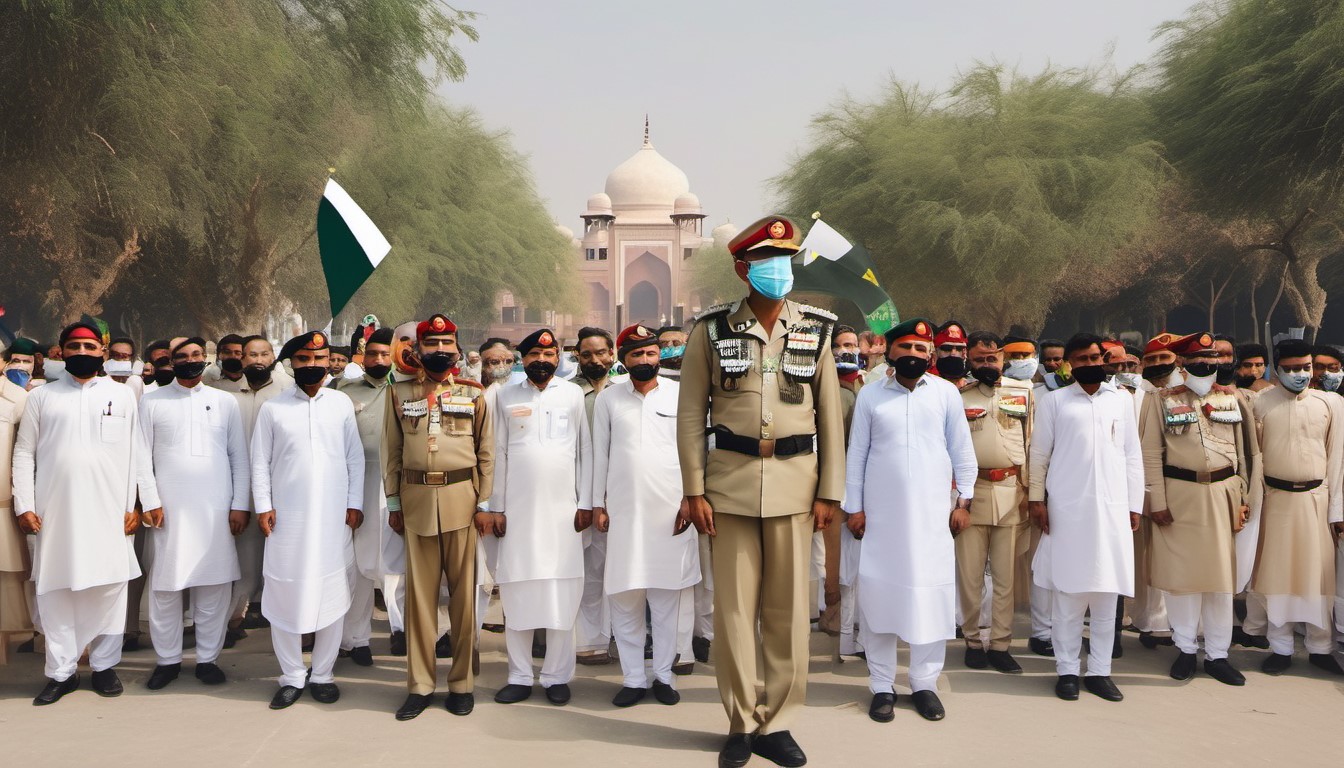
District police chief Omar Khan said nine civilians and five police officers were among the dead. Protesters had gathered near a police station, chanting against militancy and demanding peace. Emergency service spokesman Bilal Faizi said the bomber struck the assembled crowd.
Swat peace rally bombing targeted a public demand for security
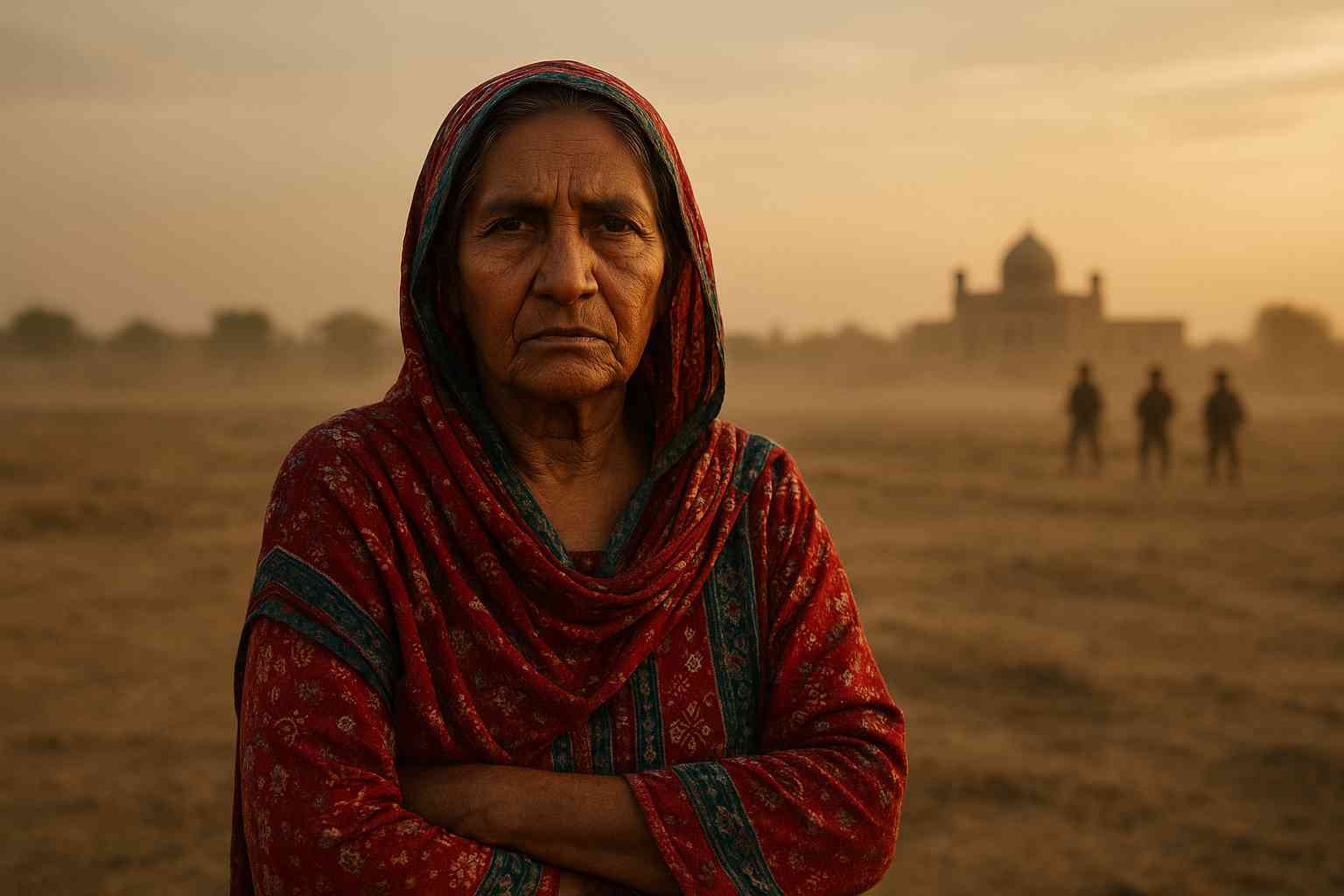
Witnesses said speakers called security a state responsibility shortly before the blast. They also accused authorities of failing to act decisively against militants. Residents said they wanted to live without the fear that once devastated the valley.
The Swat peace rally bombing carries significance beyond the district because it targeted an organized civic rejection of militancy. Residents have repeatedly mobilized against any attempted militant return to the region.
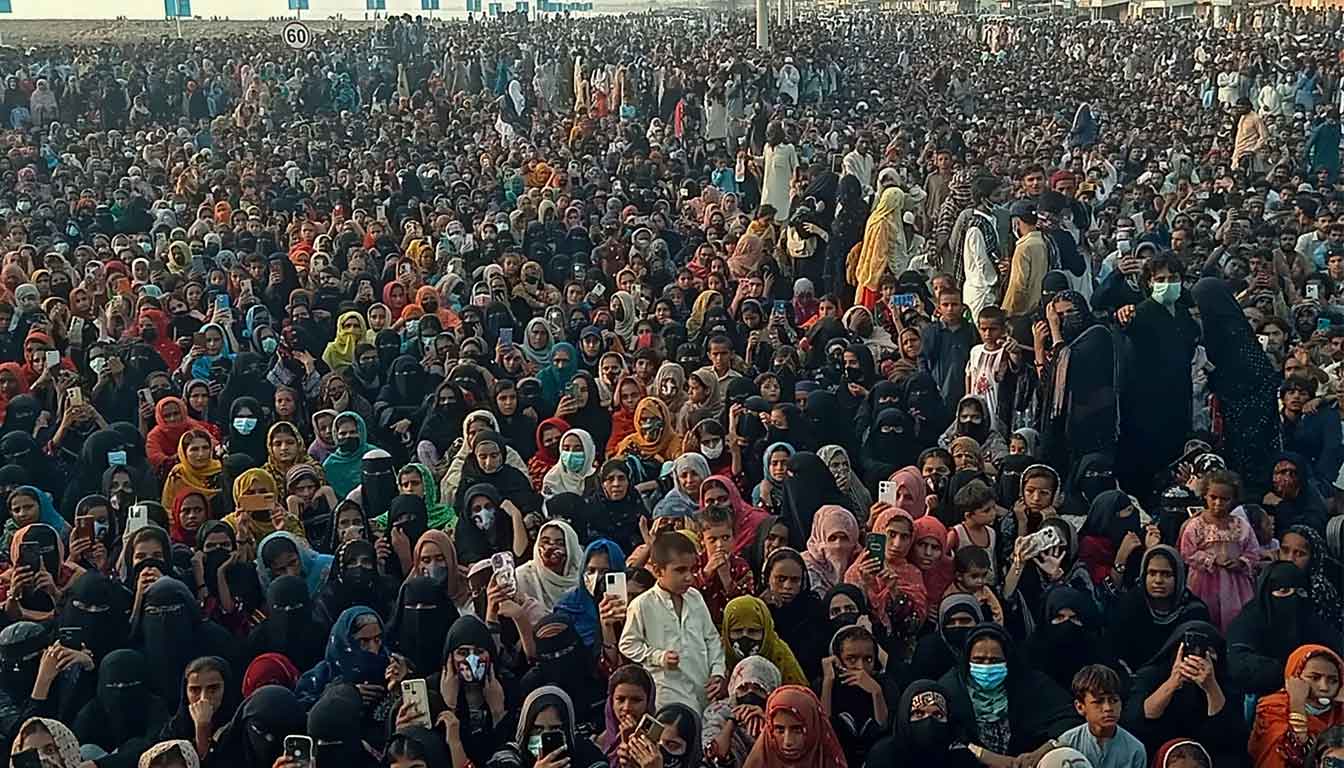
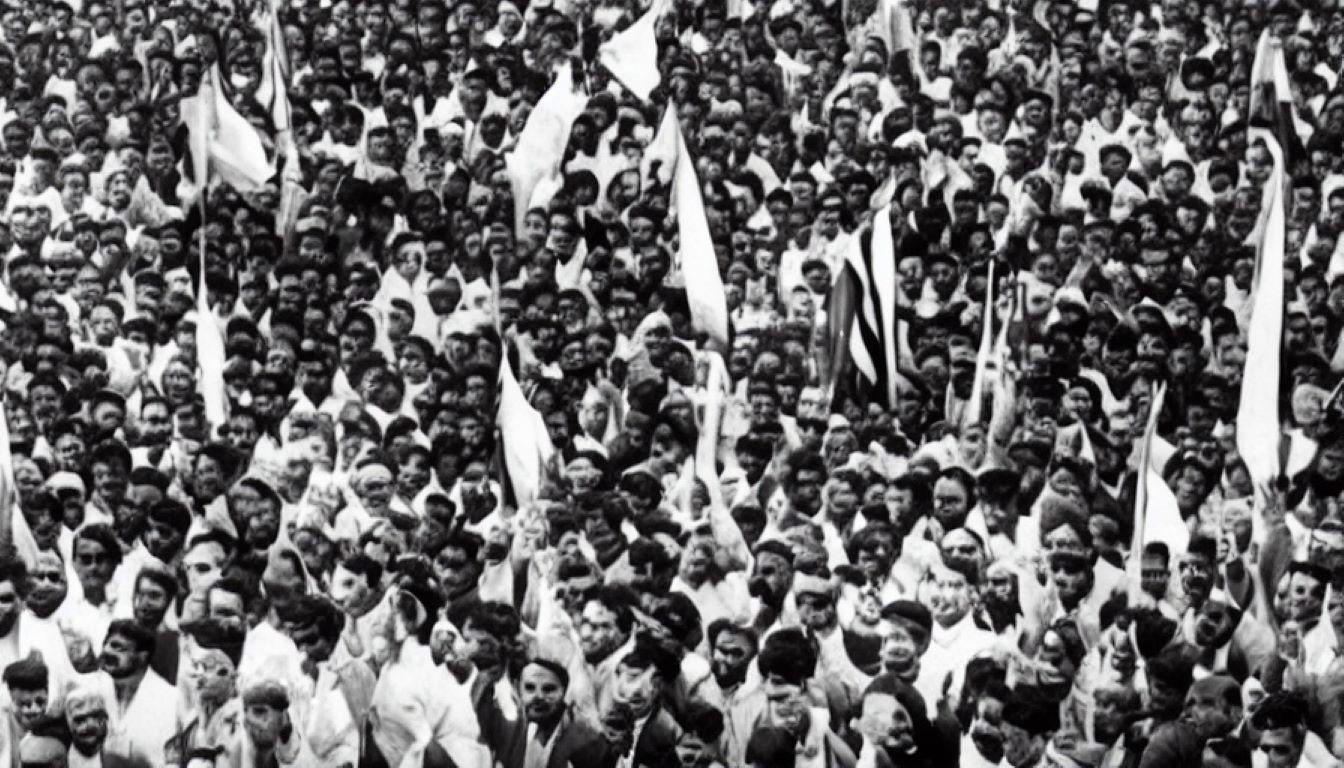
Thousands of people attended a Swat Olasi Pasoon gathering in September 2025, carrying white flags and demanding lasting peace across the region, according to a Dawn report.
No group had claimed responsibility
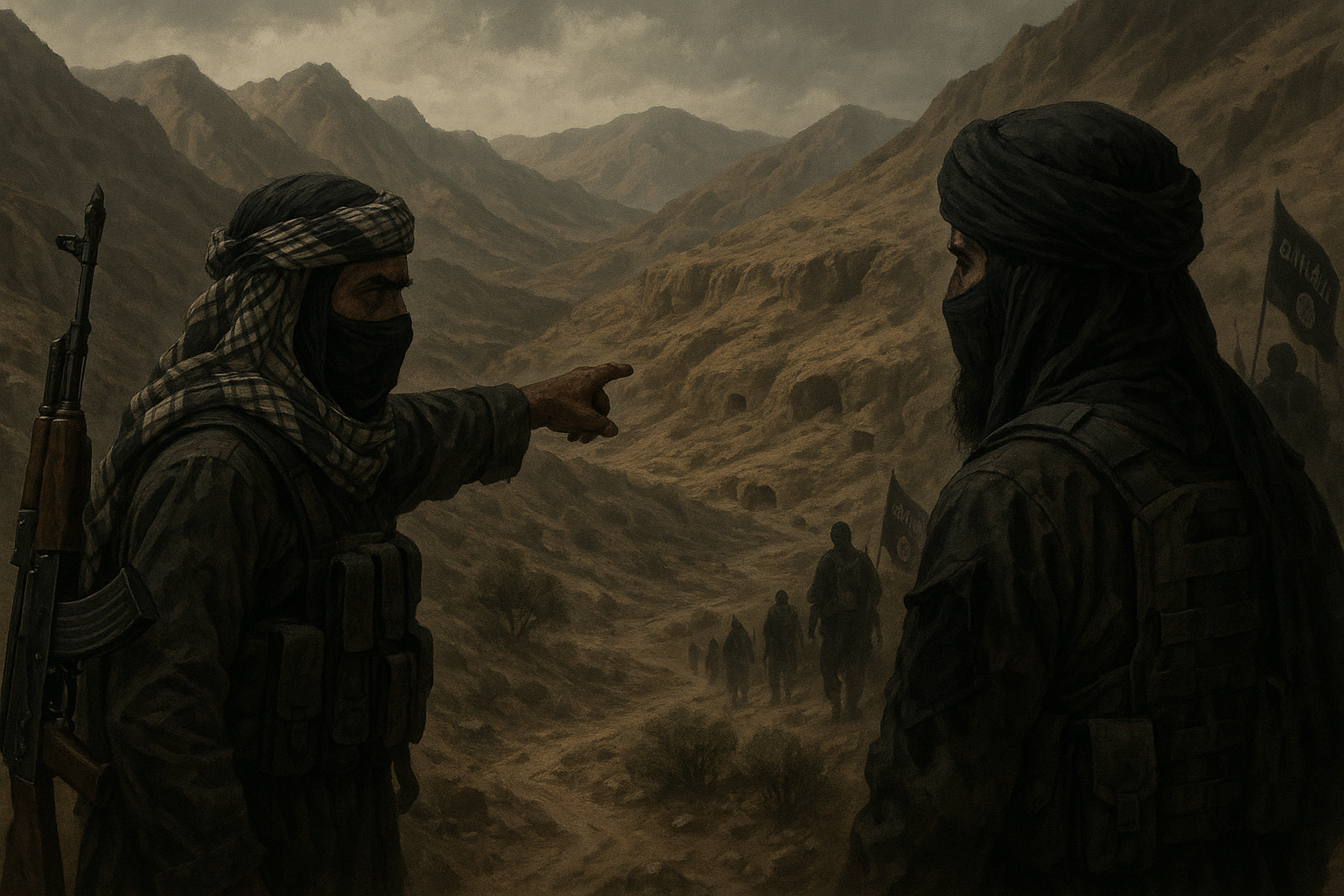
No group immediately claimed responsibility for Sunday’s attack. Suspicion has been directed towards Tehrik-e-Taliban Pakistan, commonly known as the TTP, but investigators have not publicly presented evidence establishing responsibility.
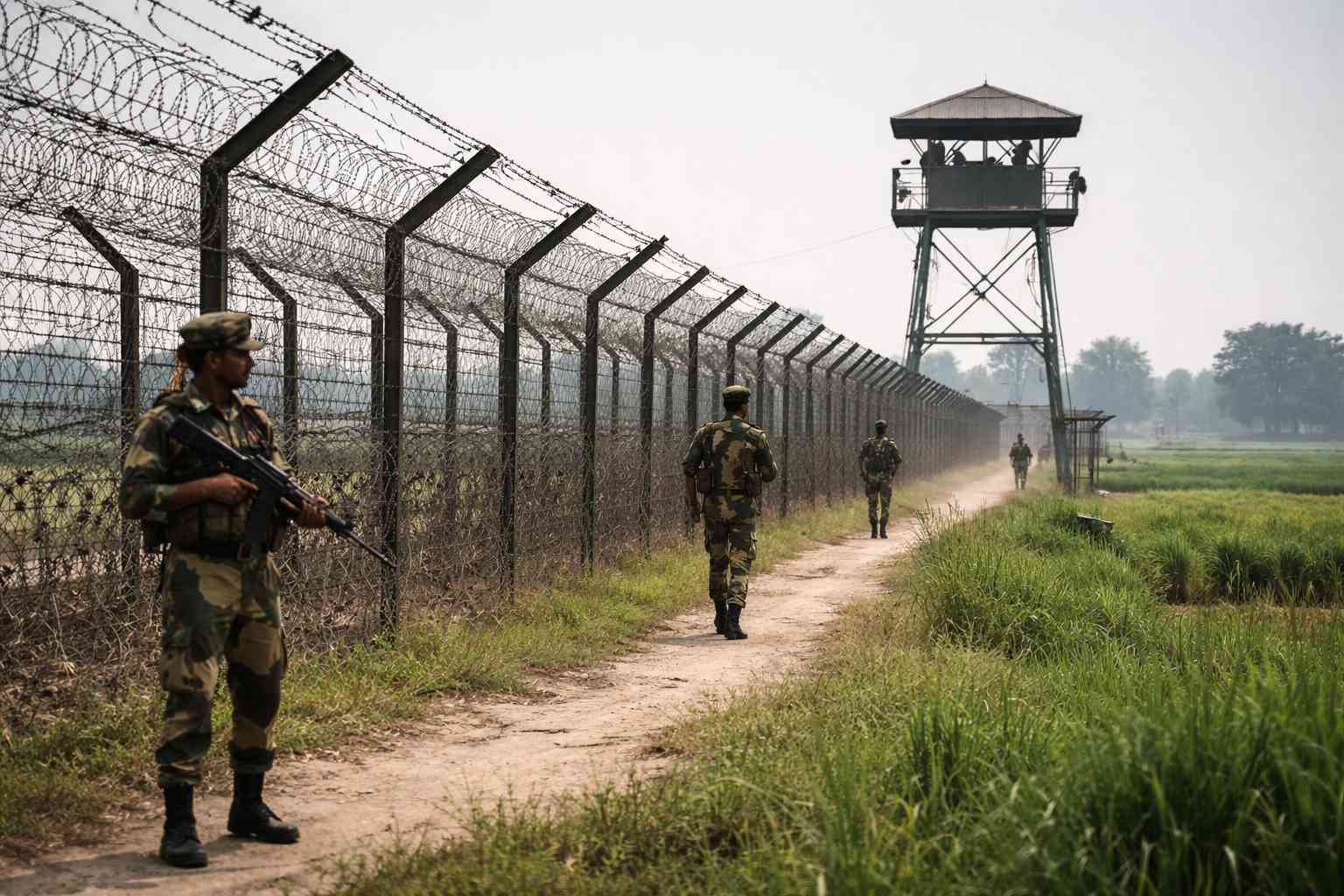
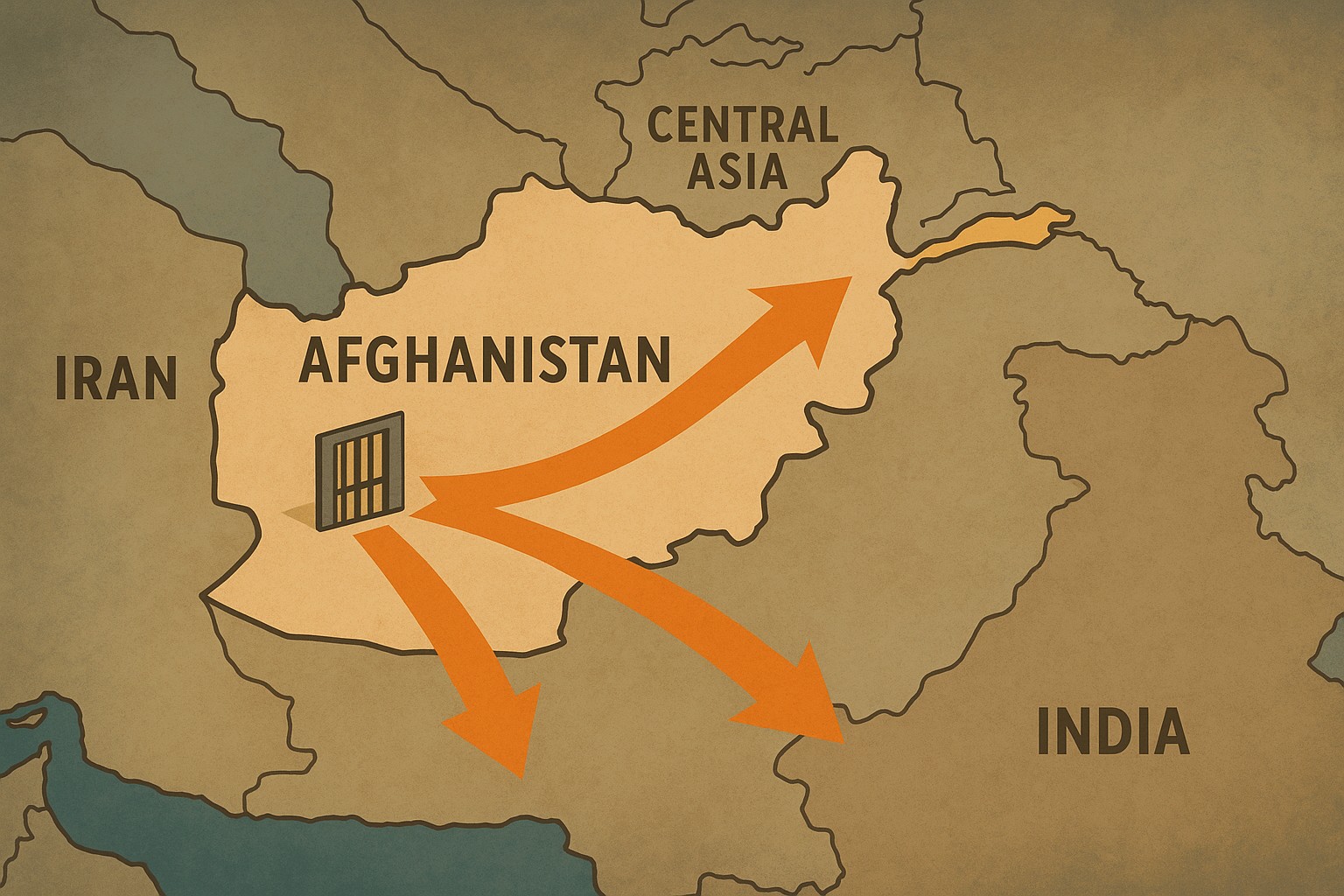
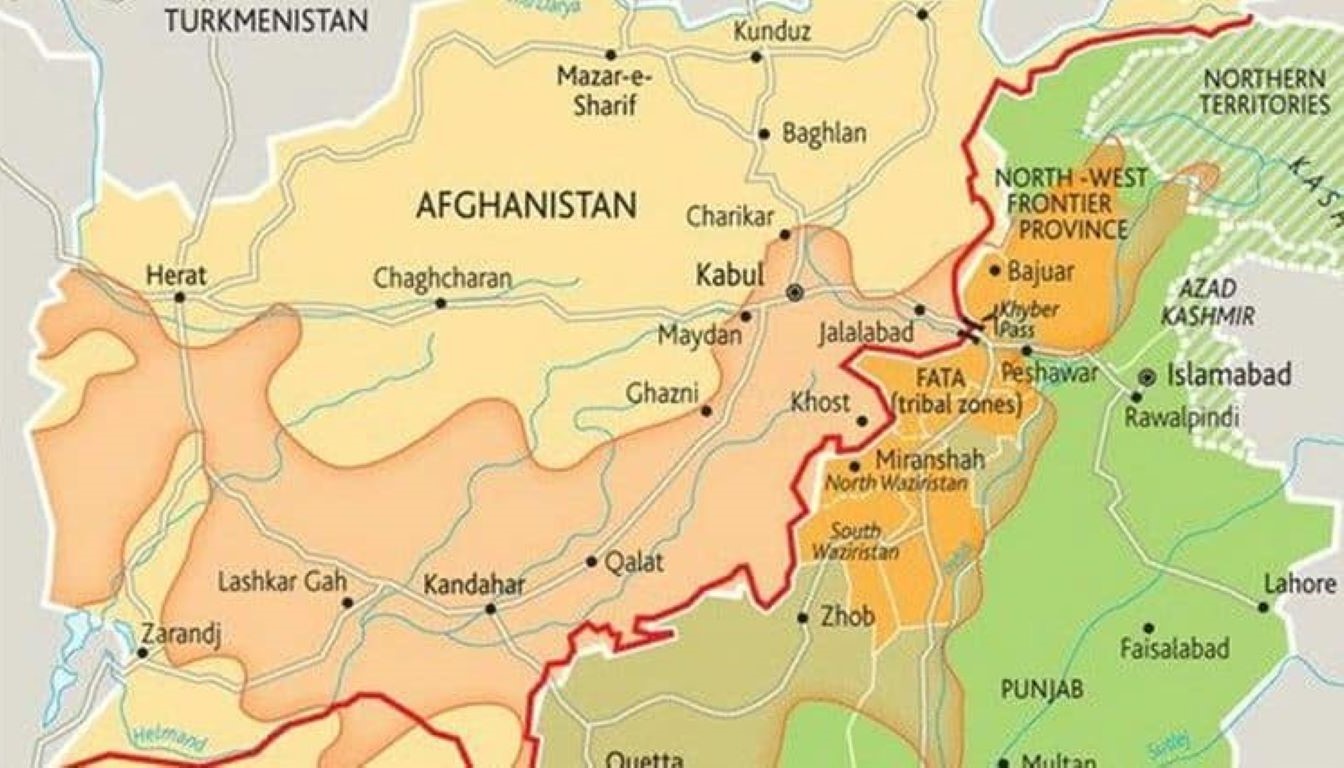
Pakistan has repeatedly accused Afghanistan’s Taliban authorities of allowing TTP militants to operate from Afghan territory. Kabul denies the allegation.
Investigators have not publicly identified the bomber’s network or explained how the attacker reached the gathering. Authorities therefore need to keep attribution evidence-led. Premature claims could turn the atrocity into another contested security narrative.
A broader security warning for Pakistan
The attack occurred amid continuing militant violence in Khyber Pakhtunkhwa. The latest public PICSS data recorded 52 security incidents in the province during the rolling 30-day period ending August 1.
The database listed 38 security personnel and five civilians killed in Khyber Pakhtunkhwa during that period. However, it classifies the former tribal districts separately.
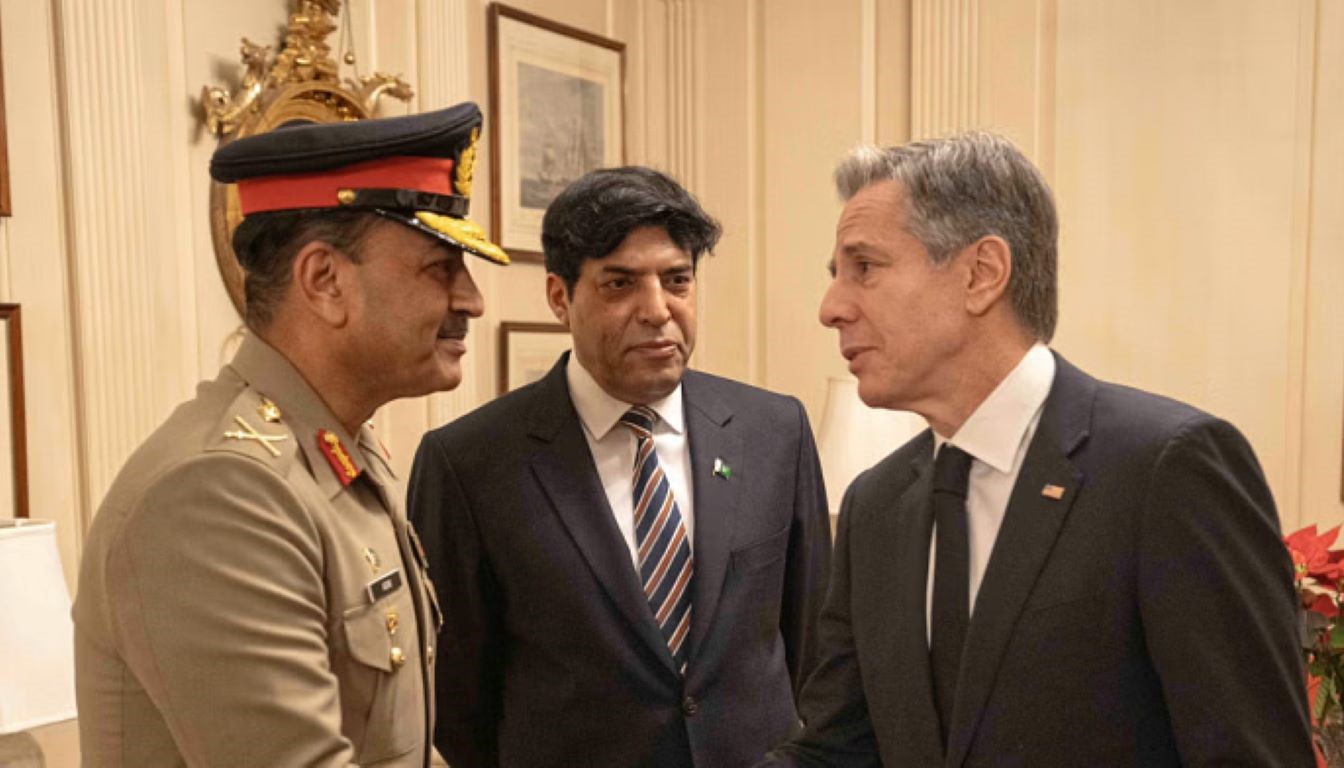
President Asif Ali Zardari, Prime Minister Shehbaz Sharif and Interior Minister Mohsin Naqvi condemned the bombing. The president and prime minister said Pakistan would continue fighting terrorism and directed the relevant authorities to support the wounded and the families of those killed.
The Swat peace rally bombing transformed a public demand for safety into a national security test. The immediate questions concern who organized the attack, how the bomber reached the rally and what protection residents will receive when they gather again to demand peace.