10 October 1940 – 10 October 2026
Awal He Awal!
Eighty-six years in the life of an infantry battalion is a remarkable journey. For those of us privileged to have worn its badge, marched alongside its soldiers, shared their hardships, and commanded its men, today is far more than a ceremonial anniversary.
It is a day of pride, gratitude, remembrance—and, above all, solemn reflection.
Origins, the Burma Campaign, and Independence
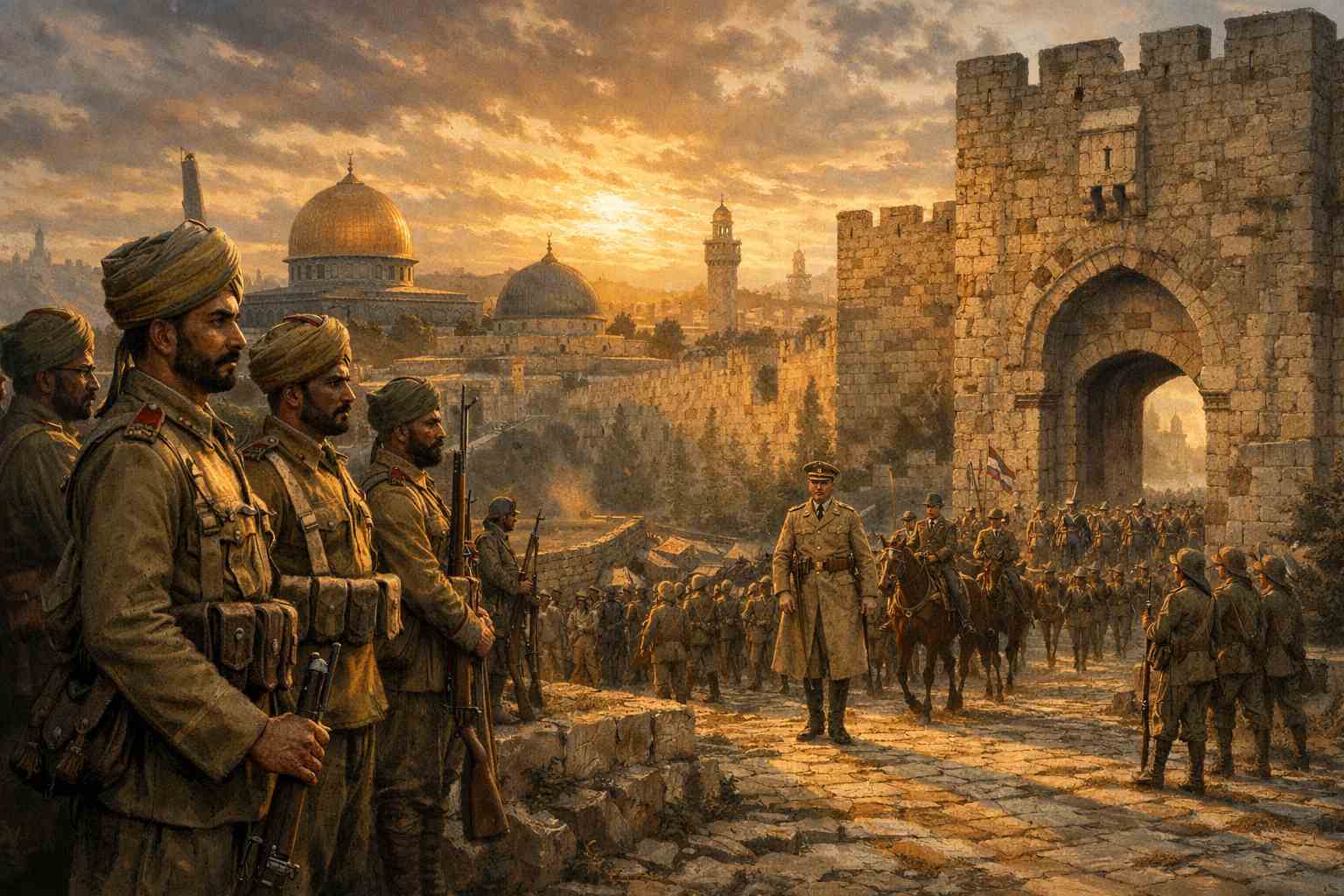
15 Baloch was raised on 10 October 1940, under the British Raj, during the Second World War. Barely on its feet, the battalion was thrown into the ferocious Burma campaign against the advancing Japanese forces. At the Battle of Pa-an (Kuzeik) in February 1942, our predecessors fought against overwhelming odds, suffering devastating casualties but demonstrating extraordinary courage and resilience.
The battalion was then fighting for an empire, not yet for a country of its own. Nevertheless, the blood shed and the courage displayed by those soldiers became part of our enduring regimental heritage.
The extraordinary gallantry of Naik Fazl Din, Victoria Cross, who laid down his life fighting the Japanese in Burma in March 1945, remains an immortal chapter of that history.
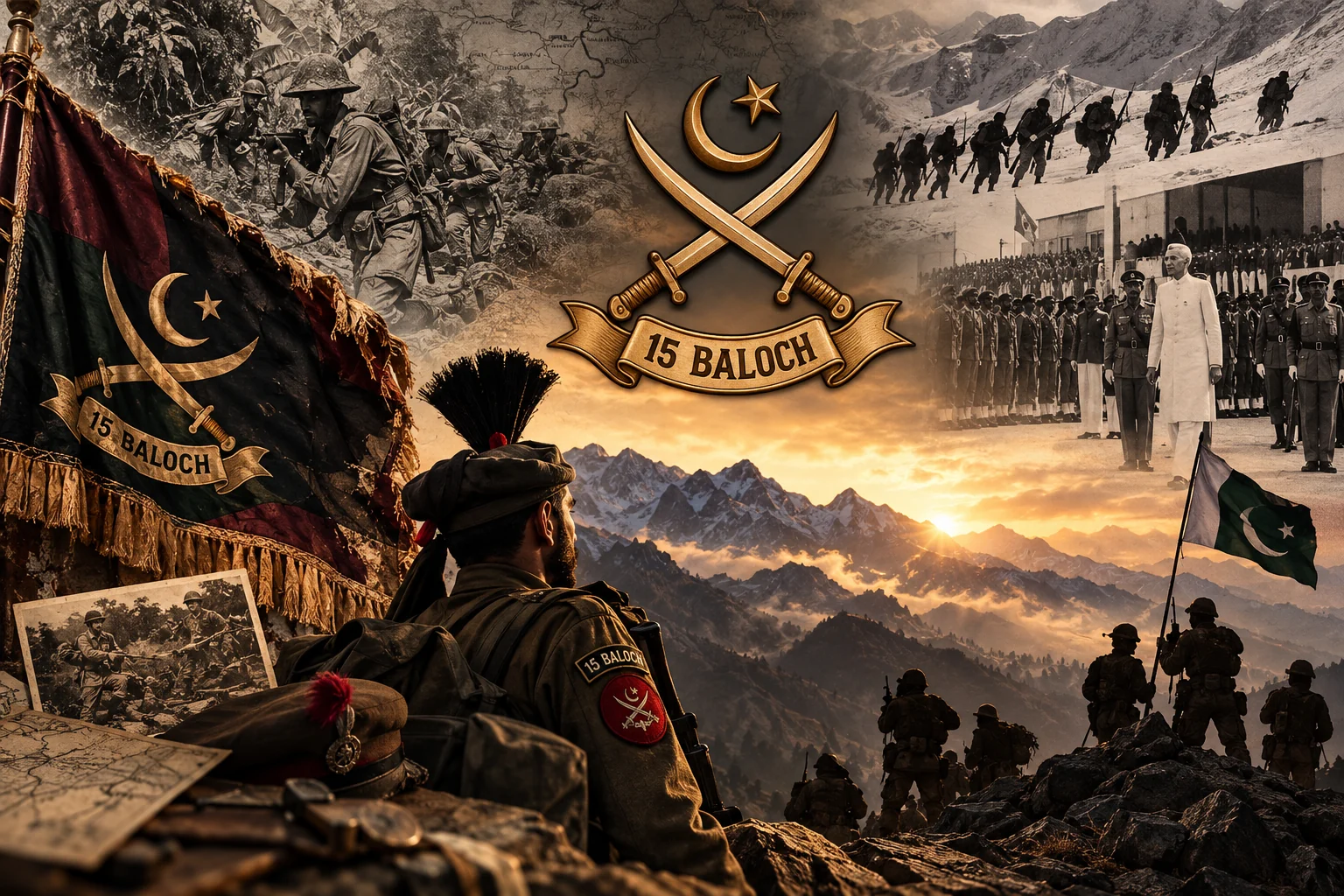
Partition in 1947 brought a new flag, a new nation, and an entirely different responsibility. Amid the bloodshed and mass displacement, 15 Baloch helped protect refugees struggling to reach their new homeland. It also earned the historic distinction of providing the first Army guard of honour to Quaid-e-Azam Muhammad Ali Jinnah, Pakistan’s first Governor-General.
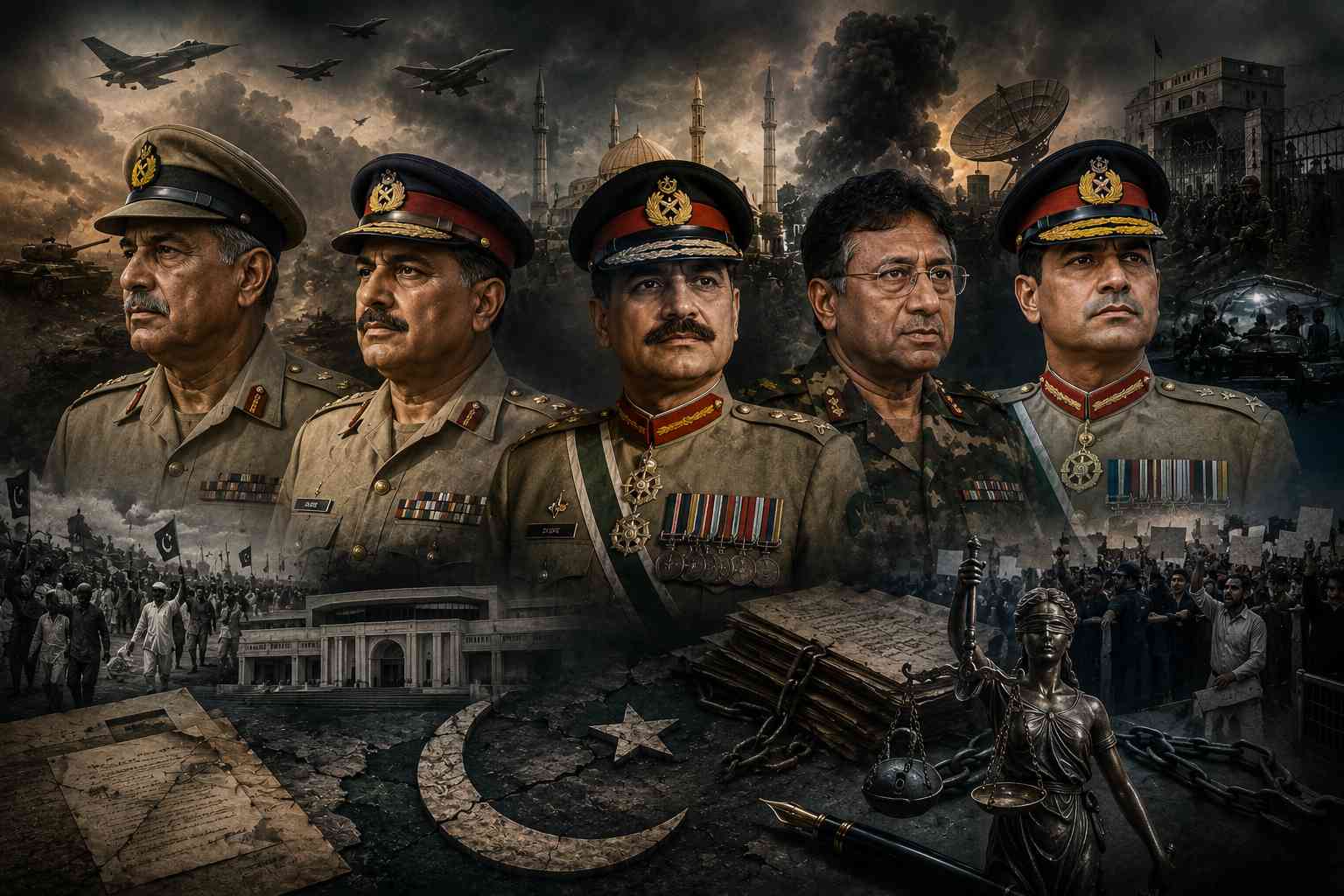
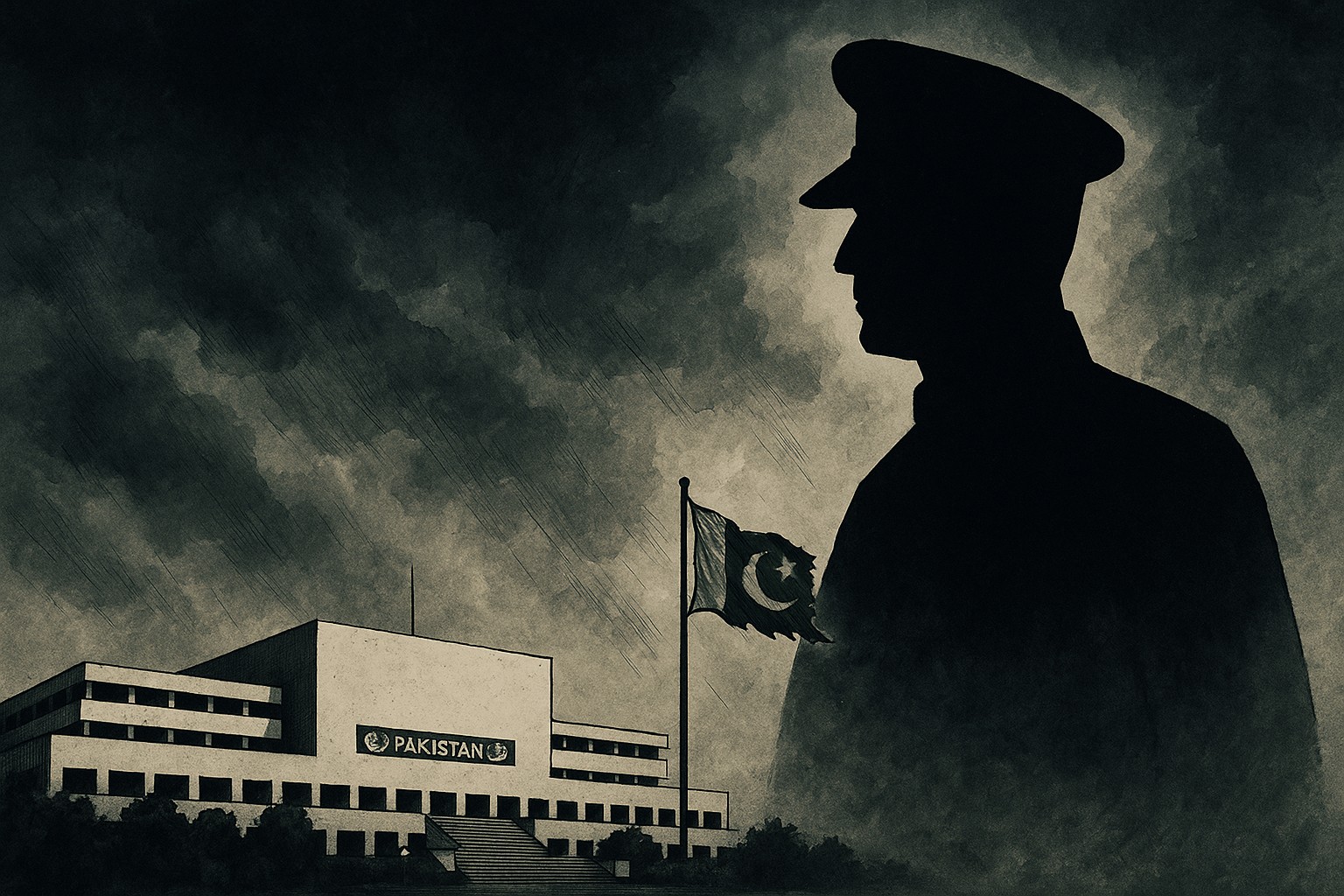
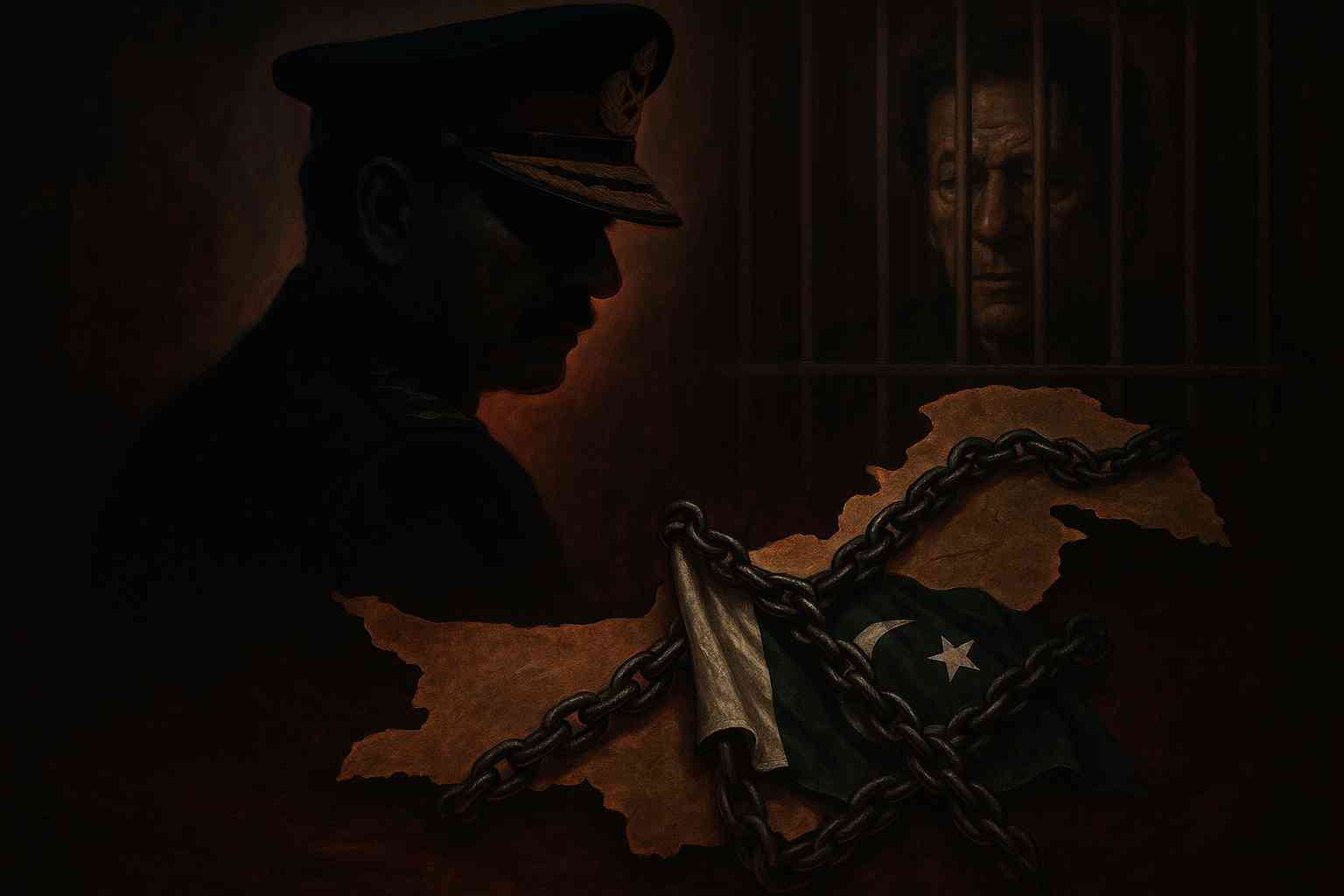
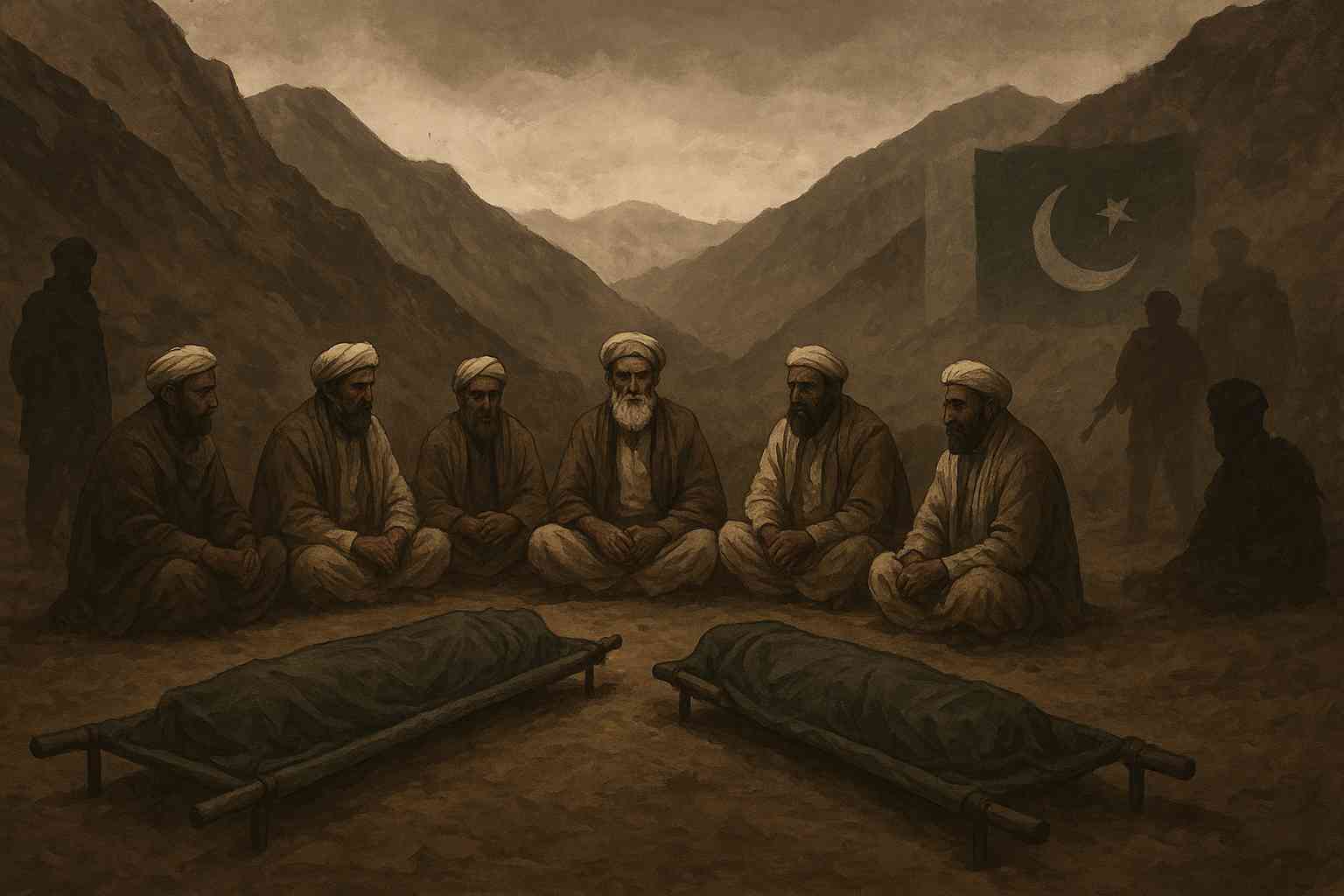
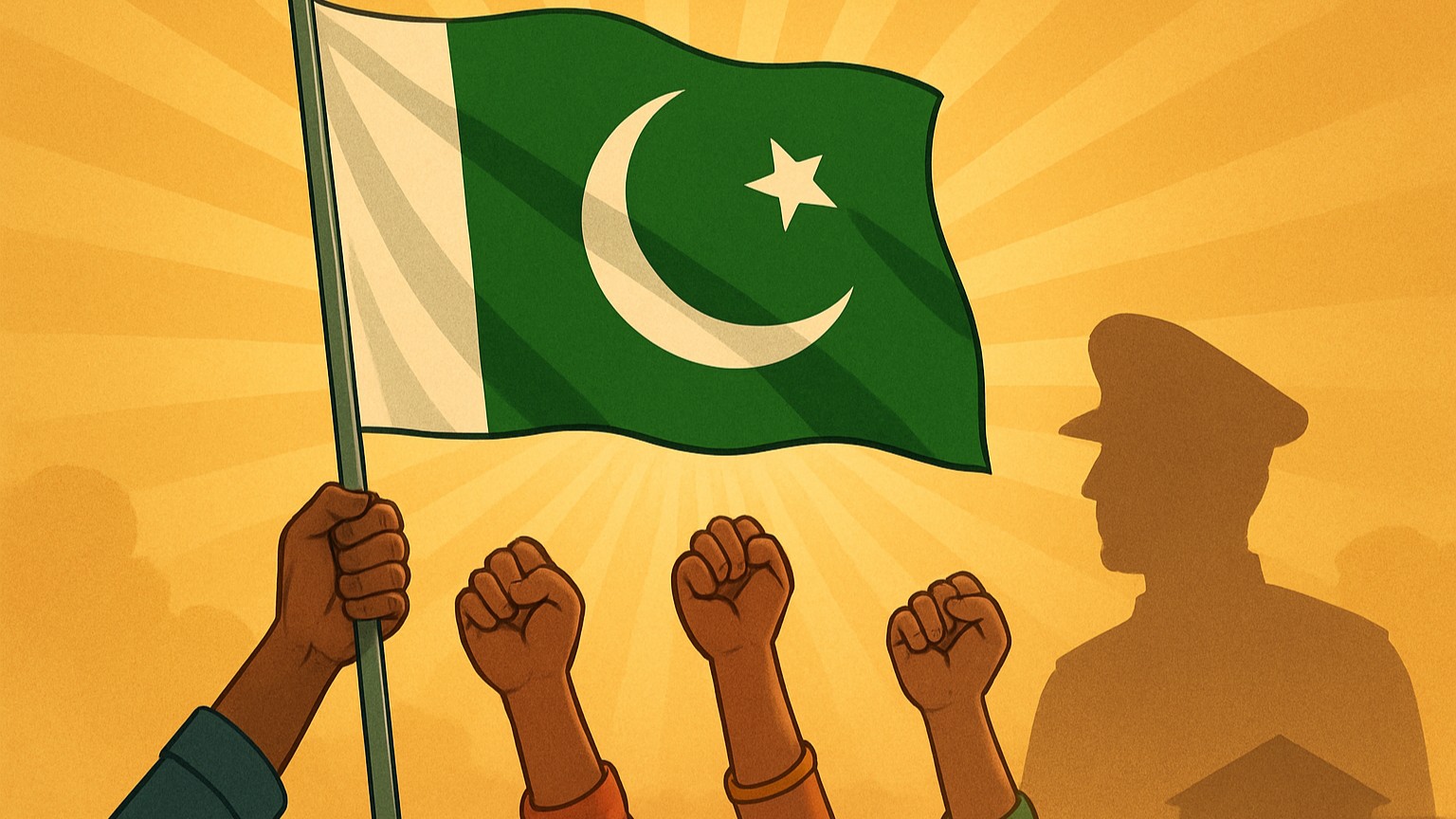
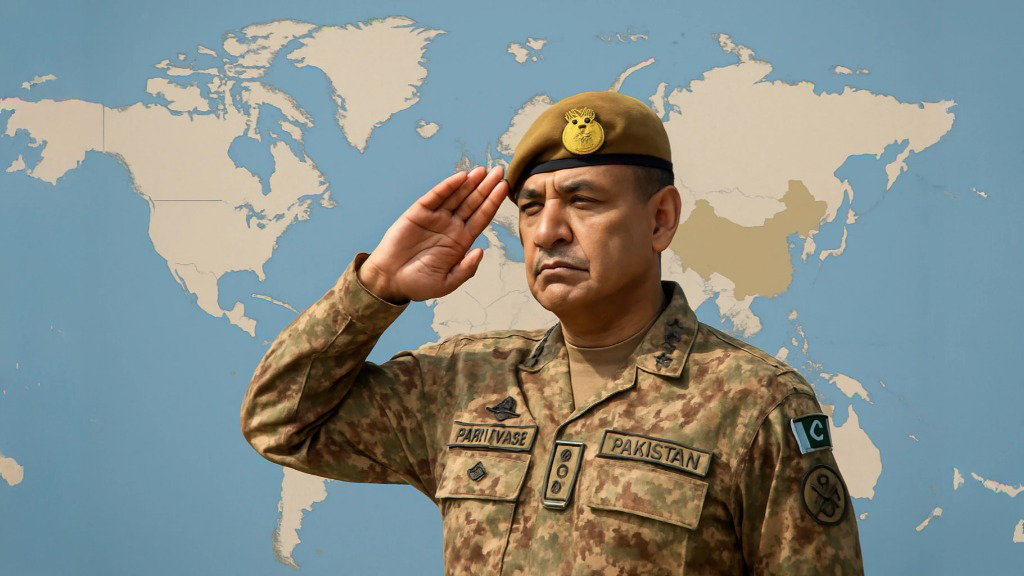
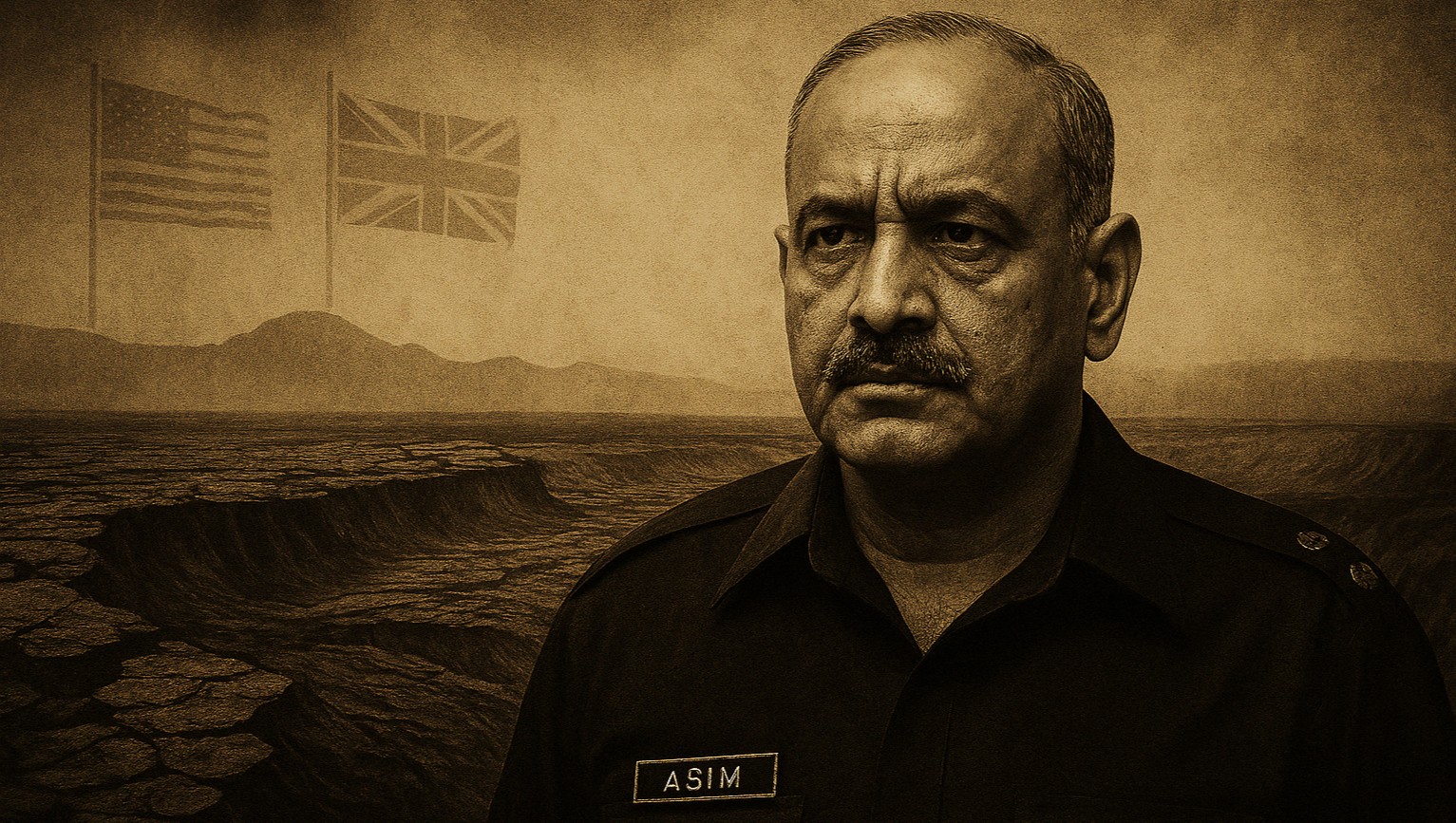
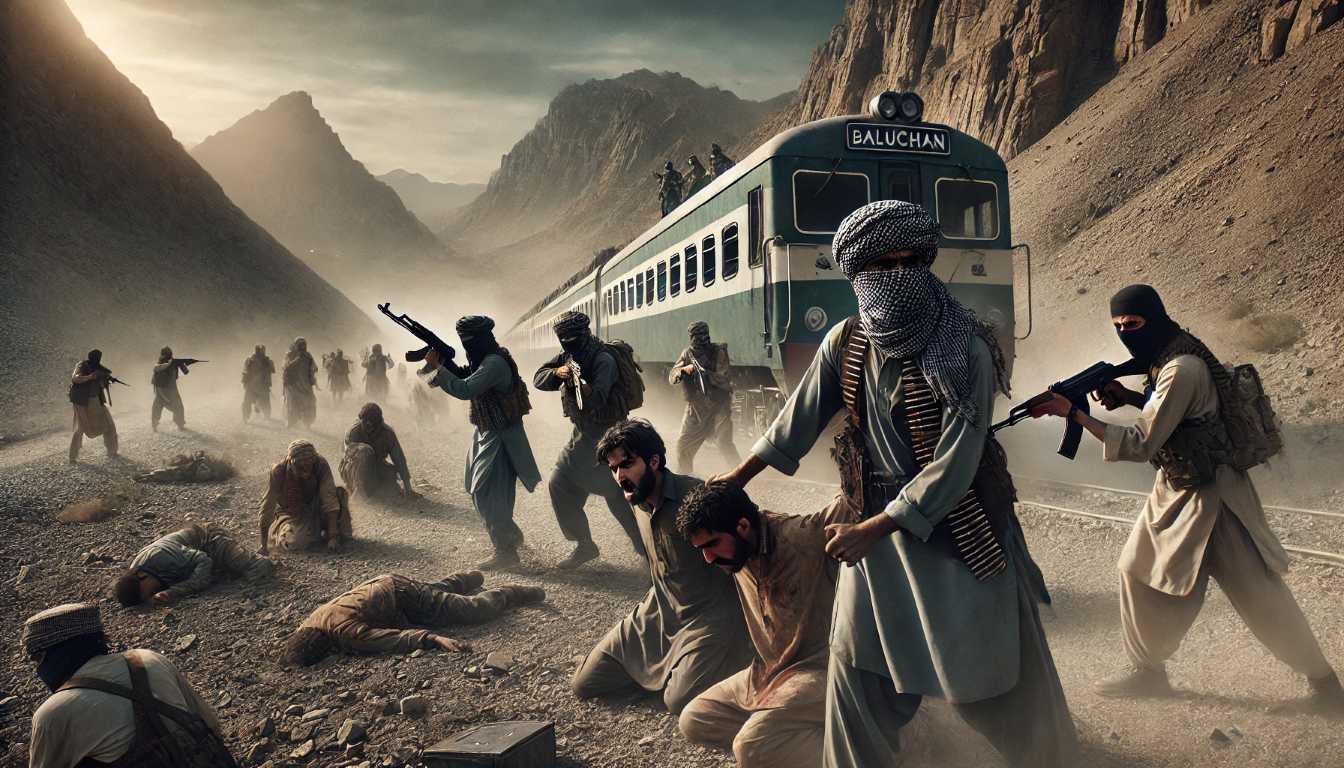
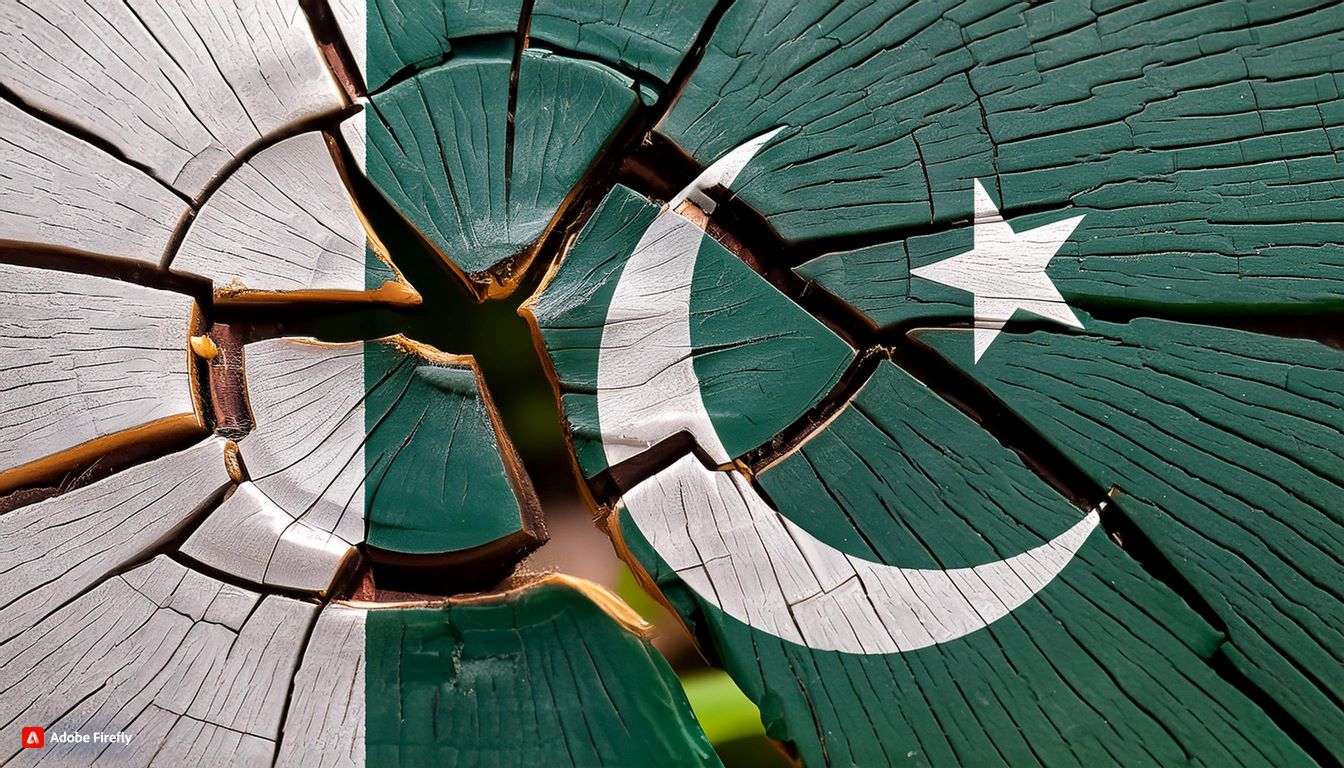
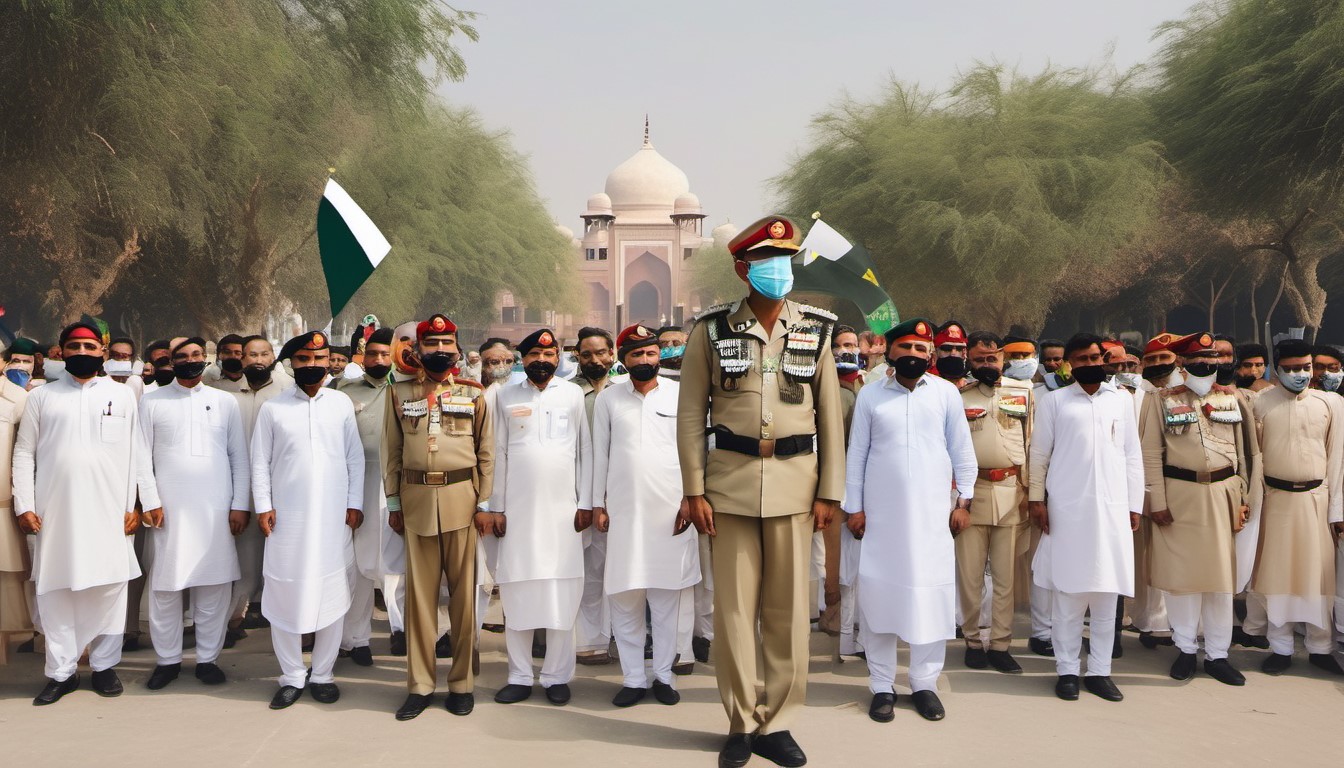
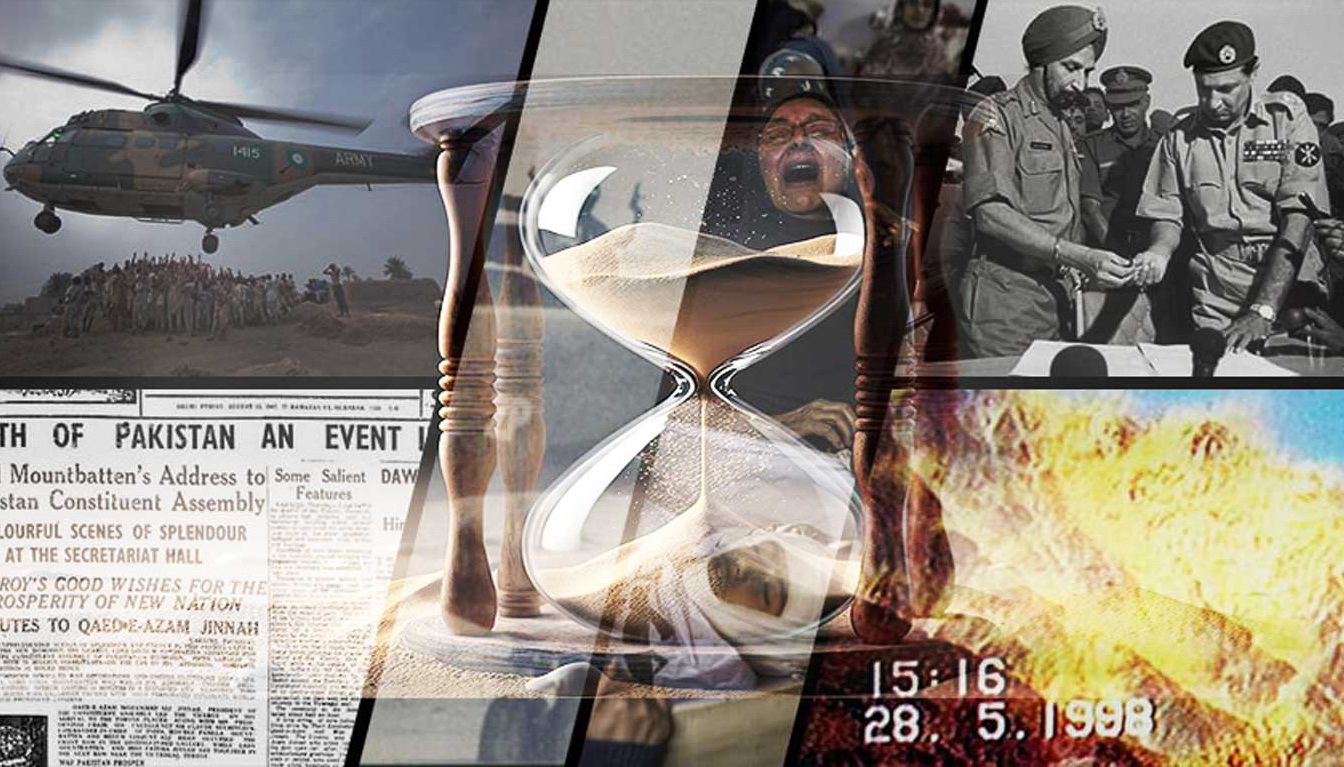
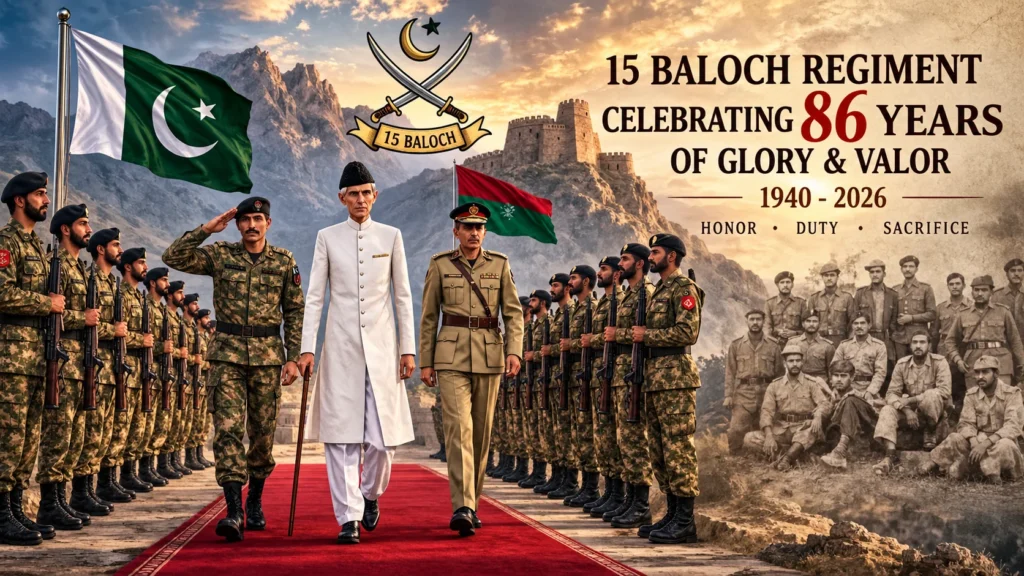 An illustrated tribute to 86 years of 15 Baloch, reflecting sacrifice, leadership, and responsibility
There is, however, a profound historical irony here. A battalion that stood guard before the founder of a constitutional state belonged to an institution that, in subsequent decades, repeatedly assumed political authority over that very state.
It is worth asking whether, as a military institution, we have ever fully severed the umbilical cord connecting us to the colonial tradition of exercising power over the people rather than remaining exclusively their professional defenders.
This question takes nothing away from the honor of our soldiers. On the contrary, it seeks to safeguard the purpose for which they serve and sacrifice.
Conflict, Captivity, and Regimental Resilience
Throughout its subsequent history, 15 Baloch remained, above all, a hard-core fighting infantry battalion.
From deployments in East and West Pakistan to the Lahore BRB front in 1965, from the bitter fighting in East Pakistan in 1971 to the ordeal of captivity following surrender, our predecessors endured some of the most demanding chapters in the battalion’s history.
The battalion was subsequently re-raised on a foundation of resilience, professional pride, and an unbreakable regimental spirit.
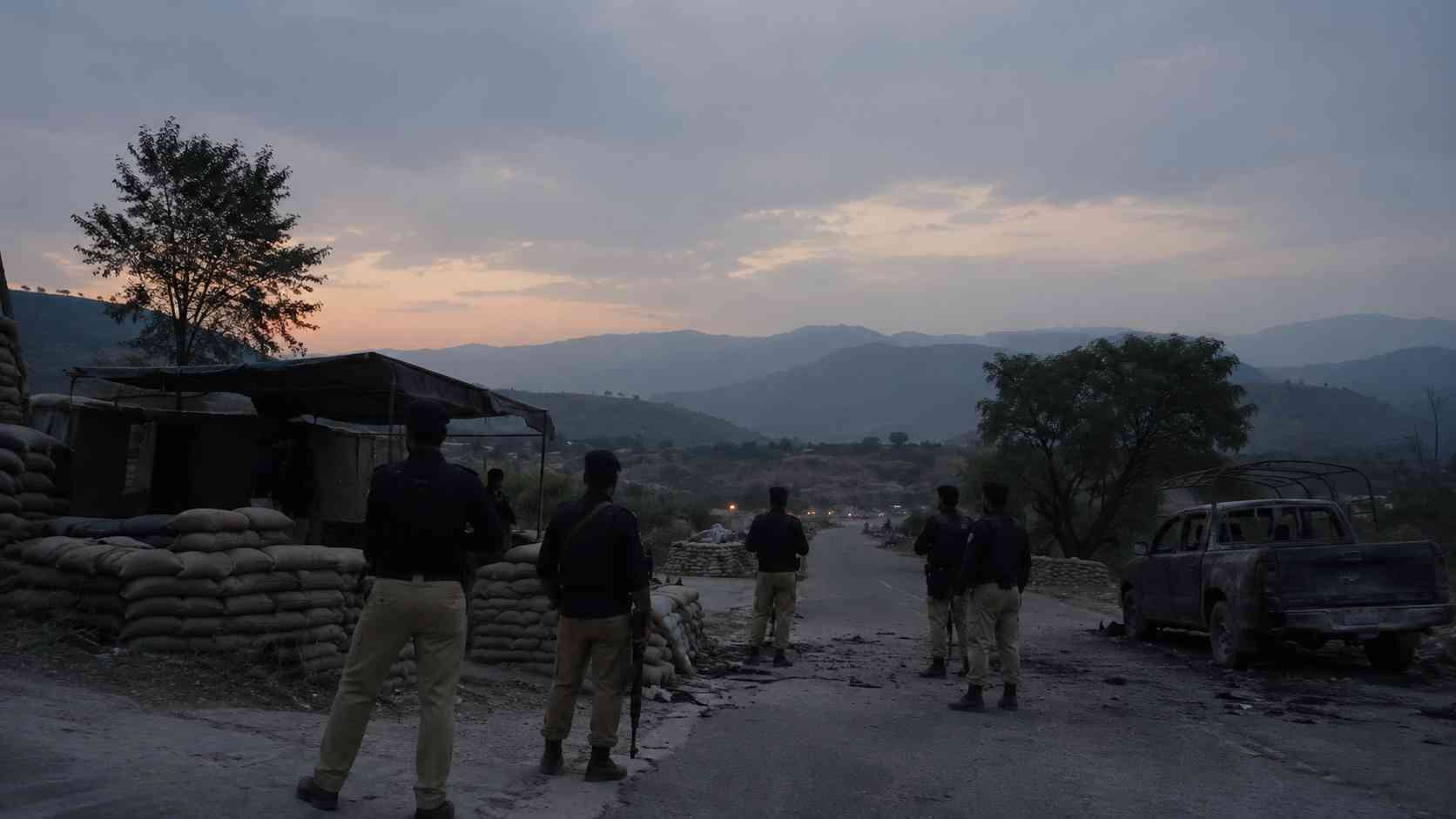
There followed repeated deployments against regular Indian forces along the Line of Control, including the unforgiving heights of Siachen, and later demanding assignments in Khyber Pakhtunkhwa.
Through all these deployments, successive generations of officers, JCOs, and soldiers demonstrated the enduring qualities of endurance, comradeship, courage, and sacrifice.
The Men Behind Our Company Names
Perhaps nothing embodies the soul of 15 Baloch more powerfully than the names borne by its five companies.
These are not merely administrative designations. They are the names of men who gave their lives in the line of duty, leaving behind examples of courage, leadership, character, and devotion worthy of emulation by every generation that follows.
Fazal Company — Naik Fazl Din, VC. A soldier whose extraordinary gallantry in Burma during the Second World War earned him the Victoria Cross at the cost of his life. His legacy reminds us that courage and devotion to duty are not determined by rank.
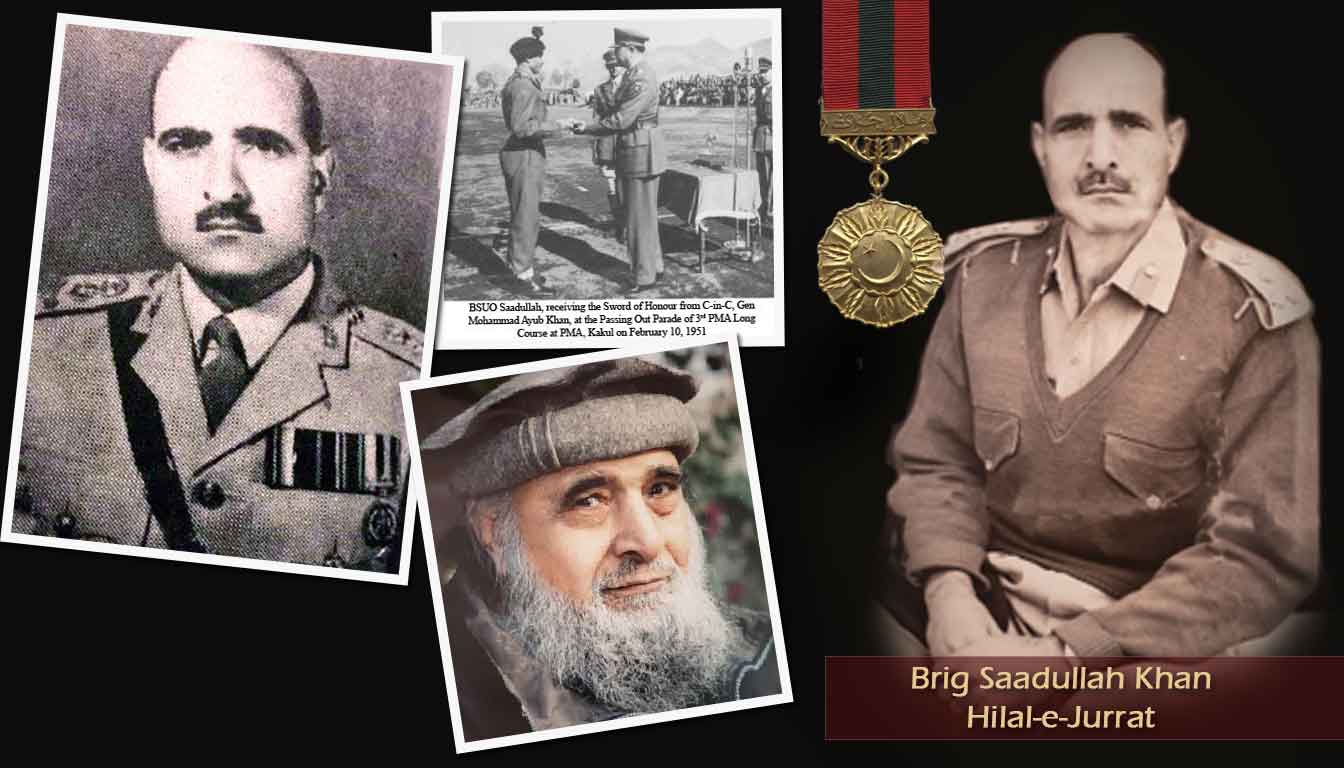
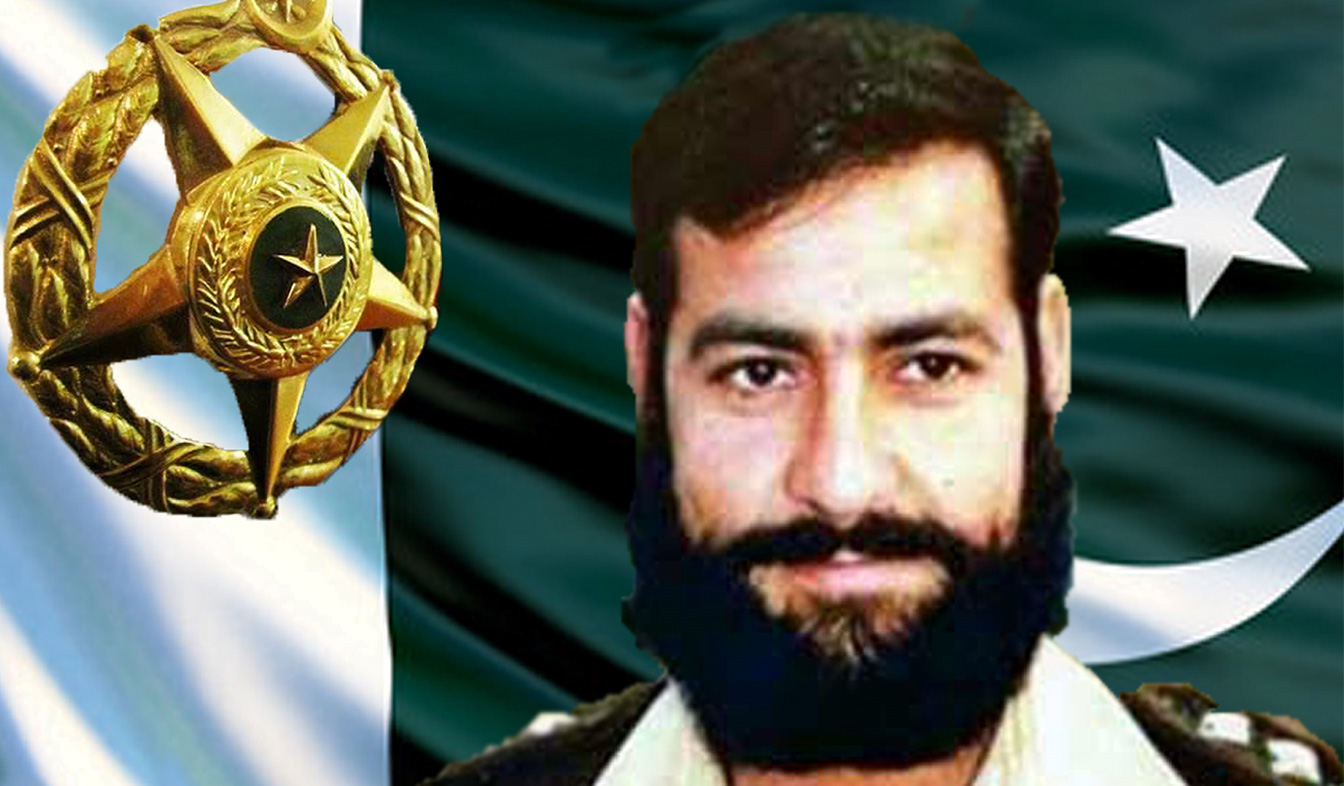
Hasnain Company — Brigadier Hazur Hasnain. A distinguished soldier whose name carries a legacy of service and sacrifice. For me, this remembrance is deeply personal. He was also my father. Yet the honor of having a company named after him belongs not to our family but to the battalion whose traditions he helped enrich and whose service ultimately claimed his life.
Sher Company — Captain Sher. A young officer whose supreme sacrifice reminds every future commander that leadership in infantry is demonstrated through personal example, particularly when danger is greatest.
Mushtaq Company — Sepoy Mushtaq. His name reminds us of a fundamental truth: the honor of an infantry battalion rests as much upon the courage of its ordinary soldiers as upon that of its most senior commanders. The sacrifice of a sepoy is no less sacred than that of an officer.
Afsar Company — Subedar Afsar. His name represents the extraordinary contribution of our JCOs, the indispensable backbone of infantry leadership, discipline, continuity, and regimental tradition.
Five companies. Five names. Five lives laid down in the line of duty.
Five enduring reminders that the true measure of a soldier is neither the rank he wears nor the authority he exercises, but the character he displays and the purpose for which he serves.
And while we honor these five, we must never allow their names to eclipse the many others who made the ultimate sacrifice, or those who survived with grievous injuries and carried the consequences of their service for the rest of their lives.
Men like Captain Talha and Subedar Afzal, who suffered serious wounds and embraced shahadat respectively in the line of duty, must remain equally present in our collective memory.
Behind every name is a personal story. Behind every casualty is a family that paid a price. Behind every wounded soldier is a burden that may endure long after the battle has ended.
There are countless others whose names may not adorn our companies or appear prominently in our regimental histories, but whose courage, suffering, and sacrifices are no less worthy of remembrance.
A battalion that remembers only its celebrated heroes risks forgetting the very men upon whose shoulders its reputation was built.
We owe all of them an enduring debt of gratitude. Their families, too, remain an inseparable part of our regimental family.
The Privilege and Responsibility of Command
I remain profoundly humbled that I was privileged to command this remarkable battalion, particularly during the prolonged period when we stood eyeball to eyeball with Indian forces in the Neelam Valley.
Those were demanding times, when the distinction between routine duty and the possibility of war could disappear in an instant.
Yet what I remember most vividly is not the proximity of the enemy, the hardship of the terrain, or the operational pressures. It is the character of our men—their steadfastness, their quiet courage, their unquestionable comradeship, and the extraordinary trust that bound us together.
An infantry battalion is ultimately a family forged in adversity.
Its strength cannot be measured merely by its weapons, operational achievements, or ceremonial distinctions. It lies in the trust between a commanding officer and the youngest soldier, in the confidence that no man will be abandoned, and in the shared conviction that honor and duty transcend personal considerations.
The privilege of commanding such men comes with a responsibility that does not end when one relinquishes command.
What Must We Pass On to the Next Generation?
Eighty-six years of history should oblige us to ask some difficult questions.
What have we learned from our battlefield victories and reverses? What lessons have we drawn from the tragedy of 1971? How do we preserve the finest traditions of the regiment while rejecting those institutional habits inherited from colonial rule that no longer belong in a constitutional republic?
Most importantly, what kind of officers, JCOs, and soldiers are we preparing for the next eighty-six years?
To our younger generations, I would say:
Be proud of this battalion, but earn the right to that pride through professional excellence, personal integrity, and relentless dedication to your soldiers.
Know the history behind the names of your companies. Learn not only how these men died, but how they lived, led, and served.
Let the sacrifice of Fazl Din teach you courage; the legacy of Hasnain inspire responsibility; Sher remind you of leadership by example; Mushtaq of the dignity and worth of every soldier; and Afsar of the indispensable bond between officers, JCOs, and men.
Remember Captain Talha, Subedar Afzal, and every other soldier whose wounds or sacrifice testified to the true cost of military service.
Never allow regimental pride to become arrogance, discipline to become unquestioning submission, or institutional loyalty to override your conscience.
A professional soldier must possess the courage to face an enemy in battle—and the moral strength to distinguish between service to the nation and obedience to power.
The people of Pakistan are not an adversary. They are the very reason the Army exists.
The Constitution, the sovereignty of the state, and the security and dignity of its citizens must remain the ultimate compass of military service.
A Particular Responsibility for Our Seniors
To my fellow former commanding officers, serving commanders, and senior colleagues, I believe this anniversary also carries a profound responsibility.
We are the custodians of an inheritance purchased with the blood and sacrifices of generations.
It is not enough to reminisce about our commands, celebrate our operational achievements, or recount the heroism of our soldiers.
We must ensure that the traditions we pass down cultivate not merely obedience and fighting efficiency, but professional judgment, moral courage, constitutional fidelity, compassion, and a deep sense of responsibility toward the men entrusted to our care.
We must protect the unique bond that makes an infantry battalion a family. No transient appointment, personality, institutional pressure, or political consideration should ever be allowed to weaken it.
Our younger officers must be able to look to us not merely as former commanders, but as examples of the principles we expect them to uphold.
The greatest tribute we can pay to our fallen is not to invoke their sacrifices in speeches, but to ensure that the institution they served remains worthy of those sacrifices.
Eighty-Six Years On
Today, as 15 Baloch celebrates its 86th Raising Day, I bow my head in remembrance of every officer, JCO, and soldier who laid down his life wearing our badge.
I remember those who returned wounded, those who endured captivity, those who served through years of hardship and separation, and the families who quietly bore the cost.
I salute those who rebuilt the battalion after 1971, those who carried its colors into successive deployments, and those who continue to uphold its traditions today.
And I remember, with particular affection and reverence, the five men whose names live on in our companies—not as monuments to the past, but as shining beacons for the future.
Eighty-six years of service have given us a proud history. The responsibility of ensuring an equally honorable future rests with those who wear the badge today and those of us who remain its lifelong custodians.
May 15 Baloch always remain first in courage, first in professional excellence, first in comradeship, and unwavering in its duty to Pakistan and its people.
May Allah grant the highest place in Jannat-ul-Firdous to all our Shuhada, bless the wounded and their families, and guide every present and future commander toward the highest standards of professional and moral leadership.
Awal He Awal!
Lt Col (Retd) Syed Akbar Hussain
Former Commanding Officer, 15 Baloch
10 October 2026
Virginia