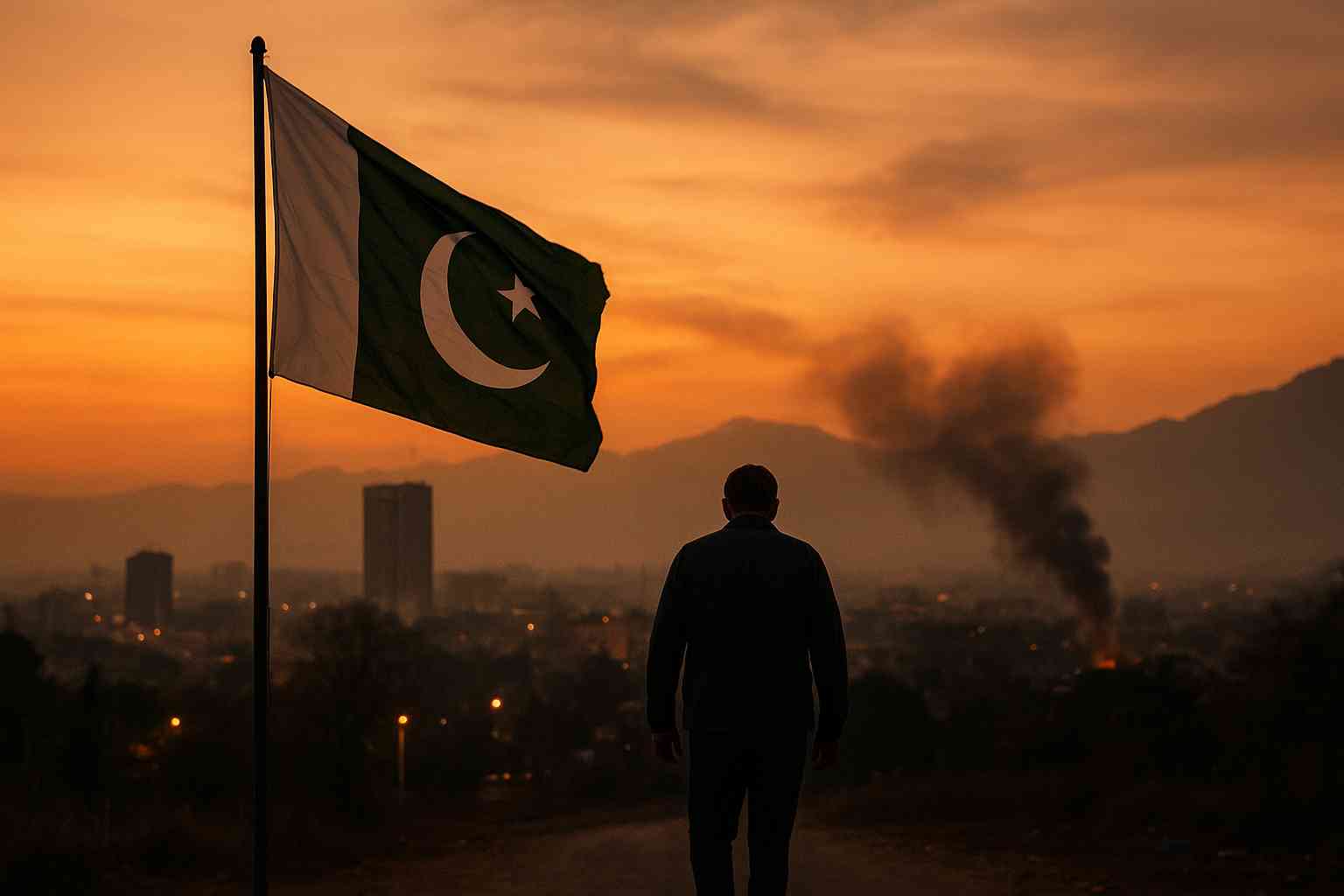
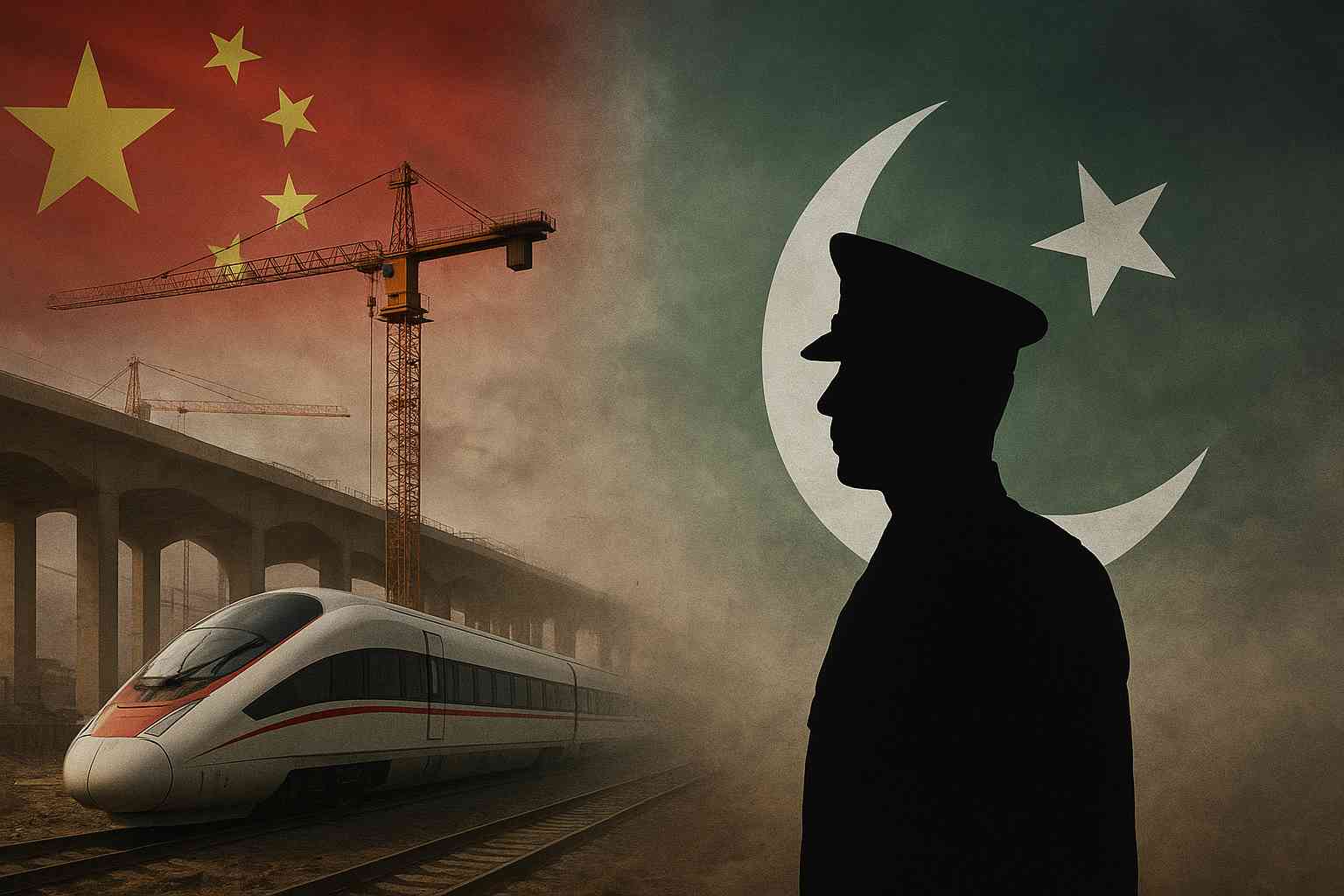
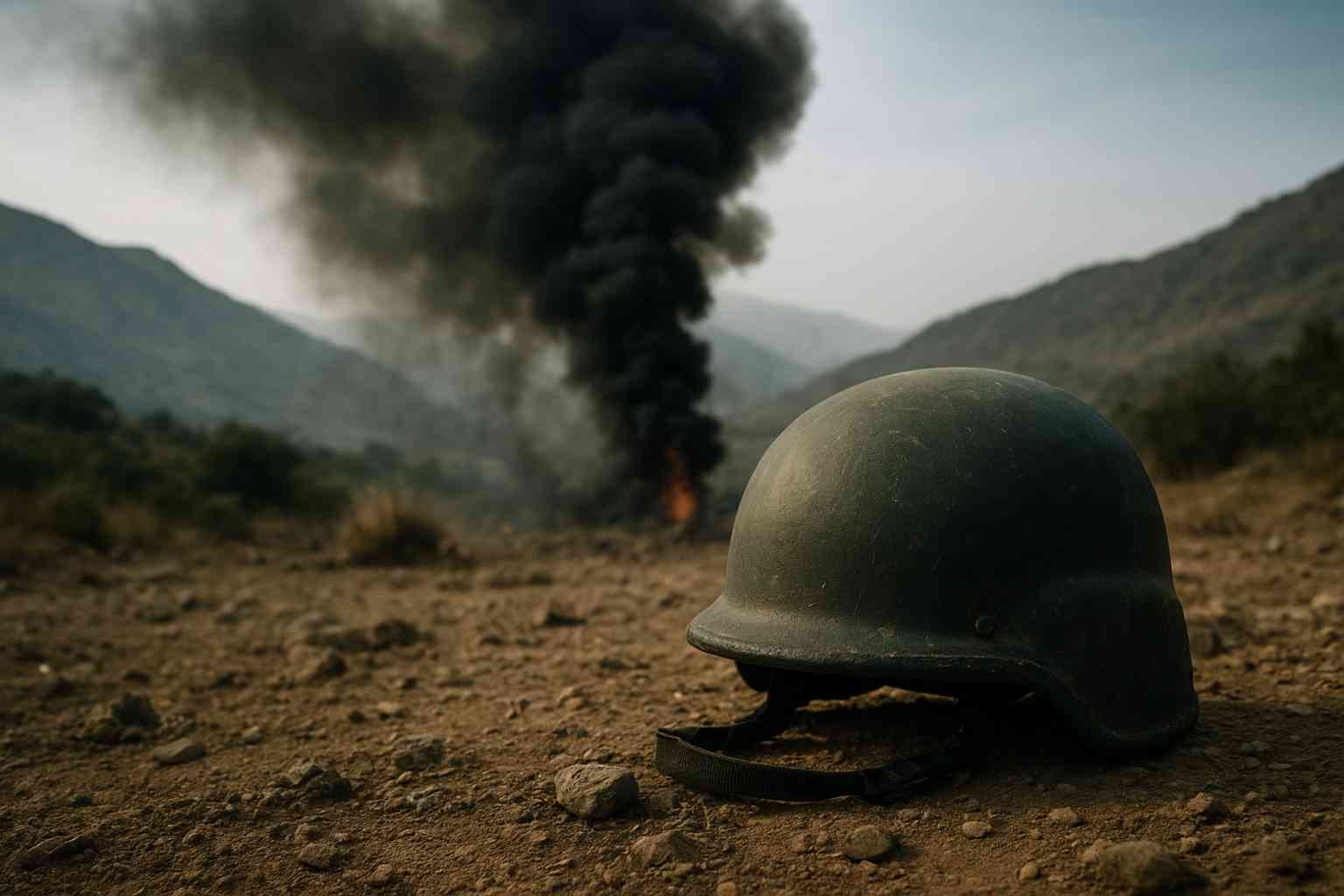
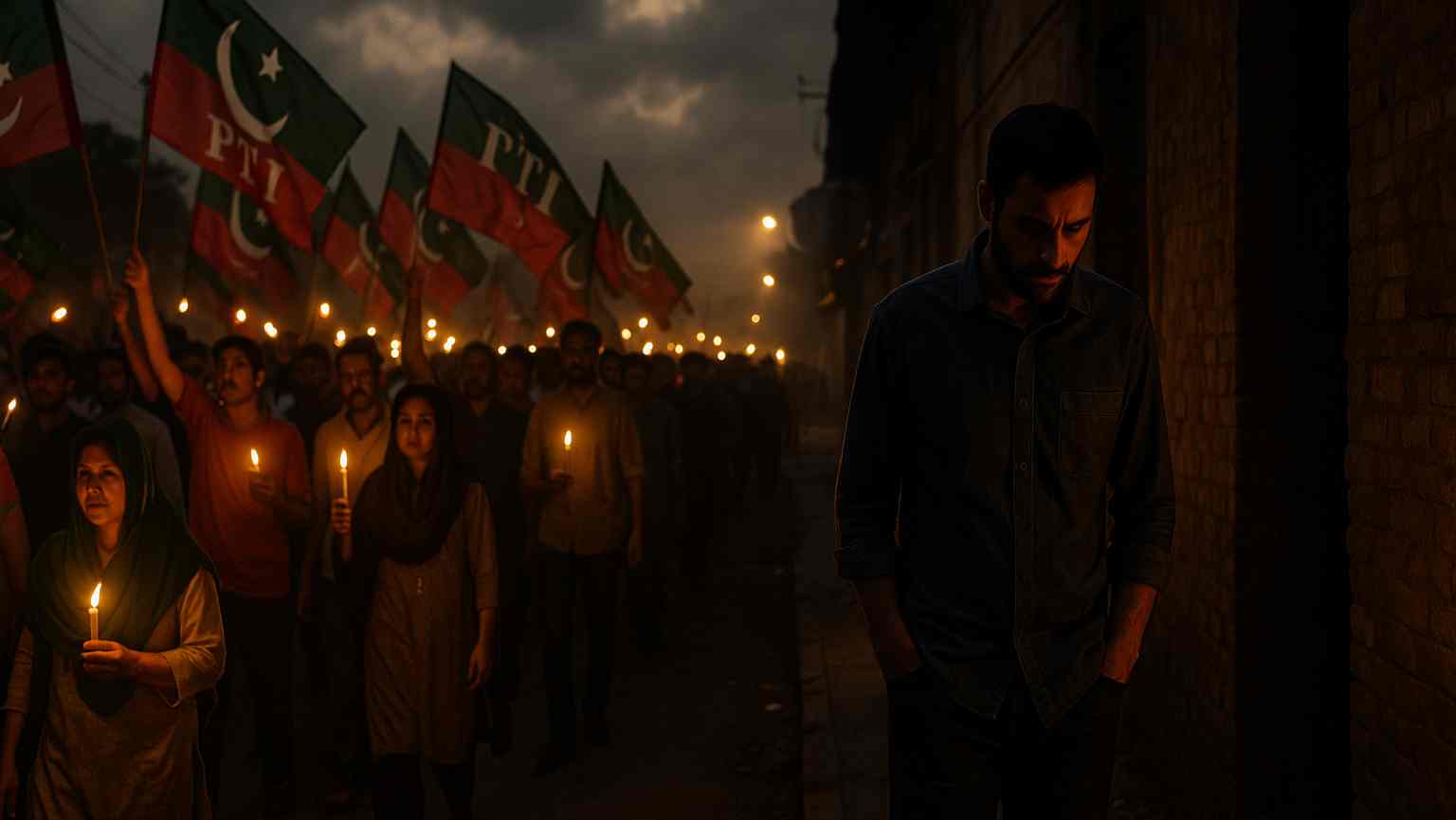
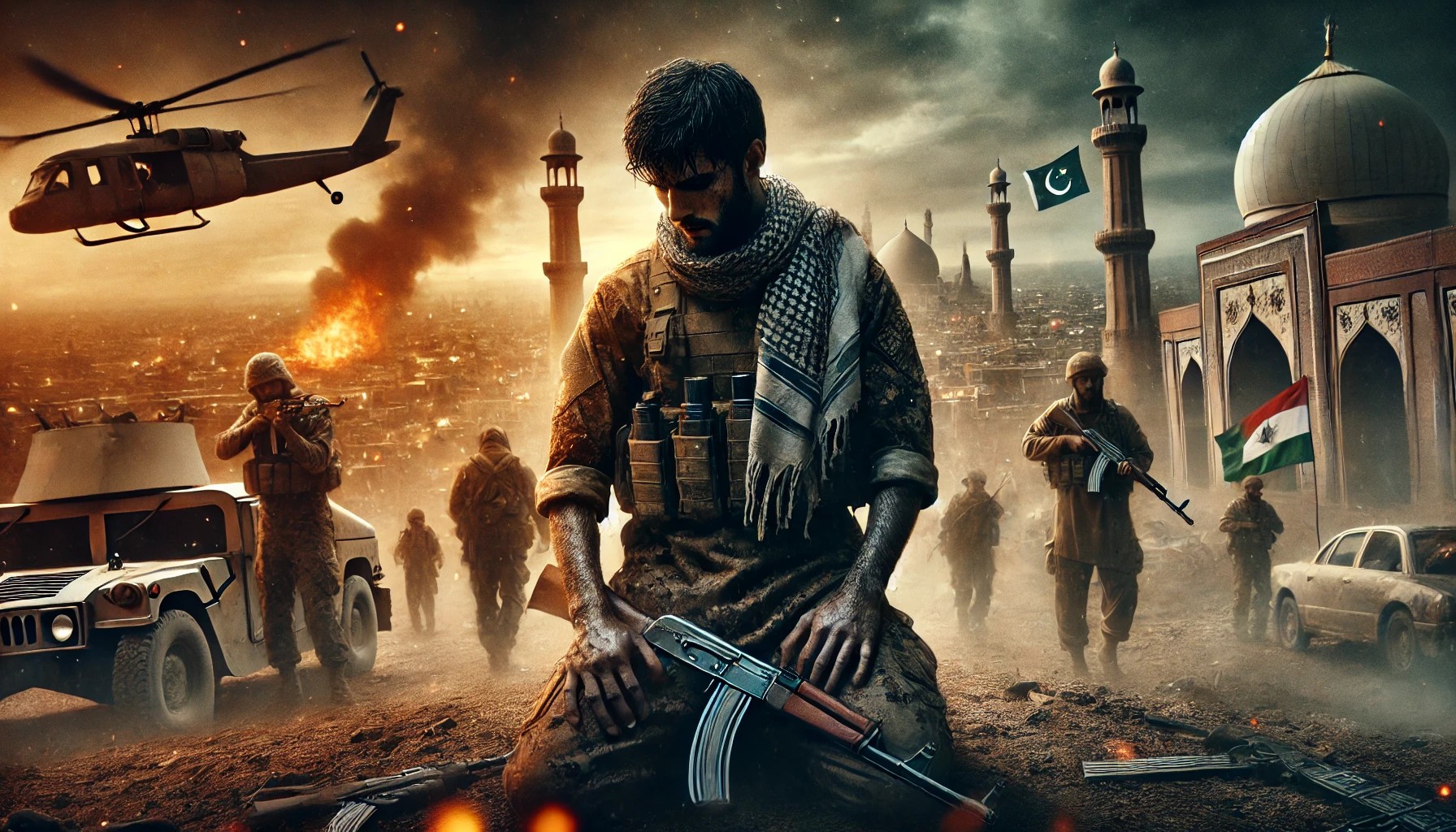
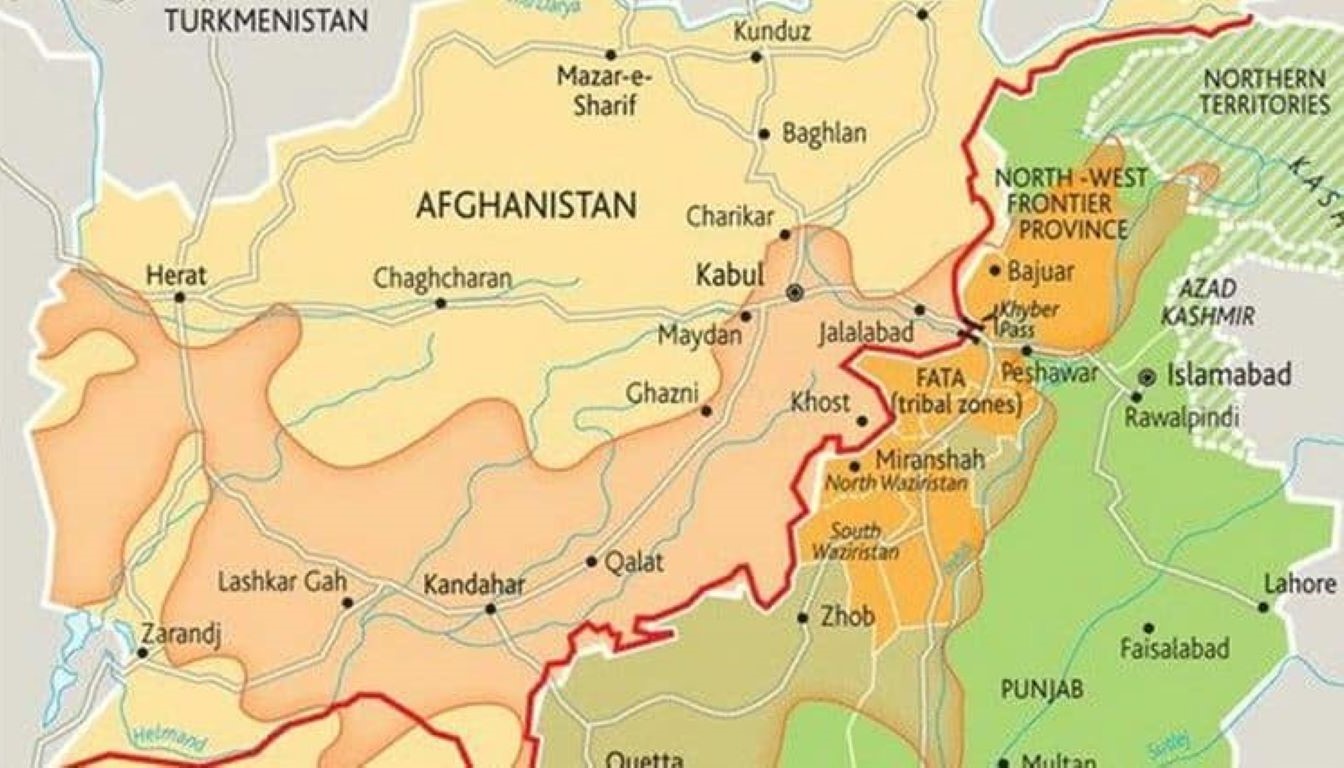
The Hangu police post attack has exposed a brutal truth about Pakistan’s security crisis: Khyber Pakhtunkhwa’s police are standing on the frontline while the state keeps offering familiar words after every new loss.
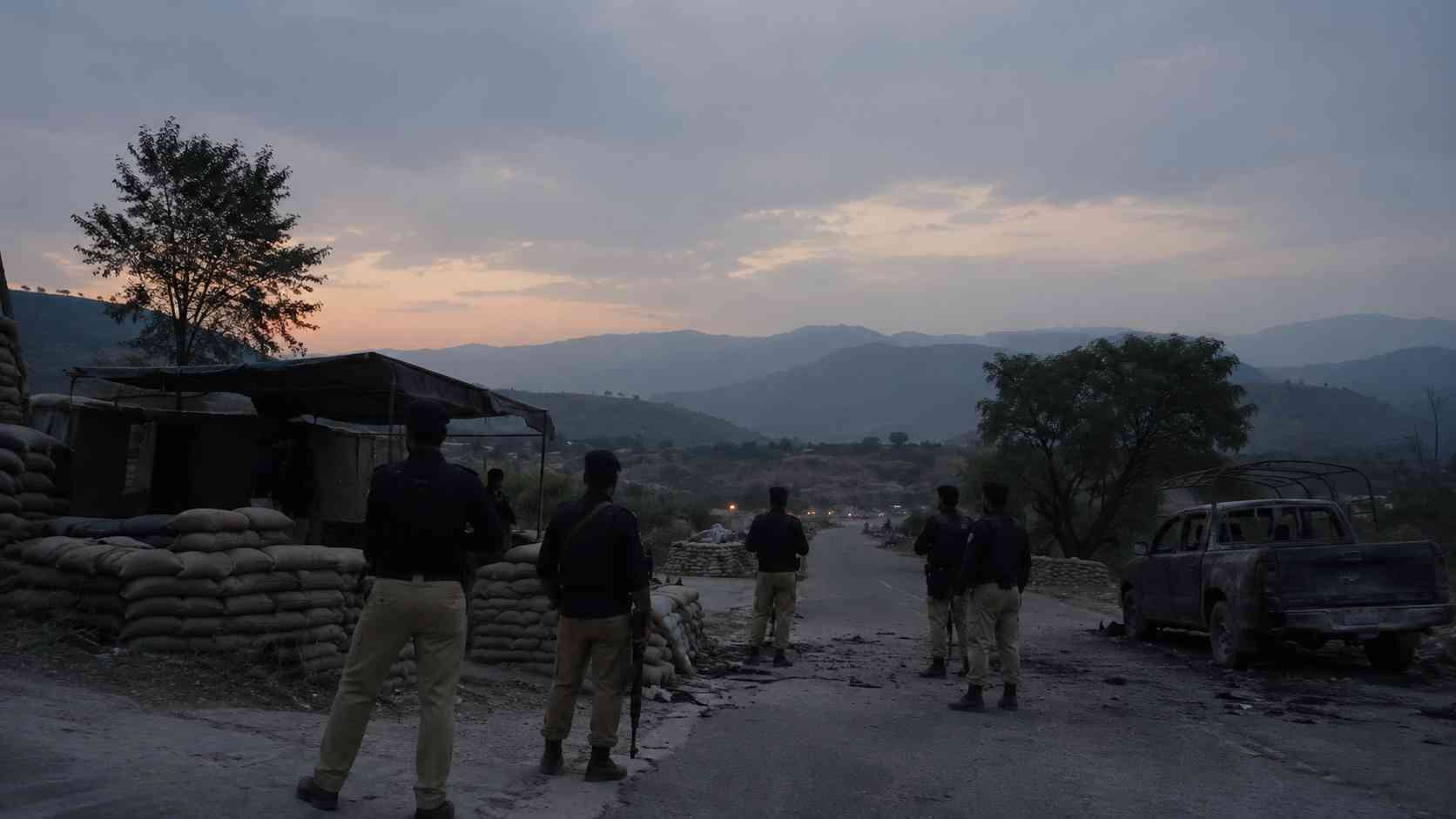
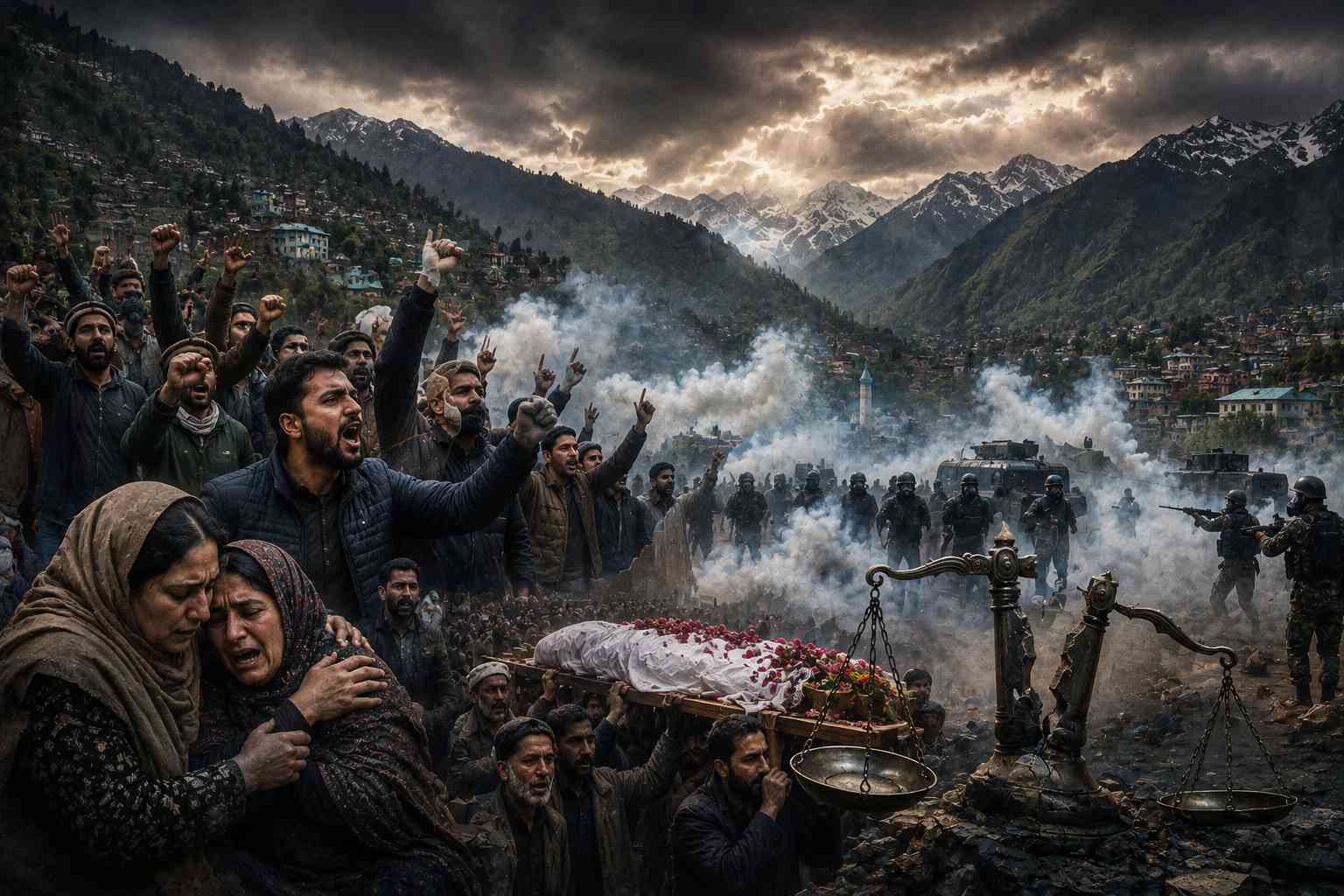
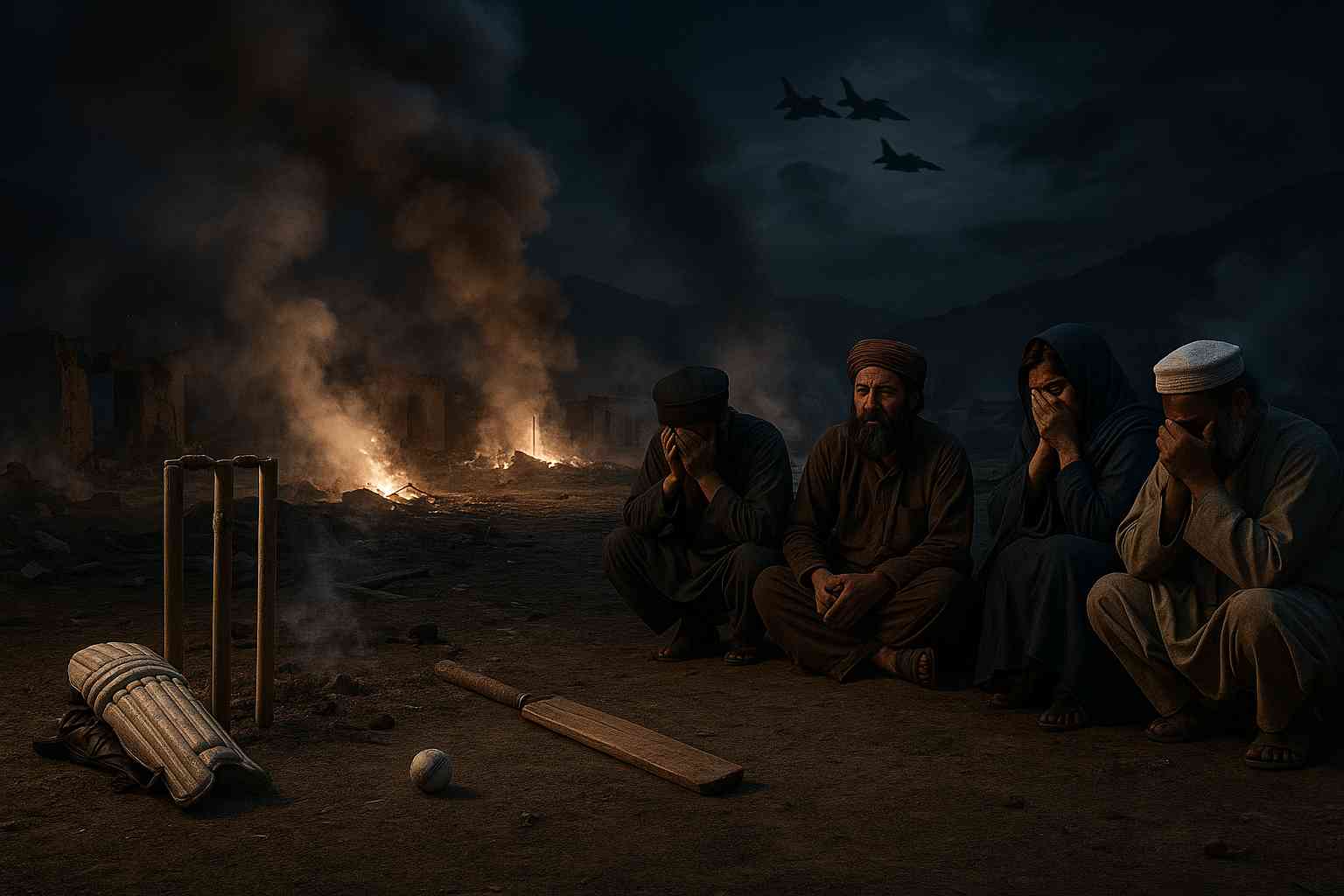
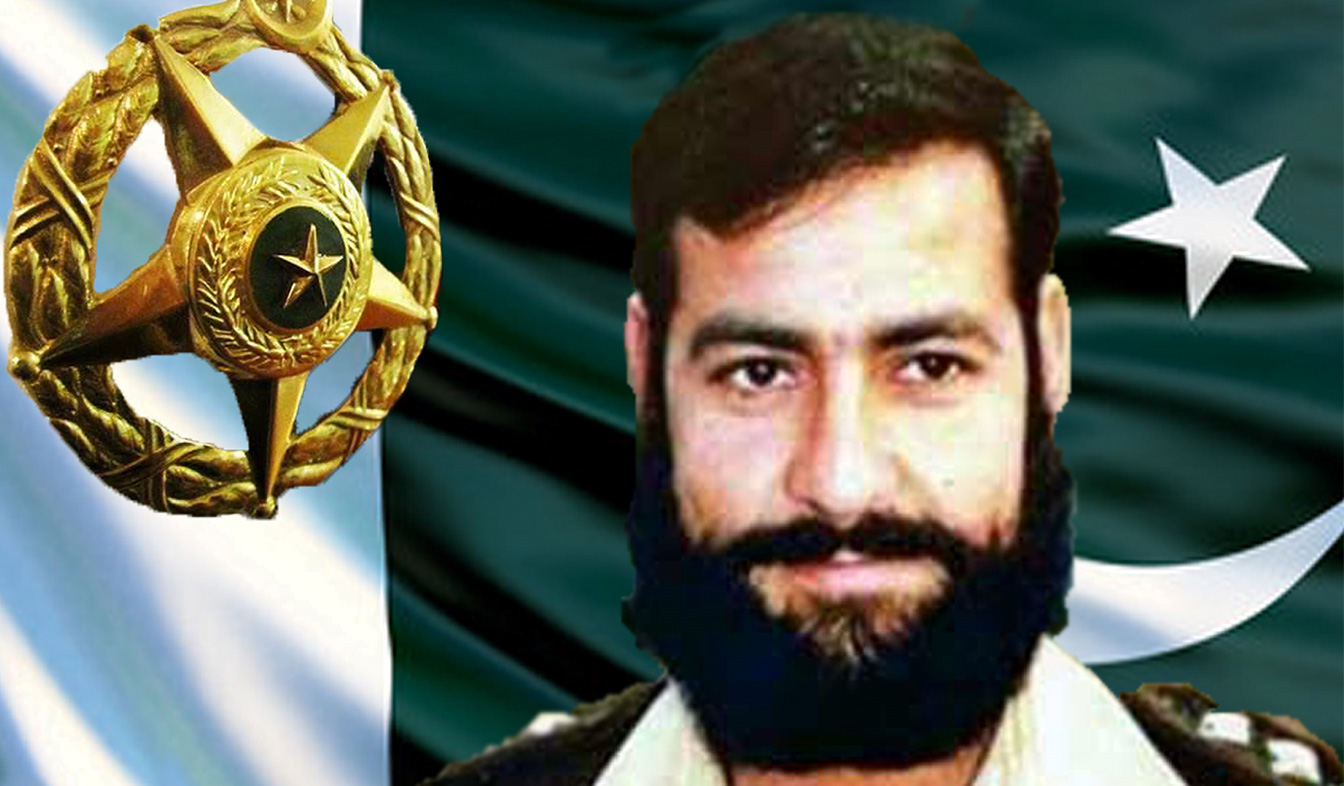
Reports on the final death toll varied as officials updated the figures. Dawn, citing the KP police chief, reported that nine police personnel, including DSP Diyar Khan, were killed and 28 injured when militants attacked the Khazina Banda checkpost in Hangu late Wednesday. The Associated Press later reported that the toll had risen to 11 police officers, with 15 attackers killed after a gun battle at the post in Khyber Pakhtunkhwa’s Hangu district.
That discrepancy should be handled carefully. What is not in doubt is the scale of the assault, the police casualties, and the fact that reinforcements also came under attack.
Hangu Police Post Attack Exposes a Frontline Gap
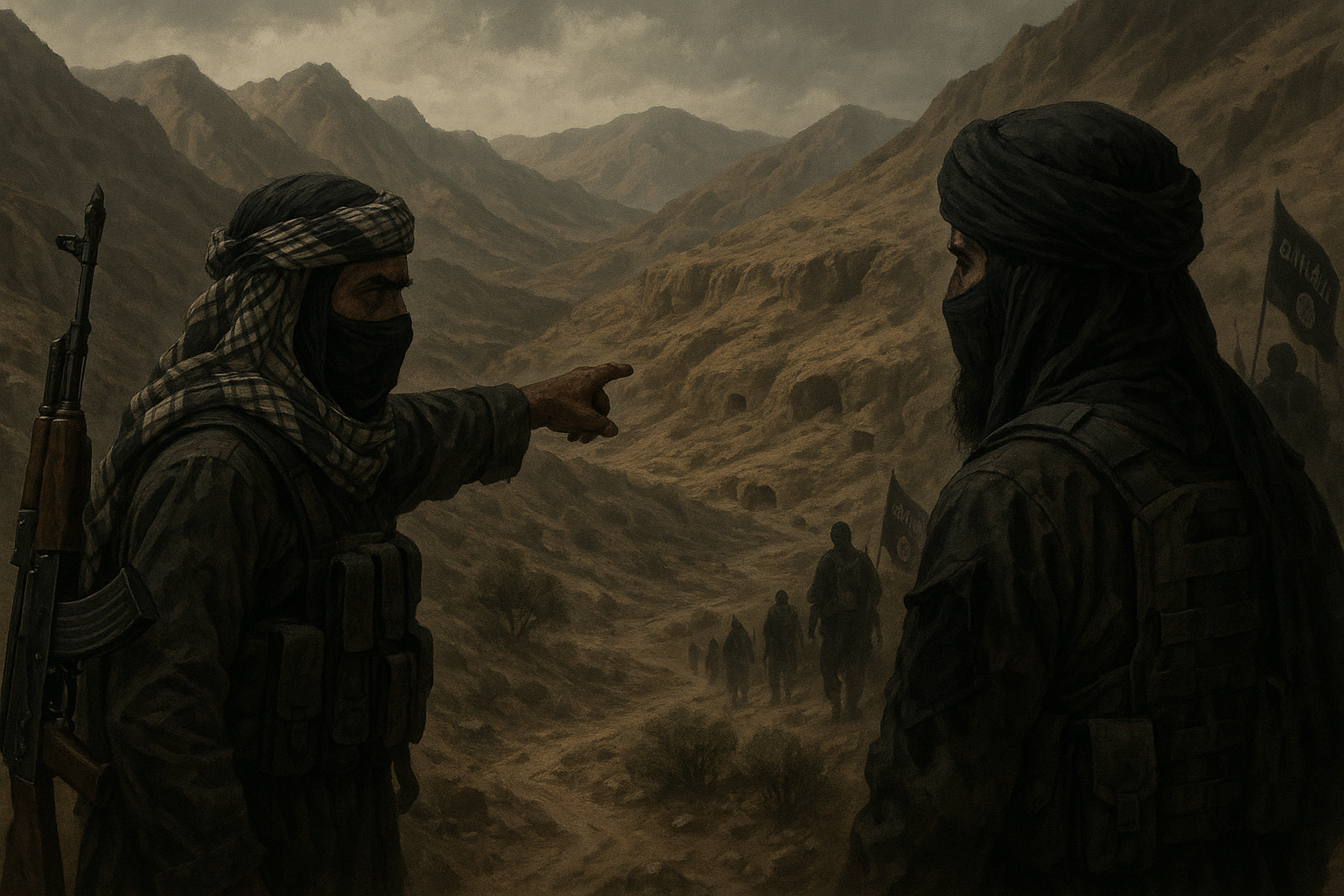
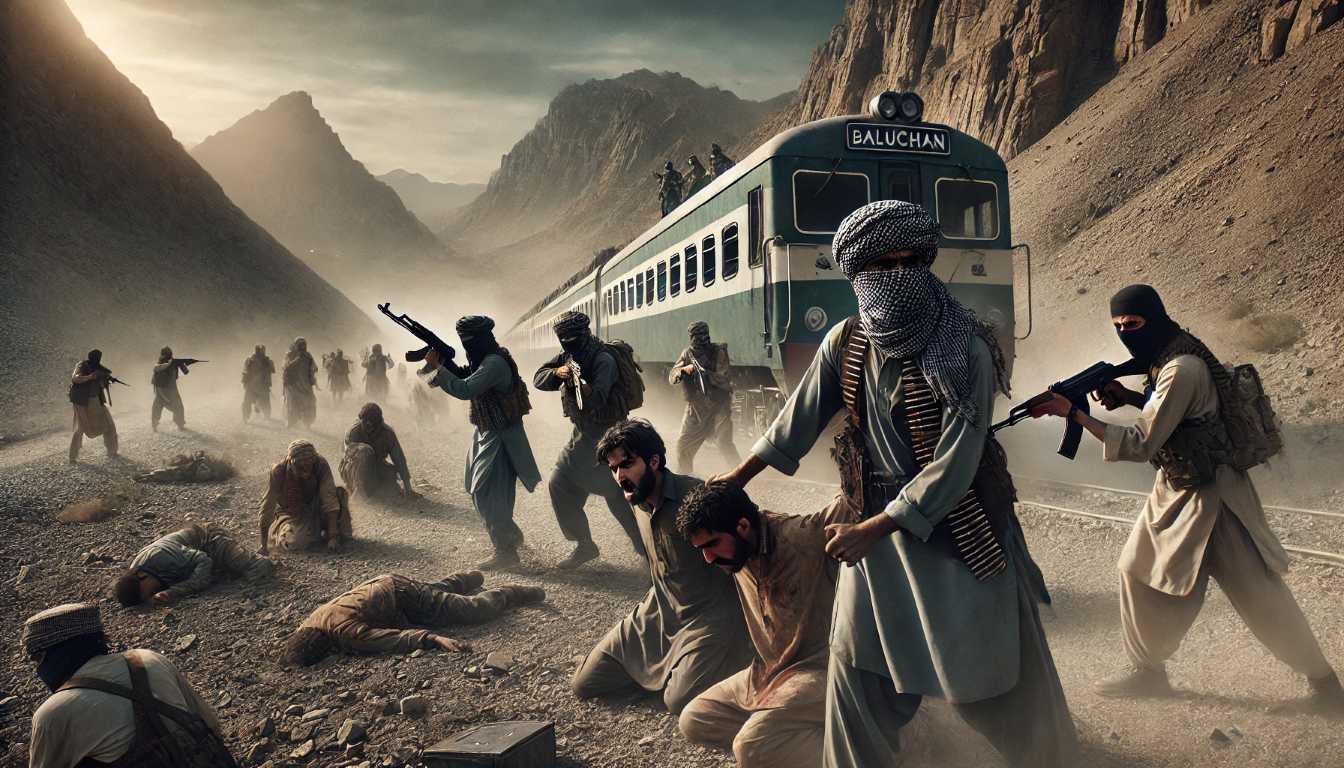
The Hangu police post attack was not a routine clash. Police accounts cited by Dawn said attackers hit the Khazina Banda post while officers were present, then ambushed the reinforcements sent to support them. AP also reported that an armored personnel carrier was damaged as officers fought back.
Al Jazeera, citing local authorities, reported that attackers used explosive-laden quadcopters before the ambush. If confirmed in official detail, that would point to a tactical threat far beyond ordinary checkpoint firing.
No group had immediately claimed responsibility in AP’s report. Pakistani authorities, however, blamed militants linked to the banned Tehreek-i-Taliban Pakistan, using the state’s preferred “Fitna al Khawarij” label. That distinction matters. Attribution must rest on evidence, not only on political vocabulary.
Police Are Paying for Strategic Failure
KP Police have long carried a heavy counterterrorism burden. Yet the state still treats police sacrifice as a rhetorical resource after each attack, not as a reason to rethink frontline capacity.
President Asif Ali Zardari and Prime Minister Shehbaz Sharif condemned the Hangu assault. The prime minister, according to Dawn’s account of official statements, described police as a frontline force against terrorism. That is true. But frontline forces need more than tribute after funerals.
They need intelligence support, mobility, night surveillance, hardened posts, medical evacuation, forensic capacity, and political backing from both provincial and federal authorities. Without those basics, every checkpost becomes a symbol of courage sitting inside a larger failure.
The Hangu police post attack also came during a wider deterioration in Pakistan’s internal security environment. A July assessment by the Pakistan Institute for Conflict and Security Studies said militants carried out 37 attacks between July 3 and July 9, killing 108 people and injuring 65, with security forces suffering 45 fatalities.
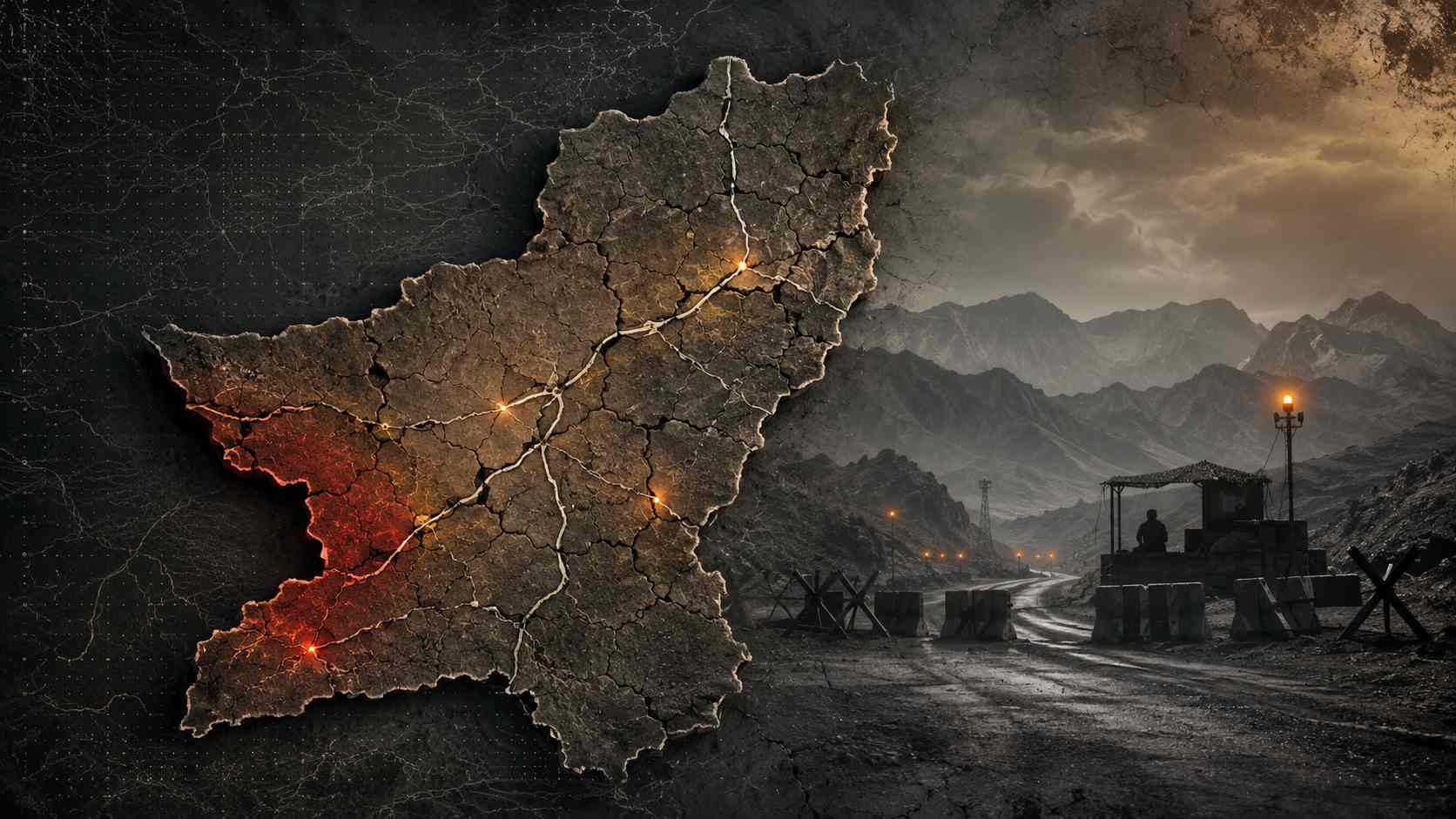
That pattern shows a state under pressure across multiple fronts. Balochistan remains volatile. KP faces repeated attacks. The Afghanistan border has become a strategic wound. Yet Islamabad often falls back on external blame before explaining what it will fix at home.
The Afghanistan Question Cannot Excuse Domestic Weakness
Pakistan has repeatedly accused Afghanistan’s Taliban authorities of allowing TTP sanctuaries across the border. Kabul denies that allegation. The cross-border dimension is real and serious, but it cannot become a substitute for domestic accountability.
If militants can strike police posts, ambush reinforcements, damage armored vehicles, and wound dozens, then Pakistan faces an institutional problem as well as a border problem. The state must ask whether police units in high-risk districts have the tools, intelligence, and command support they need.
This is where the civil-military imbalance becomes unavoidable. Pakistan’s security narrative remains dominated by military language, while police absorb local consequences. The police know the terrain, communities, and daily threat patterns. Yet national security decision-making still places them below the institutions that control budgets, strategy, and public messaging.
That imbalance weakens Pakistan’s response. It also widens the gap between official claims of resolve and the reality faced by officers at remote posts.
A Test for KP and Islamabad
The Hangu attack should force three questions.
First, will KP’s provincial government publish a serious review of the attack, including how reinforcements were ambushed?
Second, will Islamabad support police modernization without turning every discussion into a loyalty test or a press statement?
Third, will the state explain its counterterrorism strategy in terms citizens can judge?
Pakistan cannot defeat militancy through condolence statements alone. Nor can it outsource every failure to Kabul, New Delhi, or vague “foreign-backed” networks without showing evidence and fixing internal weaknesses.
The Hangu police post attack deserves remembrance for the officers who died. It also demands honesty about the system that placed them in danger. A state that calls police its frontline must stop treating them as expendable cover for strategic drift.