
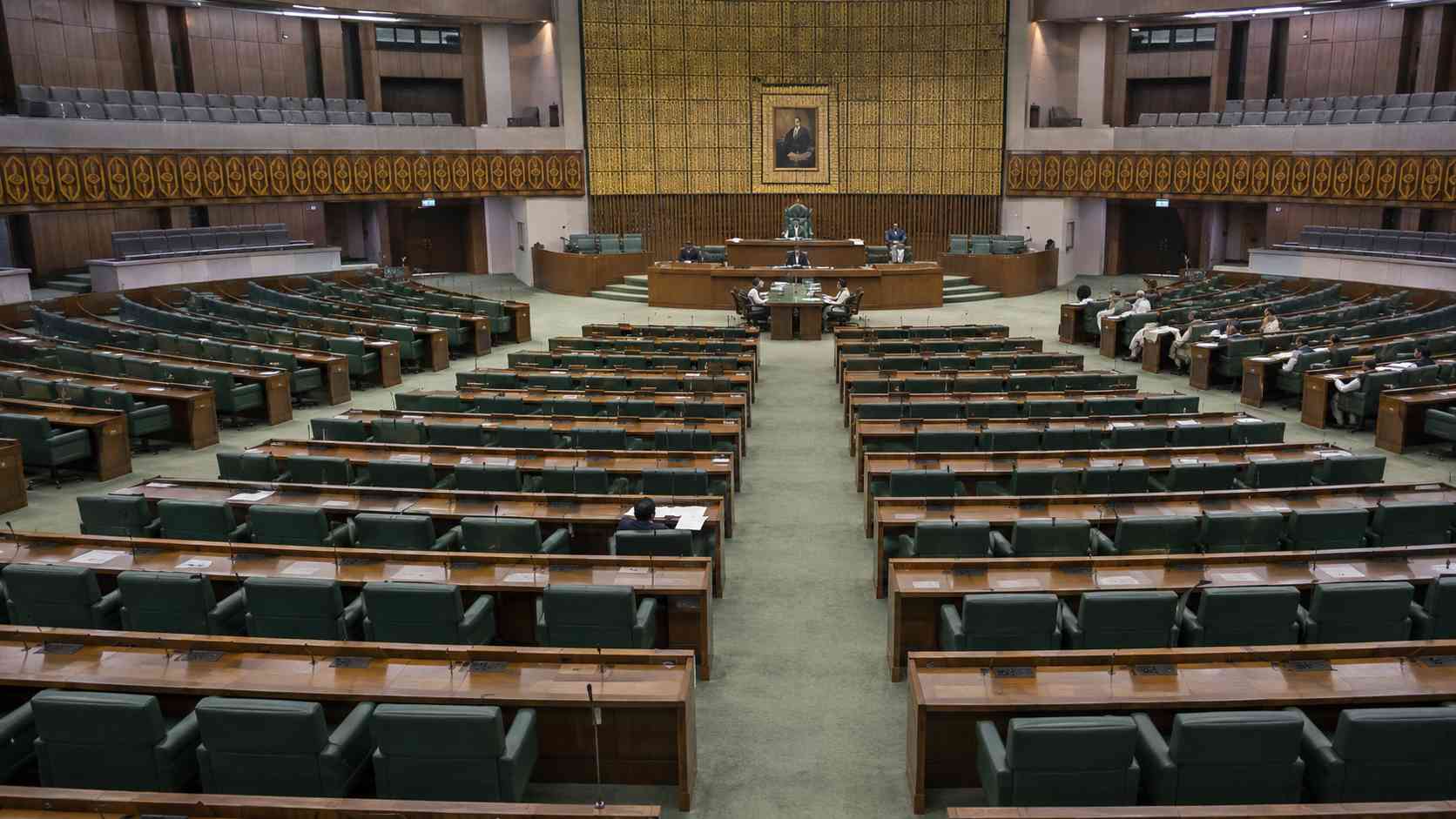
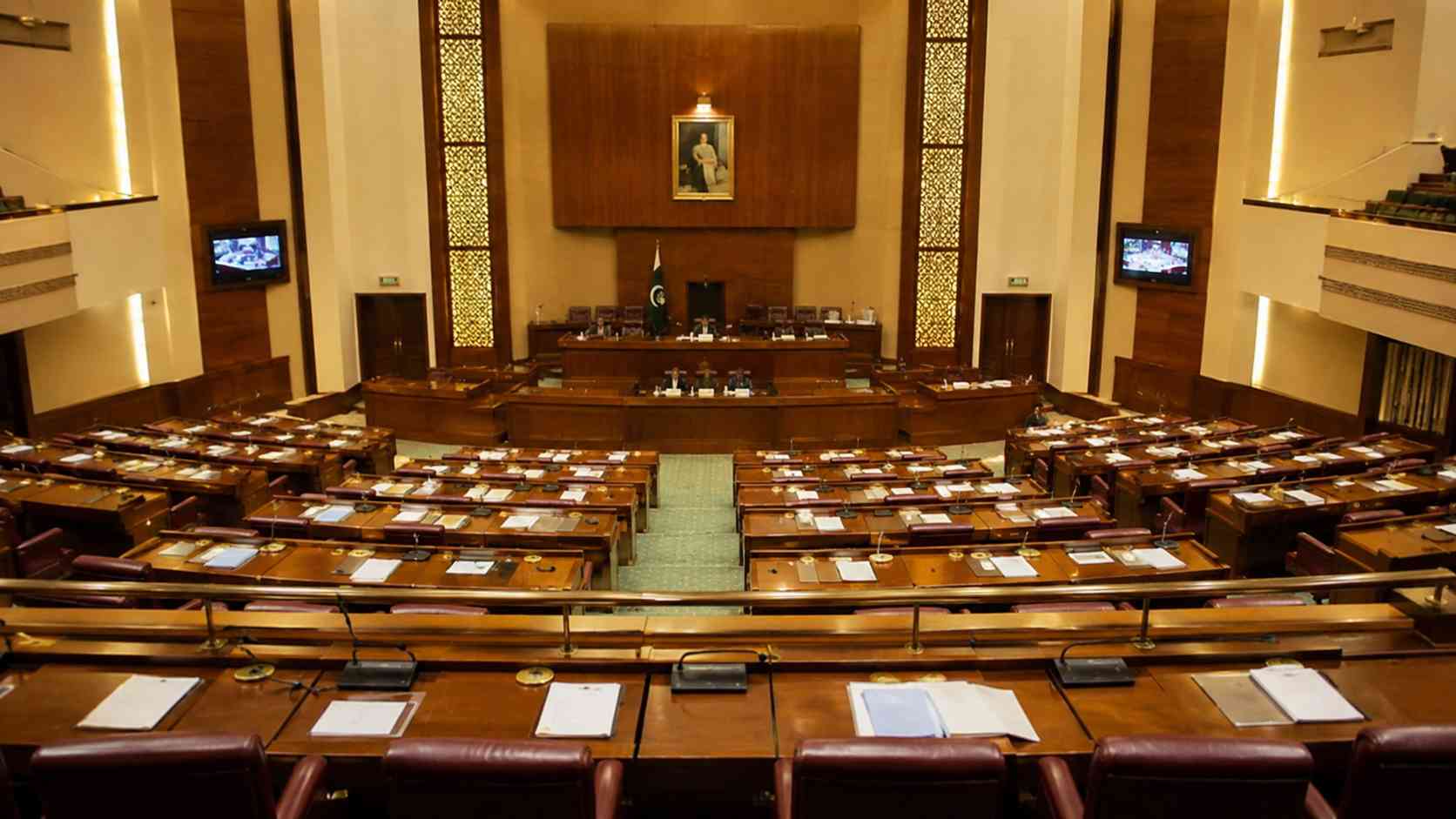
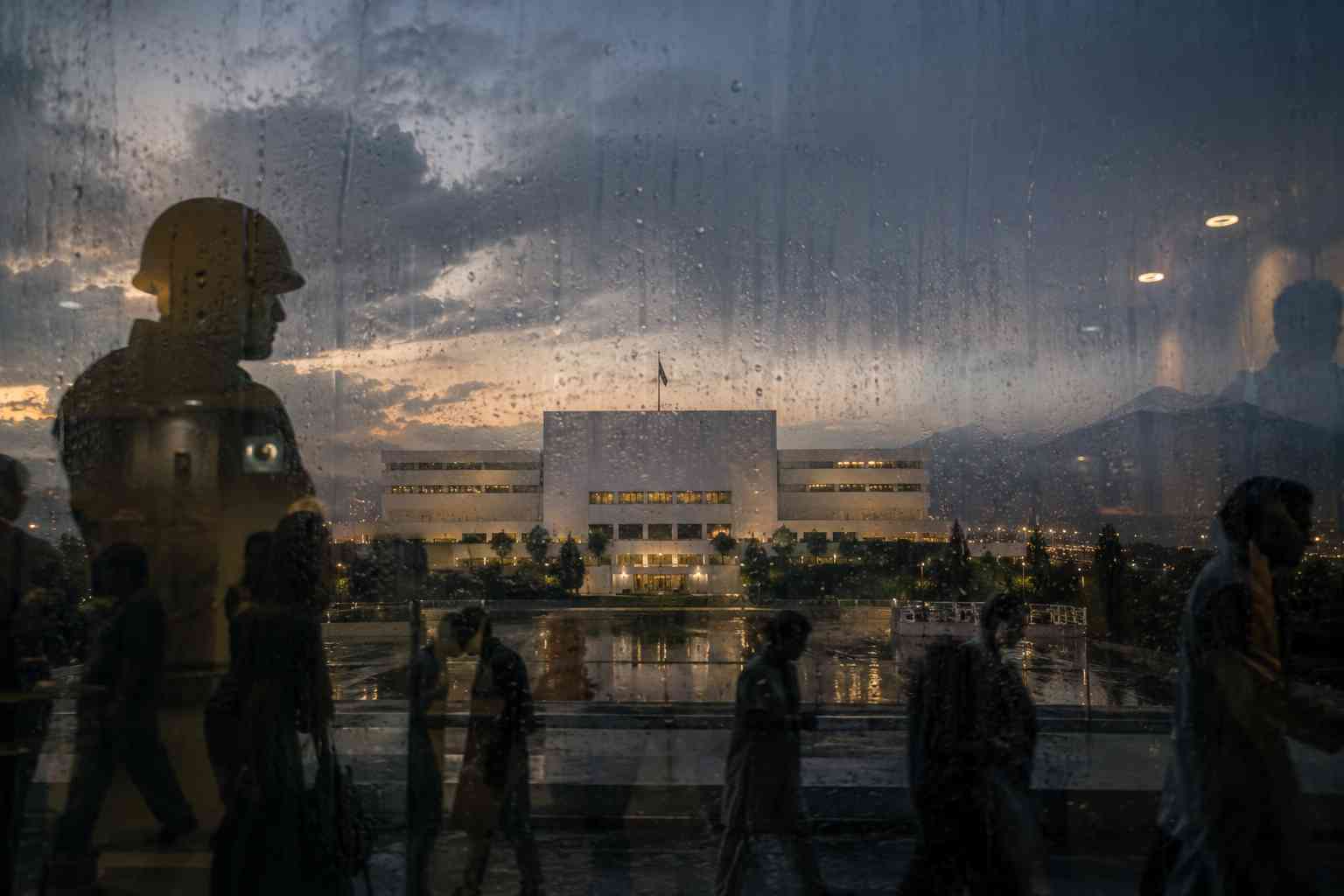
Pakistan’s Senate passed far more bills in 2025-26, but a new performance review says the upper house still struggled with weak attendance, delayed representation and shallow scrutiny of major constitutional changes.
The findings, reported from a new review by the Pakistan Institute of Legislative Development and Transparency, turn Pakistan Senate scrutiny into a fresh national governance issue. The review found that the Senate passed 97 bills during the parliamentary year, up from 51 a year earlier, according to Dawn’s report on the Pildat assessment.
That rise may look like a productive year on paper. Yet Pildat also flagged continued institutional weaknesses. These included lower average attendance, delayed Senate representation from Khyber Pakhtunkhwa, and concerns over the speed of constitutional lawmaking.
Pakistan Senate scrutiny under pressure
The review said the Senate held 64 sittings during the year, one fewer than the previous year. Working hours rose to about 159, compared with 117 last year. Average attendance, however, fell to 57.6 percent from 62 percent.
Pildat also noted that 11 Senate seats from Khyber Pakhtunkhwa remained vacant for about 23 months. That delay affected federal representation in a house created to protect provincial balance.
The office of Leader of the Opposition also remained vacant for more than five months after Senator Shibli Faraz was removed on August 5, 2025. Senator Raja Nasir Abbas assumed the role on January 20, 2026.
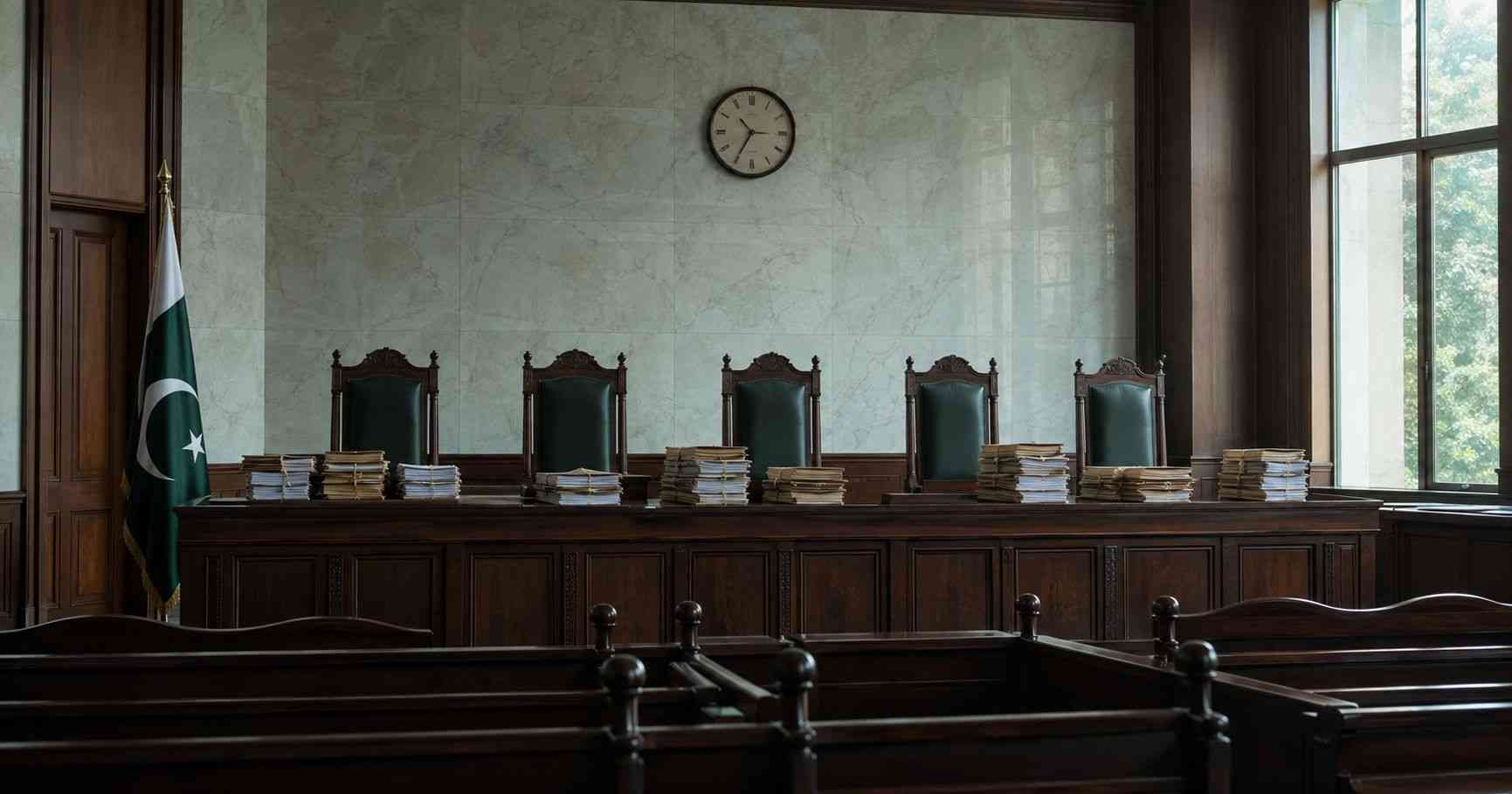
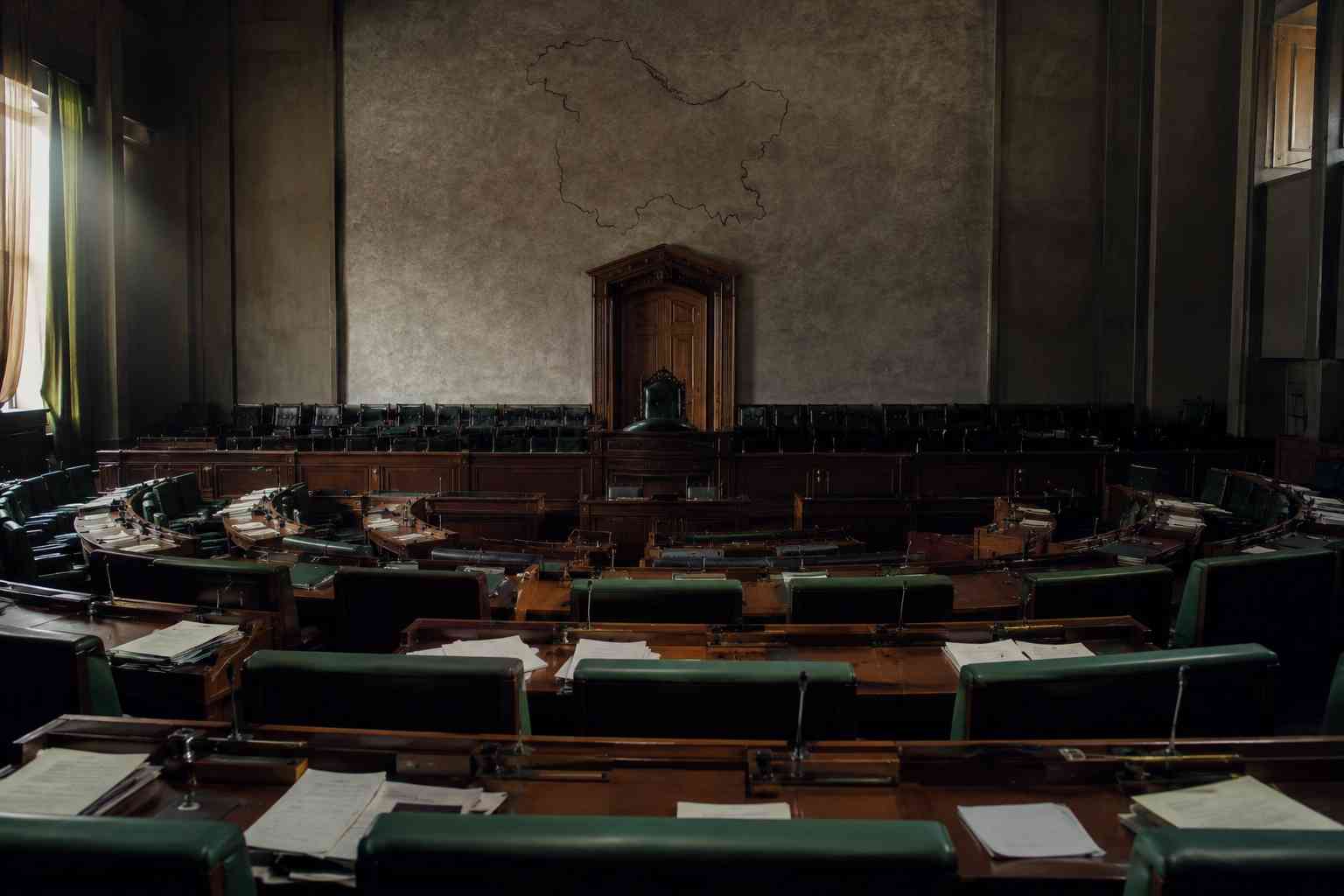
These gaps matter because the Senate is not just a bill-passing chamber. It is meant to review legislation, protect smaller provinces and check executive haste. When seats remain empty and opposition oversight weakens, Pakistan Senate scrutiny becomes more symbolic than effective.
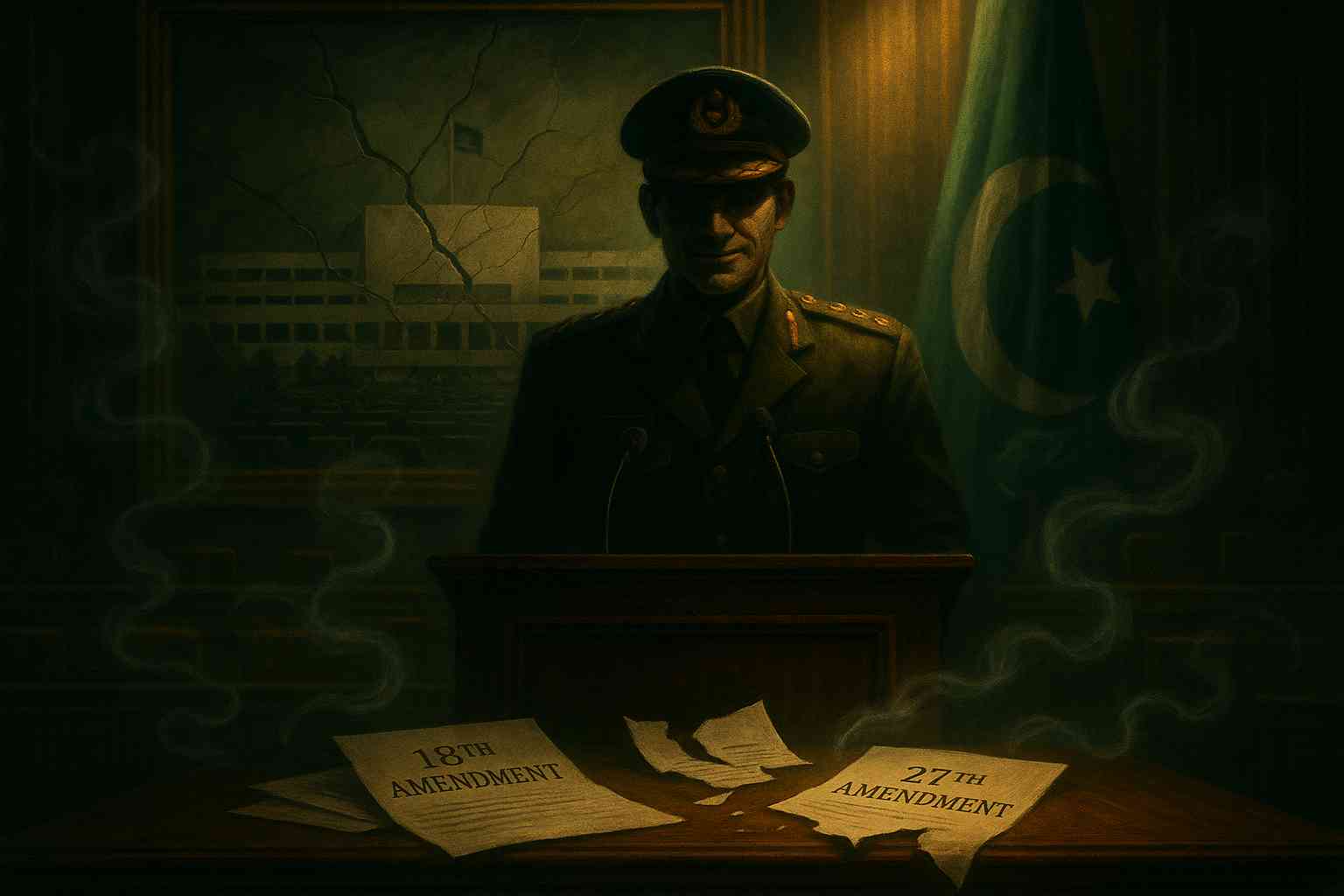
27th Amendment remains the key test
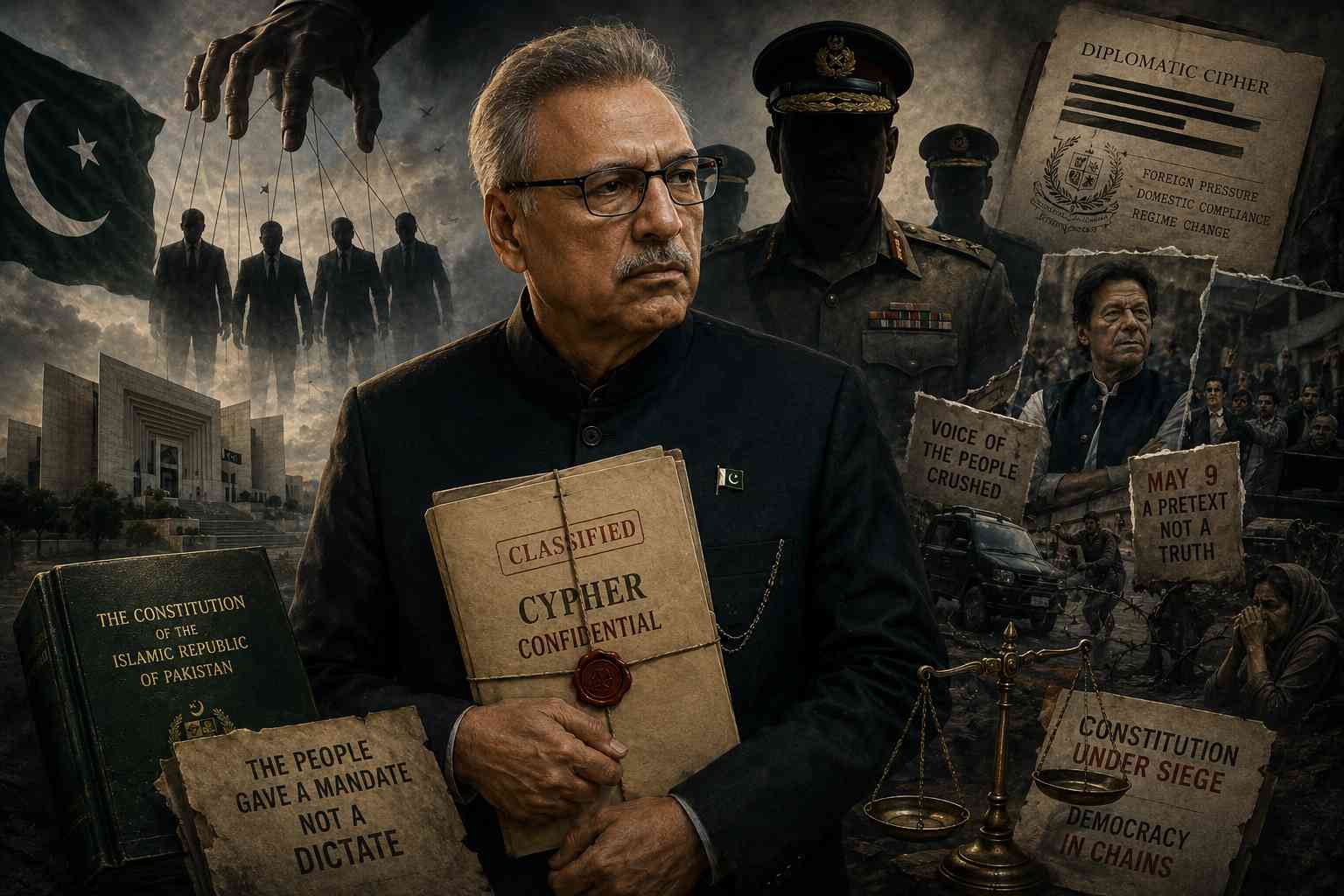
The sharpest concern in the review involved the 27th Constitutional Amendment. Pildat said the amendment passed through an accelerated process within 24 hours, raising questions over deliberation and scrutiny.
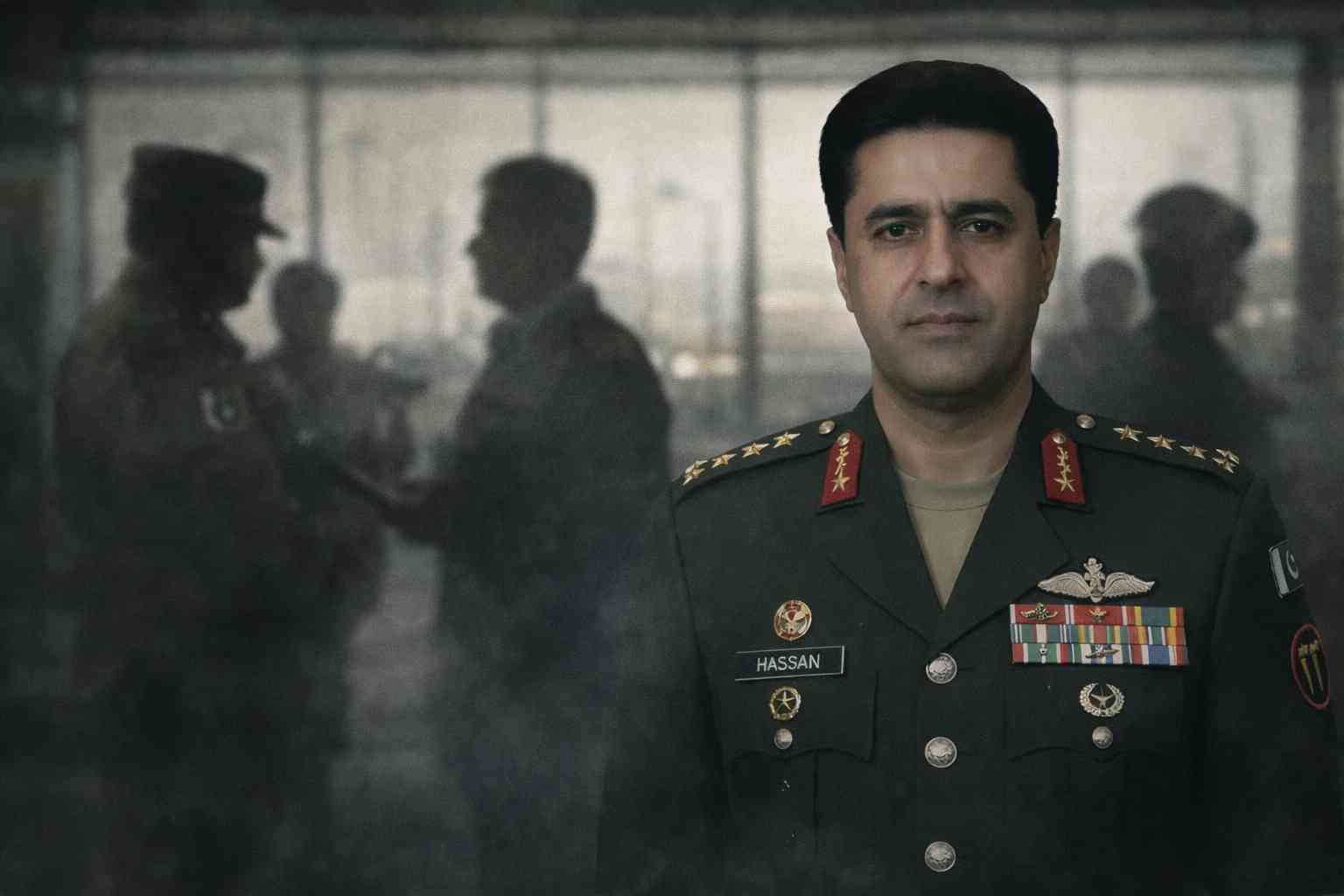
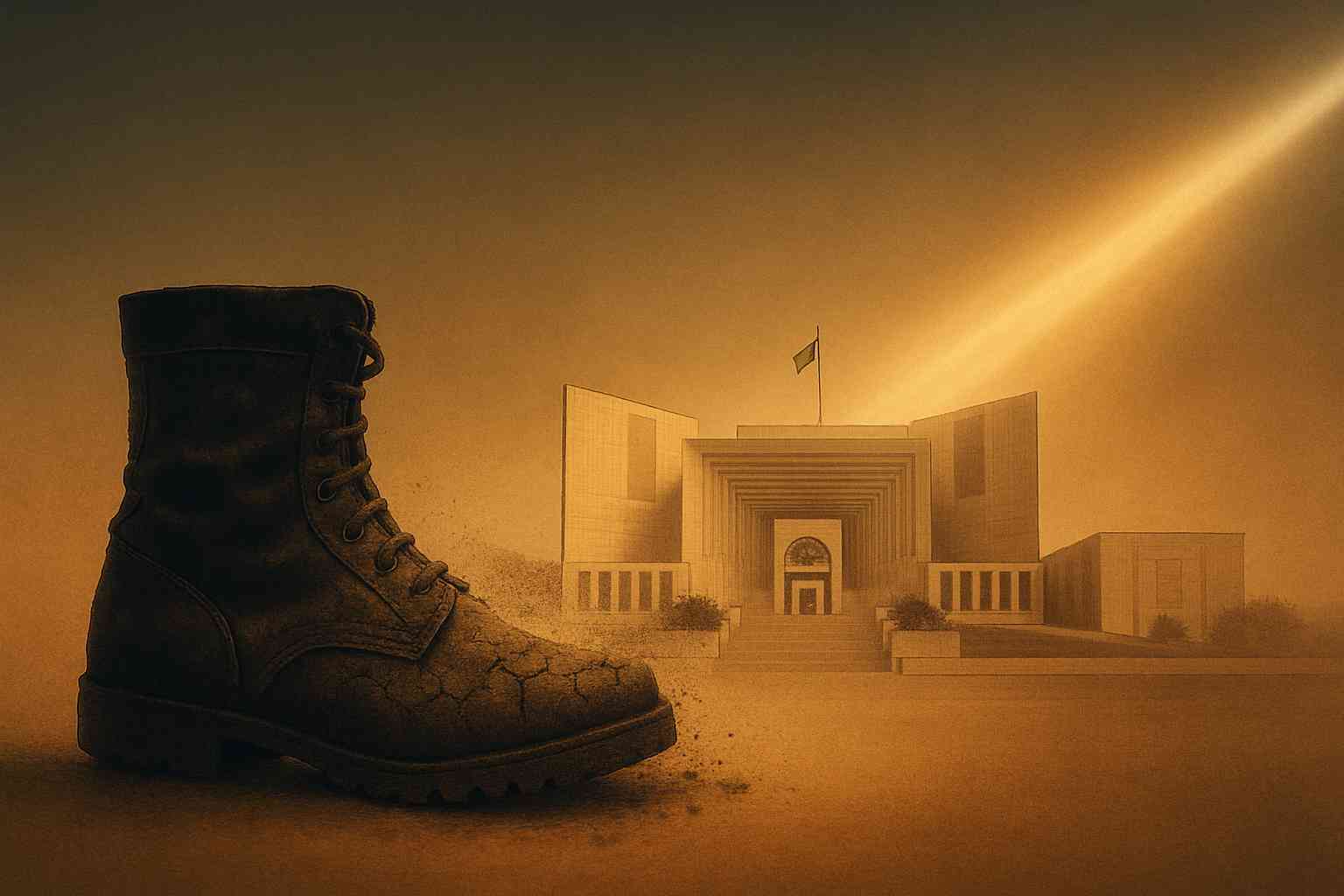
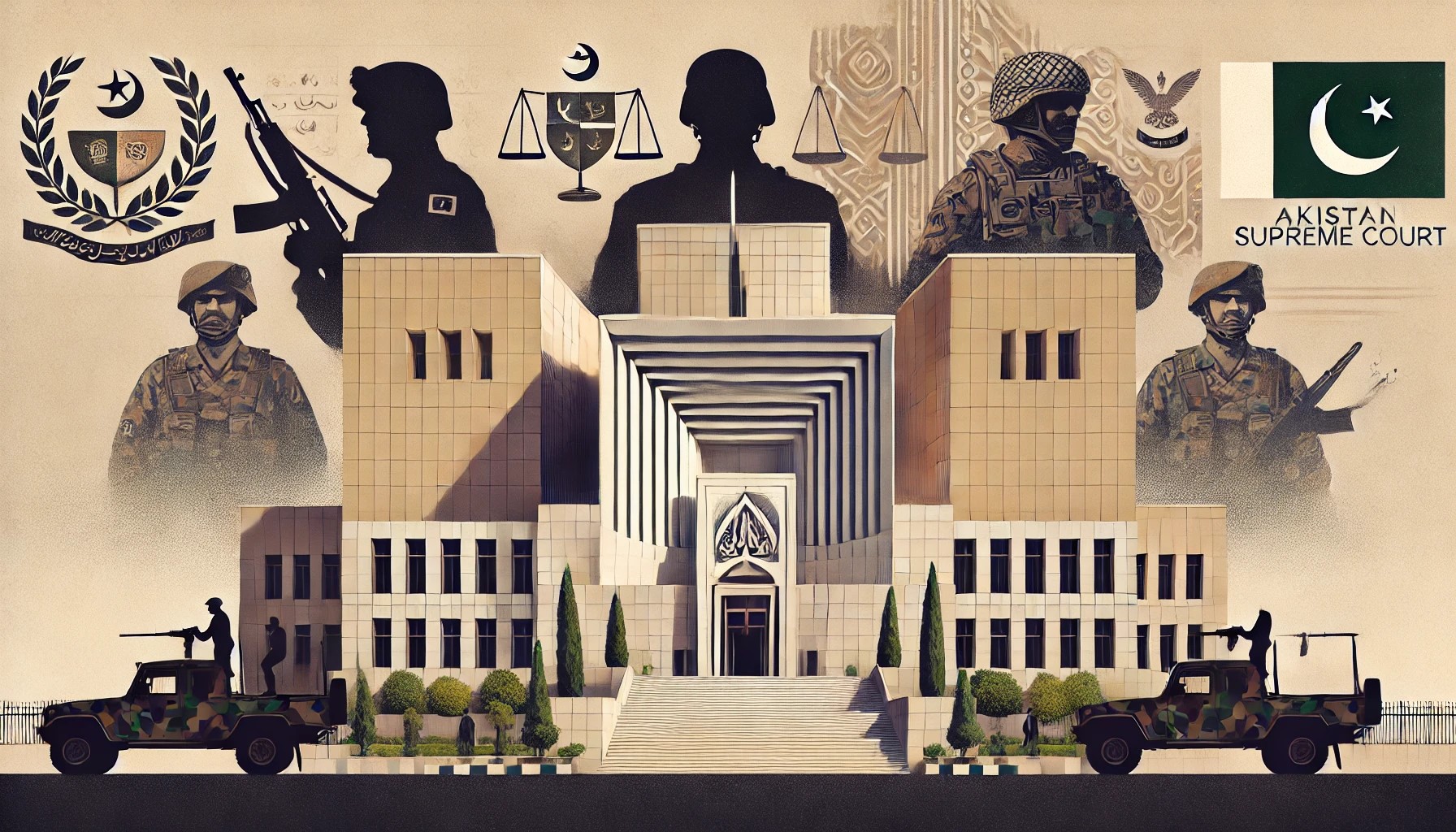
That amendment reshaped Pakistan’s judicial and military structures. Al Jazeera previously reported that the package sought to create a Federal Constitutional Court and alter military command arrangements through changes to Article 243 of the Constitution, while critics warned it would centralise power in the executive and military. The report also noted opposition objections to the speed and substance of the process in its explainer on the 27th Amendment.
Rights groups have raised similar concerns. Amnesty International later said the amendment posed a grave threat to judicial independence and criticised the lack of consultation with civil society and opposition parties in its January 2026 public statement.
The government and supporters of the amendment have argued that the reforms improve judicial efficiency and clarify military command. But Pildat’s latest review keeps attention on process, not only outcome.
More laws, less oversight
The Senate’s legislative numbers also show a mixed picture. Of the 97 bills passed, 47 were government bills and 50 were private members’ bills. Only six ordinances were laid during the year, down from 16 previously.
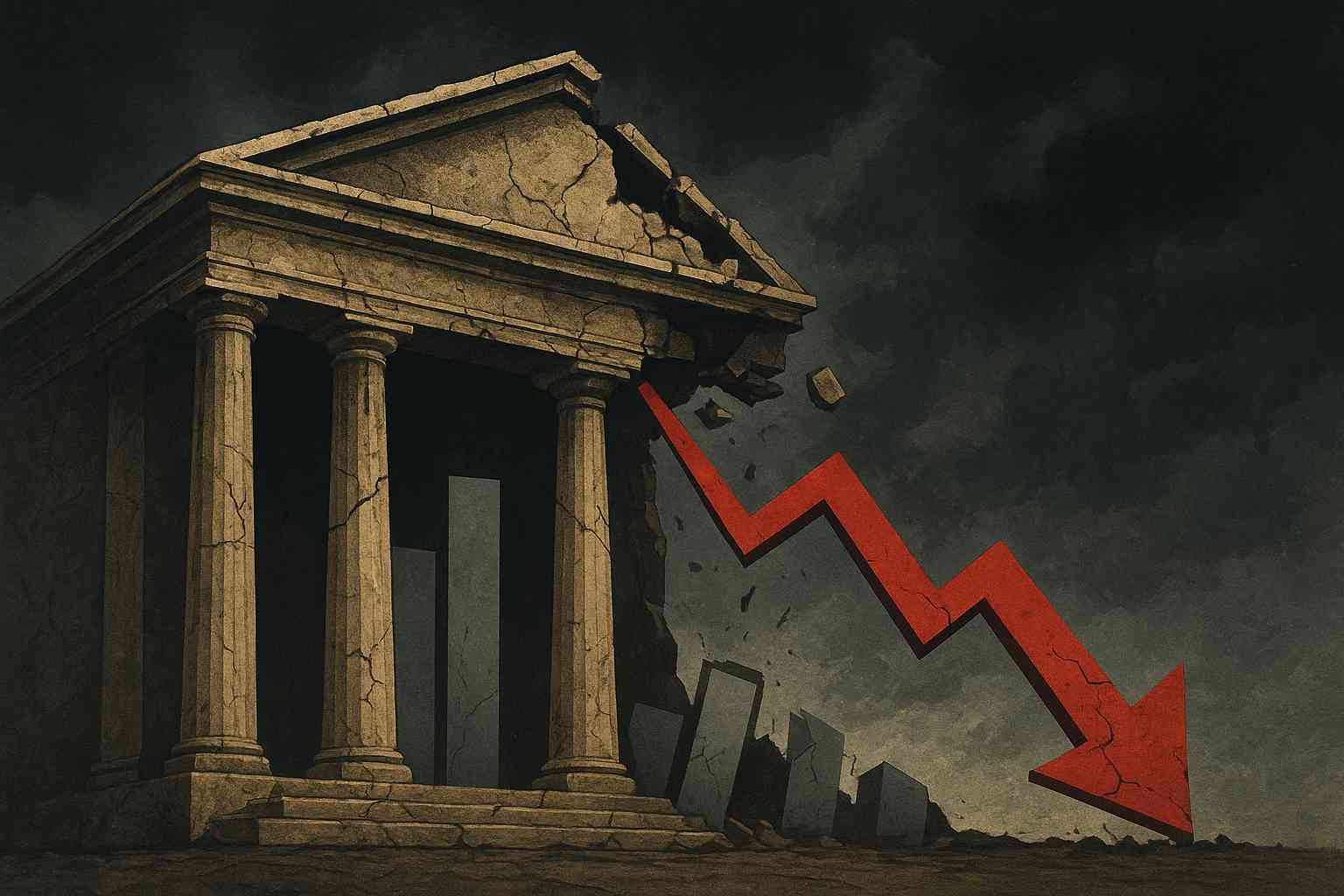
That decline in ordinances may appear positive. Still, lawmaking gains lose public value when major changes move too quickly for serious review. Pakistan Senate scrutiny depends on debate, committee work and representation, not only on bill counts.
Pildat also recorded weakened committee oversight after opposition members resigned from Senate standing committees in September 2025. The move reduced bipartisan engagement in a system already strained by political confrontation.
The review shows a familiar Pakistani problem: institutions can appear active while their accountability role weakens. A busier Senate is not automatically a stronger Senate.
For Soldier Speaks readers, the issue is not procedural trivia. It speaks directly to the health of civilian oversight, provincial representation and constitutional legitimacy. Pakistan Senate scrutiny remains a national test because laws passed without deep debate can reshape the state faster than citizens can understand the consequences.















































































































































1 Comment