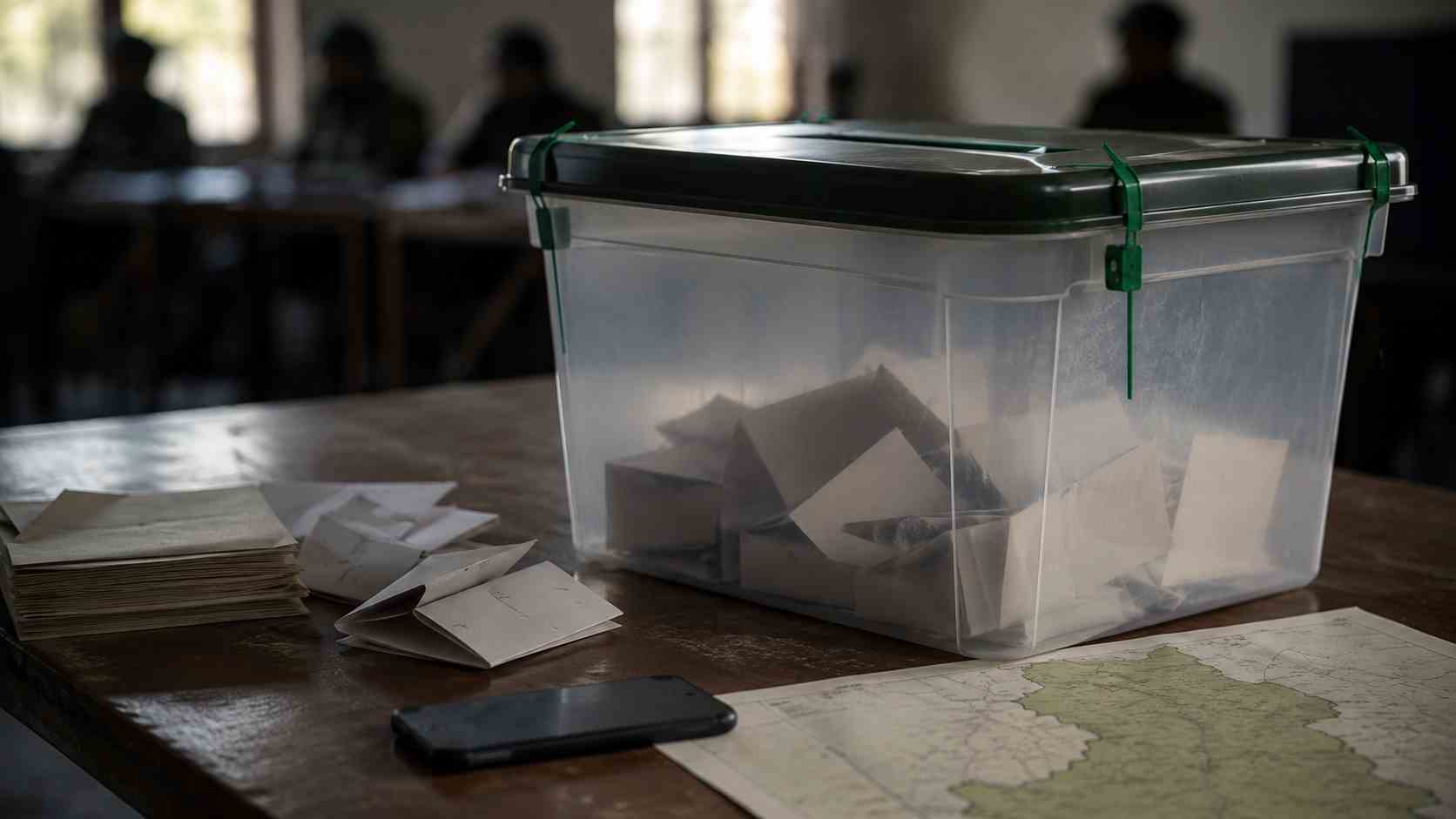
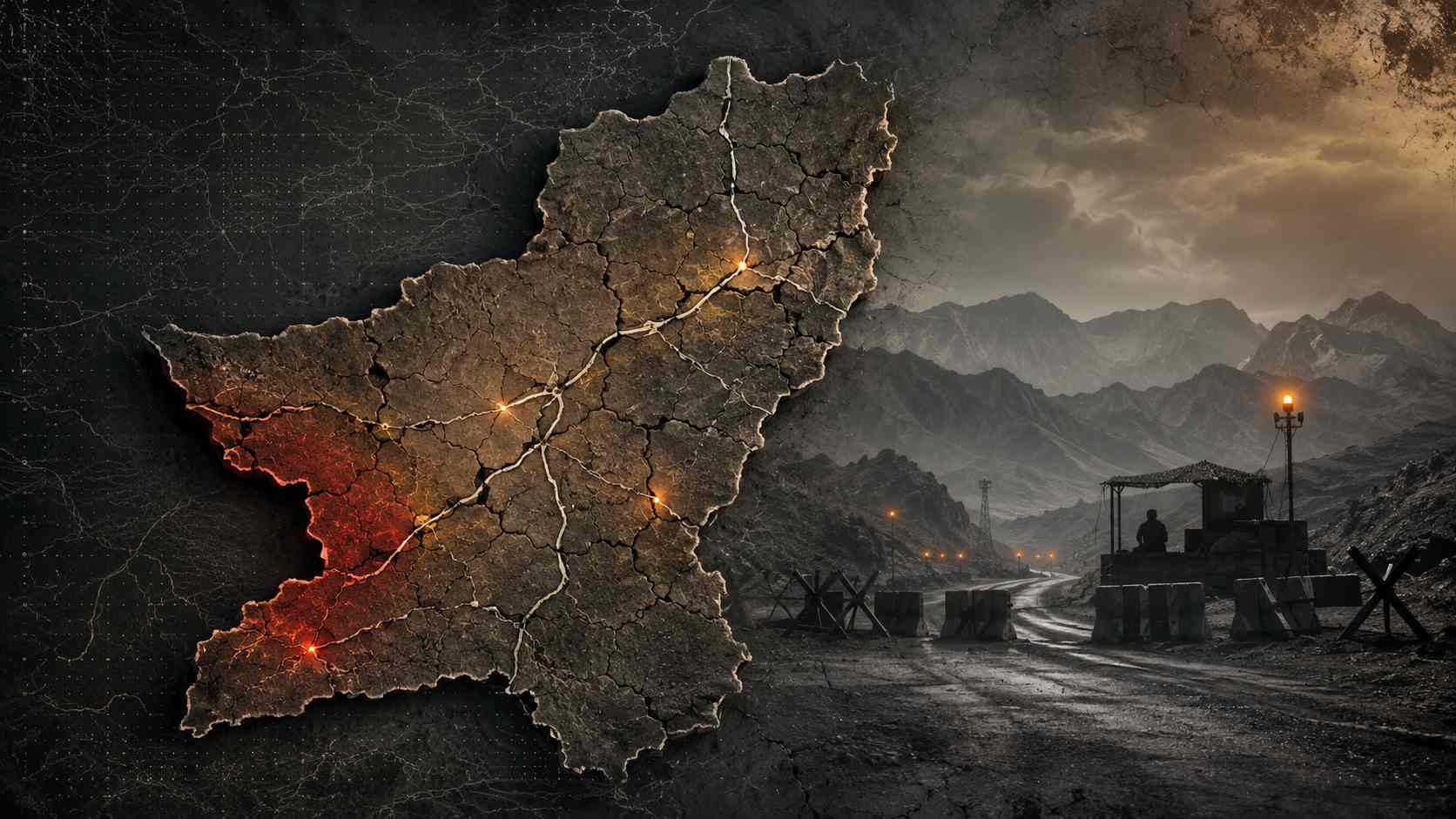
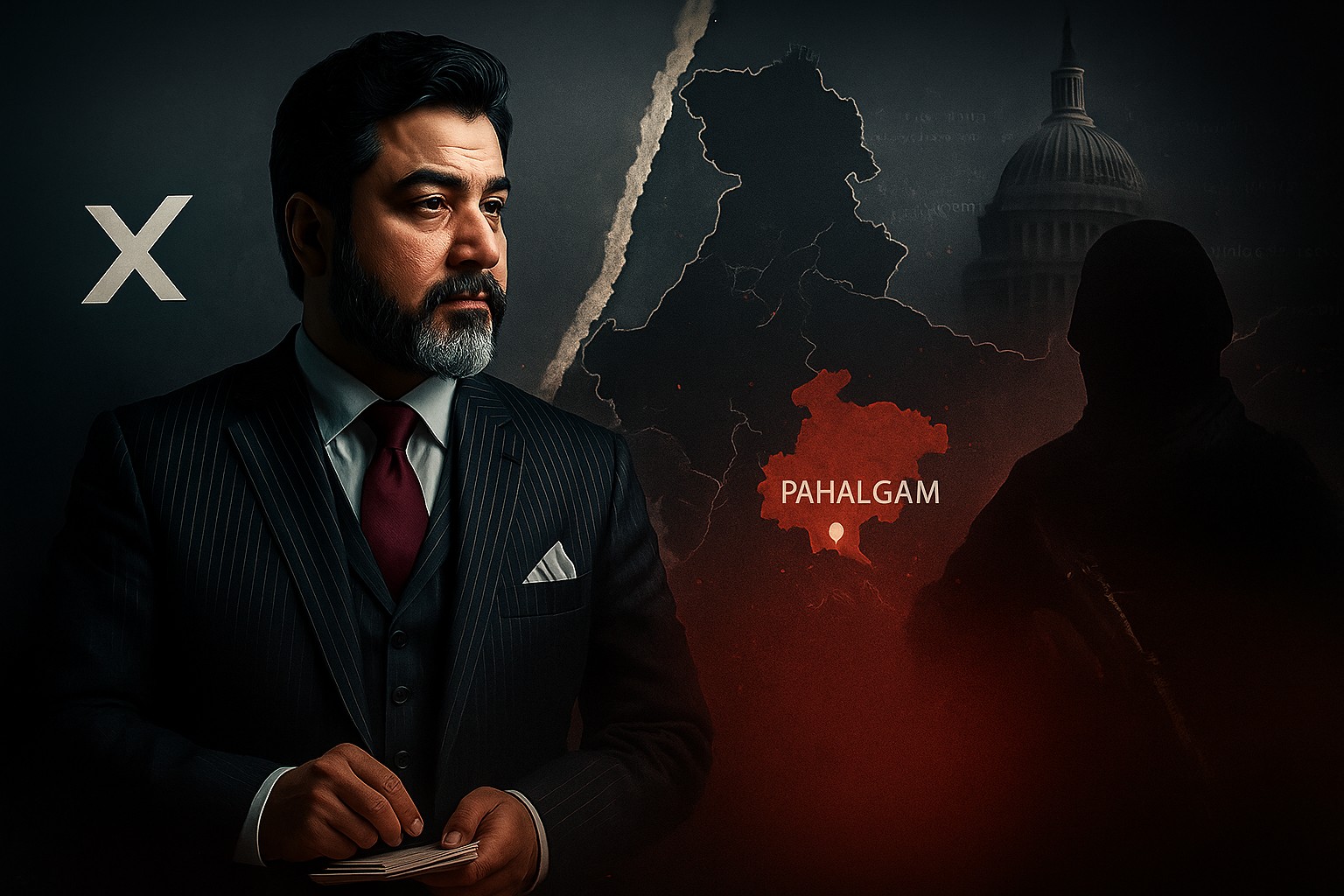
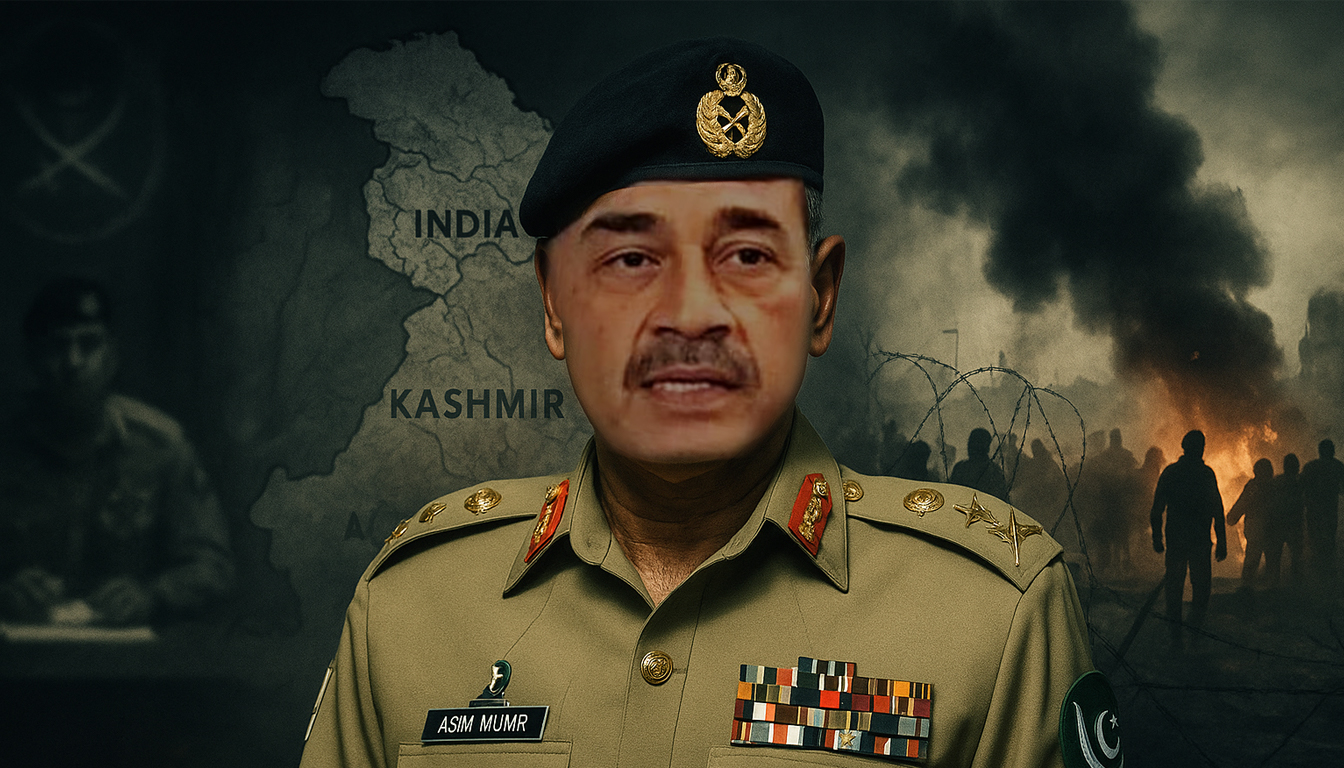
The AJK crackdown has turned Pakistan-administered Kashmir’s phased election into a direct test of legitimacy, not merely security. Reports of lethal force, a continuing communications blackout, and official claims of armed infiltration now sit over an election that authorities still want treated as normal.
This is the point Islamabad and Muzaffarabad cannot spin away. A vote held under blackout, fear, and disputed force cannot answer the core question at the heart of the crisis: who has the right to speak for the people of AJK?
What We Know, And What Remains Unverified
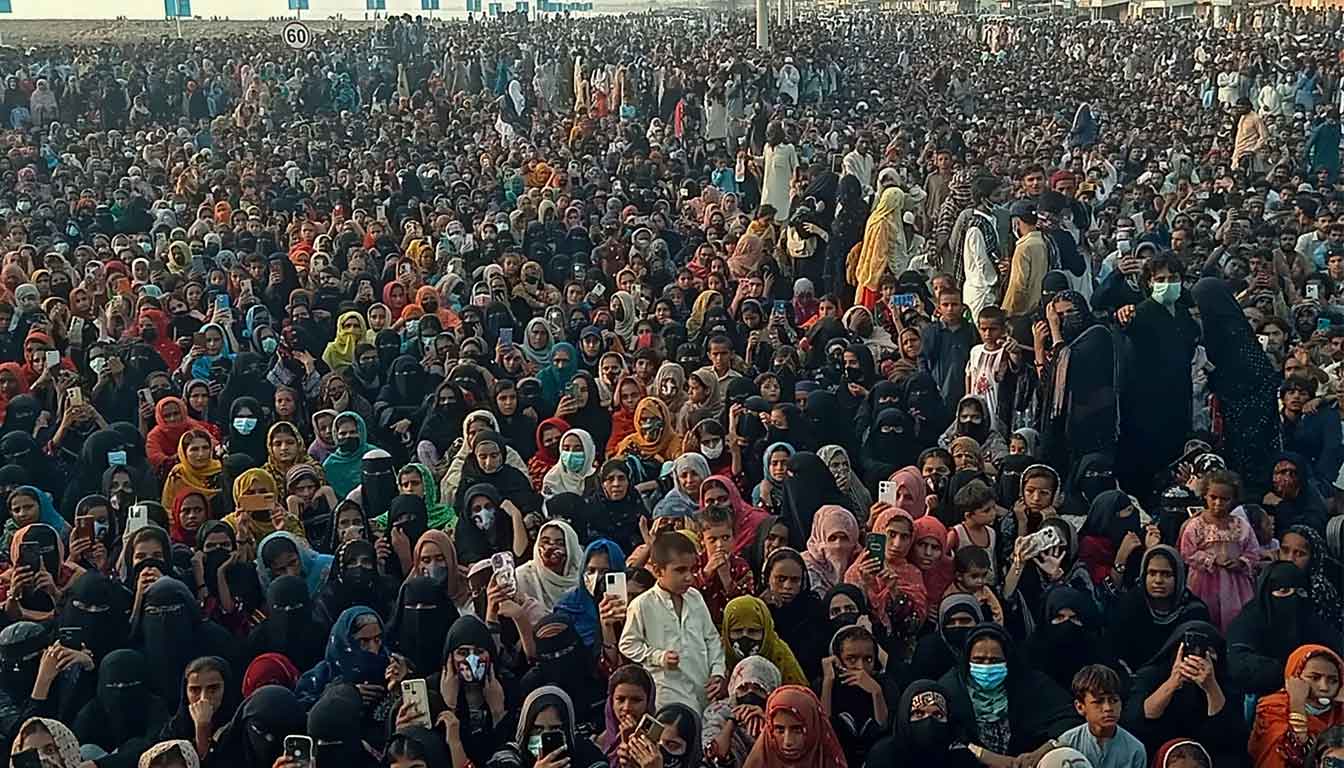
The latest escalation followed the first phase of voting on July 27.
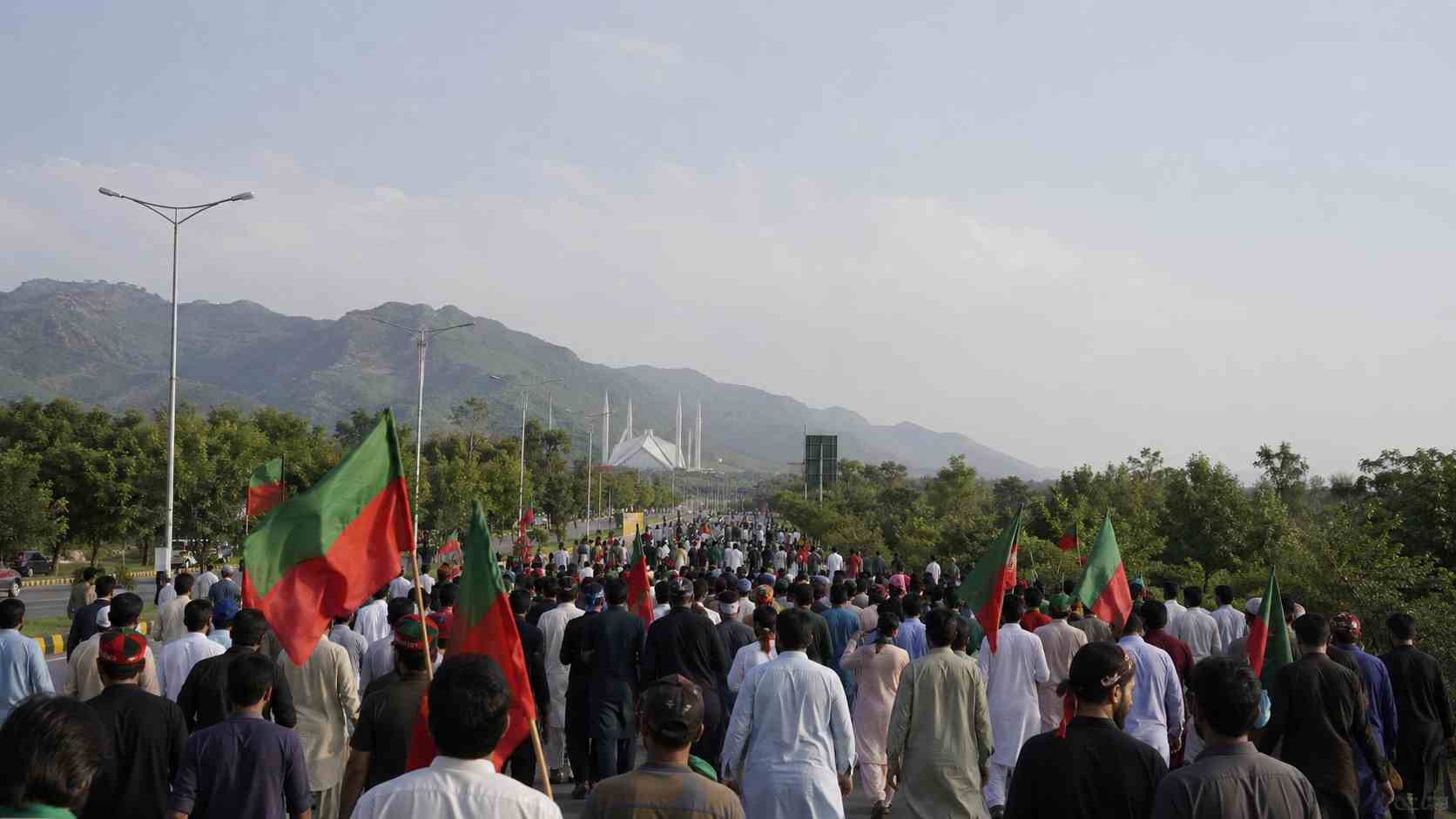
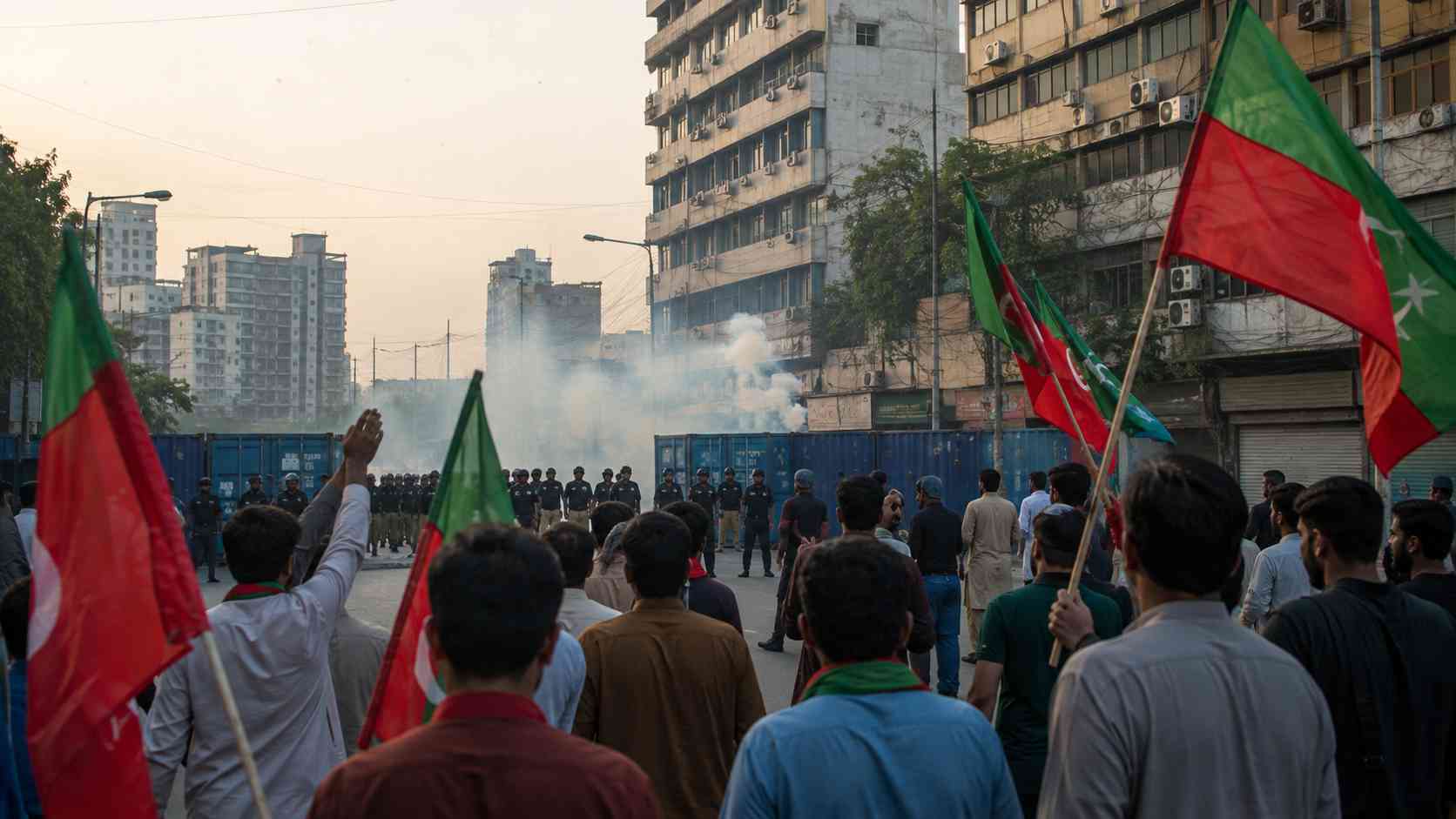
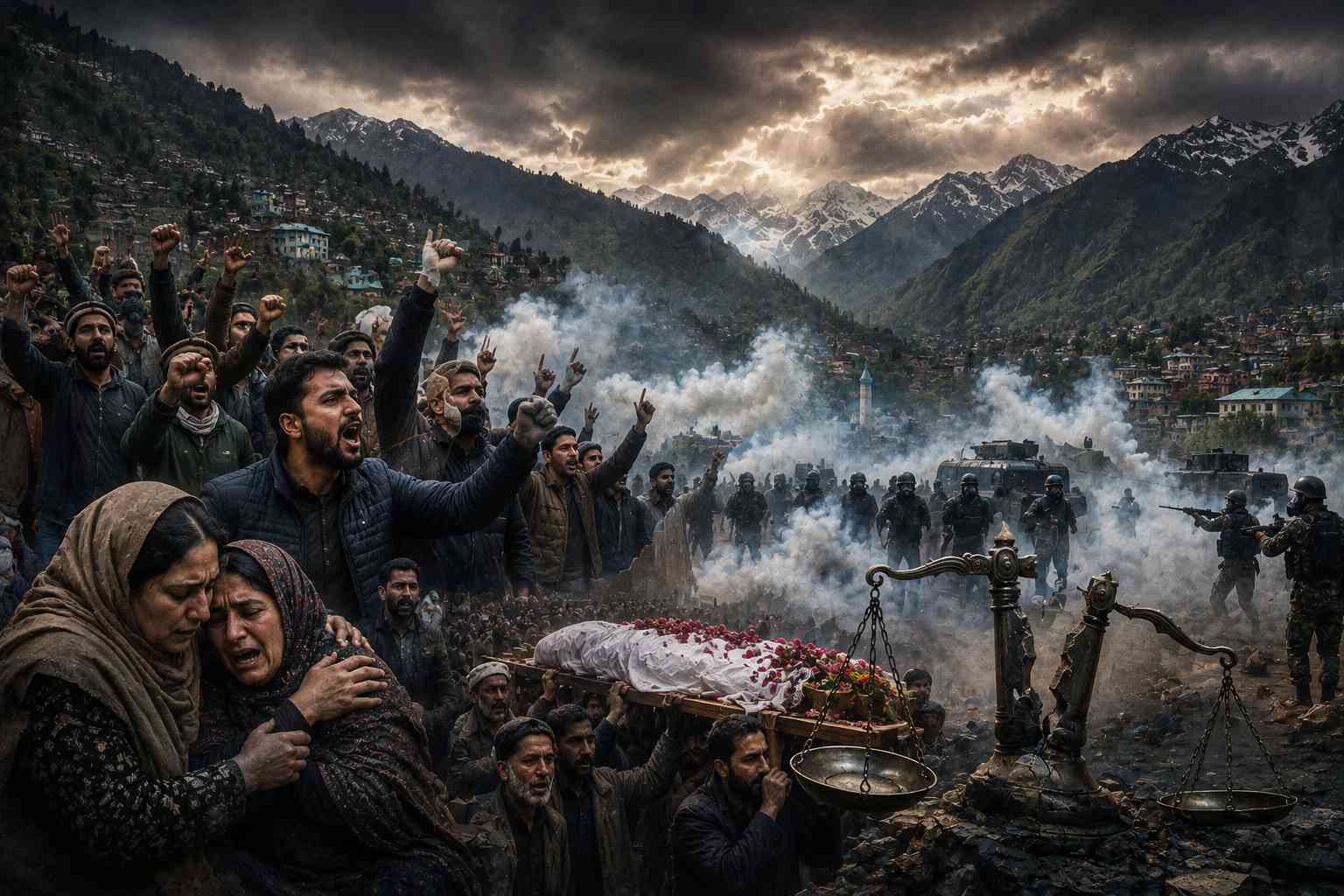
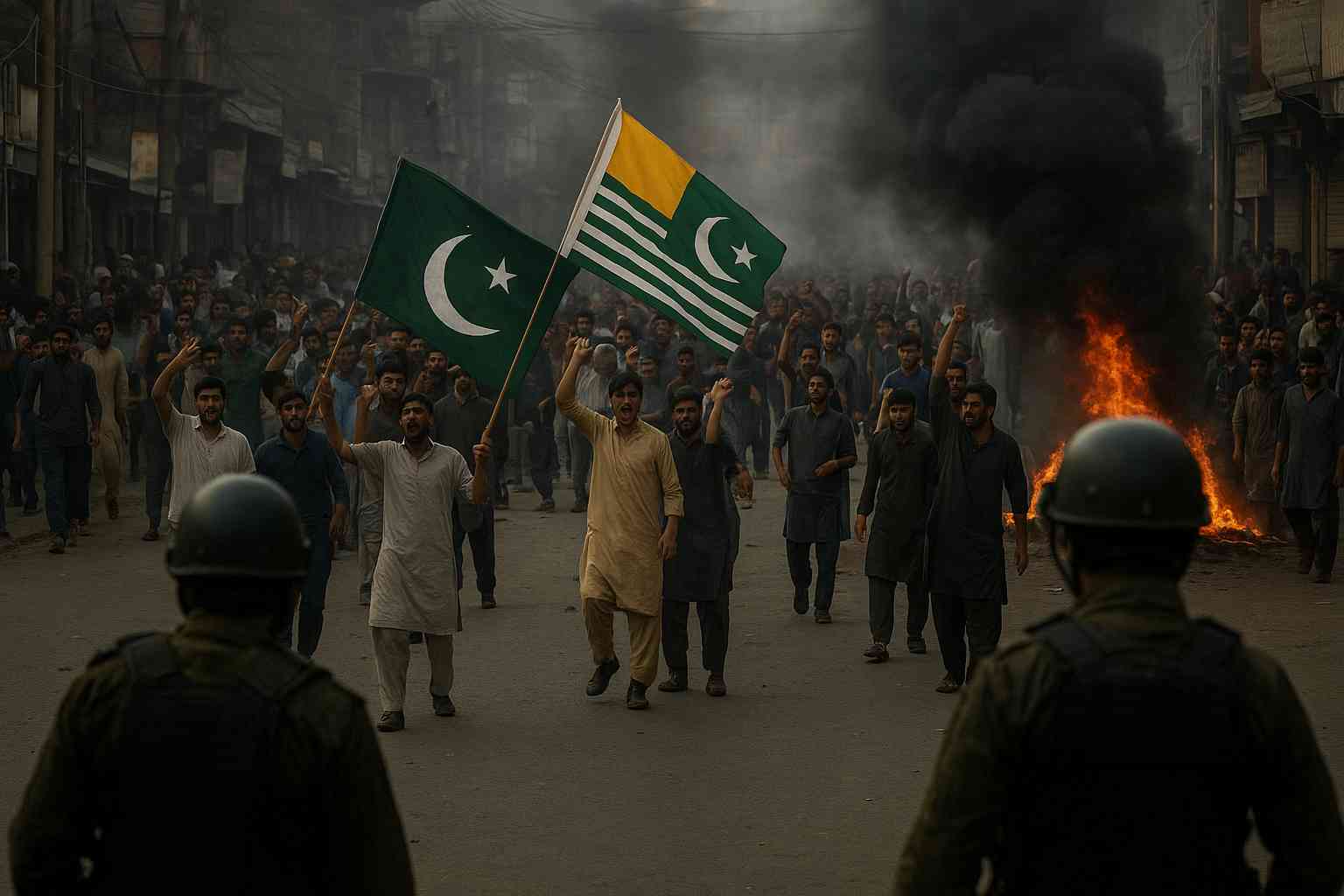
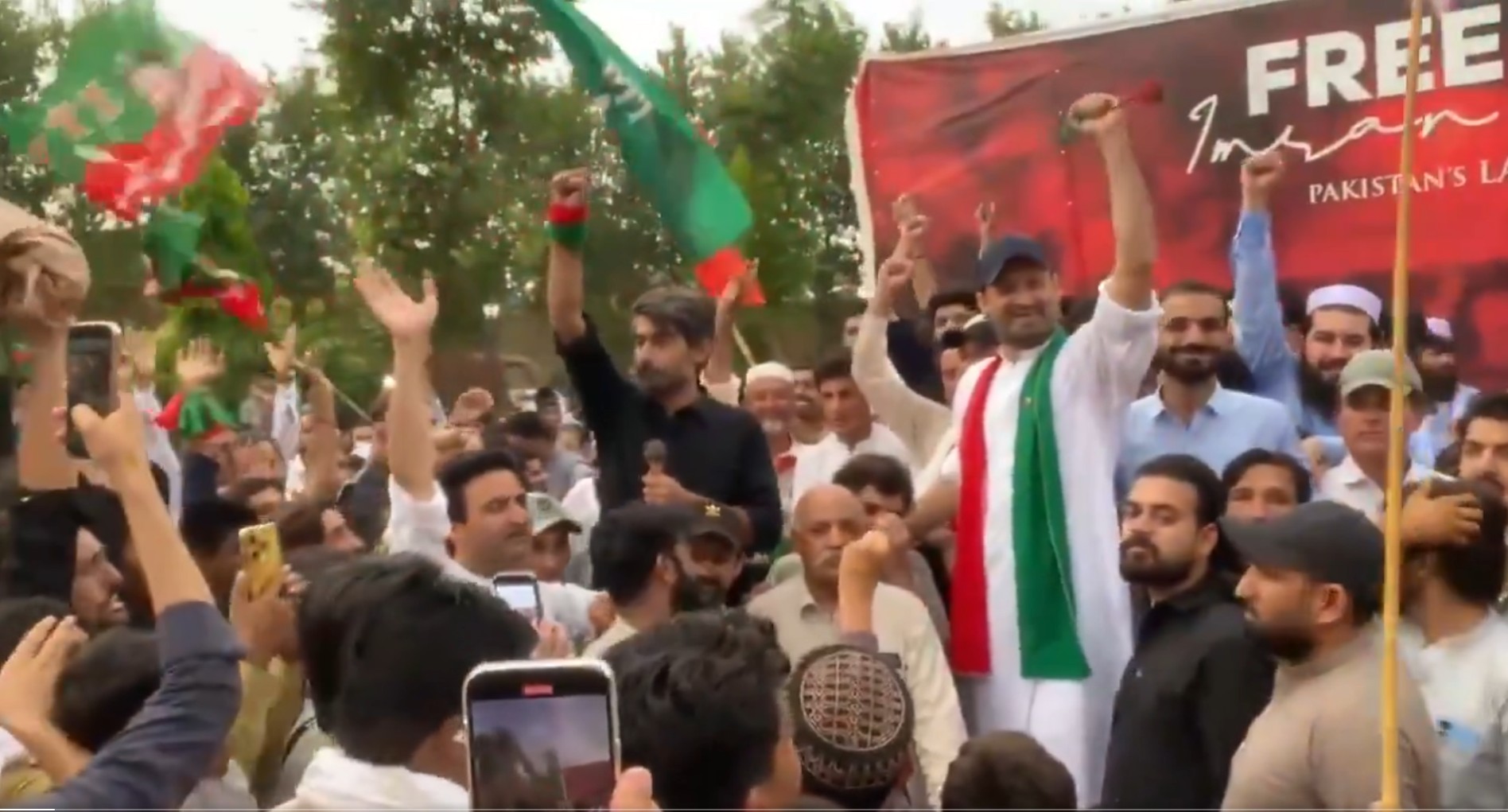
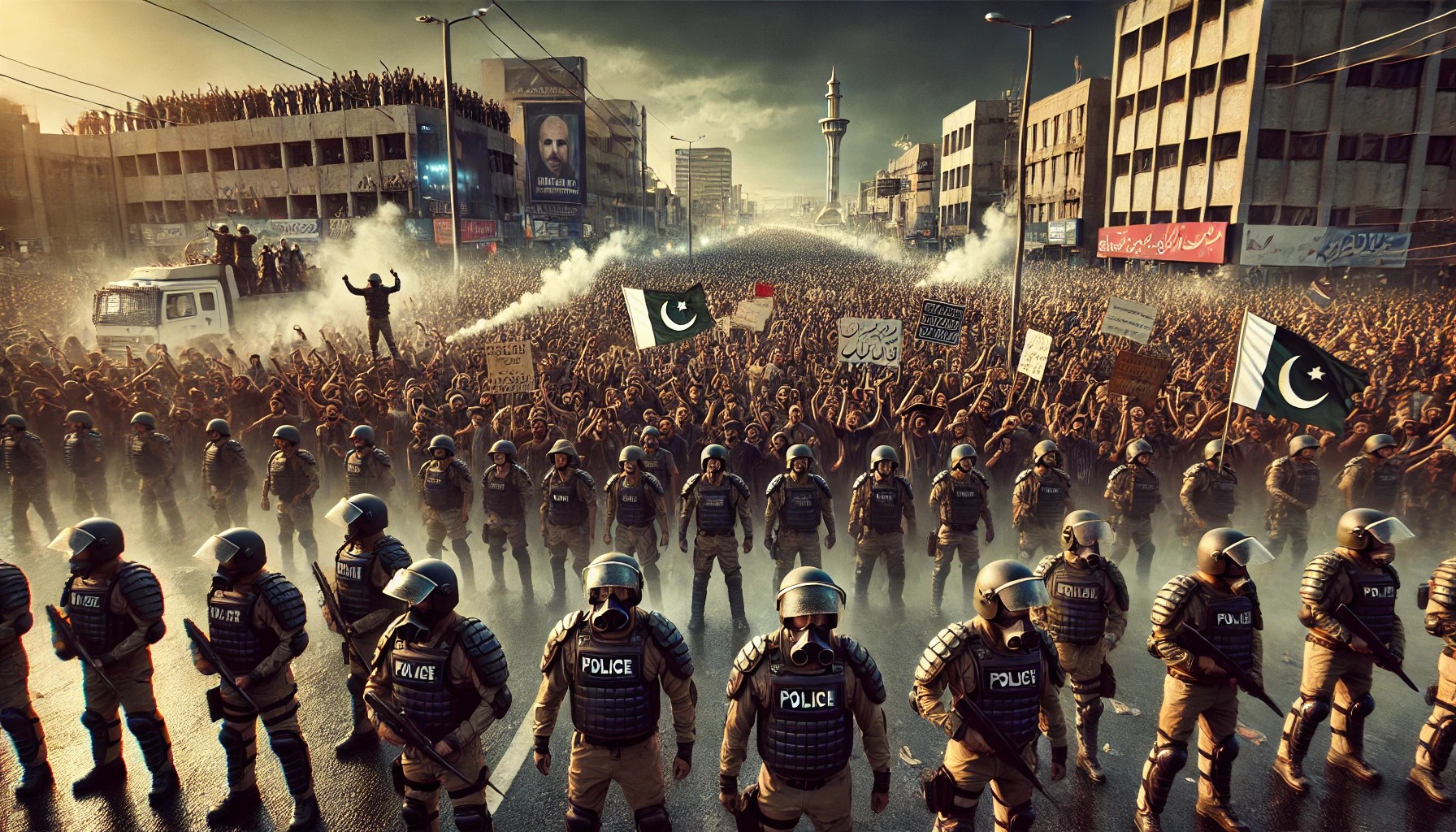
The Guardian reported that the Joint Awami Action Committee alleged at least 30 people were killed over two days after security forces fired on protesters. The outlet also stated that it could not independently verify the death toll because media access and internet connectivity remain severely restricted.
That caveat matters. Responsible journalism cannot present every activist claim as confirmed fact. But responsible journalism also cannot ignore the conditions that make verification impossible.
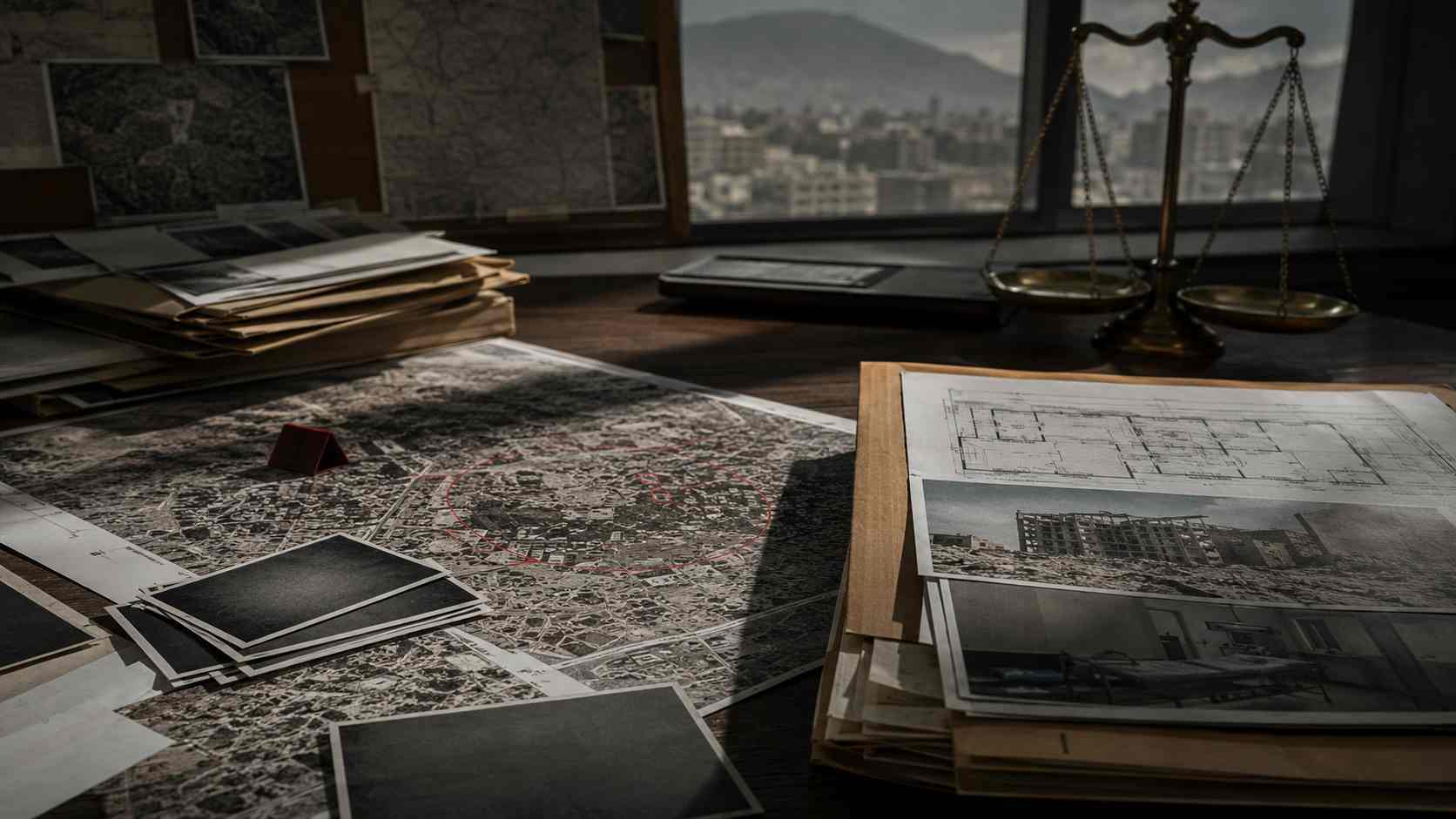
Amnesty International called for a prompt, independent, and transparent investigation into reported lethal force. It also demanded restoration of communications and access for media and independent observers.
The AJK crackdown therefore has two layers. One concerns the alleged killings. The other concerns the state’s decision to restrict the very tools needed to verify what happened.
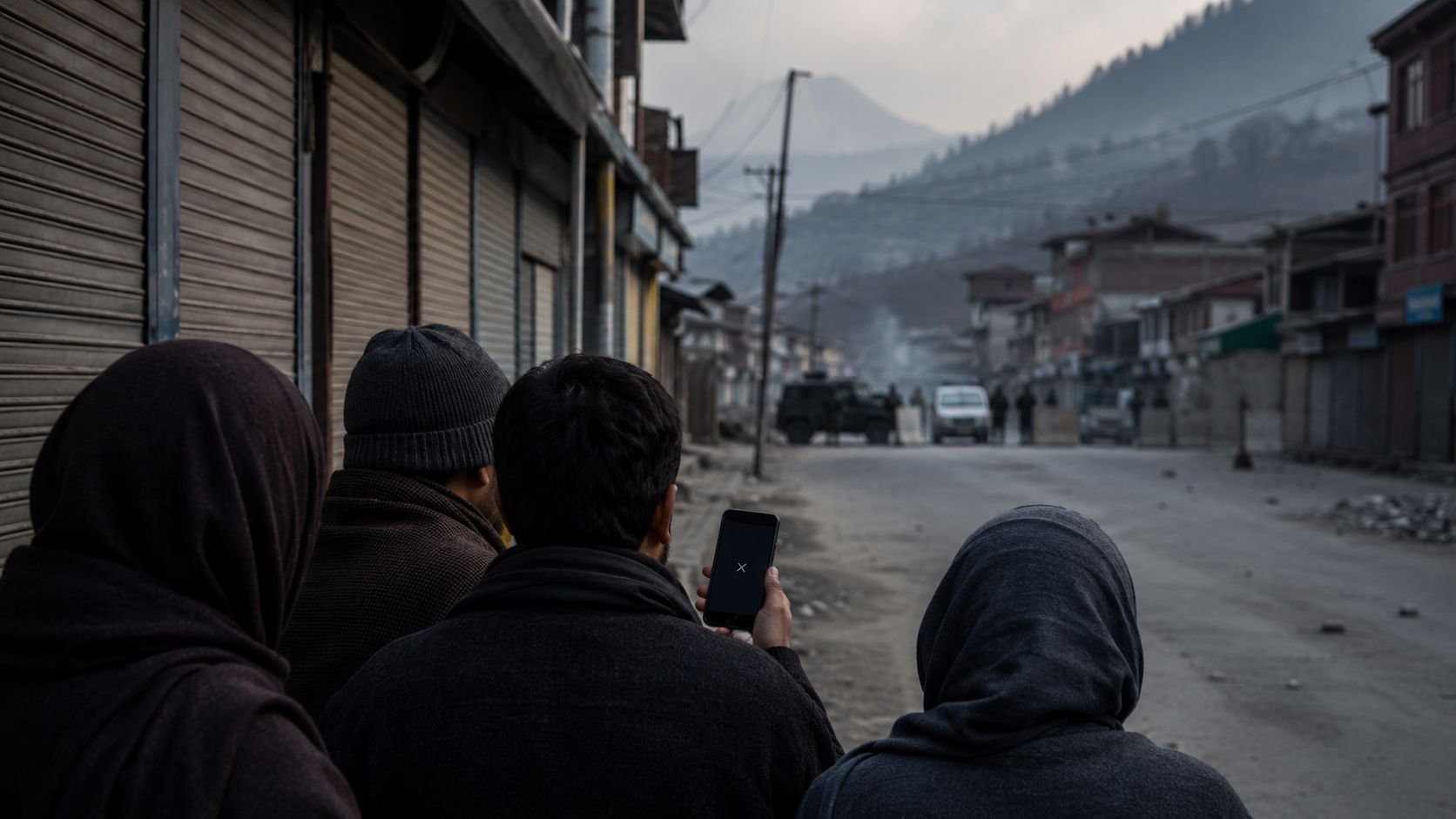
The Blackout Is Now Part Of The Story
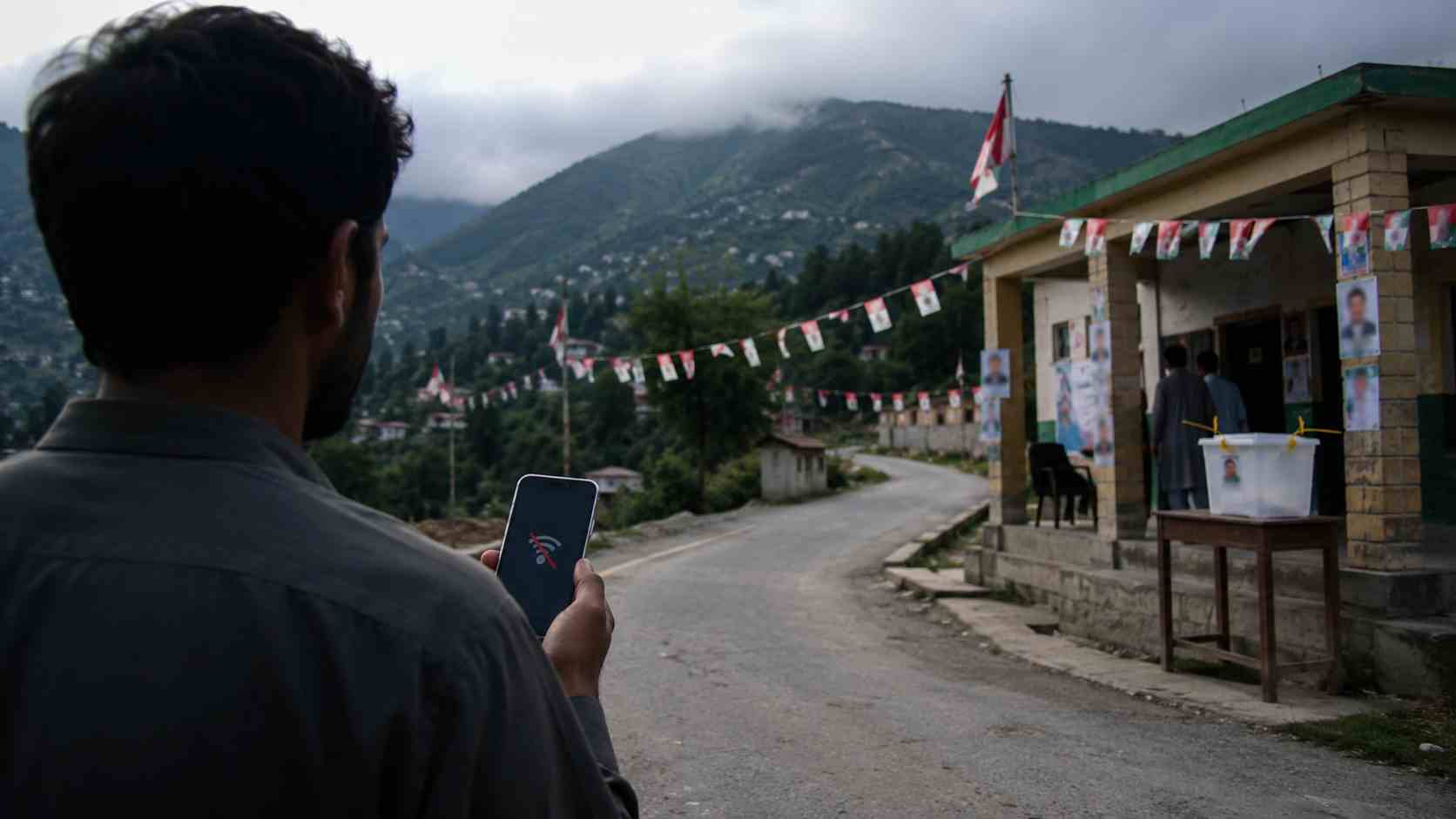
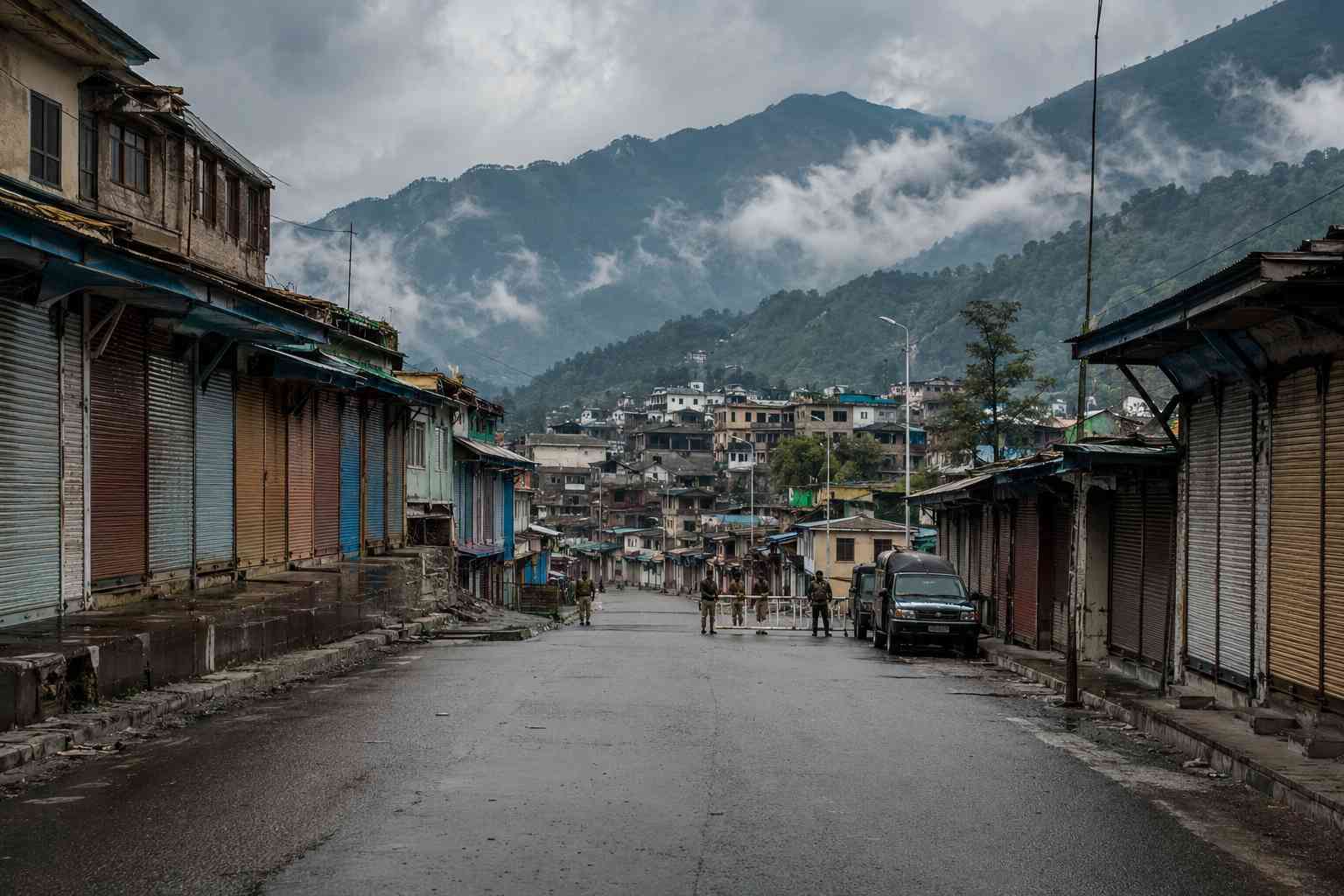
Mobile internet services have reportedly remained suspended in much of the territory since early June.
Al Jazeera reported that banks, supplies, campaigns, and civic mobilisation have all been disrupted during weeks of unrest.
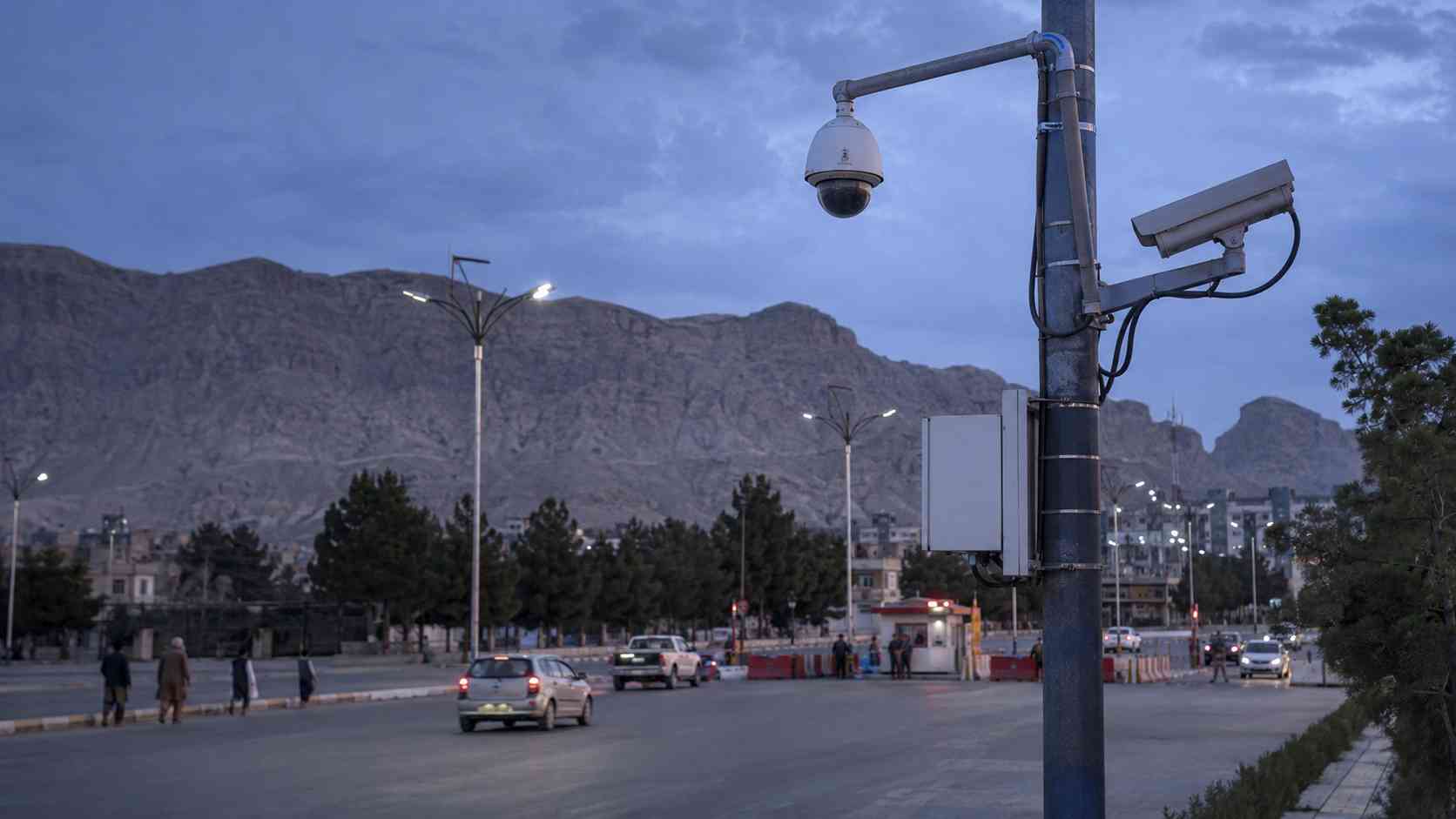
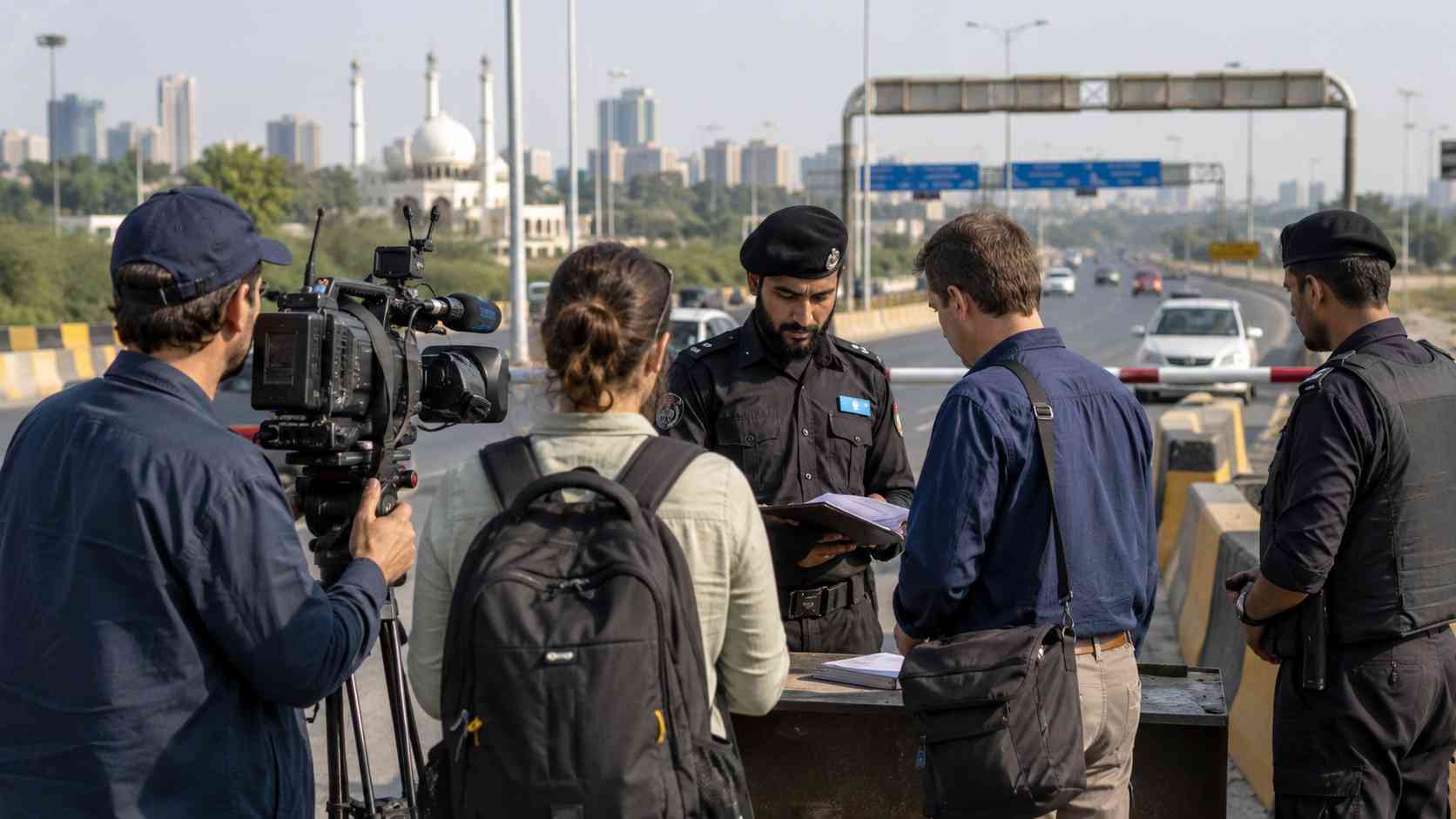
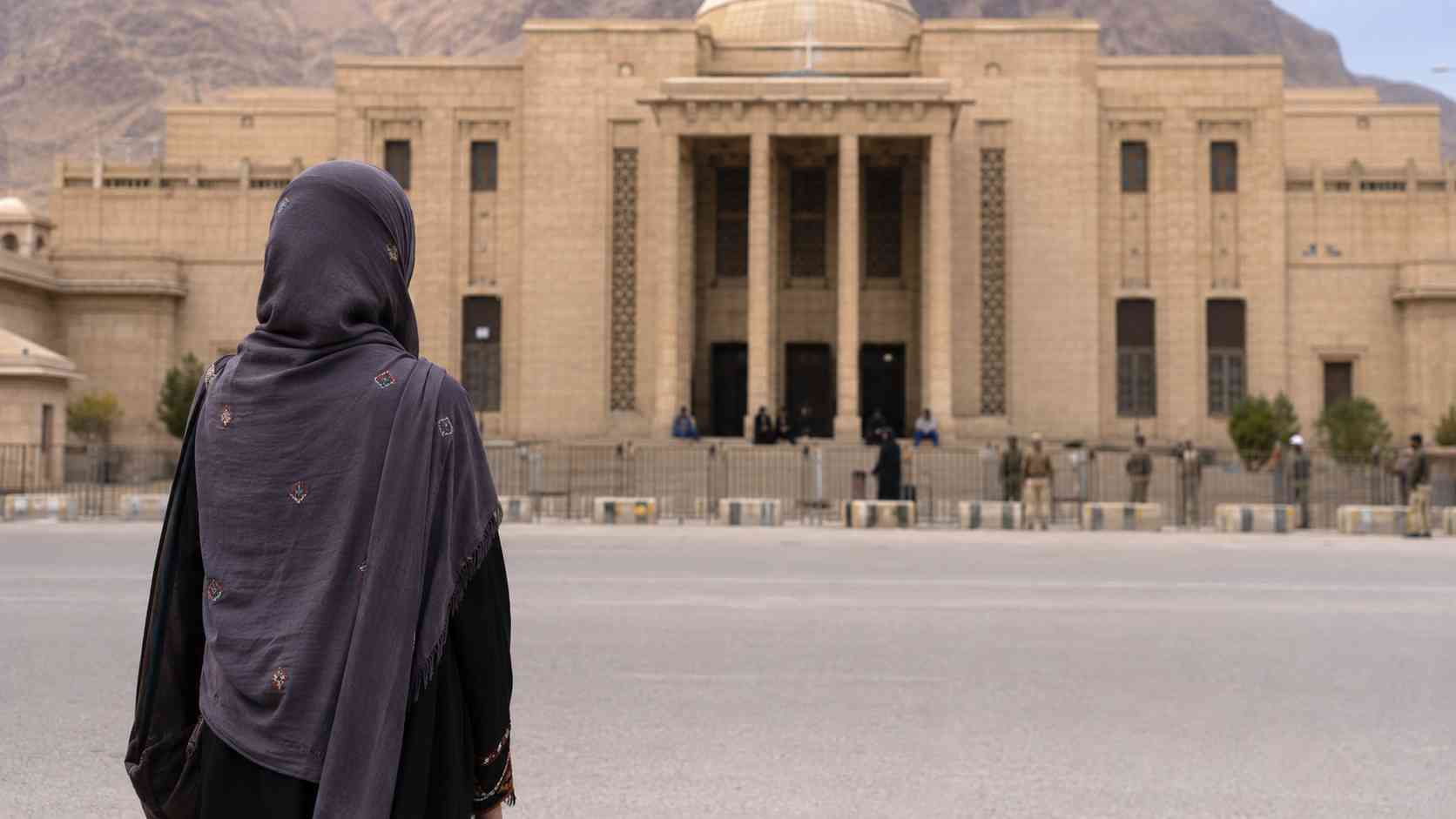
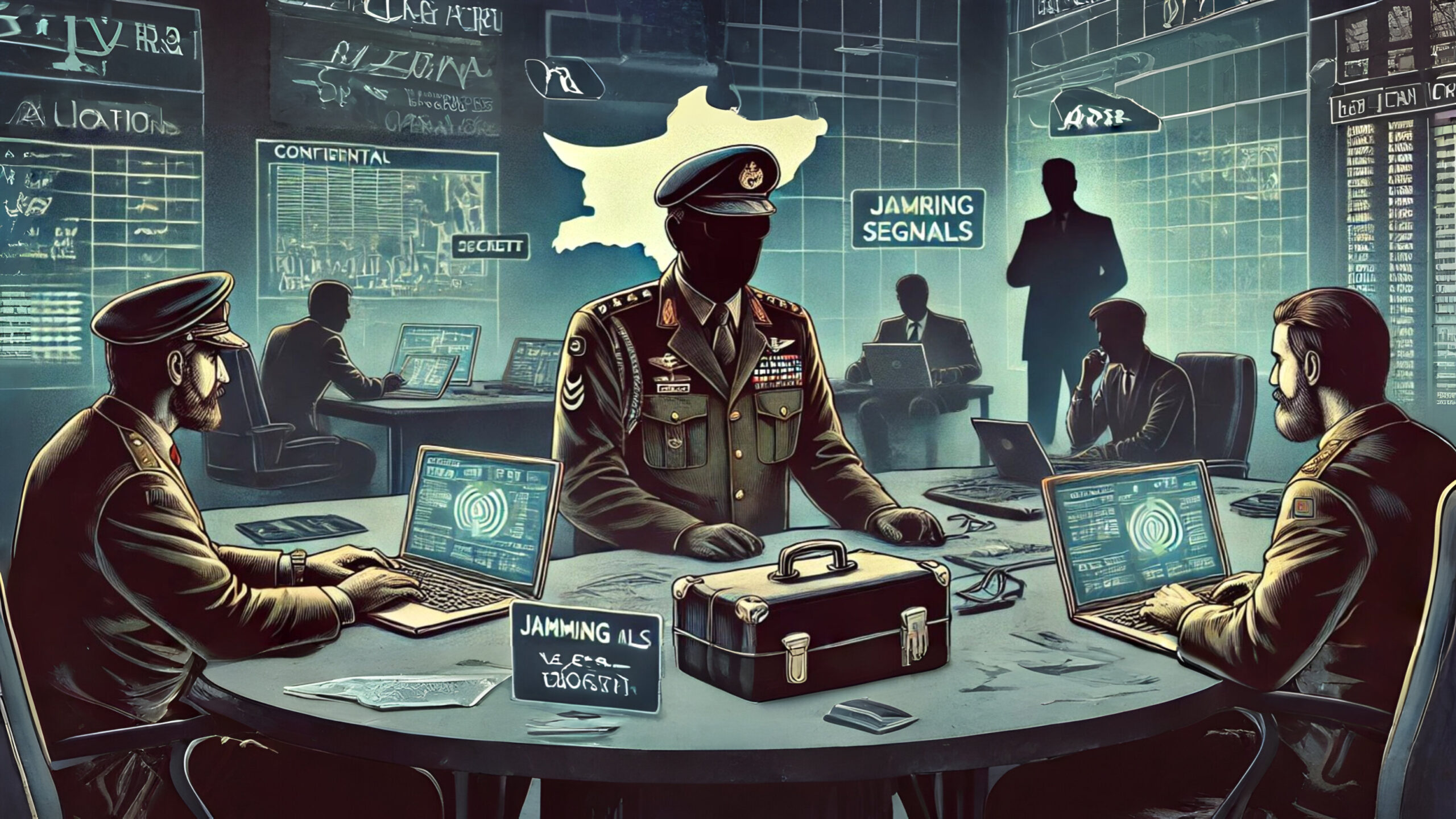
No government can credibly ask citizens to trust an election while blocking voters, candidates, reporters, and families from communicating freely. A communications blackout does not only suppress mobilisation. It also suppresses evidence.
That is why the AJK crackdown now reaches beyond law and order. It raises a basic democratic question. If citizens cannot document violence, organise peacefully, or access independent reporting, how meaningful is the vote?
Official Claims Require Public Evidence
The government’s position is different.
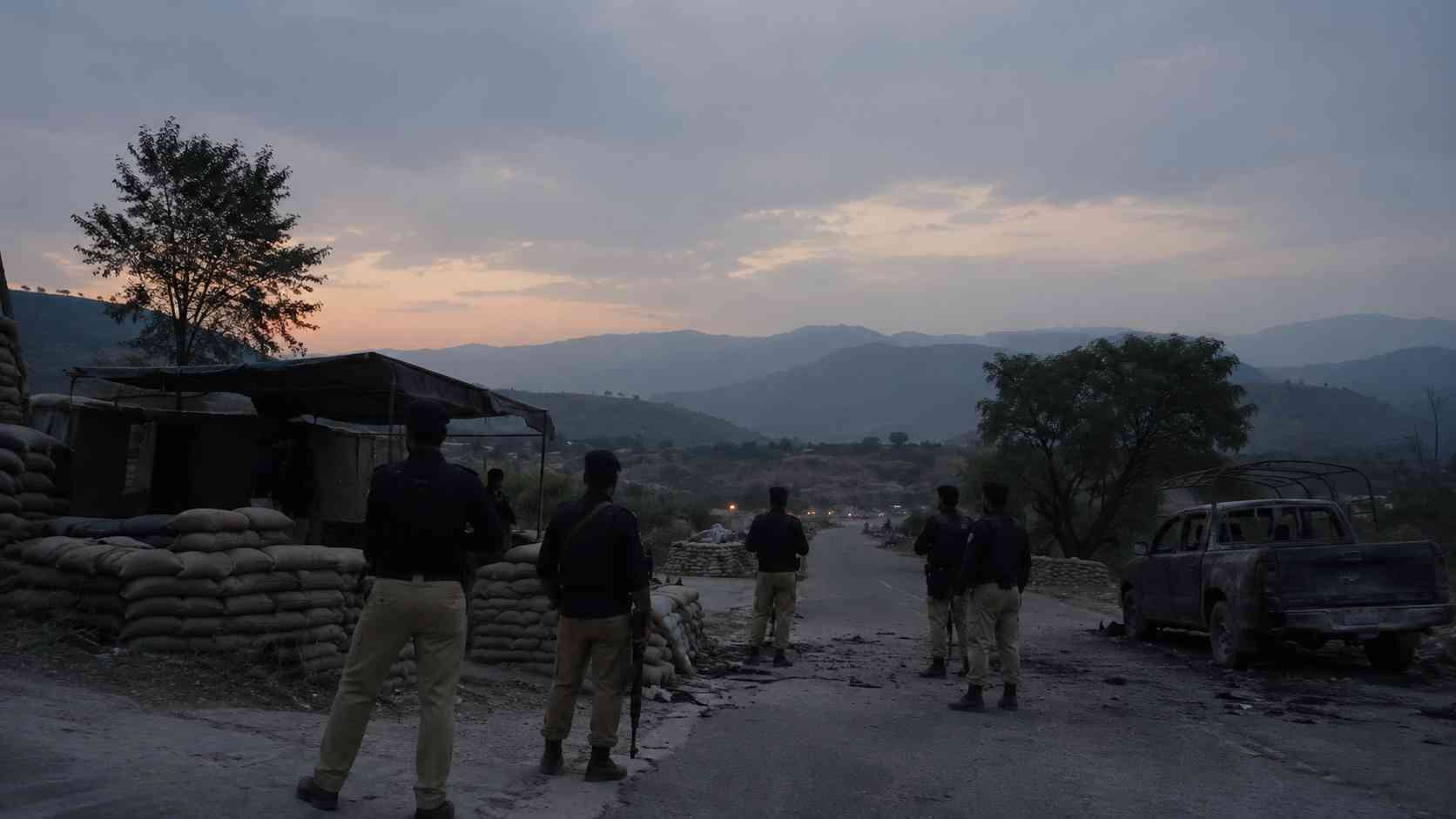
The Associated Press reported that officials accused the banned JAAC of trying to sabotage the election. Officials also alleged that armed militants, including Pakistani Taliban-linked elements, had infiltrated protests.
Those are serious claims. If true, the state has a duty to protect voters and security personnel. Armed attacks on police or paramilitary forces cannot be defended as peaceful protest.
But serious claims require serious proof. Video clips, confessions in custody, and official briefings cannot substitute for transparent due process. Pakistan’s recent history gives citizens reason to distrust sweeping “anti-state” labels, especially when used against civic movements.
The state may have legitimate security concerns. It still must separate armed criminality from mass political grievance. Treating an entire rights movement as a security threat deepens the crisis.
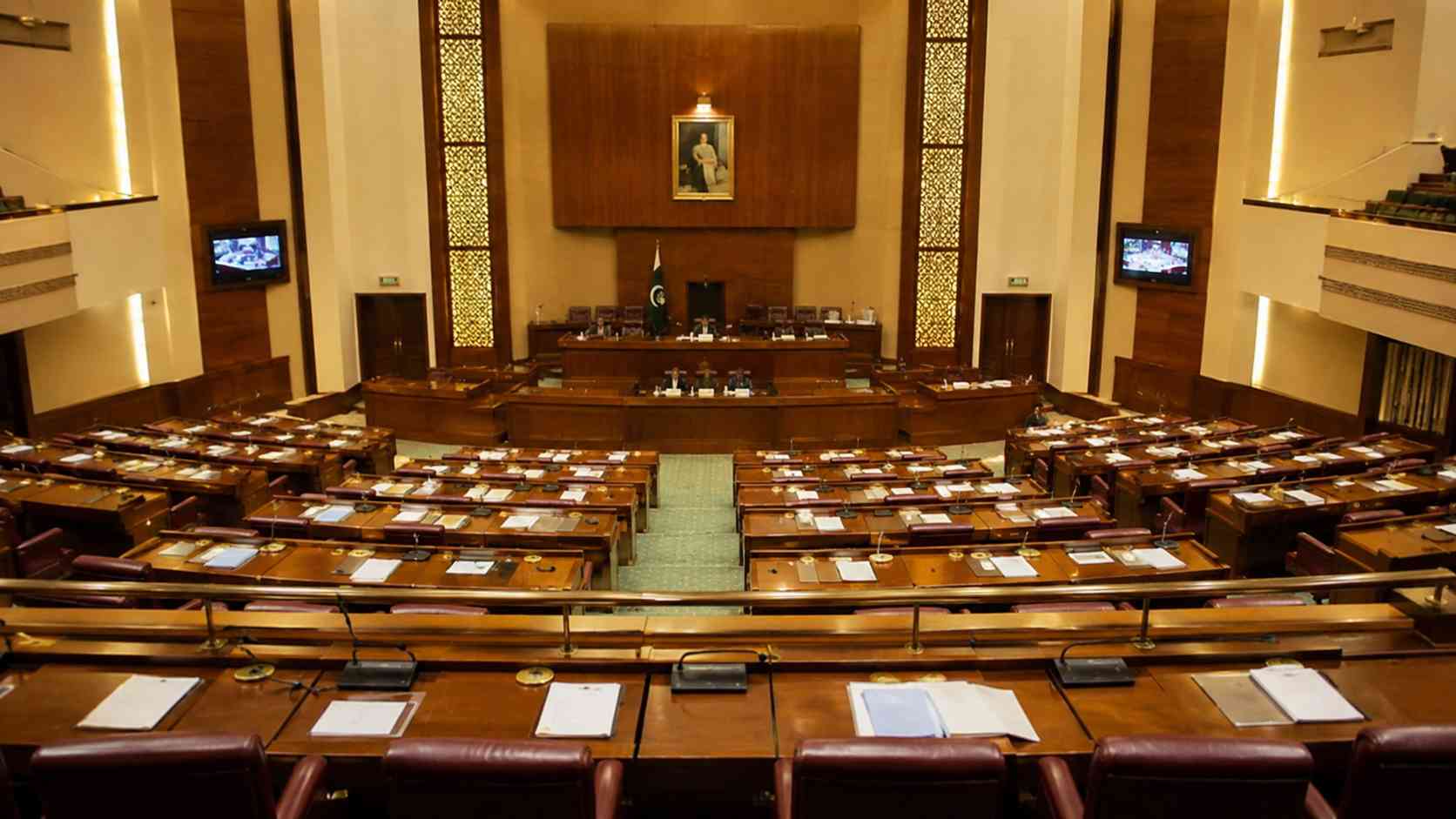
A Vote Under Pressure
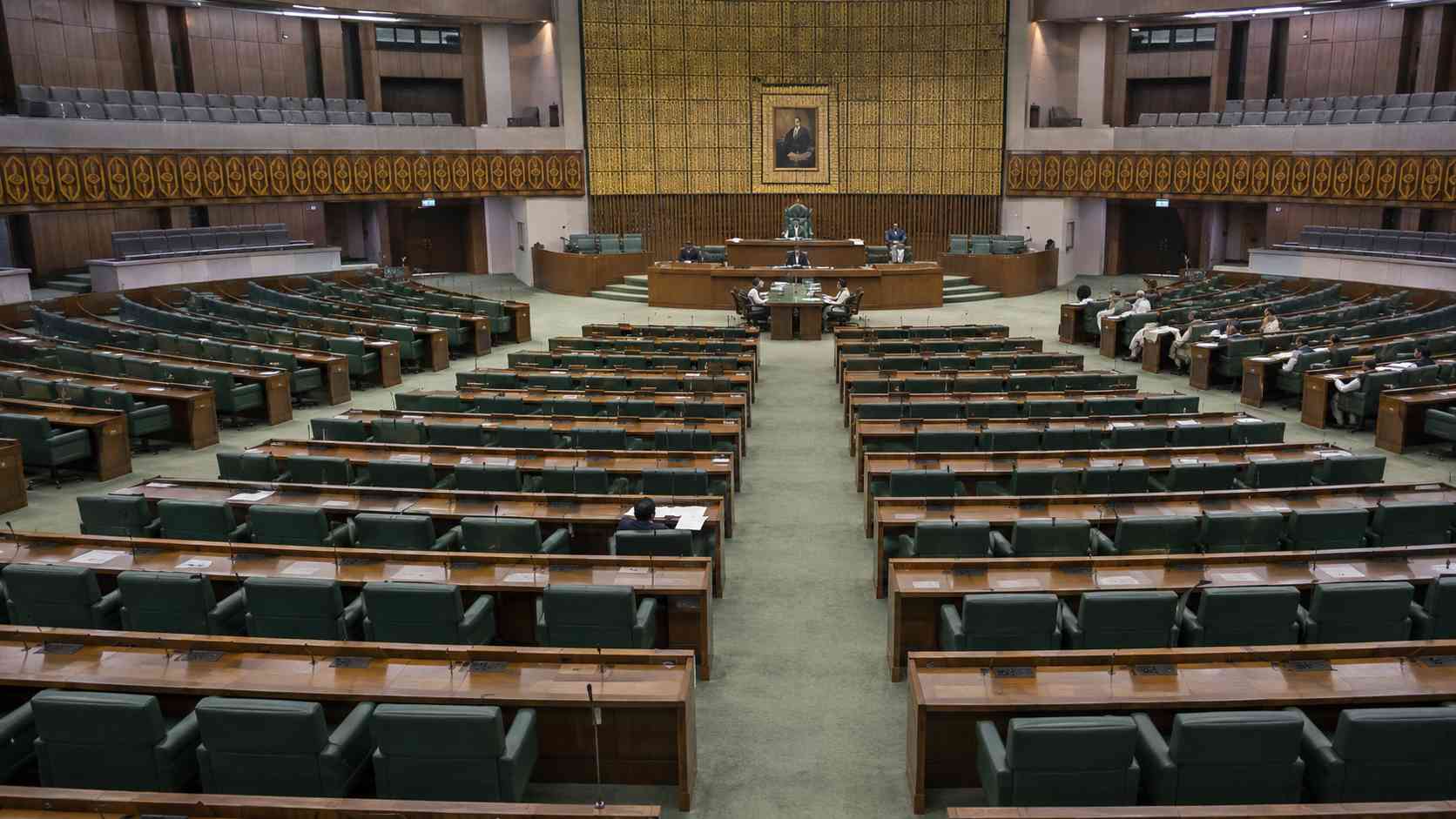
The election itself already carried a legitimacy burden.
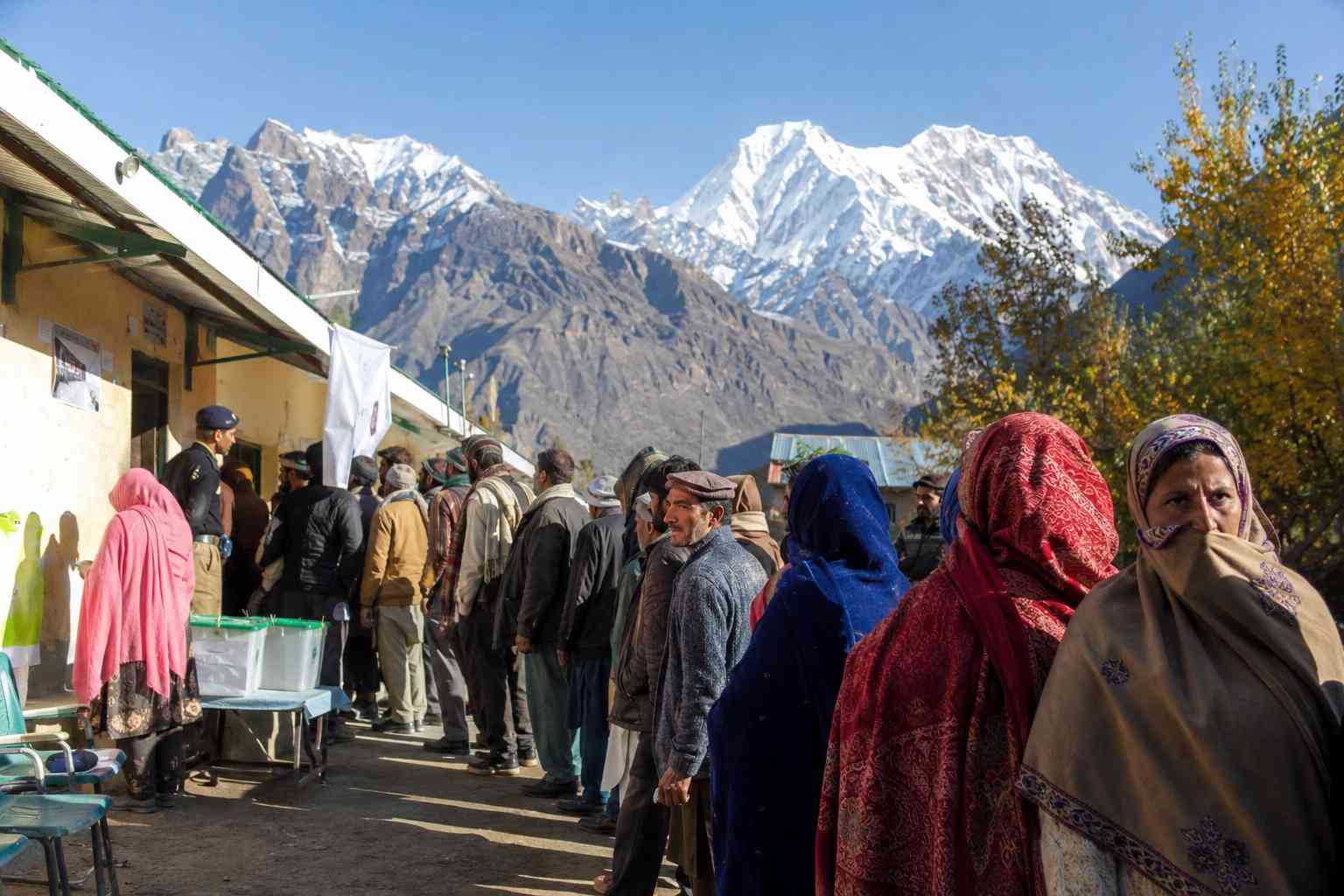
Al Jazeera reported that voting was split into three phases after weeks of clashes, with the JAAC boycott and internet restrictions overshadowing campaigning.
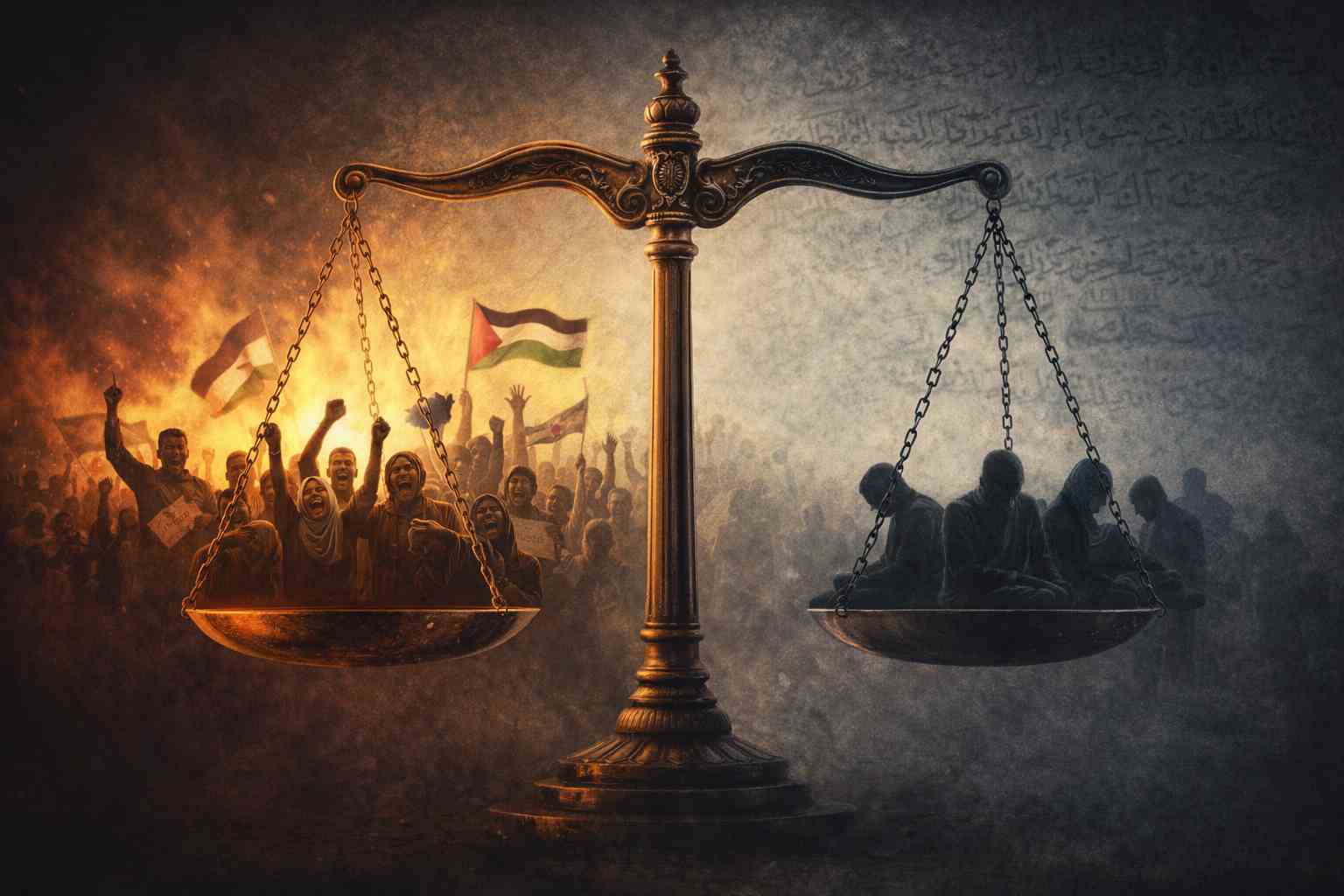
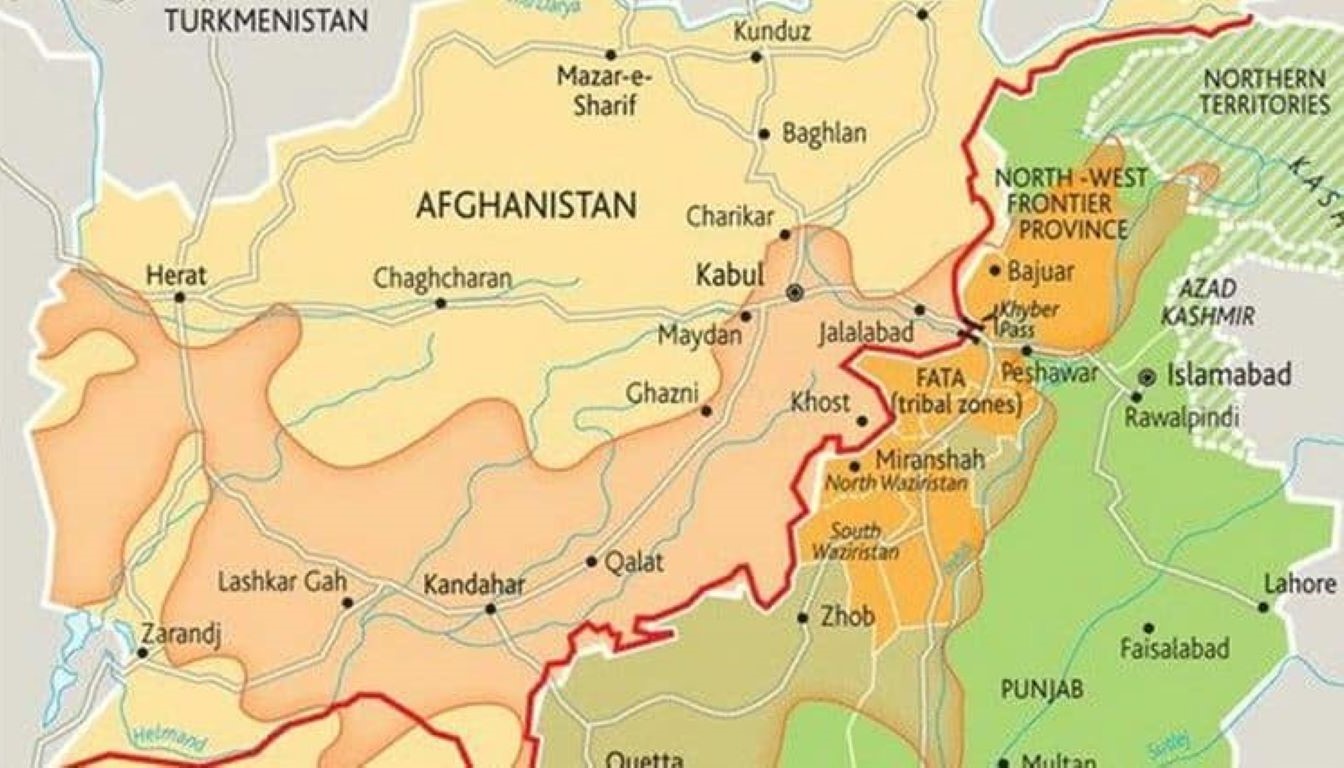
The central dispute concerns 12 assembly seats reserved for refugees from Indian-administered Kashmir who live across Pakistan. JAAC says those seats allow outside influence over Muzaffarabad. Government figures argue the seats have historical and constitutional standing.
That debate deserved a political process. Instead, it has moved through arrests, proscription, blackout, and force.
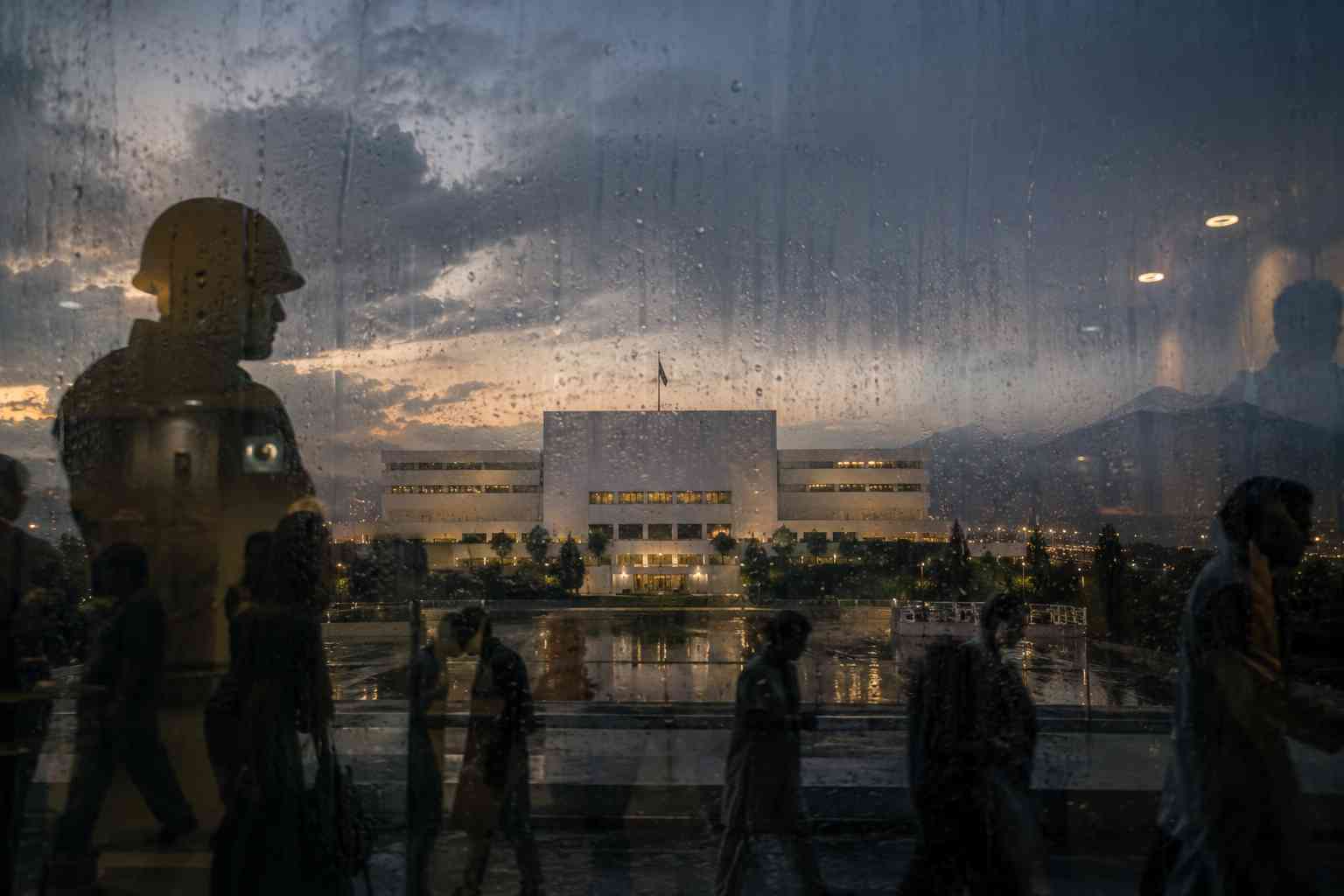
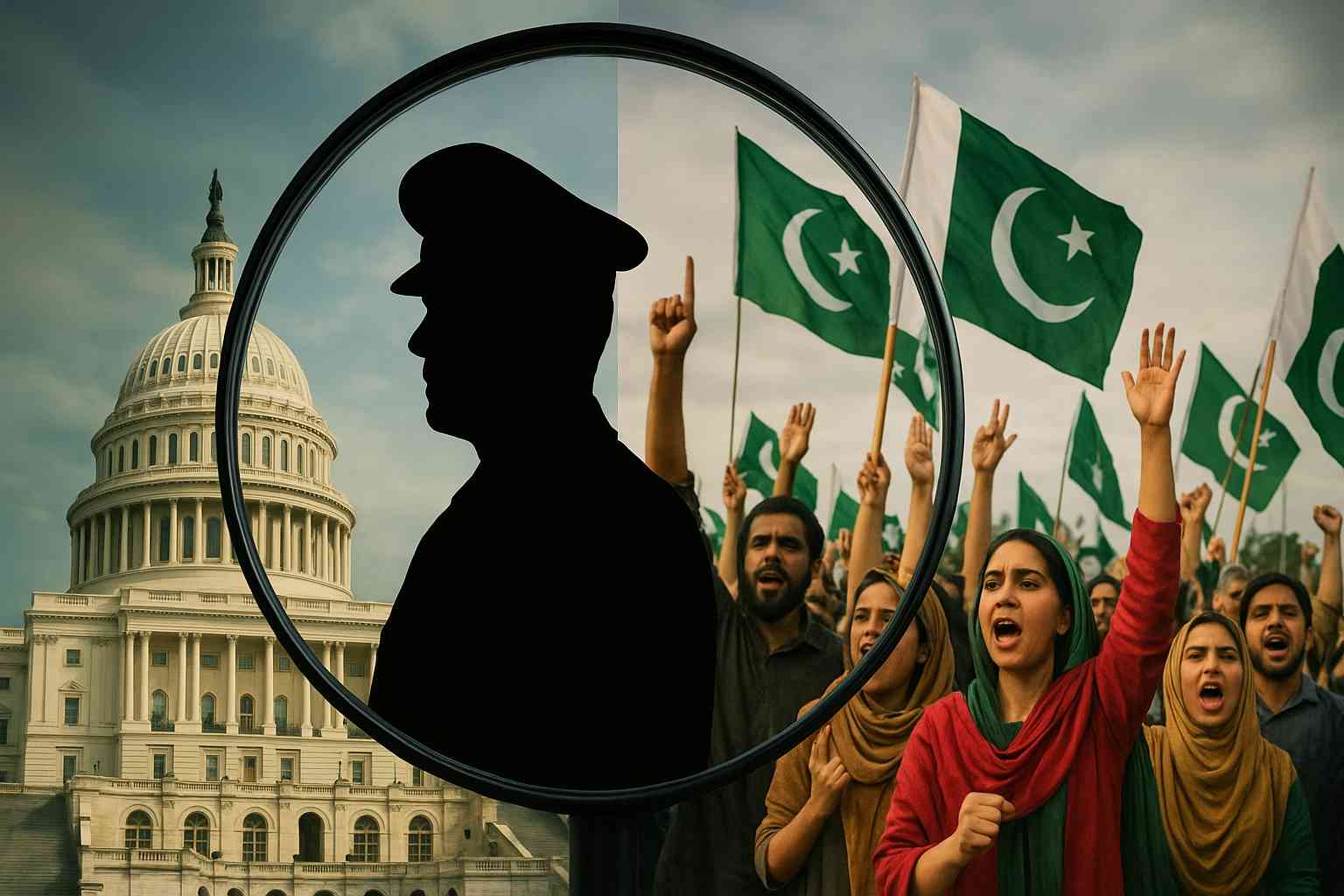
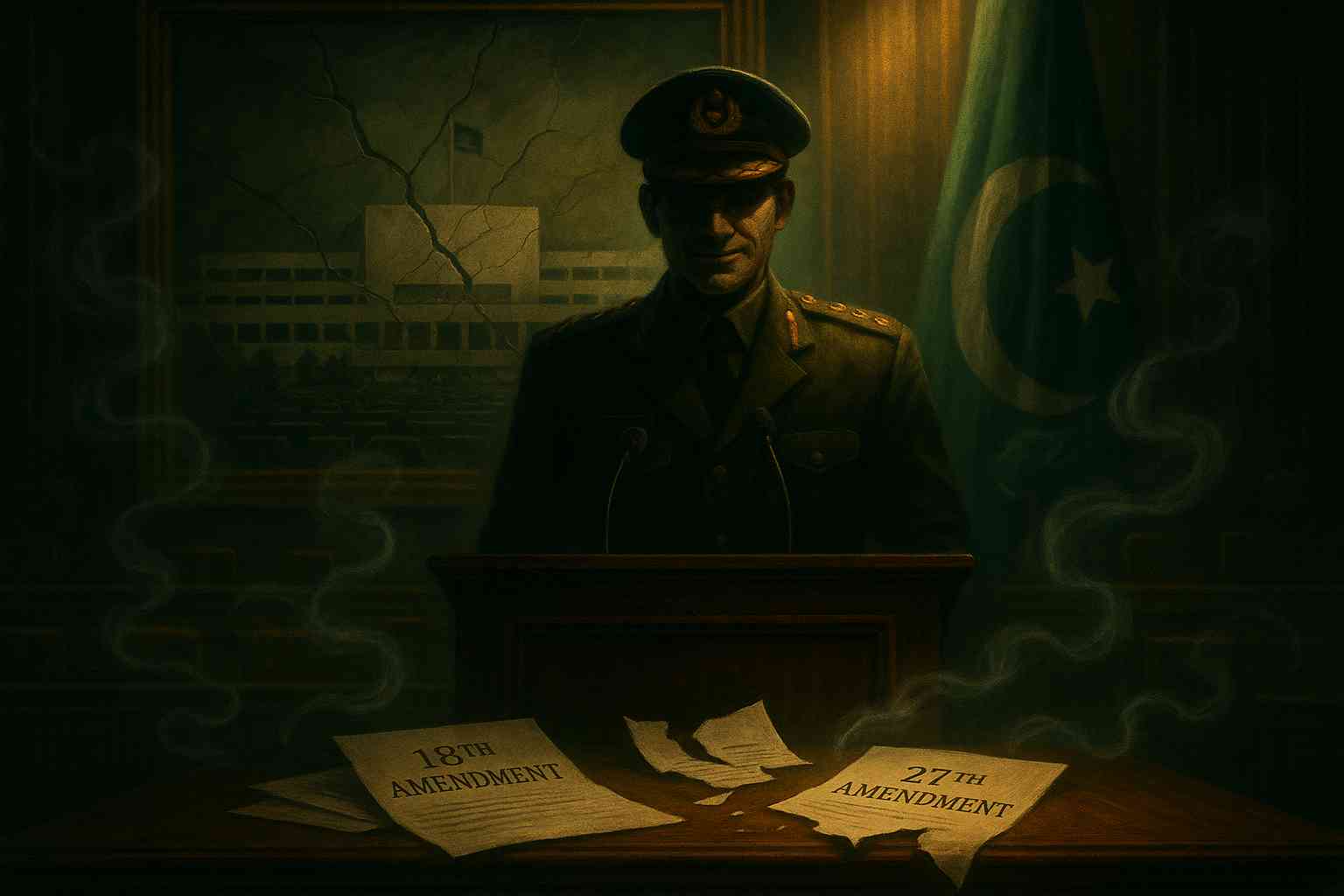
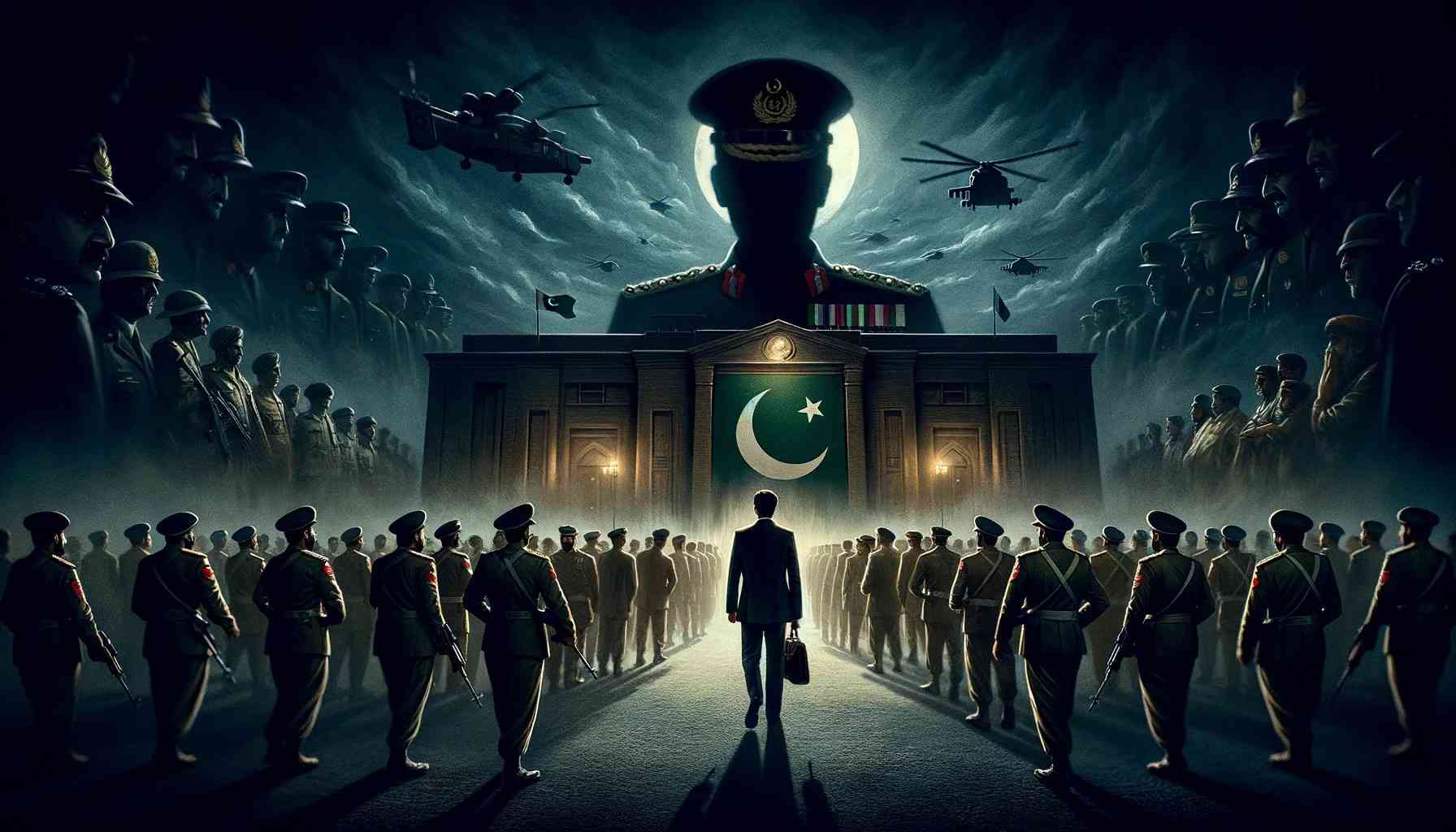
For Soldier Speaks readers, the institutional lesson is clear. When civilian questions cannot be settled by civilian authority, Rawalpindi’s shadow grows longer. Kashmir’s local leadership then looks symbolic, while real power appears elsewhere.
Why The AJK Crackdown Matters
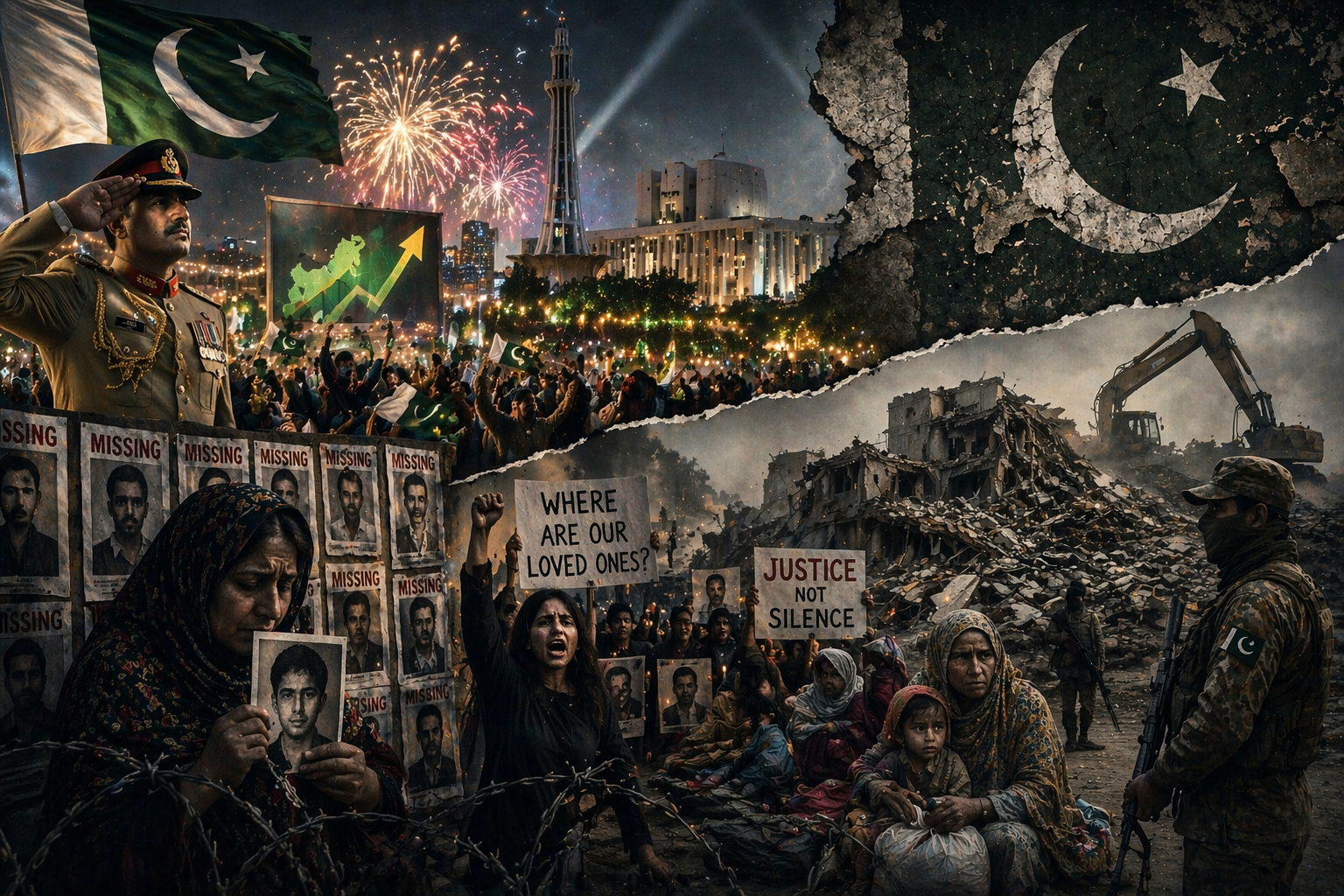
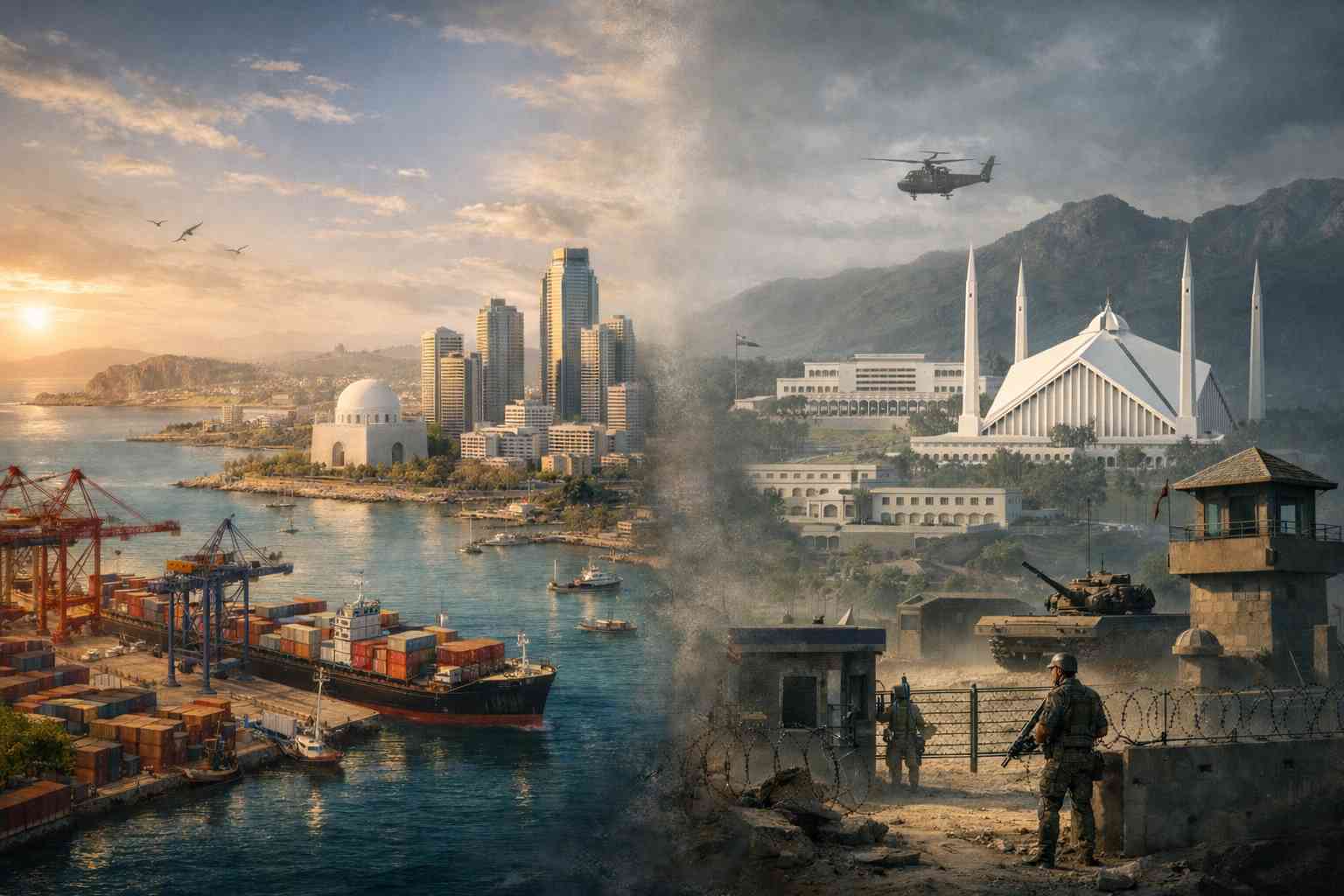
The AJK crackdown matters because it exposes Pakistan’s old governing reflex. Rights demands become security files. Protesters become suspects. Blackouts become administrative tools. Elections proceed as ritual even when trust collapses.
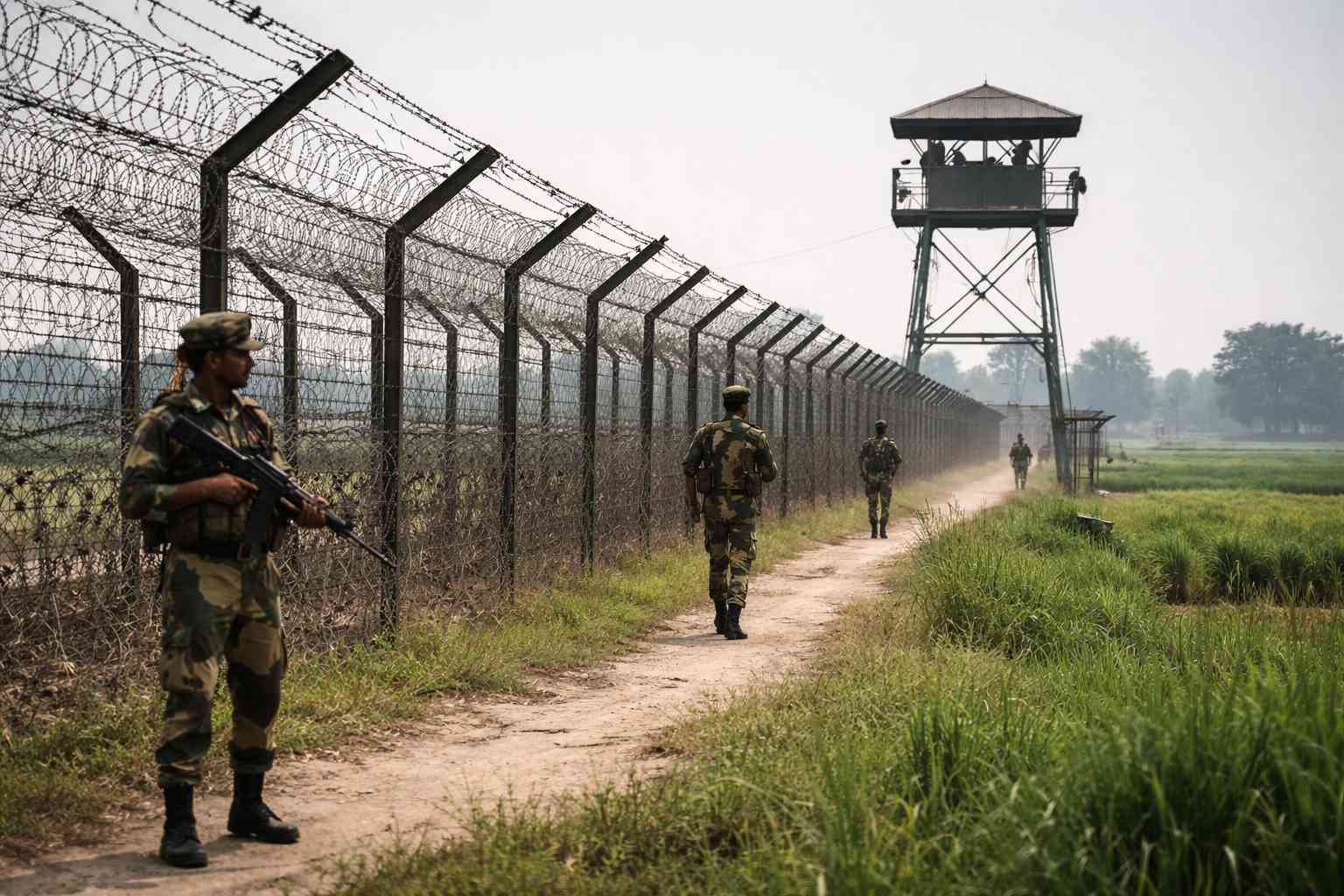
This pattern weakens Pakistan’s own Kashmir case. Islamabad cannot credibly speak about democratic rights across the Line of Control while denying basic transparency in the territory it administers.
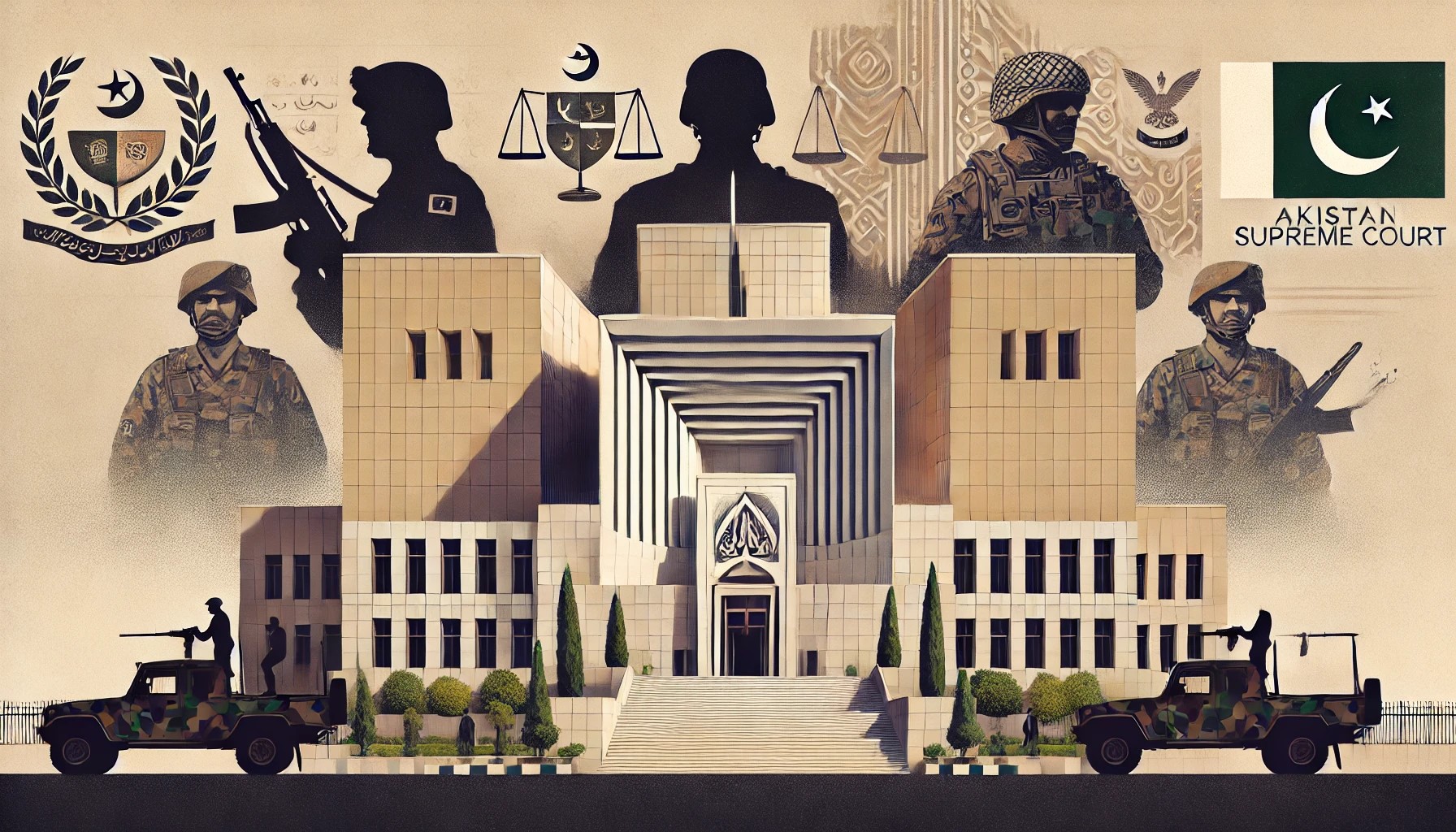
The correct response is not denial. It is restoration of communications, immediate media access, disclosure of casualty figures, judicial scrutiny of force, and a credible political channel for AJK’s representation dispute.
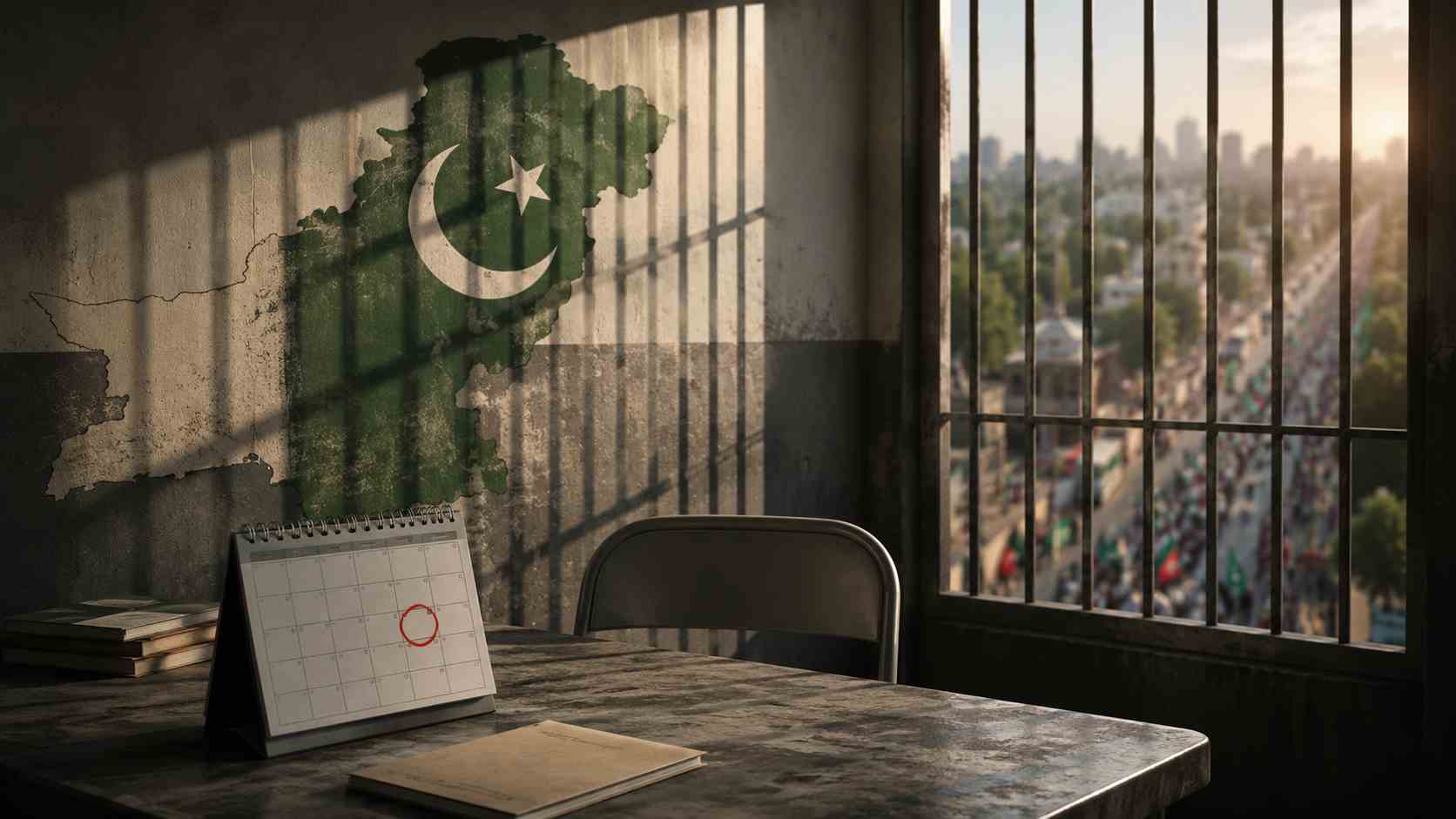
Until that happens, the AJK crackdown will define this election more than any party result. A mandate produced under blackout may fill seats. It will not settle the crisis of consent.































































1 Comment