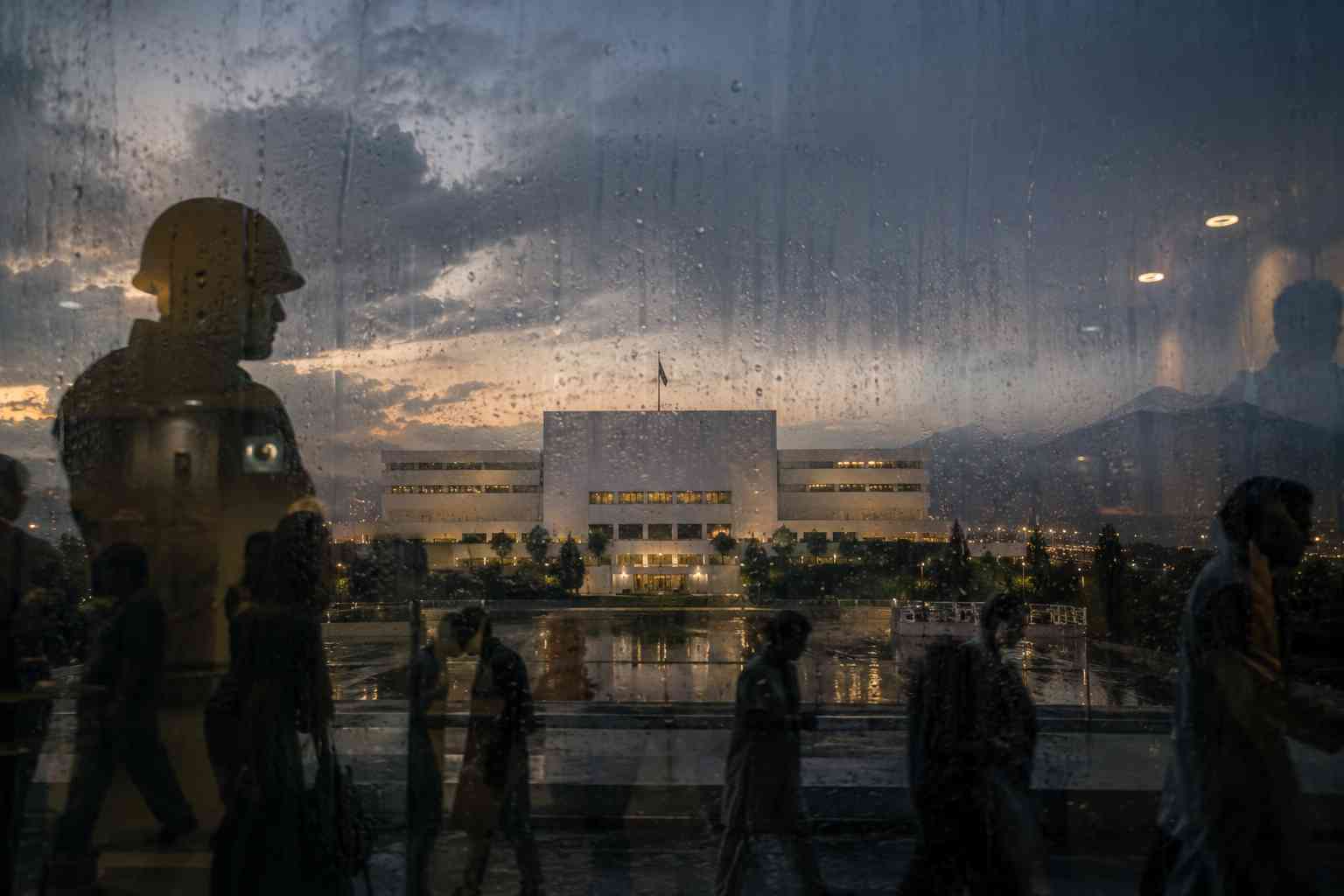
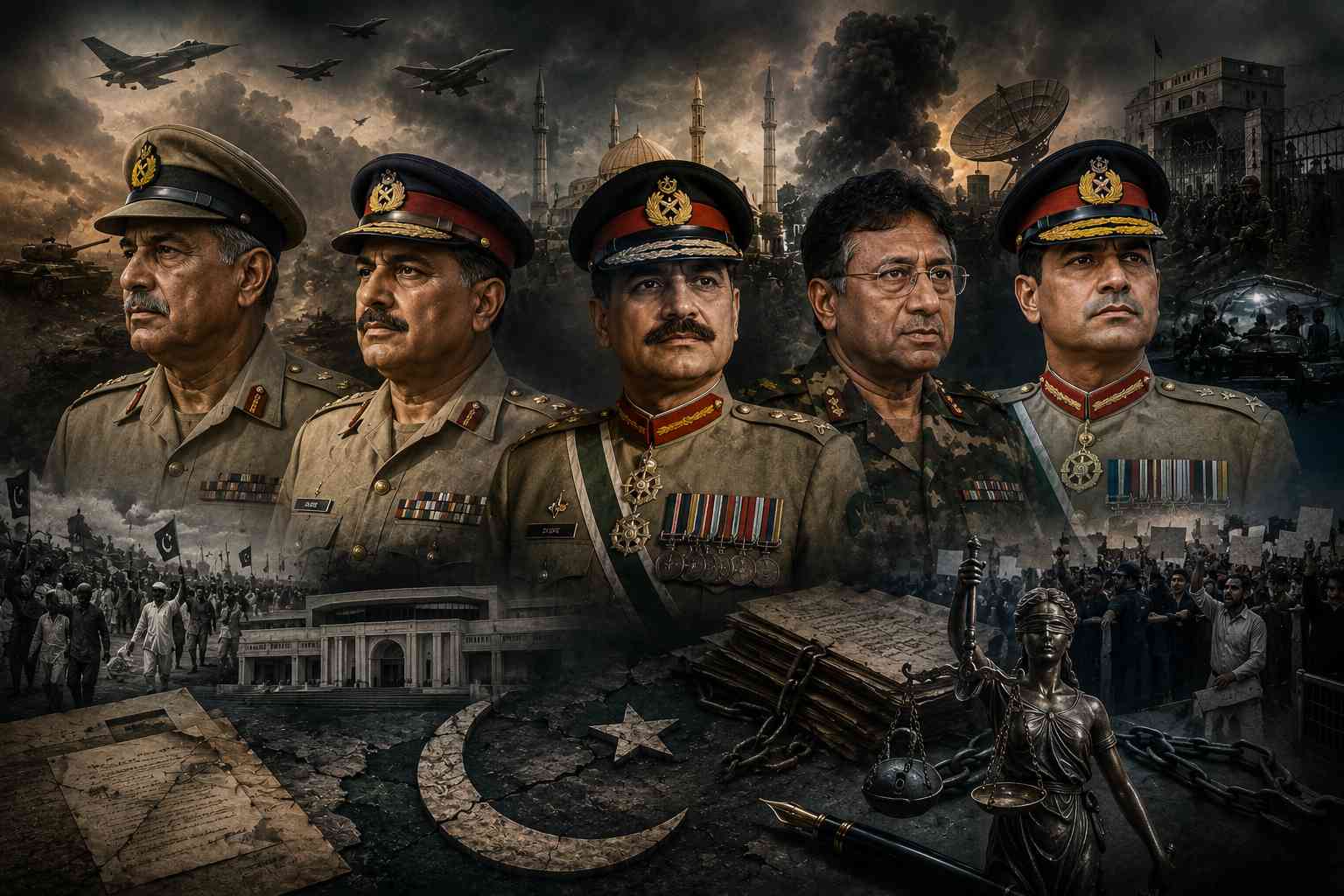
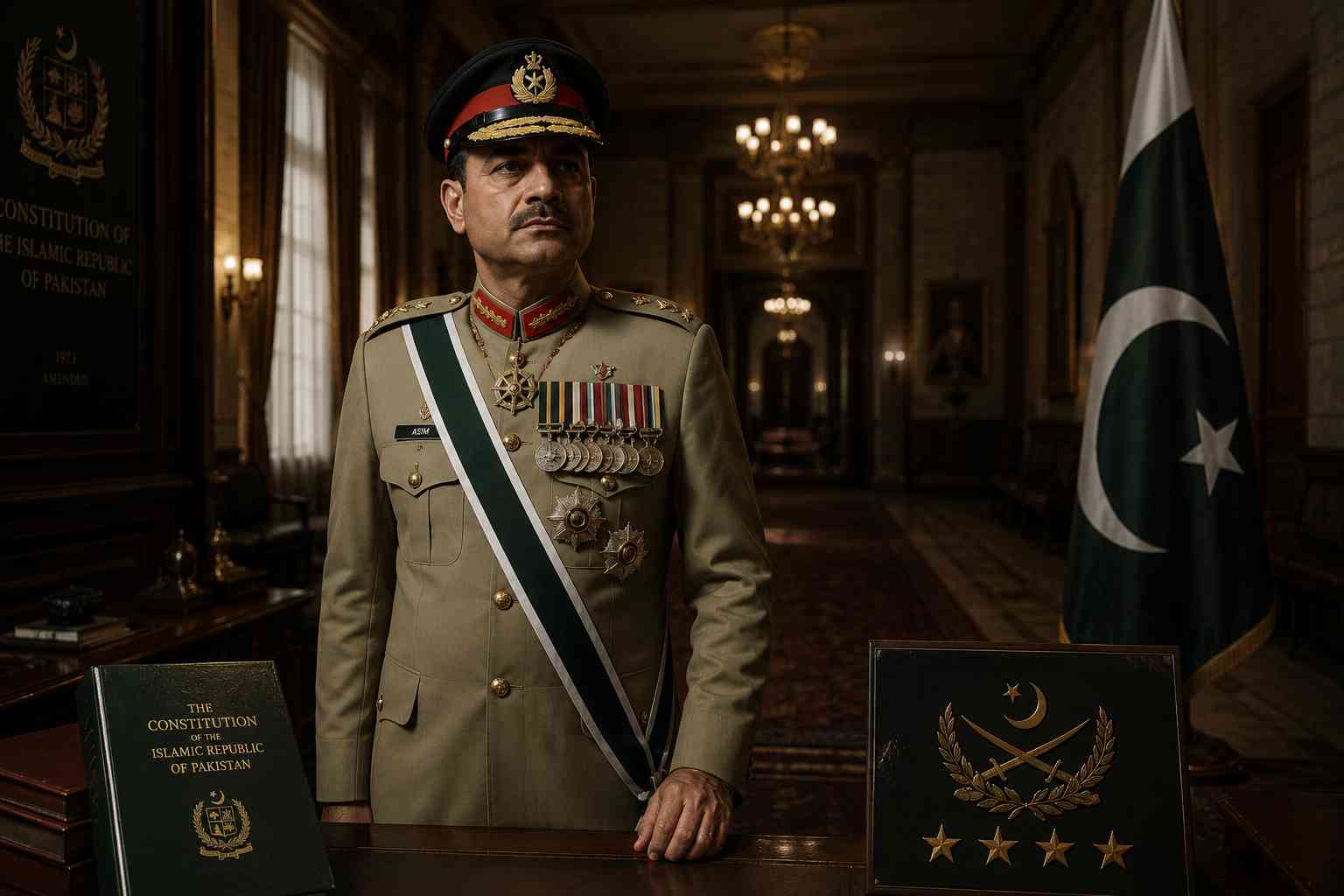
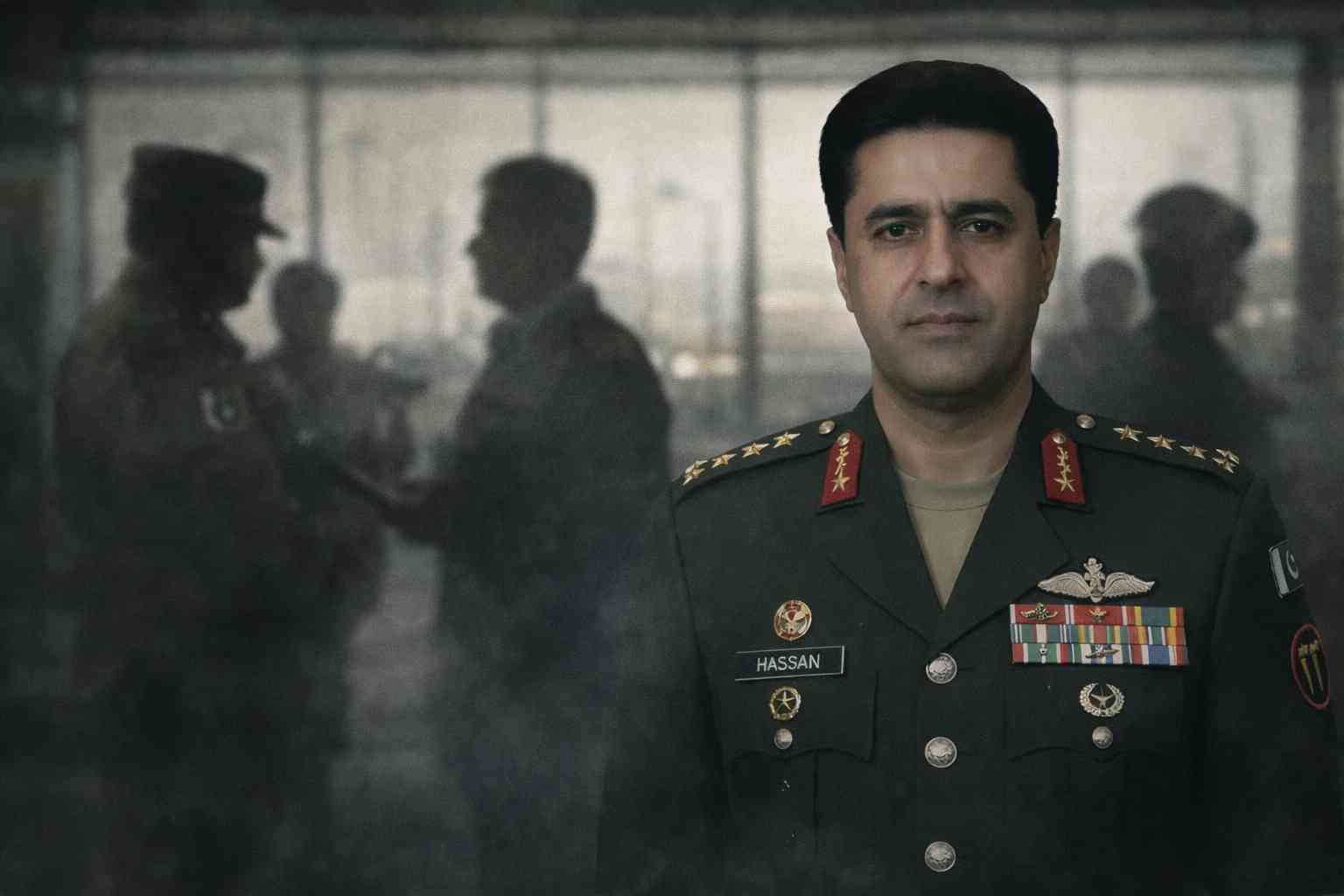
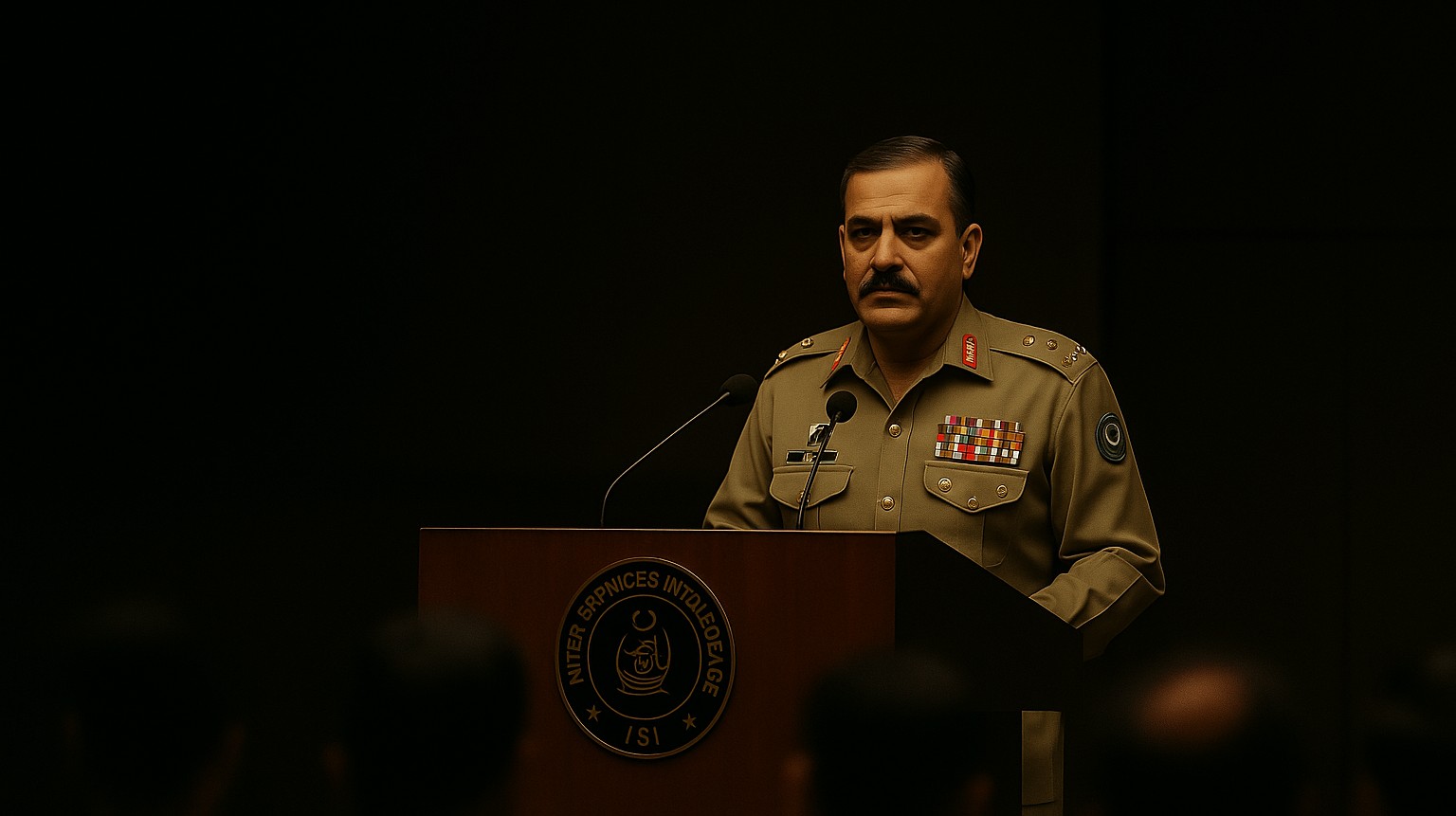
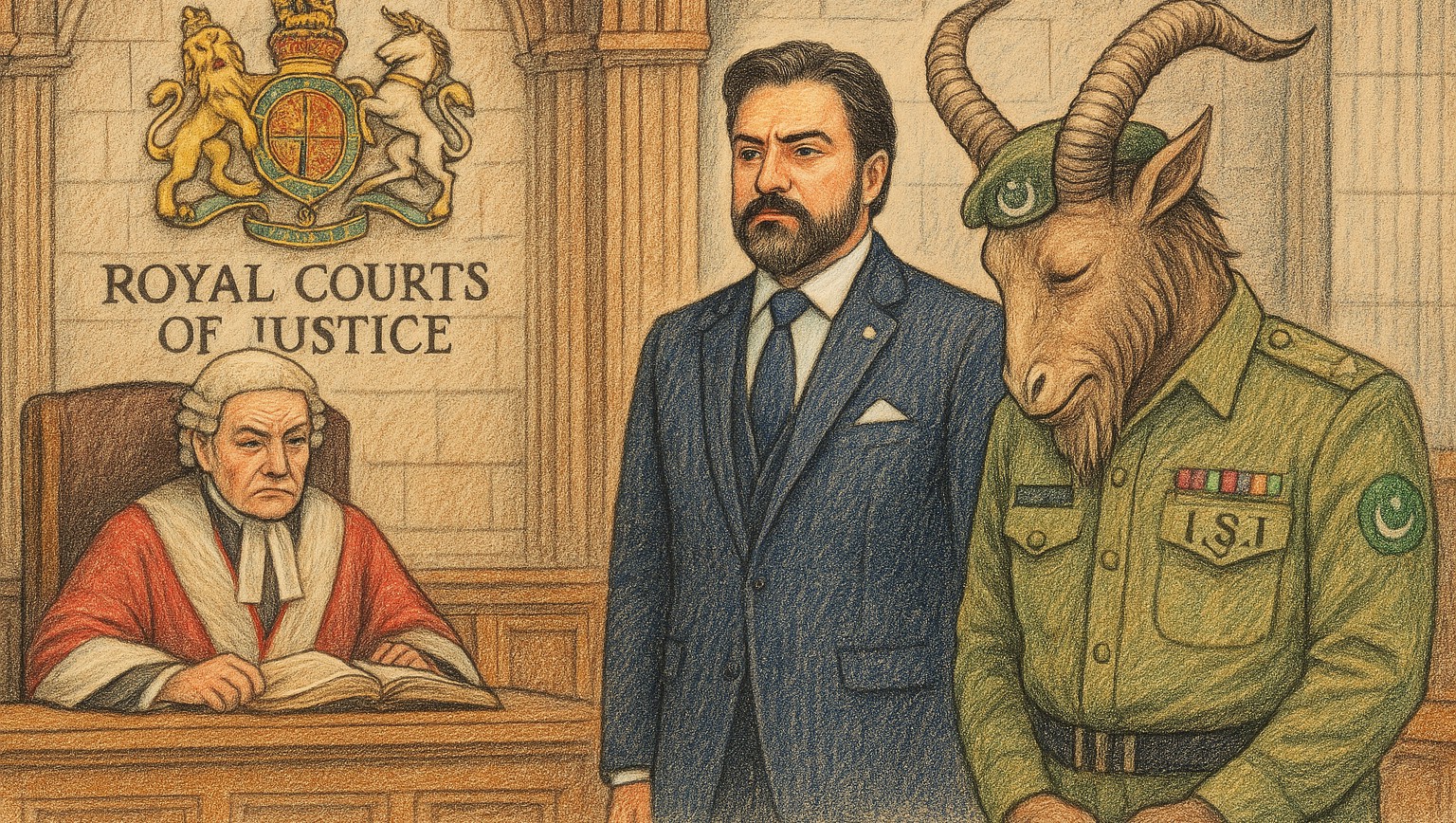
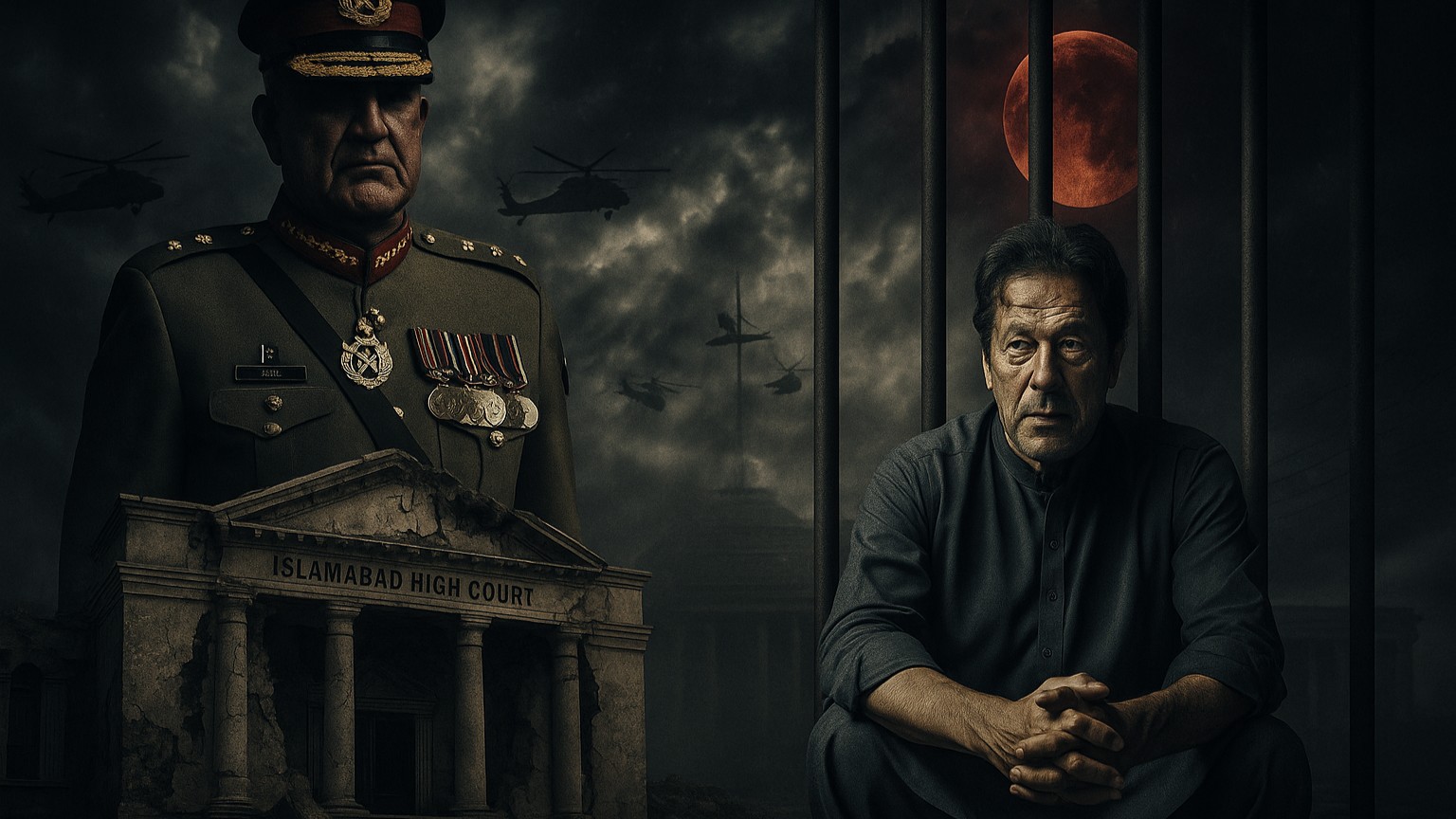
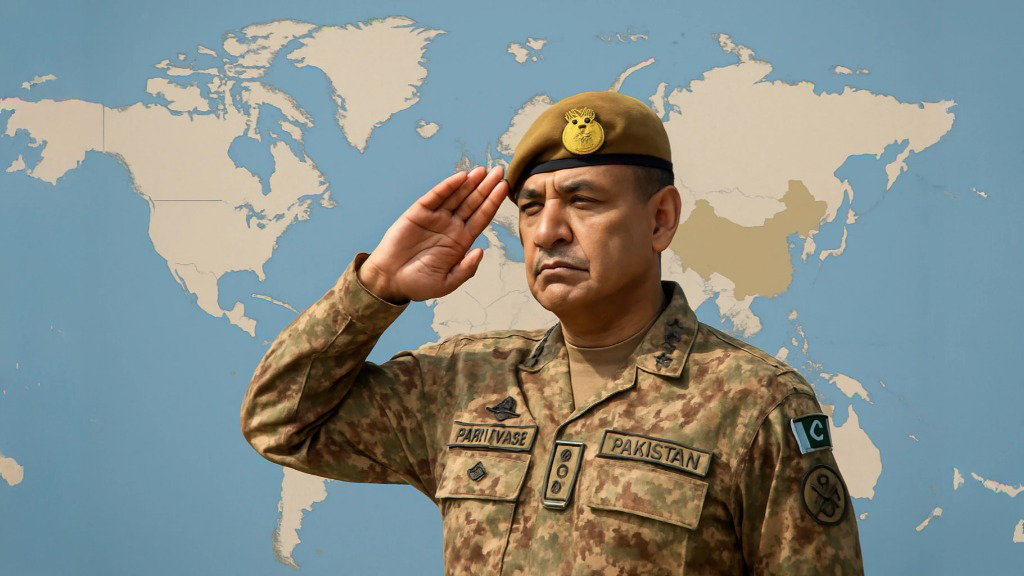
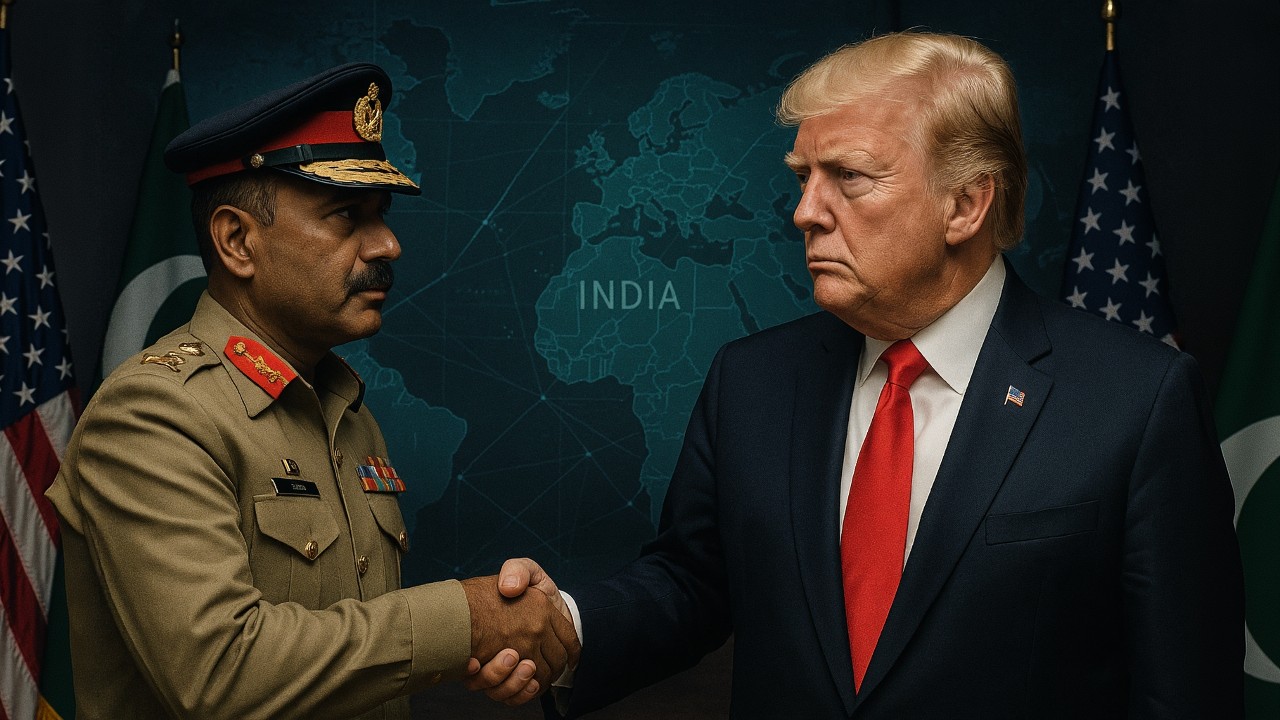
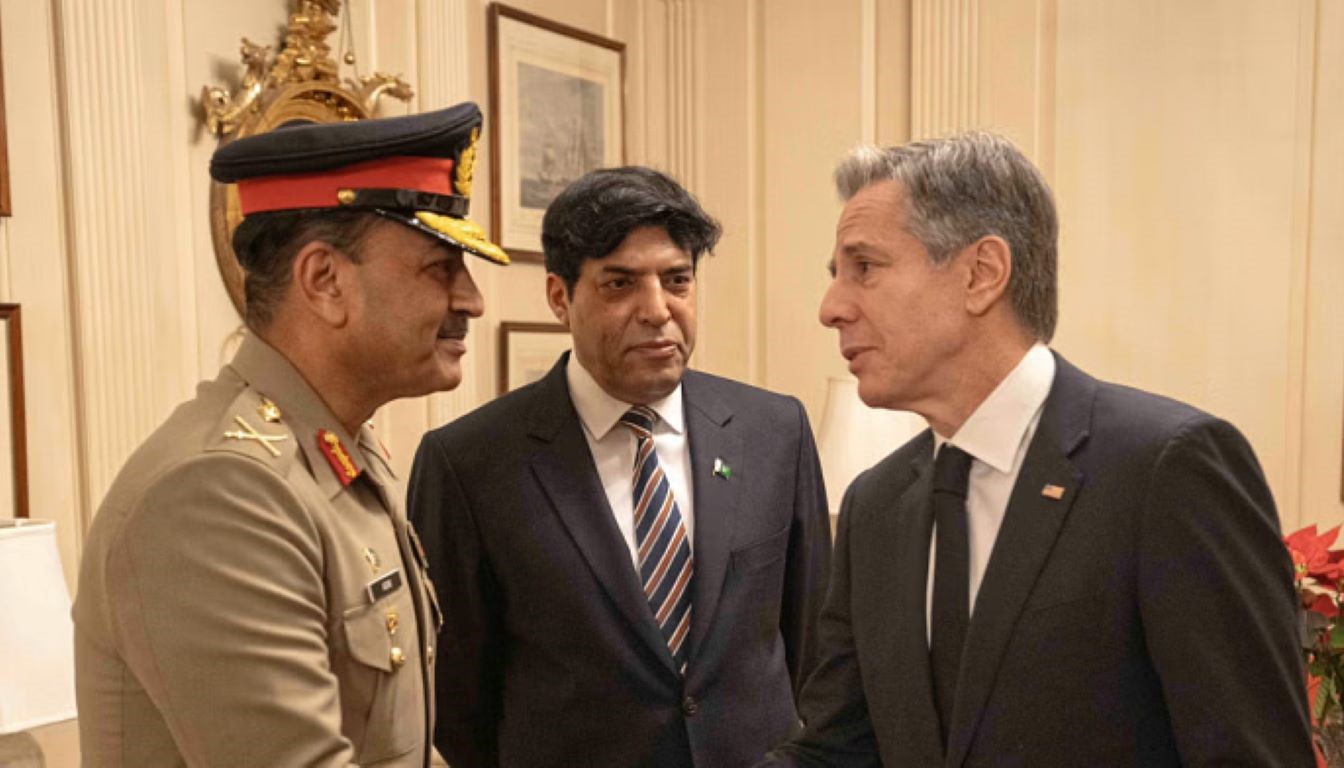
Gen Syed Aamer Raza’s appointment as Pakistan’s first Commander National Strategic Command has become more than a new four-star posting. In Adil Raja’s framing, the Aamer Raza appointment is a warning sign that personal loyalty may now be overtaking merit and seniority inside Pakistan’s most powerful institution.
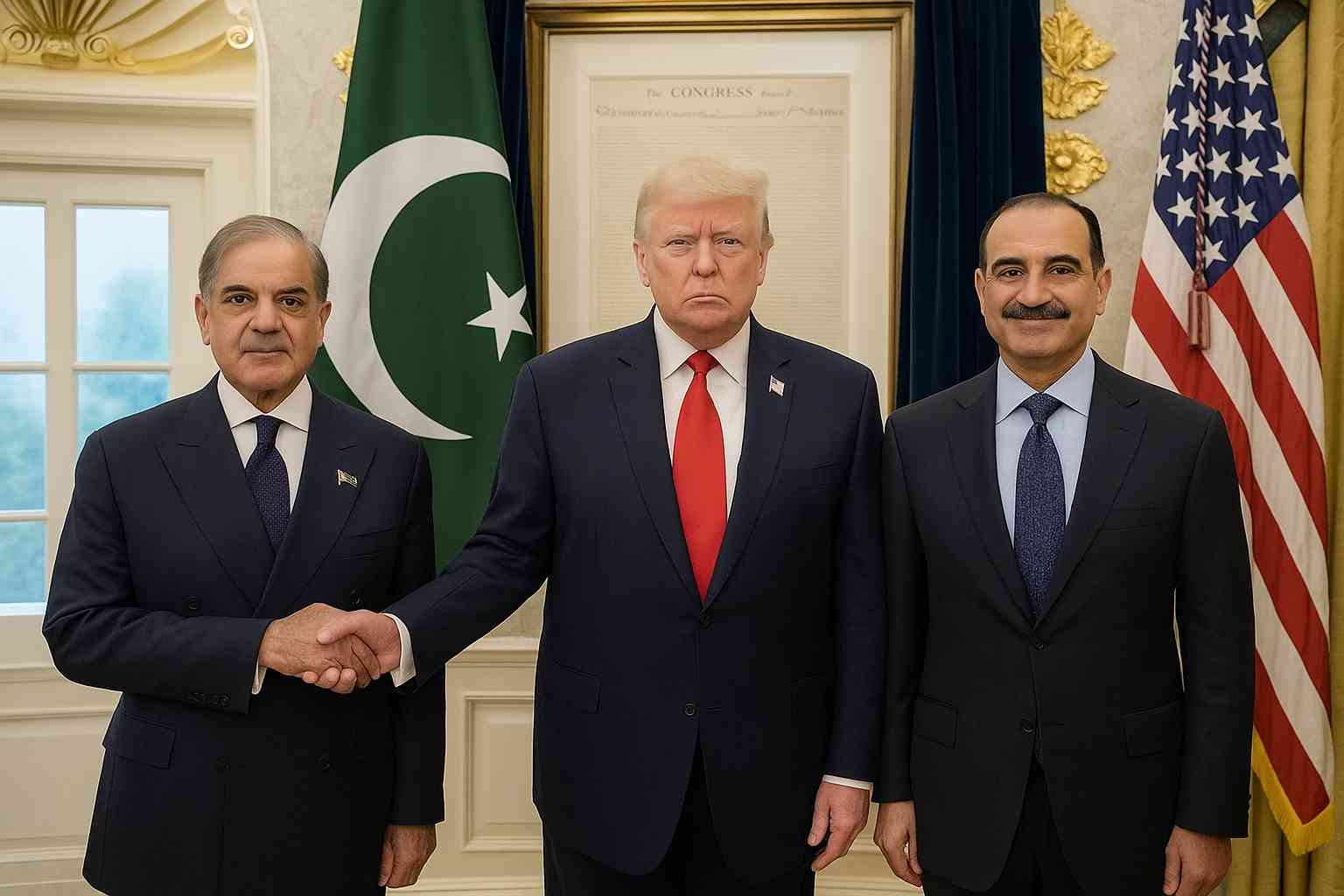
Prime Minister Shehbaz Sharif promoted Raza from lieutenant general to four-star rank and appointed him to the newly created command, according to Dawn’s detailed report on the restructuring.
Raza had been serving as Chief of General Staff. He previously commanded Lahore’s IV Corps and also headed Heavy Industries Taxila.
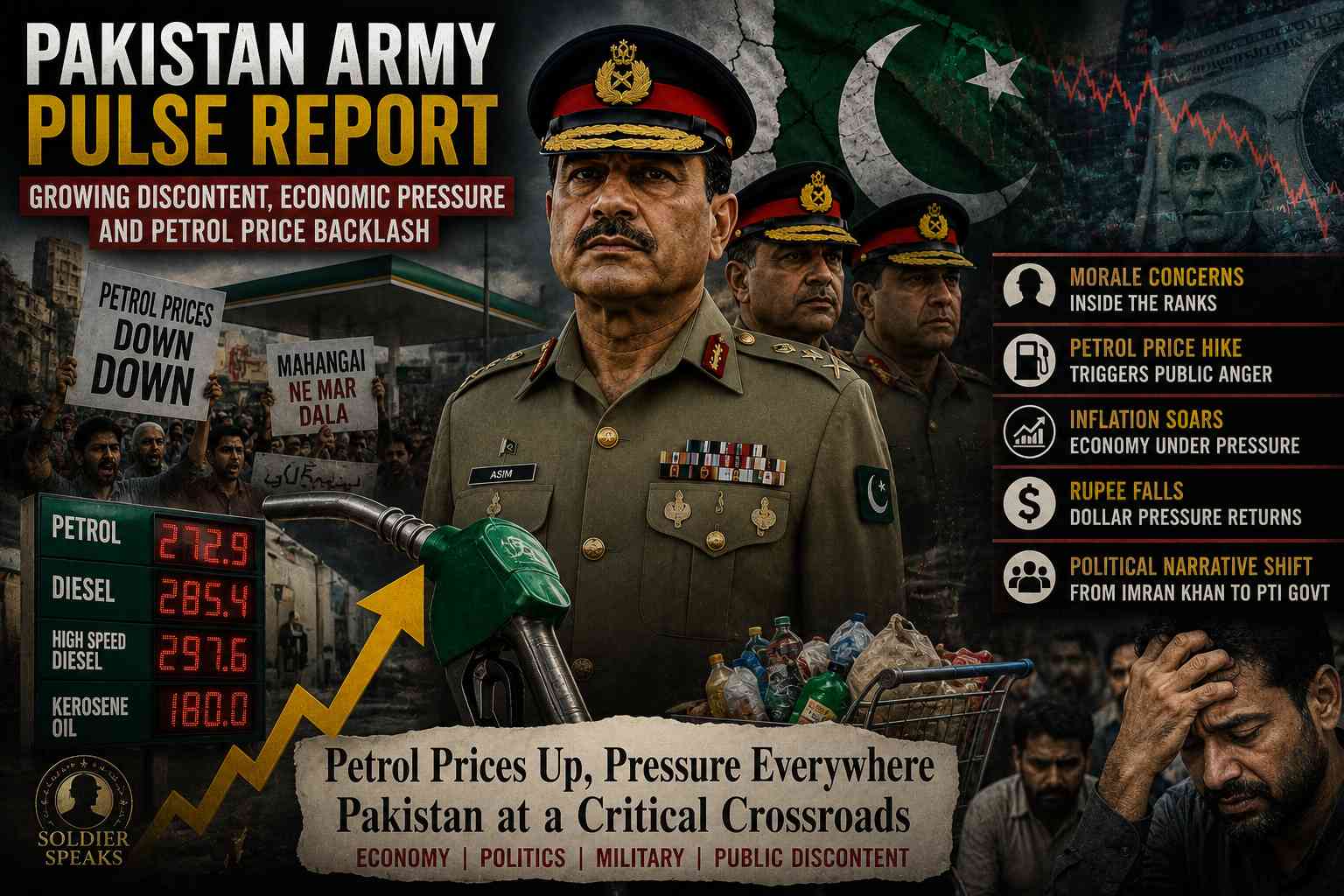
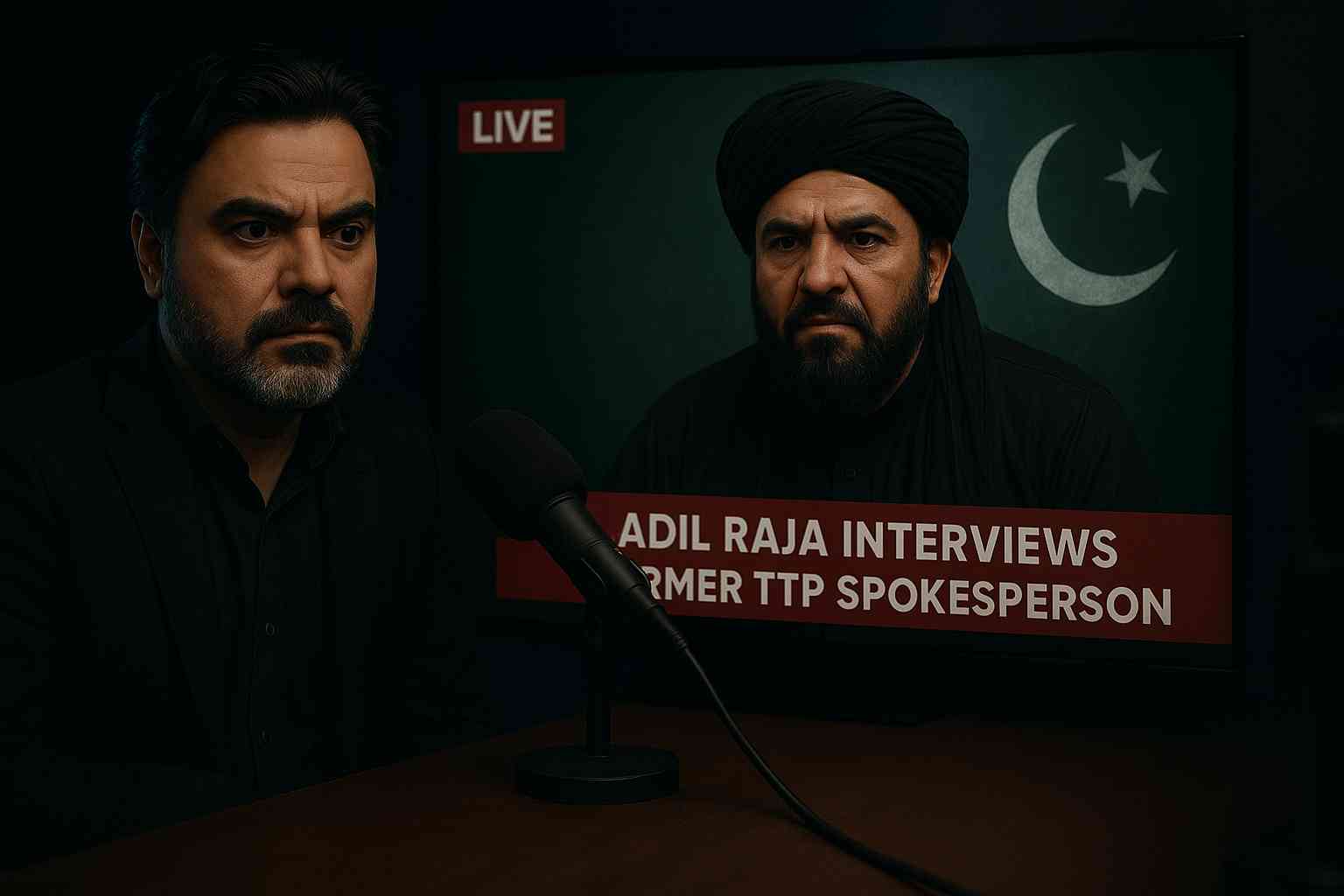
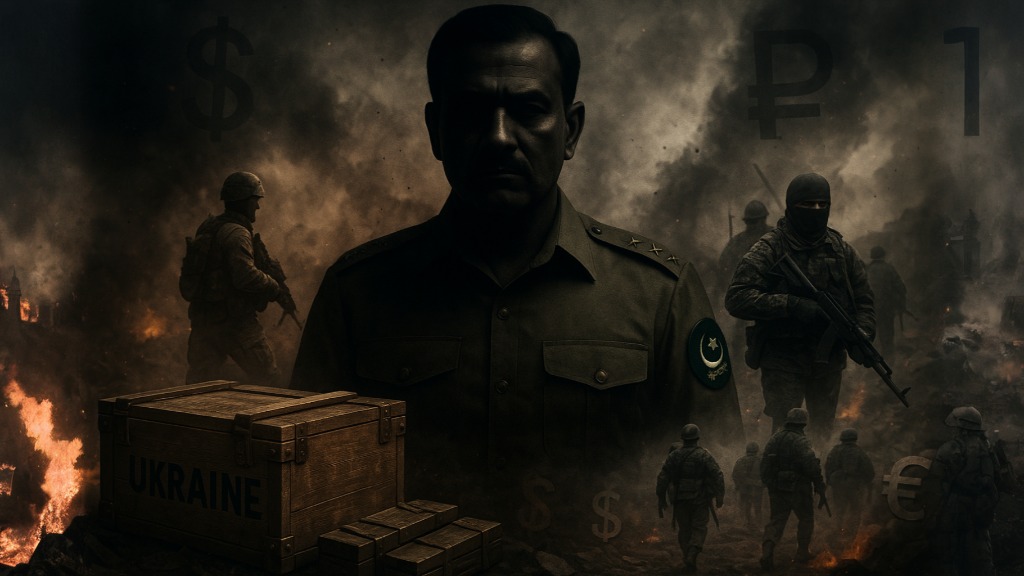
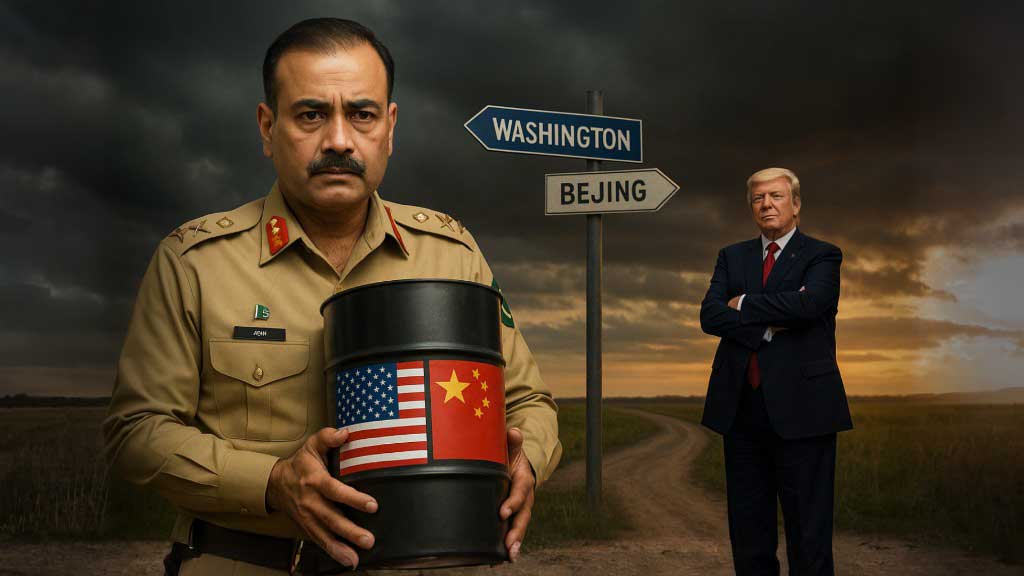
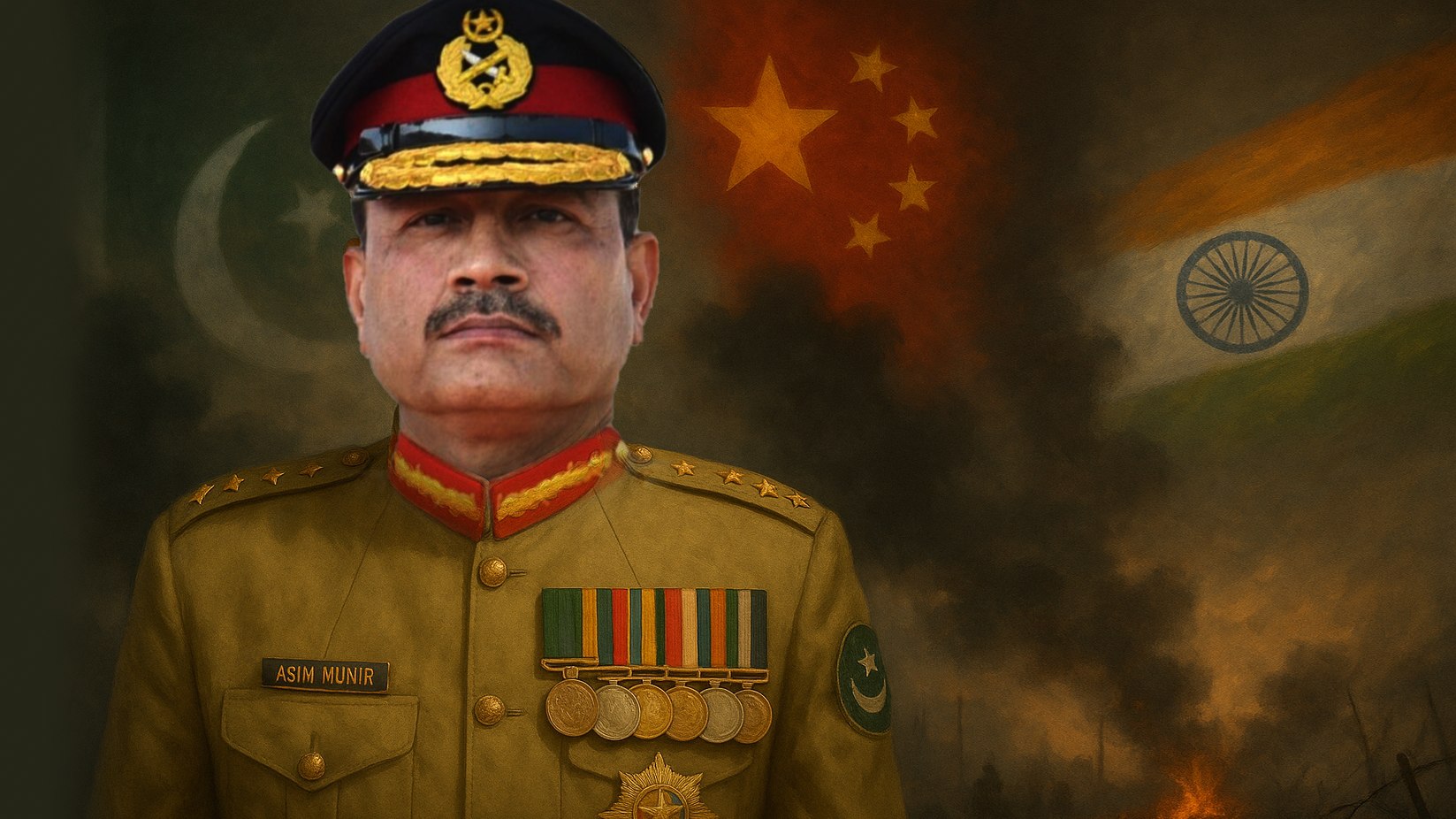
But the political meaning of the appointment is now being contested. In his July 24 Soldier Speaks vlog, Raja argued that the move reflects Field Marshal Asim Munir’s reliance on loyalist officers as he consolidates control beyond the current command cycle.
Raja described the decision as a “loyalty” appointment and linked it to deeper unease inside the army. That remains his interpretation, not an independently verified institutional assessment. Yet the seniority issue itself is not merely rhetorical.
Aamer Raza Appointment And The Seniority Question
Dawn reported that Raza ranked eighth on the lieutenant generals’ seniority list at the time of his promotion. The same report said his elevation superseded six named lieutenant generals, while the senior-most officer, Lt Gen Asim Malik, continues on an extended tenure.
That detail gives Raja’s criticism its sharper political edge. His argument is that the Aamer Raza appointment should not be read only as a technical command decision. He presents it as part of a wider battle over who rises, who waits, and who remains outside the circle of trust.
Geo News reported that the new Commander National Strategic Command post carries a three-year term and is filled by the prime minister from serving army generals on the recommendation of the Chief of Army Staff-Chief of Defence Forces.
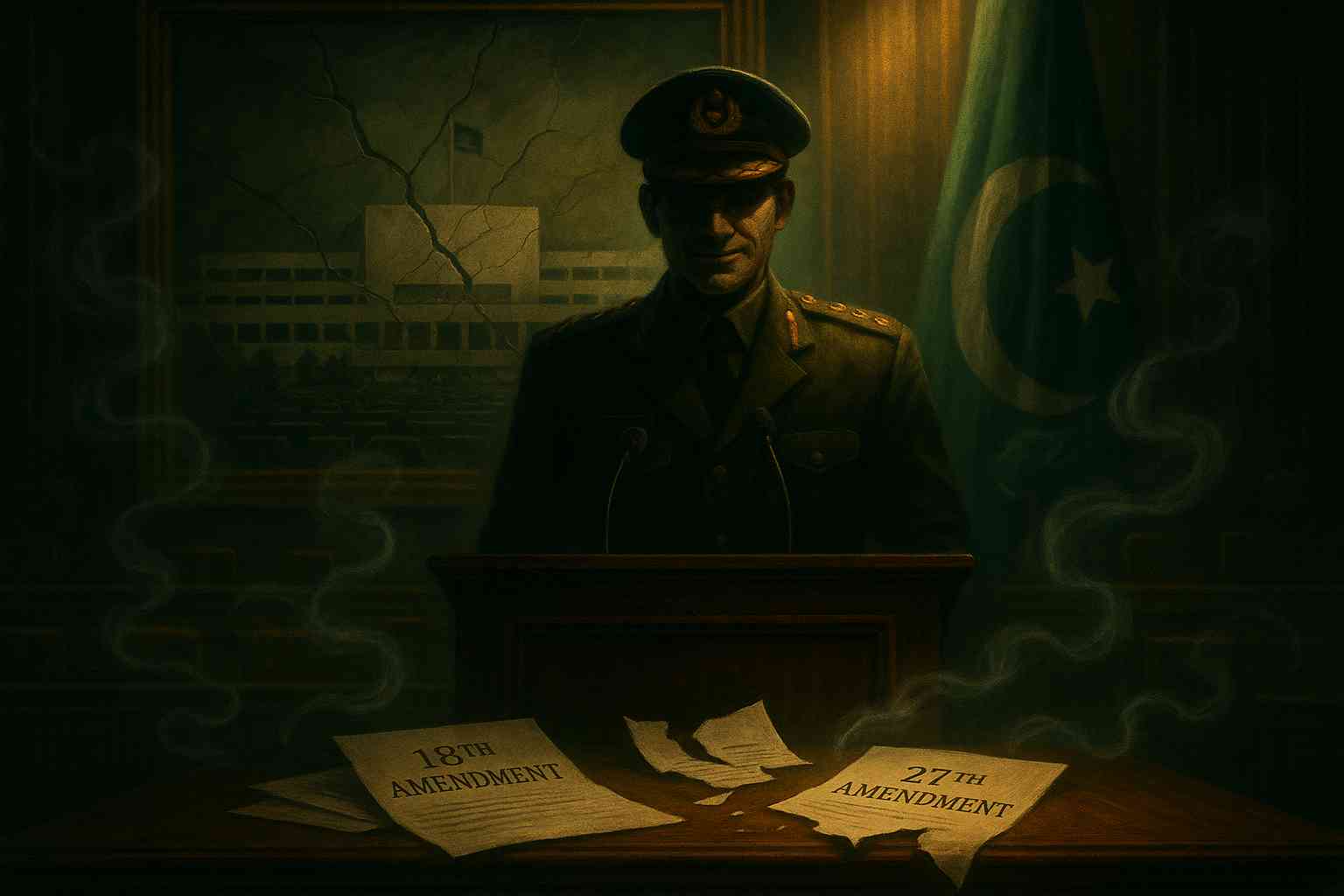
The office was created after Pakistan’s 27th Constitutional Amendment and related military legislation. Field Marshal Asim Munir also became Chief of Defence Forces under the same restructuring.
For Raja, that architecture matters because it places new legal authority inside a command environment already dominated by one figure. He argued in the vlog that Munir appears to be securing his position through 2030 and shaping succession politics beyond that point.
That claim about future intent cannot be independently verified from public records. But the post-amendment structure has already drawn wider concern.
Command Reform Or Power Concentration?
Arab News reported that the 27th Amendment abolished the Chairman Joint Chiefs of Staff Committee office, created the Chief of Defence Forces role, and established the National Strategic Command. The report also noted criticism from opposition parties that the changes further concentrated military authority.
International observers have raised similar concerns about Pakistan’s post-amendment power balance. Al Jazeera’s explainer said the amendment reshaped military command and triggered criticism over weakened oversight.
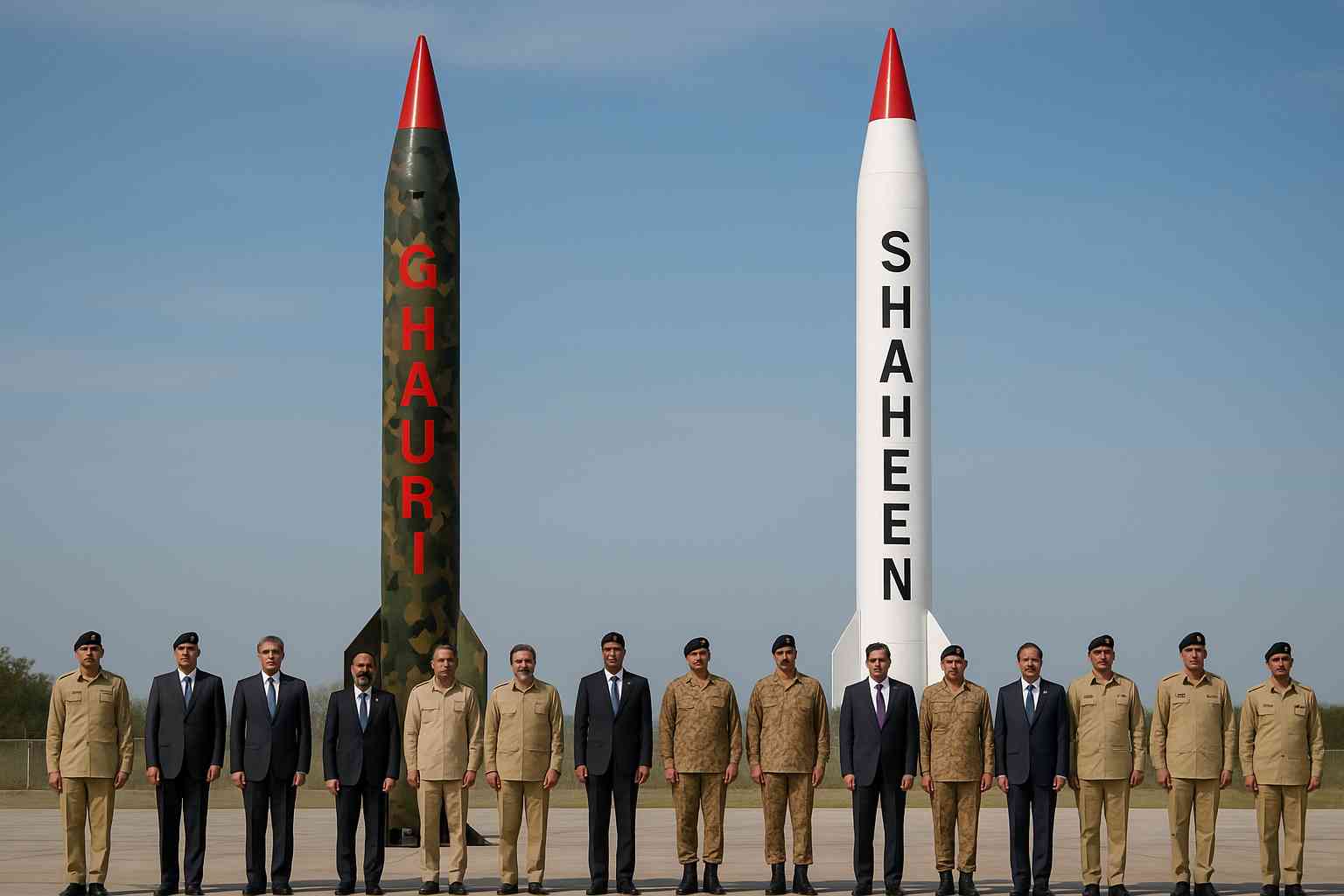
Dawn reported that the National Strategic Command will serve as a unified operational headquarters for Pakistan’s strategic forces. It also said the National Command Authority, chaired by the prime minister, retains ultimate authority over nuclear policy and employment.
That distinction is important. The new commander may hold operational responsibility, but official reporting still places ultimate nuclear authority with the National Command Authority.
Raja’s concern is different. He argues that formal chains of command matter less if promotions increasingly reward personal loyalty. In his view, that trend can weaken internal trust, frustrate senior officers, and damage professional cohesion.
Why Soldier Speaks Readers Should Watch This Closely
The Aamer Raza appointment now sits at the centre of three debates.
First, it tests whether seniority still carries weight in the army’s top promotions. Second, it shows how the 27th Amendment is moving from legal text into real command appointments. Third, it raises questions about whether Pakistan’s strategic institutions can retain professional credibility under intense civil-military polarisation.
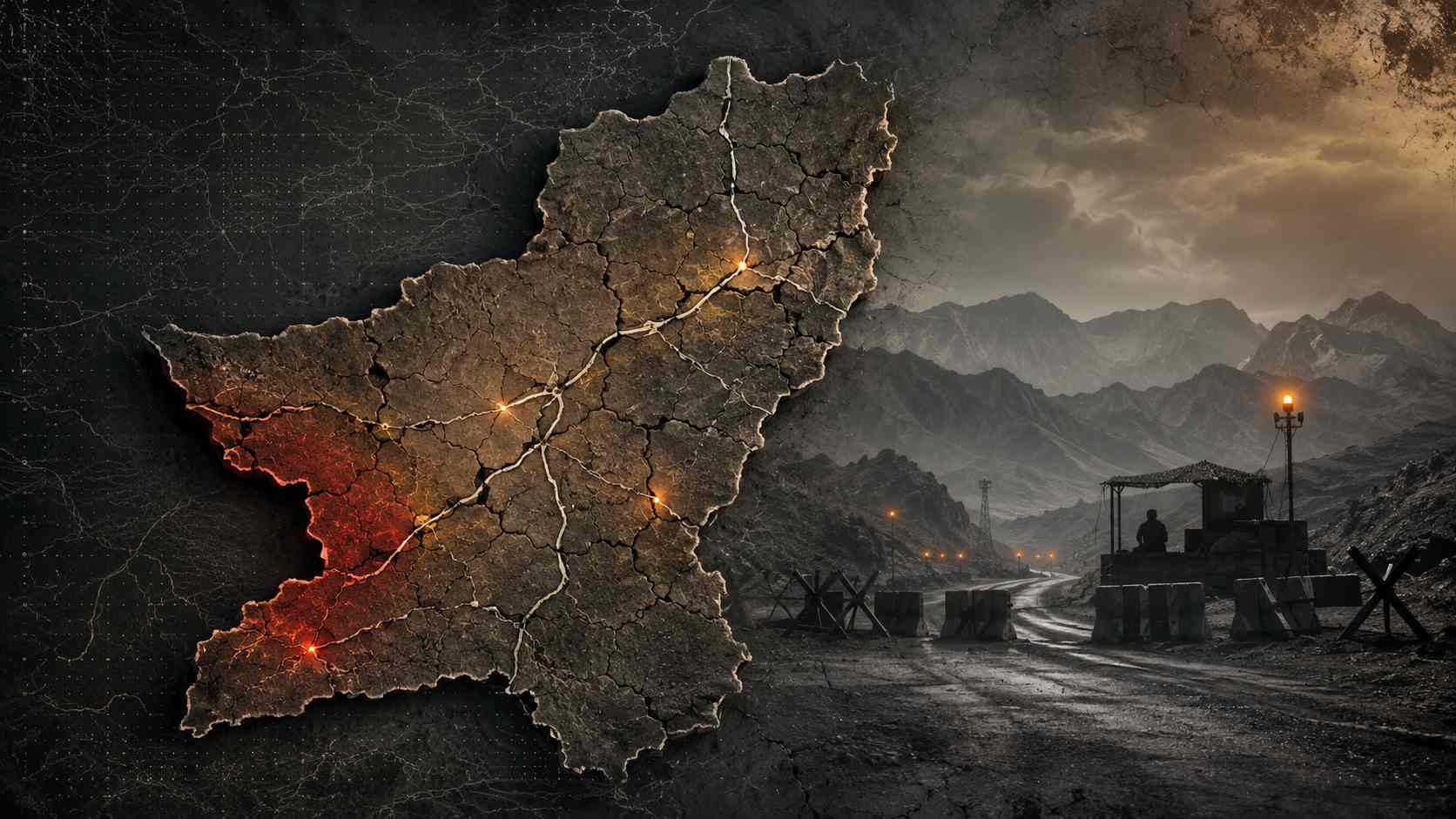
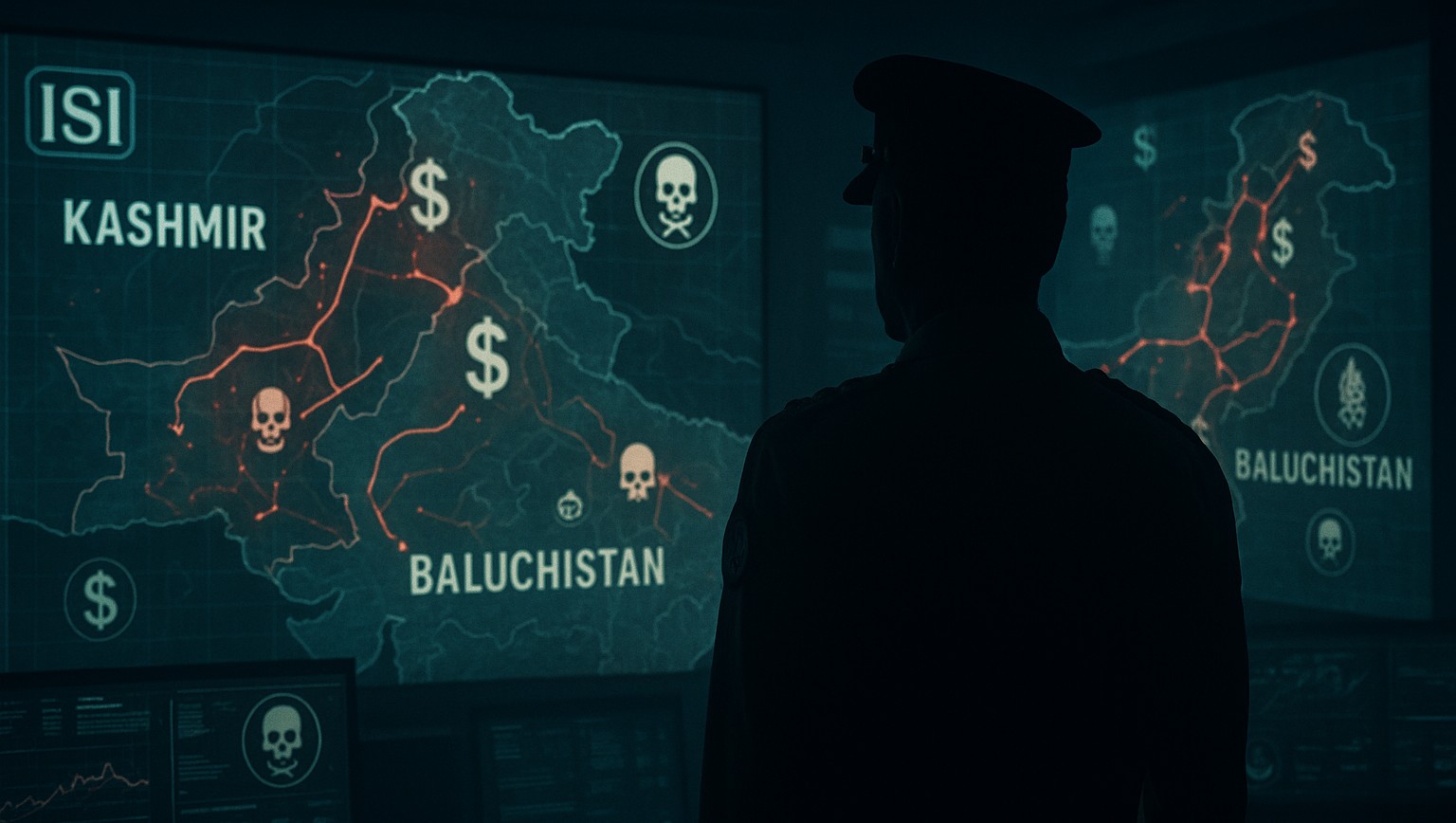
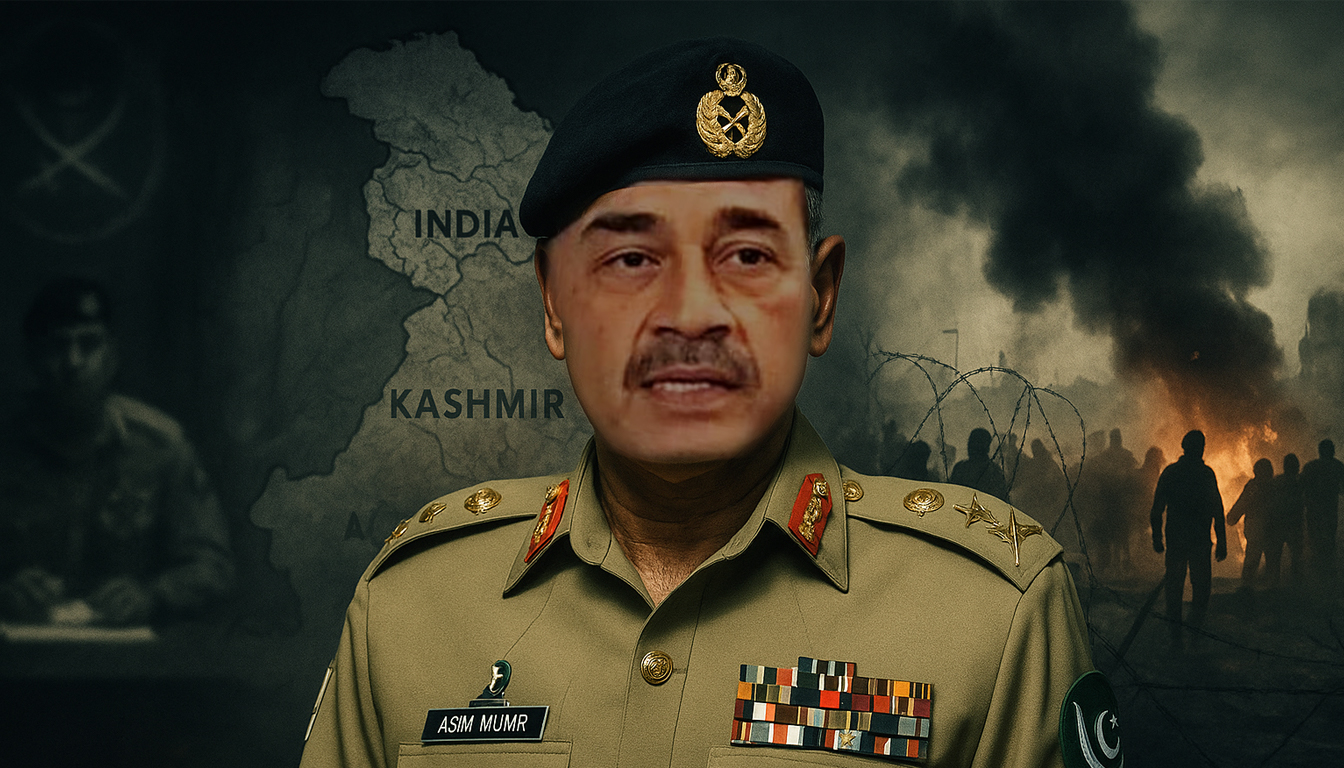
Raja also connected the appointment to wider unrest inside Pakistan, including Balochistan, Khyber Pakhtunkhwa, and Azad Kashmir. His broader argument was that institutions cannot rely only on coercive control while ignoring political legitimacy.
That part of the vlog was clearly interpretive. Still, it reflects a real national context. Pakistan faces security pressure, political distrust, and renewed public debate over the military’s expanding role in governance.
The government has presented Raza’s elevation as an important responsibility in a reorganised defence structure. Raja sees it as evidence of a more dangerous pattern: a command system being shaped around loyalty instead of institutional merit.
Both readings now compete for public attention. But one fact is already clear. The first appointment to Pakistan’s National Strategic Command has not landed as a routine military promotion. It has opened a larger debate over power, succession, and the future character of the Pakistan Army.
Analytical view given by Adil Raja in his vlog at YouTube channel Soldier Speaks Reloaded