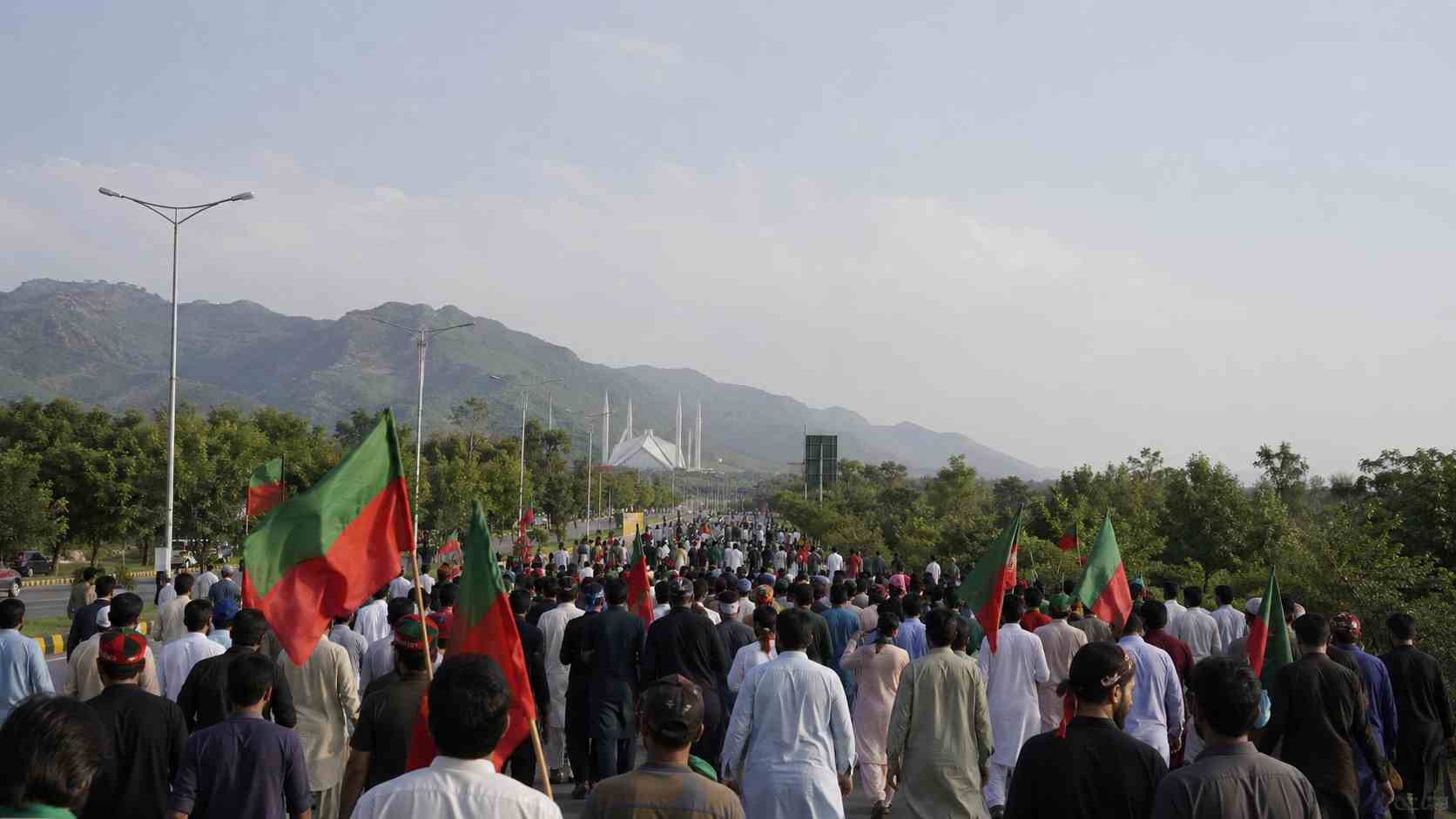
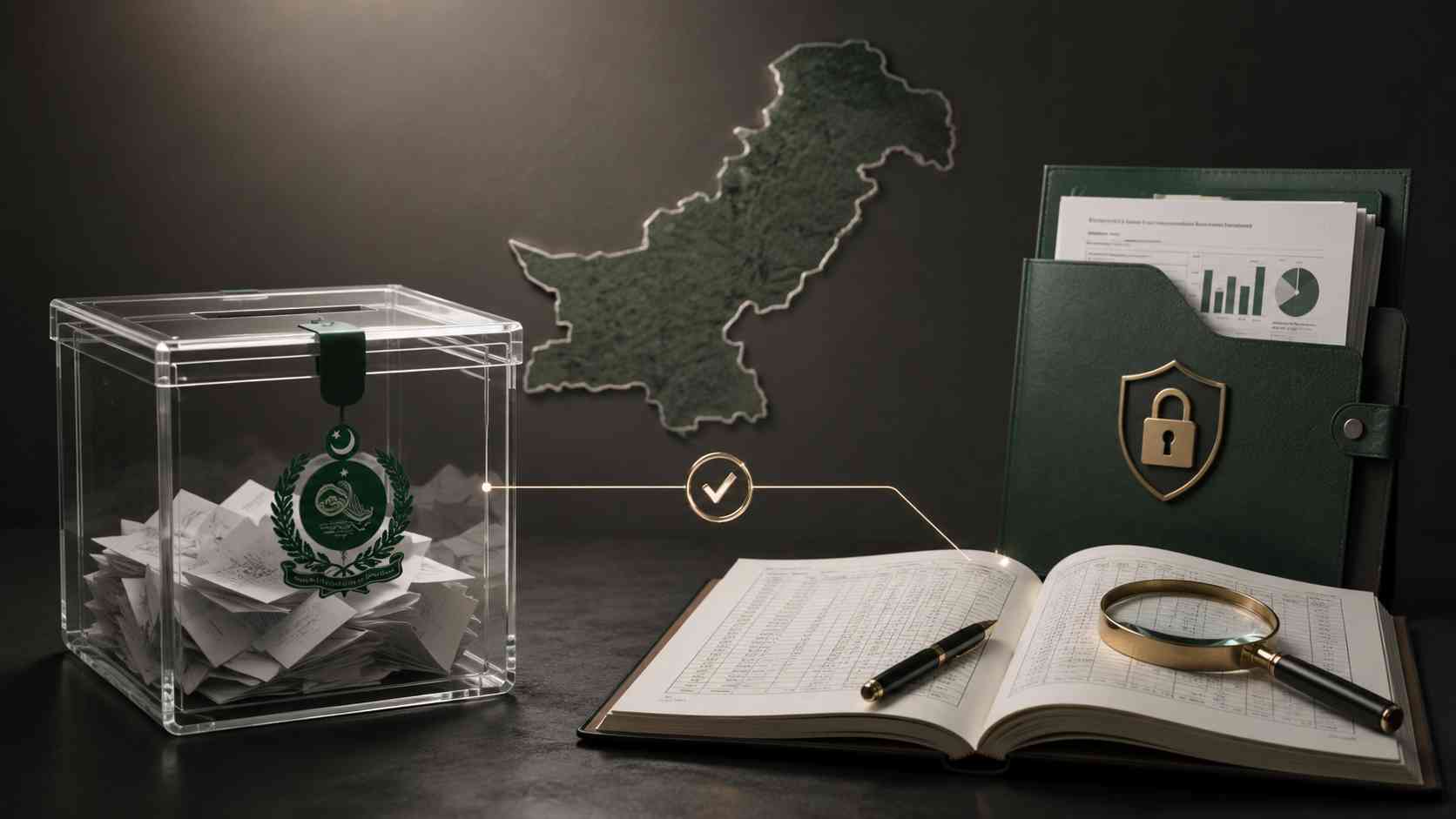
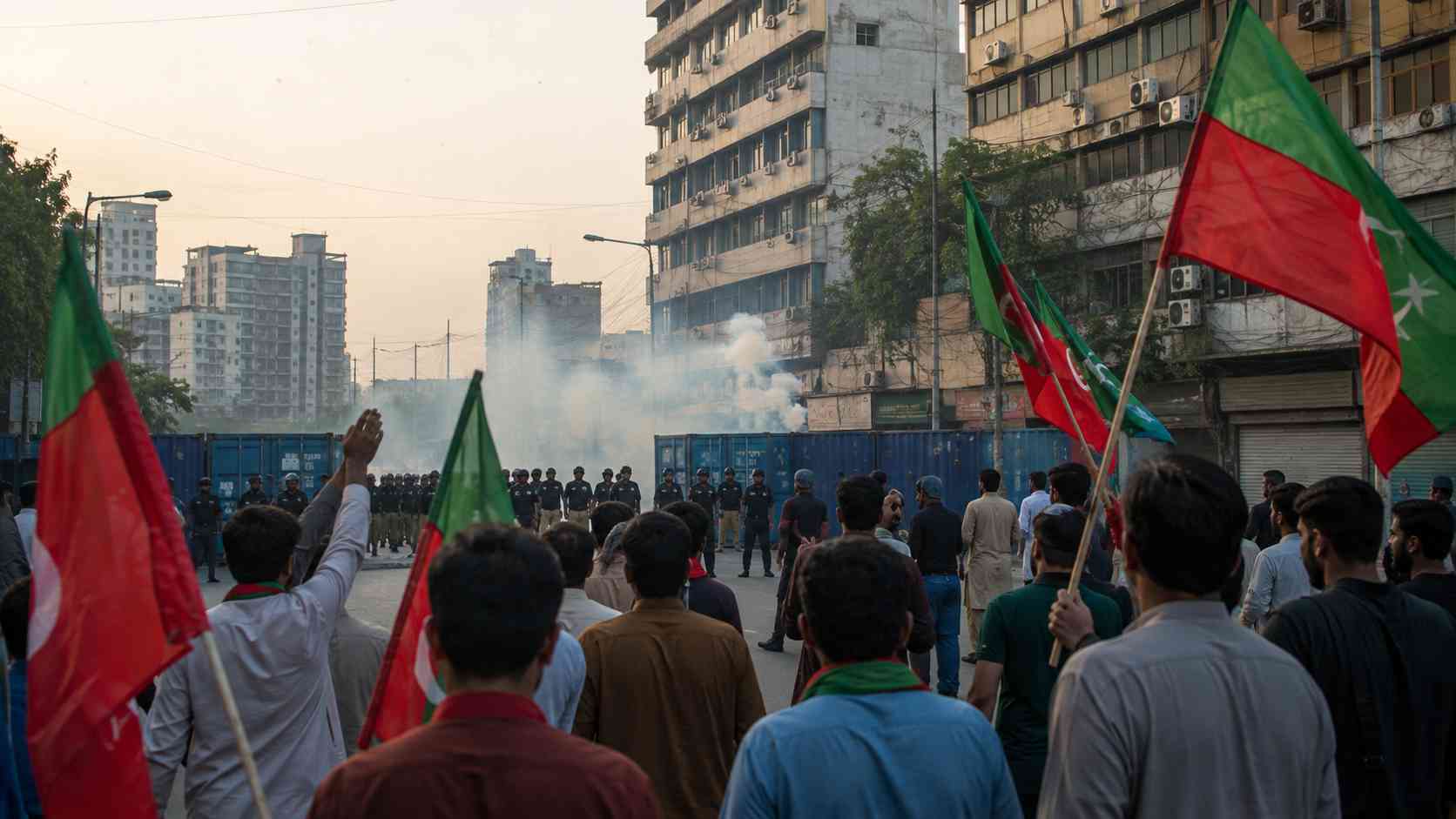
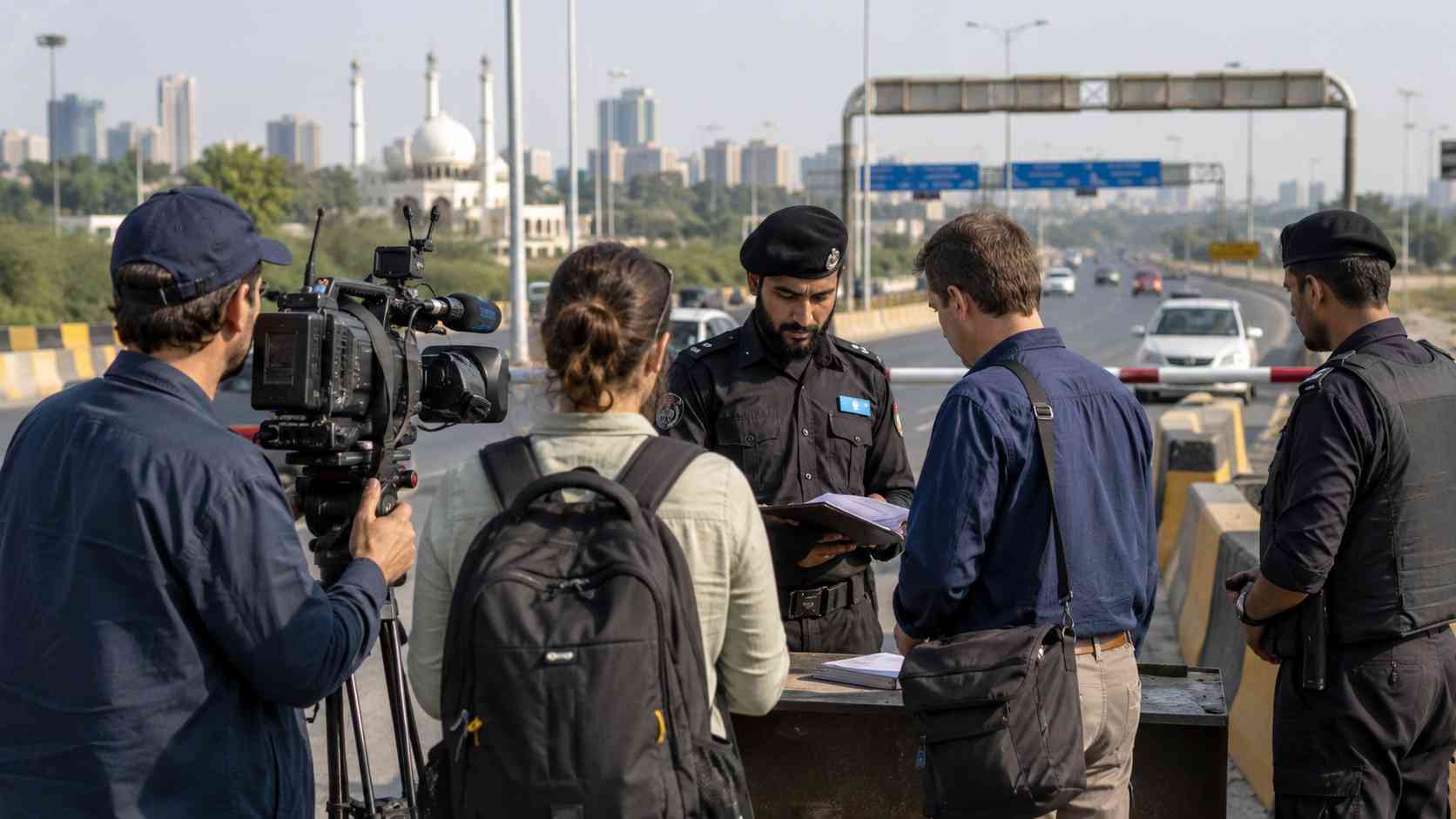
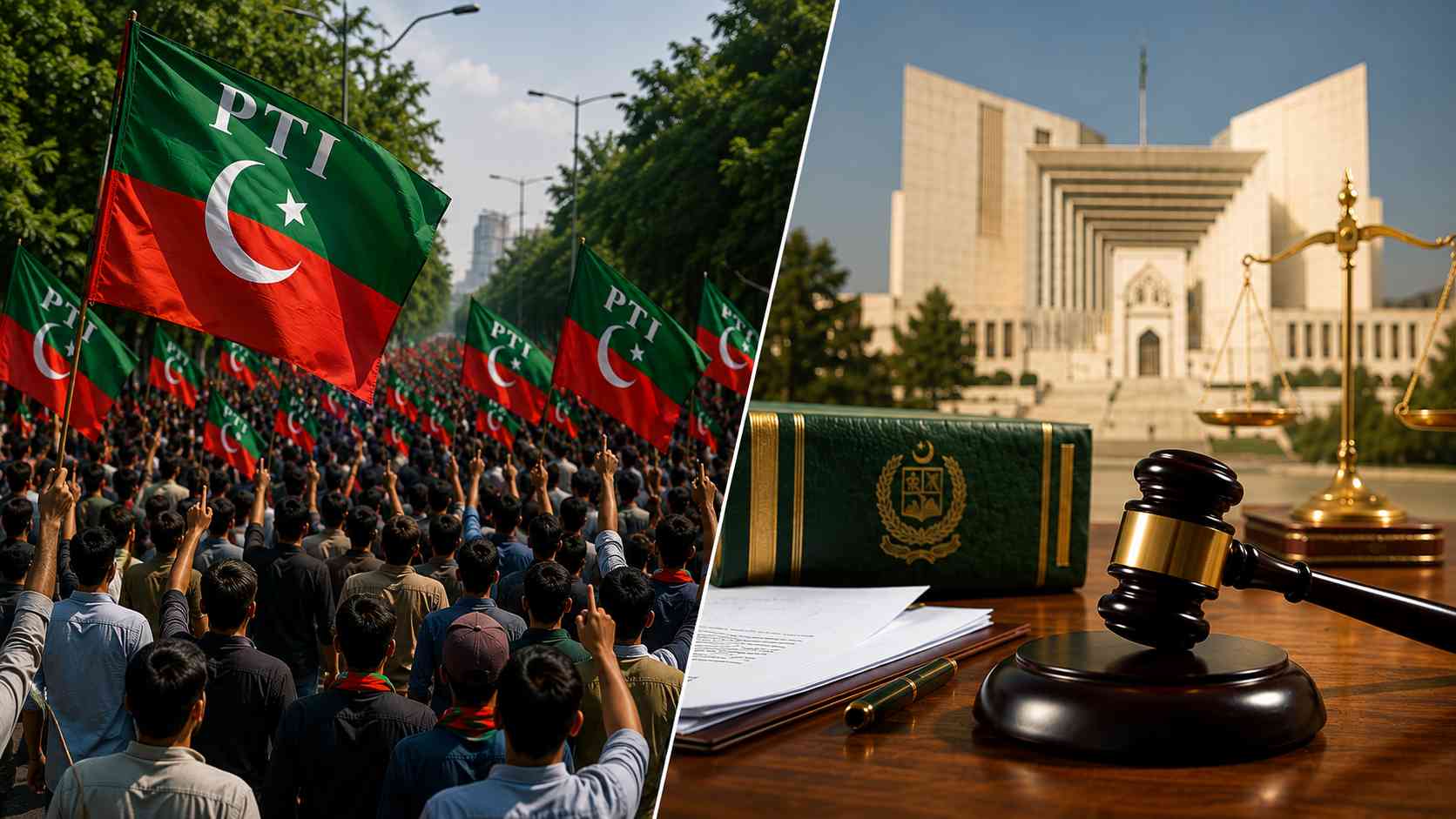
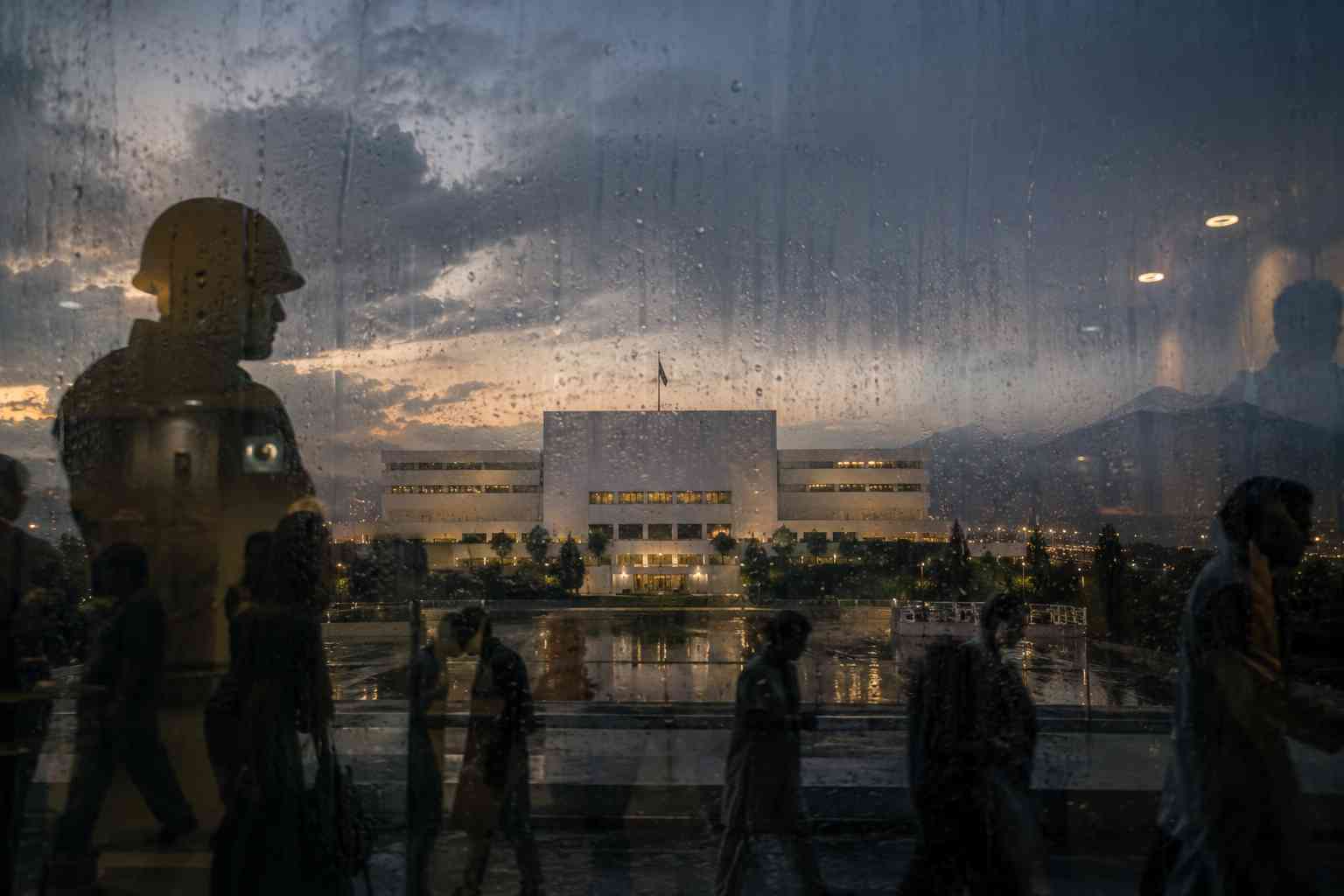
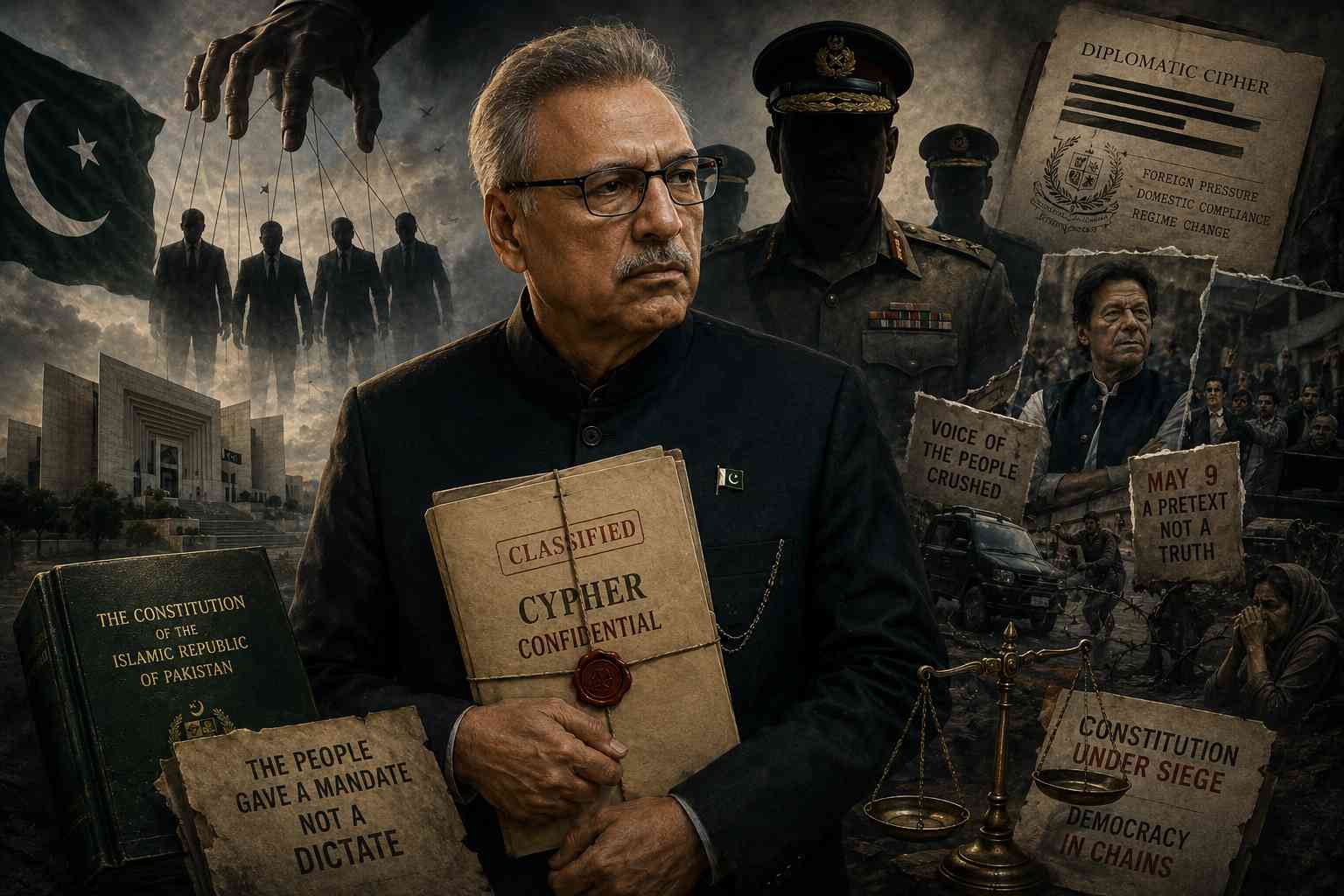
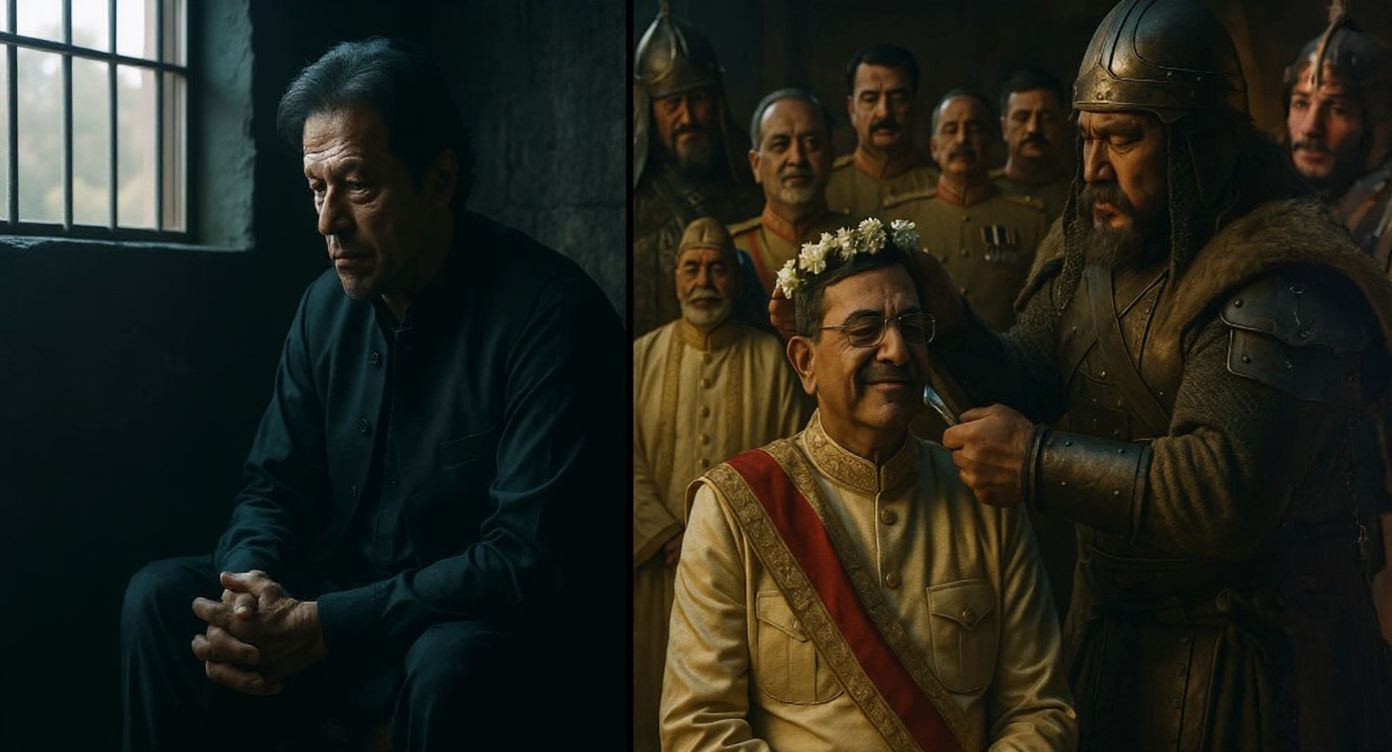
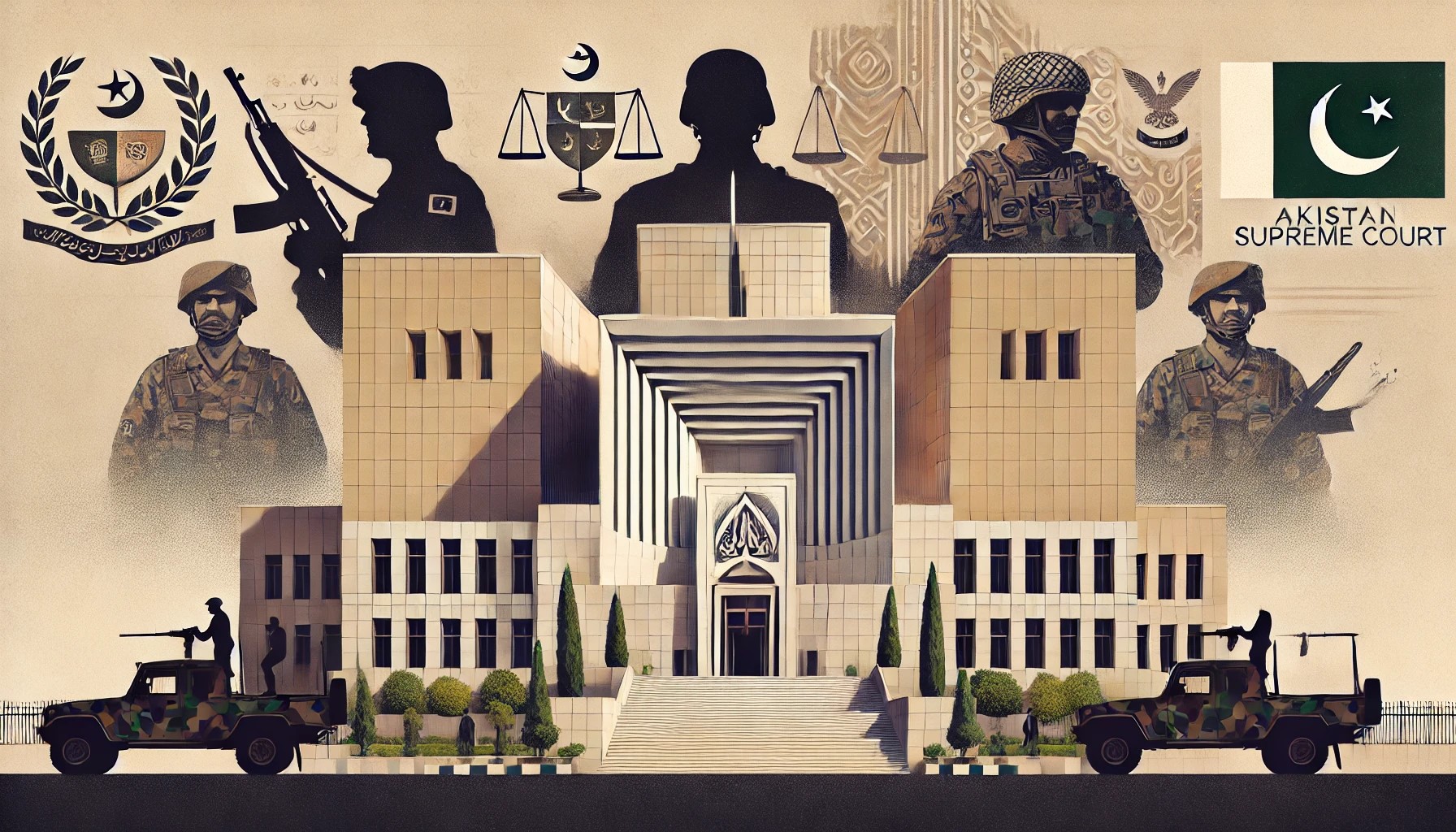
Pakistan’s Federal Constitutional Court has fixed the Imran release force case for hearing on July 29, adding a legal flashpoint to PTI’s renewed push for Imran Khan’s release.
According to The Express Tribune, a three-judge bench led by Chief Justice Aminuddin Khan will hear two petitions. One challenges the proposed “Imran Khan release” or “rihai” force. The other concerns the Khyber Pakhtunkhwa government’s decision linked to withdrawing May 9 cases.
The listing comes as PTI prepares a wider agitation campaign for the former prime minister, who remains incarcerated in multiple cases. The court has not decided the merits of the petitions.
Imran Release Force Case Heads Back To Court
The petition against the proposed force was filed by Islamabad-based advocate Malik Zaheer Ahmed through Advocate Ali Nawaz Kharal. It seeks a declaration that any formation or mobilisation of a private force would be unconstitutional.
The petitioner cited Articles 5, 17, and 256 of the Constitution. Article 256 says private armies are forbidden. The petition also refers to Pakistan’s law on private military organisations.
Earlier, on April 1, the court sought a response from KP Chief Minister Sohail Afridi. At that stage, The Nation reported that the bench questioned whether the provincial cabinet had approved any such force.
PTI-linked officials have disputed the petitioner’s framing. The Express Tribune reported that a senior law officer argued the court and petitioner misunderstood the term. According to that view, PTI intended a political “release force movement,” not a militia.
That distinction will matter. Pakistan’s courts will need to separate protected political mobilisation from any unlawful private-force language. The Imran release force case therefore sits at the intersection of protest rights, public order, and constitutional limits.
May 9 Cases Add Political Weight
The same bench will also hear a petition tied to May 9 cases. The dispute concerns the KP government’s move to withdraw cases it describes as politically motivated or unsupported by clear evidence.
The Pakistan Broadcasting Corporation has sought transfer of the Radio Pakistan Peshawar attack case outside KP. The petition argues that political pressure could affect a fair trial.
KP officials dispute that position. The Express Tribune reported that a KP Law Department official said many May 9-related cases had already been decided, while the cabinet decision applied only to weak or politically motivated cases.
For the federal government and PTI, the July 29 hearing carries more than procedural importance. It could shape how courts handle opposition mobilisation before PTI’s next phase of protest politics.
The Imran release force case also gives the Federal Constitutional Court another politically sensitive test. Lawyers quoted in the Tribune report questioned the court’s approach to maintainability and case fixation. Those concerns will keep the court’s own credibility under attention.
For now, the safest reading is narrow. The FCC has fixed the matter for hearing. The petitions remain contested. PTI’s mobilisation plans remain political claims, unless a court finds otherwise.