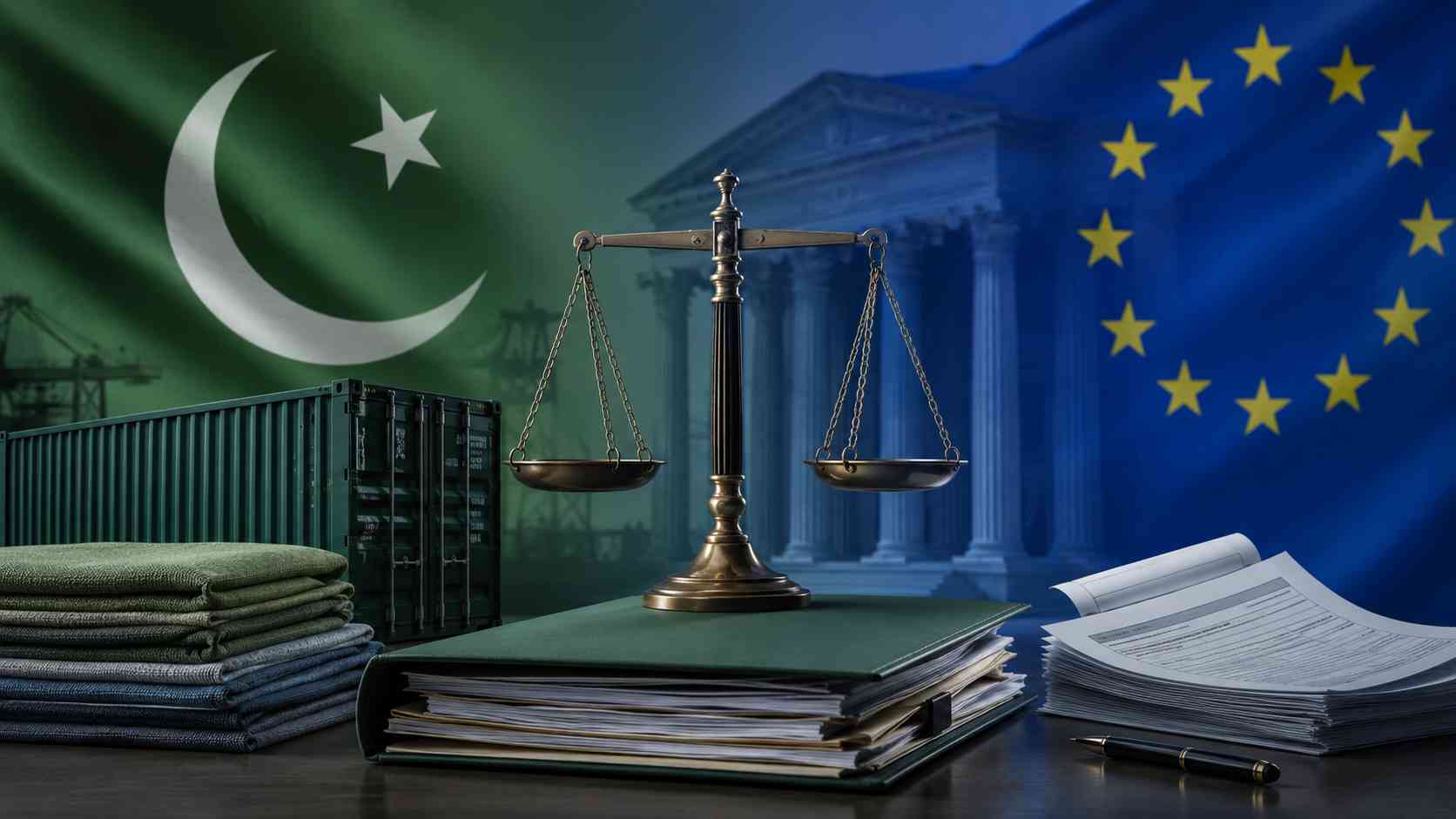
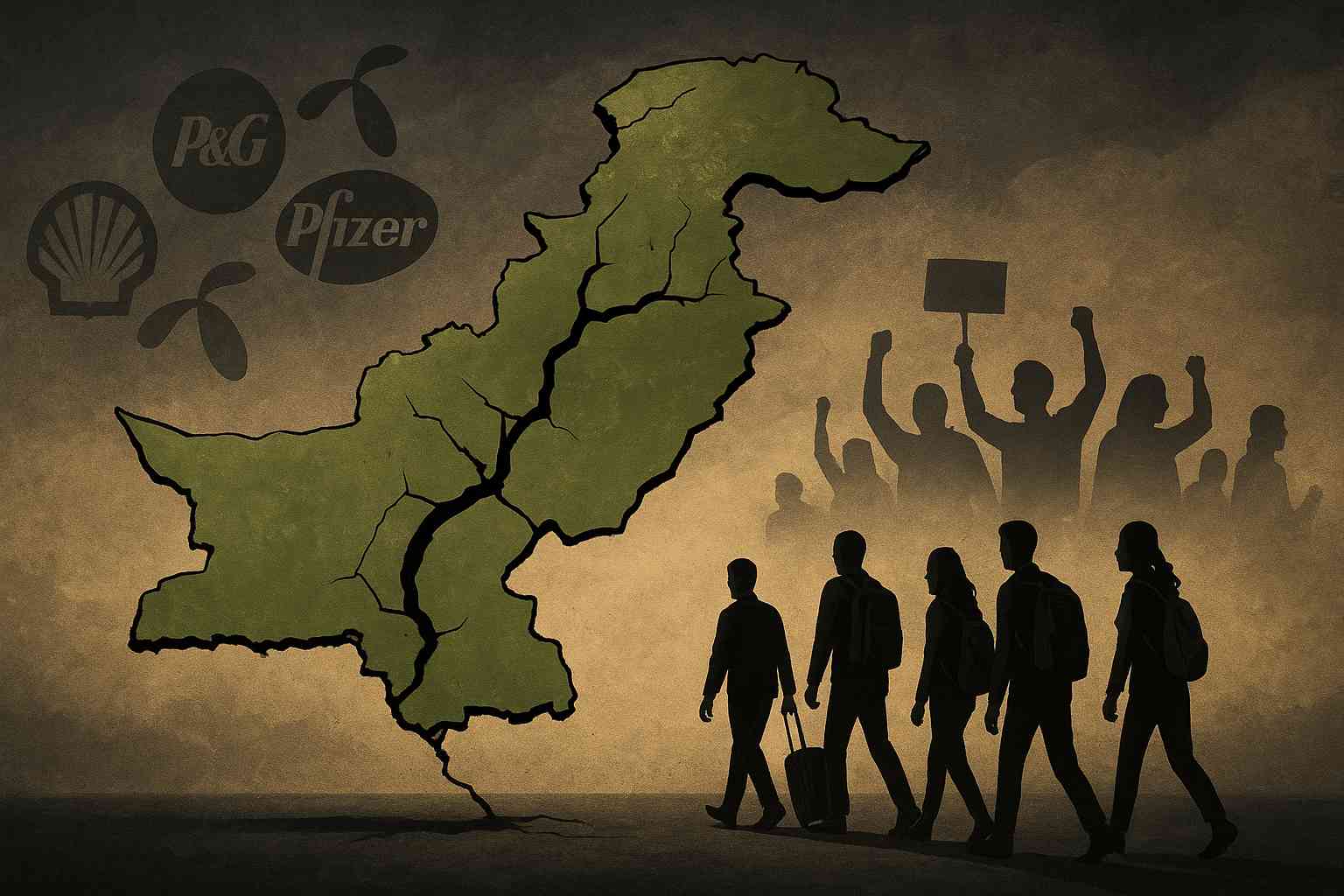
Pakistan’s GSP+ compliance problem has moved from diplomatic paperwork to political credibility. The European Union has told Islamabad that preferential trade access cannot rest on laws alone. It now wants proof that rights, courts, labour protections, and civic freedoms improve on the ground.
The timing matters. Pakistan remains the largest beneficiary of the EU’s GSP+ scheme. According to the European Commission’s latest country assessment, Pakistan had EUR 7.5 billion in GSP+-eligible exports to the EU in 2024 and gained an estimated EUR 732 million in tariff exemptions. That is not a symbolic benefit. It is a major pillar of Pakistan’s export economy.
Yet the same European Commission assessment says Pakistan faced compliance issues during the 2023-2025 monitoring period. It also says the country regressed in several areas while positive change remained limited.
That is why Islamabad’s response matters. The Foreign Office rejected the tone of the report, arguing that it understated Pakistan’s reforms. But that answer does not solve the core problem.
Pakistan GSP+ Compliance Is About Implementation
The EU’s message is not that Pakistan has done nothing. The report credits several legal and administrative steps, including progress on a National Commission for Minorities, reduced scope of the death penalty, anti-torture rules, and Islamabad’s Domestic Violence Bill.
But Brussels draws a sharp line between legislation and lived reality. It says most progress remains legal or administrative and still needs translation into practical improvements. That is the heart of Pakistan GSP+ compliance today.
Pakistan often treats reform as a file completed in Islamabad. The EU is judging whether those reforms protect citizens beyond Islamabad’s paperwork. That distinction is uncomfortable for the state because it asks who actually controls outcomes.
Trade Access Now Carries a Political Price
The GSP Hub profile for Pakistan says Pakistan has held GSP+ status since January 2014 and has ratified all 27 required conventions. That makes the issue bigger than one report.
Pakistan built a major export advantage around a trade system linked to human rights, labour standards, environmental protection, and governance. The benefit was never meant to be unconditional.
This matters especially for the textile sector. The EU assessment says textiles and clothing made up roughly 70 to 76 percent of Pakistan’s exports to the bloc in 2024. It also says Pakistan’s GSP+ preference utilisation rebounded to 95.1 percent that year.
A serious disruption would not only hurt exporters. It would hit jobs, foreign exchange, and investor confidence. It would also expose how heavily Pakistan depends on external preferences while failing to build domestic institutional credibility.
Rights Concerns Cannot Be Waved Away
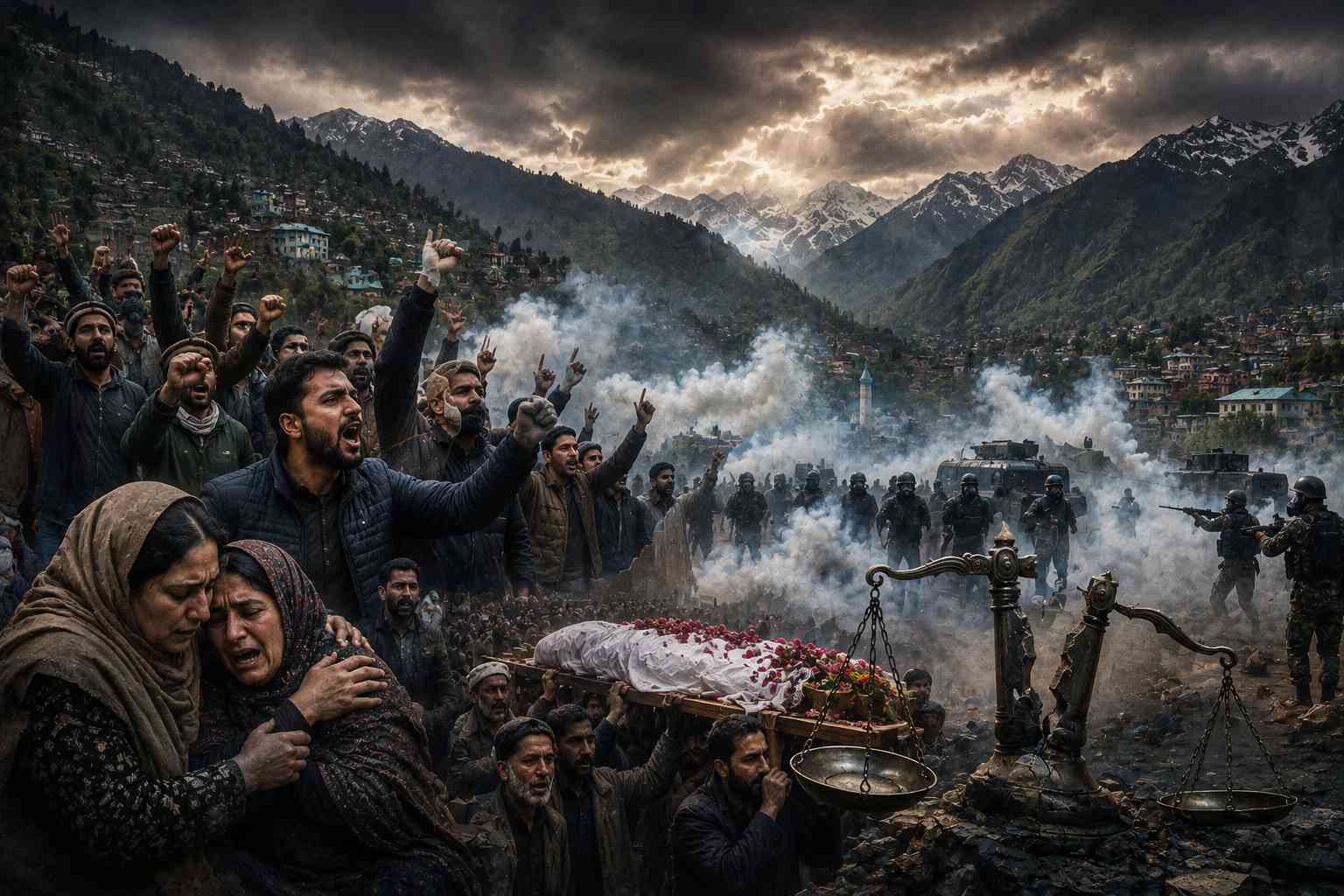
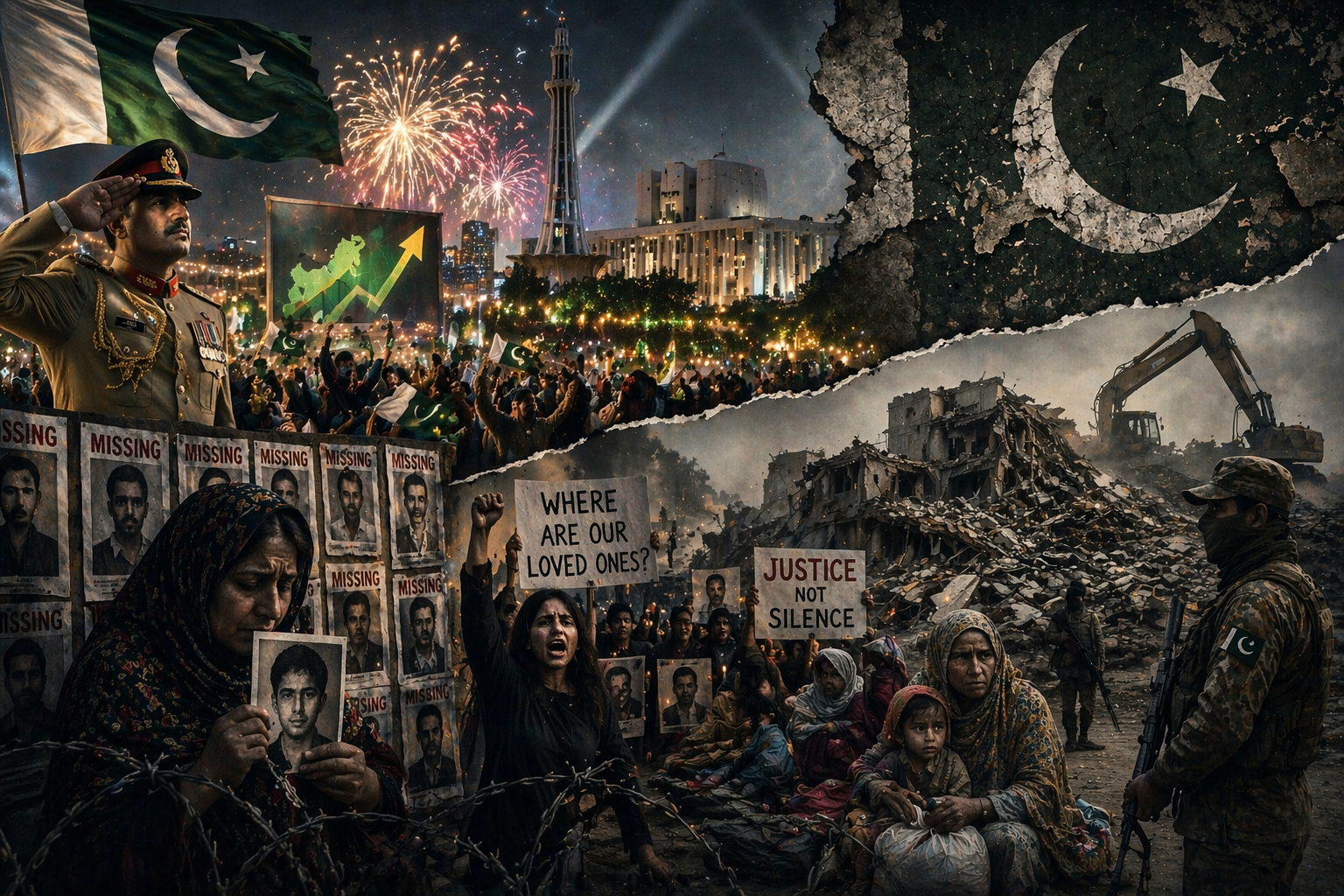
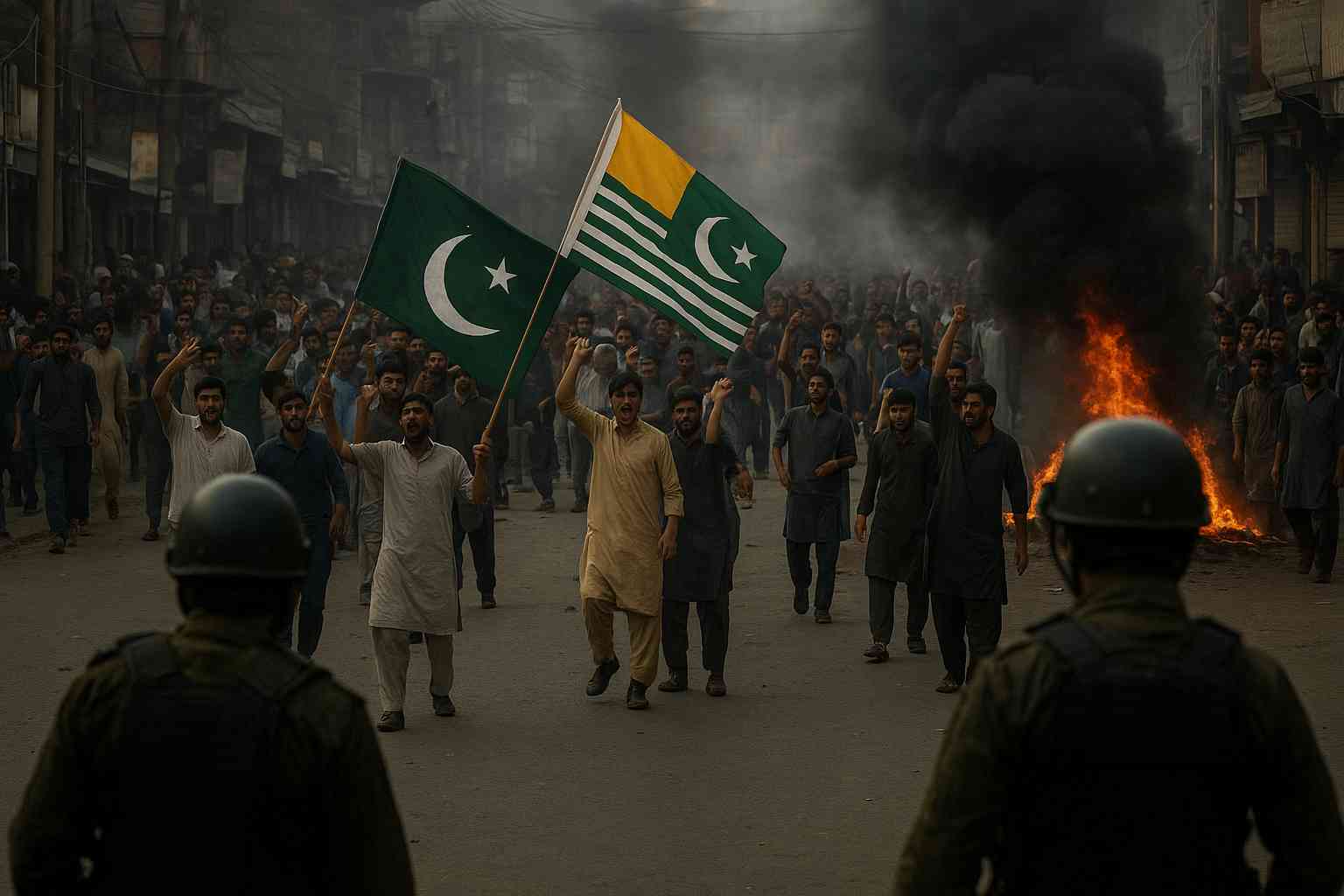
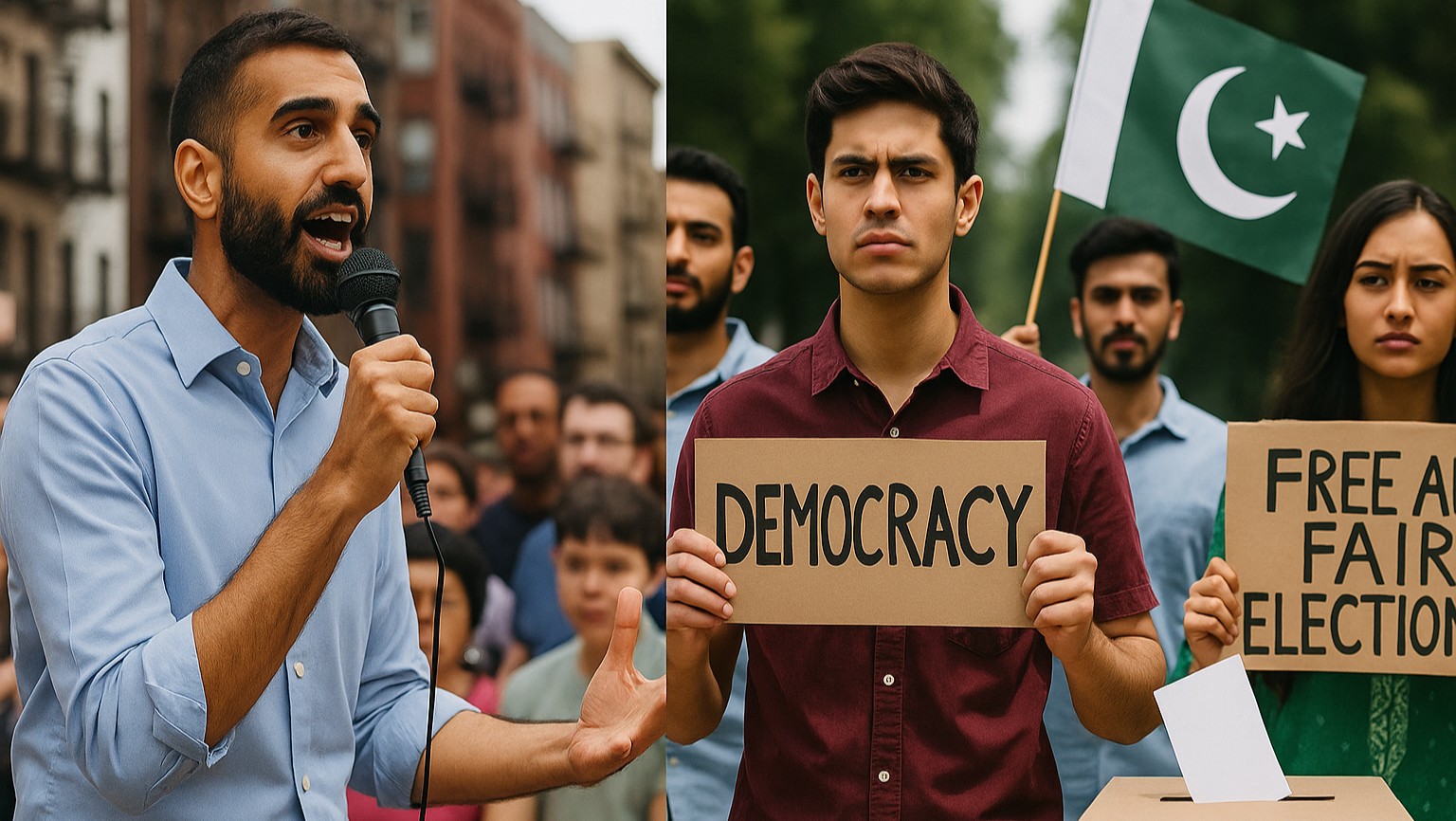
The EU report raises concerns over enforced disappearances, extrajudicial killings, freedom of expression, cybercrime laws, anti-terror provisions, blasphemy laws, judicial independence, forced labour, and minority protections.
These are not small technical objections. They cut into the architecture of power in Pakistan.
Pakistan can dispute framing. It can highlight progress. It can point to terrorism, economic fragility, floods, federal complexity, and regional security pressure. Some of those arguments deserve consideration.
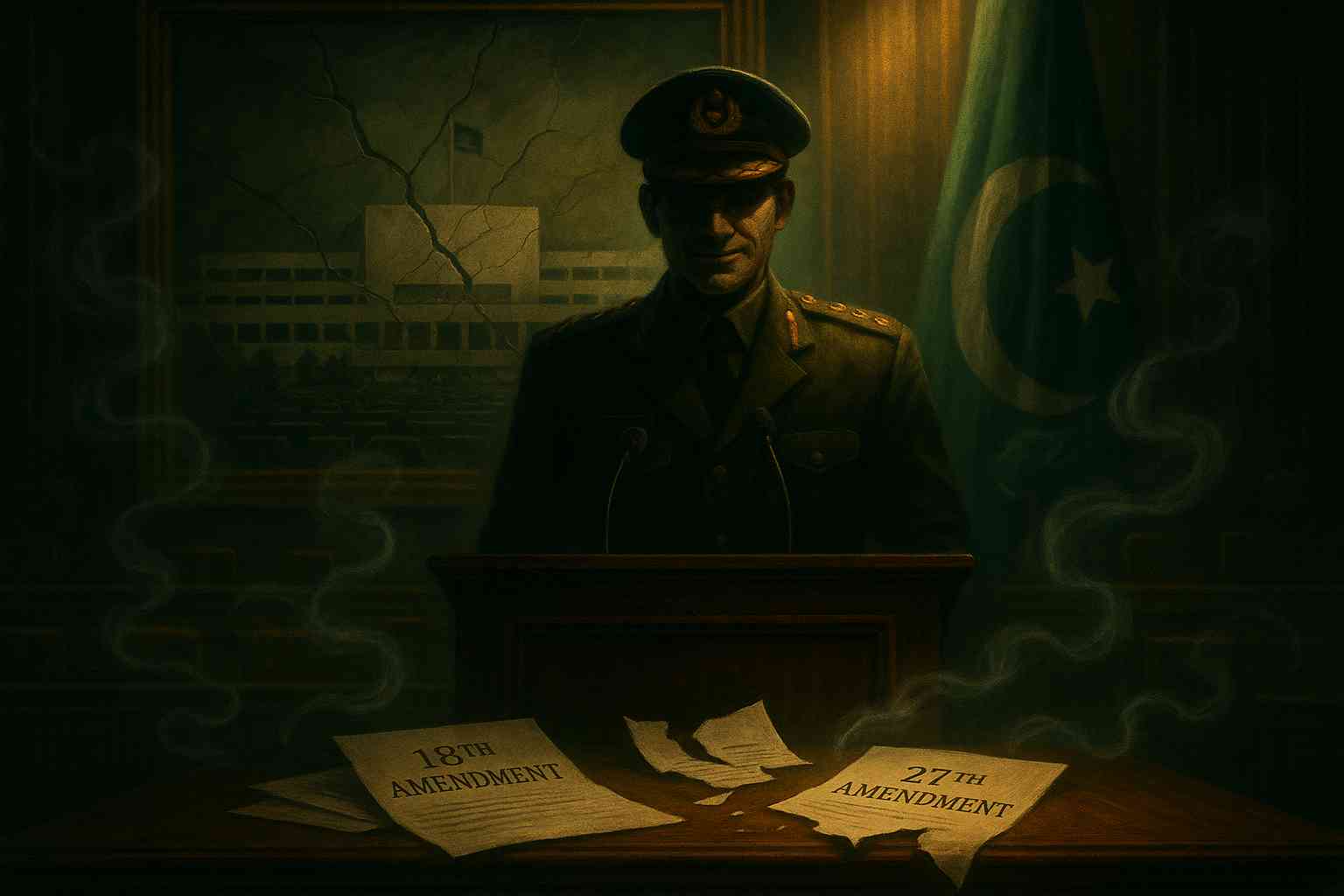
But none of them remove the obligation to protect rights. Security pressure does not justify vague laws against dissent. Economic hardship does not excuse weak labour enforcement. Political instability does not excuse military influence over civilian institutions.
The 2027 Review Raises the Stakes
The next phase is more serious because revised GSP rules are expected from 2027. The EU has already identified priorities for future engagement. These include accountability for rights violations, prison reform, action against torture, protection of expression, ending child marriage, improving child education, and stronger action against forced labour.
That list reads like a governance audit. It also reads like a warning to Pakistan’s ruling order.
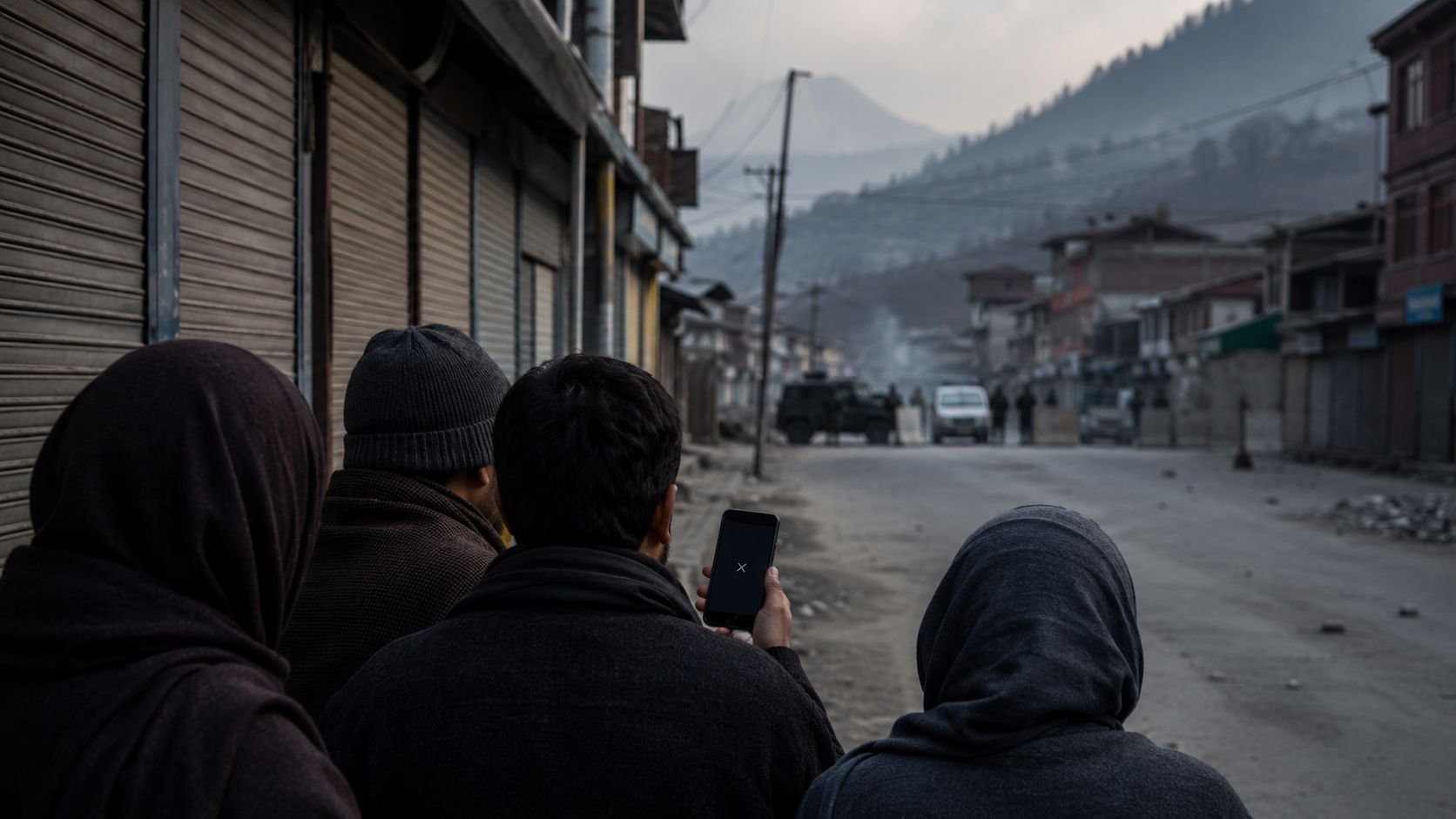
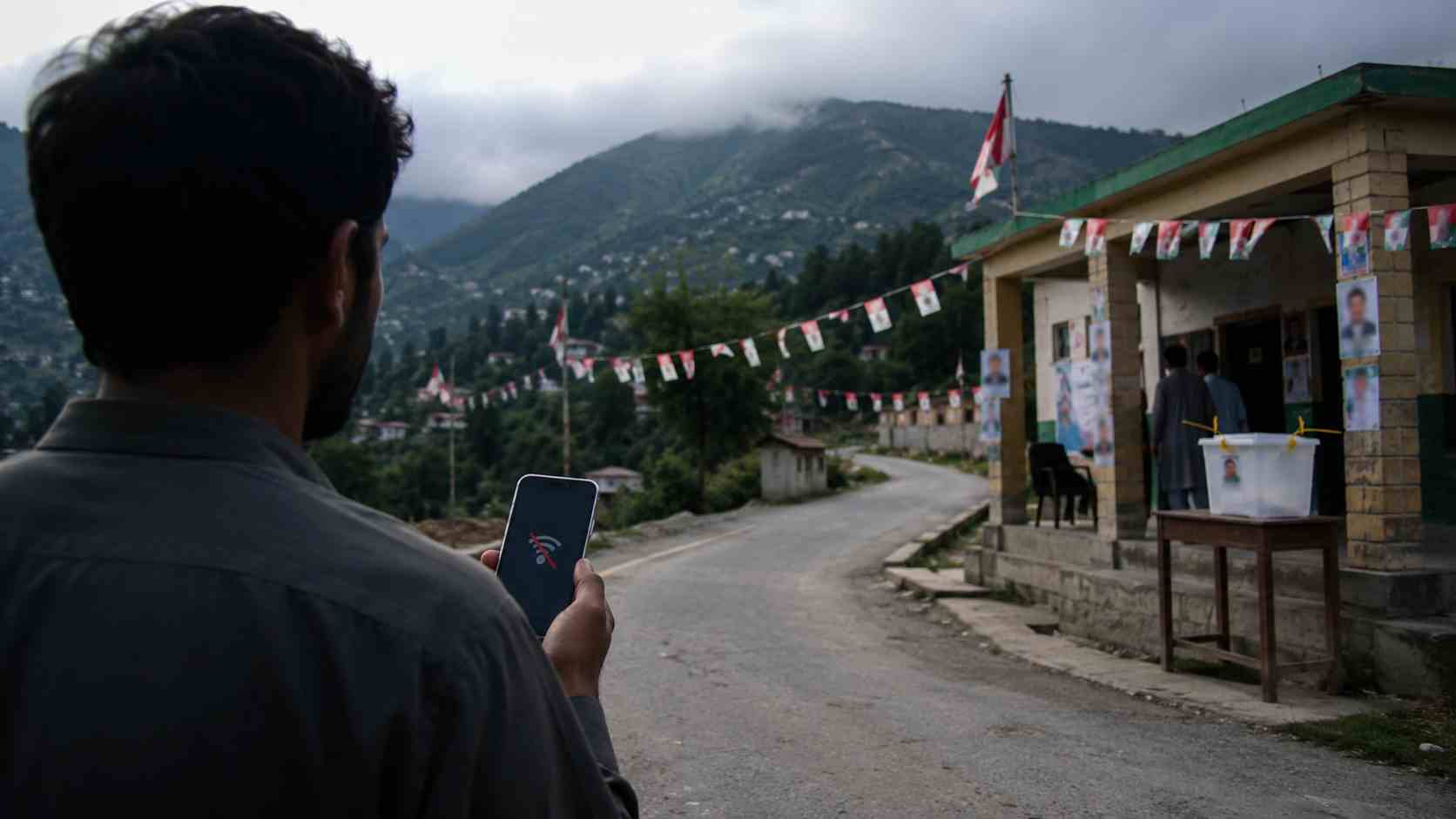
Pakistan GSP+ compliance will not improve through press statements alone. Islamabad needs measurable steps. It must show prosecutions where violations occur. It must protect journalists from legal harassment. It must end arbitrary internet restrictions. It must strengthen civilian courts. It must make labour laws real in factories, farms, and brick kilns.
Islamabad’s Choice
Pakistan’s Foreign Office is right that GSP+ supports exports, jobs, women’s economic participation, and poverty reduction. Losing or weakening that access would hurt ordinary Pakistanis before it hurts the powerful.
That is precisely why the issue matters.
A responsible state would treat the EU assessment as an early warning. It would bring exporters, rights bodies, labour inspectors, courts, parliament, provinces, and civil society into a serious compliance plan. It would not reduce the matter to national pride.
Pakistan’s problem is not that Brussels has discovered its weaknesses. Pakistanis have lived with those weaknesses for years. The difference is that a major trade partner has now linked them to economic consequences.
Pakistan GSP+ compliance is therefore a test of statecraft. Islamabad can choose managed defensiveness, or it can choose real reform. Only one of those paths protects both Pakistan’s people and its economy.