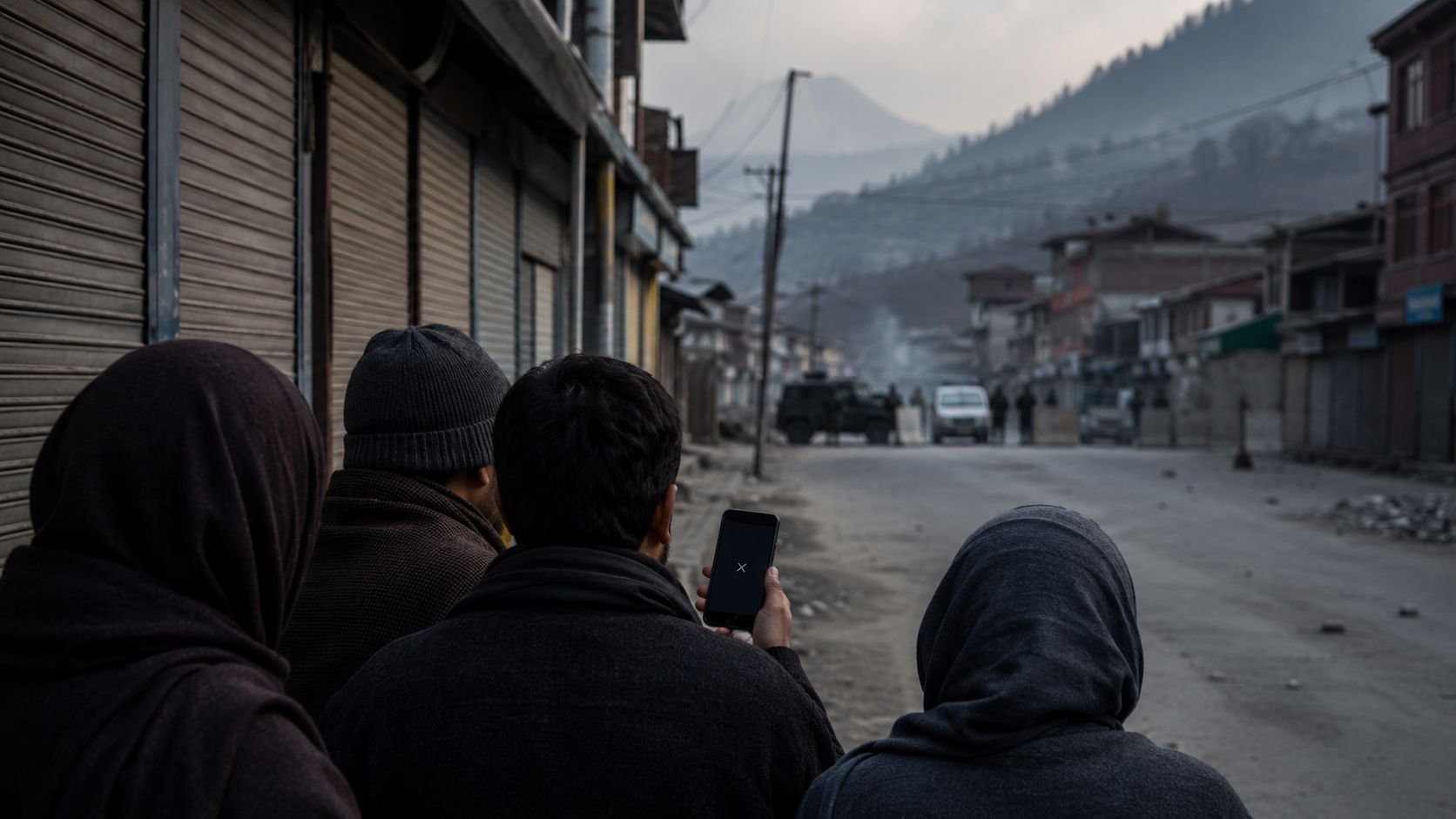
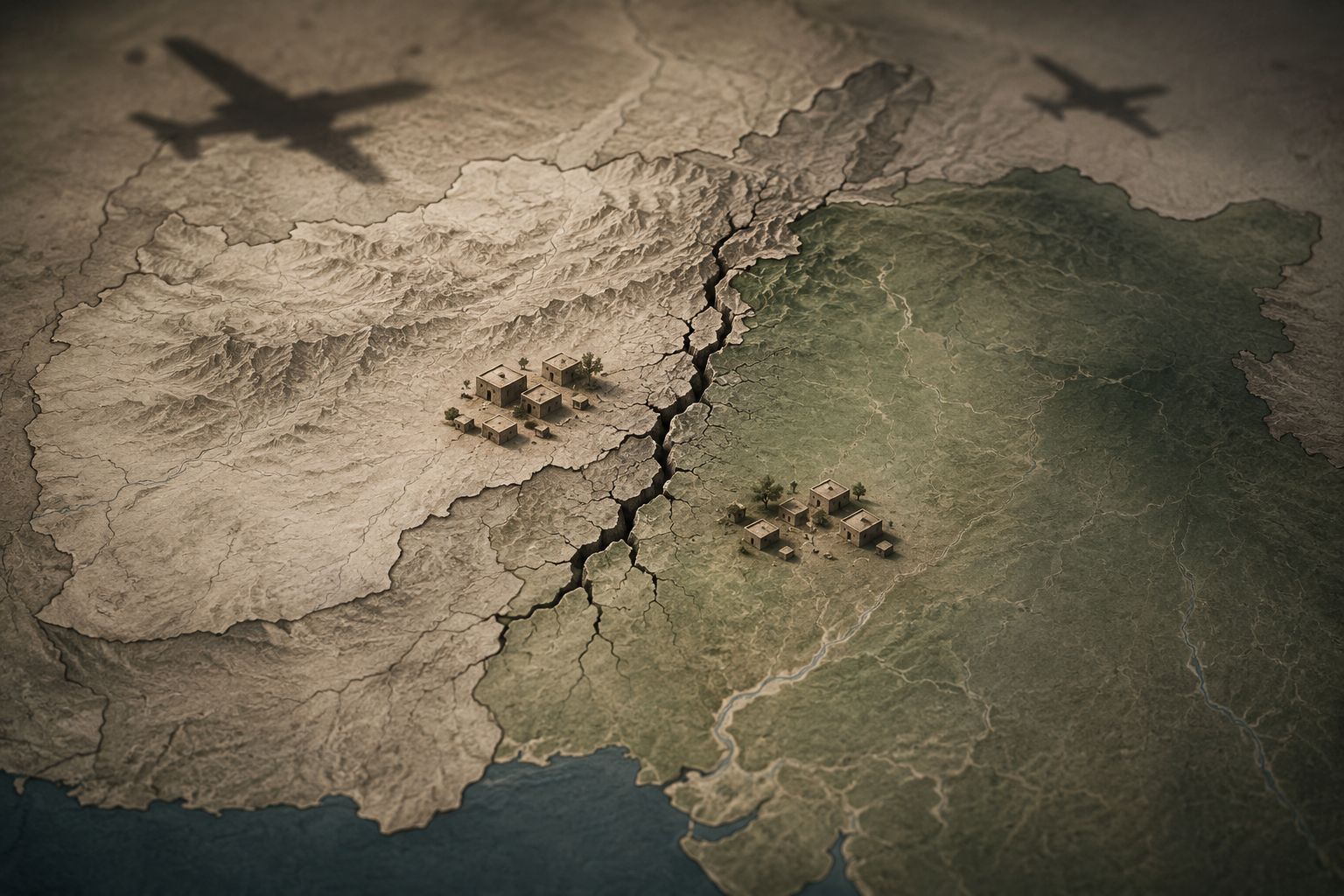
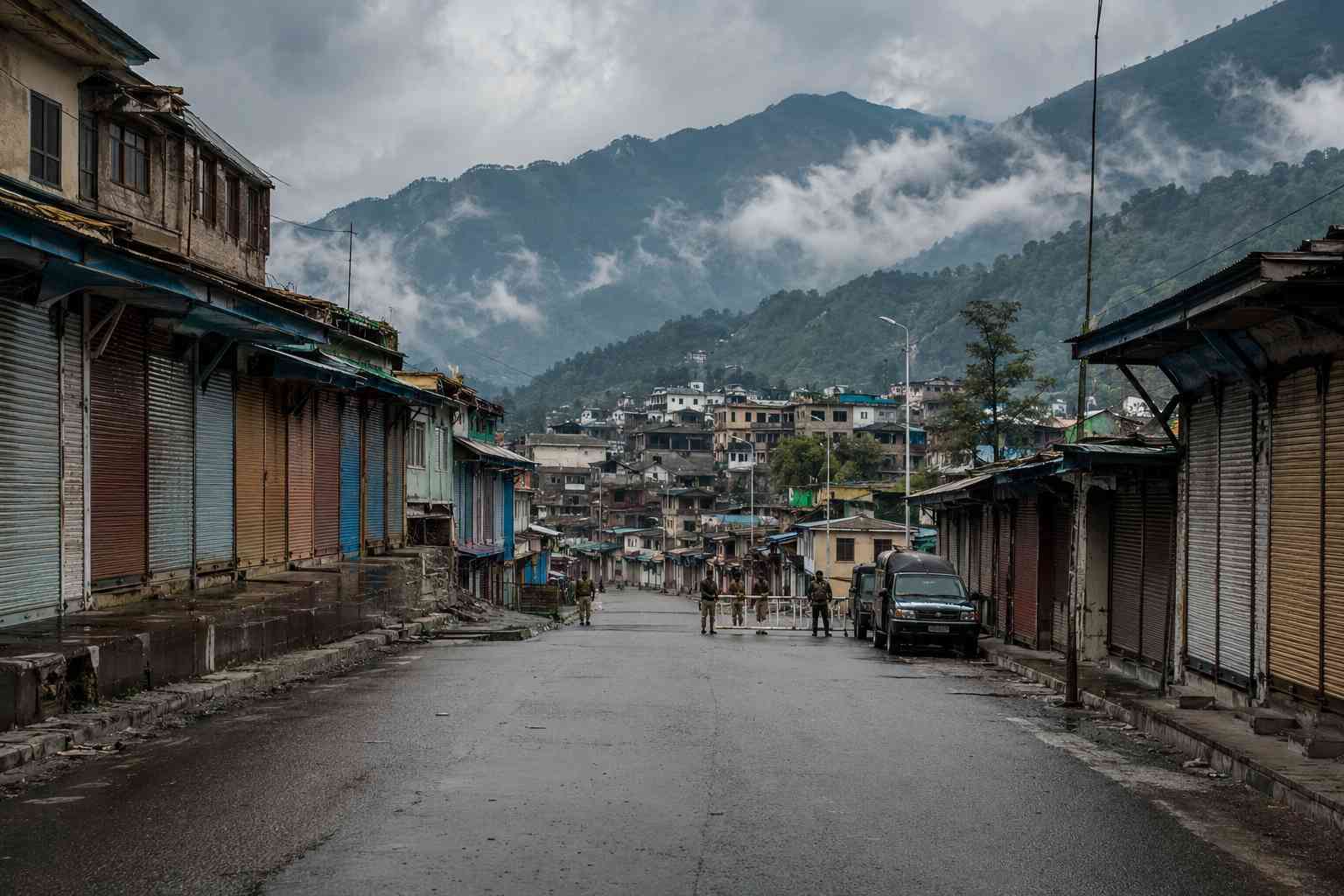
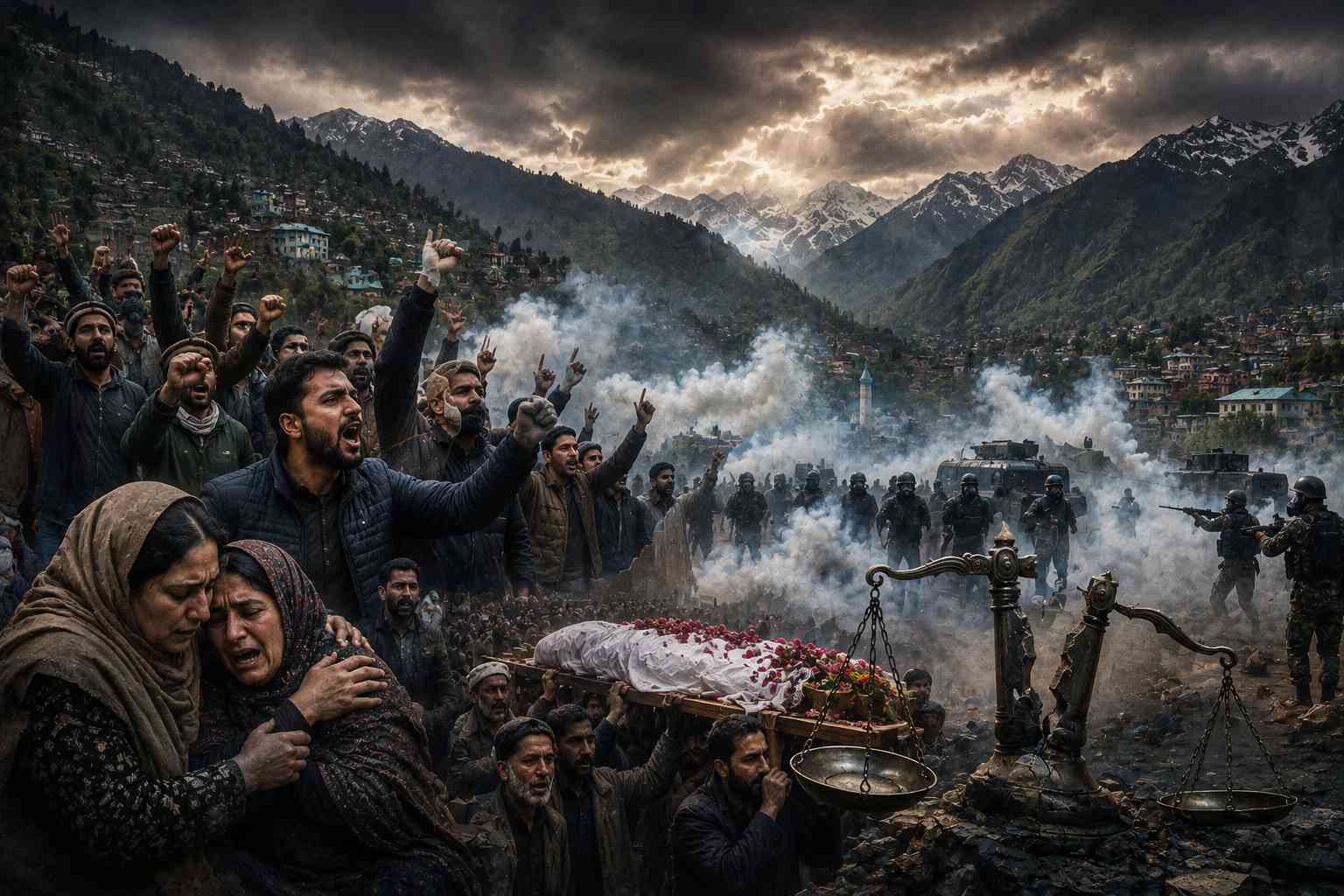
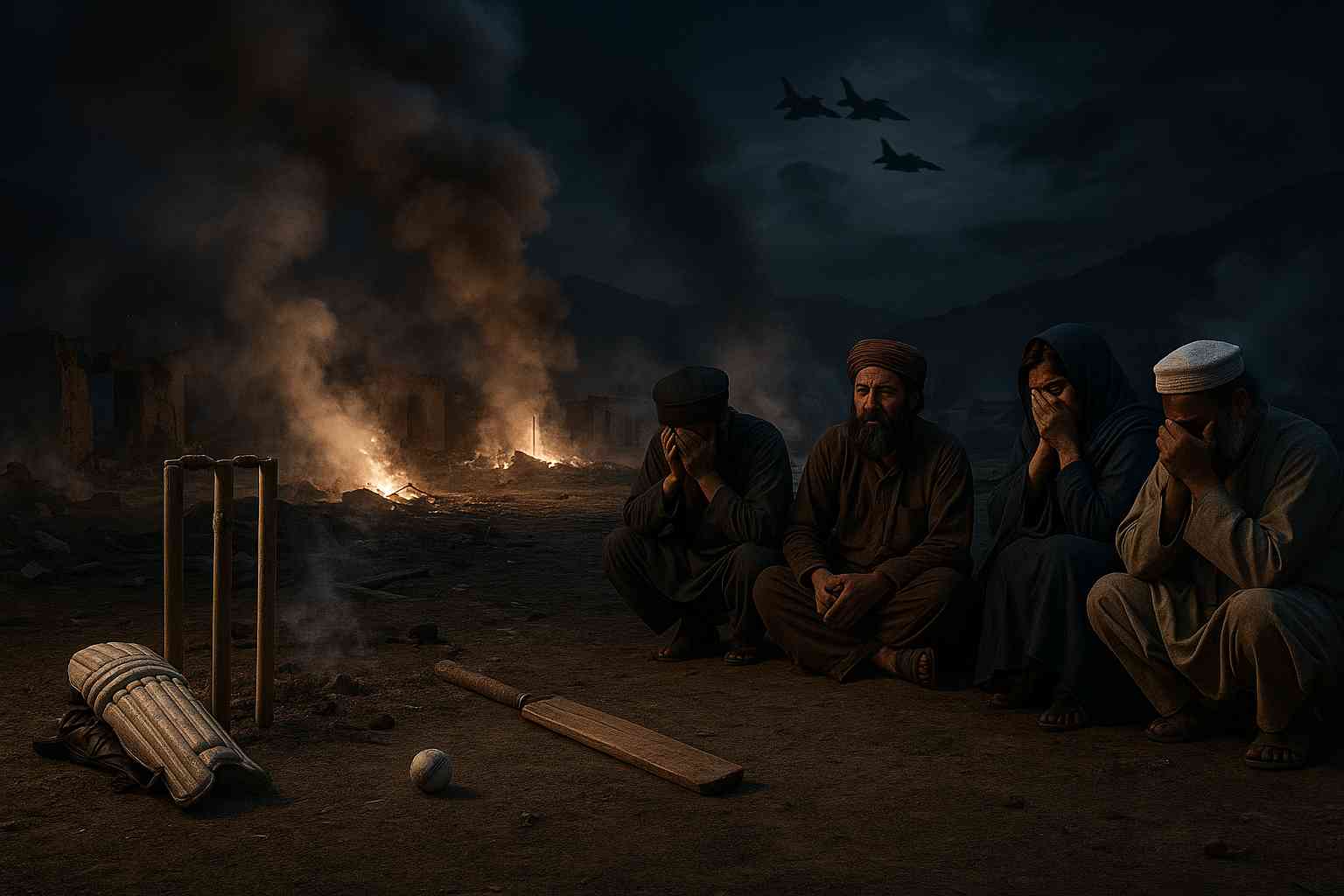
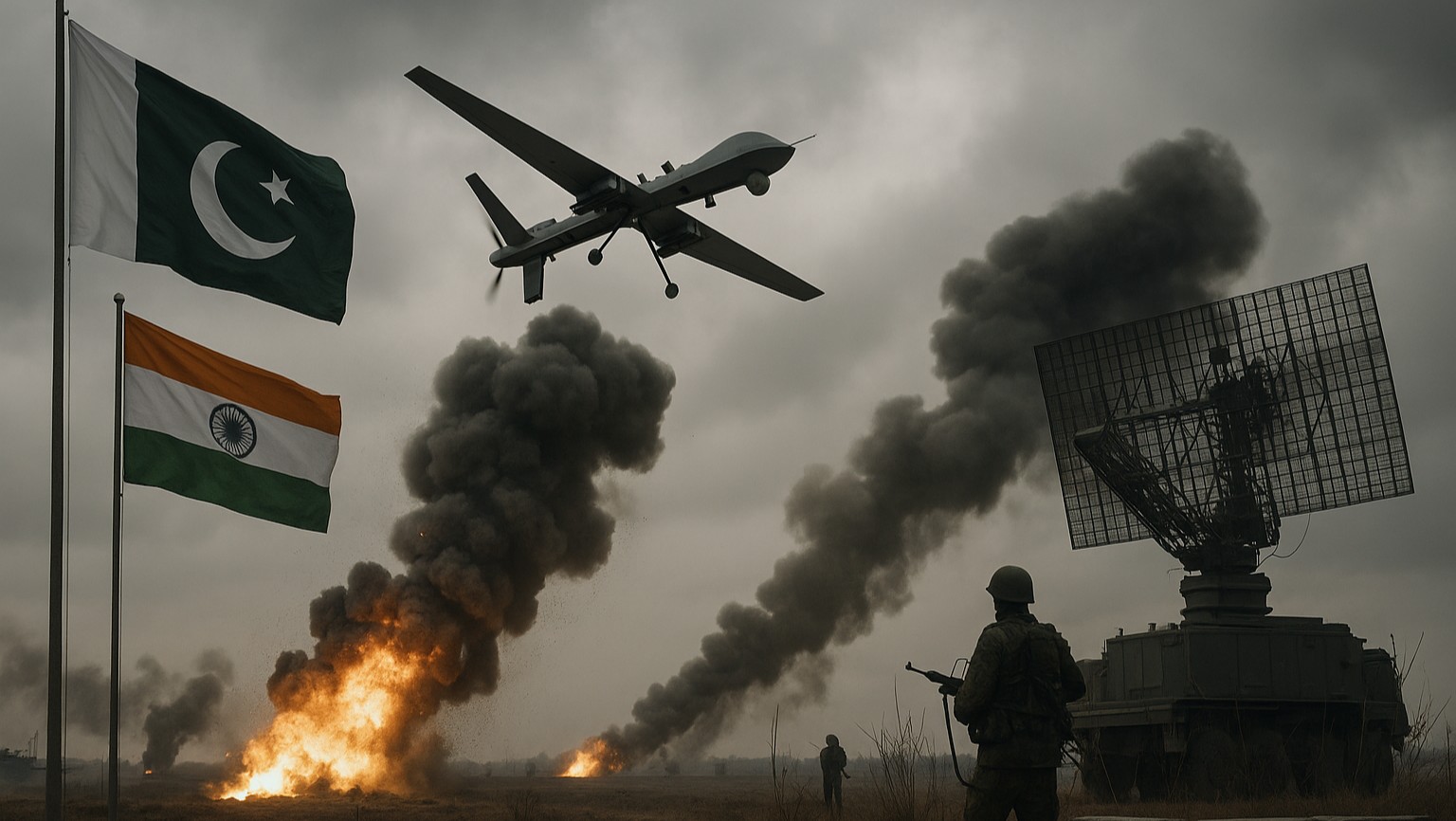
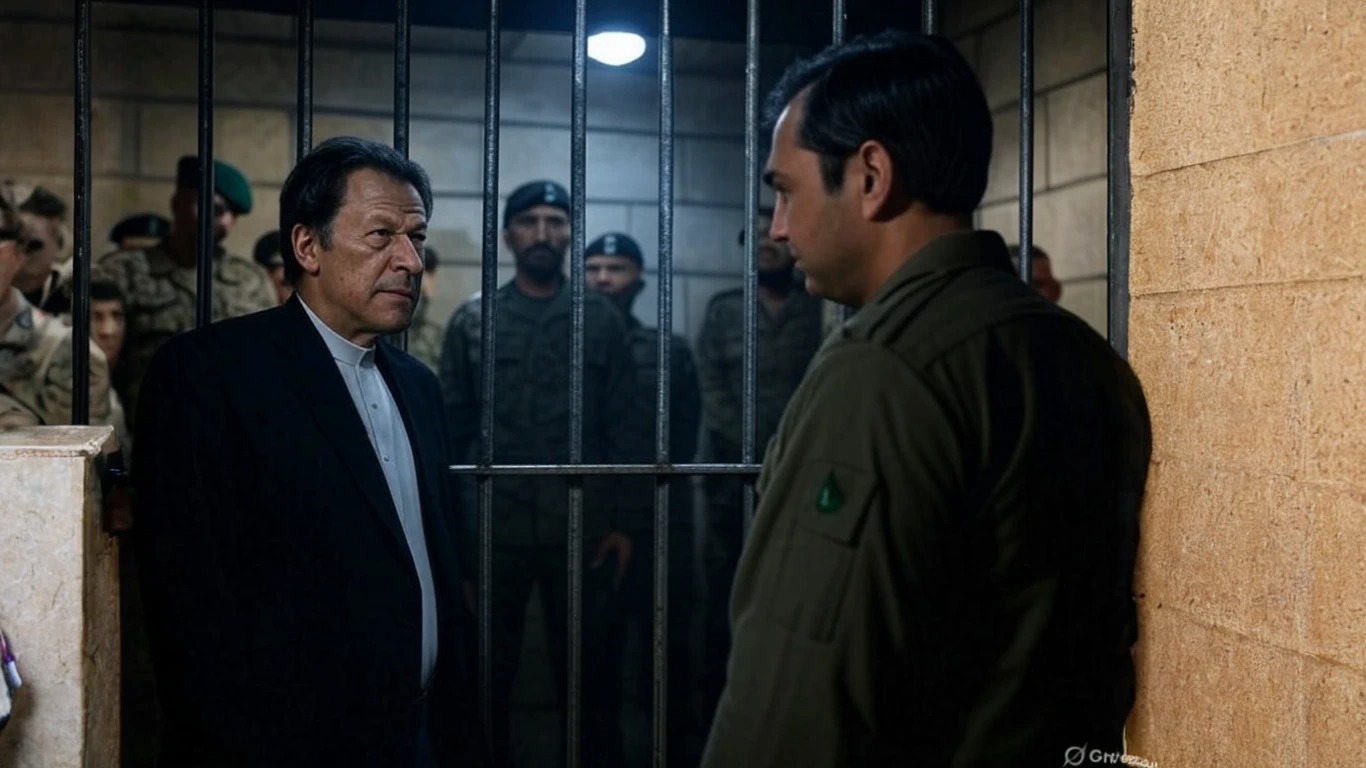
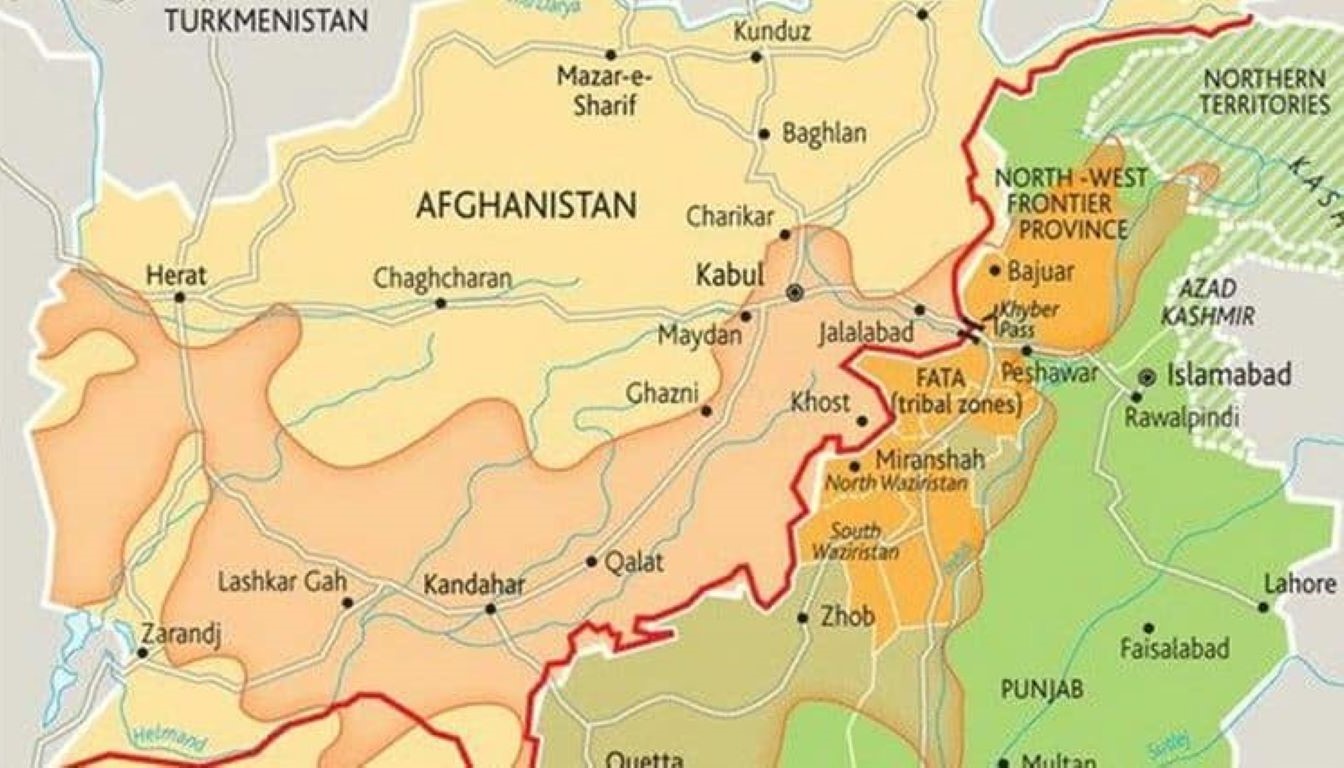
Pakistan’s war narrative in Afghanistan now faces a harder test than battlefield claims. Amnesty International’s new investigation into the Kabul rehab centre strike has pushed the March 16 attack back into the centre of the public record, with allegations that demand evidence, legal scrutiny, and an independent inquiry.
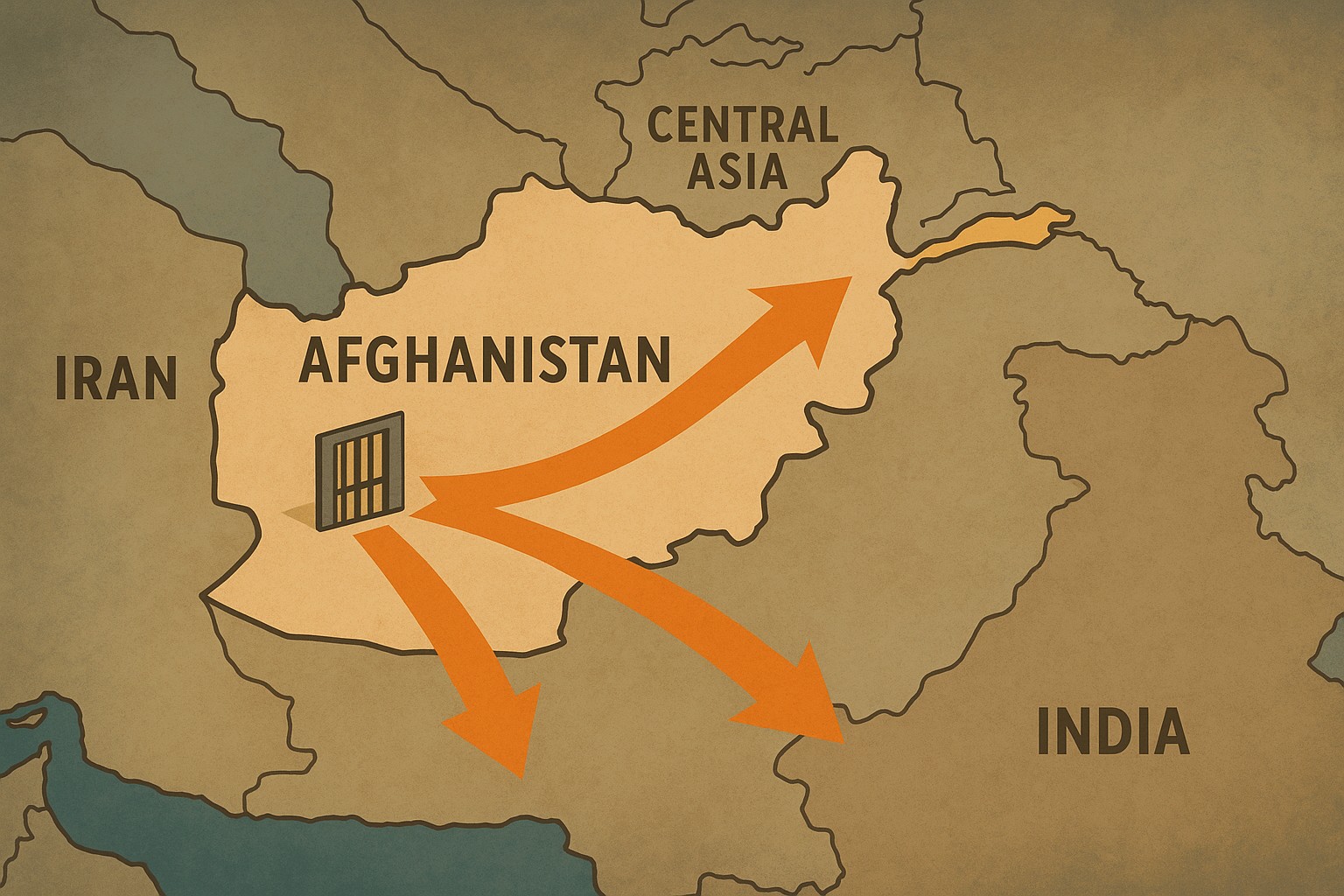
The rights group says the strike on the Omid Rehabilitation and Treatment Centre should be investigated as a possible war crime. In its July 21 investigation, Amnesty said it found no evidence supporting Pakistan’s claim that the site served as a weapons or ammunition facility at the time of attack.
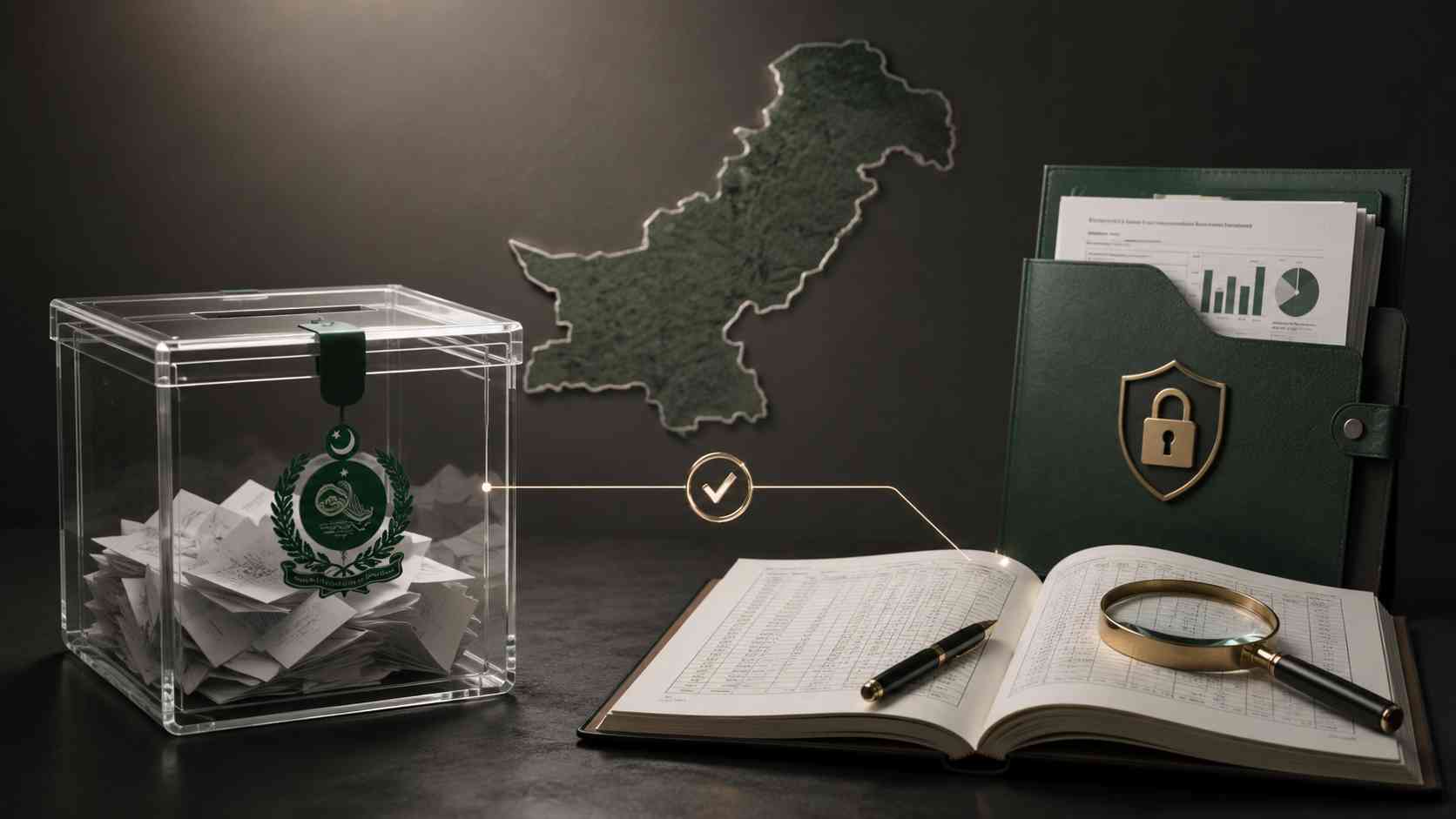
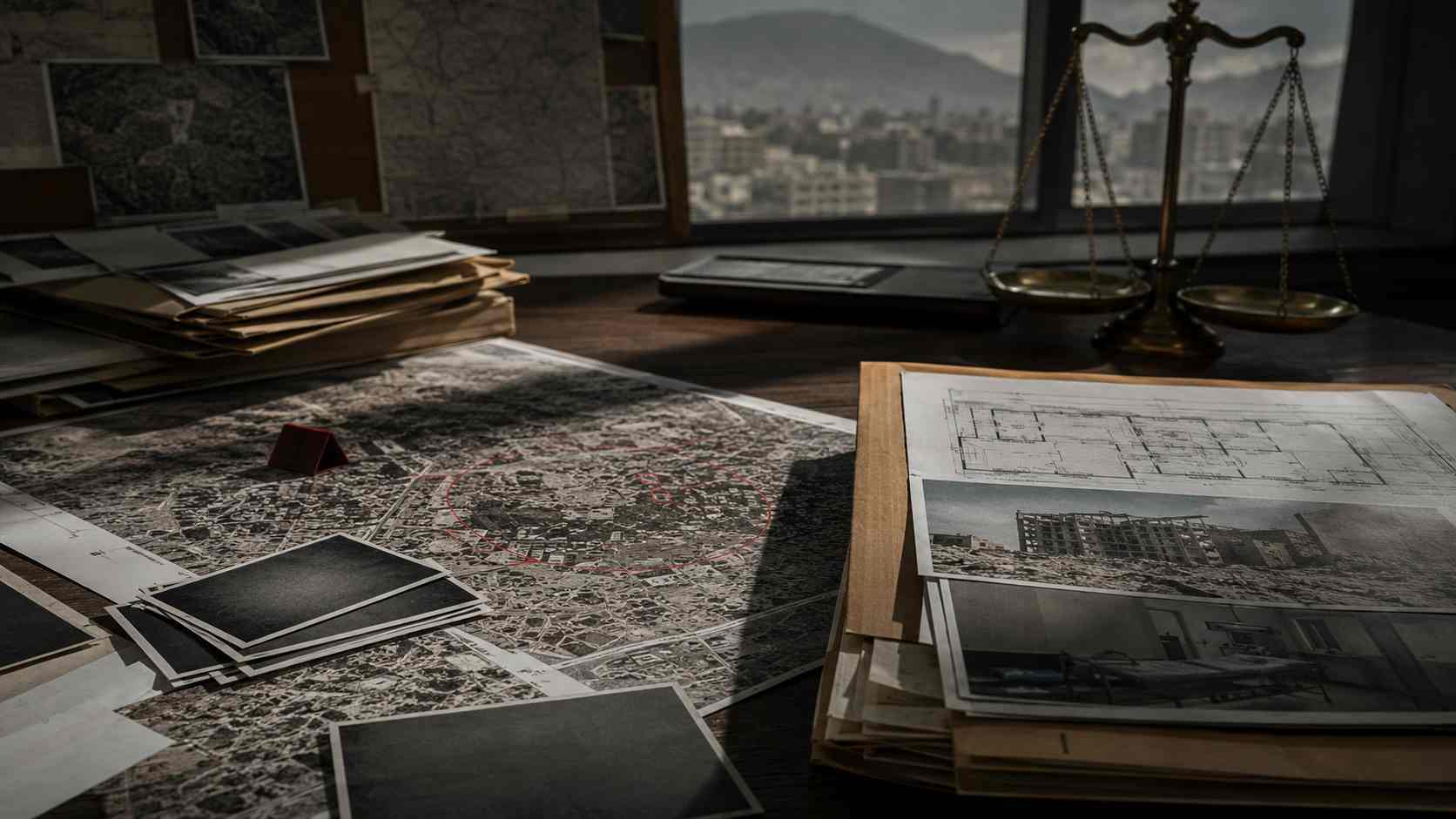
That is an allegation, not a court finding. But it is serious because Amnesty says it reviewed photos, videos, satellite images, weapons evidence, and witness accounts. It also says Pakistan’s Ministry of Foreign Affairs had not responded to its July 9 request for details before publication.
Why the Kabul rehab centre strike matters
The Kabul rehab centre strike matters because it sits at the point where national security, civilian protection, and state credibility collide.
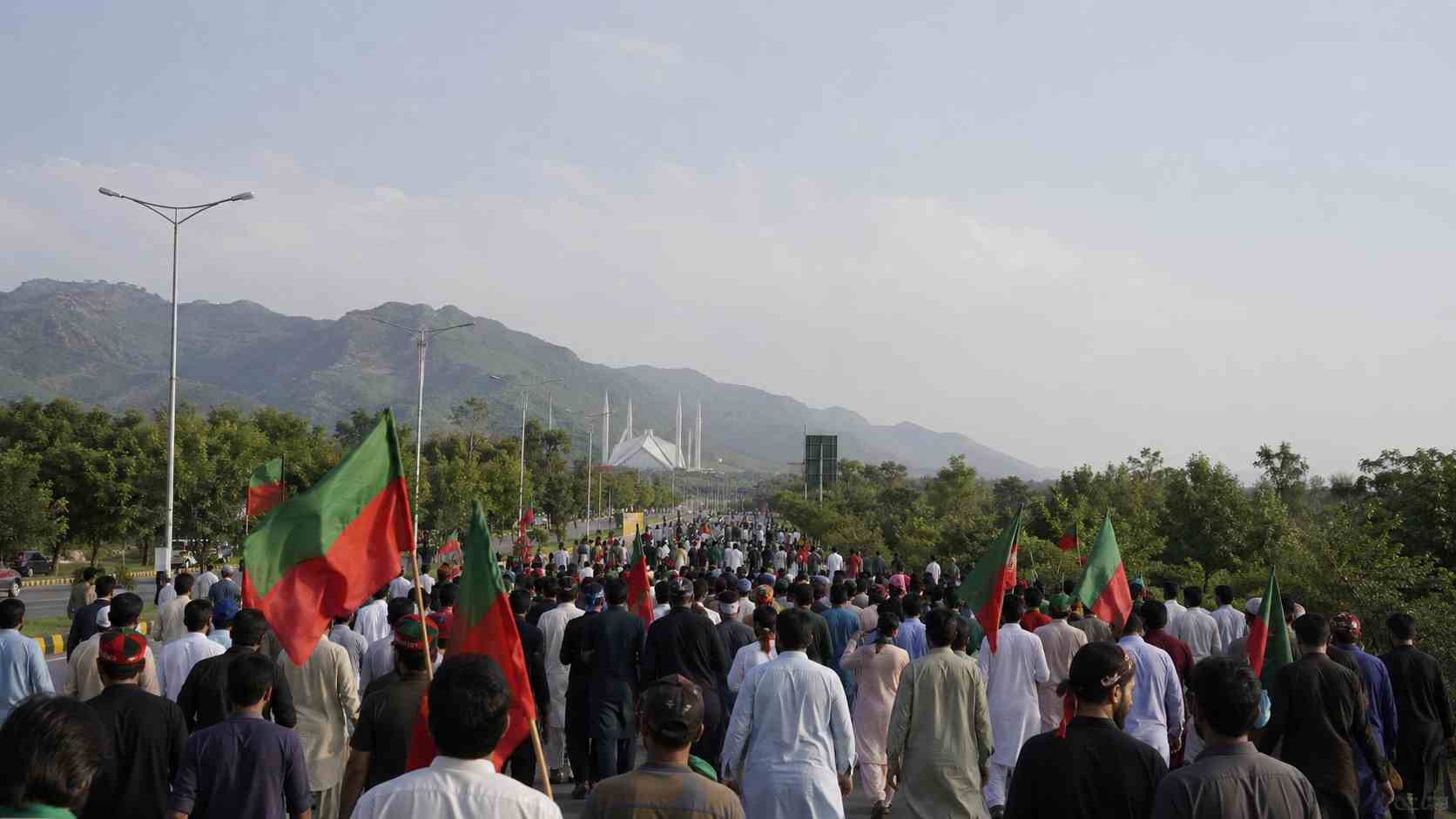
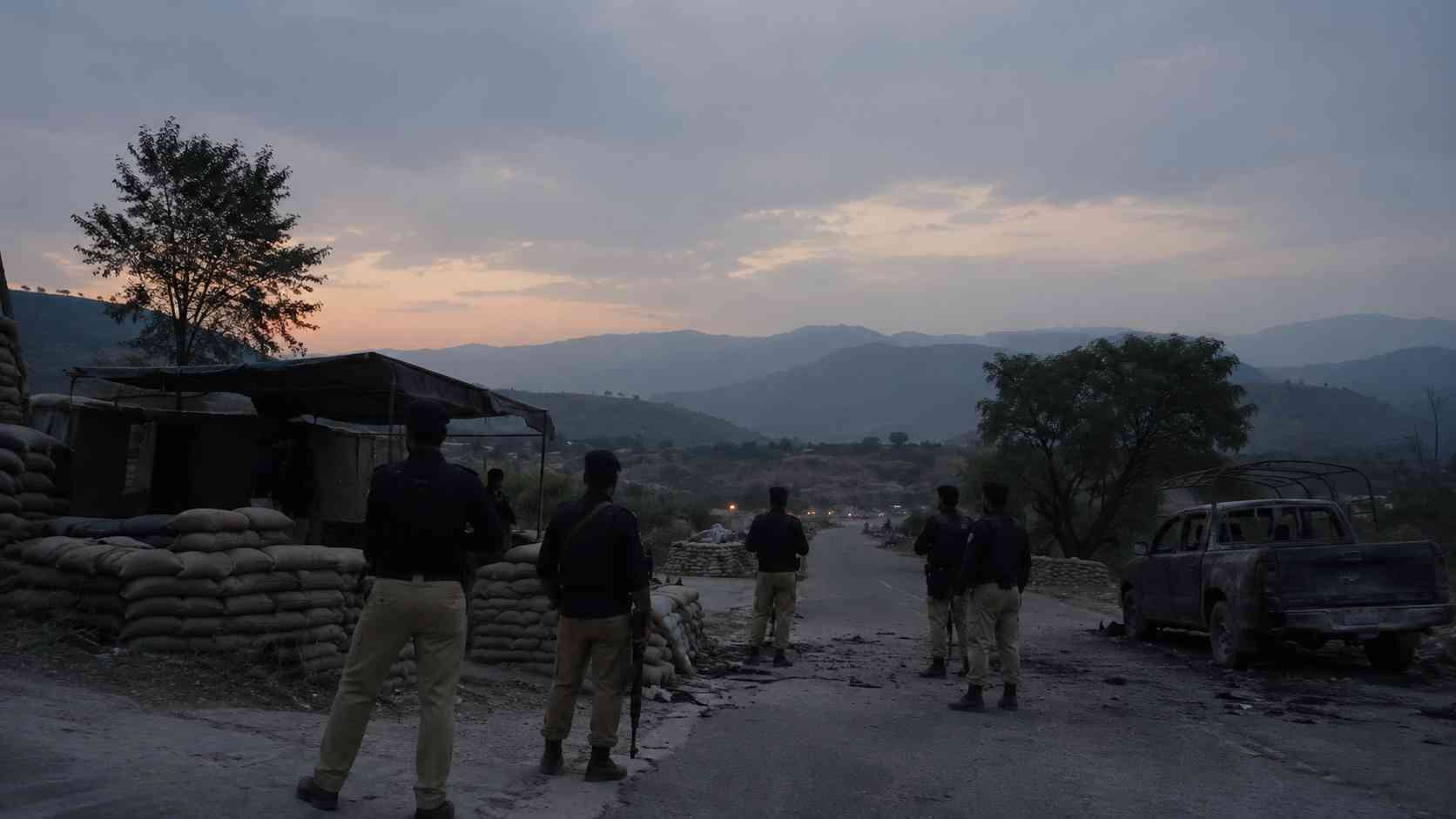
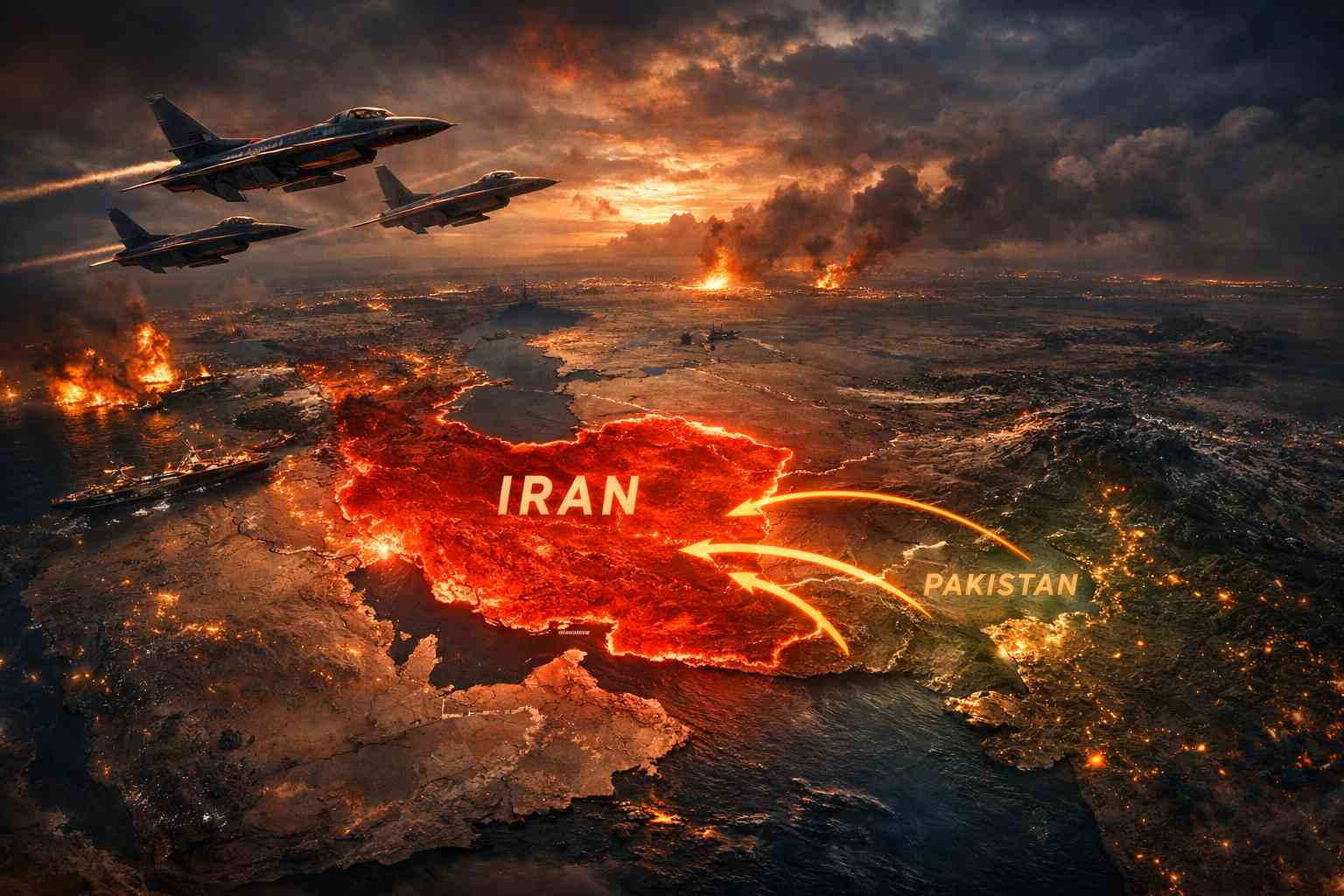
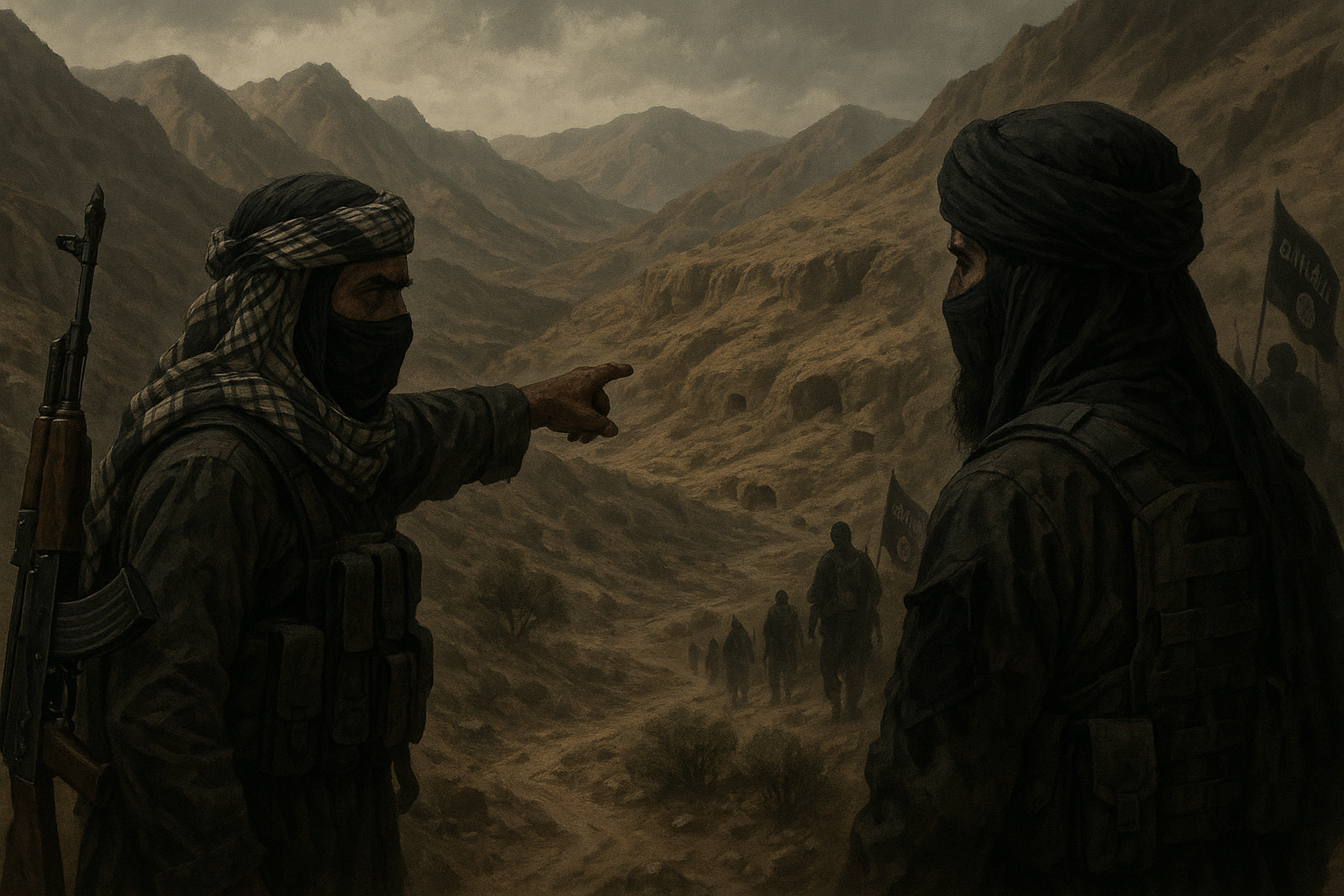
Pakistan has argued for months that militant violence inside Pakistan traces back to sanctuaries across the Afghan border. That argument carries weight for many Pakistanis who have watched Khyber Pakhtunkhwa and Balochistan absorb repeated attacks. The Associated Press reported this week that Pakistani forces killed 24 militants in northwest operations after attacks in Bannu, while Islamabad again linked the security crisis to groups operating from Afghanistan.
Yet the state cannot answer one unlawful battlefield claim with another untested assertion. If Islamabad says it struck military targets, it must show evidence strong enough to withstand independent examination. If that evidence exists, transparency strengthens Pakistan’s case. If it does not, denial only deepens the damage.
Pakistan’s denial and the disputed record
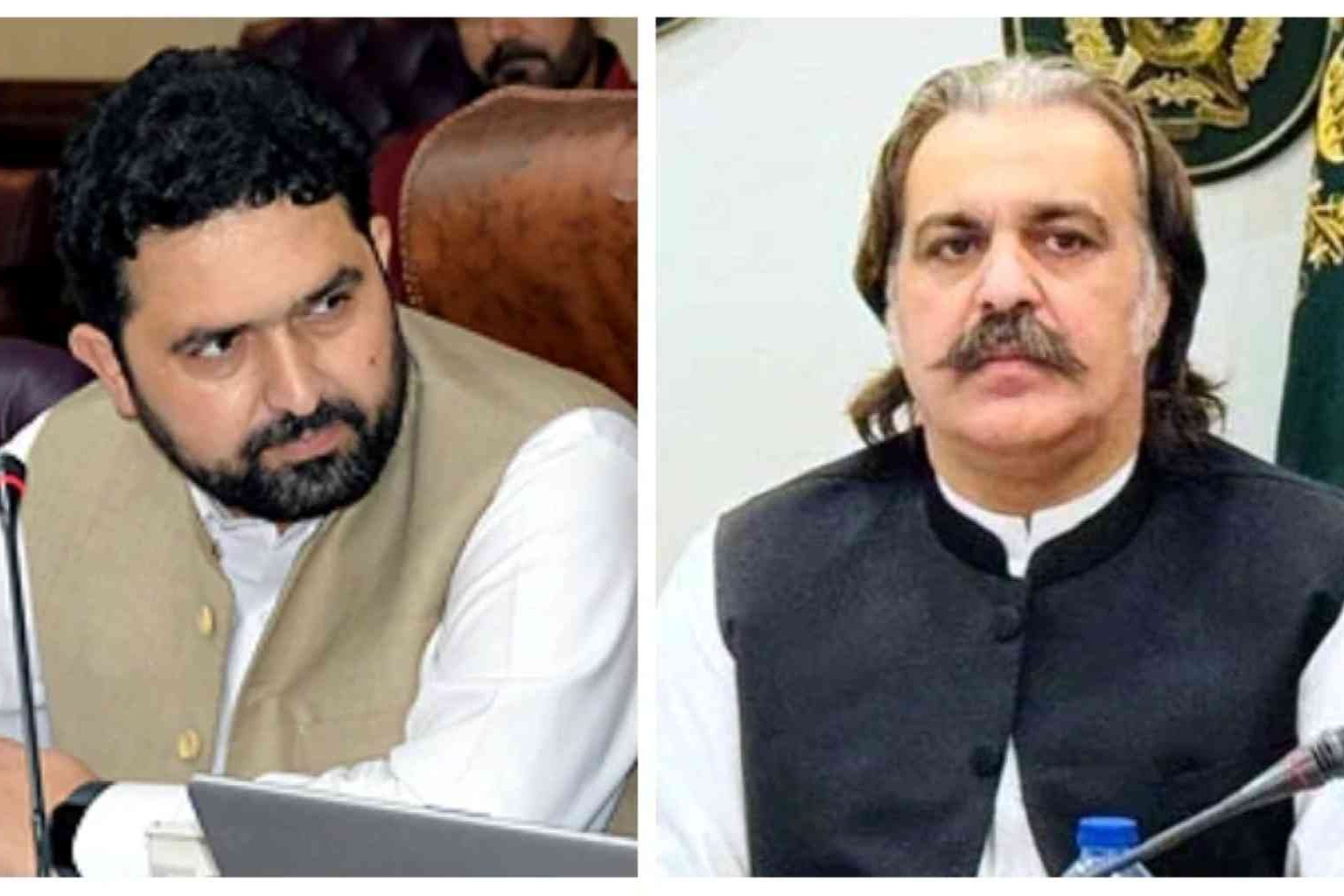
Pakistan has denied deliberately targeting civilians. In March, Information Minister Attaullah Tarar told Al Jazeera that Pakistan rejected the allegation and had targeted “terrorist infrastructure and military locations,” according to Al Jazeera’s report on the disputed casualty toll.
The Taliban authorities claimed more than 400 people were killed. The United Nations Assistance Mission in Afghanistan later independently verified at least 269 civilian deaths and 122 injuries, according to Amnesty’s summary of UNAMA findings. Earlier reporting showed how difficult verification had become, with Kabul and Islamabad offering sharply different accounts.
That uncertainty is precisely why an inquiry matters. The public does not need another shouting match between two governments with political incentives. It needs a credible record of what was targeted, what commanders knew, what precautions they took, and why a facility with a documented medical function suffered such devastating loss.
Accountability is not weakness
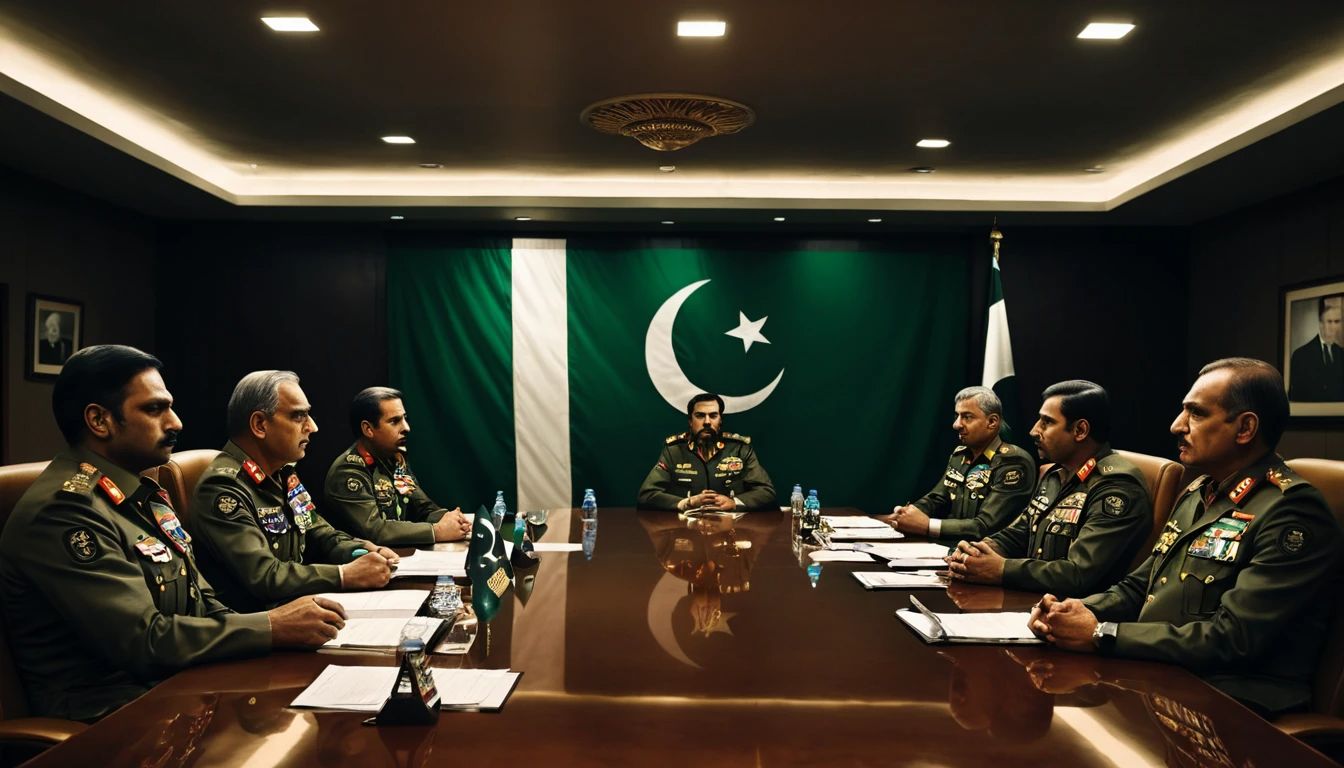
Pakistan’s establishment often treats accountability as hostile terrain. That instinct has damaged the country’s politics at home and its credibility abroad.
A transparent investigation into the Kabul rehab centre strike would not automatically validate the Taliban’s narrative. It would test all narratives. It would examine whether militants misused civilian infrastructure, whether Pakistan verified the target, whether warnings were feasible, and whether expected civilian harm was excessive under international humanitarian law.
Those questions do not vanish because Pakistan faces real militant threats. They become more important because the conflict is real.
A state fighting cross-border militancy must protect its own citizens. It must also avoid normalising a doctrine where secrecy substitutes for legality. Once that line collapses, Pakistan loses moral and diplomatic ground, even when its security concerns are legitimate.
The strategic cost of silence
The larger danger is not only legal. It is strategic.
Pakistan already faces a hostile information environment around Afghanistan. Kabul denies sheltering anti-Pakistan militants. Islamabad accuses the Taliban authorities of tolerating or enabling groups that attack Pakistan. India rejects Pakistan’s separate allegations of support for militant networks. In that fog, civilian-casualty allegations become powerful political weapons.
If Pakistan refuses independent scrutiny, it hands its adversaries a narrative gift. If it investigates credibly, it can separate lawful counterterrorism from operational failure, intelligence error, or unlawful conduct.
That distinction matters. A professional state does not fear the difference between a justified strike and a disastrous one. It documents it.
The question Islamabad cannot avoid
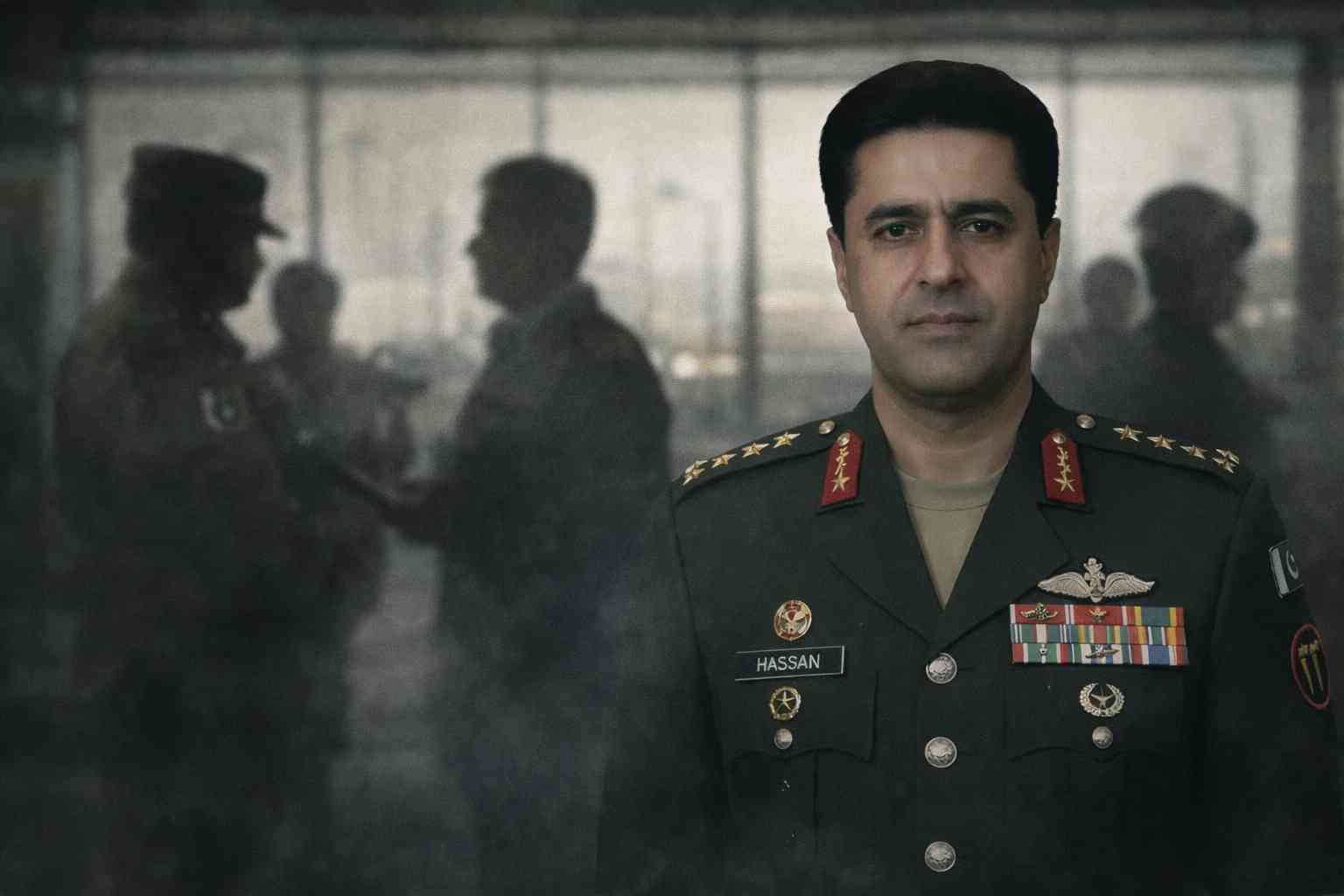
The Kabul rehab centre strike is now more than one battlefield incident. It is a test of how Pakistan wants to be seen: as a state governed by evidence and law, or as a security machine that demands trust while withholding proof.
Soldier Speaks readers understand the cost of terrorism. They also understand the cost of unchecked power. Pakistan cannot build regional security on narratives alone. It needs discipline, transparency, and accountability strong enough to survive scrutiny.
Amnesty’s investigation may not be the final word. It should not be treated as a verdict. But it is substantial enough that Islamabad cannot responsibly ignore it.
The government should publish its targeting basis, support an independent inquiry, and explain what steps it took to protect civilians. Anything less will leave the Kabul file open, deepen mistrust, and make Pakistan’s Afghan war harder to defend.