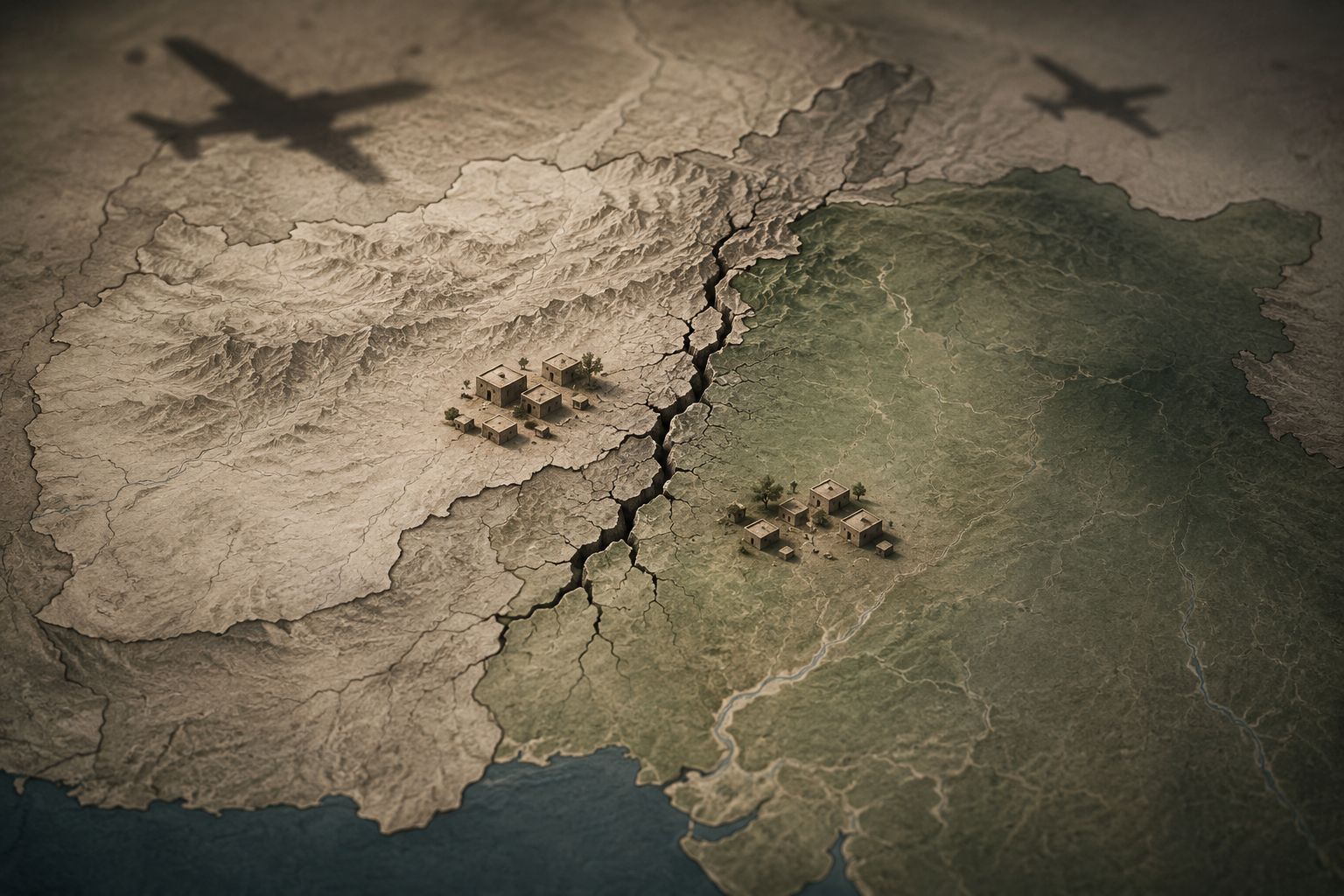
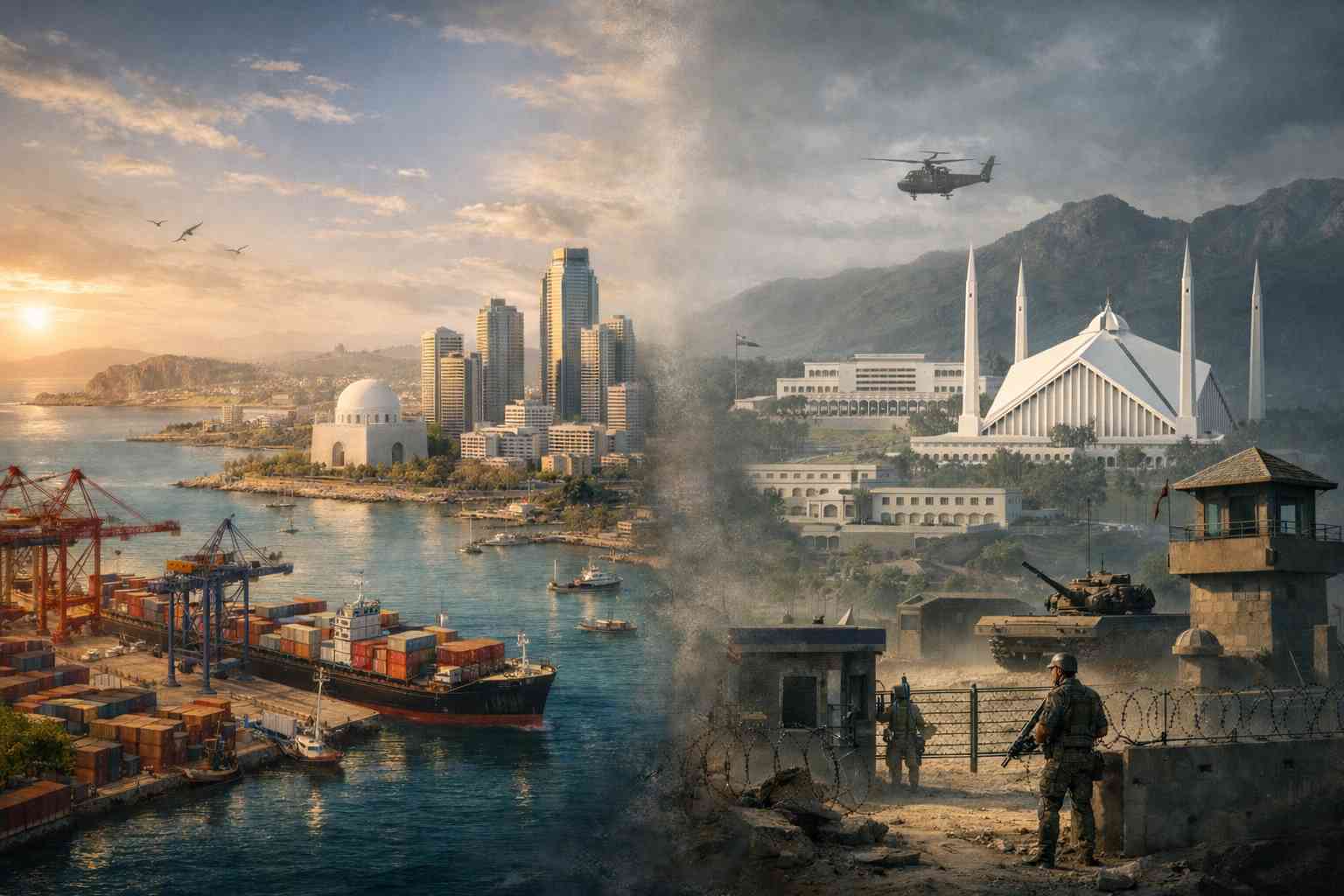
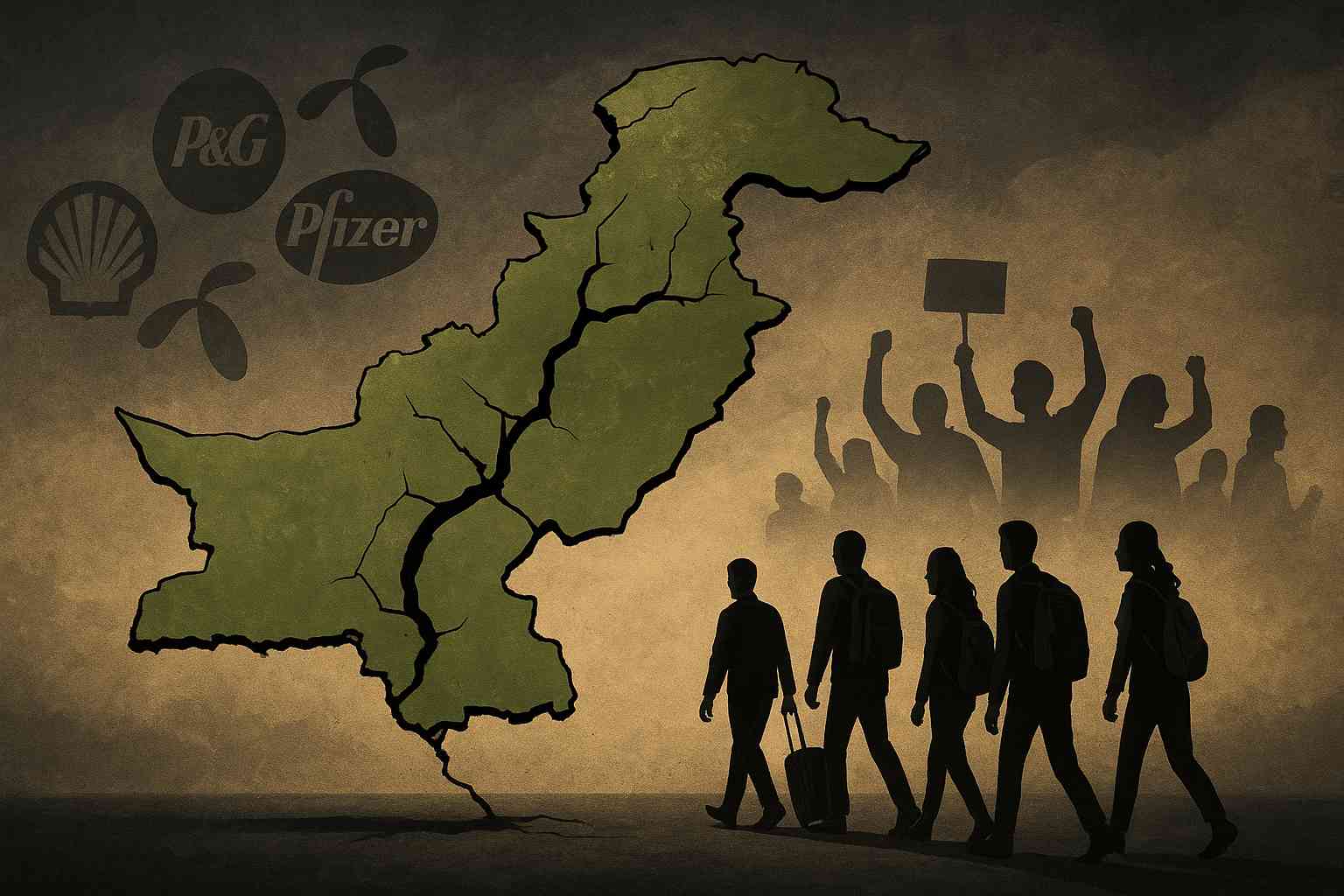
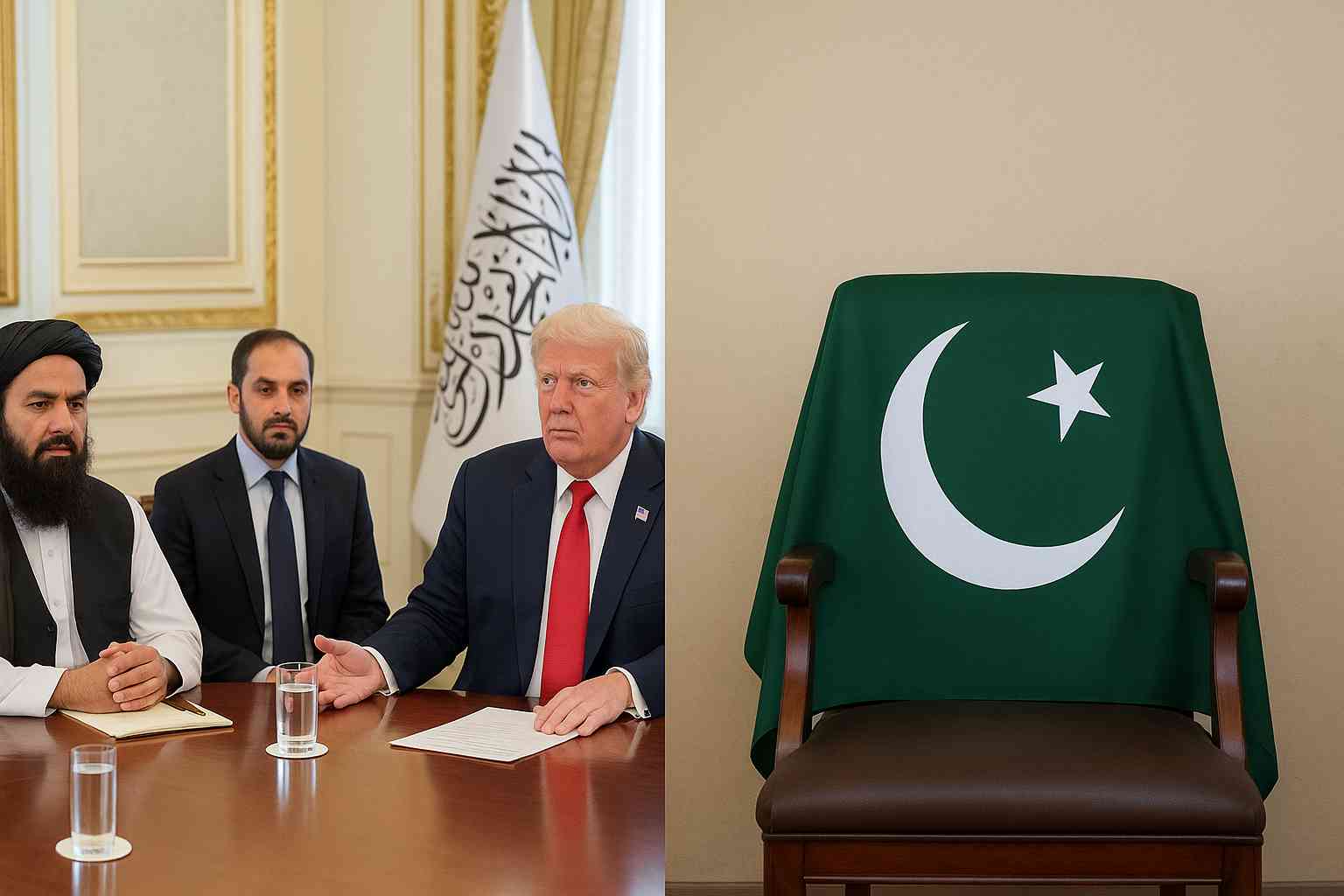
Afghanistan-Pakistan transit trade has collapsed to a historic low, and the damage goes far beyond customs revenue or stranded cargo. It shows that Islamabad’s old geographic leverage over Kabul is weakening. Afghanistan still needs access to the sea, but it no longer appears willing to treat Pakistan as its default gateway.
Afghanistan-Pakistan Transit Trade Hits a Strategic Low
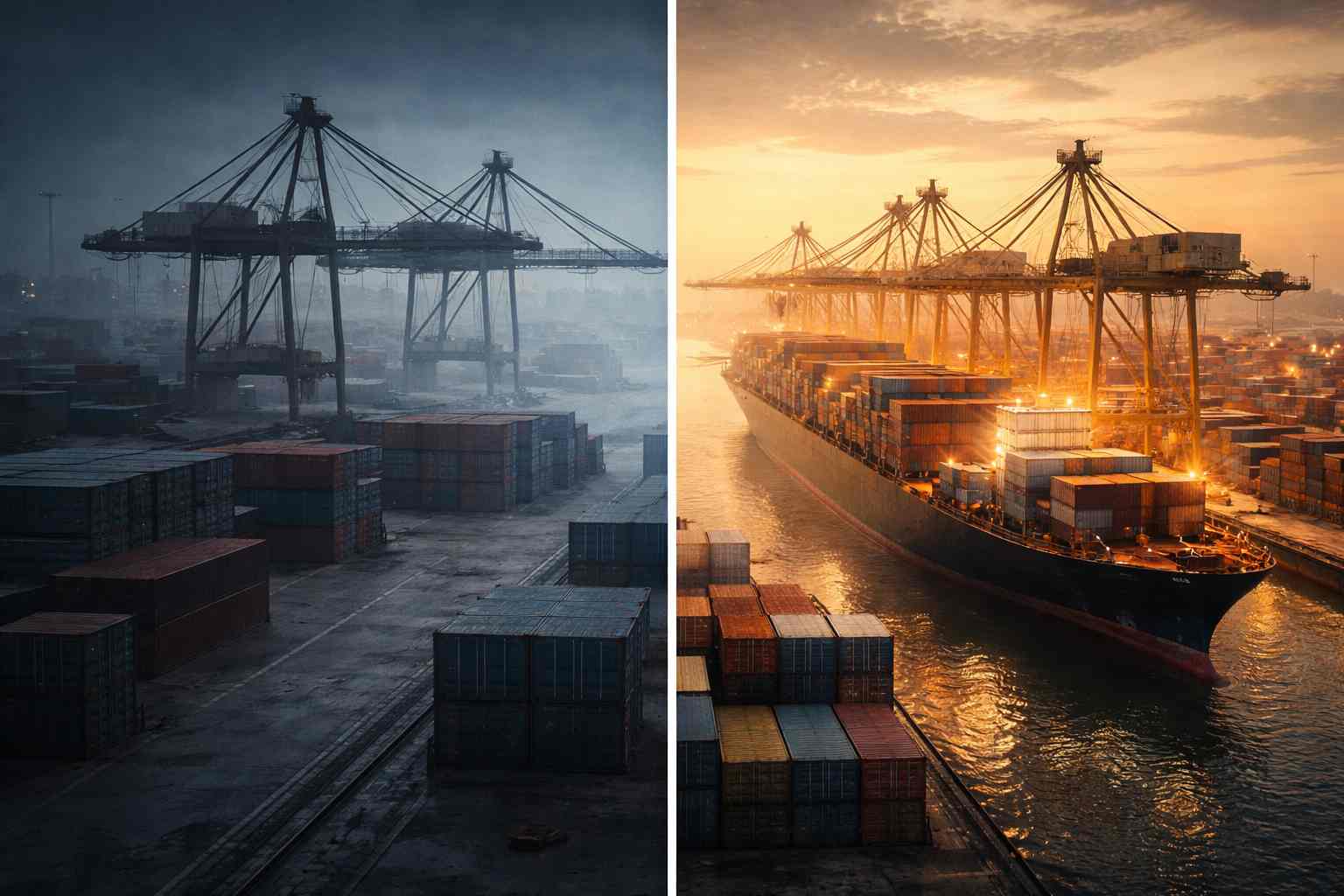
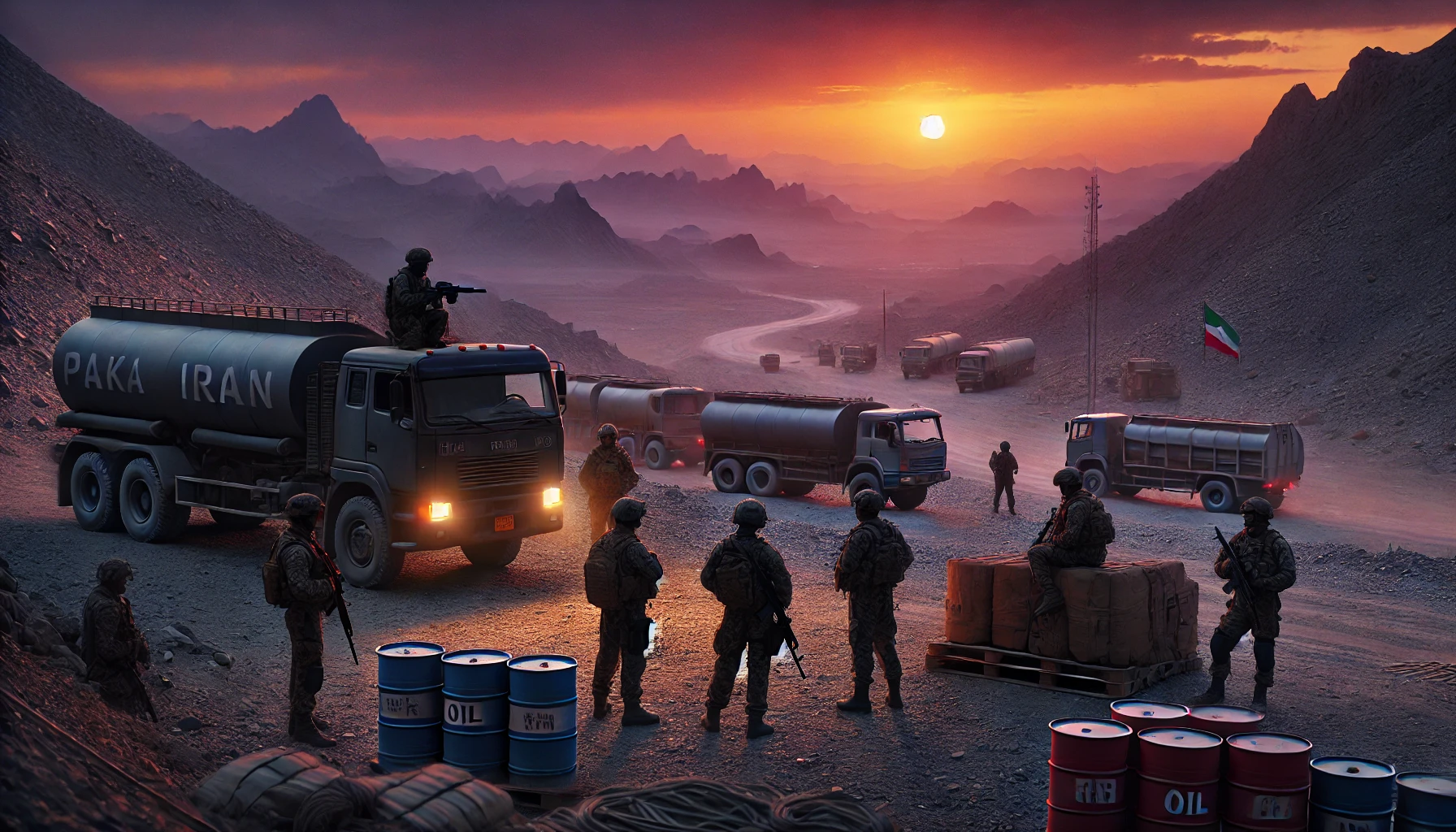
According to Dawn, Afghanistan-Pakistan transit trade fell to 11,592 containers worth $367 million in FY26. Before the Taliban returned to power, the same corridor handled nearly 89,000 containers worth about $5 billion.
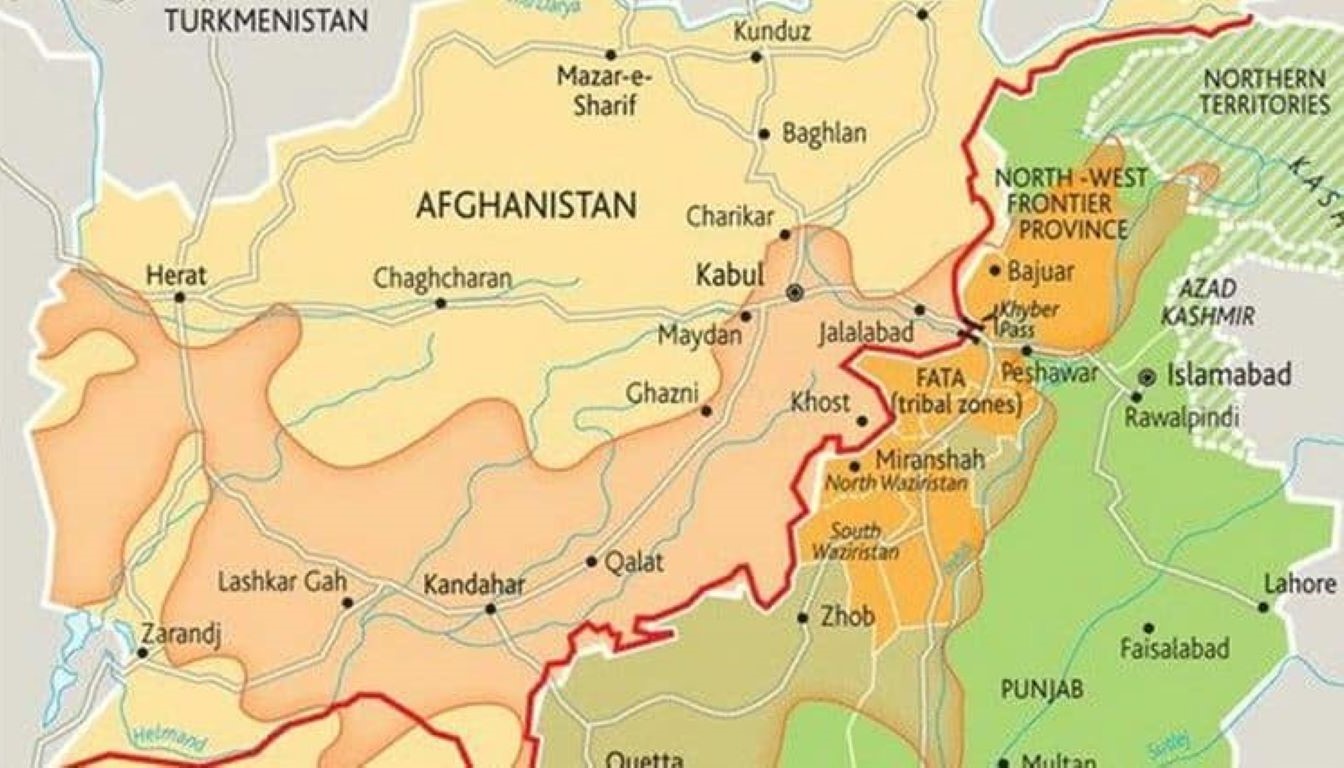
The fall in reverse transit looks even sharper. Dawn reported that Afghan exports moving through Pakistan to third countries dropped from $454 million in FY25 to just $7 million in FY26. That almost freezes a corridor that once linked Afghan goods to Karachi ports and the Wagah route.
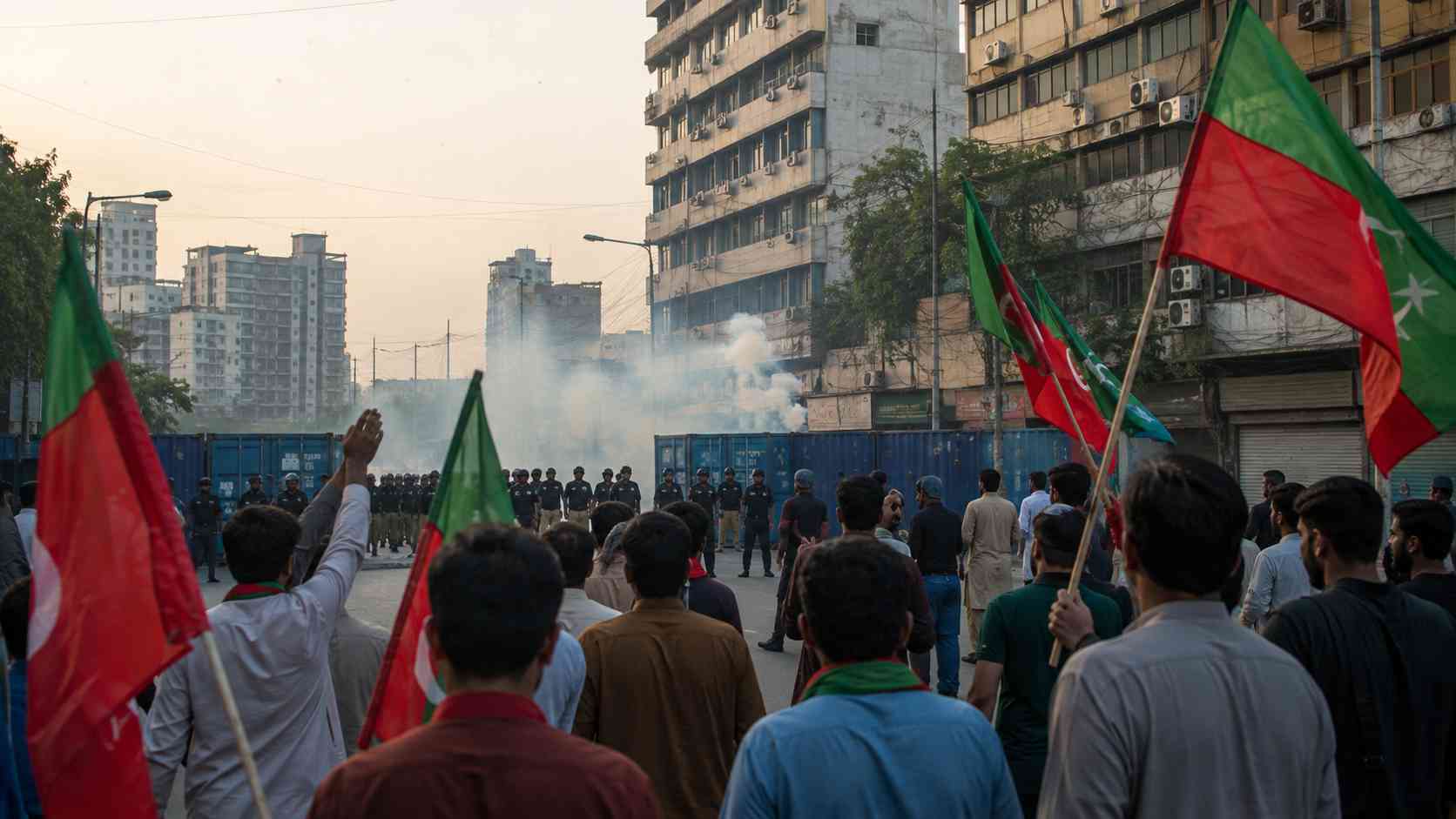
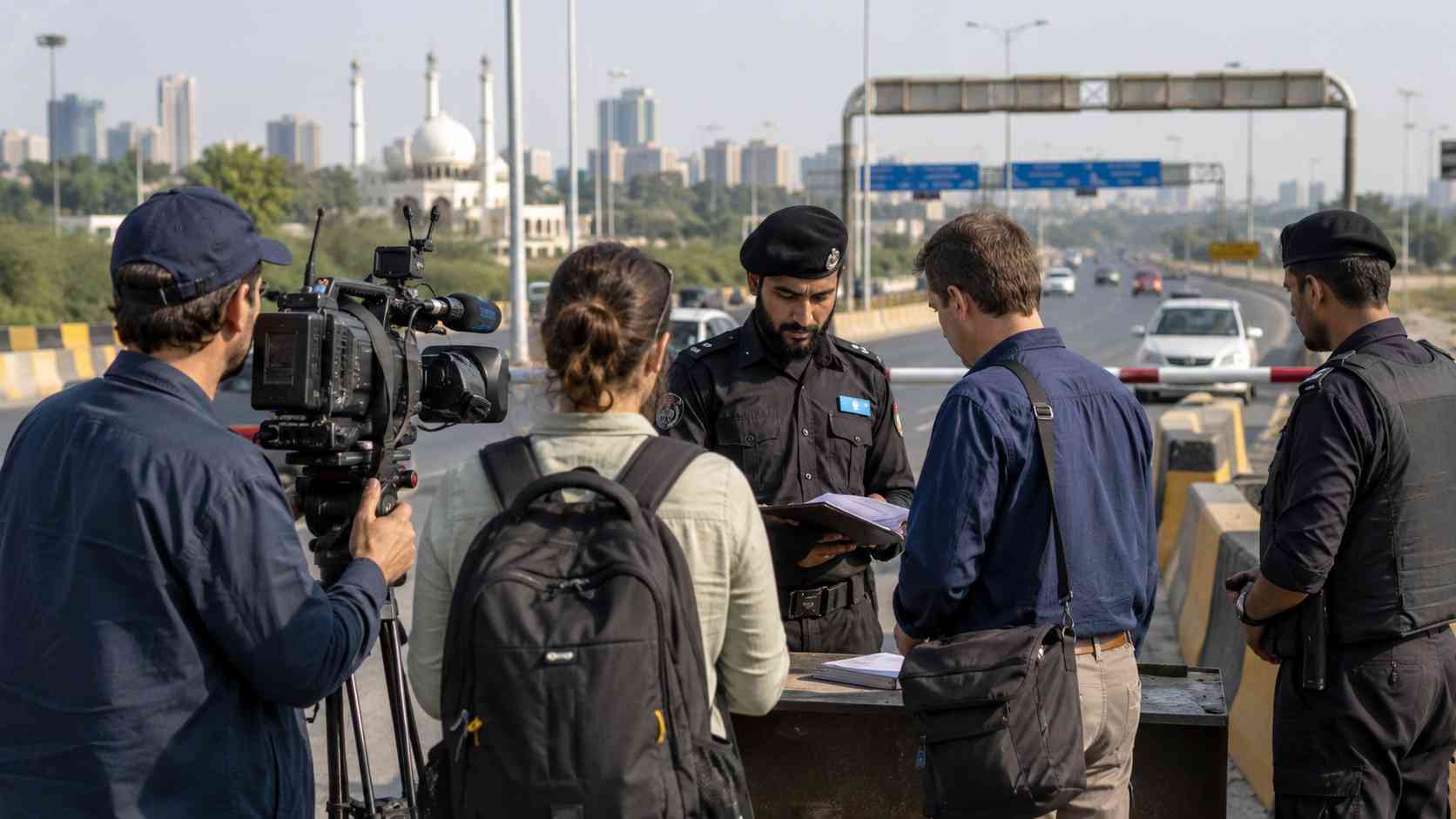
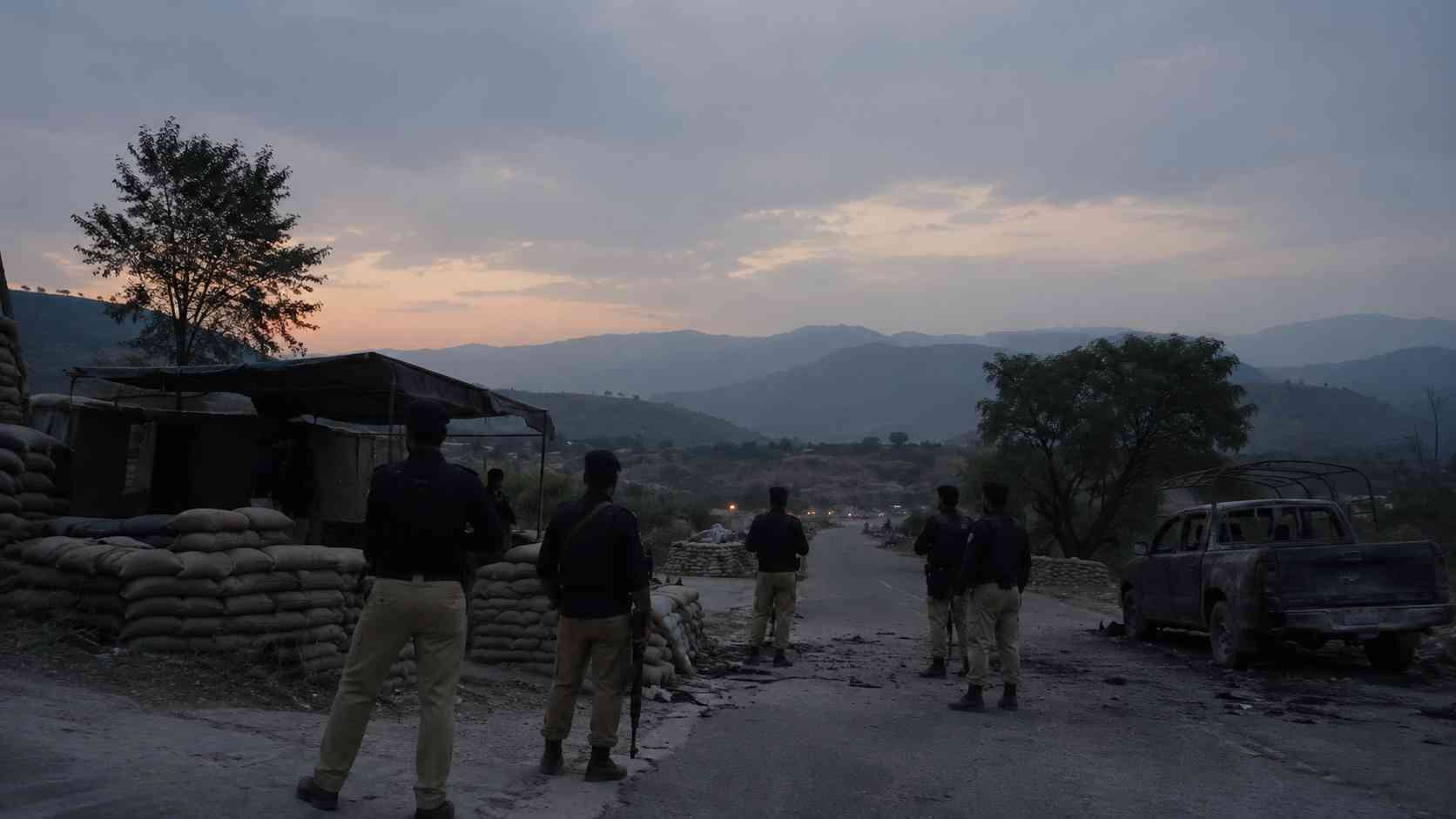
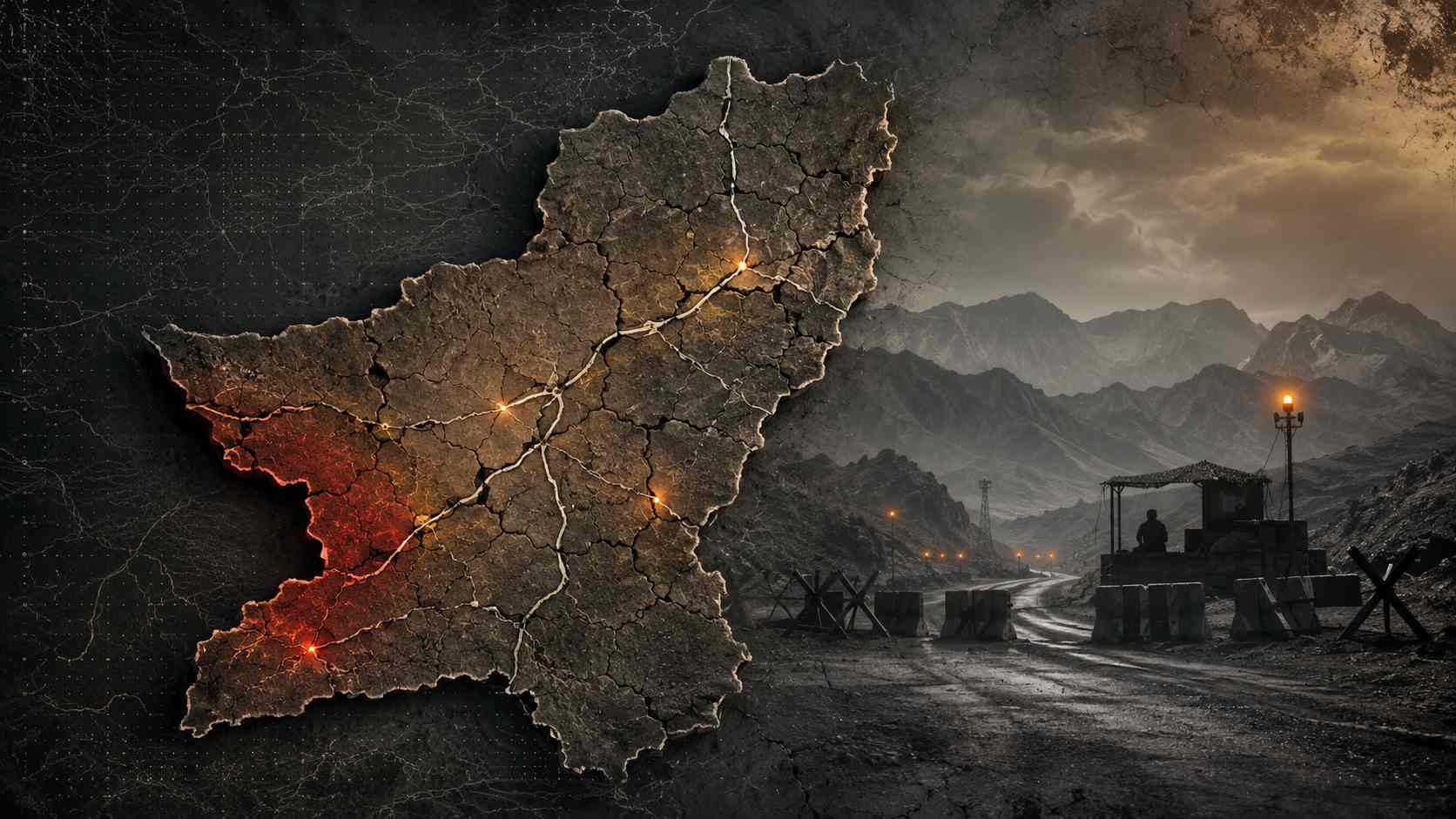
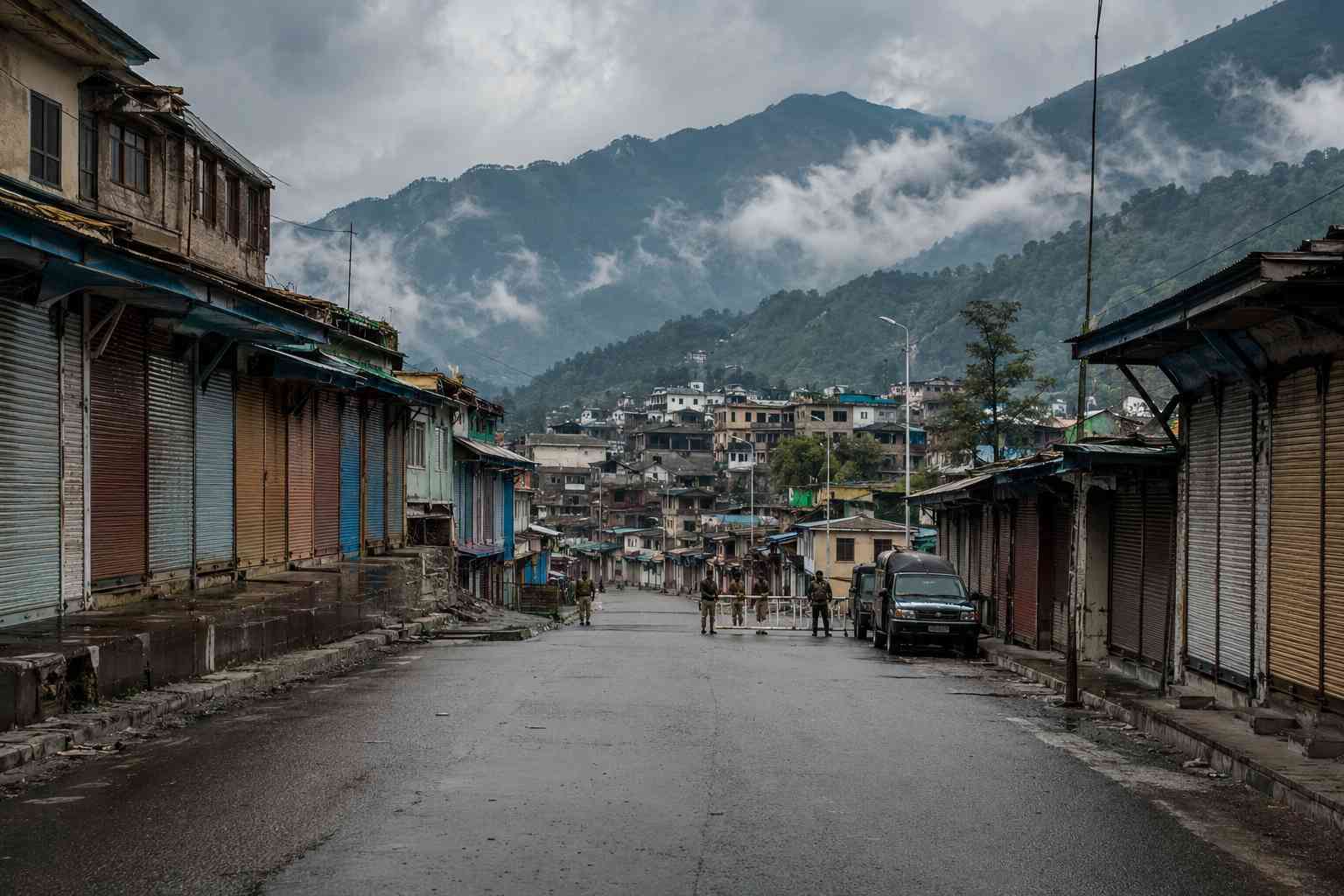
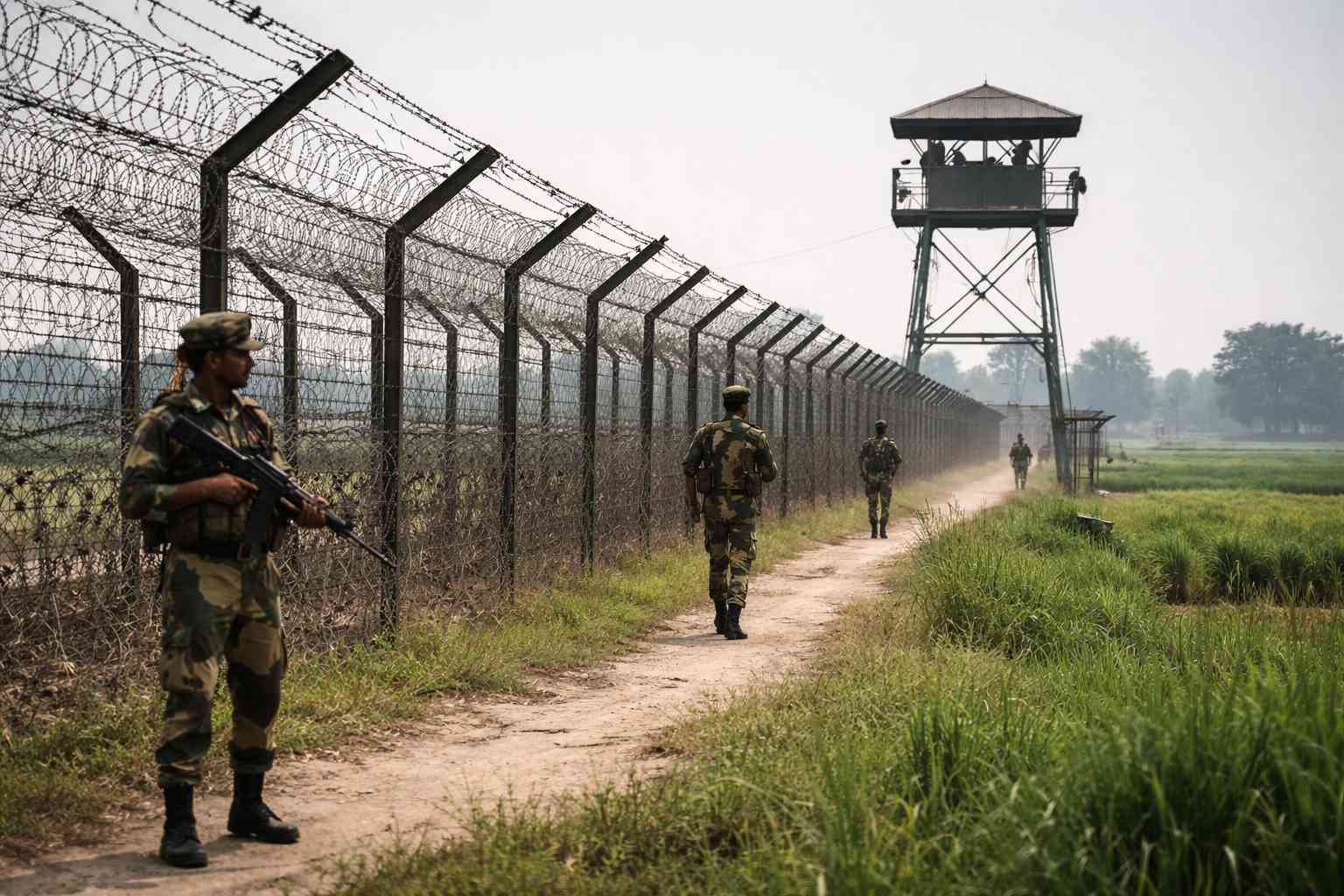
Pakistan’s border closures clearly accelerated the decline. Islamabad says it tightened the border over security concerns after repeated militant attacks and tensions with Kabul. Those concerns cannot be dismissed. Pakistan has a right to secure its territory.
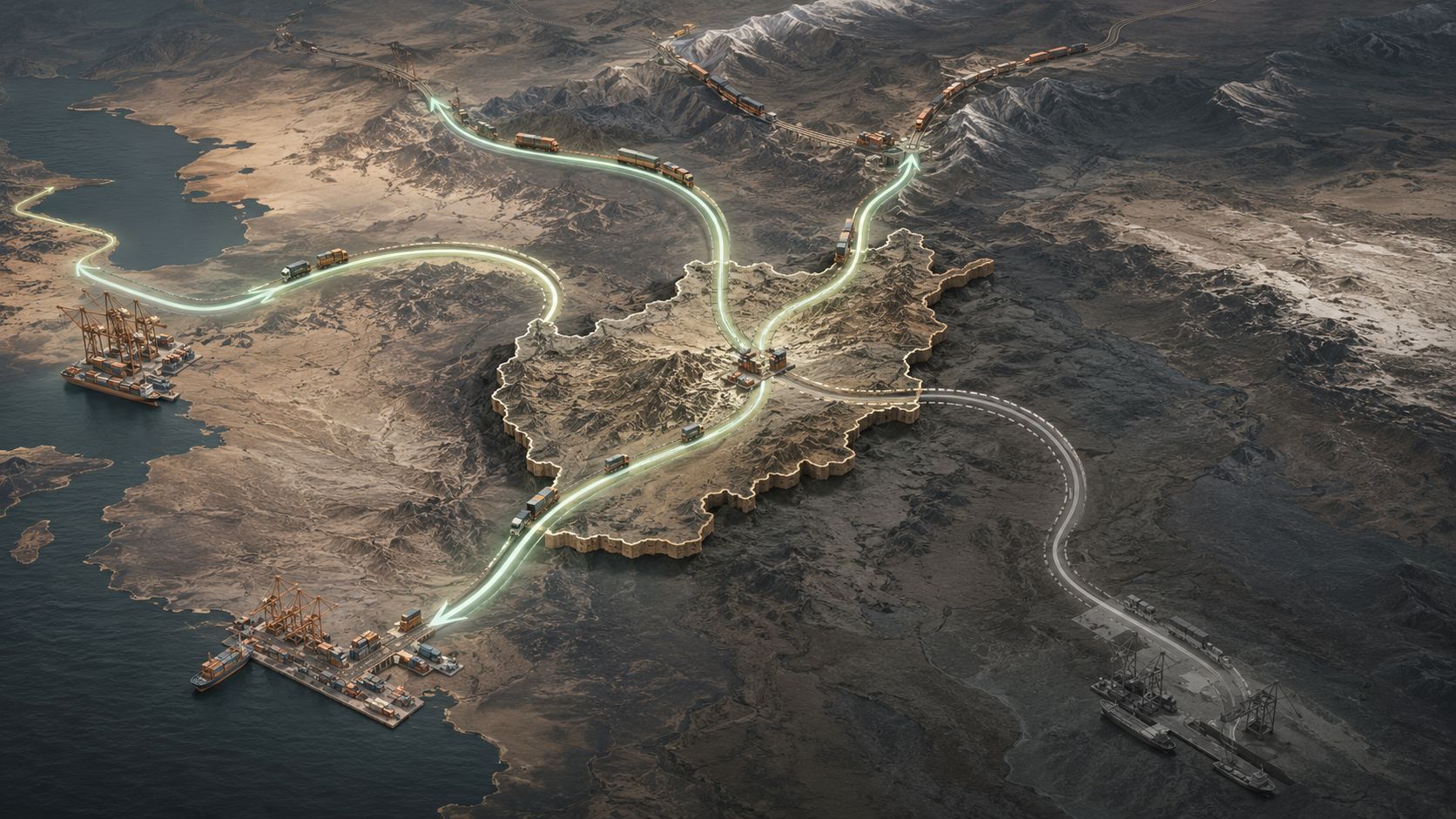
Yet the trade data points to a deeper shift. Kabul had already started reducing reliance on Pakistani ports before the strictest border curbs. That matters because leverage works only when the other side has few alternatives.
Kabul Is Building Other Options
The World Bank’s Afghanistan Economic Monitor said Afghanistan’s imports reached $13.2 billion in FY2025. Iran supplied 31.3 percent of those imports. Iran’s direct and transit corridors represented 48.6 percent of total imports for the year.
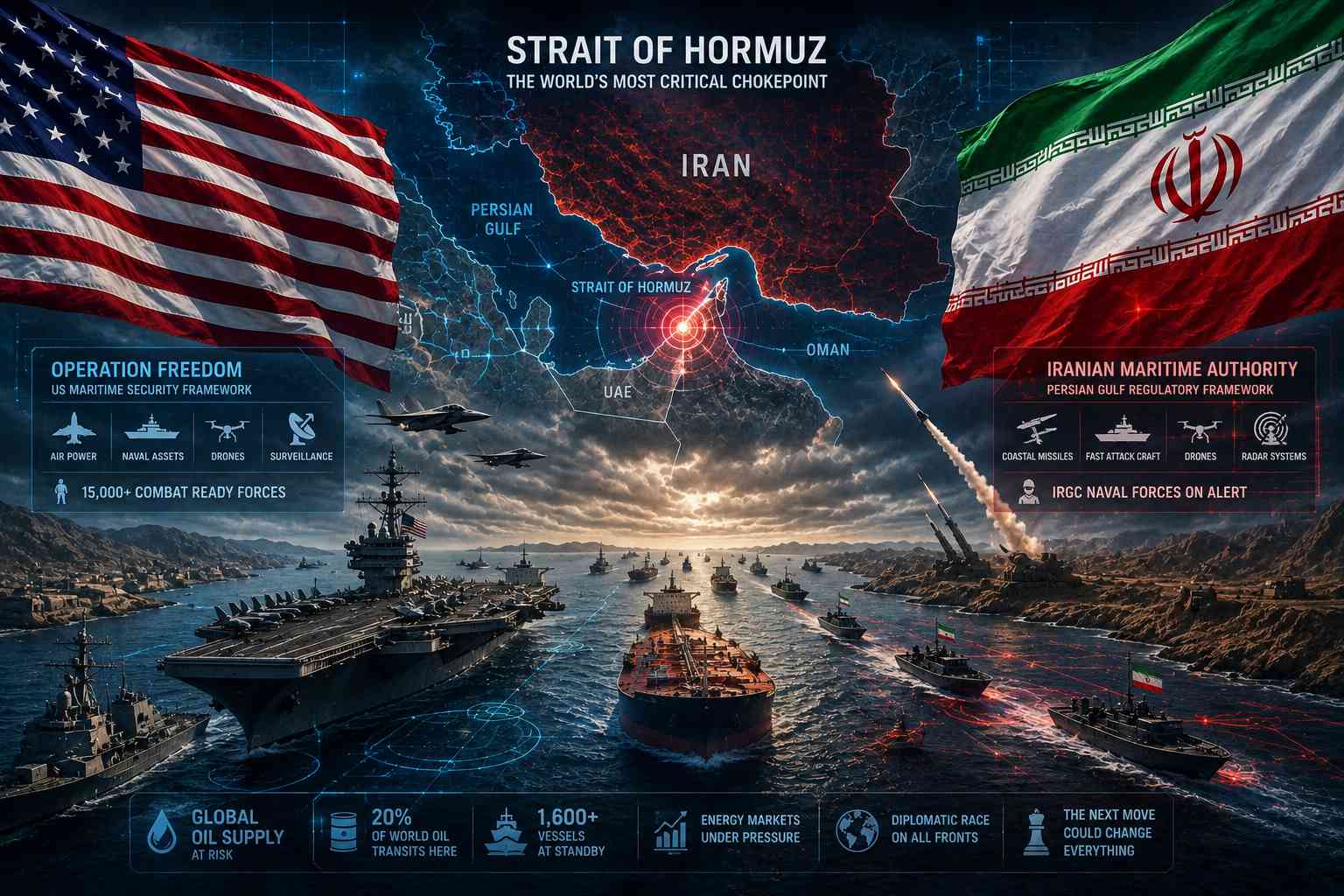
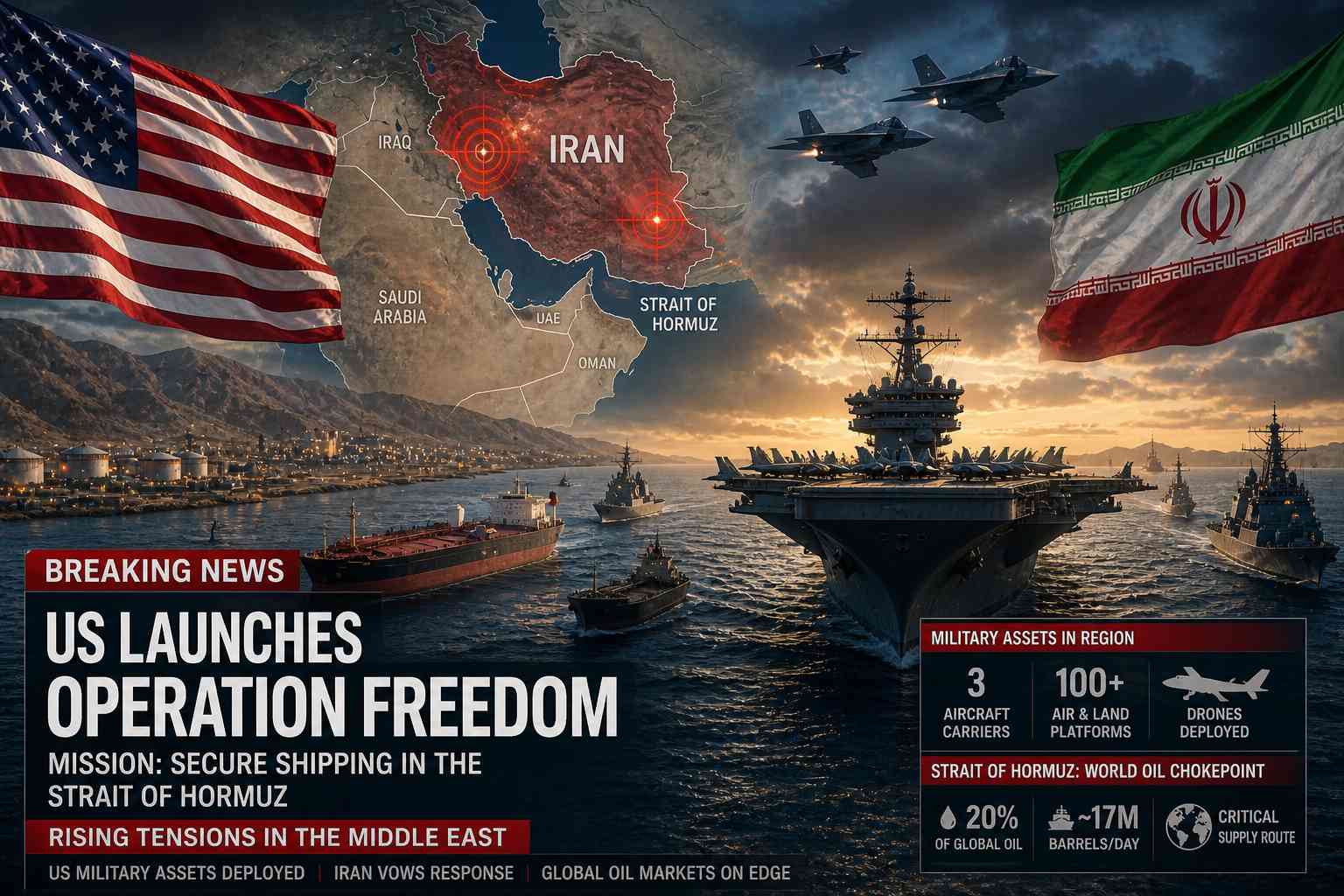
That shift gives Kabul breathing room. It also exposes Afghanistan to new risks. The Associated Press reported earlier that the Iran route faced disruption during the Strait of Hormuz crisis, raising costs for Afghan businesses and aid groups.
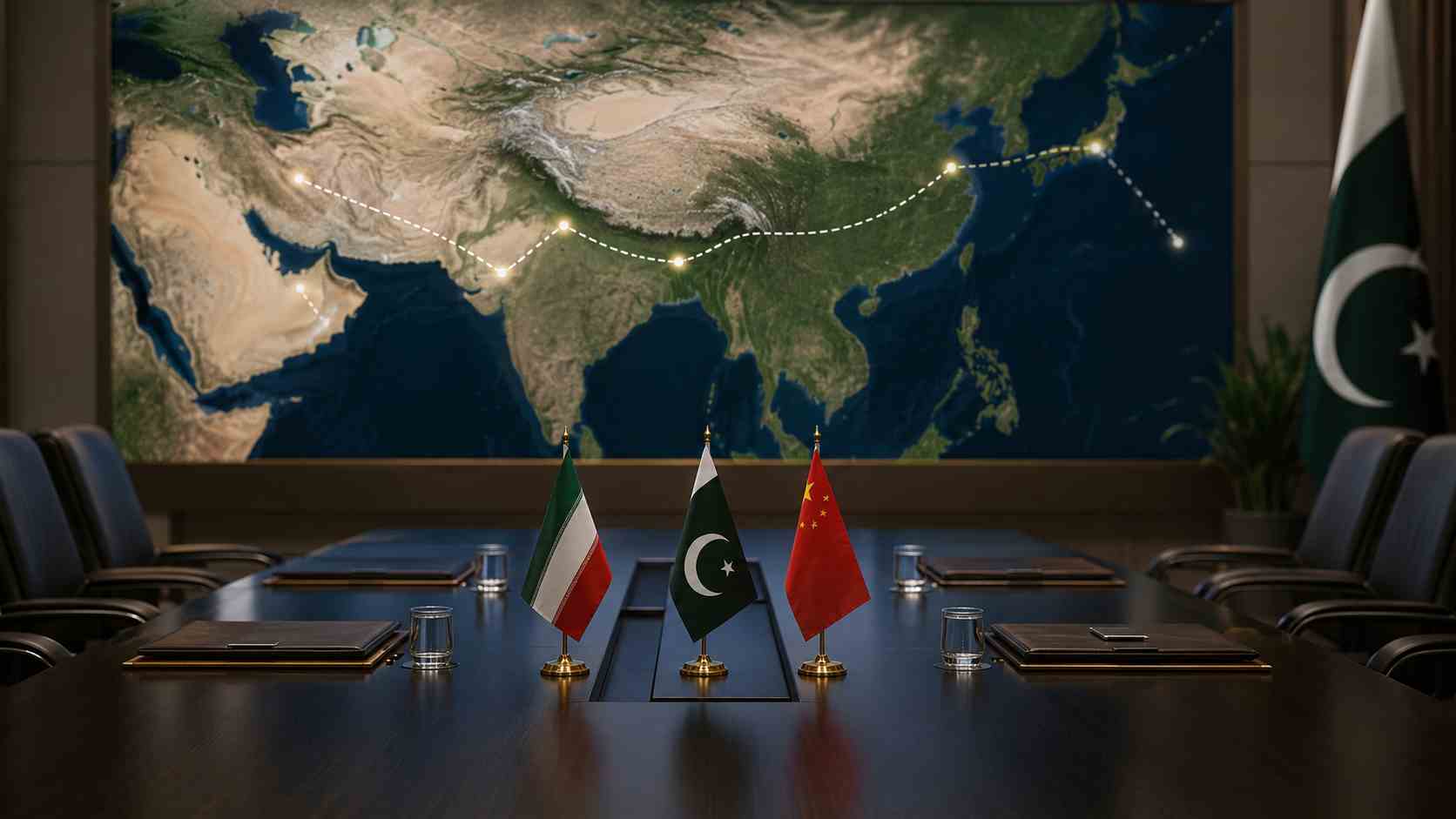
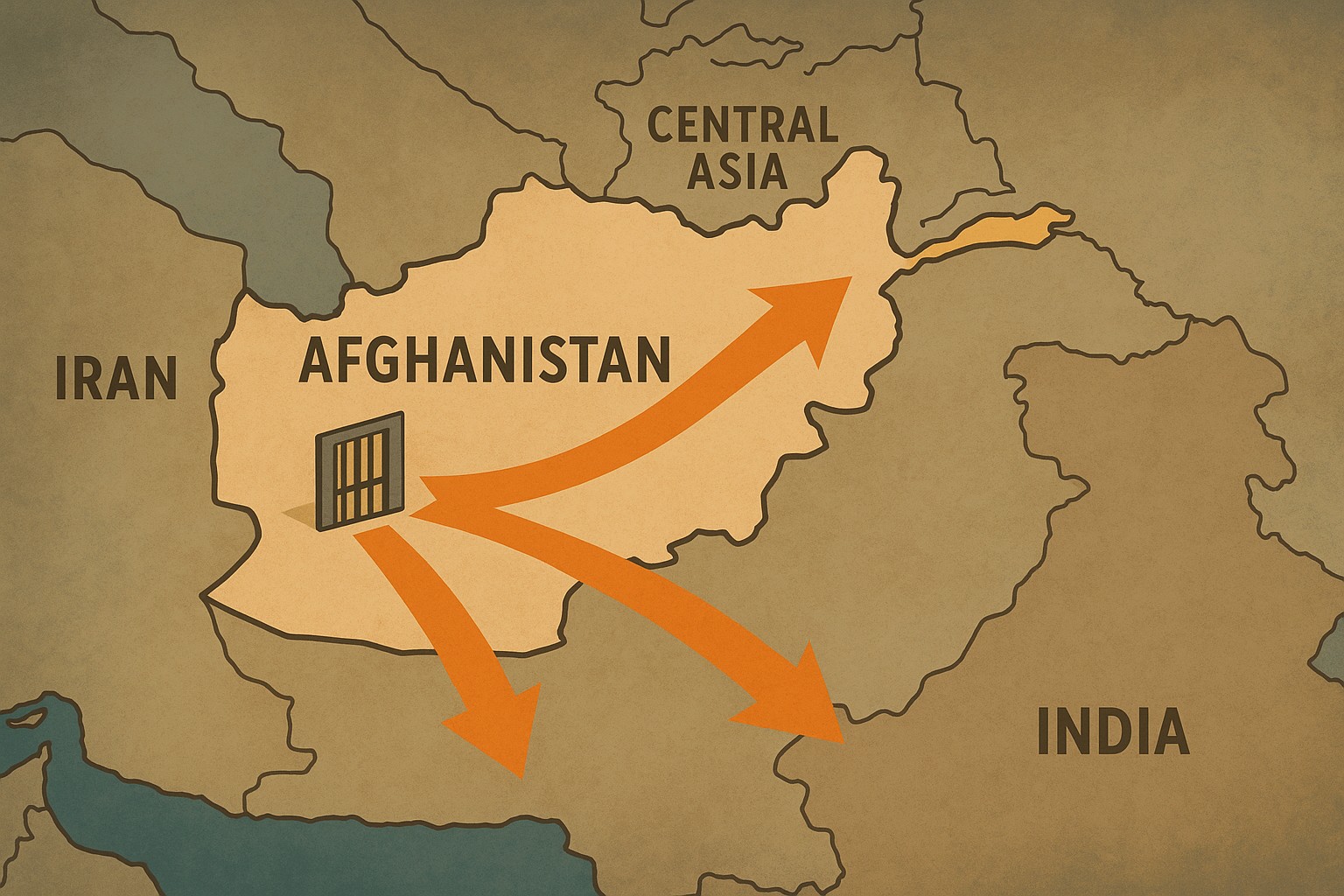
Still, Kabul’s direction is clear. It wants Iran, Central Asia, and other channels to reduce dependence on Pakistan. Once traders build new habits, contracts, and logistics networks, they do not always return quickly.
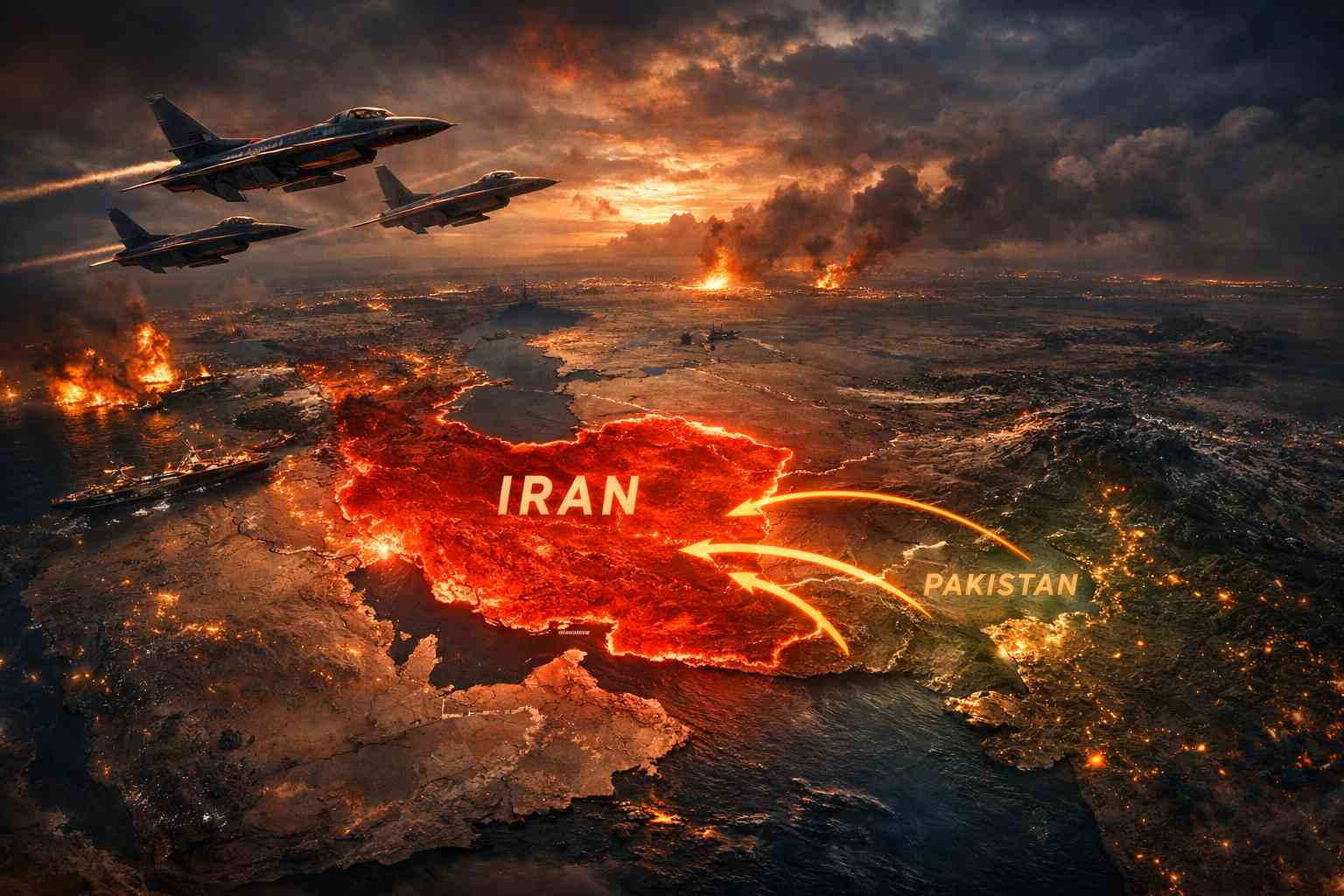
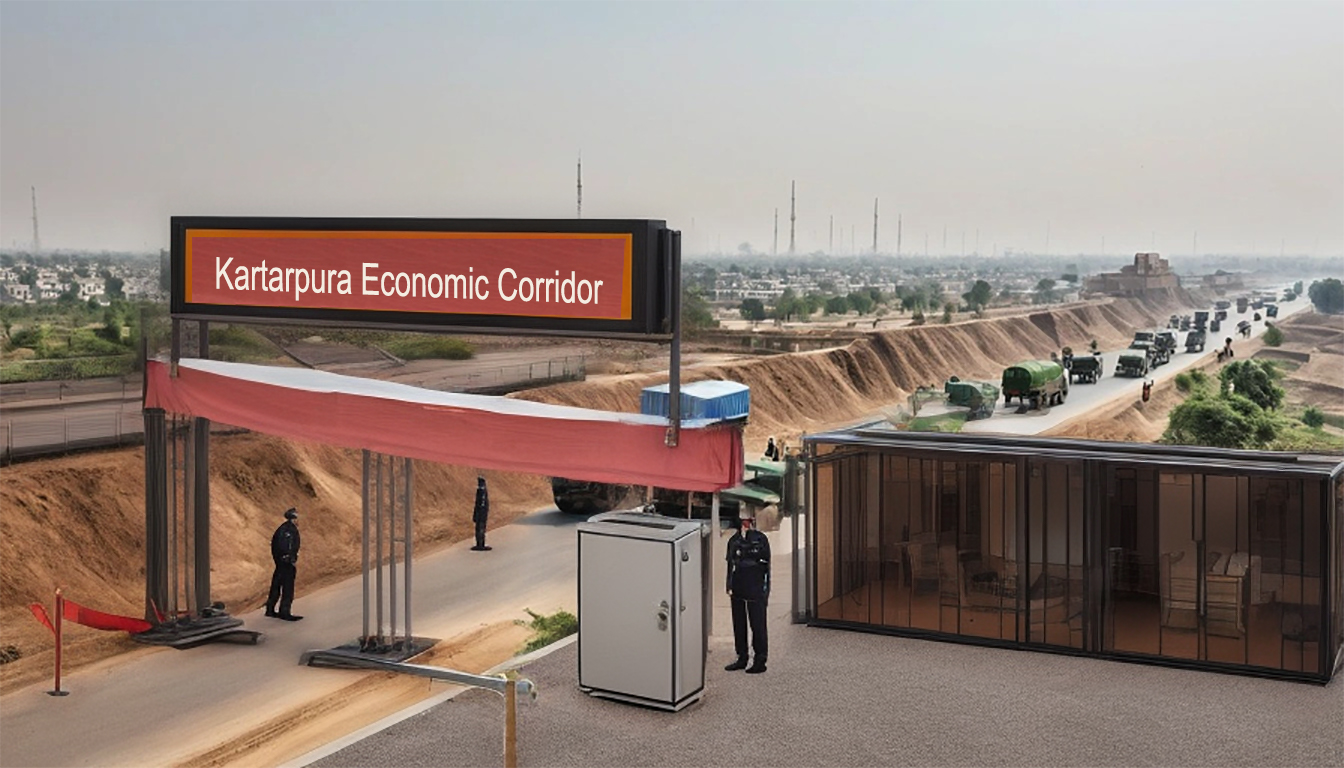
Pakistan has also tried to reposition itself as a regional corridor. In April, Al Jazeera reported that Islamabad opened six overland routes for goods destined for Iran under a new transit order. That move may help Pakistan’s wider trade ambitions. But it does not solve the collapse of the Afghan corridor.
Pakistan’s Leverage Problem
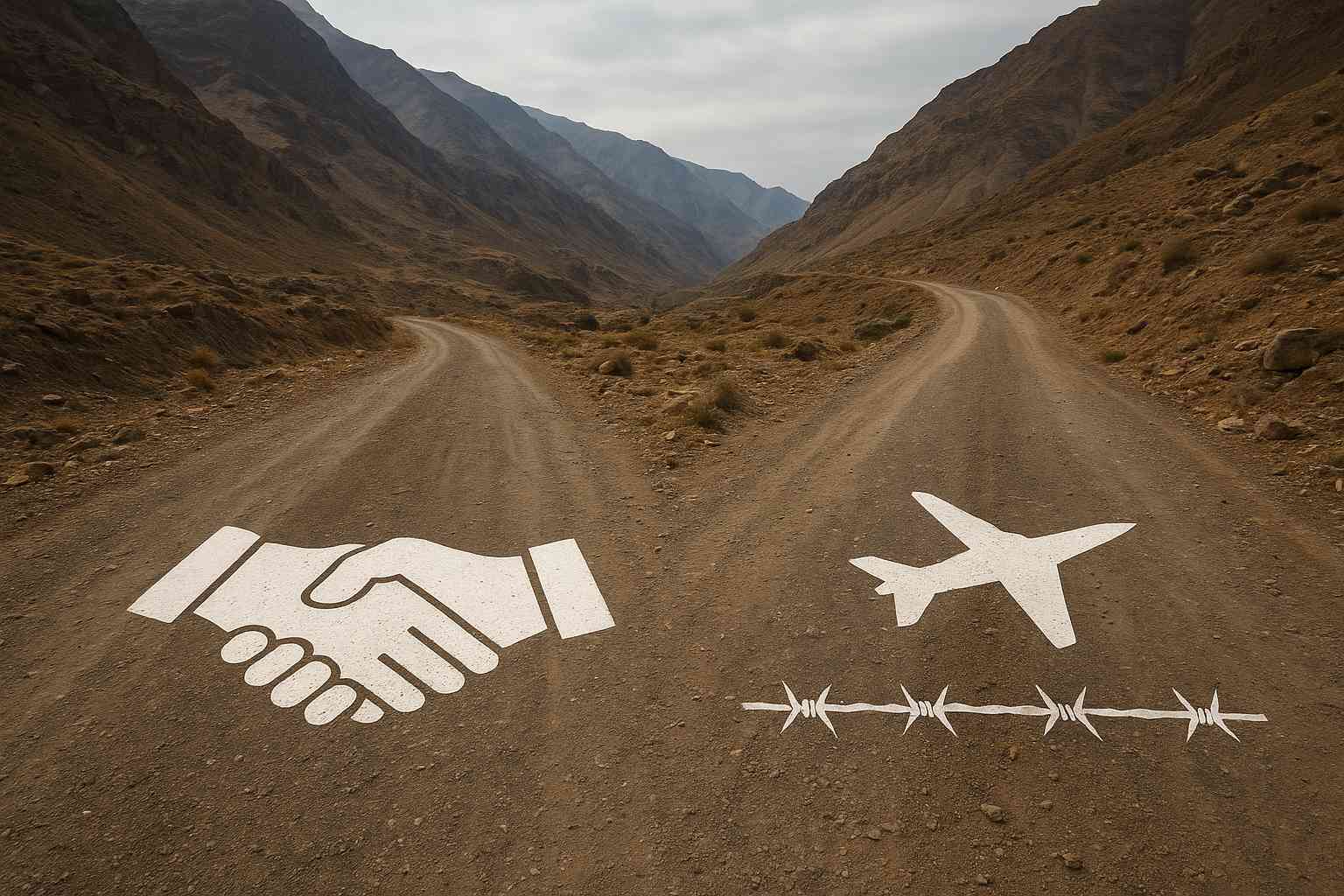
The Afghanistan-Pakistan transit trade decline reveals a hard truth. Security pressure can close a gate, but it cannot guarantee influence. If Pakistan uses geography mainly as a coercive tool, neighbours will spend money to escape that pressure.
For decades, Pakistan’s ports gave Islamabad a powerful role in Afghan commerce. That role carried strategic value. It shaped negotiations, border politics, business networks, and regional diplomacy.
Now that advantage is shrinking. Kabul may pay more for alternate routes, but it may accept that cost for political autonomy. Iran and Central Asian states gain from this reorientation. Pakistan loses customs activity, border livelihoods, and diplomatic weight.
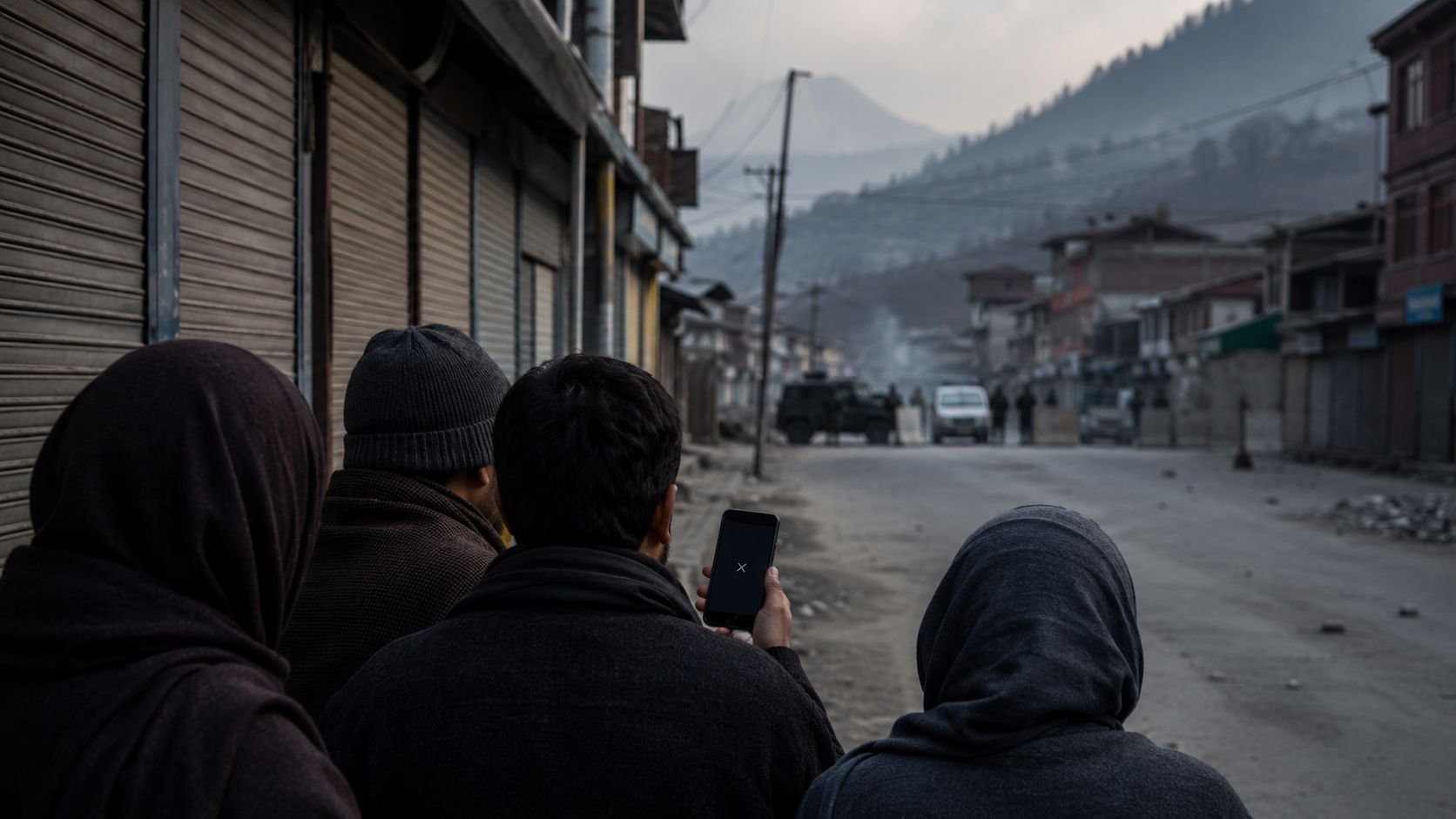
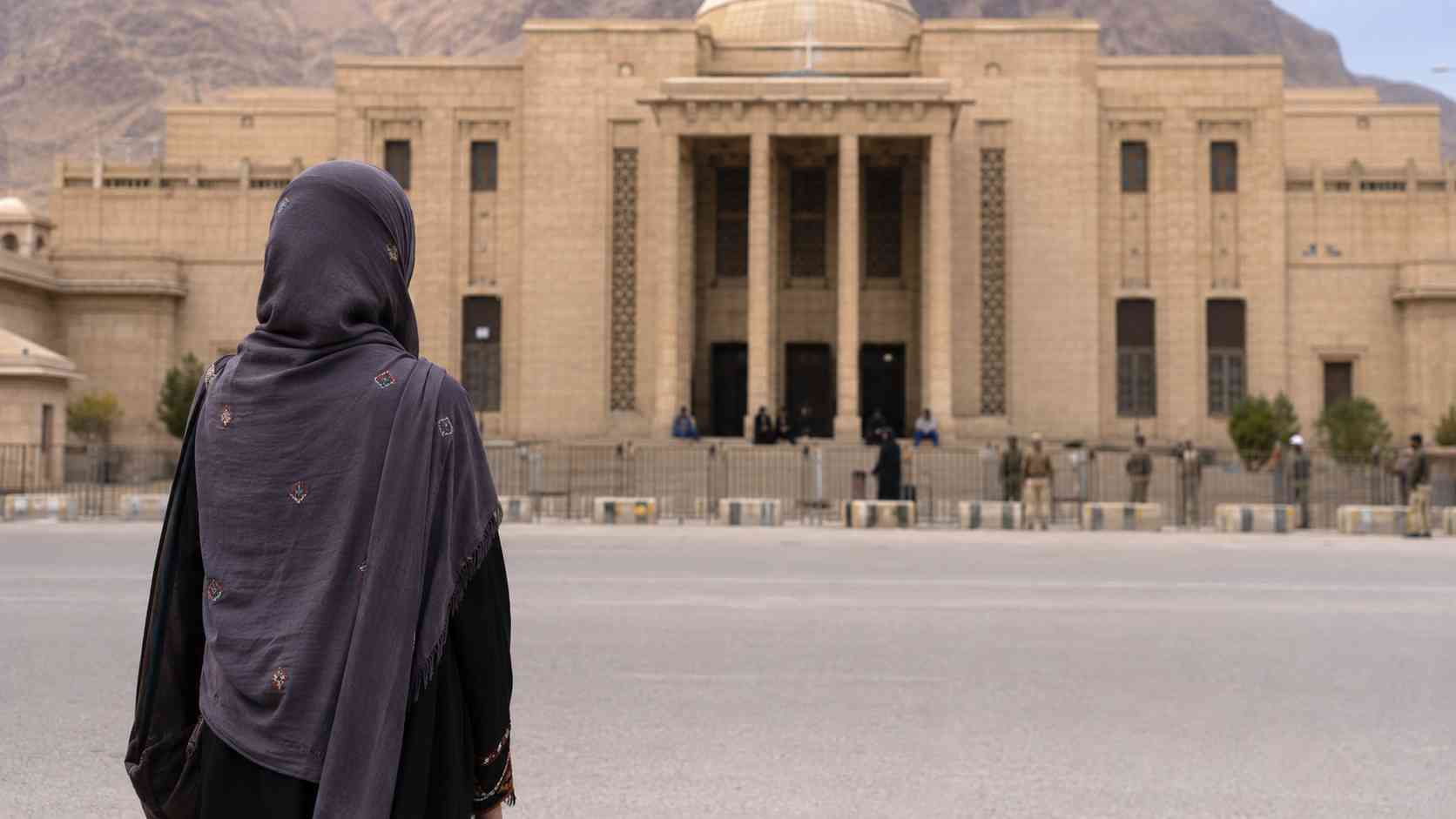
The cost will not stay abstract. Traders in Khyber Pakhtunkhwa and Balochistan suffer when crossings close. Transporters lose work. Exporters lose markets. Border communities pay for decisions made in Islamabad, Rawalpindi, and Kabul.
The Security Question Still Matters
Pakistan cannot ignore militancy or cross-border violence. The state has repeatedly accused Afghan soil of being used by anti-Pakistan militants. Kabul denies allowing such activity. Independent verification remains difficult in many border incidents.
That uncertainty should make policy more disciplined, not more theatrical. Pakistan needs targeted security enforcement, credible border management, and serious diplomacy. A blanket collapse in trade punishes too many civilians while pushing Kabul toward rival corridors.
Islamabad also needs to separate leverage from dependence. A sustainable corridor should make both sides value stability. If one side sees the route as a trap, it will eventually search for an exit.
What Islamabad Should Learn
The lesson is not that Pakistan should surrender its security concerns. The lesson is that security policy without economic statecraft carries strategic costs.
Afghanistan-Pakistan transit trade once gave Islamabad a structural advantage. That advantage now looks fragile. Kabul’s shift toward Iran and Central Asia shows that geography alone no longer guarantees influence.
Pakistan needs a smarter bargain. It should protect its borders, but it should also make its ports, roads, customs systems, and political terms more attractive than the alternatives. Influence grows when others choose your corridor because it works.
The current collapse sends the opposite message. It tells Kabul that Pakistan can close the gate, but it also tells the region that Afghanistan is learning to move around it.
That is why this is more than a trade story. It is a warning about Pakistan’s regional statecraft. A country that confuses obstruction with strategy may win a border argument and still lose the corridor.