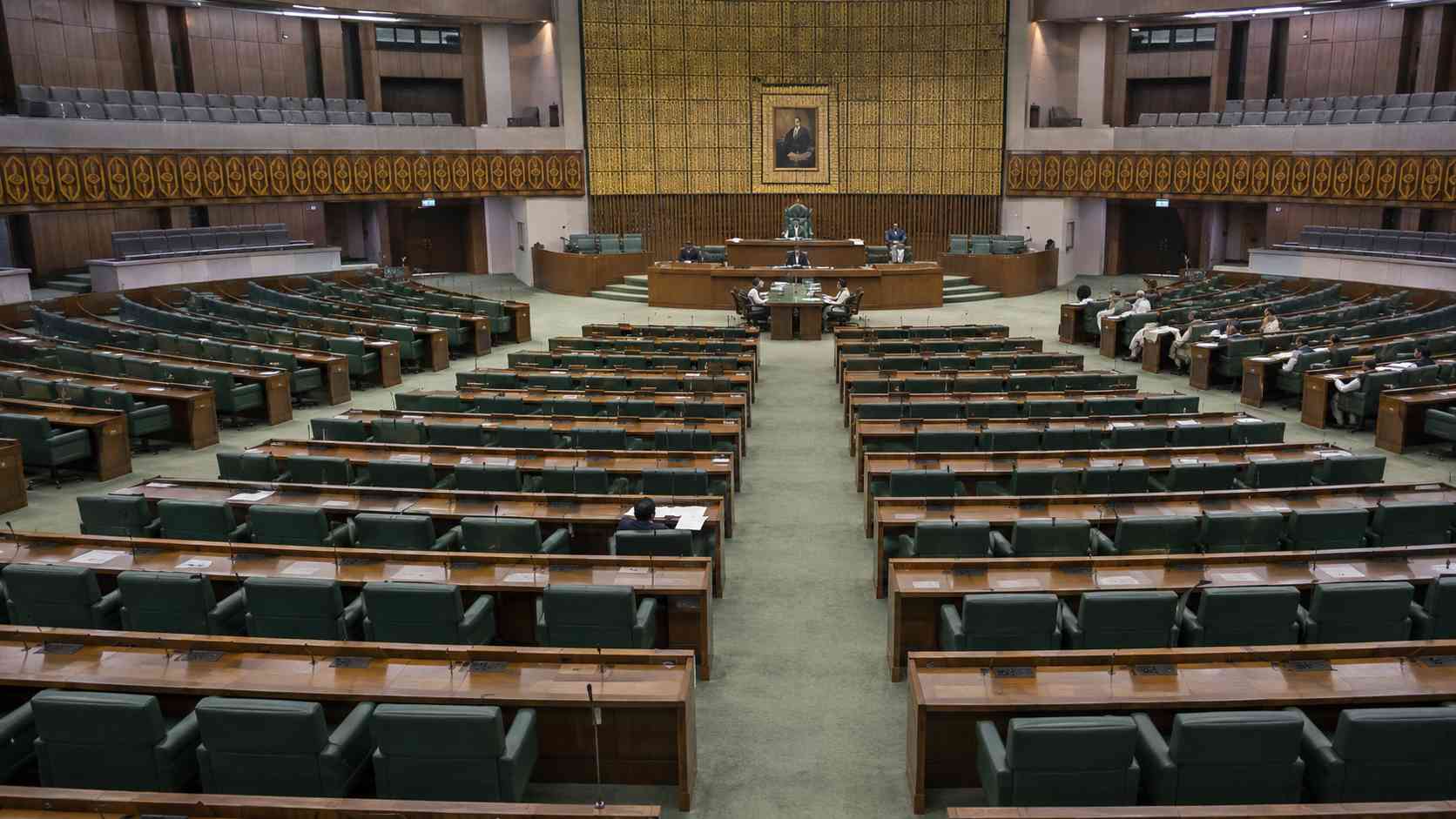
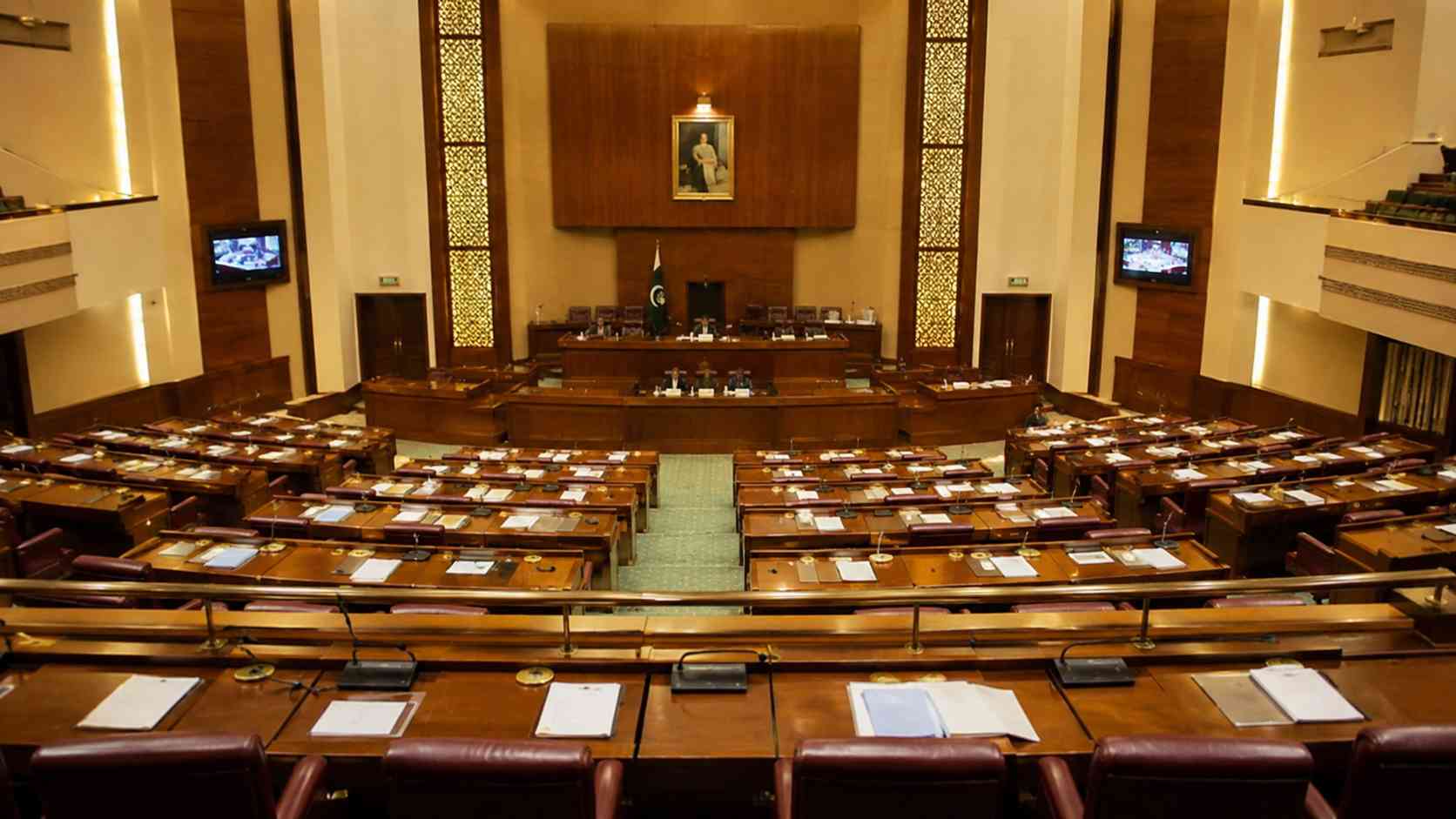
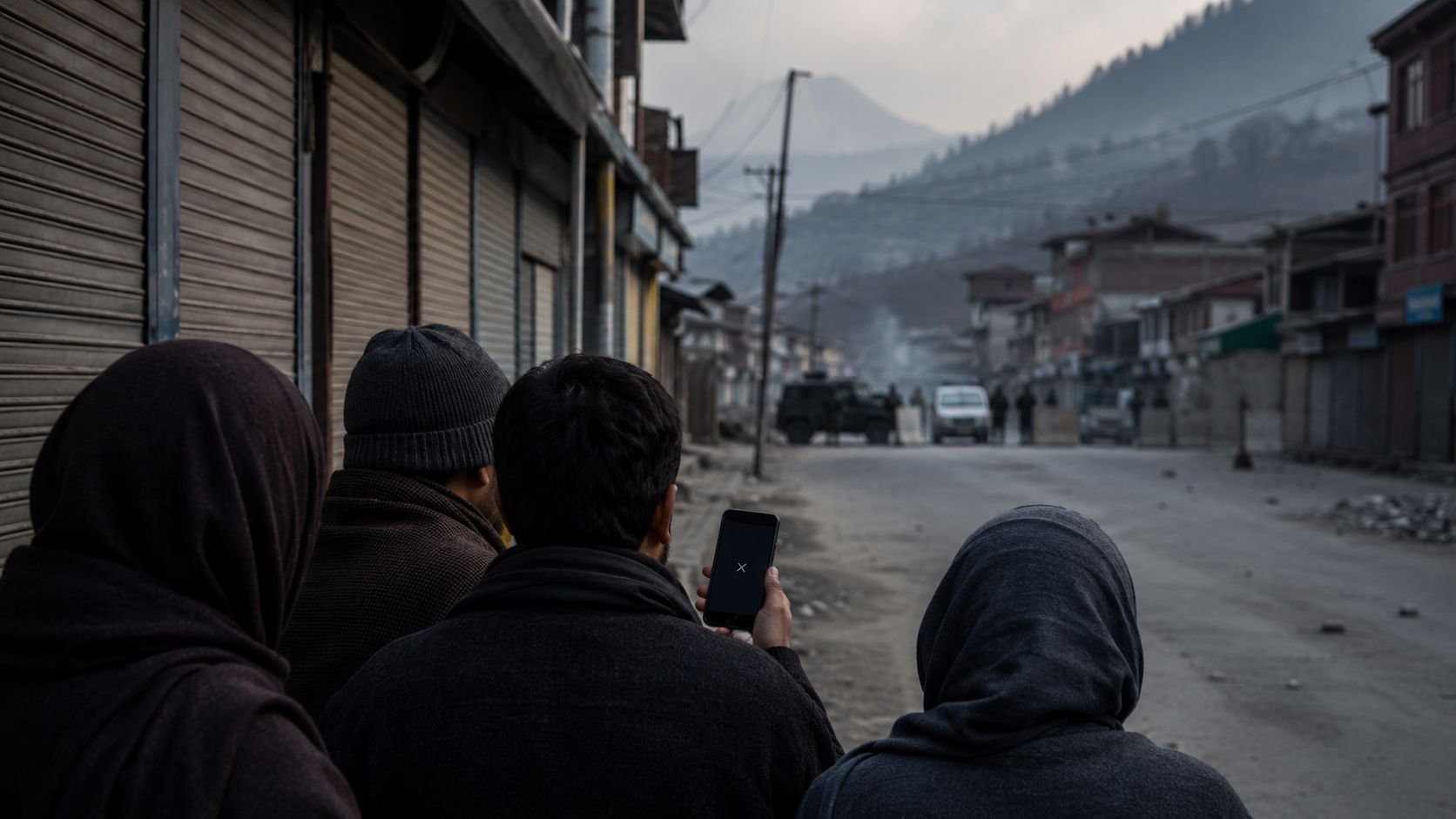
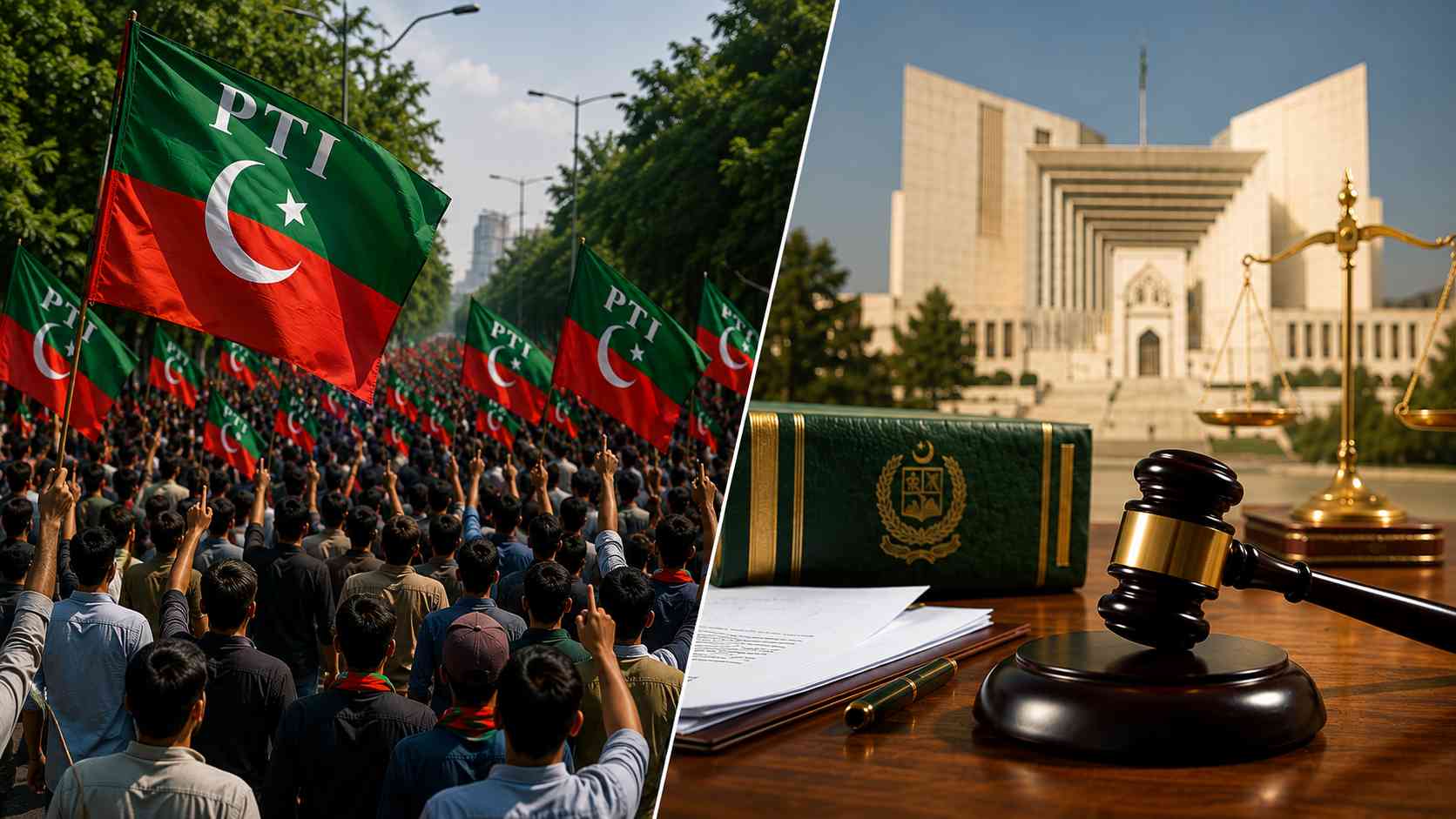
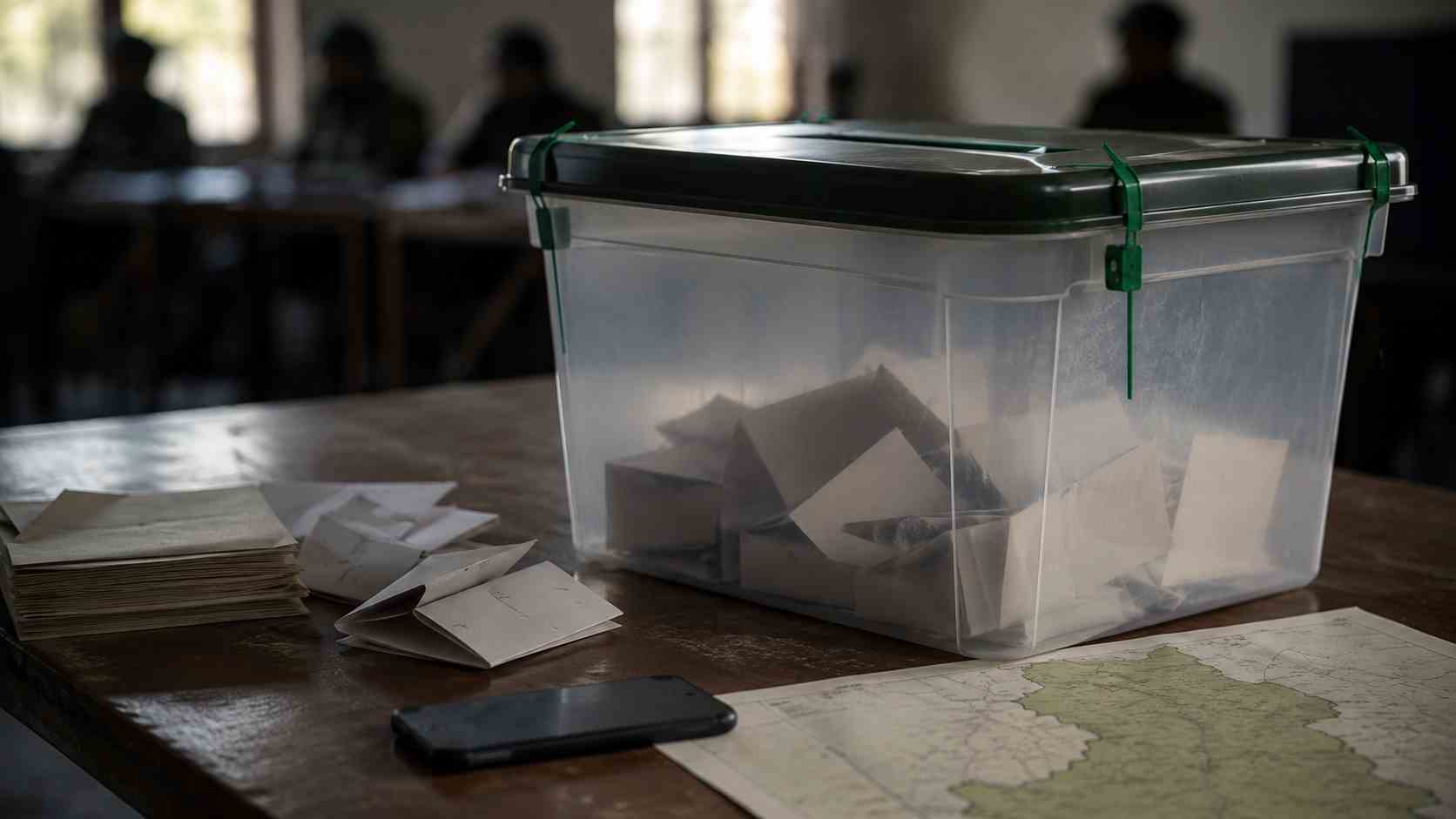
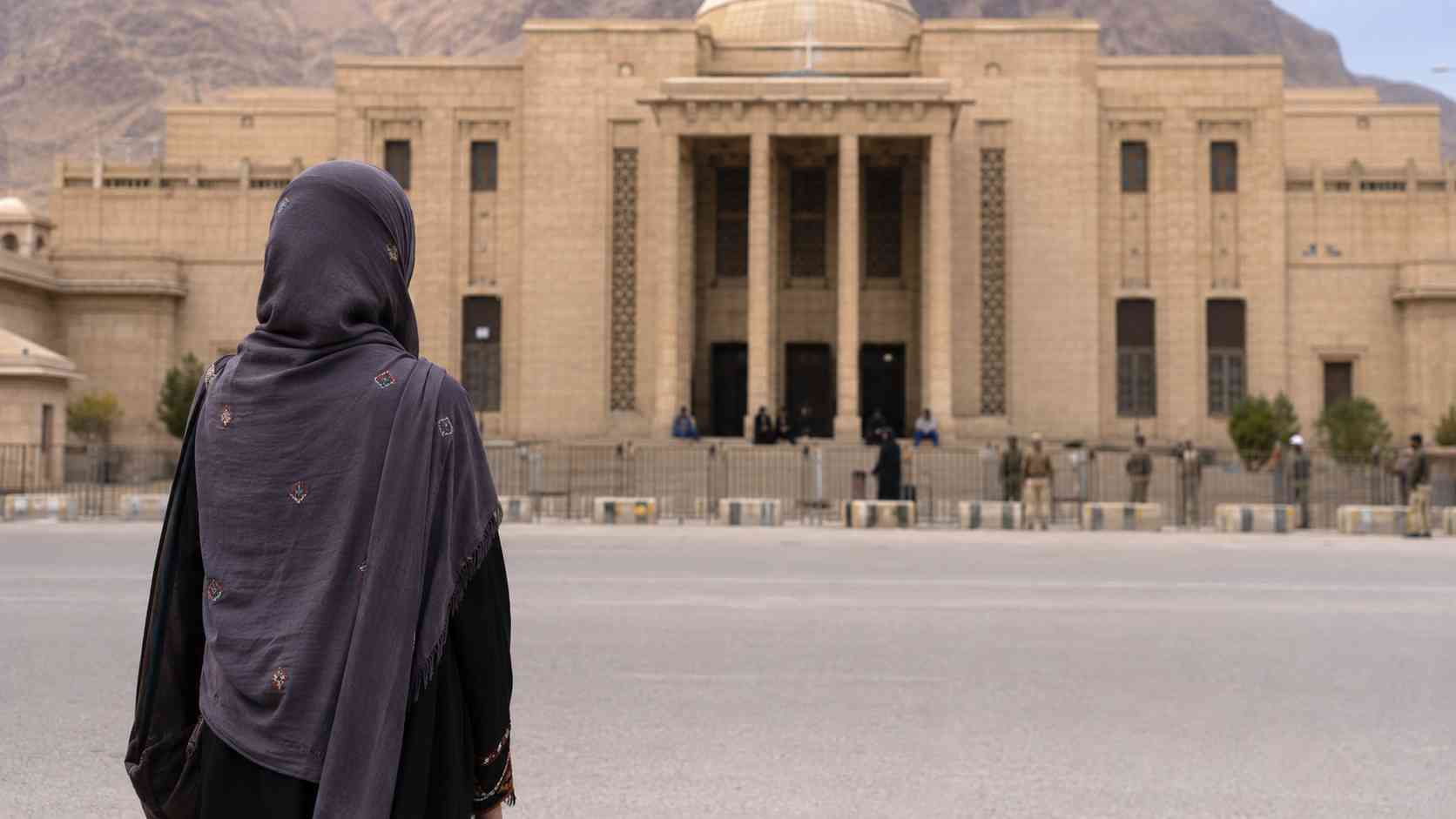
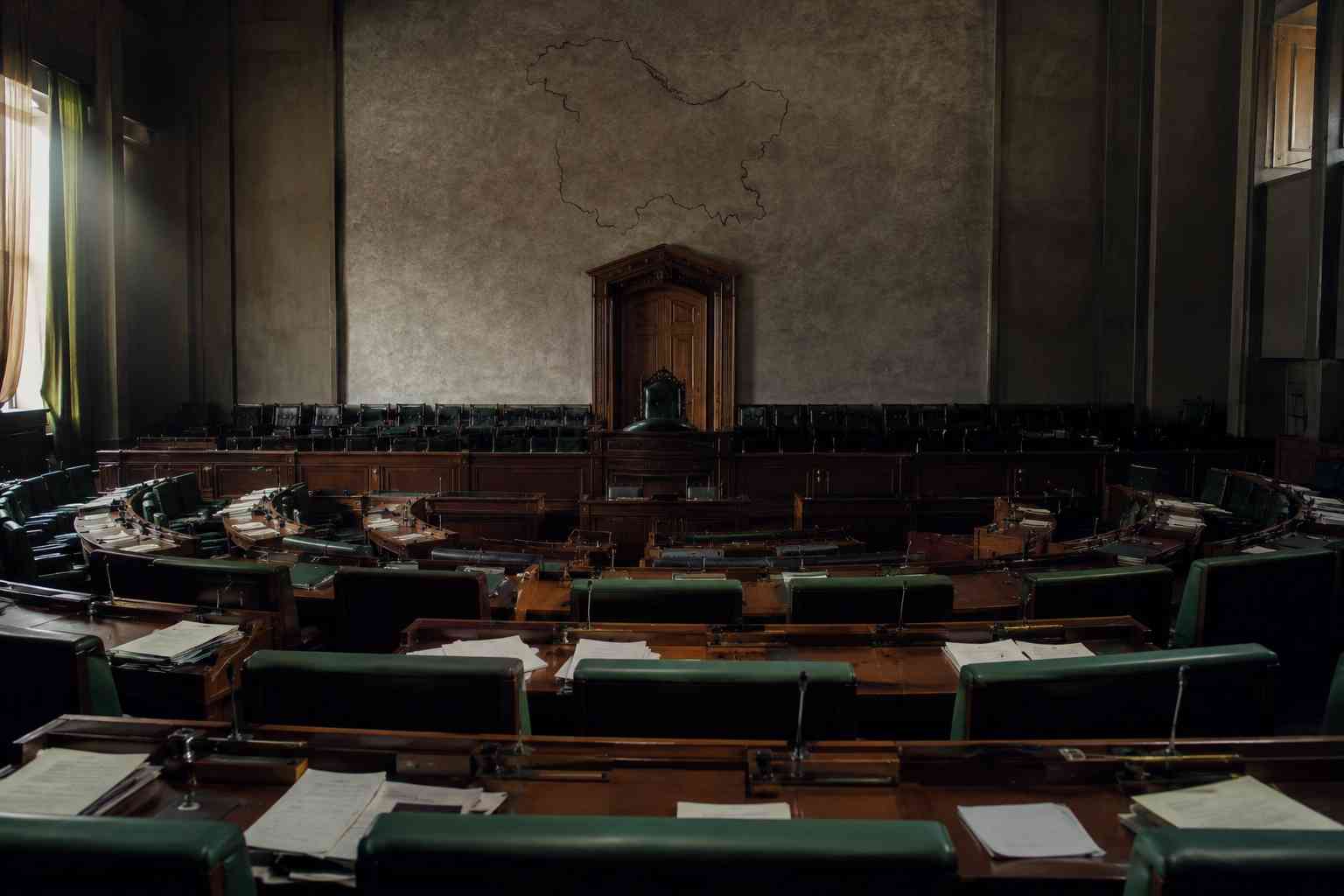
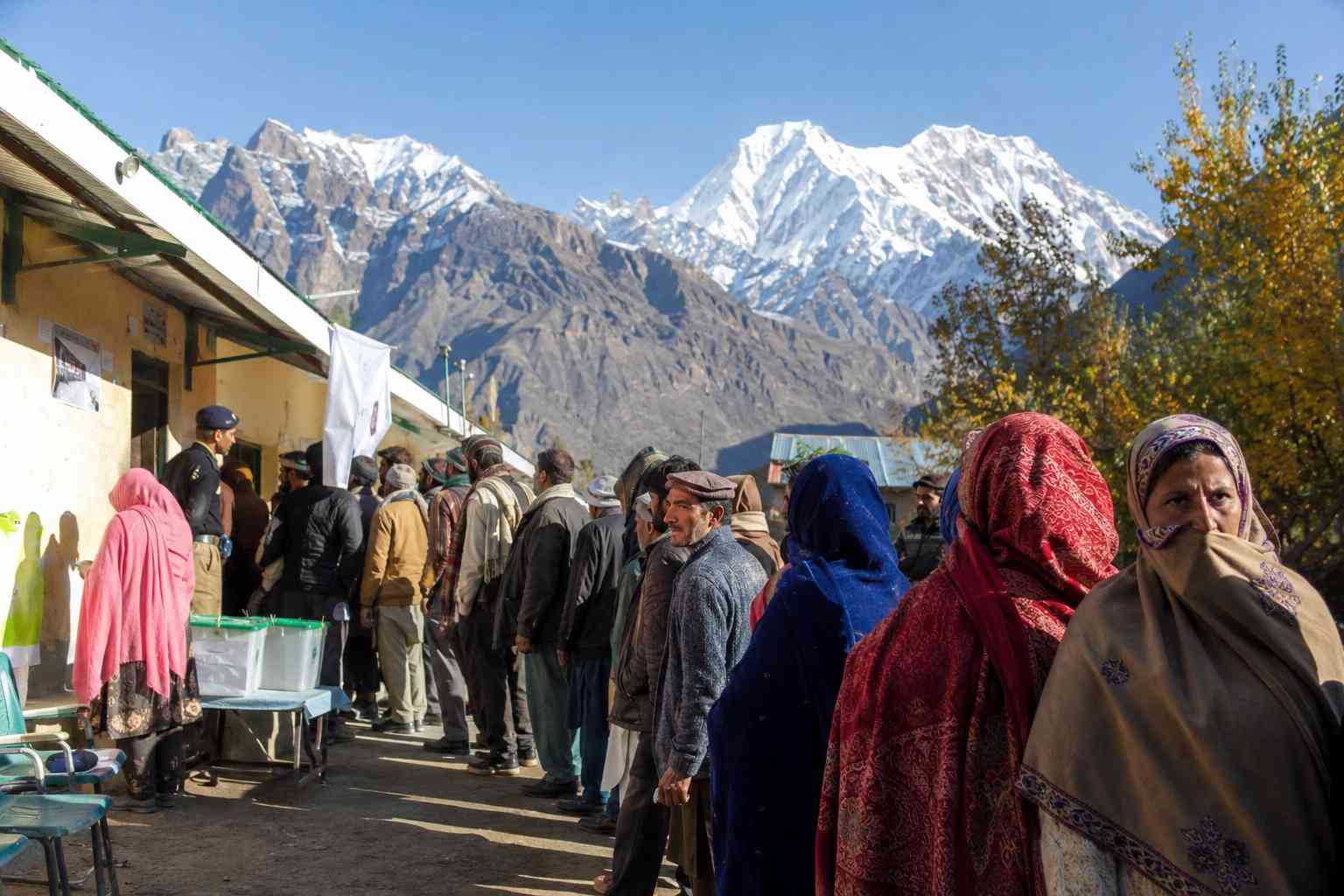
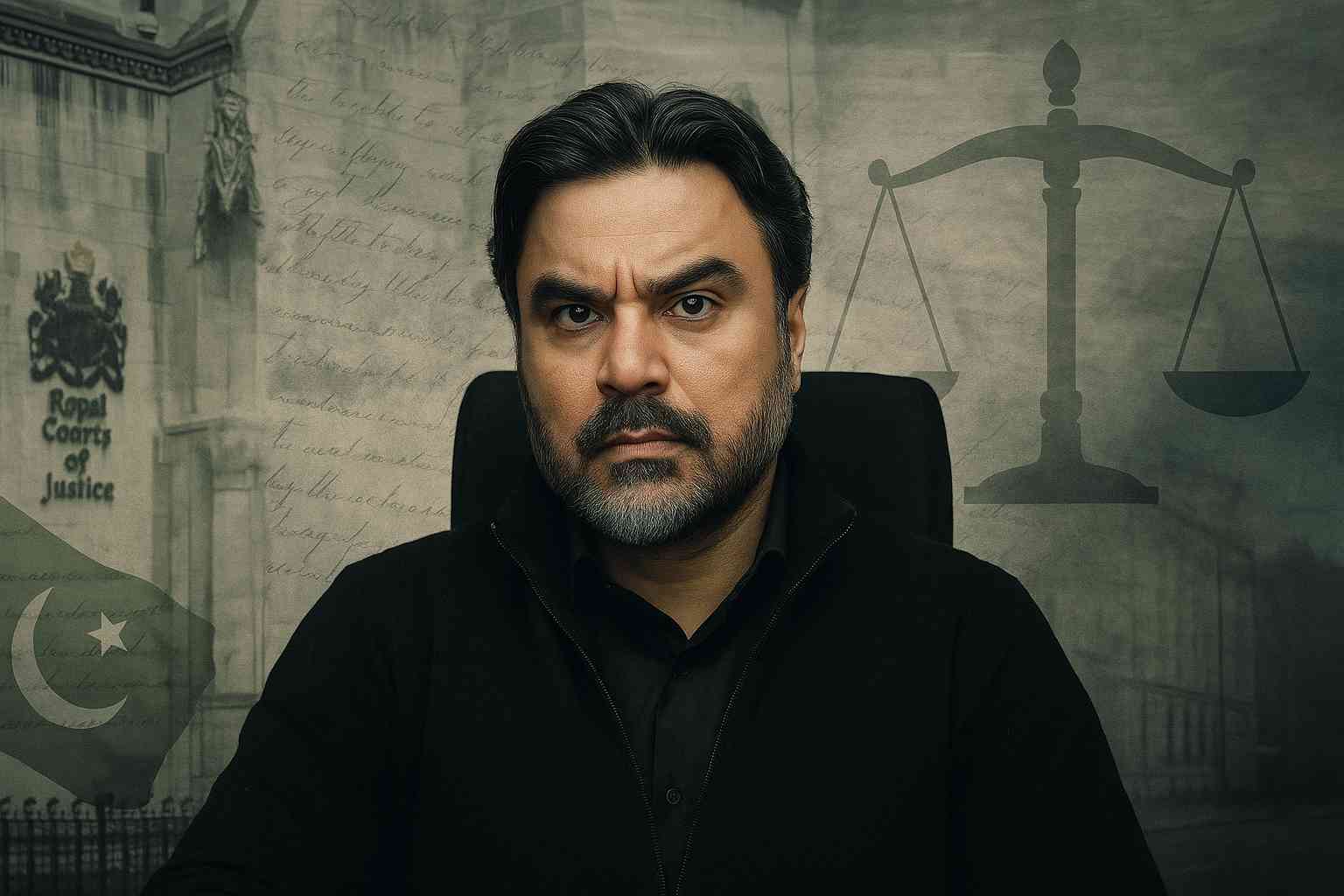
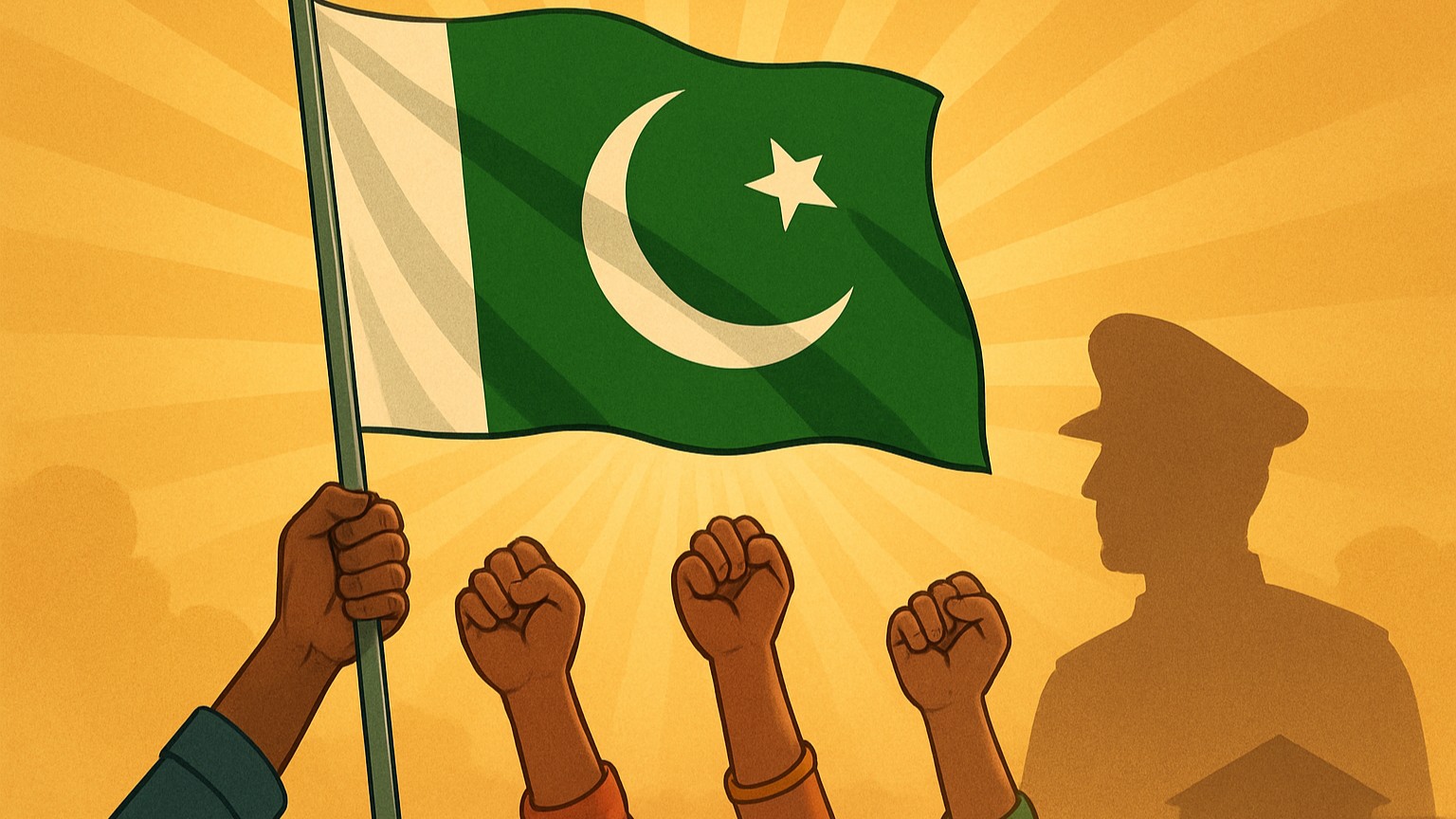
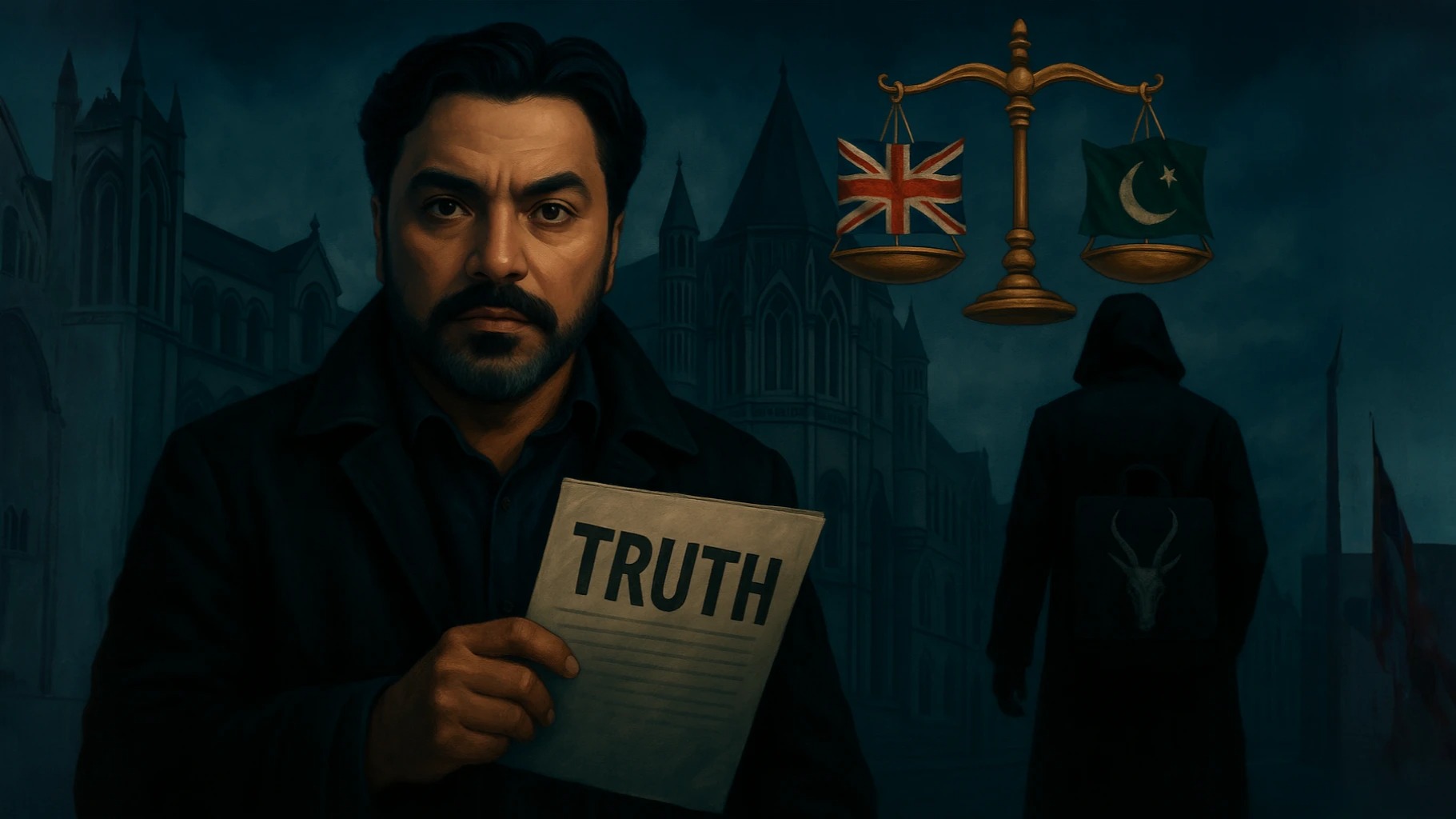
The Gilgit-Baltistan election scheduled for June 7 has become more than a regional vote. It now tests Pakistan’s democratic credibility in a sensitive region. Representation, federal control, and political pressure all shape this contest.
The Gilgit-Baltistan Election Commission says it will hold transparent, free, fair, and impartial polls. Yet the final days before voting have raised serious questions. Opposition complaints, official denials, campaign restrictions, and a large security deployment now define the political atmosphere.
Why The Gilgit-Baltistan Election Matters
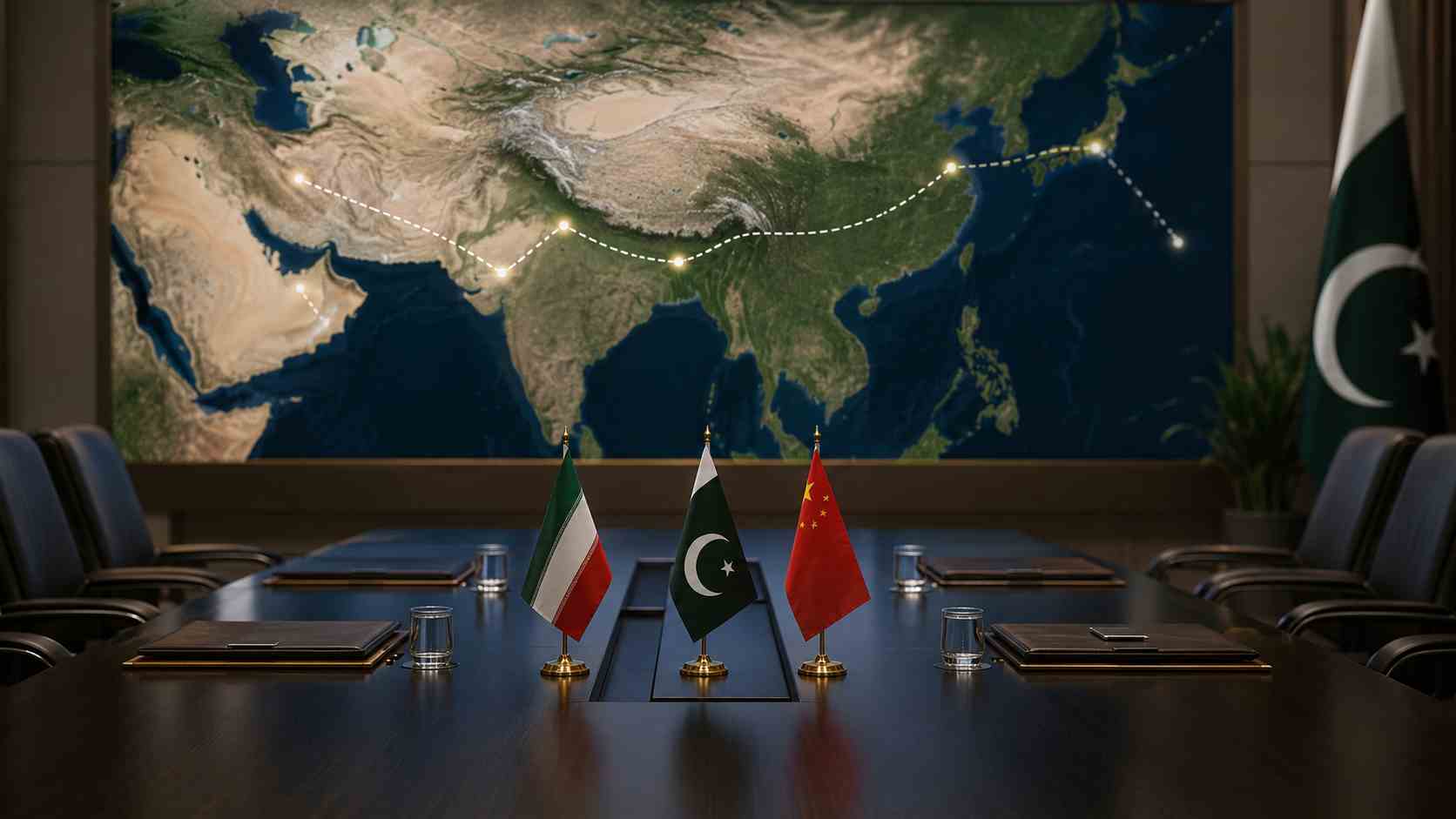
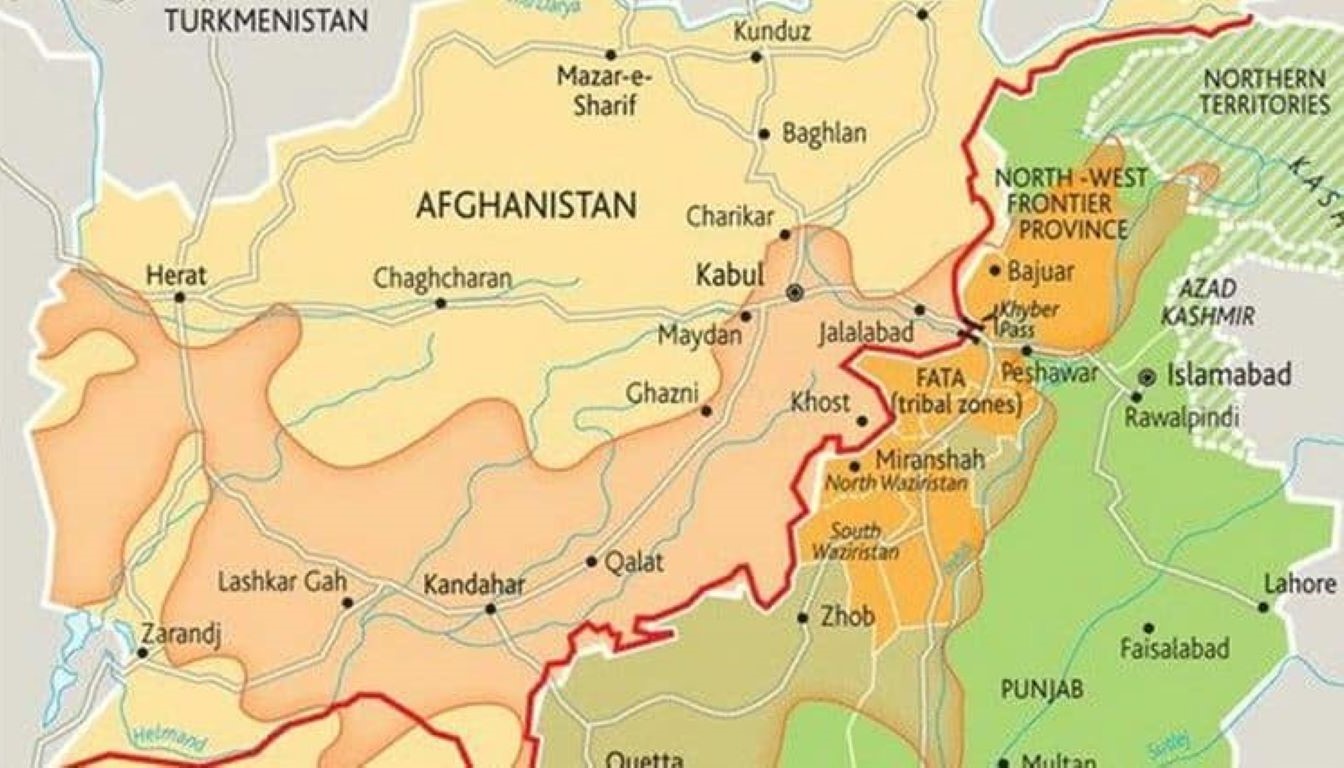
Gilgit-Baltistan is not an ordinary electoral battleground. Its constitutional status remains unresolved. Its location near Kashmir, China, and India gives it major strategic value.
For local voters, this election concerns jobs, roads, land rights, development funds, and political dignity. For Islamabad, it concerns control, stability, and strategic management.
That is why the Gilgit-Baltistan election matters beyond local party arithmetic. Voters need confidence that no one shaped the result before polling day.
Opposition Allegations And Official Denials
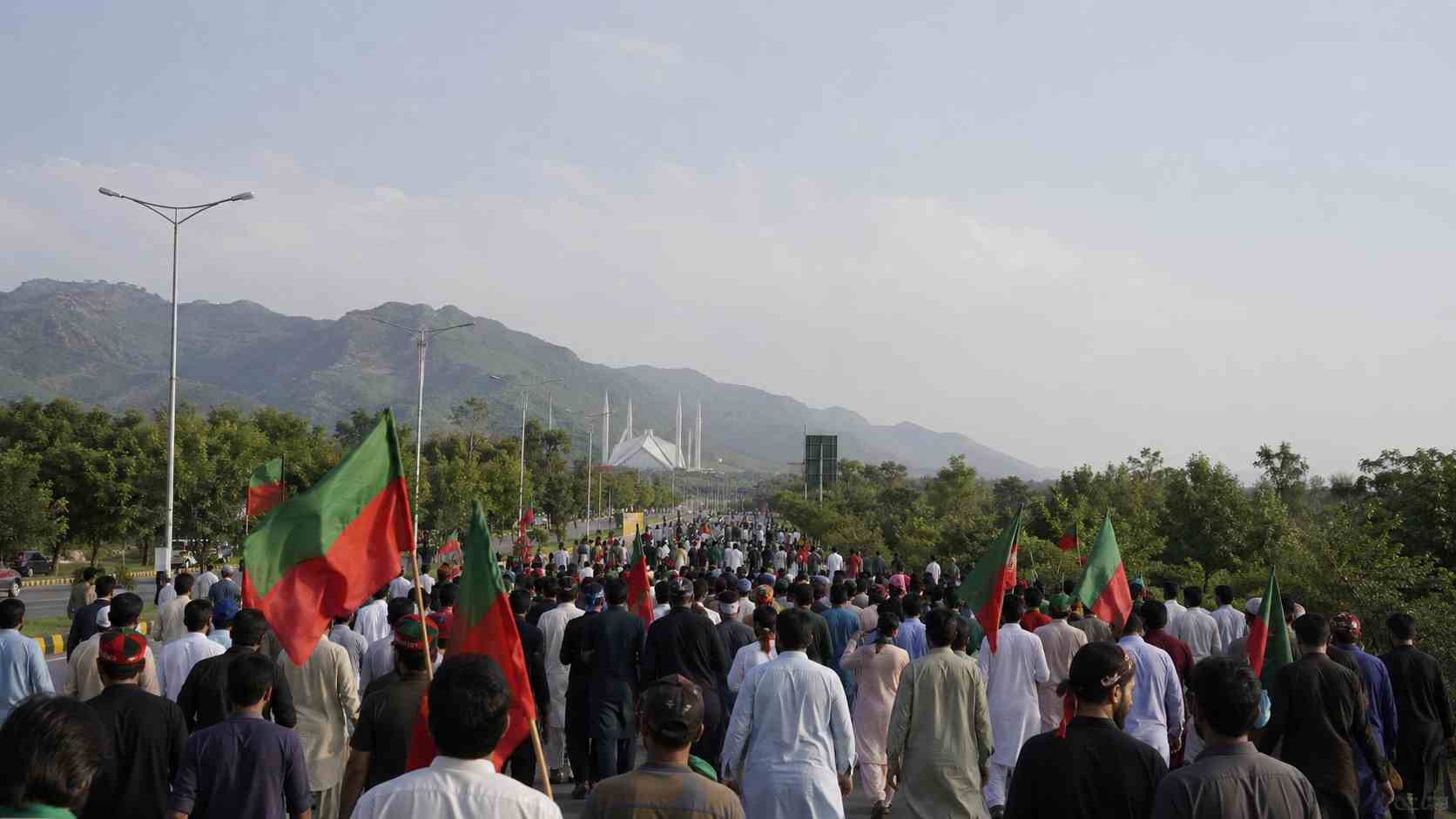
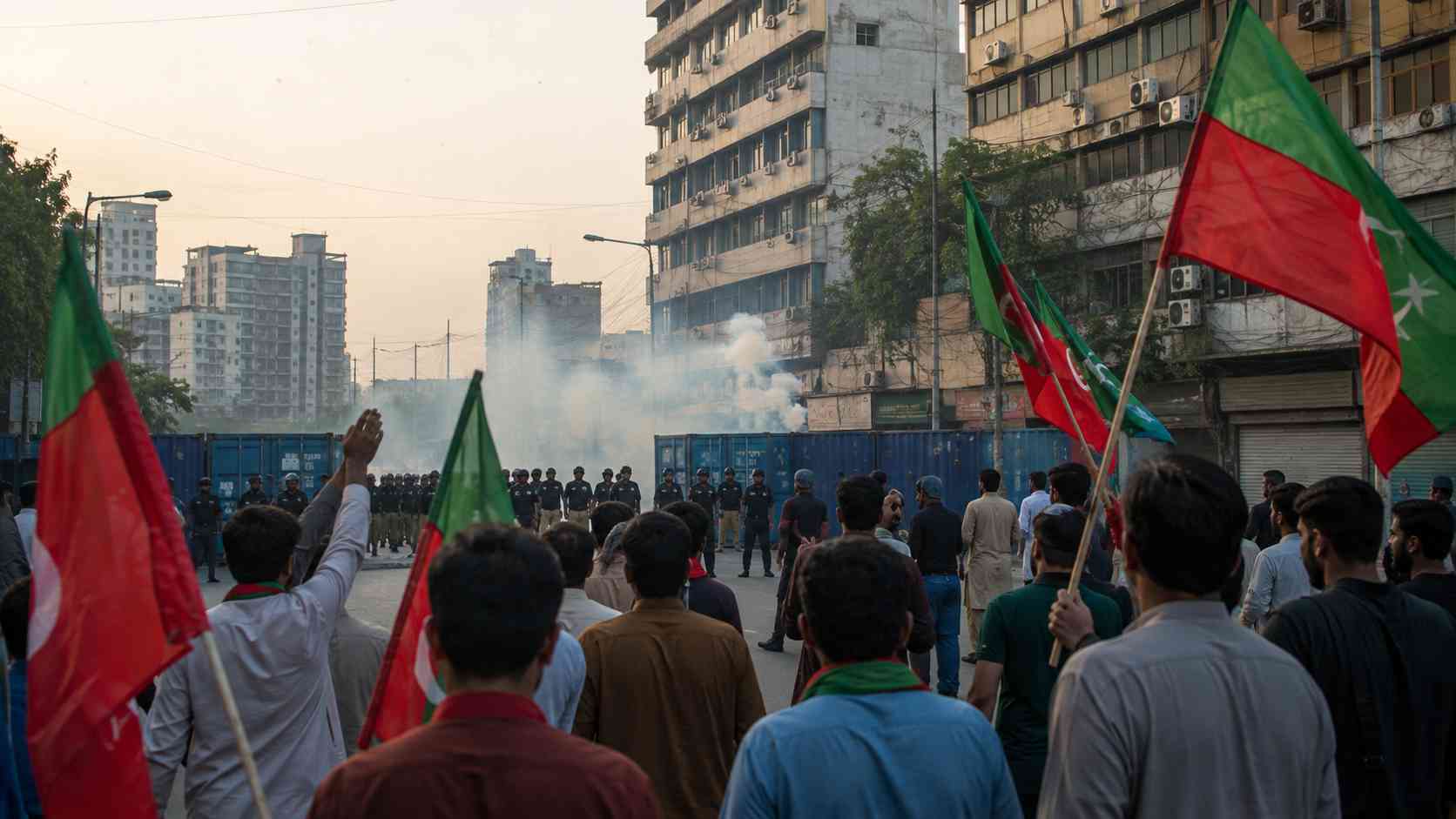
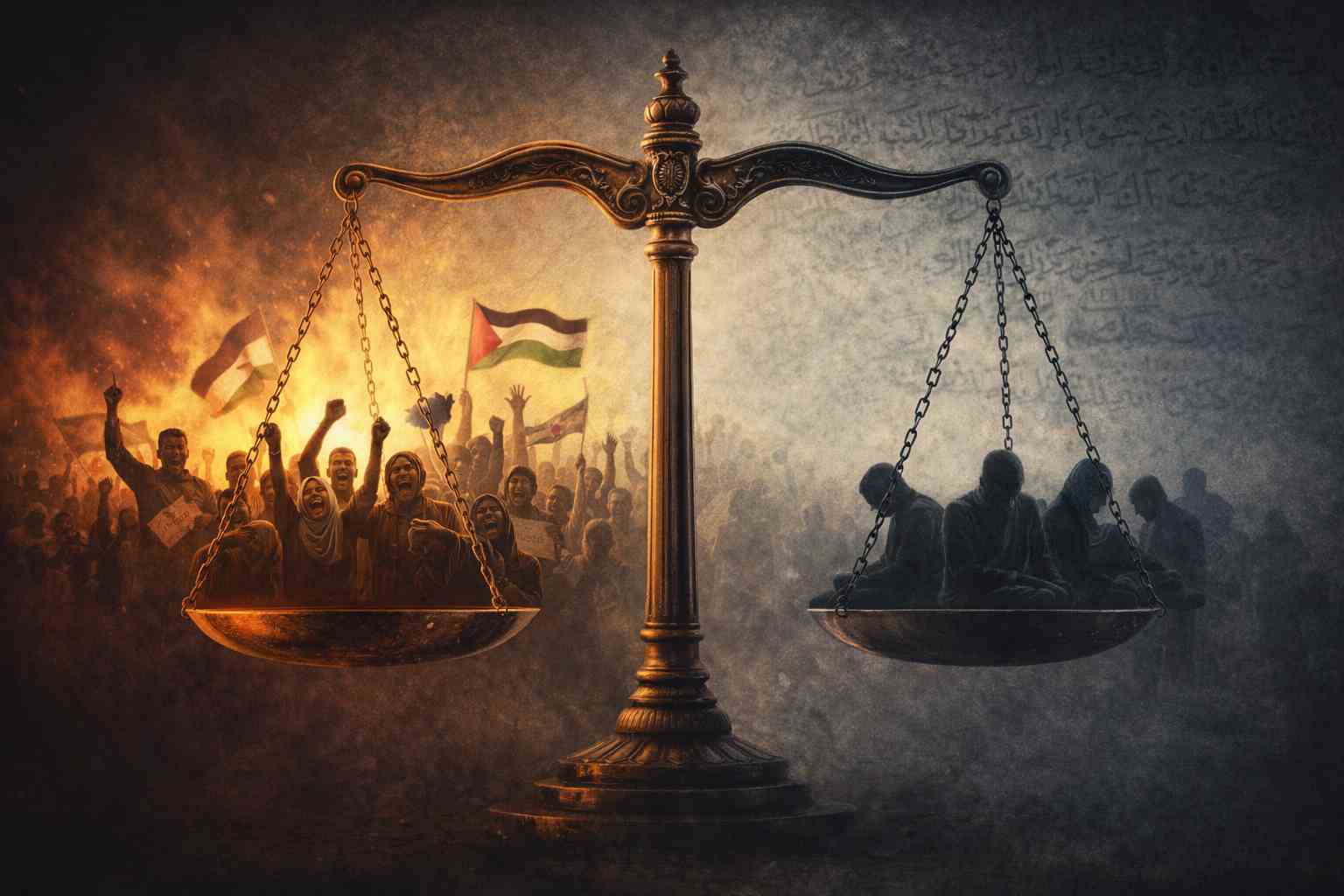
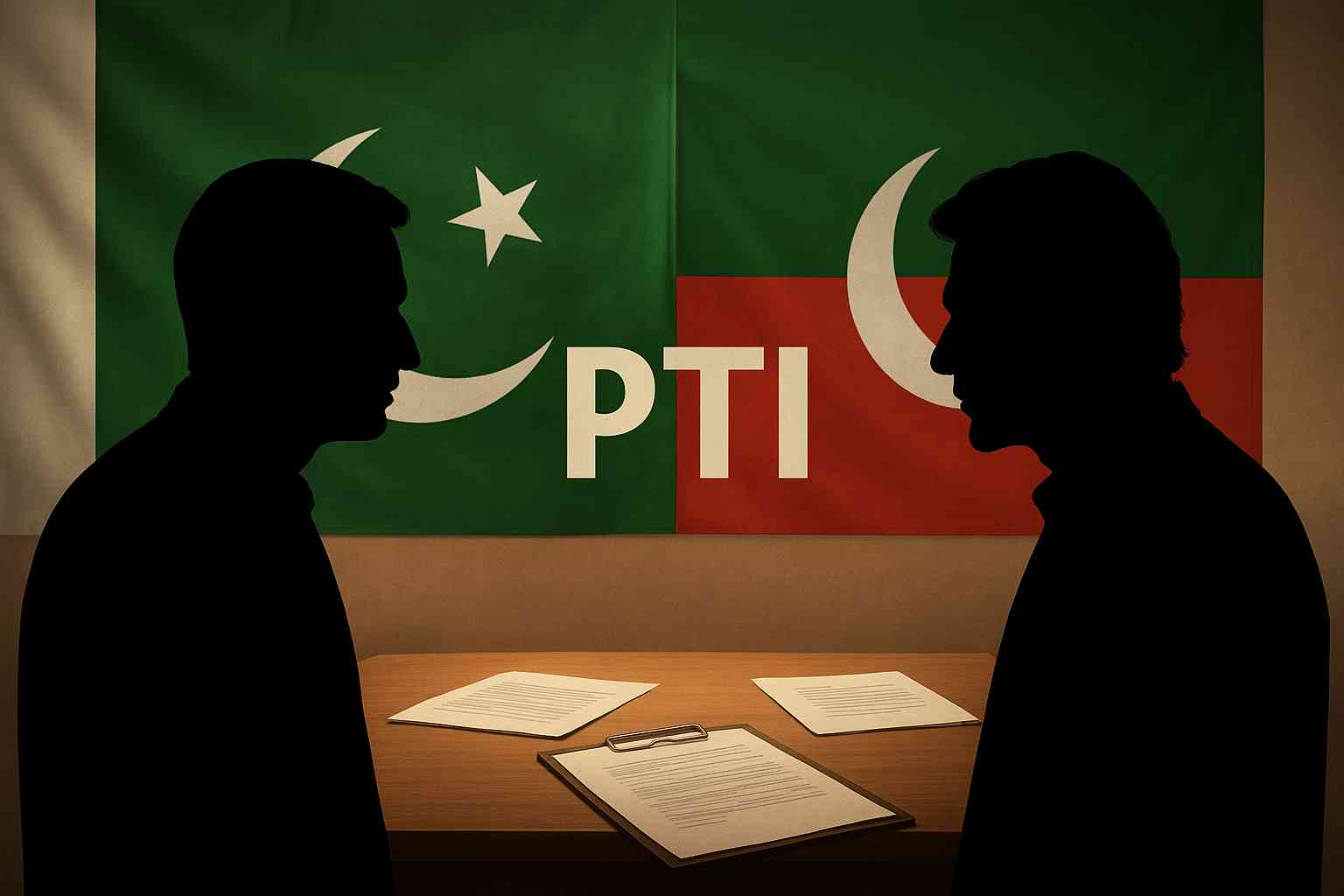
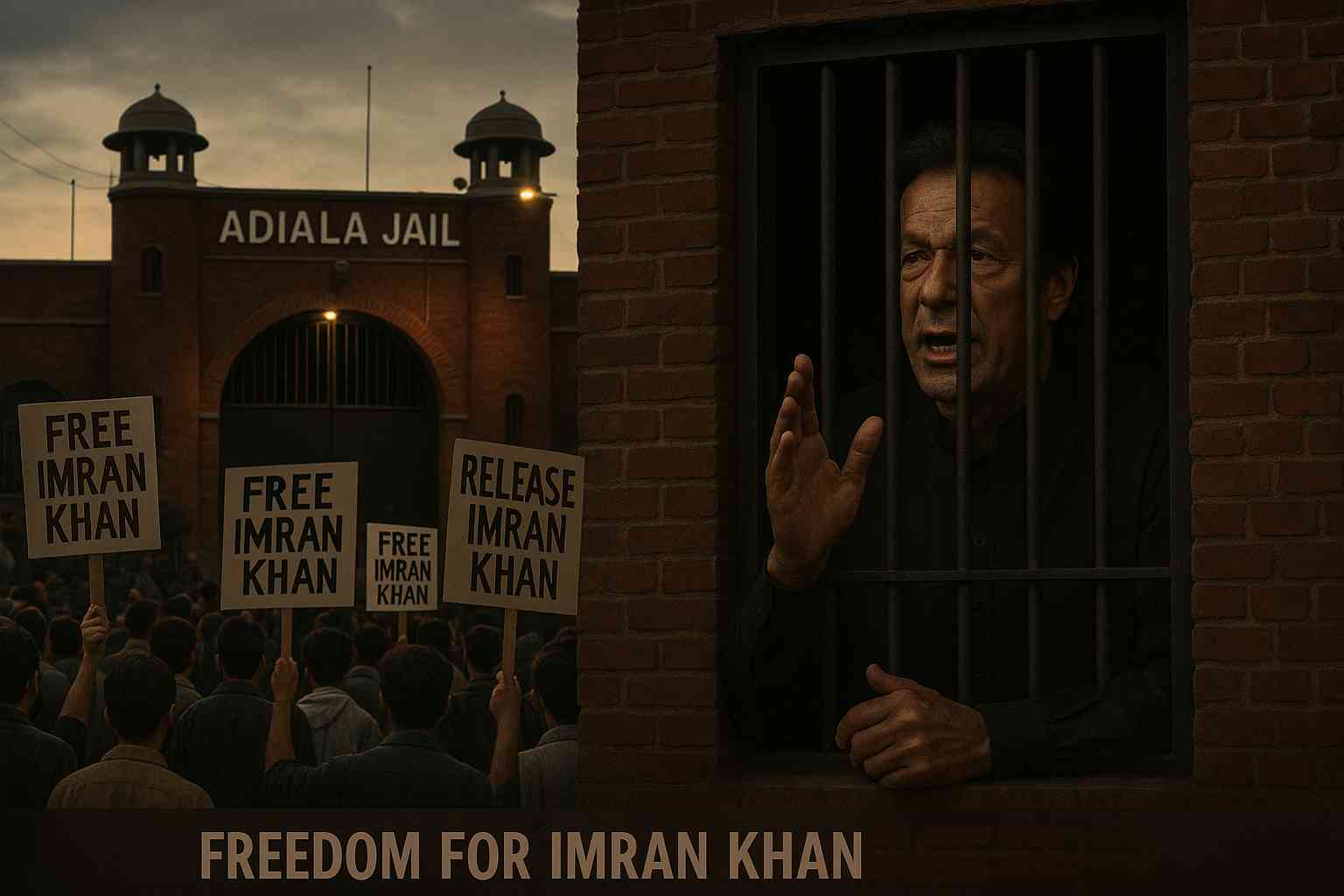
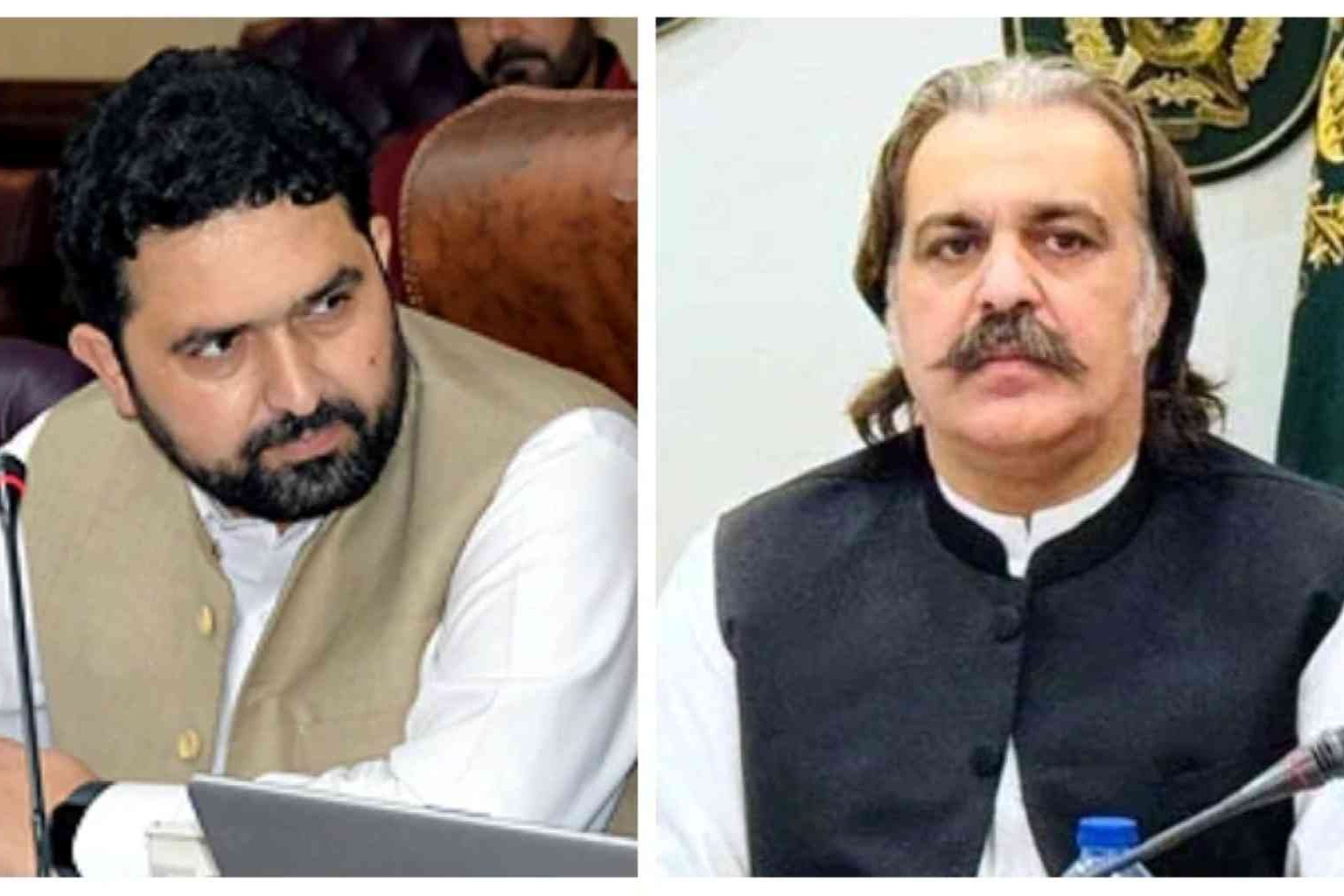
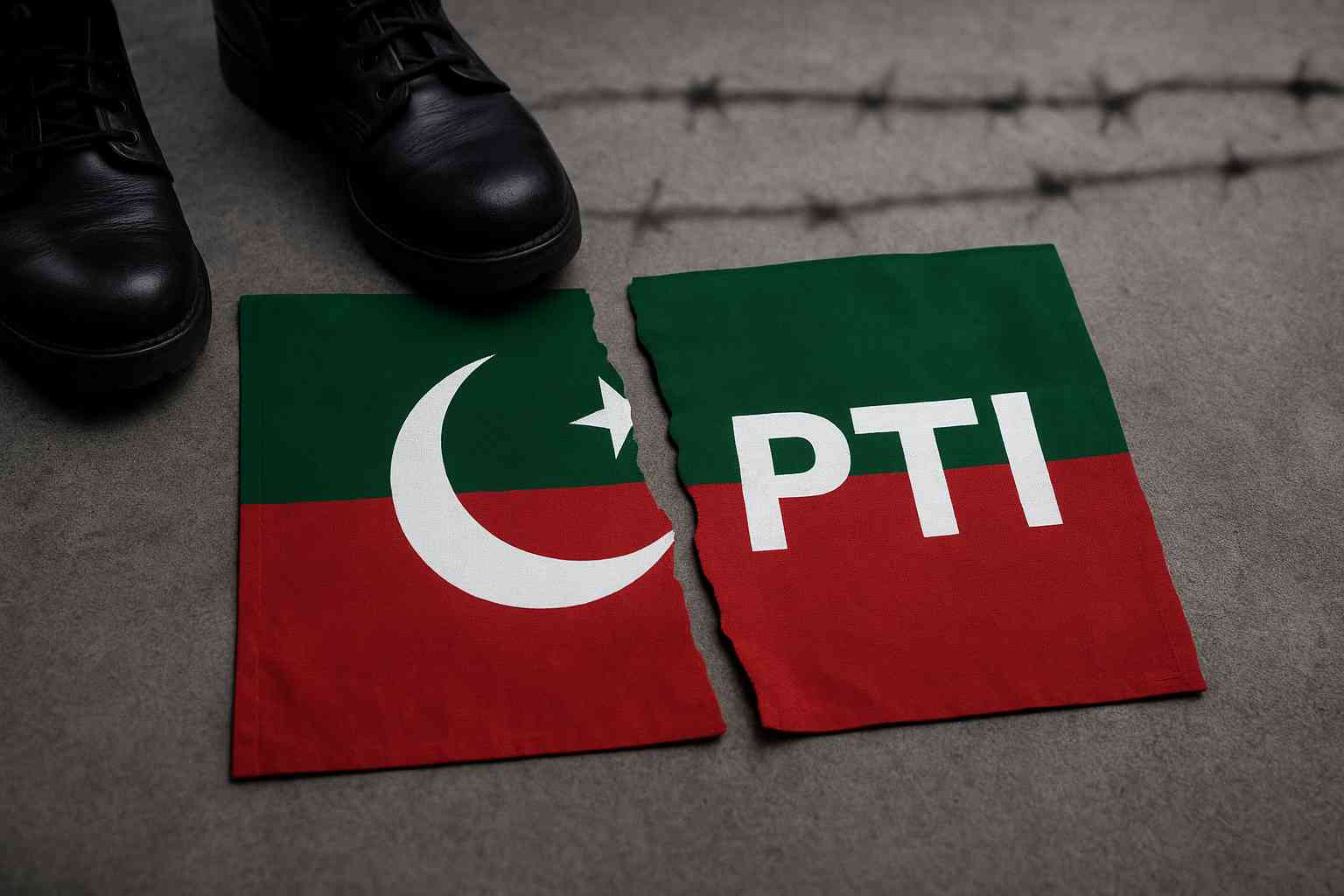
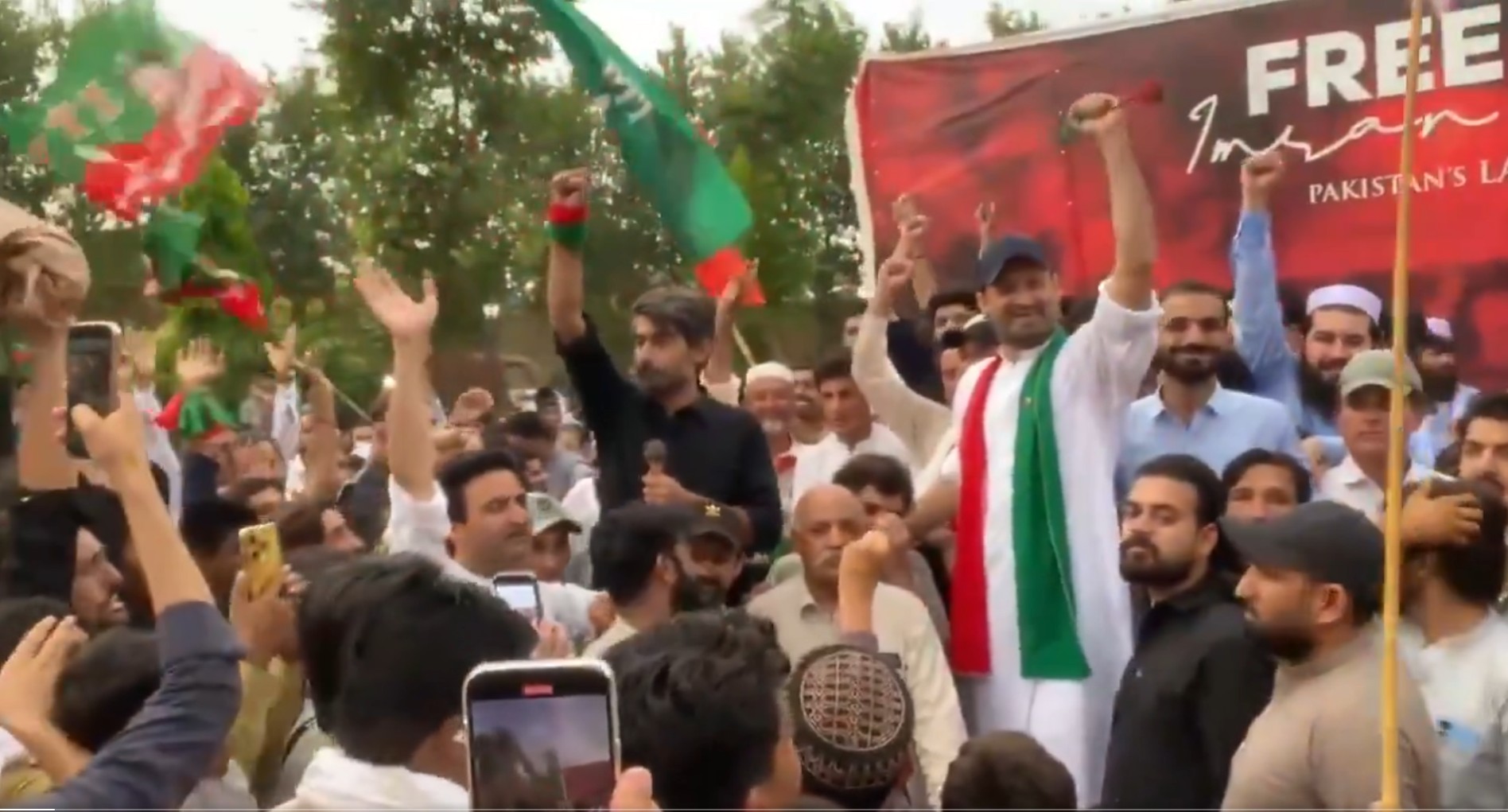
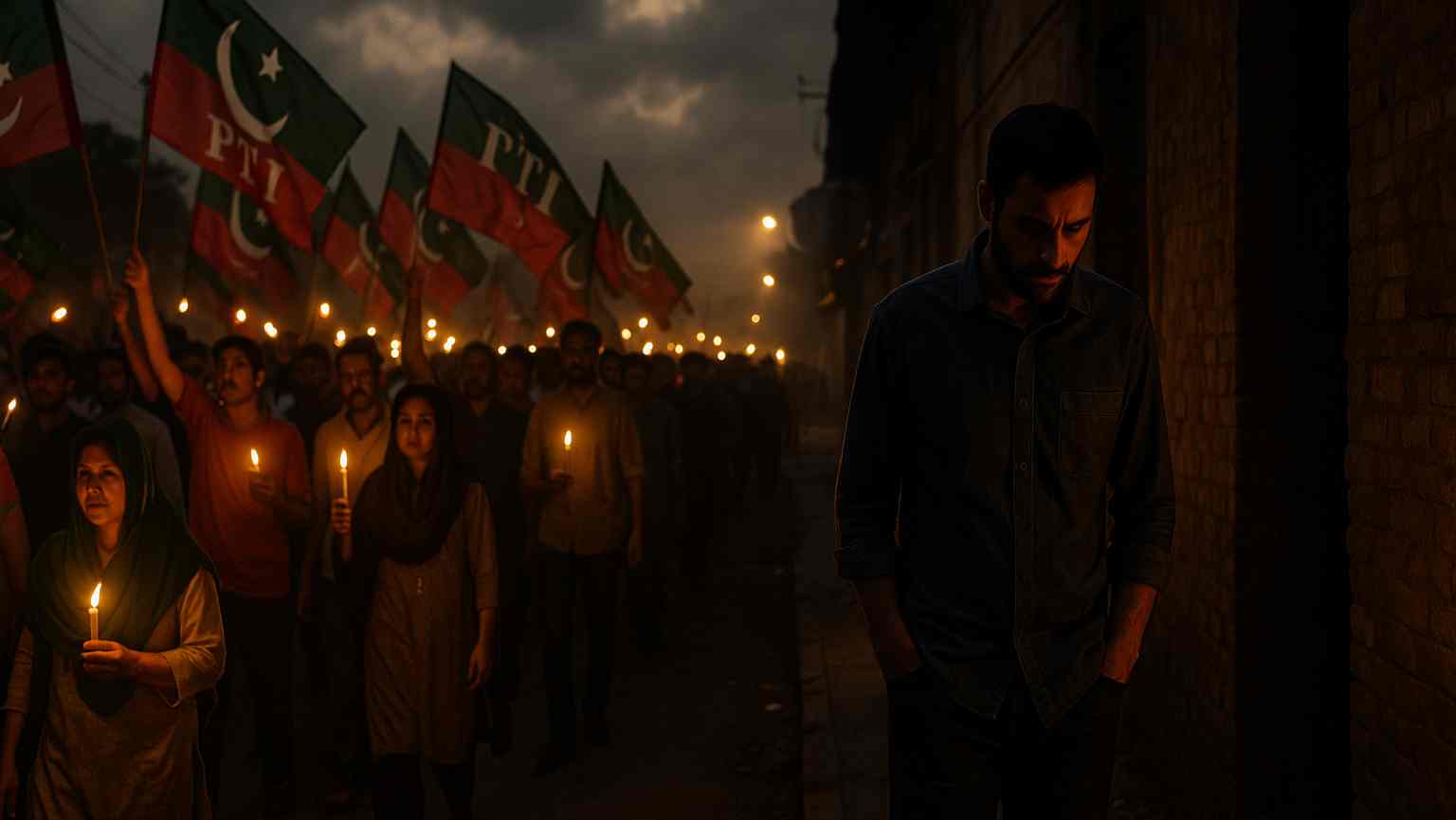
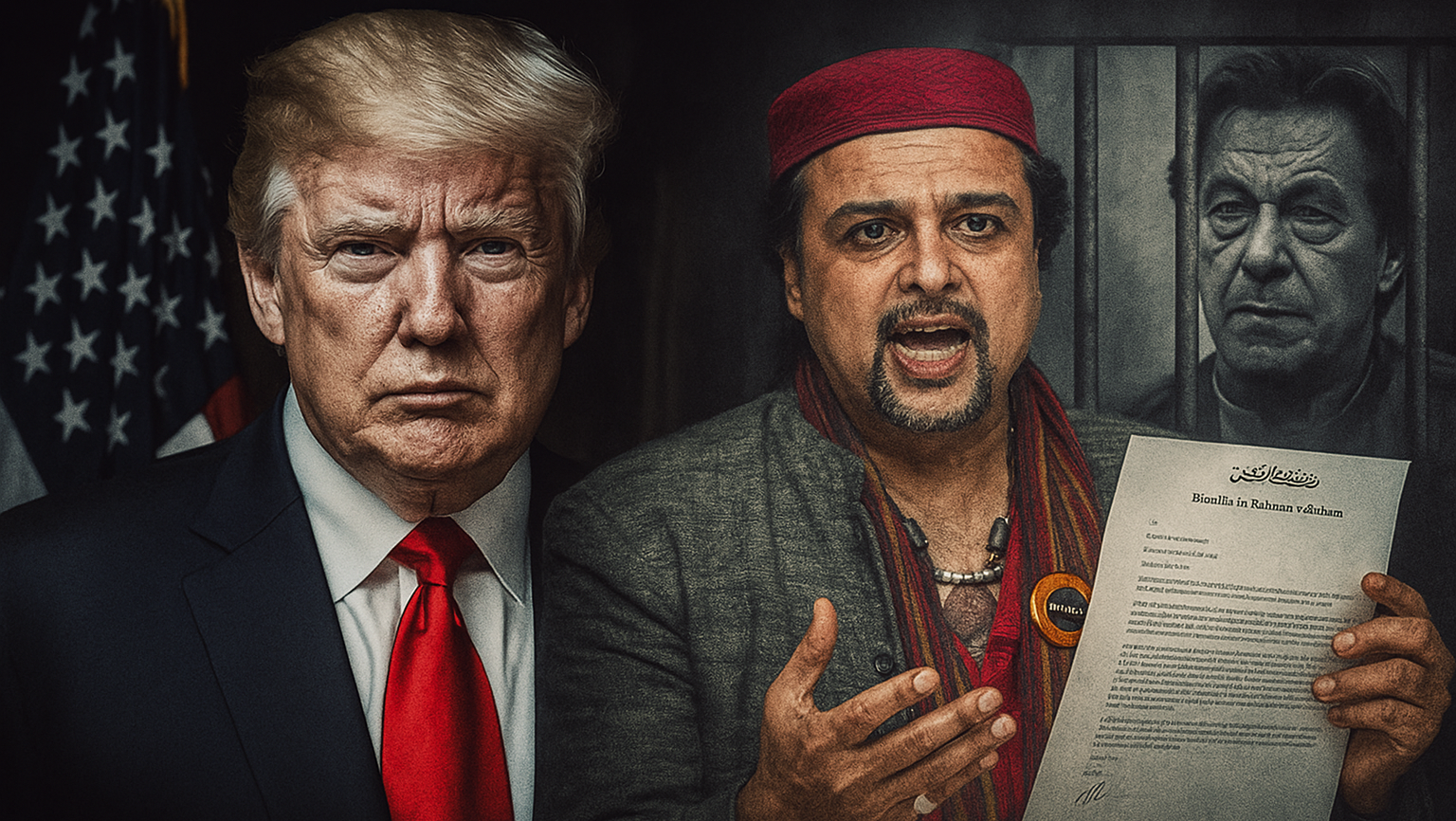
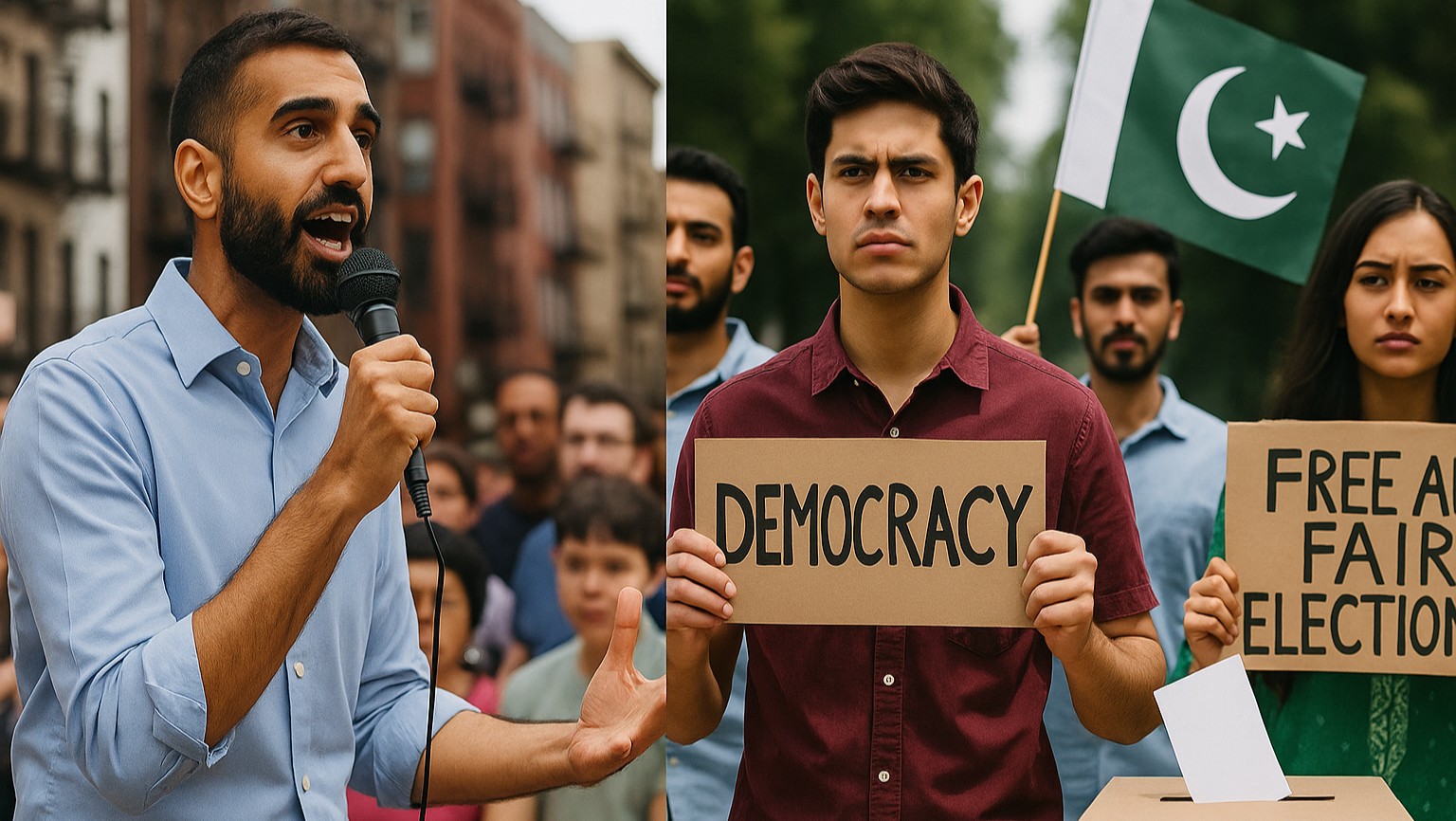
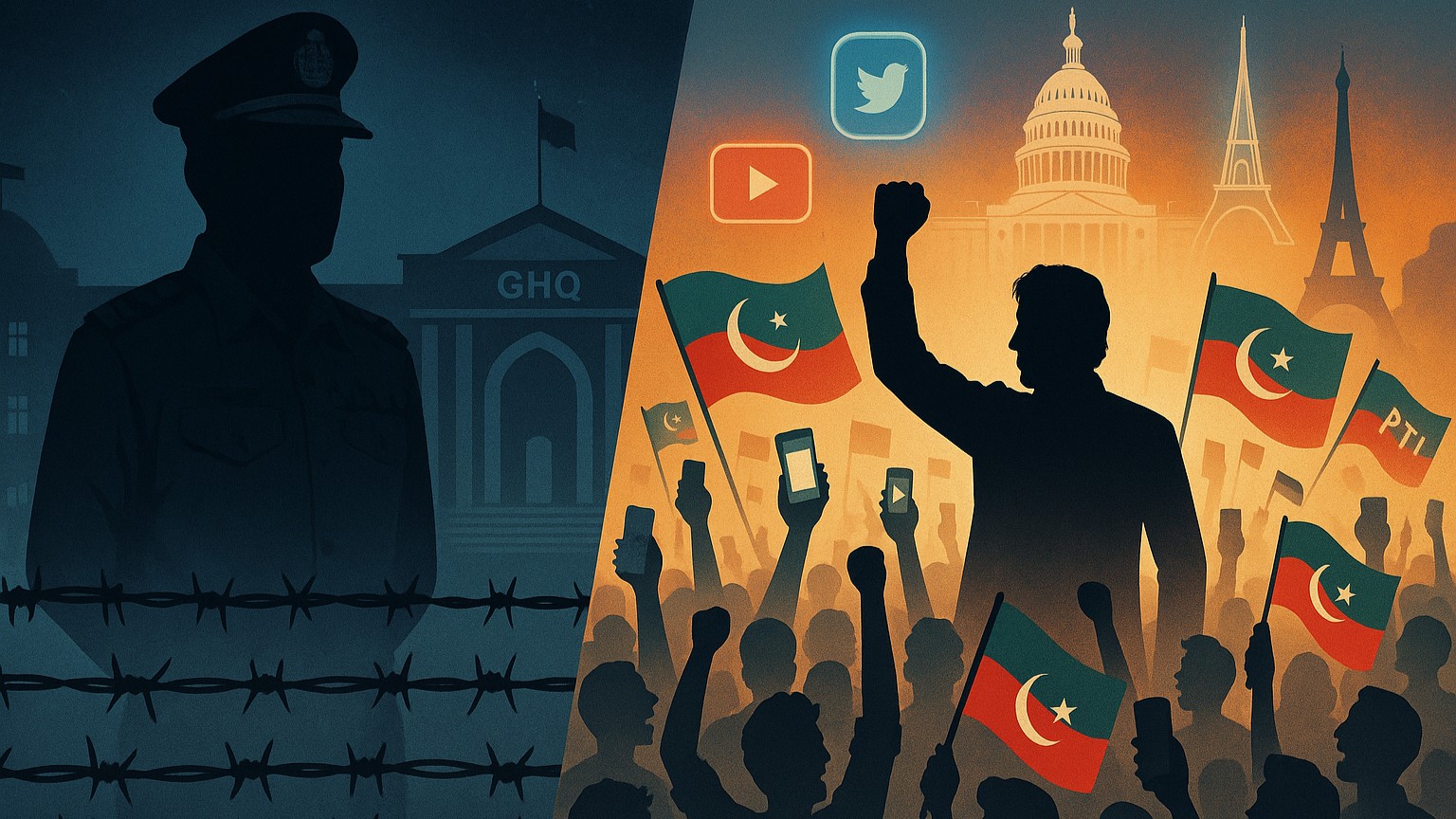
Pakistan Tehreek-e-Insaf has alleged systematic pre-poll rigging. The party claims authorities misused state resources, pressured candidates, restricted opposition leaders, and created an uneven field.
These claims are serious. They should remain allegations unless independent evidence, observers, or courts establish them.
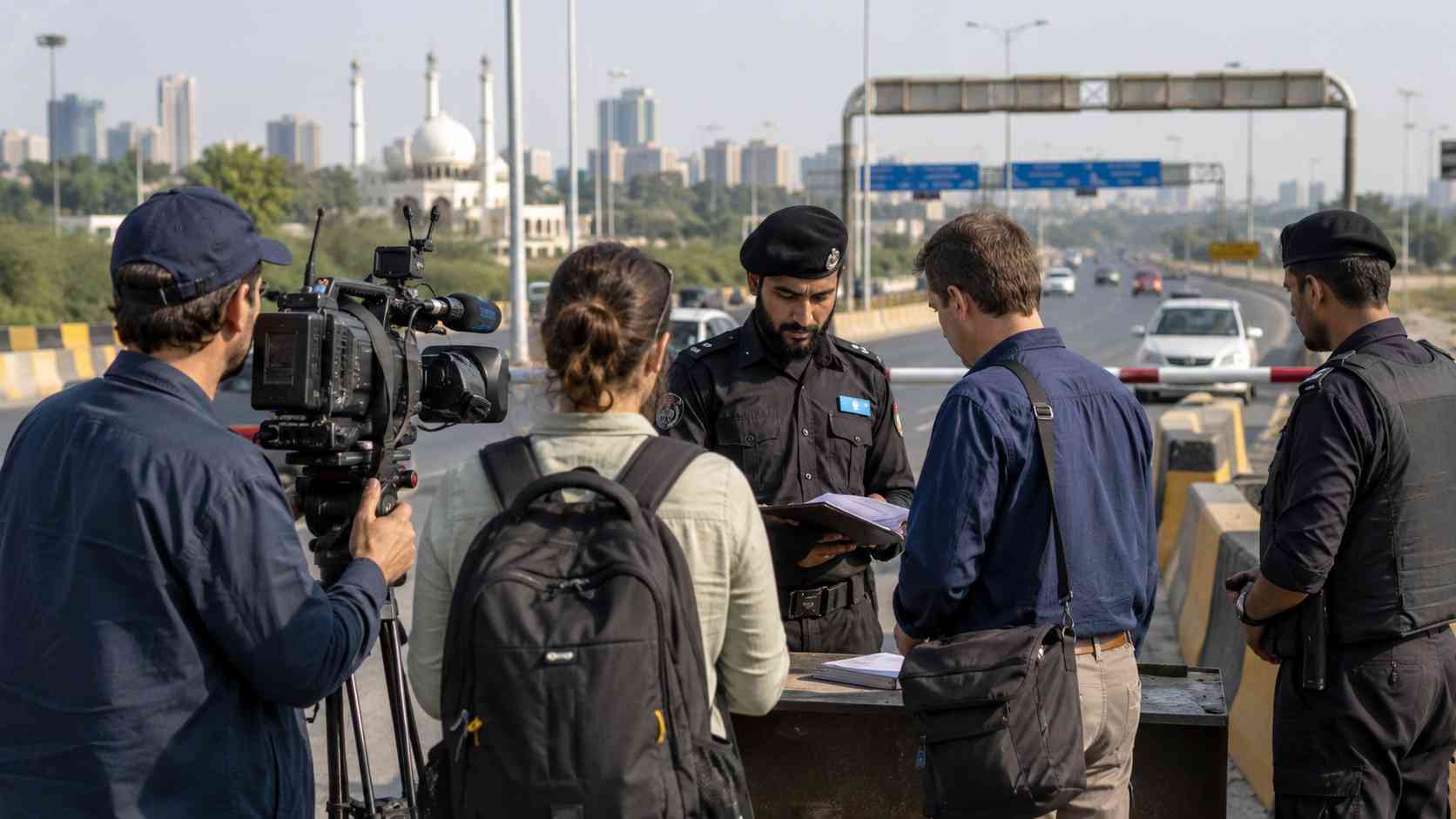
The Gilgit-Baltistan Election Commission rejects PTI’s complaints. It says PTI figures failed to seek required permissions. It also warns that candidates may face action for violating the code of conduct.
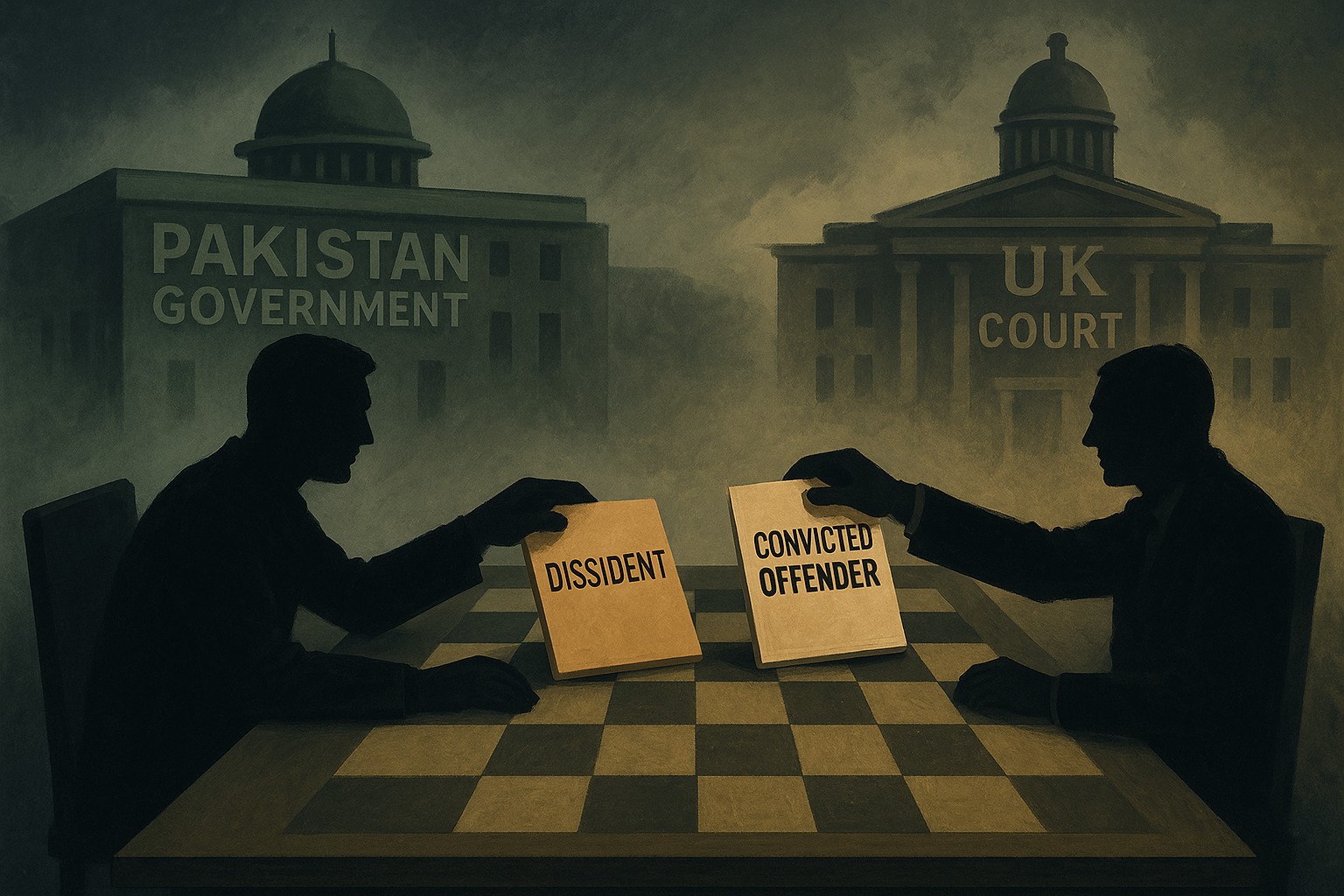
This dispute matters. One side says the state blocks political activity. The other says it only enforces election rules.
The real test is even-handed enforcement. If officials apply rules selectively, they become political tools. If they apply rules fairly, they can protect the vote.
Security Deployment And Public Trust
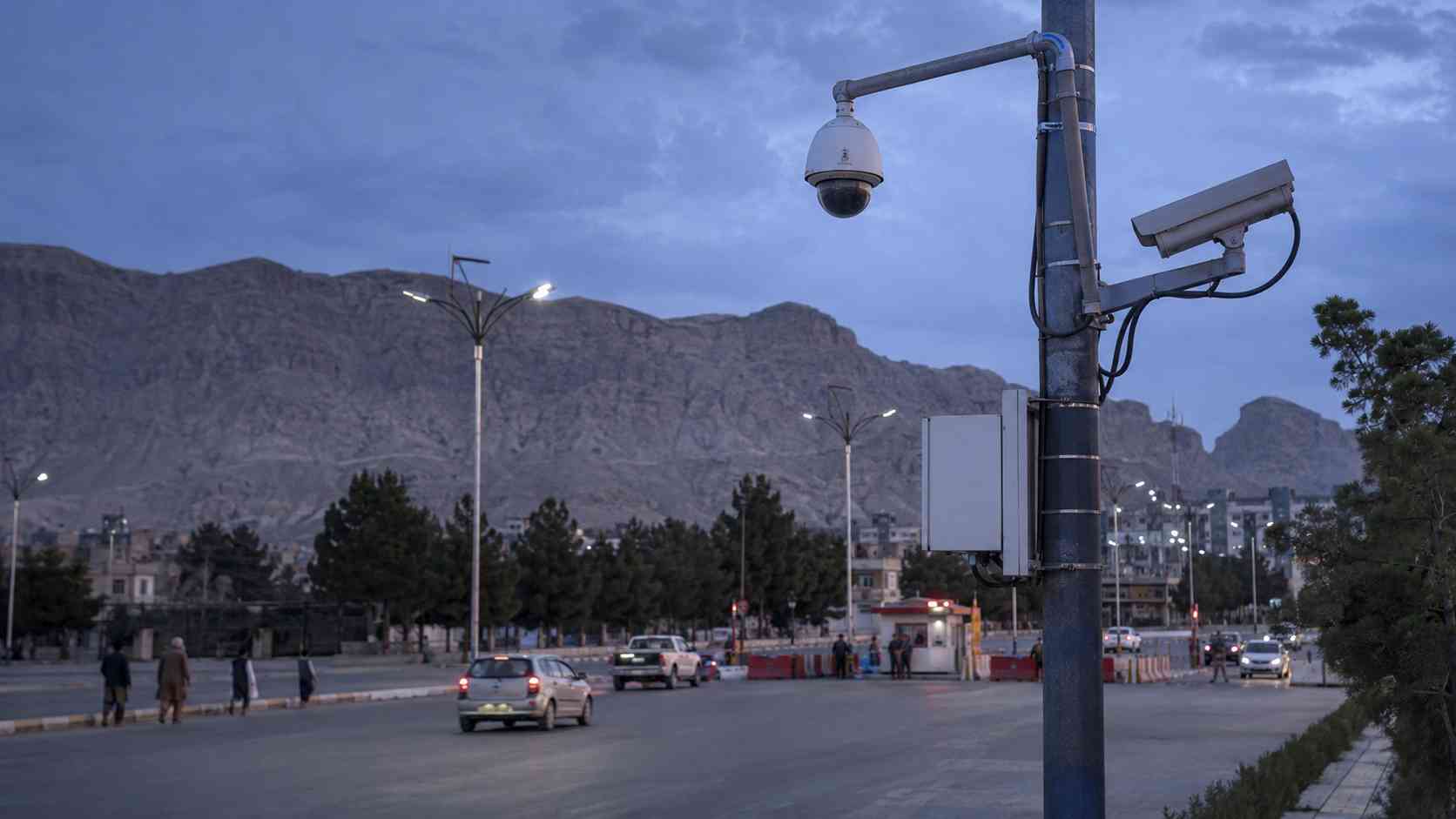
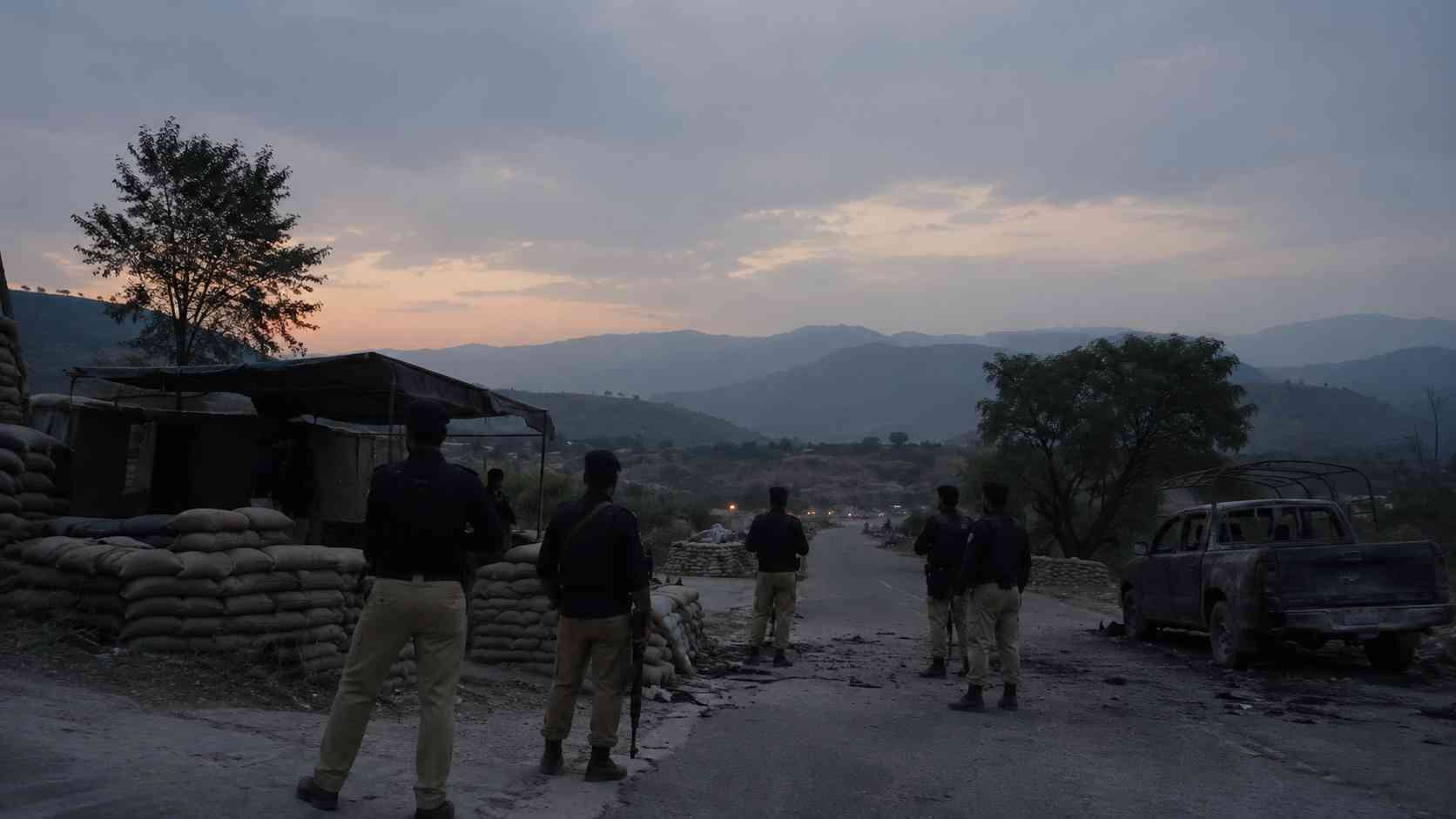
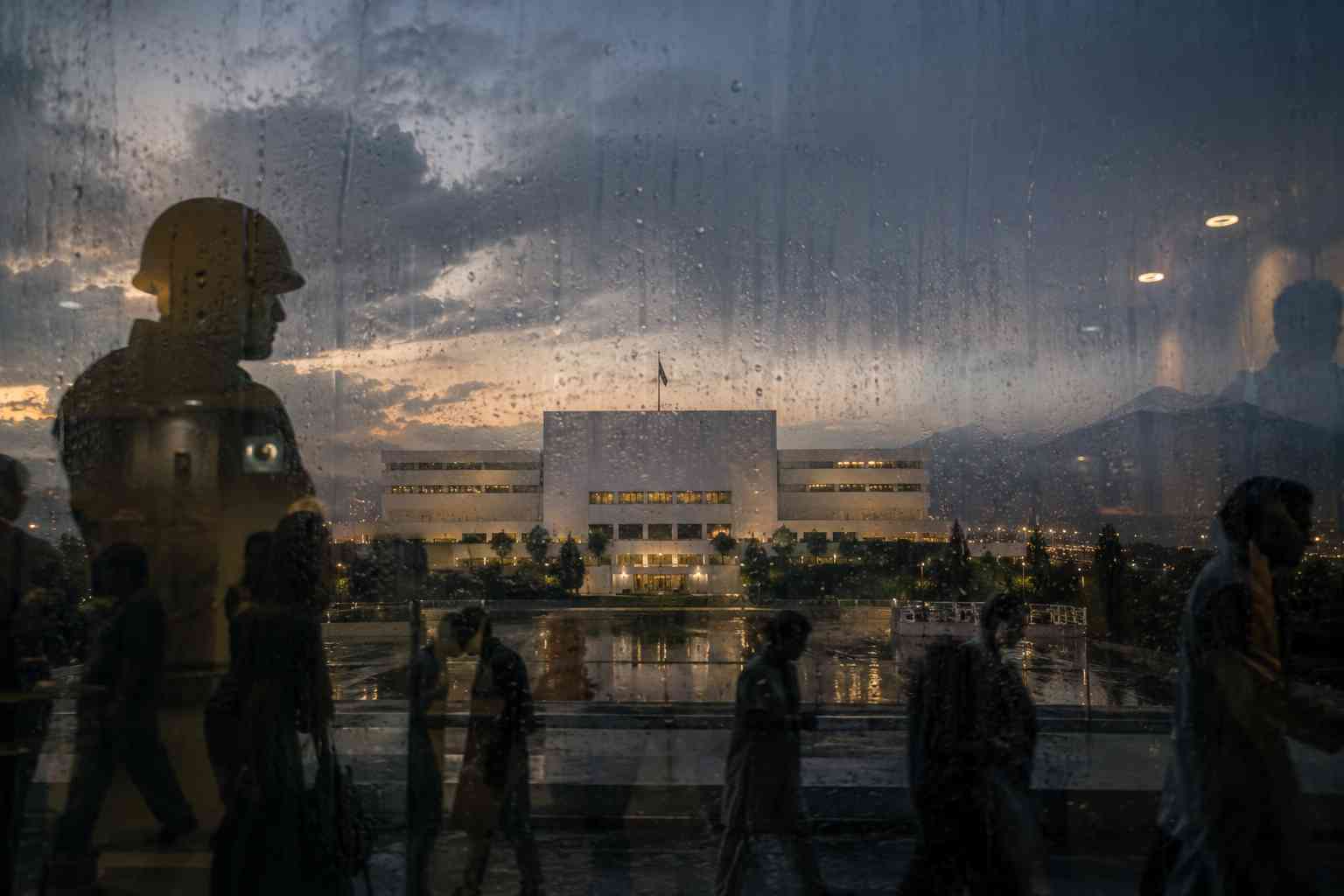
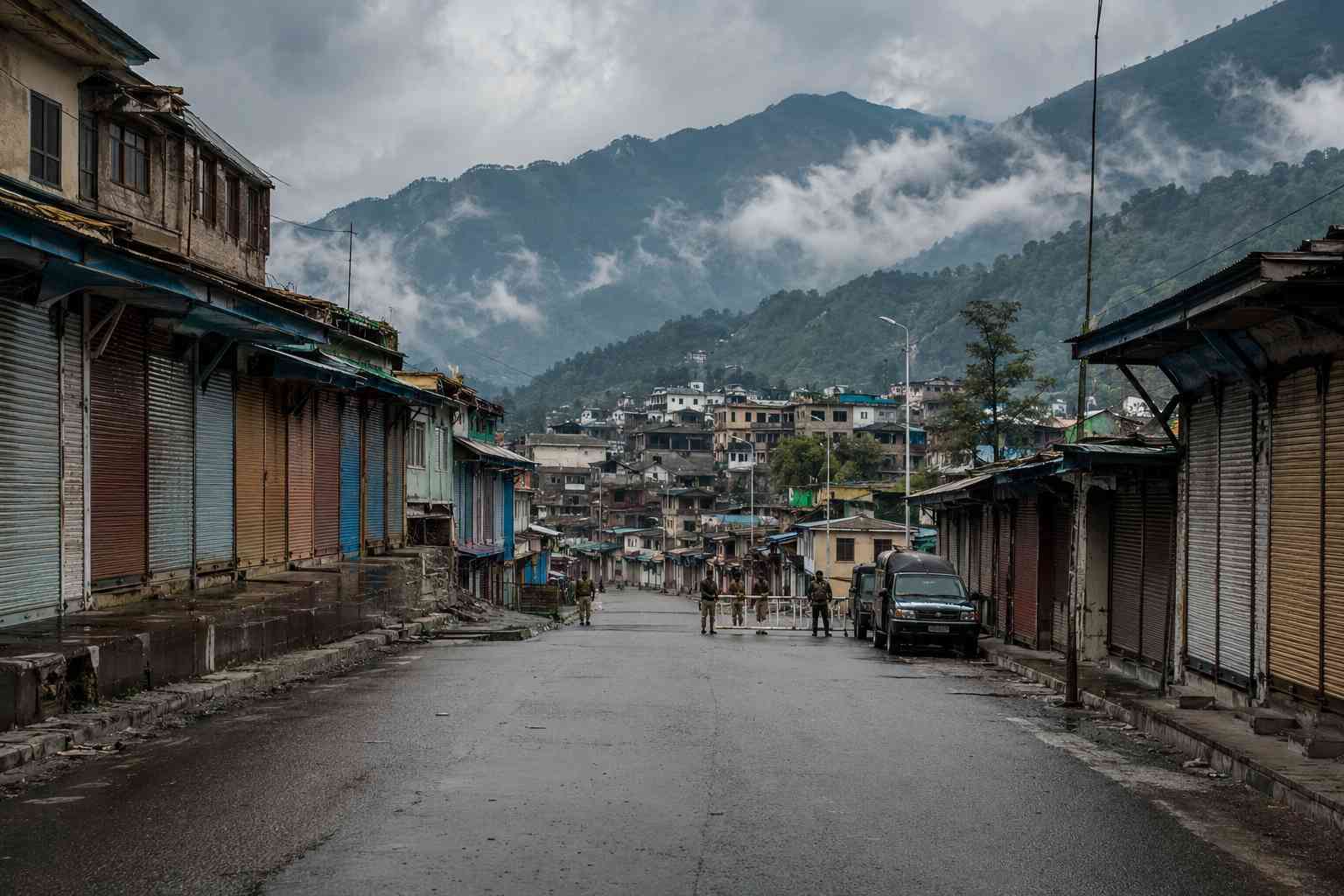
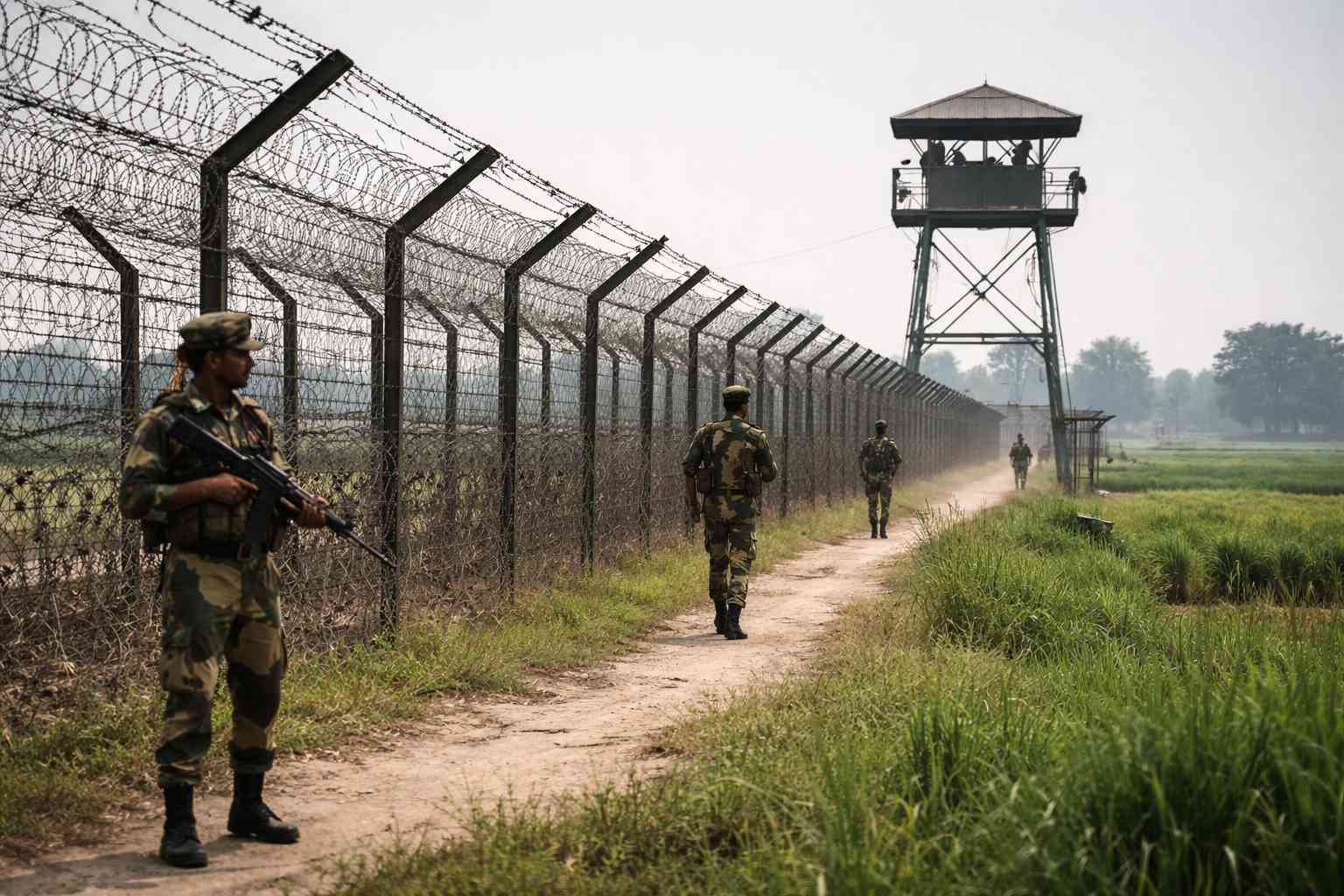
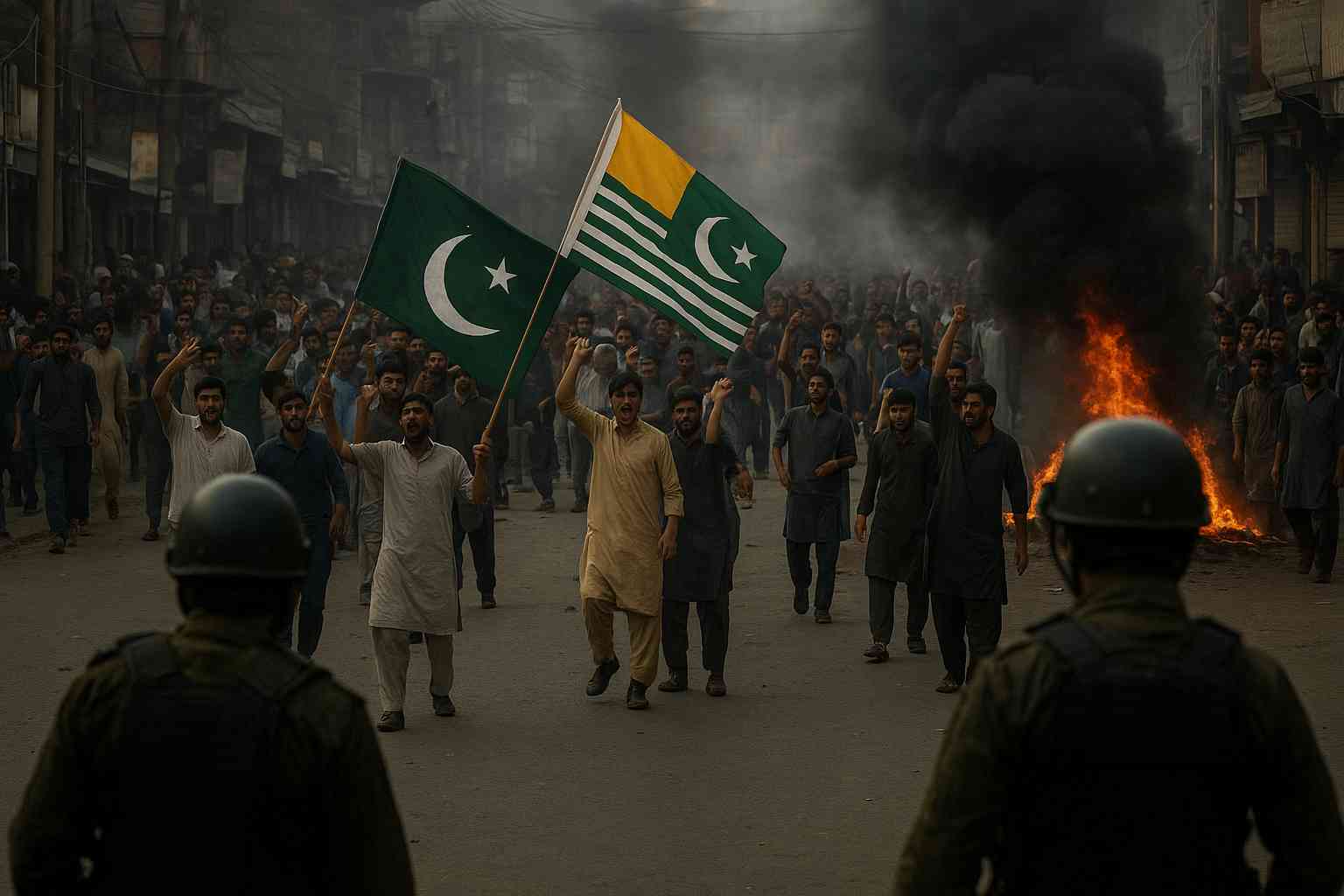
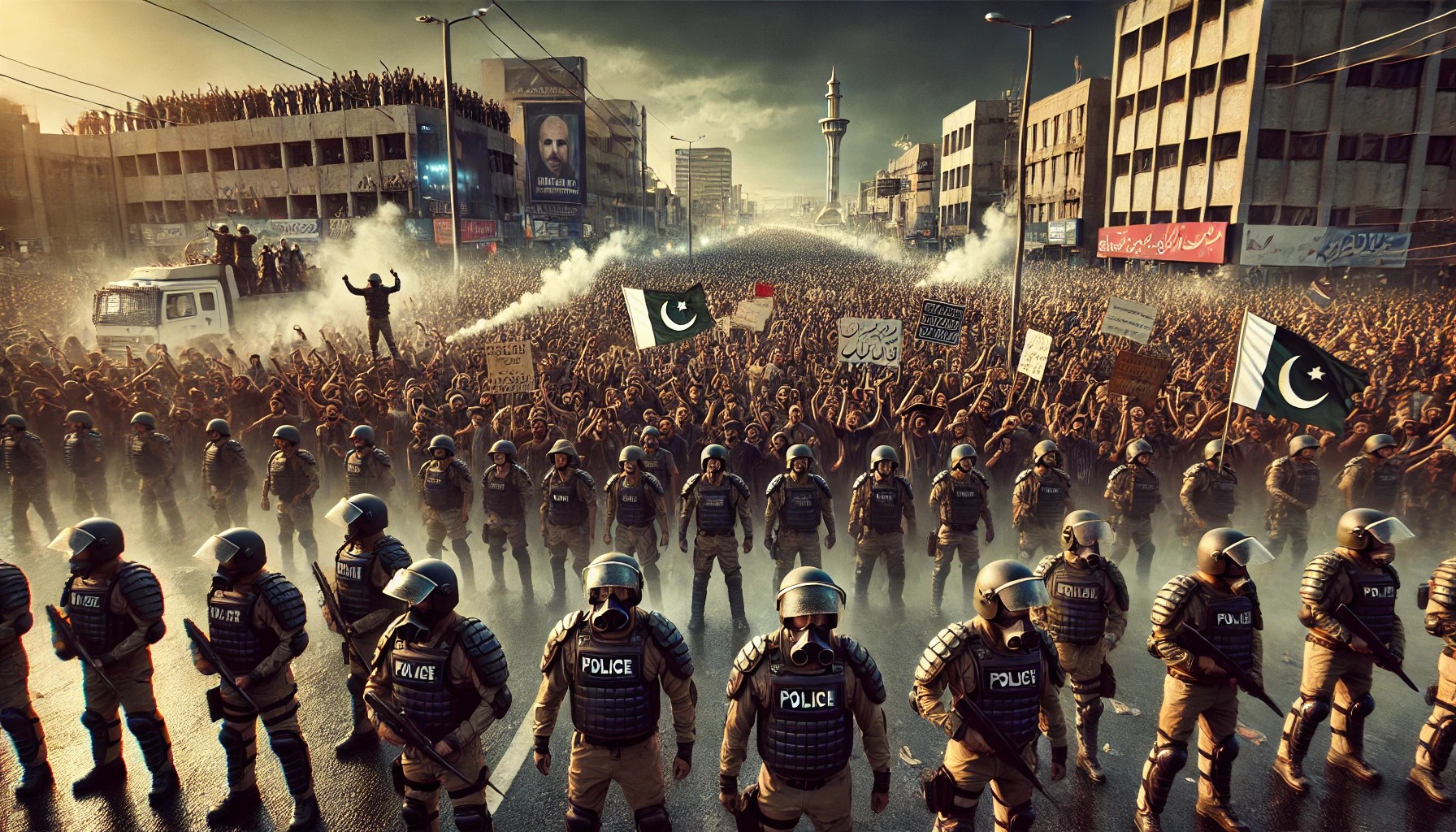
The deployment of thousands of Punjab Police personnel has increased public concern. Election security is normal in sensitive areas. But Pakistan’s current political climate gives this move a sharper meaning.
Many voters may view outside security forces as pressure, not protection. That perception matters.
For the Gilgit-Baltistan election to gain public trust, voters must feel free. Authorities must ensure that security personnel act with neutrality and restraint.
Transparency Is The Central Question
The transparency debate does not belong to PTI alone. PPP chairman Bilawal Bhutto Zardari has also called for transparent polls in Gilgit-Baltistan.
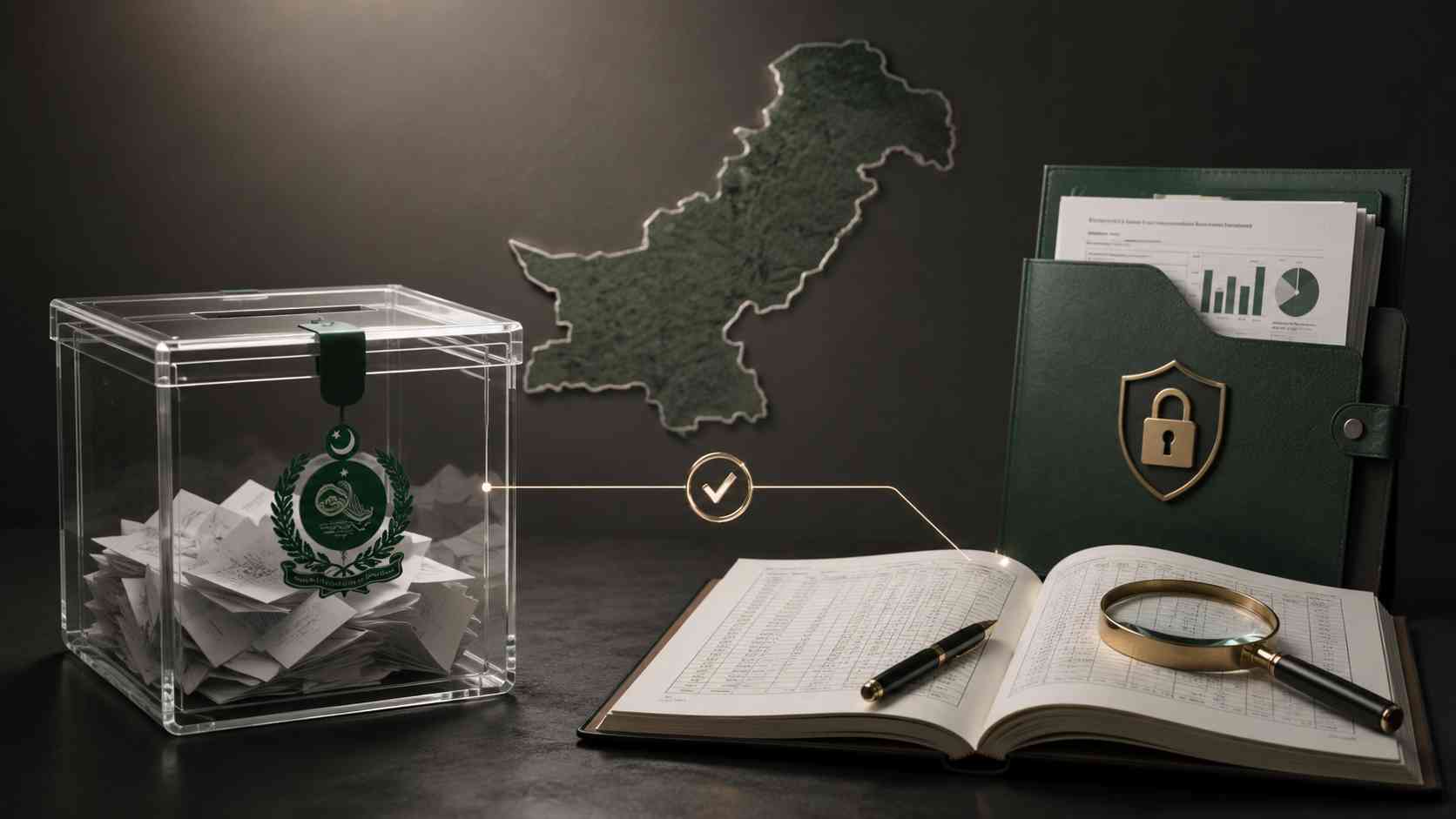
He has urged supporters to protect Form 45. This polling-station result document now carries national importance in Pakistan’s election debates.
When several parties raise transparency concerns, the issue becomes larger than party politics. It points to a wider crisis of trust in Pakistan’s electoral system.
A Democratic Test For Pakistan
Gilgit-Baltistan’s people have lived for decades in a constitutional grey zone. Pakistani institutions govern them. Federal decisions affect them. Yet their constitutional representation remains incomplete.
In such a region, elections give citizens one of their few direct tools of political agency. If that tool loses credibility, public frustration will grow.
The Gilgit-Baltistan election will not only decide who wins seats. It will show whether voters, candidates, and observers can trust the process.
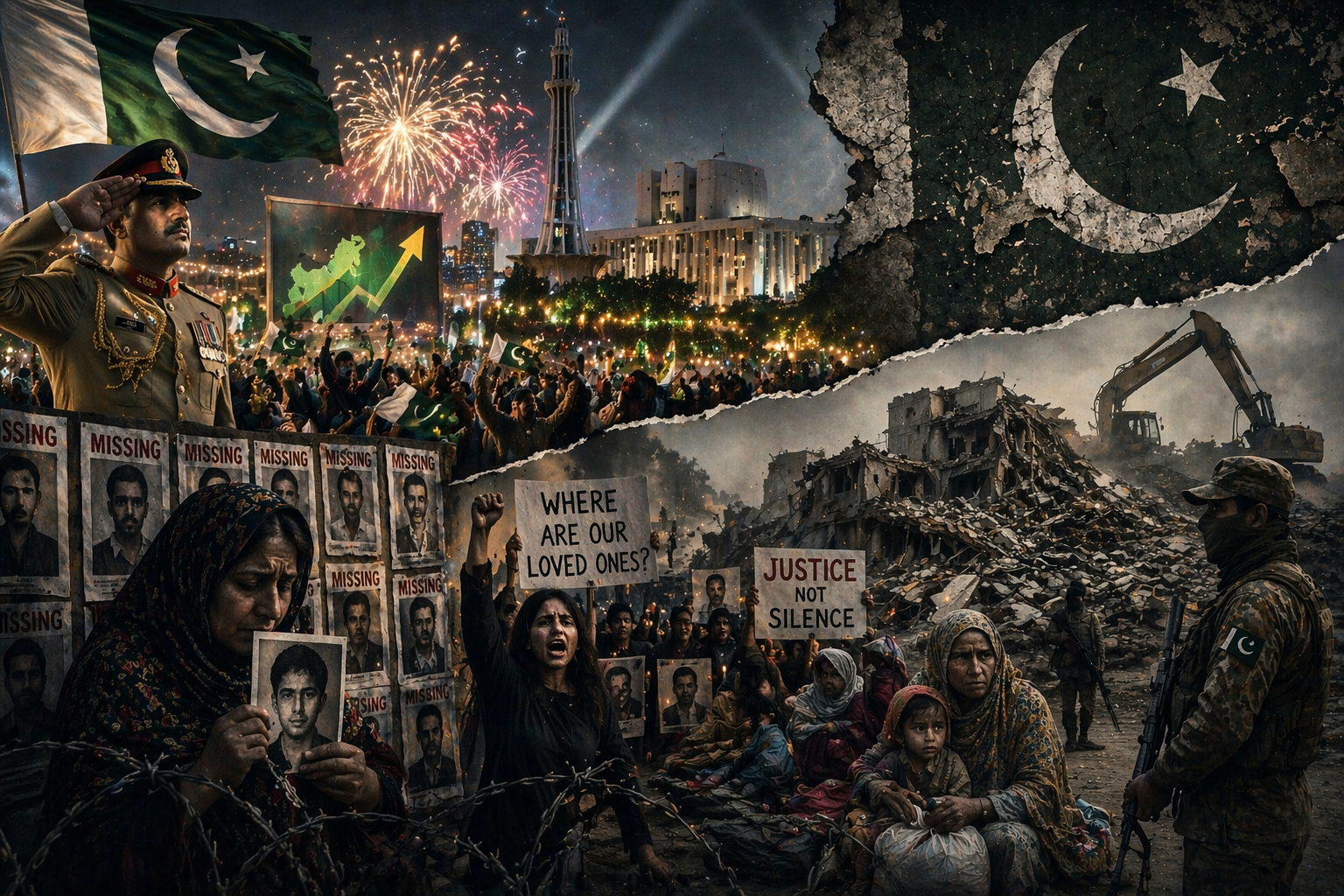
If the process looks credible, it can strengthen Gilgit-Baltistan’s political voice. If it looks engineered, it will deepen concerns about Pakistan’s shrinking democratic space.