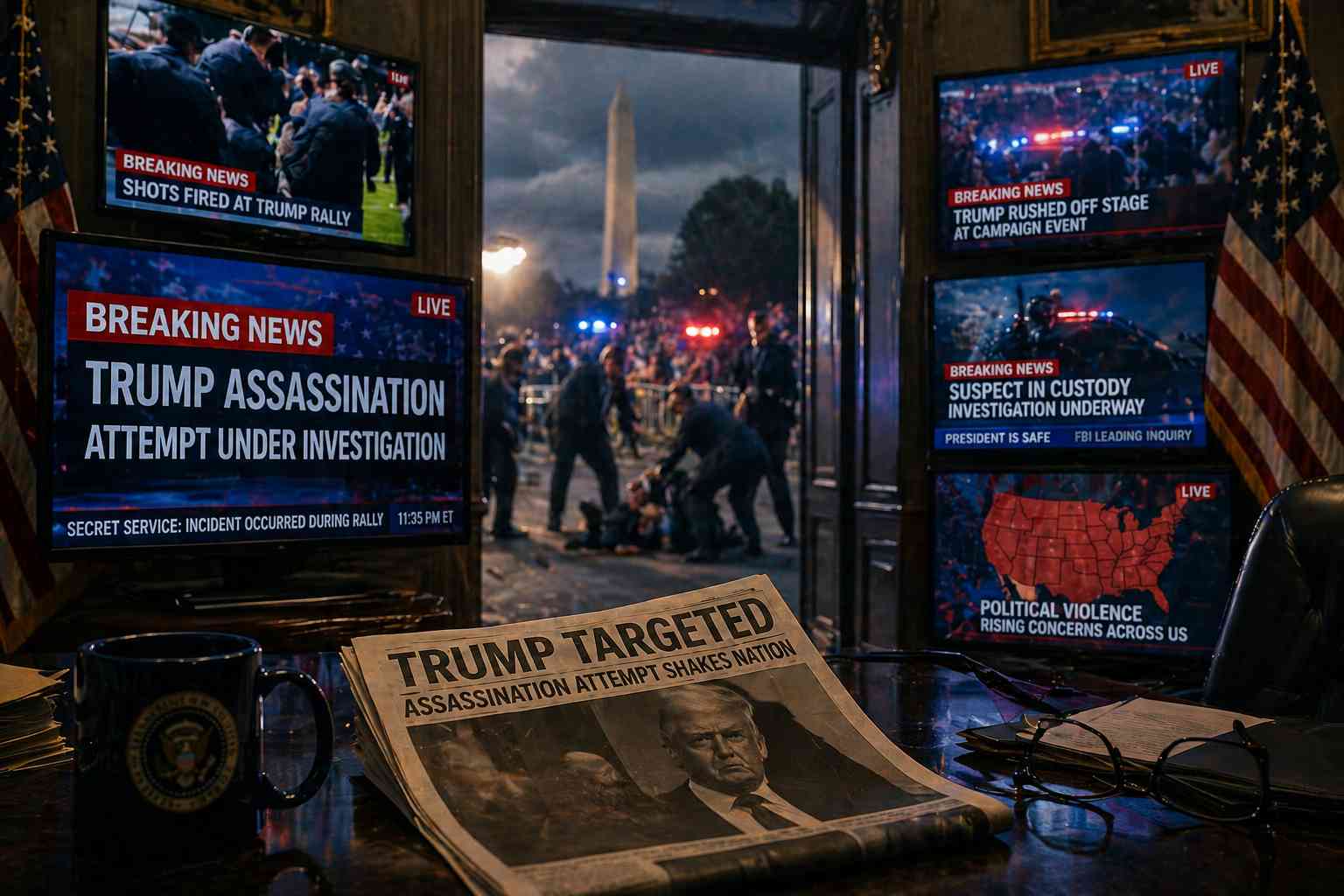
The latest developments surrounding the Trump assassination attempt analysis reveal more than a security breach. They highlight how modern political events are shaped not only by facts, but by perception, speculation, and competing narratives.
Within hours of the incident, the story evolved from a security lapse into a global discussion involving conspiracy theories, geopolitical tensions, and media framing. This transformation offers insight into how political crises are interpreted in today’s information environment.
What Actually Happened?
According to official accounts, the suspect—identified as a 31-year-old individual—was apprehended after breaching security at a high-profile event attended by former President Donald Trump. The charges, at this stage, do not directly include an assassination attempt. Instead, they relate to firearm possession and assault on federal officials.
This distinction is important. Despite the global headlines, investigators have not confirmed a direct attempt on Trump’s life. The suspect reportedly carried weapons into a secured venue, raising serious concerns about procedural failures.
Equally striking is the revelation that the individual managed to enter a high-security environment with firearms, exposing potential weaknesses in the security apparatus.
The Gap Between Facts and Narrative
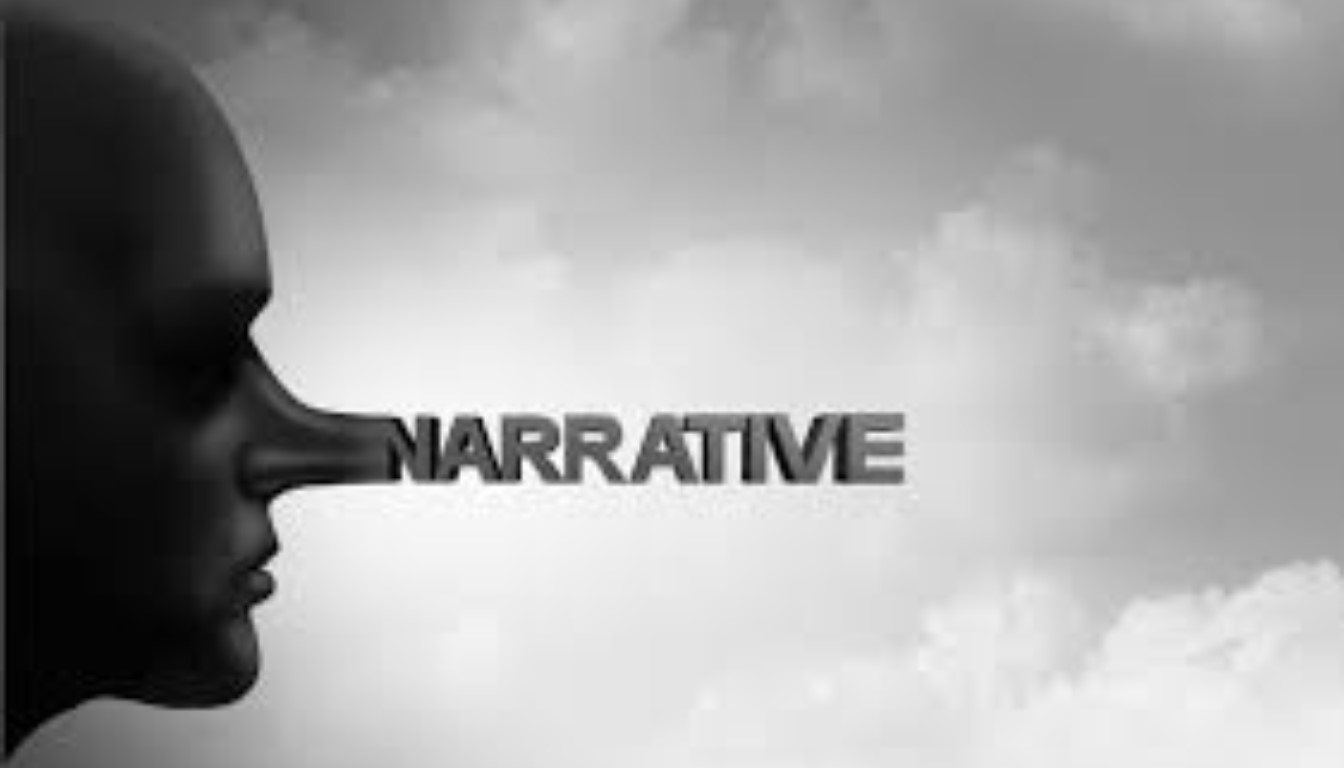
While official investigations remain ongoing, public discourse quickly moved beyond verified facts. The Trump assassination attempt analysis became dominated by speculation across social media platforms.
Several competing narratives emerged:
- The incident was politically staged to boost declining approval ratings
- It was intended to intimidate Trump amid geopolitical tensions
- It was linked to external actors, including foreign influence
Data suggests that terms like “staged” surged dramatically online within hours of the incident.
This pattern reflects a broader phenomenon: when credible information is limited, speculation fills the vacuum.
The Role of Social Media in Shaping Reality
A key insight from this episode is the role of digital platforms in constructing narratives. Analysts note that individuals are not necessarily searching for accurate information. Instead, they seek confirmation of pre-existing beliefs.
This creates an environment where multiple “realities” coexist. Each group interprets events in a way that aligns with its worldview. As a result, the Trump assassination attempt analysis becomes less about what happened and more about what people believe happened.
Academic perspectives support this view. Research in information studies suggests that people actively reshape events to fit their expectations, often reinforcing polarization rather than reducing uncertainty.
Leadership and the Amplification of Narratives
An important dimension of this situation is the role of political leadership itself. Unlike previous administrations, modern leaders engage directly with digital audiences, often influencing narratives in real time.
Trump’s own response to the incident contributed to its framing. By emphasizing personal risk and linking the event to broader political themes, the narrative shifted further away from the initial facts.
This interaction between leadership and public perception complicates the Trump assassination attempt analysis, as official messaging can amplify speculation rather than contain it.
Link to Broader Geopolitical Context
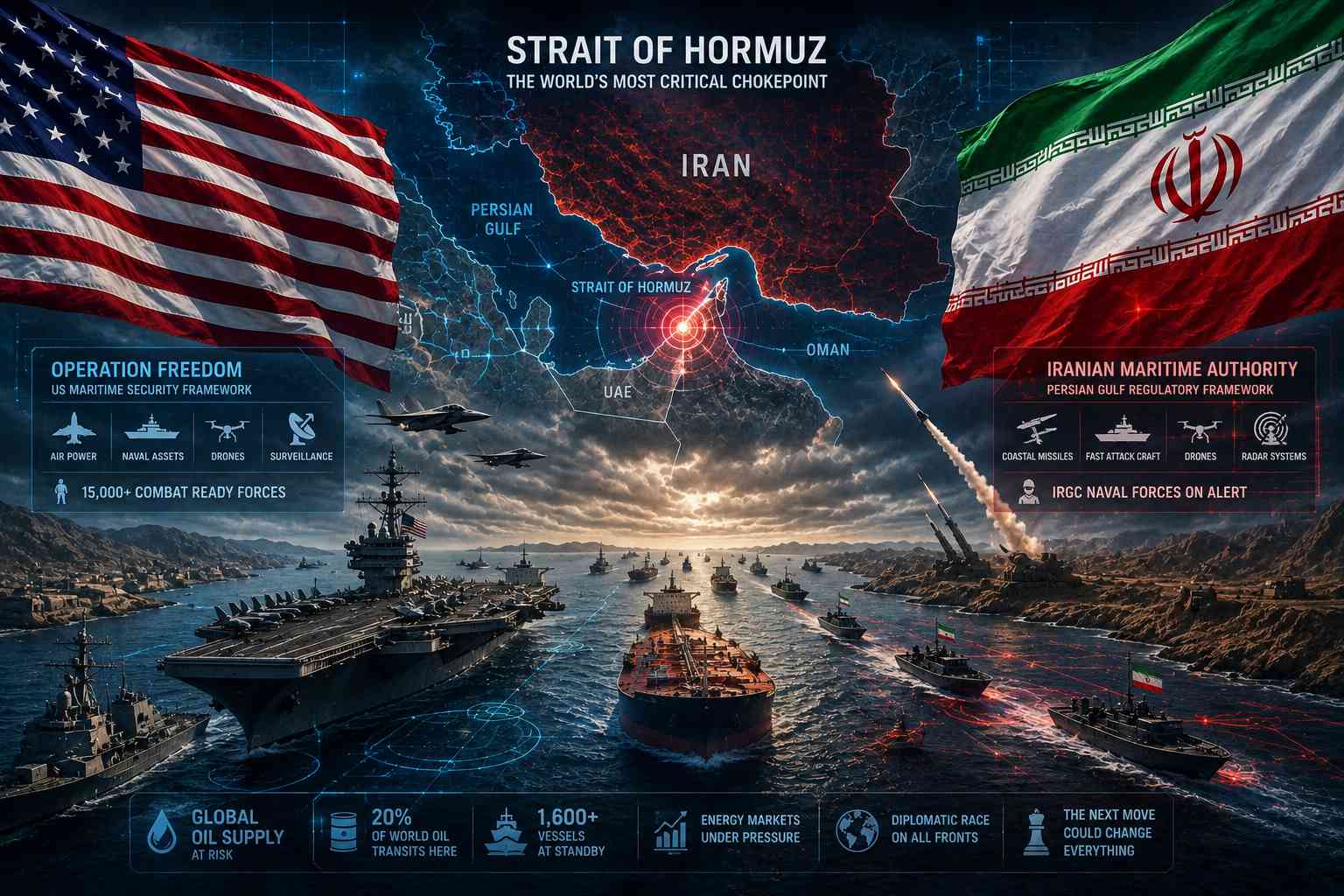
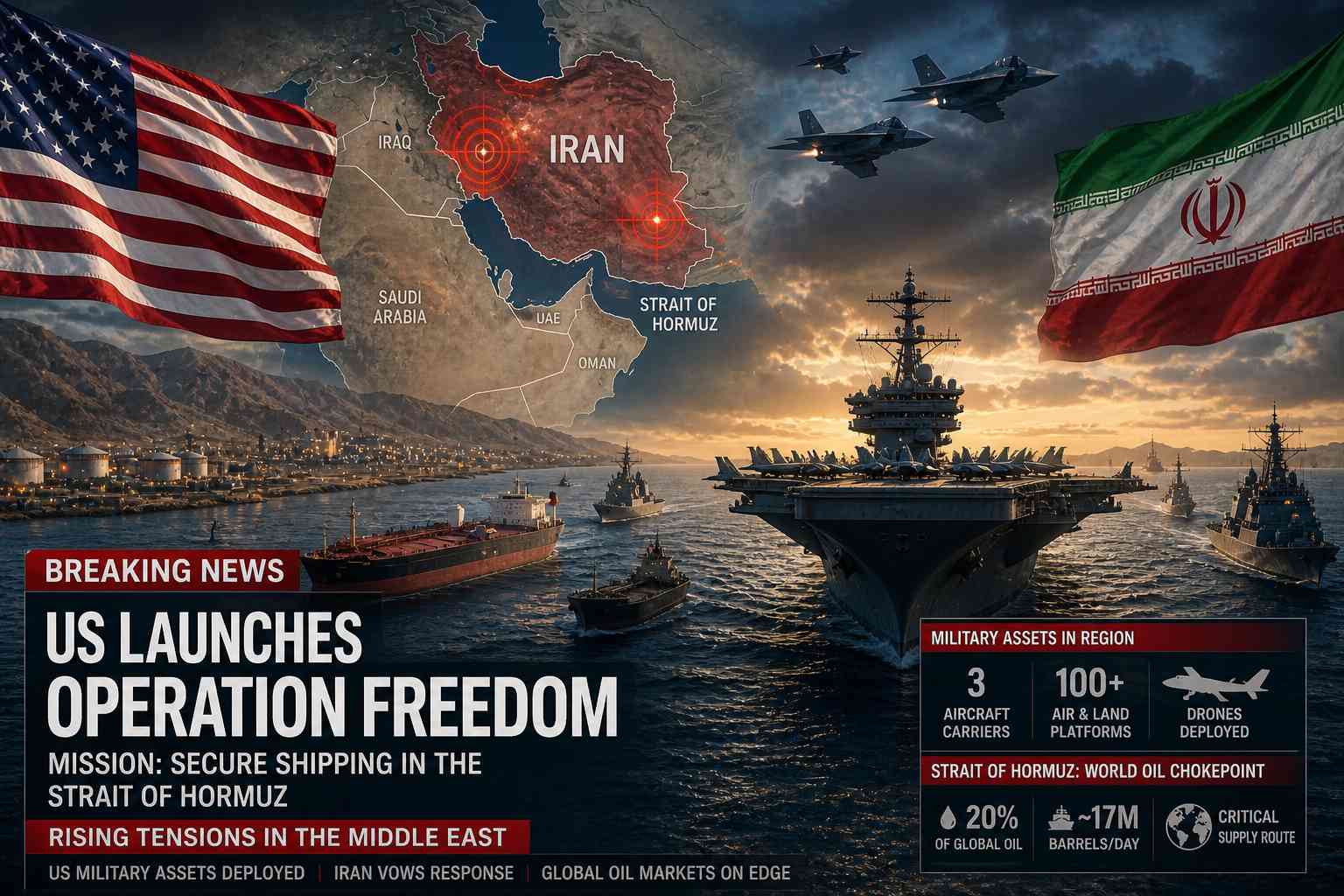
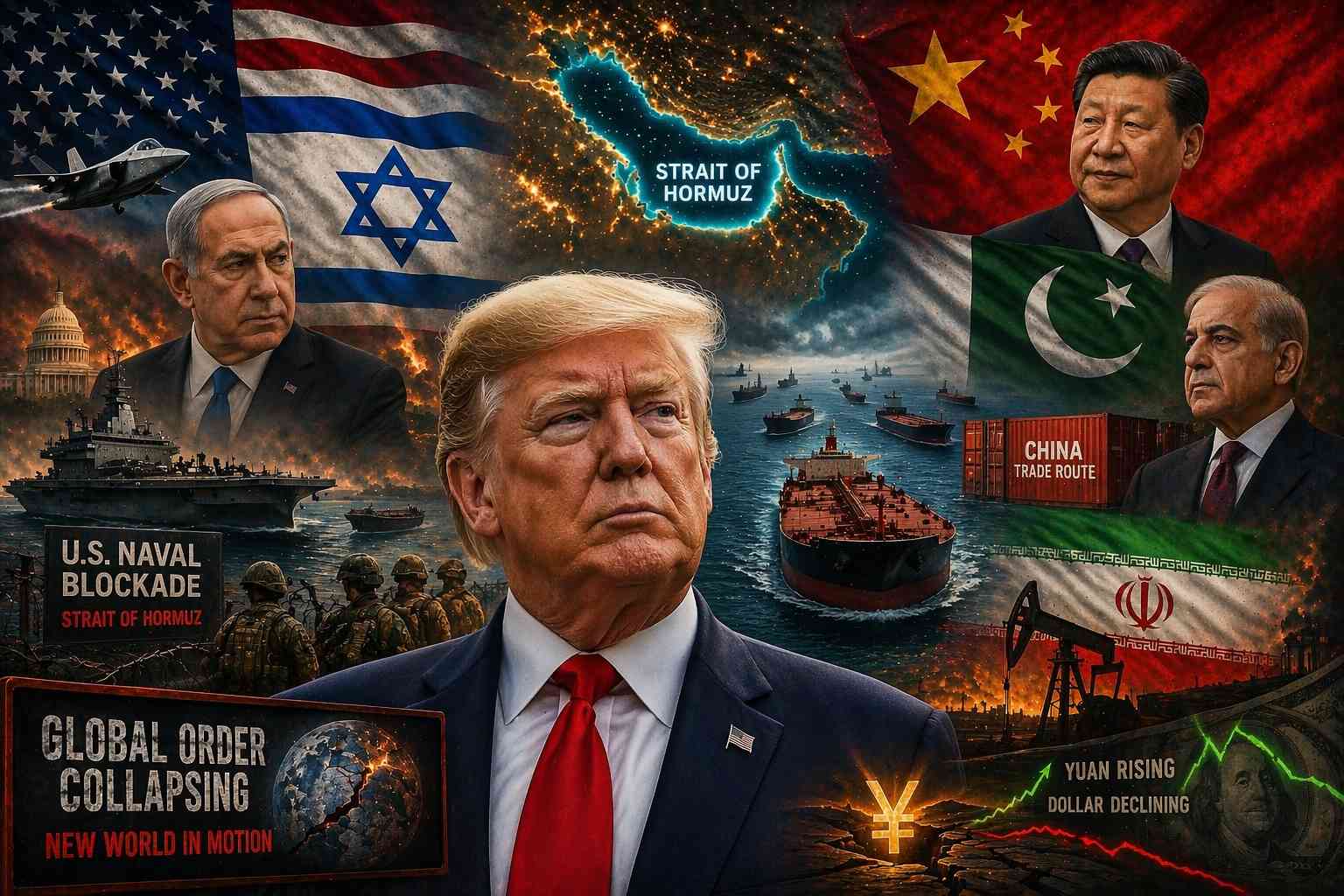
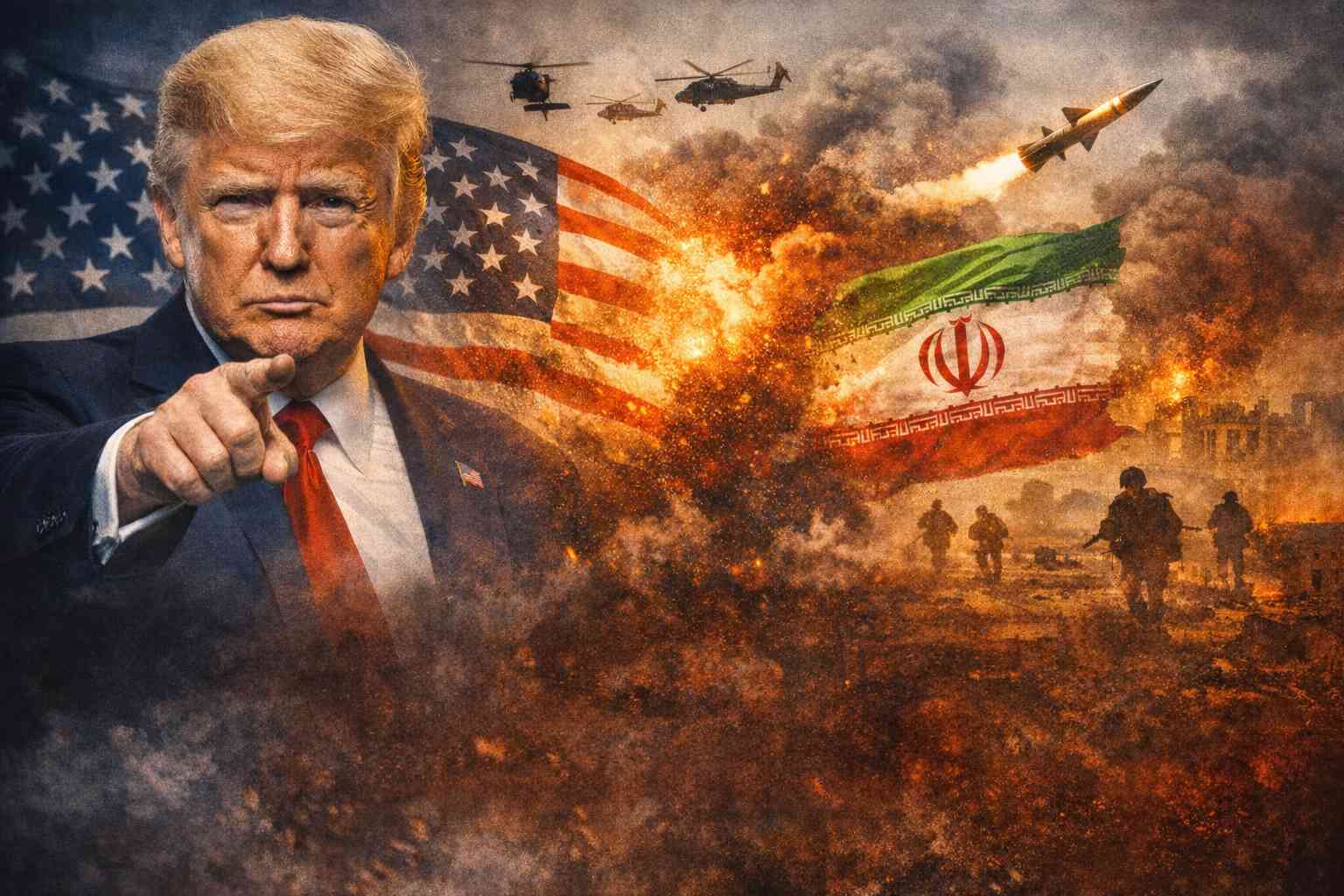
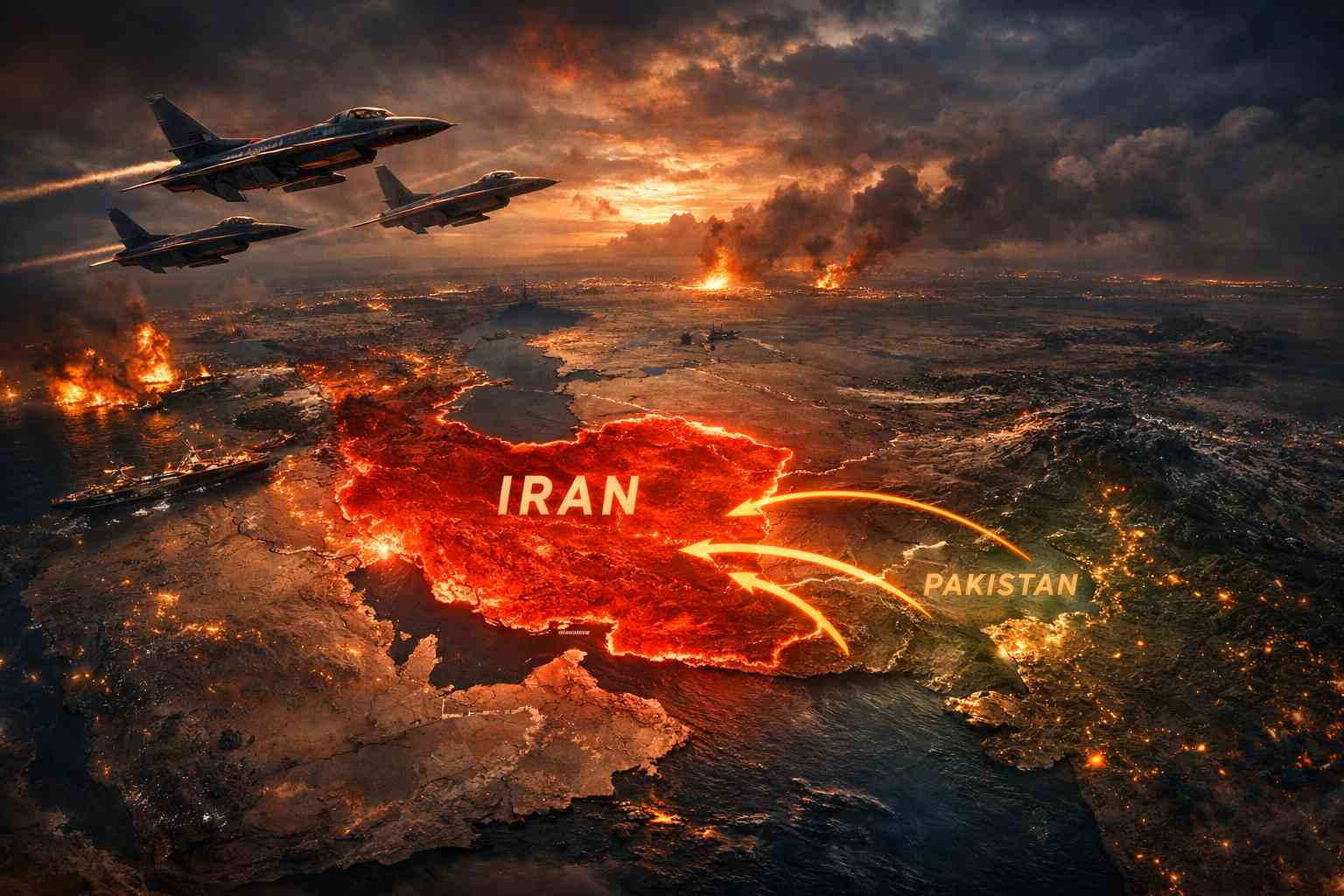
The incident cannot be viewed in isolation. It occurred against the backdrop of heightened tensions involving Iran and ongoing discussions about US foreign policy.
Some narratives connected the event to these geopolitical dynamics, suggesting it was part of a broader strategy linked to international conflicts. While no evidence supports such claims, their rapid spread reflects the interconnected nature of modern political discourse.
At the same time, US–Iran tensions continue to influence public perception, making it easier for audiences to interpret domestic events through an international lens.
Crowd Psychology vs Expert Analysis
One of the most interesting aspects of the discussion is the contrast between expert analysis and public perception.
While major media outlets emphasize verified information and caution against speculation, large segments of the public rely on collective interpretation. This phenomenon is often described as the “wisdom of crowds,” where large groups attempt to make sense of incomplete information.
However, this collective reasoning does not always produce accurate conclusions. Instead, it often reinforces dominant narratives within specific communities.
The Trump assassination attempt analysis illustrates this tension clearly. Competing interpretations coexist, each supported by selective evidence and amplified through digital networks.
Security, Perception, and Political Messaging
Beyond speculation, the incident raises legitimate concerns about security protocols. The ability of an armed individual to access a controlled environment suggests systemic vulnerabilities.
At the same time, political messaging quickly incorporated the event into broader agendas. Discussions around security infrastructure, including proposals for more controlled venues, gained traction immediately after the incident.
This demonstrates how crises are often used to justify policy preferences, further blurring the line between objective analysis and political positioning.
Conclusion: A Crisis of Information, Not Just Security
The Trump assassination attempt analysis ultimately reveals a deeper issue than the incident itself. It exposes a fragmented information landscape where facts, speculation, and political narratives compete simultaneously.
In such an environment, the challenge is not only to establish what happened, but to understand how events are interpreted and why certain narratives gain traction.
As investigations continue, the incident serves as a reminder that in modern politics, perception can be as influential as reality. The true impact of such events lies not only in their immediate consequences, but in how they reshape public understanding and political discourse.
By SoldierSpeaks News Desk
Analysis based on commentary by Dr. Moeed Pirzada and current geopolitical developments.