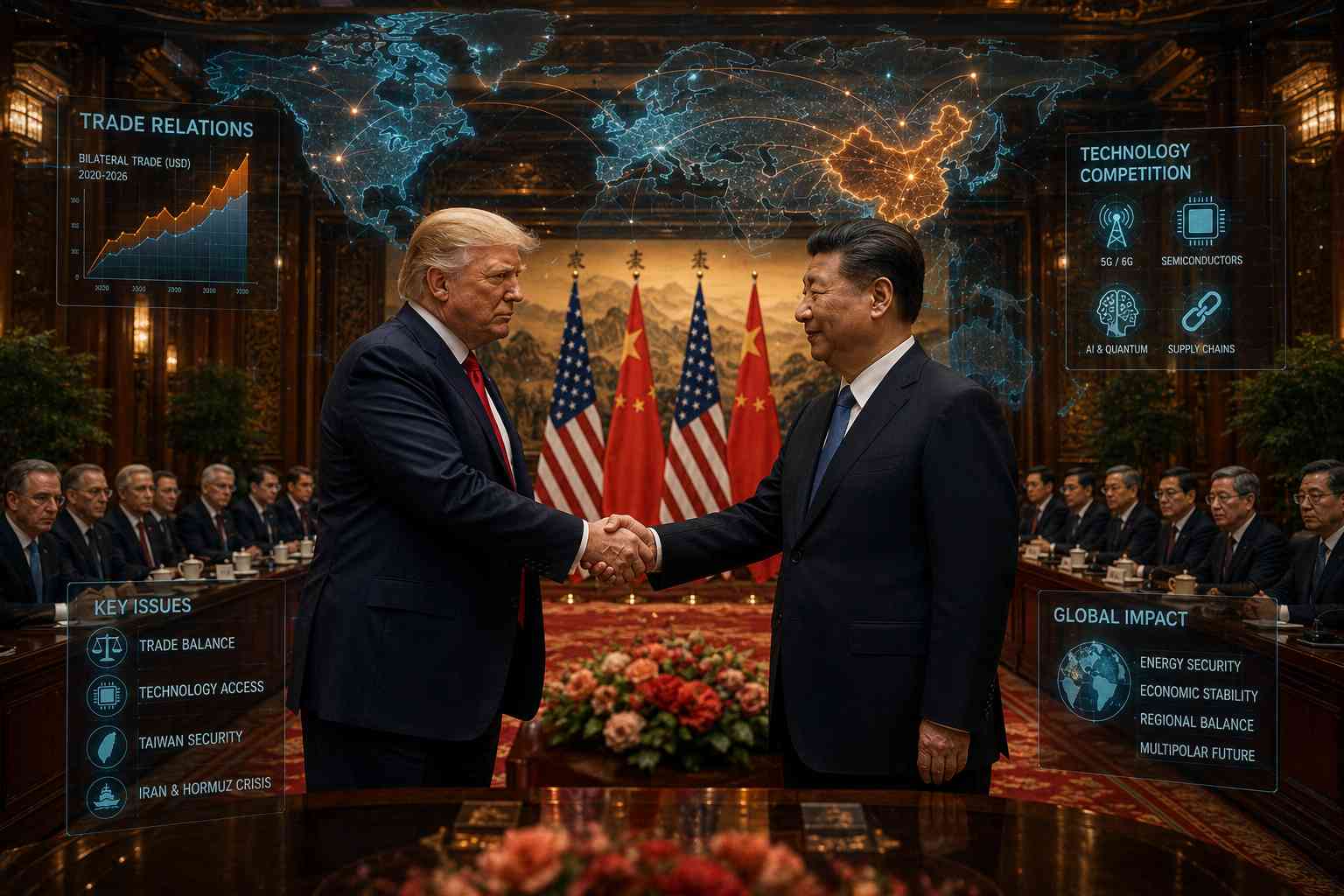
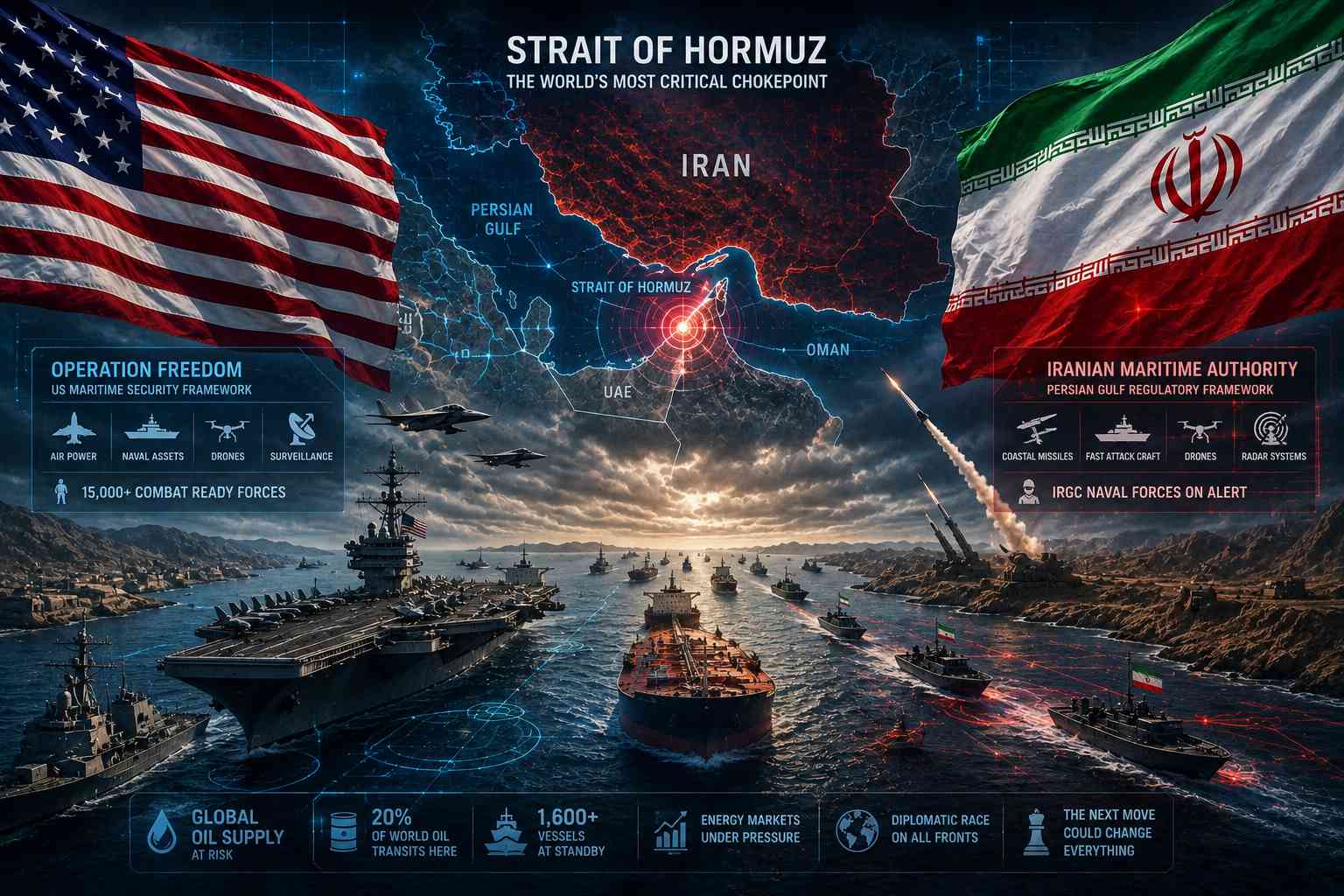
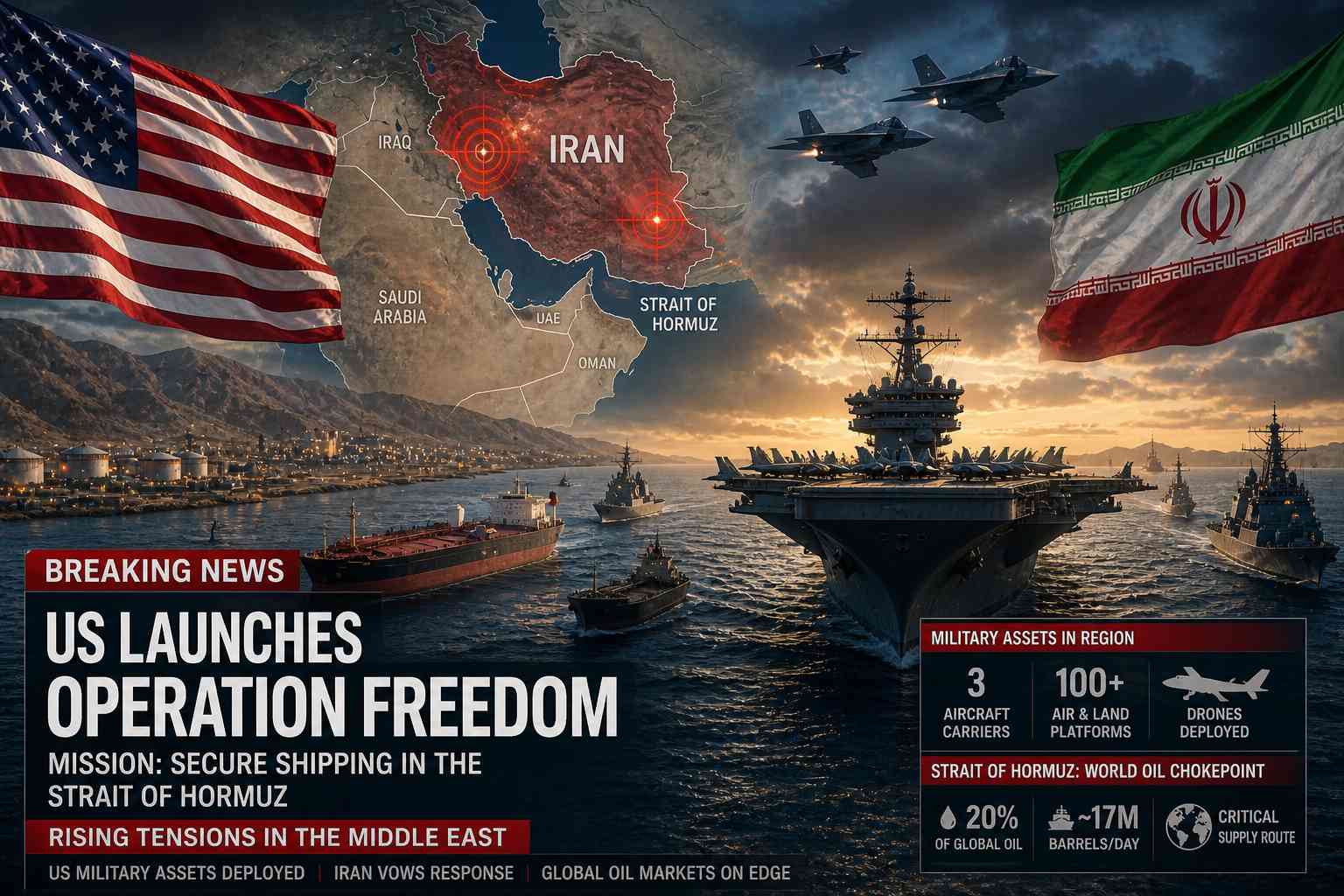
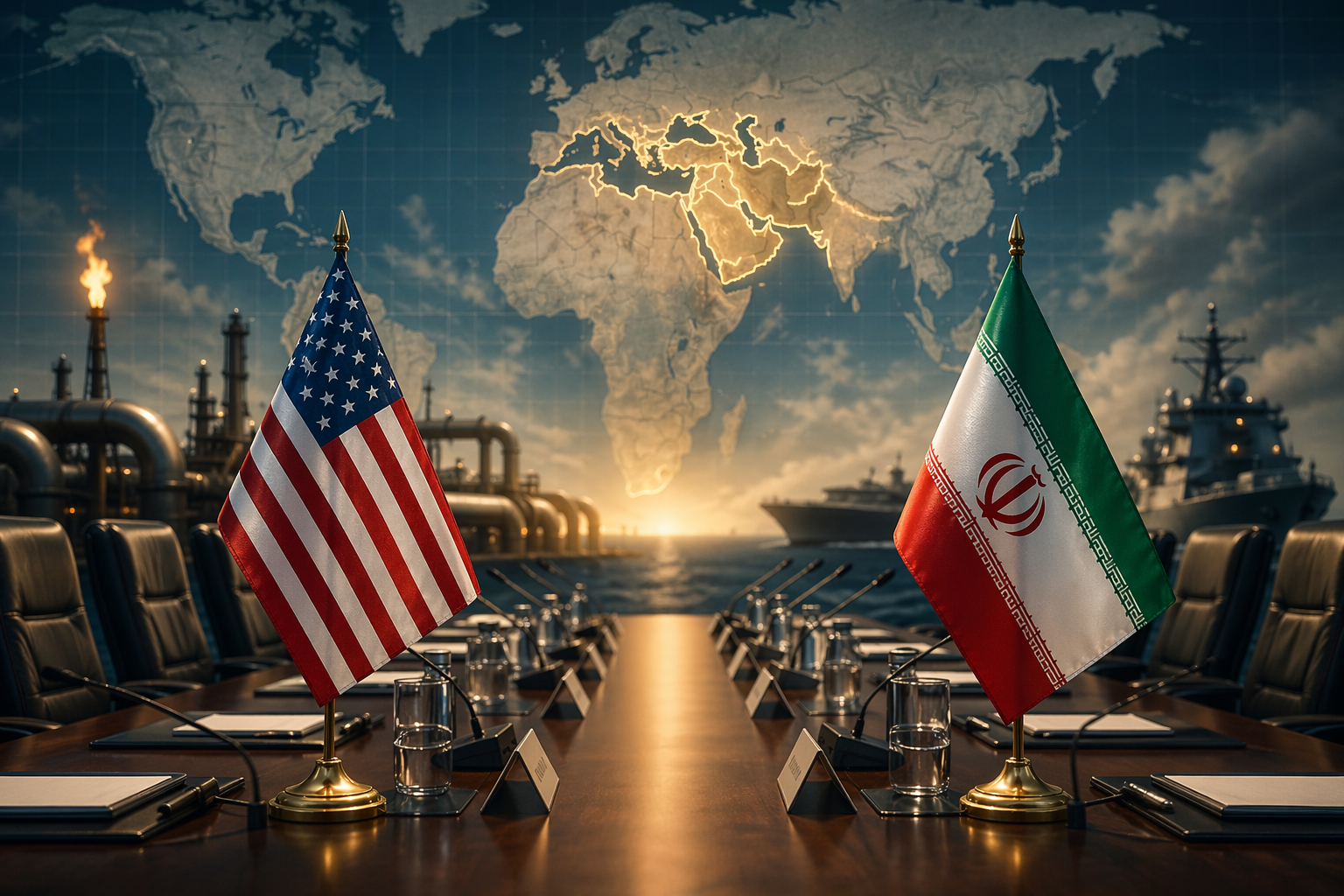
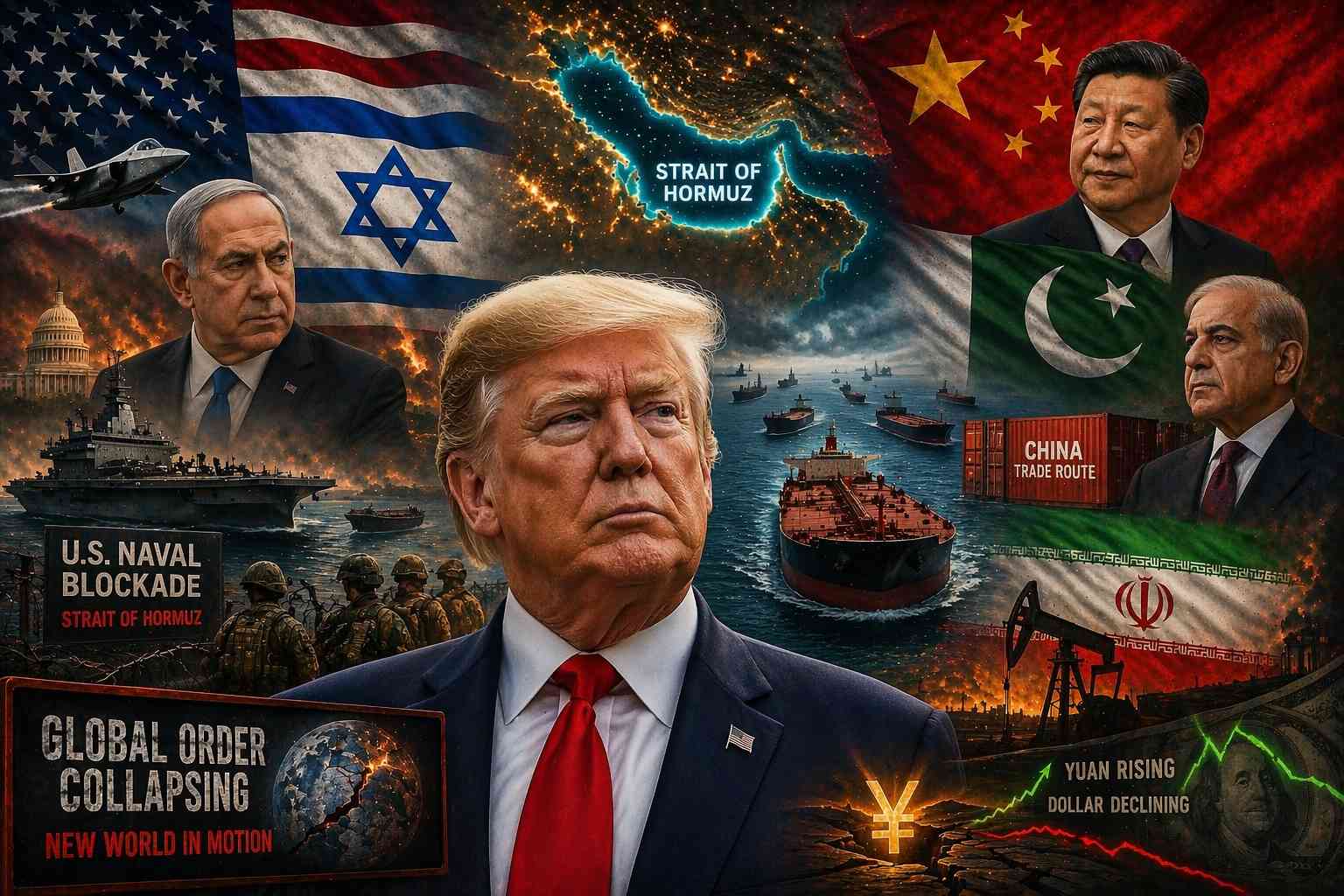
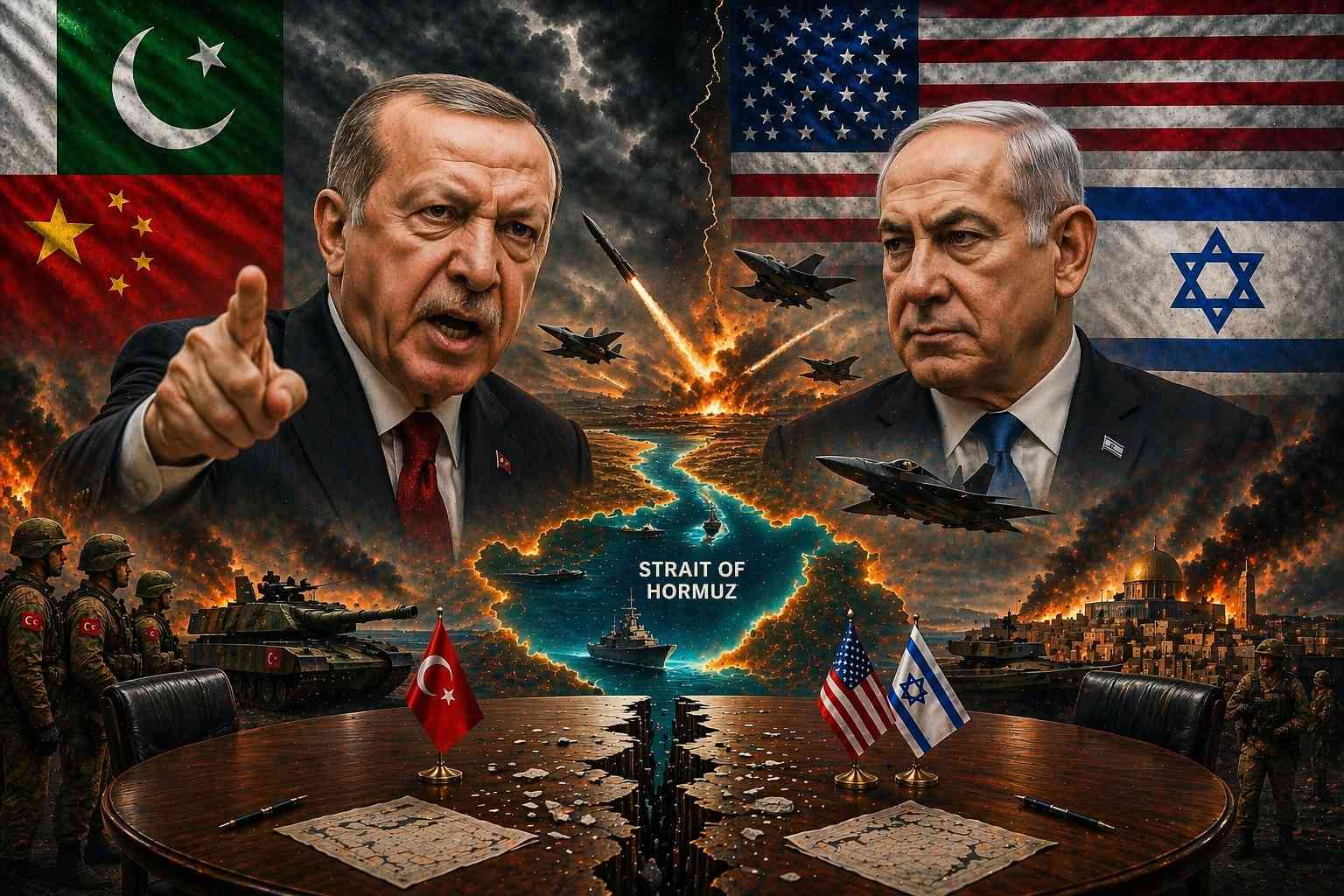
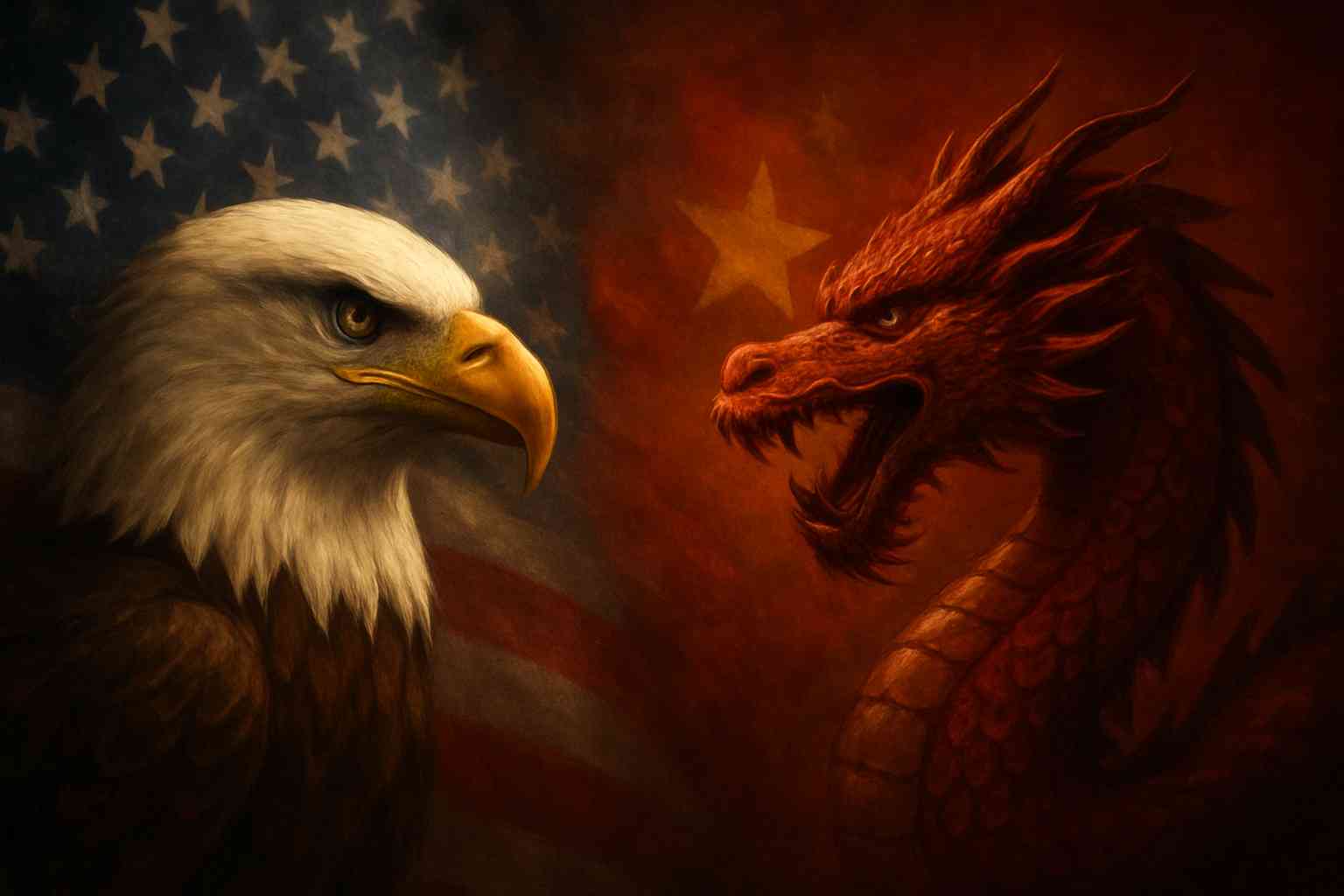
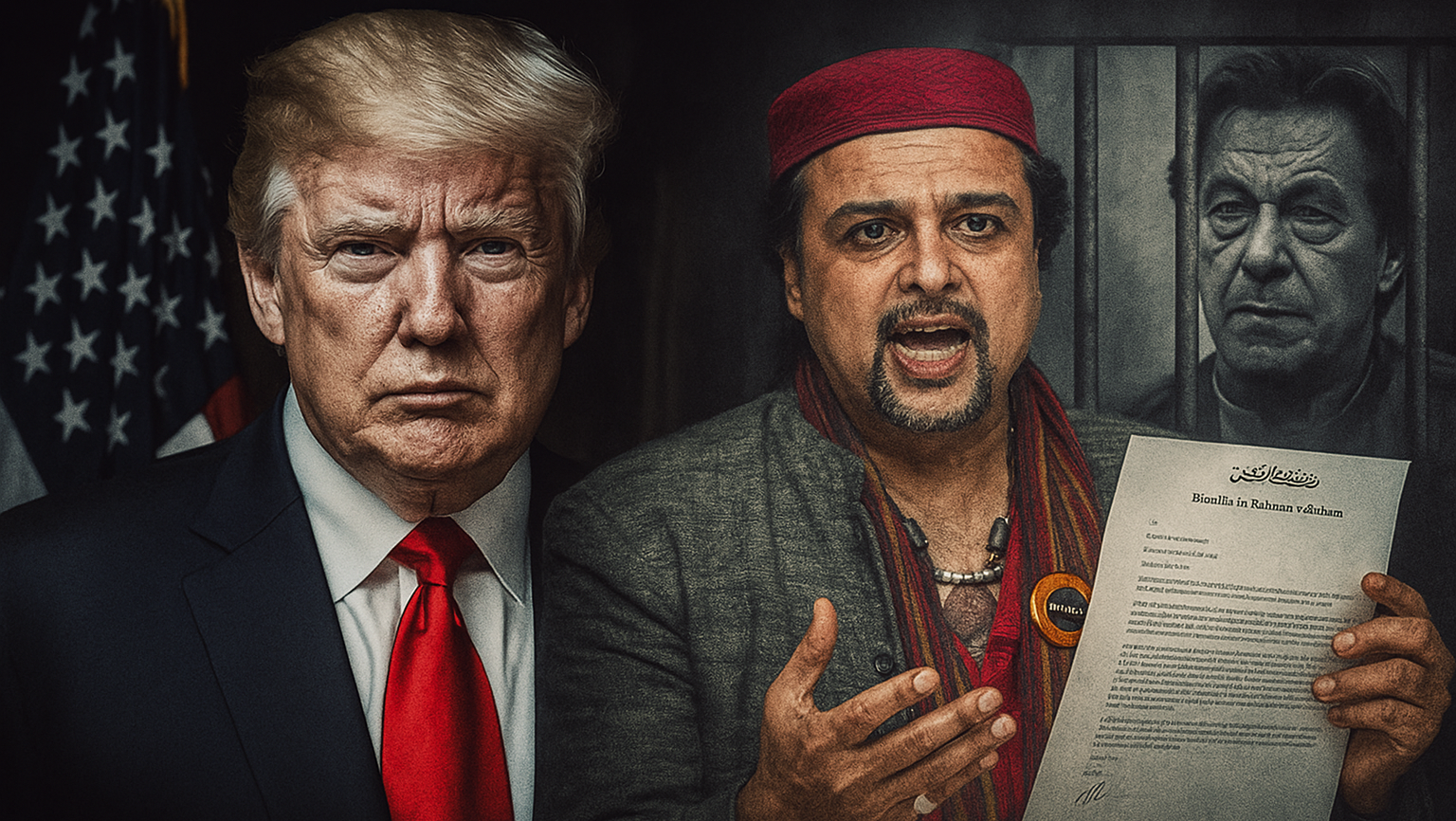
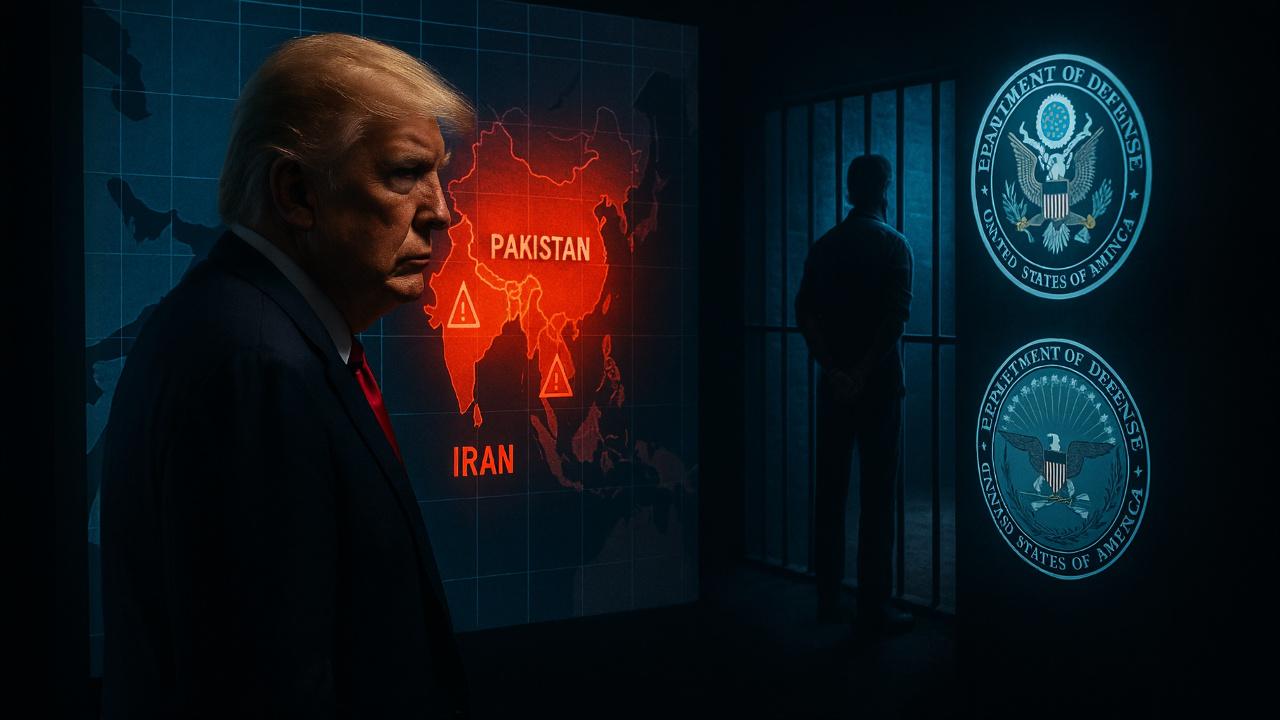
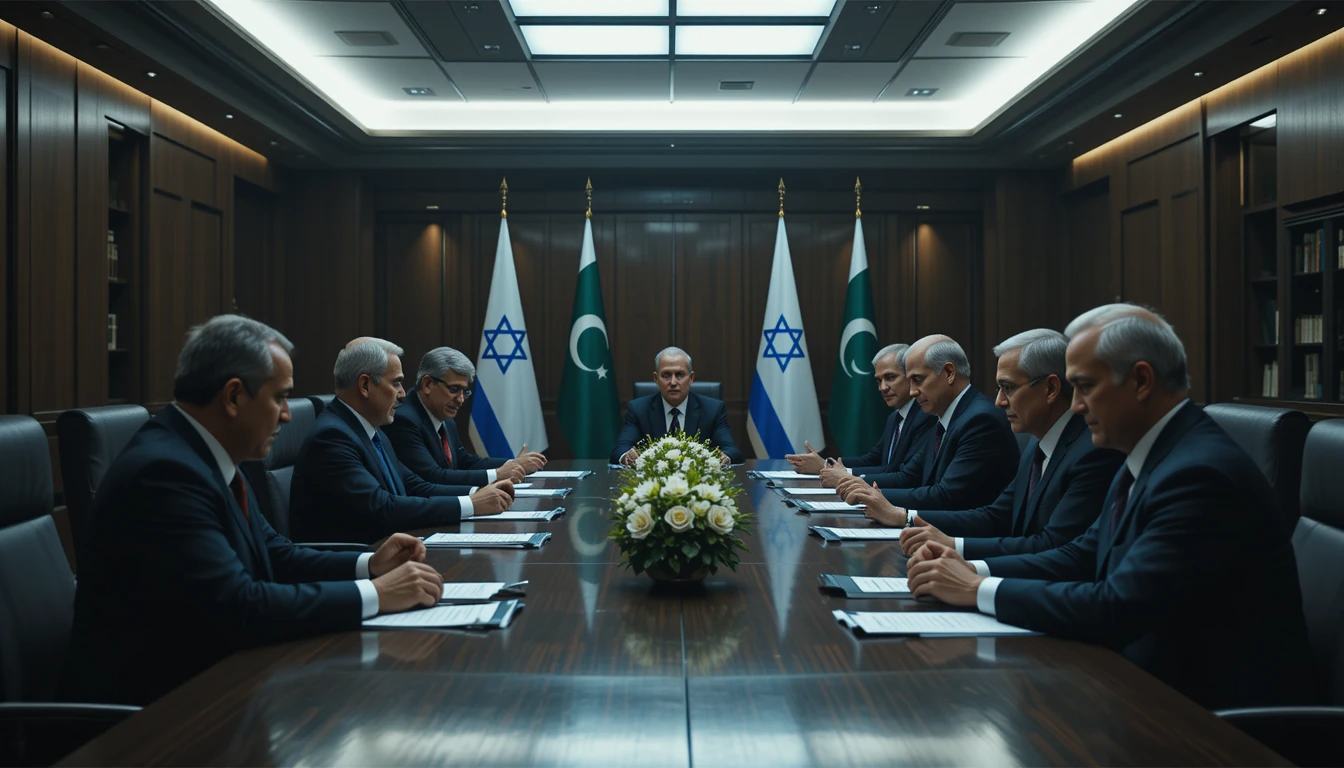
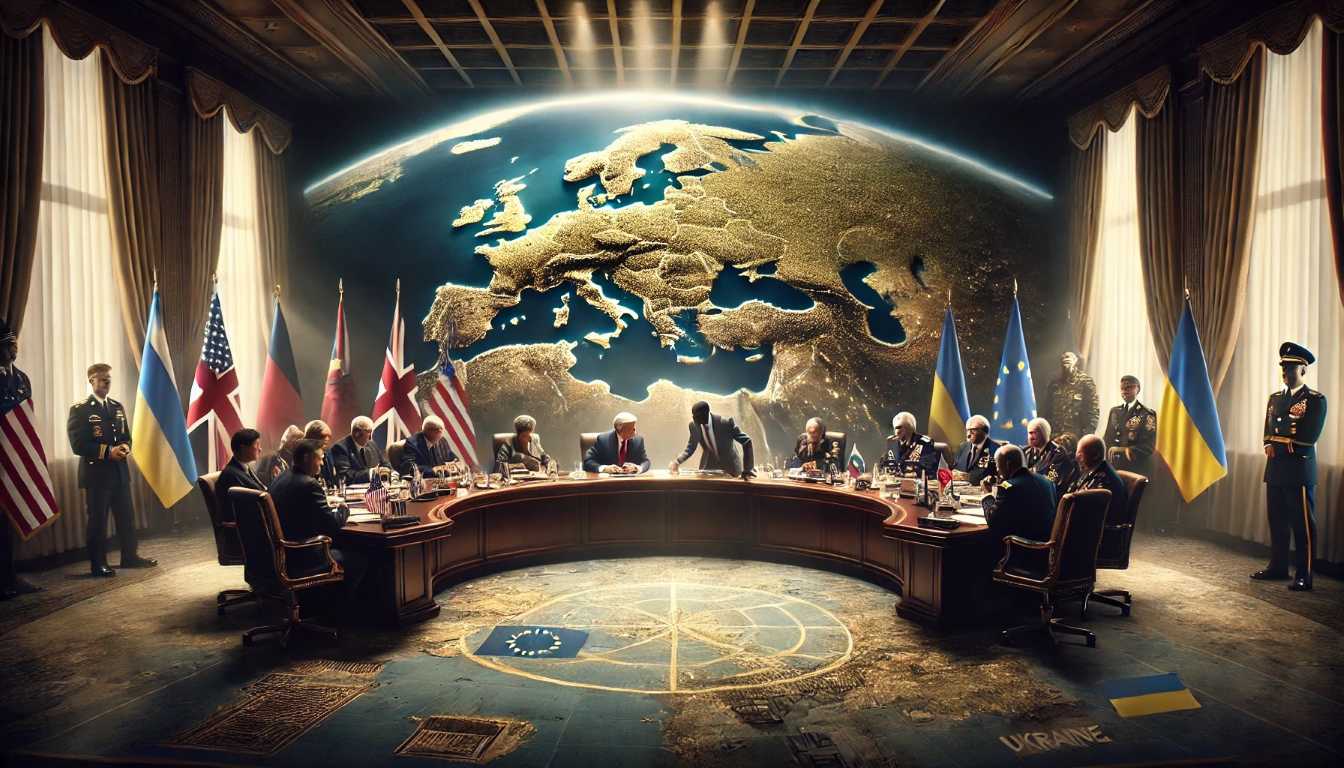
The Trump Iran conflict is no longer a distant geopolitical concern. Now, inside Washington, London, and global power corridors, leaders actively debate a serious idea — one that could reshape the Middle East entirely. At the center of this conversation lies a bold possibility:
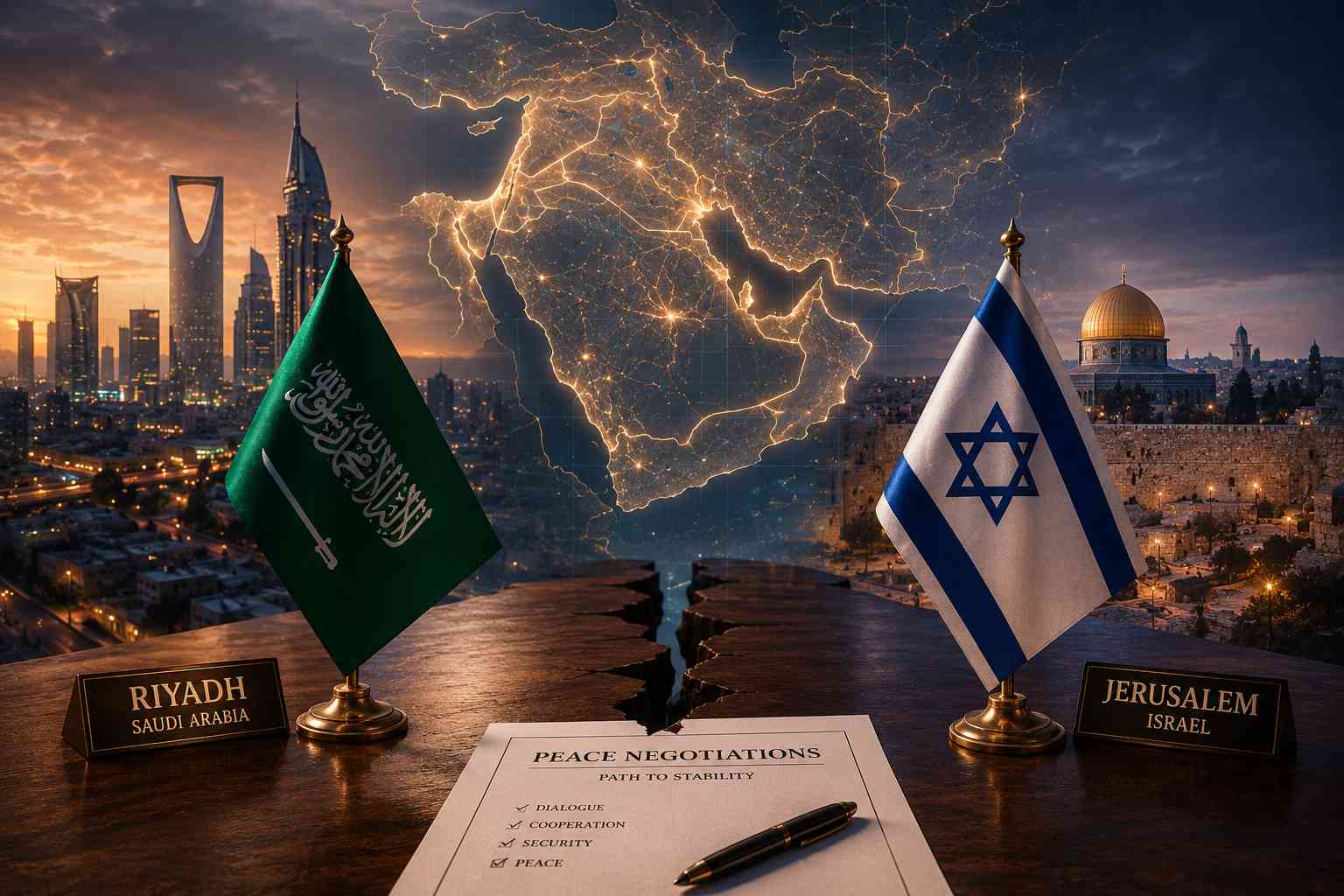
Can a Trump Palestine deal be used to end the Iran war and reset the global balance of power?
This is not just about diplomacy.
Instead, this is about strategy at the highest level.
A War That Became Too Expensive to Win
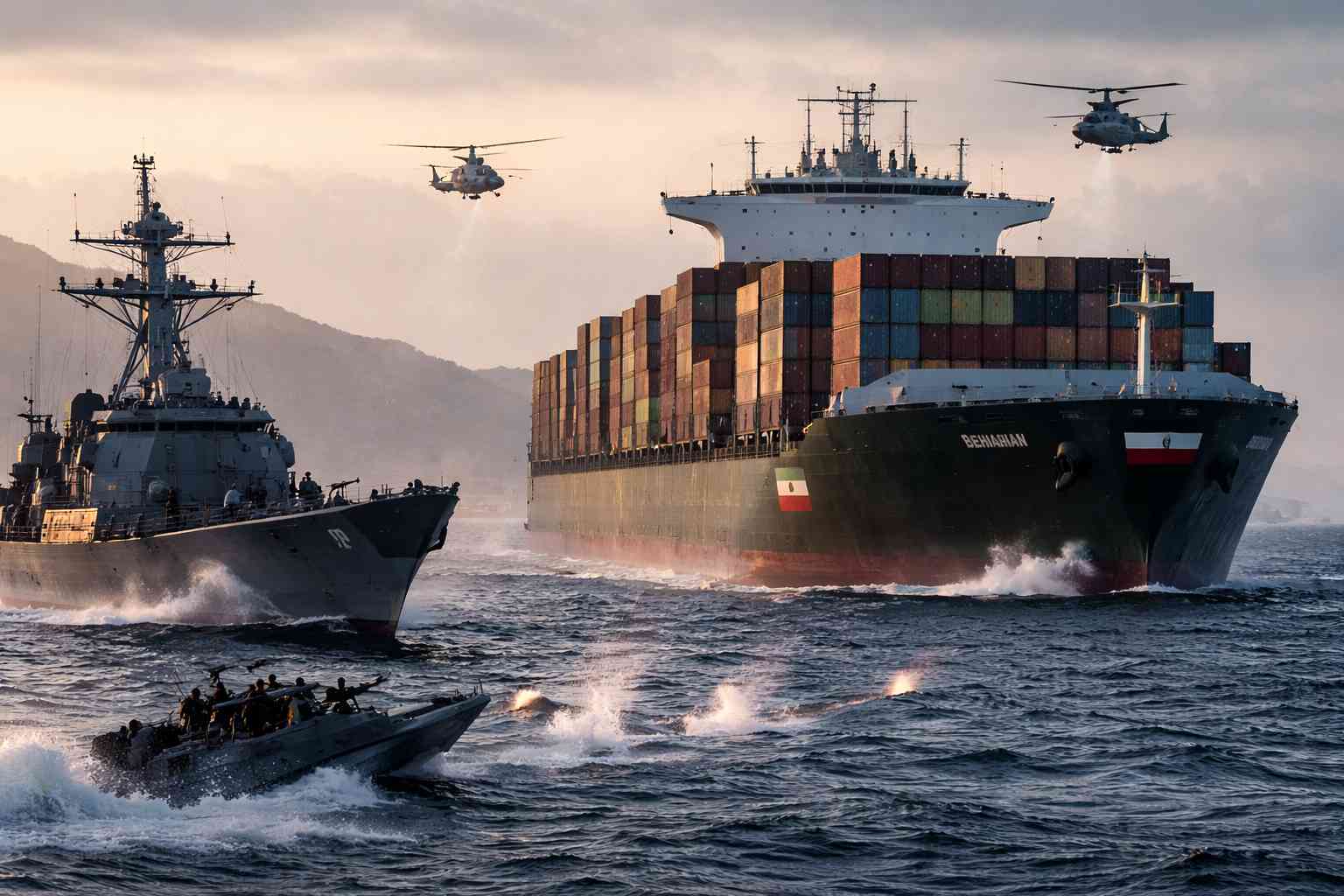
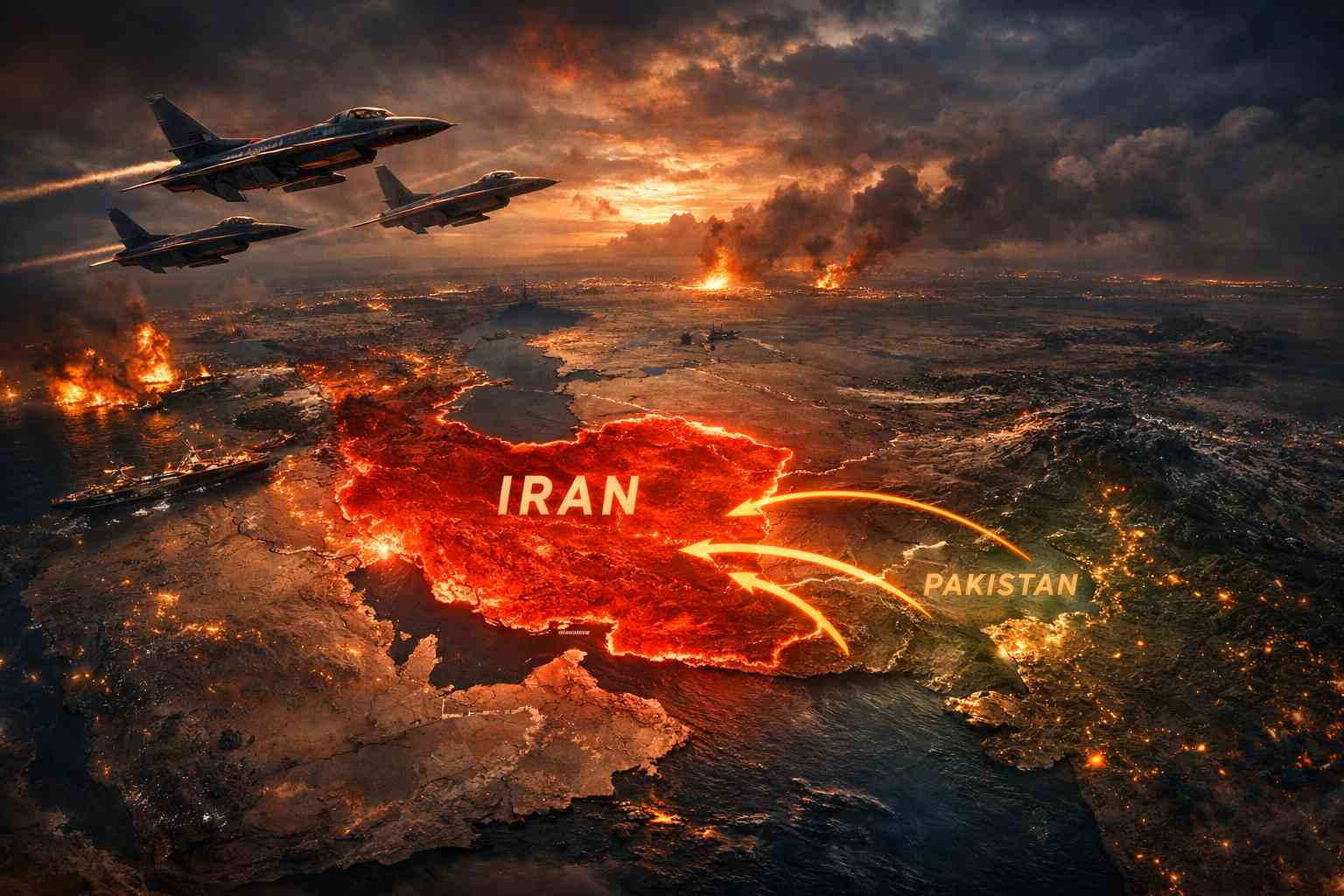
The Iran conflict has now reached a critical stage.
Despite weeks of escalation, military planners have not achieved the expected results. They still struggle to meet objectives, and regime change efforts have clearly failed.
Meanwhile, the cost of continuing the war continues to rise rapidly.
Therefore, this is no longer just a battlefield issue. It has become a political, economic, and strategic burden.
When wars stop delivering results, leaders usually begin looking for alternatives.
That is exactly where this discussion begins.
Why Palestine Is the Real Geopolitical Key
For decades, Western policymakers have viewed the Palestine issue as a humanitarian concern.
However, in reality, it holds far greater strategic weight.
Palestine directly connects to:
- Muslim world sentiment
- Political identity
- Resistance narratives across the Middle East
This is precisely where Iran has built its influence.
Iran has tied its regional strategy to the Palestine cause. From Hezbollah in Lebanon to other aligned groups, leaders have consistently used this narrative.
Now consider one major shift.
If global powers resolve the Palestine issue, that narrative weakens immediately.
As a result, this idea is now receiving serious attention.
The Trump Palestine Deal Strategy
The concept appears simple — yet powerful.
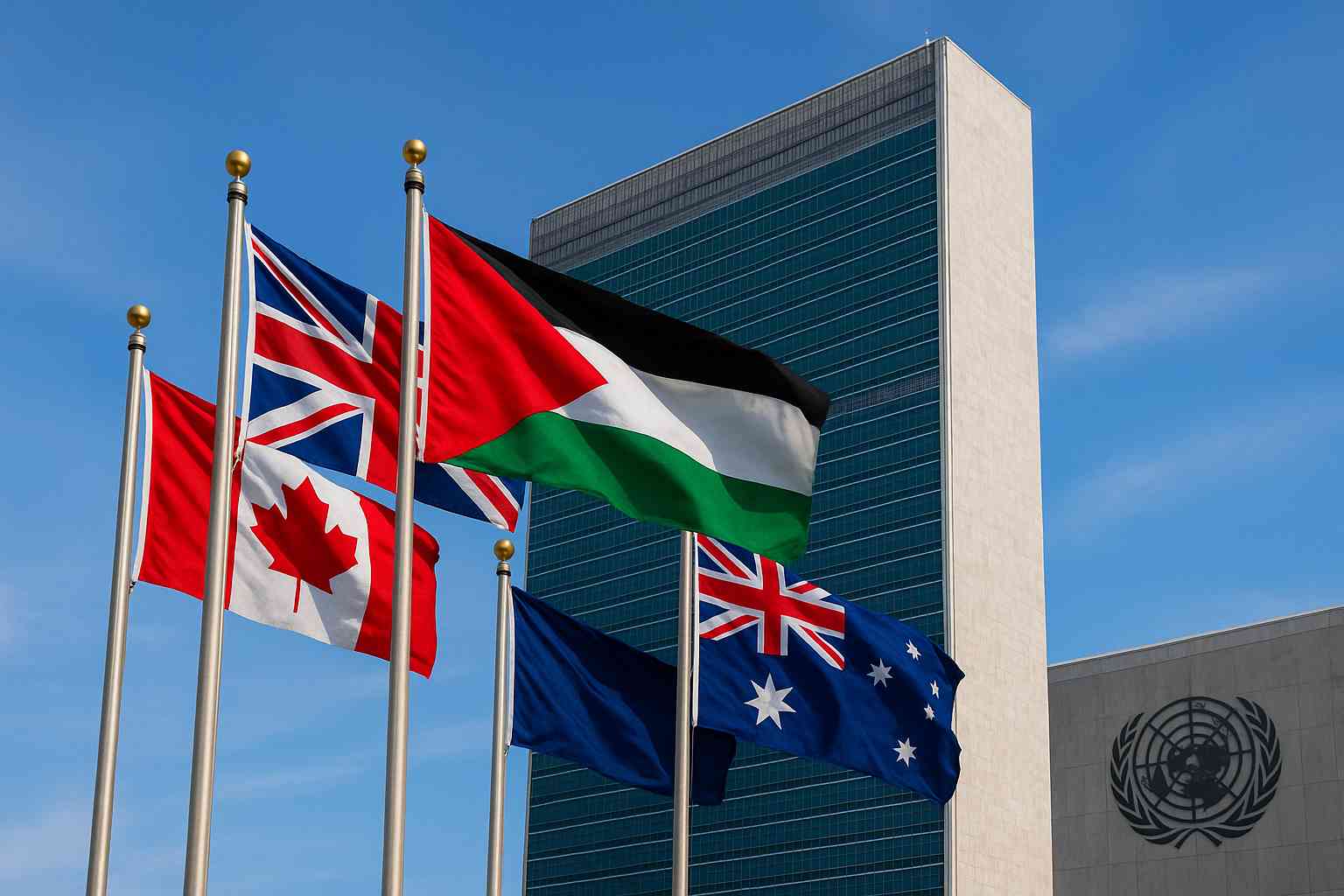
If the United States pushes for the creation of a Palestinian state, it could trigger a chain reaction.
In return:
- Iran may agree to end hostilities
- Nuclear negotiations could restart
- Sanctions relief could follow
- Regional peace frameworks could emerge
This is not just a deal.
Instead, this represents a strategic reset of the Middle East.
Why This Deal Could Benefit Everyone
From a strategic standpoint, analysts now see this as a rare win-win scenario.
For the United States
Ending a costly war without prolonged conflict would strengthen global positioning.
For Iran
Sanctions relief and reintegration could revive its economy and restore global standing.
For Arab States
A Palestinian state would remove a long-standing pressure point and enable normalization with Israel.
For Israel
It could offer long-term peace, although internal resistance would remain strong.
For the Muslim World
It would resolve a deeply emotional issue that has shaped regional politics for decades.
Therefore, diplomatic circles are now taking this idea more seriously.
The Biggest Obstacle: Israel
Despite these potential benefits, one major challenge remains.
Israel.
Resistance will likely come from within Israel due to:
- Settlement issues
- Territorial control concerns
- Internal political pressure
This is not a minor hurdle.
Instead, this is the central obstacle.
Any Trump Palestine deal would require unprecedented pressure on Israel — something previous US administrations have avoided.
A System Reset, Not Just a Peace Deal
This is where the plan’s significance becomes clear.
This is not just about ending one war.
If leaders execute it properly, it could:
- Shift the region toward stability
- Collapse proxy war networks
- Reduce Iran’s ideological influence
- Reshape regional alliances
In simple terms, this represents a system reset.
In other words, it marks a transition from chaos to controlled stability.
The Nobel Peace Prize Factor
There is also a personal dimension to consider.
If such a deal succeeds, it would position Donald Trump as a global peace broker.
A successful Trump Palestine deal could:
- End a major regional conflict
- Establish long-term peace frameworks
- Create a historic diplomatic breakthrough
Consequently, it could place the Nobel Peace Prize within reach.
The Final Question: Bold Move or Impossible Gamble?
The idea sounds powerful.
However, reality is rarely simple.
Key questions still remain:
- Can the US apply enough pressure on Israel?
- Will Iran accept such a compromise?
- Is this a real strategy or just a theory?
Because while war destroys quickly, peace requires something harder.
It requires a political decision.
And history shows that sometimes the most powerful weapon is not force — but the courage to act.
Conclusion
The conversation around a Trump Palestine deal is no longer speculation.
Instead, it reflects a deeper shift in global strategic thinking.
Whether it becomes reality or not, one thing is clear:
The Middle East stands at a crossroads.
And the next decision could define the region for decades.
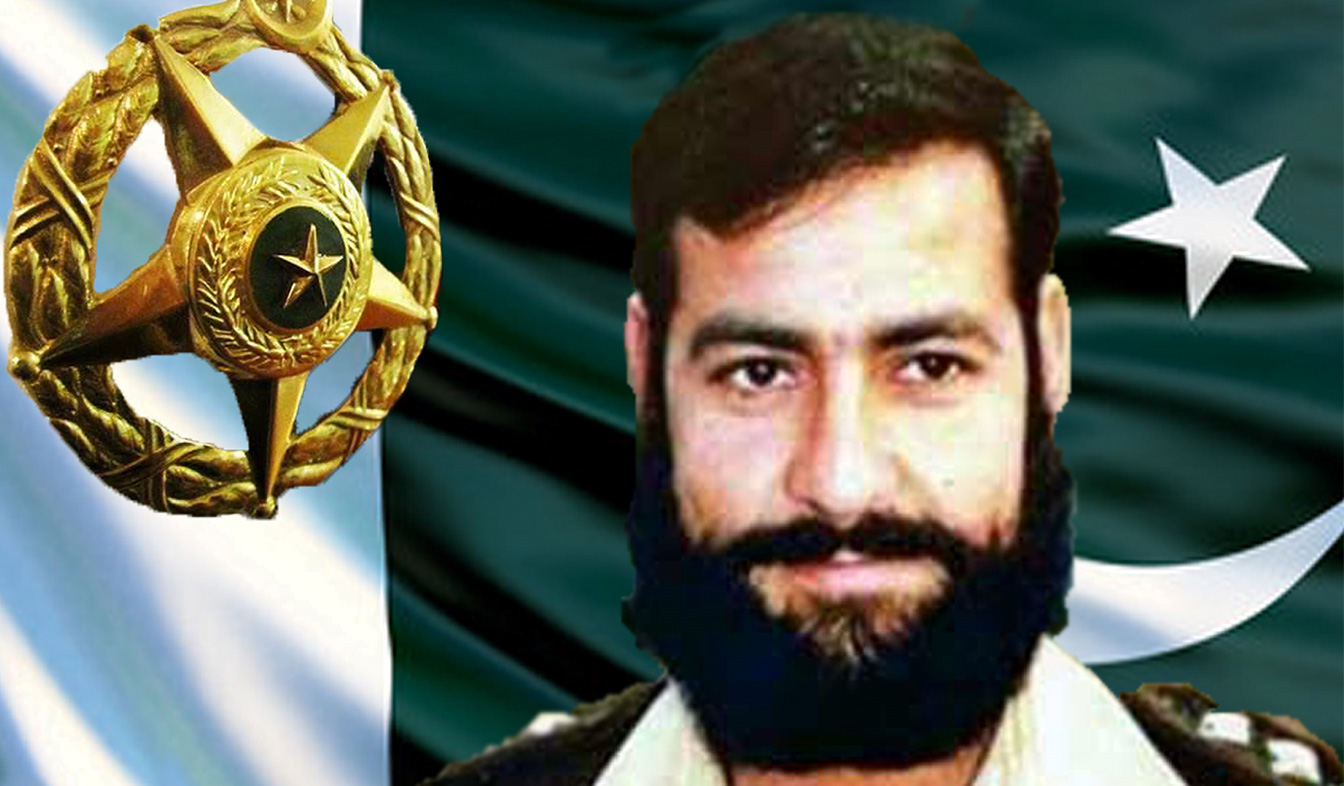
Adil Raja is a retired major of the Pakistan Army, freelance investigative journalist, and dissident based in London, United Kingdom. He is the host of “Soldier Speaks Reloaded,” an independent commentary platform focused on South Asian politics and security affairs. Adil is also a member of the National Union of Journalists (UK) and the International Human Rights Foundation. Read more about Adil Raja.. Read more about Adil Raja.