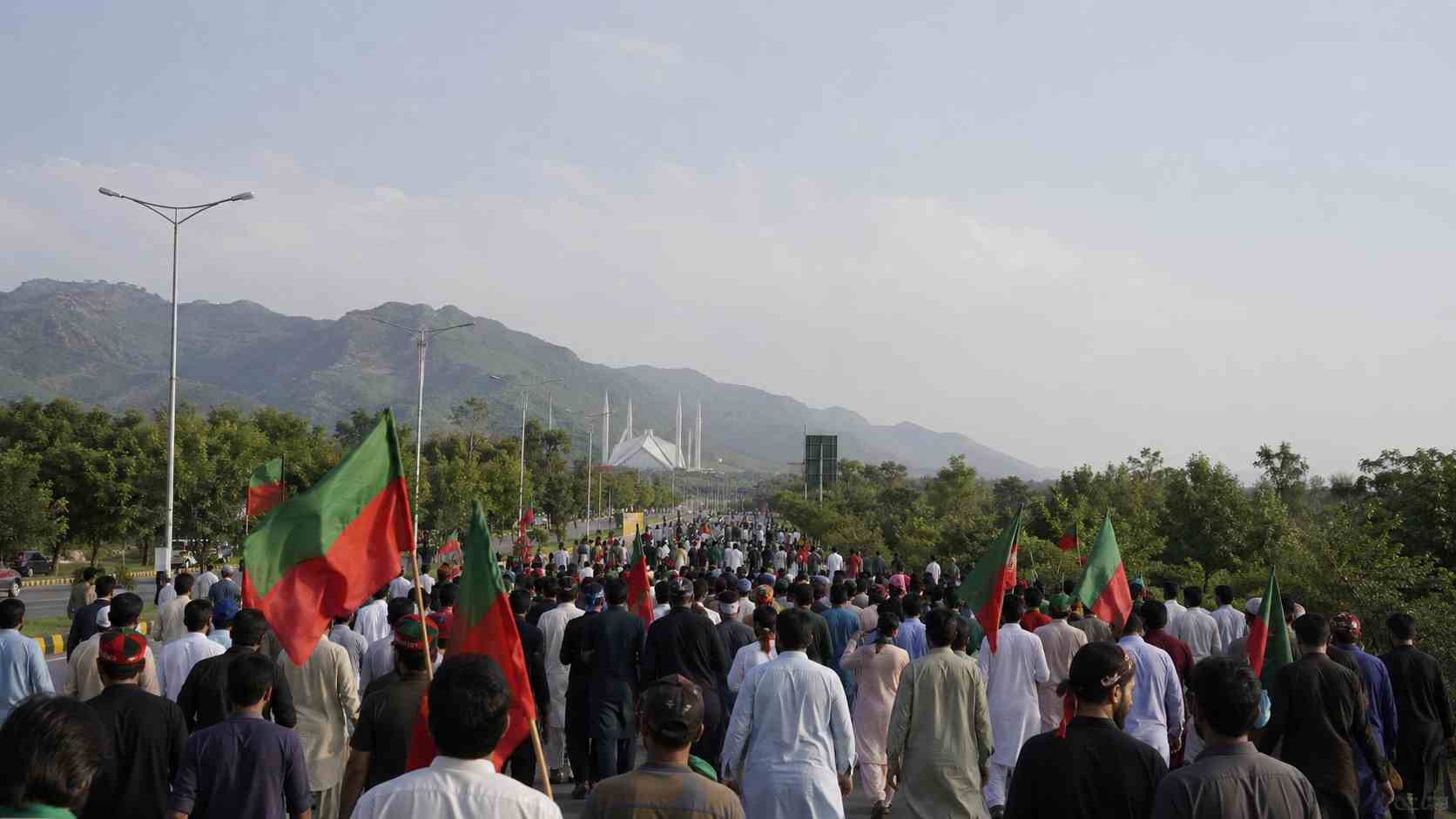
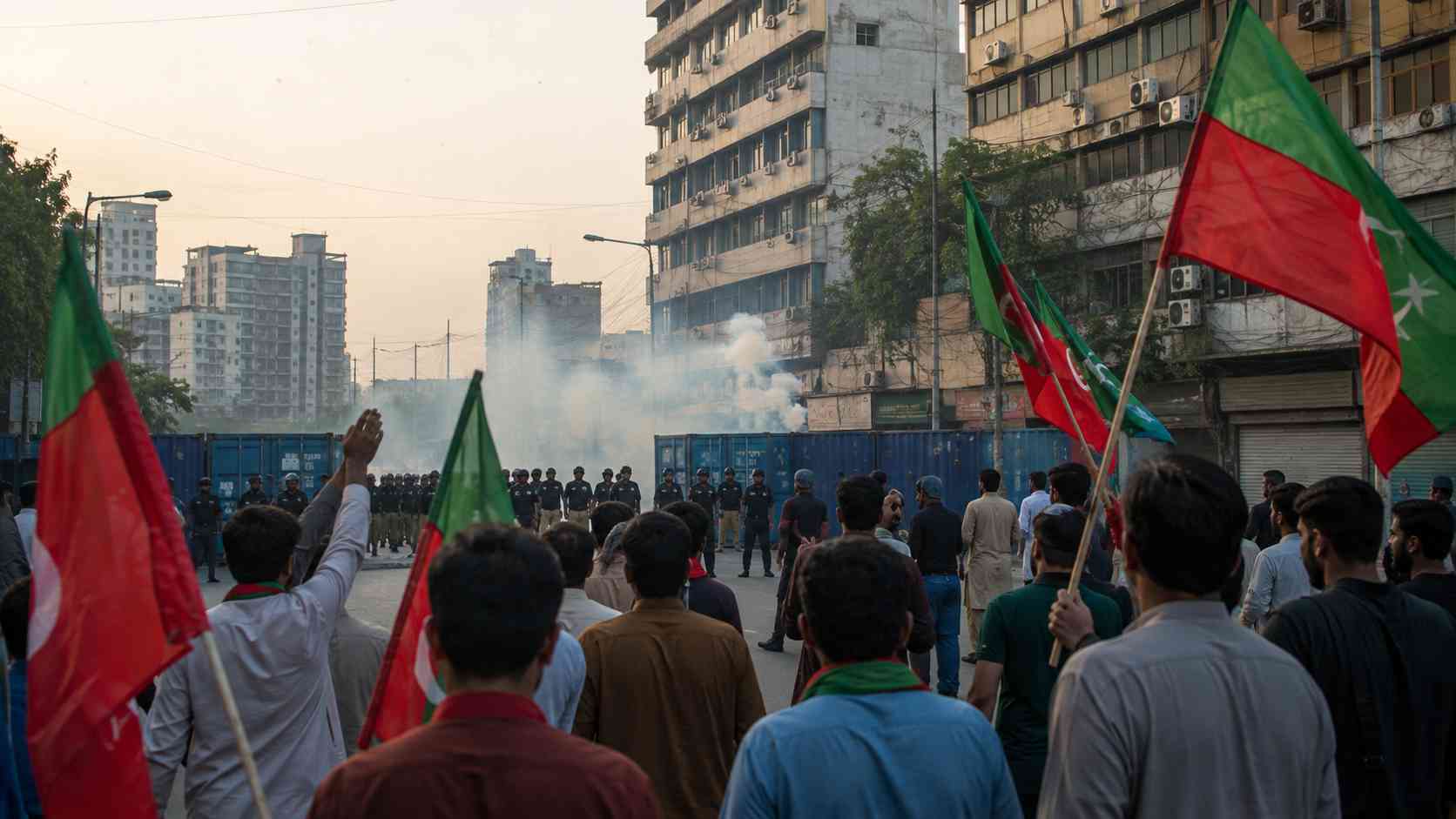
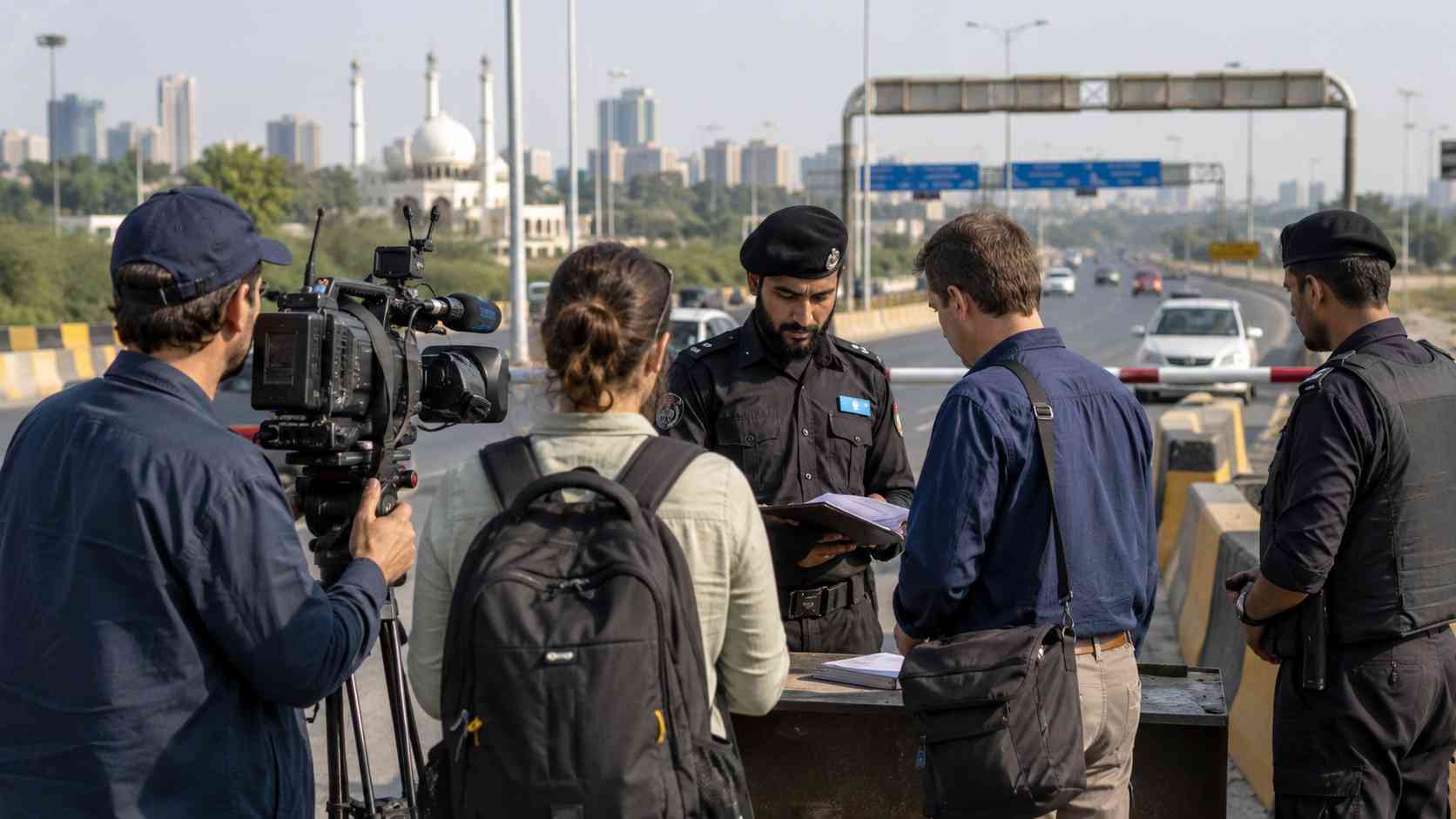
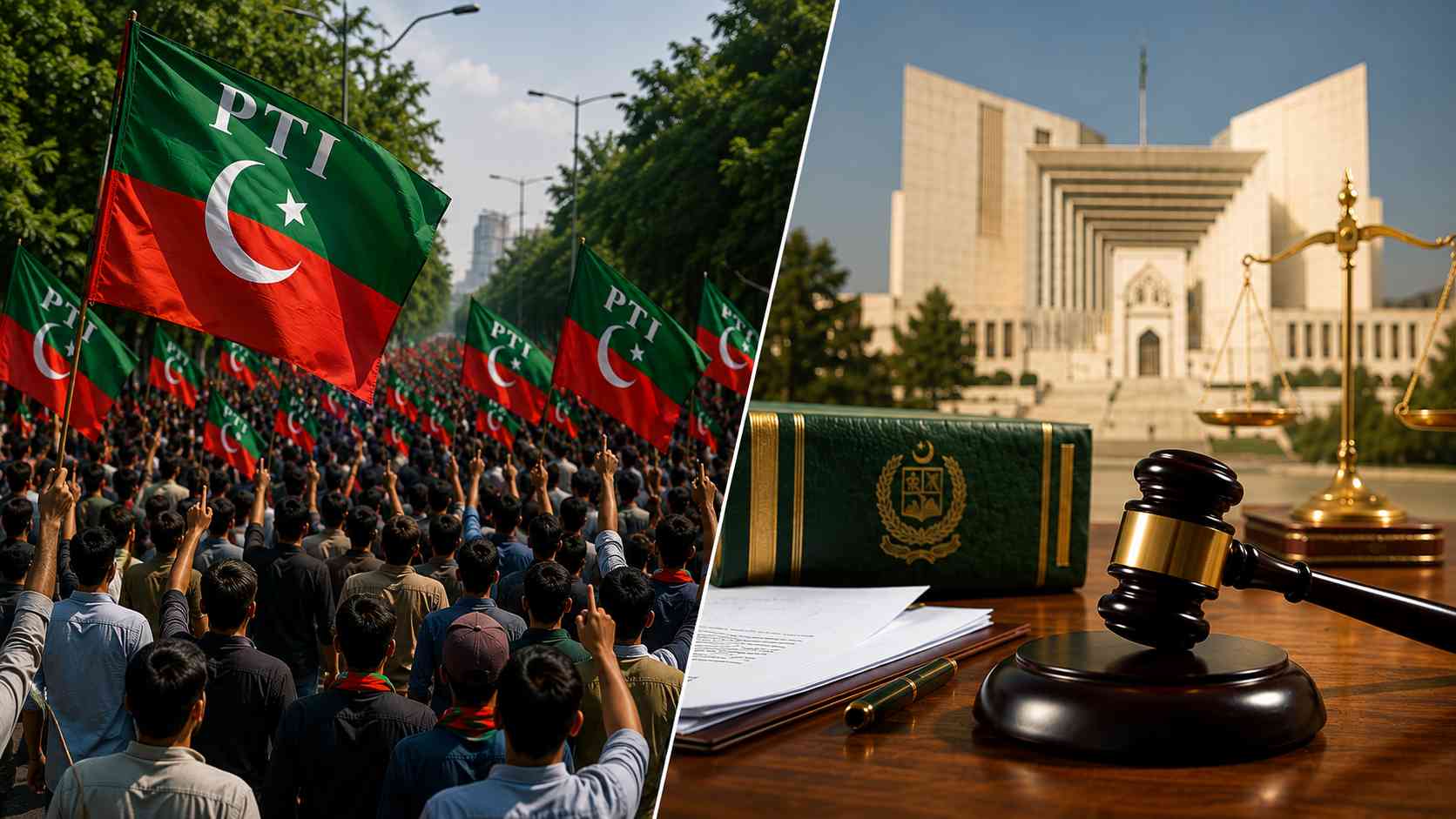
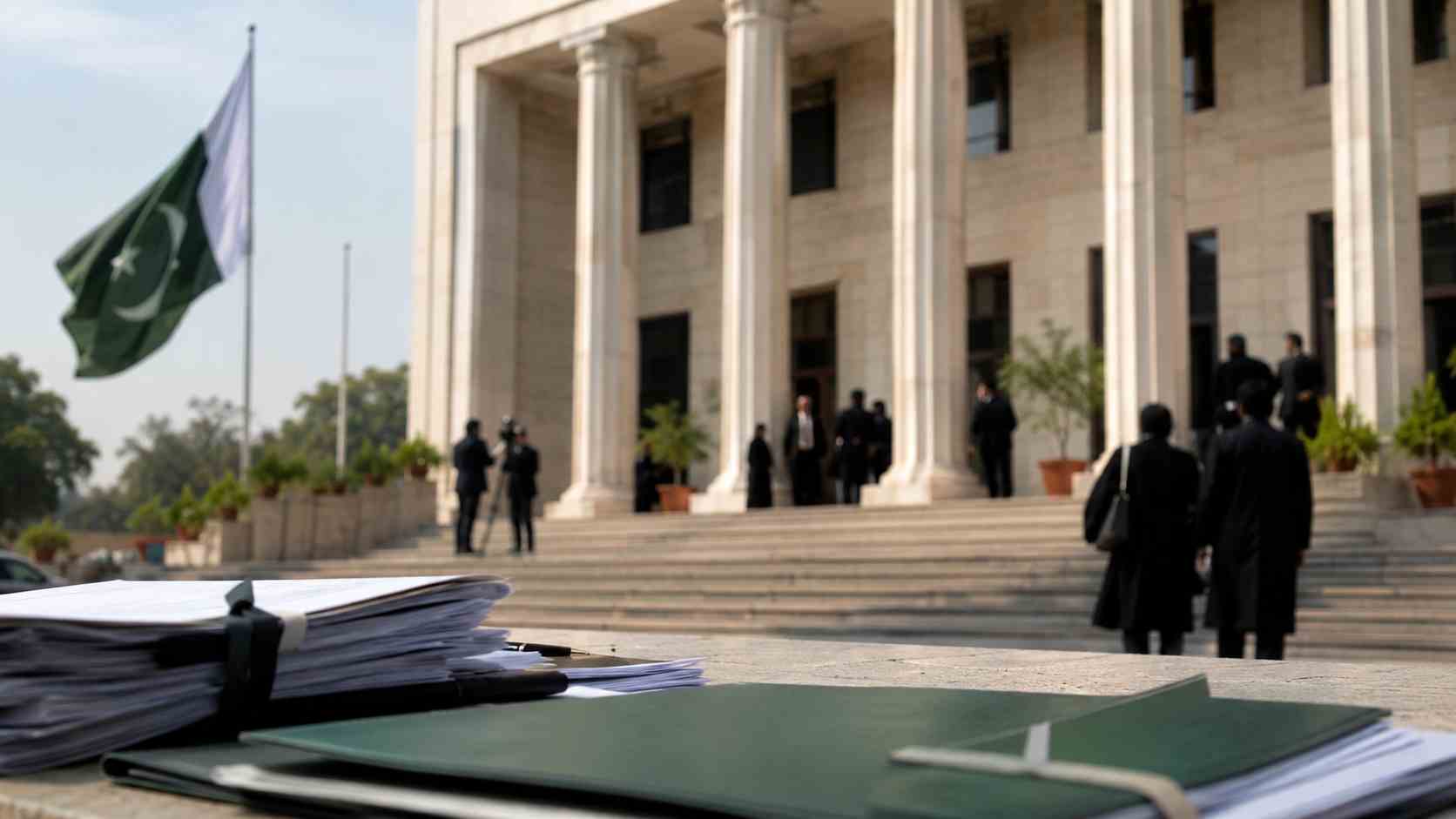
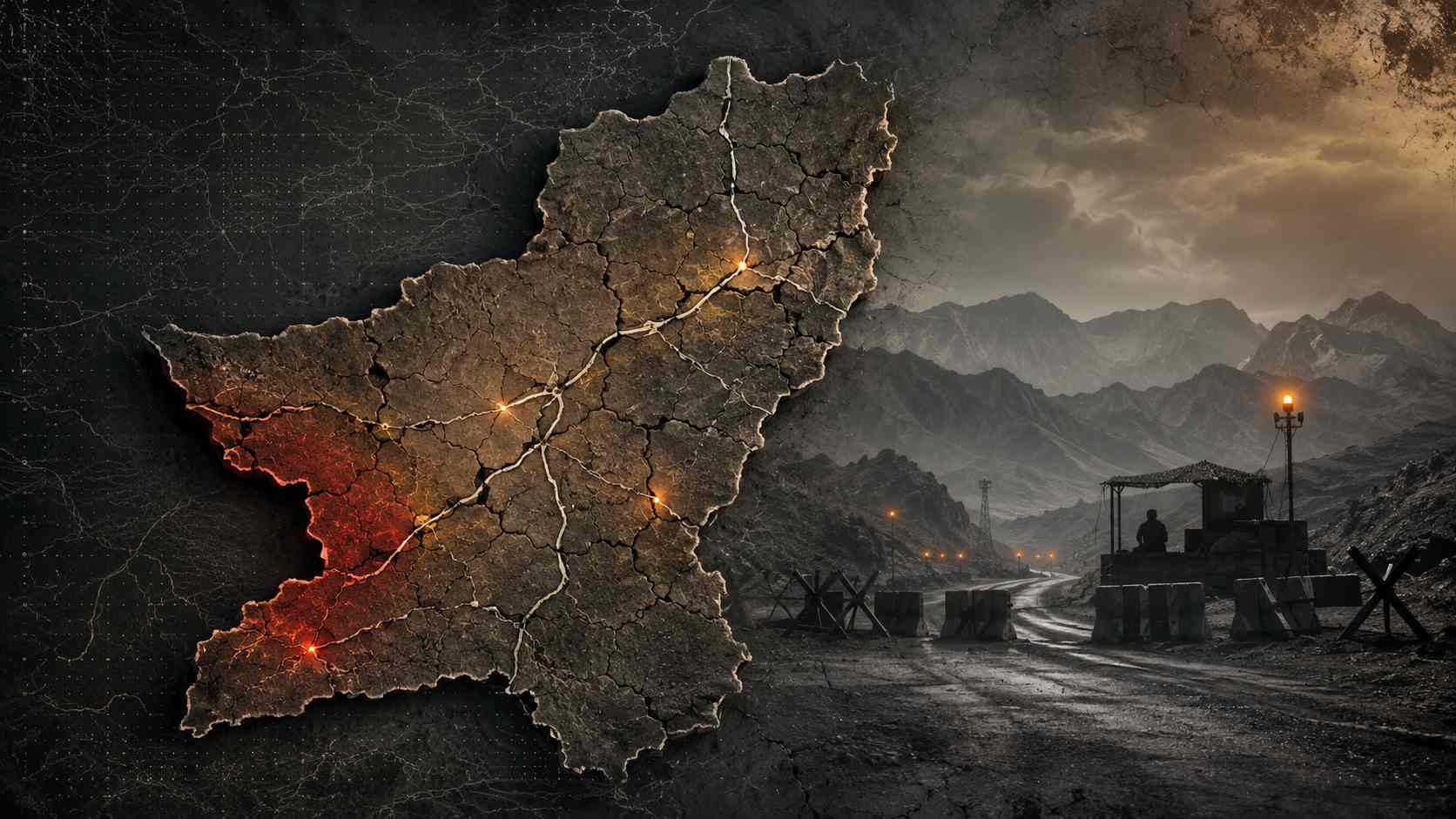
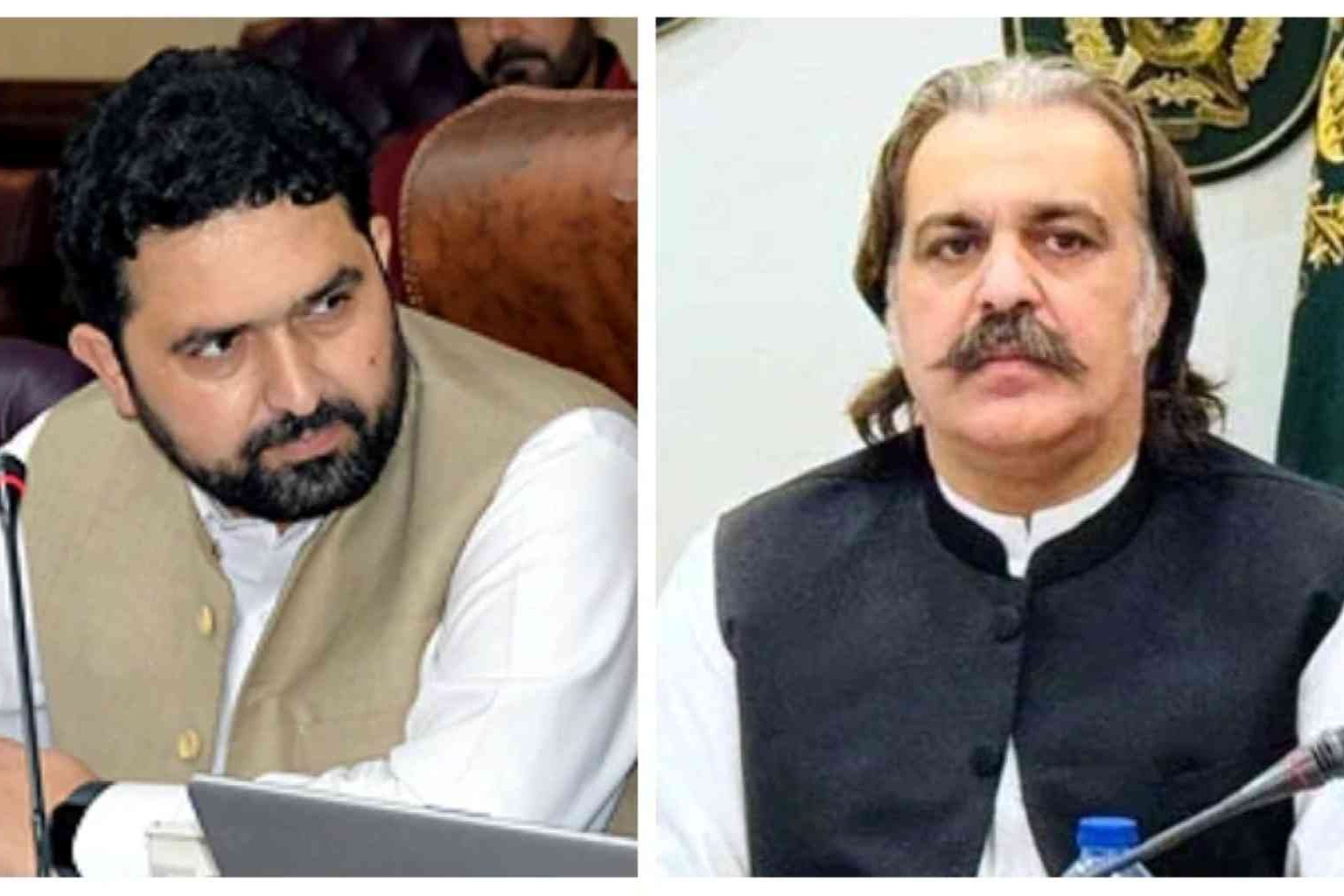
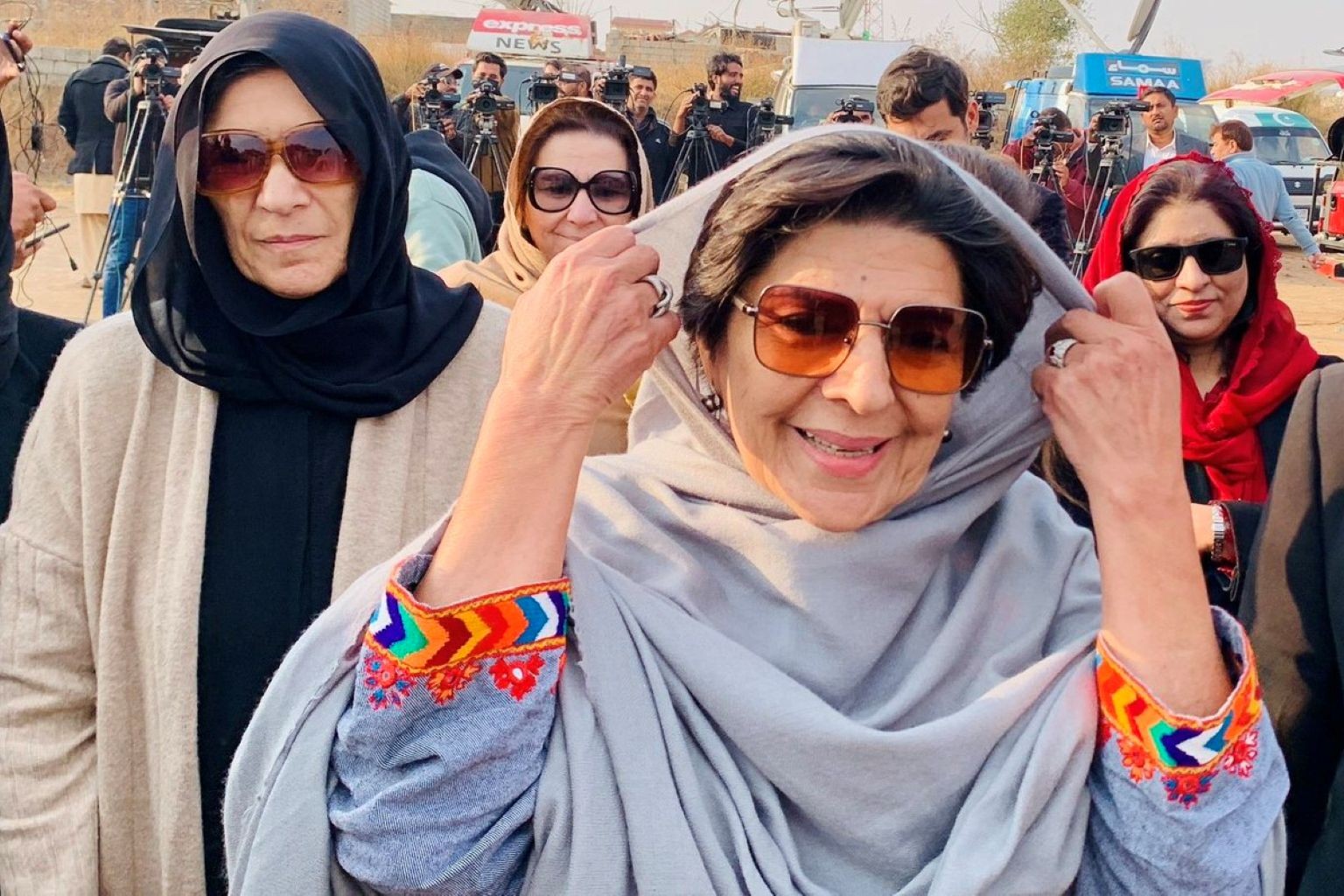
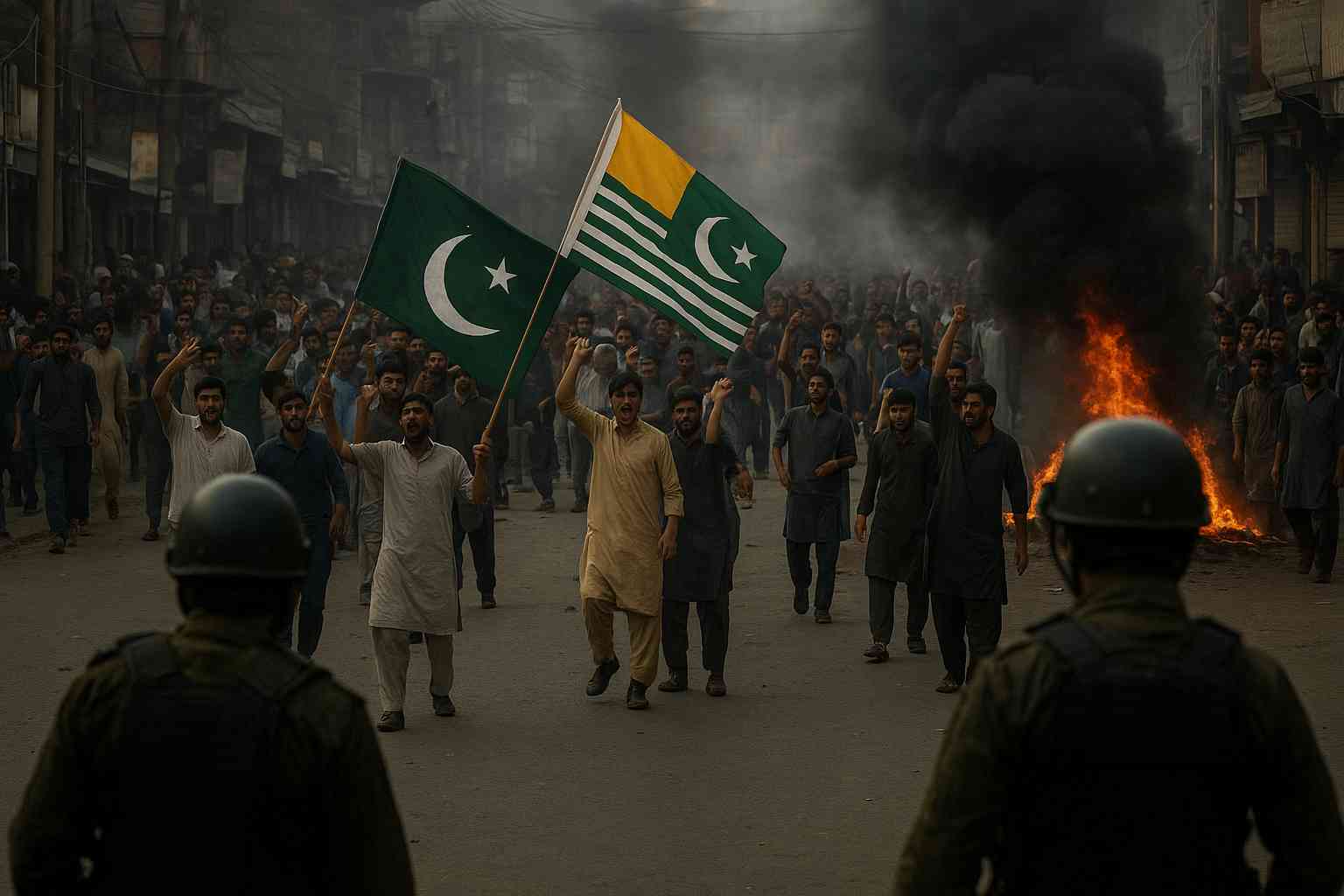
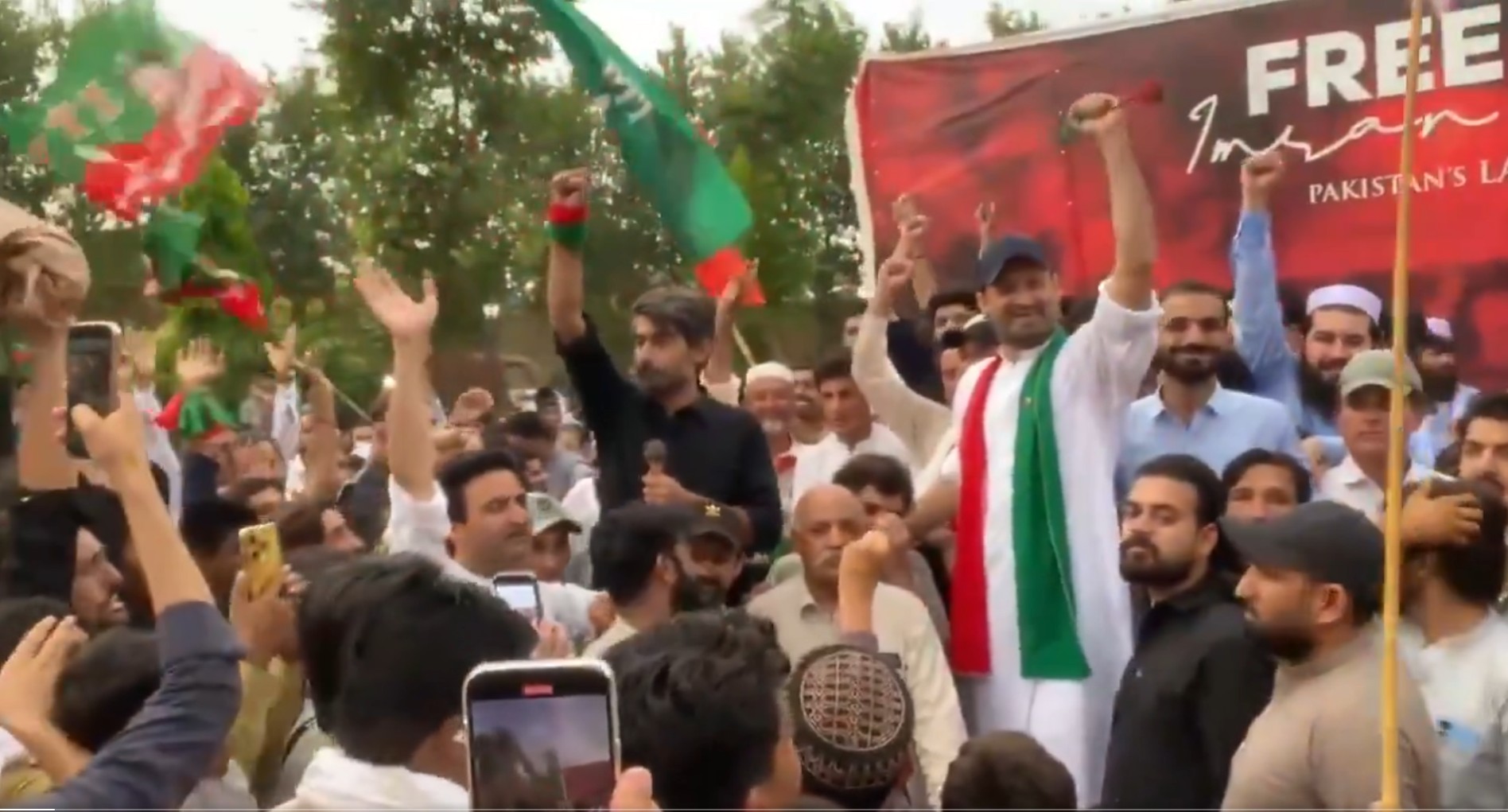
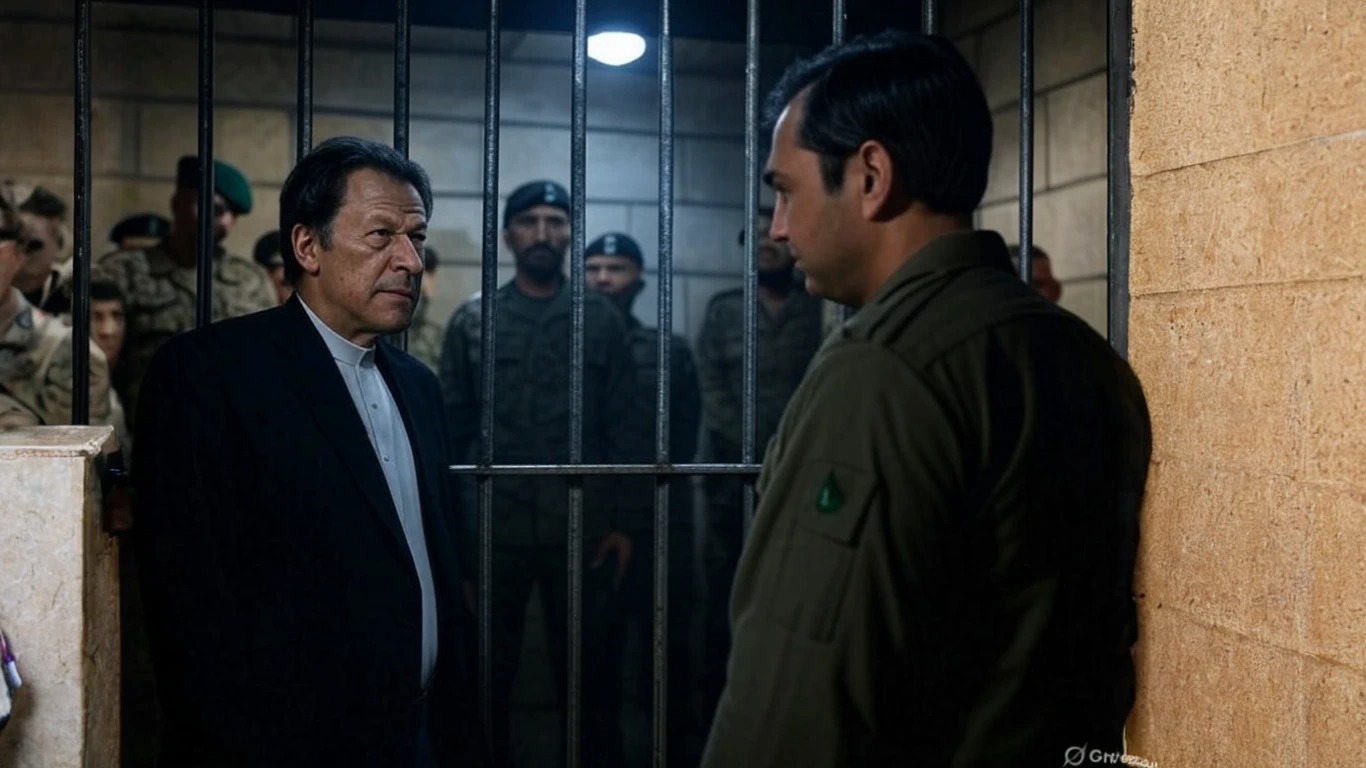
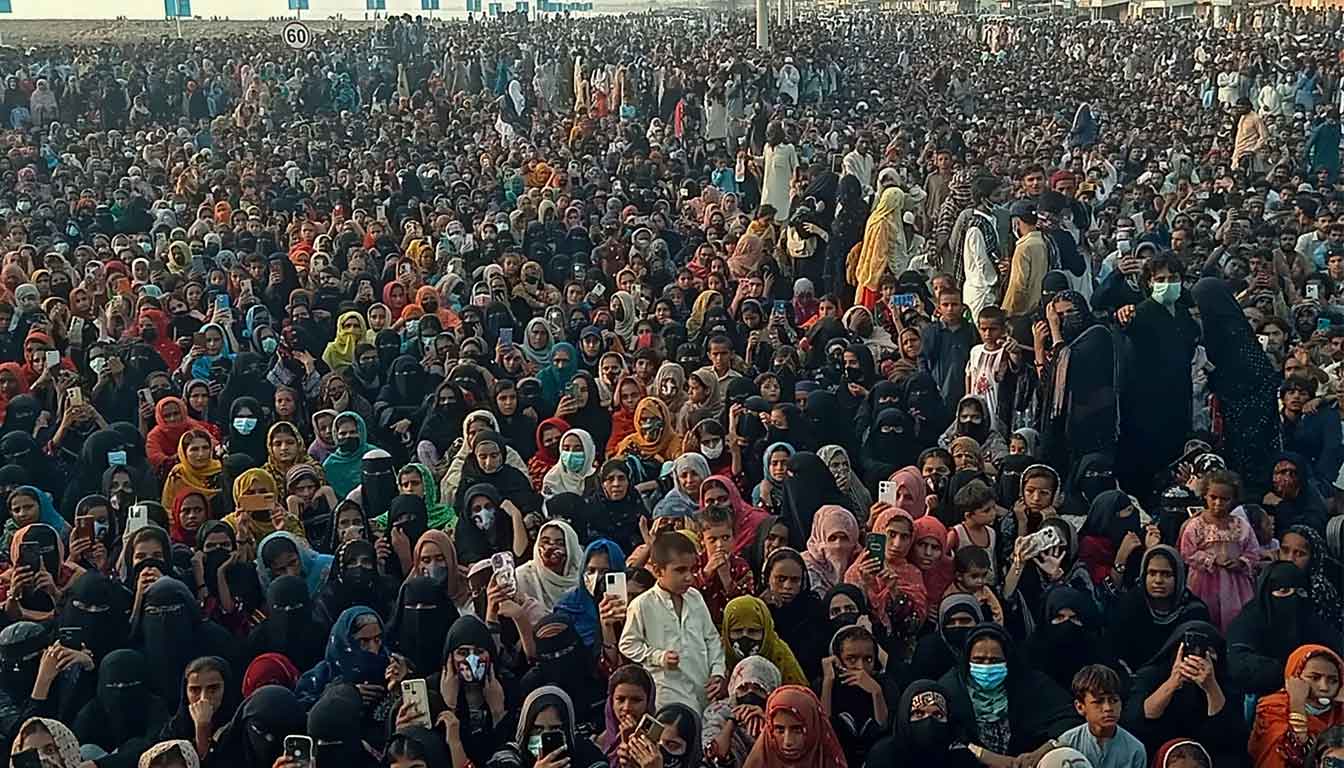
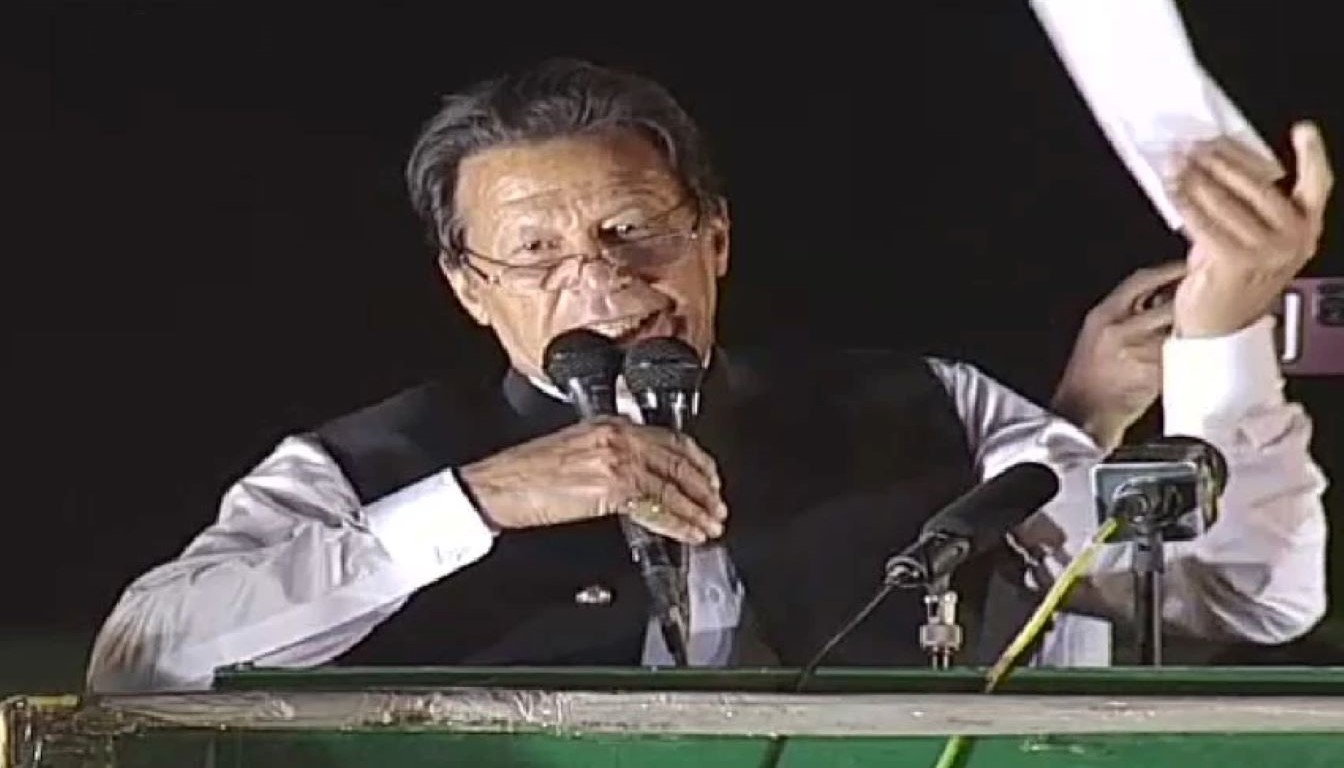
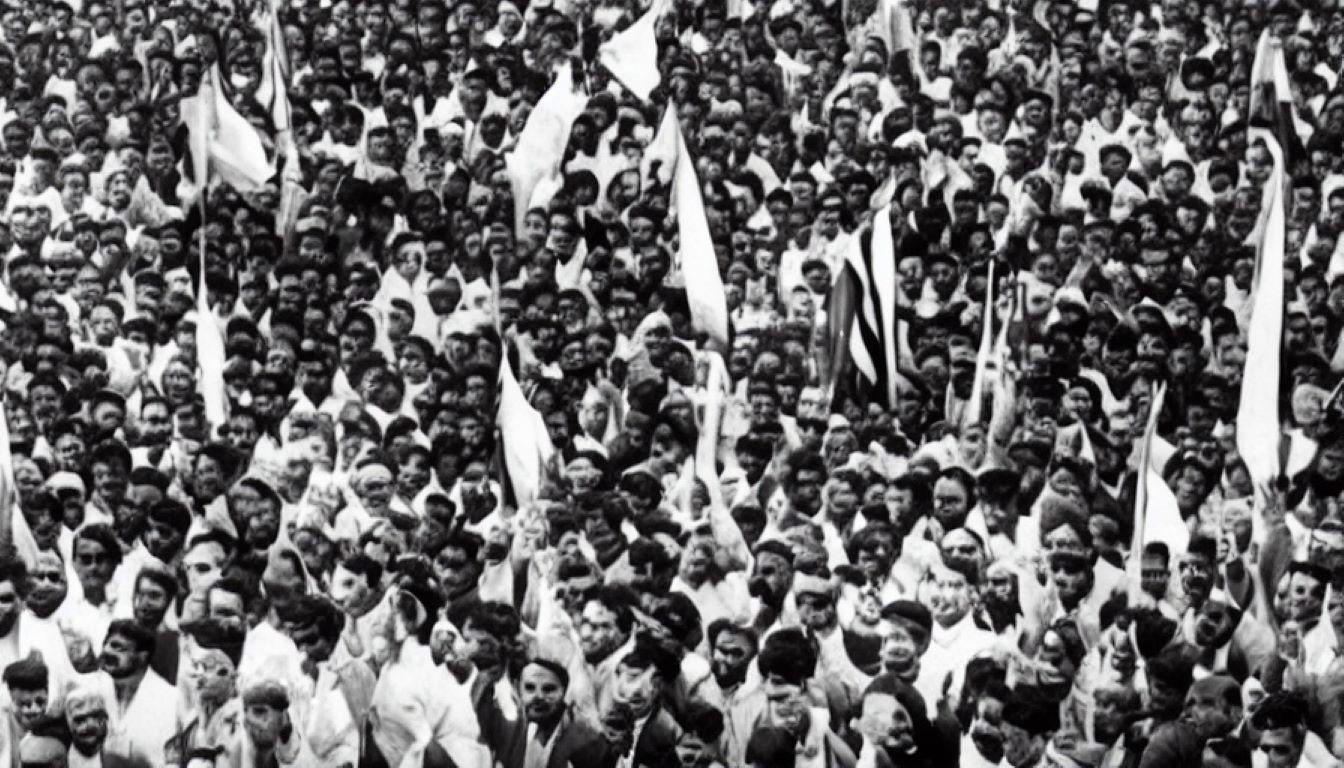
The Azad Kashmir JAAC arrest has pushed a regional protest movement into a larger test of rights, representation, and election credibility. Police arrested Joint Awami Action Committee leader Shaukat Nawaz Mir on June 30, according to the Associated Press, after weeks of unrest over reserved legislative seats and wider governance demands.
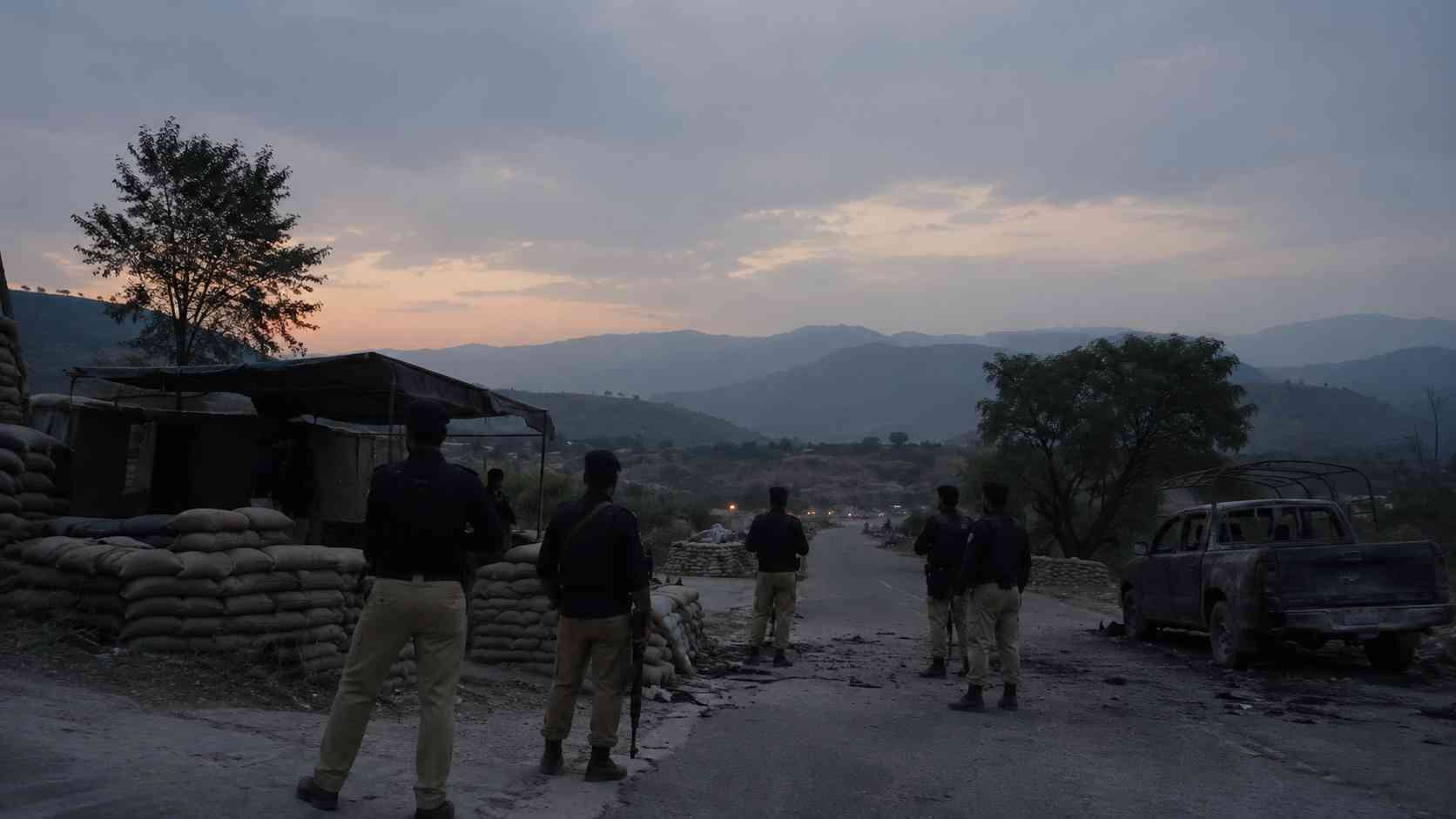
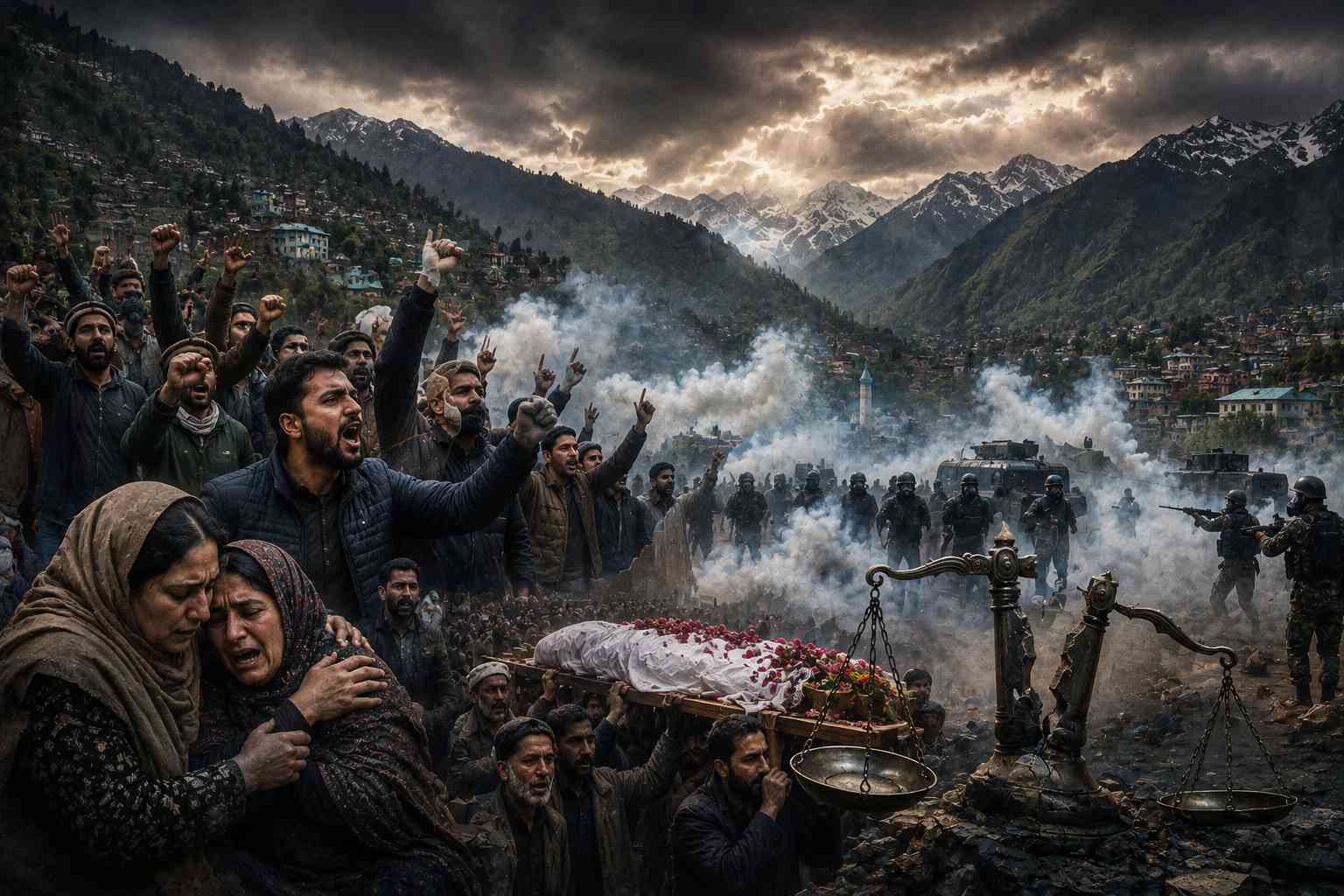
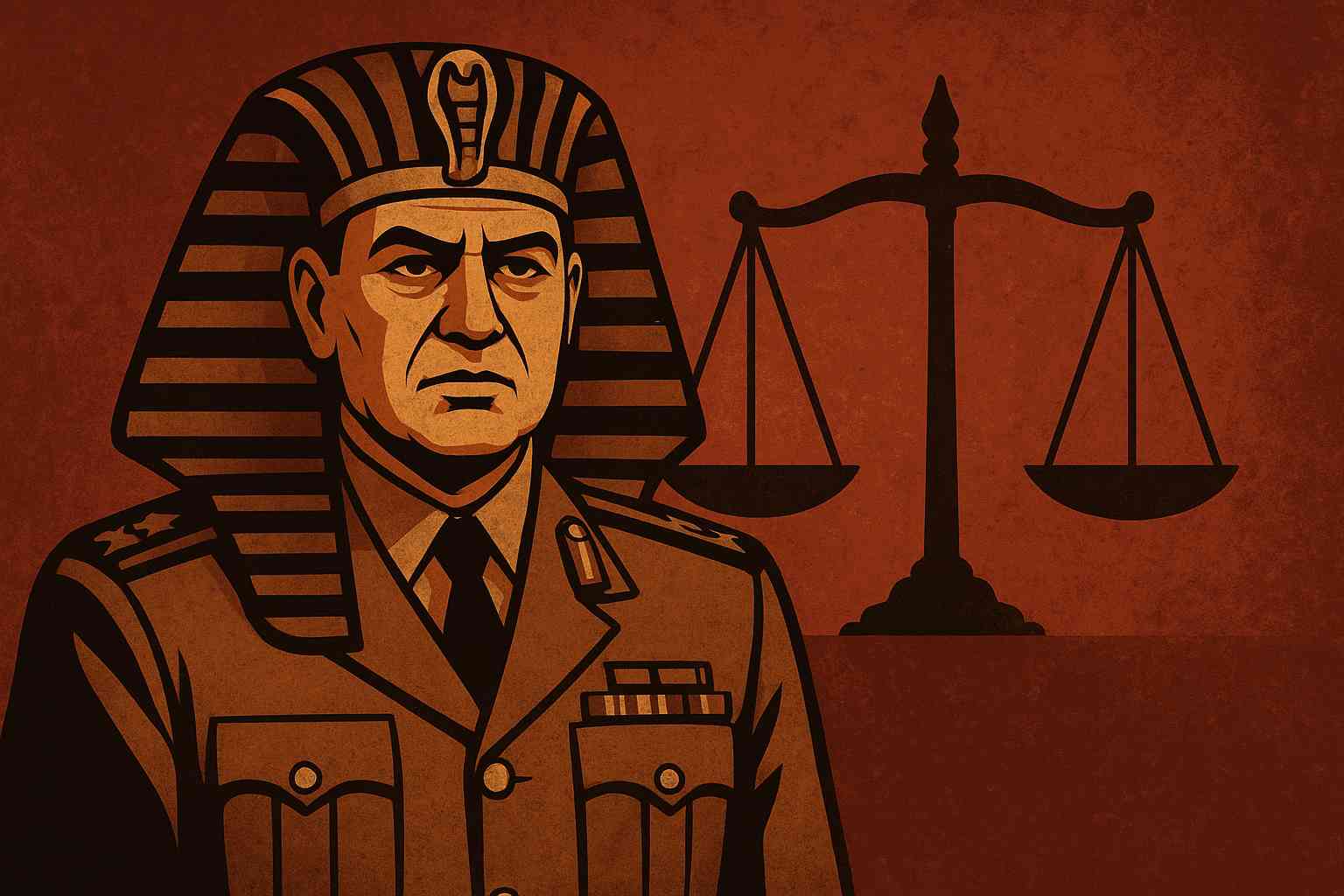
Officials say Mir faces sedition charges for allegedly inciting violence during protests earlier in June. AP reported that at least four security officers and three civilians died in the unrest. The allegations remain official claims at this stage, and any criminal liability must be tested through due process.
Why the Azad Kashmir JAAC arrest matters
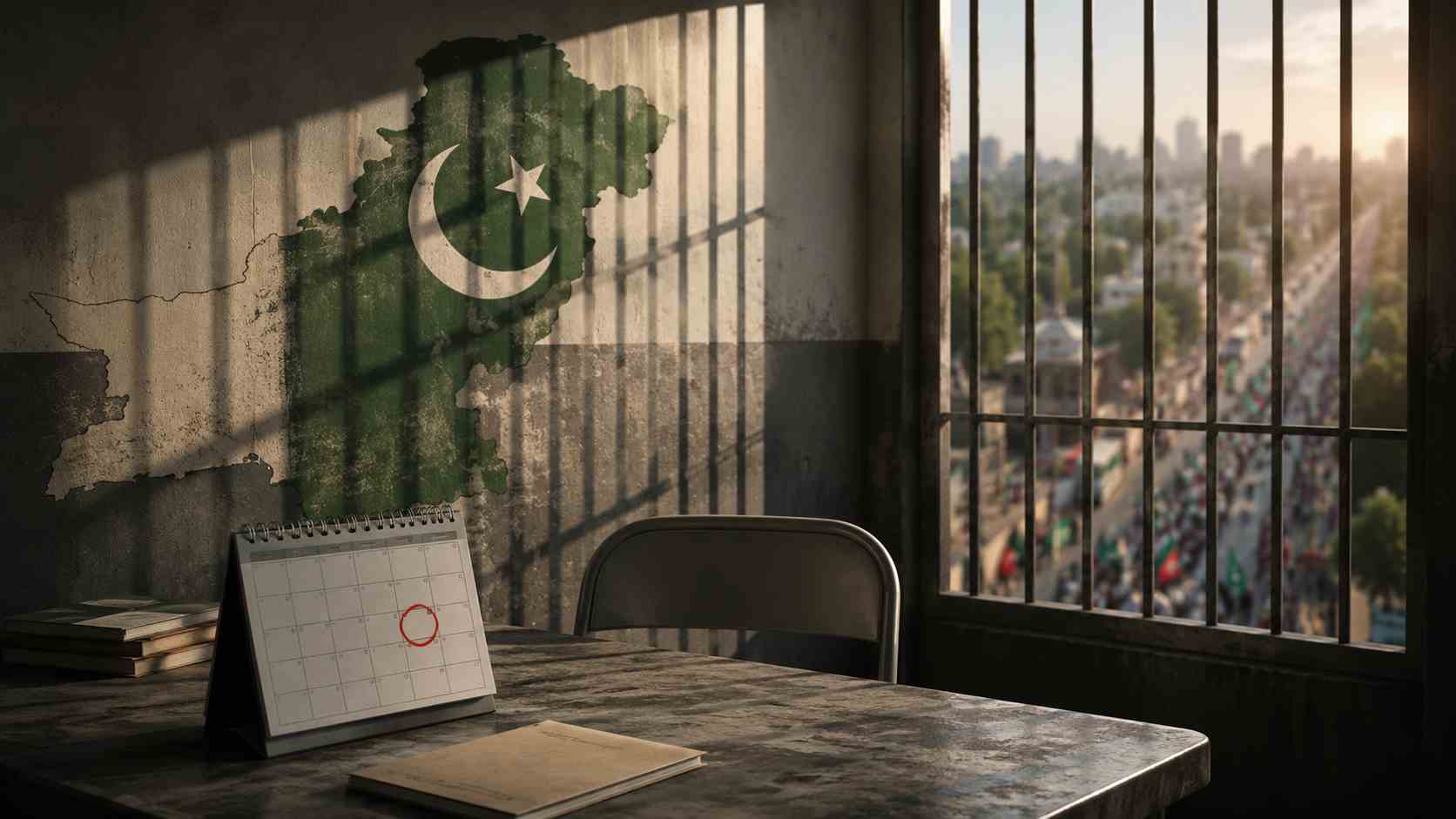
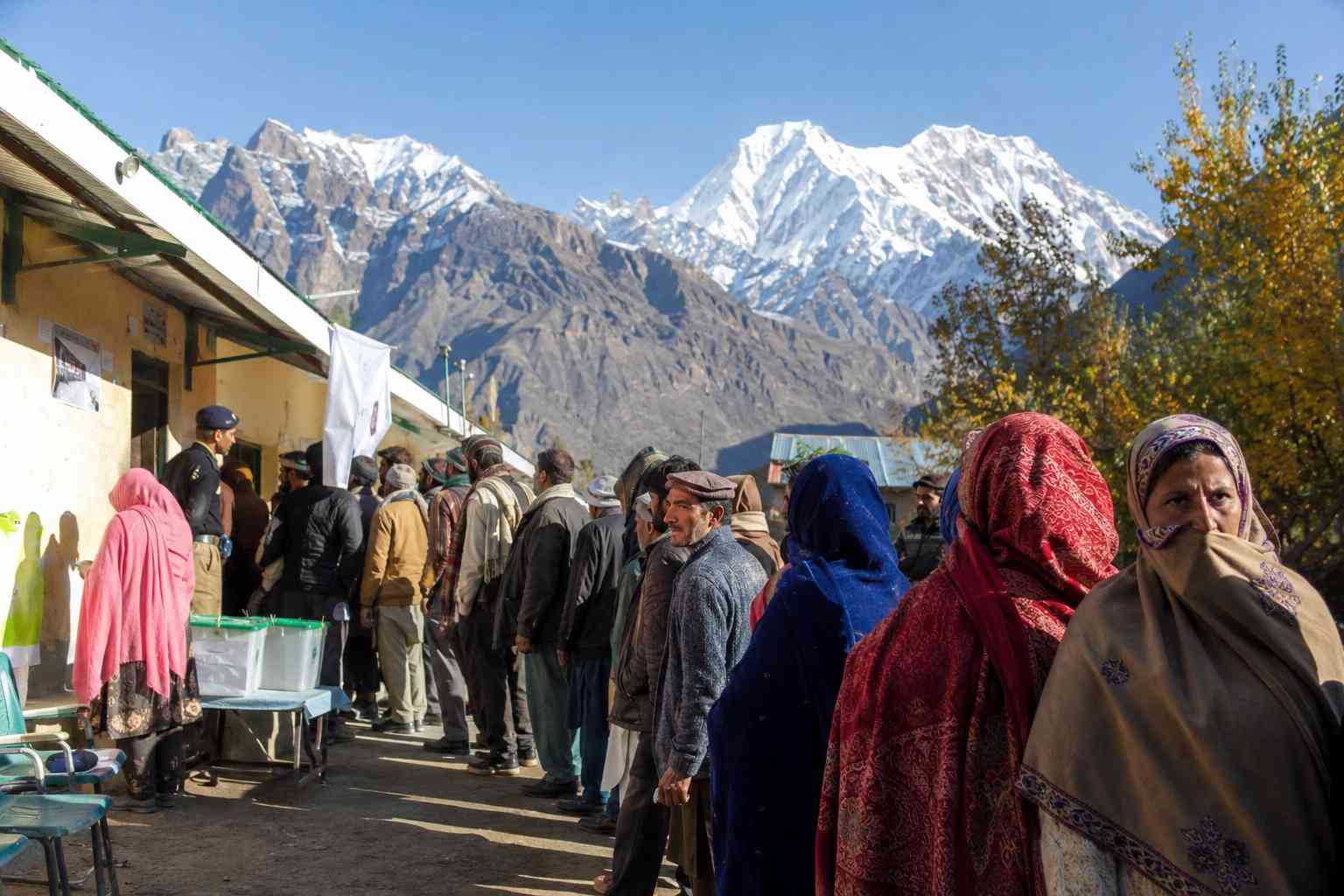
This is not only a law-and-order story. The Azad Kashmir JAAC arrest lands just weeks before regional elections scheduled for July 27, according to Al Jazeera’s reporting on the crisis.
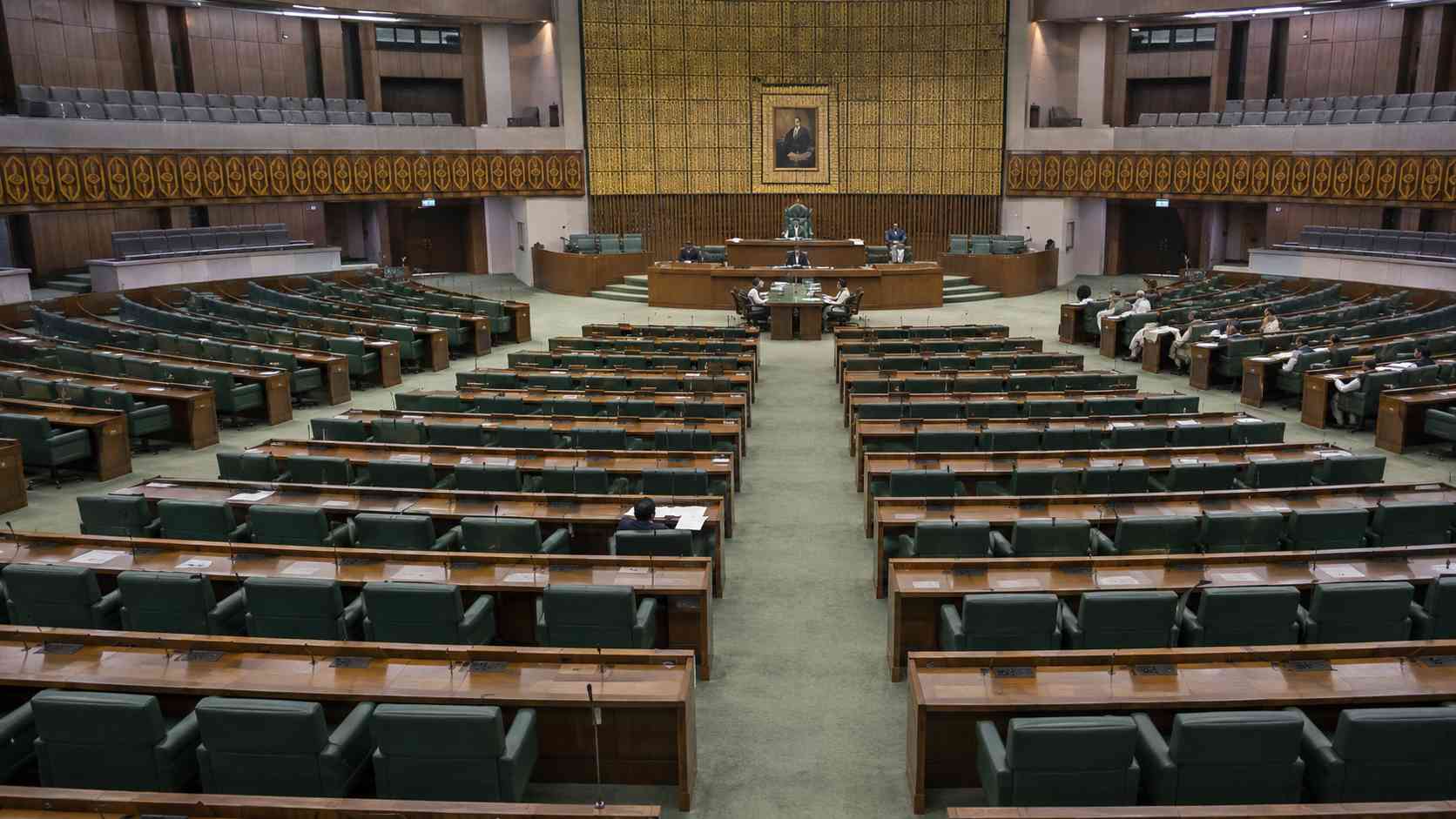
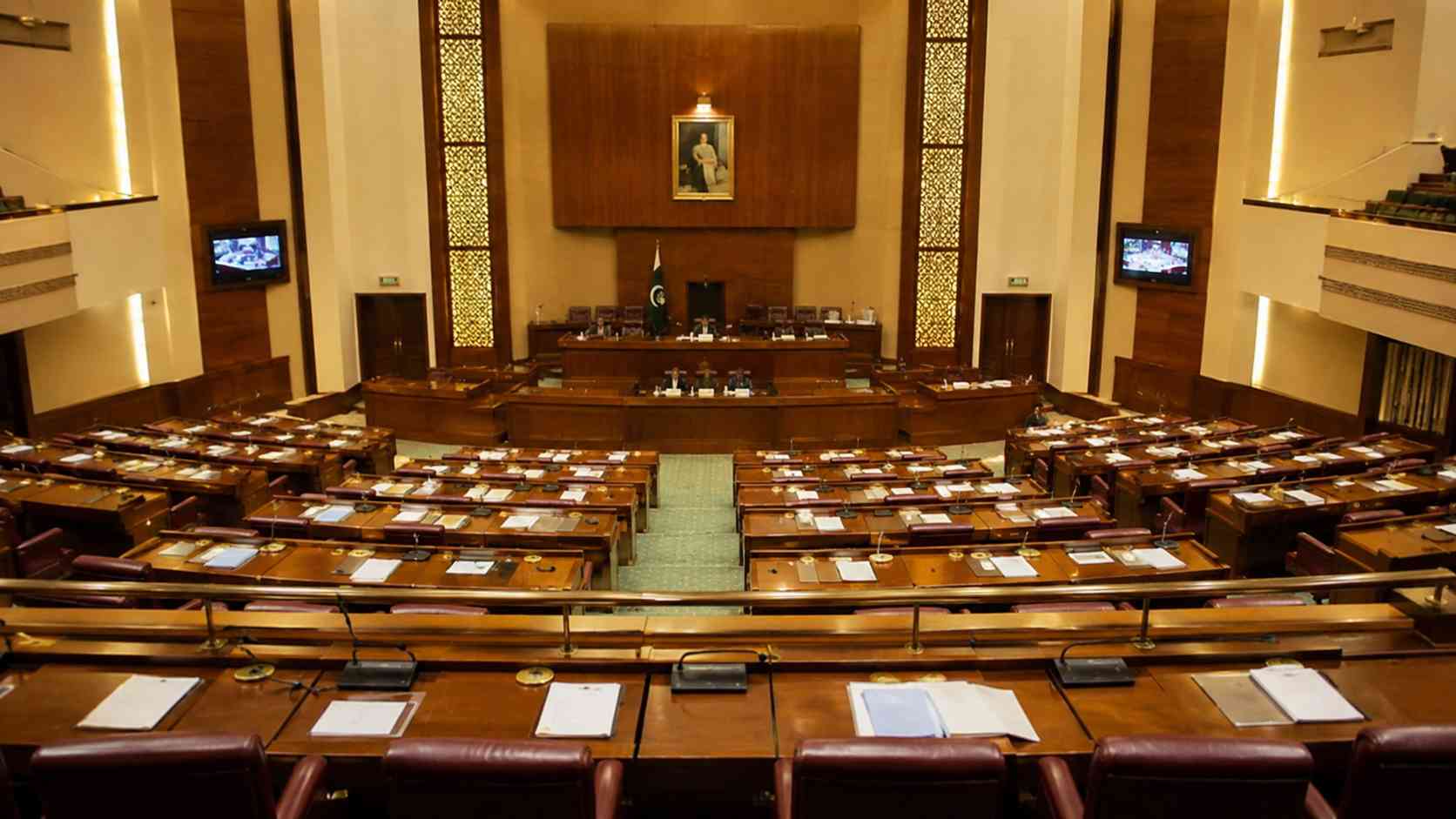
At the centre of the dispute are 12 seats in the 45-member regional legislature. These seats are reserved for refugees from Indian-administered Kashmir who live elsewhere in Pakistan. JAAC argues that this gives people outside the territory disproportionate influence over local power.
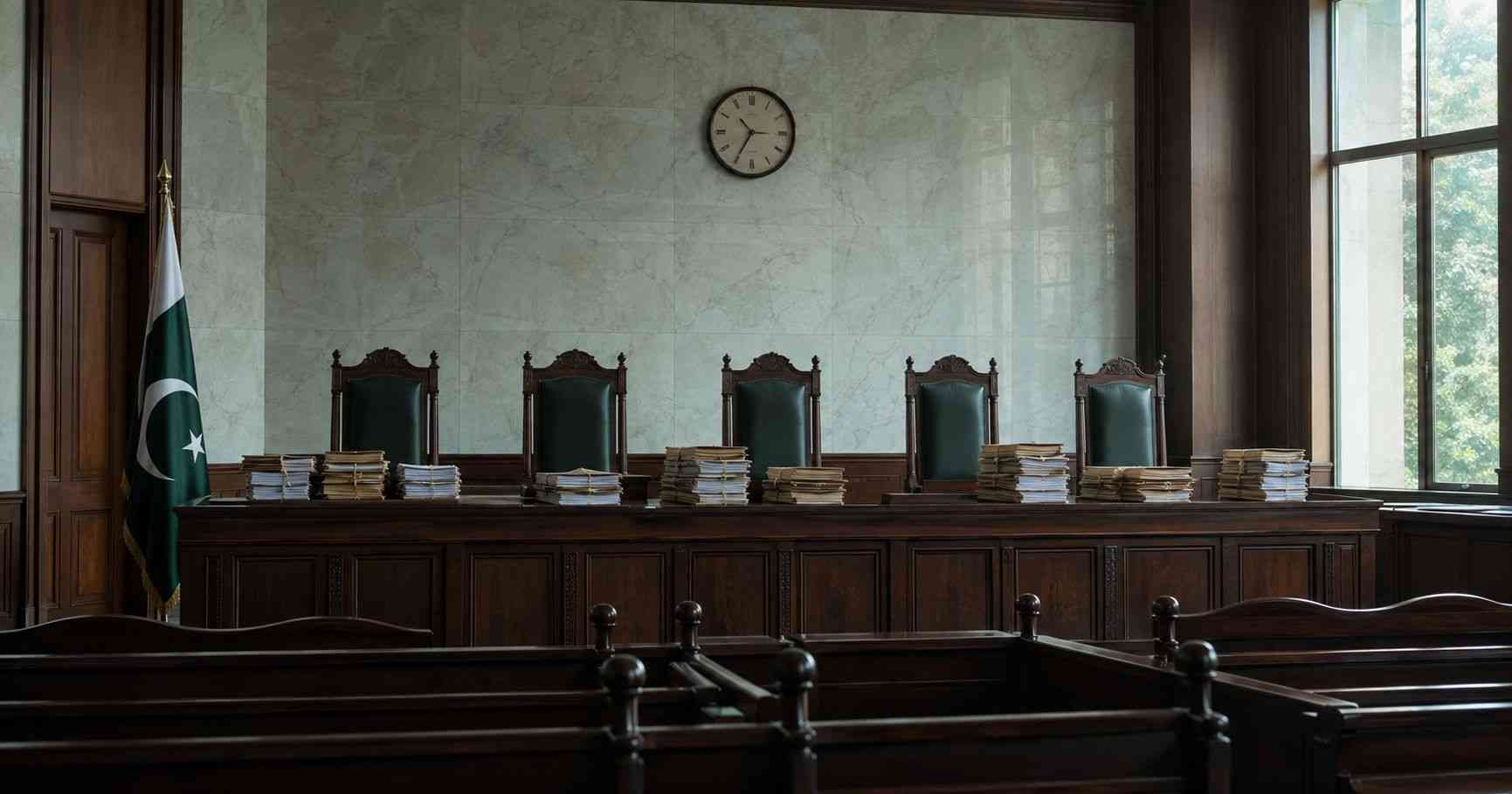
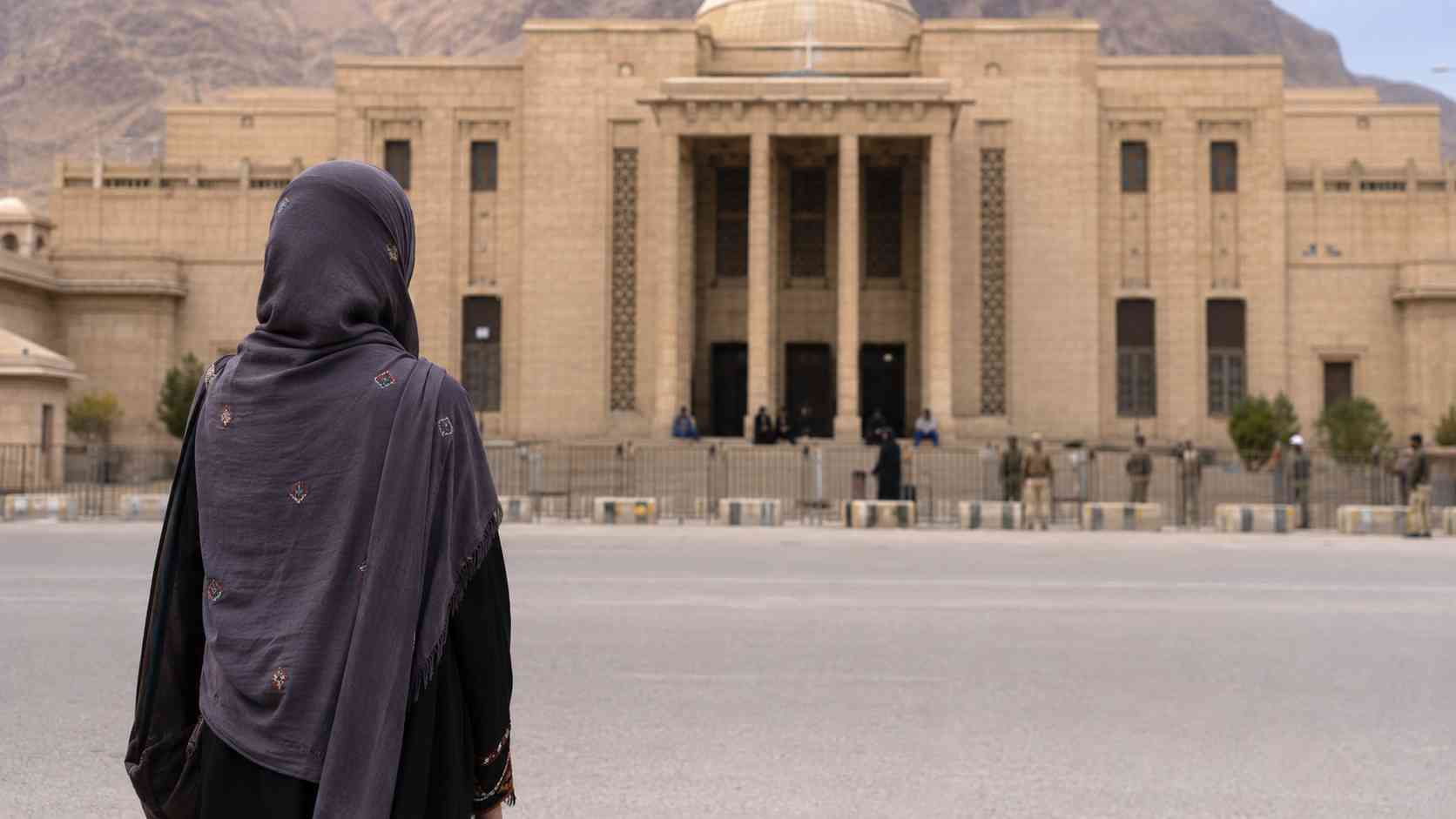
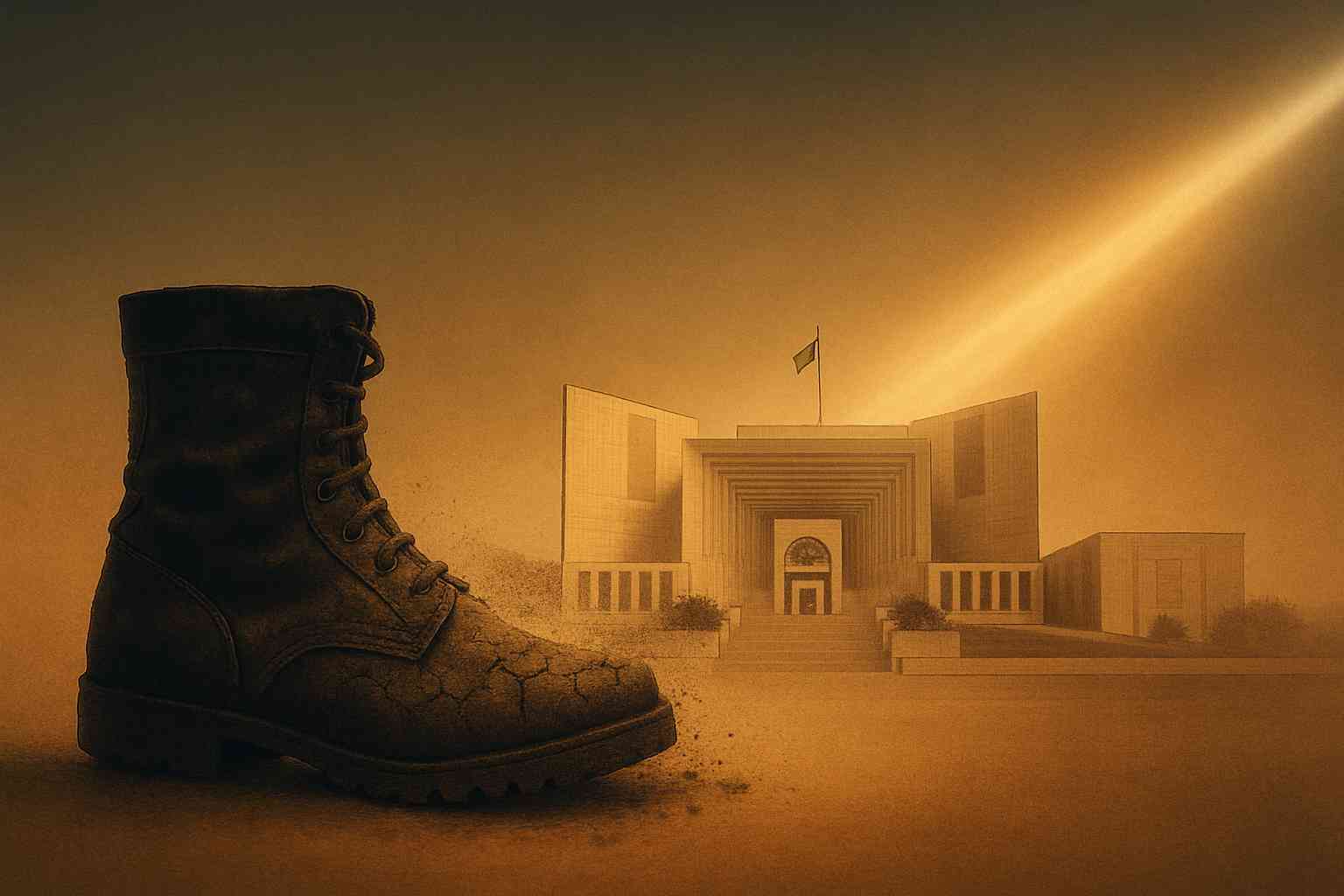
Supporters of the arrangement see it differently. They argue the seats preserve Pakistan’s broader Kashmir position and represent families displaced by the conflict since 1947. The Supreme Court of Azad Jammu and Kashmir has ruled that the seats enjoy constitutional protection and cannot be abolished without an amendment.
That ruling narrowed the legal route for JAAC. The arrest now narrows the political route as well.
From representation dispute to civic-space crisis
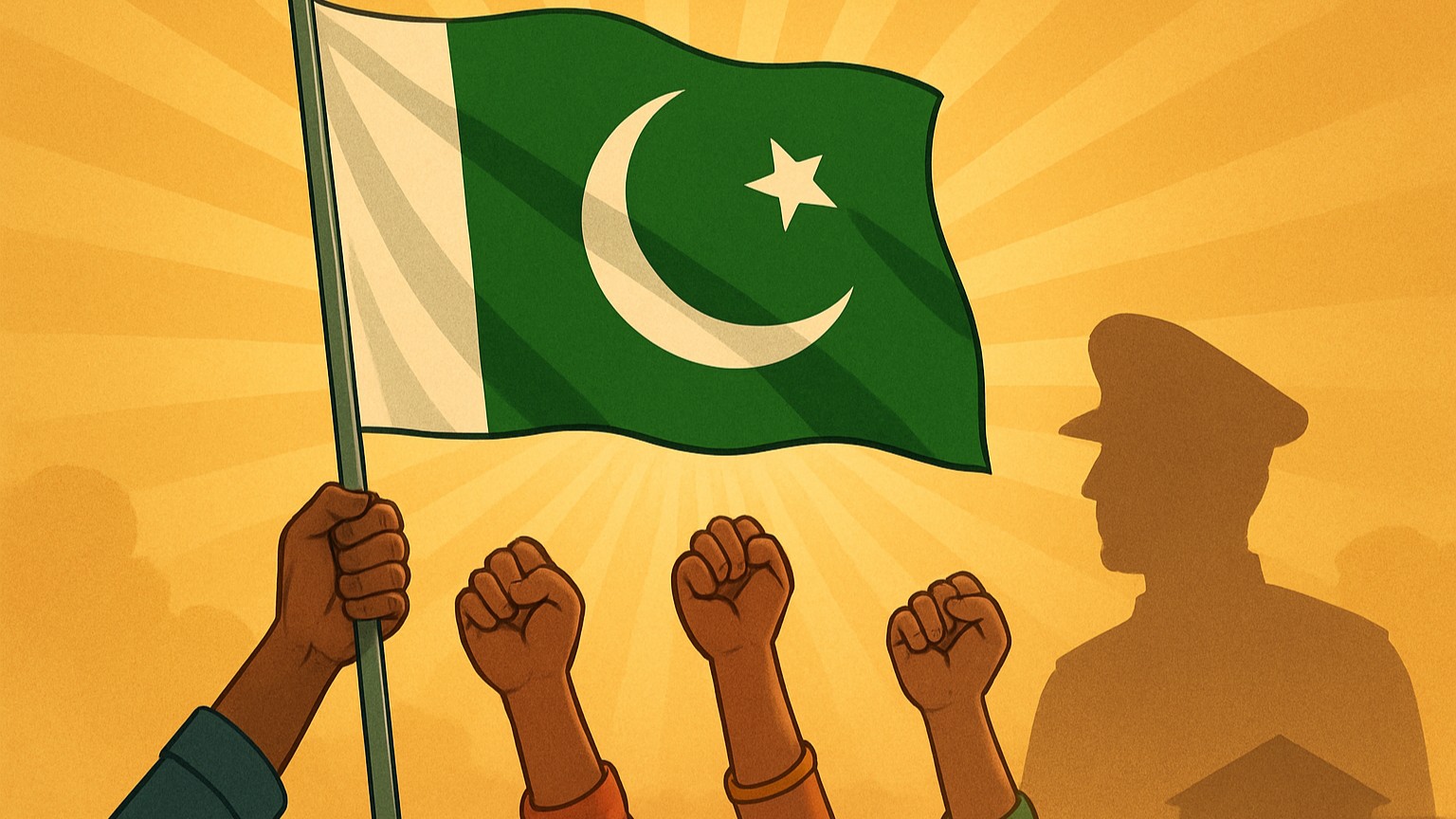
JAAC began as a grassroots movement around economic and governance demands. Its charter has included electricity prices, subsidised wheat, accountability, welfare, infrastructure, and political representation.
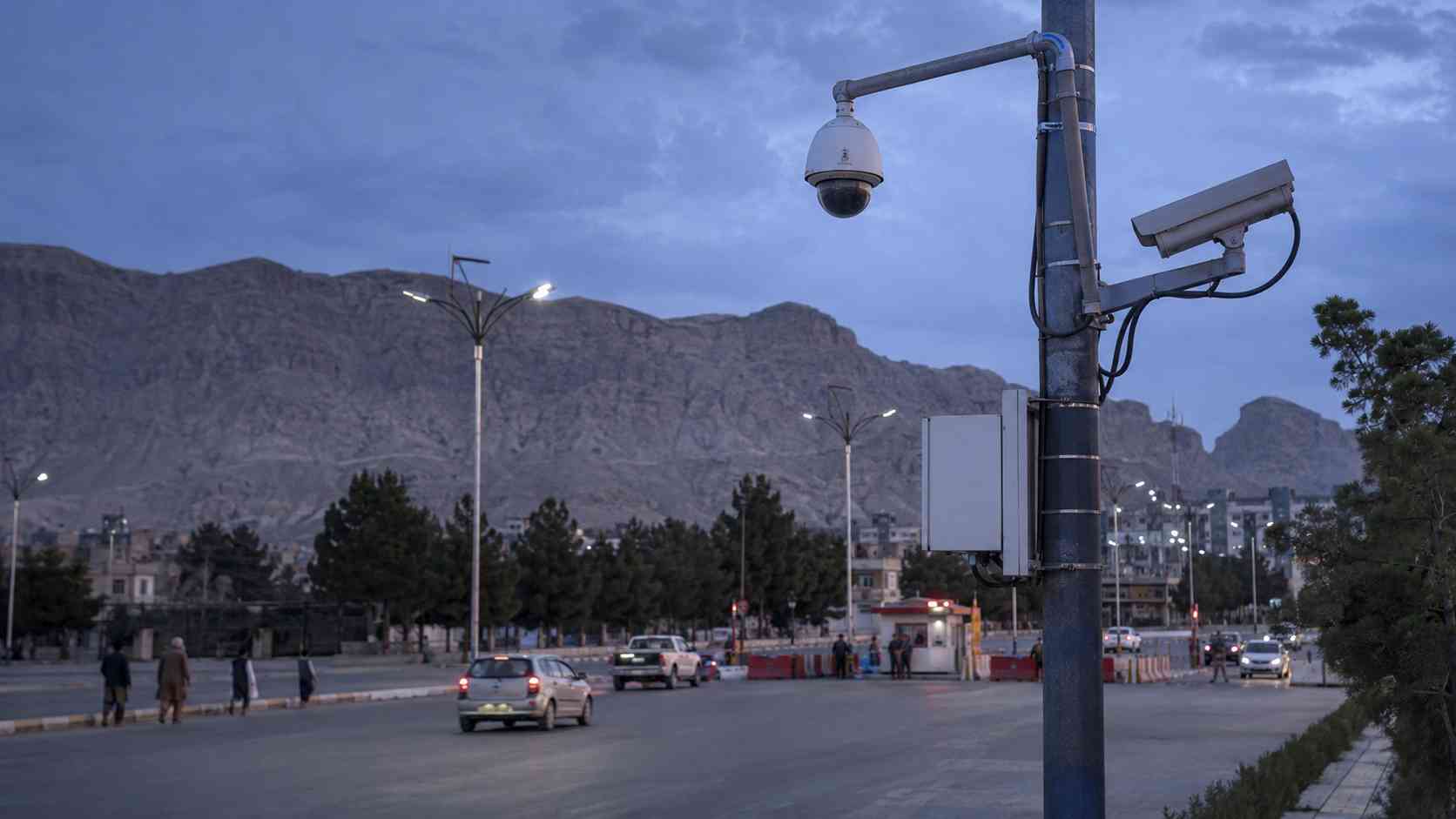
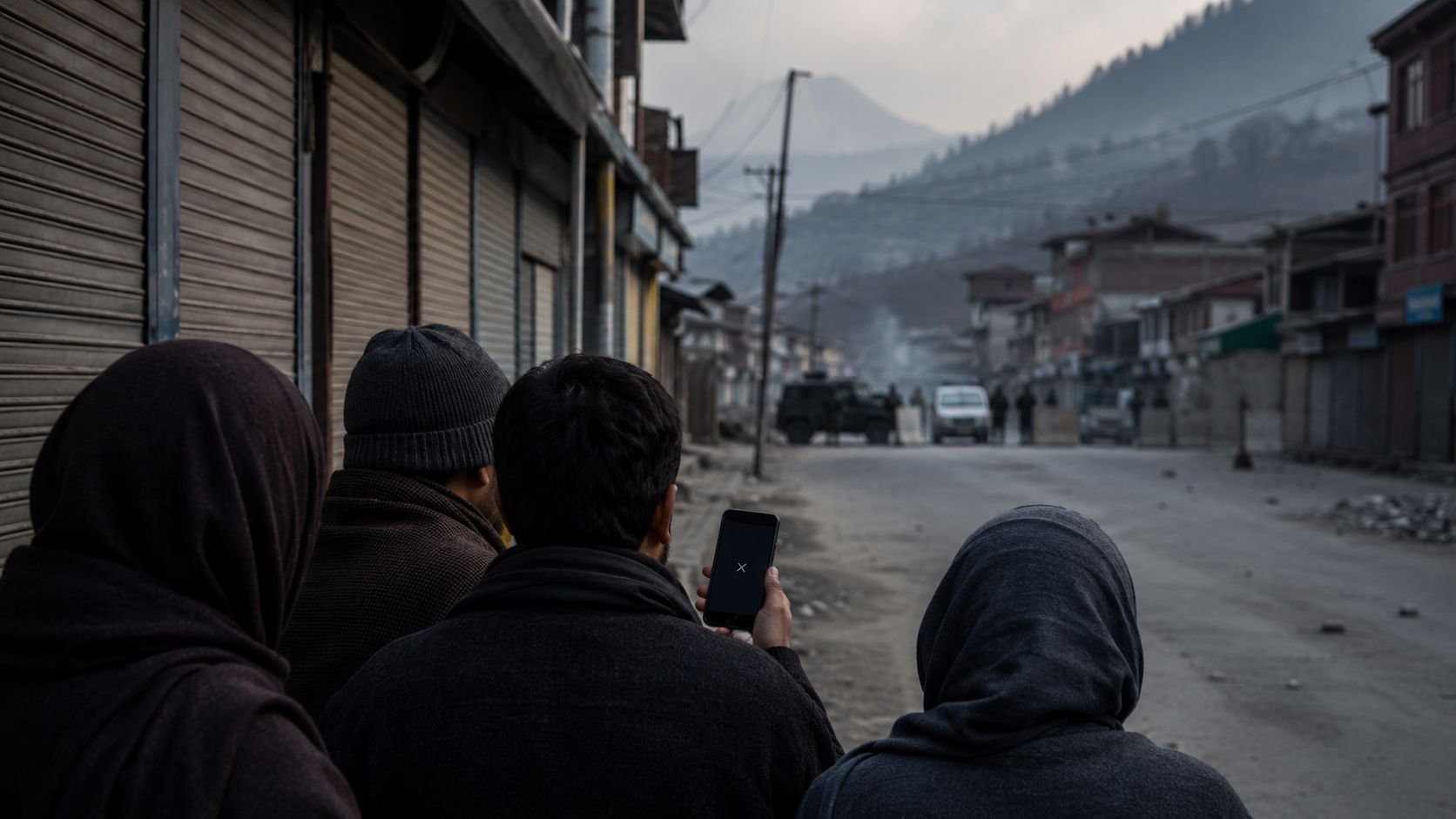
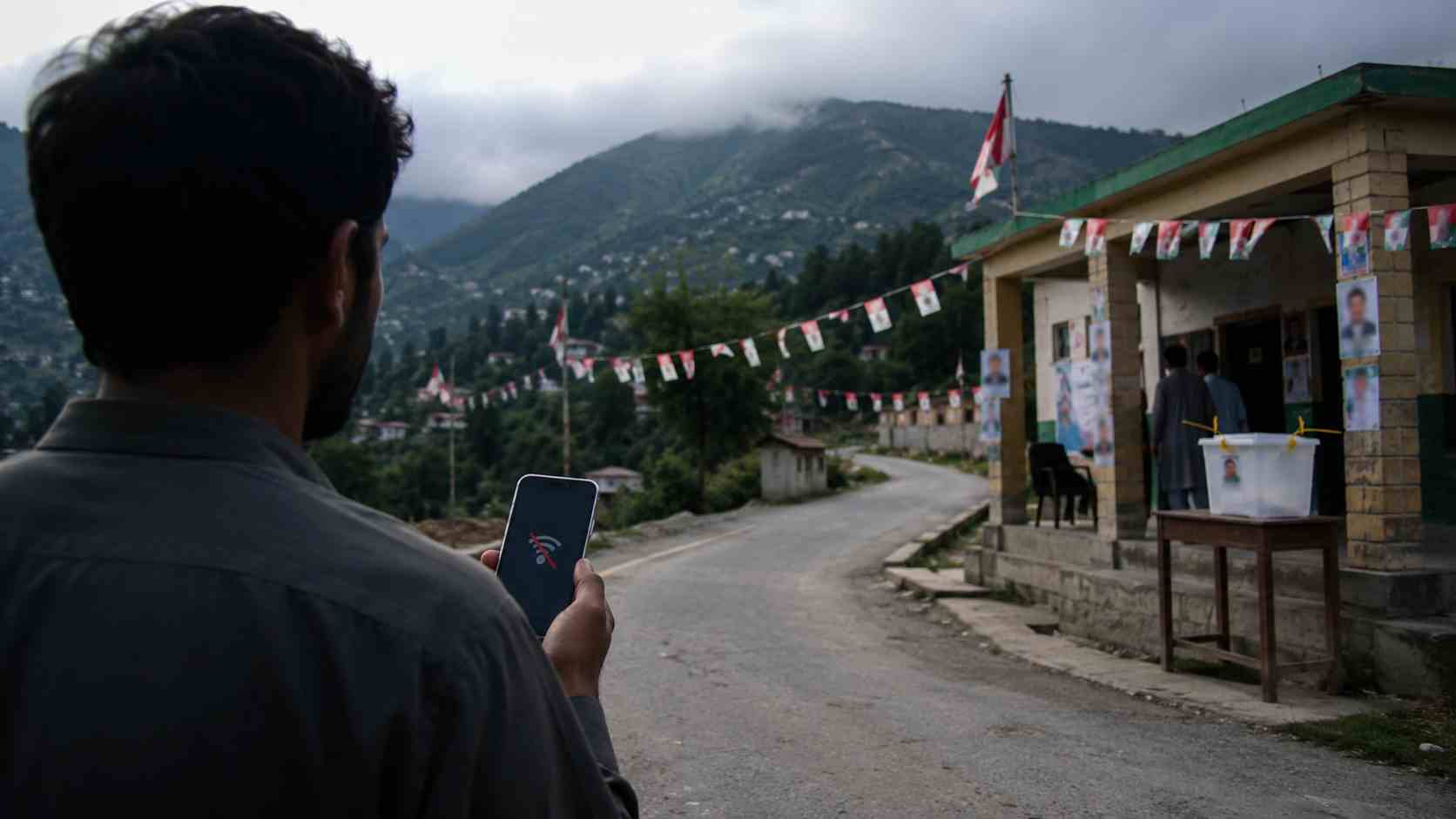
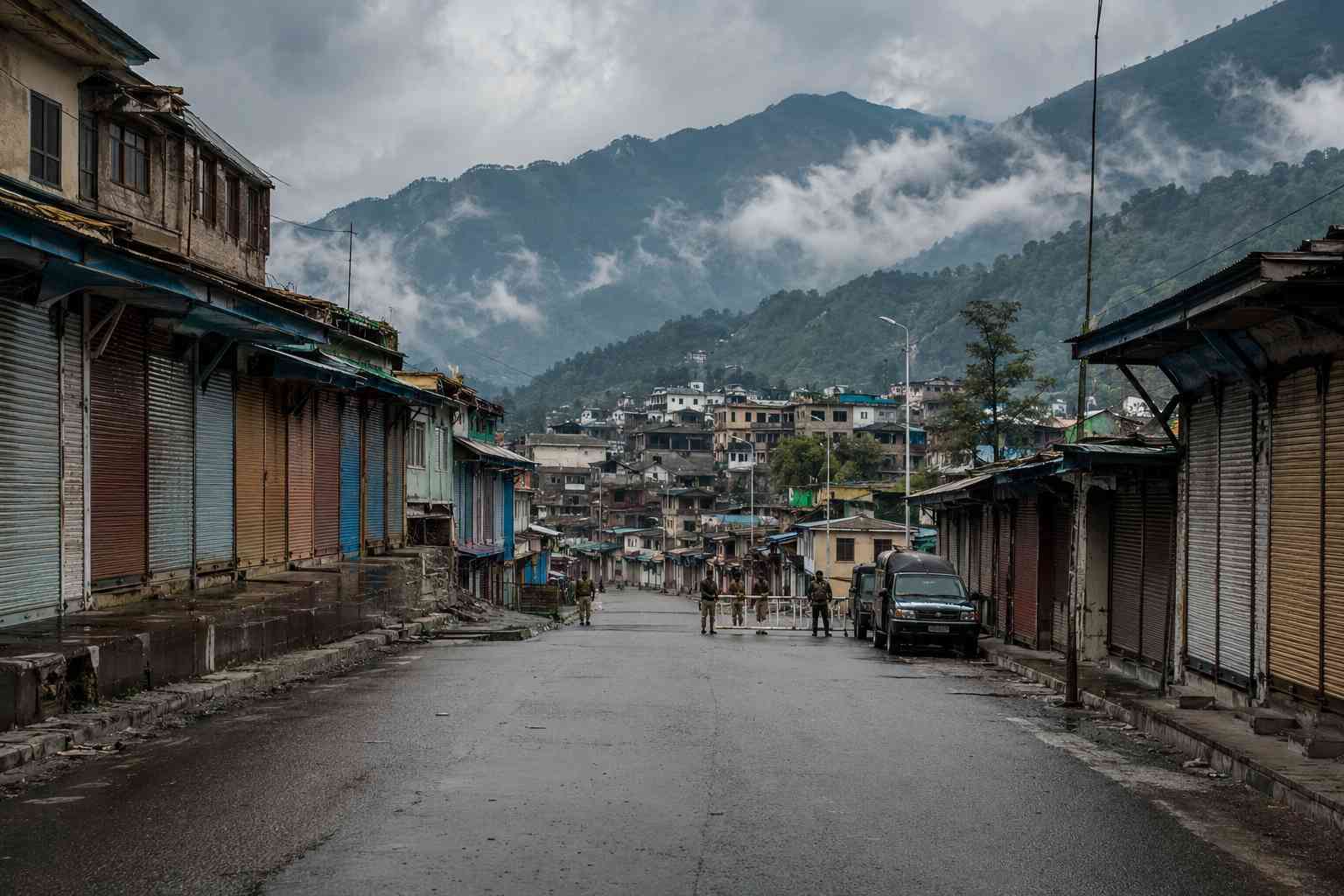
The authorities have taken a harder line this month. Dawn reported that the AJK government ordered sedition proceedings against JAAC figures and announced Rs10 million in reward money for information leading to arrests. Dawn also noted that internet and mobile-data closures made real-time reporting from the region difficult.
Amnesty International has criticised the proscription of the movement under anti-terror laws. It said the crackdown included internet shutdowns, mass arrests, and deadly force. Amnesty also called for independent investigations into killings during the unrest.
The government says it acted to restore order. Protest leaders and rights groups say the state has used excessive force and vague security language. Both claims need scrutiny, but one point is already clear: sedition and anti-terror tools carry heavy democratic costs when used against political mobilisation.
An election under pressure
The coming vote now faces a credibility challenge. If a major protest movement remains banned, its leaders face sedition cases, and communications controls return during mobilisation, voters may see the election as managed rather than contested.
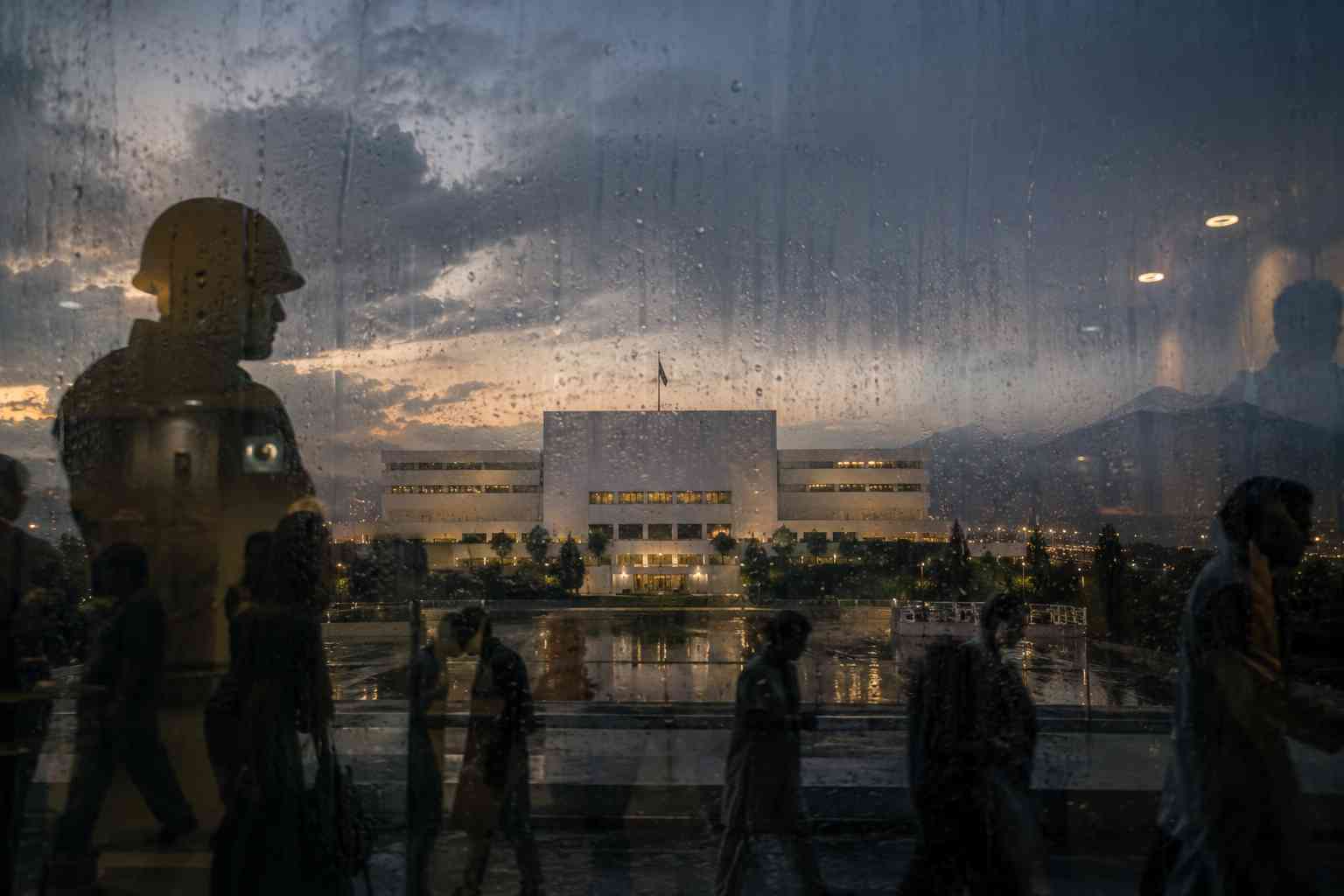
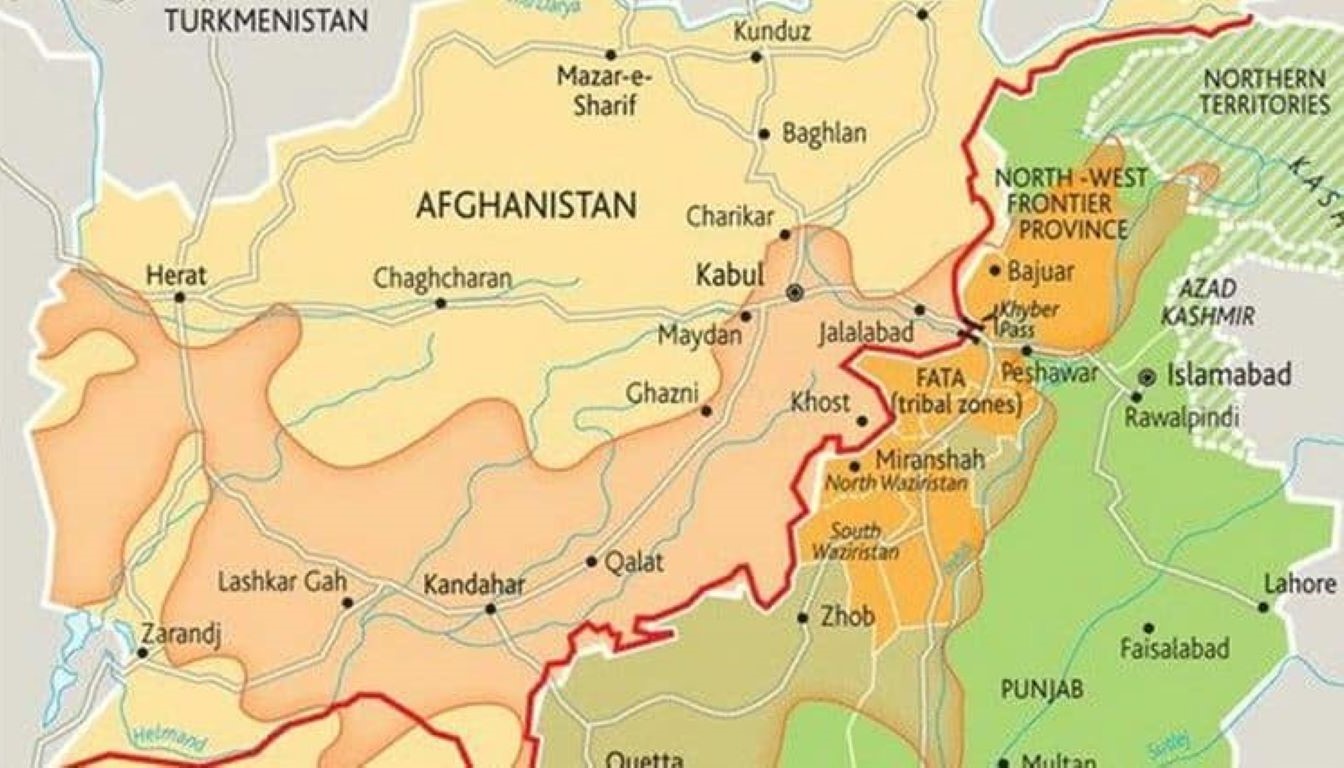
That perception matters. Azad Kashmir already sits inside a complicated constitutional space. It has its own institutions, but Pakistan controls defence, foreign affairs, currency, and communications. Local demands for accountability therefore collide with the larger Kashmir dispute, Pakistan’s security lens, and party politics in Islamabad.
The Azad Kashmir JAAC arrest also exposes a familiar pattern in Pakistan’s political life. Governments often treat hard civic demands as security threats before they exhaust political negotiation. That approach may restore temporary order. It rarely resolves the grievance.
The responsible path forward
A responsible state response should separate three questions.
First, did individuals commit violence? If so, authorities should present evidence in open court and guarantee fair trial rights.
Second, did law enforcement use unlawful force? Independent investigators should examine deaths, injuries, arrests, and communication shutdowns.
Third, can the reserved-seats dispute move back into politics? That question needs dialogue, not only prosecutions.
The government may believe it has regained control after Mir’s arrest. Yet control is not the same as legitimacy. If citizens see representation as rigged, courts as closed, and protest as criminalised, the crisis will return in another form.
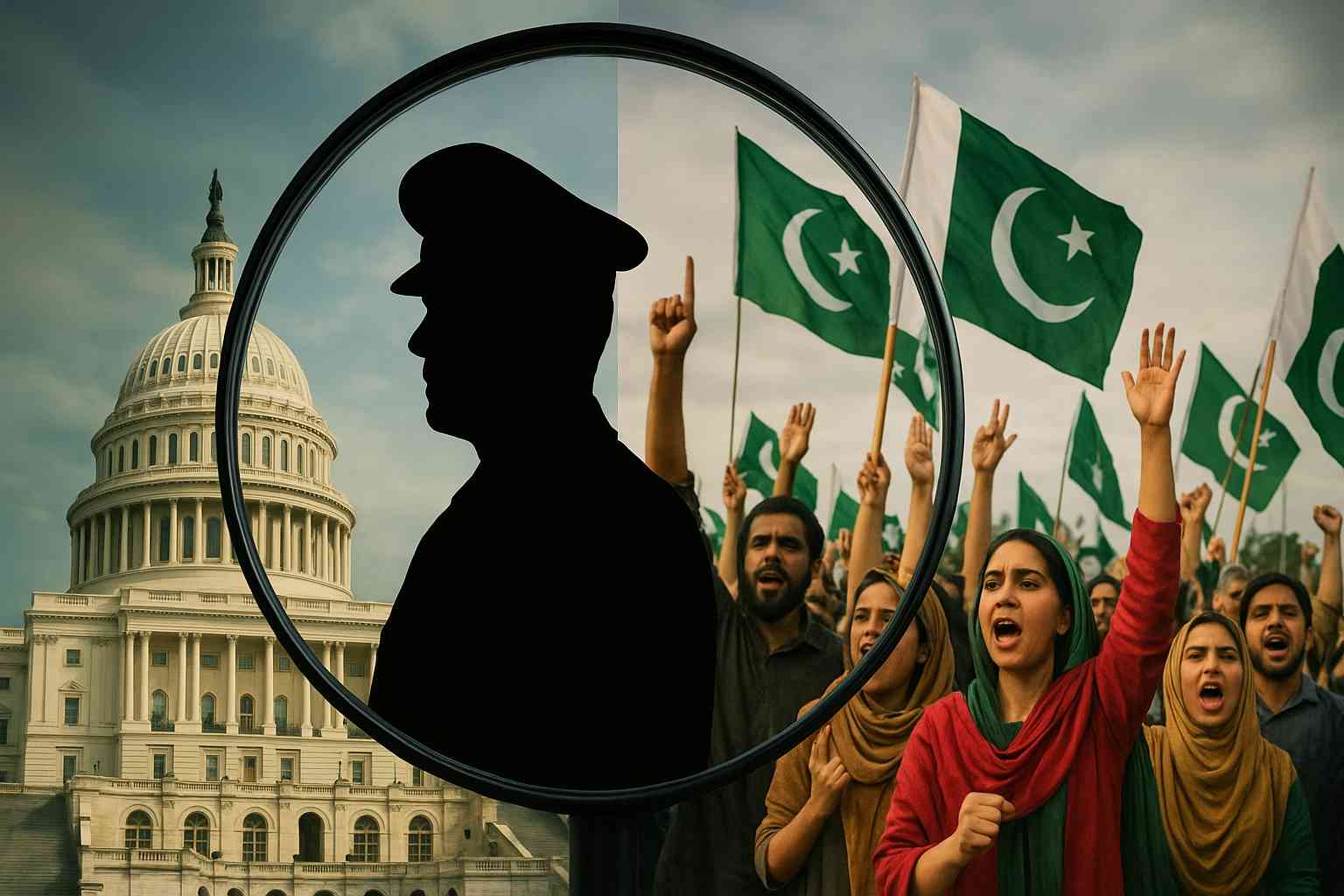
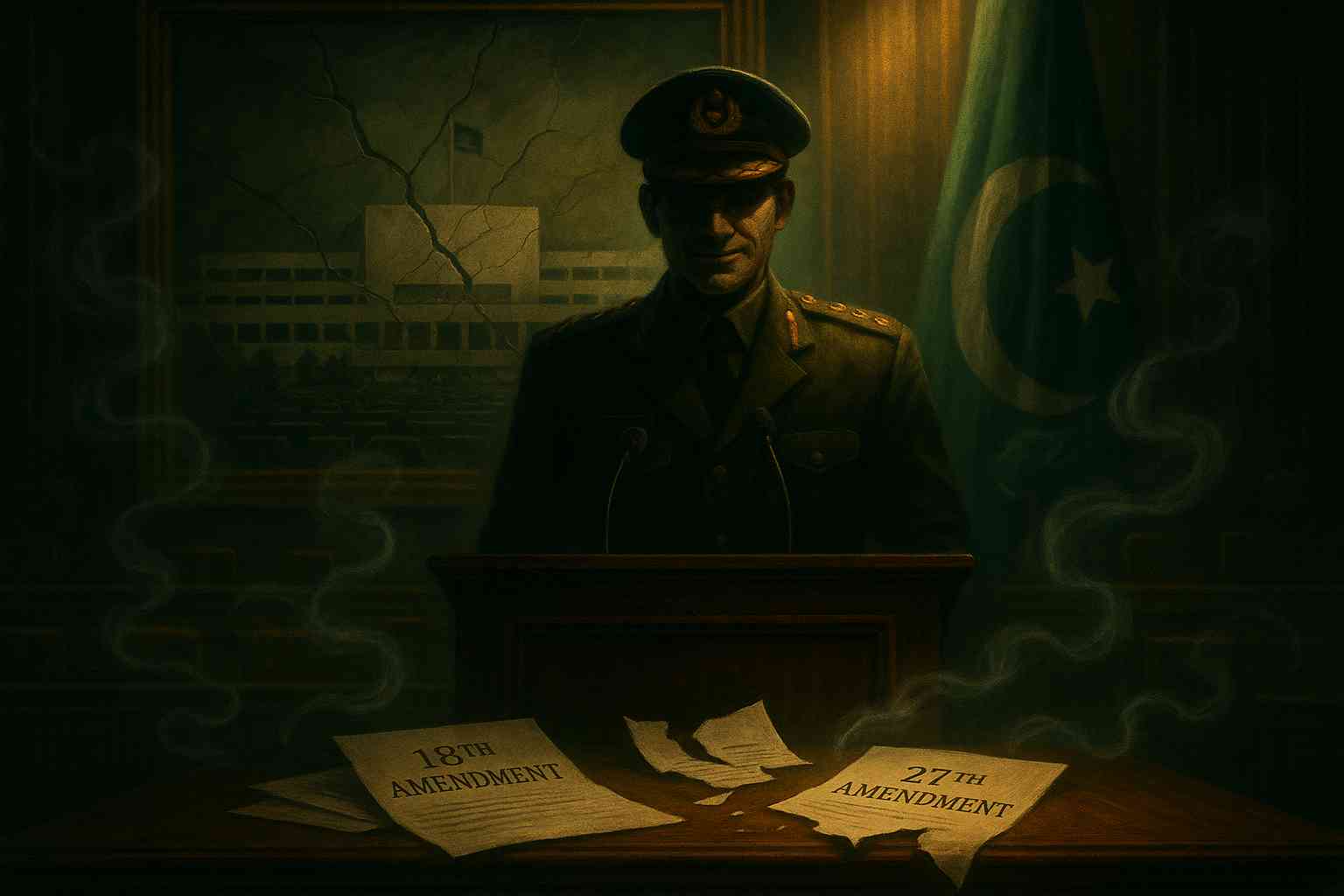
For Soldier Speaks readers, the deeper issue is institutional. The Azad Kashmir JAAC arrest shows how quickly Pakistan’s governance model turns political pressure into a security file. A confident democratic order would answer difficult demands through law, transparency, and negotiation. A fragile one reaches first for bans, blackout measures, and sedition.