
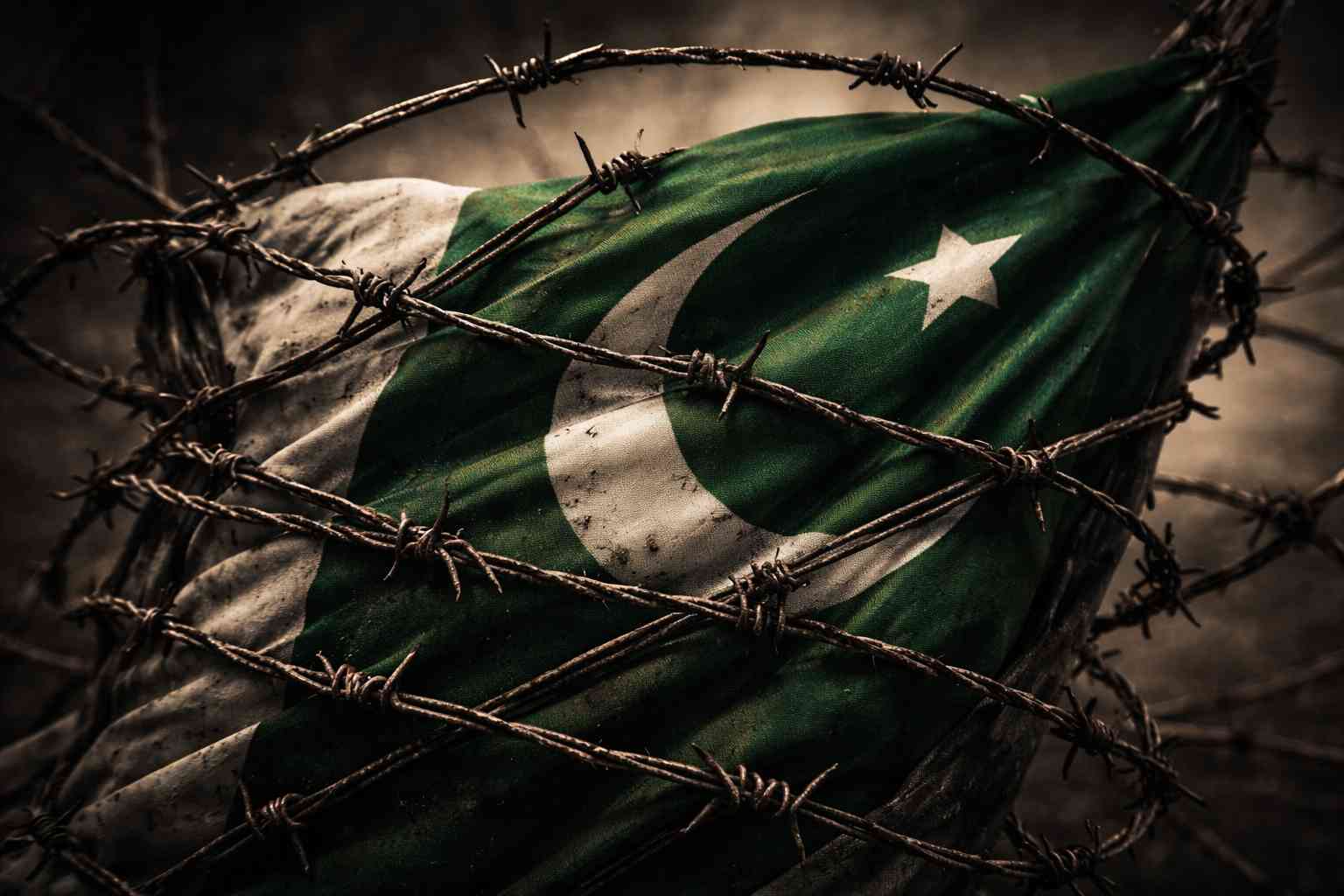
Pakistan’s new federal budget has delivered a familiar message with fresh numbers: the public must adjust, the taxpayer must contribute more, and the security establishment remains protected.
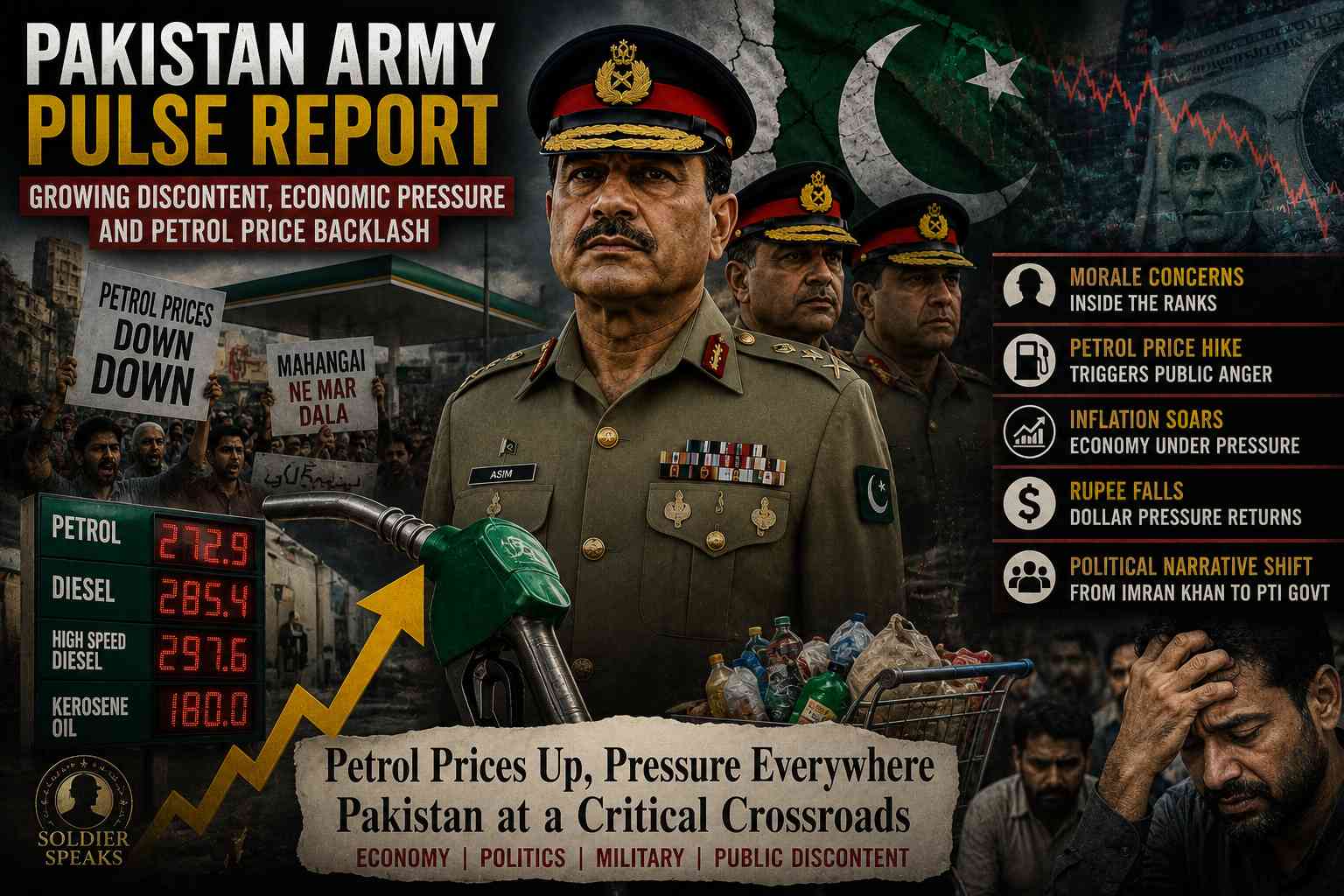
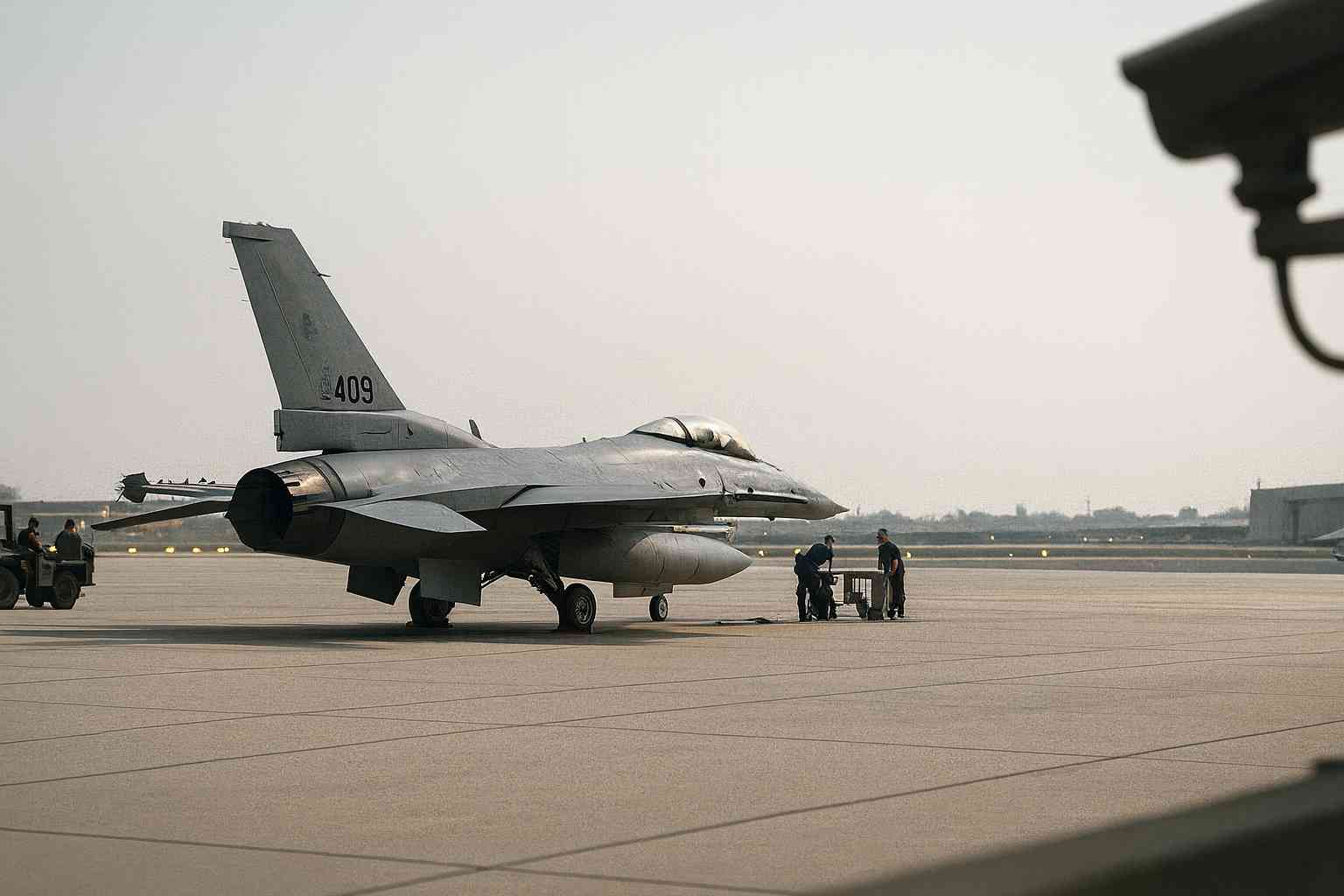
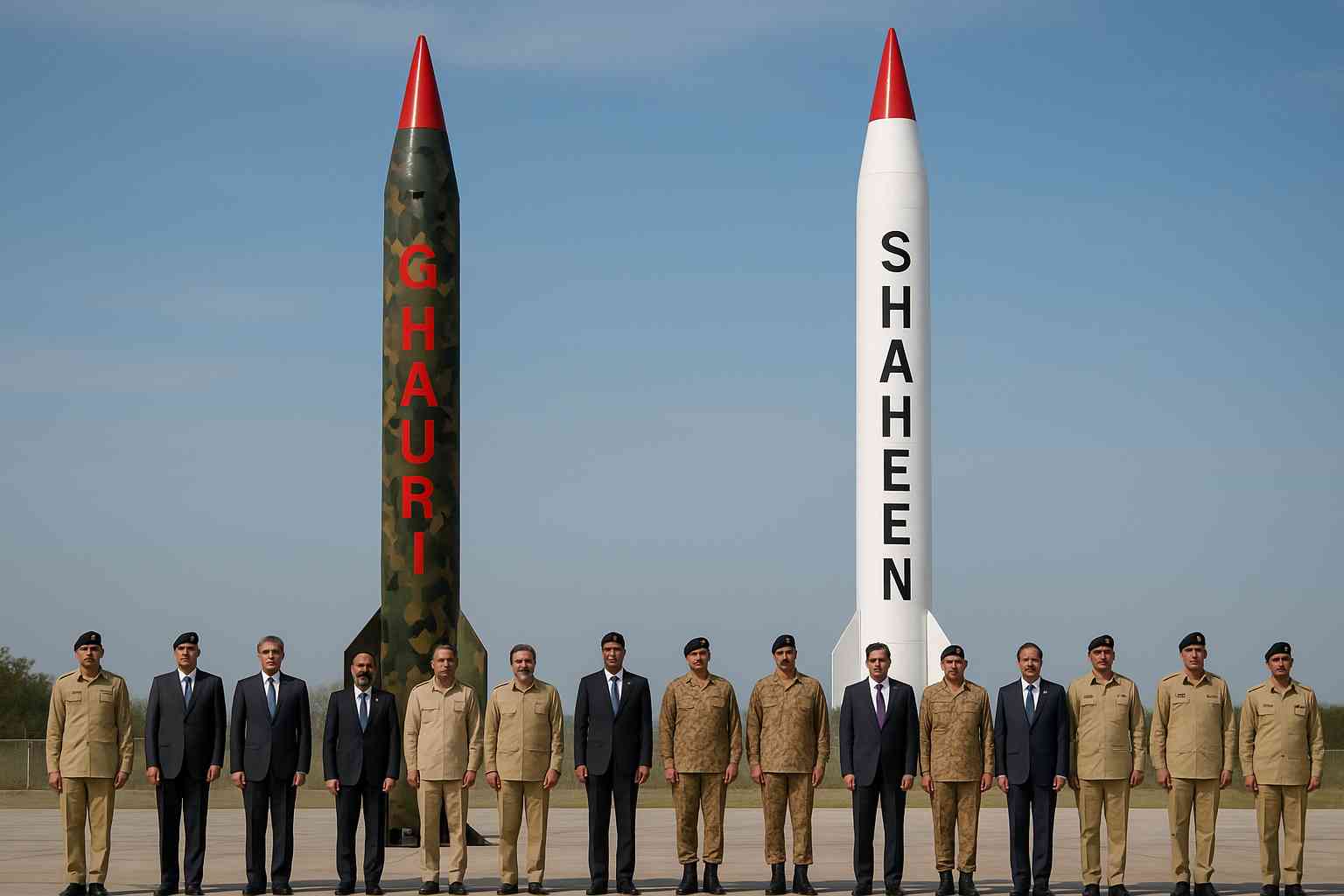
The Pakistan defence budget 2026-27 has been placed at Rs3 trillion for defence services, according to the government’s Annual Budget Statement. The broader defence affairs and services allocation stands at Rs3.010 trillion.
That figure arrives during a year shaped by IMF oversight, revenue pressure, and official claims of economic stabilization. It also arrives as citizens continue to face high living costs, expensive energy, and a state that still struggles to broaden the tax base fairly.
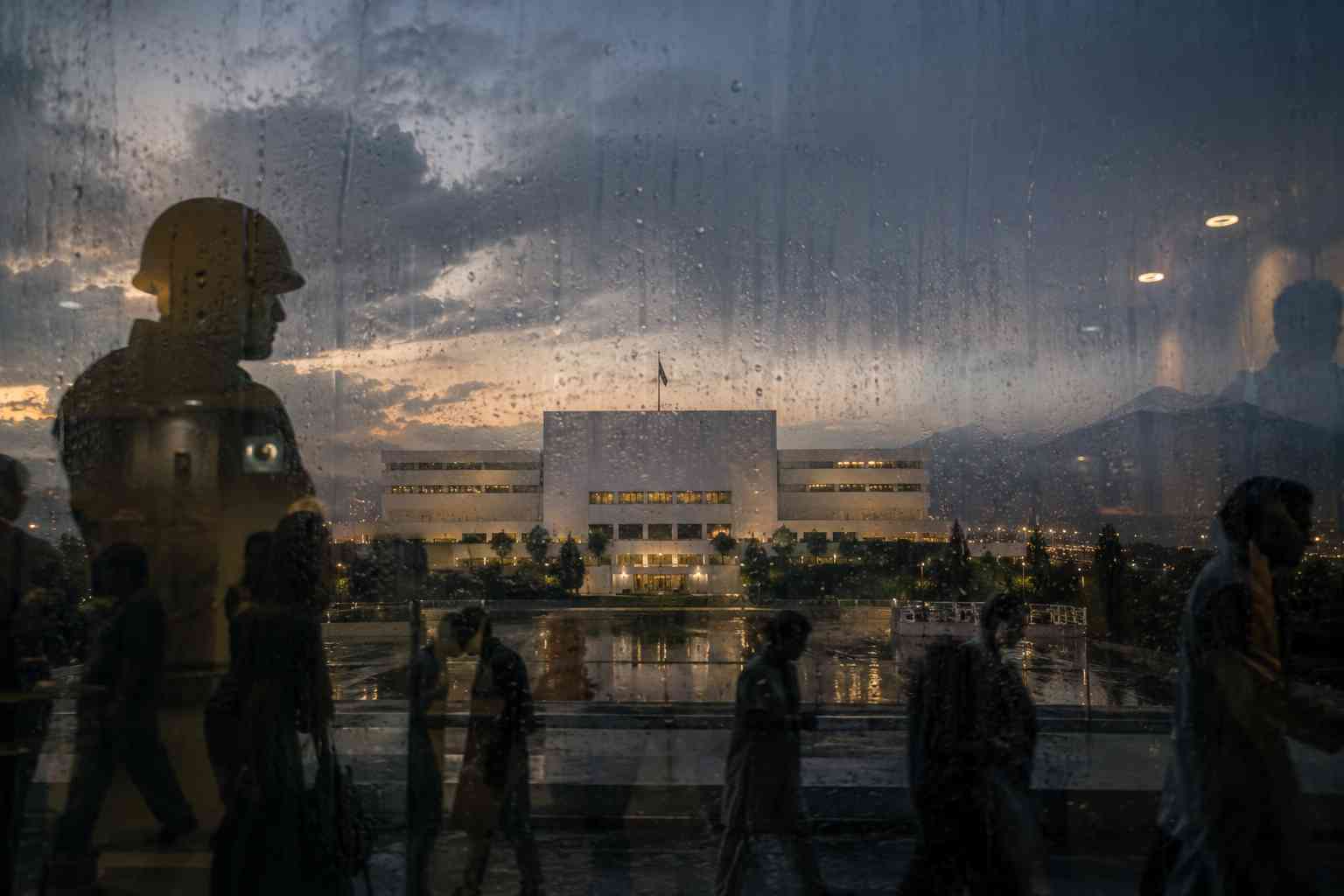
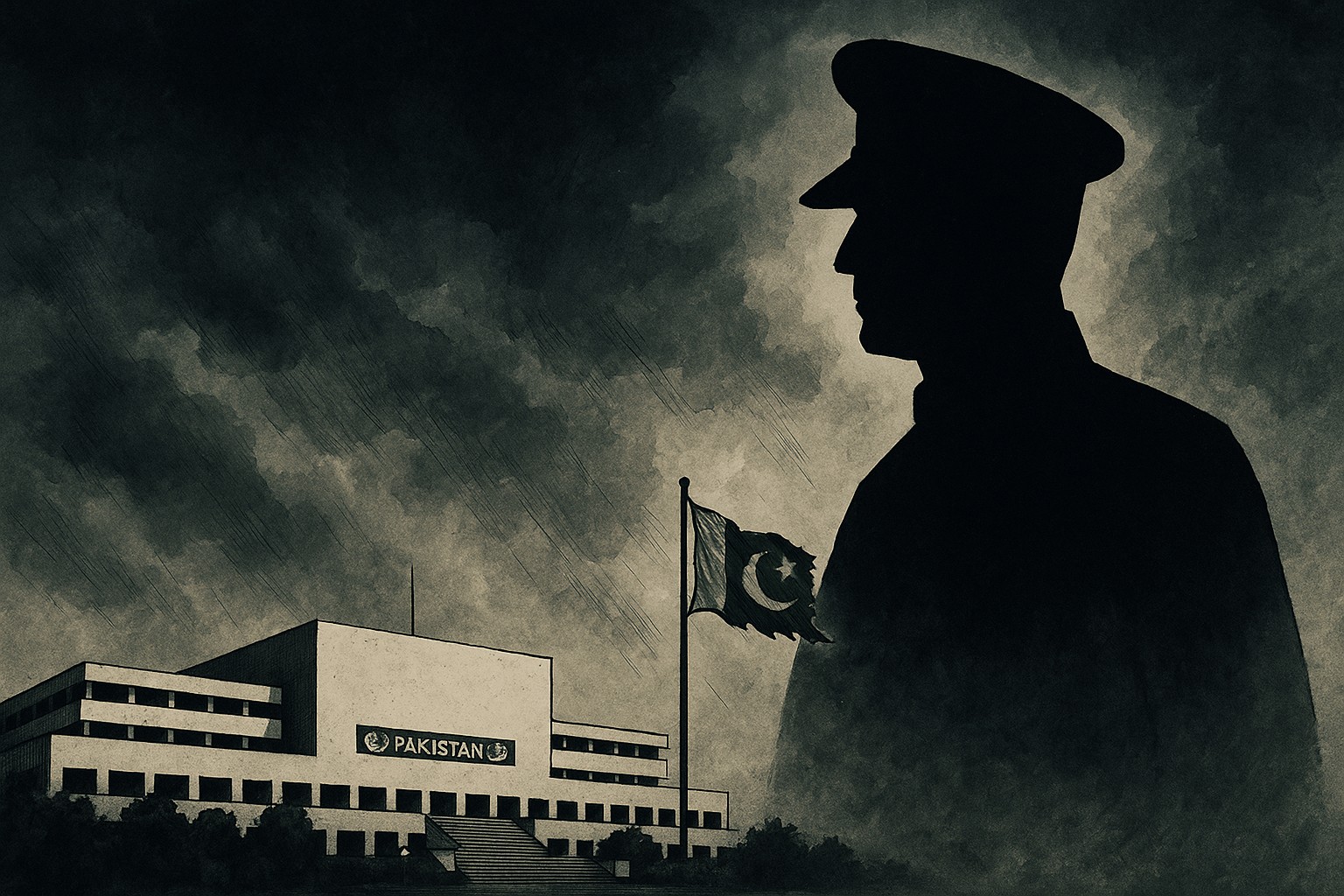
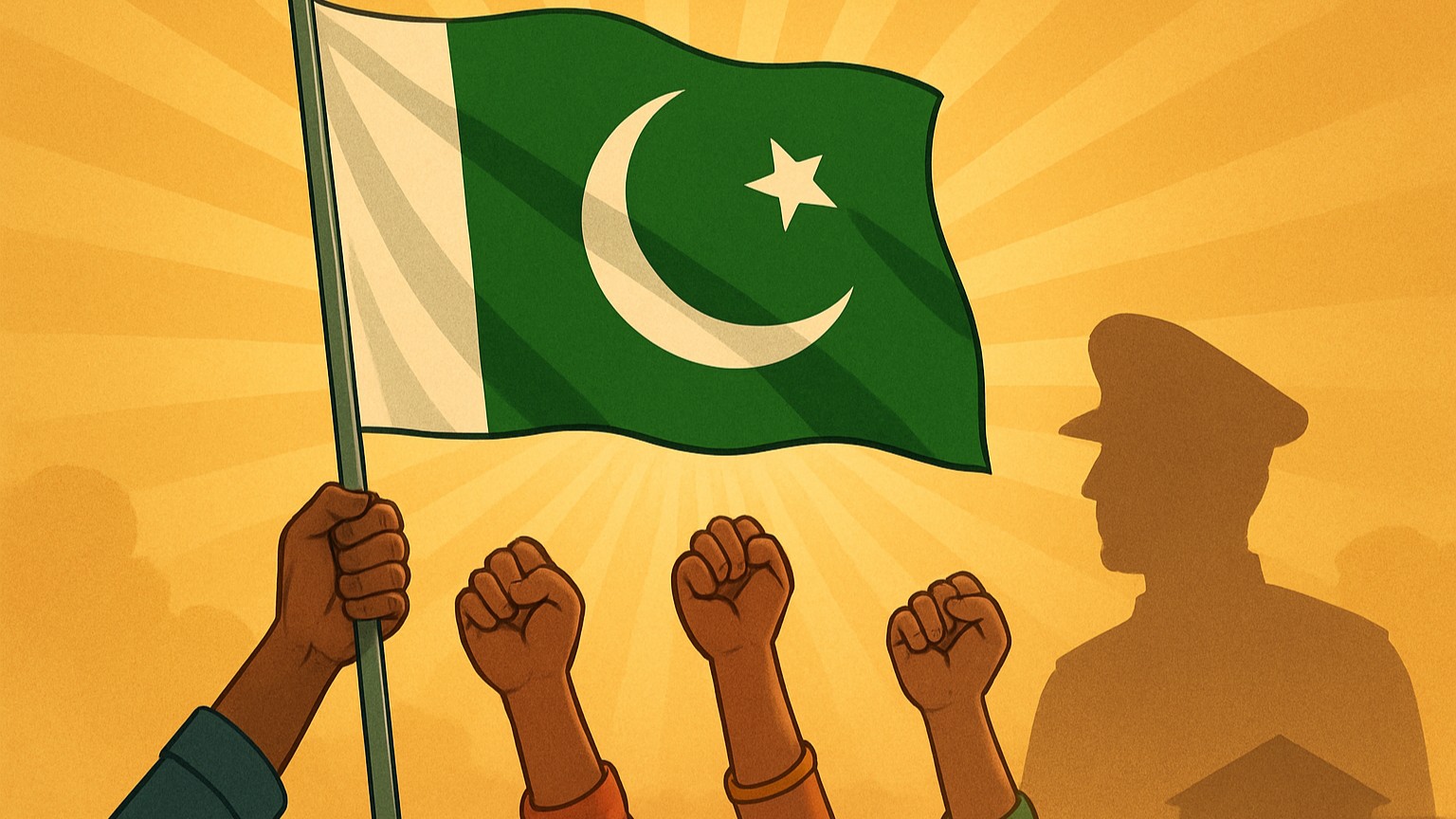
Pakistan Defence Budget 2026-27 And The Protected State
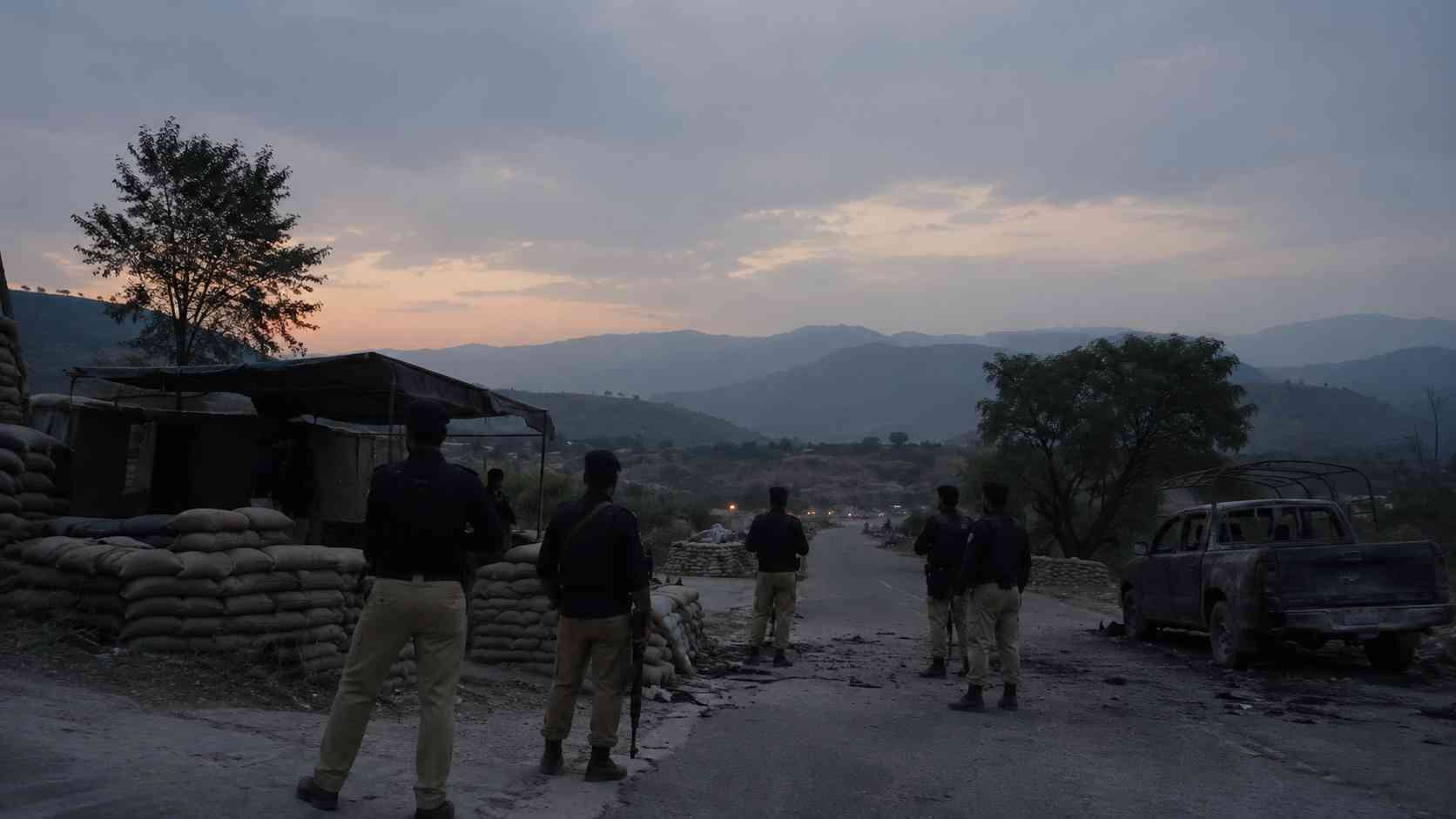
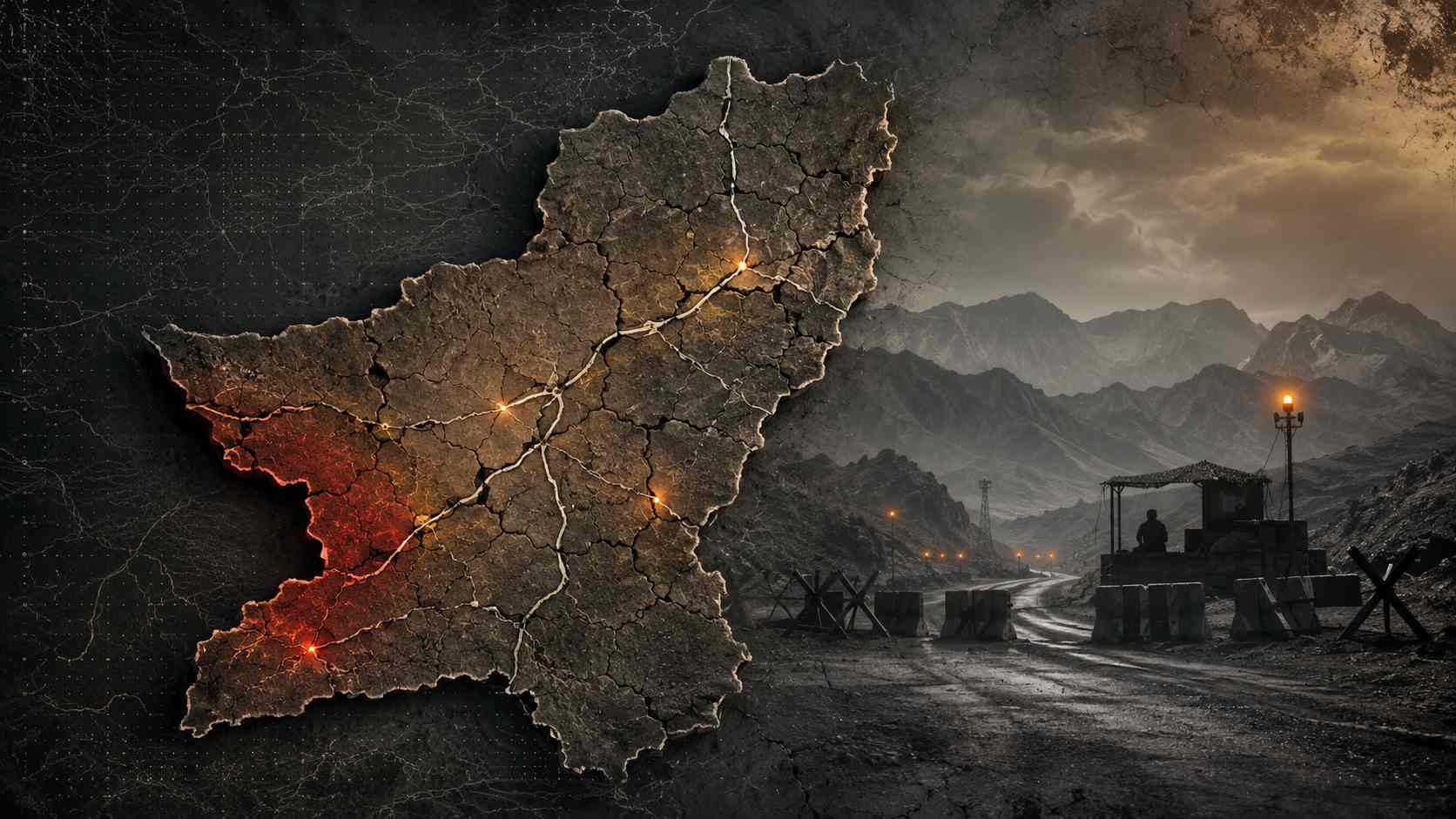
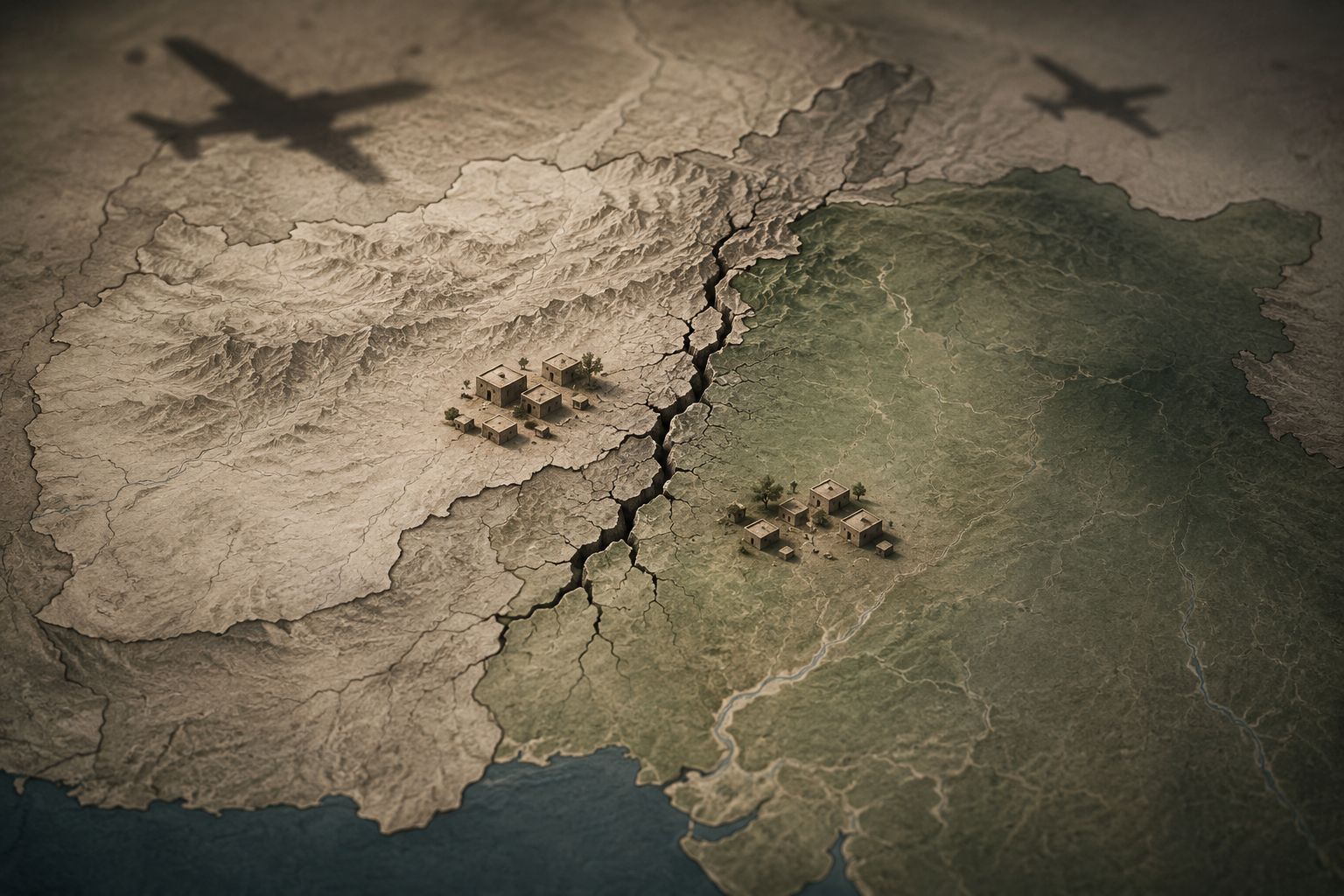
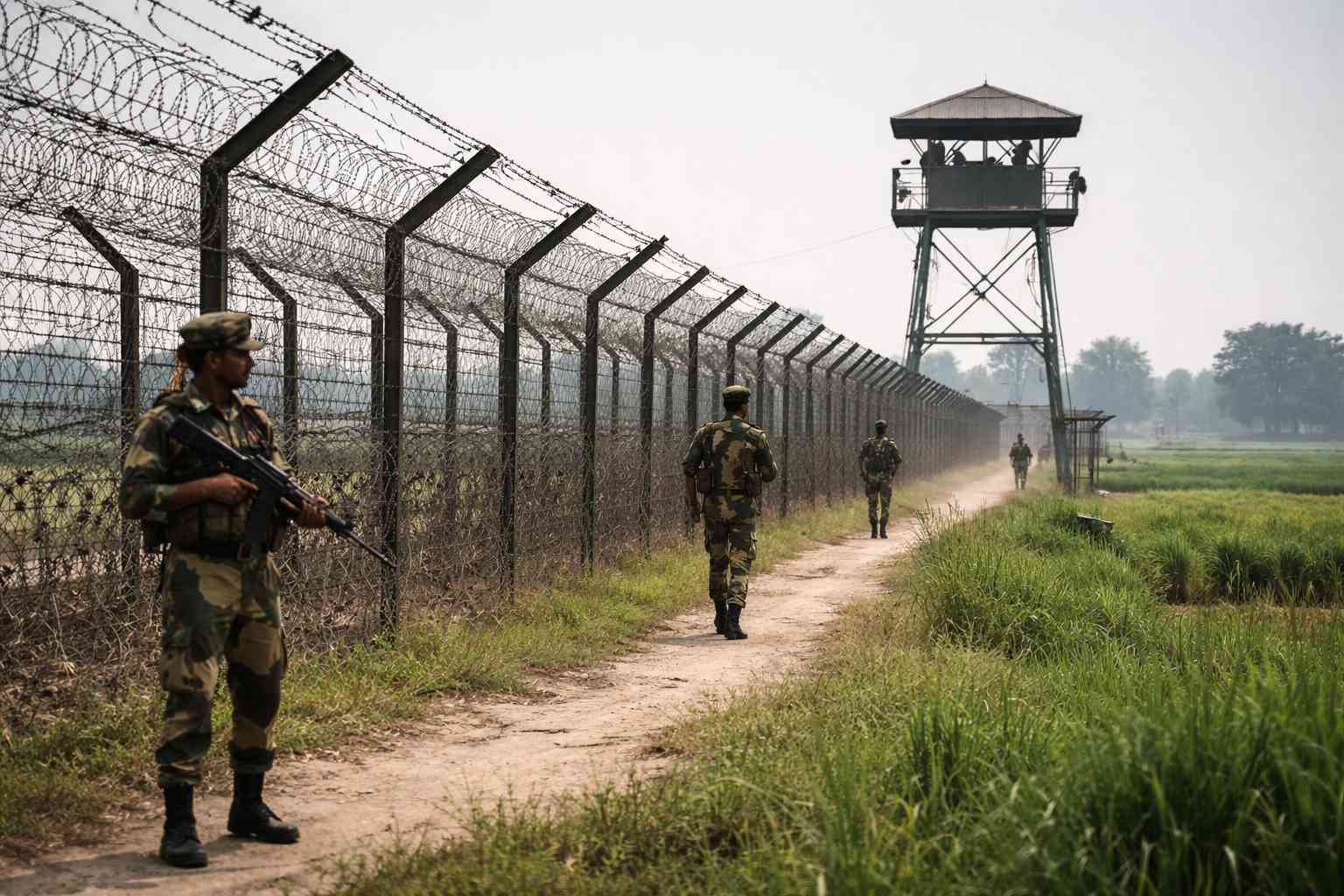
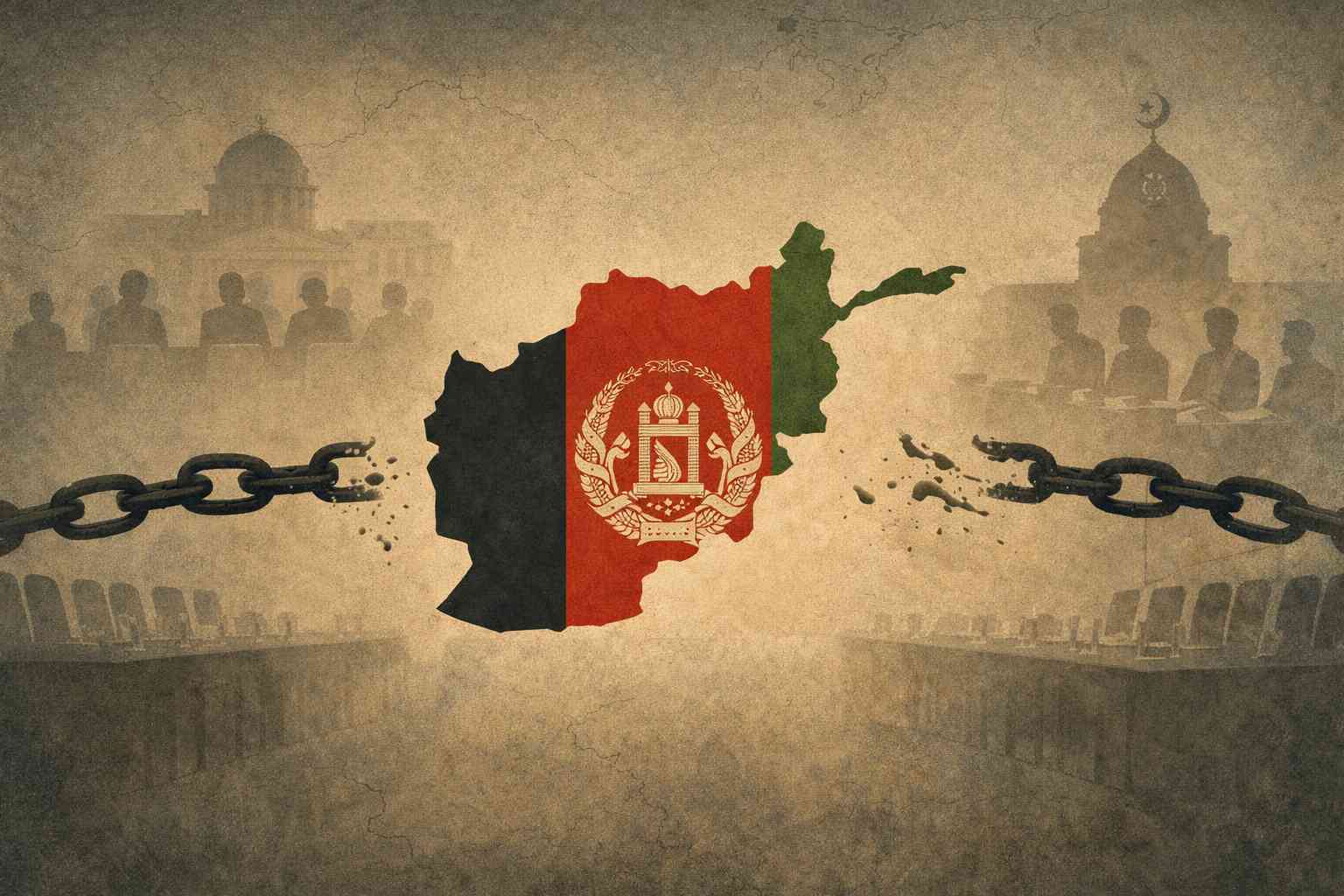
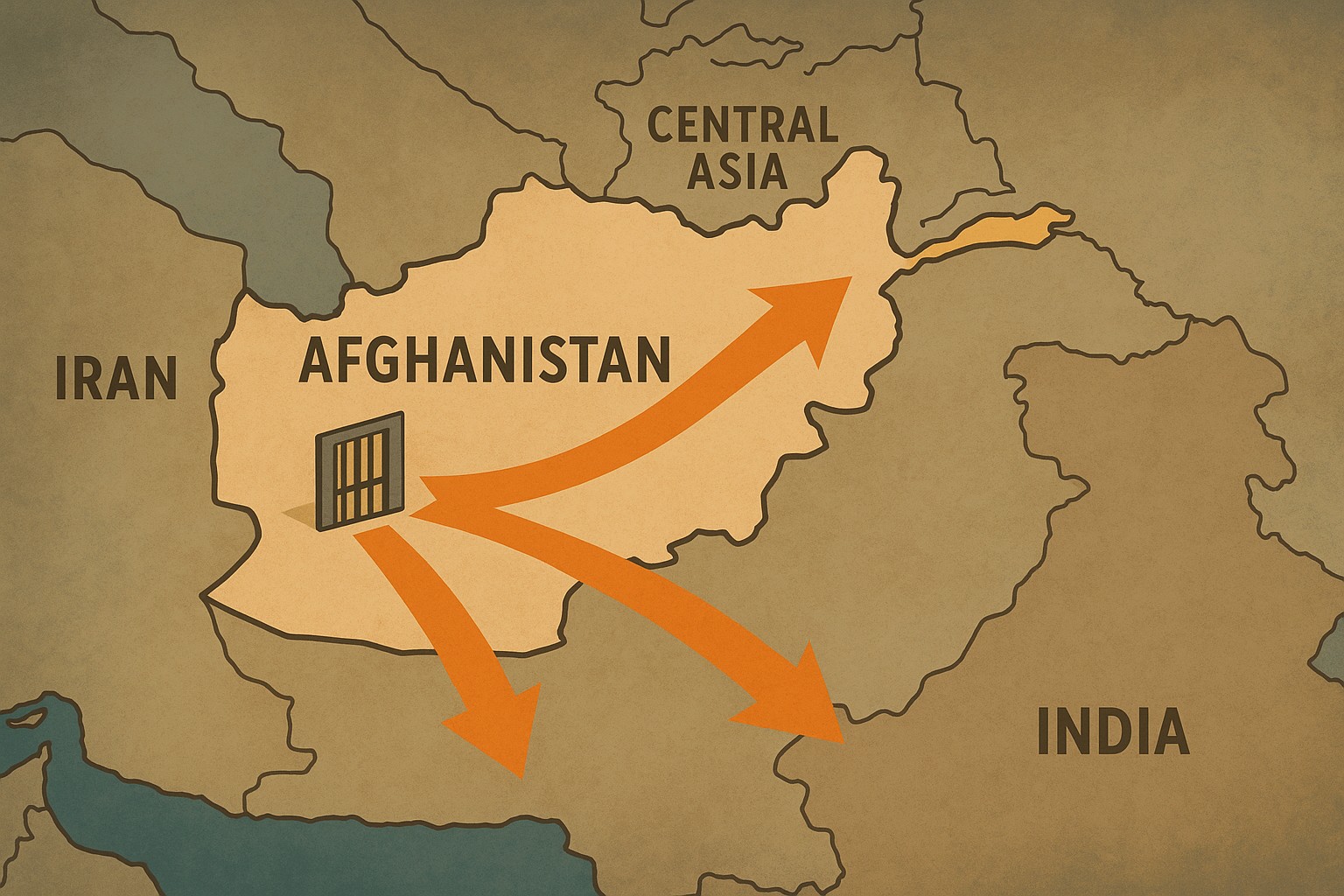
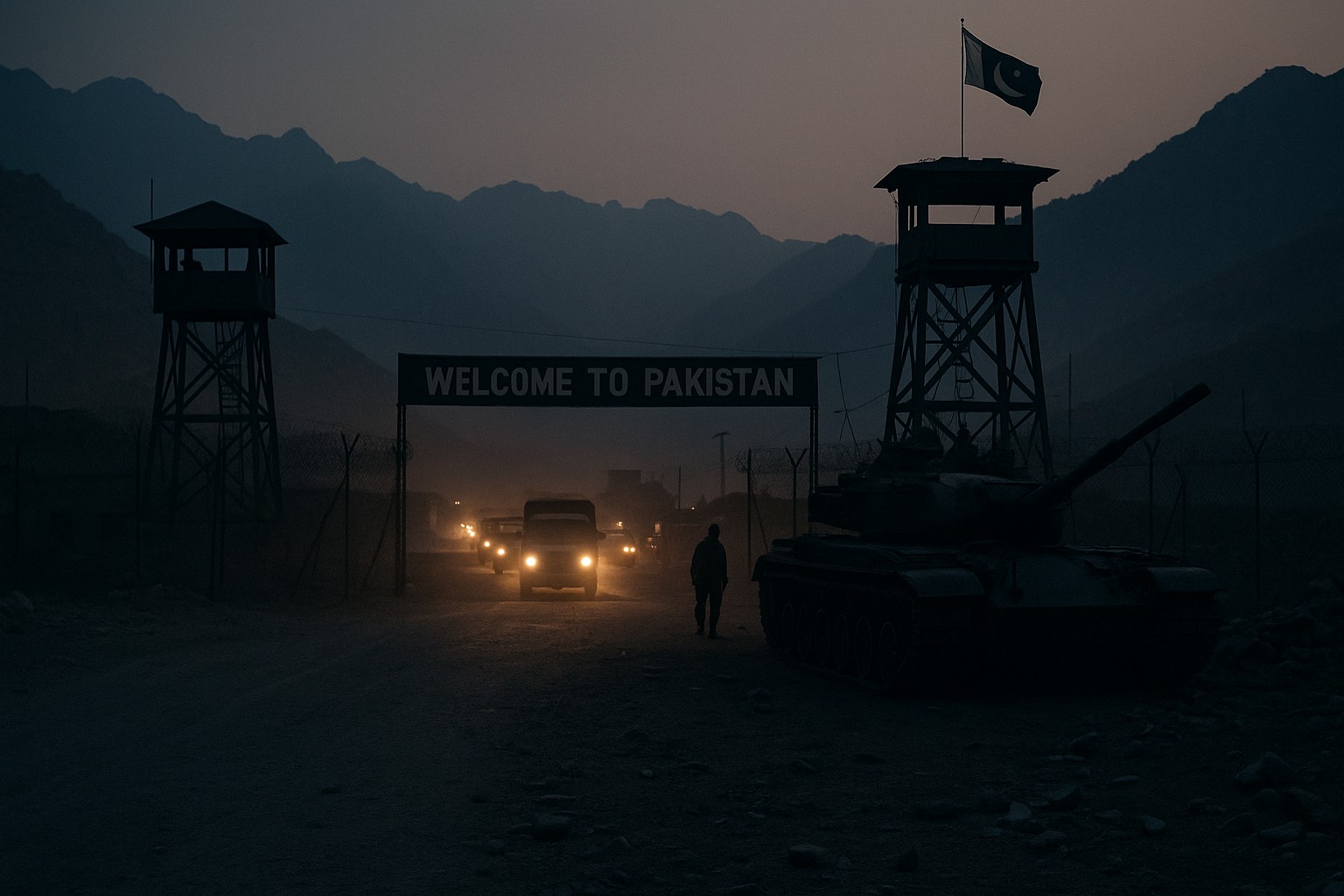
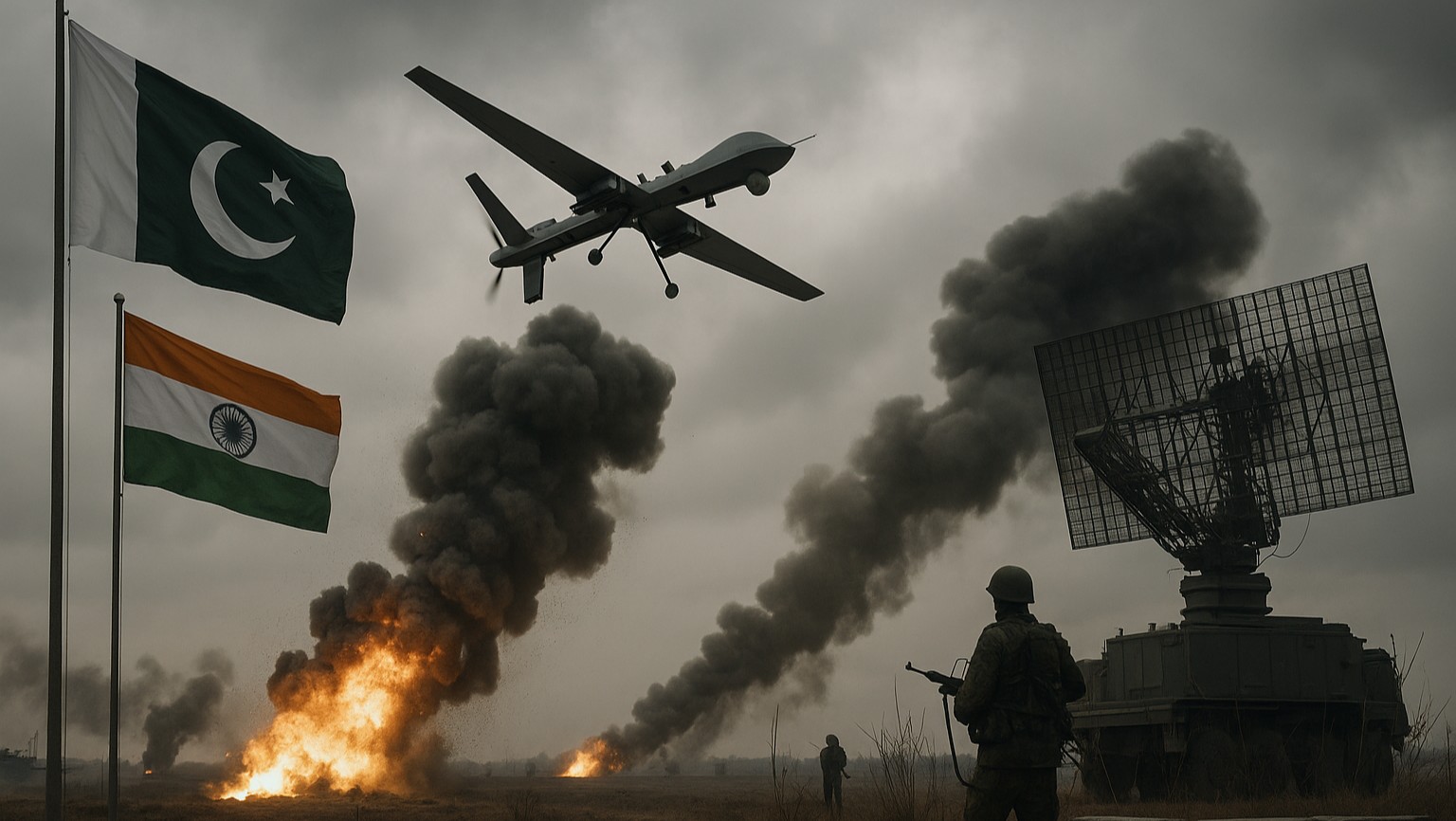
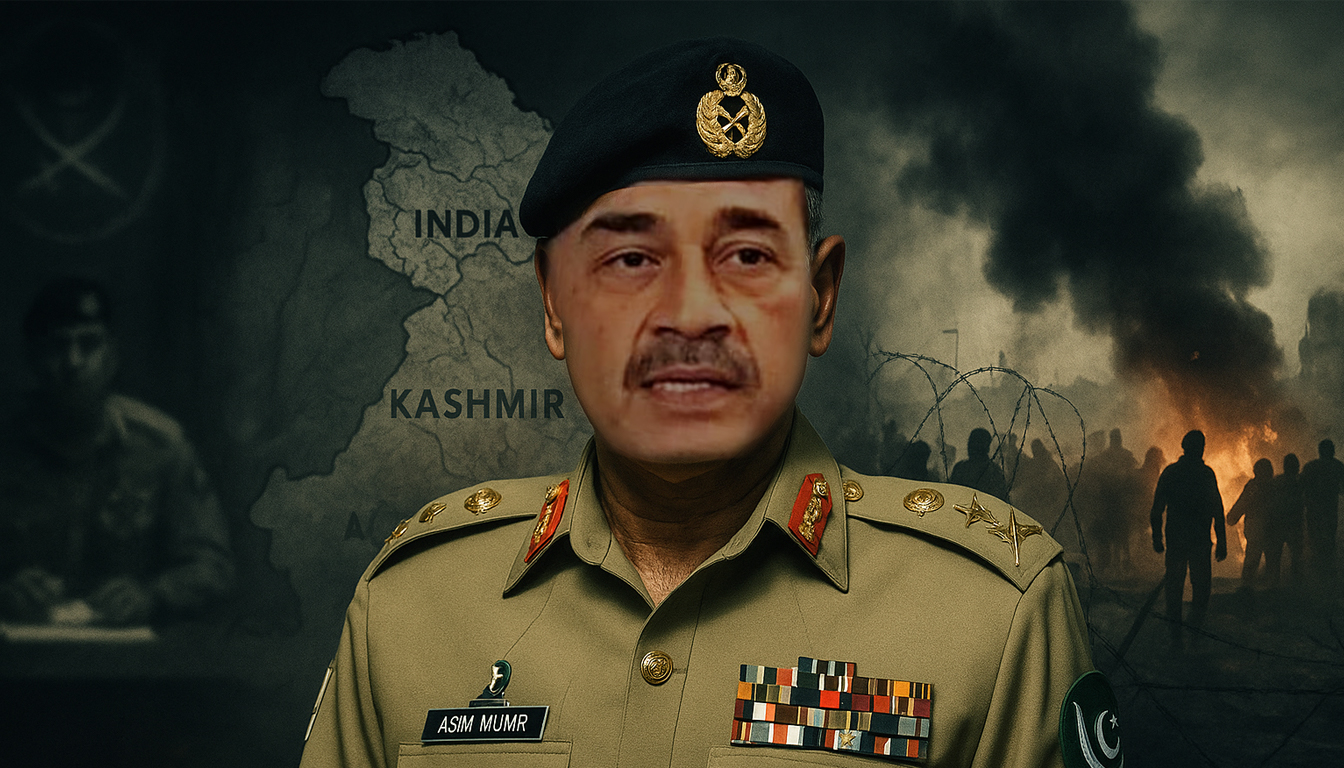
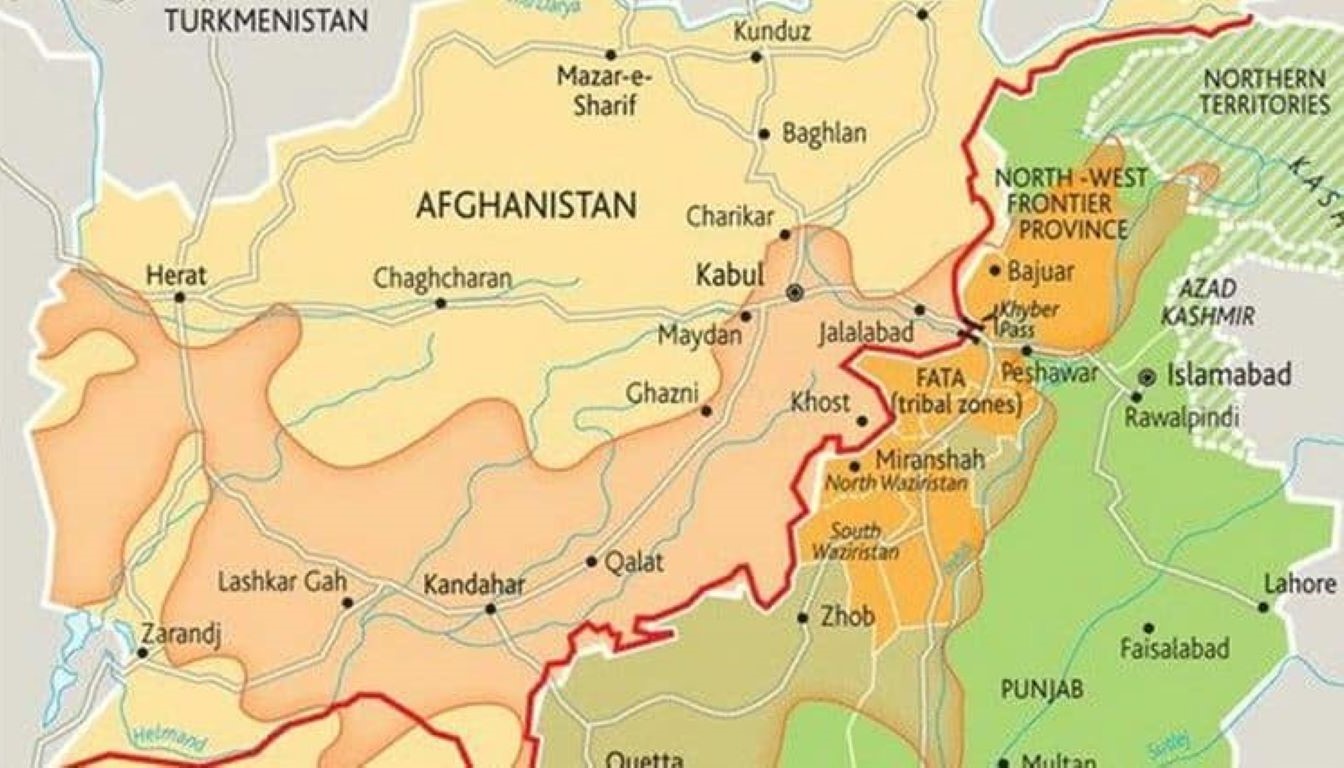
The government can argue that Pakistan faces serious security pressures. Militancy has risen in parts of Khyber Pakhtunkhwa and Balochistan. Tensions with Afghanistan remain dangerous. India remains central to Pakistan’s security planning.
Those realities matter. No responsible analysis should ignore them.
Yet budgets are not only accounting documents. They are political documents. They show which institutions must justify every rupee, and which institutions receive priority even when the public purse tightens.
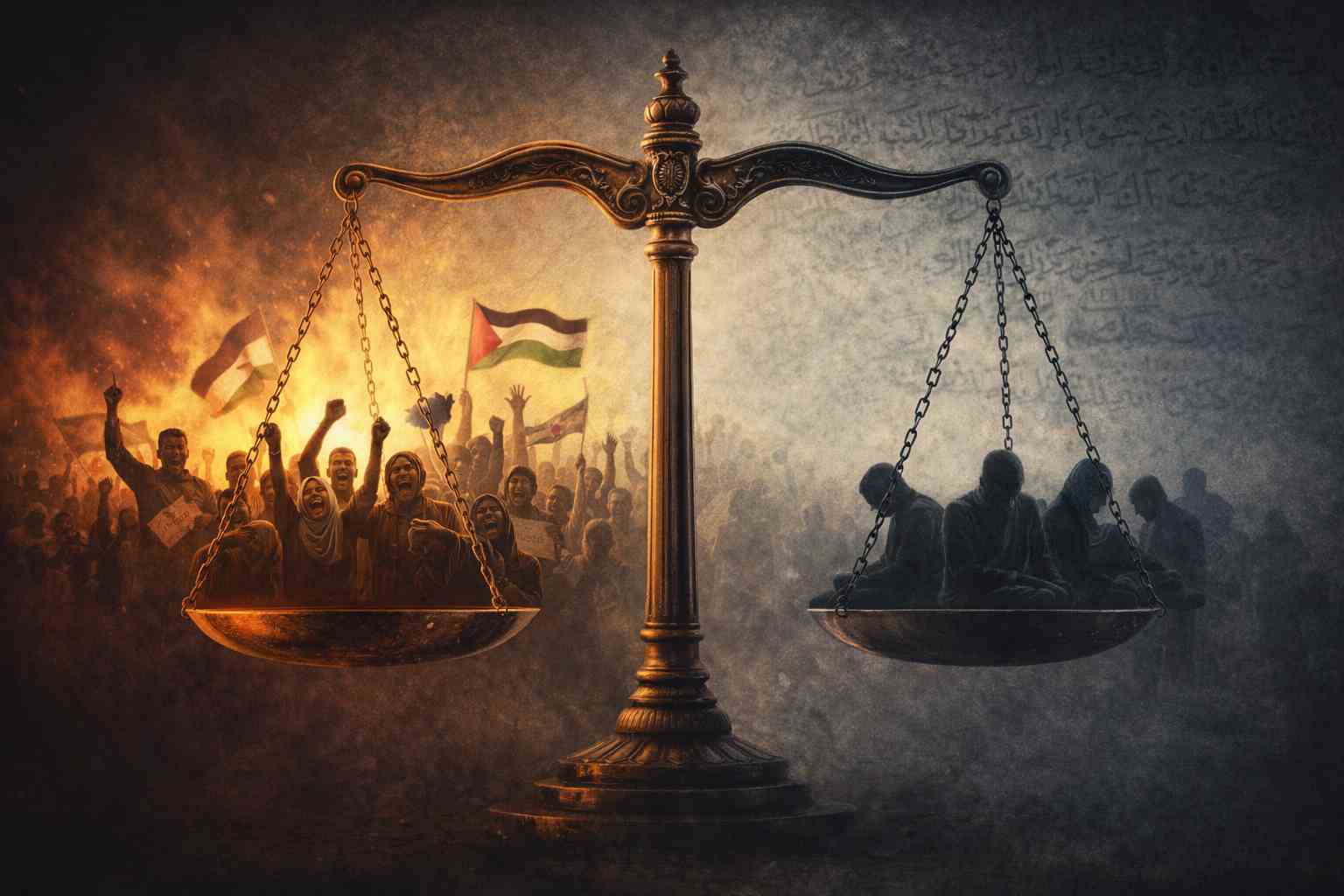
The Pakistan defence budget 2026-27 therefore raises a larger question. Is Pakistan building security for the citizen, or protecting the structure that has long dominated the citizen?
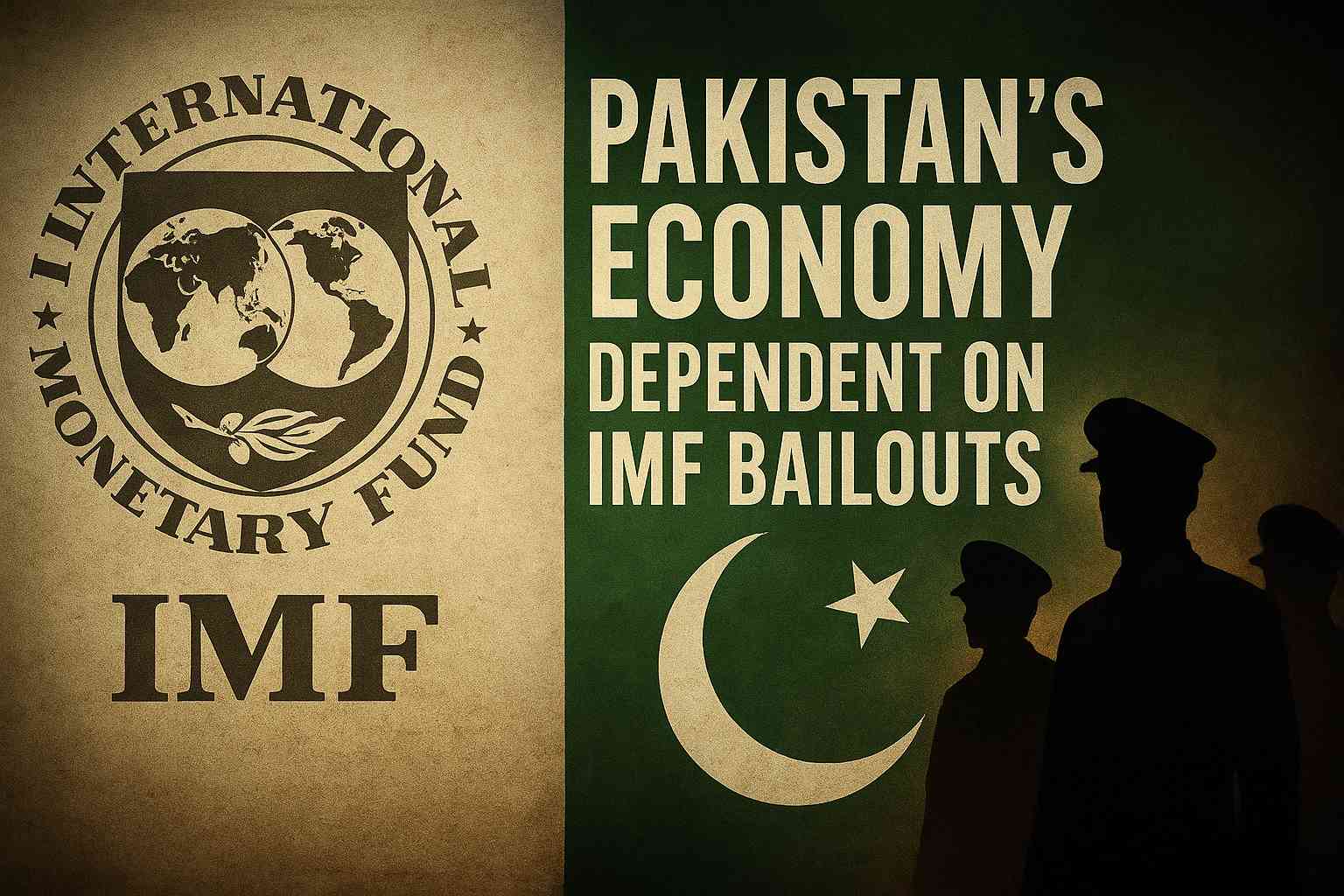
The IMF Context
The IMF completed the third review of Pakistan’s Extended Fund Facility in May and approved further disbursement. Its priorities include macroeconomic stability, a broader tax base, stronger public services, SOE reforms, and higher spending on health, education, and social protection, according to the IMF statement.
That creates the central contradiction.
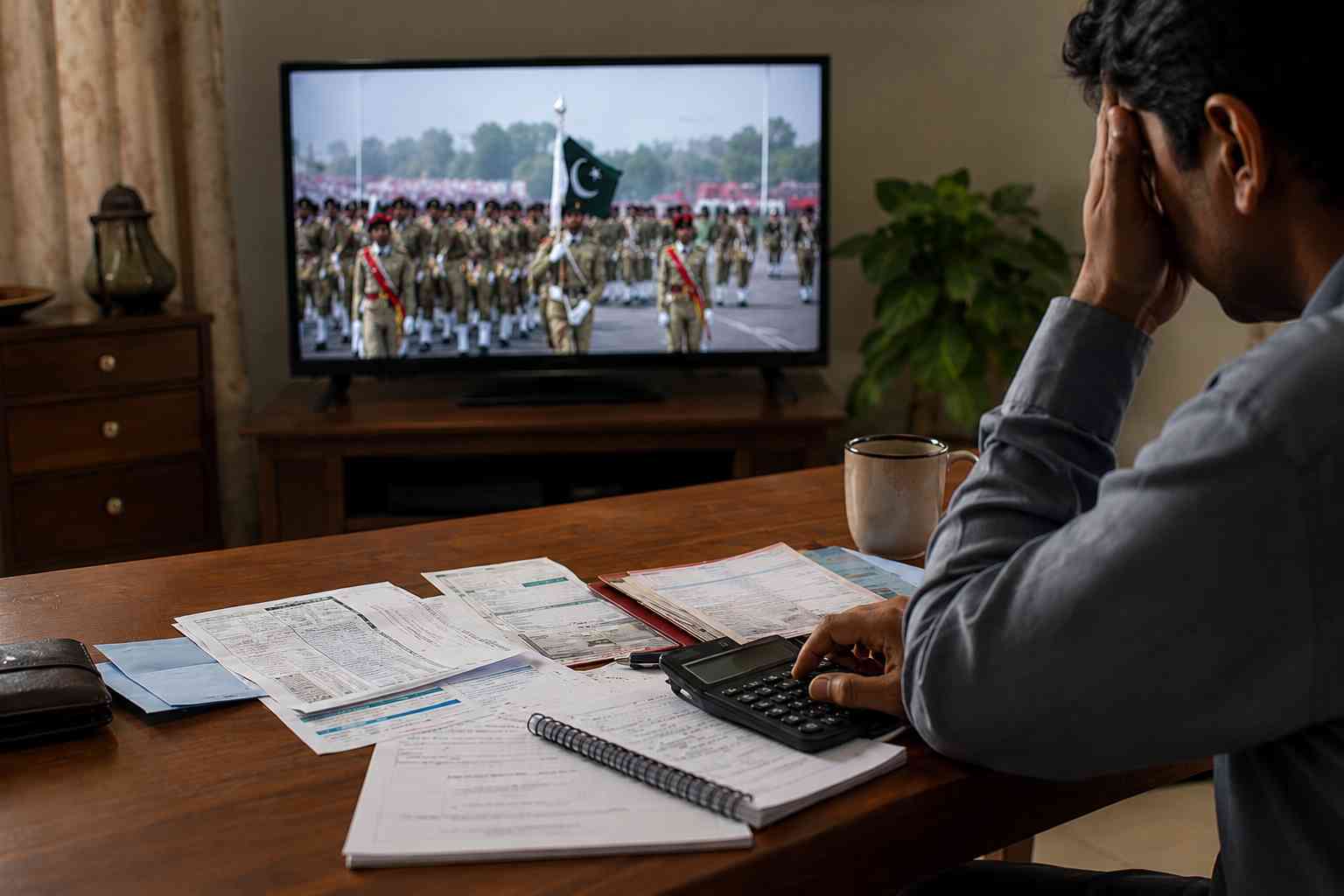
Pakistan’s civilian population hears the language of discipline. The state speaks of documentation, compliance, and painful reform. Salaried citizens, businesses, and consumers all face the consequences of a government seeking more revenue.
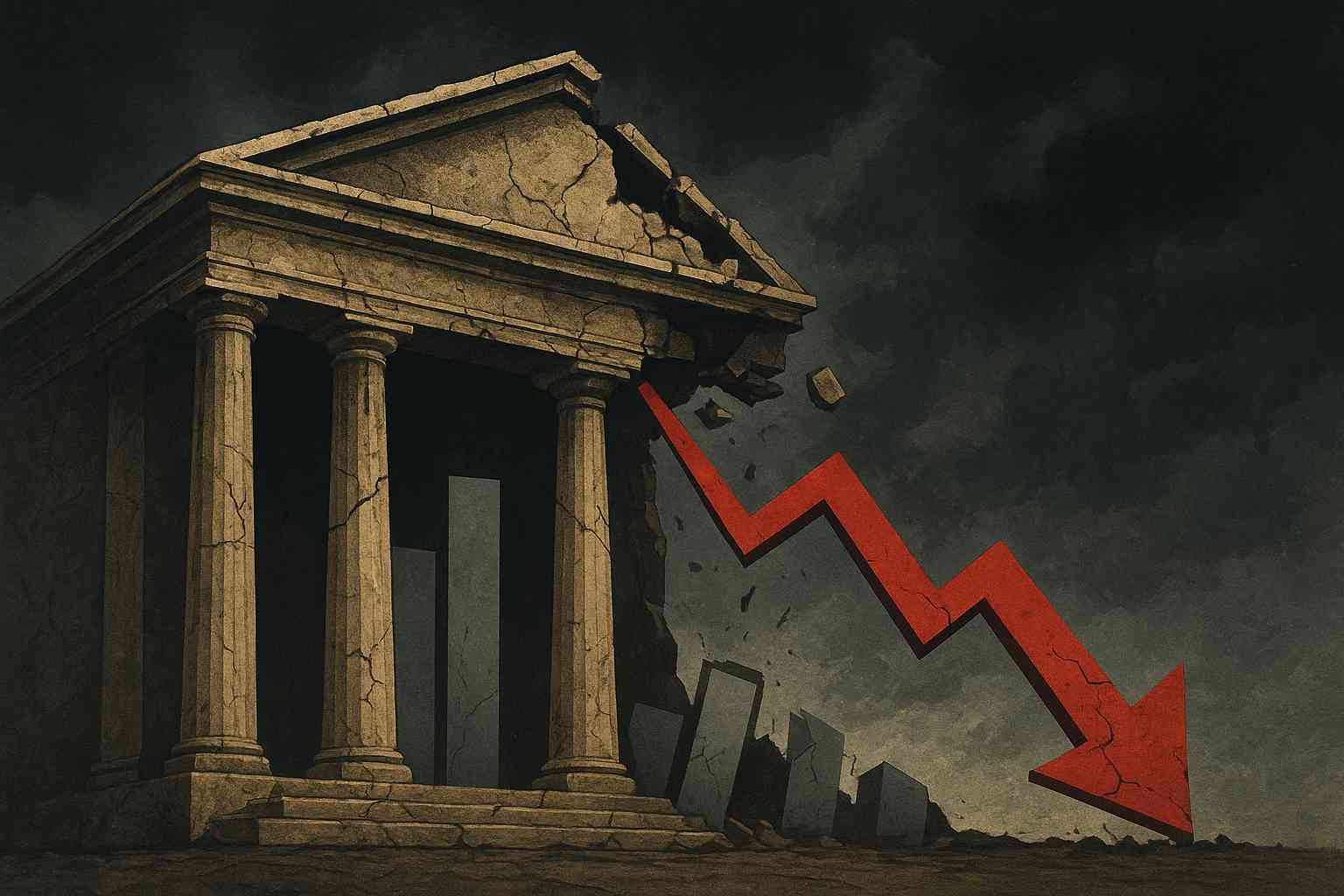
Dawn reported that the budget sets an ambitious FBR tax target of Rs15.264 trillion, up 17.6 percent from the revised assumption after a major shortfall in the outgoing year. The same budget offers some income tax relief for salaried slabs, but the broader direction remains clear: the state needs more money from the economy.
Against that backdrop, the defence increase becomes politically significant. It tells citizens that austerity has limits, but those limits do not begin with ordinary households.
Selective Austerity Is The Real Story
Pakistan’s ruling class often presents economic pain as unavoidable. In some areas, that is true. Debt servicing is heavy. The tax net remains narrow. External financing still shapes policy choices. The state cannot spend as if no constraints exist.
But selective austerity damages public trust.
When citizens see relief described as limited and reform described as compulsory, they look for shared sacrifice. They rarely find it. The same system that lectures the public on fiscal discipline often shields elite privileges, opaque institutional spending, and politically protected sectors.
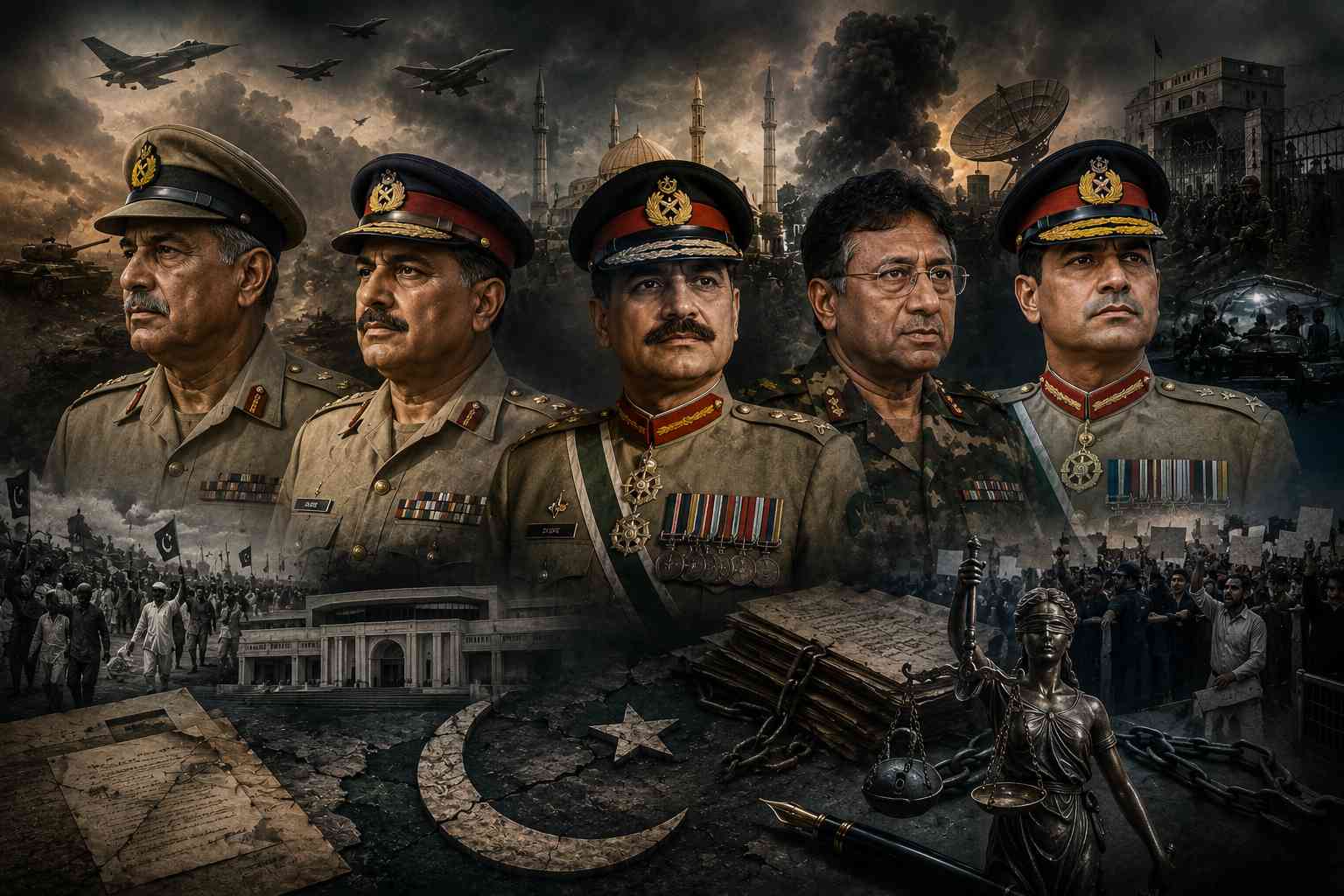
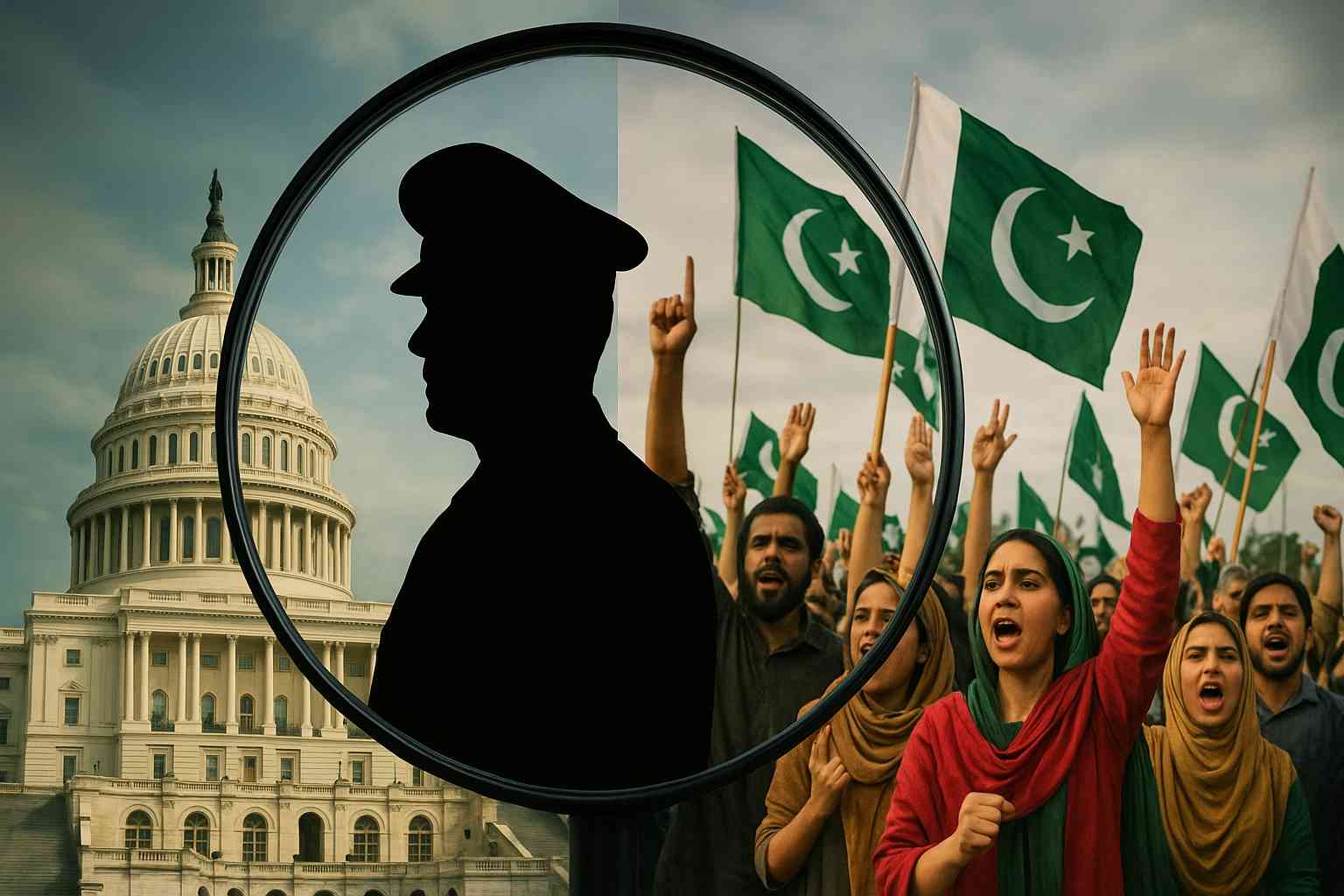
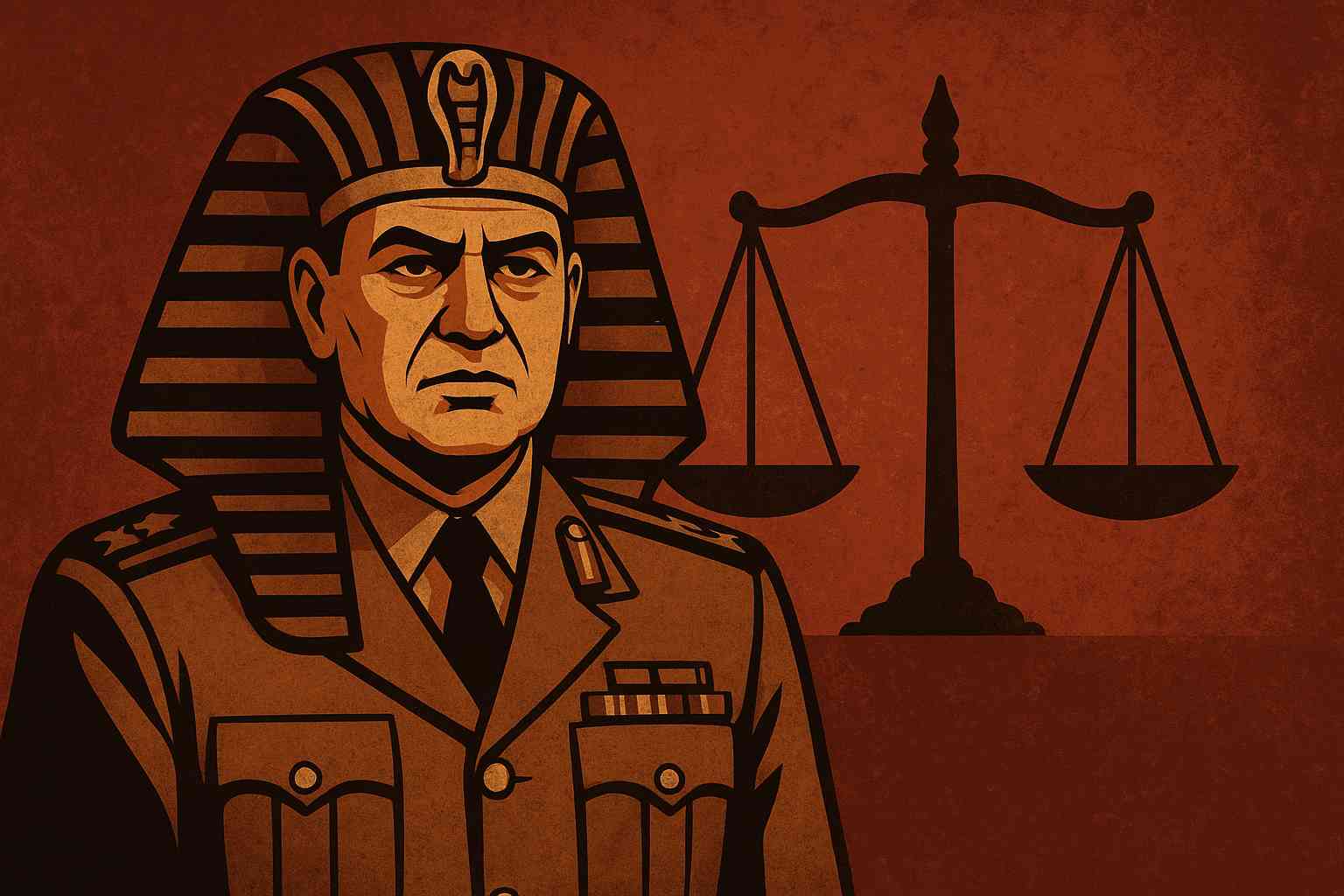
That is why the Pakistan defence budget 2026-27 should not be read only through a security lens. It must also be read through Pakistan’s civil-military imbalance.
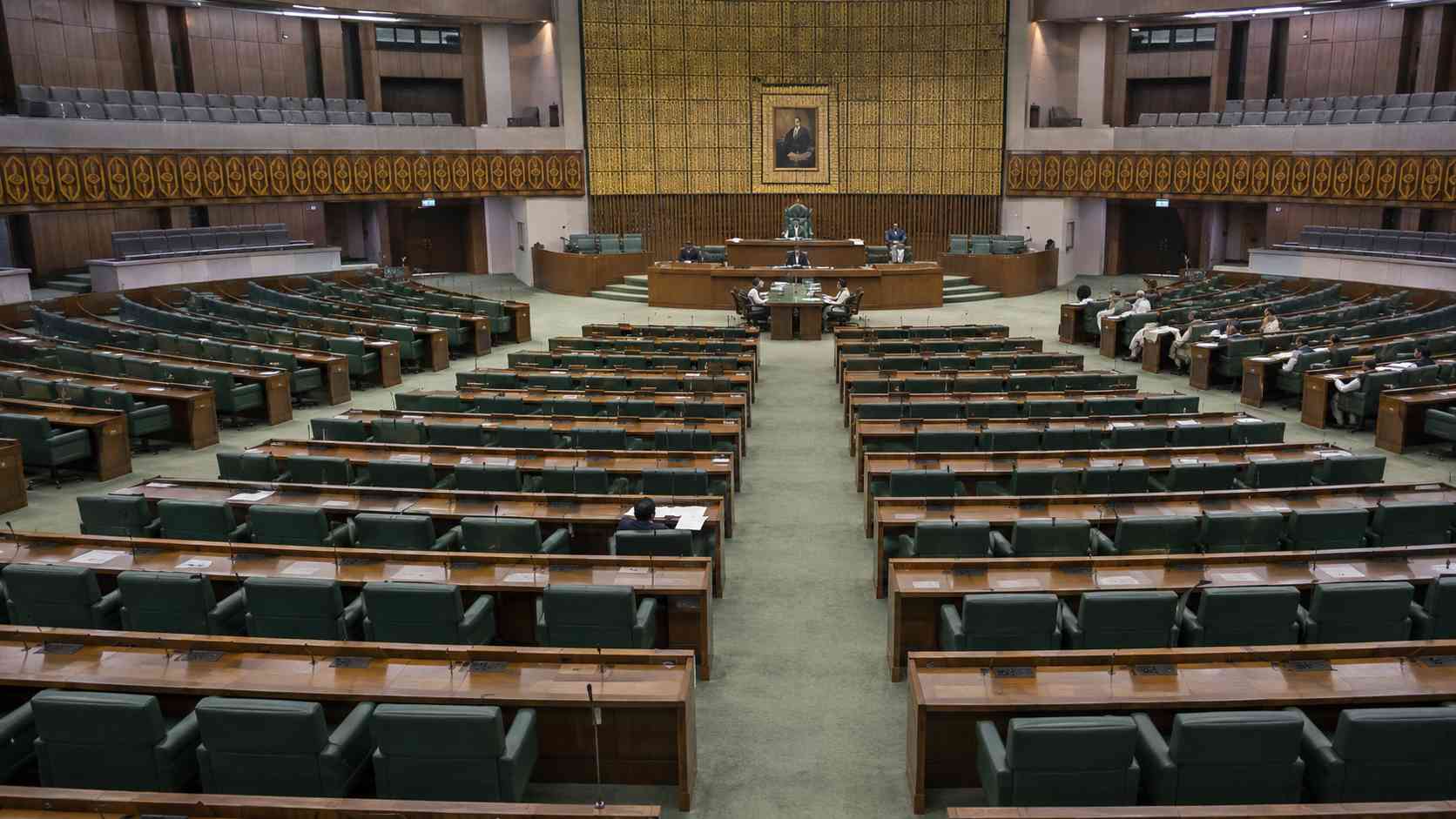
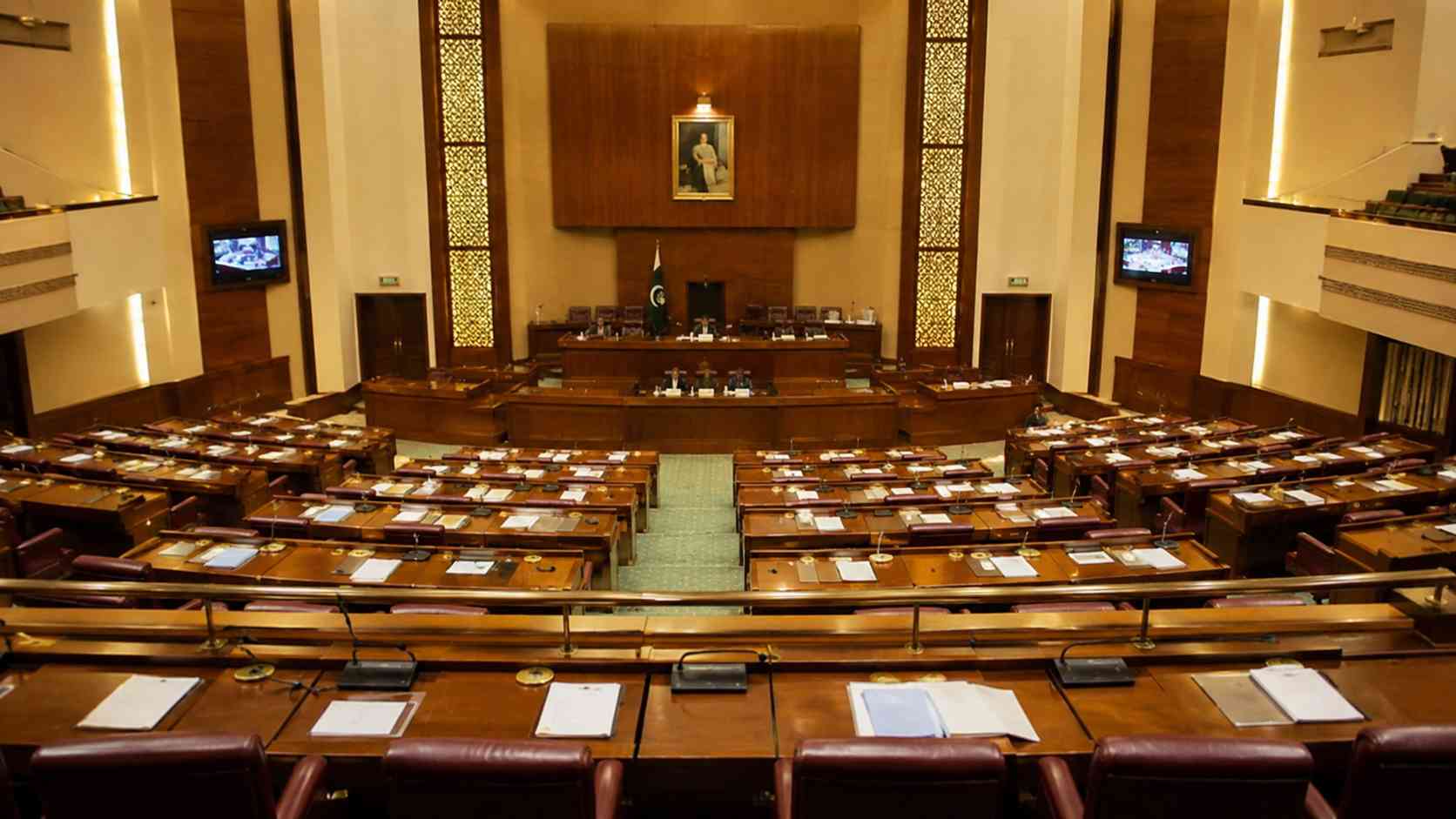
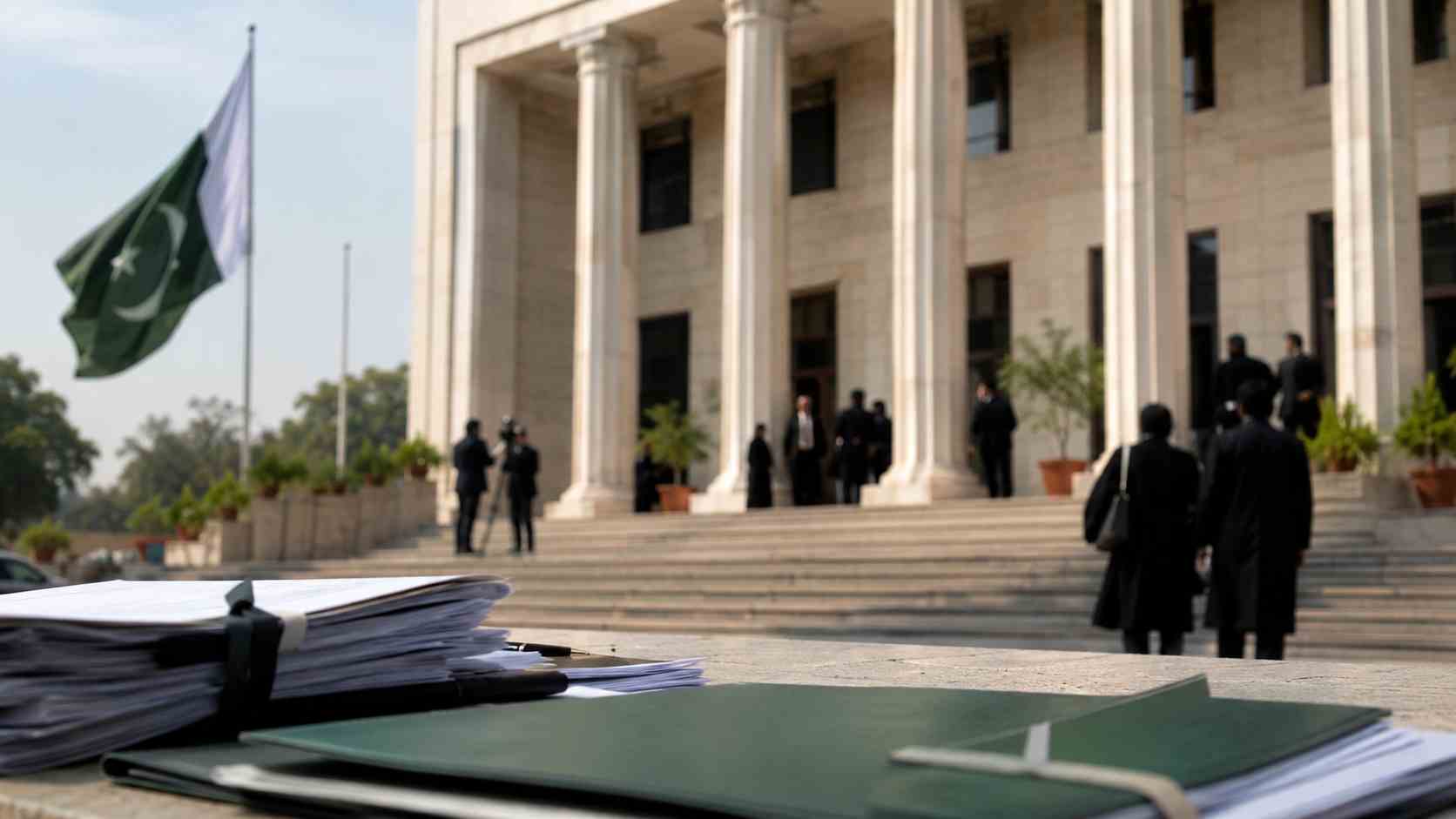
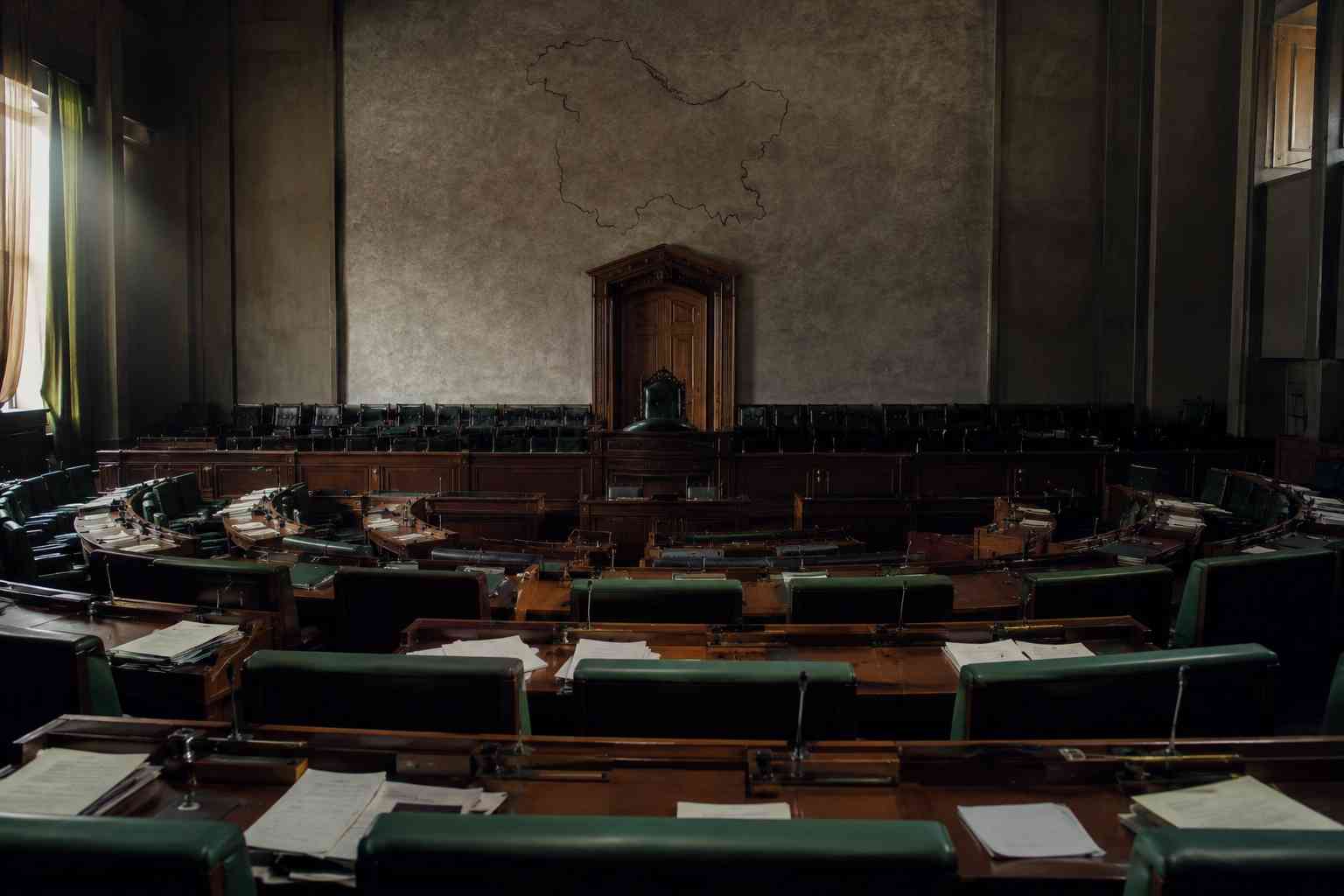
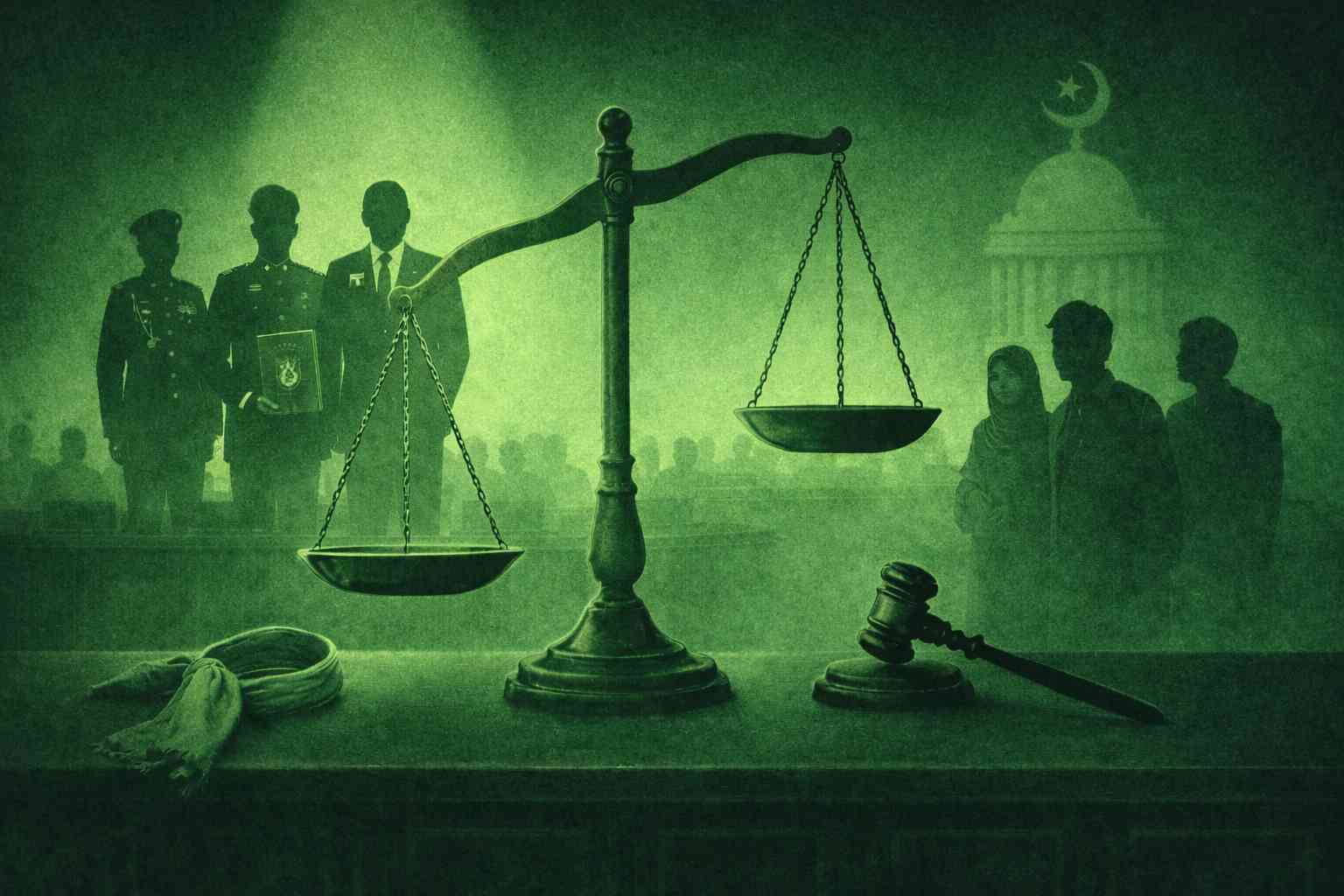
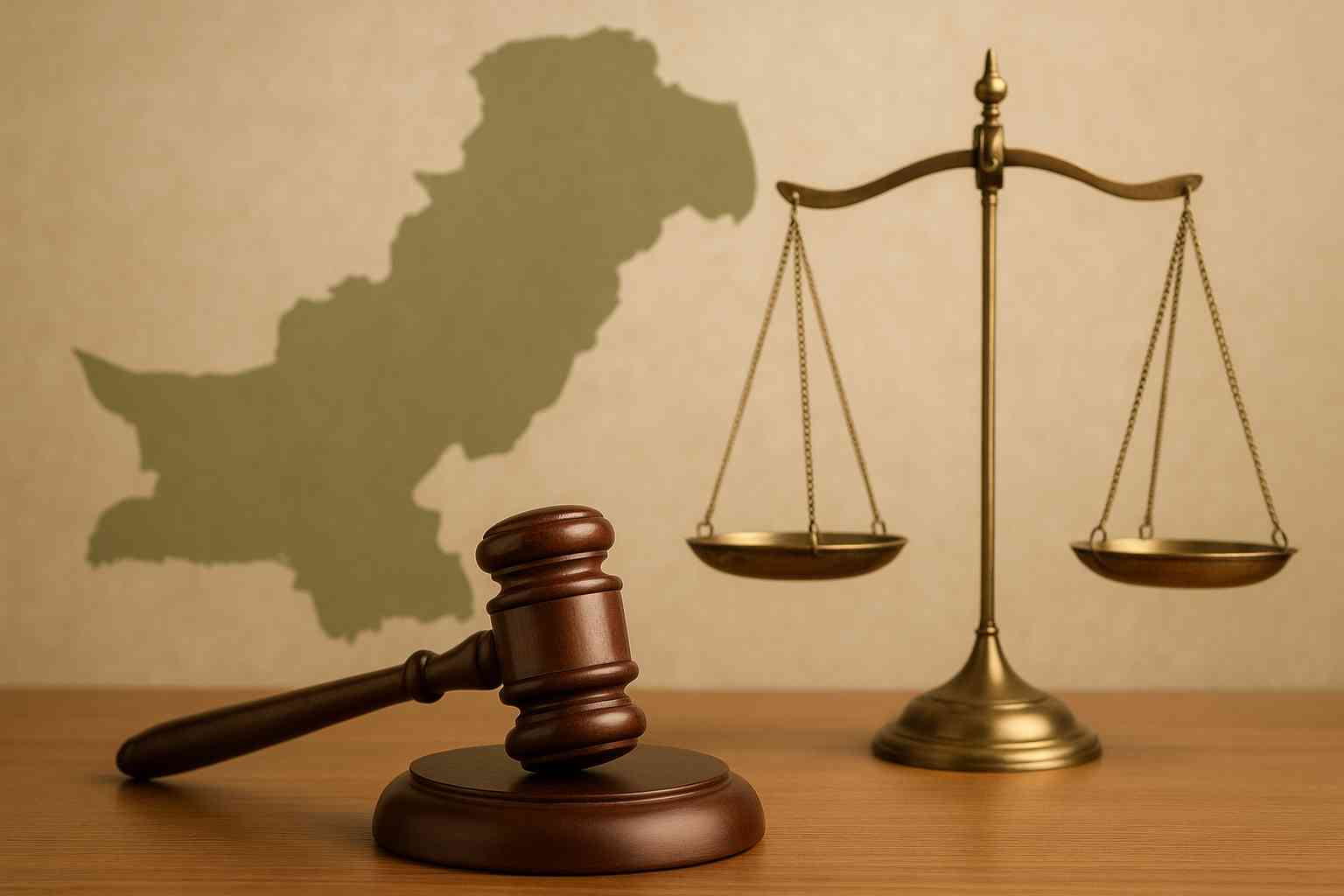
A democratic budget should allow serious public scrutiny of all major spending. Pakistan still treats defence expenditure as a near-sacred domain. Parliament receives numbers, but not enough meaningful debate. Citizens receive explanations, but rarely accountability.
Security Without Accountability Remains Incomplete
Pakistan needs security. Its soldiers, police, and civilians have paid a real price in violence. The threat from militant networks is not imaginary.
Still, security cannot become a permanent argument against transparency. A state that asks citizens for more taxes owes them more clarity. It should explain how spending improves actual security outcomes, not merely institutional capacity.
Does higher spending protect border communities? Does it reduce militant violence? Does it strengthen intelligence coordination under civilian law? Does it improve accountability after security failures? Does it reduce the political use of national security narratives?
These questions are not anti-state. They are pro-citizen.
A country cannot build lasting stability by placing the public under fiscal pressure while keeping the most powerful institutions beyond serious examination.
The Political Meaning
The deeper message of this budget is continuity. Pakistan’s economic managers may change their vocabulary. IMF documents may speak of reform and resilience. Ministers may highlight relief for selected groups. Yet the structure of power remains visible in the allocations.
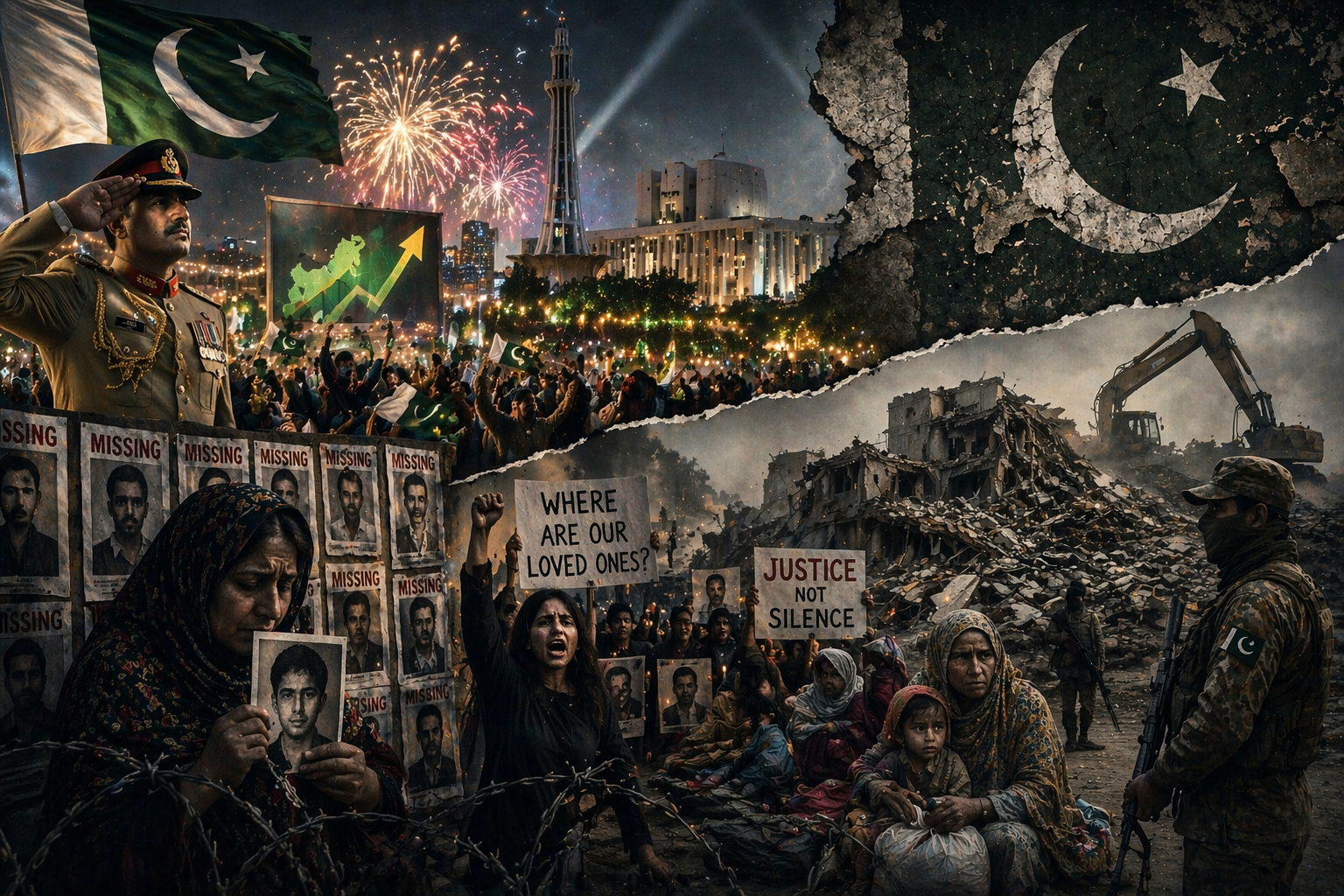
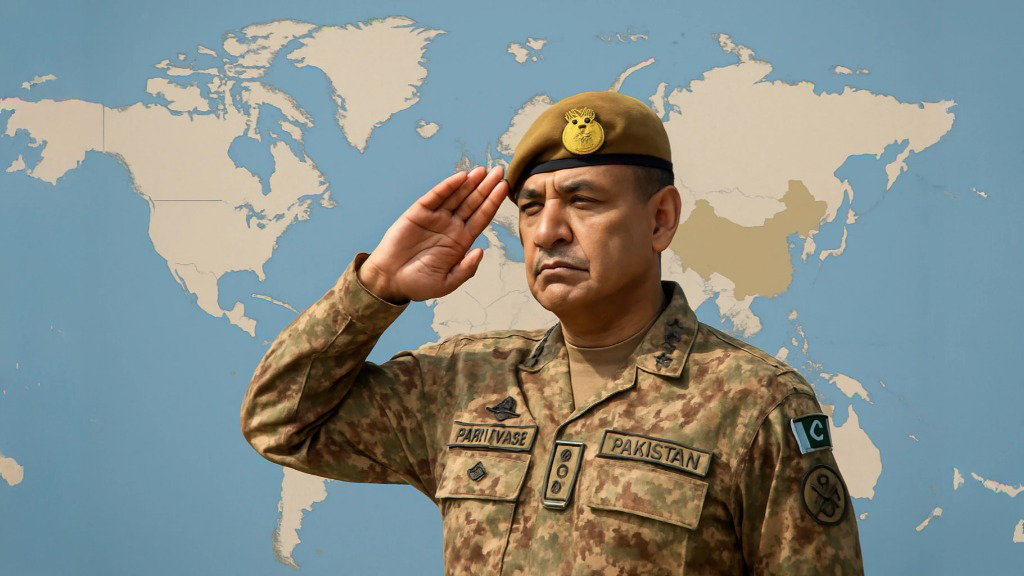
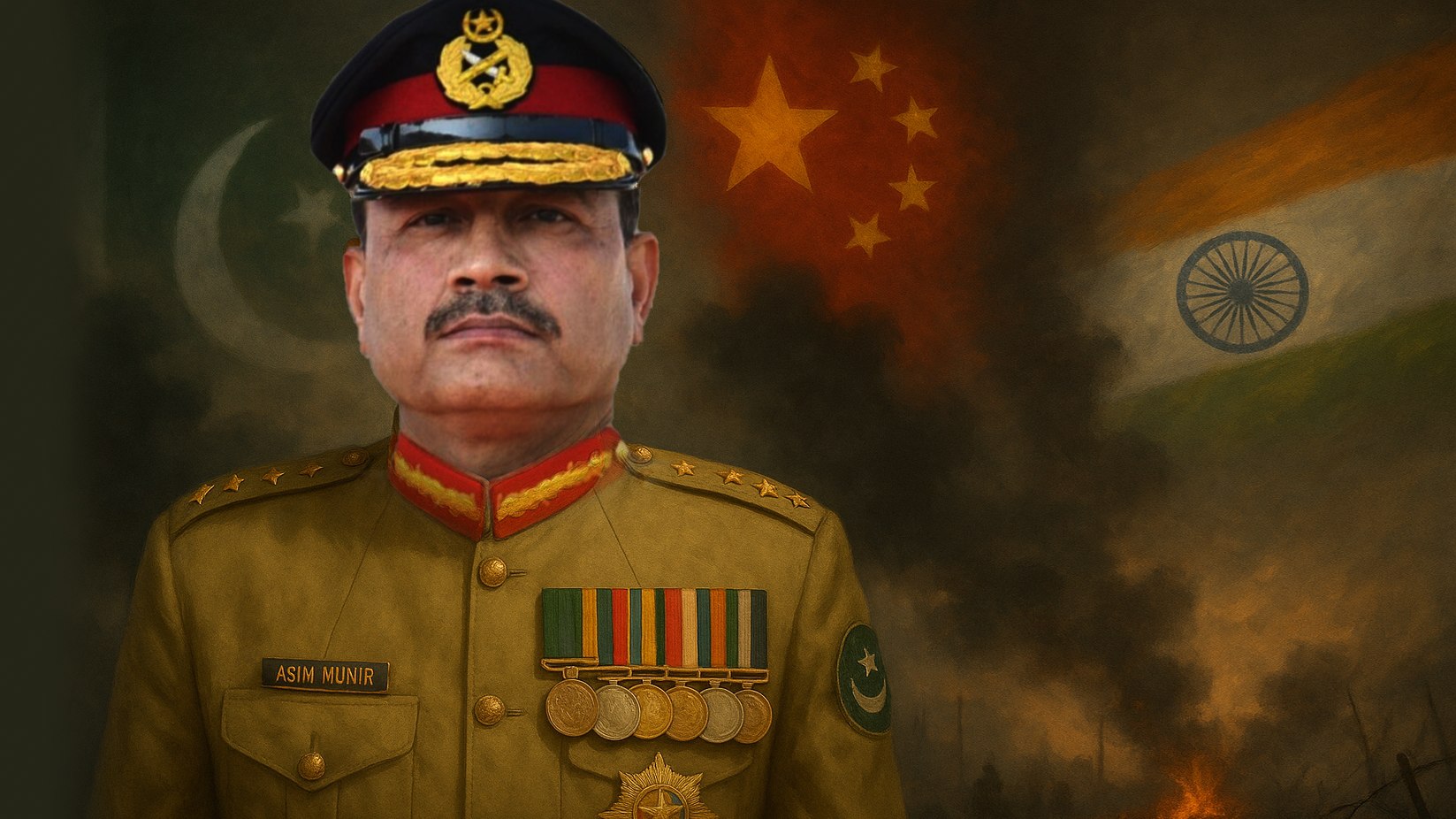
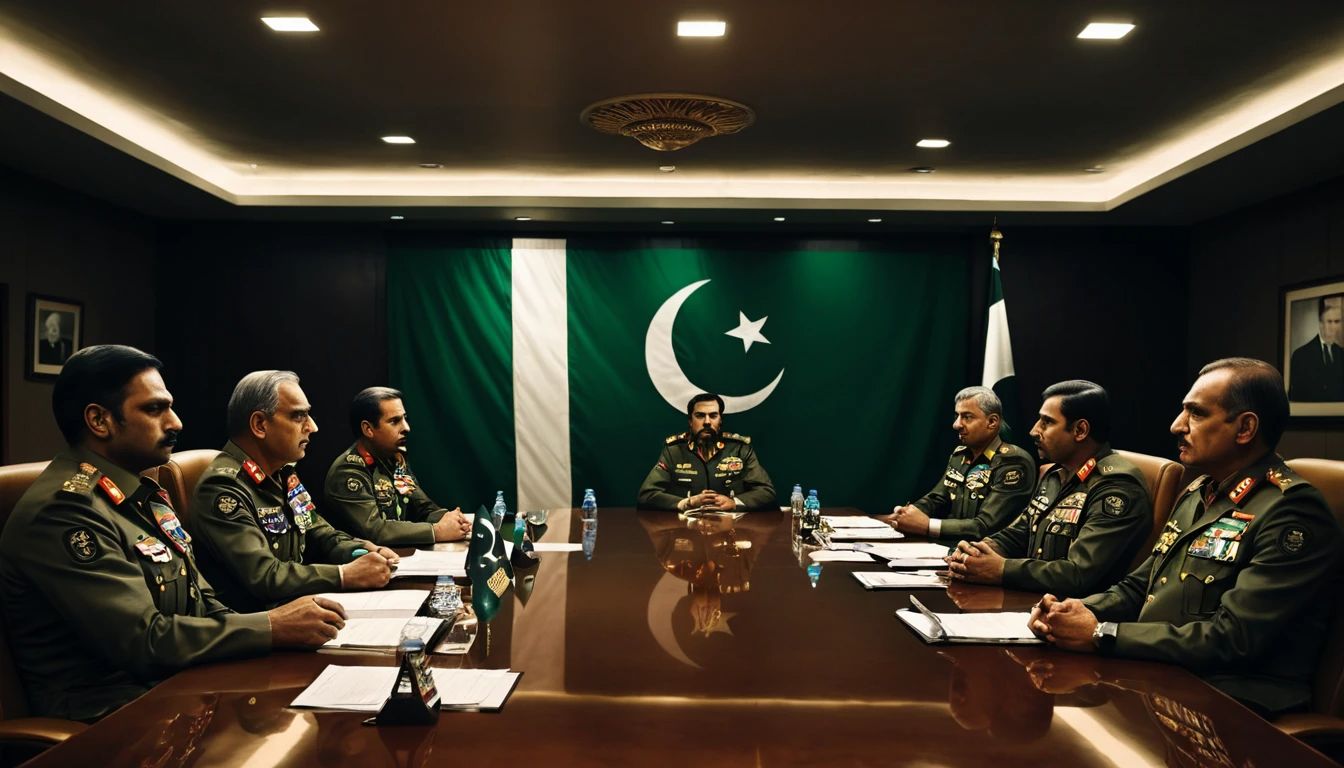
The military establishment continues to sit at the center of national priorities. Civilian sectors compete for justification. Ordinary Pakistanis absorb the pressure of adjustment.
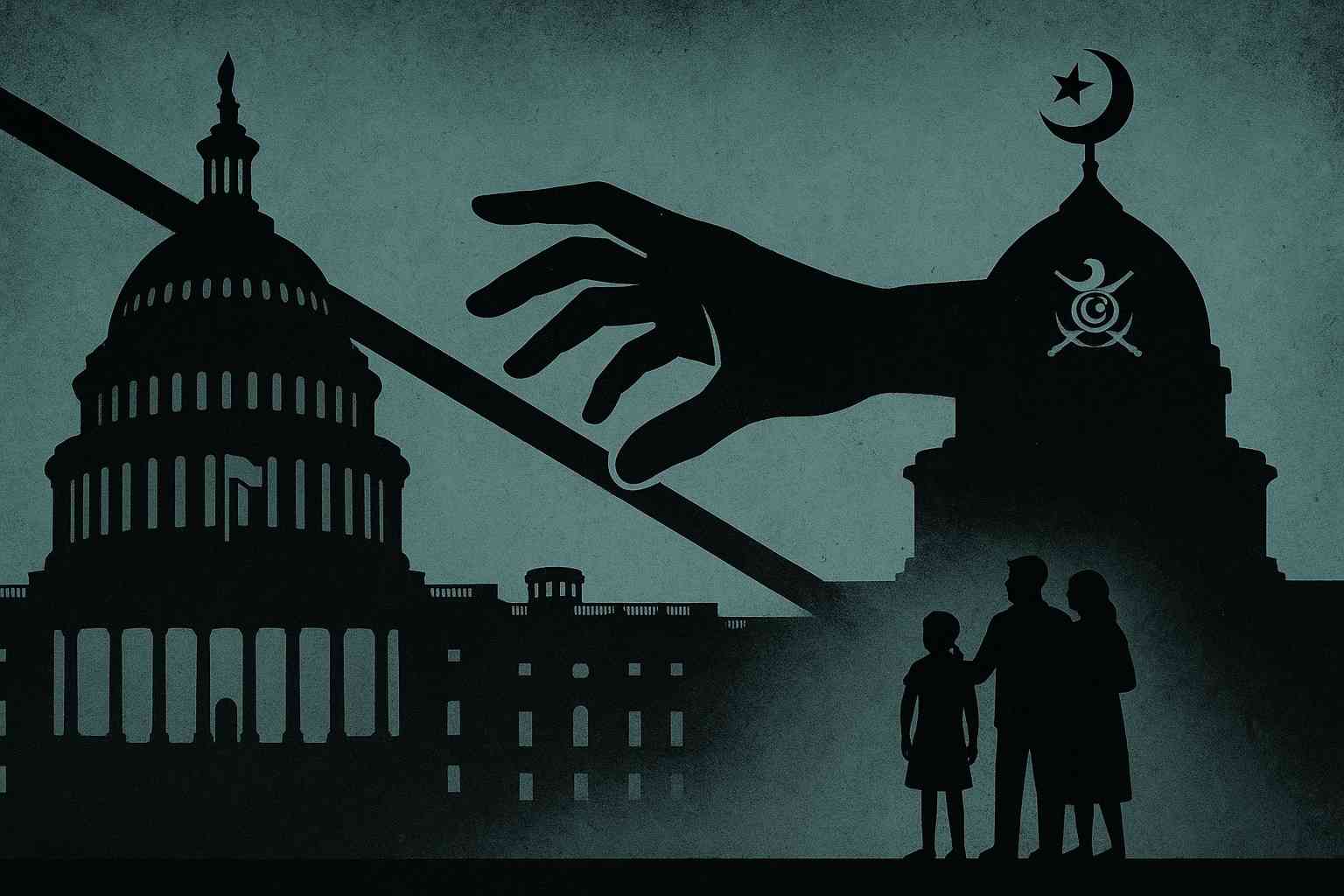
For Soldier Speaks readers, the issue is not whether Pakistan should defend itself. Of course it should. The issue is whether defence spending exists inside a democratic framework, or above it.
That distinction matters more than any single budget line.
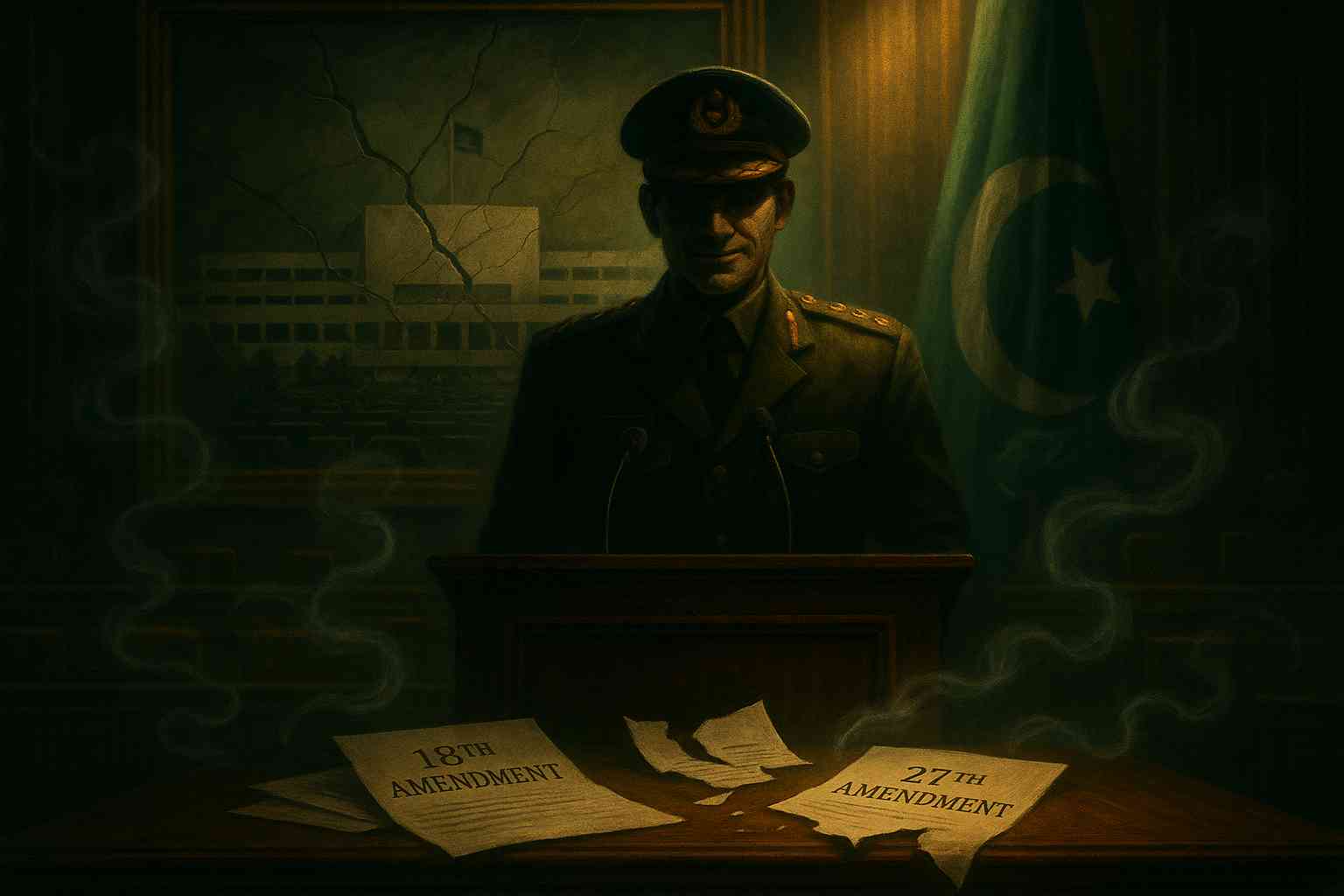
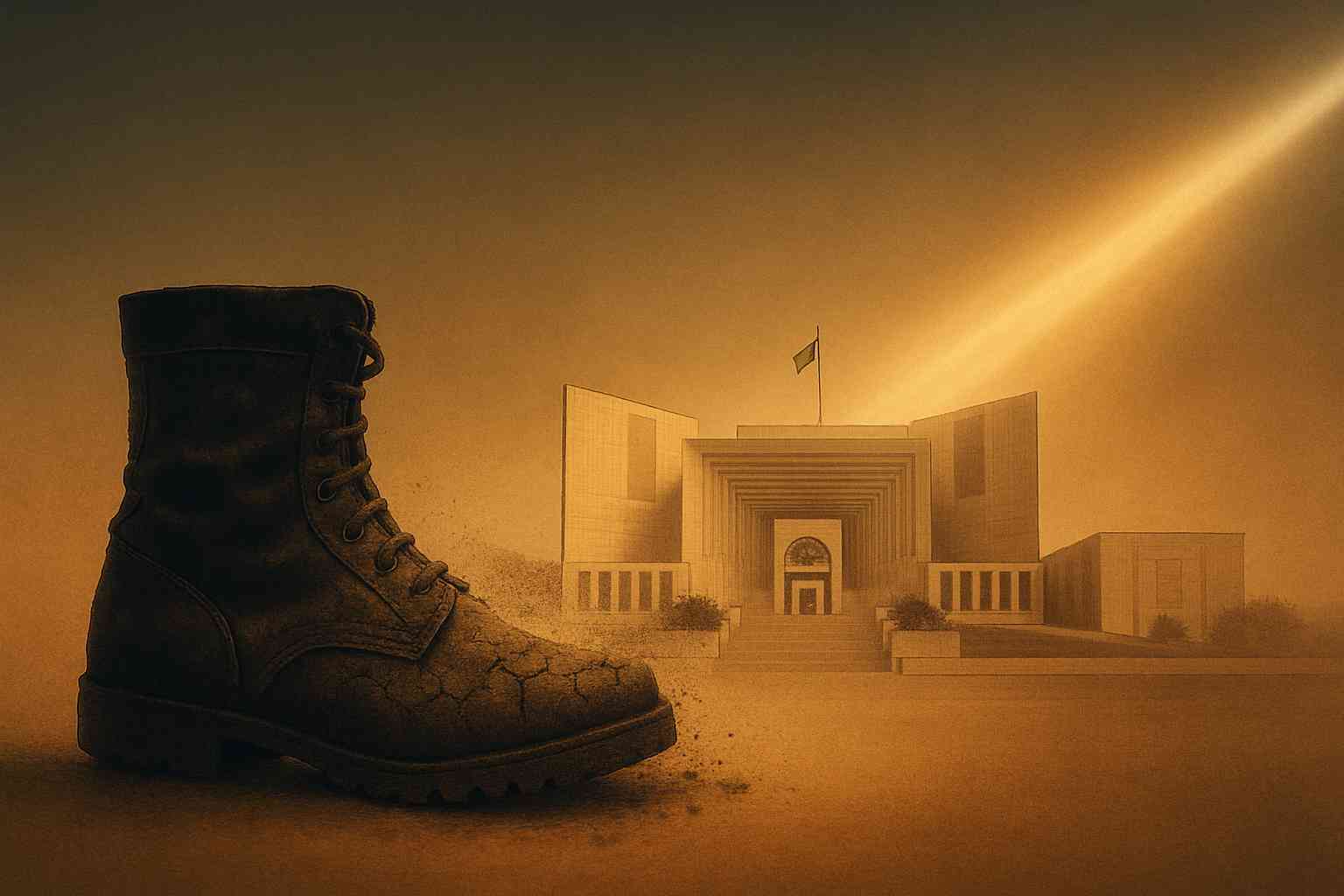
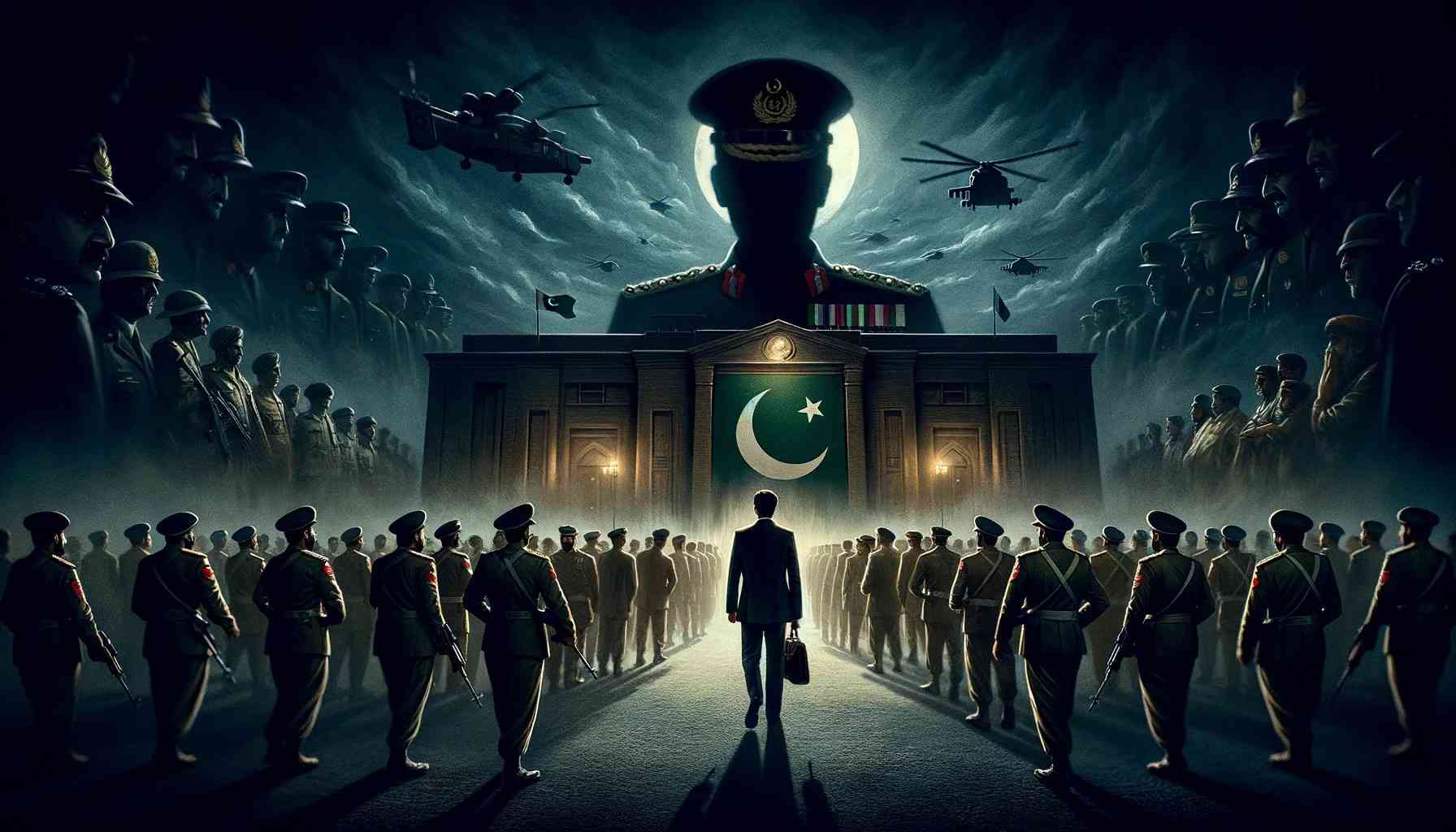
Pakistan’s crisis is not only economic. It is institutional. Until elected representatives can scrutinize national priorities with real authority, every budget will carry the same shadow.
The Pakistan defence budget 2026-27 shows that Pakistan is still asking citizens to finance a state they cannot fully question. That is not sustainable reform. It is controlled adjustment under an unchanged power structure.











































































1 Comment