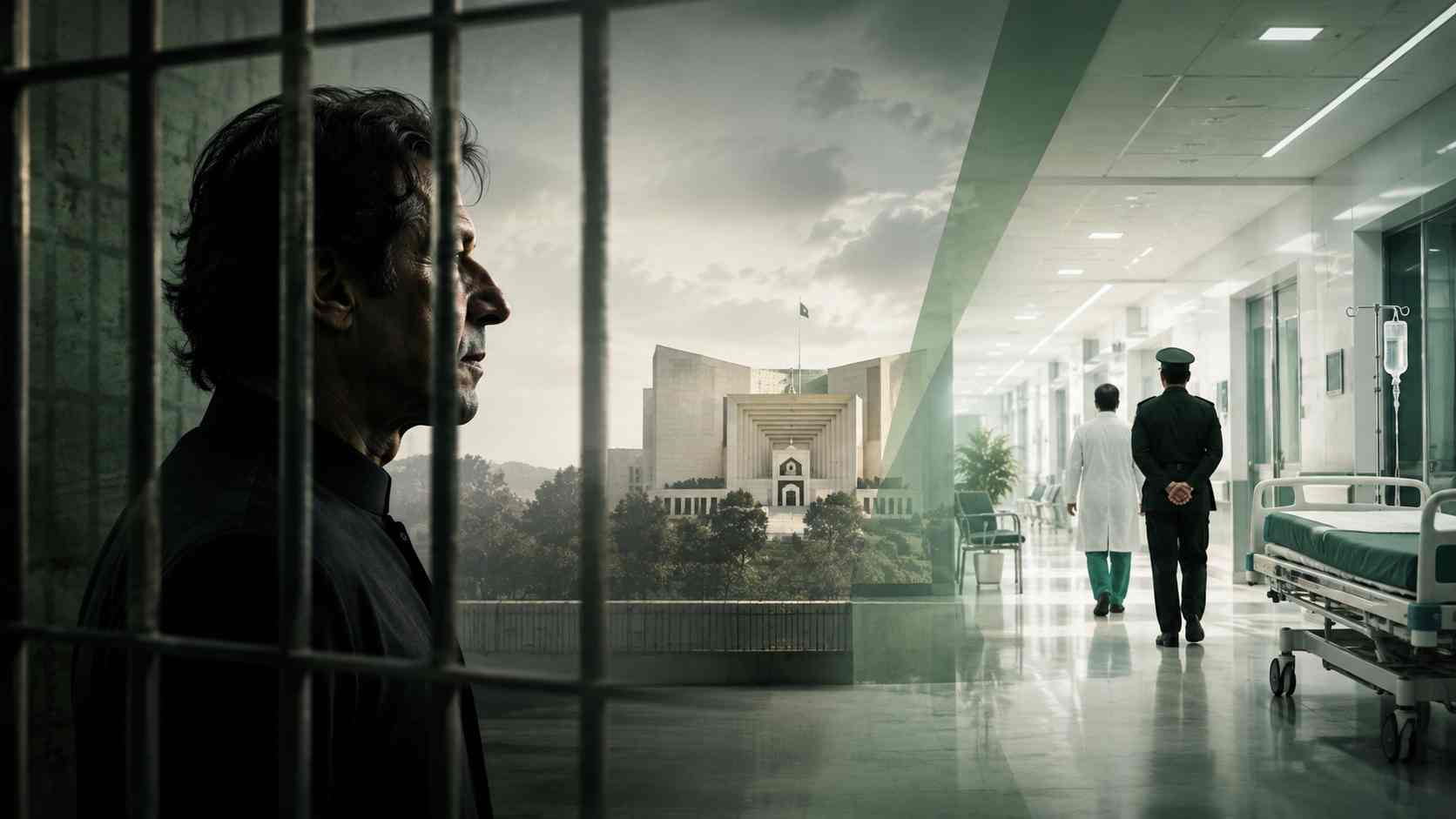
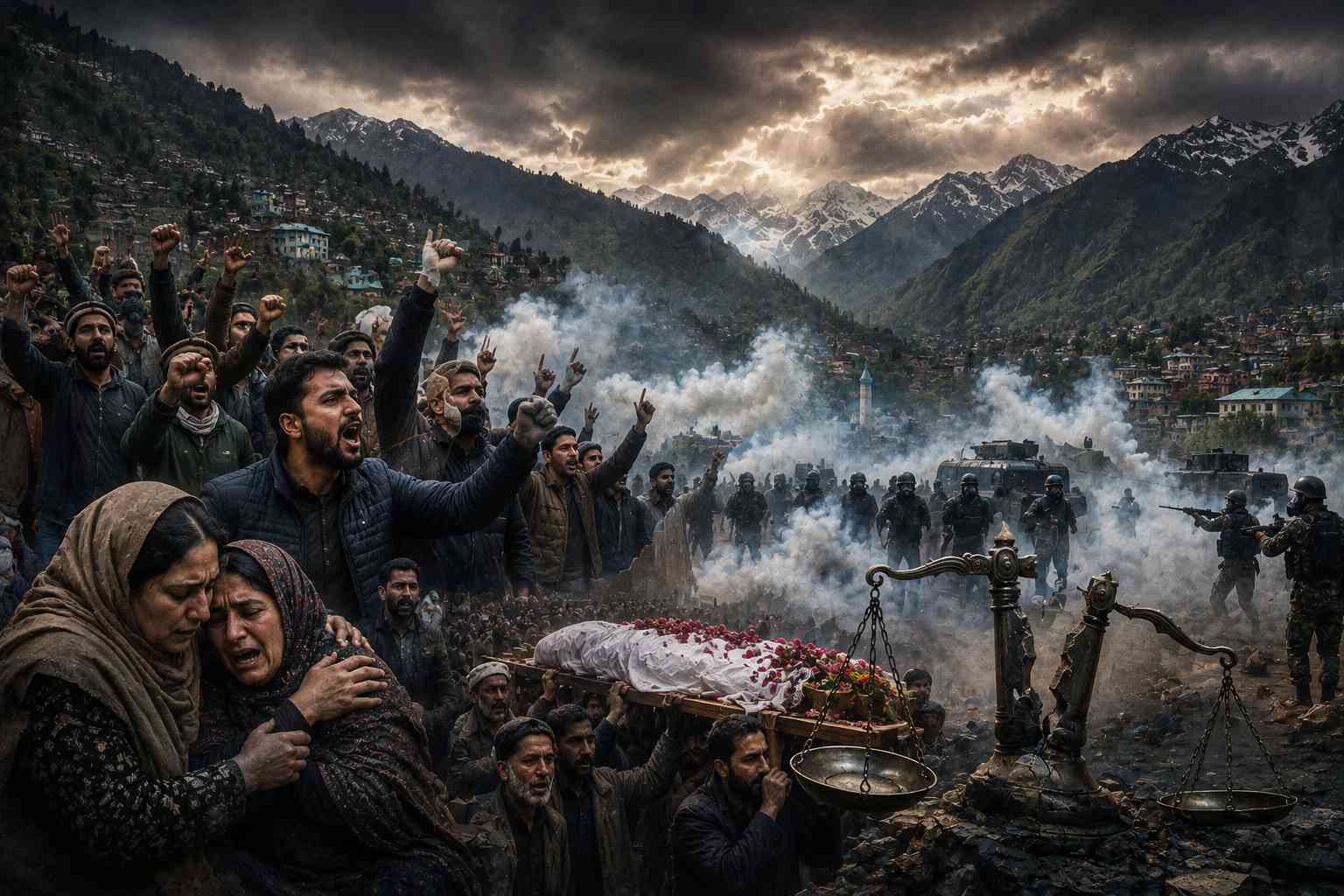
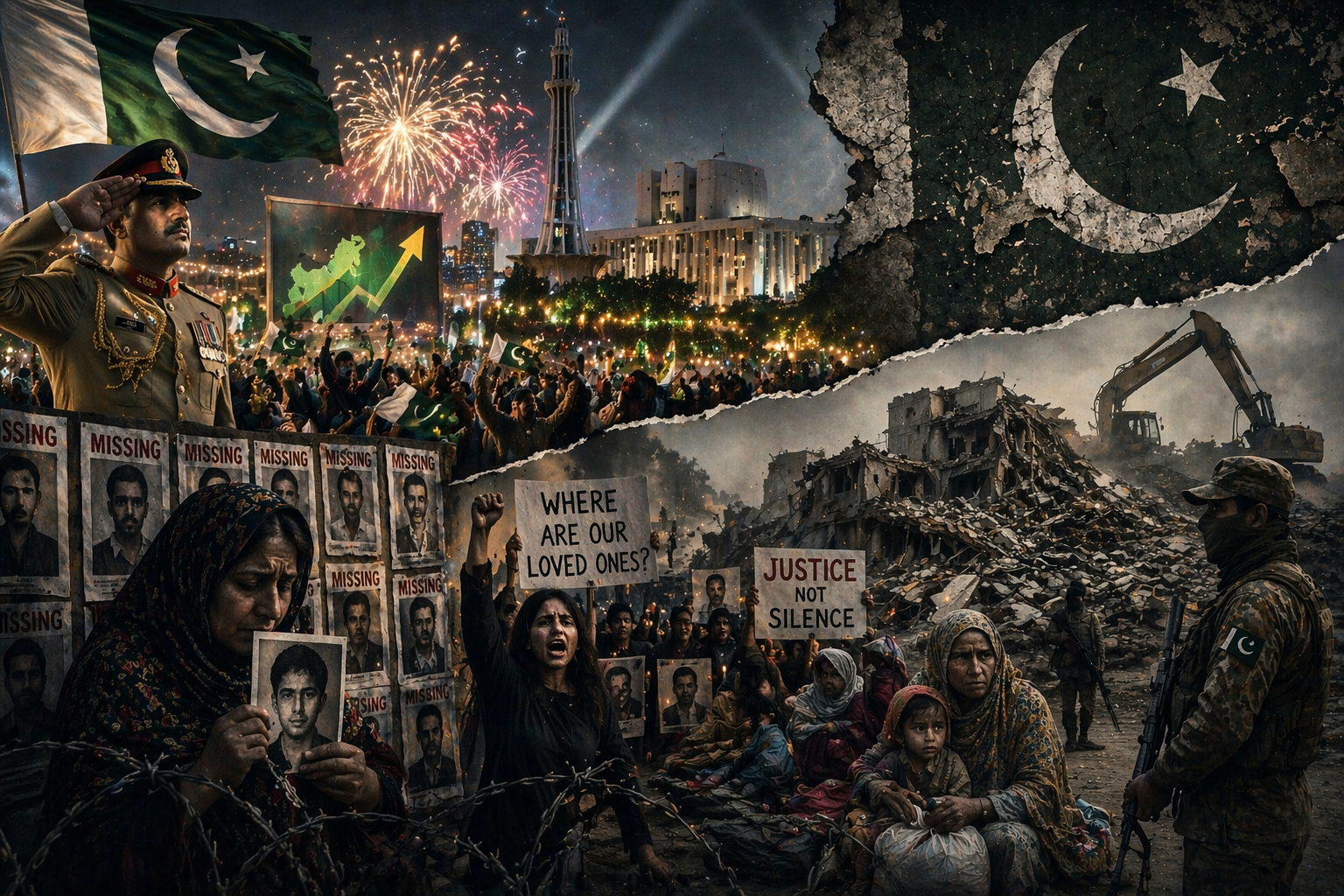
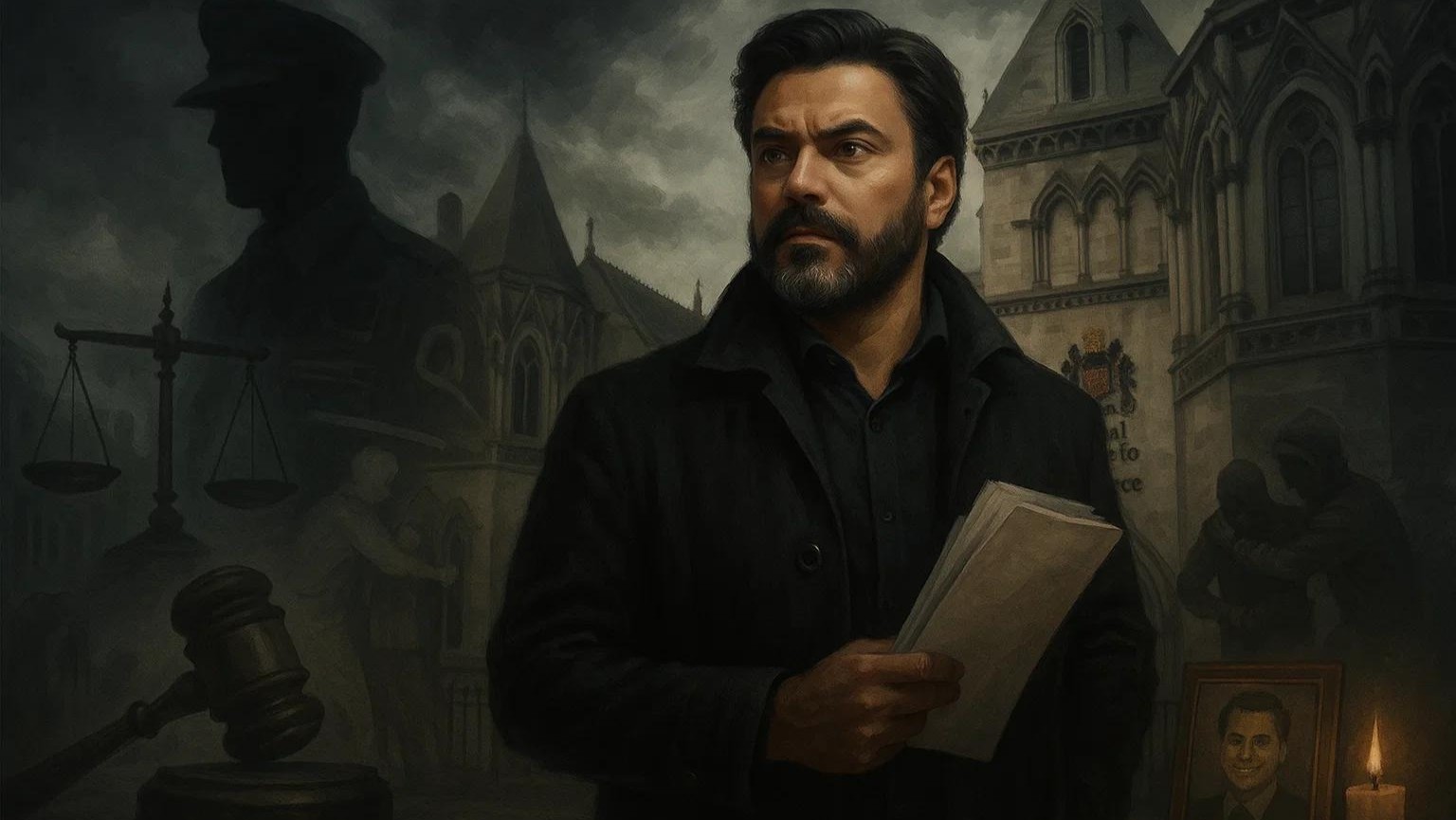
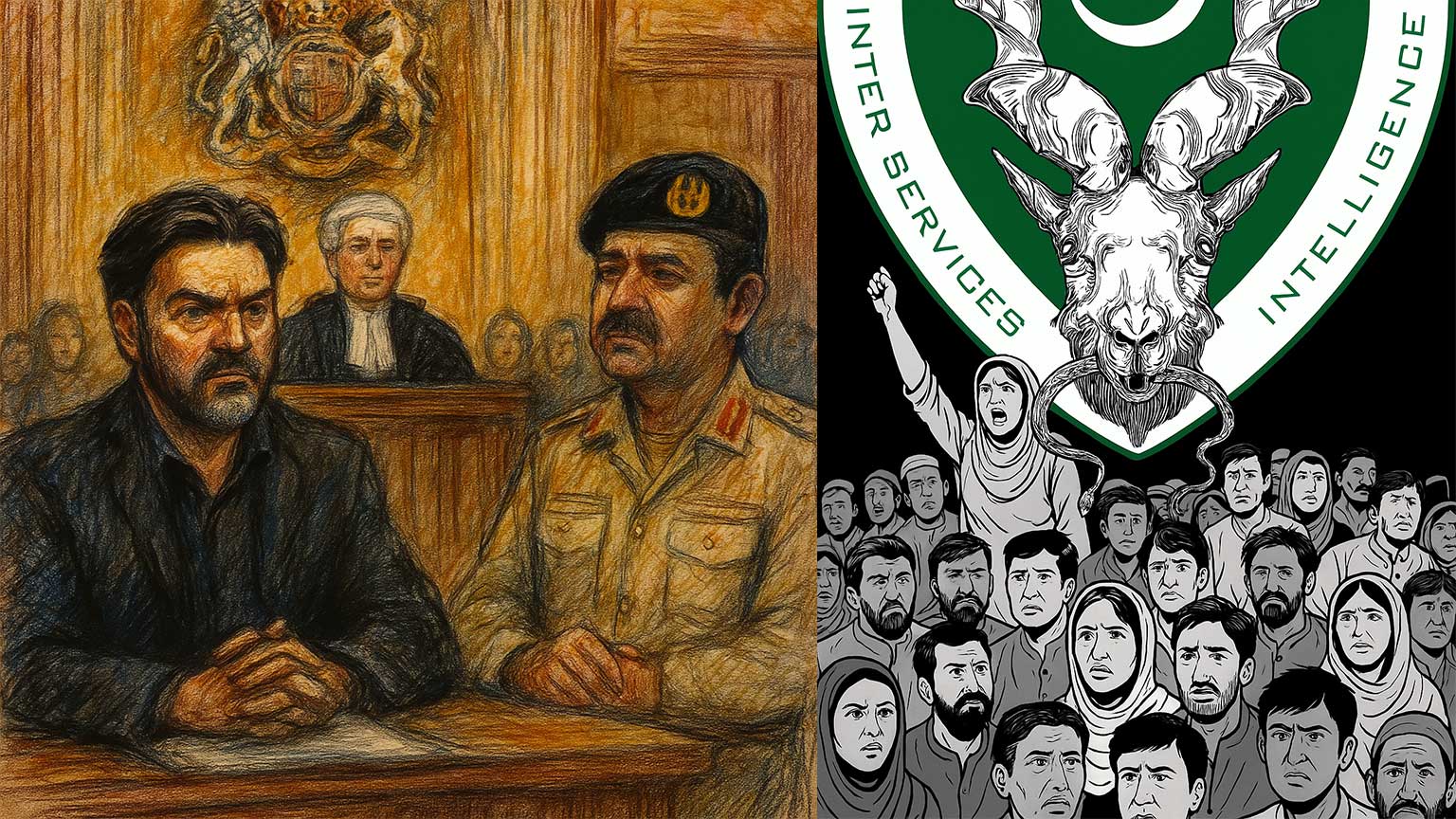
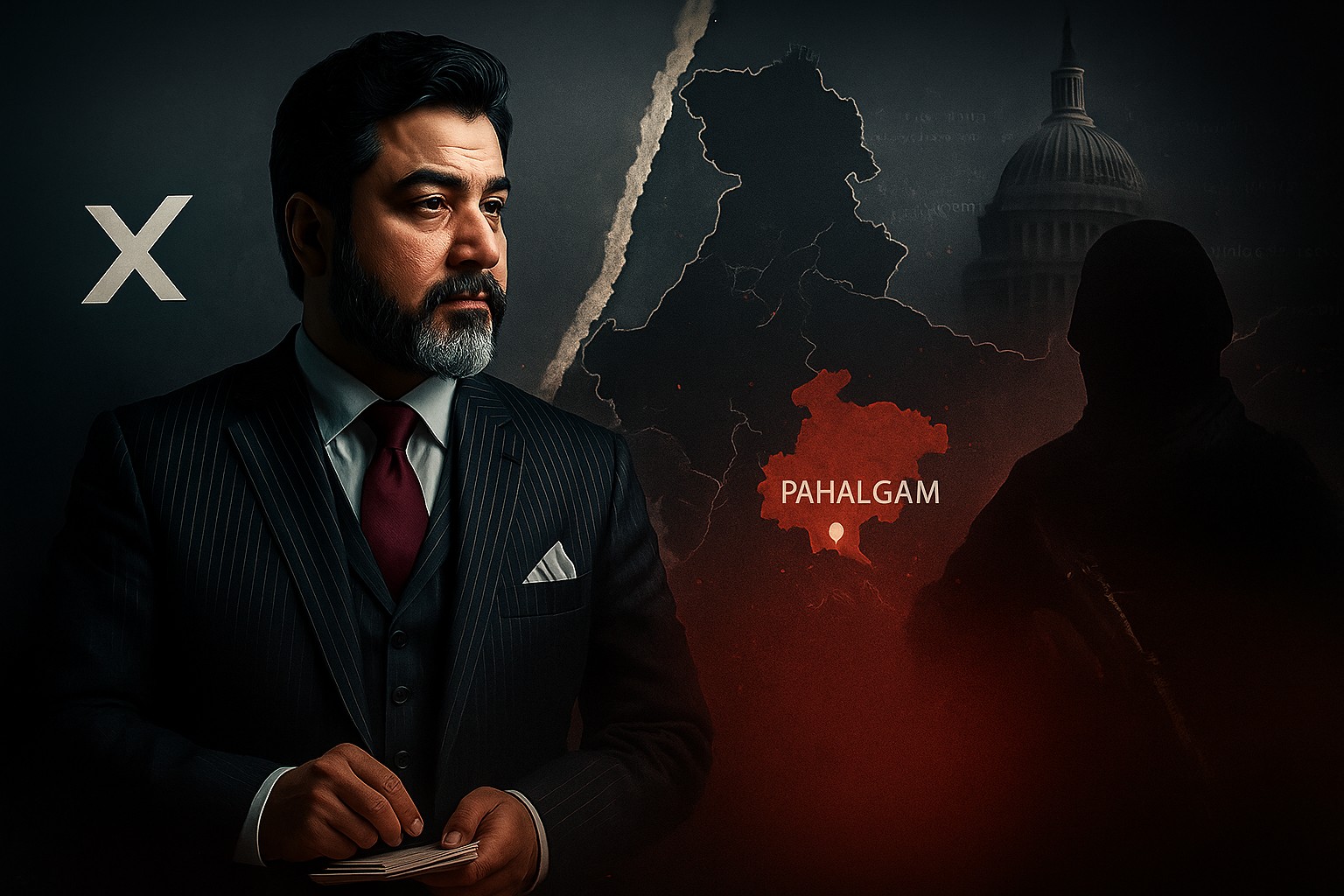
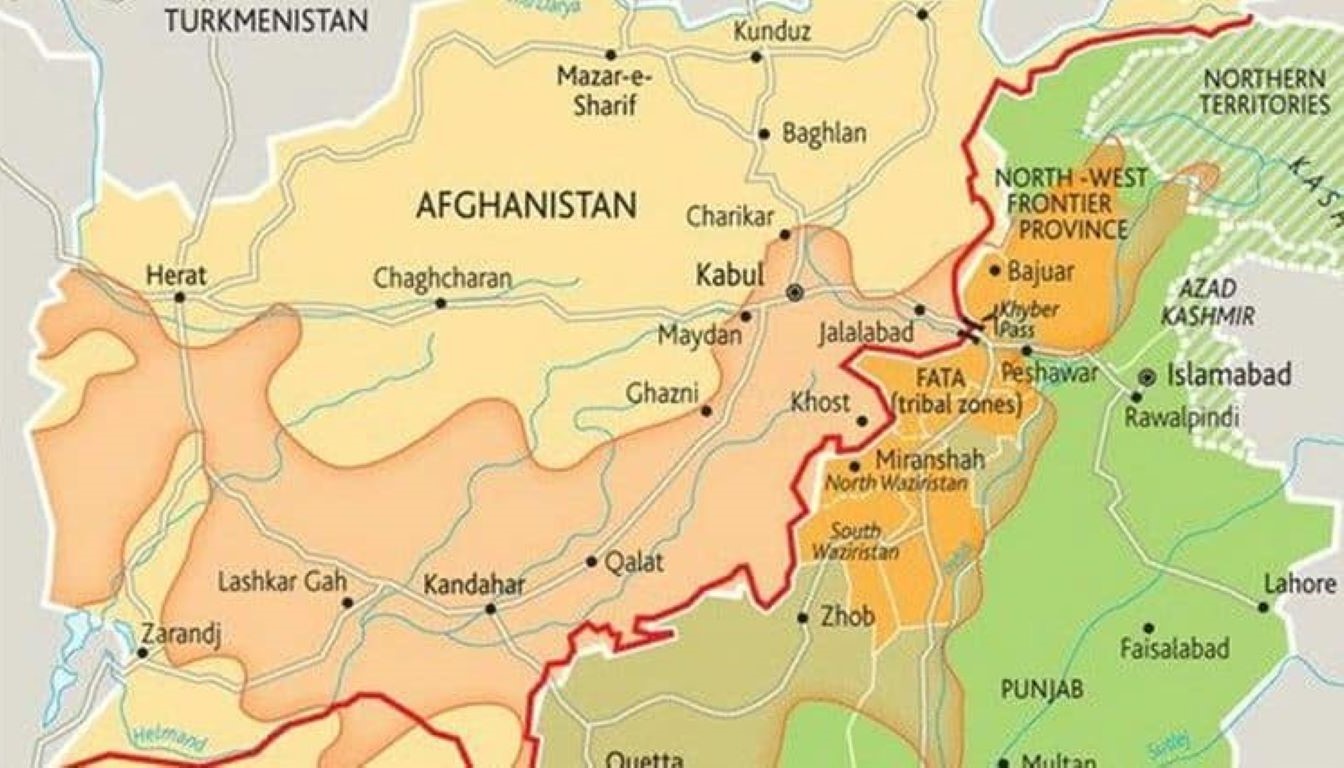
Pakistan-administered Kashmir has entered a dangerous political moment. The Pakistan-administered Kashmir crackdown has turned a dispute over reserved legislative seats into a wider confrontation over rights, representation, and state power.
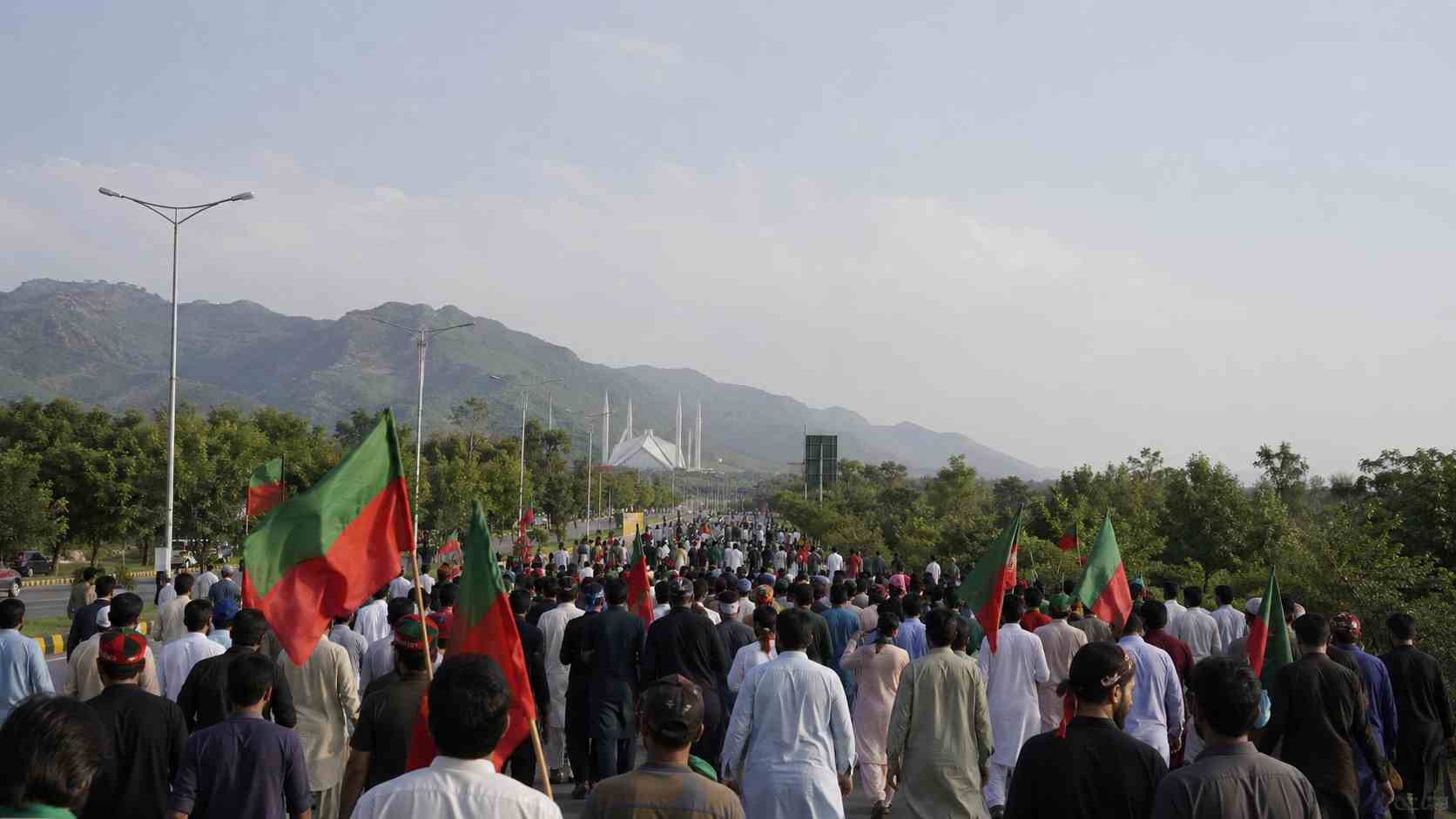
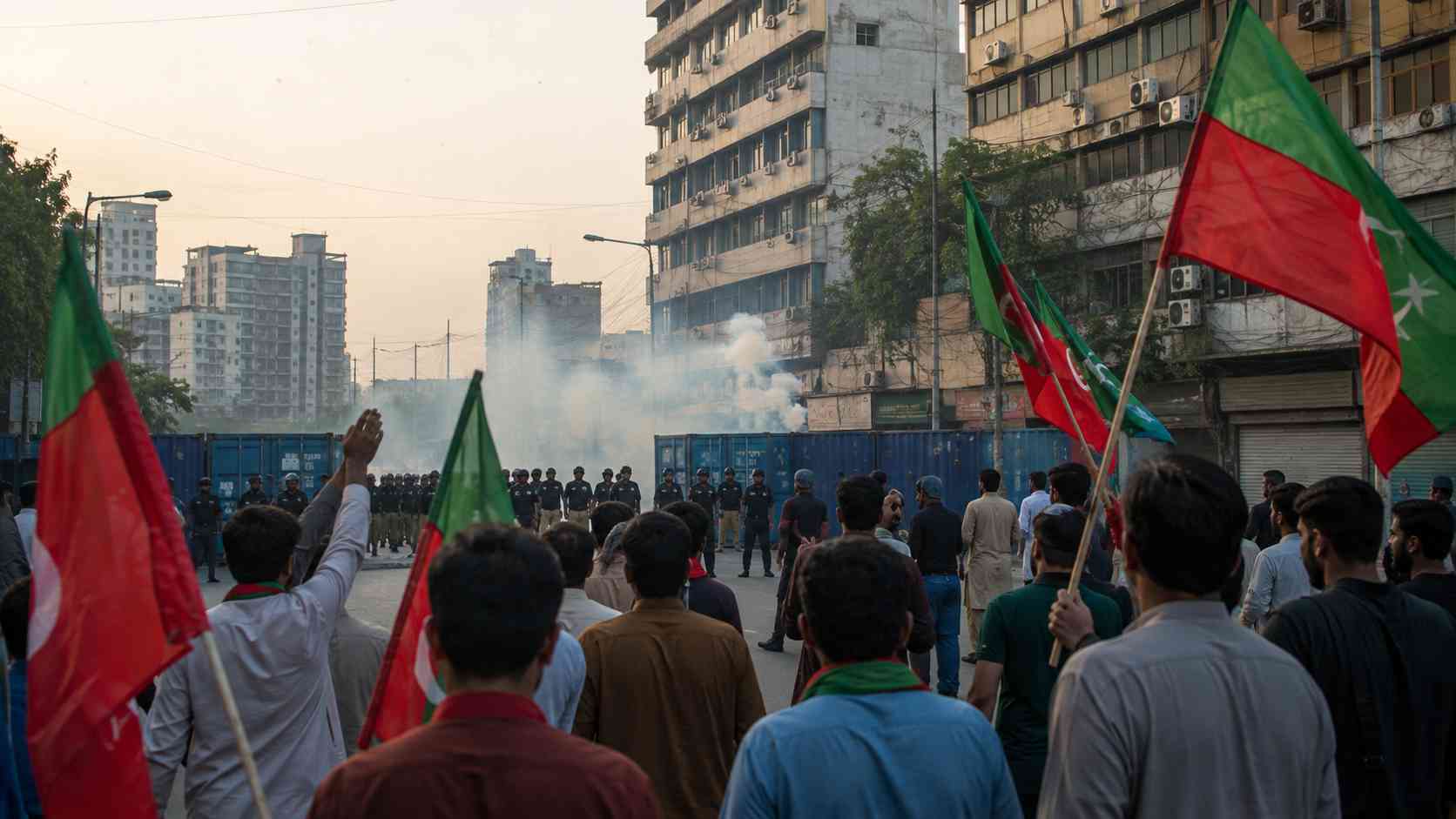
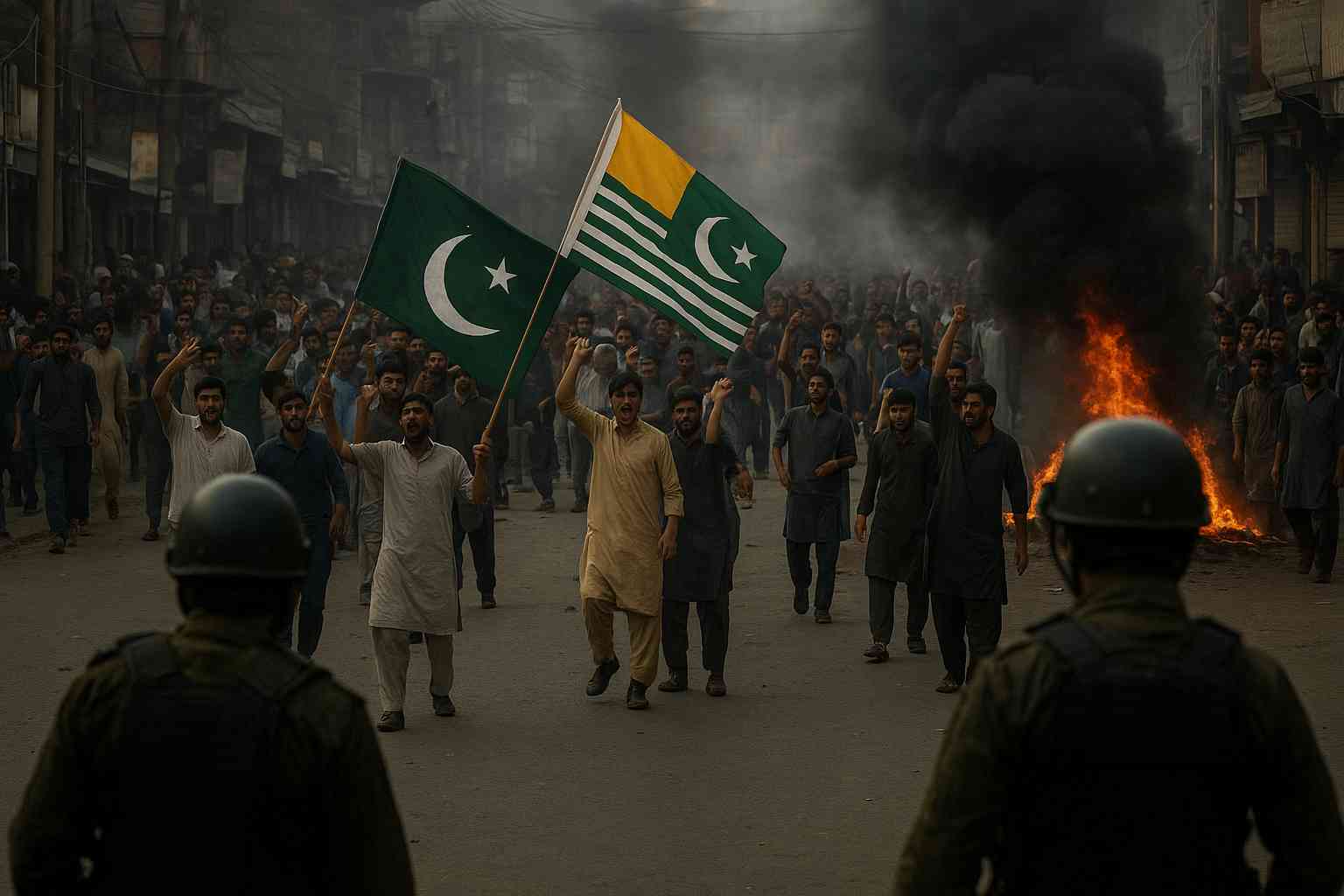
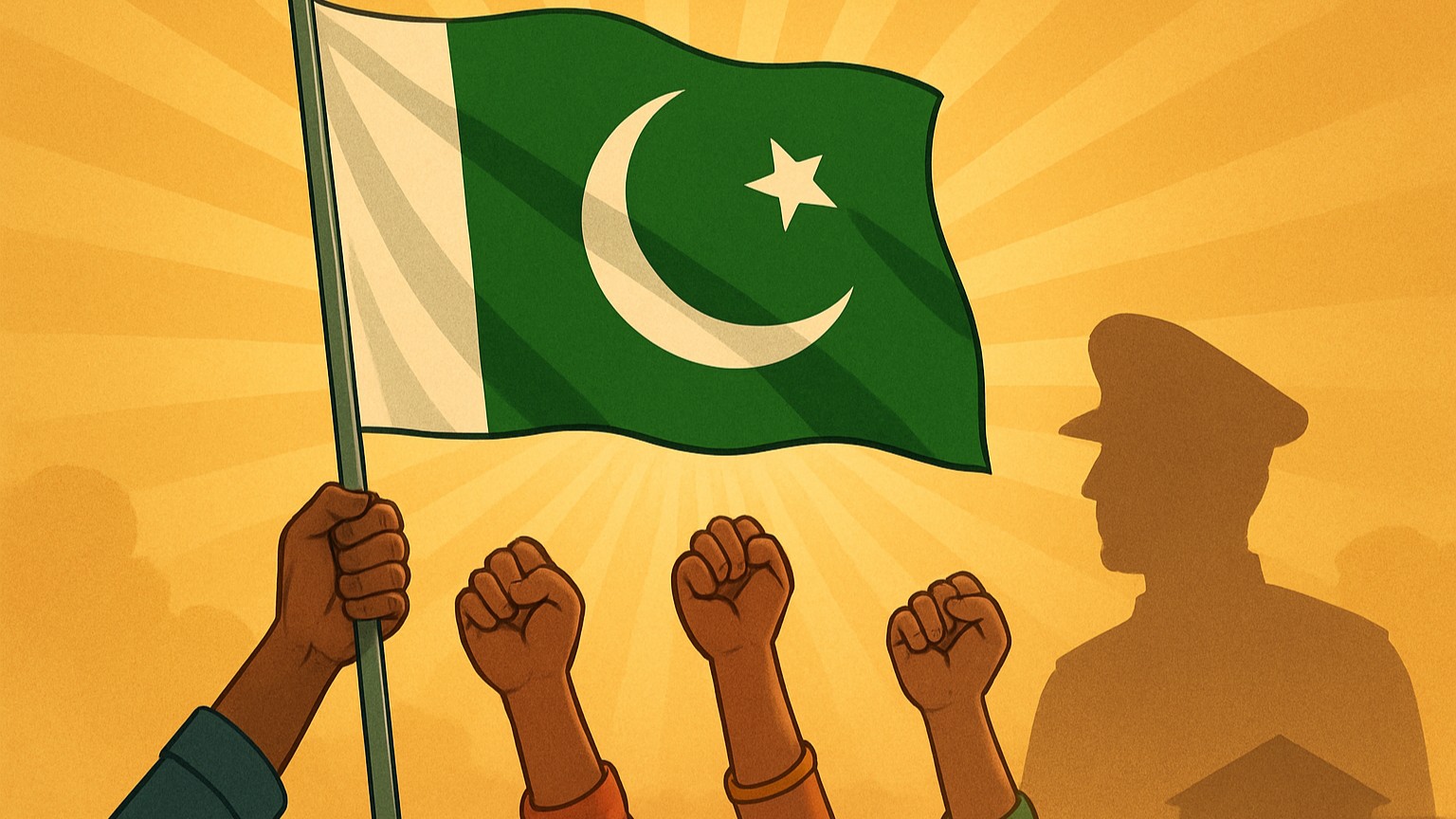
The Joint Awami Action Committee, known as JAAC, called a strike after deadly clashes in Rawalakot. The group opposes 12 legislative seats reserved for Kashmiri refugees living in Pakistan. Authorities recently banned JAAC and arrested dozens of supporters.
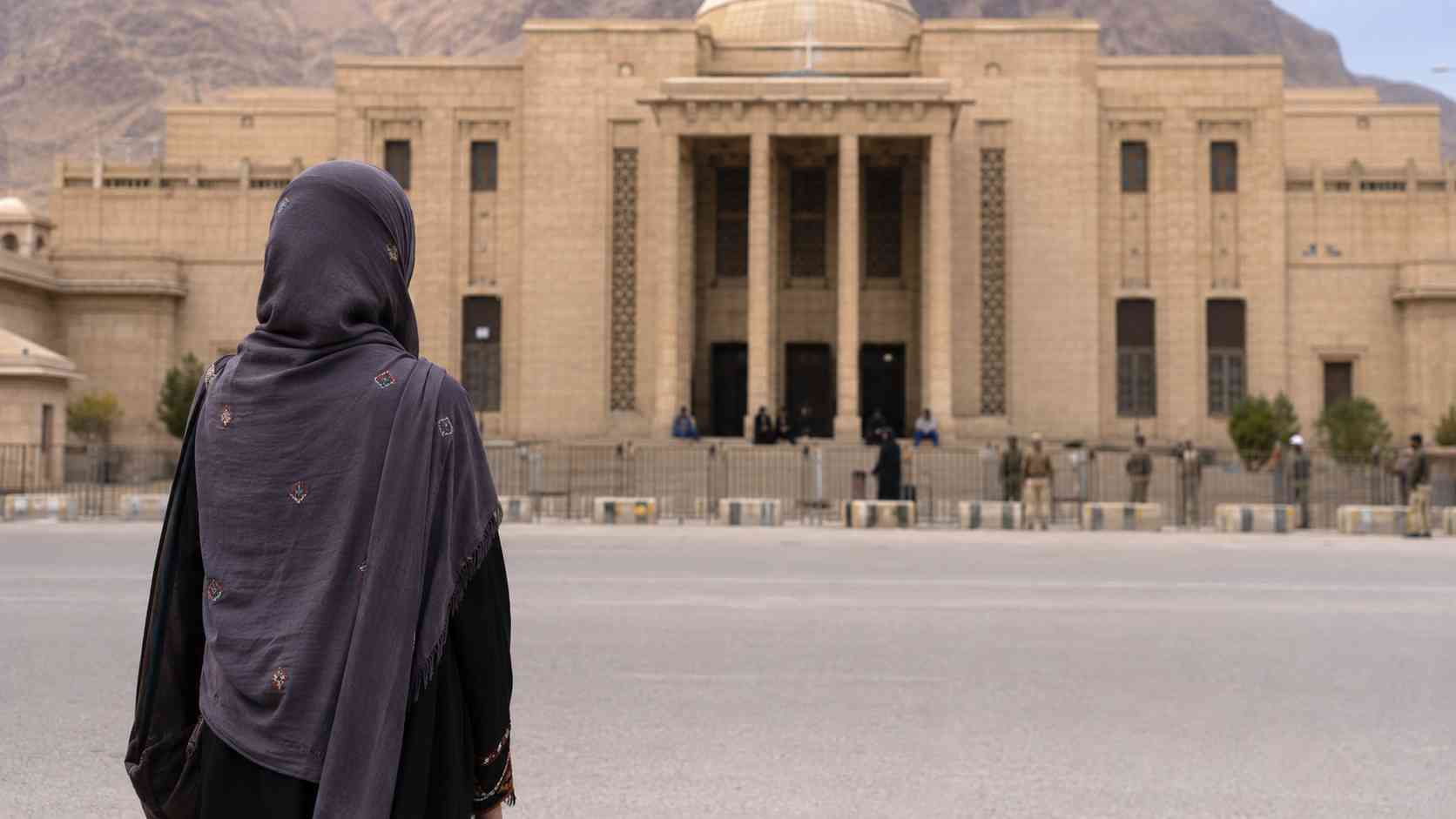
Officials have defended their position. The regional court upheld the reserved seats as constitutionally protected. Government representatives say they cannot remove them without a constitutional amendment. They also argue that public order and security concerns justify firm action.
Yet the political question has not disappeared. It has grown sharper.
A Representation Dispute Turns Into A Crackdown
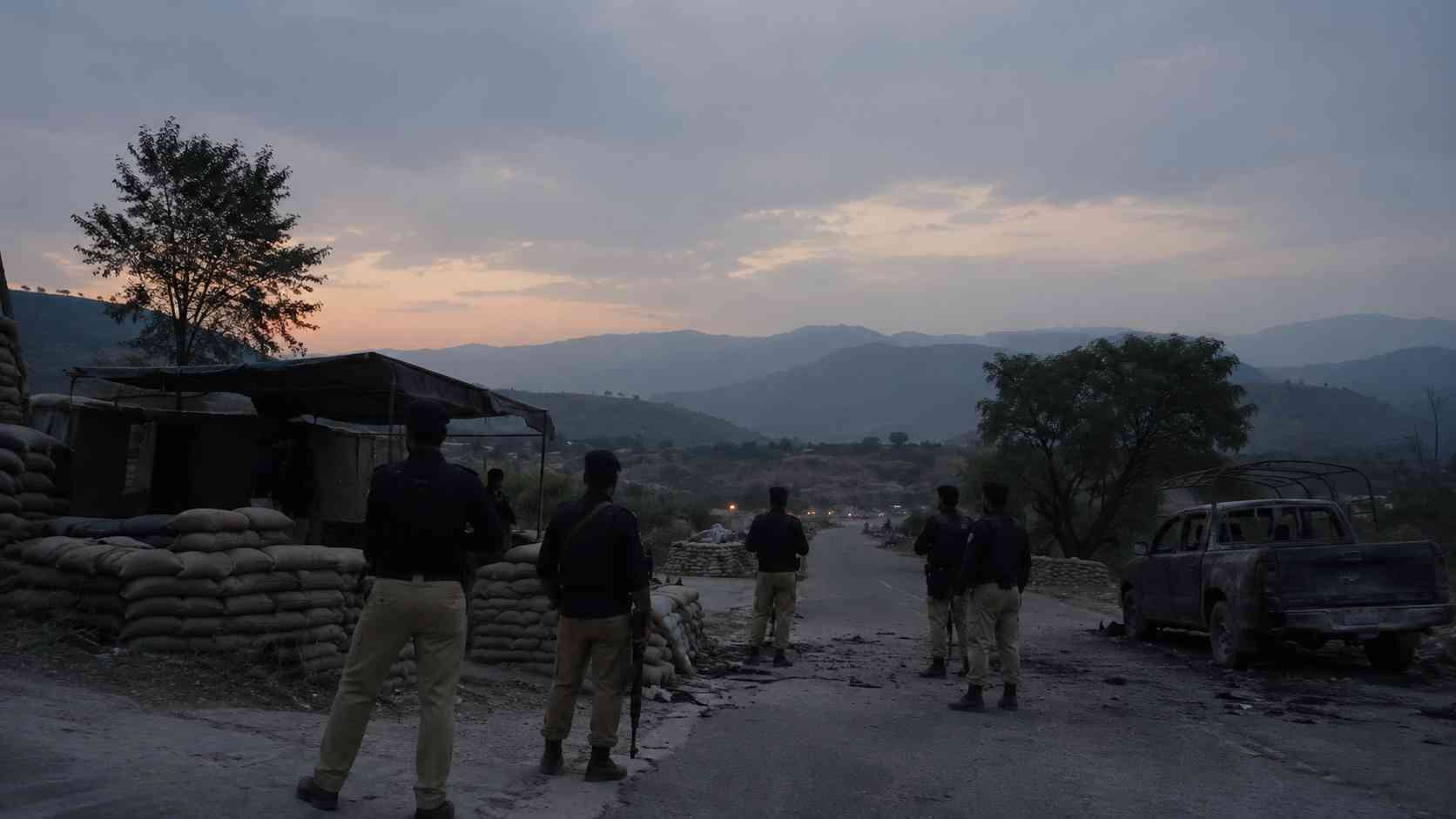
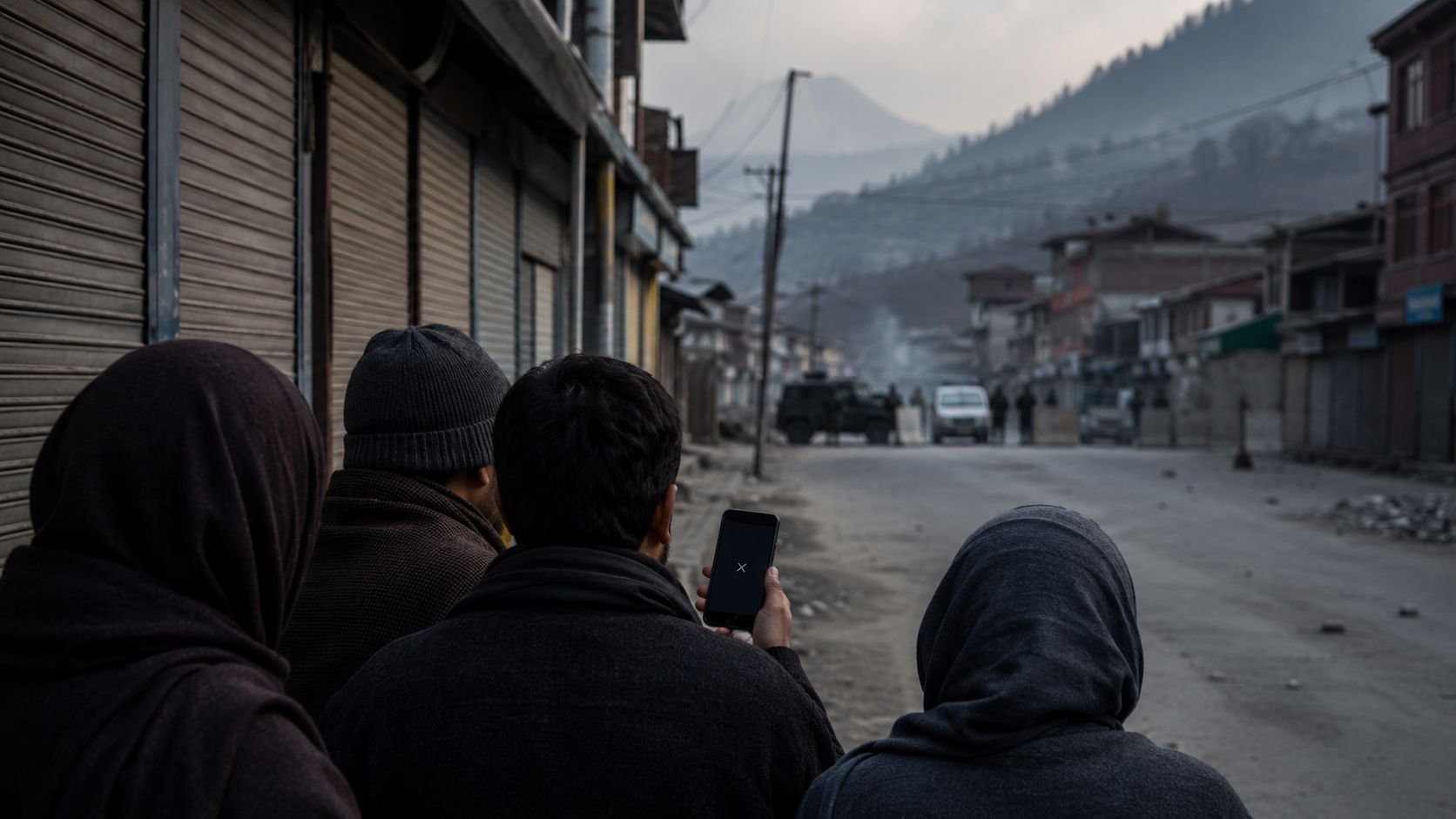
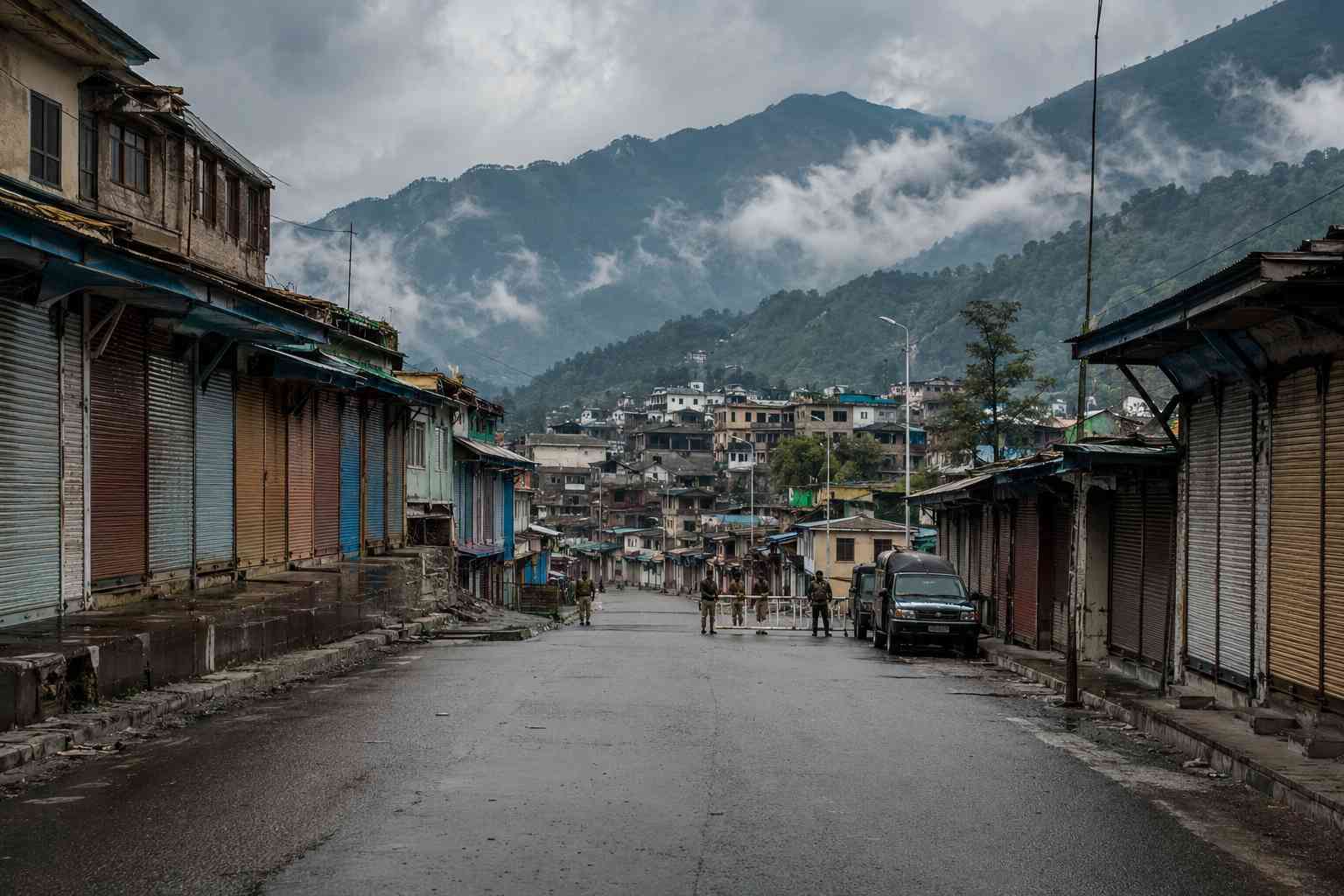
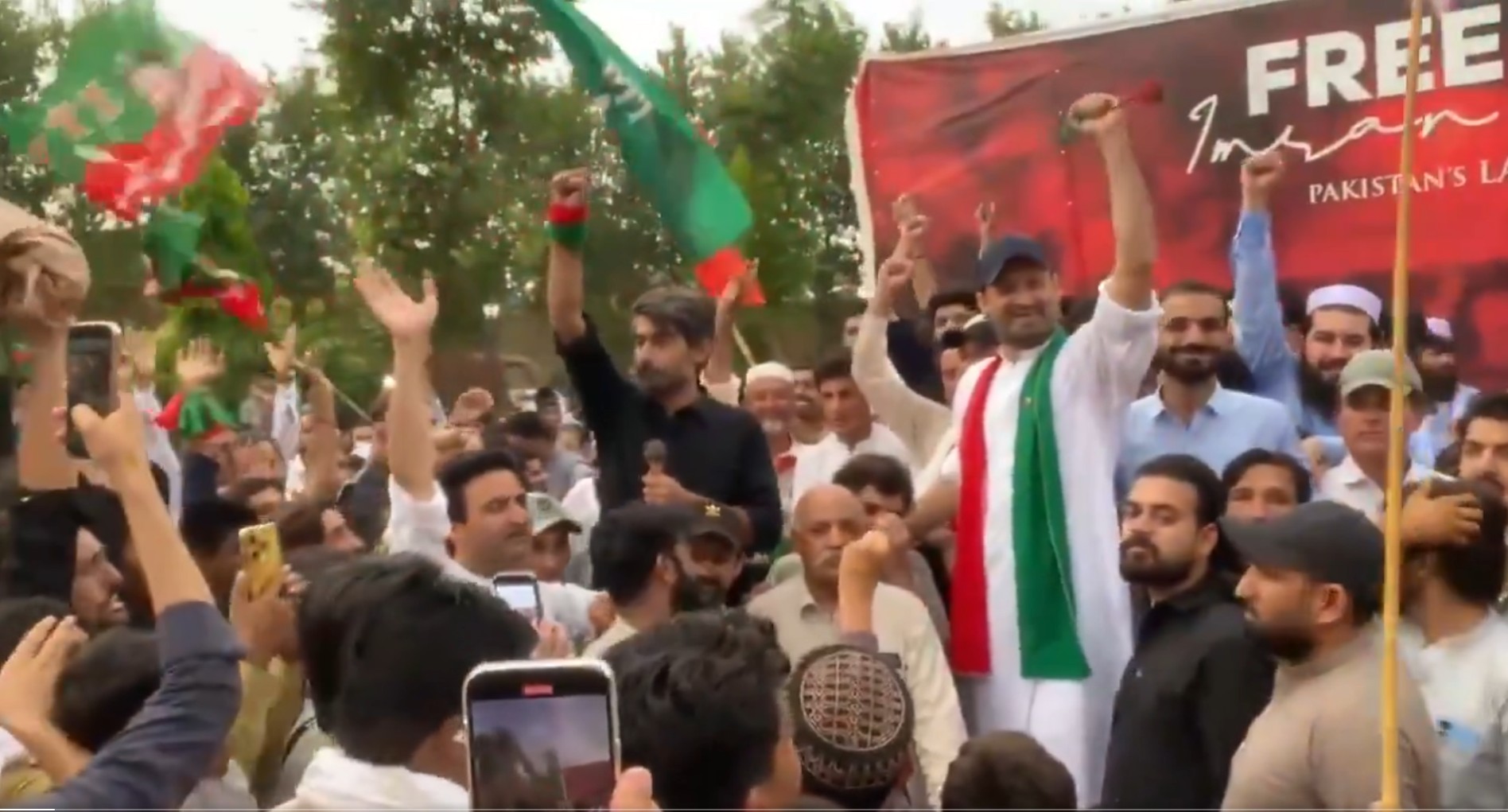
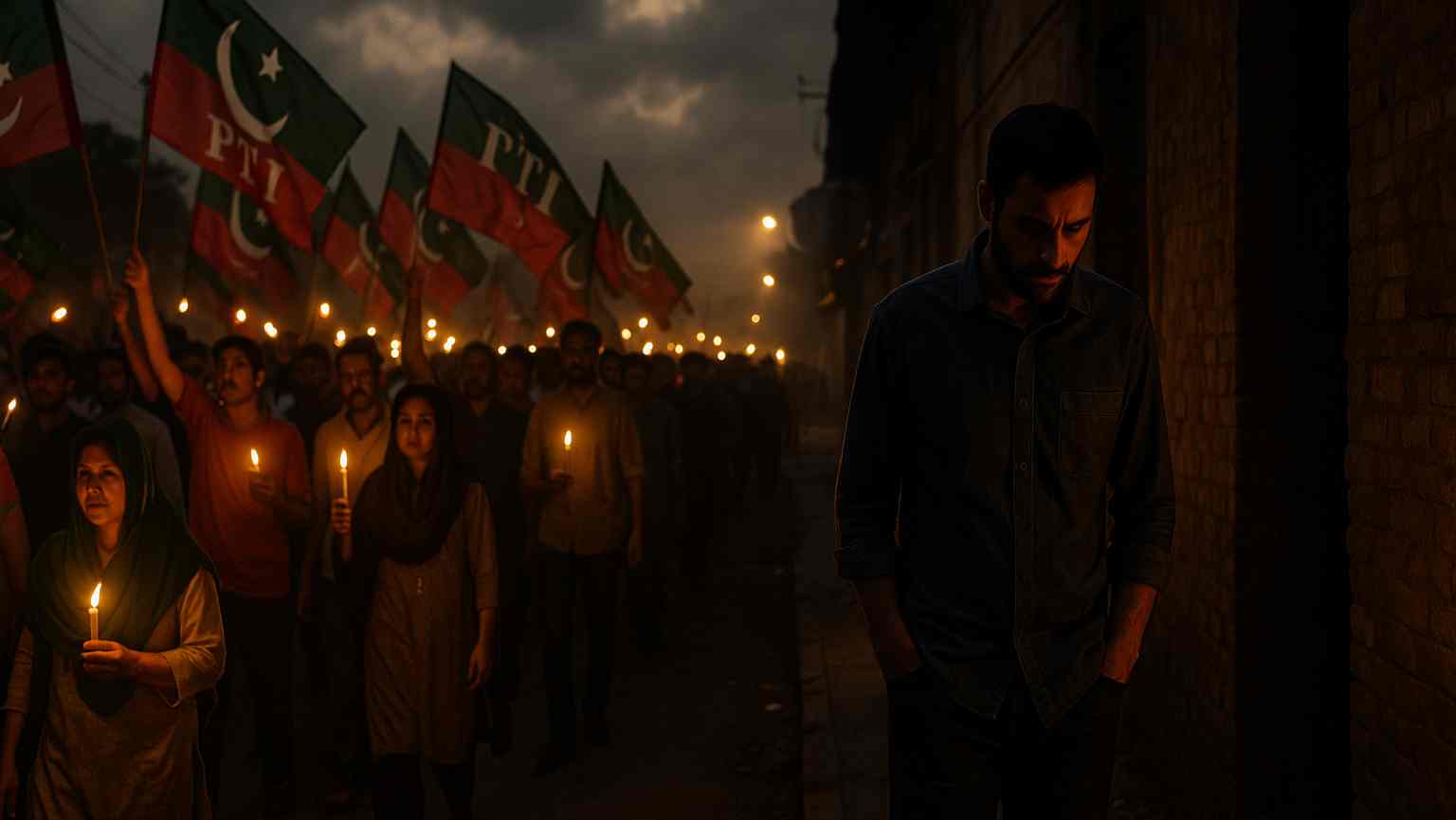
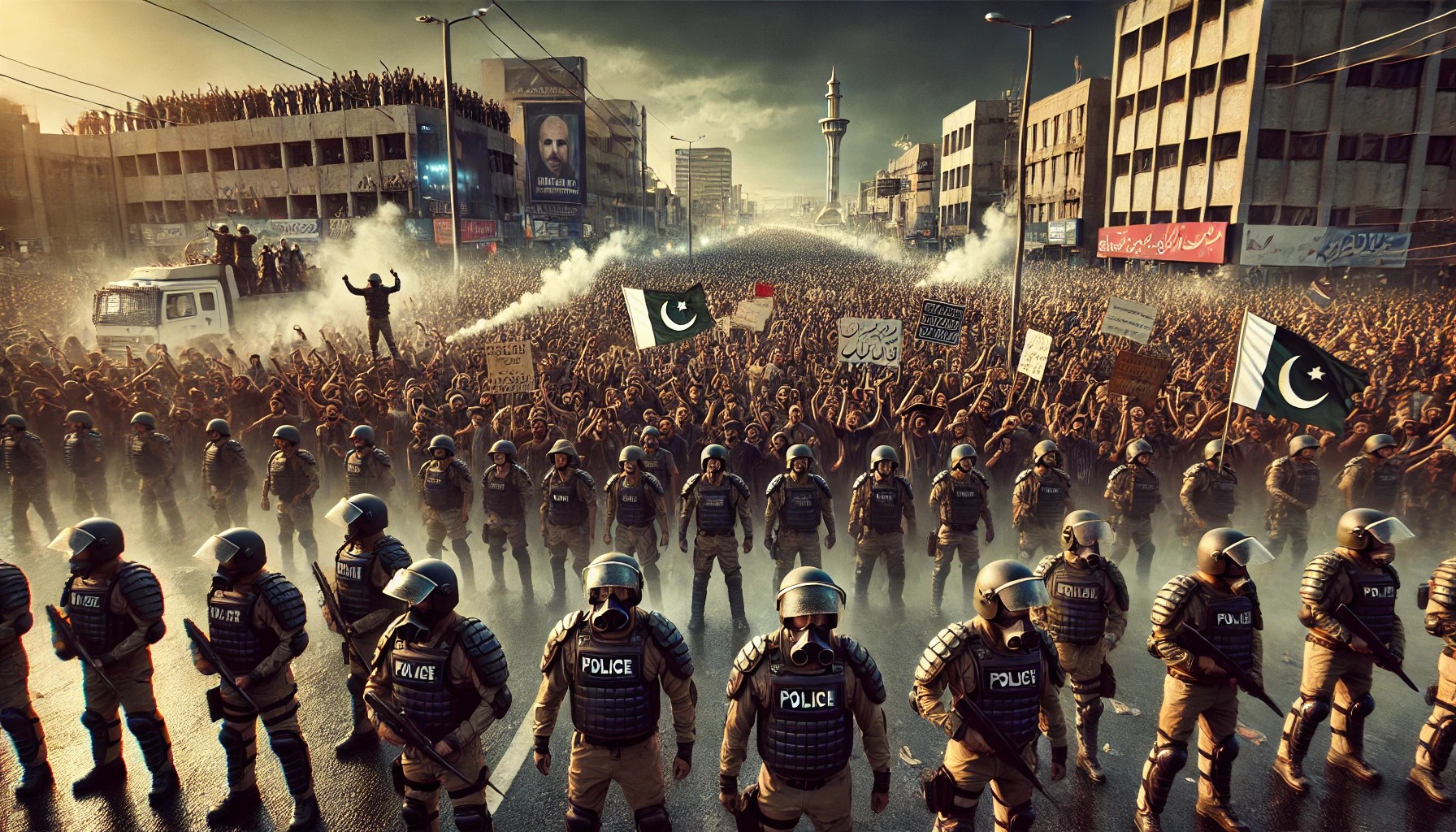
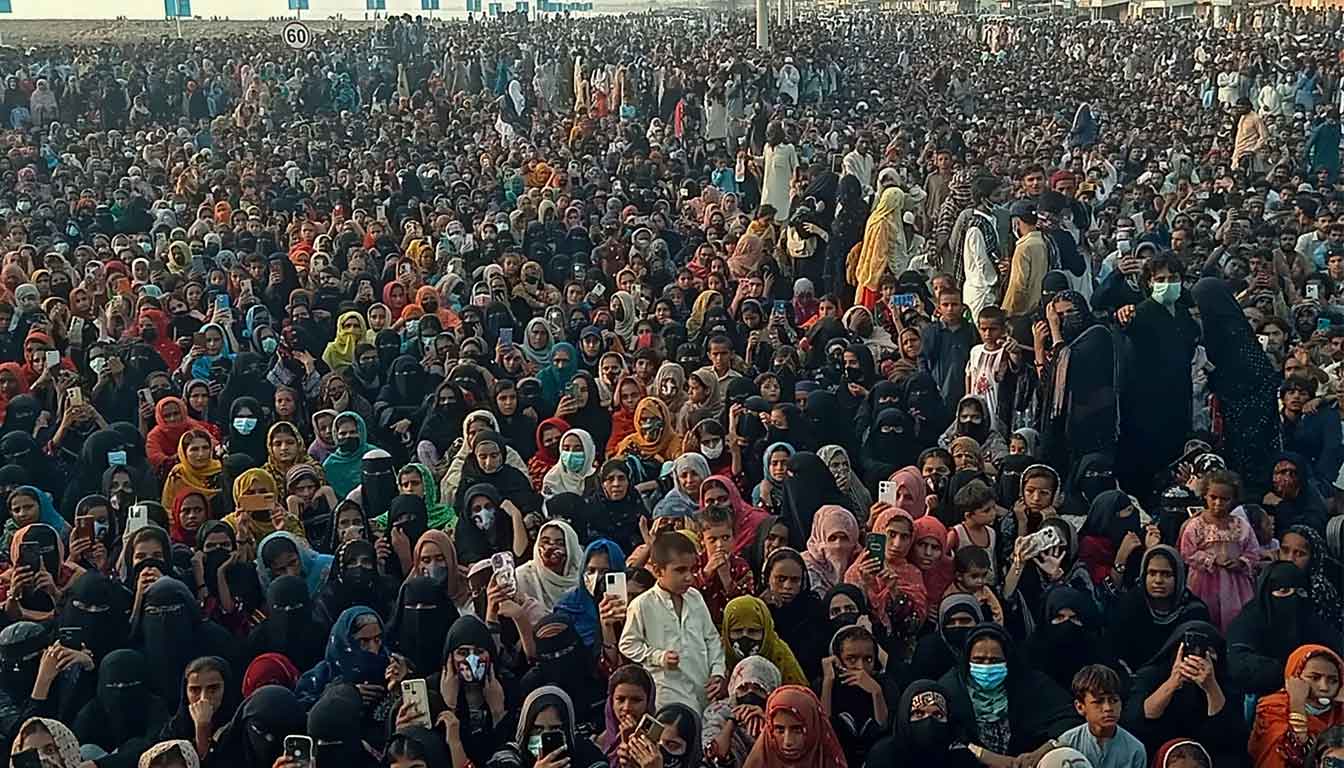
According to Associated Press reporting, shops and transport shut down across Pakistan-administered Kashmir after JAAC called the strike. AP reported that earlier clashes killed seven people, including security personnel and JAAC members.
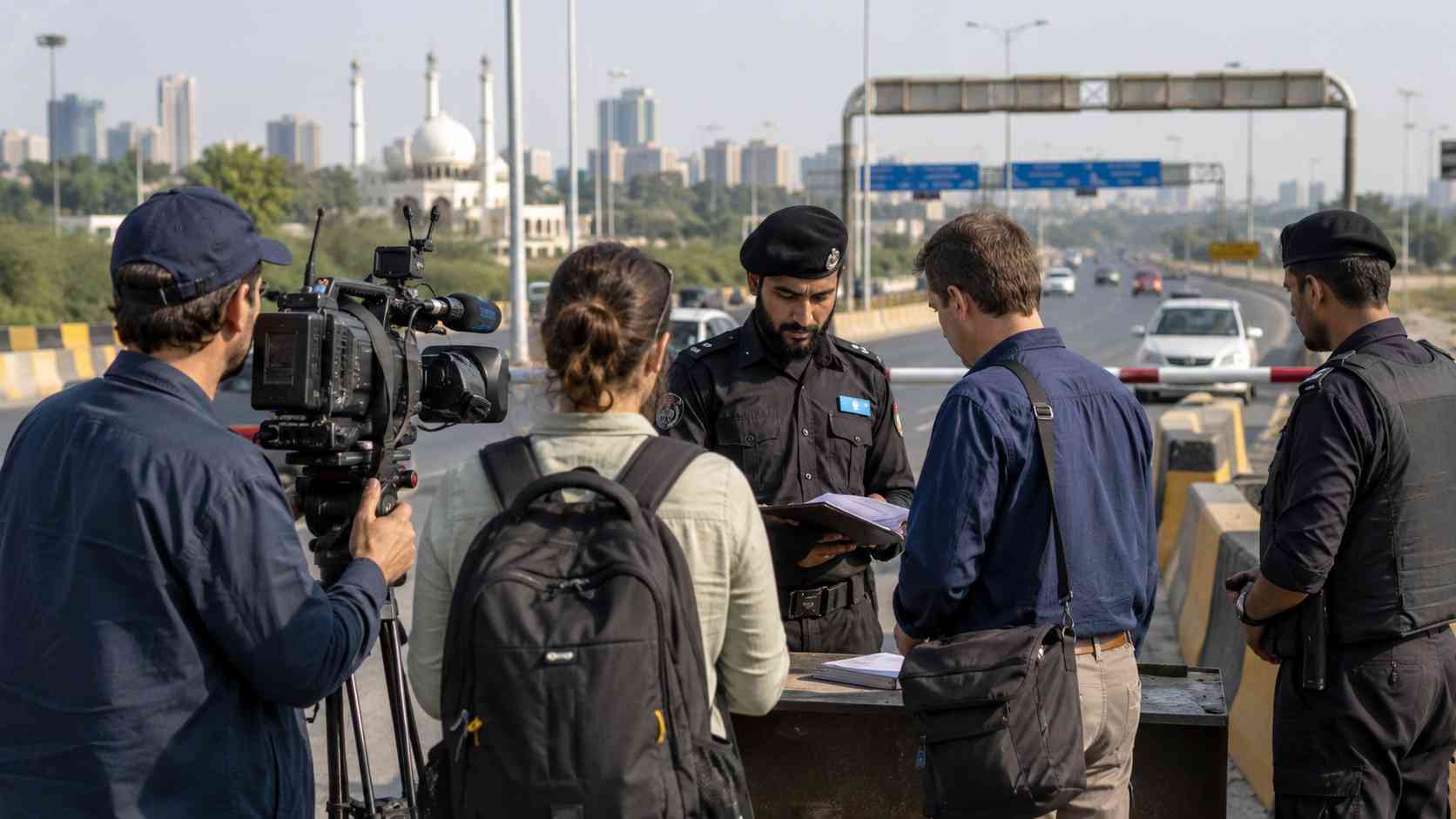
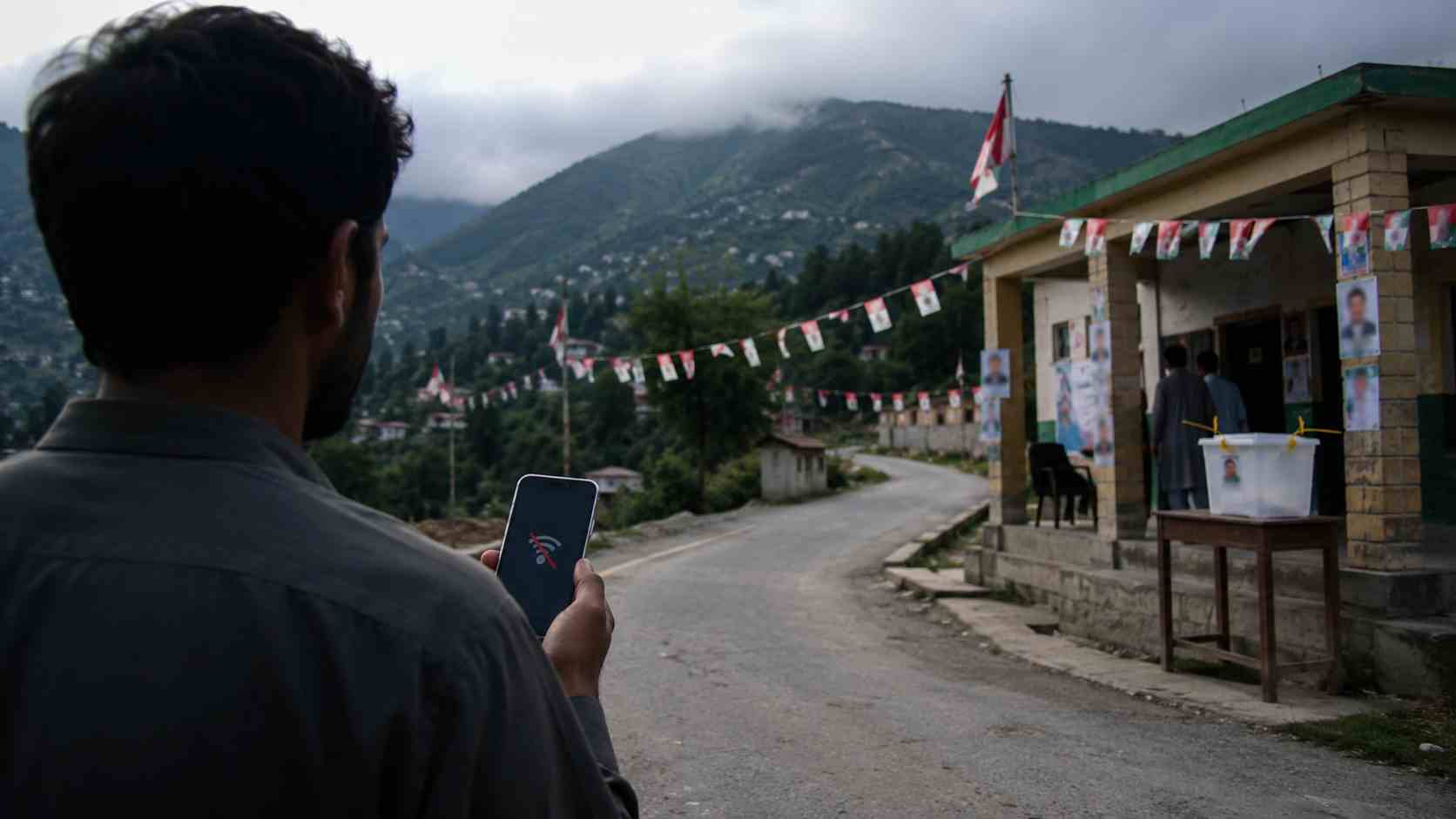
Government officials say JAAC supporters used violence. JAAC and rights groups point to arrests, restrictions, and state force. Amnesty International described the terrorism designation against the protest movement as a dangerous escalation. The rights group also cited an internet shutdown, mass arrests, and deadly force.
These claims need careful handling. Available reporting shows competing narratives. That record does not justify treating every official claim as proven. It also does not justify ignoring violence when credible outlets report it.
This tension sits at the heart of the Pakistan-administered Kashmir crackdown.
Why The Reserved Seats Matter
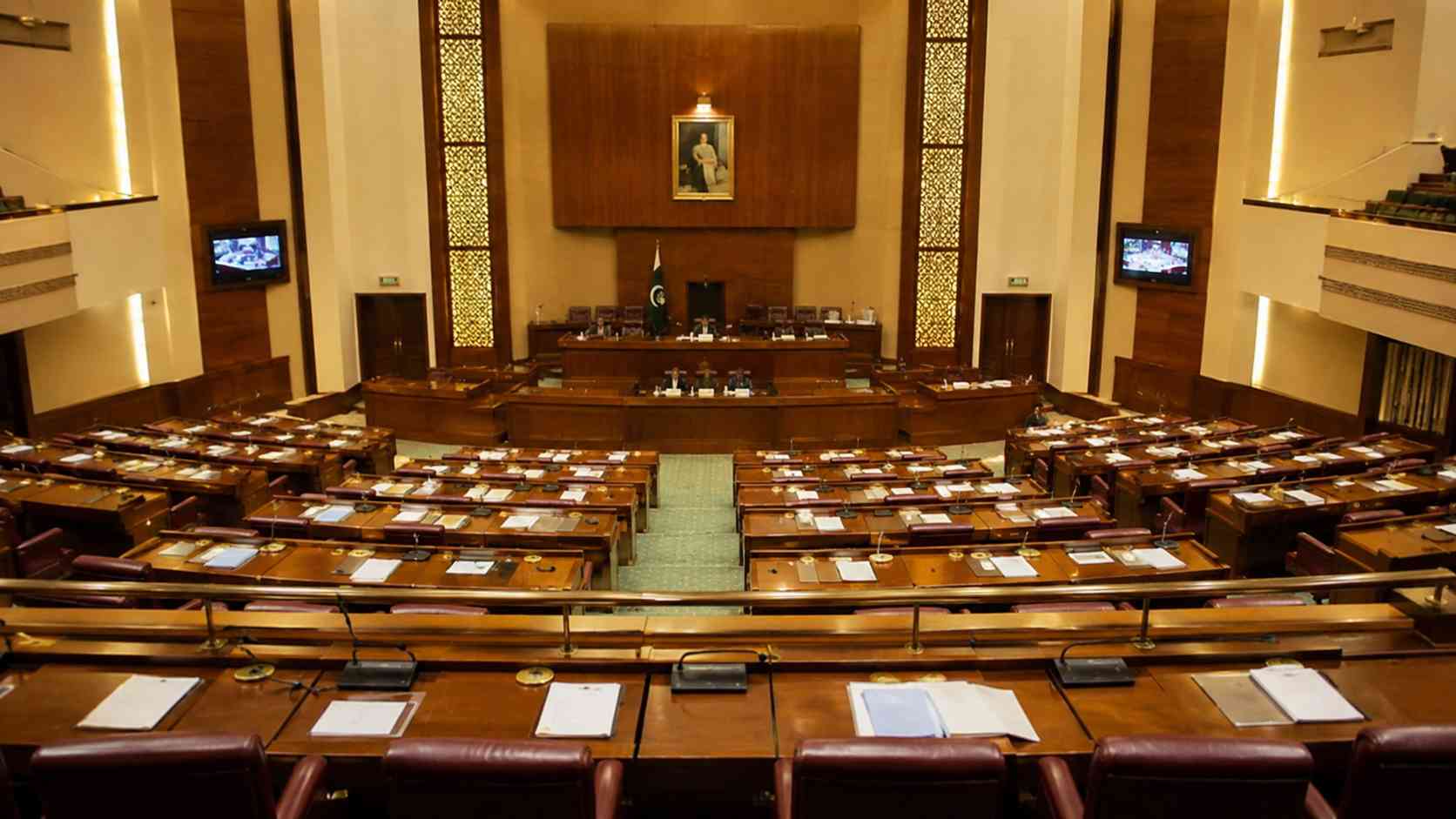
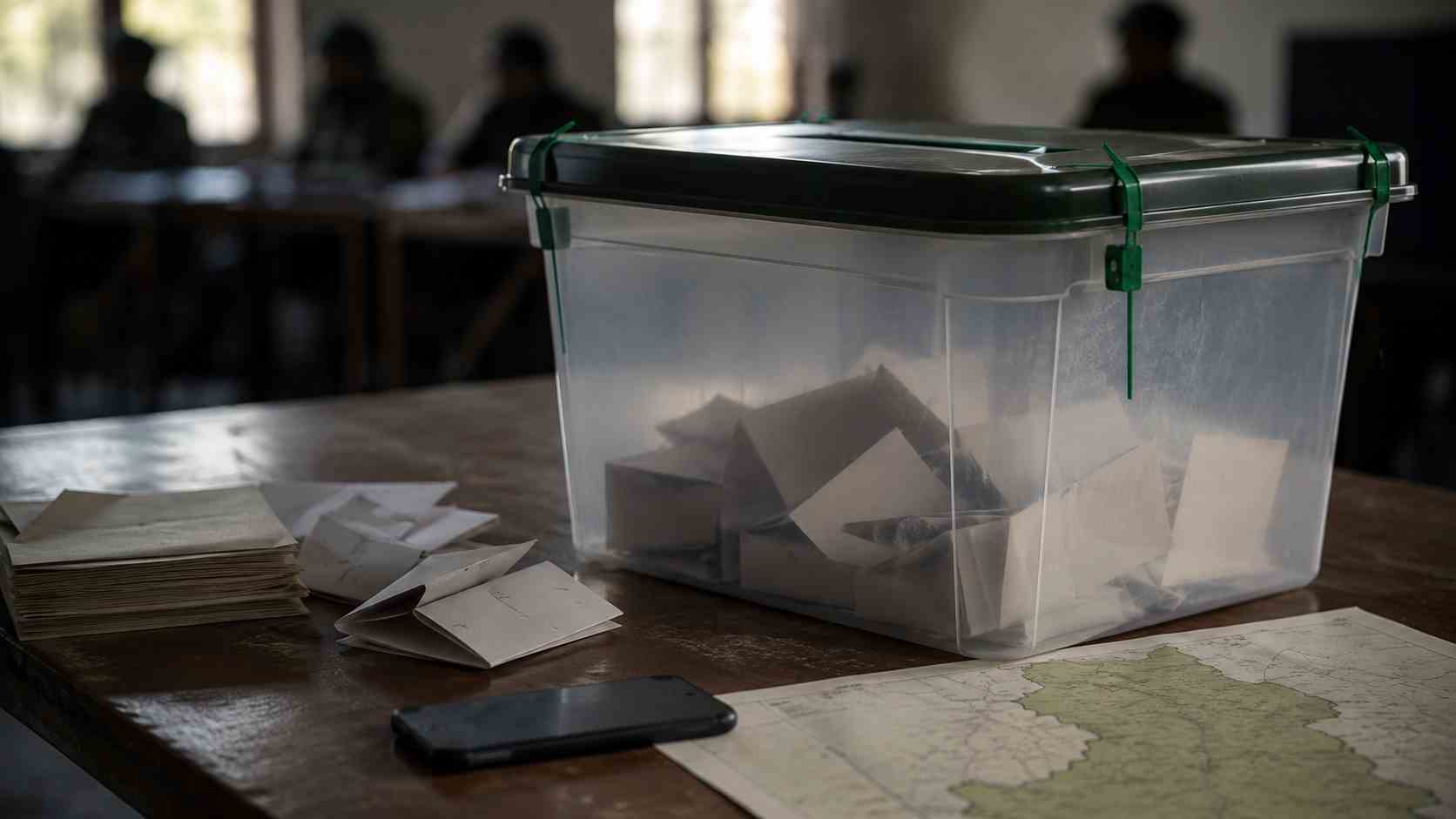
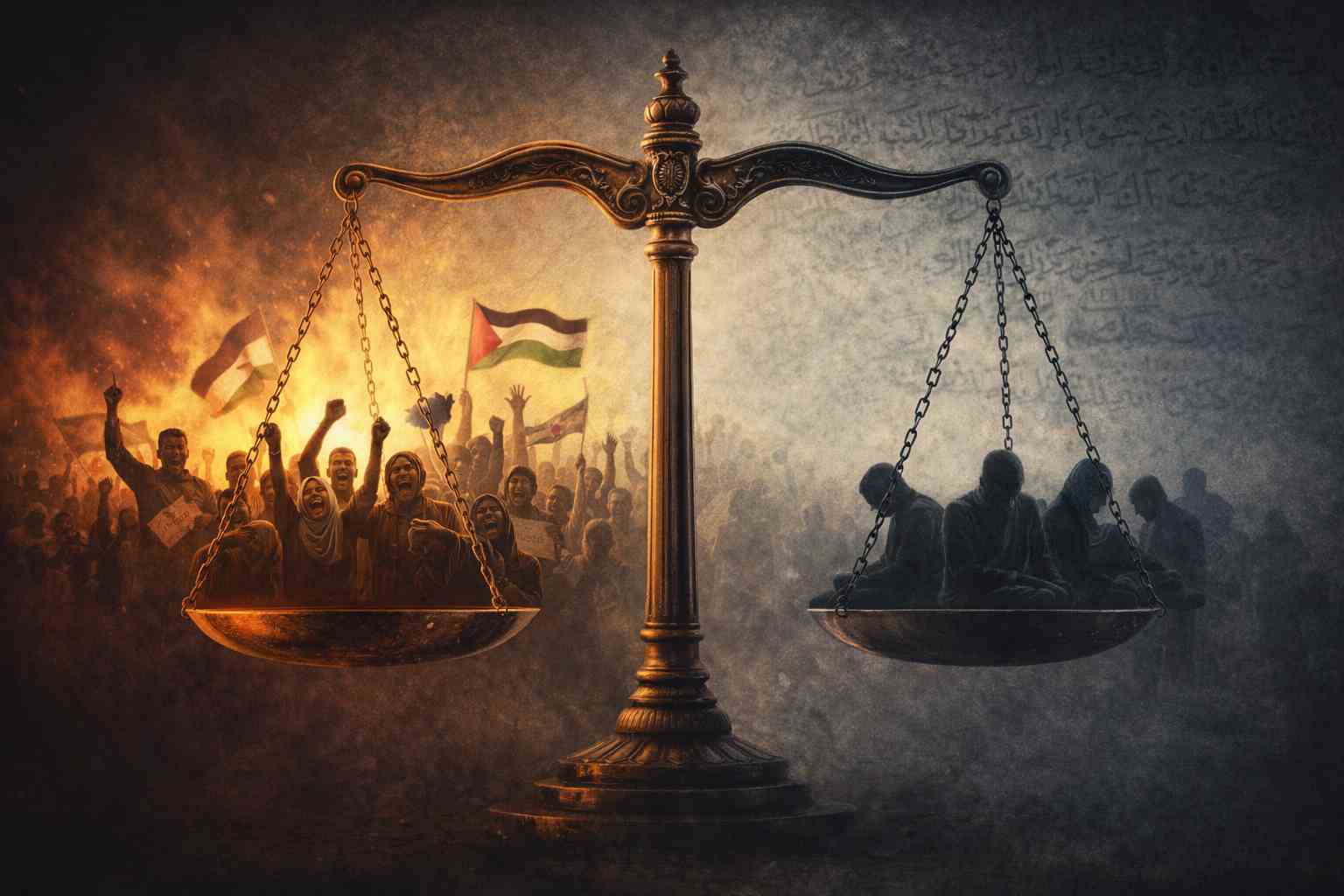
The 12 reserved seats represent Kashmiri refugees living in Pakistan. Supporters see them as part of the region’s constitutional structure. Critics argue they dilute the political voice of residents who live inside Pakistan-administered Kashmir.
This is not a technical argument. It cuts into the question of who gets to speak for Kashmir.
As Al Jazeera reported, the protests reflect deeper anger over political power, public representation, and the region’s governance structure. That wider context matters because the dispute is no longer only about seats. It is now about whether local citizens believe institutions can hear them.
For years, Pakistan has presented Kashmir as a matter of self-determination. That message weakens when local political demands face bans, sedition cases, shutdowns, and sweeping security responses.
A state can defend constitutional arrangements. It can also investigate violence. But it damages public trust when political grievances move quickly from negotiation to criminalization.
The State’s Security Lens Is Expanding
The government has offered talks, according to the Associated Press. At the same time, it has banned JAAC and pursued its leaders. That dual approach sends a mixed message.
Citizens hear that negotiation remains possible. They also see that political pressure may carry severe personal risk.
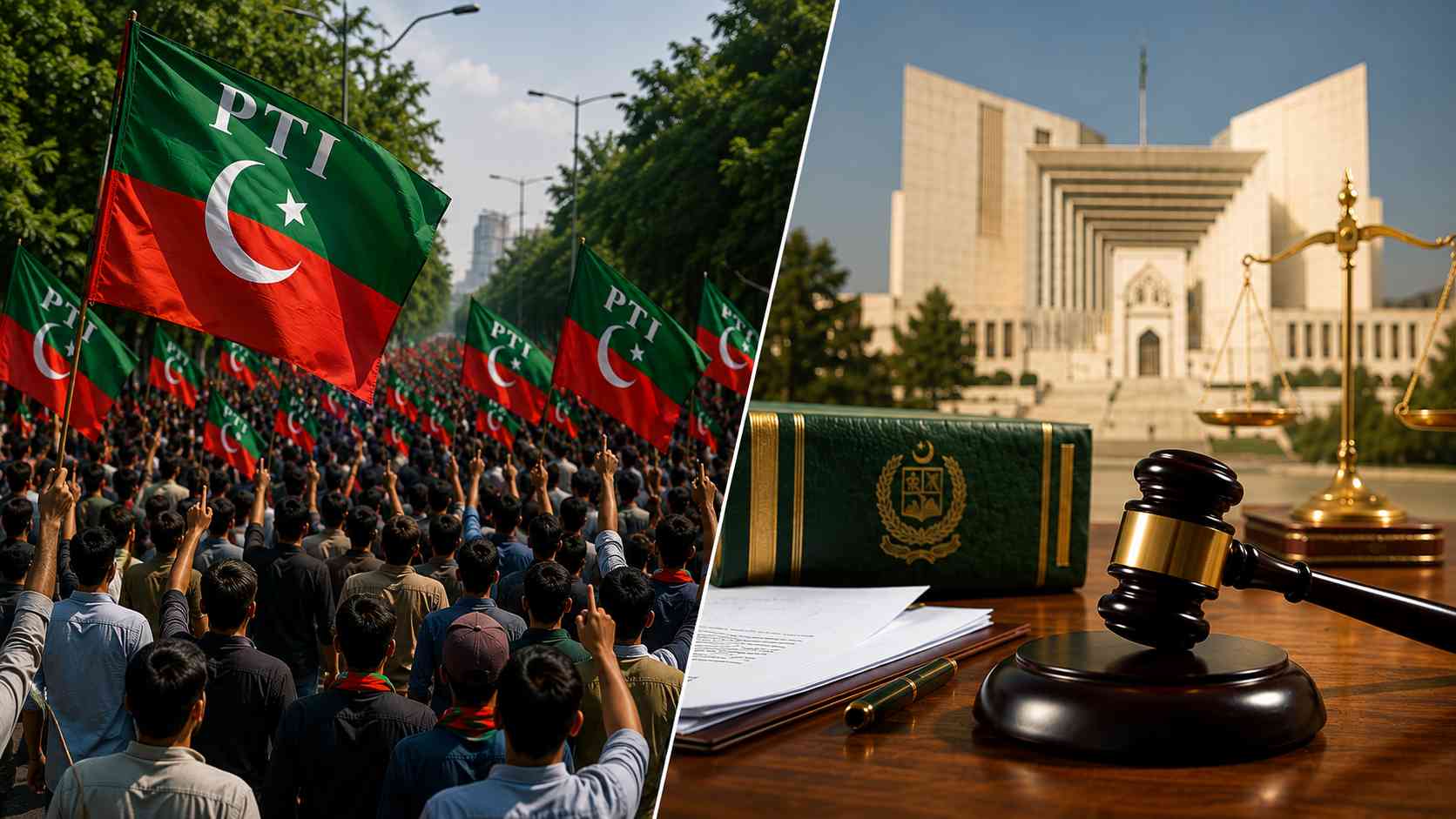
This pattern has become familiar in Pakistan’s wider political landscape. Civilian movements often begin with concrete demands. Security frameworks then treat mobilization as threat. Once that happens, the original issue becomes harder to solve.
Pakistan-administered Kashmir now risks entering that same cycle.
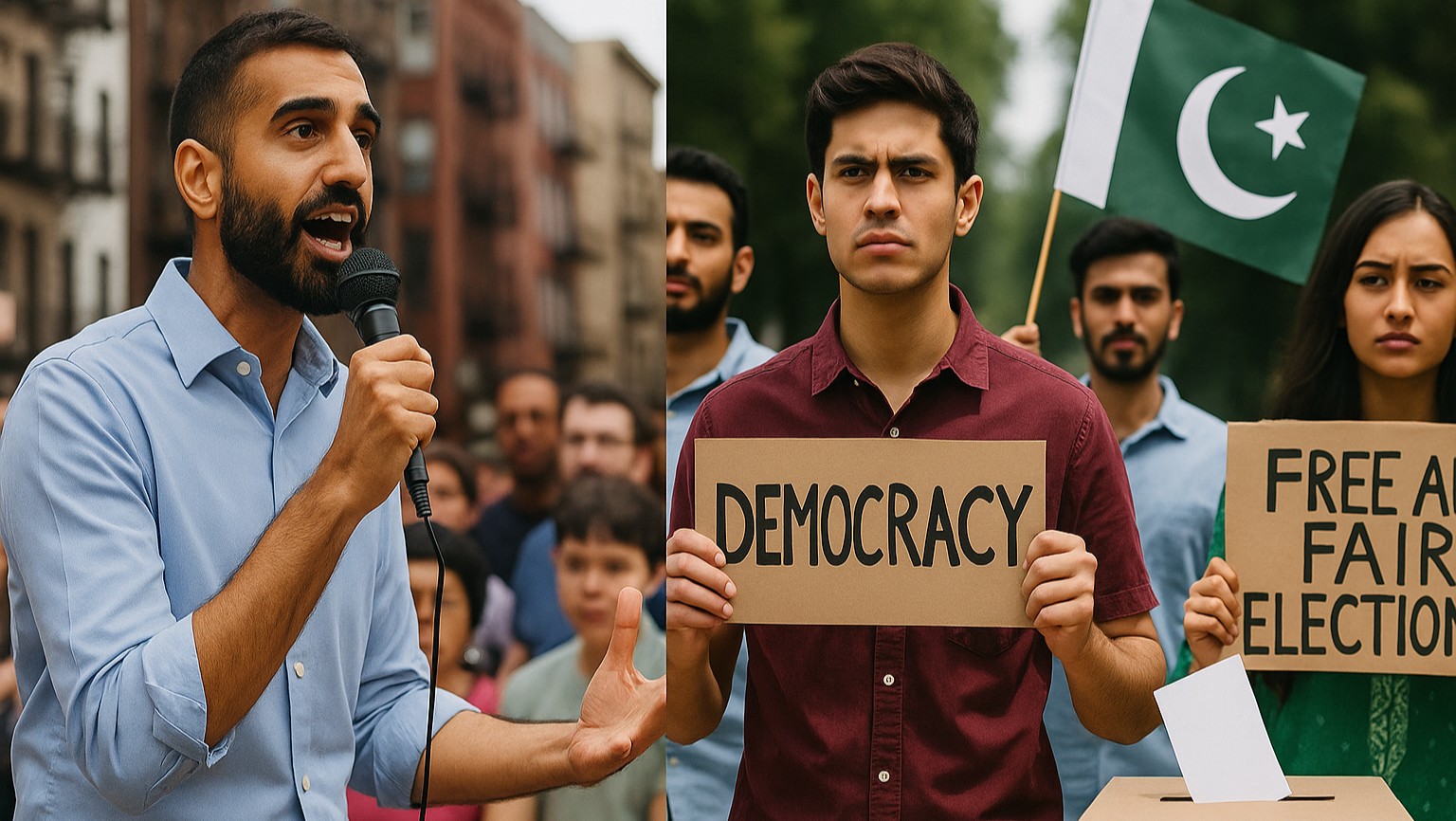
The danger is not only unrest. A deeper danger is alienation. When people believe institutions cannot hear them, politics moves to the street. If the state answers the street mainly through force, the space for democratic settlement shrinks.
A Test For Civilian Politics
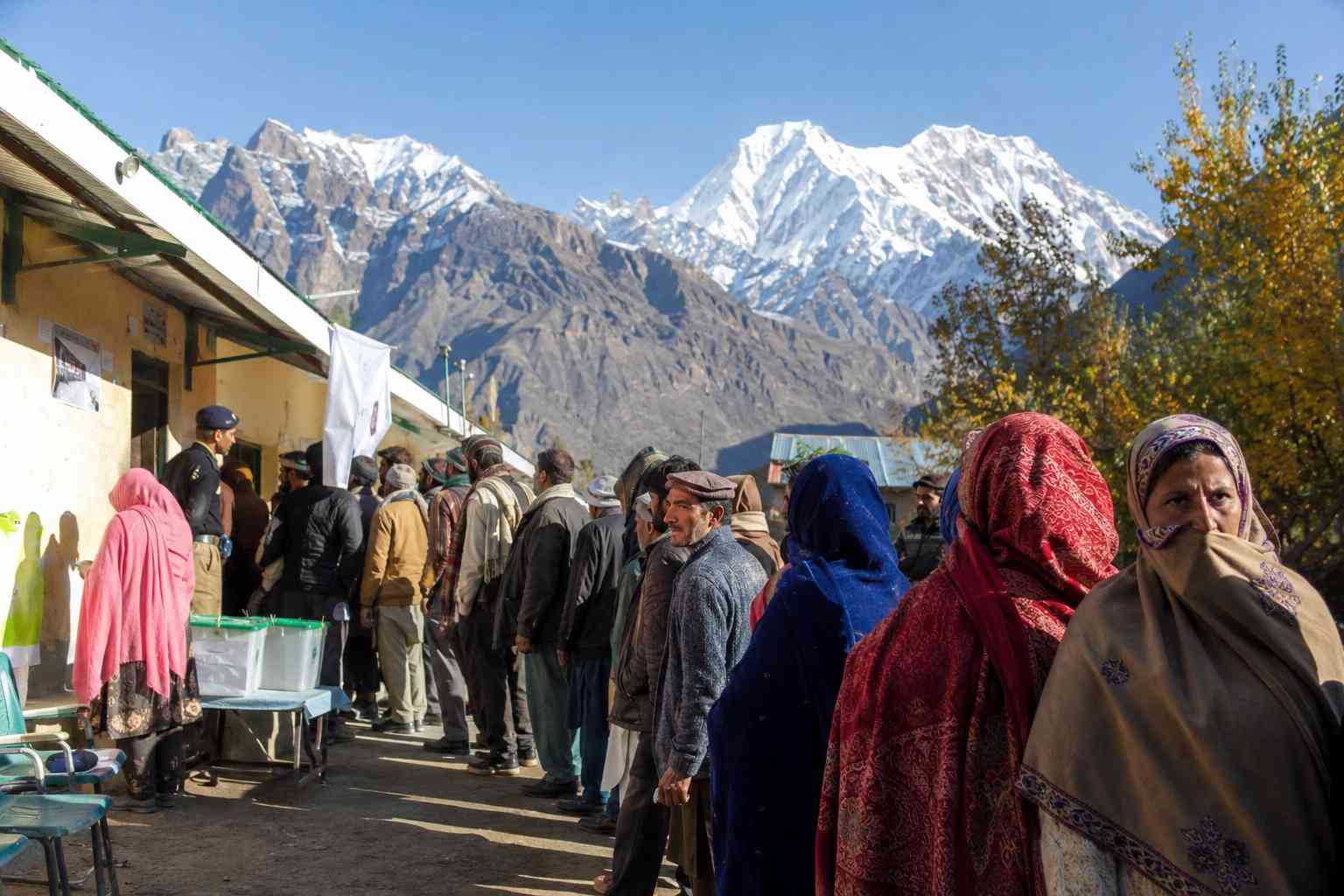
This crisis comes before regional elections. That timing matters.
If the dispute remains unresolved, the election atmosphere may harden. Voters will not only judge candidates. They will judge whether the system allows meaningful local agency.
The government should separate peaceful political activity from proven acts of violence. Authorities should publish clear evidence for serious allegations. Communications should be restored where restrictions remain in place. A serious political track on representation should also reopen.
That does not require accepting every JAAC demand. It requires recognizing that representation disputes cannot be solved through bans alone.
The Larger Message
The Kashmir issue has always carried regional weight. India and Pakistan both claim Kashmir in full. That makes every internal political crisis vulnerable to external narratives.
But that cannot become an excuse to silence local voices.
Pakistan’s case on Kashmir rests on political rights, public consent, and democratic choice. Those principles must also apply within the territory Islamabad administers.
The current Pakistan-administered Kashmir crackdown exposes a contradiction. Pakistan cannot argue for Kashmiri self-determination abroad while narrowing civic space at home.
The path forward requires restraint, transparency, and political courage. State institutions should investigate violence through lawful process. They should also stop treating every mass demand as a security conspiracy.
A durable settlement will not come from empty markets, blocked roads, or arrests. It will come when people believe their voice counts before the crisis begins.