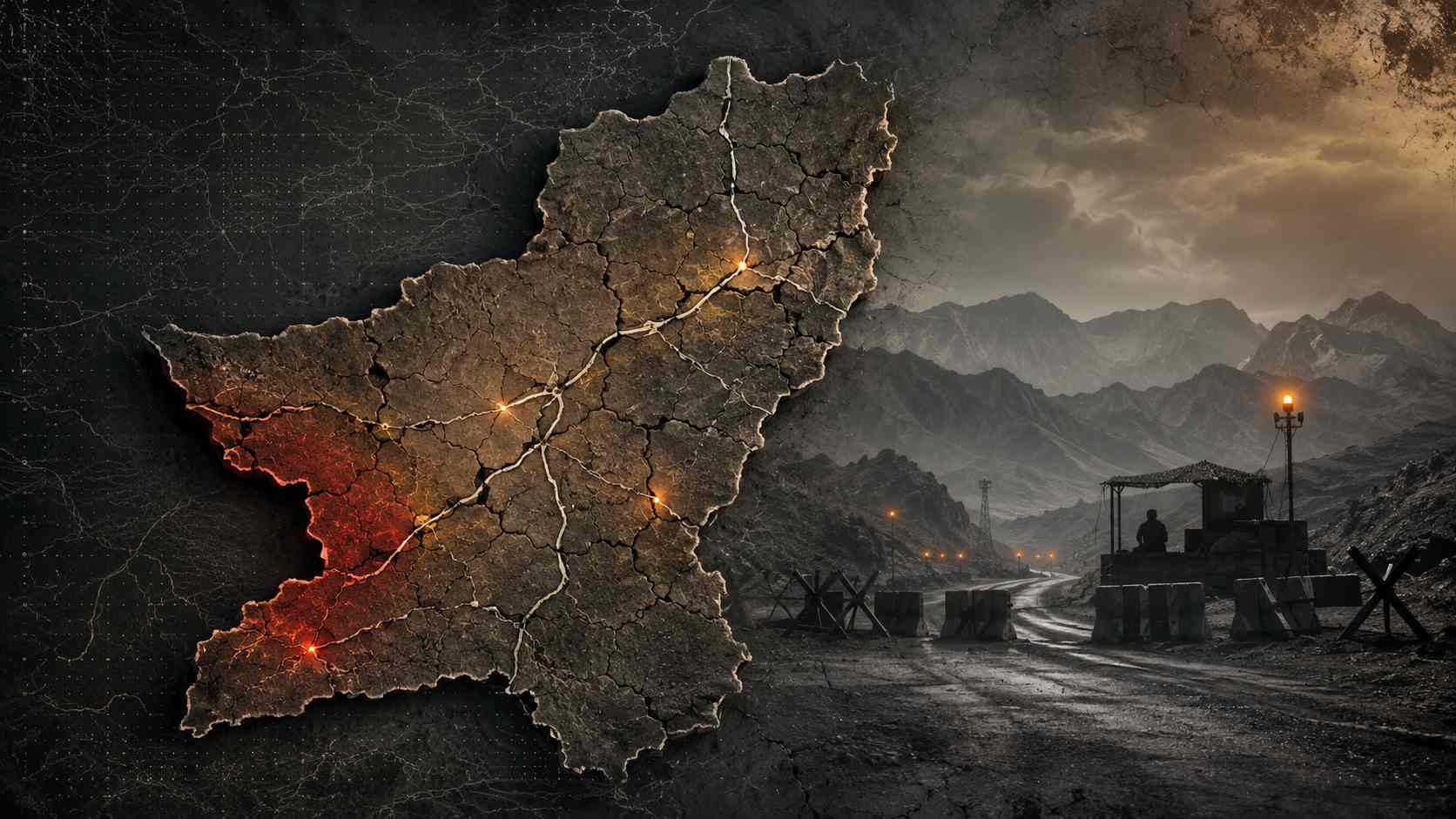
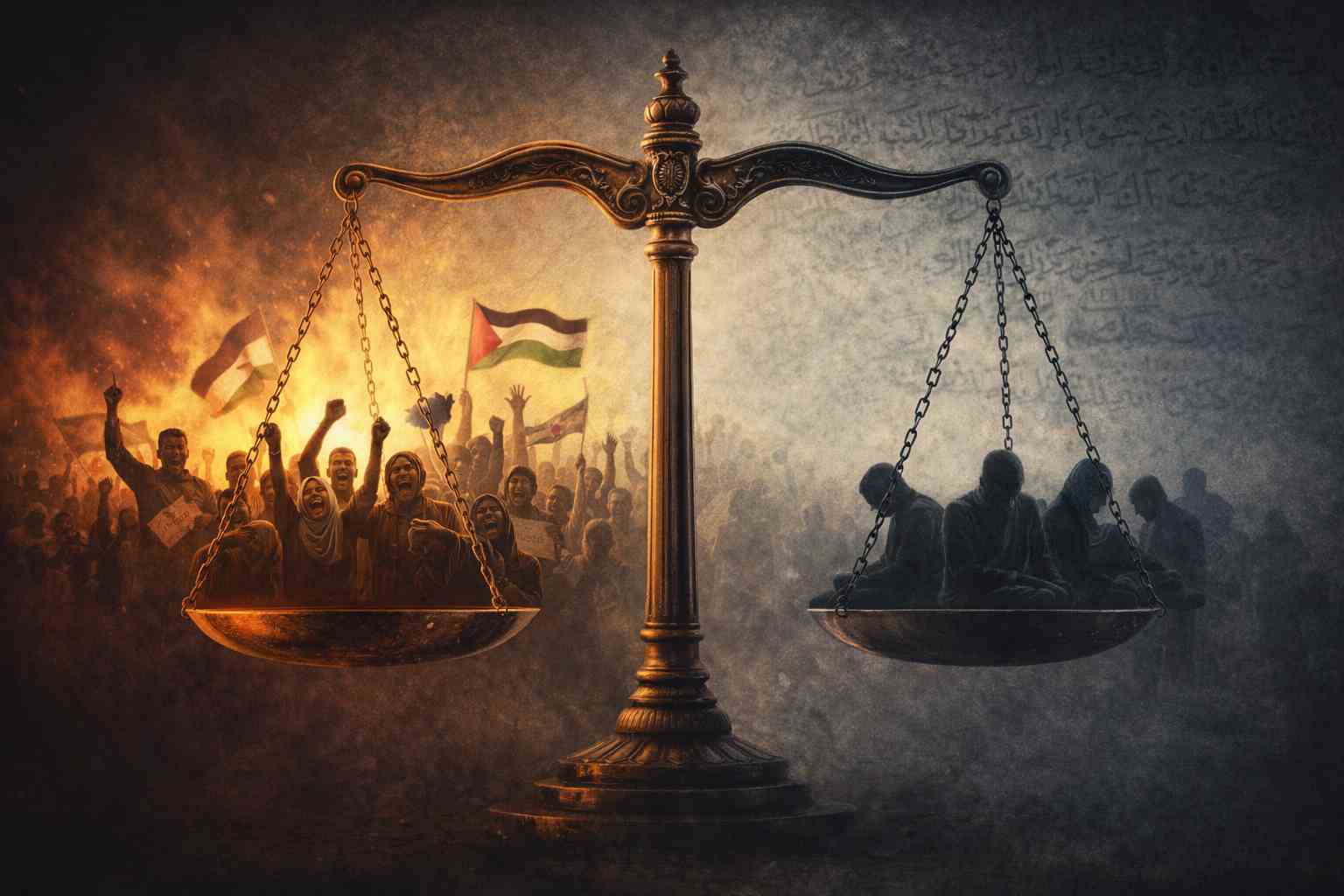
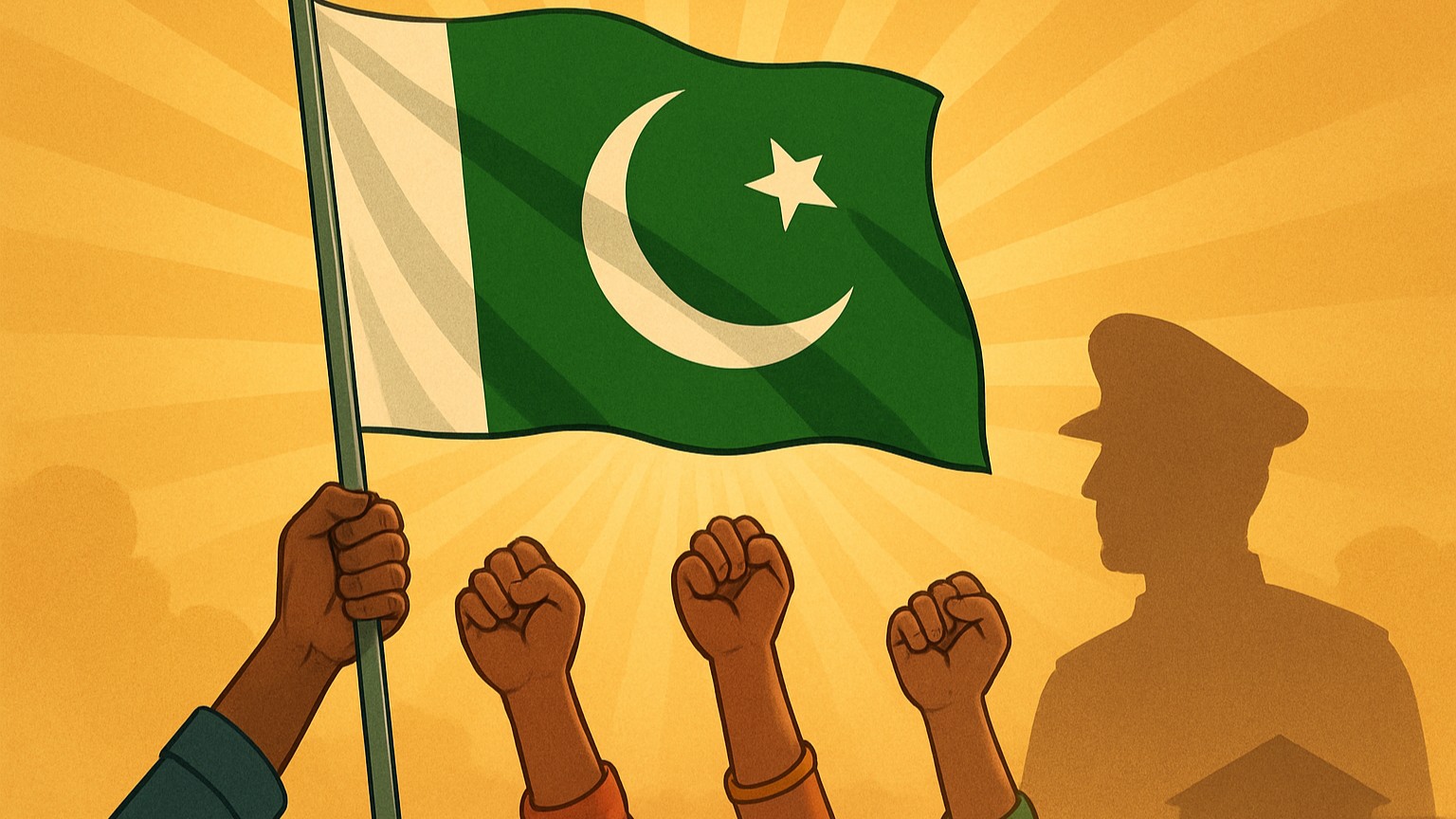
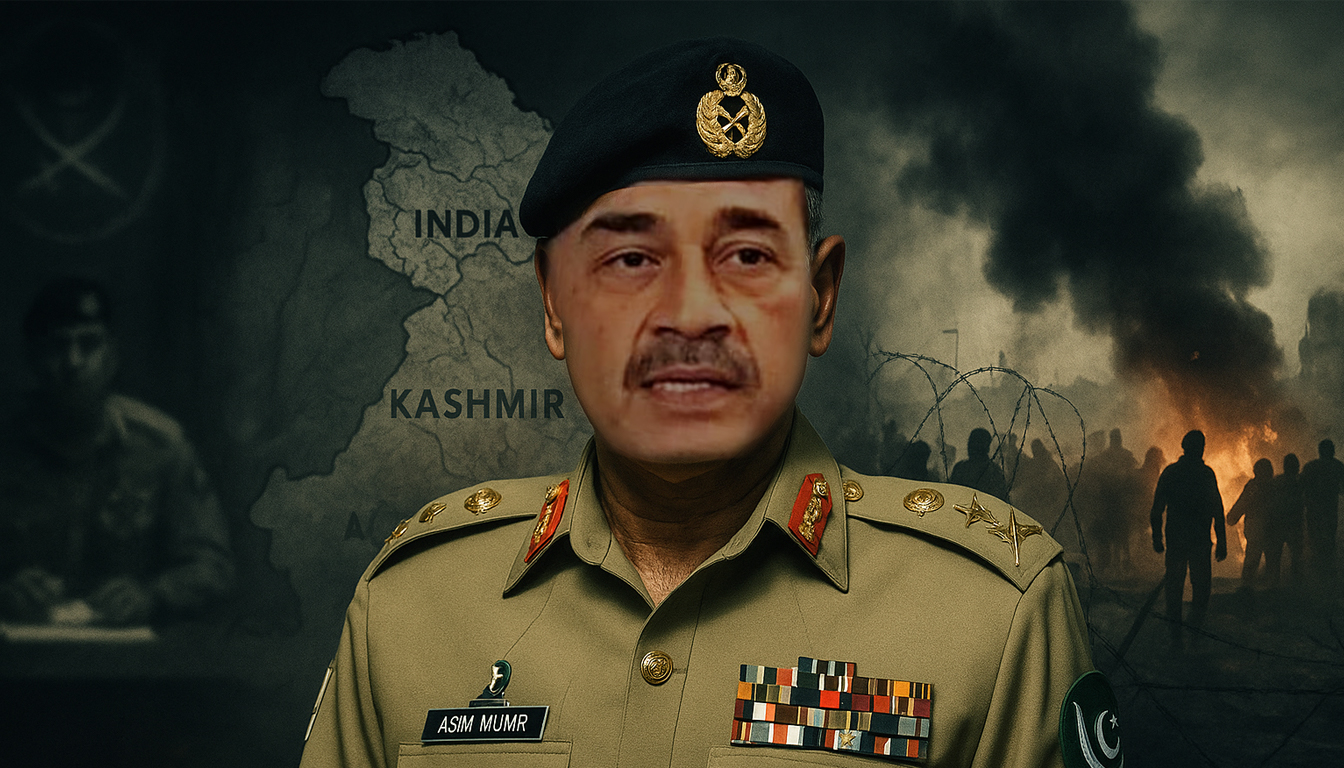
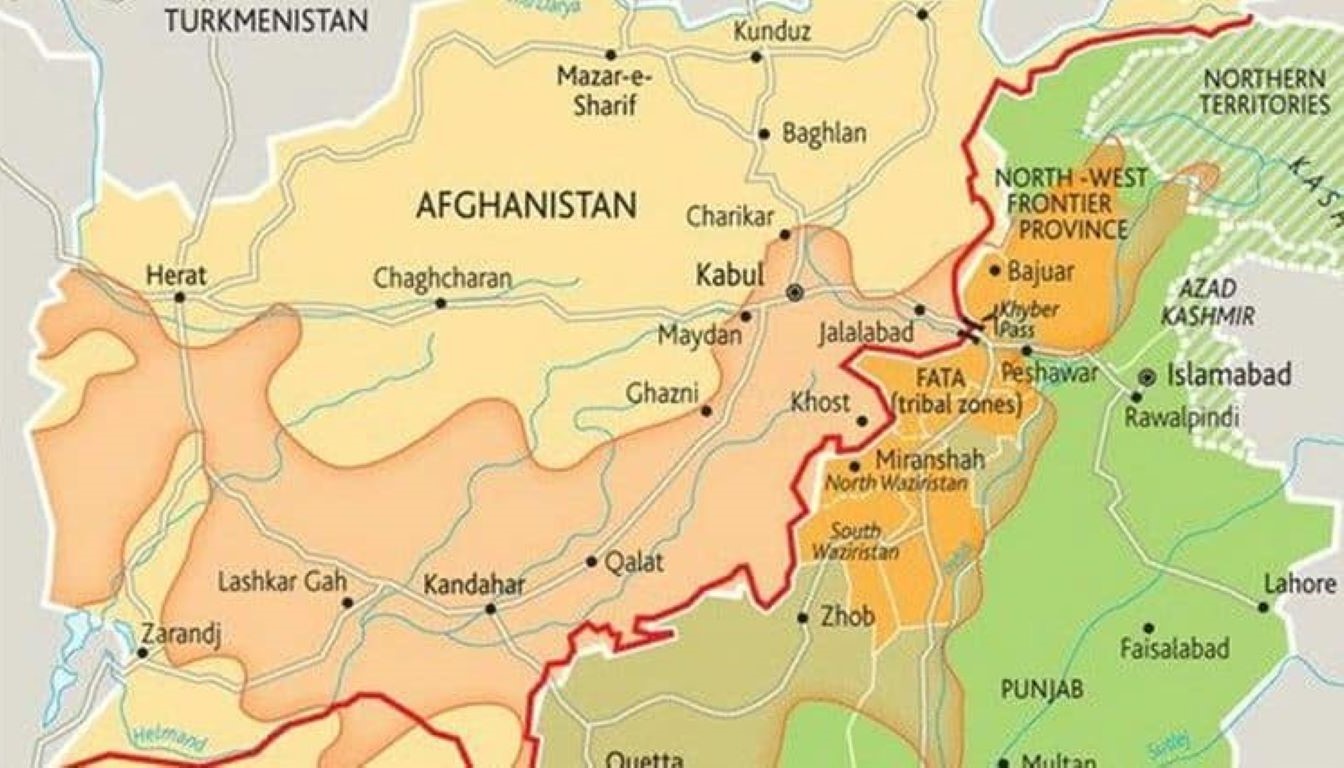
Azad Jammu and Kashmir has entered a dangerous political moment. The crisis began with a dispute over refugee seats, but it now points to something deeper. The AJK unrest has exposed a crisis of representation, legitimacy and state response. Too often, the state treats constitutional questions as security problems.
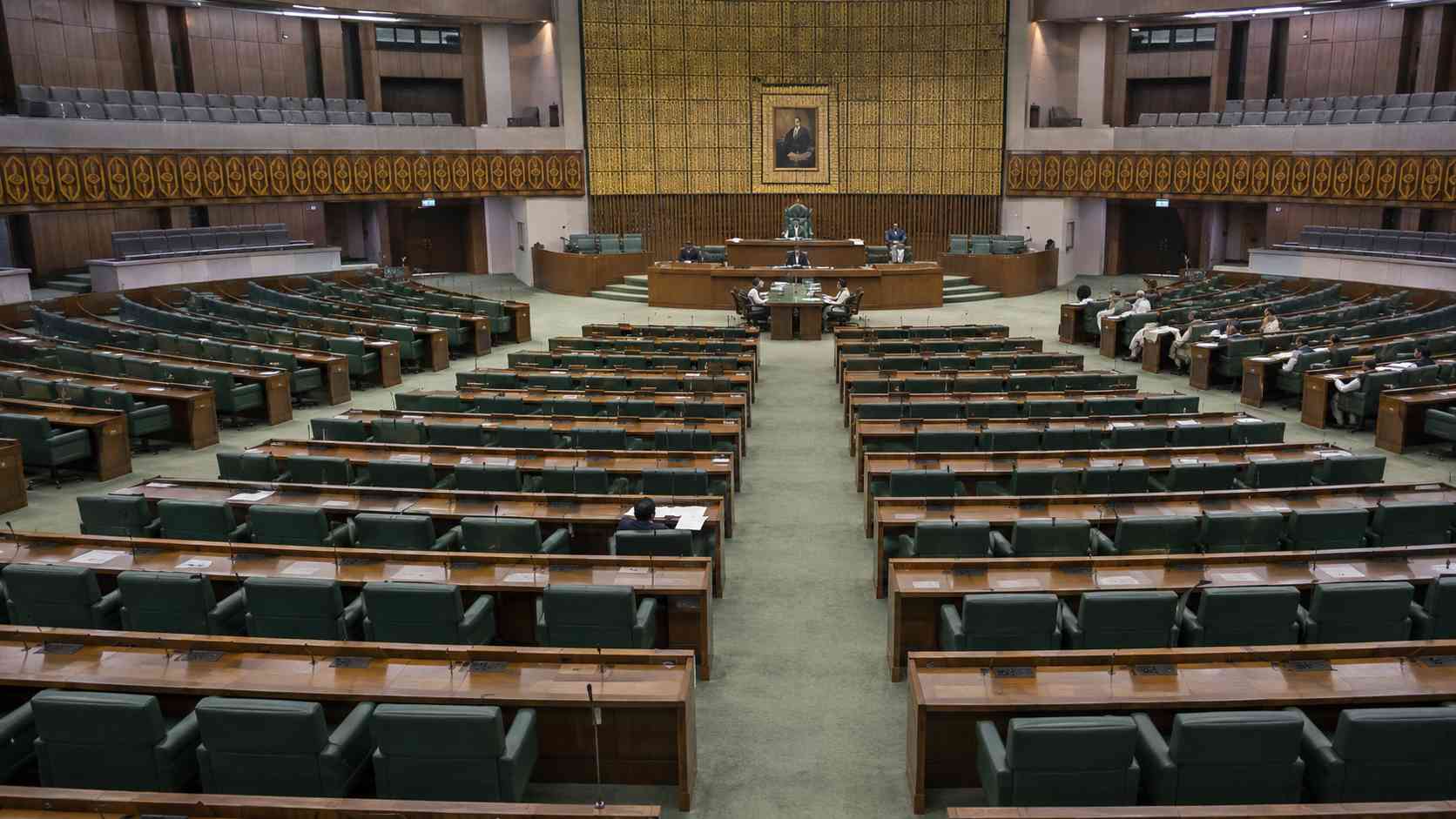
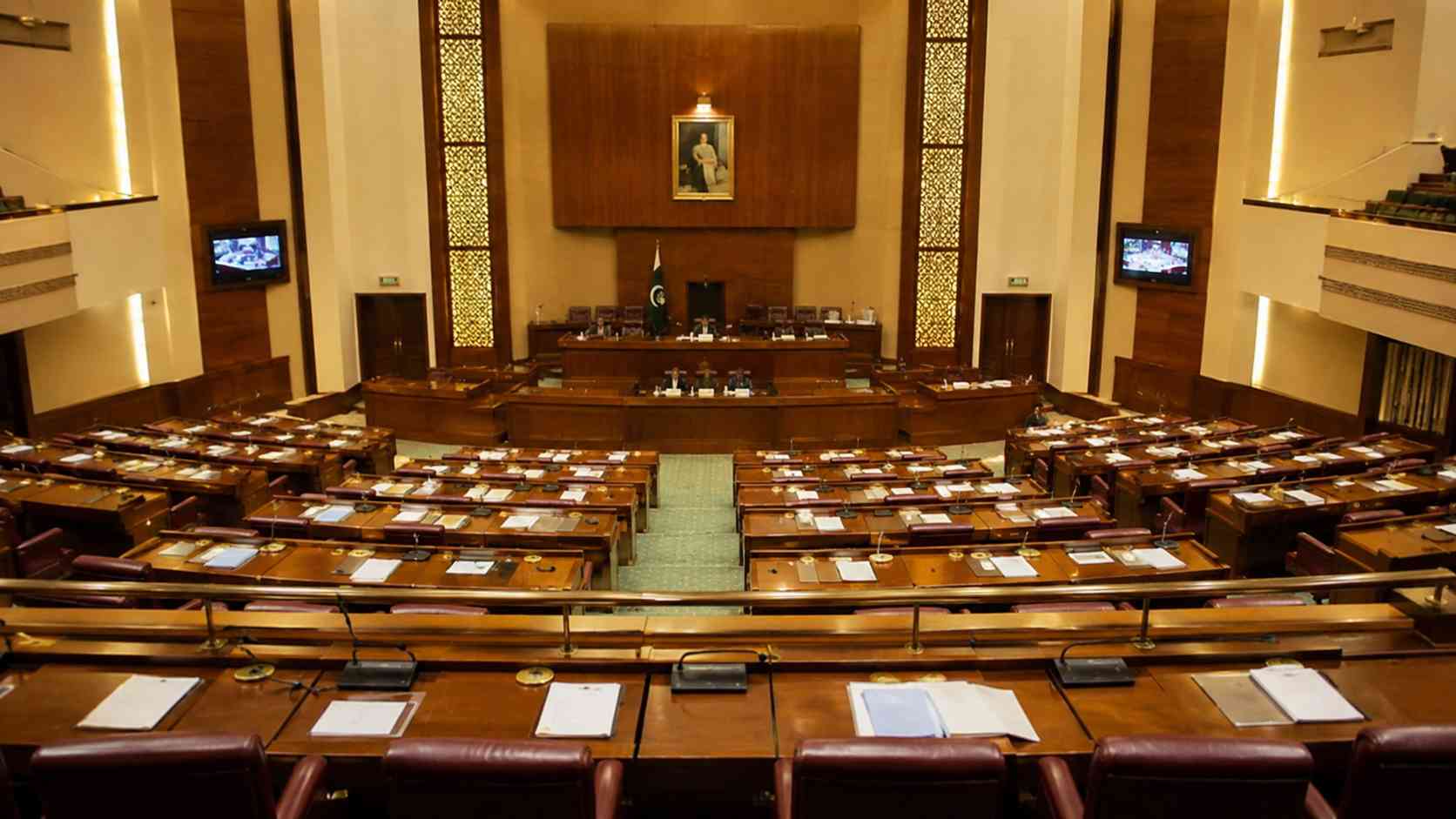
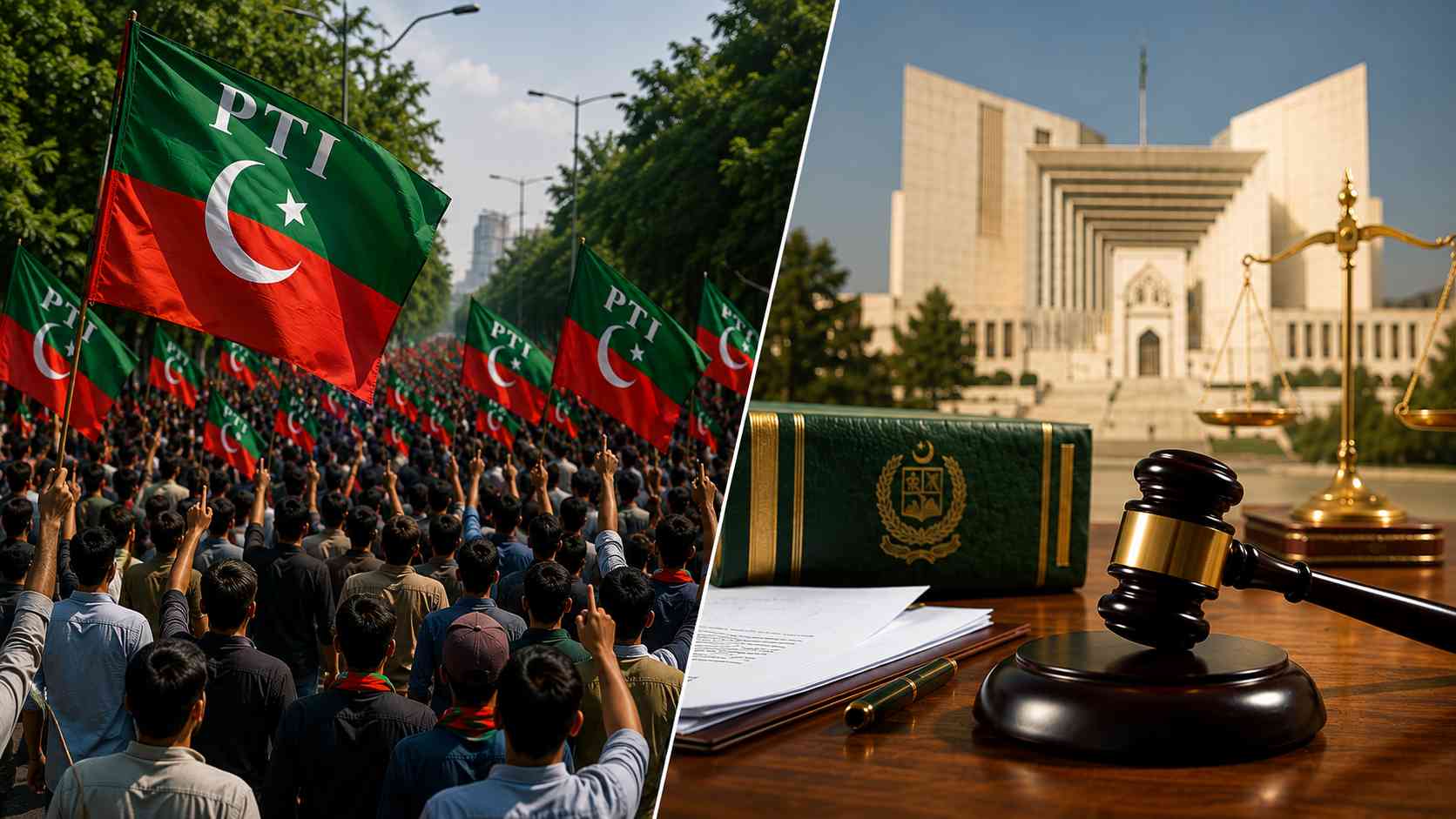
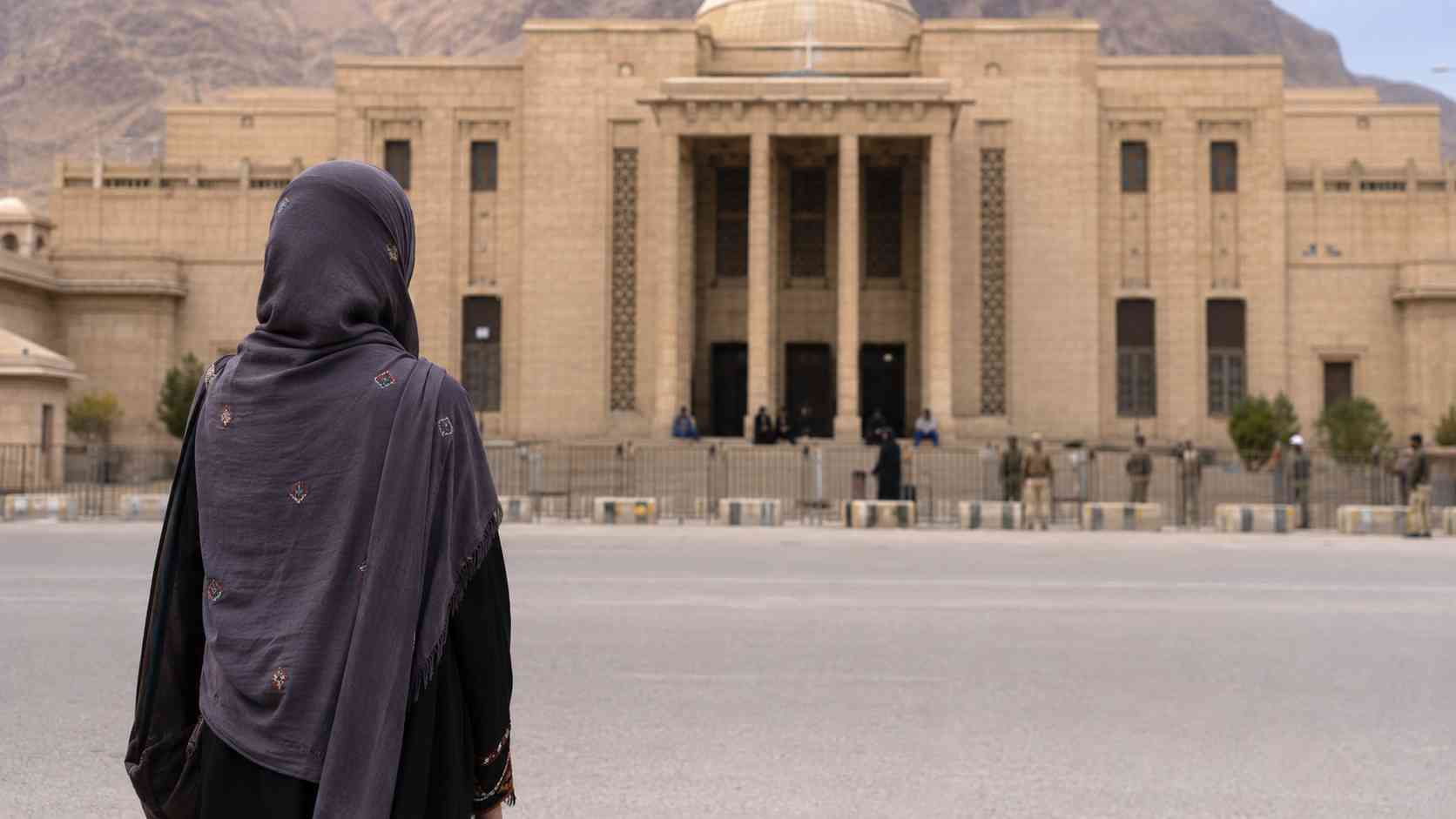
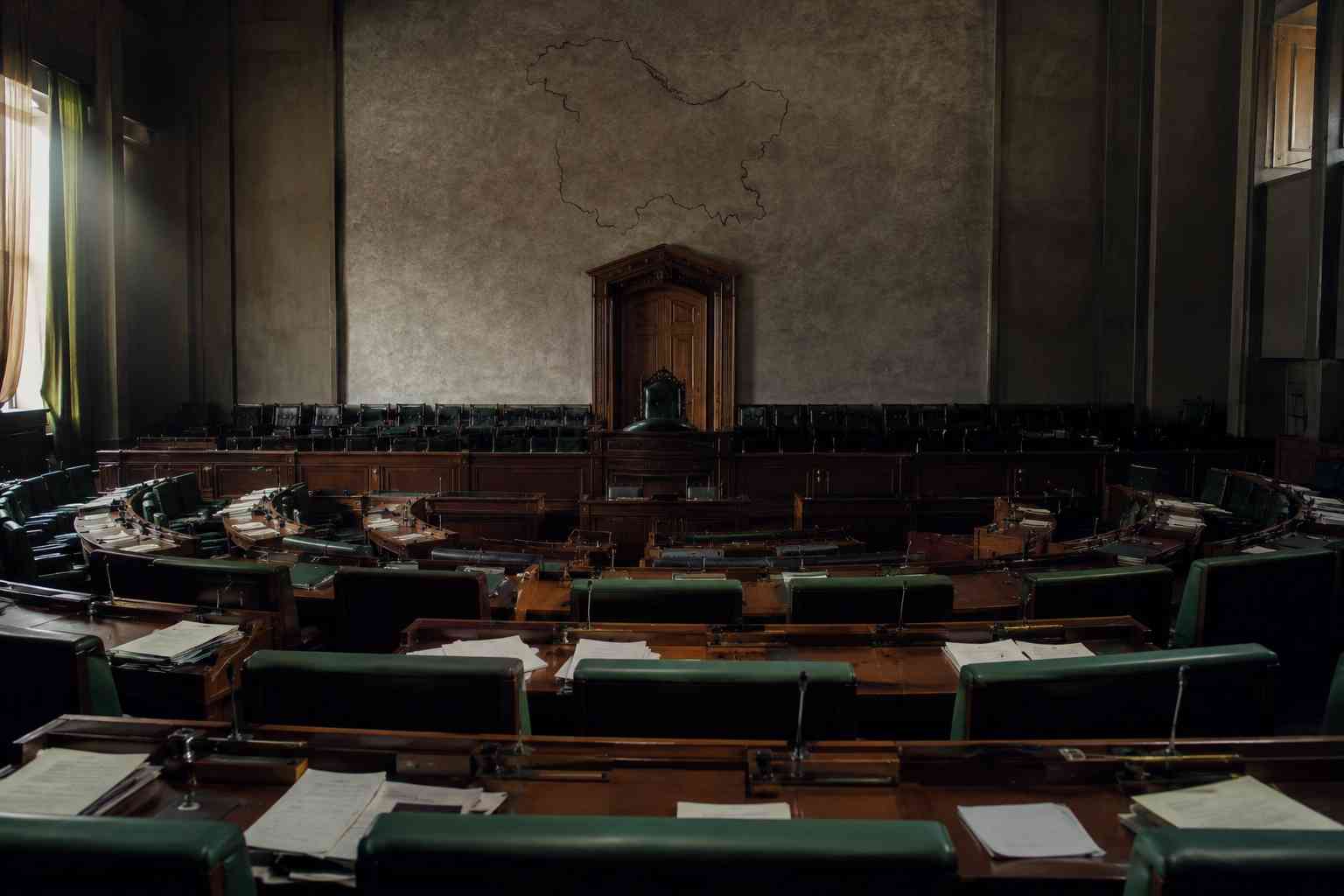
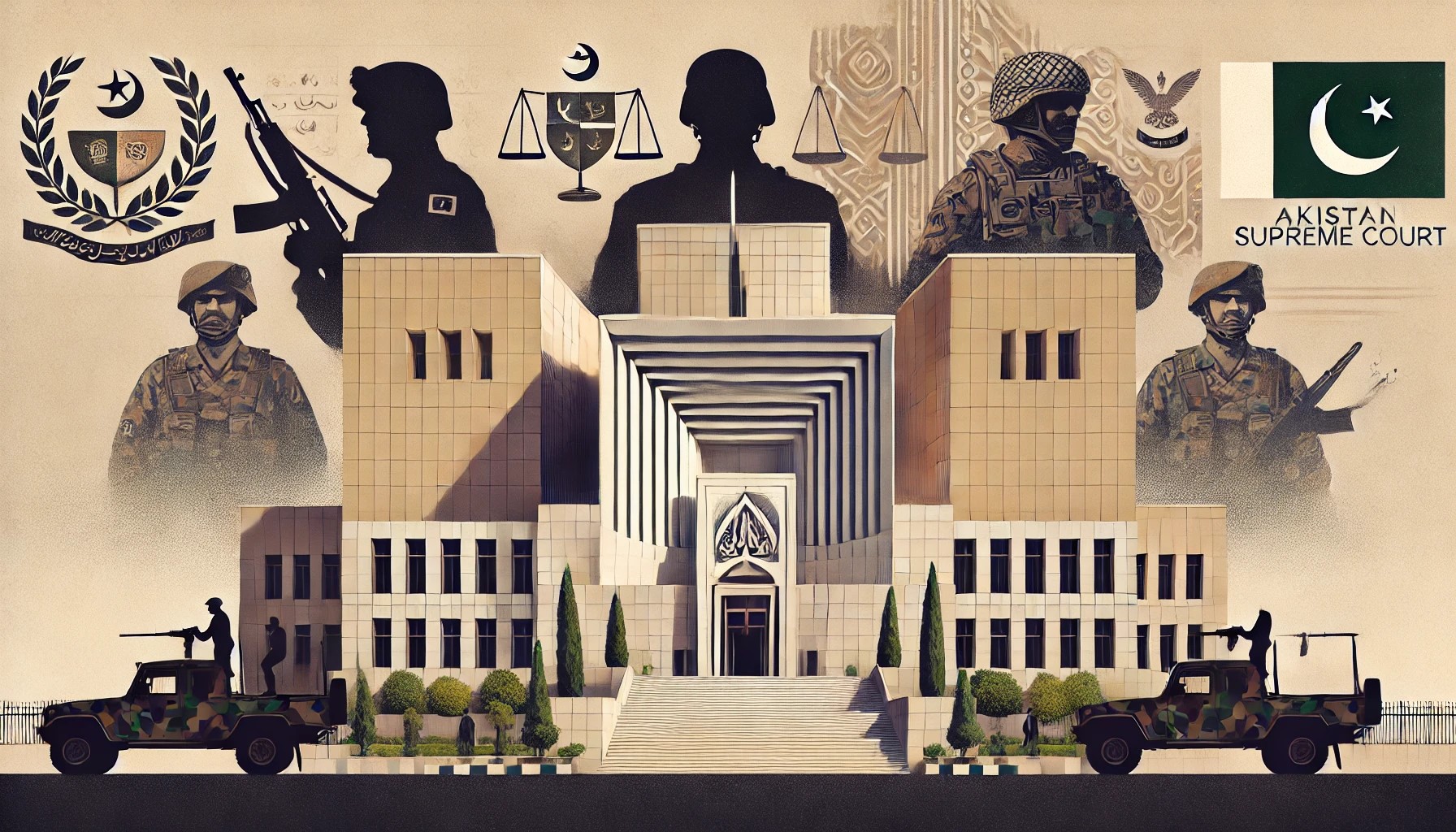
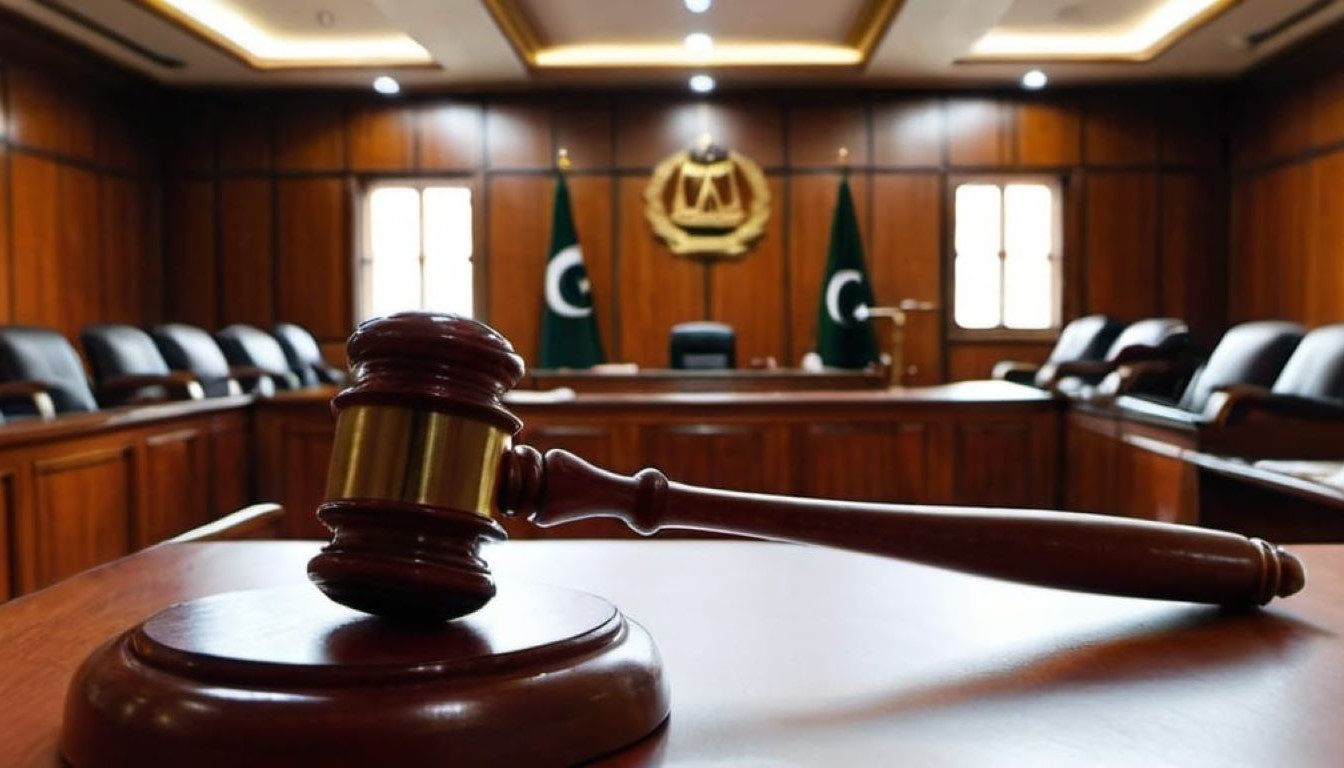
The immediate trigger is the dispute over 12 legislative seats reserved for refugees from Indian-administered Kashmir. These families settled in Pakistan after 1947. The Joint Awami Action Committee, or JAAC, wants those seats abolished. It argues that these outside-based constituencies give too much influence over government formation in Muzaffarabad. The AJK Supreme Court has said the seats carry constitutional protection. It also said the government cannot remove them through executive action. Any change would require a constitutional amendment by the Legislative Assembly. The ruling came before planned protests and next month’s assembly elections.
The legal position may look clear. The politics remain unsettled. A court ruling can answer a constitutional question. It cannot automatically restore public trust. JAAC has already mobilised people around local rights, economic pressure and distrust of the power structure.
A dispute bigger than one demand
JAAC did not begin only as a constitutional pressure group. It built public support through demands linked to electricity, wheat, governance and local rights. Its latest phase has moved toward more sensitive constitutional demands, especially the abolition of the 12 refugee seats.
That shift matters. A rights movement changes character when it moves from service delivery to representation. Limited concessions no longer settle the matter. People start asking who has the right to decide AJK’s political future. They also ask whether the electoral framework reflects their voice.
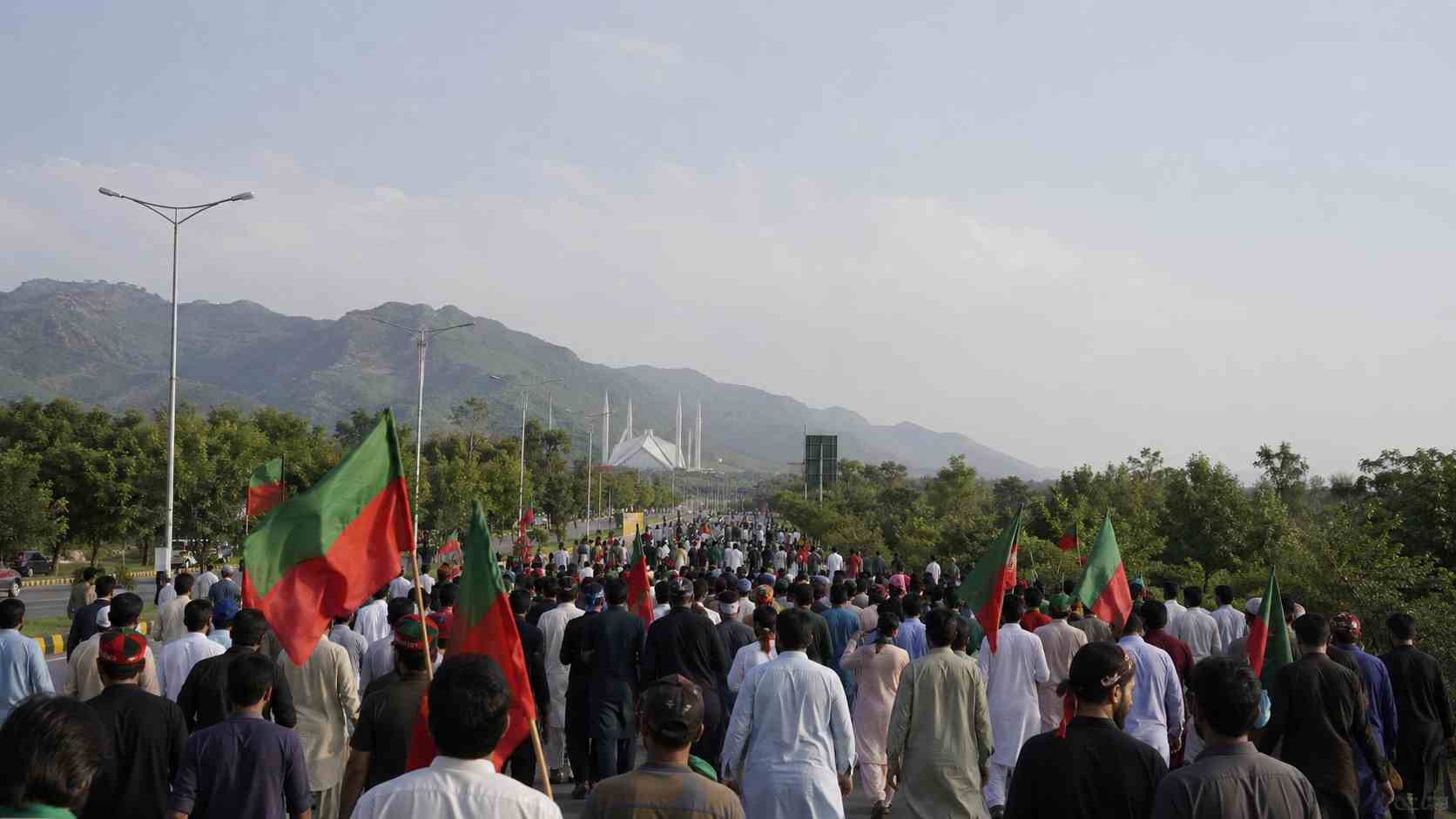
This is where Islamabad and Muzaffarabad face the real test. They can choose dialogue, law and reform. Or they can rely on bans, arrests, internet restrictions and force. The second path may restore temporary control. It will not rebuild trust.
The danger of securitising politics
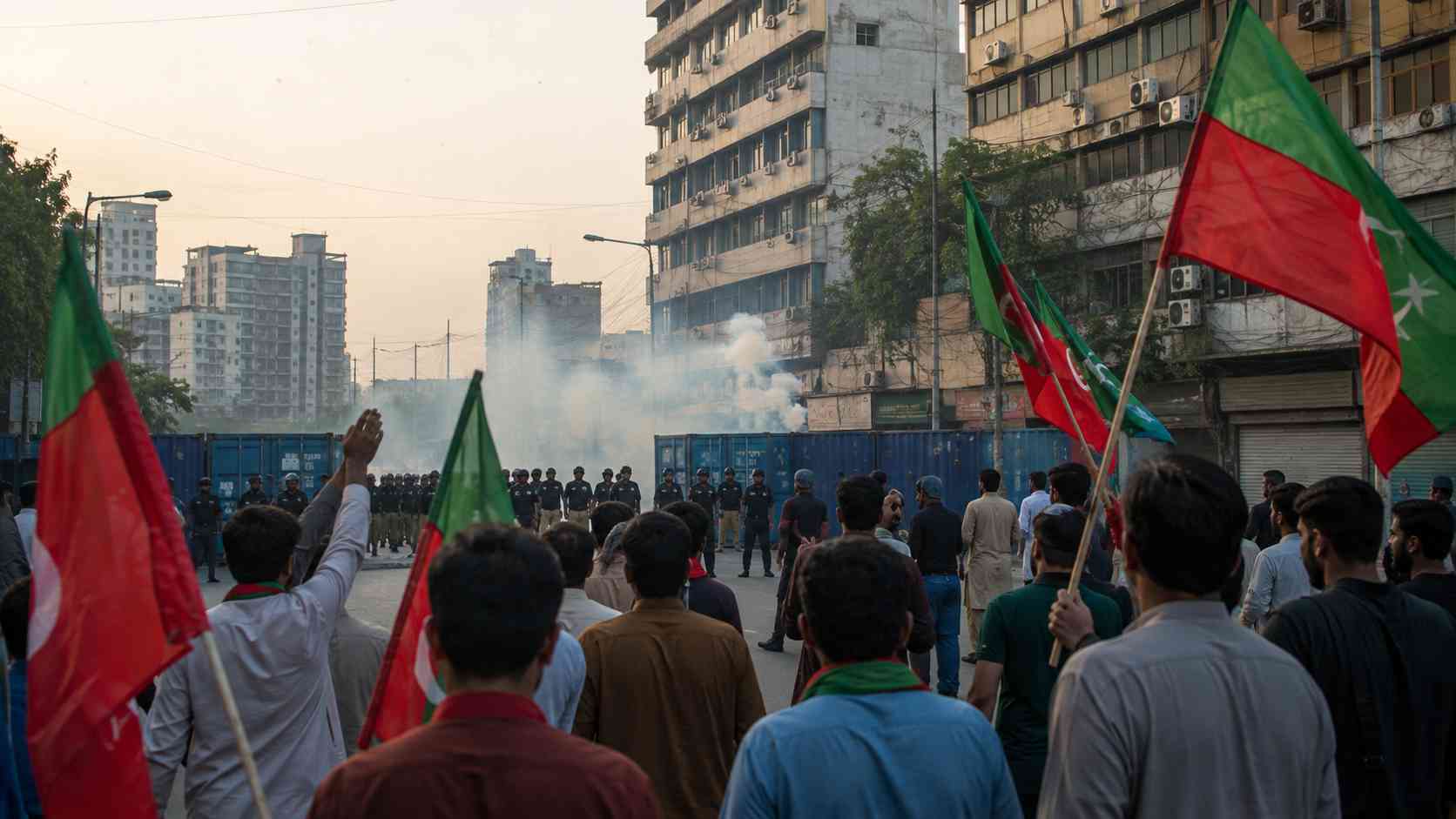
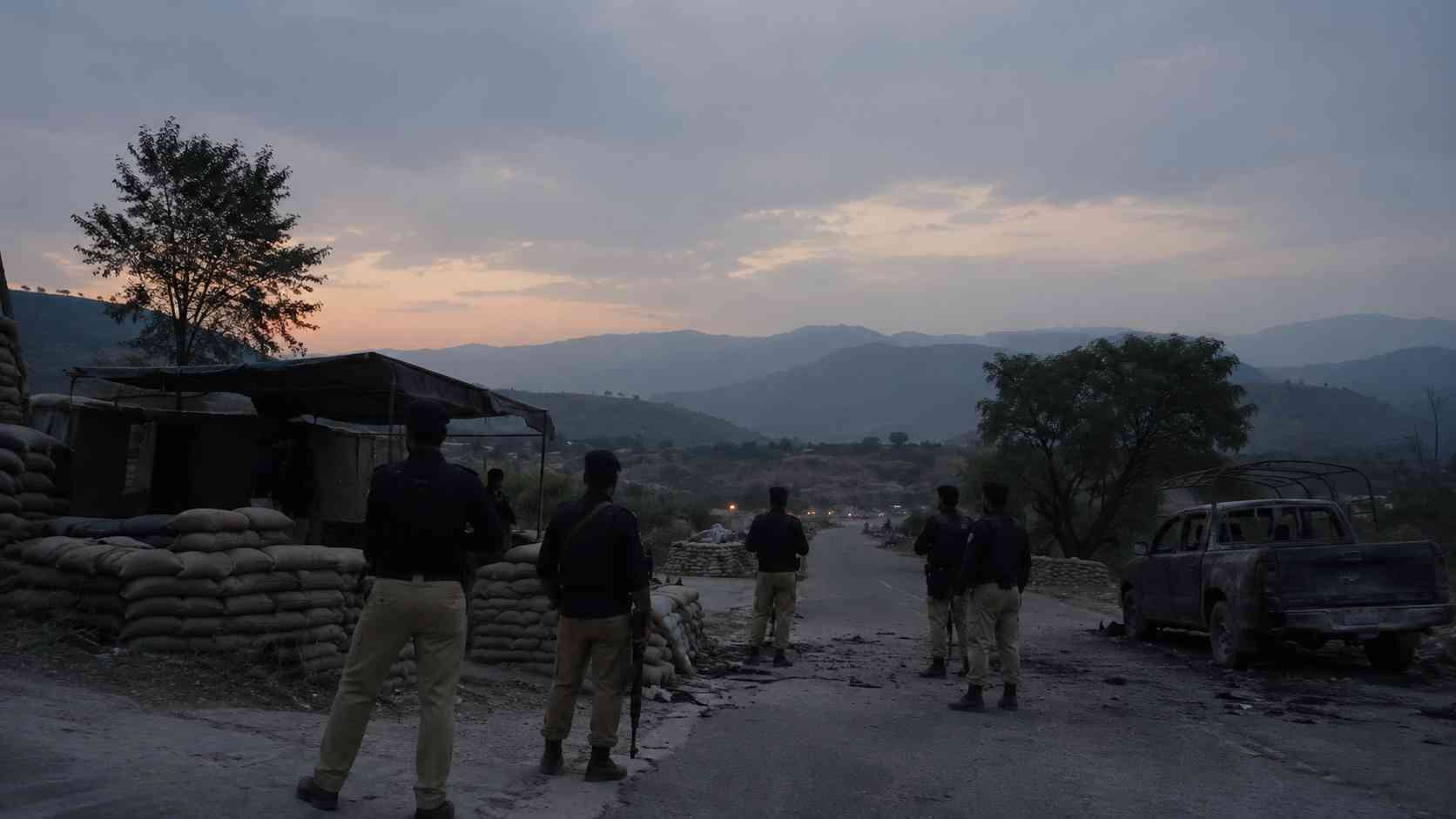
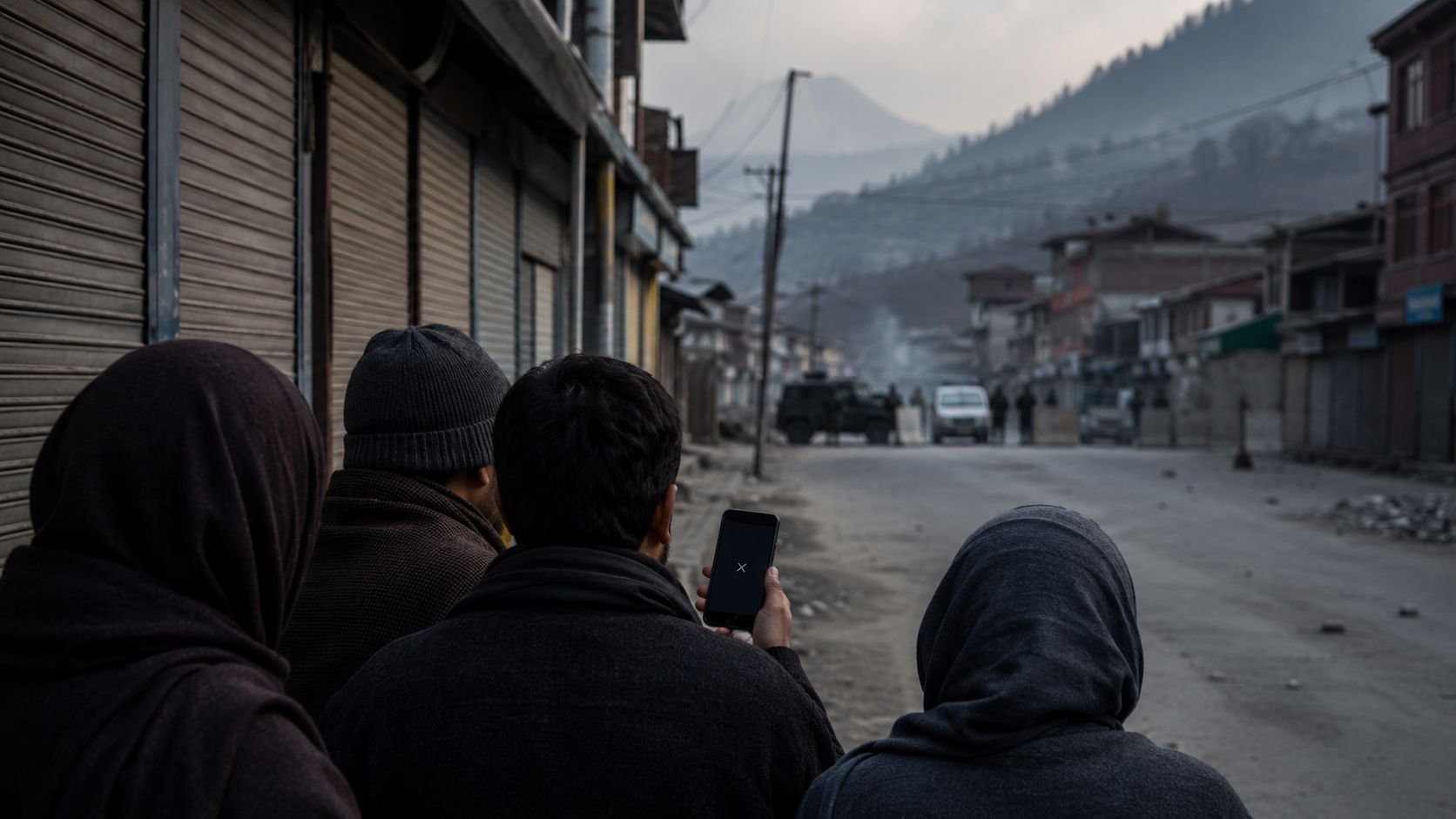
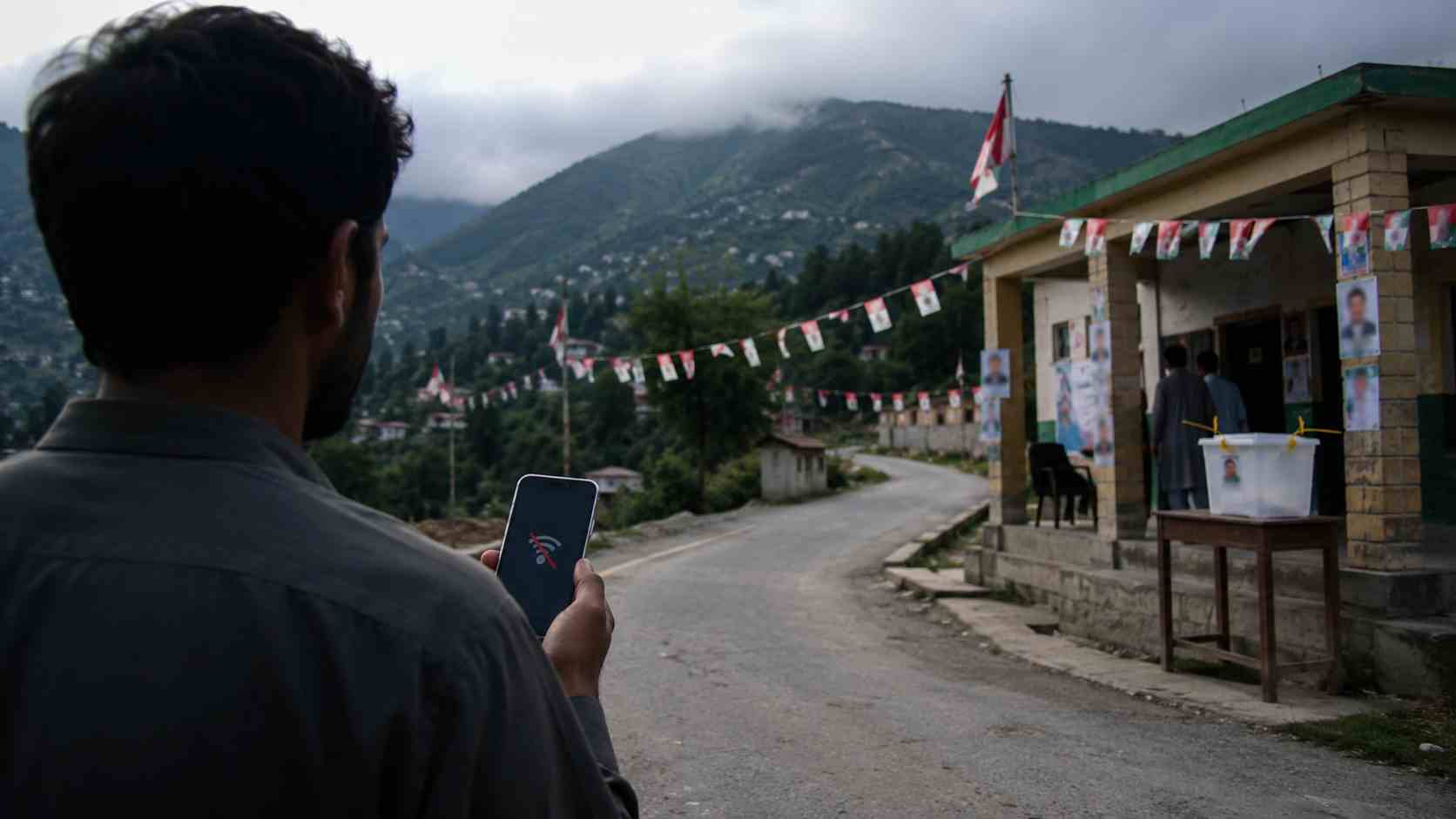
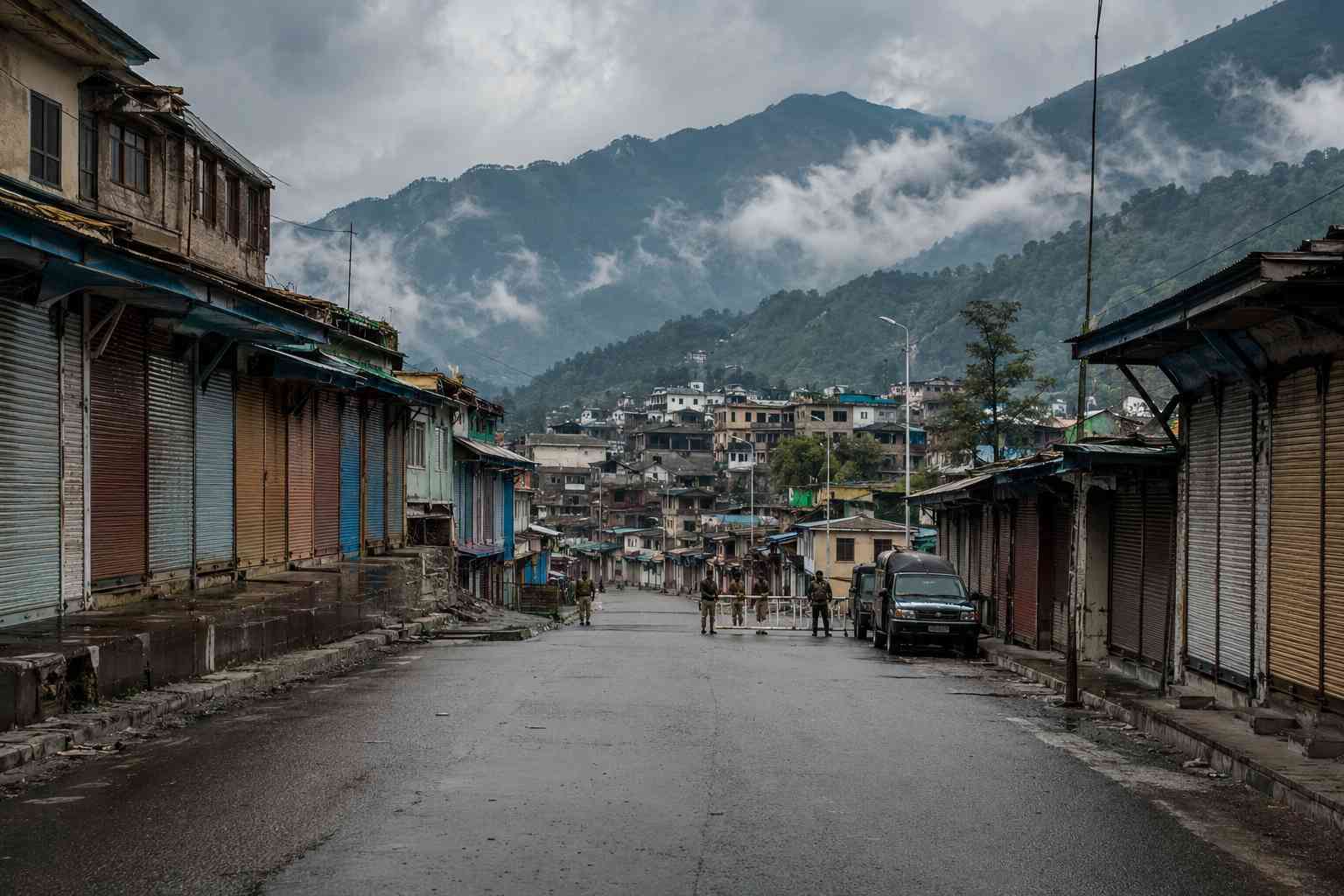
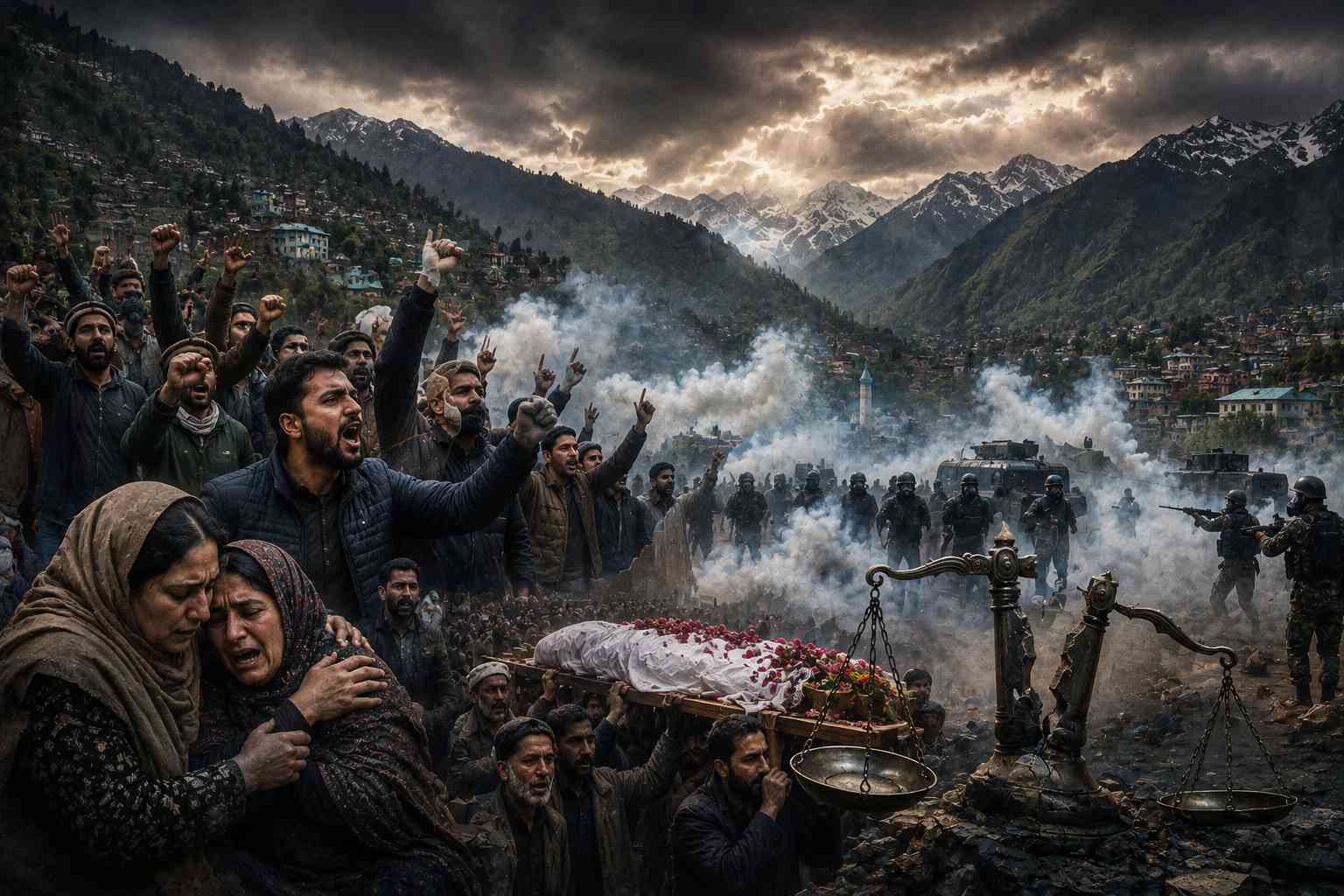
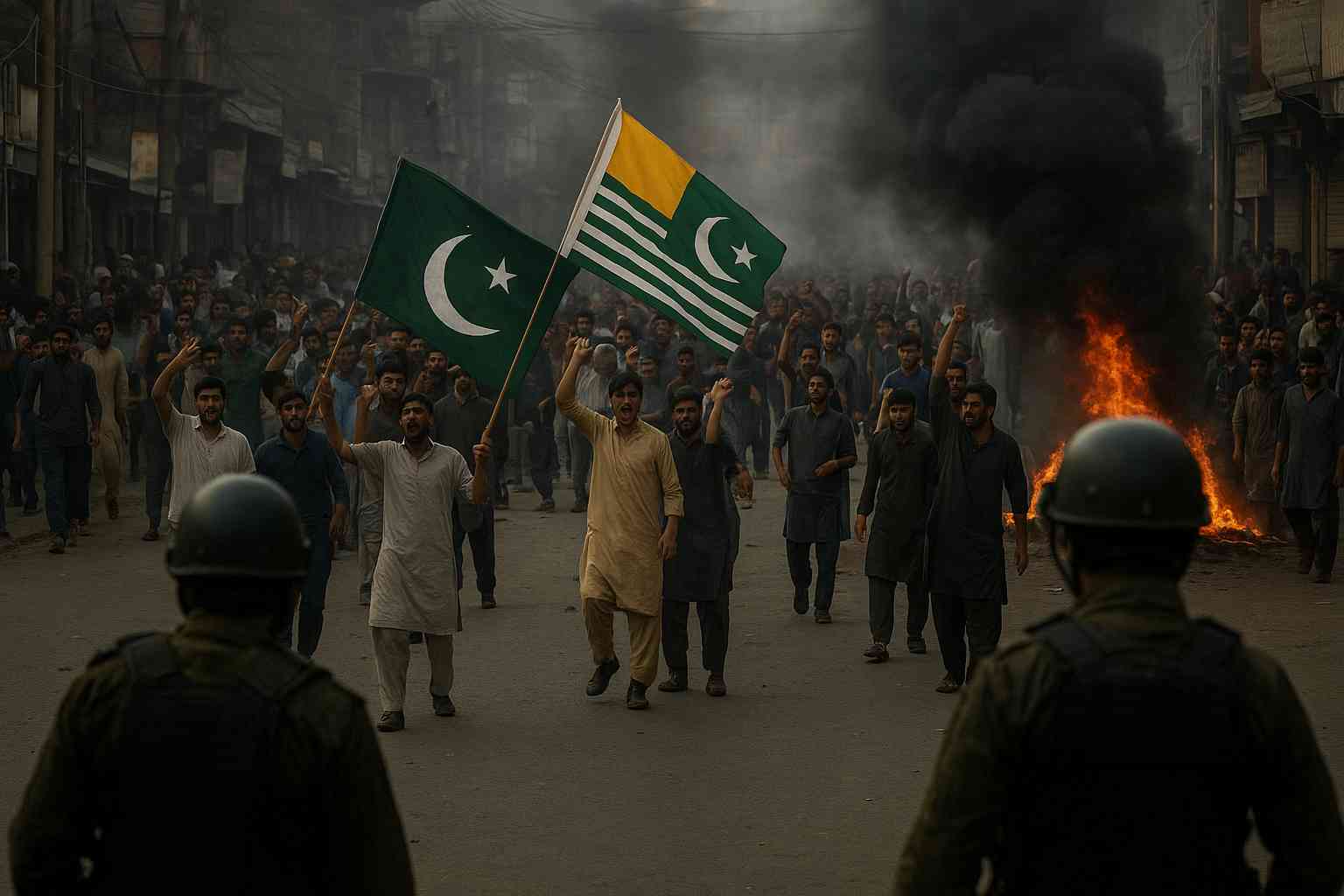
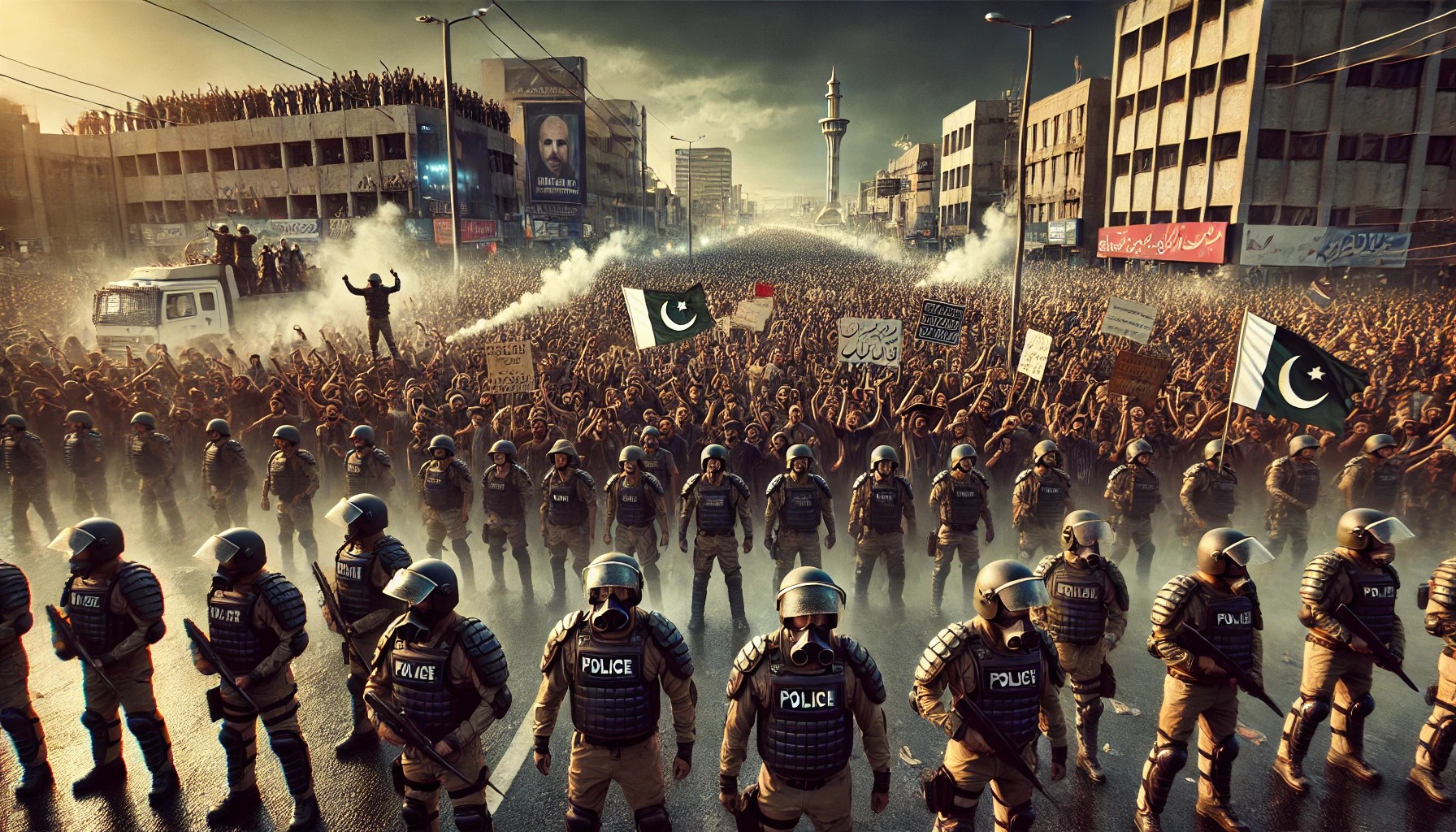
The regional government banned JAAC before the protest wave. It cited public order and security concerns. Authorities also suspended internet services in major cities. They deployed additional security forces. They pursued sedition charges against prominent JAAC figures after the shutdown and long march call.
Officials have also made serious allegations against protesters. Police claimed armed supporters opened fire on officers in Rawalakot. They also said protesters disrupted hospital services. Separate reporting cited official claims about the Combined Military Hospital incident. It also quoted local officials on civilian deaths, arrests and injured police.
Reports still differ on casualties and responsibility. That makes caution necessary. One report said at least seven people died, including four security personnel and three JAAC supporters. Another quoted a Poonch commissioner saying at least seven civilians were killed, along with four law enforcement personnel.
Still, some facts are clear. People have died. Public life has stopped in several areas. The conflict has hardened.
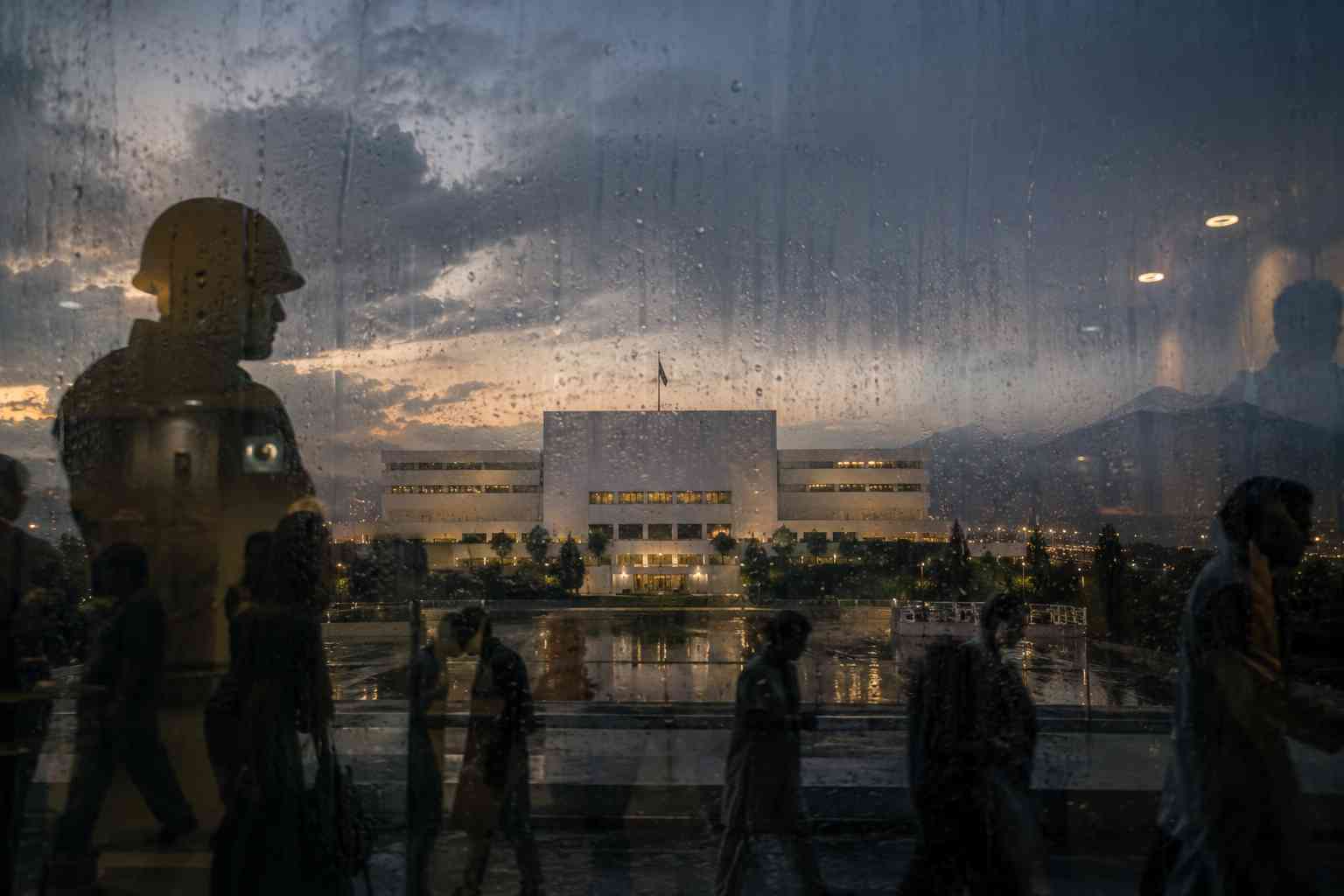
A responsible state must protect life and public property. It must also protect political space. A ban on a popular protest platform can deepen public anger. It can make people believe that the state has pushed political questions outside democratic space. One editorial argued that bans targeting popular movements are undemocratic. It also warned that such bans often fail to suppress dissent.
That is the central dilemma. No one should excuse violence. But coercion cannot replace legitimacy.
Why the refugee seats question is sensitive
The refugee seats are not a minor technical issue. They connect to Kashmir’s history, Partition, displacement and Pakistan’s official position on the wider dispute with India. Removing them would not be a simple administrative step. It would affect how displaced Kashmiri communities gain representation. It would also affect how people understand AJK’s constitutional structure.
At the same time, the anger around those seats reflects a real political problem. JAAC has alleged that mainstream Pakistani parties use these seats to influence government formation in Muzaffarabad. Some may reject JAAC’s proposed solution. But the perception of manipulated representation remains politically explosive.
The court can say the seats require a constitutional amendment. It cannot, by itself, restore confidence in the system. That requires open debate, credible elections and transparent negotiations. It also requires respect for peaceful political mobilisation.
Elections under pressure
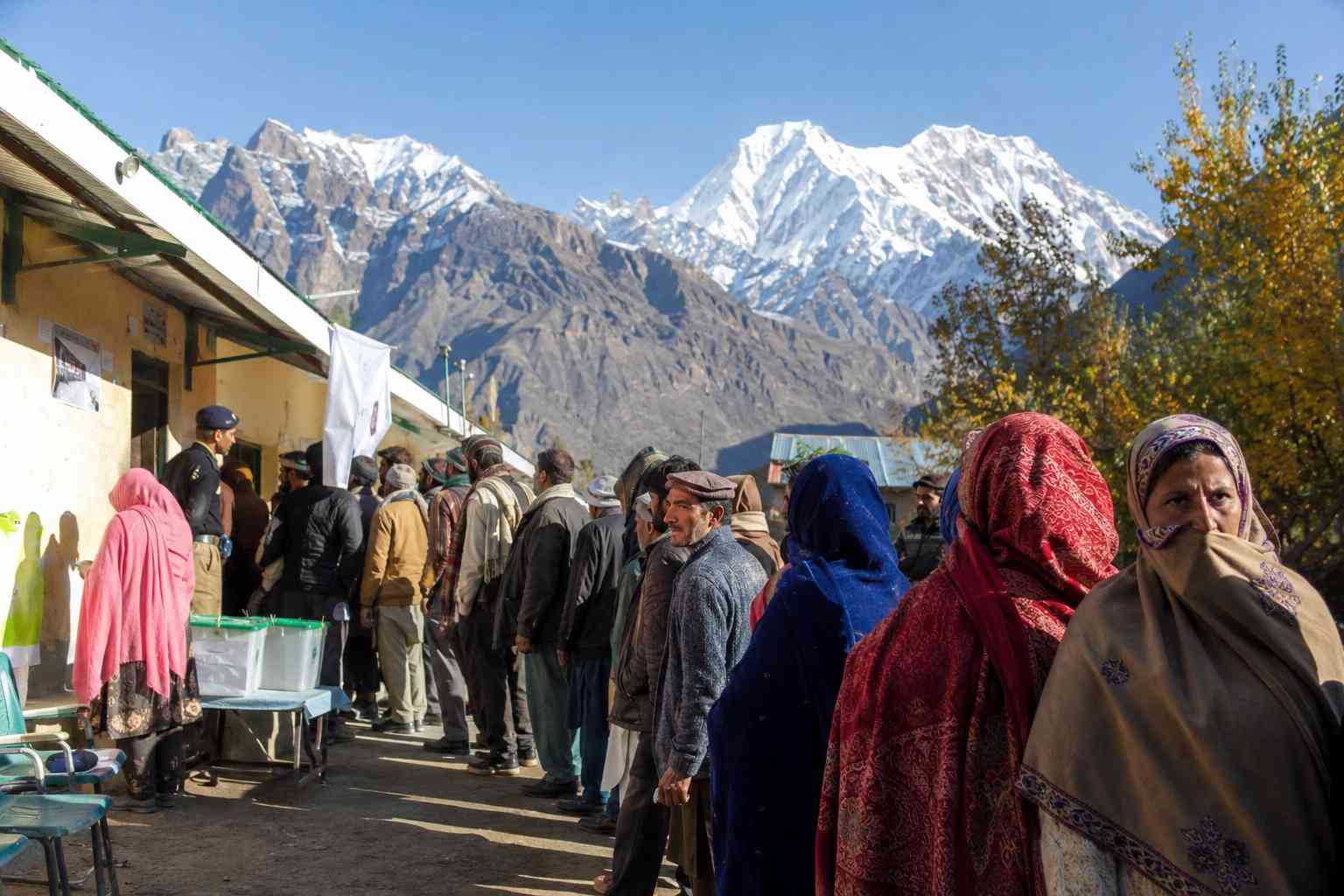
The timing makes the crisis more serious. AJK expects assembly elections next month. The court has said elections must take place within the constitutional time frame. The current assembly has completed its term. The refugee seats dispute has created uncertainty before the vote.
An election under heavy security may still proceed legally. But internet restrictions, arrests and a banned opposition movement can damage its legitimacy. Pakistan has seen this pattern before. Democratic form survives, while public confidence weakens.
For Soldier Speaks readers, this is the heart of the issue. AJK is not only facing a law-and-order crisis. It is facing the cost of delayed political dialogue. Too often, the state waits until confrontation becomes unavoidable. Then it uses the confrontation to justify coercion.
The way out
Three steps matter now.
First, authorities need an impartial accounting of deaths, injuries, arrests and alleged attacks. Competing claims cannot replace evidence.
Second, the government should reconsider the ban if it wants de-escalation. It can investigate individuals accused of violence through due process. It should not criminalise an entire political current.
Third, leaders should take the refugee seats issue into a serious legislative and public consultation process after elections. All stakeholders deserve a hearing. If the constitution protects these seats, then the constitutional path must also gain political credibility.
The AJK unrest is a warning. Economic grievances and constitutional disputes can merge when people feel managed from above. Force may clear a road or reopen a market. It cannot settle the deeper question: who gets to speak for the people of Azad Jammu and Kashmir?