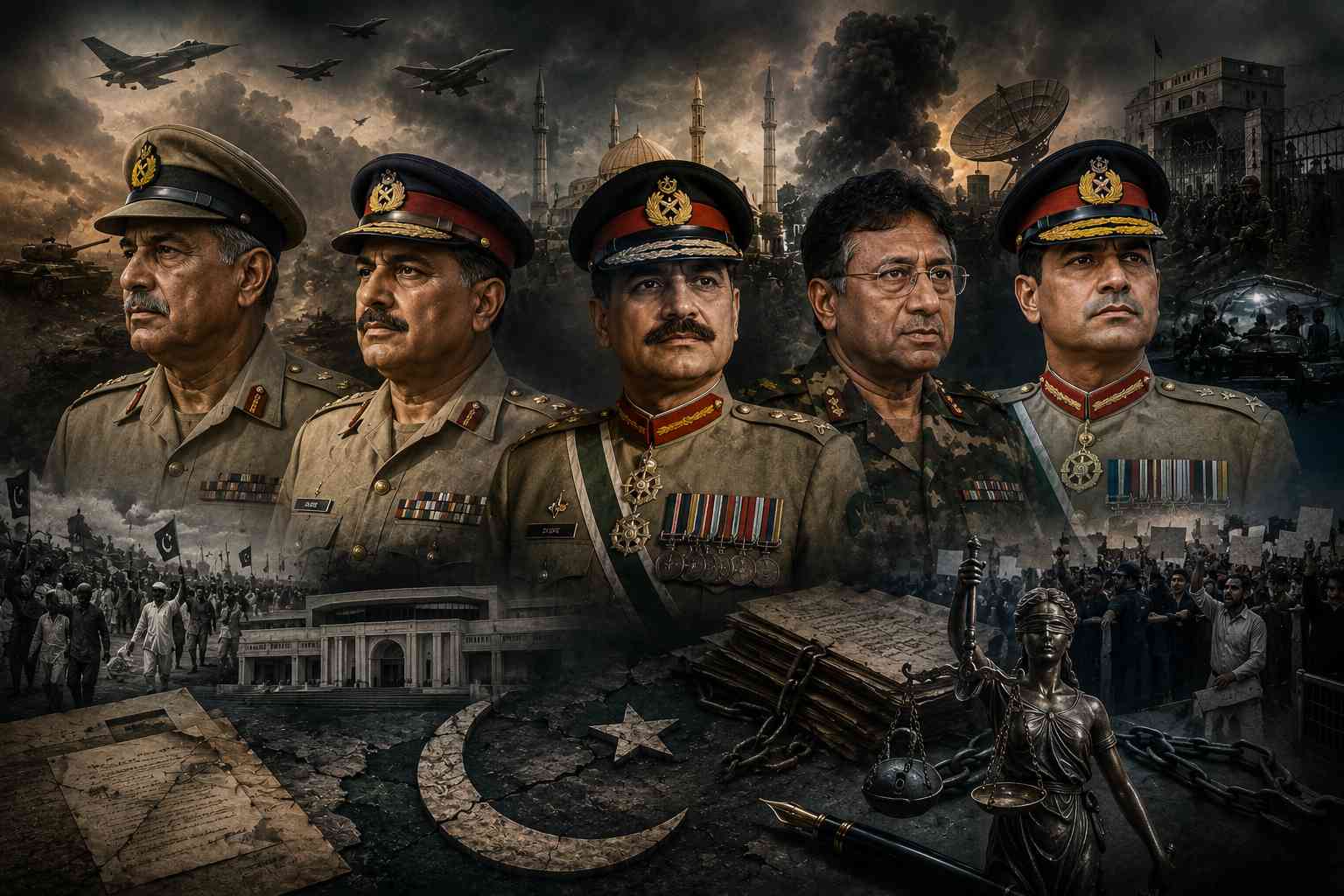
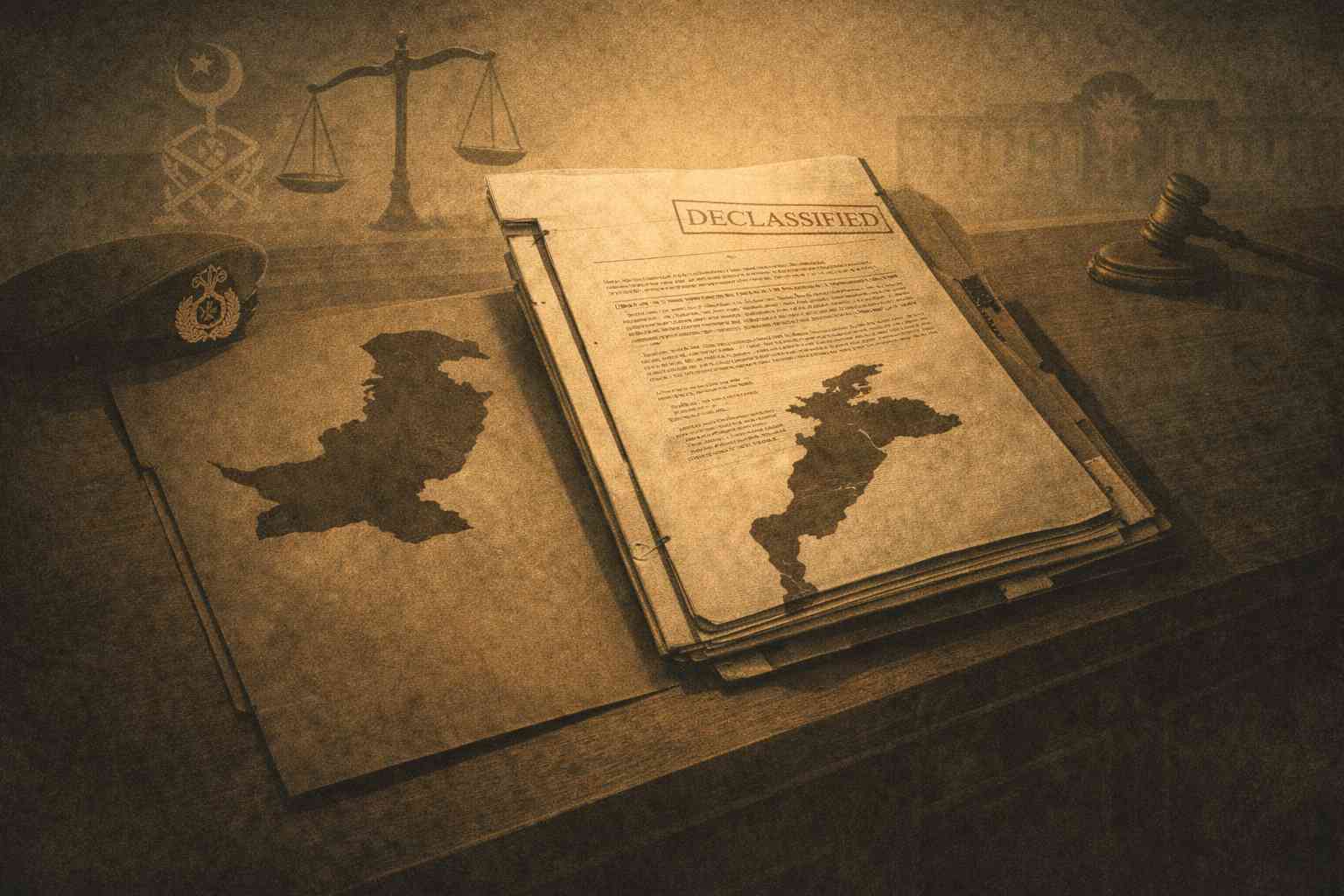
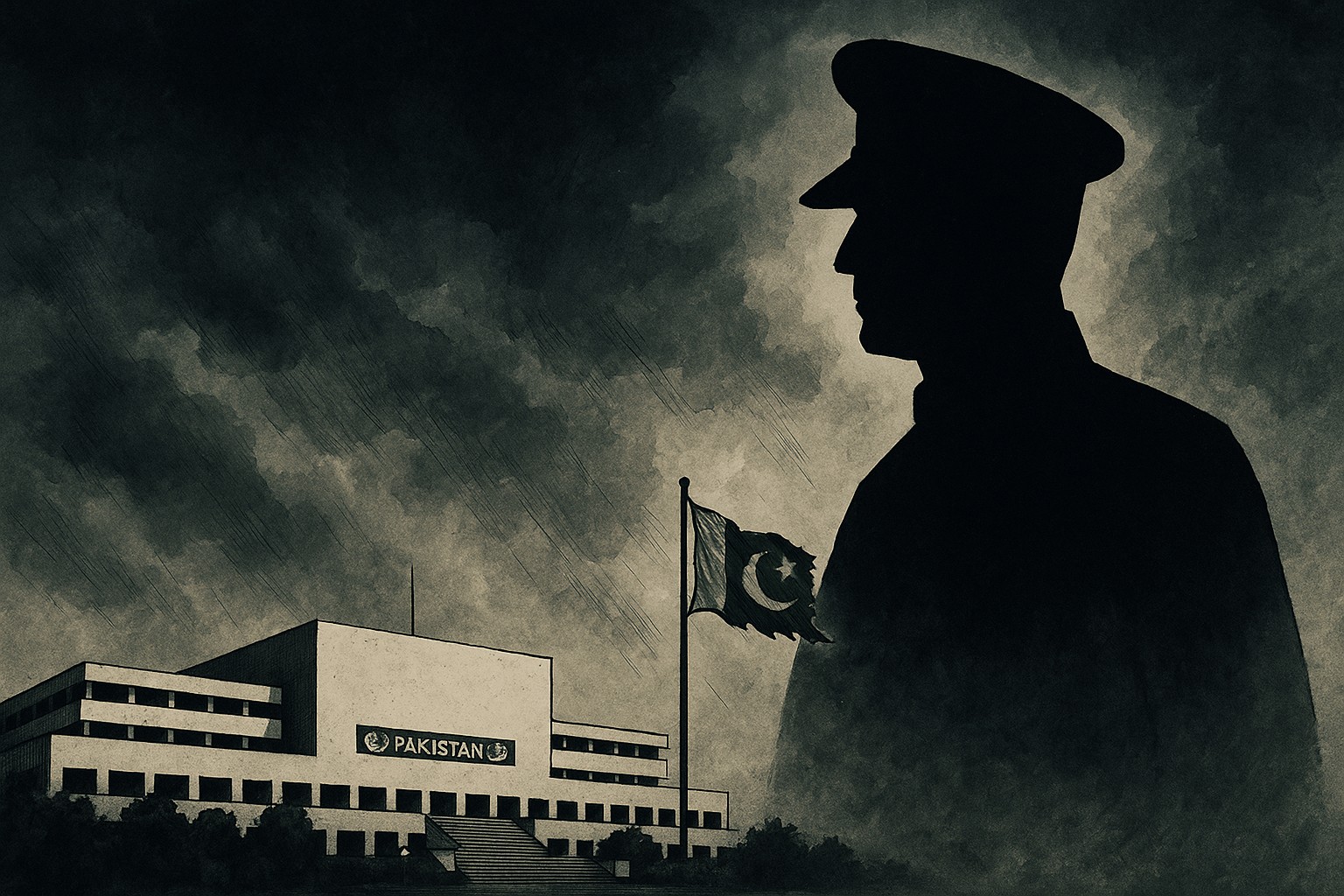
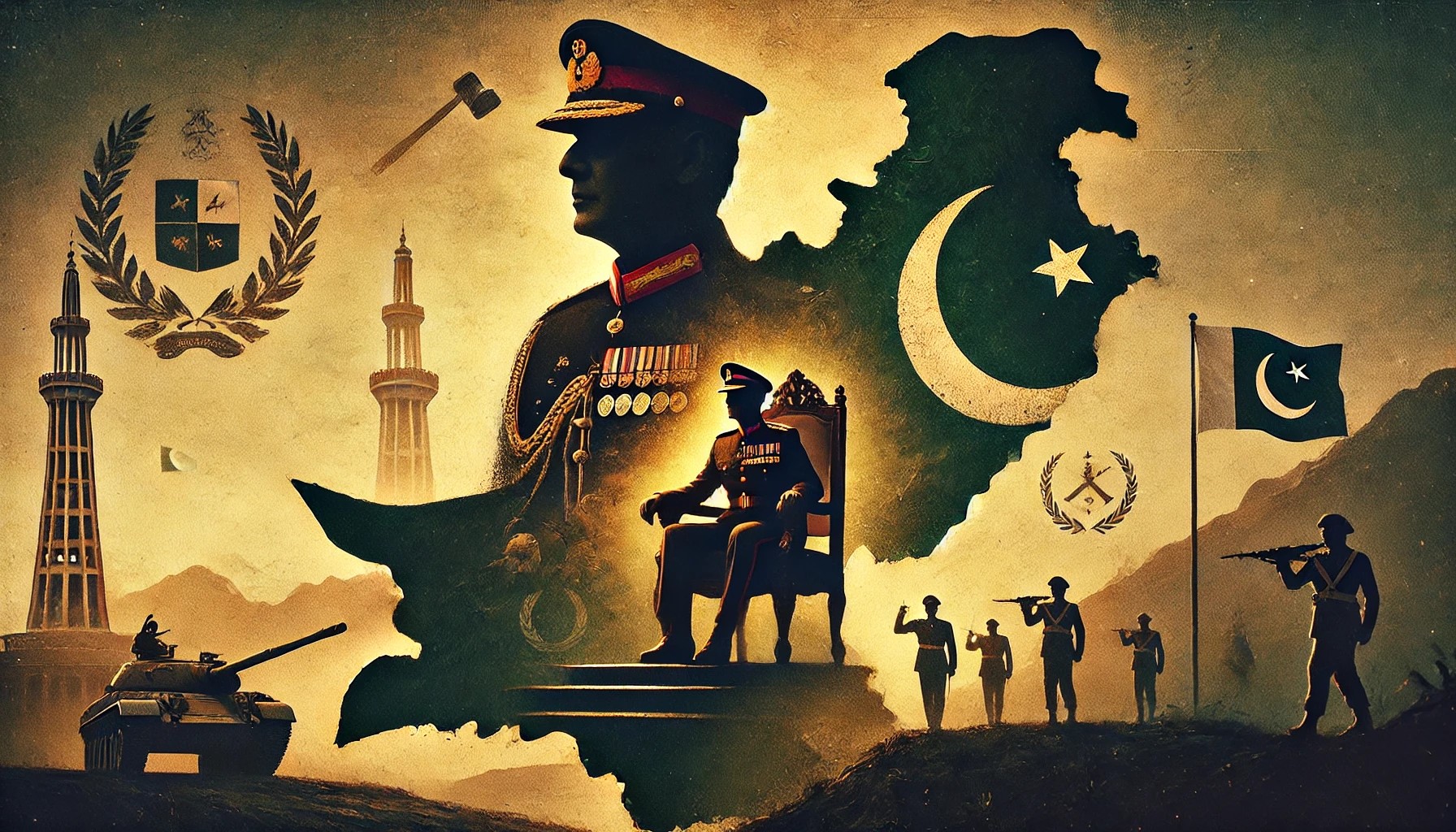
Pakistan’s history after independence has repeatedly been interrupted by men in uniform who seized power with promises of stability, progress, and salvation, only to leave behind deep divisions, institutional decay, and lasting wounds. Field Marshal Muhammad Ayub Khan, General Yahya Khan, General Muhammad Zia-ul-Haq, General Pervez Musharraf, and now Field Marshal Syed Asim Munir each presented himself as a necessary strongman. Yet their eras were filled with personal delusions, strategic blunders, and ideological or authoritarian experiments that often intensified the very problems they claimed to solve.
Ayub Khan: The “Decade of Development” That Ended in Delusion
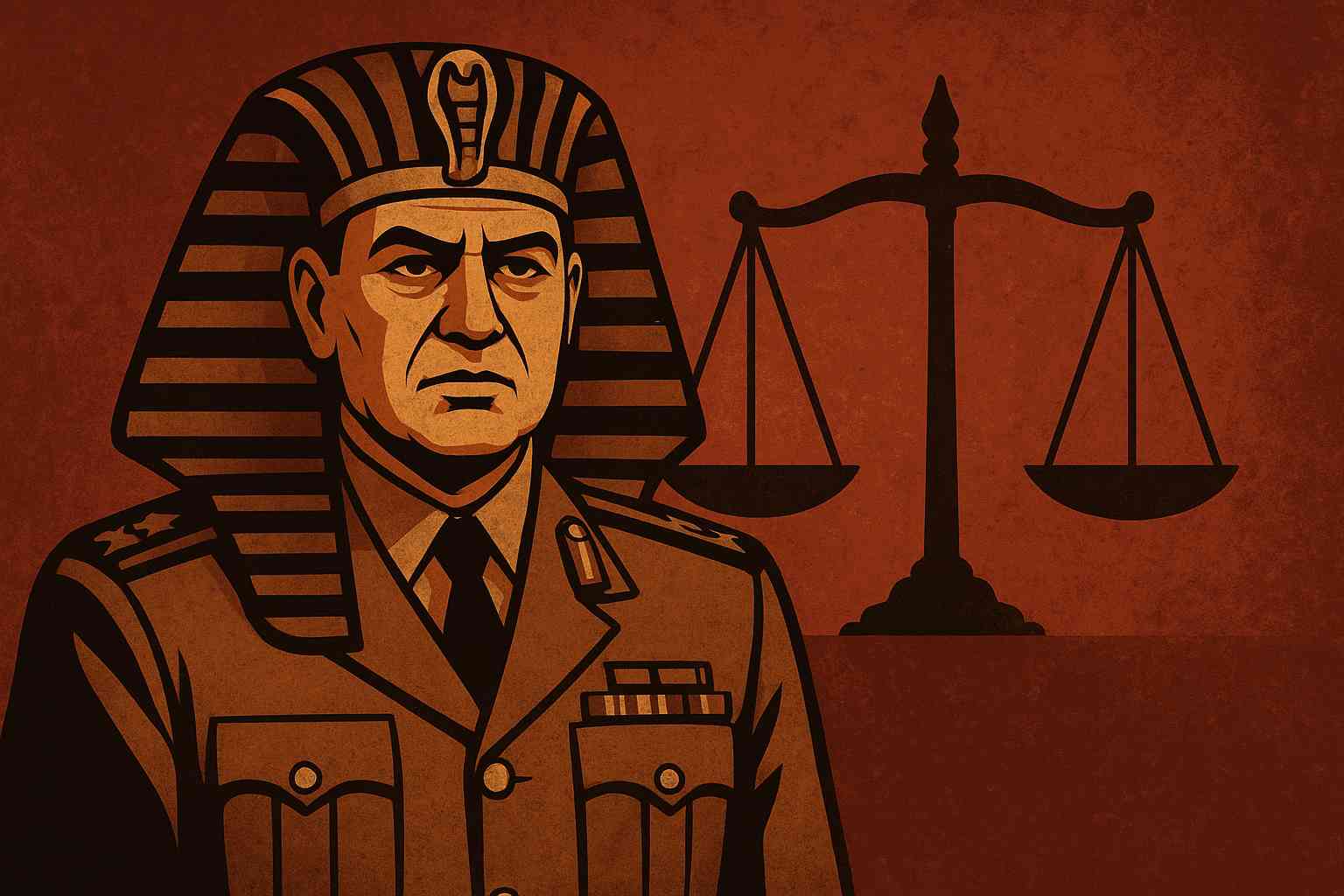
Ayub Khan, Pakistan’s first military dictator (1958–1969), is often credited with economic growth and the “Decade of Development”. He introduced “Basic Democracies”, a system that centralised power while claiming to empower the people. However, the greatest test of his rule came in 1965.
Convinced that the Indian Army had been weakened after its 1962 defeat by China, Ayub approved Operation Gibraltar, an attempt to ignite an insurgency in Kashmir. The result was the full-scale 1965 Indo-Pak War. Pakistani military communiqués claimed victory, but the reality was a costly stalemate. Internal documents and accounts by insiders such as Altaf Gauhar reveal that Ayub remained unaware of critical failures even days before major escalations. The war ended with the Tashkent Agreement, which many in Pakistan saw as a betrayal.
The 1965 misadventure exposed deep fault lines. East Pakistan felt neglected and vulnerable, which fuelled Bengali resentment that erupted under his successor. Ayub’s authoritarian style, muzzling the press, banning political parties, and rigging elections (especially against Fatima Jinnah in 1965), eroded public trust. His downfall in 1969 amid mass protests paved the way for the next catastrophe.
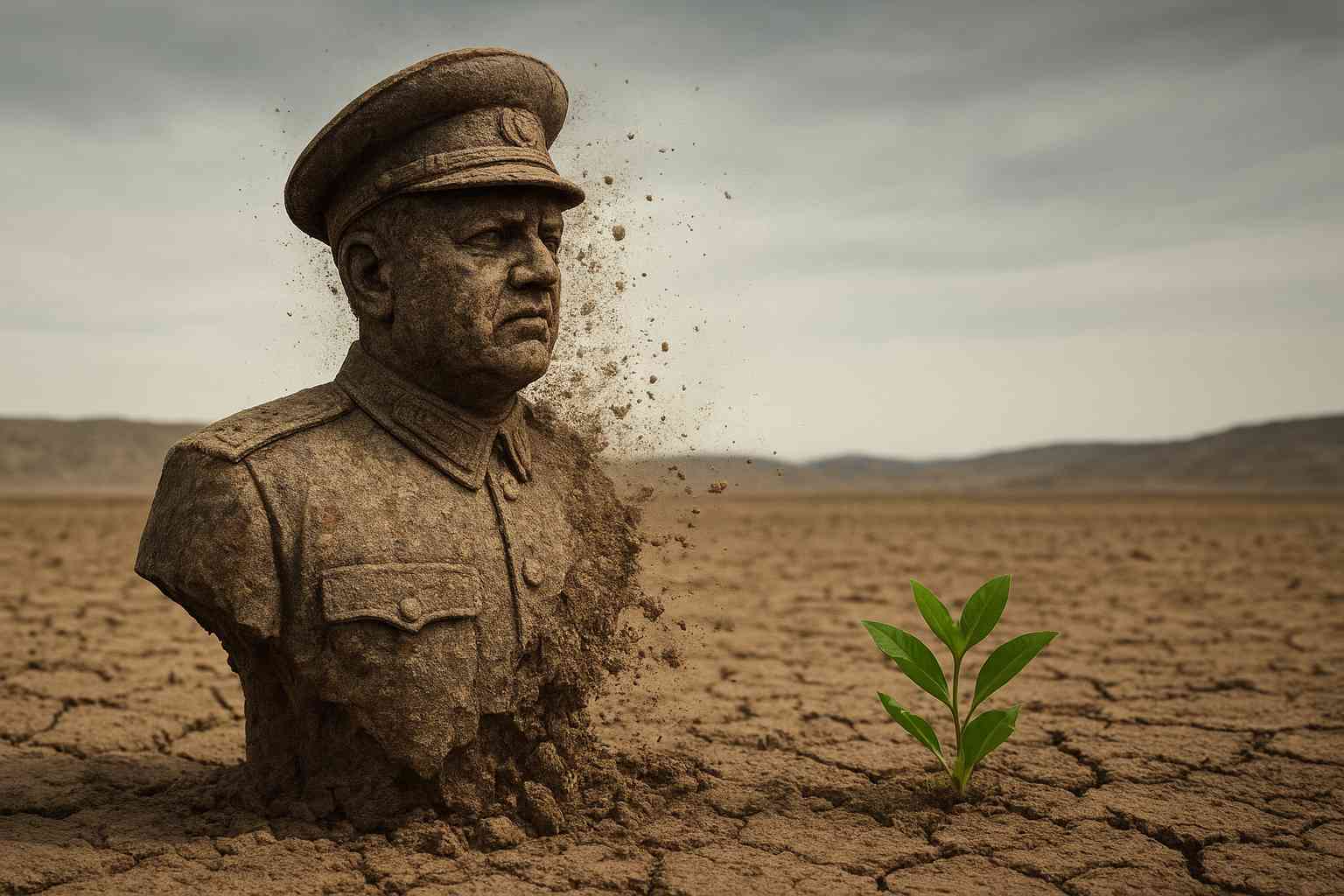
Yahya Khan: The Drunken Dictator Who Lost Half the Country
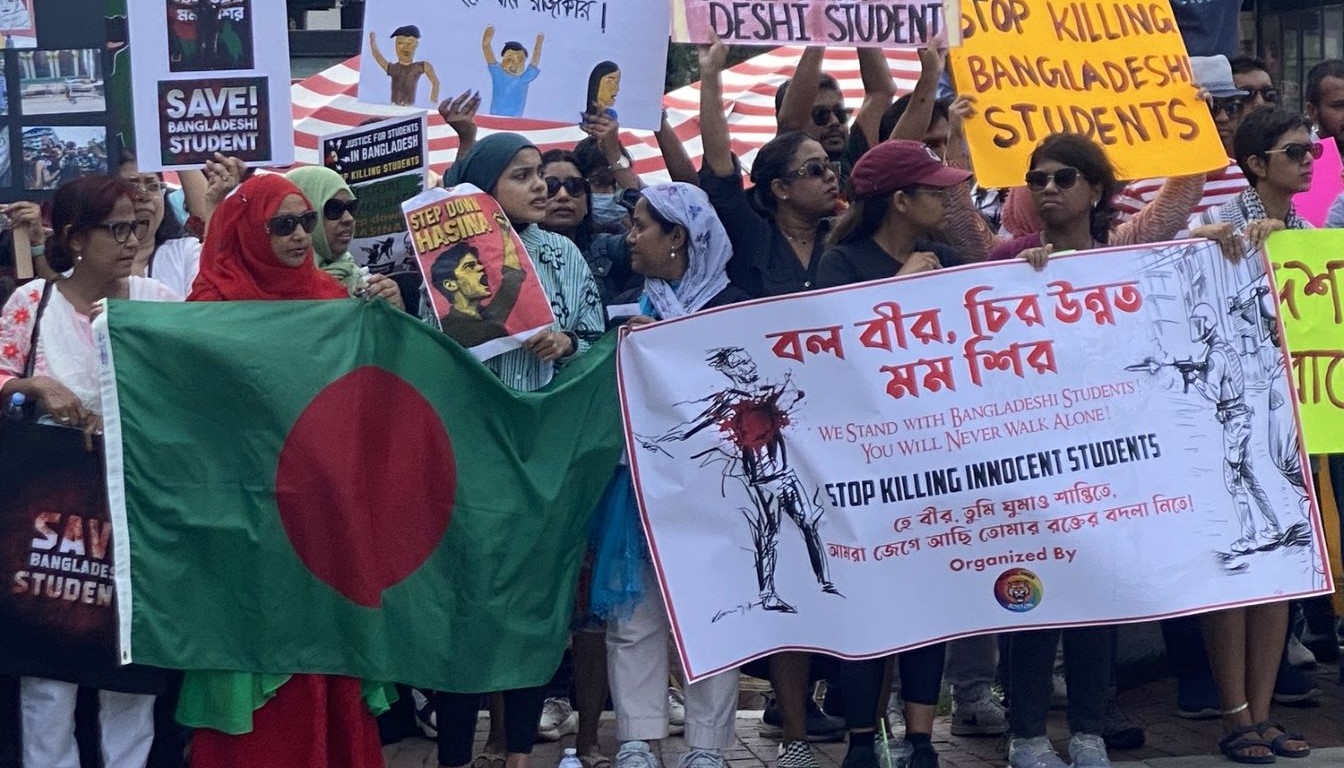
Yahya Khan’s short but disastrous rule (1969–1971) is one of the darkest chapters in Pakistan’s history. He imposed martial law, held the country’s first general elections in 1970, but refused to accept the results. The Awami League’s landslide victory in East Pakistan was met with a brutal military crackdown, Operation Searchlight, which triggered the 1971 Bangladesh Liberation War and the eventual secession of East Pakistan.
Yahya’s era is remembered for incompetence, detachment from ground realities, and personal excesses. While soldiers fought and civilians endured atrocities on a genocidal scale (including mass rapes and killings), the leadership was reportedly isolated, with Yahya heavily criticised for alcoholism and poor decision-making. The loss of East Pakistan was not merely a military defeat but a national humiliation that changed Pakistan’s geography and identity forever. Yahya’s rule proved that military “decisiveness” without political wisdom can tear a nation apart.
Zia-ul-Haq: Islamization That Distorted Education and Society
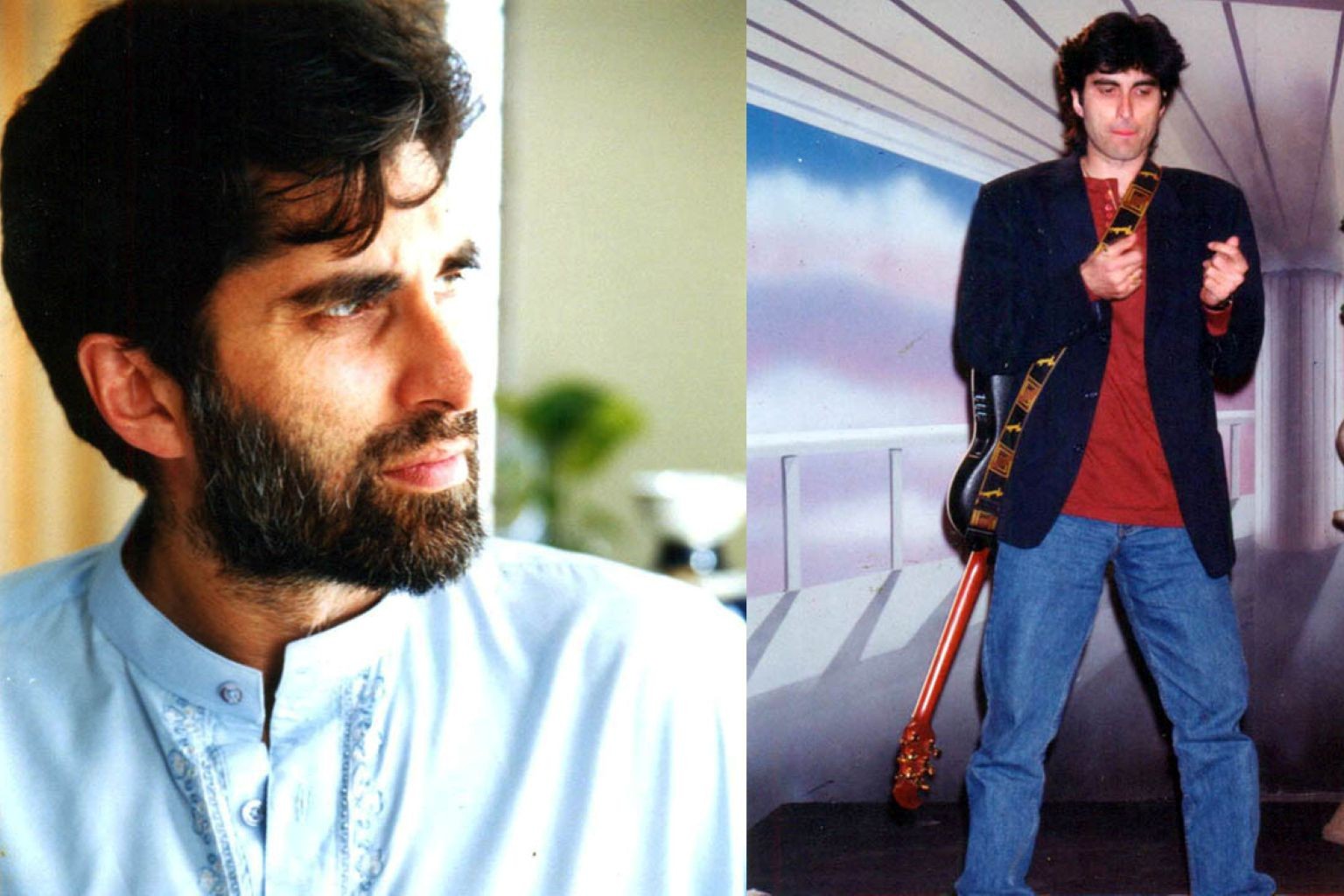
General Zia-ul-Haq (1977–1988) overthrew Zulfikar Ali Bhutto and launched a powerful Islamization programme. He introduced the Hudood Ordinances, Zakat and Ushr systems, Shariat courts, and attempted to reshape every institution according to his vision of an Islamic state. While this gained support from conservative elements and Saudi funding, it came at a heavy cost to tolerance, education, and minorities.
A particularly notorious episode was the 1987 International Conference on Scientific Miracles of the Quran and Sunnah, inaugurated by Zia himself. Backed by Saudi support, the conference promoted pseudoscientific claims, including bizarre mathematical formulas for measuring societal “hypocrisy” (munafiqat) based on chemical analogies. Critics such as physicist Pervez Hoodbhoy described it as state-sponsored delusion that distorted scientific education for an entire generation.
Zia’s policies deepened sectarian divides, institutionalised discrimination against women and minorities, and sowed the seeds of extremism that Pakistan continues to grapple with today.
Musharraf: The “Liberal Dictator” and His Shocking Gaffes
General Pervez Musharraf (1999–2008) projected a modern, moderate image, “Enlightened Moderation”, while ruling through military dominance. He granted greater social freedoms in urban centres, earning praise from Pakistan’s elite. Yet his era was marked by contradictions, the backlash of the War on Terror, and moments of stunning insensitivity.
In a 2005 Washington Post interview, Musharraf described rape cases as a “money-making concern”, suggesting that some women fabricated assaults to obtain visas and citizenship abroad (particularly to Canada). The remark sparked global outrage and highlighted a tone-deaf attitude toward violence against women. Despite economic growth and media liberalisation, Musharraf’s legacy remains tainted by authoritarianism, the suspension of the judiciary, and the perception that he debased the office of the President.
Asim Munir: The “Deceiver Field Marshal” and Institutionalisation of Military Dominance
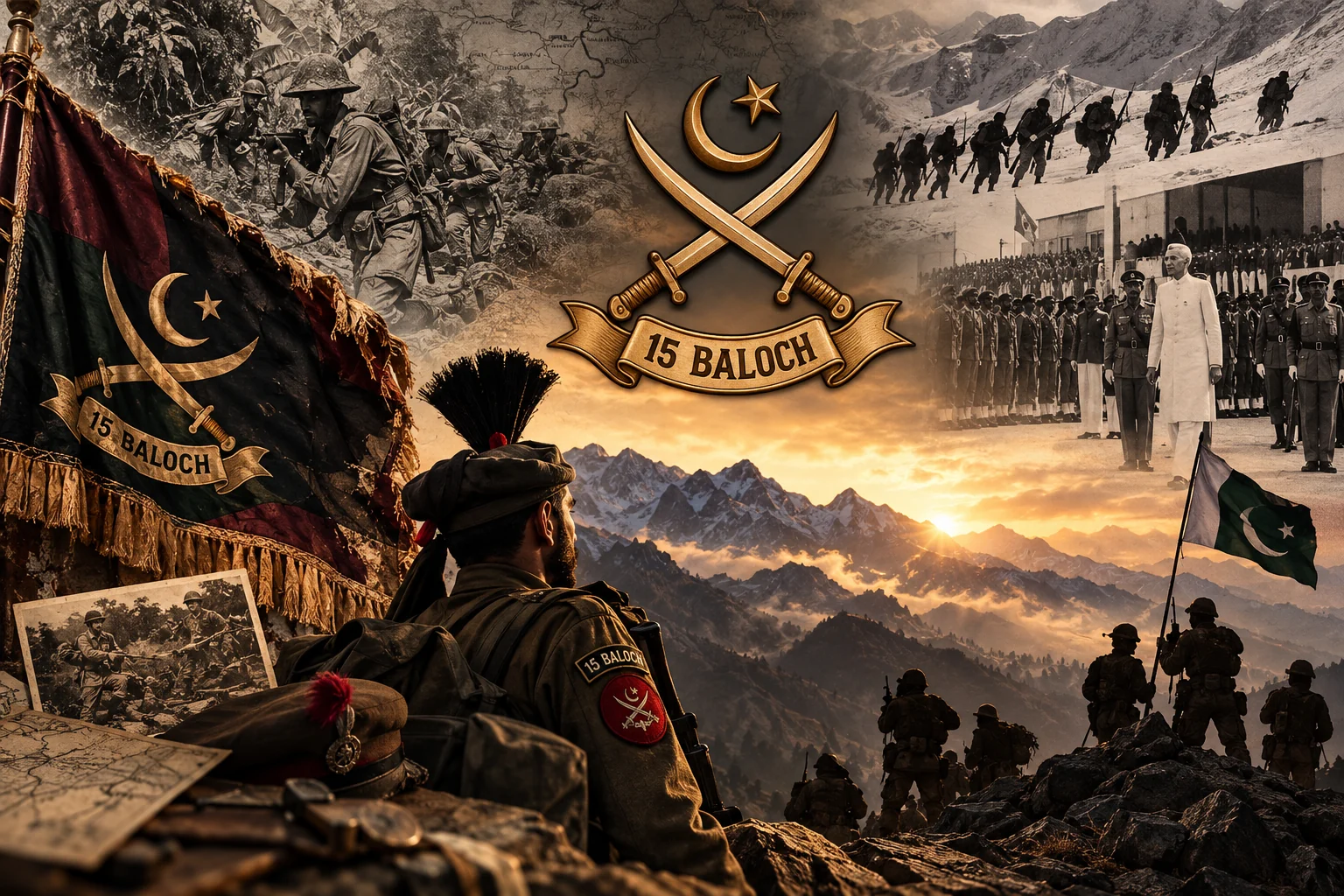
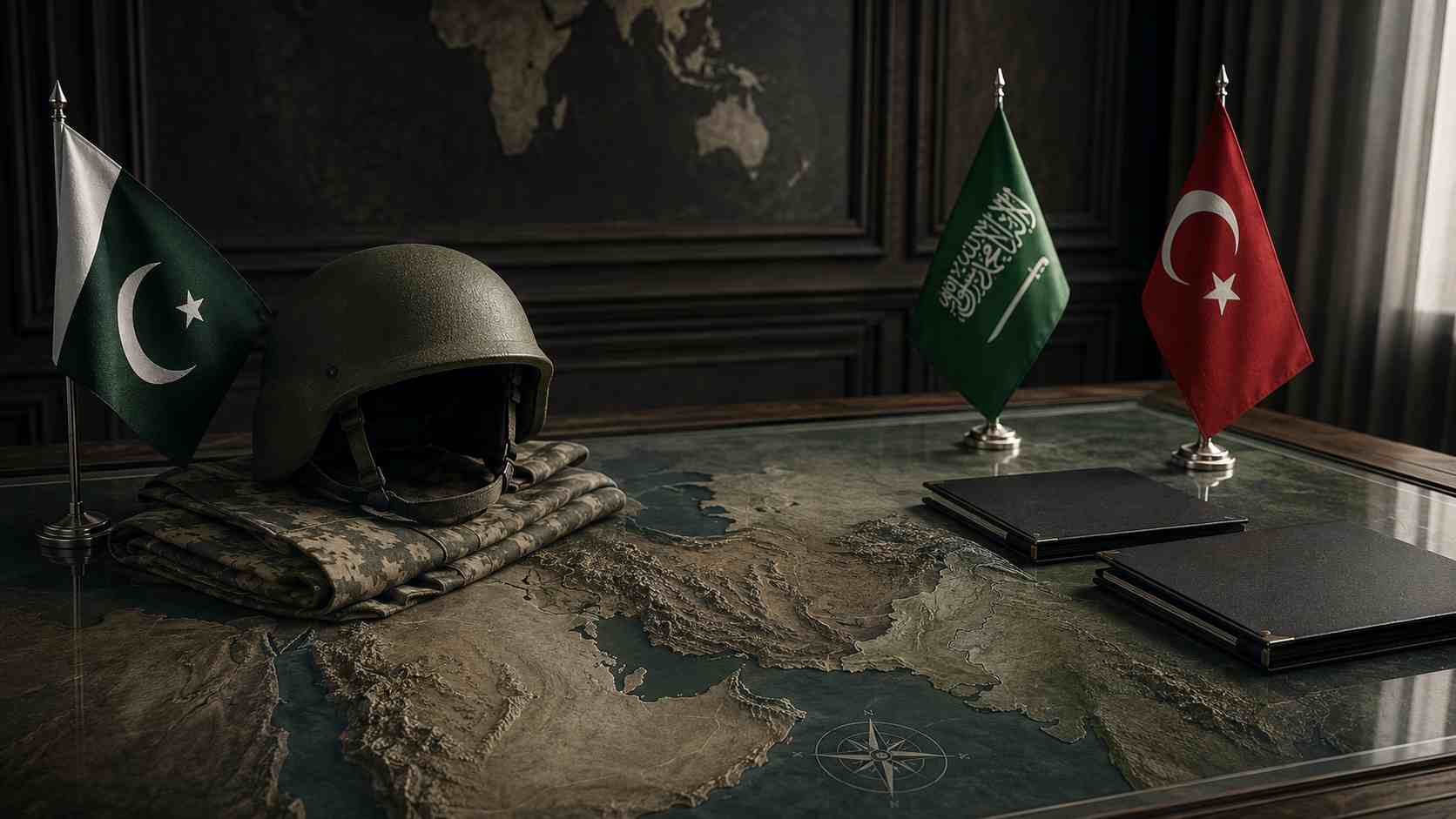
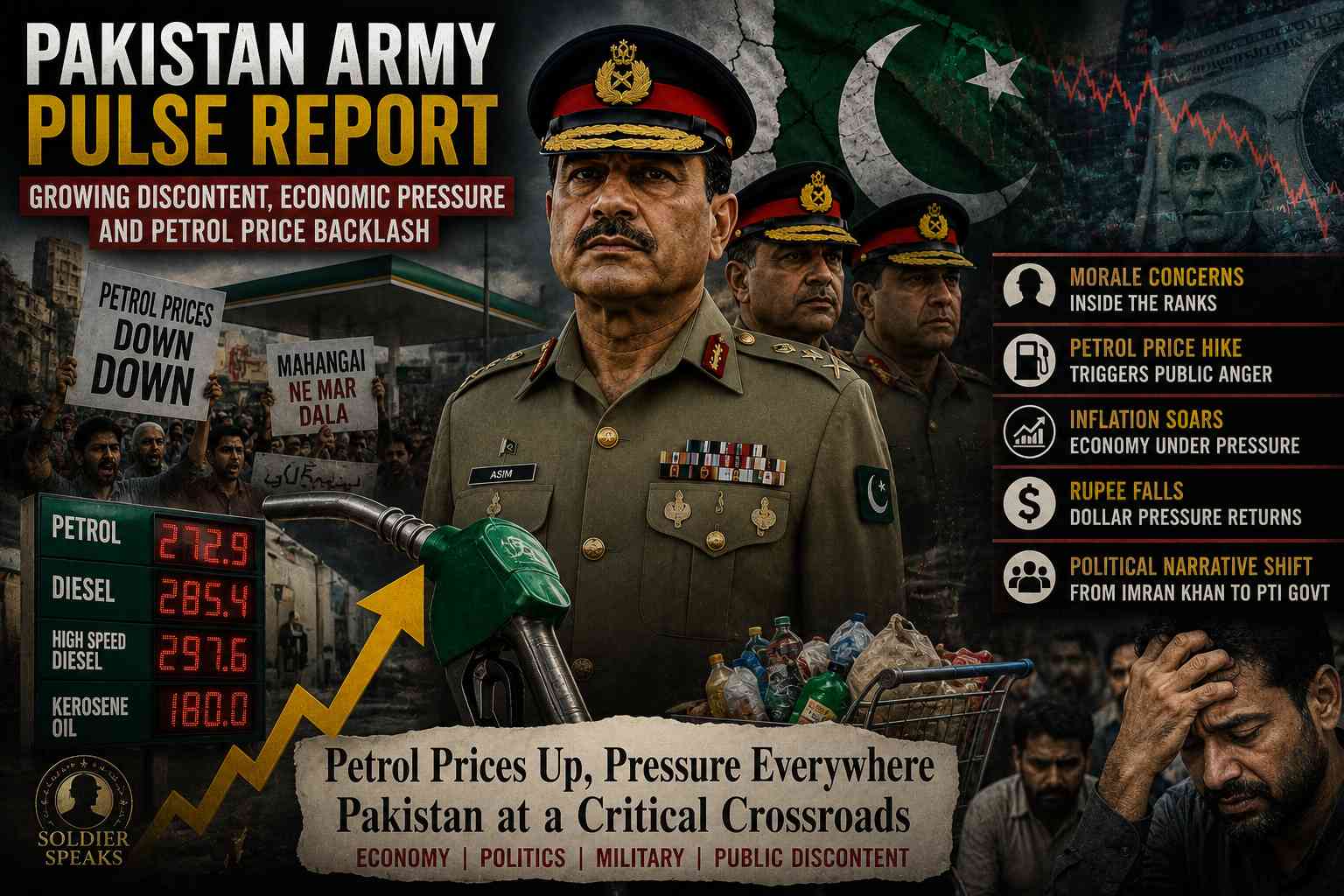
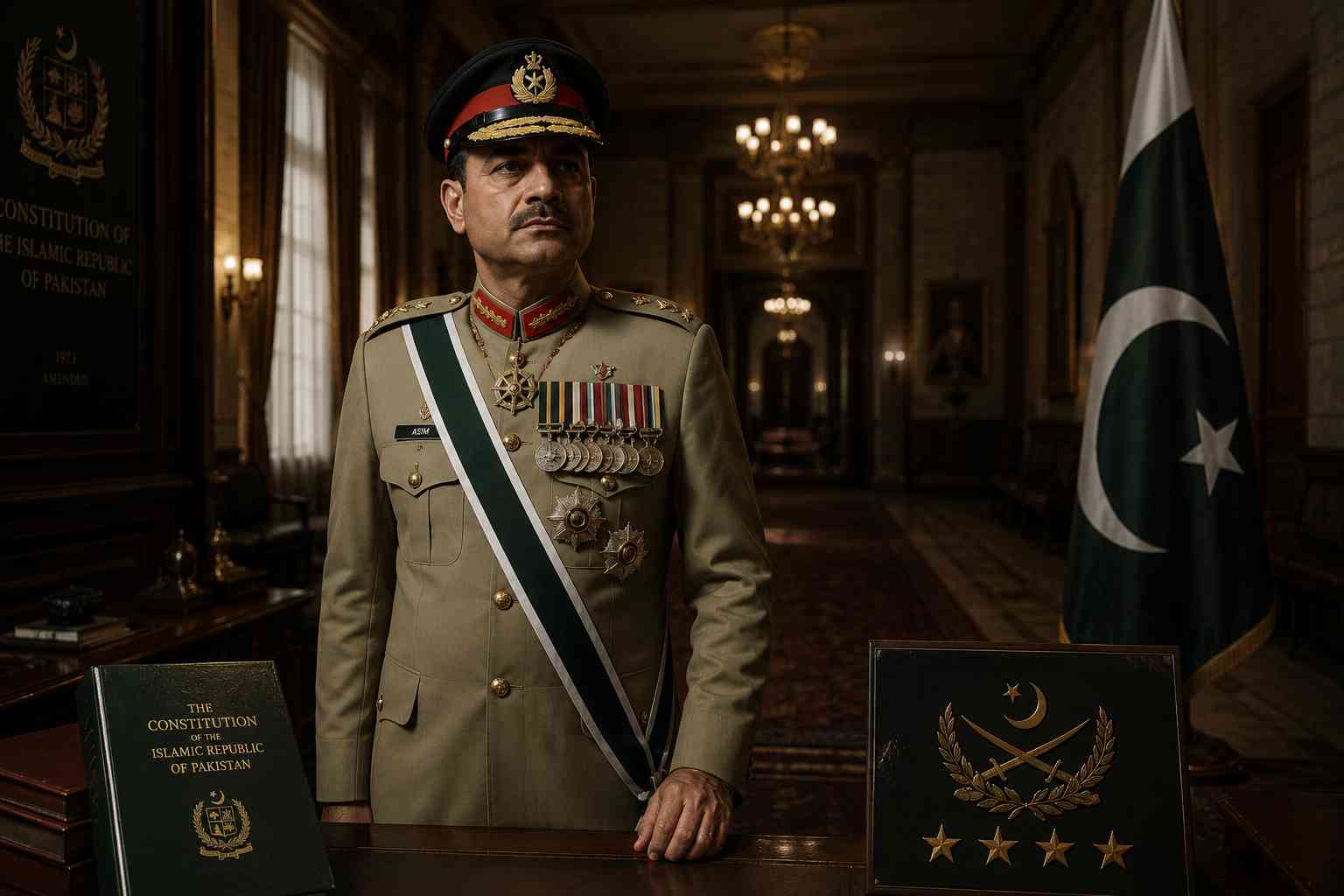
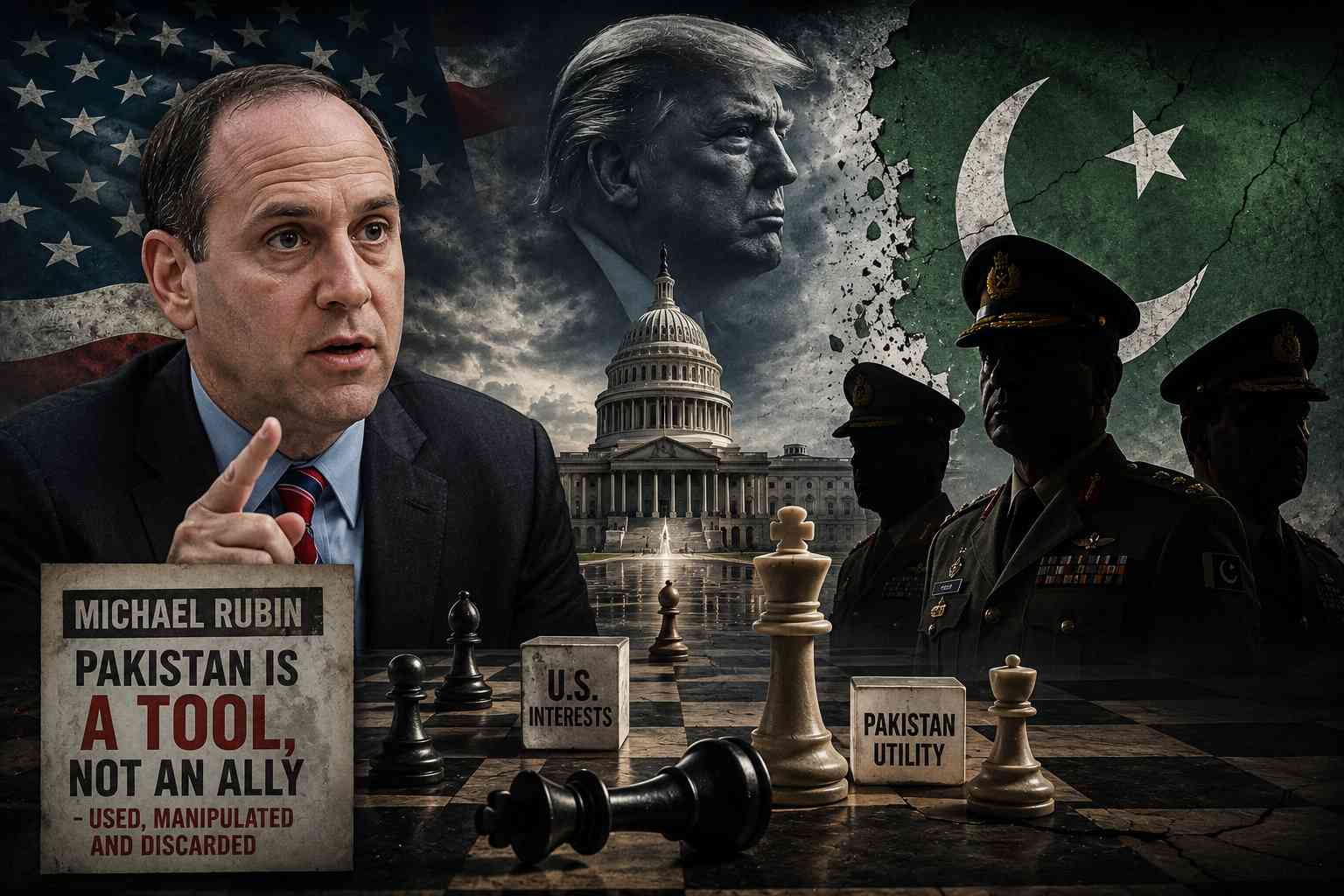
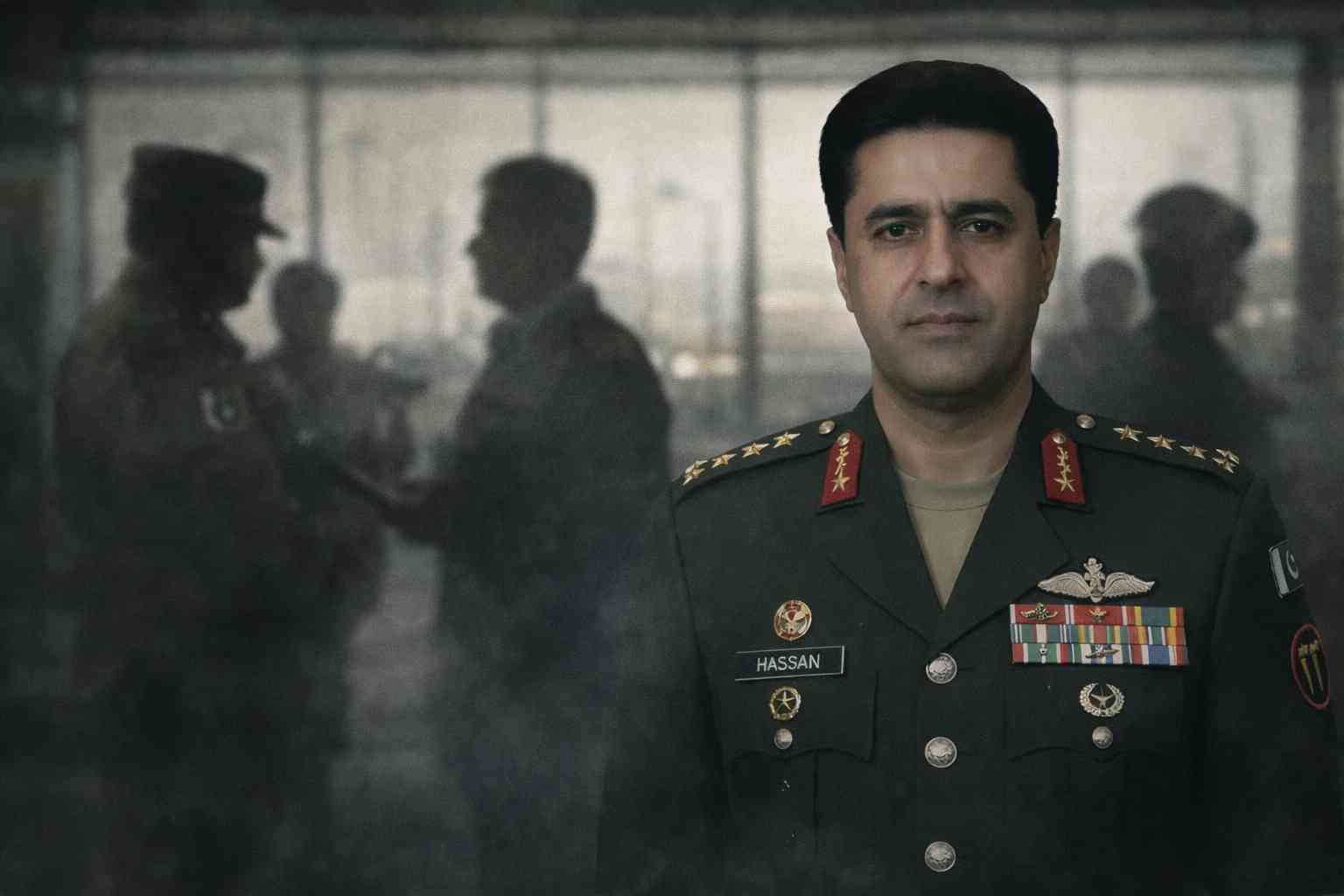
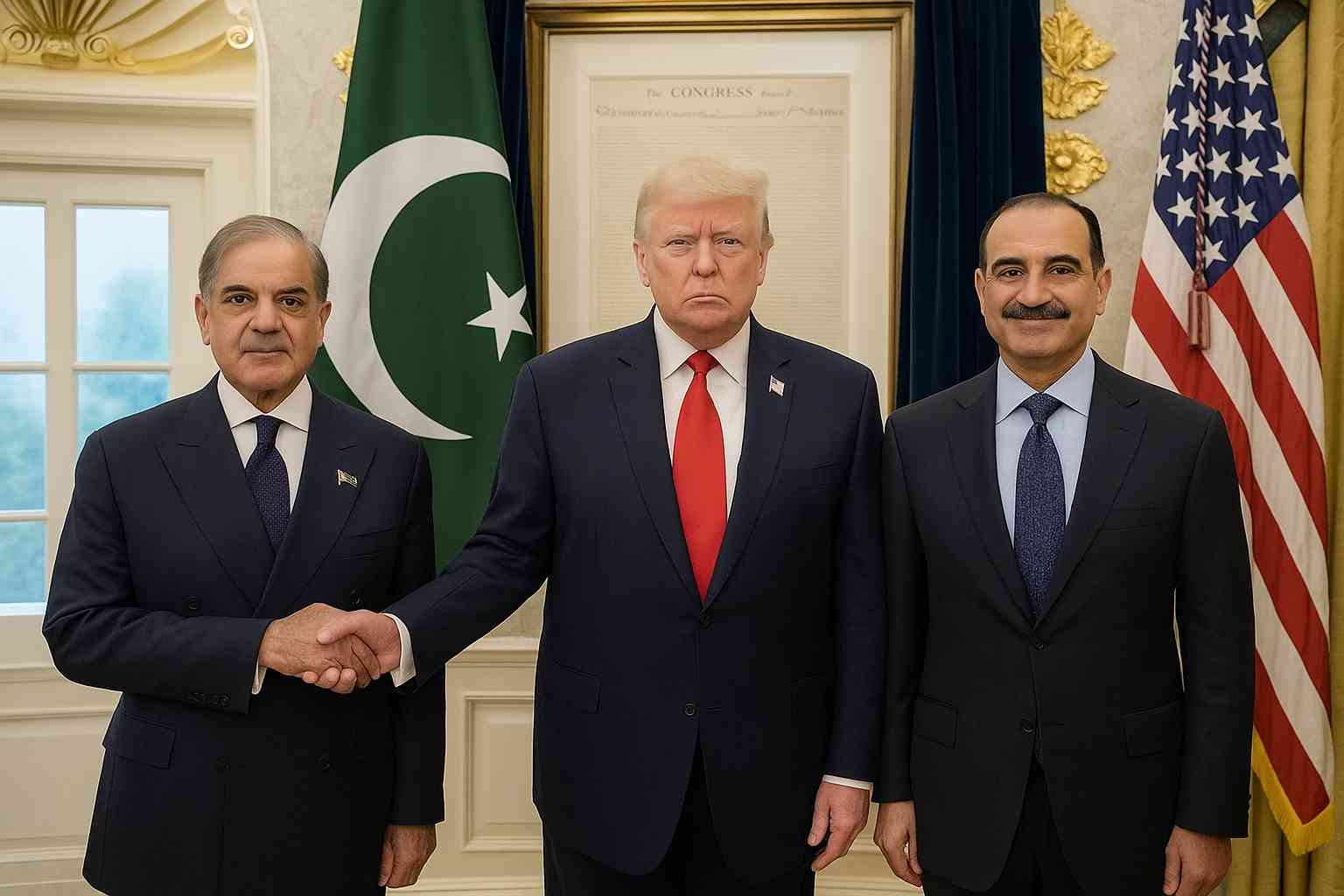
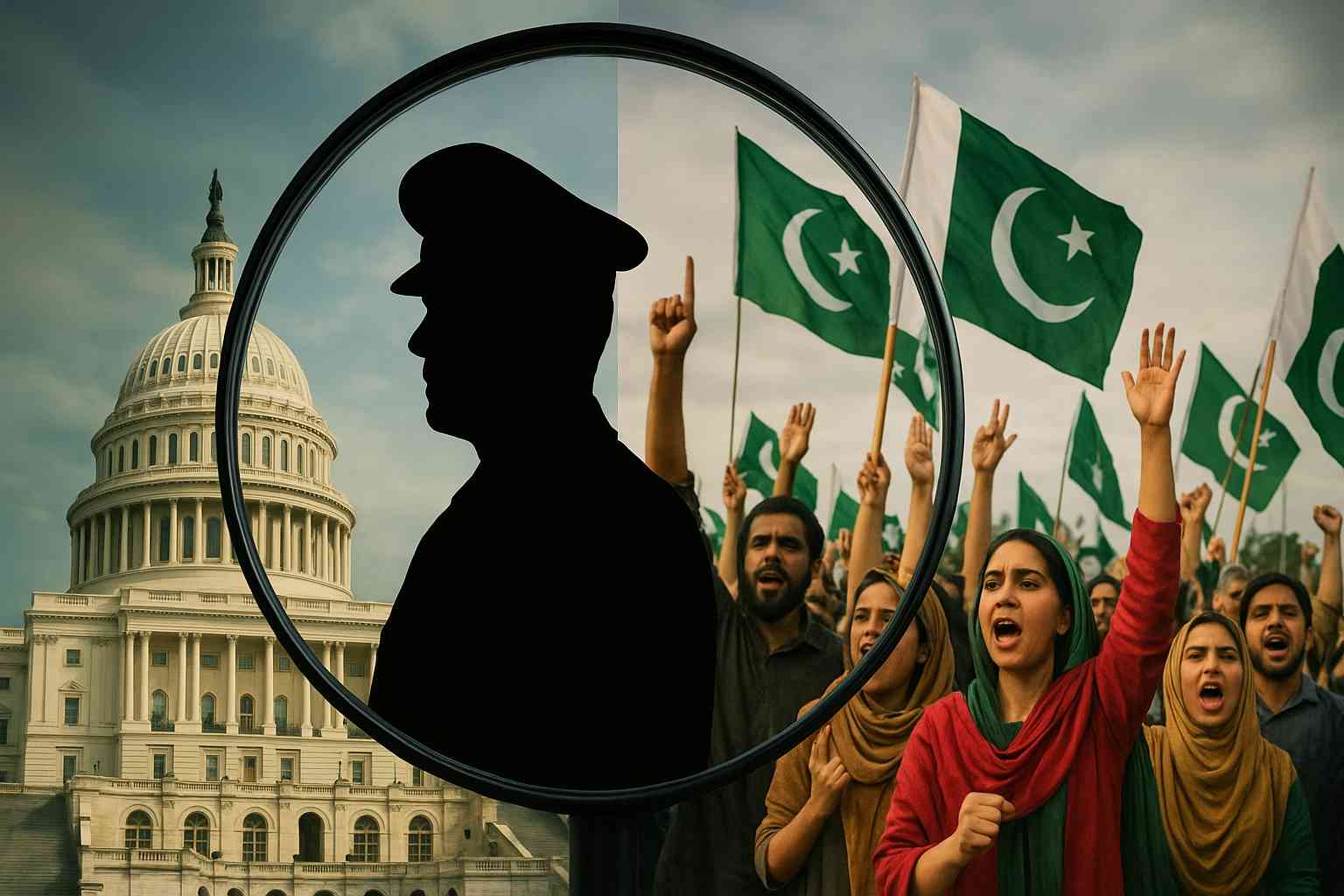
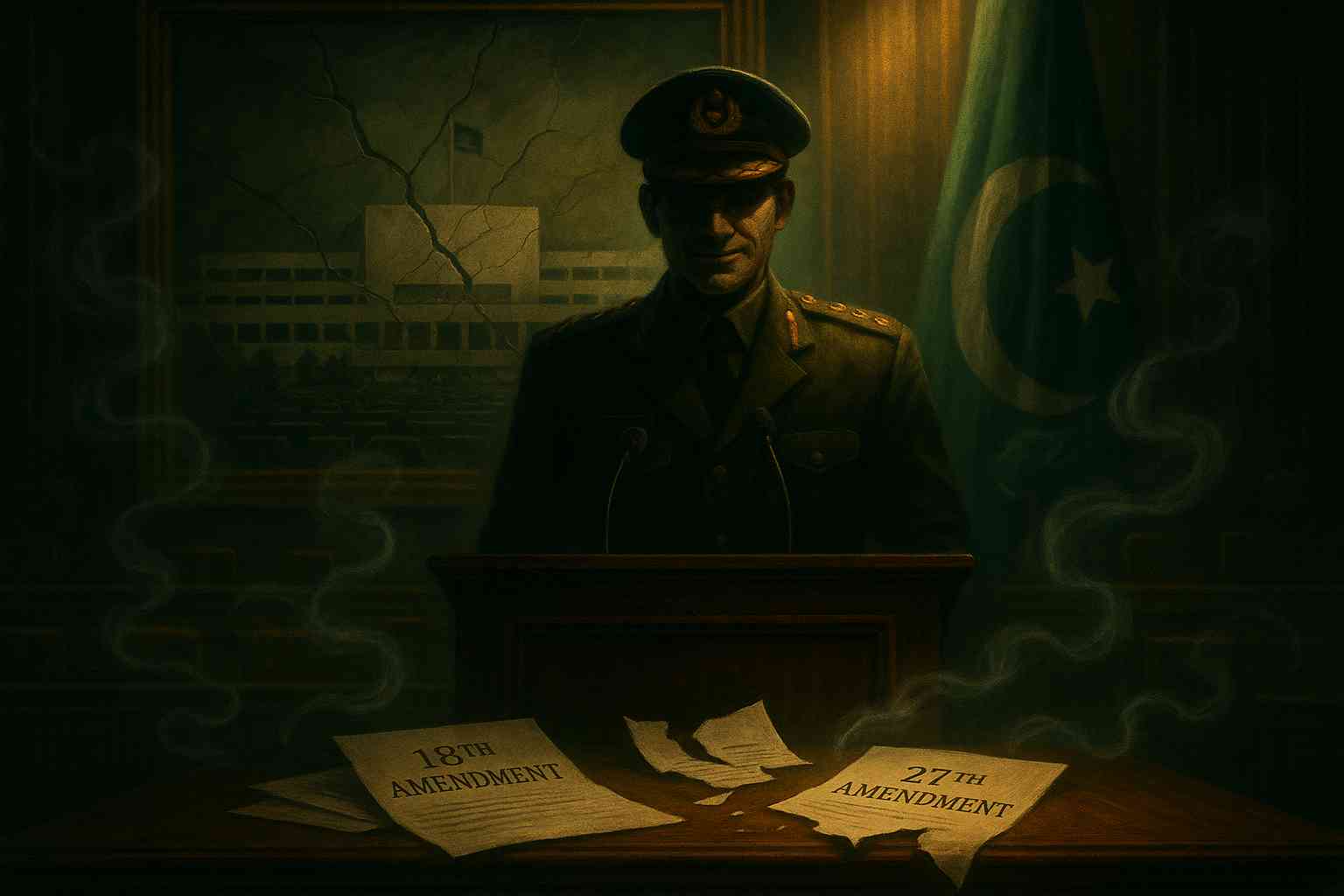
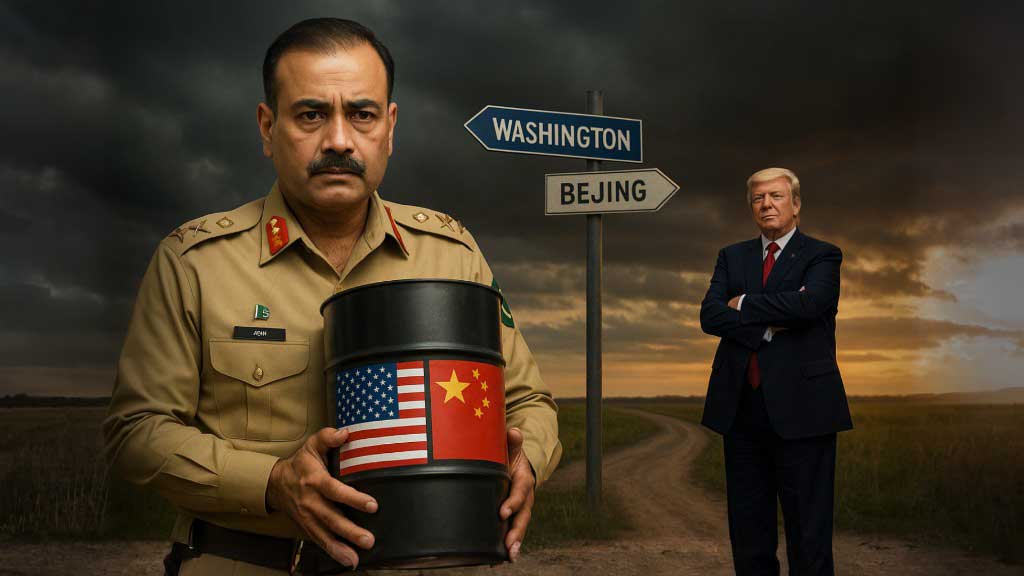
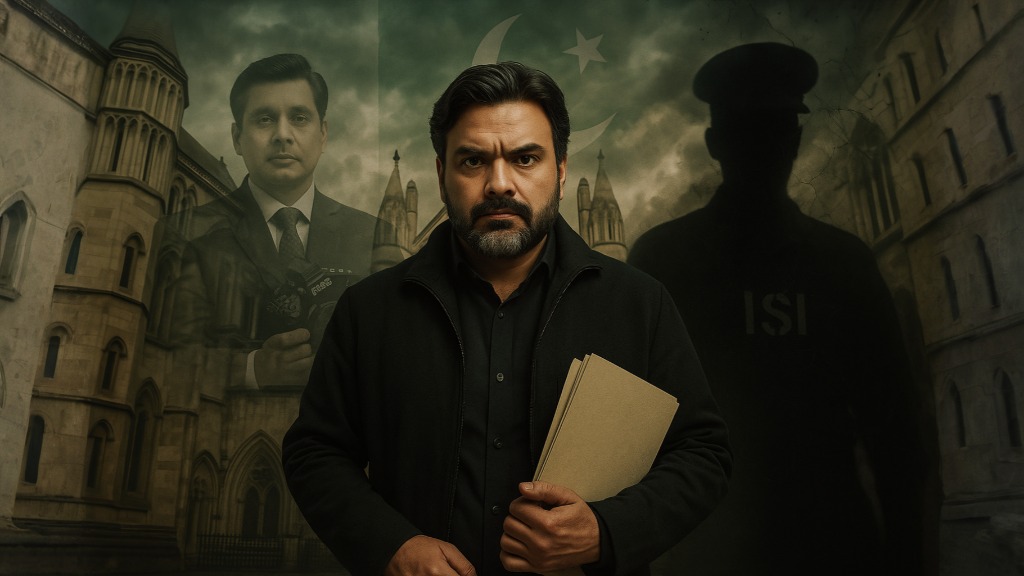
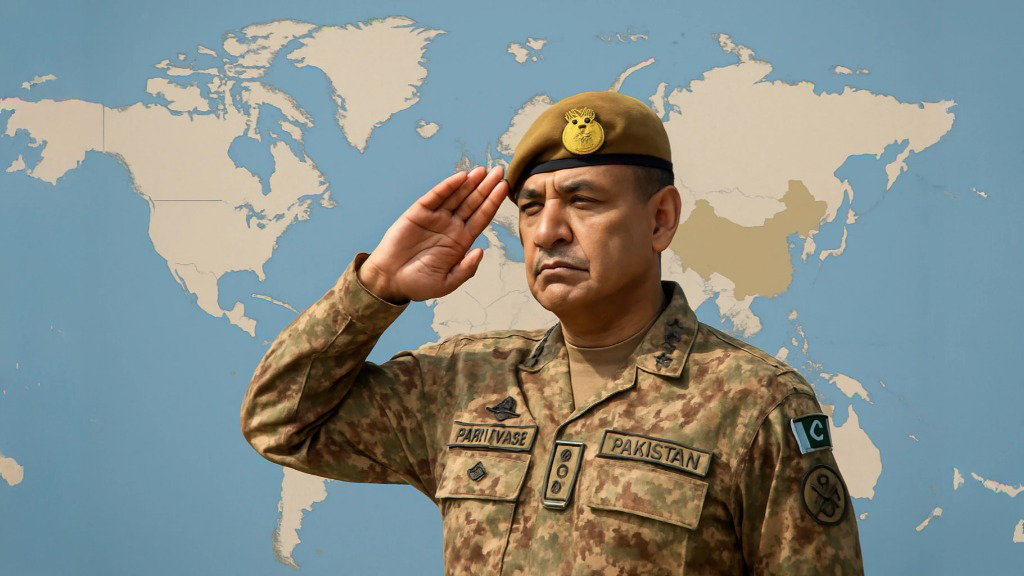
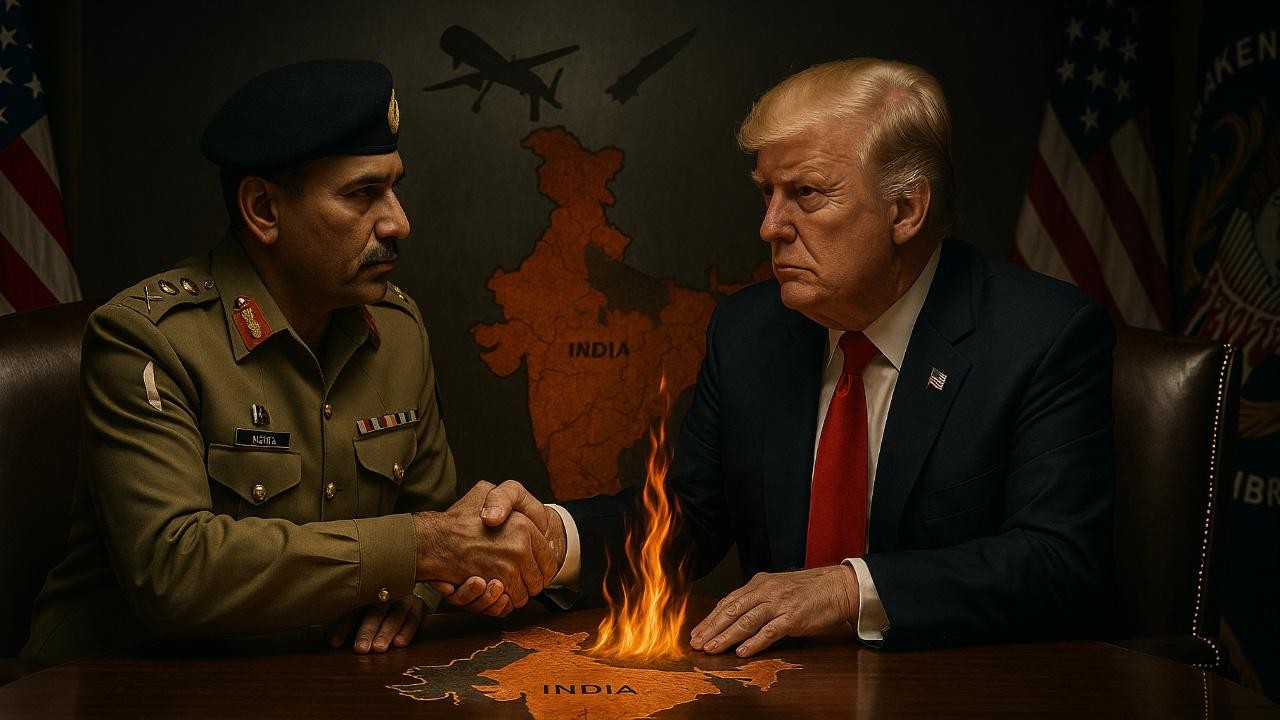
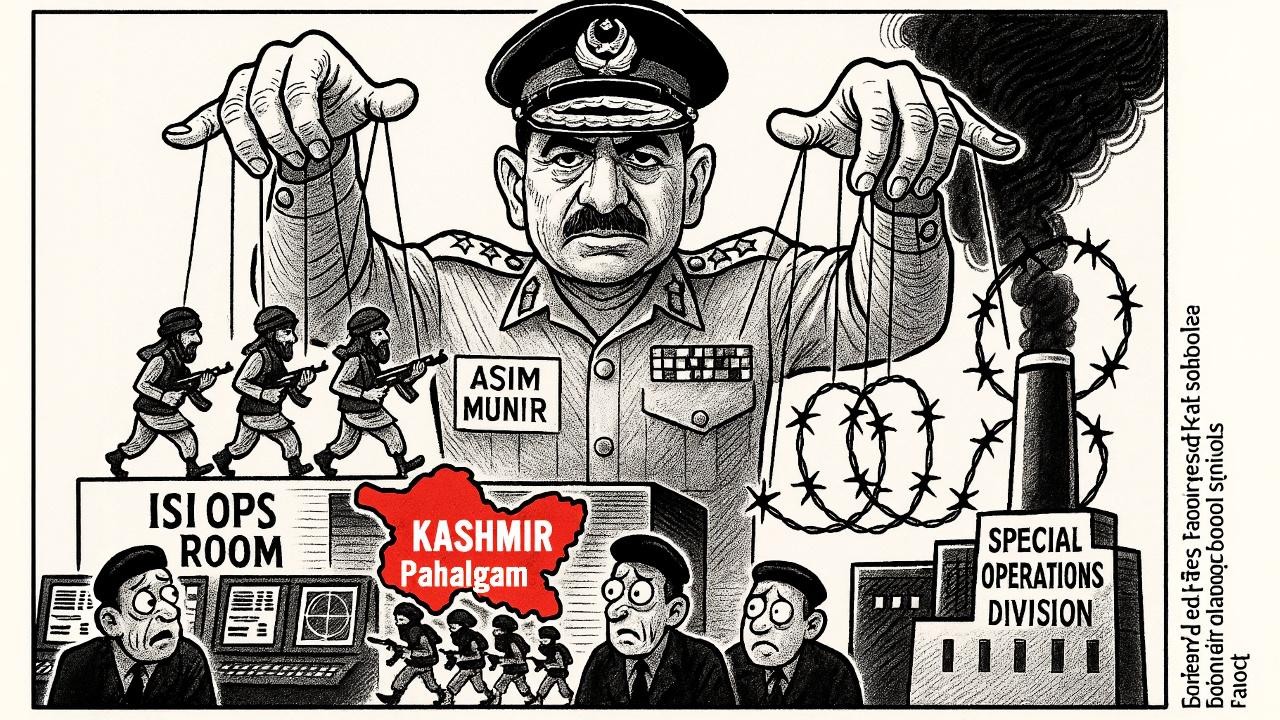
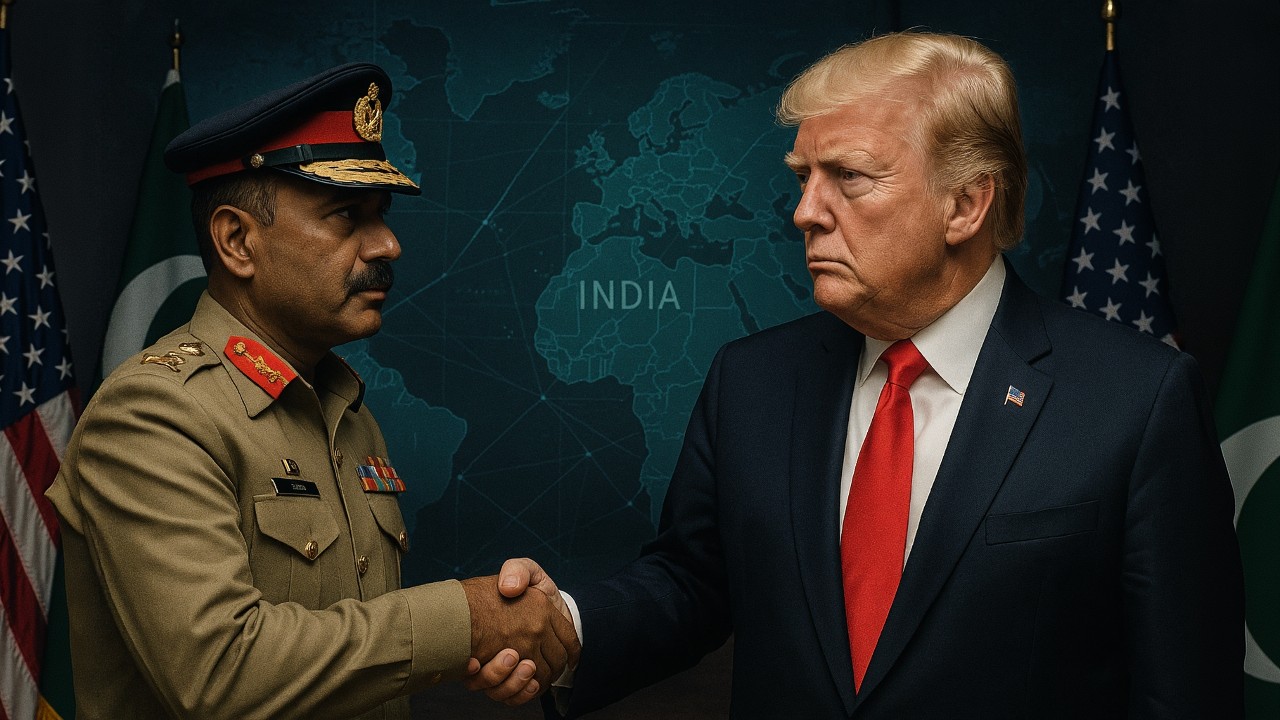
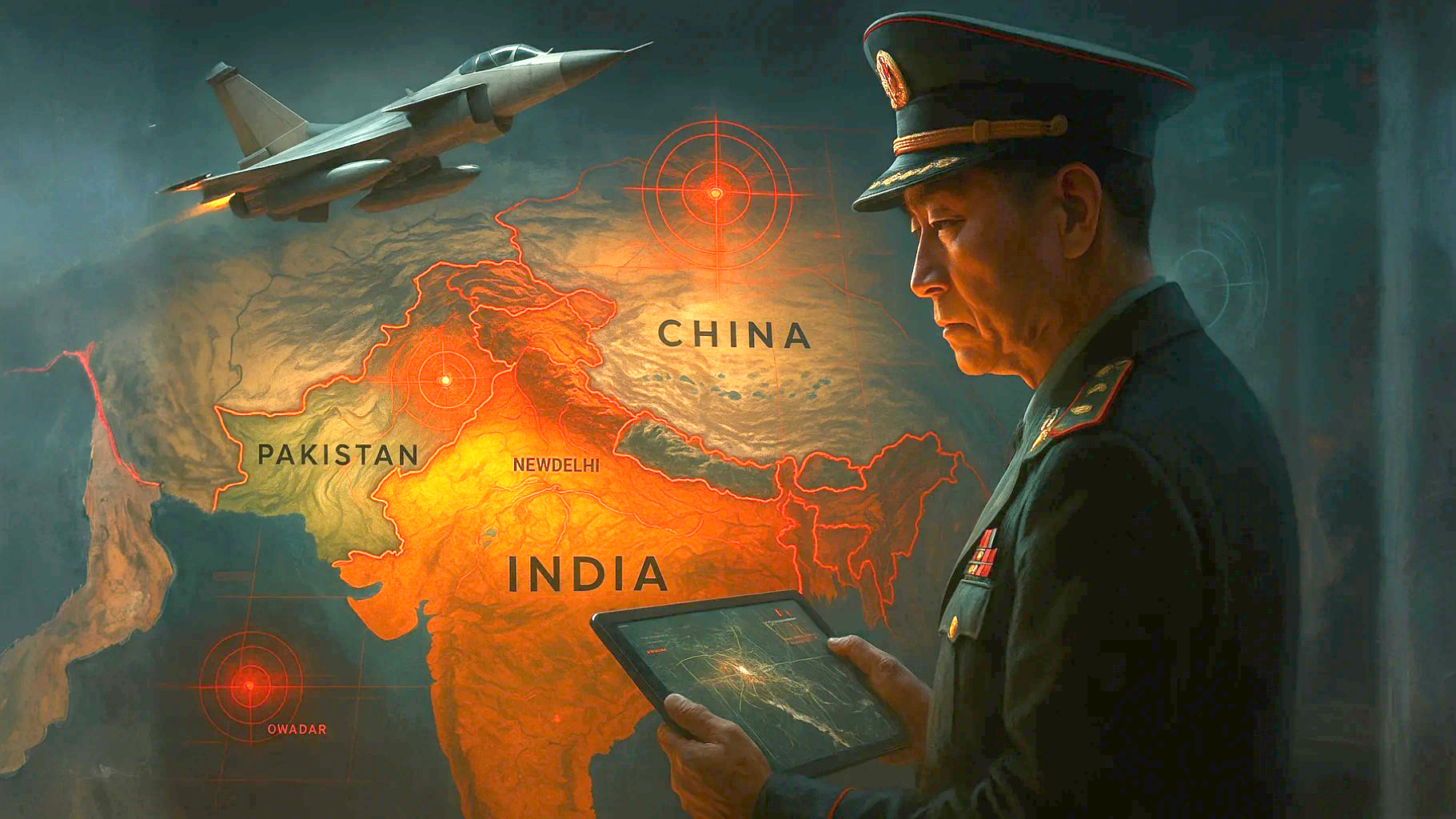
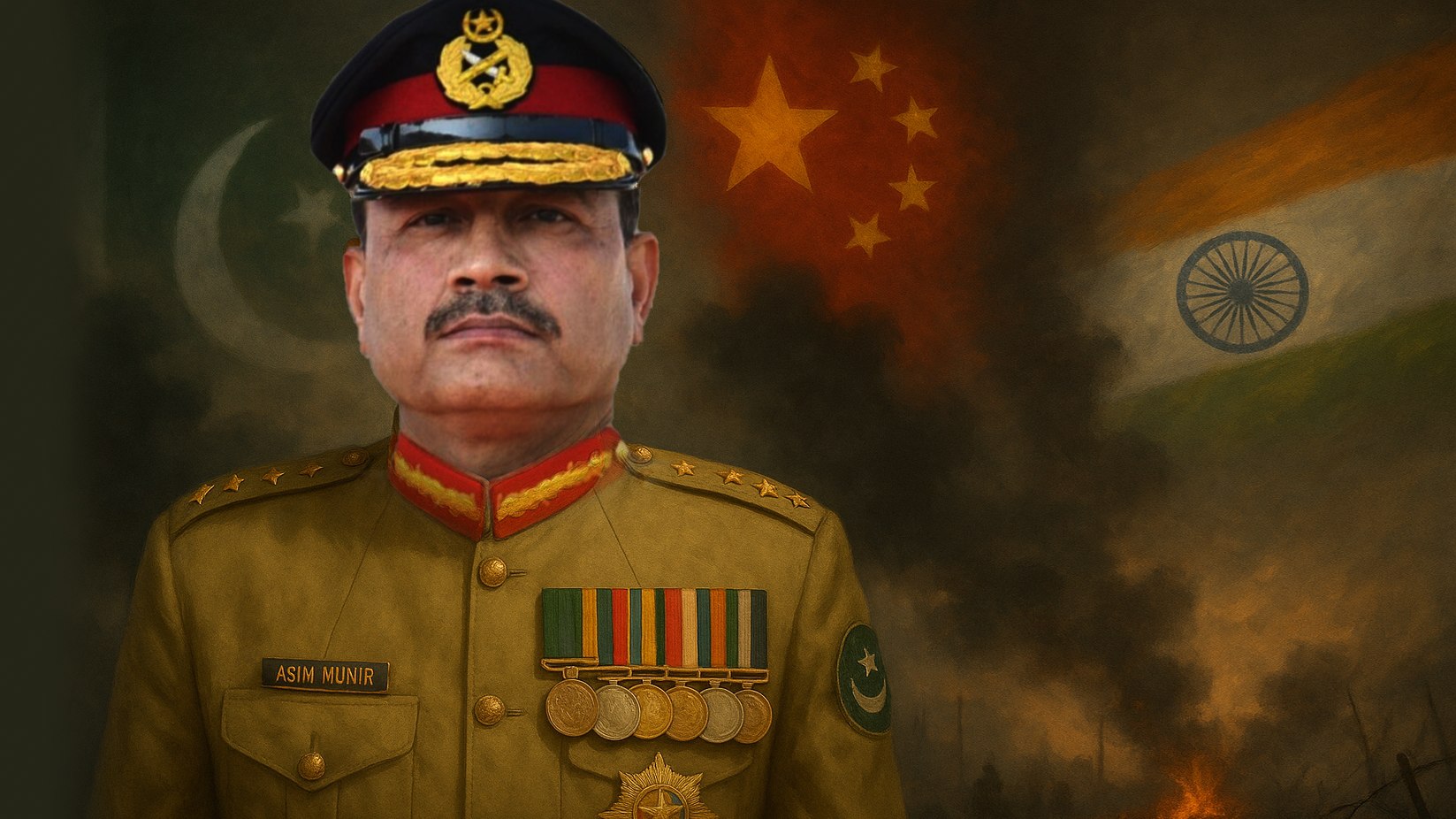
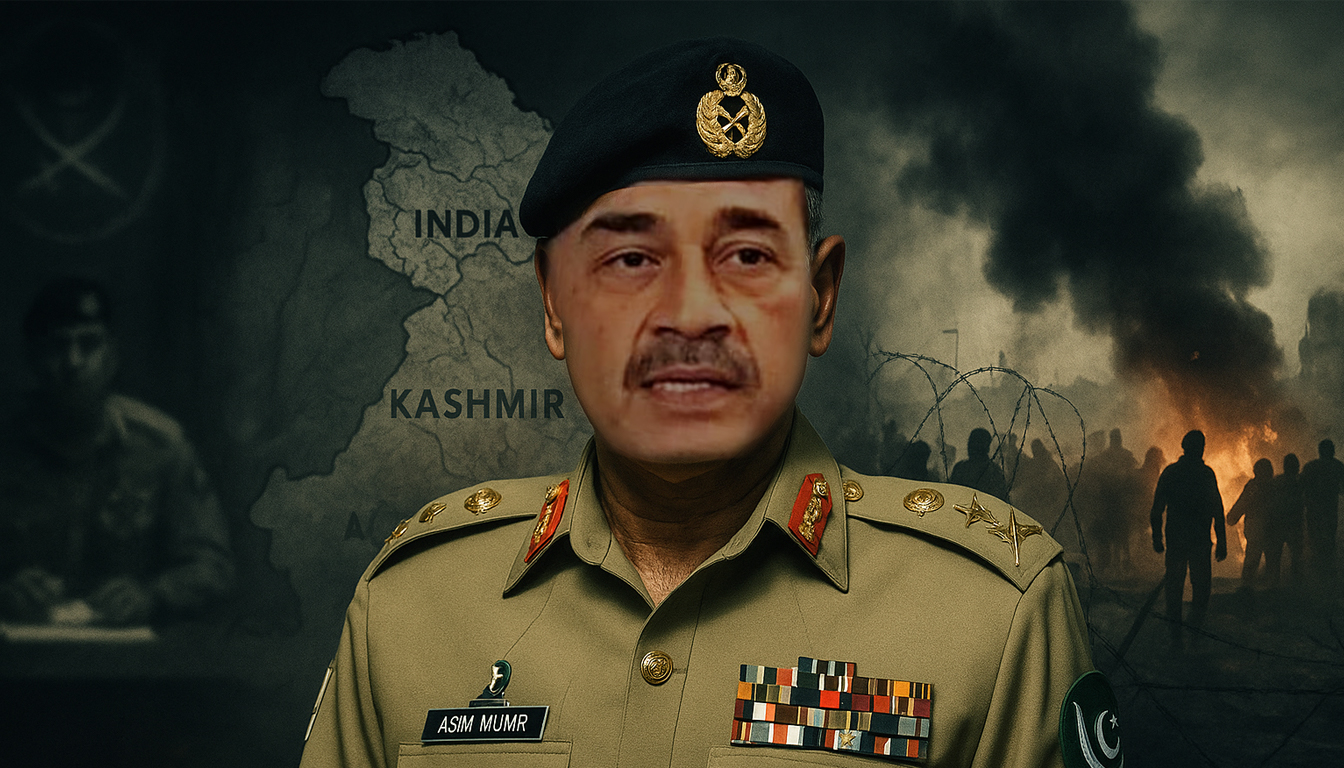
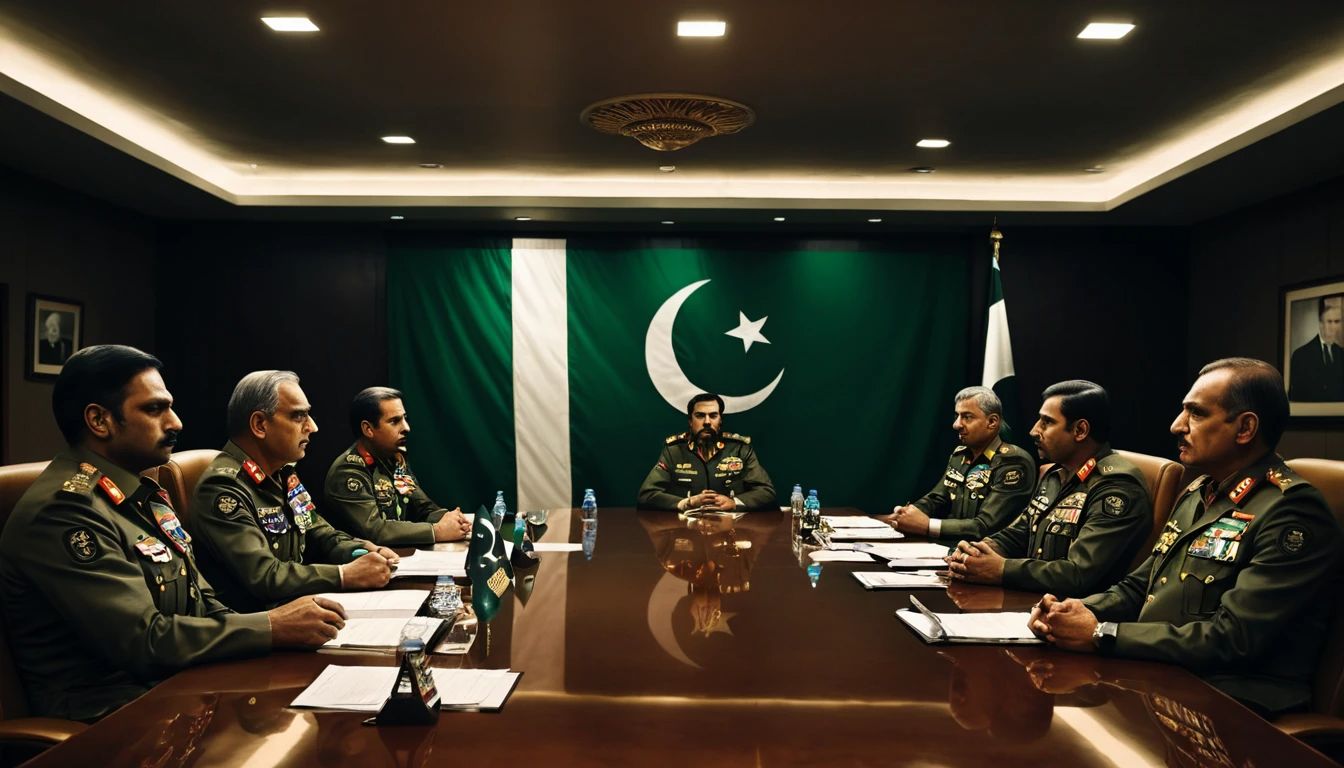
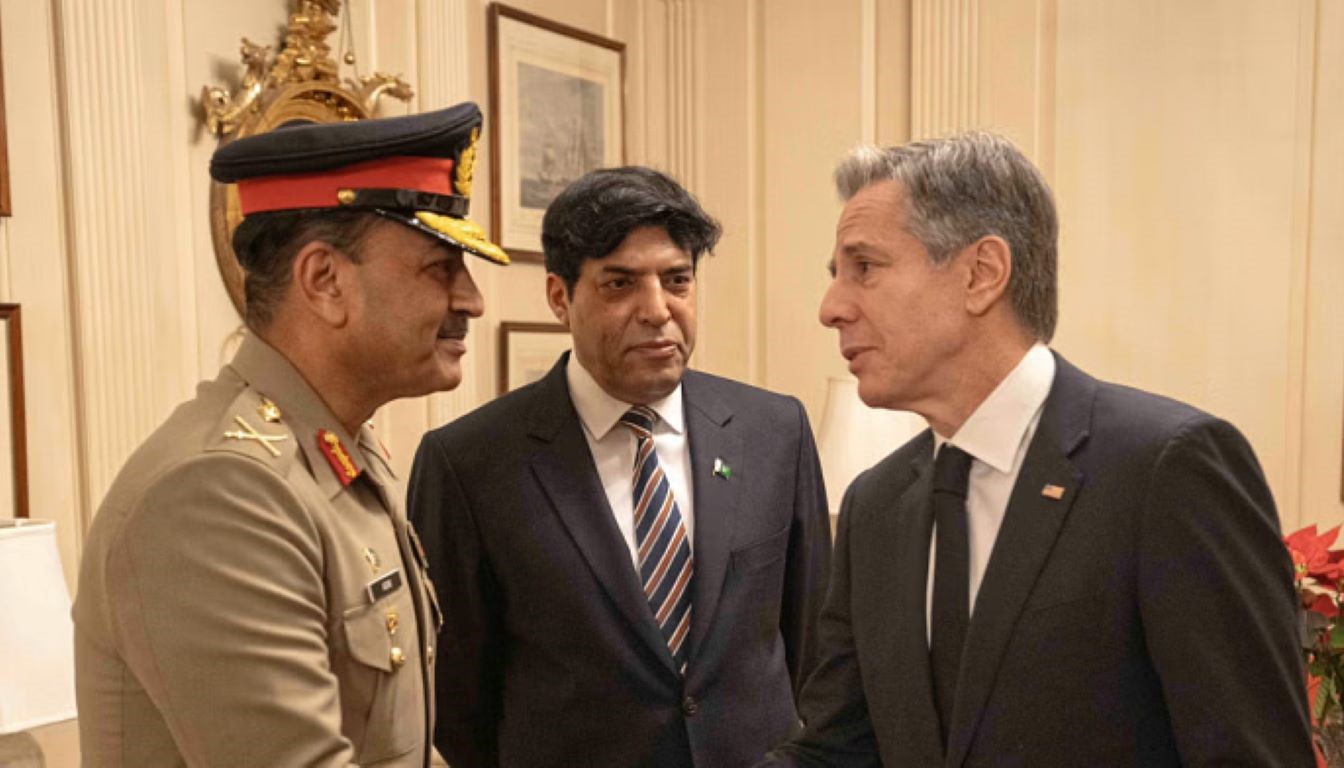
General Syed Asim Munir (Army Chief since 2022, elevated to Field Marshal and Chief of Defence Staff in 2025) represents a new and powerful example of military supremacy in Pakistan’s history. He did not impose direct martial law but transformed the “hybrid regime” into complete military dominance. After a brief conflict with India in May 2025, he practically awarded himself the rank of Field Marshal.
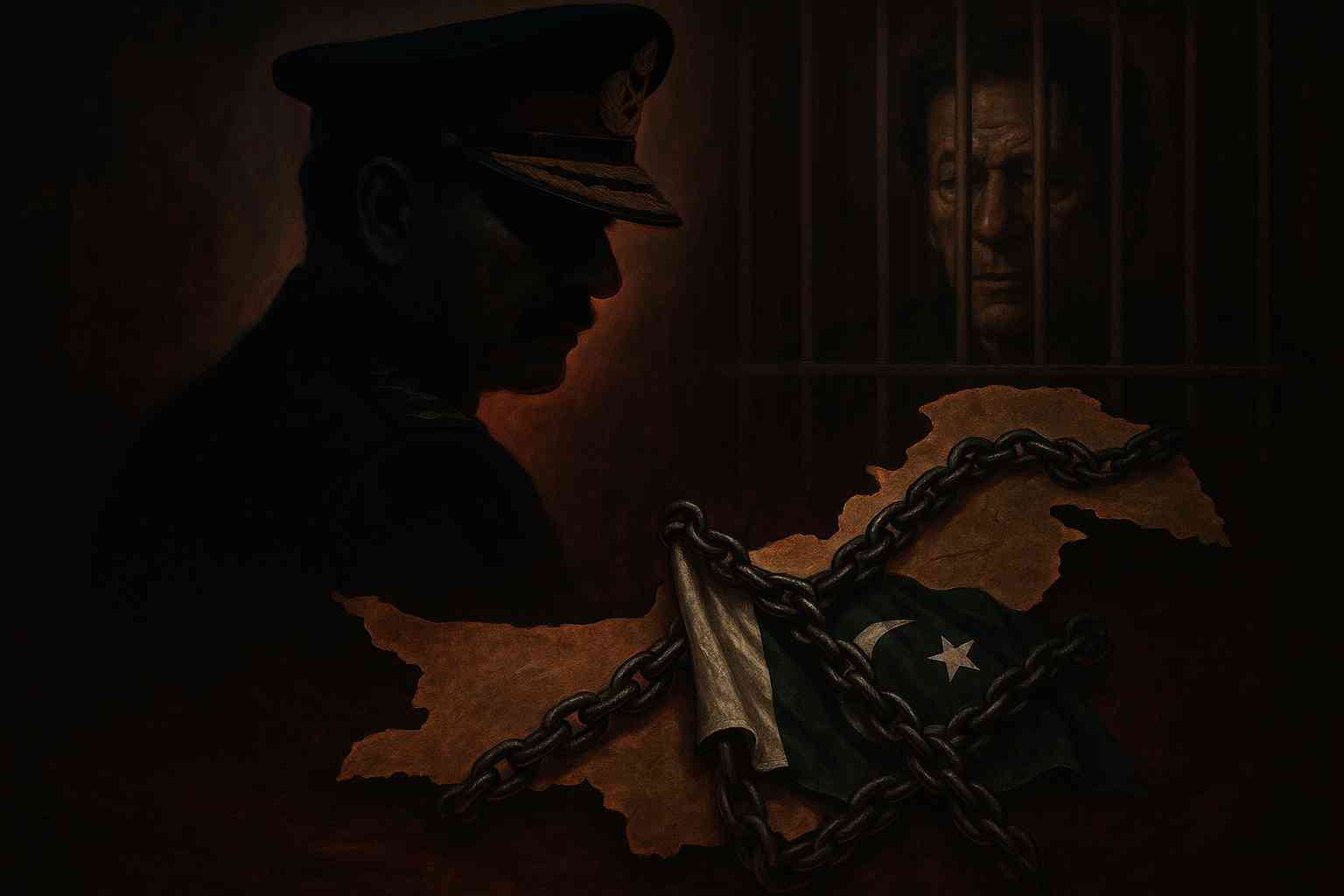
In November 2025, the 27th Constitutional Amendment granted him unprecedented powers: operational command over all armed forces, an extension of tenure until 2030, lifetime legal immunity, and measures that curtailed judicial independence. Critics called this amendment “constitutional treason”, turning one man into the “supreme ruler”.
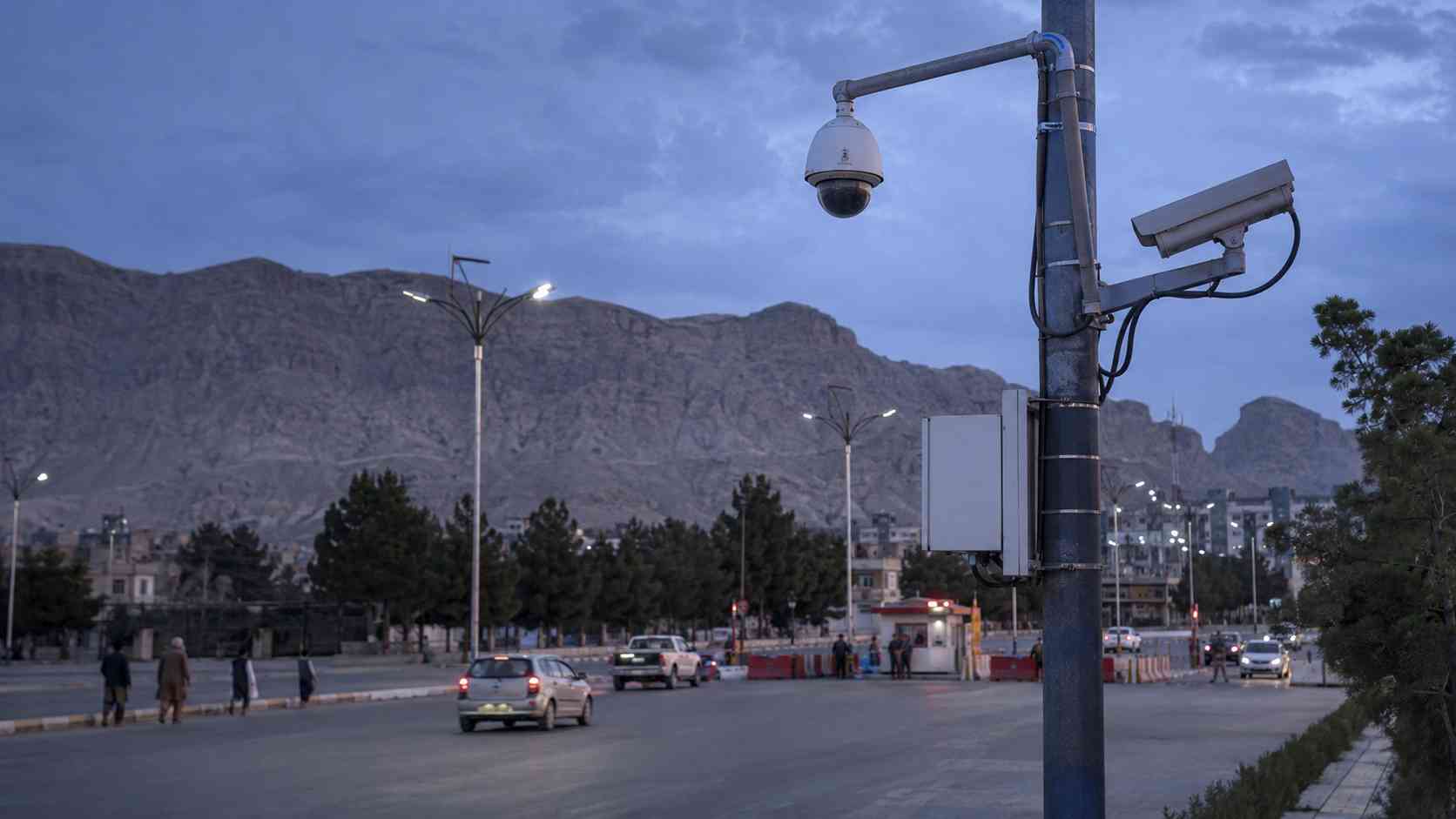
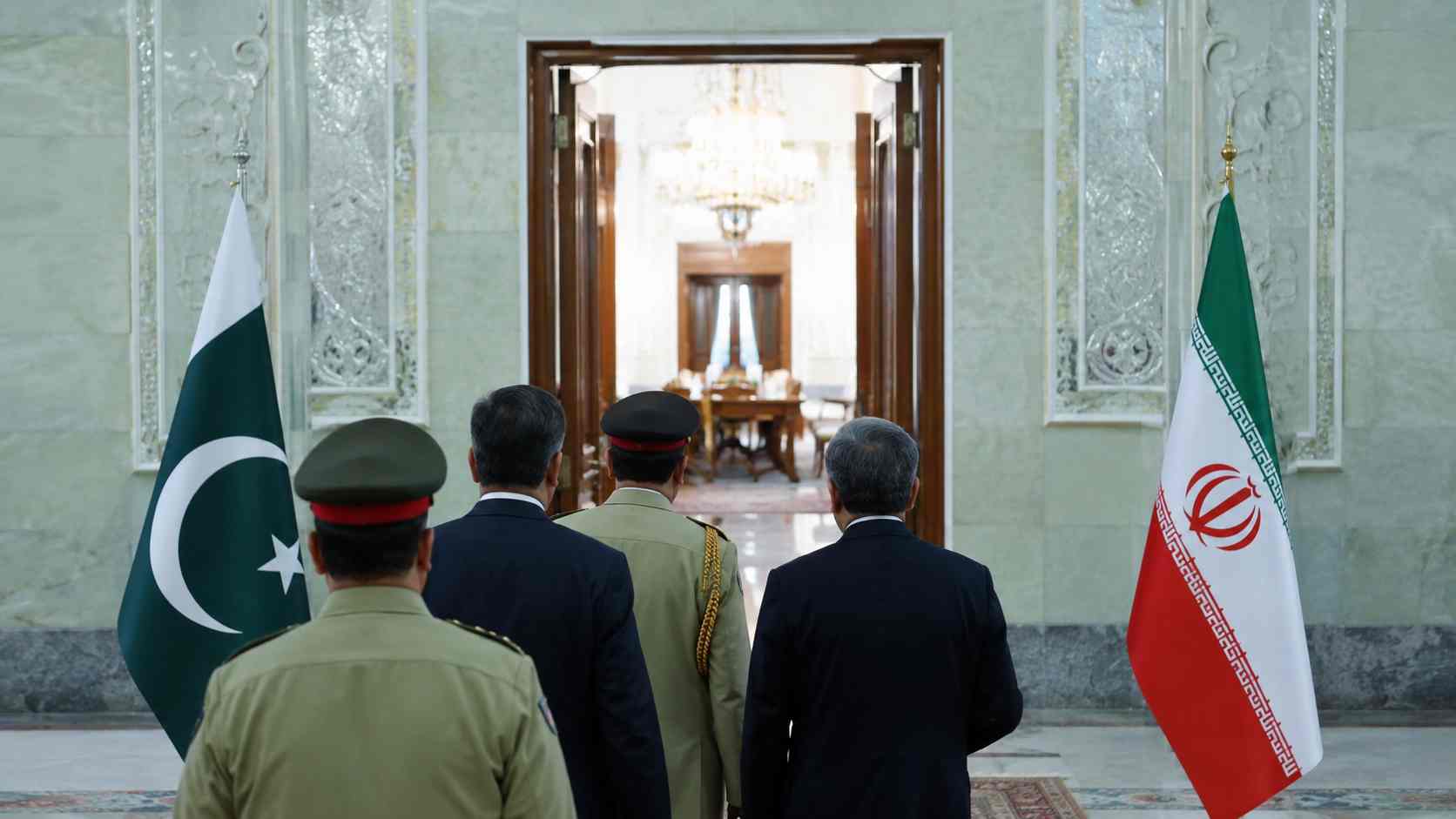
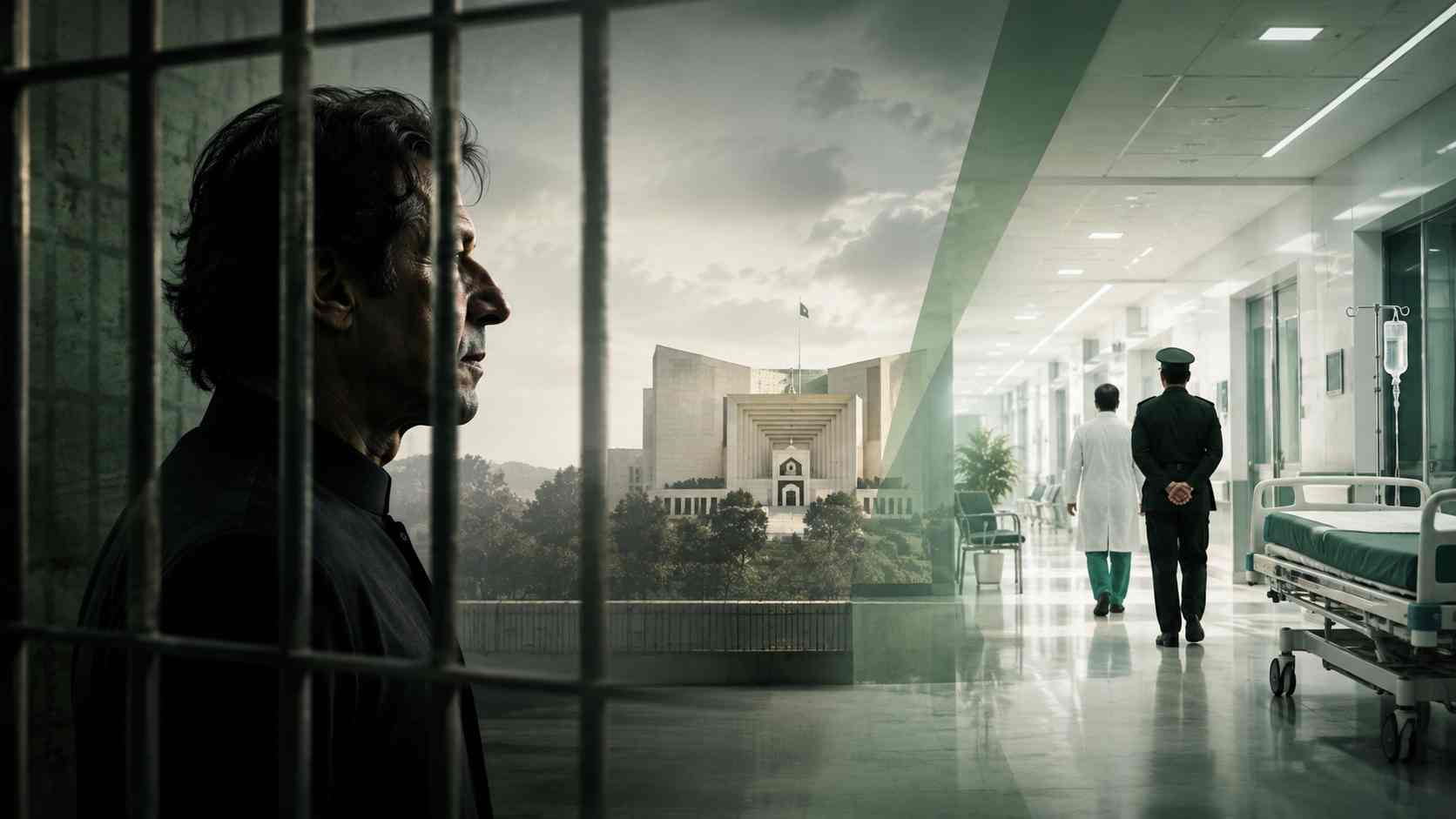
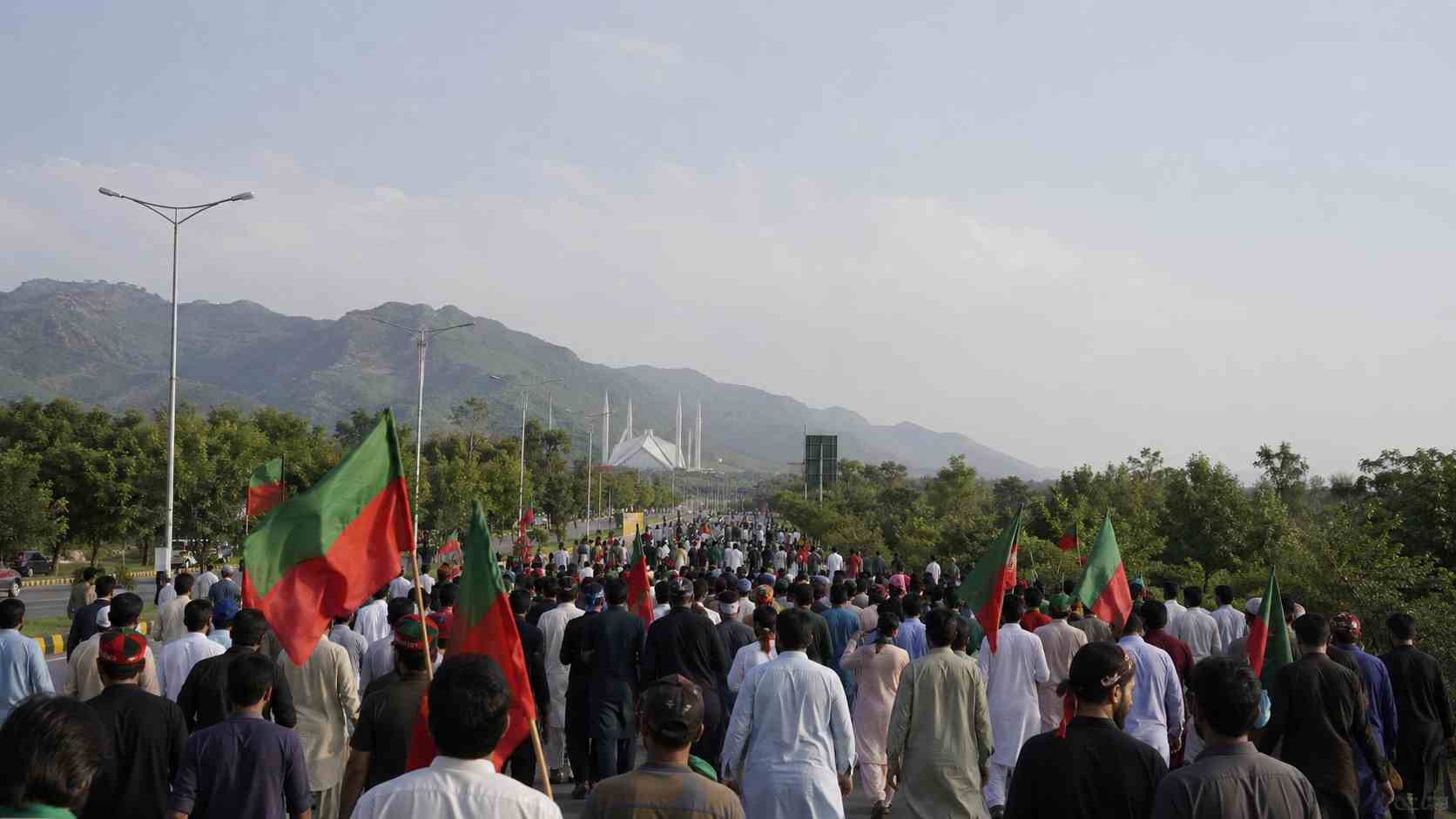
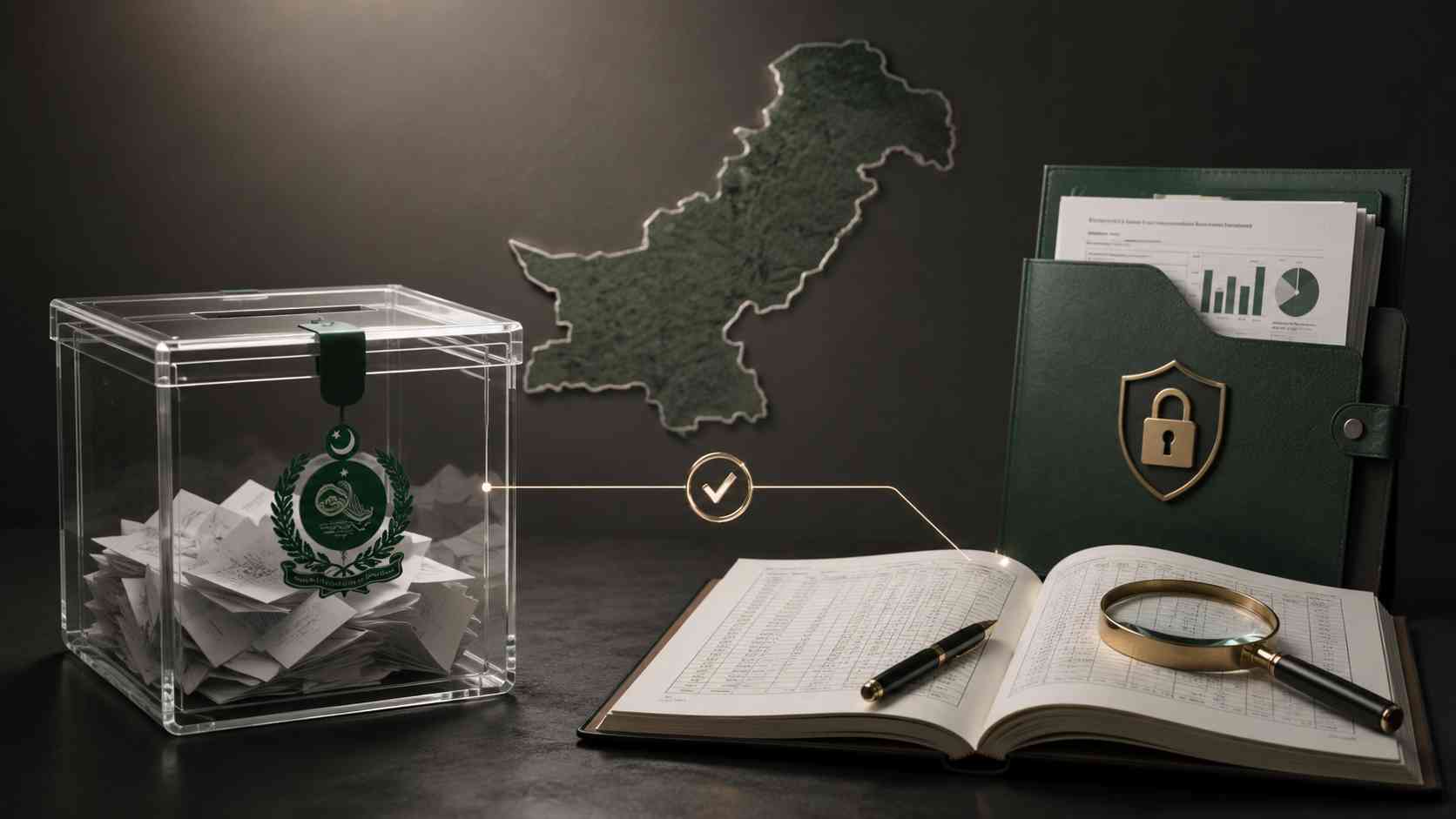
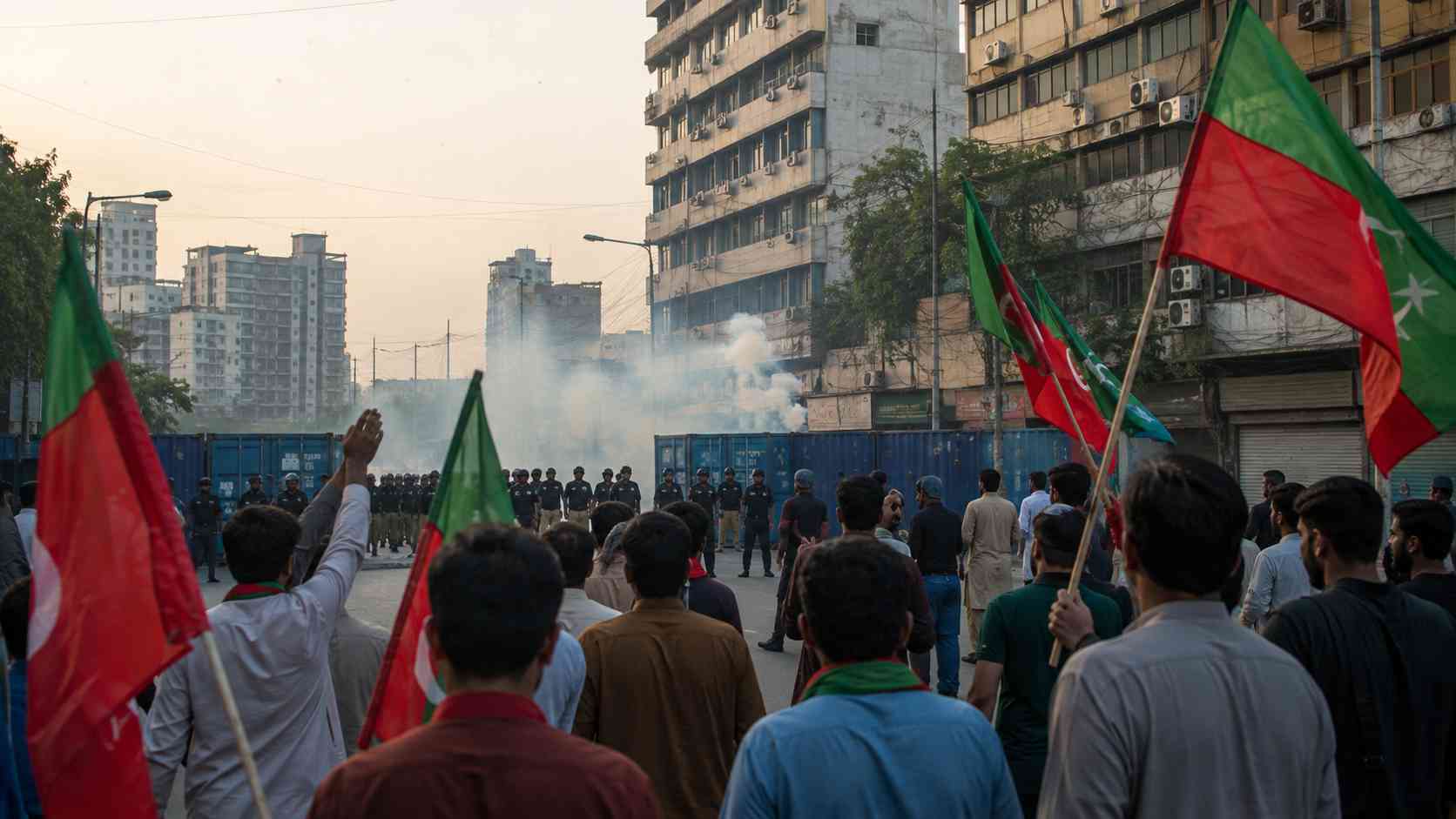
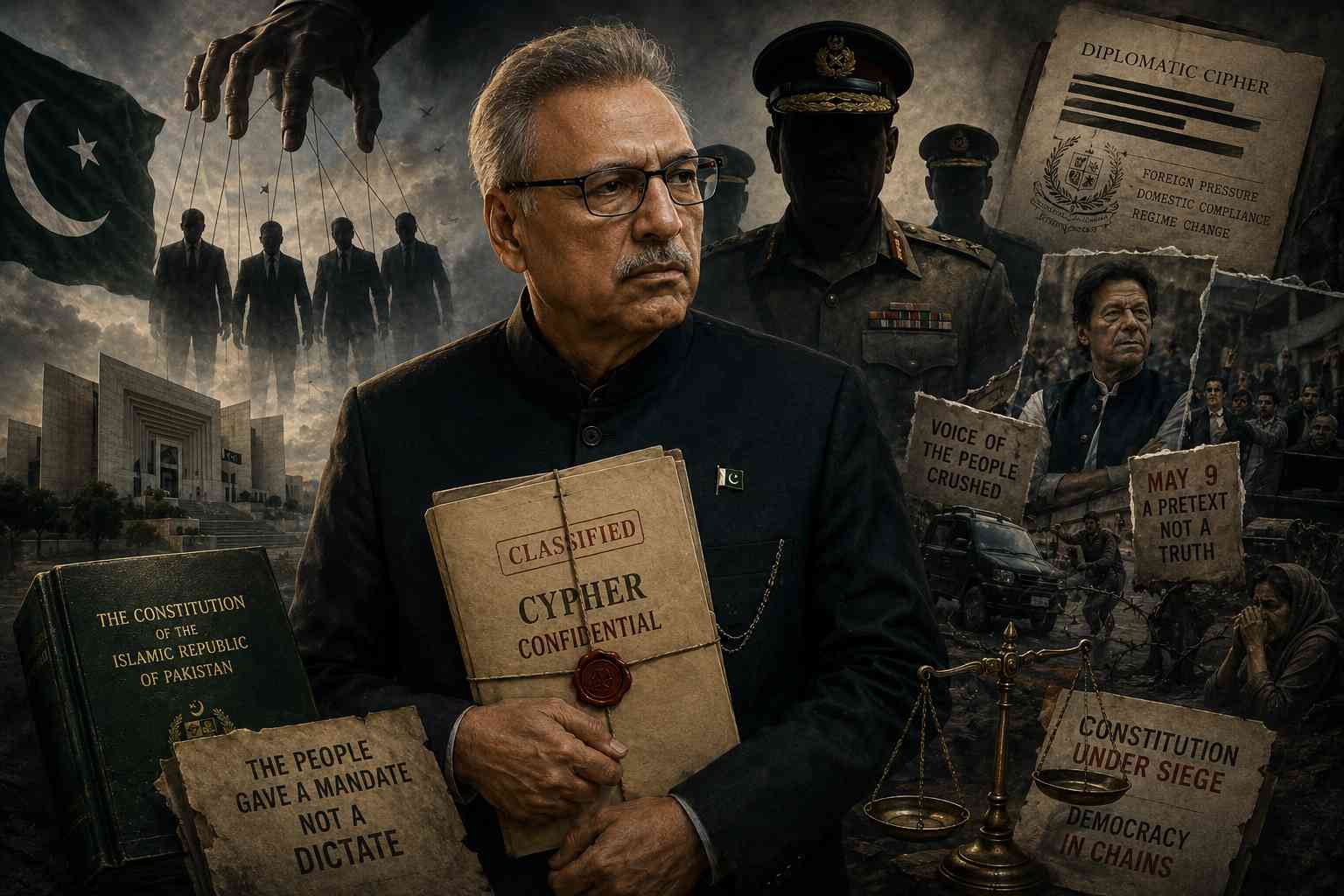
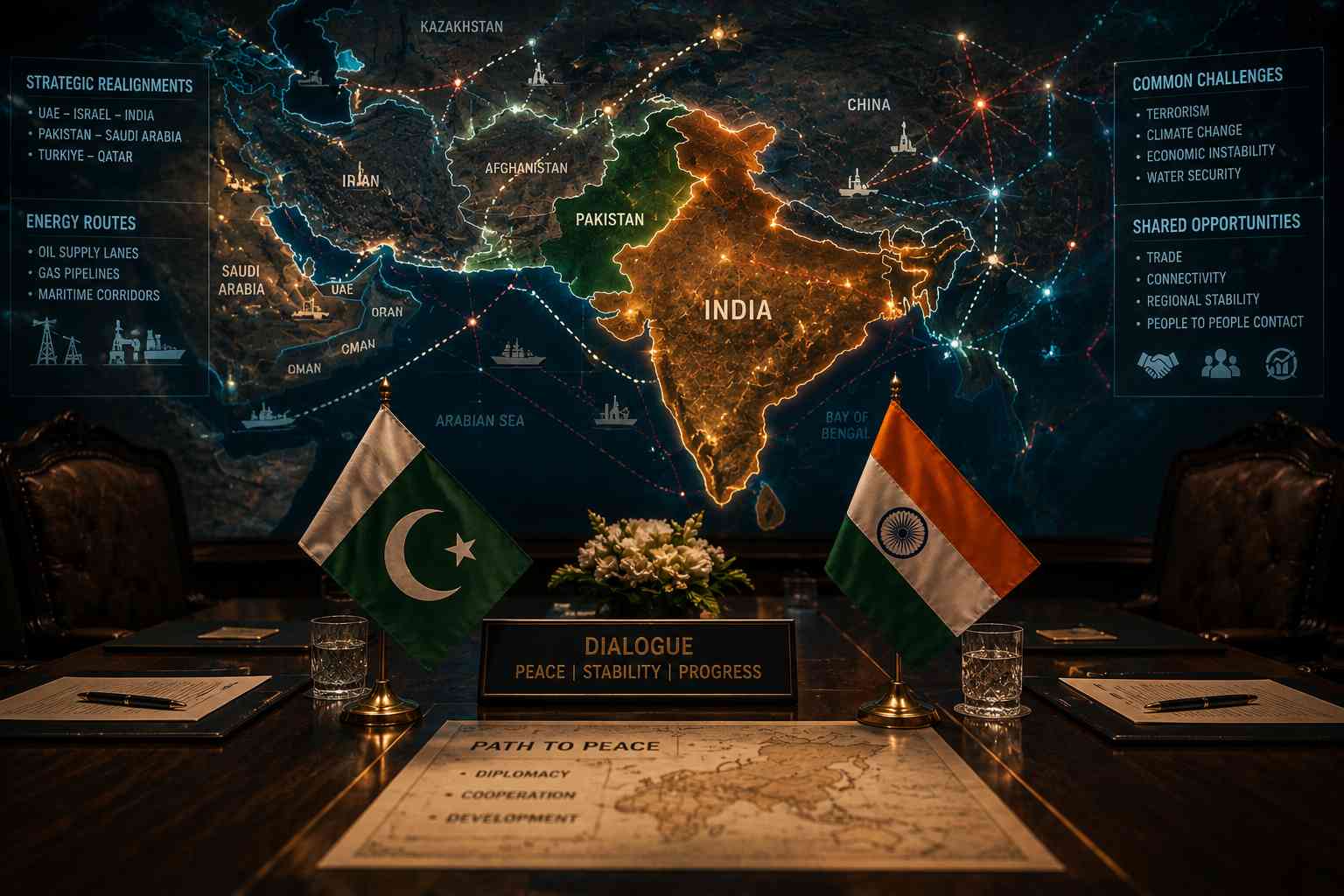
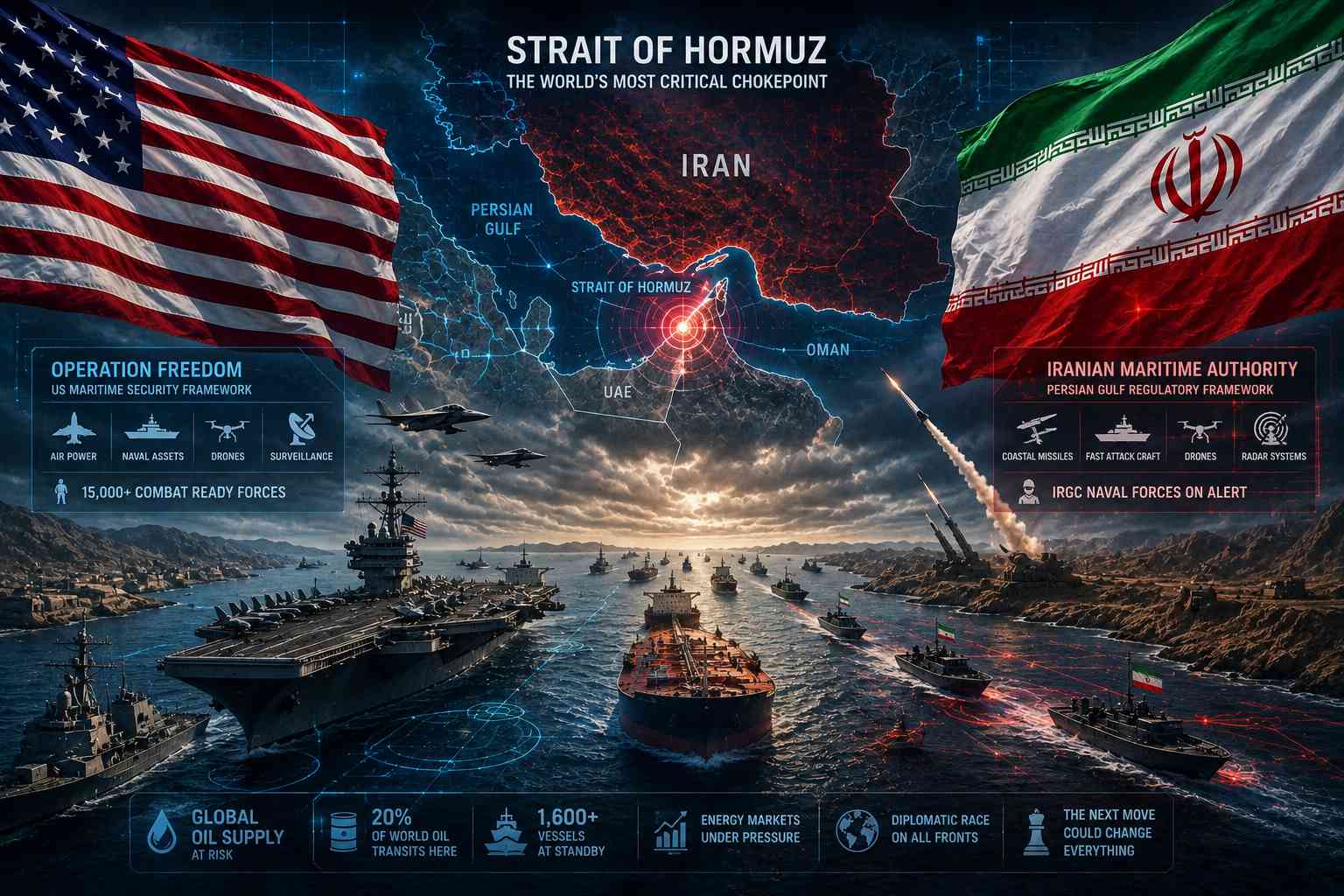
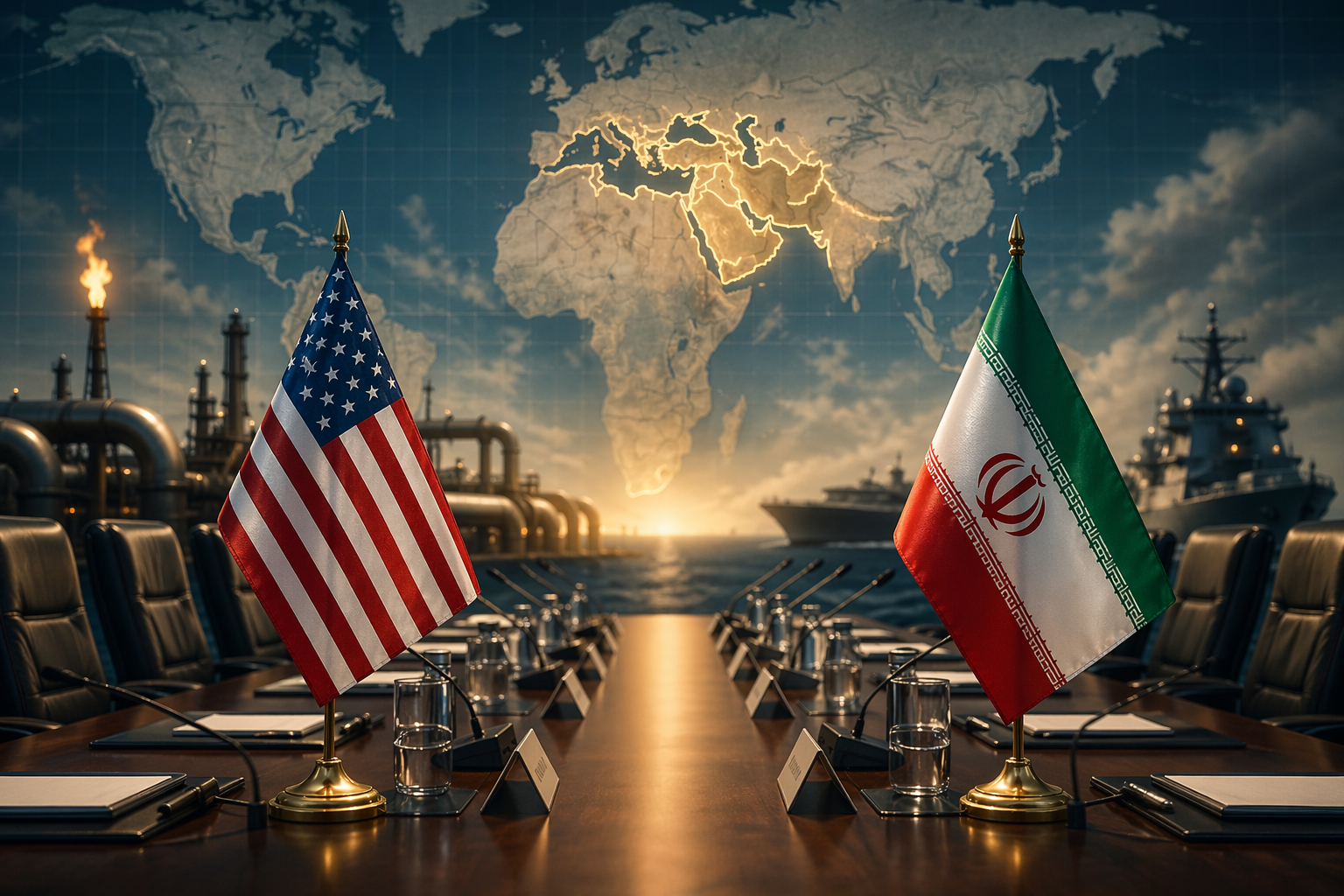
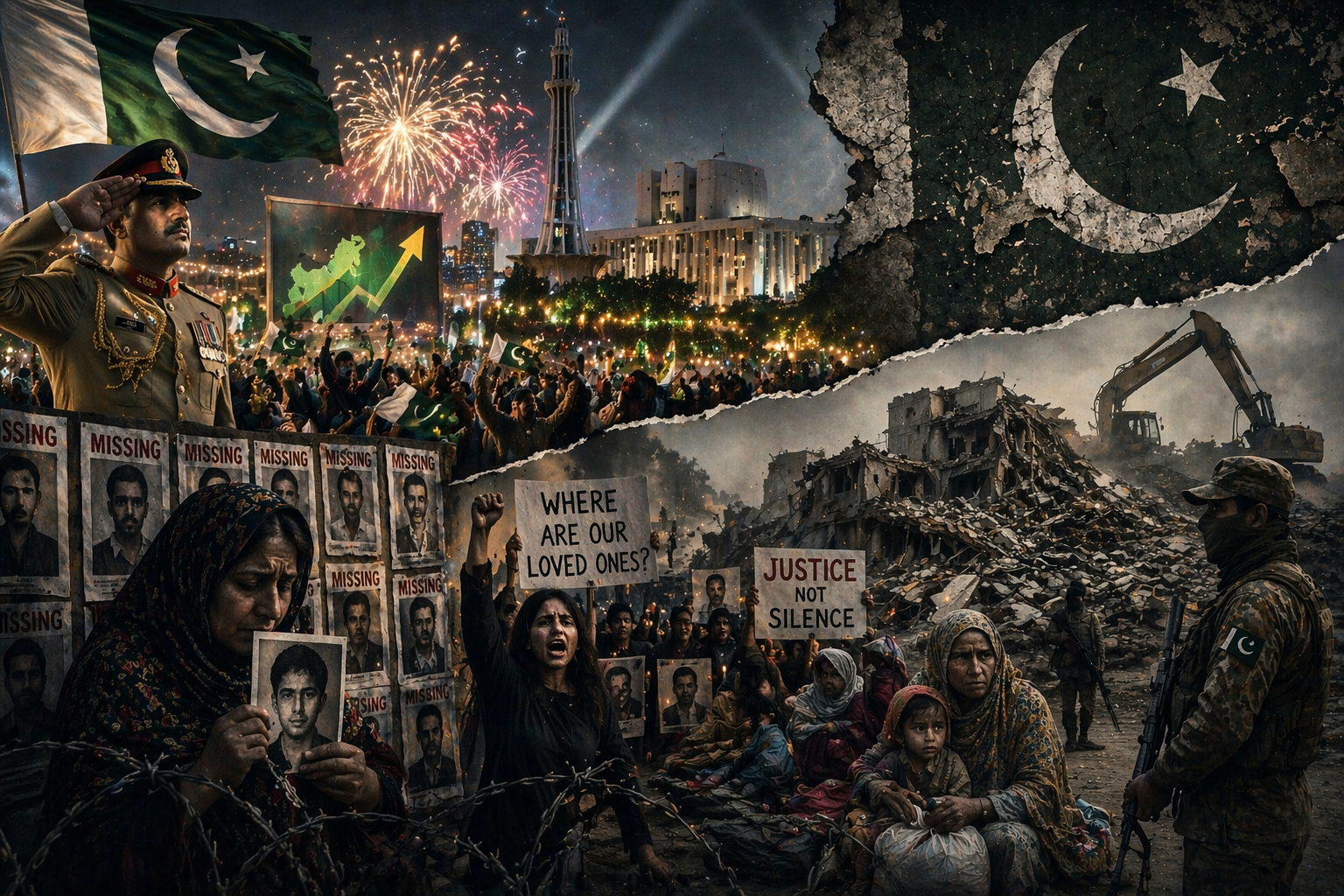
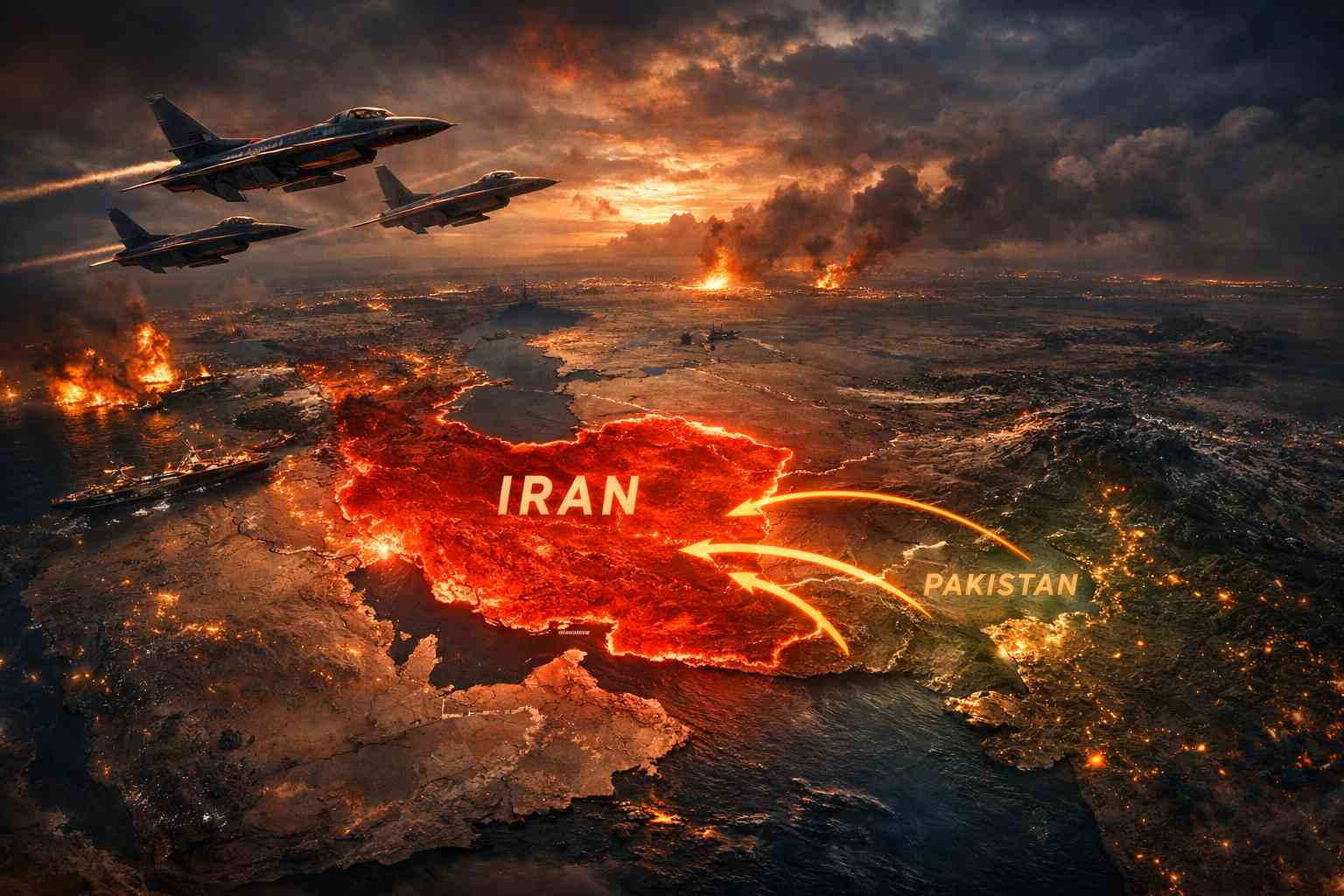
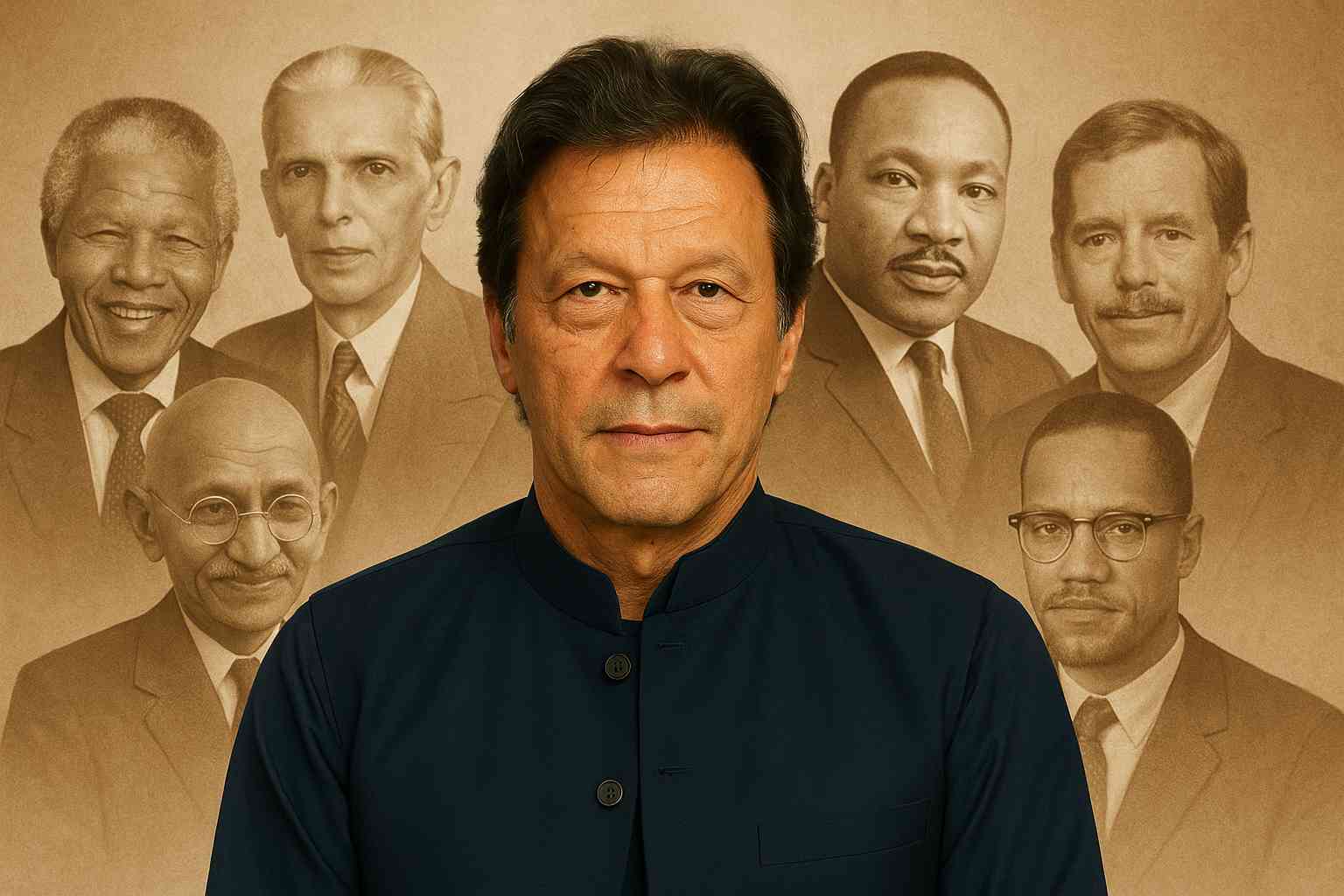
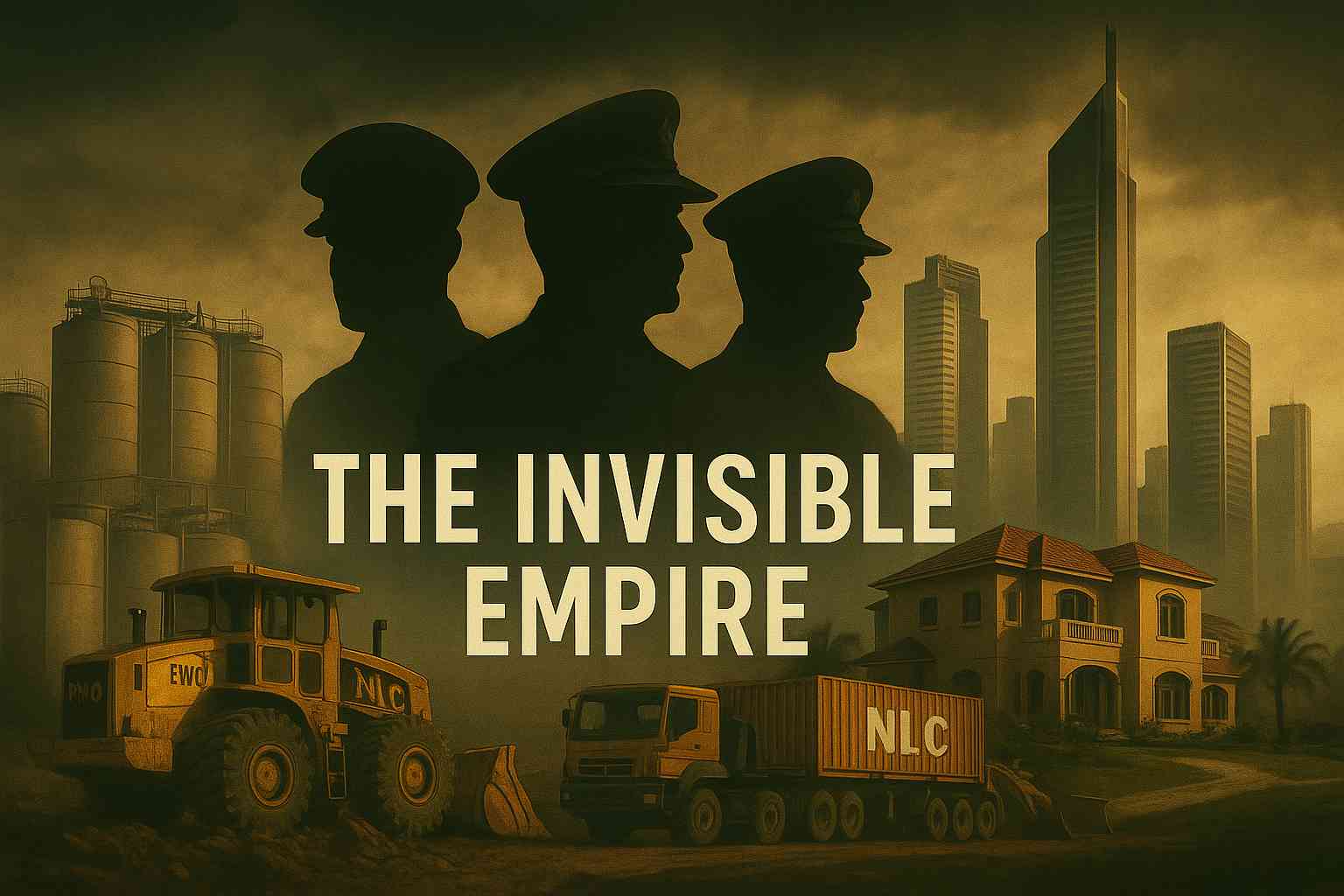
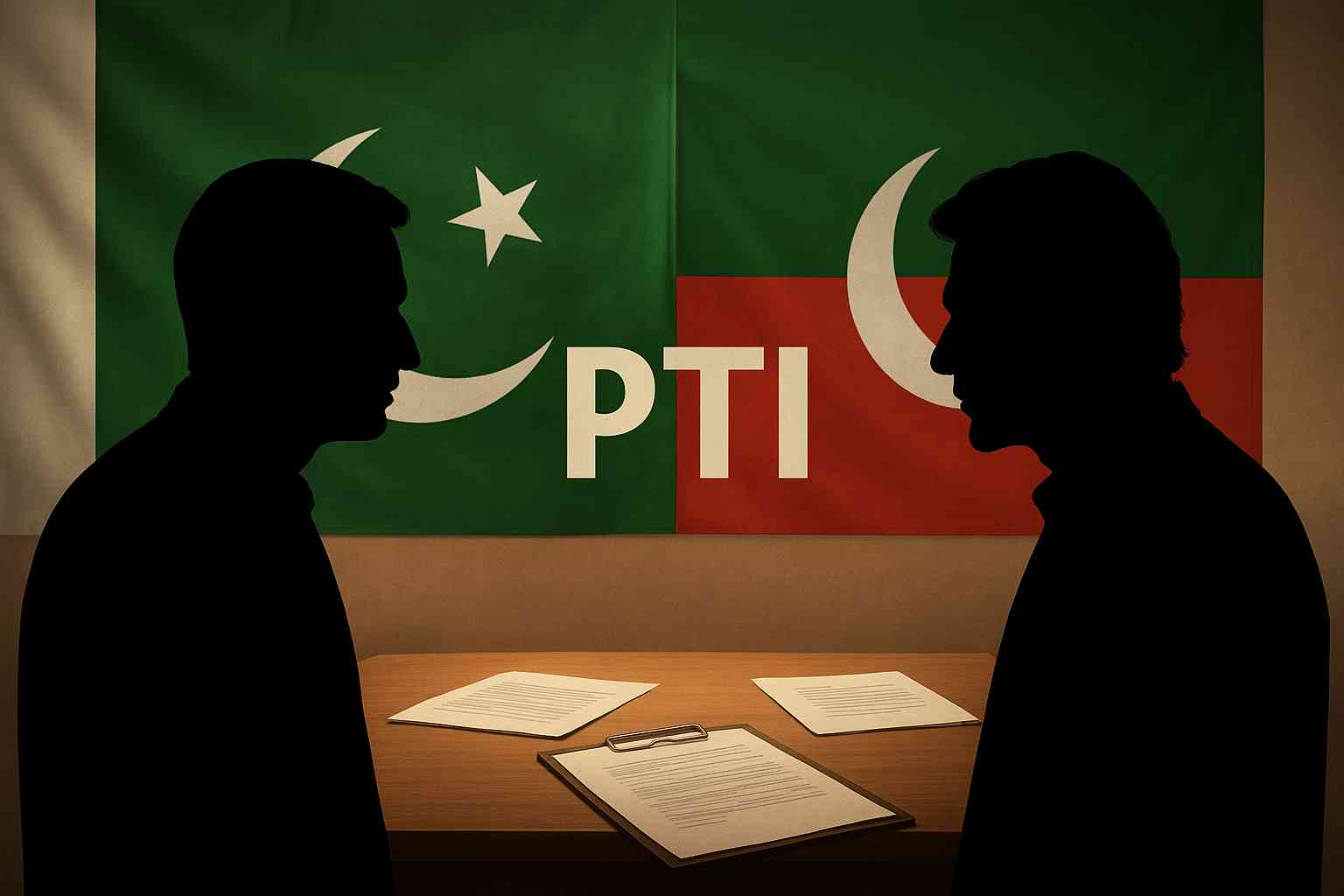
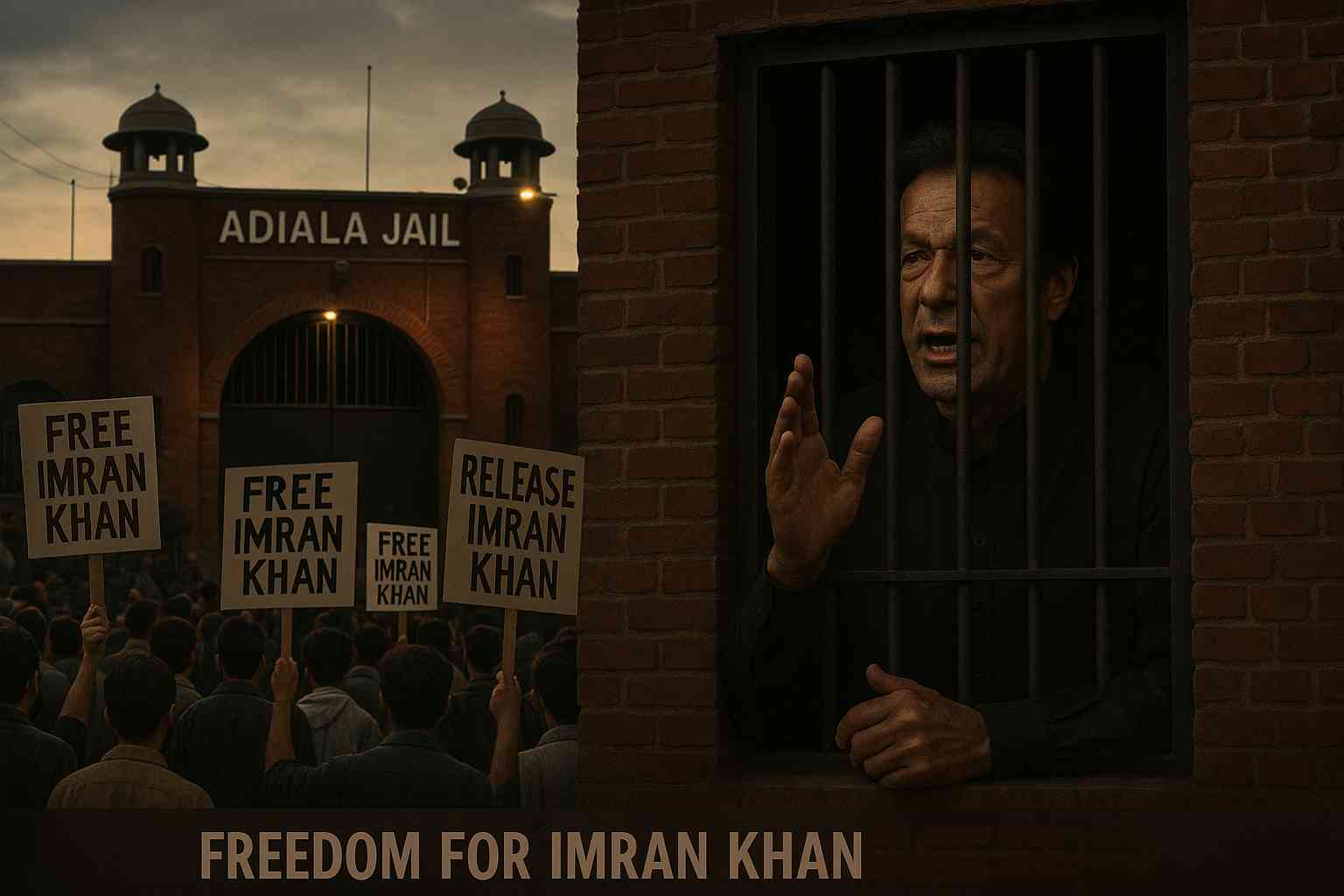
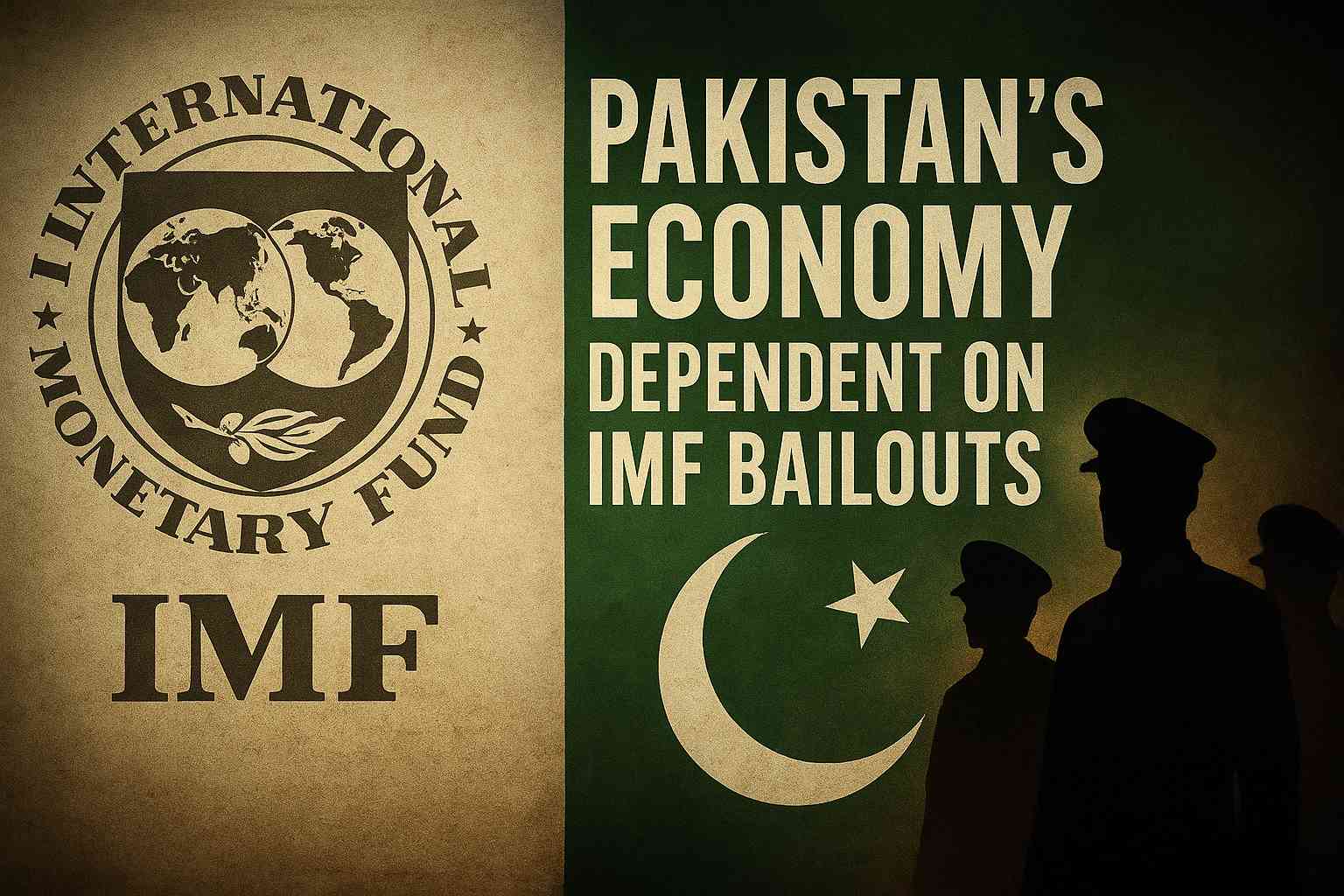
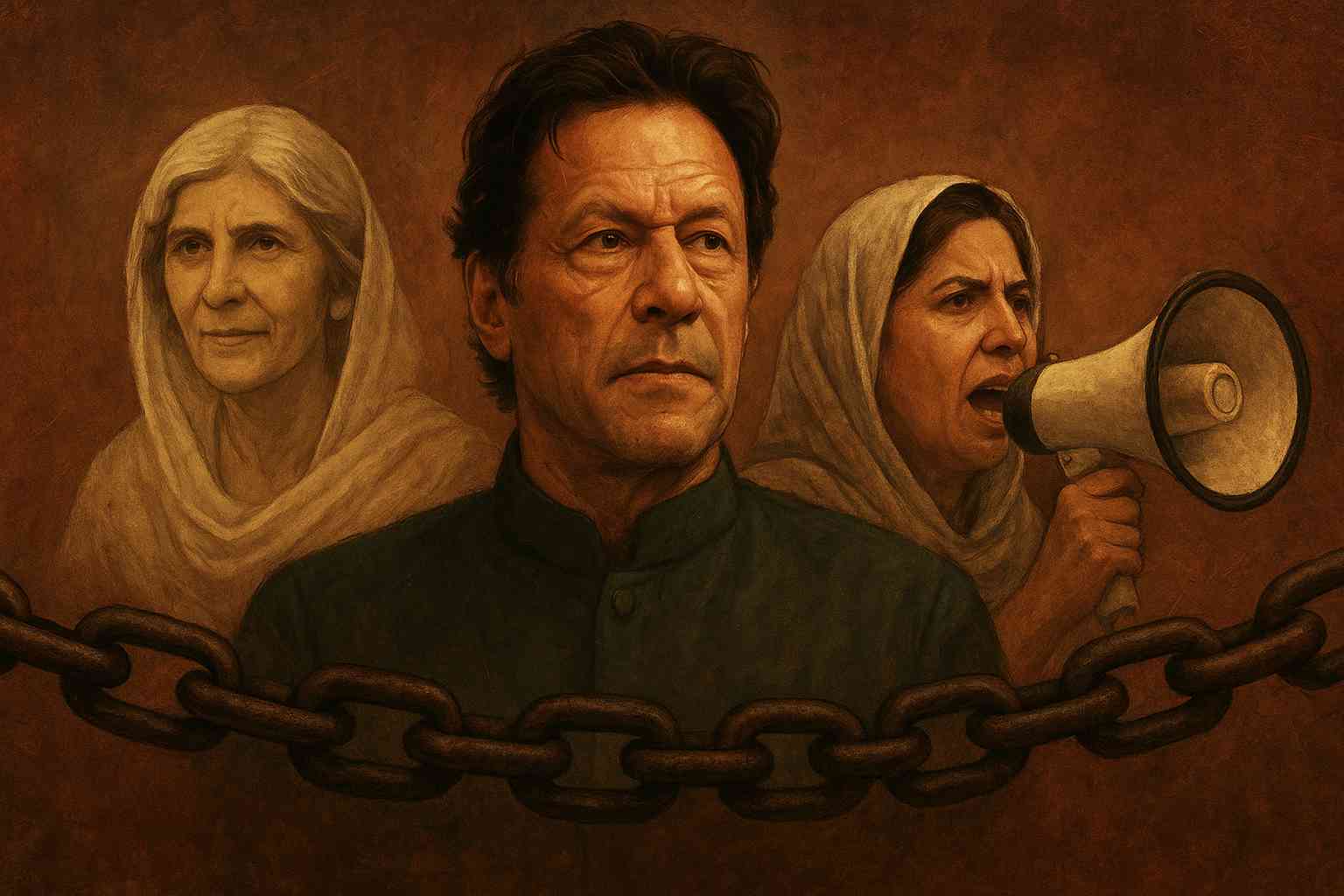
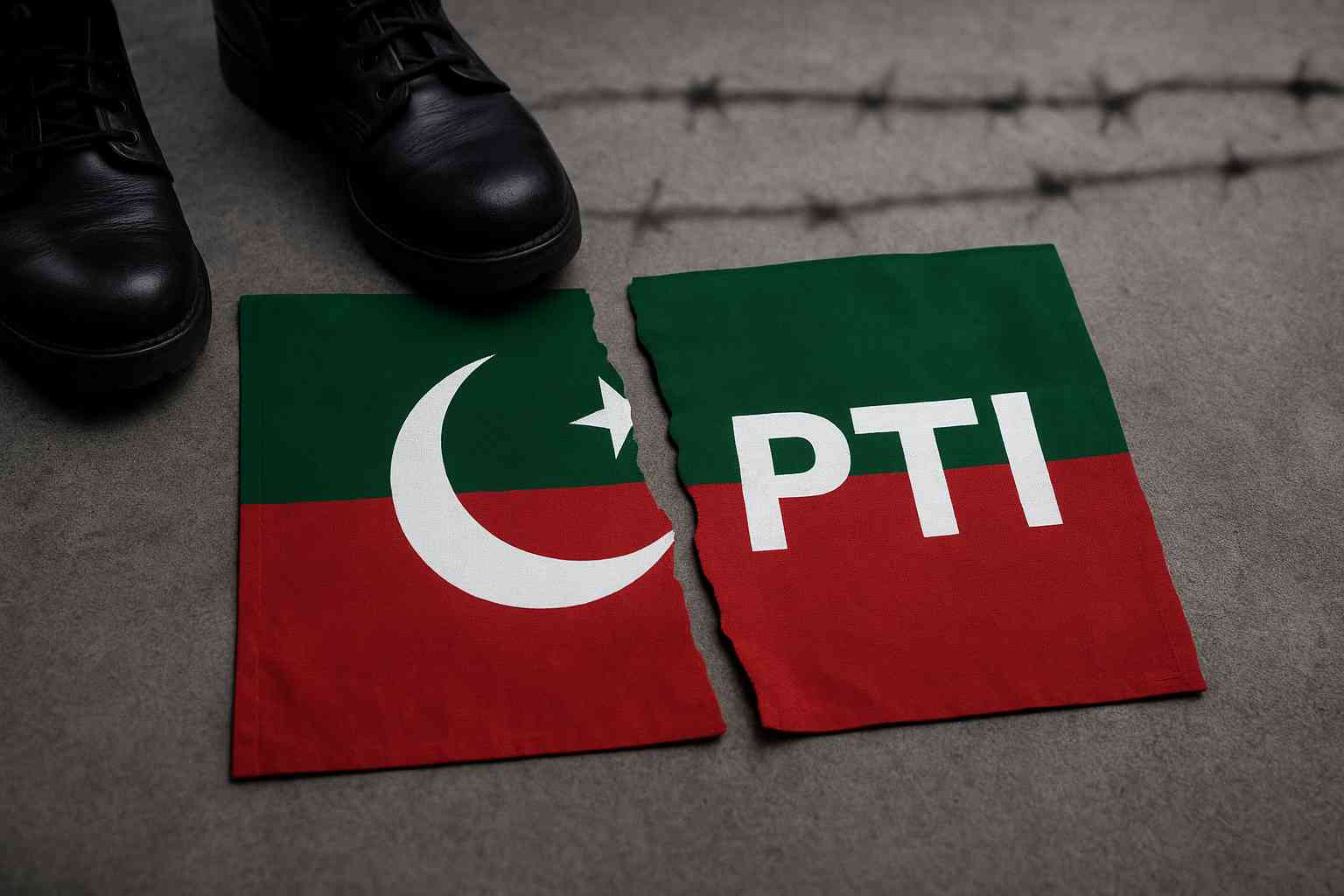
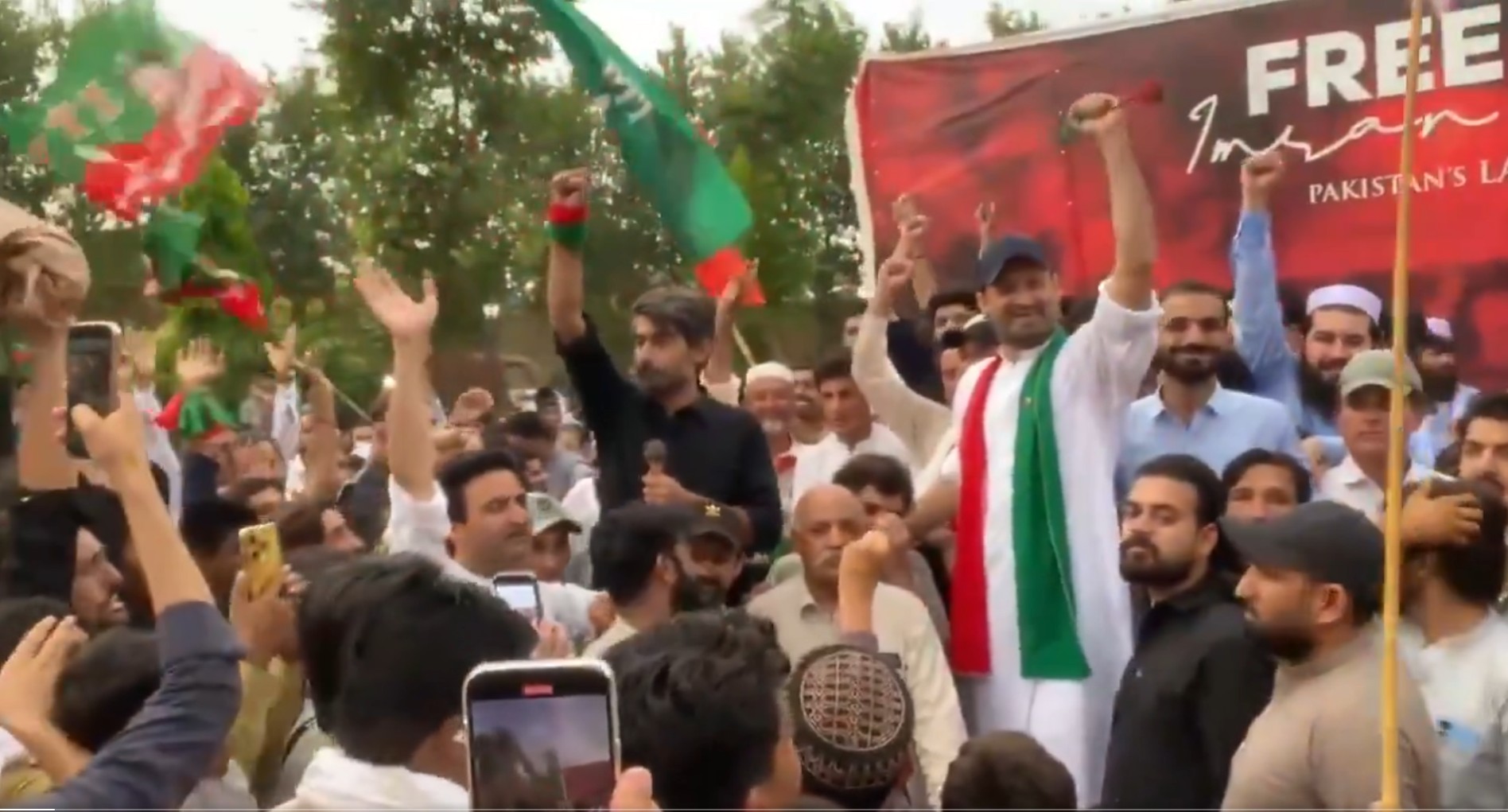
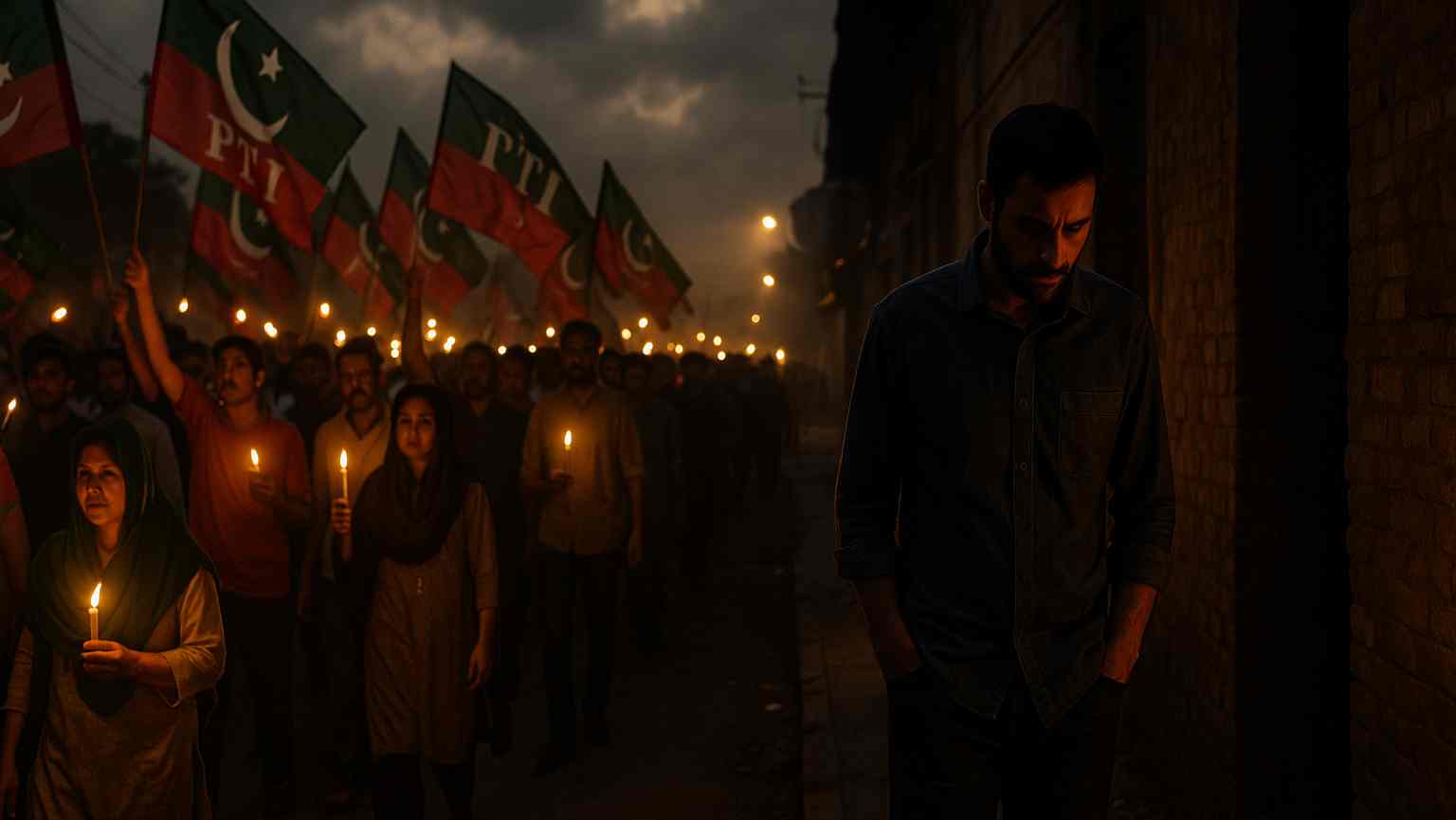
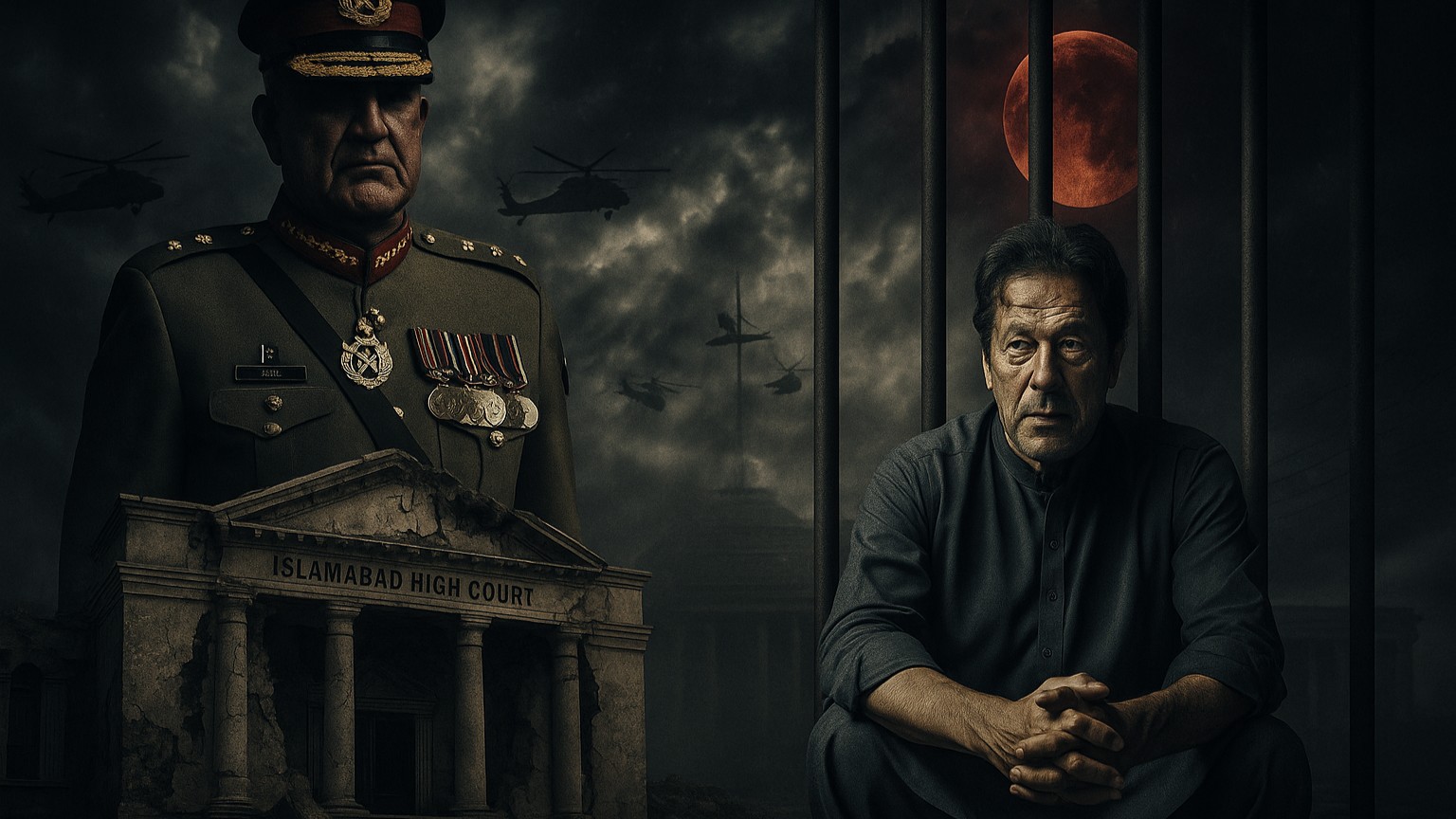
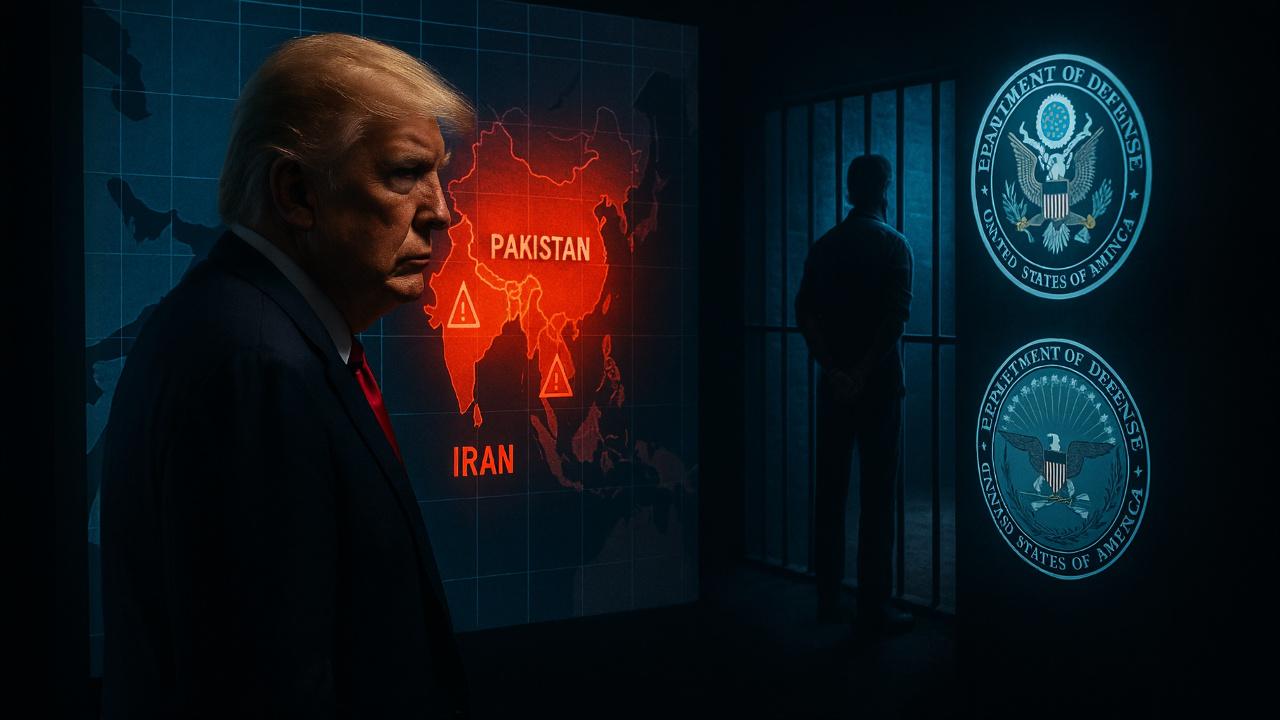
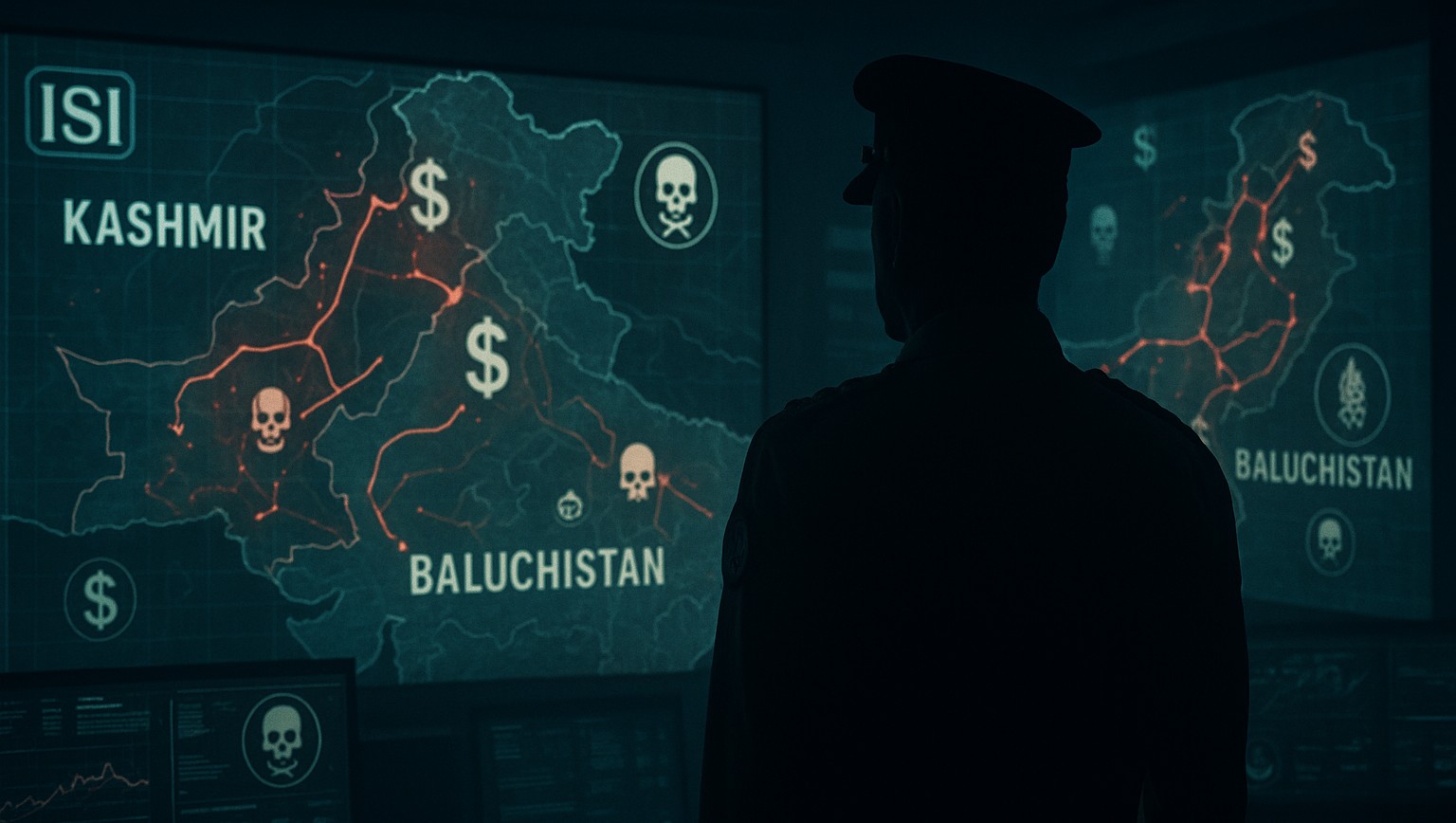
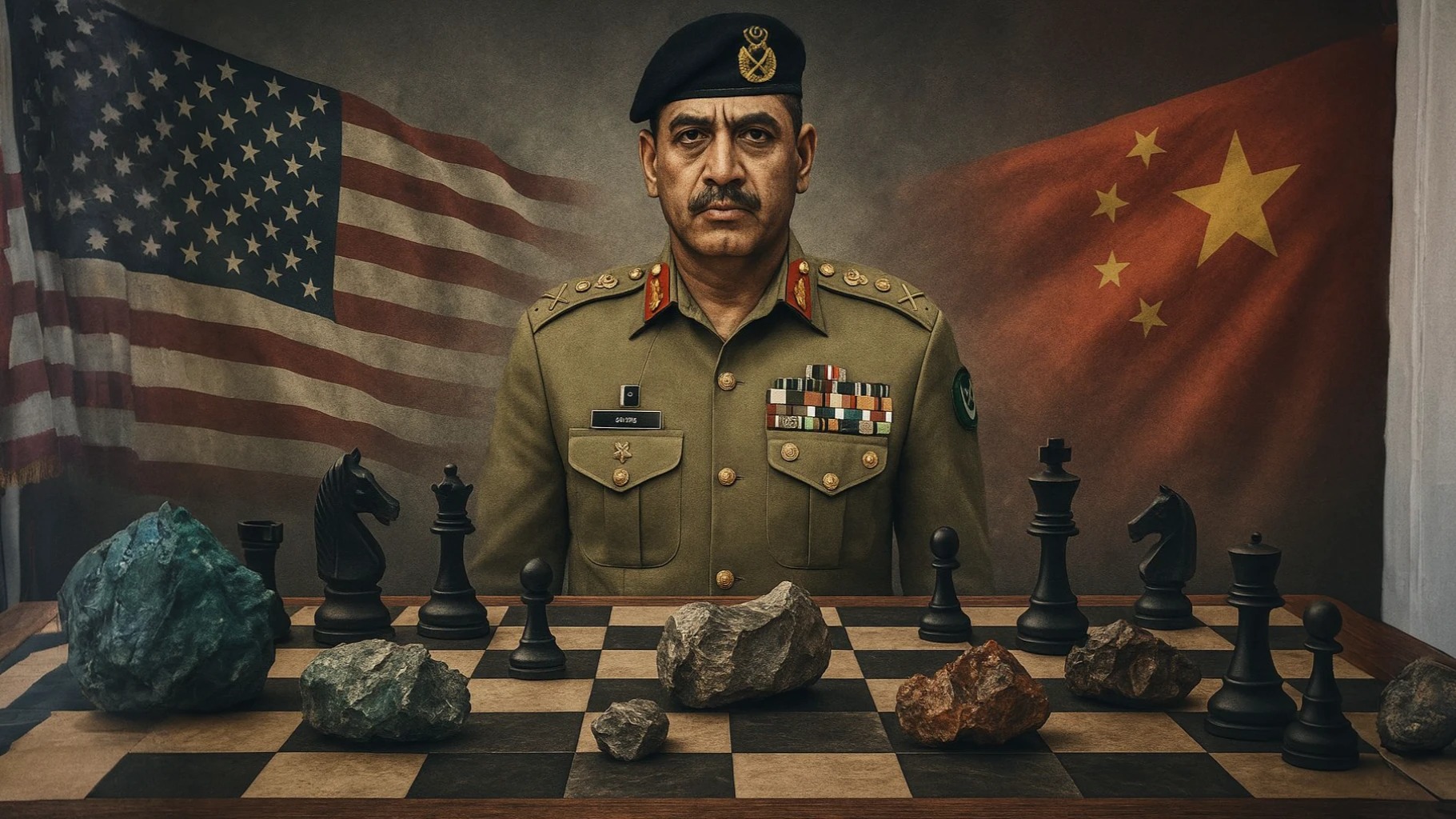
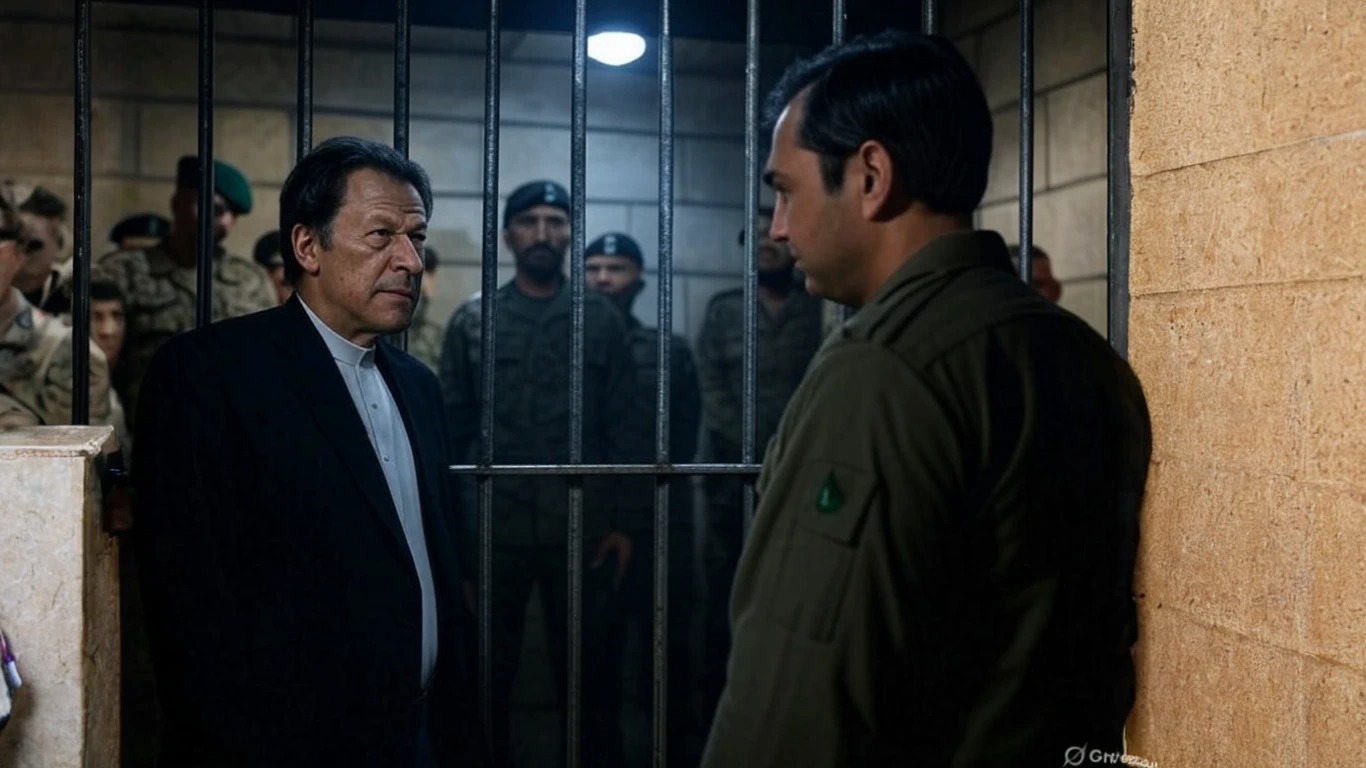
During Asim Munir’s tenure, the military’s interference in politics reached new heights. Blatant election rigging against Imran Khan and PTI, arrests of opponents, and pressure on media and judiciary became routine. Through the Special Investment Facilitation Council (SIFC), military influence over economic decisions increased, yet economic crises (inflation, debt burden, repeated IMF bailouts) persisted. Insurgencies in Balochistan and Khyber Pakhtunkhwa intensified, while internal issues such as poverty, unemployment, and institutional weakness were sidelined despite some diplomatic roles (such as mediation between Iran and the US).
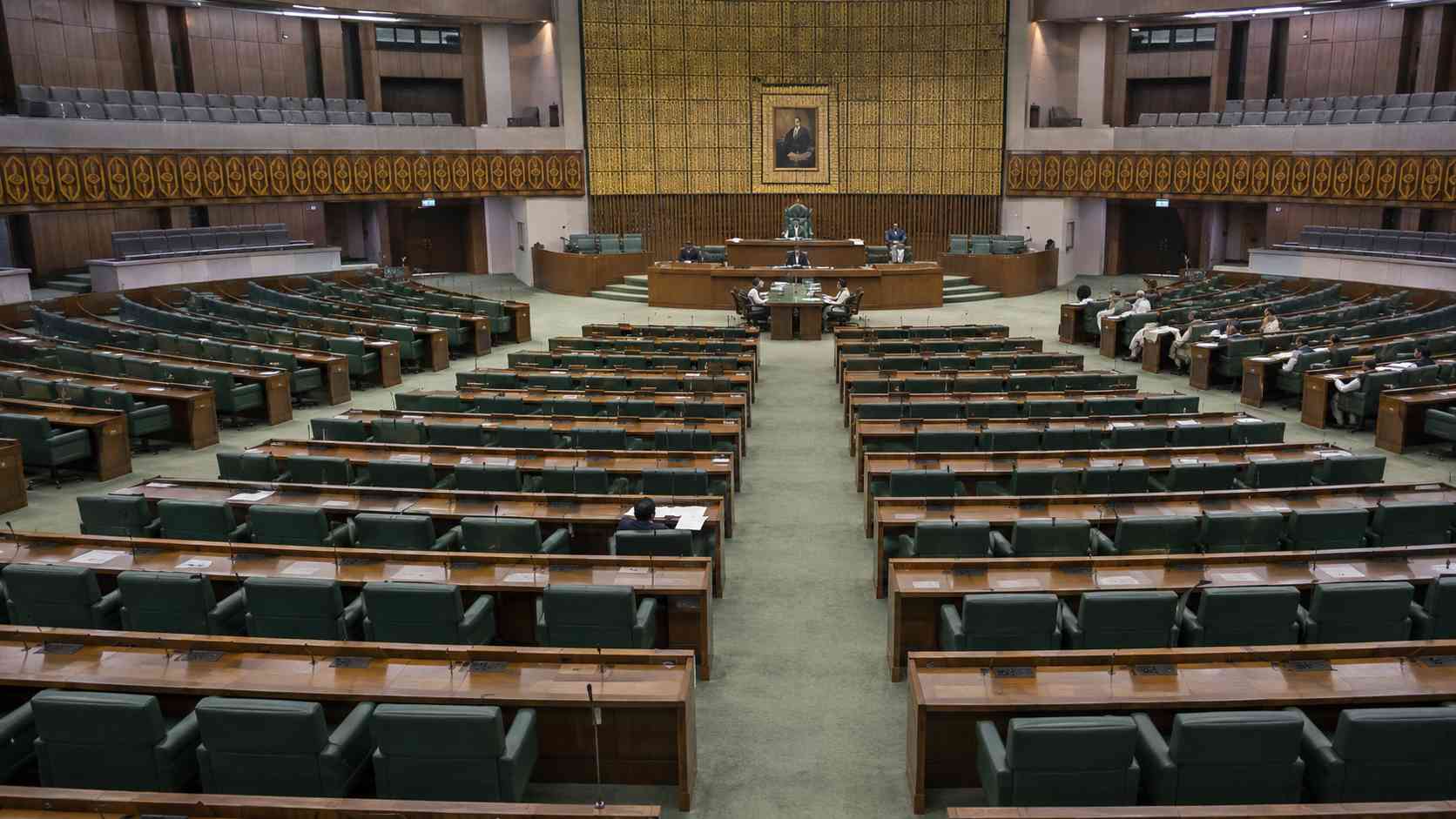
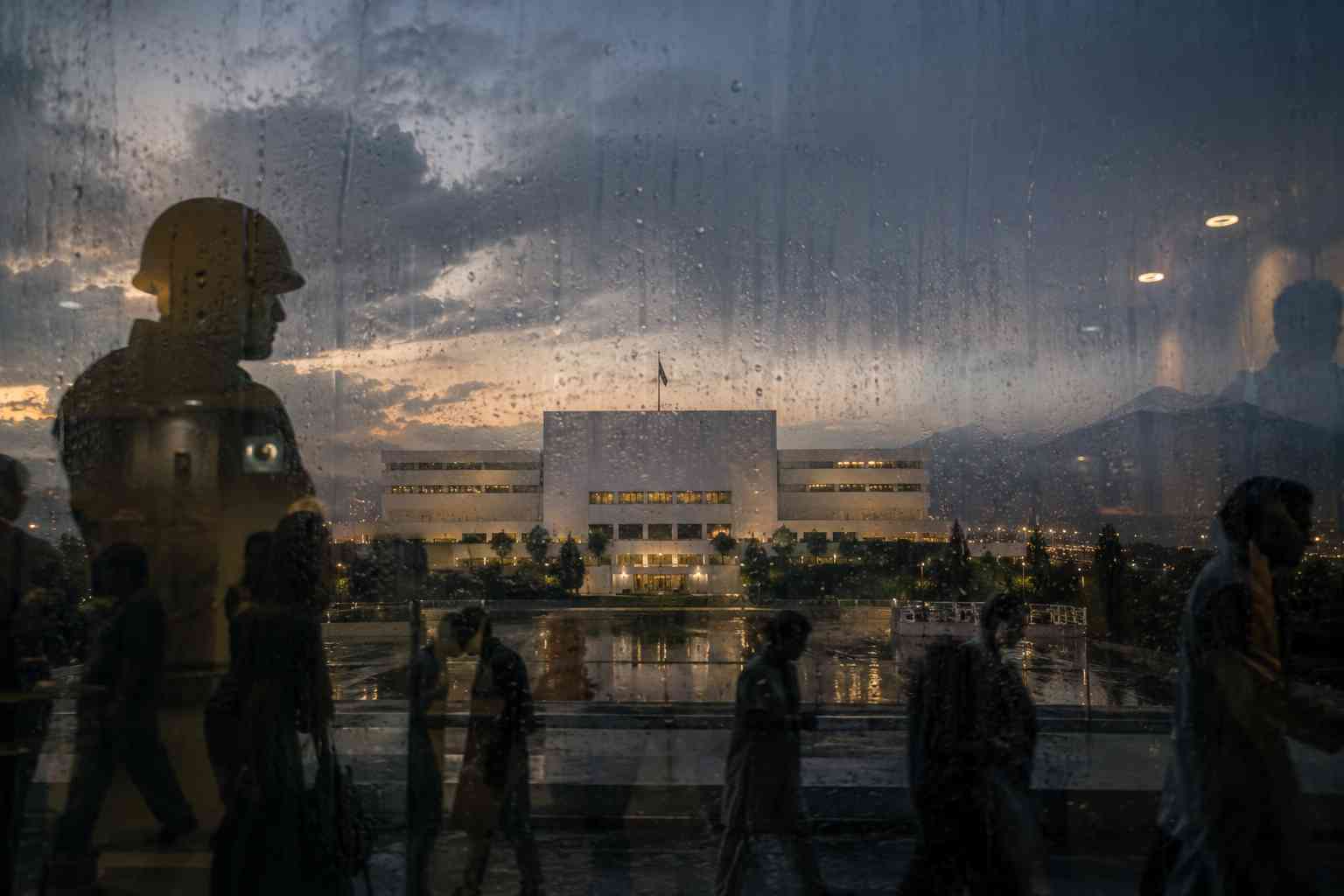
Asim Munir has practically turned Pakistan into a full “security state” where civilian government is merely a facade, democratic roots have been further weakened, and military supremacy has been given constitutional protection, causing long-term damage.
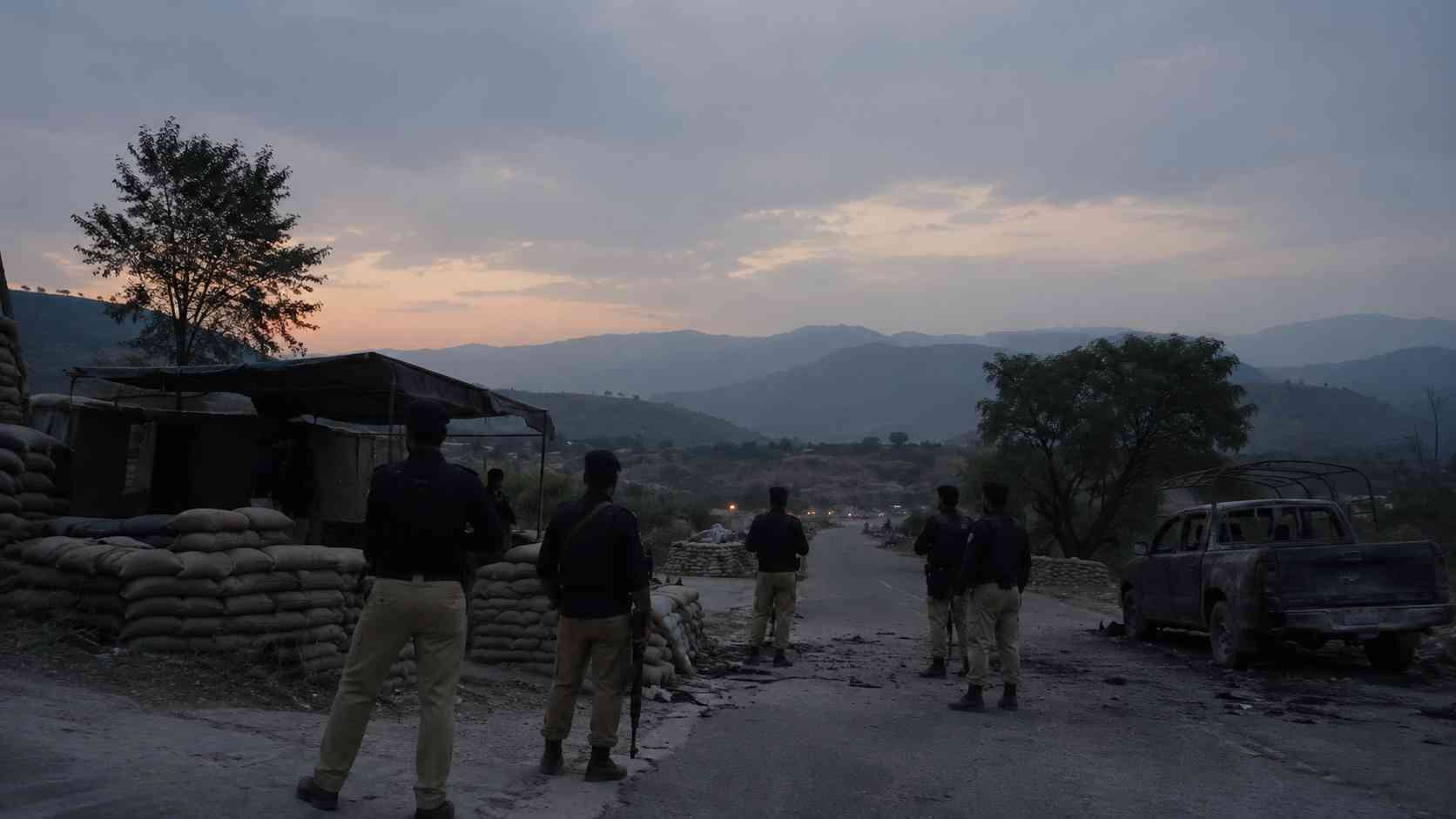
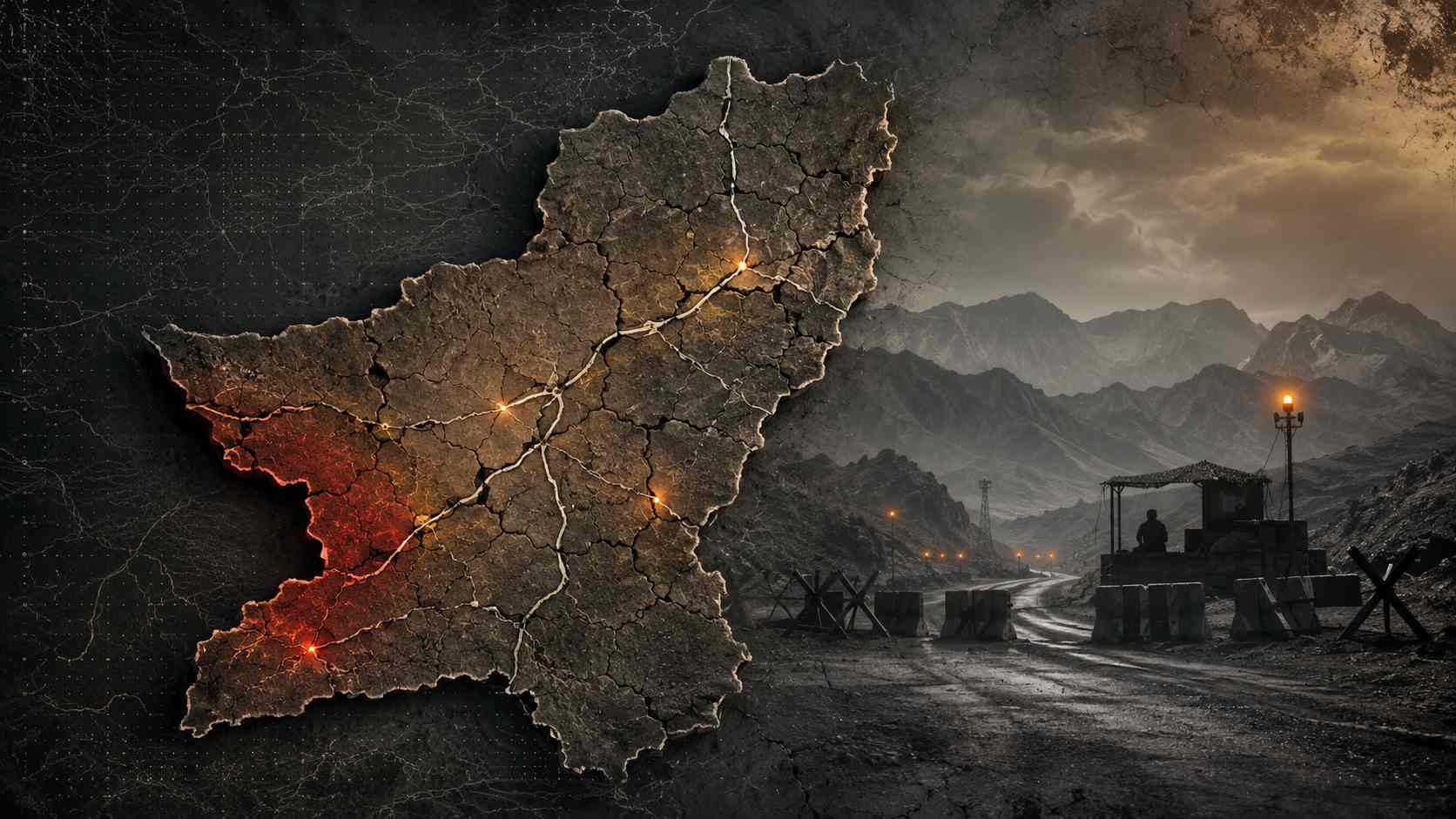
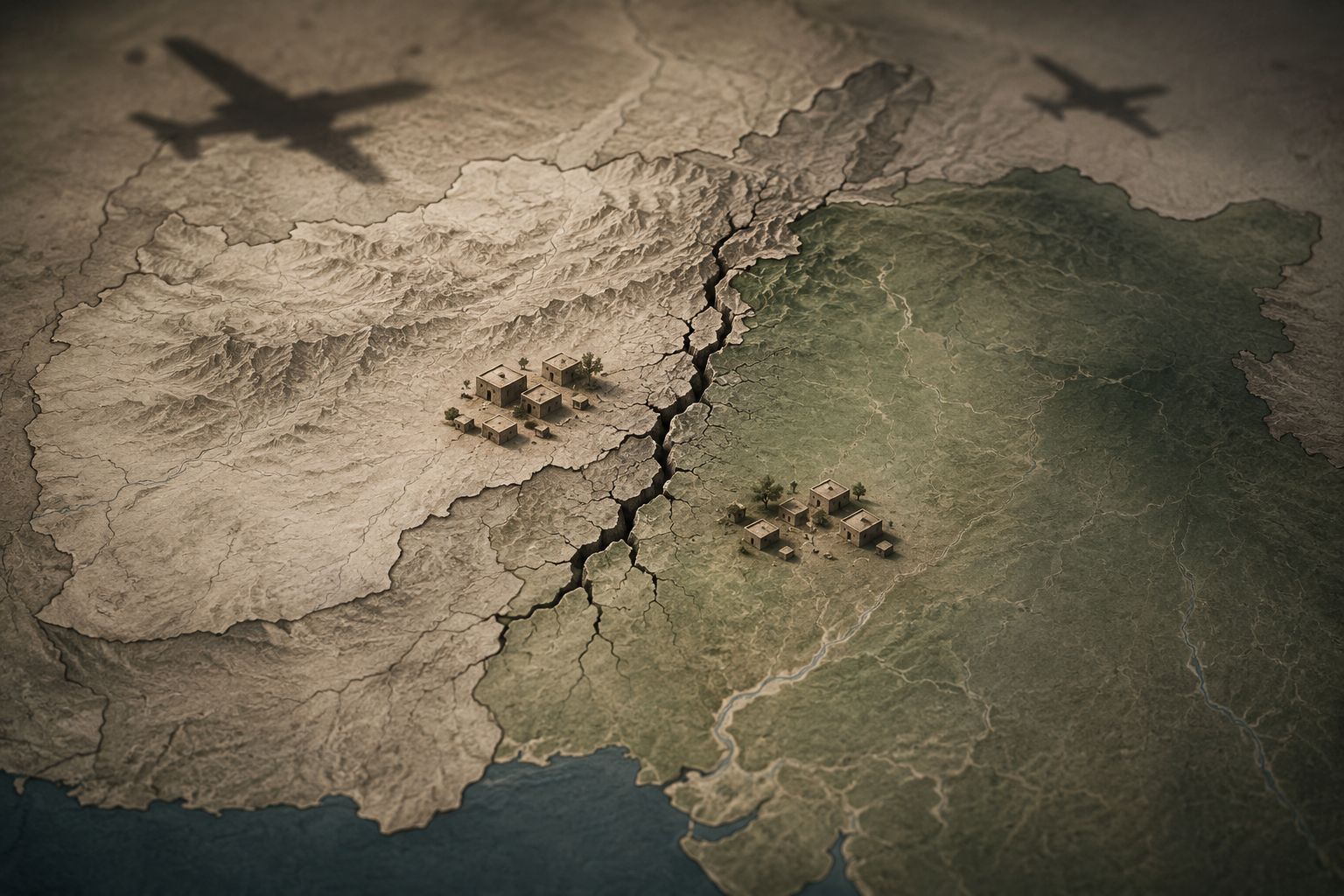
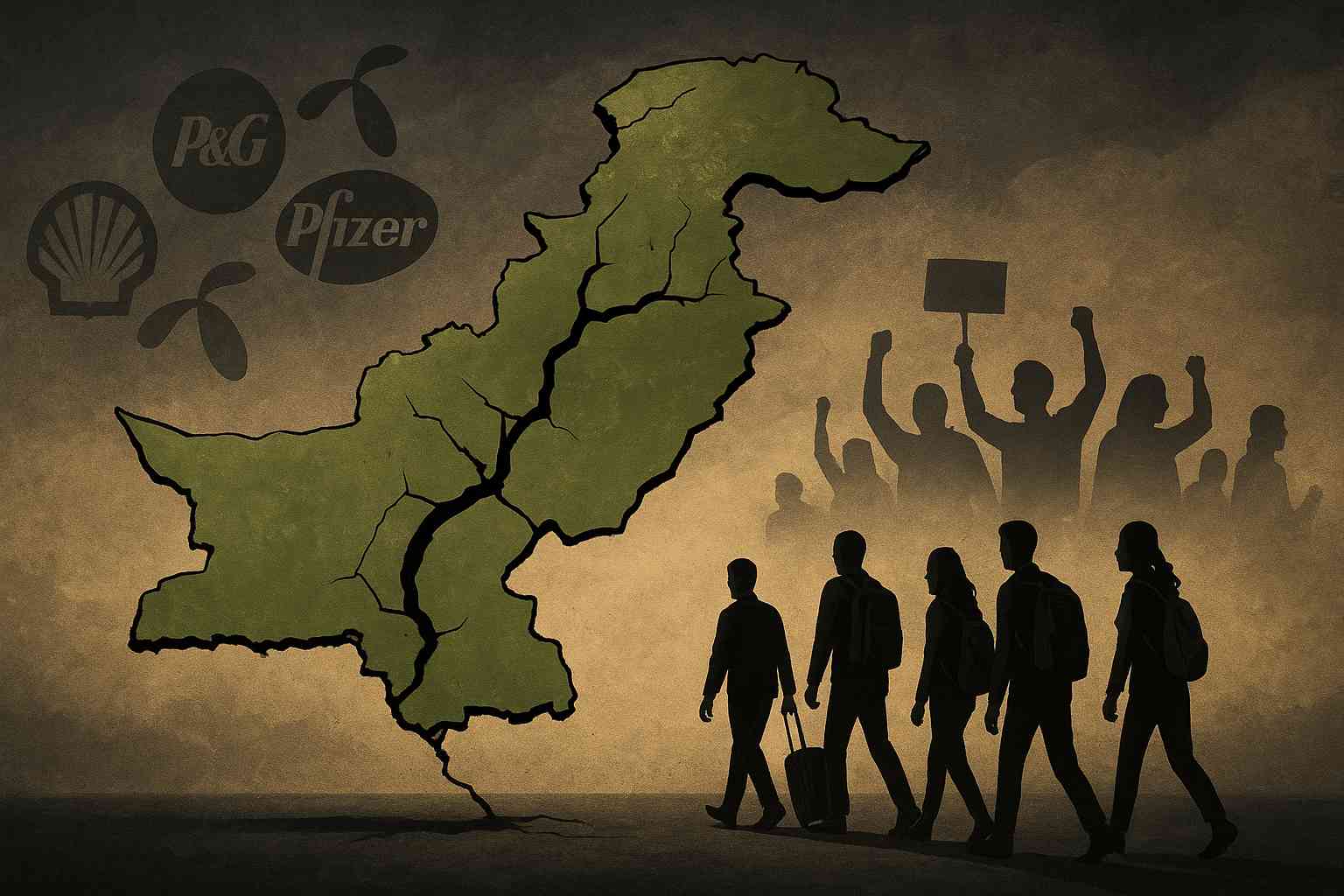
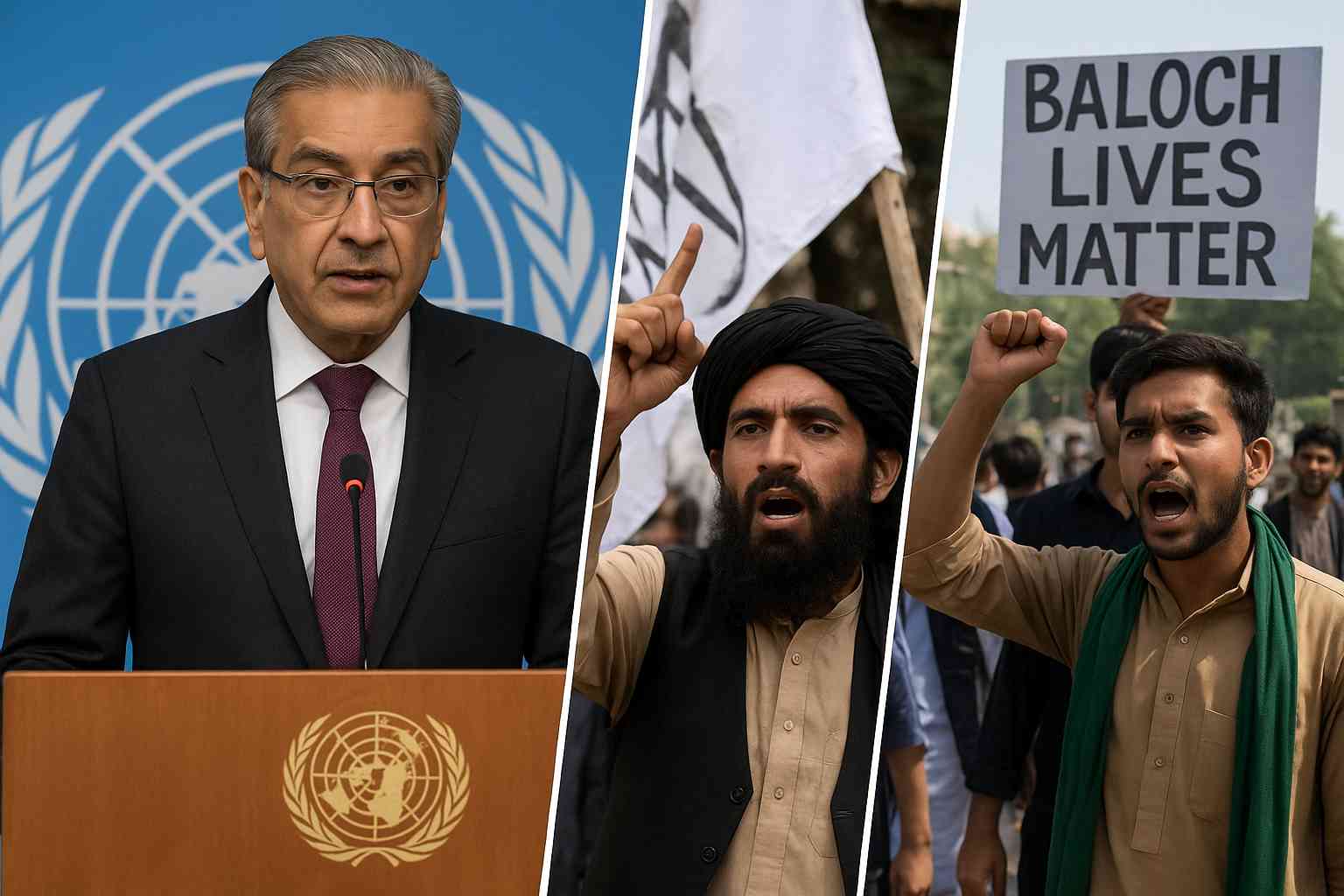
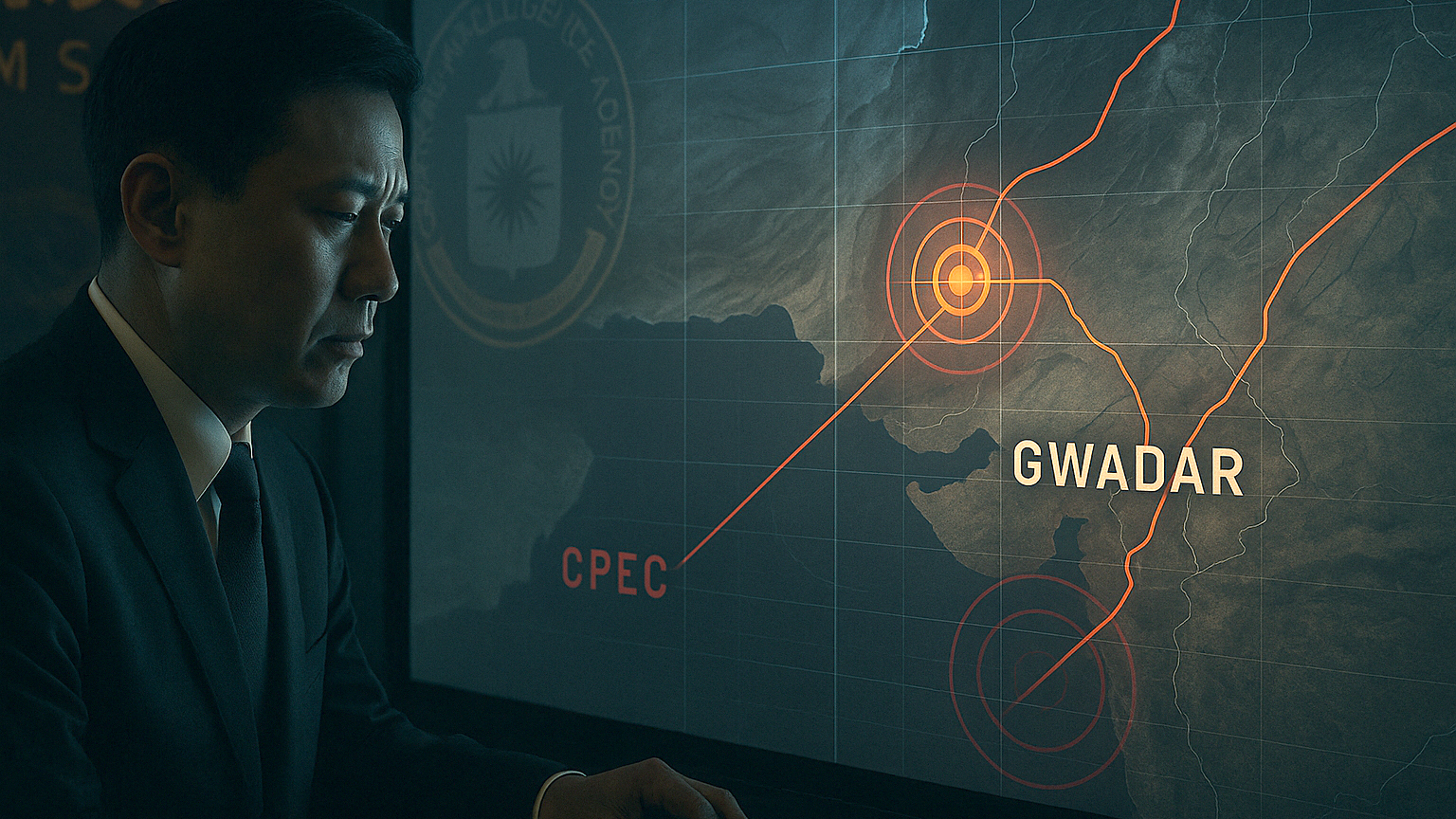
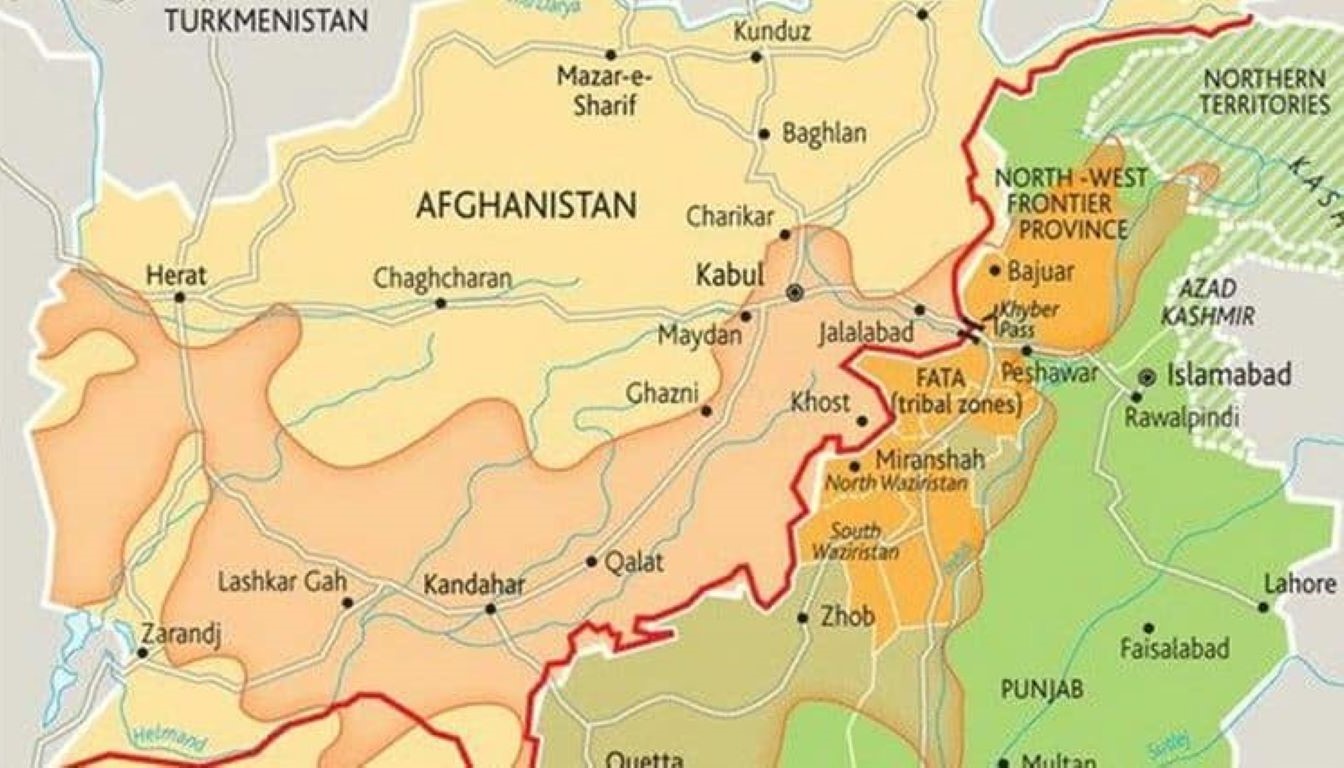
We now await the fate of the separatist movements in Balochistan and Khyber Pakhtunkhwa, where insurgencies led by groups such as the Baloch Liberation Army (BLA) and Tehrik-e-Taliban Pakistan (TTP) have reached their highest levels in a decade amid intensified military operations and heavy-handed policies.
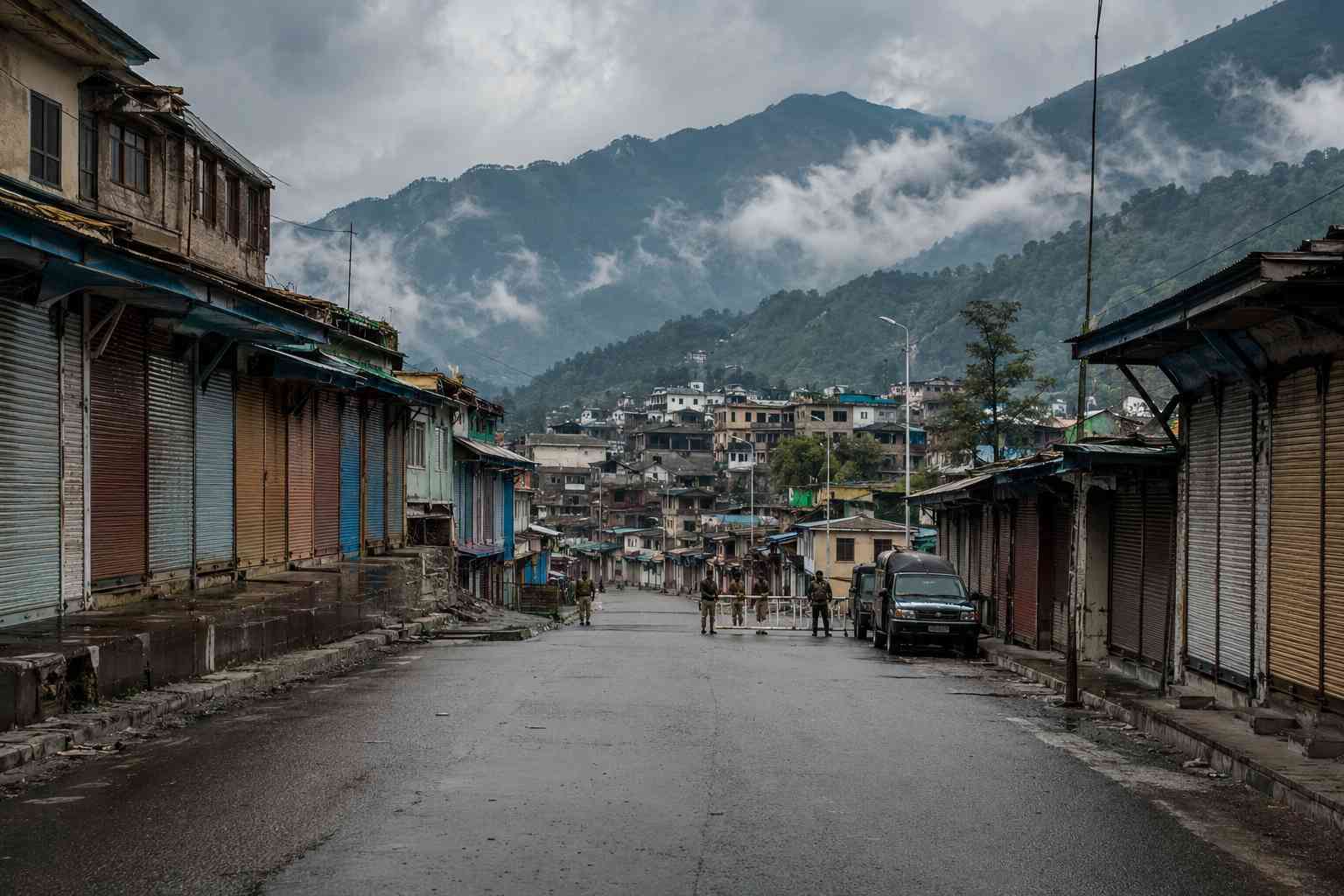
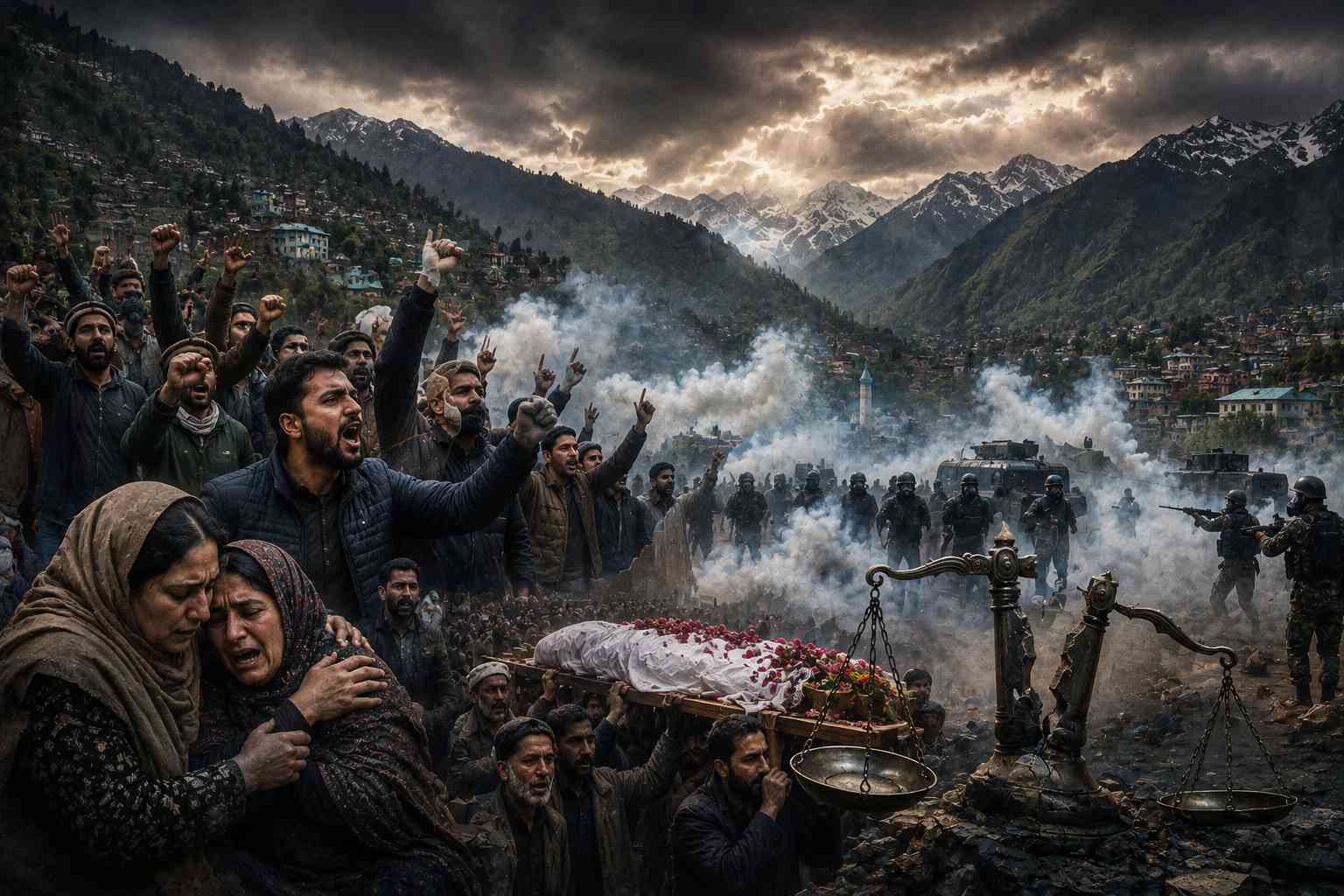
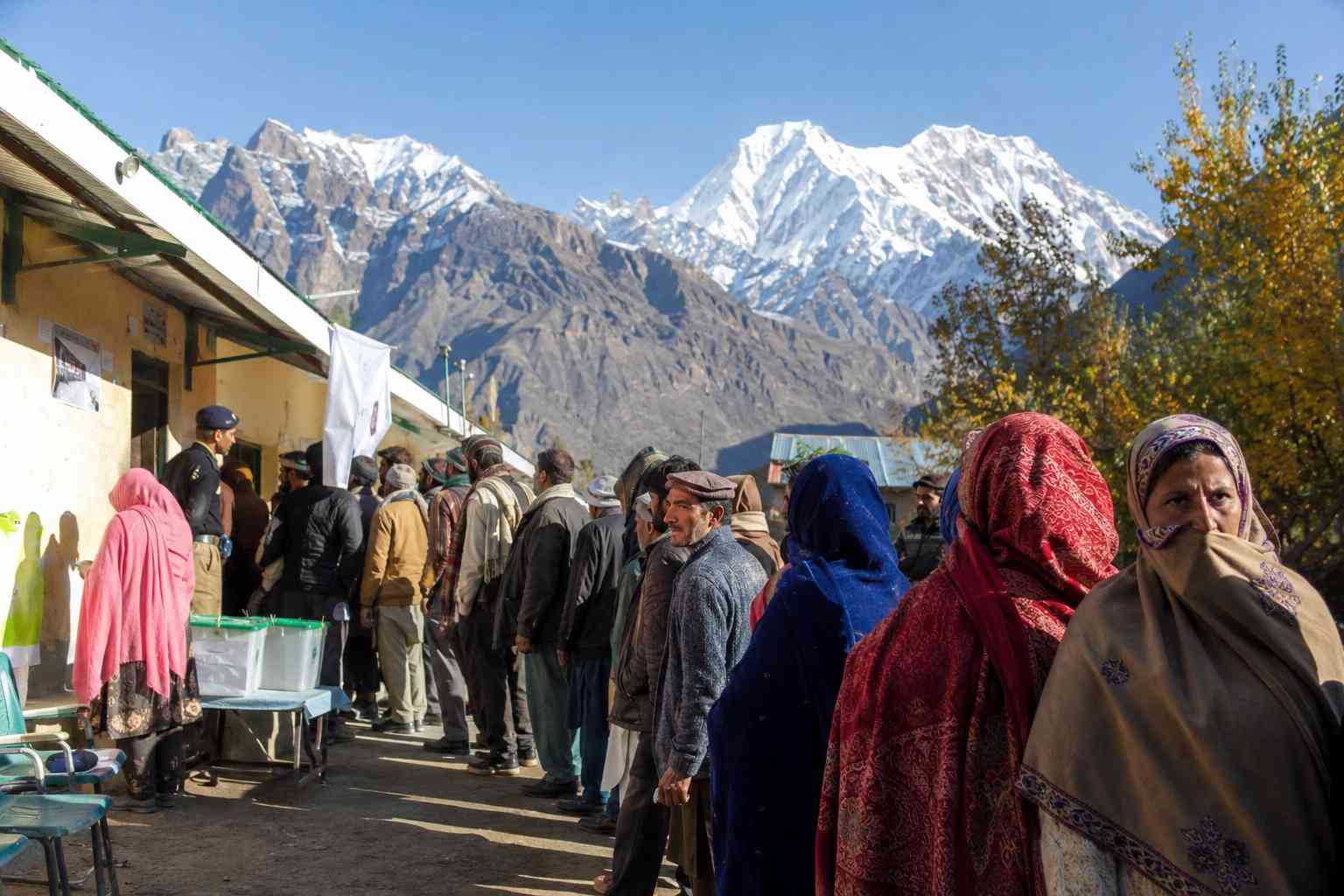
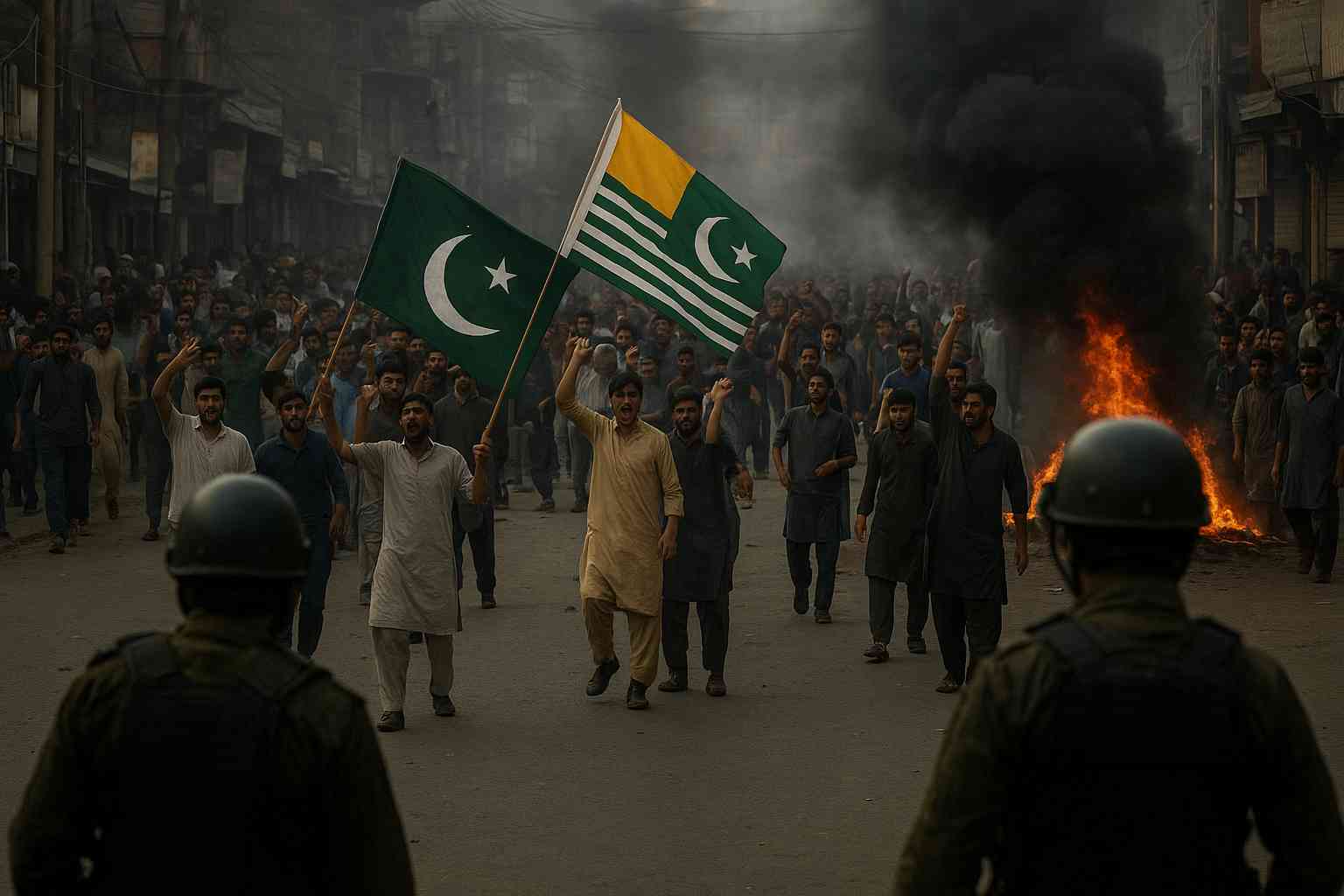
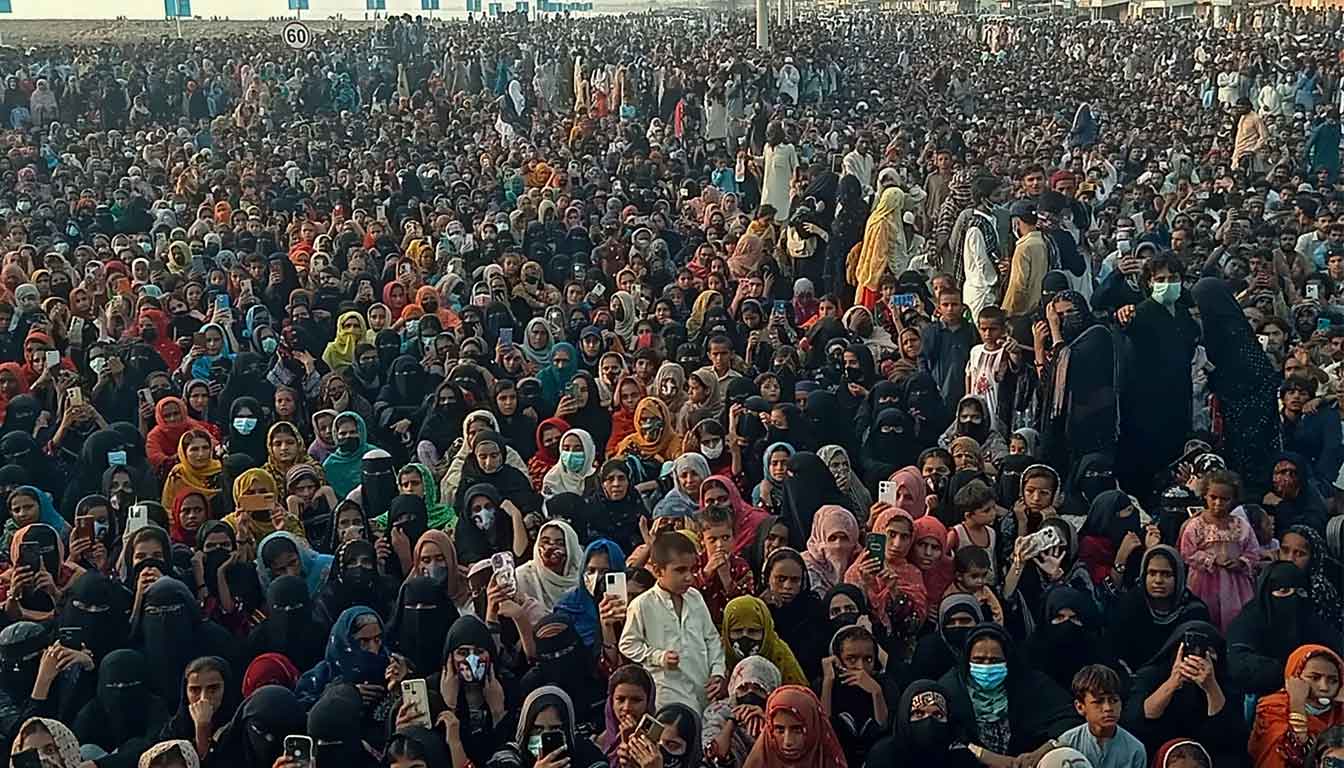
Even Azad Jammu and Kashmir (AJK) and Gilgit-Baltistan (GB), regions long sensitive to issues of autonomy and governance, have witnessed heightened unrest. Protests over economic grievances, alleged electoral manipulation ahead of the June 2026 Gilgit-Baltistan polls, and heavy-handed security responses have led to violent clashes and civilian casualties in both areas.
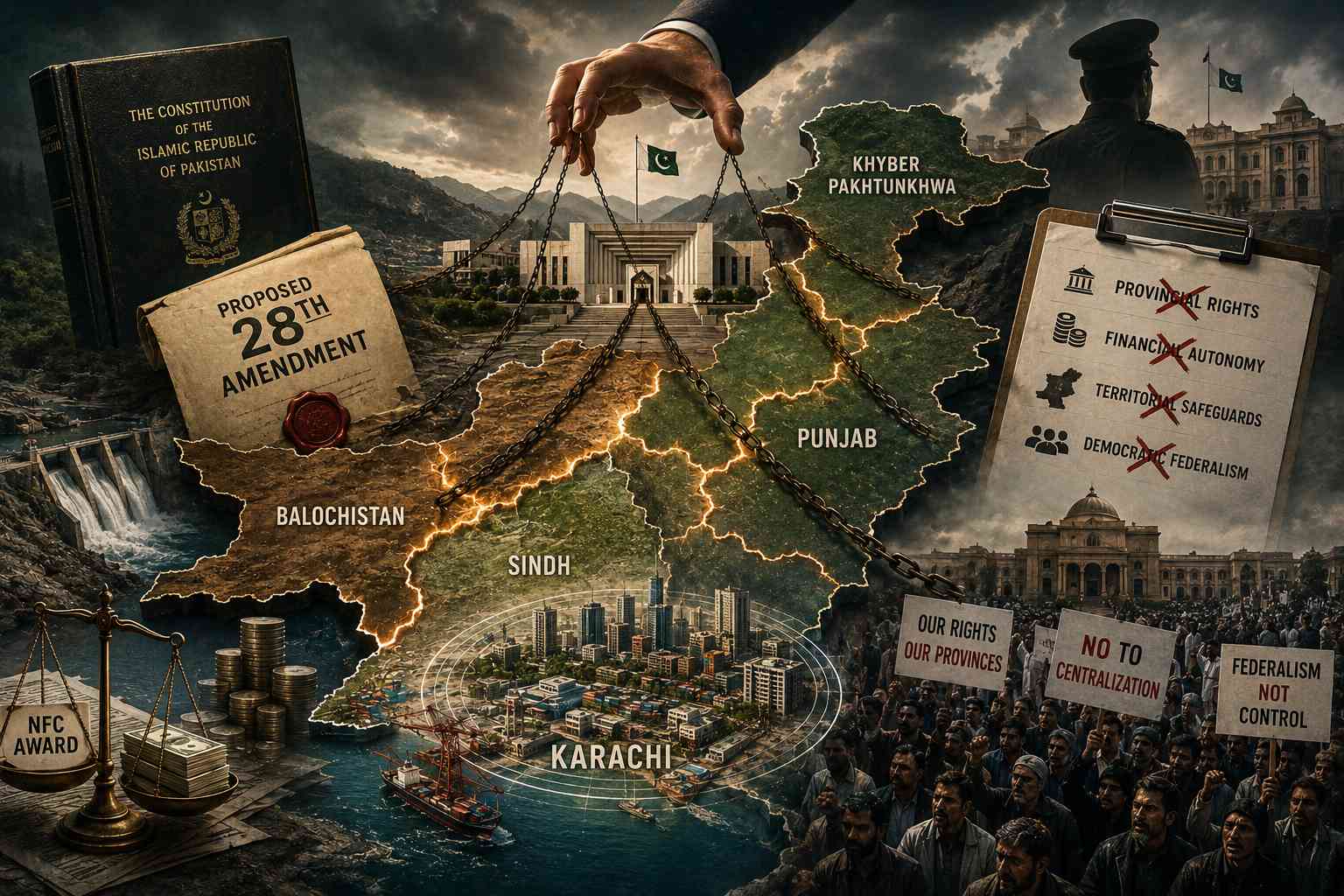
Some observers draw uneasy parallels with 1971, warning that a purely militarised response to legitimate grievances, without meaningful political dialogue or addressing economic marginalisation, risks further alienating populations and repeating the tragic fragmentation seen in the loss of East Pakistan.
Common Threads: Arrogance, Hypocrisy, and Institutional Damage
Across these five strongmen, recurring patterns are evident:
- Over-reliance on military solutions for political problems (the 1965 war, 1971 crackdown, and recent conflicts).
- Manipulation of ideologies, whether “Guided Democracy”, Islamization, “Enlightened Moderation”, or “Strengthening the State”, often serving personal power.
- Temporary economic gains that masked deep inequalities and institutional erosion.
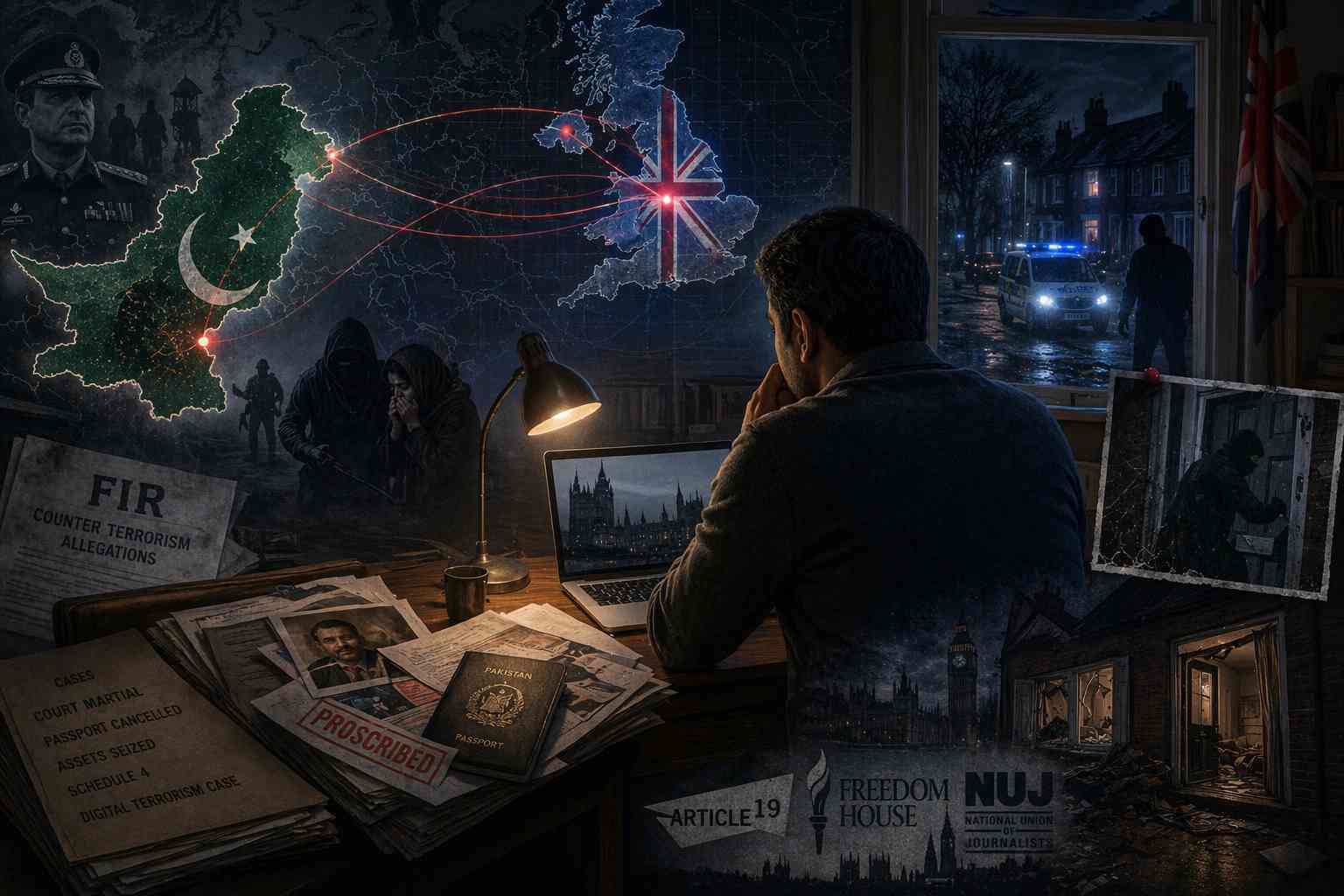
- Suppression of dissent, destruction of civilian institutions, and a culture of impunity.
Each came to power promising to “save” Pakistan but left it weaker. The military’s repeated interventions created a vicious cycle in which short-term stability was achieved at the expense of long-term democratic maturity.
Pakistan’s journey points to a hard truth: no military ruler, however “necessary” or “successful” he may appear, can replace accountable civilian governance. The ghosts of Ayub’s misadventure, Yahya’s catastrophe, Zia-ul-Haq’s Islamization, Musharraf’s contradictions, and Asim Munir’s constitutional military dominance continue to haunt the country’s politics, society, and security challenges.
Real progress lies not in waiting for the next saviour in uniform, but in building strong, transparent, and accountable democratic institutions that outlast individuals.
Sabine Kayani is LLM in Human Rights from the London School of Economics – LSE, and is a London based democracy activist. She has written for the Independent in the past and tweets @sabine_kayani